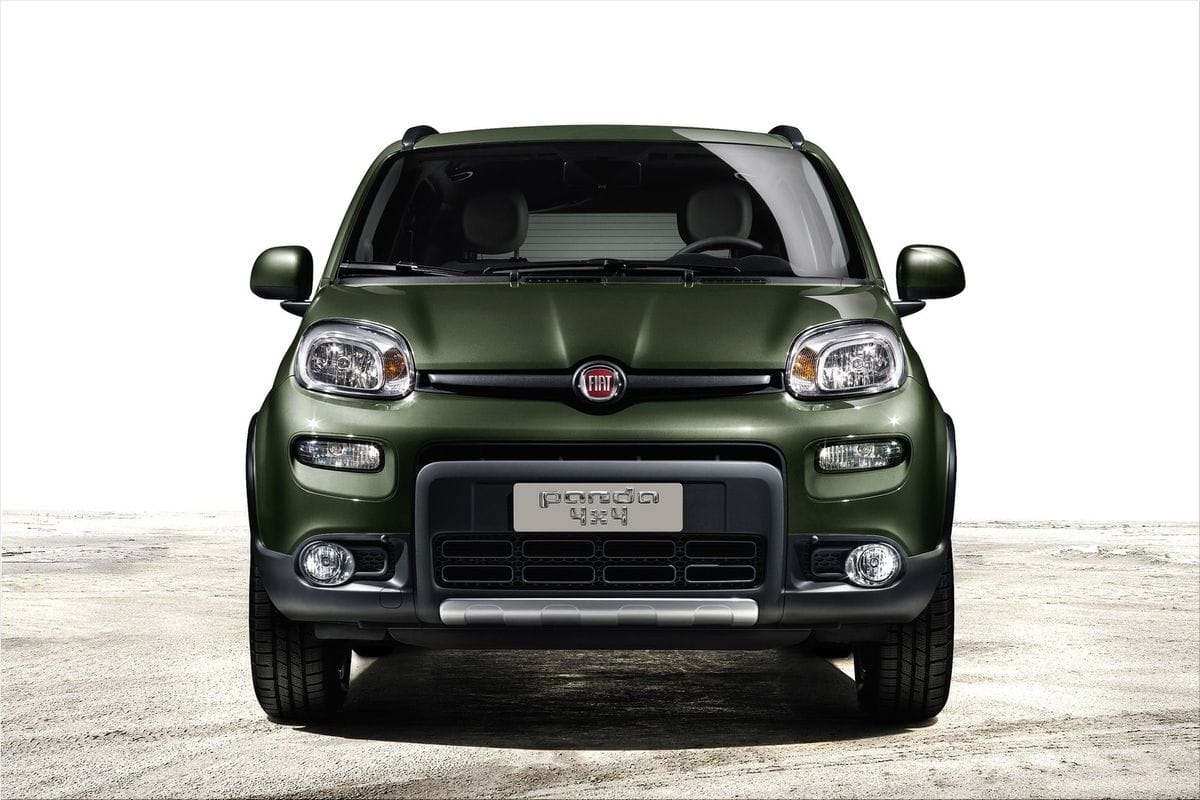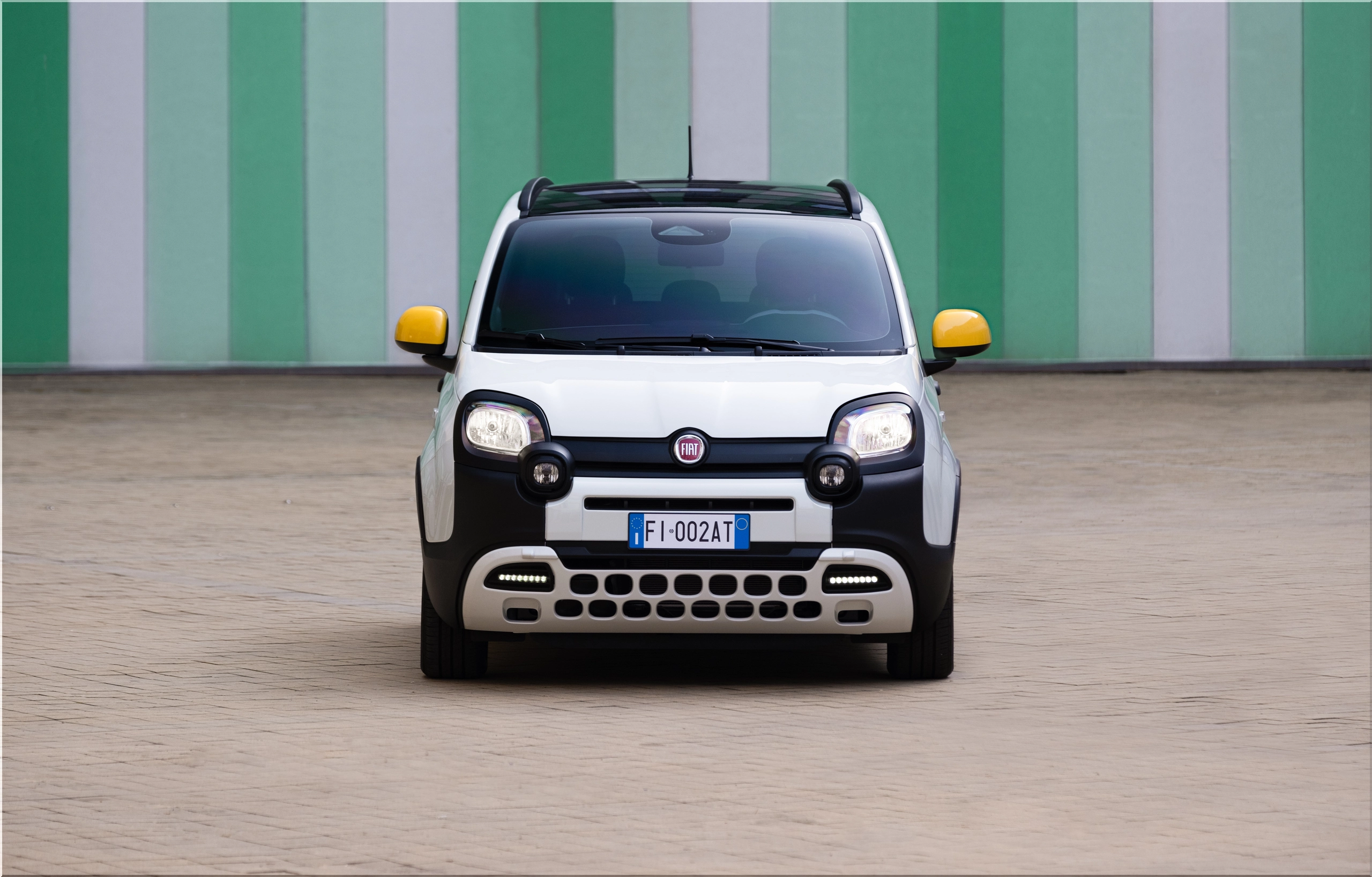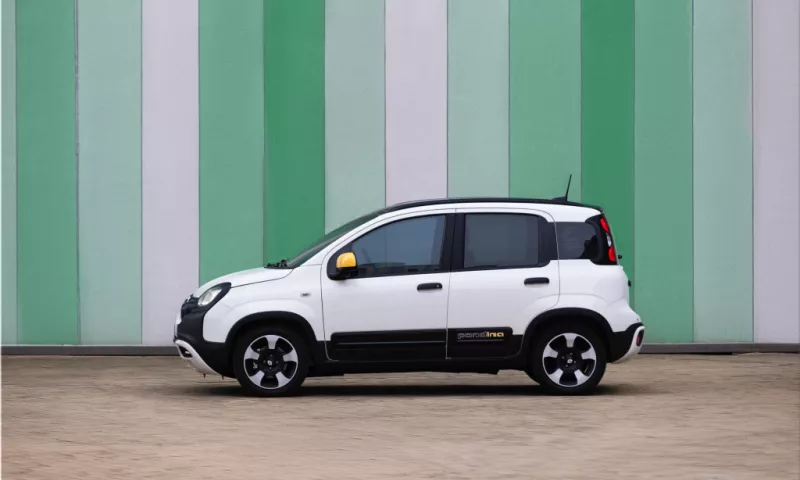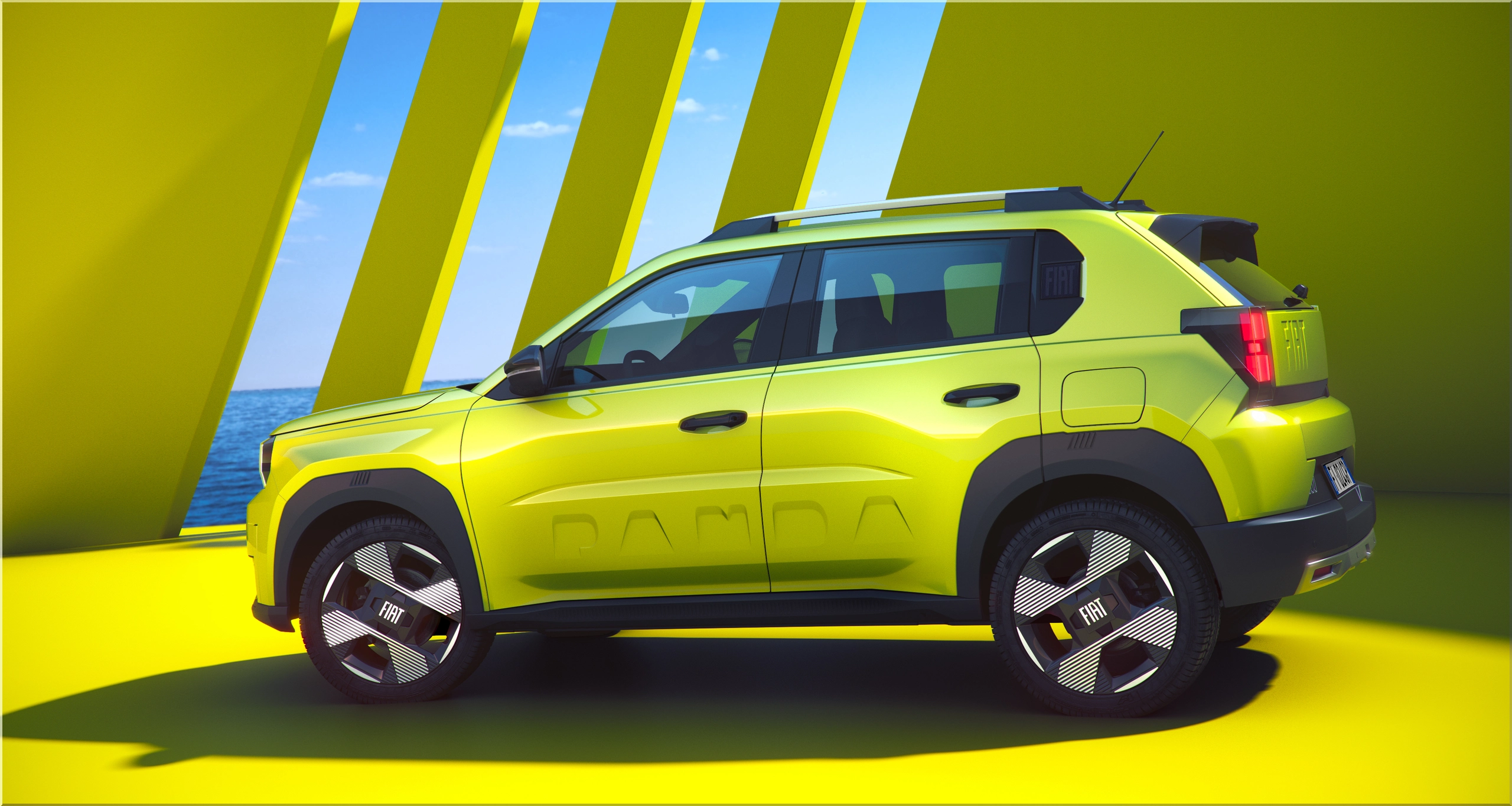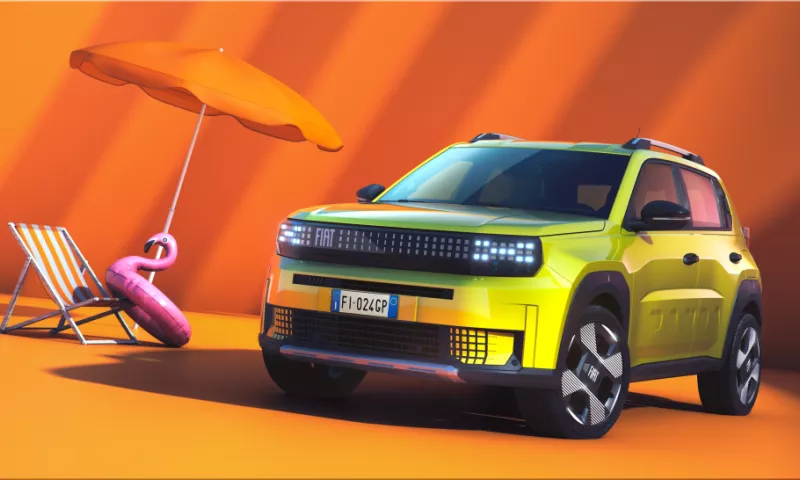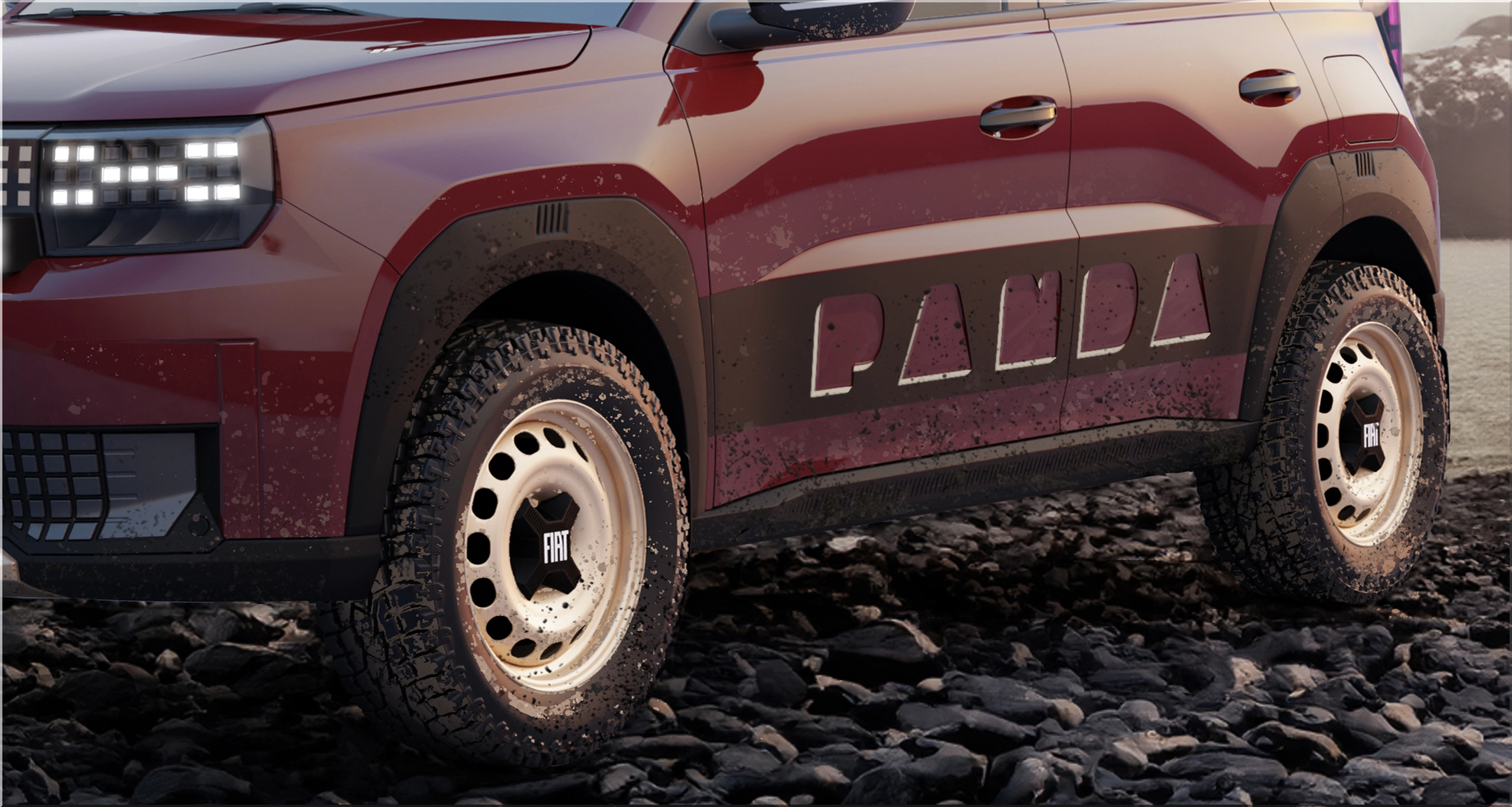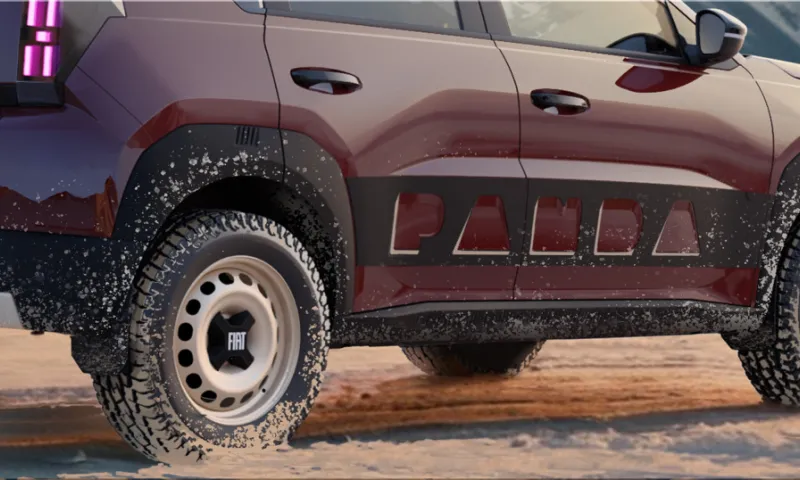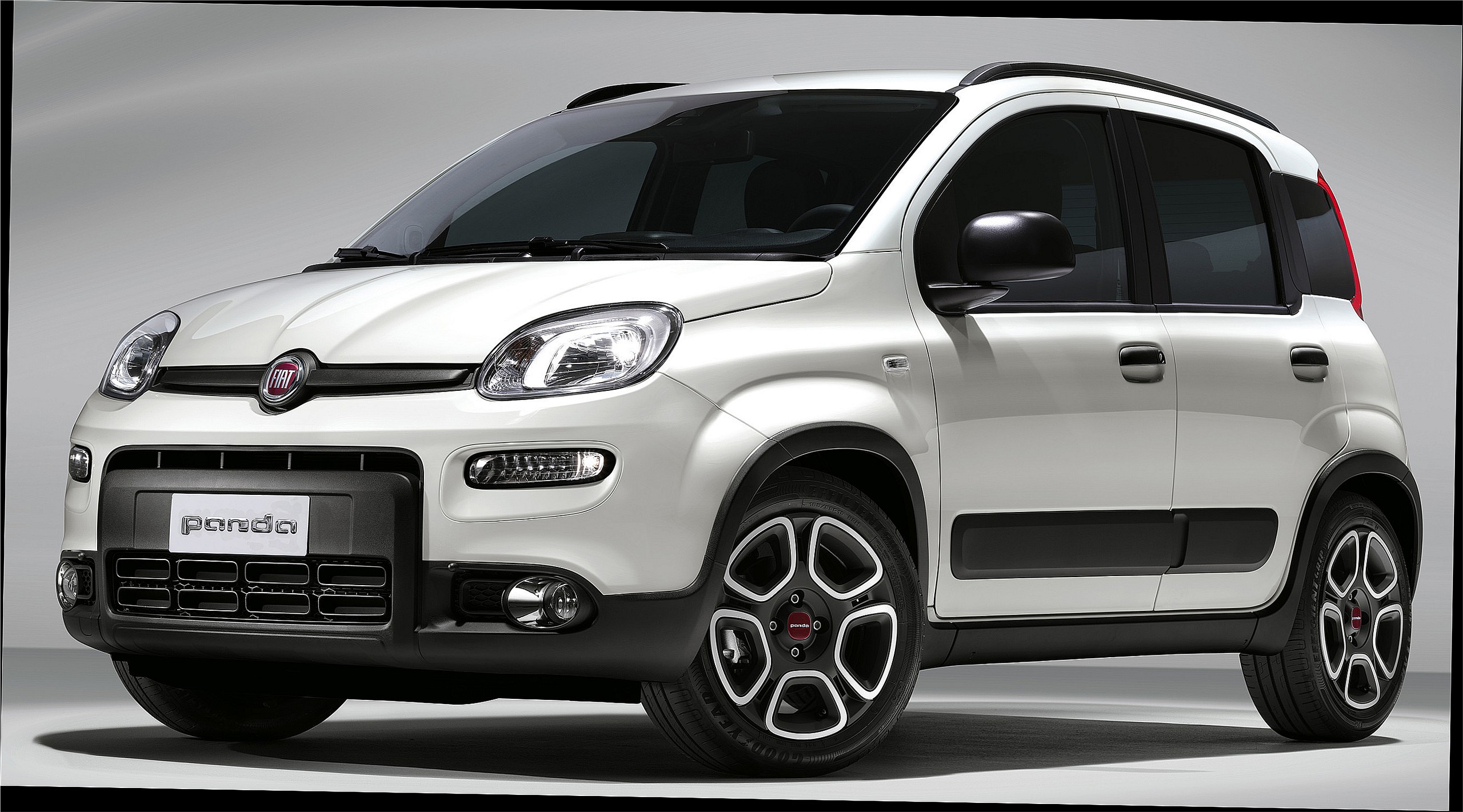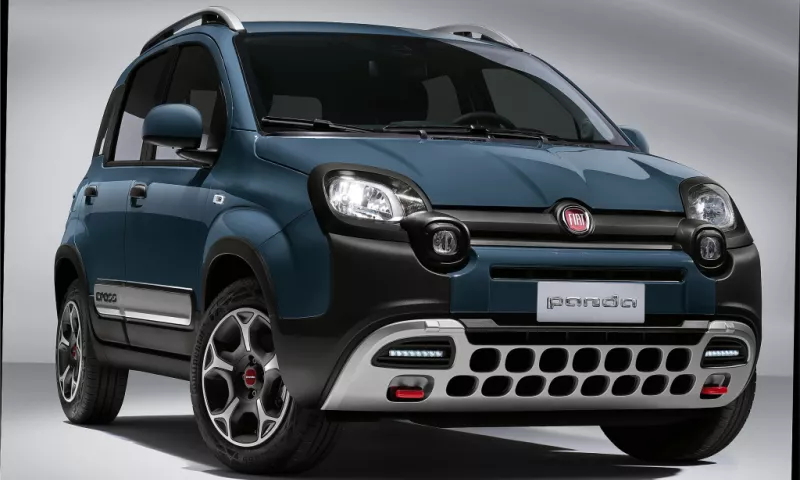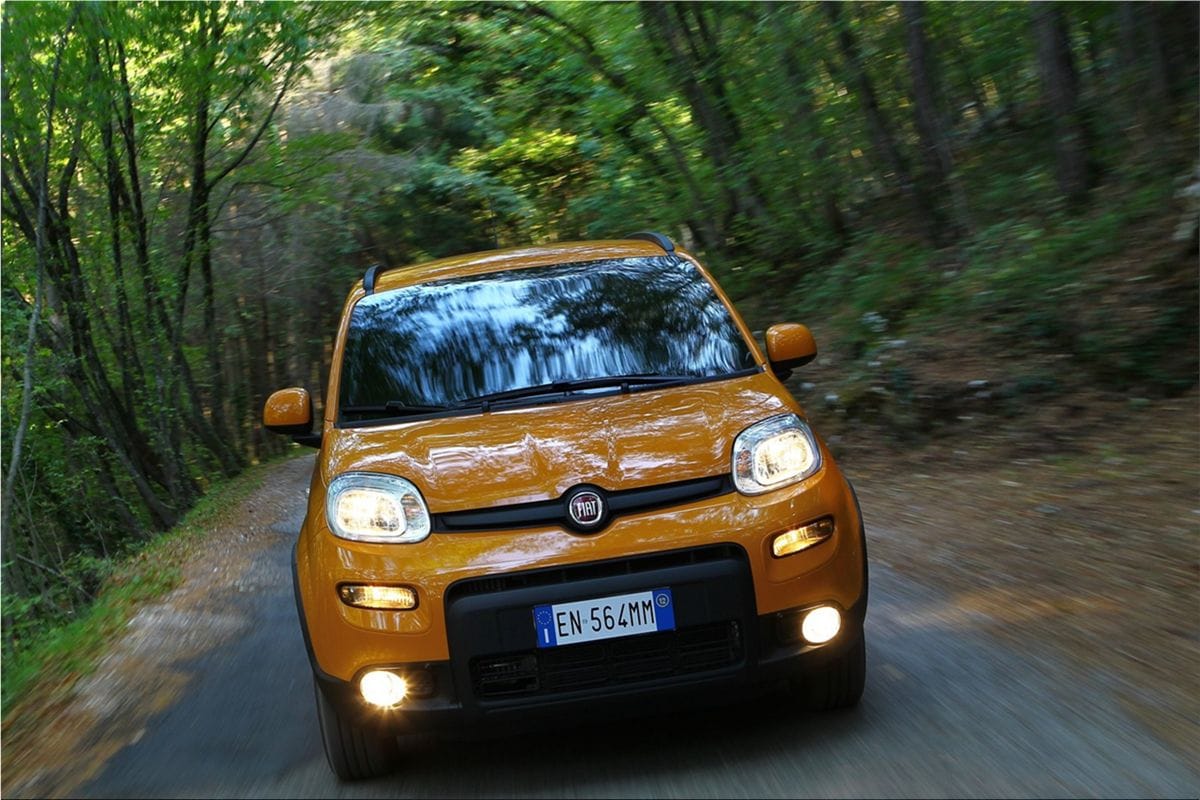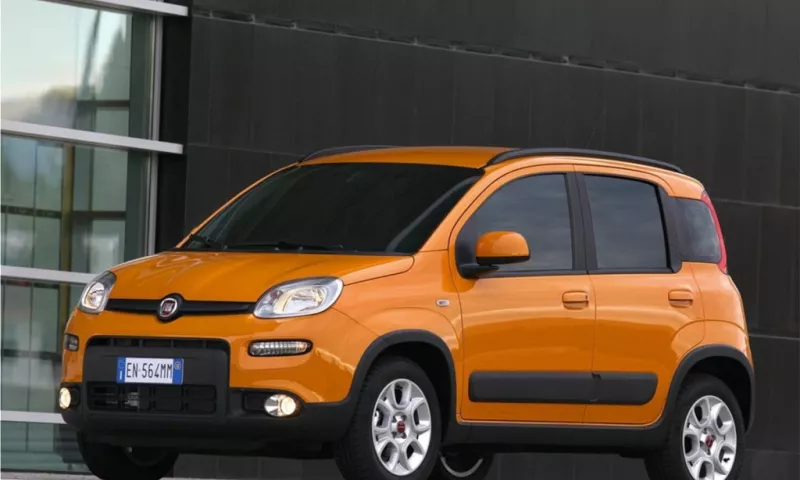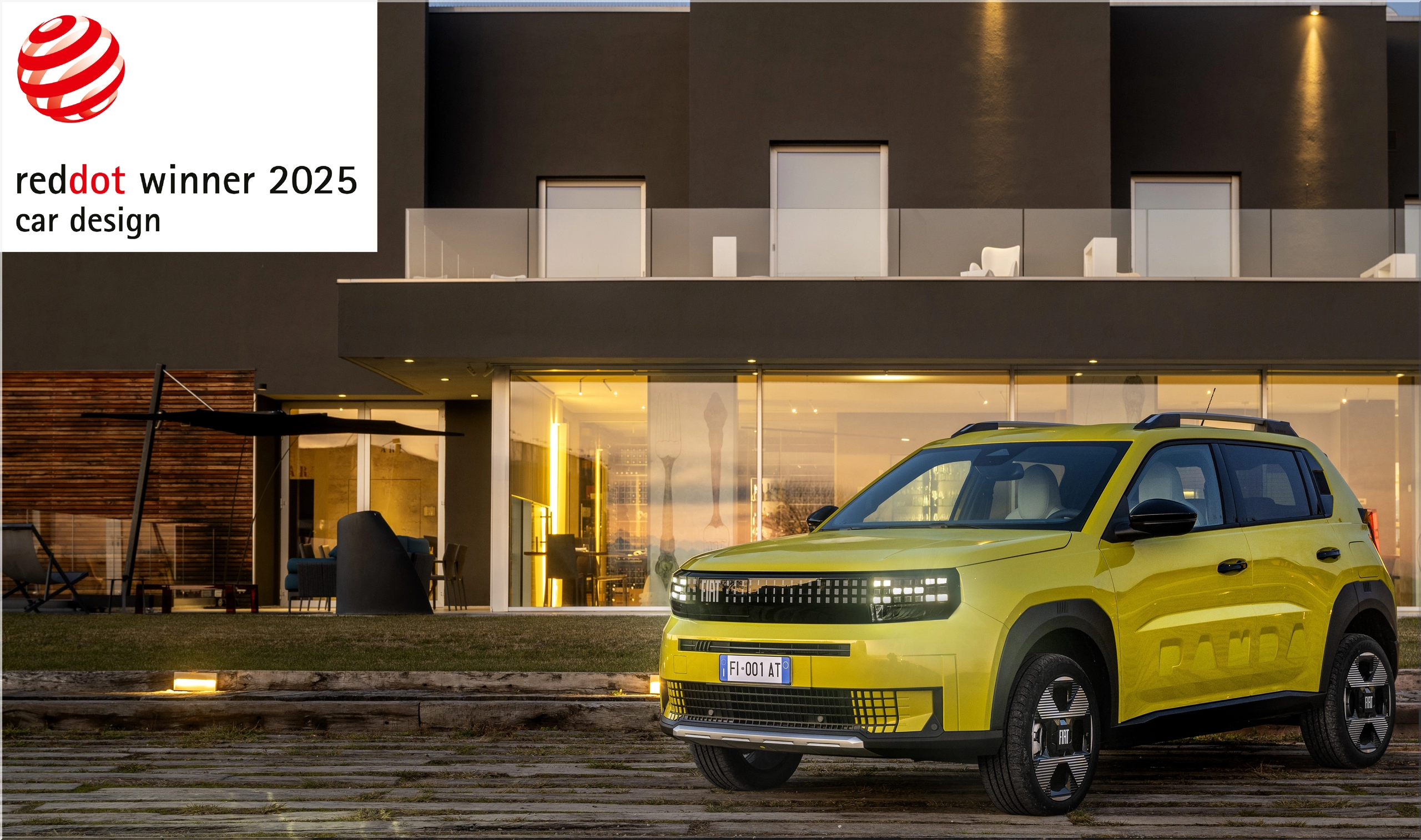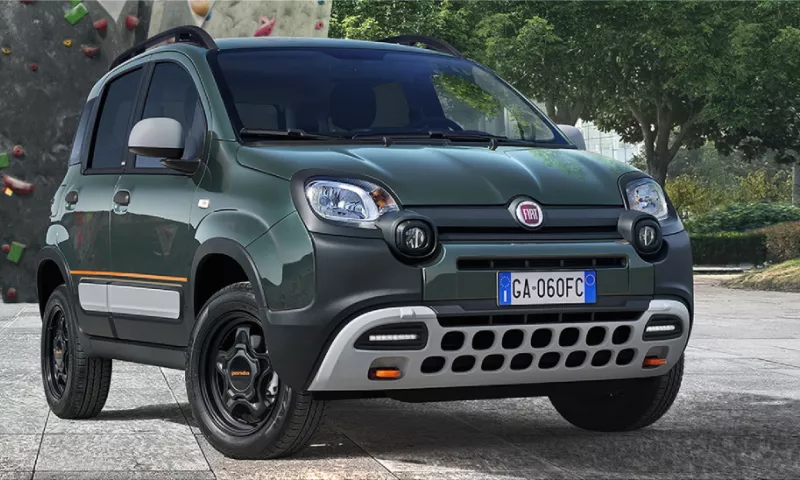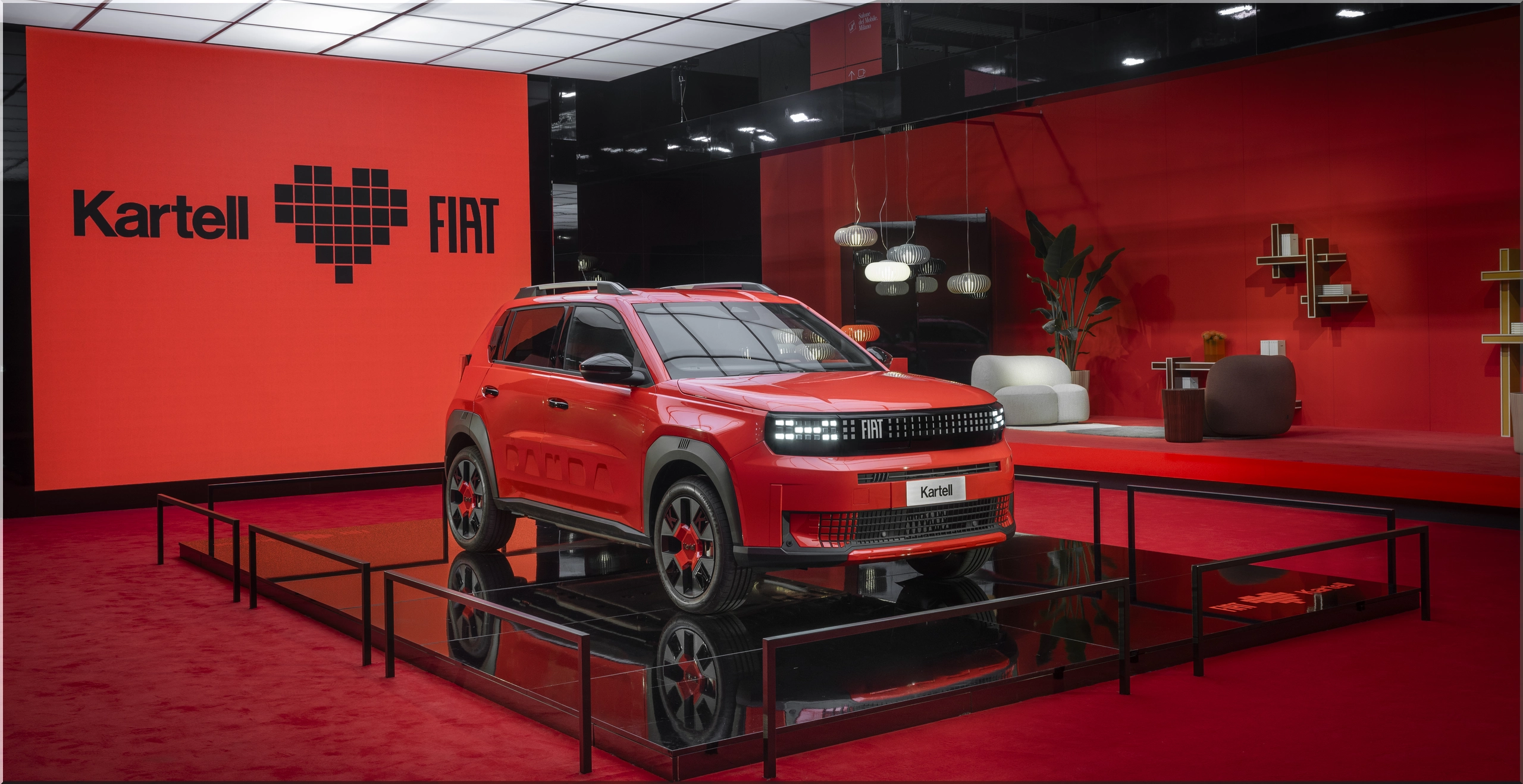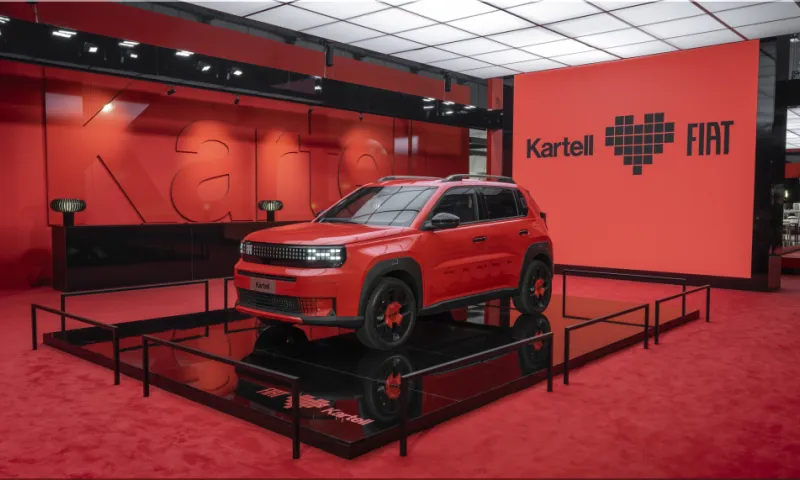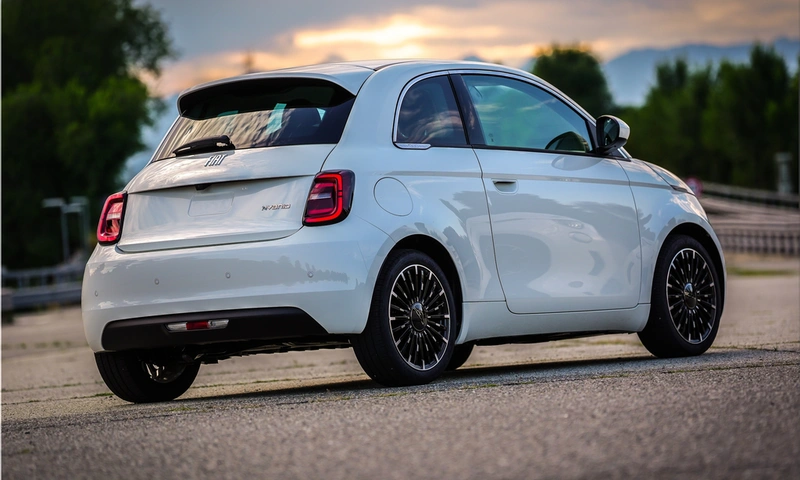

The Fiat Panda 4x4 is a small car with a big personality. For 40 years, it has been the companion of many adventurers who dared to explore the most challenging terrains and climates. From the Alps to the Sahara, from the Amazon to the Arctic, the Panda 4x4 has proven its versatility, reliability, and fun factor.
The Birth of the Panda 4x4
The Fiat Panda was launched in 1980 as a simple, practical, affordable city car. It was designed by Giorgetto Giugiaro and Aldo Mantovani of Italdesign, who wanted to create a car that was easy to use, maintain, and repair. The Panda was a two-box, three-door hatchback with a minimalist and functional style. It had a transverse engine, front-wheel drive, and independent suspension. It was also very spacious and modular, with a folding rear seat and a removable front seat.
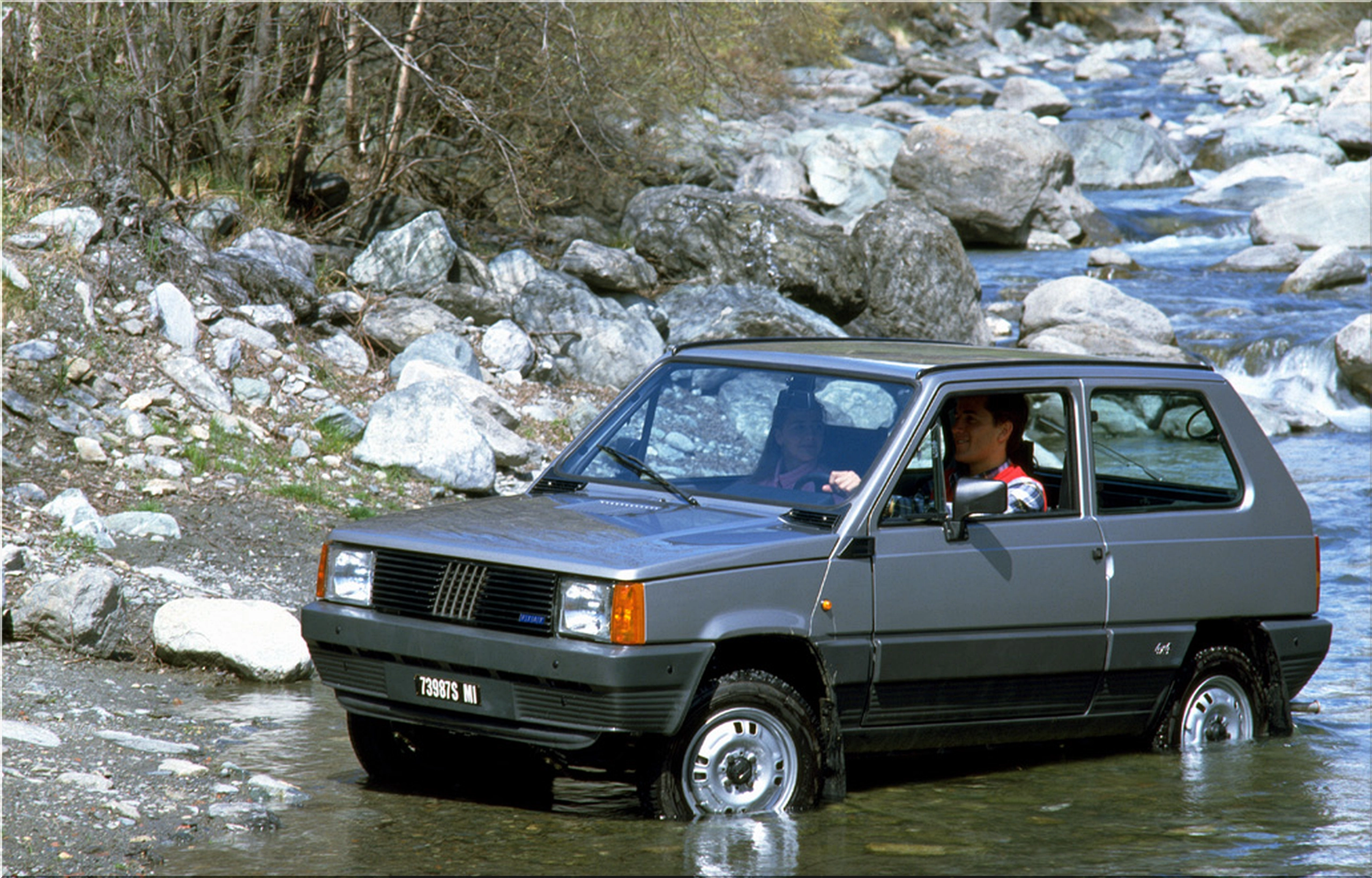
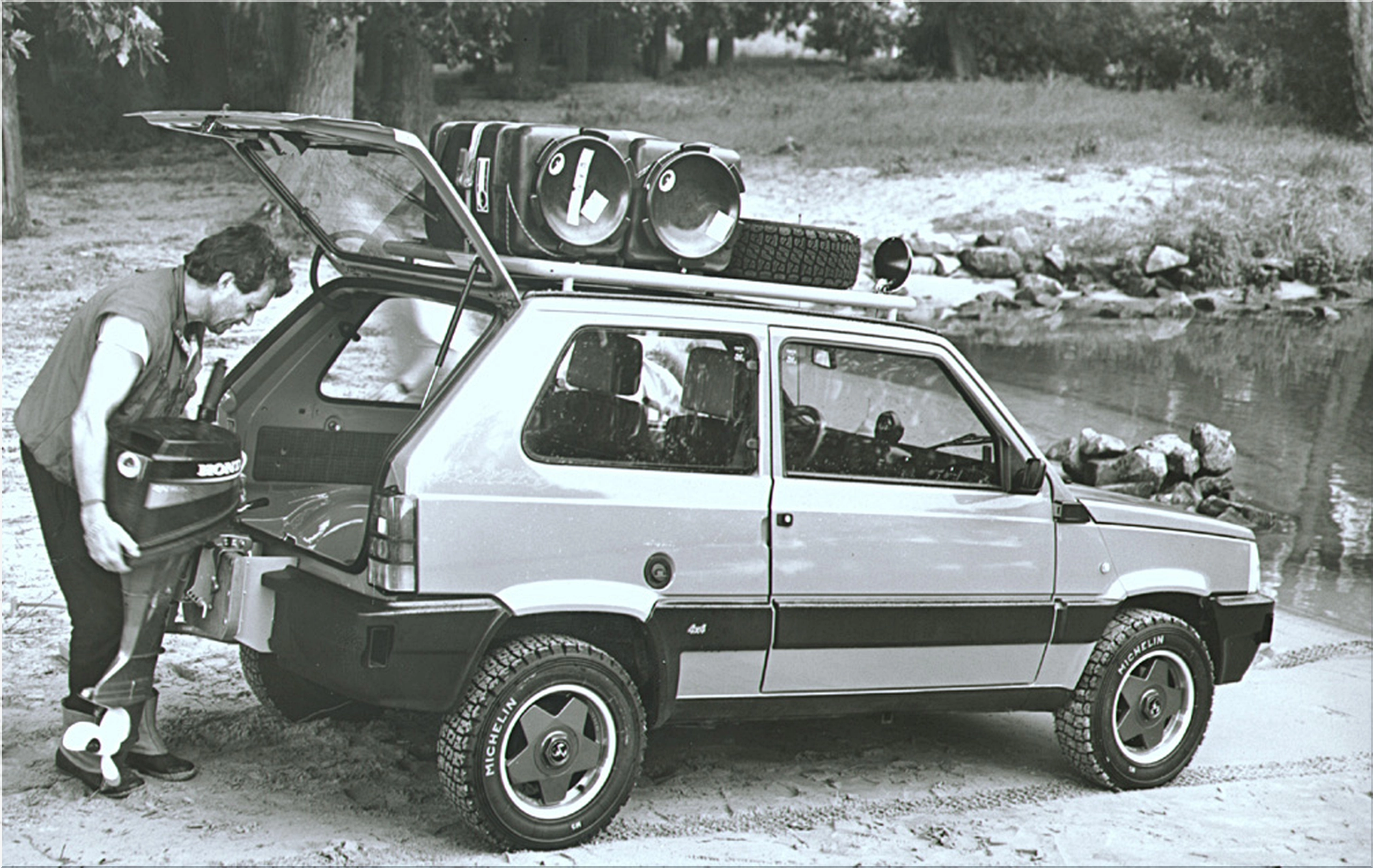
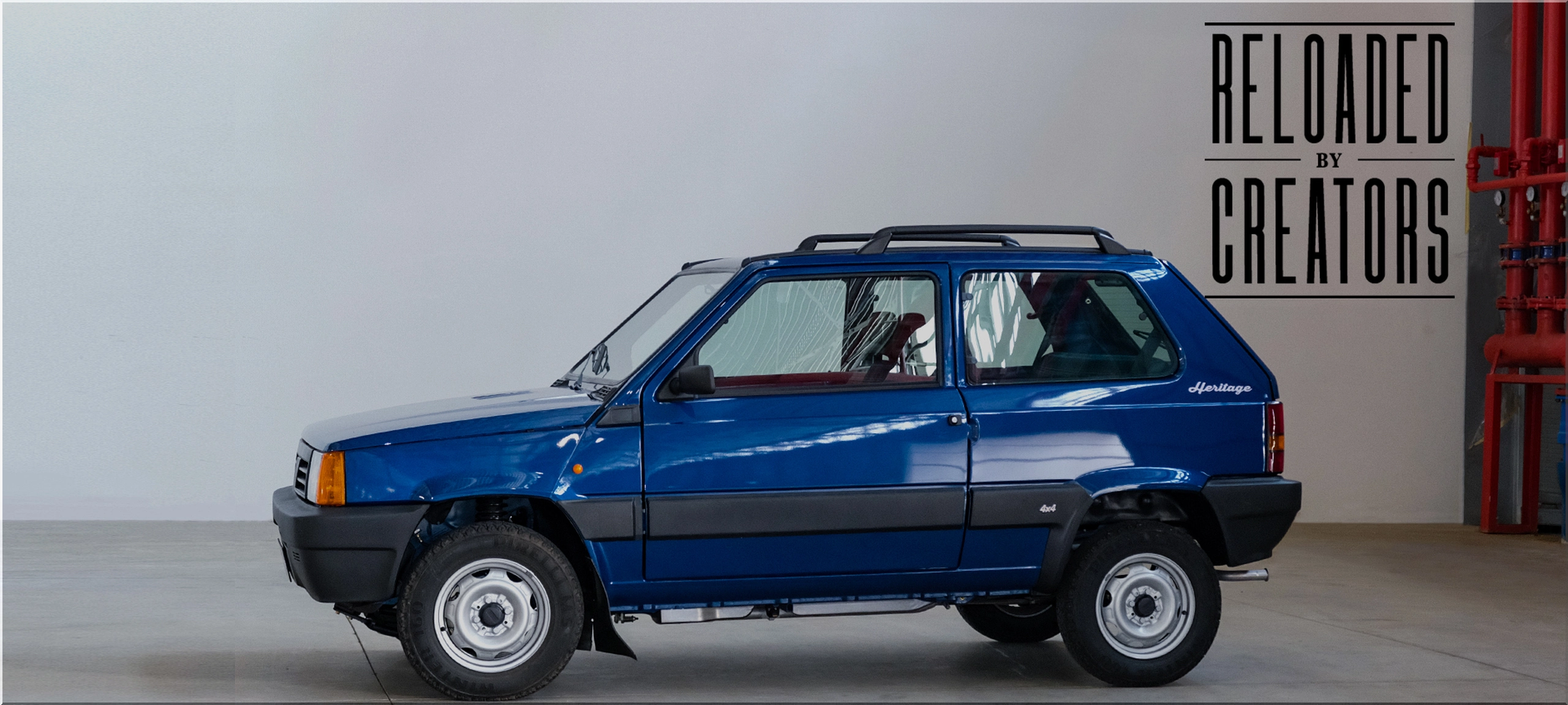
The Fiat Panda was an instant success, selling over 1.5 million units in its first decade. However, Fiat wanted to expand its appeal and offer something more adventurous and innovative. In 1983, they introduced the Panda 4x4, the first small, transverse-engined production car to have a four-wheel drive system. The Panda 4x4 was developed in collaboration with Steyr-Puch, an Austrian company specializing in off-road vehicles. The Panda 4x4 had a modified chassis, a reinforced body, and a permanent all-wheel drive system with a viscous coupling and a lockable central differential. It also had a higher ground clearance, larger tires, and specific bumpers and moldings.
The Panda 4x4 was powered by a 965 cc engine with 48 hp, derived from the Autobianchi A112 or Fiat 100 series engine. It also had a very low-range first gear, which helped it cope with steep slopes and rough terrains. The Panda 4x4 could tackle snow, mud, sand, and rocks and deliver good fuel economy and low emissions. It was also easy to drive and park, thanks to its compact dimensions and light steering.
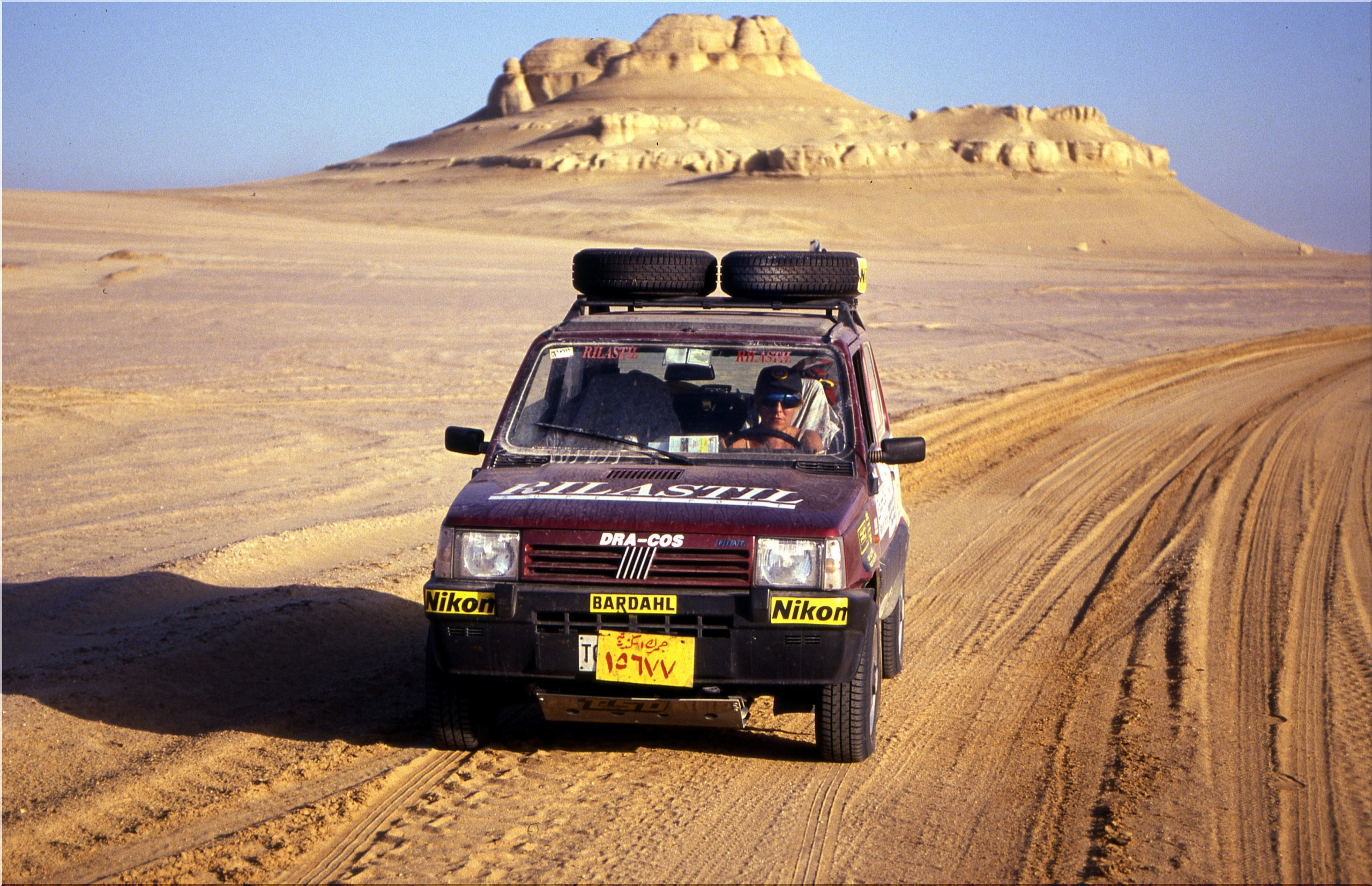
The Panda 4x4 was a pioneer in the segment of small off-road cars, and it quickly gained popularity among customers who wanted a versatile and fun car that could handle any situation. Various organizations and institutions, such as the Italian Army, the Red Cross, Civil Protection, and the Vatican, used the Panda 4x4. It also participated in several rallies and expeditions, such as the Paris-Dakar, the Raid Transamazonica, and the Raid Cap Nord.
Image gallery
The Evolution of the Panda 4x4
The Panda 4x4 was updated and improved over the years, following the market and customers' changes and trends. In 1986, the Panda 4x4 received a facelift with new headlights, grille, bumpers, and interior. It also got a new engine, a 999 cc unit with 50 hp, which improved its performance and efficiency. In 1991, the Panda 4x4 got another restyling with new bumpers, moldings, and wheels. It also has a new engine, a 1108 cc unit with 54 hp, which increases its torque and reduces its noise and vibrations.
In 2003, Fiat launched the second generation of the Panda, which won the European Car of the Year award in 2004. The new Panda was larger, more modern, and more refined than its predecessor. It also offered more comfort, safety, and technology features. The Panda 4x4 was also renewed, with a new design and a new four-wheel drive system. The new Panda 4x4 had a Haldex center differential and an electronic stability program (ESP), which controlled the torque distribution and the braking of the wheels. It also had a hill descent control (HDC), which helped the driver maintain a constant speed on steep downhill slopes.
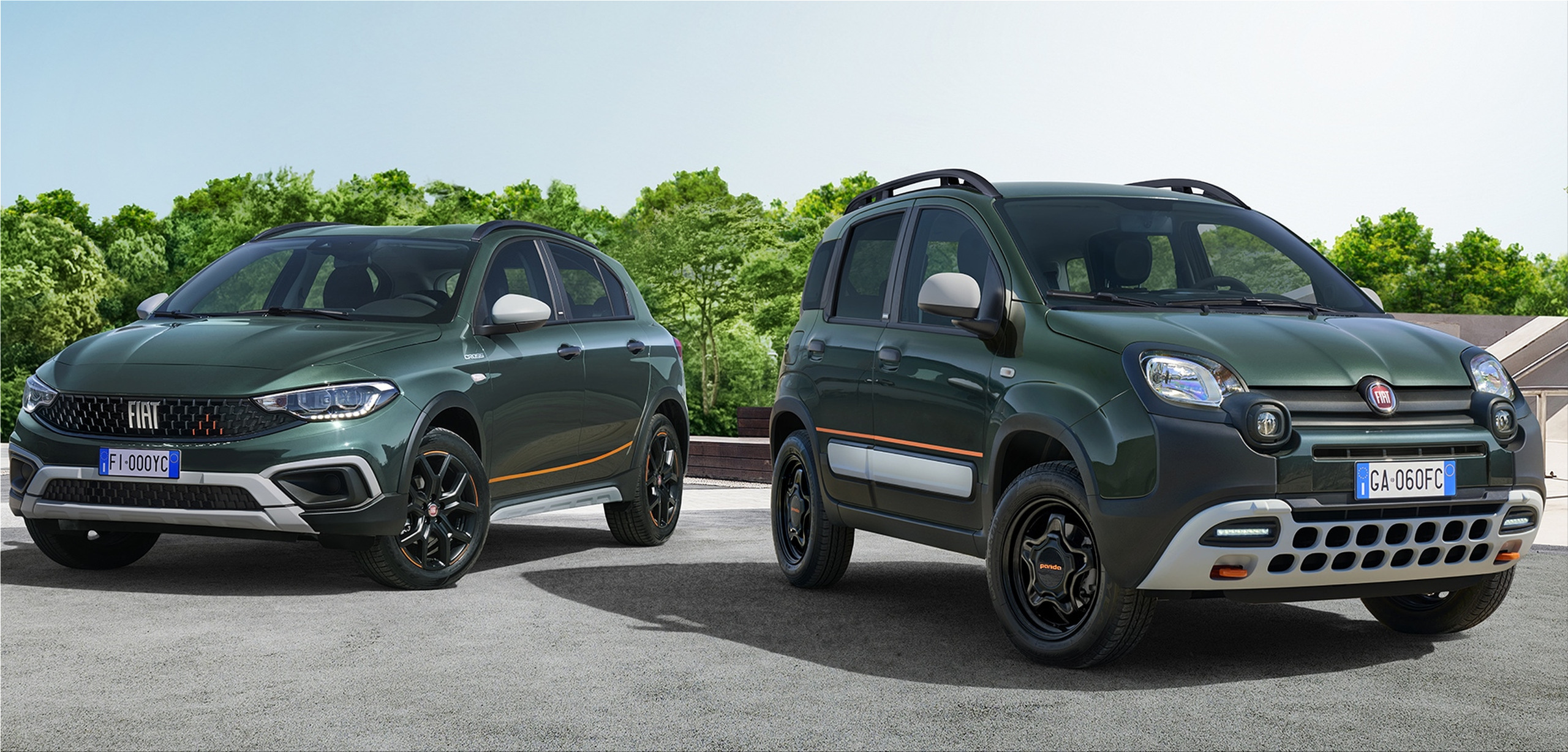
The second generation Panda 4x4 was powered by two engine options: a 1.2-liter petrol engine with 60 hp and a 1.3-liter diesel engine with 70 hp. Both engines were equipped with a five-speed manual transmission. The Panda 4x4 was also available in two special versions: the Panda 4x4 Climbing, which had a higher ground clearance, roof rails, and skid plates, and the Panda 4x4 Cross, which had a more aggressive look, with larger bumpers, wheel arches, and alloy wheels.
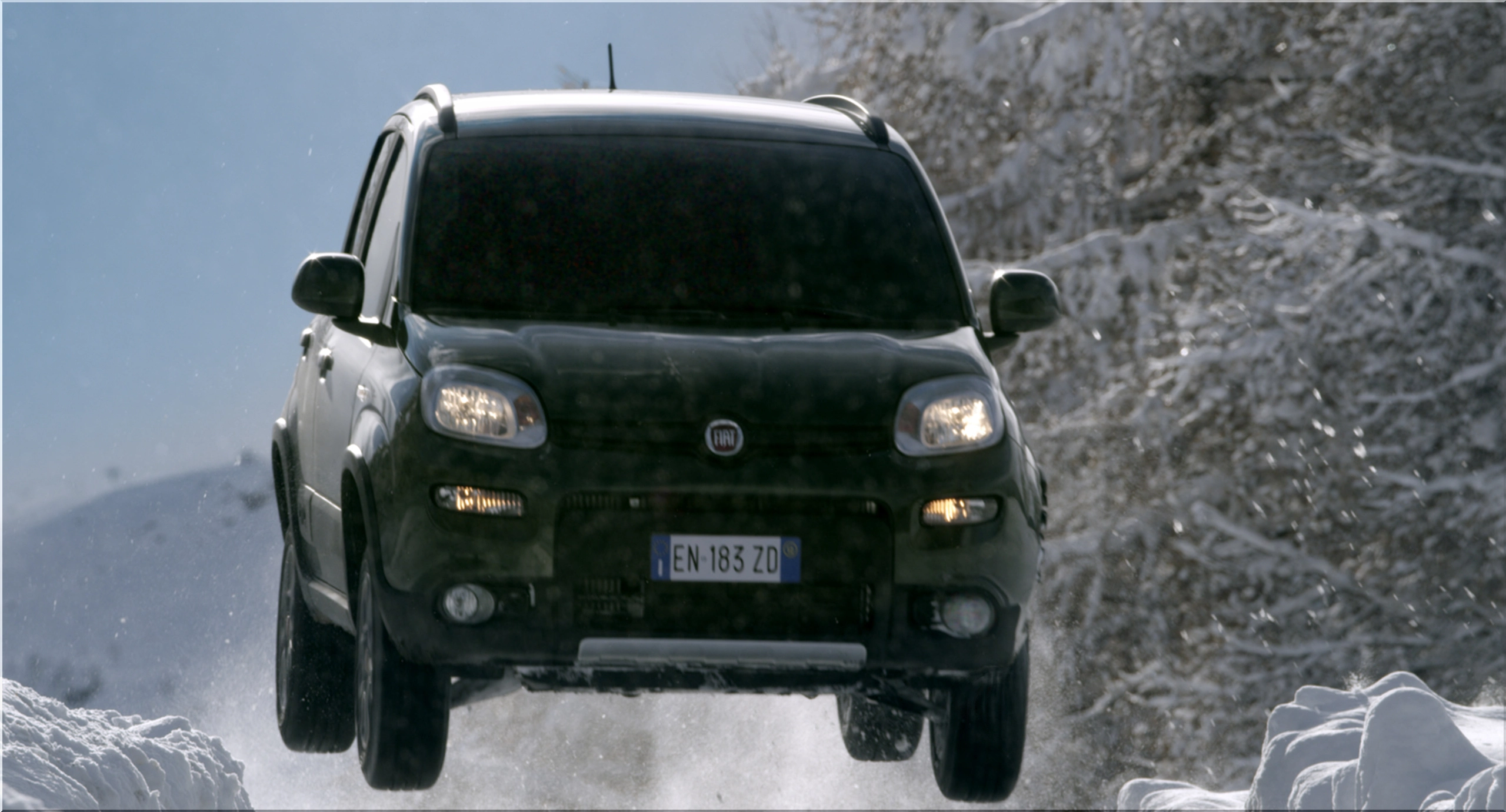
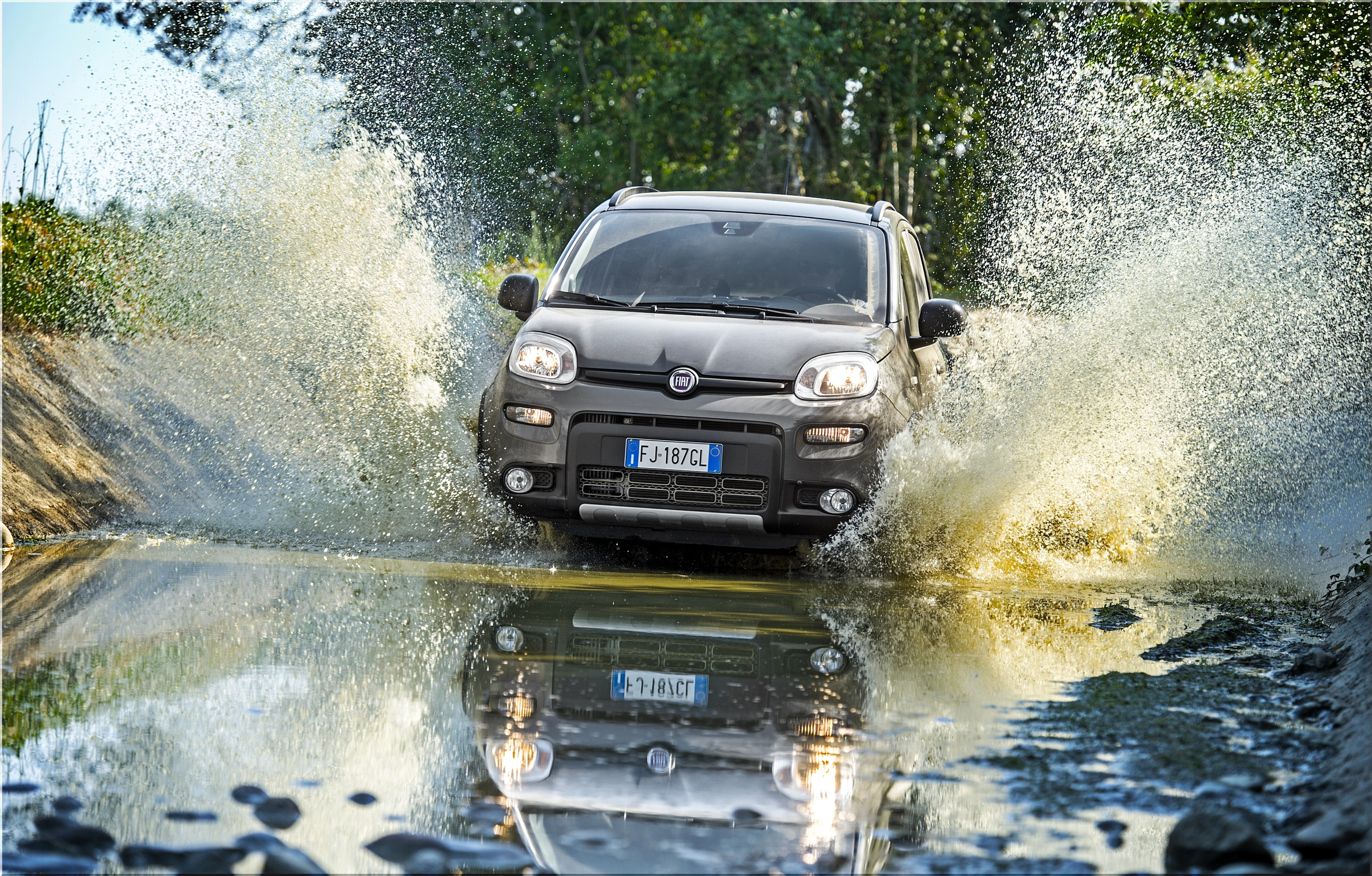
In 2012, Fiat introduced the third generation of the Panda, based on the same platform as the Fiat 500. The new Panda was more spacious, stylish, and customizable than the previous one. It also offered more engine and transmission options, including a dualogic automated manual transmission and a twinair turbocharged engine. The Panda 4x4 was also updated with a new design and four-wheel drive system. The new Panda 4x4 had a torque-on-demand system, which automatically activated the rear axle when needed. It also had an electronic locking differential (ELD), which improved the traction on slippery surfaces.
The third-generation Panda 4x4 was powered by two engine options: a 0.9-liter twinair turbocharged petrol engine with 85 horsepower and a 1.3-liter multijet diesel engine with 75 horsepower. Both engines were equipped with a six-speed manual transmission. The Panda 4x4 was also available in two special versions: the Panda 4x4 Antarctica, which celebrated the 30th anniversary of the model, and the Panda 4x4 Cross, which had a more rugged look with new bumpers, skid plates, and alloy wheels.
Image gallery
The Legacy of the Panda 4x4
The Fiat Panda 4x4 is a car that has made history and has left a mark in the hearts of many fans and enthusiasts. In 40 years, the Panda 4x4 has sold over 500,000 units and has become a symbol of adventure, freedom, and fun. The Panda 4x4 has also inspired other models, such as the Fiat Sedici, the Fiat 500X, and the Fiat Panda City Cross. The Panda 4x4 has also been the protagonist of many events and initiatives, such as the Panda Raid, the Panda 4x4 Experience, and the Panda 4x4 Club.
The Panda 4x4 is a car that has evolved and adapted to the times but has always remained faithful to its original spirit and values. This car has proven its versatility, reliability, and capability in any situation and condition. It is a car that has brought joy and satisfaction to many drivers and passengers. It is a car that has become a legend for off-road adventures.
The Fiat Panda 4x4 is not just a car. It is a way of life.
- Add new comment
- 499 views