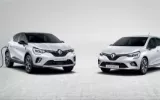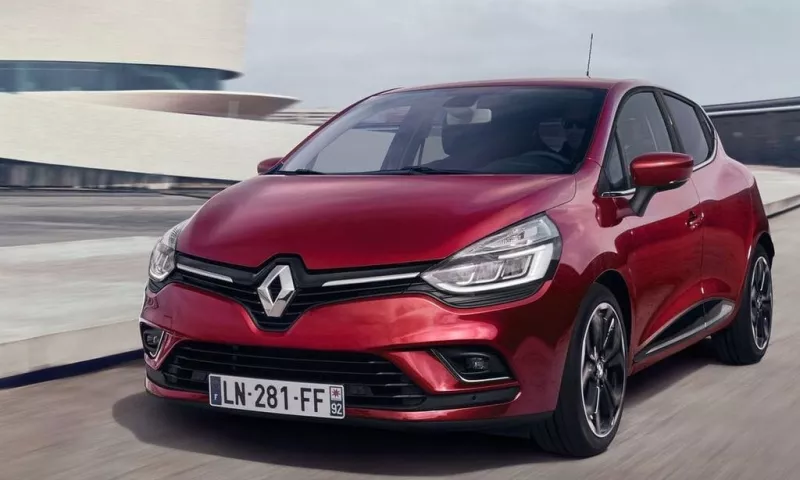
Renault has opened orders in France for the new Renault Clio, marking the sixth generation of its long-running best-seller. The Clio continues to be a core player in the B-segment hatchback market, offering updated styling, expanded hybrid technology, and a cleaner, more efficient lineup.
Compact Design, Strong Identity
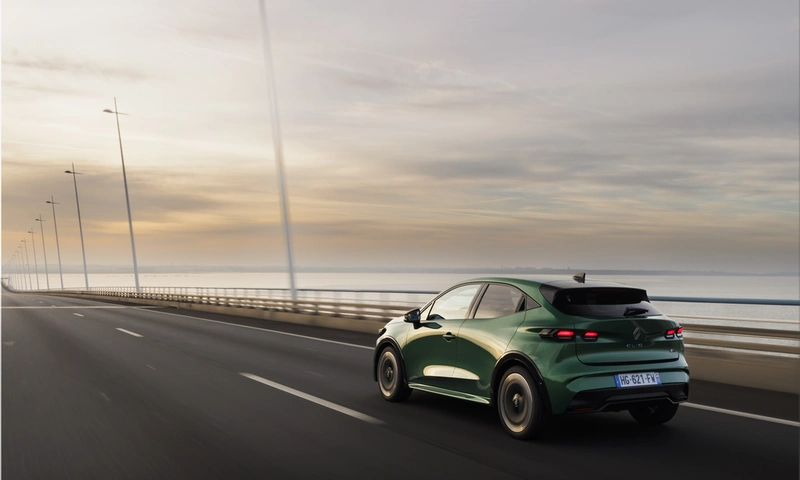
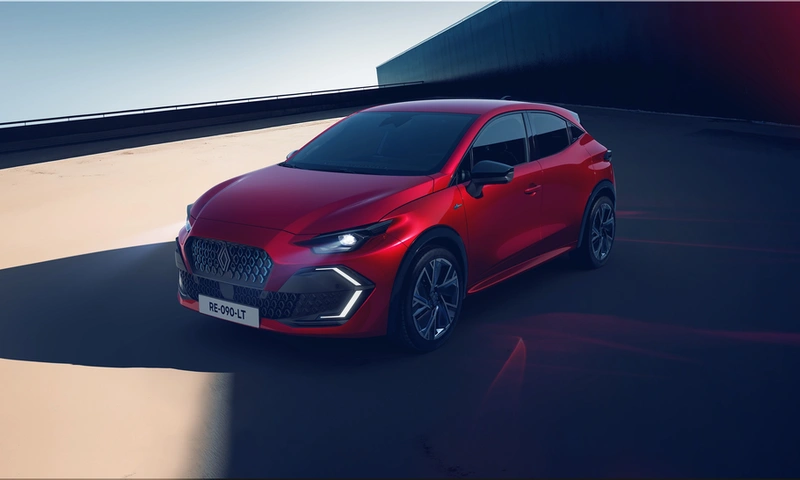
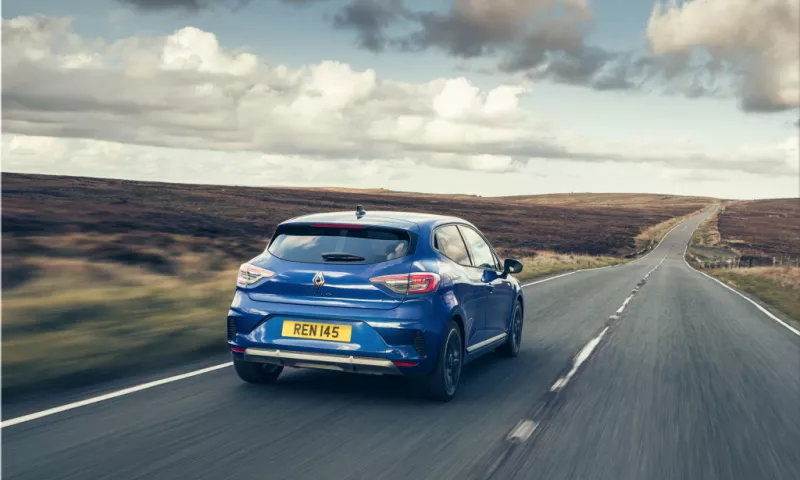
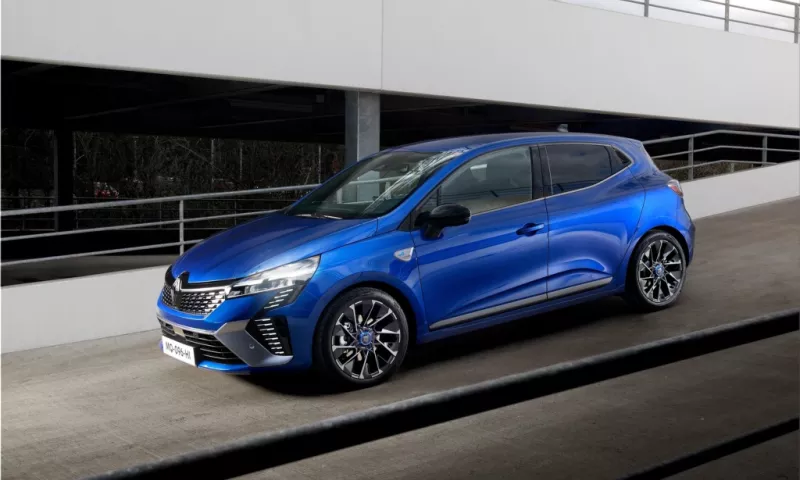
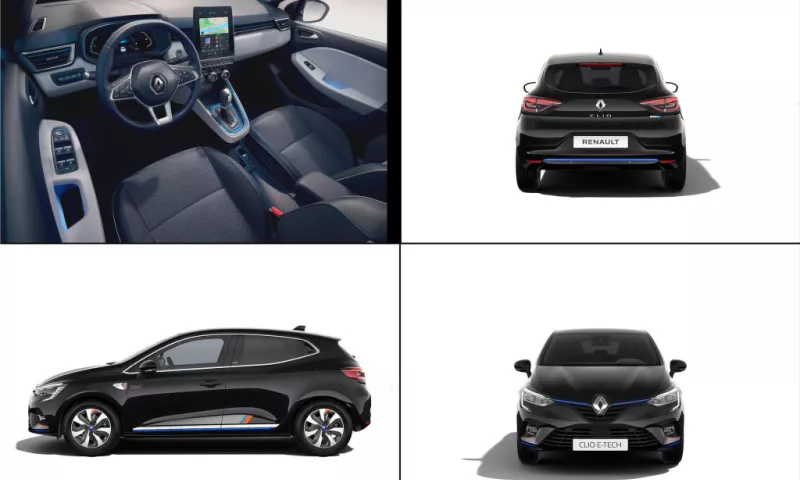
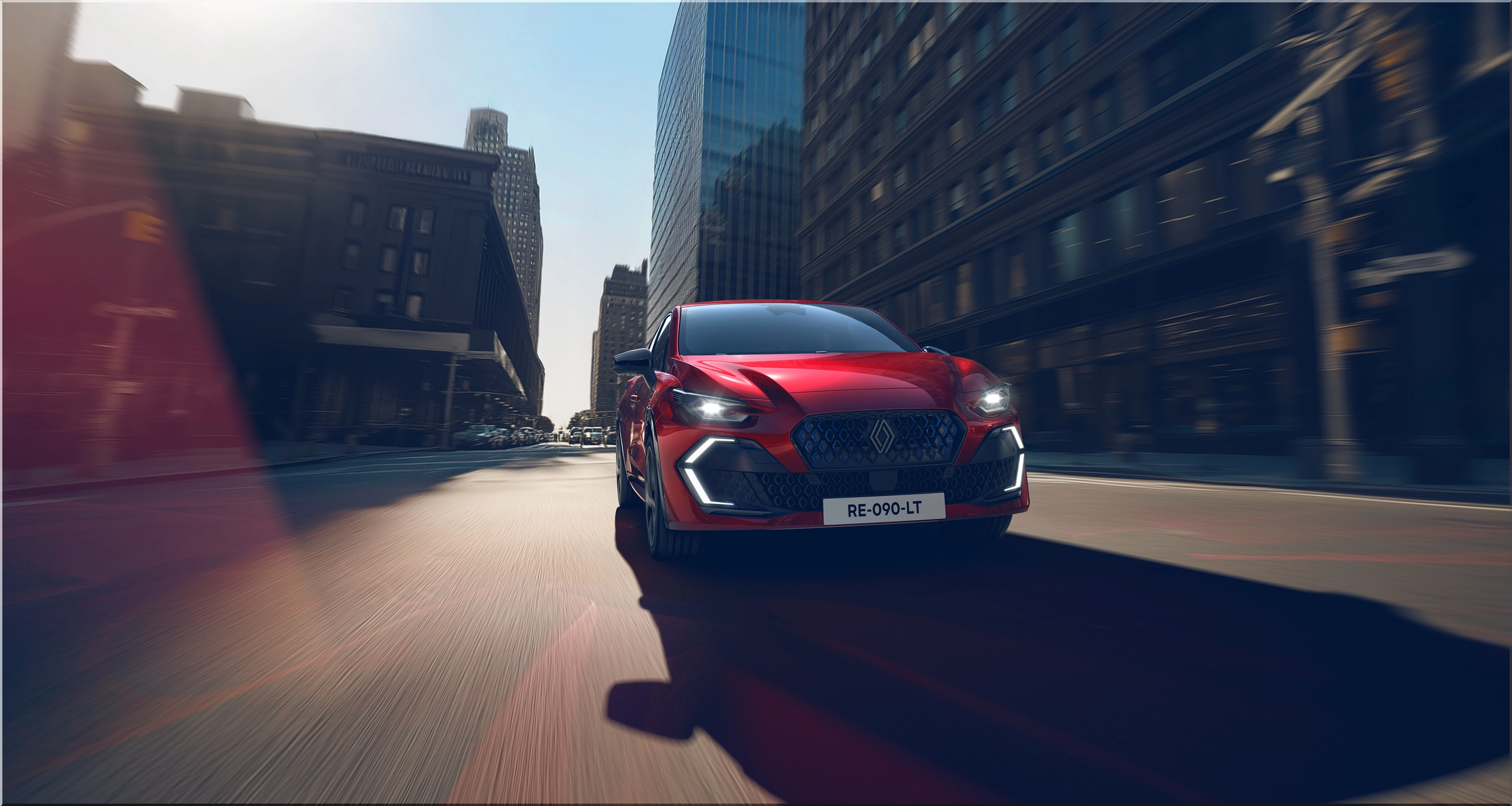
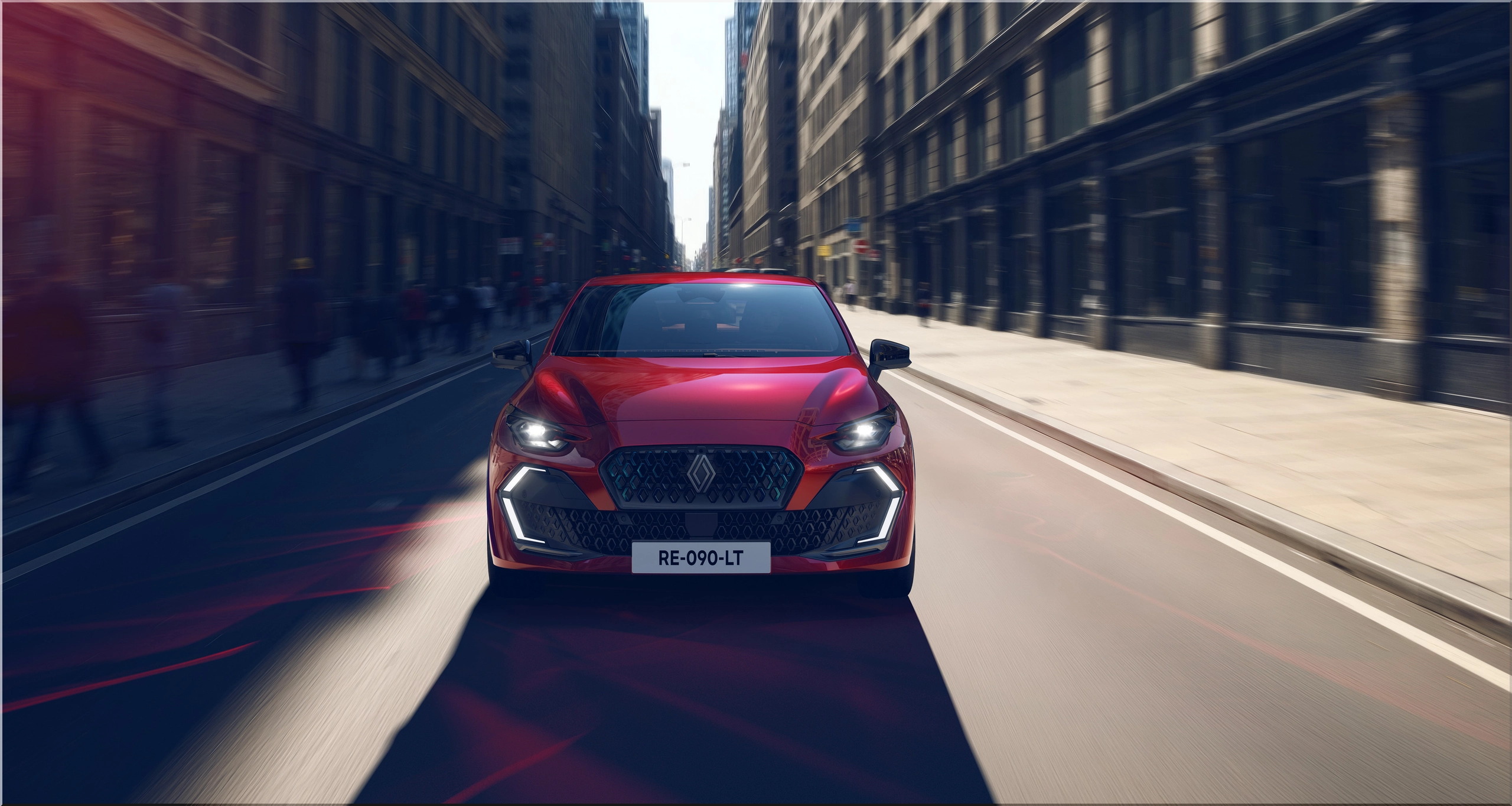
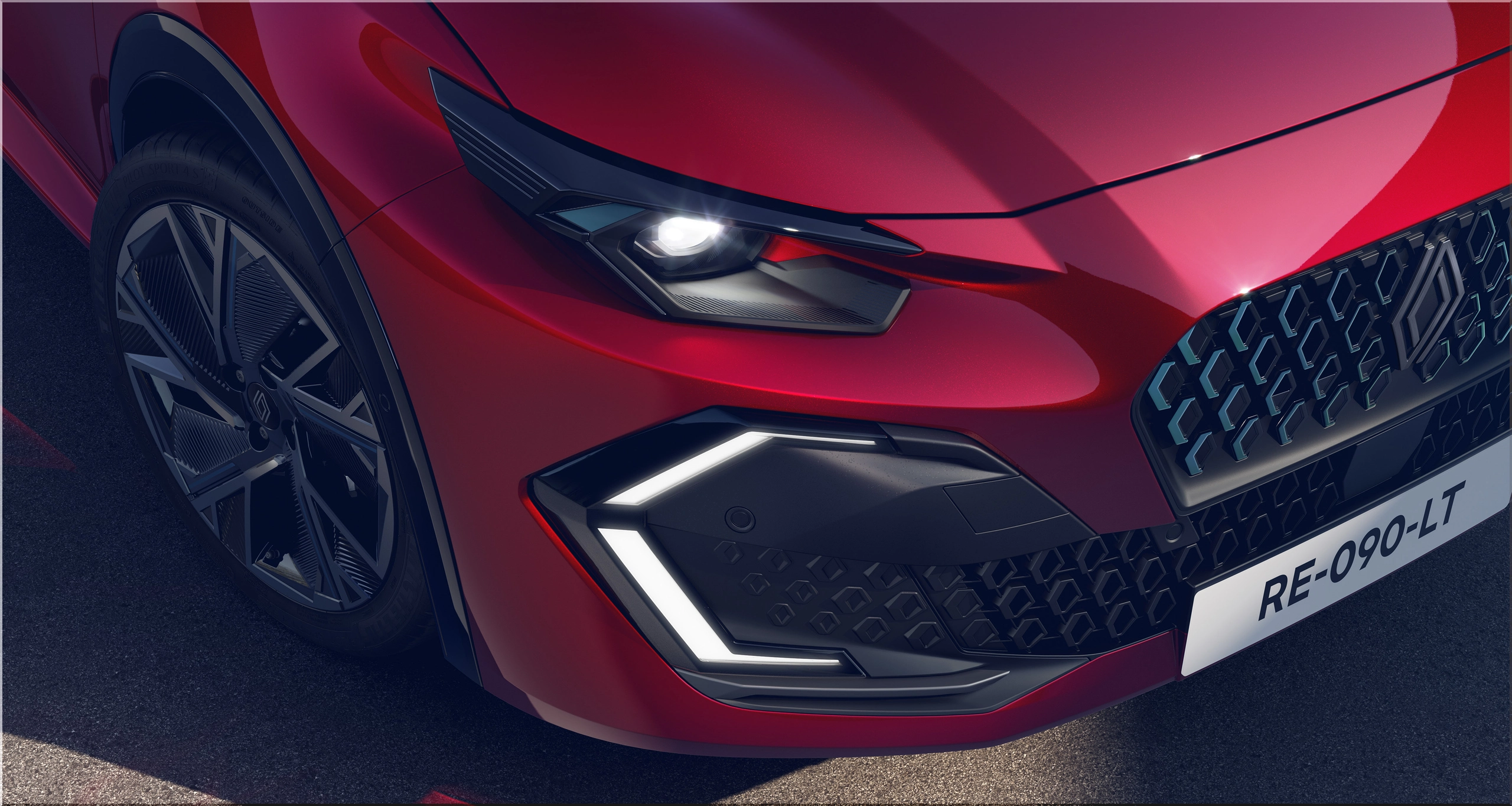
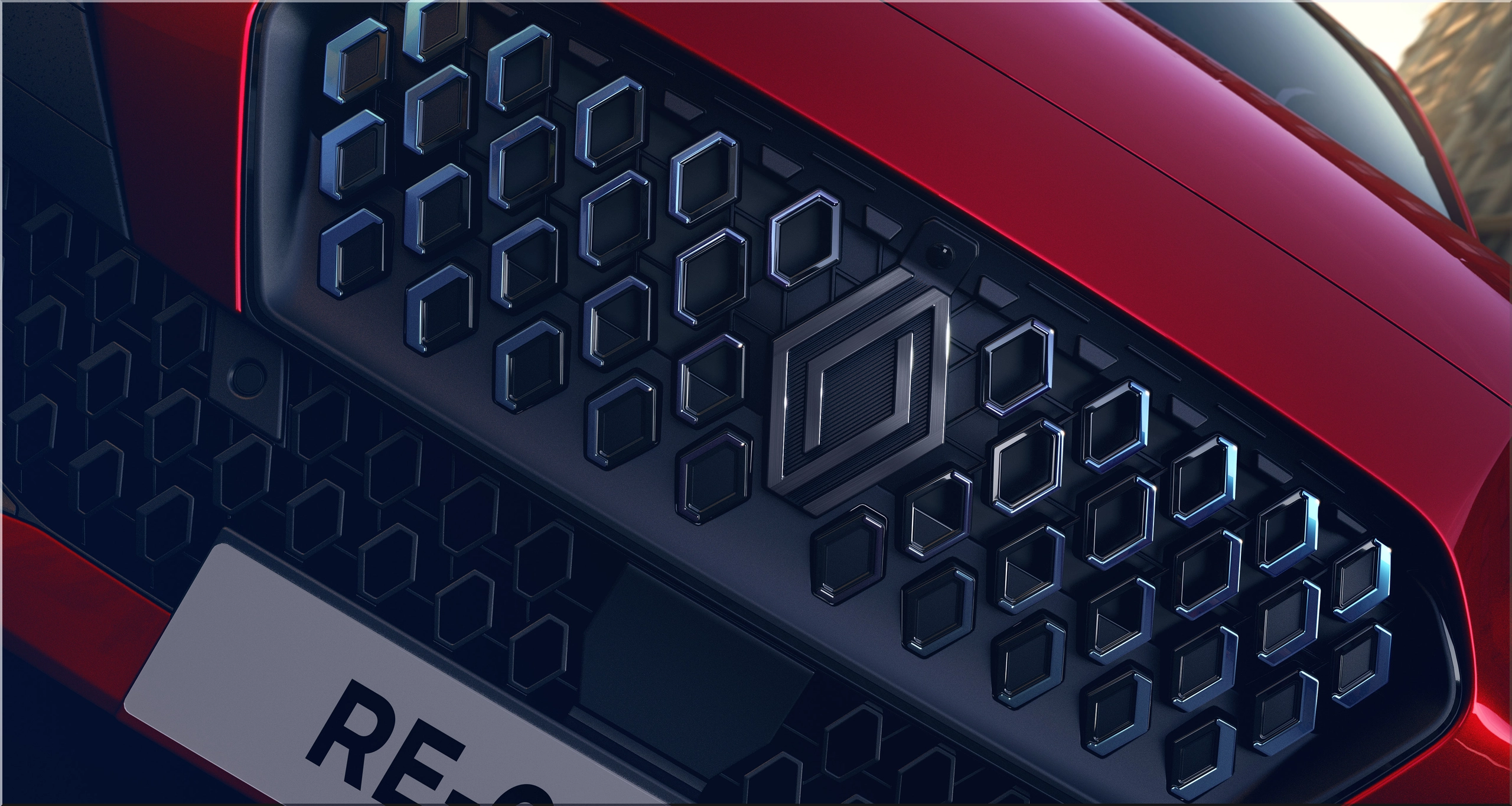
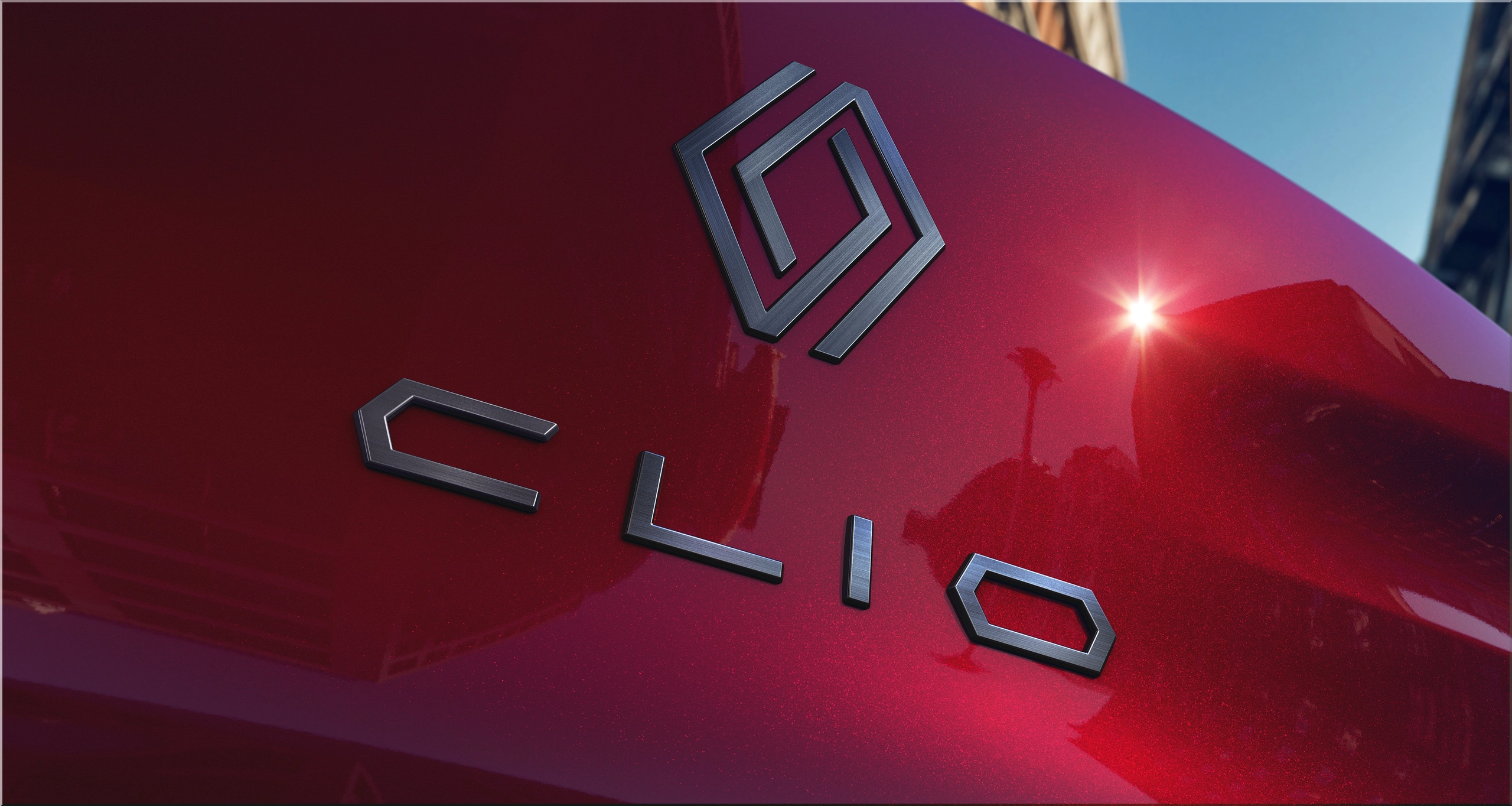
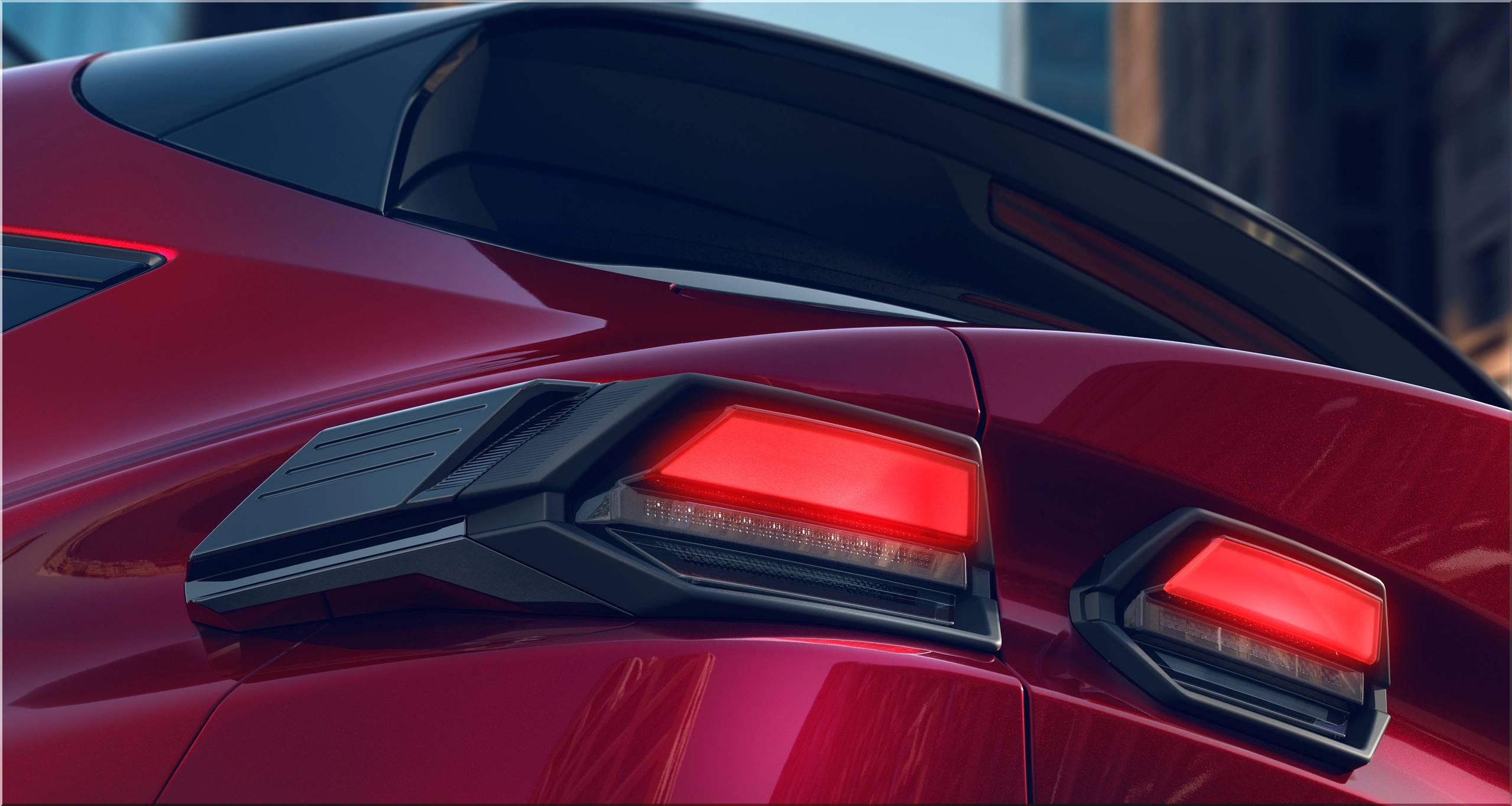
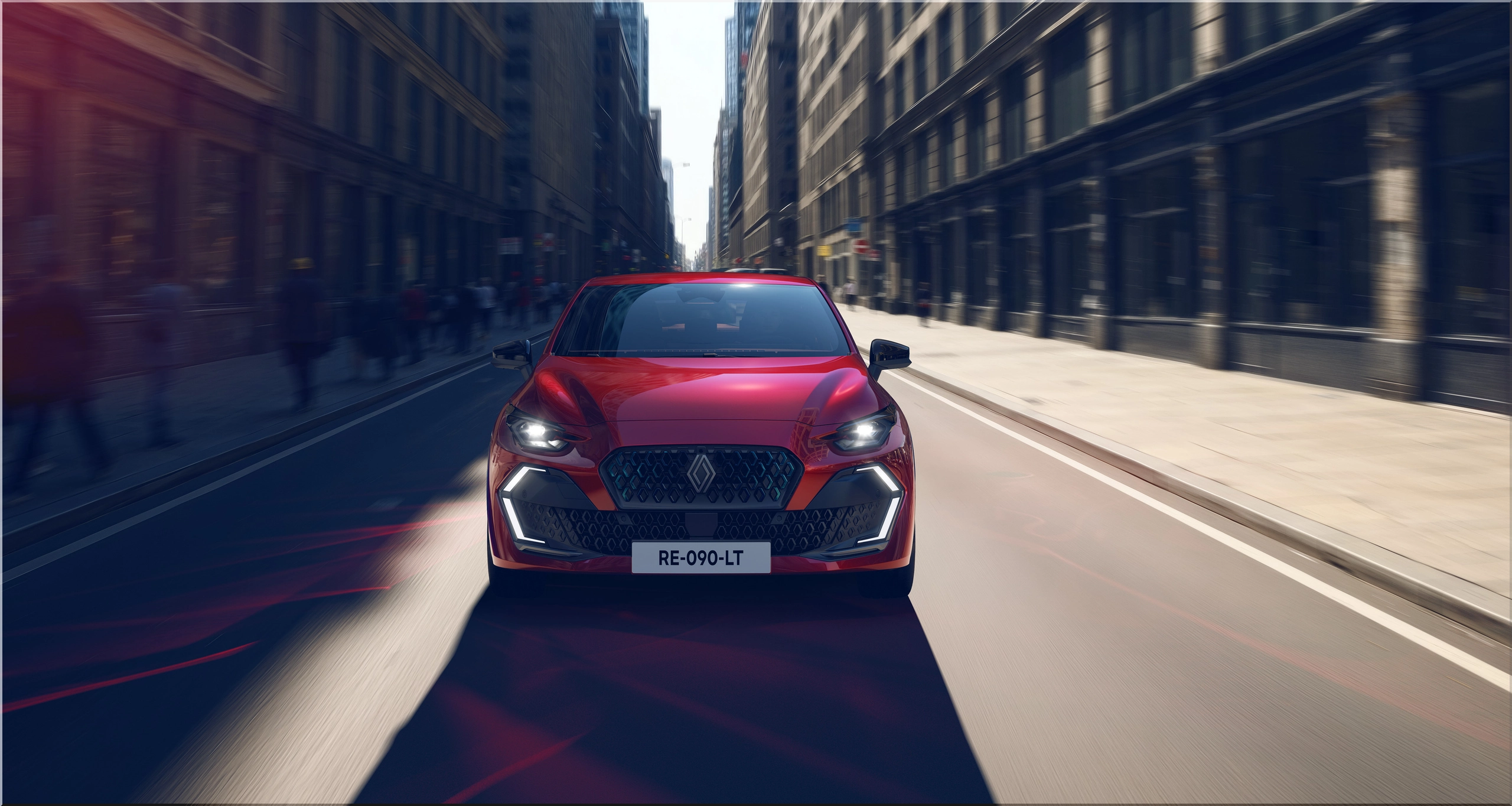
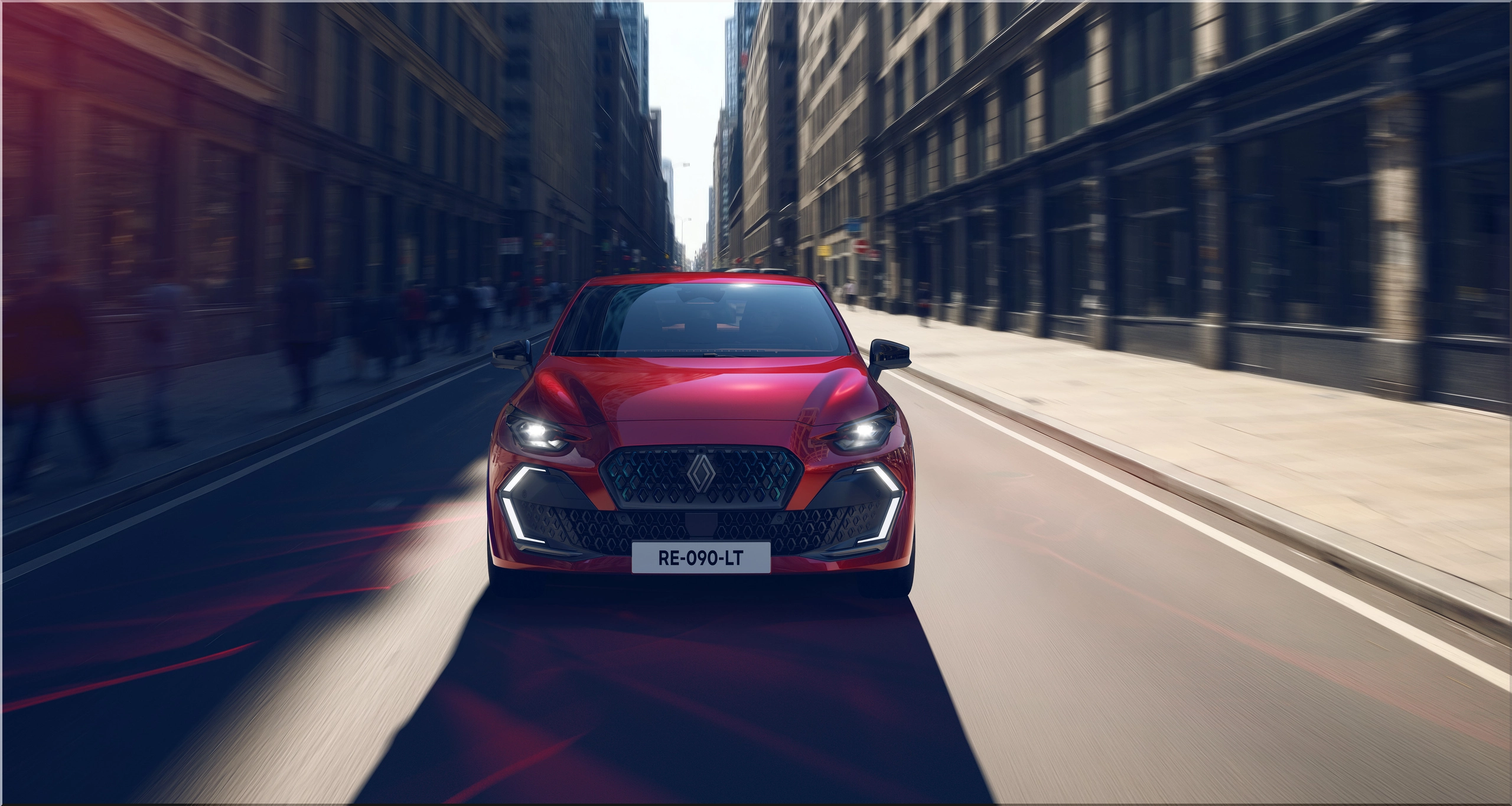
The new Clio has grown bolder in appearance while keeping its compact proportions. Measuring 4.12 meters, it slots perfectly between the upcoming Renault 5 and the Captur SUV, offering drivers a practical alternative to taller crossovers. Renault’s design team has reshaped the front fascia, adding blue-tinted accents and Dark Chrome badging on higher trims. The look is sportier but stays true to the car’s accessible nature.
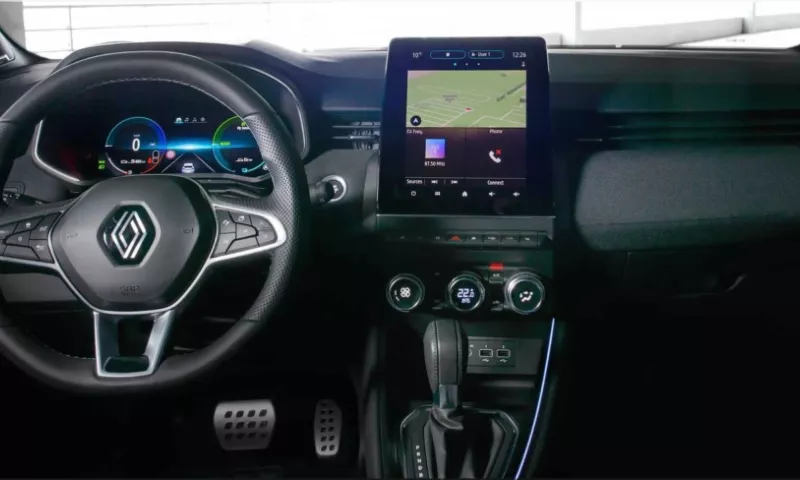
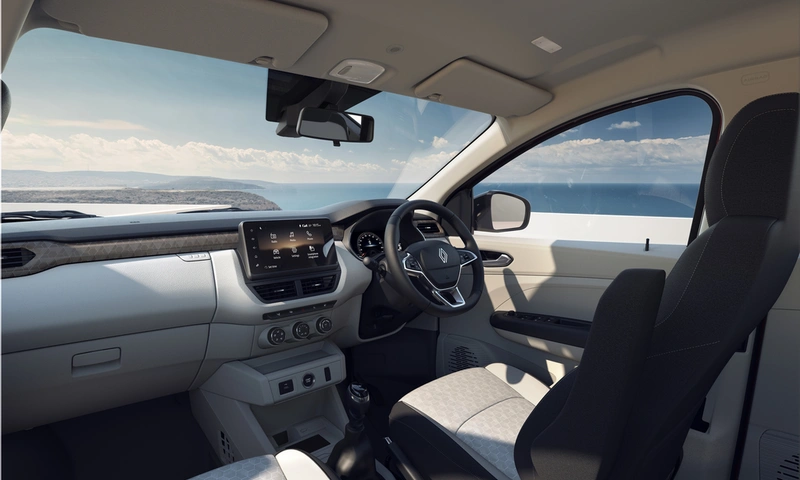
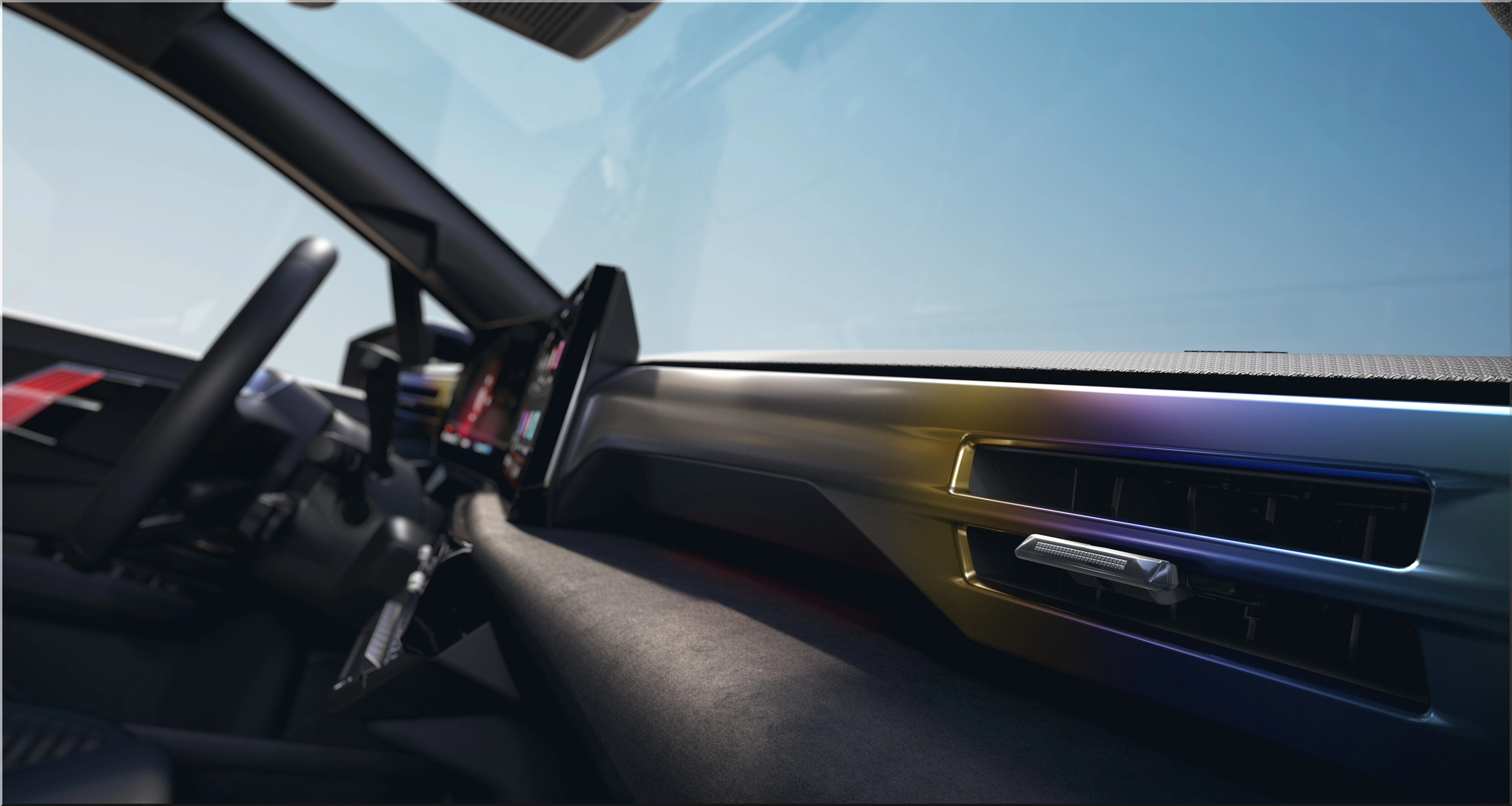
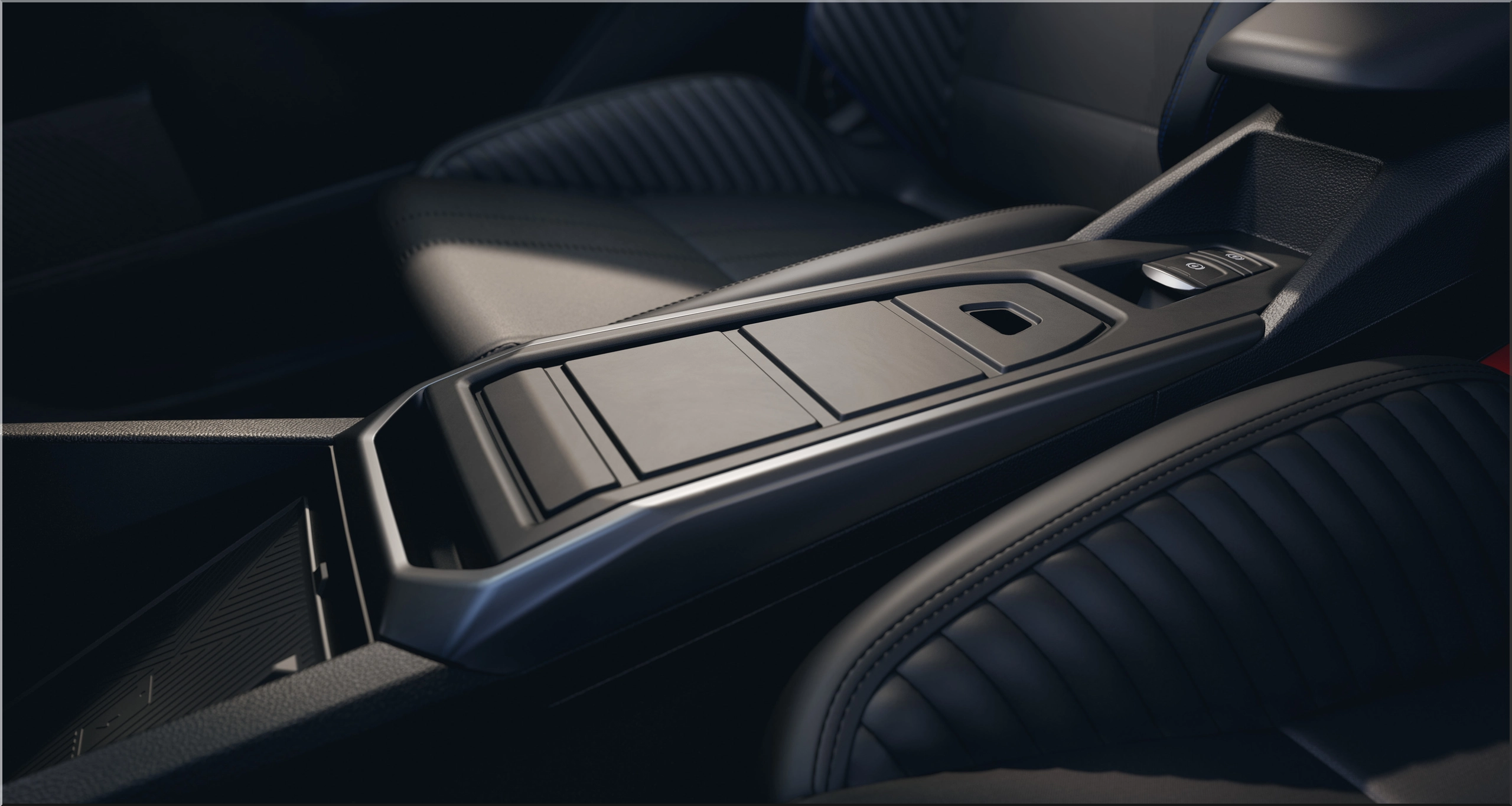
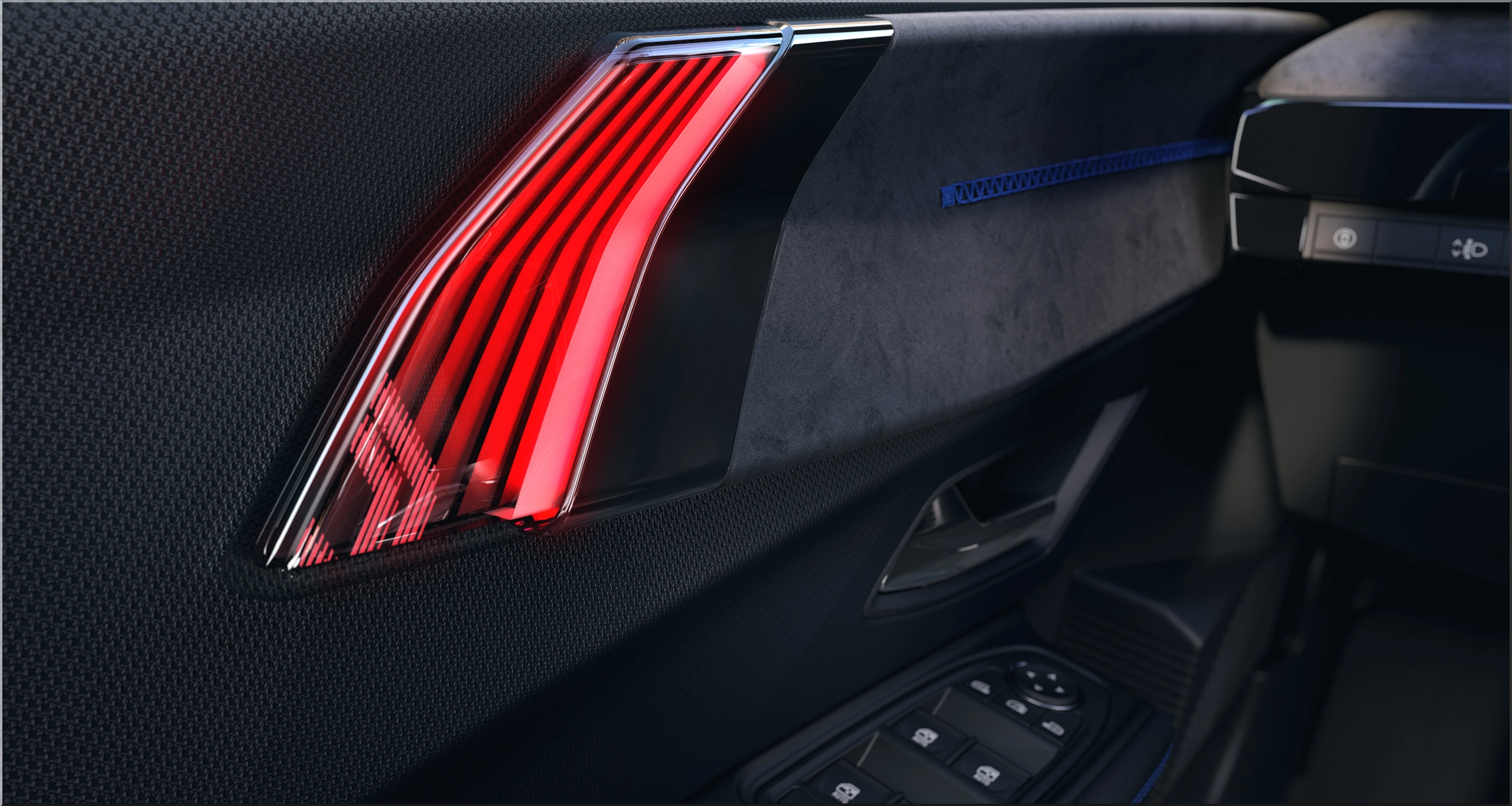
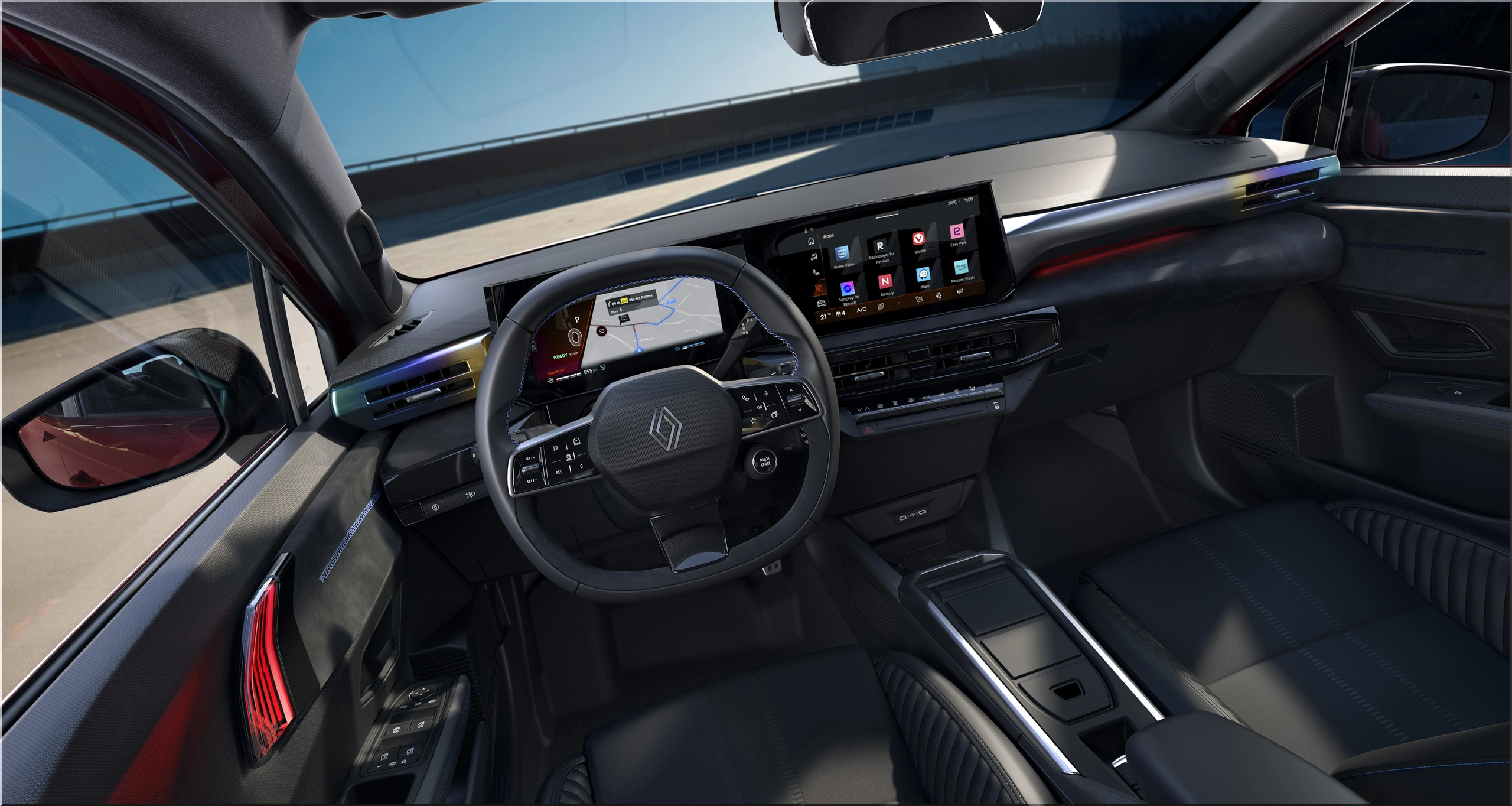
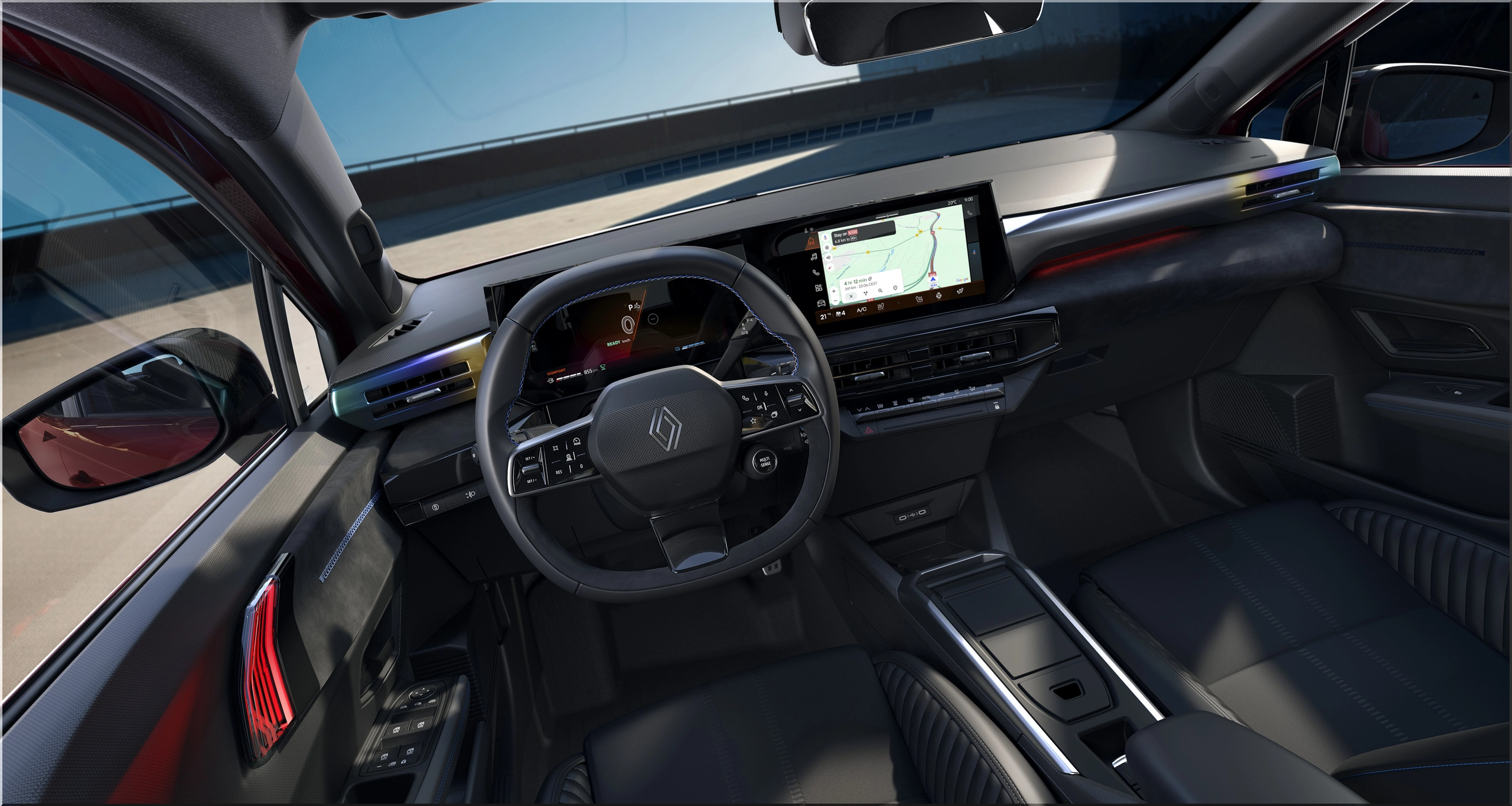
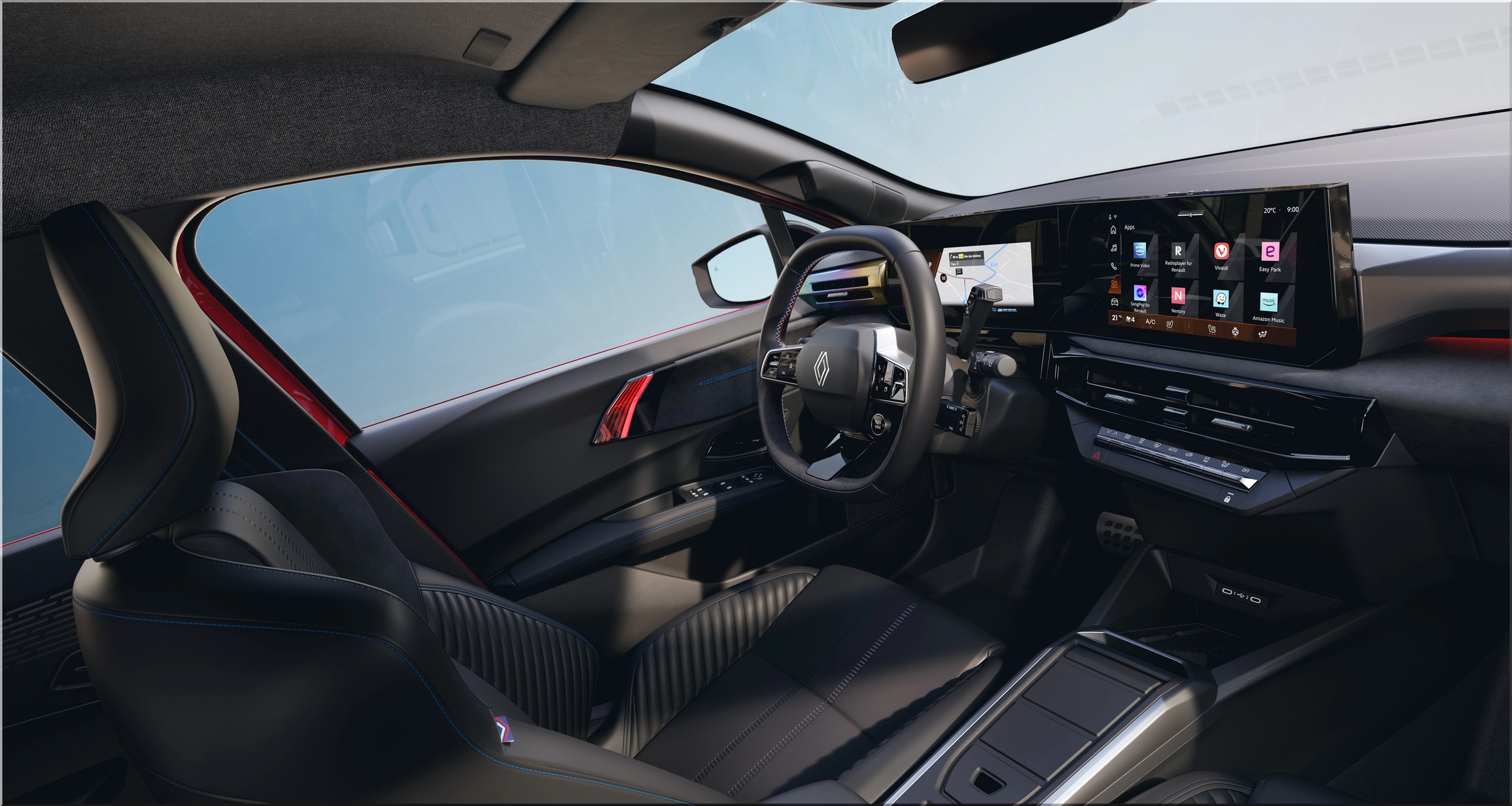
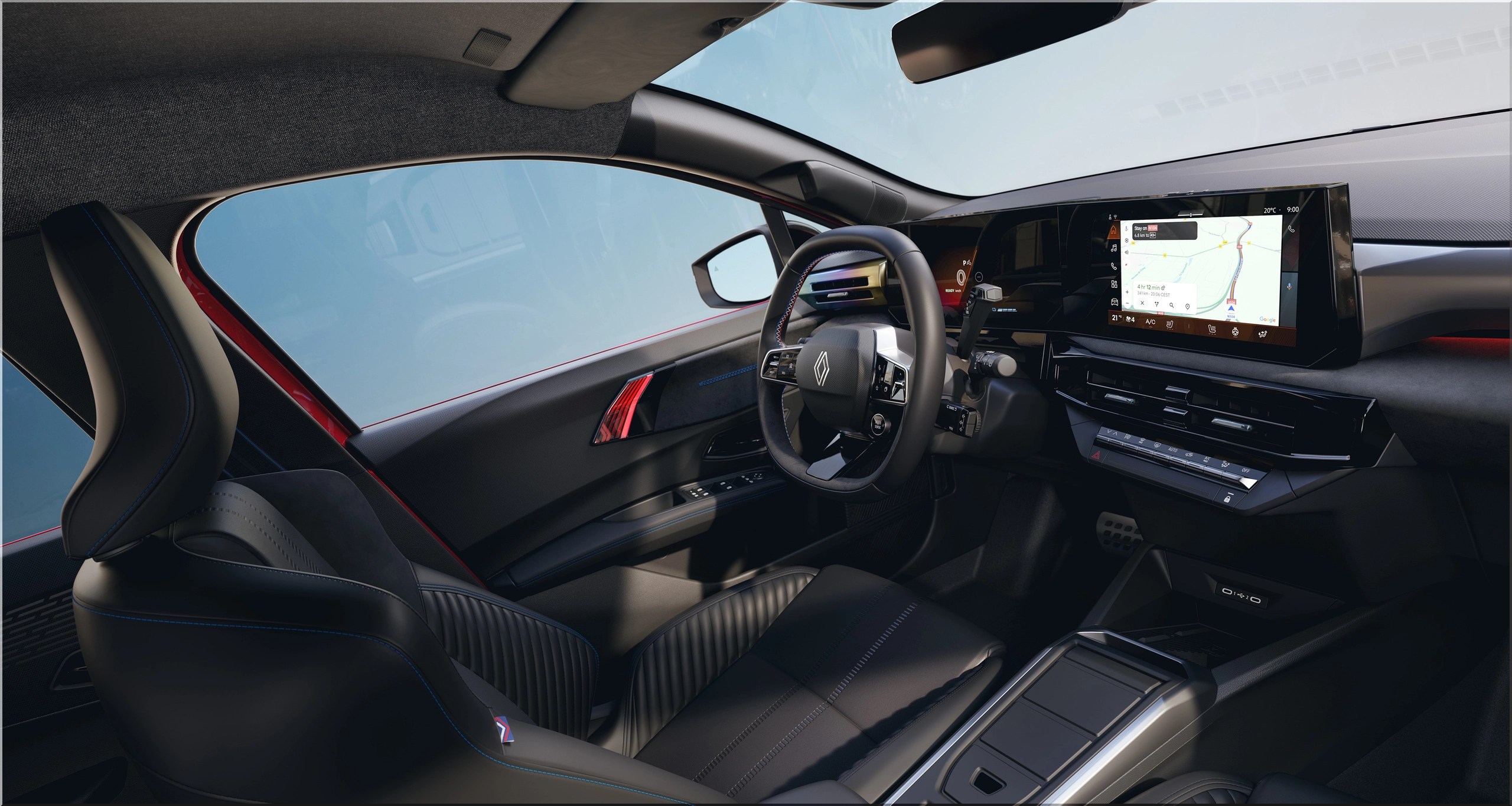
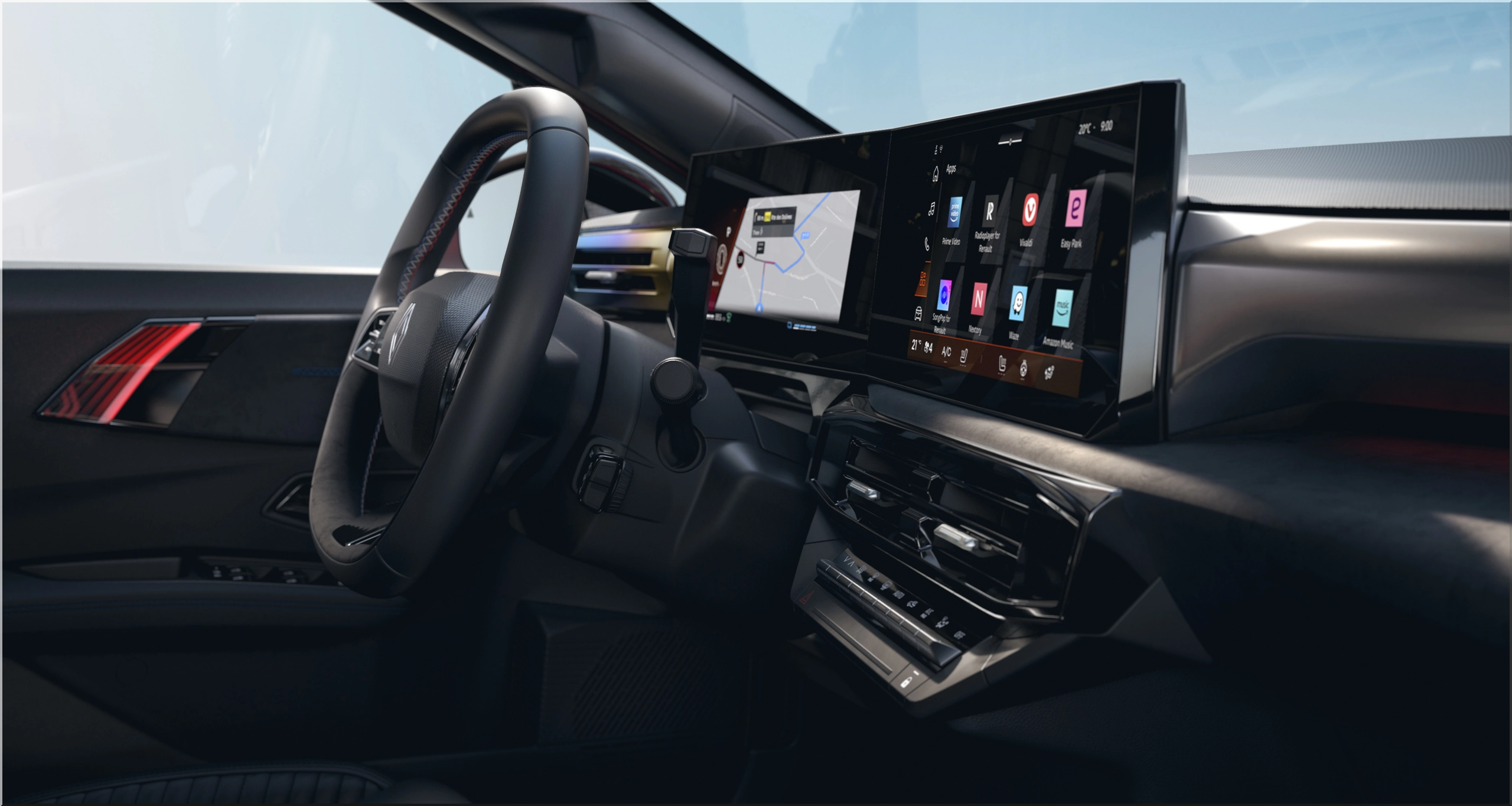
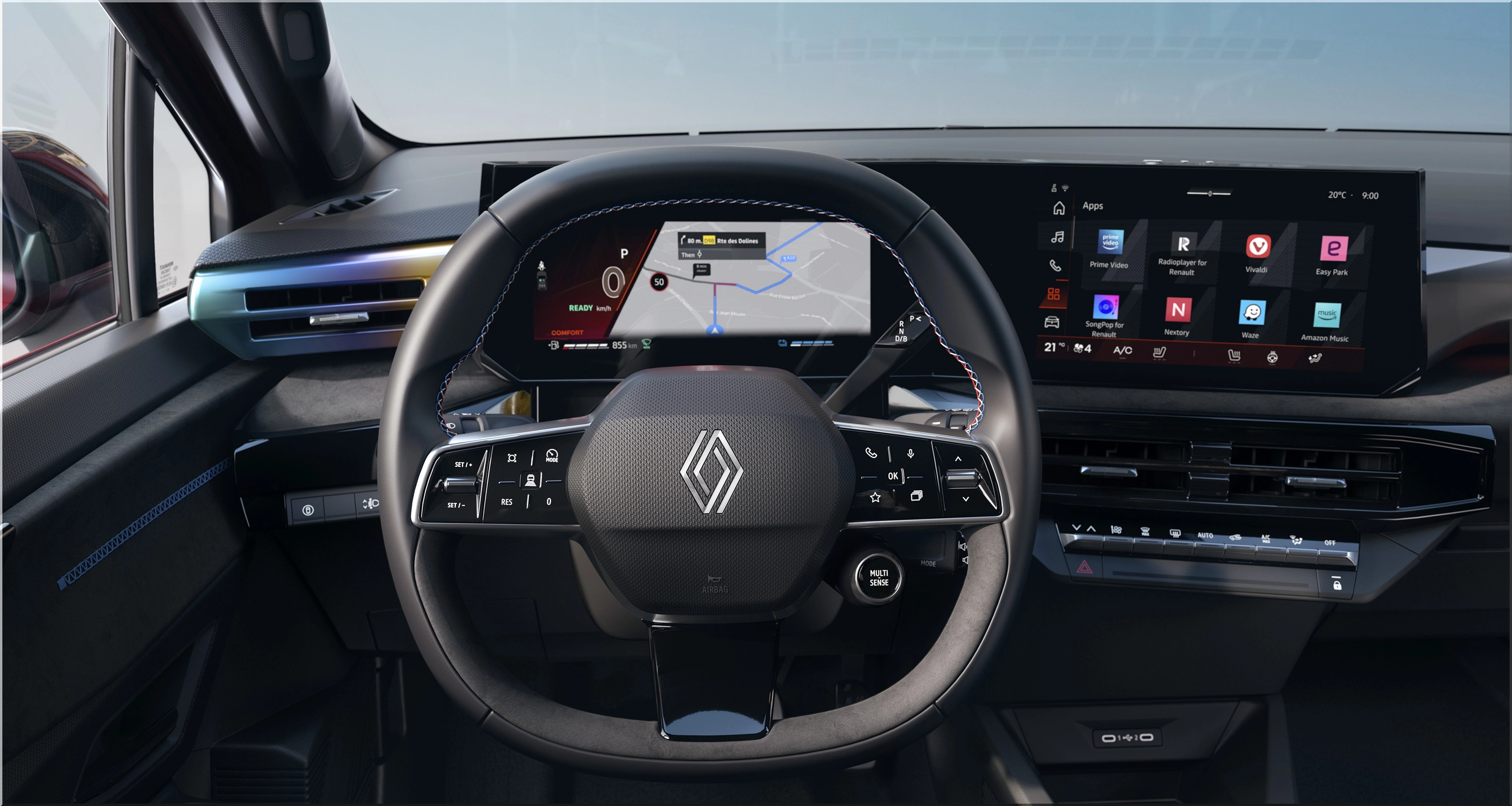
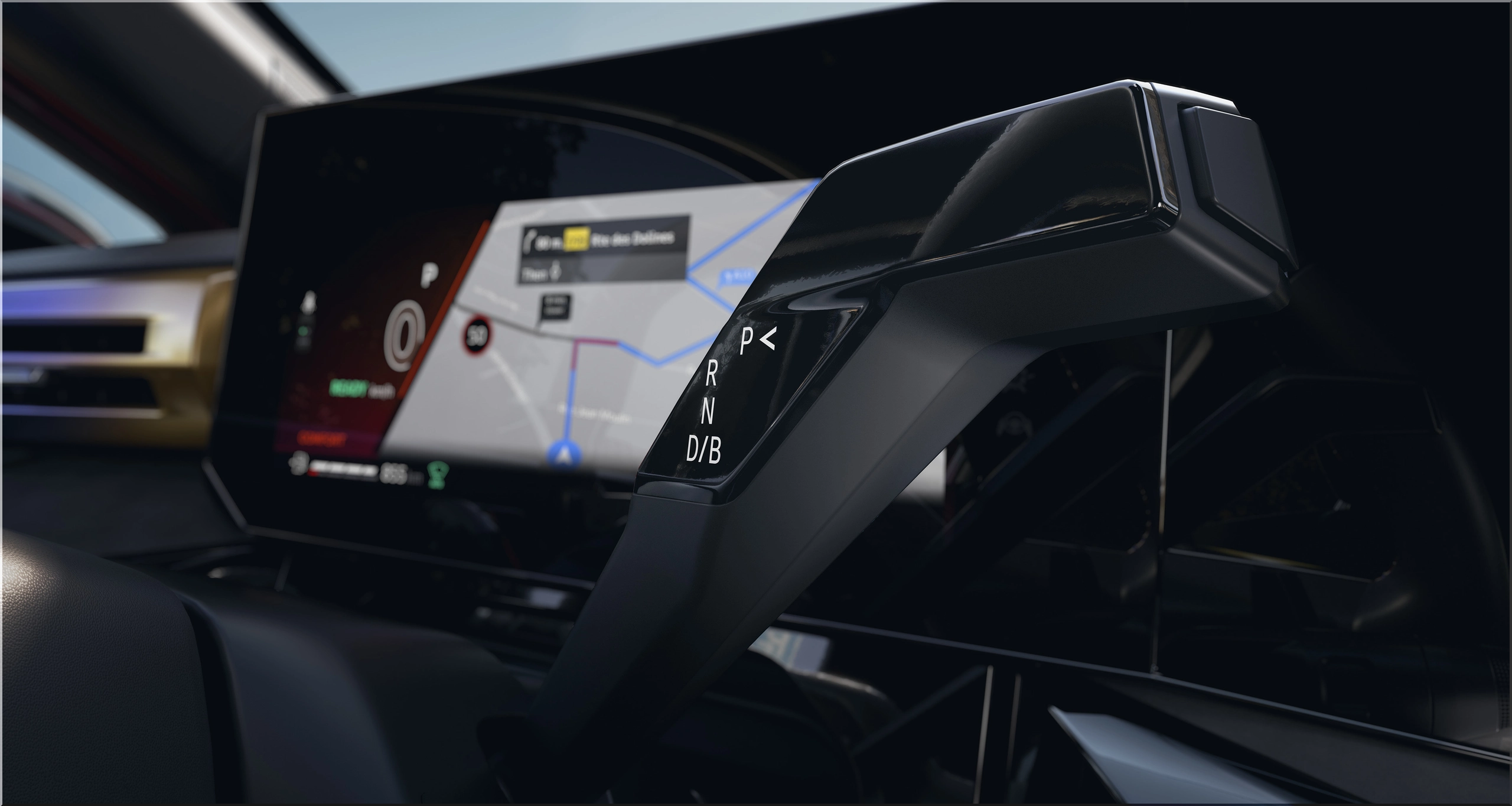
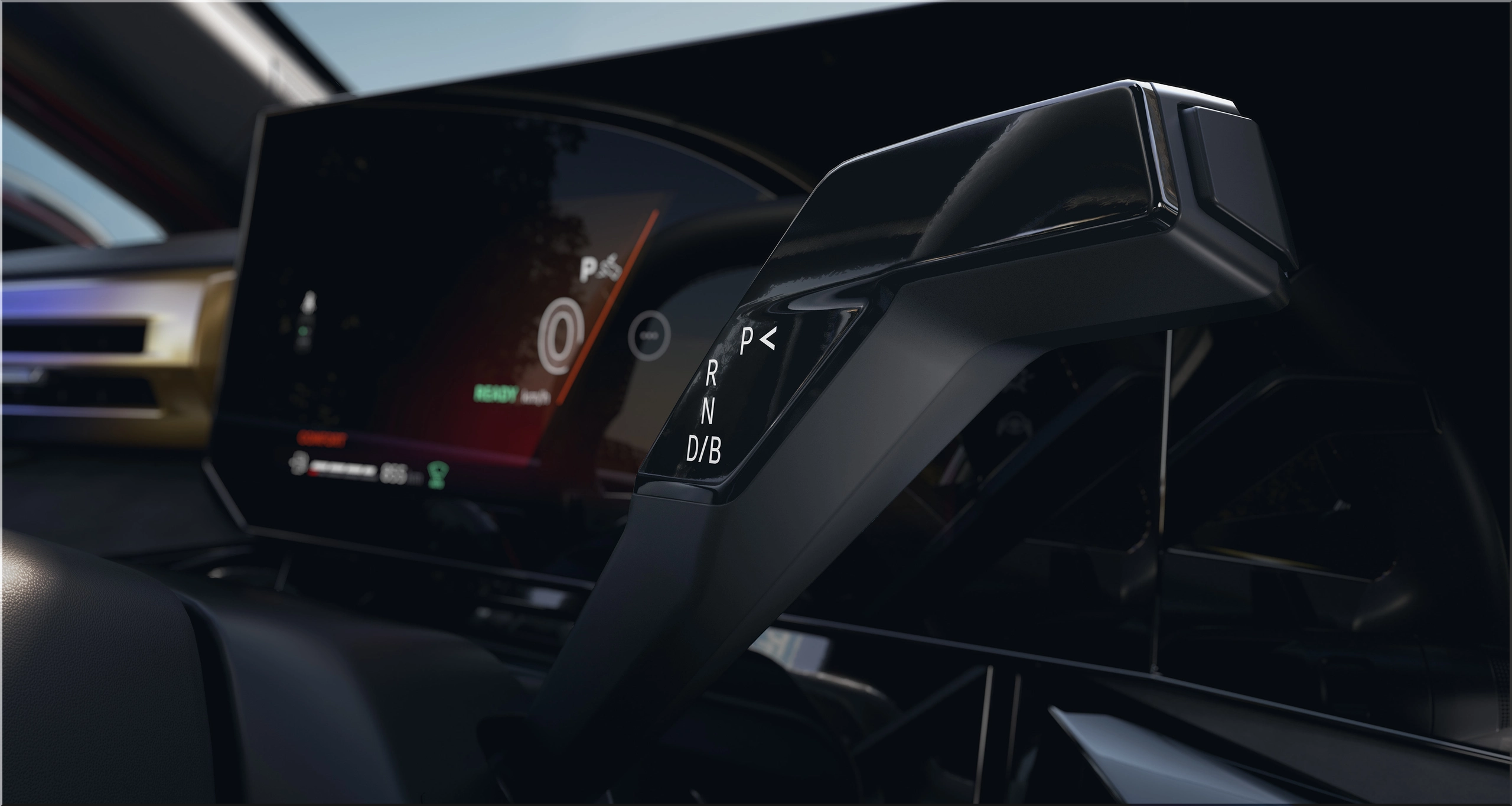
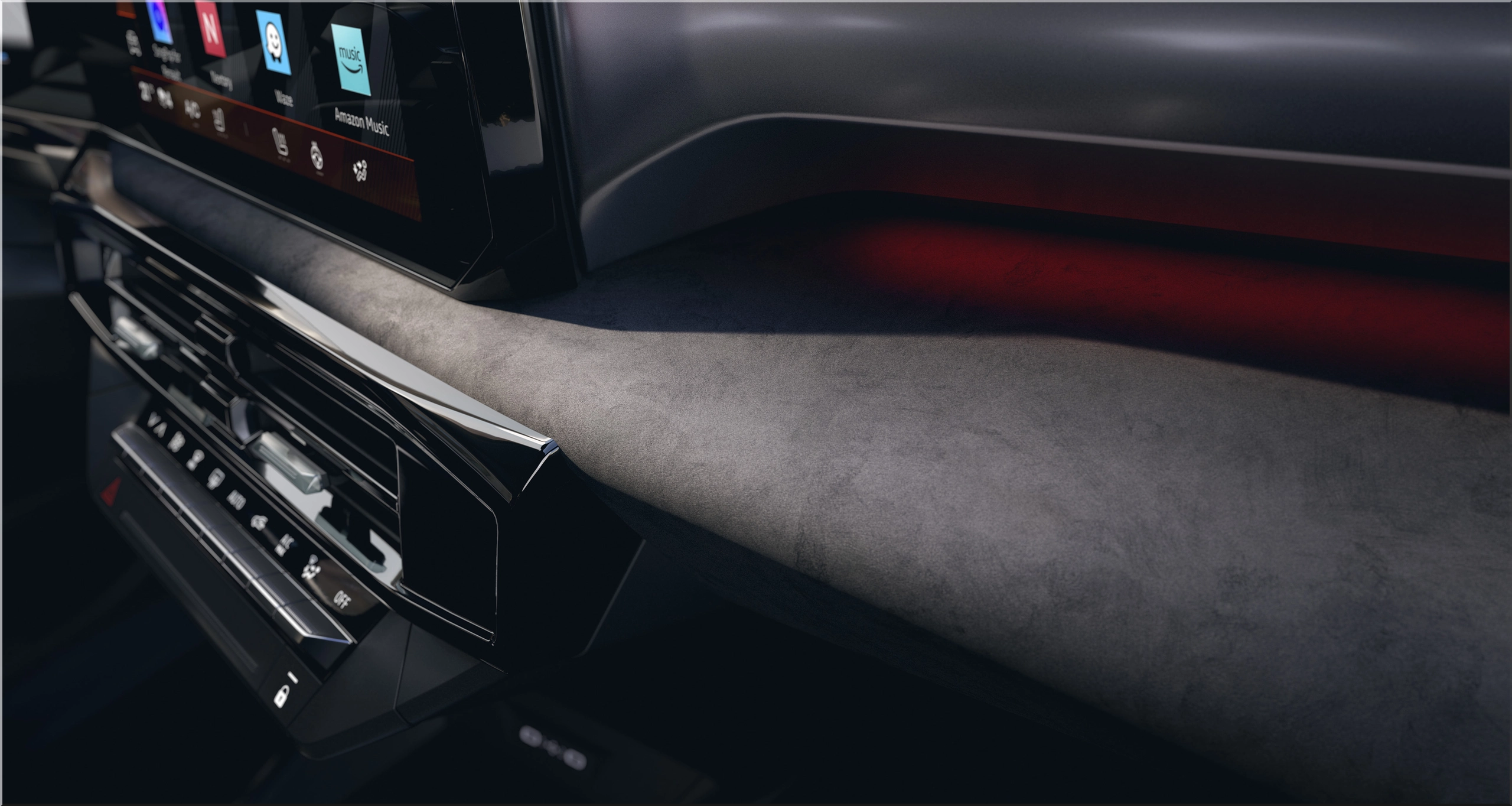
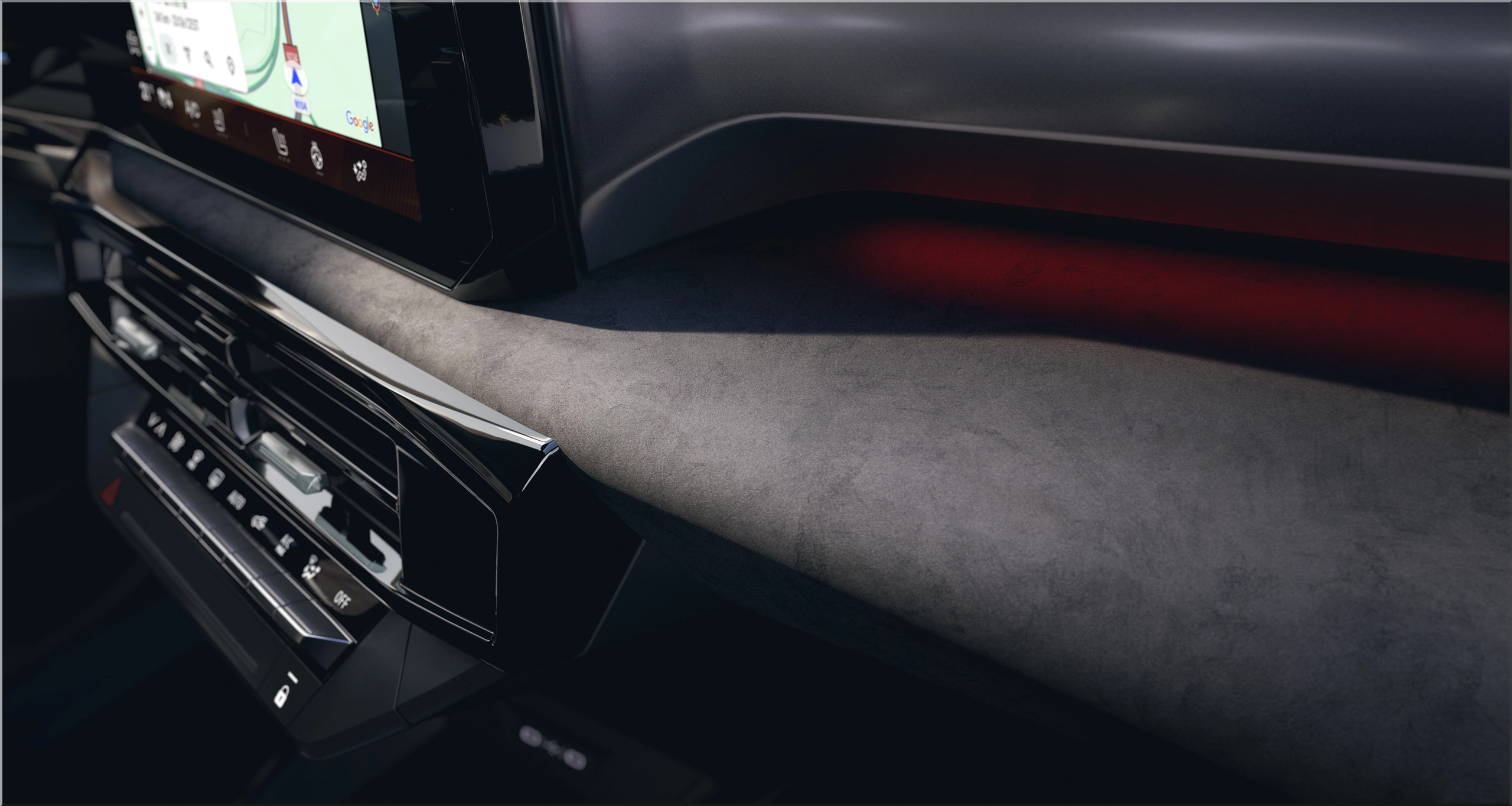
Inside, the cabin is more upscale than ever. Even the base Evolution trim features a 10.1-inch central touchscreen, climate control, and rear parking sensors. Renault has integrated sustainable materials throughout, replacing much of the plastic with soft-touch textiles and Alcantara in premium versions. Despite its compact footprint, the Clio provides a generous 391-liter trunk, placing it near the top of its class for storage.
Simplified Range, Clear Options
Renault has trimmed the Clio lineup to three versions—Evolution, Techno, and Esprit Alpine—each with a well-defined purpose.
This simplified range aims to make purchasing easier while keeping essential tech available across all variants.
| Trim Level | Key Features | Starting Price (Approx. USD) |
|---|---|---|
| Evolution | 10.1" screen, adaptive cruise, parking sensors, climate control | $21,000 |
| Techno | Google built-in system, 16" alloys, reversing camera, LED mood lighting | $26,000 |
| Esprit Alpine | Alcantara seats, 18" wheels, full safety suite, adaptive cruise | $29,000 |
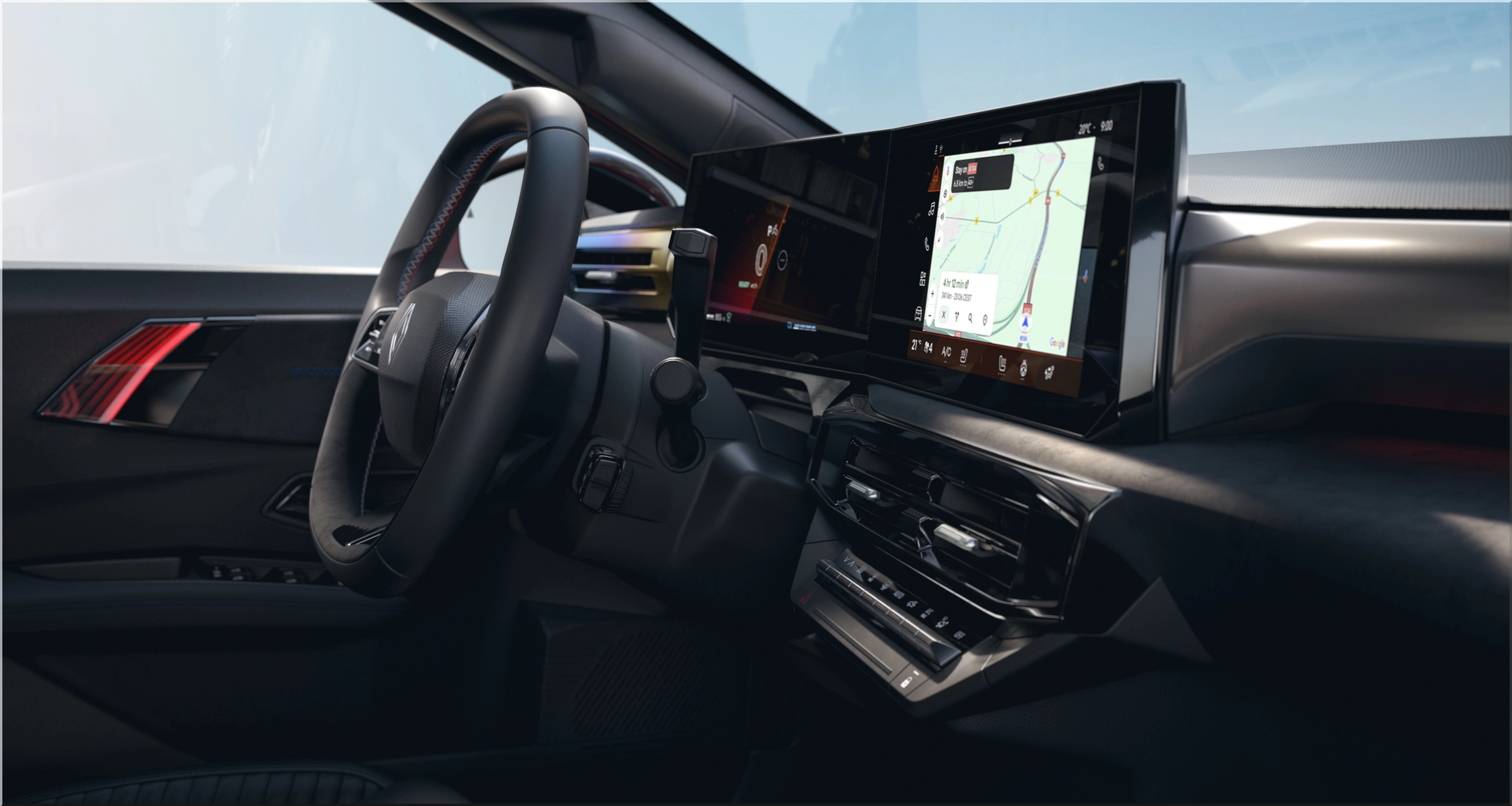
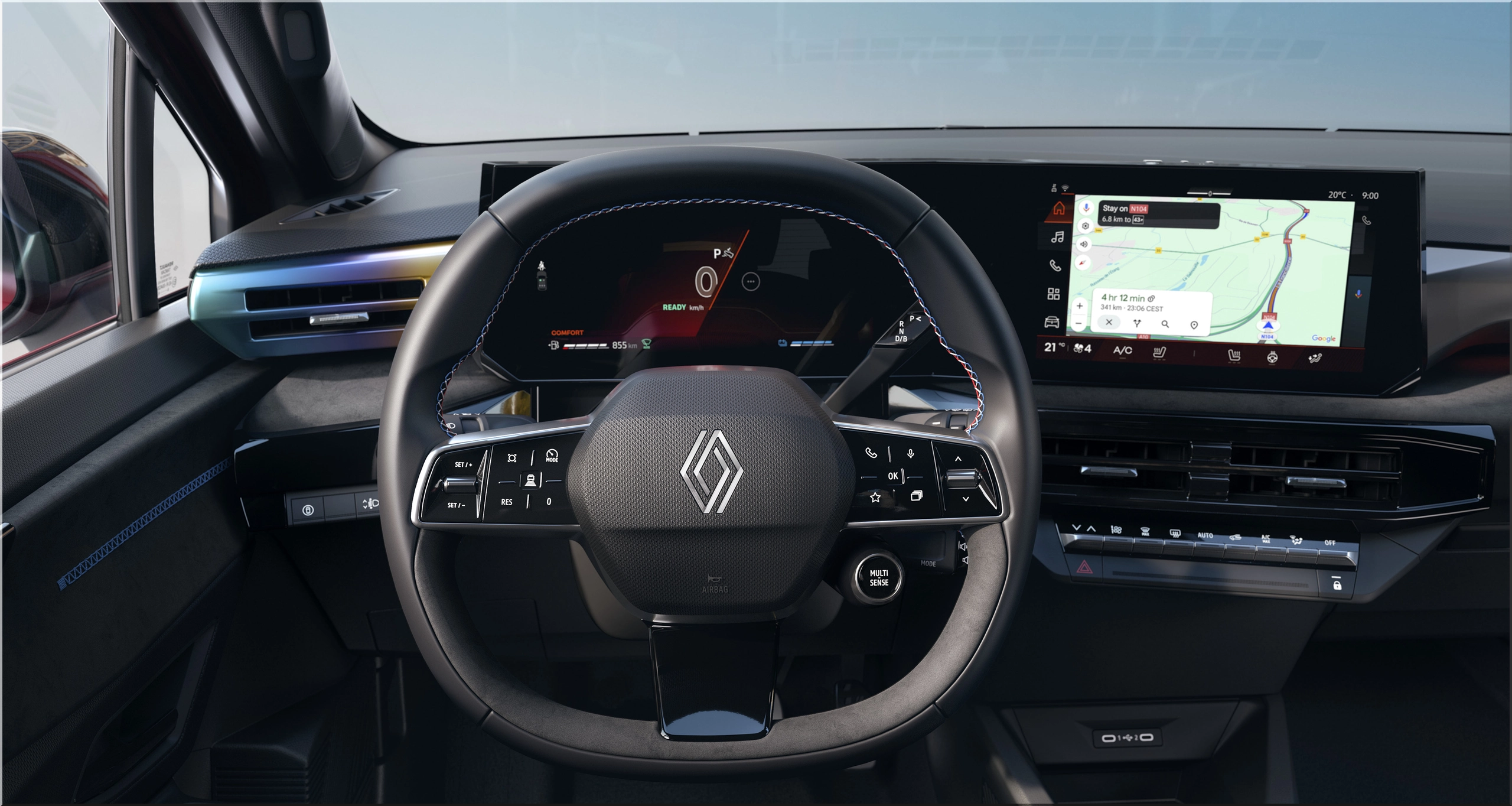
The Evolution trim sets the foundation, delivering the kind of standard tech once limited to pricier vehicles. The Techno version builds on this with Renault’s OpenR Link multimedia system, featuring Google Maps, Google Assistant, and Google Play integration—no smartphone mirroring required.
At the top, the Esprit Alpine model adds sportier materials, larger alloy wheels, and intelligent adaptive cruise control.
Video title
2026 Renault Clio
Hybrid Powertrain for Efficiency and Performance
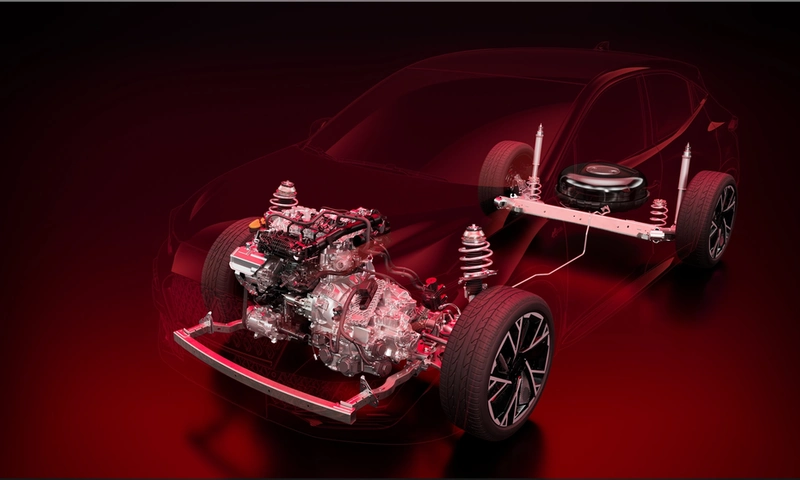
Renault’s most significant update lies under the hood. The Clio E-Tech full hybrid uses a 160 hp system that pairs a 1.6-liter gasoline engine with two electric motors and a multi-mode automatic gearbox. This setup delivers improved acceleration—0 to 100 km/h (62 mph) in 8.3 seconds—and better fuel economy, rated at 3.9 liters/100 km (about 60 mpg) under WLTP testing.
CO₂ emissions start at 89 g/km, among the lowest in its class.
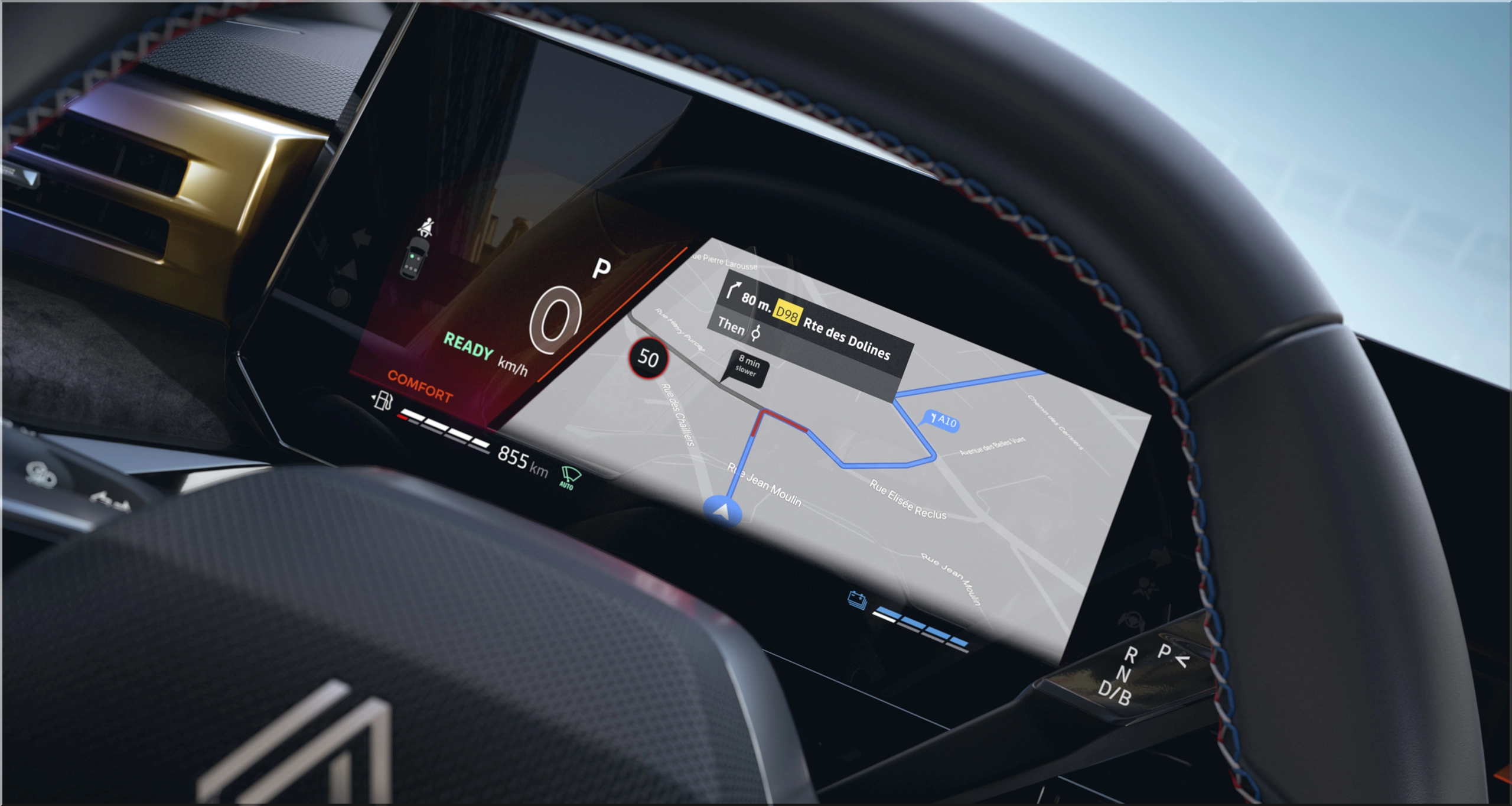
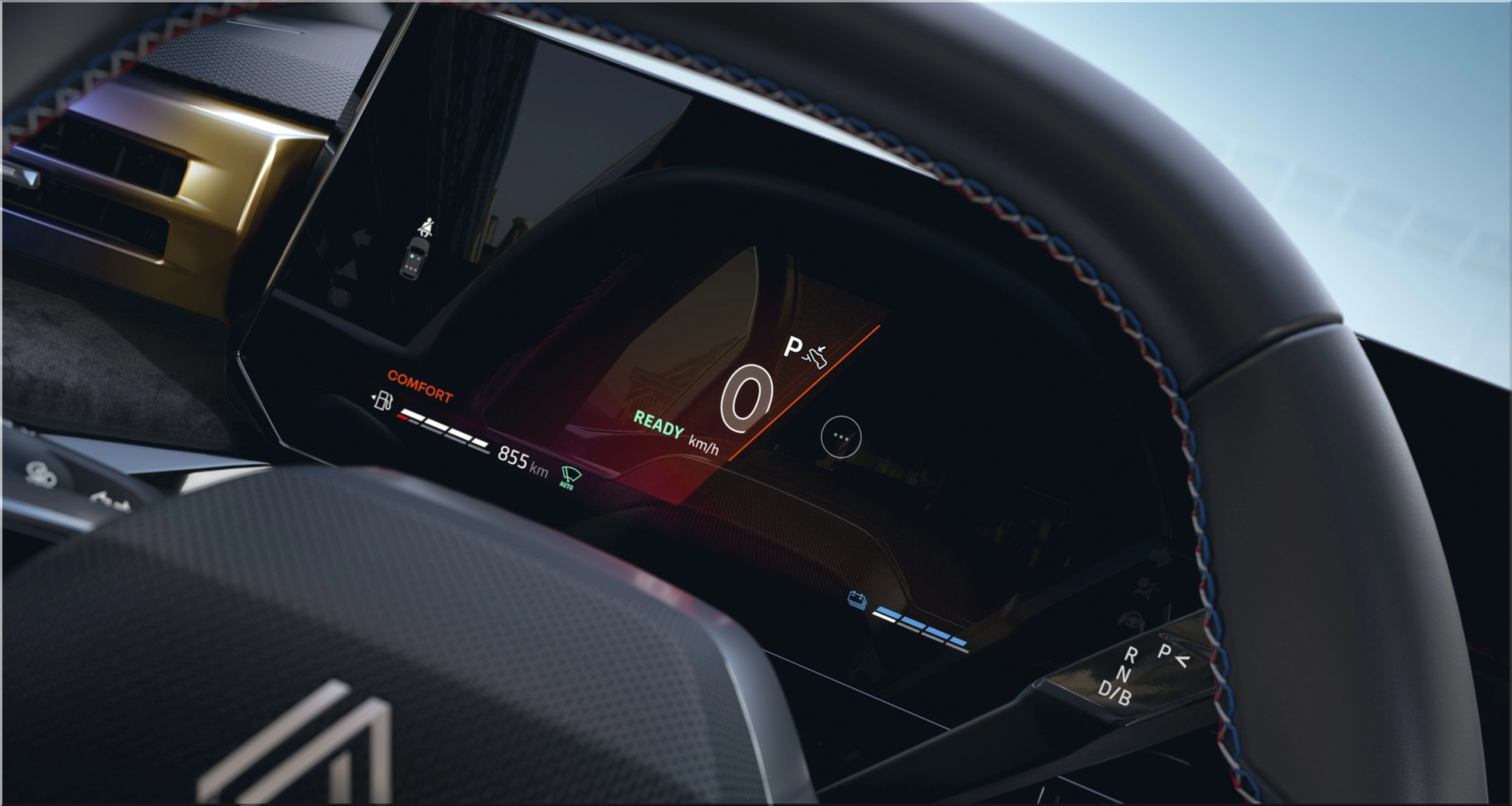
The hybrid system offers seamless switching between electric and gas power, enabling urban driving with minimal fuel use. The electric motor handles low-speed traffic efficiently, while the gasoline engine provides sustained power on highways.
For buyers who prefer traditional engines, Renault still offers the TCe 115 petrol option, available with a manual or EDC dual-clutch transmission. Prices begin at €19,900 (about $21,000), while the hybrid version starts at €24,600 (around $26,000). An ECO-G 120 EDC model—running on gasoline and LPG—will join the range in 2026.
Packed with Driver Assistance and Safety Tech
The new Clio includes up to 29 driver assistance features. These systems enhance safety without adding complexity.
Key highlights include:
- Adaptive Cruise Control
- Blind Spot Warning
- Rear Cross Traffic Alert
- Active Driver Assist
- Automatic Emergency Braking
- Lane Keeping Support
- Rear Occupant Alert
Higher trims combine these features with automatic high beams, intelligent adaptive cruise, and 360° parking sensors. Renault’s focus remains on accessible technology, integrating advanced systems without overwhelming drivers with menus or settings.
In-Car Technology with Google Built-In
The OpenR Link system represents one of the Clio’s major upgrades. Borrowed from Renault’s larger models, it integrates Google’s software suite directly into the infotainment unit.
That means real-time navigation, voice control, and app downloads work natively—no phone connection required.
Drivers can say, “Hey Google, find the nearest charging station,” and receive instant results on-screen. The system also updates over the air, keeping maps, apps, and vehicle firmware current.
The user interface is intuitive and fast, with large icons and customizable widgets. Renault’s goal is to make tech that saves time rather than distracts, aligning with the company’s move toward connected mobility.
Hybrid Advantage: Lower Costs, Less Fuel
Renault’s hybrid approach pays off in both running costs and emissions. With 3.9 liters/100 km consumption, the hybrid Clio can cover over 700 km (435 miles) on a single tank. Compared with traditional petrol models, owners can save hundreds of dollars yearly in fuel expenses.
Maintenance costs also drop due to fewer moving parts and reduced brake wear, since regenerative braking assists in energy recovery. Renault includes three years of servicing and 24/7 assistance for $1 per month as part of its Mobilize Financial Services plan, offering predictable ownership costs over the 37-month lease term.
A Broader Electric and Hybrid Strategy
The new Clio joins Renault’s growing E-Tech lineup, which includes:
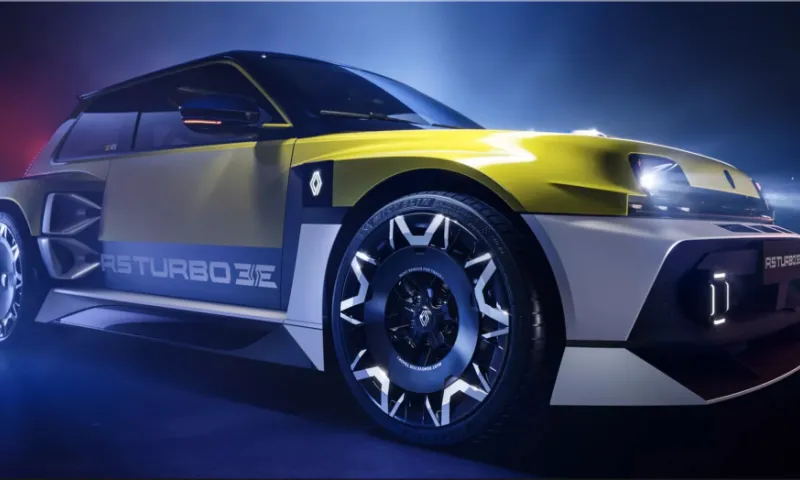
- Renault 5 E-Tech Electric (3.92 m)
- Renault 4 E-Tech Electric (4.14 m)
- Captur E-Tech Hybrid (4.24 m)
- Twingo E-Tech Electric (launching in 2026)
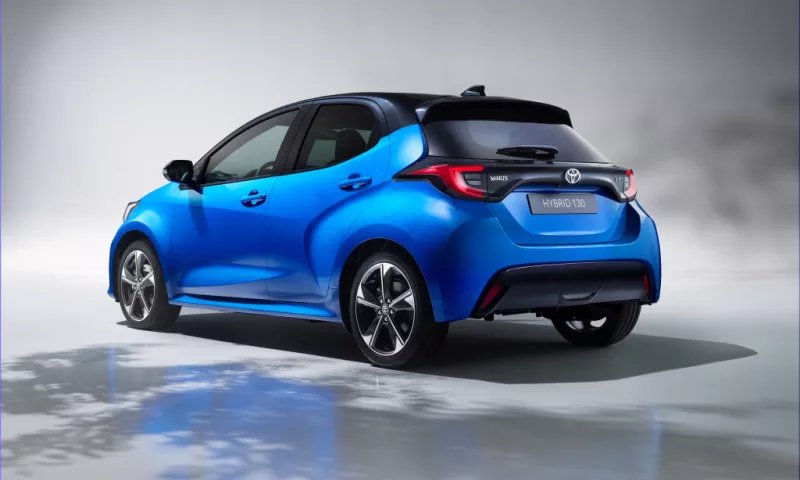
This structure creates a clear ladder for customers—from compact electric models to efficient hybrids—allowing Renault to compete directly with Toyota Yaris Hybrid, Peugeot 208, and Volkswagen Polo.
Each model targets specific use cases, helping the brand retain its strong presence in the European small car segment.
Image gallery




Esprit Alpine: The Performance-Inspired Trim
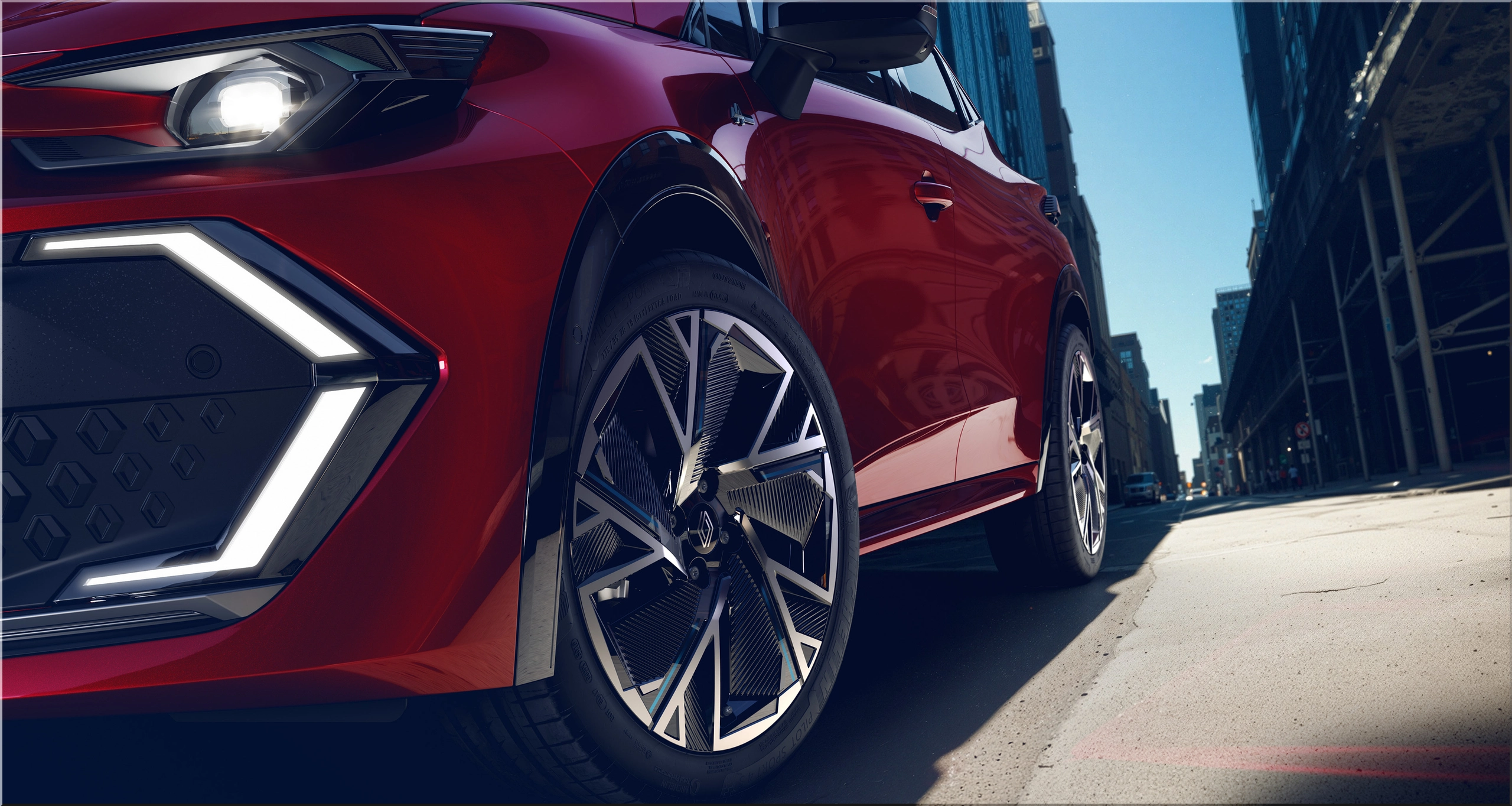
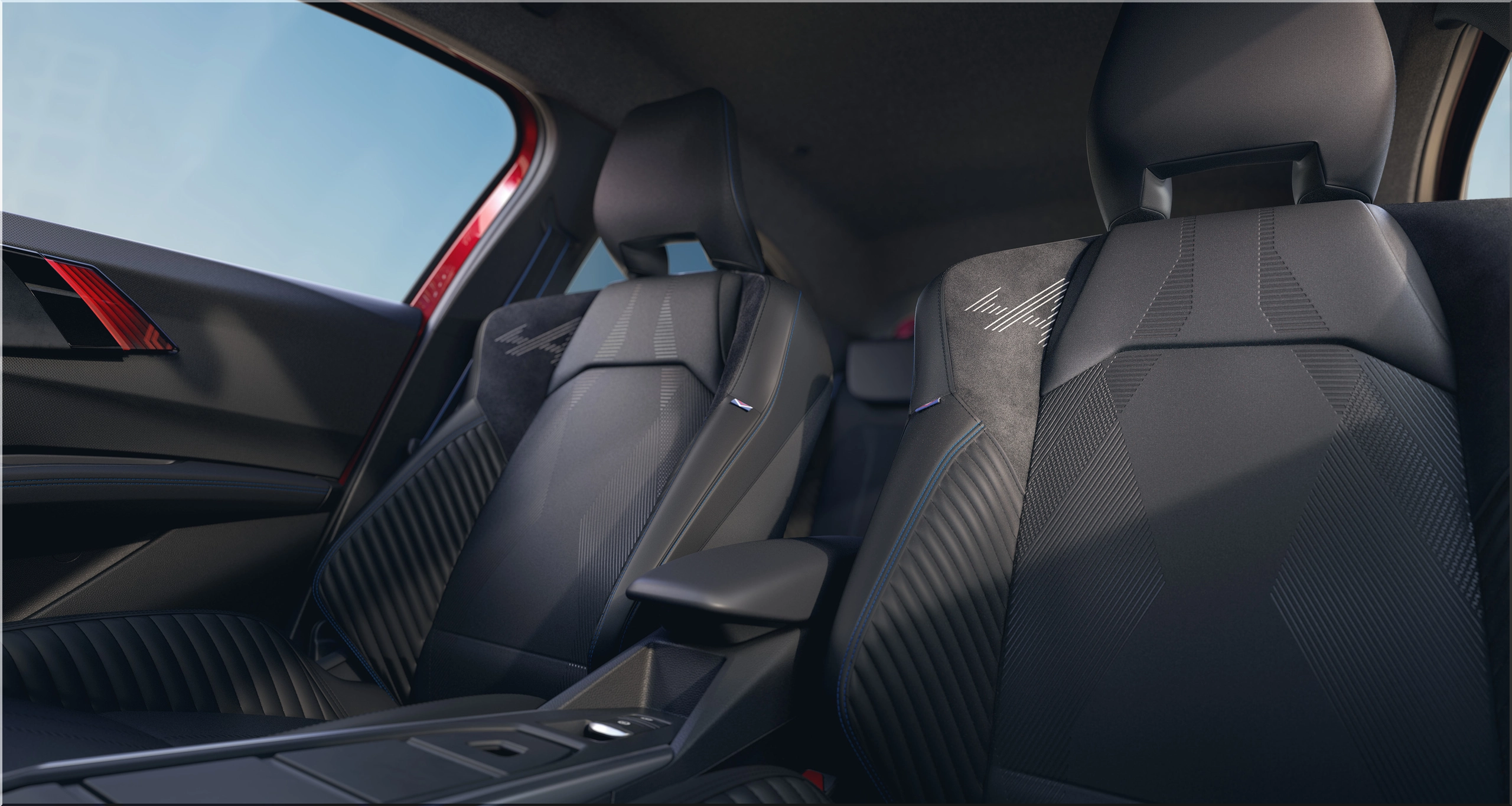
The Esprit Alpine version brings sportier styling without changing the Clio’s practicality. It features Alcantara seat inserts, aluminum pedals, and backlit Clio logos. The exterior gets 18-inch diamond-cut wheels, a Dark Chrome badge, and blue-accented grilles.
This version also bundles the full Active Driver Assist suite, adding confidence on highways and urban roads alike. It represents Renault’s attempt to merge sporty appeal with daily usability—something the brand’s fans have long requested.
Leasing and Financial Offers
Renault’s leasing model aims at flexibility.
French customers can lease the new Clio from €180/month ($195) for the TCe petrol or €240/month ($260) for the hybrid. Contracts include:
- 37 months / 30,000 km limit
- First payment: €2,500 for petrol, €3,000 for hybrid
- 3-year service plan and warranty for €1/month
At lease end, vehicles return to dealerships with options for renewal or upgrade. Renault’s Sérénité Contract covers servicing, warranty, and roadside assistance, simplifying ownership for customers seeking predictable expenses.
Real-World Value in the Small Car Segment
The 2026 Renault Clio continues its reputation as one of Europe’s most versatile small cars. It combines efficiency, advanced tech, and affordable pricing—a formula that has sold over 16 million units globally since the model’s debut in 1990.
Renault’s challenge has been keeping the Clio relevant in an SUV-heavy market. This generation addresses that by offering the feel of a larger car—tech, comfort, and safety—without losing the ease of use that has defined it for decades.
Image gallery
The Bottom Line
The new Renault Clio 2026 demonstrates that small cars can still deliver modern features and strong hybrid efficiency without premium pricing.
With hybrid technology, Google integration, and a simplified range, Renault gives drivers a straightforward choice in an increasingly complex market.
Production begins soon, with first deliveries expected in early 2026.
For urban and suburban drivers seeking an efficient hatch that combines performance, low emissions, and digital convenience, the new Clio makes a strong case for staying compact.
- Add new comment
- 679 views