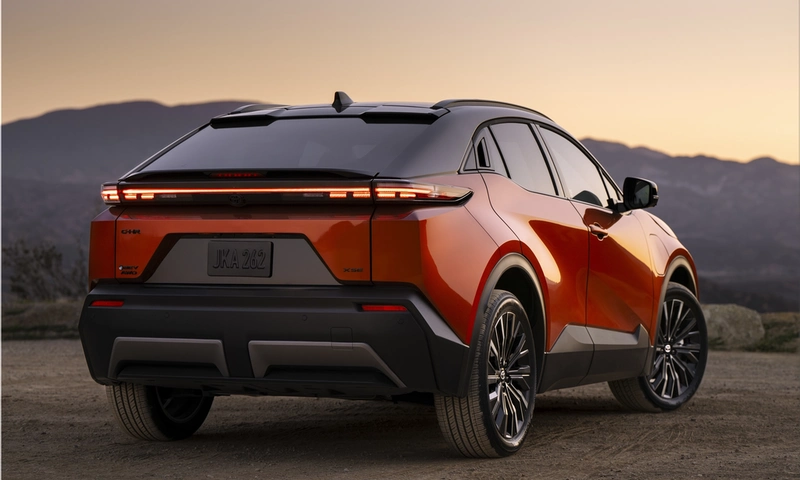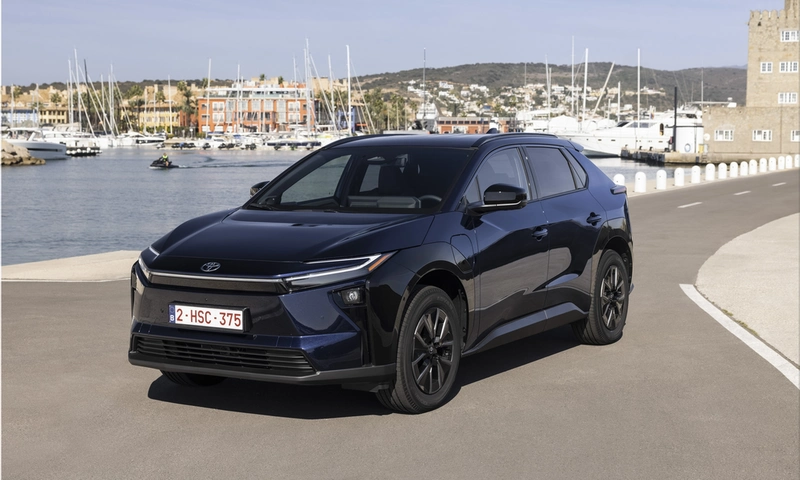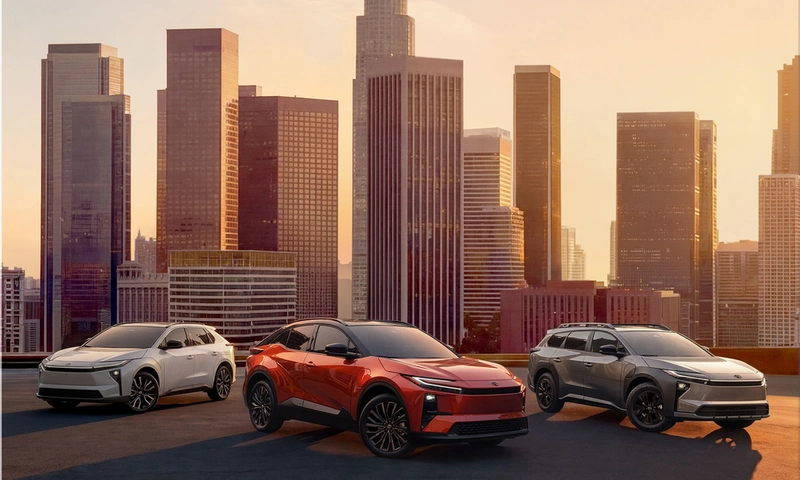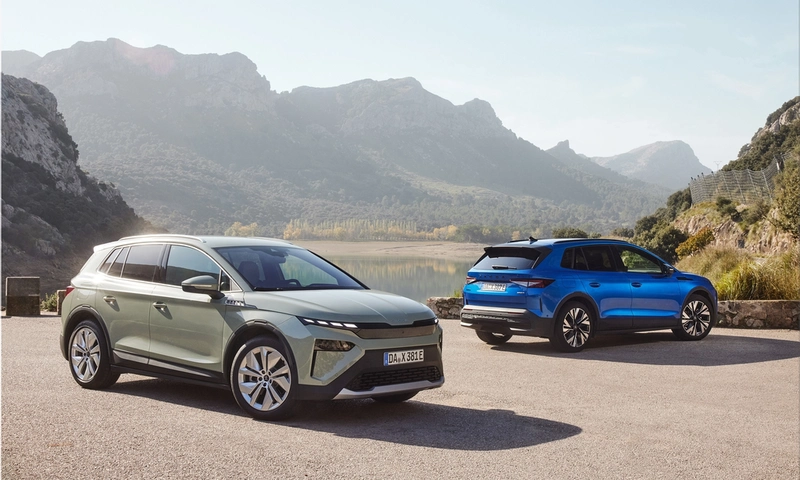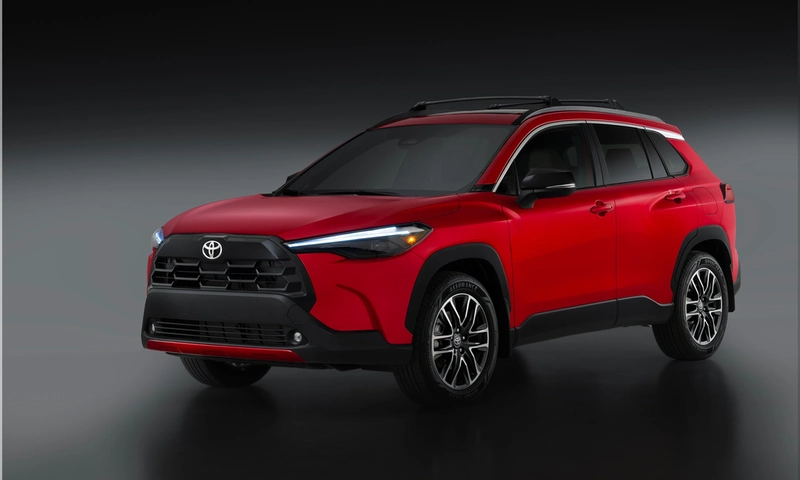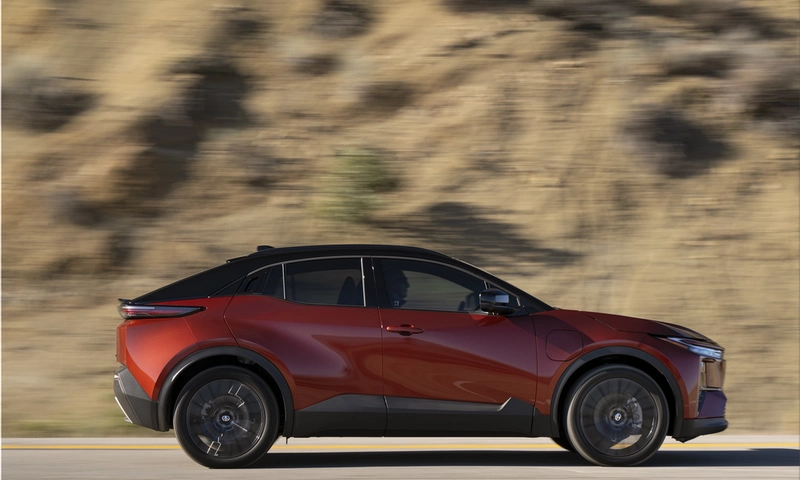
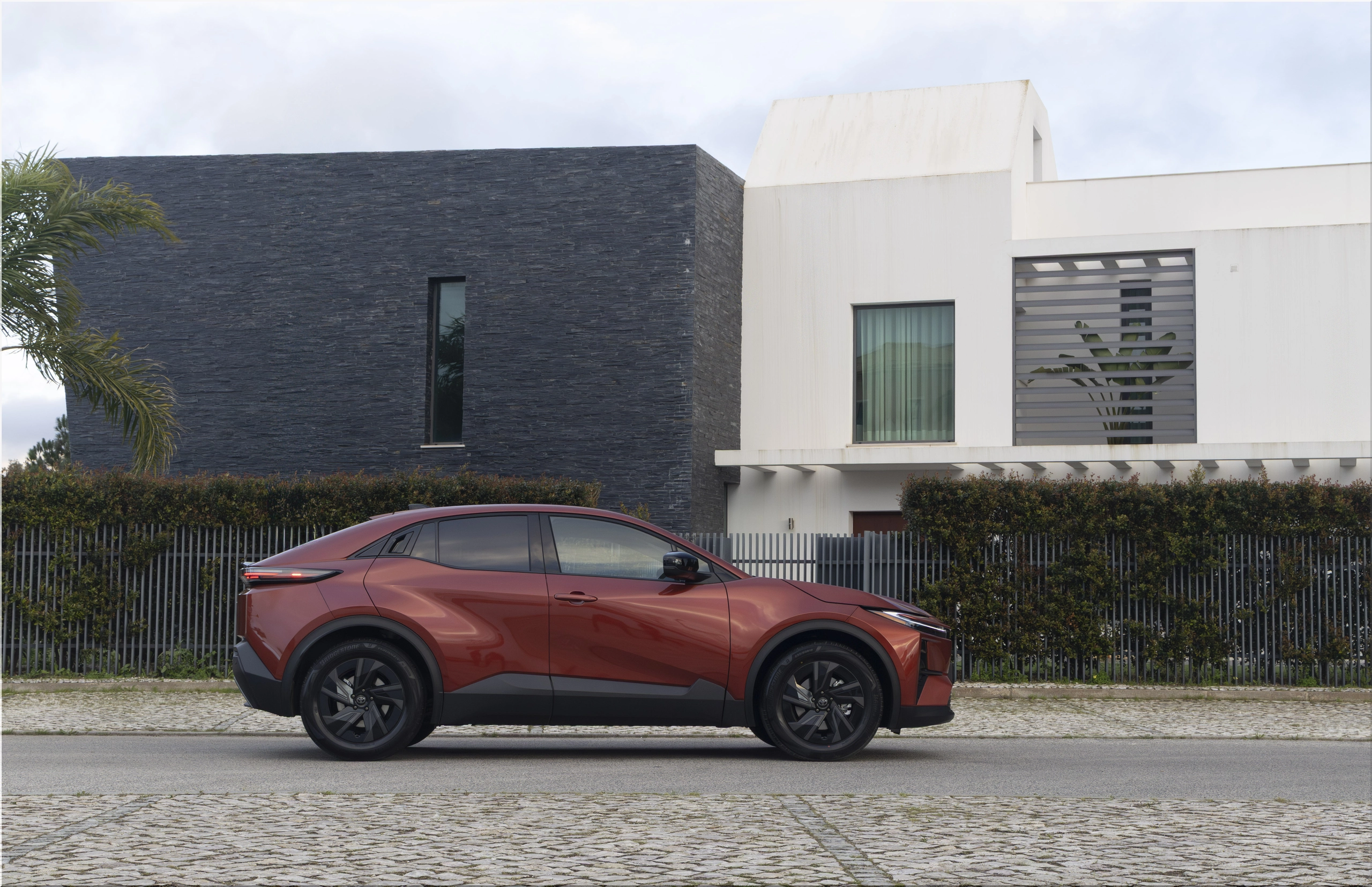
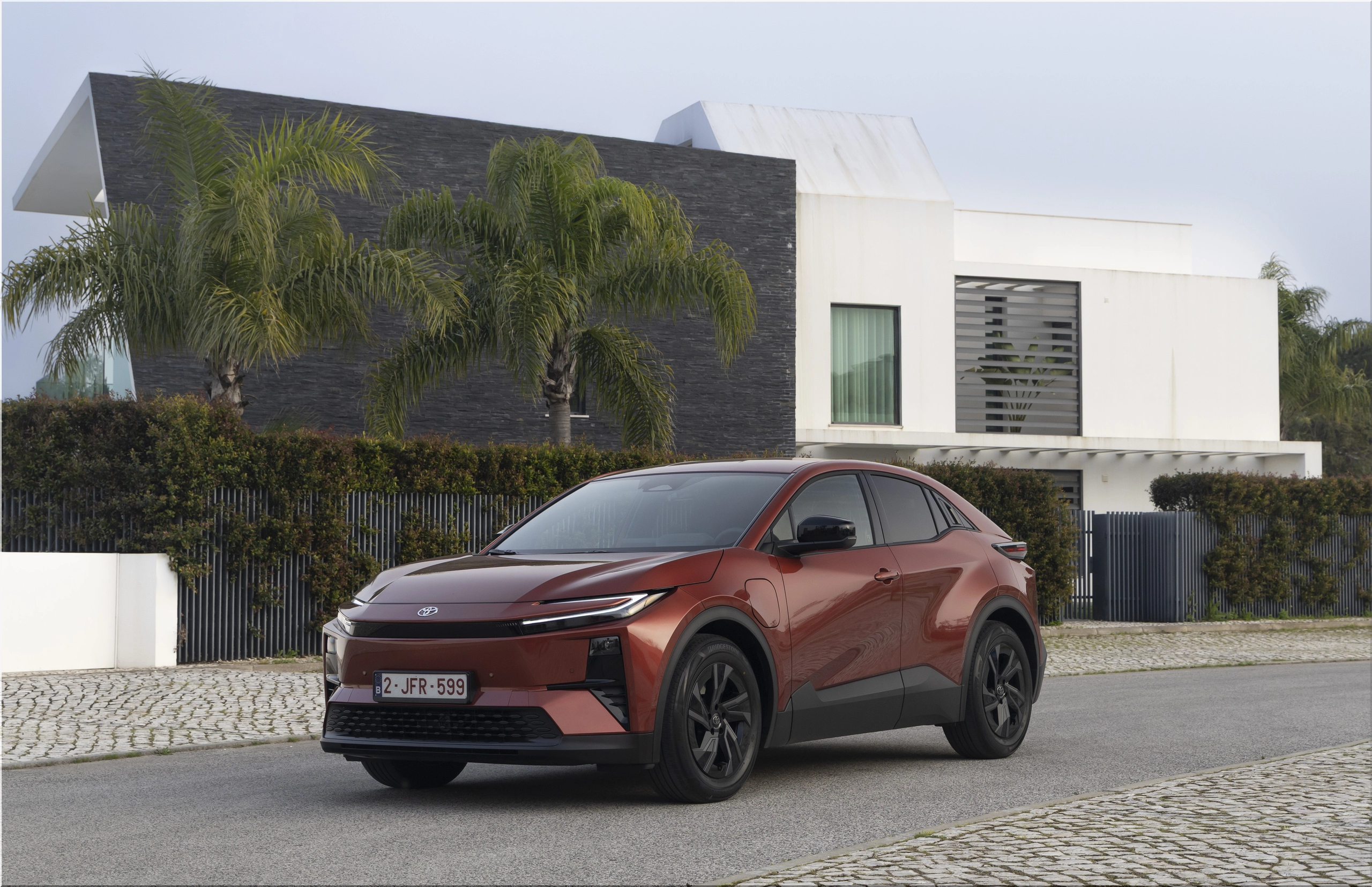
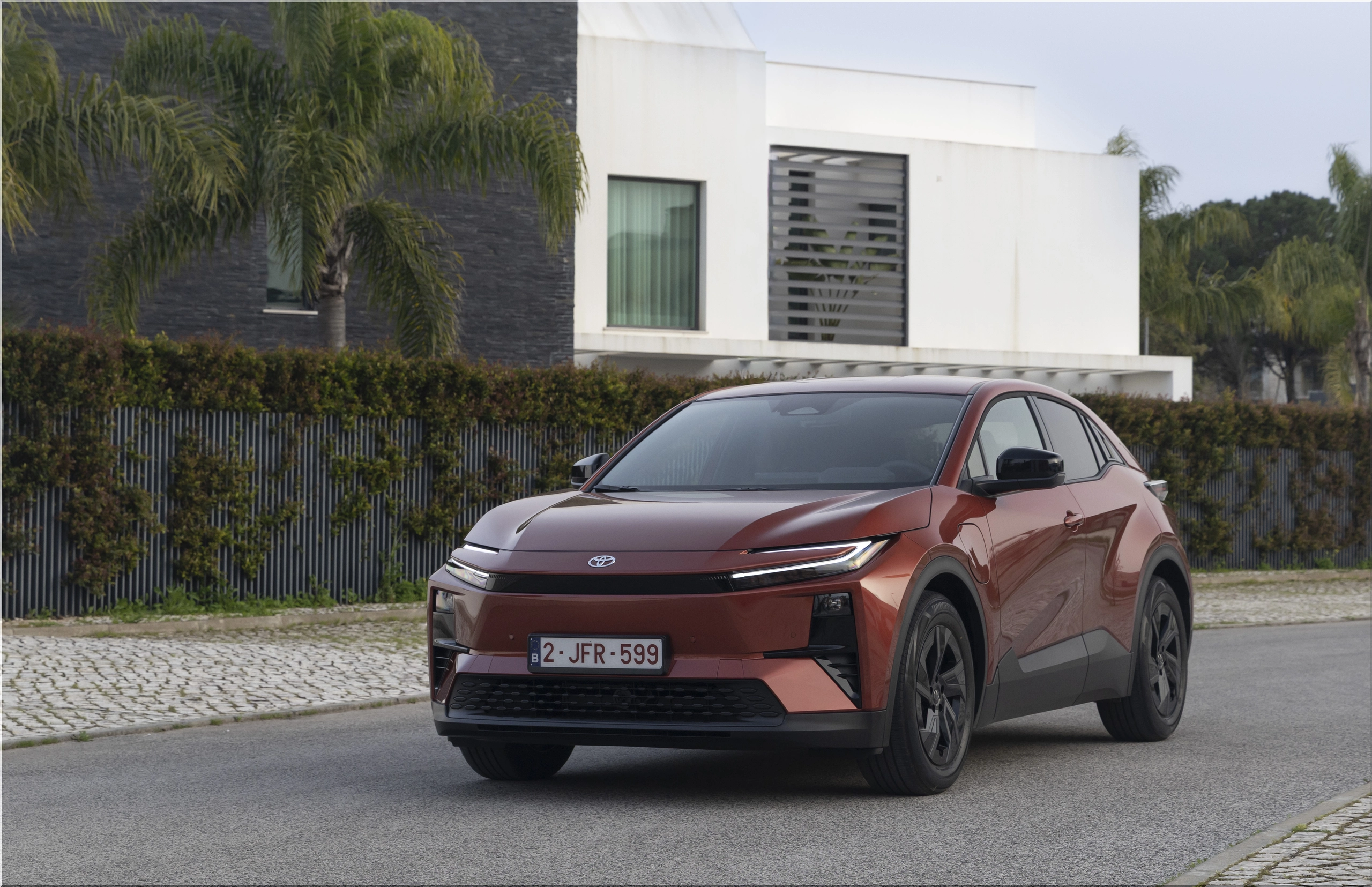
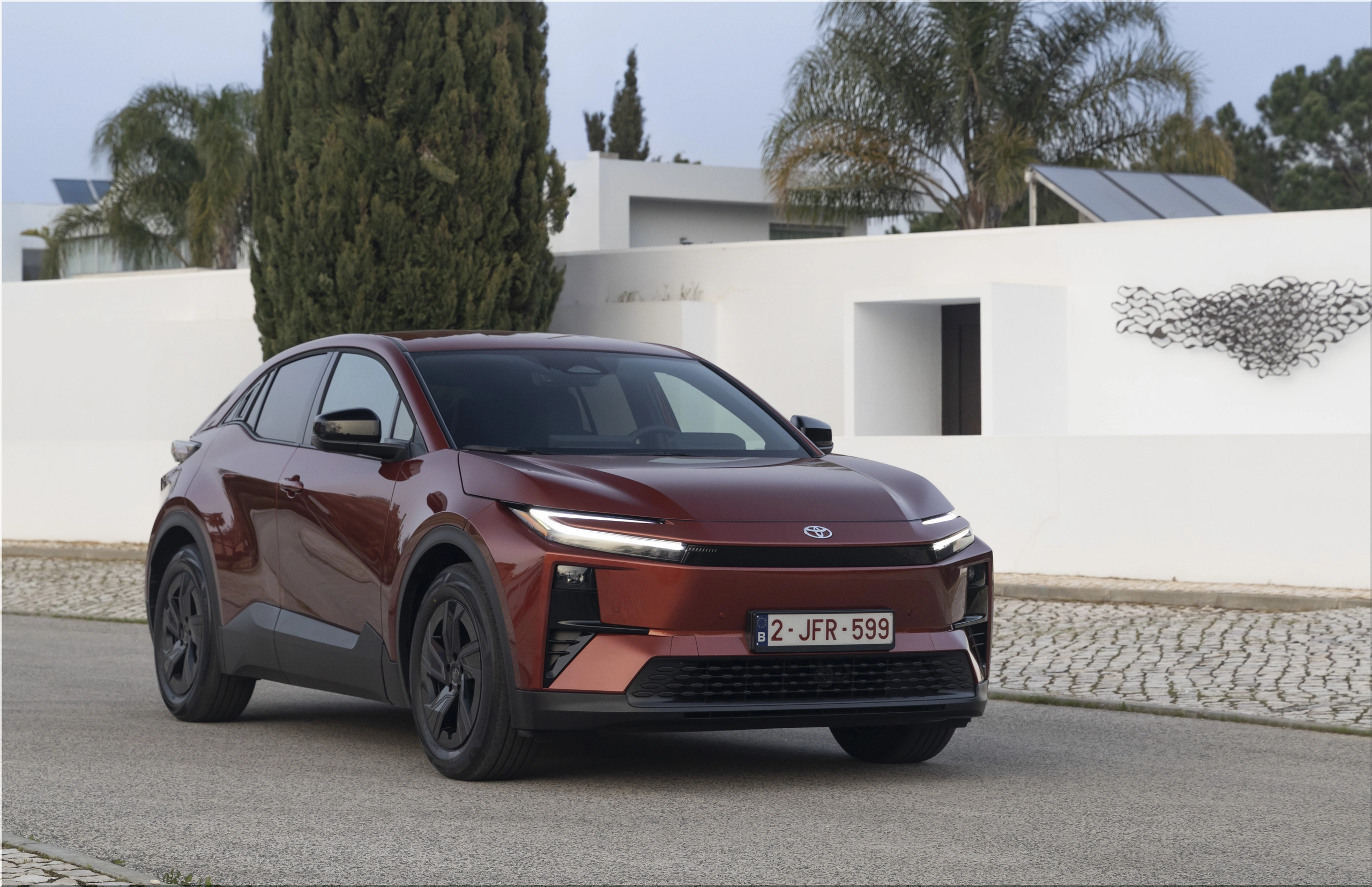
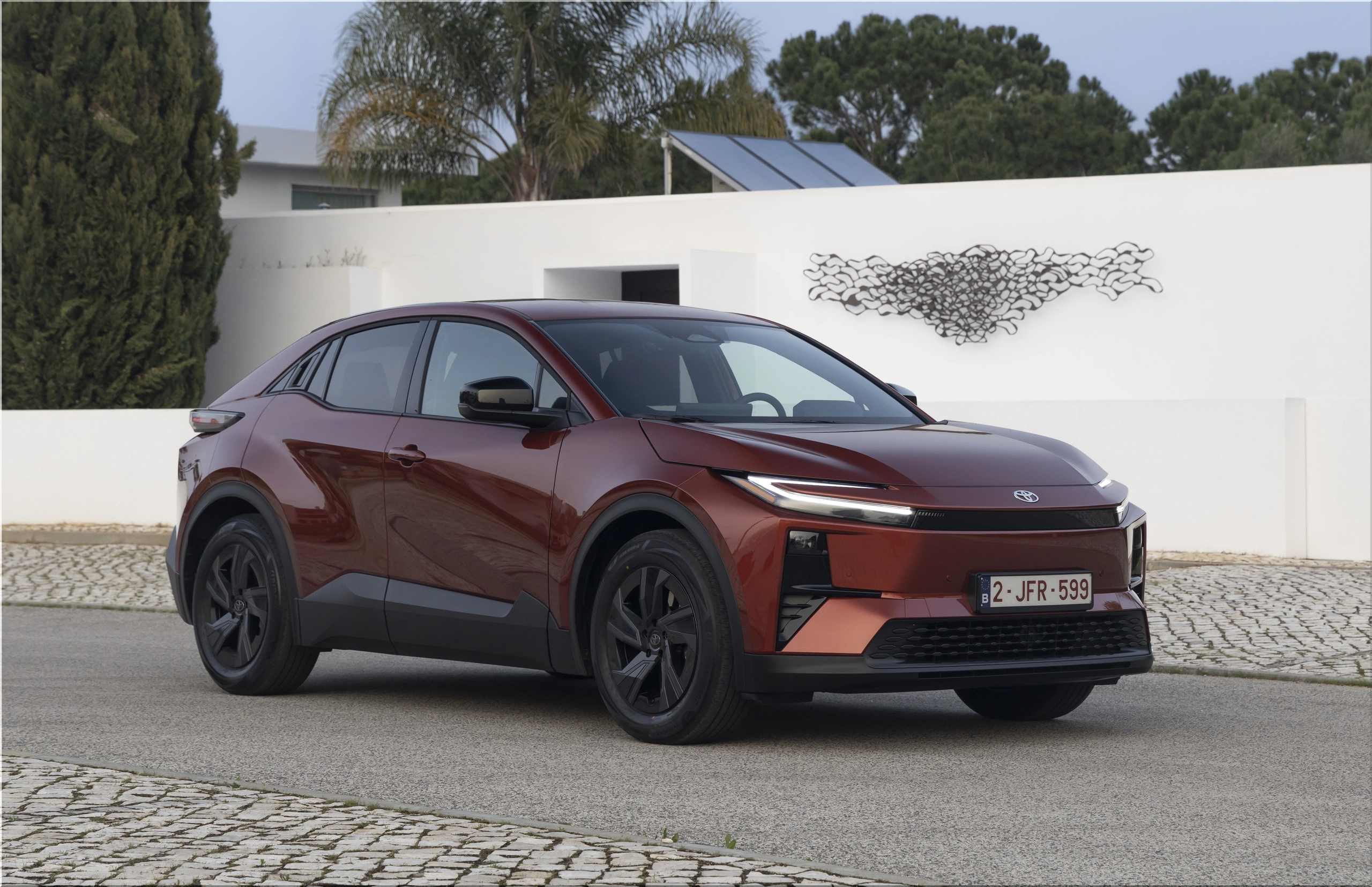
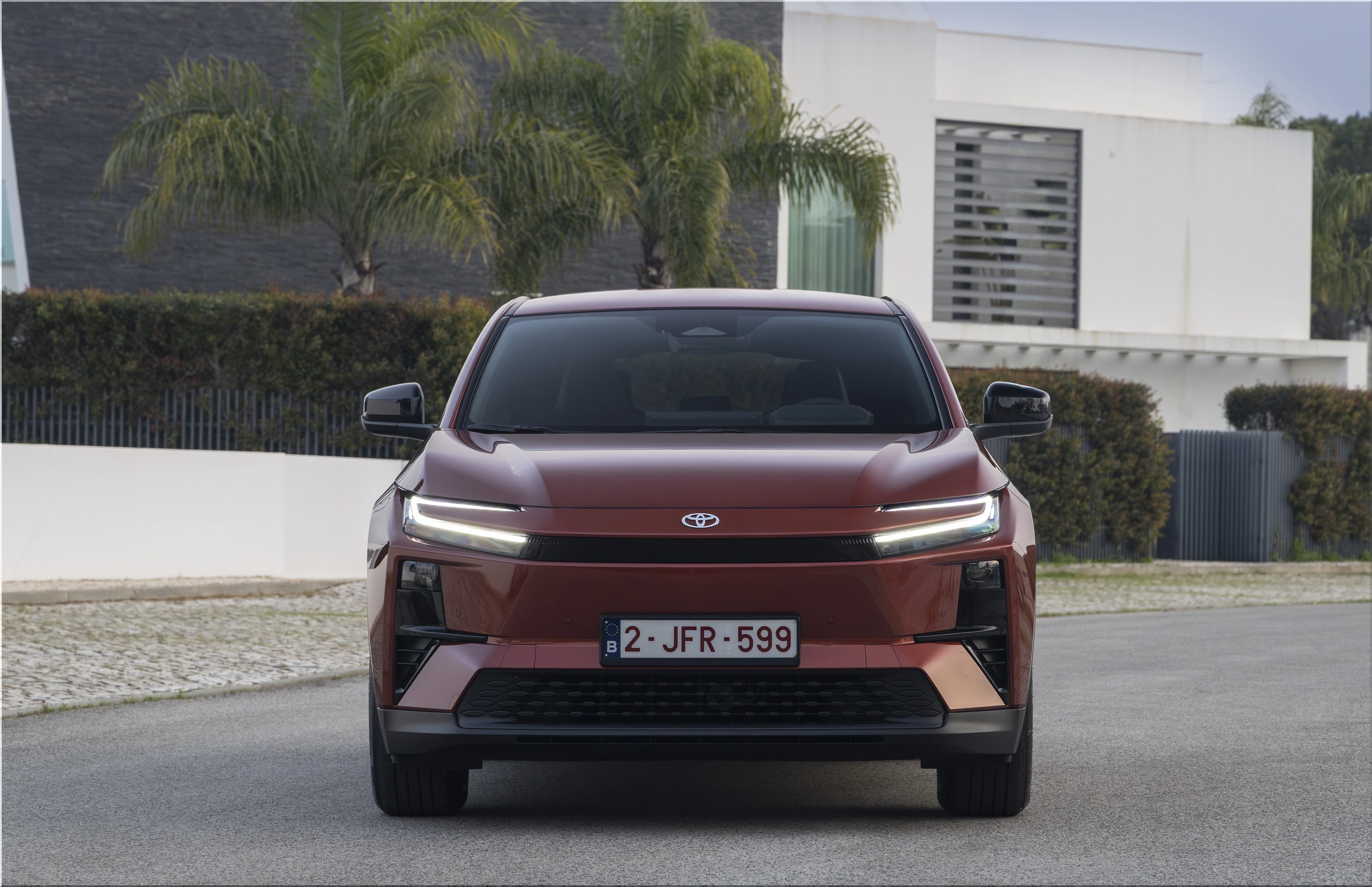
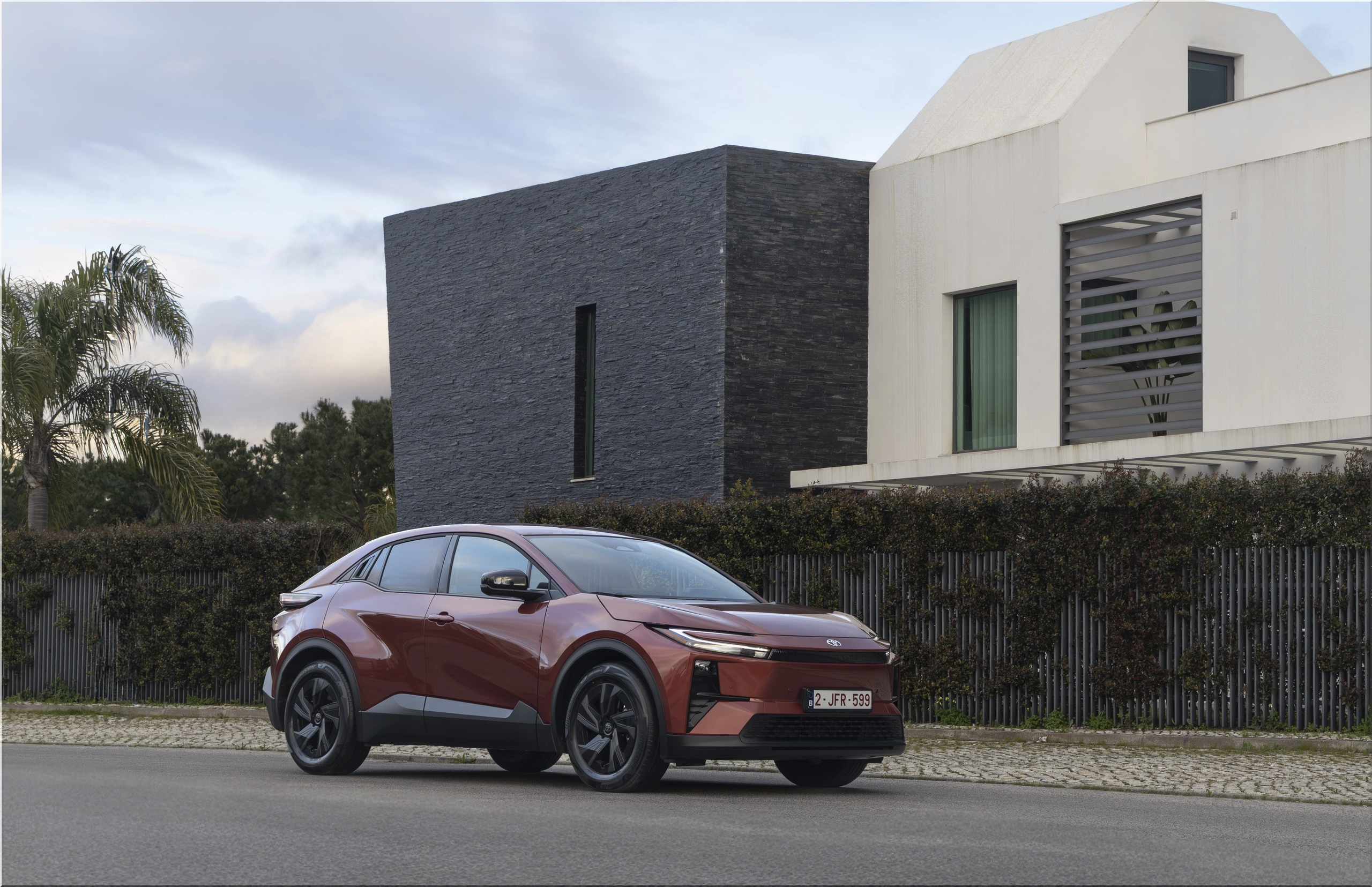
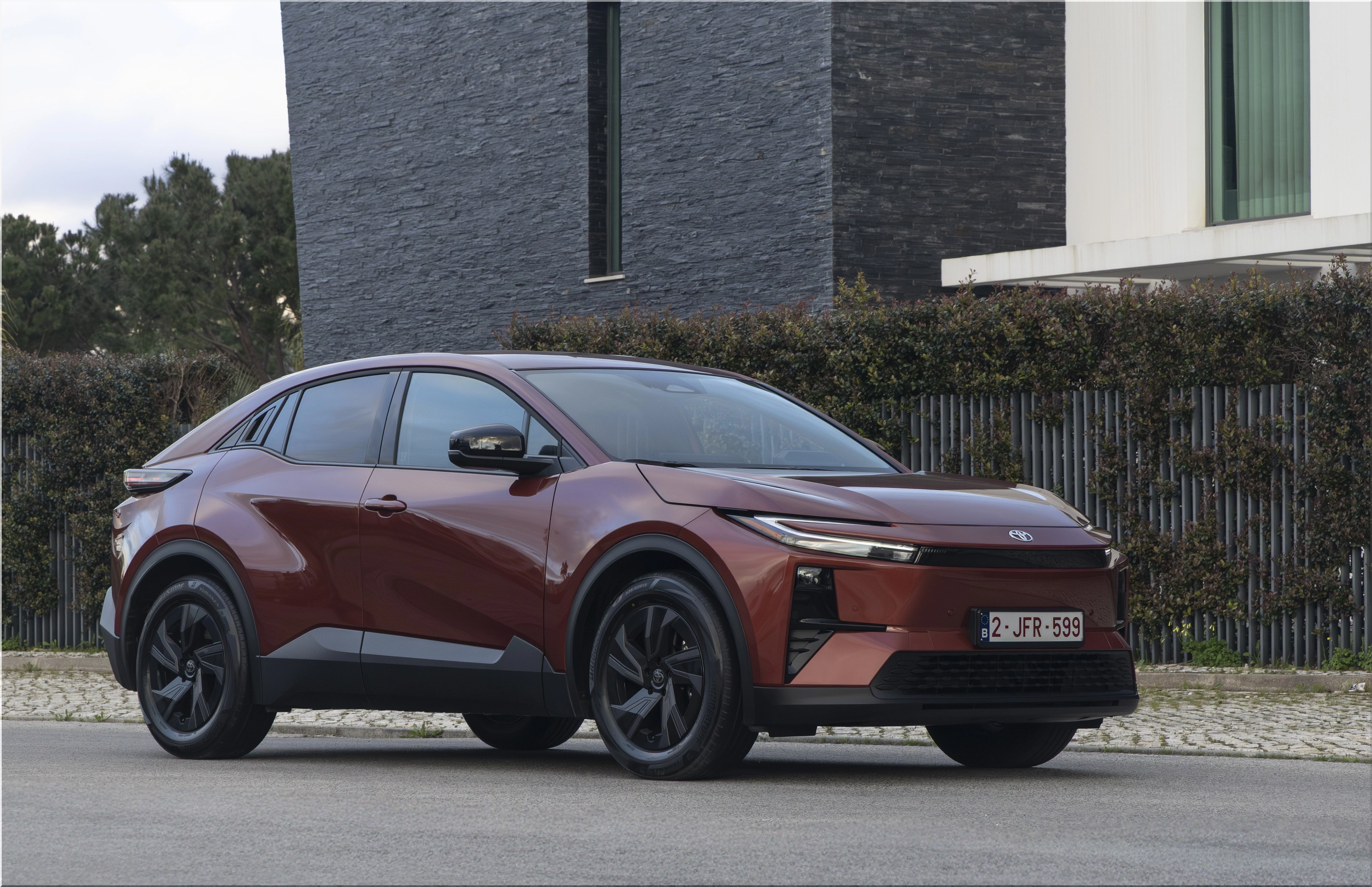
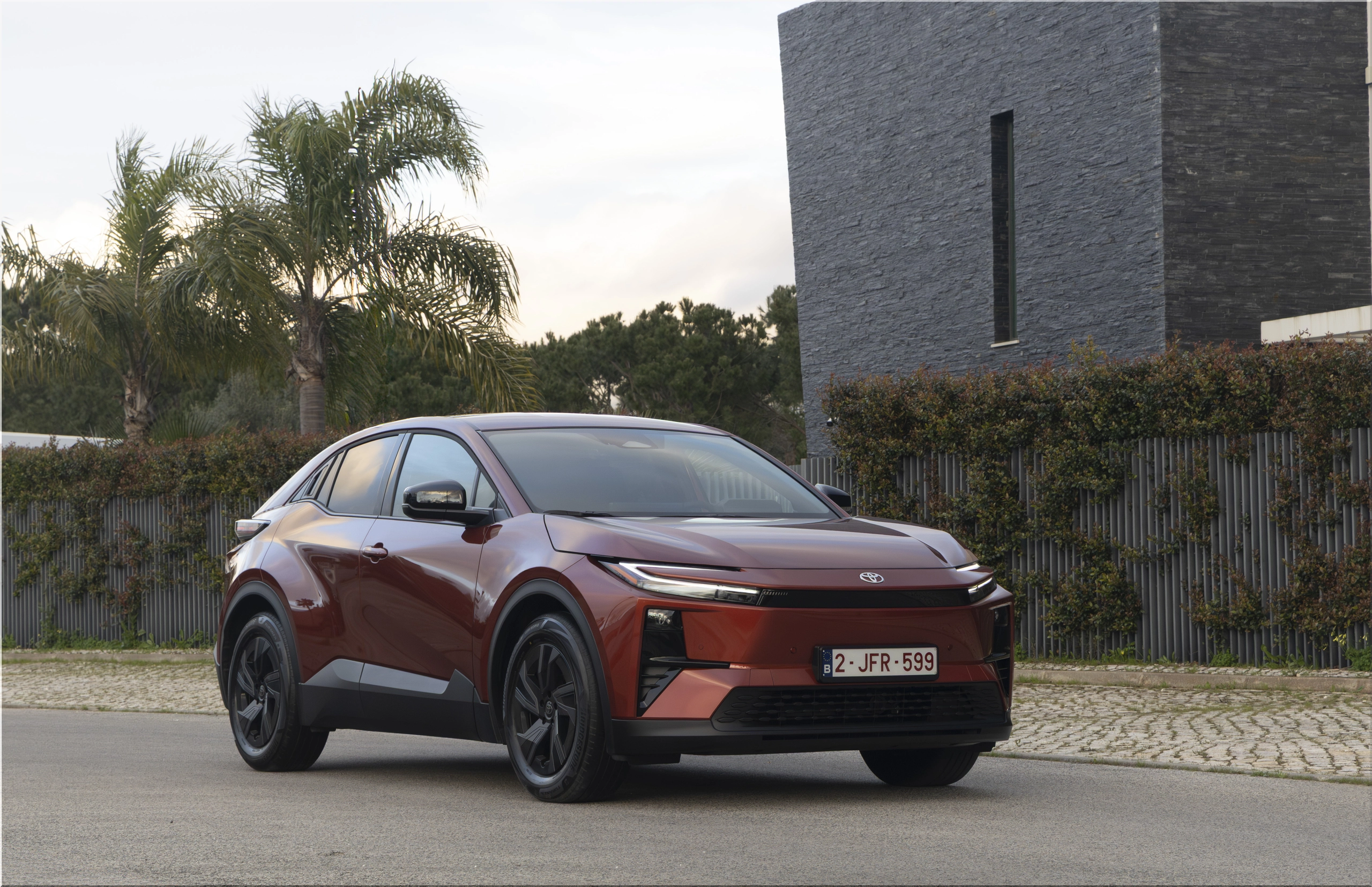
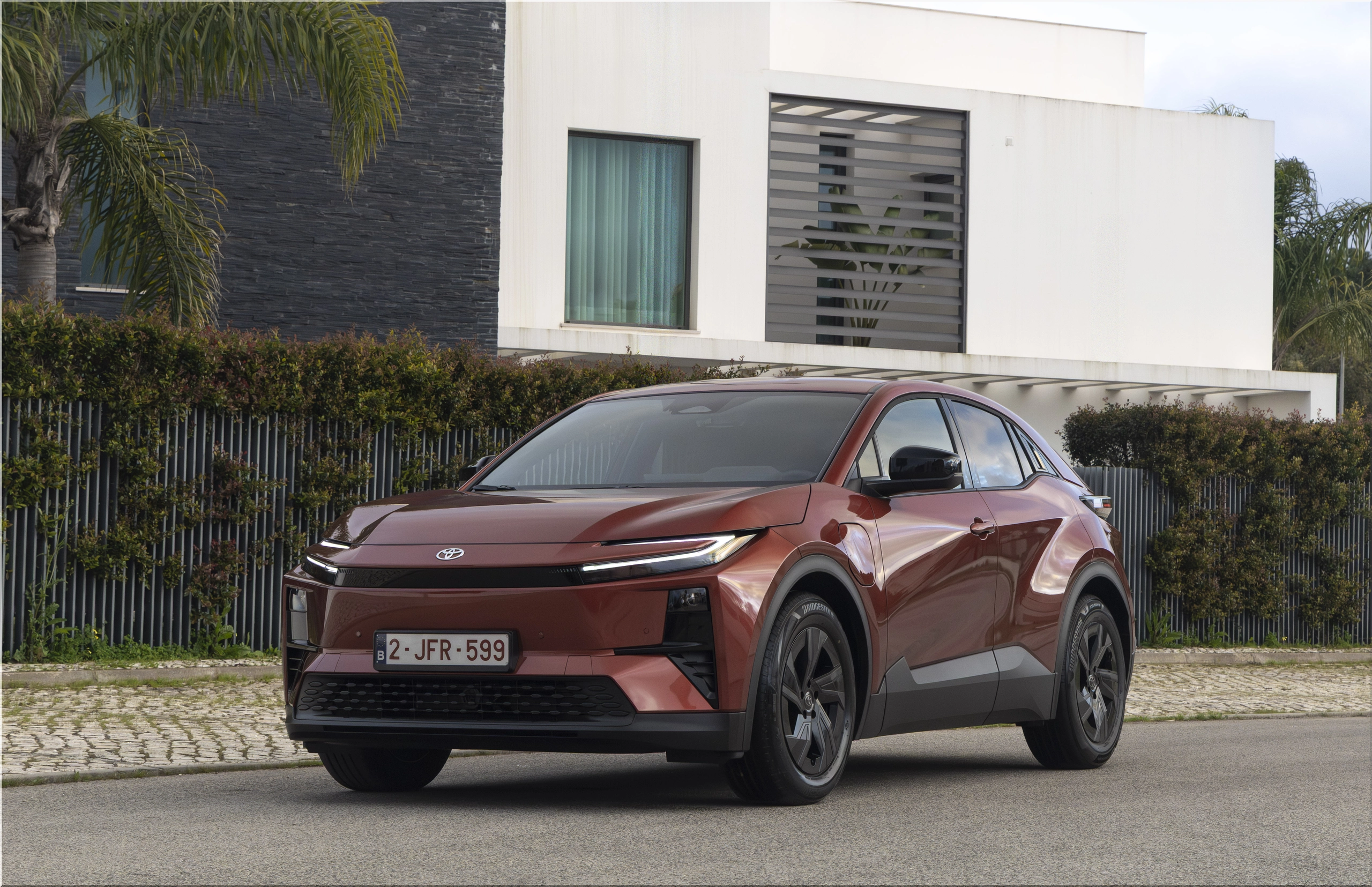
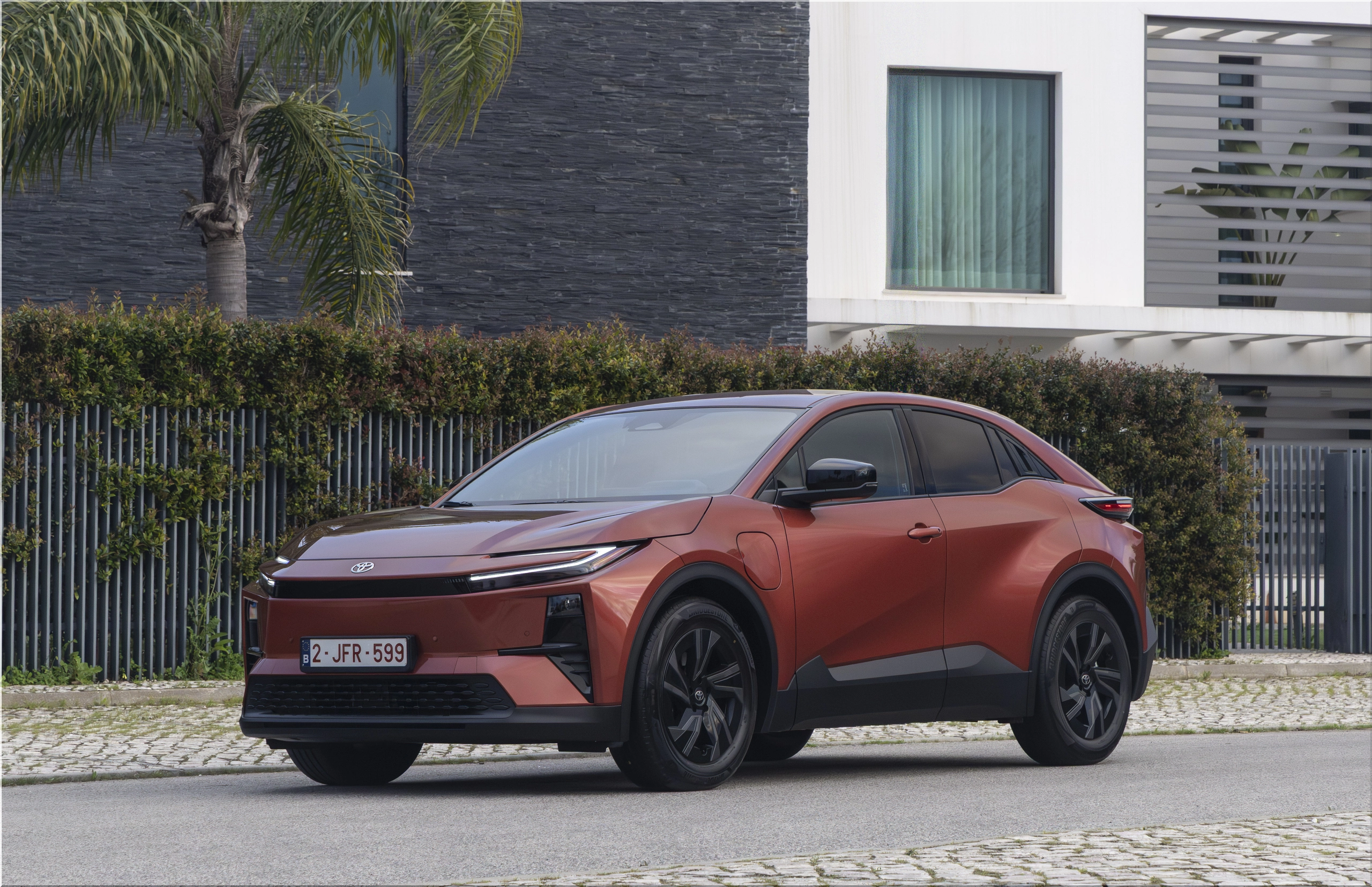
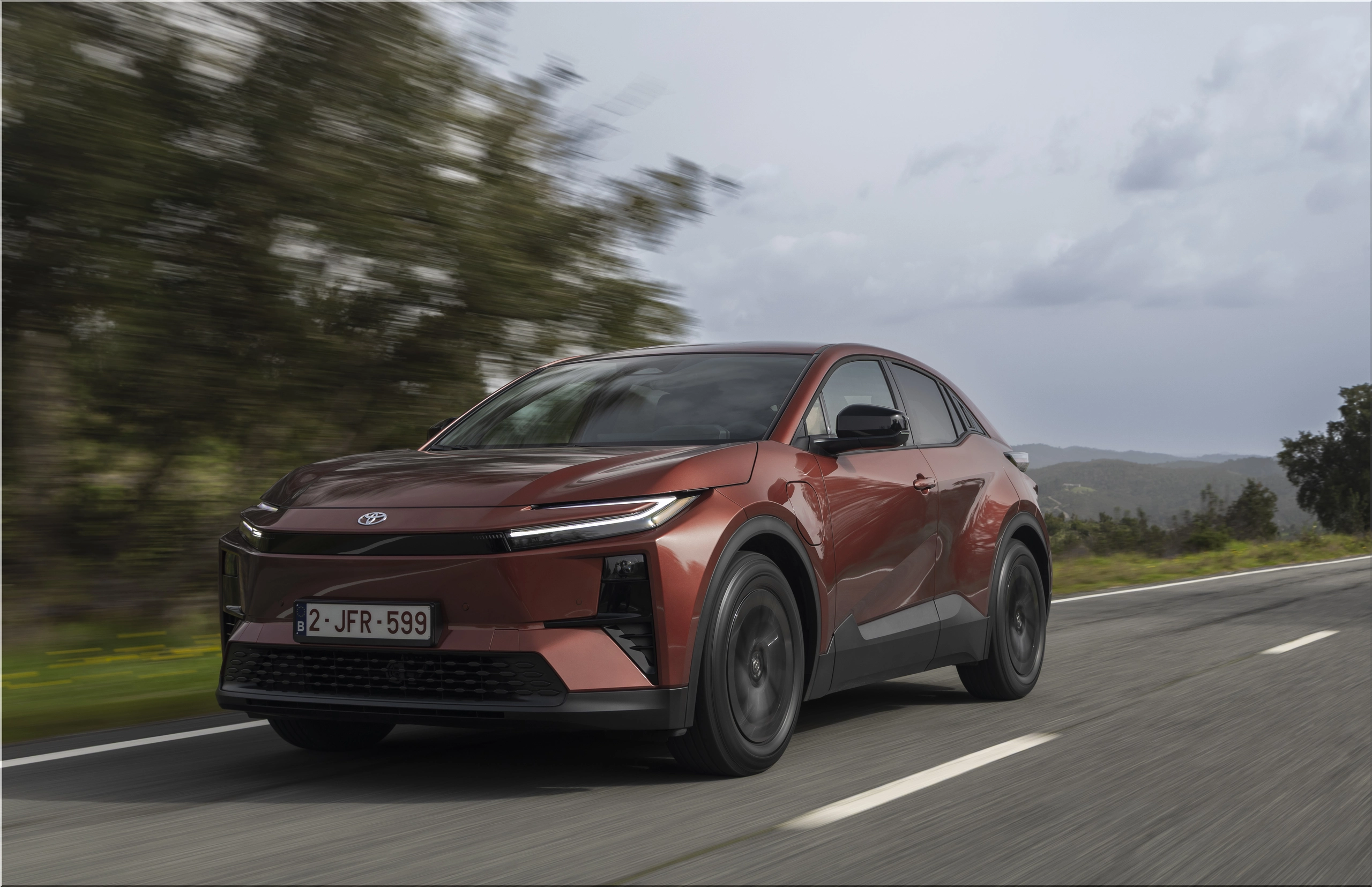
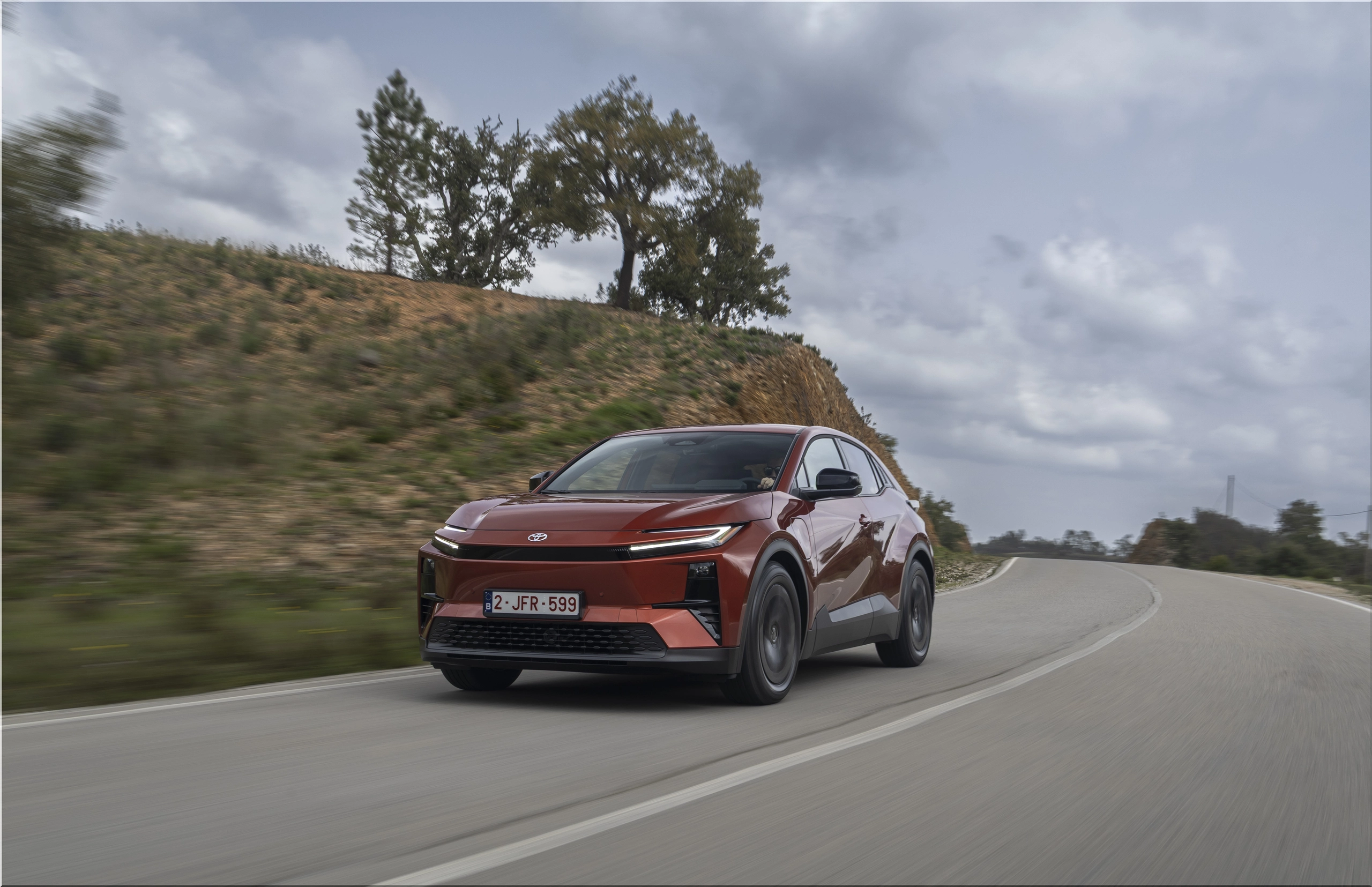
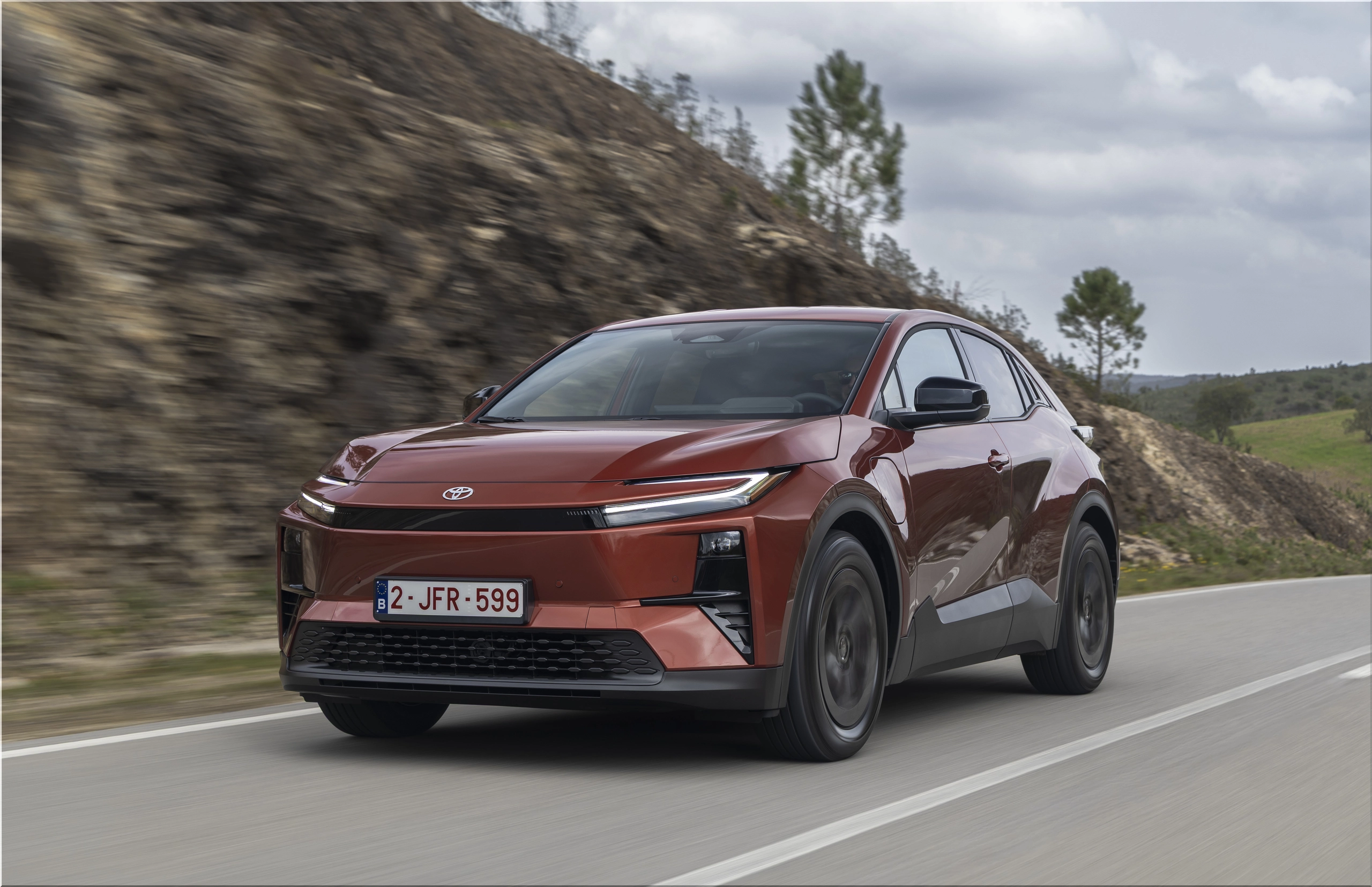
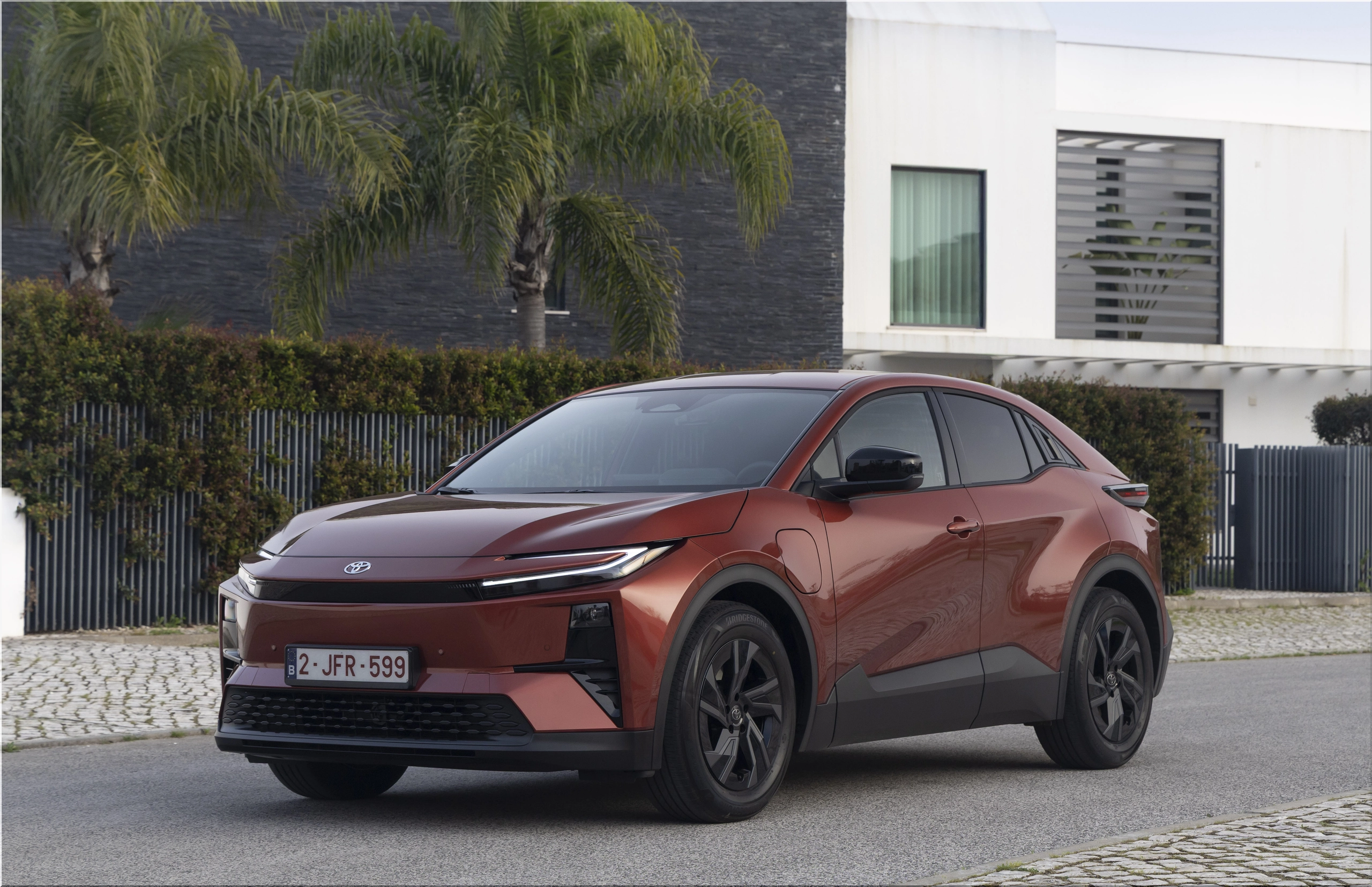
The Toyota C-HR+ gives Toyota a sharper entry in the European electric SUV coupe market. It takes the visual attitude of the regular C-HR, stretches the package, adds a dedicated battery-electric platform, and gives buyers two battery choices, front-wheel drive, or high-output all-wheel drive.
Image
The numbers set the tone. The Toyota C-HR+ electric uses 57.7 kWh and 77 kWh lithium-ion battery packs, reaches up to 607 km WLTP range, and charges at up to 150 kW DC. In its strongest AWD version, it produces 343 DIN hp and runs from 0-100 km/h in 5.2 seconds.
Toyota C-HR+ Specifications At A Glance
The Toyota C-HR+ electric SUV coupe sits on the eTNGA architecture, the same modular EV base Toyota uses for larger battery-electric models. That gives Toyota space for a long wheelbase, a flat battery floor, and a lower centre of gravity than a combustion crossover with the same exterior footprint.
| Specification | Toyota C-HR+ Data |
|---|---|
| Body style | 5-door electric crossover coupe |
| Length | 4,530 mm |
| Width | 1,870 mm |
| Height | 1,595 mm |
| Wheelbase | 2,750 mm |
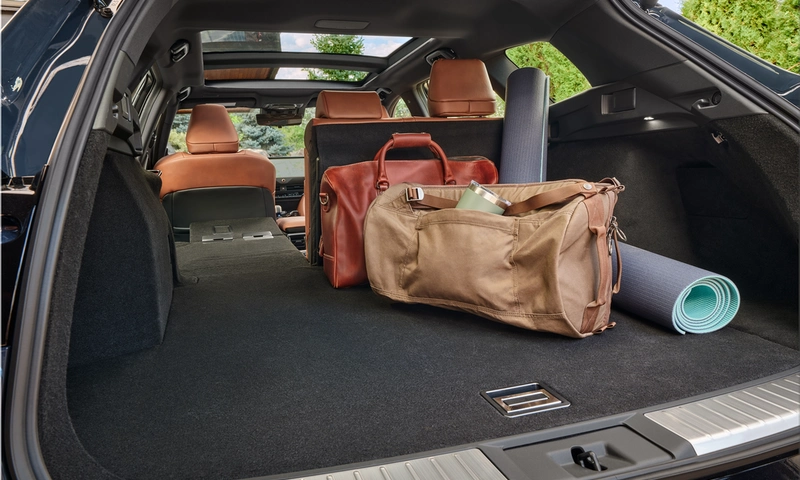
| Boot capacity | 416 litres VDA |
| Drag coefficient | 0.262 Cd |
| Display | 7-inch driver display, 14-inch multimedia screen |
| DC charging | 150 kW, 10-80% in about 28 minutes |
| AC charging | 11 kW standard, 22 kW on High grade |
| Battery warranty programme | Up to 10 years or 1 million km with annual battery health checks |
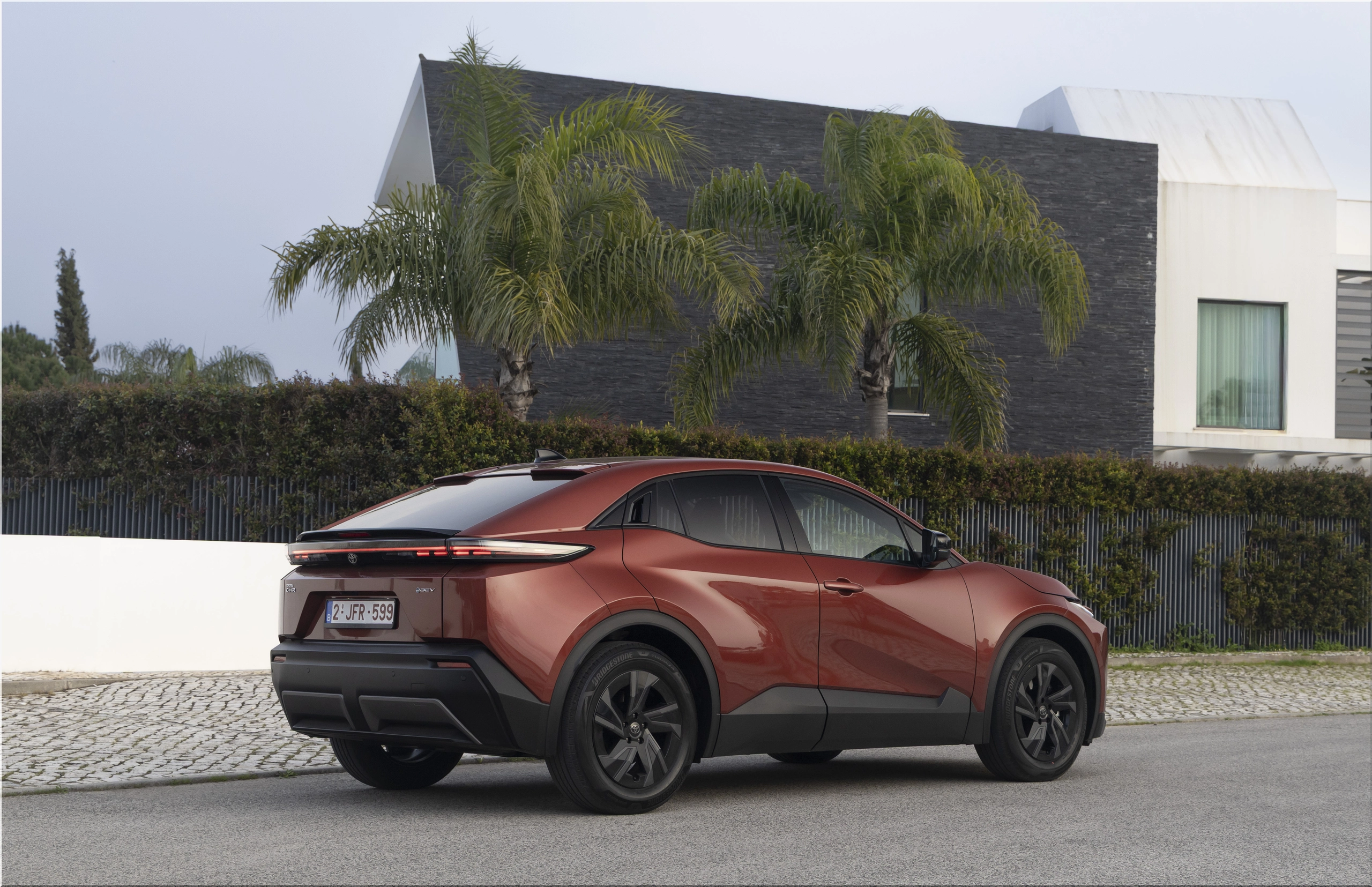
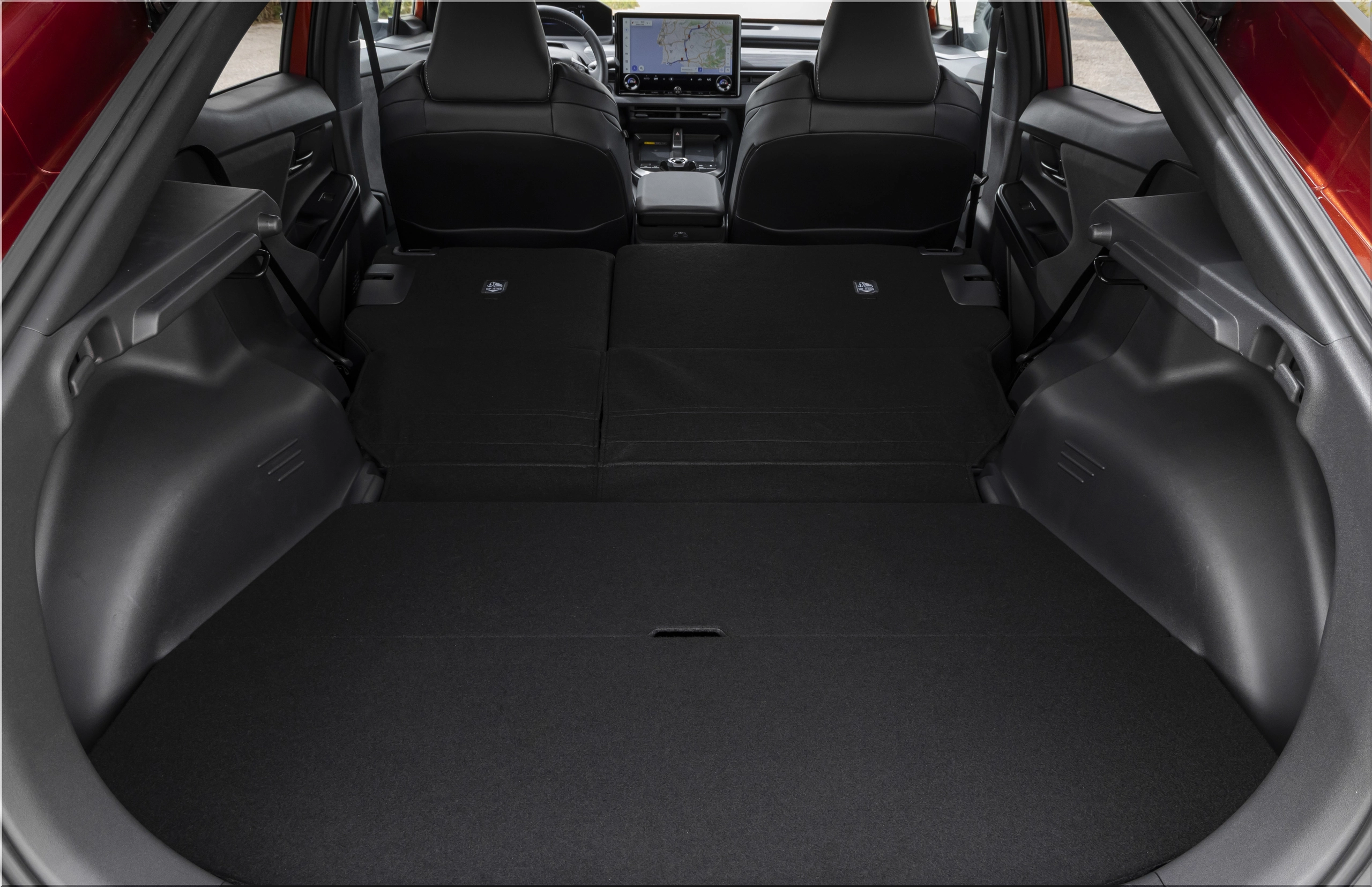
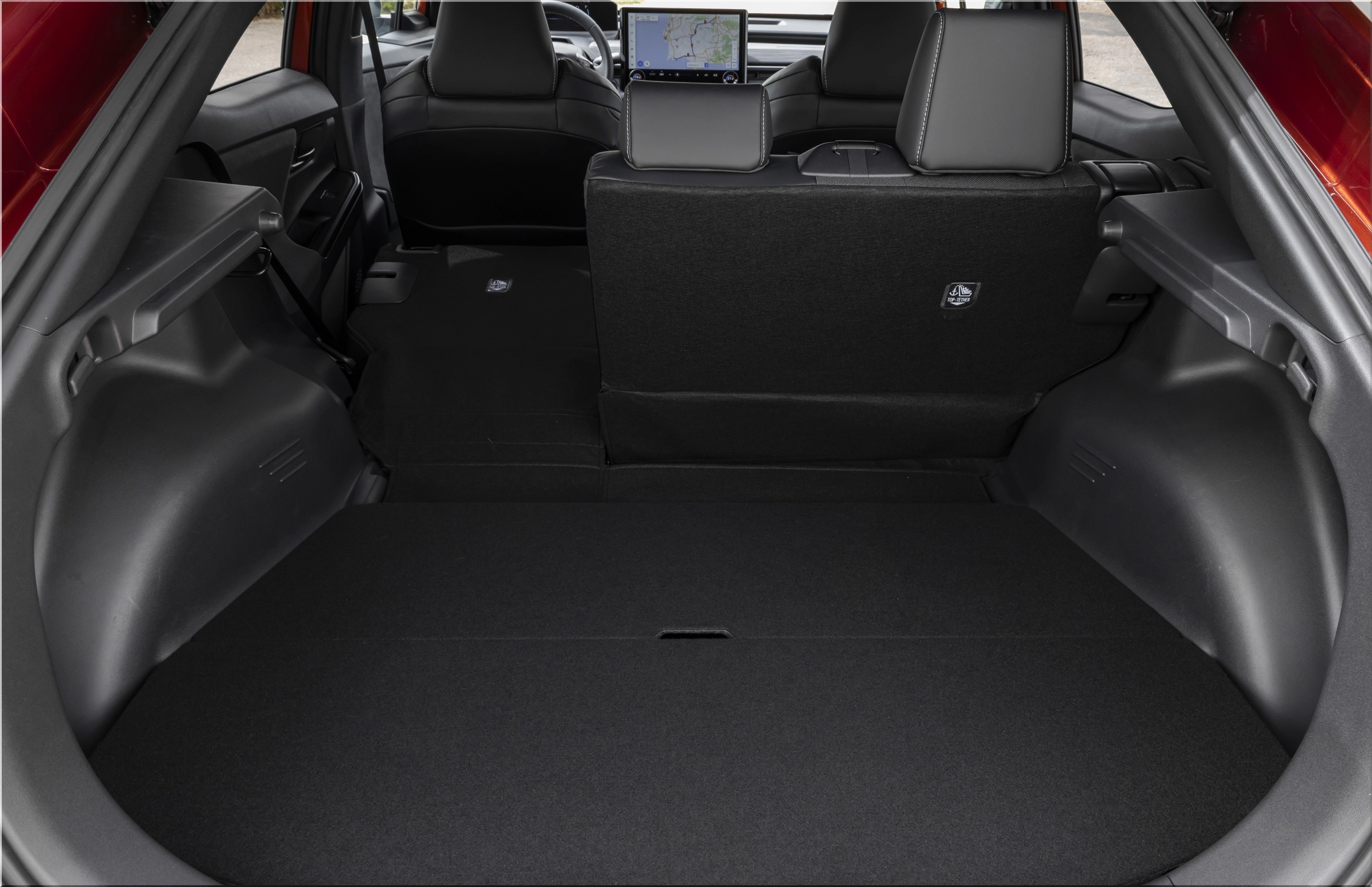
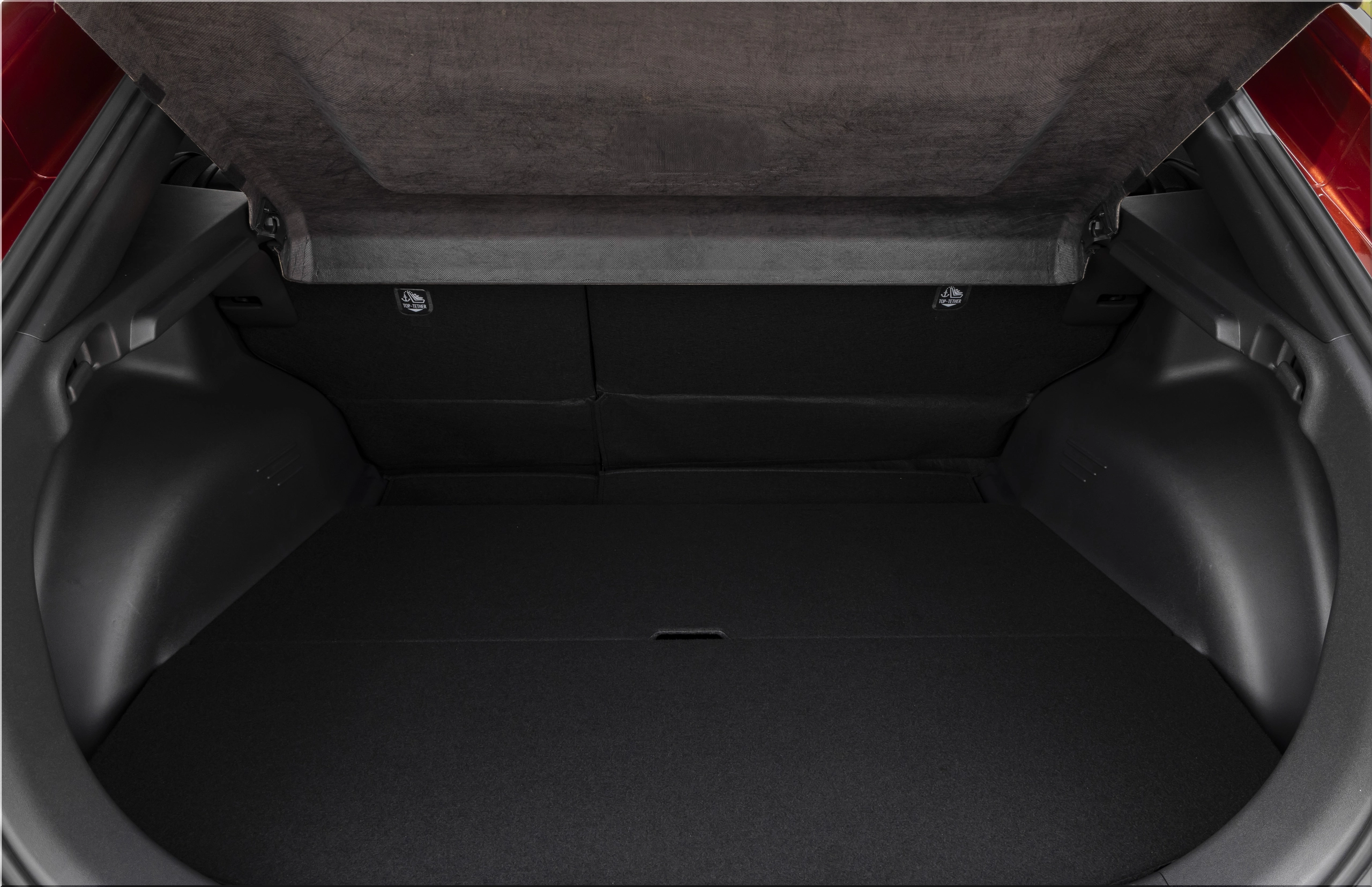
By comparison, the Toyota C-HR+ measures 170 mm longer than the current 2026 Toyota C-HR and rides on a wheelbase 110 mm longer. That extra length does real work. It improves rear legroom, supports the battery pack packaging, and increases cargo capacity to 416 litres.
Image
Battery, Range, And Performance
Toyota gives the C-HR+ BEV a simple range walk. The 57.7 kWh model covers urban and commuter use. The 77 kWh FWD version gives the best long-distance number. The 77 kWh AWD version trades some range for traction, torque distribution, and much stronger acceleration.
| Version | Battery | Drive | Power | WLTP Range | Consumption |
|---|---|---|---|---|---|
| C-HR+ FWD | 57.7 kWh | Front-wheel drive | 167 DIN hp / 123 kW | 458 km | 13.4 kWh/100 km |
| C-HR+ FWD | 77 kWh | Front-wheel drive | 224 DIN hp / 165 kW | 607 km on 18-inch wheels, 560 km on 20-inch wheels | 13.4-14.6 kWh/100 km |
| C-HR+ AWD Mid+ | 77 kWh | All-wheel drive | 343 DIN hp / 252 kW | 548 km on 18-inch wheels, 511 km on 20-inch wheels | 14.4-15.4 kWh/100 km |
| C-HR+ AWD High | 77 kWh | All-wheel drive | 343 DIN hp / 252 kW | 507 km on 20-inch wheels | 15.5 kWh/100 km |
Looking at the data, the 77 kWh FWD model gives the cleanest efficiency case. It pairs the larger battery with lower drivetrain drag and, on 18-inch wheels, reaches the headline 607 km WLTP range. The AWD version adds a second motor and raises output to 343 DIN hp, but its best WLTP figure drops to 548 km.
Video title
Toyota C-HR+ electric
Why The Aerodynamics Matter
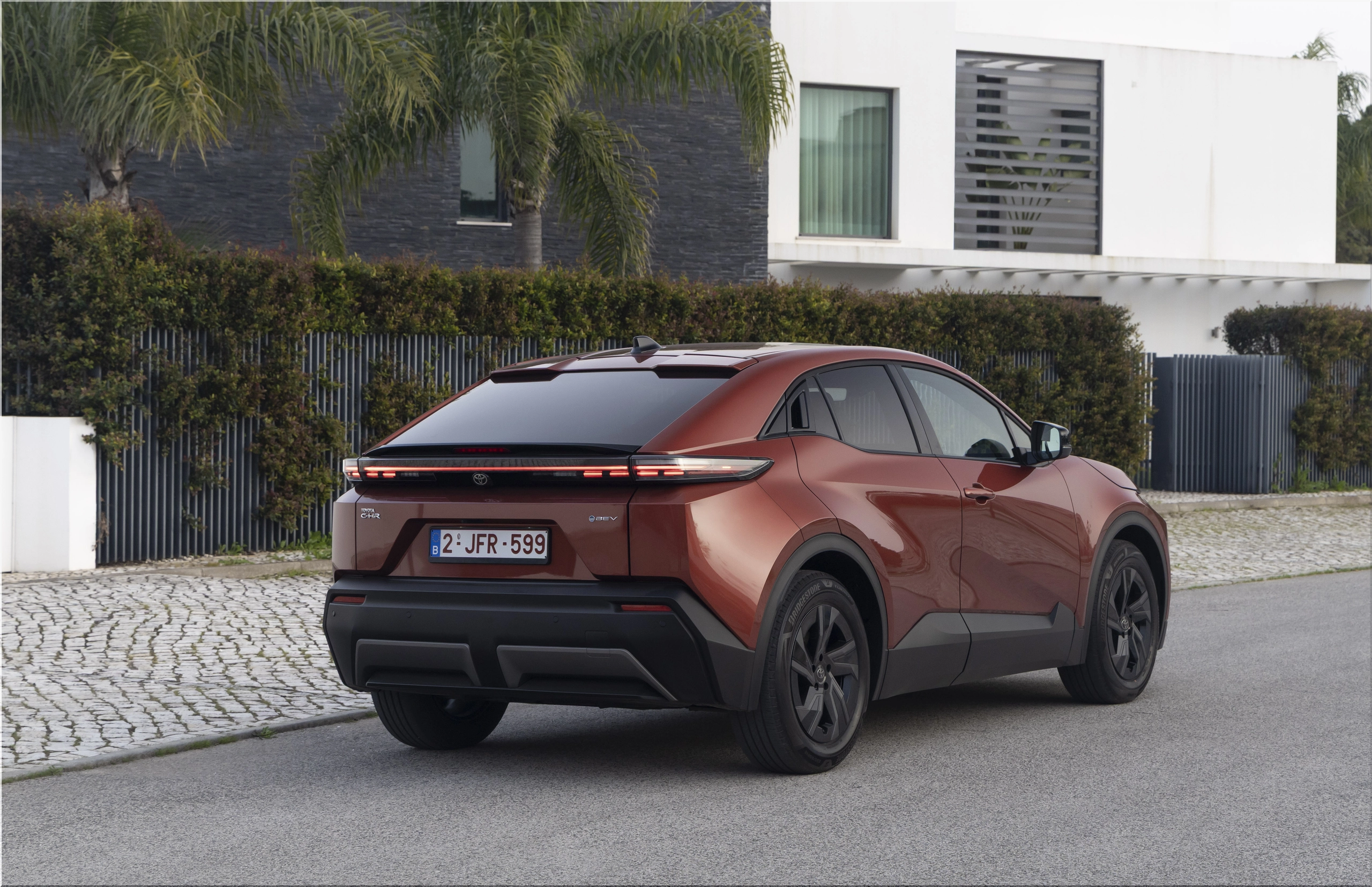
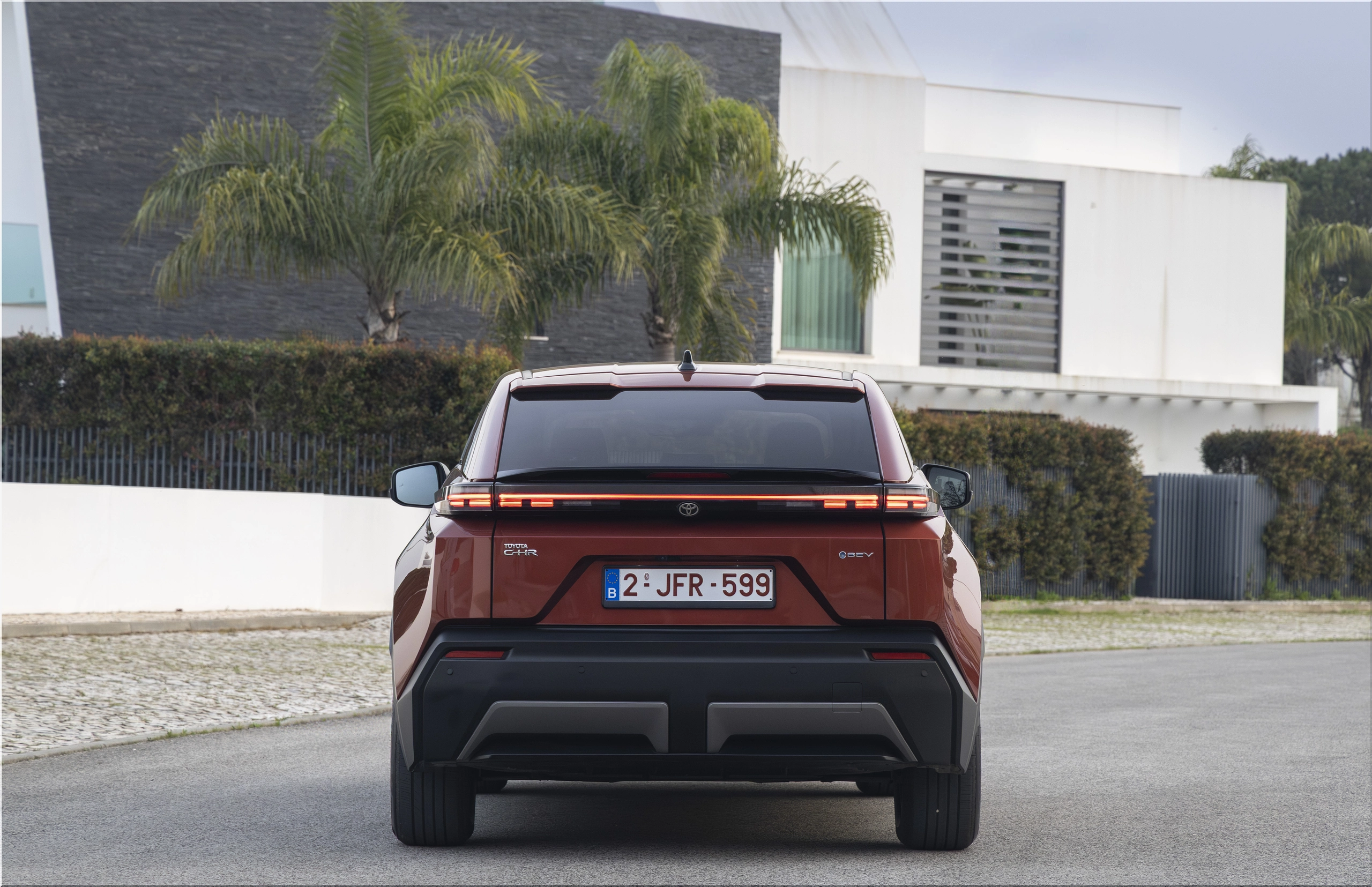
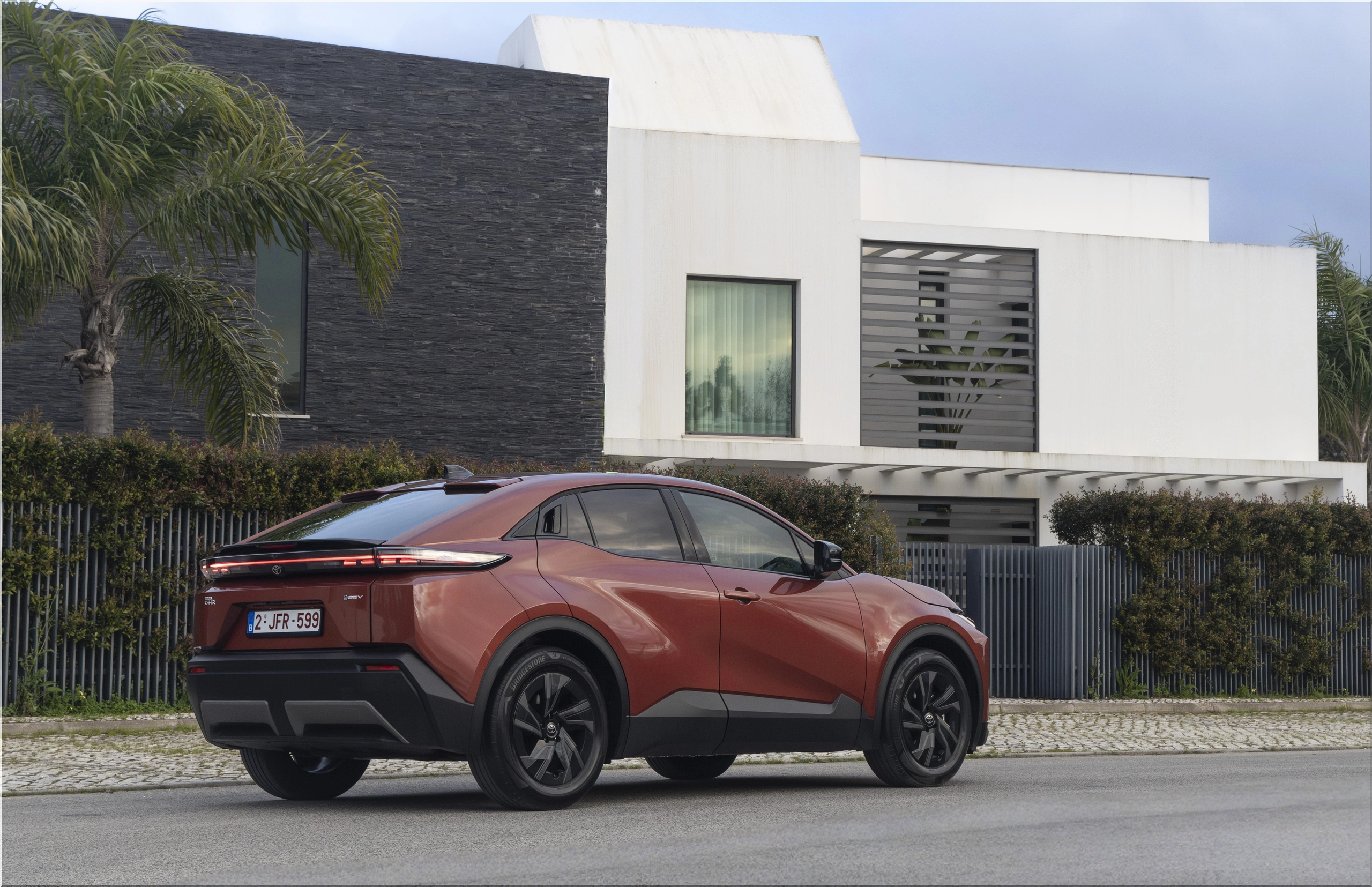
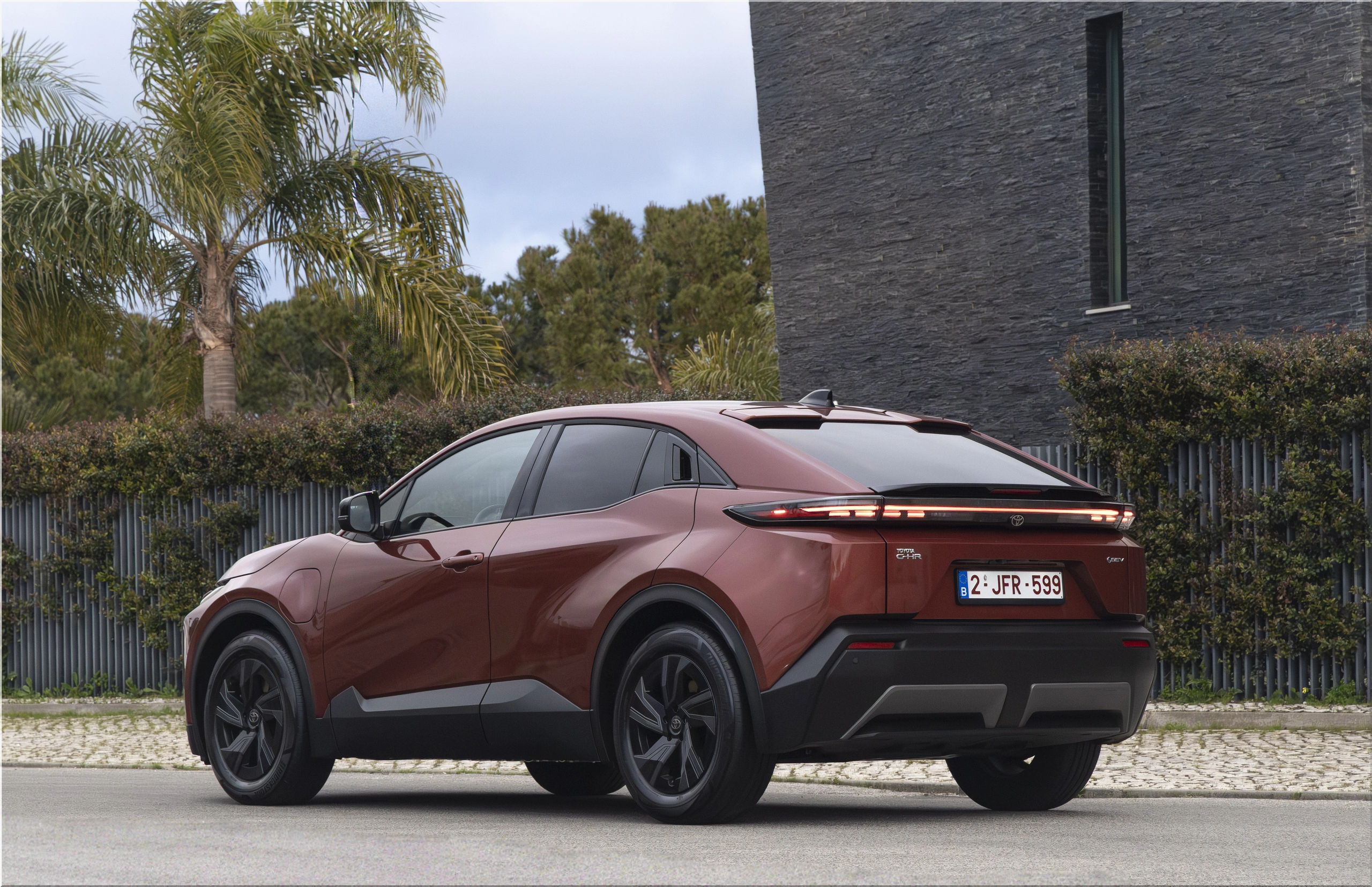
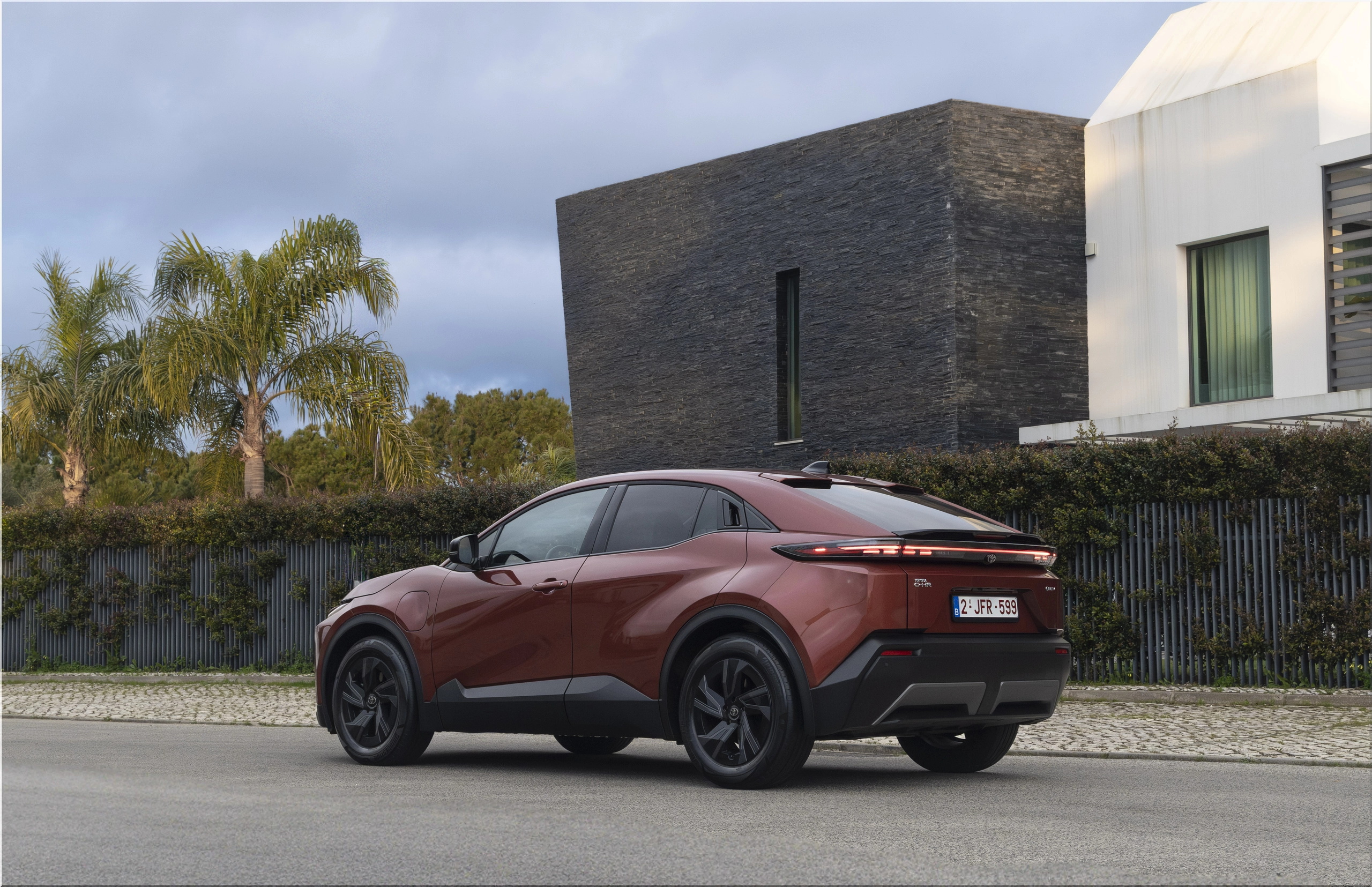
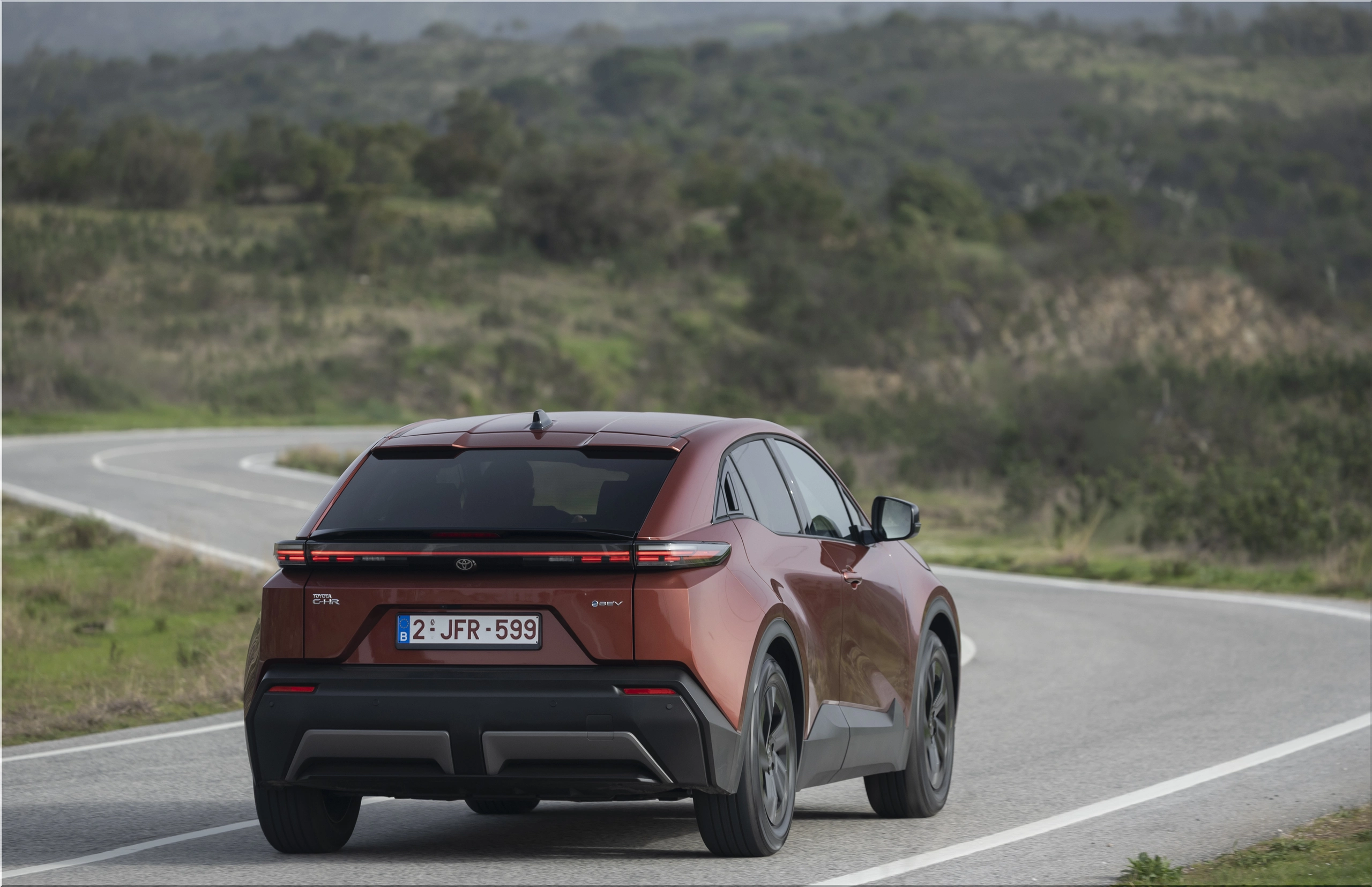
The 0.262 drag coefficient does not happen by accident. Toyota uses active grille shutters, front air ducts, hidden rear door handles, aero-optimised wheels, a roof spoiler, a ducktail rear section, and rear bumper fins to manage airflow.
That matters at motorway speed. Aerodynamic drag rises hard as speed increases, so a cleaner body shape protects range during longer trips. Specifically, the flat underfloor reduces turbulence under the battery pack, while the rear spoiler and ducktail manage separation behind the tailgate.
Key aero and packaging choices include:
- Active grille shutters to reduce front-end drag when cooling demand stays low.
- Flat underfloor design to cut turbulence below the battery.
- Hidden rear door handles to clean up side airflow.
- 18-inch wheel option for maximum WLTP range.
- 20-inch wheels for stronger visual impact, with a measurable range penalty.
Interior, Practicality, And Technology
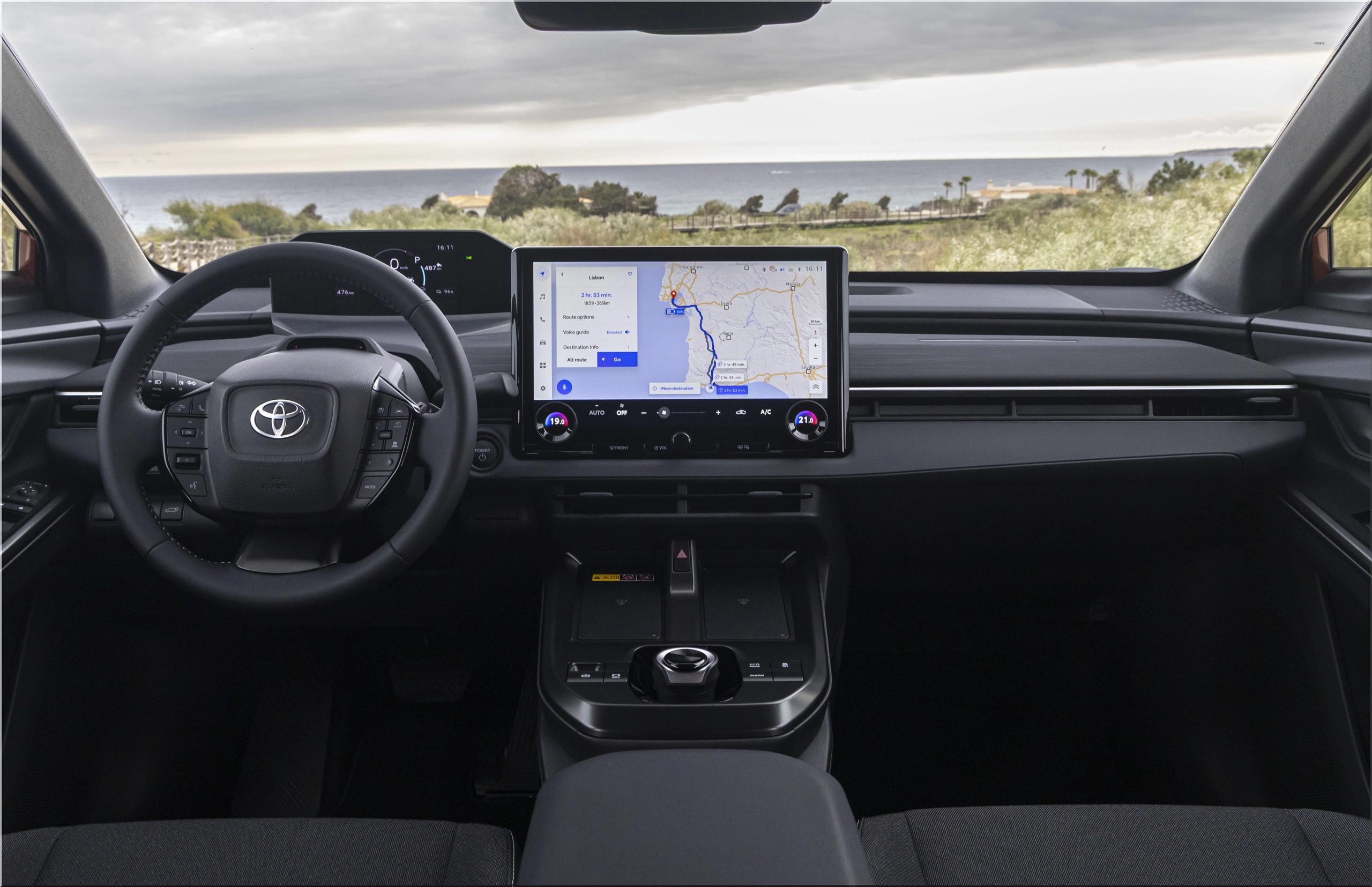
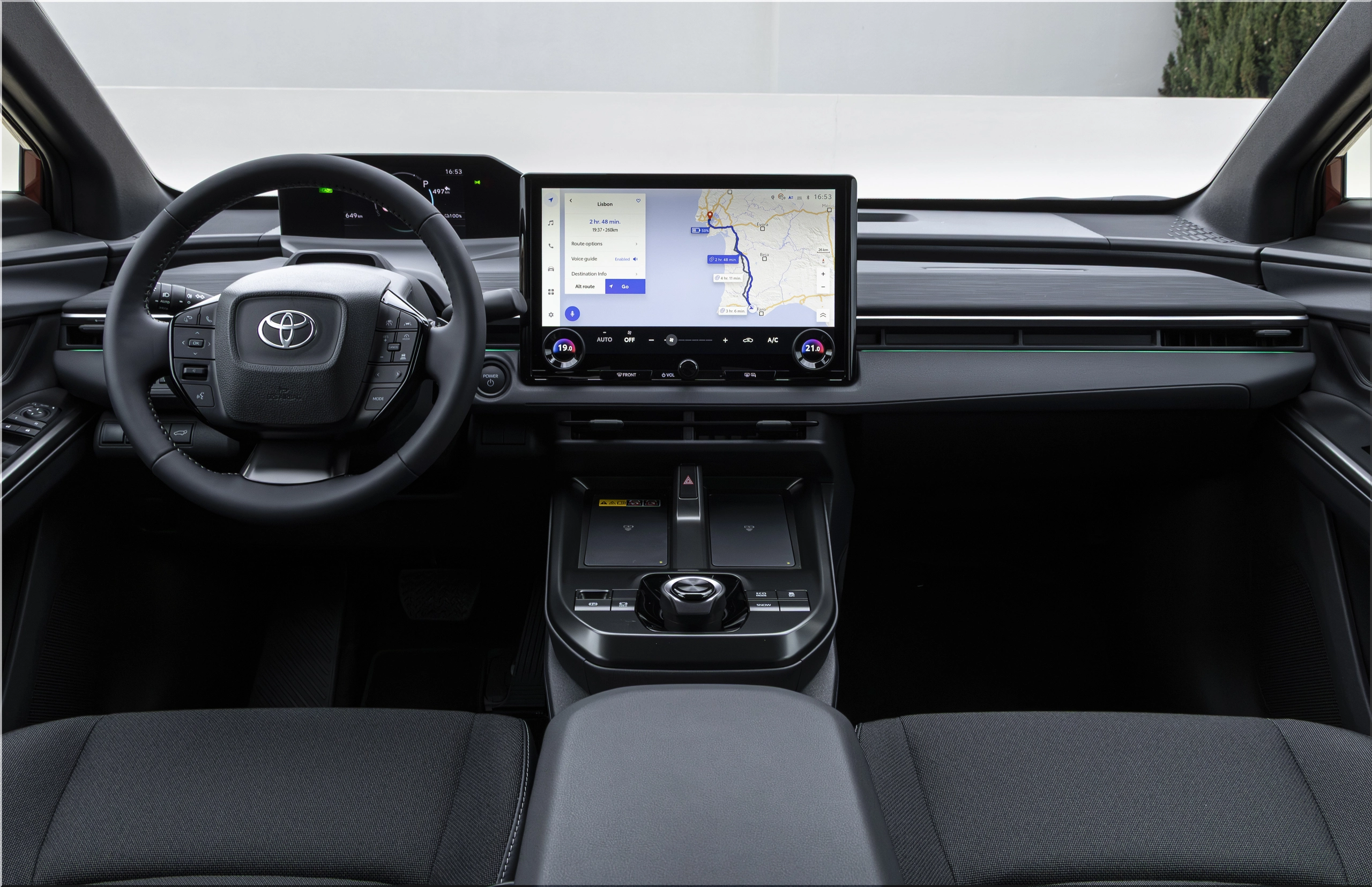
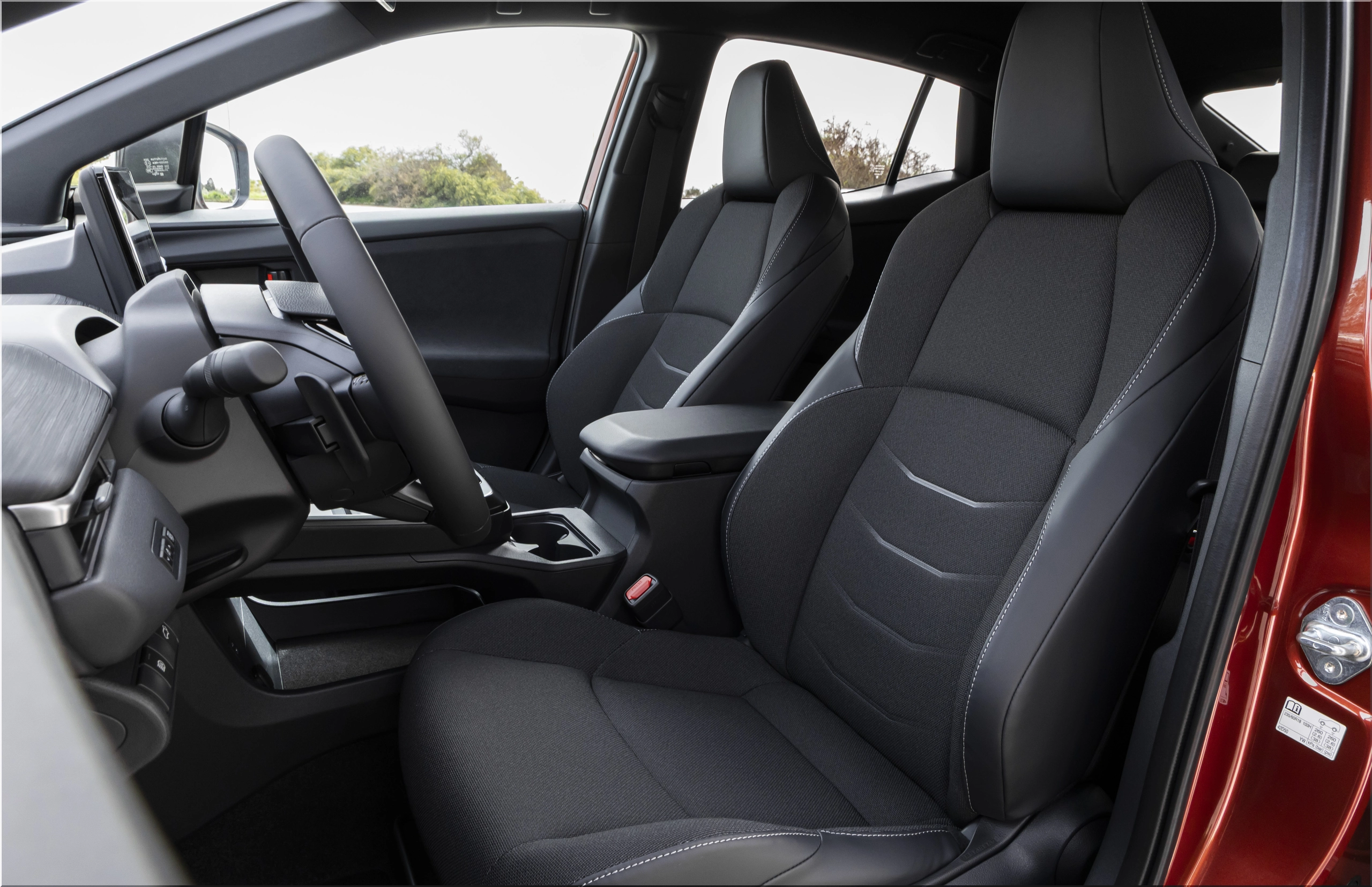
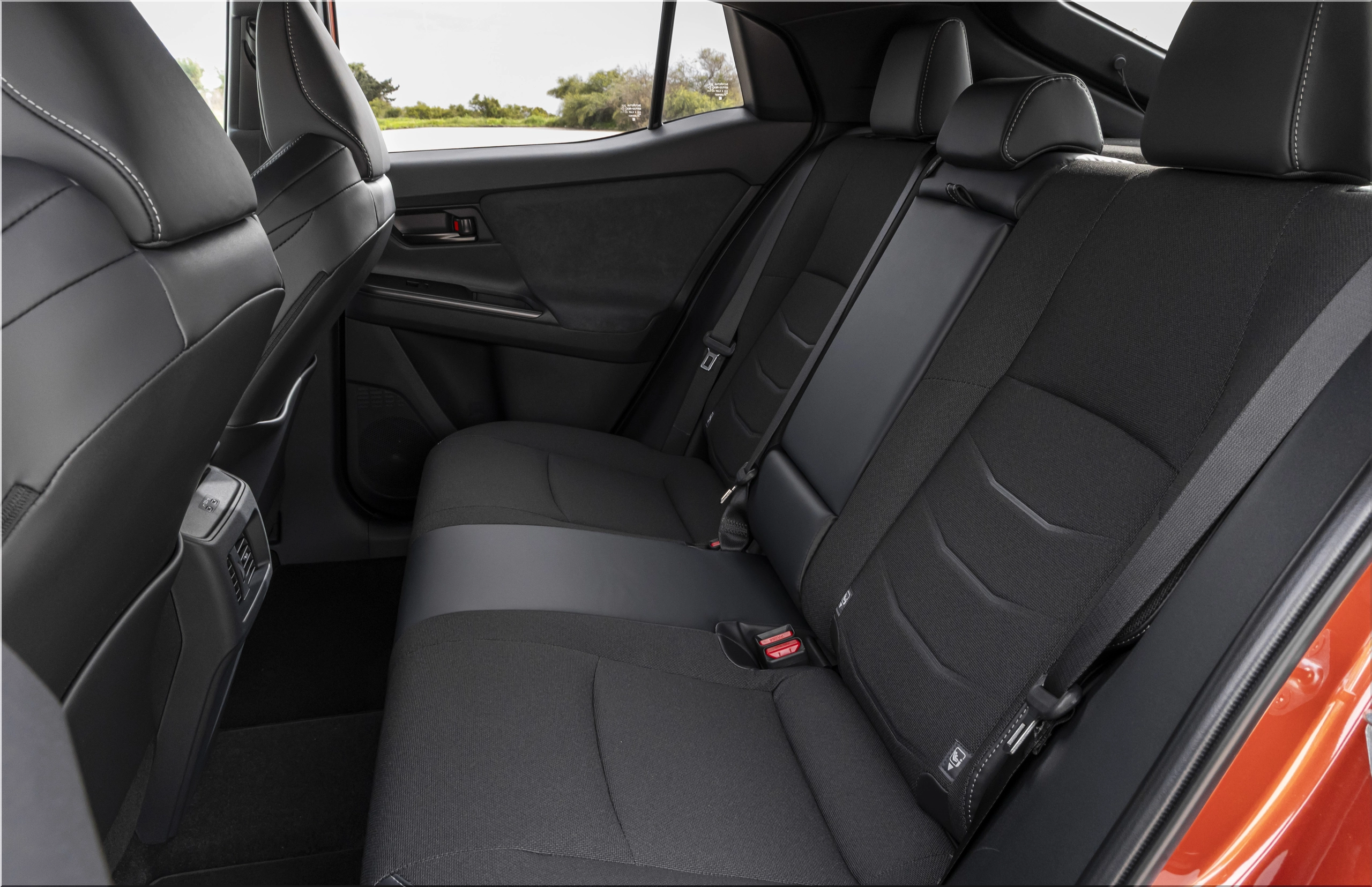
The cabin uses the long 2,750 mm wheelbase well. Toyota quotes a 900 mm front-to-rear seat distance, 35 mm better than the latest C-HR. That helps the Toyota C-HR+ electric SUV coupe feel less like a style-first compact crossover and more like a usable family EV.
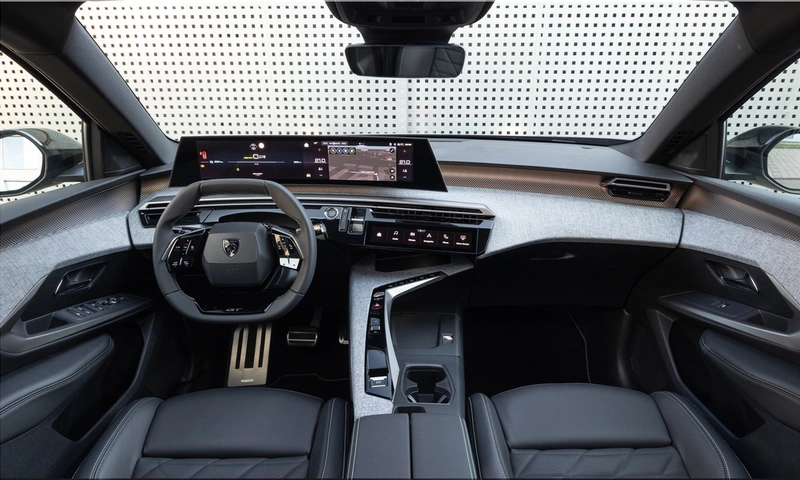
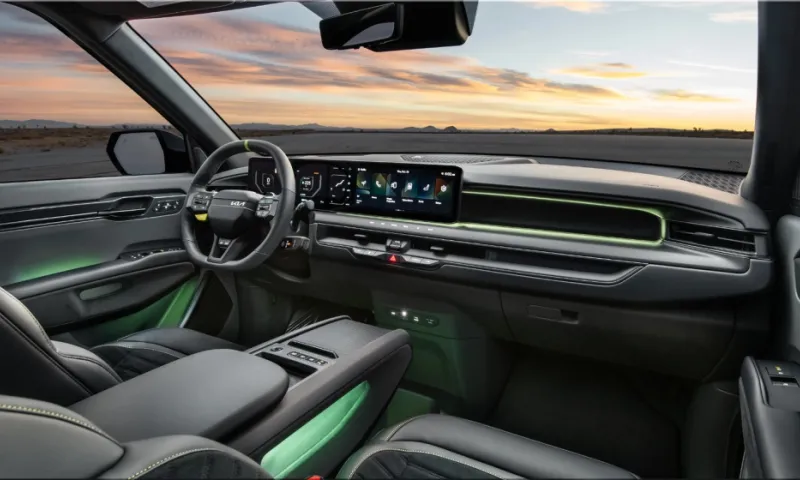
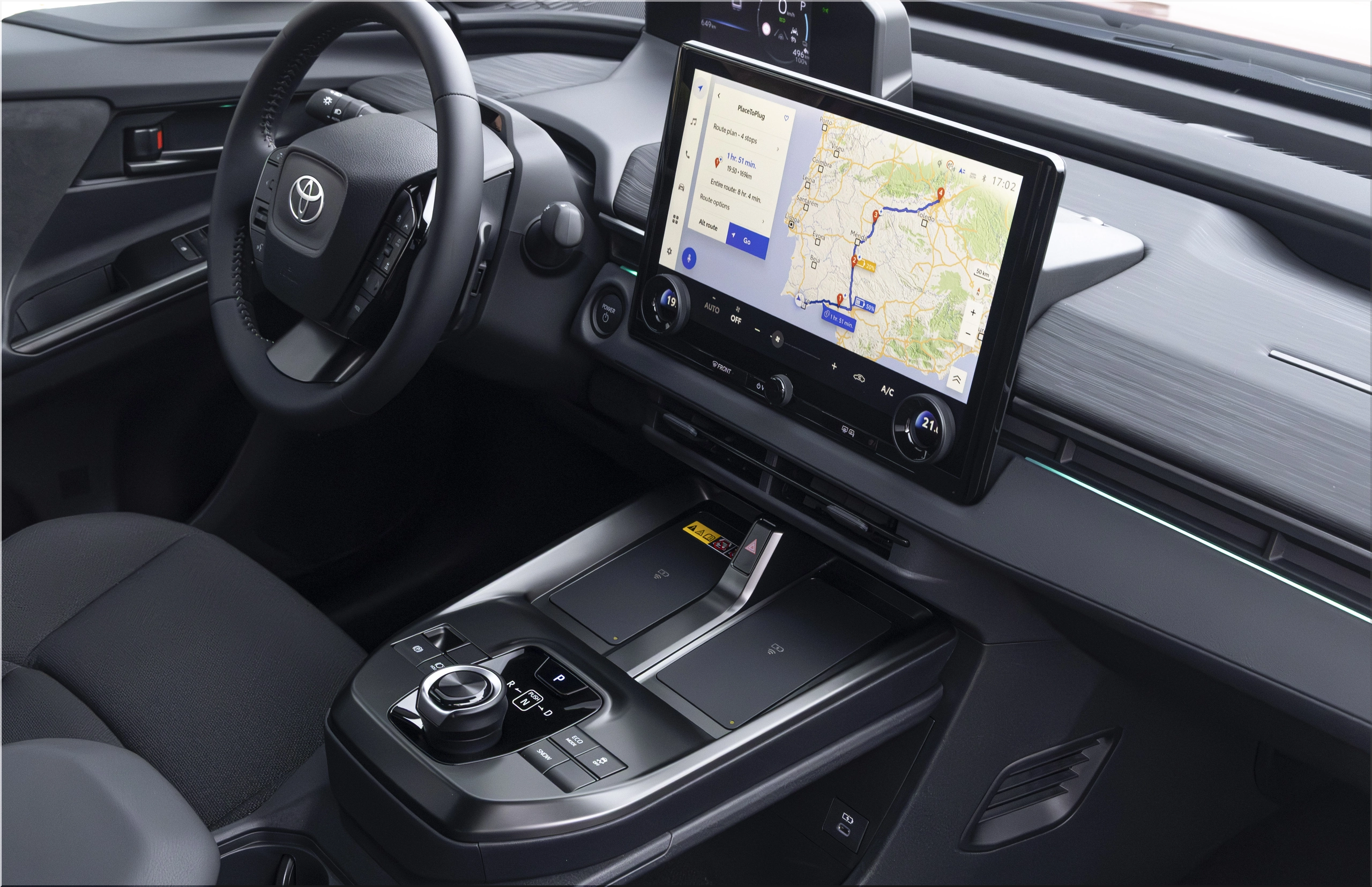
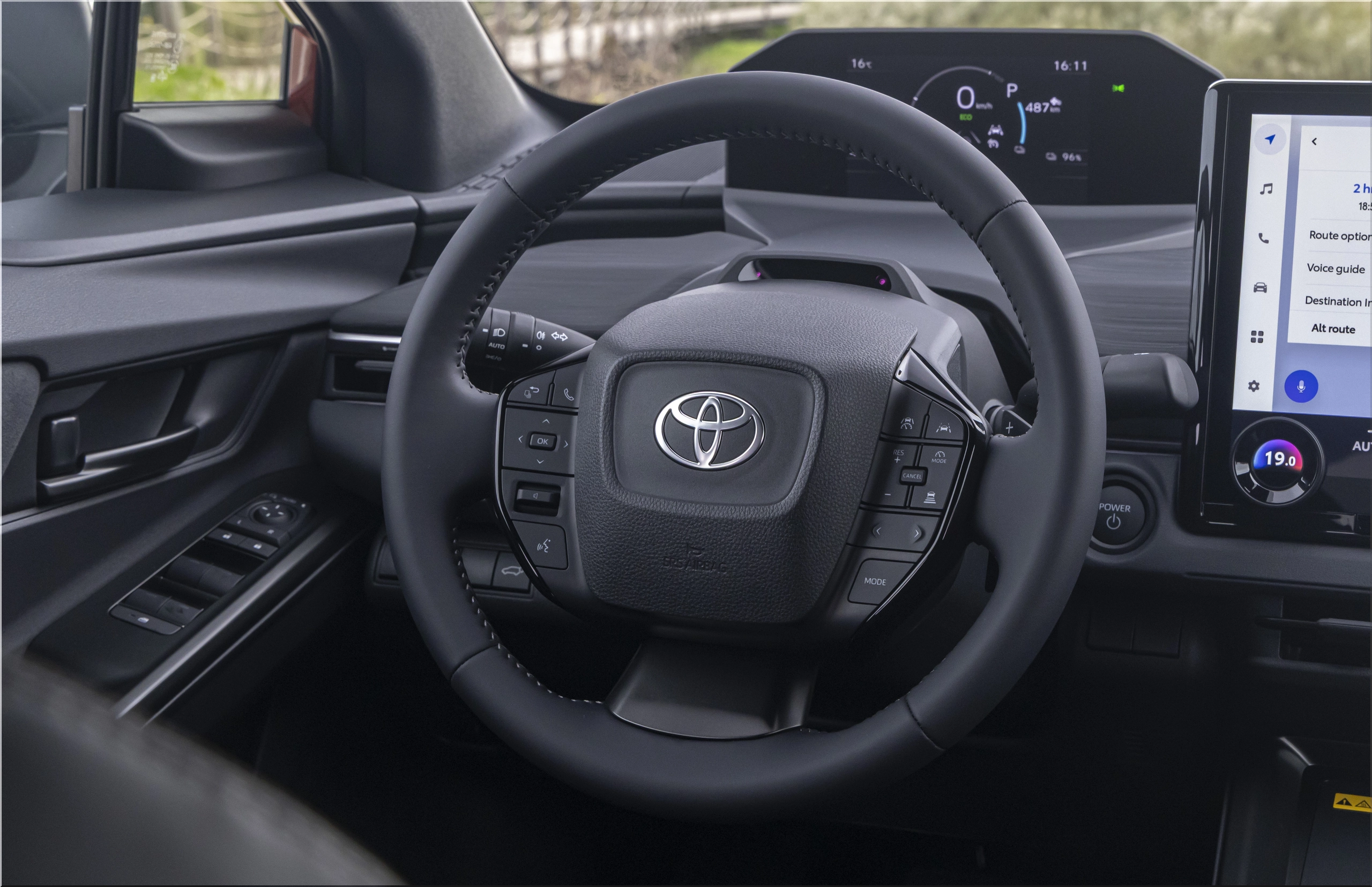
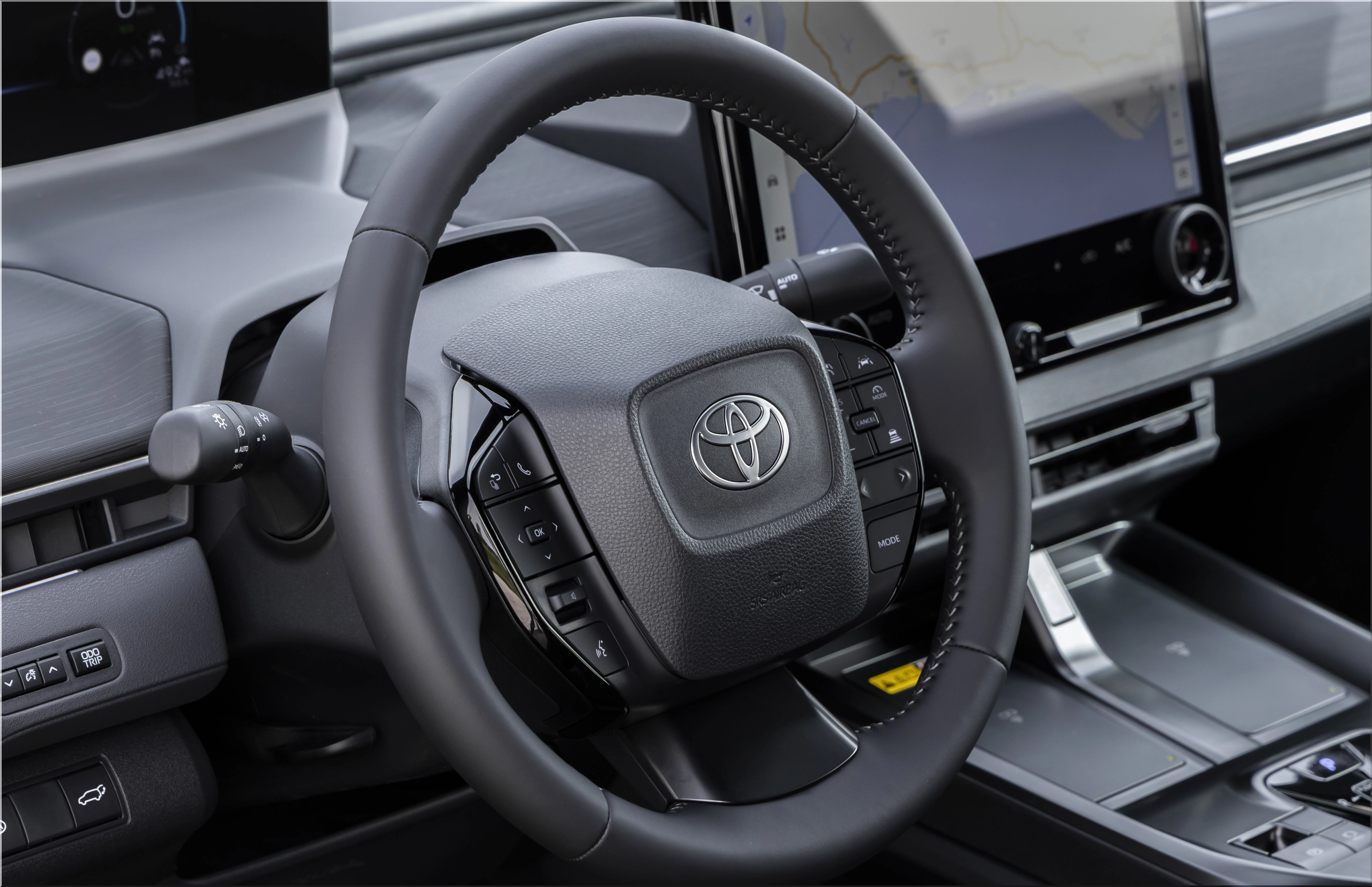
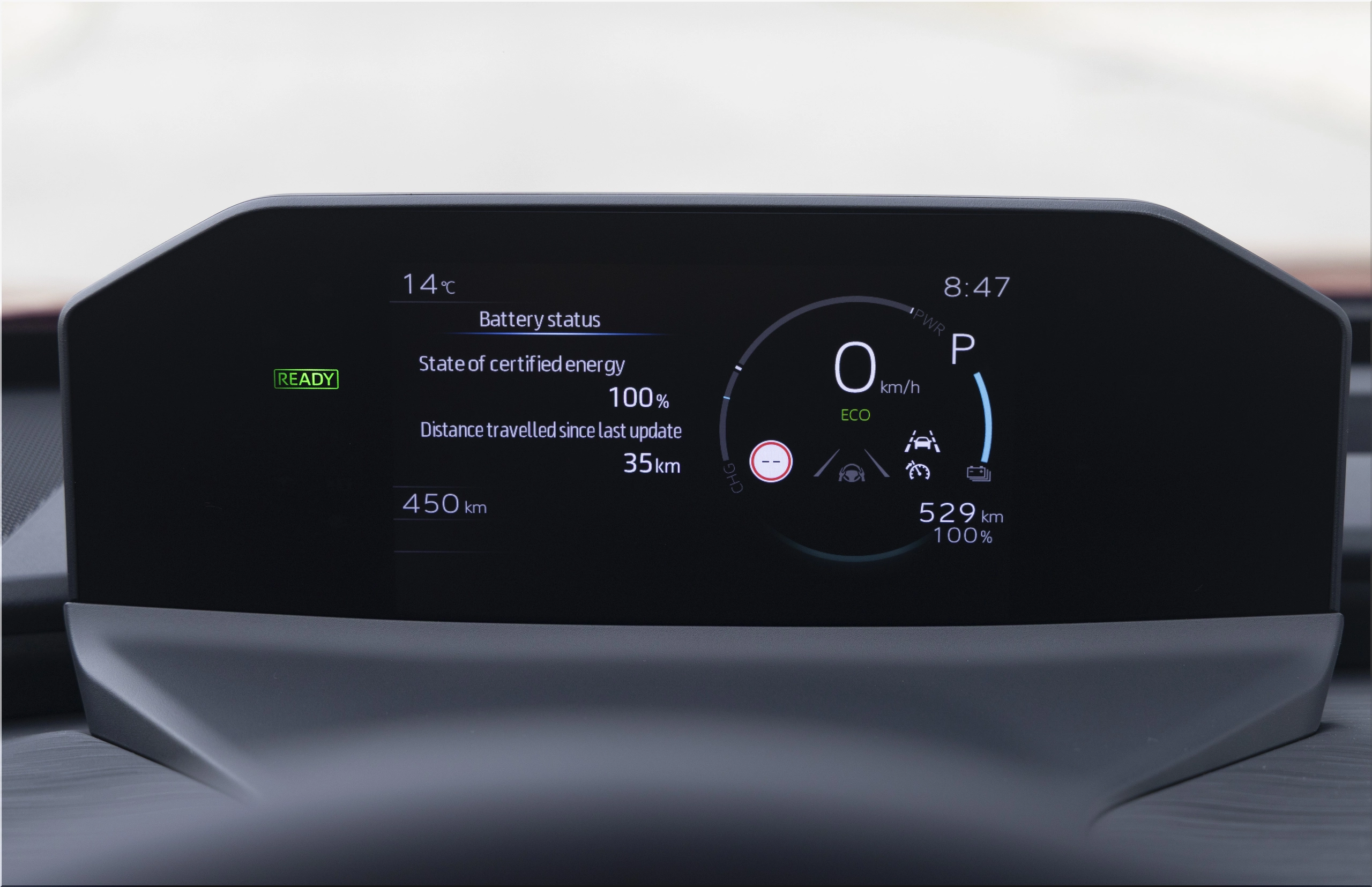
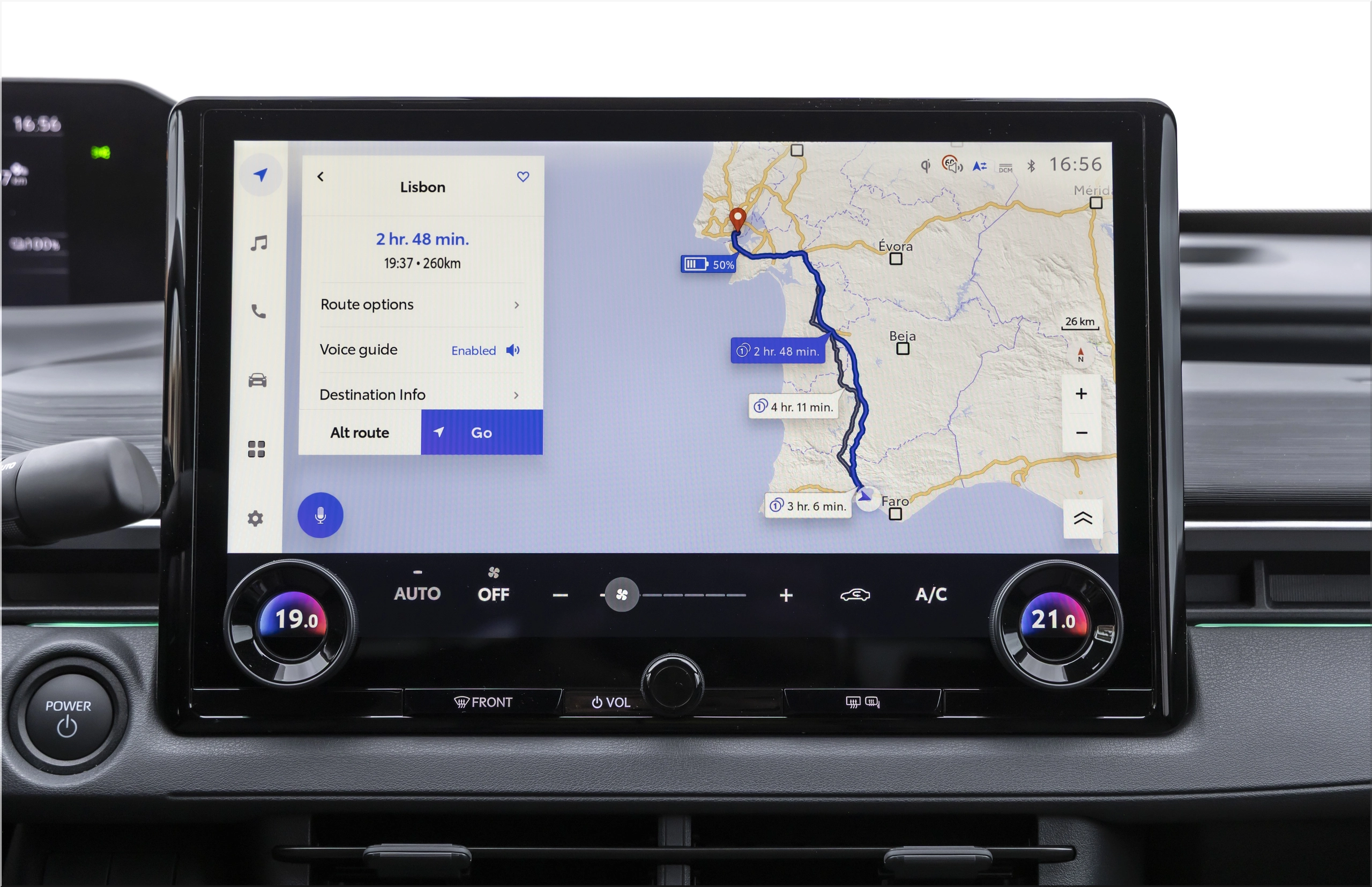
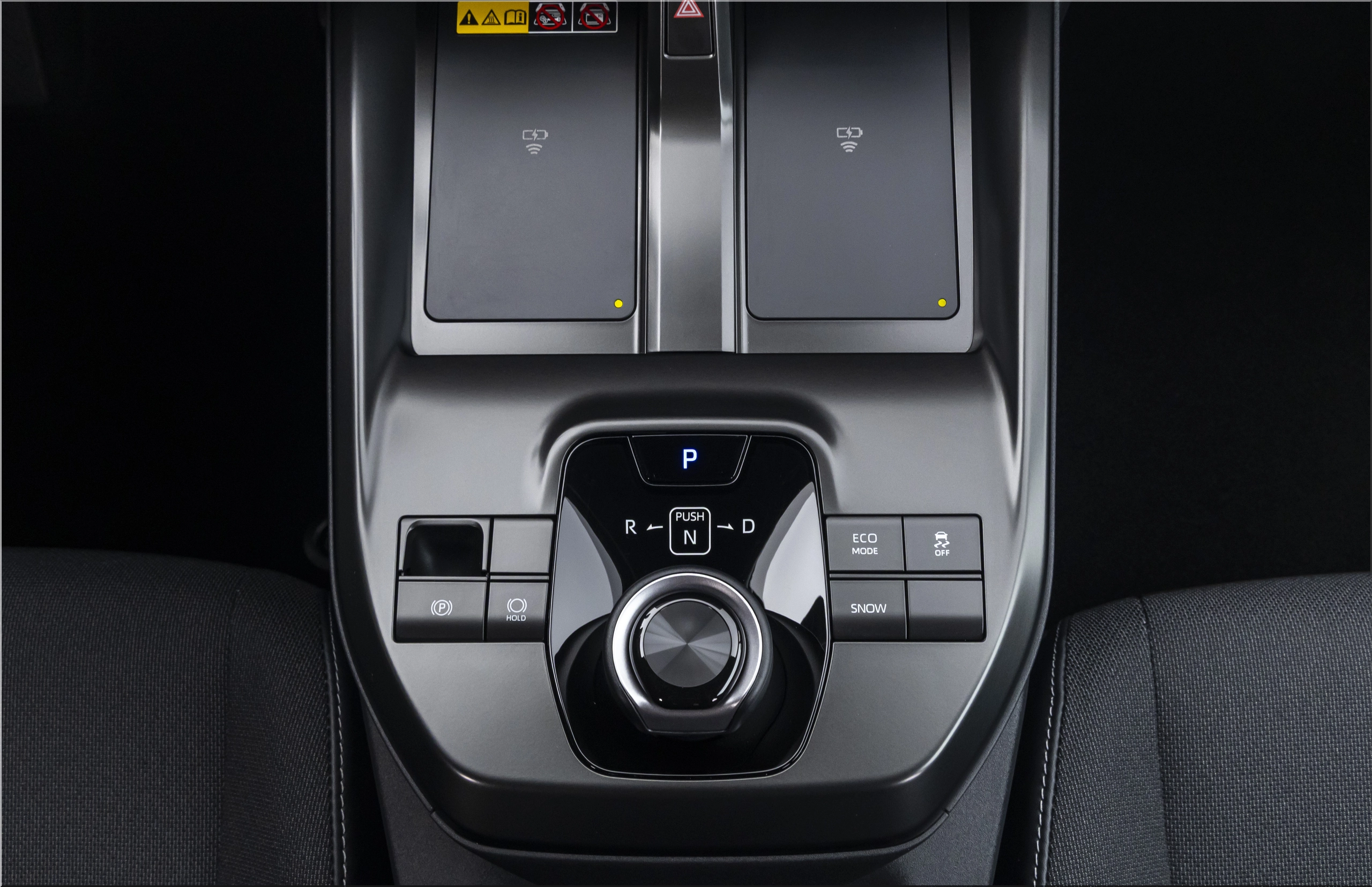
The dashboard pairs a 7-inch digital driver display with a 14-inch Toyota Smart Connect+ multimedia display. The system supports wireless Apple CarPlay and cloud navigation. Rear passengers get two USB-C ports with a combined 60 W output, which can charge larger mobile devices.
Image
Pro-Tips For Buyers
- Pick 77 kWh FWD on 18-inch wheels for the best range-to-cost logic.
- Choose AWD High only when traction, stronger performance, and 1,500 kg towing capacity sit high on the list.
- Stay with 18-inch wheels when motorway range matters more than kerb appeal.
- Use pre-conditioning before rapid charging in cold weather to cut charging time and protect battery efficiency.
- Factor in boot capacity early. The 416-litre space suits daily use, but boxy rivals may carry taller items with less fuss.
Image gallery
Charging And Cold-Weather Logic
The Toyota C-HR+ uses 150 kW DC charging as standard, with a quoted 10-80% charge time of around 28 minutes. Toyota also fits battery cooling as standard, while battery heating and pre-conditioning improve cold-weather charging speed.
In addition, the 11 kW onboard AC charger suits home wallbox charging and destination charging. High grade models move to a 22 kW AC charger, which cuts AC charging time to around 2 hours 12 minutes in the right conditions. That makes sense for European buyers who use public AC chargers in towns, hotels, and car parks.
Image
Which Toyota C-HR+ Version Should You Buy?
Most buyers should start with the Toyota C-HR+ 77 kWh FWD. It gives the strongest range figure, the most efficient drivetrain layout, and enough power at 224 DIN hp for normal European roads. It also avoids the higher consumption of AWD while still giving a long-distance battery.
From an expert perspective, the AWD version targets a different customer. It suits drivers who want secure traction in winter, faster acceleration, and towing capacity up to 1,500 kg. Consequently, the AWD model gives up range but gains control and performance.
Toyota's EV Strategy With The C-HR+
The Toyota C-HR+ electric fills an important gap. Toyota already sells hybrid and plug-in hybrid C-HR models, but the C-HR+ gives buyers a full battery-electric SUV coupe without moving into a larger vehicle class.
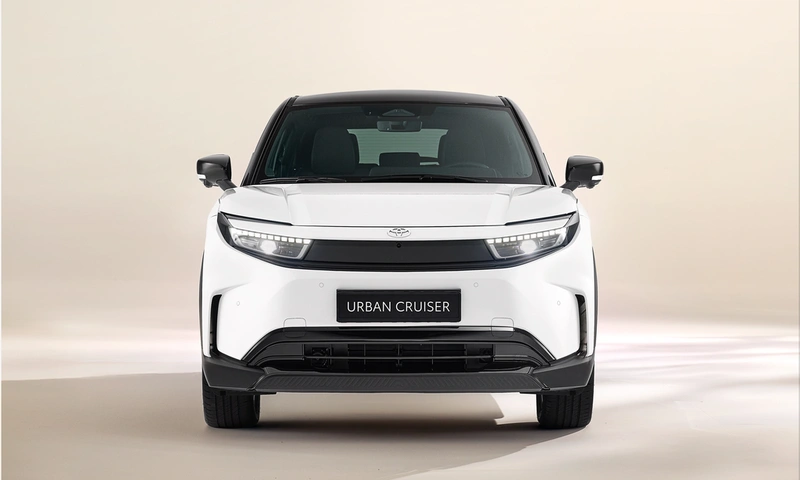
It also broadens Toyota's European EV range beside the Urban Cruiser, bZ4X, and bZ4X Touring. That matters because many buyers still want compact dimensions, strong range, and a familiar Toyota ownership model. The C-HR+ answers that brief with a sharp design, usable space, and charging hardware that fits real European driving patterns.
Image gallery
Verdict: Toyota C-HR+ Makes The Numbers Count
The Toyota C-HR+ does not rely on design alone. It backs the coupe-SUV shape with 607 km WLTP range, a 77 kWh battery, 150 kW DC charging, a useful 416-litre boot, and a high-output 343 hp AWD model for buyers who want stronger pace.
The sweet spot sits in the middle. The 77 kWh front-wheel-drive version gives the best technical balance because it carries the largest battery without the extra powertrain load of AWD. For UK and European buyers searching for a stylish electric Toyota SUV with proper range, the C-HR+ now gives Toyota a much stronger answer.
- Add new comment
- 249 views