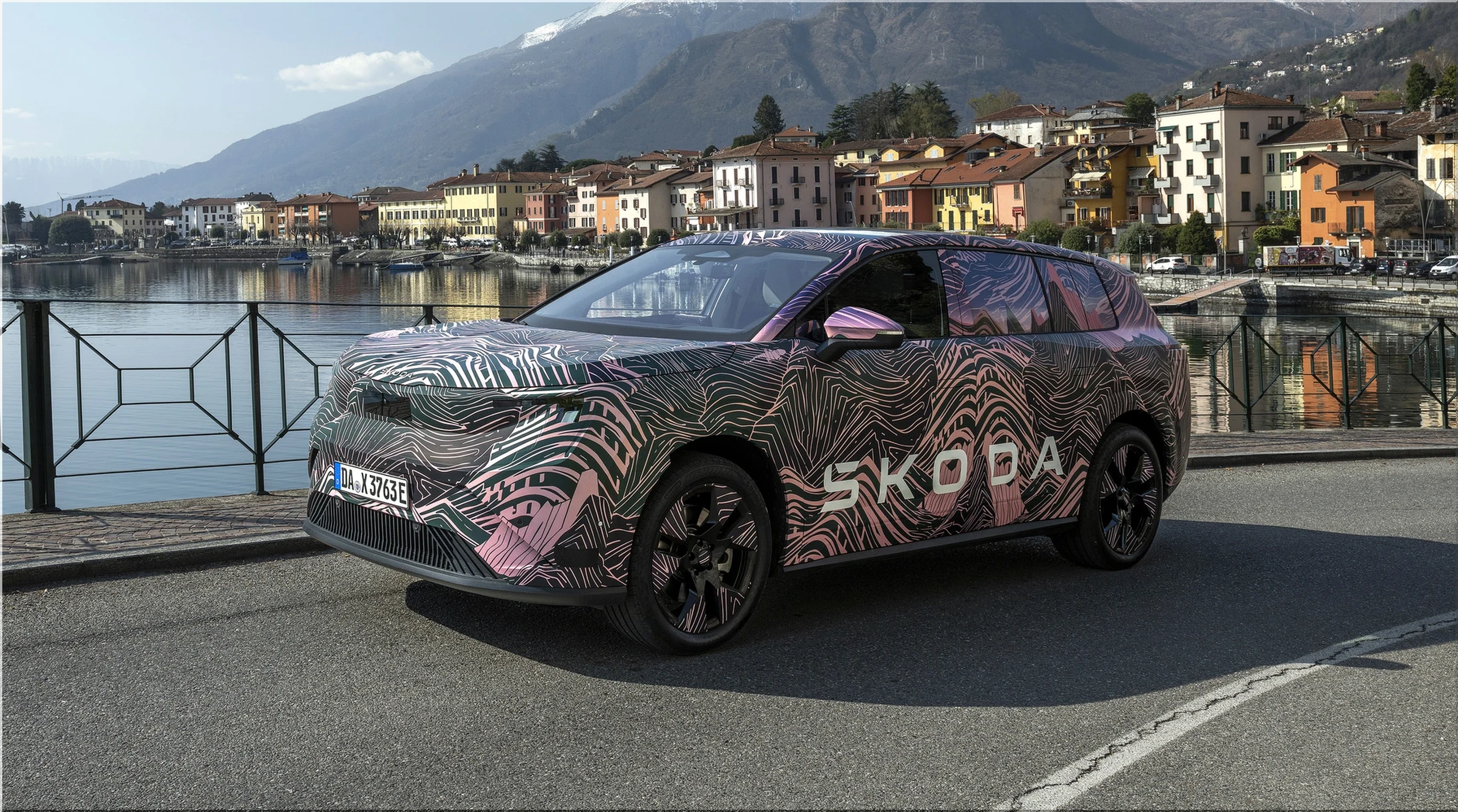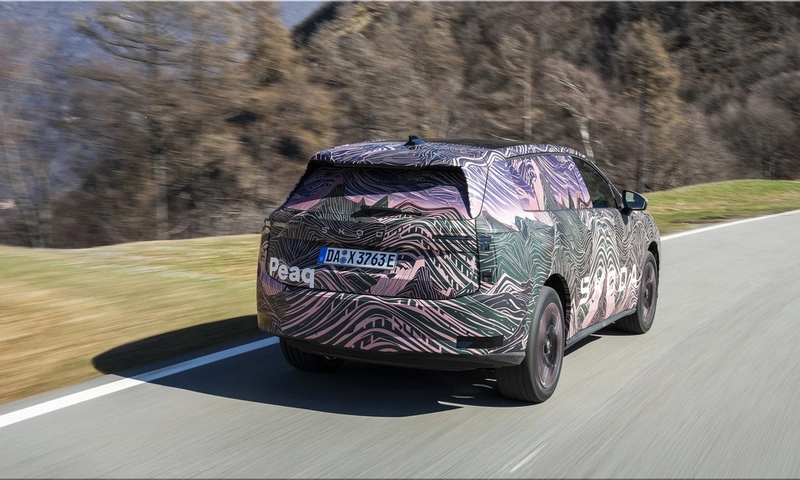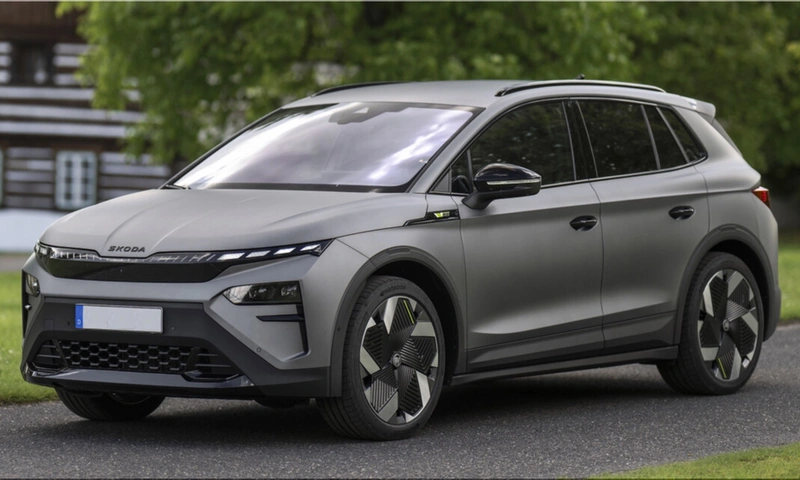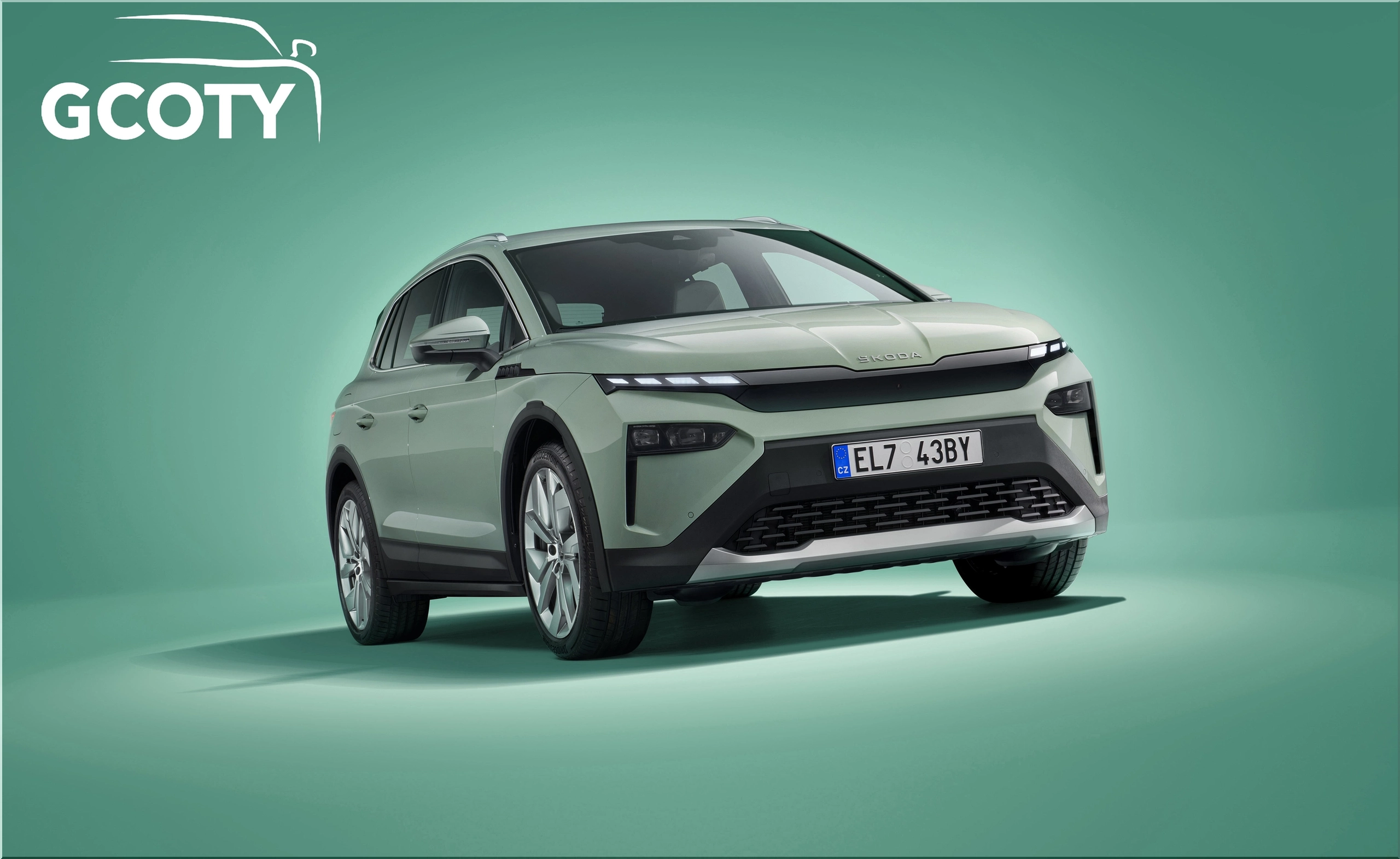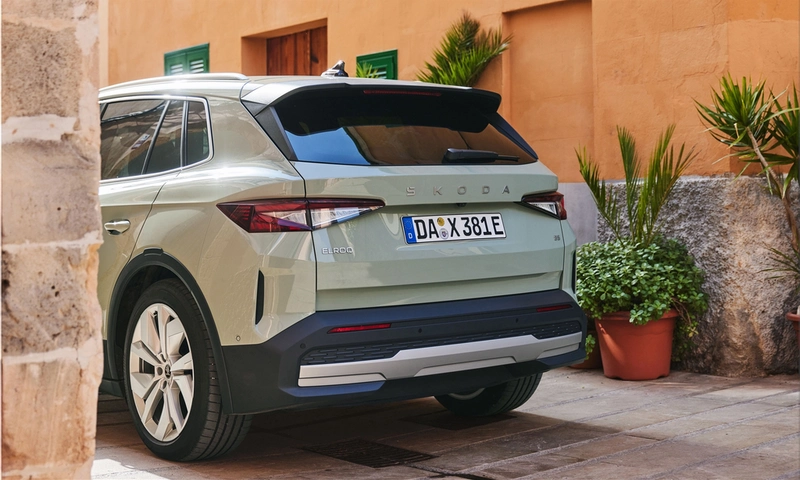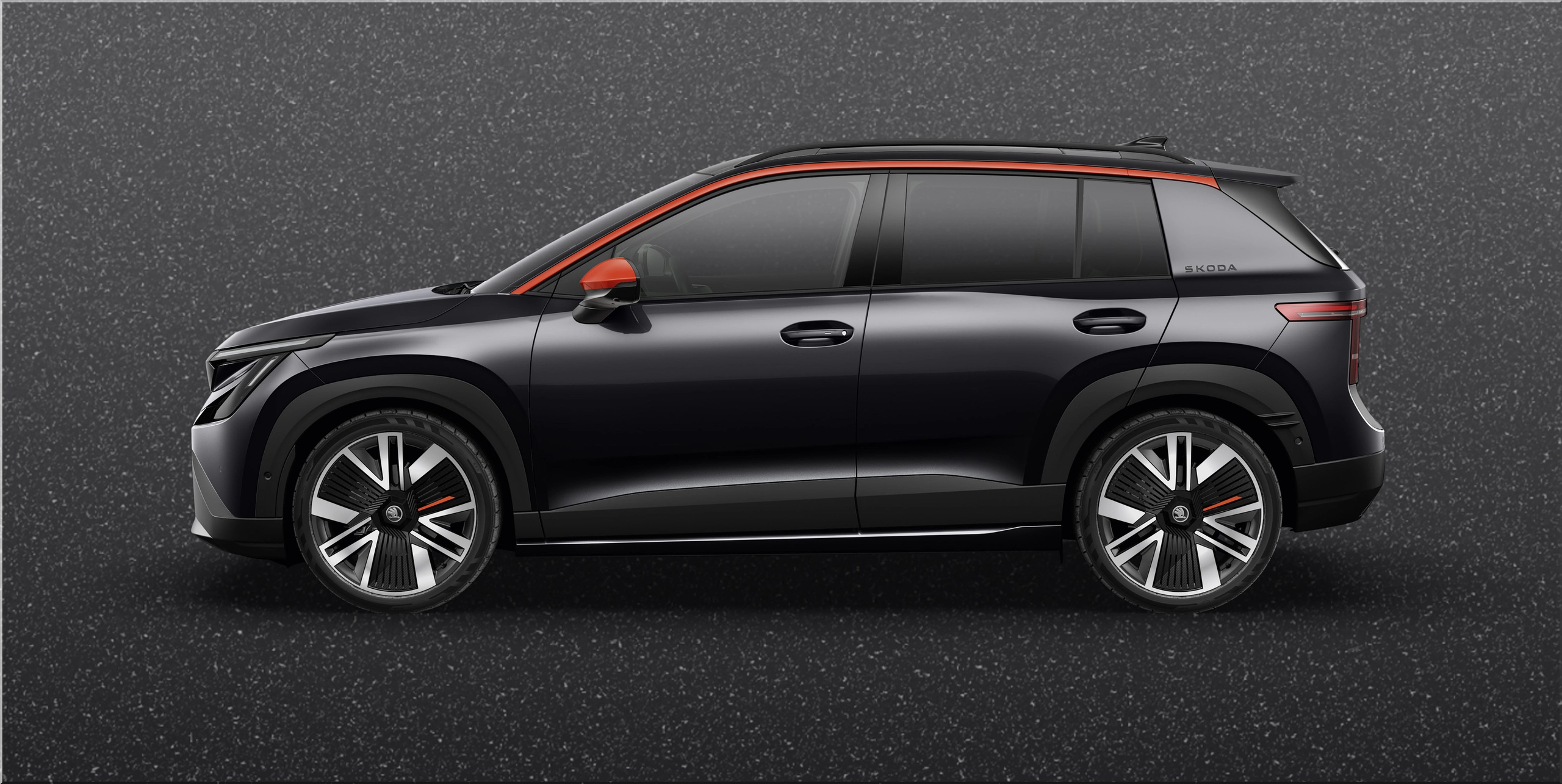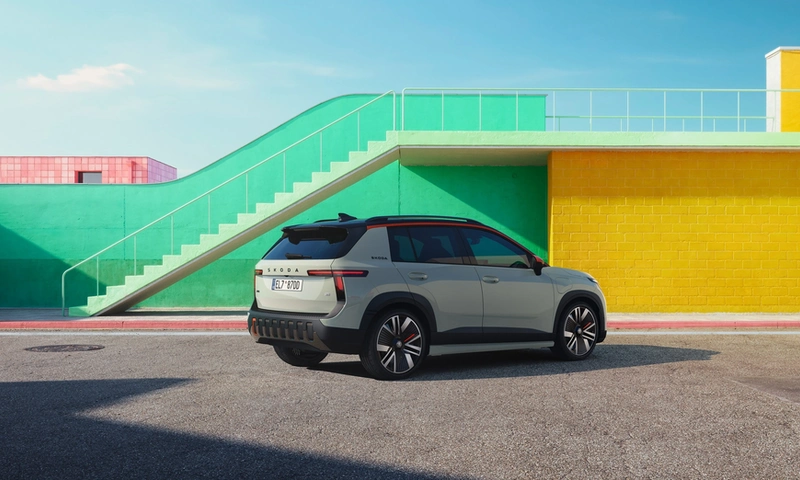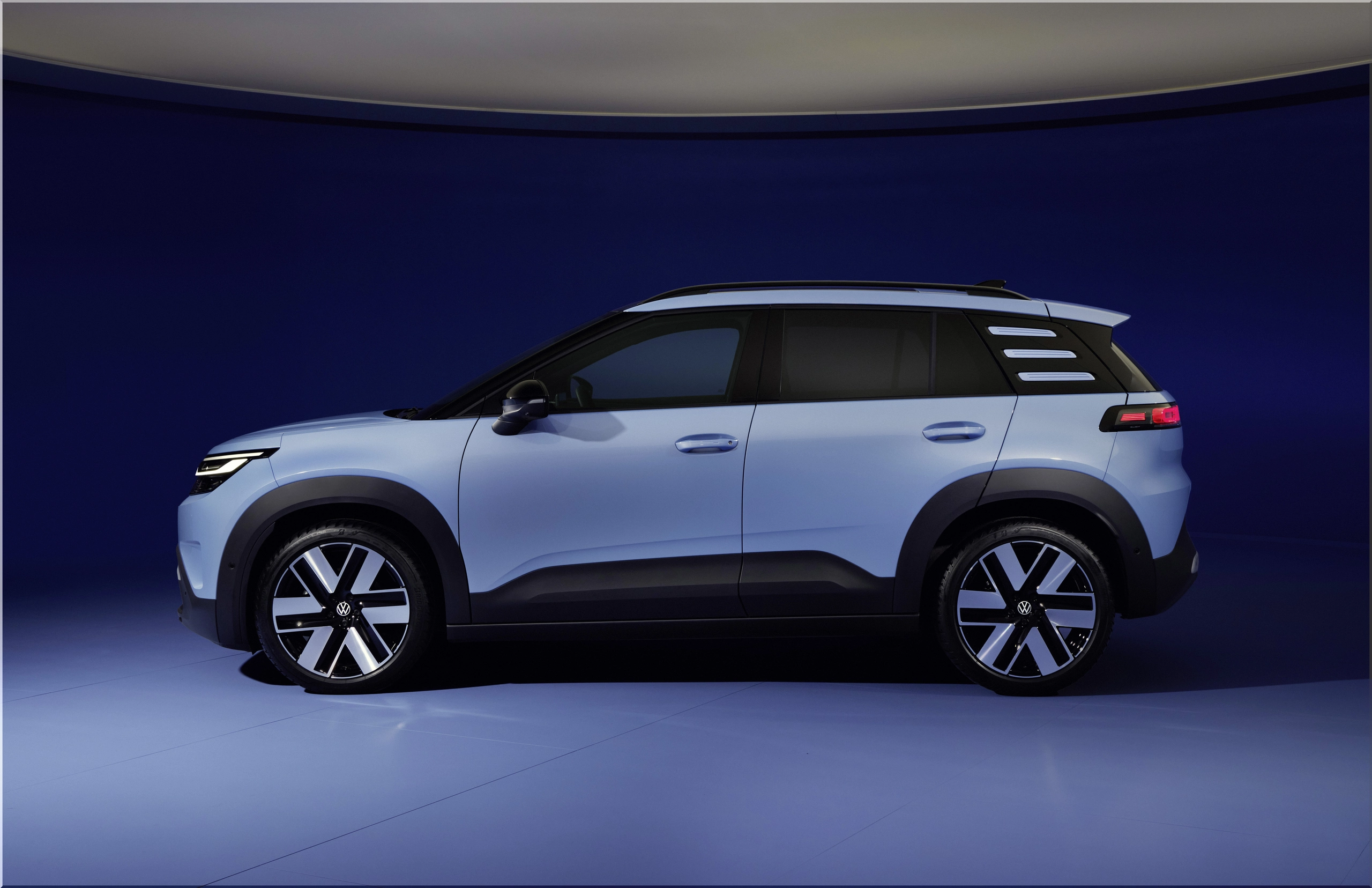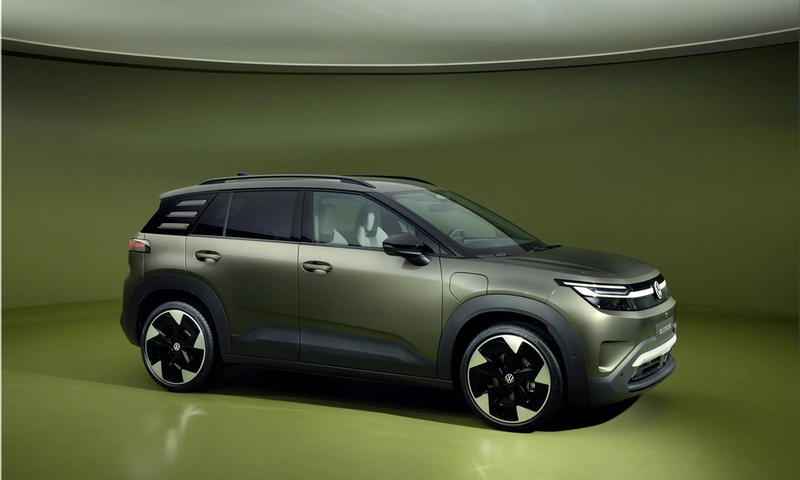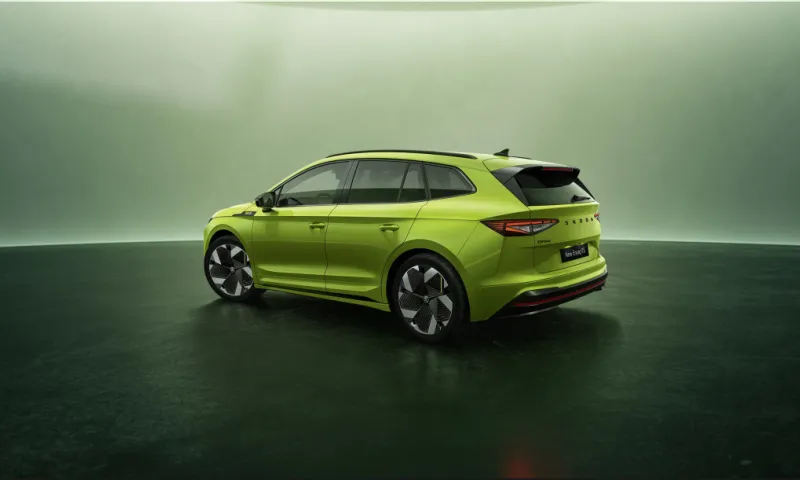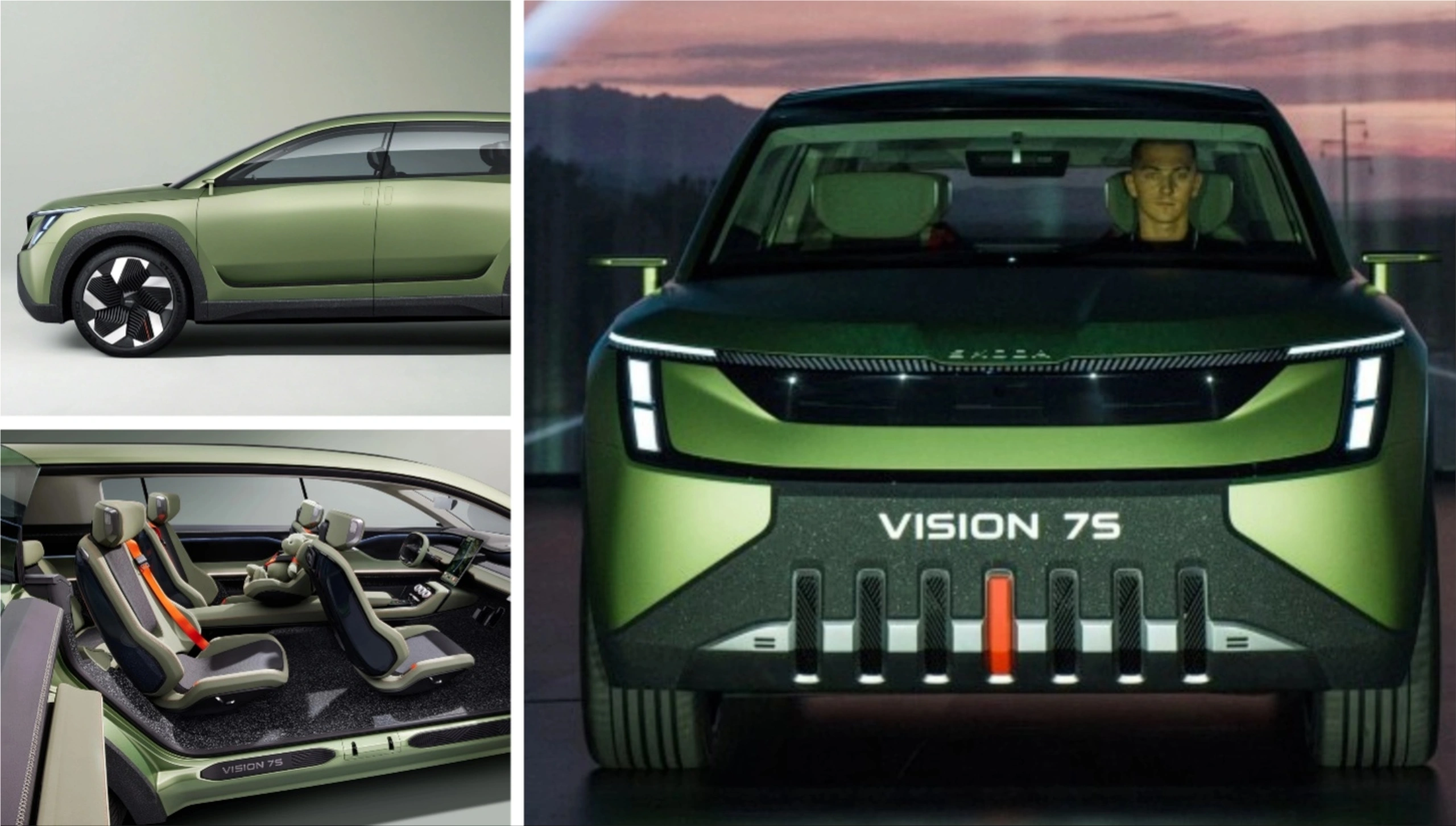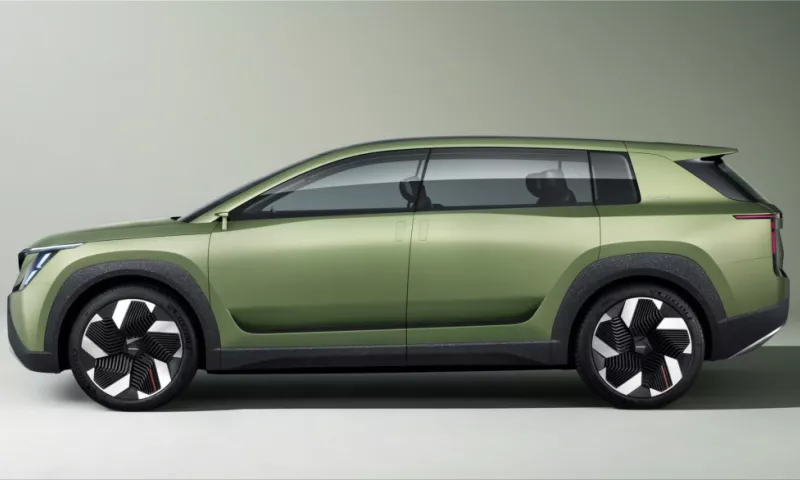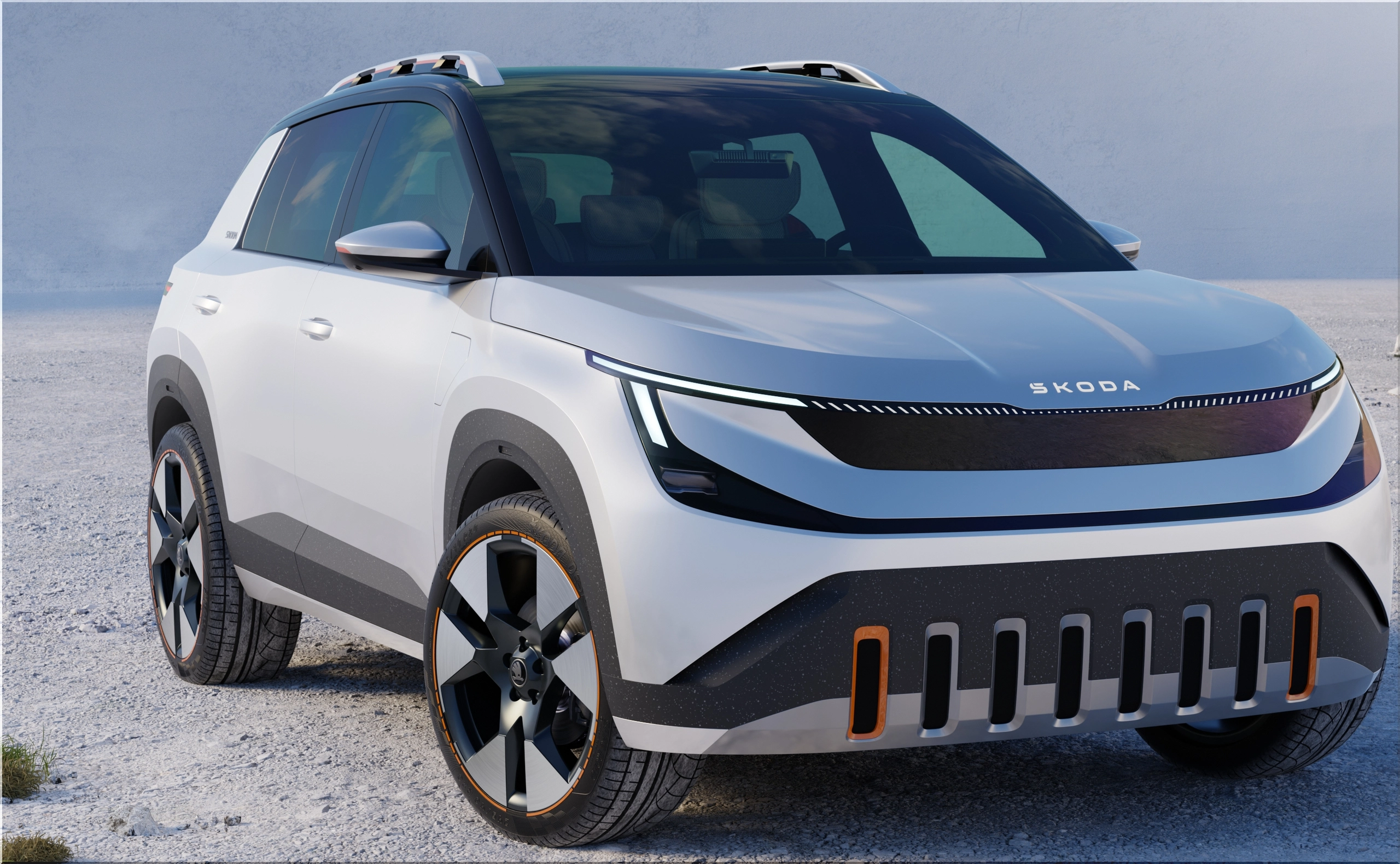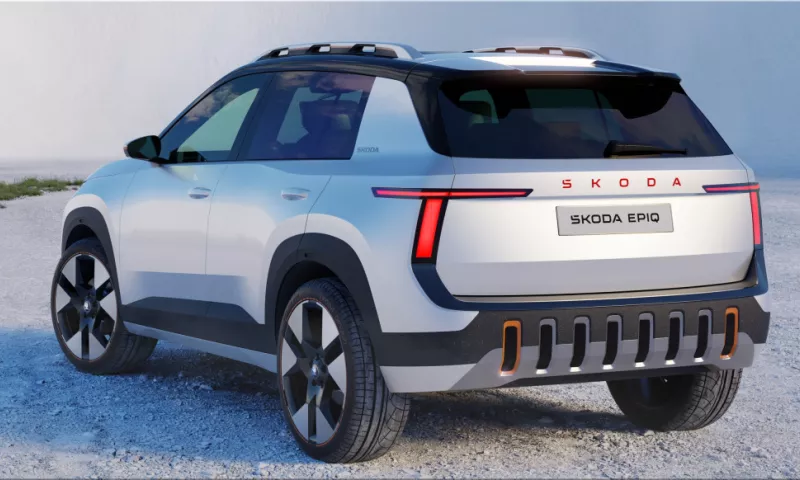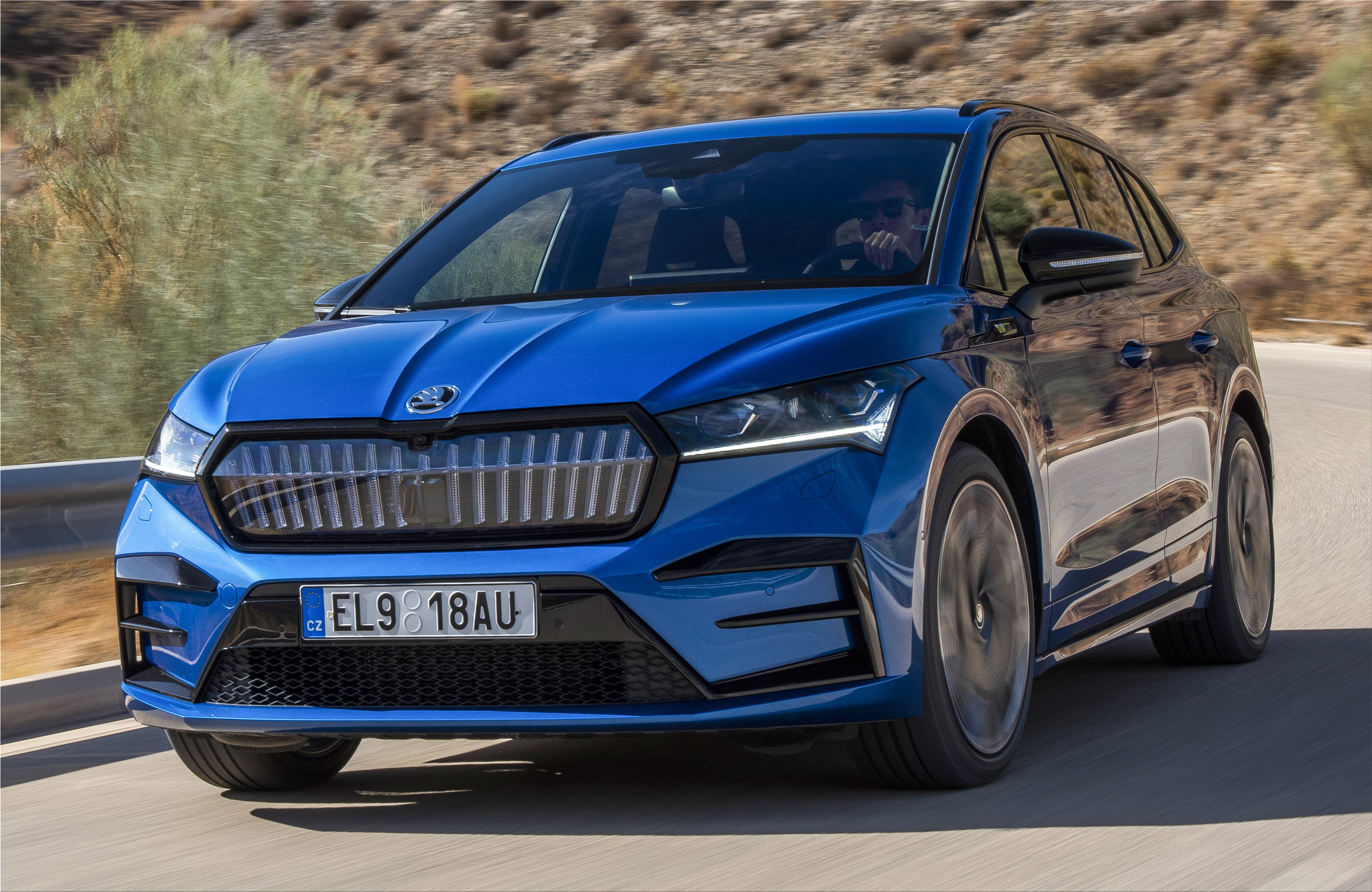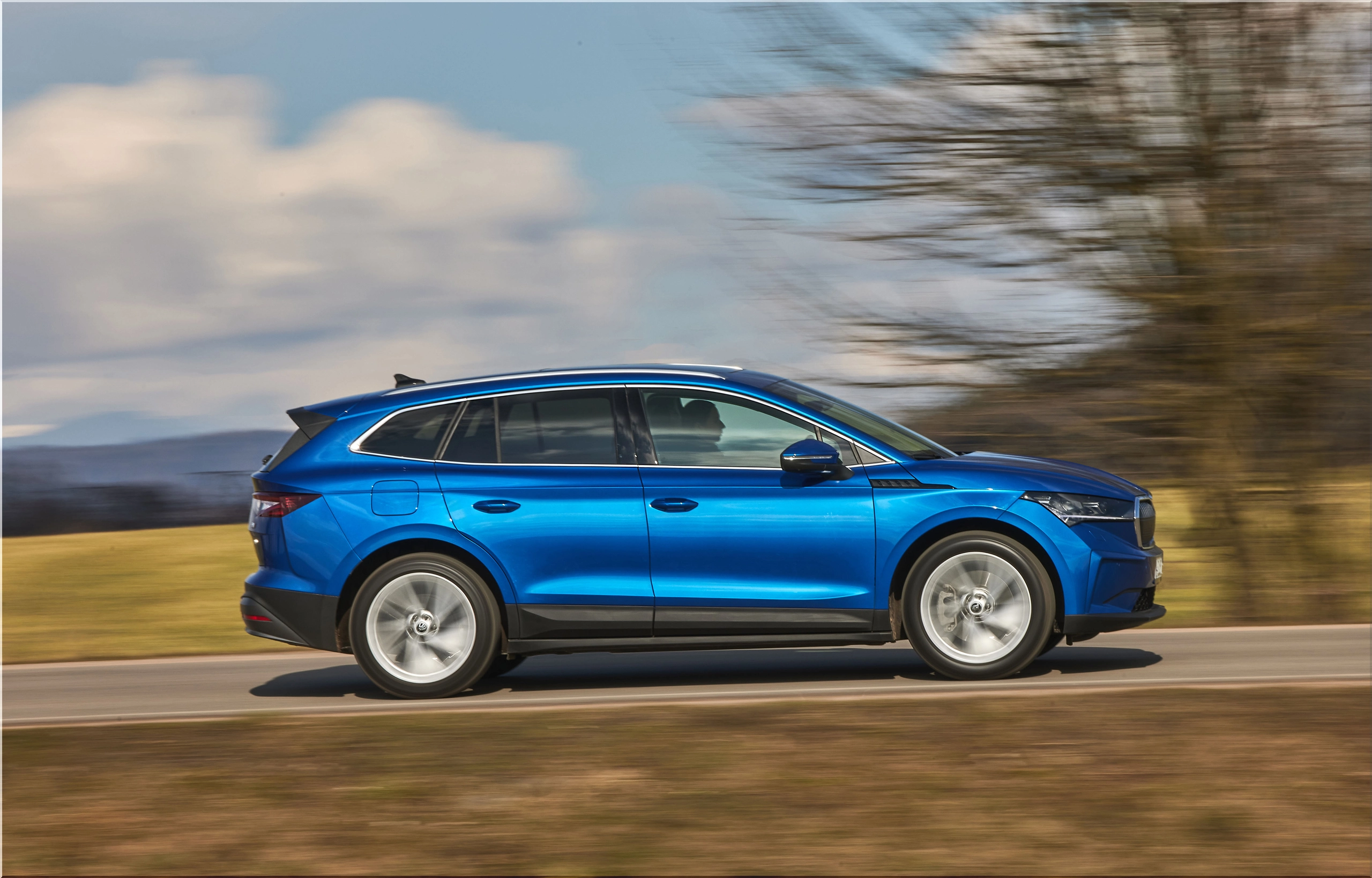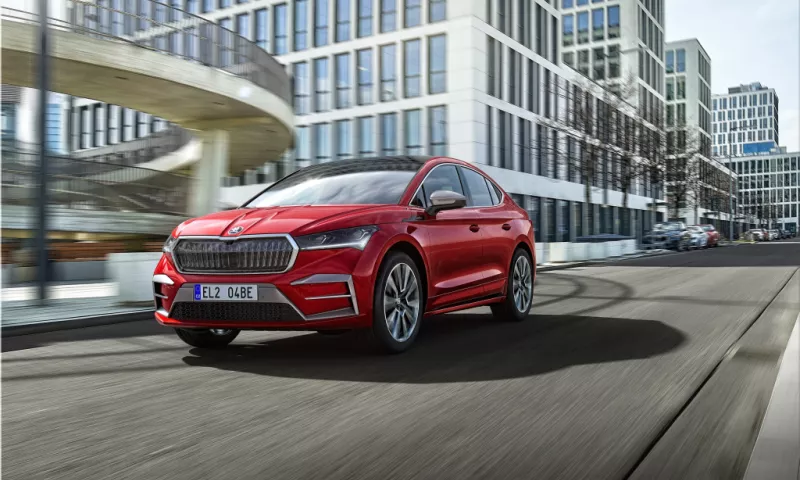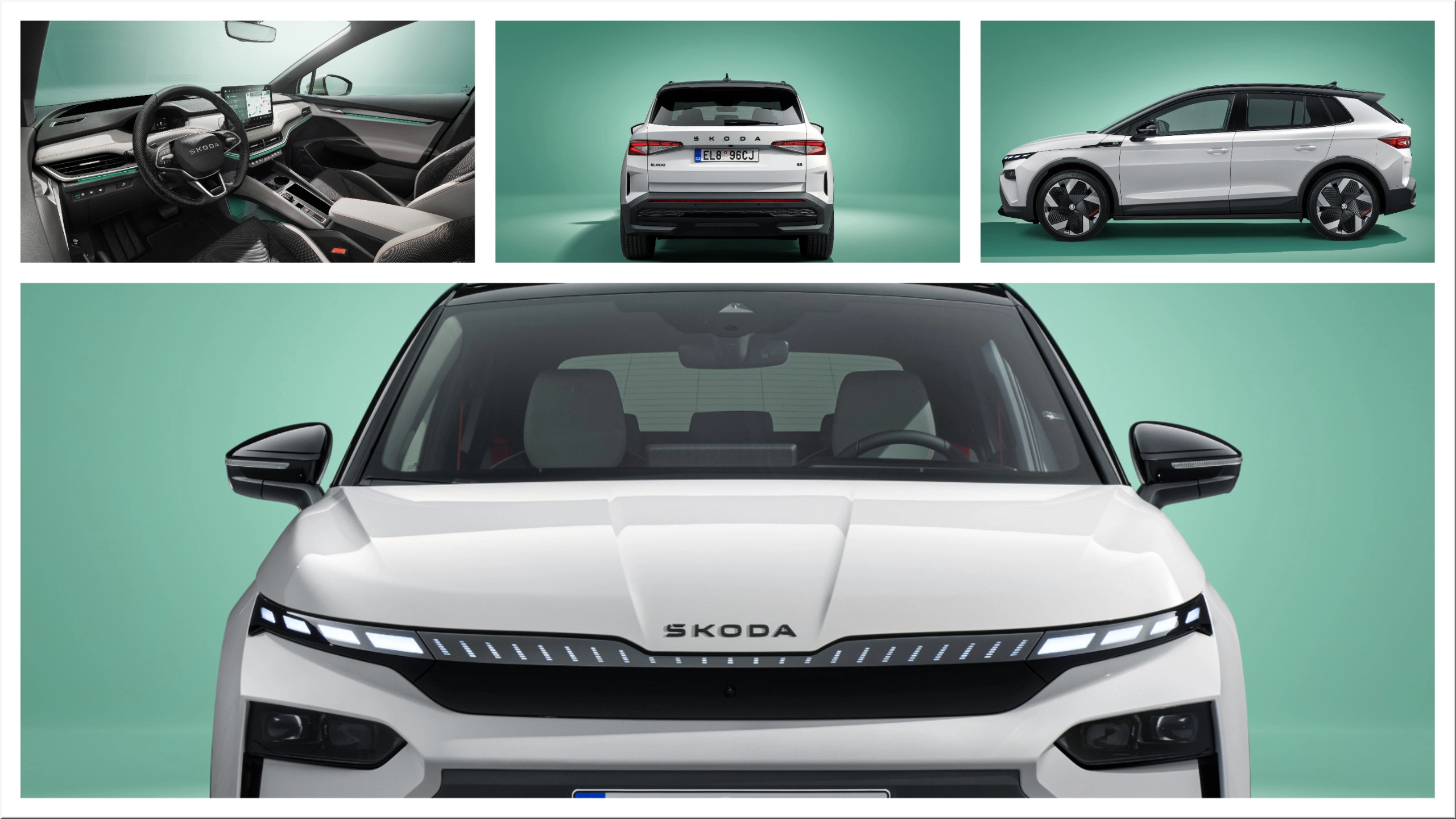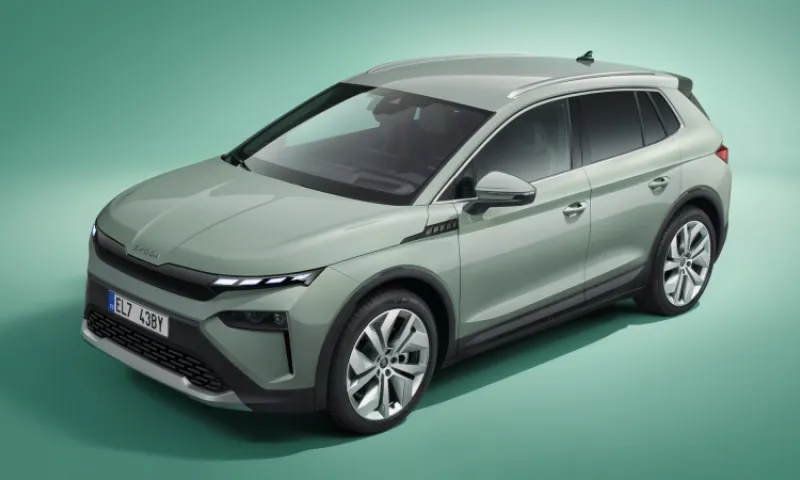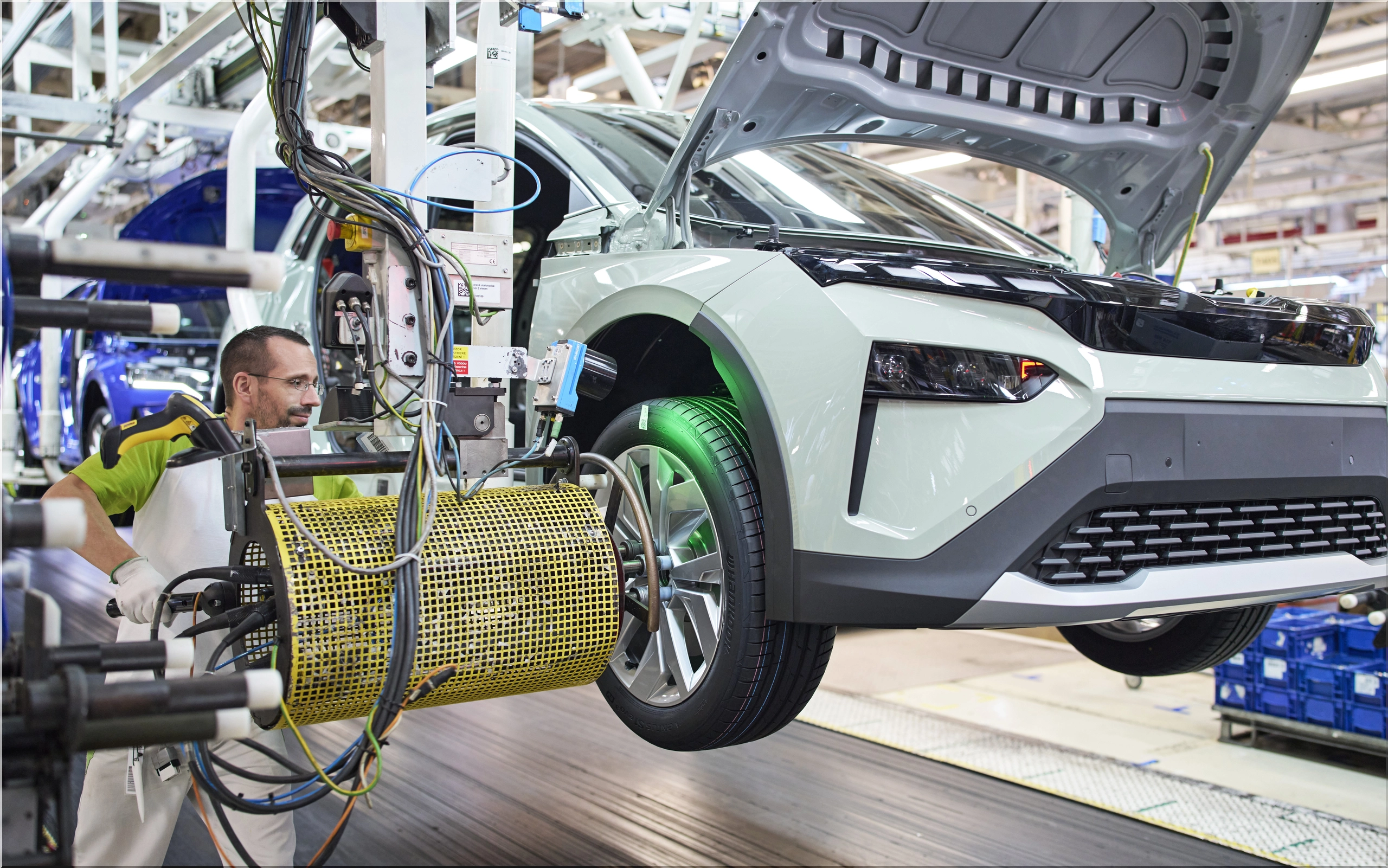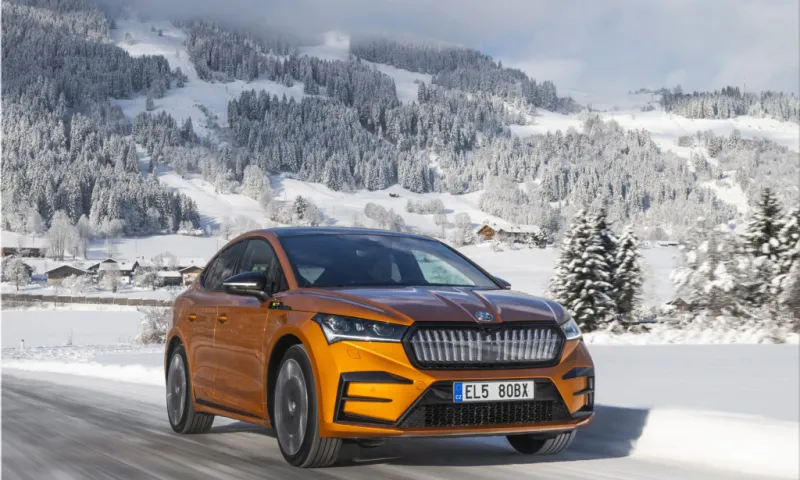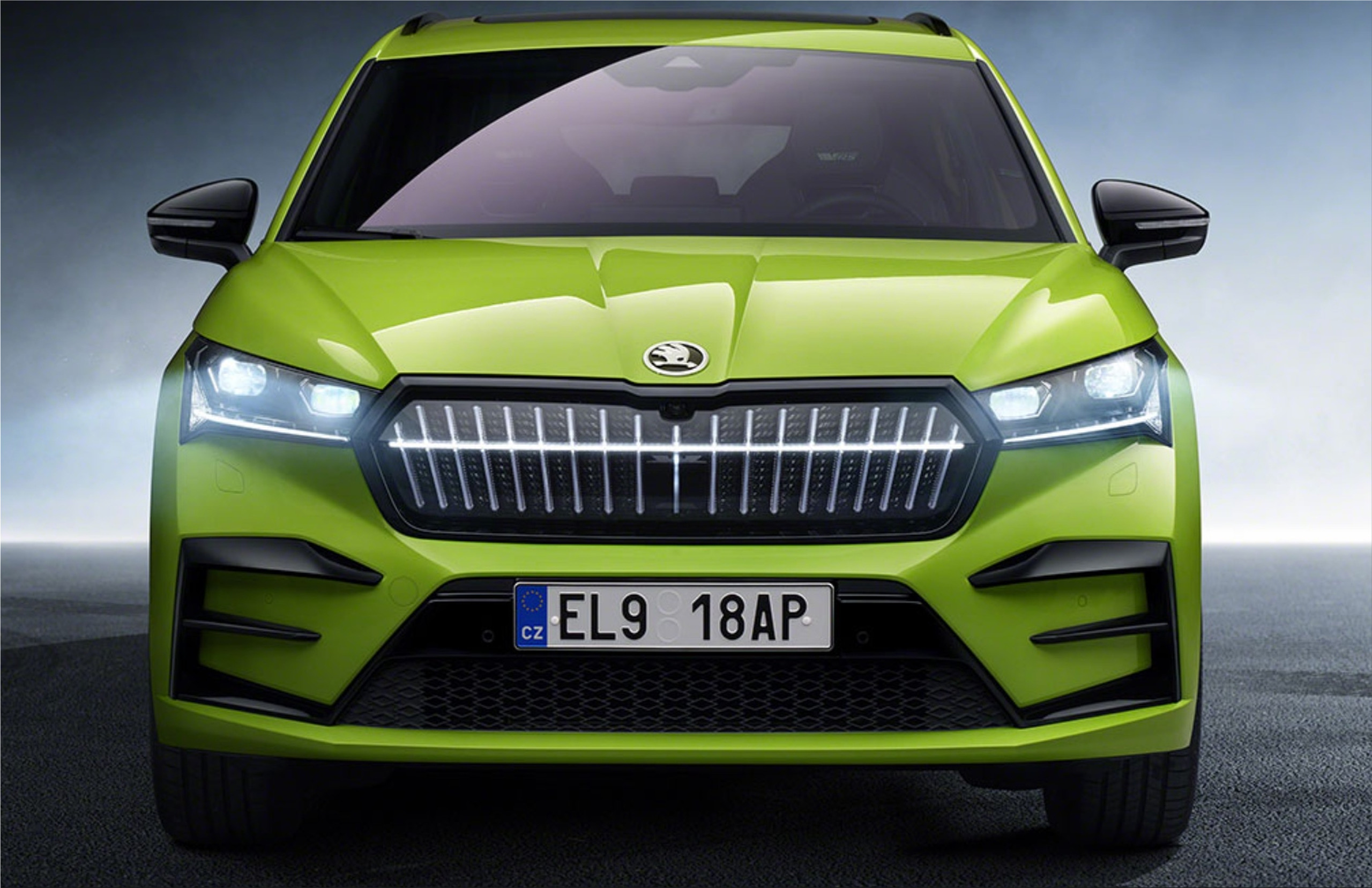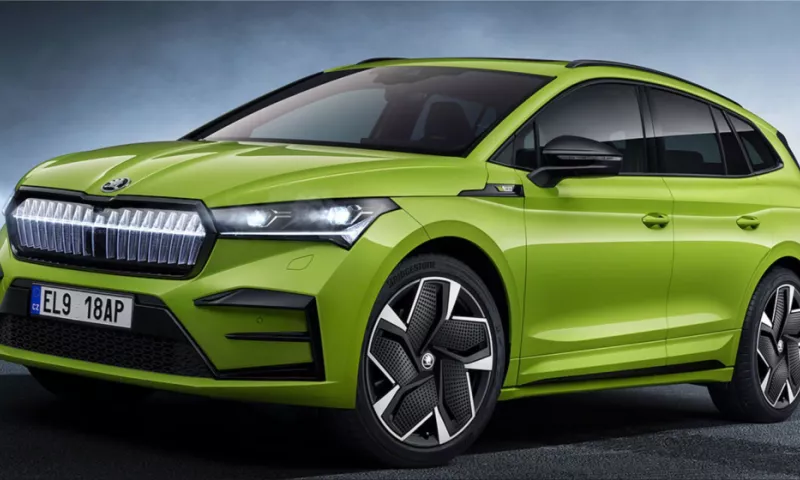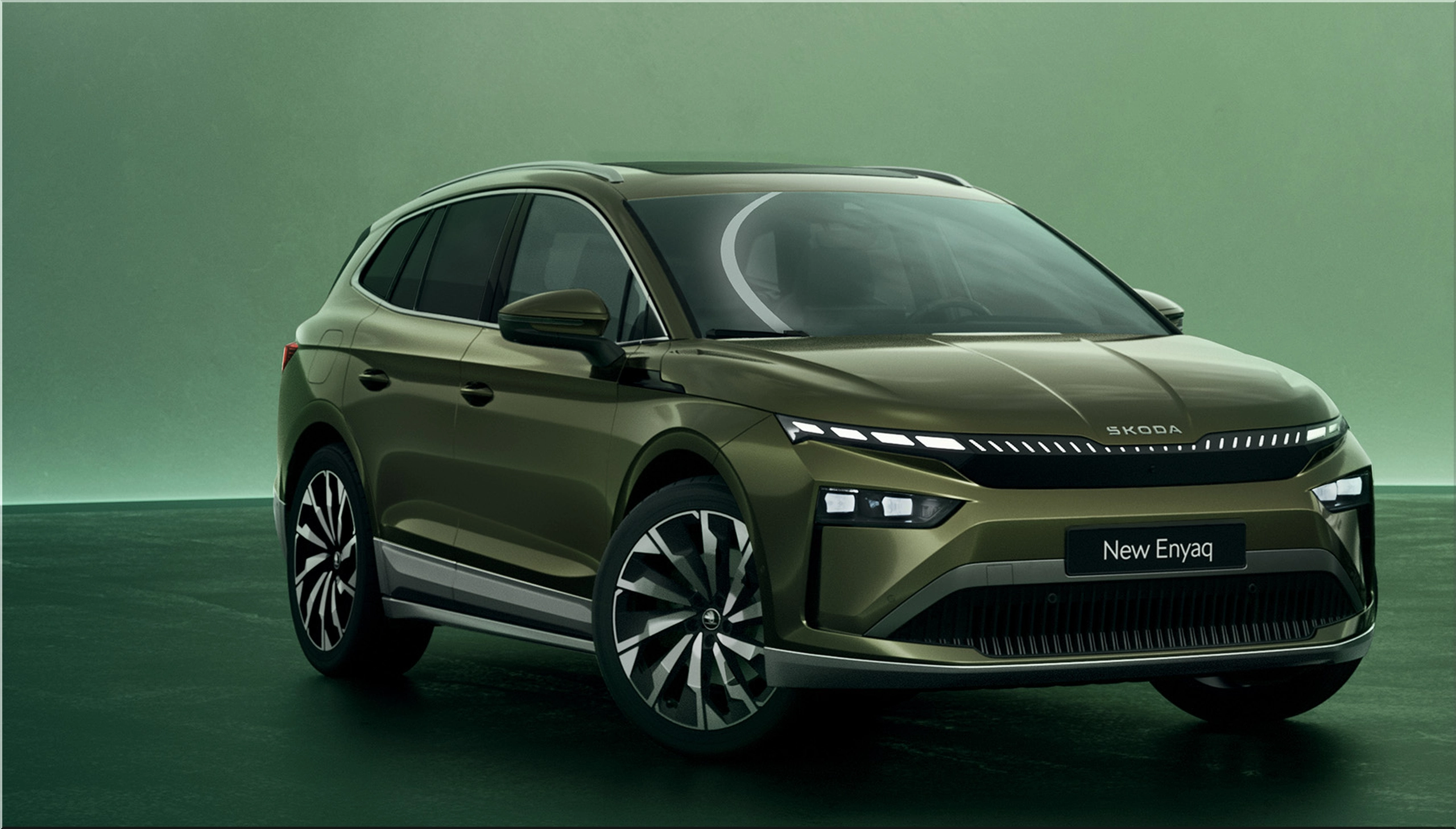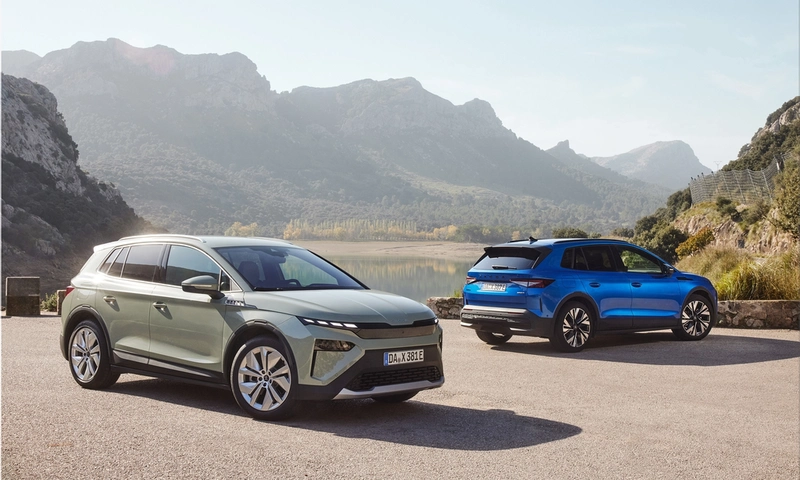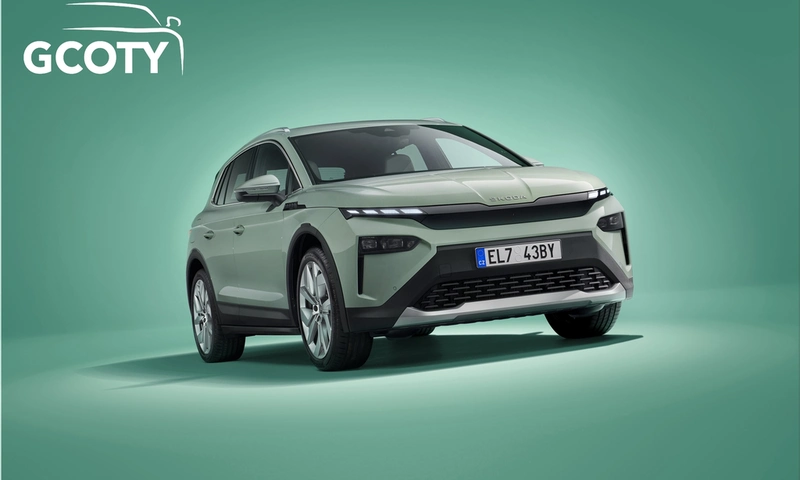

The Skoda Peaq electric SUV has moved from concept promise to production-grade proof. Škoda logged more than 1.5 million km of development driving across Europe, Africa, and North America, then paired that road work with climate chambers, wind tunnels, and high-performance computing. That test mix gives the Peaq a stronger engineering story than a standard showroom reveal.
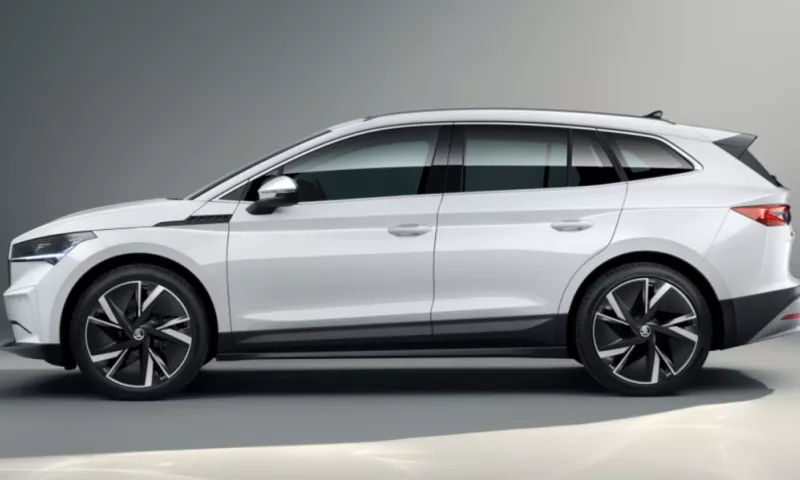
The numbers matter. The Skoda Peaq measures 4,874 mm long, uses a 2,965 mm wheelbase, and offers seating for five or seven people. In five-seat layout, it carries up to 935 litres of luggage, while the seven-seat configuration still leaves 299 litres behind the third row. In addition, a 37-litre frunk adds cable storage without eating into cabin space.
Image

Extreme Testing: What Skoda Actually Tested
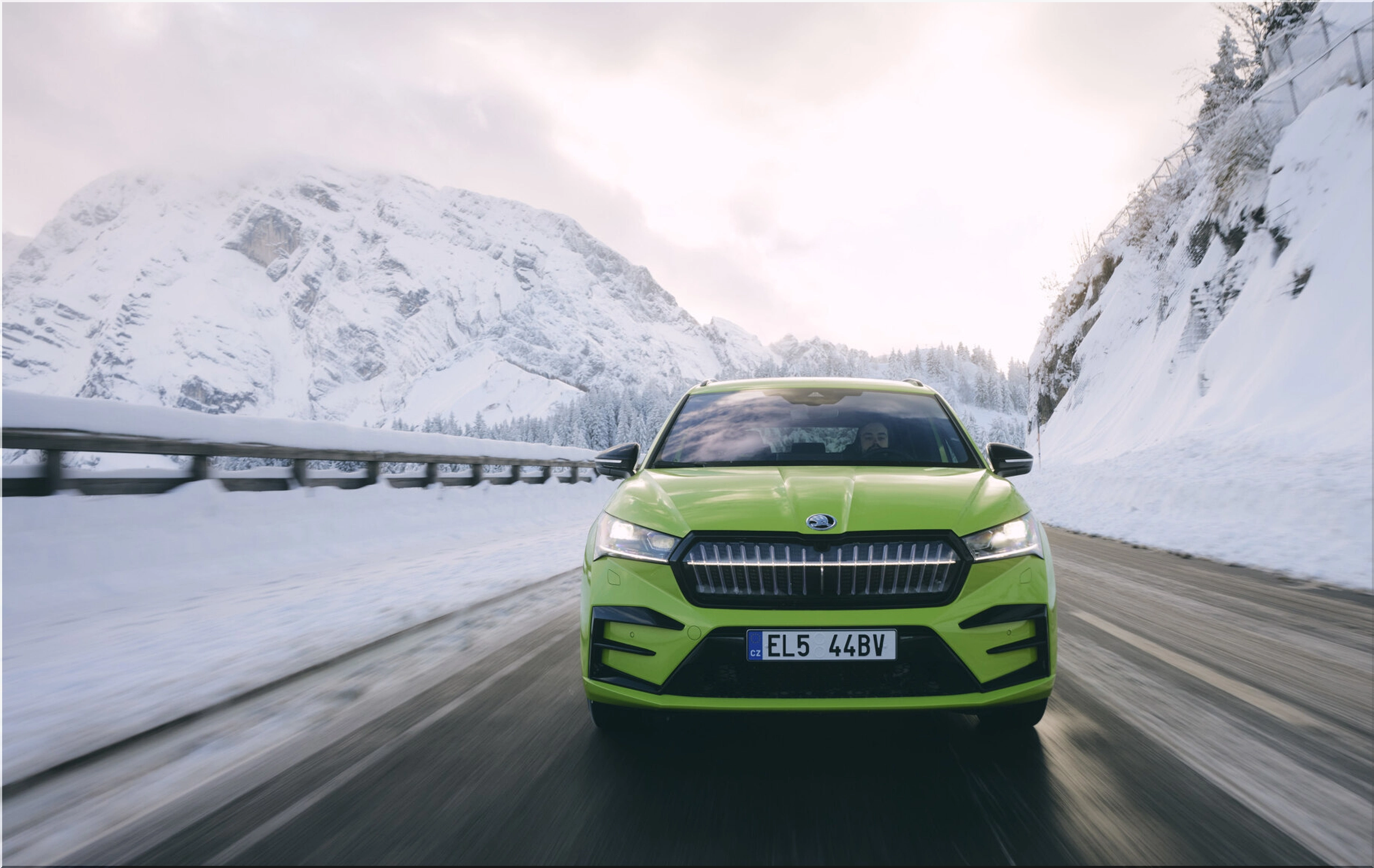
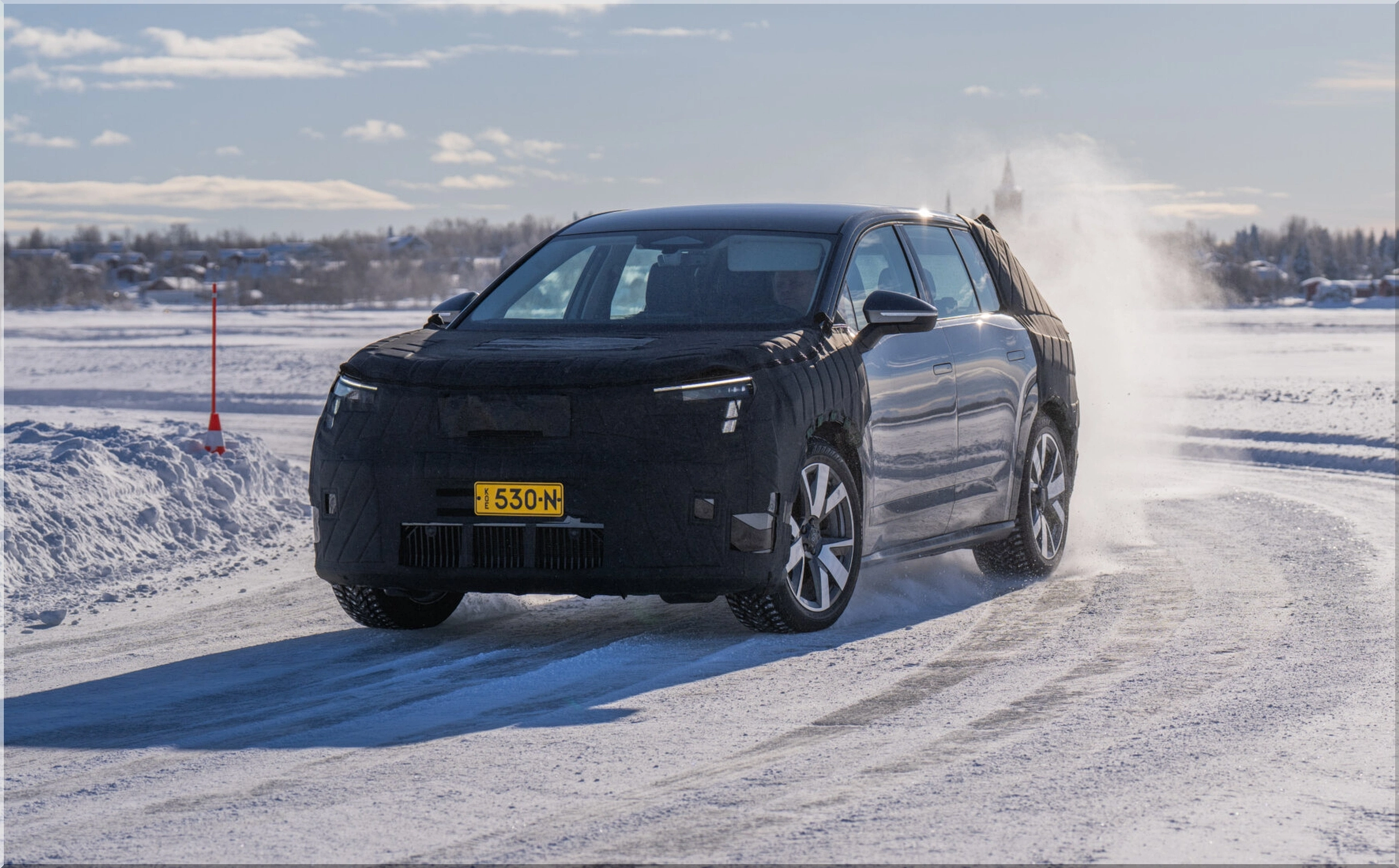
Skoda sent Peaq prototypes into temperatures below -30°C, with some development work taking place around 200 km north of the Arctic Circle, where conditions can drop to -40°C. Engineers tested rapid windscreen defrosting, cabin heating, snow grip, ice stability, and safety-system response when sensors, tyres, and software face low-friction conditions.
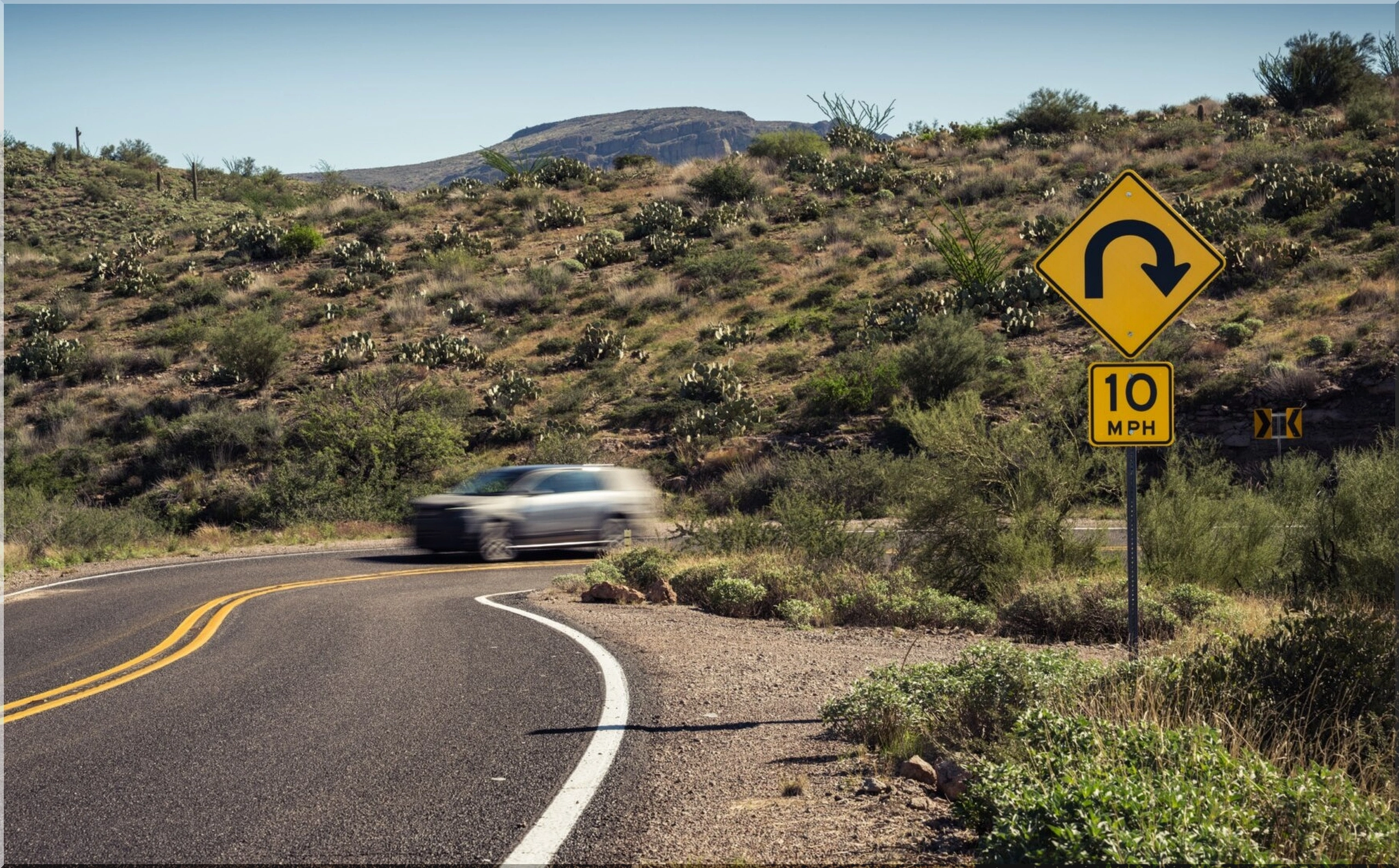
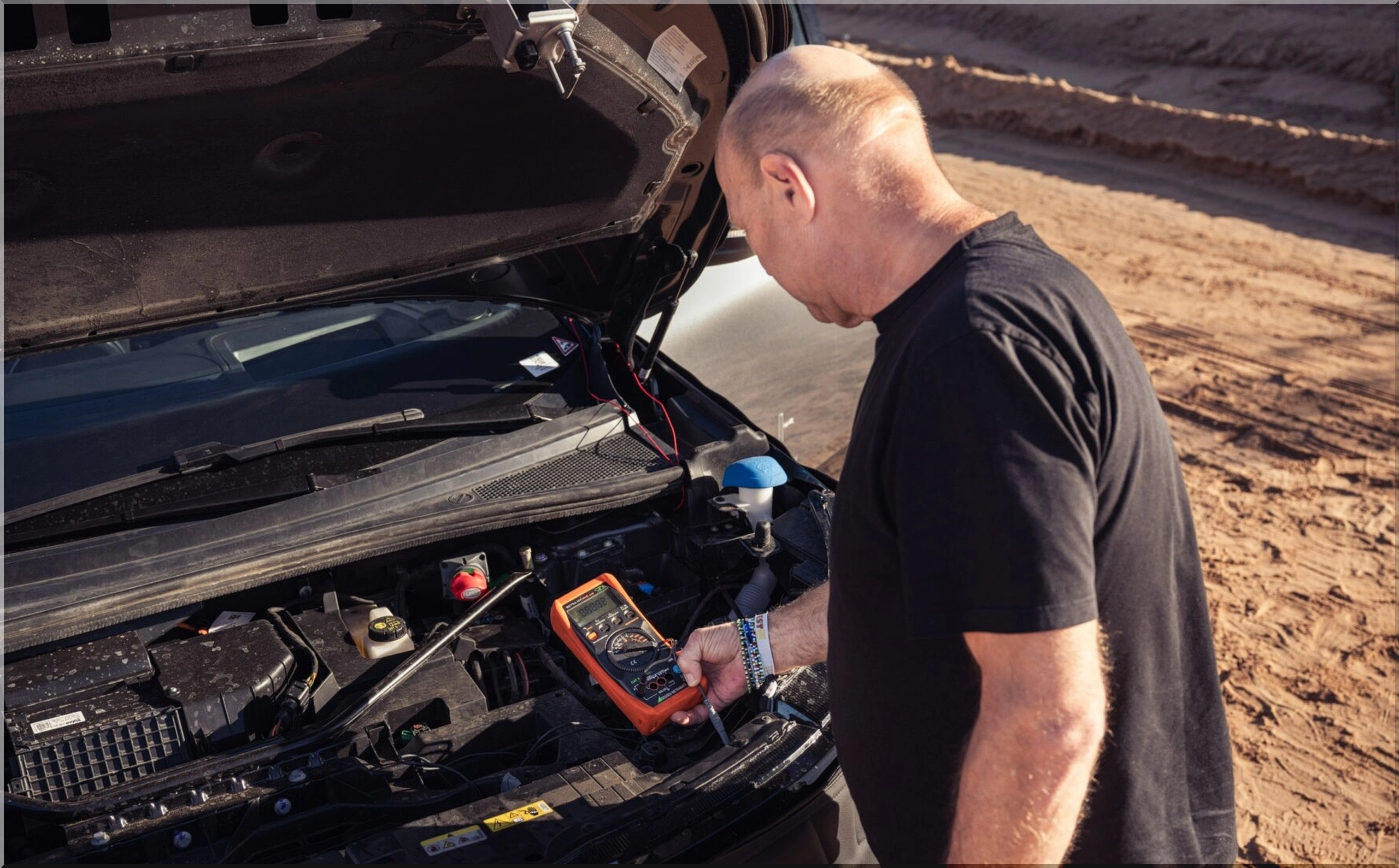
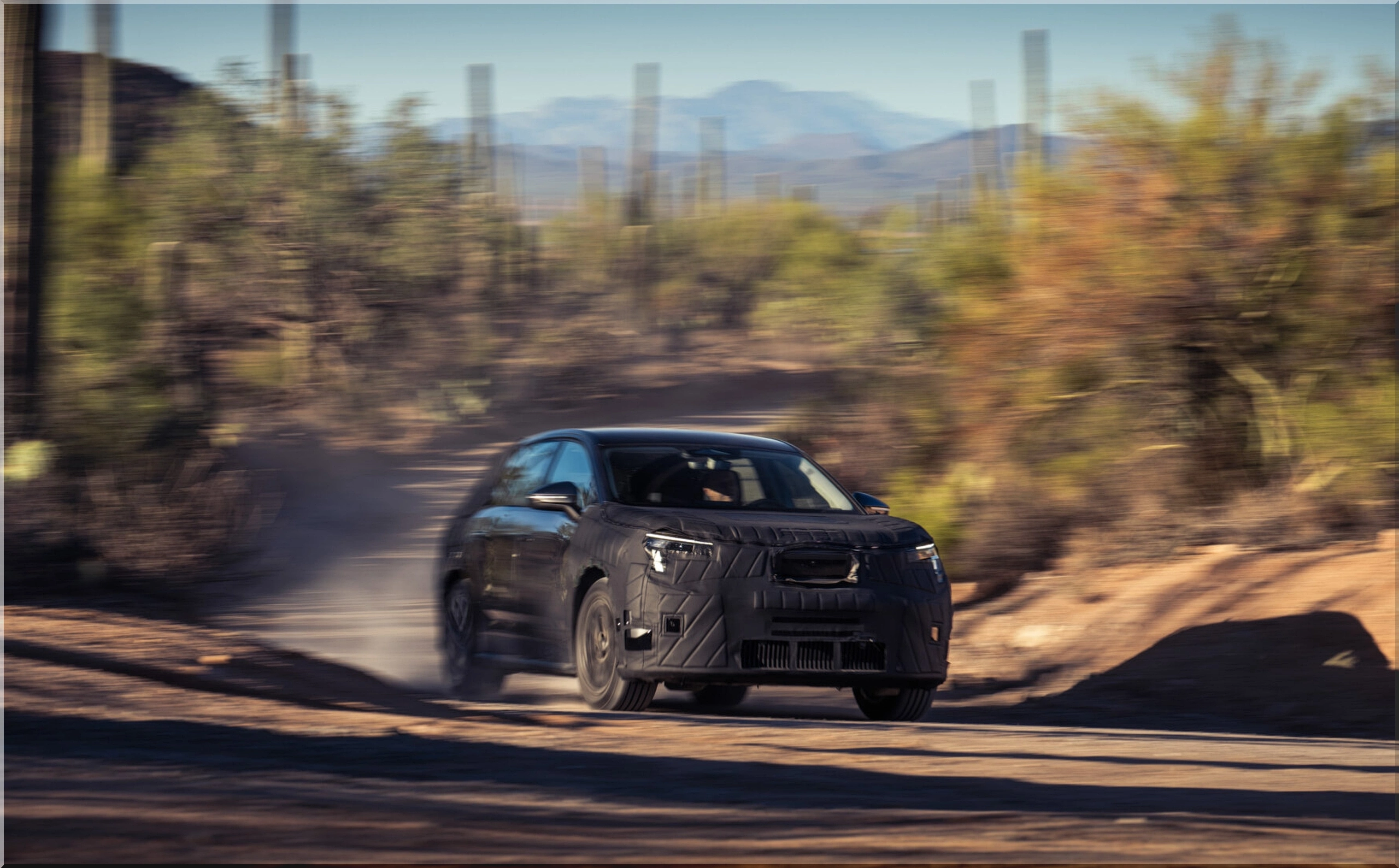
Specifically, hot-weather testing attacked a different failure chain. Desert sunlight exposed prototypes for 12 months to check paint quality, plastic ageing, sealing, brakes, suspension, and cooling. Dusty and gravel roads added stone-chip punishment to metal and plastic exterior parts. Consequently, the Peaq test programme reads like a durability audit, not a marketing lap.
| Test area | Data point | Engineering purpose |
|---|---|---|
| Total development distance | More than 1.5 million km | Validate durability across repeated load cycles |
| Continents tested | 3 | Cover climate, surface, and traffic variation |
| Cold testing zone | About 200 km north of Arctic Circle | Check heating, defrosting, grip, and safety systems |
| Minimum temperature exposure | Down to -40°C | Stress battery, seals, electronics, fluids, and software |
| Desert exposure | 12 months | Test paint, plastics, cooling, and cabin air conditioning |
| Surfaces | Gravel, dust, congested roads, snow, ice | Check sealing, stone resistance, chassis control, and braking |
MEB+ Platform, Battery Choices, And Range
The Škoda Peaq uses the Volkswagen Group MEB+ platform, which supports new electric motors, larger battery capacity, and improved energy management. The Peaq 60 uses a 63 kWh gross battery, with 59 kWh net capacity, and delivers up to 440 km of range. It charges from 10 to 80 per cent in 27 minutes.
Looking at the data, the Peaq 90 and Peaq 90x carry the larger 91 kWh gross battery, with 86 kWh usable capacity. The Peaq 90 exceeds 630 km of range, while the Peaq 90x reaches up to 605 km with all-wheel drive. Both need 28 minutes for a 10 to 80 per cent DC charging session.
| Version | Battery | Drive | Output | 0-100 km/h | Top speed | Range | 10-80% charge |
|---|---|---|---|---|---|---|---|
| Peaq 60 | 63 kWh gross, 59 kWh net | Rear-wheel drive | 150 kW | 8.6 sec | 160 km/h | Up to 440 km | 27 min |
| Peaq 90 | 91 kWh gross, 86 kWh usable | Rear-wheel drive | 210 kW | 7.1 sec | 180 km/h | More than 630 km | 28 min |
| Peaq 90x | 91 kWh gross, 86 kWh usable | All-wheel drive | 220 kW | 6.7 sec | 180 km/h | Up to 605 km | 28 min |
Aerodynamics And Cooling Logic
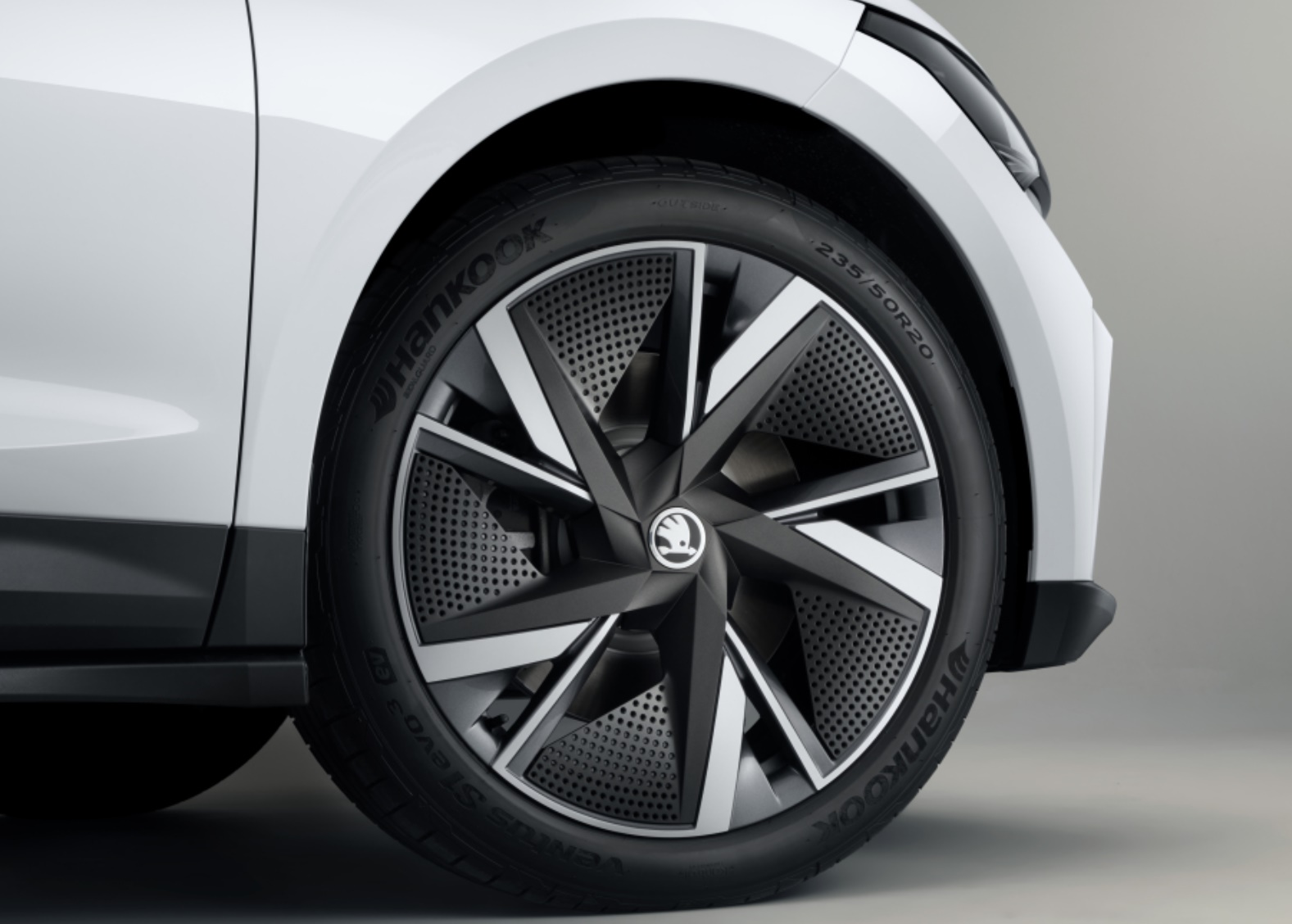
The Peaq posts a drag coefficient below 0.25, impressive for a large seven-seat electric SUV. Škoda used flush door handles, aero wheel covers, active cooling shutters, an Air Curtain system, a rear diffuser, and a roofline spoiler to cut drag without turning the car into a rolling science project.
By comparison, every small aero gain helps an EV at motorway speed because drag rises fast as speed climbs. Active shutters reduce open-front airflow when the cooling system does not need maximum intake. The new heat pump then reduces cabin-heating energy demand, which protects winter range better than brute battery capacity alone.
Video title
Skoda Peaq Electric SUV
Cabin, Practicality, And Real Family Use
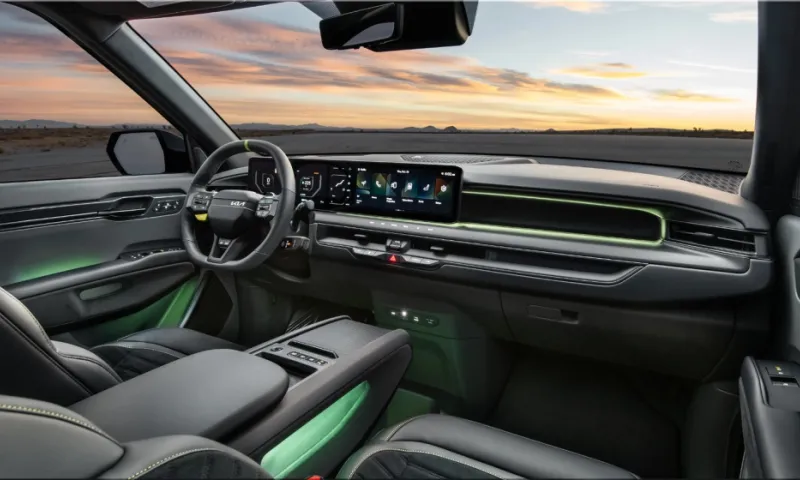
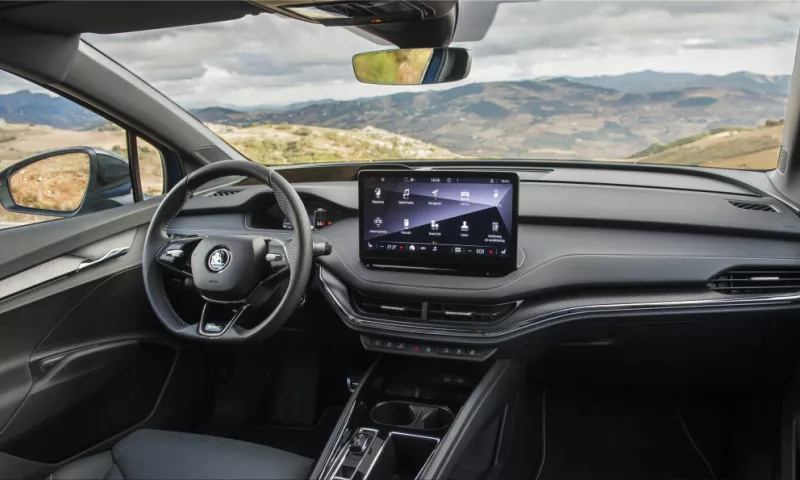
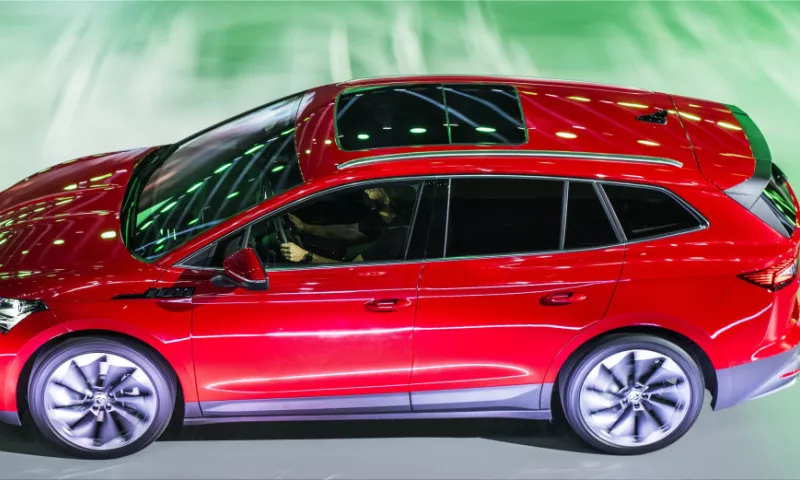
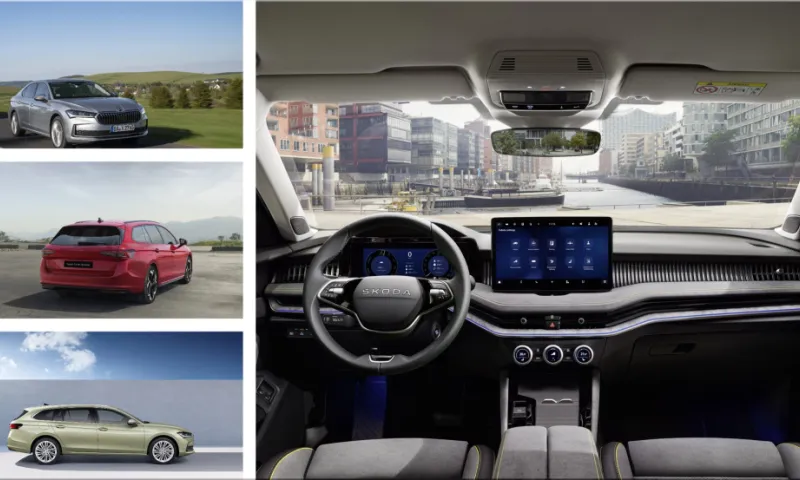
The Peaq targets buyers who need space first and party tricks second. Its 2.1 m² panoramic roof uses Dynamic Shade Control with nine adjustable segments, while the 13.6-inch vertical infotainment screen pairs with a 10-inch driver display and optional augmented-reality head-up display.
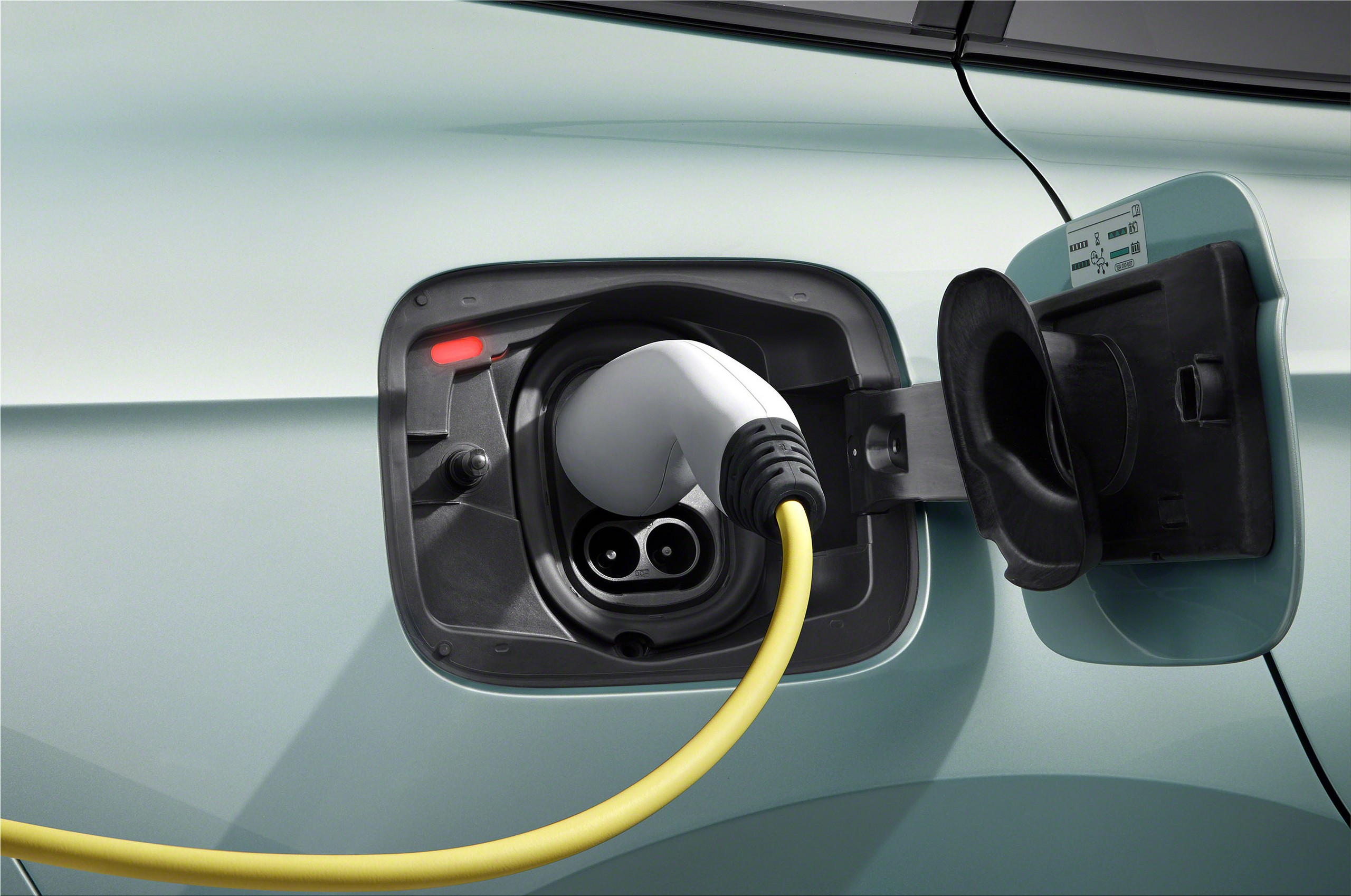
From an expert perspective, Škoda has aimed the Peaq at Kodiaq owners moving into electric power without losing towing, cargo volume, or third-row access. Rear-wheel-drive variants can tow up to 1.8 tonnes braked, while the all-wheel-drive 90x raises that figure to 2 tonnes. The car also supports V2L, V2H, and V2G, so its battery can power external devices, a home, or feed energy back to the grid where the required wallbox and local support exist.
Pro-Tips For Buyers
- Choose the Peaq 90 if range matters more than traction. It gives the strongest long-distance figure.
- Choose the Peaq 90x if towing, winter roads, or poor-surface grip matter more than maximum range.
- Choose the Peaq 60 if your driving stays mostly regional and you want lower running cost with faster 10 to 80 per cent charging by one minute.
- Check boot needs carefully. The five-seat version gives 935 litres, while the seven-seat version gives 299 litres behind row three.
Image gallery
Which Škoda Peaq Version Makes The Most Sense?
For most European family buyers, the Skoda Peaq 90 looks like the sweet spot. It combines the larger 91 kWh battery, rear-drive efficiency, more than 630 km of range, and a 7.1-second 0-100 km/h time. That mix suits long motorway trips, school runs, and holiday loading without forcing buyers into the extra weight and energy use of all-wheel drive.
The Skoda Peaq 90x makes the stronger case for mountain regions, caravan towing, wet rural roads, and drivers who want maximum traction. The Skoda Peaq 60 should work well for company-car users and families with home charging, but the smaller battery limits its appeal for buyers replacing diesel SUVs on longer routes.
Image gallery
Final Verdict
The Škoda Peaq electric SUV now has the numbers to support its flagship role. The 1.5 million km test programme, -40°C cold validation, 12-month desert exposure, MEB+ hardware, 91 kWh battery option, and sub-0.25 drag coefficient all point to one clear strategy: Škoda wants the Peaq to feel dependable before it tries to feel clever.
That approach fits the brand. Big space, clear data, practical charging, towing strength, and severe-weather validation give the Peaq a credible place among large electric family SUVs. The engineering team did the hard miles, so buyers can ask better questions than 'Will it cope?' They can ask, 'Which version fits my use case?'
- Add new comment
- 103 views