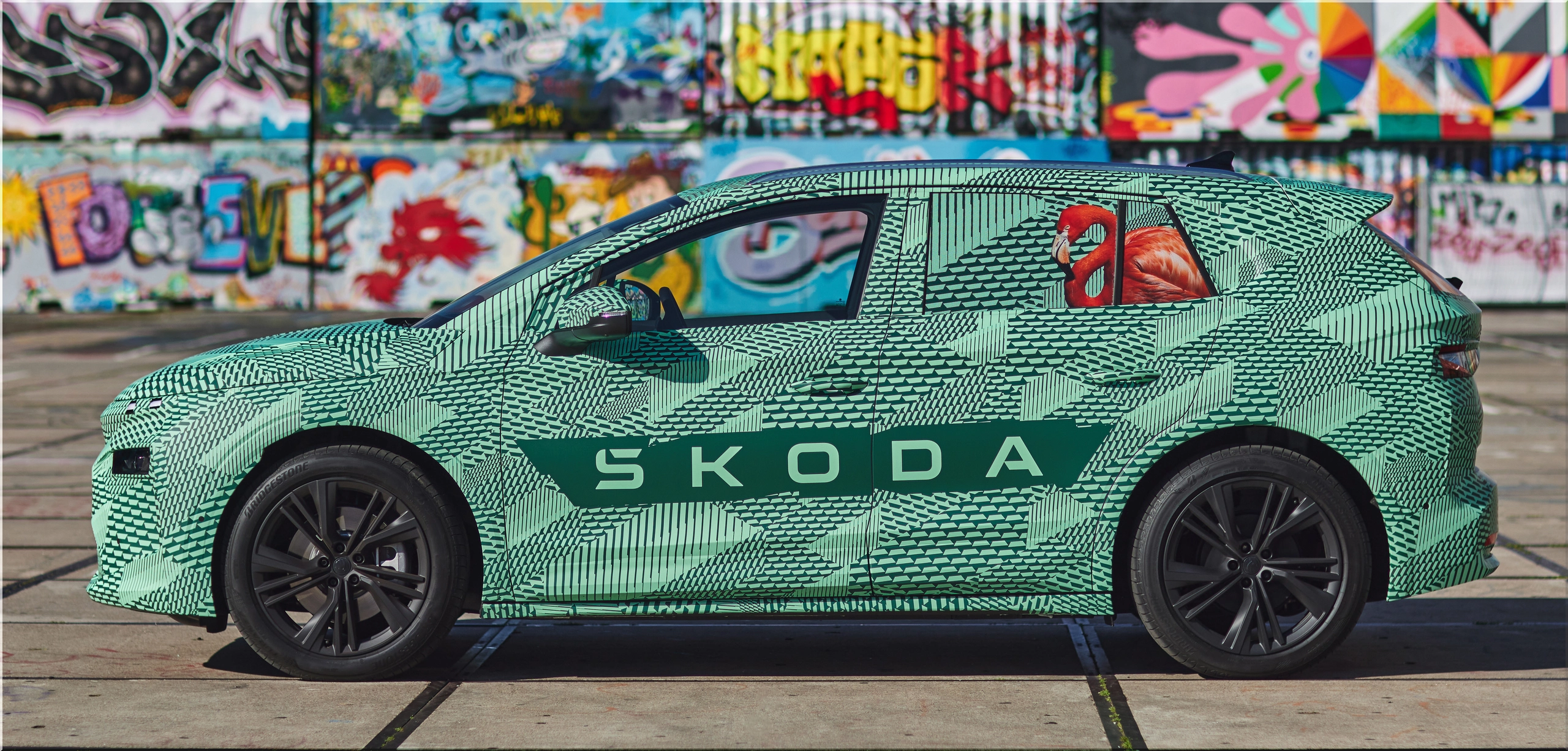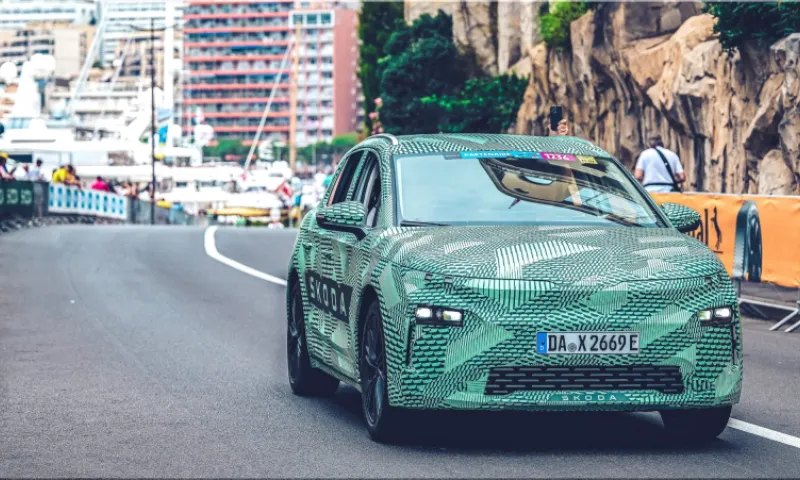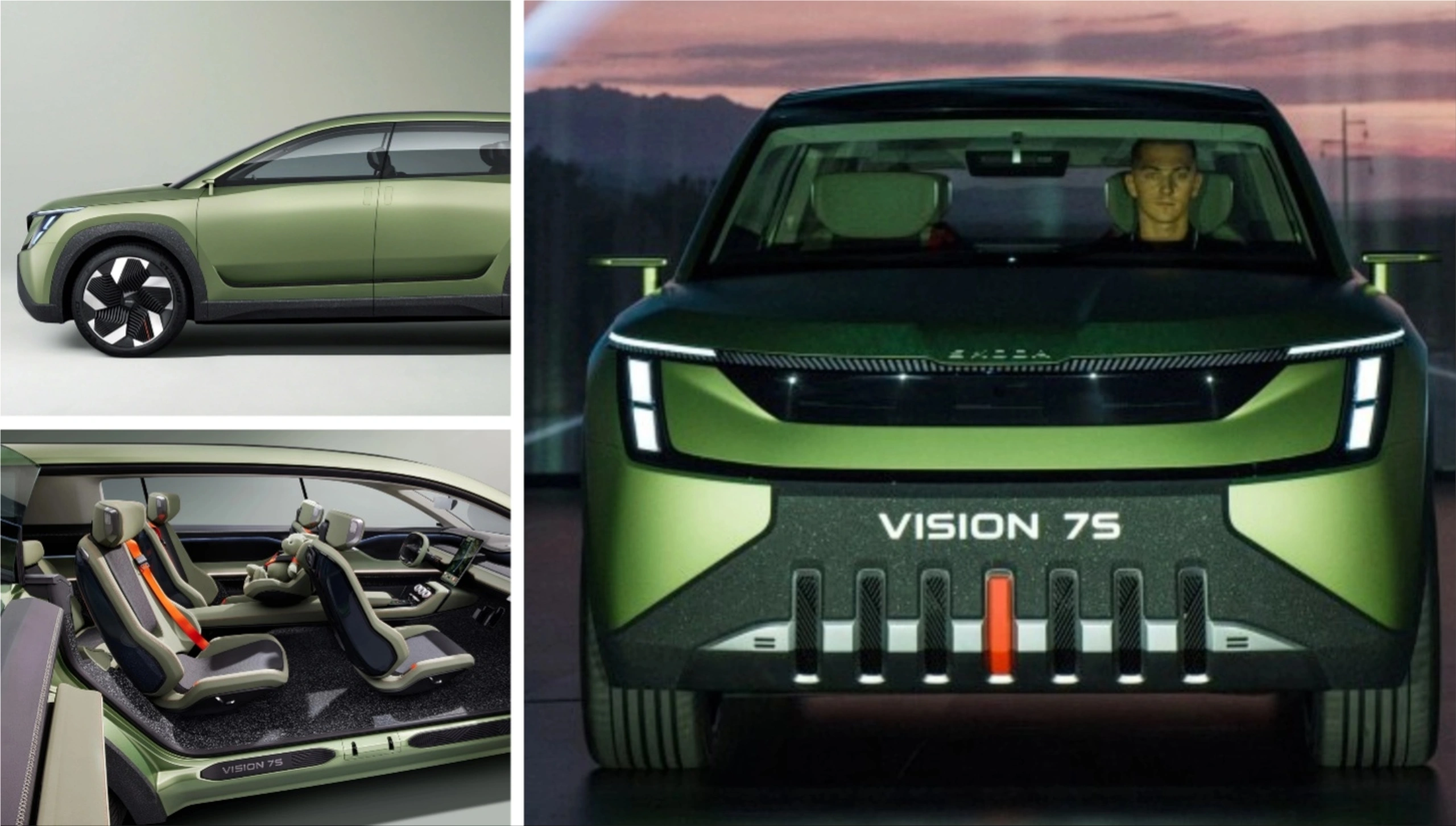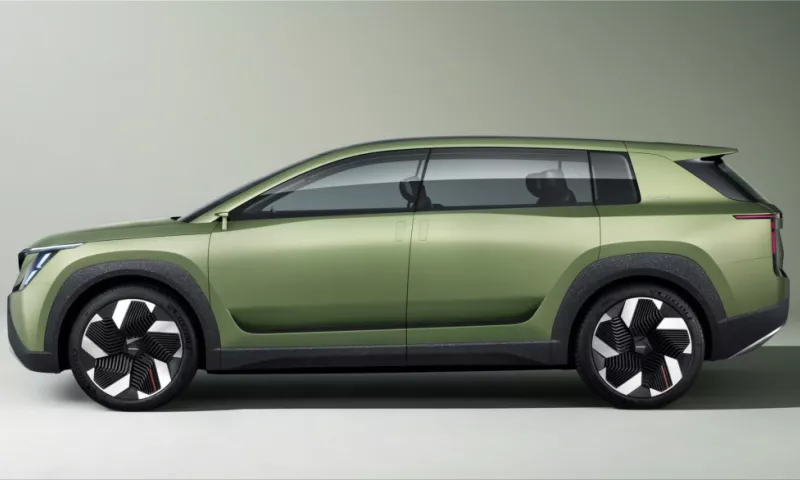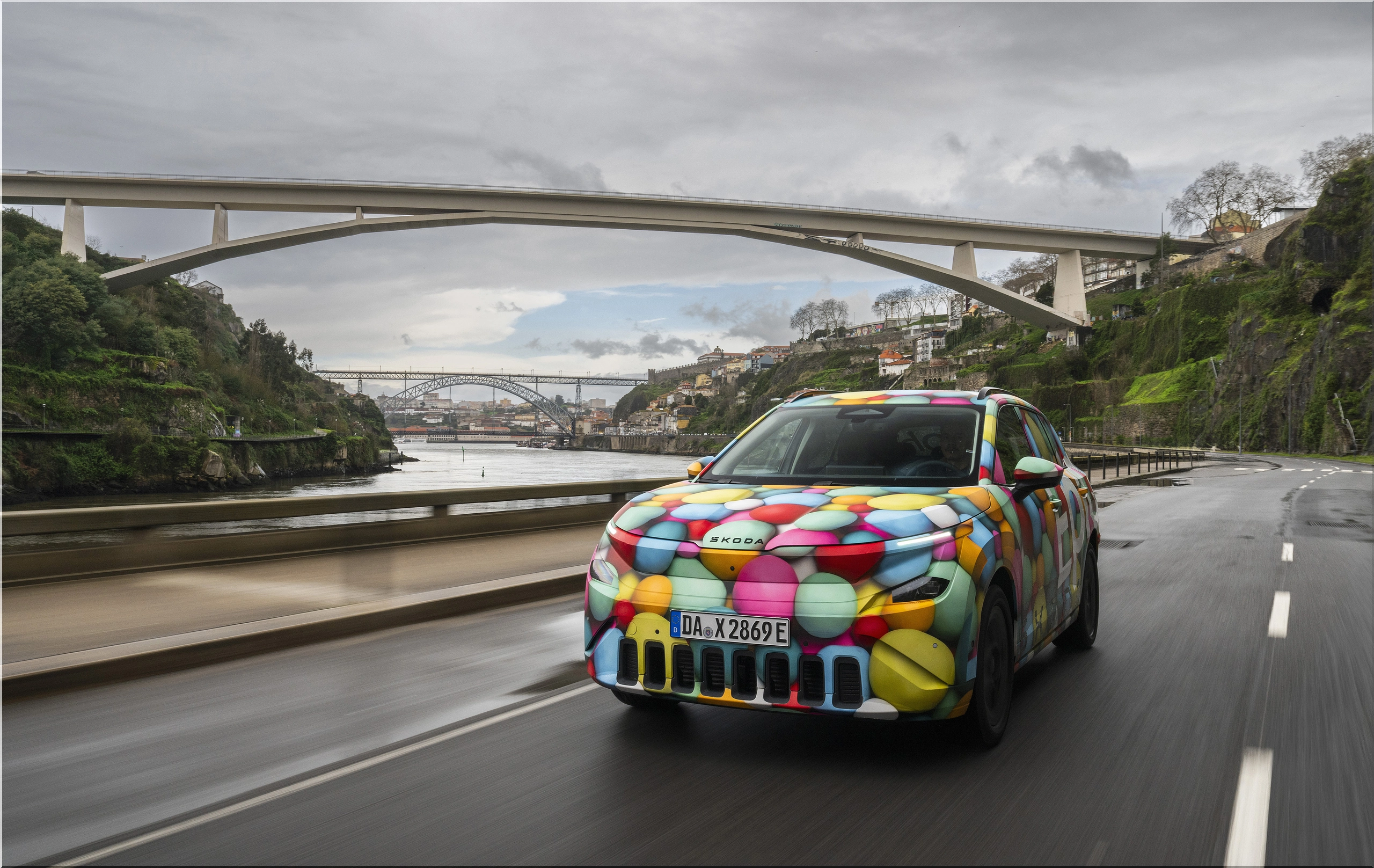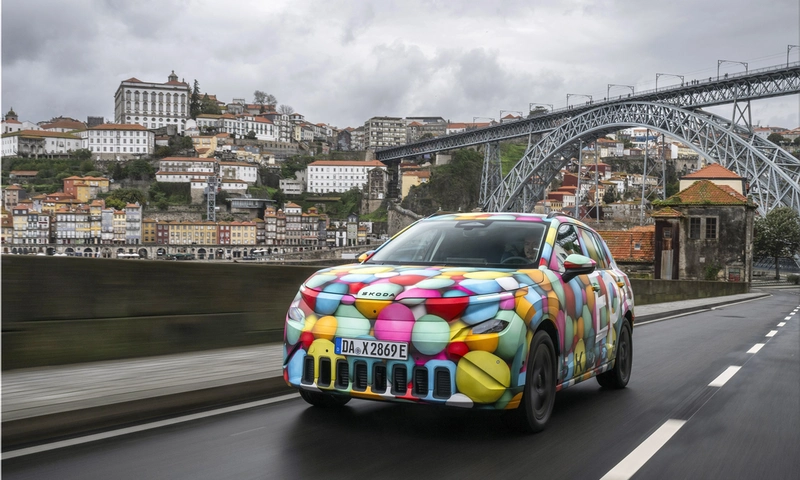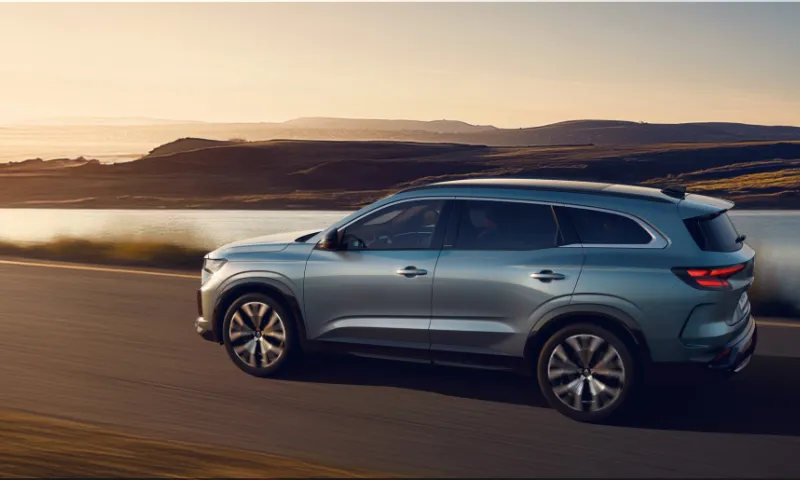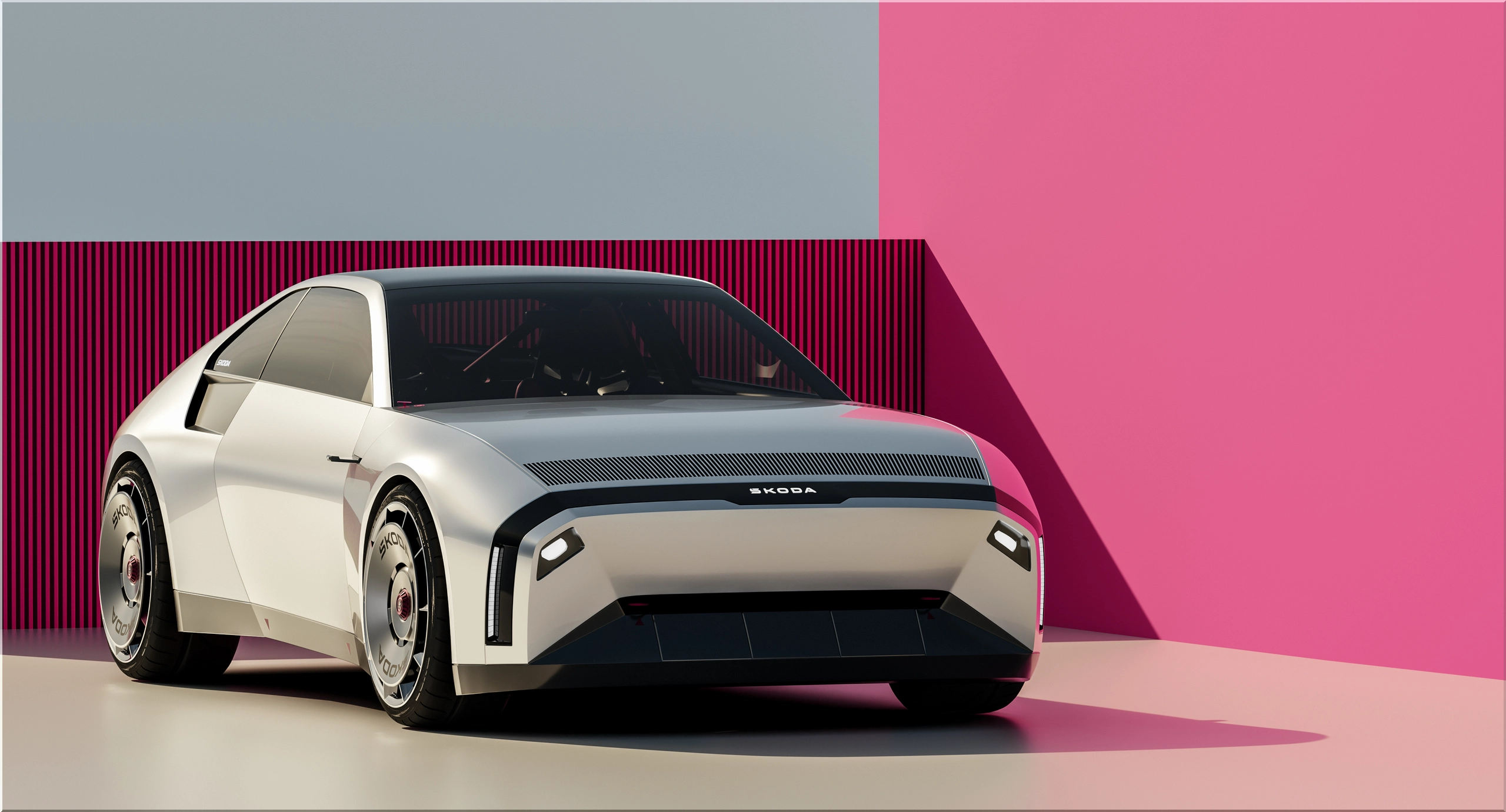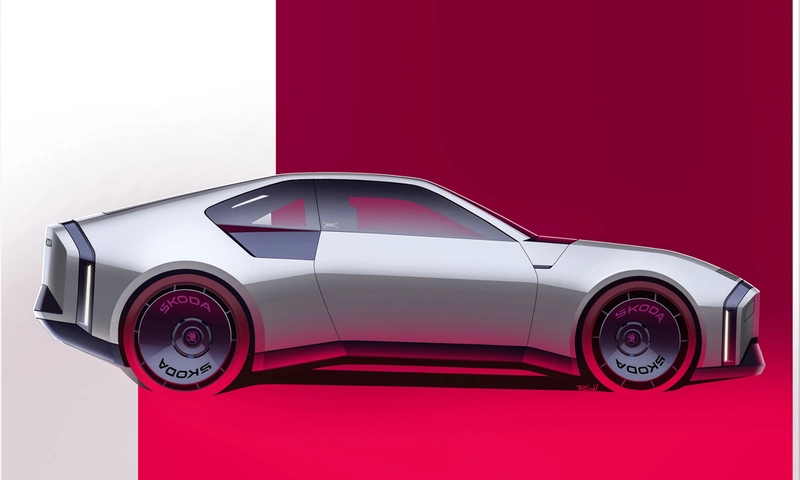
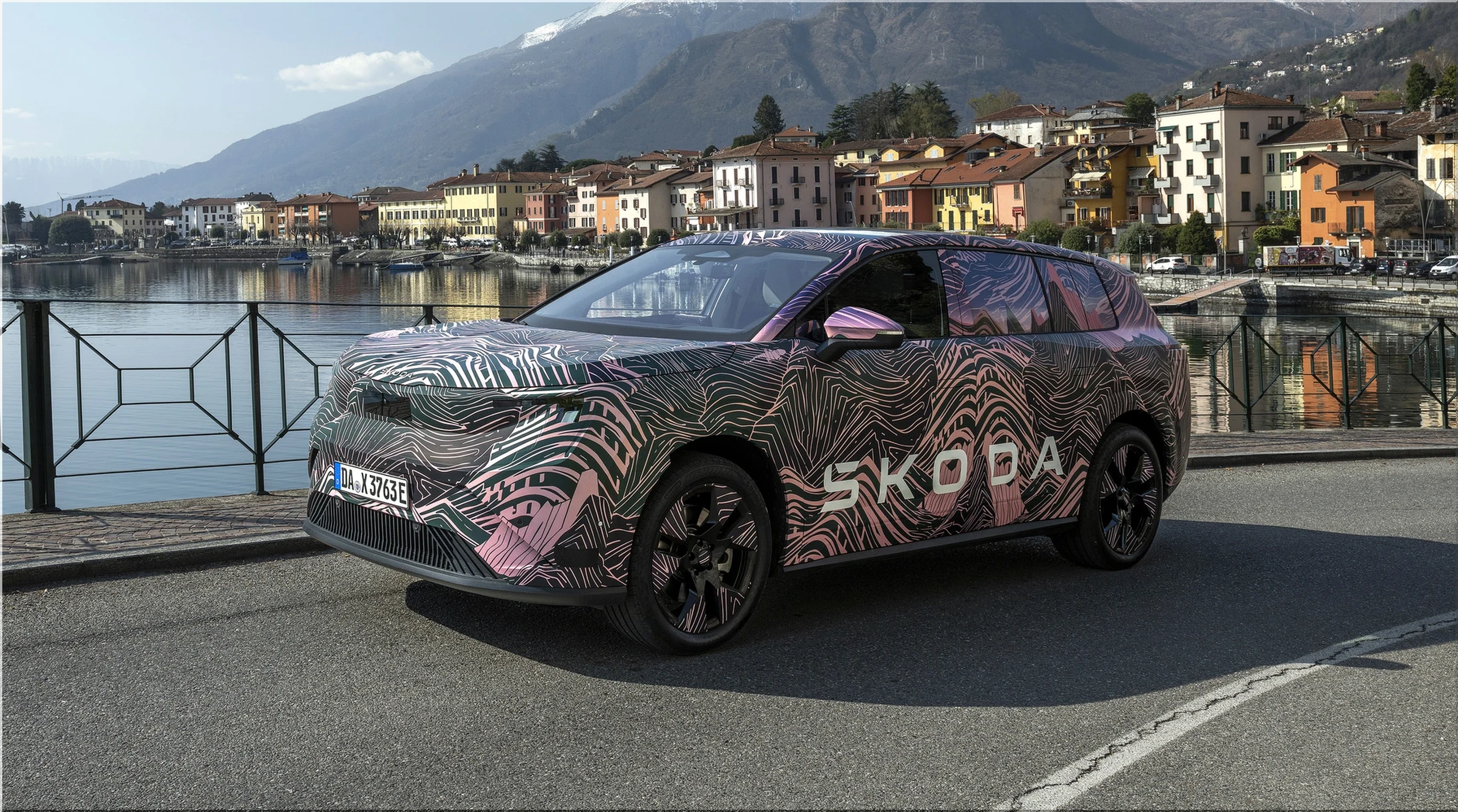
The 2027 Skoda Peaq matters because it gives Škoda something the brand has never really had in the EV era: a true electric flagship with three-row packaging, serious range, and enough cabin tech to pull buyers away from larger premium-badged SUVs. This is the production follow-up to the Vision 7S concept, but the key point sits in the hardware and packaging, not the concept-car theatre.
Image
Looking at the data, the Škoda Peaq targets buyers who need the footprint and flexibility of a seven-seat SUV without dropping back to diesel or plug-in hybrid power. Škoda says the Peaq will offer more than 600 km of range, seating for five or seven adults, DC charging from 10% to 80% in 28 minutes, and boot space of up to 935 litres in five-seat form. That puts it in a very specific lane: family-first electric transport with flagship sizing and a sharper design identity than the current Enyaq.
What the Škoda Peaq actually is
The Peaq is Škoda's new top-end battery-electric SUV. It rides on the MEB platform, launches in mid-2026, and becomes the brand's largest production model. That positioning matters because it places the Peaq above the Enyaq in size, passenger count, and cabin ambition.
From an expert perspective, Škoda is using the Peaq to solve two long-running EV problems at the same time. The first is family packaging, because many electric SUVs still lose cargo space or third-row usefulness once the battery pack and rear motor layout enter the picture. The second is brand perception, because large flagship models tend to define how buyers read the rest of a lineup.
Core dimensions and capacity
| Metric | Škoda Peaq |
|---|---|
| Overall length | Nearly 4,900 mm / 192.9 in |
| Height | About 1,700 mm / 66.9 in |
| Wheelbase | 2,965 mm / 116.7 in |
| Seating | 5 or 7 adults |
| Boot space, 5-seat layout | Up to 935 L / 33.0 cu ft |
| Boot space, 7-seat layout | Up to 299 L / 10.6 cu ft |
| Front storage | 37 L / 1.3 cu ft |
| Wheel sizes | 19 to 21 inches |
That wheelbase figure does a lot of the heavy lifting. A 116.7-inch wheelbase gives the Peaq the structural room needed for a usable third row, a flatter floor, and more relaxed second-row legroom. Consequently, this should feel less like a stretched compact EV and more like a purpose-built family hauler.
Why the design matters more than it looks
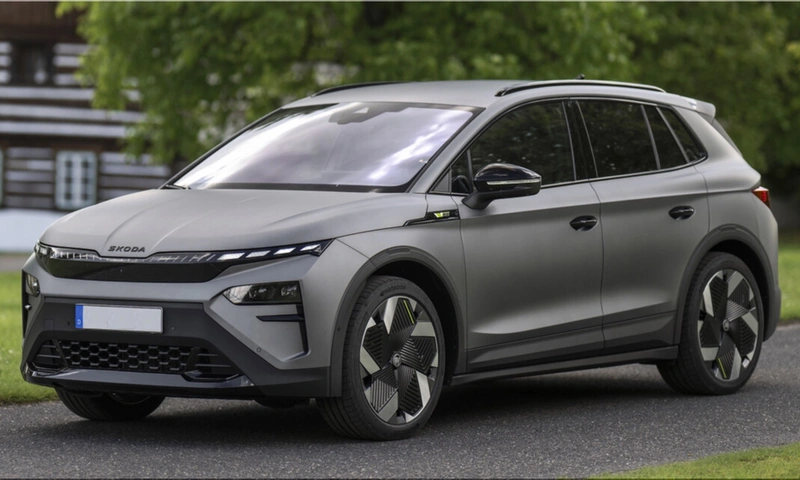
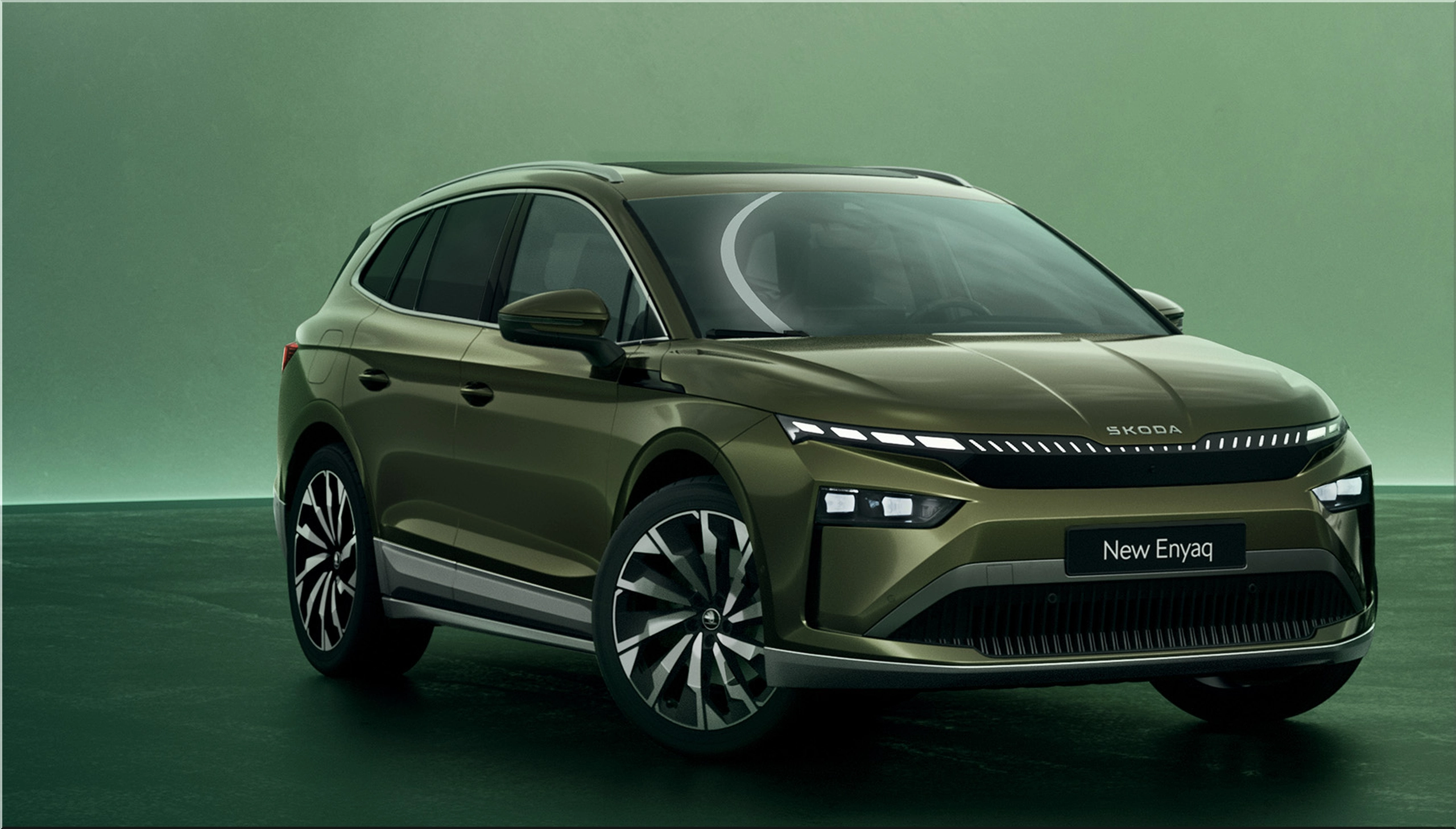
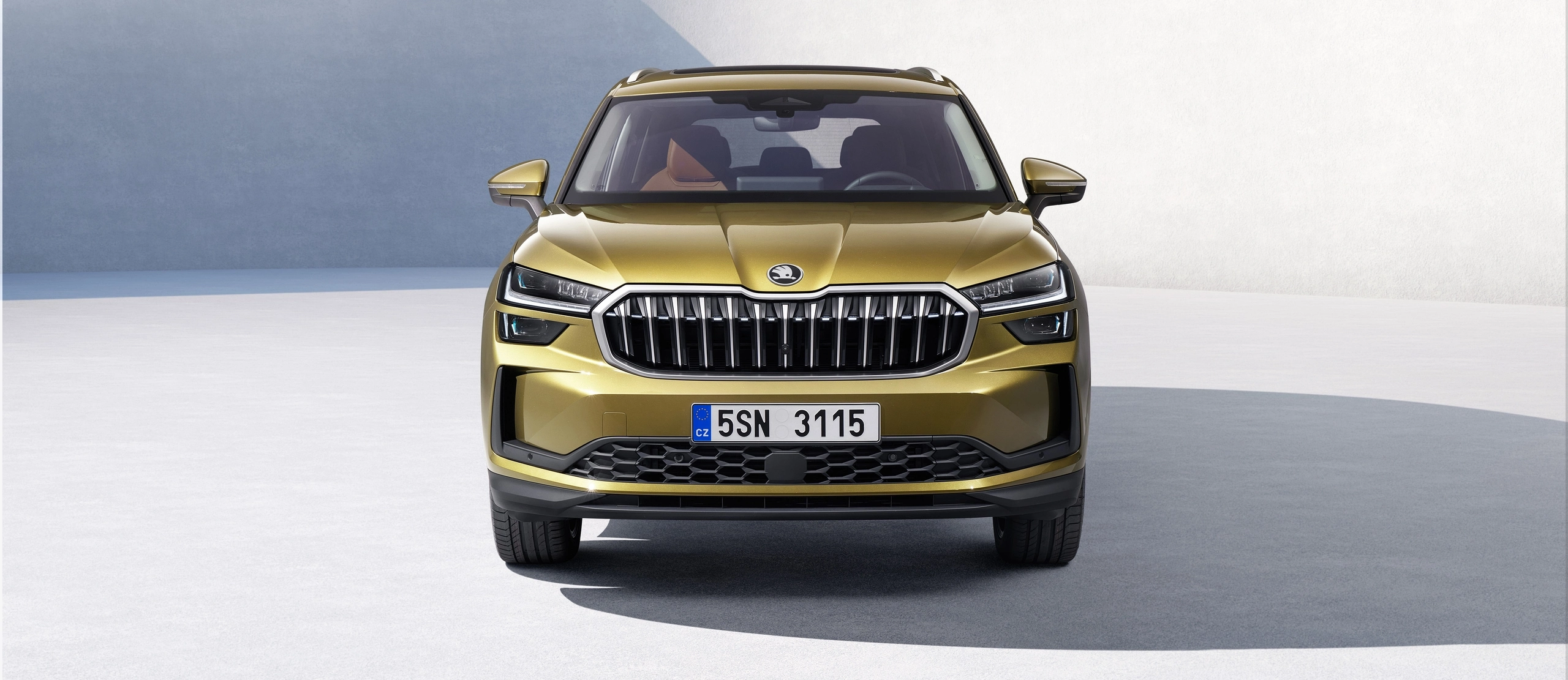
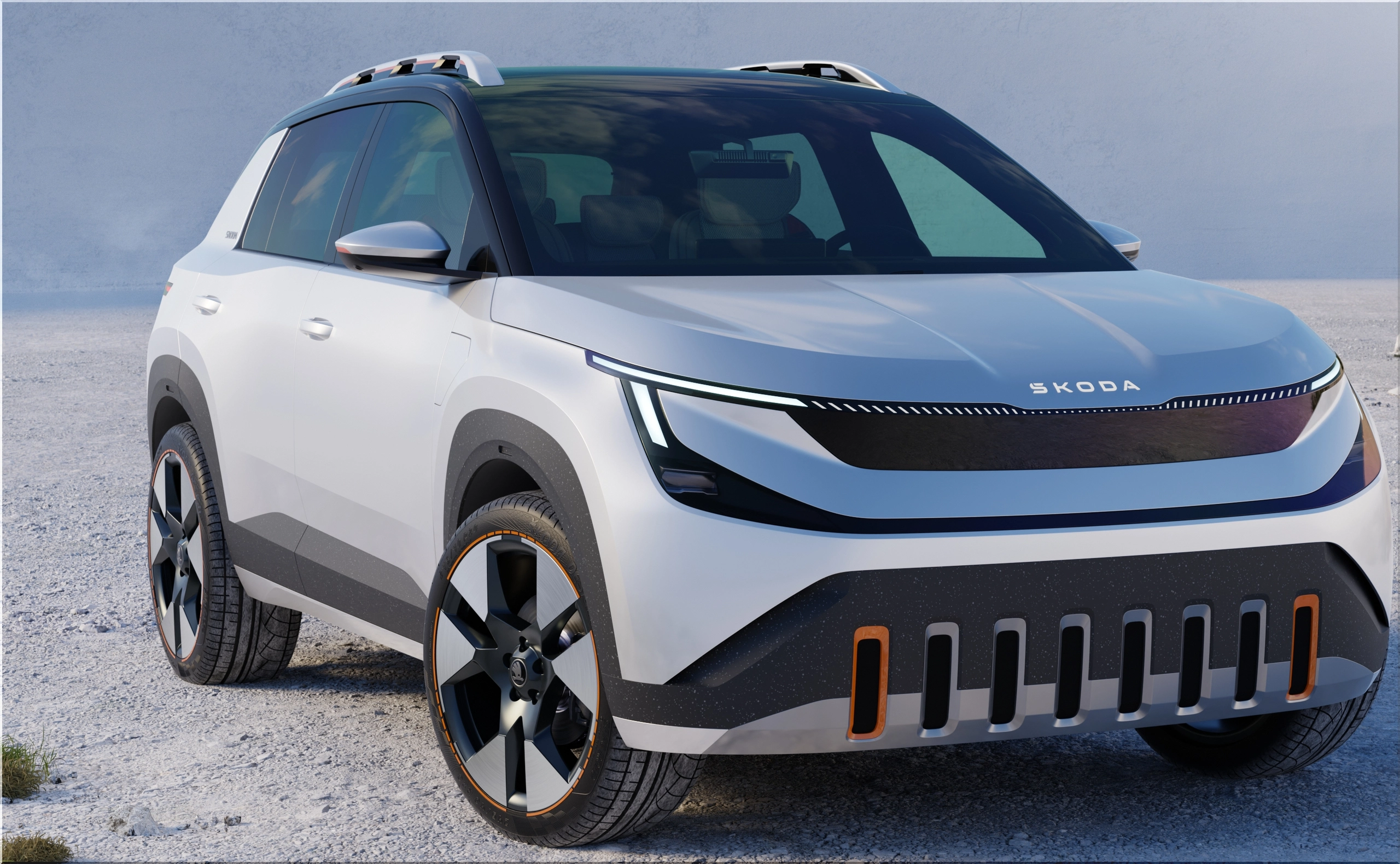
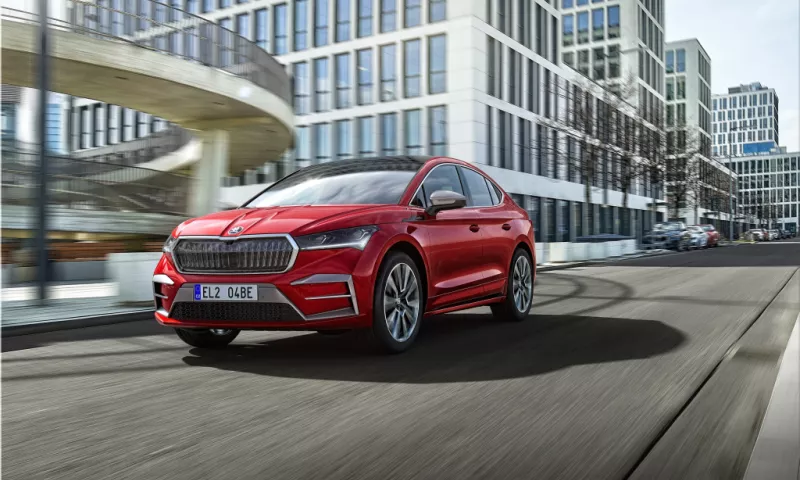
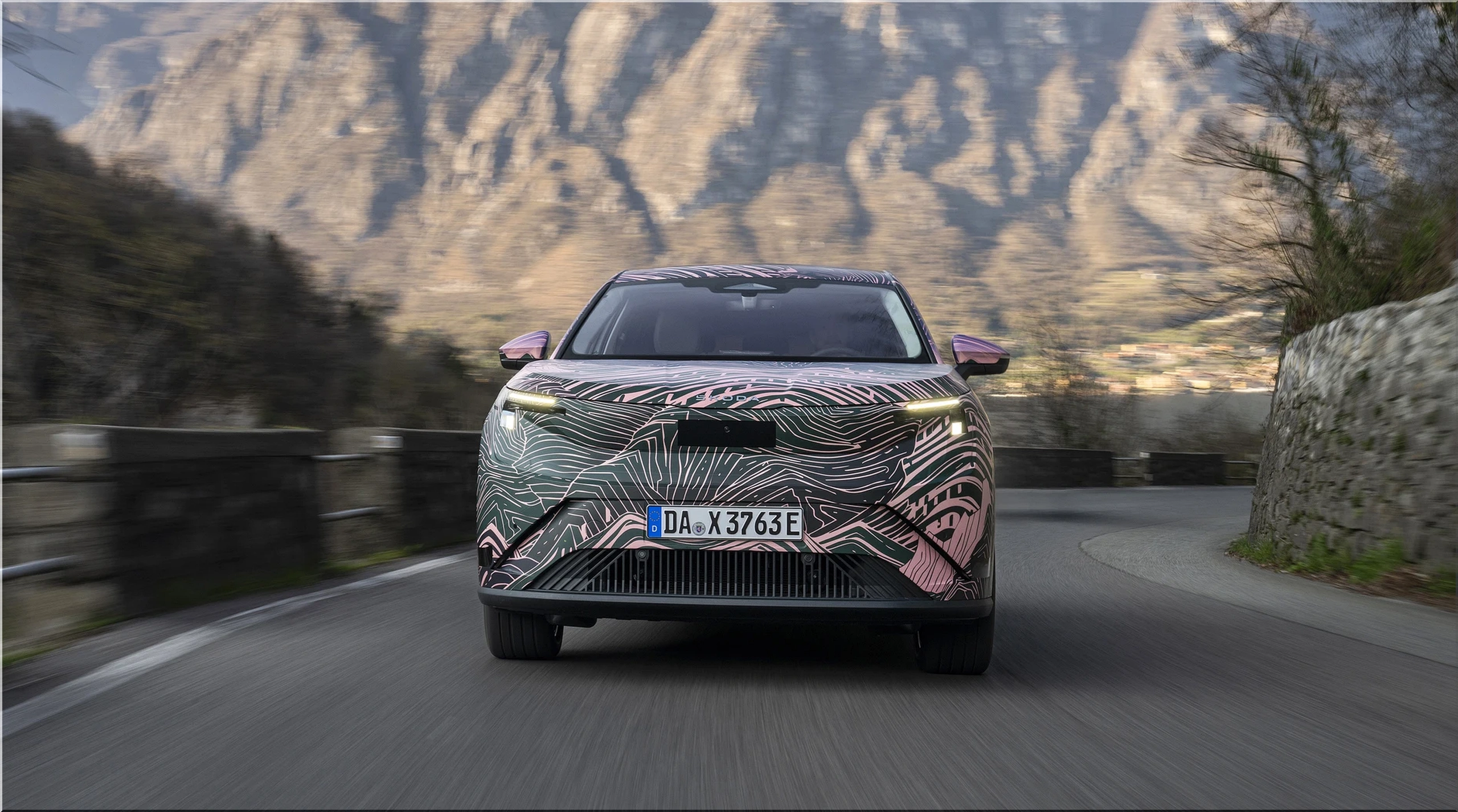
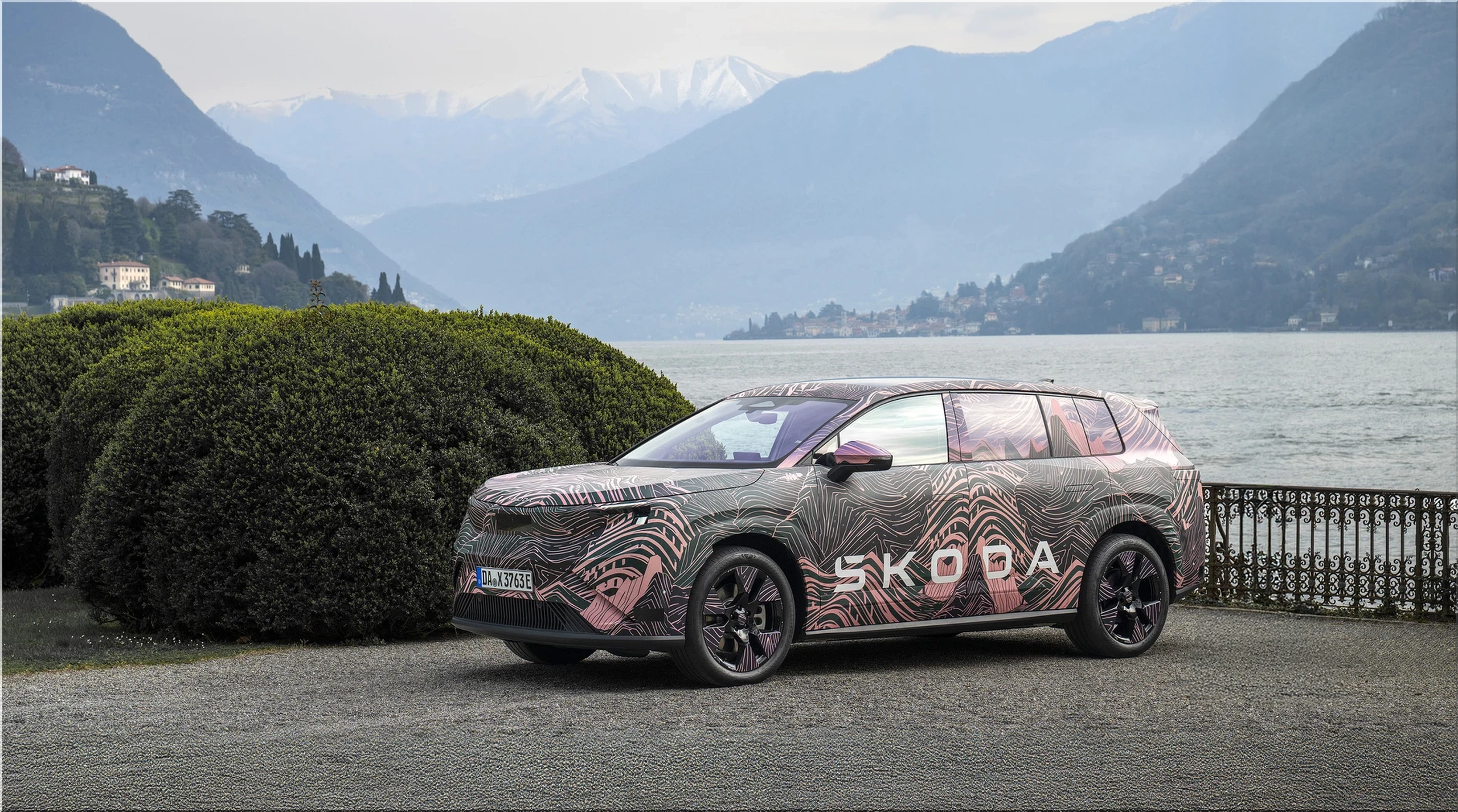
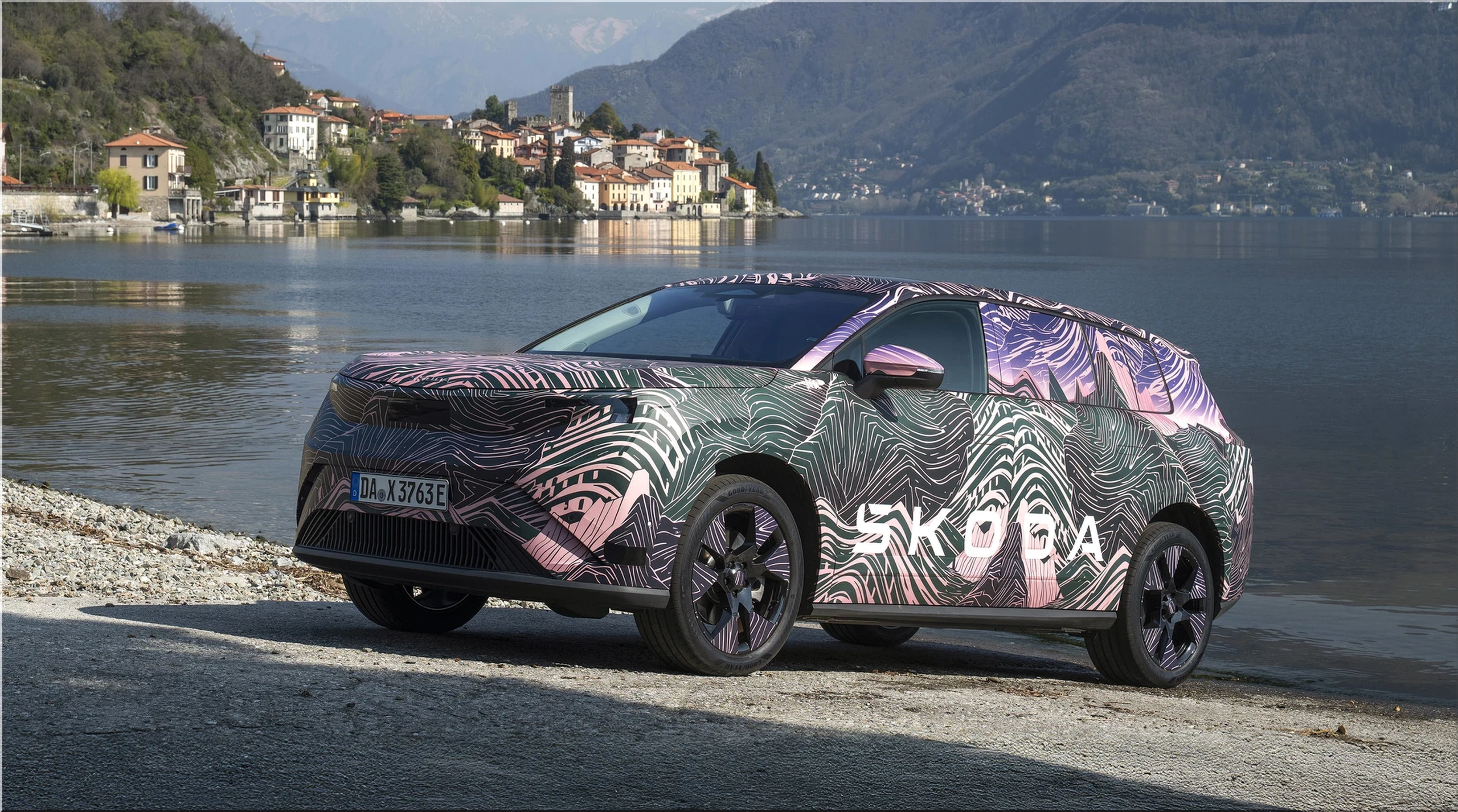
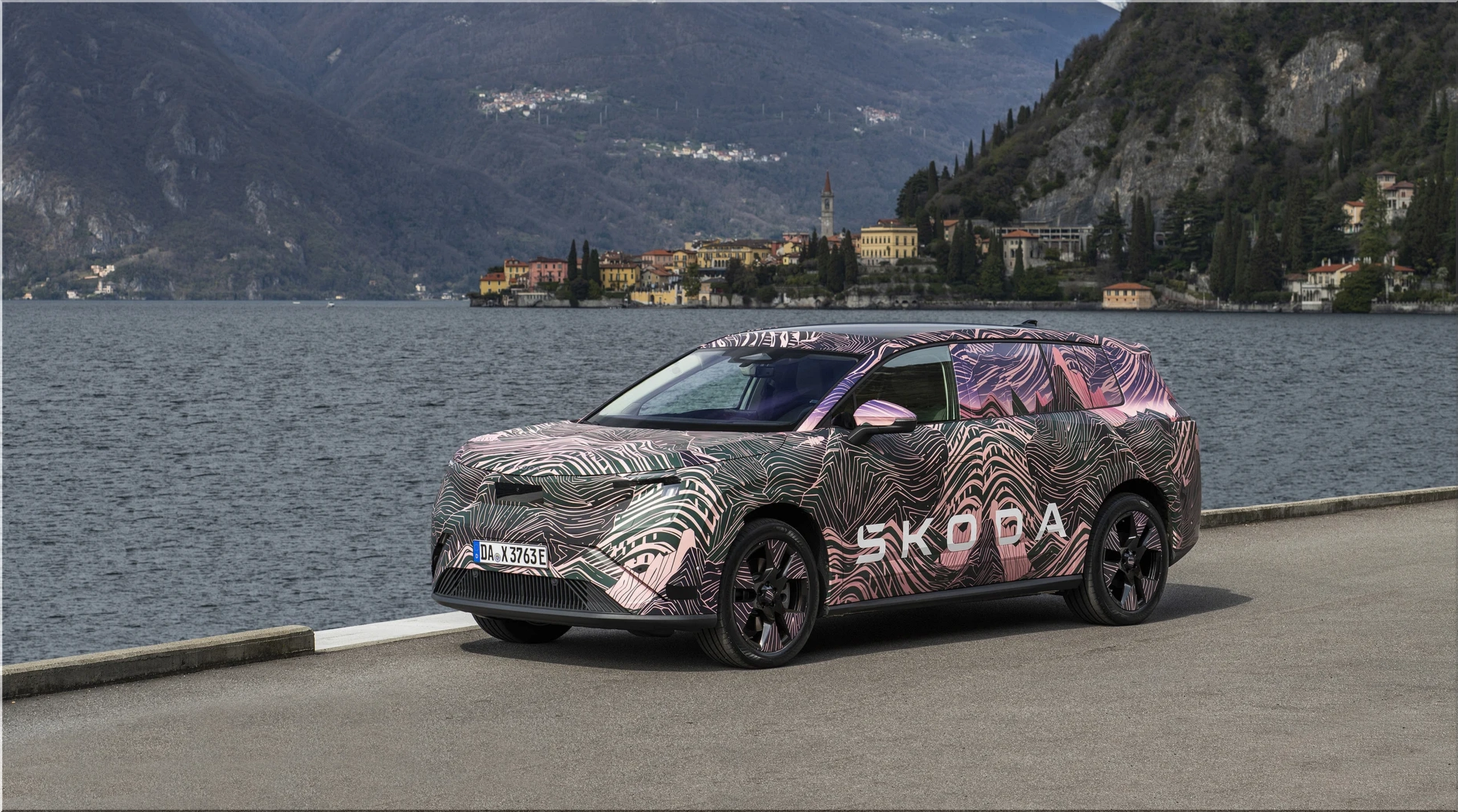
The Peaq debuts the most developed production version of Škoda's Modern Solid language. In plain terms, that means cleaner surfacing, a more upright stance, and the new Tech-Deck Face up front instead of a conventional grille treatment.
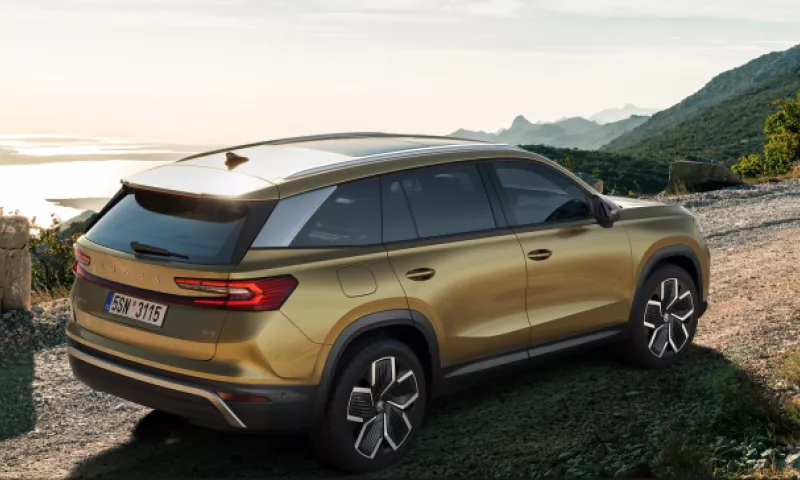
Specifically, the front end uses a glossy black illuminated panel with vertical slats and LED backlighting. The full LED Matrix headlights pack 18 light segments, which gives Škoda both a visual signature and a practical upgrade in night visibility. Large aero-optimised wheels, flush-style door-handle logic, and a taller body profile all point to the same goal: make the Peaq look substantial while still cutting drag where it counts.
Image
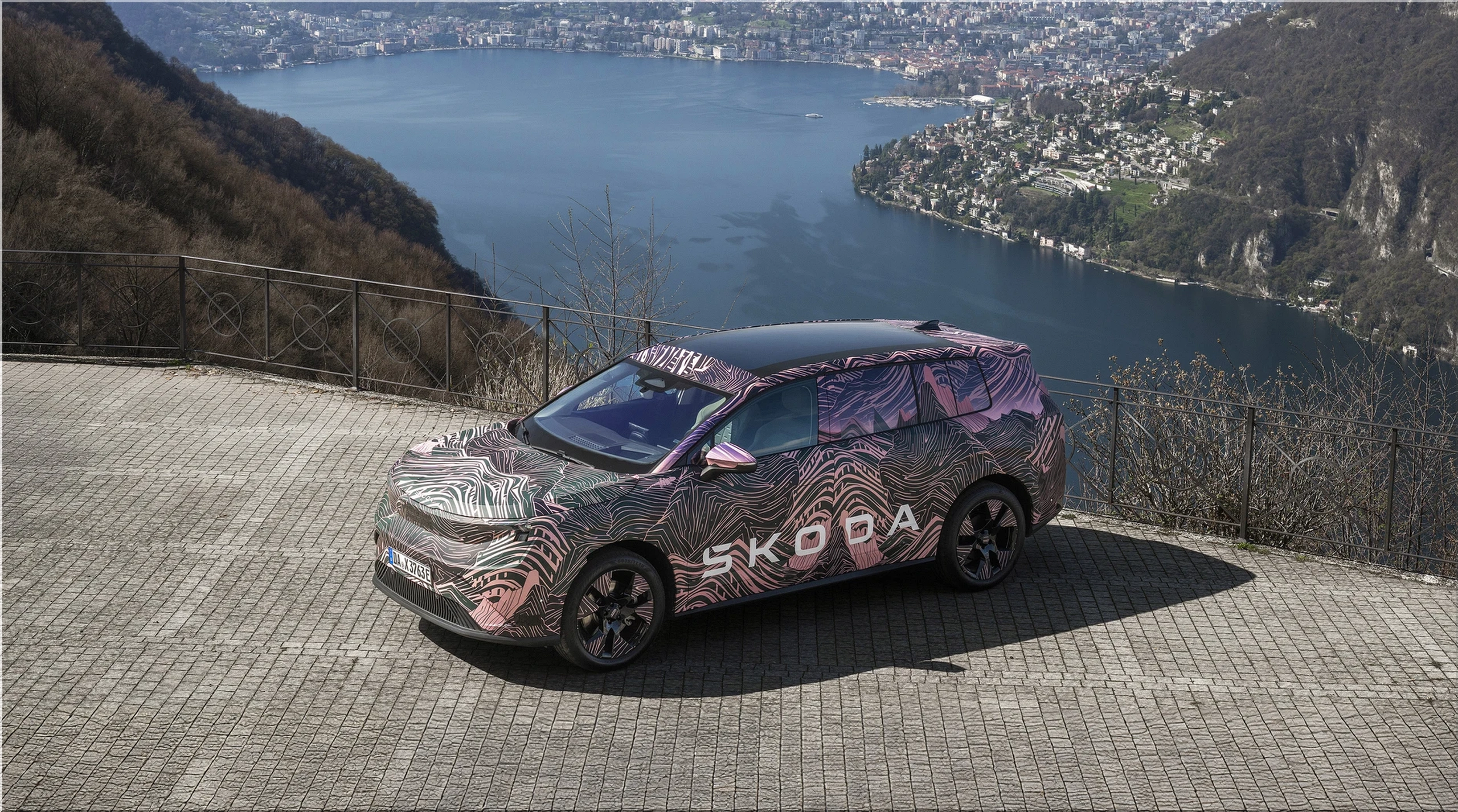
Definition
Tech-Deck Face: Škoda's new EV front-end treatment that replaces the old grille-first look with a flatter, wider surface that houses sensors and lighting elements while cleaning up airflow and visual clutter.
Cabin strategy: family room first, gadget count second
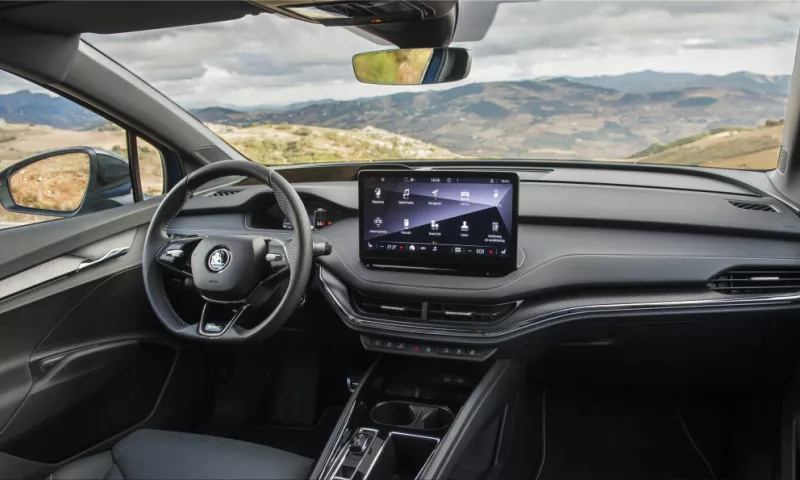
The Peaq's cabin layout shows much smarter thinking than the usual "big screen equals flagship" formula. Yes, it gets a 13.6-inch vertical infotainment screen, a 10-inch driver display, an available augmented-reality head-up display, and a new digital mobile key that works with a phone or smartwatch. But the more important story sits in the seating and storage plan.
Škoda says the Peaq offers five interior themes, including a Sportline trim and higher-grade finishes using Techtona and Suedia materials. Selected interiors go fully animal-free and include more than 50 kg of recycled materials. In addition, all versions get ambient lighting and a heated multifunction steering wheel as standard.
The clever bit is how the brand combines lounge-like features with family-use practicality. The optional Relax Package adds AGR-certified massage seats, electrically adjustable leg rests, front pillows, a foldable table, and a wellness app that coordinates seat functions, lighting, and climate settings. That sounds indulgent, but the engineering logic is simple: in a three-row EV used for airport runs, holiday mileage, and child-hauling duty, fatigue reduction matters.
Cabin feature table
| Feature | What it does | Why it matters |
|---|---|---|
| 13.6-inch vertical screen | Main infotainment interface | Frees up dash width and keeps menus easy to stack vertically |
| 10-inch driver display | Core driving data | Cuts eye movement compared with screen-only layouts |
| AR head-up display | Projects key driving info | Reduces distraction in a large vehicle |
| Relax Package | Massage seats, leg rests, wellness modes | Lowers long-trip fatigue |
| Premium Sound by Sonos | 3D audio setup | Pushes the Peaq into near-premium territory |
| Dynamic Shade panoramic roof | Nine adjustable segments | Gives third-row passengers better light control |
| Dual Phonebox | Wireless charging up to 25 W | Solves multi-device family use |
| Third-row USB port | Power in the back | A small detail that matters in real use |
Range, charging, and drivetrain logic
Škoda has not published the full power and battery matrix yet, but it has confirmed three powertrain variants and WLTP range of more than 600 km. That instantly places the Peaq EV above the current Enyaq 85, which officially offers over 580 km in one version.
Video title
Skoda Peaq 7-Seat Electric SUV
By comparison, that extra range headroom matters less for daily commuting than for motorway work. A large three-row SUV lives or dies on holiday traffic, high-speed intercity runs, and winter mileage with a full cabin. A rated figure above 600 km gives Škoda more room for the usual real-world hits from weather, speed, load, and wheel choice.
Charging also looks strong on paper. A 10% to 80% DC fast-charge time of 28 minutes tells you the Peaq has been tuned for trip recovery, not just overnight home charging. That matters because a seven-seat EV with weak charging stops being a family solution the moment the second rest stop turns into a 50-minute wait.
Image
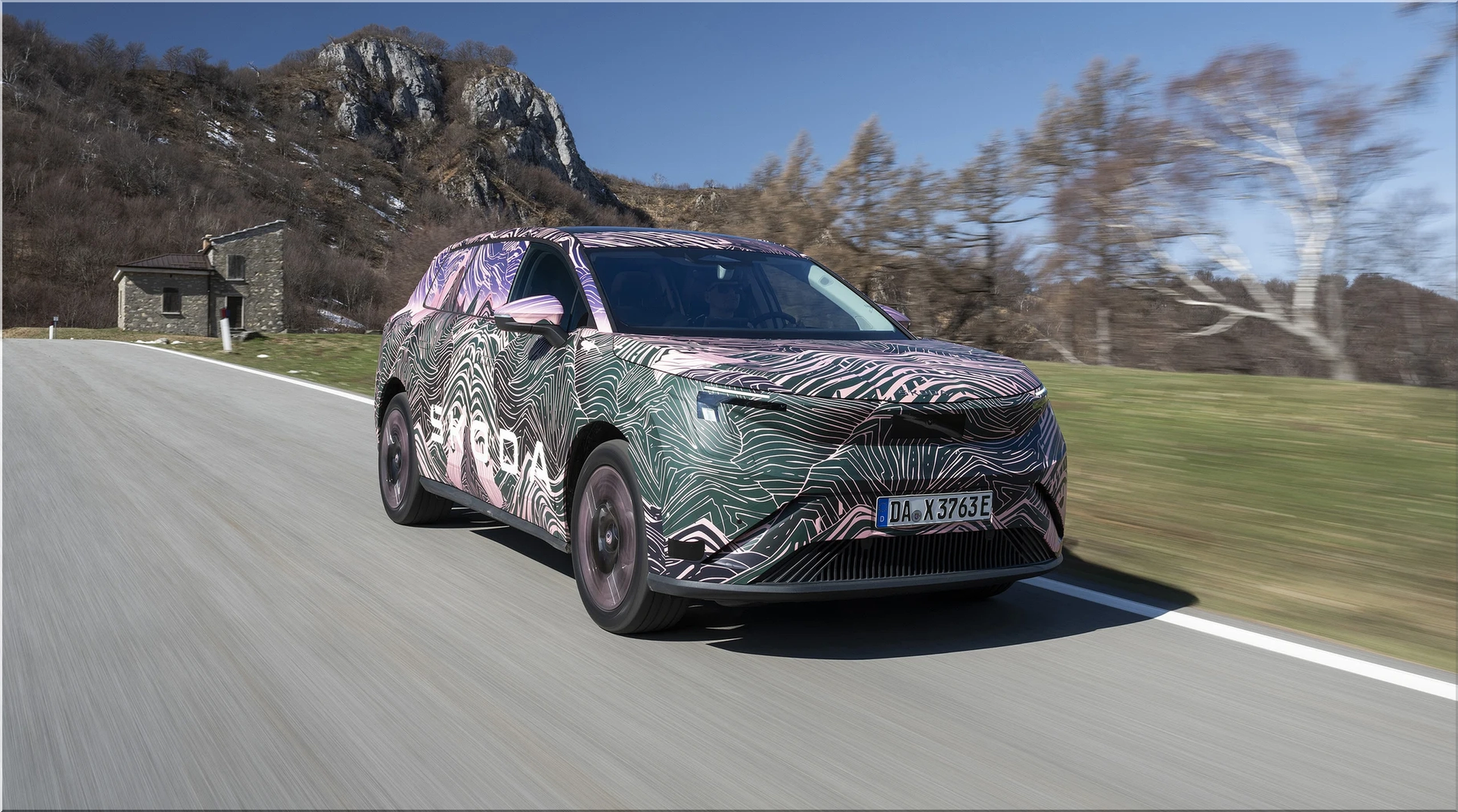
The overlooked story: bidirectional power and real utility
The Škoda Peaq supports Vehicle-to-Load and Vehicle-to-Home functions in the right hardware and software setup. That means the Peaq can charge or power external devices such as e-bikes or caravans, and in some cases feed energy back to a building.
That is more than a novelty feature. For a large SUV aimed at active families, campsite use, or mixed home-energy planning, bidirectional capability turns the battery pack into part of the ownership value. Specifically, this is where Škoda starts moving the Peaq from "large electric SUV" into "mobile family energy device."
Image gallery
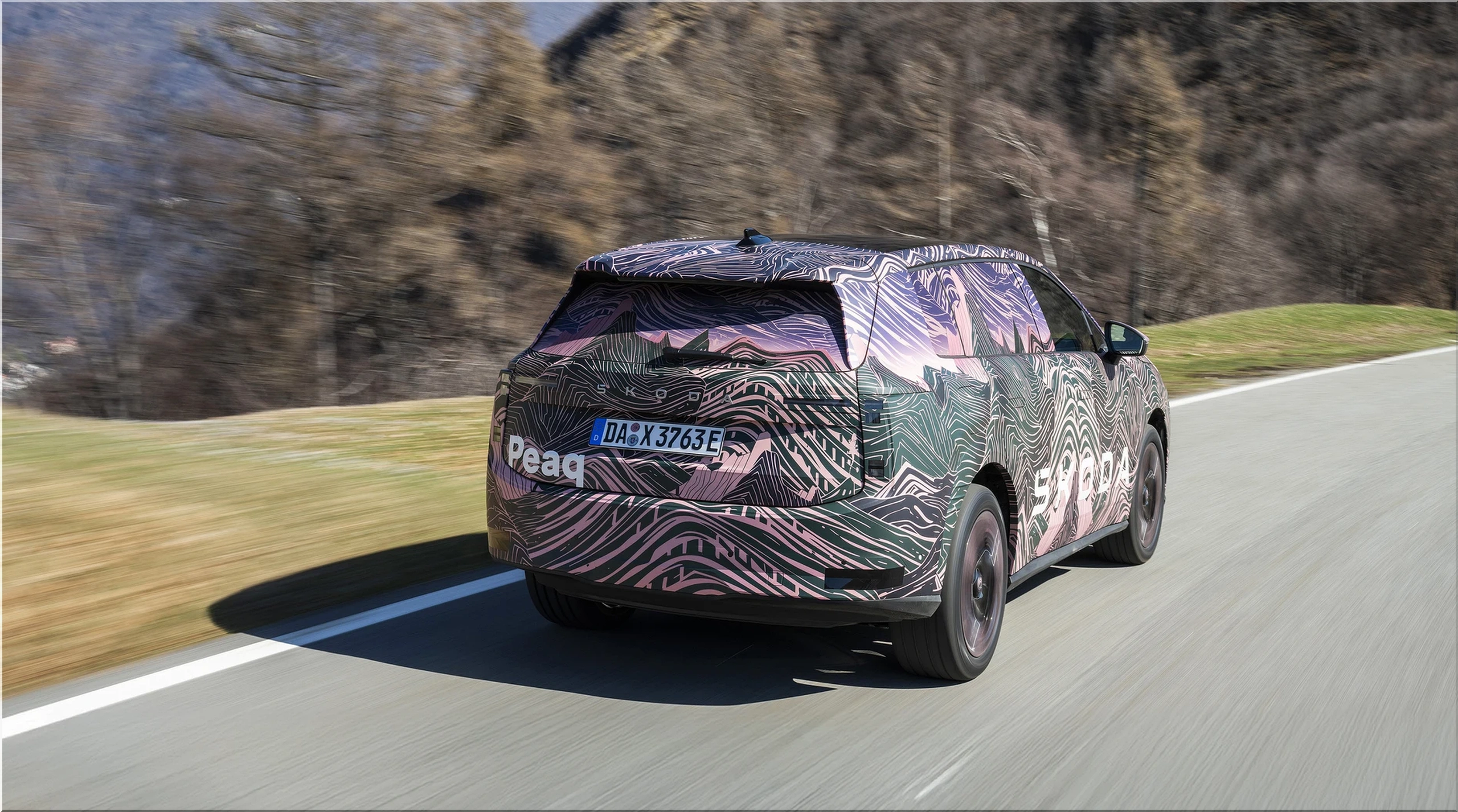
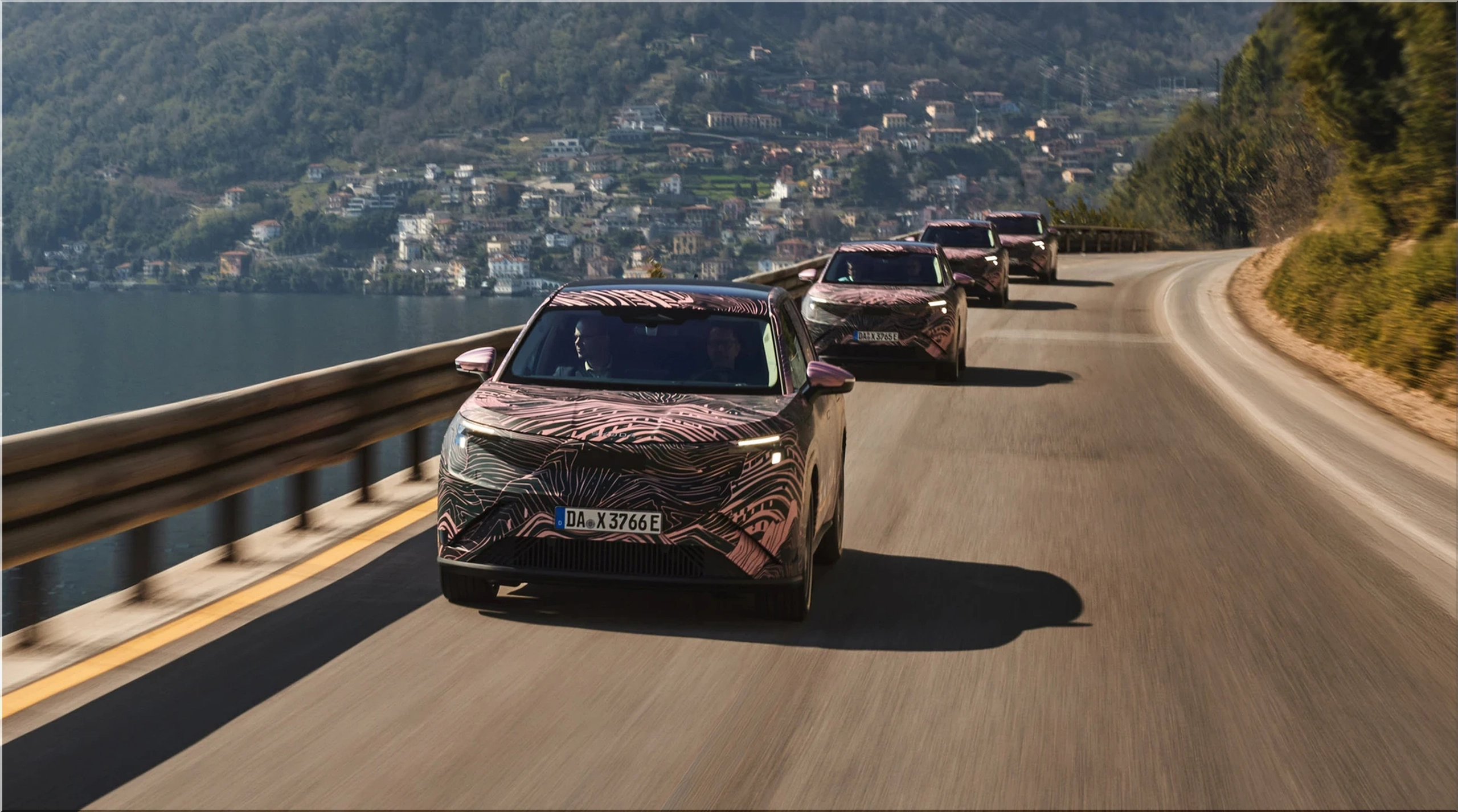
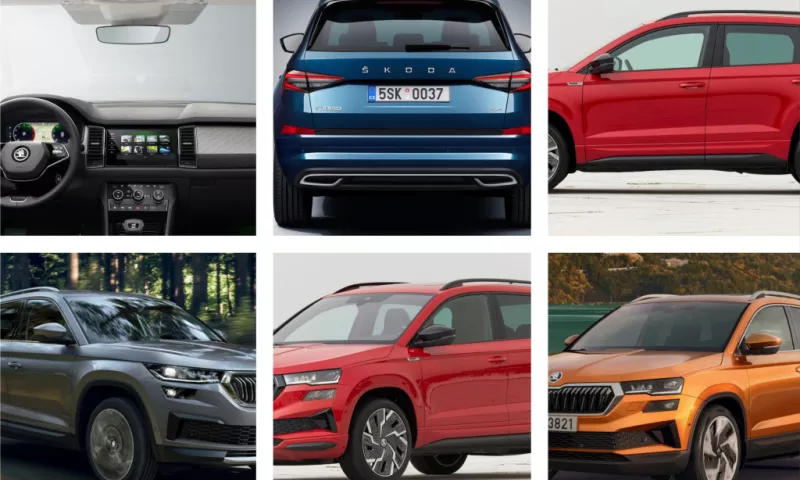
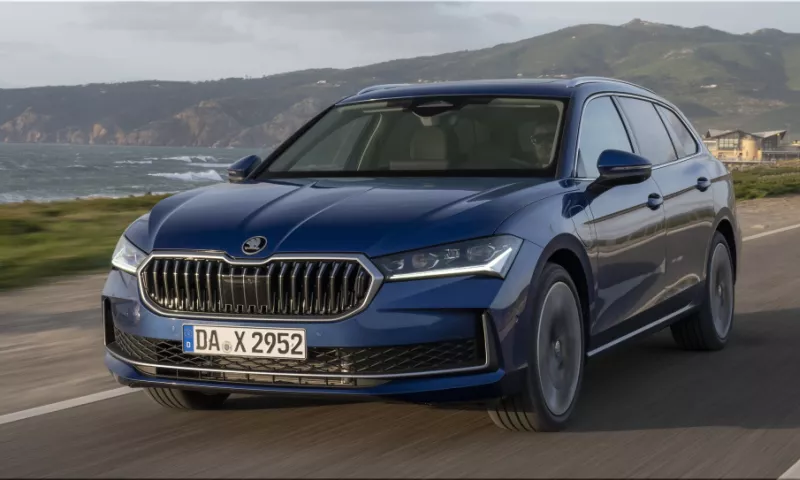
Peaq vs Enyaq vs Kodiaq
A clean way to understand the Peaq is to see where it sits inside the lineup.
| Model | Powertrain type | Seats | Known positioning |
|---|---|---|---|
| Enyaq | Full electric | 5 | Mainstream electric SUV |
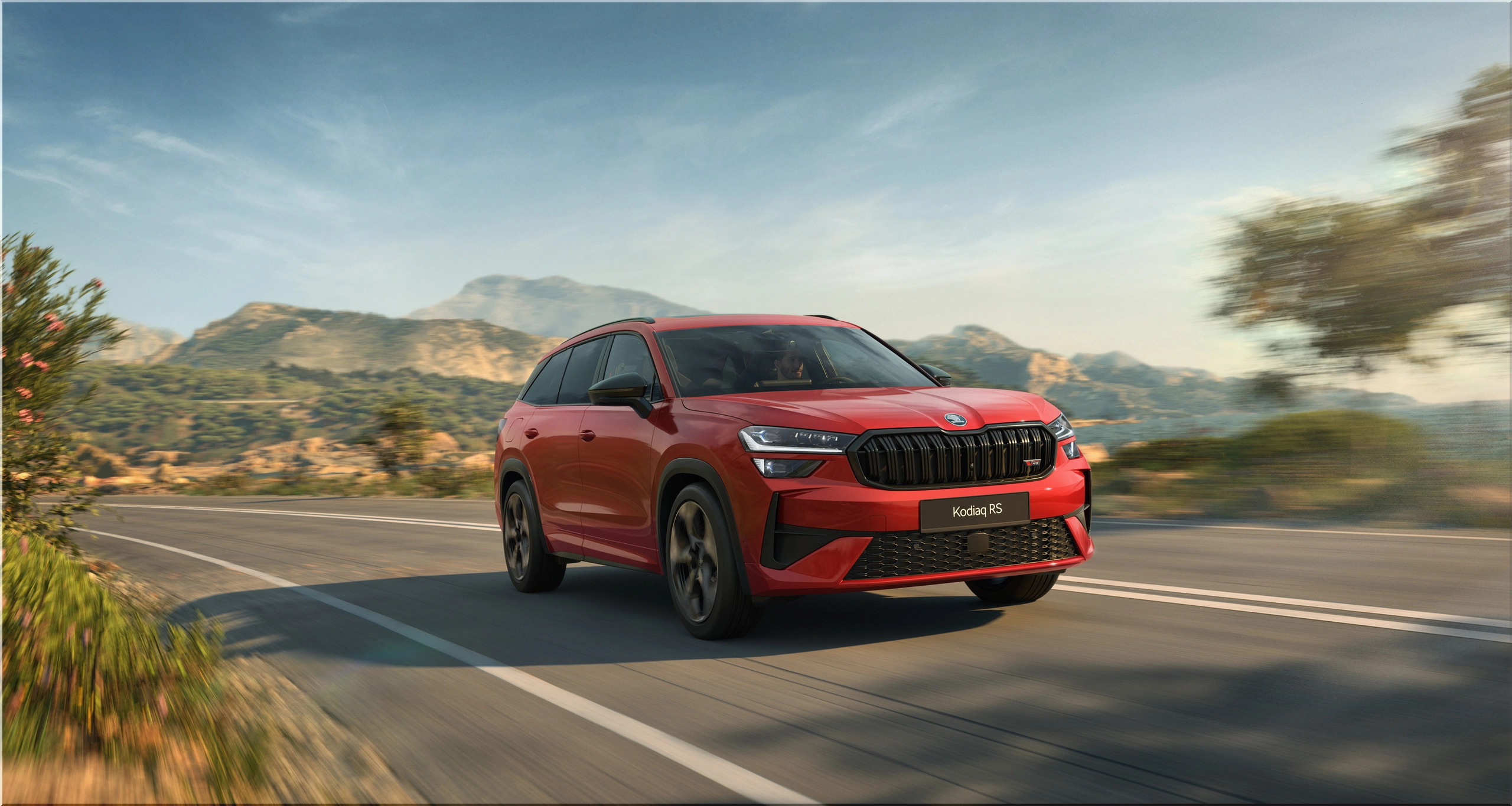
| Kodiaq | ICE / hybrid mix depending market | Up to 7 | Family SUV with combustion option |
| Peaq | Full electric | 5 or 7 | Electric flagship and largest model |
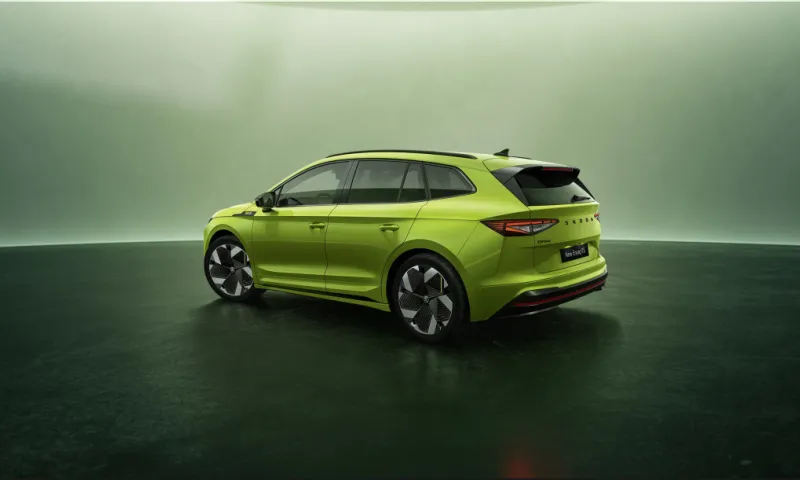
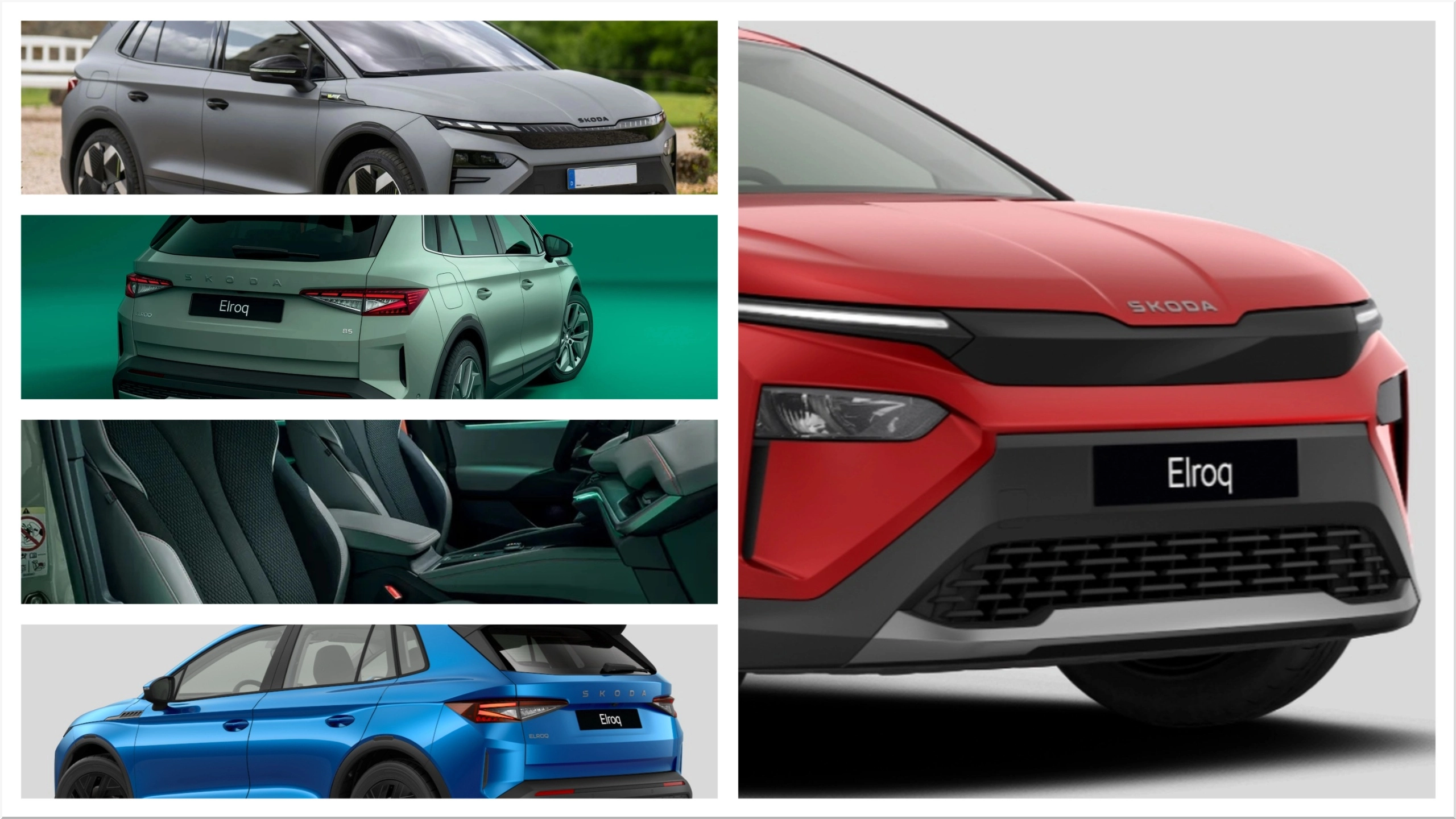
The Kodiaq still suits buyers who want seven seats with a combustion engine. The Enyaq still works for families that do not need a third row. The Peaq steps into the gap for households that want both. That sounds obvious, but very few brands package those three options this clearly inside one family.
Pro-Tip
Watch the seven-seat boot number, not just the five-seat one. The 299-litre cargo area behind the third row tells you far more about daily usability than the bigger number in two-row mode.
Image gallery
What now?
If you cover electric SUVs, family EVs, or seven-seat electric cars, the Peaq deserves attention for three reasons:
- It gives Škoda a proper flagship EV with real three-row intent.
- It pushes the brand's design language into a cleaner, more upscale lane.
- It ties range, fast charging, and bidirectional power into one family-first package.
The main missing pieces are price, final market specs, and the full drivetrain spread. Once those land, the next question becomes simple: can Škoda price the Peaq electric SUV close enough to high-spec rivals to make buyers skip the premium badges?
Right now, the answer looks promising. The Škoda Peaq already has the size, cabin logic, and EV credentials to become one of the most interesting large family electric SUVs due in 2026 and 2027.
- Add new comment
- 400 views