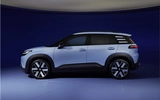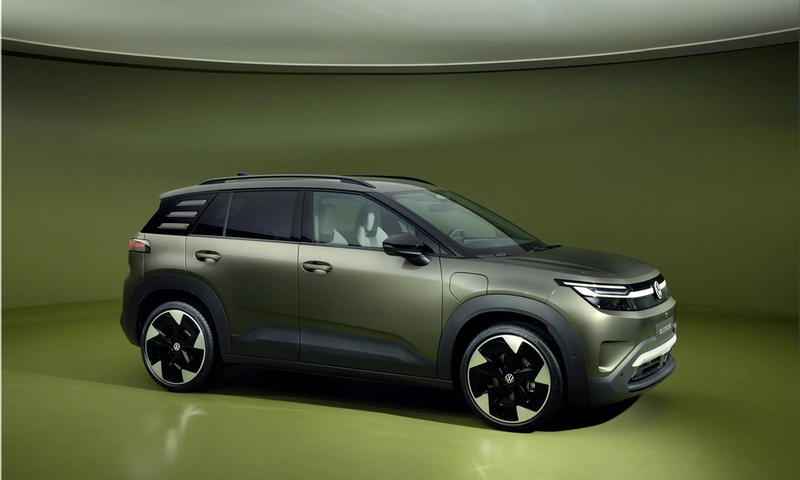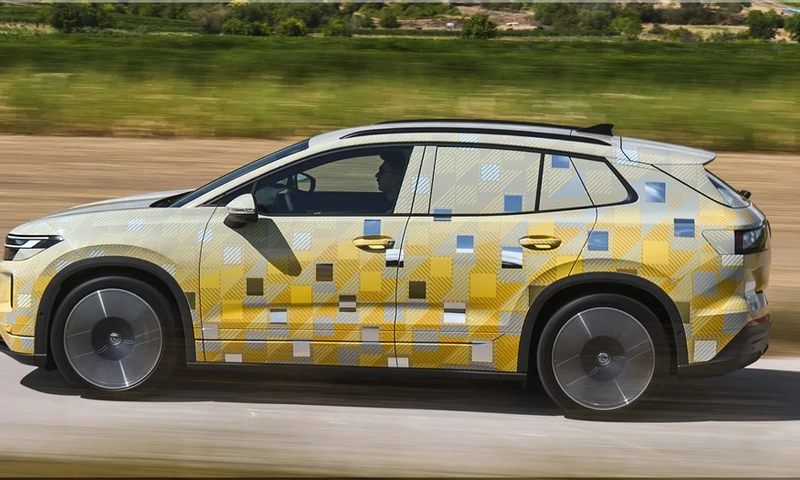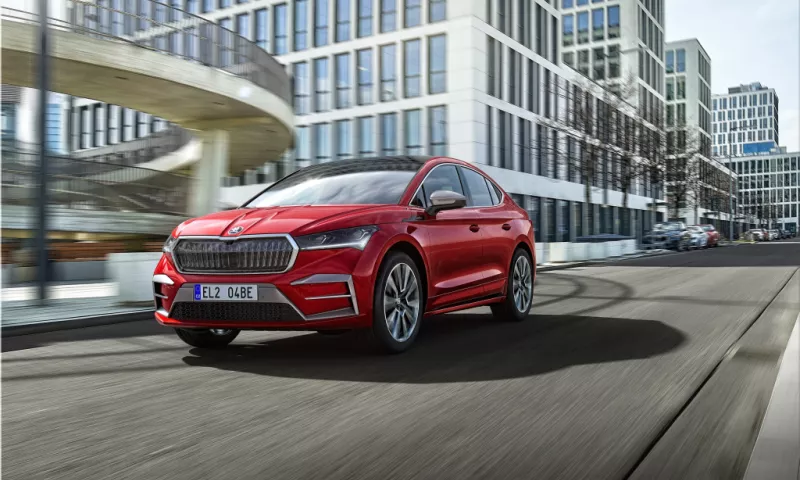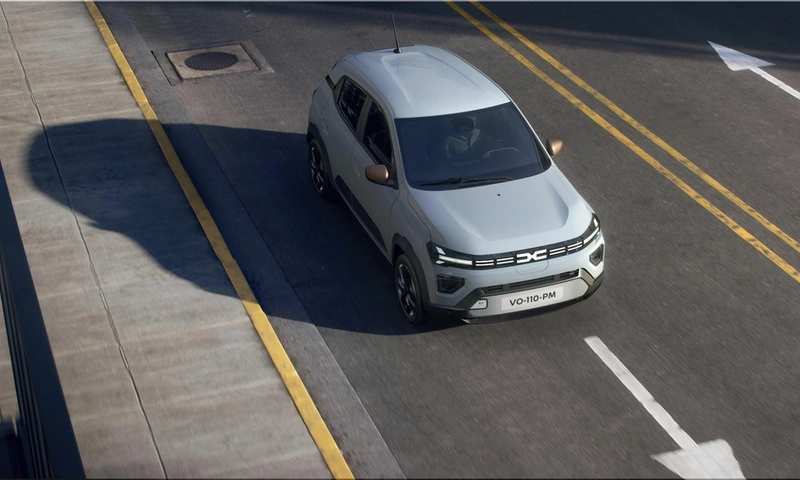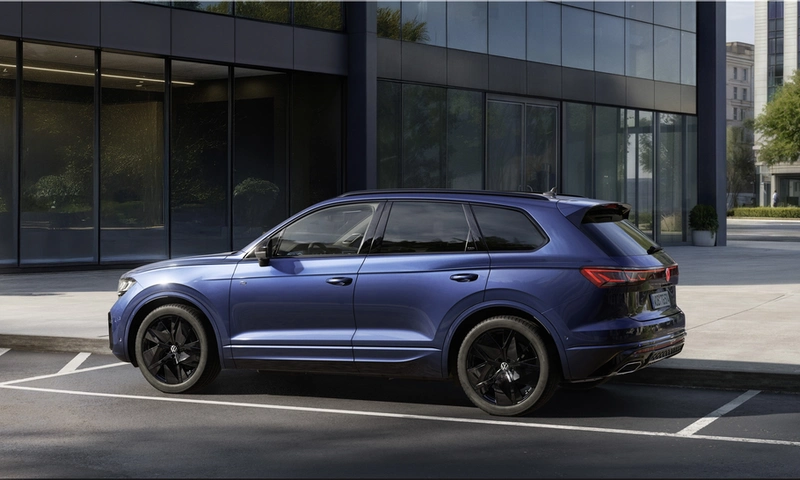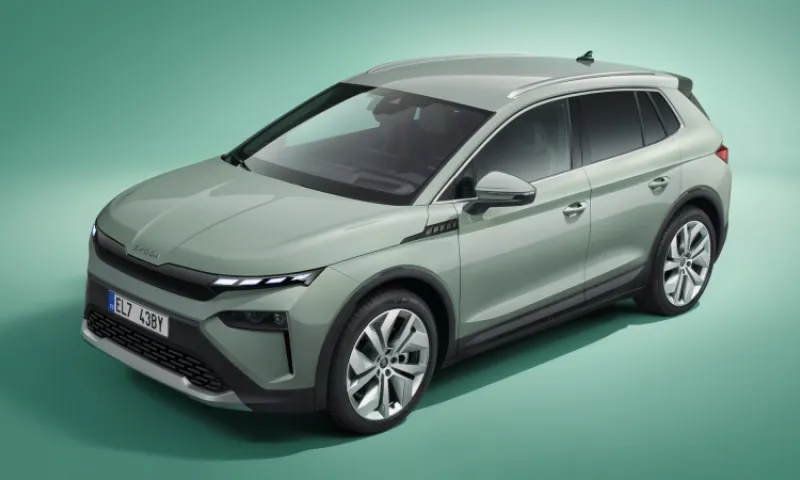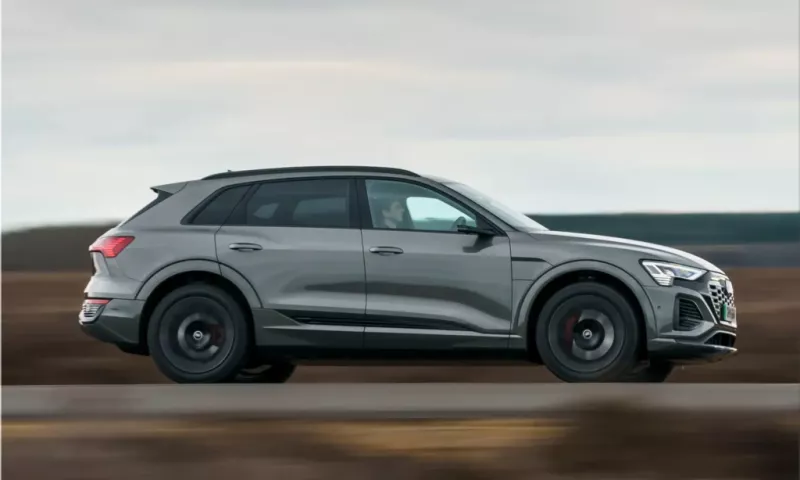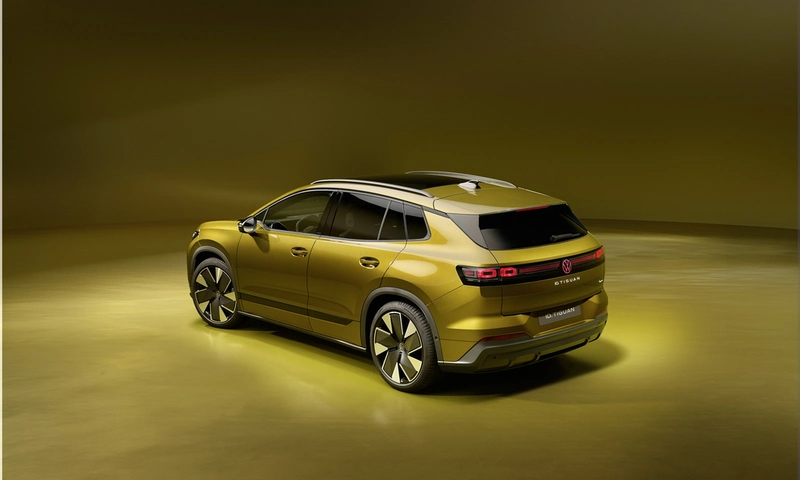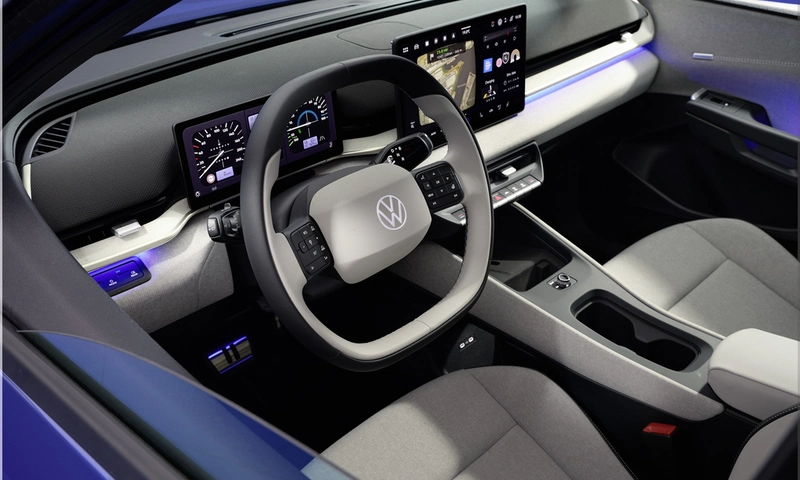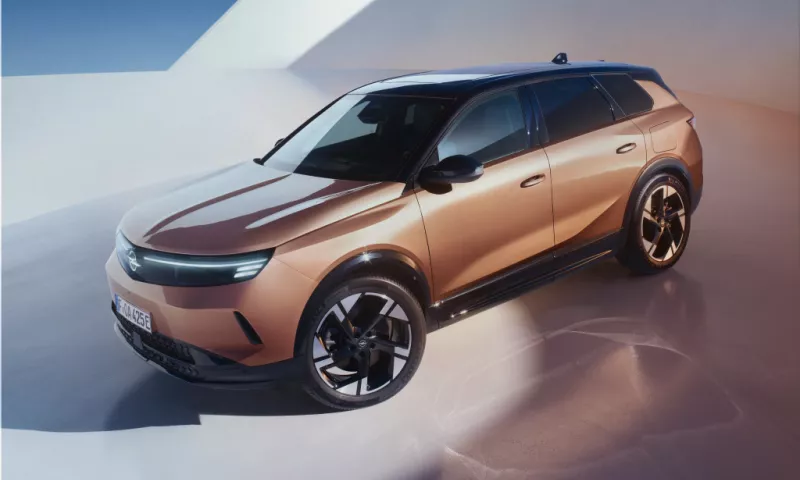
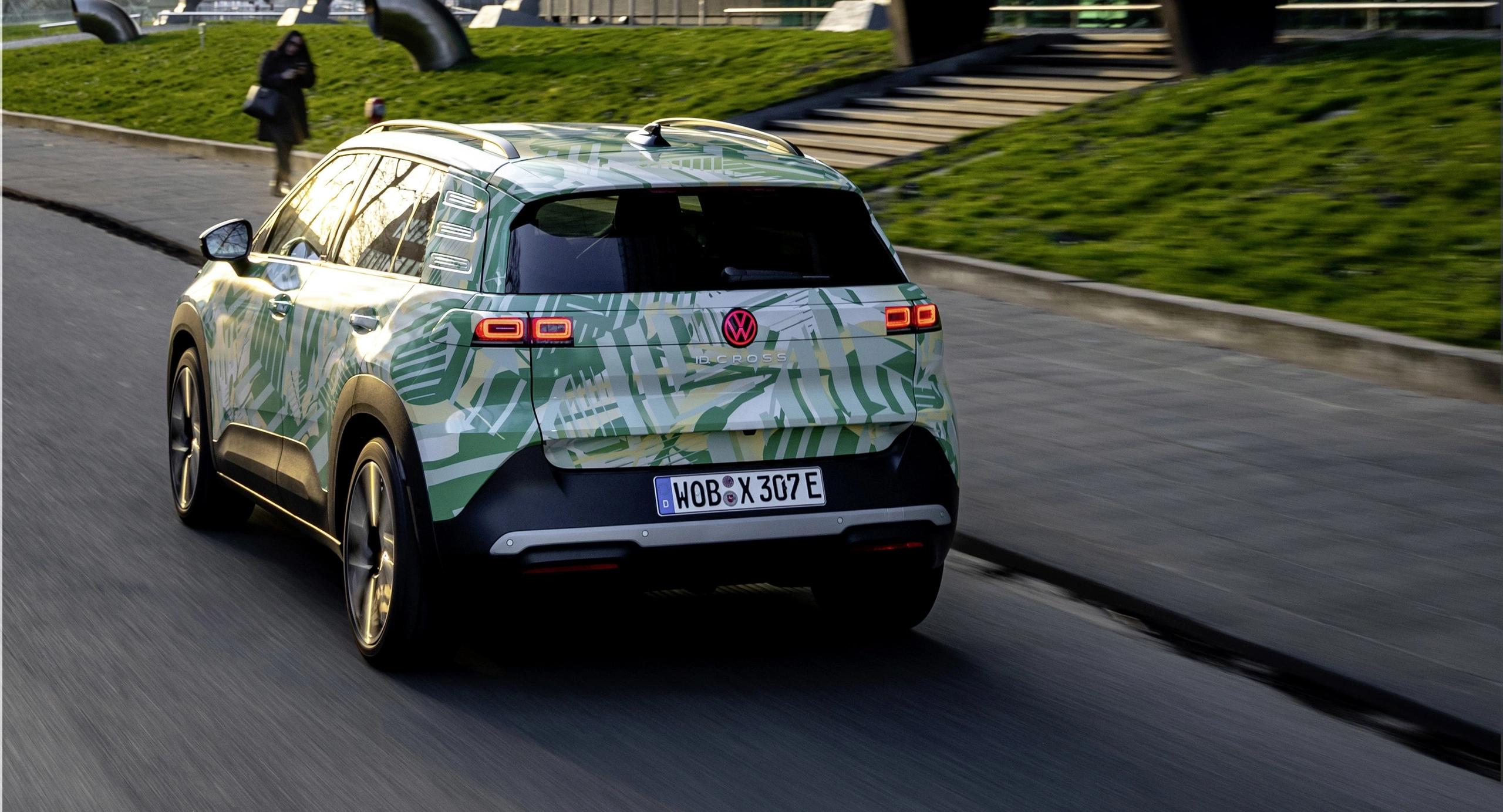
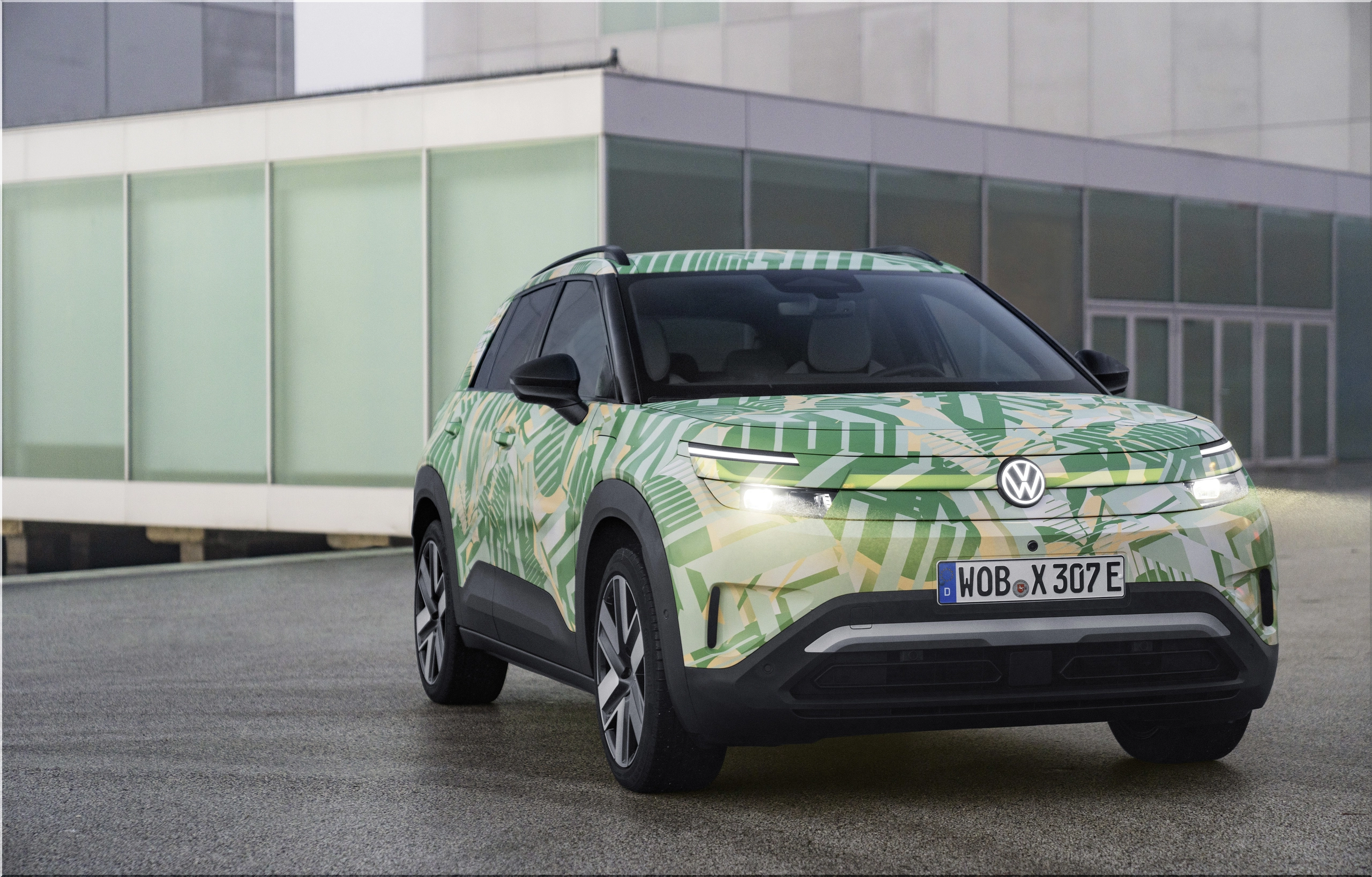
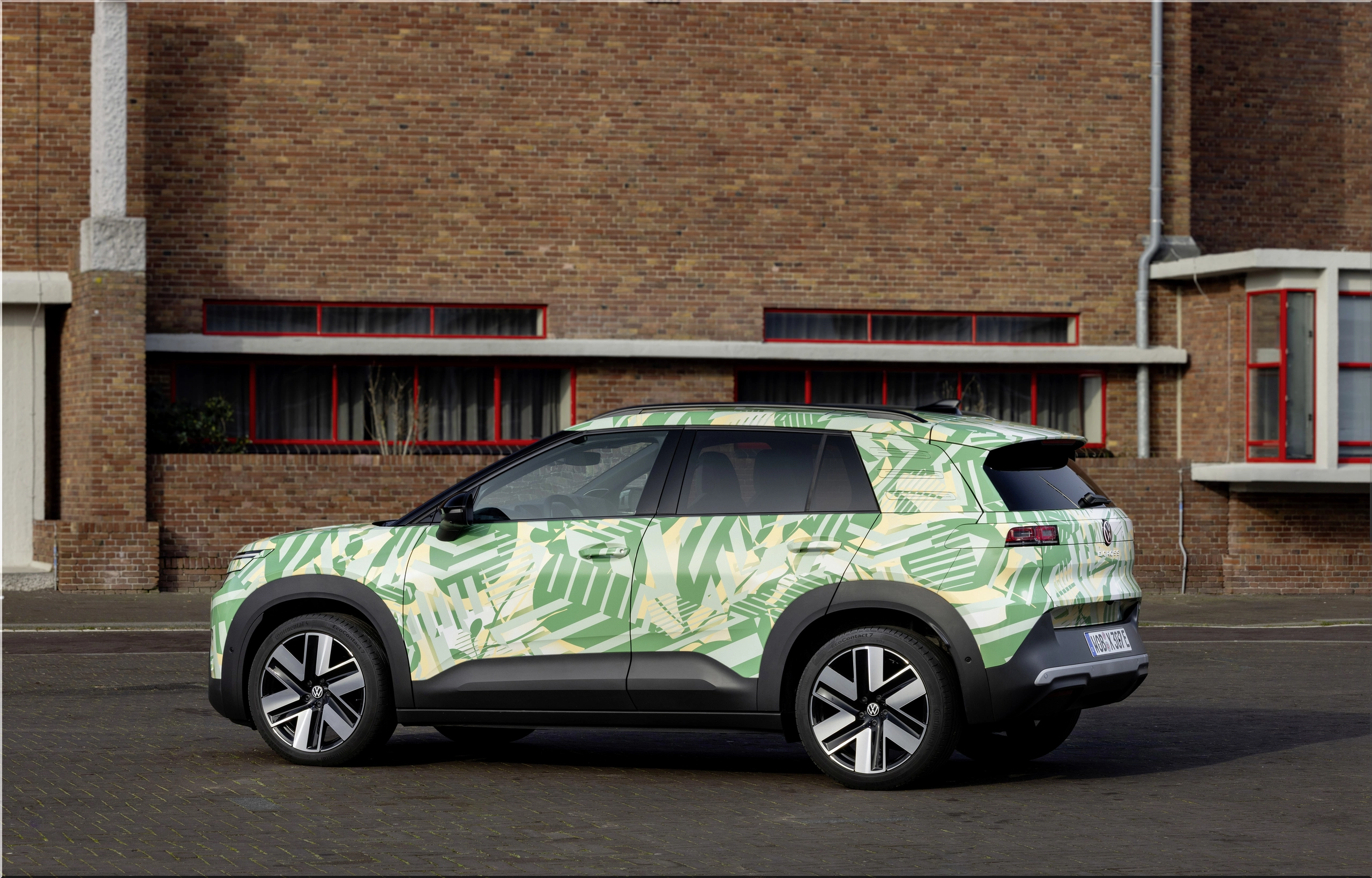
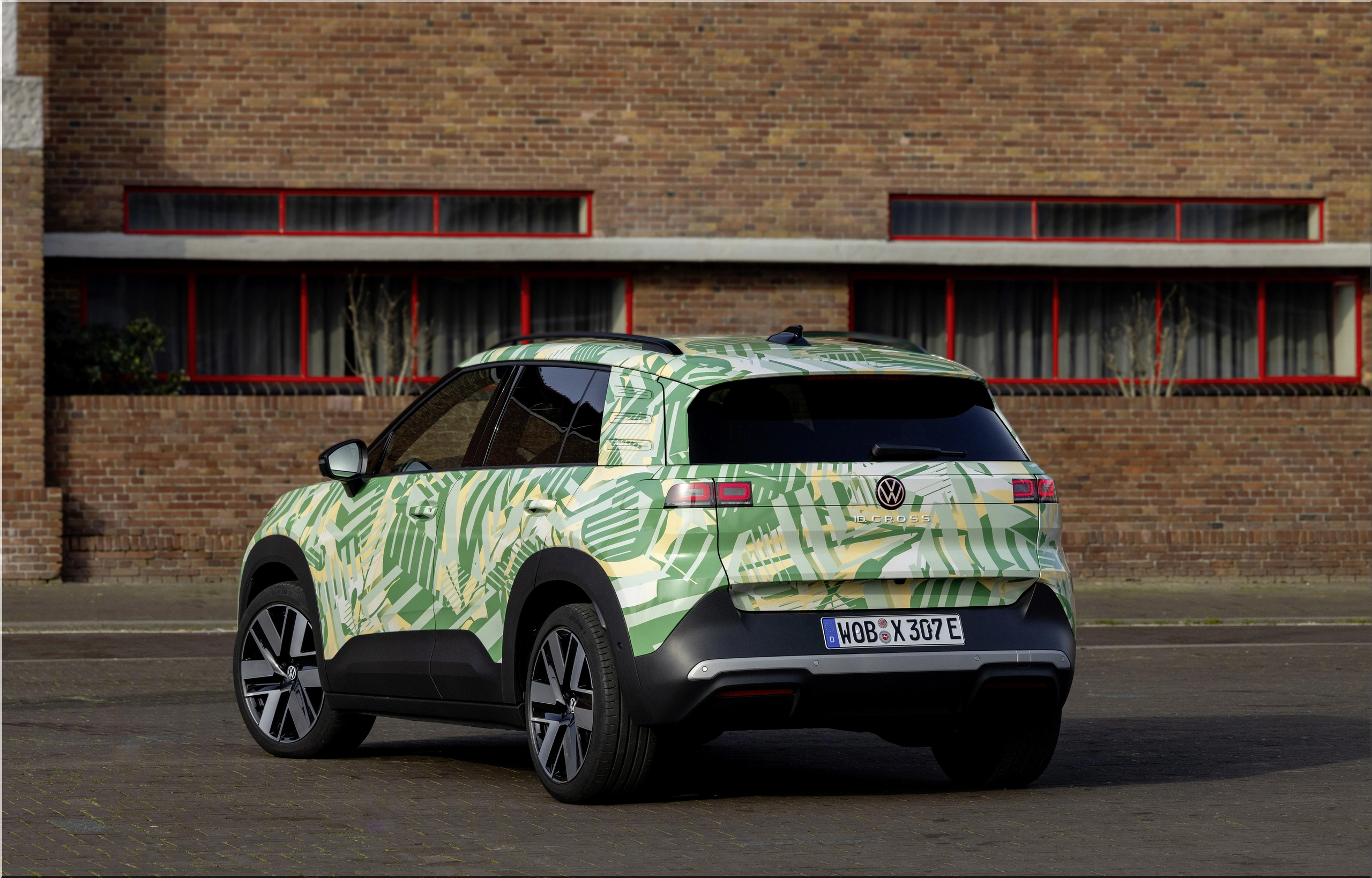
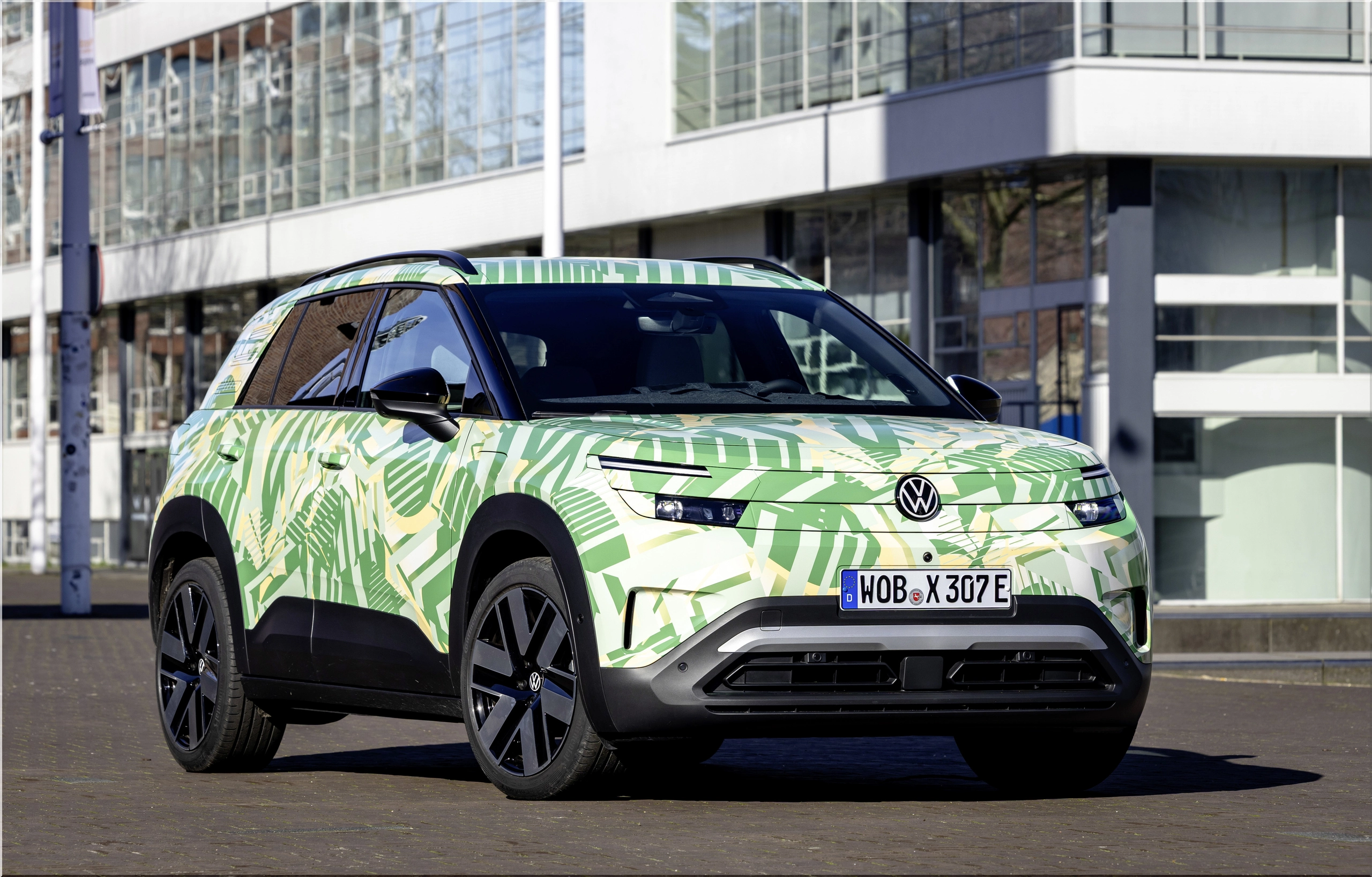
Volkswagen has started showing the near-production Volkswagen ID. Cross in Amsterdam, and the message lands cleanly: this compact EV SUV targets the busiest part of the European market with a lower entry price, practical packaging, and hardware that looks built for real daily use rather than brochure theater. The launch window starts in autumn 2026. The base price lands at about $32,138 from the stated 28,000 euros.
Image
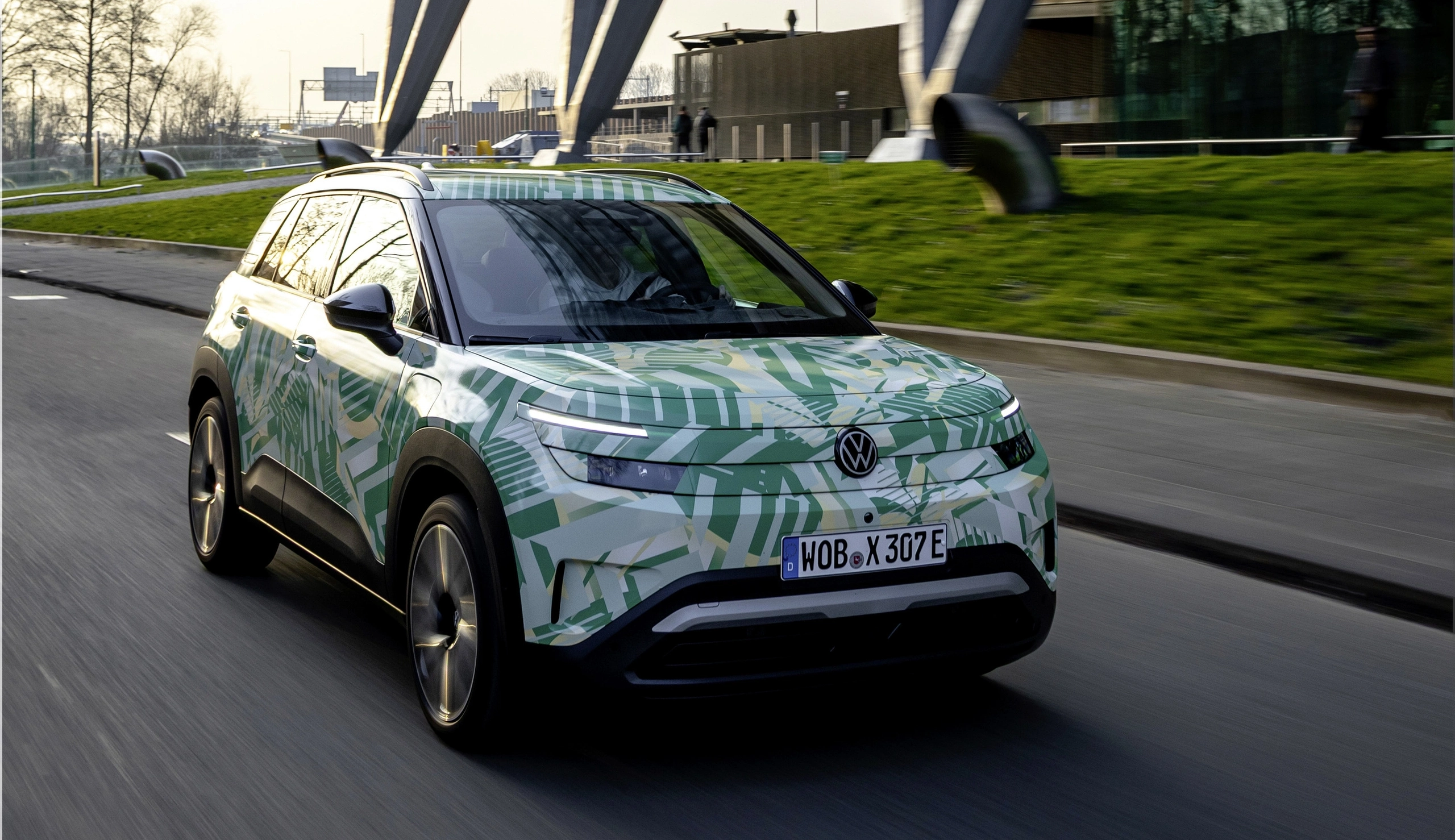
That price point matters. It places the electric compact SUV directly into the zone where buyers cross-shop smaller family crossovers, entry EV hatchbacks, and budget-focused Chinese-brand rivals. Looking at the data, Volkswagen aims to win with packaging, trim logic, and charging speed rather than headline power alone.
What the Volkswagen ID. Cross actually brings to the table
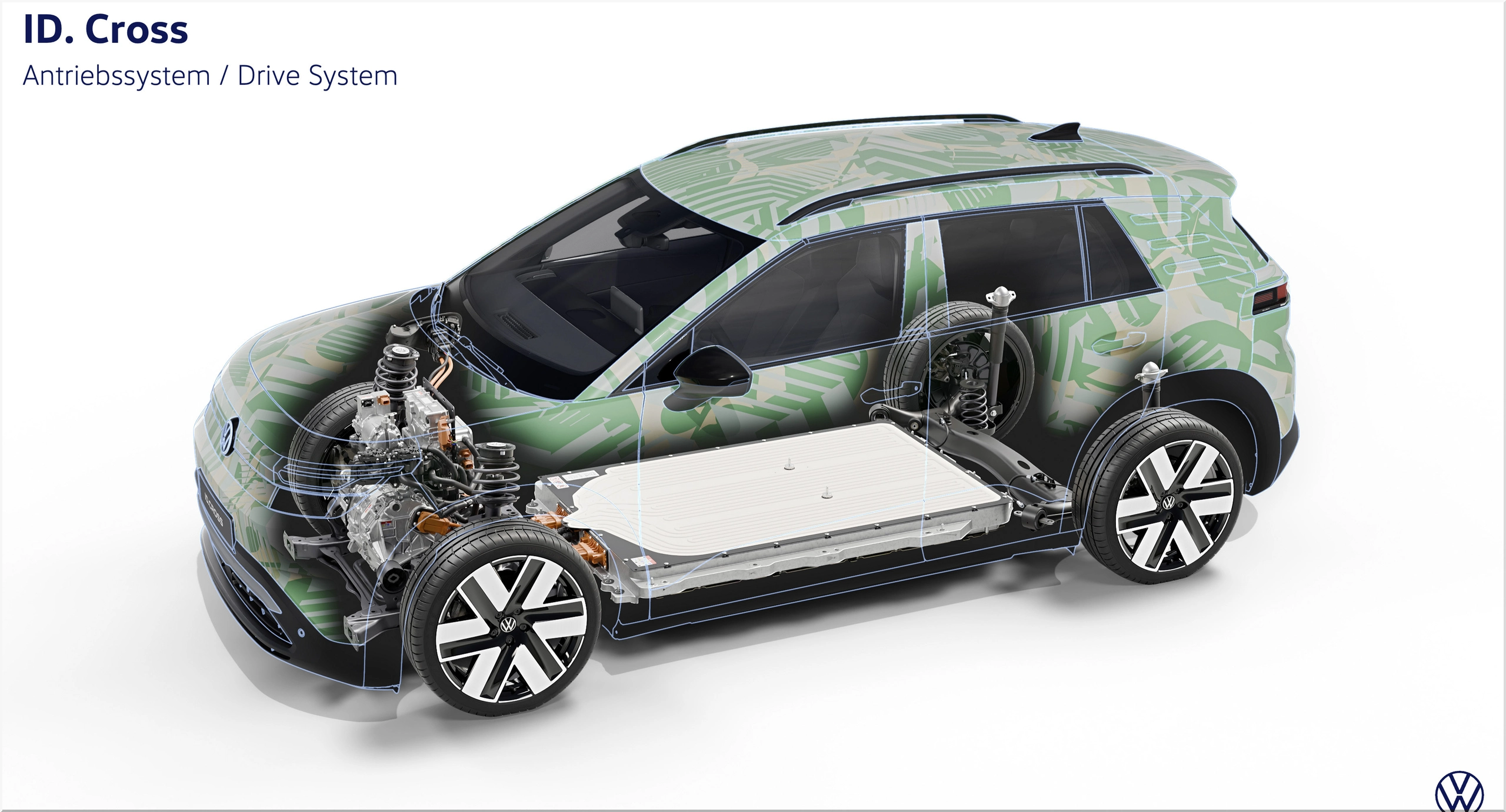
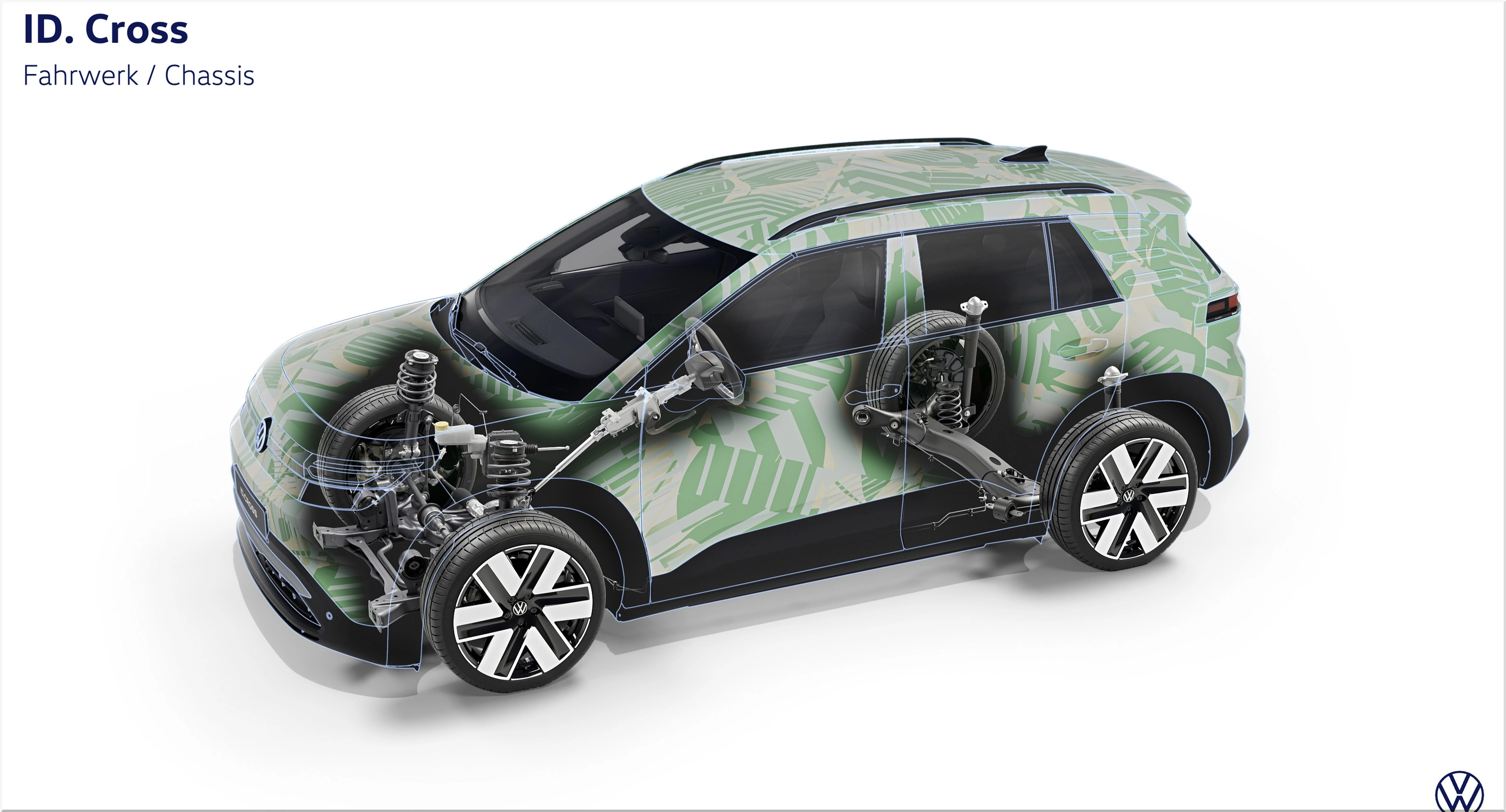
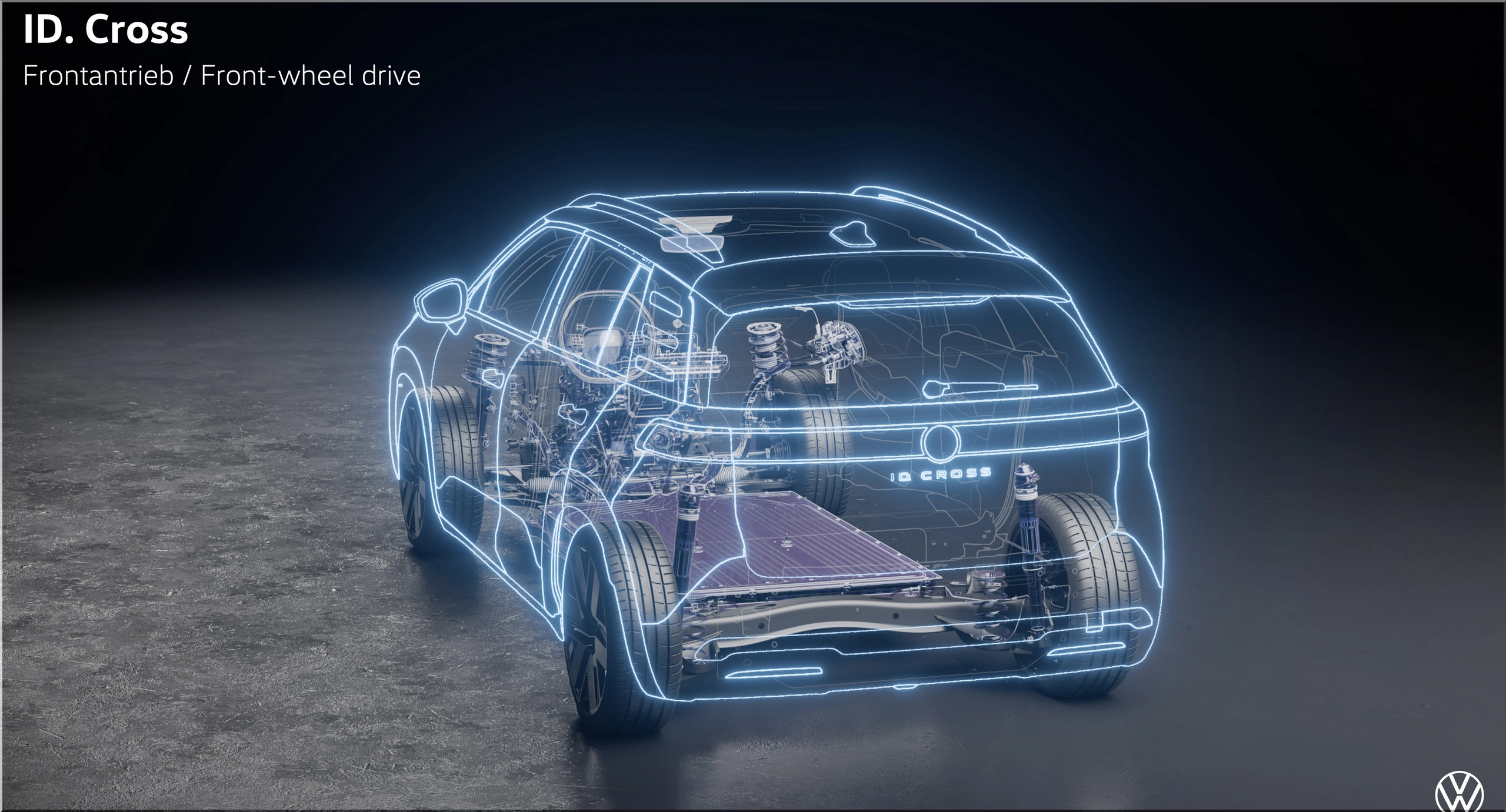
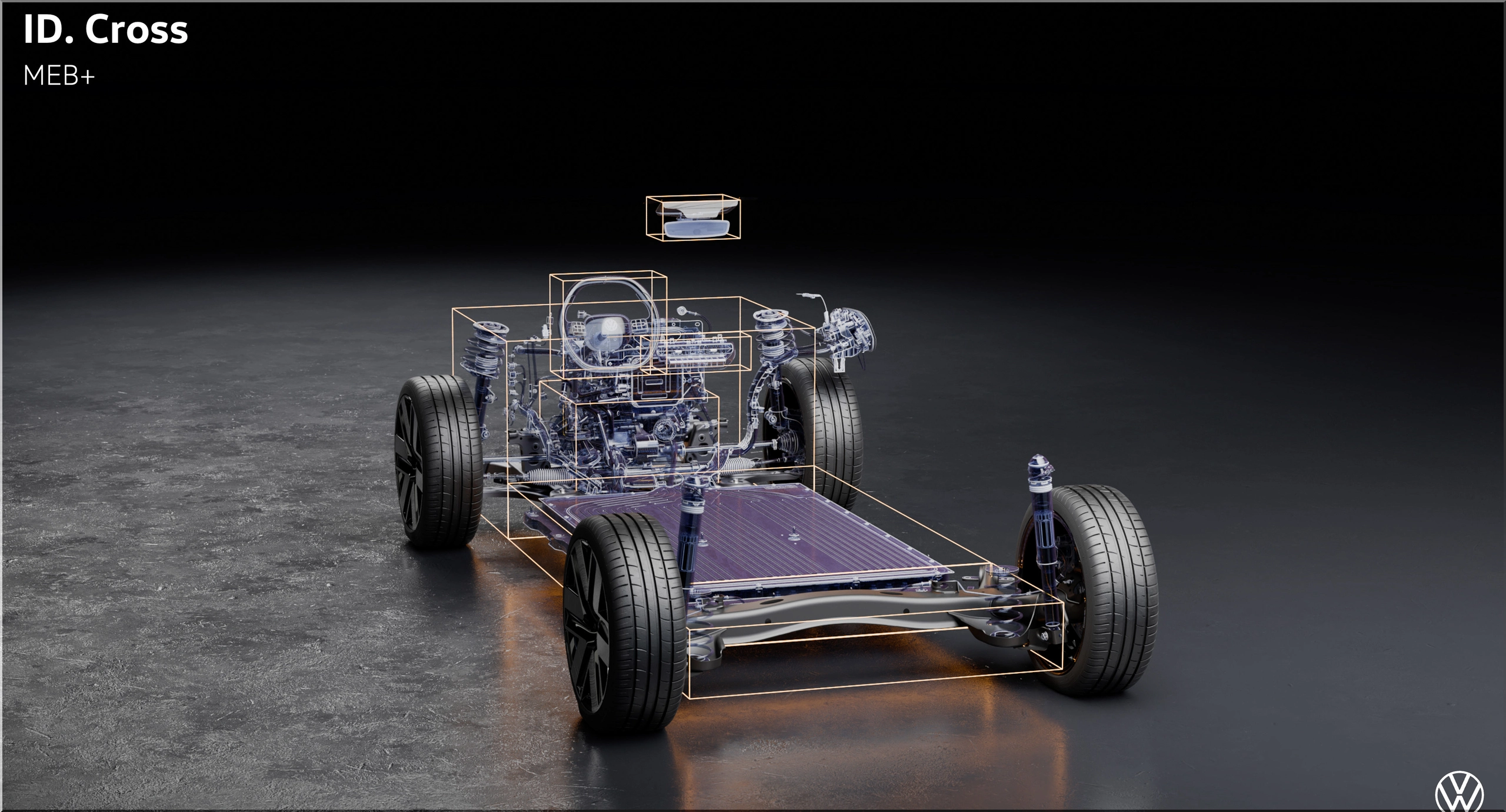
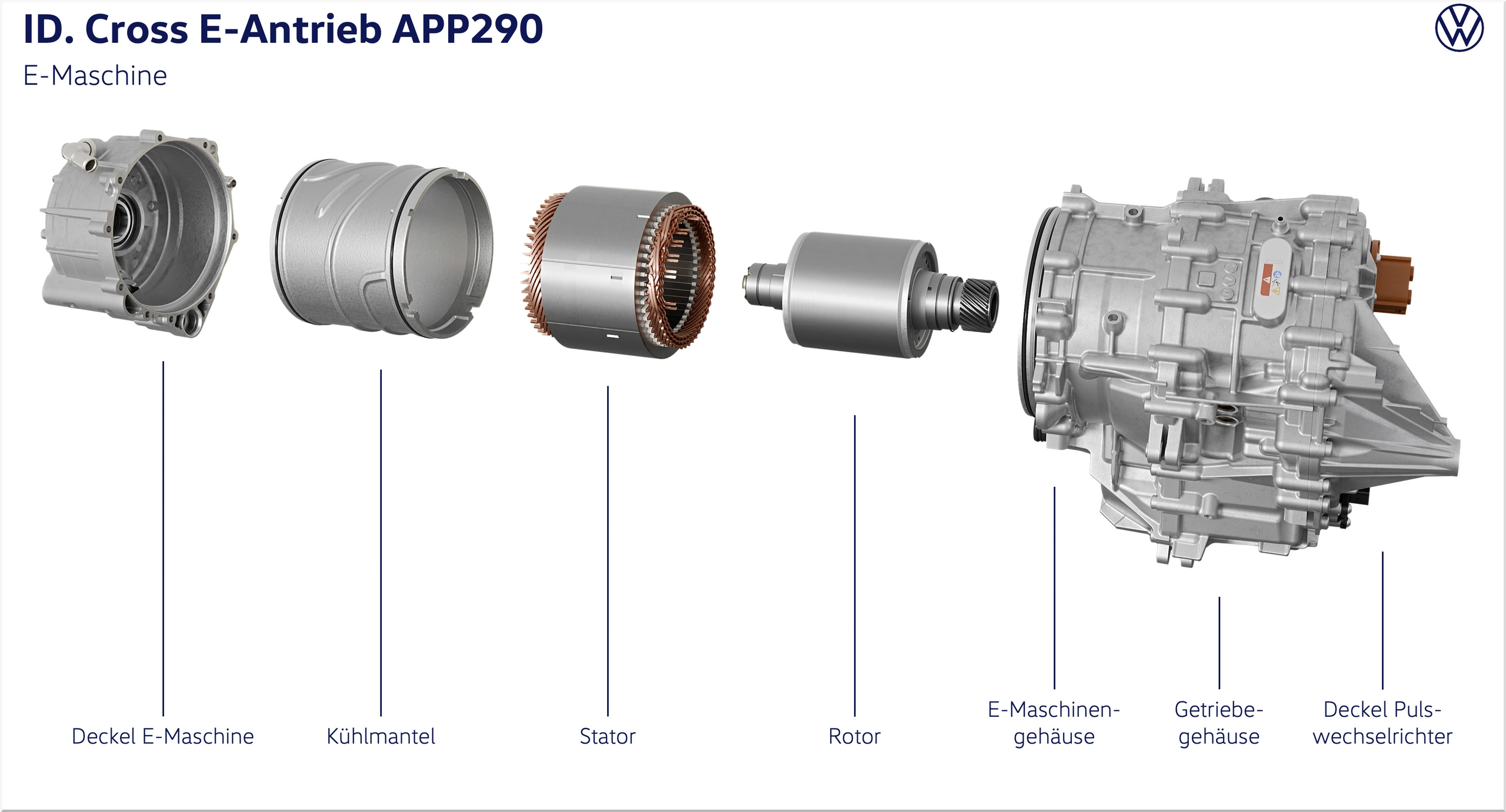
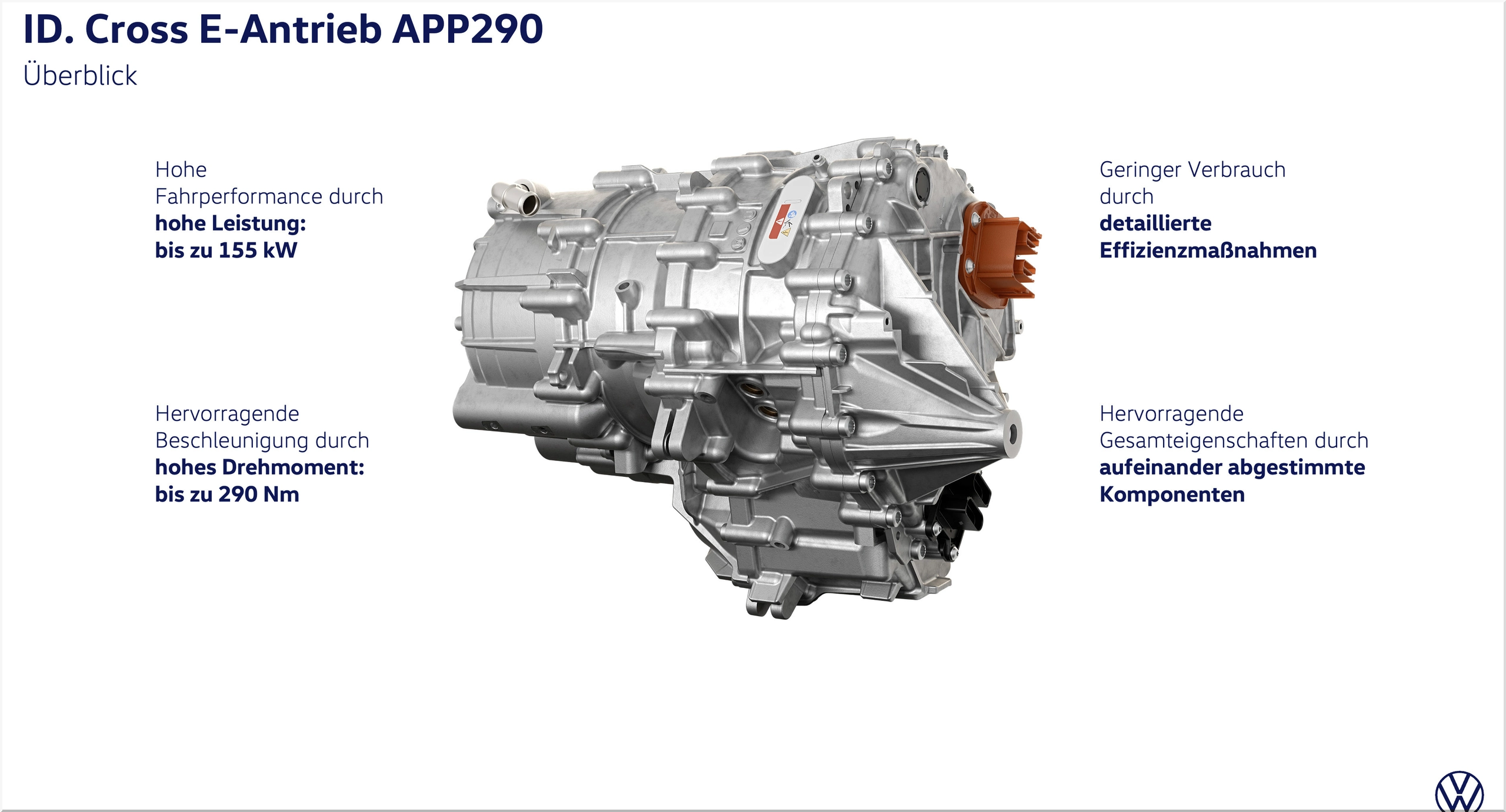
The new ID. Cross rides on Volkswagen's MEB+ architecture with front-wheel drive and two battery choices: 37 kWh and 52 kWh net. Output spans 85 kW, 99 kW, and 155 kW, which translates to about 114 hp, 133 hp, and 208 hp.
Volkswagen also gives the model a clear trim ladder. Specifically:
- Trend starts with 85 kW and the 37-kWh battery
- Life and Style start with 99 kW and the 37-kWh battery
- Life and Style can move up to 155 kW with the 52-kWh battery
That structure makes sense. Volkswagen can keep the advertised entry price low with the smaller LFP pack, then push better margin trims with the larger NMC battery and stronger motor.
Image
Technical specs that matter for buyers
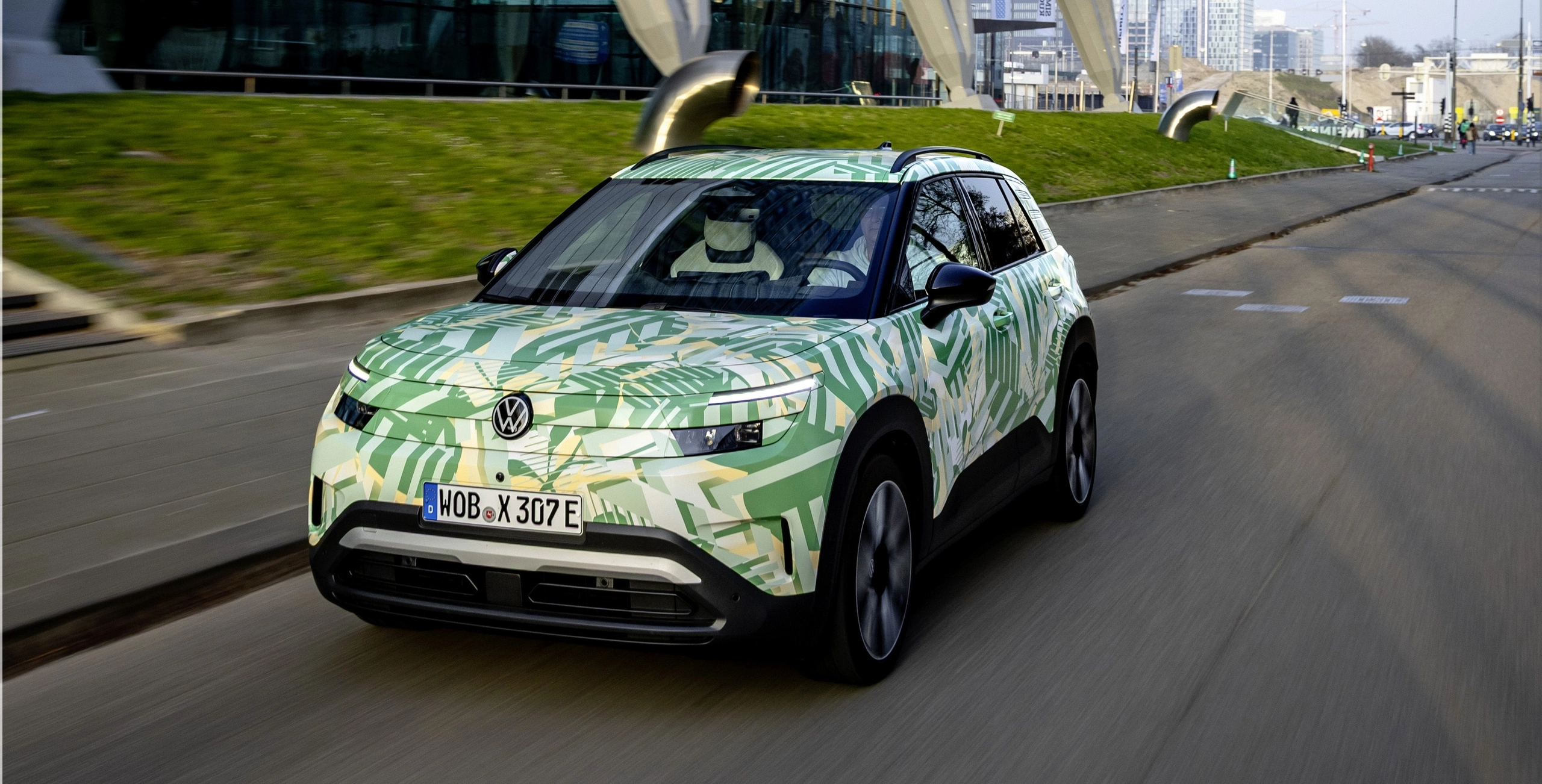
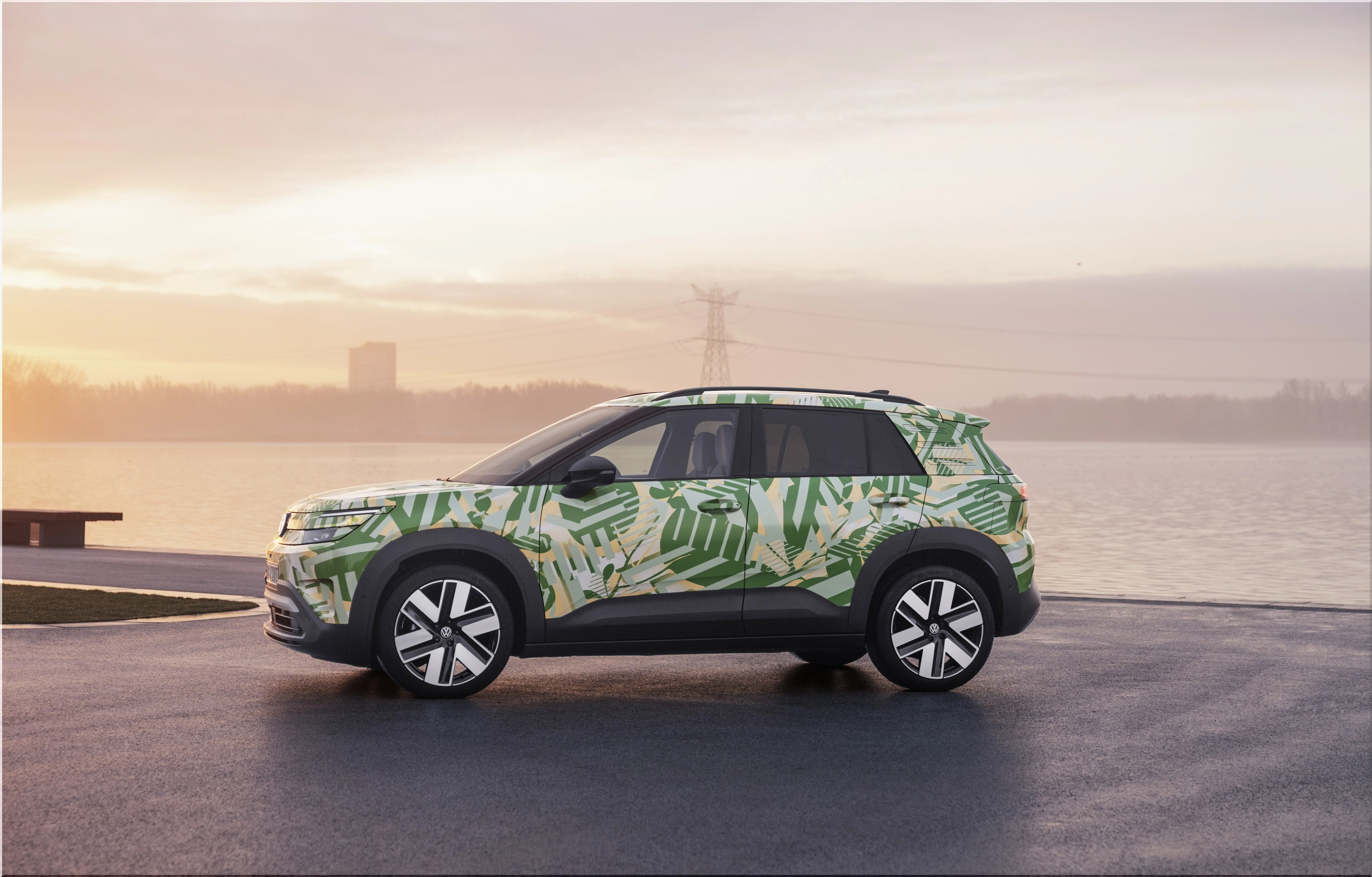
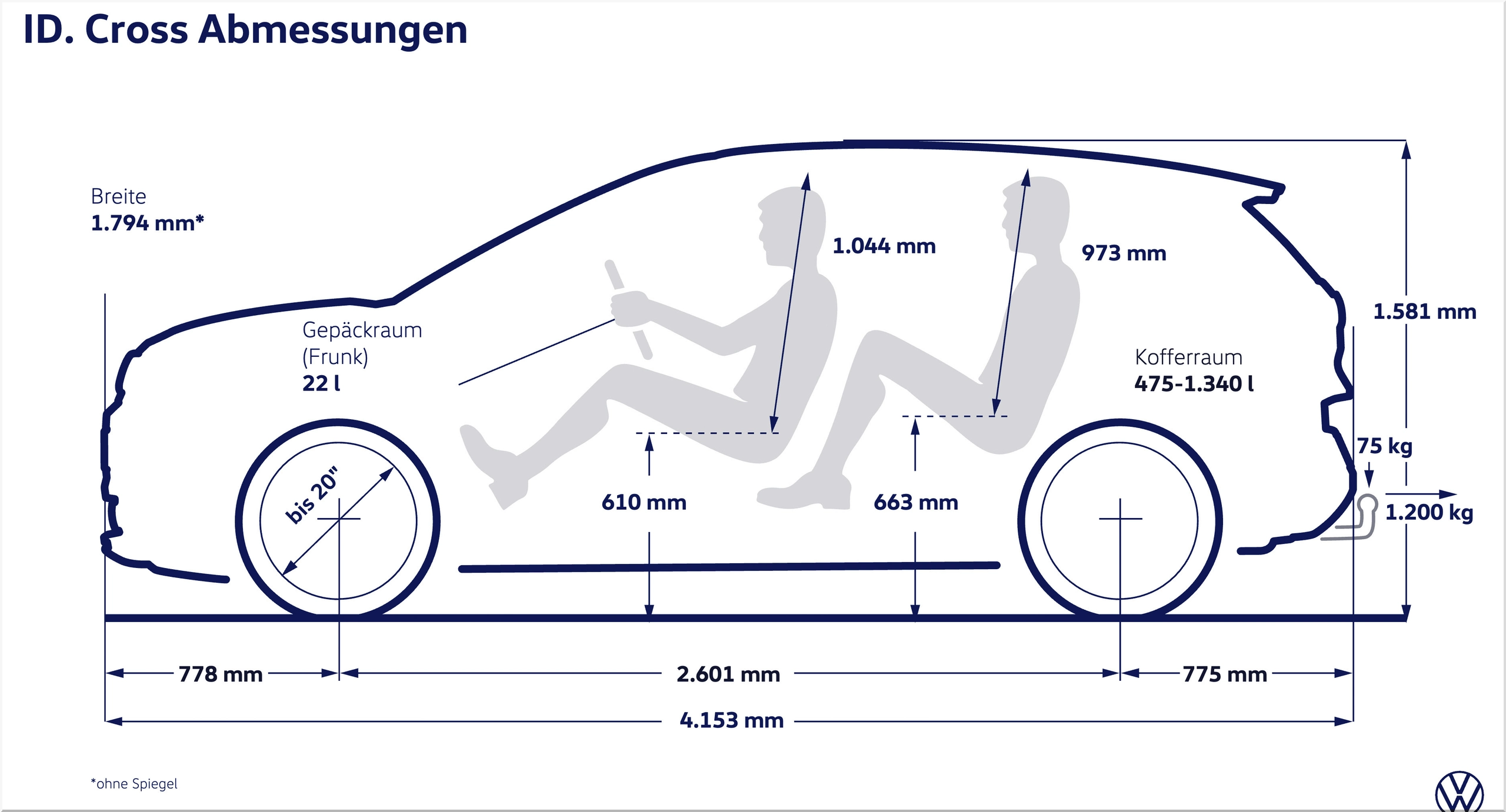
The body dimensions land in the sweet spot for dense European cities and family duty. At 4,153 mm long, the ID. Cross measures about 163.5 inches. Width comes in at 1,794 mm or 70.6 inches, while height reaches 1,581 mm or 62.2 inches. Wheelbase stretches to 2,601 mm or 102.4 inches.
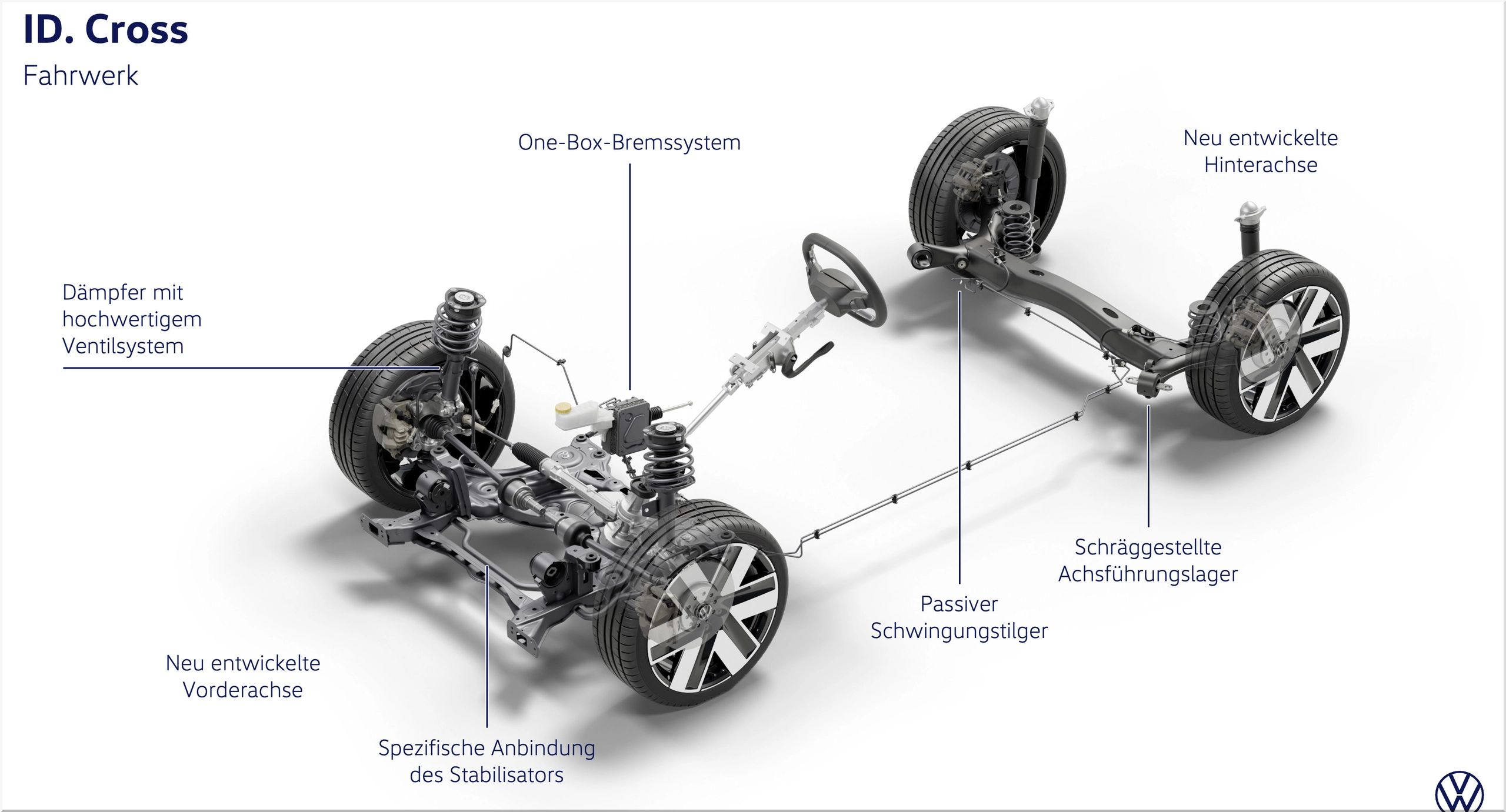
That wheelbase tells the bigger story. By comparison, Volkswagen says the ID. Cross adds 38 mm versus the T-Cross, and that extra distance between the axles improves passenger space while helping ride stability. Consequently, the cabin should feel less pinched than many small SUVs that prioritize a short footprint over rear-seat comfort.
| Volkswagen ID. Cross key dimensions | Metric | Imperial |
|---|---|---|
| Length | 4,153 mm | 163.5 in |
| Width | 1,794 mm | 70.6 in |
| Height | 1,581 mm | 62.2 in |
| Wheelbase | 2,601 mm | 102.4 in |
| Ground clearance | 140 mm | 5.5 in |
| Cargo capacity | 475 L | 16.8 cu ft |
| Front trunk | 22 L | 0.8 cu ft |
Why the battery split looks smart
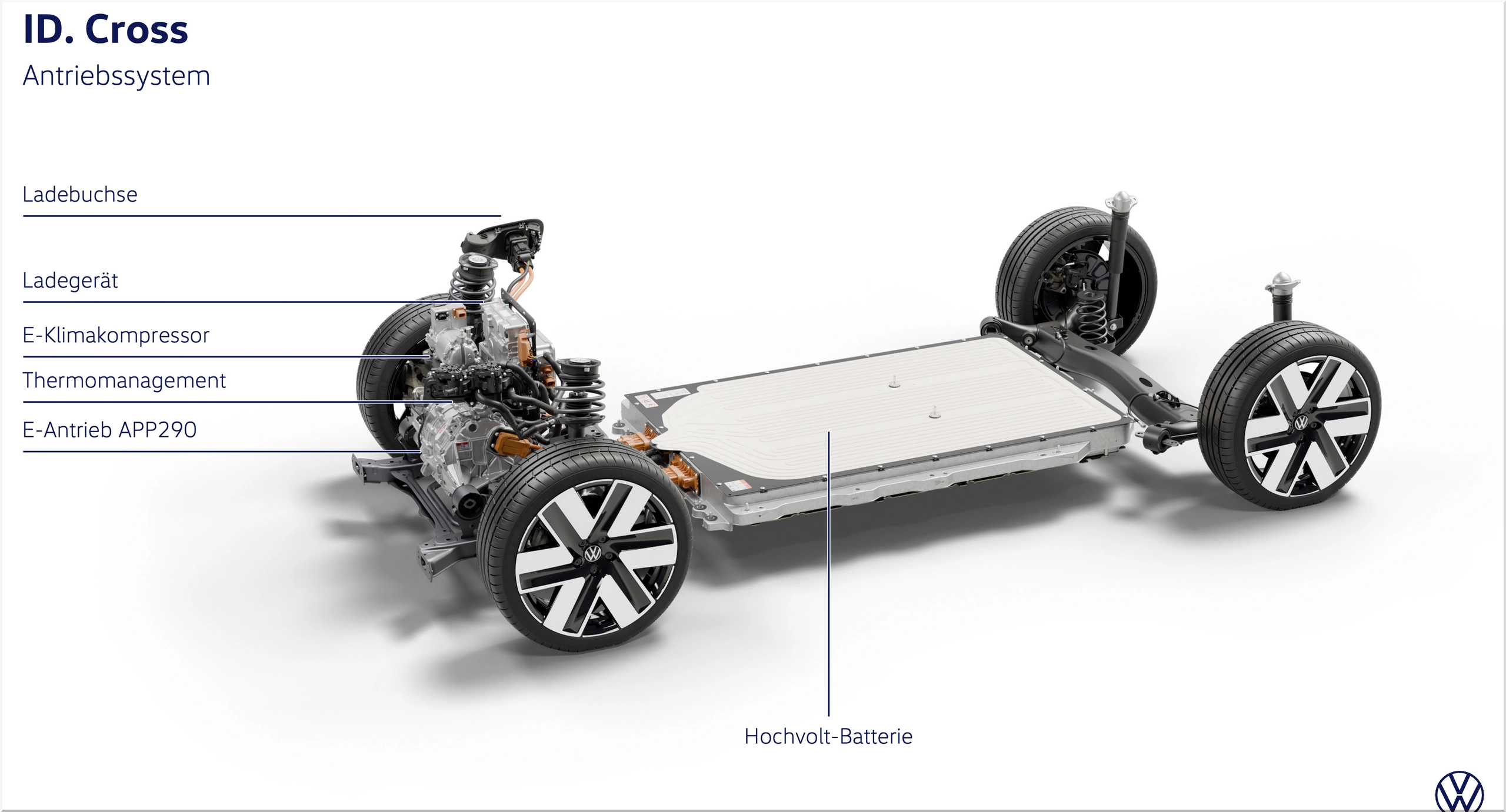
Volkswagen uses two different chemistries here. The 37-kWh battery uses LFP cells, while the 52-kWh battery uses NMC cells. That decision follows cost and usage logic.
LFP cuts cost and supports the lower base price. It also suits urban buyers who charge often and do not need maximum range. NMC delivers higher energy density, which helps Volkswagen add range and performance without a major size penalty.
Definition: LFP vs NMC
- LFP battery: Lower cost, strong durability, usually heavier for the same energy
- NMC battery: Higher energy density, better for longer range and higher-output trims
Looking at the data, the smaller pack targets up to 316 km or about 196 miles of forecast WLTP range. The larger pack reaches up to 436 km or about 271 miles. Those are still forecast figures, but the strategy stays clear: one pack for price and city use, one pack for wider family usability.
| Volkswagen ID. Cross battery and charging data | 37-kWh version | 52-kWh version |
|---|---|---|
| Battery chemistry | LFP | NMC |
| Output options | 85 kW / 99 kW | 155 kW |
| Forecast WLTP range | 316 km / 196 mi | 436 km / 271 mi |
| Max DC charging | 90 kW | 105 kW |
| 10-80% DC charge time | about 27 min | about 24 min |
| Top speed | 150 km/h / 93 mph | 160 km/h / 99 mph |
Image gallery
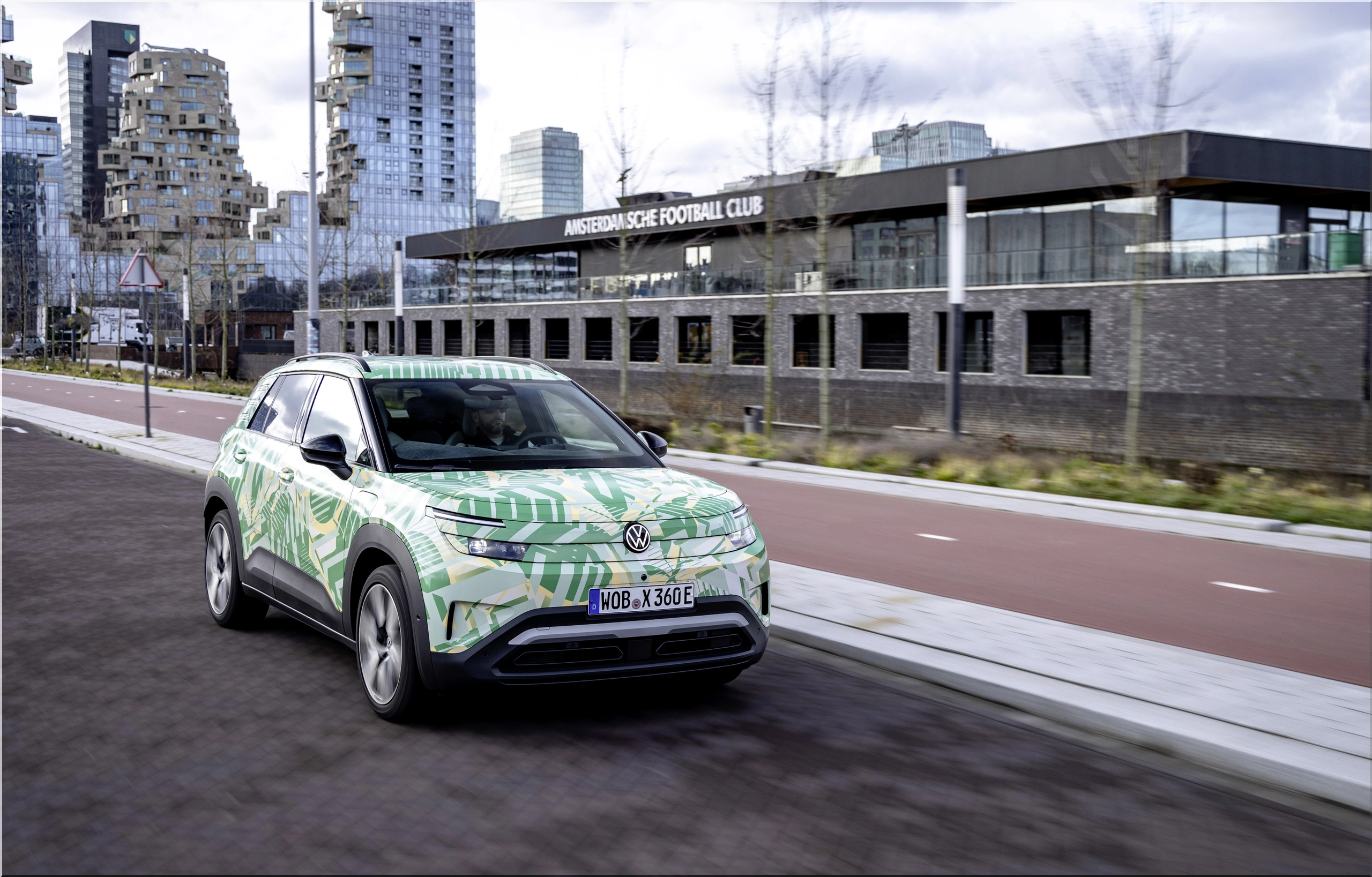
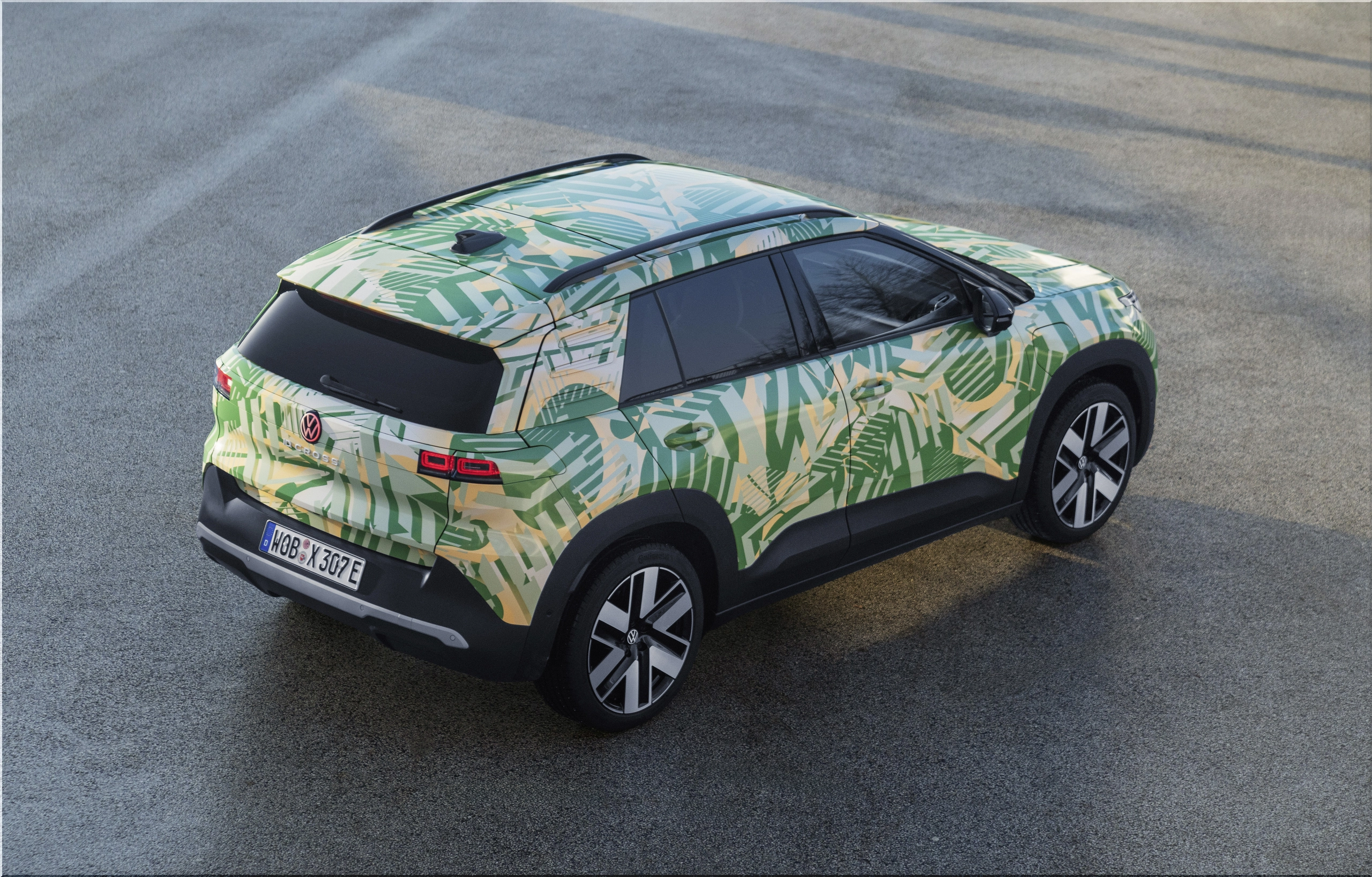
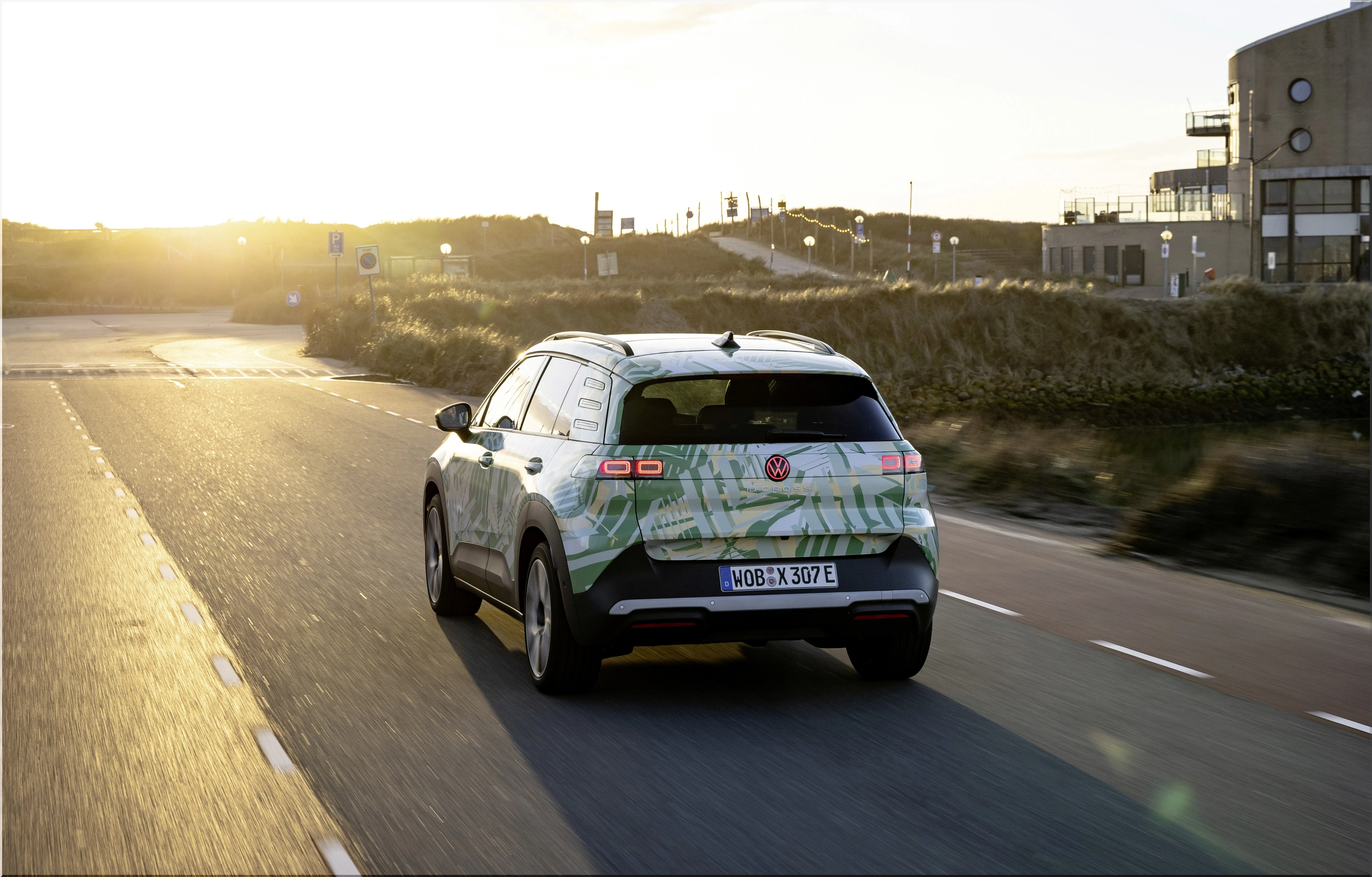
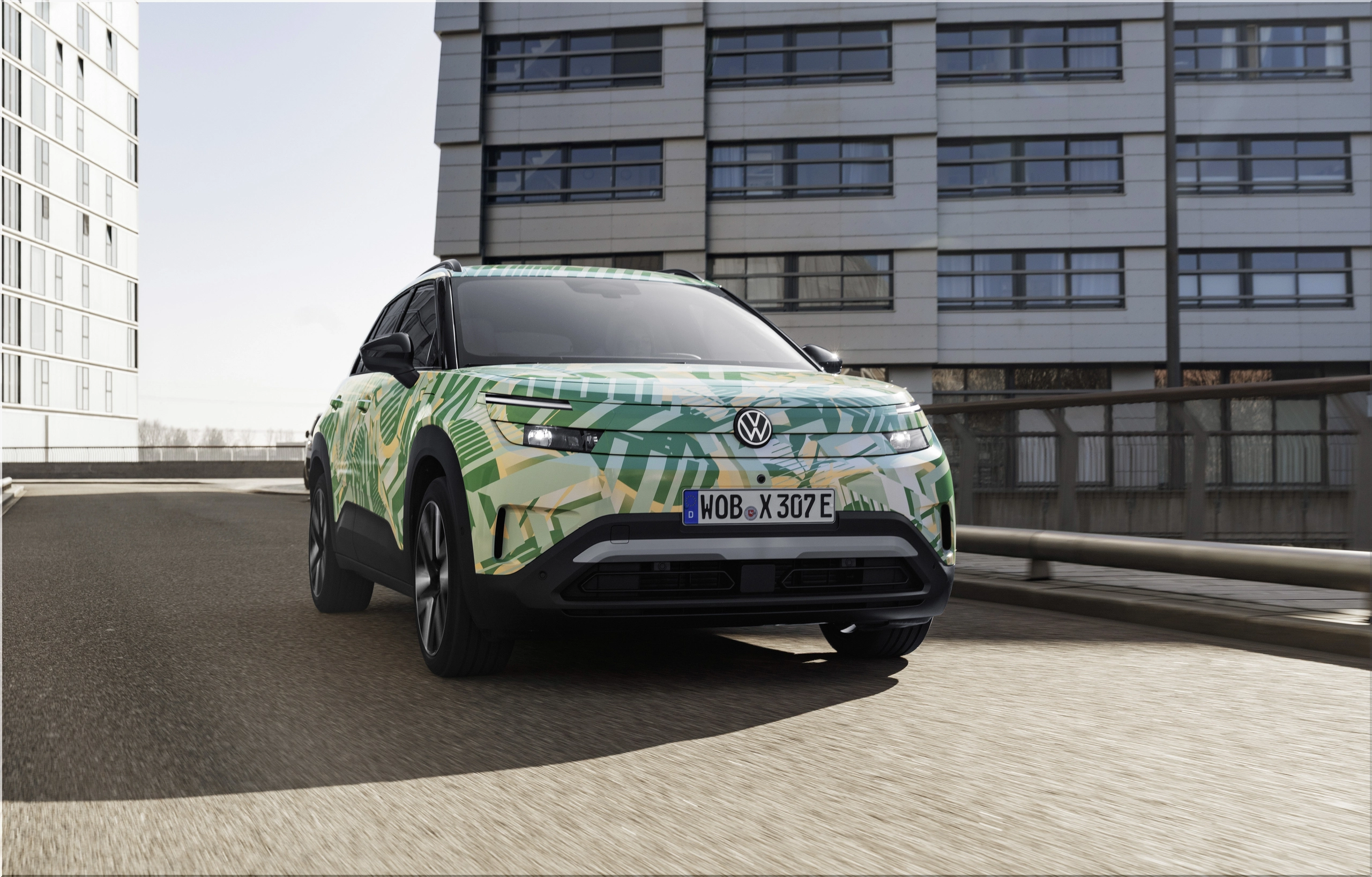
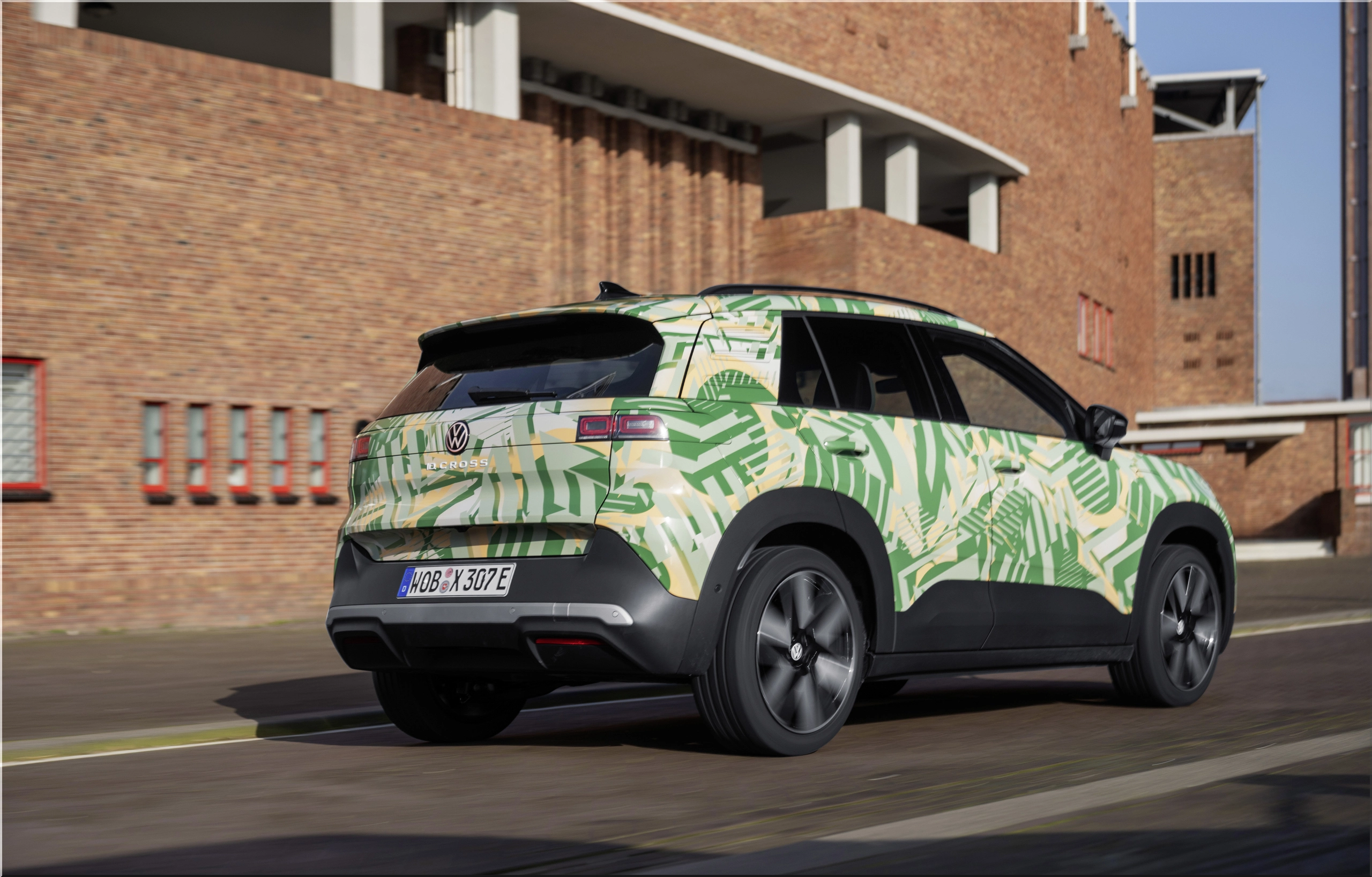
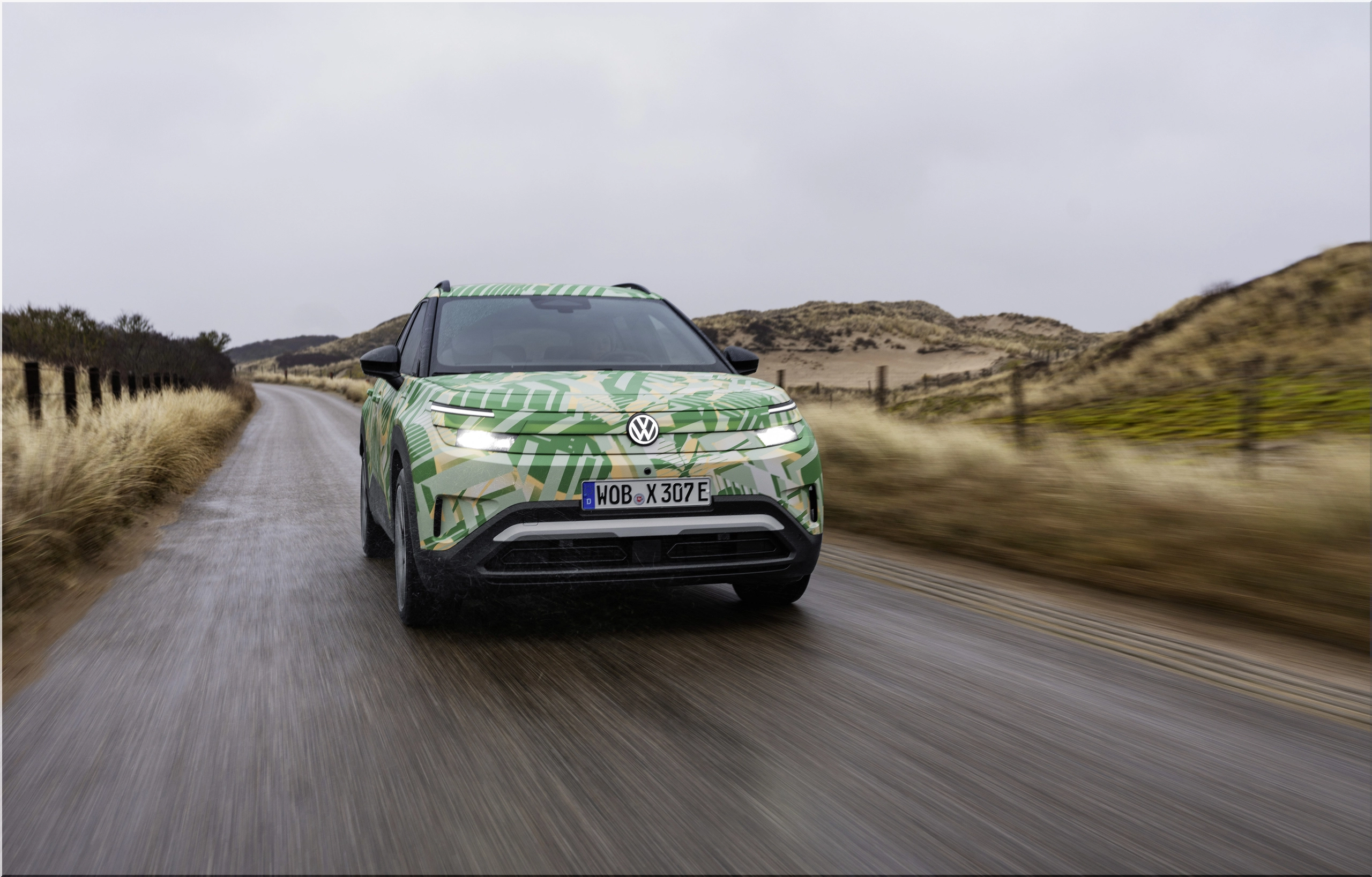
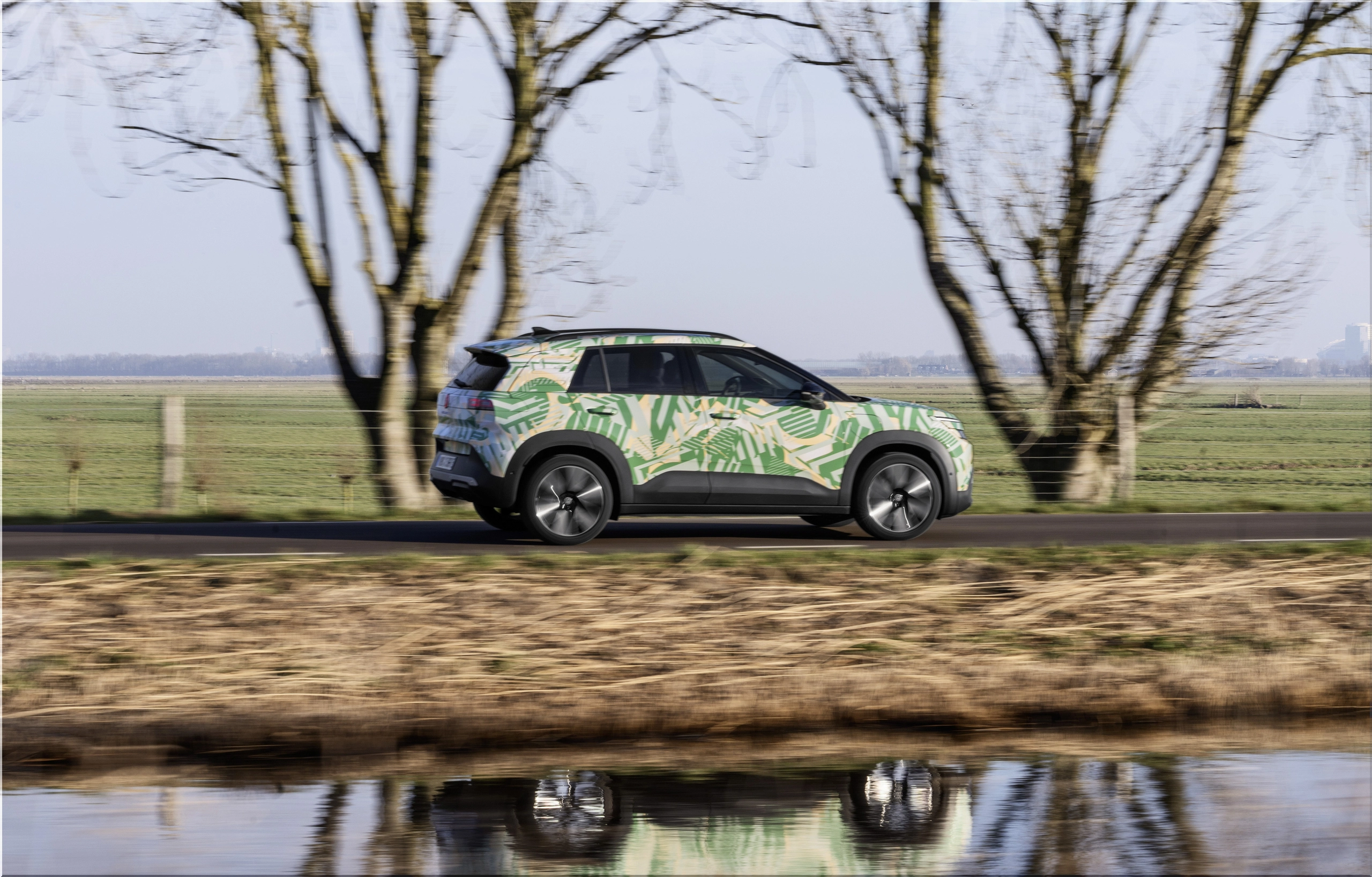
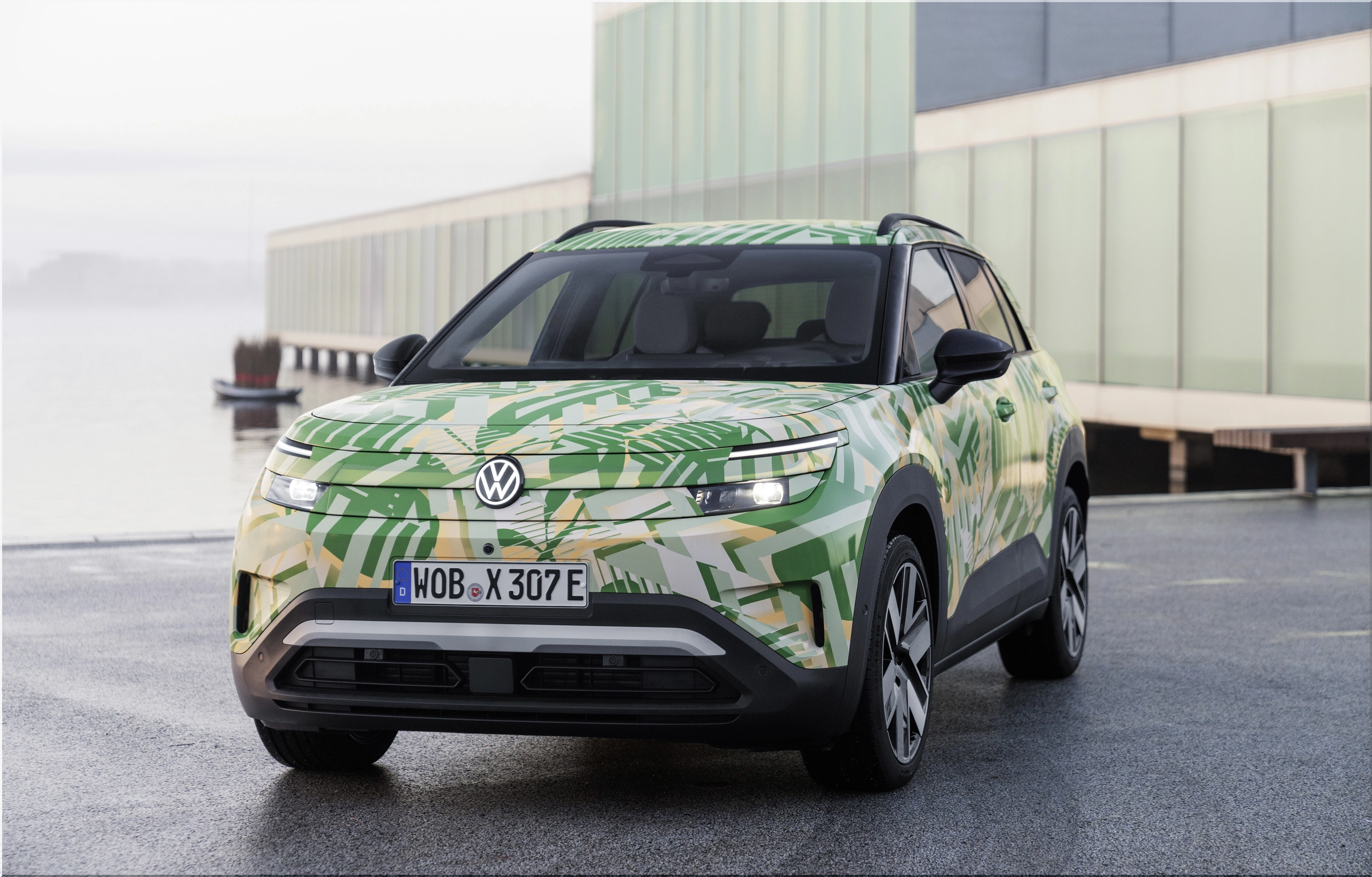
The practicality pitch looks stronger than the price tag
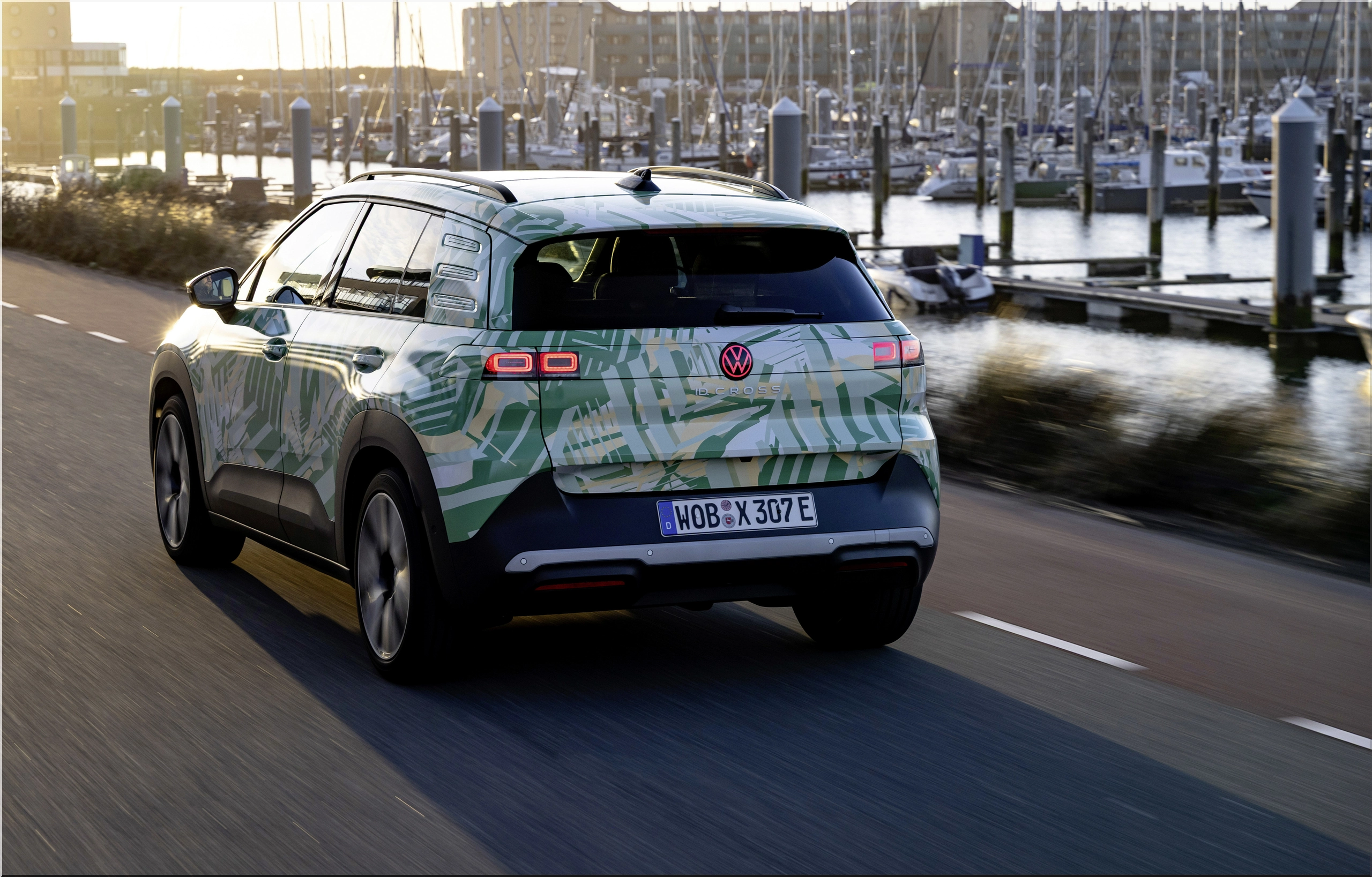
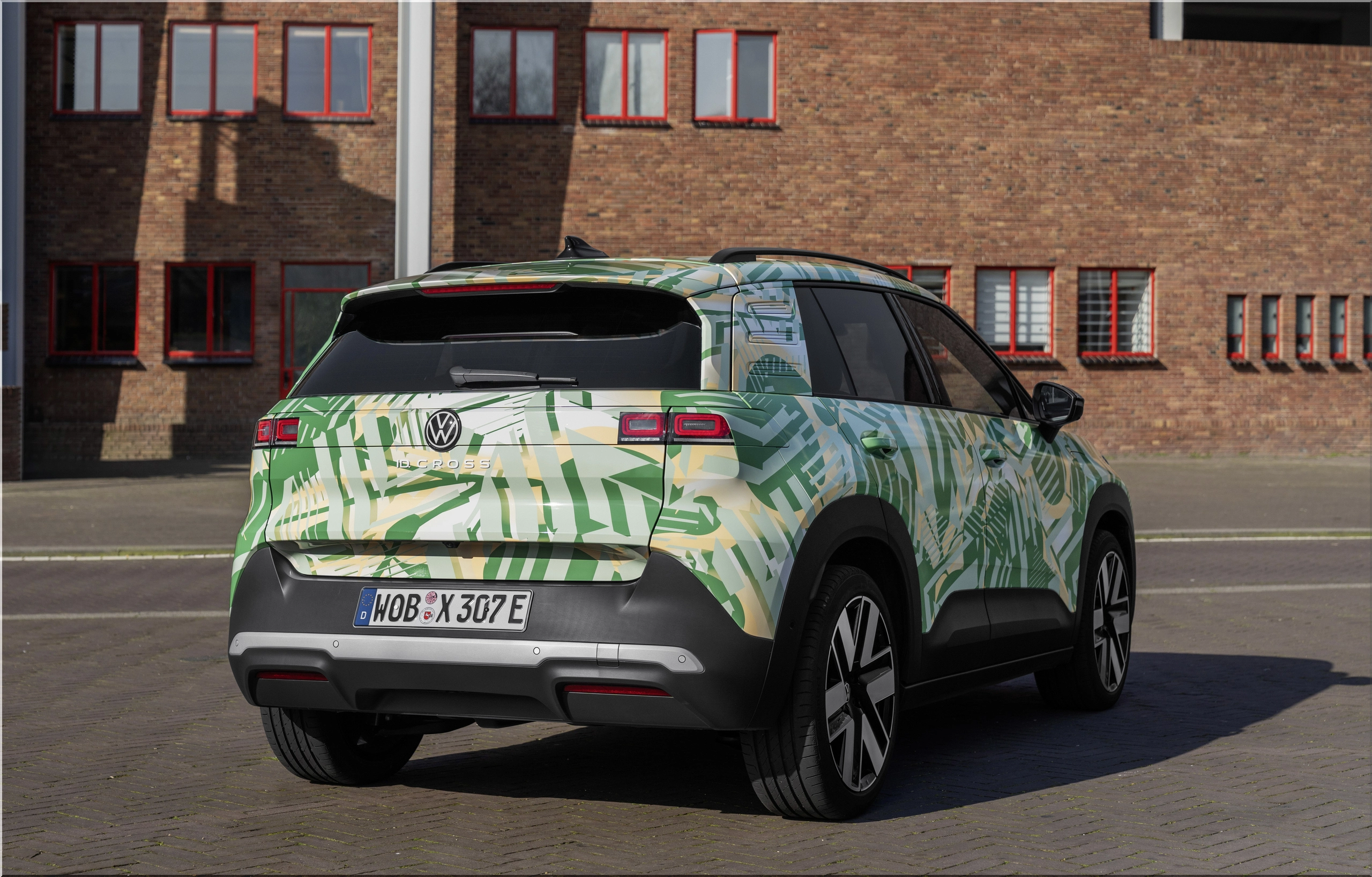
Volkswagen claims 475 liters of rear cargo room plus a 22-liter frunk. That gives the ID. Cross more main cargo space than the T-Cross figure Volkswagen cites for comparison. In addition, the EV platform frees up packaging under the hood for charge cables and smaller gear.
The Vehicle-to-Load function adds another useful layer. It can power external devices at up to 3.6 kW, which turns the SUV into a mobile power source for e-bikes, camping equipment, or jobsite tools. The larger-battery version also tows up to 1,200 kg, or roughly 2,646 pounds, on an 8 percent gradient. That number will matter for small trailers and light recreation use.
Higher-segment features show Volkswagen's real intent
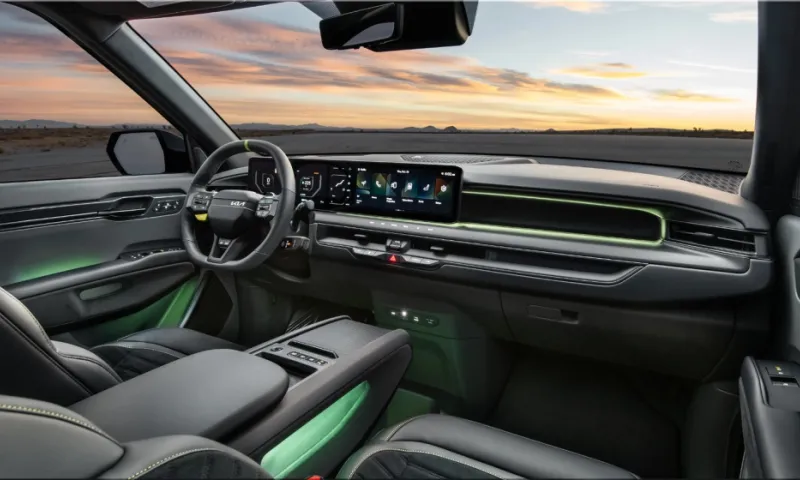
Volkswagen does not position the ID. Cross as a stripped entry EV. It loads the upper trims with equipment buyers usually find one class higher.
Key available or standard features include:
- 18-inch alloy wheels on Life
- 2-zone automatic climate control
- Adaptive Cruise Control
- Rear-view camera
- IQ.LIGHT LED matrix headlights
- 3D LED tail lights
- 425-watt Harman Kardon audio
- 12-way power front seats
- Pneumatic massage function
- 740 x 905 mm panoramic roof
- Connected Travel Assist
- Traffic light and stop sign recognition
- One-Pedal Driving
From an expert perspective, this matters more than a flashy concept reveal. Volkswagen wants buyers to feel they moved into a polished product, not an affordable EV with obvious omissions.
Pro-Tip
Watch the final production-spec charging curve, not only the peak kW figure. A 105-kW peak can still perform well if the vehicle holds power longer through the middle of the session.
Image gallery
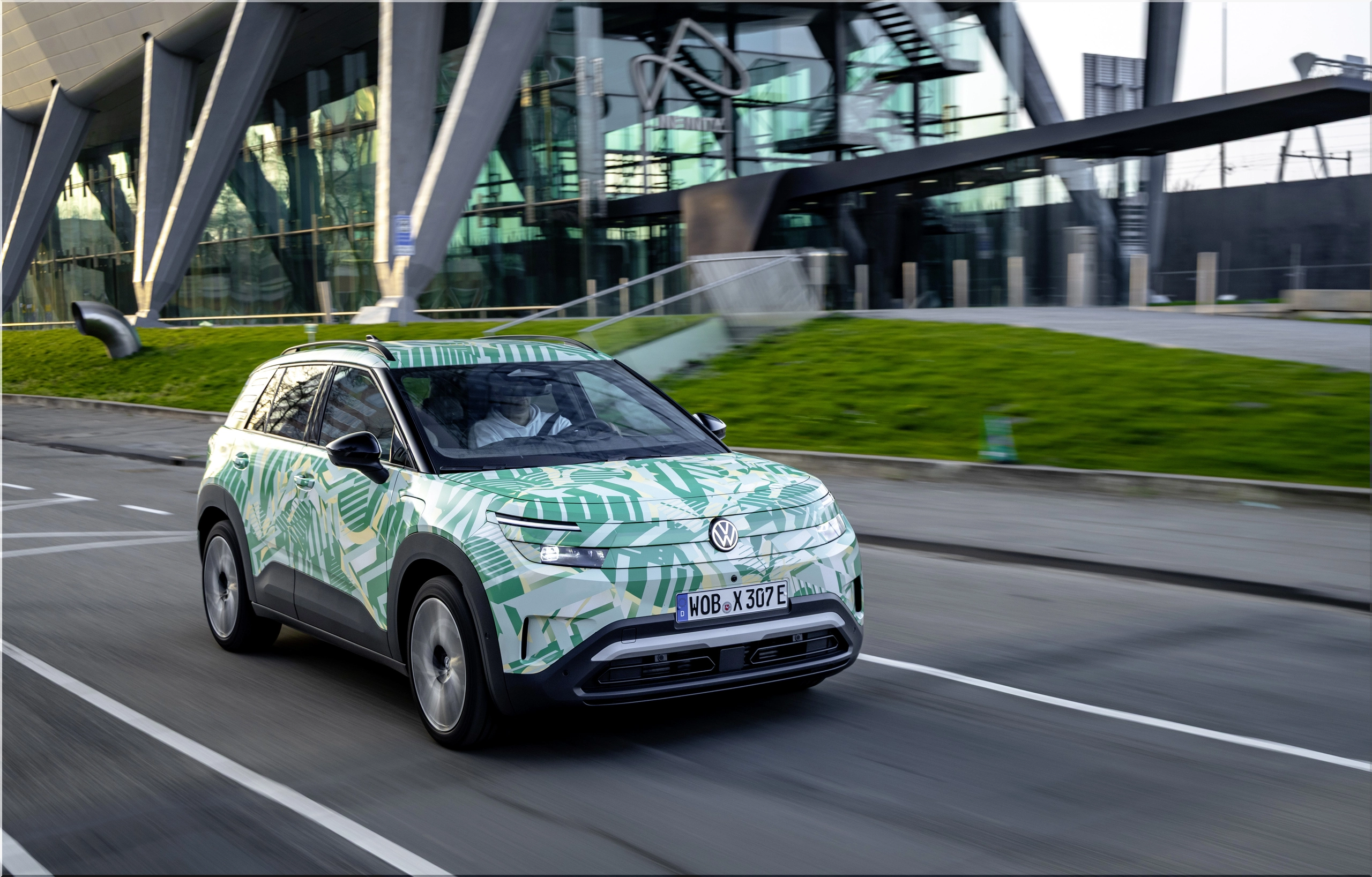
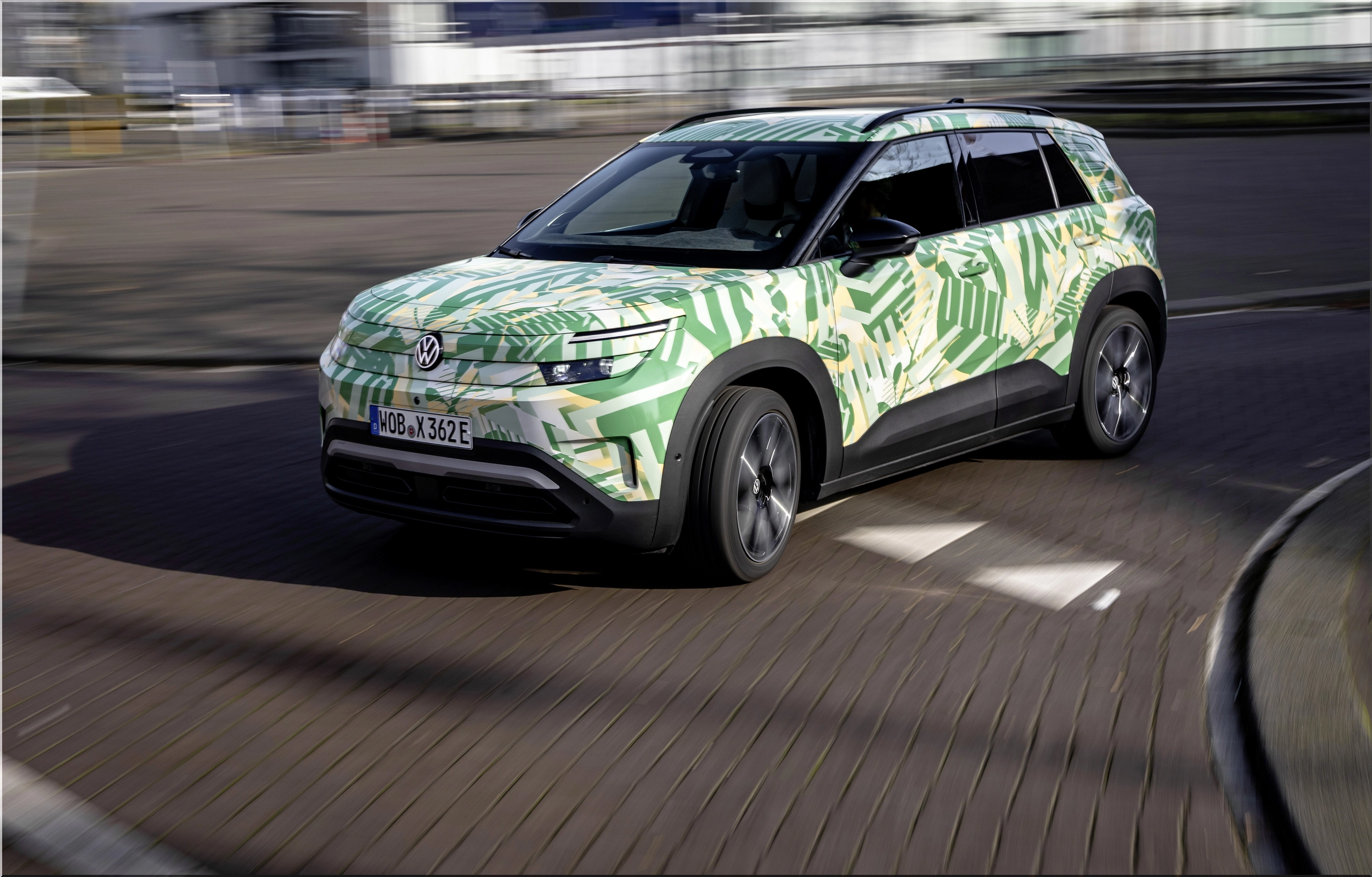
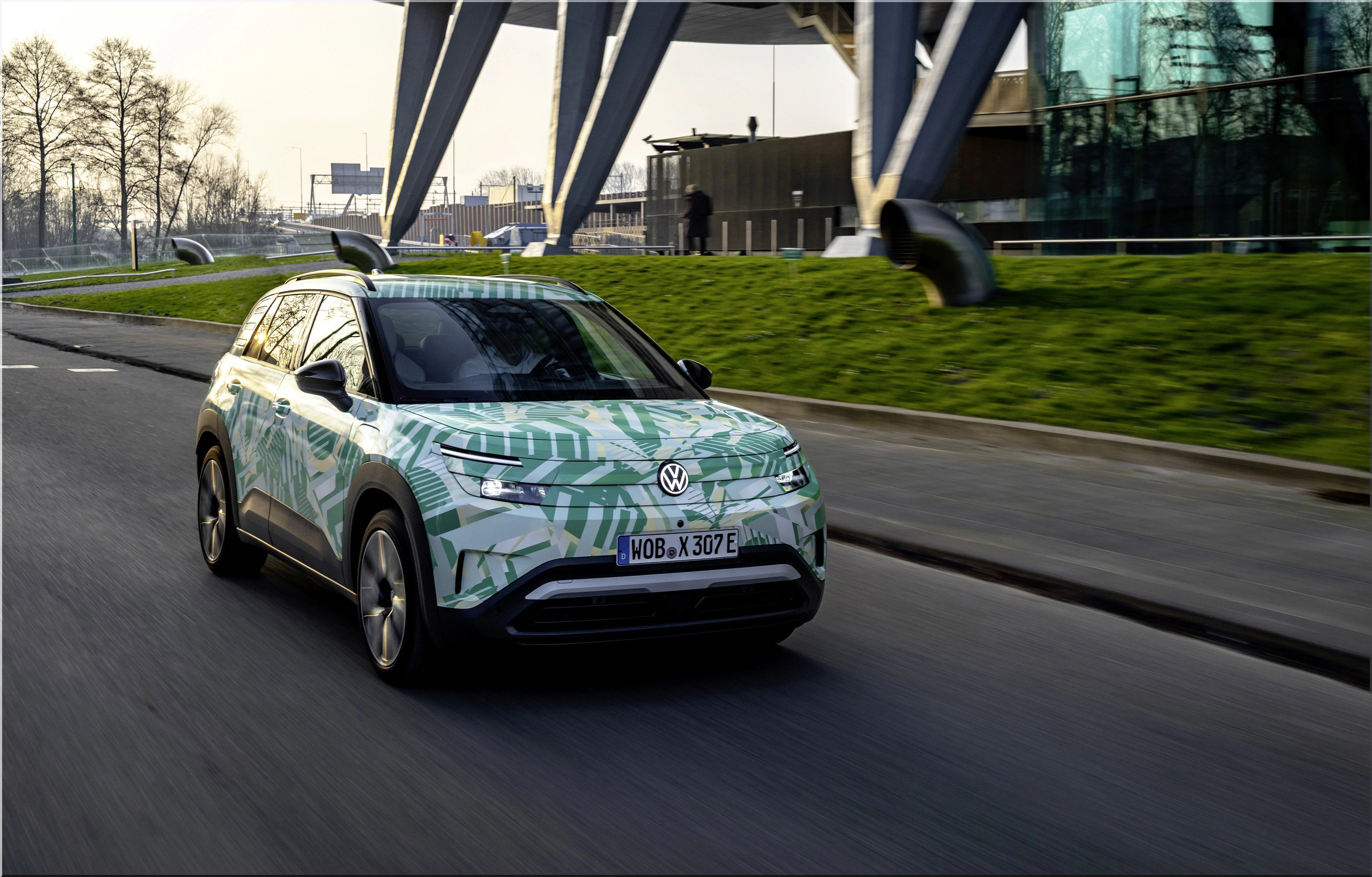
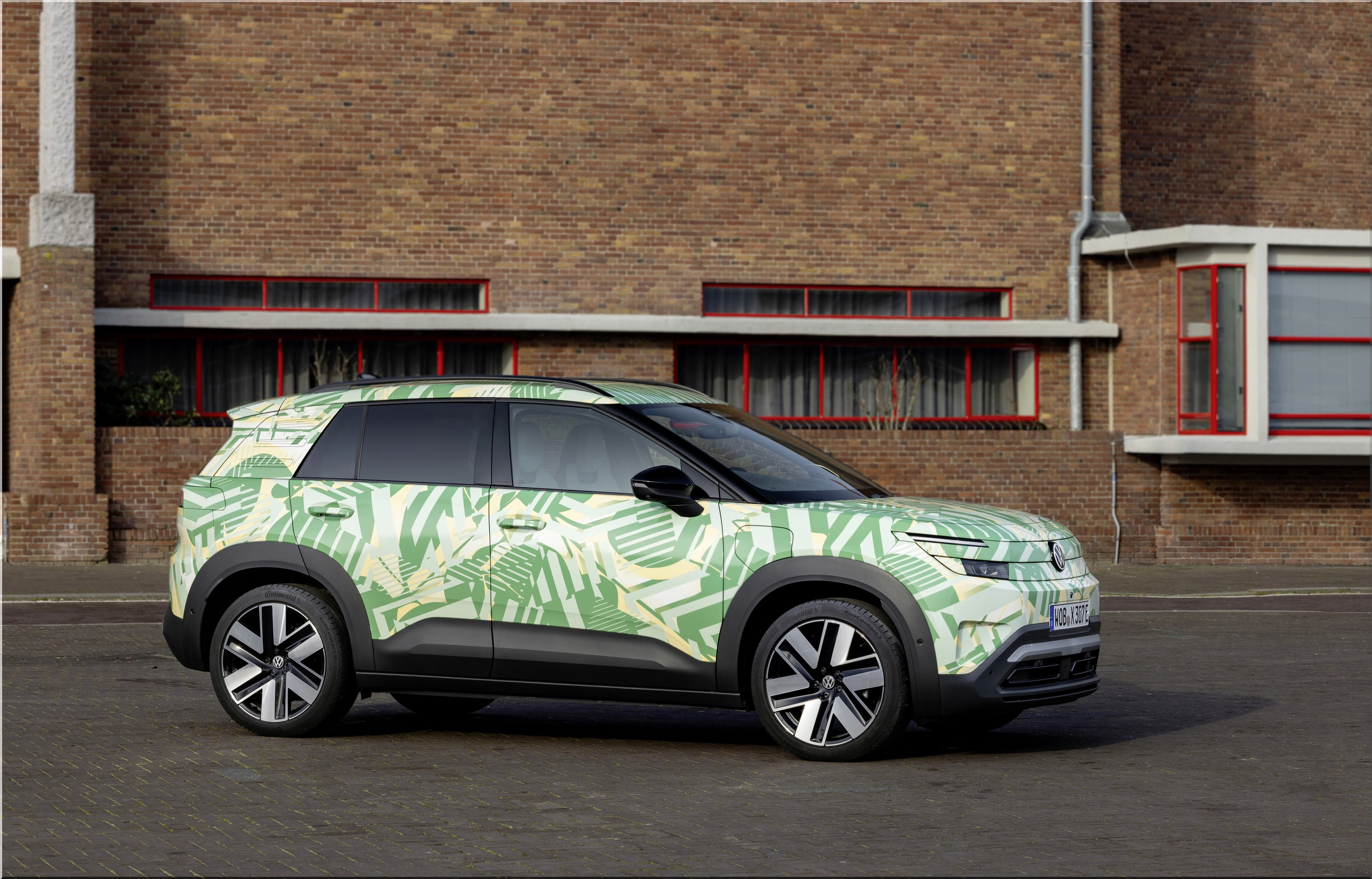
What now for buyers watching this segment?
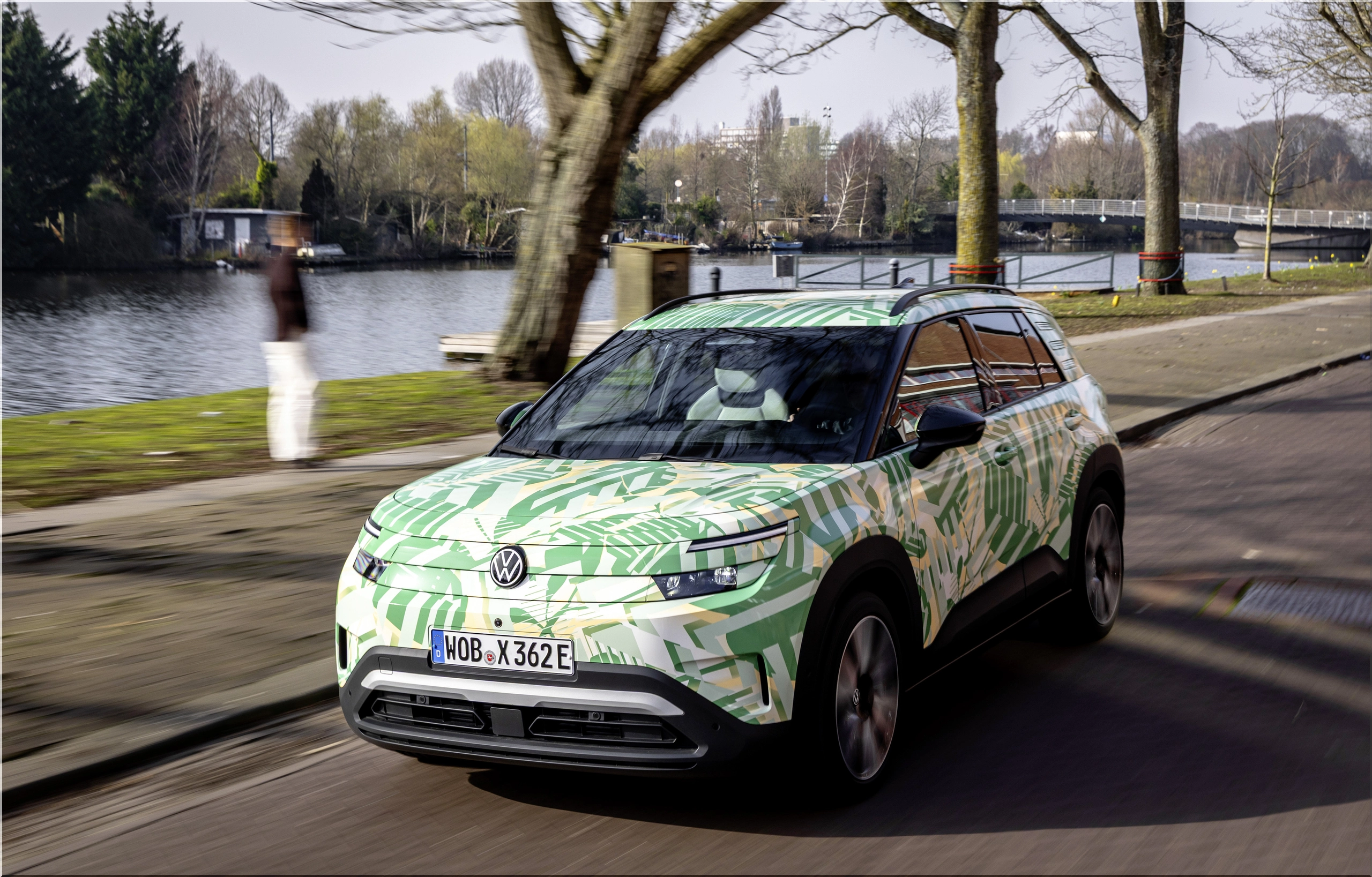
The Volkswagen ID. Cross electric compact SUV looks strongest for three groups: city families, current T-Cross owners ready to switch to EV power, and buyers who want practical size without paying for a larger ID.4-class vehicle.
The real test will come down to four production facts:
- Final real-world range
- Production charging curve
- Standard equipment by trim
- Final market pricing after incentives and local taxes
If Volkswagen keeps the base price near $32,138, preserves the 475-liter cargo claim, and ships the richer driver-assistance package without heavy option bundling, the ID. Cross could hit the compact EV market with serious force.
- Add new comment
- 405 views