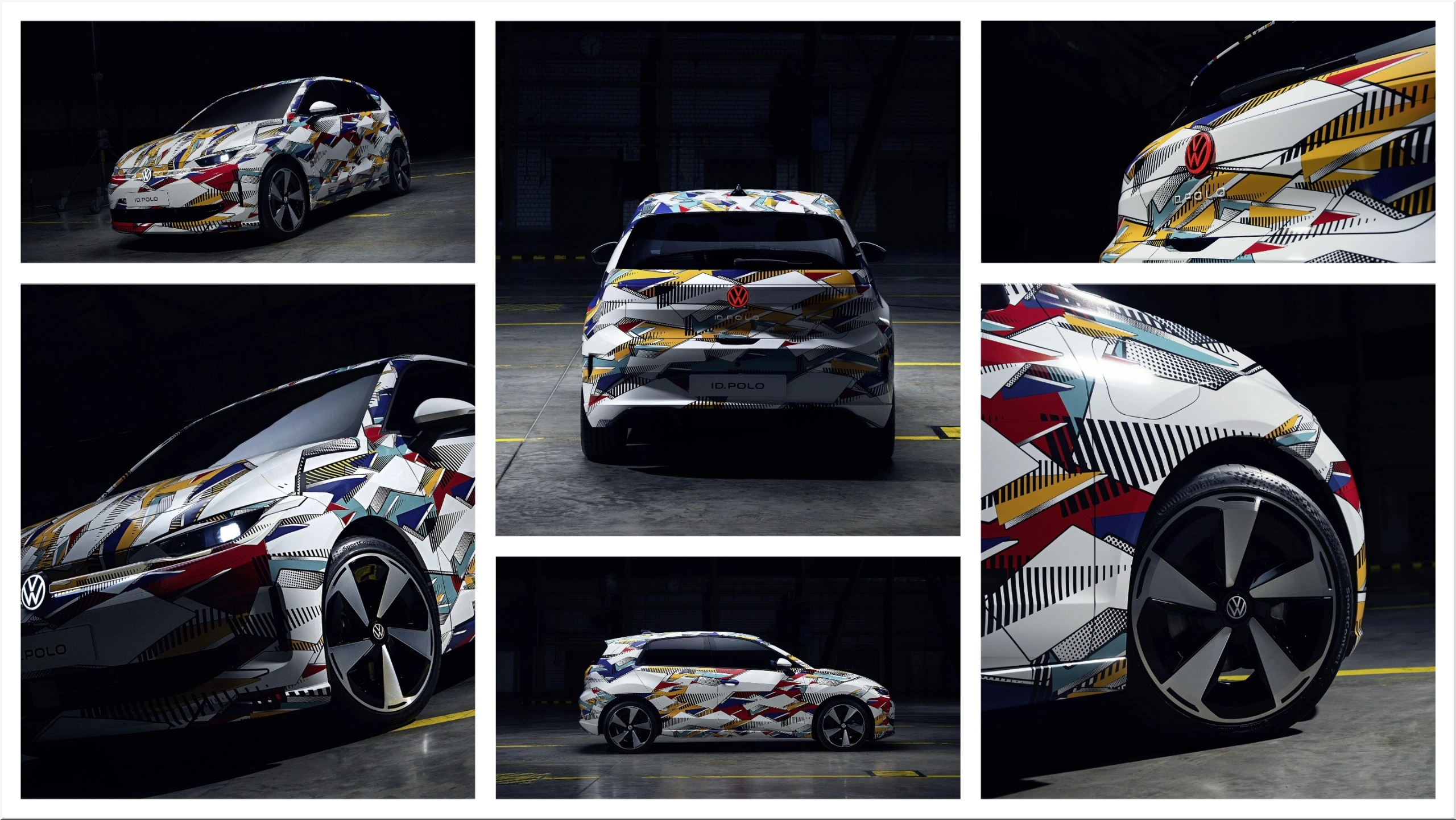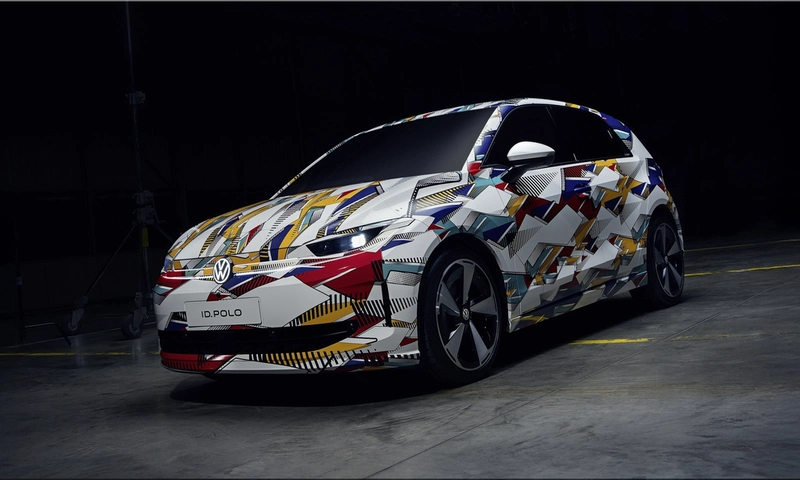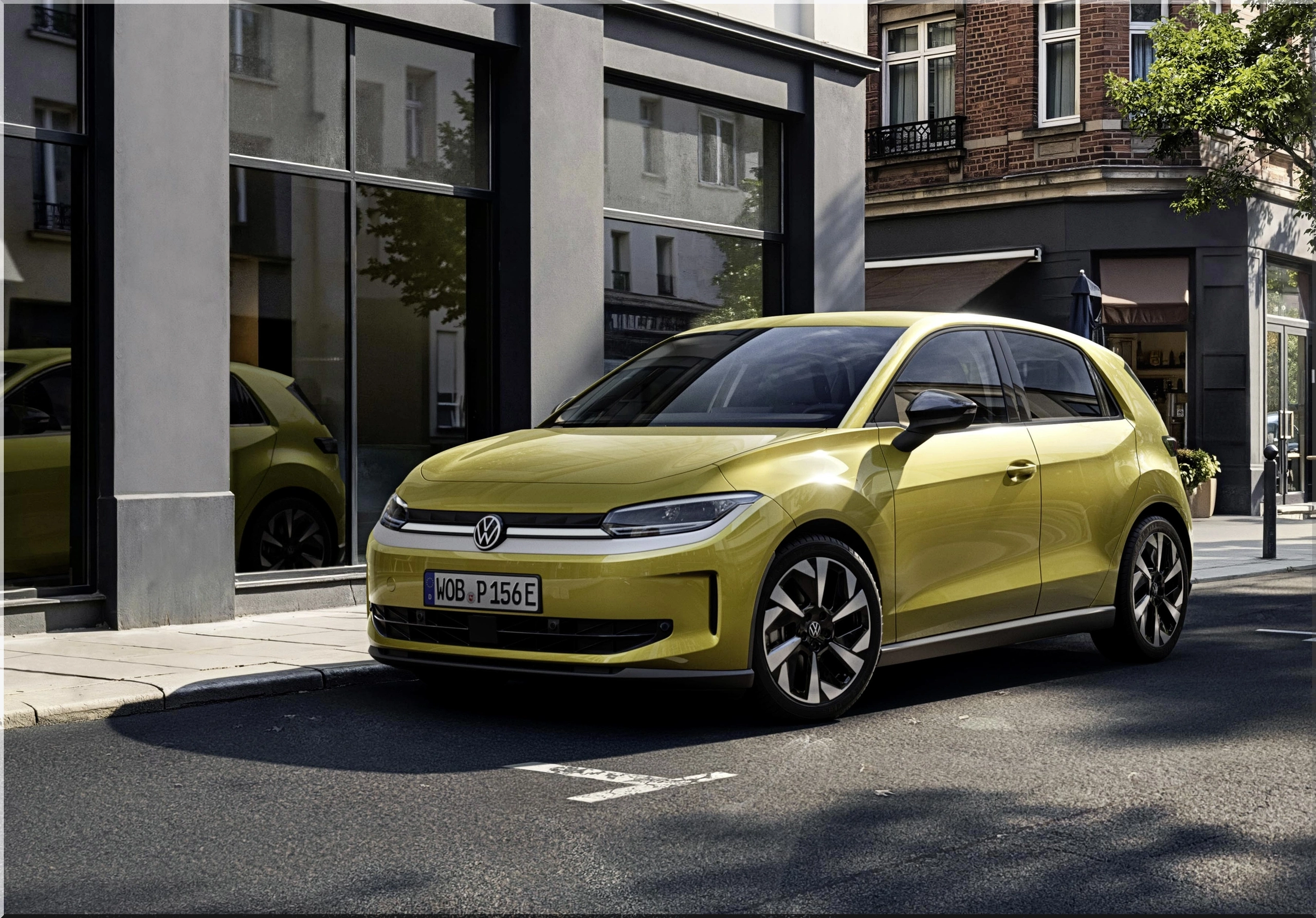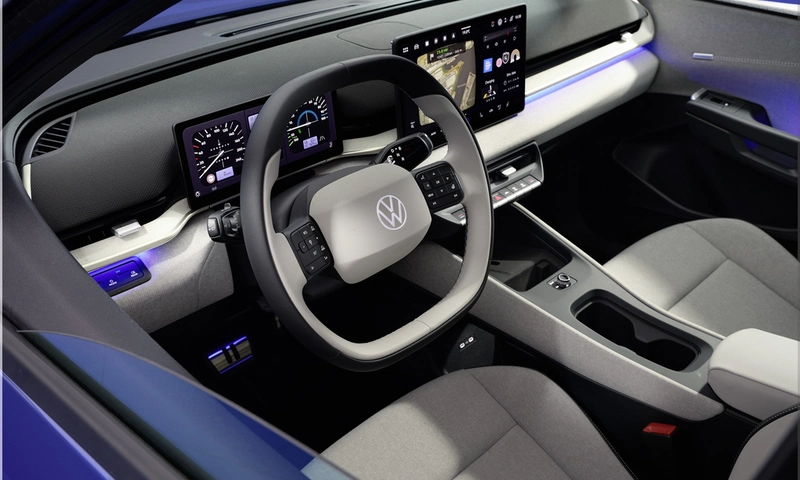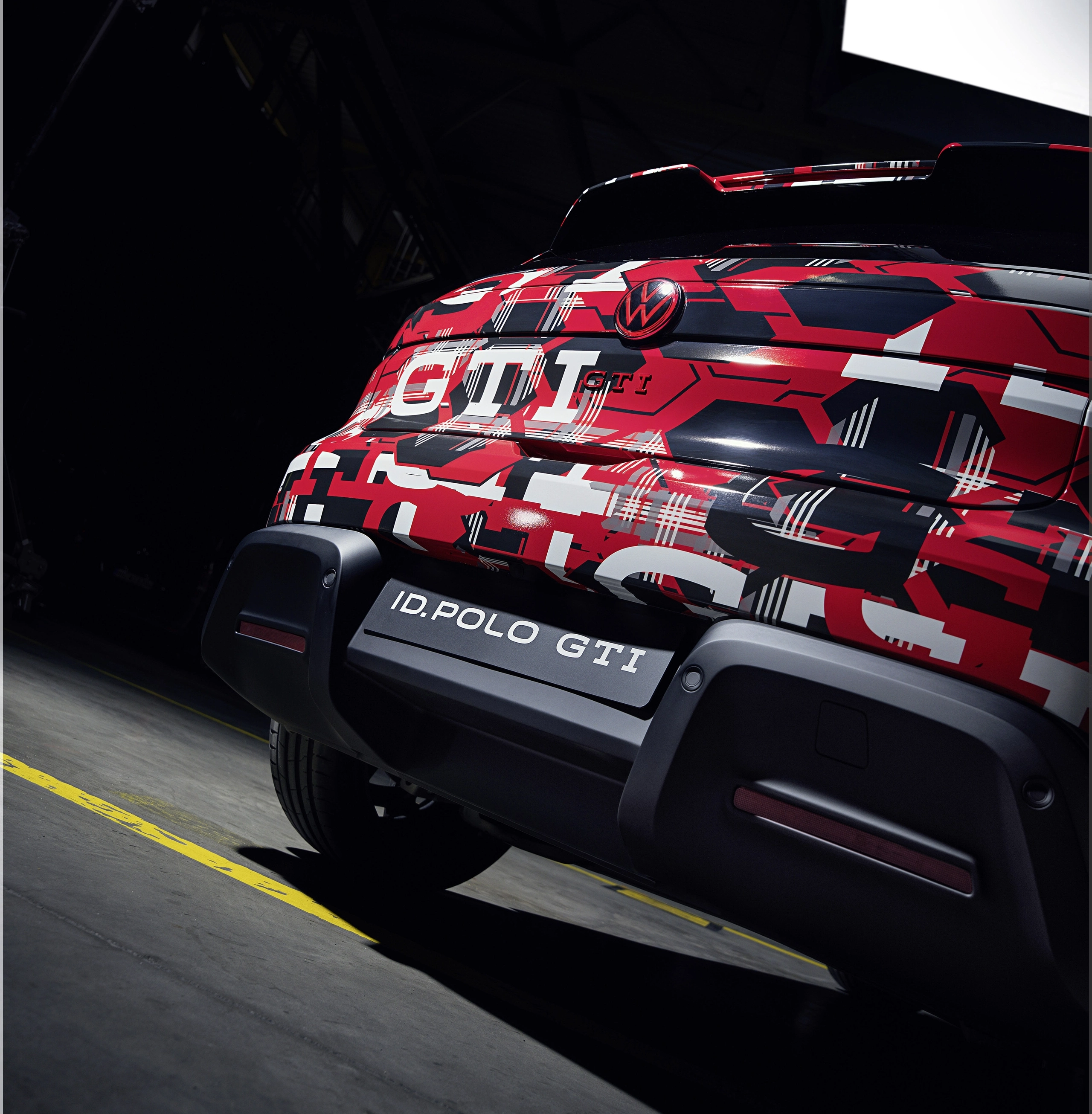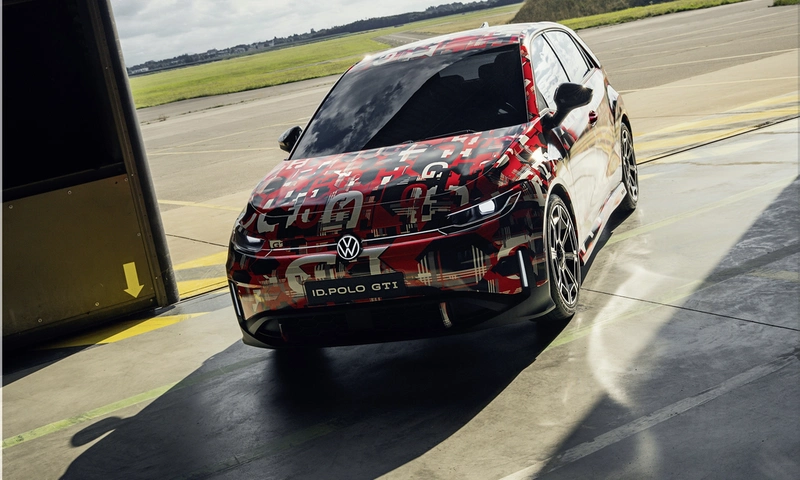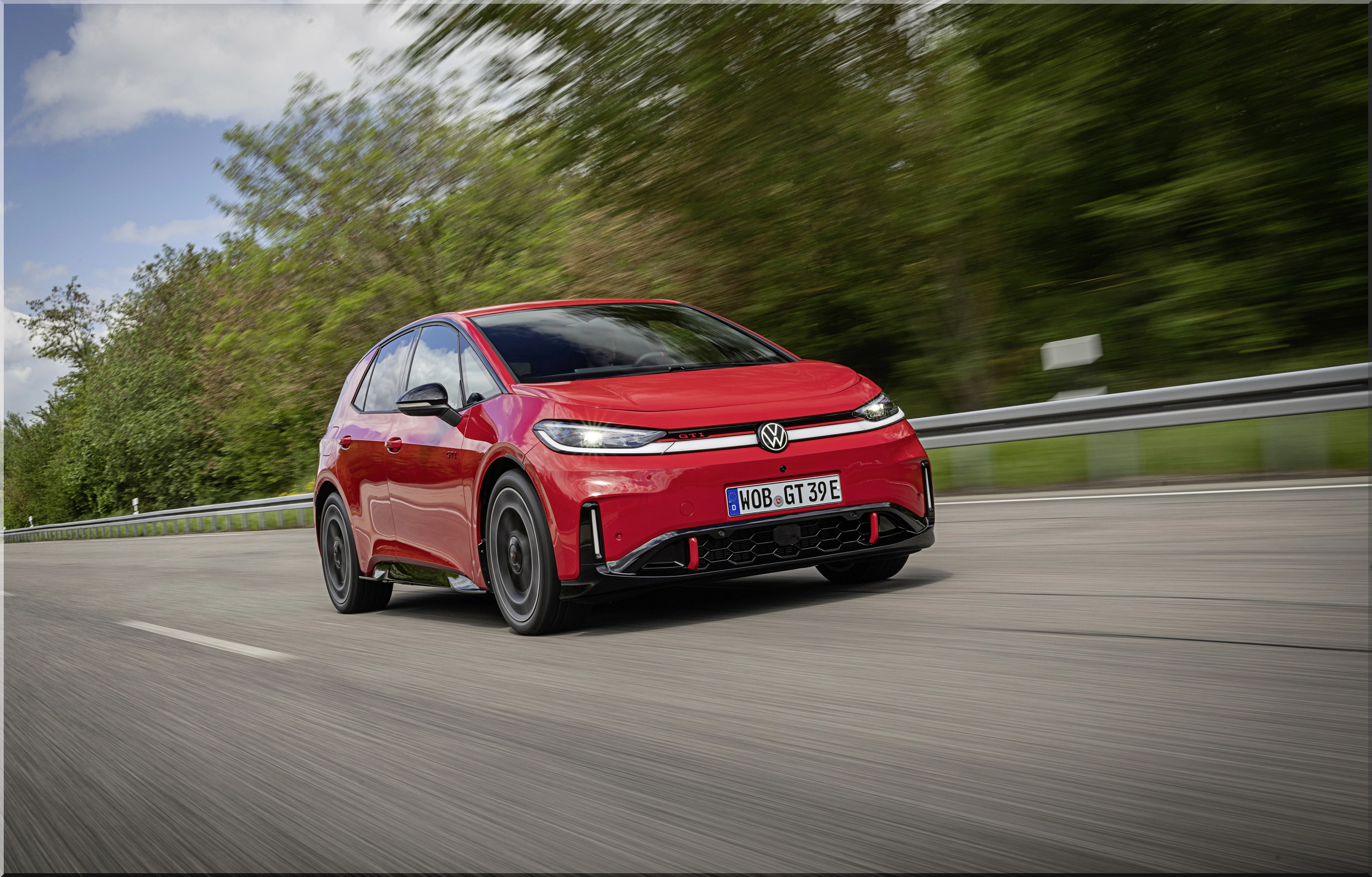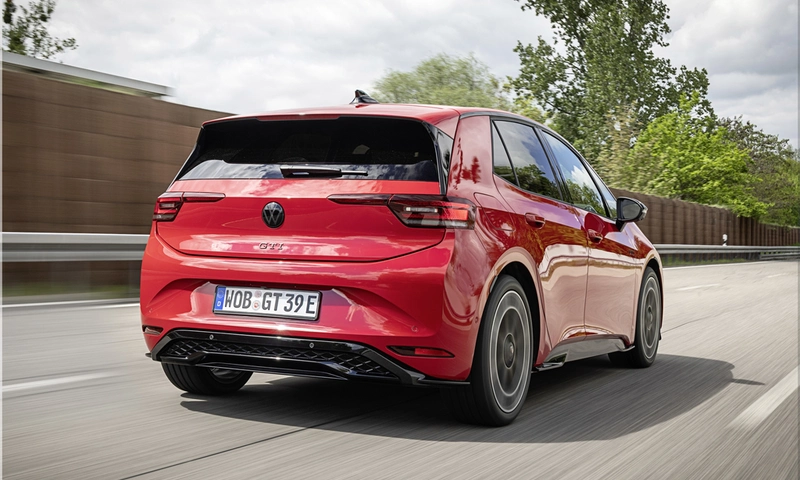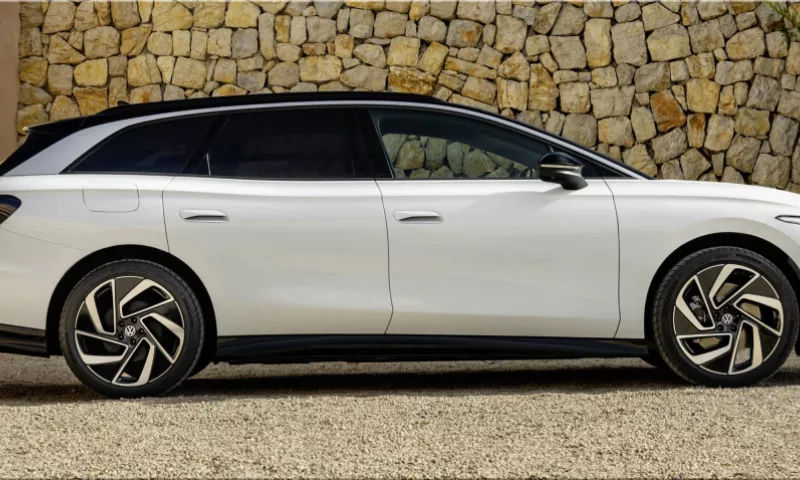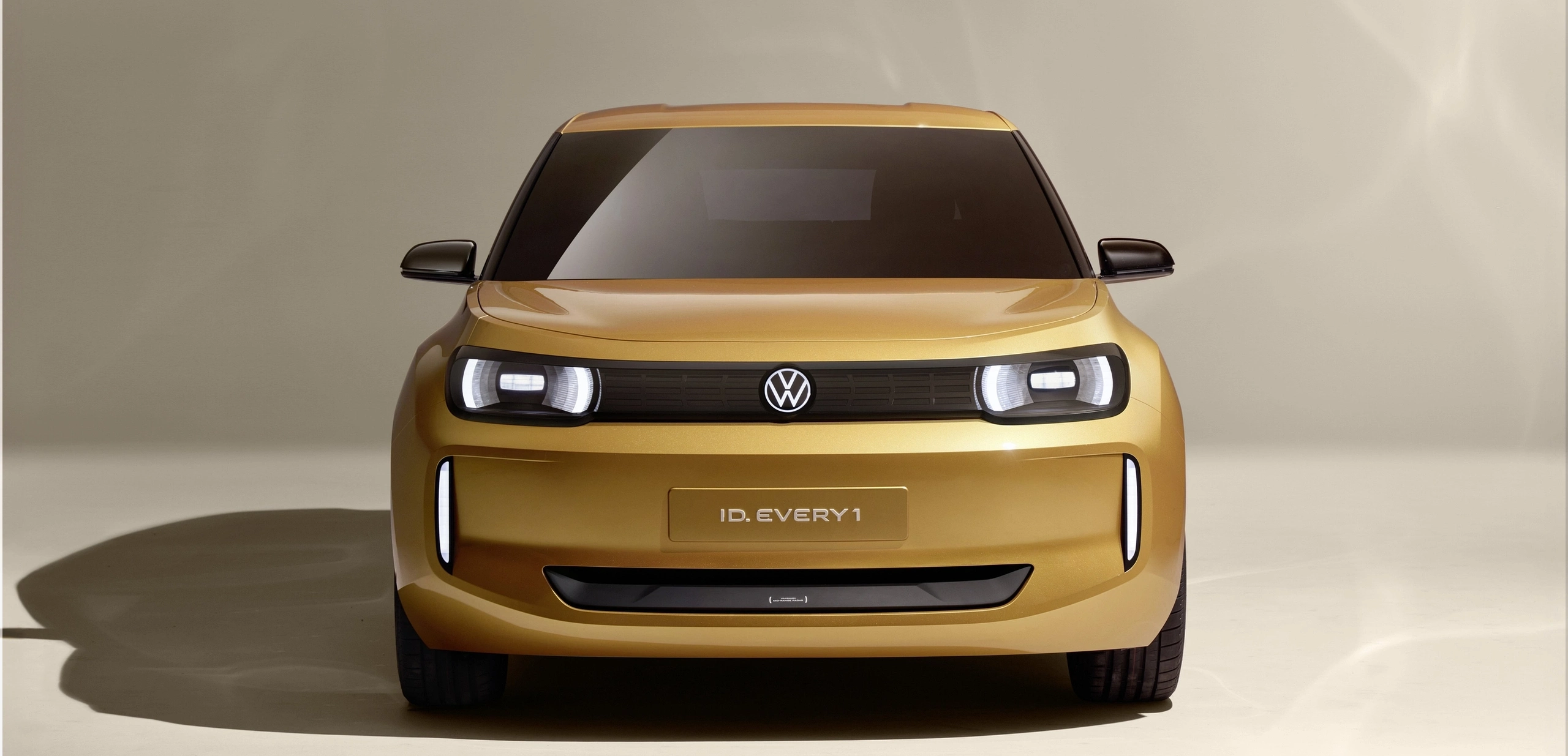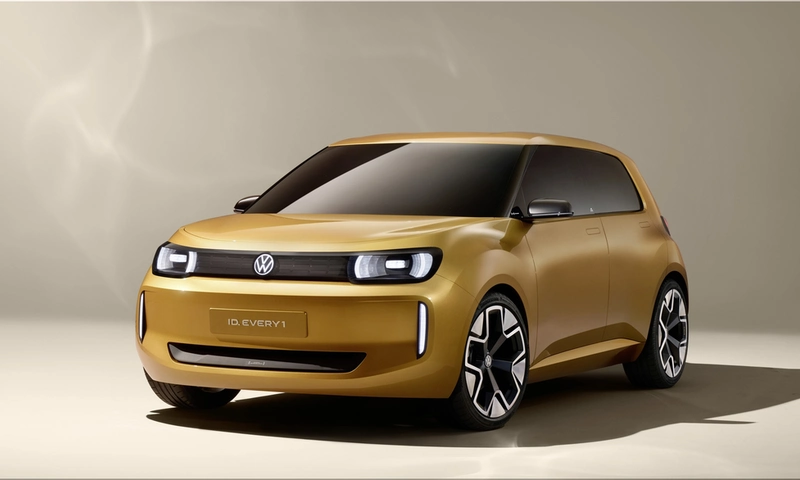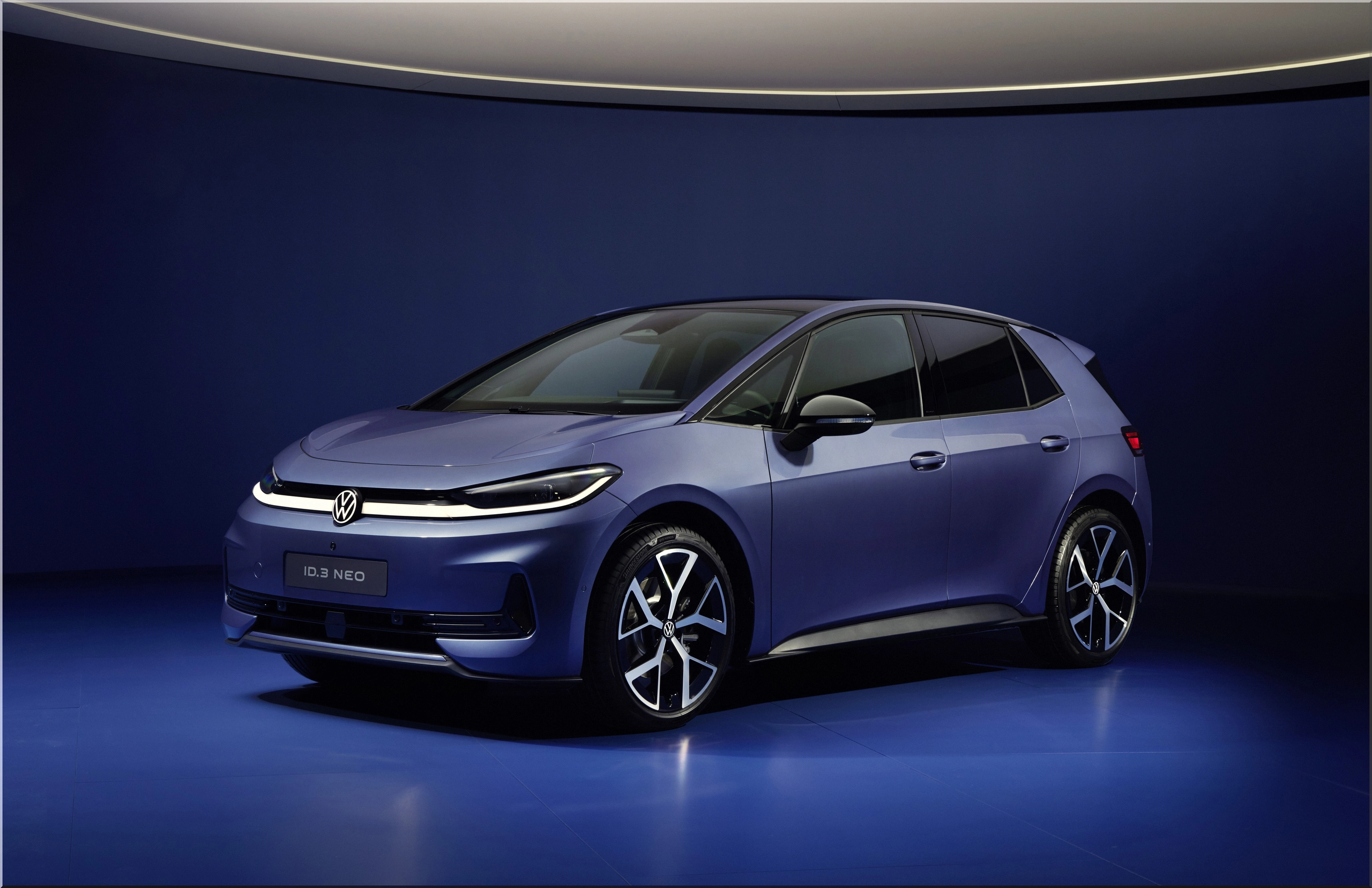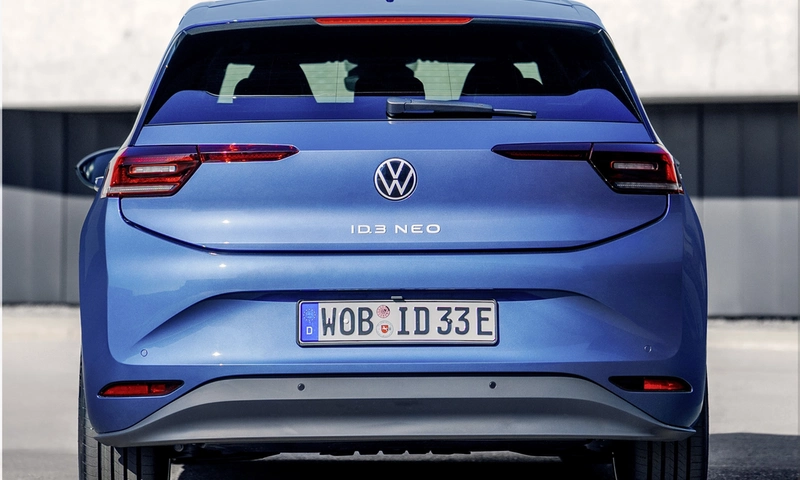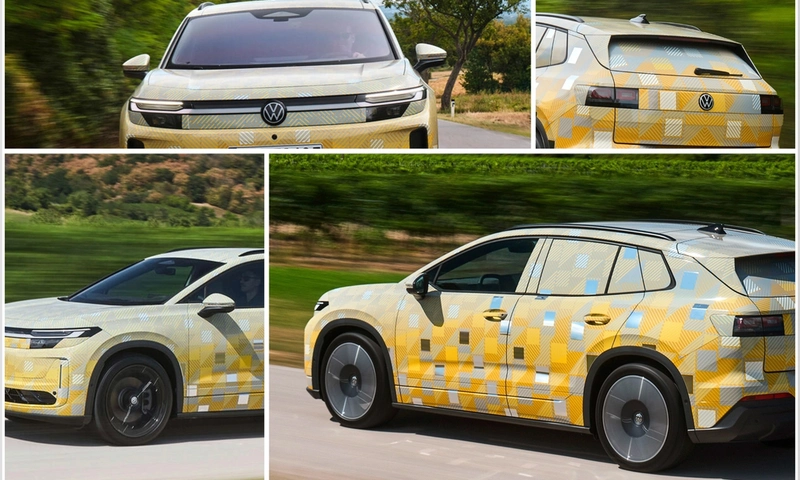
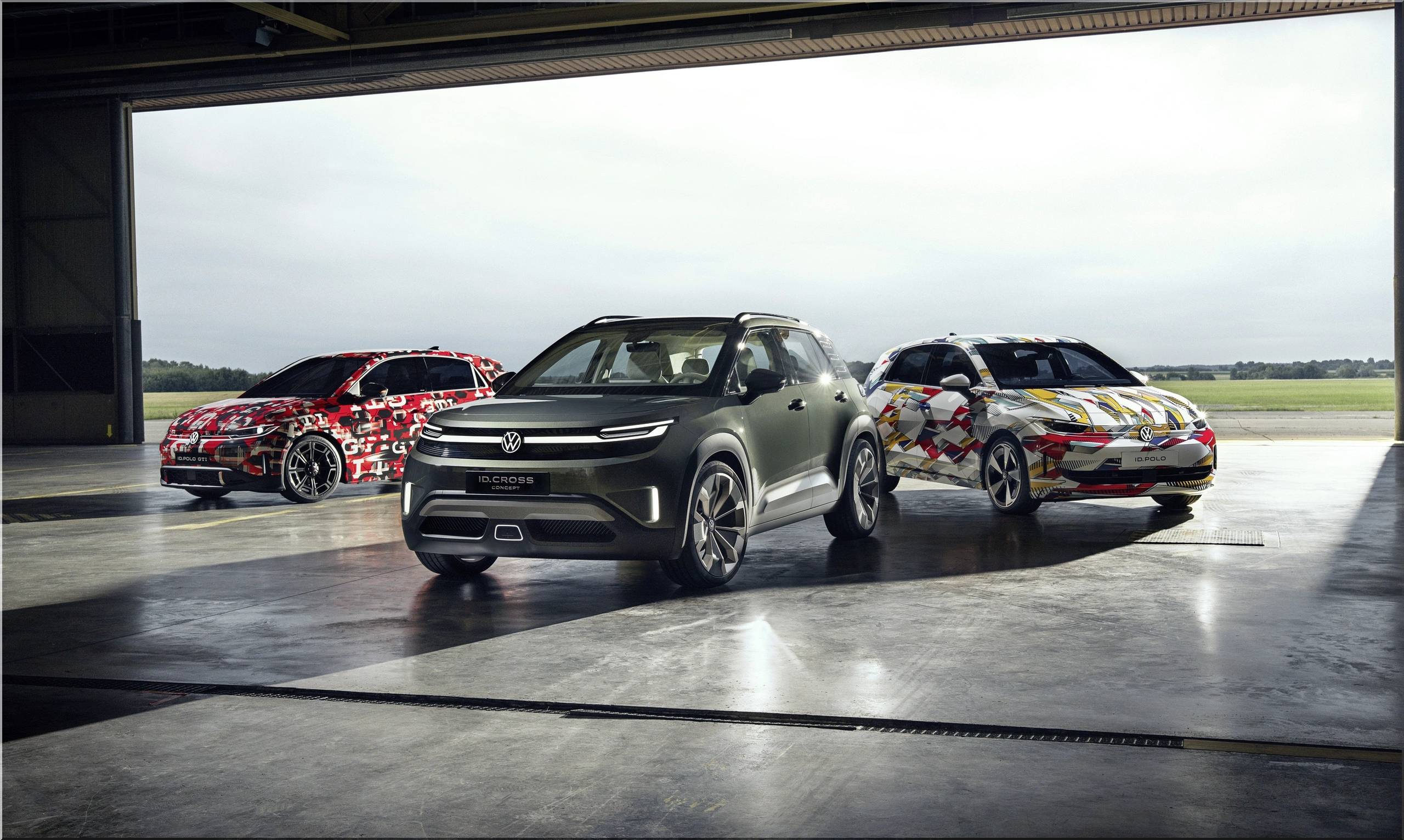
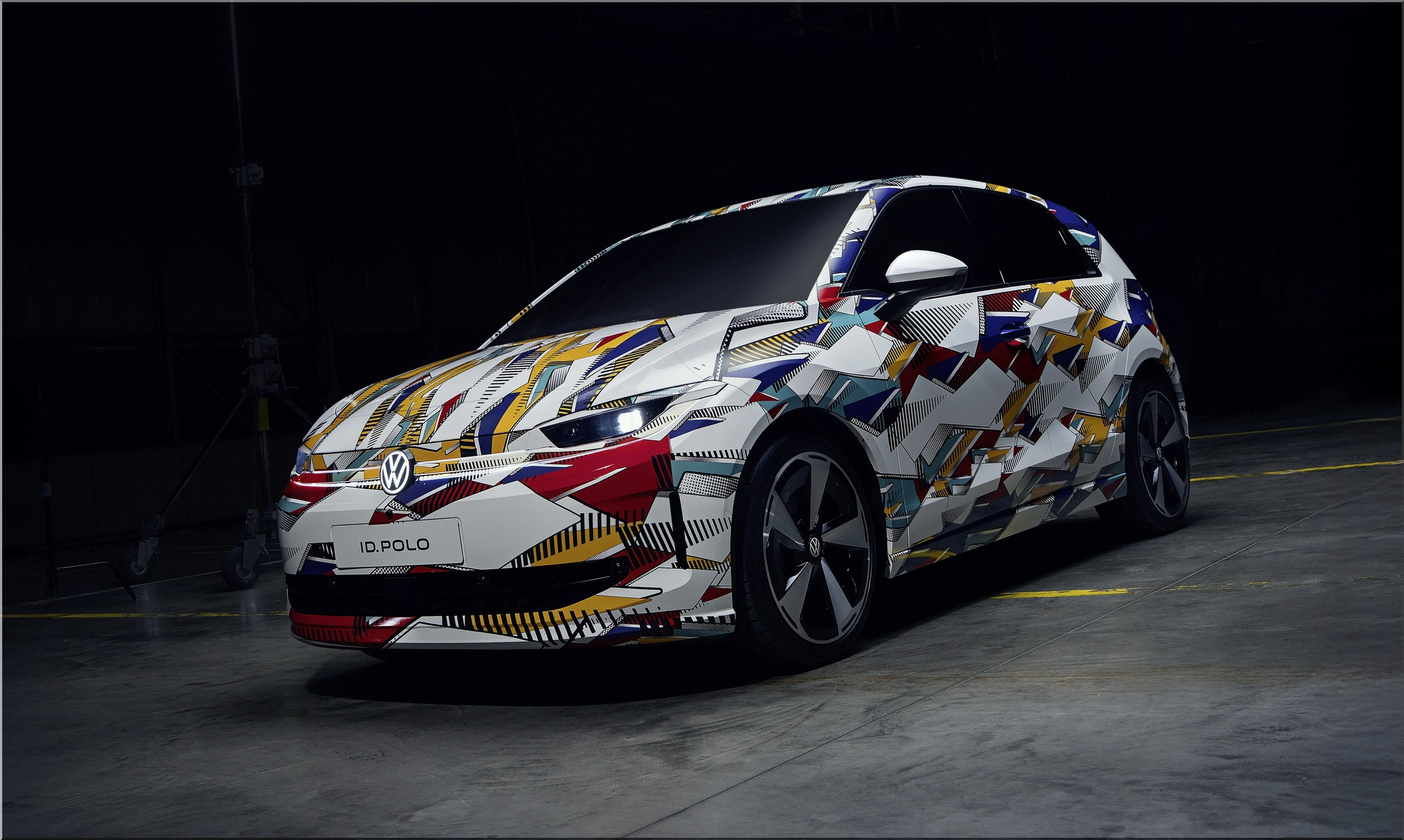
Volkswagen wants scale EV adoption in Europe. The Volkswagen ID. Polo plays a central role in that plan. This model targets buyers priced out of larger electric cars. It also replaces complexity with clear specs and predictable costs.
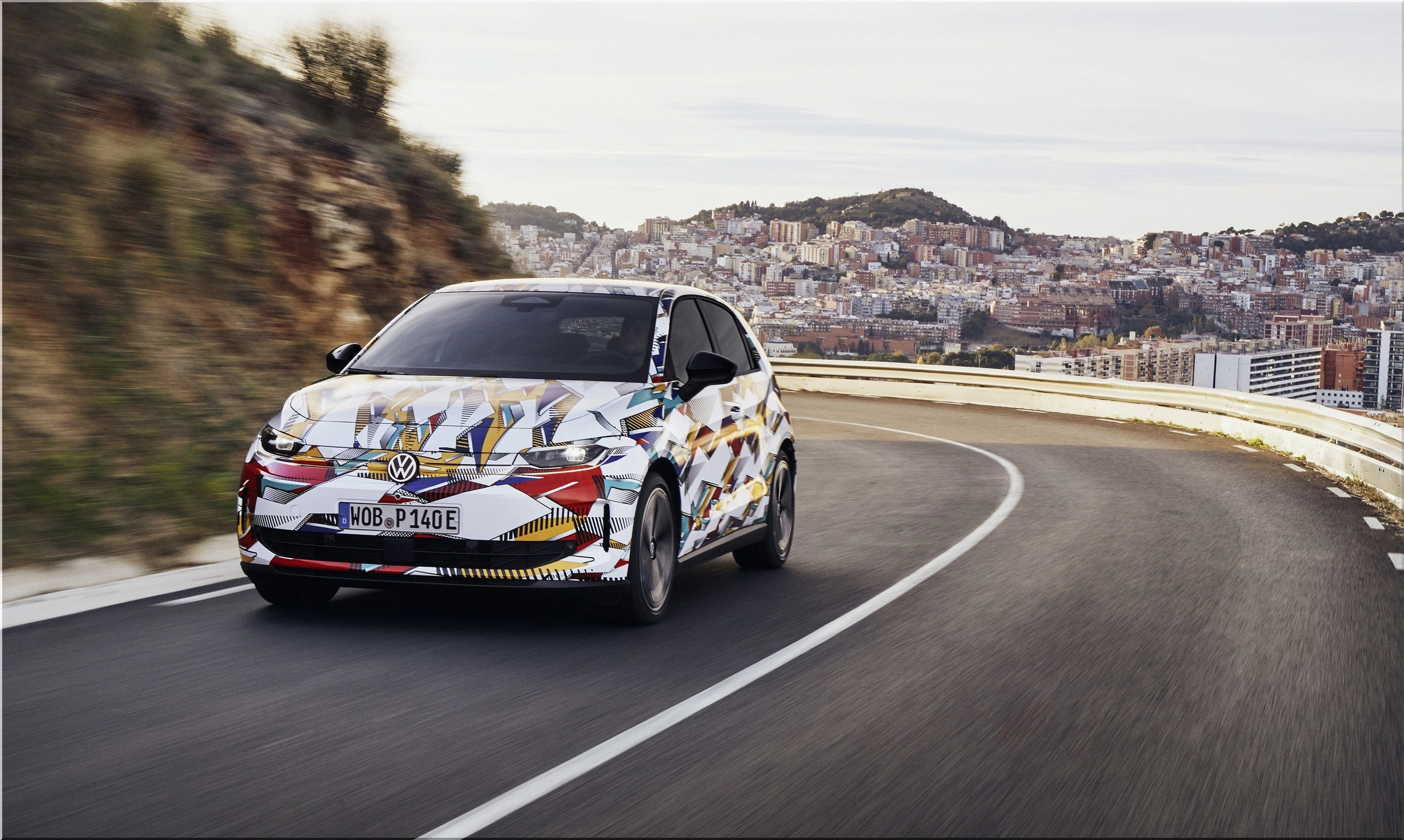
ID. Polo Signals Volkswagen's Small EV Reset
Volkswagen plans four small electric models by 2026. The ID. Polo leads that launch cycle.
Image
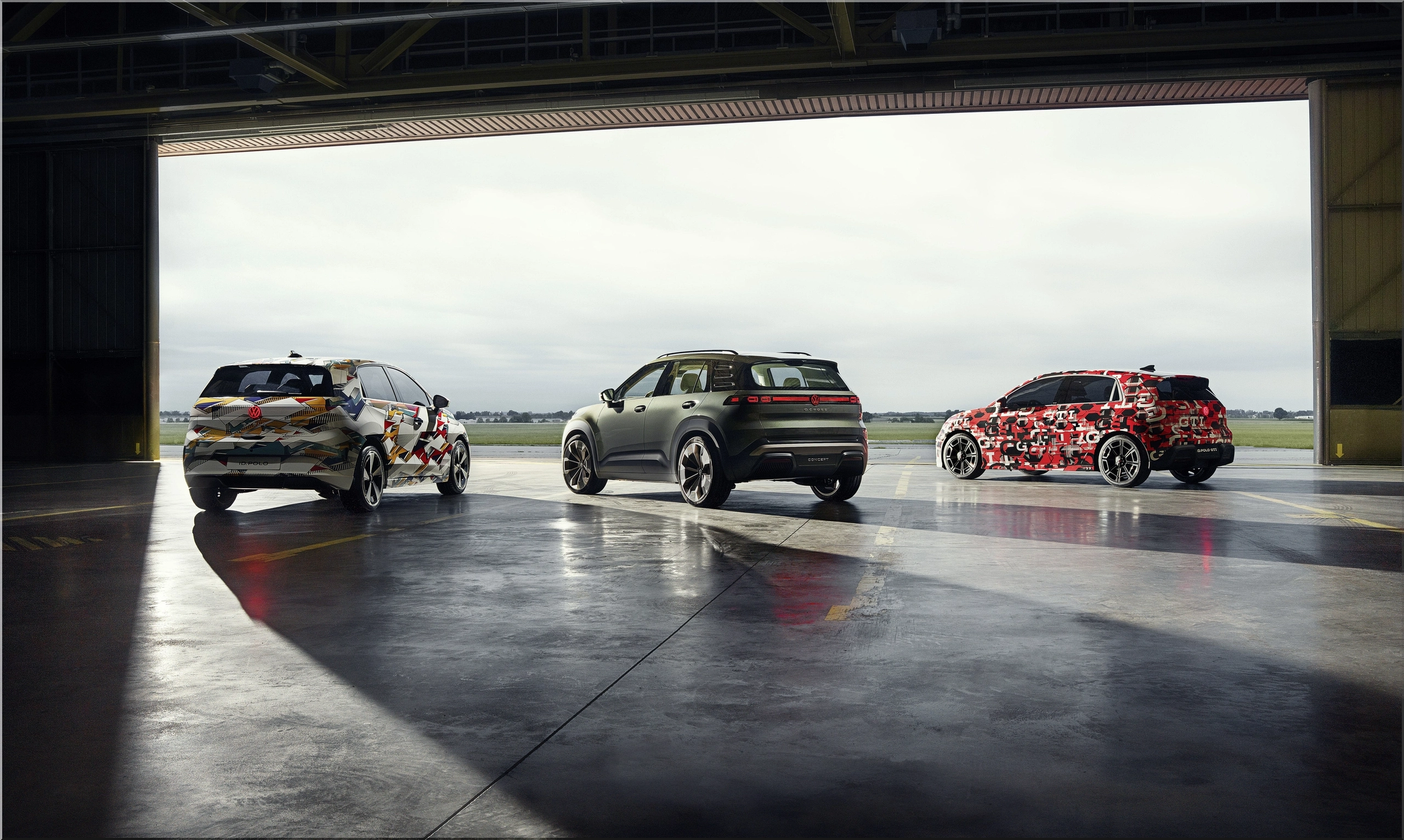
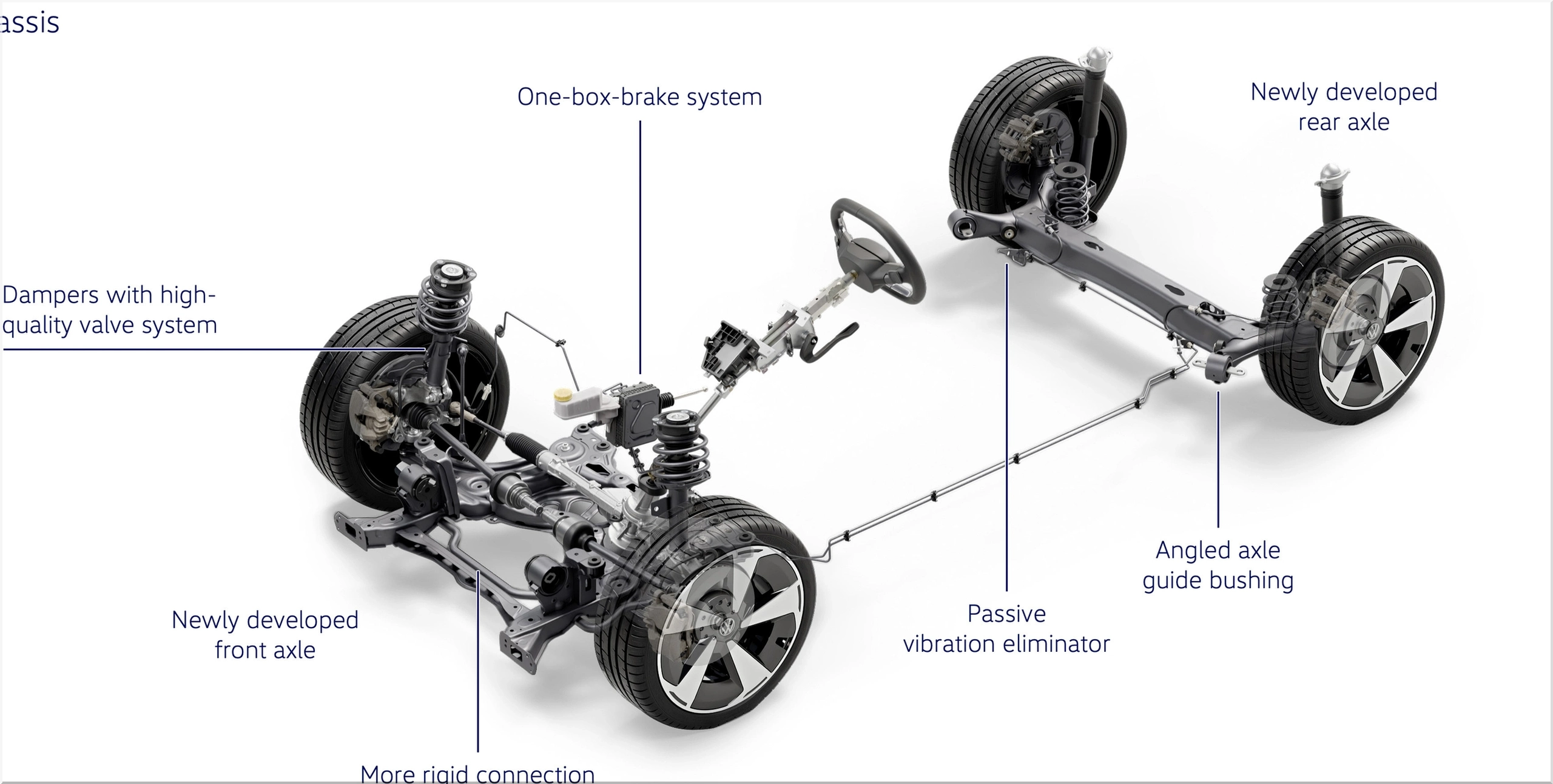
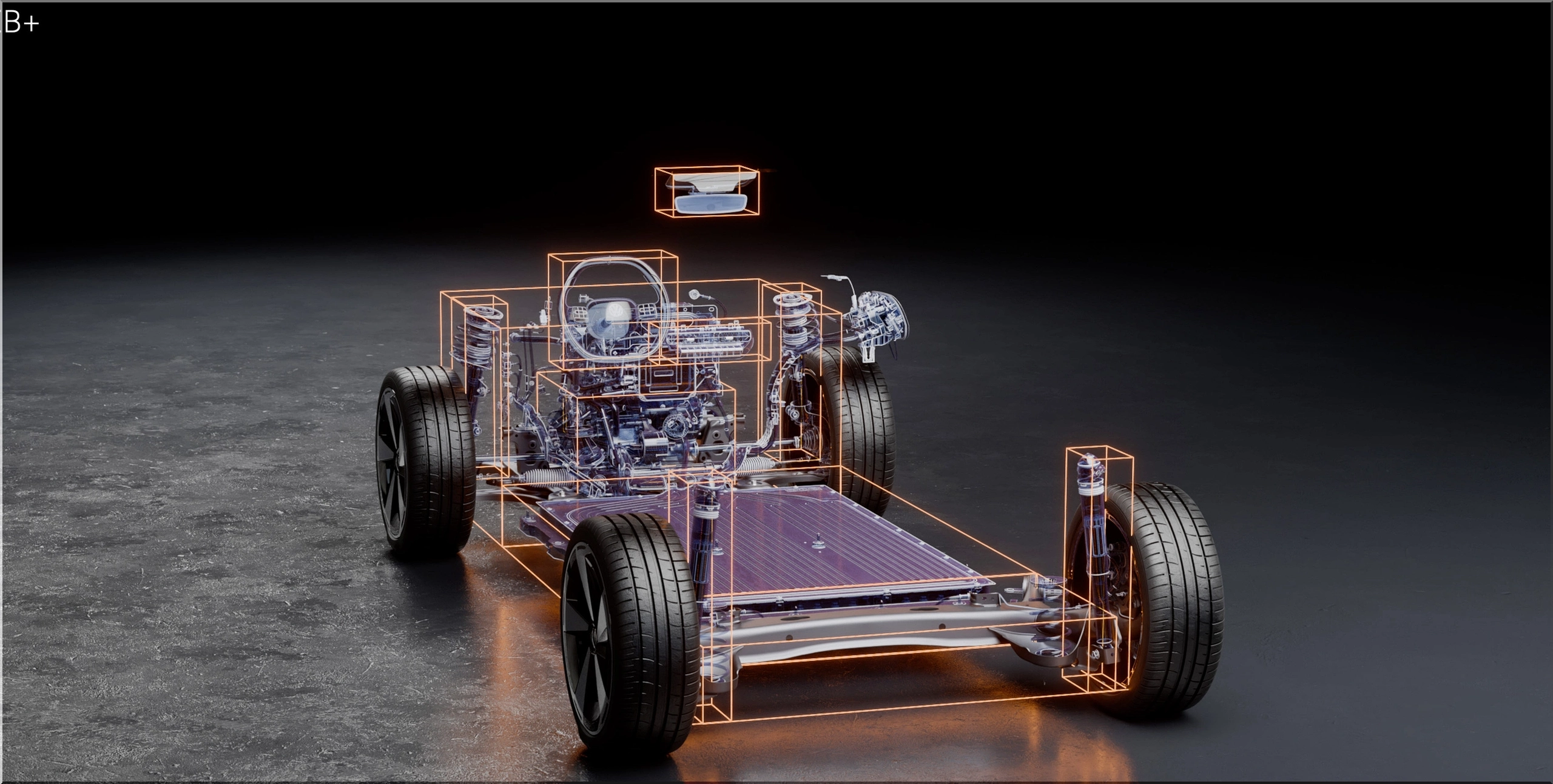
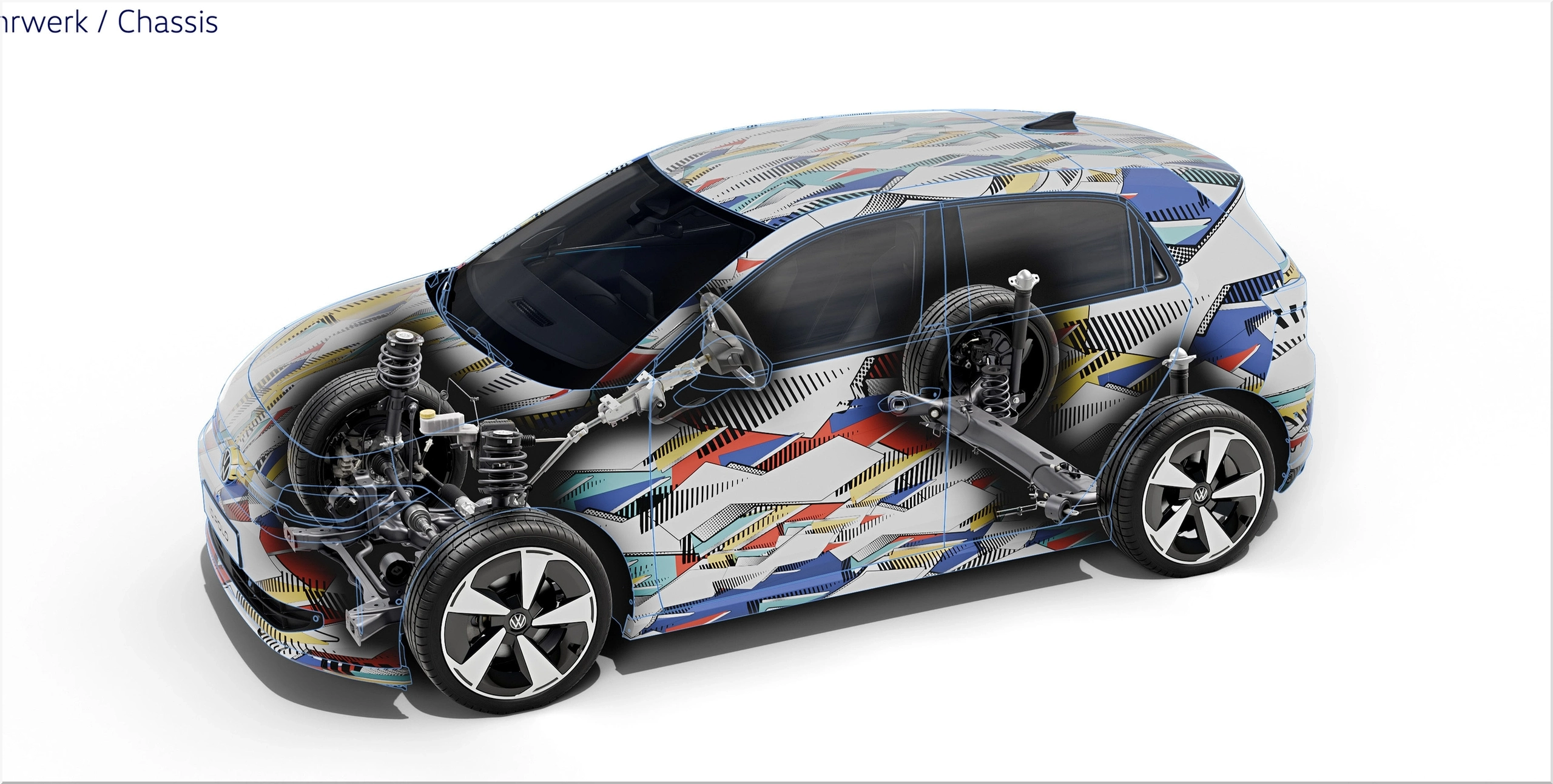
Volkswagen builds the ID. Polo on the updated MEB+ platform. That platform reduces weight and parts count.
Lower complexity cuts costs. That matters at this price level.
The ID. Polo revives the Polo name. Volkswagen dropped the ID-only naming approach here.
Powertrain and Battery Options Explained
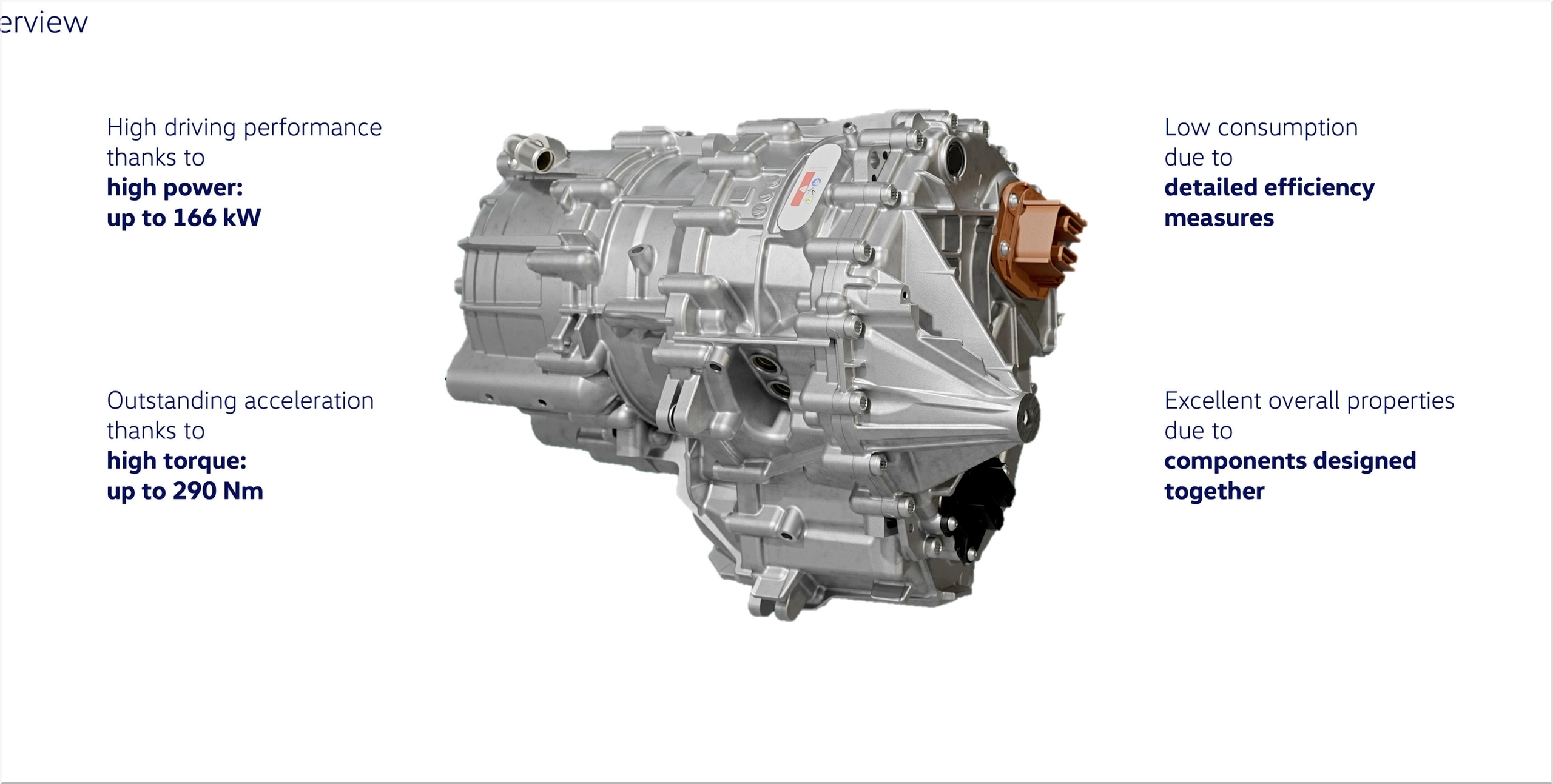
Volkswagen confirmed three launch outputs. A fourth performance model follows later.
Power outputs
- 85 kW (116 hp)
- 99 kW (135 hp)
- 155 kW (211 hp)
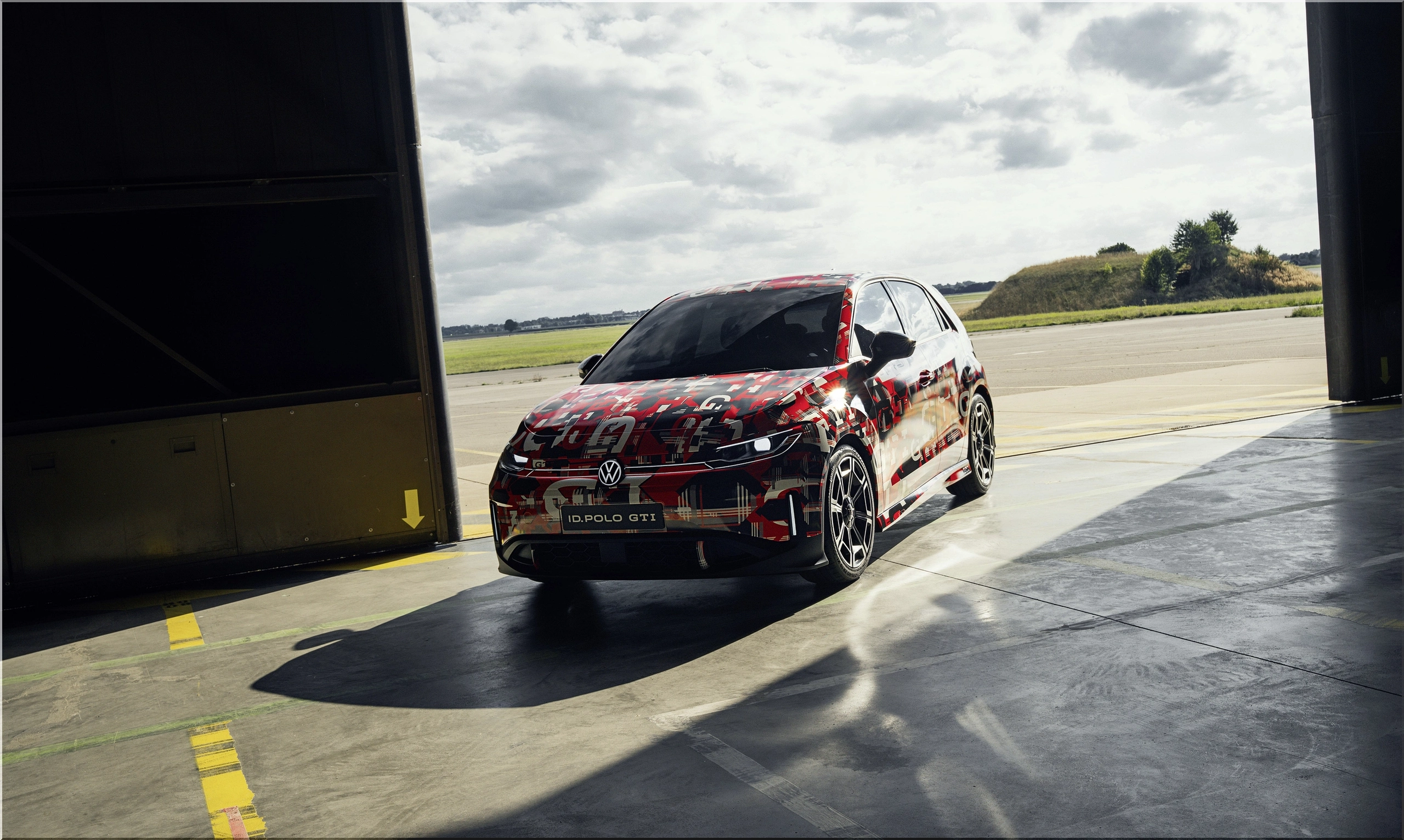
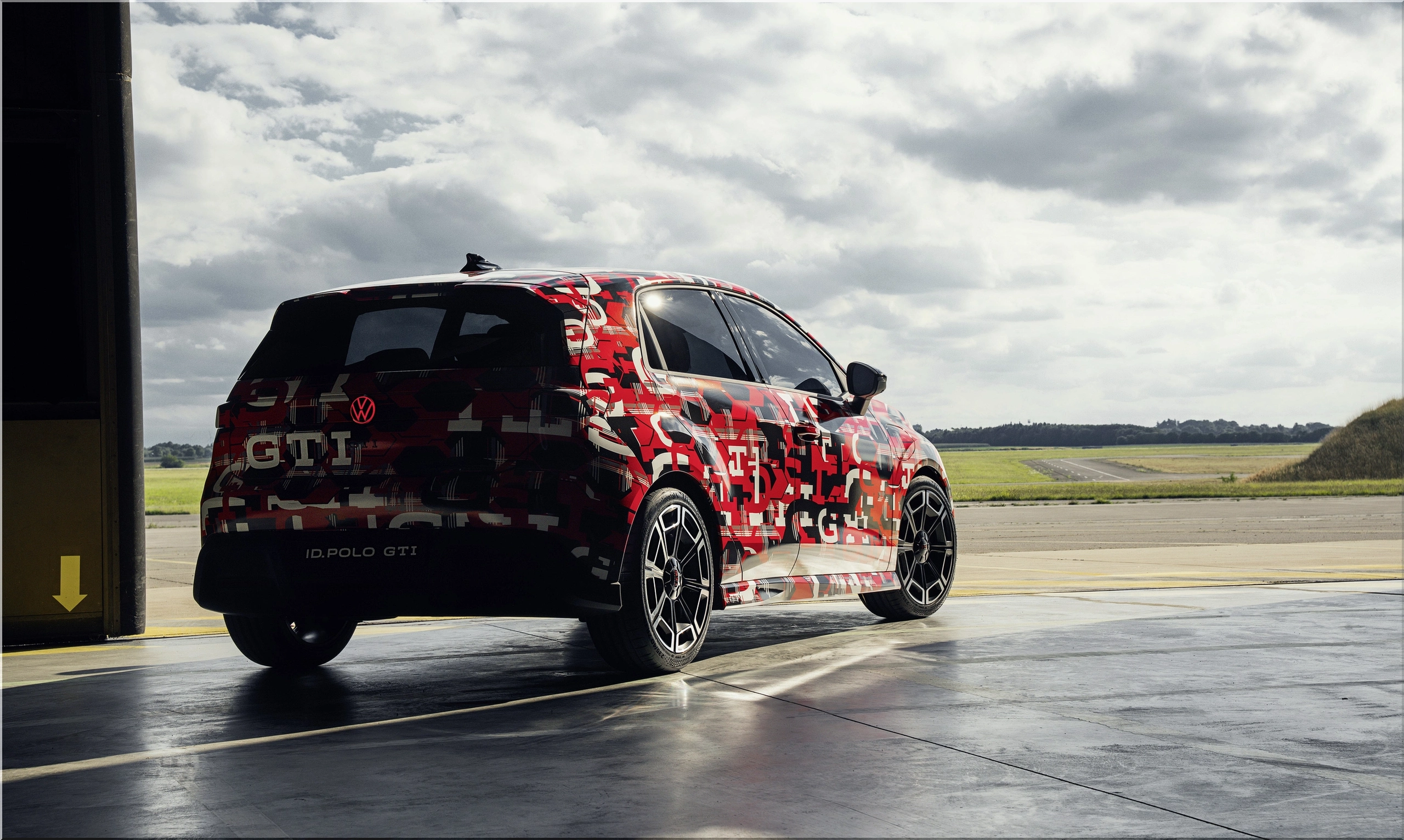
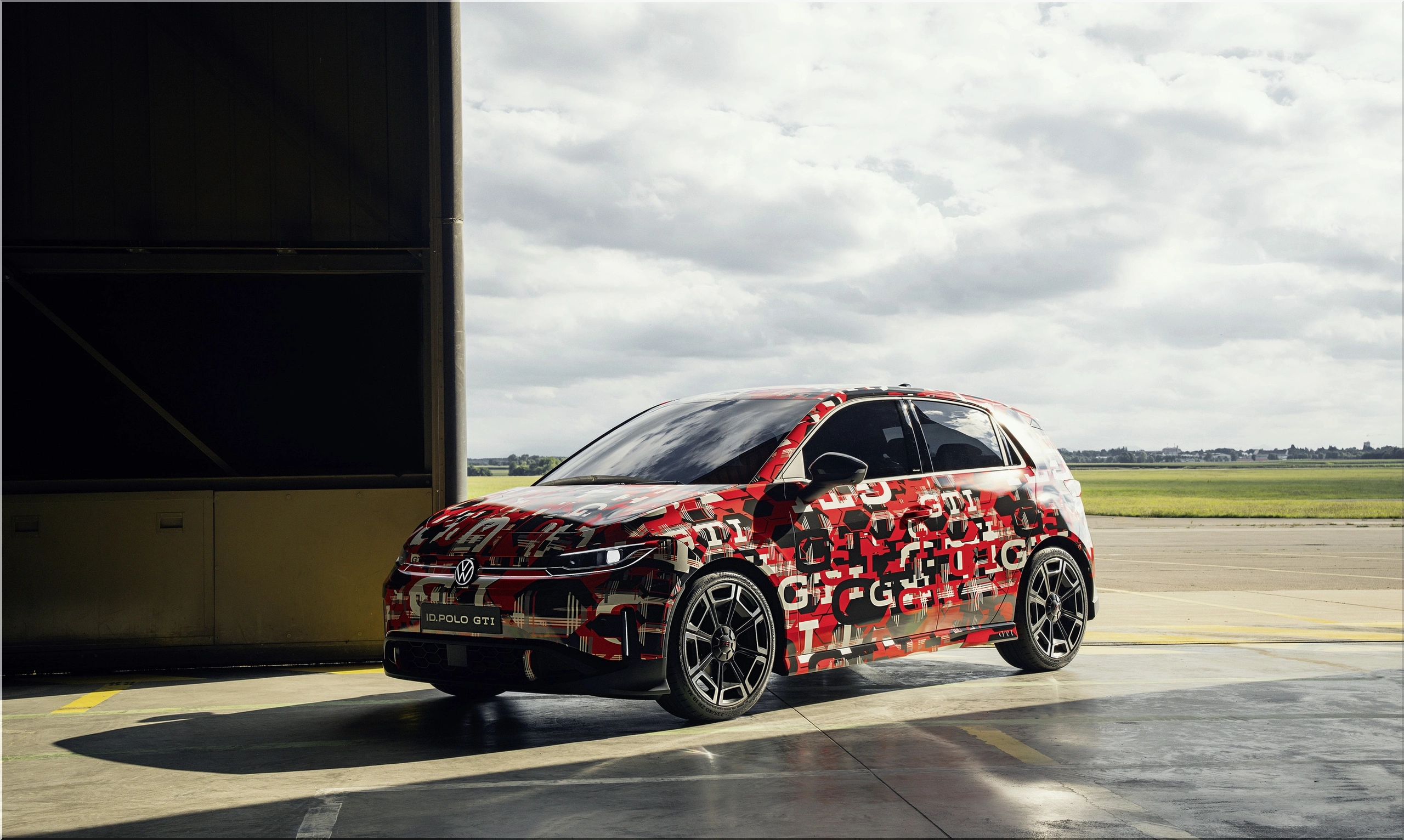
- 166 kW GTI variant planned later
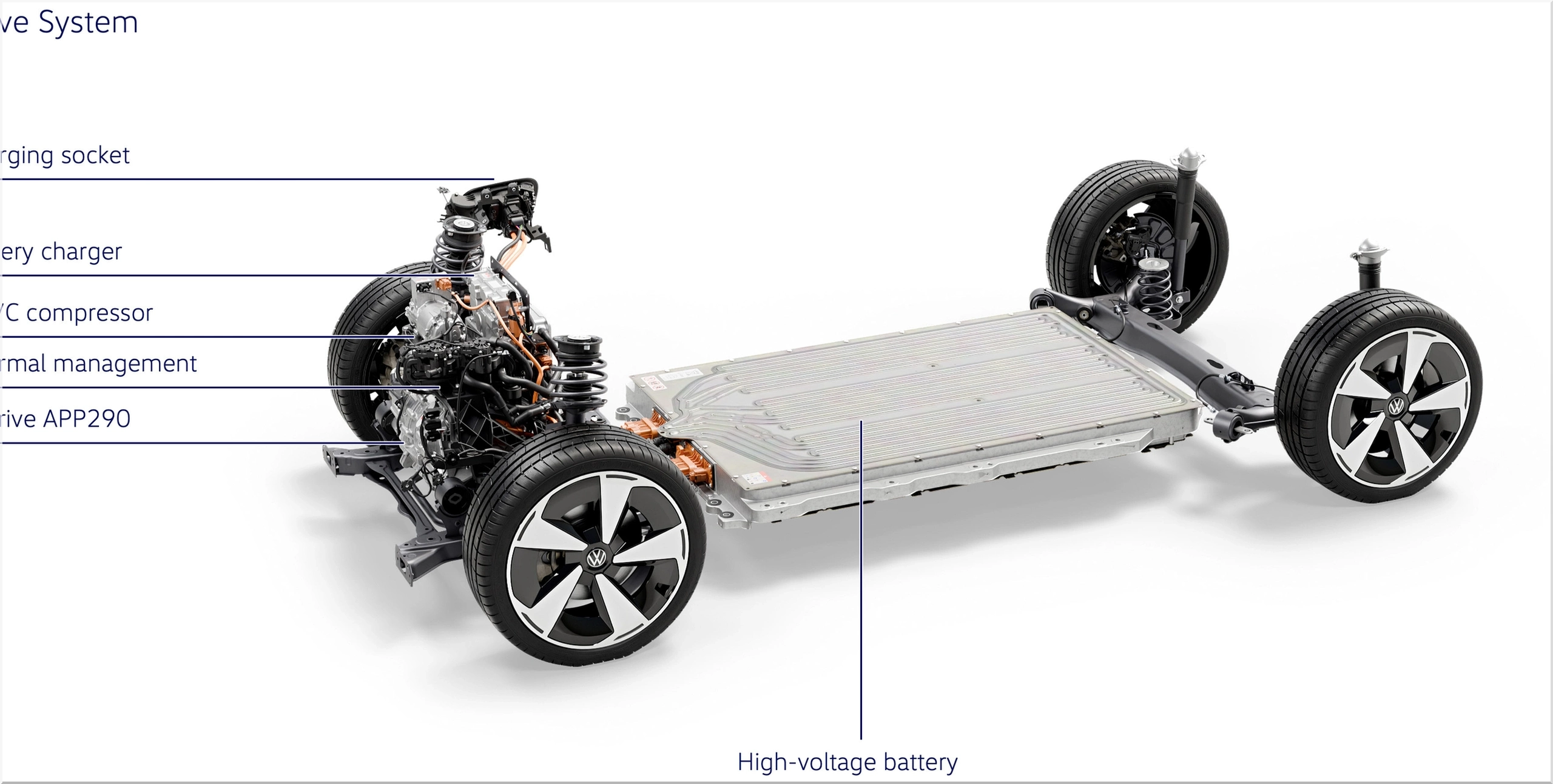
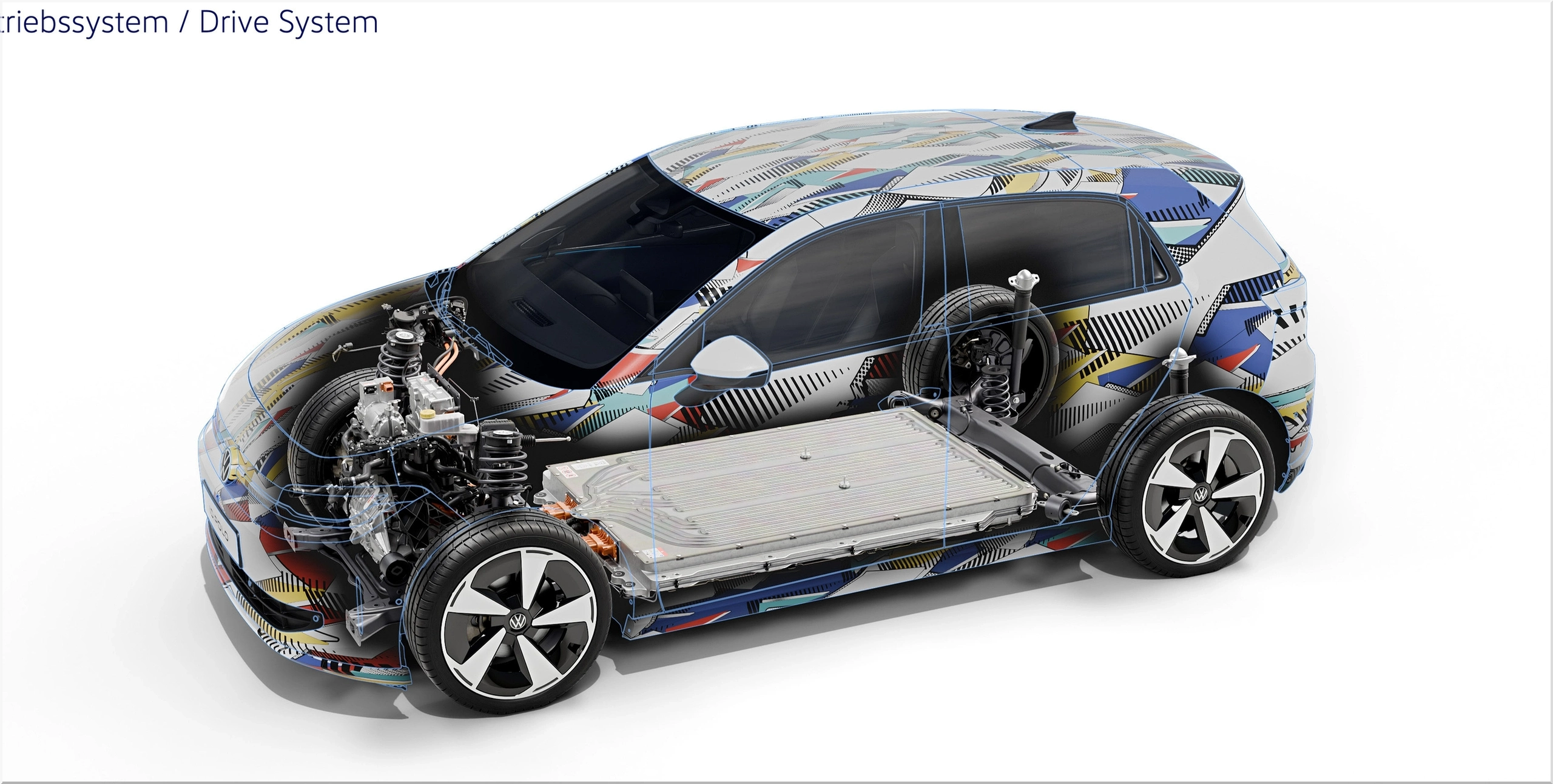
Two battery packs support these outputs.
Battery options
- 37 kWh LFP battery for 85 kW and 99 kW versions
- 52 kWh NMC battery for 155 kW and GTI versions
The smaller battery supports 90 kW DC fast charging.
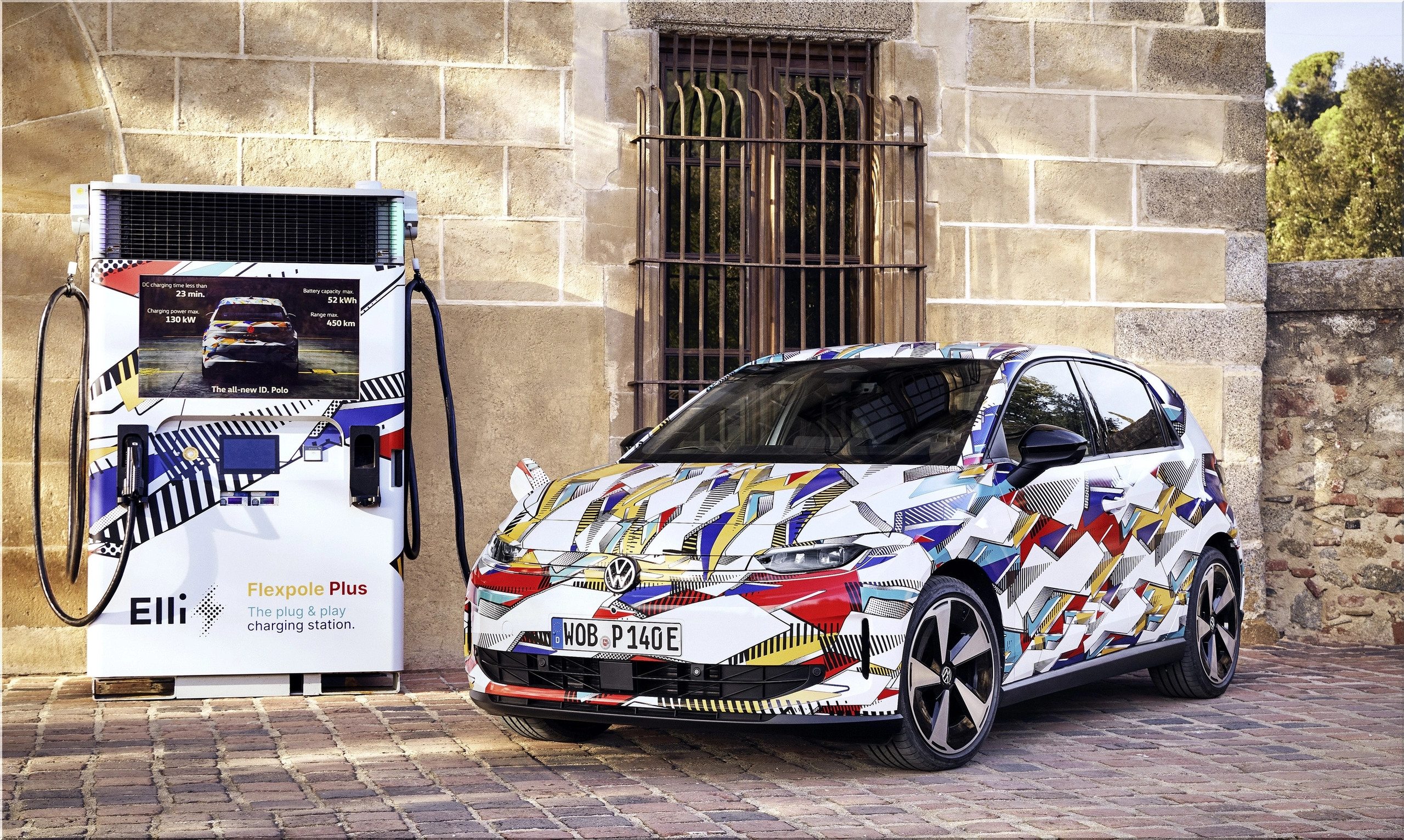
The larger pack supports 130 kW DC charging.
Volkswagen projects a maximum range of 450 km on the larger battery.
Image
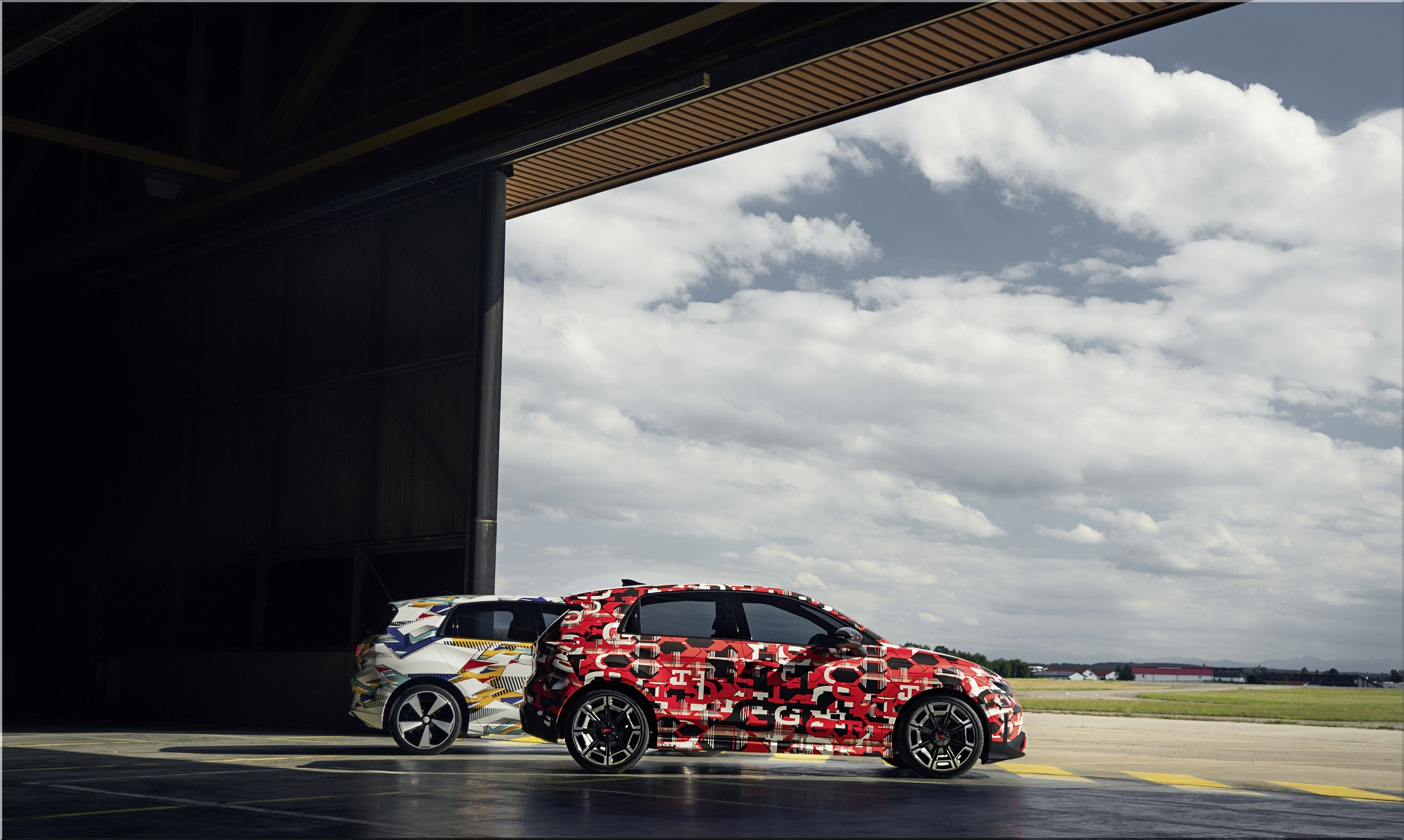
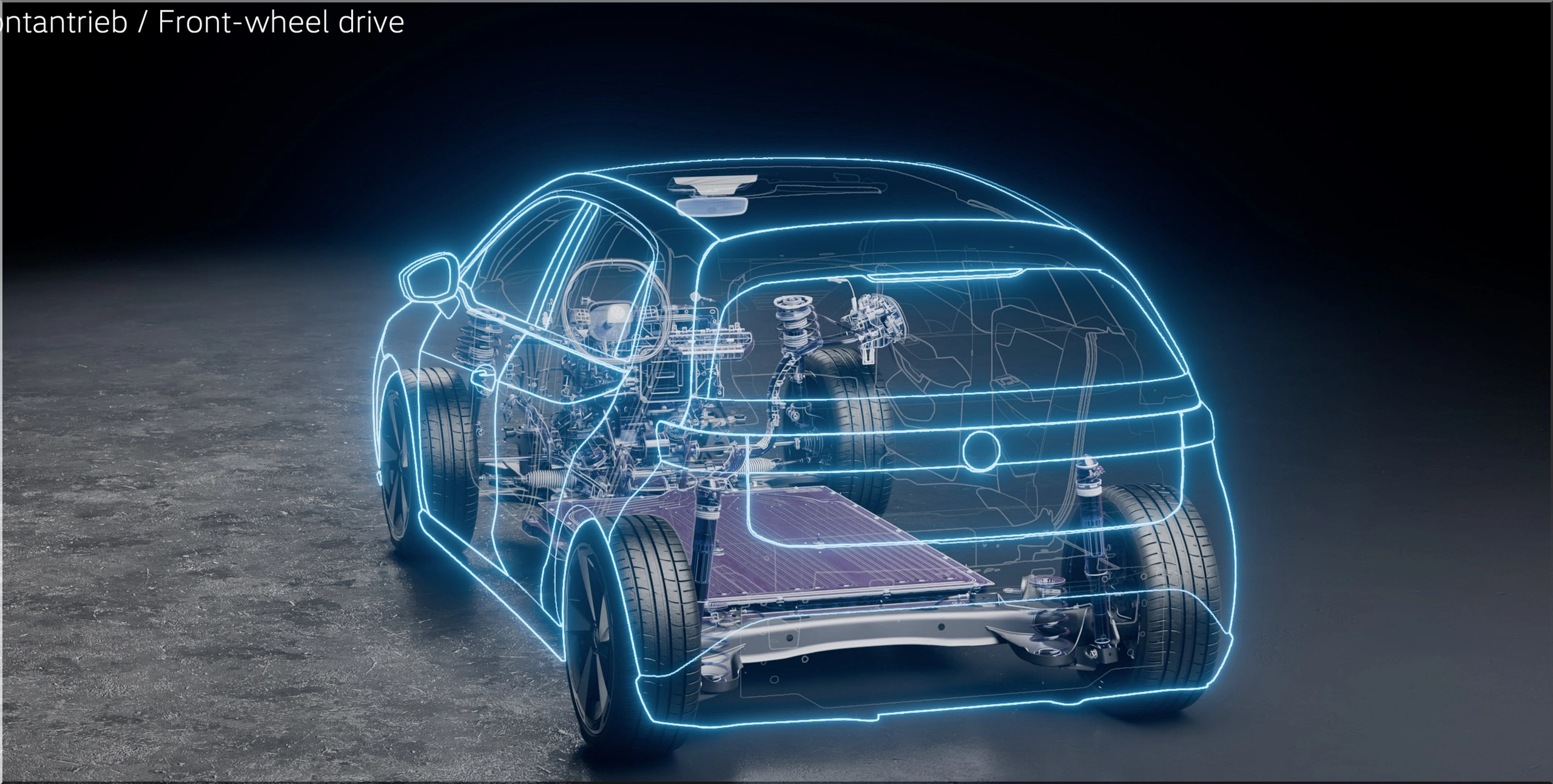
New Front-Wheel-Drive Layout Improves Space
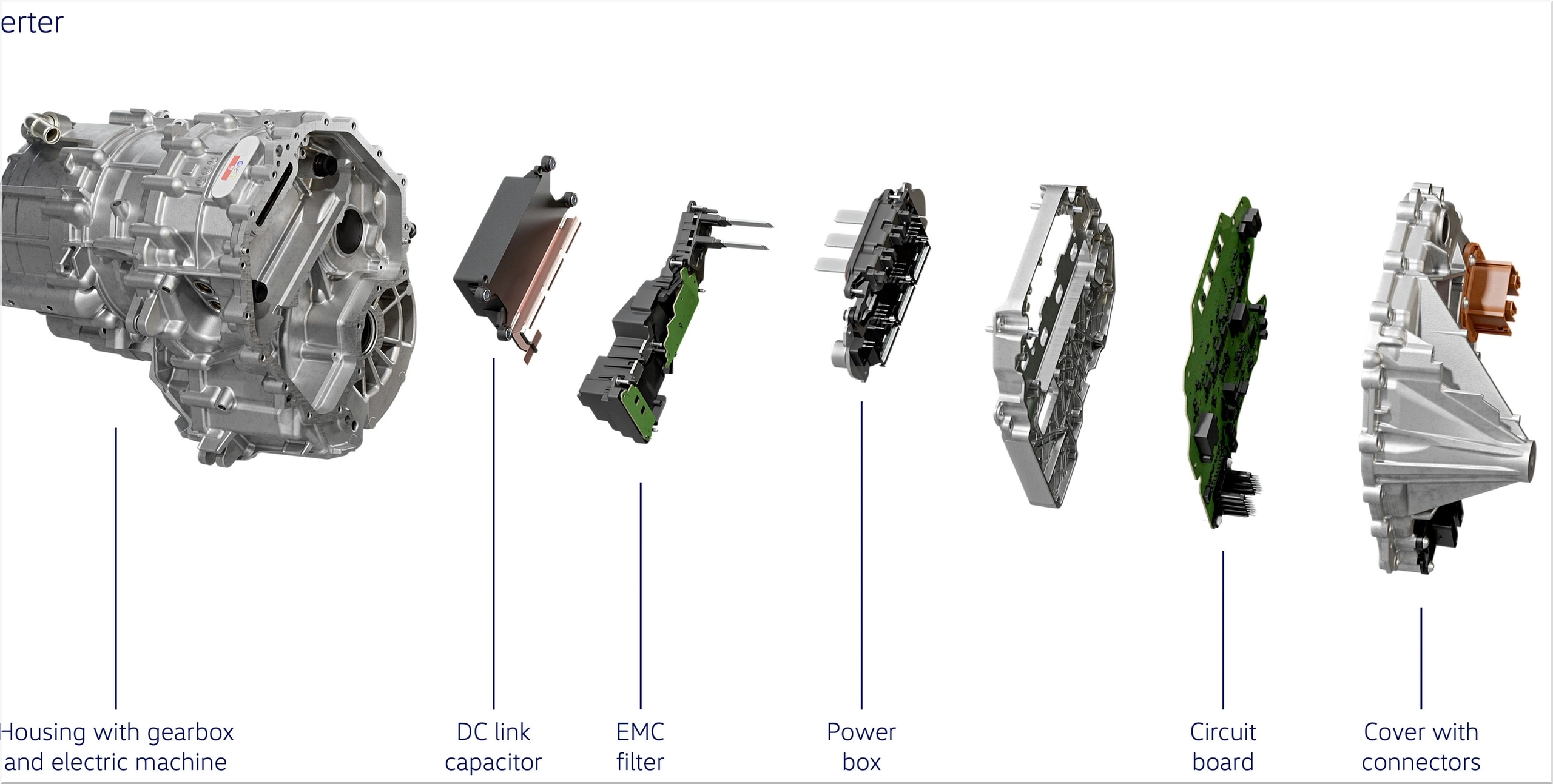
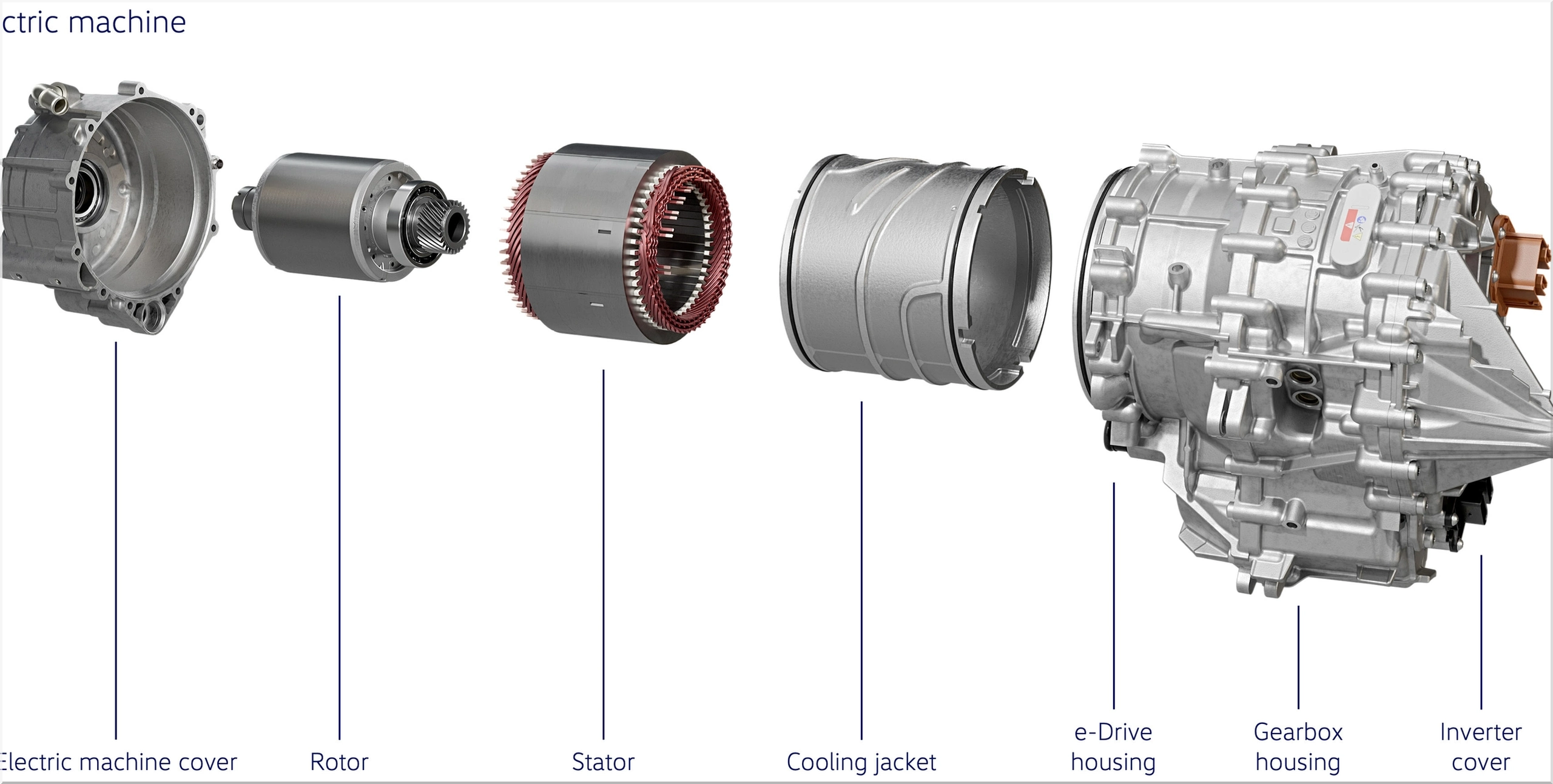
The front-wheel-drive MEB+ layout changes packaging. The electric motor sits compactly up front.
That frees interior space. The ID. Polo seats five adults.
Interior and cargo figures
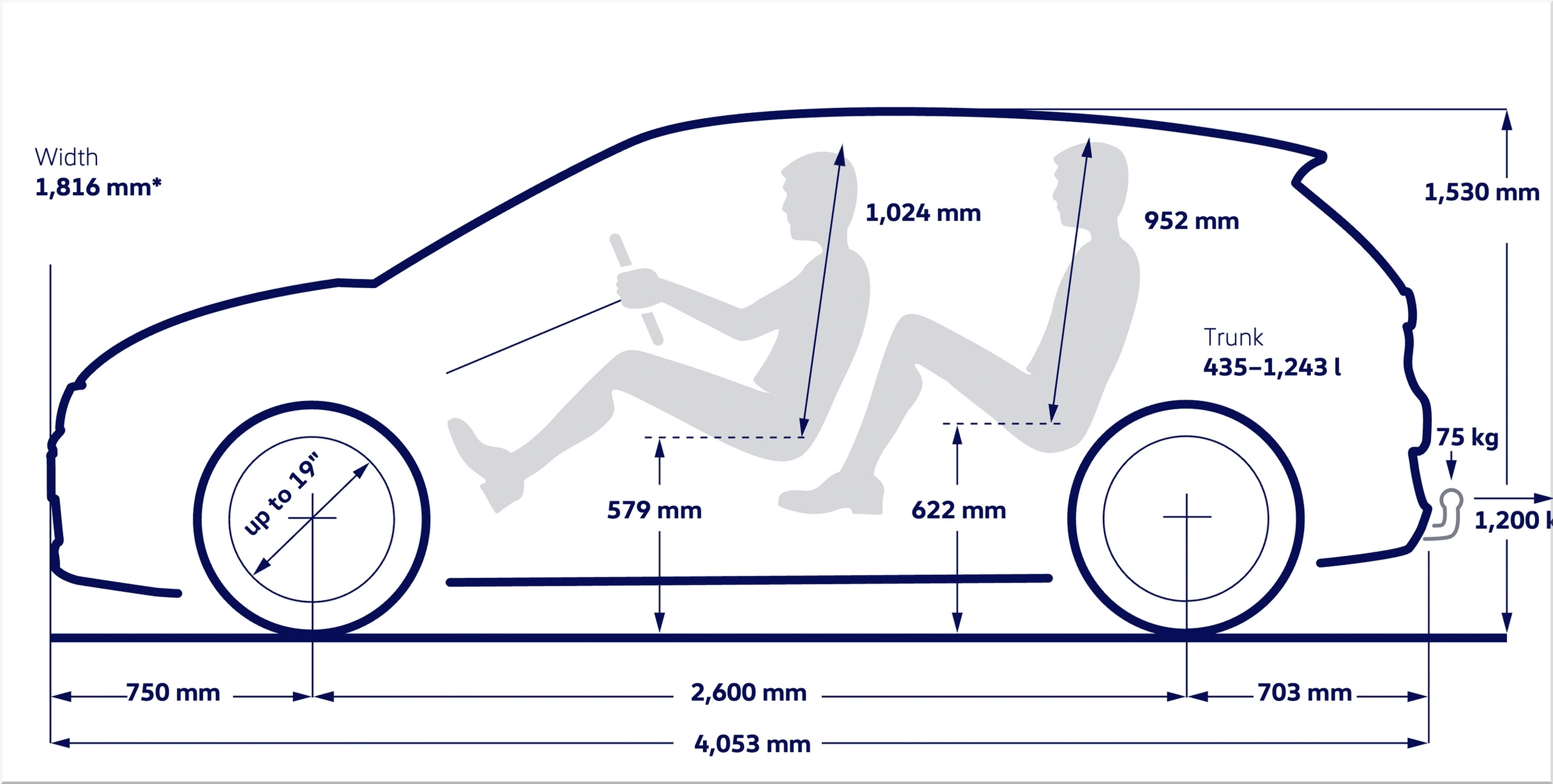
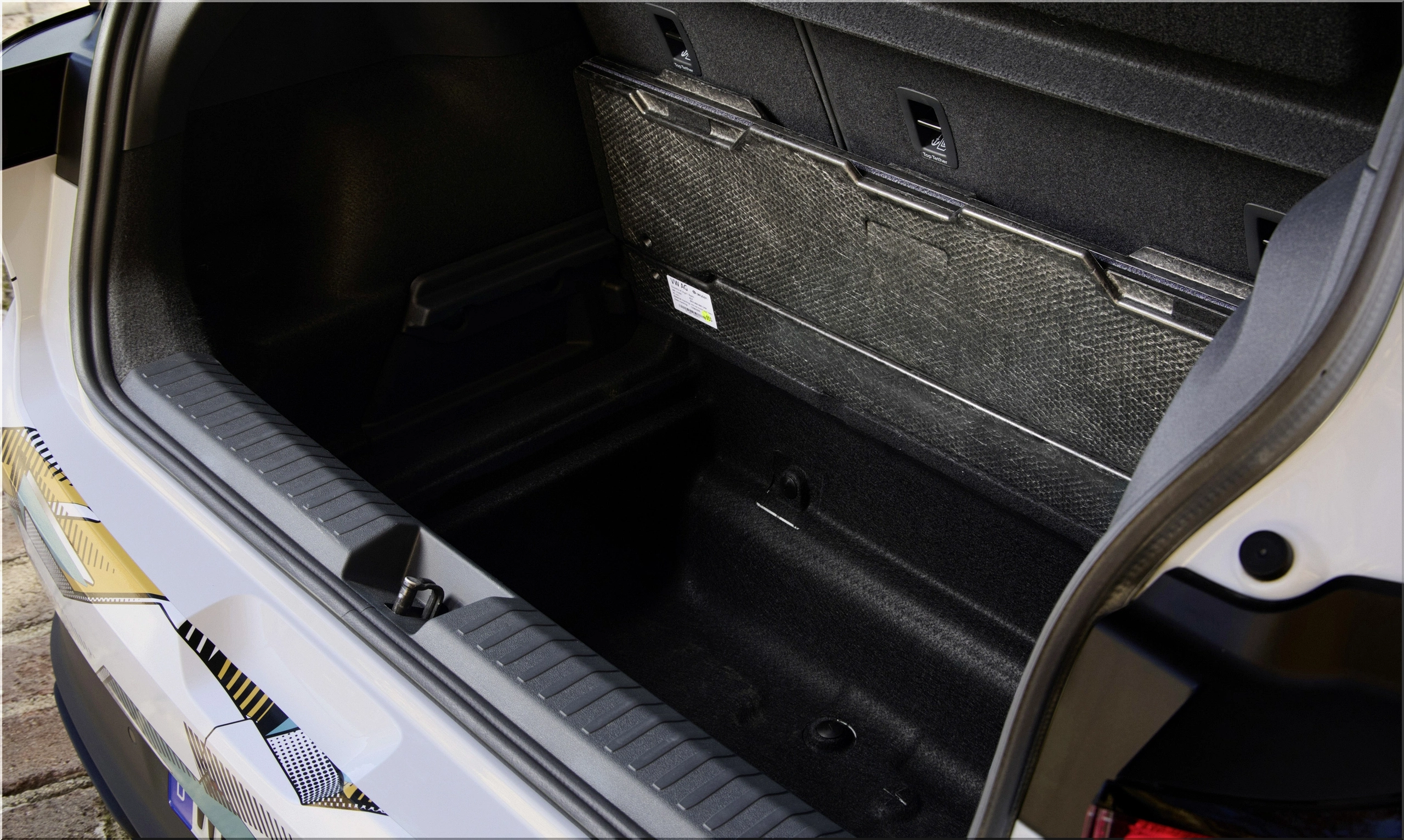
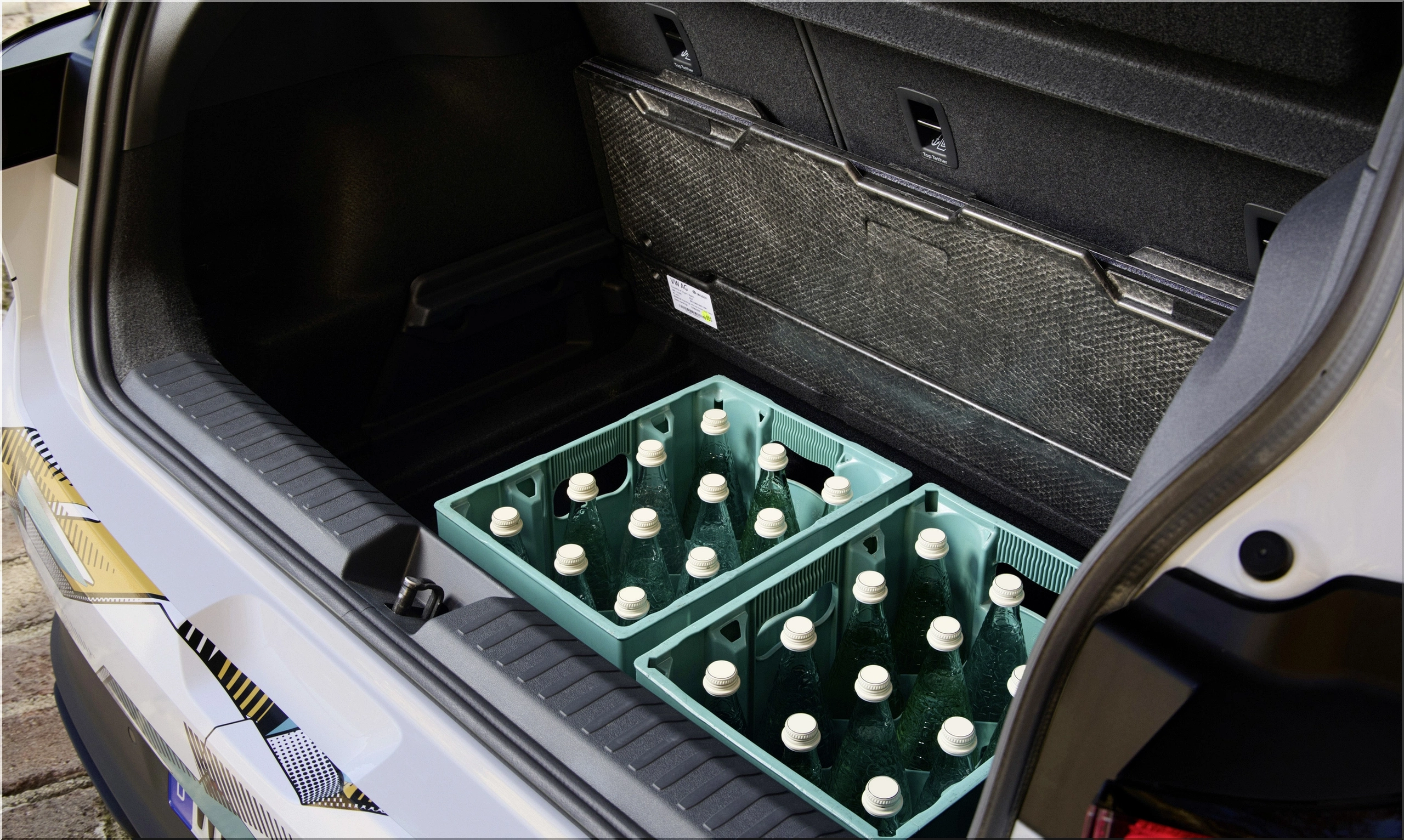
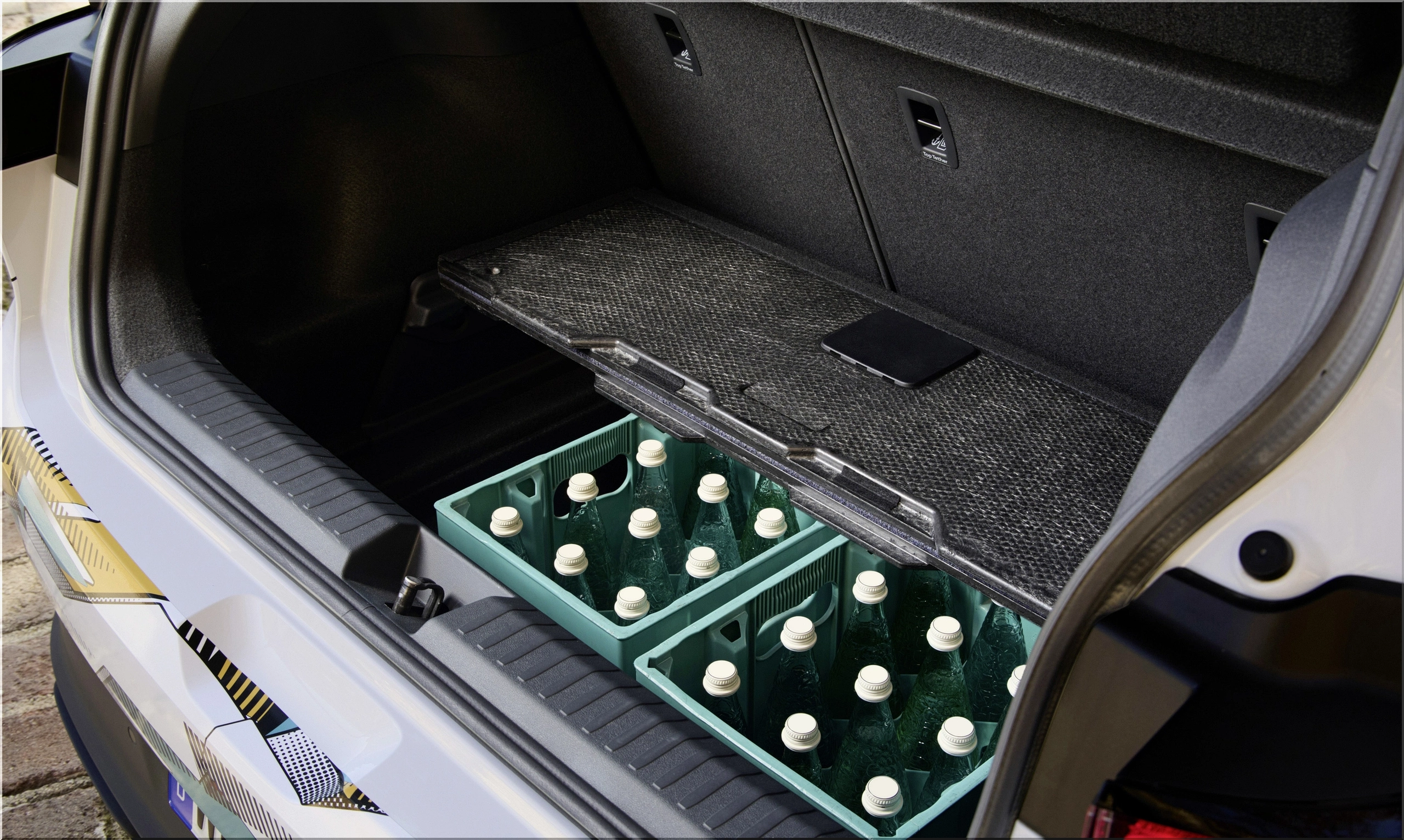
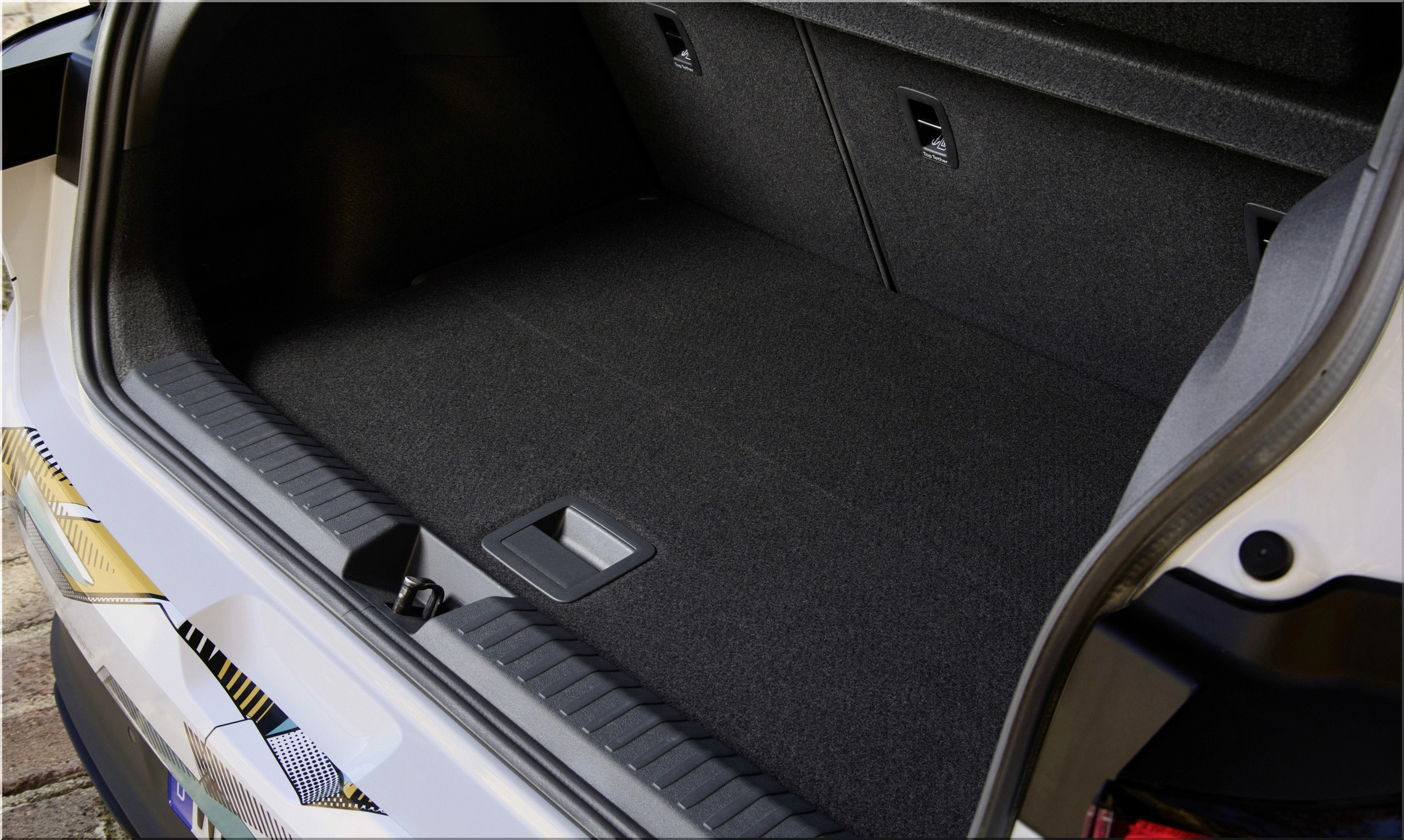
- Cargo capacity: 435 liters
- Folded seats: 1,243 liters
- Rear passenger legroom: +19 mm vs combustion Polo
Volkswagen positions this as a class-above feel. The data supports that claim.
Driving Systems and Driver Assistance
Volkswagen focused on precision. Engineers tuned steering and chassis to mimic larger cars.
The ID. Polo adds updated driver assistance.
Key systems
- Enhanced Travel Assist
- Assisted lane changes
- Traffic light recognition
- Stop sign recognition
These systems usually appear in higher segments. Volkswagen moves them downmarket here.
Video title
Volkswagen ID. Polo Electric 2026
Dimensions and Platform Efficiency
The ID. Polo stays compact. Exterior size remains city-friendly.
Dimensions
- Length: 4,053 mm
- Width: 1,816 mm
- Height: 1,530 mm
- Wheelbase: 2,600 mm
The compact motor and battery packaging explain the interior gains.
Pricing Strategy and USD Conversion
Volkswagen targets an entry price of 25,000 euros. That equals roughly $27,000 USD.
This price positions the ID. Polo below many compact EVs. Incentives could drop effective pricing further in Europe.
Volkswagen wants volume. The pricing supports that intent.
Image
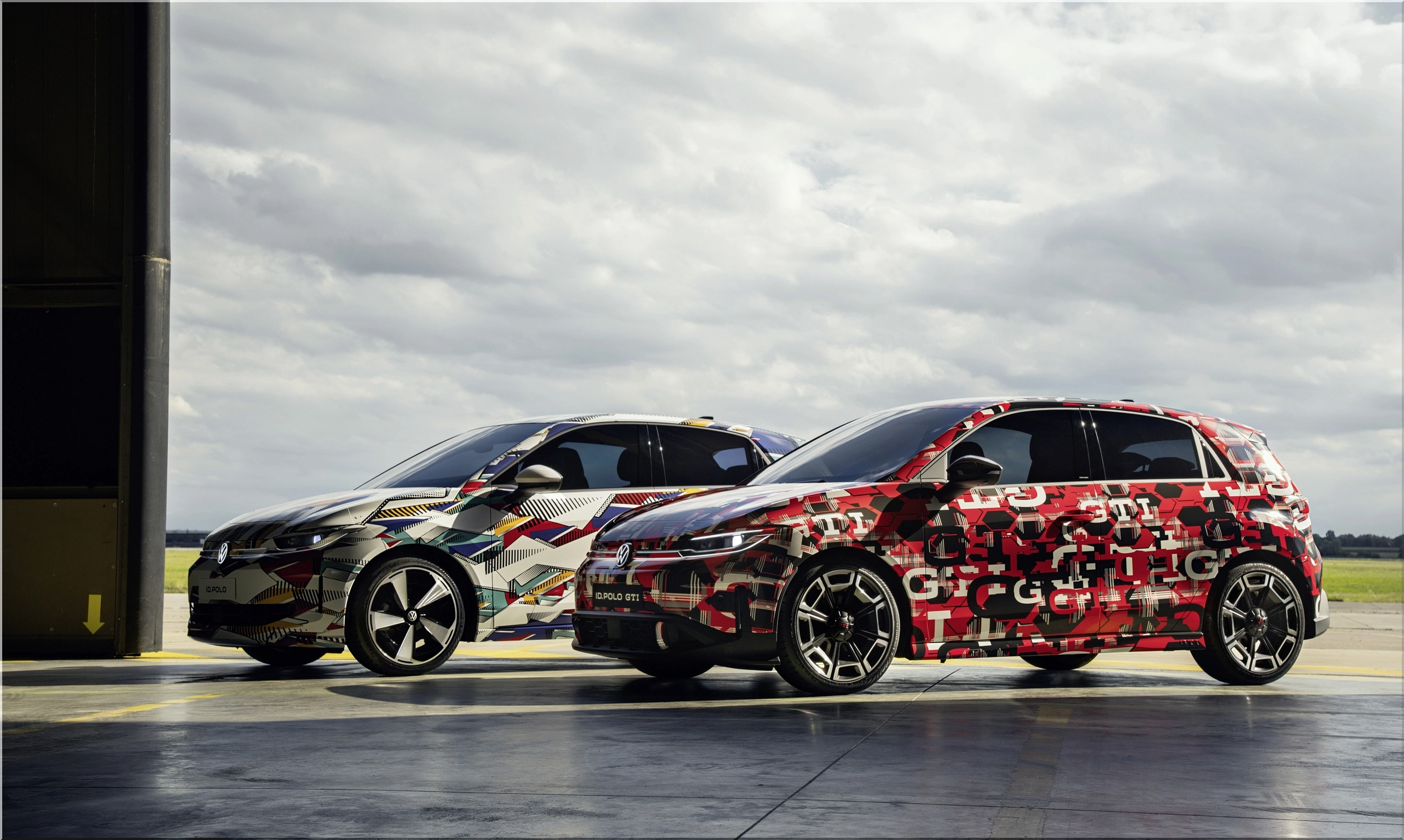
Comparison: ID. Polo vs Key Small EV Rivals
| Model | Max Power | Battery | Range | Approx. Price (USD) |
|---|---|---|---|---|
| Volkswagen ID. Polo | 211 hp | 52 kWh | 450 km | ~$27,000 |
| Peugeot e-208 | 156 hp | 51 kWh | 410 km | ~$36,000 |
| Opel Corsa Electric | 156 hp | 51 kWh | 402 km | ~$35,000 |
| Mini Cooper Electric | 181 hp | 54 kWh | 402 km | ~$38,000 |
The ID. Polo undercuts rivals on price. It also leads on cargo space.
That combination matters in Europe.
Image gallery
Manufacturing and Brand Strategy
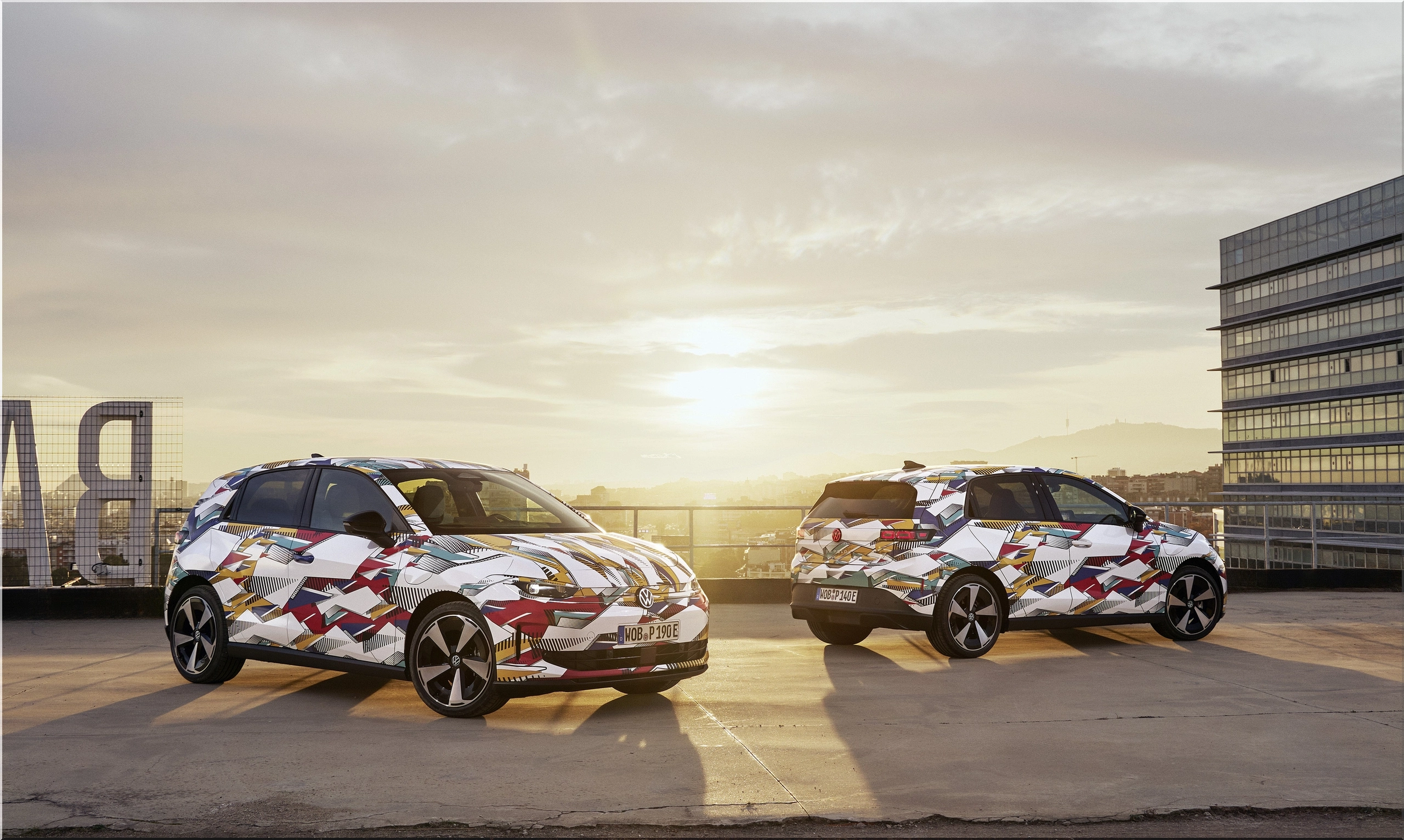
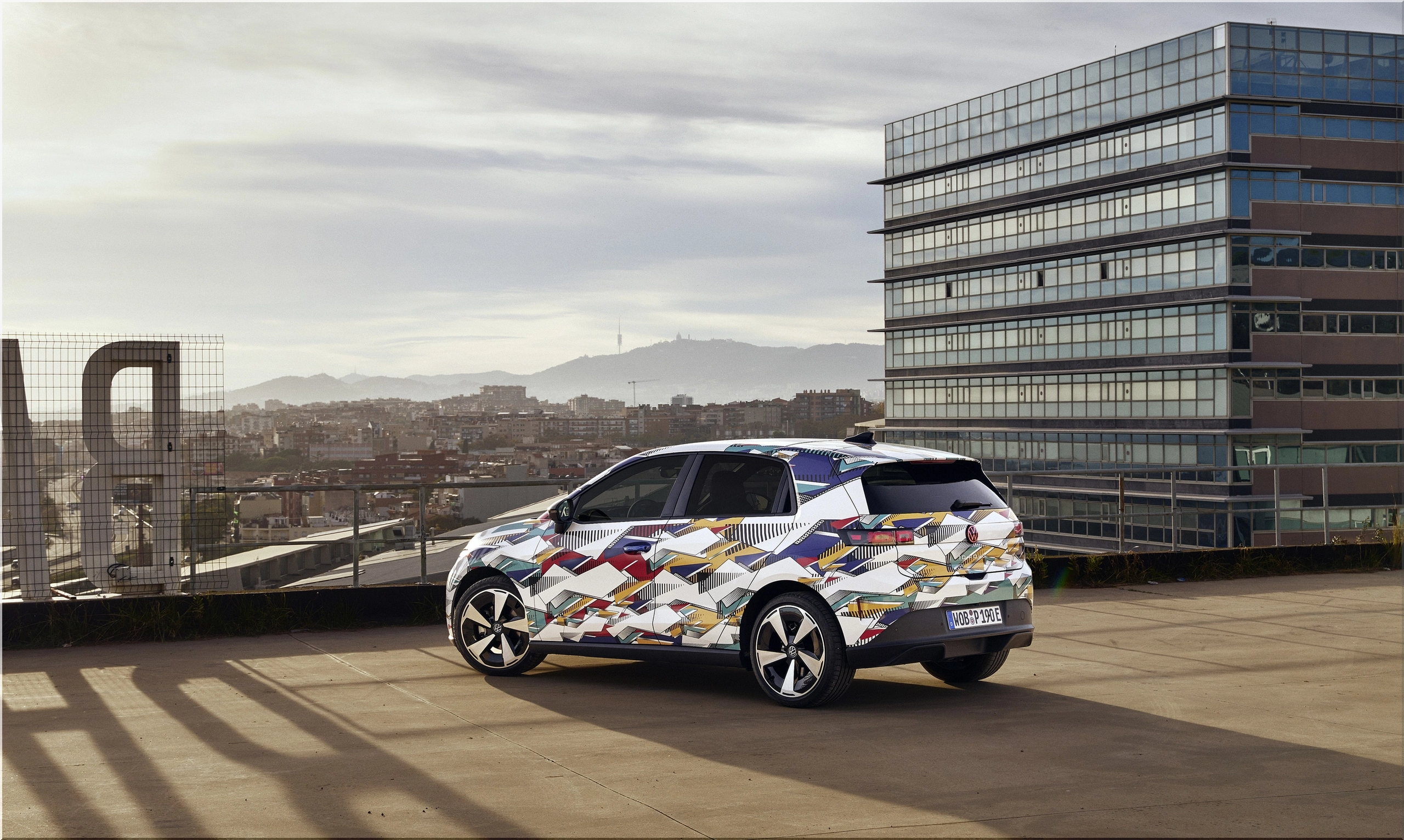
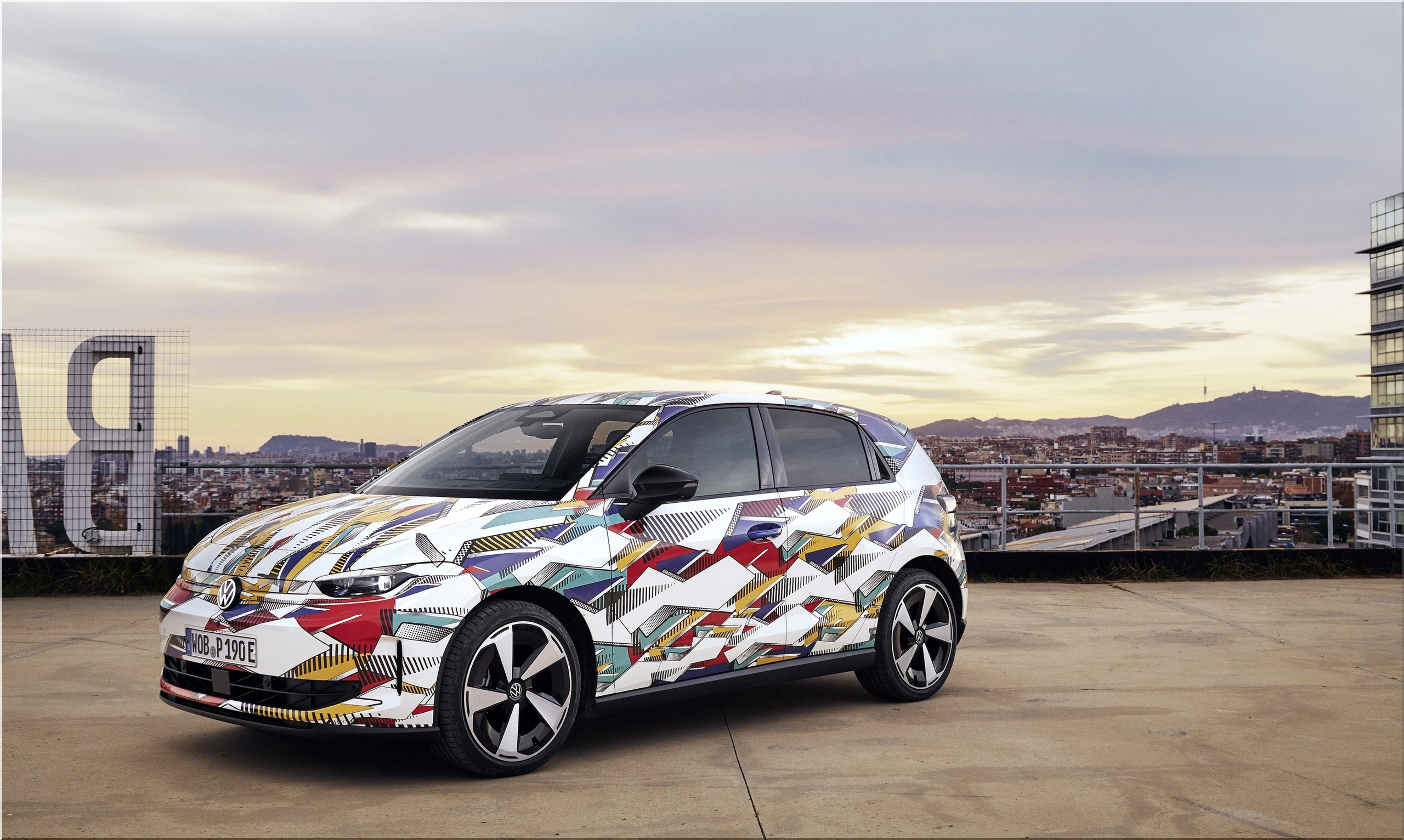
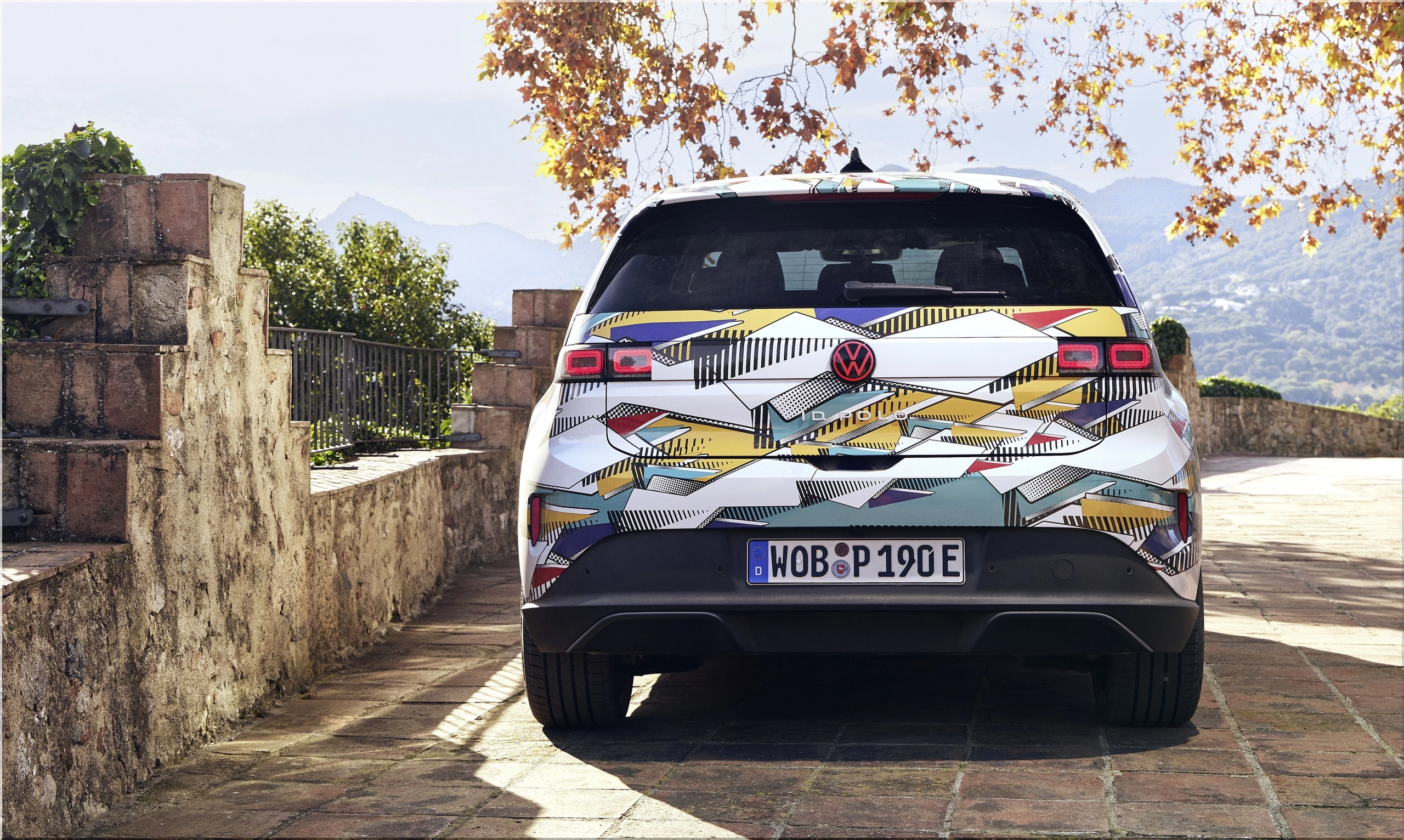
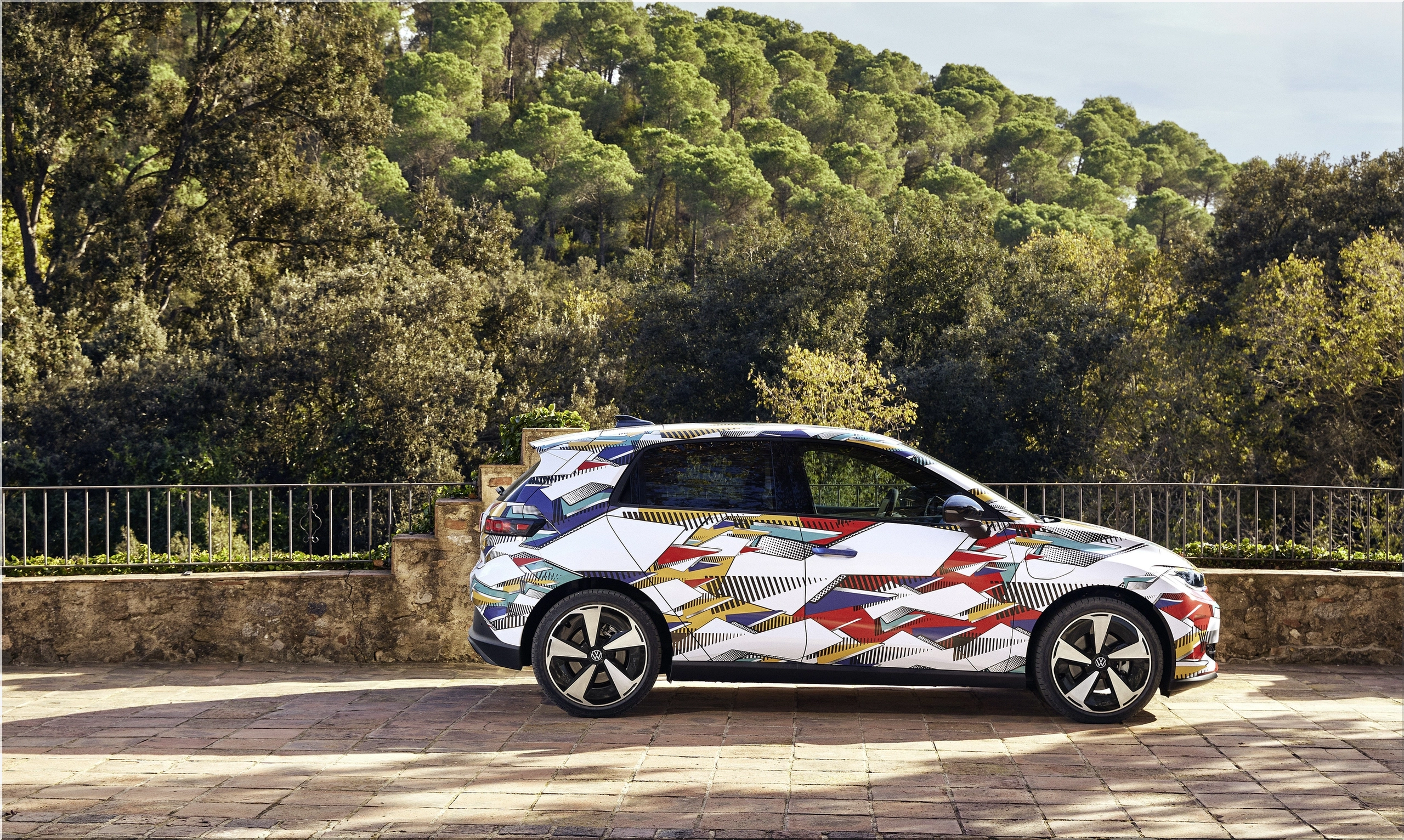
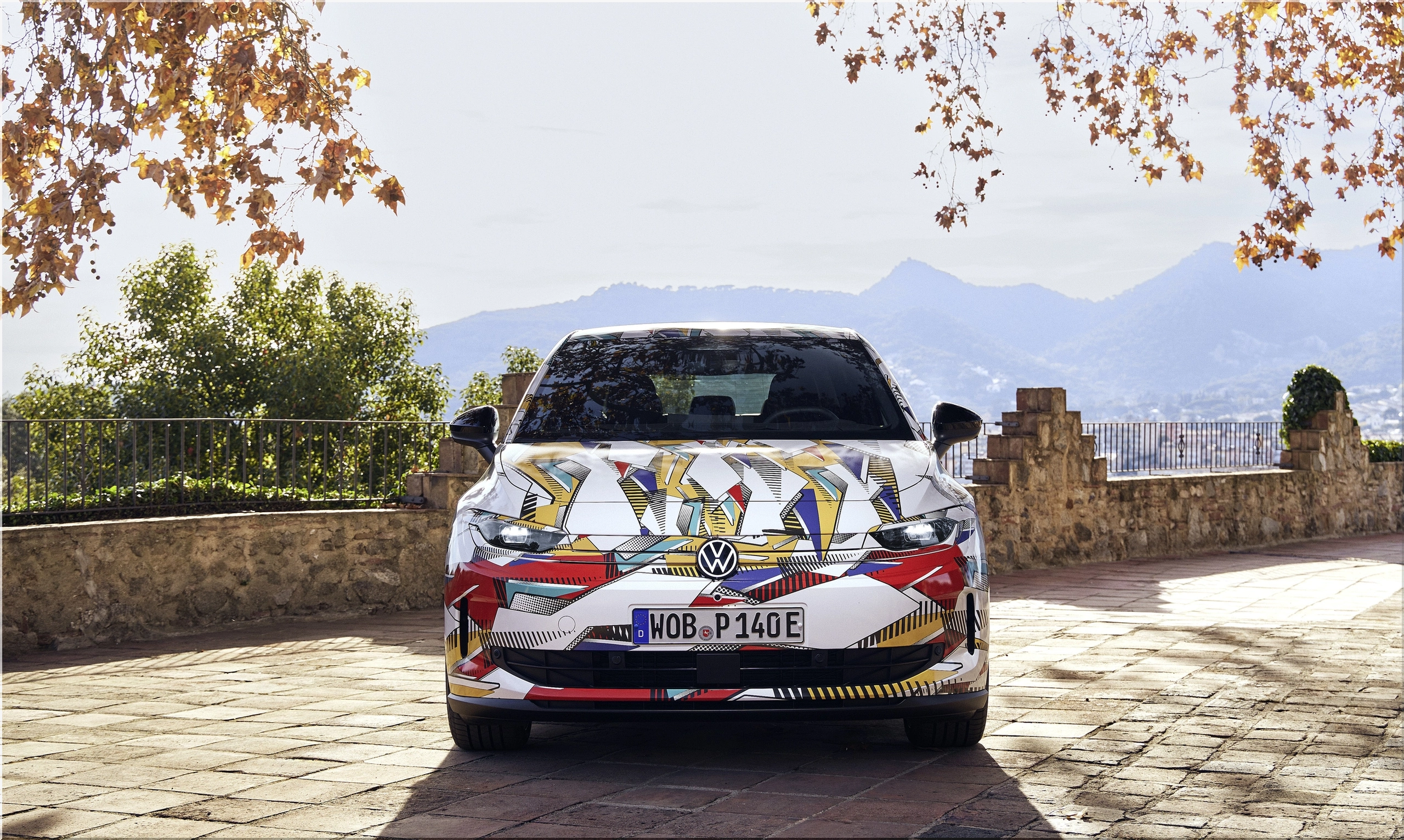
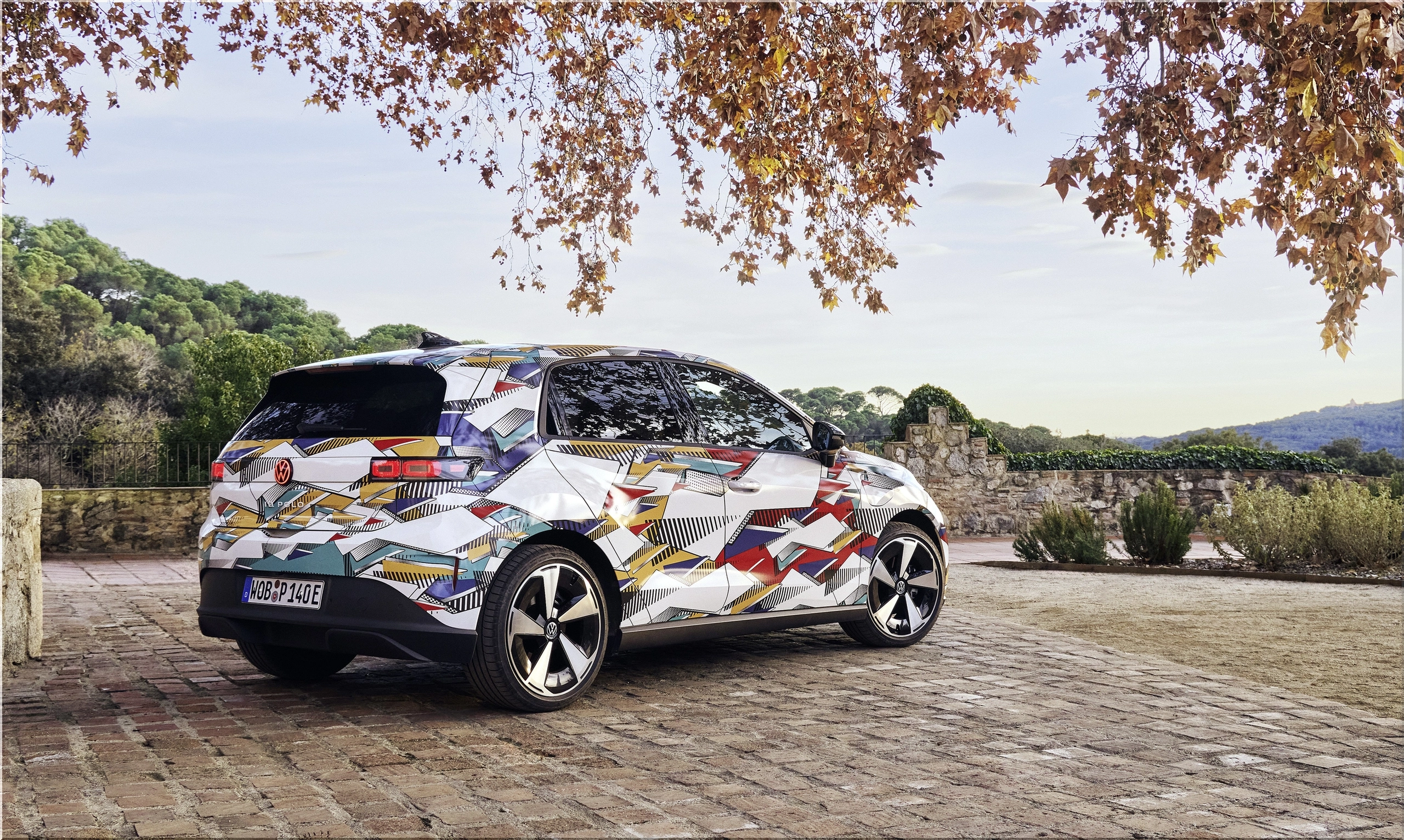
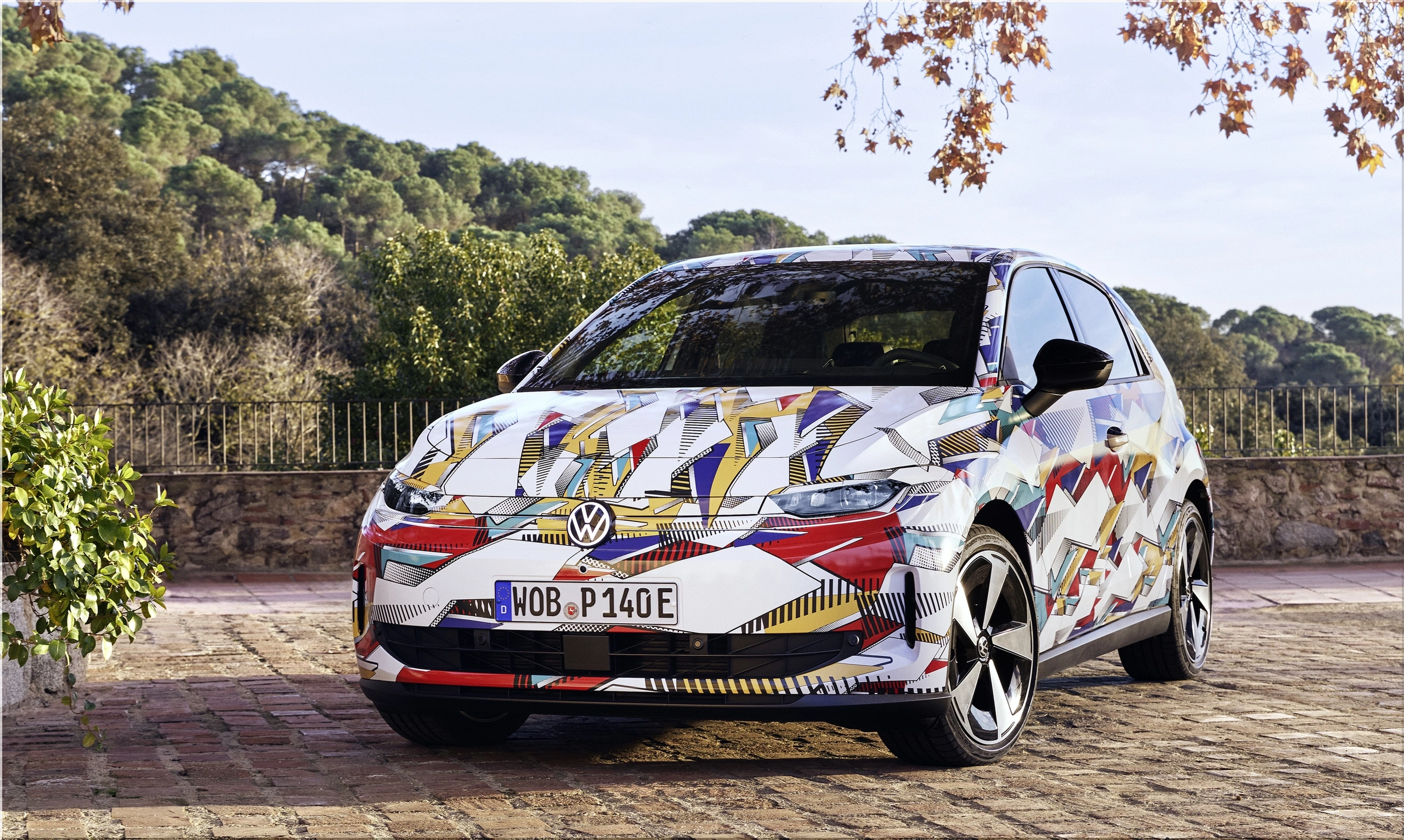
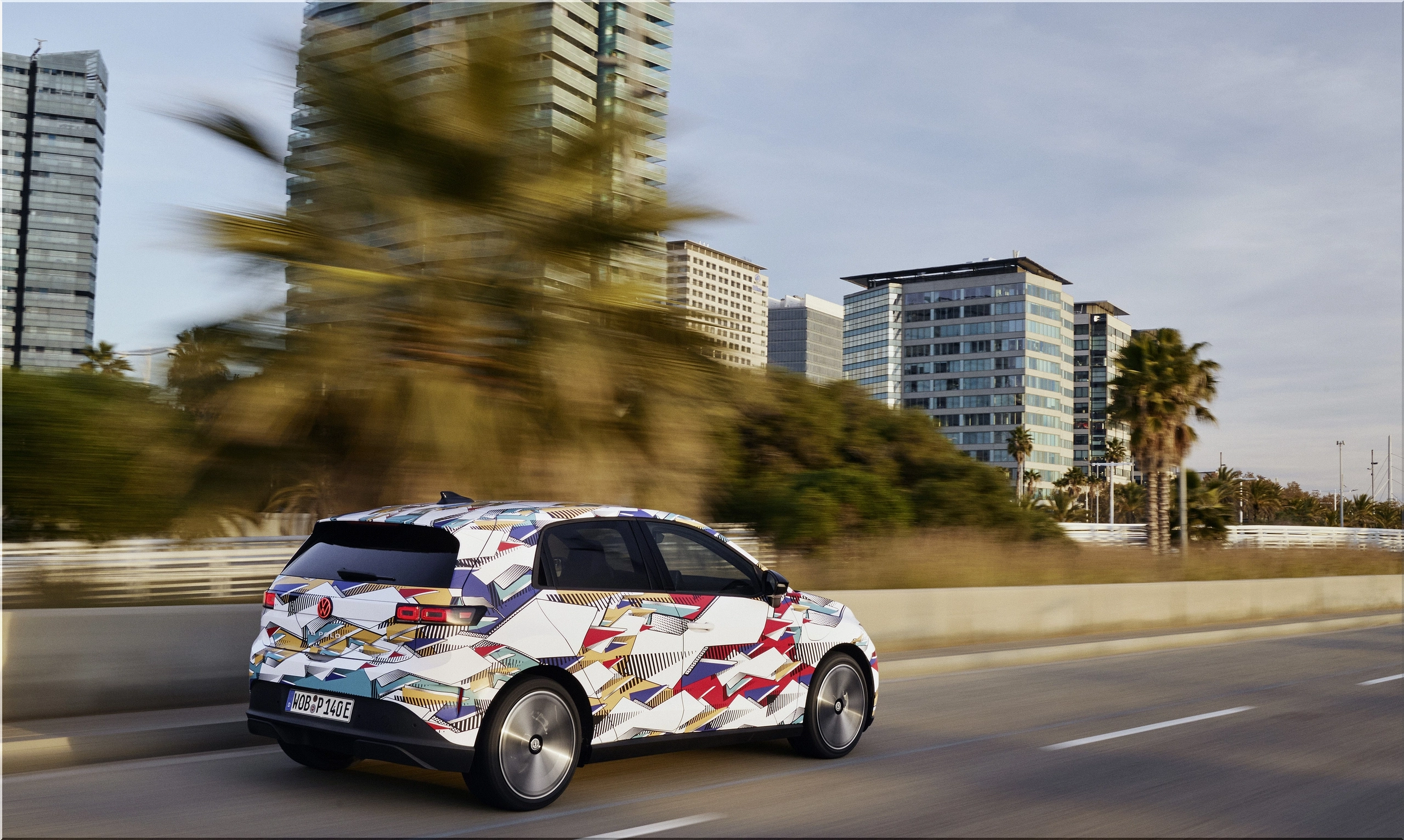
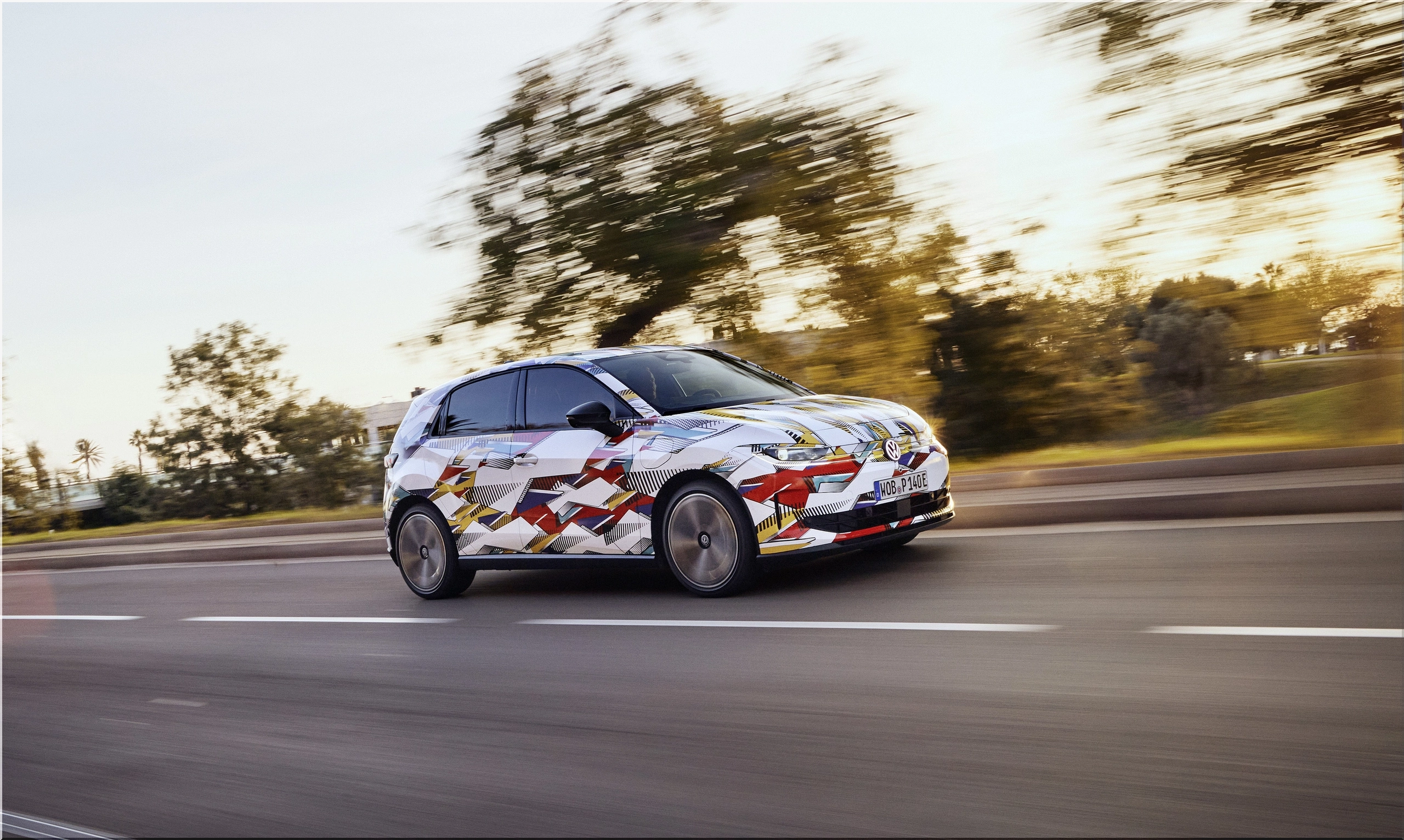
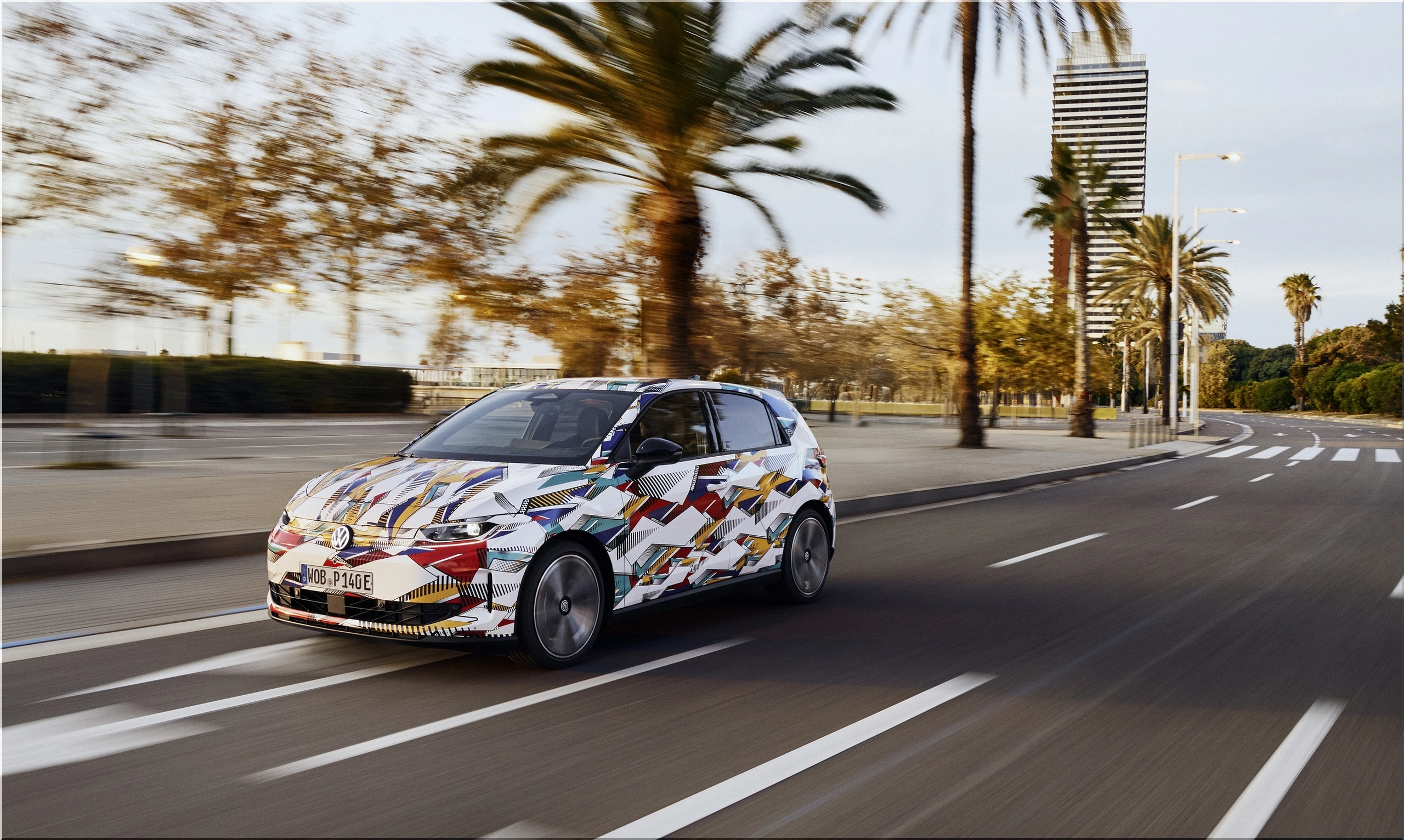
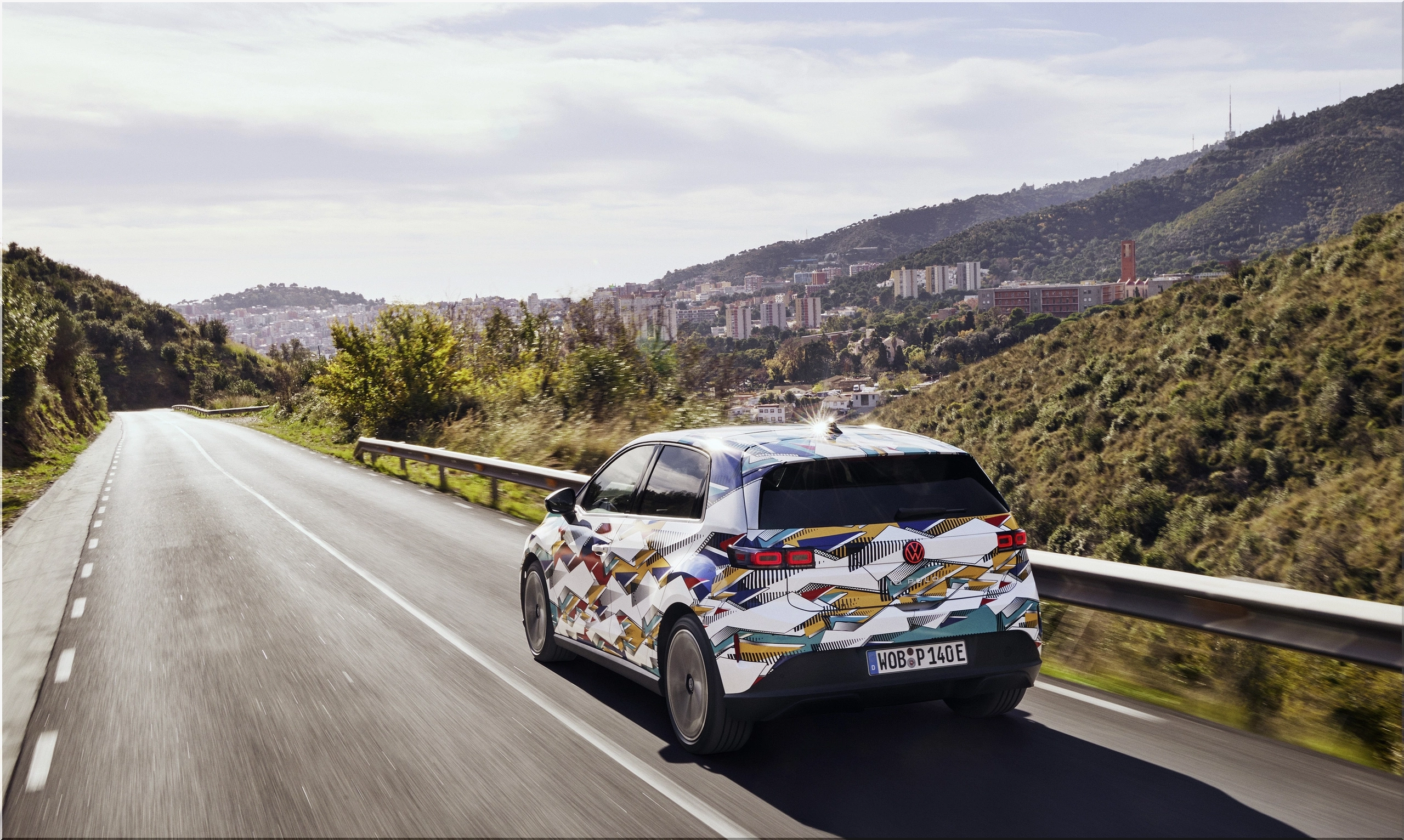
SEAT and CUPRA led development. Production happens in Martorell, Spain.
Volkswagen centralizes software, motors, and chassis under MEB+. That approach reduces duplication.
The ID. Polo also marks 50 years since the first Polo launch. Volkswagen leans on name equity here.
Image gallery
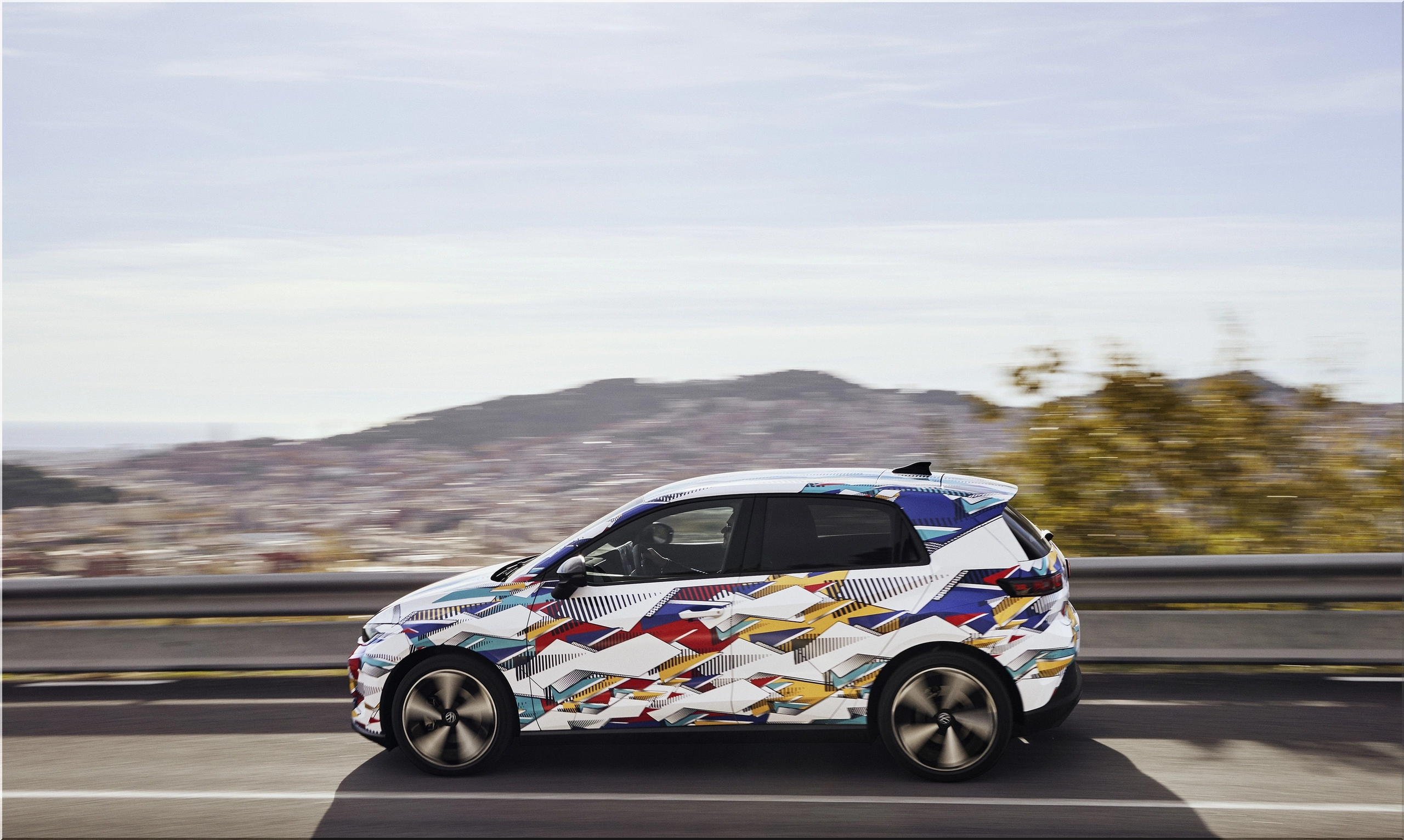
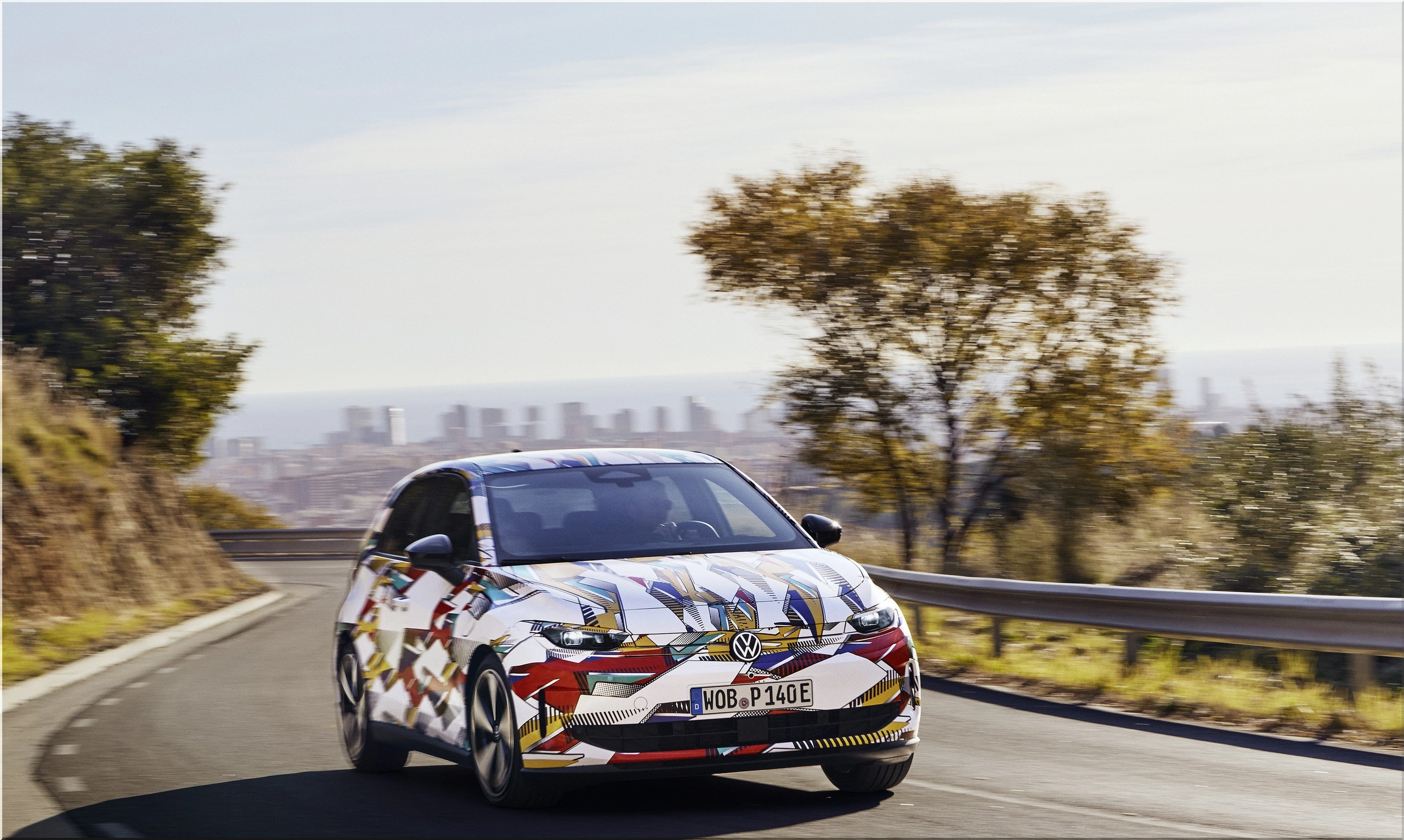
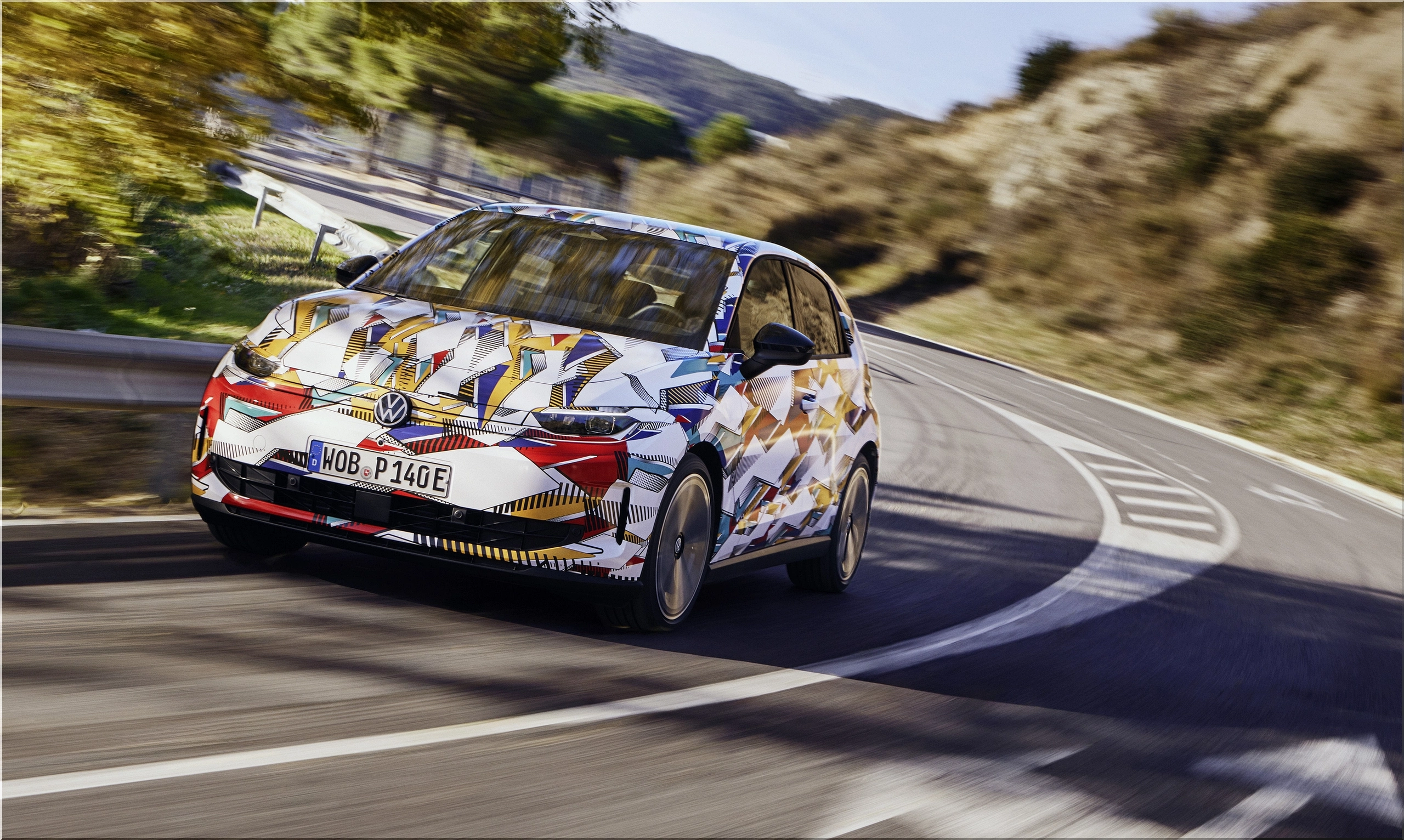
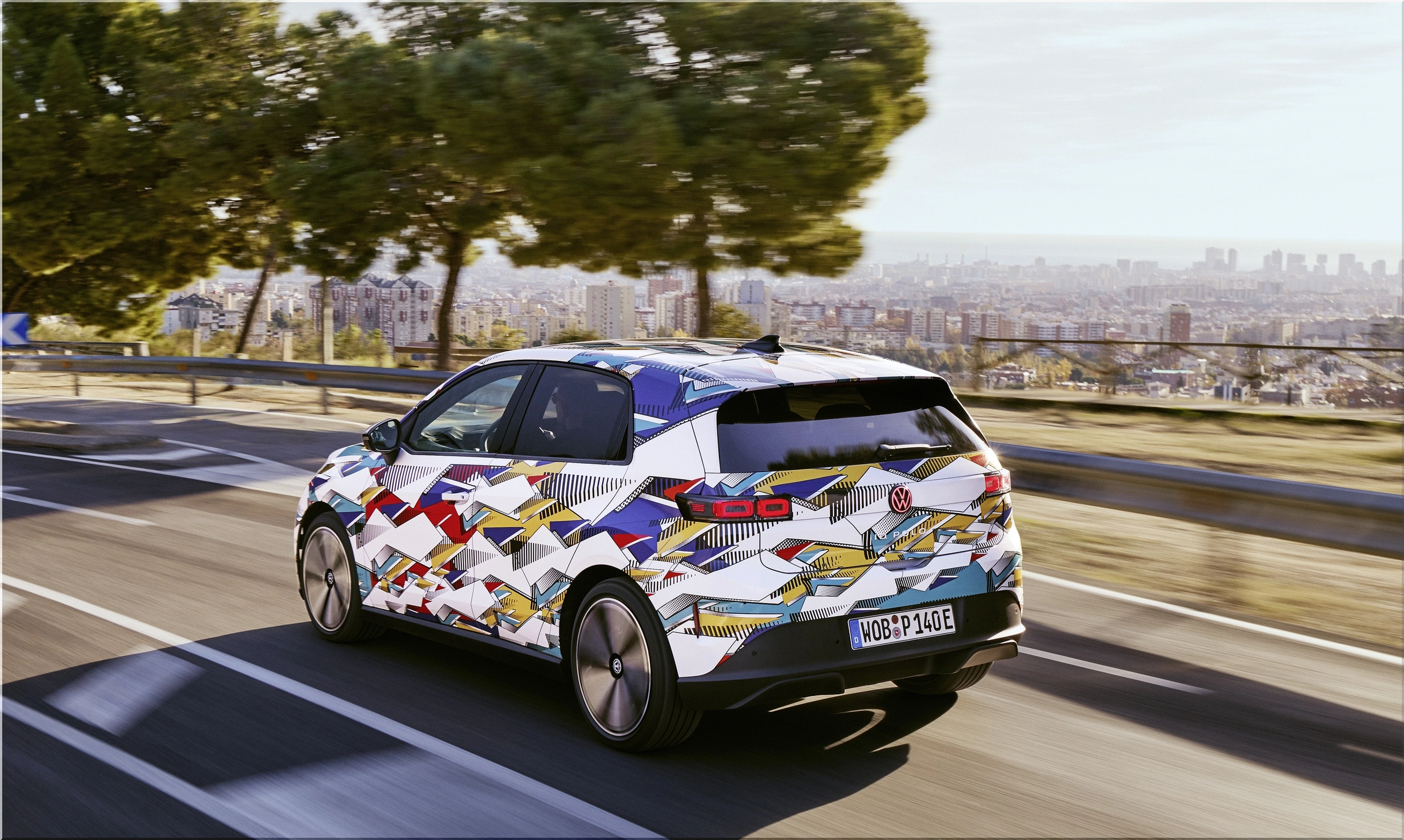
What This Means for Buyers and the Market
The ID. Polo targets affordability without feature cuts. Volkswagen bets that cost, range, and space win buyers.
This model pressures competitors. Pricing forces response across the small EV segment.
For consumers, this brings:
- Lower EV entry costs
- Faster charging at the segment level
- Practical interior space
Volkswagen wants volume leadership. The ID. Polo sets that foundation.
Pro-Tips for EV Shoppers
- LFP batteries last longer and cost less. Expect slower cold-weather charging.
- NMC batteries offer higher energy density. Range gains justify the upgrade.
- Front-wheel-drive EVs usually deliver better cabin space than rear-drive layouts.
Definitions
- MEB+ platform: Volkswagen's updated modular EV architecture focused on efficiency and cost control.
- LFP battery: Lithium iron phosphate chemistry with lower cost and long cycle life.
- NMC battery: Nickel manganese cobalt chemistry with higher energy density.
- Add new comment
- 540 views