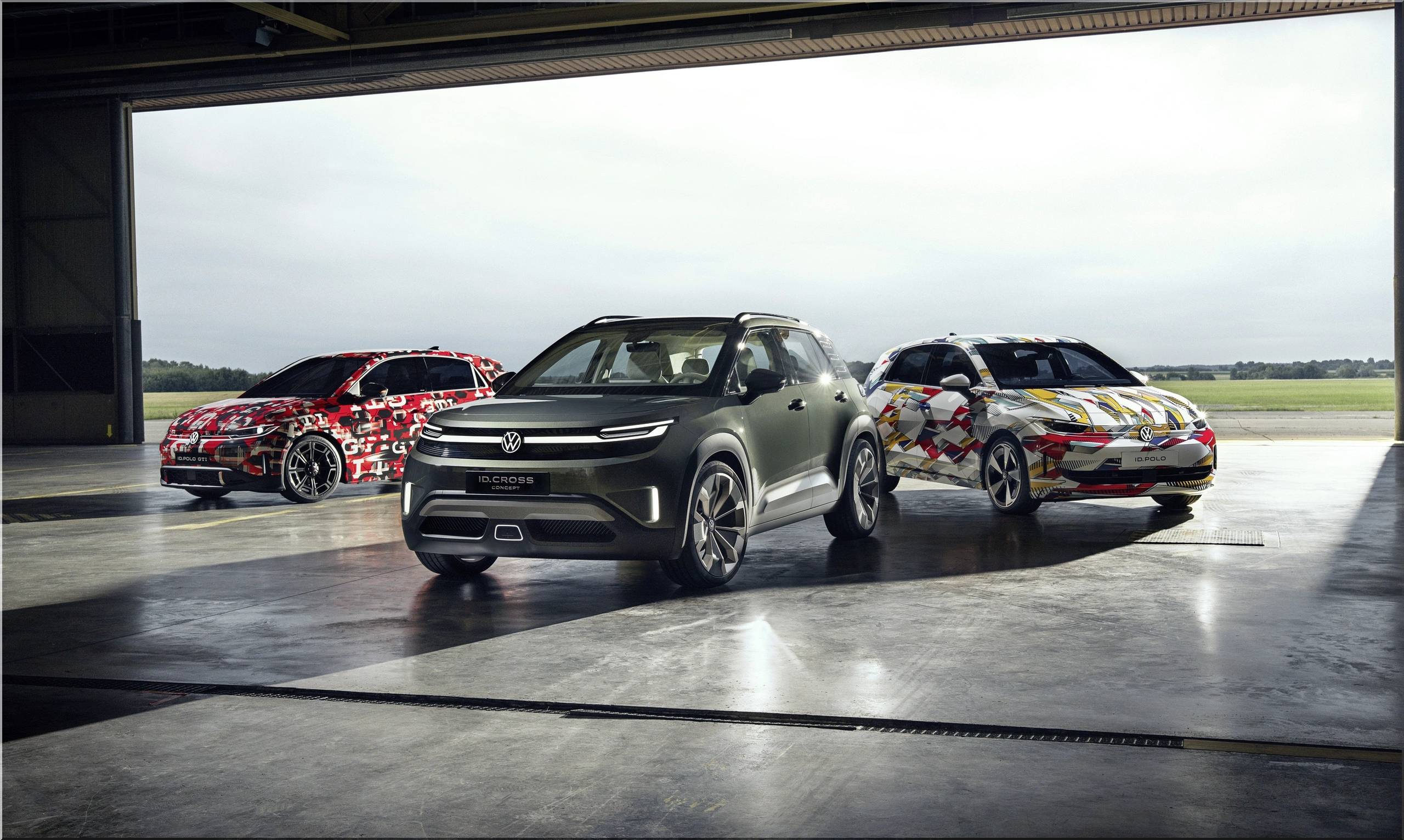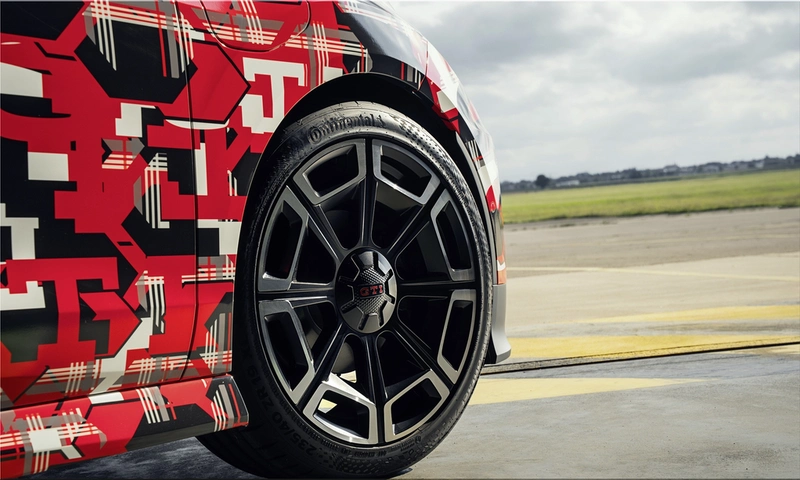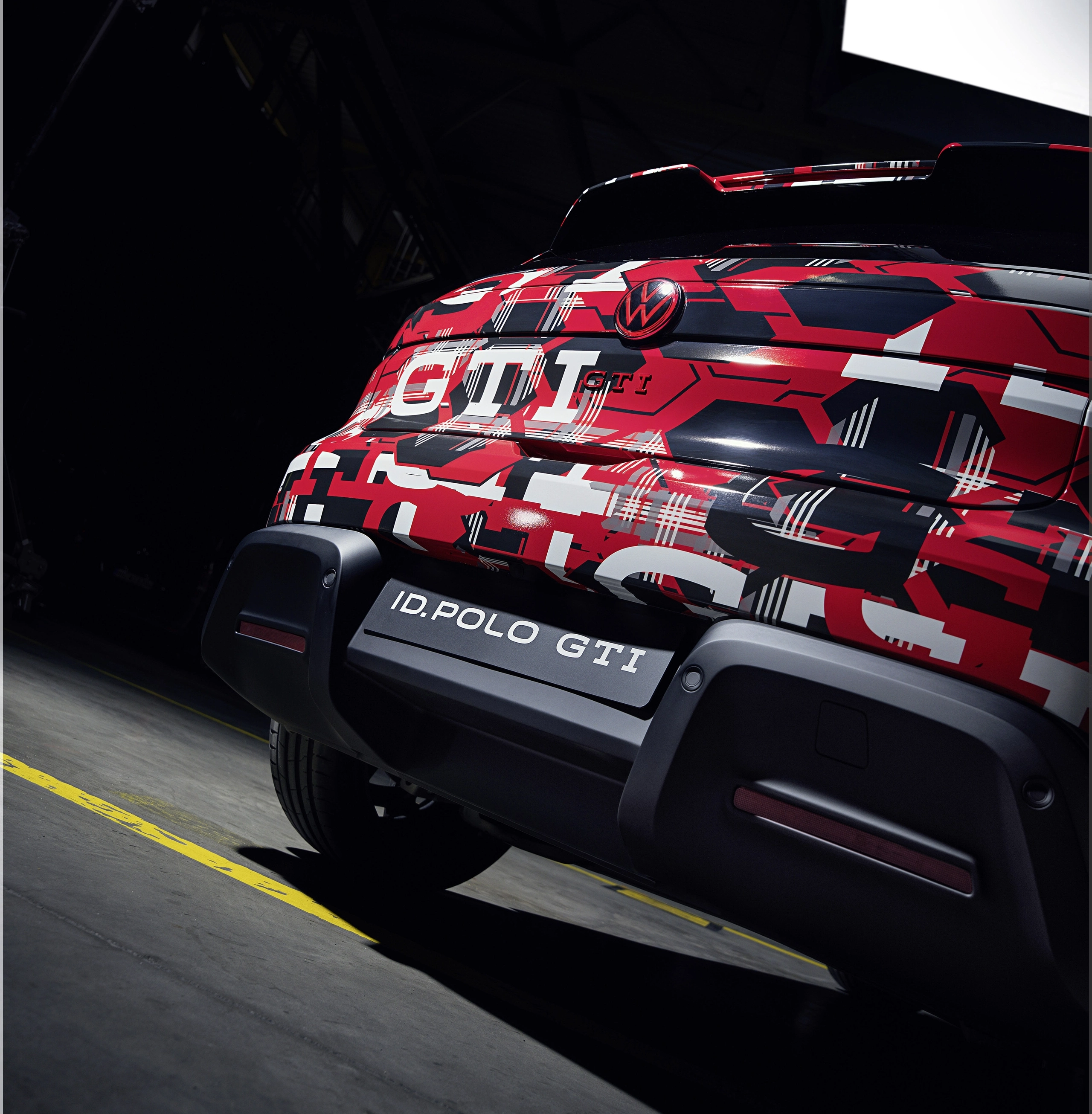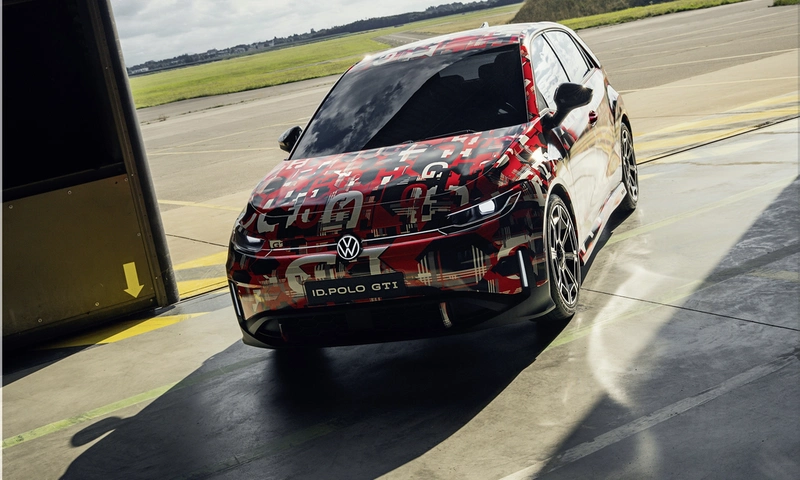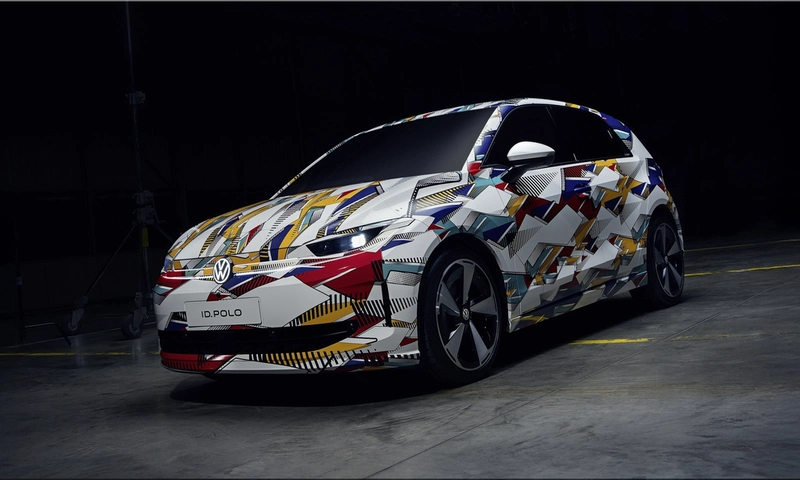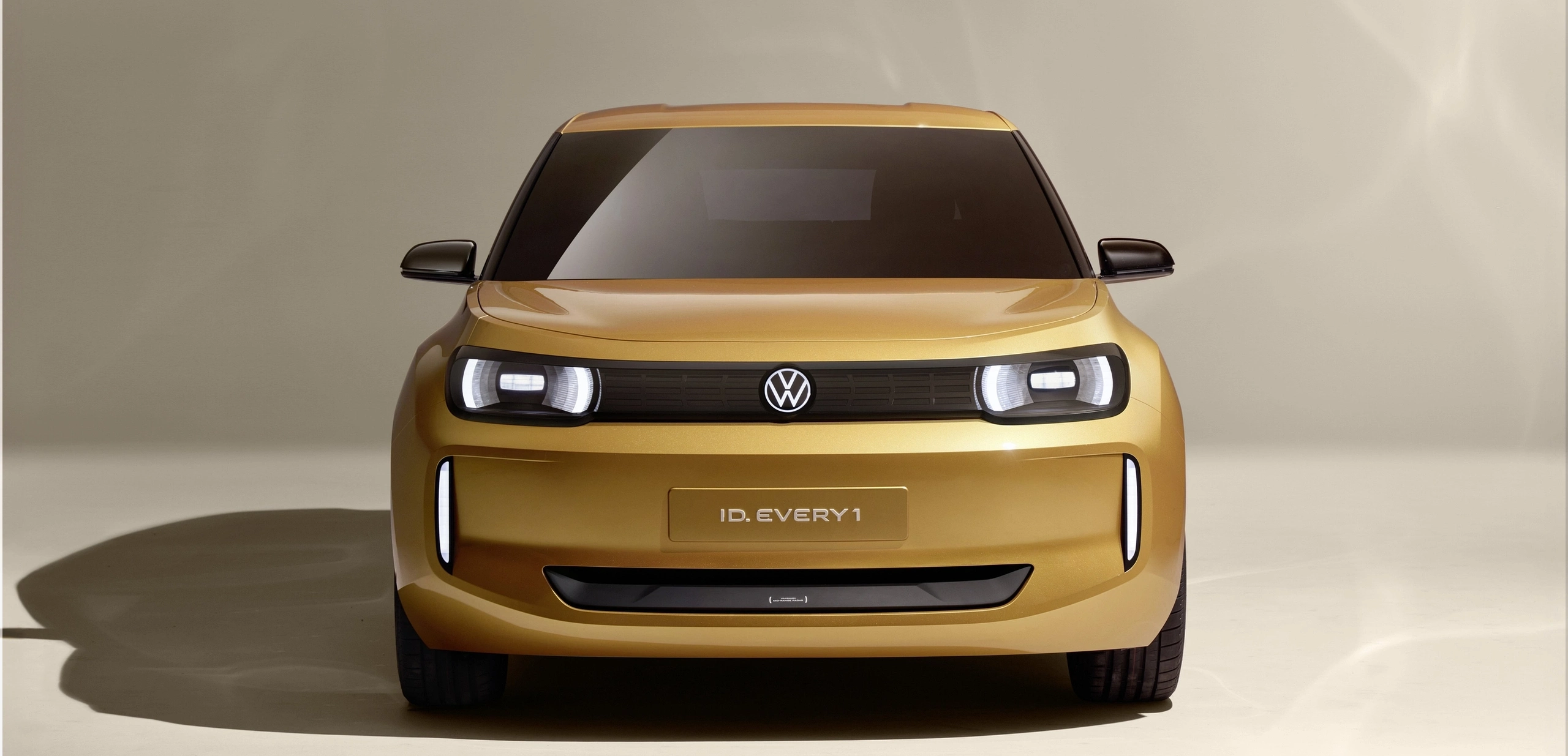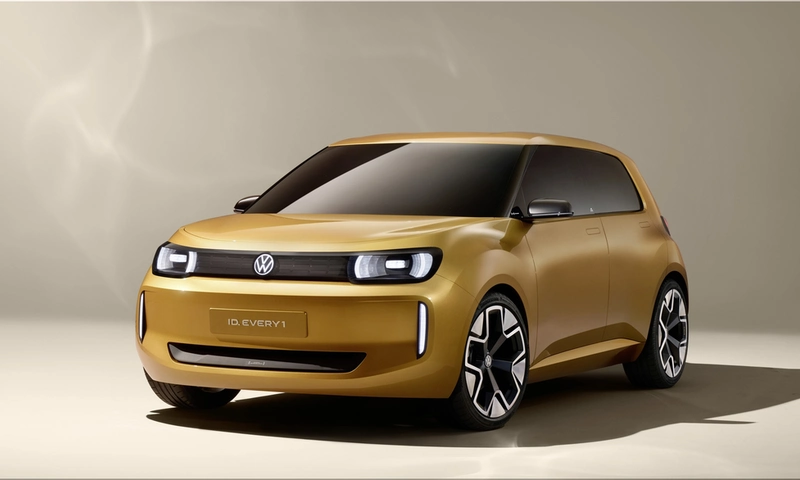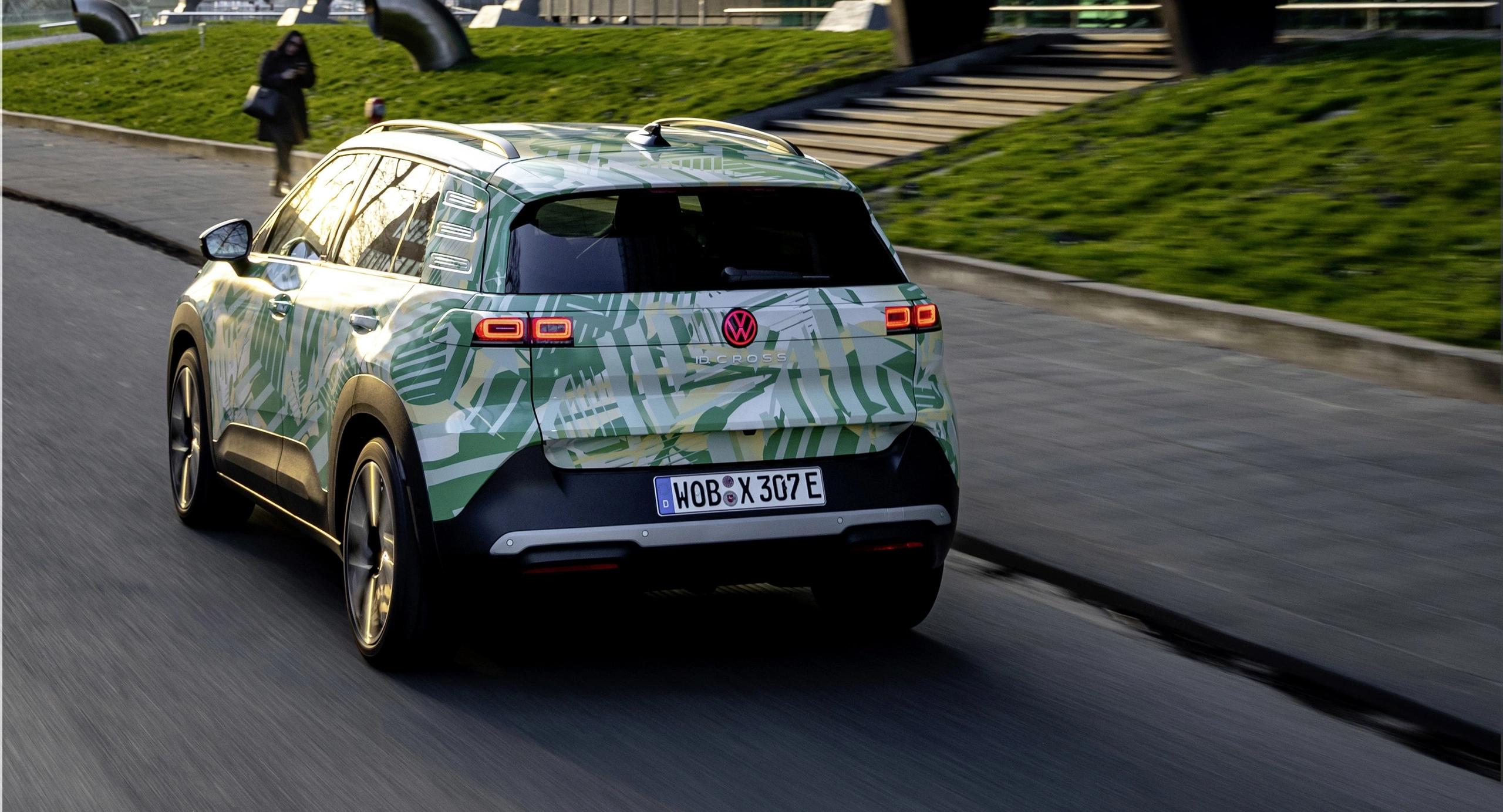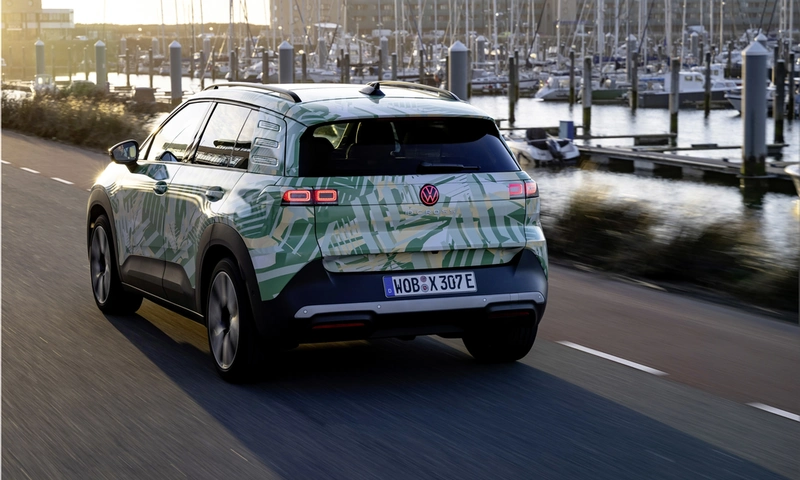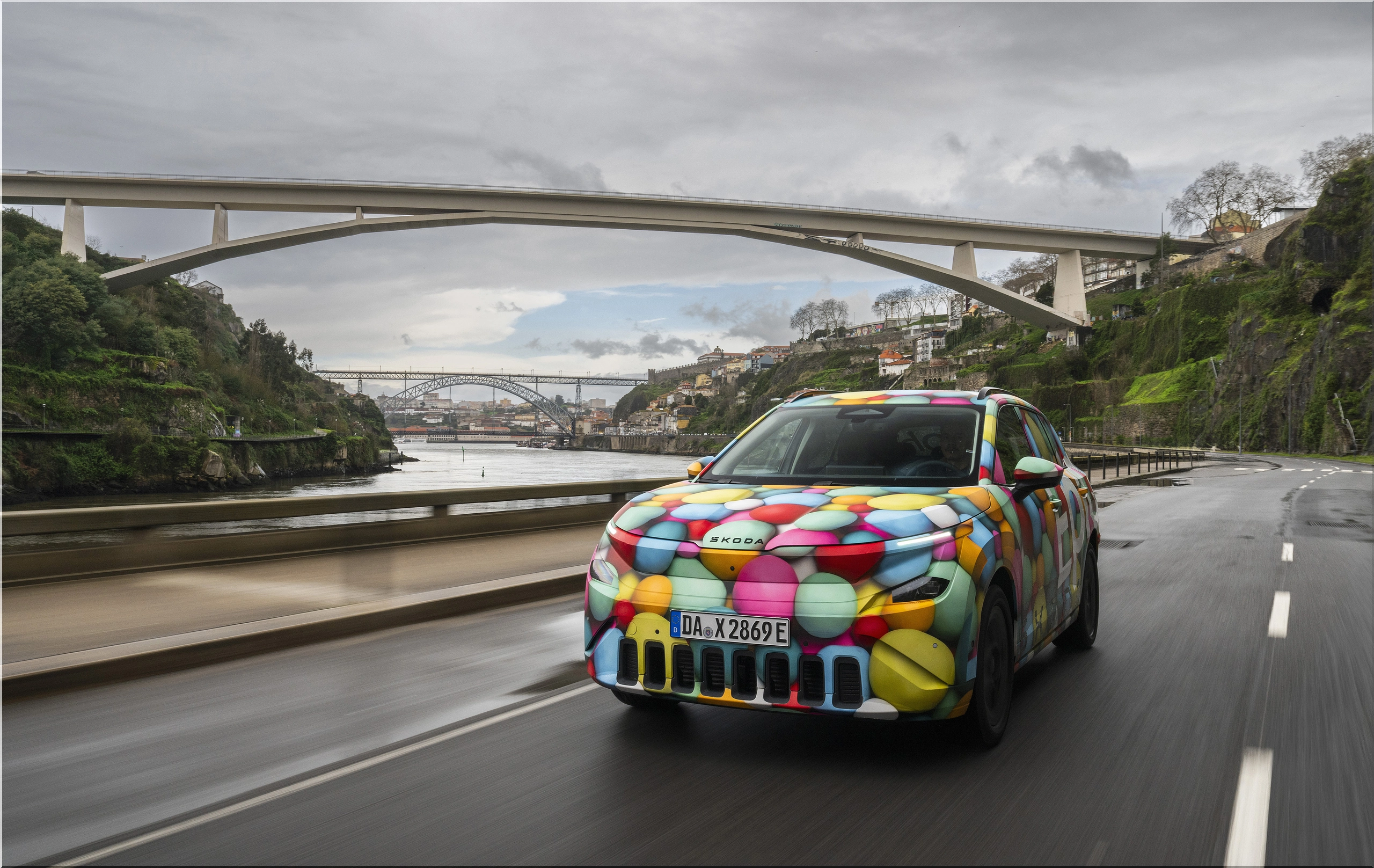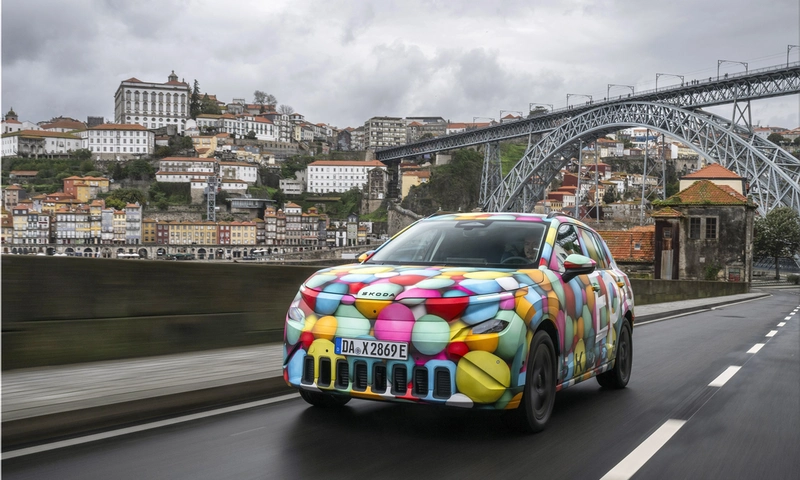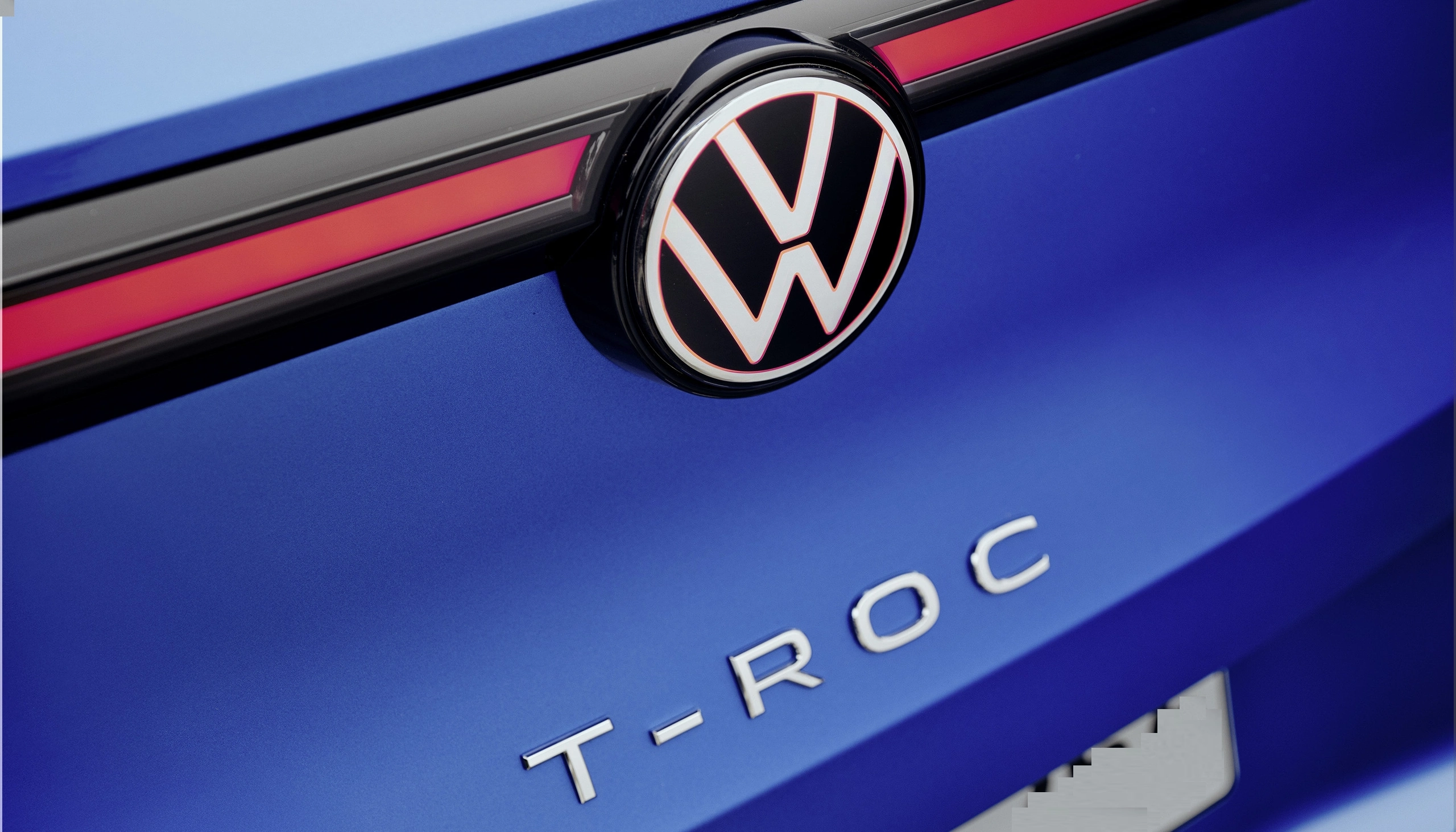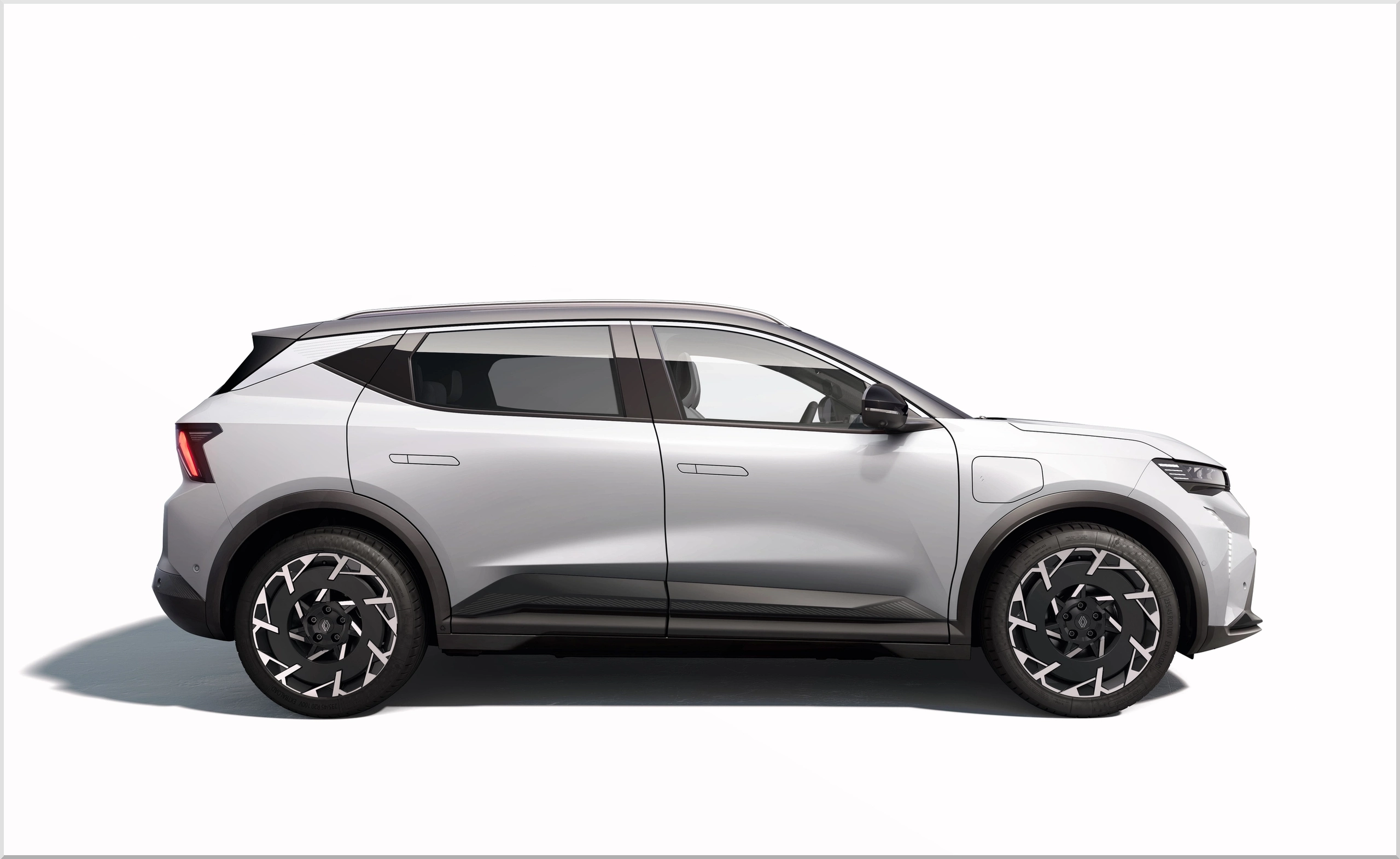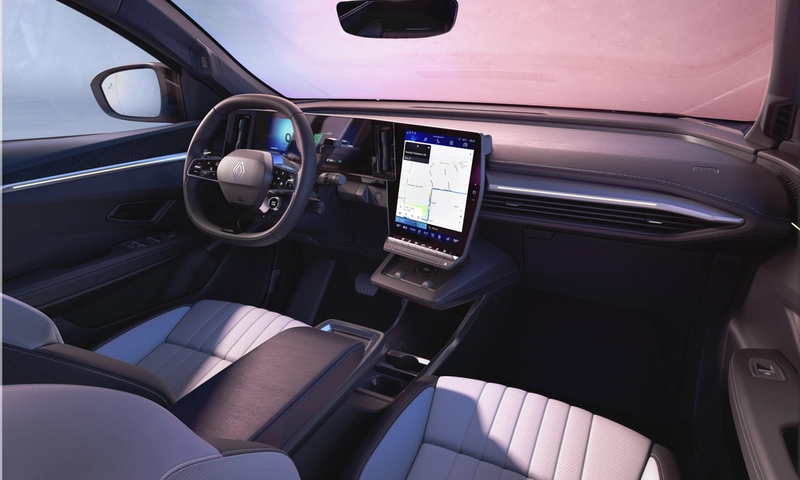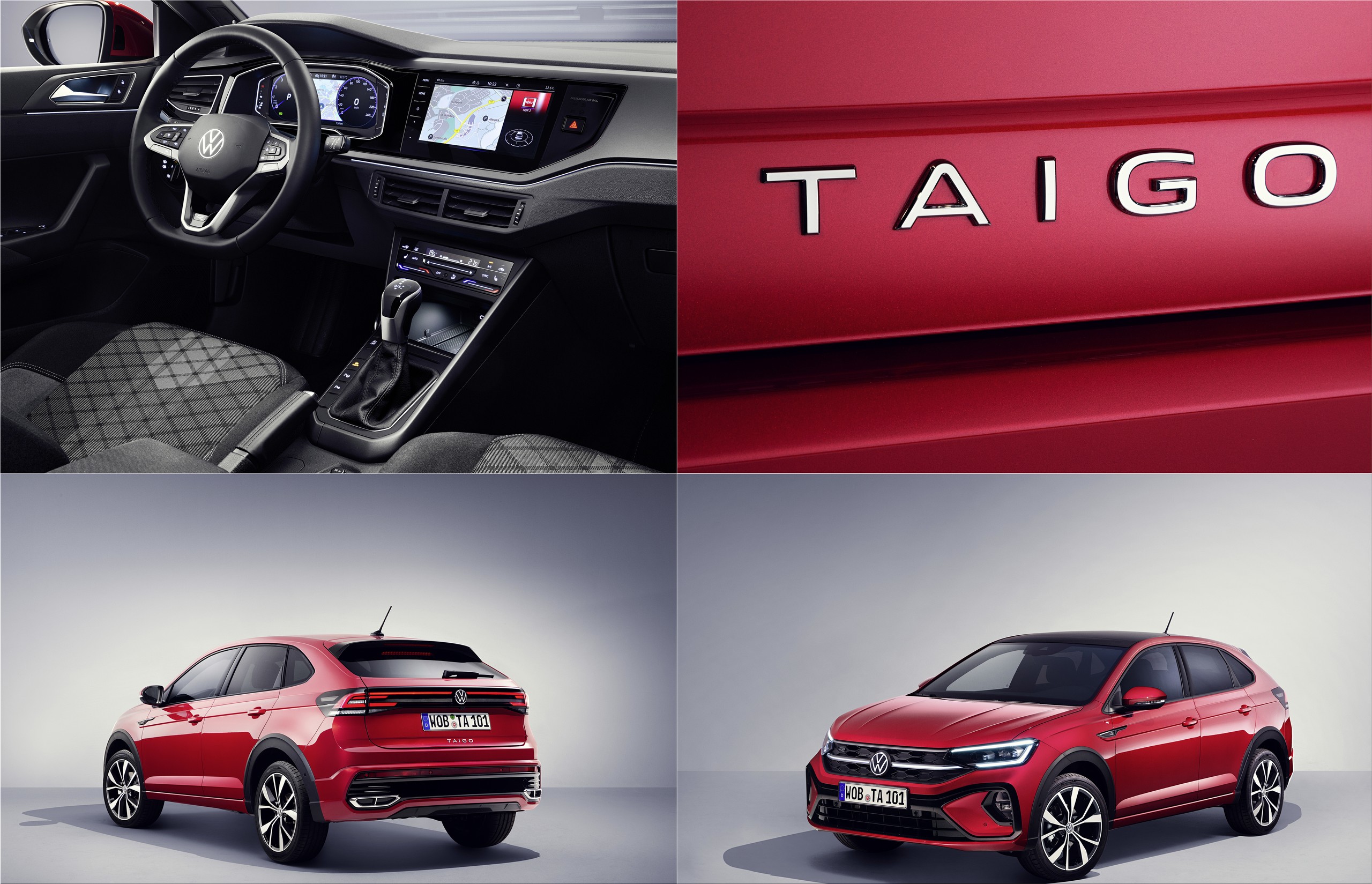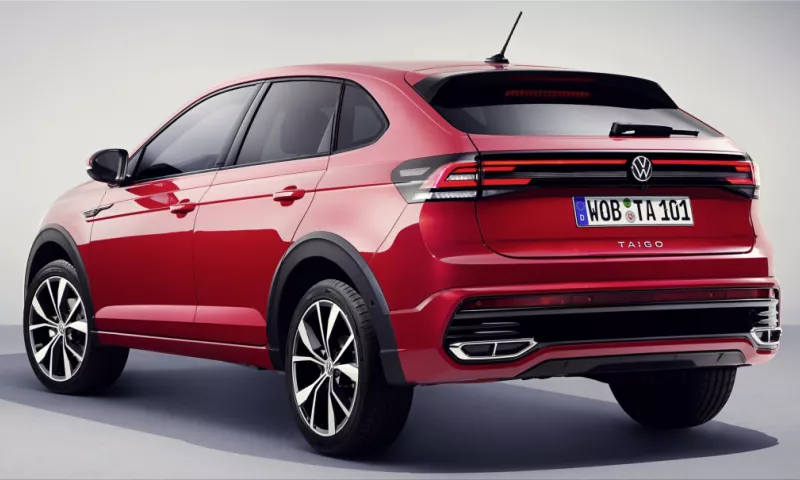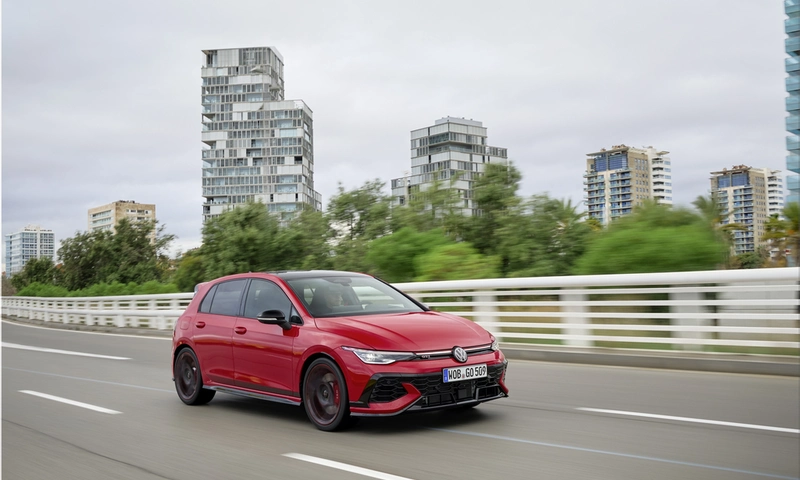
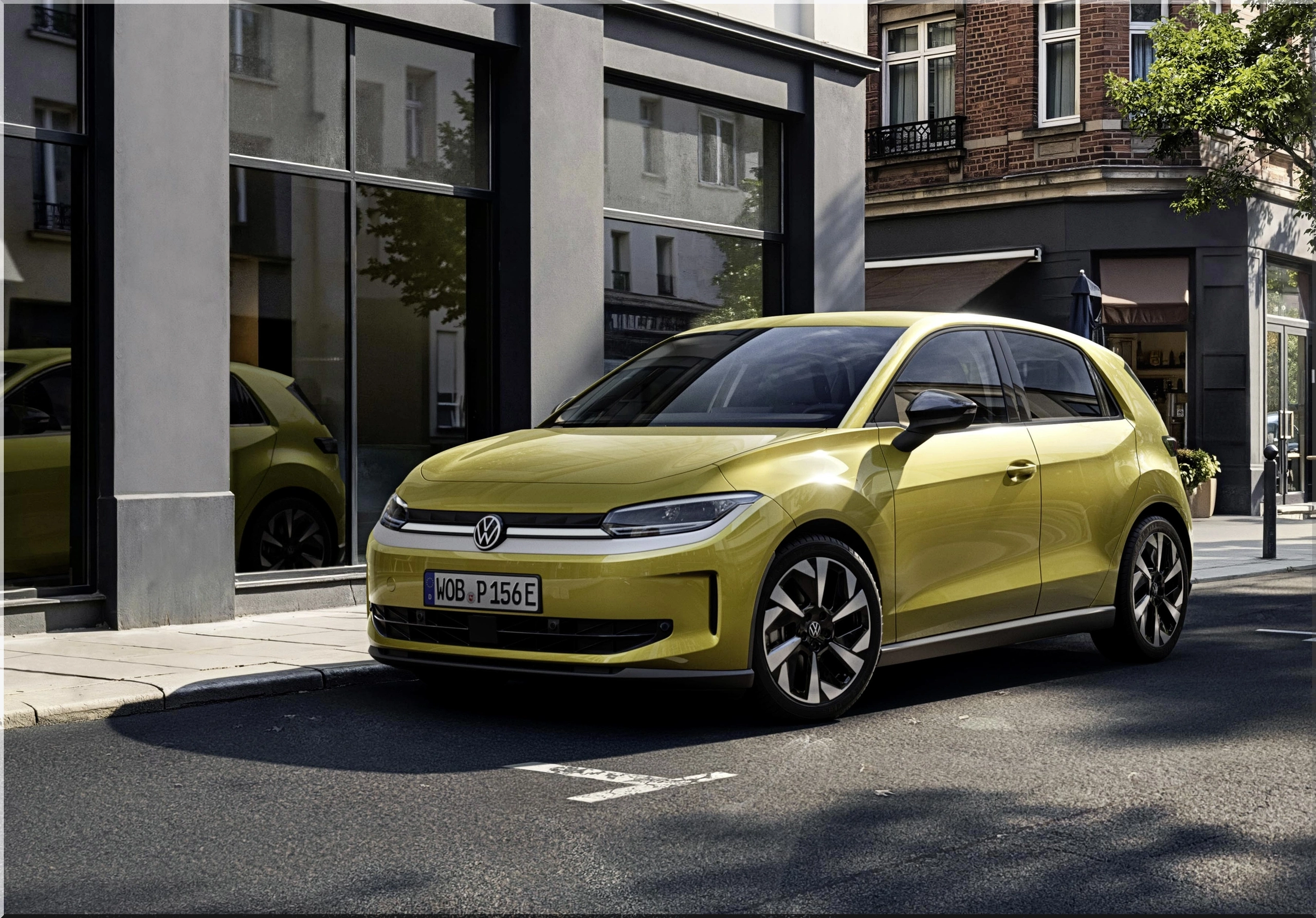
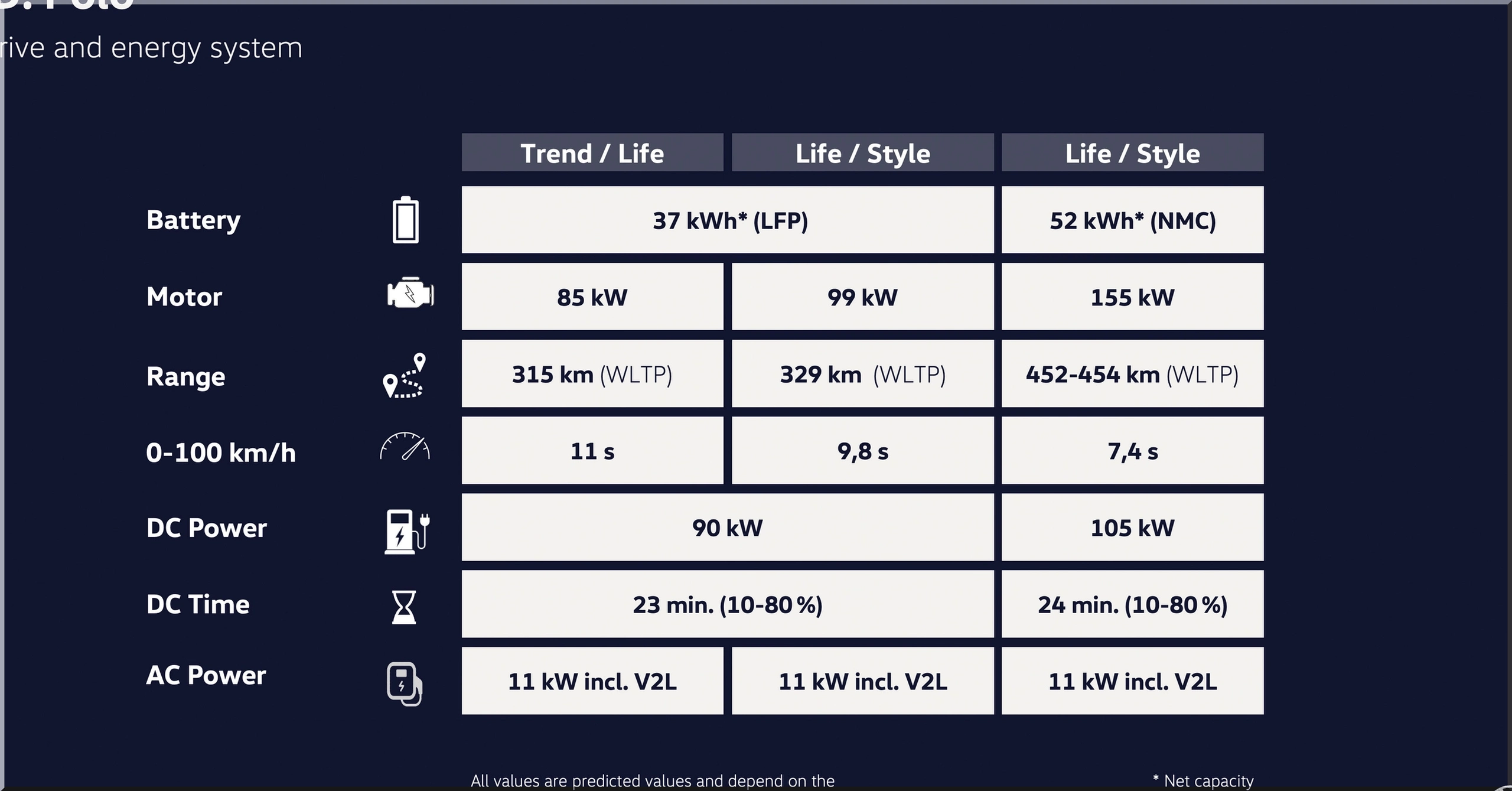
Volkswagen has opened German pre-sales for the Volkswagen ID. Polo with a 37-kWh net battery at €24,995. The Trend pairs an 85 kW (116 PS) motor with up to 334 km of WLTP range, while Volkswagen also offers a 99 kW (135 PS) output with the same battery. Standard 90 kW DC charging takes the pack from 10 to 80 percent in about 23 minutes.
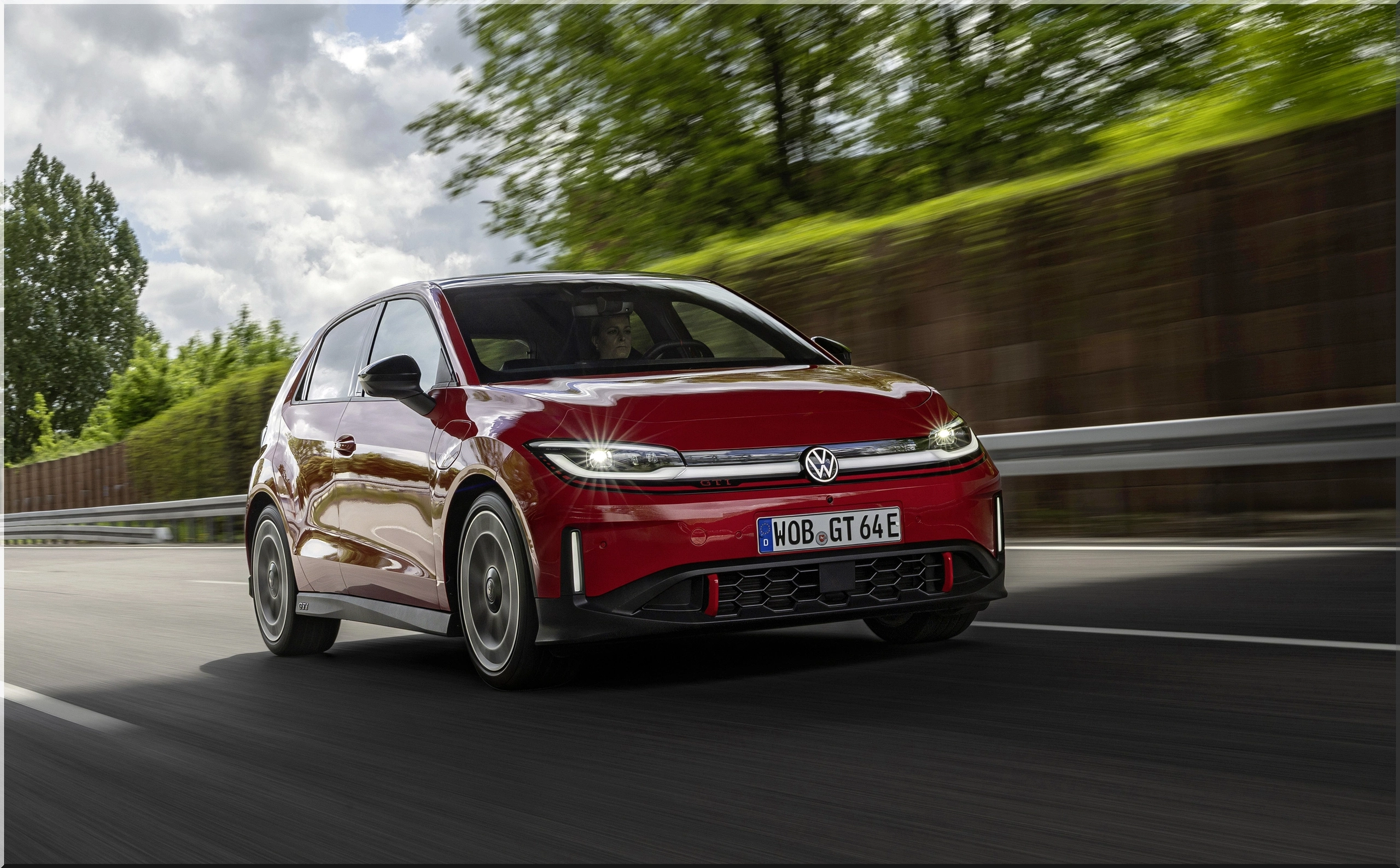
Volkswagen opened German orders on 16 July 2026 and UK orders later that month, with UK deliveries due in November; the 166 kW GTI arrives in 2027, but the regular car entered Europe during 2026. Volkswagen has not confirmed North American sales.
Image
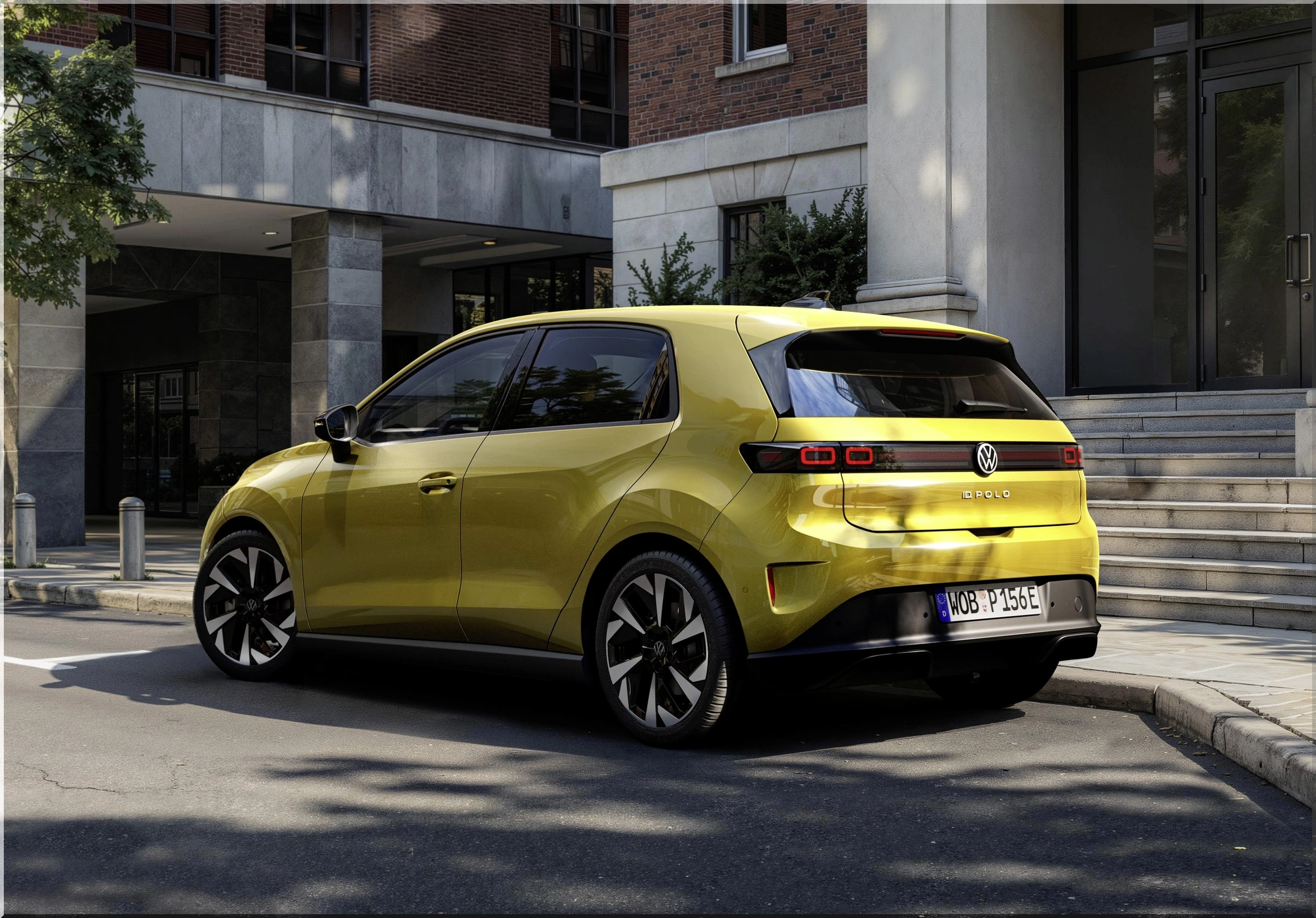
Volkswagen ID. Polo 37-kWh Specifications
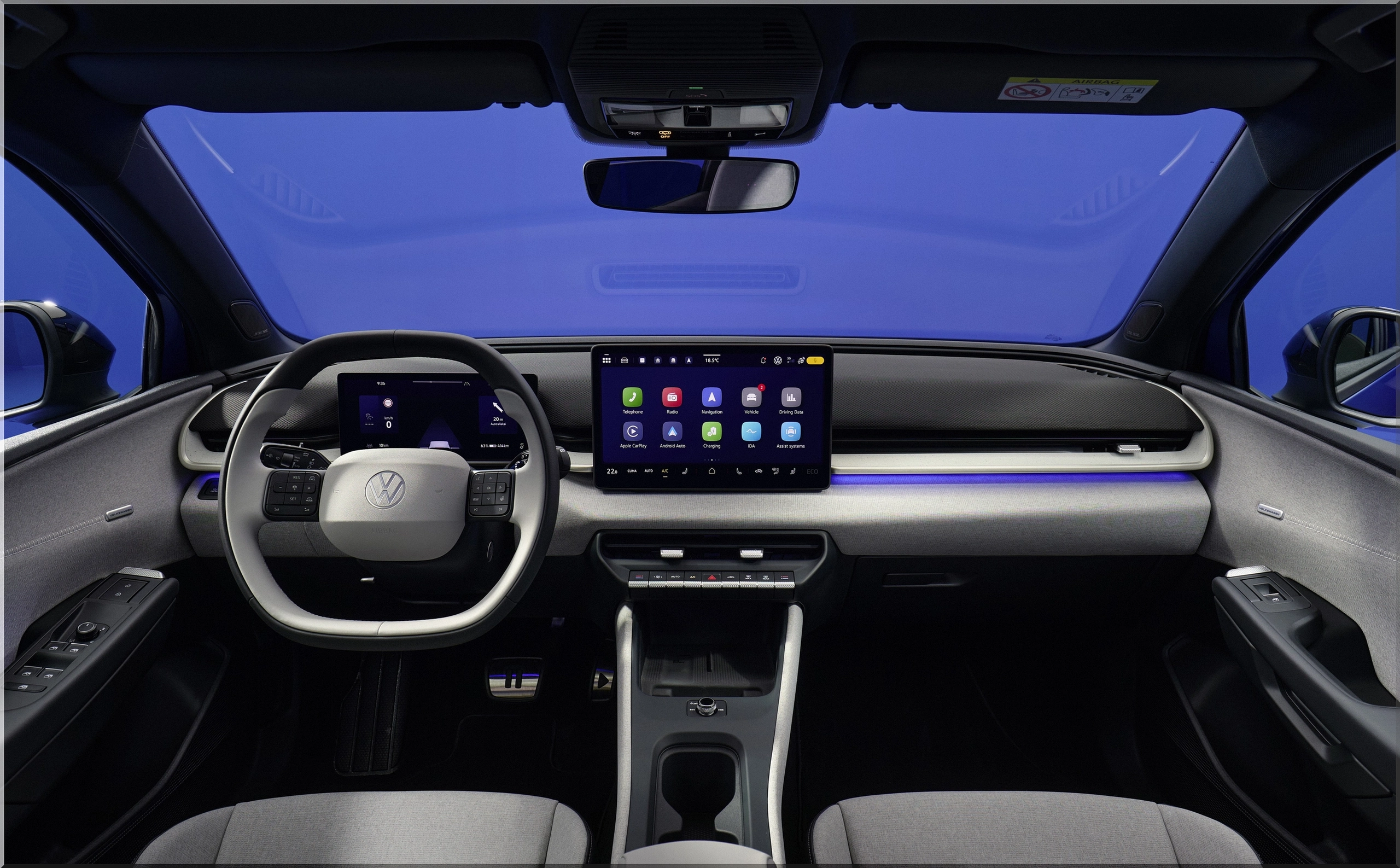
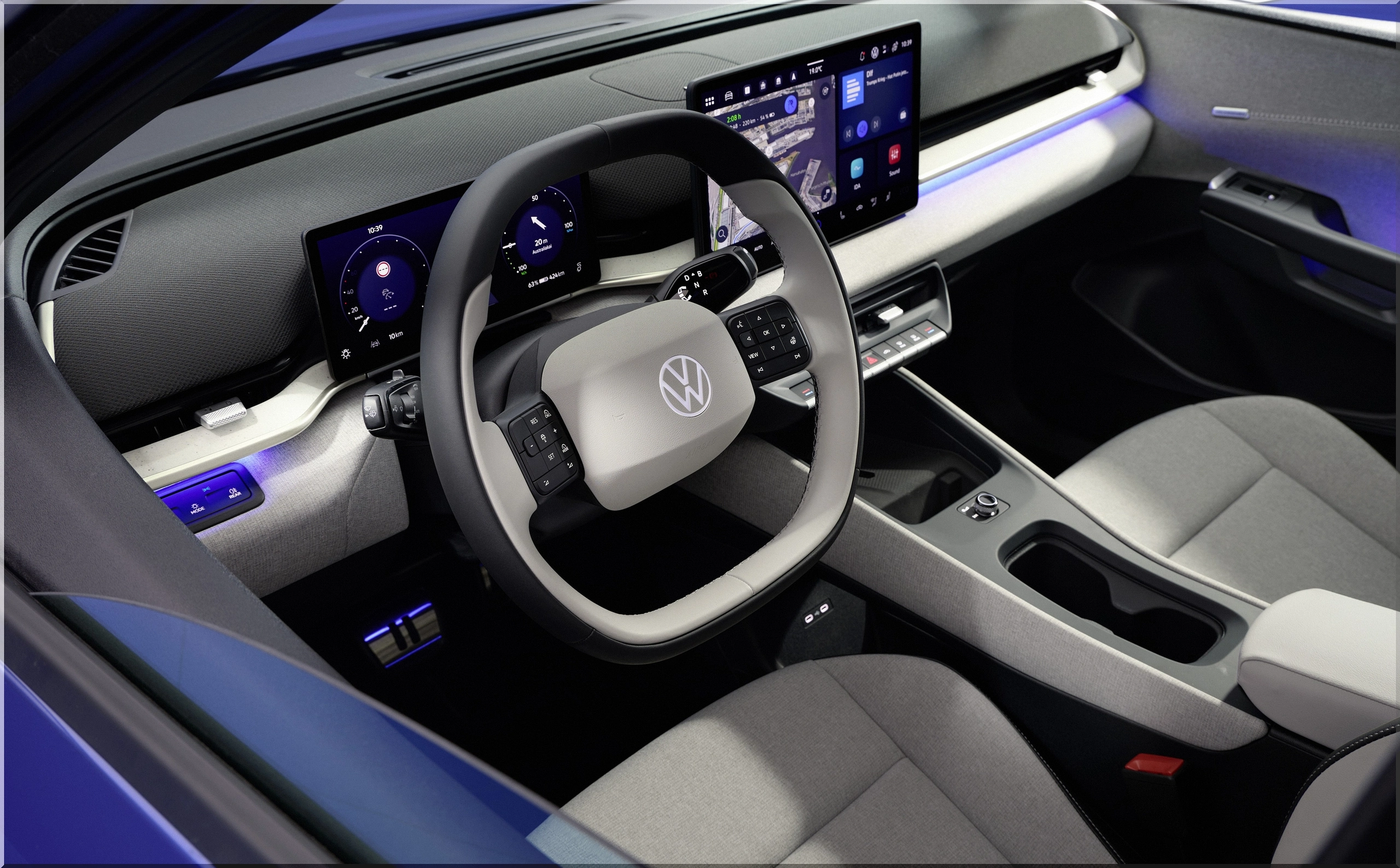
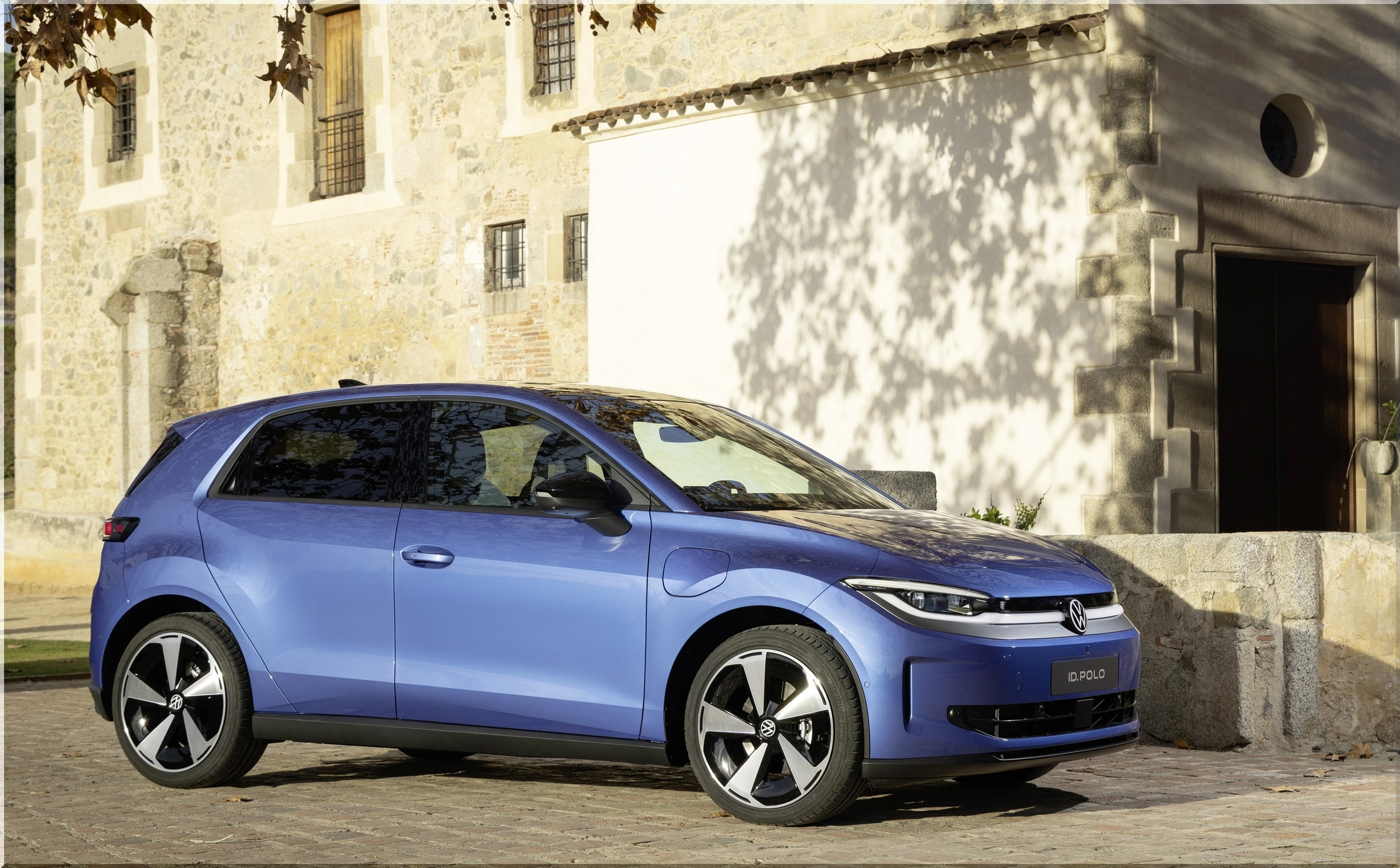
Volkswagen gives the base ID. Polo Trend climate control, two large displays, LED lighting, active safety systems and standard rapid charging. Looking at the data, its B-segment footprint conceals class-above cargo capacity.
| Specification | 37-kWh Volkswagen ID. Polo |
|---|---|
| German list price | €24,995 for Trend; 37-kWh Life and Style range from €29,195 |
| Battery | 37 kWh net, LFP chemistry, cell-to-pack construction |
| Motor | Front-mounted APP290 electric motor |
| Outputs | 85 kW (116 PS) or 99 kW (135 PS) |
| Motor capability | Up to 290 Nm in the APP290 family |
| Drive and transmission | Front-wheel drive, single-speed reduction gear |
| WLTP consumption | 13.3-14.8 kWh/100 km |
| WLTP range | Up to 334 km |
| AC and DC charging | 11 kW AC; up to 90 kW DC |
| DC charging time | About 23 minutes from 10 to 80 percent |
| Top speed | 160 km/h |
| Size | 4,053 x 1,816 x 1,530 mm (159.6 x 71.5 x 60.2 inches) |
| Wheelbase | 2,600 mm (102.4 inches) |
| Kerb weight | From 1,568 kg |
| Luggage volume | 441 litres; 1,243 litres with rear seats folded |
| Drag coefficient | 0.264 Cd |
A 10-to-80 percent session adds 25.9 kWh. Completing it in 23 minutes requires about 67.6 kW on average, below the 90 kW peak. At the official rating, that stop restores up to roughly 234 km.
Image
Why Volkswagen Chose LFP and Front-Wheel Drive
Volkswagen uses LFP battery chemistry to control cost and support frequent charging. Its cathode requires no nickel or cobalt, and LFP cells accept repeated high states of charge well. Lower energy density and weaker cold-weather output explain why Volkswagen reserves NMC chemistry for the 52-kWh pack.
Specifically, the Group unified cell removes intermediate module housings. Volkswagen groups the cells into three compact packs inside a floor casing that stiffens the body. Fewer parts cut mass, volume and cost.
The MEB+ platform places the APP290 motor, gearbox and in-house pulse inverter at the front. Consequently, Volkswagen leaves the rear free of drive hardware. The inverter controls output, recuperation and DC-to-AC conversion.
Volkswagen pairs MacPherson front suspension with a torsion-beam rear axle. Engineers lowered axle natural frequencies by 5 percent against the combustion Polo, while a one-box system coordinates regeneration with four-wheel disc braking. The result targets low cost, useful space and predictable pedal response.
Image
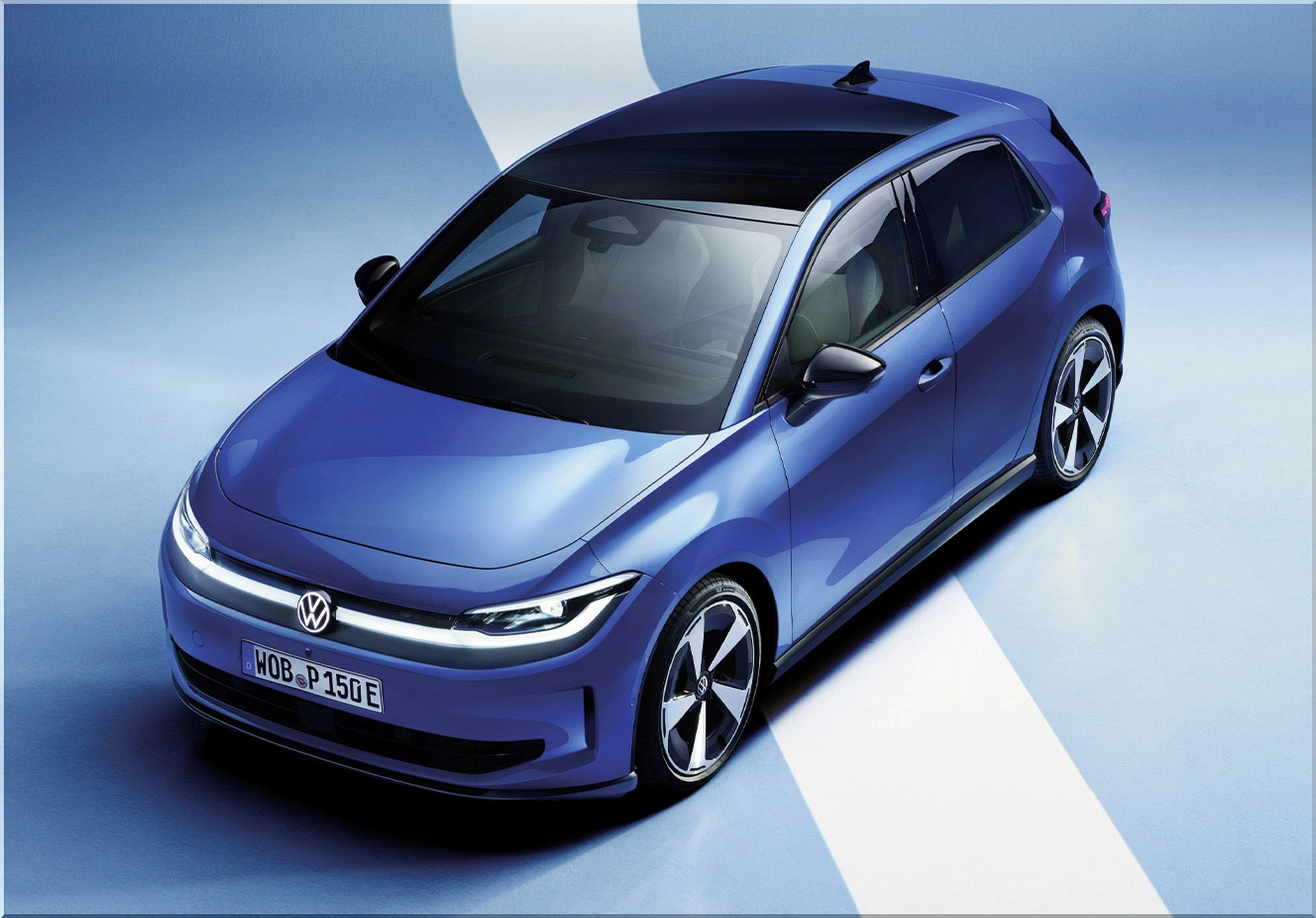
Standard Equipment Adds Real Value
Volkswagen makes the €24,995 figure credible with a strong base specification:
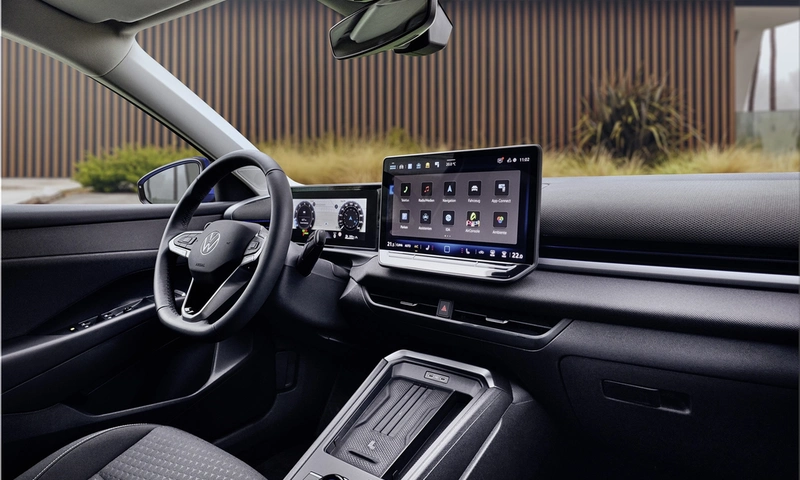
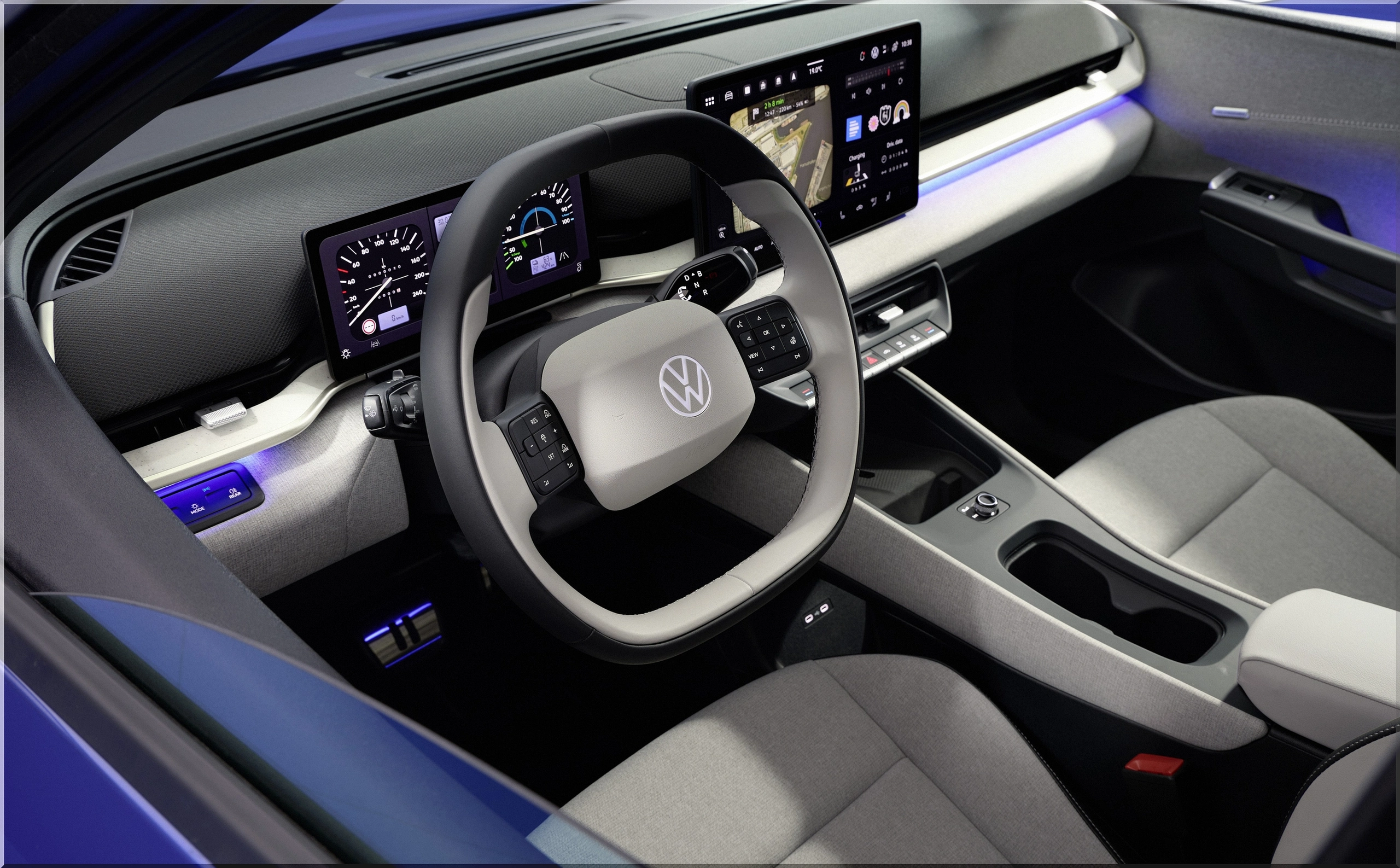
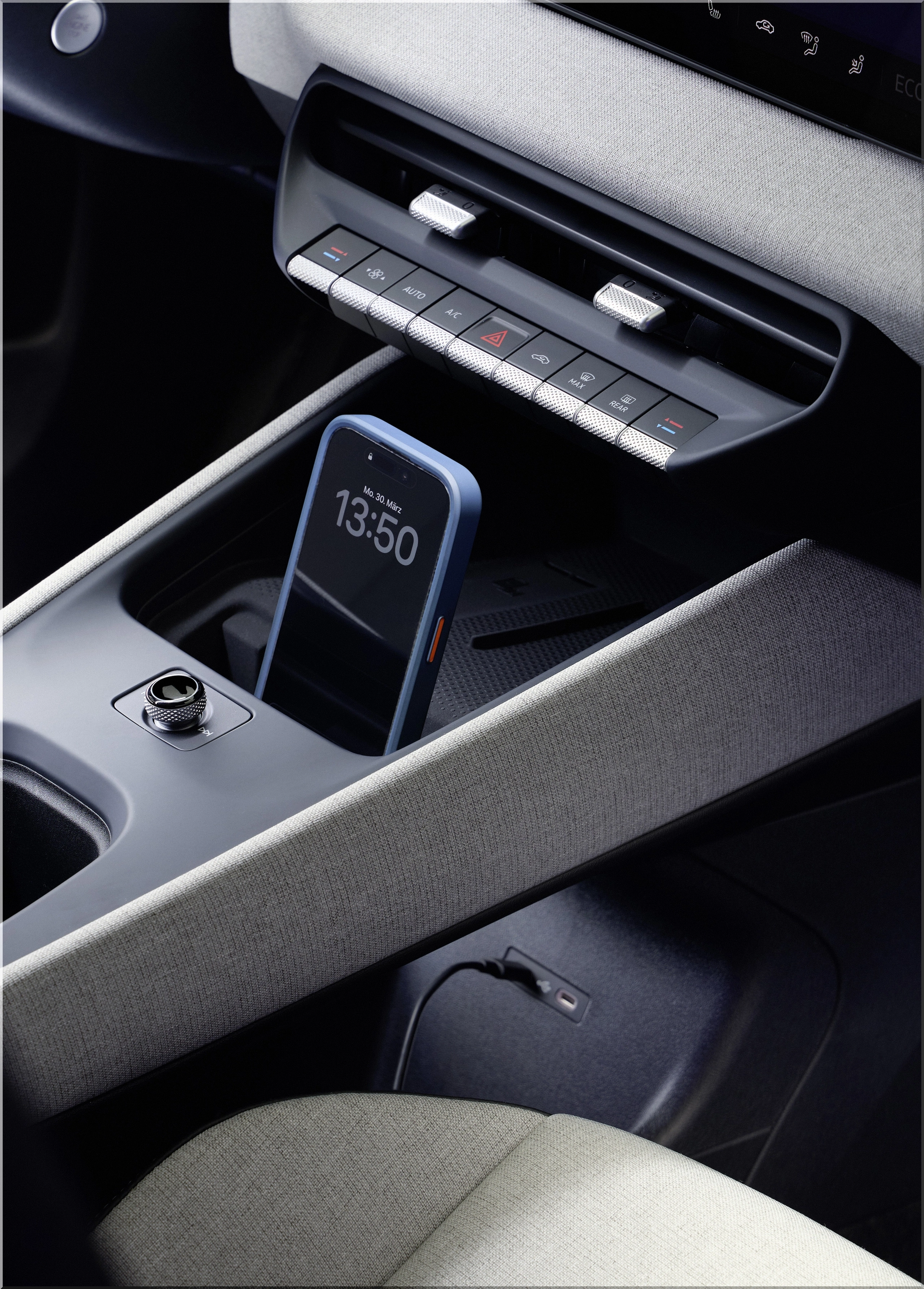
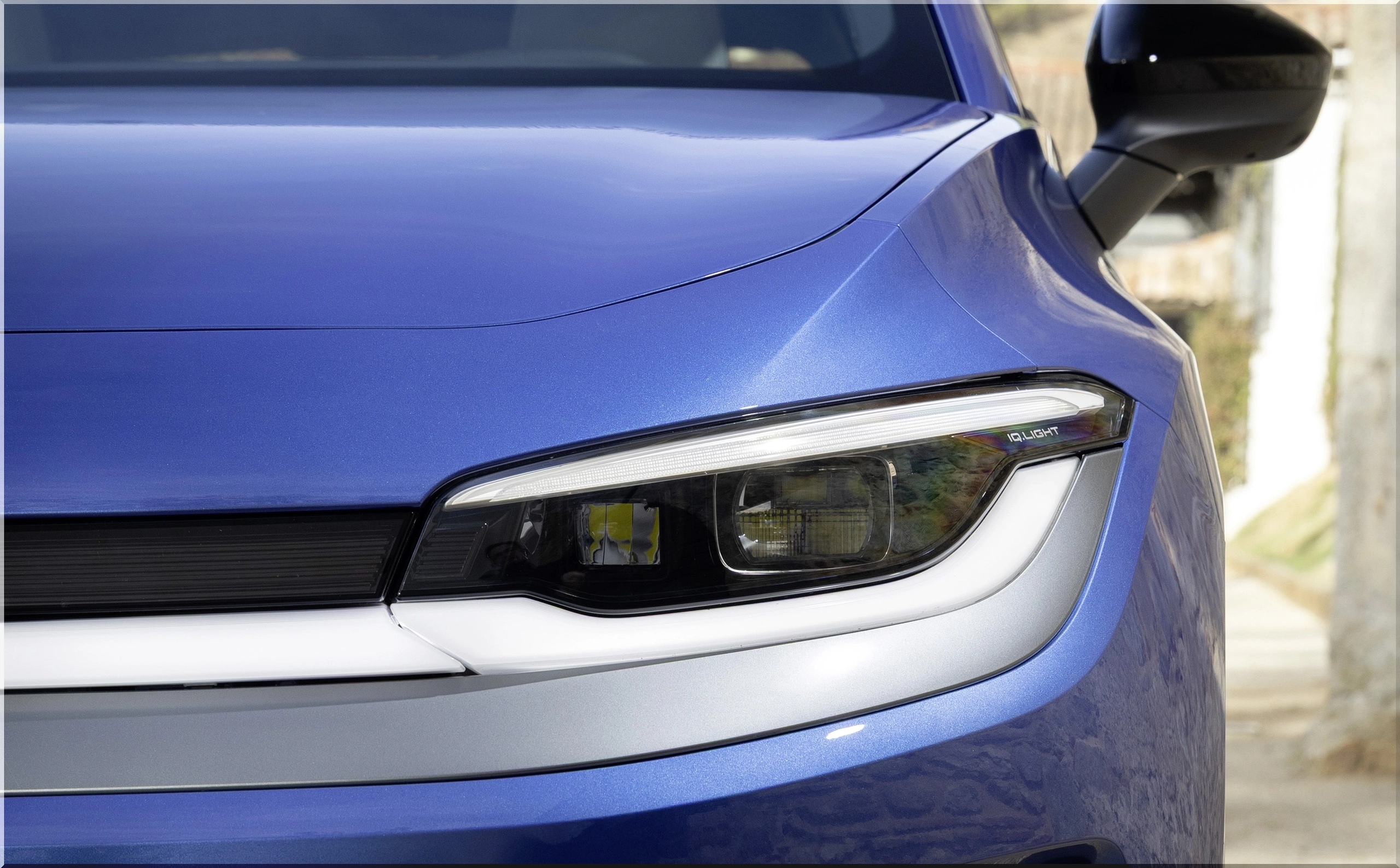
- Trend: 90 kW DC charging, Side Assist, Lane Assist with Emergency Assist, LED headlights with main-beam control, a 10-inch Digital Cockpit, 13-inch infotainment, a leatherette multifunction wheel and automatic air conditioning.
- Life: adaptive cruise control, rear camera, front and rear parking sensors, front cross-traffic assistance, folding mirrors, wireless phone charging, App Connect and a variable boot floor.
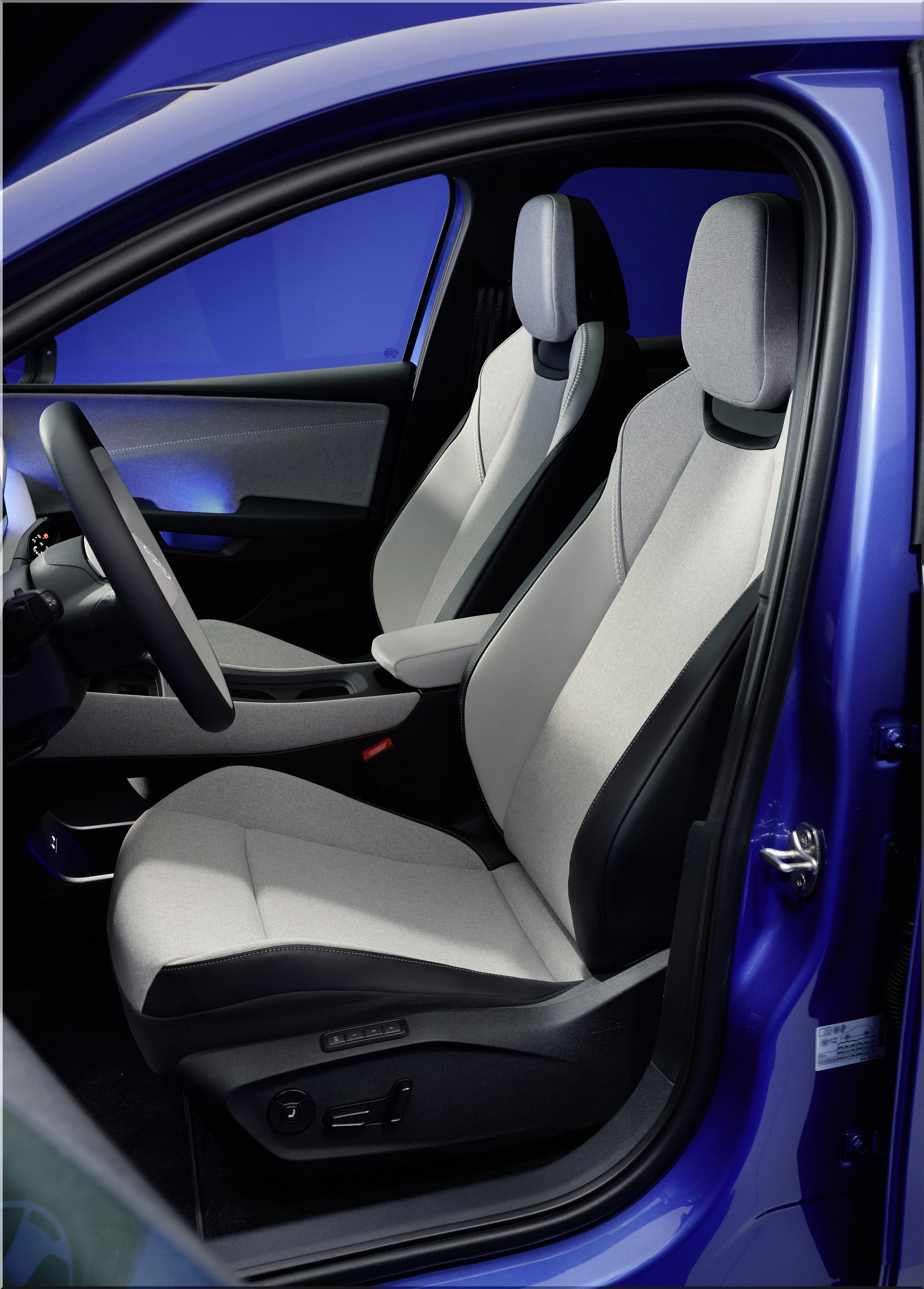
- Style: matrix LED headlights, heated front seats and steering wheel, two-zone climate control, sport comfort seats, upgraded cabin lighting and illuminated badges.
In addition, buyers can add a 425-watt, 10-speaker Harman Kardon system, a glass roof or 12-way powered seats with three massage programmes. Small electric cars rarely offer that choice.
More Space Than the Exterior Suggests
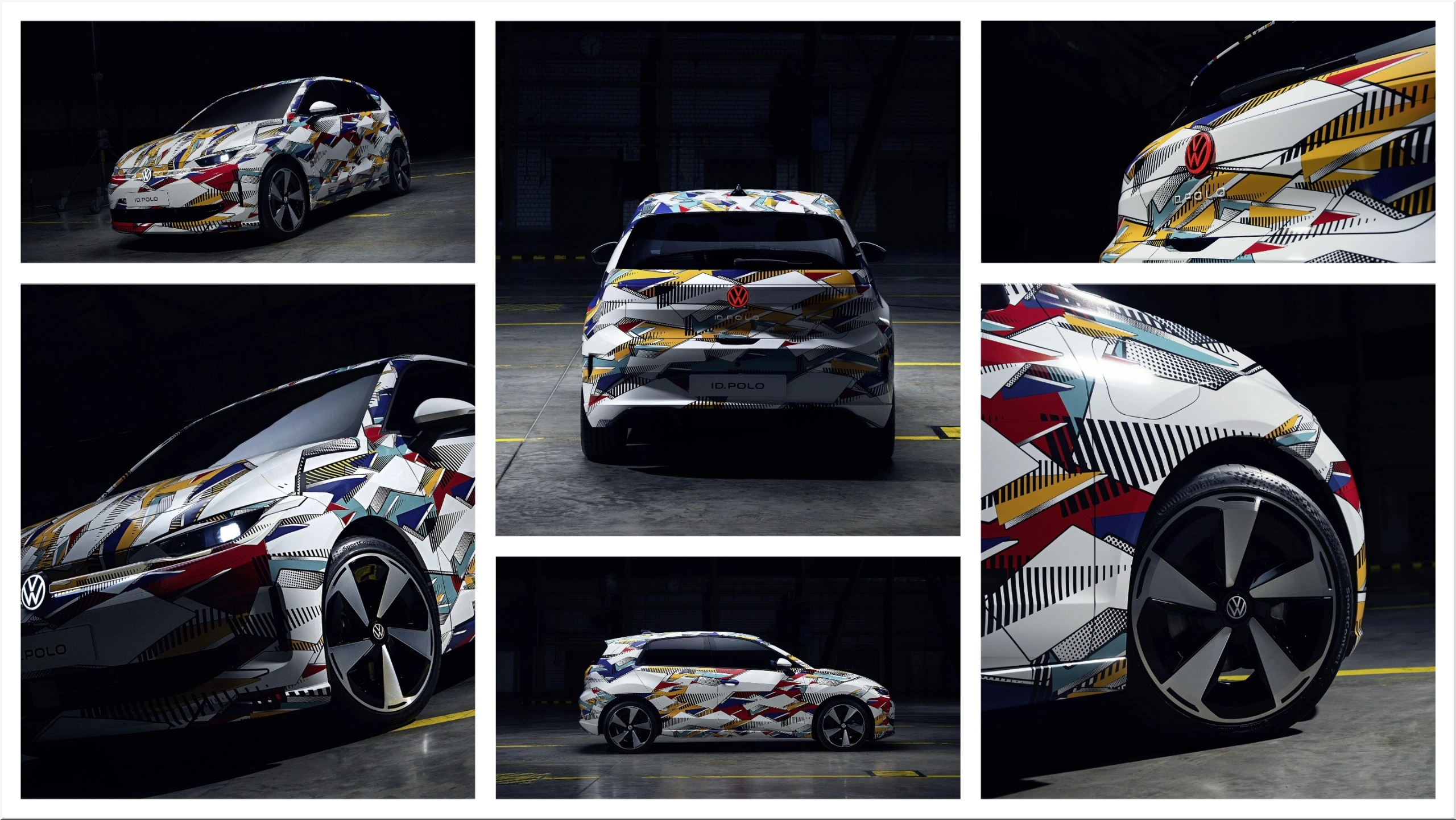
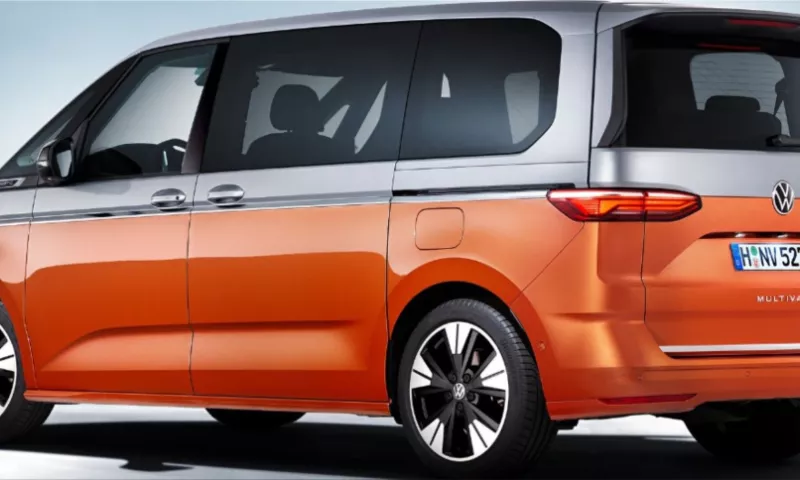
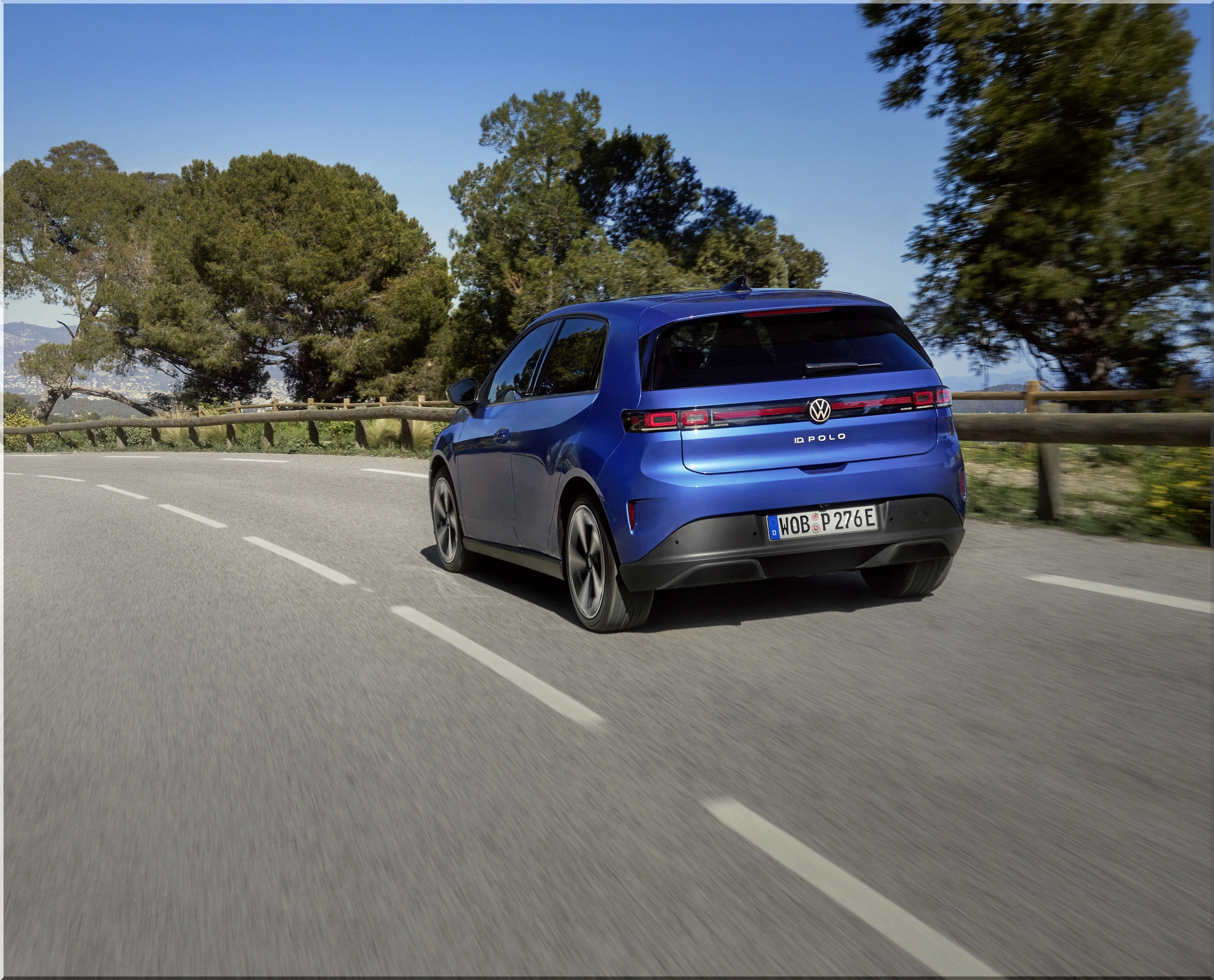
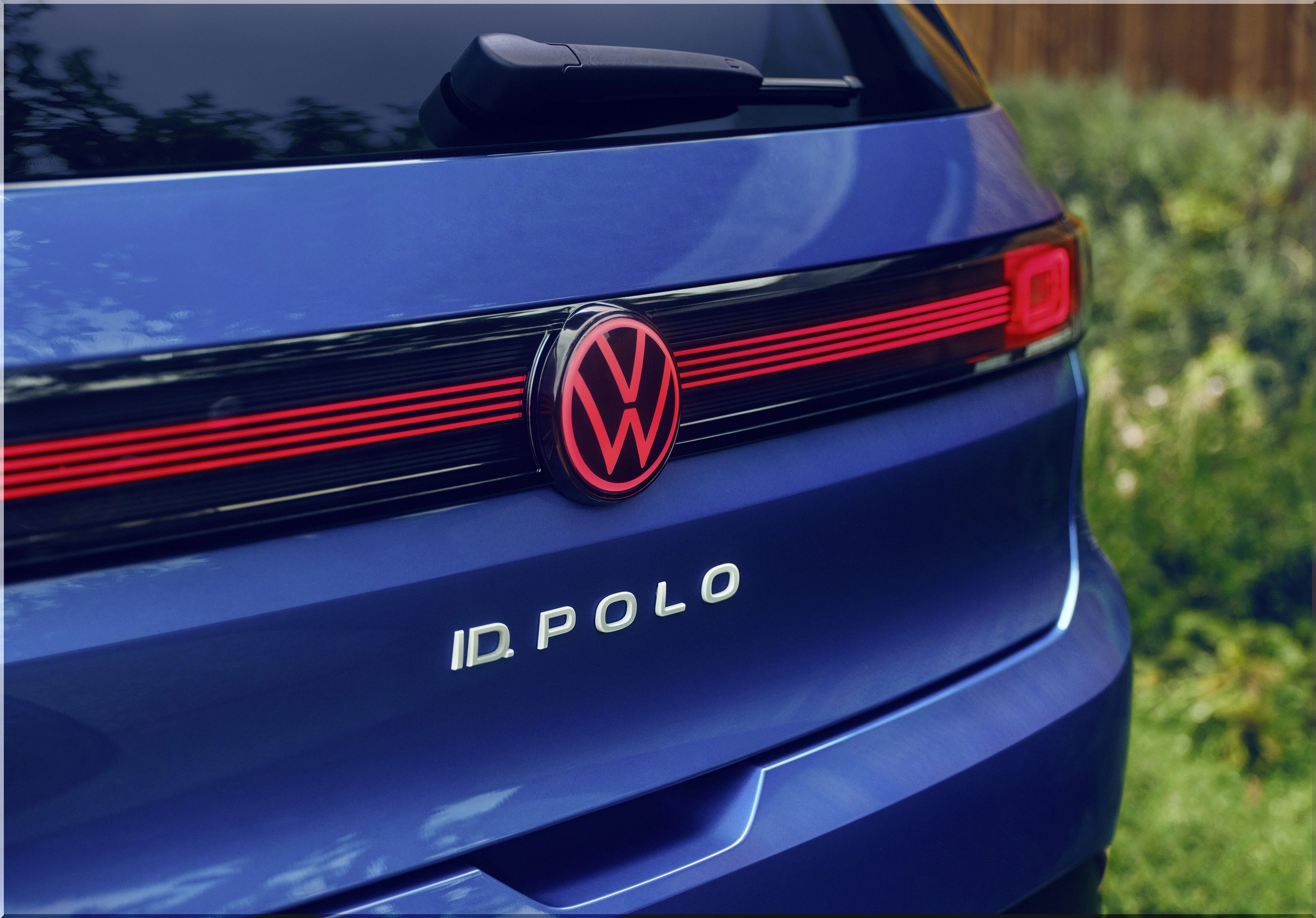
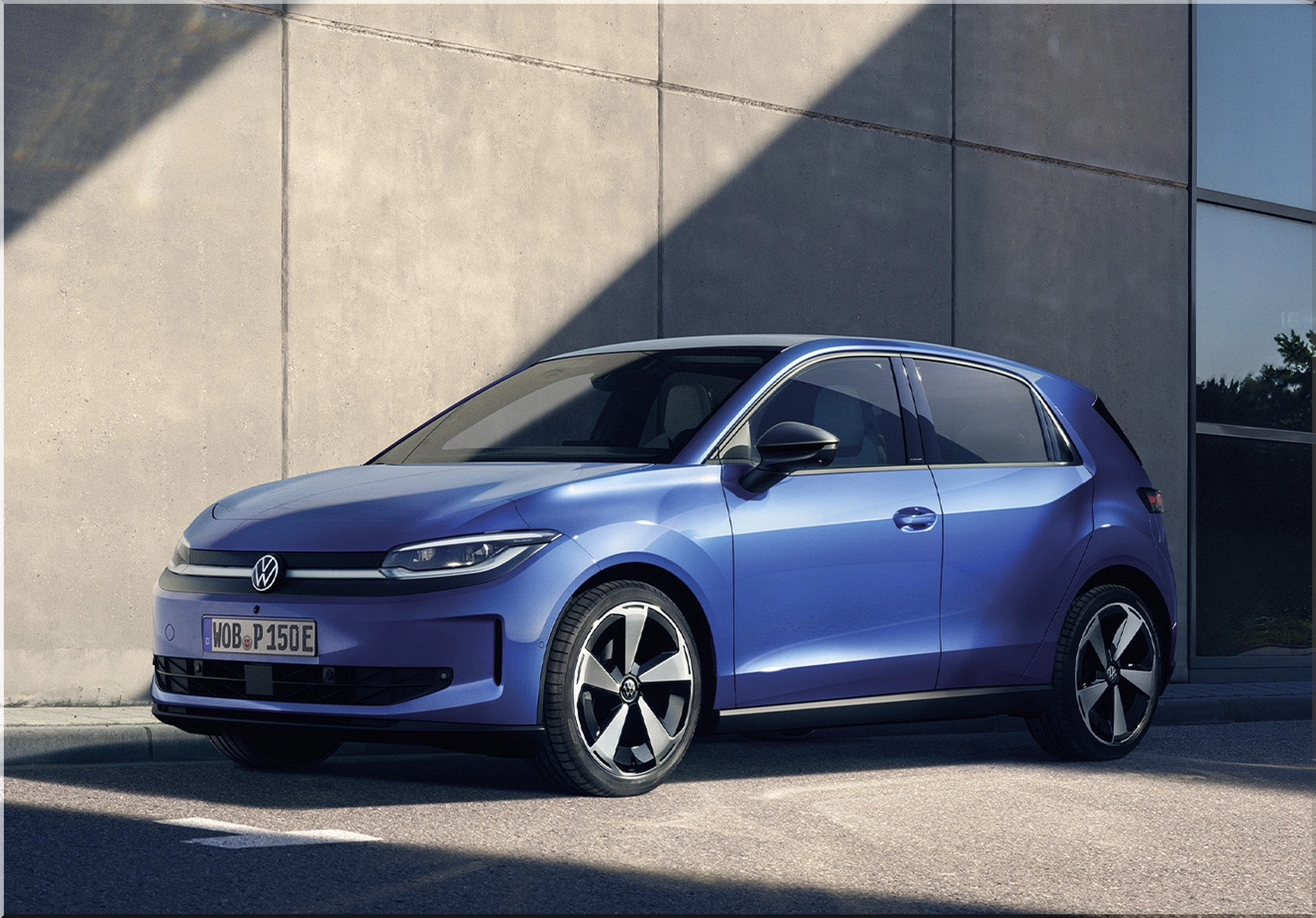
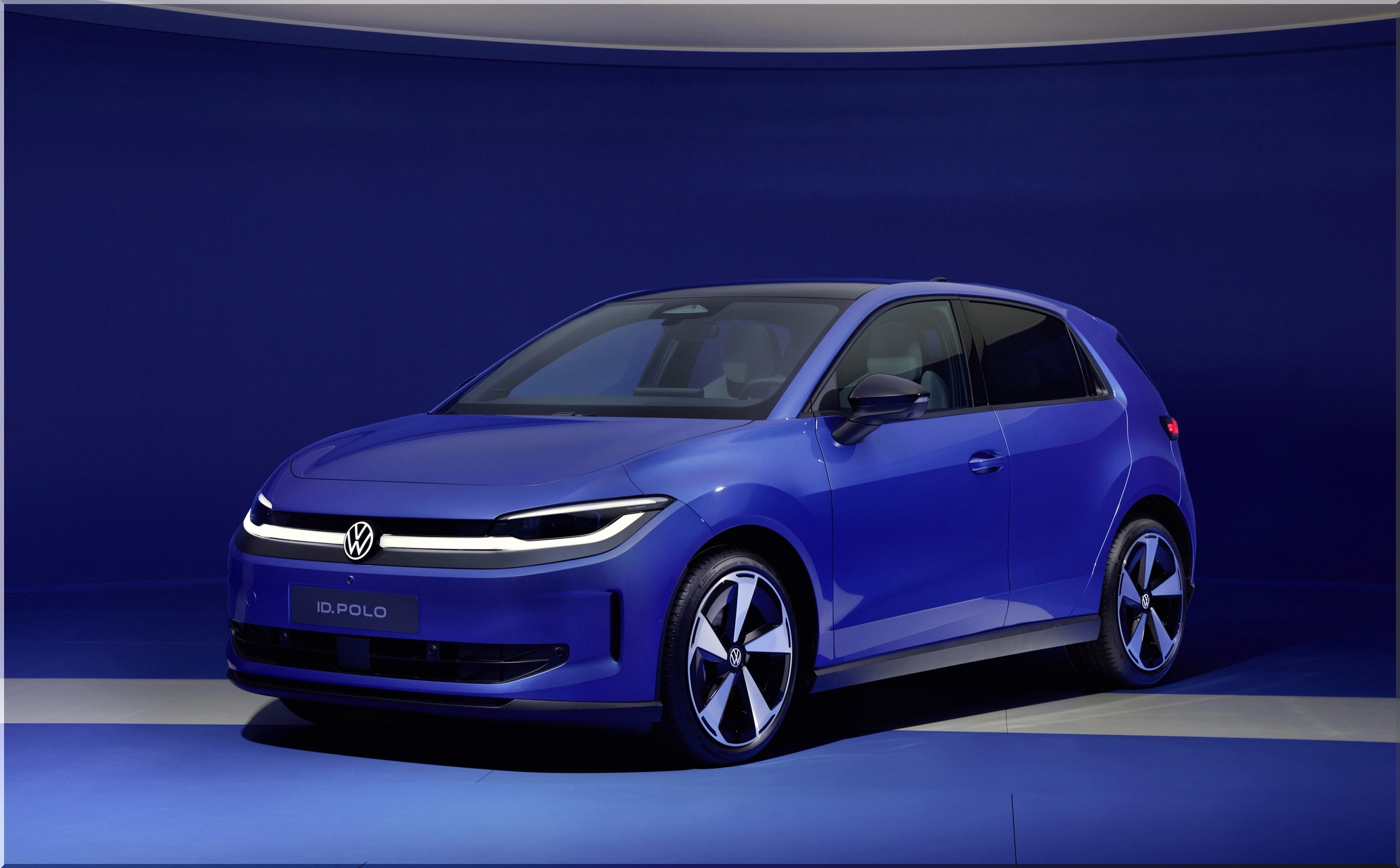
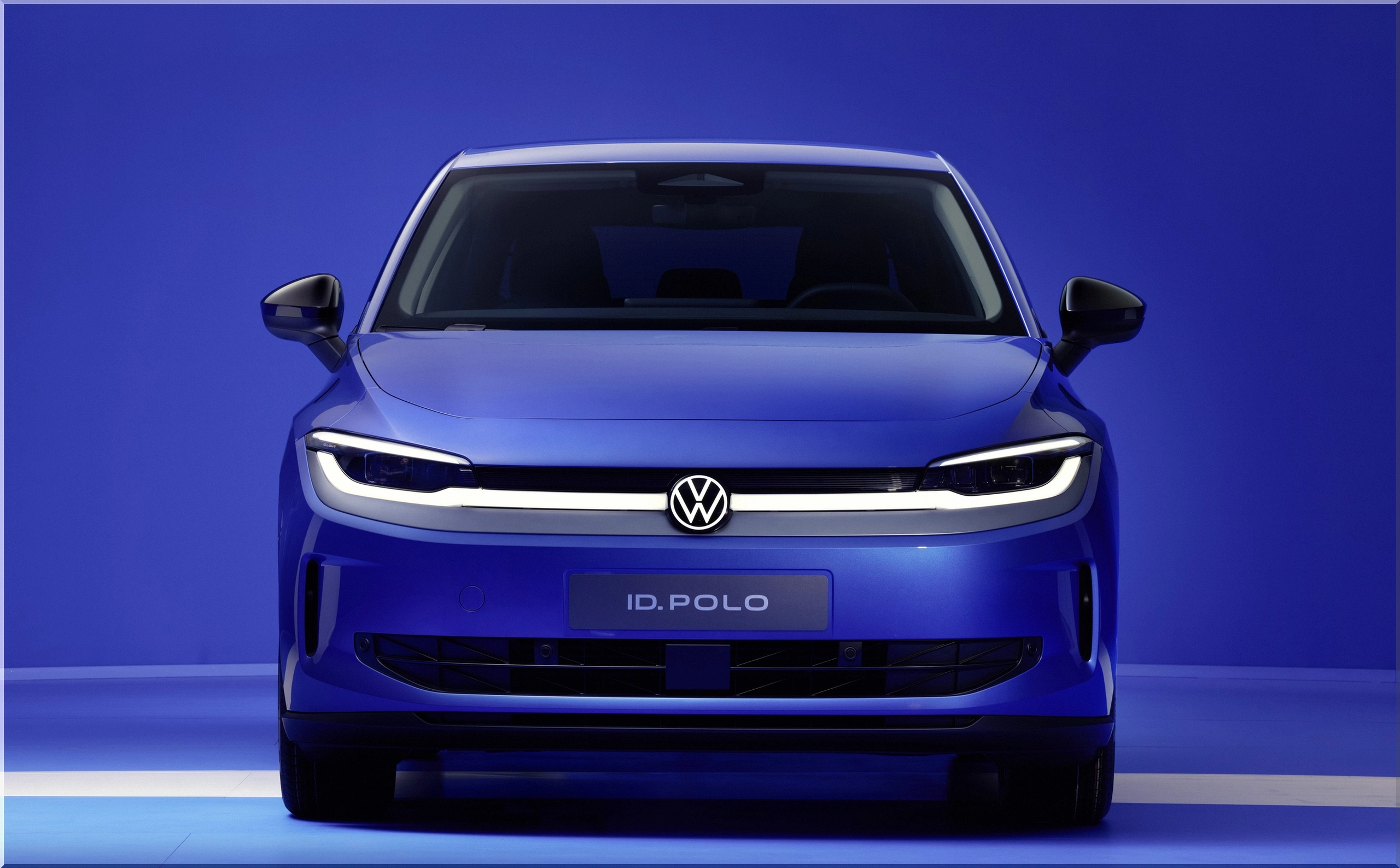
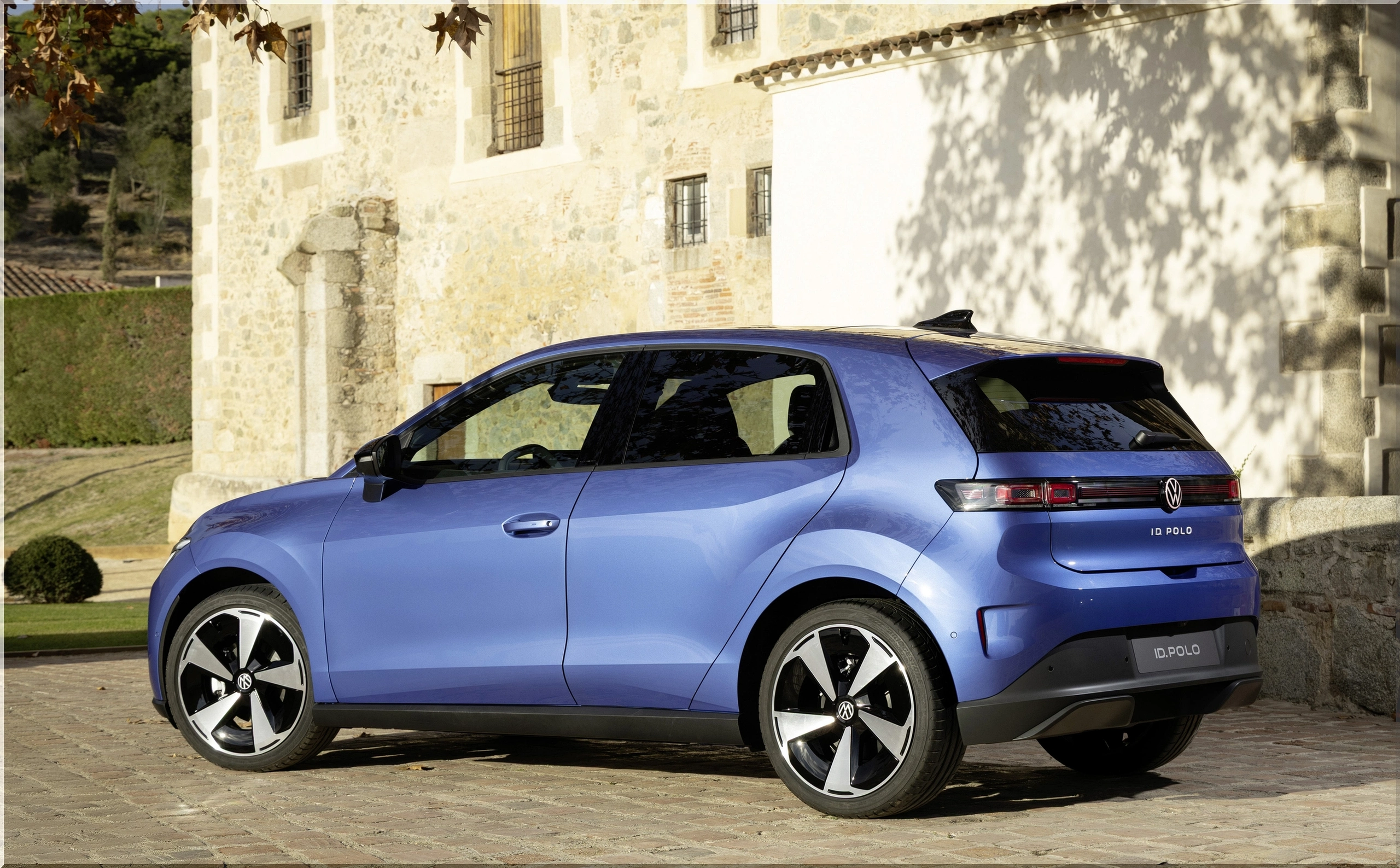
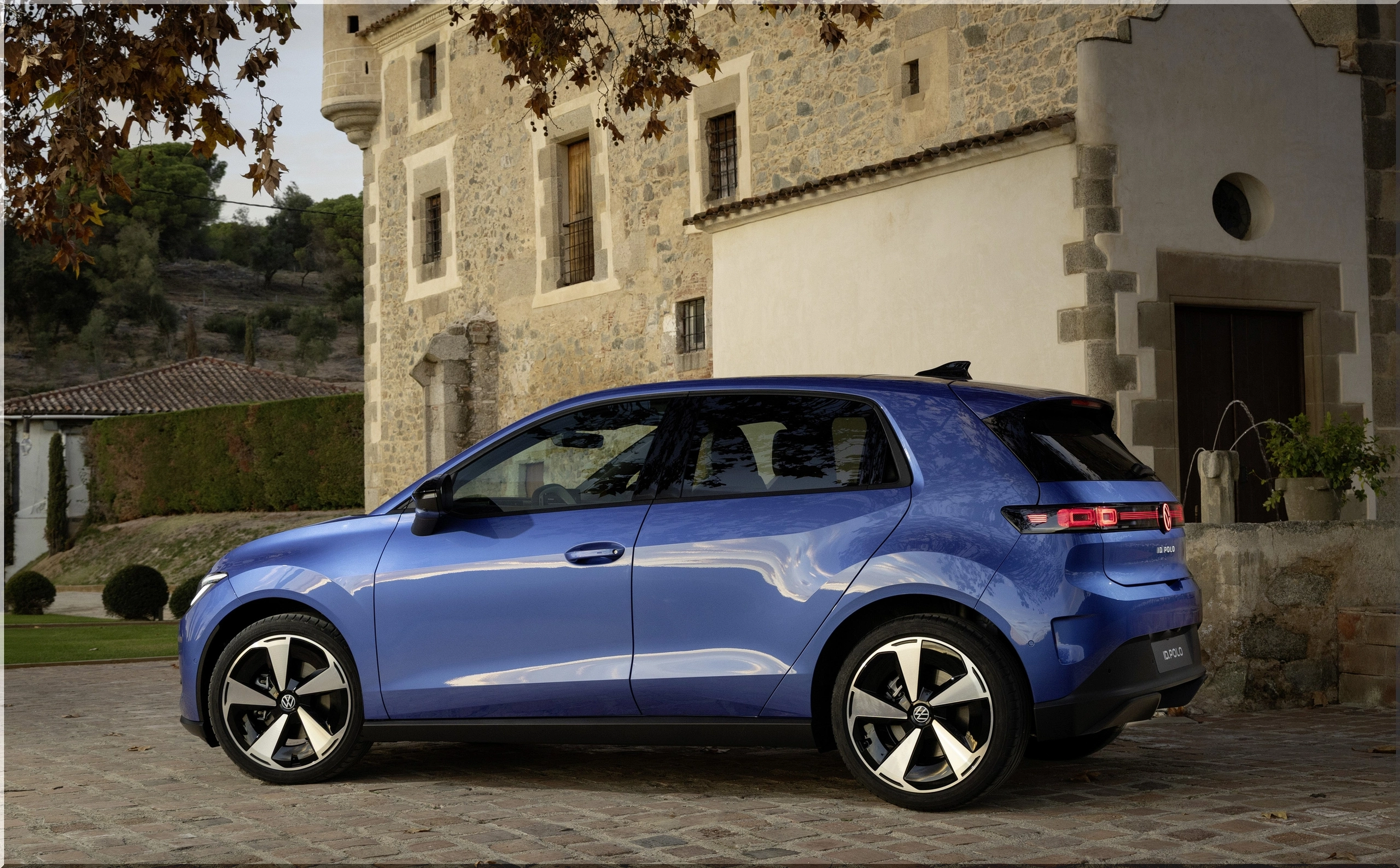
By comparison, the electric ID. Polo measures 21 mm shorter, 65 mm wider and 79 mm taller than the combustion Polo. Its wheelbase adds 48 mm, while rear passengers gain 19 mm of legroom. The Volkswagen ID. Polo electric car carries 441-1,243 litres.
From an expert perspective, the empty rear drivetrain area creates the practical win. Some versions tow 1,200 kg on an 8 percent gradient, while the 75 kg tow-ball limit supports an e-bike carrier. Standard Vehicle-to-Load supplies 3.6 kW through an adapter.
Image gallery
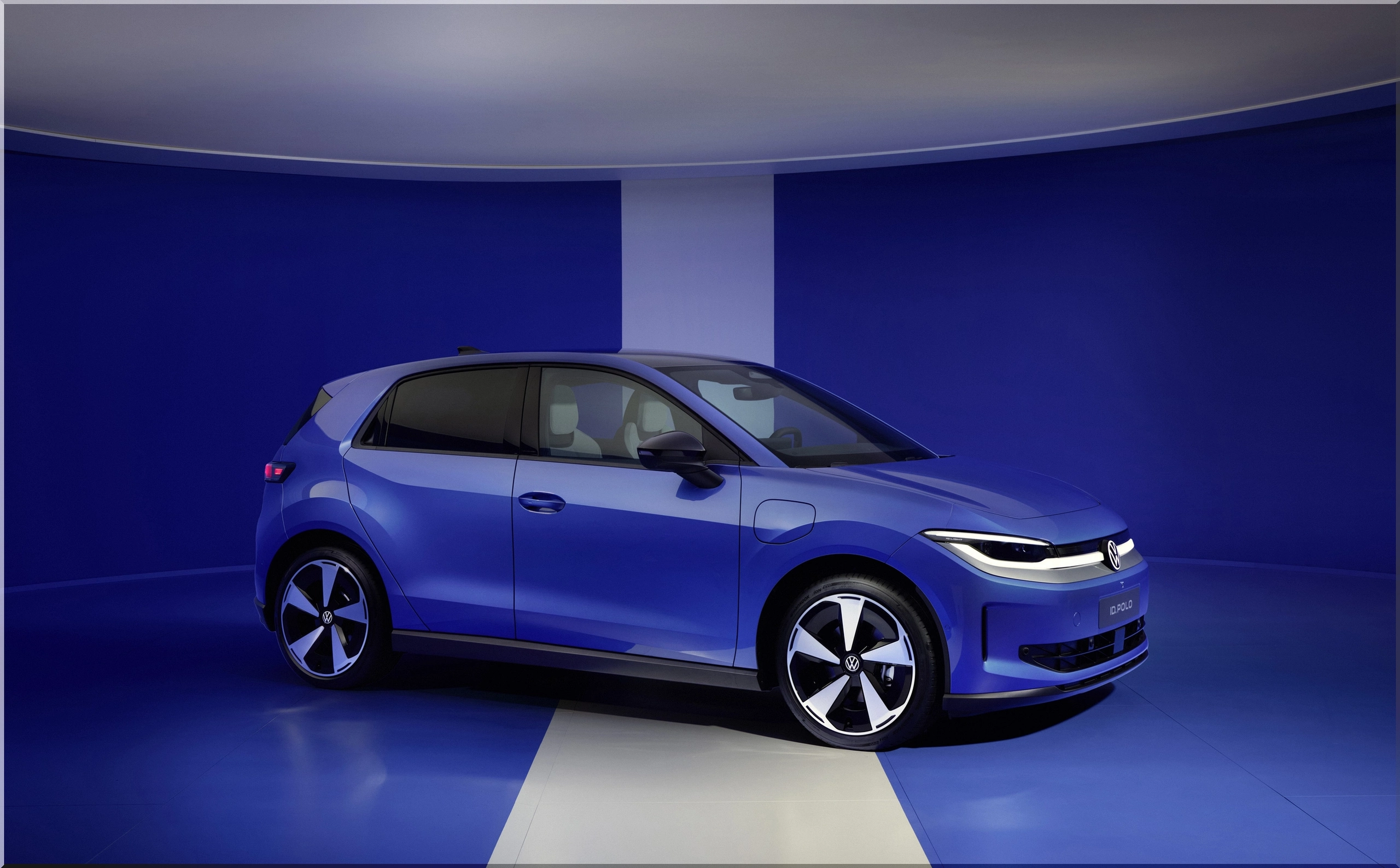
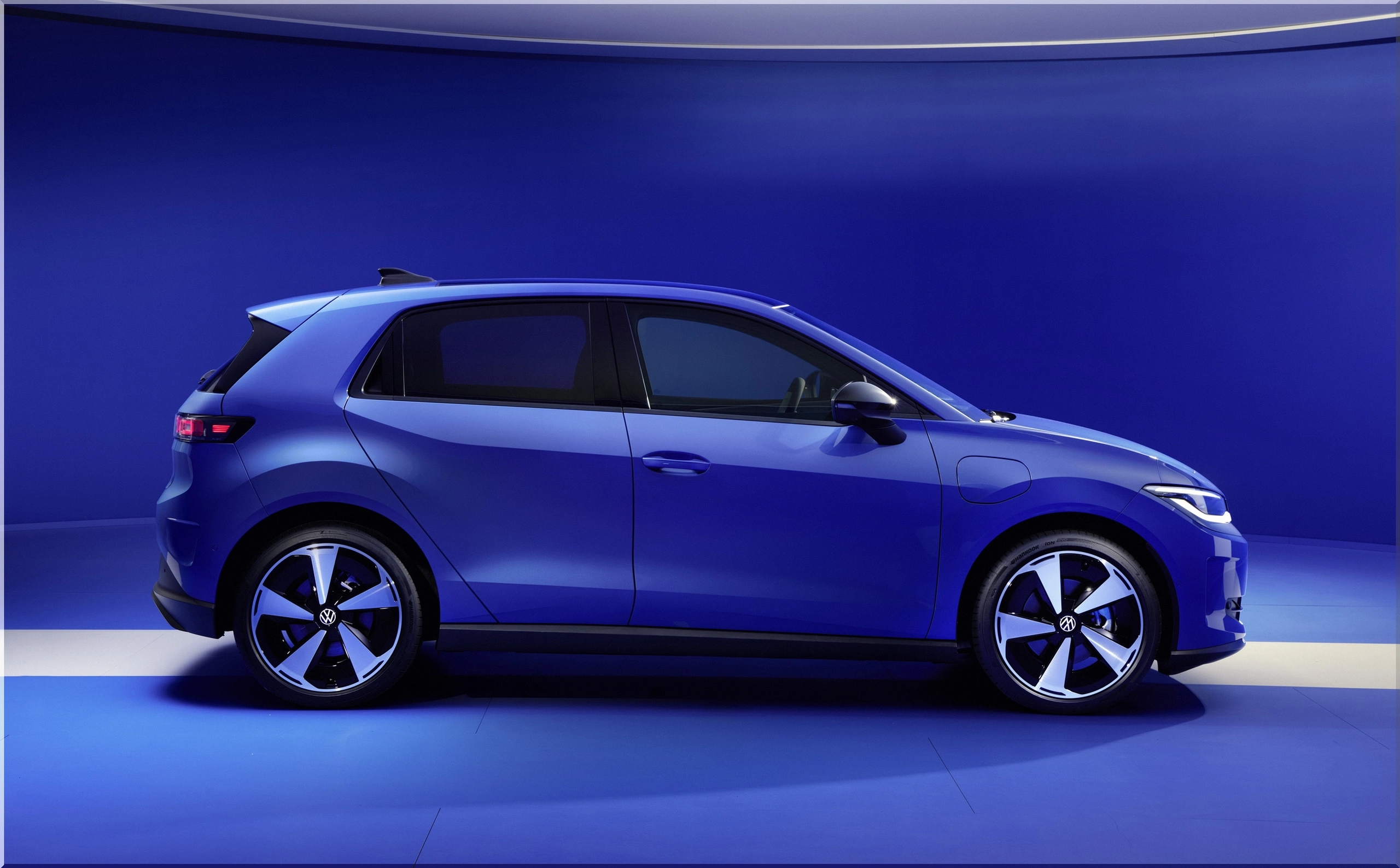
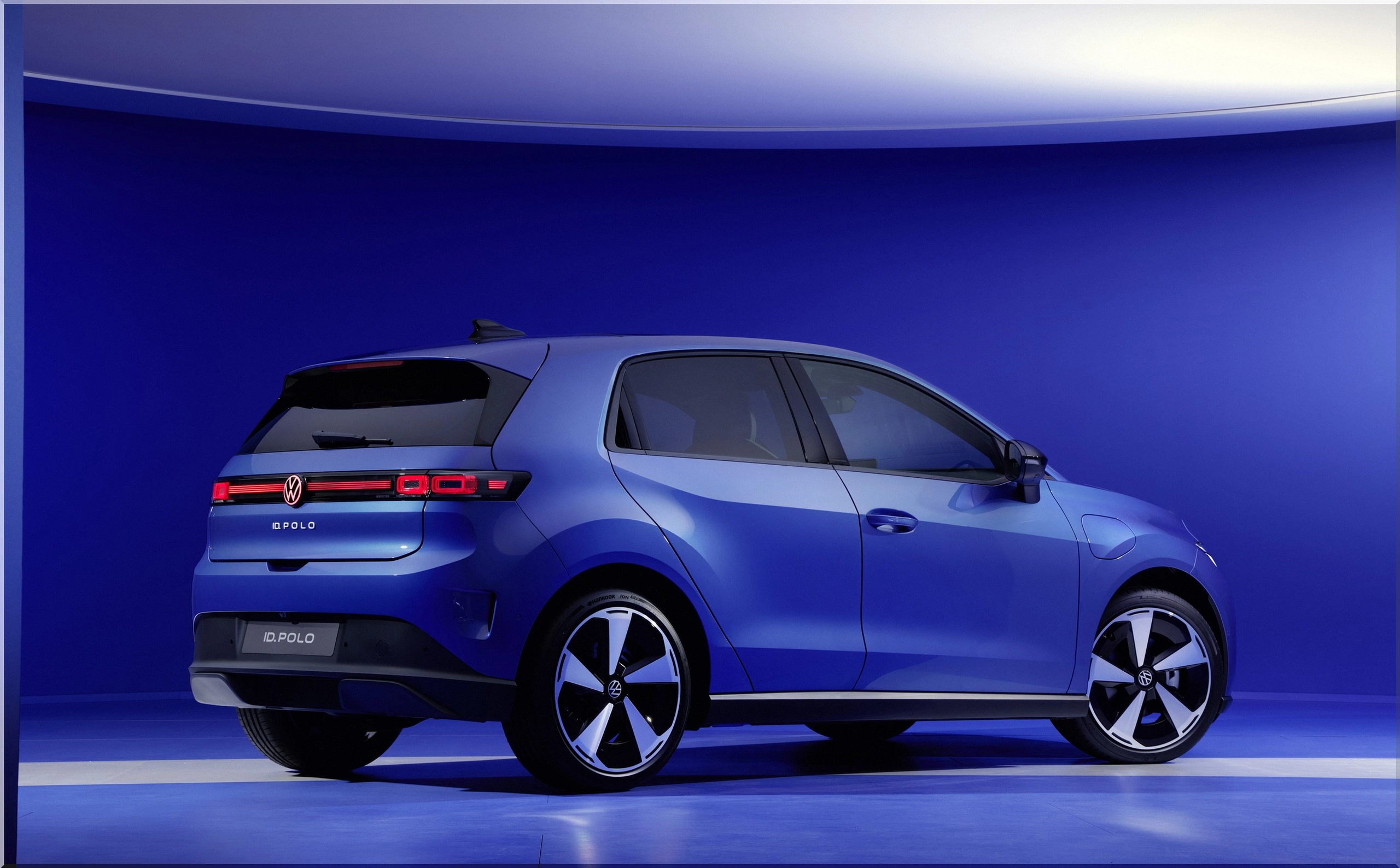
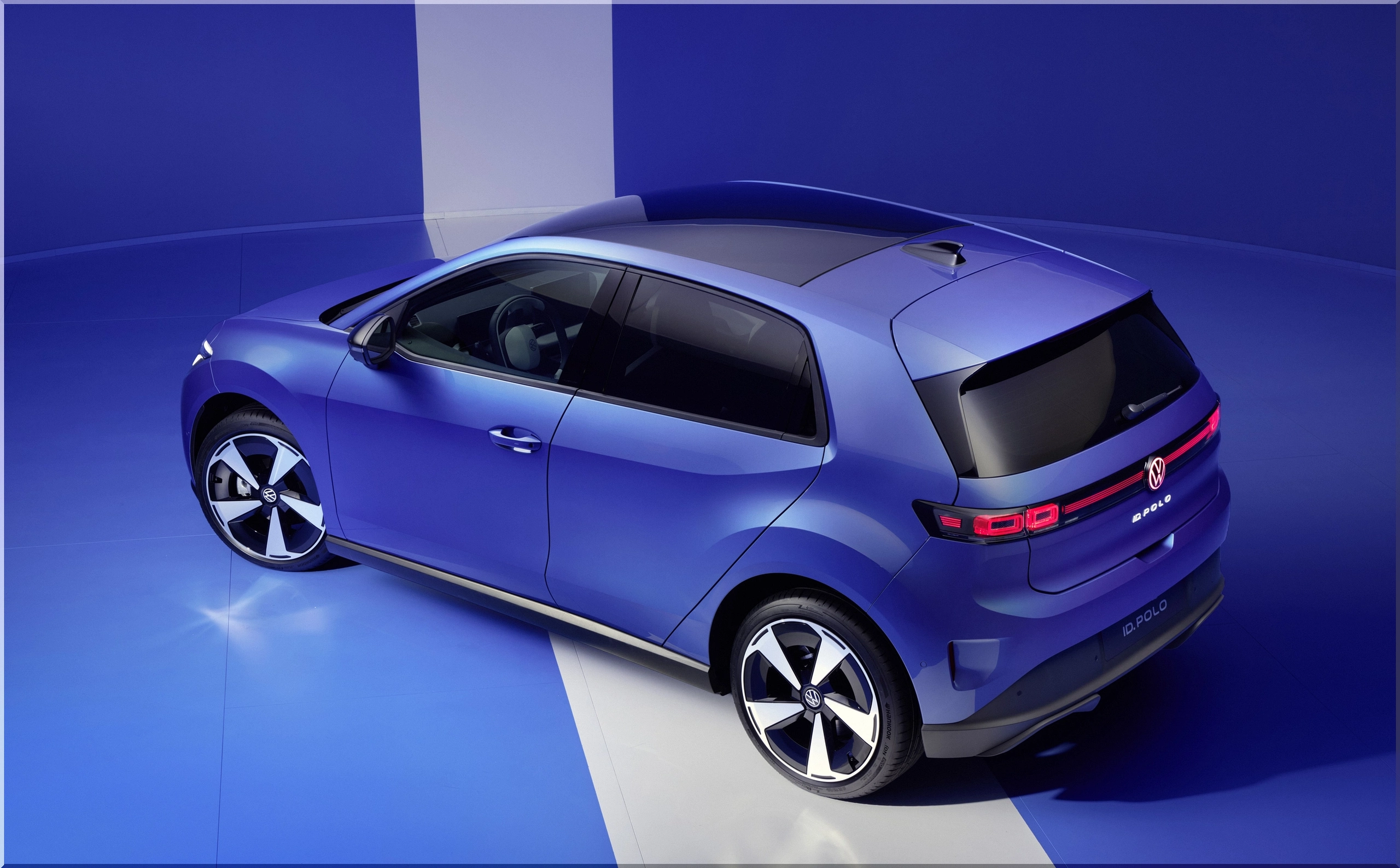
Volkswagen ID. Polo Versus Three Electric Rivals
German list prices reveal a tight contest. Figures exclude incentives and delivery charges, and each maker uses a different charging window.
| Model | Starting price | Battery | Power | Max WLTP range | Rapid-charge claim | Km per €1,000 |
|---|---|---|---|---|---|---|
| Volkswagen ID. Polo Trend | €24,995 | 37 kWh | 85 kW | 334 km | 23 min, 10-80% | 13.4 |
| Citroën ë-C3 You Standard Range | €23,450 | 43.8 kWh net | 83 kW | 322 km | 26 min, 20-80% | 13.7 |
| Hyundai Inster Select | €24,650 | 42 kWh | 71 kW | 327 km | 30 min, 10-80% | 13.3 |
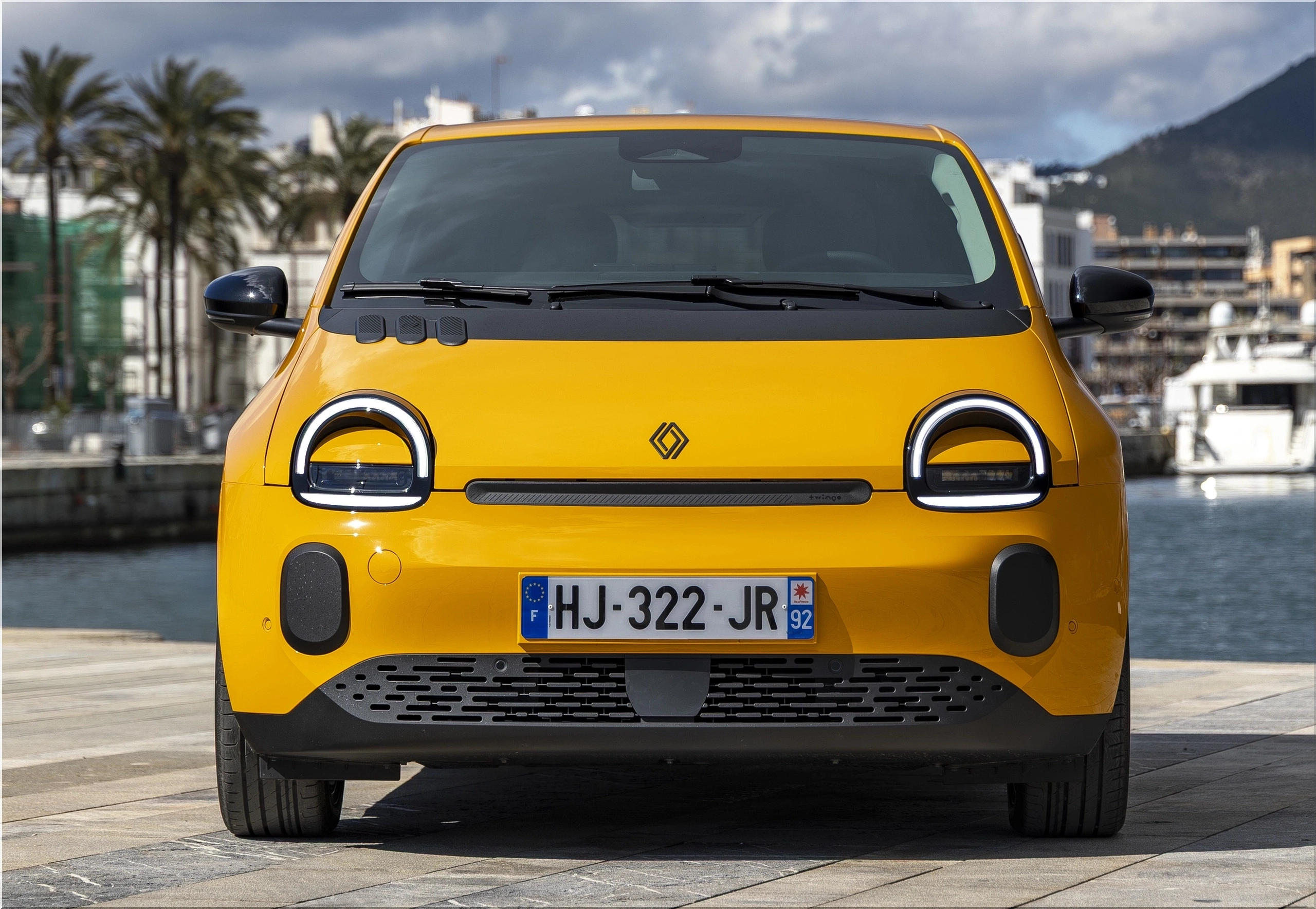
| Renault 5 Evolution Urban Range | €28,000 | 40 kWh | 90 kW | 307 km | 30 min, 15-80% | 11.0 |
The Citroen e-C3 costs €1,545 less and narrowly leads range per euro. The Hyundai saves €345, but Volkswagen adds 7 km and 14 kW. The Renault 5 costs €3,005 more while returning 27 km less. Volkswagen misses the lowest-price win, yet combines strong range, output, charging and cabin technology.
What Does the ID. Polo Cost to Charge?
At a home electricity rate of €0.30/kWh, a theoretical 0-to-100 percent refill costs €11.10. The official consumption range translates to €3.99-€4.44 per 100 km. At Volkswagen's quoted €0.39/kWh Elli city tariff, those figures rise to €14.43 per full pack and €5.19-€5.77 per 100 km.
Image gallery
Pro-Tip: Which ID. Polo Battery Should You Buy?
- Pick 37 kWh if daily return trips stay below roughly 150 km and you can charge at home, work or a regular public point.
- Pick 52 kWh for repeated motorway days, scarce local charging or frequent winter travel. It adds up to 120 km of WLTP range, raises DC power to 105 kW and still completes 10-to-80 percent charging in about 24 minutes.
The new small electric car does not lead every metric. It does place 334 km of rated range, a 23-minute charging stop, 441 litres of luggage room and useful standard technology behind a €24,995 price. That combination gives the ID. Polo a clear role: a primary urban EV that can handle occasional intercity work without forcing buyers into the larger battery.
- Add new comment
- 107 views