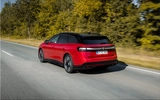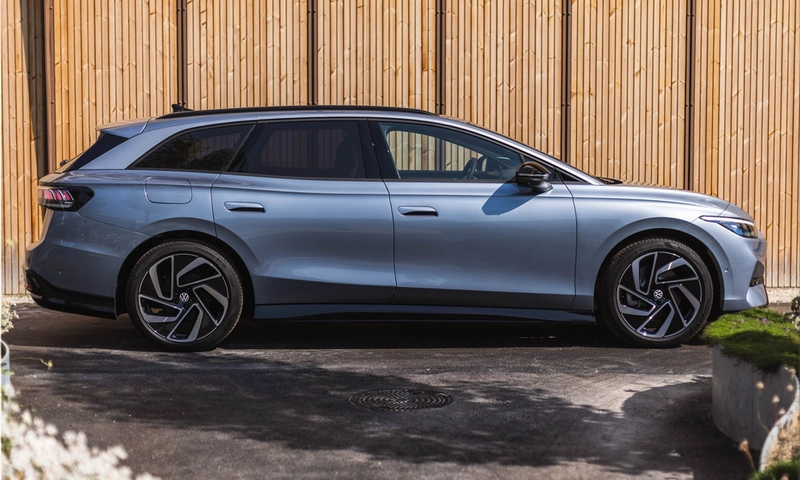
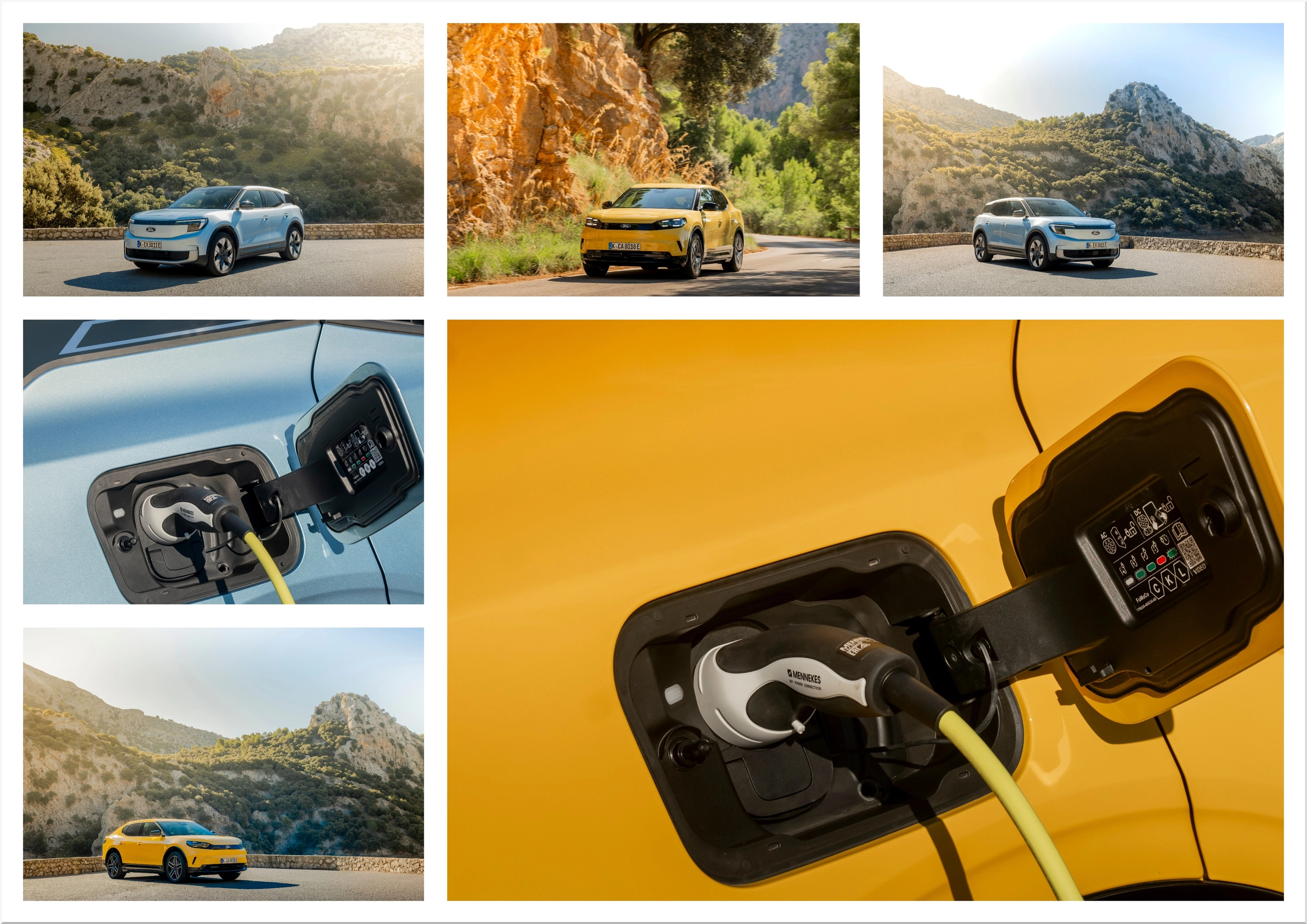
Ford just changed the math for entry-level electric vehicles in Europe. The 2026 Ford Explorer and 2026 Ford Capri Standard Range models now feature a major hardware overhaul designed to kill range anxiety at a lower price point. By swapping cell chemistry and upgrading the rear motor, Ford is delivering more miles and better performance without moving the needle on the sticker price.
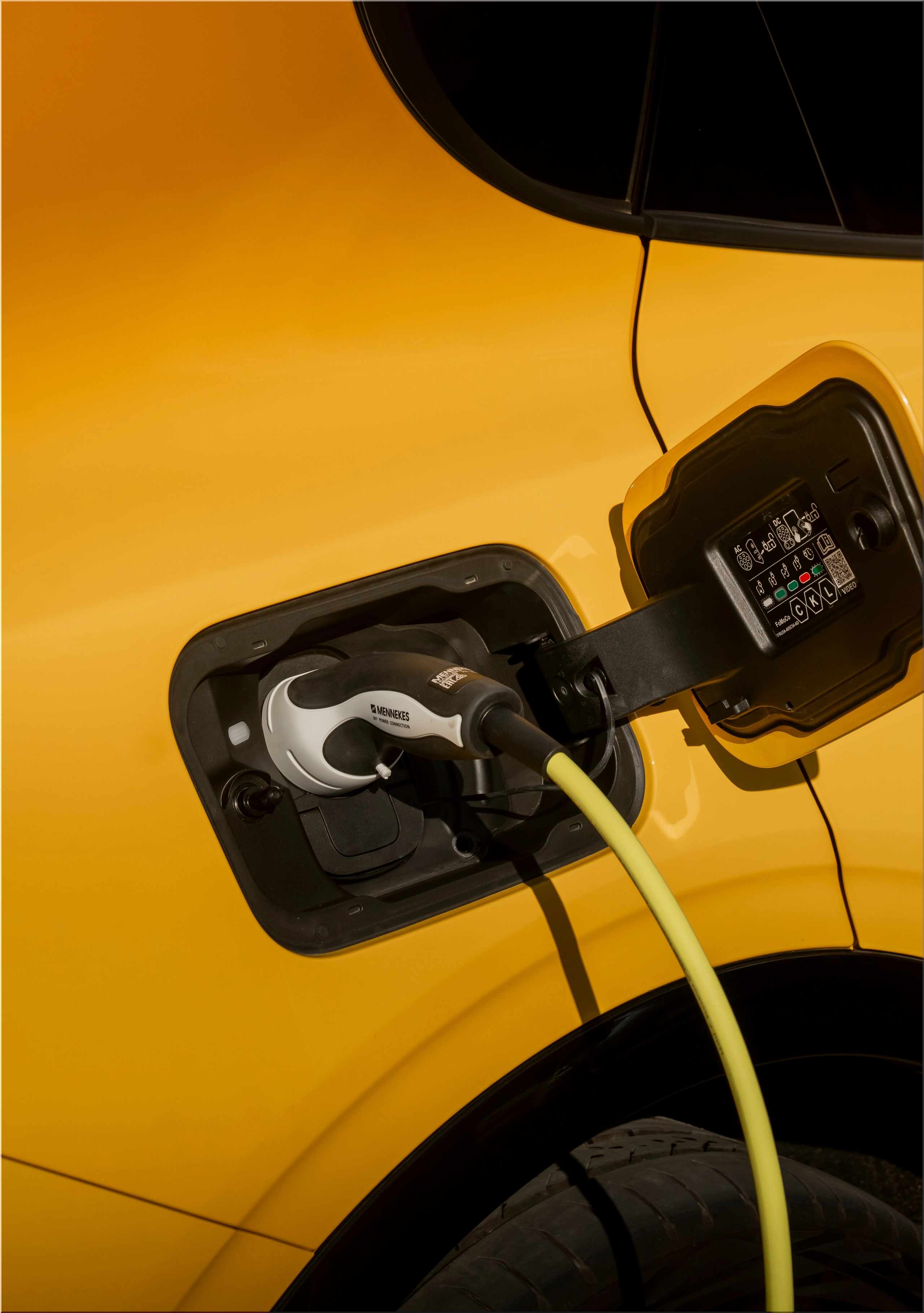
This update centers on a shift to Lithium Iron Phosphate (LFP) battery technology. While high-performance EVs often stick to Nickel Manganese Cobalt (NMC) for energy density, LFP brings durability and daily usability that traditional chemistries struggle to match. For the average buyer, this means a car that handles a 100 percent charge every single day without the typical battery degradation concerns.
Image
Performance Gains and the 190 HP Milestone
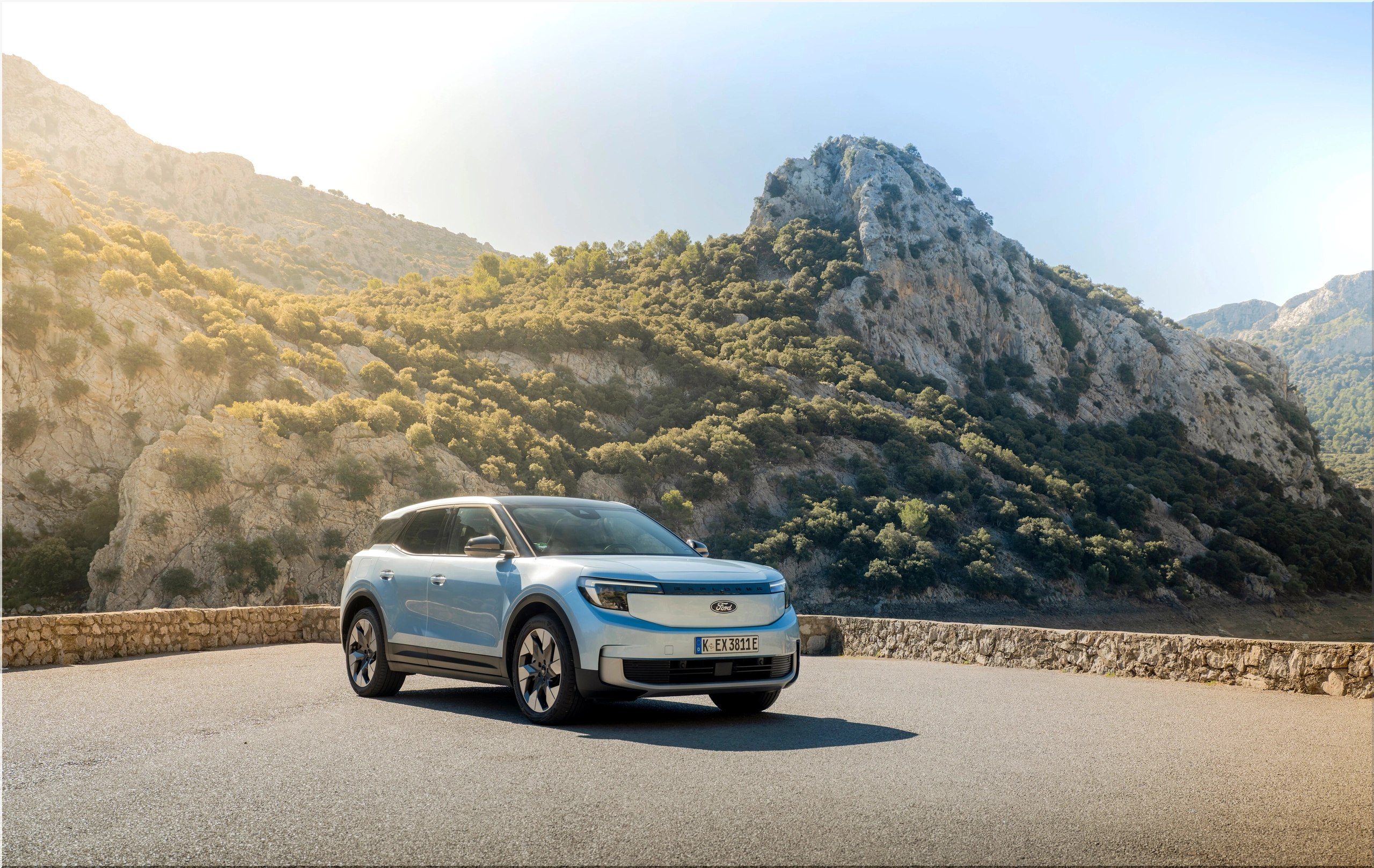
Clarity matters when looking at spec sheets. The previous entry-level motor produced 168 hp. The updated units now push 190 PS (approximately 187 hp) and 350 Nm (258 lb-ft) of torque to the rear wheels. This represents a 10 percent jump in output that translates directly to the pavement.
Acceleration is the most visible winner here. Both the Explorer and Capri now hit 0-100 km/h in 8.0 seconds flat. That is a significant 0.7-second improvement over the outgoing models. In a world where merging into fast-moving traffic is a daily necessity, that extra punch makes these "budget" trims feel much less like a compromise.
2026 Ford Standard Range Specs at a Glance
| Feature | Explorer Standard Range | Capri Standard Range |
|---|---|---|
| Battery Chemistry | LFP (Lithium Iron Phosphate) | LFP (Lithium Iron Phosphate) |
| Max Range (WLTP) | 444 km (276 miles) | 464 km (288 miles) |
| Power Output | 190 PS (187 hp) | 190 PS (187 hp) |
| Peak Torque | 350 Nm (258 lb-ft) | 350 Nm (258 lb-ft) |
| 0-100 km/h (62 mph) | 8.0 Seconds | 8.0 Seconds |
| Max DC Charging | 110 kW | 110 kW |
The 70 Kilometer Range Leap
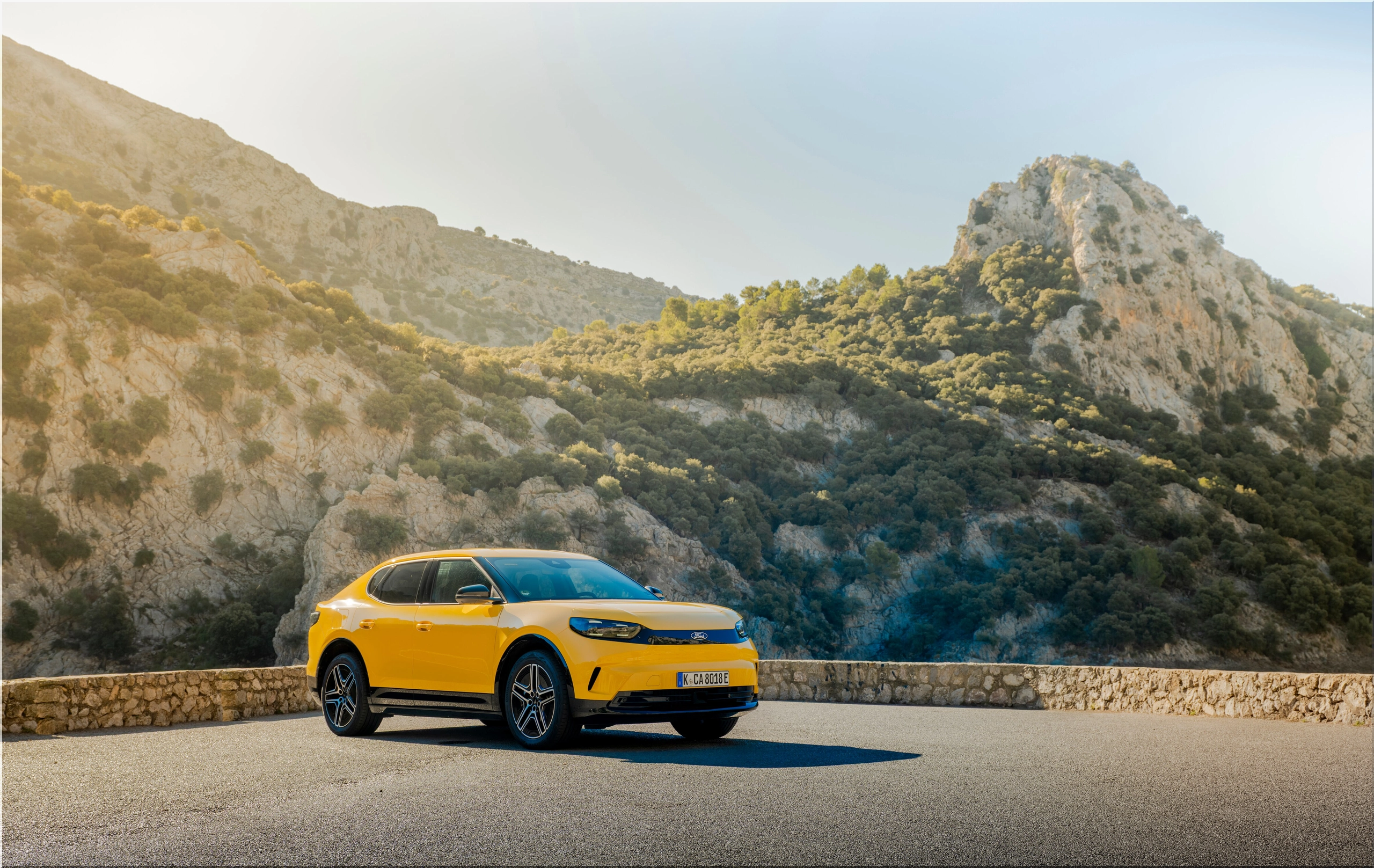
The headline figure for most drivers is the range. The new 58 kWh LFP battery provides a massive boost over the old 52 kWh unit. The Explorer now reaches 444 km (276 miles) of range, while the more aerodynamic Capri stretches that to 464 km (288 miles).
Compared to the previous versions, this is an increase of up to 70 km (43 miles). Crossing the 400 km threshold is a psychological win for Ford. It positions these entry-level models as viable primary vehicles rather than just secondary city commuters. The LFP chemistry also enables a more practical charging curve for road trips, with a 10 to 80 percent DC fast charge taking roughly 28 minutes at 110 kW.
Image
Pro-Tip: Use 100 Percent Capacity
Unlike NMC batteries that manufacturers recommend charging to only 80 percent for daily use, you can charge LFP batteries to 100 percent regularly. This means you actually get to use the full advertised range every morning.
Pricing and Market Strategy
Ford is holding the line on pricing despite the hardware improvements. In Hungary, the Ford Explorer Standard Range starts at approximately $35,950, while the Ford Capri Standard Range begins at roughly $37,850.
For those needing more muscle, the Extended Range variants remain in the lineup with larger 77 kWh and 79 kWh batteries. The AWD flagship models now boast an increased towing capacity of 1,800 kg (nearly 4,000 lbs), making them competitive options for weekend haulers.
Key Takeaways for Buyers
- Durability First: LFP batteries last longer and handle frequent full charges better than older tech.
- Real World Speed: The 0.7-second improvement in 0-100 km/h makes the base model feel much more responsive.
- Better Value: You get 17 percent more range for the same entry-level price.
- Standard Features: One-pedal driving and stoplight recognition are now standard across these trims.
Image gallery

Ford's European Roadmap to 2035
These updates are part of a larger pivot. Ford aims for a carbon-neutral footprint in Europe by 2035. This includes every passenger vehicle being fully electric by 2030. The Cologne Electric Vehicle Center, which received a multi-billion dollar investment, is the heart of this transformation.
Video title
2026 Ford Capri
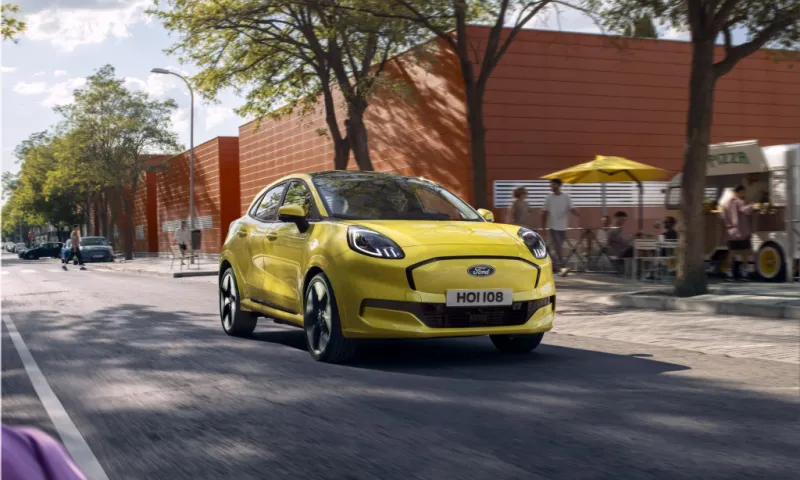
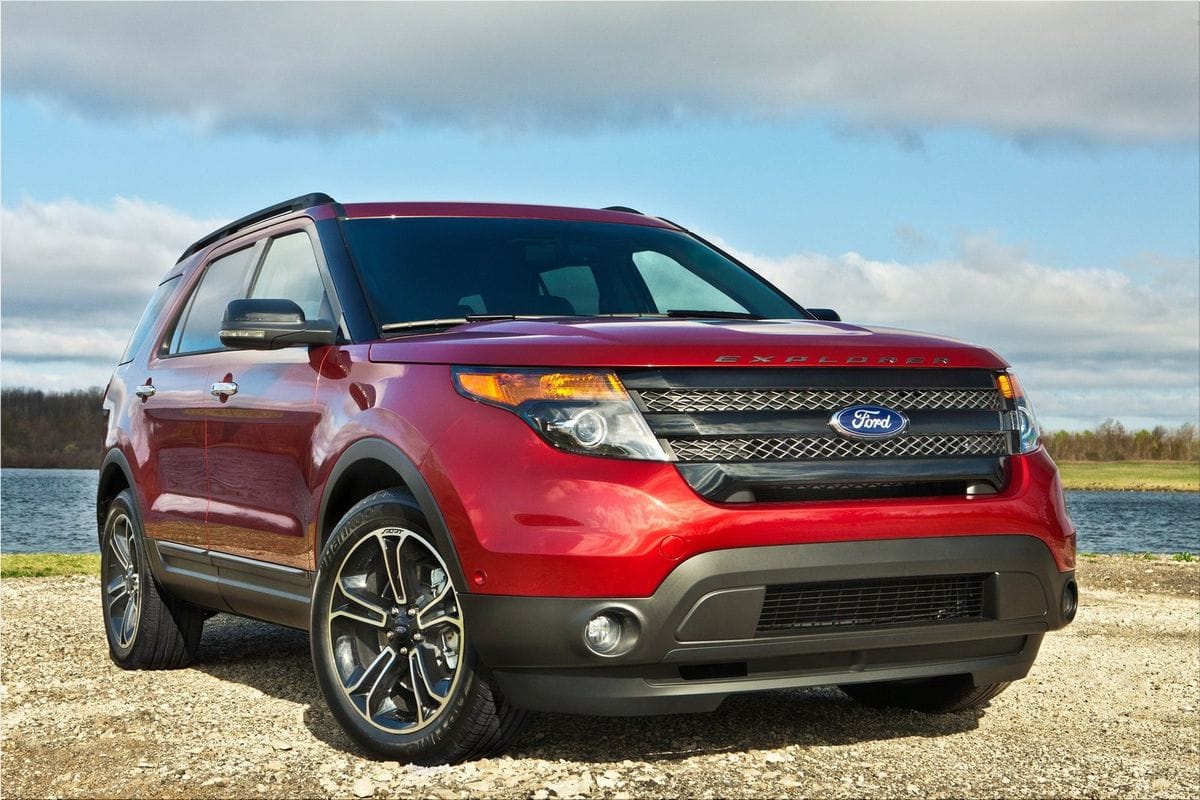
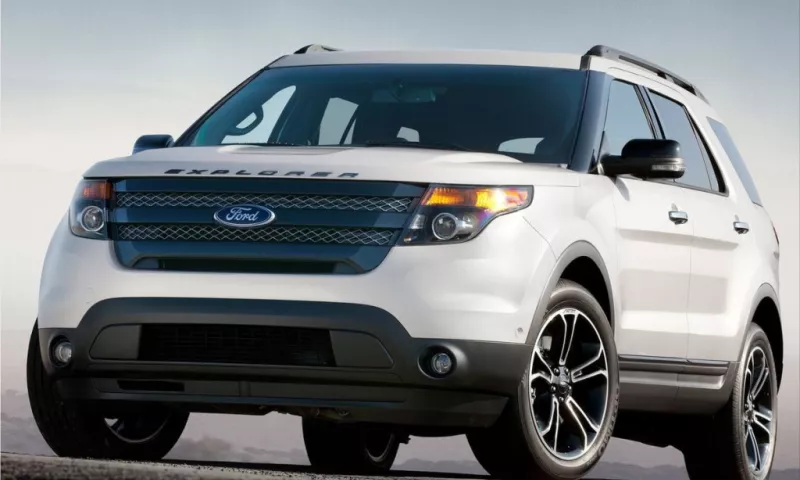
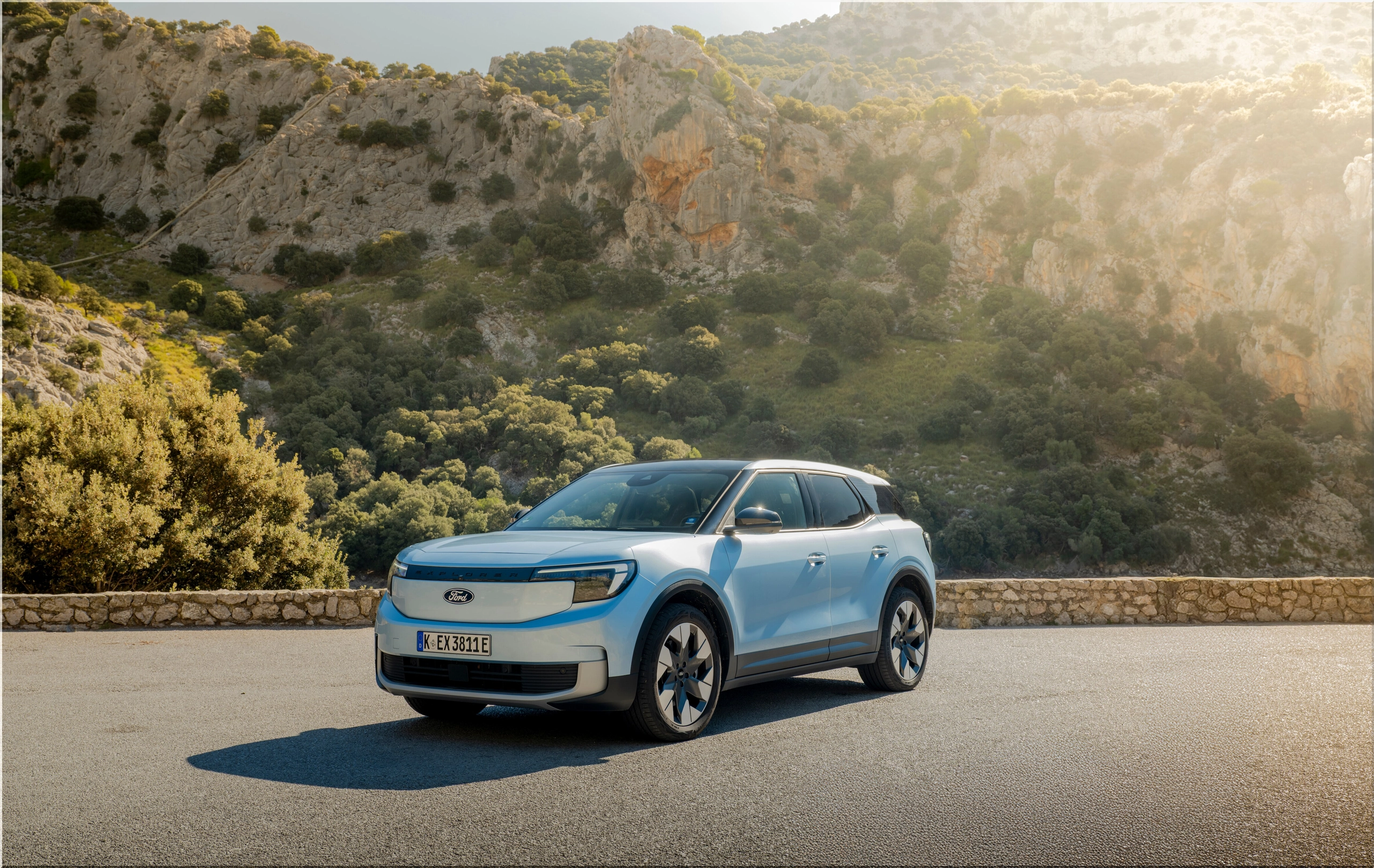
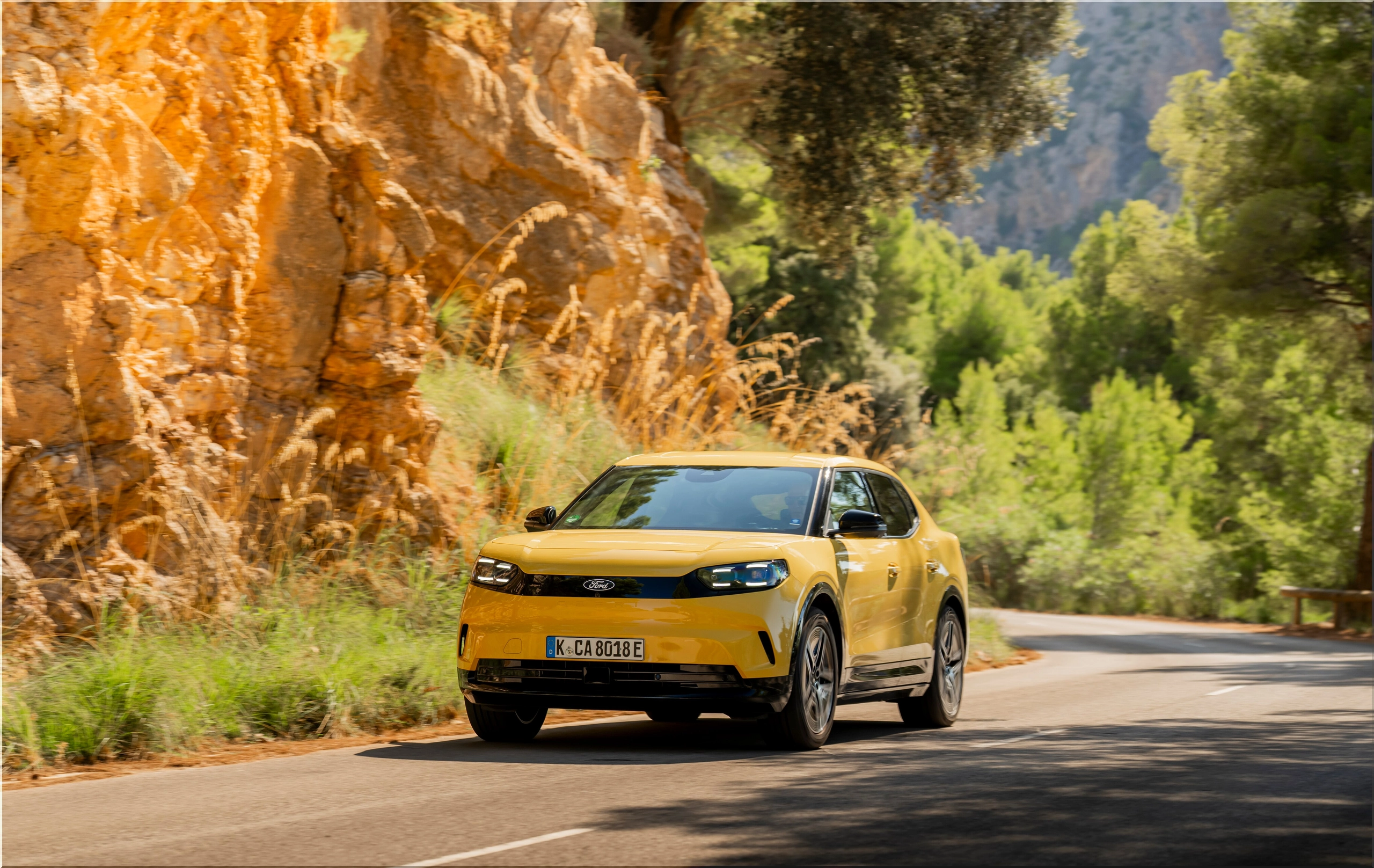
By leveraging the MEB platform partnership but injecting its own motor and battery tuning, Ford is attempting to carve out a distinct identity. The Capri, with its sportier silhouette, and the Explorer, with its rugged SUV stance, provide two different flavors of the same efficient recipe.
Image gallery
What Now?
If you have been sitting on the sidelines waiting for "budget" EVs to become practical, the 2026 update is your signal to move. The jump to 440+ km of range in a base model removes the most common barrier to entry.
Visit a local dealer to test the throttle response of the new 190 PS motor. The increased torque is noticeable from a standstill. If you plan on keeping your EV for more than five years, the LFP battery longevity is the smartest investment you can make in the current market.
- Add new comment
- 311 views