A Major Shift for a High-Volume Global Nameplate
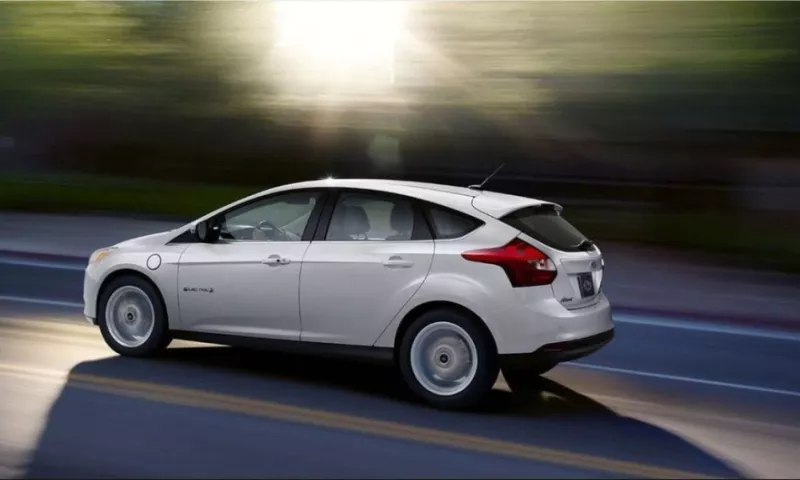
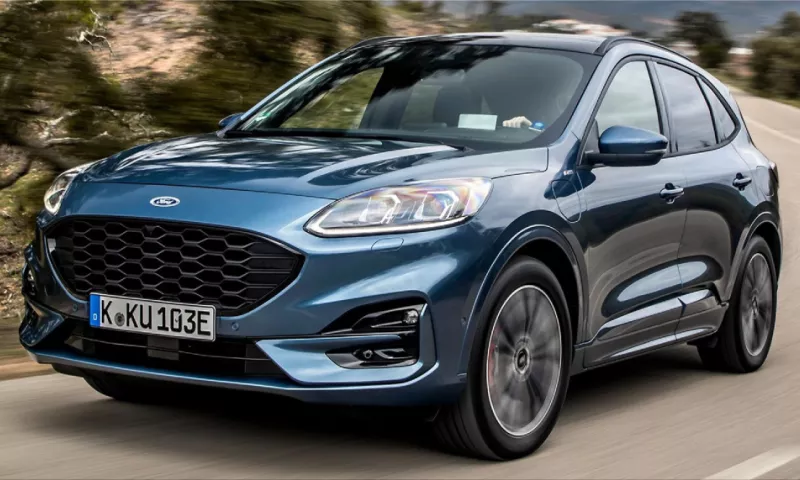
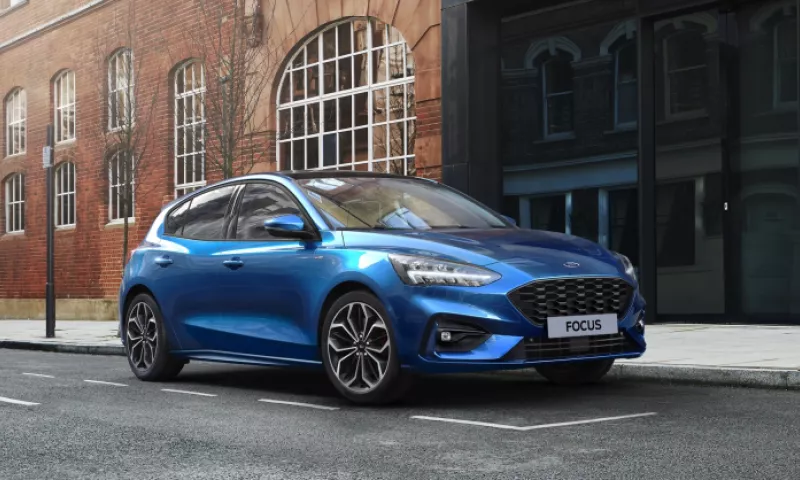
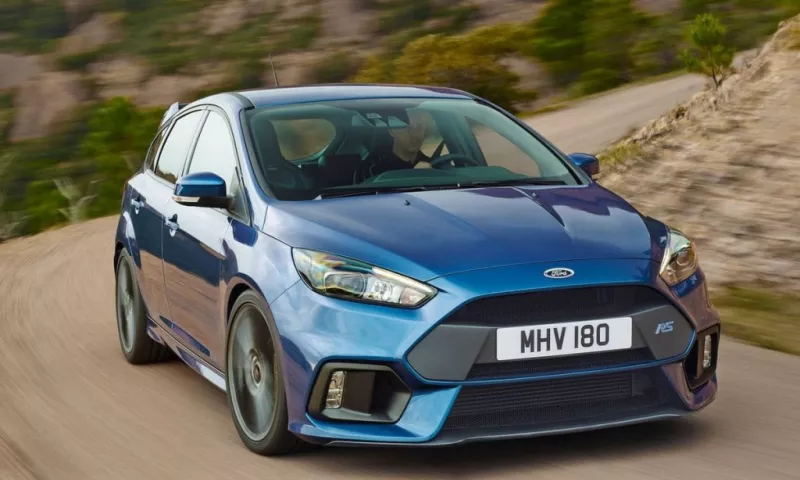
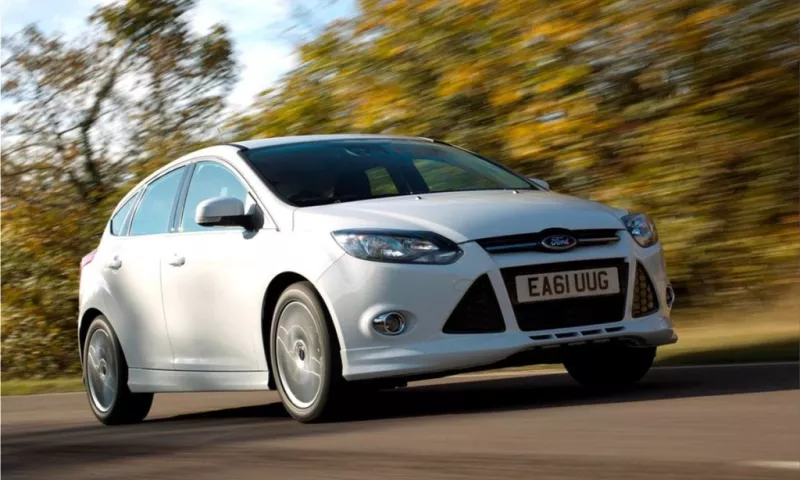
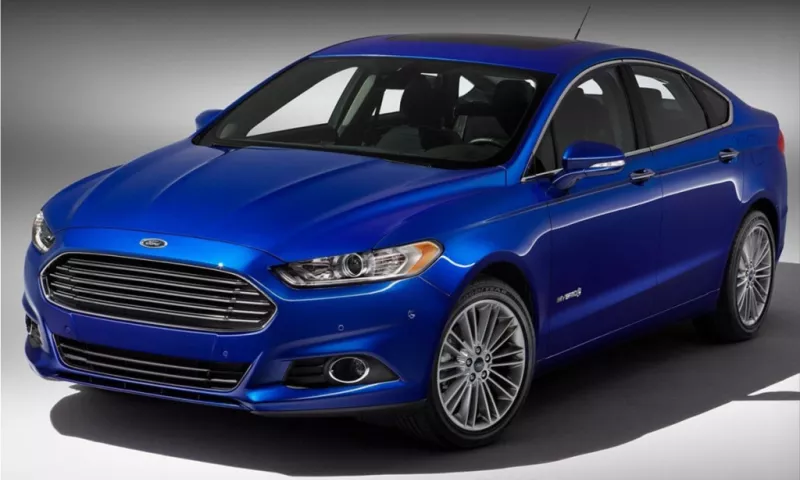
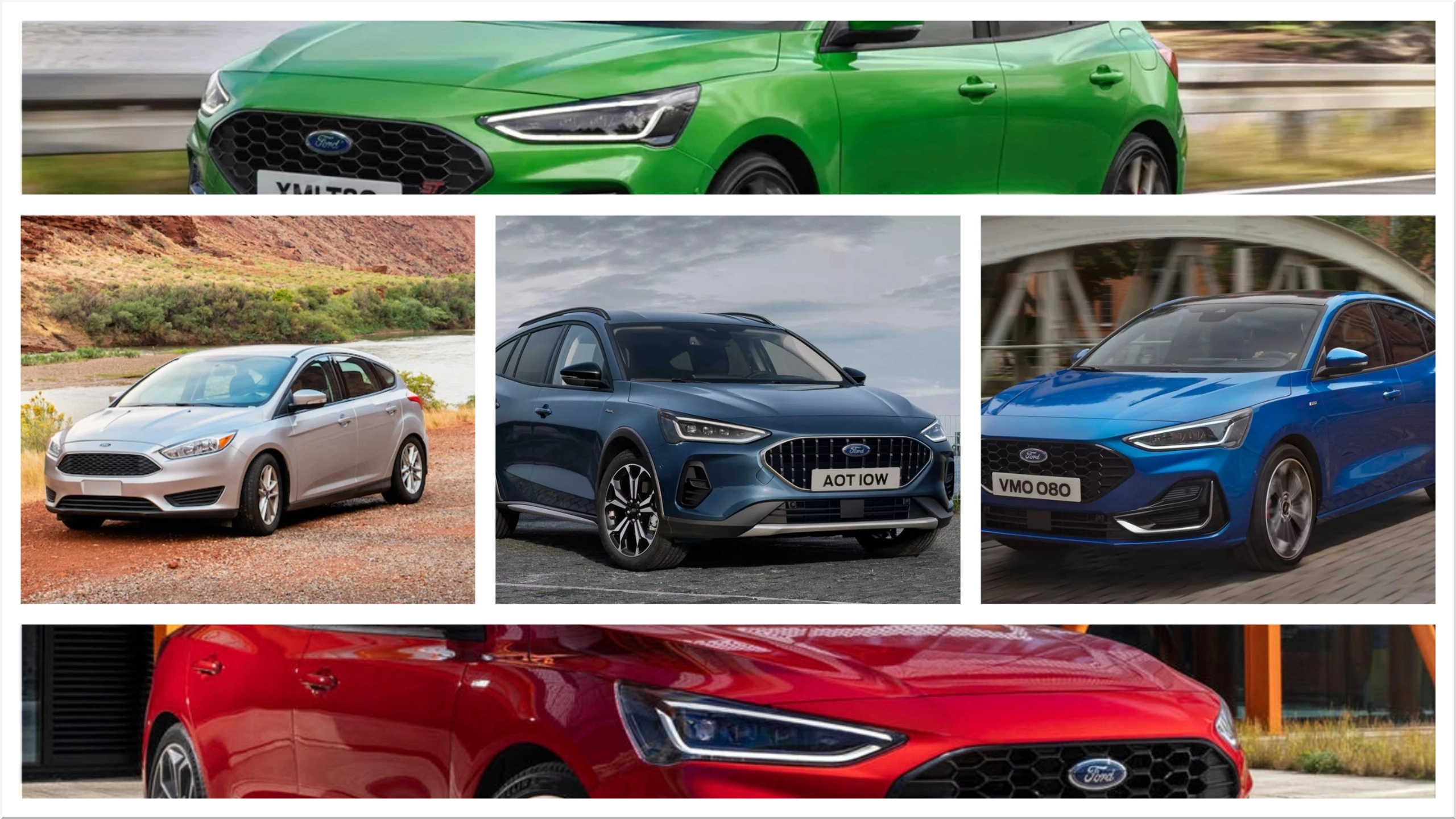
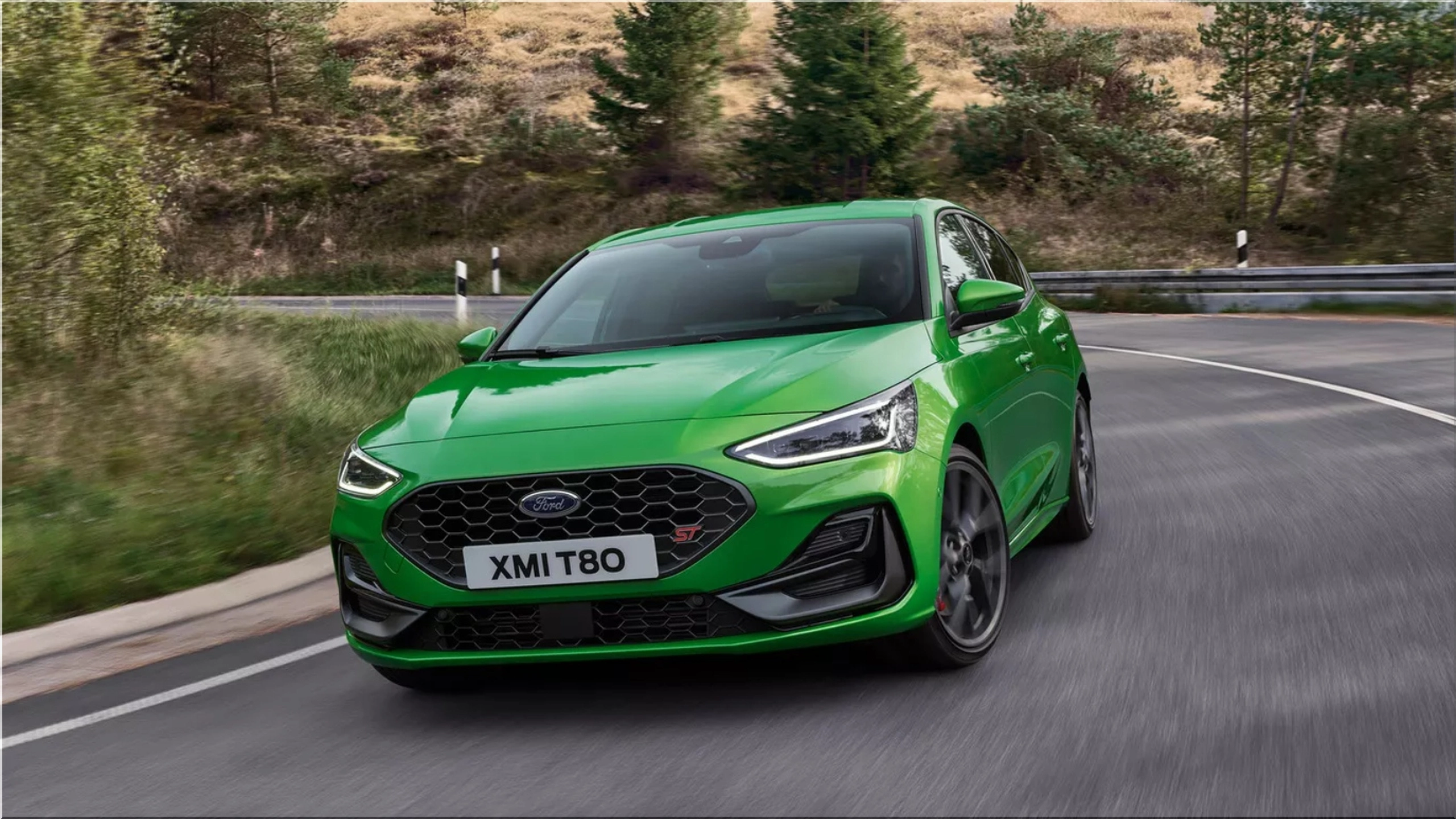
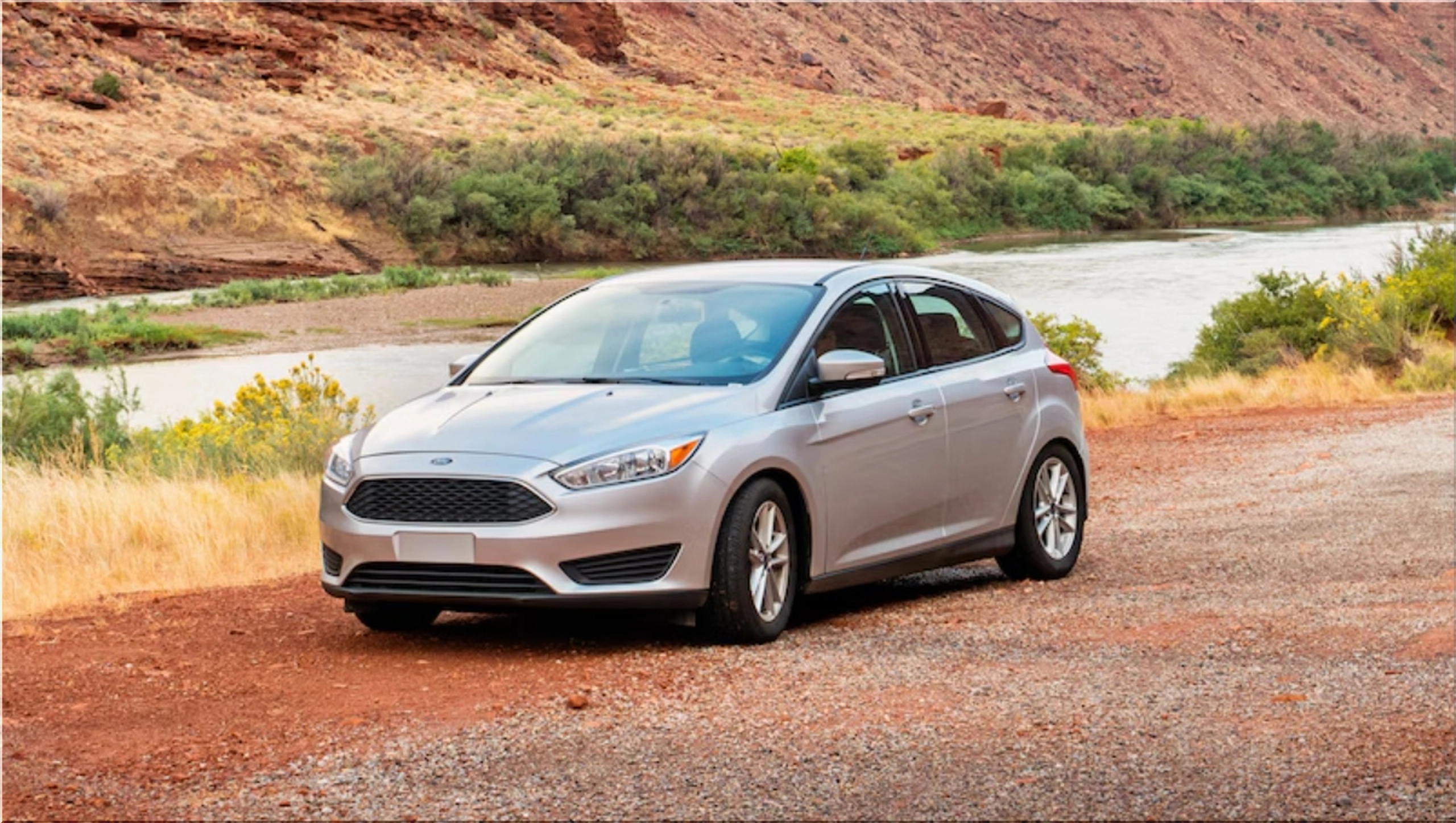
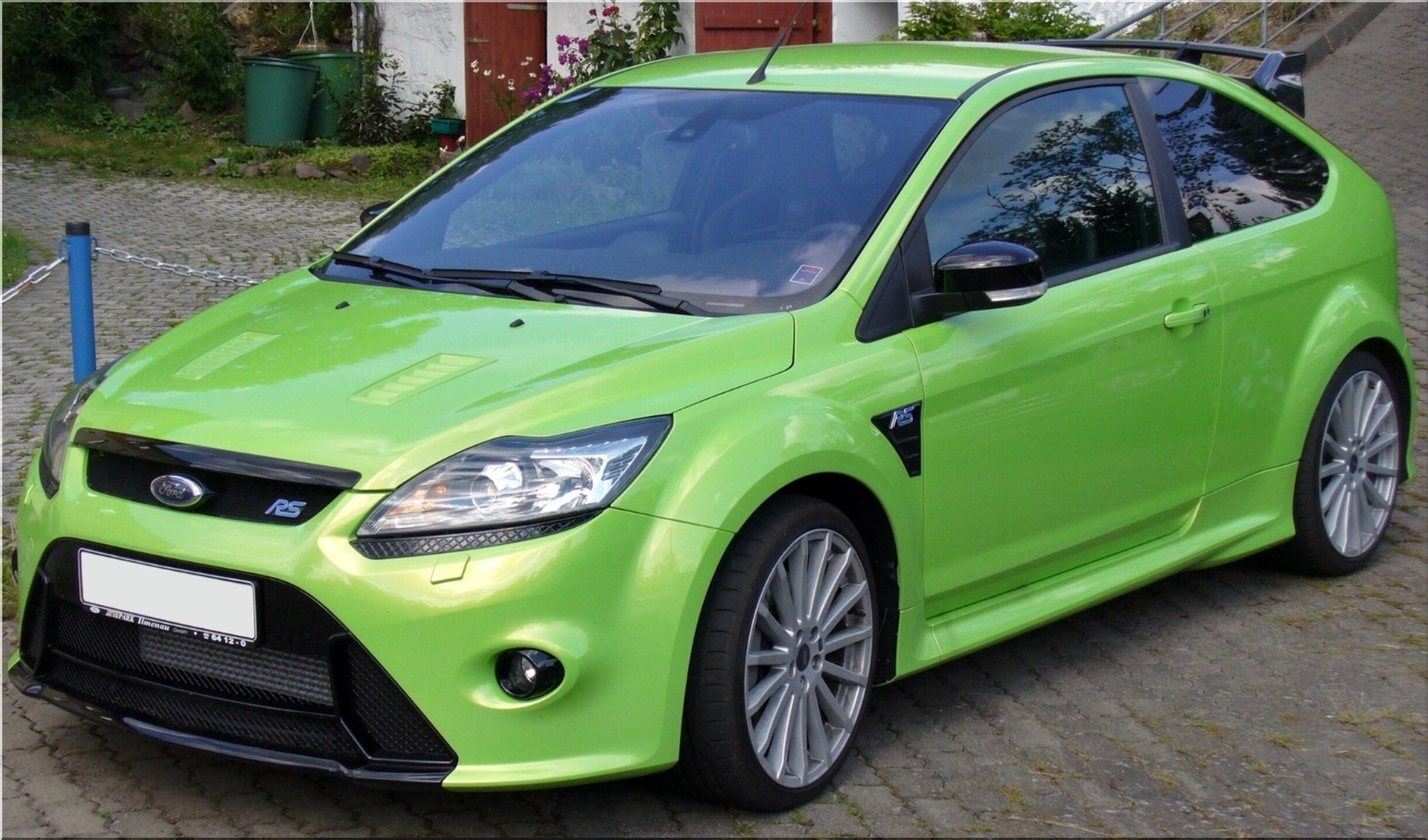
Ford ended production of the Ford Focus after 27 years of continuous global output. The final unit left the line at the Saarlouis, Germany plant in late 2025. The compact model reached more than 12 million units during its run, making it one of Ford's most important modern products.
Ford closed the program as part of a broader pivot toward electric vehicles and higher-margin crossovers. The company confirmed no direct successor for the Focus under its existing architecture.
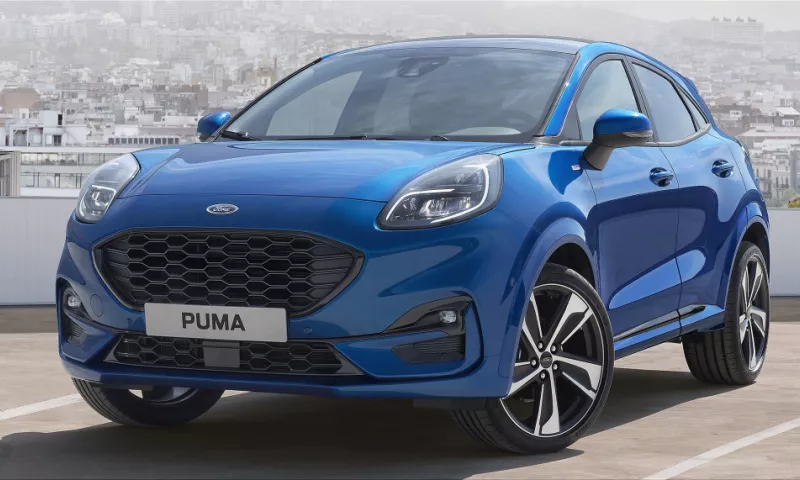
Short development cycles for small internal-combustion vehicles no longer support the regulatory, cost, and emissions requirements now shaping the European market. The Focus, once a core revenue driver, became a shrinking segment as customers moved toward compact crossovers and EVs.
Image

Why Ford Ended the Focus Program
Ford’s decision reflects three forces shaping the industry. These factors provide useful signals for analysts tracking future product planning.
Market Pressure
Demand for compact hatchbacks dropped. Customer traffic shifted toward taller, higher-profit vehicles. The segment that once generated scale now produces lower returns for global automakers.
Production Costs
The investment required to upgrade compact ICE platforms increased steadily. Meeting emissions targets pushed engineering and certification costs higher while sales volumes declined. That combination forced a reassessment of the business case.
Strategic Focus on EVs
Ford is directing development budgets into EV platforms, software systems, and mid-size crossovers. Prioritizing those programs reduces spending on legacy compact cars.
Image
Key Data Points
| Specification | Detail |
|---|---|
| Years Produced | 27 |
| Total Global Units | Over 12 million |
| Final Production Site | Saarlouis, Germany |
| End of Production | Late 2025 |
| Successor Model | None confirmed |
Impact on the Automotive Industry
The end of the Ford Focus affects manufacturing, supply chains, consumer choice, and competitive strategy. Several areas will feel the change directly.
Supply Chain and Manufacturing
The Saarlouis plant produced high-volume global models for decades. With Focus production halted, Ford must reassign resources, shift labor, and evaluate long-term use for the site. Suppliers that supported the Focus ecosystem need to accelerate their transition toward EV-related components.
Compact Segment Contraction
The disappearance of a major compact ICE model places pressure on remaining competitors. Automakers with low-volume compact cars may face similar cost challenges. The segment could consolidate as EV adoption grows.
Residual Values and Used Market
With fewer new compact ICE models entering the market, used prices could shift. Fleet operators must adjust long-term depreciation models. Retail buyers should track pricing trends closely as supply changes.
What Consumers Should Expect
Short supply of new compact ICE vehicles will affect both pricing and availability.
Buyers who prefer small hatchbacks will see fewer options from global brands. Crossovers now dominate dealer lots as automakers chase higher margins and lower regulatory exposure.
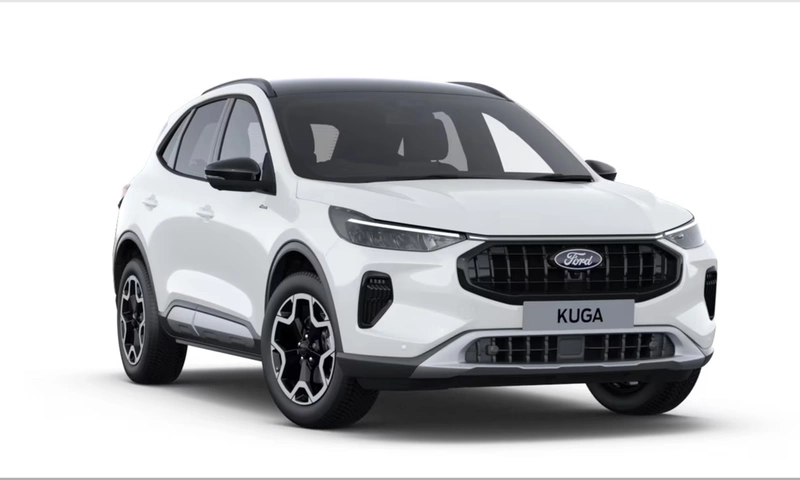
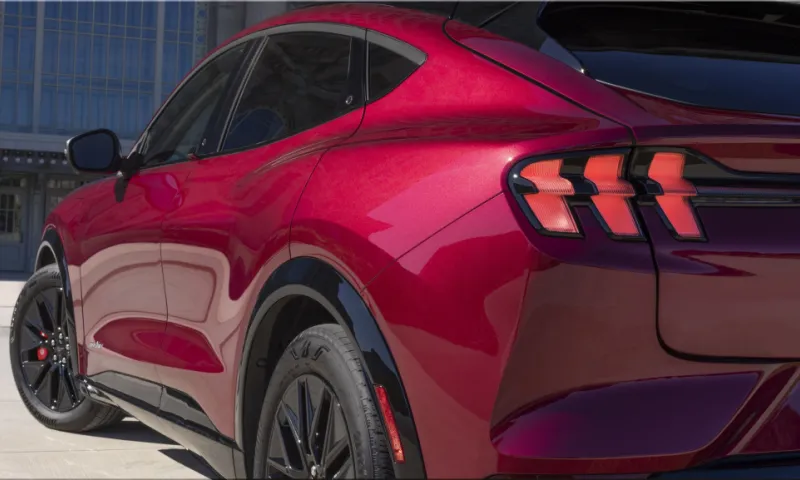
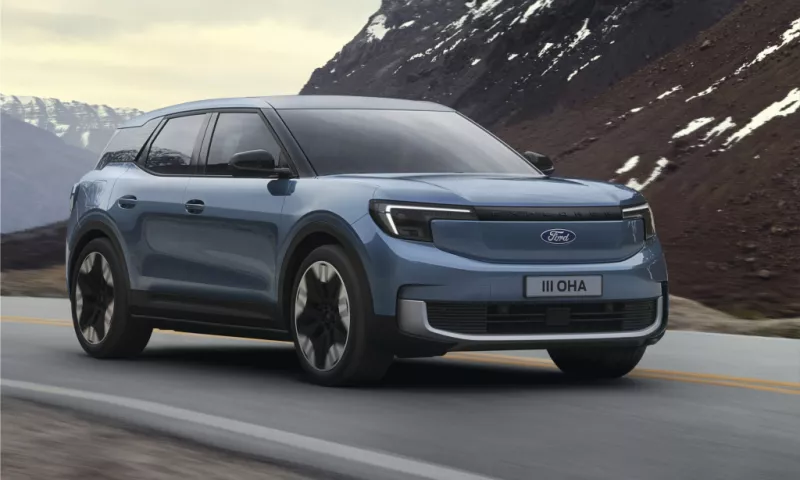
Consumers evaluating EVs should expect Ford to release new battery-electric and hybrid models positioned above the compact-car class. These vehicles will target volume segments that offer stronger profit potential.
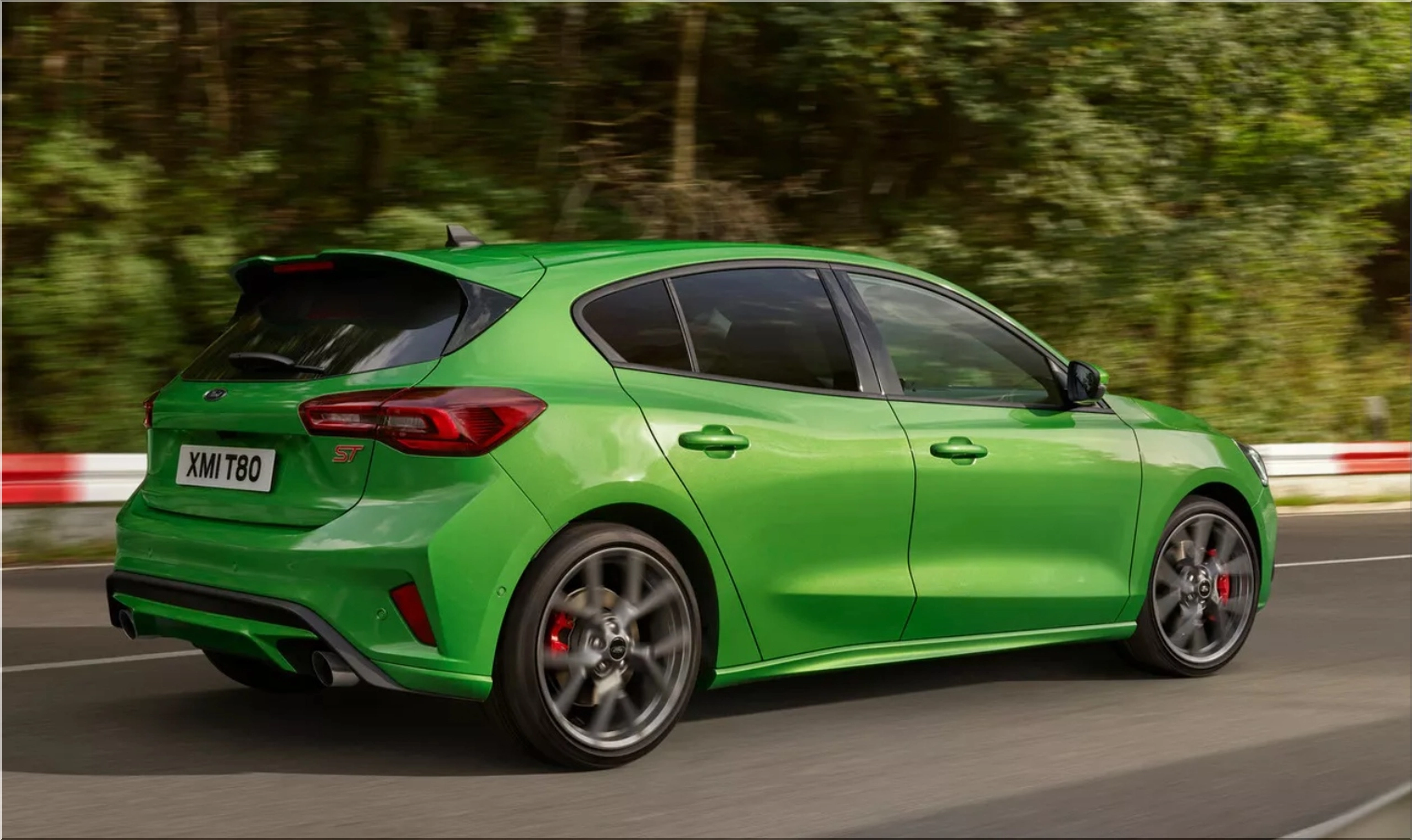
Image gallery


Strategy Implications for Automakers
Industry stakeholders will draw clear lessons from Ford’s move. These insights provide paths for decision-makers evaluating future product portfolios.
Image
OEM Action Steps
- Shift engineering budgets to EV platforms and mid-size crossovers.
- Reassess small ICE vehicle programs for long-term viability.
- Build scalable EV architectures to spread cost across multiple segments.
Supplier Action Steps
- Pivot toward power electronics, battery systems, and lightweight components.
- Reduce reliance on compact-car programs with falling volume.
- Strengthen partnerships with OEMs developing EV supply chains.
Dealership and Fleet Action Steps
- Track residual value swings in compact ICE segments.
- Prepare inventory strategies that reflect shrinking compact-vehicle supply.
- Support customers transitioning to crossovers and electrified models.
How Competitors May Respond
Ford’s exit signals a realignment within the compact class. Rivals with declining returns may follow. Brands investing heavily in EV adoption may restructure small-car lineups in similar patterns.
The long-term outcome: a smaller, more focused compact segment dominated by brands that maintain profitable volume or anchor the class with hybrid platforms. Others will prioritize electric crossovers, where margins and scale improve investment payback.
Image

Outlook: What Comes Next for Ford
Ford’s next growth chapter centers on electric vehicles, software-enabled architectures, and mid-size crossovers. Removing the Focus frees engineering and capital for those programs. The company targets higher transaction prices, stronger revenue per unit, and faster EV development cycles.
The shift may reduce near-term presence in the compact market, but long-term profitability drives the strategy. Ford aims to build a cleaner, more streamlined lineup aligned with regulatory and consumer trends. @ citizen.
- Add new comment
- 292 views