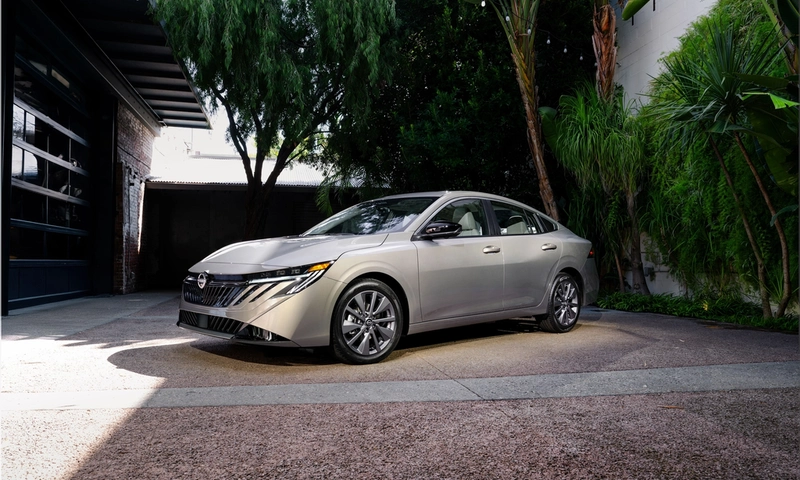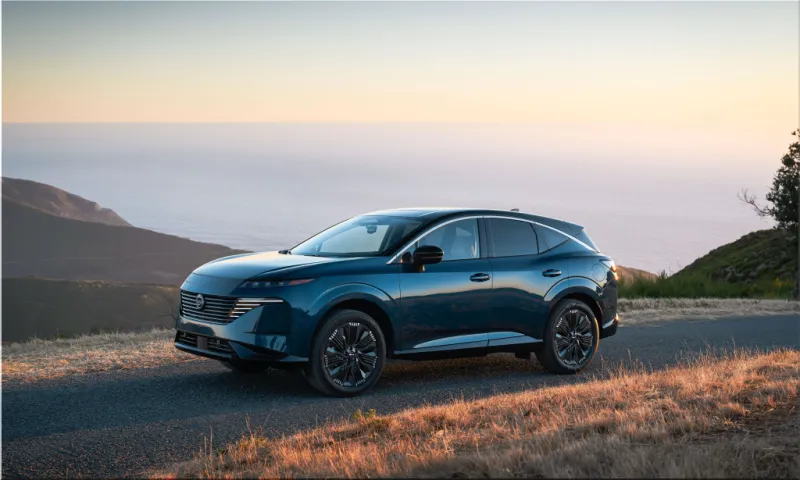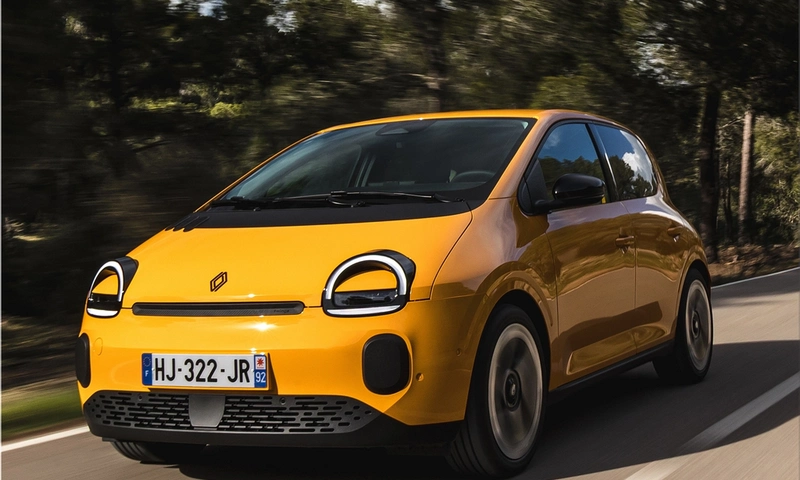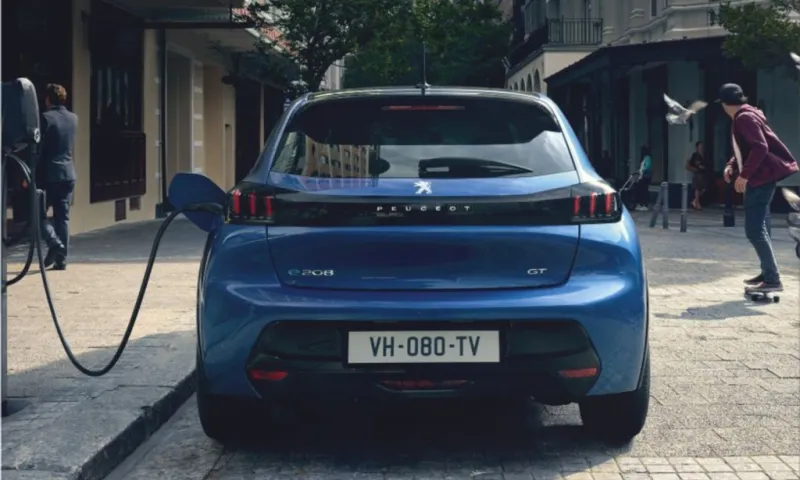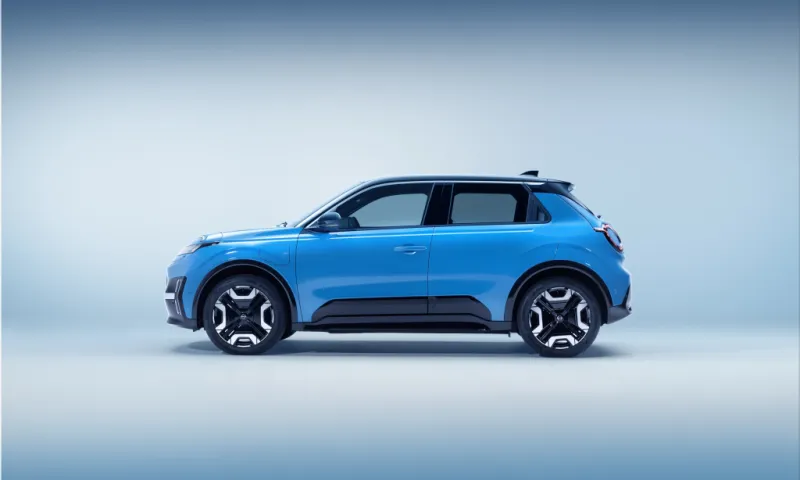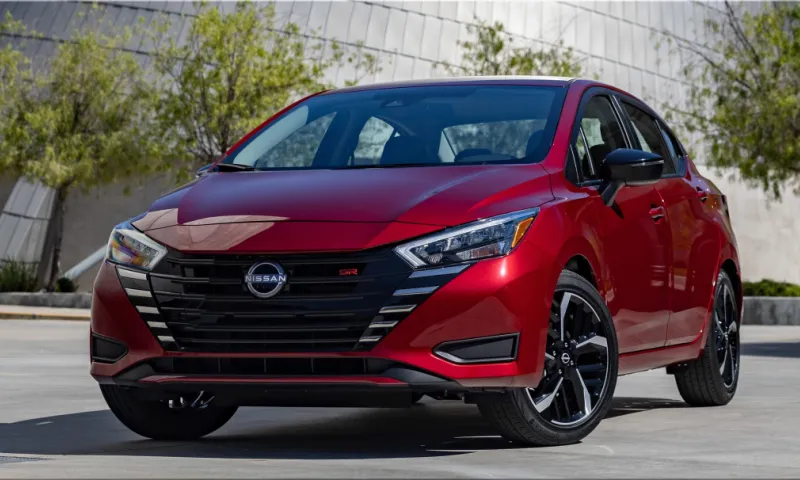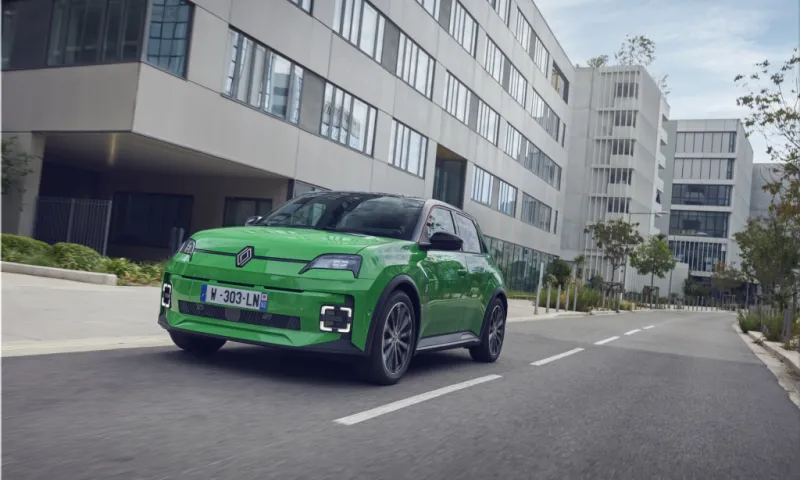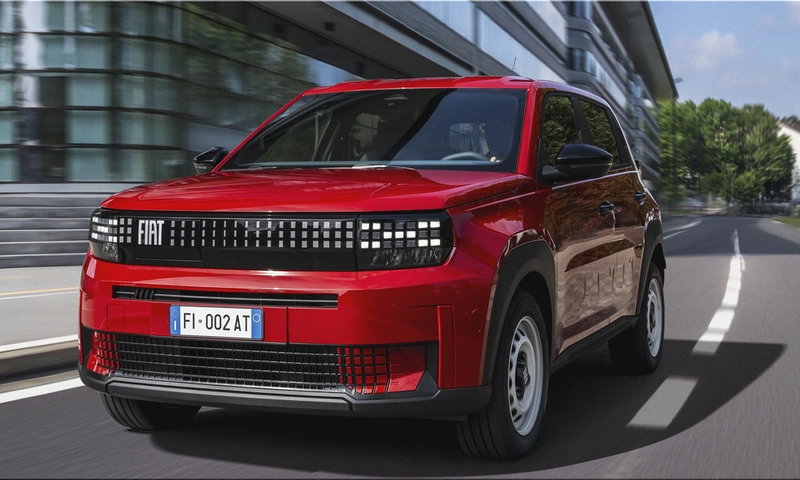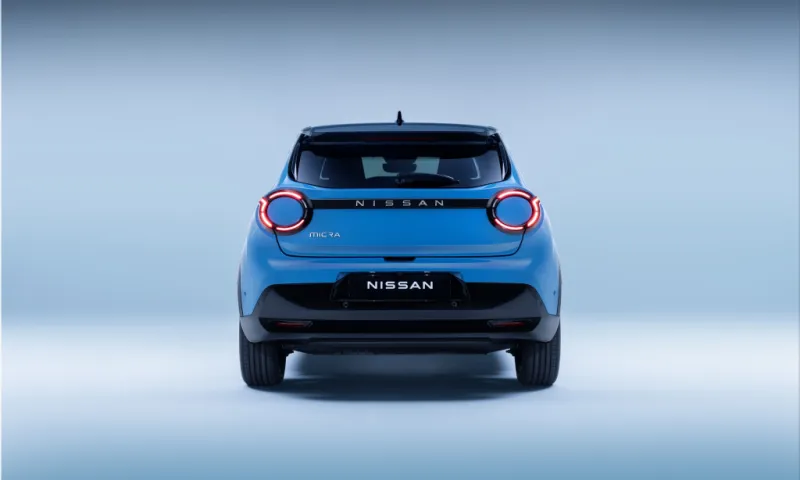
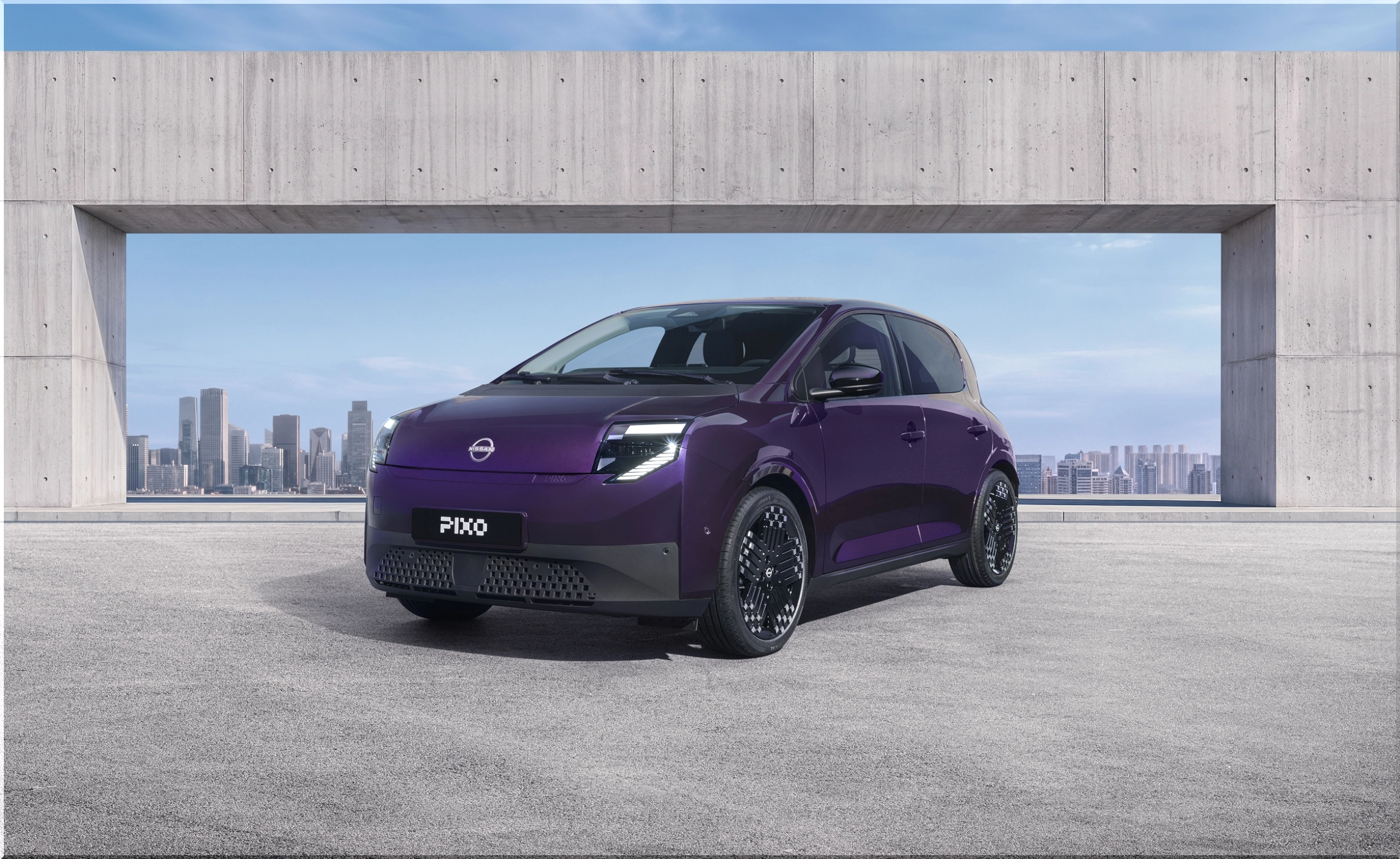
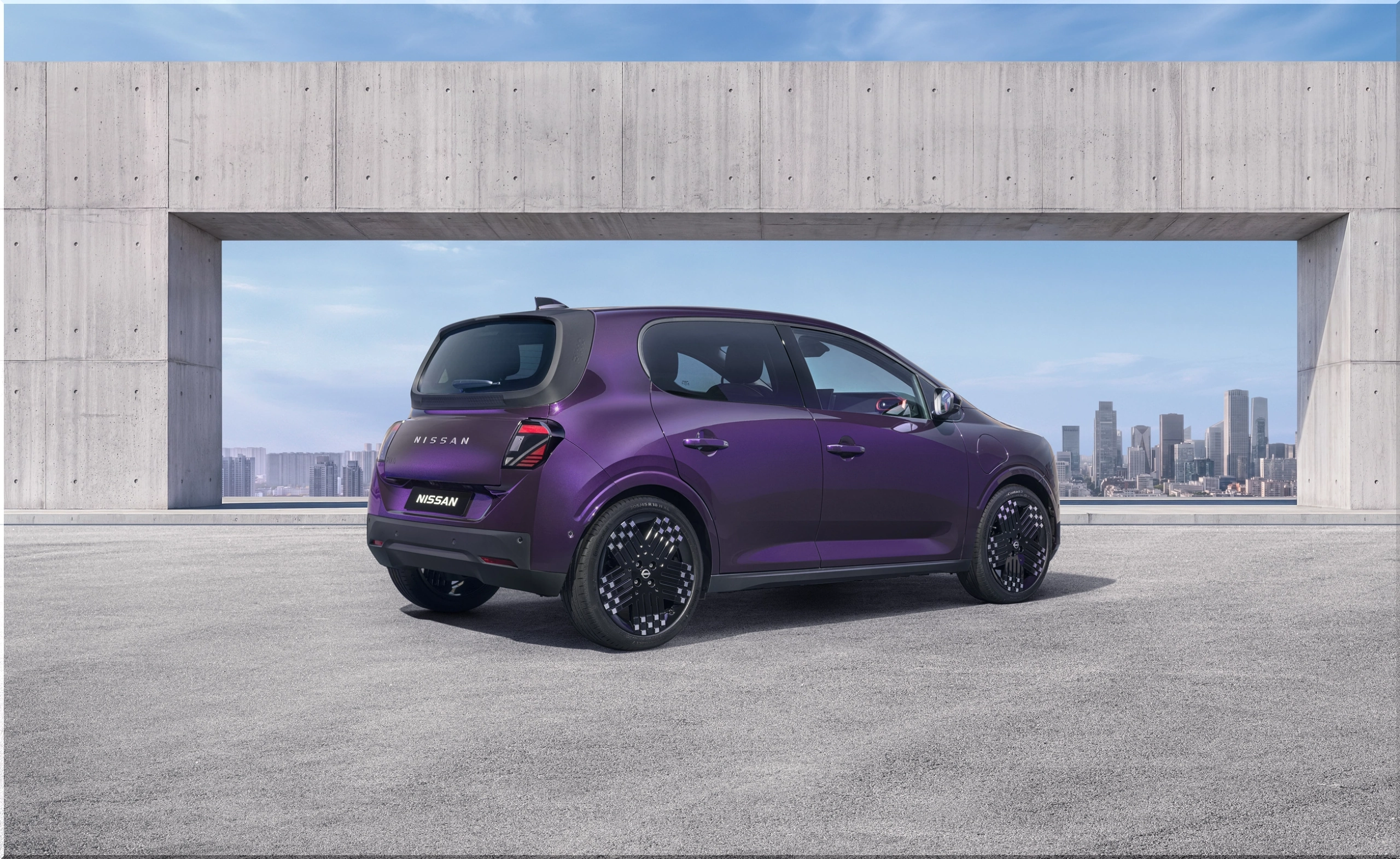
Nissan's new PIXO electric city car brings a 27.5 kWh battery, up to 259 km WLTP range and standard rapid charging to Europe's smallest-car segment. The four-seater joins the electric MICRA and LEAF, targeting drivers who need manageable dimensions and useful luggage space. Its strongest argument comes from the equipment list: every grade includes 50 kW DC and 11 kW AC charging.
Battery and Charging: Small Pack, Useful Turnaround
The 2027 Nissan PIXO uses a lithium iron phosphate battery, Nissan's first European application of this chemistry. A 60 kW motor produces approximately 82 PS. Nissan has yet to publish torque, acceleration or kerb weight in its launch specifications, so performance comparisons must wait.
Image
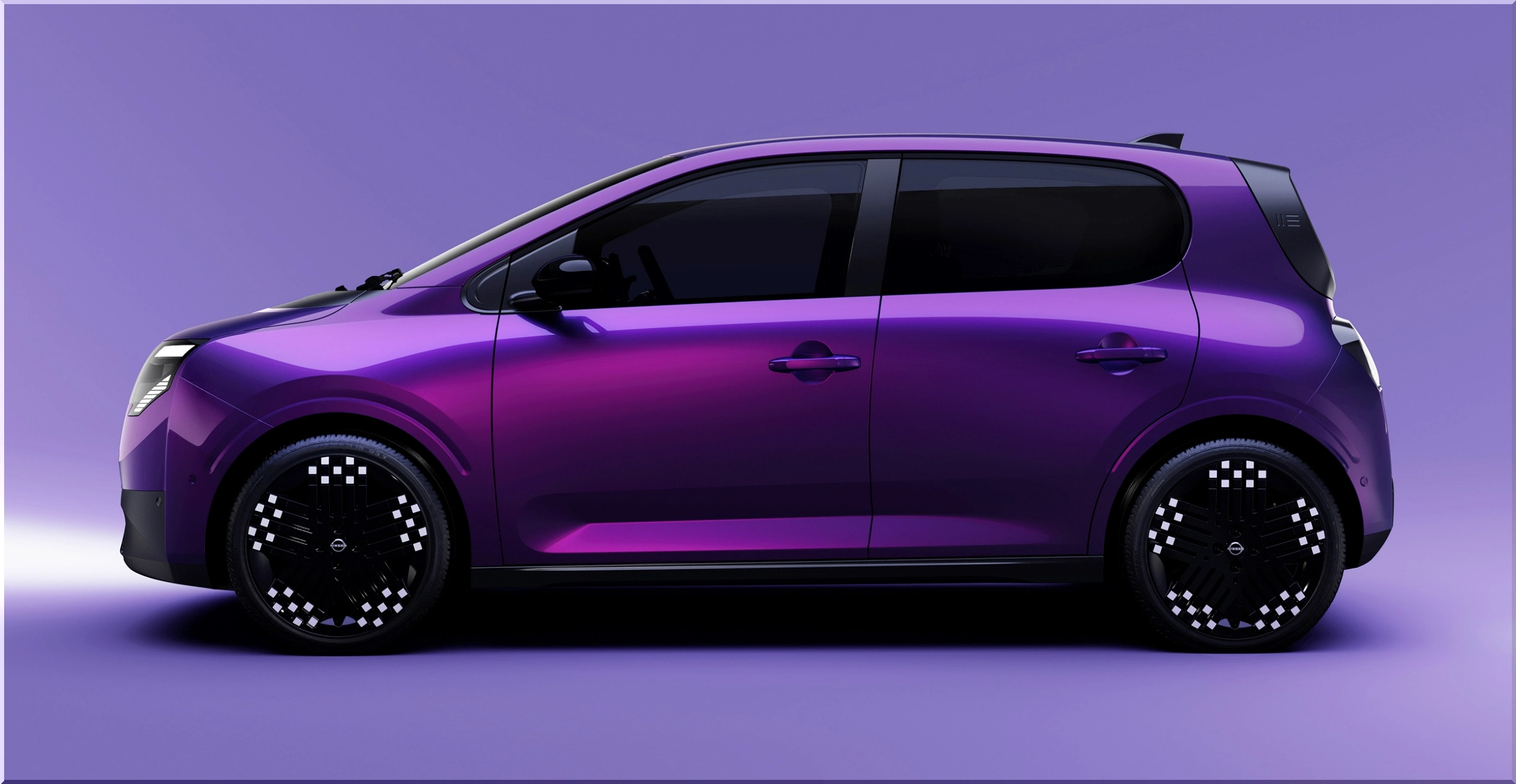
Battery size needs context. Nissan quotes approximately 28 minutes for a 15-80% DC charge, which covers 65 percentage points of the battery's charge window. Applying that fraction to the advertised range gives roughly 168 km, or 104 miles, of WLTP-equivalent driving; cold weather and motorway speeds will change the distance drivers actually recover.
The 11 kW AC charger matters between rapid-charging stops. It can draw its full rated output from a suitable three-phase supply, but a home's electrical connection and wallbox can impose a lower limit. Buyers should check that connection before budgeting for installation.
Video title
2027 Nissan PIXO
Dimensions and Boot Space: Packaging Earns Its Keep
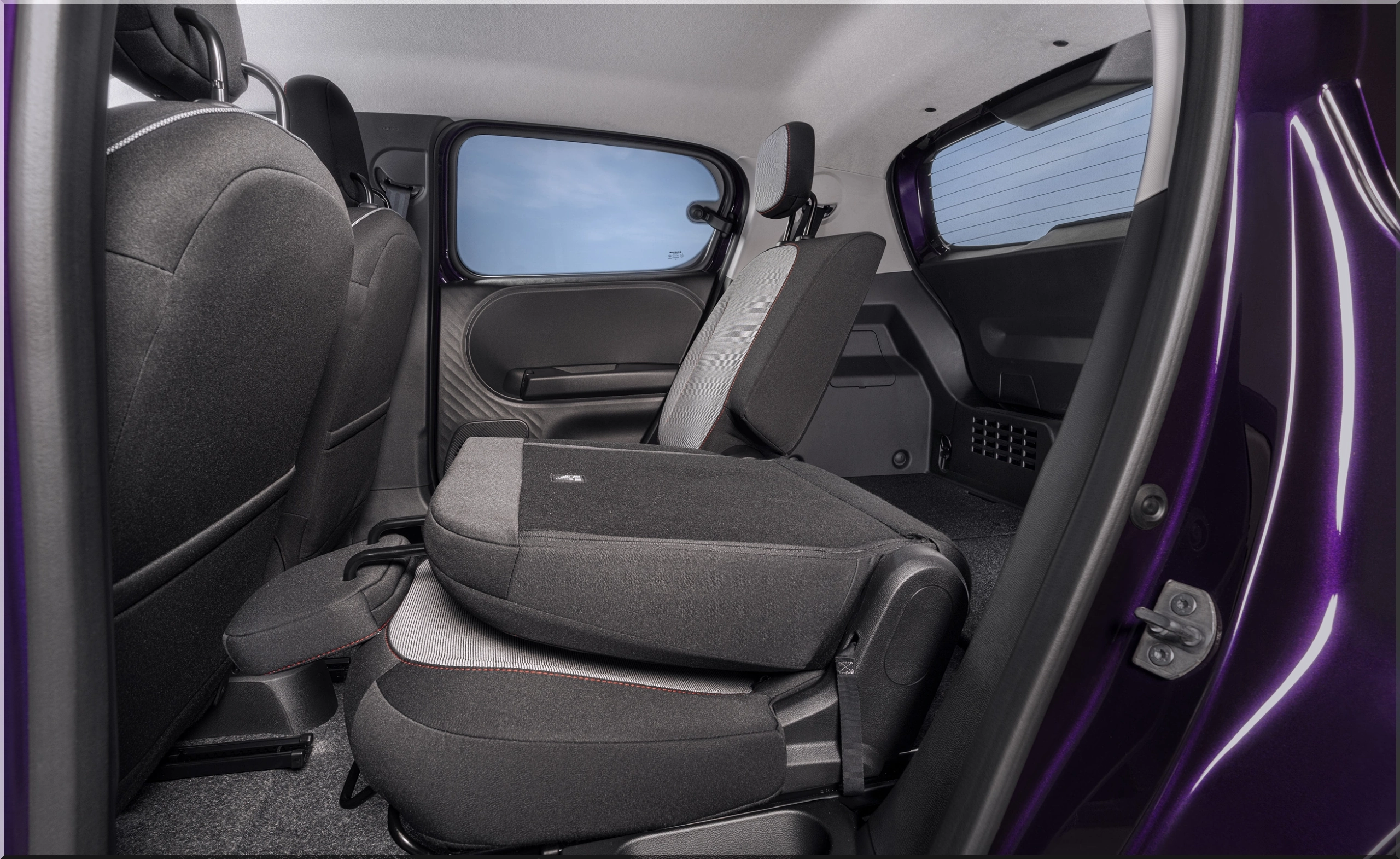
PIXO measures 3,796 mm long, with a 2,492 mm wheelbase and short overhangs. Nissan combines those proportions with independently sliding rear seats, allowing owners to trade rear legroom for luggage space. The 9.9 m turning circle should also reduce manoeuvring on narrow residential streets.
| Measurement | Metric specification | Approximate imperial equivalent |
|---|---|---|
| Length | 3,796 mm | 149.4 in |
| Width, excluding mirrors | 1,790 mm | 70.5 in |
| Height, unladen | 1,512 mm | 59.5 in |
| Wheelbase | 2,492 mm | 98.1 in |
| Front / rear overhang | 741 / 563 mm | 29.2 / 22.2 in |
| Ground clearance | 140 mm | 5.5 in |
| Turning circle | 9.9 m | 32.5 ft |
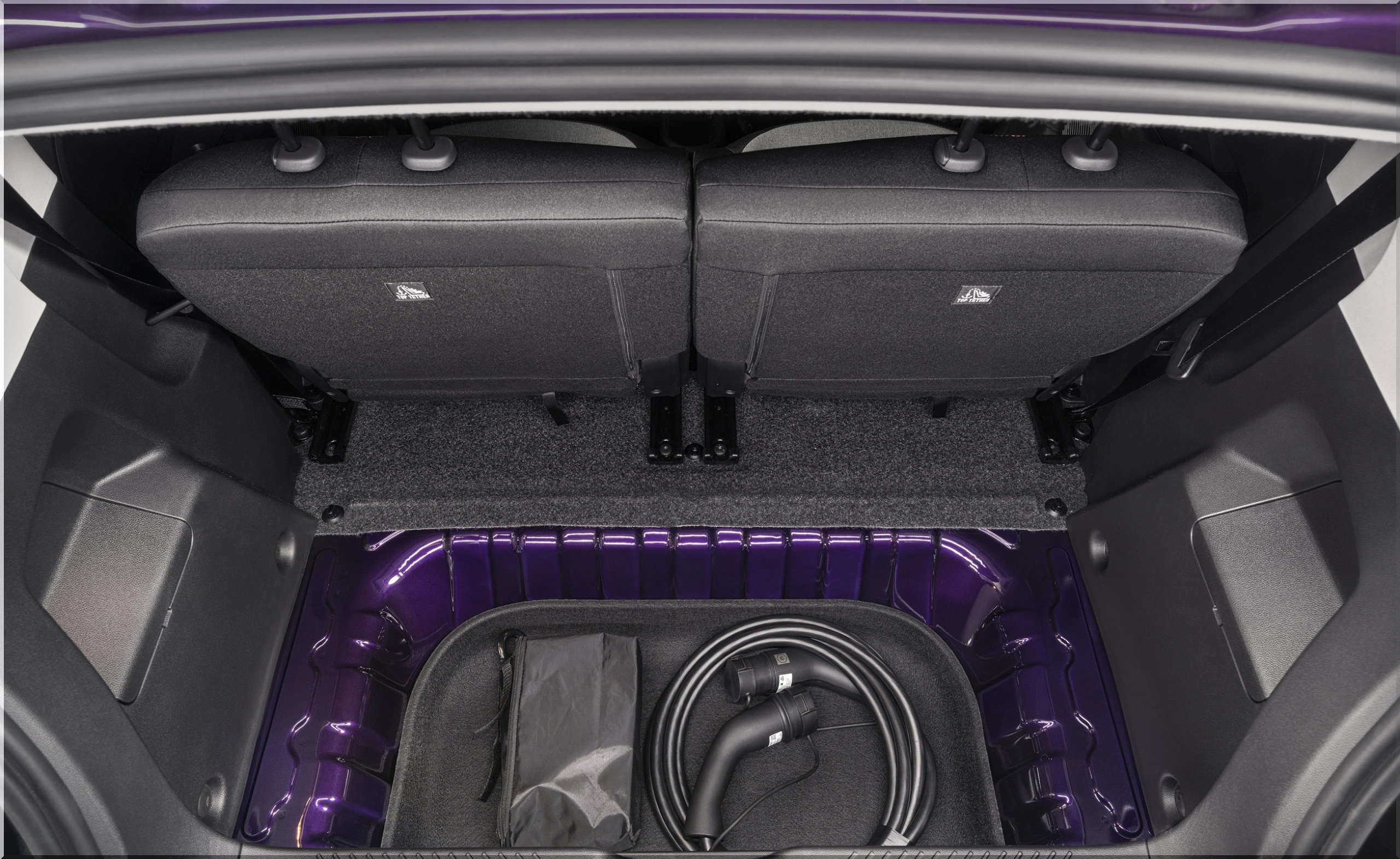
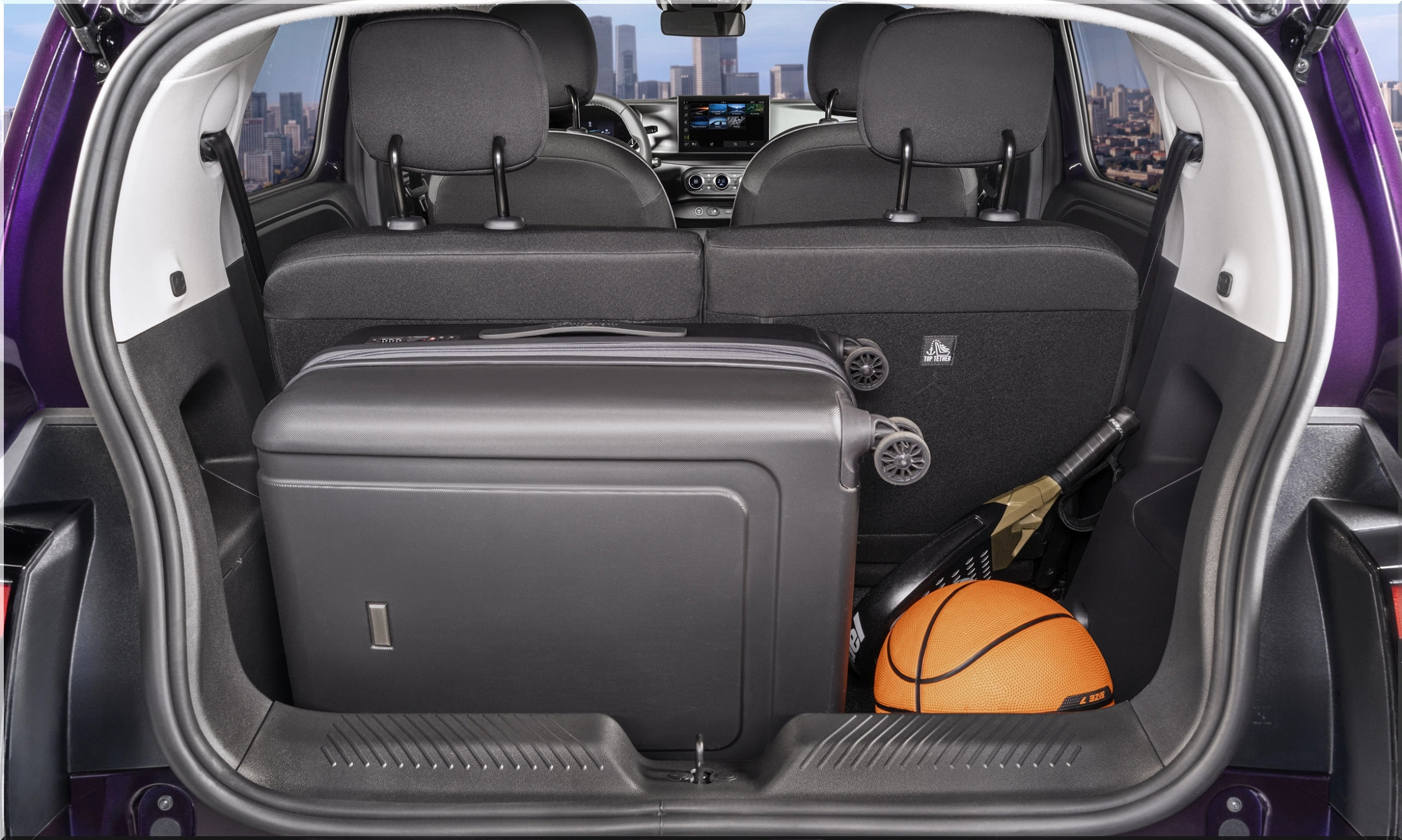
Nissan quotes 356 litres of boot space, including a 50-litre cable compartment, and 1,221 litres with the rear seats folded. Do not add the cable compartment again when comparing capacity. In addition, the cabin supplies 18 litres of smaller-item storage.
Before choosing a trim, check three practical details:
- Measure your parking entrance against the width with mirrors, which Nissan's launch table does not supply.
- Test your child seats with the rear seats in their intended position.
- Load your pushchair or shopping bags while preserving the rear legroom you need.
Image
Google Built-In and One-Pedal Driving
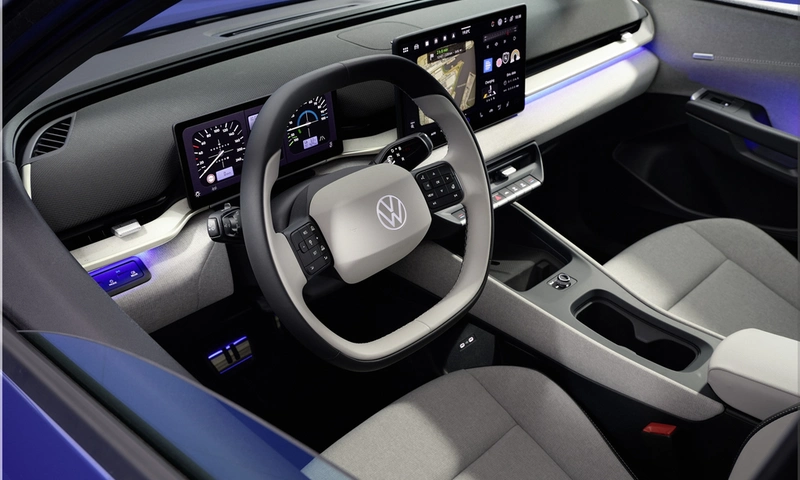
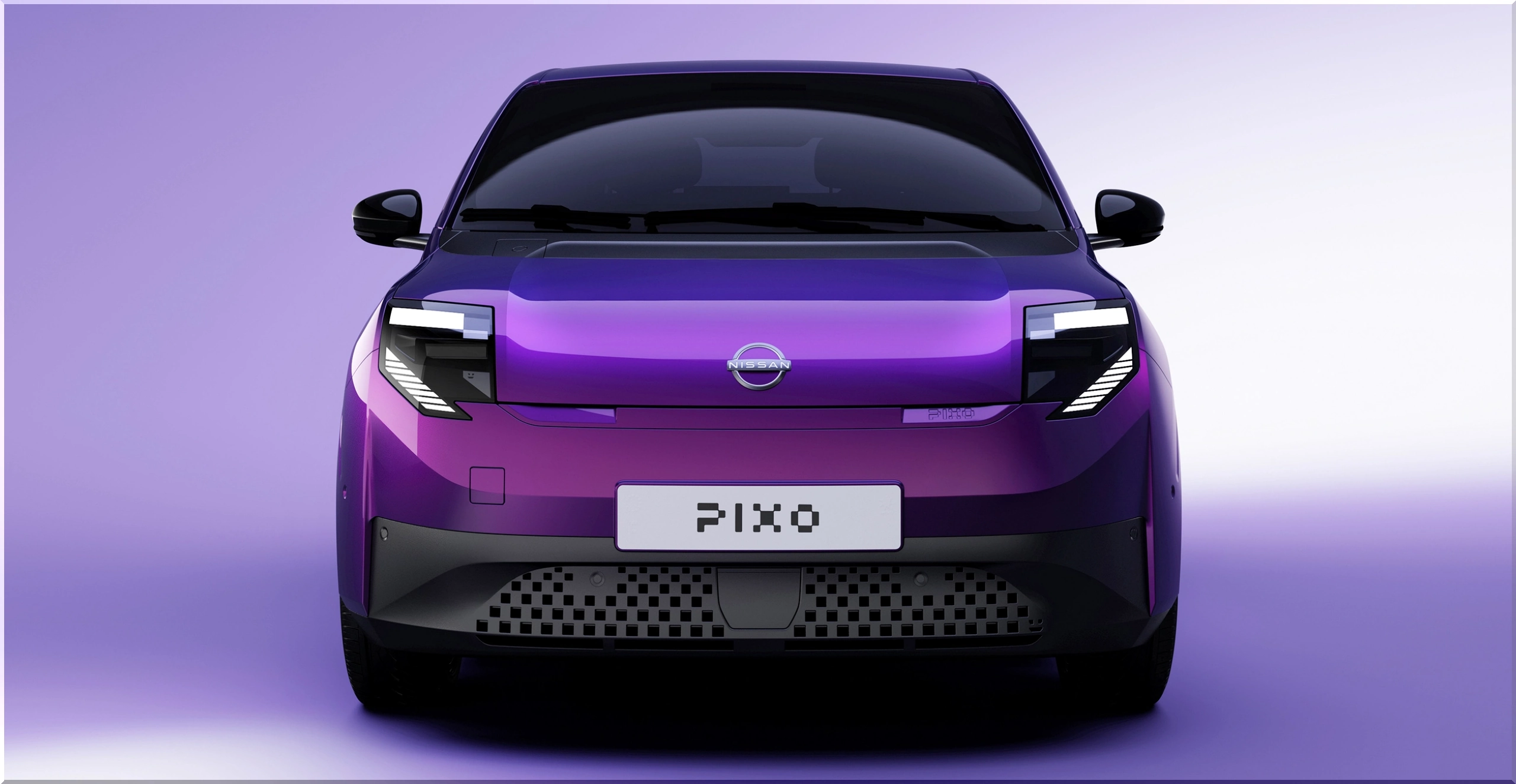
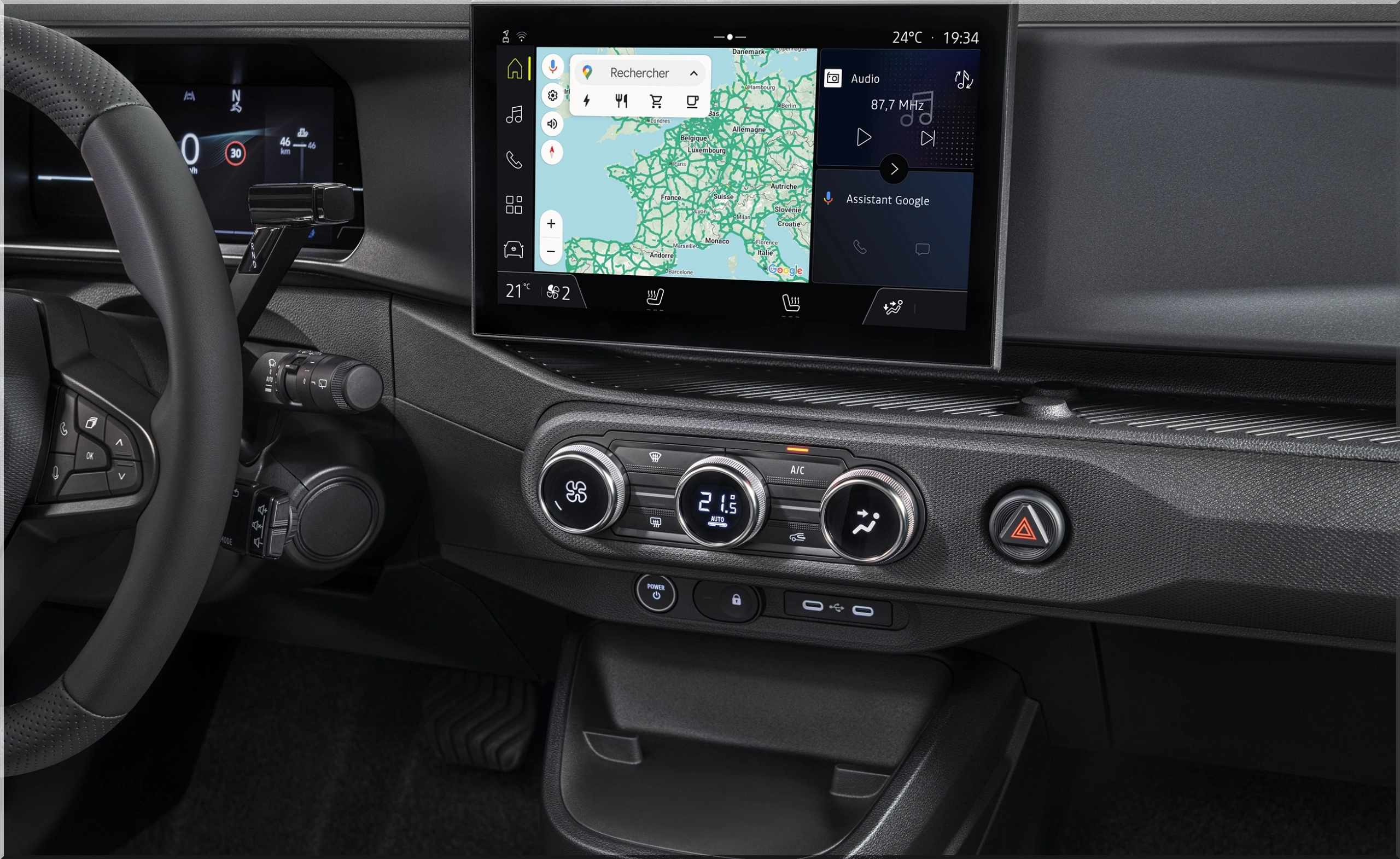
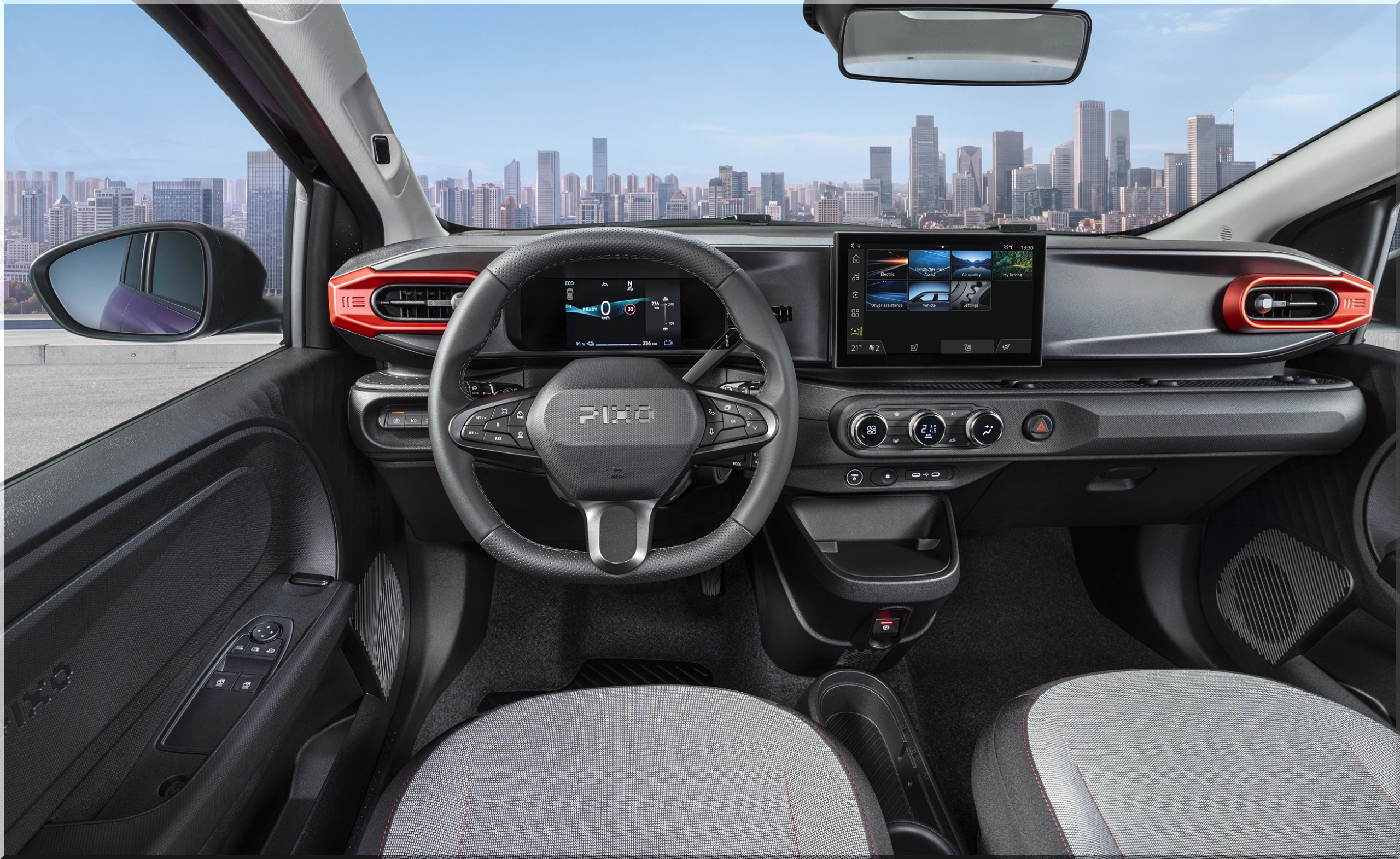
The cabin pairs a 7-inch driver display with a 10-inch touchscreen. Google built-in supplies navigation, while Gemini handles voice requests across 16 languages and dialects at launch. Nissan also lists Face ID for recalling driver settings and MyNissan app functions for charging and vehicle management.
One-pedal driving lets the driver slow the car and reach a stop through accelerator control. Regenerative braking recovers energy during deceleration, making frequent urban stops a better fit for this system than uninterrupted cruising. Nissan's UK announcement also lists adaptive cruise control with stop-and-go, lane-departure warning and hands-free parking as standard; buyers should confirm their local equipment list.
Image gallery
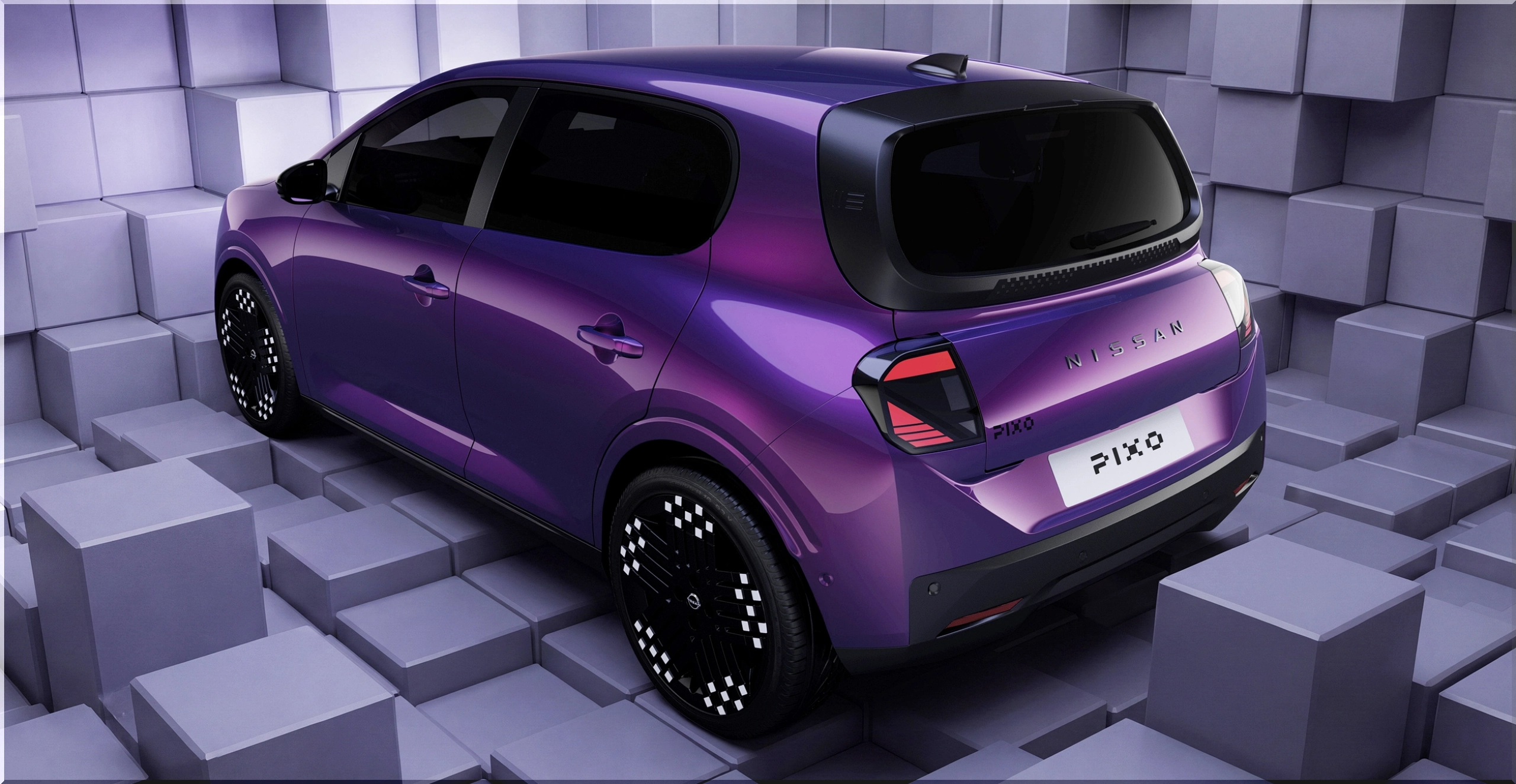
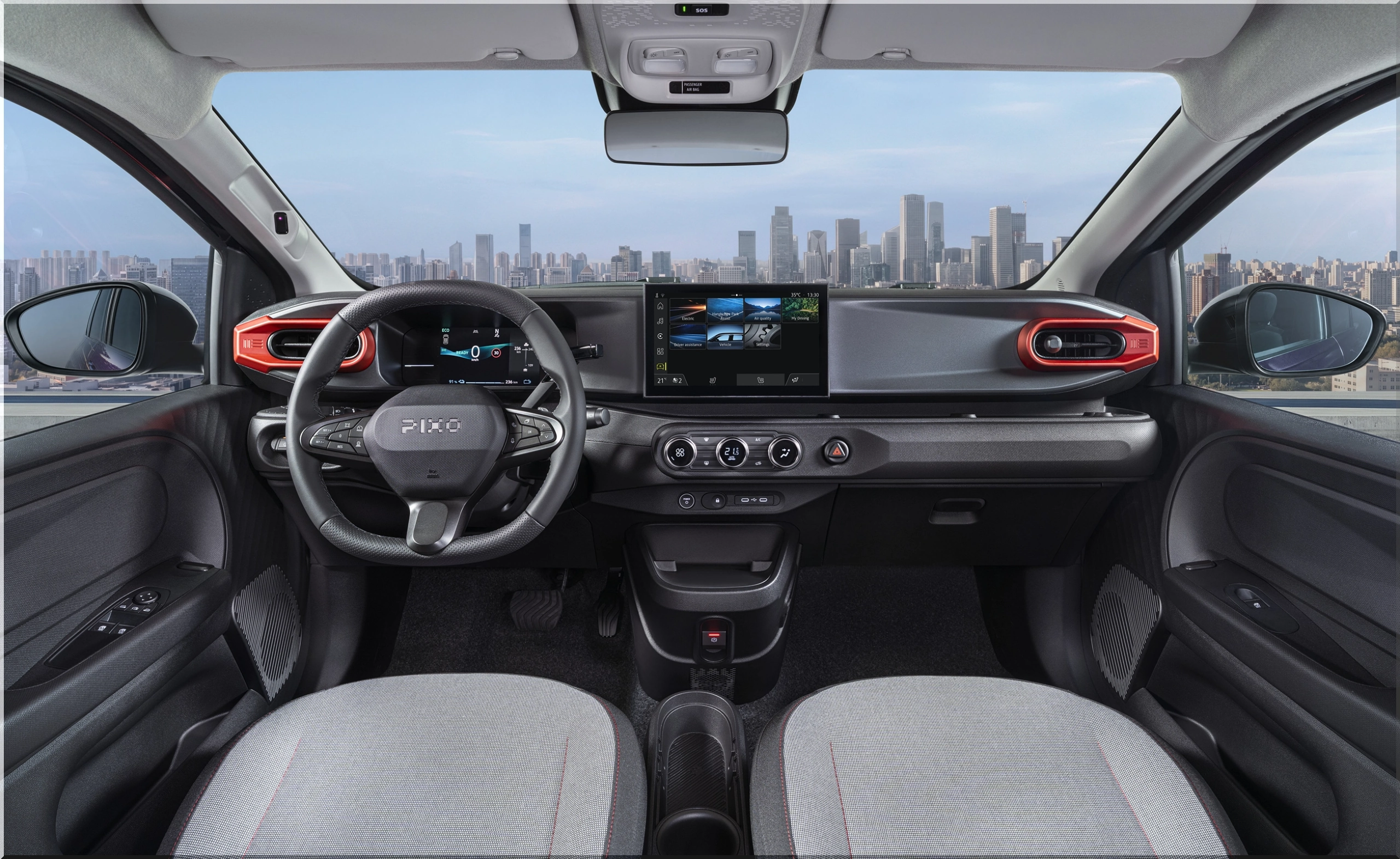
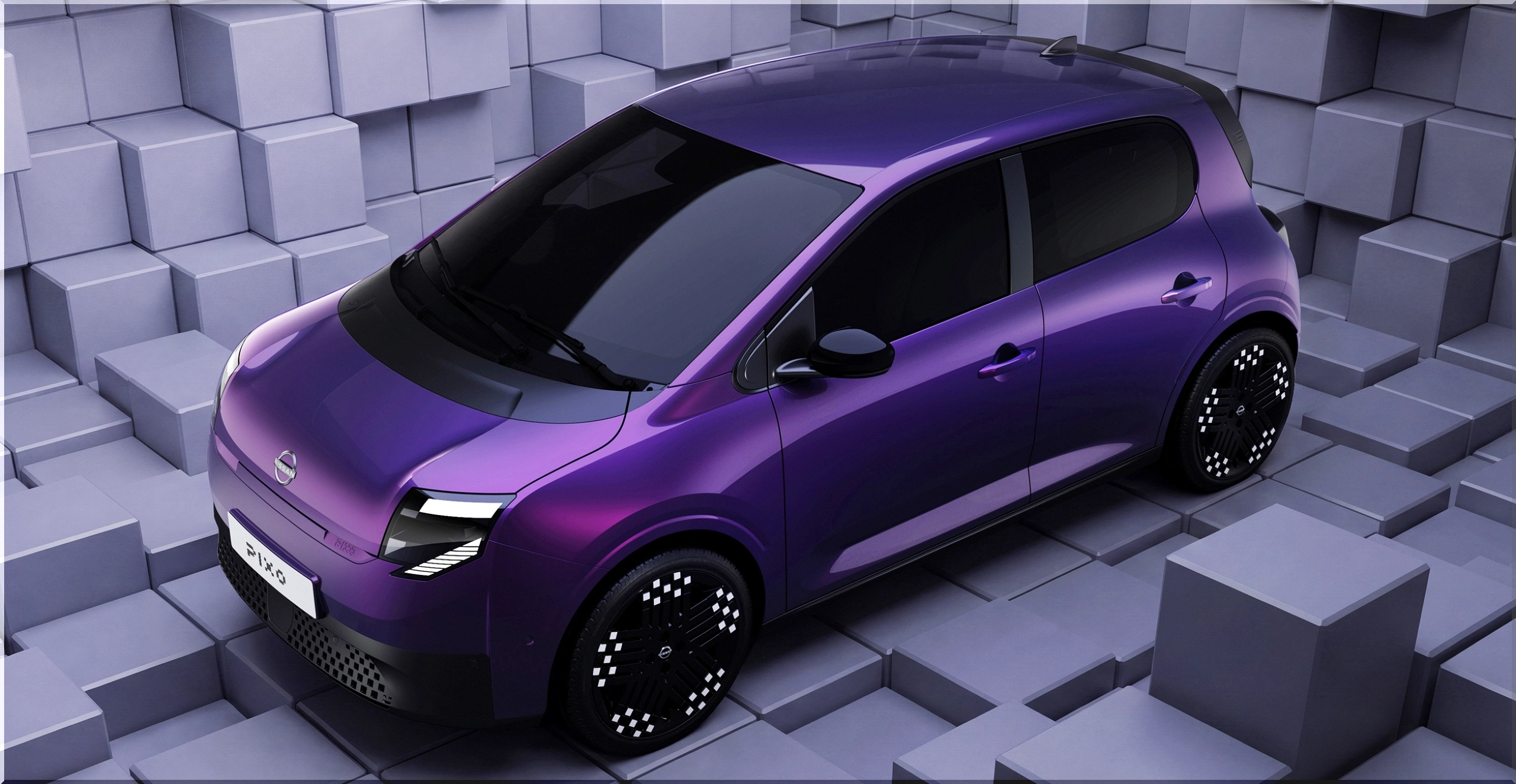
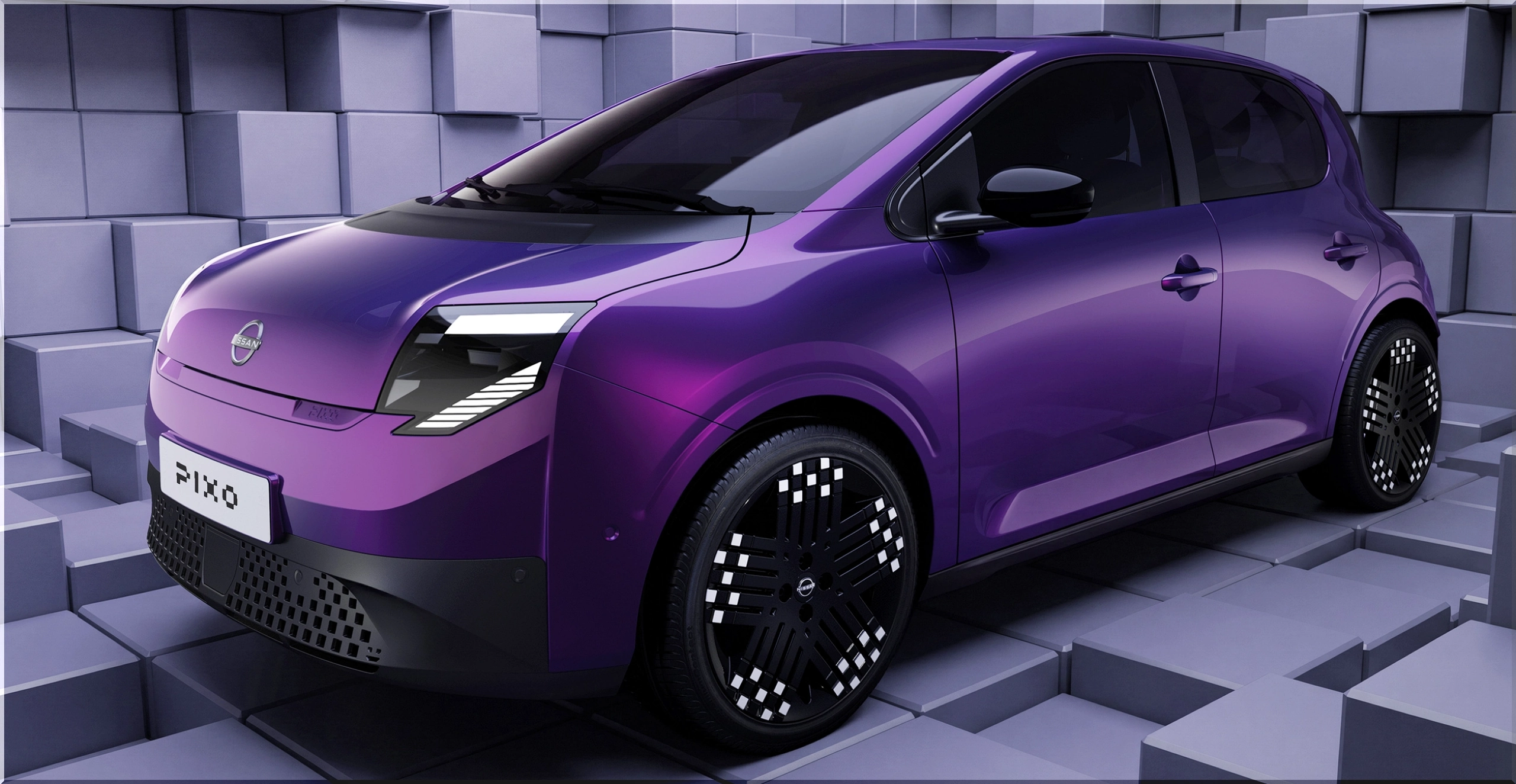
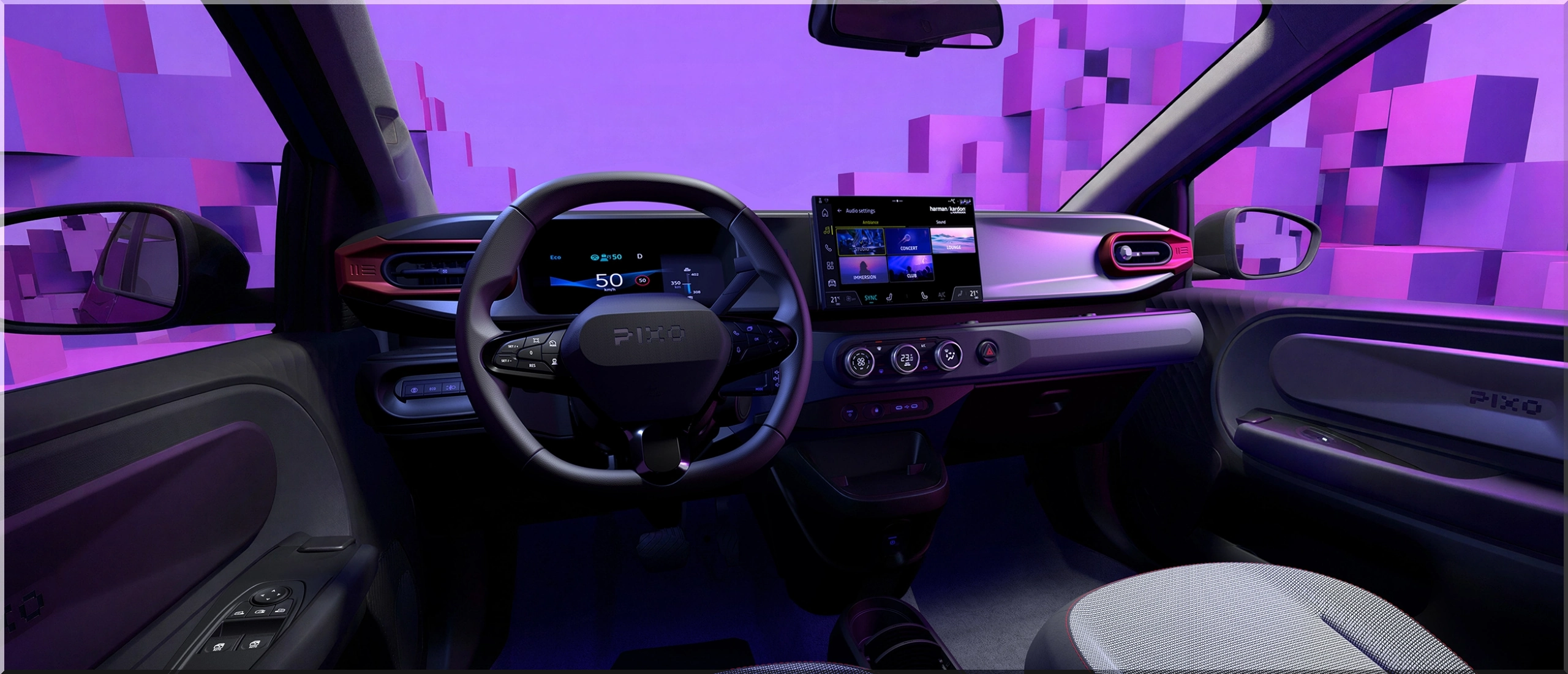
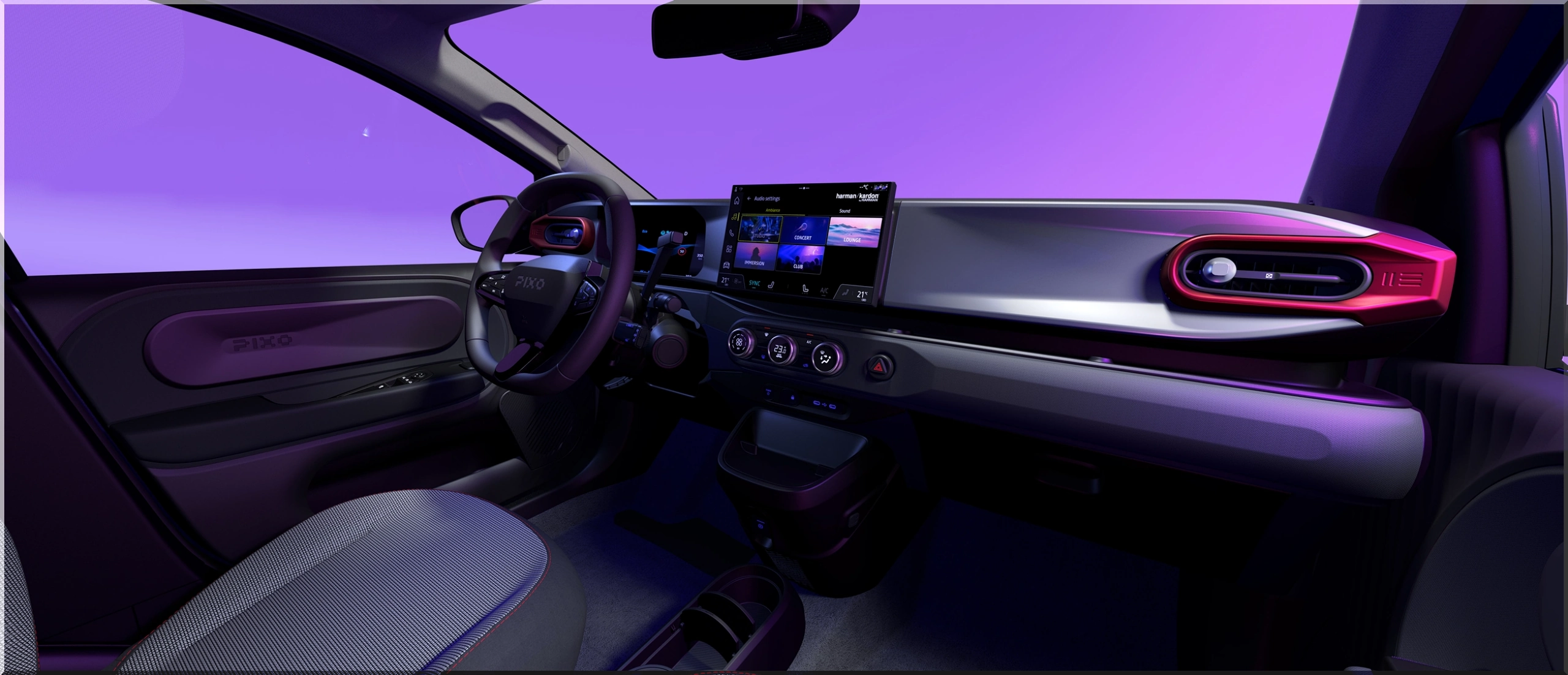
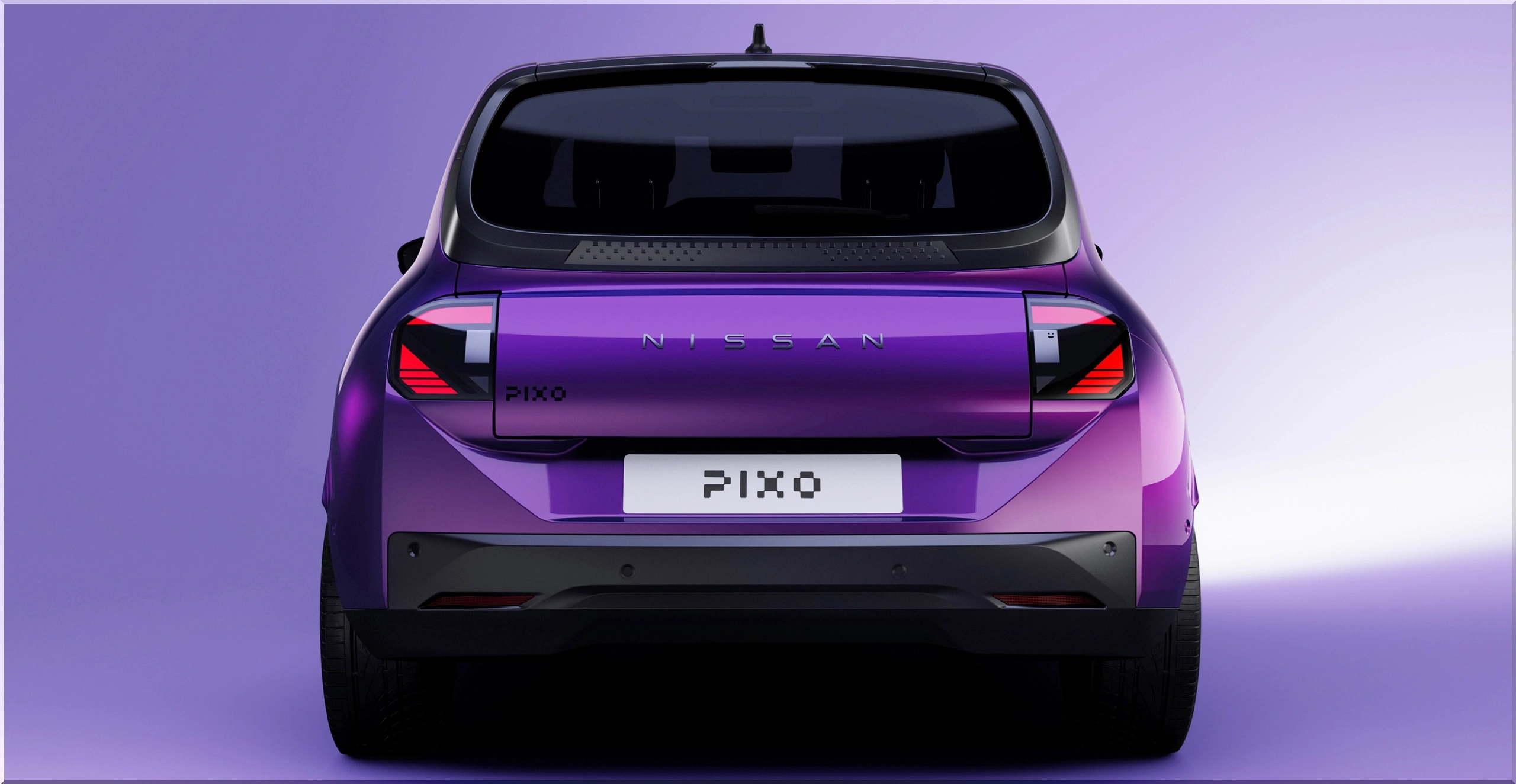
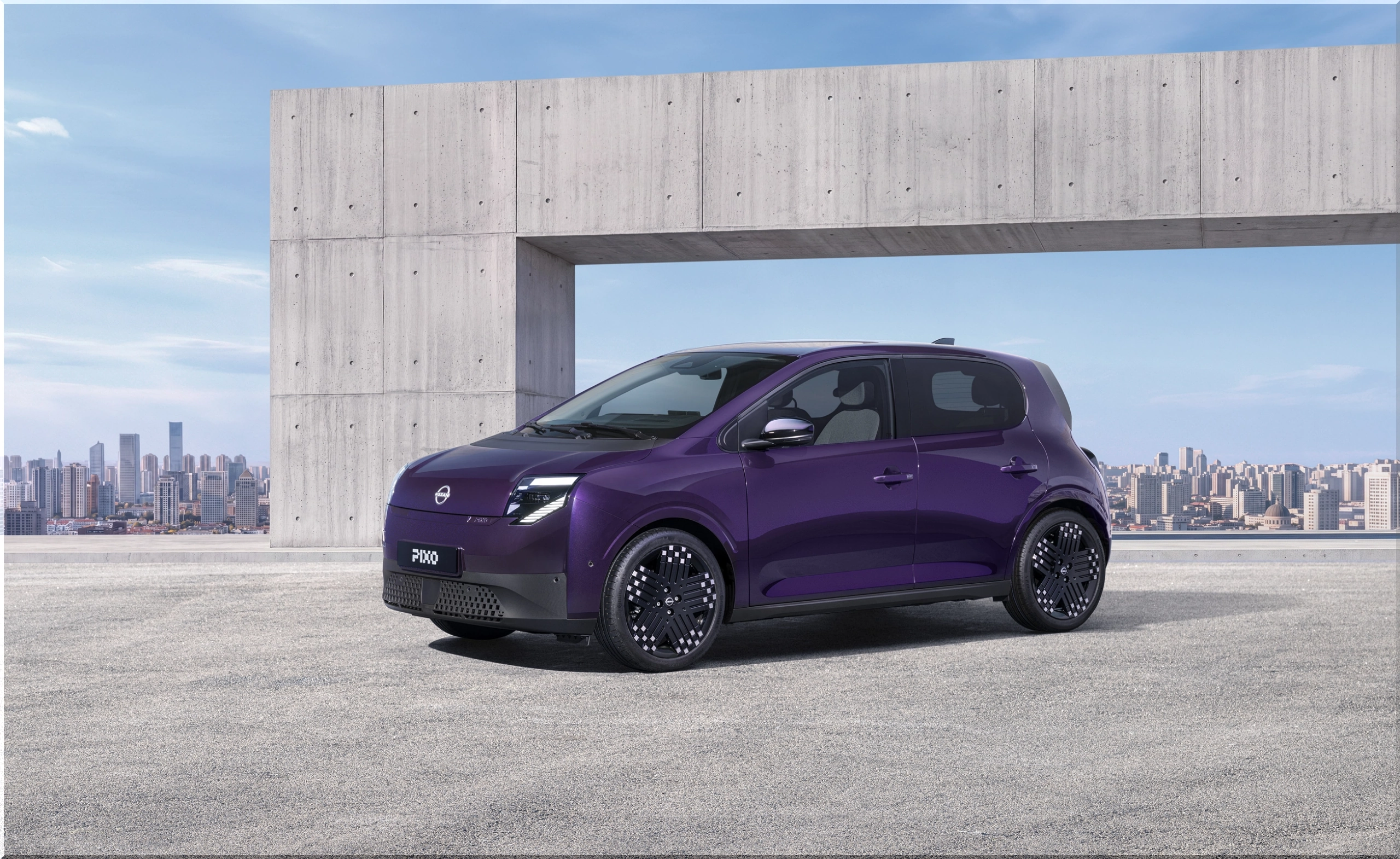
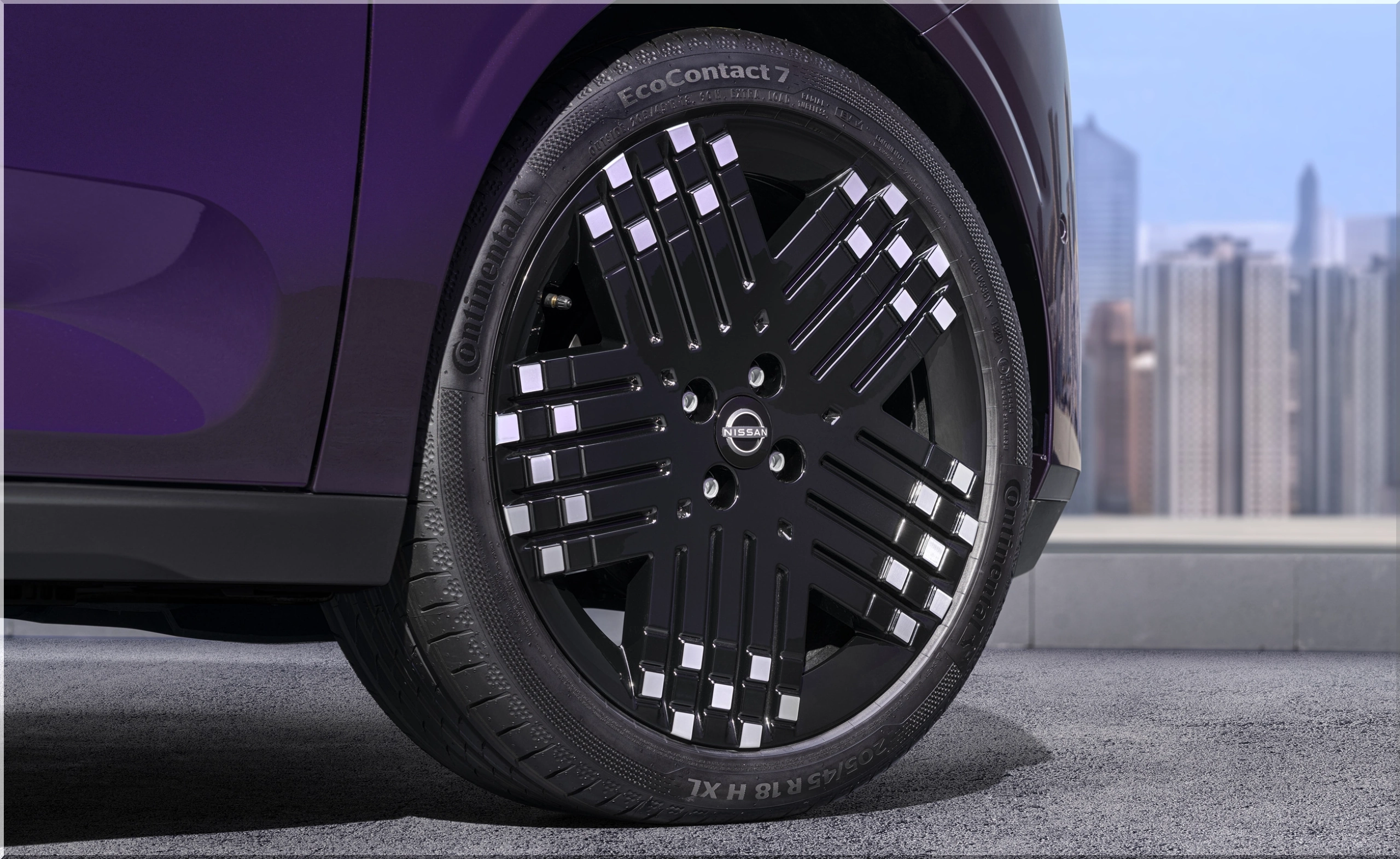
Nissan PIXO vs Twingo, T03 and INSTER
The Renault Twingo E-Tech electric matches PIXO's advertised battery capacity and motor output, but quotes 4 km more range. The Leapmotor T03 specification offers about 16 km more range with a larger battery. By comparison, the Hyundai INSTER Long Range offers the largest distance reserve here, with a 49 kWh pack.
| European city EV | Advertised battery capacity | Motor output | Up to combined WLTP range | Range difference vs PIXO |
|---|---|---|---|---|
| Nissan PIXO | 27.5 kWh | 60 kW | 259 km / 161 miles | Reference |
| Renault Twingo E-Tech electric | 27.5 kWh | 60 kW | 263 km / 163 miles | +4 km |
| Leapmotor T03, current UK specification | 37.3 kWh | 70 kW | Approx. 275 km / 171 miles | +16 km |
| Hyundai INSTER Long Range | 49 kWh | 84.5 kW | 370 km / 230 miles | +111 km |
These manufacturer figures support range comparisons, rather than measured efficiency rankings. Battery-capacity reporting, wheel choices and equipment can differ. PIXO's standard charging hardware strengthens its specification, but Nissan still needs a competitive purchase price to establish its value.
Image gallery

Should You Wait for the Nissan PIXO?
Pro-Tips: Record your longest regular day's mileage and your dependable charging opportunities before comparing battery sizes. A predictable overnight connection makes a smaller battery easier to live with. Frequent motorway trips justify testing alternatives with more range before committing.
Nissan will build PIXO through Renault at Novo Mesto, Slovenia. Its UK and global announcements target early-2027 deliveries, while the Swedish announcement specifies mid-2027. Nissan plans to release prices, market specifications and pre-order information from December 2026; it has not confirmed a euro starting price.
- Add new comment
- 57 views