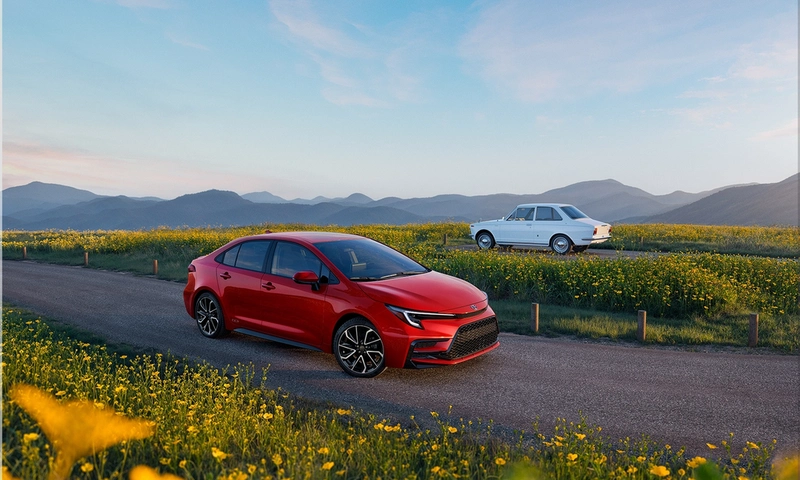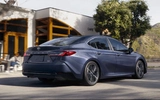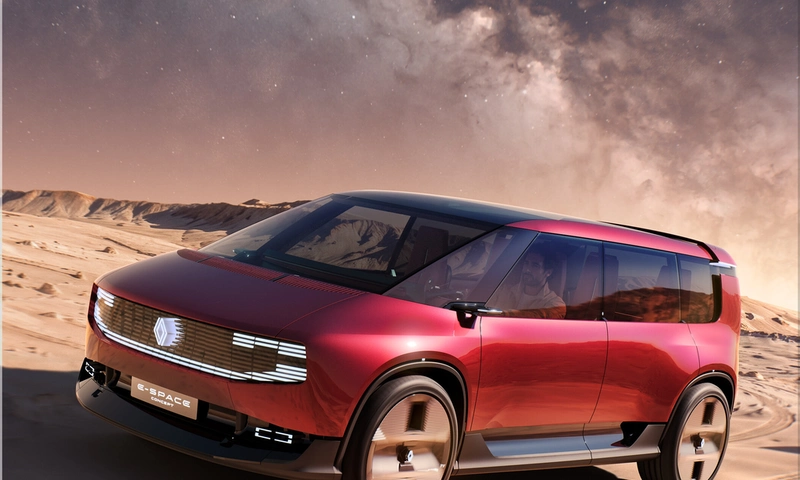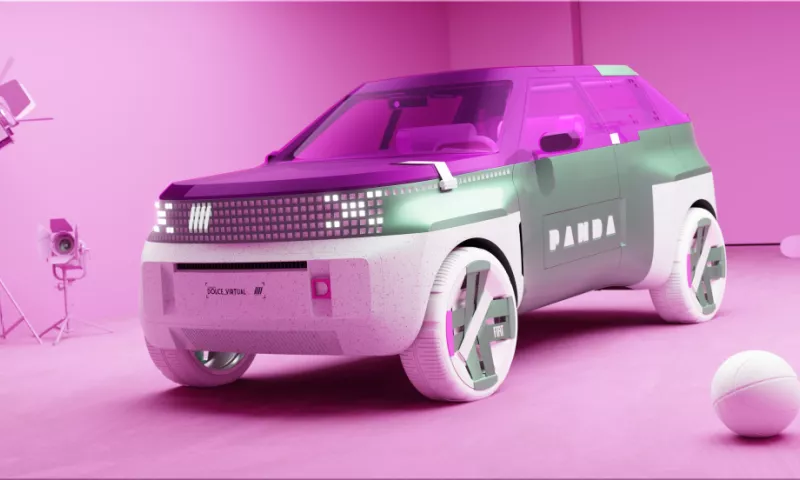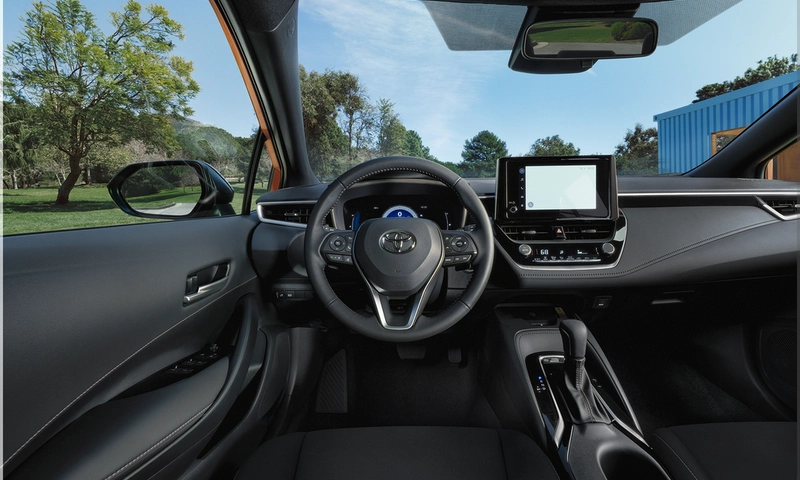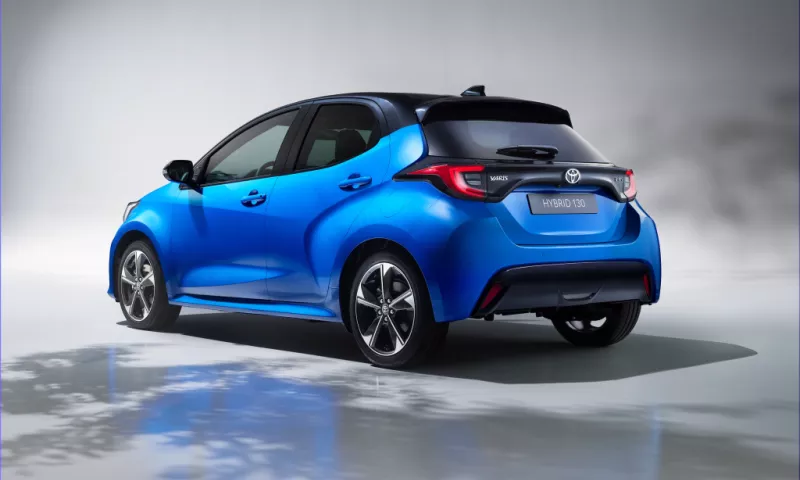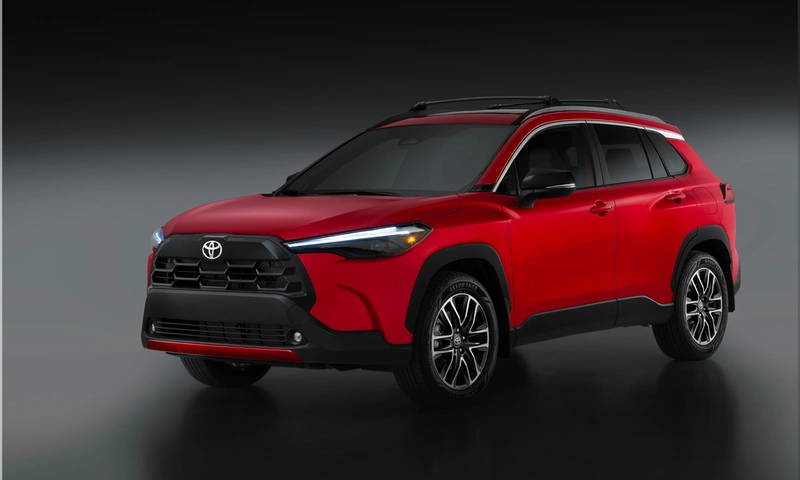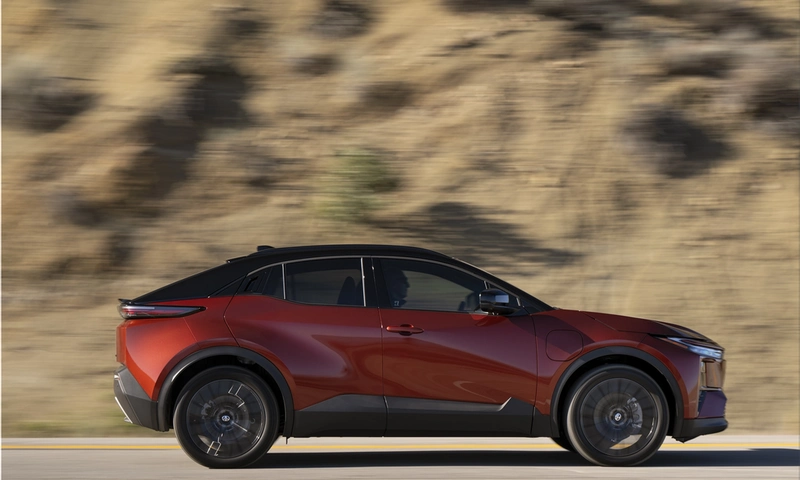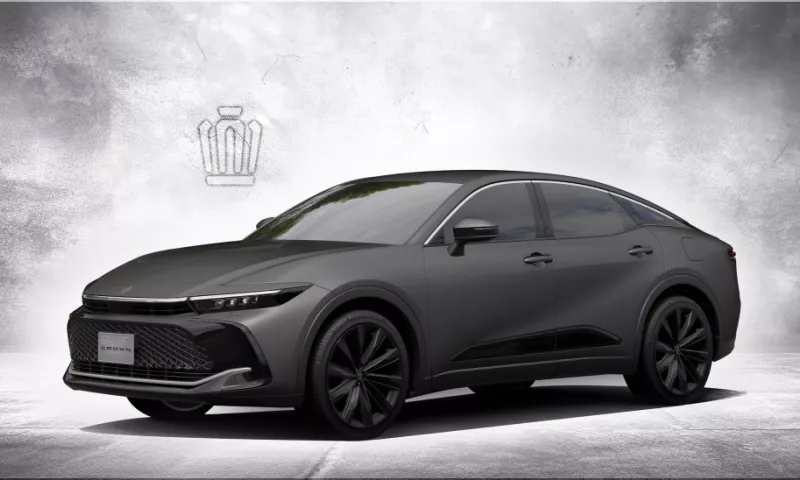
The 2028 Toyota Corolla could bring battery-electric power to one of motoring's most familiar nameplates. Toyota reportedly plans to manufacture the next generation in China through FAW Toyota from 2028, with electric, hybrid and petrol options. That timeline describes a reported production plan; Toyota has yet to publish a complete production specification or confirm a UK, European or US launch for the electric version.
Why China Matters for the Next Corolla
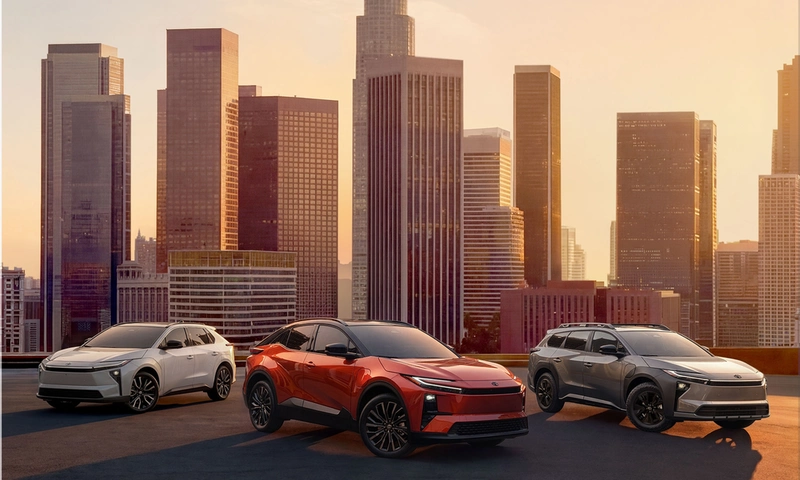
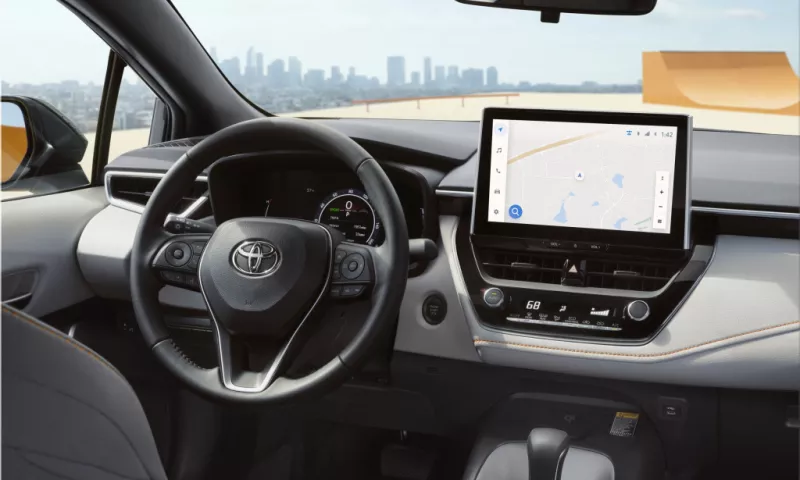
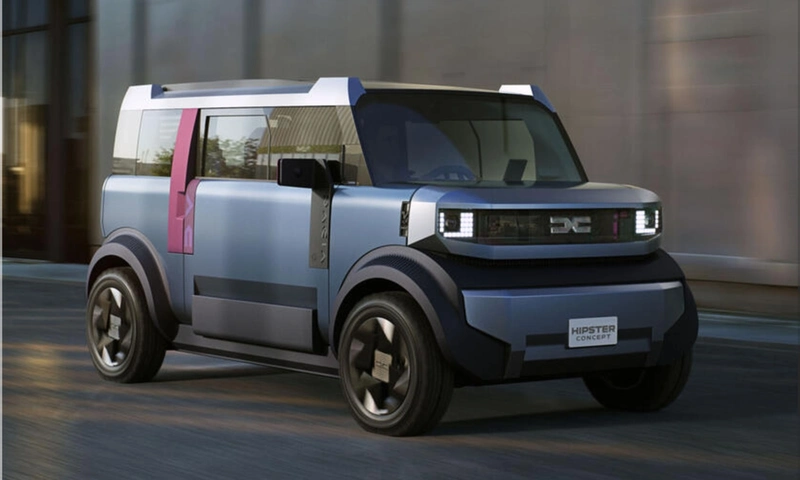
The proposed Toyota Corolla EV would place China's manufacturing operations near the centre of the model's next chapter. Reports describe a flexible vehicle architecture that accommodates several propulsion systems, allowing Toyota to respond to different regional buying patterns. Toyota previewed the design direction through its Corolla Concept at the 2025 Japan Mobility Show, where it stressed flexible packaging and a diverse model range.
The business logic favours flexibility. Sharing vehicle development across powertrains could spread investment over more cars, while local sourcing could help Toyota compete on price in China. Those potential savings do not establish an export price or prove that Toyota will transfer all Corolla production to China.
Electric, Hybrid and Petrol: What the Reports Establish
Reports point towards several powertrain choices, but Toyota still needs to confirm their specifications and regional availability.
| Powertrain | Reported direction | Information buyers still need |
|---|---|---|
| Battery-electric | China production from 2028 | Battery capacity, charging curve, certified range |
| Full hybrid | Next-generation range | Engine specification, system output, fuel consumption |
| Petrol | Continued combustion option | Engine choices, emissions, sales markets |
| Plug-in hybrid | Some reports anticipate a version | Production commitment, electric range, launch timing |
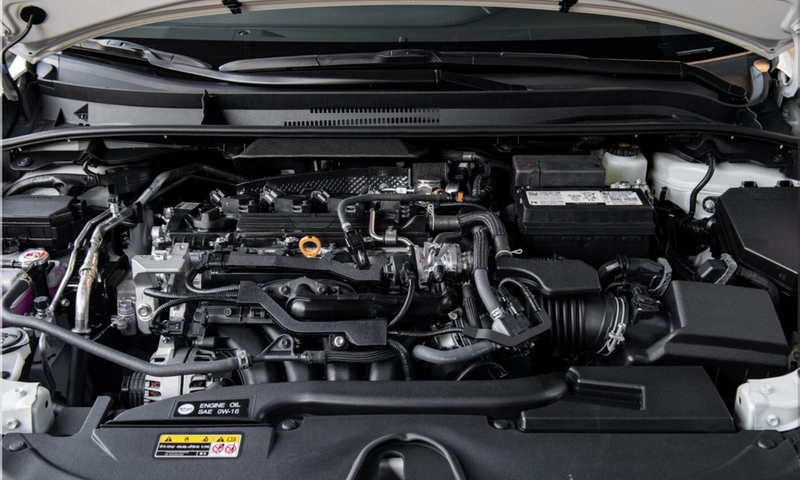
Engineering will determine whether the shared approach works. An EV needs space for a large traction battery, cooling circuits and crash protection; a petrol model needs an engine, exhaust and fuel tank. Accommodating both can introduce compromises in floor height, weight and cabin space, so production measurements will matter more than concept styling.
Watch three details before comparing the electric Corolla with rivals:
- Usable battery capacity, rather than the larger gross figure.
- 10-80% charging time, alongside peak charging power.
- WLTP or EPA range, with the test cycle clearly identified.
Image gallery
Today's Corolla Provides a Useful Benchmark
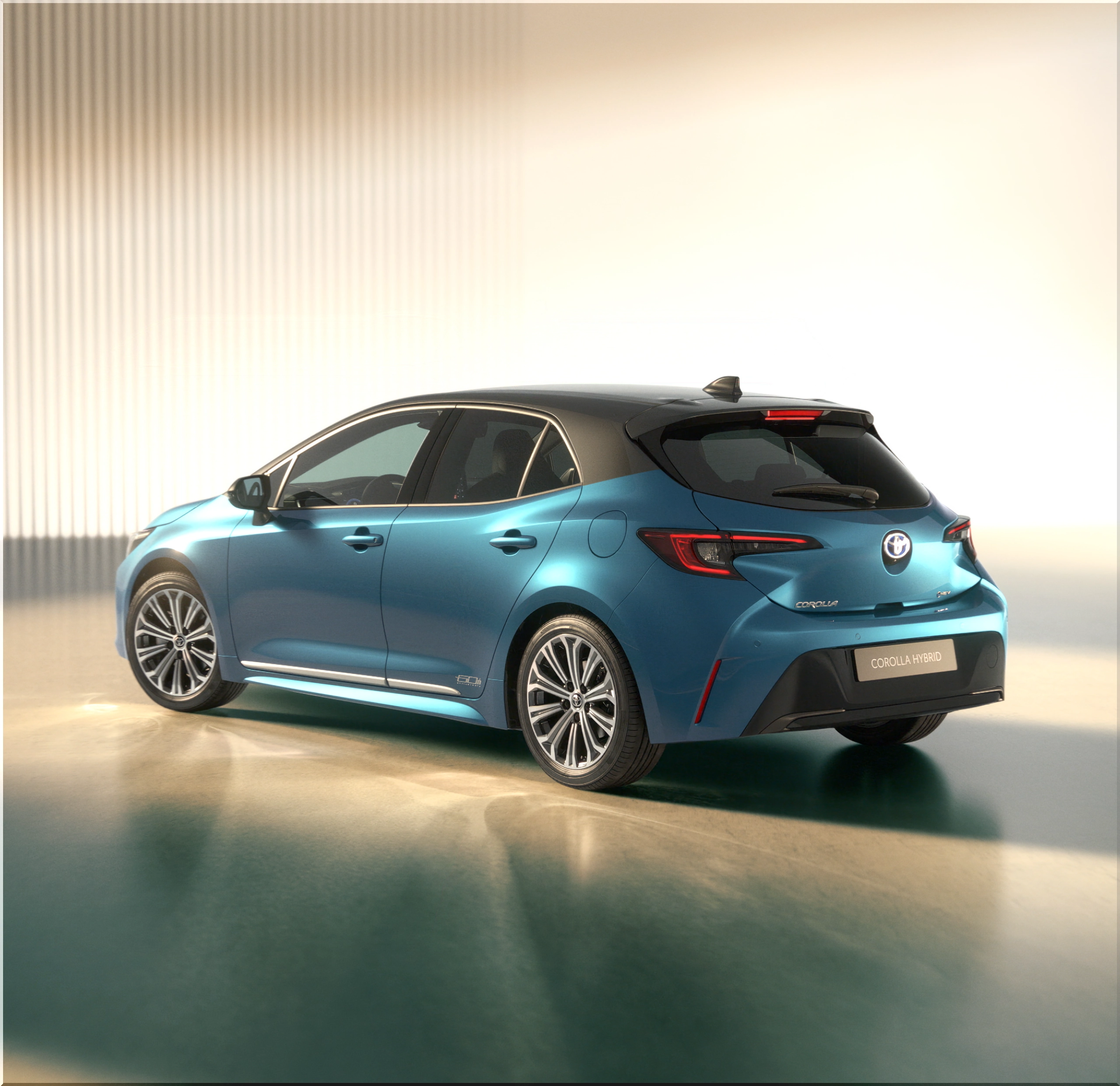
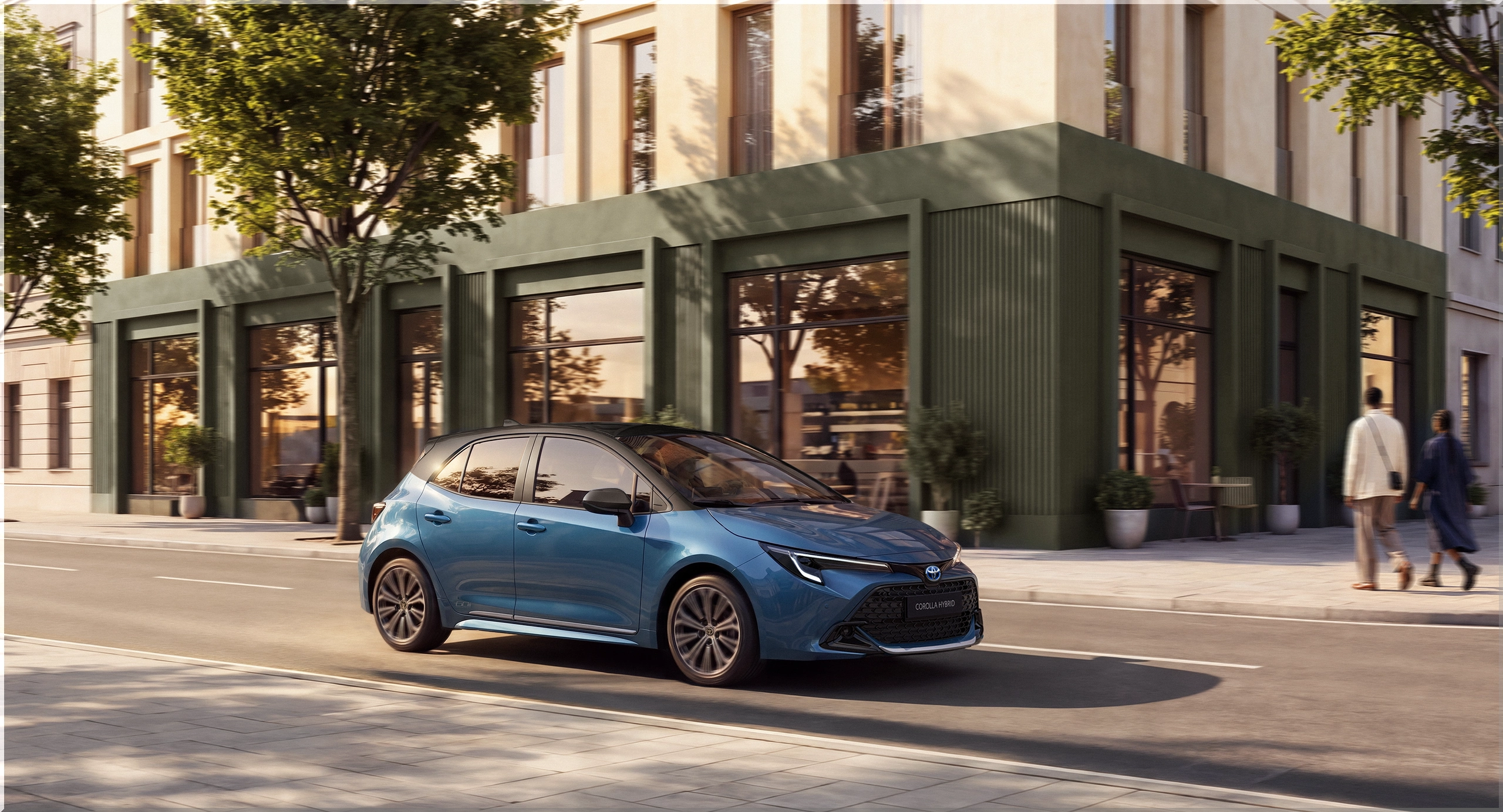
By comparison, Toyota's January 2026 UK specifications give buyers measurable reference points. These figures describe the current hatchback, rather than the proposed 2028 model.
| Current UK hatchback specification | 1.8 Hybrid | 2.0 Hybrid |
|---|---|---|
| Combined system output | 138 bhp | 176 bhp |
| Electric motor output | 70 kW | 83 kW |
| Electric motor torque | 185 Nm | 206 Nm |
| 0-62 mph | 9.1 seconds | 7.4 seconds |
| Icon WLTP combined economy | 64.2 mpg UK | 64.2 mpg UK |
| Equivalent consumption, calculated | 4.4 L/100 km | 4.4 L/100 km |
| Boot capacity | 361 litres | 313 litres |
The standard hatchback measures 4,370 mm long, or 172.0 inches, with a 2,640 mm wheelbase. Toyota has yet to publish equivalent production dimensions for the next generation. In addition, its current European hatchback and Touring Sports production at Burnaston does not establish where Toyota will build their replacements.
Image gallery
Pro-Tip: Should You Wait for the Electric Corolla?
Wait for local order books and certified specifications before delaying a purchase. A 2028 China production target gives UK and US shoppers no firm delivery date. Compare today's available cars using purchase price, insurance and your actual charging tariff; revisit the Corolla EV when Toyota publishes local pricing and warranty terms.
- Add new comment
- 71 views