GR GT
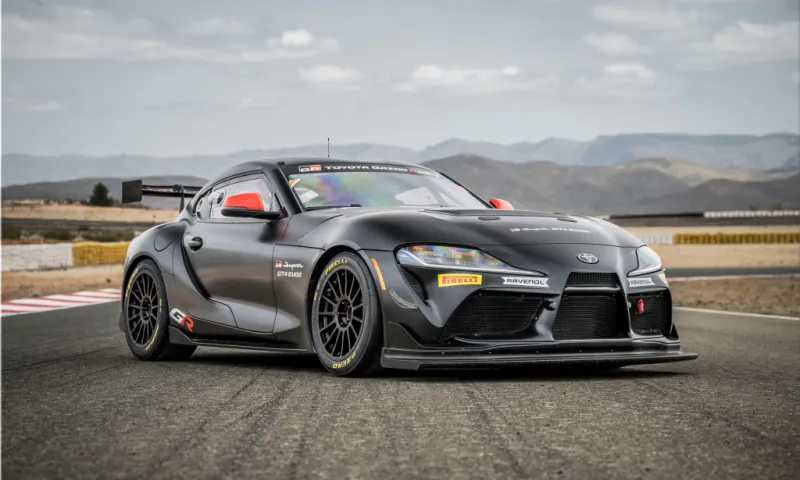
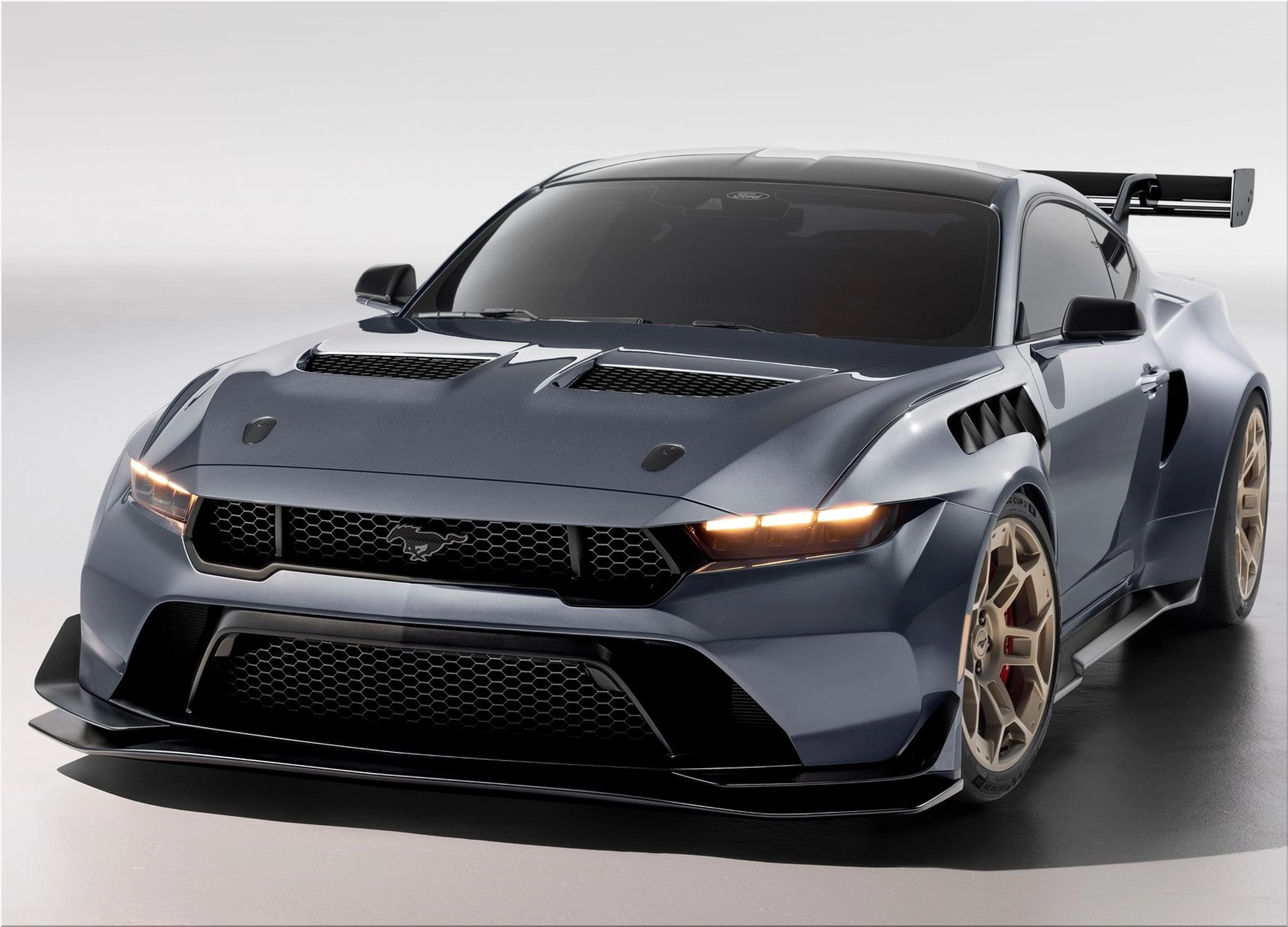
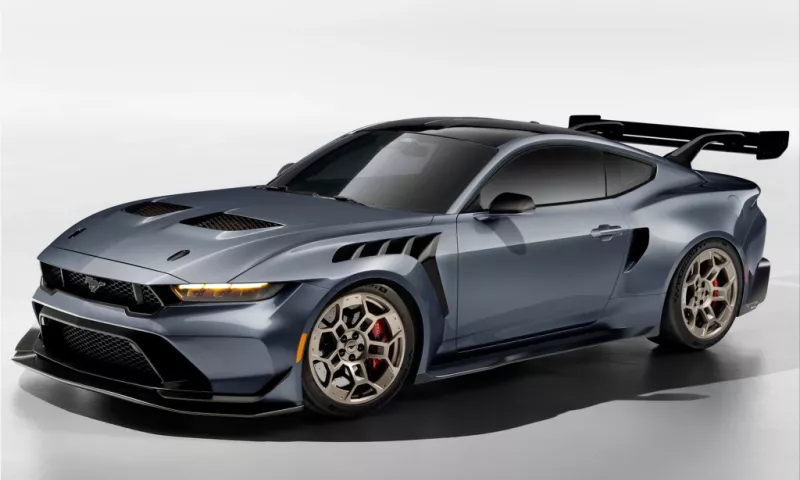
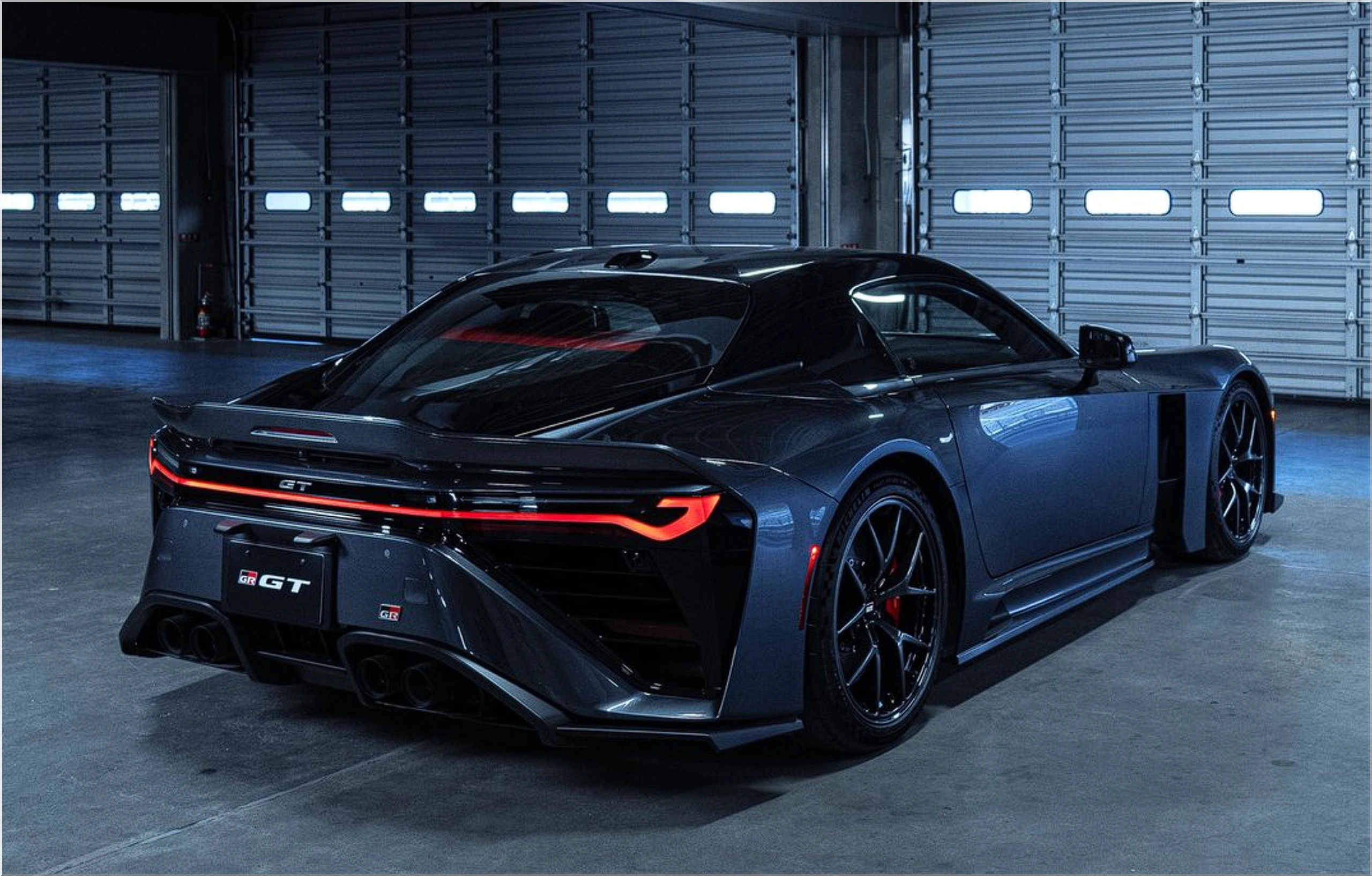
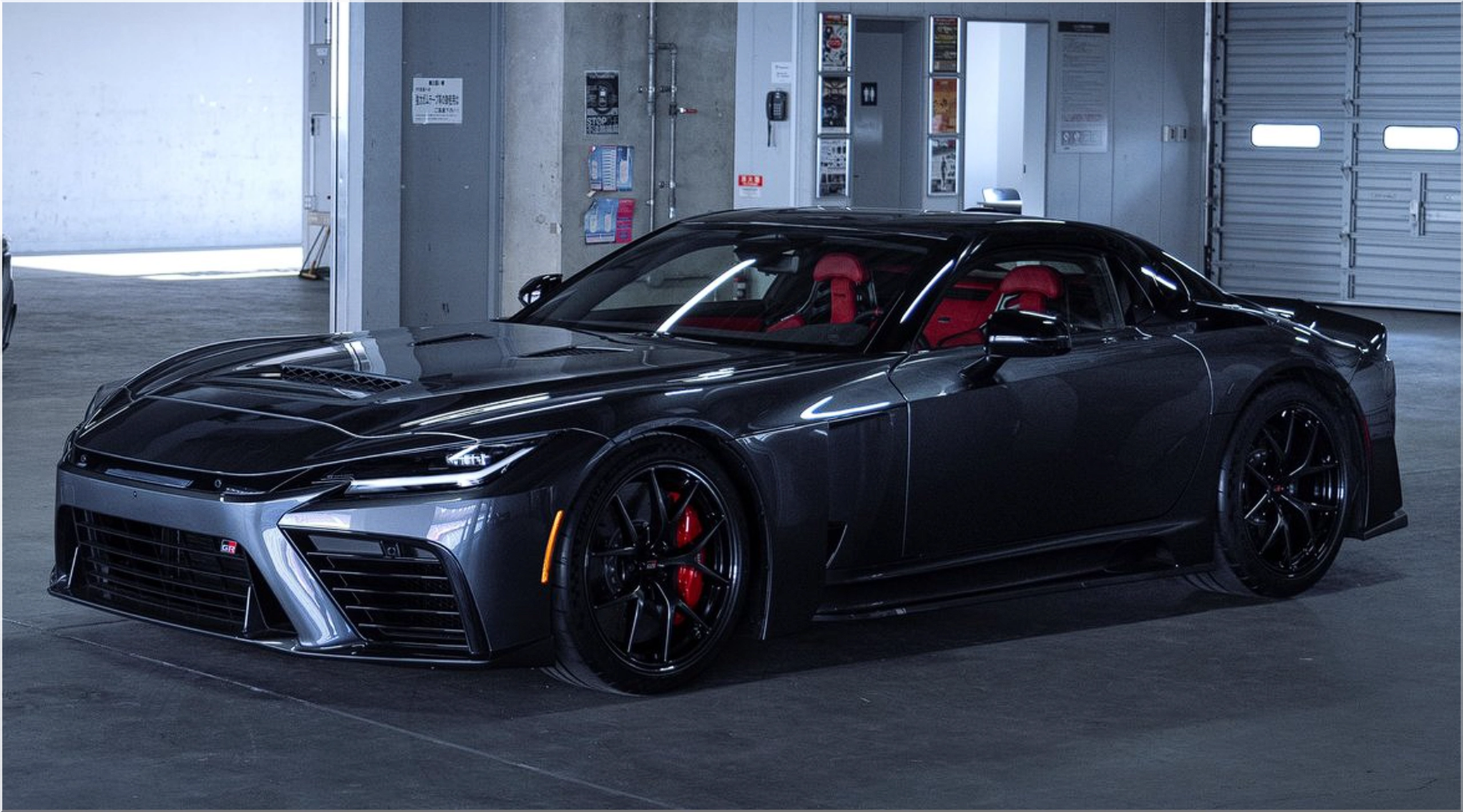
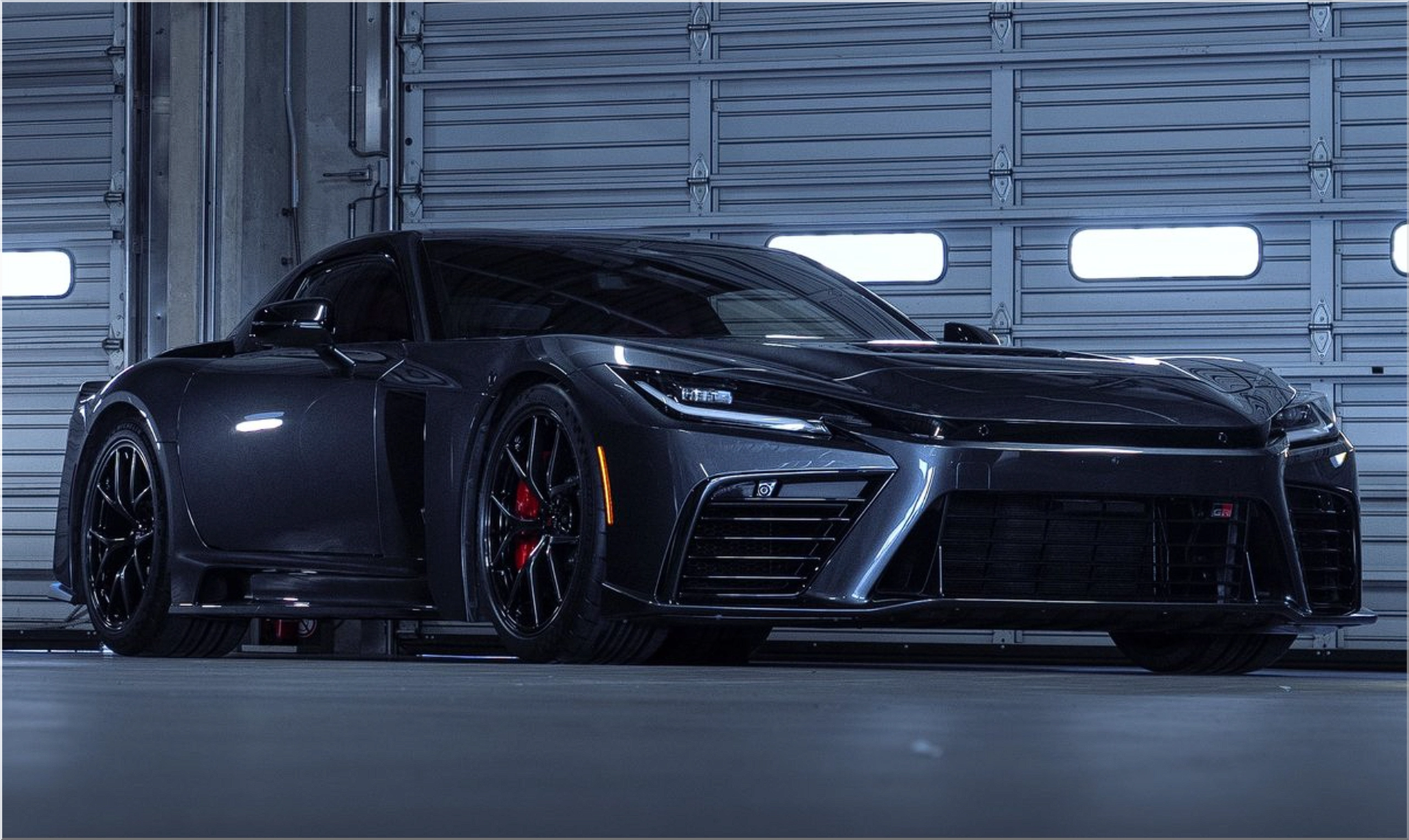
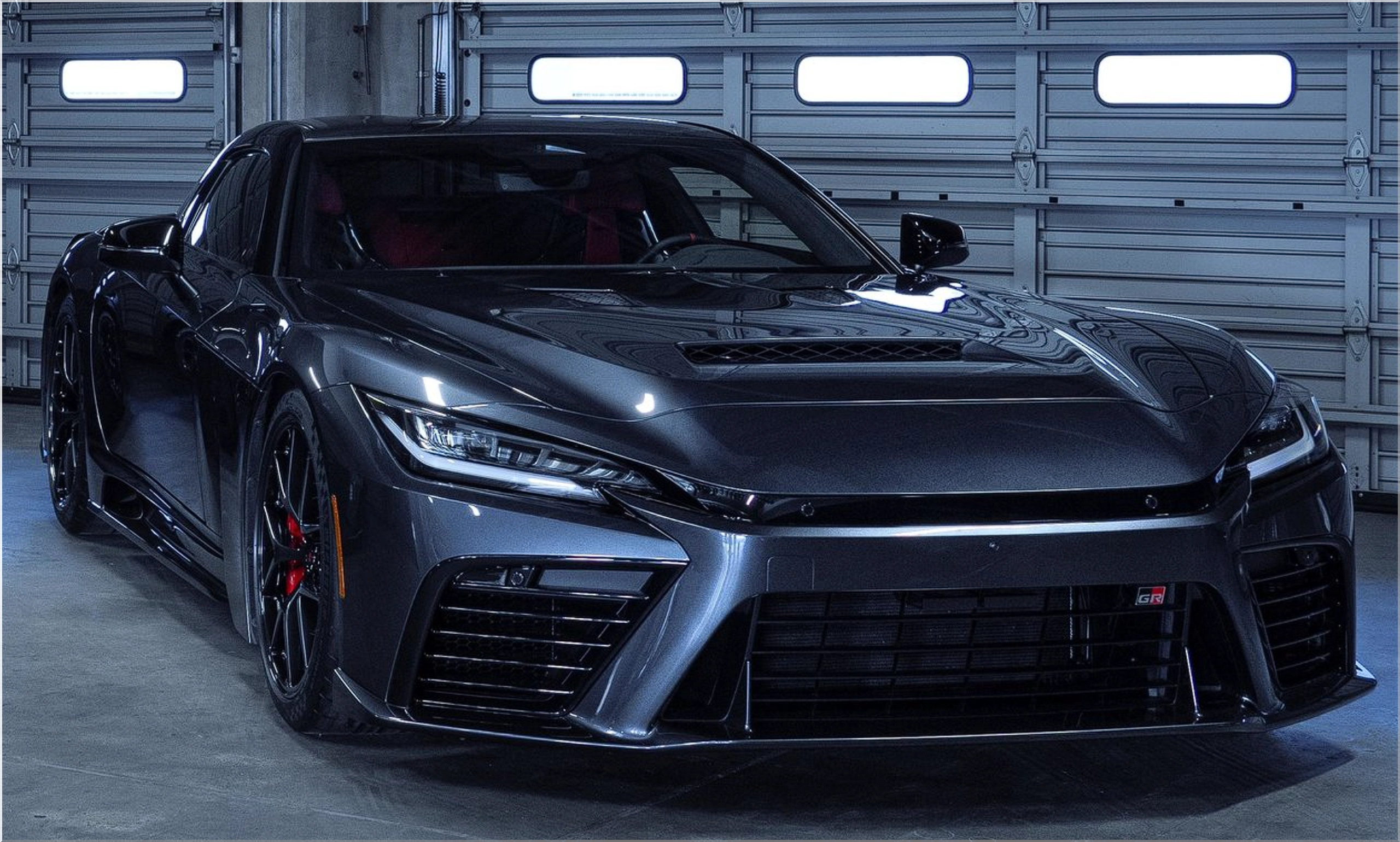
Toyota does not build concept cars for show alone. The Toyota GR GT Concept sets a clear direction for Toyota Gazoo Racing. It points toward a road-going grand tourer and a full FIA GT3 race program. Both tracks matter. Data, hardware, and motorsports intent drive this project.
Image
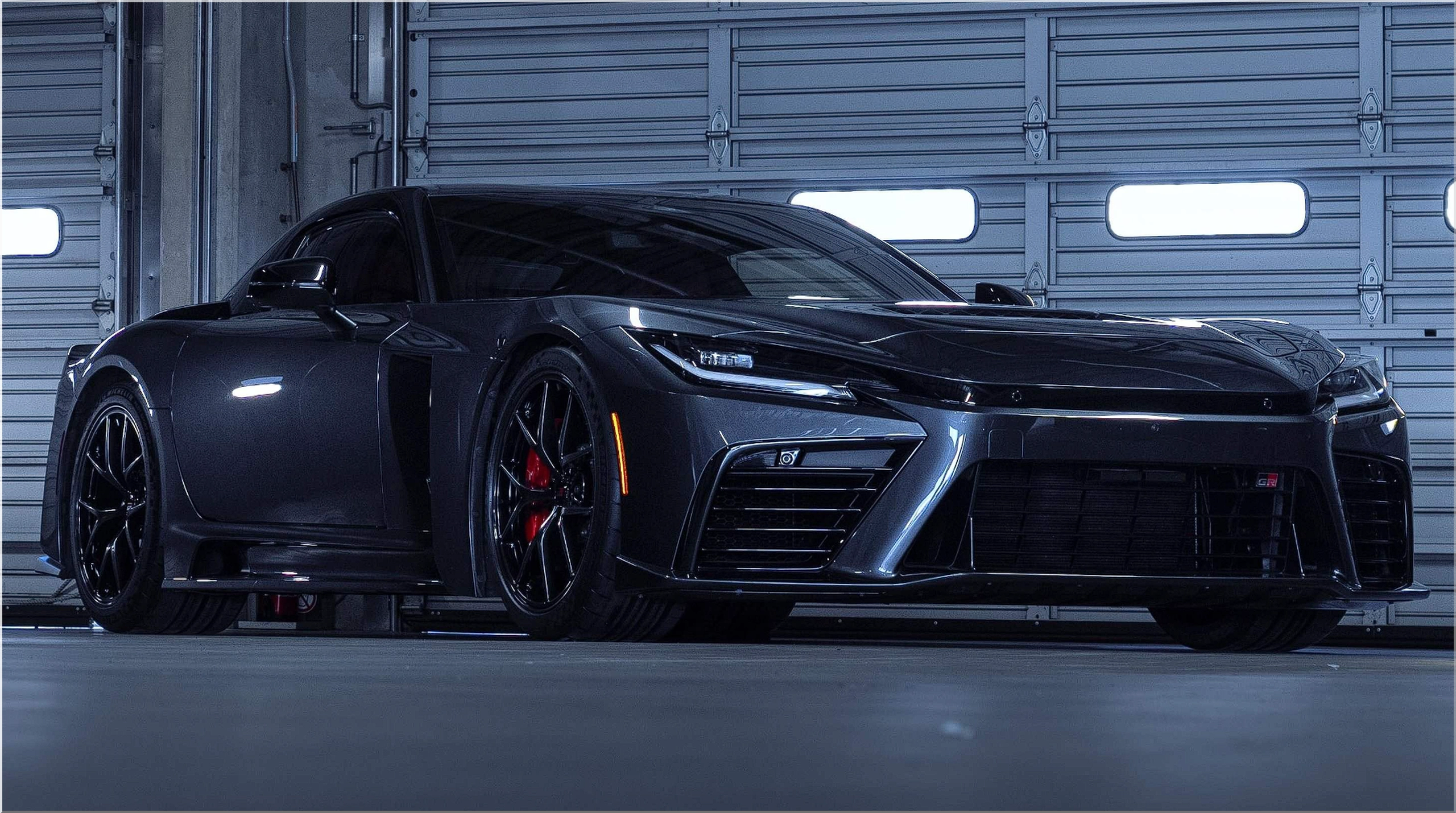
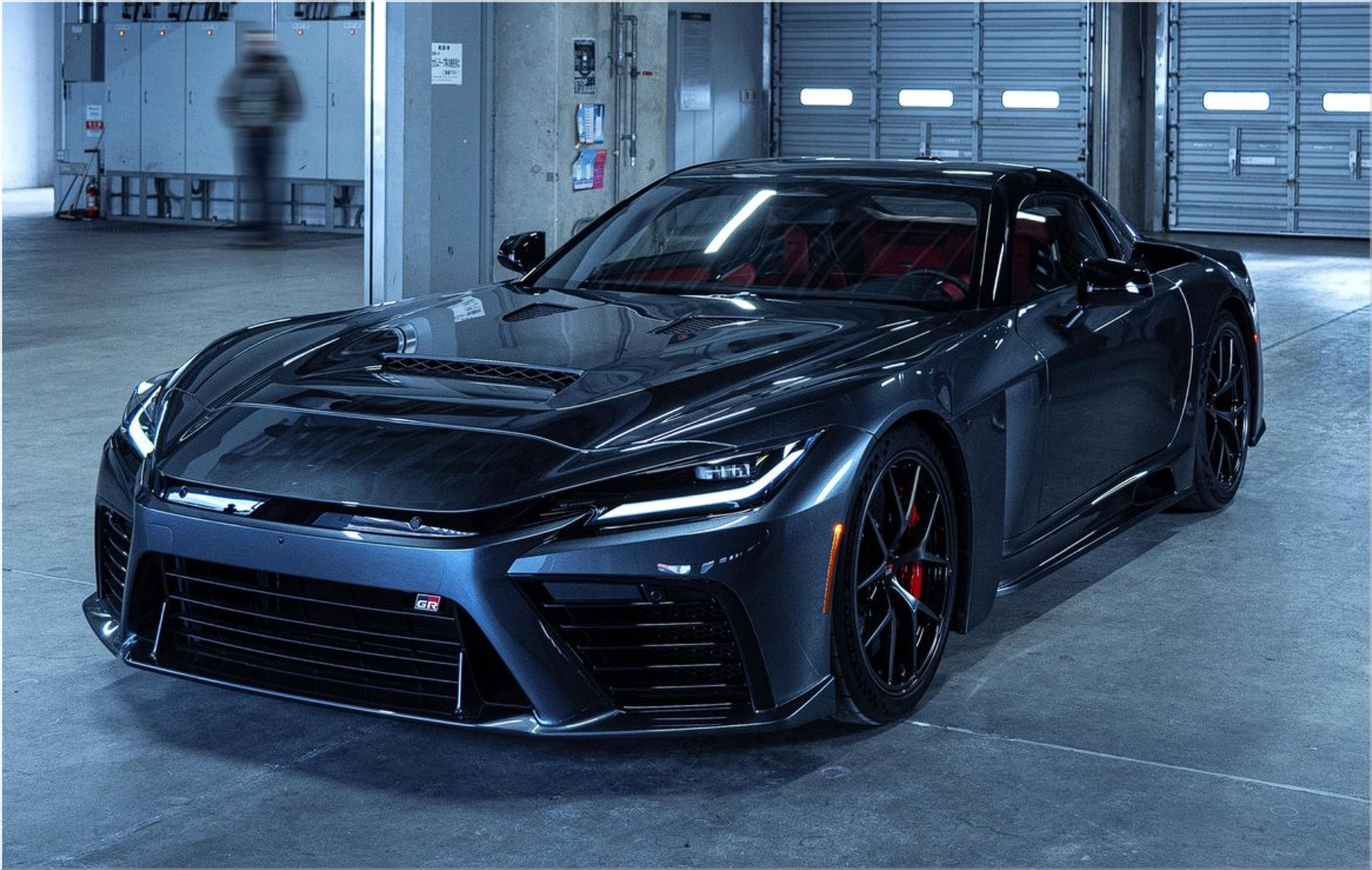
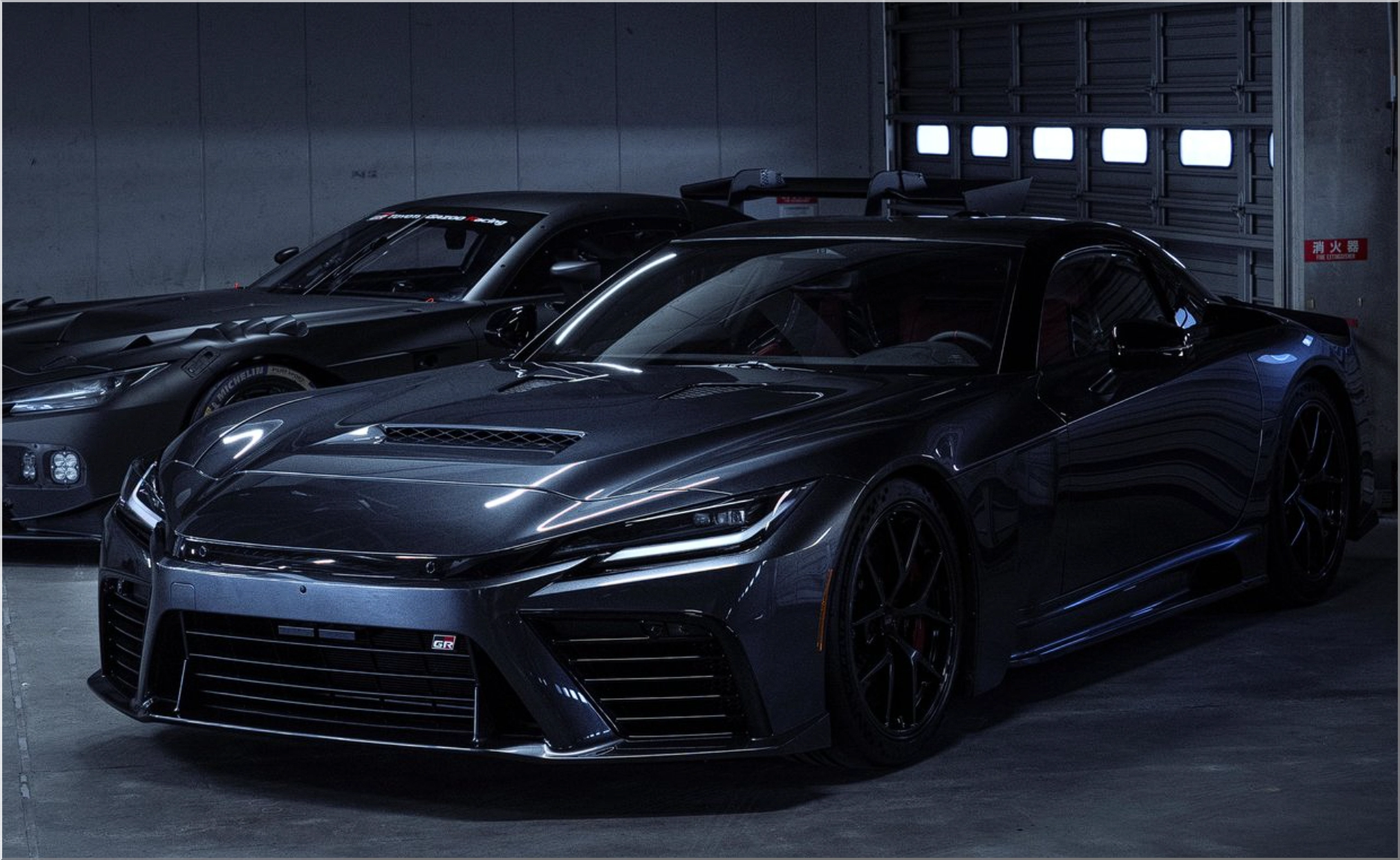
This concept debuted alongside the GR GT3 race car. That pairing matters. Toyota links production engineering and customer racing under one plan. The GR GT Concept acts as the road-legal anchor for that system.
What the GR GT Concept Tells Us
Toyota frames this car around performance targets, not design talk. The company focused on mass, balance, cooling, and durability. That approach mirrors how modern GT3 programs start.
Key signals stand out:
- Front-engine, rear-wheel-drive layout
- Long hood with rear-set cabin
- Large rear transaxle packaging
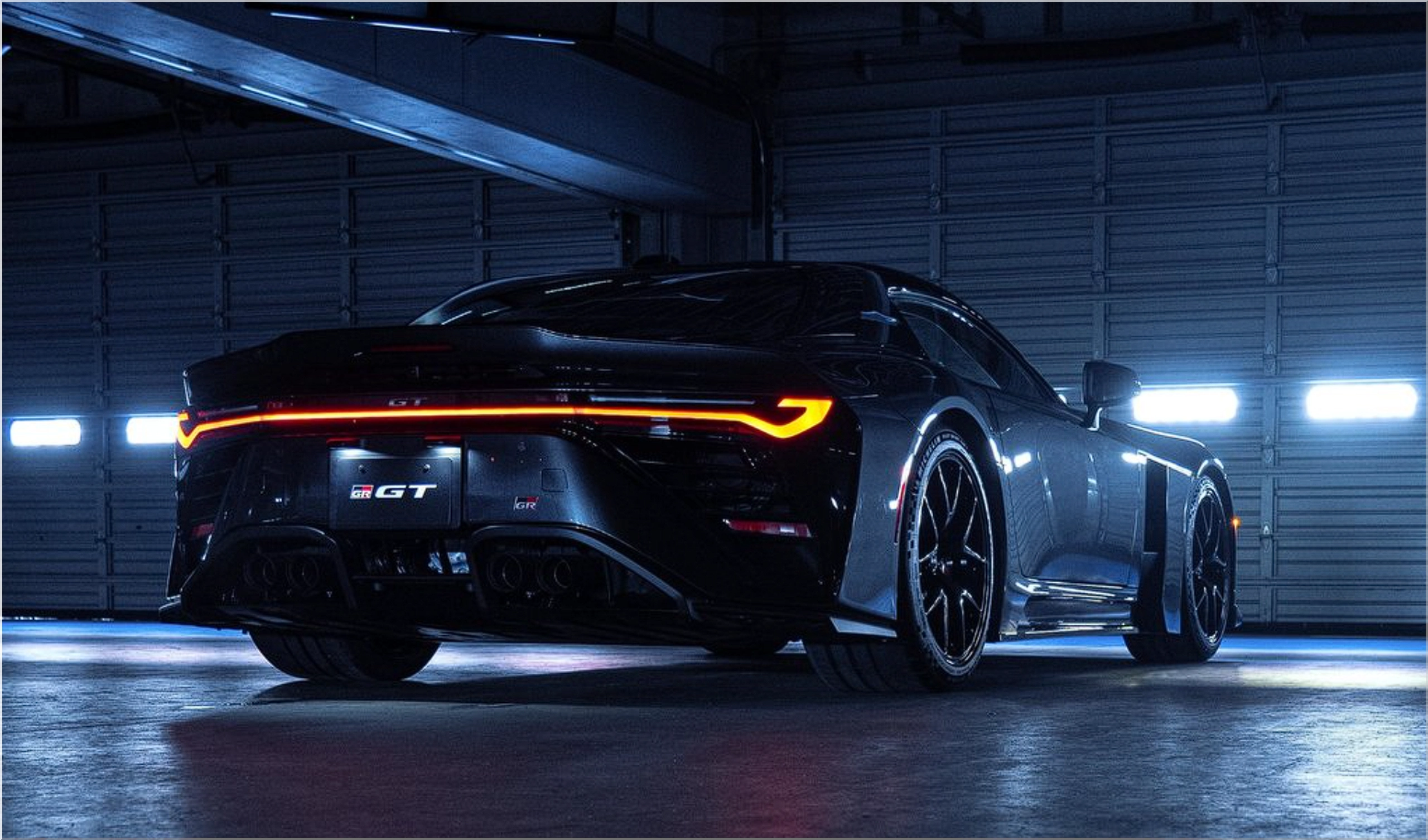
- Track-focused aero surfaces
These choices point toward a production-based GT platform. Toyota builds this car to support racing first.
Powertrain: V8 Twin-Turbo With Clear Targets
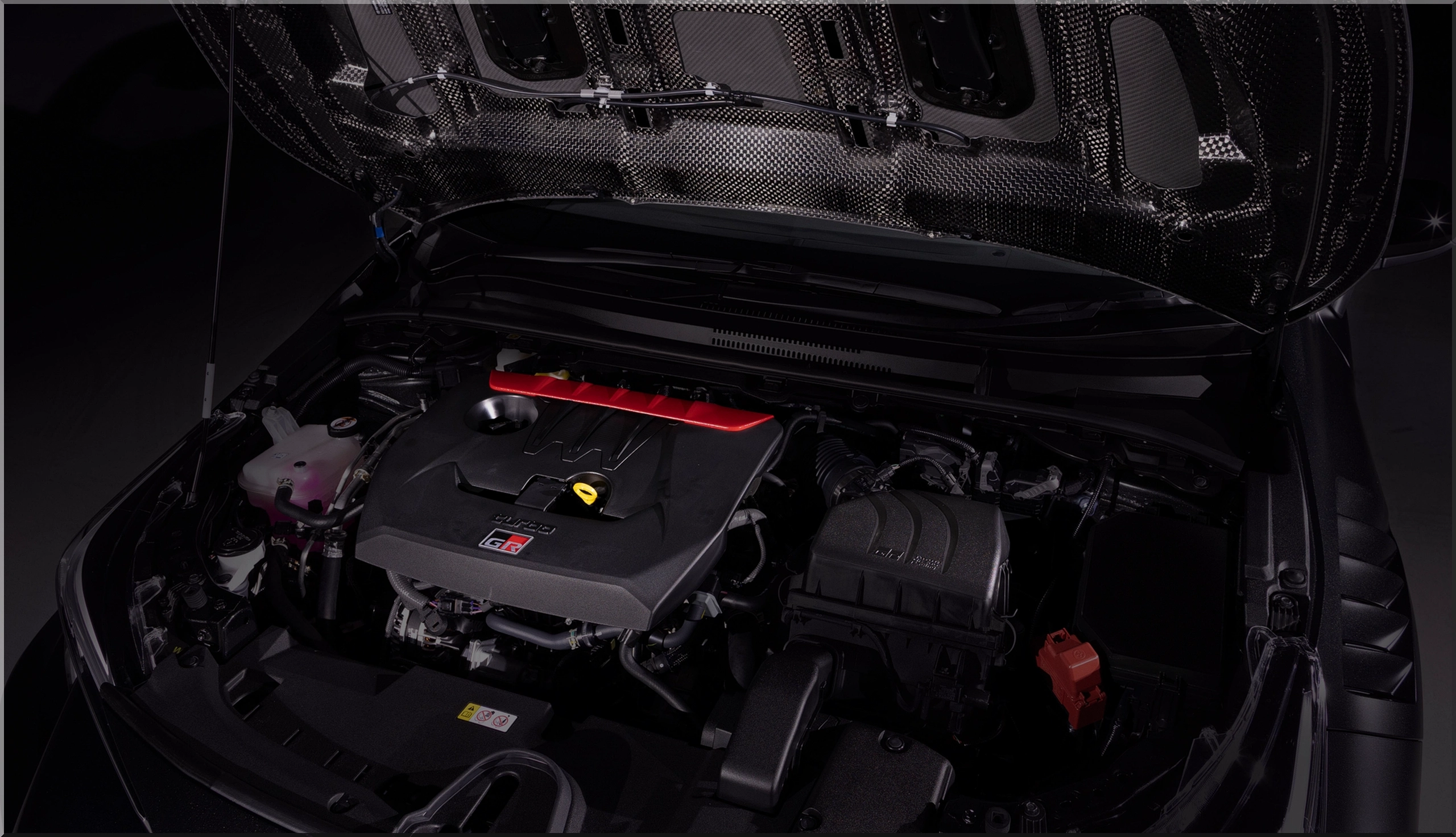
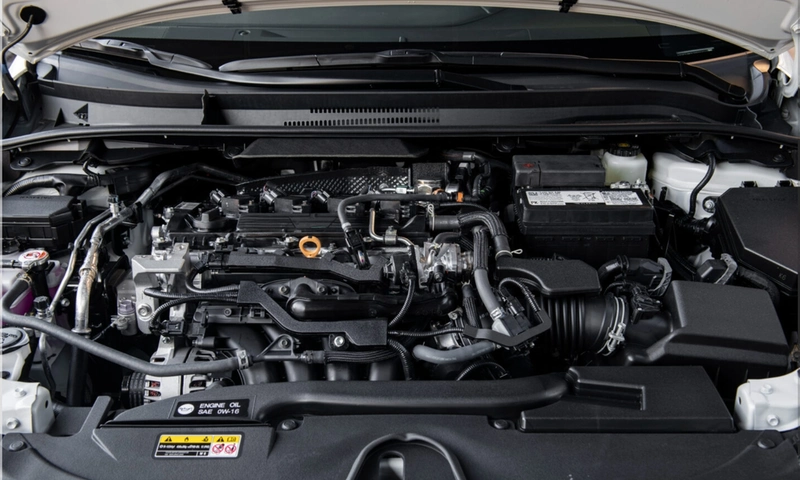
The GR GT Concept uses a newly developed 4.0-liter V8 twin-turbo engine. Toyota confirms this unit marks its first production-focused V8 under Gazoo Racing.
Technical details matter here:
- Target output: 650 PS, about 641 hp
- Target torque: 850 Nm, about 627 lb-ft
- Hot-V turbo layout
- Rear transaxle for weight balance
Toyota aims for a 45:55 front-to-rear weight split. That ratio fits GT3 norms. It also supports stability during long stints and heavy braking.
Image
Why This Engine Matters
Toyota builds this V8 to scale. The same architecture supports:
- Road car calibration
- GT3 race spec
- Long-duration endurance use
That strategy lowers cost and speeds development. It also fits Toyota's recent push into customer racing.
Chassis and Materials: Built for Repeatable Performance
Toyota engineers designed the GR GT Concept around an all-aluminum body frame. Large aluminum castings anchor the structure. CFRP panels reduce mass where stiffness matters less.
Suspension layout follows proven racing logic:
- Double-wishbone front
- Double-wishbone rear
- Forged aluminum arms
- Low-mounted geometry
Michelin Pilot Sport Cup 2 tires appear on the concept. Toyota developed them with simulator testing and real-world track work. That blend shortens setup time.
Braking and Control Systems
The concept uses Brembo carbon brake discs. Toyota pairs them with a multi-stage vehicle stability control system. Drivers can adjust intervention levels based on skill and conditions.
This hardware mirrors systems used in Toyota's Nürburgring endurance entries.
Image
Interior: Function Over Style
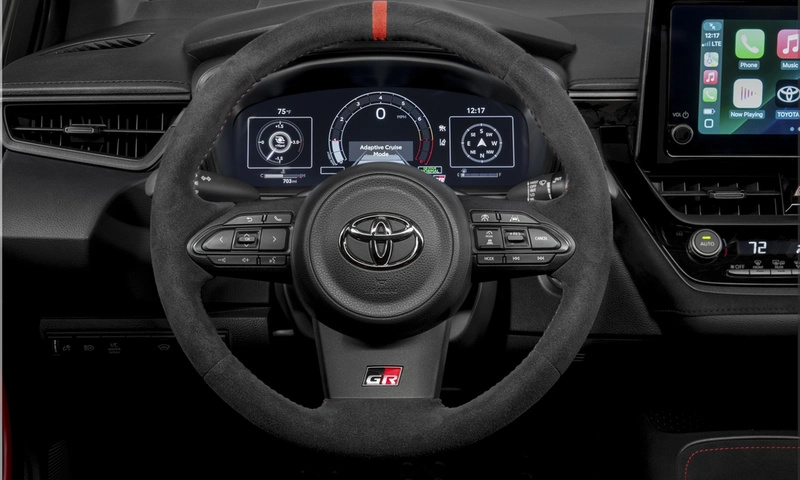
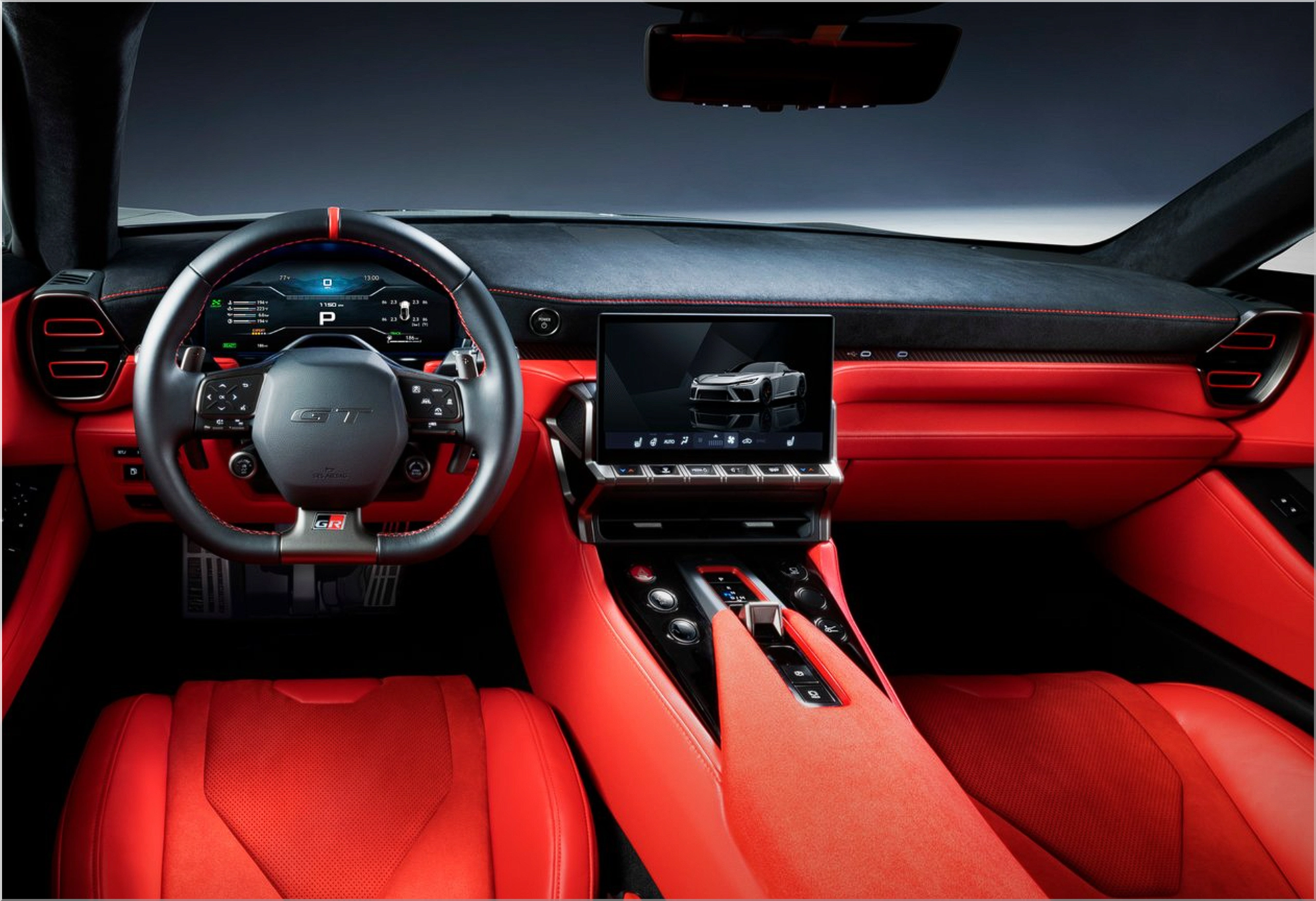
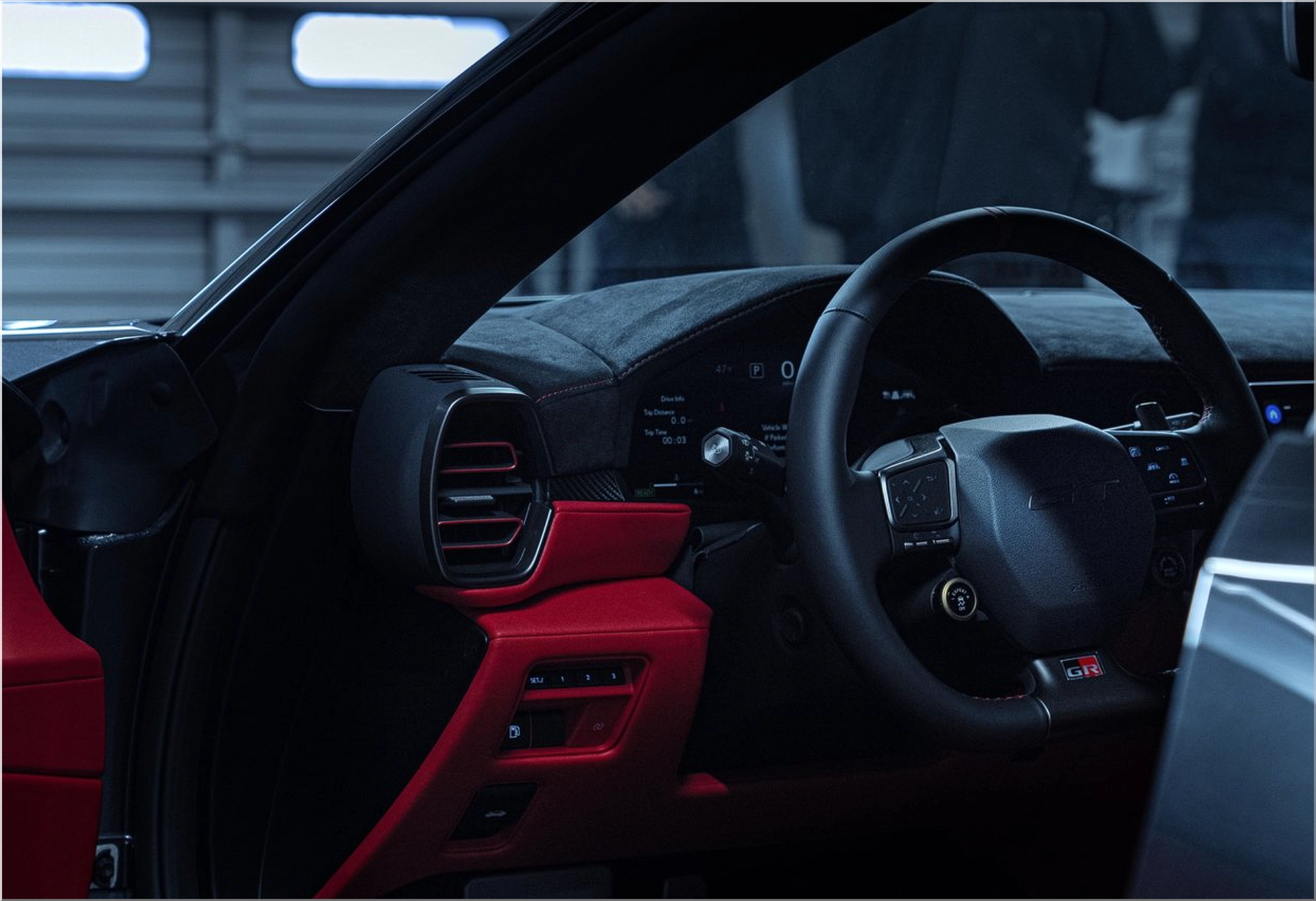
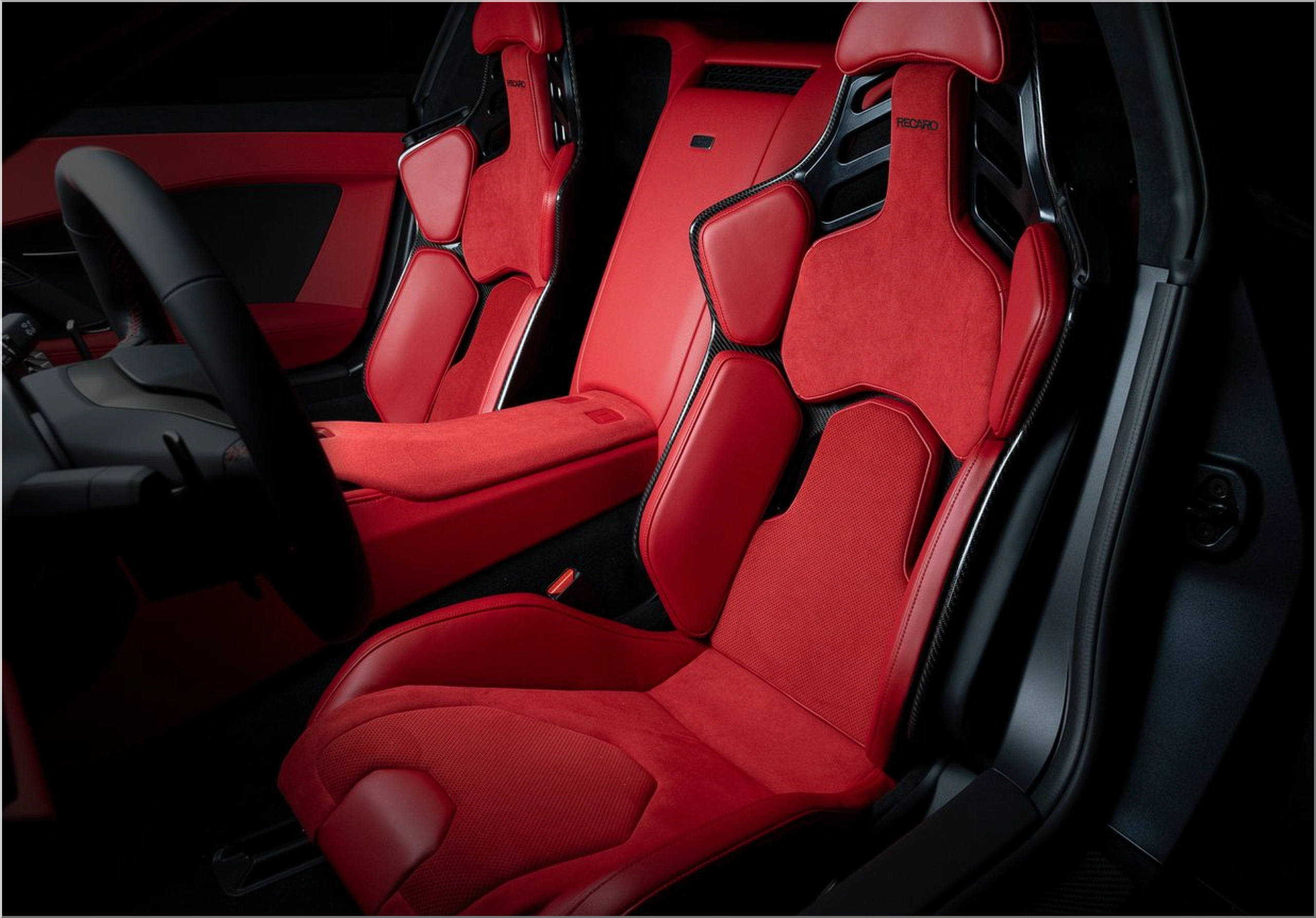
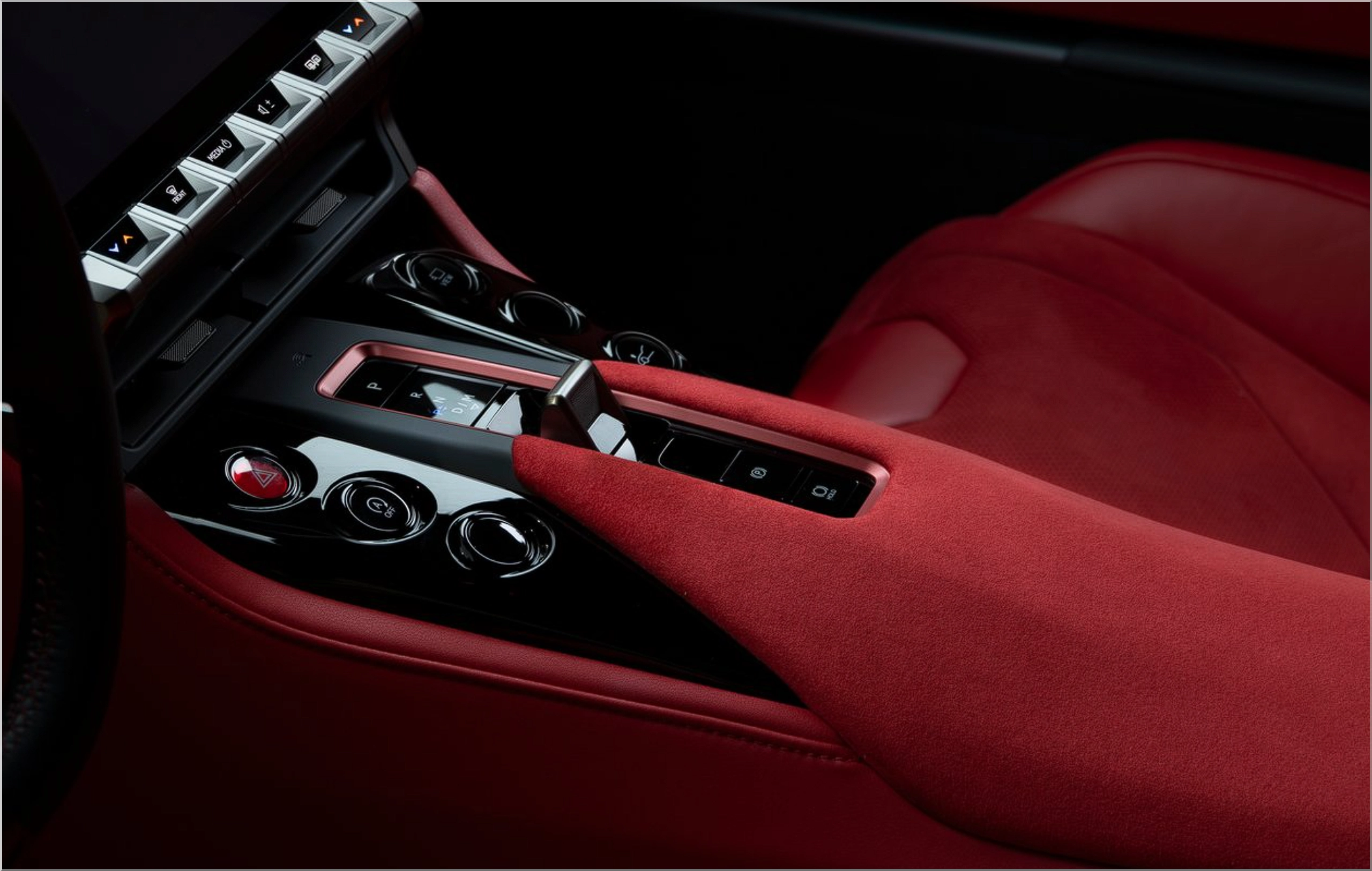
The cabin shows restraint. Toyota places visibility and reach first. The driving position sits low and centered. Switchgear clusters near the wheel.
Interior priorities include:
- Clear sightlines
- Simple gauge layout
- Track-ready seating
- Minimal distraction
Toyota designed this space for circuit use and daily operation. That balance supports homologation goals.
Aero and Cooling: Designed for Sustained Load
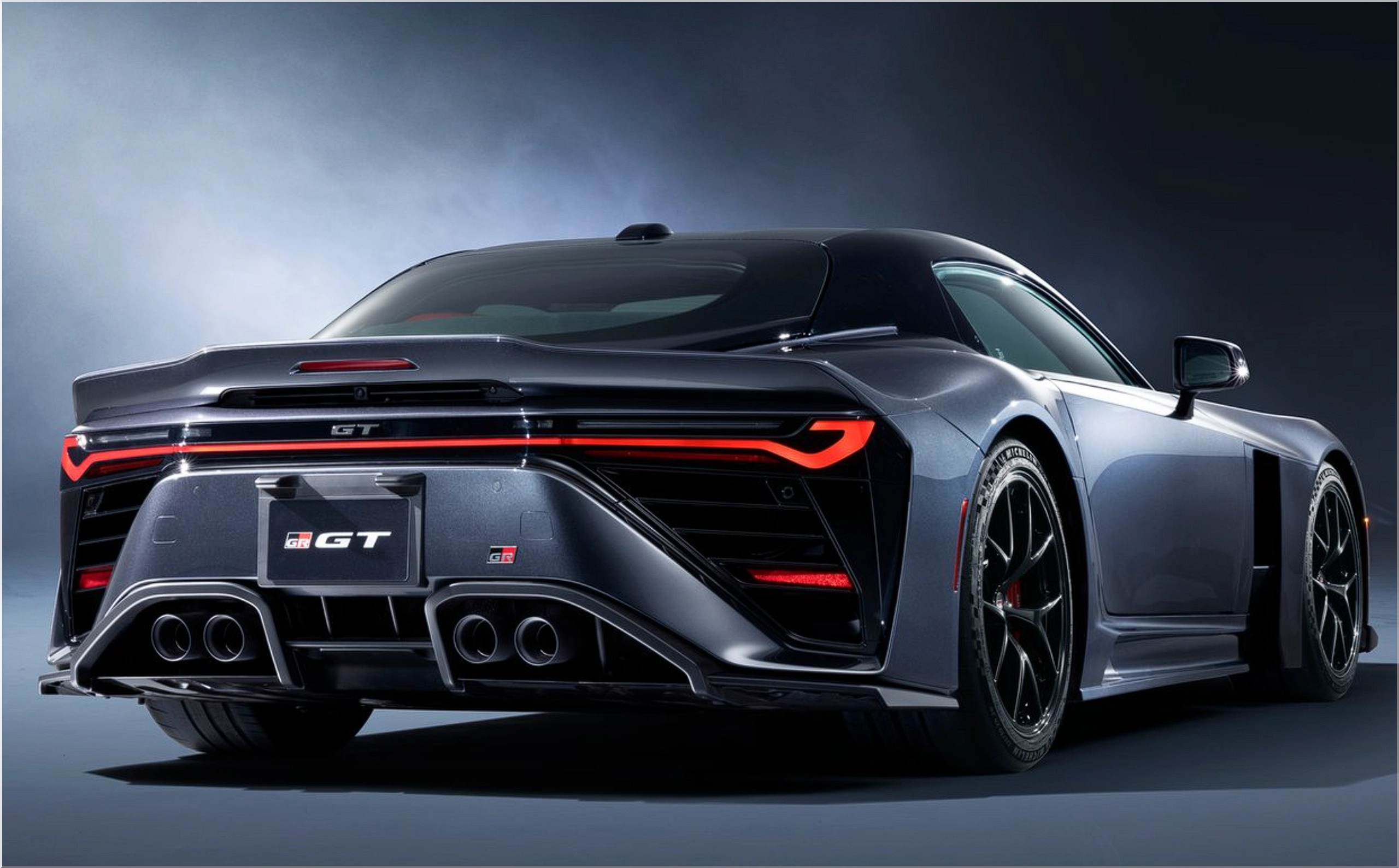
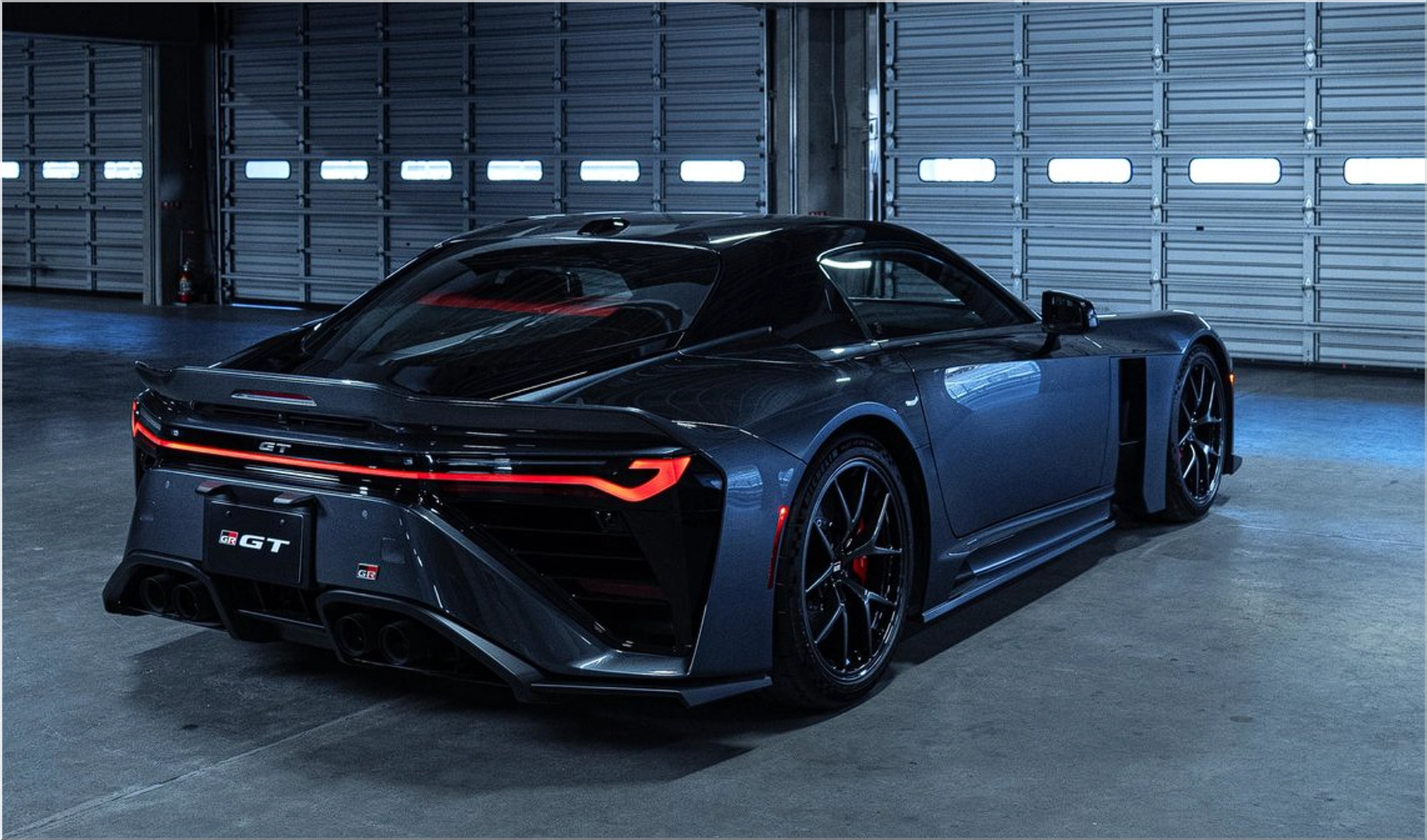
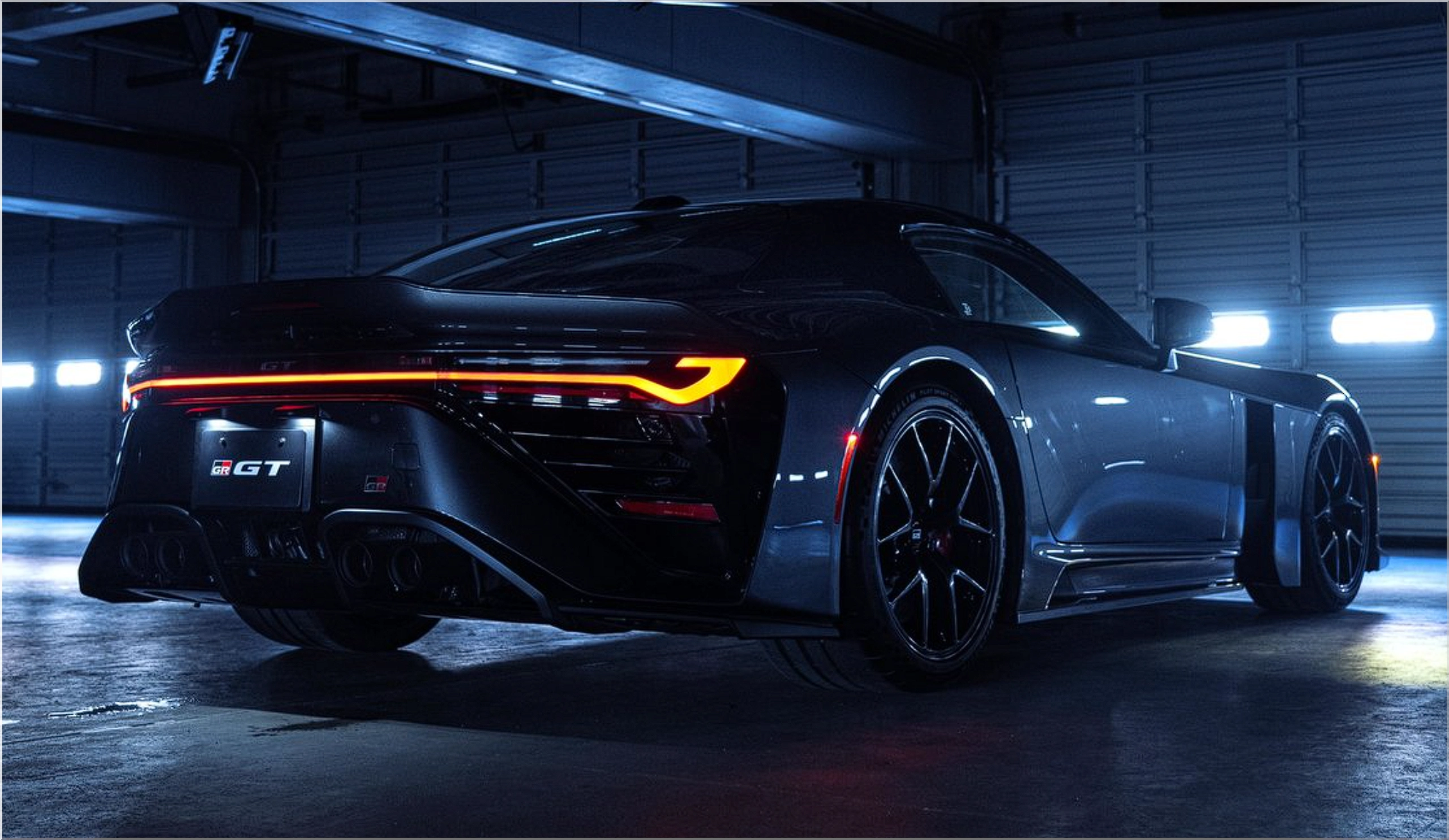
The GR GT Concept features aggressive aero surfaces, yet nothing appears decorative. Every intake and outlet serves cooling or downforce.
Notable elements include:
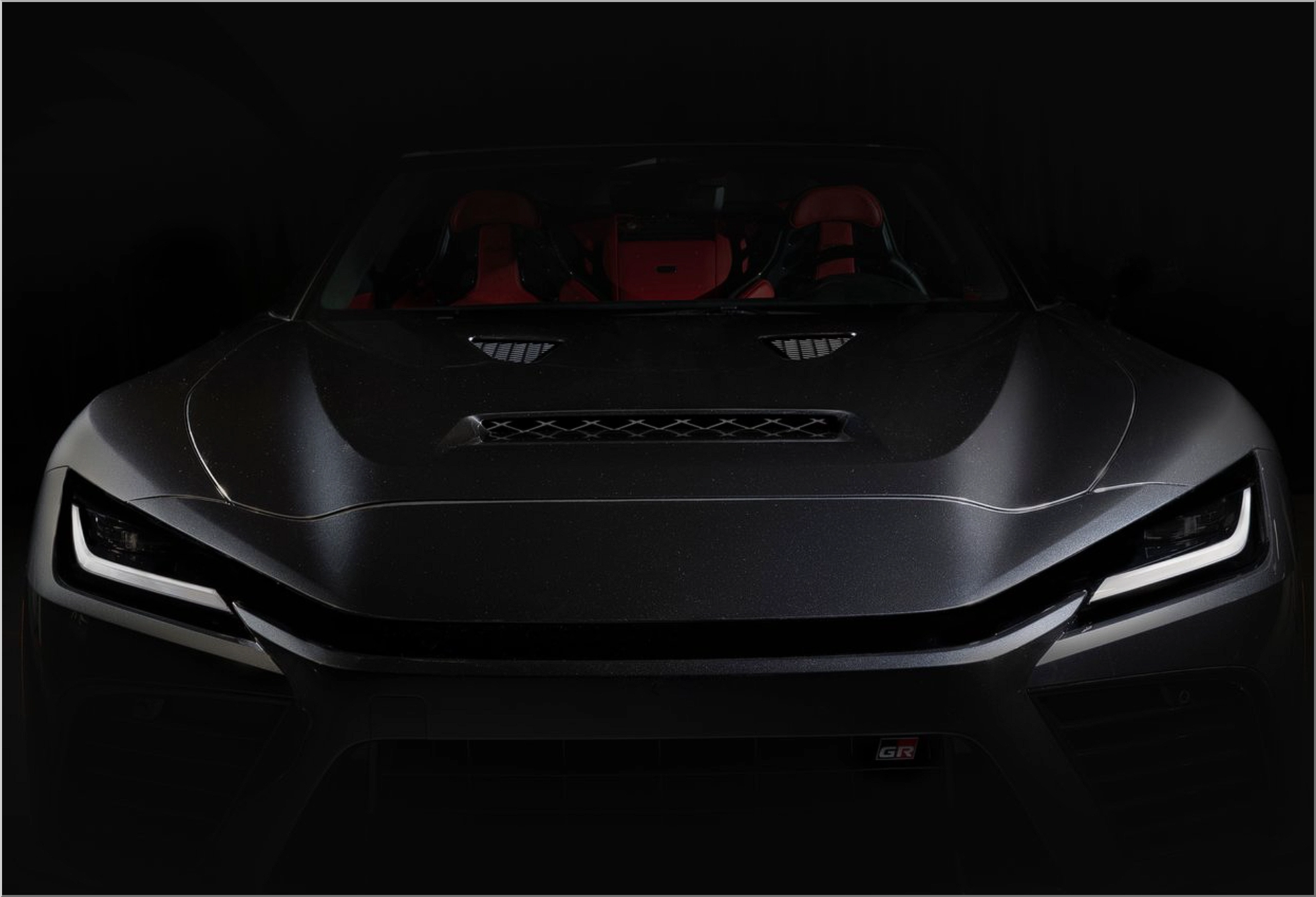
- Large front air intakes
- Flat underbody
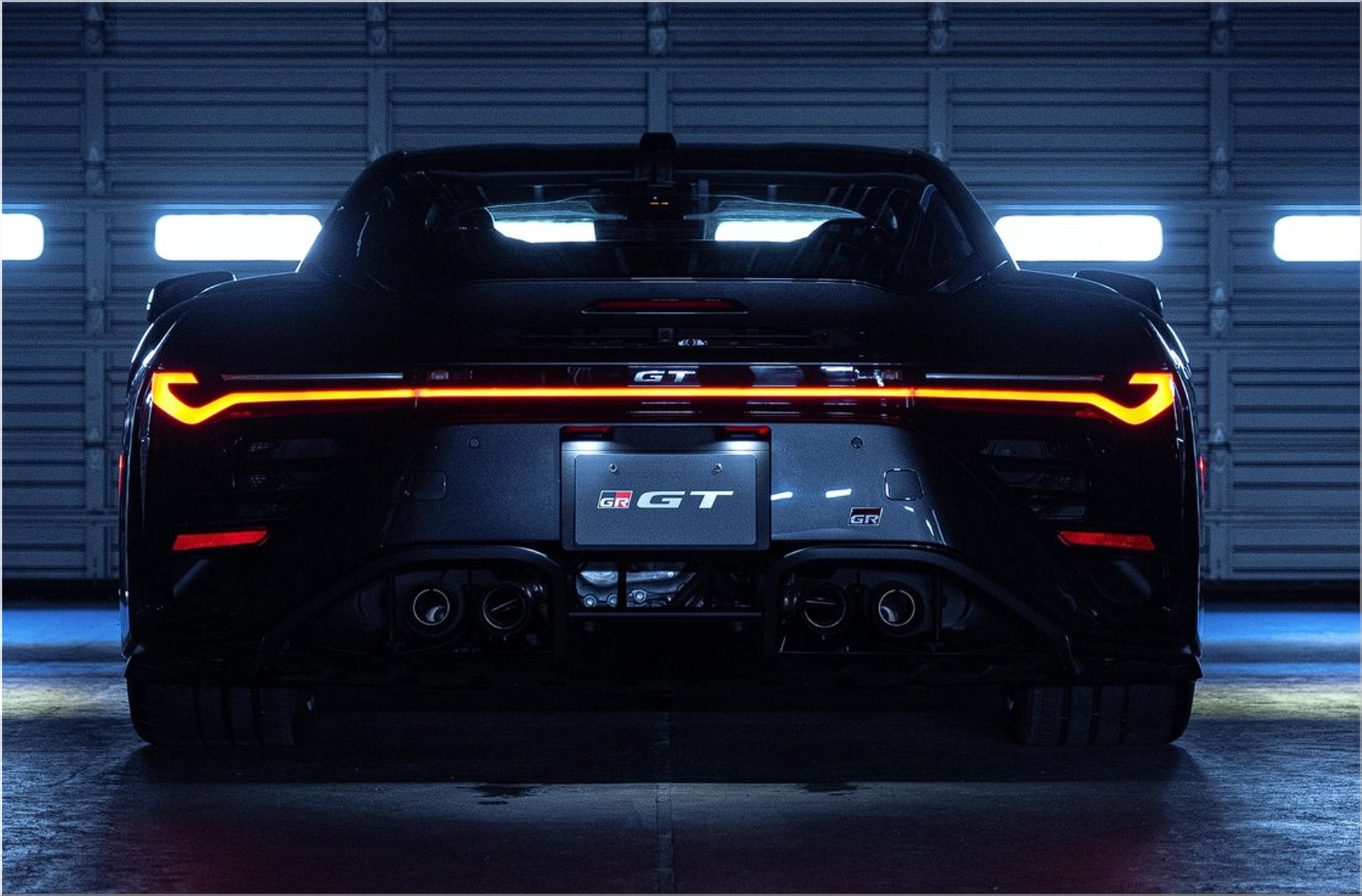
- Rear diffuser
- Fixed rear wing
Toyota tested airflow through simulator work and track validation. Cooling capacity supports long runs at pace.
GT3 Link: This Car Exists for Racing
Toyota confirms the GR GT Concept underpins the GR GT3 race car. The GT3 version meets FIA rules for customer competition.
That path places Toyota against:
- Porsche 911 GT3 R
- Mercedes-AMG GT3
- BMW M4 GT3
- Ferrari 296 GT3
GT3 programs demand reliability and service support. Toyota states it plans full customer backing.
Expected Market Position and Cost Context
Toyota has not released pricing. Still, benchmarks help frame expectations.
Comparable GT3 race cars typically cost:
| Vehicle Class | Approximate Cost (USD) |
|---|---|
| GT3 race car | $500,000 to $650,000 |
| GT3 customer support season | $700,000+ |
| Road-going GT flagship | $150,000 to $200,000 |
These figures reflect current market norms. Toyota aims to compete within that range.
Image gallery
Strategic Impact for Toyota Gazoo Racing
This concept shows Toyota committing to:
- High-output combustion performance
- Customer motorsports
- Production-based racing platforms
That shift matters as many brands narrow focus to electric programs. Toyota continues multi-path development.
Pro-Tip: Why the GR GT Concept Matters Long-Term
Concept cars often fade. This one feeds a race program and a production plan. Watch for homologation filings and endurance race entries. Those steps usually precede a production reveal.
Image gallery
What Now for Buyers and Racing Teams
Expect updates tied to racing milestones. Toyota typically confirms production intent after on-track validation. If the GR GT3 launches in global series, the road car follows.
This concept sets Toyota on a clear line. Performance data, not styling talk, drives the message.
- Add new comment
- 671 views