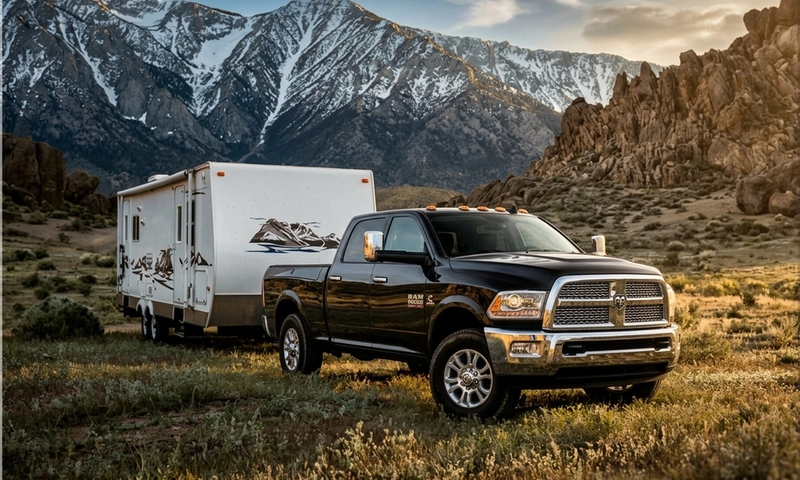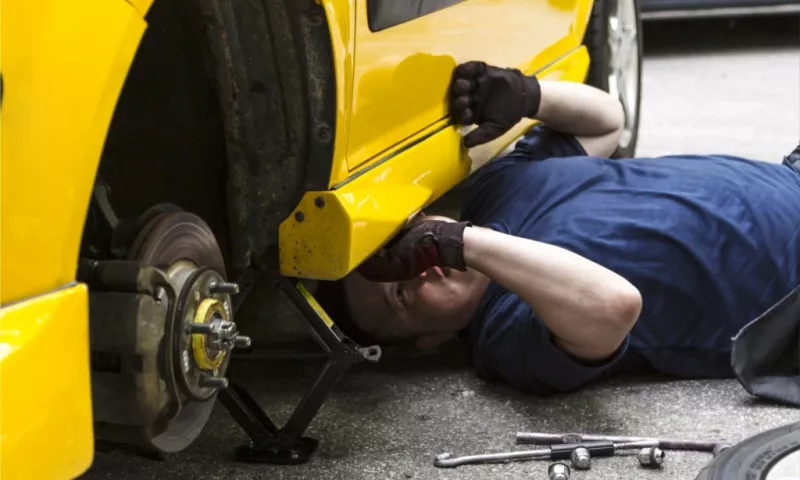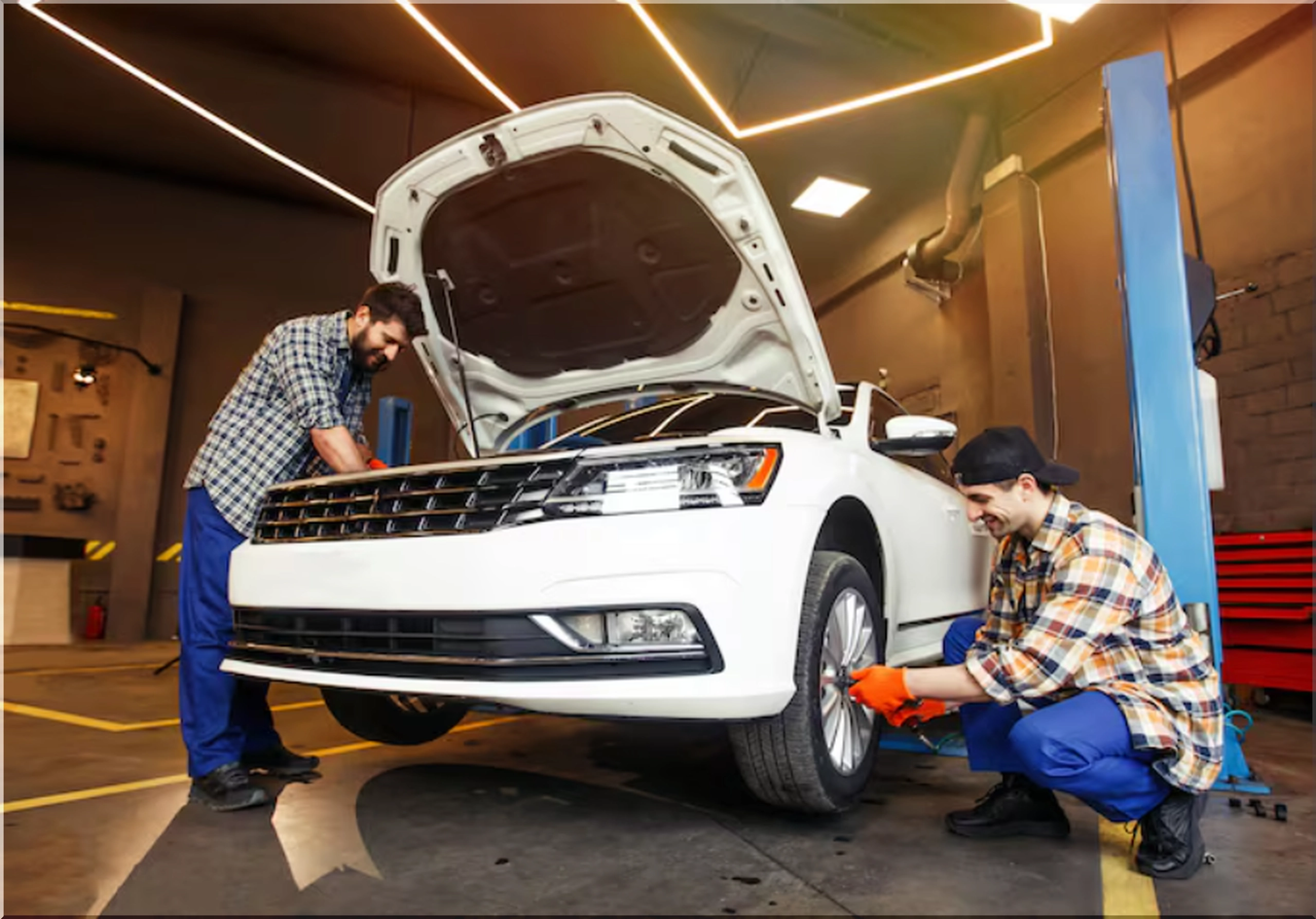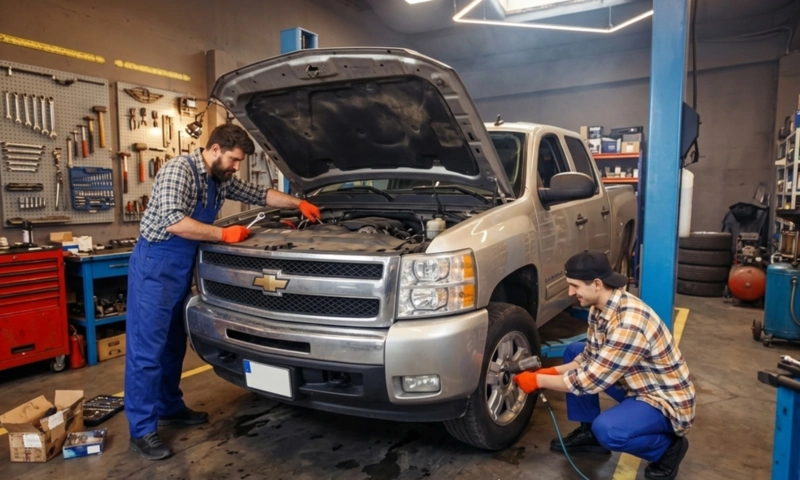

A Toyota can feel almost annoyingly dependable. That confidence has a catch. Toyota vehicle maintenance still decides how well the car brakes, steers, cools, starts, charges, saves fuel, and ages when daily life attacks with potholes, heat, cold, traffic, and the occasional mystery rattle.
What Toyota Vehicle Maintenance Really Covers
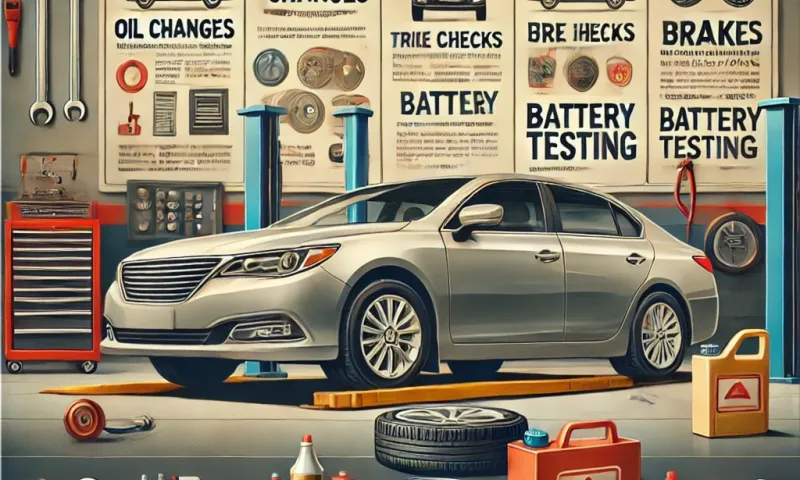
Toyota maintenance means planned care, not panic repairs. It covers inspections, fluid service, tire checks, brake work, battery testing, filter changes, software-related checks when needed, and small fixes that keep a small noise from becoming a large invoice.
A factory service schedule gives each Toyota model a timing plan. Your owner's manual and maintenance guide set the baseline because a Corolla Hybrid, RAV4, Tacoma, Prius, Sienna, and bZ model do different jobs. One hauls children and cereal crumbs. Another pulls gear. Same badge, different workload.
Scheduled Maintenance
Scheduled maintenance means service done at planned mileage or time intervals. It does not wait for a warning light. It checks wear items early, replaces fluids and filters on time, and gives a technician a chance to catch leaks, tire wear, weak batteries, brake noise, and other early clues.
Think of it as budgeting for your Toyota's future. You pay for routine care in manageable pieces instead of funding one dramatic repair saga with a credit card and a sigh.
Image
Why Regular Toyota Service Pays Off
Routine service protects four things most owners care about: safety, reliability, fuel economy, and resale value. That sounds sensible because it is. It also sounds less exciting than a new infotainment screen, but your brakes rarely get applause until you need them.
Regular inspections help technicians spot worn brake pads, weak batteries, fluid leaks, uneven tire wear, dirty filters, and corrosion. Those issues rarely announce themselves with politeness. They usually arrive as a squeal, a smell, a shudder, or a dashboard light that chooses rush hour for its big debut.
Preventive maintenance also supports long-term value. Used-car shoppers like records. Dealers like records. Private buyers like records. A stack of service receipts says the owner paid attention, and buyers often pay more for that confidence.
The Maintenance Schedule Is Not One-Size-Fits-All
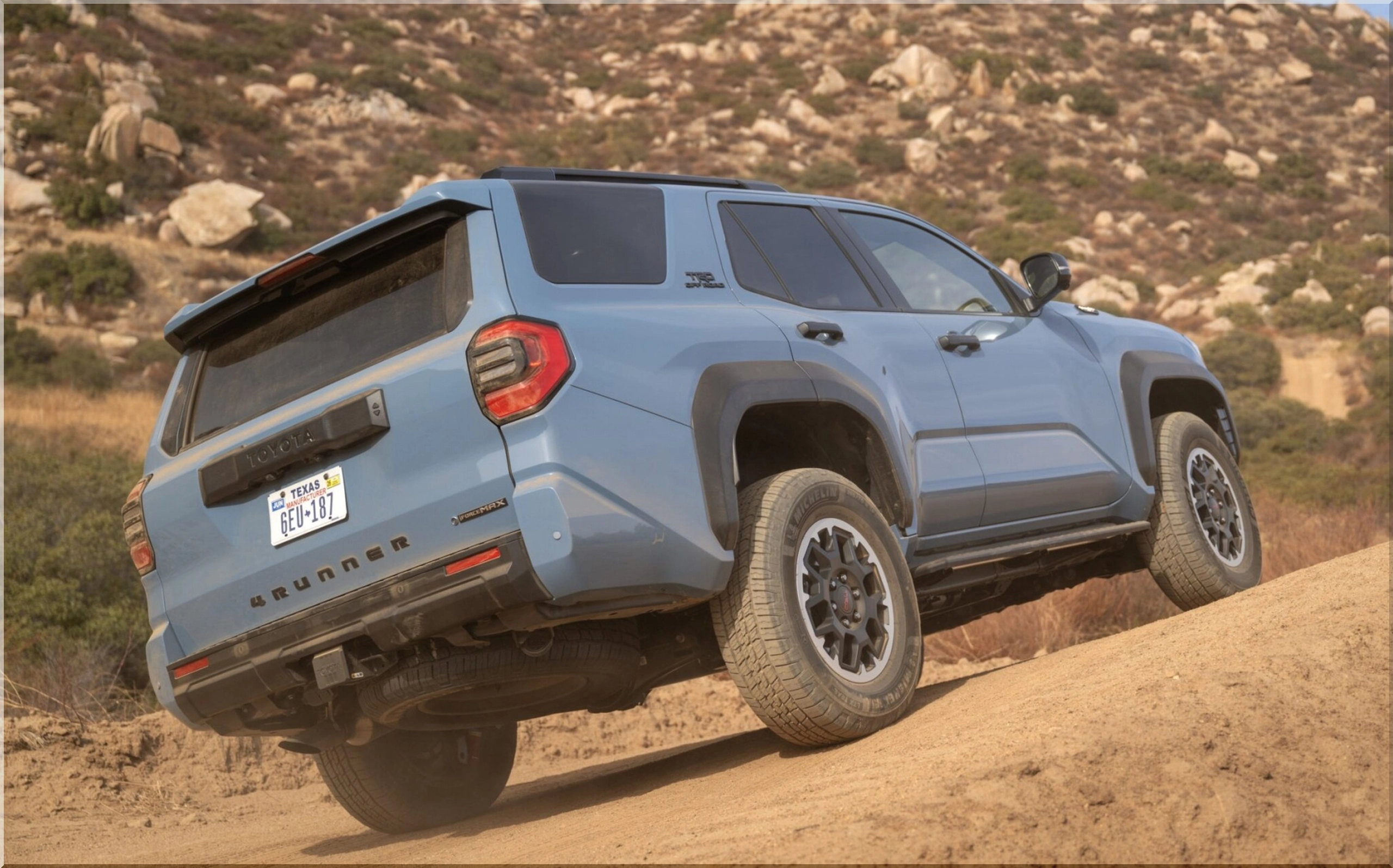
Toyota owners should use the factory guide as the base plan, then adjust for real use. A 4Runner that sees dirt roads works harder than a Camry used for school runs. A Tacoma that tows needs closer checks than one that carries only groceries and good intentions.
Toyota points out several tougher driving patterns that can call for closer service attention:
- Frequent towing
- Rough roads or dirt roads
- Off-road use
- Short trips in cold weather
- Track use or hard driving
- Heavy stop-start city driving
- Long periods sitting unused
Short cold trips deserve a special mention because the engine may not reach full operating temperature. That can leave oil working less well than it should. In plain English, a quick five-minute drive to buy milk can age the car faster than it looks on paper. The milk gets home fine. The engine may disagree quietly.
What to Do Before You Book Service
Use this simple order before calling a shop:
- Check your owner's manual or Toyota maintenance guide.
- Write down your mileage and the date of your last service.
- List any noises, smells, warning lights, leaks, or steering changes.
- Tell the service advisor about towing, dirt roads, short trips, or heavy city use.
- Ask which jobs need attention now and which can wait.
That last step keeps the visit practical. Good service planning separates the urgent from the merely annoying.
Gas, Hybrid, Plug-In Hybrid, and EV Toyota Care
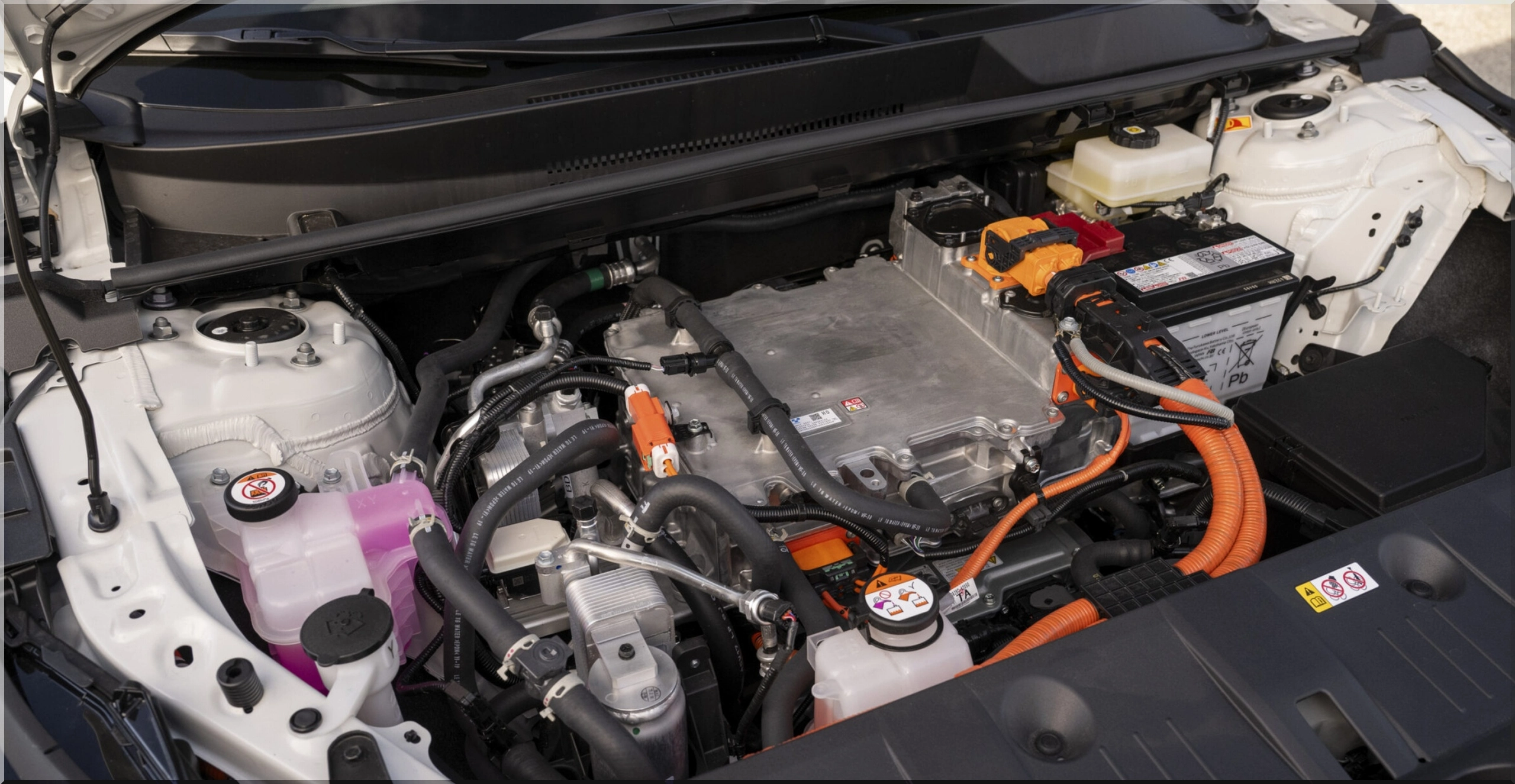
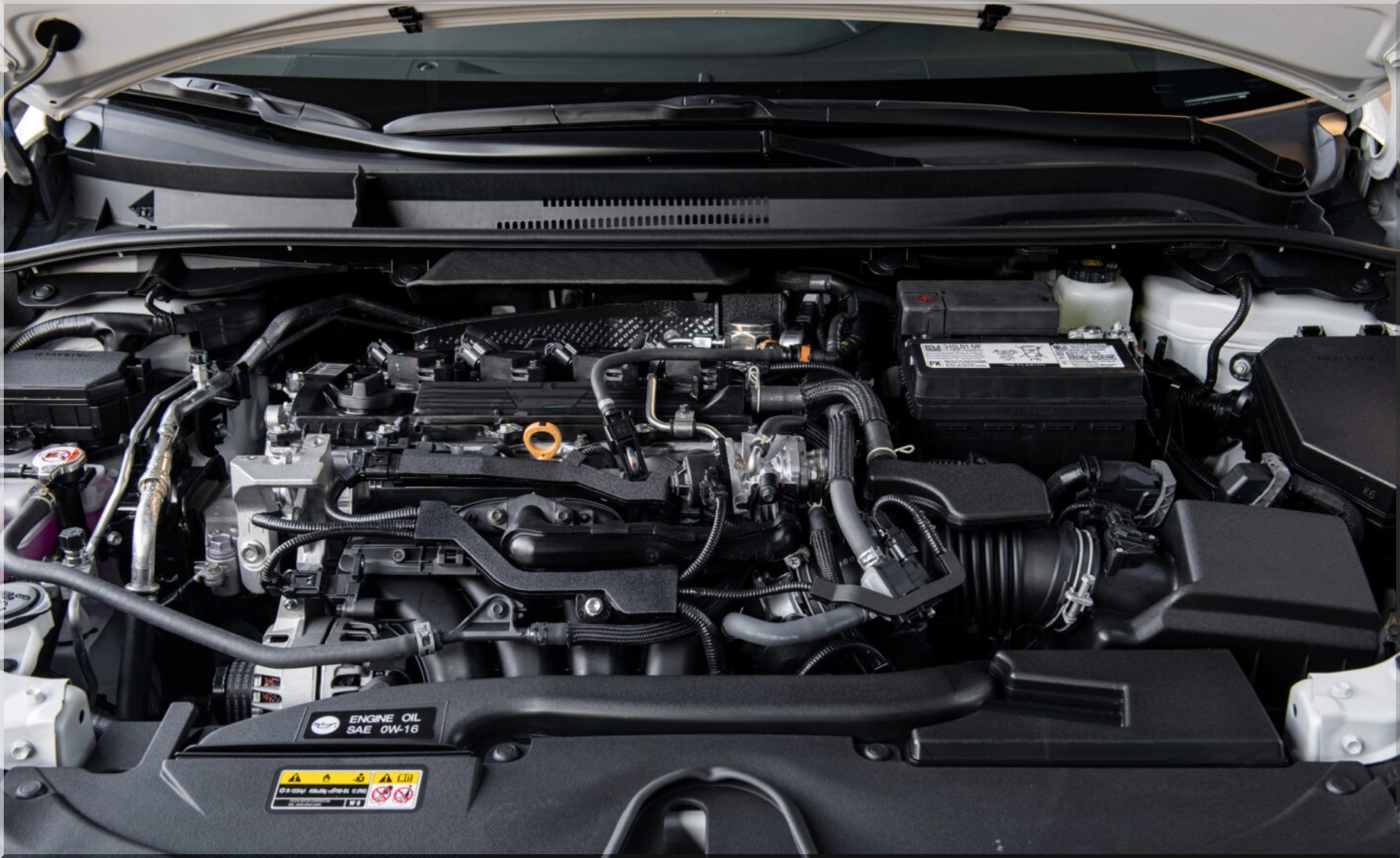
Gasoline Toyota models need oil and filter changes, spark plug checks, engine air filter checks, coolant service, brake service, tire rotations, and fluid inspections. Hybrids add high-voltage components and cooling needs, while still using tires, brakes, cabin filters, wipers, suspension parts, and 12-volt batteries.
Plug-in hybrids need the same sensible approach, with added attention to charging hardware and battery-related systems. Full EVs skip engine oil changes, but they do not skip care. Toyota points to inspections for electric powertrain parts, brakes, cooling systems, fluids, and battery health.
EV tire care also deserves attention. Electric torque arrives quickly, and regenerative braking changes wear patterns. Toyota's maintenance guidance points to tire inspection around every 5,000 miles for EVs. That rhythm helps owners catch uneven wear before a tire turns into a costly rubber confession.
Do Not DIY High-Voltage Work
Owners can check washer fluid, tire pressure, wiper blades, lights, and visible tire condition. High-voltage work belongs with trained technicians. Orange cables and battery systems do not reward curiosity. They reward training, tools, and proper safety steps.
Tire Pressure: The Cheap Fuel Economy Win
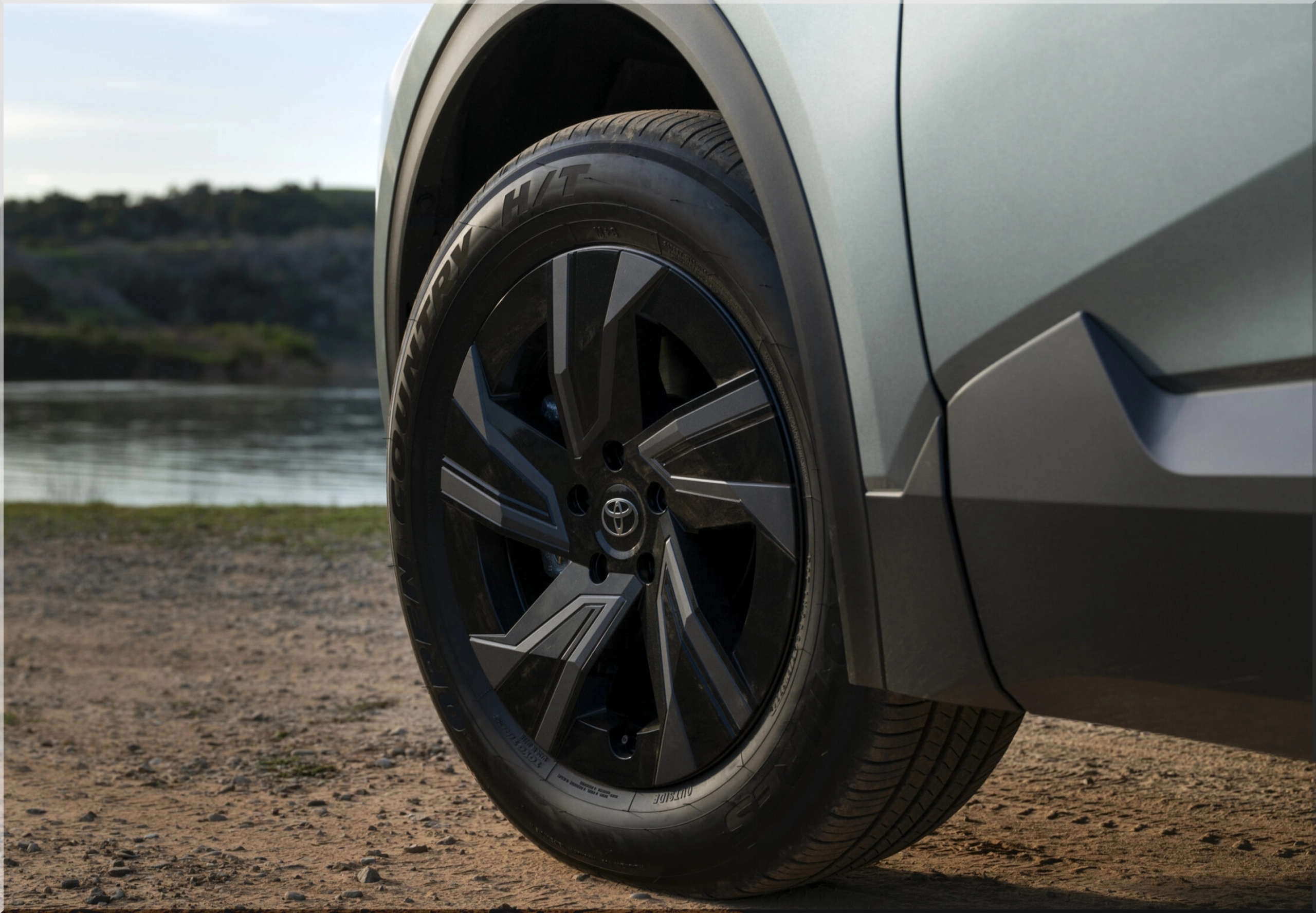
Tires influence fuel economy, braking, ride comfort, steering feel, and tire life. Toyota cites federal fuel-economy guidance that proper tire inflation can improve fuel economy by up to 6 percent. That turns a simple pressure check into one of the cheapest efficiency upgrades available.
Low tire pressure increases rolling resistance. The engine or motor works harder. The tire also heats up more, wears faster, and loses some of its crisp steering response. None of that helps your wallet.
Check pressure when the tires sit cold. Use the pressure figure on the driver's door placard, not the number molded into the tire sidewall. The sidewall number shows a maximum, not the target for daily driving.
Tire Checks That Save Real Money
A five-minute tire habit can protect hundreds of dollars over time:
- Check tire pressure monthly.
- Look for cracks, bulges, nails, and sidewall cuts.
- Measure tread depth before winter or long trips.
- Rotate tires on the factory schedule.
- Ask for an alignment check if the car pulls or tires wear unevenly.
Tires may look boring. They remain the only parts of the Toyota that touch the road. That gives them a fairly strong argument in the budget meeting.
The Small Toyota Maintenance Tasks Drivers Skip
Small jobs keep the car pleasant, safe, and less likely to ambush your weekend. Toyota lists simple routine care that many owners can track between shop visits.
| Service area | What to check | Smart timing |
|---|---|---|
| Tires | Pressure, tread depth, uneven wear | Monthly and before long trips |
| Exterior lights | Headlights, brake lights, signals | Monthly |
| Oil and filter | Level and service interval | Per owner's manual |
| Battery | Corrosion, weak starts, age | At service visits |
| Wipers | Streaking, noise, cracked rubber | Before rainy seasons |
| Fluids | Coolant, brake fluid, washer fluid | At service visits |
| Brakes | Squeal, grinding, pedal feel | Any time symptoms appear |
| Cabin filter | Airflow, odor, dust buildup | Per owner's manual |
The cabin filter earns more respect than it gets. A clogged filter can weaken airflow and make the heating or air conditioning system work harder. It also makes the cabin smell like an old gym bag with better upholstery.
Warning Signs You Should Act On Fast
Some Toyota warning signs deserve quick attention. Waiting often turns a low-cost fix into a bigger repair. The car may keep driving, but that does not mean it feels grateful.
Book an inspection when you notice:
- Grinding brakes
- Fluid spots under the vehicle
- A sweet coolant smell
- Engine overheating
- Steering vibration
- Uneven tire wear
- Weak starts
- Warning lights
- Poor acceleration
- A/C that no longer cools well
- New rattles, squeaks, knocks, or burning smells
Squeaks, leaks, and smells give clues. A driver who acts early often avoids a bigger bill. A driver who turns up the radio has simply created a louder problem.
Image gallery
Toyota Dealer Service vs Independent Toyota Repair Shop
A Toyota dealership brings brand-specific training, Toyota service information, diagnostic tools, and genuine OEM Toyota parts. That setup can help with newer vehicles, hybrids, plug-in hybrids, EVs, recalls, warranty questions, and model-specific software checks.
A strong independent Toyota repair shop can also serve owners well, mainly for older vehicles or routine work outside the warranty period. The best shop depends on technician skill, parts quality, clear pricing, equipment, and service records.
How to Choose the Right Service Provider
Ask direct questions. Good shops answer clearly.
- Do your technicians work on Toyota hybrids and EVs?
- Do you use OEM Toyota parts or equivalent-quality parts?
- Can you show the old part after replacement?
- Which service items need attention today?
- Can you provide a written inspection report?
- Do you update service records?
Choose the shop that explains the car without turning the visit into a vocabulary quiz. You own the vehicle. You deserve plain answers.
How Toyota Maintenance Protects Resale Value
A well-kept Toyota often sells with less drama. Maintenance records reduce buyer doubt because they show oil changes, tire rotations, brake work, battery checks, filter service, and inspections. In a used-car sale, proof beats promises.
Resale value also depends on visible condition. Clean paint, clear headlights, healthy tires, fresh wipers, working lights, and a tidy cabin all send the same signal: this owner paid attention.
Image
A Practical Toyota Maintenance Plan for Busy Owners
Most owners do not need a complicated spreadsheet. Use a simple system that keeps service visible.
Start with these steps:
- Keep a folder for receipts, inspections, and parts invoices.
- Add a phone reminder for monthly tire pressure and lights.
- Photograph the driver's door tire-pressure label.
- Save your Toyota maintenance guide as a PDF.
- Book service a few weeks before the mileage sticker date.
- Ask for a written list of future service items.
- Review tires, brakes, battery, fluids, and filters before road trips.
This plan works because it removes guesswork. You stop trying to recall the last service from memory while standing near the car with one tire looking suspiciously low.
Practical Next Steps
Toyota vehicle maintenance works best when owners act before the car asks for help. Check the manual, track mileage, watch tires, listen for new noises, and keep records. Use a Toyota dealer or a trusted Toyota repair shop for inspections, hybrid work, EV systems, brakes, fluids, and any warning signs.
The best time to plan service comes before a warning light. Your Toyota may seem calm for years, but routine care keeps that calm free from expensive problems. That is the quiet win every owner wants.
- Add new comment
- 154 views