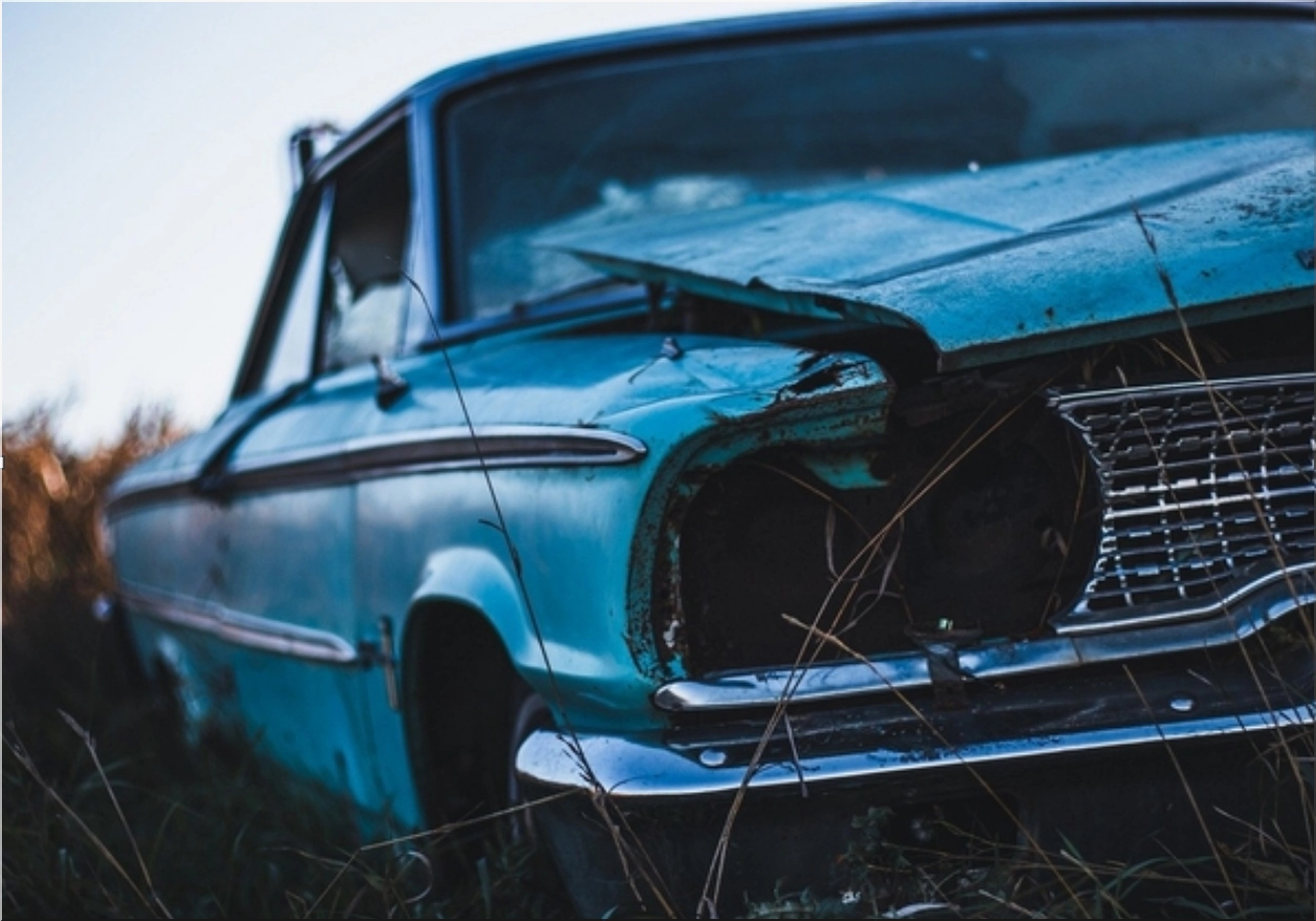

That small dent in your car's bumper might look minor right now, but seasonal weather changes can quickly turn minor vehicle damage into costly repairs that affect both your car's appearance and its structural integrity.
When you're dealing with vehicle damage, timing your repairs around seasonal changes can make a significant difference in both cost and long-term results.
Understanding Repair Costs
Many vehicle owners only start researching repair costs after damage has already begun to worsen with weather exposure, and that's when the bills start adding up significantly.
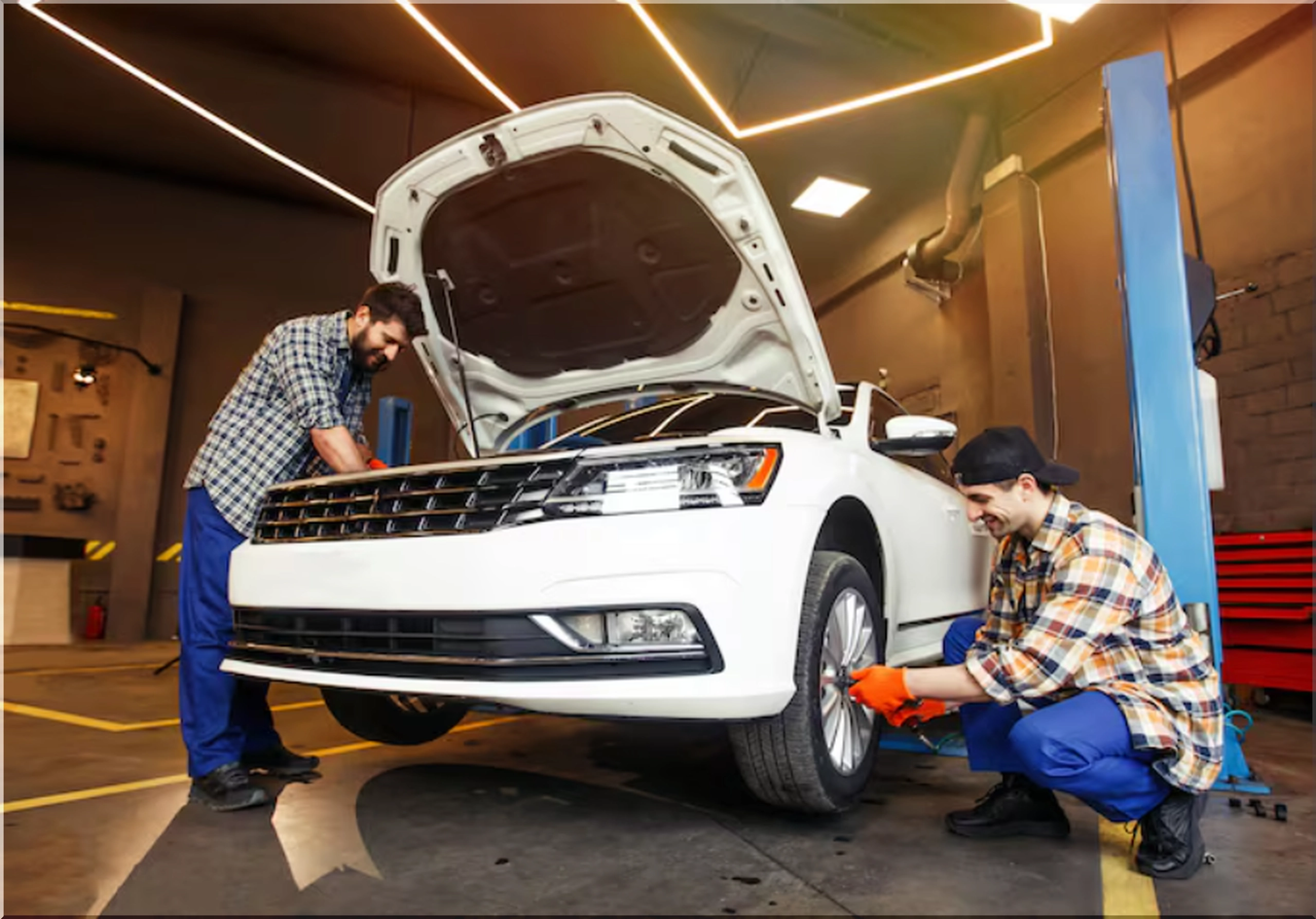
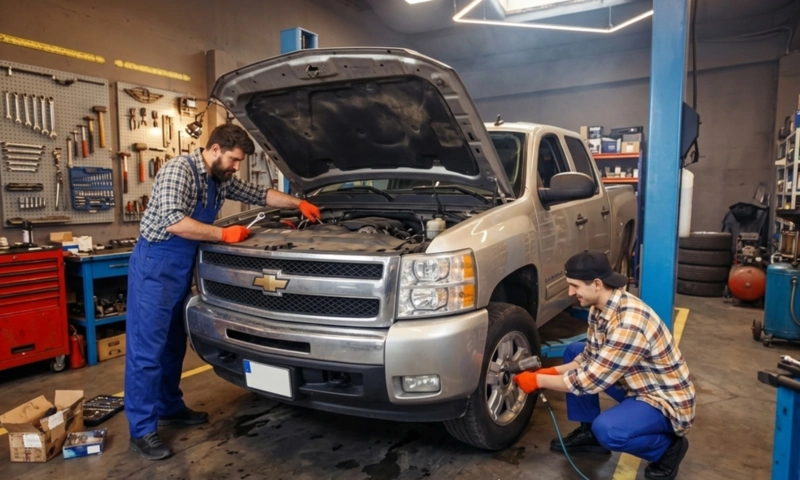
Wondering how much it costs to paint a bumper? Professional auto body shops typically charge between $300 and $500 for a clean, polished finish. However, waiting too long can turn a simple job into a $2,000 project if rust or structural damage develops.
Professional auto body shops report that seasonal damage compounds quickly, turning what could have been simple fixes into major restoration projects that affect multiple parts of your vehicle.
The Impact of Changing Seasons
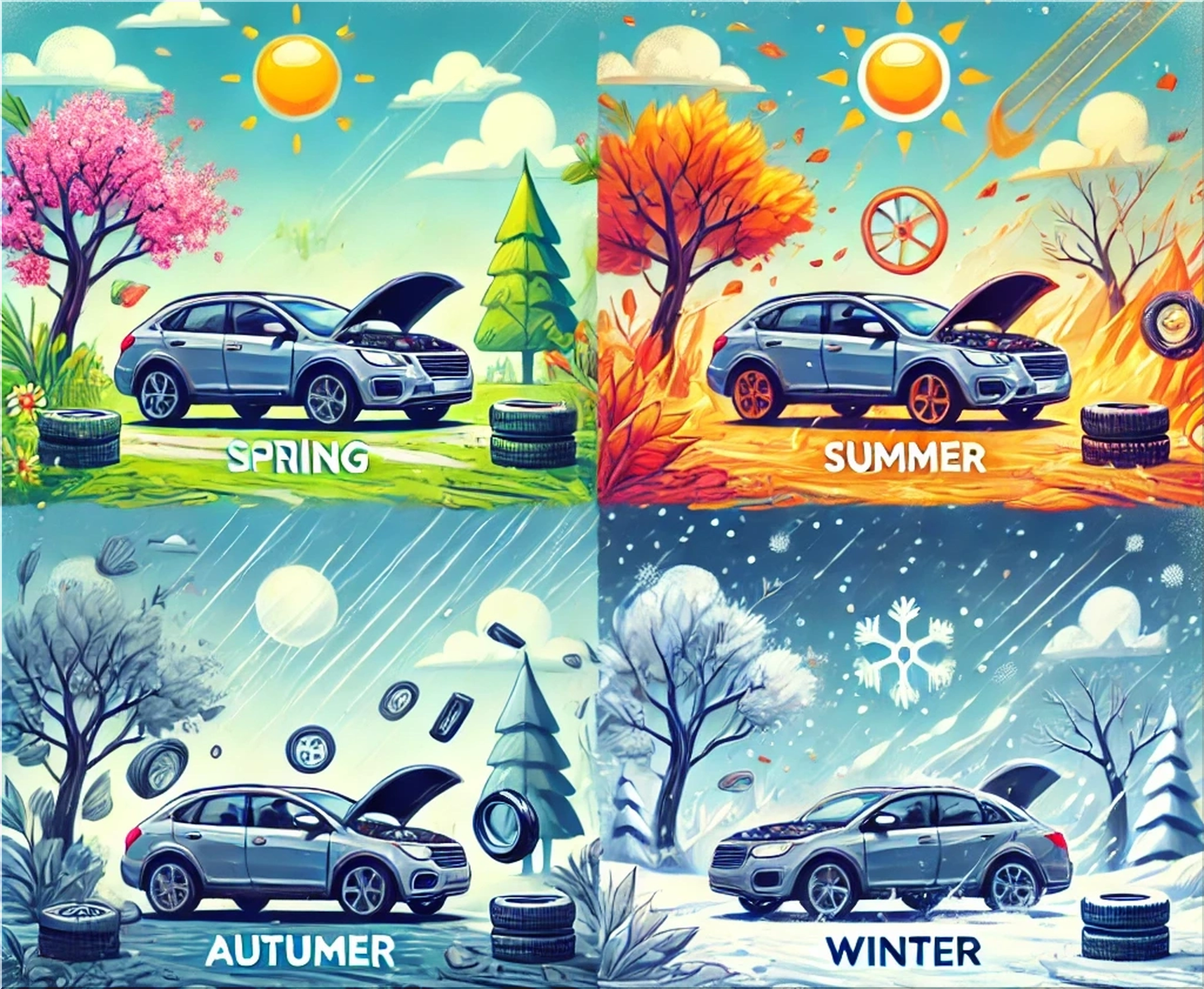
Winter road treatments combine with moisture to create a particularly corrosive environment that can penetrate even the smallest paint chips or exposed metal surfaces on your vehicle.
Spring brings constant moisture that works its way into damaged areas, while summer heat accelerates paint deterioration and can cause existing damage to spread more rapidly than many owners realize.
Temperature fluctuations between seasons put additional stress on already compromised surfaces, creating ideal conditions for minor damage to develop into serious problems.
The True Price of Delayed Repairs
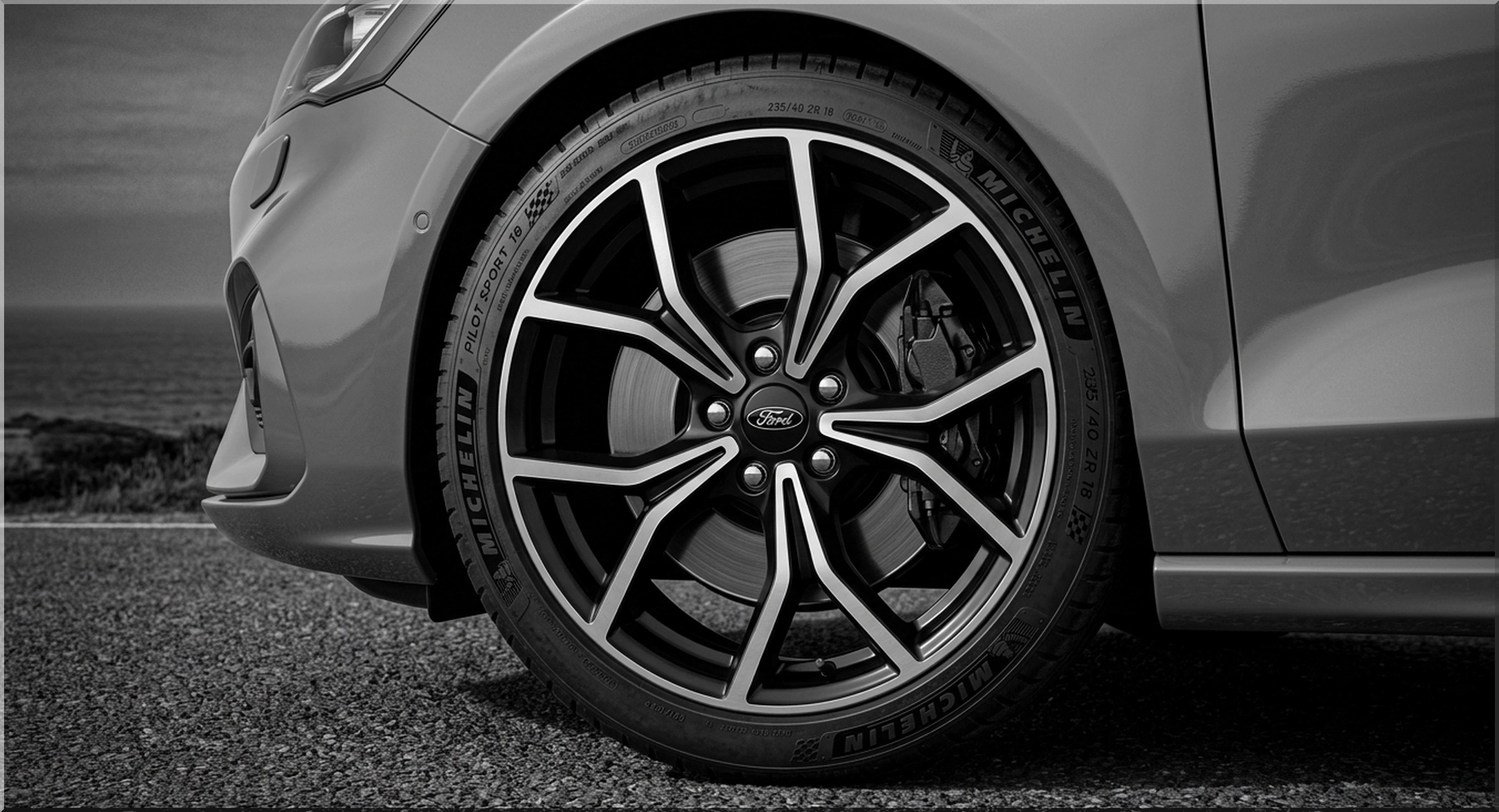
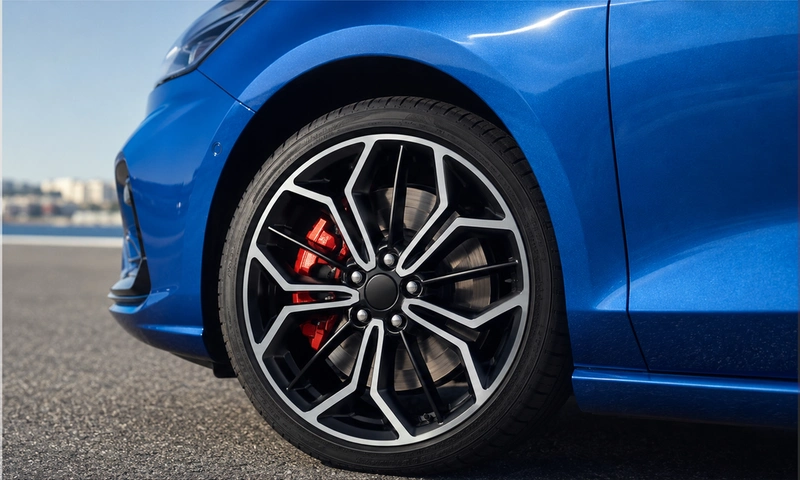
Seasonal wear and tear often sneaks up on car owners. Minor scratches on your rims might seem harmless at first glance Left untreated, these small imperfections can lead to corrosion and structural damage.
Understanding scratched rim repair cost is key to addressing these issues before they worsen. Delaying repairs often means dealing with deeper corrosion or alignment issues, which can increase costs into the hundreds or more. Early fixes, starting around $50, can prevent the damage from spreading to the metal underneath.
Recognizing Problem Signs
Experienced car owners know that unusual sounds or slight steering changes usually indicate developing issues that will only get worse —- and more expensive — with each passing season.
Clear warnings that weather is already affecting your vehicle's surfaces in ways that will require increasingly costly repairs include:
- Paint bubbles
- Spreading rust spots
- Deepening scratches
Protecting Your Vehicle’s Value
Your car is more than just a mode of transport—it’s an investment. Vehicles maintained with seasonal care consistently hold their value better at resale time.
Seasonal Maintenance Boosts Resale Value
Cars with a documented history of seasonal repairs command higher prices when sold or traded in. Even small, timely repairs add up to a record of responsible ownership.
Service History Builds Buyer Confidence
Buyers value vehicles with a clear service history that includes proactive seasonal maintenance. This documentation shows that you’ve taken care of your car, giving them confidence in its condition.
Repairs as Long-Term Investments
Every repair you make contributes to your car’s long-term worth. Well-maintained vehicles not only sell for more but also sell faster, reflecting the care you’ve put into them.
To Wrap It Up
Small vehicle damage might not seem urgent, but seasonal changes can quickly make it worse.
Ignoring scratches, dents, or rim damage allows moisture and salt to spread corrosion, leading to expensive repairs.
Book a professional inspection now to catch issues early and save on future costs.
Addressing damage promptly protects your car’s safety, appearance, and resale value in the long run.
Image gallery
- Add new comment
- 149 views