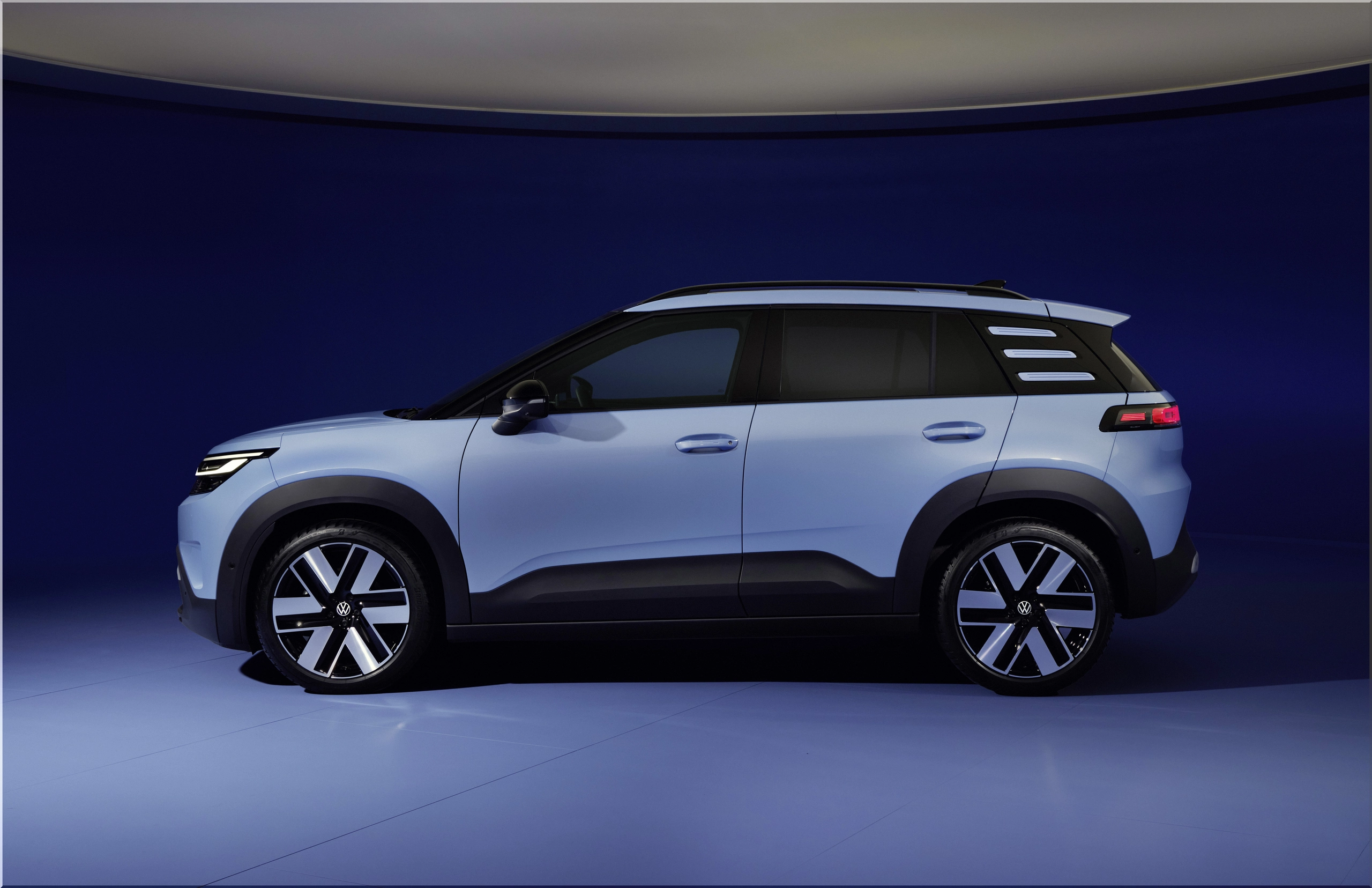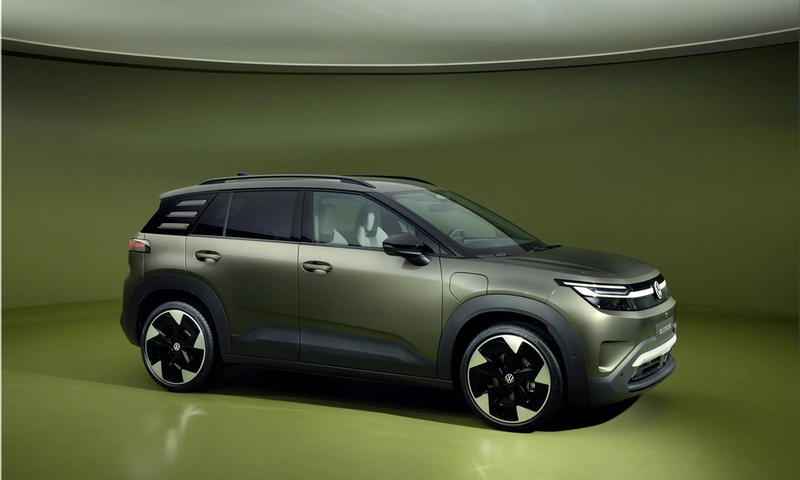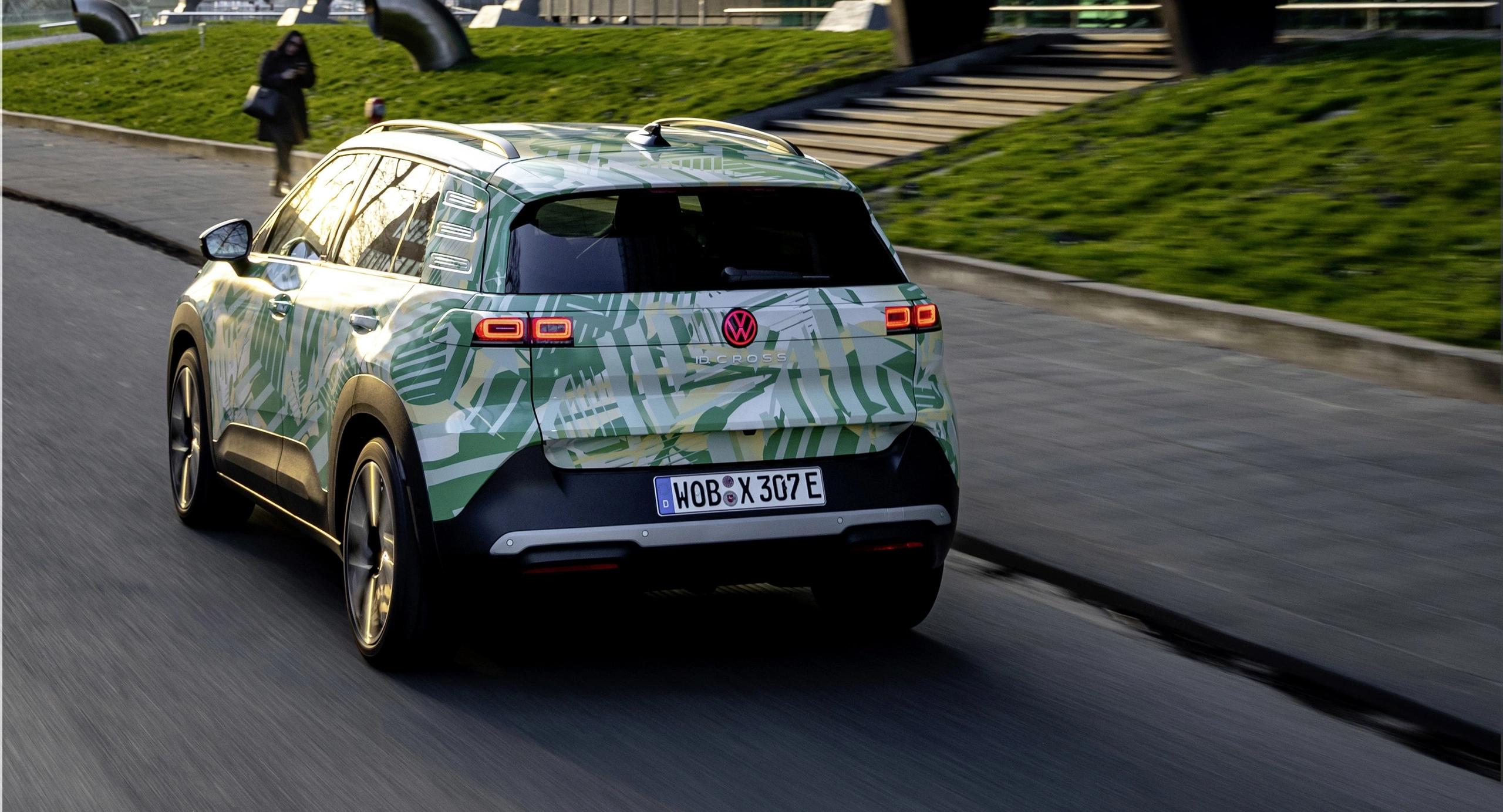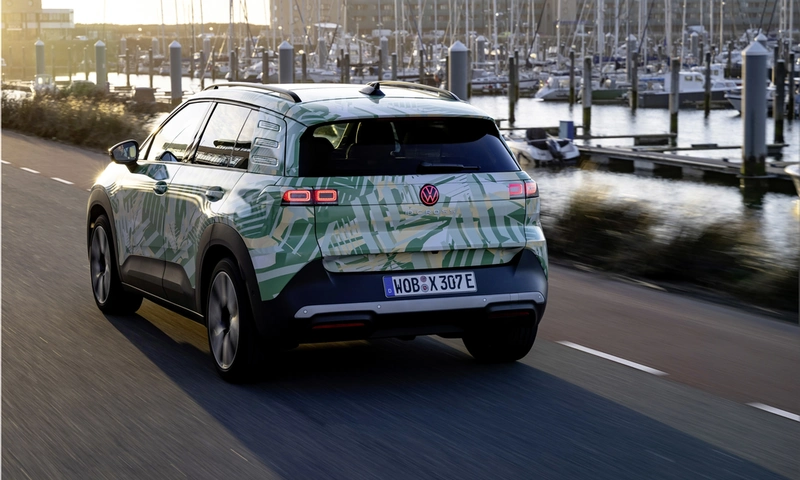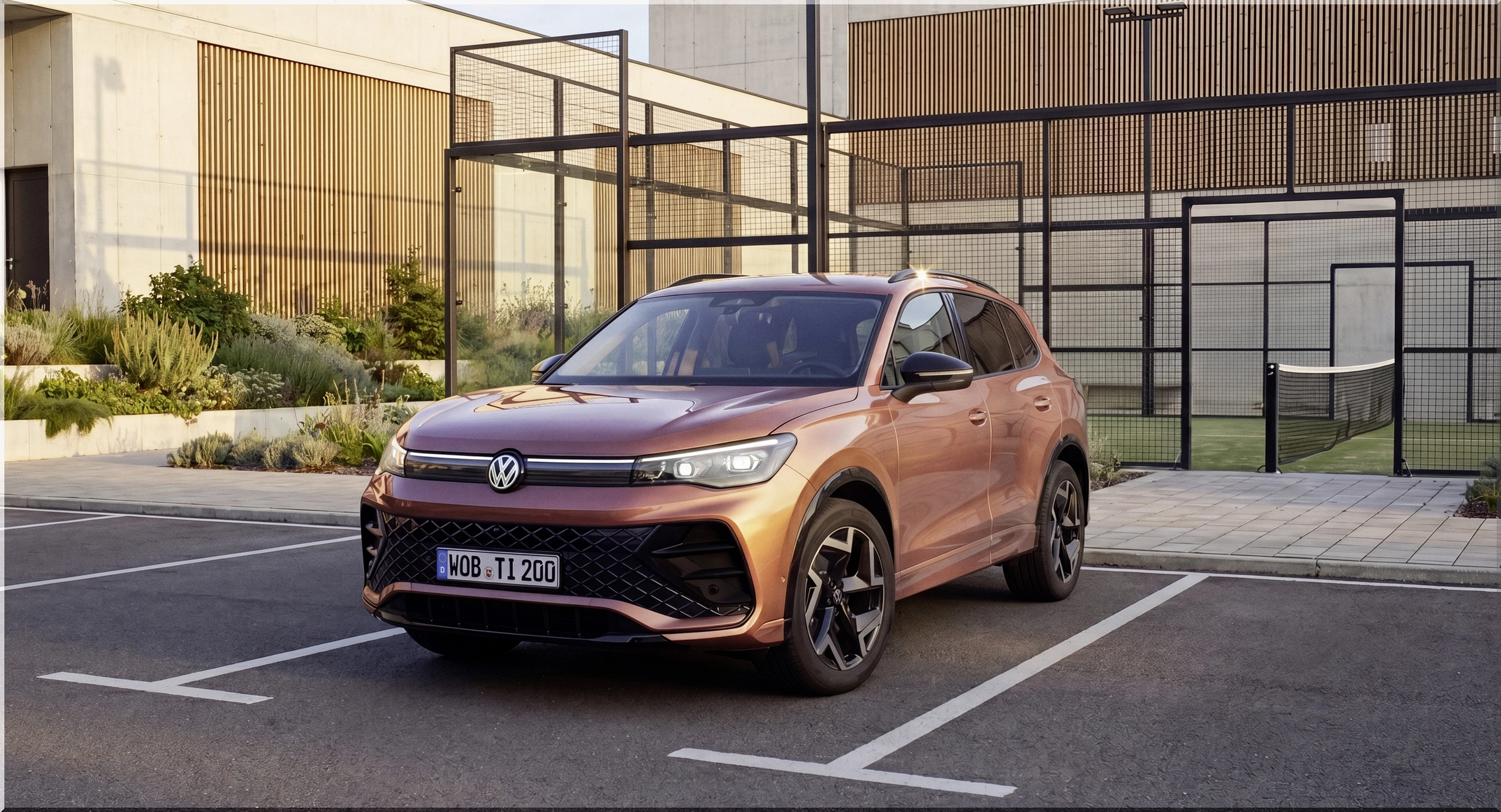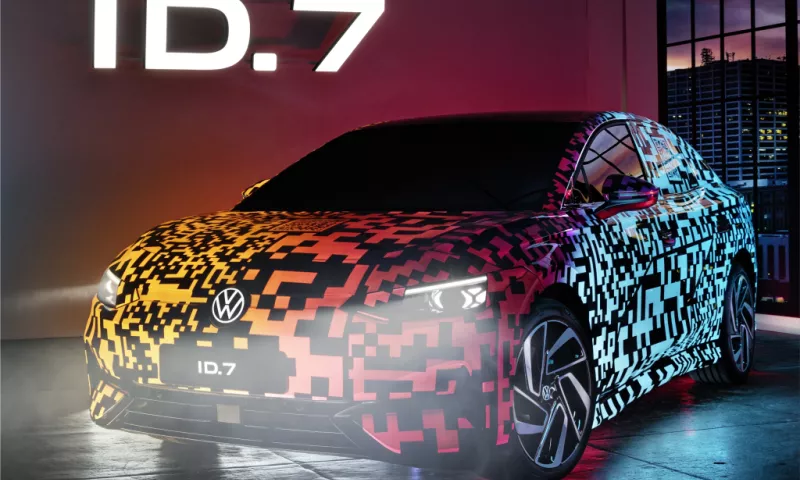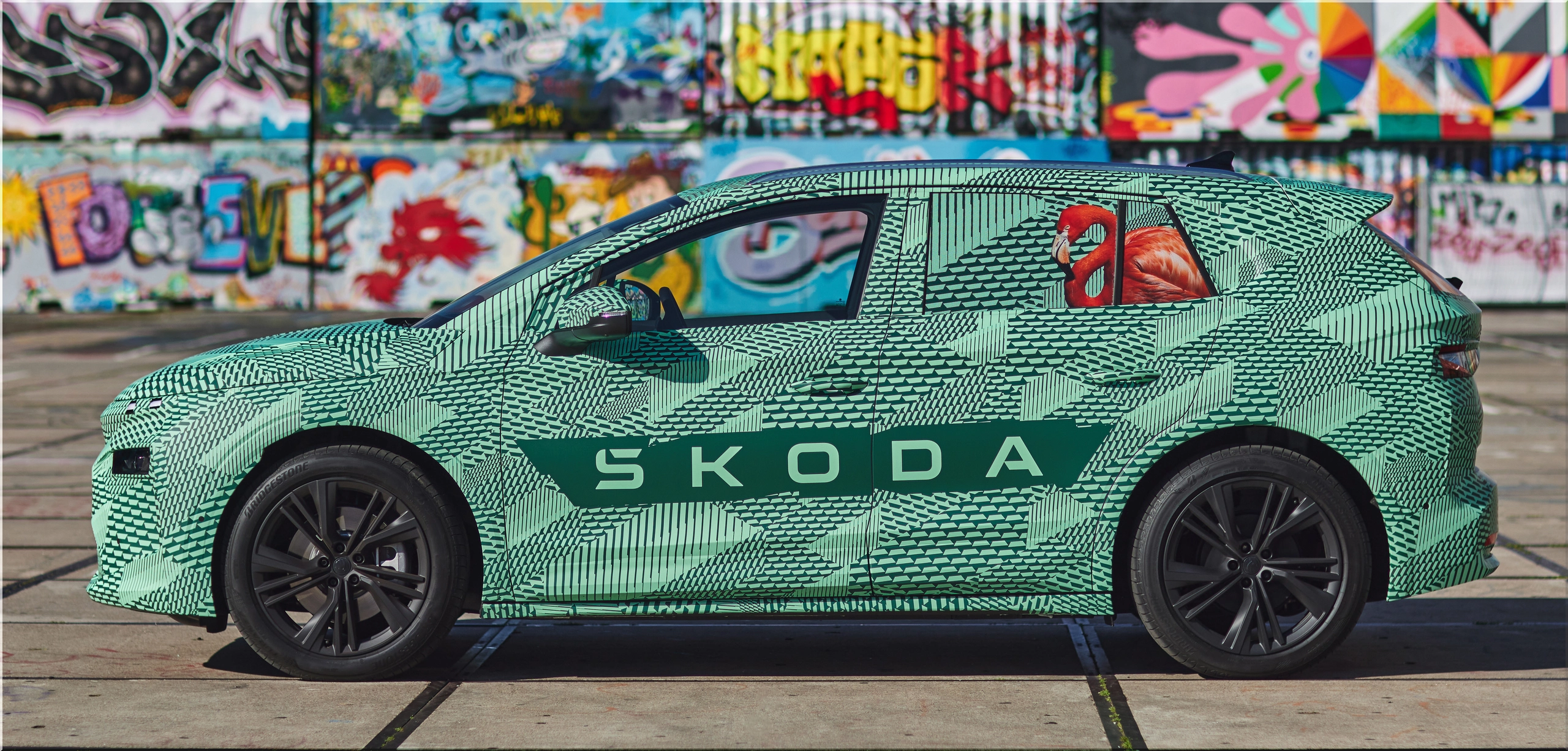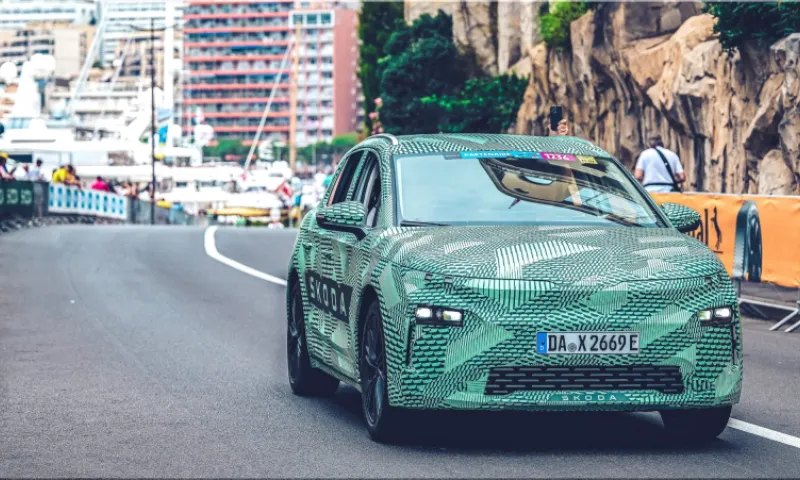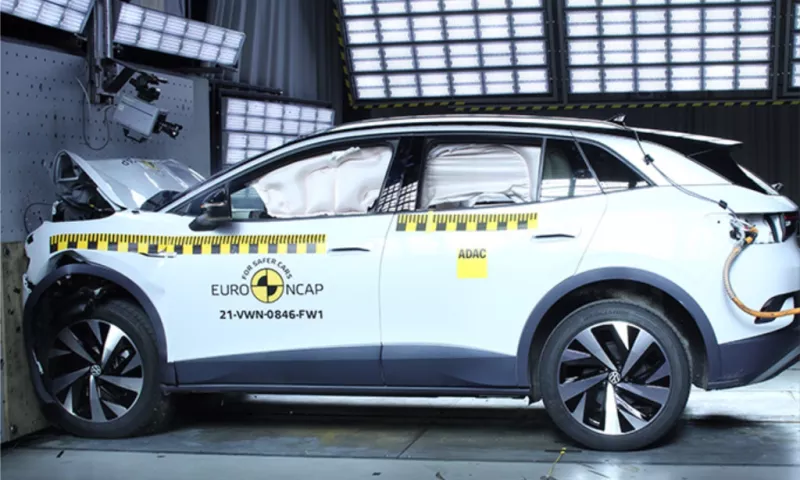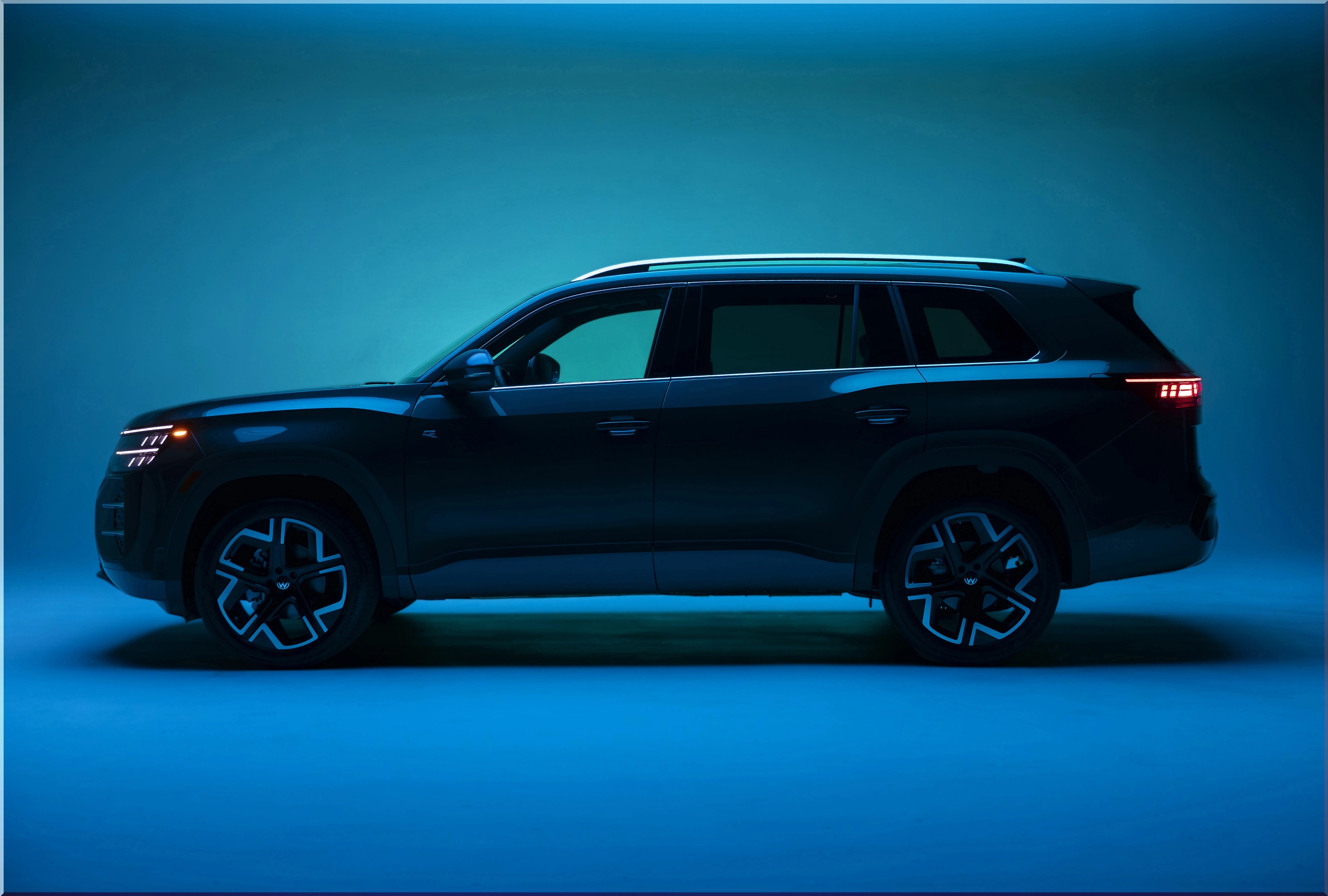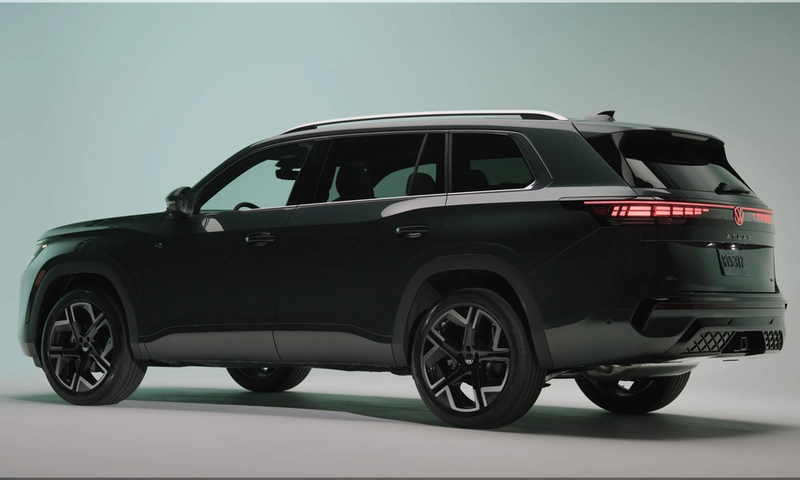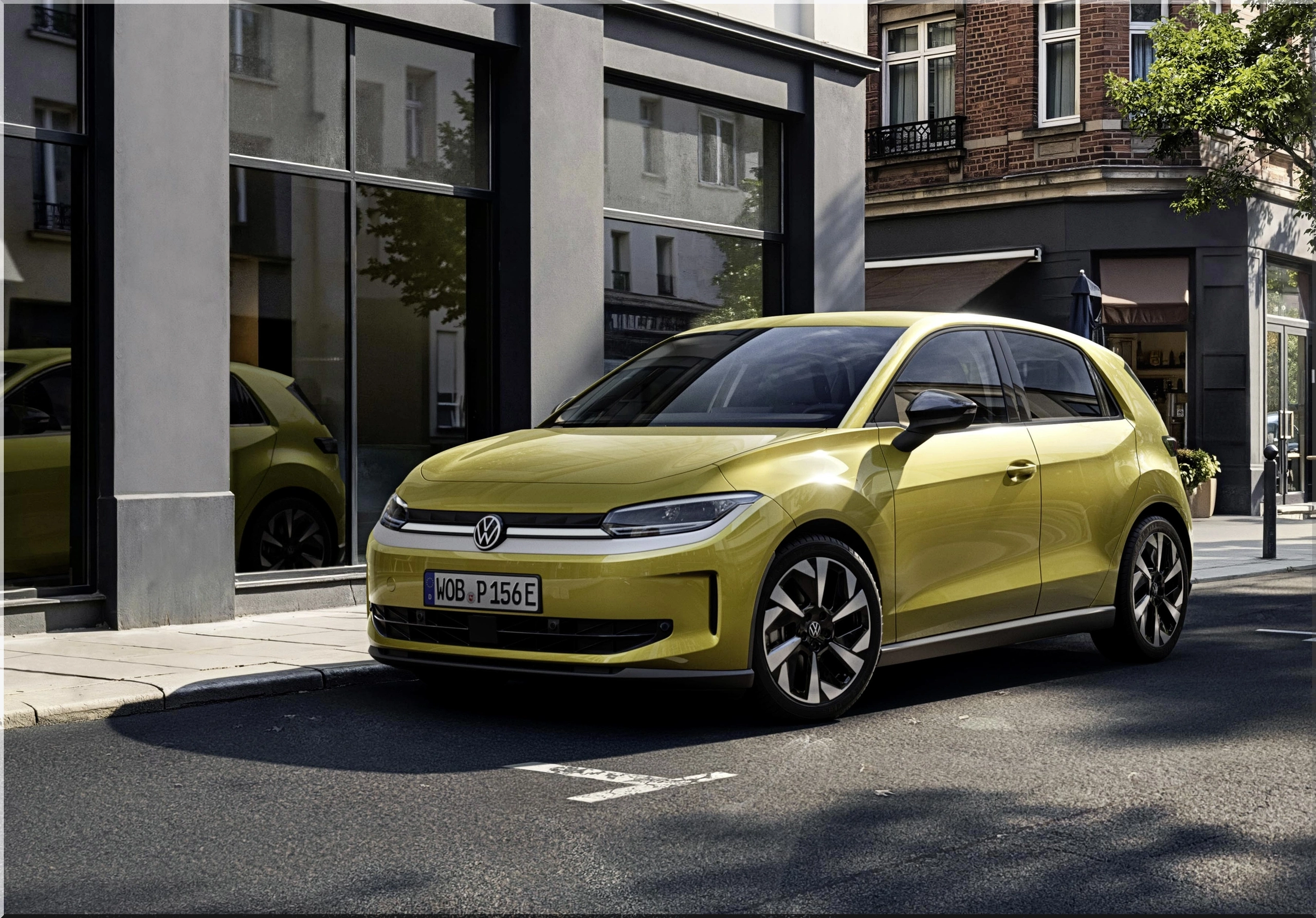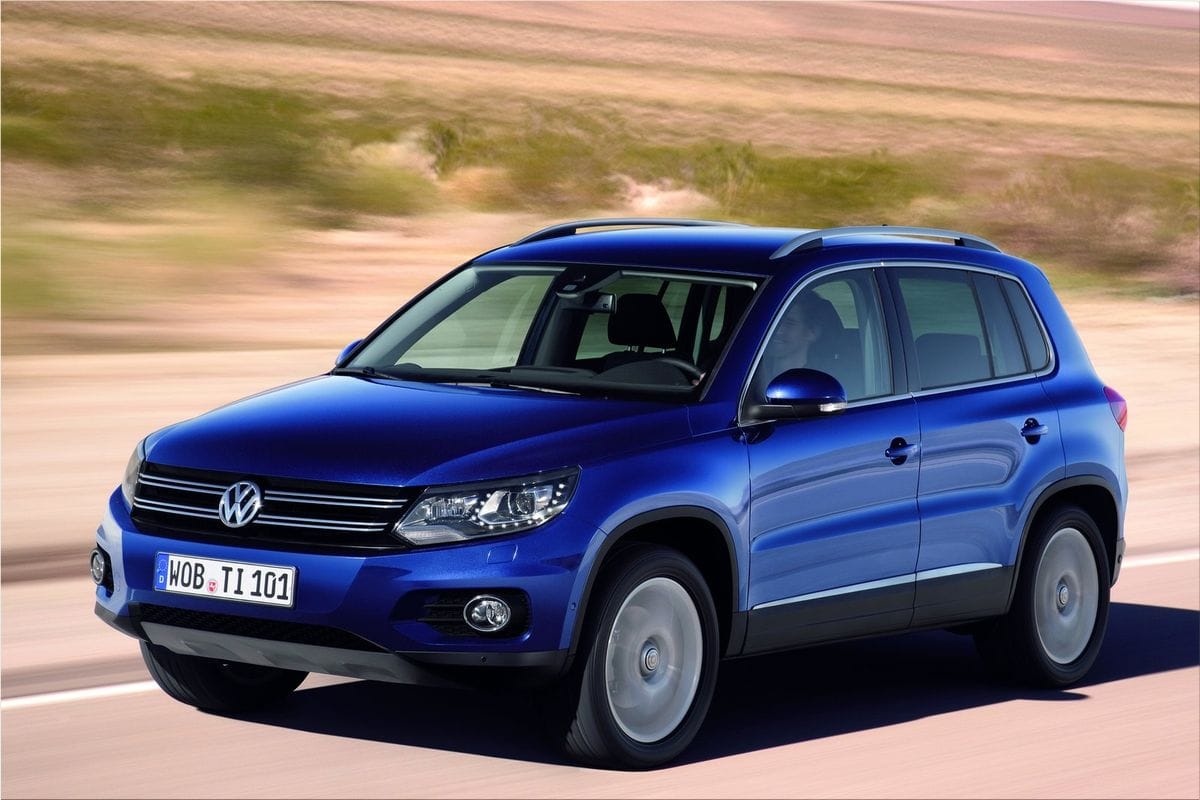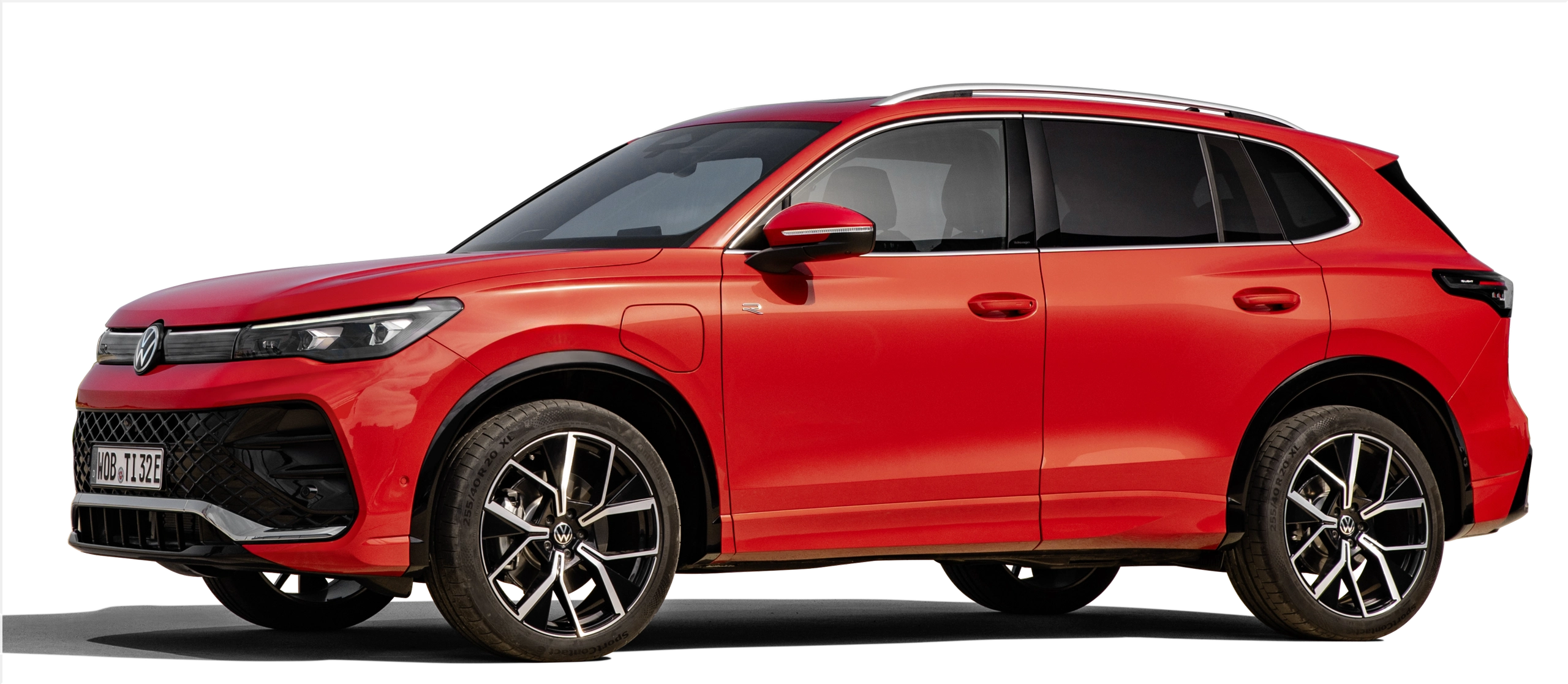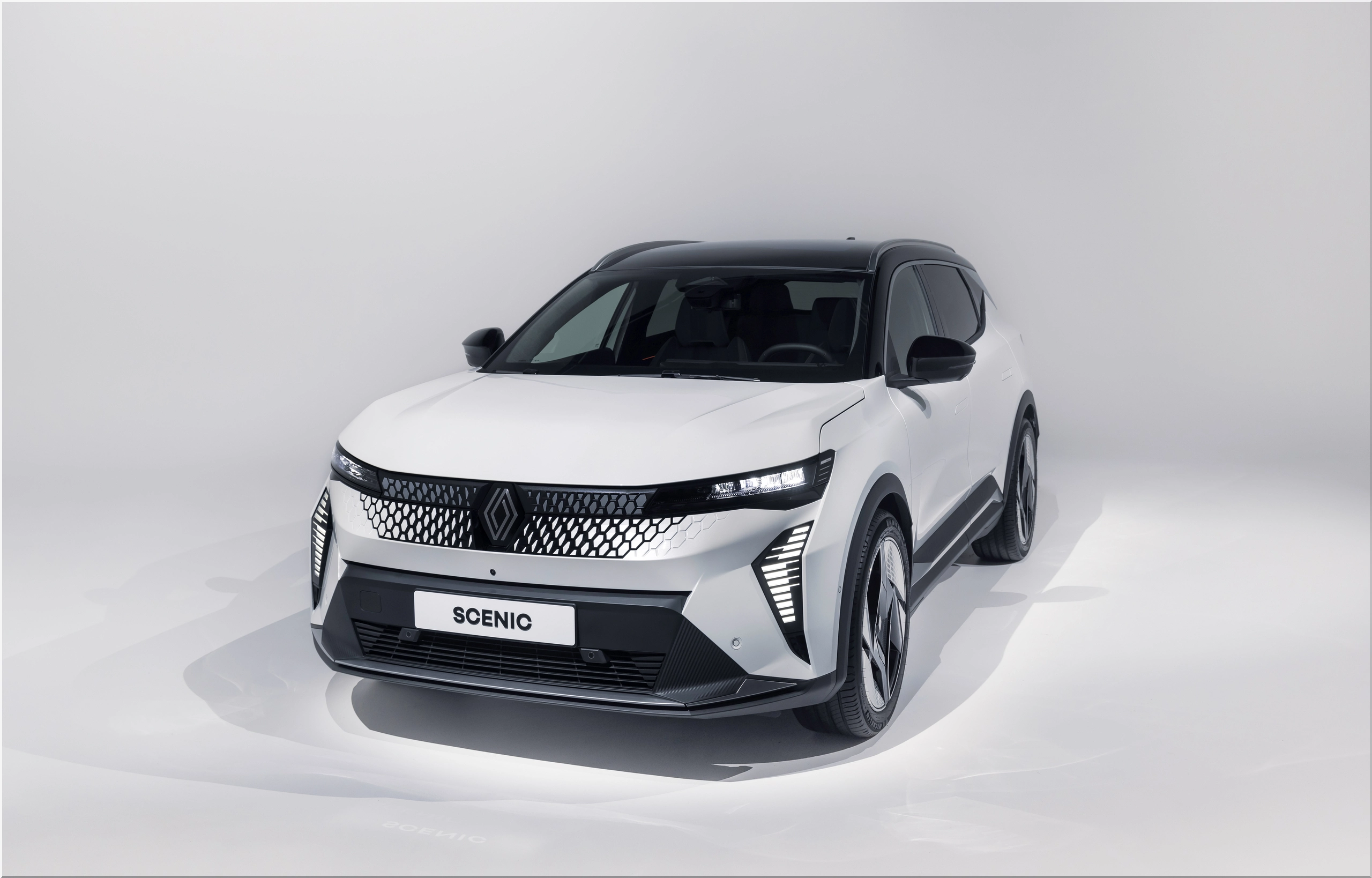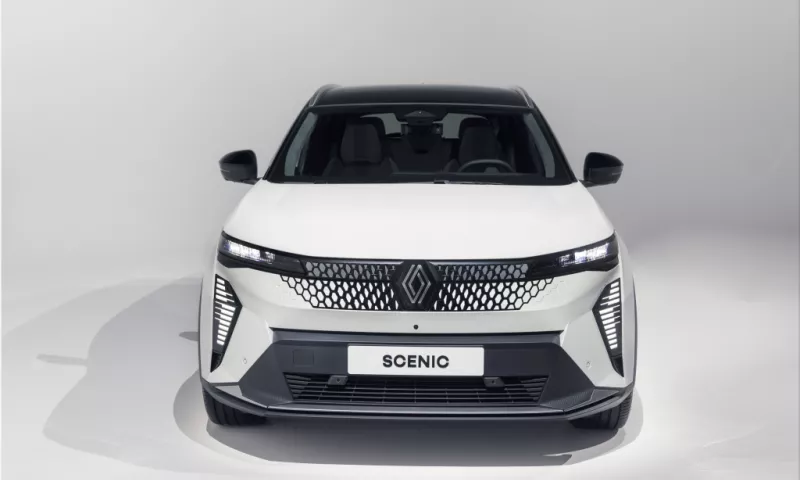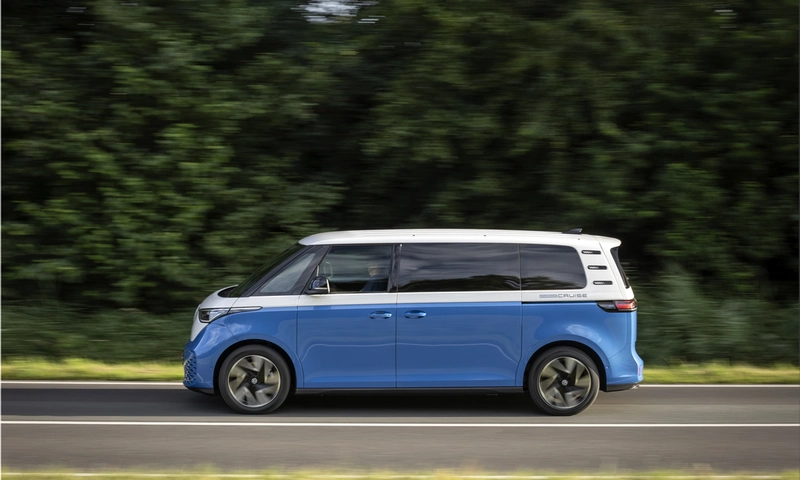
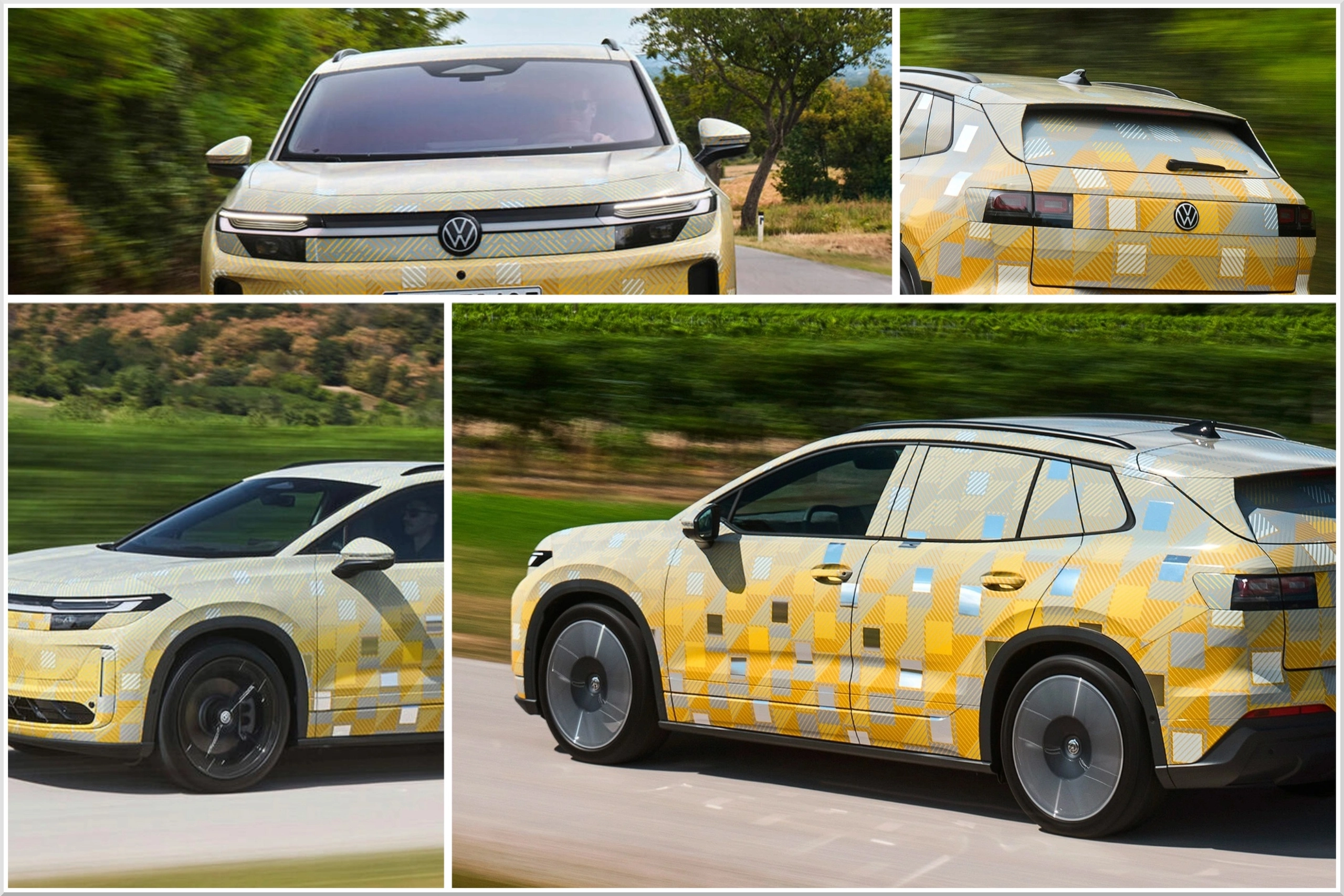
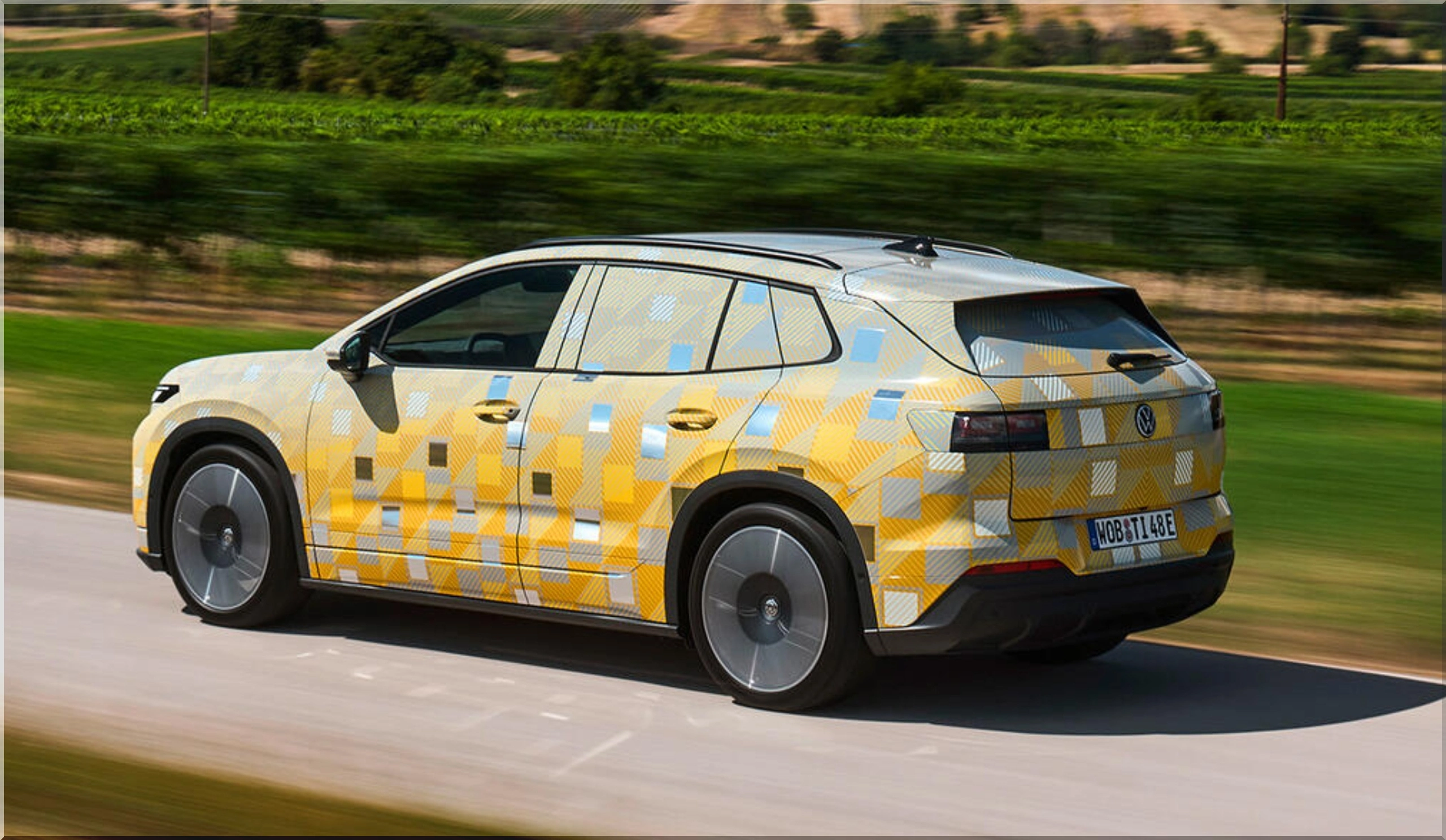
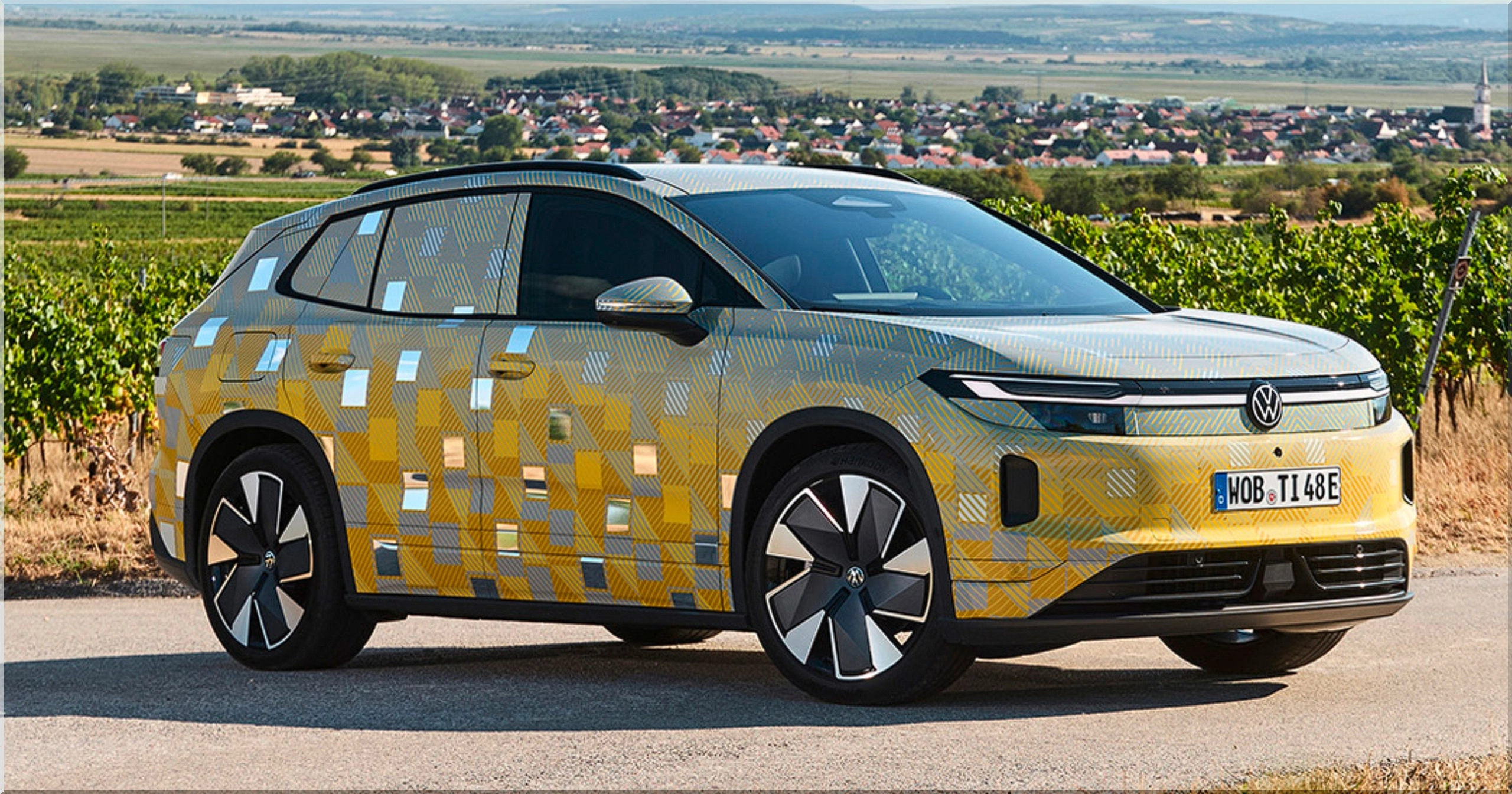
Volkswagen will replace the ID.4 and ID.5 with the Volkswagen ID. Tiguan, giving its electric family SUV a familiar name and a substantial overhaul. The debut follows in early October 2026, with market arrivals starting in early 2027. Petrol and hybrid Tiguan models will continue alongside it.
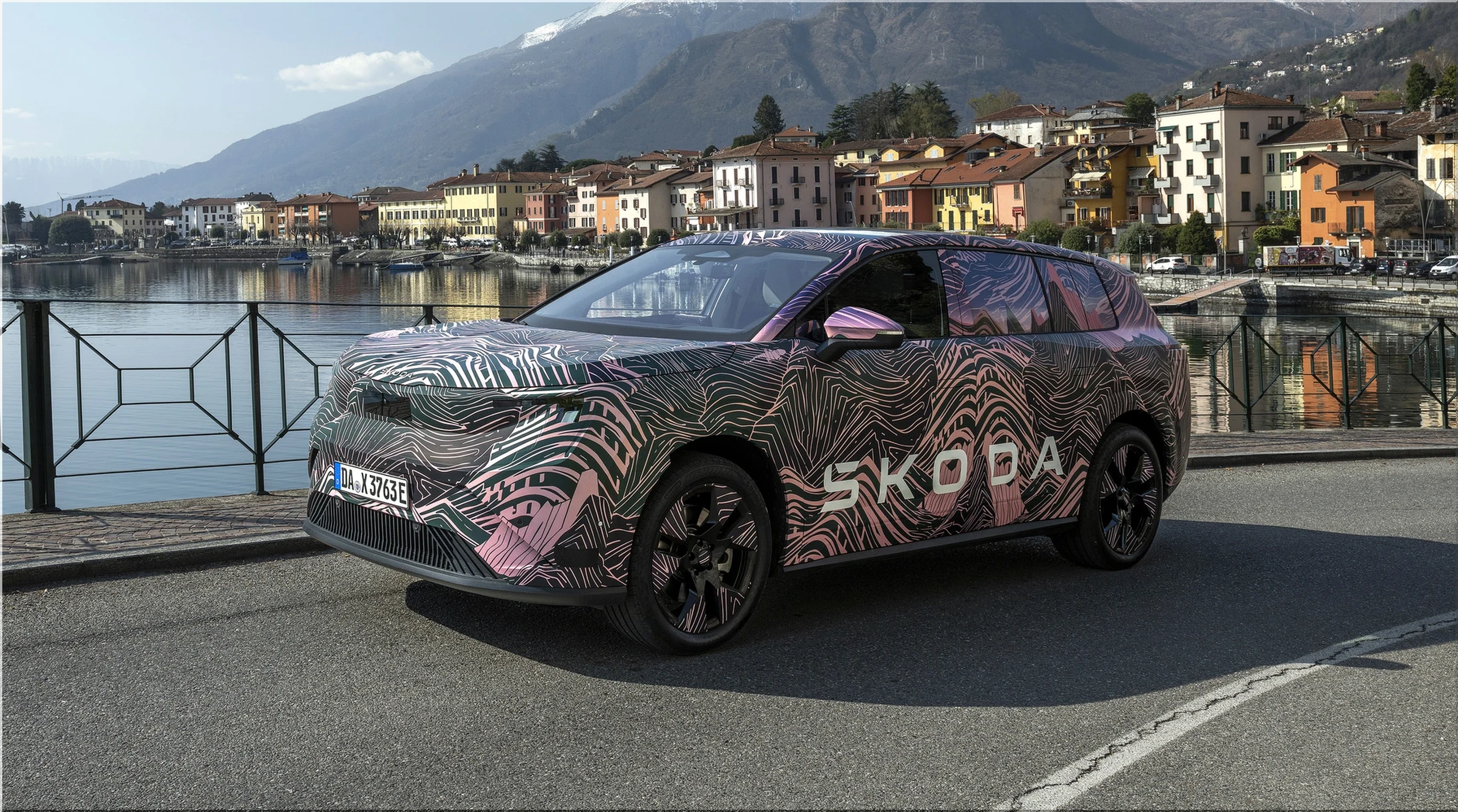
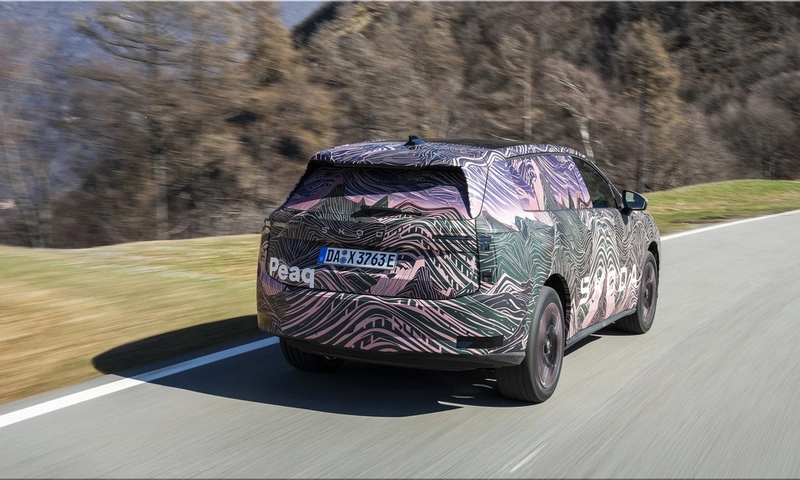
The badge changes. The buying decision still comes down to battery capacity, cabin usability and price. Early prototype reports describe a heavily revised ID.4, rather than an electric conversion of the combustion Tiguan.
Image
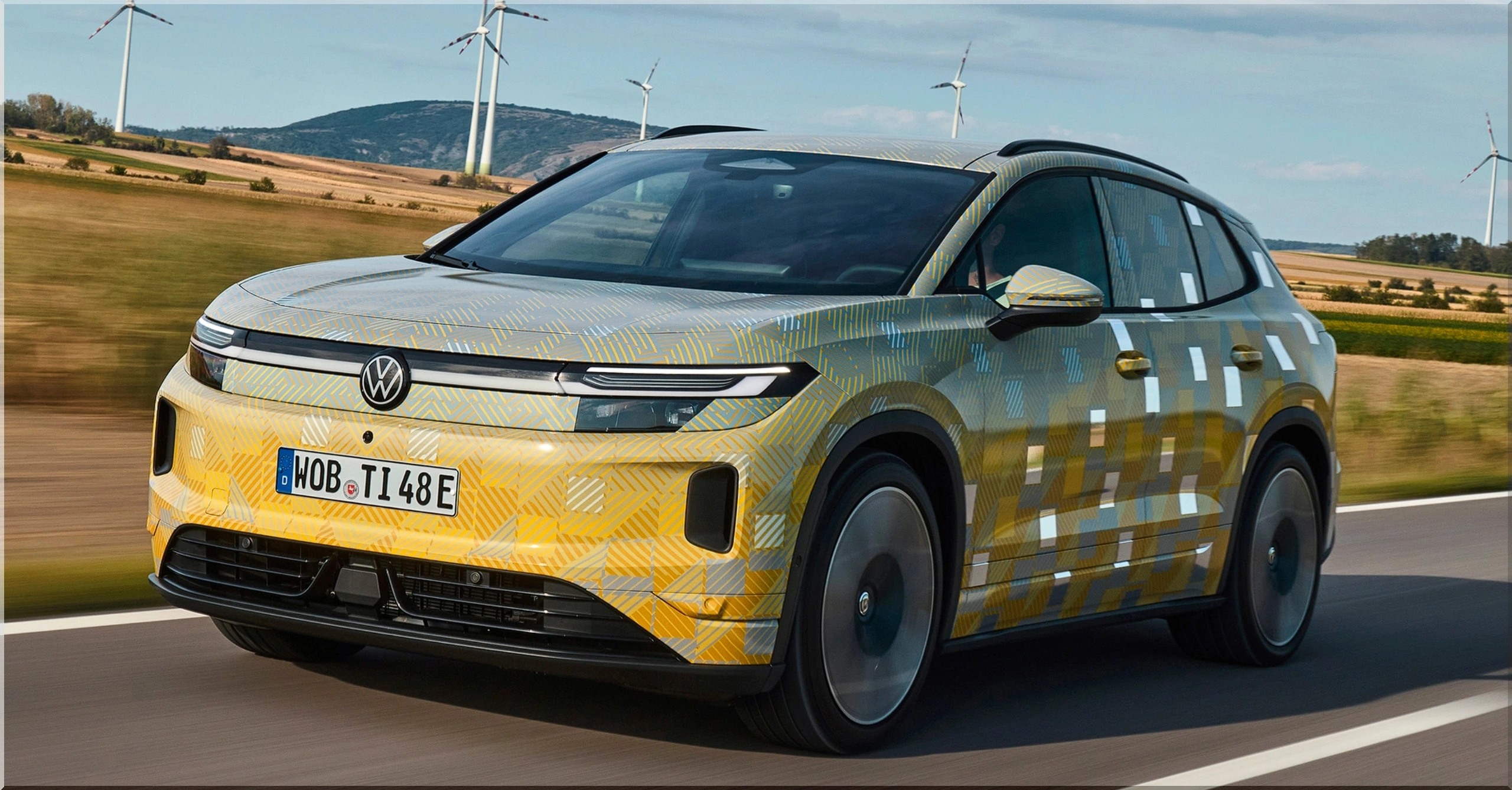
ID.4 Facelift: What Actually Changes?
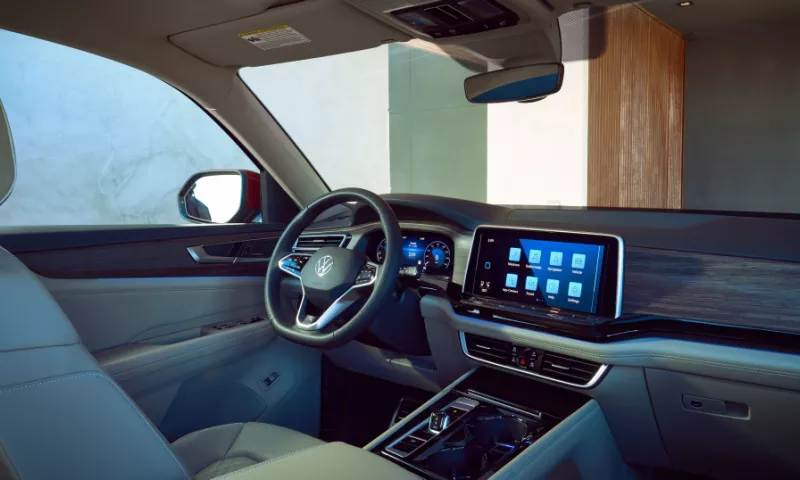
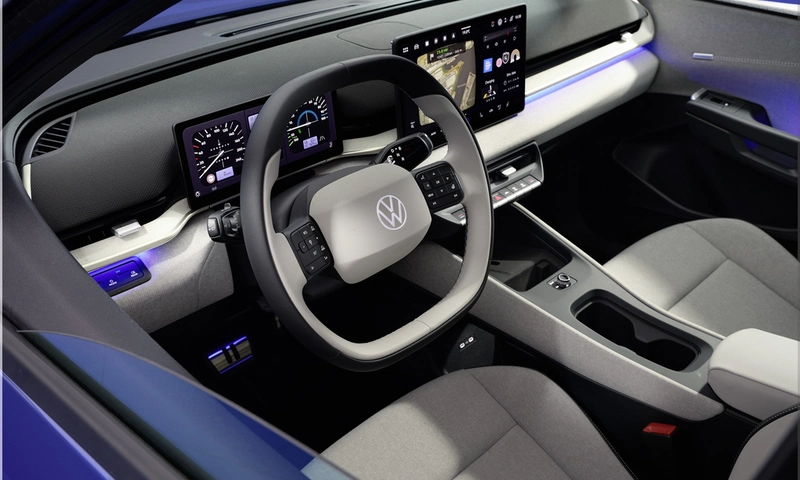
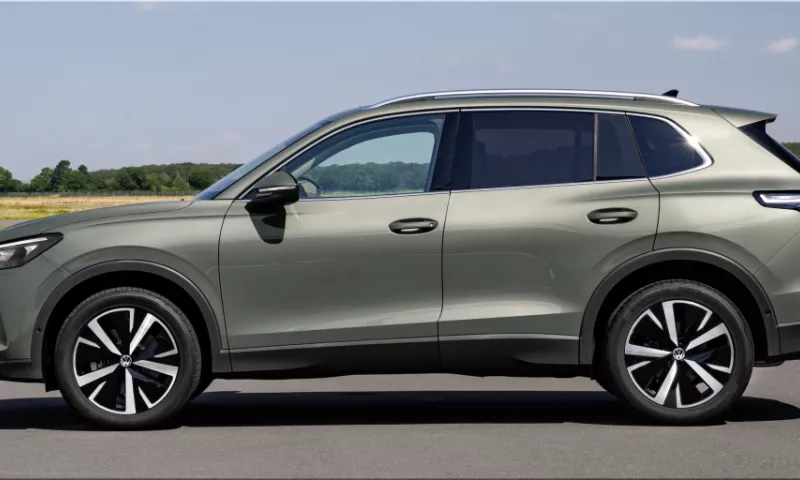
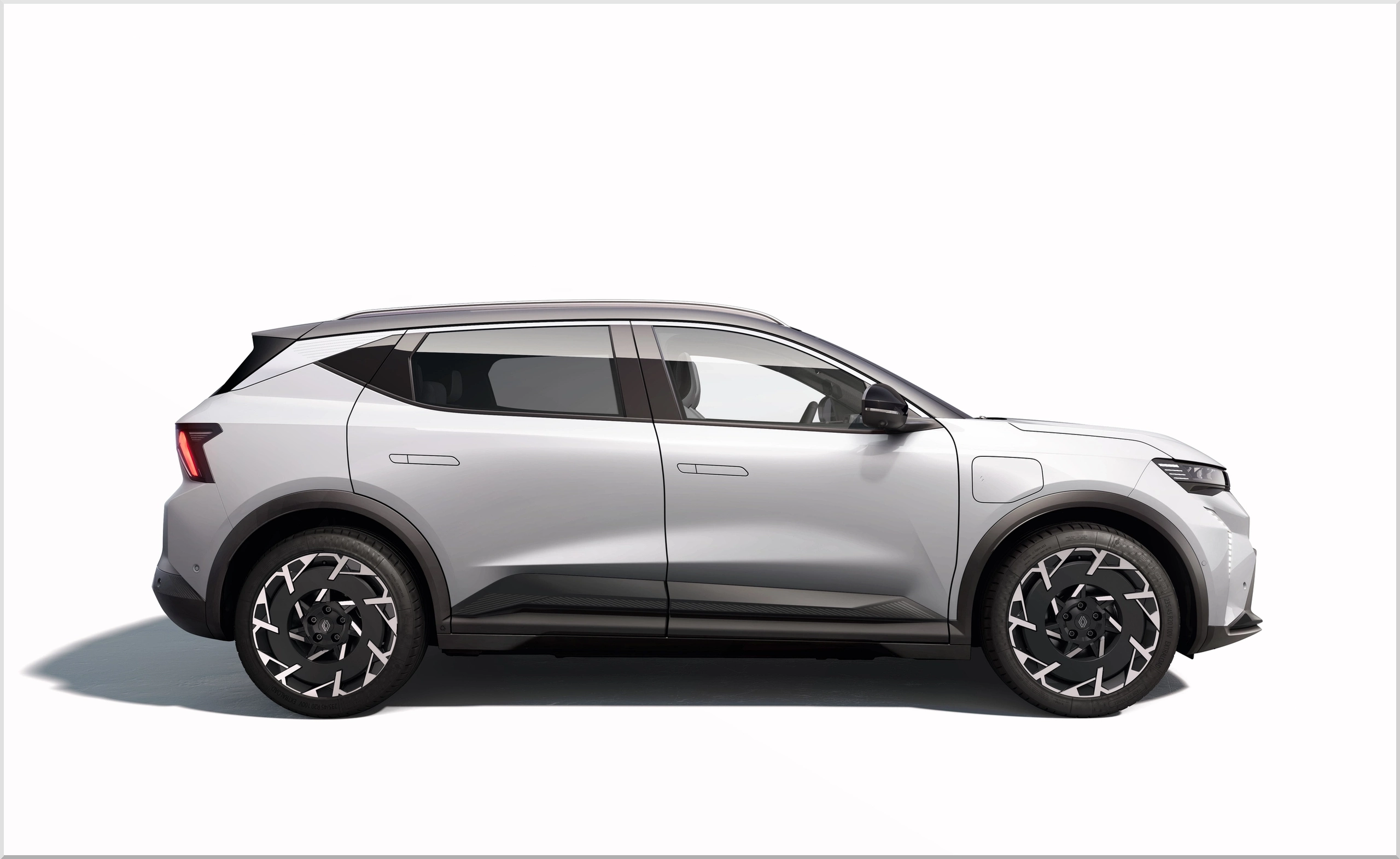
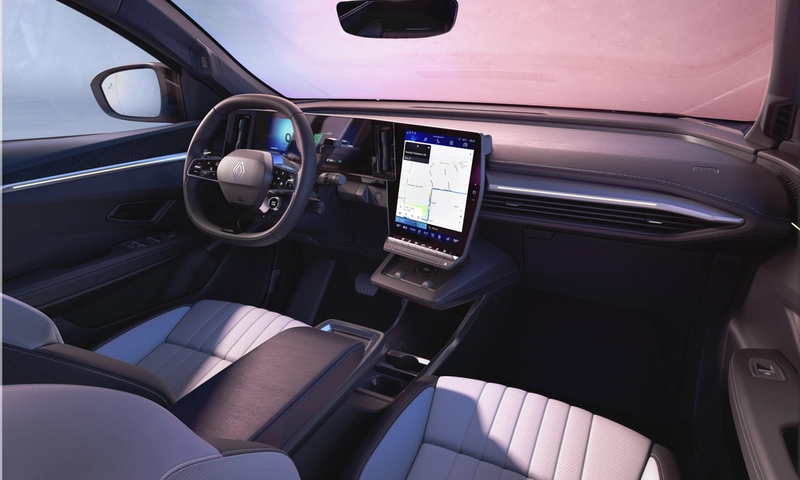
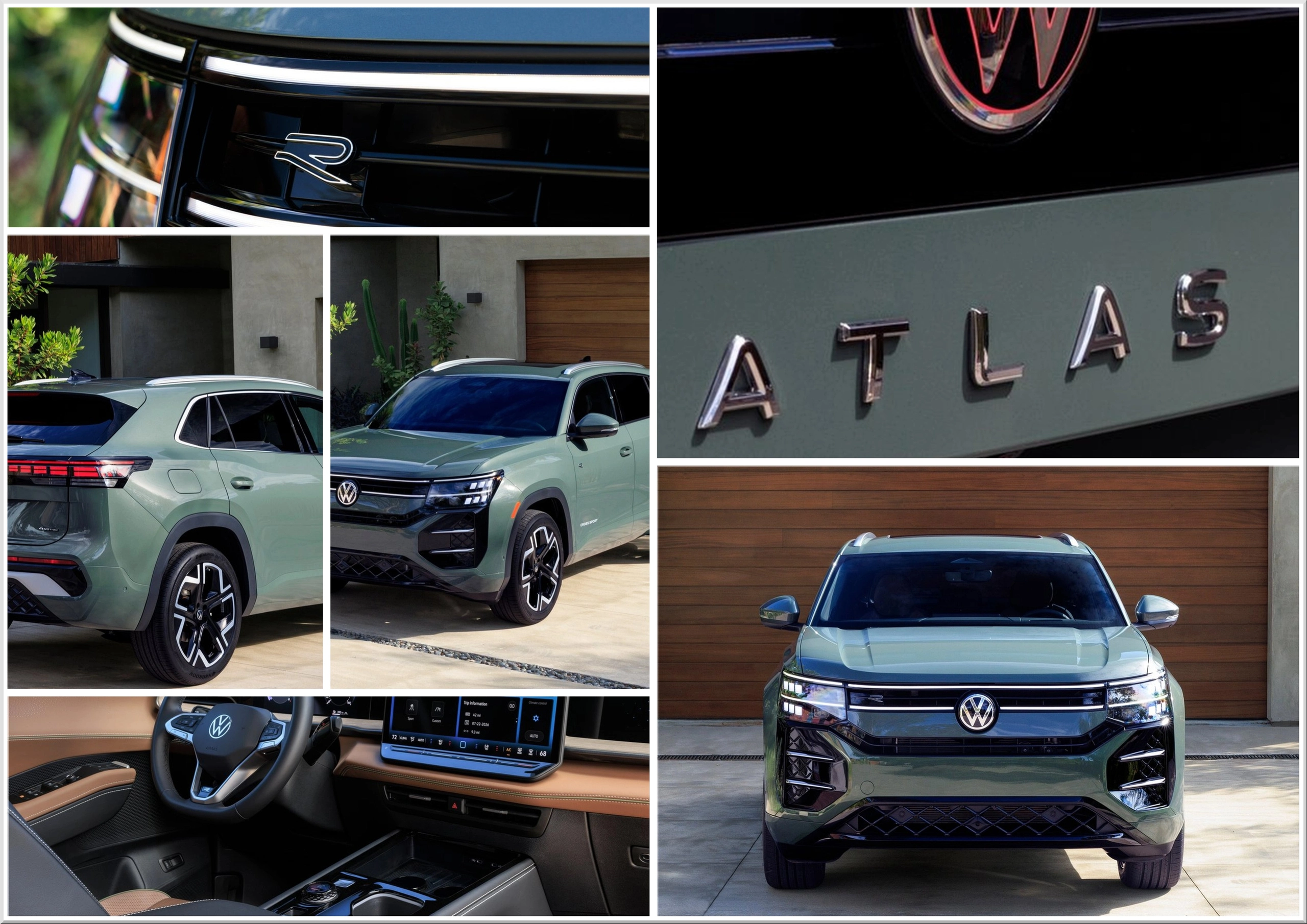
The Volkswagen ID.4 replacement keeps its electric-car roots while adopting sharper exterior styling and a revised cabin. Prototype coverage points to updated MEB+ underpinnings, conventional door handles and a stronger emphasis on physical controls. The practical logic is straightforward: familiar switches reduce the number of touchscreen interactions for everyday adjustments.
| Area | Outgoing ID.4 | Volkswagen ID. Tiguan preview |
|---|---|---|
| Model positioning | Separate ID.4 SUV and ID.5 coupe-SUV | One name succeeds both model lines |
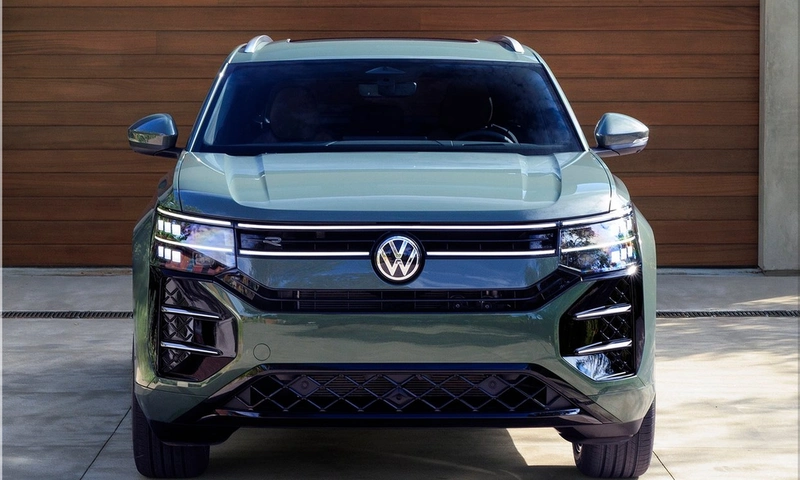
| Exterior | Rounded bodywork; recessed handles | Sharper surfaces; conventional handles |
| Cabin operation | Strong reliance on touch controls | Reports indicate more physical buttons |
| Chassis | Established MEB electric architecture | Prototype reports describe revised MEB+ hardware |
| Launch status | Existing production model | October debut; arrivals begin early 2027 |
Volkswagen's strategy also reduces the explanation buyers need at the dealership. The Tiguan name already signals a family SUV; the ID. prefix identifies the electric version.
Image gallery
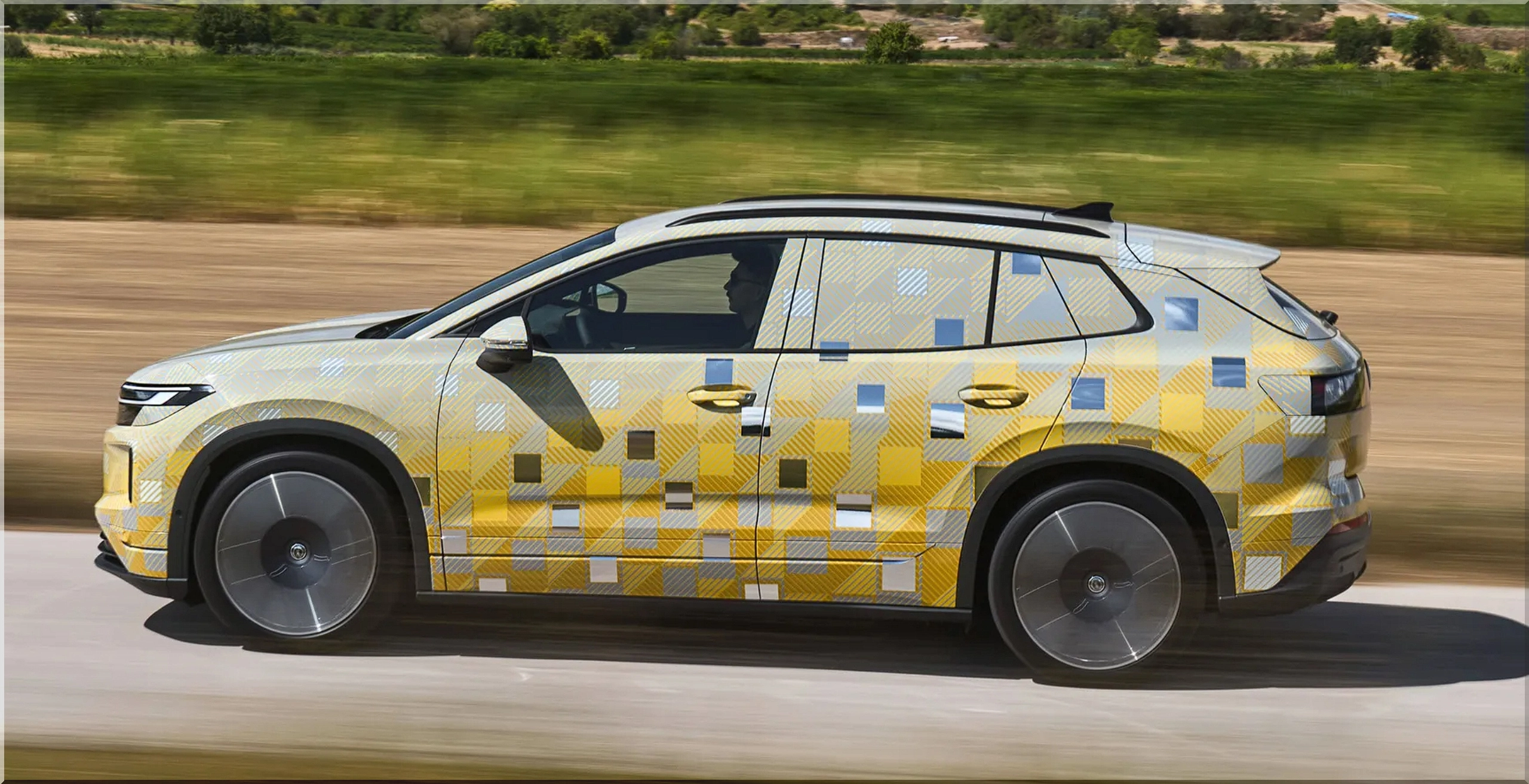
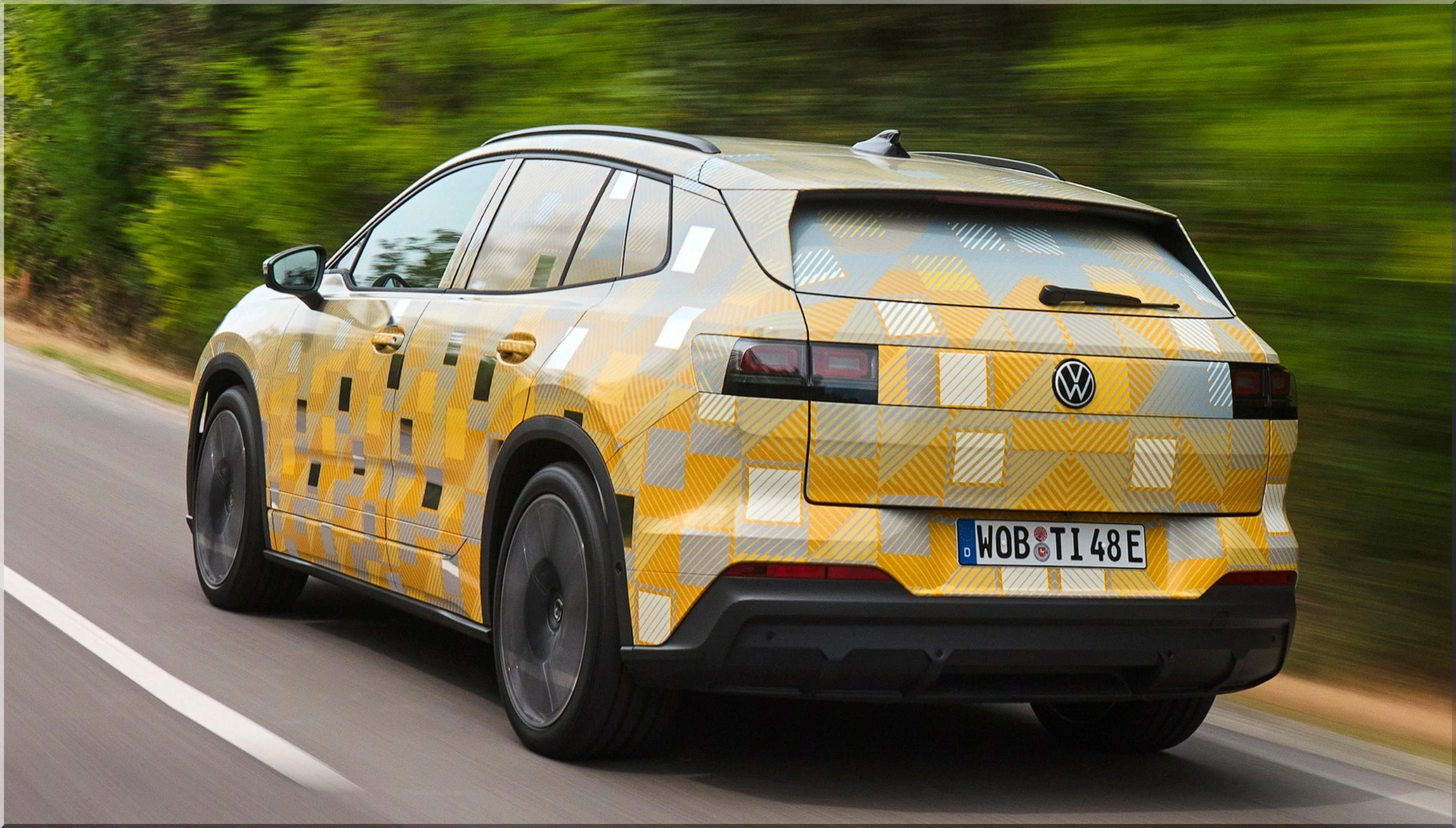
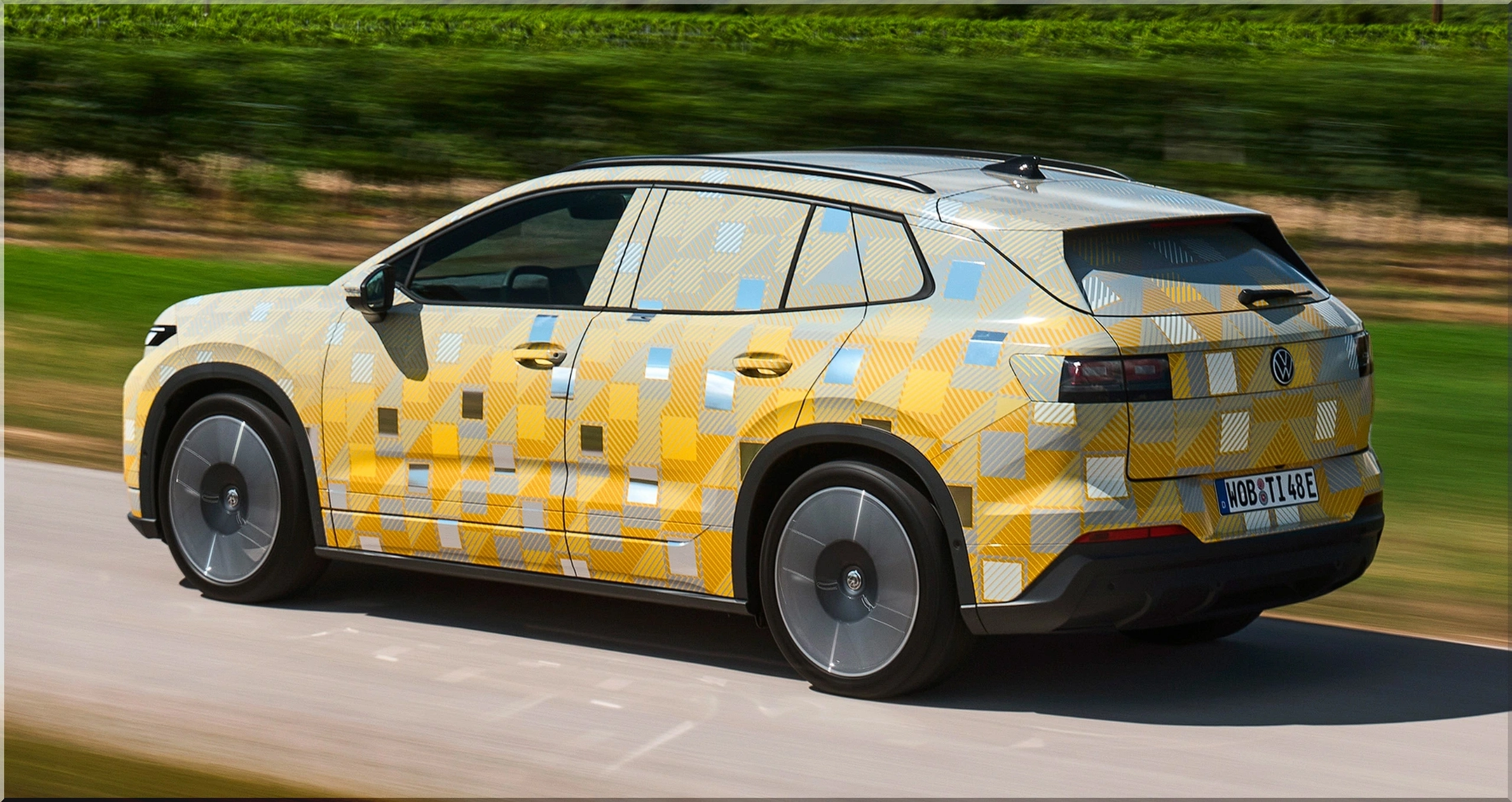
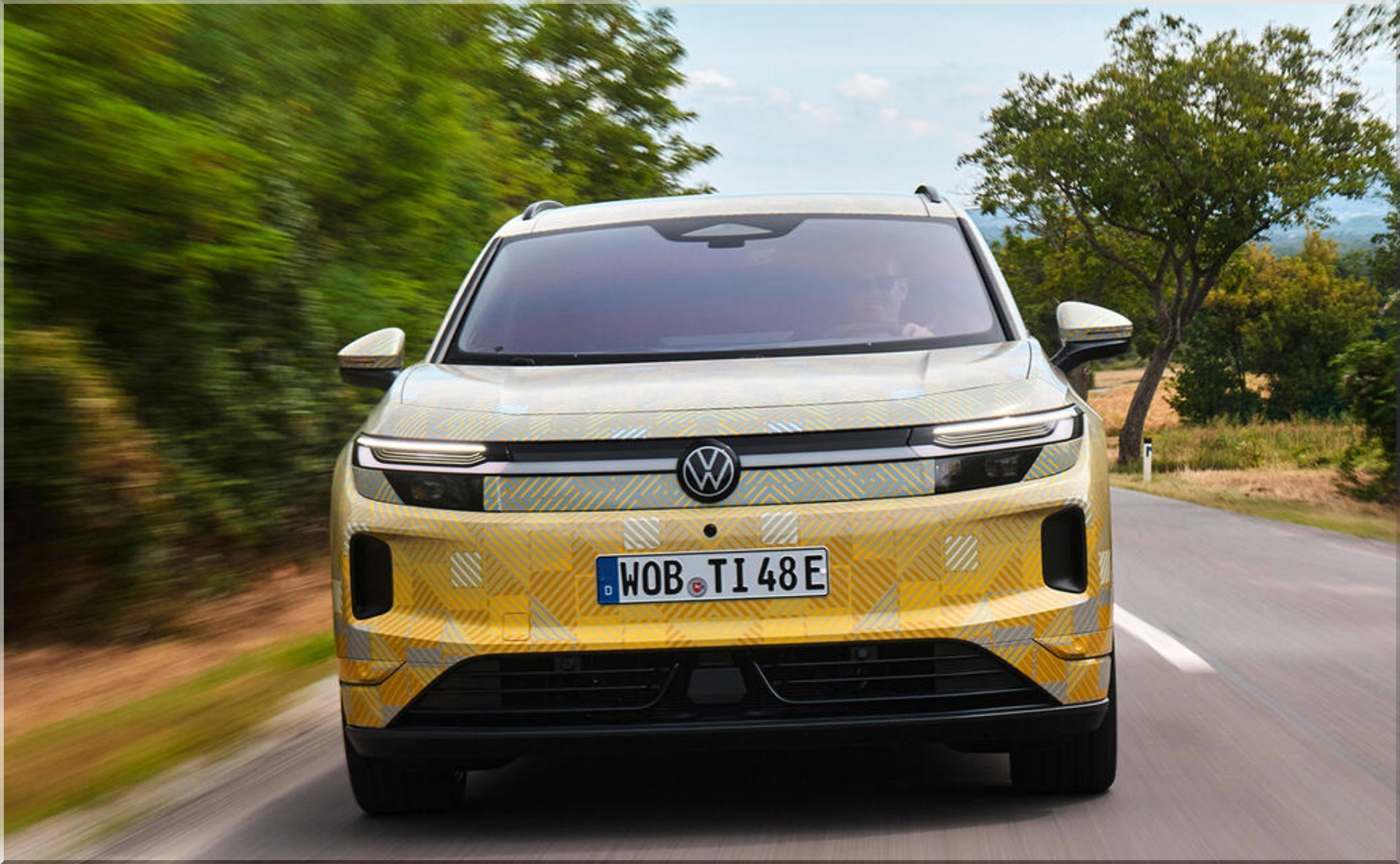
Batteries and Motors: The Early Numbers
Prototype reporting describes the following electric SUV configurations. These figures provide an early guide, rather than a final UK ordering specification.
| Reported version | Battery capacity and chemistry | Power | Driven wheels |
|---|---|---|---|
| Entry version | 58 kWh, lithium iron phosphate (LFP) | 190 PS / approximately 187 bhp | Rear |
| Higher-output rear-drive version | 77 kWh, nickel manganese cobalt (NMC) | 286 PS / approximately 282 bhp | Rear |
| All-wheel-drive version | 77 kWh, NMC | 299 PS / approximately 295 bhp | Front and rear |
Looking at the data, the larger battery adds 19 kWh, or roughly 33% more capacity. That does not guarantee 33% more driving range: motor efficiency, tyres, speed and temperature all affect consumption. Buyers should compare the final WLTP figures for the exact wheel and drivetrain combination.
The first-drive coverage also puts overall length at approximately 4,620 mm (181.9 inches). Revised suspension tuning targets greater comfort, while one-pedal driving lets drivers slow the vehicle by lifting off the accelerator. A short prototype drive, however, offers limited evidence about motorway efficiency or winter range.
Image gallery
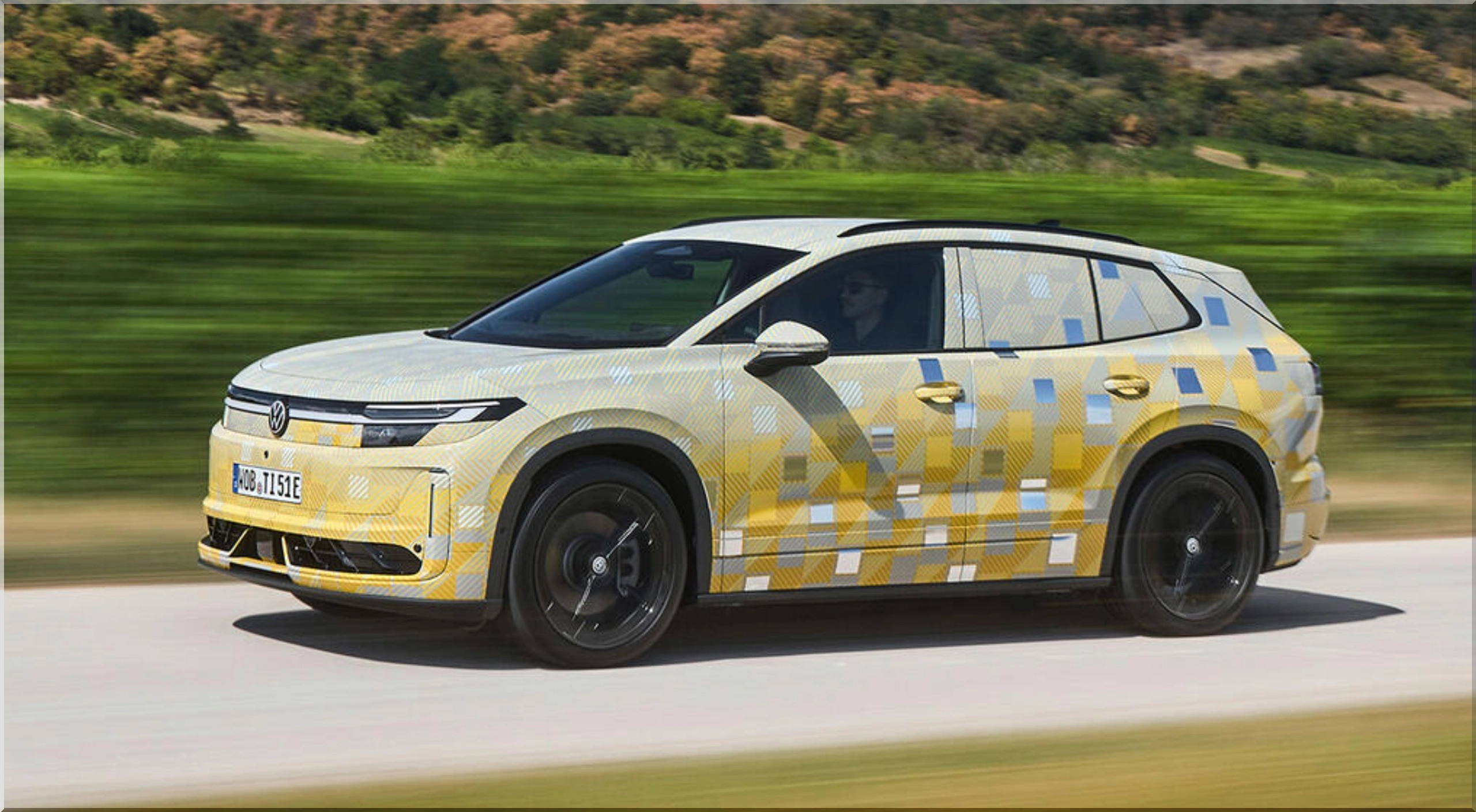
Should You Buy an ID.4 or Wait?
Wait for the production specifications if cabin controls and the latest hardware lead your priorities. An outgoing VW ID.4 could still offer stronger value if a dealer's discount outweighs the improvements you actually need. Volkswagen's announcement does not establish a UK starting price, so a precise cost comparison remains premature.
Pro-Tips: Before committing, compare:
- Total purchase cost: Match equipment, battery size and finance terms.
- Charging performance: Request the 10-80% time, rather than judging peak kW alone.
- Everyday usability: Test the controls and load your usual luggage.
- Regional specifications: Check local delivery dates; European timing does not establish a US launch date.
The VW ID. Tiguan's strongest potential selling point is a simpler daily experience. Its final price will determine how much that improvement costs.
- Add new comment
- 6 views