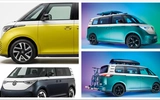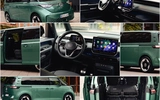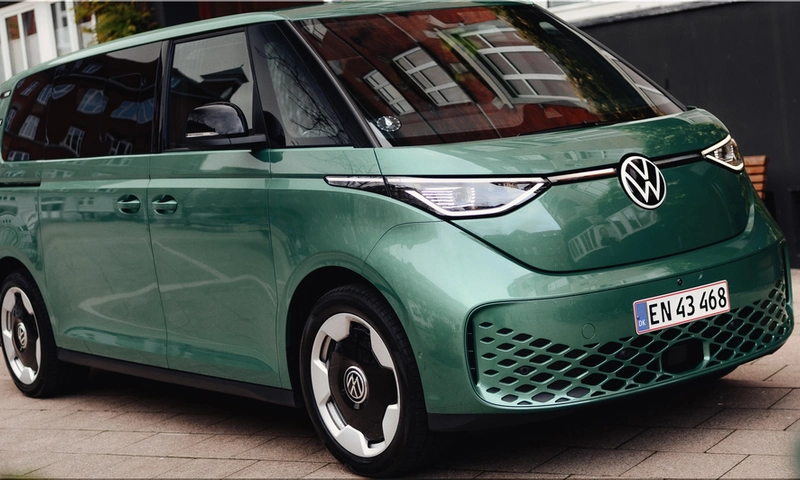
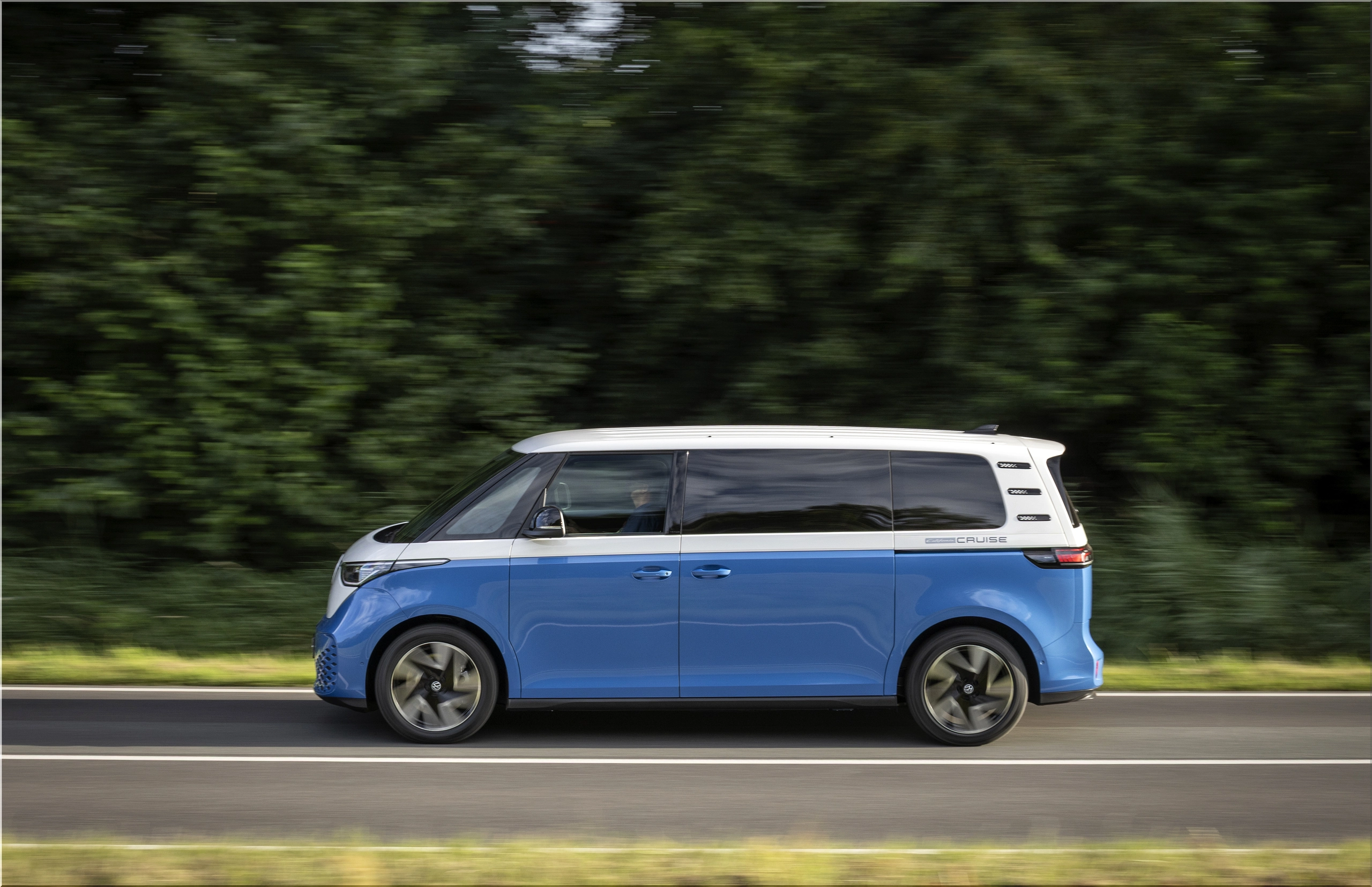
Volkswagen has introduced the first fully electric model to carry its California camper name. The 2027 Volkswagen ID. California Cruise takes the ID. Buzz Pro and adds a two-person bed, stationary climate control, external power delivery, and camper-focused software. German pricing starts at €60,761, and Volkswagen plans initial customer deliveries for early 2027. It has not announced UK pricing or US sales.
Image
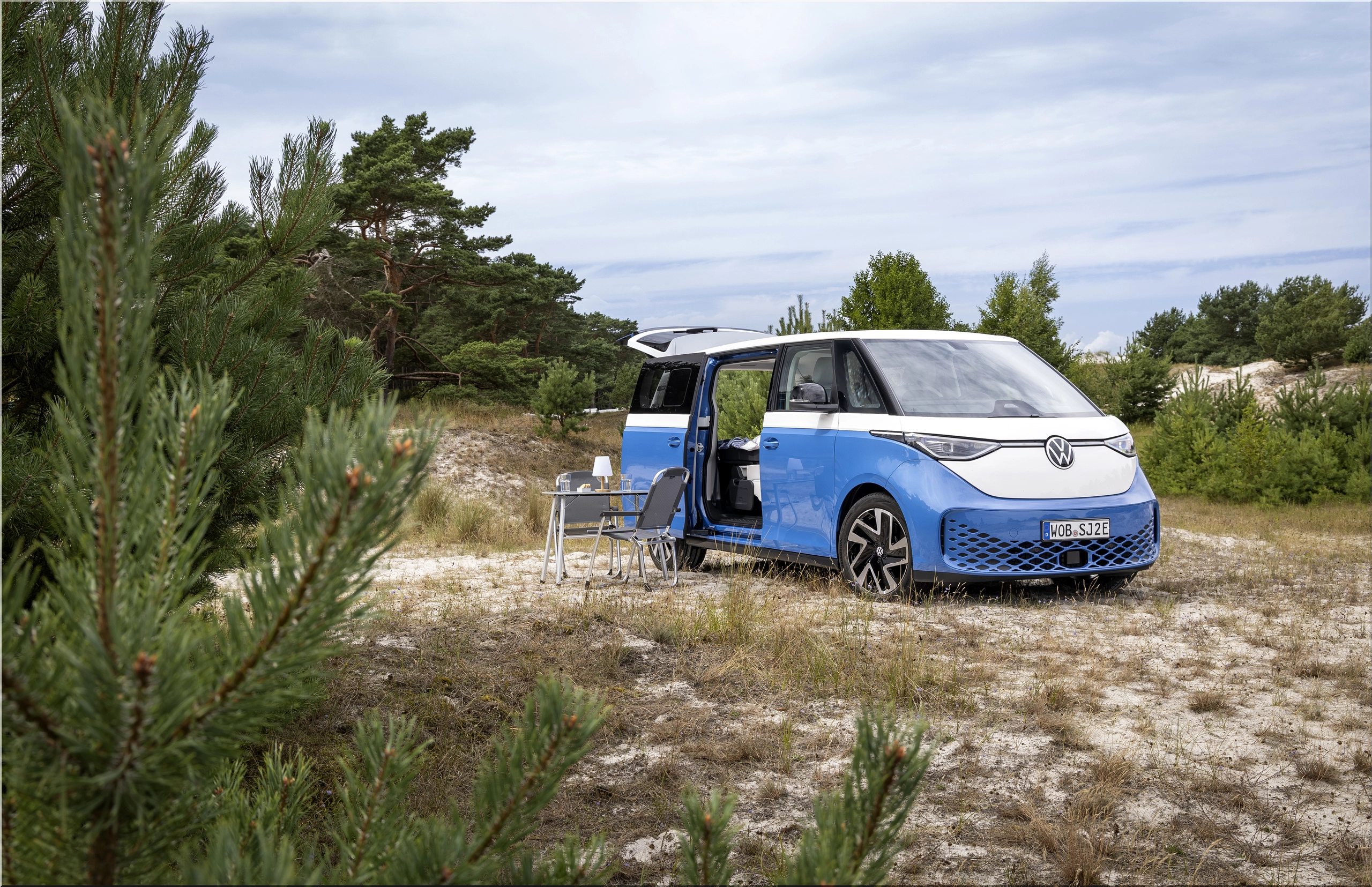
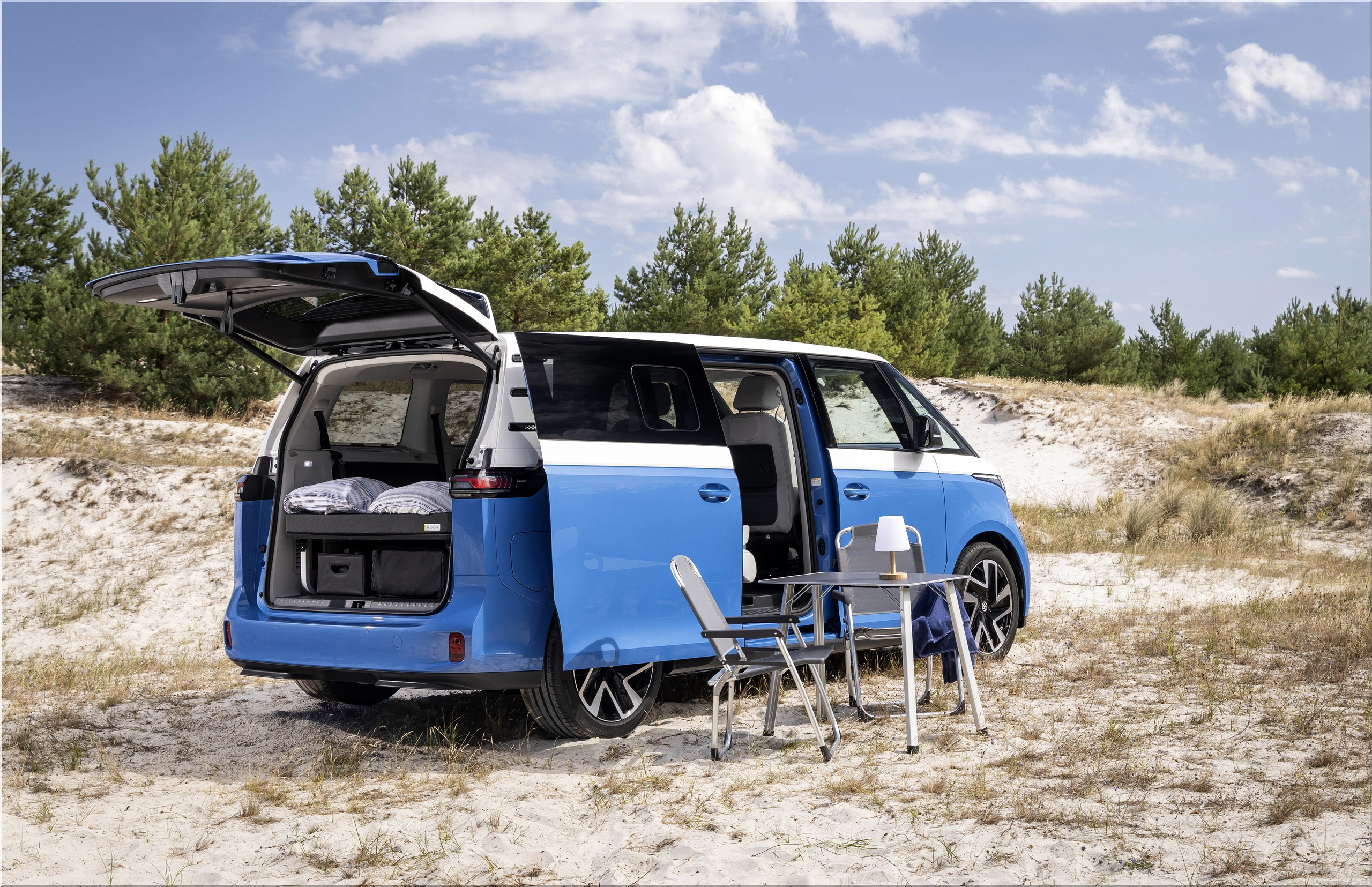
This version targets compact camping rather than the full California Ocean brief. Volkswagen omits a fixed kitchen, water tanks, heavy cabinets, and a pop-up roof, preserving the ID. Buzz's everyday cabin and exterior height.
Volkswagen Takes a Leaner Route Into Electric Camping
The ID. California Cruise changes the engineering priorities. A battery-electric camper already carries a large traction battery under its floor. Adding a roof mechanism, water system, cooker, and permanent furniture would raise kerb weight, reduce payload, and increase energy use.
From an expert perspective, Volkswagen chose a credible first step. The Cruise concentrates its hardware around sleep, ventilation, power, and climate control while retaining the regular passenger compartment. In addition, rotating front seats create a small lounge, and Volkswagen will sell short- and long-wheelbase versions.
Confirmed ID. California Cruise Camper Specifications
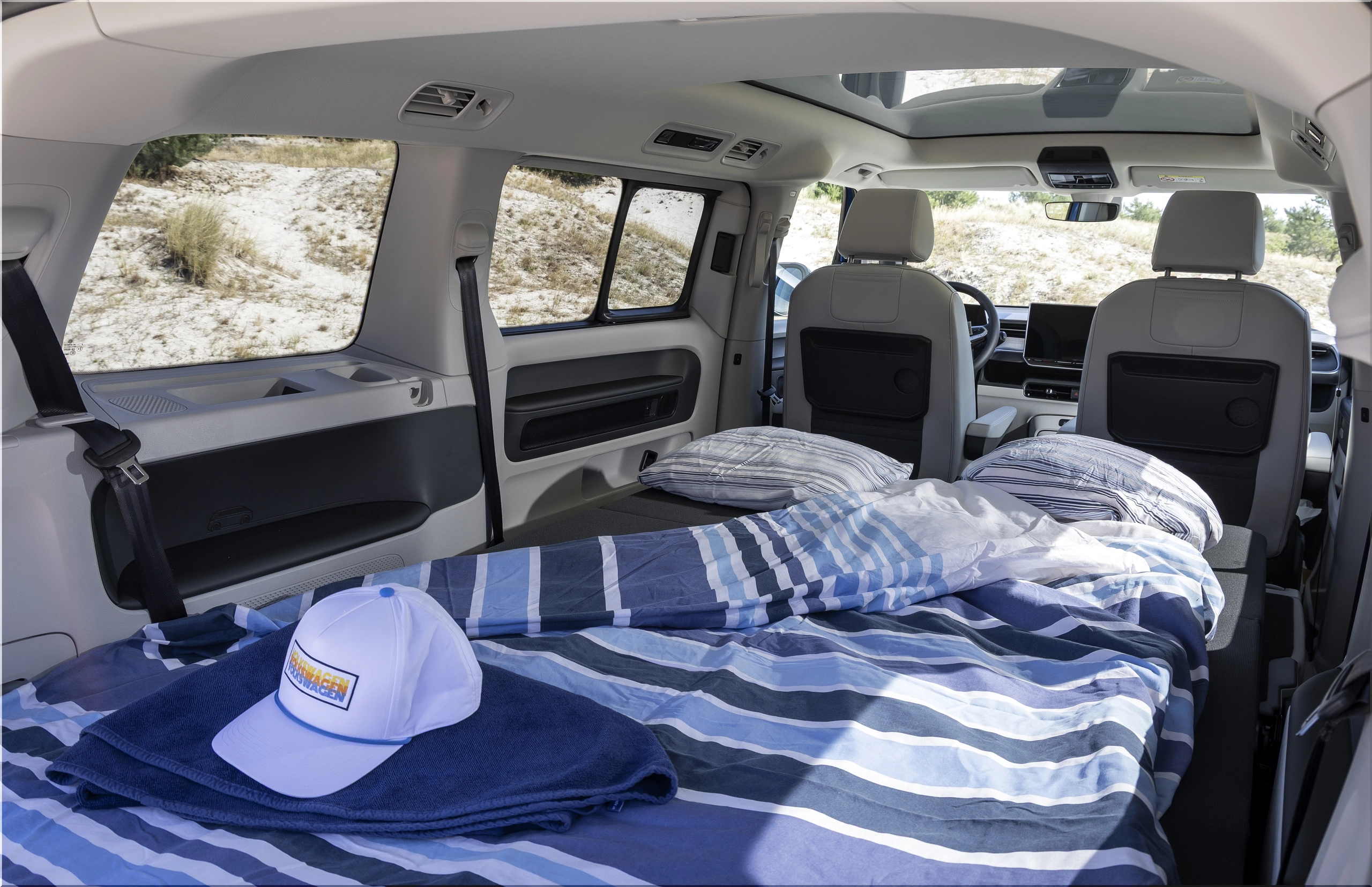
The sleeping package provides a flat bed for two adults. Specifically, the bed measures 2,030 mm long and 1,200 mm wide, or 79.9 by 47.2 inches, while a purpose-developed folding mattress adds 90 mm, or 3.5 inches, of cushioning.
| Camper item | Confirmed figure or equipment | Practical value |
|---|---|---|
| Sleeping capacity | Two people | Suits couples or solo travellers |
| Bed size | 2,030 x 1,200 mm (79.9 x 47.2 in) | Longer than many domestic mattresses, but narrower than a standard double |
| Mattress thickness | 90 mm (3.5 in) | Adds insulation and support |
| Window package | Blackout panels for every window | Controls light and adds privacy |
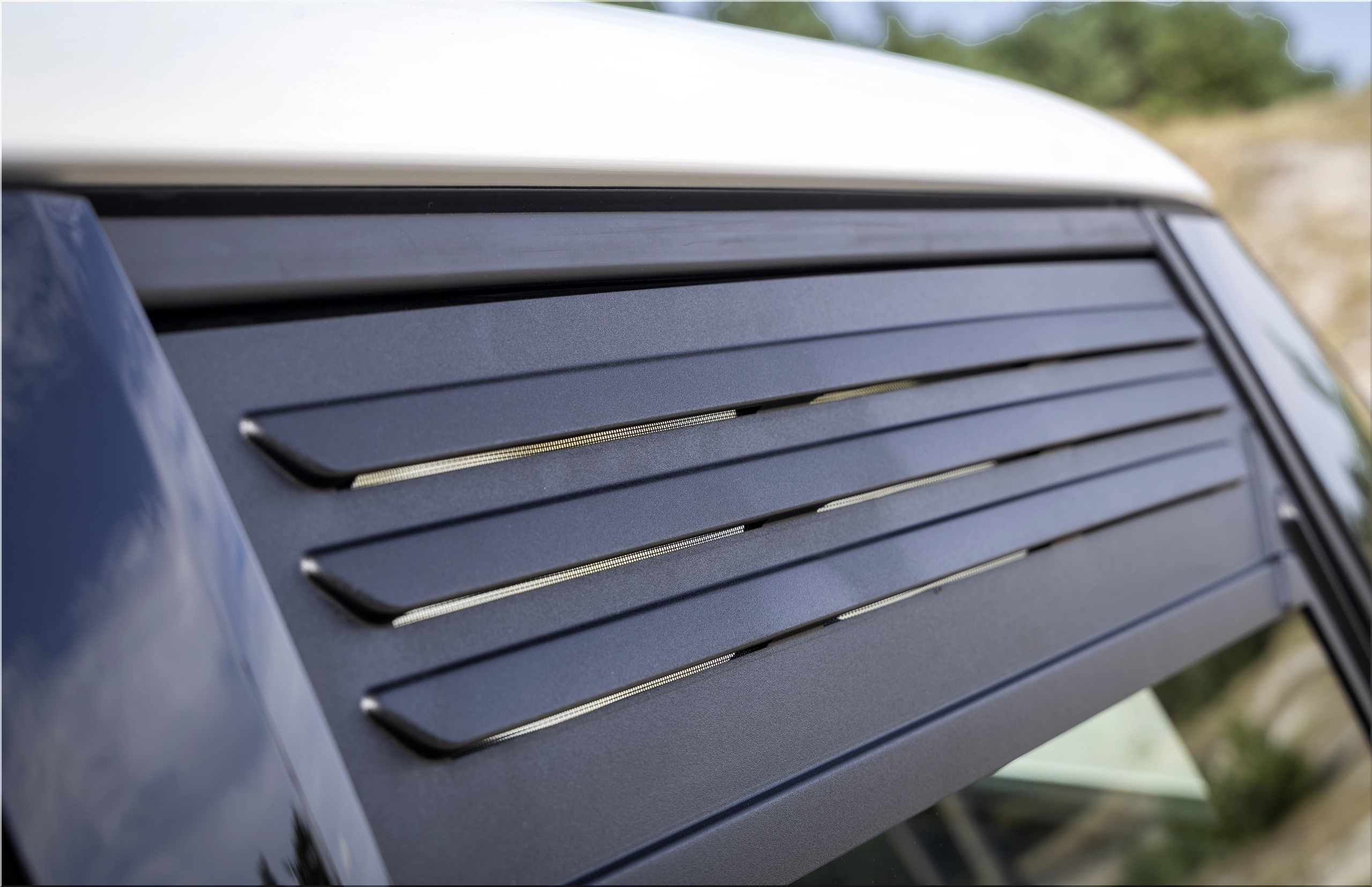
| Ventilation | Grilles for the front side windows | Allows fresh air without a large opening |
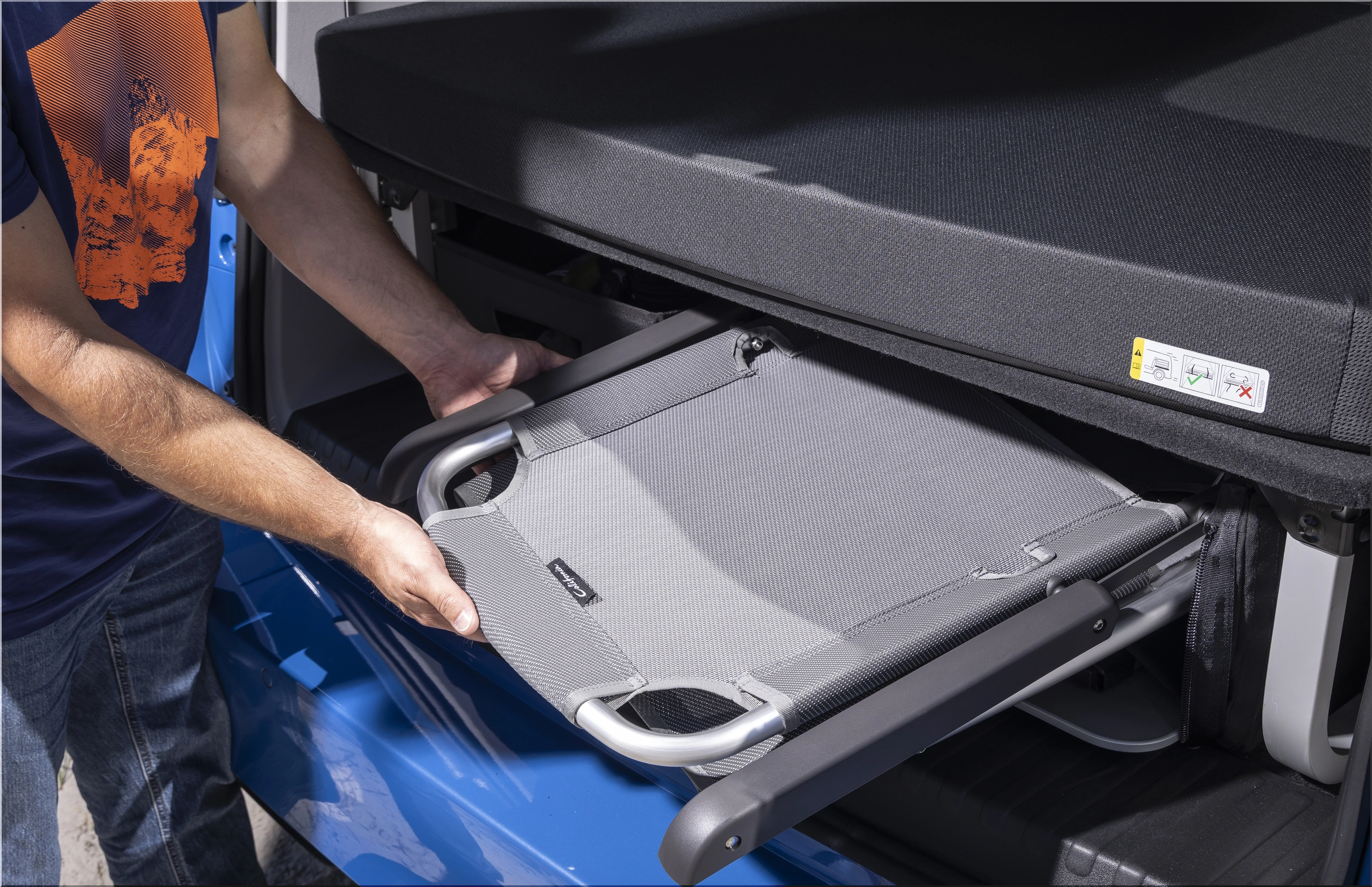
| Camping furniture | Two chairs and one table | Stores inside the vehicle |
| Stationary climate | Up to 48 hours, subject to charge and ambient temperature | Heats or cools the cabin overnight |
| V2L supply | 2,000 W continuous; 3.6 kW brief peak | Runs cooking gear, a cool box, lighting, or chargers |
| Launch timing | Early 2027 | Starts the planned electric California range |
| German starting price | €60,761 | Sits near premium electric MPVs rather than larger motorhomes |
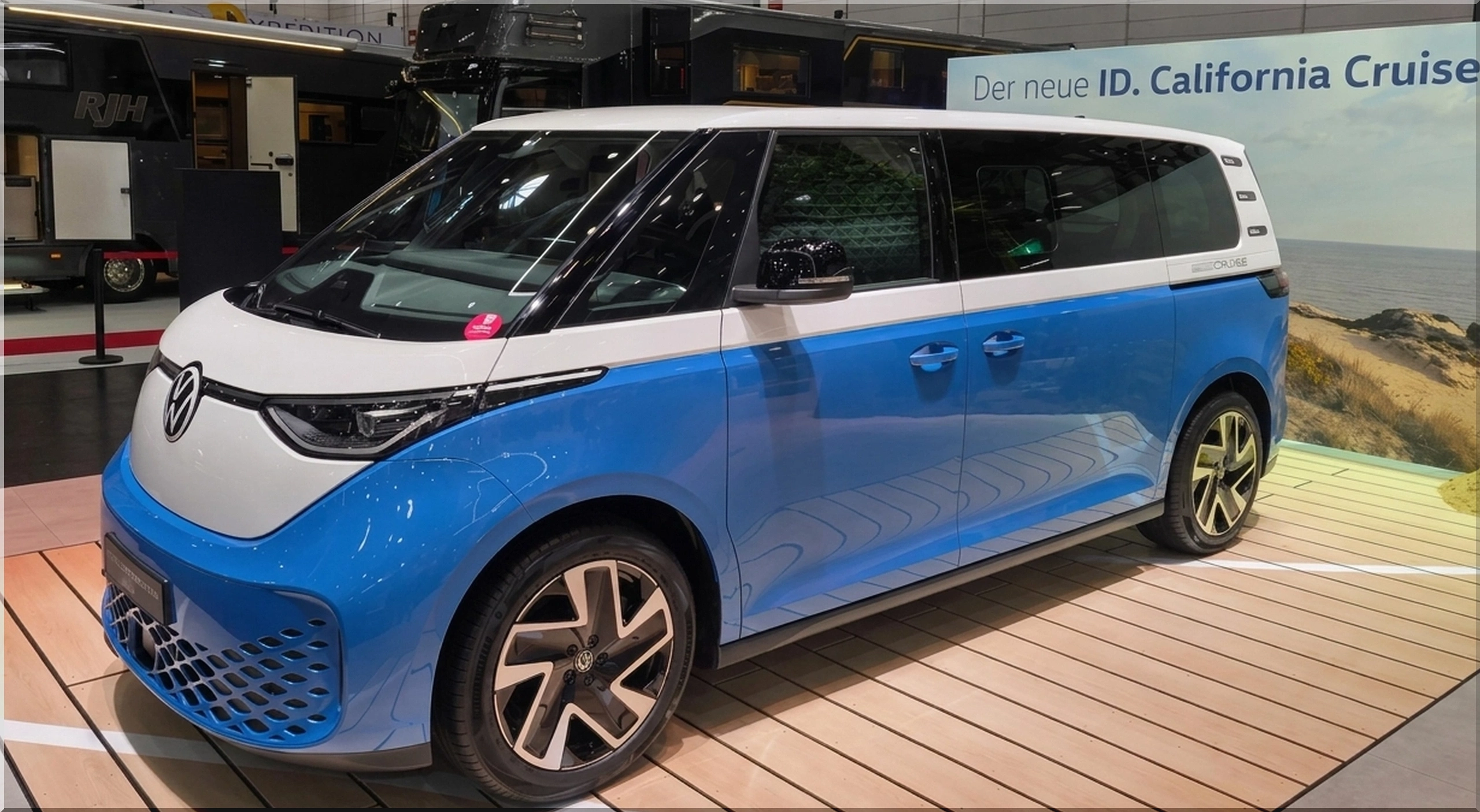
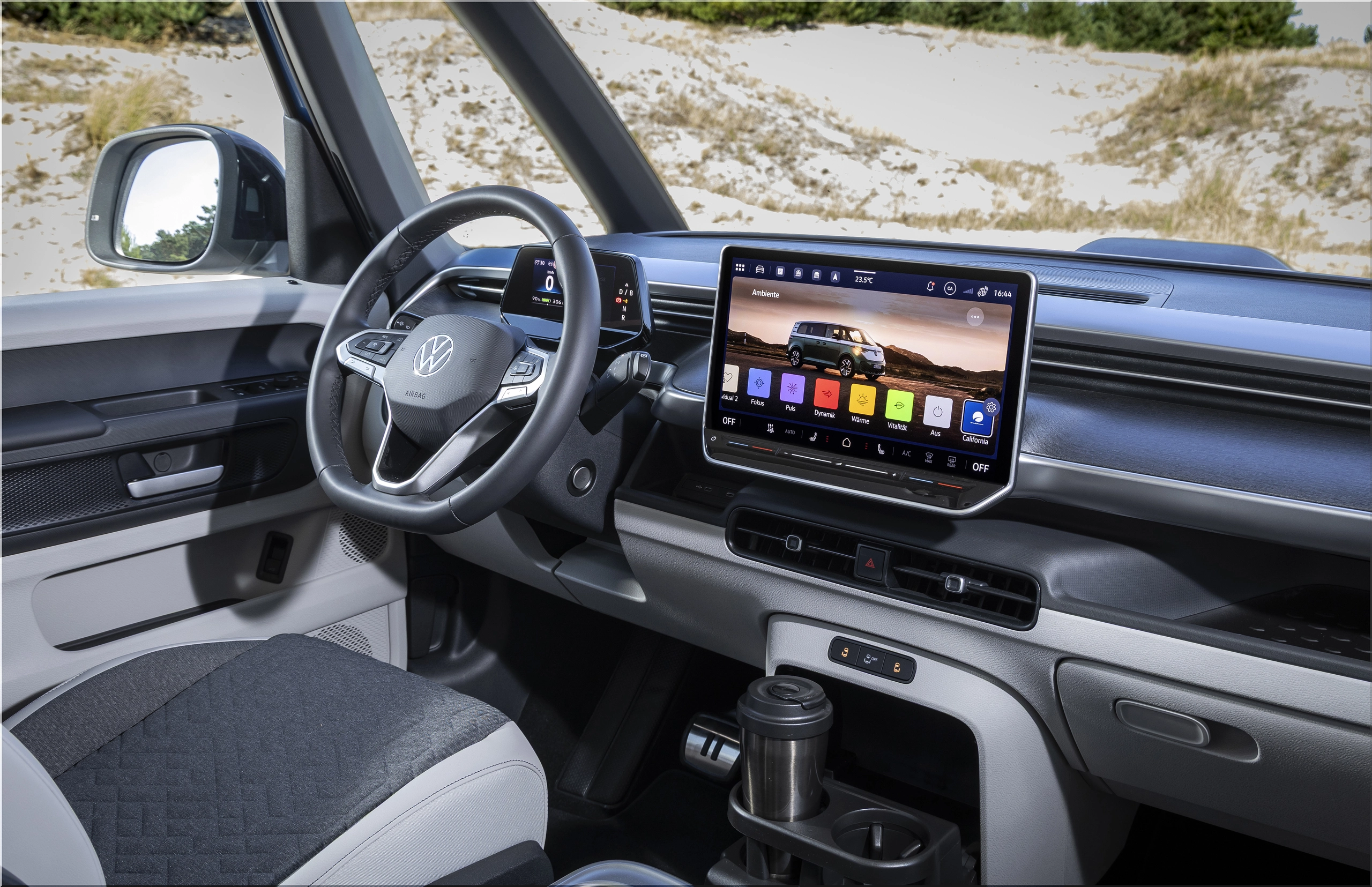
The optional panoramic glass roof gains a blackout panel. Volkswagen also adds Miwo seat upholstery with California branding, tailgate lettering, Cruise side graphics, Interior Style and Comfort packages, plus a PowerSocket adapter for Vehicle-to-Load power.
Image
ID. Buzz Pro Dimensions, Battery, and Charging Reference
Volkswagen has not published Cruise-specific figures for kerb weight, payload, torque, energy consumption, towing, or WLTP range. The table uses current Volkswagen ID. Buzz Pro data as a planning reference. Camper hardware, passengers, weather, speed, and appliance use can reduce the final range.
| Specification | Short-wheelbase ID. Buzz Pro reference | Long-wheelbase ID. Buzz Pro reference |
|---|---|---|
| Overall length | 4,712 mm (185.5 in) | 4,962 mm (195.4 in) |
| Wheelbase | 2,989 mm (117.7 in) | 3,239 mm (127.5 in) |
| Width without mirrors | 1,985 mm (78.1 in) | 1,985 mm (78.1 in) |
| Width with mirrors | 2,211 mm (87.0 in) | 2,211 mm (87.0 in) |
| Height | 1,927 mm (75.9 in) | 1,927 mm (75.9 in) |
| Turning circle | 11.2 m (36.7 ft) | 11.8 m (38.7 ft) |
| Net battery capacity | 79 kWh | 86 kWh |
| Maximum DC charging | Up to 185 kW | Up to 200 kW |
| Regular ID. Buzz range | Up to about 461 km (286 mi) WLTP | Up to about 487 km (303 mi) WLTP |
| Drive layout | Rear motor, rear-wheel drive | Rear motor, rear-wheel drive |
| Maximum power | Up to 210 kW (286 PS) | Up to 210 kW (286 PS) |
Looking at the data, the long model adds 250 mm, or 9.8 inches, to length and wheelbase without increasing width or height. That span favours luggage and cabin movement, while the short model offers a 0.6-metre tighter turning circle. By comparison, the regular ID. Buzz needs roughly 30 minutes for a 5-80 percent DC charge under favourable conditions.
Image gallery
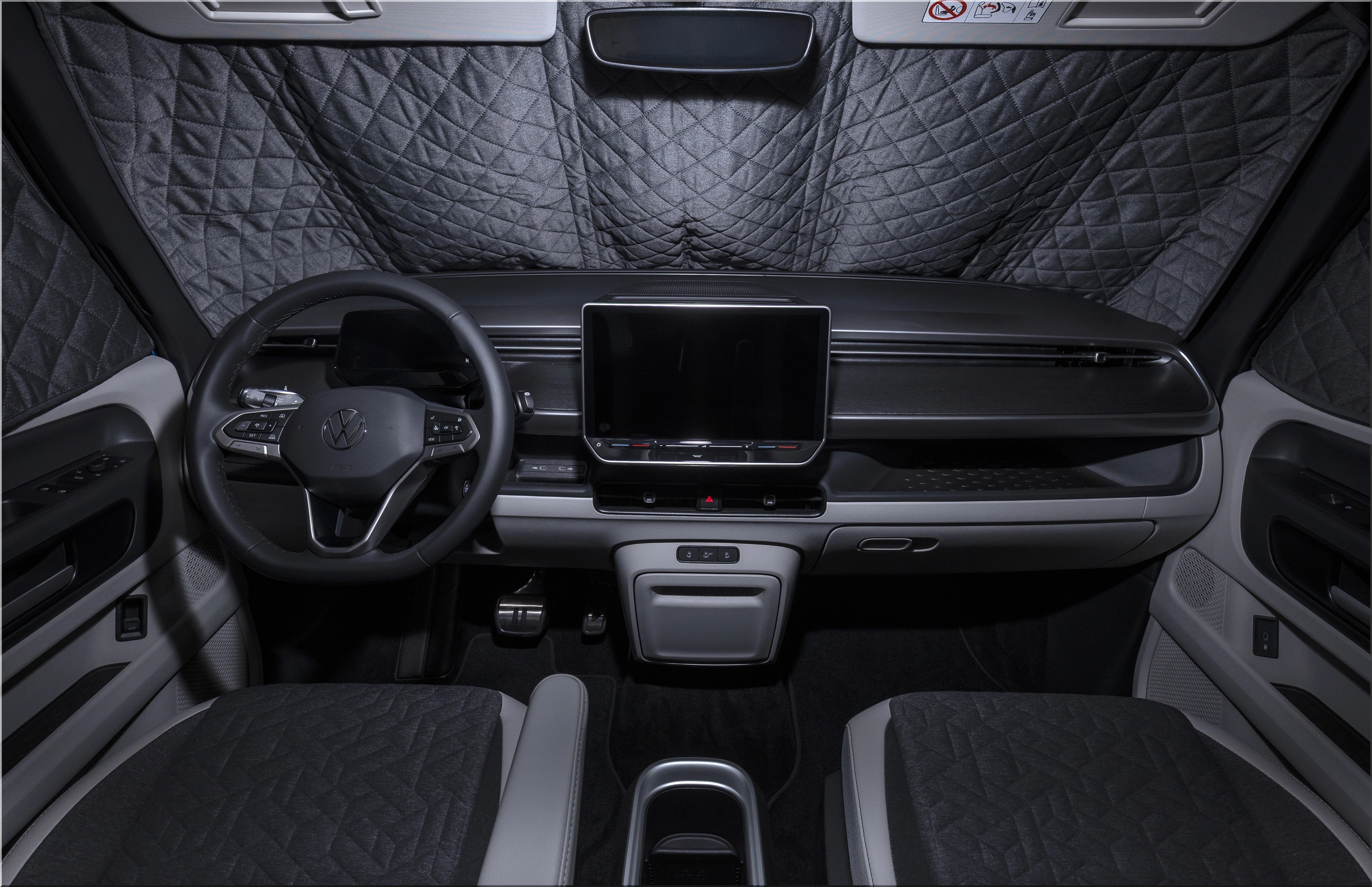
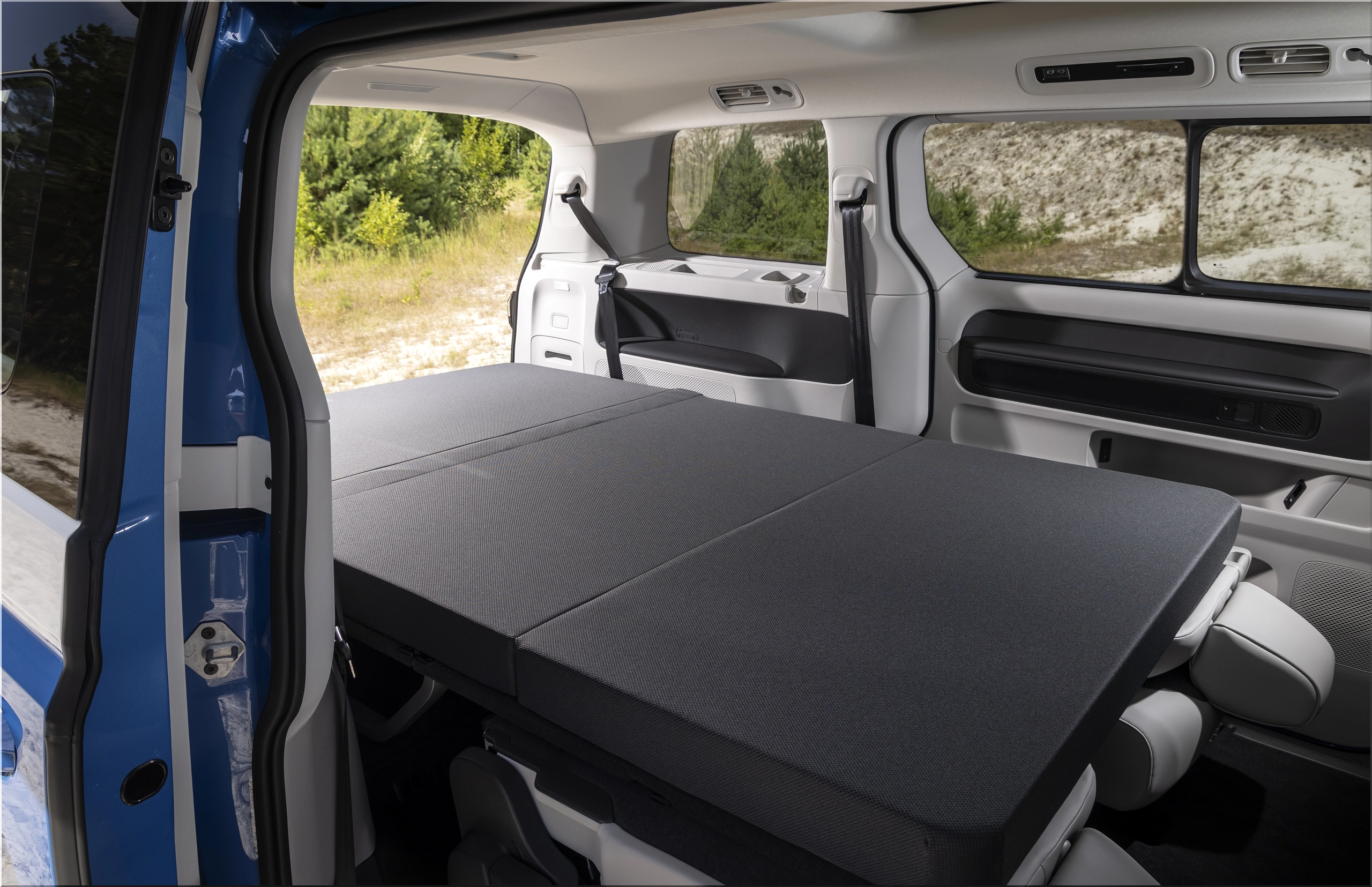
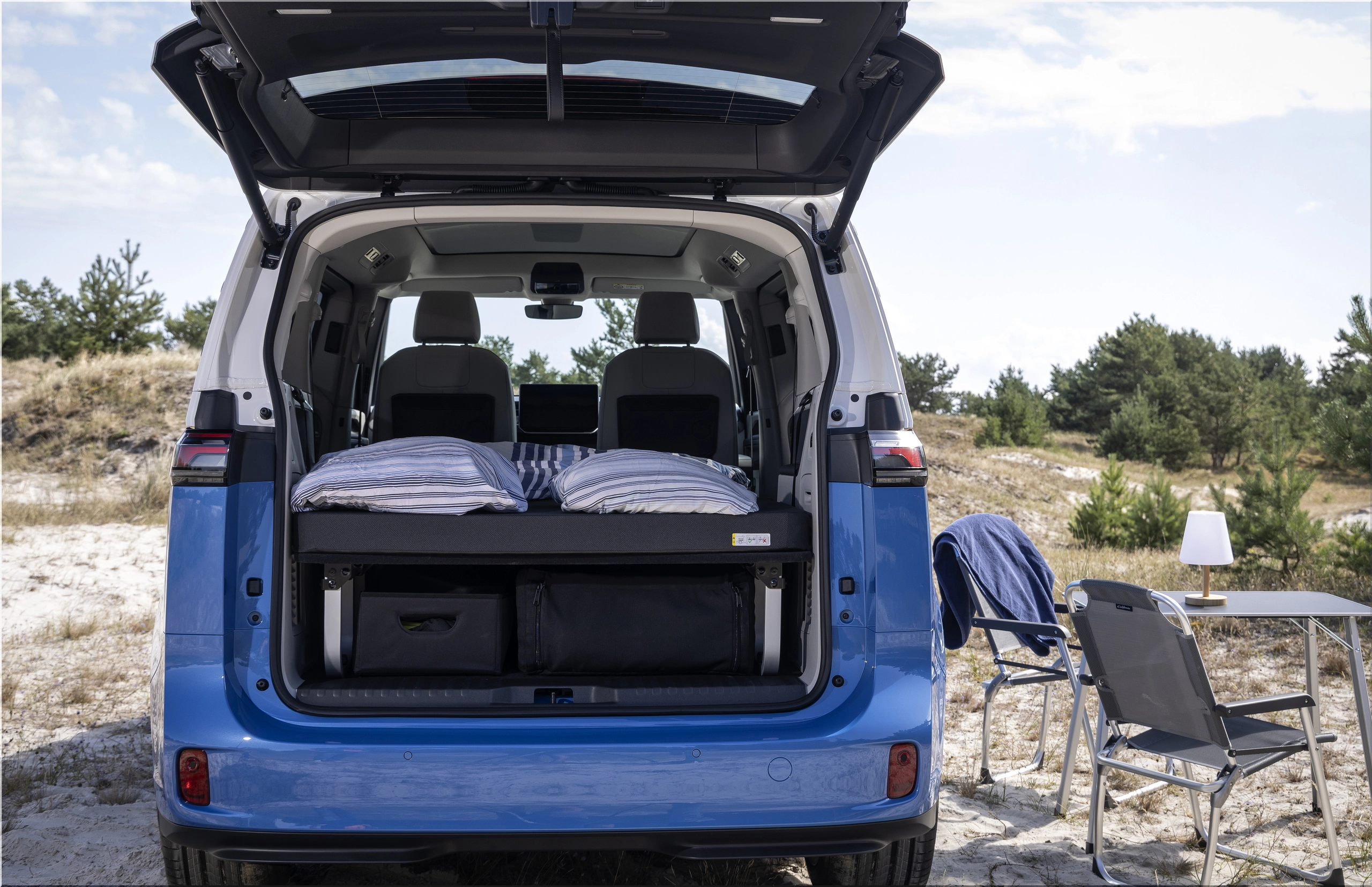
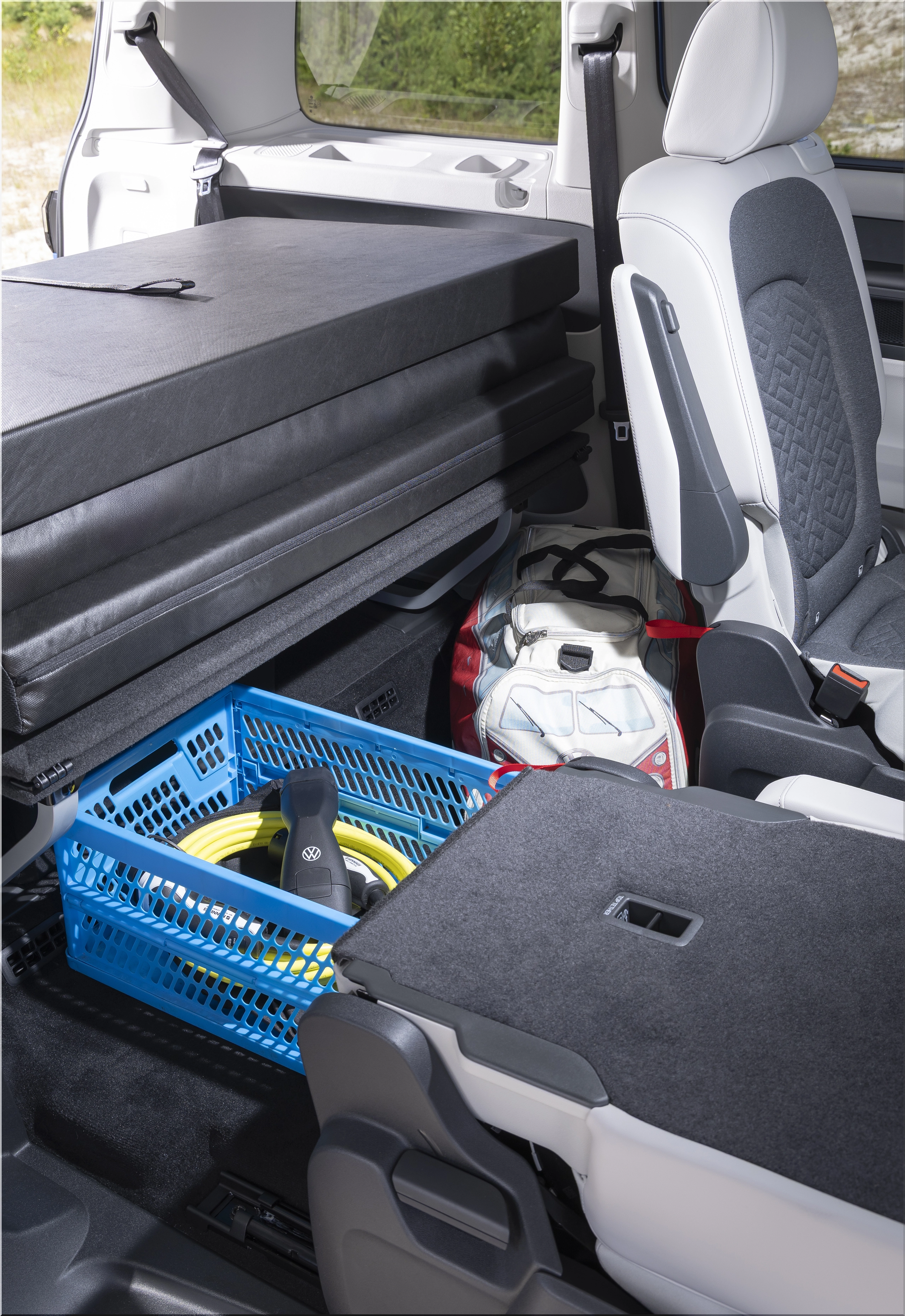
California Mode and V2L Turn the Battery Into Camping Hardware
What Does Vehicle-to-Load Mean?
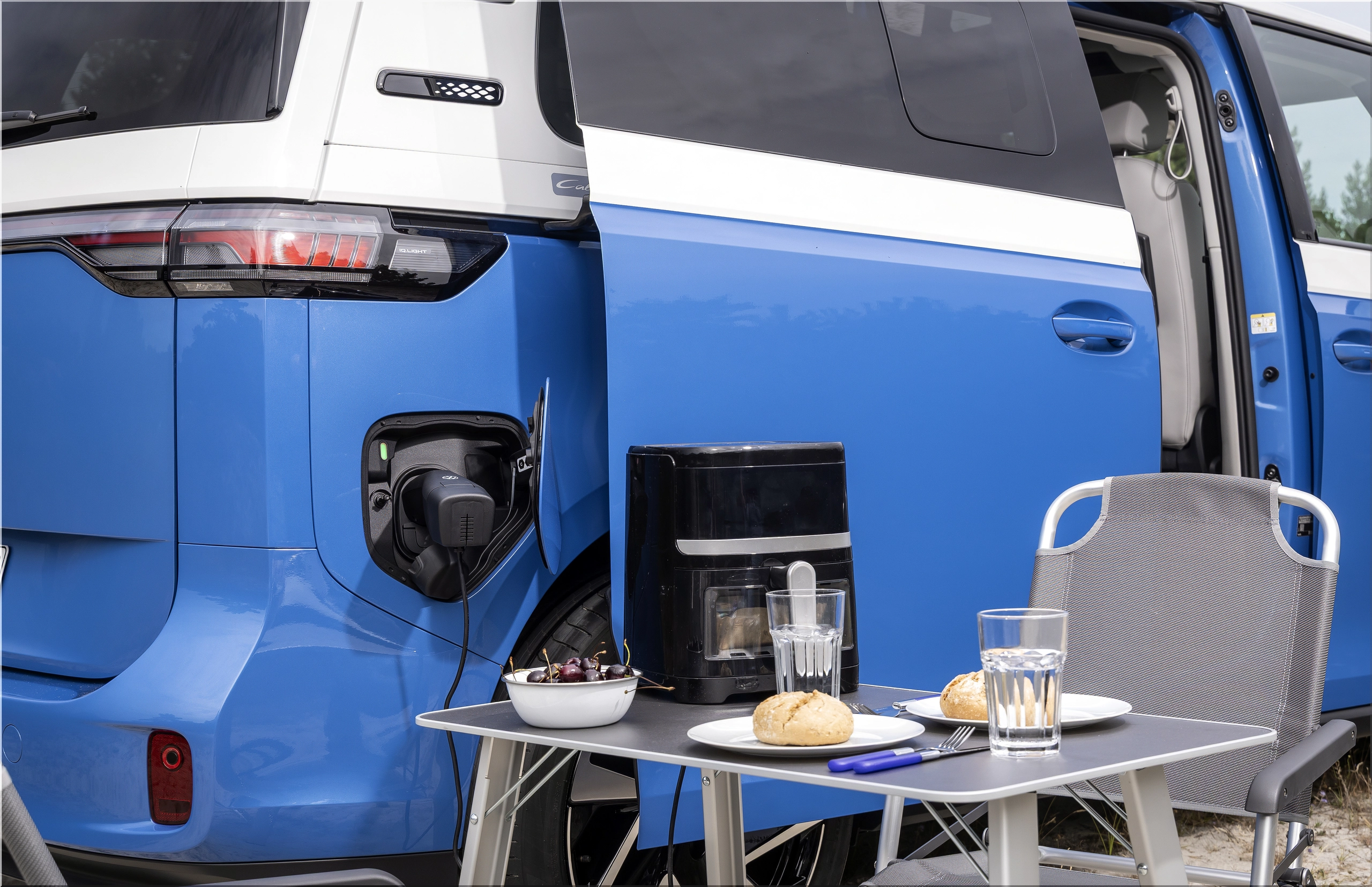
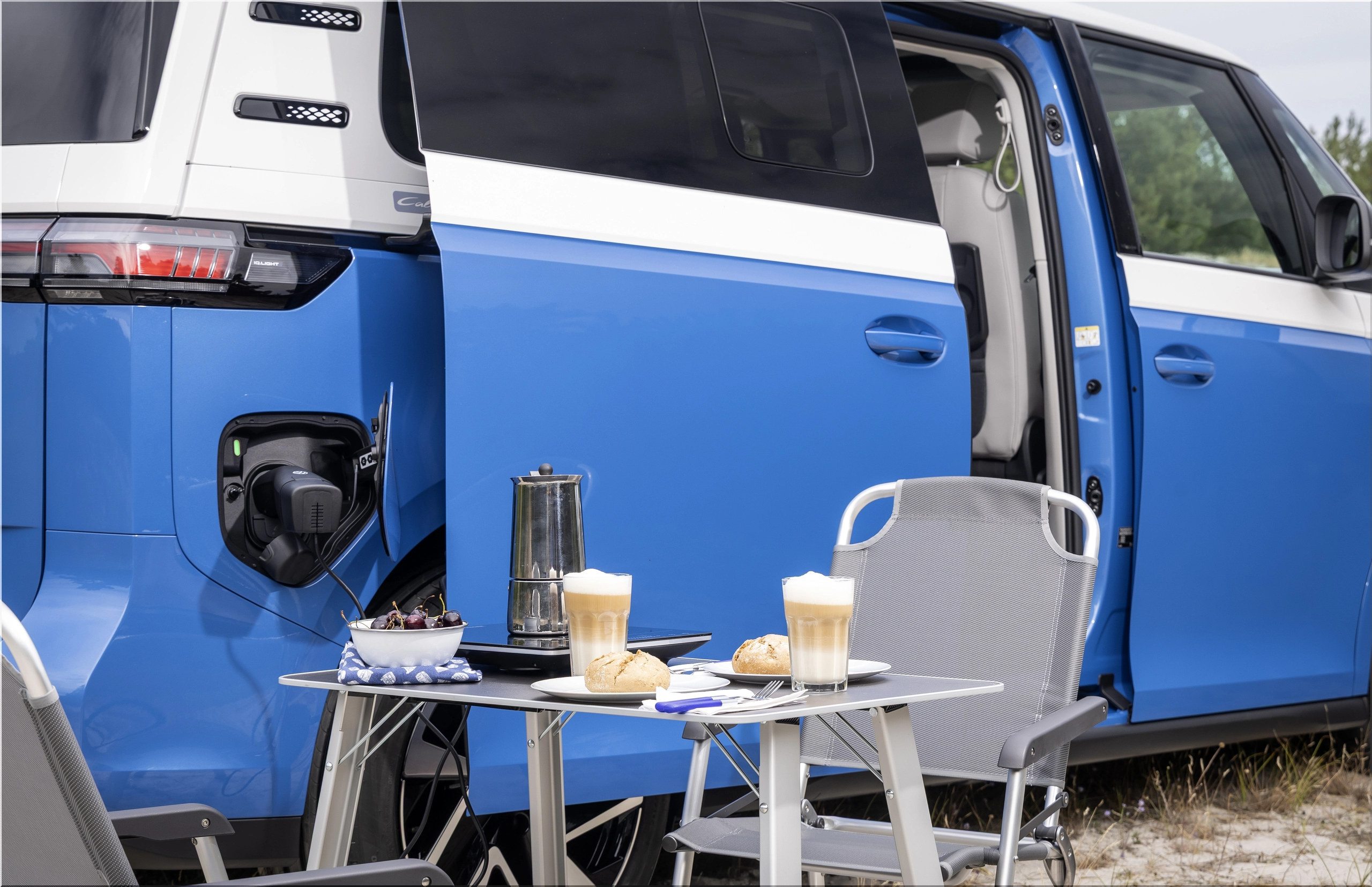
Vehicle-to-Load, or V2L, sends energy from the high-voltage battery to external devices through an adapter. The Cruise supplies 2,000 watts continuously and allows a short 3.6 kW peak. It can run a coffee machine, kettle, laptop, cool box, e-bike charger, or compact cooking appliance.
Power use requires discipline. A 1,800-watt kettle leaves little continuous capacity for another high-draw device, and the 3.6 kW figure covers brief peaks. Consequently, owners should run one major appliance at a time and keep the combined continuous load below 2,000 watts.
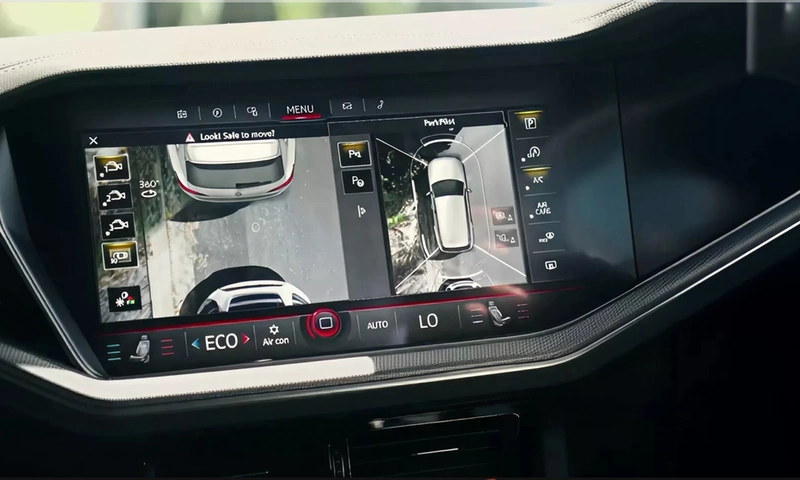
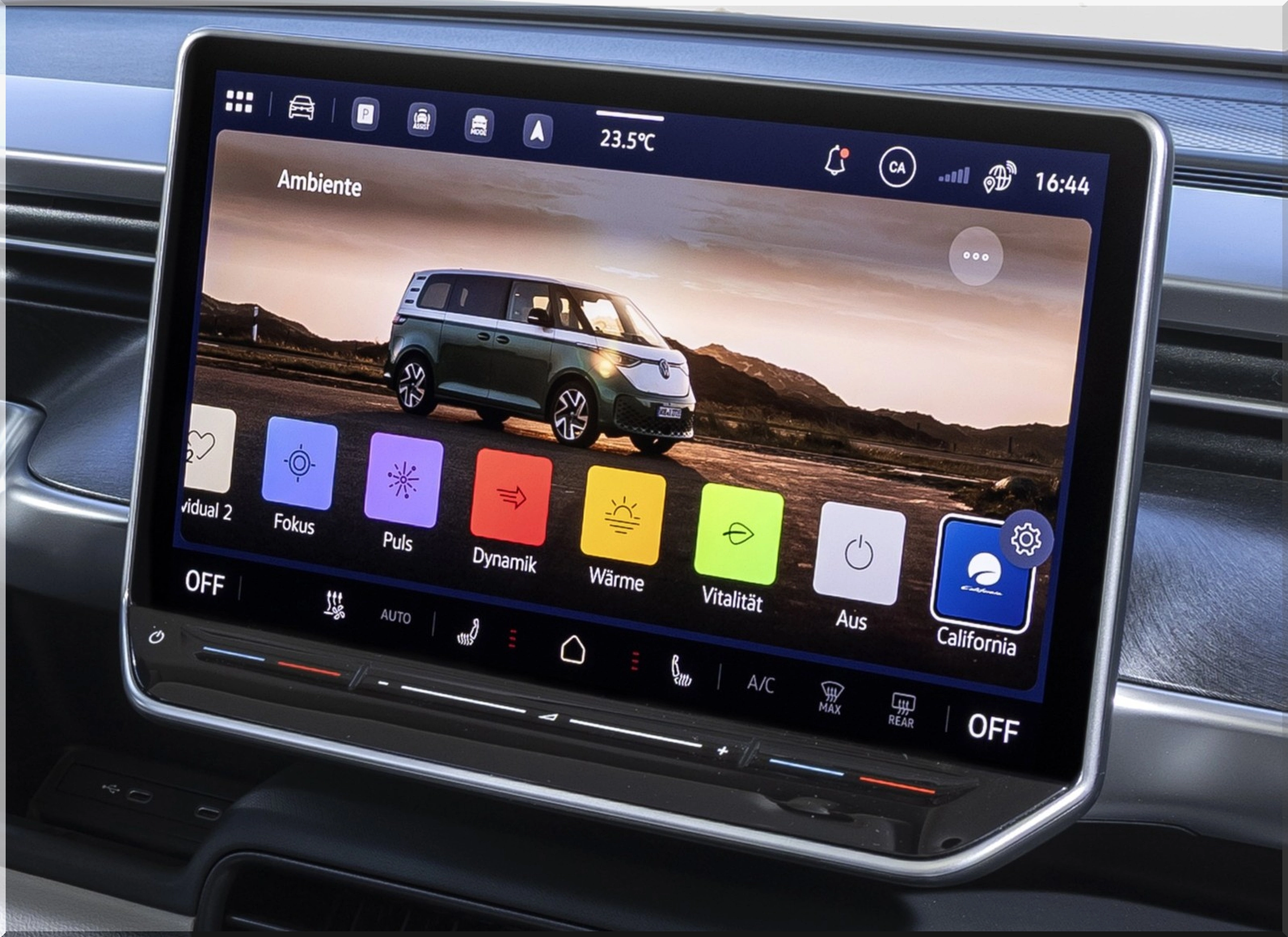
California Mode controls lighting, USB ports, comfort systems, and cabin temperature while parked. Volkswagen quotes up to 48 hours of heating or cooling, but charge level and ambient temperature govern the result. The expanded California app plans charging stops, while Plug & Charge starts compatible public chargers after the vehicle identifies itself.
Can It Work as an Everyday EV and a Weekend Camper?
Yes, for two people who accept portable cooking and no pop-up sleeping deck. The short-wheelbase model makes the stronger urban case, while the long version gives bulky gear more room. Buyers seeking four berths, an integrated kitchen, or standing height should wait for later electric California variants or consider a specialist conversion.
Running-cost value depends heavily on charging access. Using 22 kWh/100 km as a conservative planning figure, a €0.30/kWh home tariff produces an energy cost of €6.60 per 100 km. A €0.65/kWh rapid charger raises that figure to €14.30, before stationary climate or V2L use. Low-cost overnight charging therefore shapes the financial case.
Image gallery
Pro-Tips for Prospective Buyers
- Request the final payload, axle limits, tow rating, and Cruise-specific WLTP range before signing an order.
- Pick the wheelbase after testing your parking space and loading the camping gear you plan to carry.
- Arrive with a sensible charge reserve for overnight heating, cooling, or appliance use.
- Pre-condition the cabin while connected to mains power, preserving battery energy for driving.
- Keep continuous appliance demand below 2,000 watts and avoid running two heating devices together.
The 2027 Volkswagen ID. California Cruise gives electric camper buyers a focused, factory-backed package rather than a full motorhome interior. Its 2.03-metre bed, 48-hour climate function, V2L output, and two wheelbase choices address short-trip needs well. Volkswagen still needs to publish final weight, payload, consumption, range, and market-specific prices, but the confirmed hardware makes the Cruise a credible ID. Buzz camper due in 2027.
- Add new comment
- 140 views