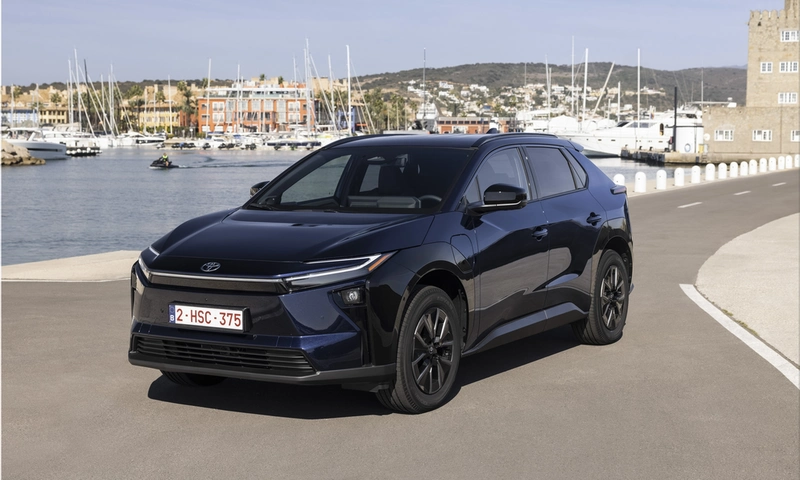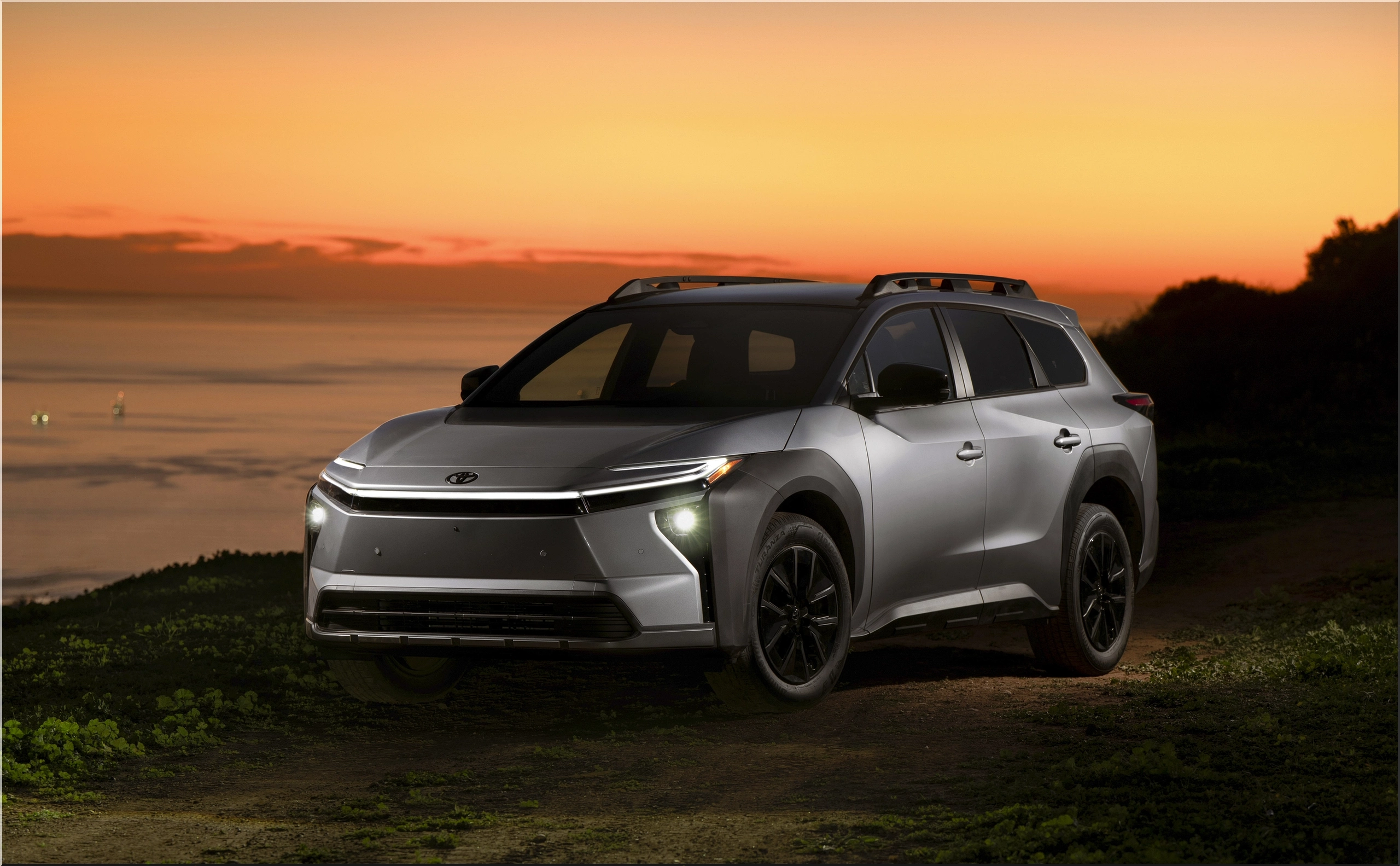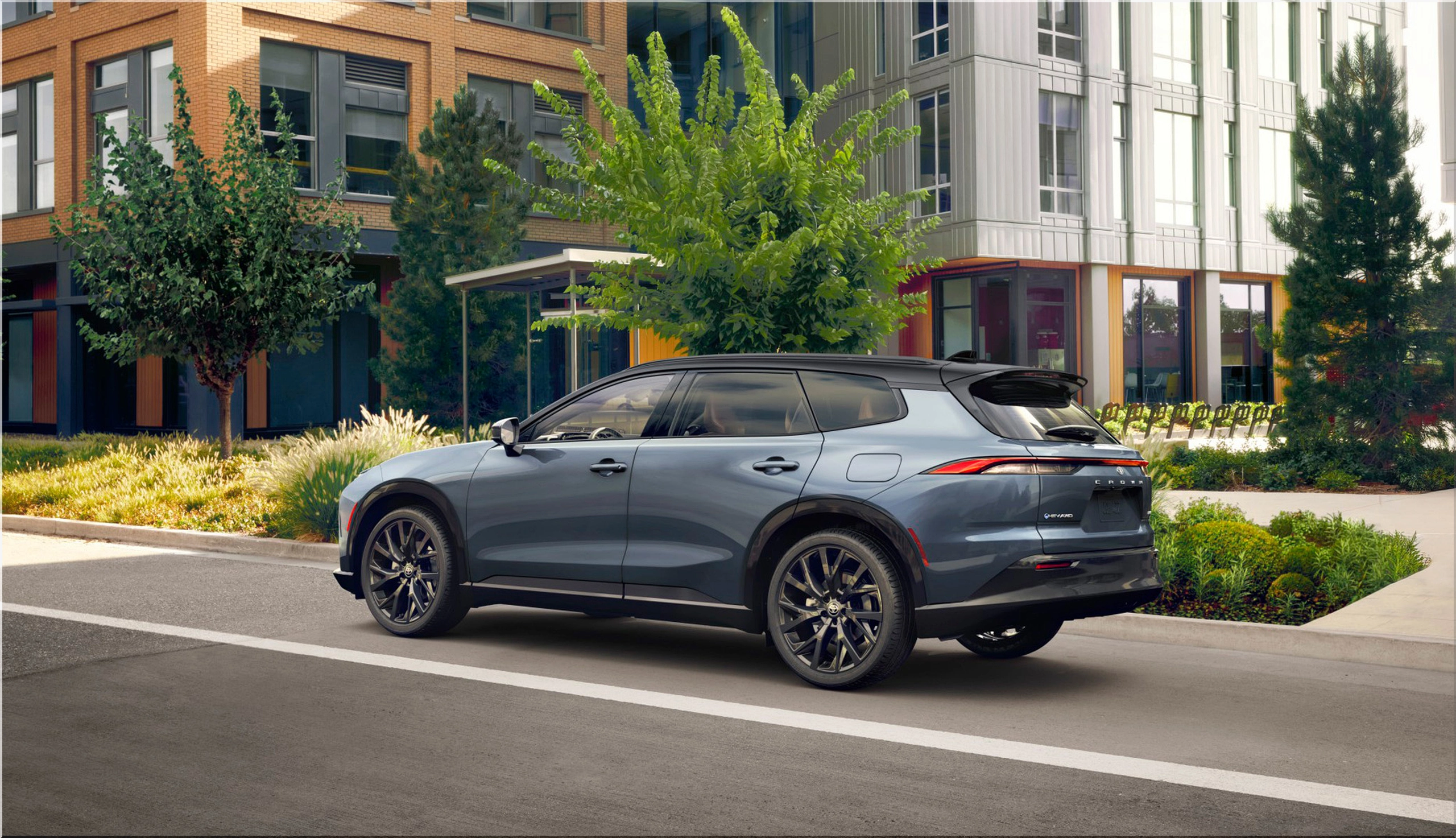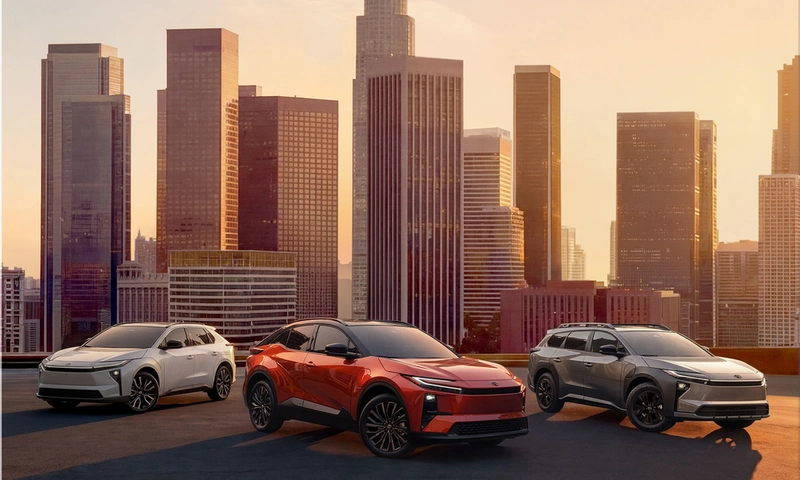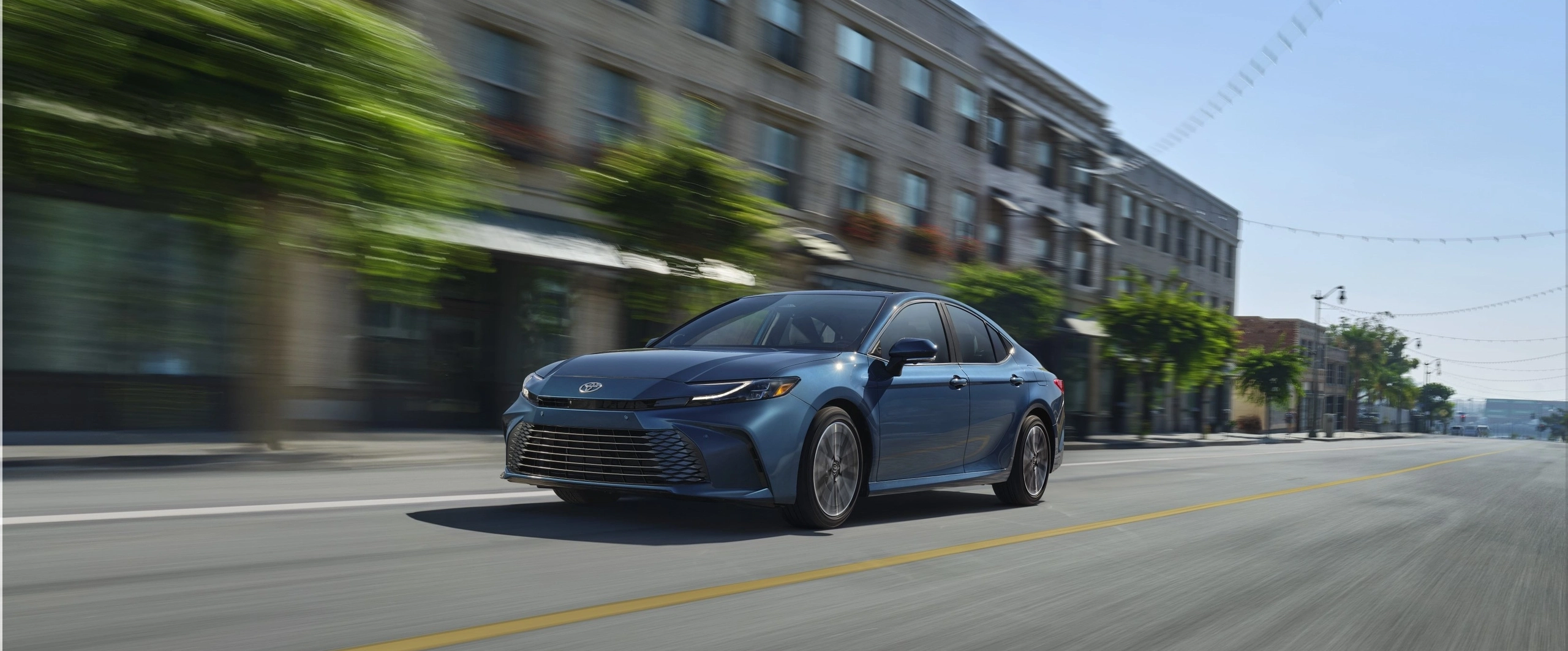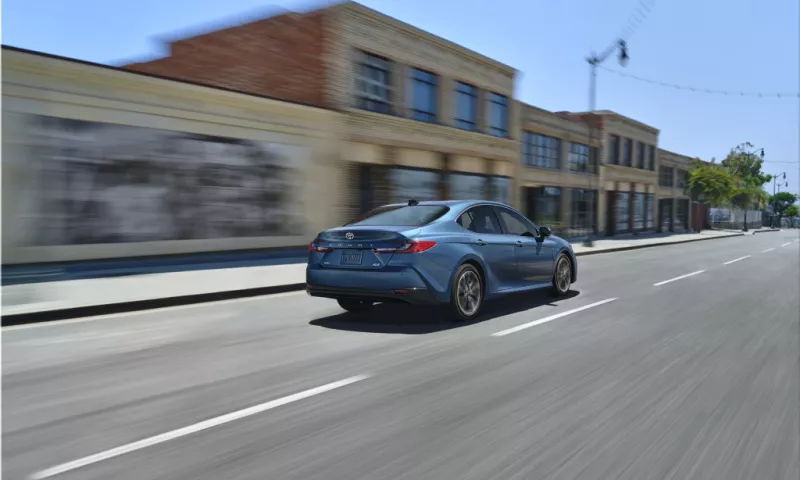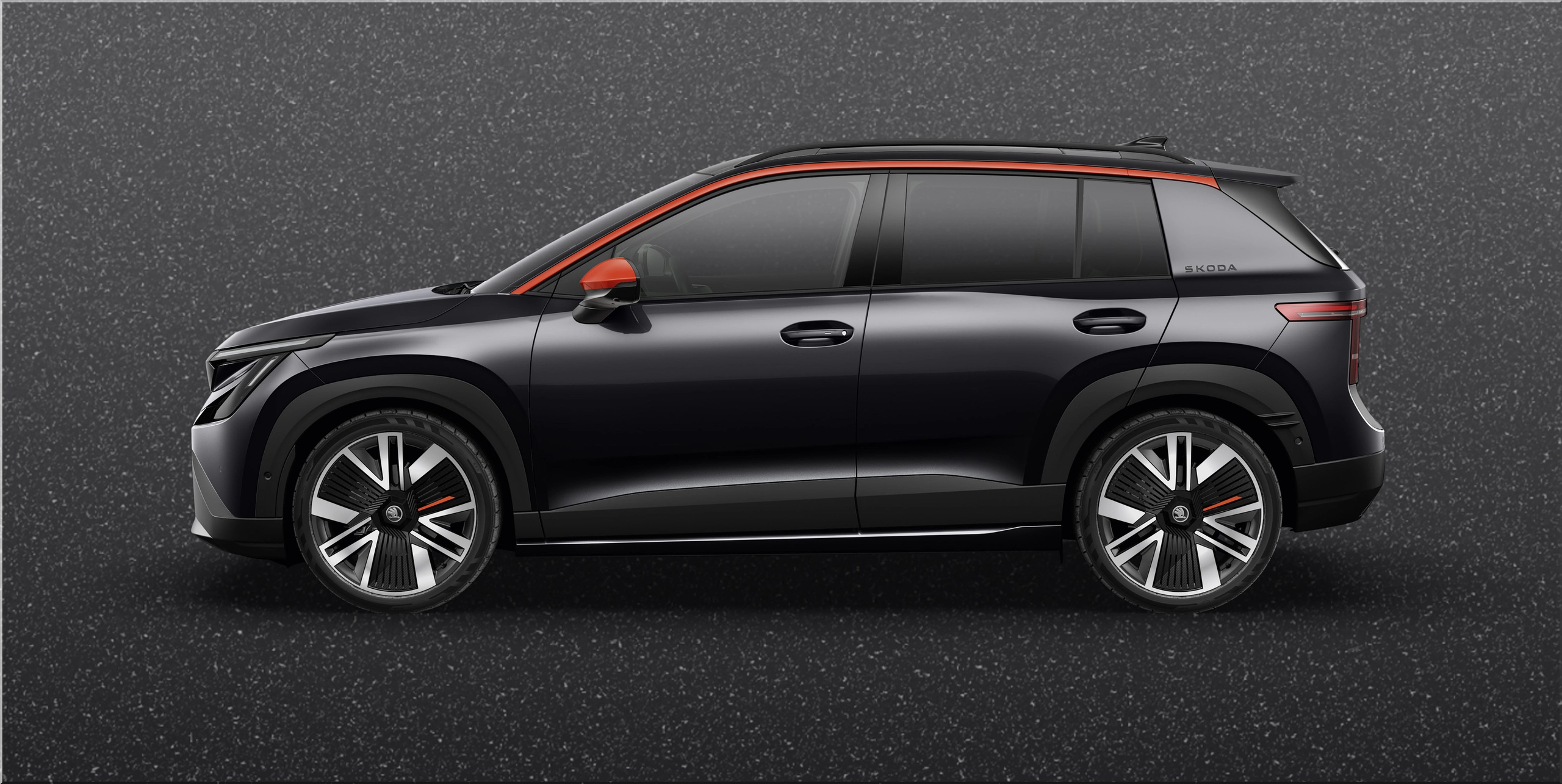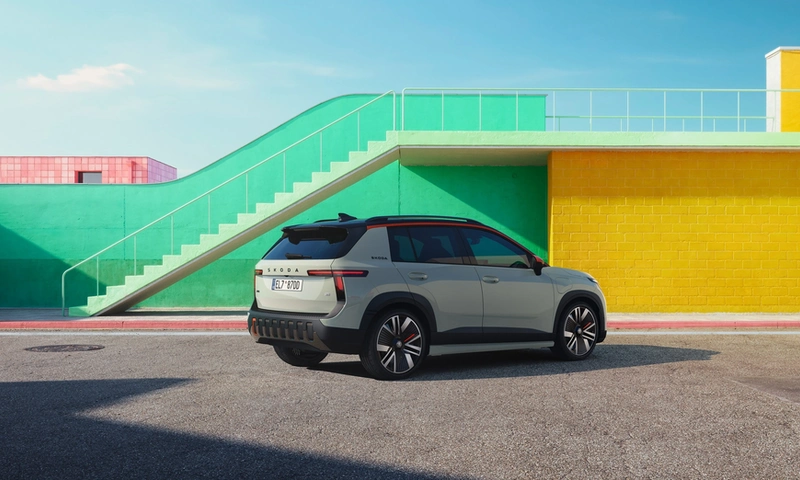
Toyota returns to the compact crossover segment with a high-voltage strategy. The 2026 Toyota C-HR departs from its hybrid origins to join the brand's growing battery electric vehicle (BEV) portfolio. This model positions itself as a performance-oriented alternative to the more utility-focused 2026 Toyota bZ4X. Specifically, the vehicle targets drivers who prioritize a coupe-like aesthetic without sacrificing the mechanical grip of an all-wheel-drive system.
Image
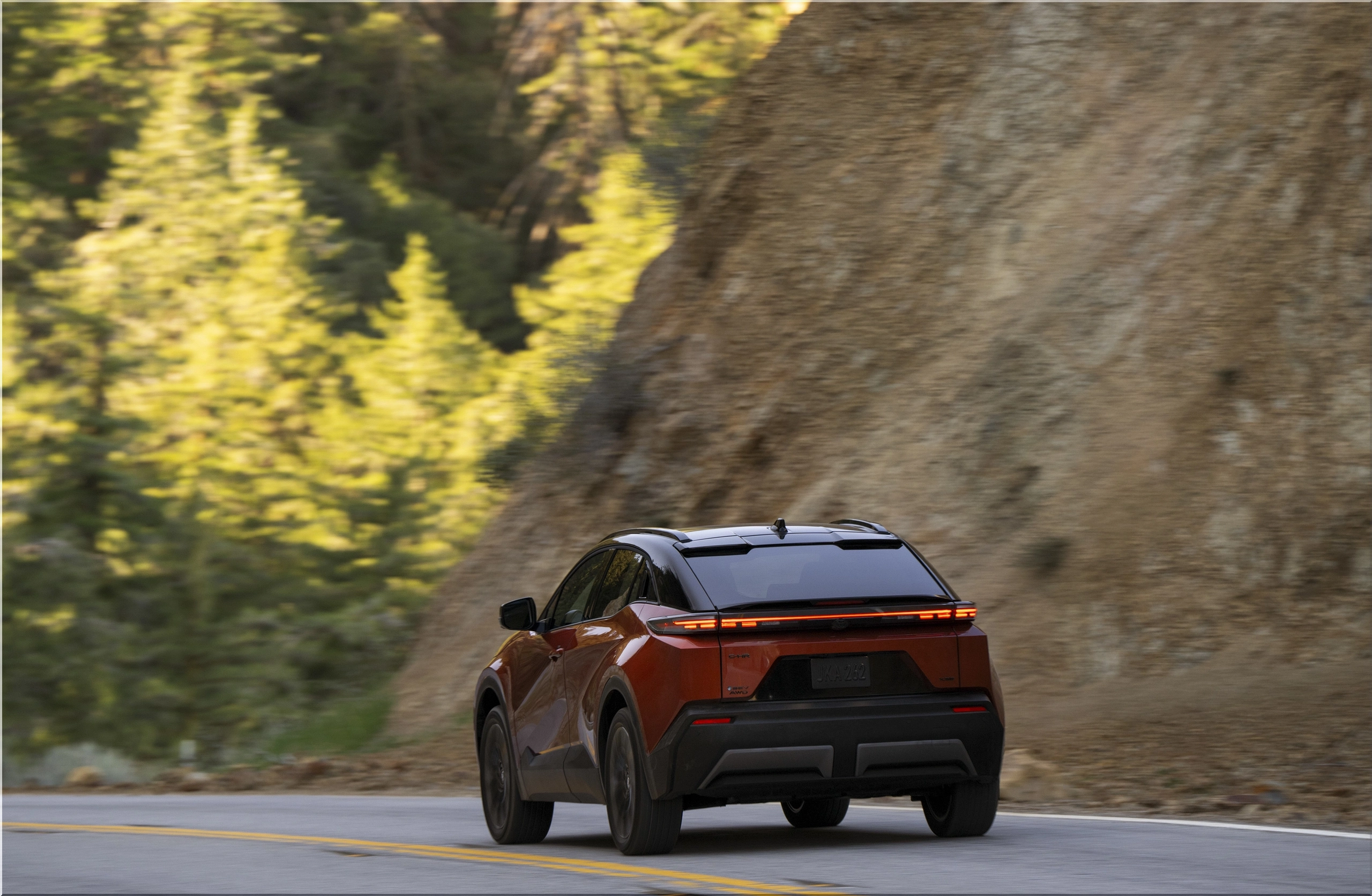
Performance Engineering and All-Wheel-Drive Logic
The mechanical heart of the 2026 Toyota C-HR consists of a dual-motor configuration. This setup generates a combined 338 system horsepower, placing the vehicle at the top of its class for acceleration. Looking at the data, the dual-motor layout allows for a 0-100 km/h time of 4.9 seconds. Consequently, the vehicle provides immediate torque delivery that traditional internal combustion engines in this segment cannot match.
Toyota engineers opted for standard Electronic All-Wheel Drive (AWD) to manage this power output. This system utilizes independent electric motors on each axle to distribute torque based on real-time traction needs. In addition, the electronic control unit monitors wheel slip at millisecond intervals to prevent loss of control during aggressive cornering. By comparison, front-wheel-drive competitors often struggle with torque steer when applying similar levels of power.
From an expert perspective, the low center of gravity contributes to a flatter cornering profile. The 74.7-kWh lithium-ion battery pack sits low in the chassis, which reduces body roll despite the SUV's height. Specifically, the suspension tuning leans toward a firmer damping rate to support the vehicle's "sporty" marketing claims. This choice results in a more communicative steering feel for the driver.
2026 Toyota C-HR Mechanical and Performance Specifications
| Feature | Specification |
|---|---|
| Powertrain | Dual-Motor Electric |
| Drivetrain | Standard Electronic AWD |
| Combined Horsepower | 338 hp |
| 0-100 Km/h Acceleration | 4.9 Seconds |
| Battery Capacity | 74.7-kWh |
| Cargo Capacity (Rear Seats Up) | 25.3 Cubic Feet |
| Cargo Capacity (Rear Seats Folded) | 59.5 Cubic Feet |
Battery Efficiency and Thermal Management
Range remains a primary metric for any compact electric SUV. The 2026 Toyota C-HR offers two distinct range ratings based on the selected trim and wheel size. Specifically, the SE grade equipped with 18-inch wheels achieves an EPA-estimated range of 462 km. In addition, opting for the XSE grade with larger 20-inch wheels reduces that estimate to 439 km. Looking at the data, the increased rolling resistance and weight of the 20-inch wheels account for this 14-mile discrepancy.
Thermal management defines the longevity of the battery system. Toyota utilizes a high-resistance coolant circulation system to regulate cell temperature. This engineering choice prevents thermal events during the heat buildup associated with repeated rapid charging. Consequently, the battery maintains optimal performance even when the driver switches frequently between high-speed highway cruising and DC fast-charging stations.
Image
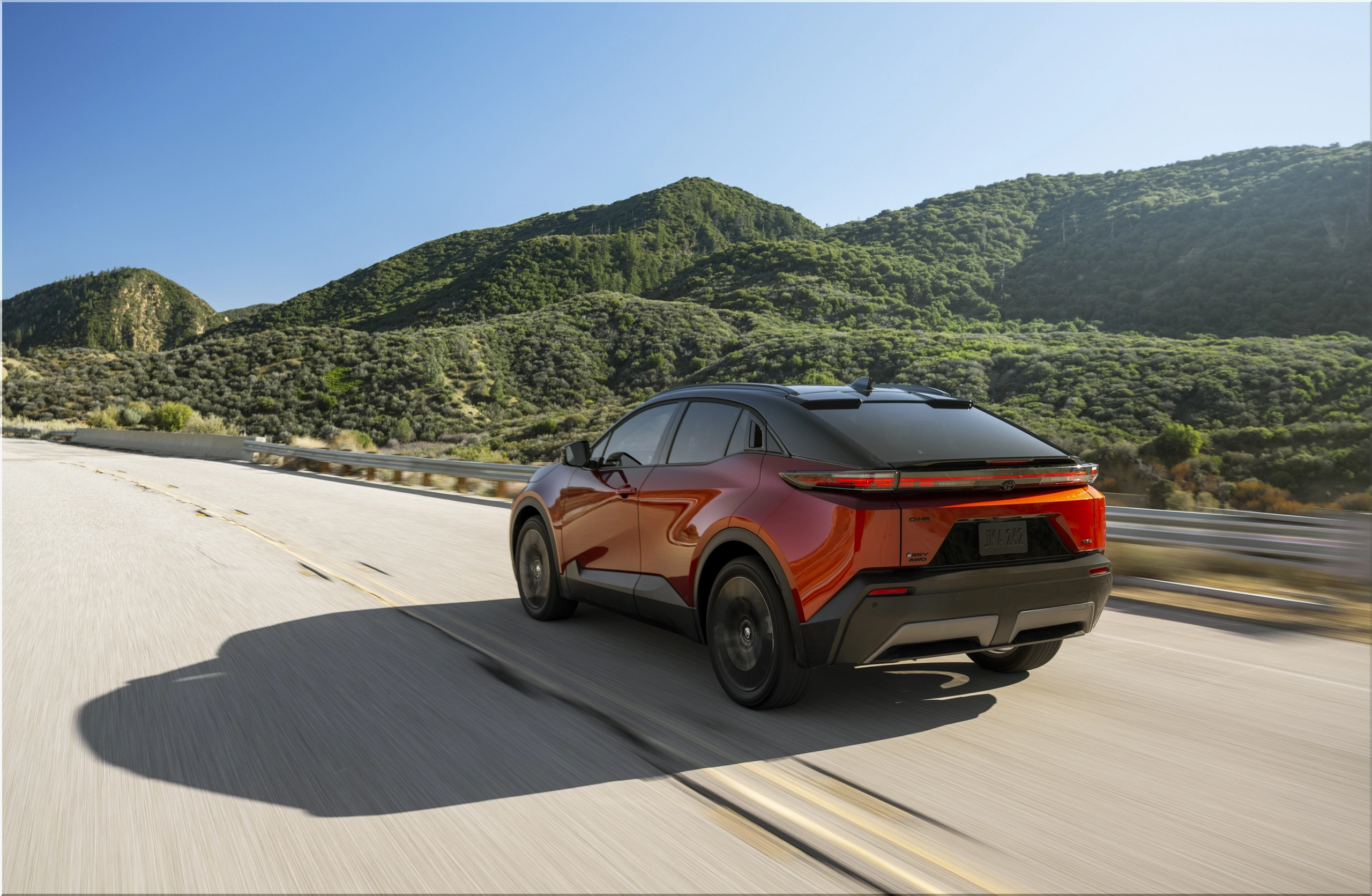
From an expert perspective, the redundant monitoring of voltage and current acts as a fail-safe. Sensors detect abnormal heating patterns at the cell level to prevent permanent damage. Specifically, the system can throttle power intake or output to protect the traction battery integrity. This focus on durability aligns with Toyota's long-term reliability standards for electrified components.
Charging Infrastructure and NACS Integration
The 2026 Toyota C-HR adopts the NACS port as standard equipment. This hardware decision allows owners to access a vast network of DC fast-chargers without requiring bulky adapters. Looking at the data, the inclusion of NACS streamlines the charging process at thousands of stations nationwide. Specifically, the vehicle supports Level 2 charging for overnight replenishment at home or work.
DC fast-charging capabilities allow the battery to recover significant range in short windows. While Toyota has not released specific 10% to 80% charge times, the architecture supports high-kilowatt intake. In addition, the navigation system includes integrated charging station locators to assist with long-distance route planning. Consequently, drivers can identify available plugs and monitor charging speeds directly through the infotainment screen.
Video title
Toyota C-HR Electric SUV 2026
Pro-Tip for Optimizing Range
To maximize the EPA-estimated range, drivers should utilize the regenerative braking settings in stop-and-go traffic. This captures kinetic energy that would otherwise dissipate as heat during friction braking. Specifically, using the highest regeneration mode can extend city driving range by several miles over a full charge cycle.
Exterior Design and Aerodynamics
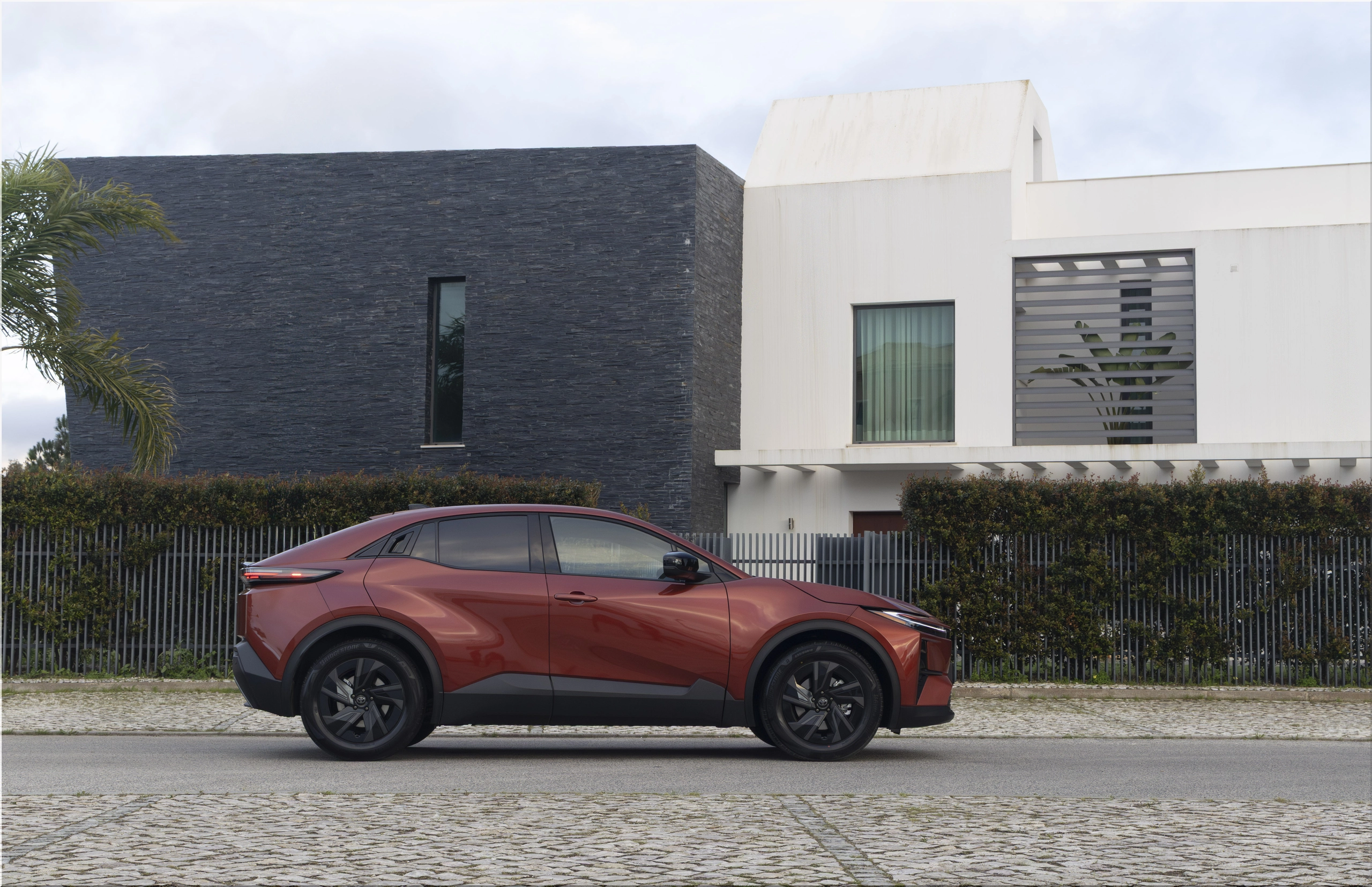
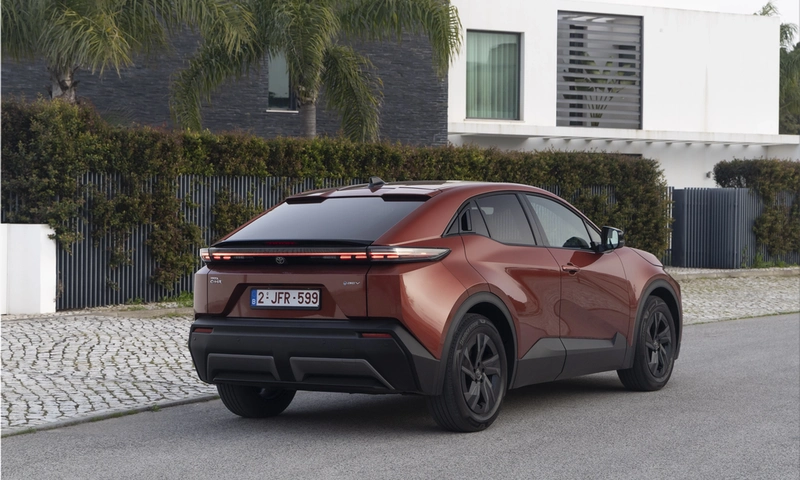
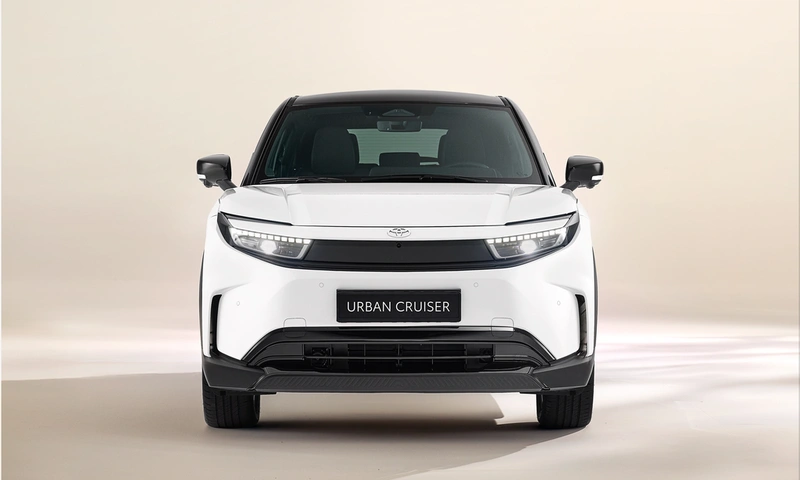
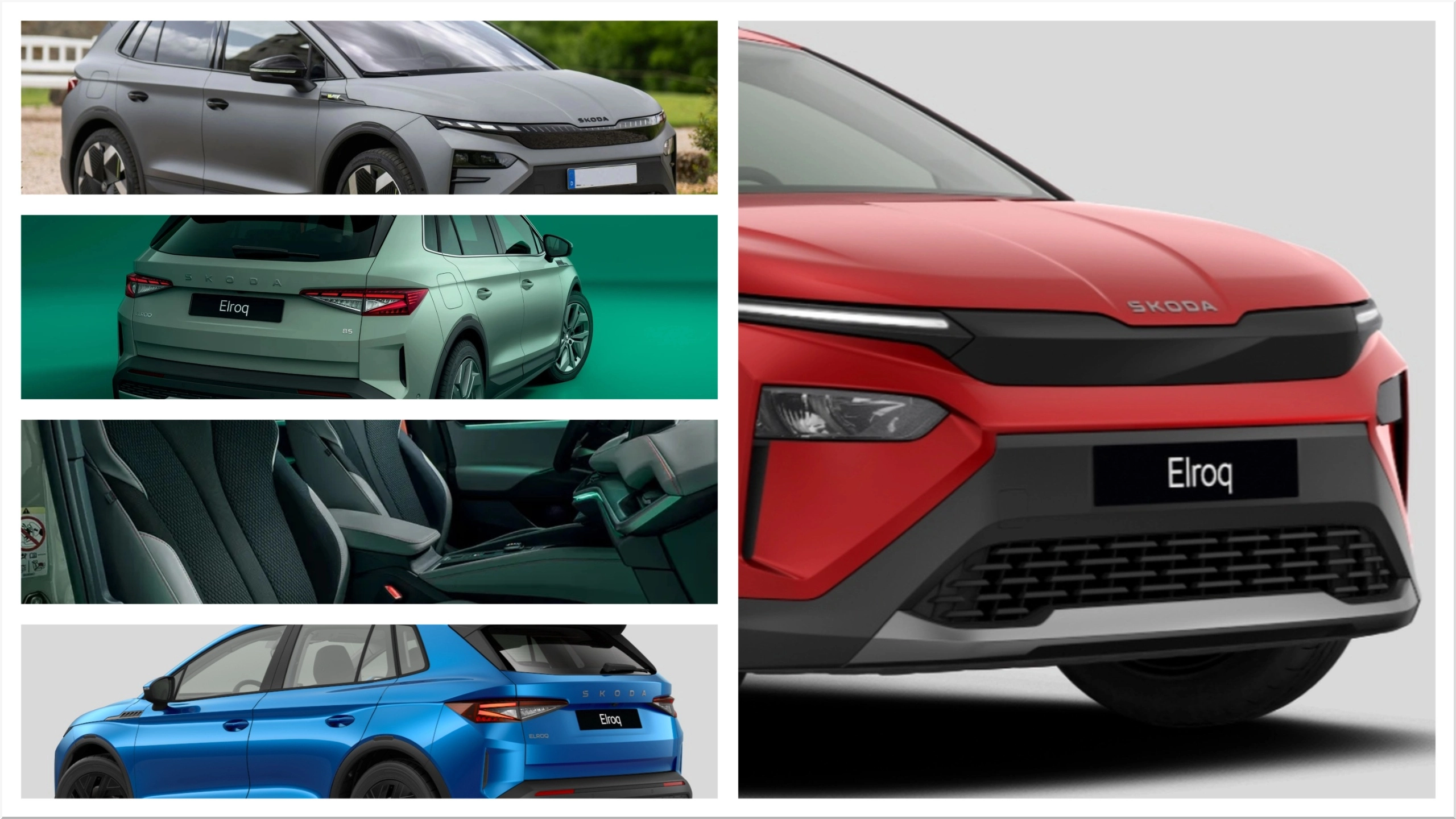
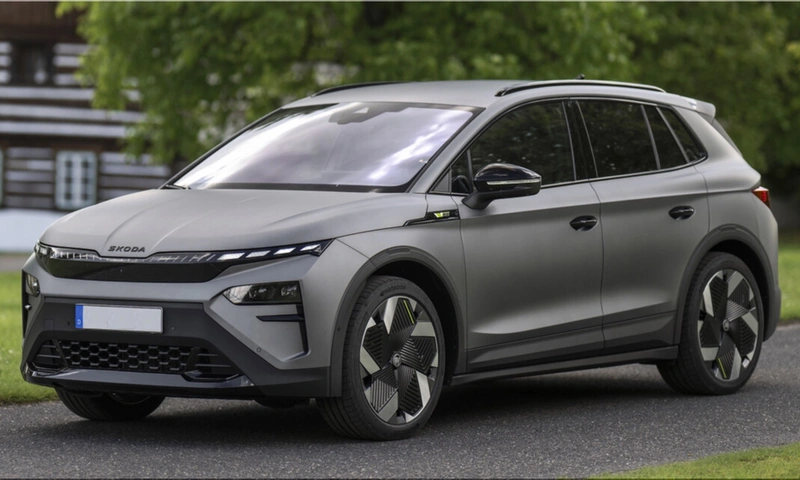
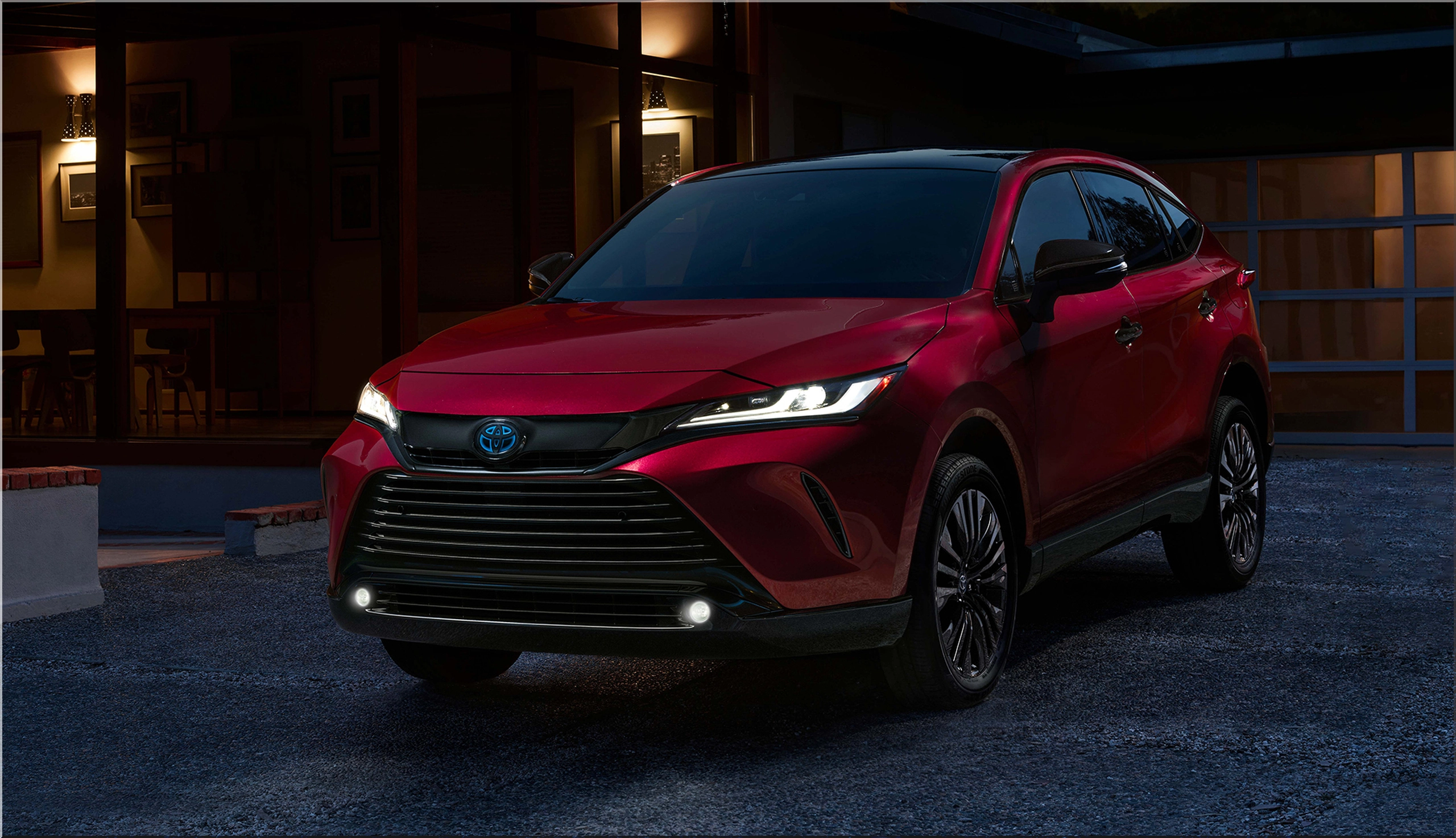
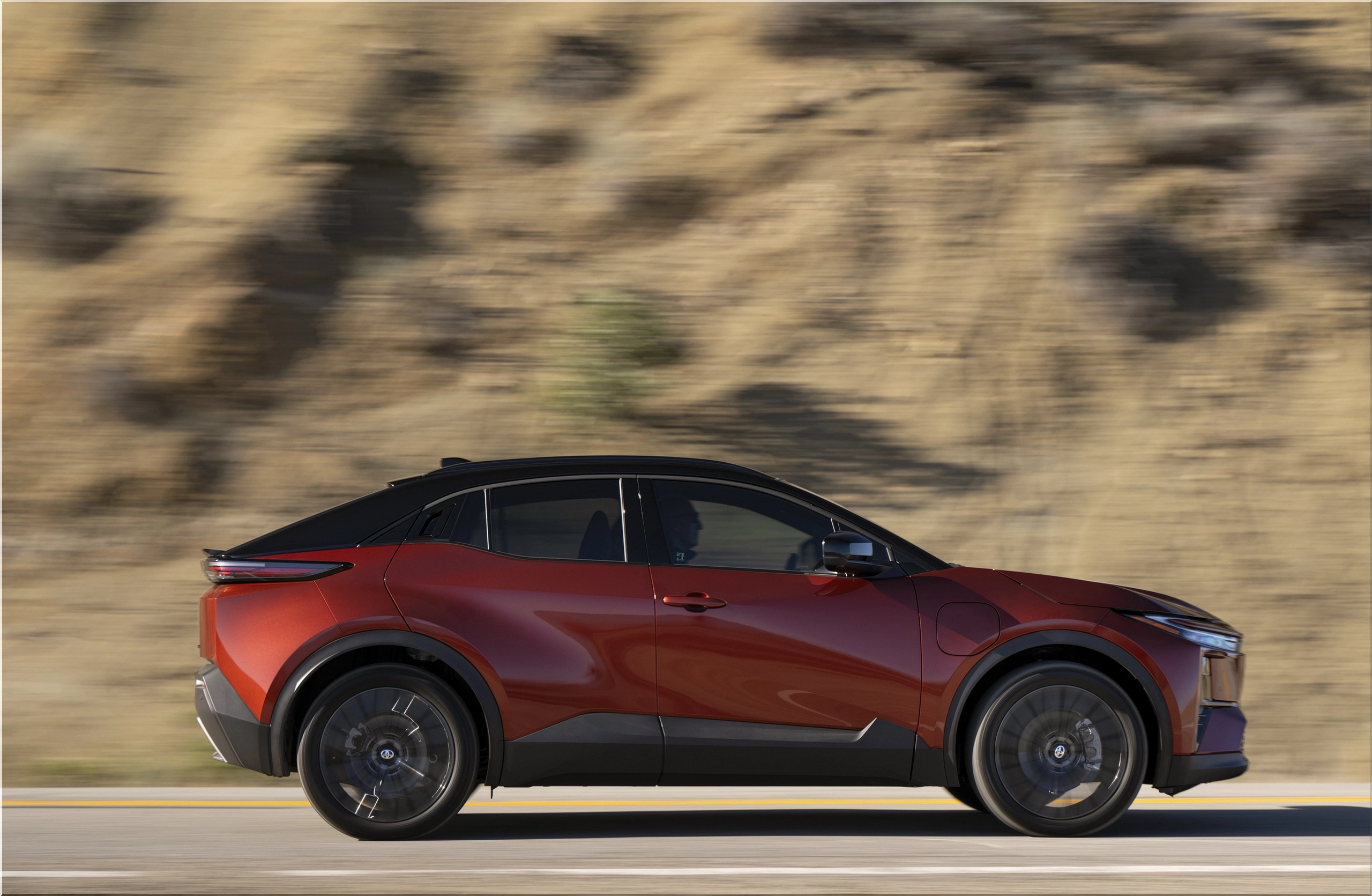
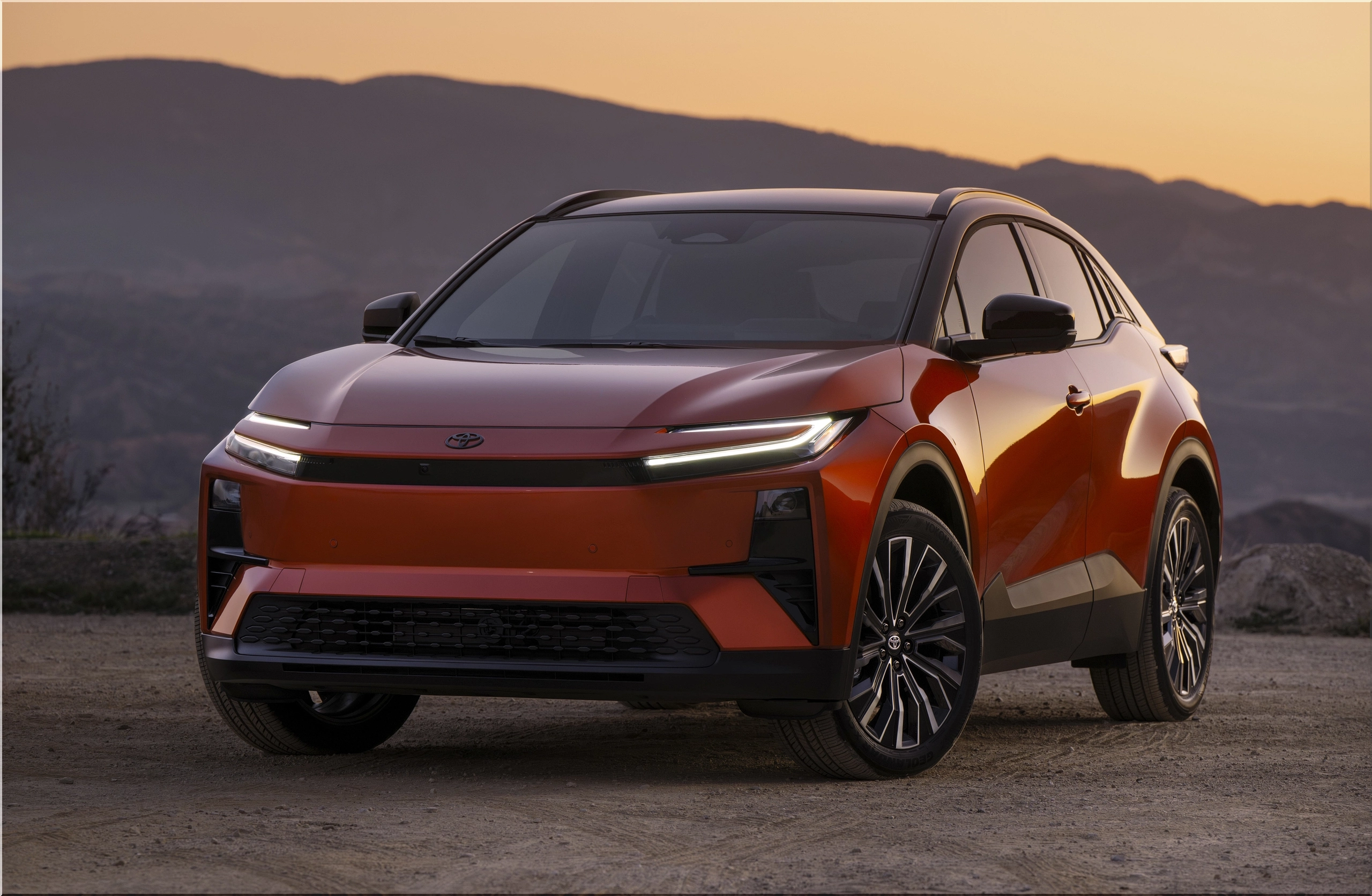
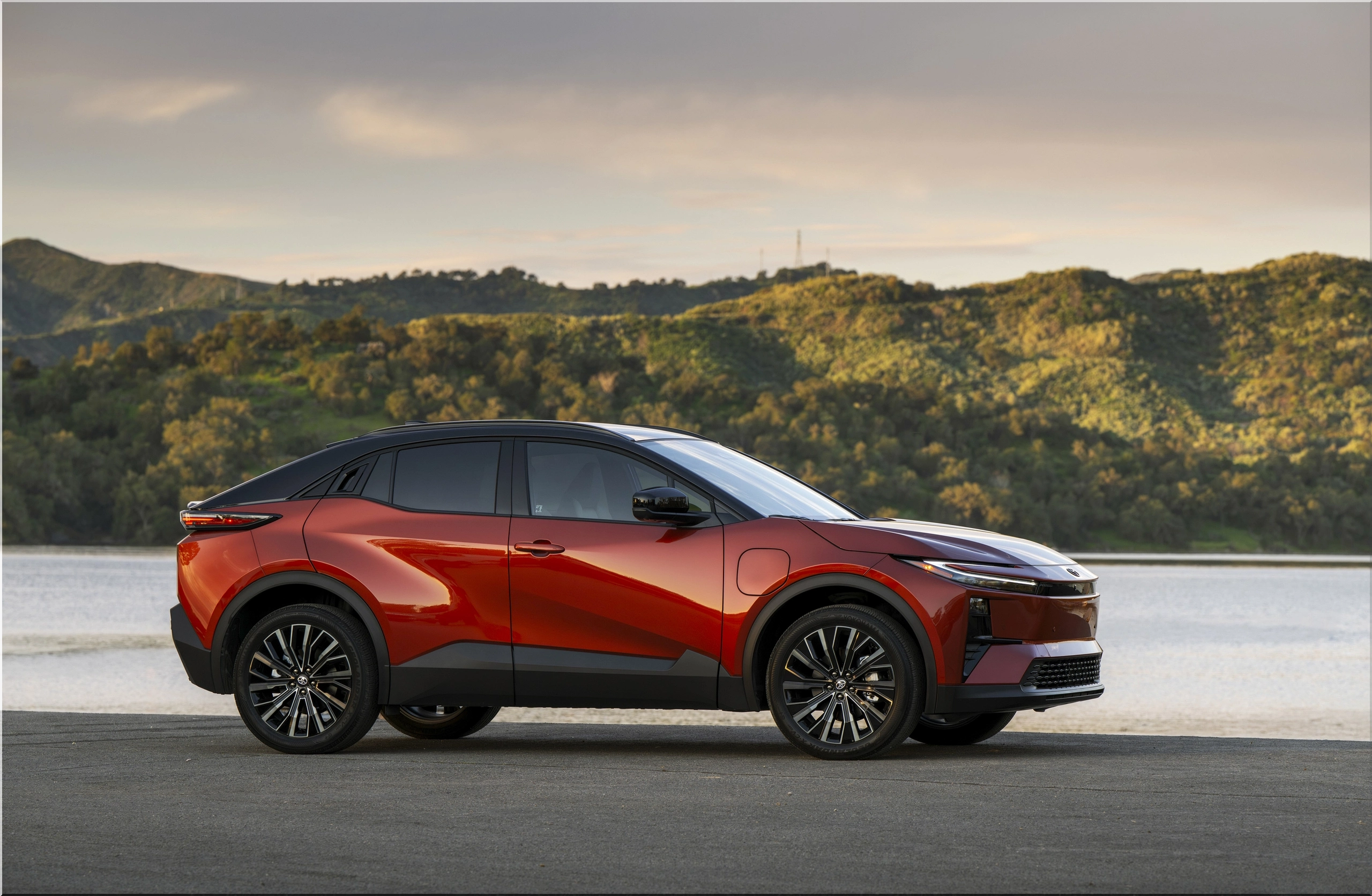
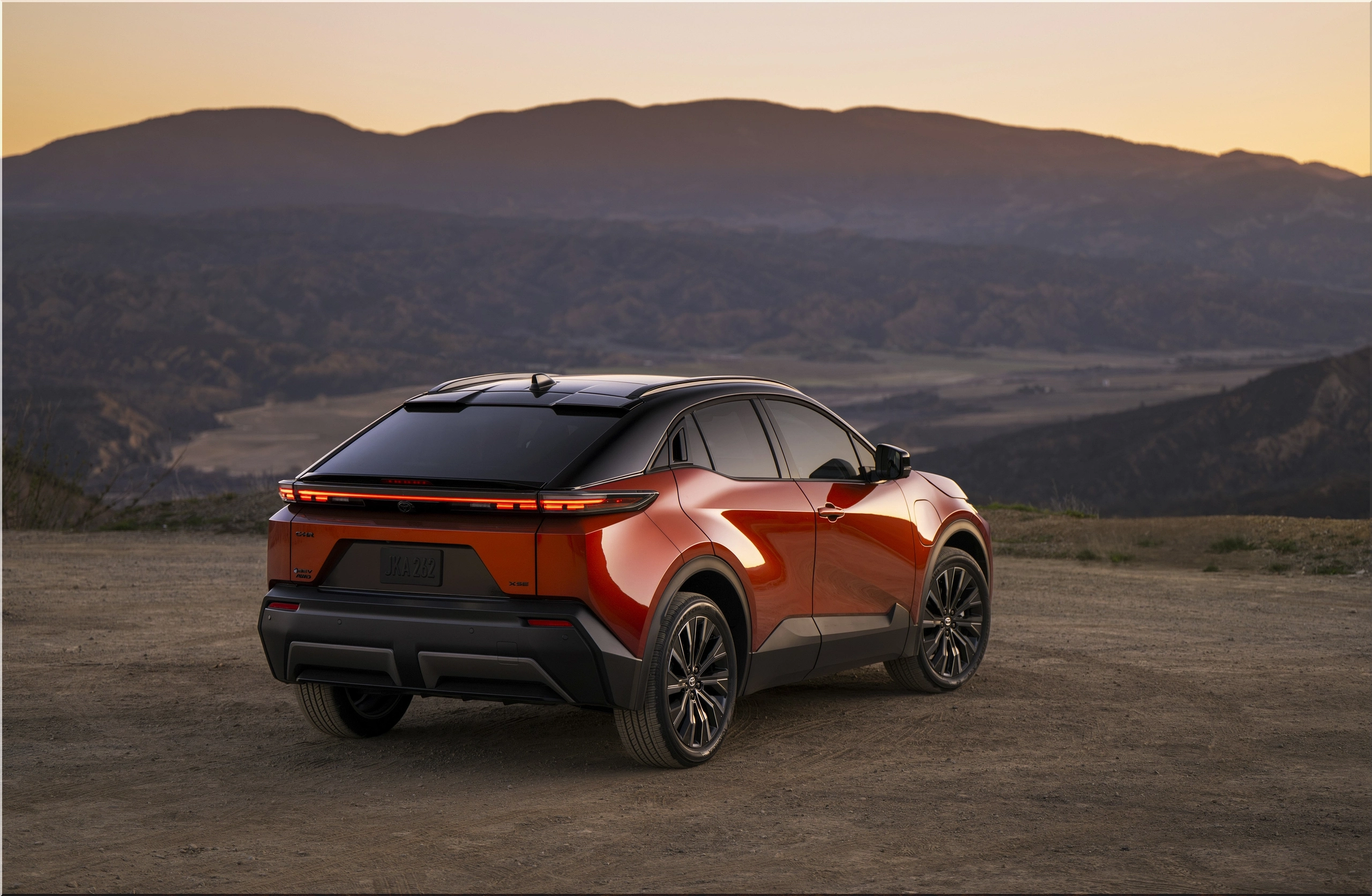
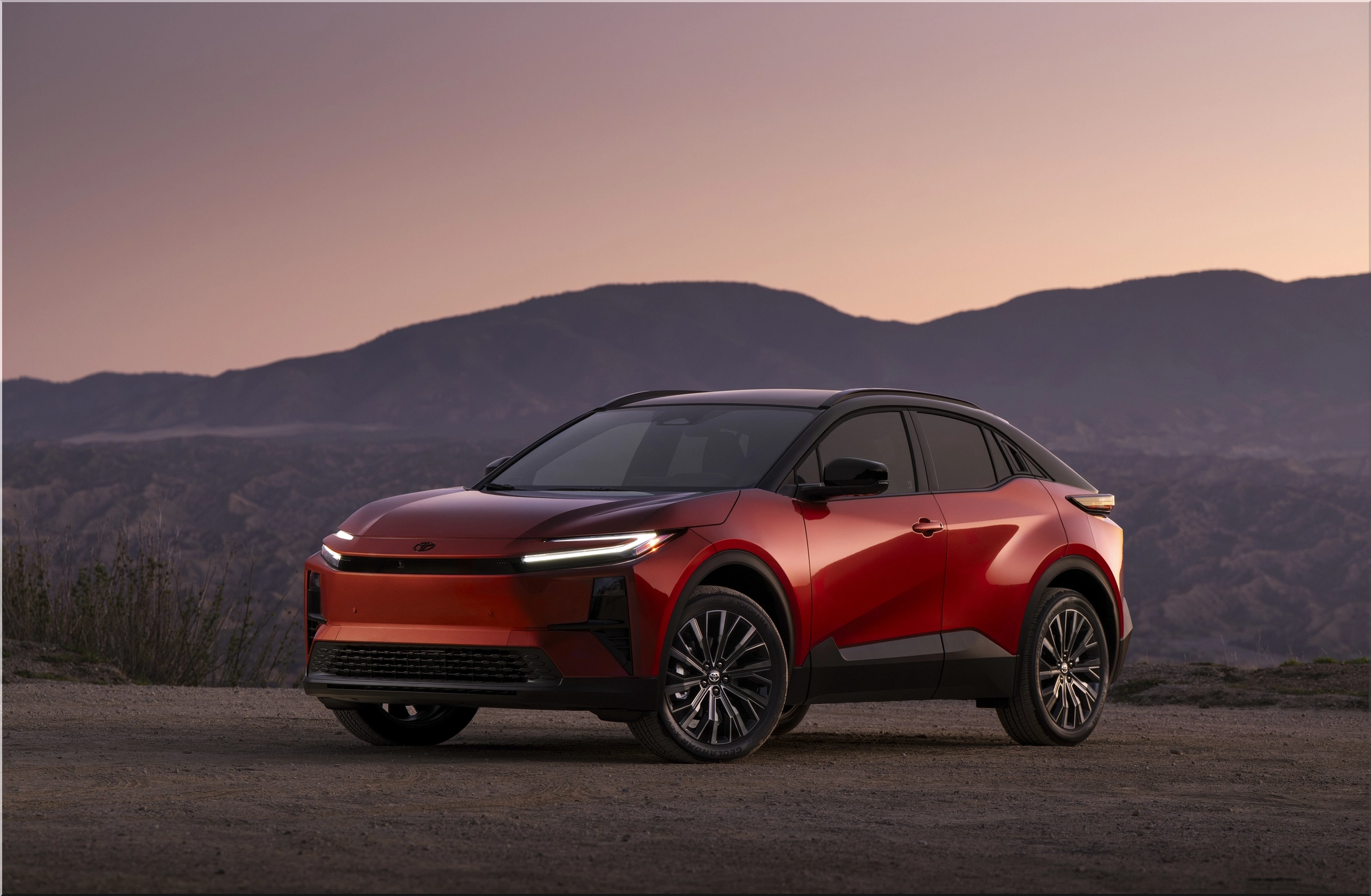
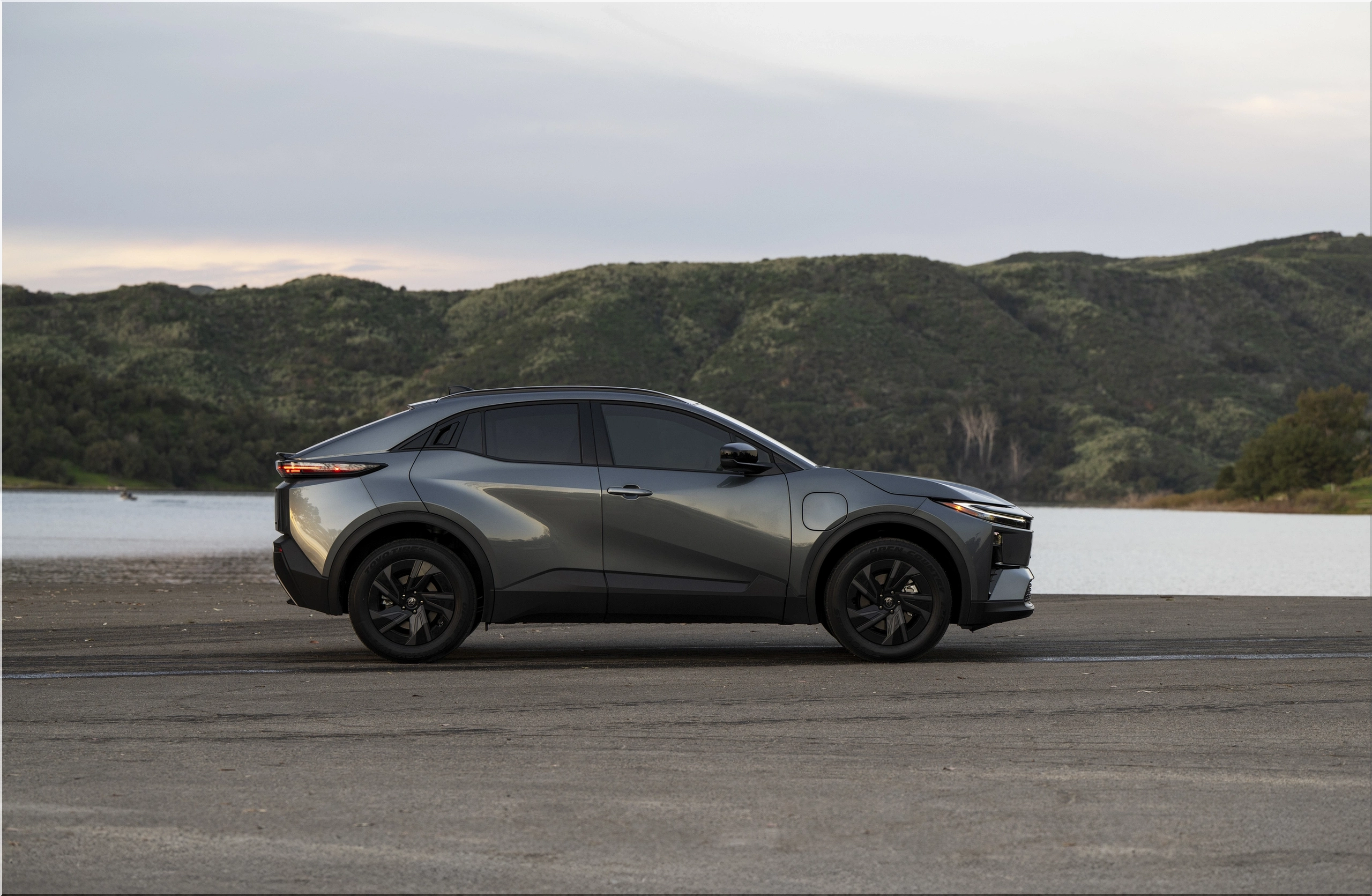
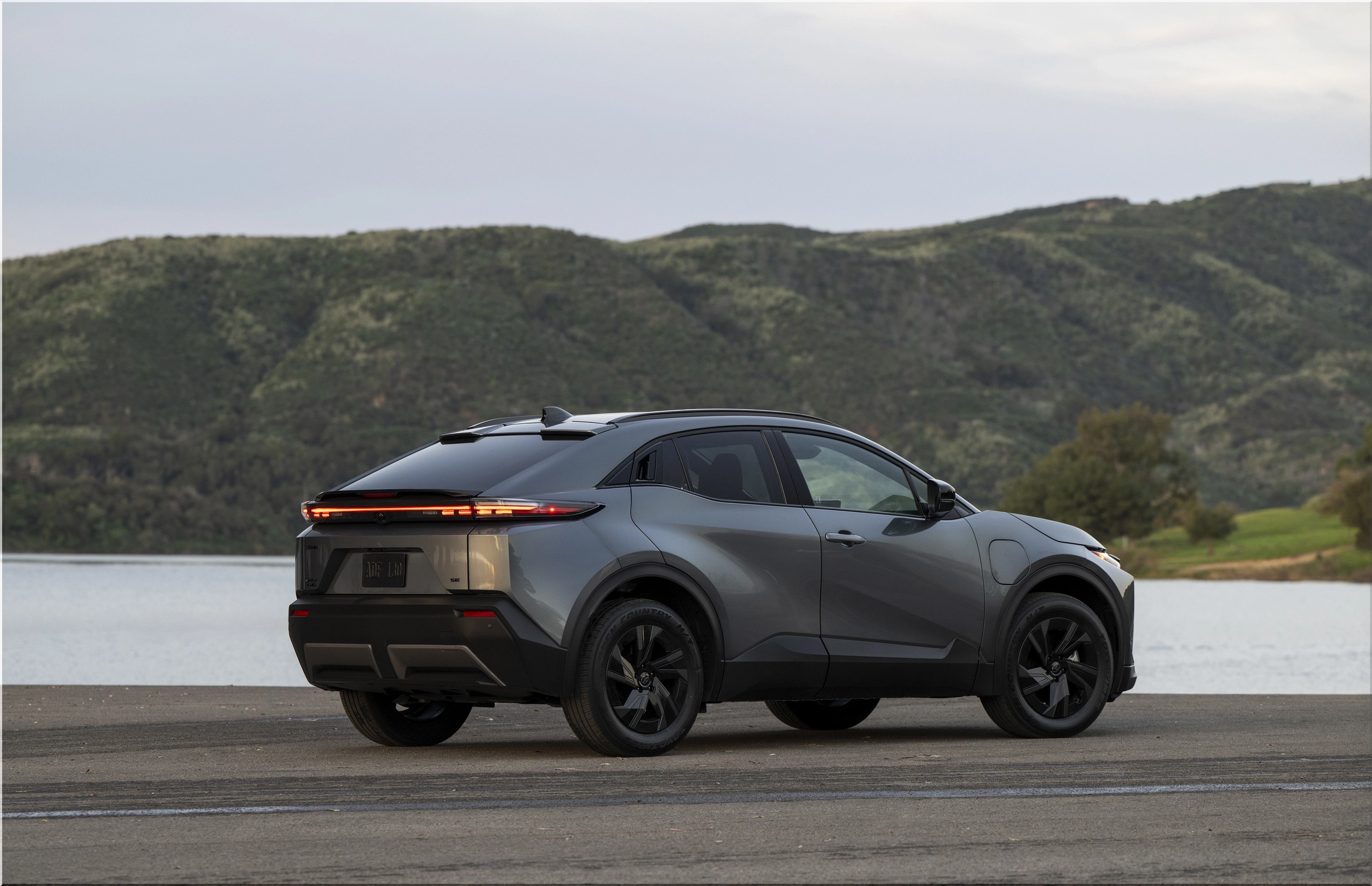
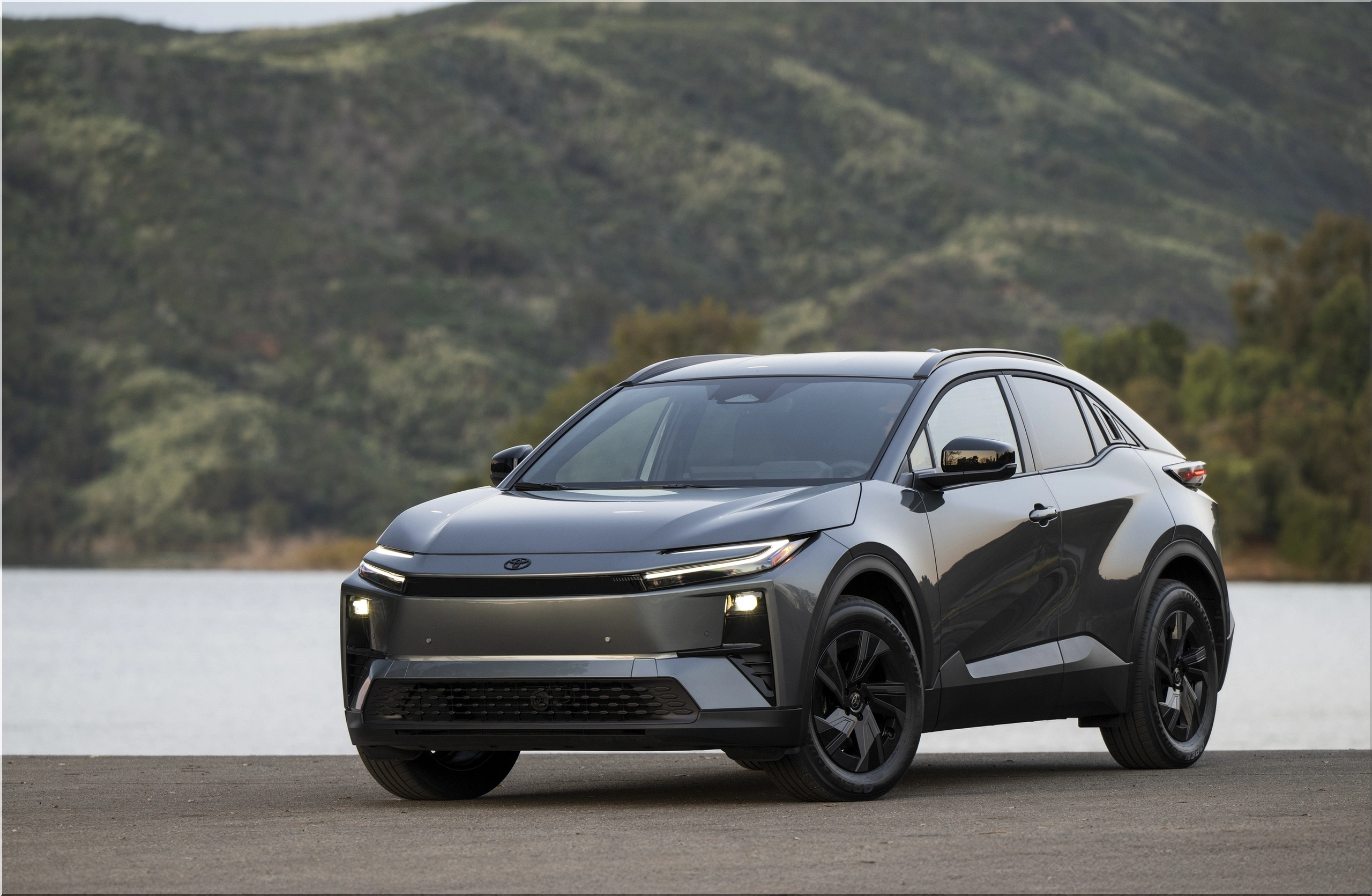
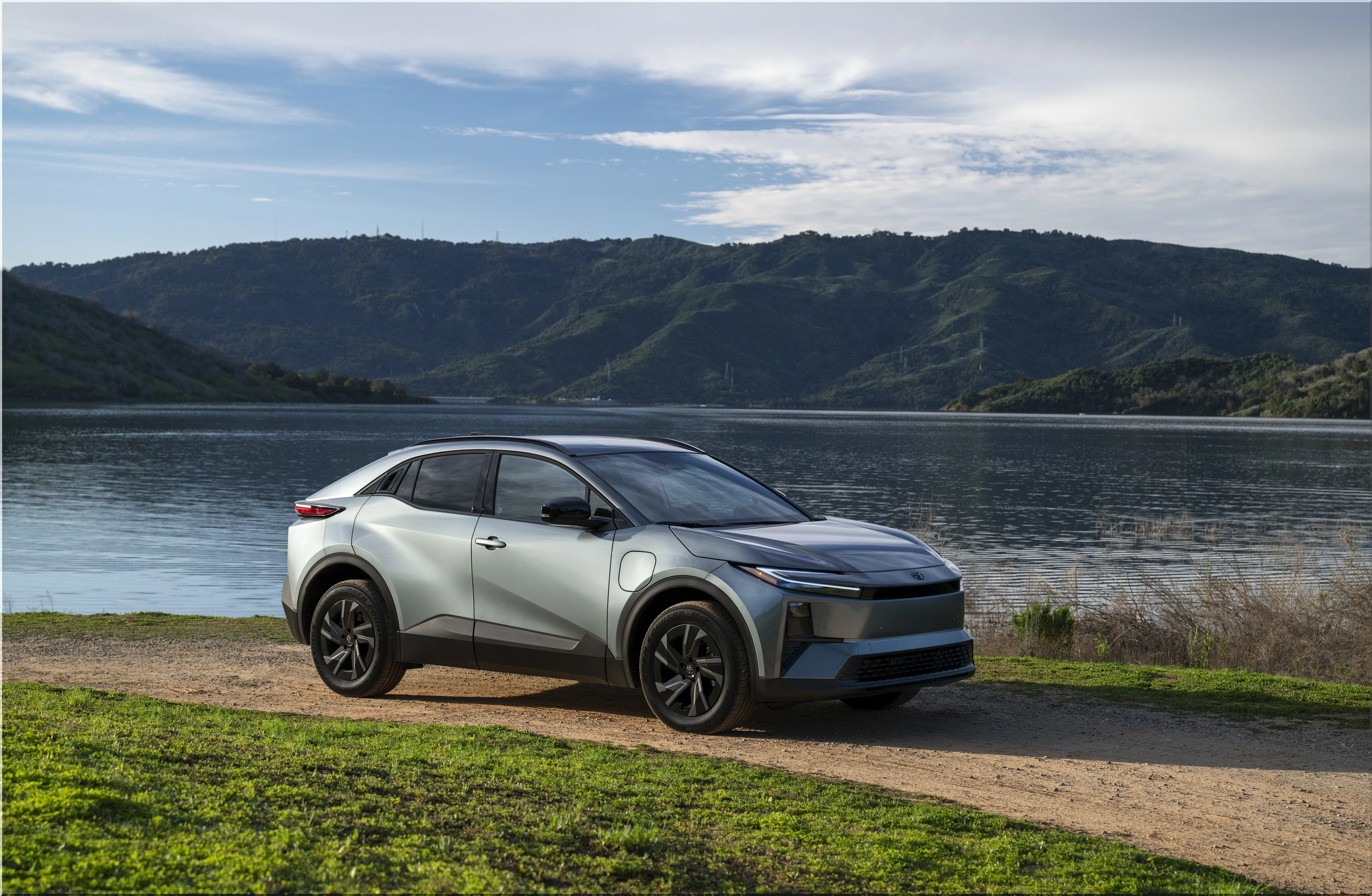
The exterior of the 2026 Toyota C-HR features an athletic, coupe-like profile designed to reduce drag. A sleek roofline tapers toward the rear, which minimizes air turbulence at highway speeds. In addition, the wide stance and short overhangs improve the vehicle's approach and departure angles compared to the previous generation. Looking at the data, these aerodynamic refinements contribute directly to the efficiency of the electric powertrain.
The front fascia incorporates slim LED headlights and a closed-off grille area common in BEVs. This design choice reduces frontal area resistance. Specifically, the flush door handles and optimized underbody panels smooth out airflow beneath the vehicle. Consequently, the C-HR achieves a competitive coefficient of drag that assists in reaching its 462-km range target.
Image
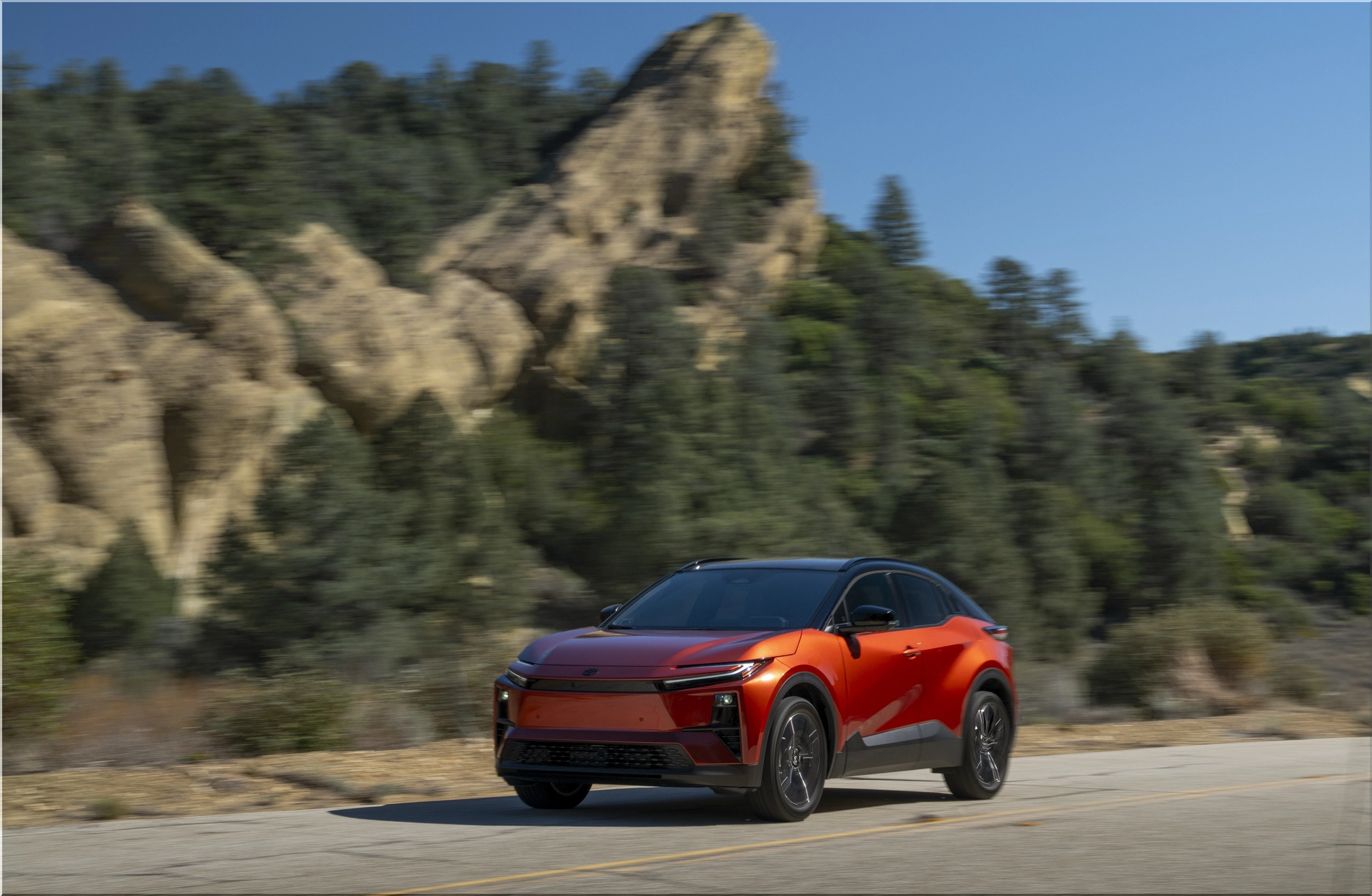
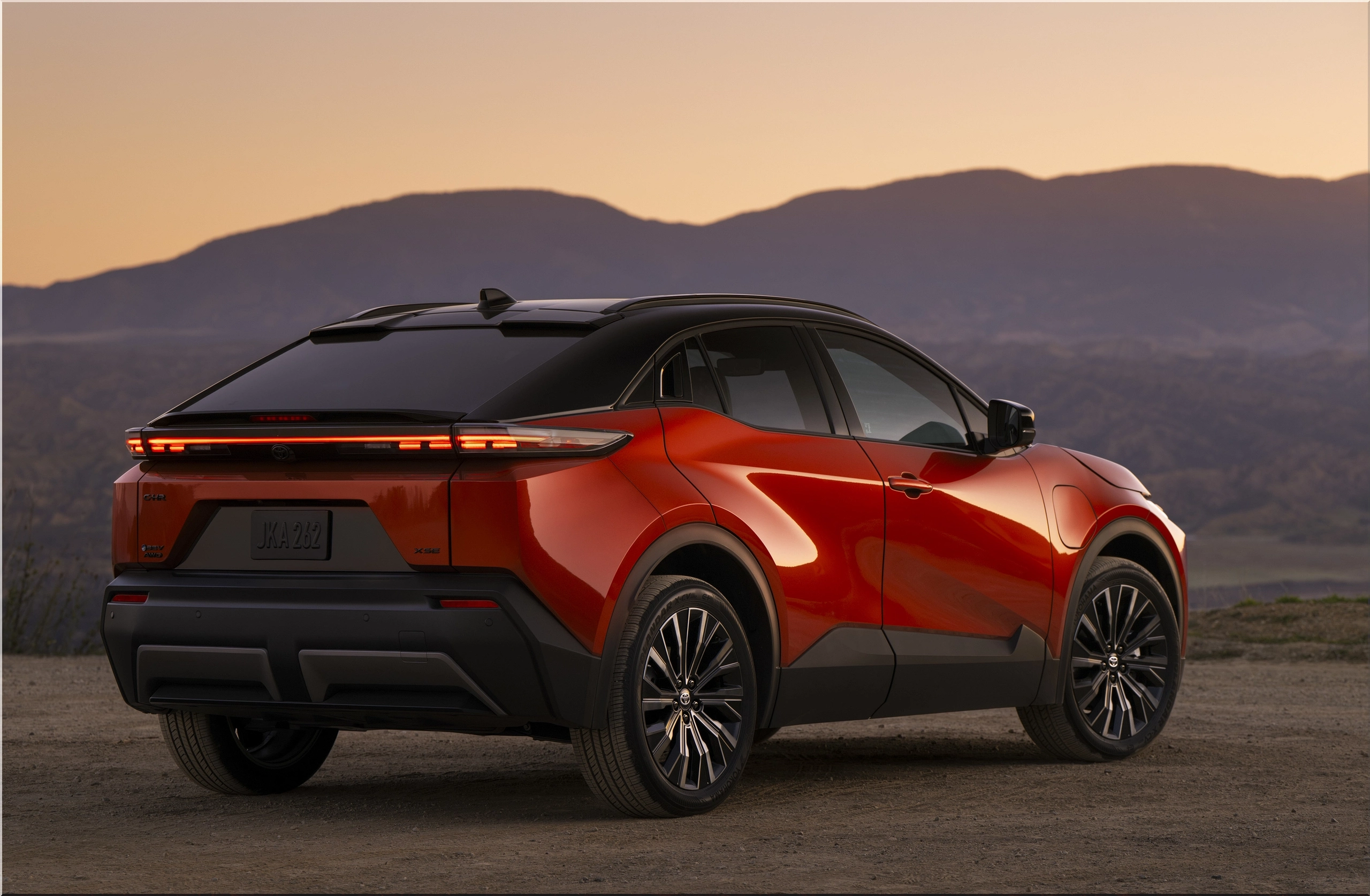
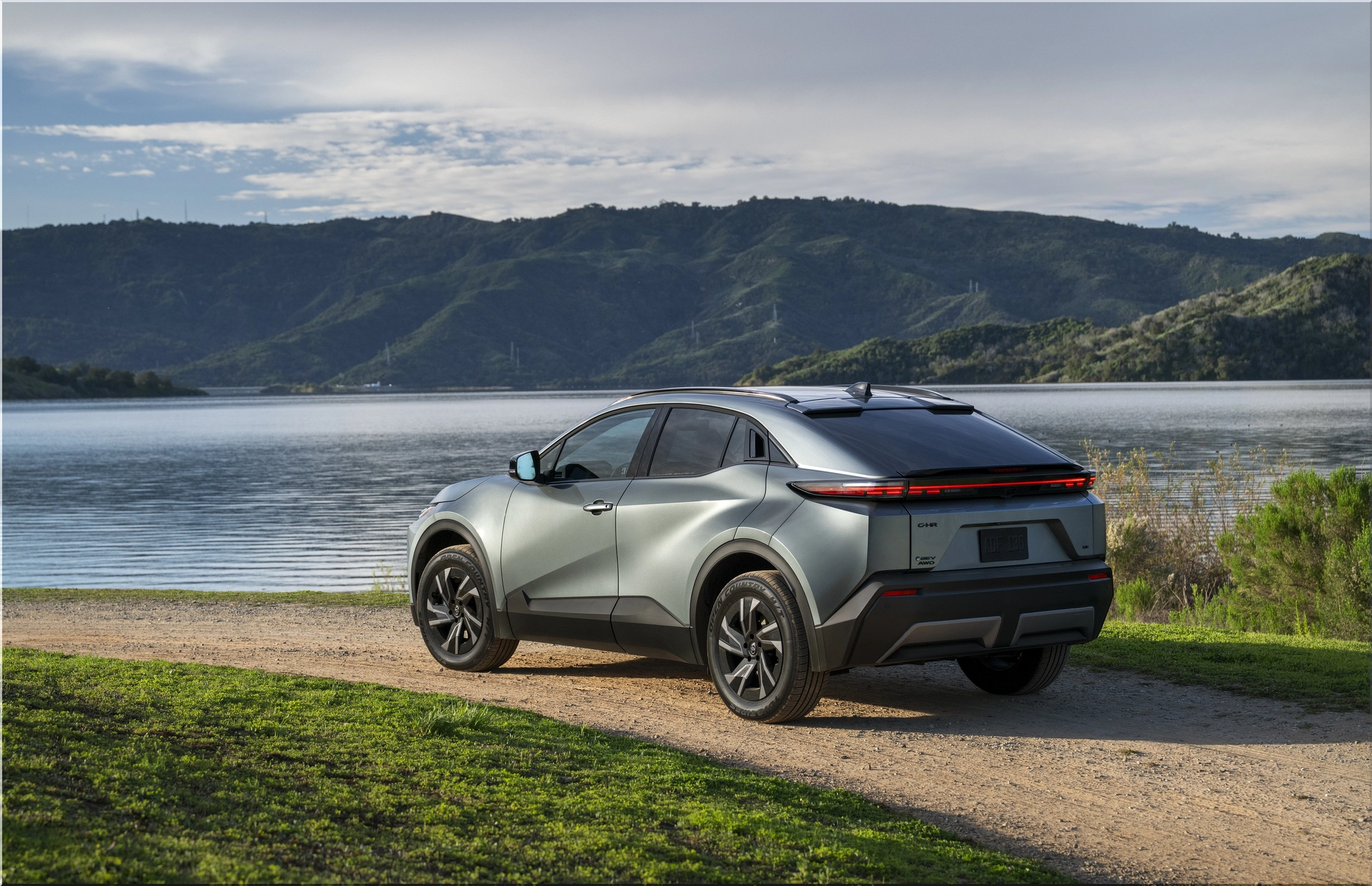
From an expert perspective, the choice of wheel design also impacts aerodynamic performance. The 18-inch wheels on the SE trim feature covers that reduce air swirl within the wheel wells. By comparison, the 20-inch XSE wheels prioritize aesthetics and mechanical grip. Looking at the data, the trade-off for the larger wheels is a slight reduction in total vehicle efficiency.
Interior Utility and Dimensions
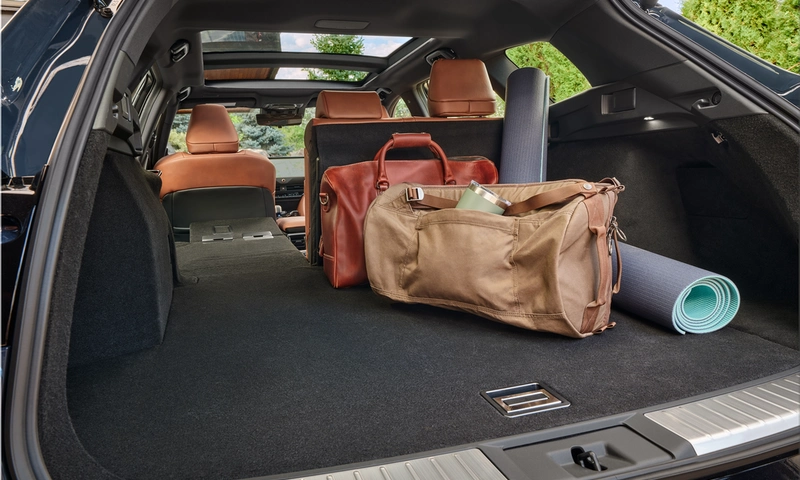
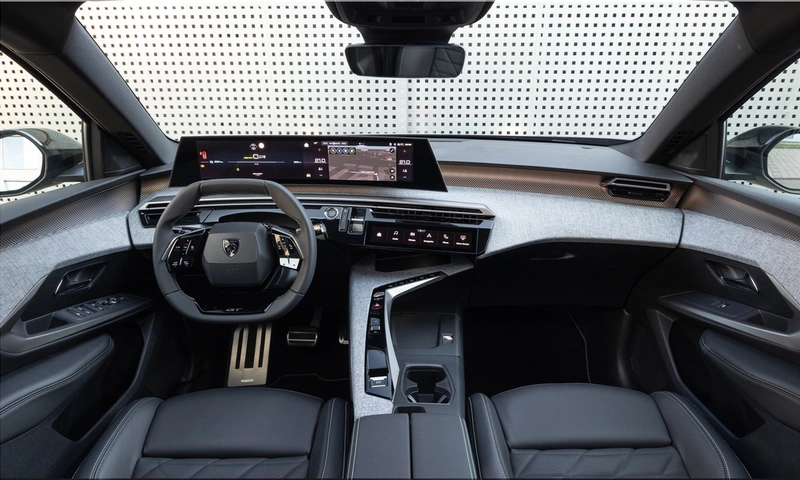
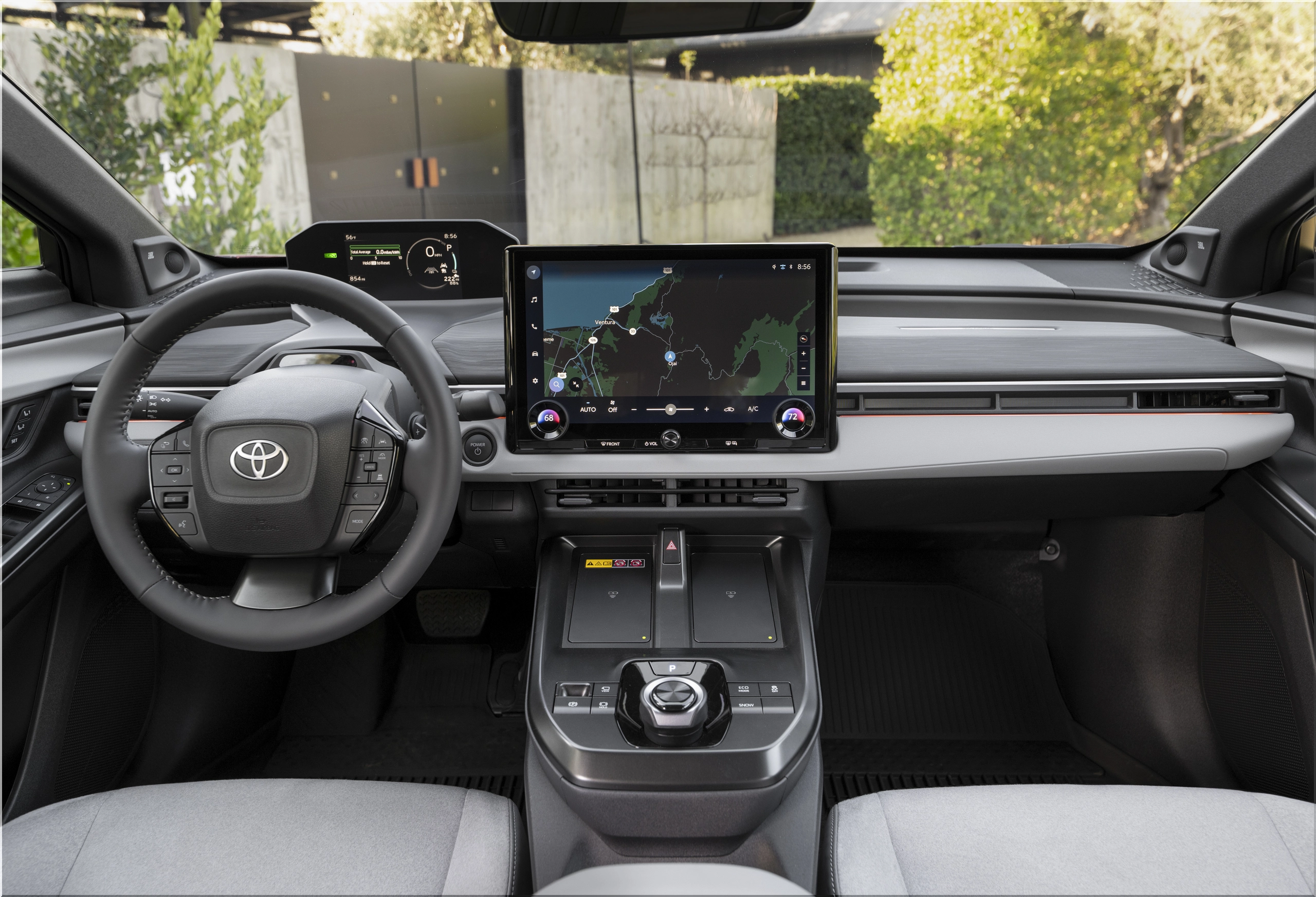
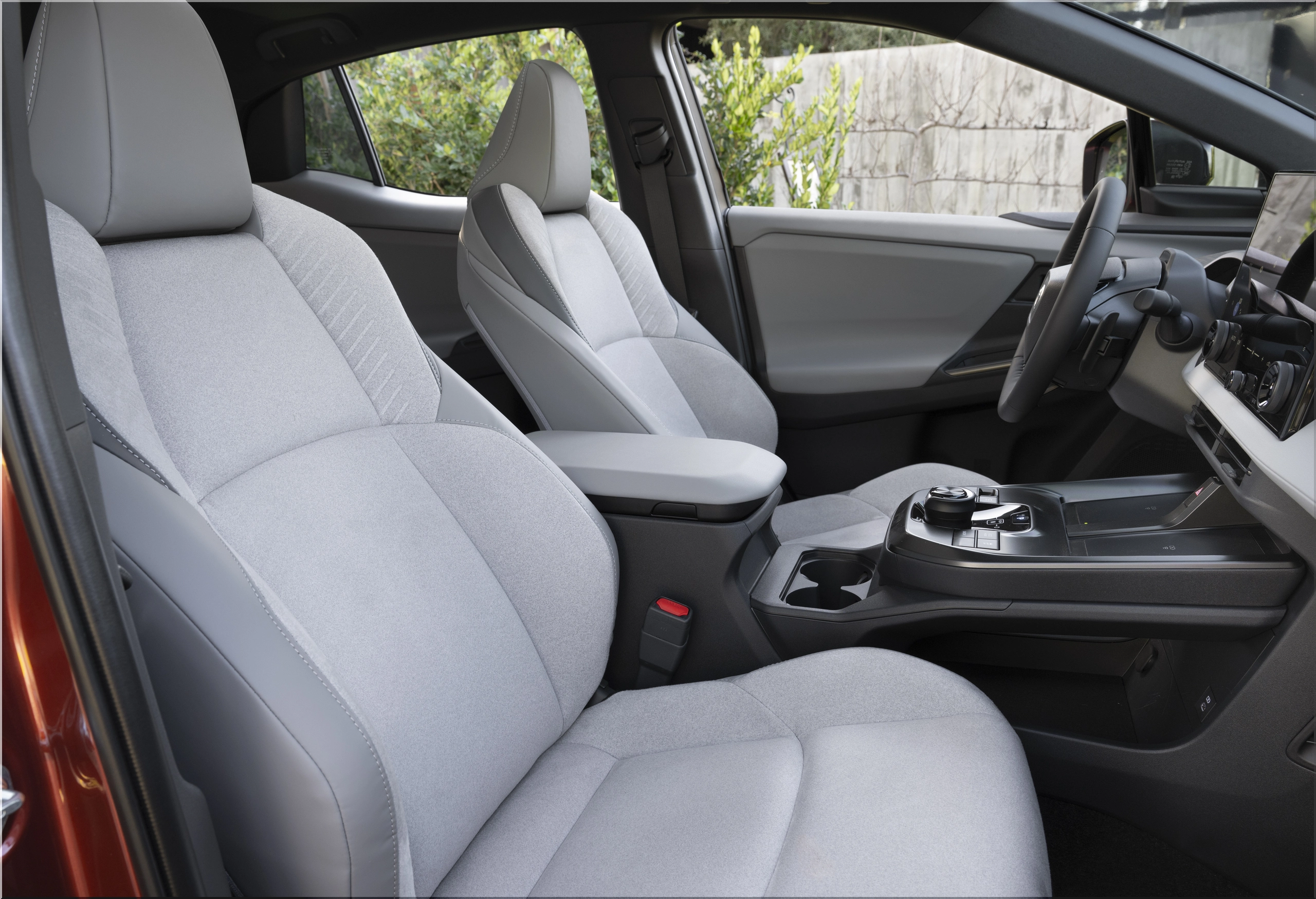
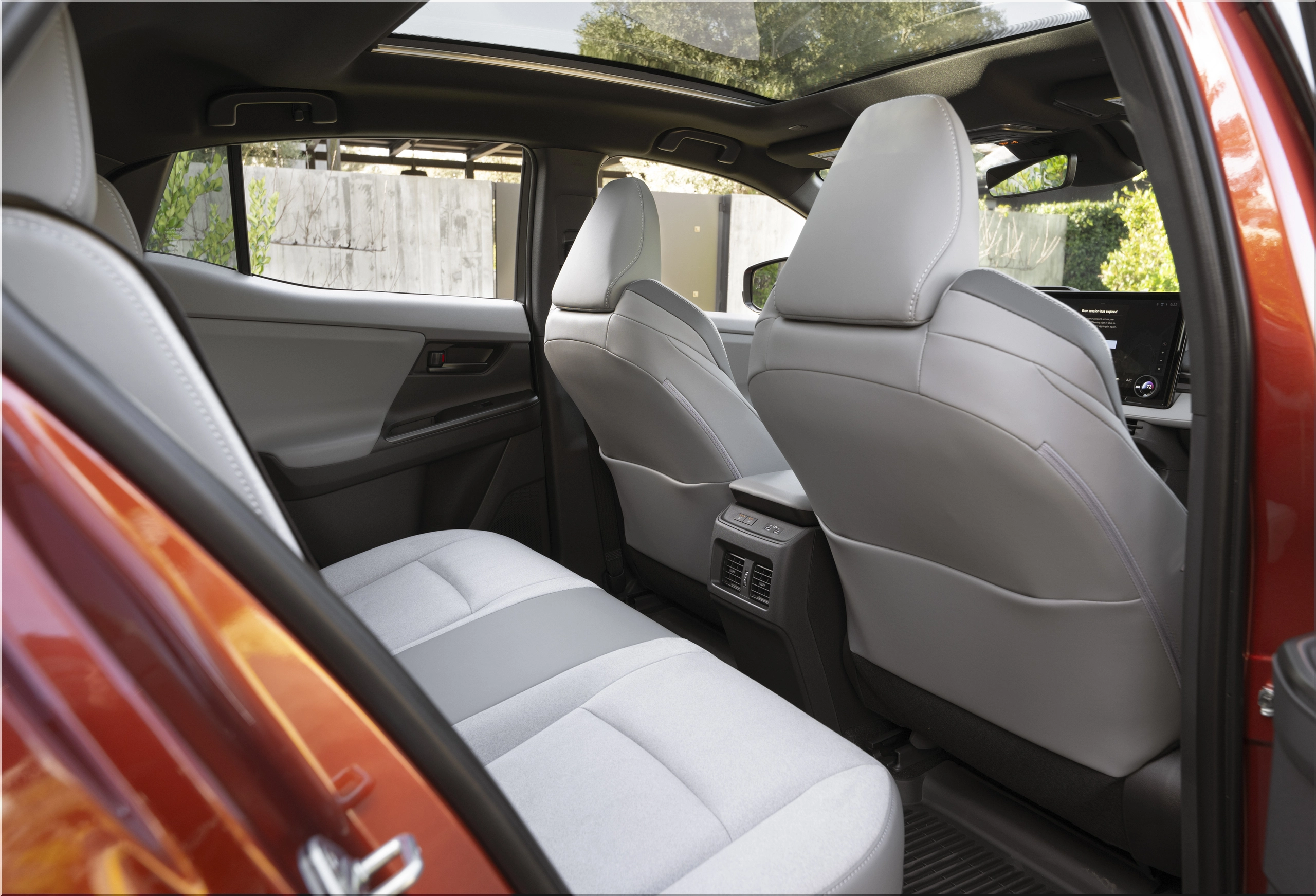
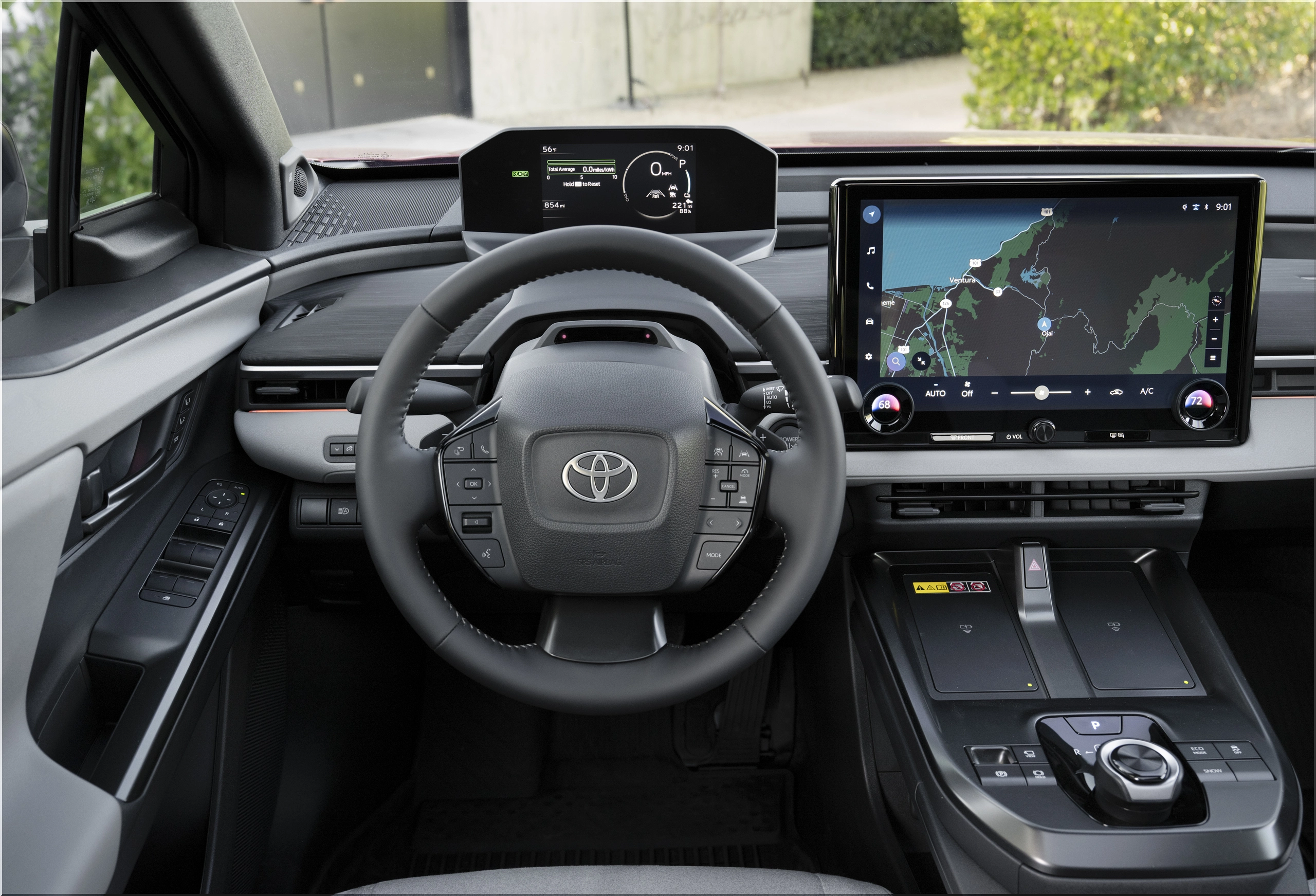
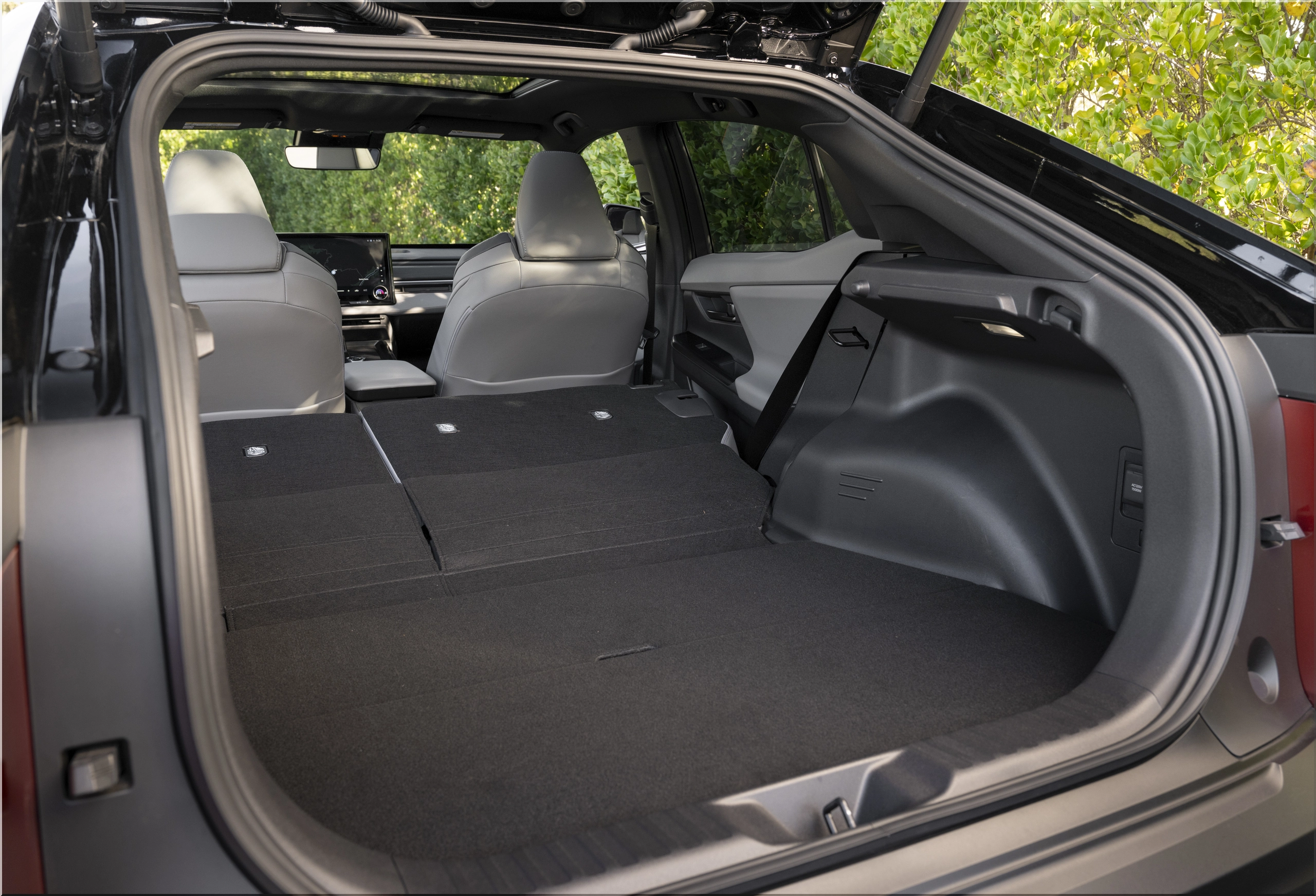
The interior of the 2026 Toyota C-HR emphasizes a modern, driver-centric cockpit. It offers 25.3 cubic feet of cargo space behind the rear seats, which provides sufficient room for daily commuting needs. Specifically, the 60/40 split-folding rear seats allow for flexible storage configurations. Consequently, folding the seats flat expands the available cargo volume to 59.5 cubic feet.
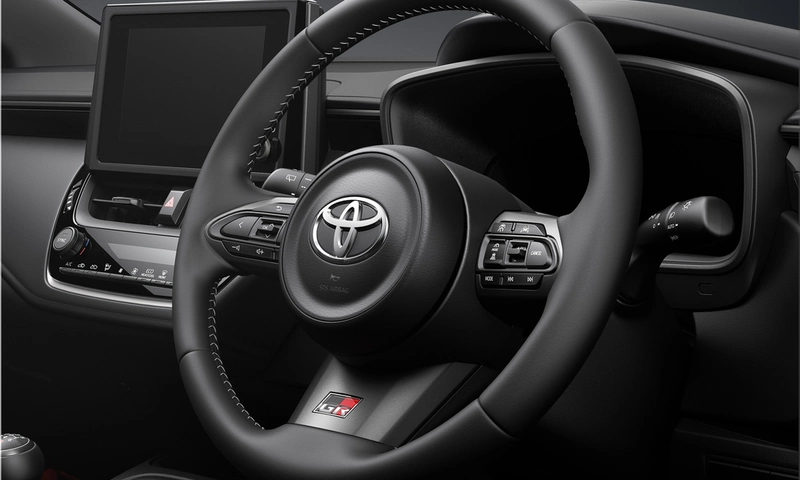
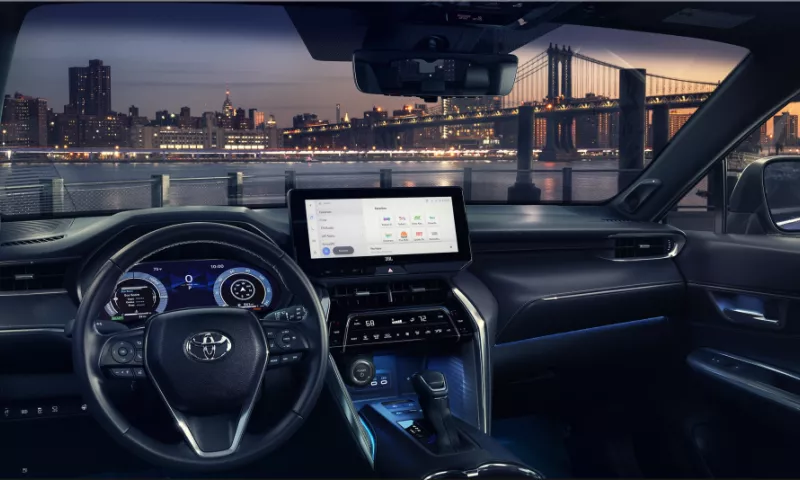
Toyota engineers used a "modern interior feel" to differentiate this model from its entry-level predecessors. The cabin includes high-quality materials and a digital instrument cluster that displays real-time energy flow. In addition, the infotainment system supports wireless smartphone integration as a standard feature. From an expert perspective, the layout prioritizes ergonomics, placing physical controls for common functions within easy reach.
Looking at the data, the rear seating position remains a point of contention for taller passengers. The sloping roofline reduces rear headroom compared to more boxy SUVs like the Toyota RAV4. Specifically, the placement of the battery pack under the floor results in a slightly higher floor pan. Consequently, rear passengers may find their knees positioned higher than in a traditional gasoline crossover.
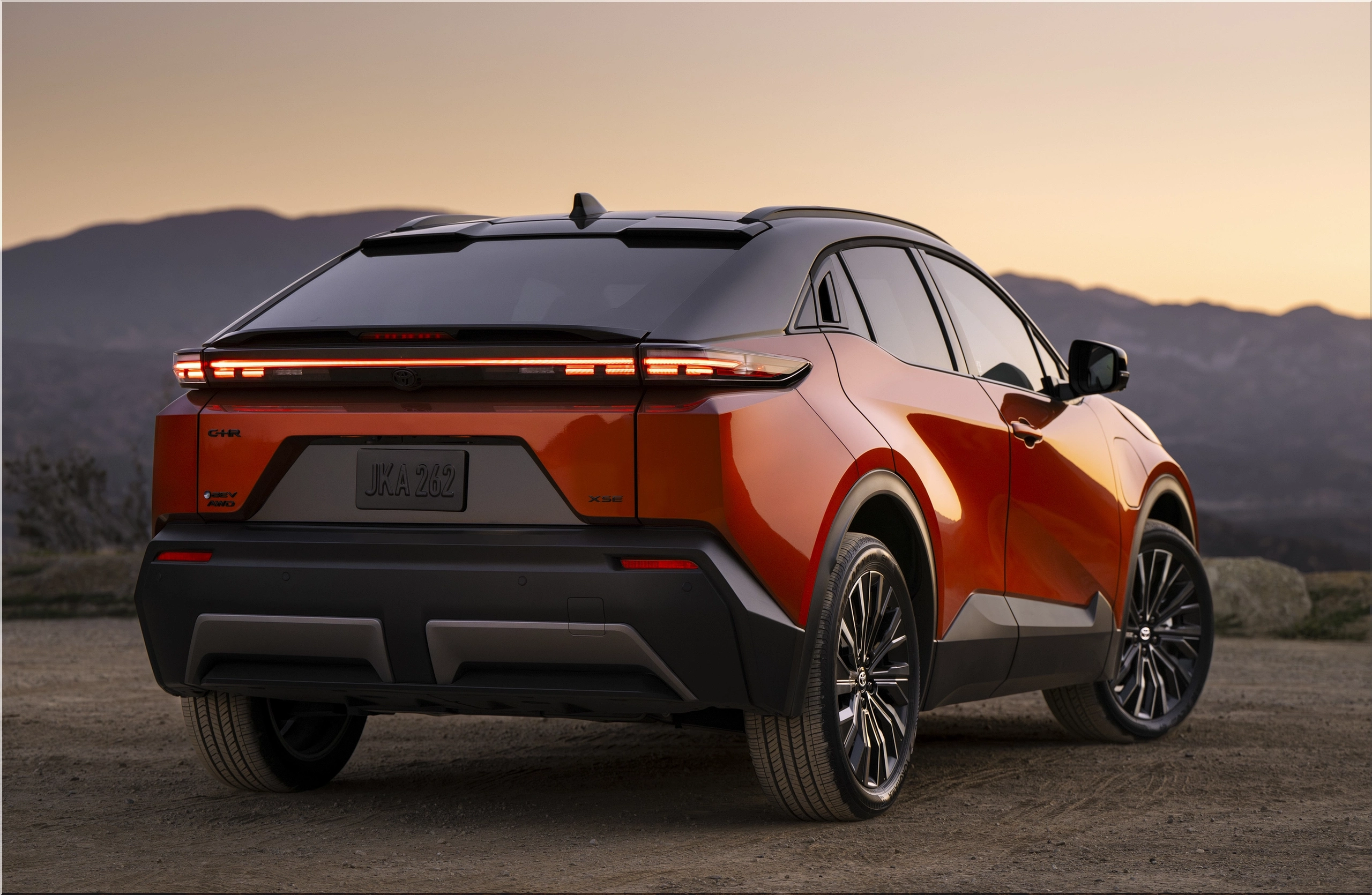
Image gallery
Safety Technology and Driver Assistance
Safety remains a cornerstone of the Toyota brand. The 2026 Toyota C-HR comes standard with Toyota Safety Sense 3.0 (TSS 3.0), a suite of active safety features. Specifically, this package includes a Pre-Collision System with Pedestrian Detection and Lane Departure Alert with Steering Assist. In addition, Proactive Driving Assist provides gentle braking or steering support to help maintain distance from other vehicles or pedestrians.
The vehicle also offers advanced convenience features for highway driving. Traffic Jam Assist allows for hands-free operation under specific conditions at low speeds. Specifically, this system requires a Drive Connect subscription and functions on compatible roadways. Consequently, the technology reduces driver fatigue during heavy congestion by managing steering, braking, and acceleration automatically.
Looking at the data, the safety suite also includes:
- Full-Speed Range Dynamic Radar Cruise Control
- Lane Tracing Assist
- Road Sign Assist
- Automatic High Beams
- Lane Change Assist
- Front Cross-Traffic Alert
Competitive Analysis: The Compact Electric SUV Market
The 2026 Toyota C-HR enters a highly competitive field. Its primary rivals include the Volvo EX30 and the Nissan Leaf, though the latter occupies a lower price bracket. Looking at the data, the C-HR wins on raw horsepower and standard AWD availability compared to base versions of its competitors. Specifically, the 338-hp output outclasses the standard single-motor setups found in many entry-level BEVs.
Image
2026 Toyota C-HR vs. Direct Competitors
| Model | MSRP (Base) | Horsepower | Km (Max) | 0-100 Km/h |
|---|---|---|---|---|
| 2026 Toyota C-HR | $38,450 | 338 hp | 462 Km | 4.9 sec |
| 2026 Volvo EX30 | $41,195 | 268-422 hp | 407 Km | 3.4-5.1 sec |
| 2026 Nissan Leaf | $40,345 | 214 hp | 341 Km | 6.8 sec |
By comparison, the Volvo EX30 offers a faster 0-100 time in its Twin Motor Performance trim but starts at a higher price point. The Nissan Leaf offers a lower entry price in its base trim but lacks the range and performance metrics of the Toyota. Looking at the data, the C-HR finds a "sweet spot" by offering AWD and high horsepower as standard features for under $40,000. Specifically, Toyota uses its scale to provide performance value that smaller manufacturers struggle to match.
Warranty and Maintenance Value
Toyota provides a standard 36-month/36,000-mile basic new-vehicle warranty for the C-HR. Specifically, the powertrain receives coverage for 60 months or 60,000 miles. Consequently, owners have long-term protection for the most expensive mechanical components. The Electric Vehicle Driving Components, including the 74.7-kWh traction battery, carry an 8-year or 100,000-mile warranty.
In addition, the vehicle includes ToyotaCare, which covers factory-scheduled maintenance for two years or 25,000 miles. Looking at the data, this plan reduces the cost of ownership during the first two years. Specifically, it includes three years of Roadside Assistance regardless of the mileage on the odometer. From an expert perspective, these perks add significant value to the initial purchase price.
Pro-Tip for Buyers
When comparing the MSRP to competitors, factor in the value of the included maintenance and the longer EV component warranty. Specifically, many luxury brands charge extra for maintenance plans that Toyota includes for free. Consequently, the total cost of ownership over the first three years is often lower with a Toyota BEV.
Image gallery
Engineering Logic: Why the Dual-Motor Setup?
The decision to make dual motors standard reflects a strategic shift in the electric SUV segment. Specifically, Toyota engineers recognized that BEV buyers associate electric power with high performance. By providing 338 hp, the C-HR avoids the "underpowered" label often applied to economy-focused EVs. Consequently, the vehicle appeals to enthusiasts who want a quick daily driver without moving into a premium luxury brand.
Looking at the data, the dual-motor setup also improves safety. Having a motor on each axle allows for better weight distribution and more precise stability control. Specifically, the system can brake individual wheels while simultaneously applying torque to others to correct a skid. From an expert perspective, this mechanical redundancy provides a layer of security that a single-motor, rear-wheel-drive setup cannot provide in inclement weather.
In addition, the use of the NACS port shows Toyota's willingness to adapt to market trends. Specifically, the industry is moving toward a single charging standard in North America. By adopting NACS early, Toyota ensures that C-HR owners will not face hardware obsolescence in the coming years. Consequently, the resale value of the vehicle remains protected as the charging infrastructure continues to expand.
- Add new comment
- 531 views