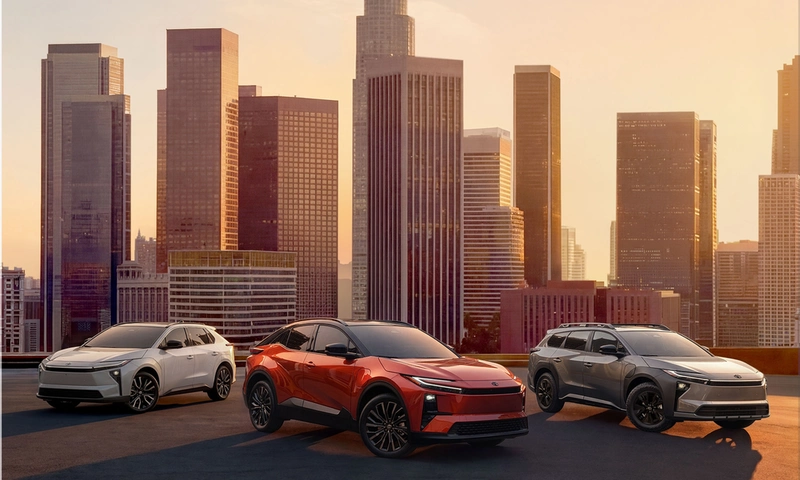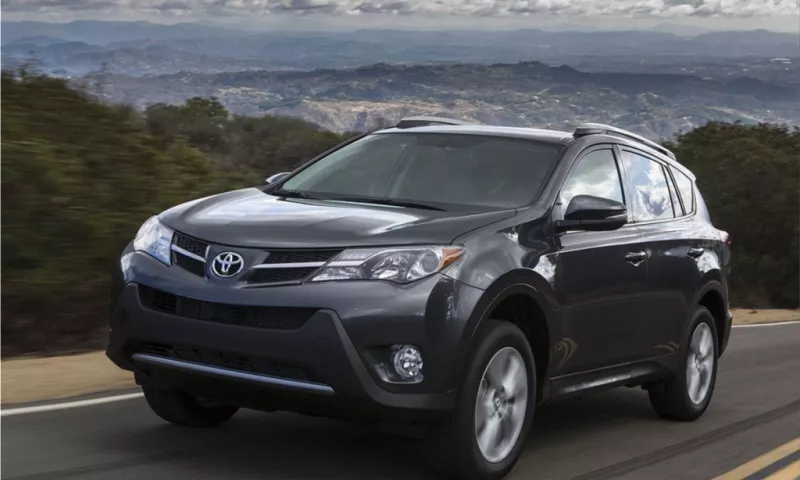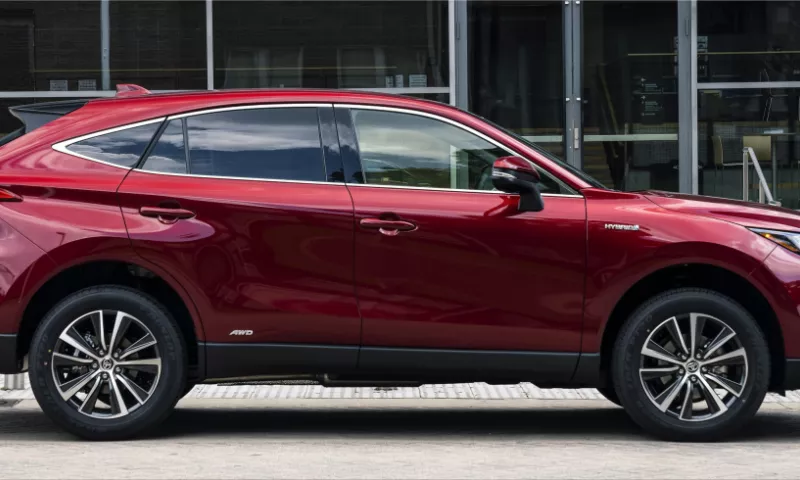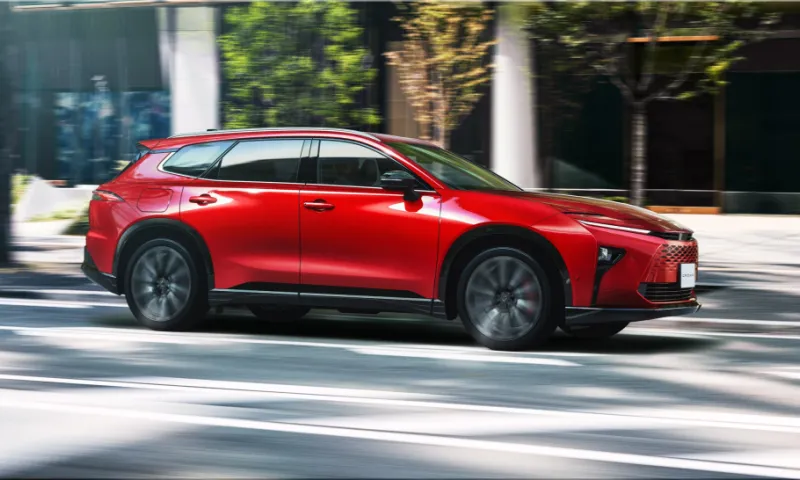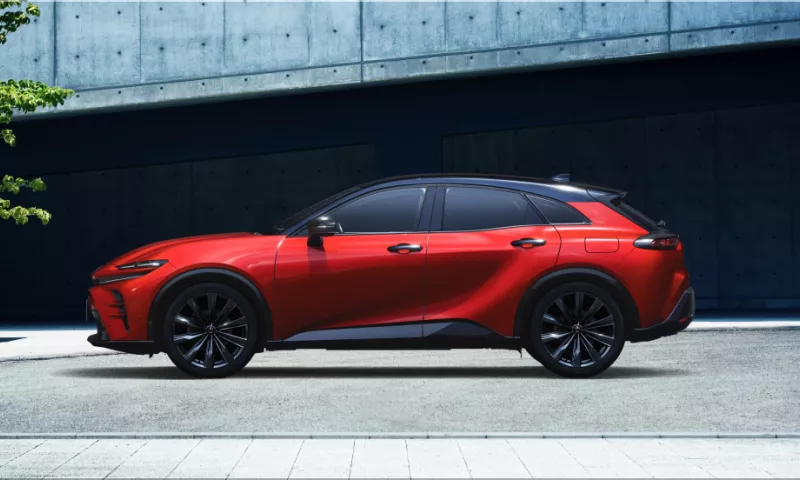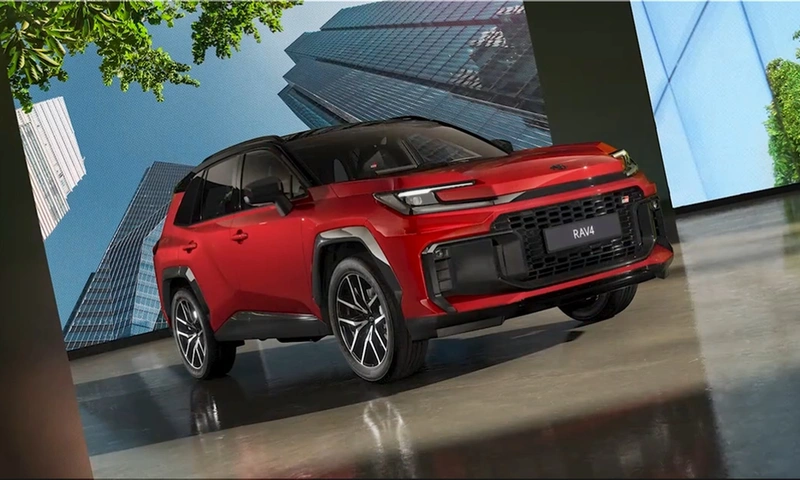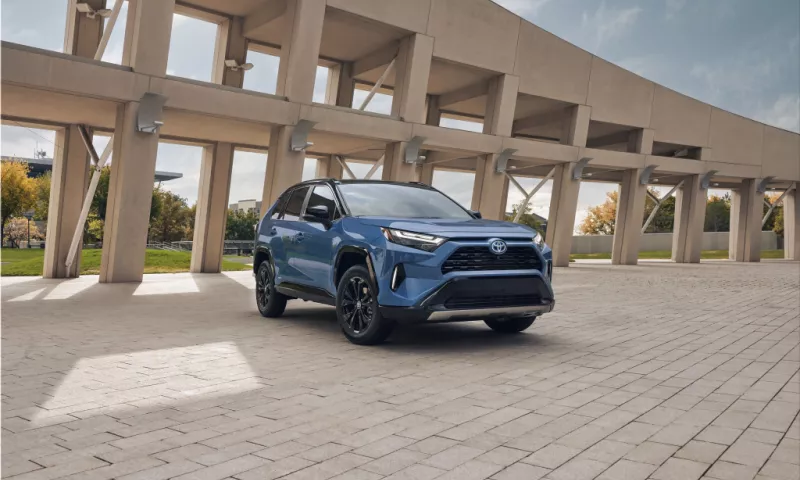

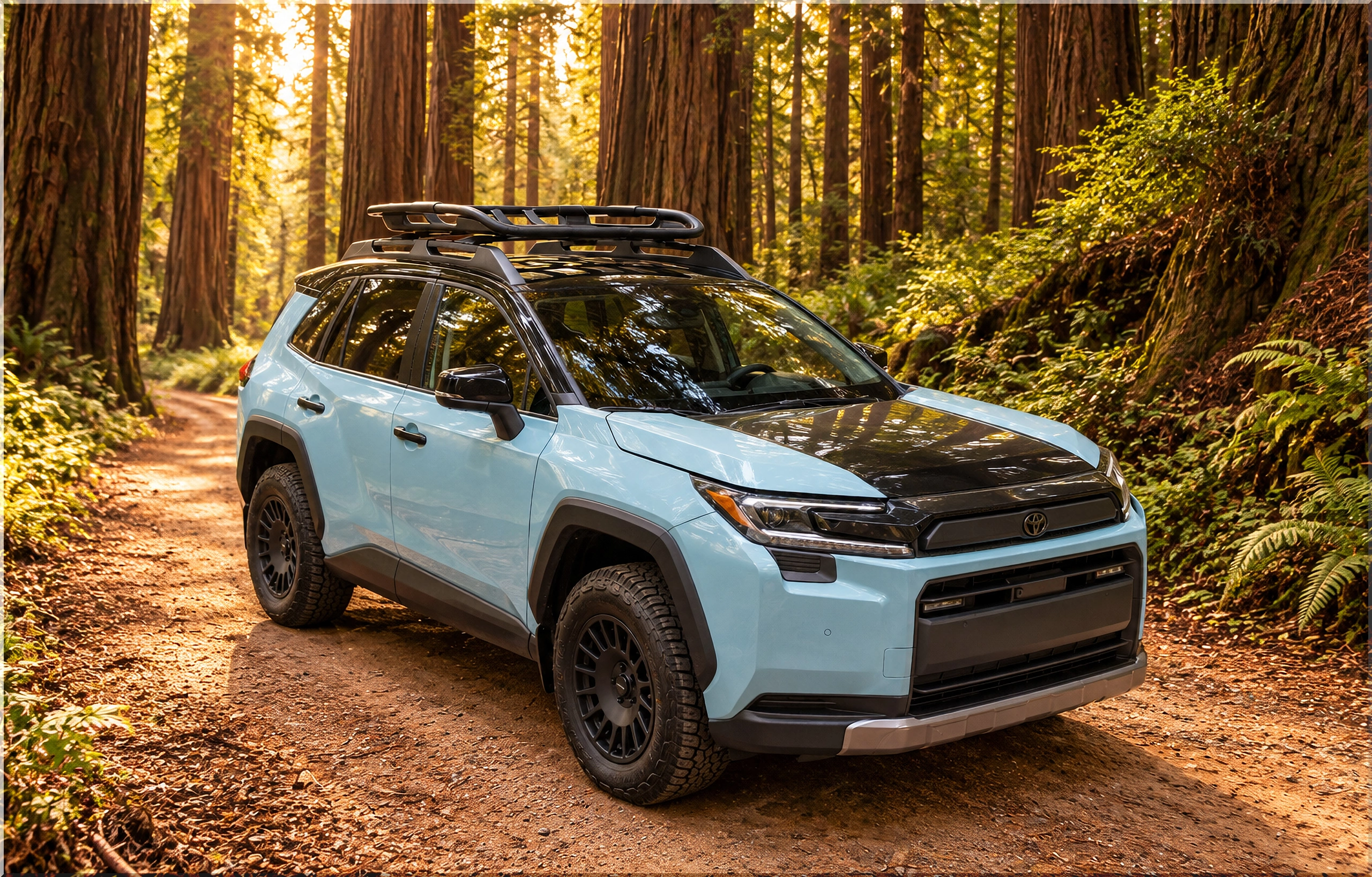
Toyota's five Woodland SEMA concepts give family transport a different weekend assignment. The Toyota RAV4, Grand Highlander, Sienna, bZ and Crown Signia receive a coordinated outdoor treatment that combines suspension lifts, all-terrain tyres and roof-mounted carrying equipment.
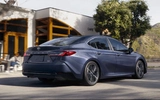
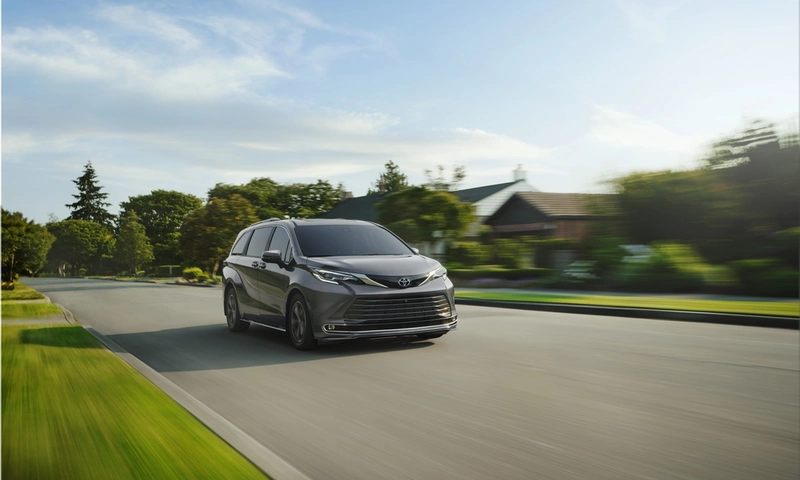
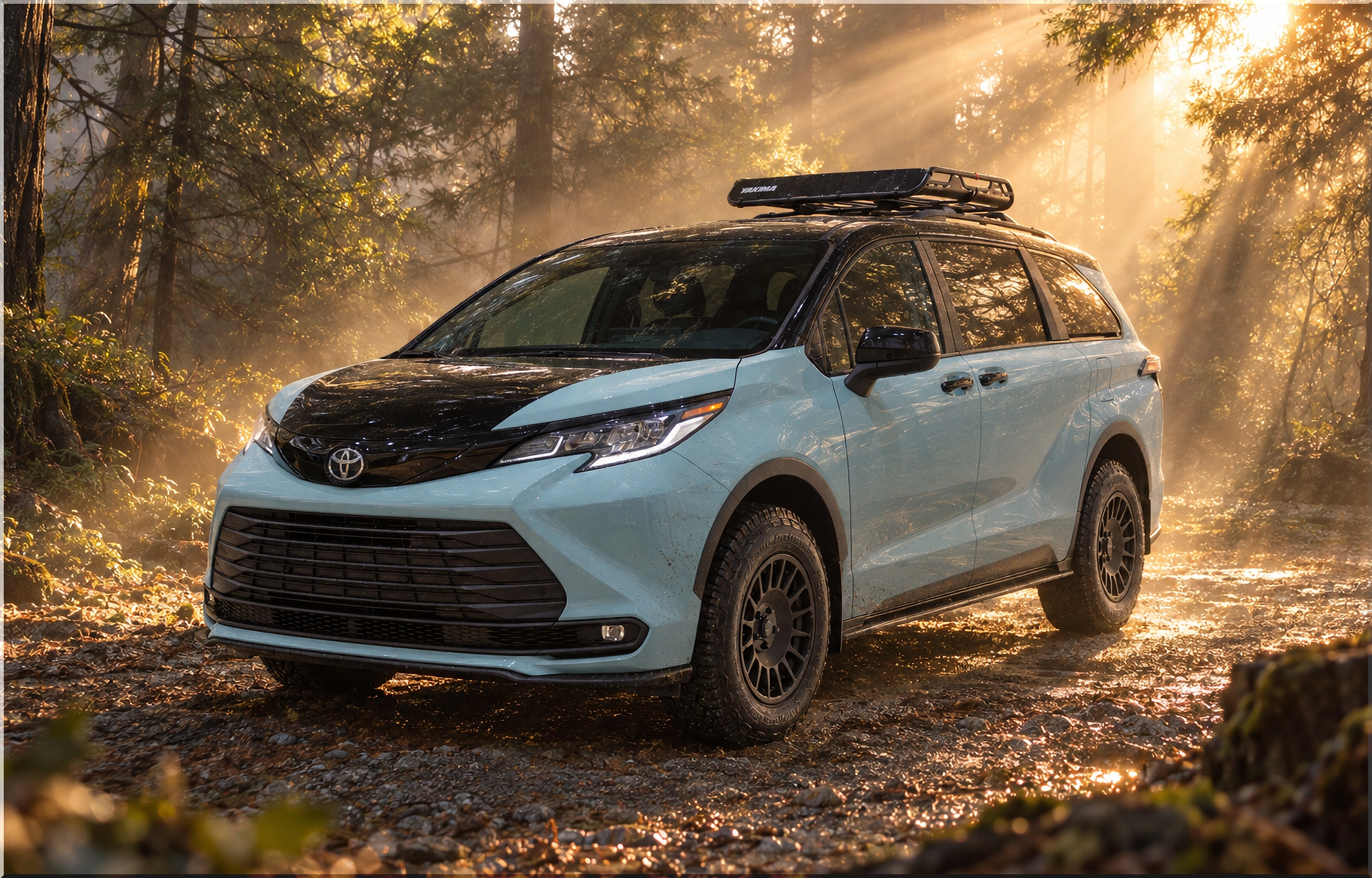
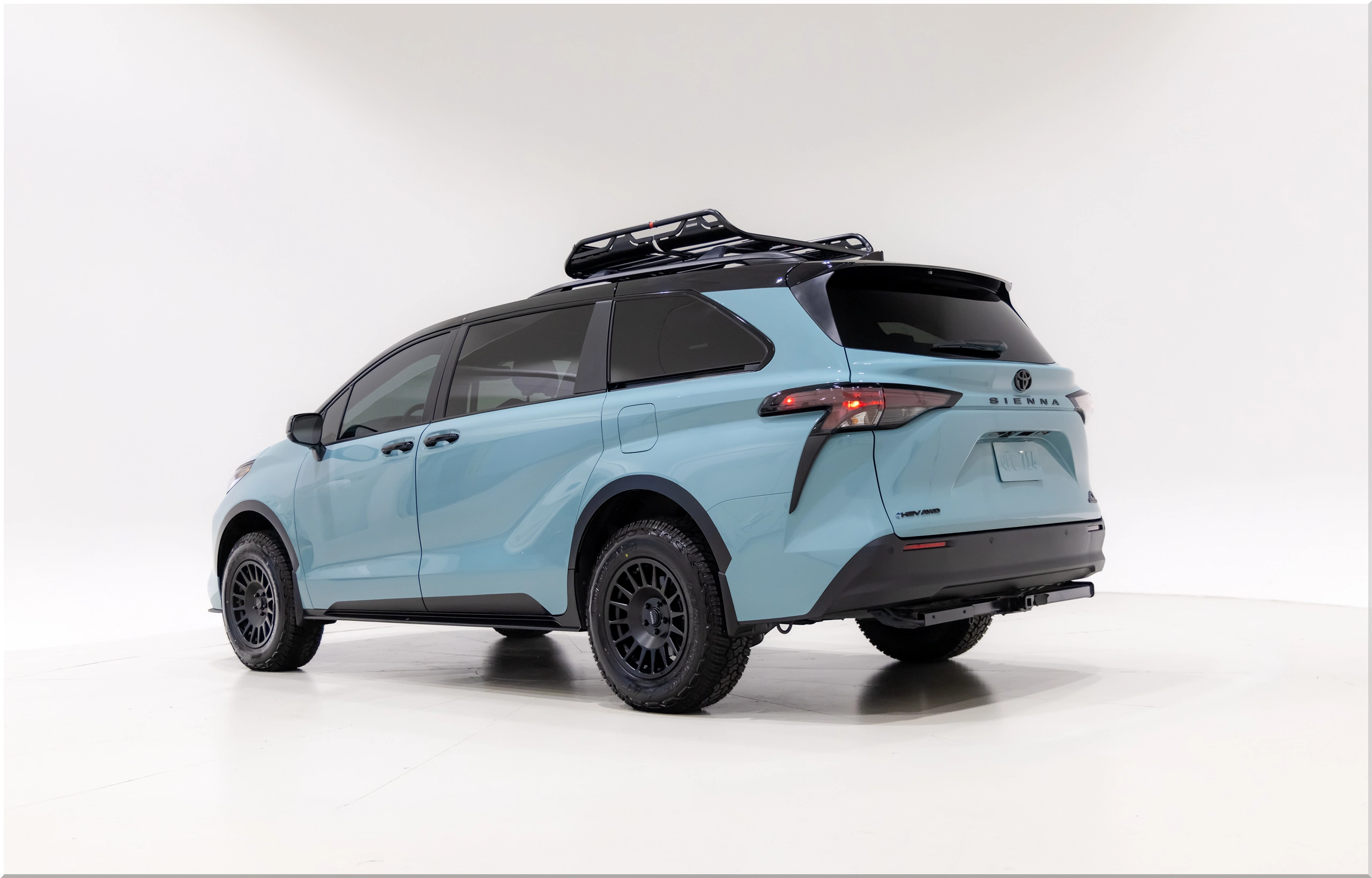
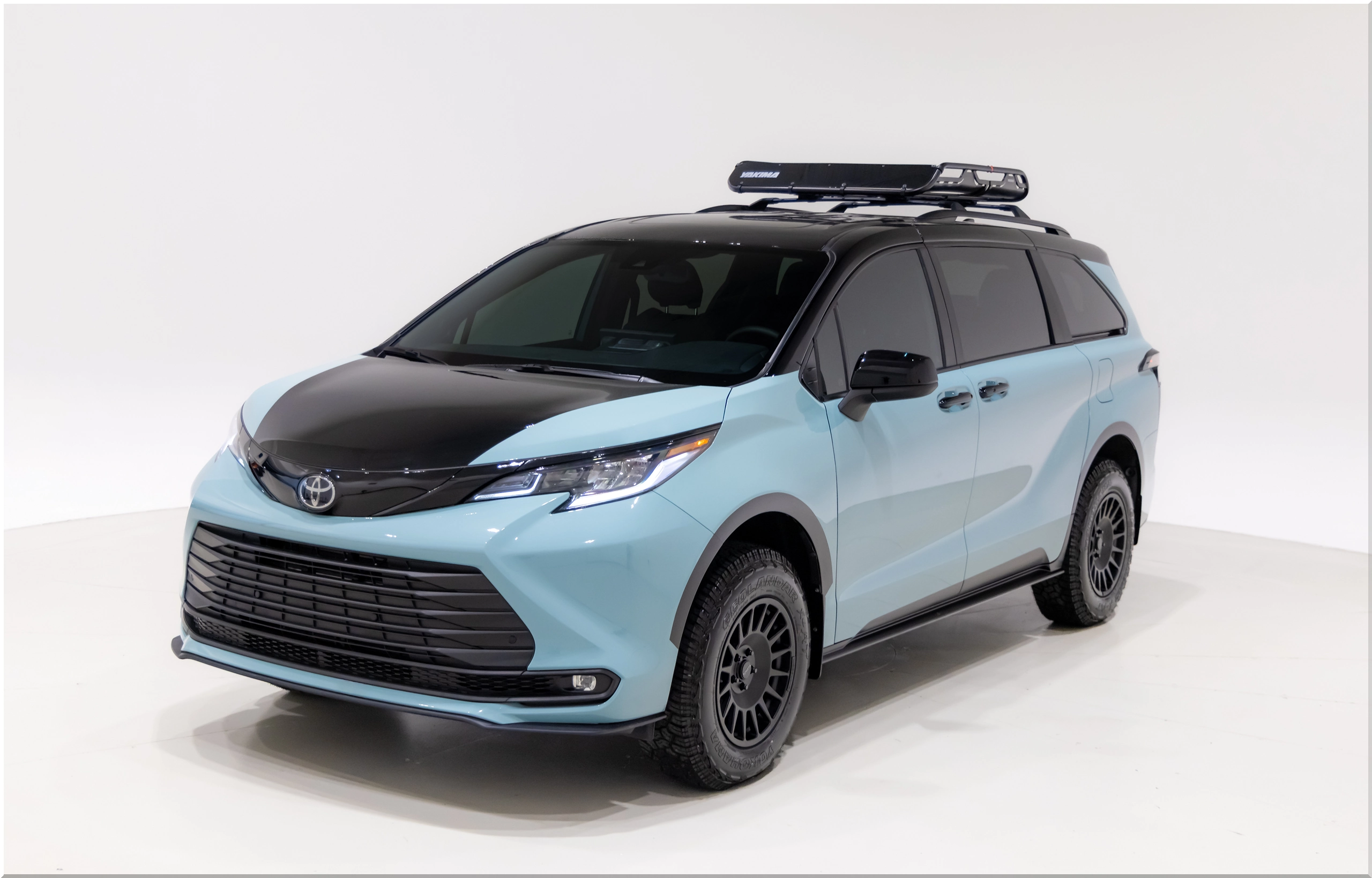
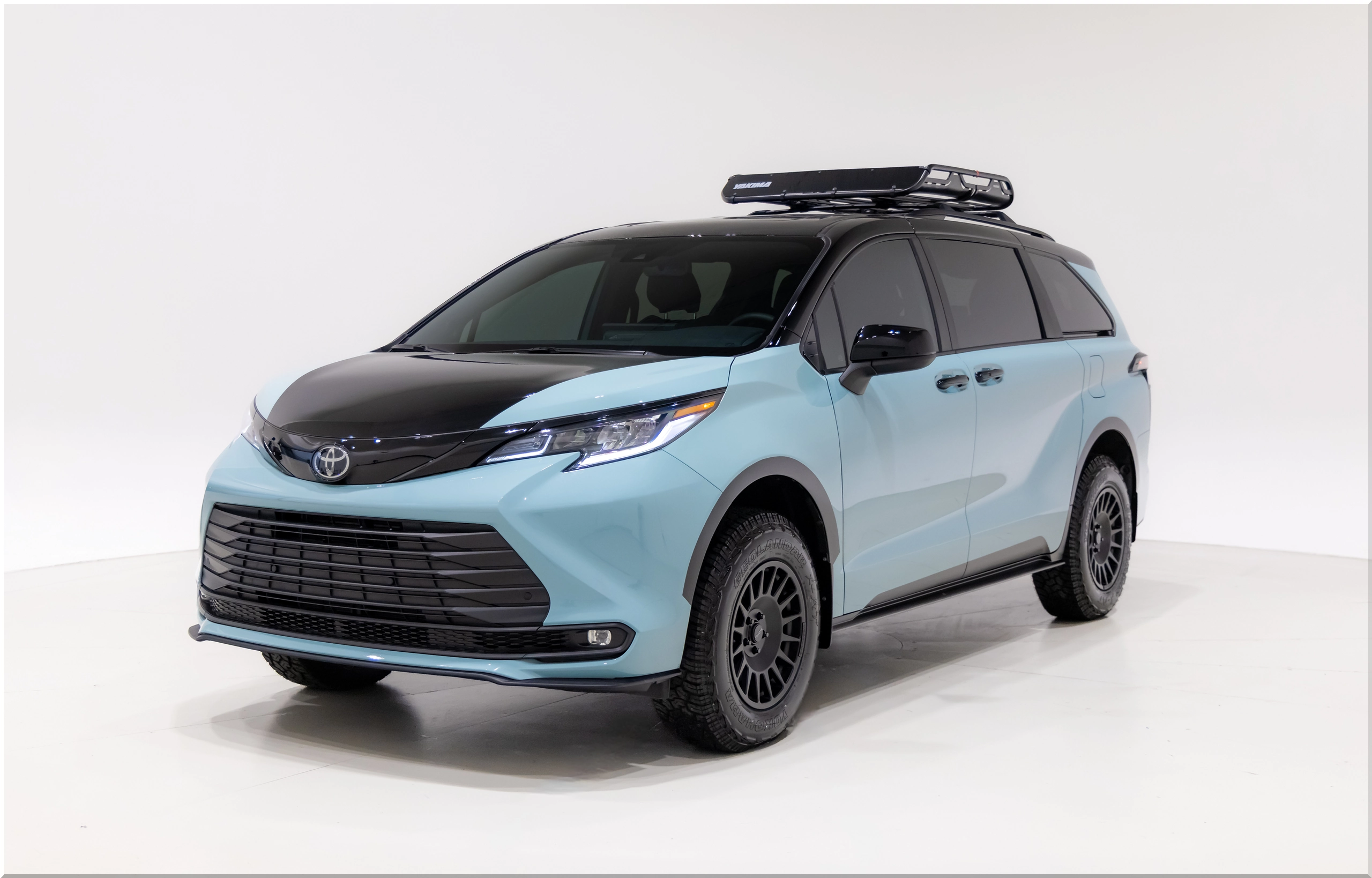
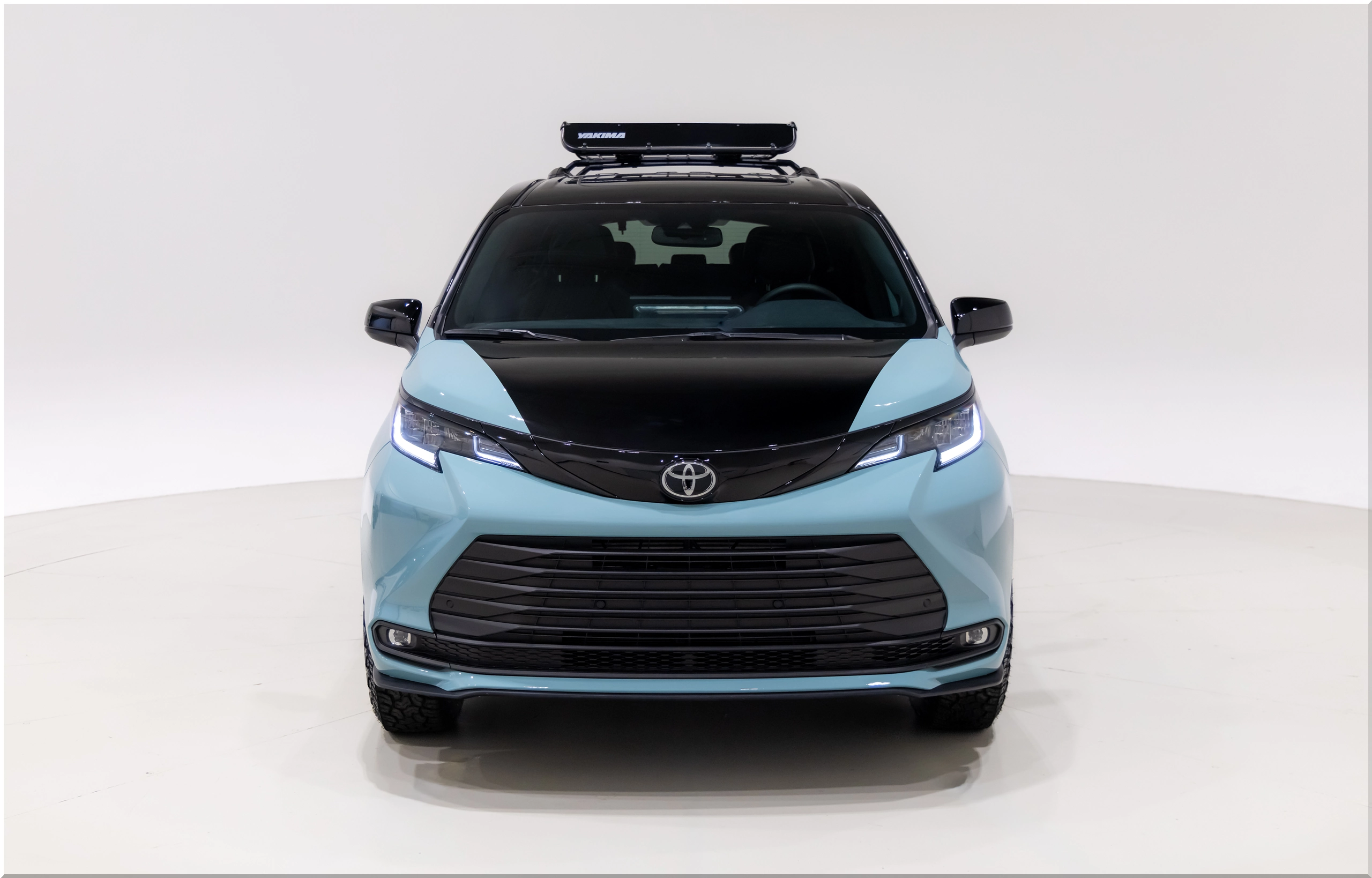
The Toyota Sienna Woodland Concept makes the strongest argument for the idea. A minivan already handles passengers and bulky luggage; additional clearance and suitable tyres could make rough campsite access roads a more realistic destination.
Image
Five Models, One Woodland Recipe
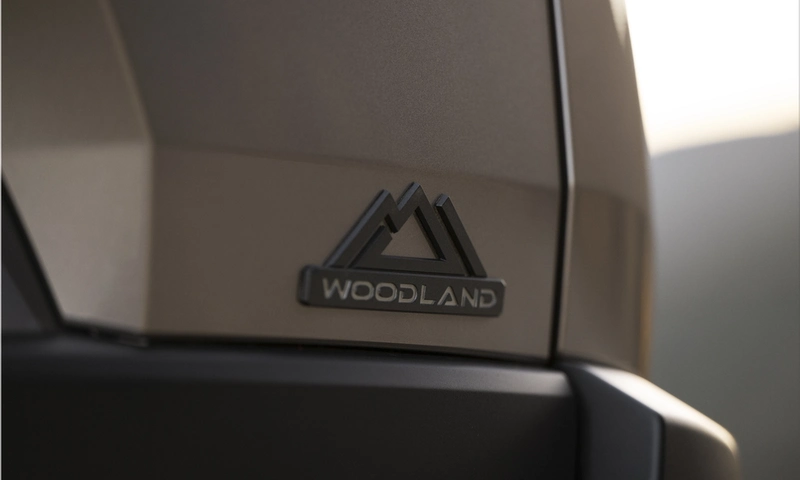
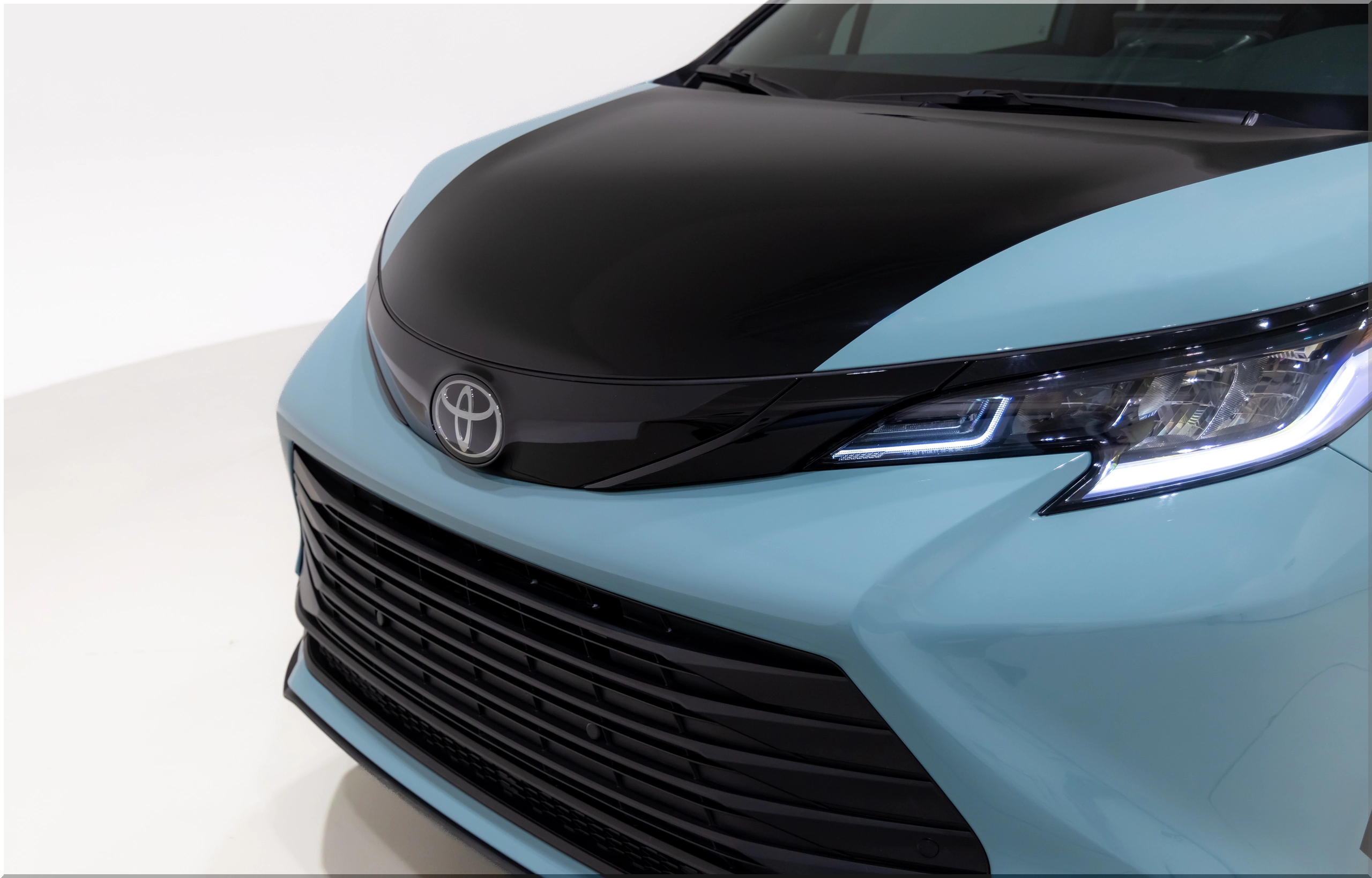
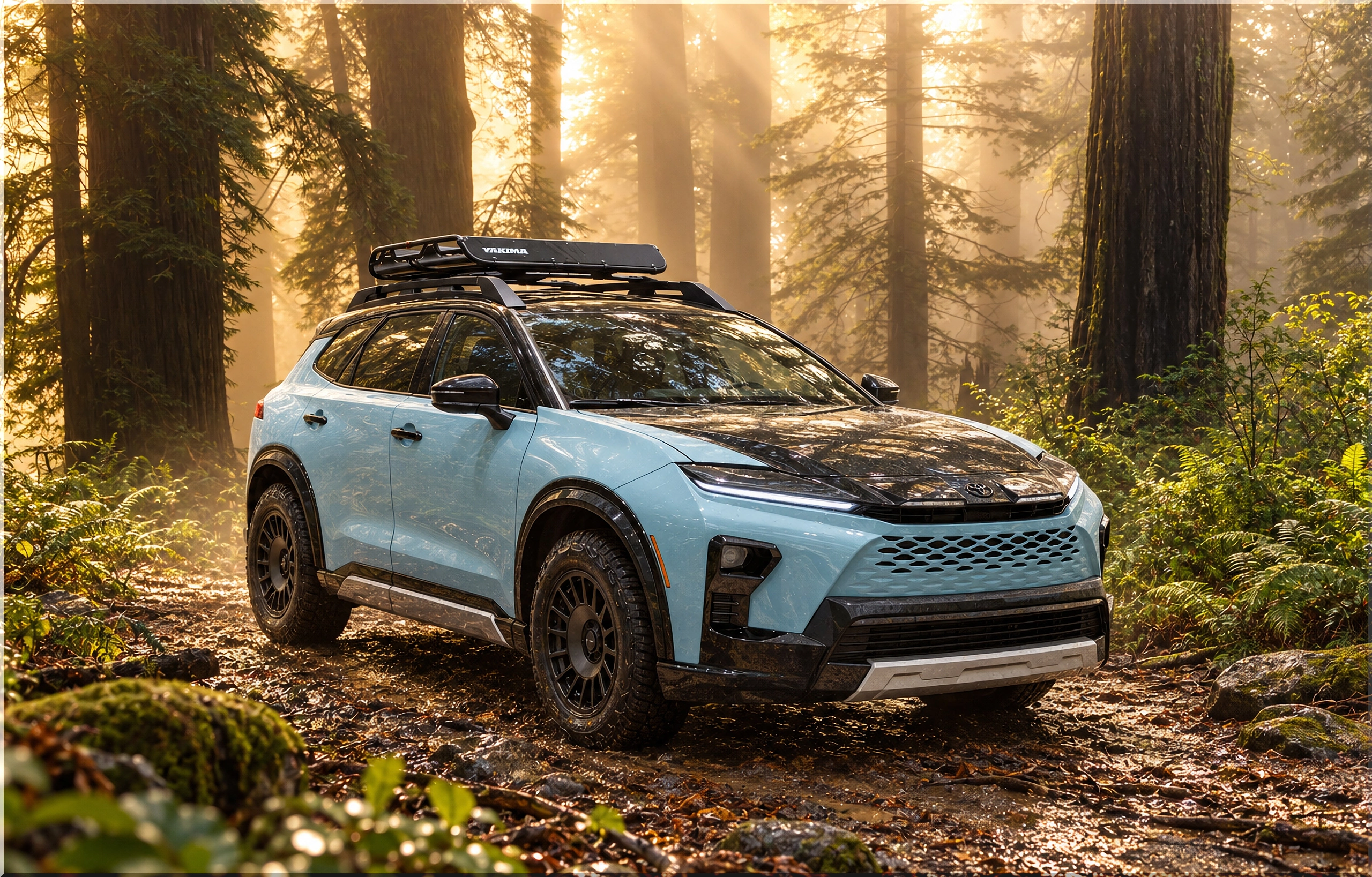
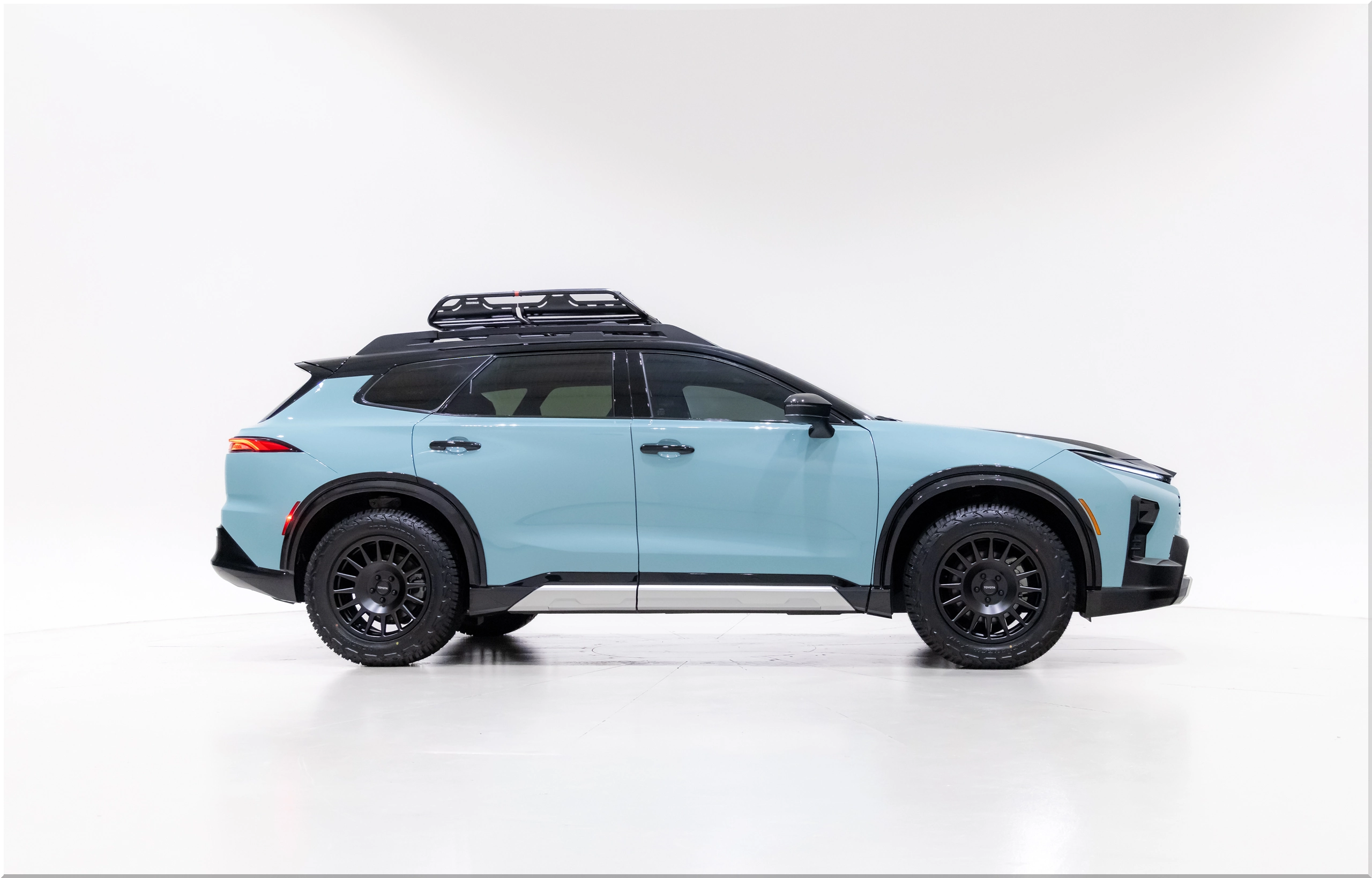
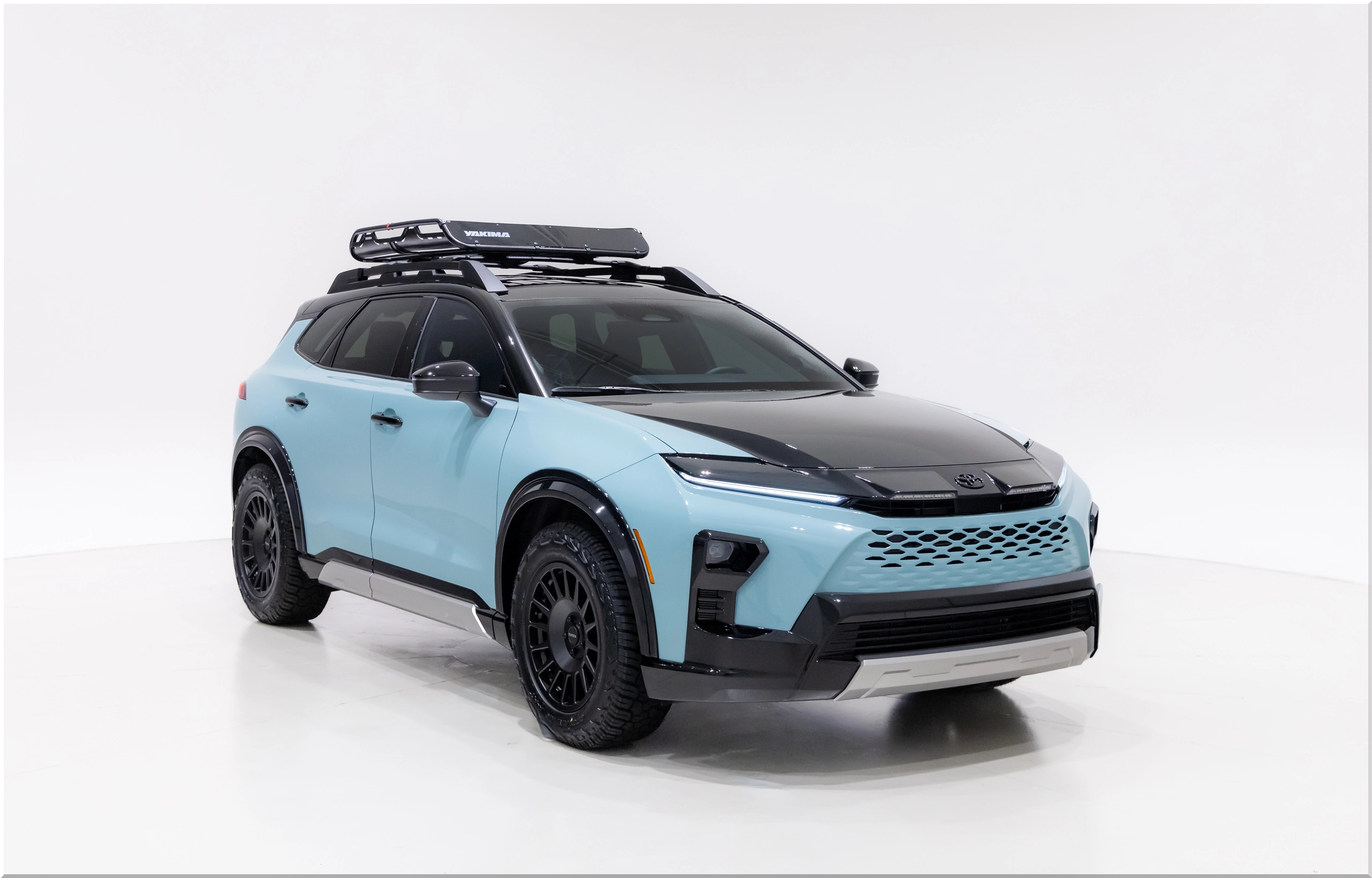
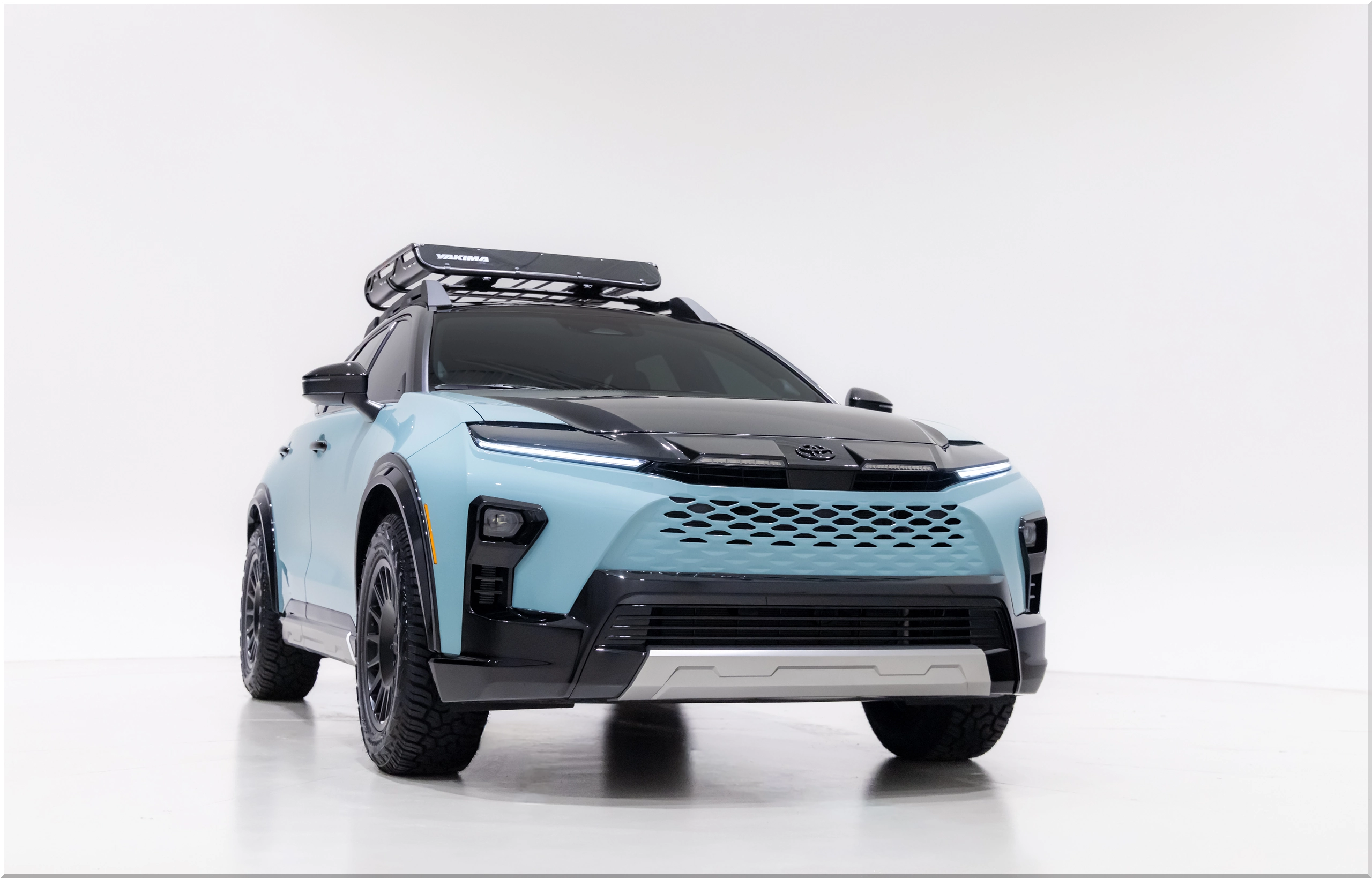
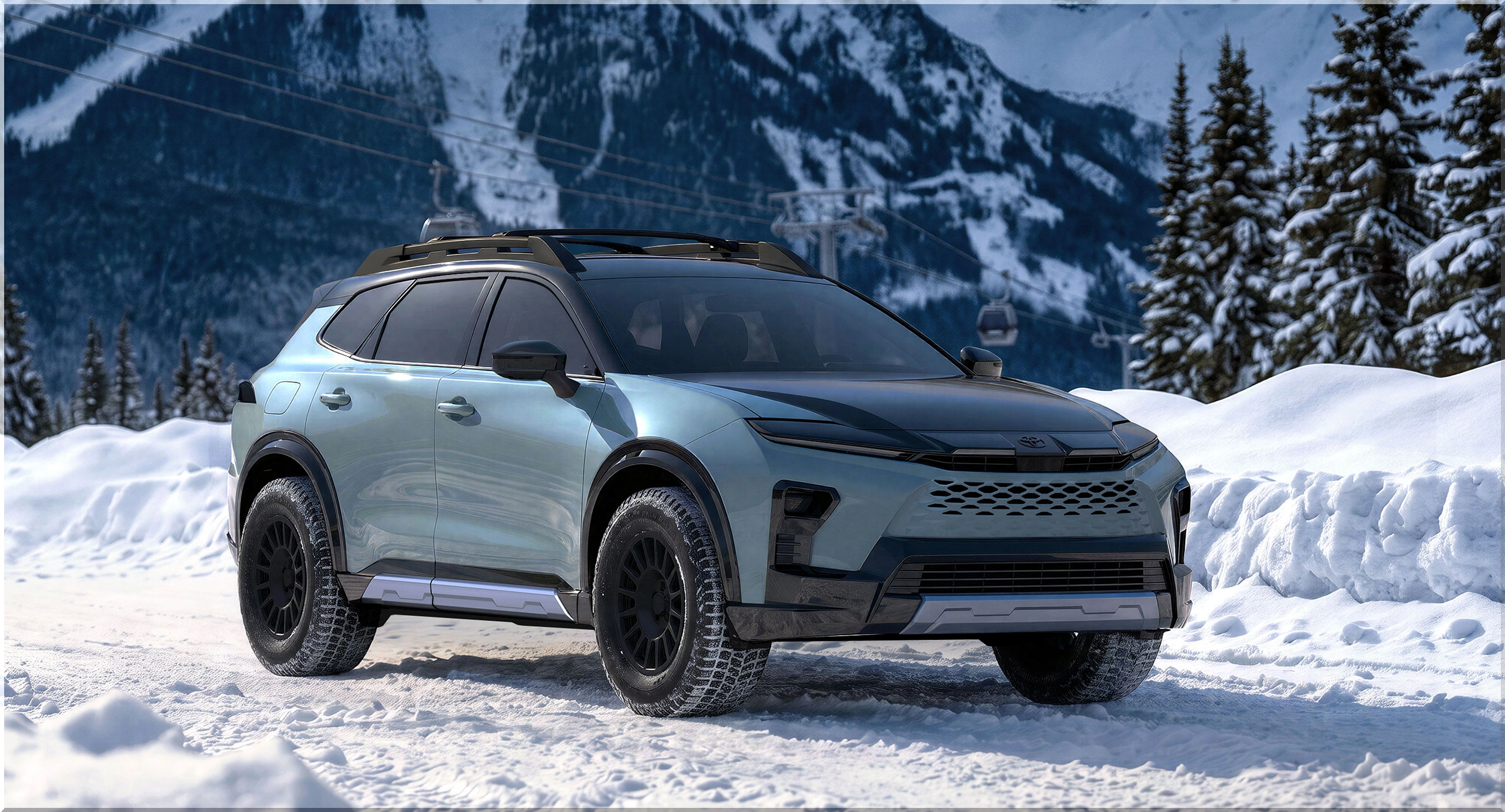
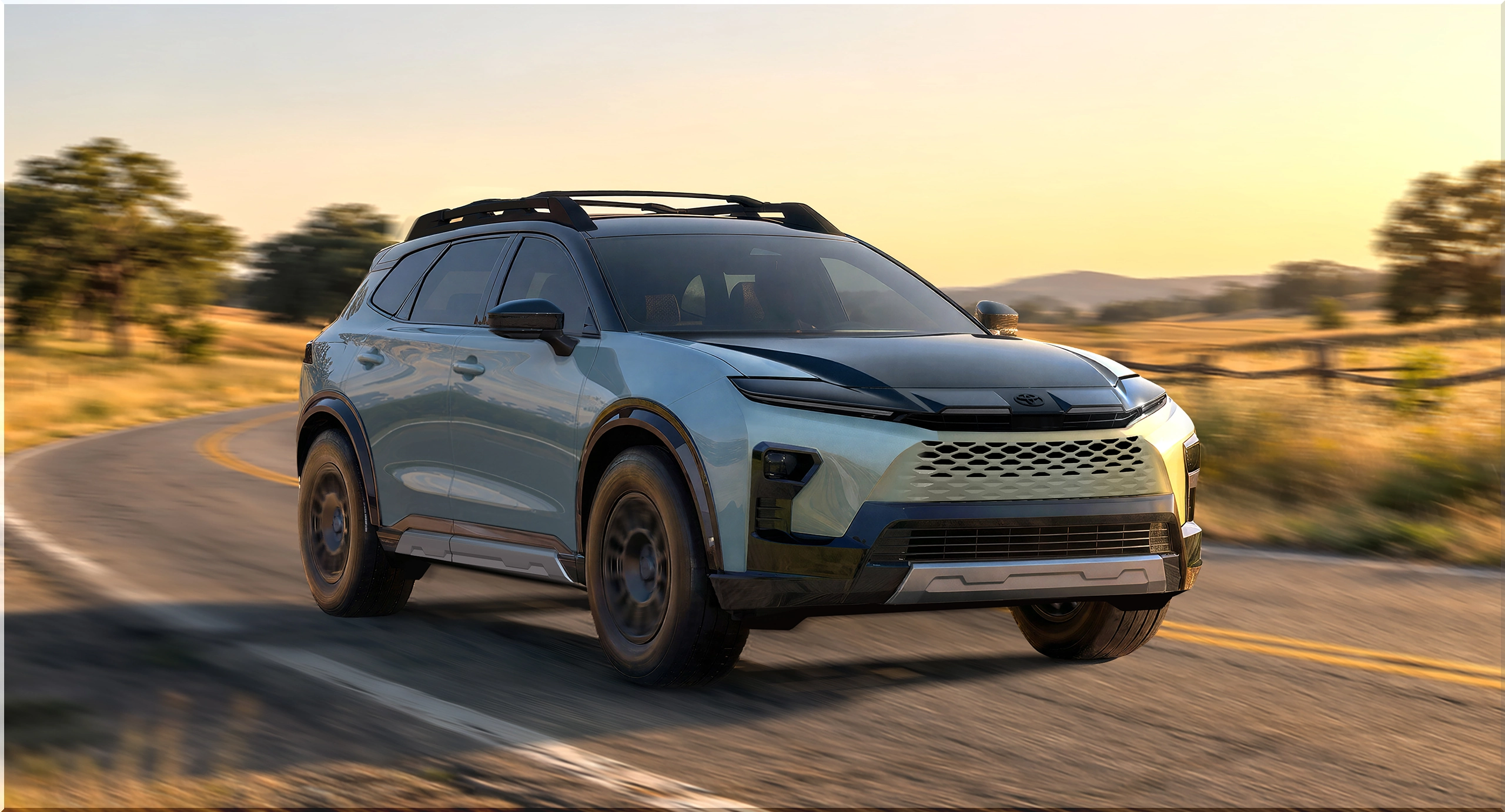
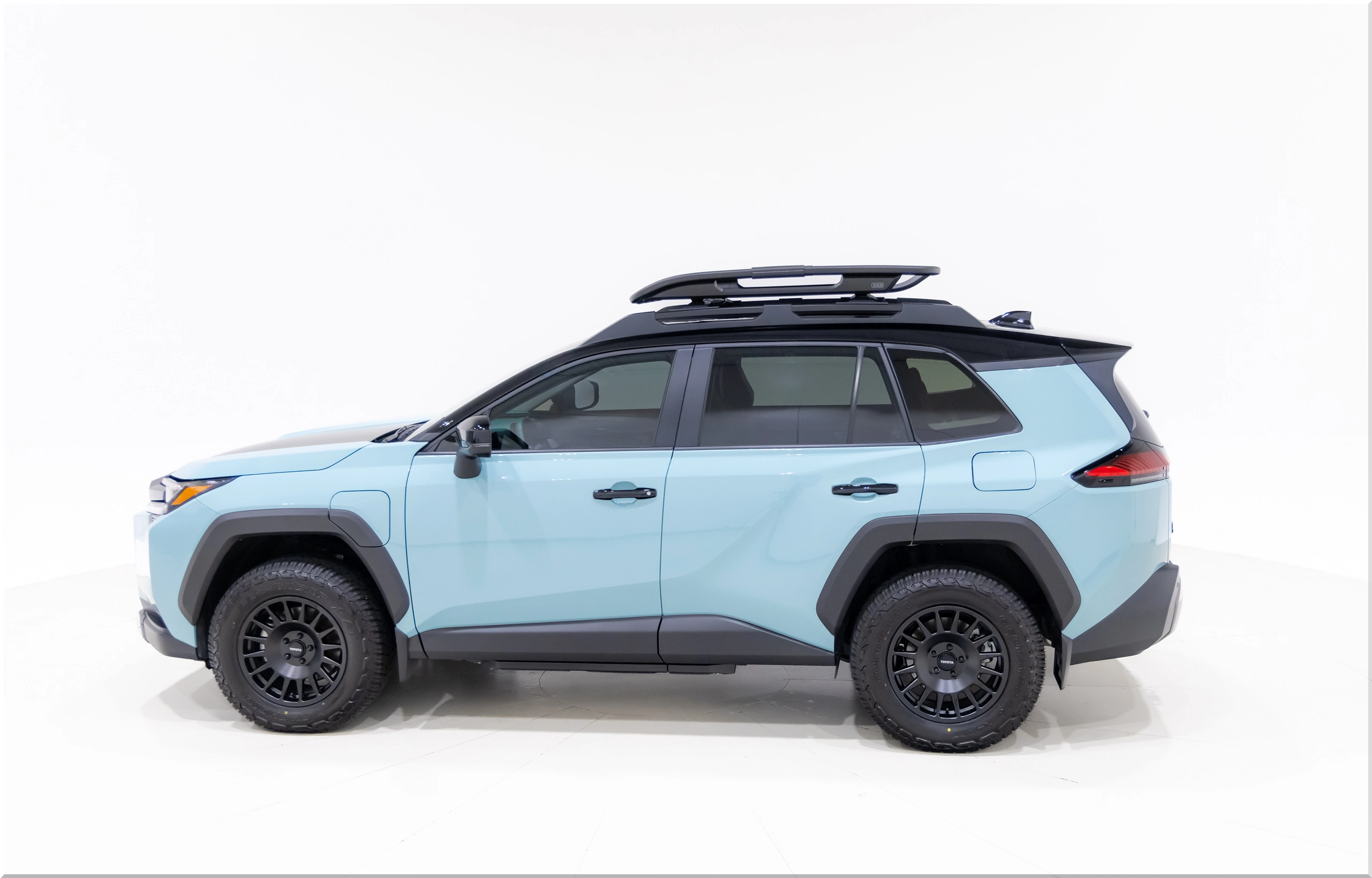
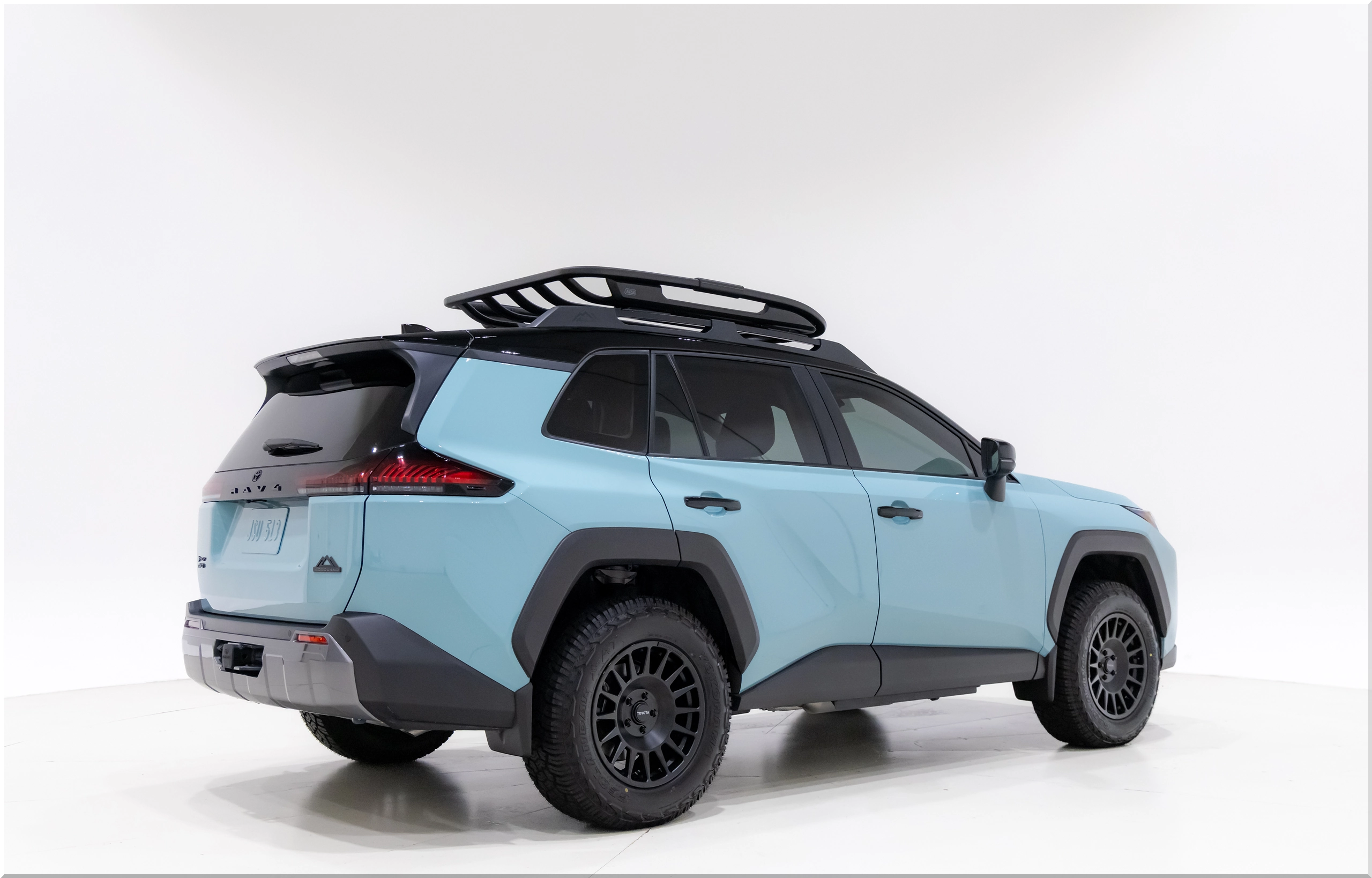
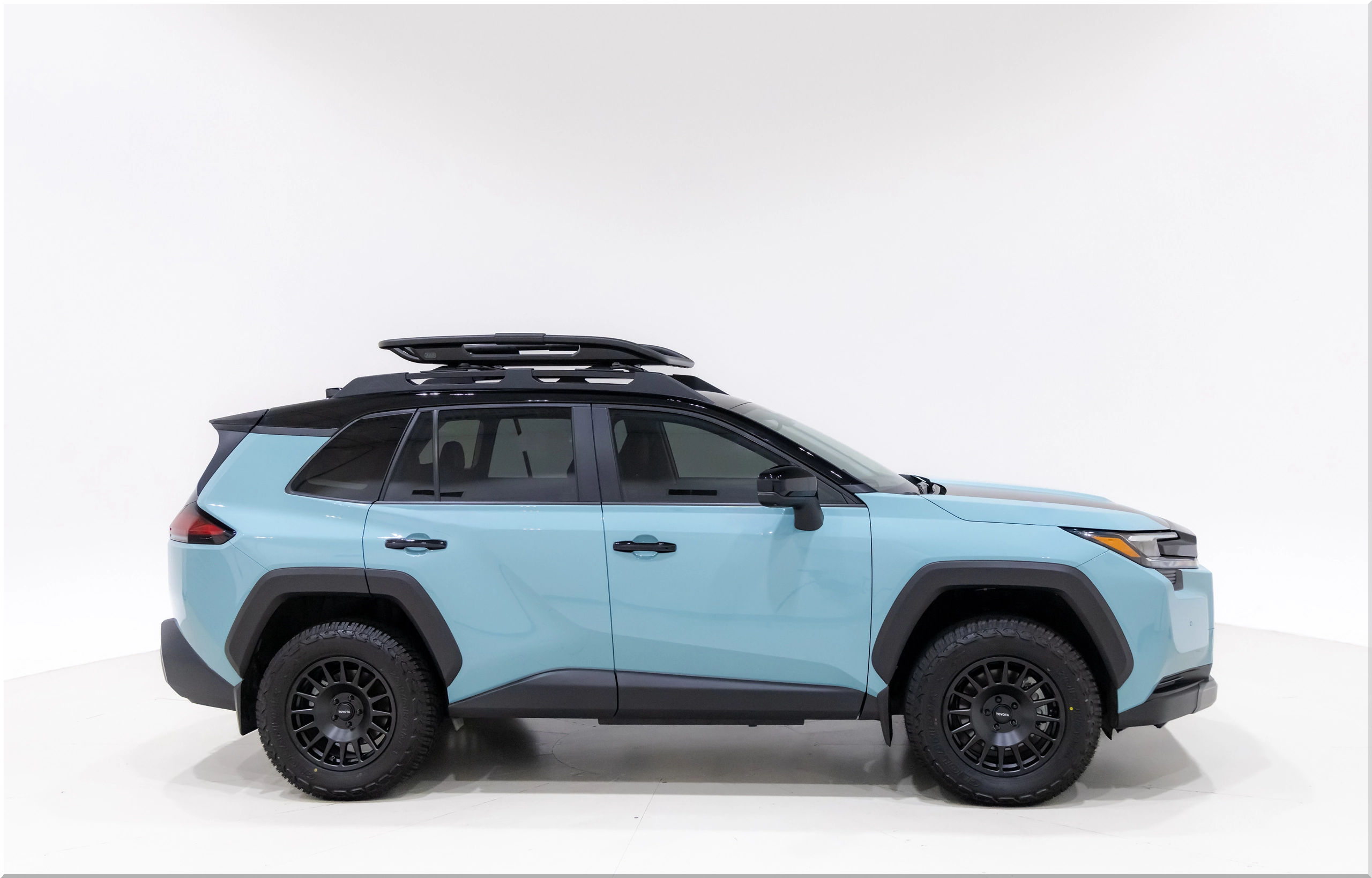
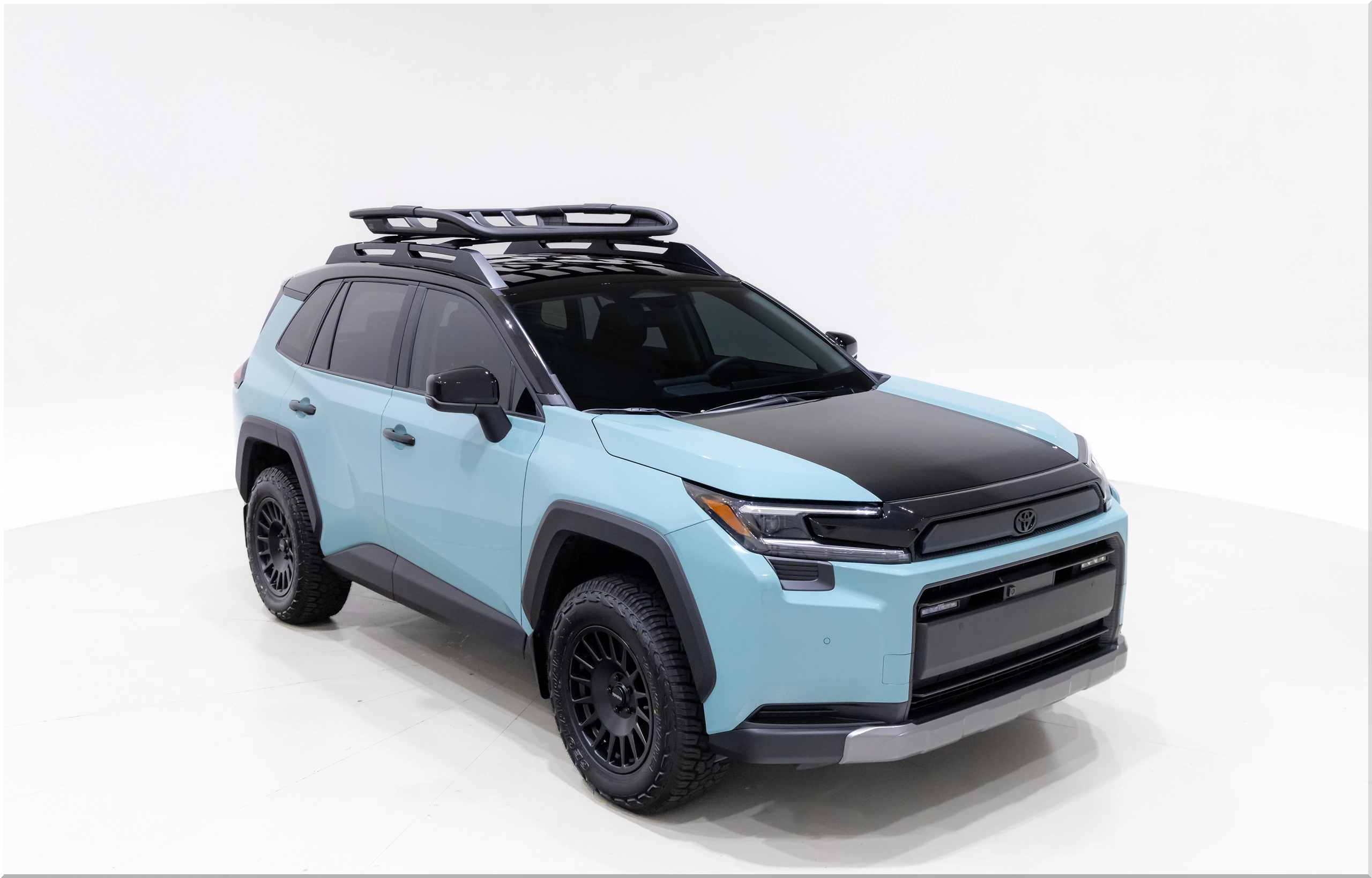
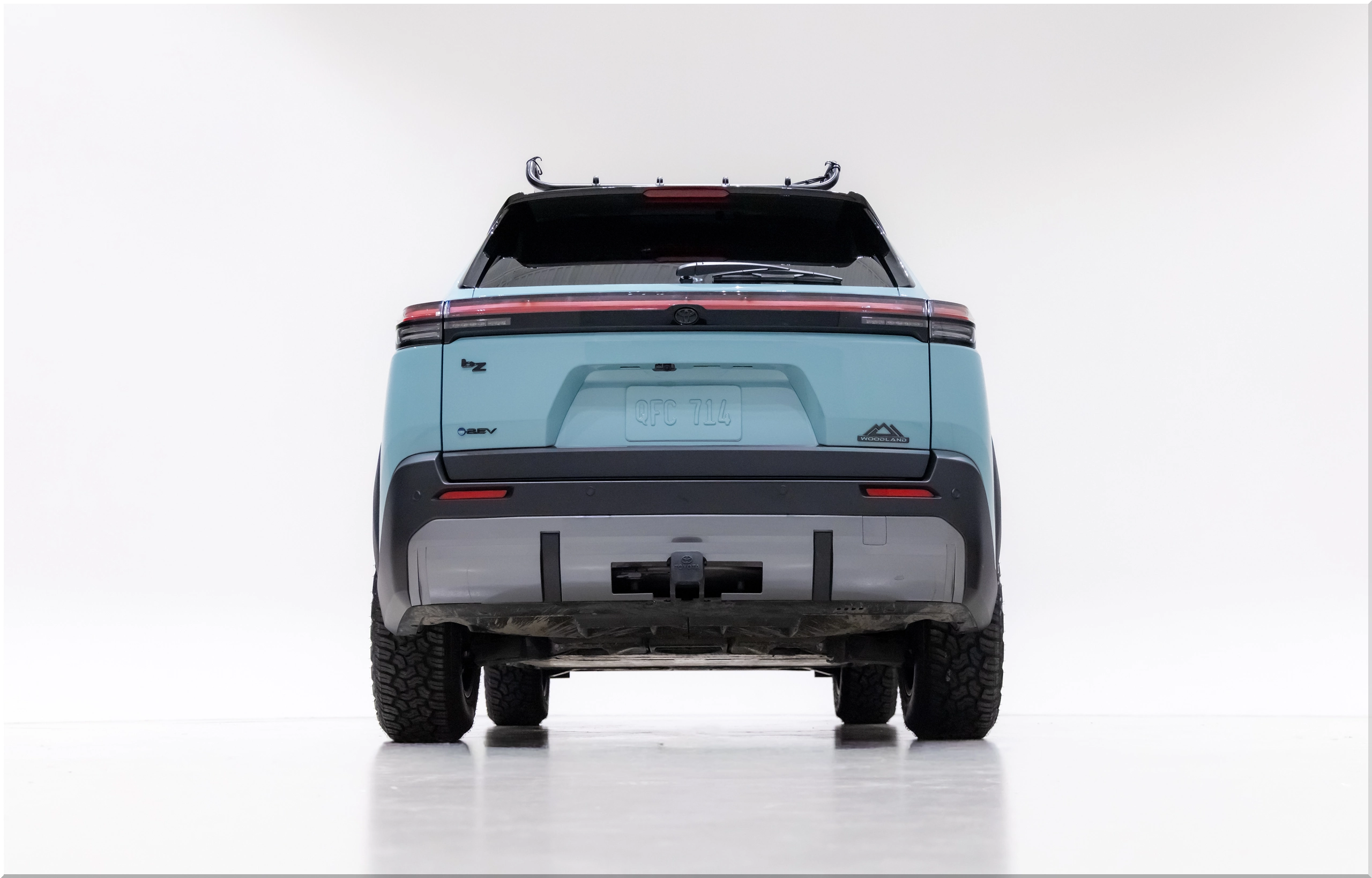
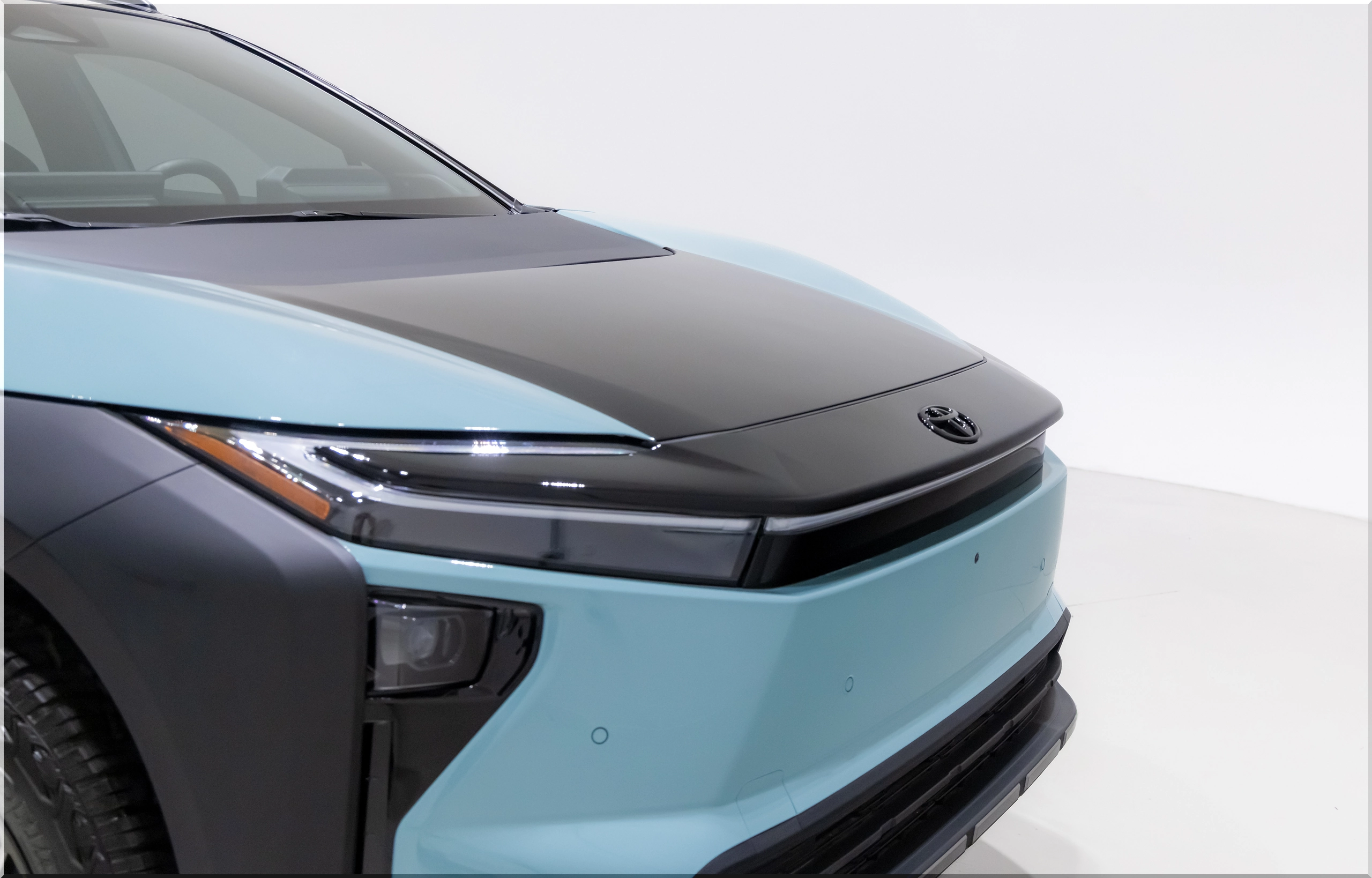
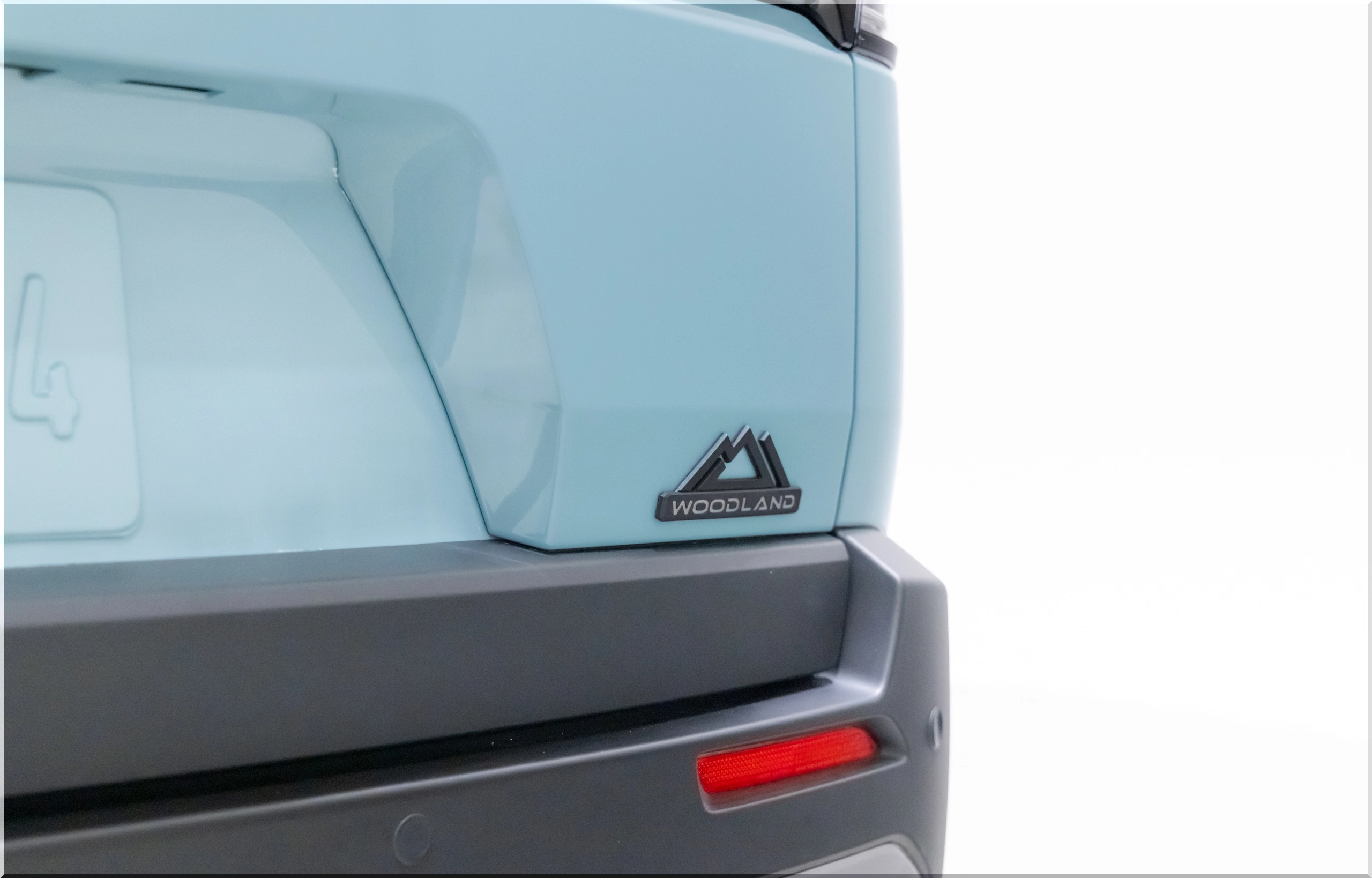
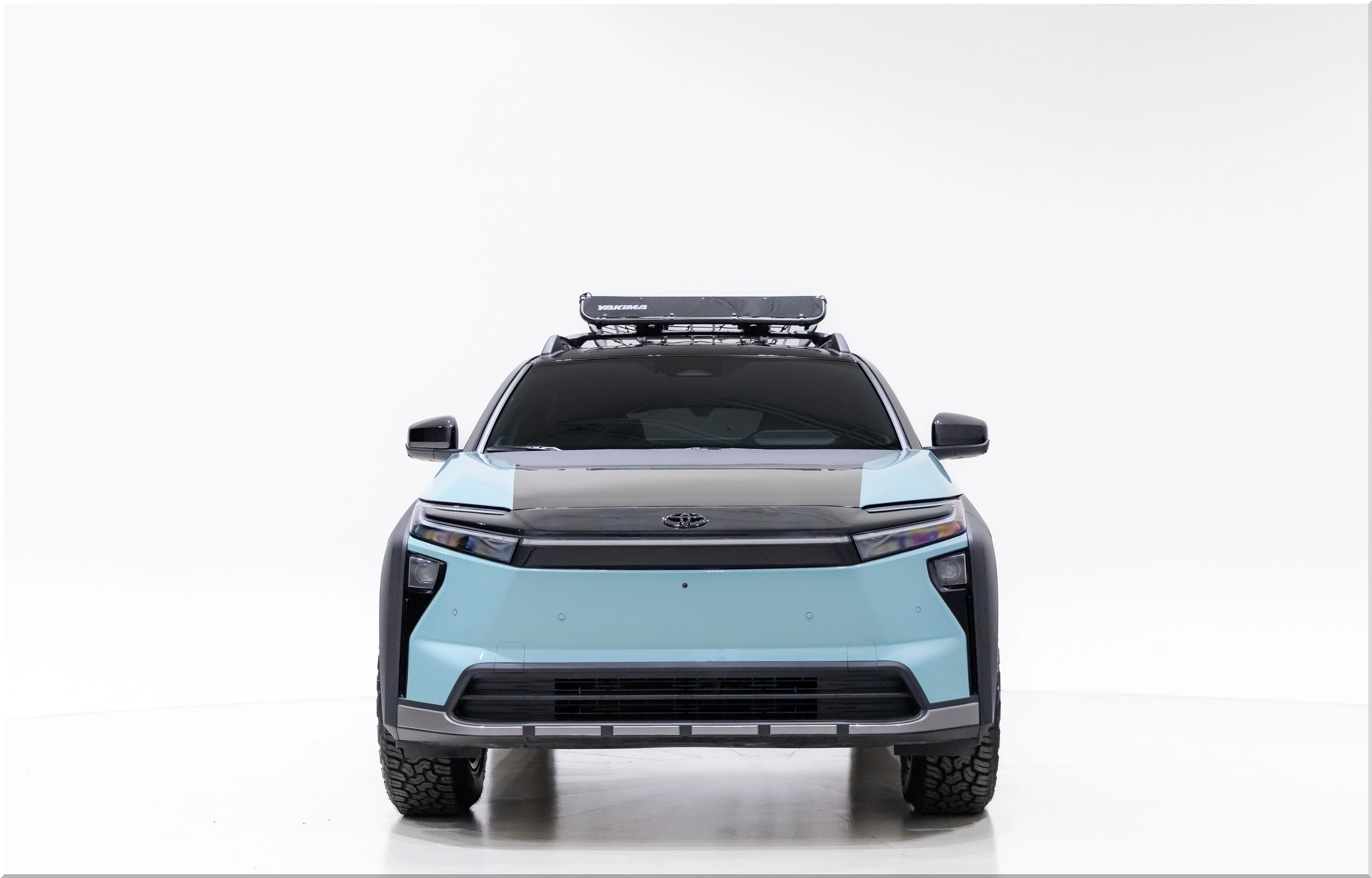
Toyota's CALTY Design Research team developed the shared appearance and equipment theme. Horizon Blue paint recalls the company's 1960s Stout, Crown and Corona, while contrasting black roofs and bonnets give the vehicles a consistent identity.
The lineup covers several family-car formats and electrified powertrains:
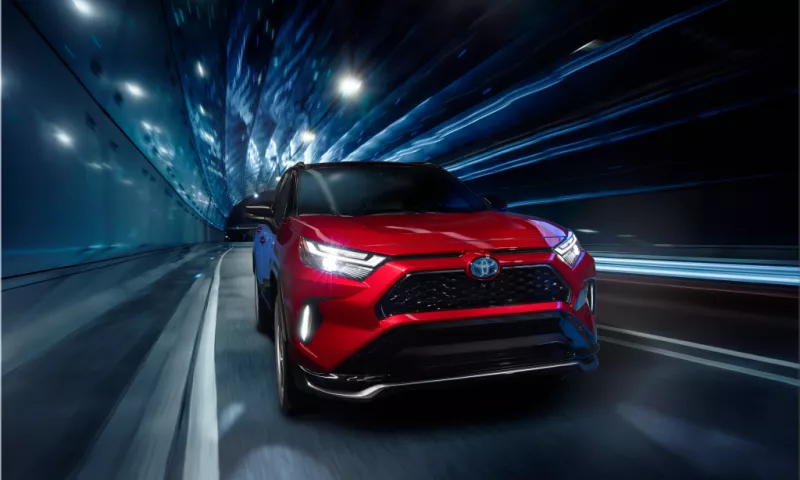
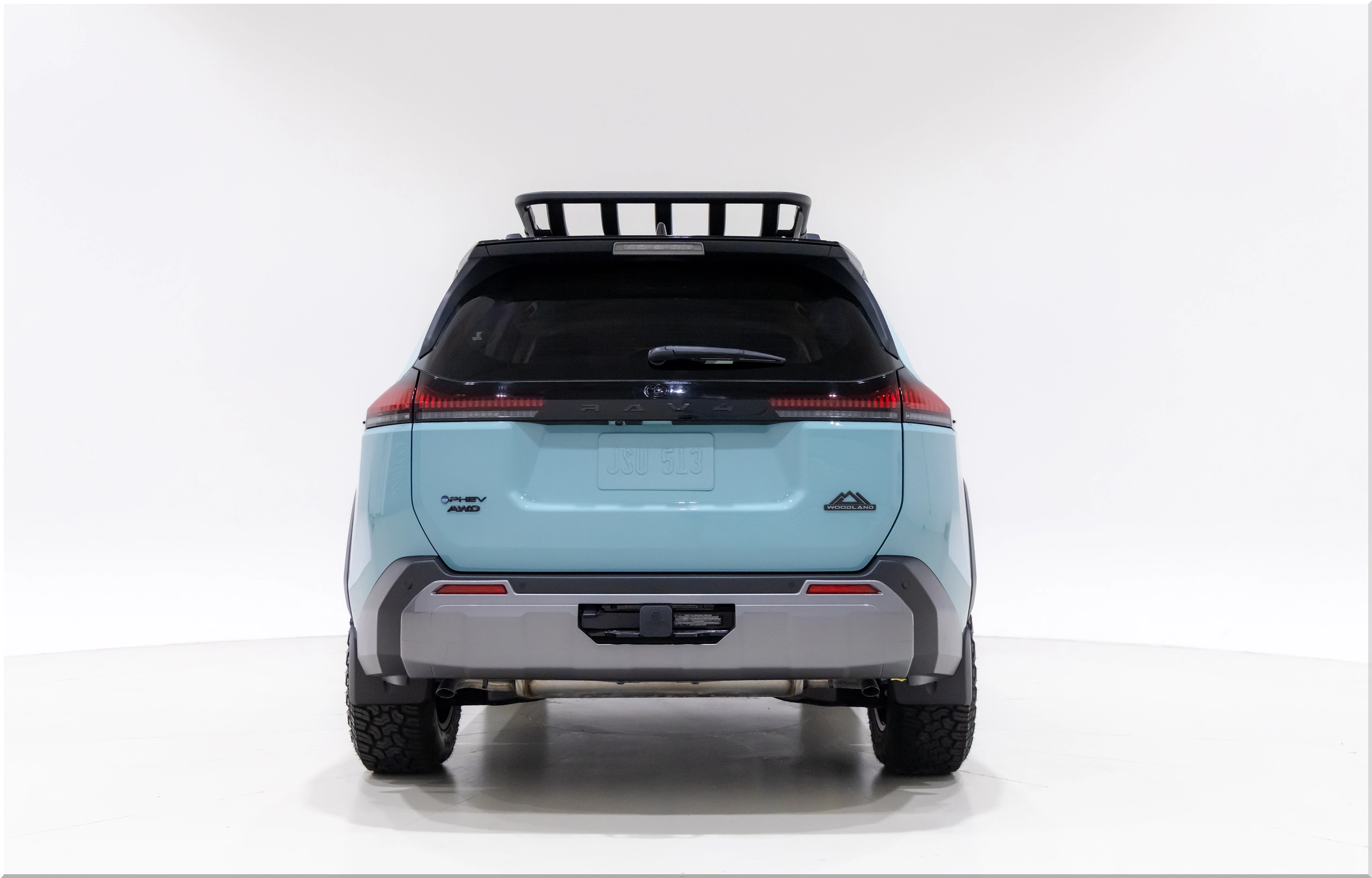
- RAV4 Woodland Plug-in Hybrid Concept: the plug-in hybrid entry in the group.
- Toyota Grand Highlander Woodland Concept: the larger SUV interpretation.
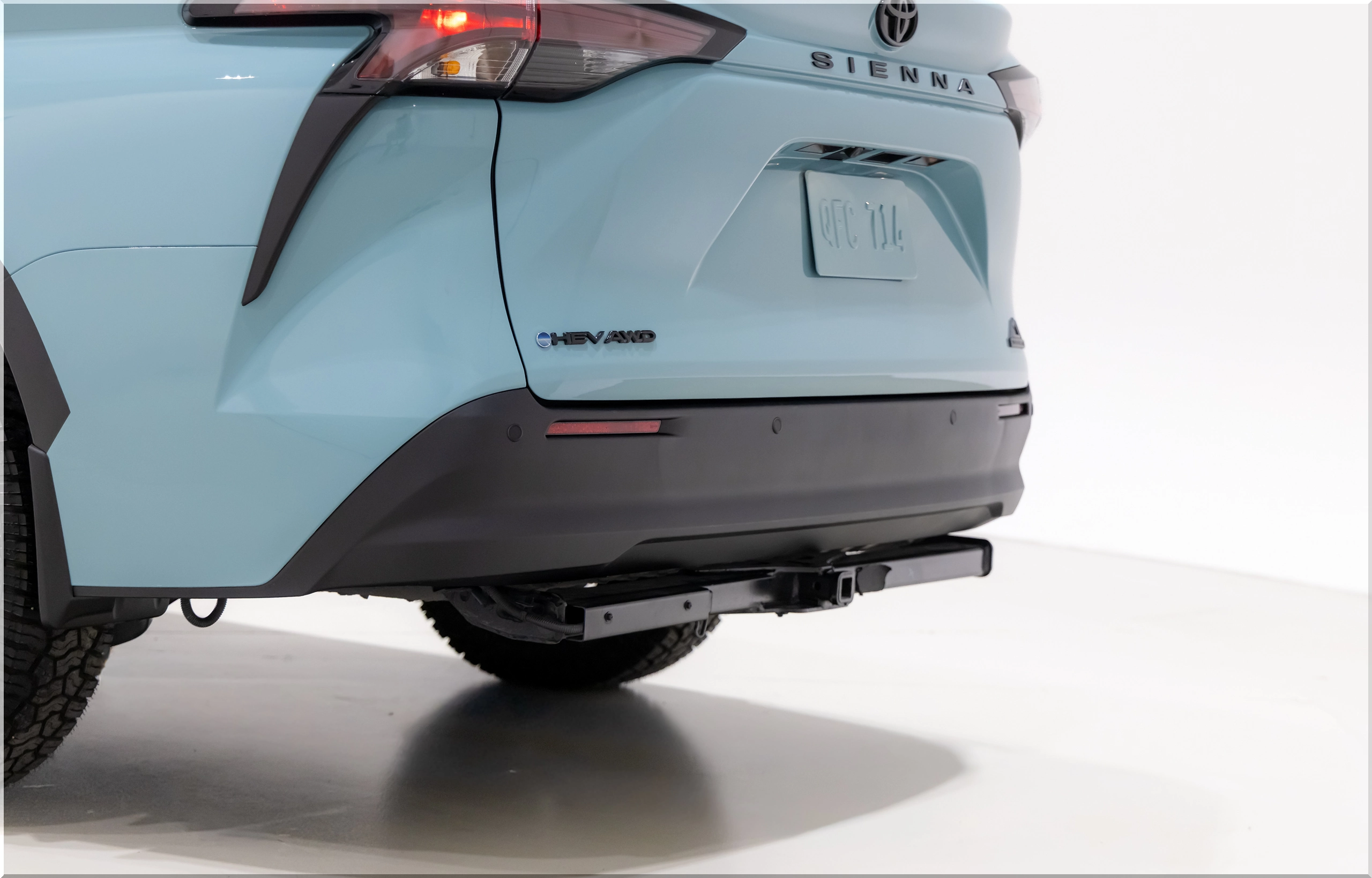
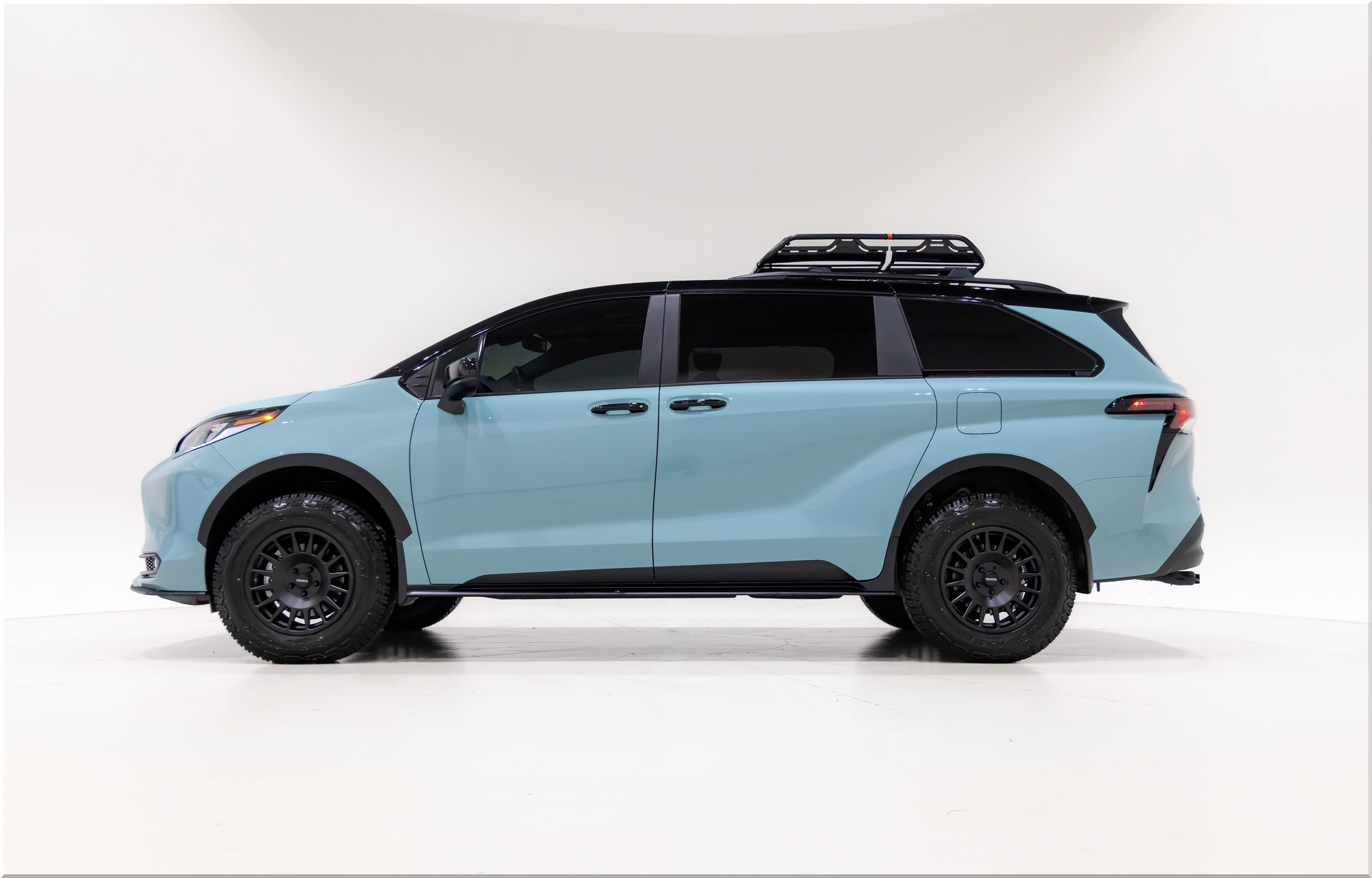
- Sienna Woodland Concept: the minivan alternative for passenger and camping duties.
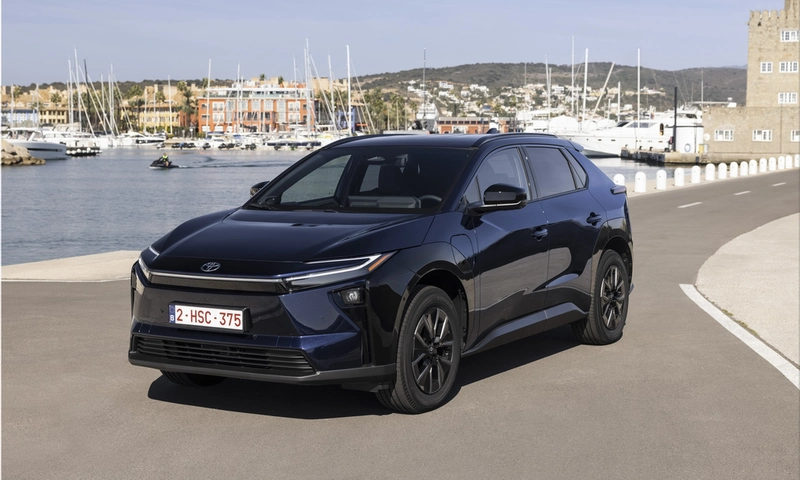
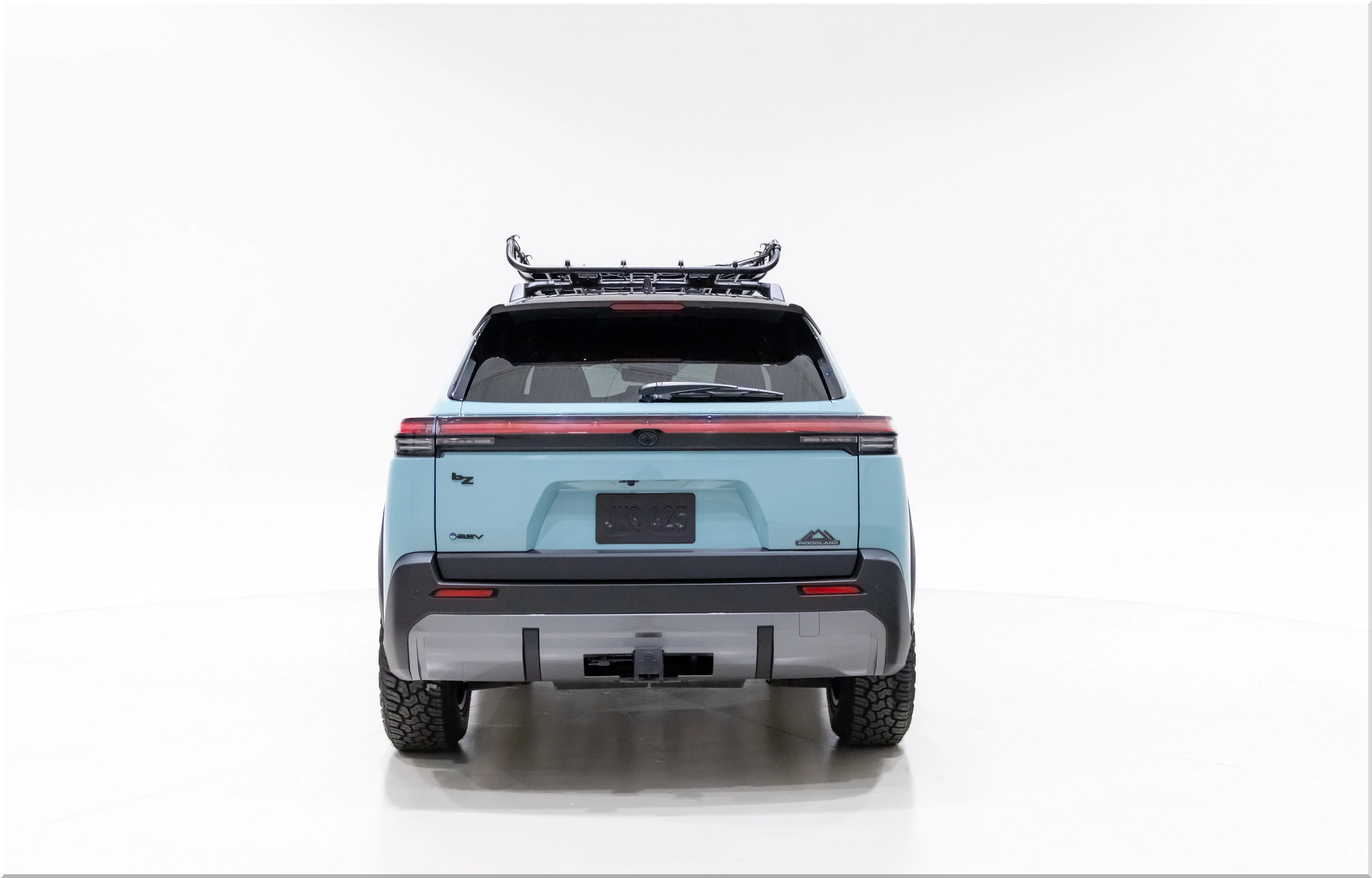
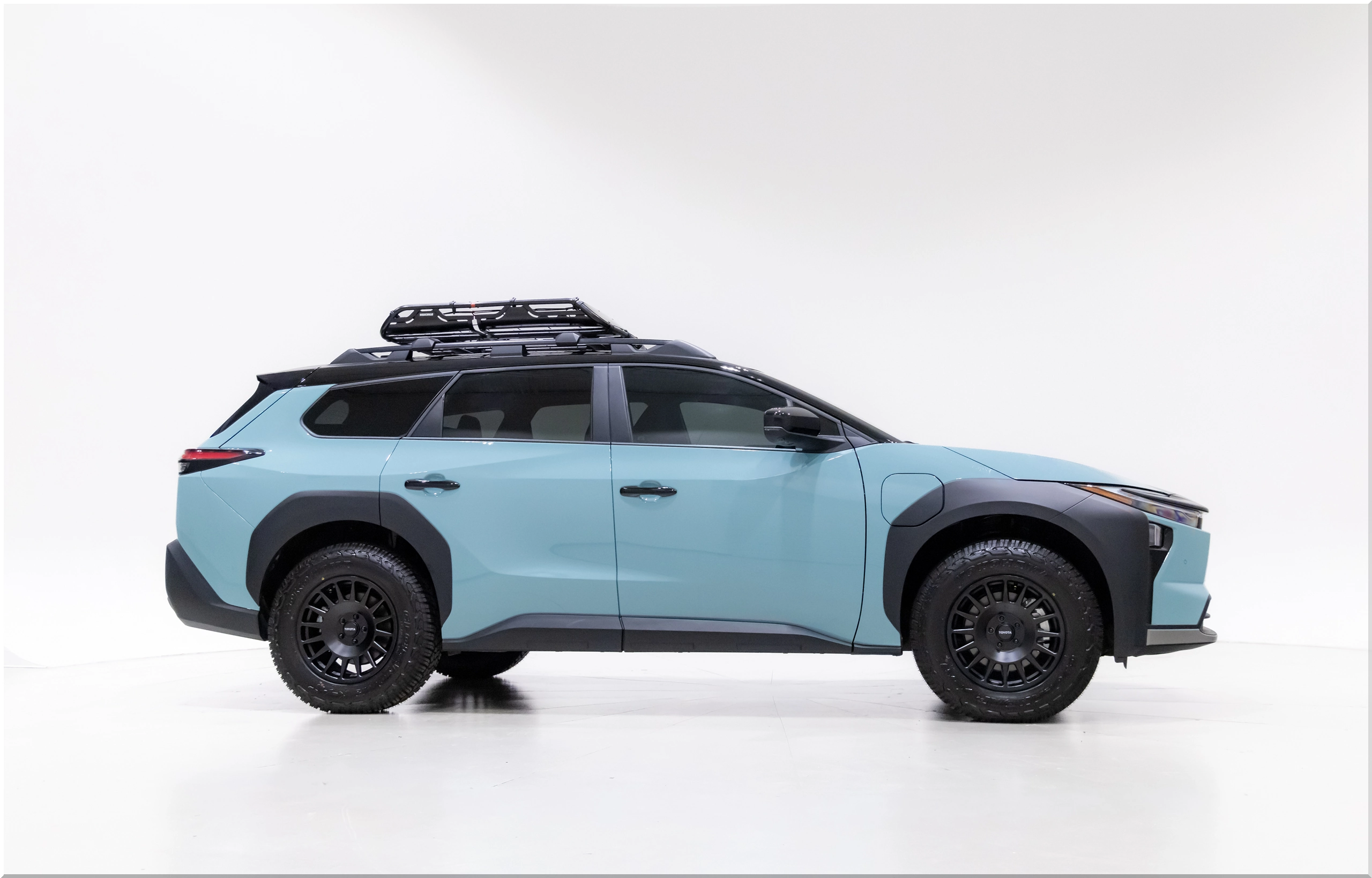
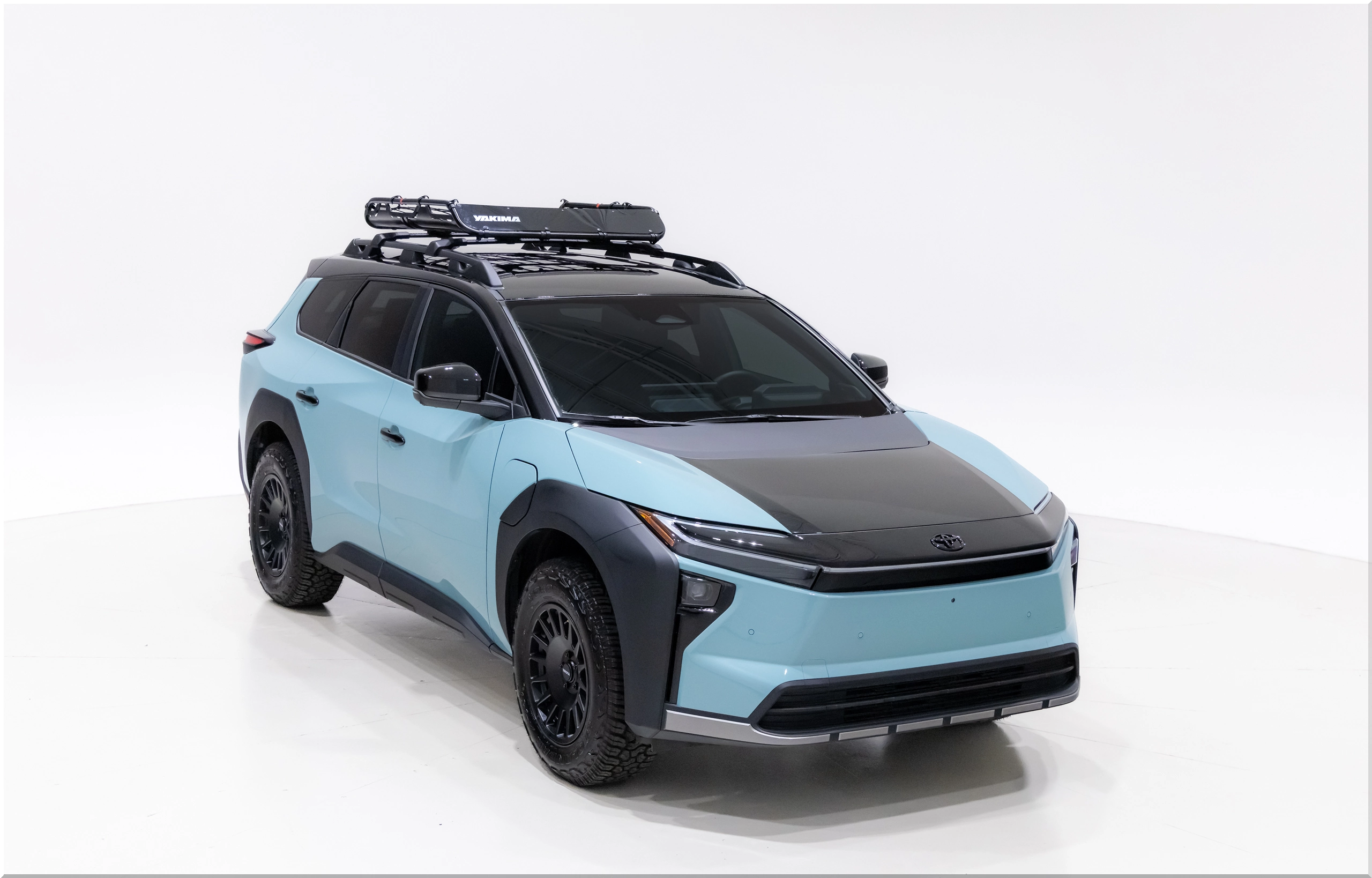
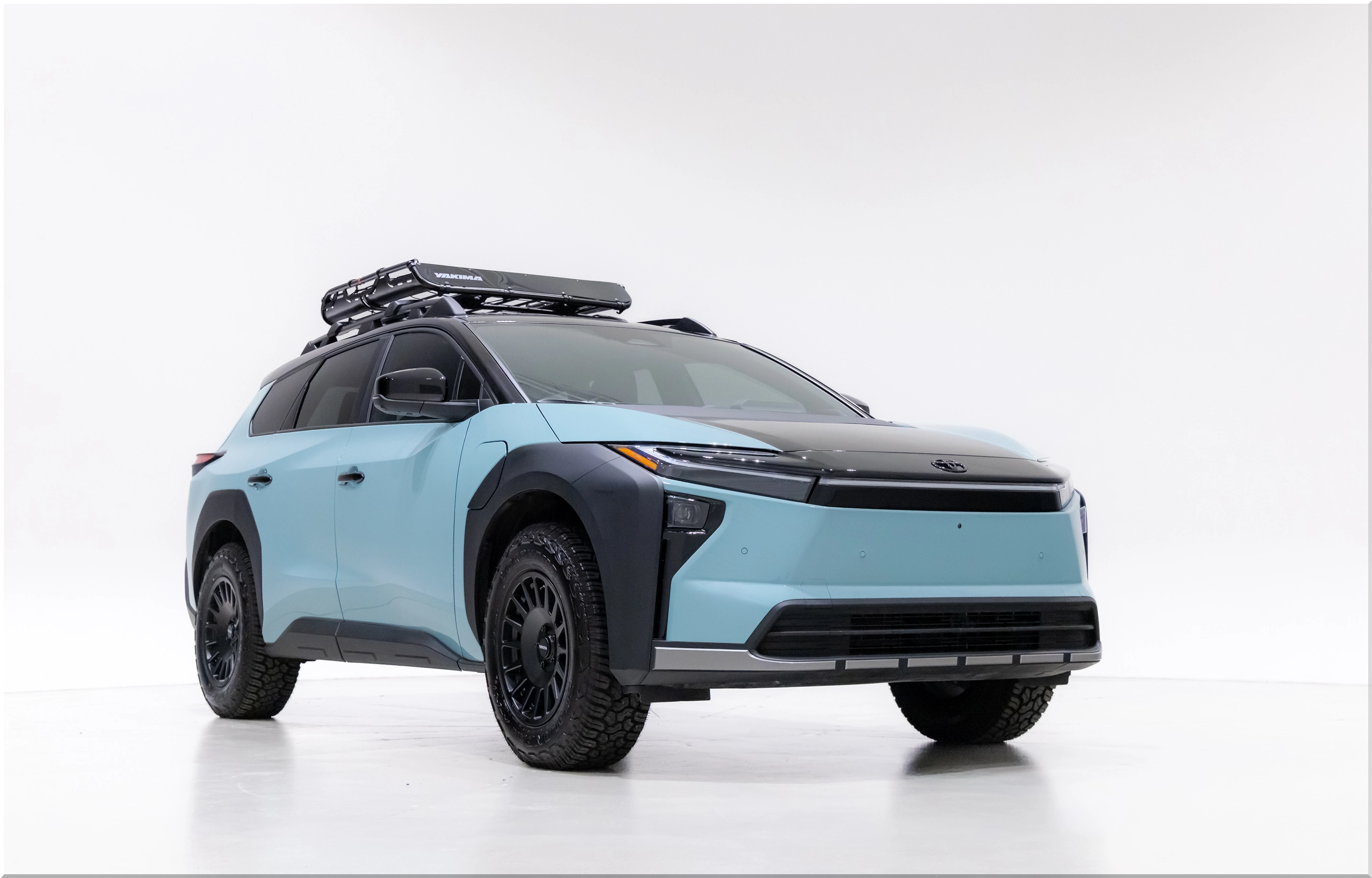
- Toyota bZ Woodland Concept: the battery-electric interpretation.
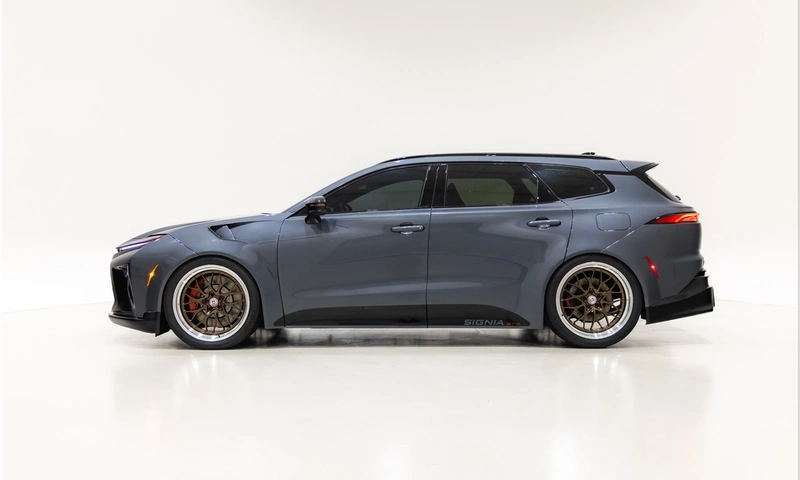
- Toyota Crown Signia Woodland Concept: the crossover with a more premium positioning.
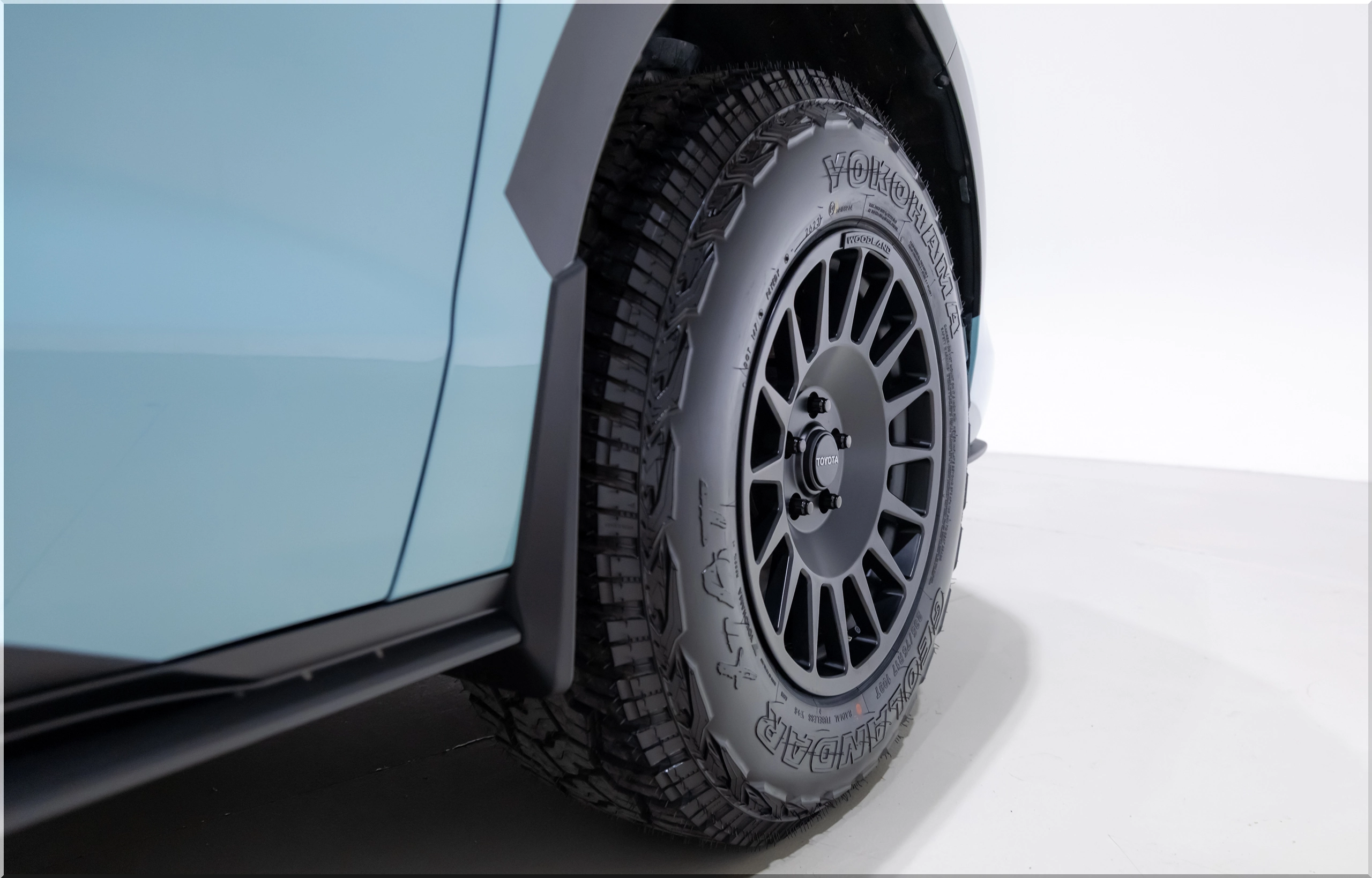
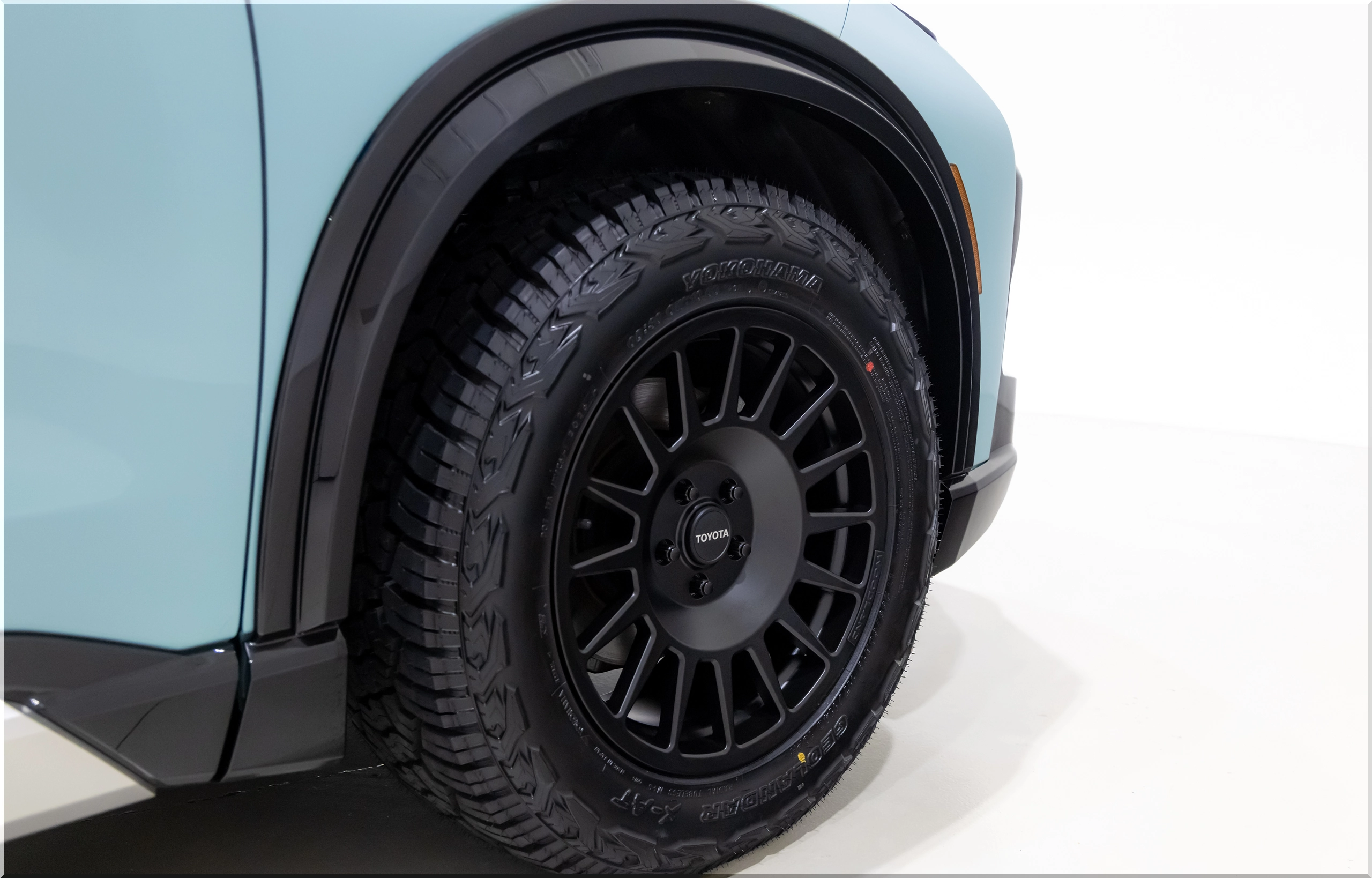
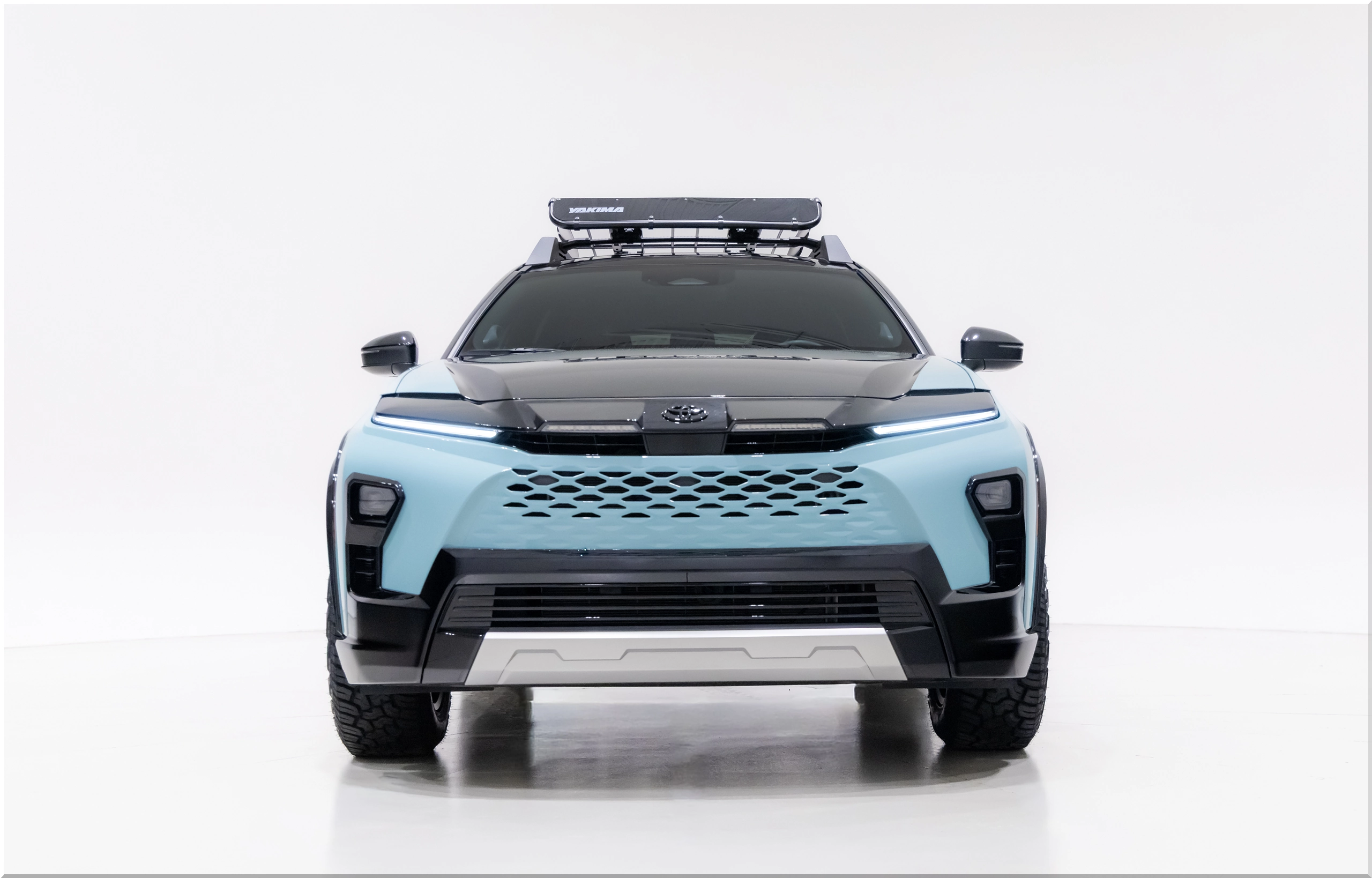
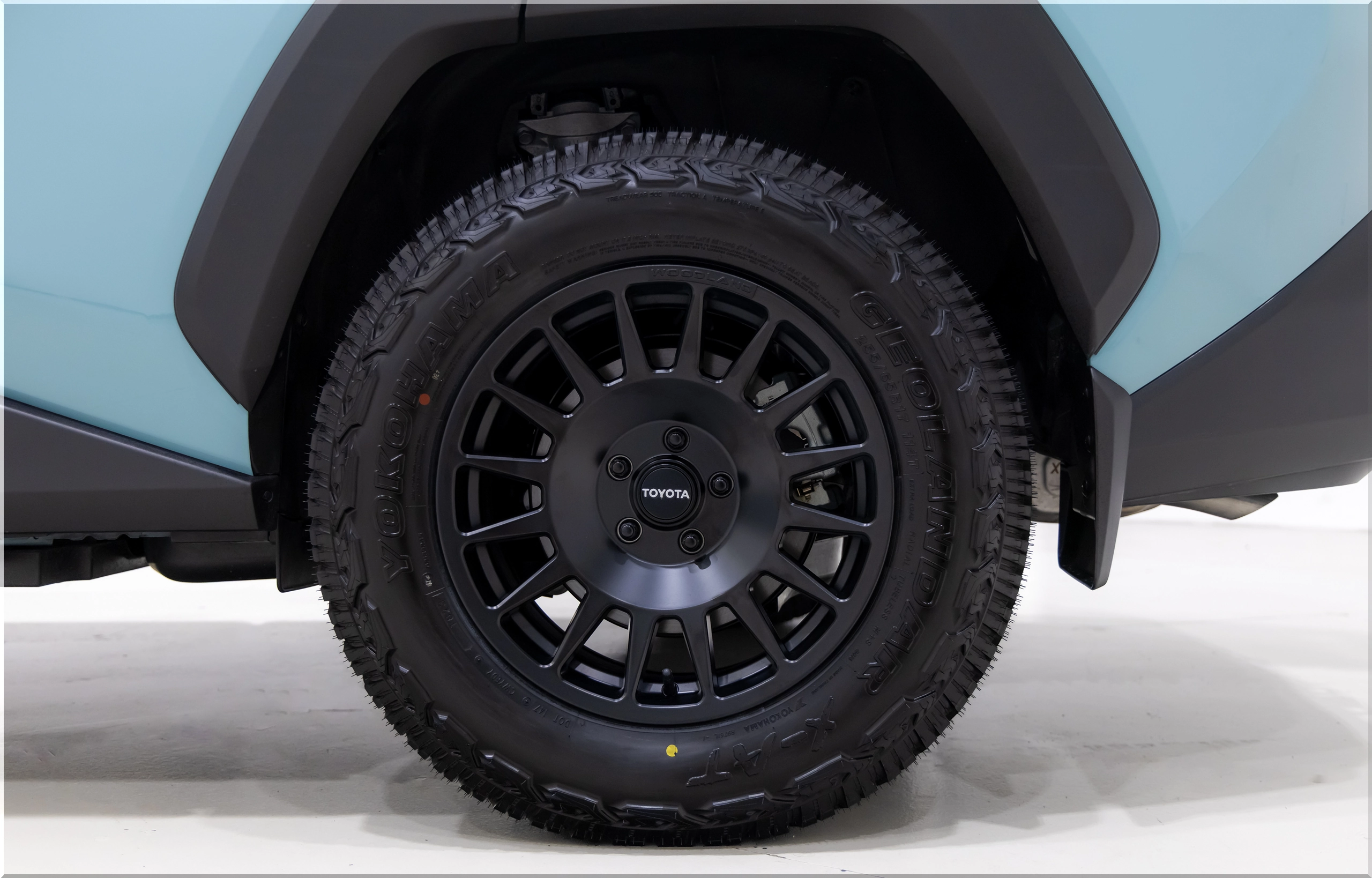
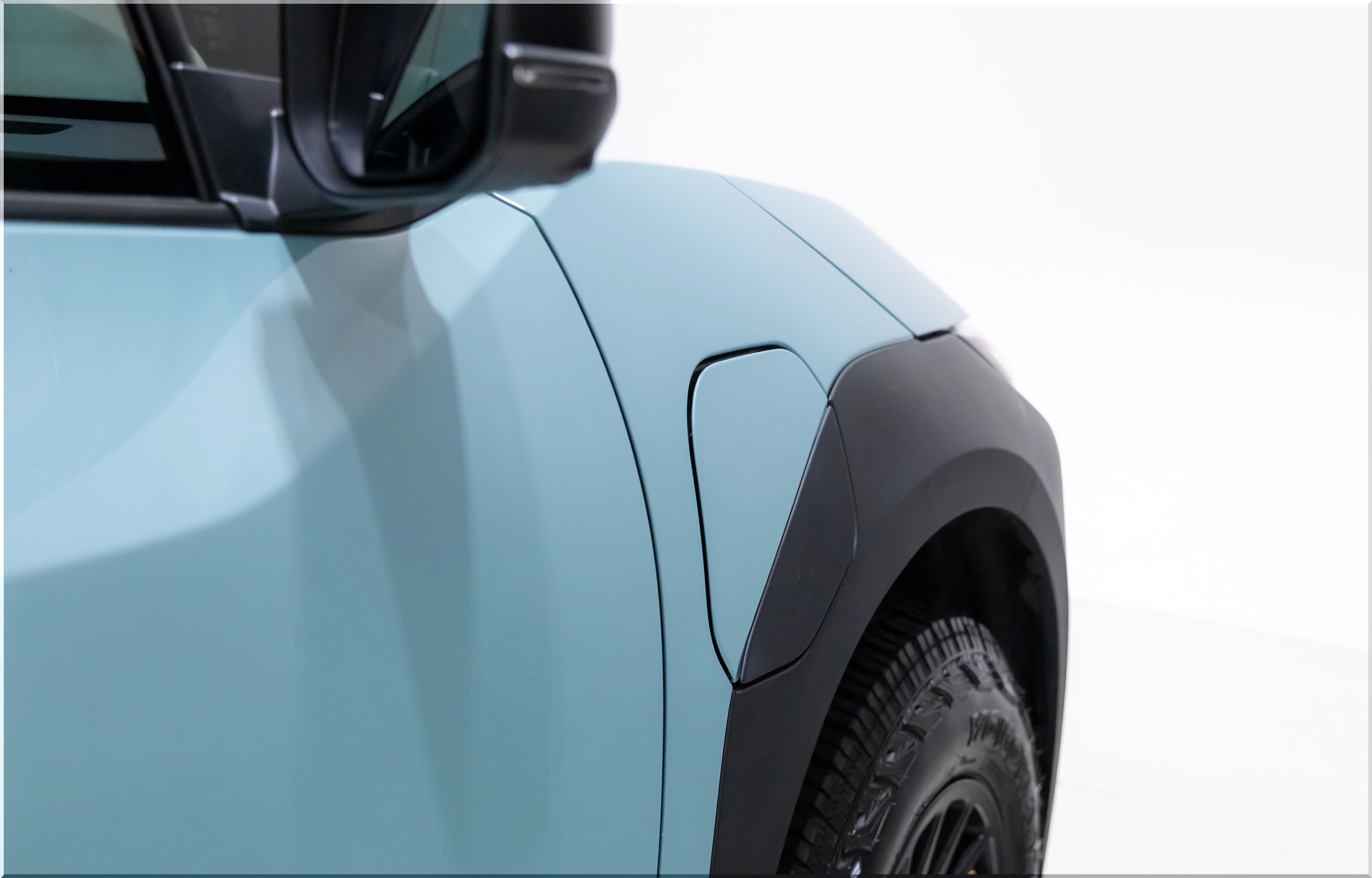
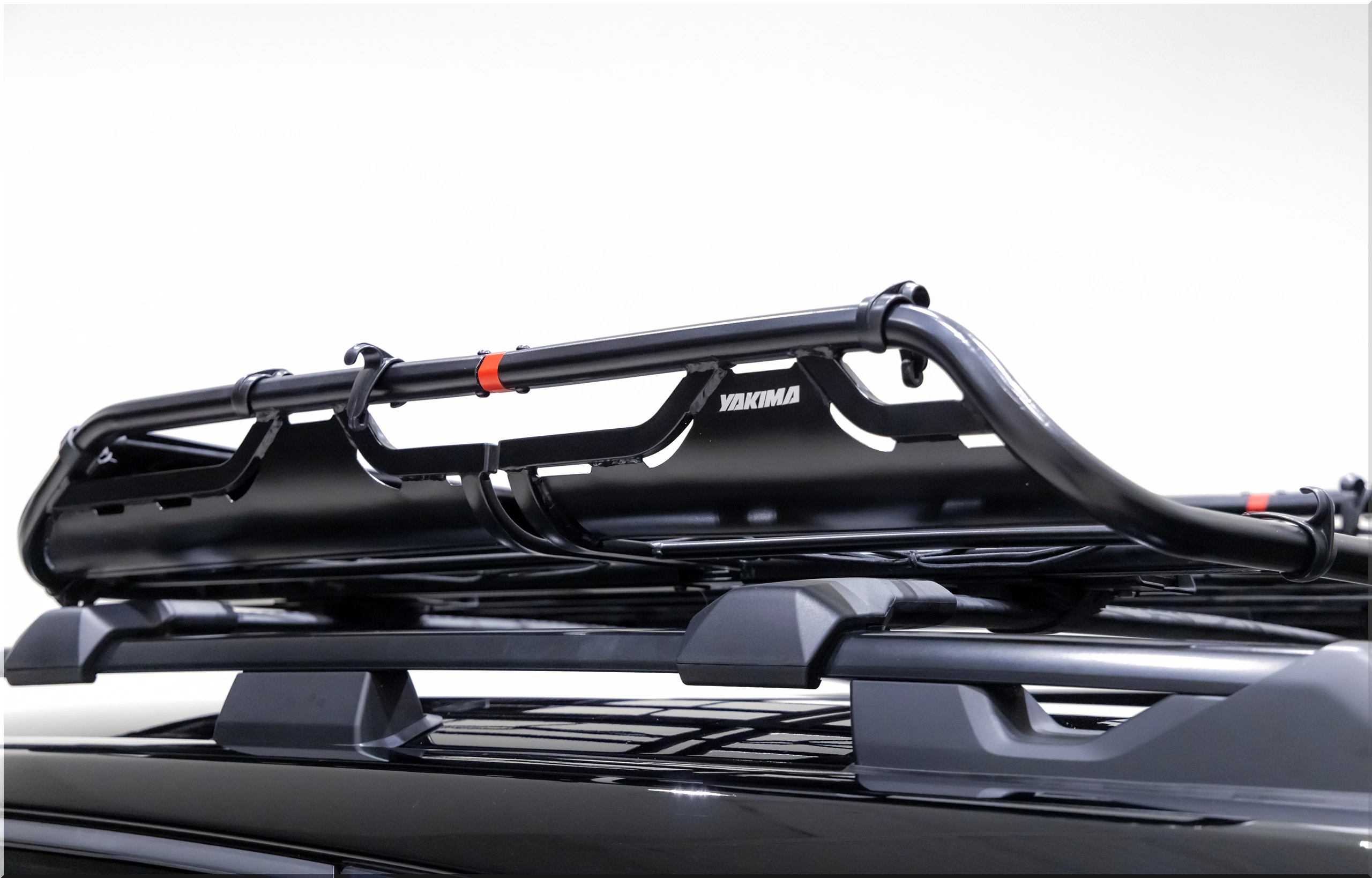
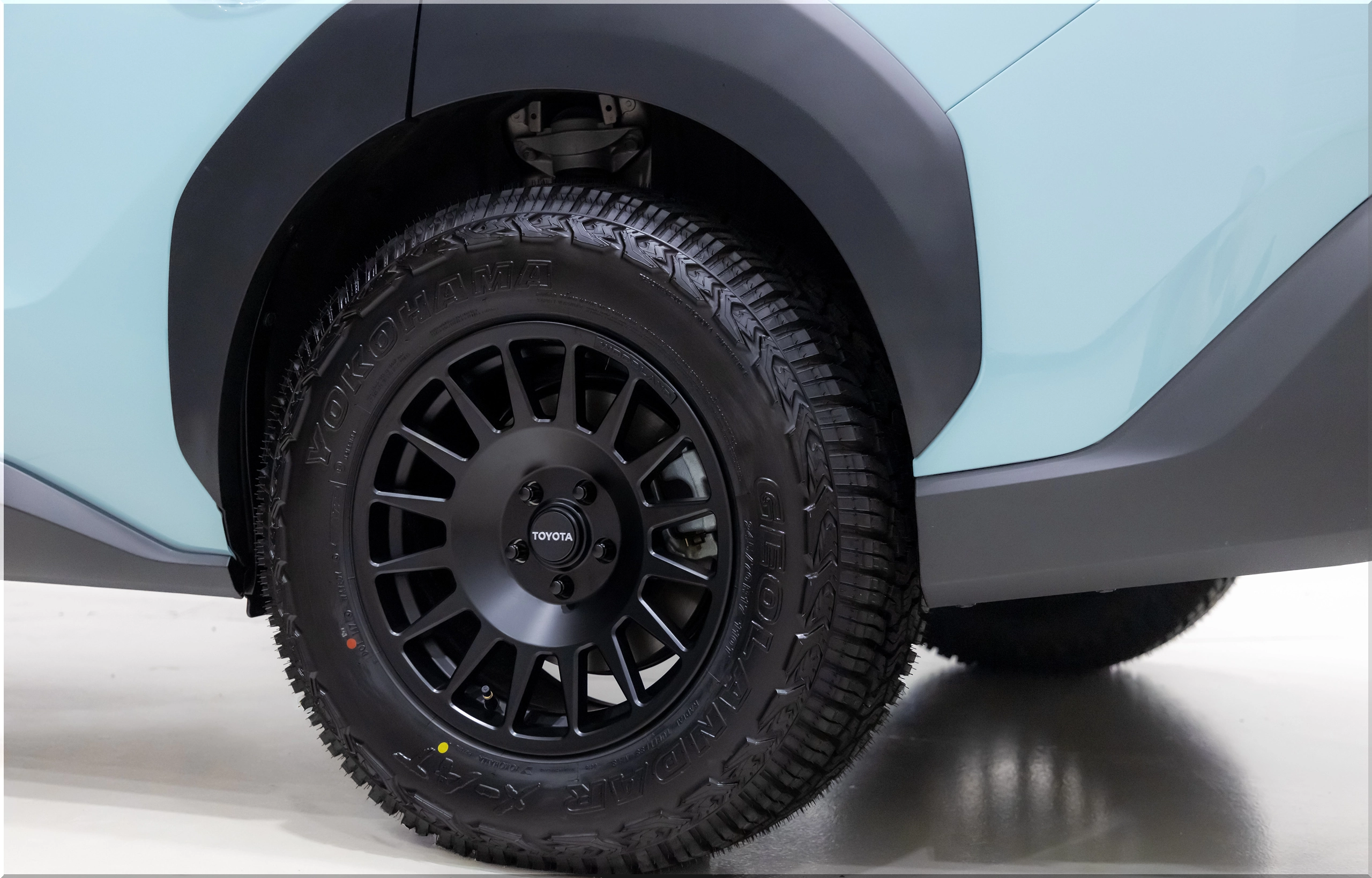
Across the family, Toyota specifies lift kits, enlarged wheel-arch extensions, satin-black wheels, all-terrain tyres, roof racks and crossbars. Car and Driver also identifies Yakima rack branding and Yokohama Geolandar X-AT tyres in the show-car imagery. Toyota has not supplied a model-by-model accessory specification.
What the Upgrades Actually Change
The mechanical logic starts underneath. A suspension lift can increase clearance at some underbody points, while tyre construction and tread design influence grip and resistance to damage on loose or rough surfaces. Neither modification alone establishes how far a vehicle can travel off-road.
Wheelbase, overhangs, suspension travel and underbody protection also influence the outcome. A long family vehicle can scrape its underside over a sharp crest even when its tyres maintain traction, so the Sienna's useful benchmark concerns campsite access rather than rock-crawling.
In addition, roof racks move bulky equipment outside the passenger compartment. That helps preserve cabin space, but roof loads raise the centre of gravity and roof-mounted equipment can increase aerodynamic drag. Electric-vehicle owners should account for the potential range penalty when planning a camping trip.
Toyota has not published lift heights, final ground clearance, tyre dimensions, approach angles or revised driving-range figures for these concepts. Assigning them production-model specifications would give readers a misleading comparison.
Image gallery





Can You Buy These Woodland Upgrades?
Toyota presents these vehicles as special-project prototypes. Its announcement gives no retail prices, order dates or confirmed European availability, and it warns that some modifications use parts outside its accessory catalogue.
That matters for anyone considering a similar build. Toyota says the changes may affect warranty coverage, performance, safety and road legality.
Image gallery


Pro-Tip: Check the Loaded Vehicle
Before modifying a family vehicle for camping, establish:
- Clearance with passengers, luggage and equipment aboard.
- Approved tyre sizes and load ratings.
- Roof-load limits for the intended accessories.
- Warranty terms and local modification requirements.
The Sienna supplies the most interesting question here: how much extra capability does a family actually need? For drivers whose toughest obstacle lies between the road and a campsite, a carefully specified minivan could make more sense than buying a larger off-roader.
- Add new comment
- 25 views