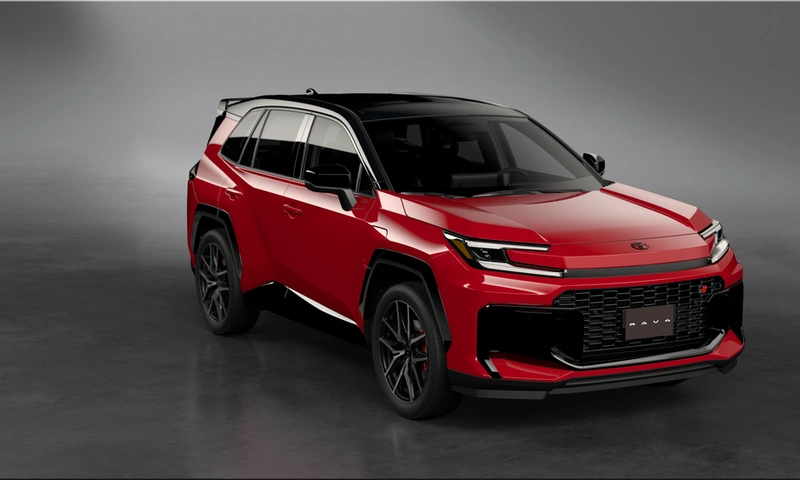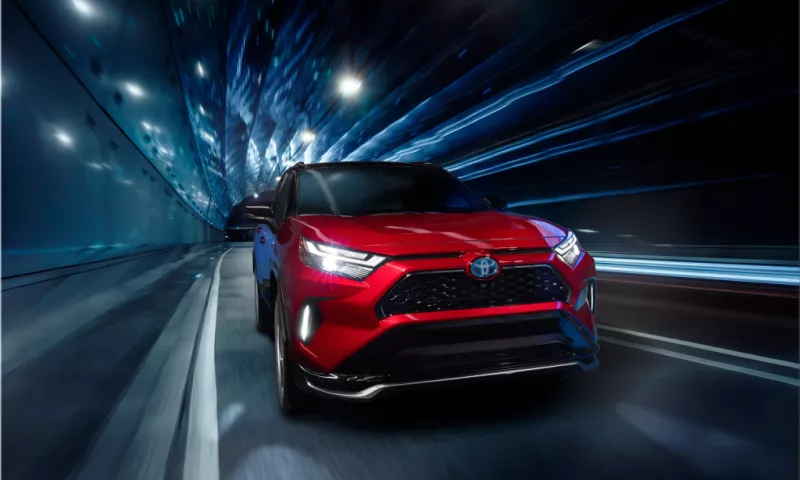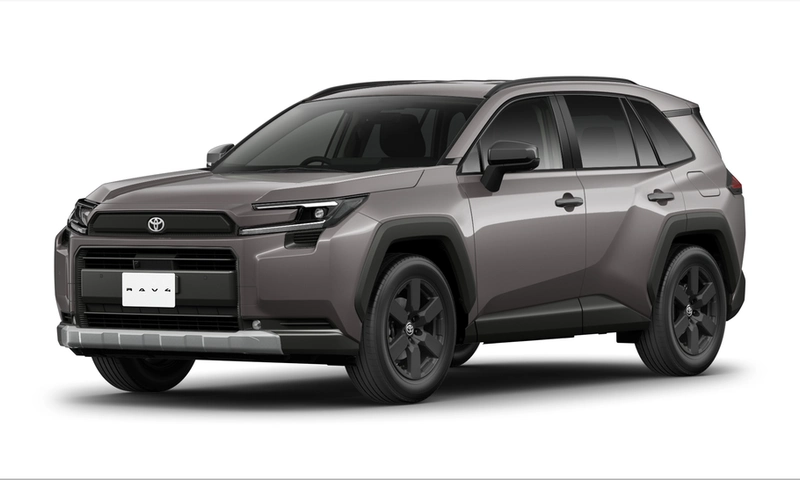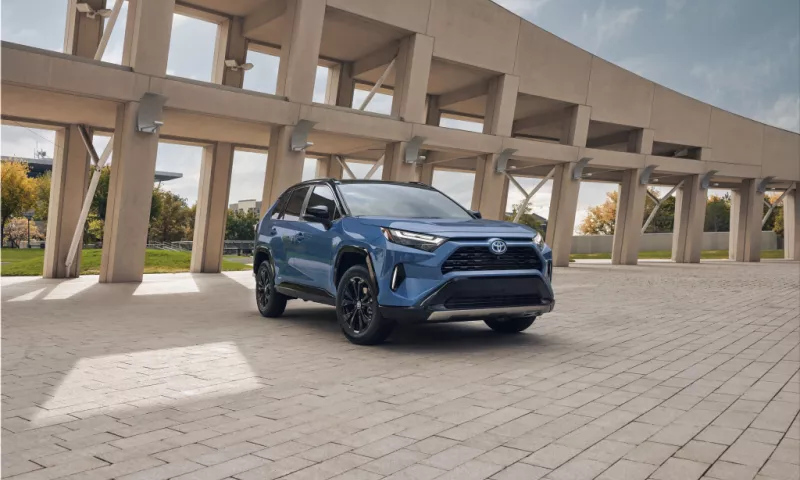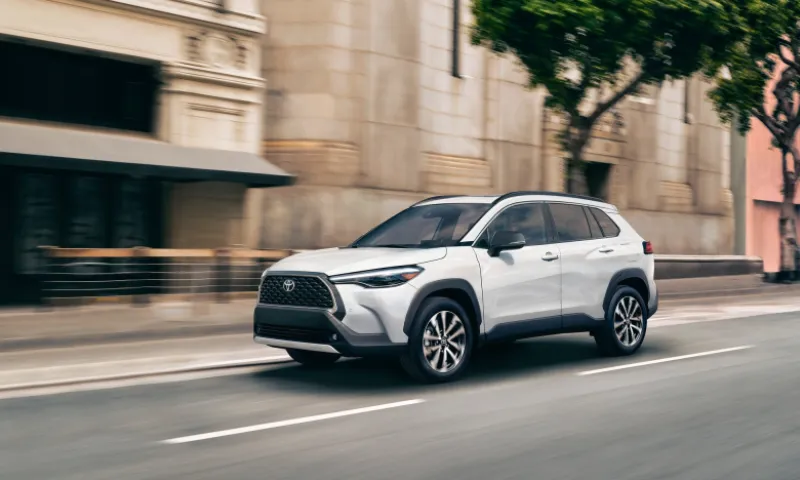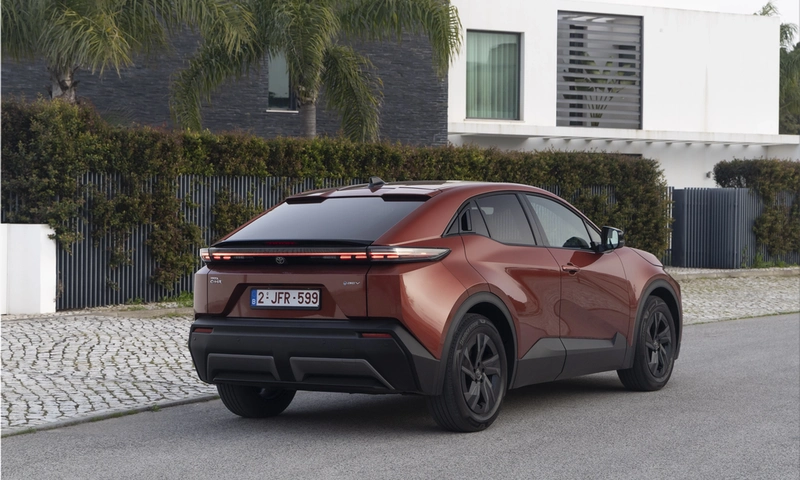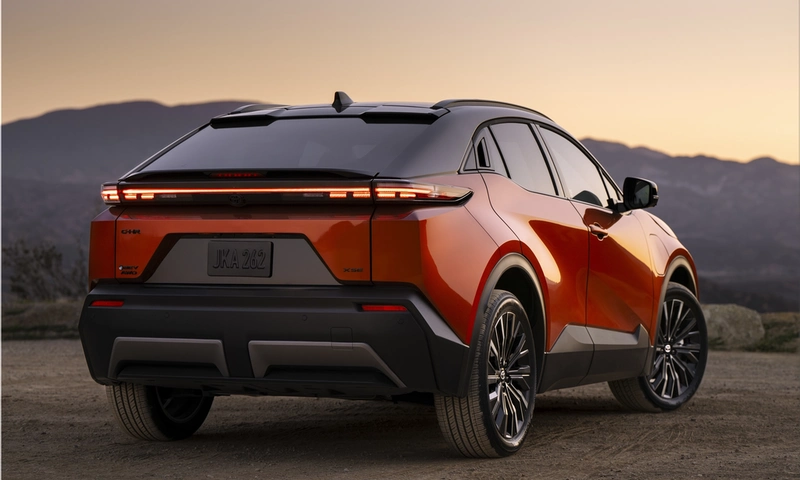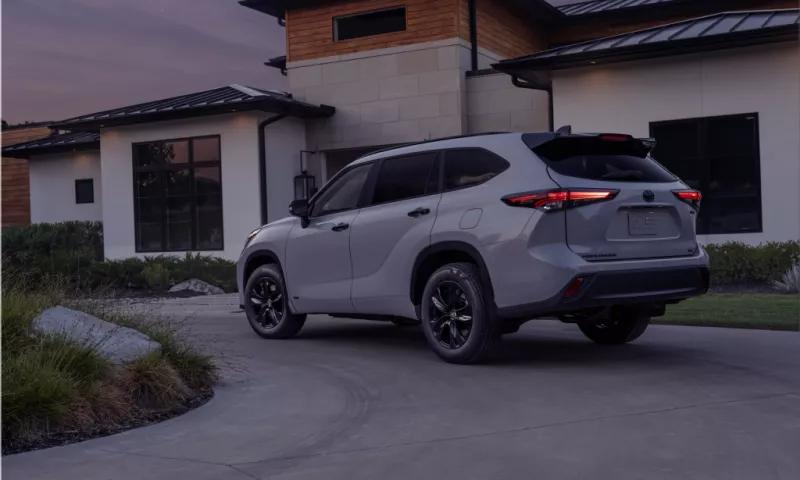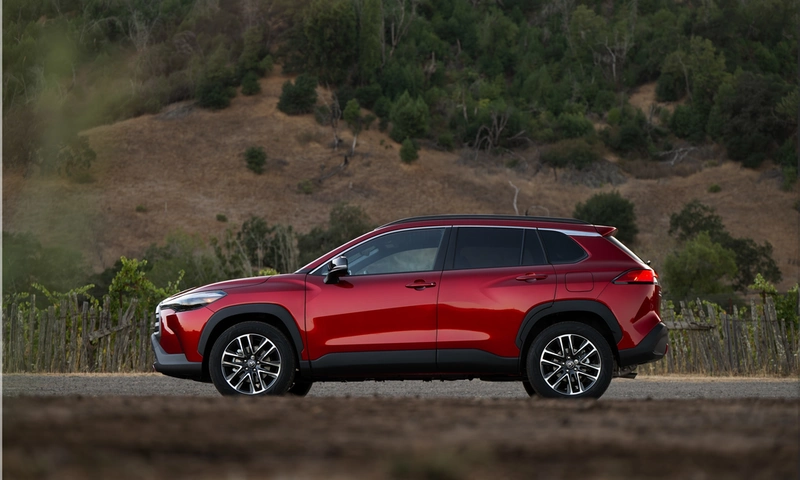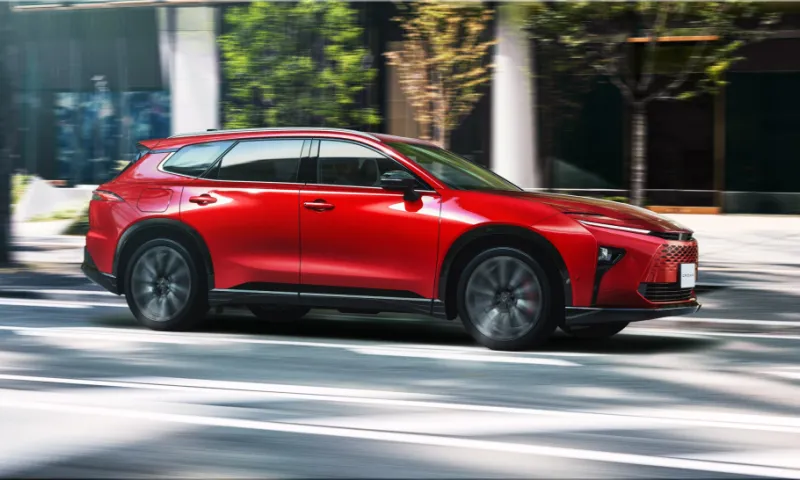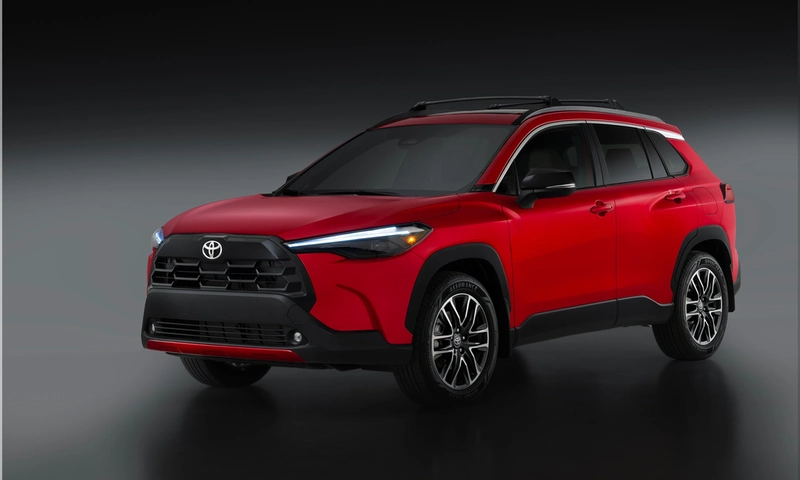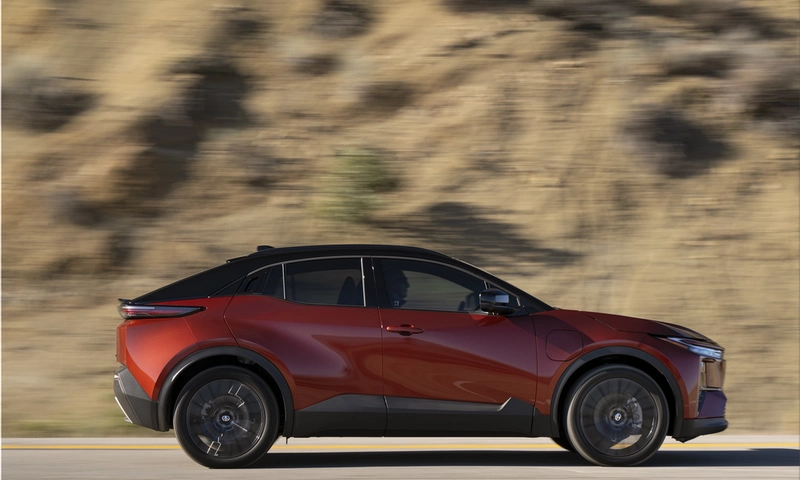
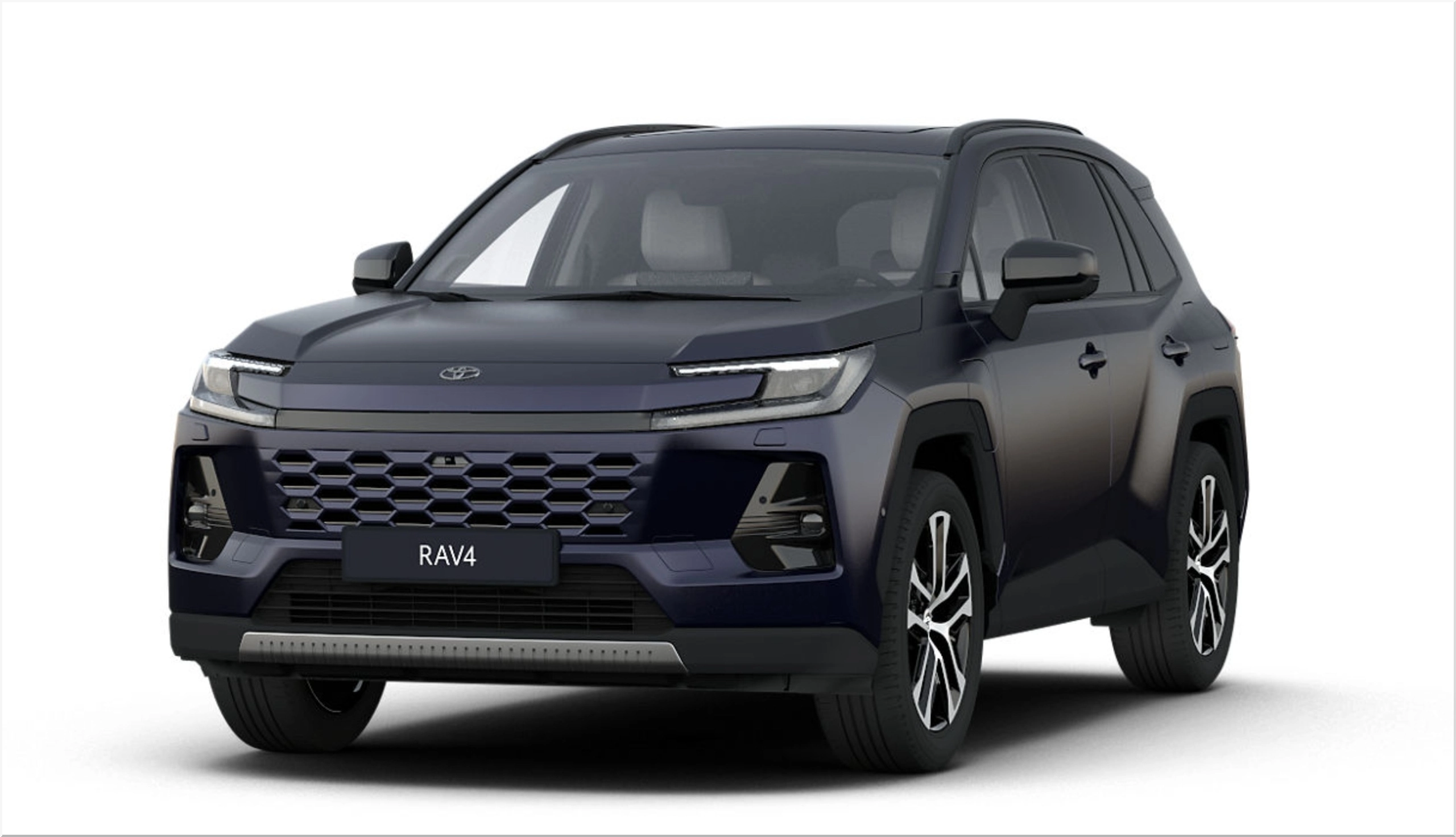
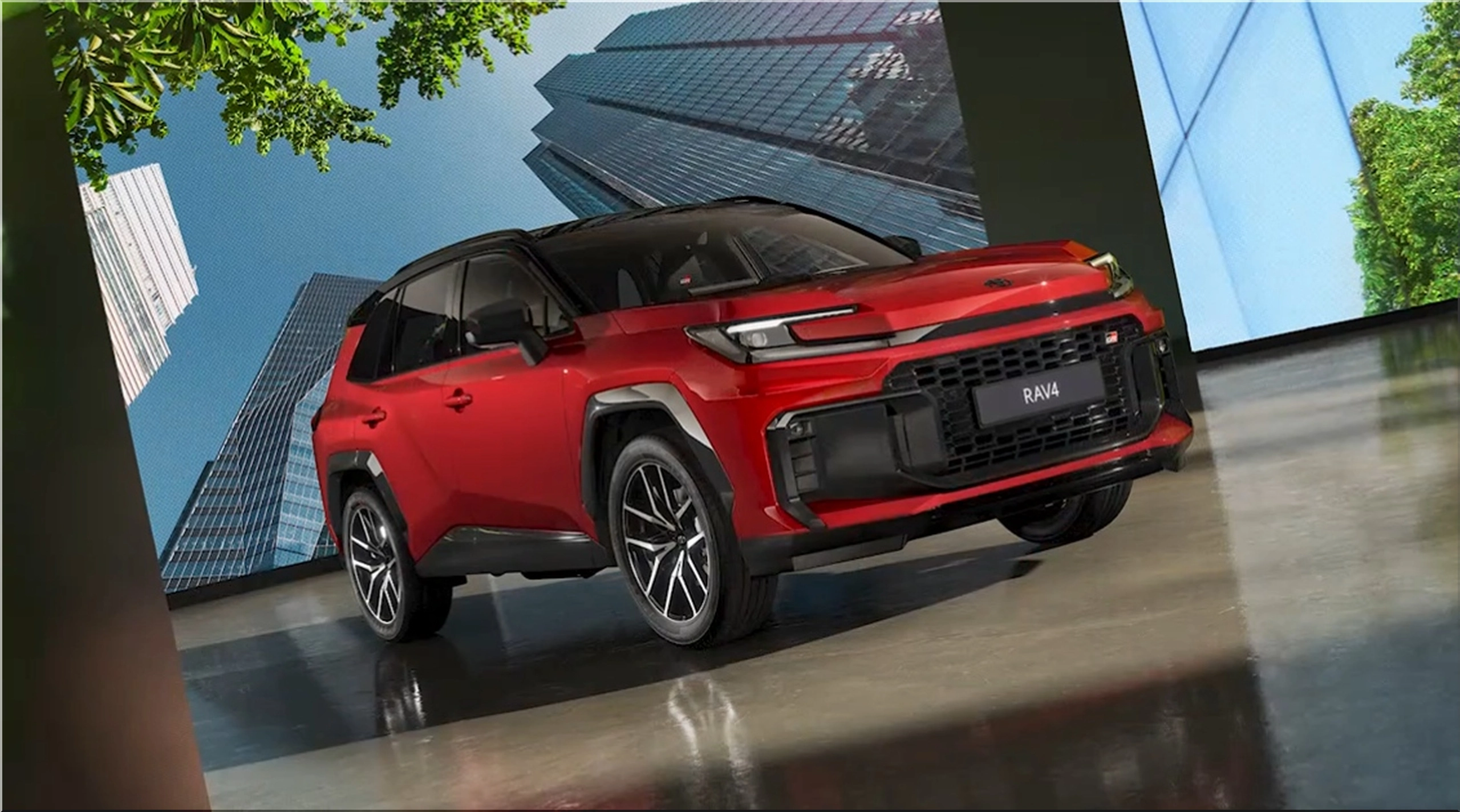
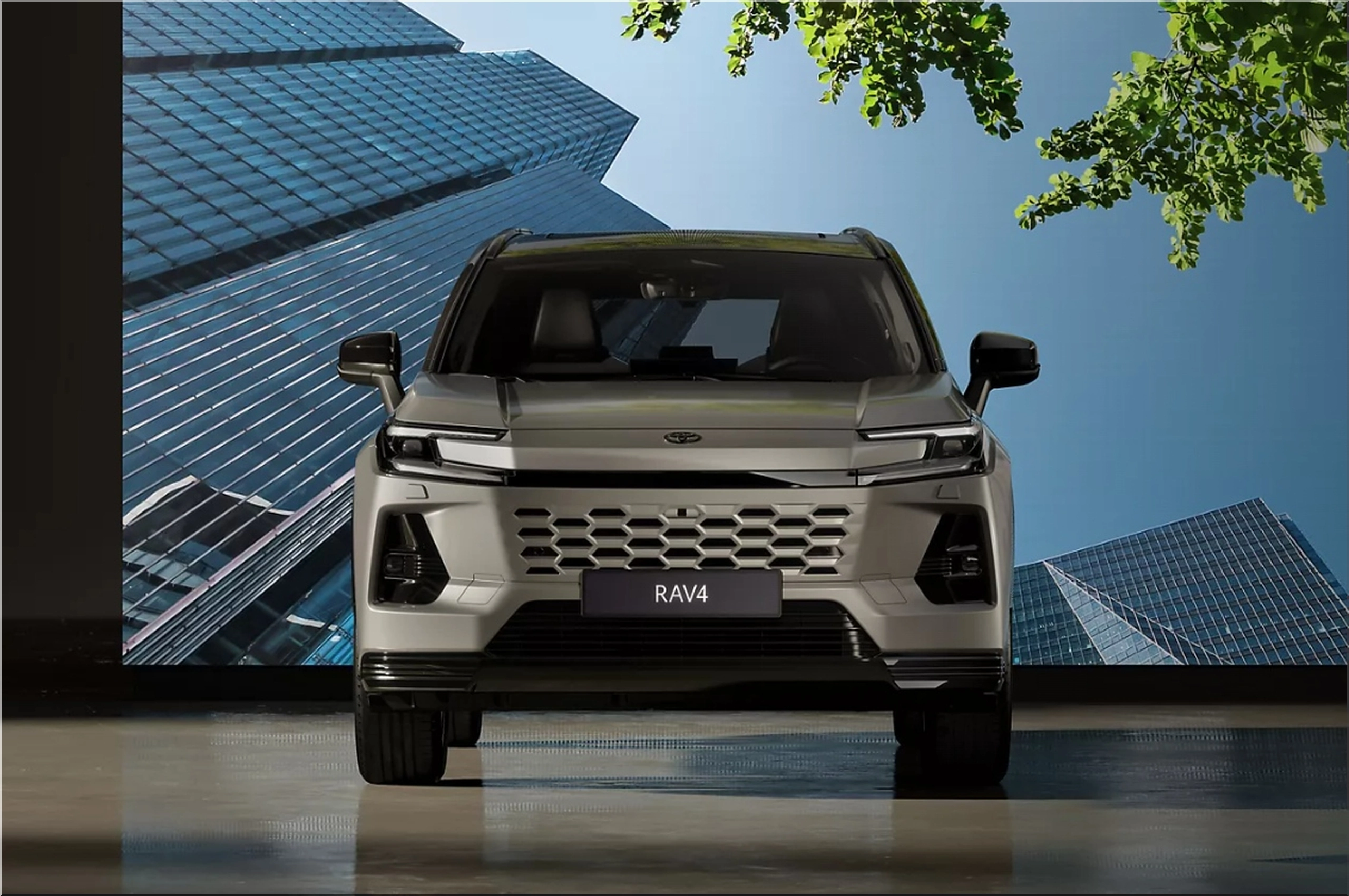
The Toyota RAV4 Plug-In Hybrid enters 2026 with a sharper powertrain, faster charging, and a digital system that reduces friction in daily driving. Toyota focused on measurable upgrades. Drivers will feel most of them within the first week of ownership. Some even on day one.
Why Toyota Reinvented Its Plug-In SUV
RAV4 buyers want practical range, decent power, quick charging, and low running costs. Toyota responded with numbers, not buzzwords. The new model packs a bigger battery, a stronger motor setup, and quicker energy recovery. It also gains a software platform that keeps the SUV fresh through over-the-air updates. Humor aside, Toyota built this thing for people who like driving more than reading manuals.
Image
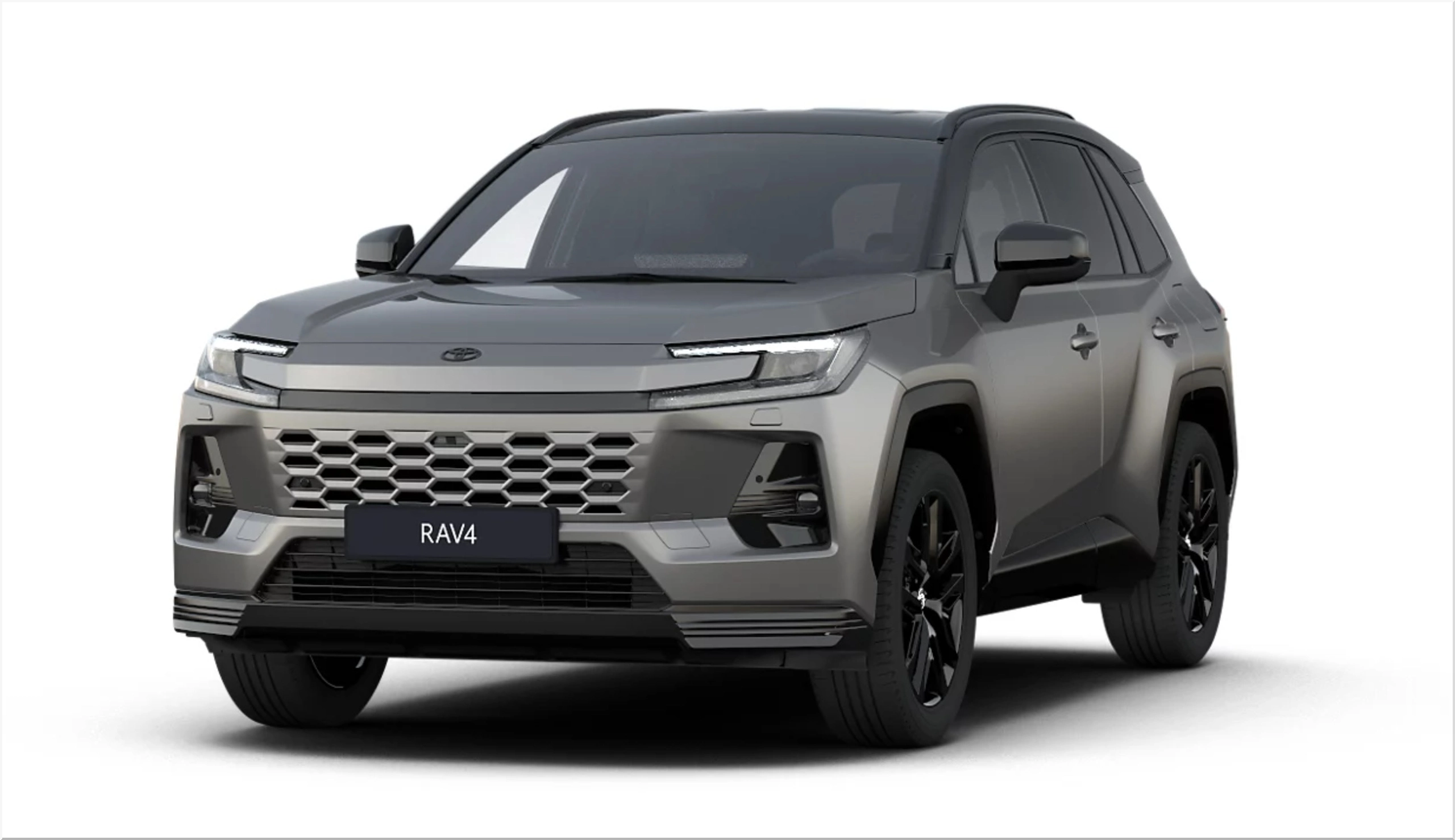
Powertrain Gains That Matter
Toyota increased capability without unnecessary drama.
Stronger EV performance
- The latest 22.7 kWh battery offers an electric-only WLTP range of roughly 100 km (≈62 miles).
- The RAV4 PHEV AWD hits 300 hp. The FWD version produces 264 hp.
- The quickest model reaches 0–62 mph in 5.8 seconds.
- Output stays consistent even under heavy throttle. You tap, it reacts.
This setup suits daily driving, even with a full family load. You press the pedal, the power arrives, and everyone stays quiet. That alone makes the upgrade worth celebrating.
Smarter hybrid integration
Toyota tuned the hybrid system to reduce engine noise during acceleration. The switch between electric and petrol power feels direct and predictable. Drivers who remember older PHEV transitions can relax. This one stops trying to surprise you.
Image
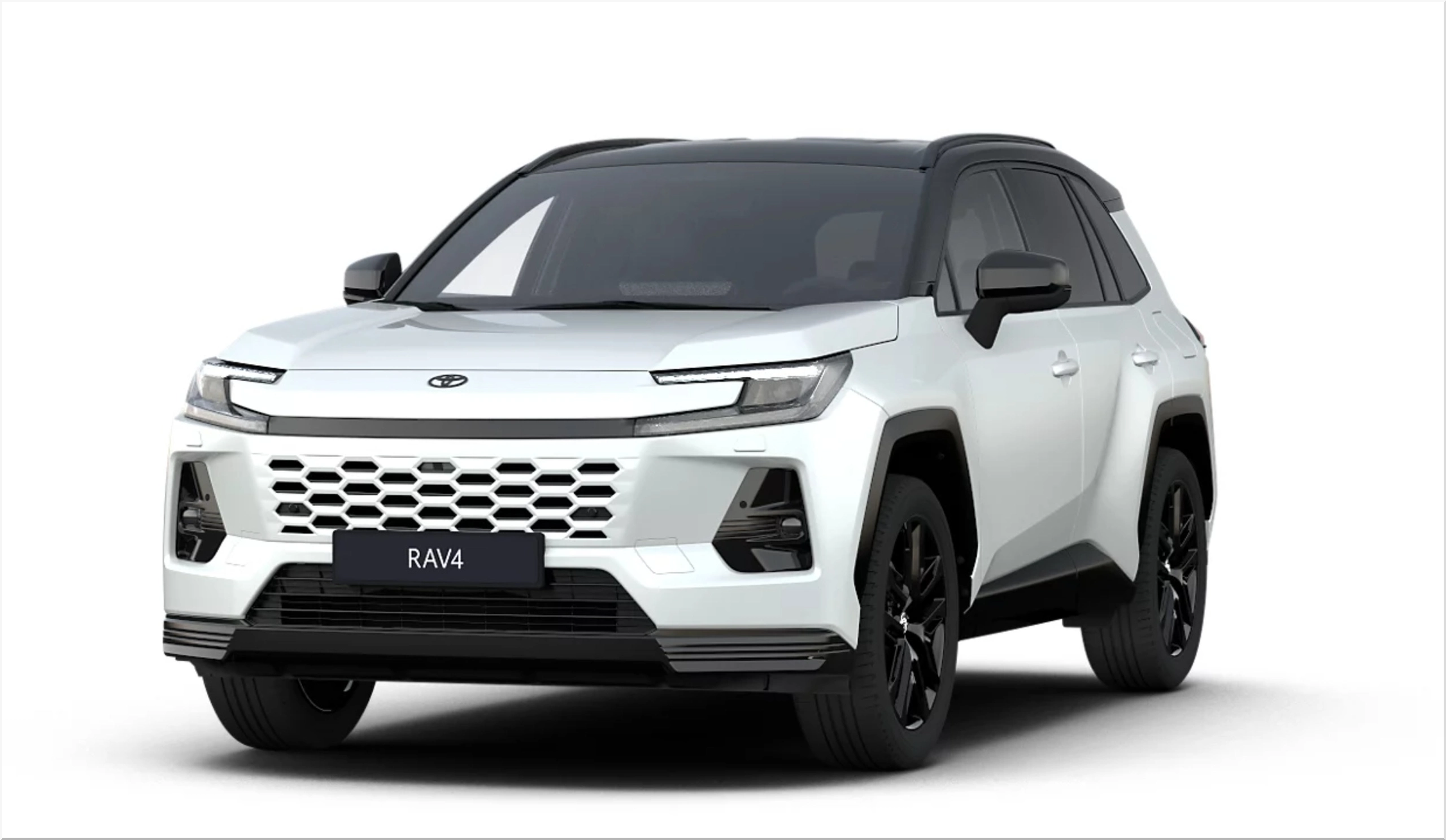
Charging That Fits Real Life
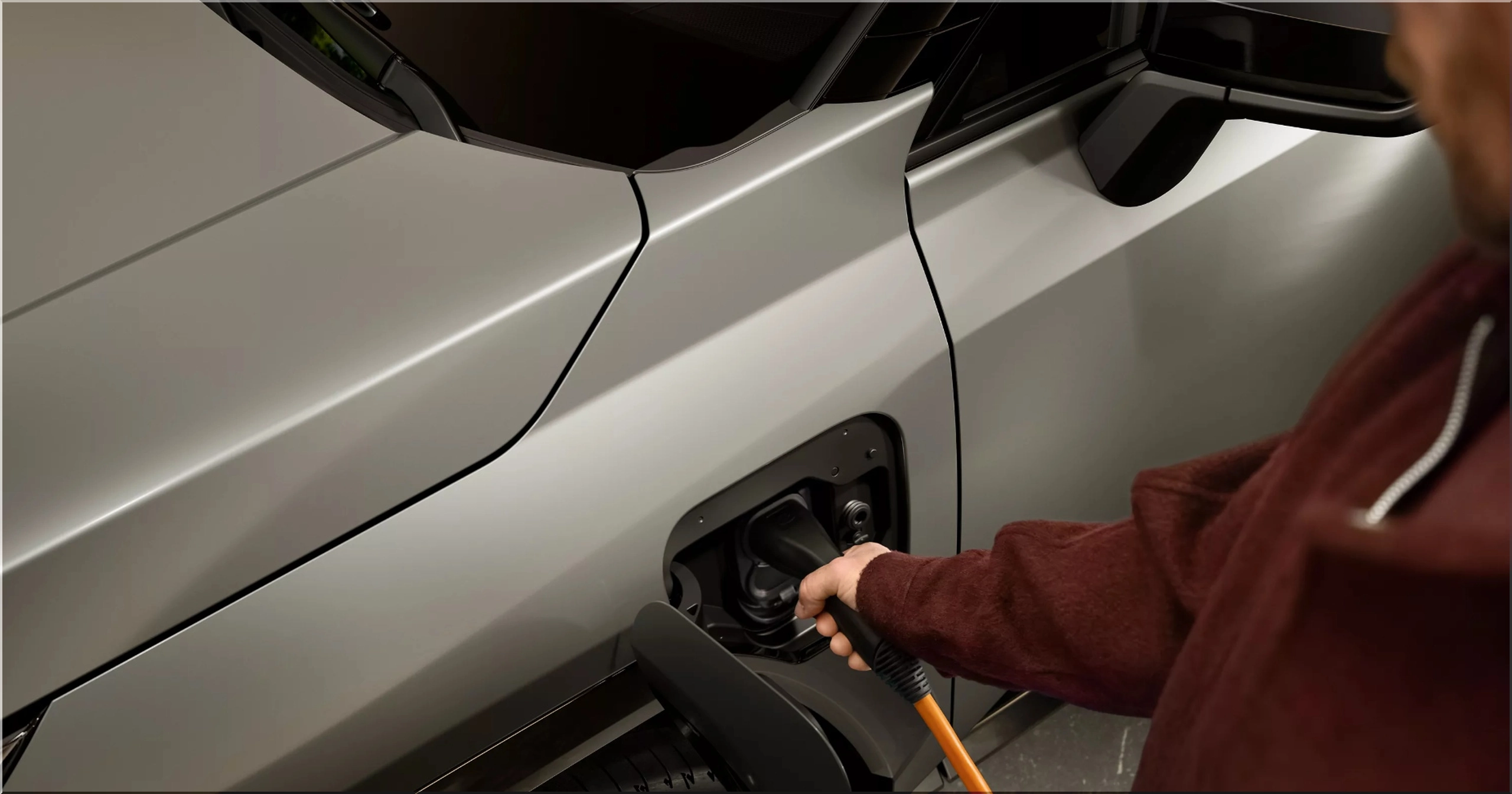
Charging habits shape ownership. Toyota looked at that and improved the parts that matter most.
Faster DC charging
- The RAV4 now supports 50 kW DC fast charging.
- A 10–80% charge takes about 30 minutes.
- Time for a short coffee, not an entire afternoon.
Strong home charging
- 11 kW AC charging fills the battery in about three hours.
- Charging overnight turns the SUV into a reliable electric commuter every morning.
Drivers who run short trips will spend long stretches driving on electric power only. That reduces fuel costs and engine wear. Wallets appreciate both.
Image
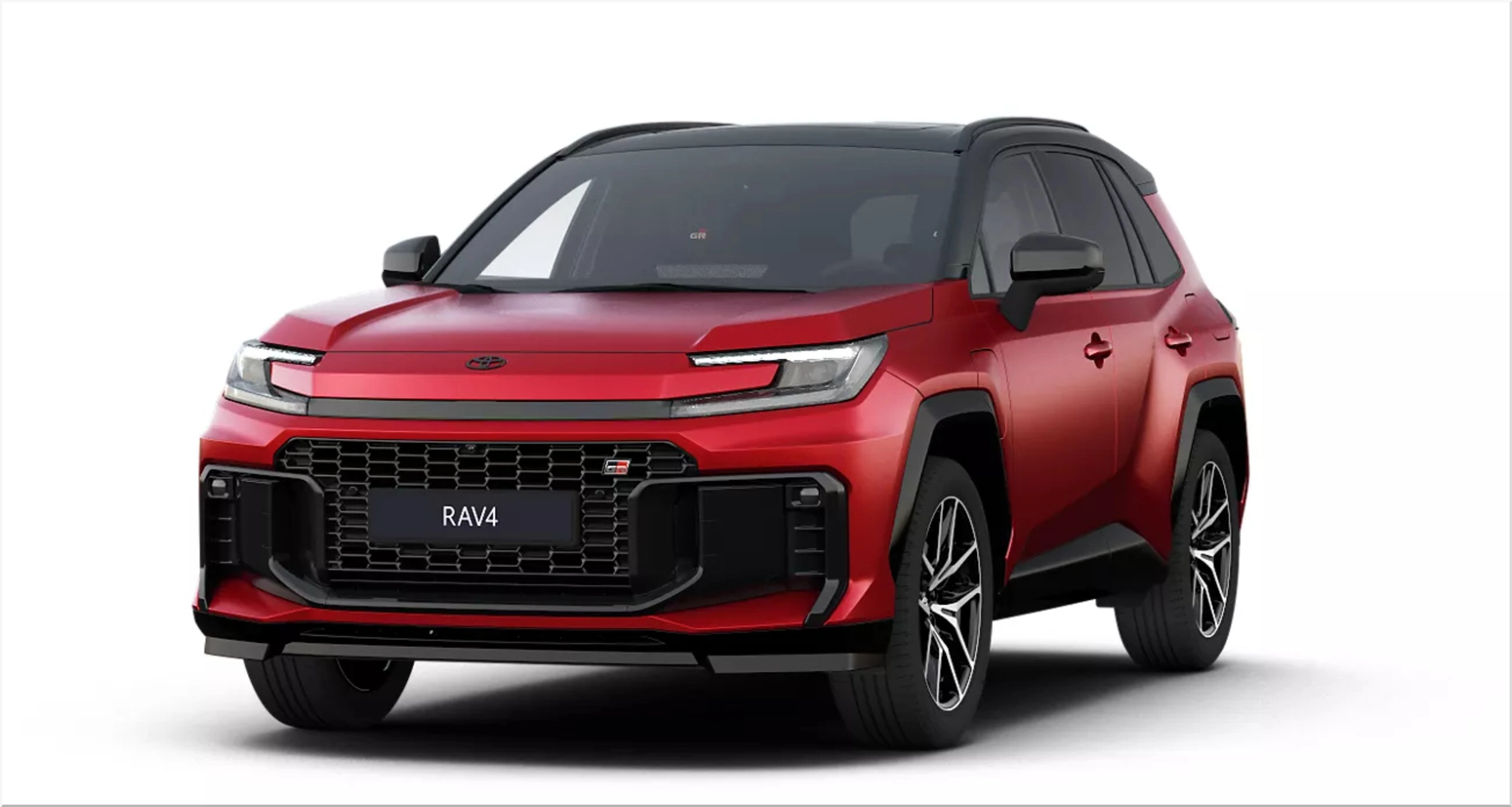
Digital Platform With Upgrade Potential
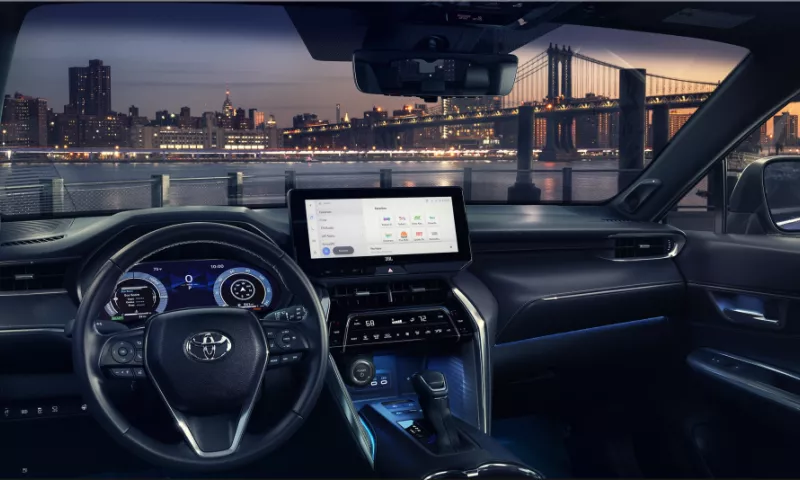
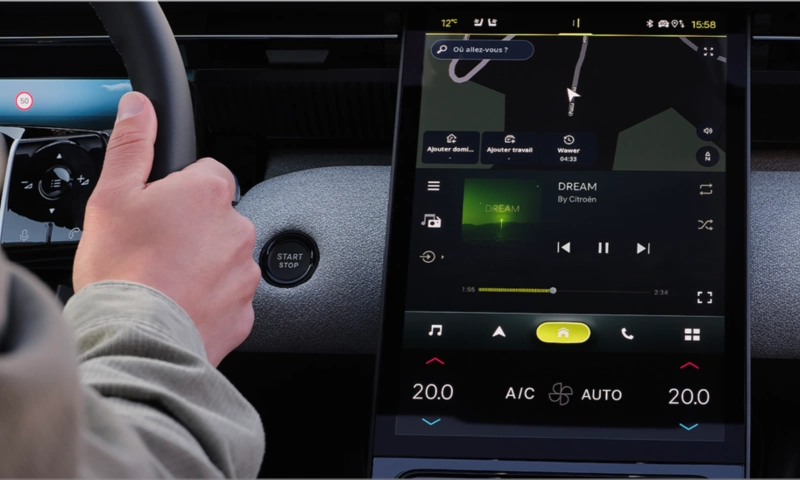
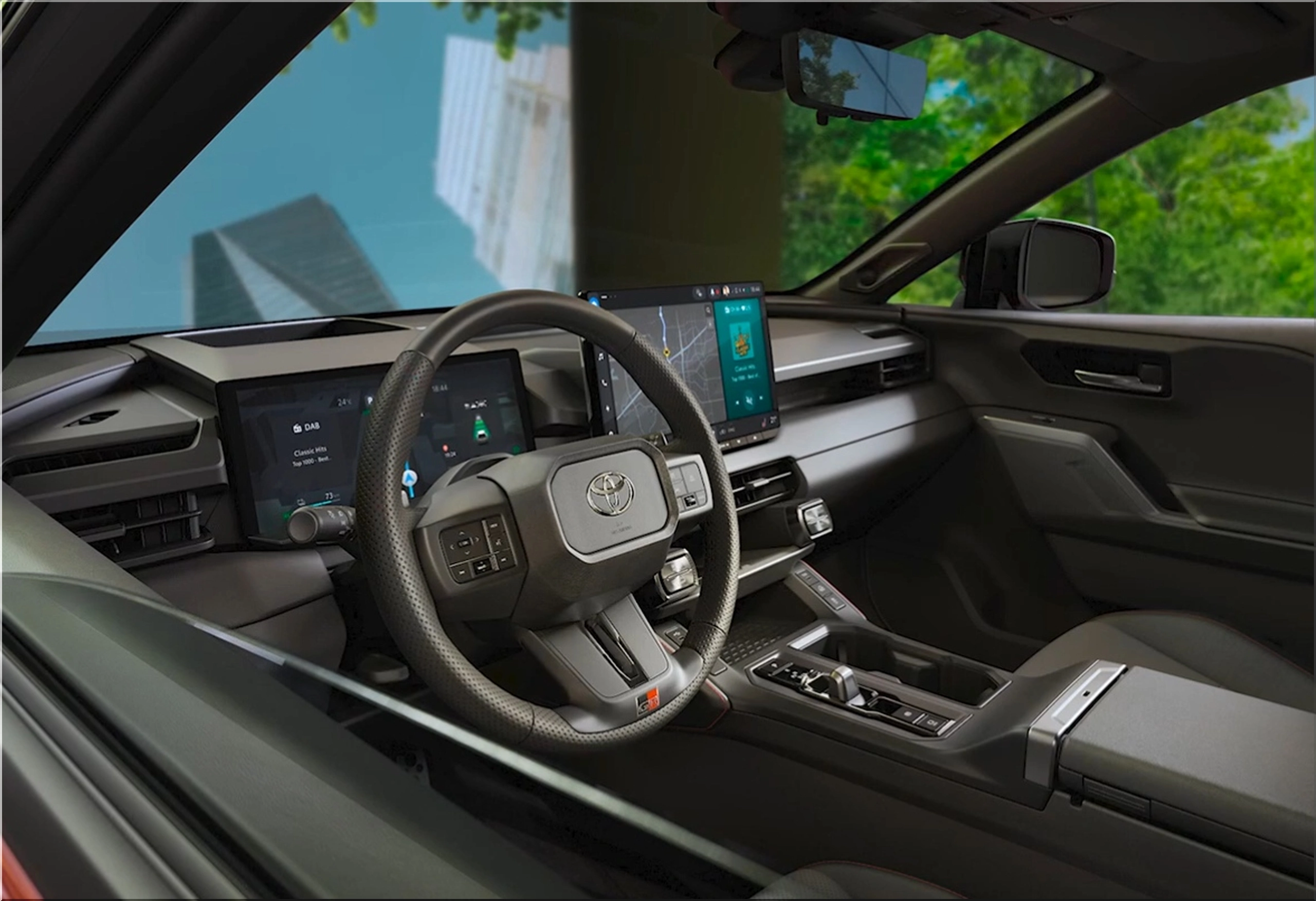
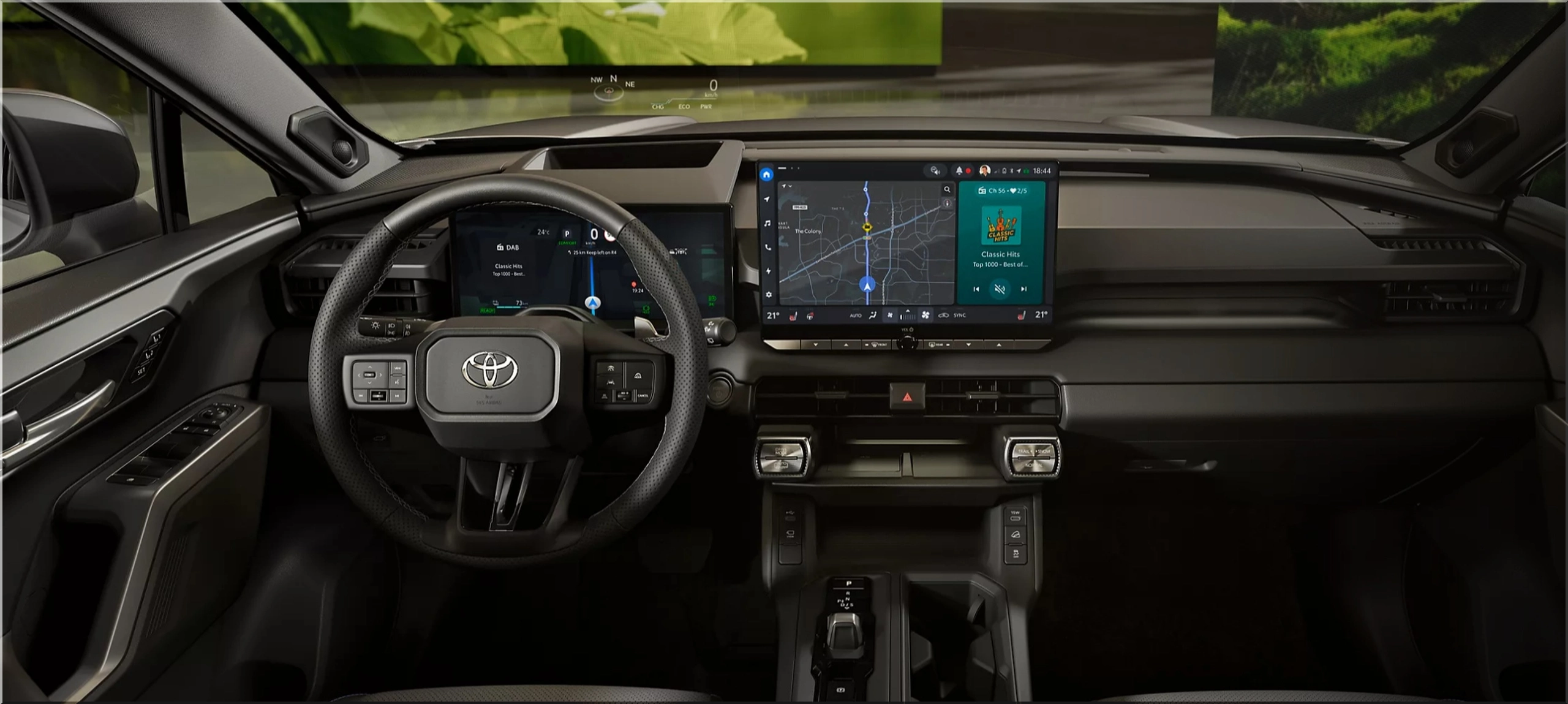
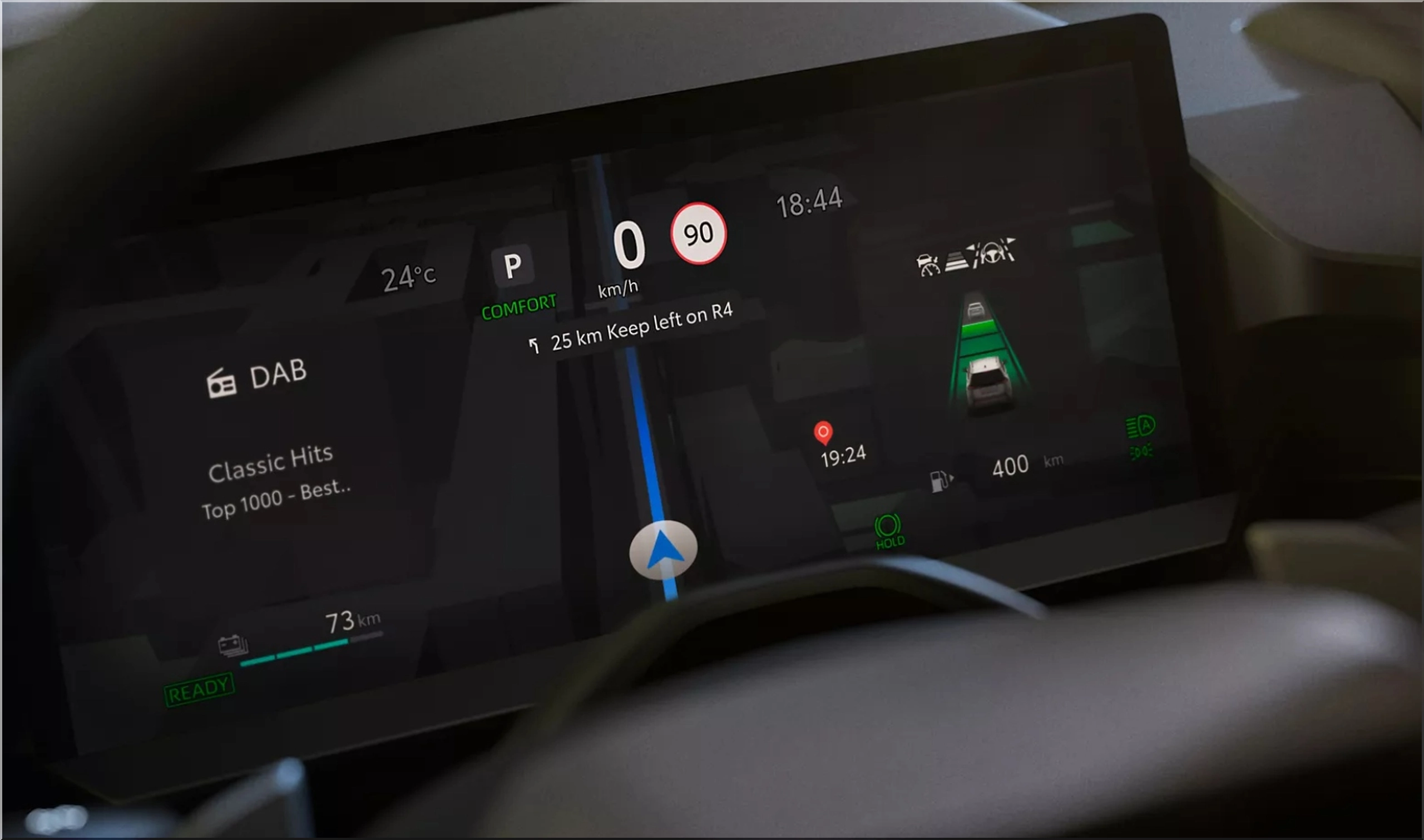
The new RAV4 runs on Toyota's Arene software platform. Toyota designed it to support improved driver-assist features, interface refinements, and additional convenience functions over time. That means fewer dealership visits for updates and fewer reminders stuck to your windshield.
Driver-assist enhancements
- Expanded front cross-traffic detection.
- Improved lane-change support.
- Broader sensor coverage for better active safety.
Everything updates over the air. No cables. No CDs. No random tech friend required.
Video title
Toyota RAV4 2026
Pricing Outlook and Market Fit
Toyota has not posted final U.S. pricing. We can project based on the outgoing model.
Expected pricing
- The previous UK PHEV started near £45,000, roughly USD 56,000.
- U.S. RAV4 models usually range from USD 34,000 to USD 50,000.
- The upgraded PHEV with stronger range, faster charging, and AWD capability will likely sit near the top of that bracket or slightly above.
Buyers comparing options will notice the RAV4 stacks favorably against the Hyundai Tucson Plug-In Hybrid, Ford Escape PHEV, and even premium plug-in rivals. Toyota’s long reputation for reliability helps it compete in features without needing luxury badges.
Image gallery

Who Benefits Most From the New RAV4
Every RAV4 generation attracts a broad base. The new model narrows its best fit to a few groups.
Daily commuters
Drivers covering under 60 miles per day will run mostly on electric power. Fuel expenses drop. Maintenance stays light. That keeps ownership predictable.
Fast-charge users
People with easy access to DC chargers can extend EV usage on road trips. Plug in for half an hour, walk away with meaningful range.
Buyers wanting low-drama tech
The Arene platform simplifies ownership. Updates push automatically. Features improve quietly. Tech that skips hassle always wins.
Families needing power but not complexity
With up to 300 hp, the SUV moves confidently with passengers and cargo. The acceleration feels strong. The system behaves consistently. Kids remain unaware of the engineering involved. Adults remain grateful for that.
Image
Driving Experience in Real-World Conditions
The RAV4 PHEV’s extra torque helps with quick merges and short on-ramps. The steering stays predictable at parking speeds and stable at highway speeds. Body movement remains controlled, even under brisk lane changes. Toyota tuned the chassis to behave without theatrics.
The cabin stays quieter thanks to improved insulation and better hybrid engagement timing. The reduced engine flare during hard acceleration helps keep noise down. Drivers hear more tire and road sound than engine sound. That’s a win for comfort.
Ownership Confidence
Toyota continues to support its global battery warranty program. In many regions, coverage reaches 10 years or 100,000 miles. That offers long-term confidence to buyers debating the shift to plug-in hybrids.
Routine service stays simple. With more driving done on electric power, the petrol engine runs fewer hours per week. That cuts wear and extends service intervals. A practical victory that saves both time and money.
Image gallery

Final Take
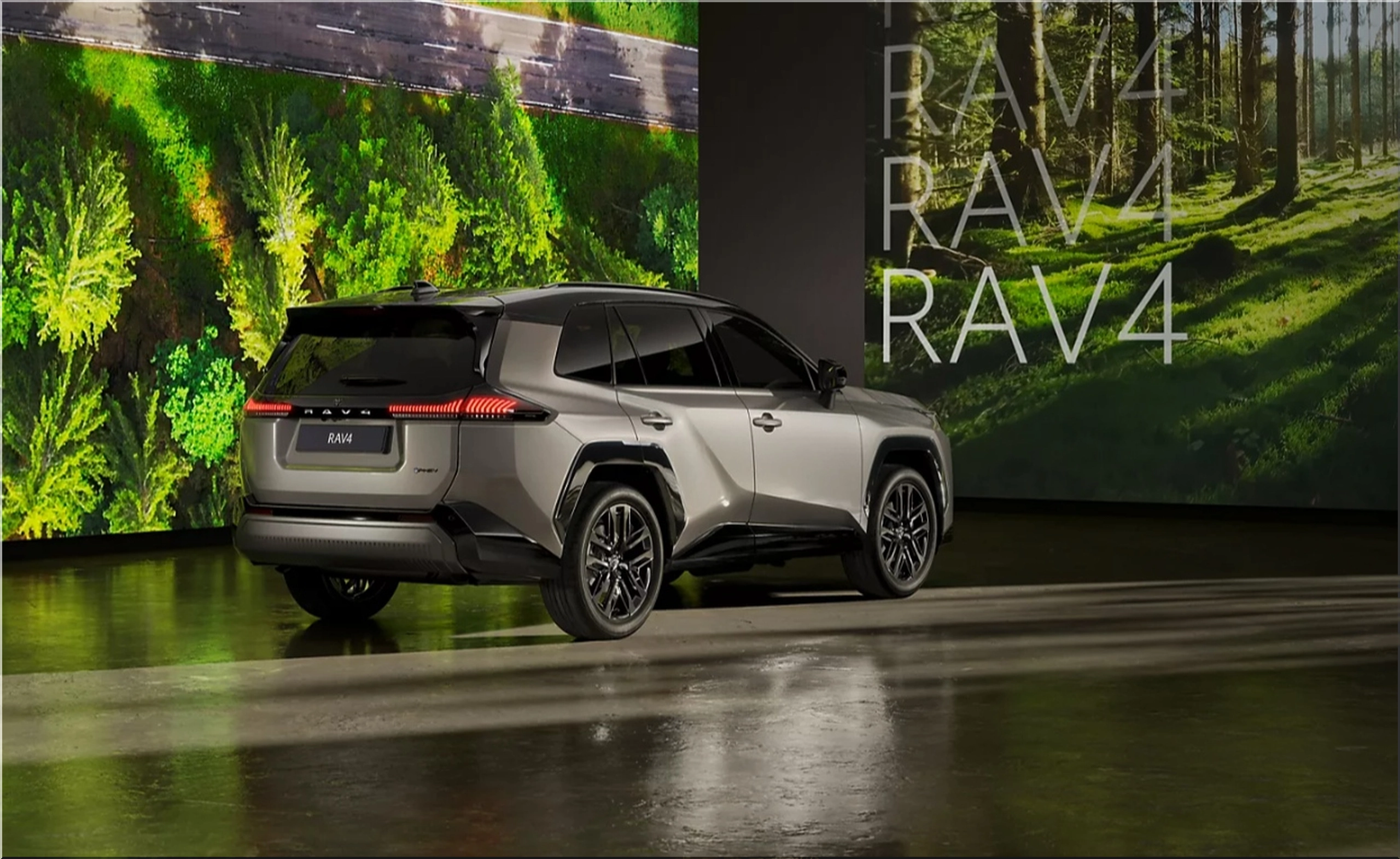
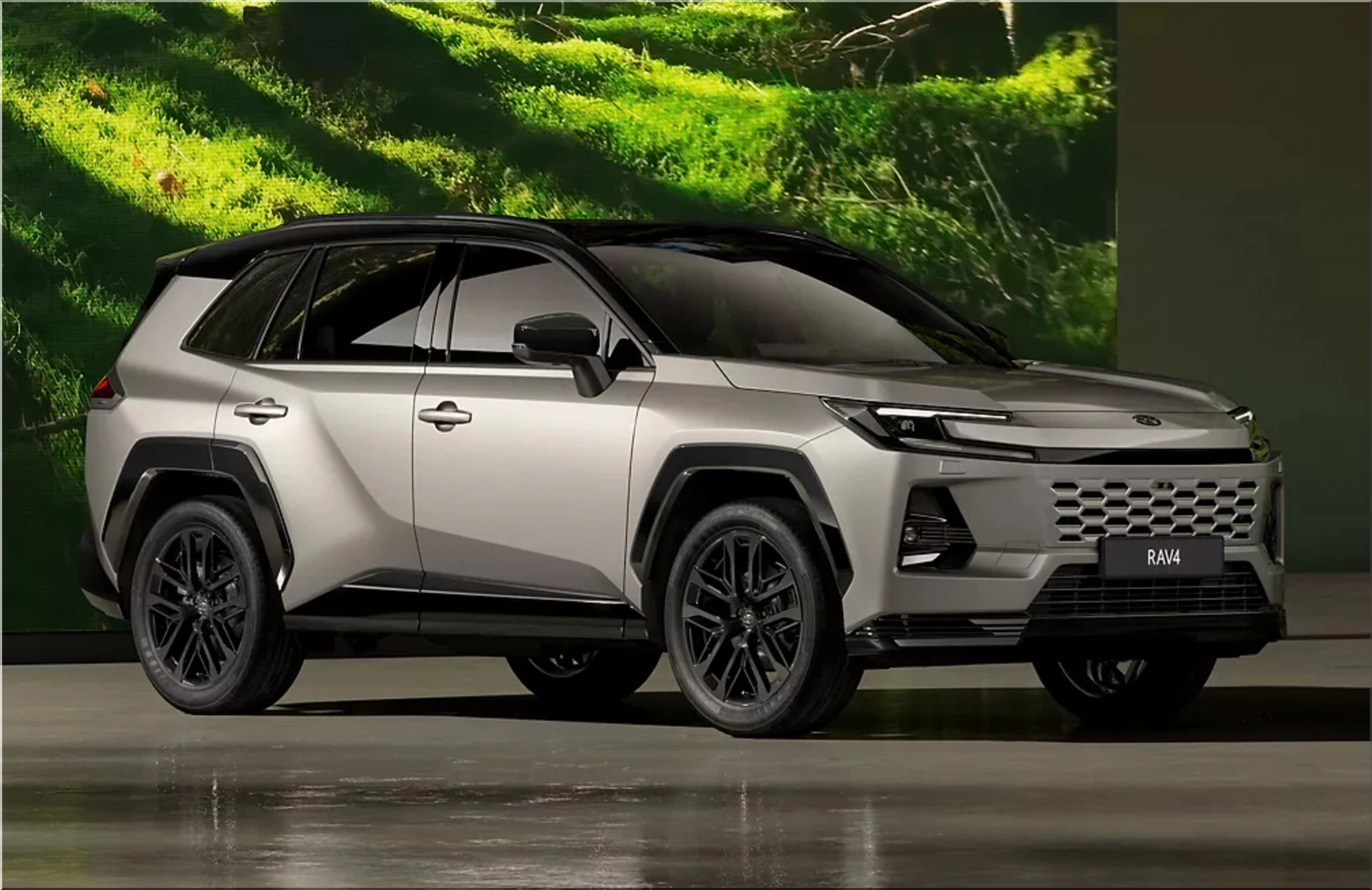
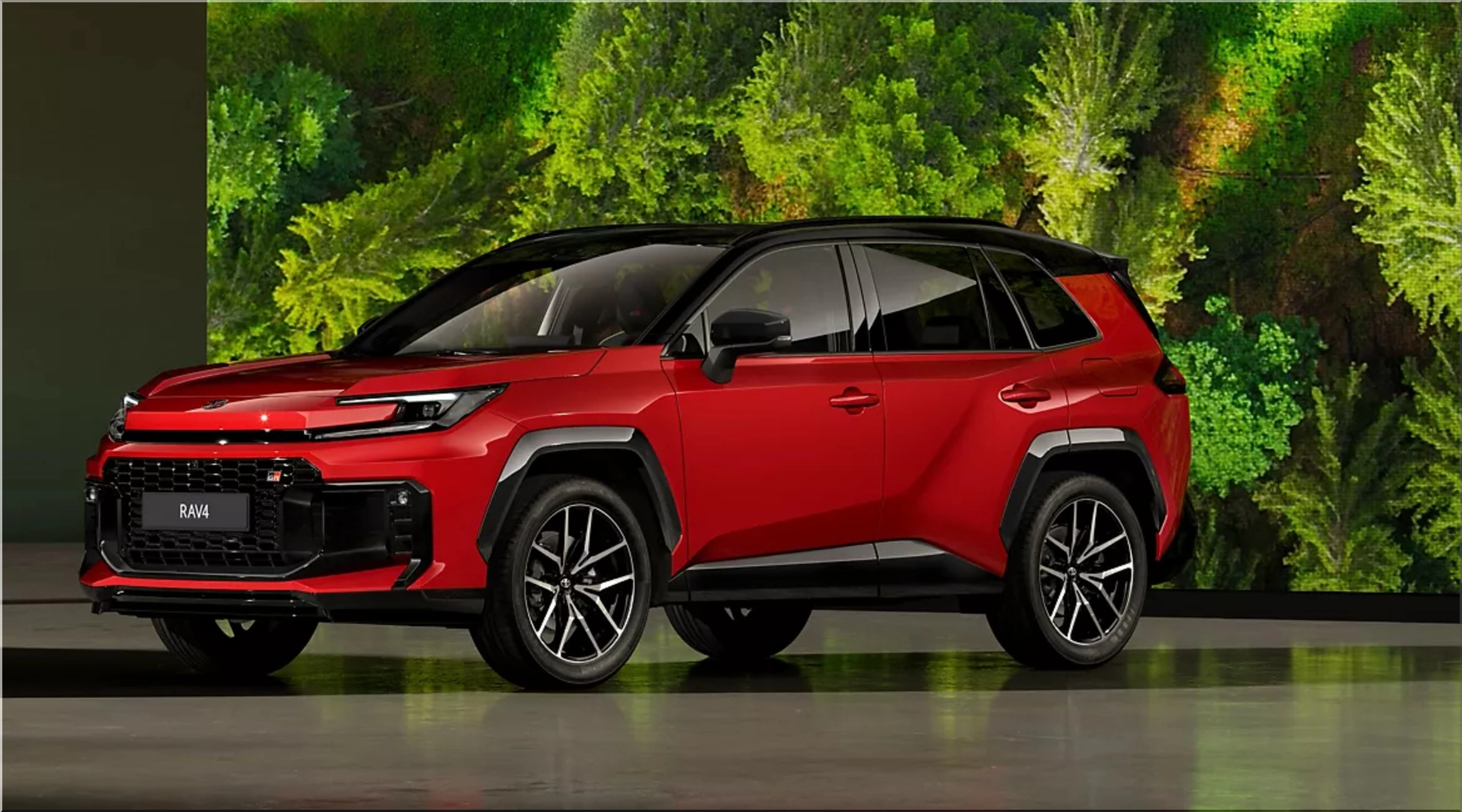
The all-new Toyota RAV4 Plug-In Hybrid brings measurable improvements in electric range, charging speed, performance, and digital capability. Drivers get a more responsive SUV with fewer ownership hassles and better long-term support. The powertrain feels sharper. The software behaves with fewer complications. The charging upgrades alone justify attention.
Toyota built this RAV4 for people who want clear benefits, not marketing fluff. It delivers stronger numbers, quicker charging, and smoother operation. Add a little humor: it also gives you a reasonable excuse to drink coffee during DC charging stops.
If you want a capable plug-in hybrid SUV with strong real-world range, dependable Toyota engineering, and a cleaner daily driving experience, this RAV4 fits the brief with confidence and optimism.
- Add new comment
- 479 views