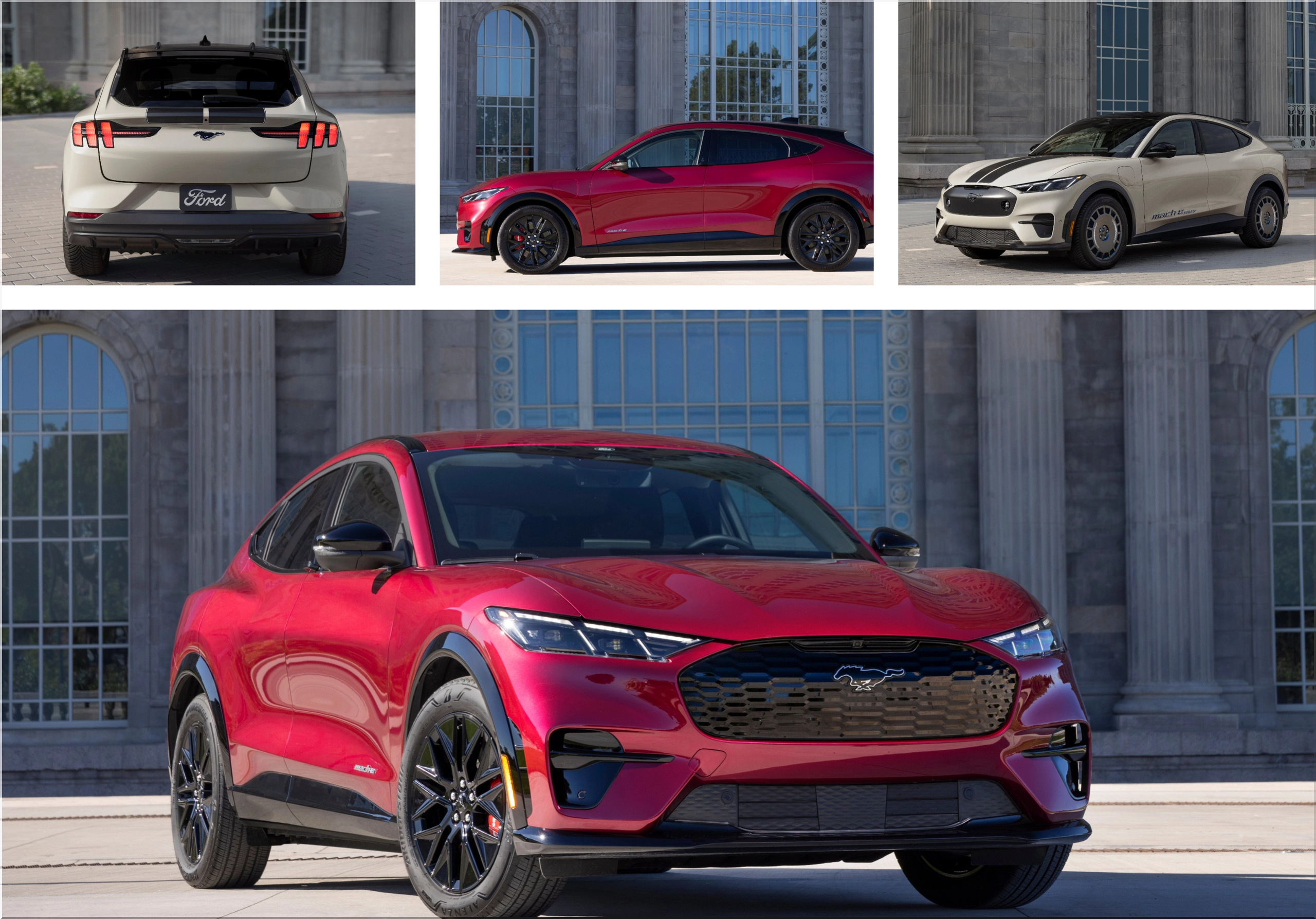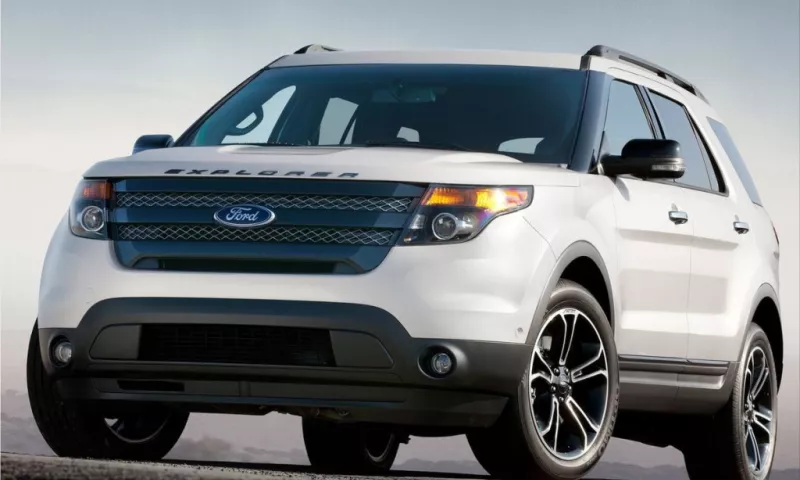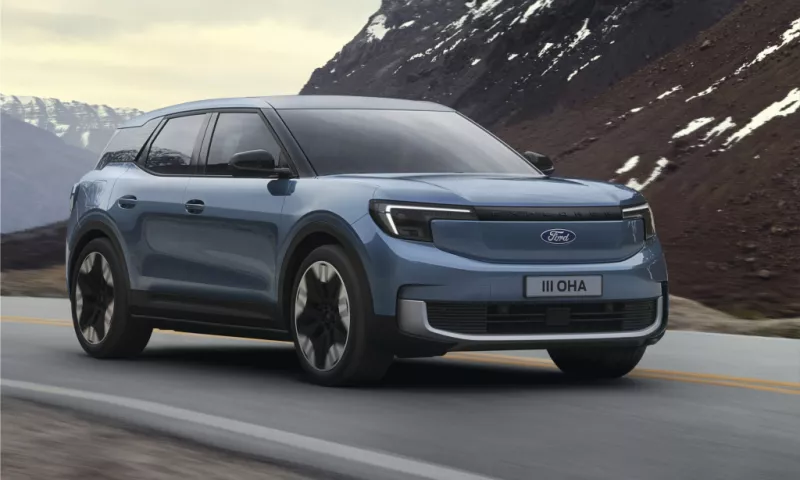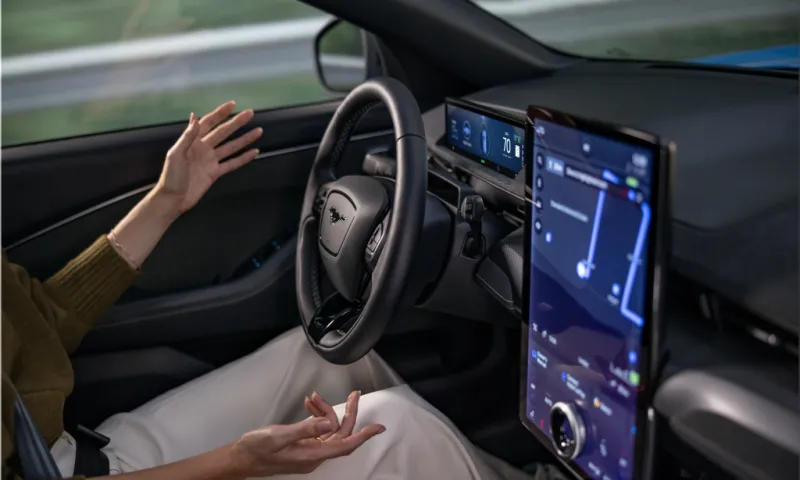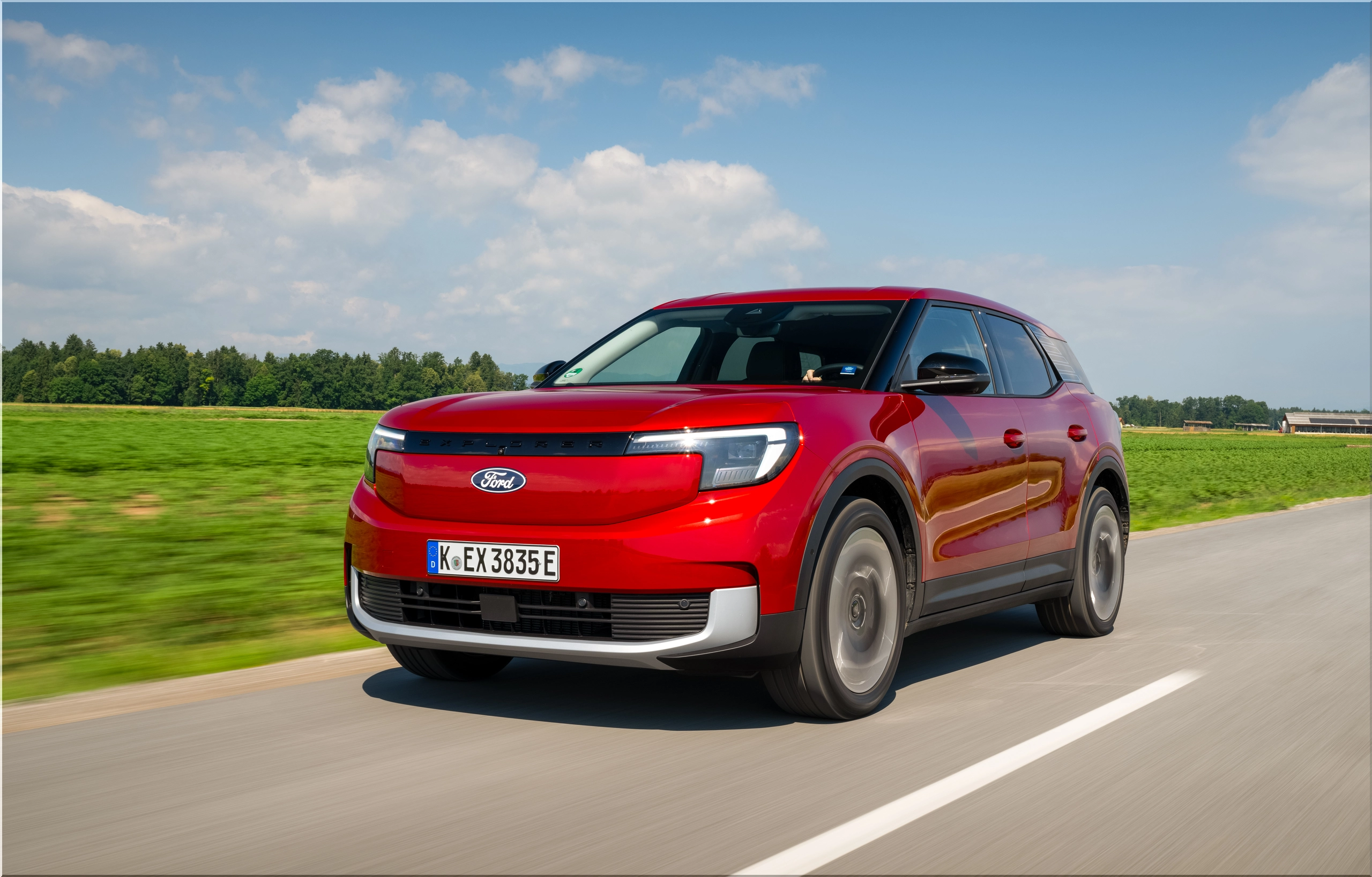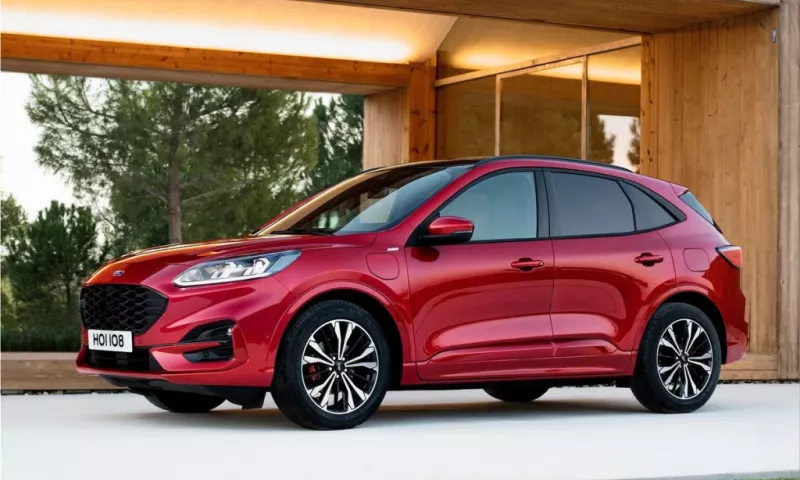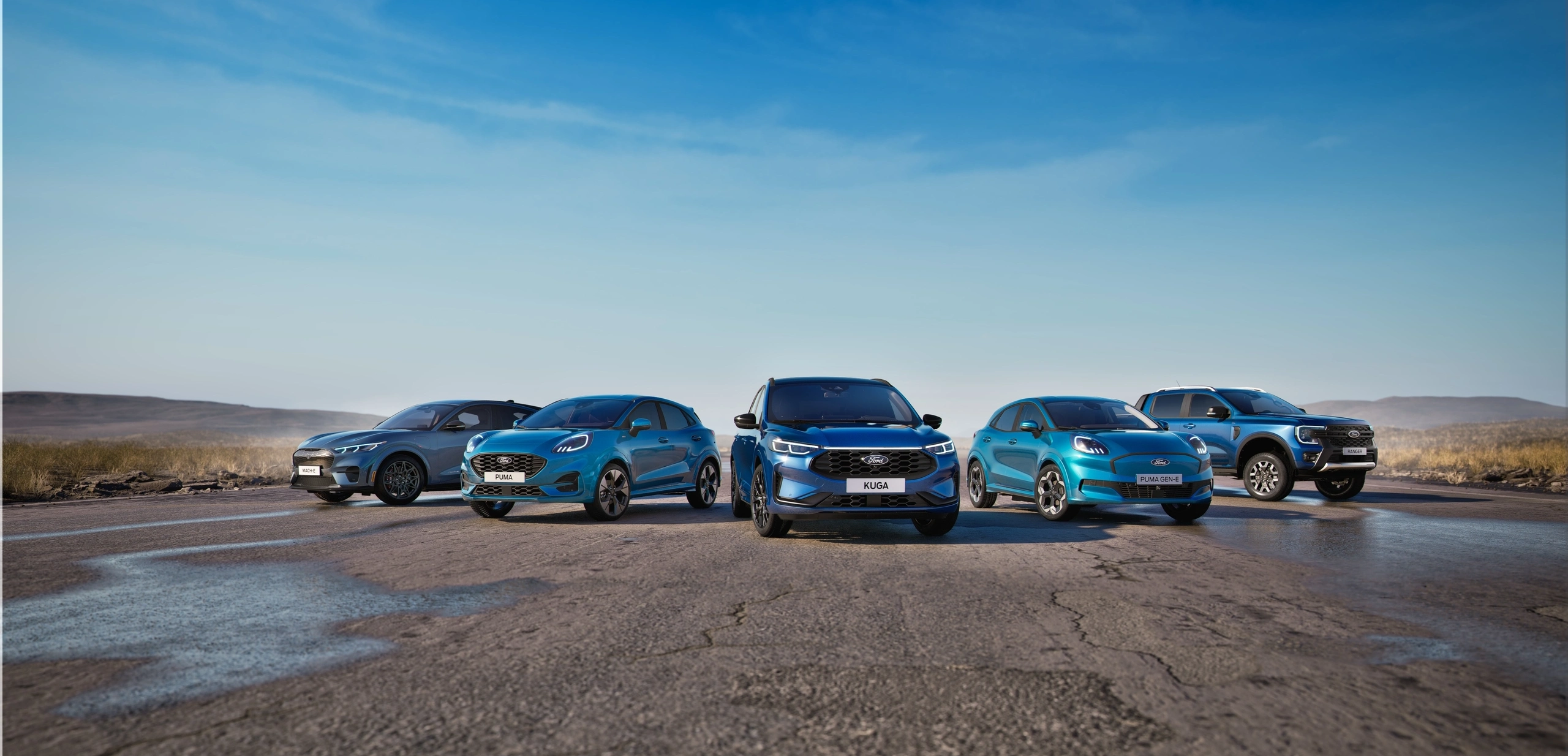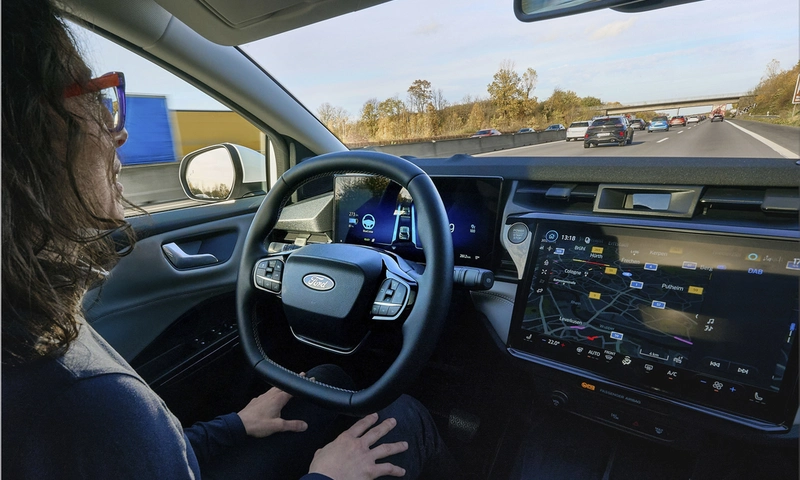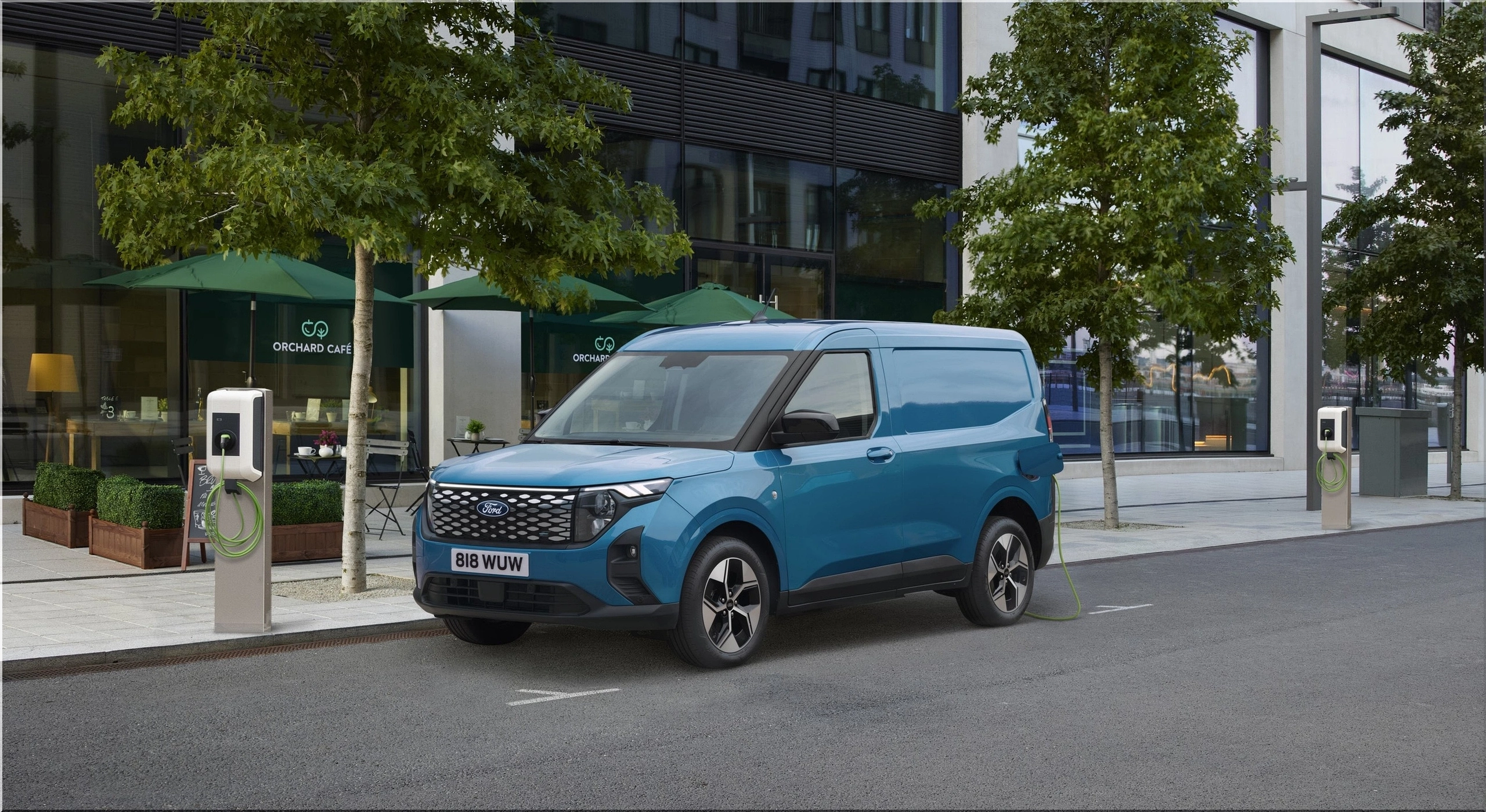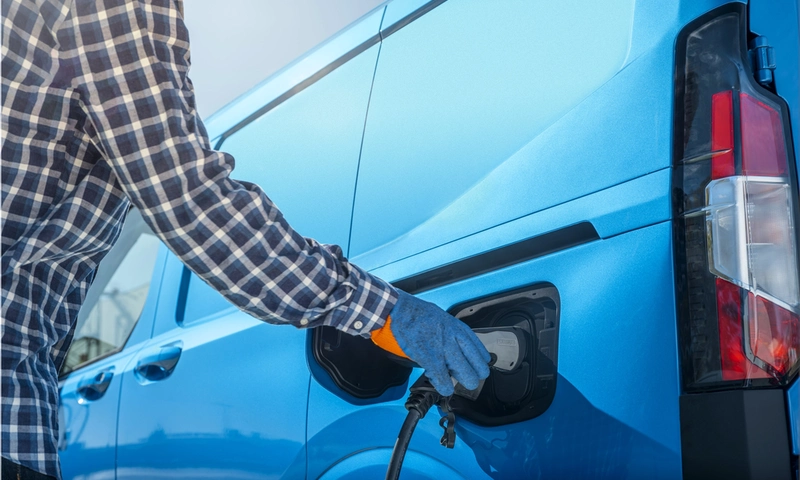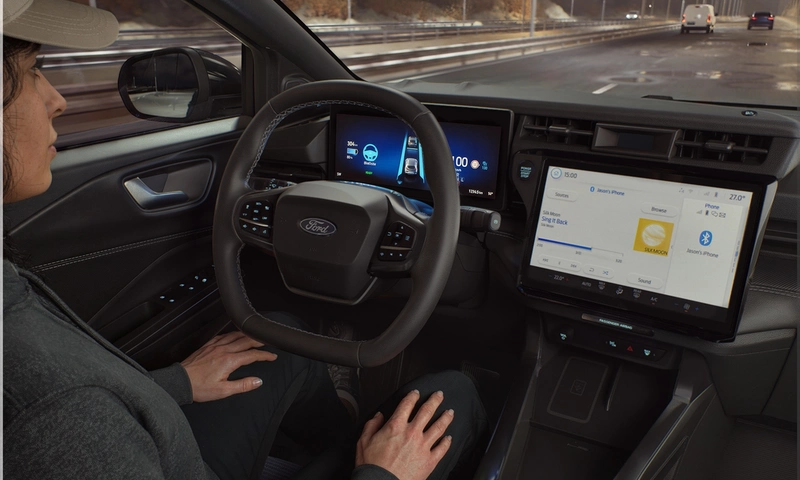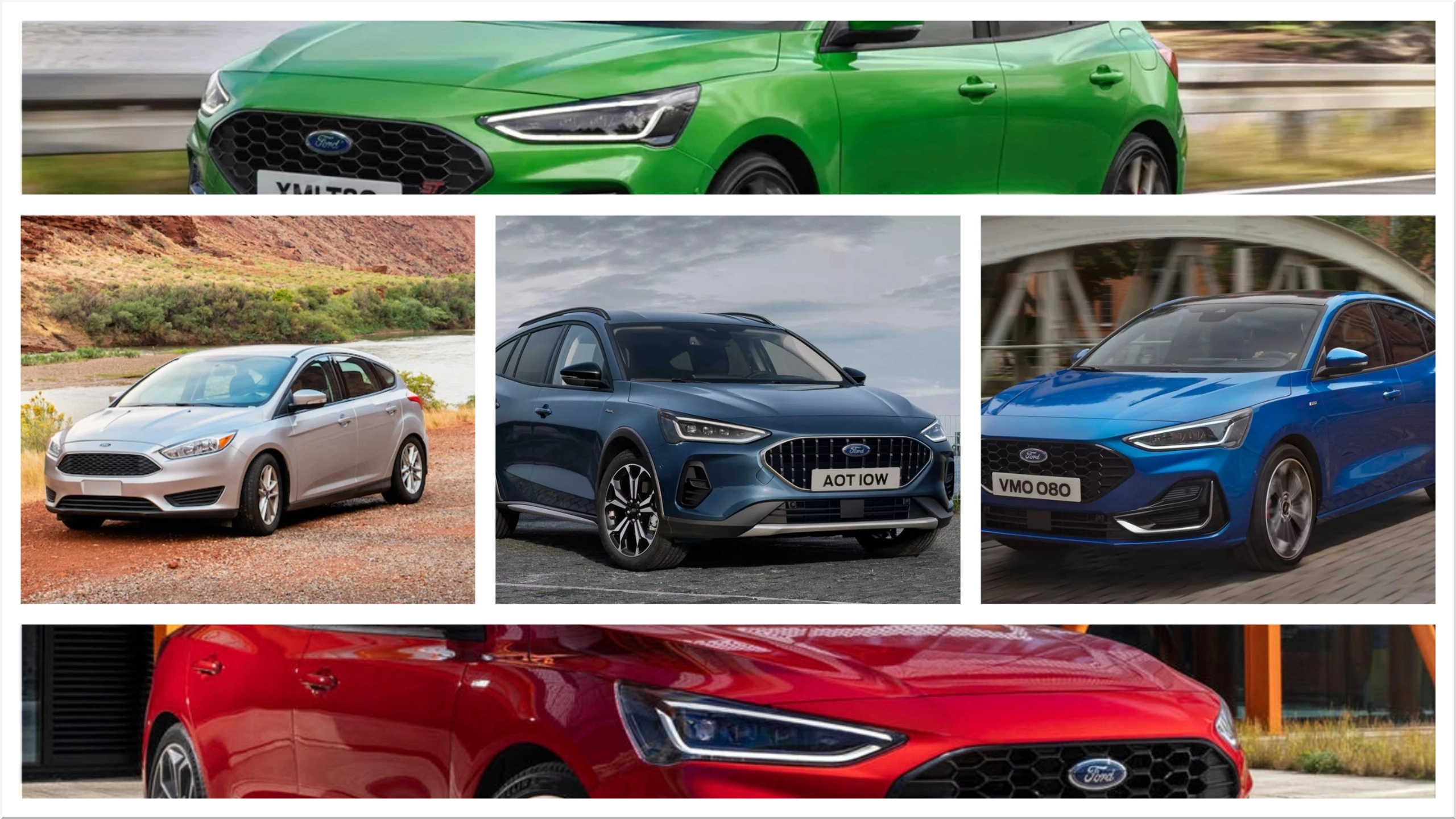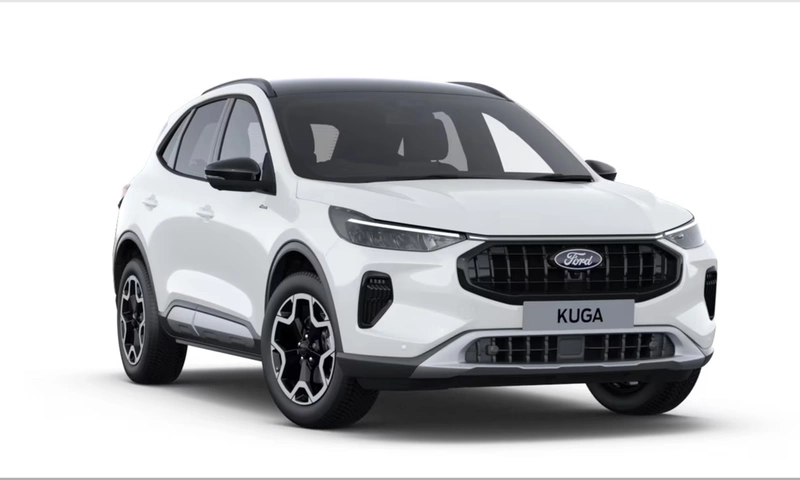
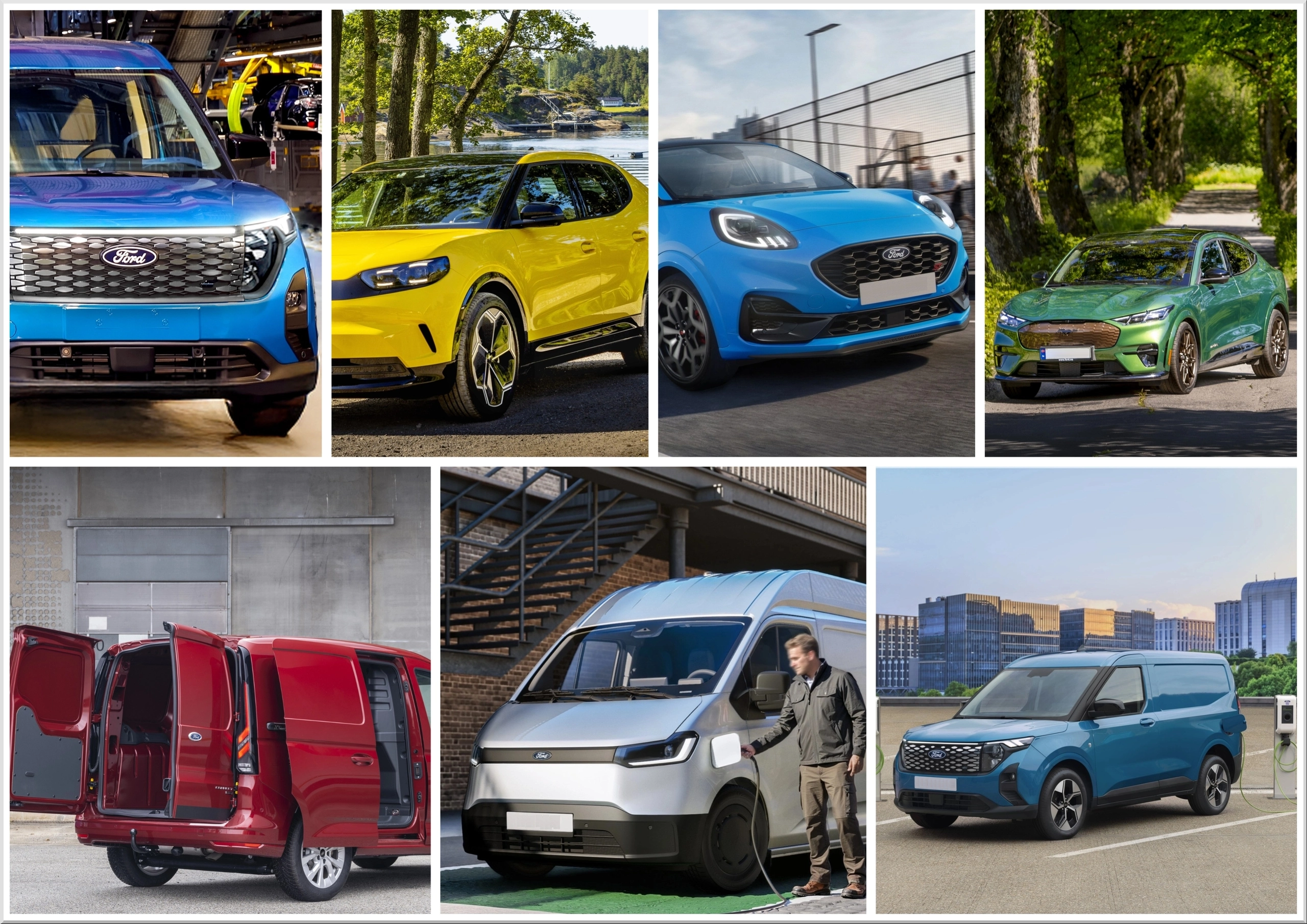
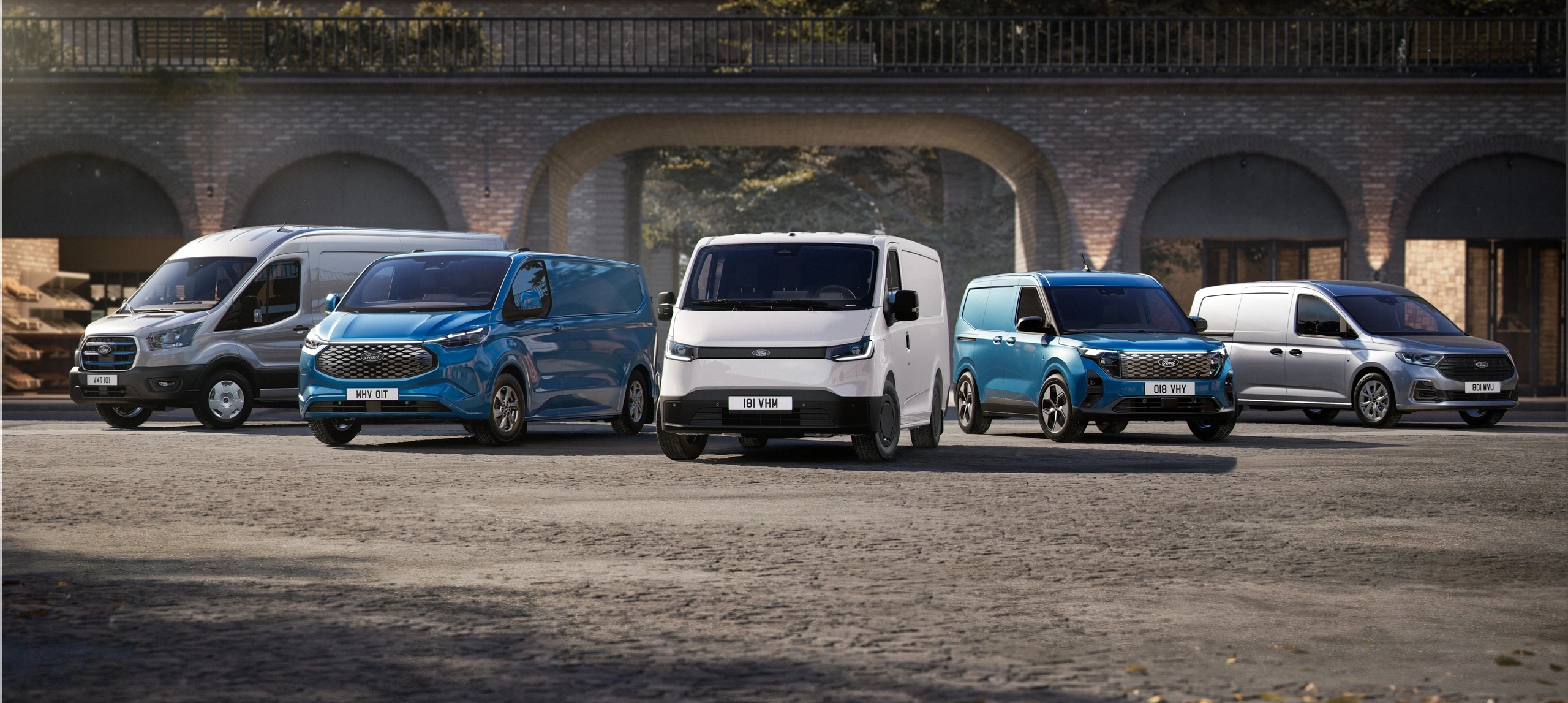
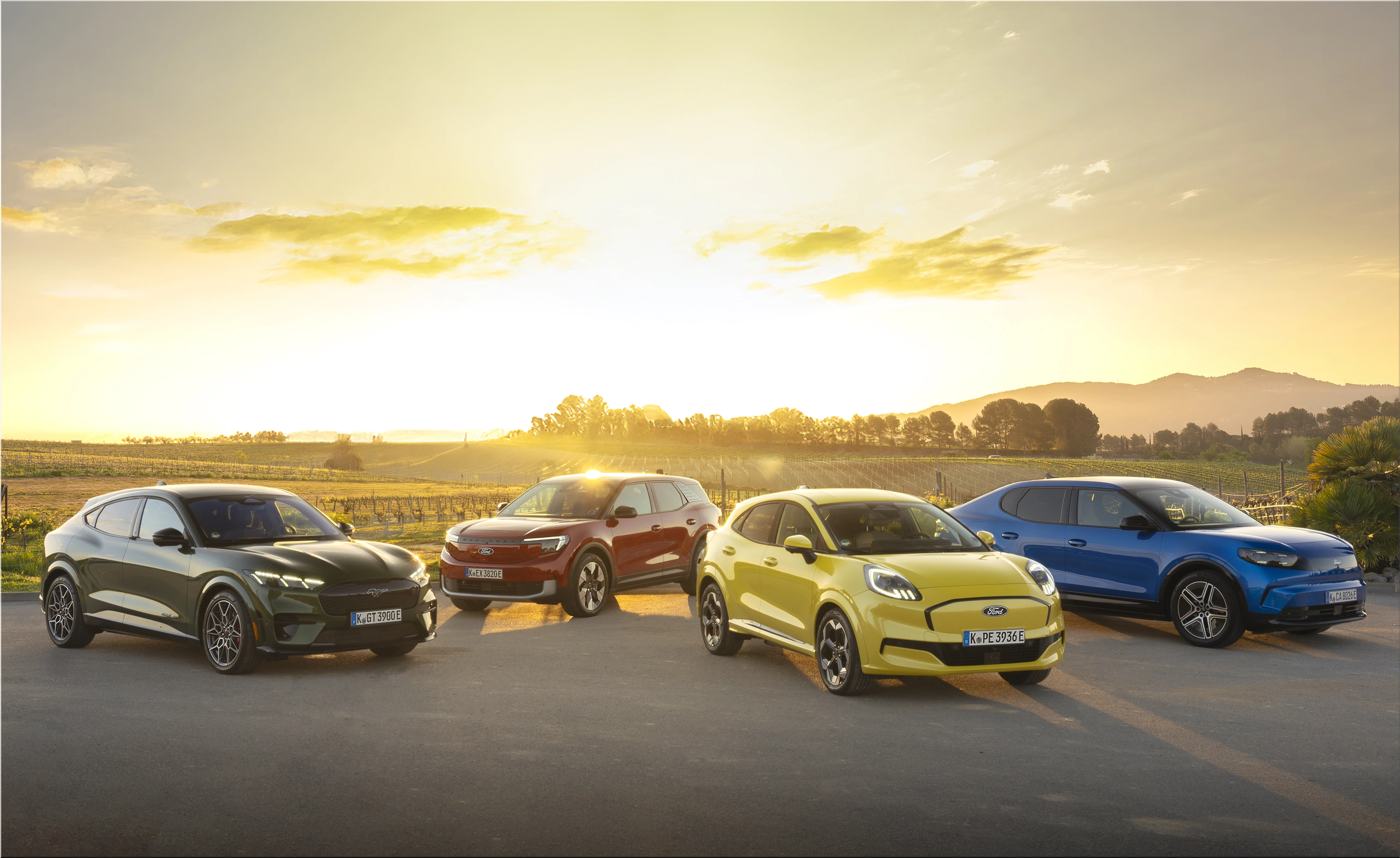
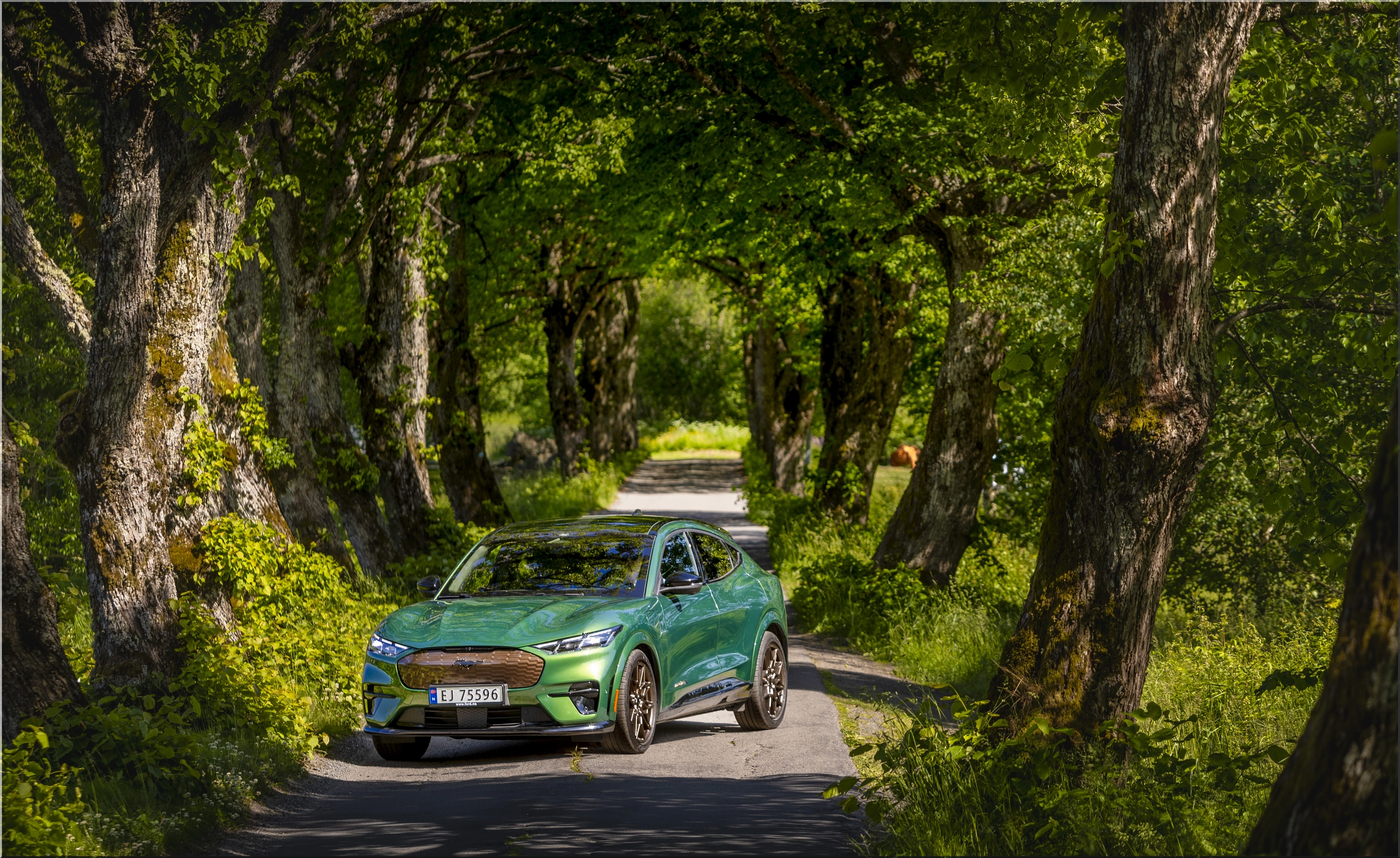
Ford has put real money behind its September push: up to €9,300 off selected vans, €6,398 off the Ford Puma Gen-E, and 0% car finance for three years on the Ford Mustang Mach-E. The objective: recover volume in a mature EV market where buyers compare price, credit cost, range, and delivery speed.
Norwegian buyers registered 2,501 Ford passenger cars through August 2026, down 30.0% year over year, while the total passenger-car market declined only 2.56%. Ford's percentage decline therefore ran almost 12 times the market's rate.
Image

Ford's September 2026 Offers in Euros
Ford combines lower transaction prices, supported credit, and stocked vehicles. That mix targets cash buyers, payment-focused households, and fleets.
| Ford model | September incentive | Promotional finance | Effective rate disclosed | Commercial target |
|---|---|---|---|---|
| Mustang Mach-E Premium Long Range AWD | Trade-in campaign; no cash cut stated | 0% nominal fixed for 3 years; €0 equity | 4.11% | Payment-sensitive AWD SUV buyers |
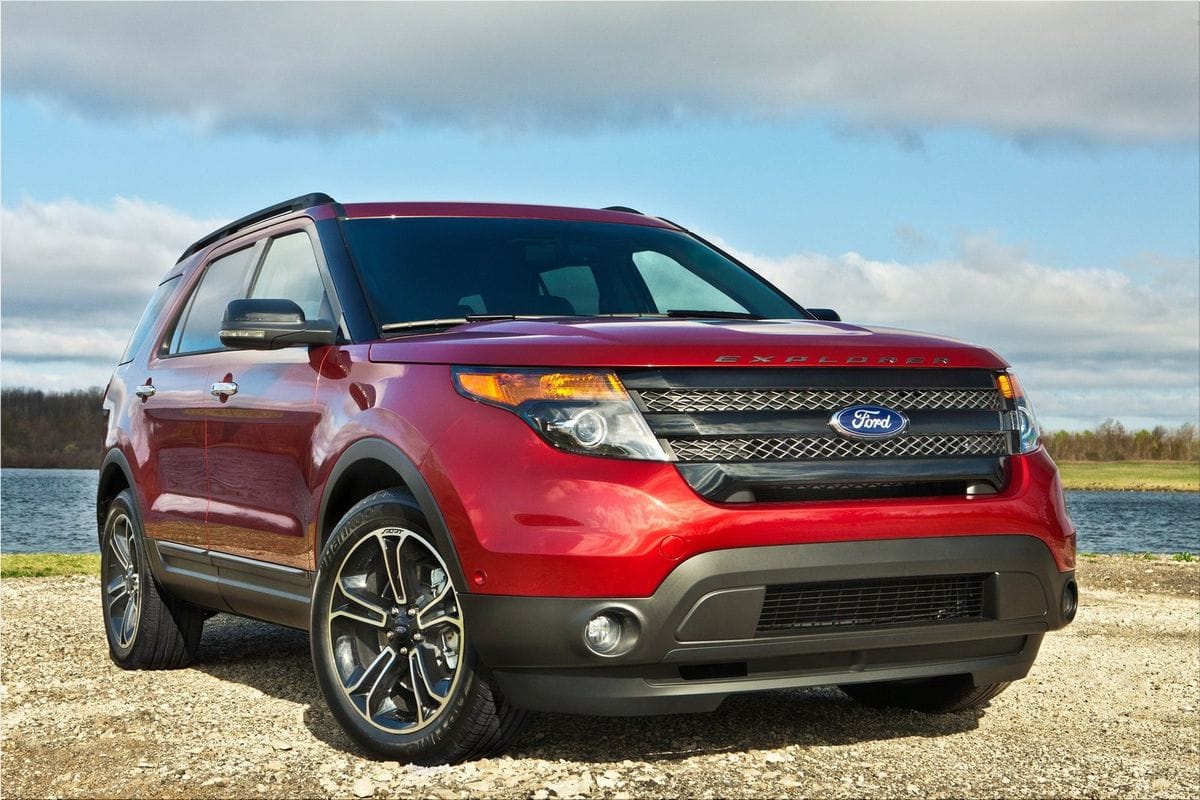
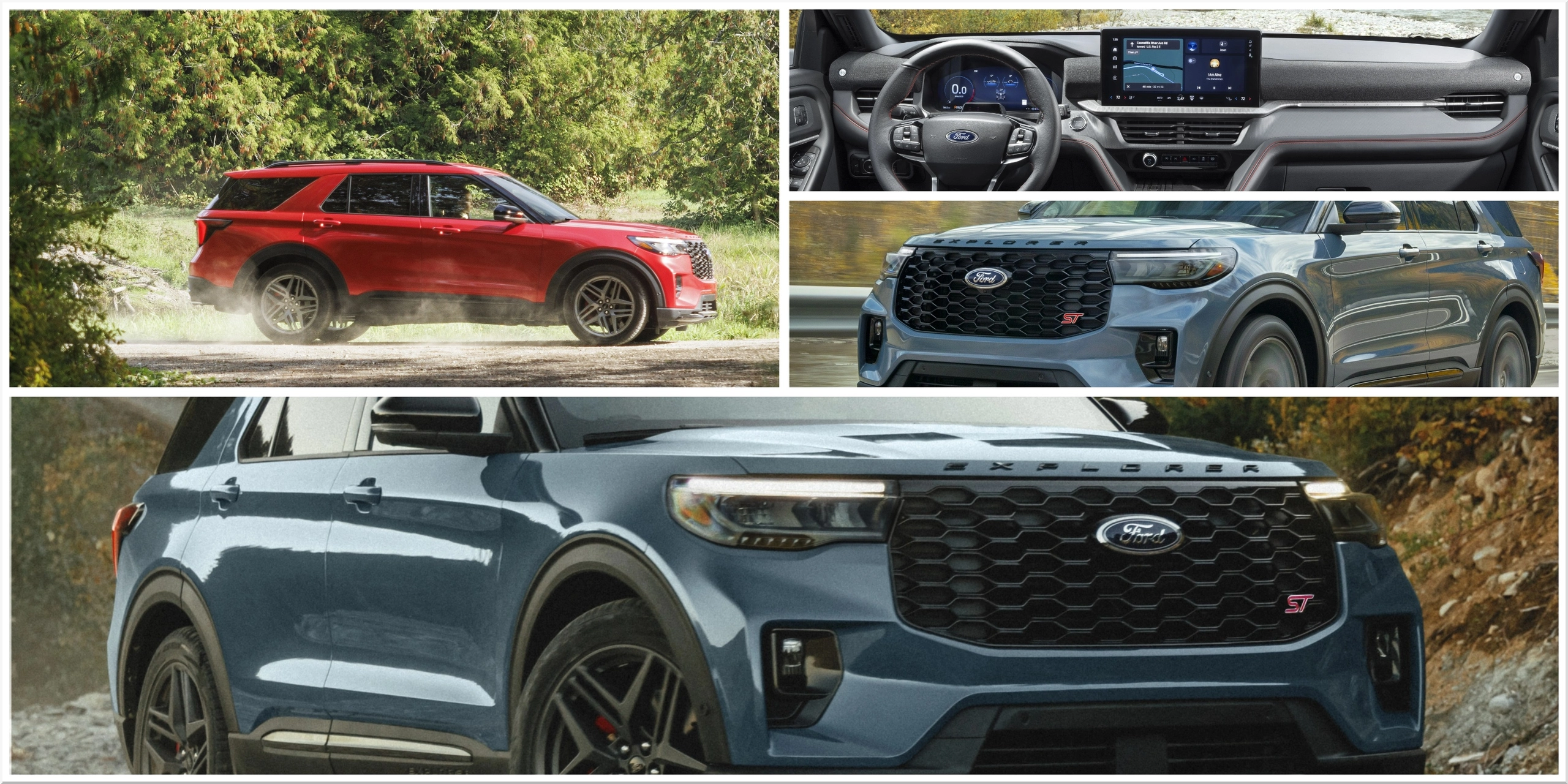
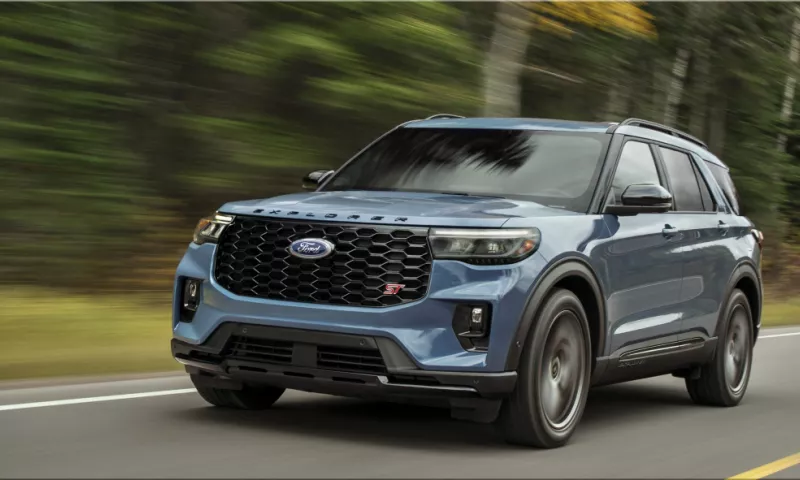
| Ford Explorer AWD Extended Range | €5,580 price cut | 0.95% nominal fixed for 3 years; €0 equity | 4.90% | Mid-size electric SUV demand |
| Ford Capri AWD Extended Range | €5,580 price cut | 0.95% nominal fixed for 3 years; €0 equity | 4.84% | Coupe-SUV conquest sales |
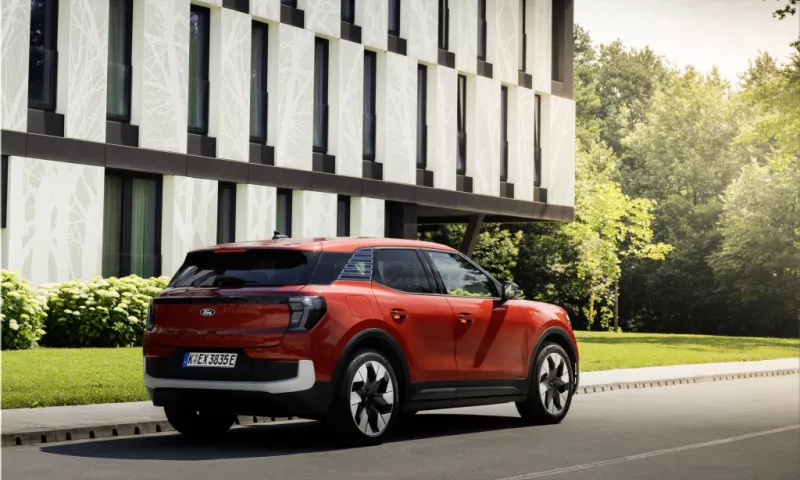
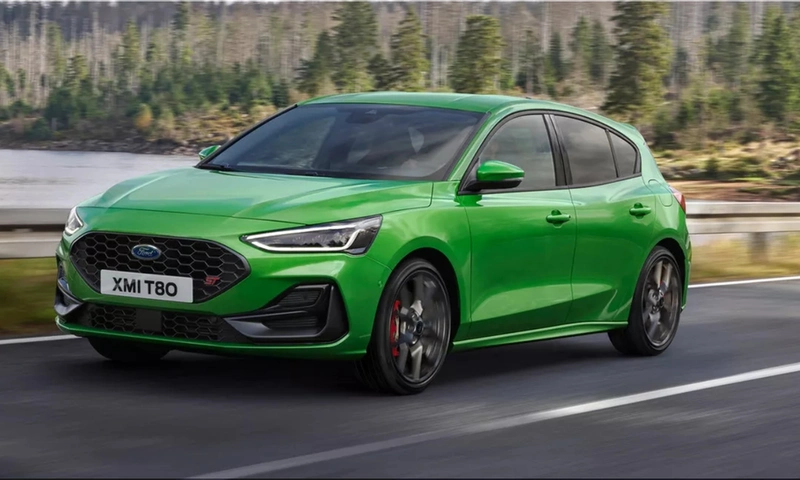
| Ford Puma Gen-E Select | €26,031 campaign price; €6,398 cut | 0.95% nominal fixed for 3 years; €0 equity | 5.15% | Compact-EV volume |
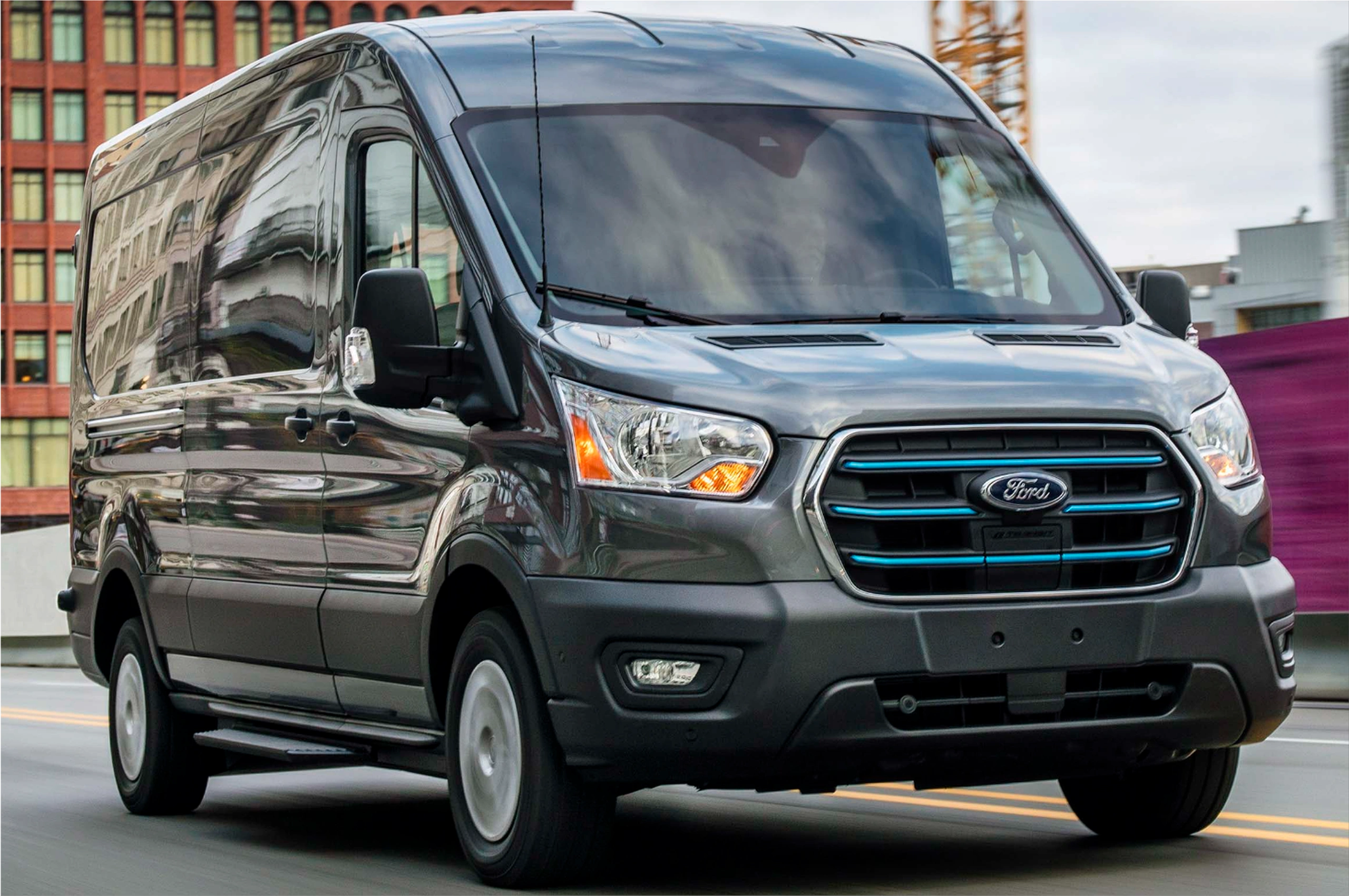
| Ford E-Transit Custom RWD | €9,300 price cut, tax included | 4.49% loan or lease | Not stated | Medium electric-van fleets |
| Ford E-Transit Courier | €7,905 price cut, tax included | 4.49% loan or lease | Not stated | Urban delivery and trades |
| Transit Connect | €5,580 price cut, tax included | No campaign rate stated | Not stated | Compact mixed-powertrain fleets |
Specifically, Ford reserves its deepest cut for the rear-drive E-Transit Custom and its cheapest passenger-EV entry for Puma Gen-E. Ford also promises quick delivery from stock, a key conversion aid for a September-only offer.
Ford's Registration Decline Explains the Offensive
Norway no longer needs an EV adoption pitch. Battery-electric cars captured 98.68% of August registrations and 97.77% through August, versus 20.7% across the European Union in the first half. Automakers now fight for replacement and conquest sales inside an almost fully electric category.
| August 2026 measure | Market or brand figure | Share | Business reading |
|---|---|---|---|
| Norway passenger cars | 13,451 registrations, down 3.35% | 100% | Demand softened modestly |
| Volkswagen | 1,457 registrations | 10.8% | 3.2 times Ford's monthly volume |
| Toyota | 1,328 registrations | 9.9% | 2.9 times Ford's monthly volume |
| Tesla | 627 registrations | 4.7% | Still 38% above Ford in August |
| Ford | 455 registrations, down 15.3% | 3.4% | Underperformed the monthly market |
| Ford year to date | 2,501 registrations, down 30.0% | 2.6% | Lost roughly one share point year over year |
Looking at the data, Volkswagen and Toyota each registered about three cars for every Ford in August. In addition, BYD and Xpeng together lifted their monthly share to 11.4%, up from 4.9% one year earlier. Ford therefore faces pressure from established European and Japanese rivals plus faster-growing Chinese brands.
The campaign attacks that problem on three fronts:
- Price: Puma enters the busiest affordable-EV band, while Explorer and Capri gain a visible €5,580 reduction.
- Credit access: Zero-equity terms remove the deposit barrier that Hyundai retains on Kona and Ioniq 5 offers.
- Inventory: Quick delivery moves registrations into the campaign window and clears stock before year-end discounting intensifies.
Consequently, Ford appears to prioritize unit recovery. Finance support can protect the sticker price better than a permanent list-price reset, reducing pressure on residual values.
Image
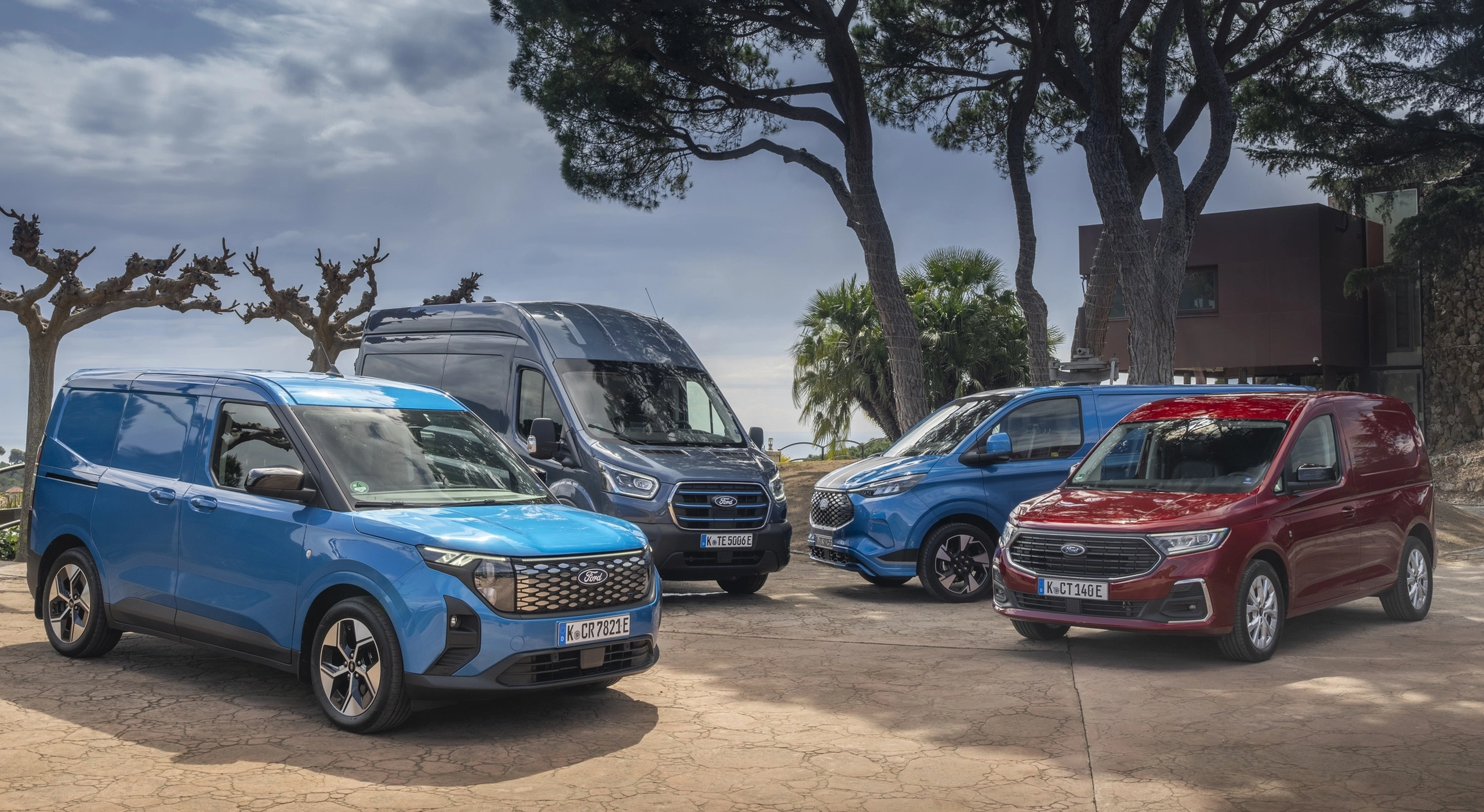
Ford's 0% Headline Faces Tough Finance Competition
Zero nominal interest does not mean zero borrowing cost. Ford lists 4.11% effective for Mustang Mach-E Electric SUV, while Norway's policy rate sits at 4.25% and DNB's green-car loan example carries 6.24% nominal and 8.16% effective. Fees, duration, later-period pricing, and repayment structure create the gap.
| Vehicle and contract | First 3 years | Effective rate | Upfront equity or start payment | Price support |
|---|---|---|---|---|
| Ford Mach-E loan | 0% fixed | 4.11% | €0 | Trade-in offer |
| Ford Capri loan | 0.95% fixed | 4.84% | €0 | €5,580 cut |
| Ford Explorer loan | 0.95% fixed | 4.90% | €0 | €5,580 cut |
| Audi Q4 e-tron quattro loan | 1.99% variable | 3.55% | €0 | From €46,491 |
| Hyundai Kona loan | 0% variable | 4.69% | 35% of purchase price | Up to €8,556 saving |
| Hyundai Ioniq 5 loan | 0.99% variable | 4.88% | €18,710 | €6,975 cut |
| Toyota bZ4X private lease | 0% fixed | Not published | €11,671 | Separate 2WD cash offer at €44,129 |
By comparison, Audi posts the lowest disclosed effective loan rate here at 3.55%, yet Ford fixes its introductory rate and asks for no equity. Hyundai matches Ford's 0% headline on Kona but requires 35% equity. Toyota's 36-month, 30,000 km lease charges €356 monthly after €11,671 upfront; its three-year total reaches €24,493.
Which number should a buyer use?
Use total payable, not the nominal rate. Ask for the cash price, equity, fees, payment schedule, final payment, later rate, total interest, and total due under one mileage and ownership period. This puts a Ford loan, Audi loan, and Toyota lease on equal economic terms.
Puma Gen-E Targets a Tax-Sensitive Price Point
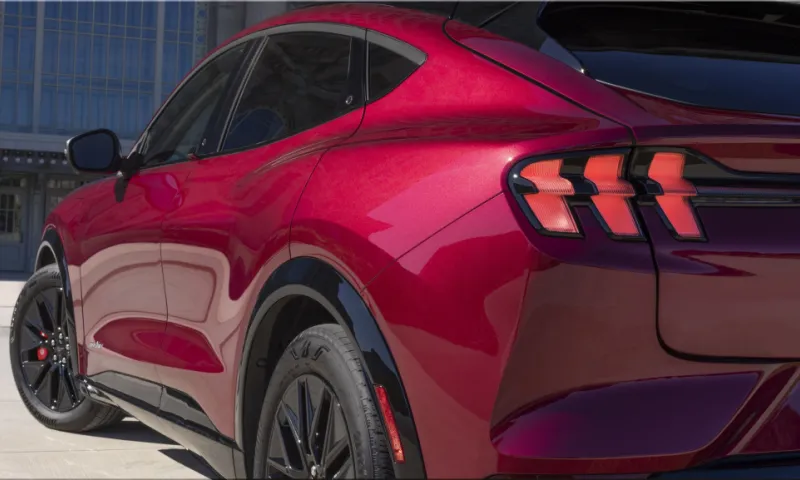
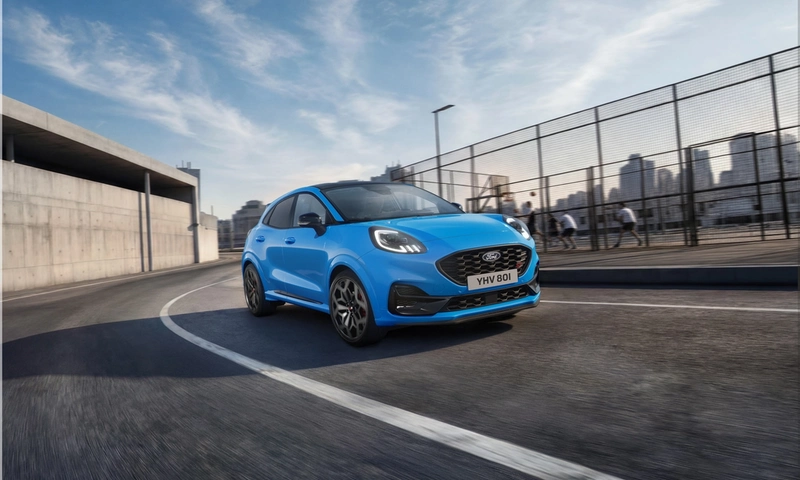
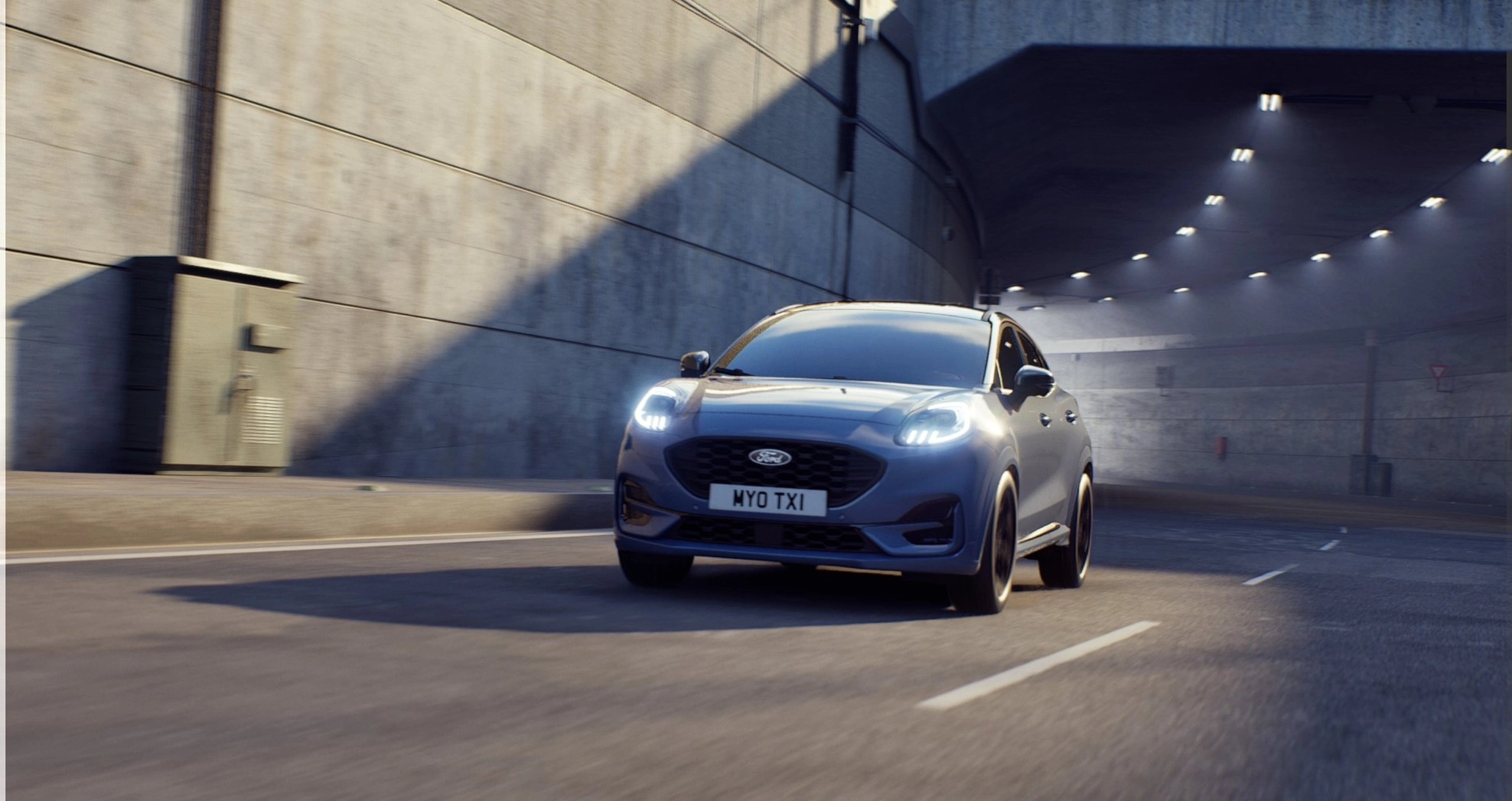
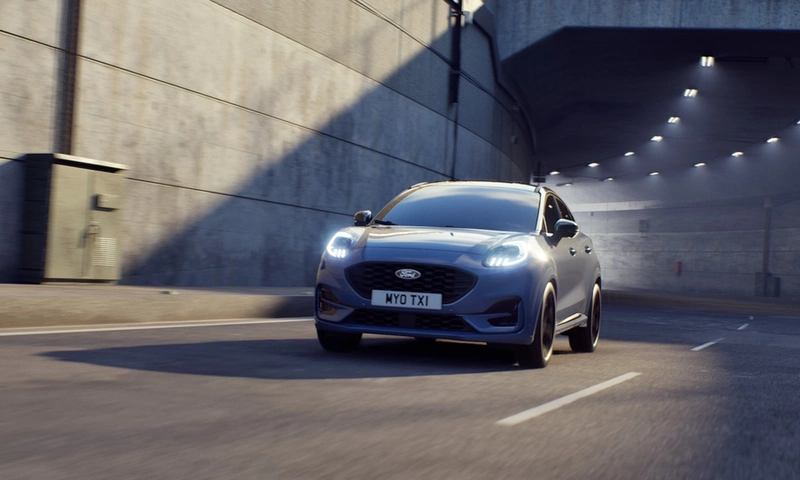
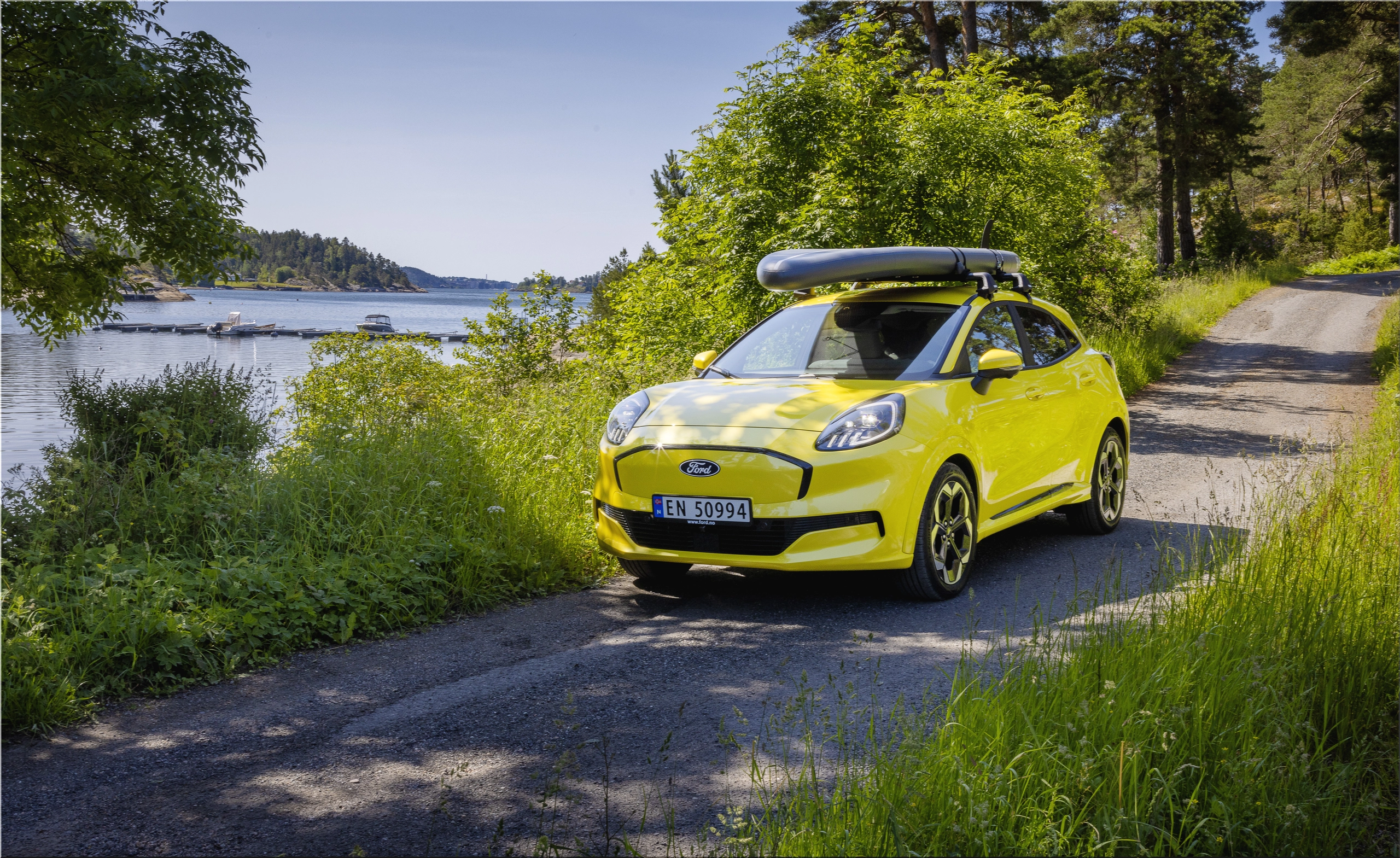
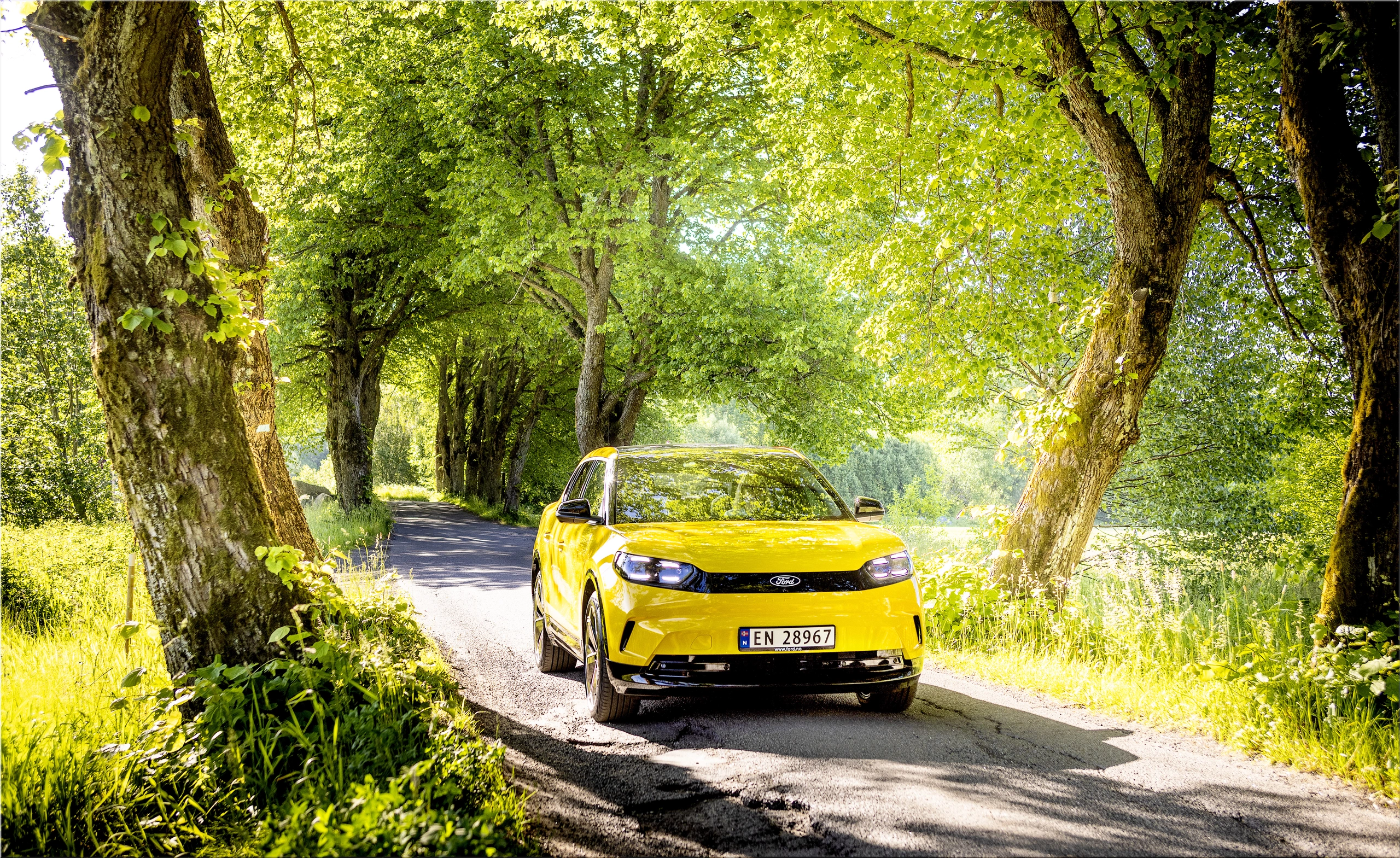
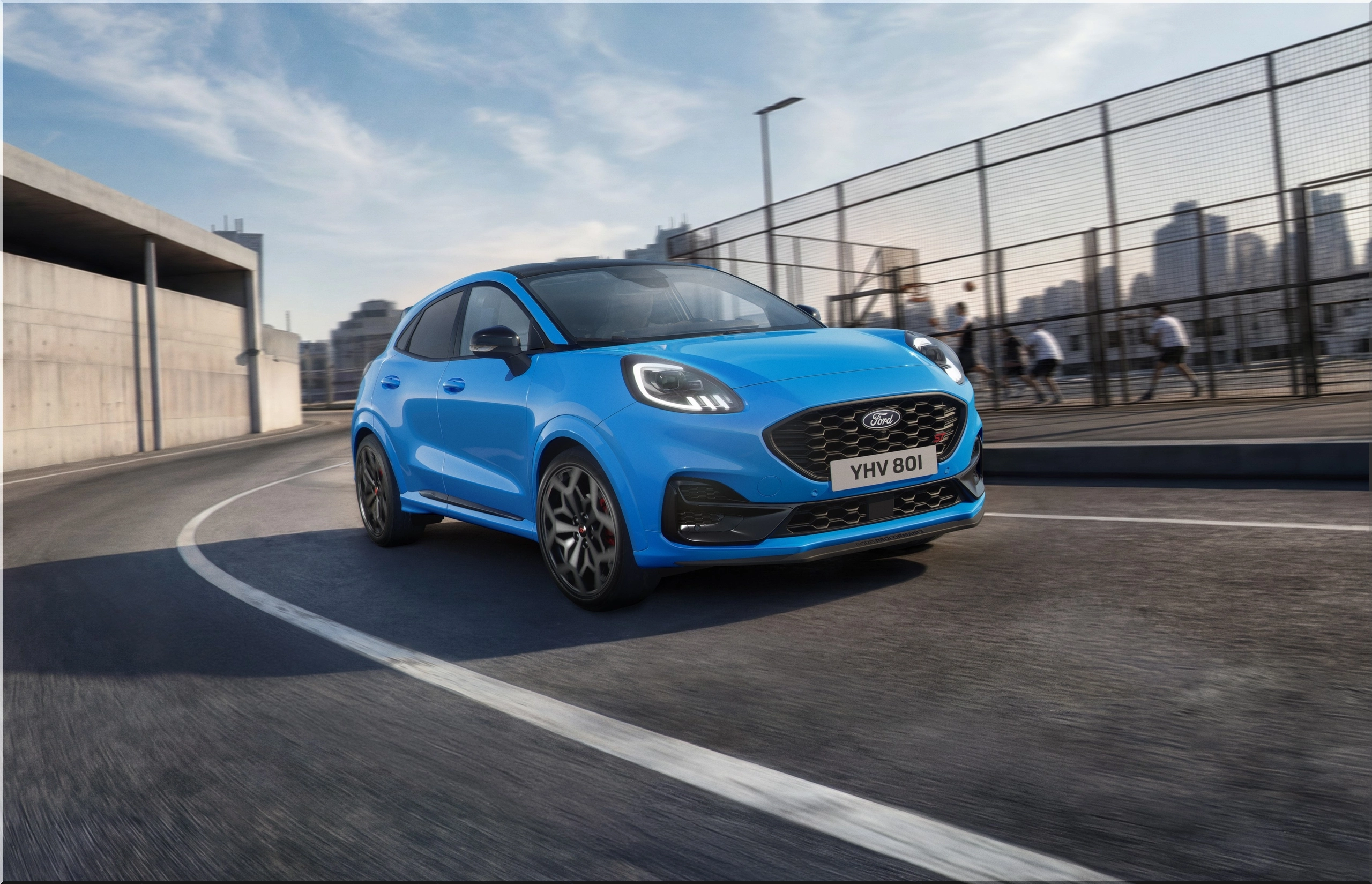
The electric Ford Puma carries the clearest volume play. Its €26,031 campaign price lands €1,869 below Norway's €27,900 EV value-added-tax threshold. That buffer helps Ford hold the complete advertised vehicle below the tax line before options, while larger and costlier EVs attract tax on the amount above it.
Image
| Entry EV | Converted starting or campaign price | Quoted range | Pricing context |
|---|---|---|---|
| Citroen e-C3 | €21,846 | Model dependent | Lowest price in this set |
| Ford Puma Gen-E Select | €26,031 | Up to 417 km | €6,398 campaign cut |
| Hyundai Ioniq 3 | €26,031 | Version dependent | Same advertised entry price |
| Citroen e-C4 | €27,891 | Up to 416 km | €9 below the tax threshold |
| Toyota Urban Cruiser | €32,225 | Version dependent | Campaign cash price with winter wheels |
Puma backs that price with useful hardware. The current reference specification combines a 46.8 kWh usable battery, 123.5 kW motor, 290 Nm, 100 kW DC peak, and a claimed 10-80% charge in about 26 minutes. Its body measures 4,214 mm long, 1,805 mm wide, and 1,555 mm high on a 2,588 mm wheelbase; the underfloor GigaBox helps lift luggage capacity to 574 litres.
From an expert perspective, 574 litres gives Ford a sharper commercial argument than motor output alone, while the short wheelbase keeps Puma city-friendly. Buyers should verify variant-specific range because 17-inch and 18-inch wheels change certified consumption.
Image gallery


Van Discounts Protect Ford's Stronger Franchise
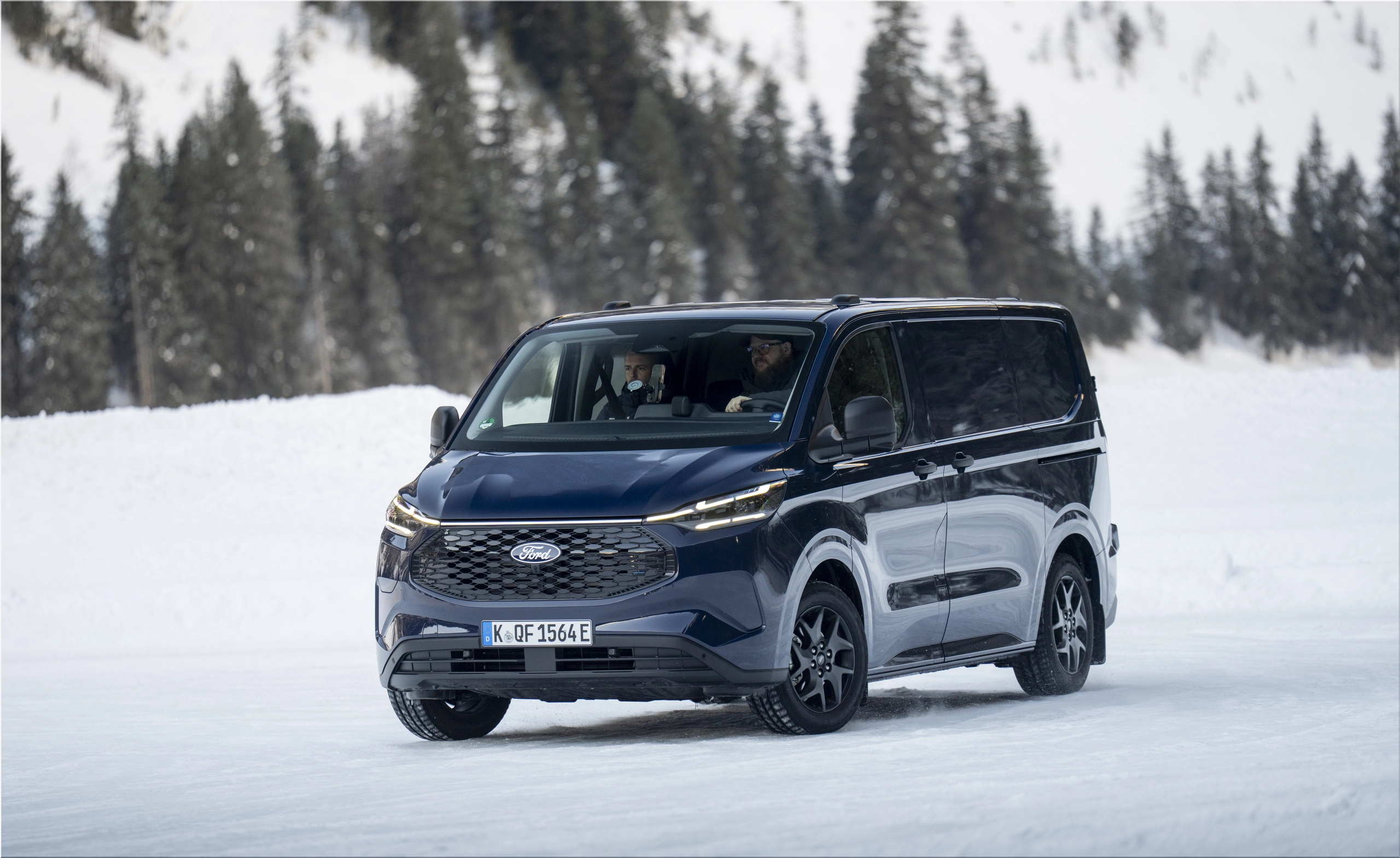
Ford holds a better commercial-vehicle position. It led Norway in July with 319 registrations, 28% share, and 33% year-over-year growth. E-Transit Custom supplied 192 units, and AWD variants supplied 189 of them - 98.4% - proving the value of winter traction.
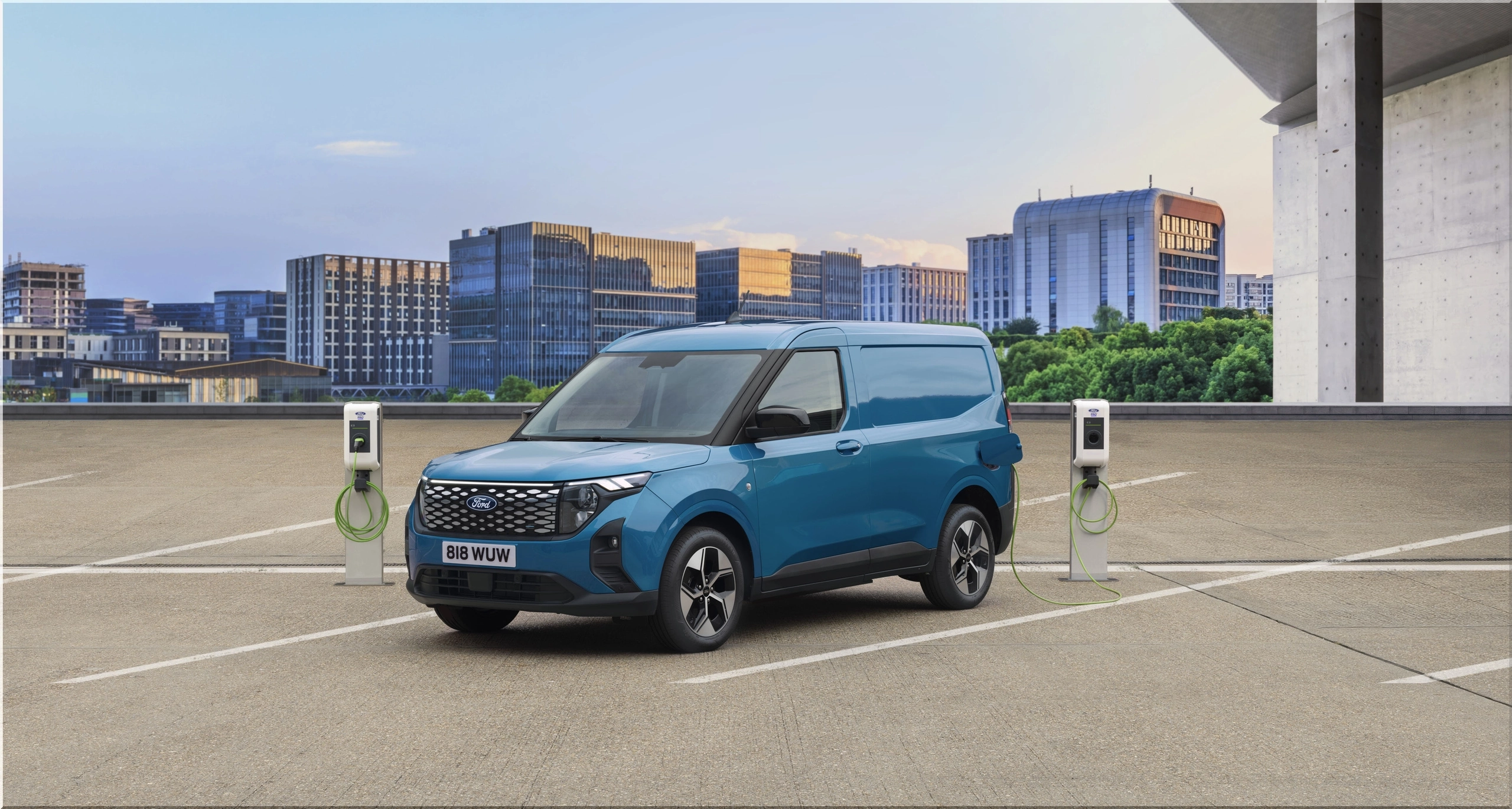
The September discount targets rear-wheel drive. Ford E-Transit Custom RWD gains €9,300 and offers up to 370 km, a 29-minute 10-80% charge, and up to 111 km from a ten-minute DC stop. AWD versions pair 136, 218, or 286 hp with 2,300 kg towing and nearly one tonne of payload; RWD suits depot routes that do not repay the added driven axle.
Image
Ford cuts the E-Transit Courier by €7,905. Its 46 kWh usable battery supports up to 334 km, while 100 kW DC can take the pack from 10% to 80% in under 30 minutes. The van carries 2.9 cubic metres, about 700 kg, a 2,692 mm wheelbase, and a 10.7-metre turning circle - useful numbers for multi-stop urban work.
Fleet demand still presents risk. Norway registered 3,139 vans in August, up 10.6%, but electric vans captured only 44.9% for the month versus 53.1% year to date. Ford ranked second in commercial vehicles through July with 2,413 units, so one monthly win does not give it annual leadership.
Fleet managers should test the incentive against operating economics:
- Map daily route distance, winter energy use, towing, payload, and depot dwell time before choosing RWD or AWD.
- Compare the €9,300 or €7,905 saving with charging-infrastructure cost and lost revenue during charging.
- Price Ford's 4.49% loan and lease against Toyota Proace Electric's current 2.25% fixed lease offer, then normalize deposit, term, mileage, tax, and end-of-contract value.
Image gallery



Business Verdict: Ford Trades Margin for Share and Speed
Ford's September campaign reads as a volume-recovery move. It combines a tax-aware Puma price, zero-equity finance, heavy van cuts, and ready stock. A 30% passenger-car decline demands that force as Volkswagen, Toyota, and Chinese brands chase the same buyers.
Pro-Tips for Buyers and Fleet Directors
- Request the full effective-rate calculation and payment schedule; never value a contract from the nominal rate alone.
- Negotiate the cash price before discussing finance, trade-in value, winter wheels, service packs, or insurance.
- Ask for the vehicle identification number and production date. Stock-led offers can include older build specifications.
- For vans, model cost per productive kilometre with realistic winter range, payload, towing, charging tariffs, and downtime.
- Recheck the euro conversion on signing day if your budget uses euros, because this article locks every local price to €0.093 by instruction.
The strongest Ford offer depends on the buyer. Puma delivers the clearest cash-value case, Mach-E removes the equity hurdle, and E-Transit Custom RWD supplies the largest direct cut. Ford gains registrations if customers value immediate delivery and low initial cash more than the lowest effective rate; Audi, Hyundai, Toyota, Citroen, Volkswagen, and Chinese rivals still give buyers credible reasons to compare every line of the contract.
- Add new comment
- 55 views