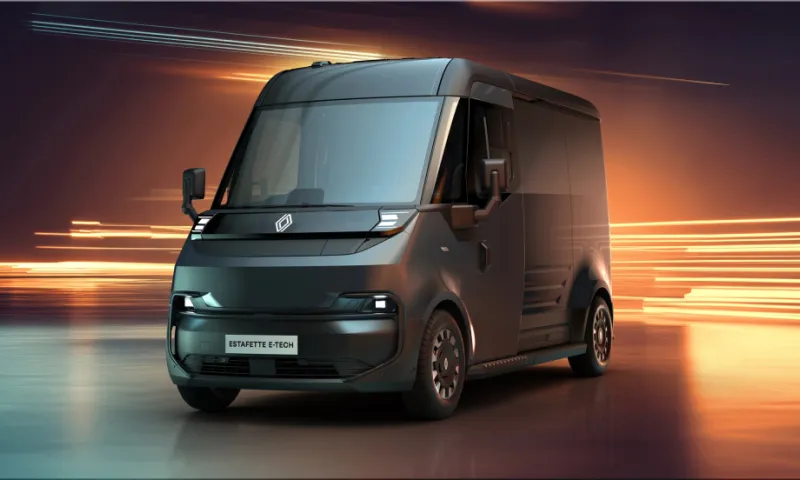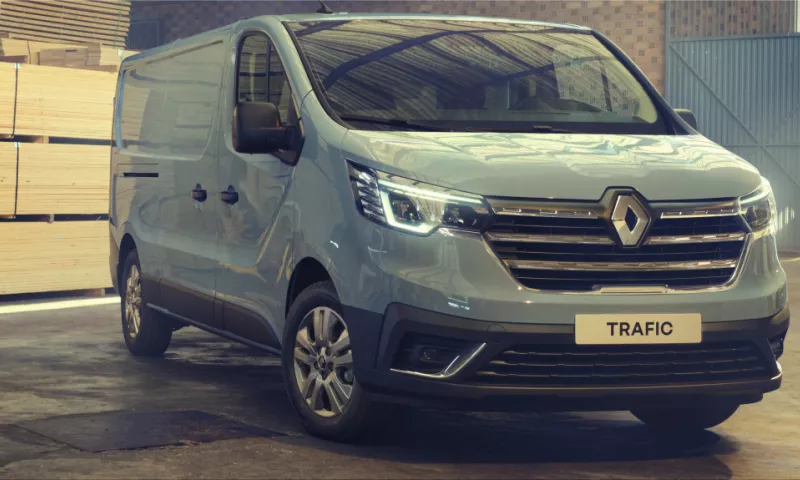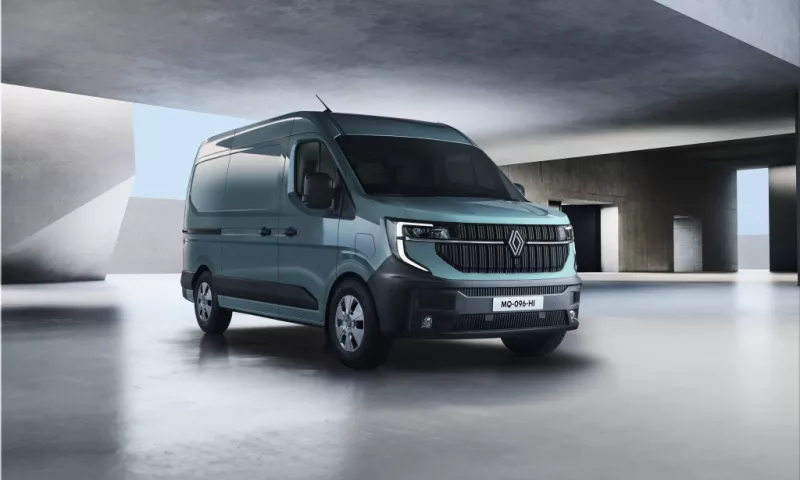
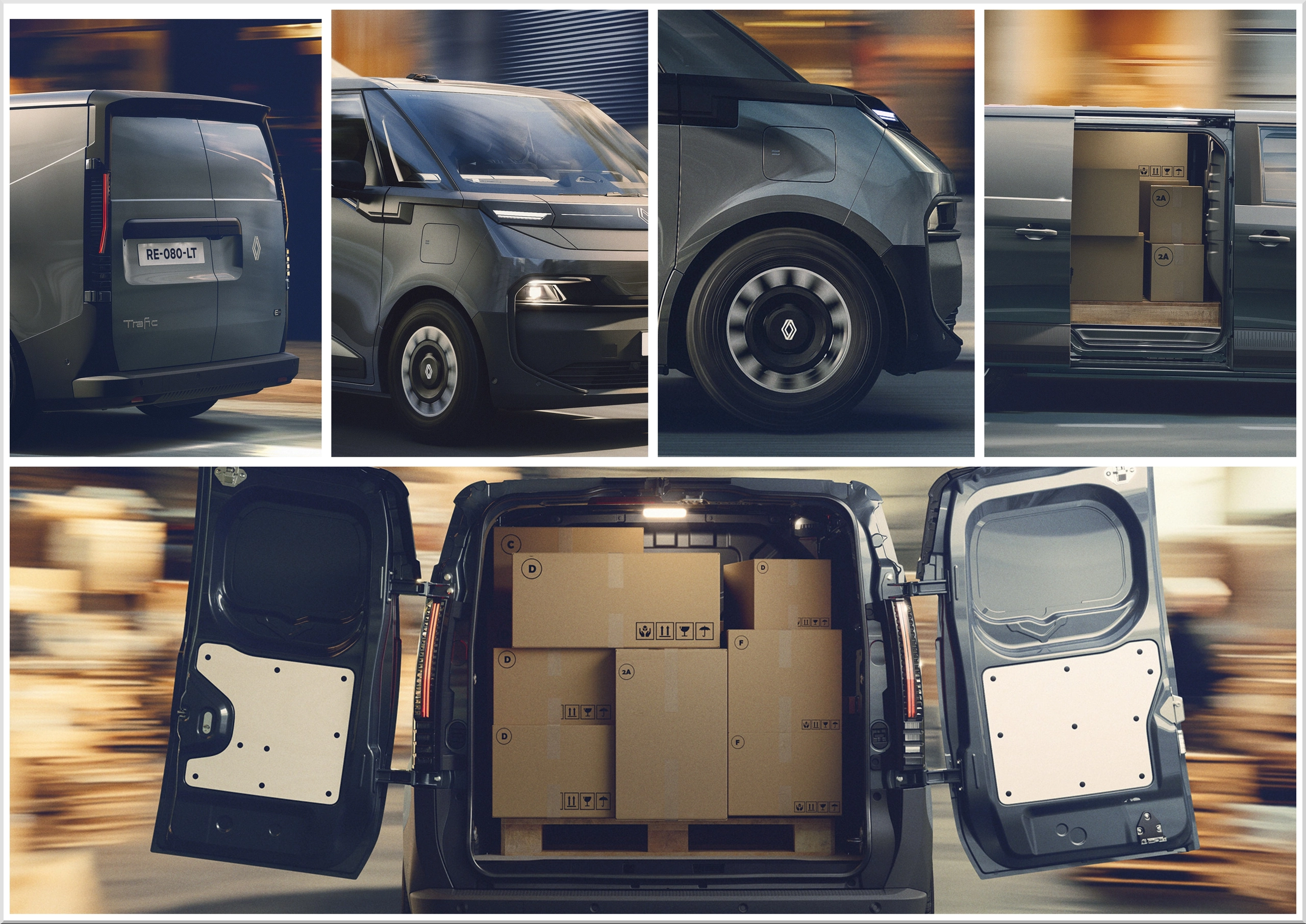
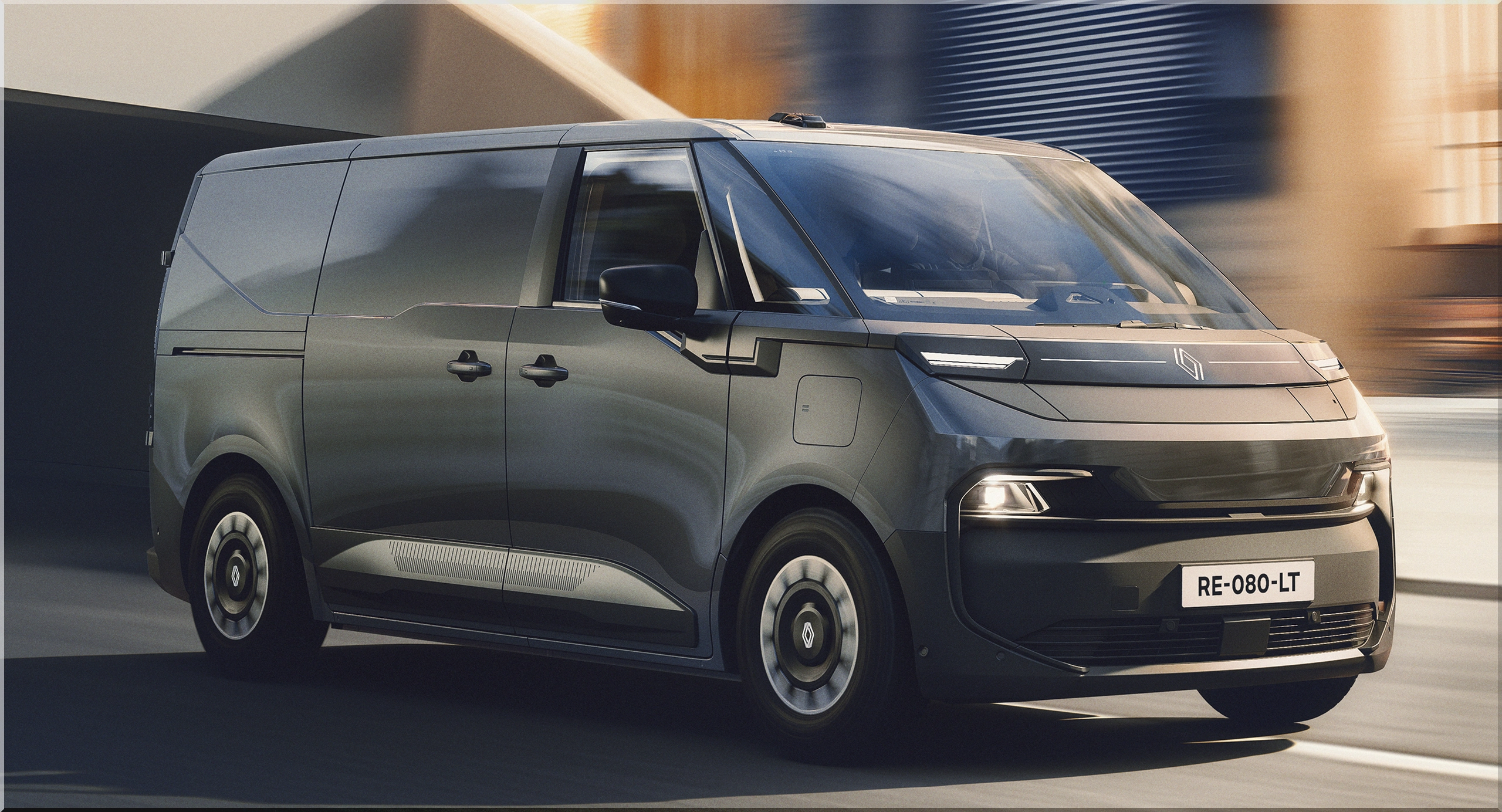
Renault has rebuilt its medium van around a dedicated electric architecture. The Renault Trafic Van E-Tech electric combines a rear-mounted 150 kW motor, an 800V electrical system and two battery chemistries, while its compact body still carries up to 5.8 cubic metres. Renault will start production at Sandouville in late 2026, shortly after the van's detailed presentation at IAA Transportation in Hanover.
Image
Compact Dimensions, Serious Cargo Space
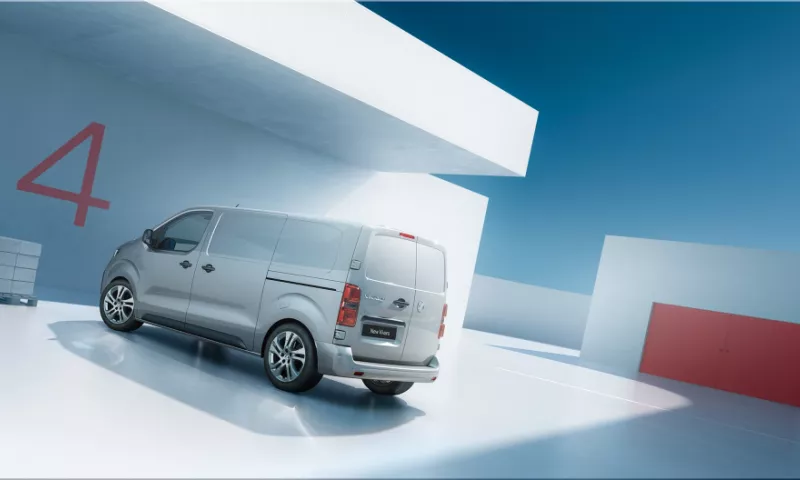
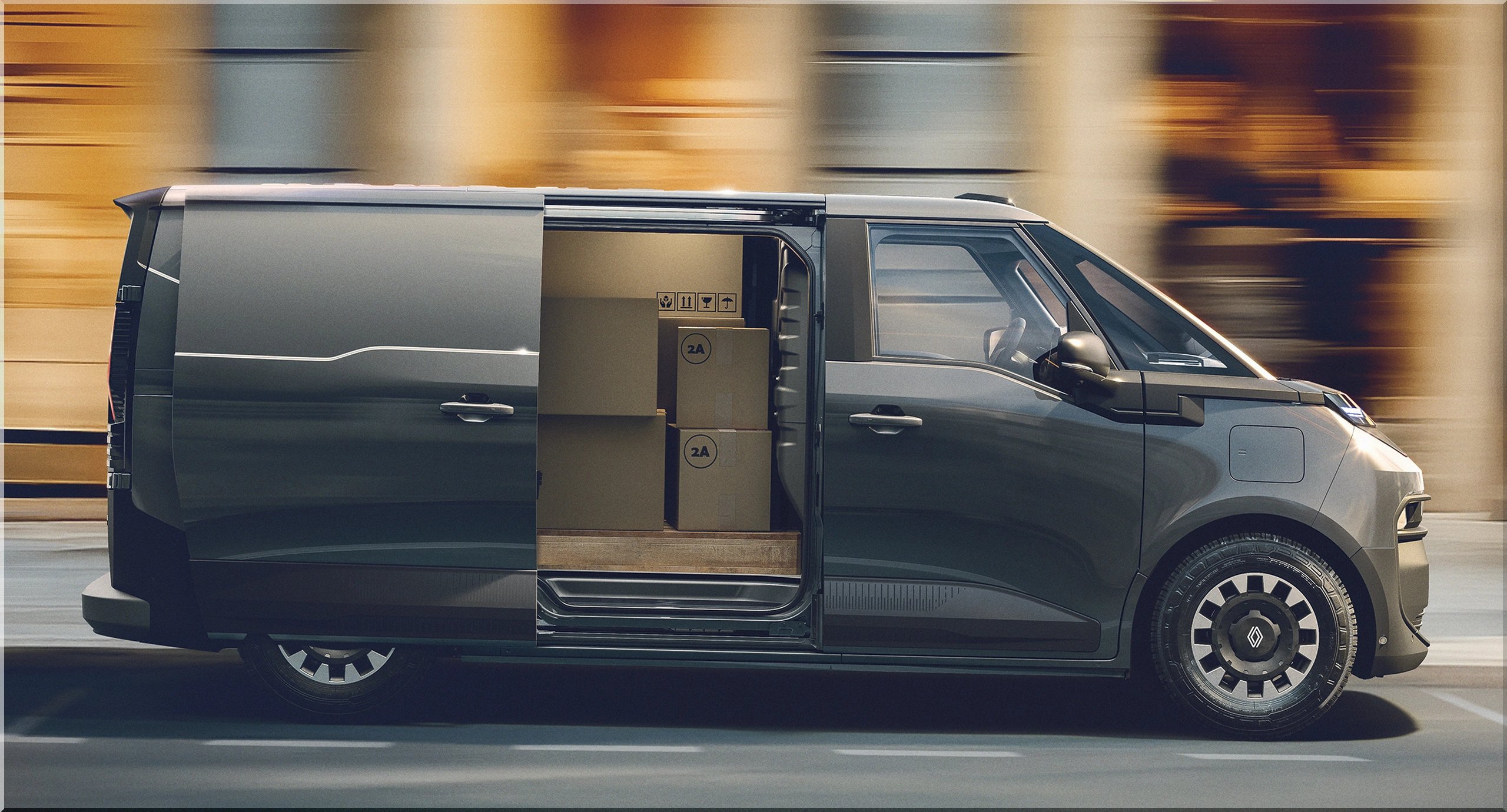
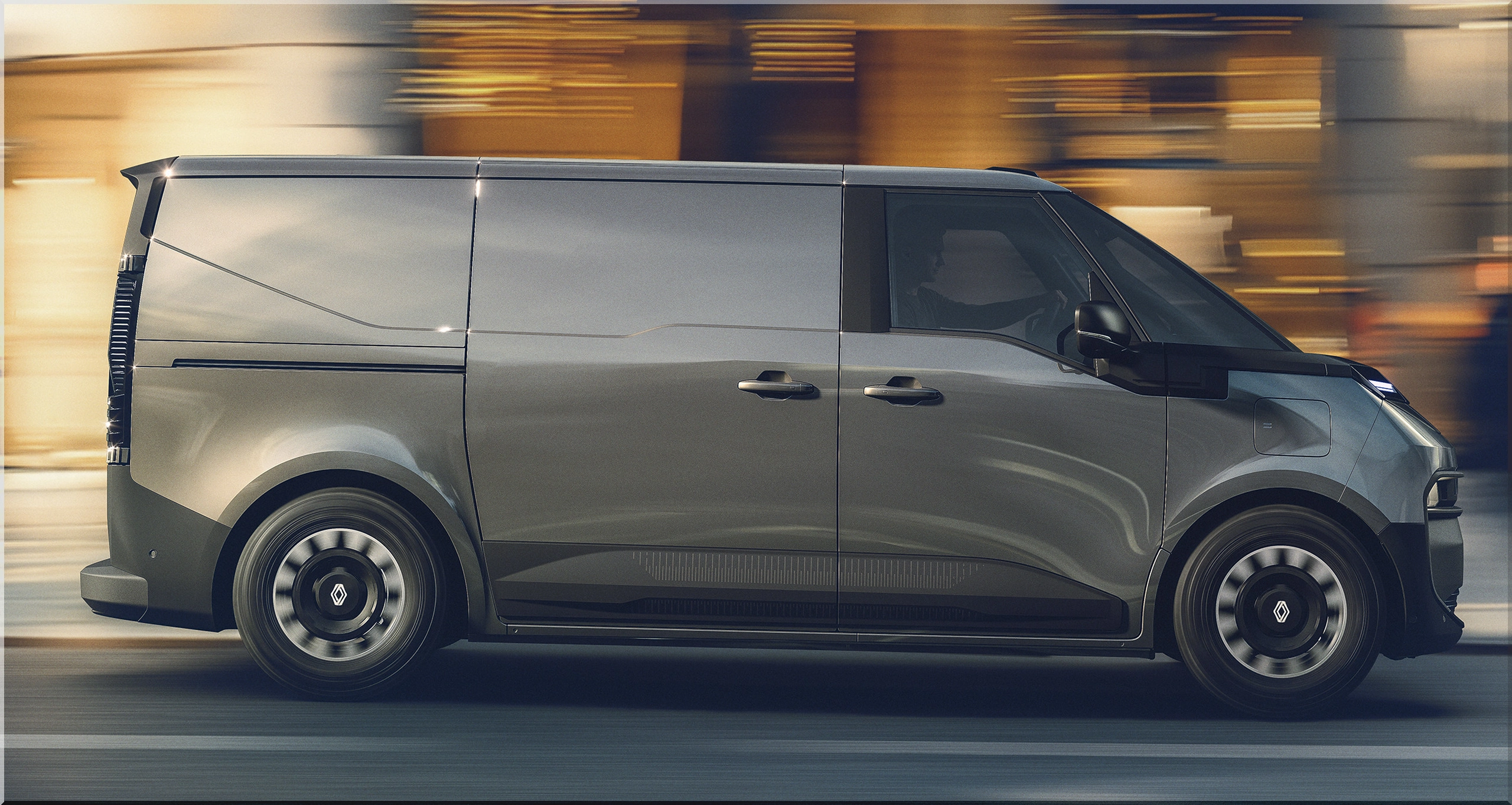
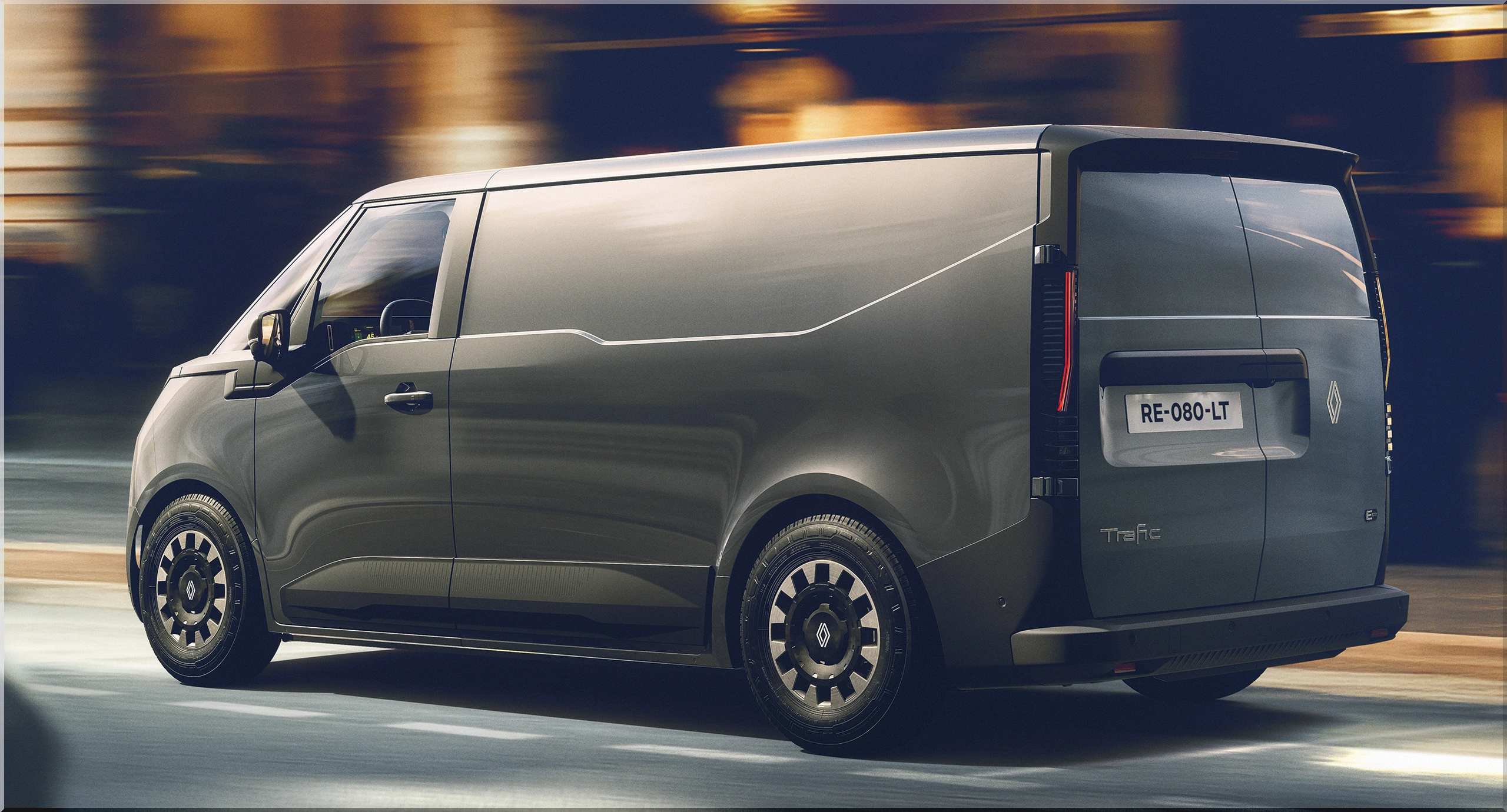
Looking at the data, Renault has prioritised cargo volume per metre of road space. A short front overhang and rear-mounted drive unit free more of the footprint for the load bay, while the 1.90-metre roof keeps the van below many car-park height limits.
| Specification | L1 van | L2 van |
|---|---|---|
| Overall length | 4,870 mm / 191.7 in | 5,270 mm / 207.5 in |
| Overall width | 1,920 mm / 75.6 in | 1,920 mm / 75.6 in |
| Overall height | 1,900 mm / 74.8 in | 1,900 mm / 74.8 in |
| Cargo volume | 5.1 m3 / 180.1 cu ft | 5.8 m3 / 204.8 cu ft |
| Length gain over L1 | - | 400 mm / 15.7 in |
| Turning circle | 10.3 m / 33.8 ft | Not disclosed |
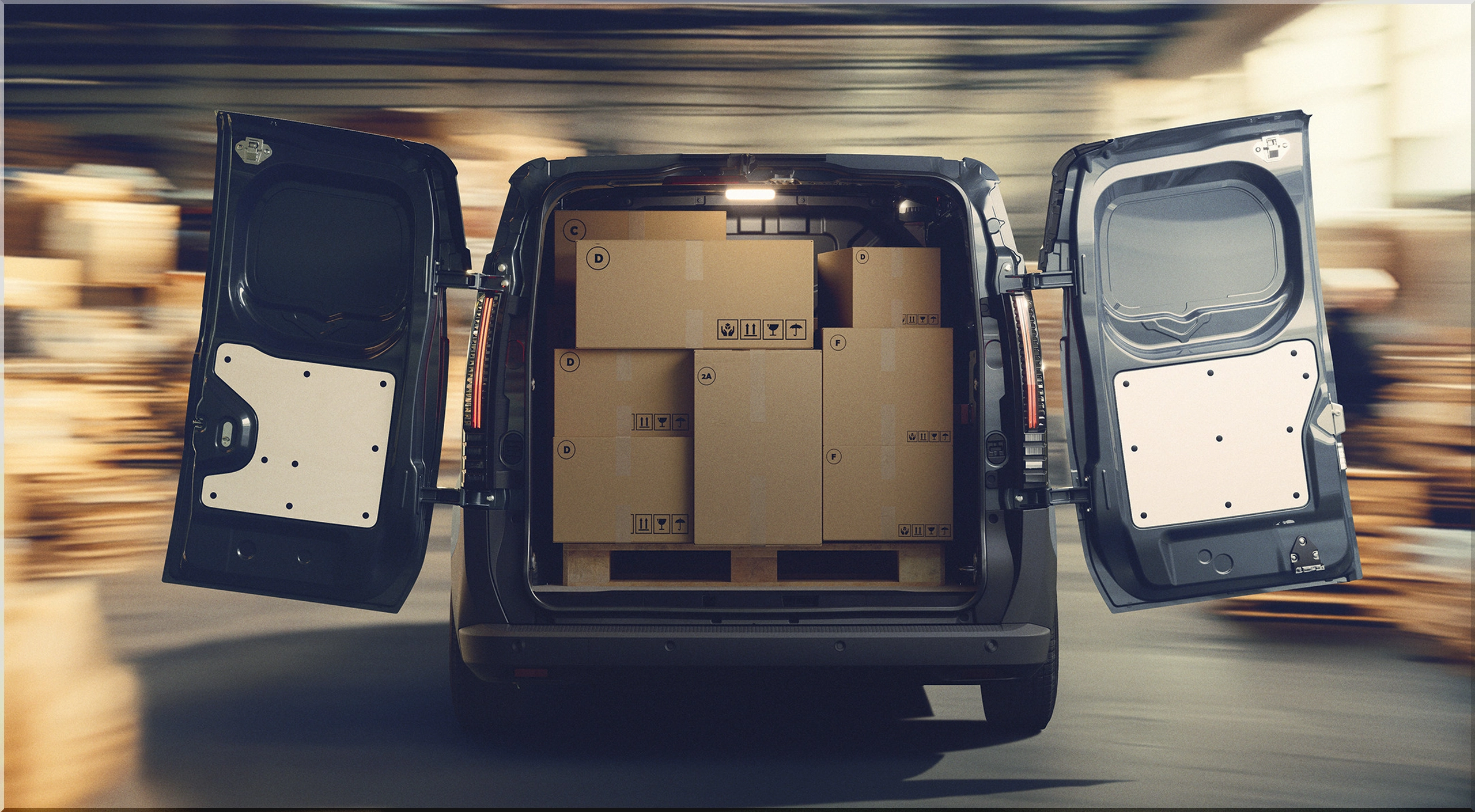
The L2 adds 24.7 cubic feet of space for only 15.7 inches of extra length. Large side and rear openings accept Euro pallets, which gives couriers and tradespeople useful loading flexibility. Renault has yet to publish the exact wheelbases, internal load lengths or door apertures.
Image gallery
Two Batteries Target Different Duty Cycles
Renault will offer the long-range battery at launch and add the urban-range version later. The company has not released gross or usable capacities, so buyers should avoid unverified kWh figures.
| Battery choice | Long range | Urban range |
|---|---|---|
| Cell chemistry | NMC | LFP |
| WLTP range | Up to 450 km / 280 mi | Nearly 350 km / 217 mi |
| Sales timing | From launch | Later |
| Core use case | High-mileage and motorway work | Urban routes and depot charging |
| Engineering logic | Higher energy density | No nickel or cobalt; cost-focused chemistry |
Specifically, 800V fast charging takes the battery from 15% to 80% in about 20 minutes and restores 260 km, or 162 miles, of rated range. That claim still awaits WLTP approval, and Renault has not stated peak DC power or AC charging speed. In addition, V2L can run tools or a laptop, while a bidirectional charger supports V2G energy export where local services permit it.
Motor, Payload and Towing
The rear motor supplies strong commercial-vehicle figures:
- 150 kW, equal to 204 metric hp or about 201 bhp
- 345 Nm, equal to 254 lb-ft
- 1,250 kg payload, equal to 2,756 lb
- 2,000 kg towing capacity, equal to 4,409 lb
By comparison, the outgoing electric Trafic offers up to 297 km WLTP, 1,100 kg of payload and 920 kg of towing capacity. The new long-range version raises rated distance by about 52%, payload by 13.6% and towing capacity by roughly 117%. Renault still needs homologation for the new load ratings and has not published the torque curve, kerb weight, gross vehicle weight, approach or departure angles, top speed or acceleration.
Software Aims to Cut Fleet Downtime
The Renault Trafic introduces Ampere's software-defined vehicle architecture and CAR OS on Android Automotive OS. One central computer replaces dozens of separate controllers, letting Renault update functions remotely. Consequently, fleets can add openR evo with Google built-in, integrate dispatch data and monitor component wear through predictive maintenance.
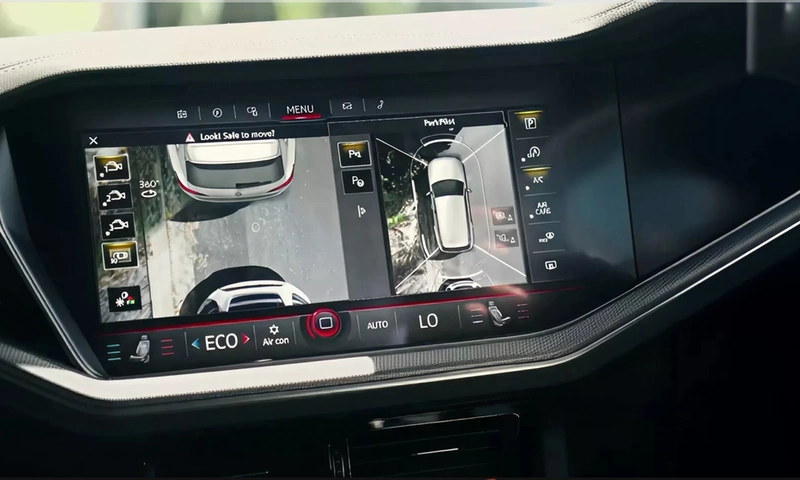
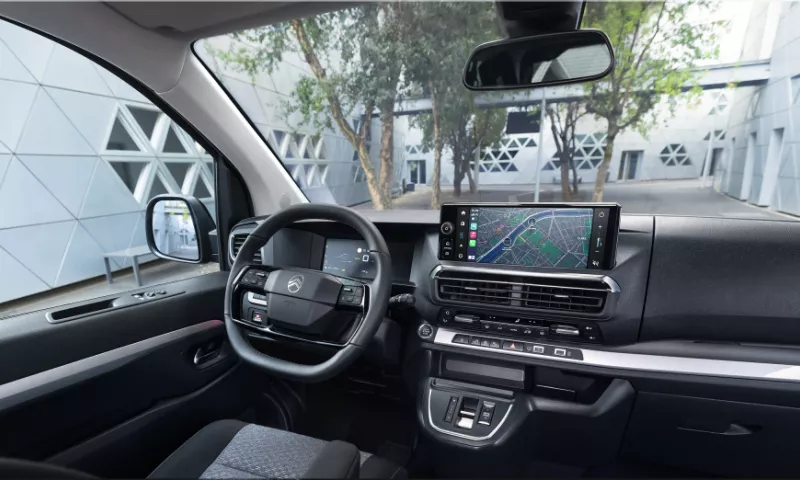
Drivers receive a 10-inch instrument display and a 12-inch central screen. The route planner considers vehicle dimensions and load, while Safety Coach scores speed, following distance, lane control and driver attention. Convertor Companion also lets operators control refrigerated bodies, emergency equipment and other conversions through the central display.
Image gallery
Which Renault Trafic Electric Battery Should a Fleet Choose?
Choose LFP for depot-based vans that cover predictable urban routes well below 217 miles per day. Choose NMC for motorway work, irregular routes or multiple shifts that need the larger range and faster mid-day recovery.
Pro-Tip
Build the purchasing case around the coldest month, heaviest regular payload and least convenient charging day. From an expert perspective, the 20-minute charging claim creates value only when a driver's planned break overlaps a suitable high-power charger. Include electricity tariffs, charger installation, finance, downtime and residual value before comparing the Renault Trafic electric with diesel alternatives.
Pricing and Launch Timing
Renault plans a full technical presentation on September 14, 2026, with market launch due a few weeks later. It has not announced battery capacities, energy consumption, prices or country-by-country specifications.
- Add new comment
- 180 views