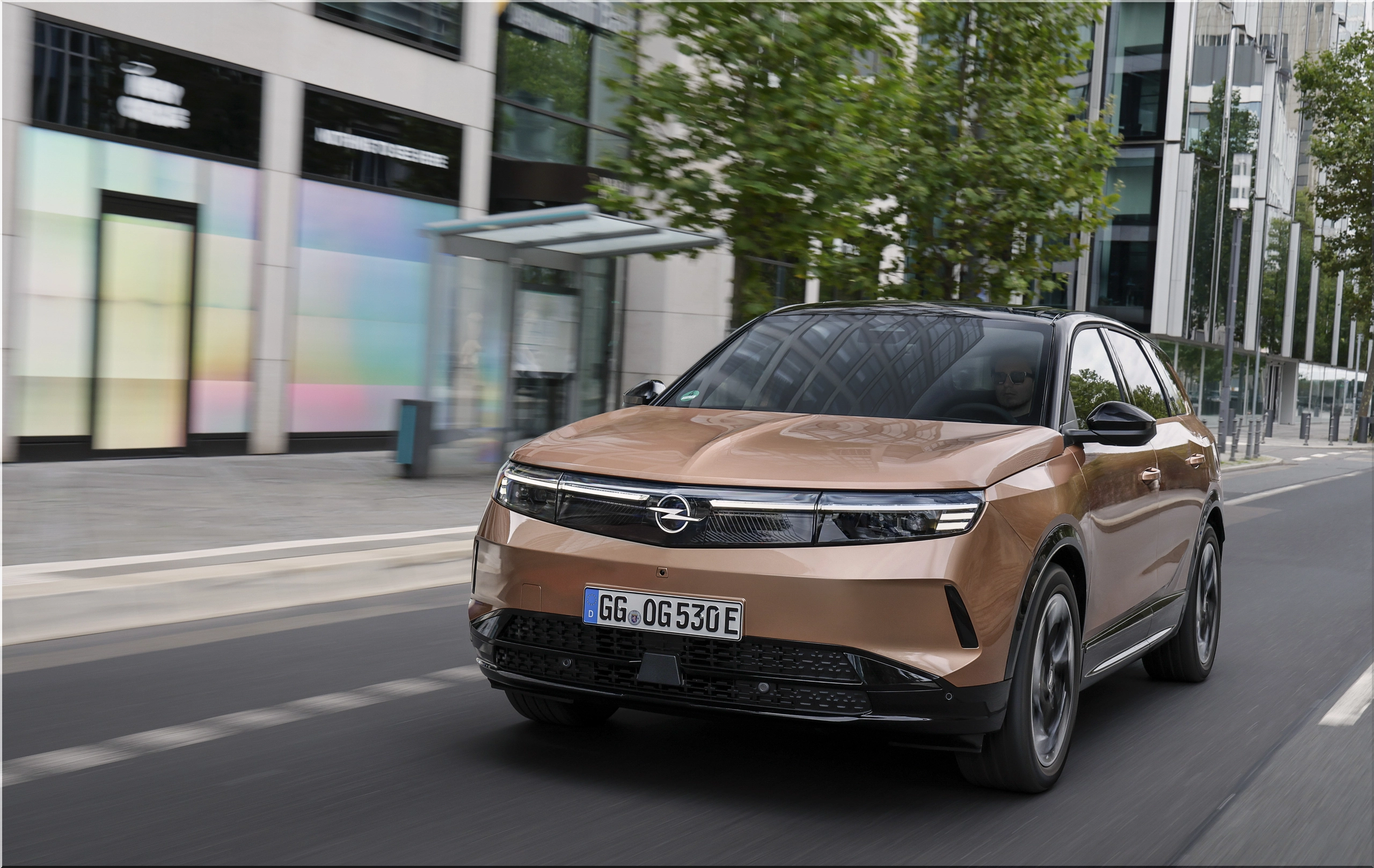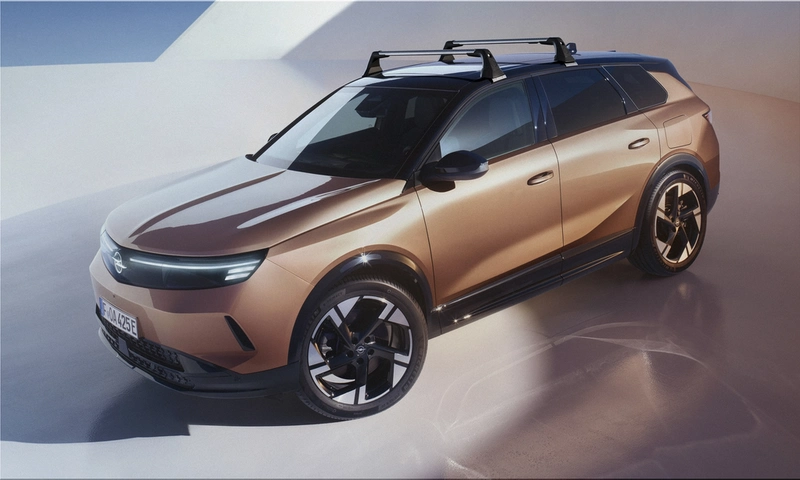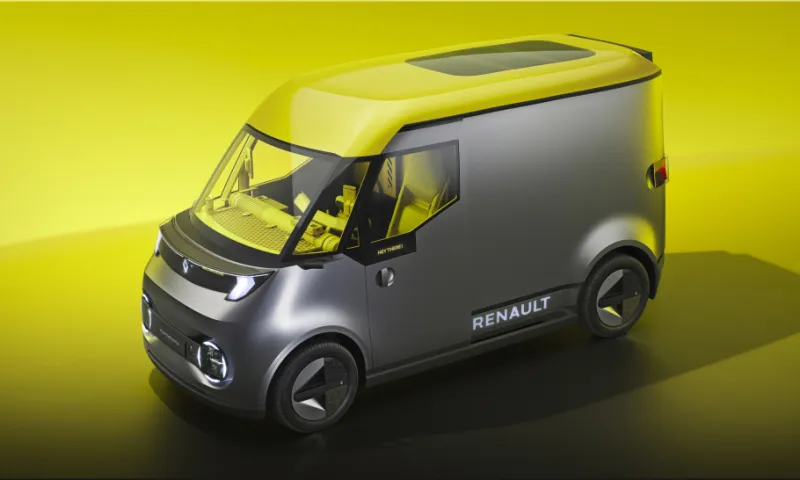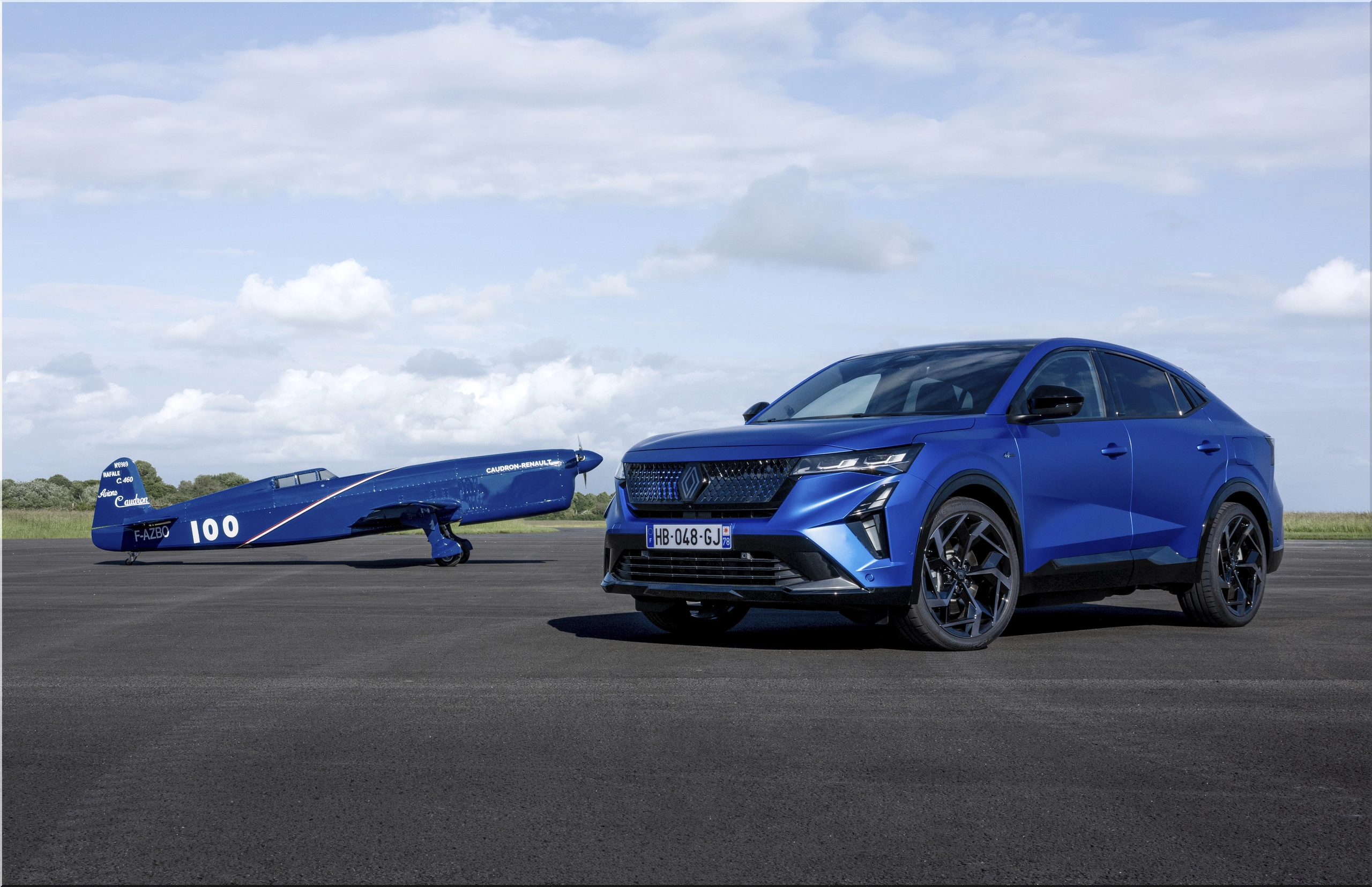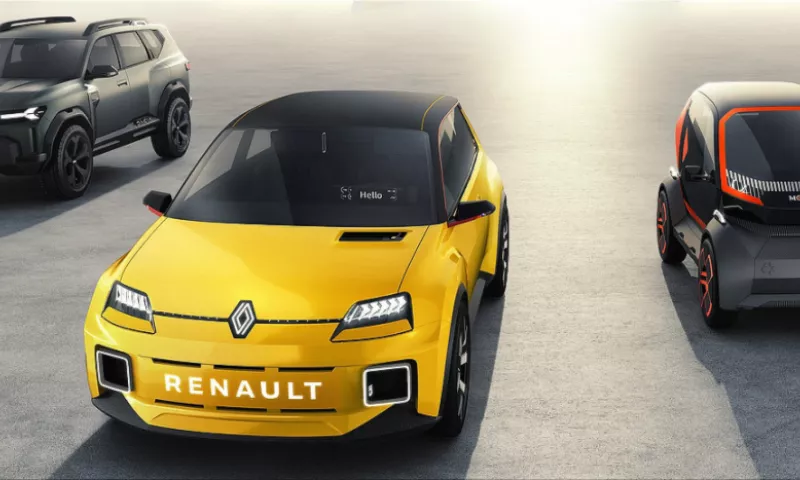
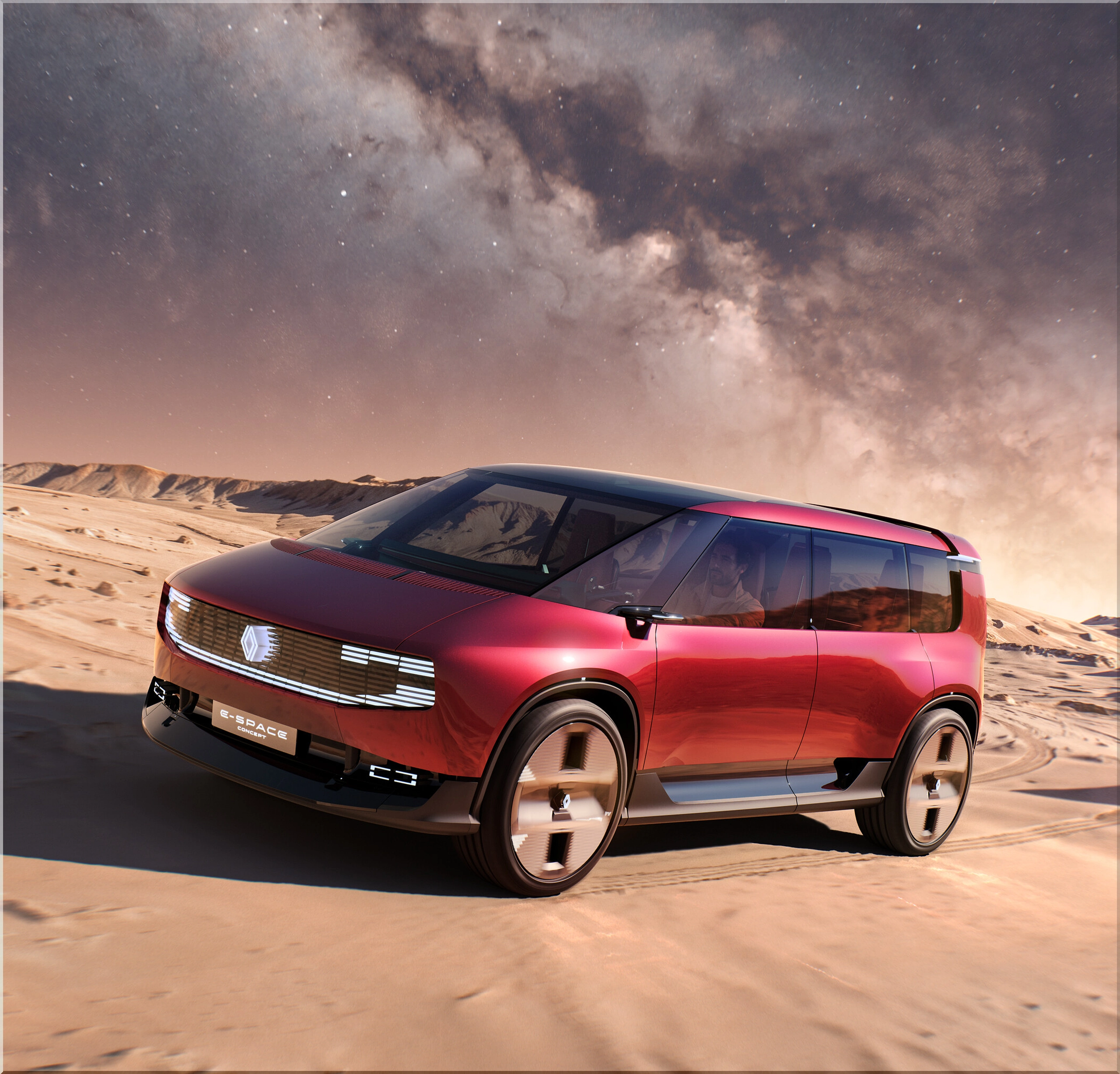
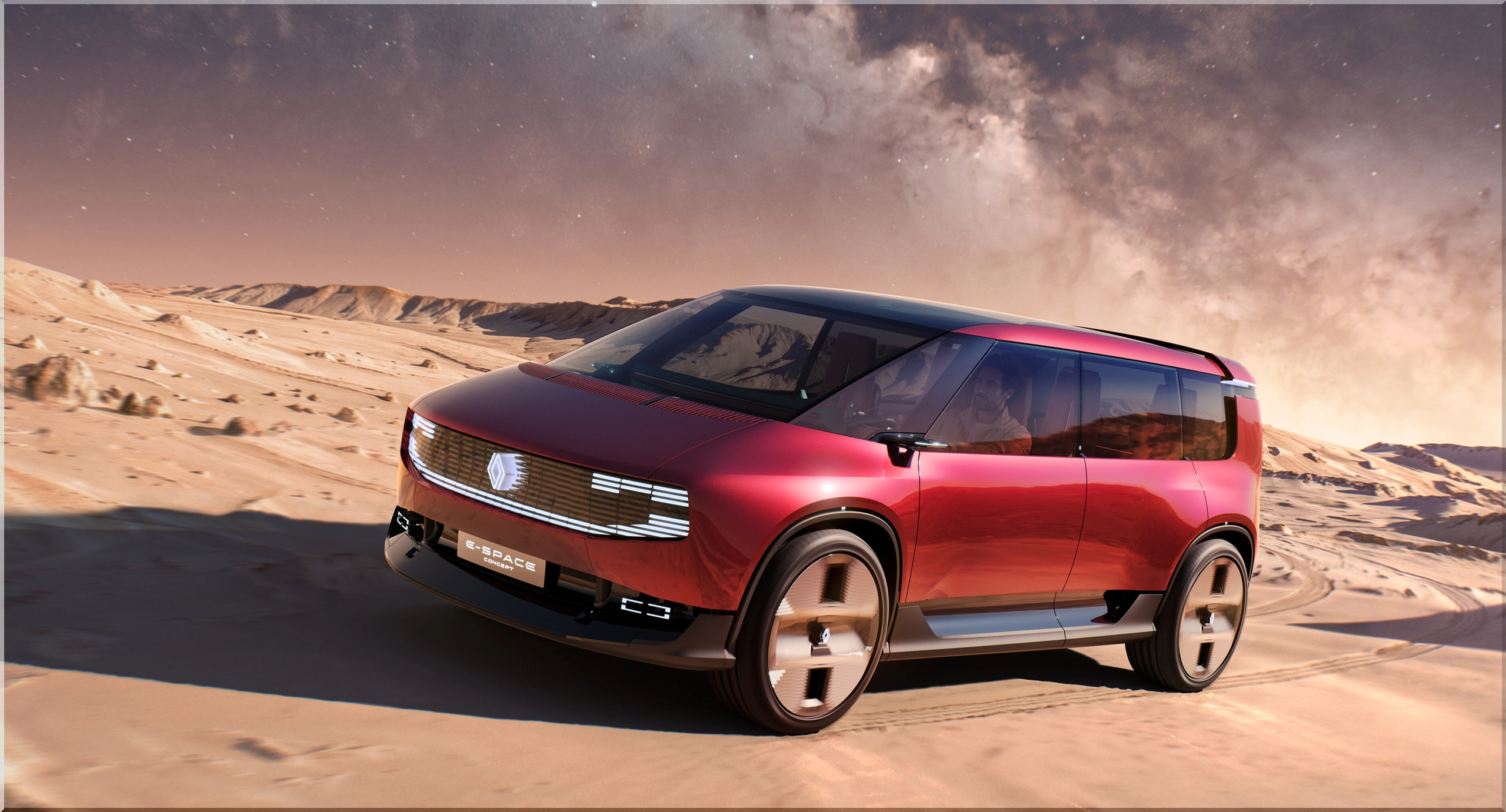
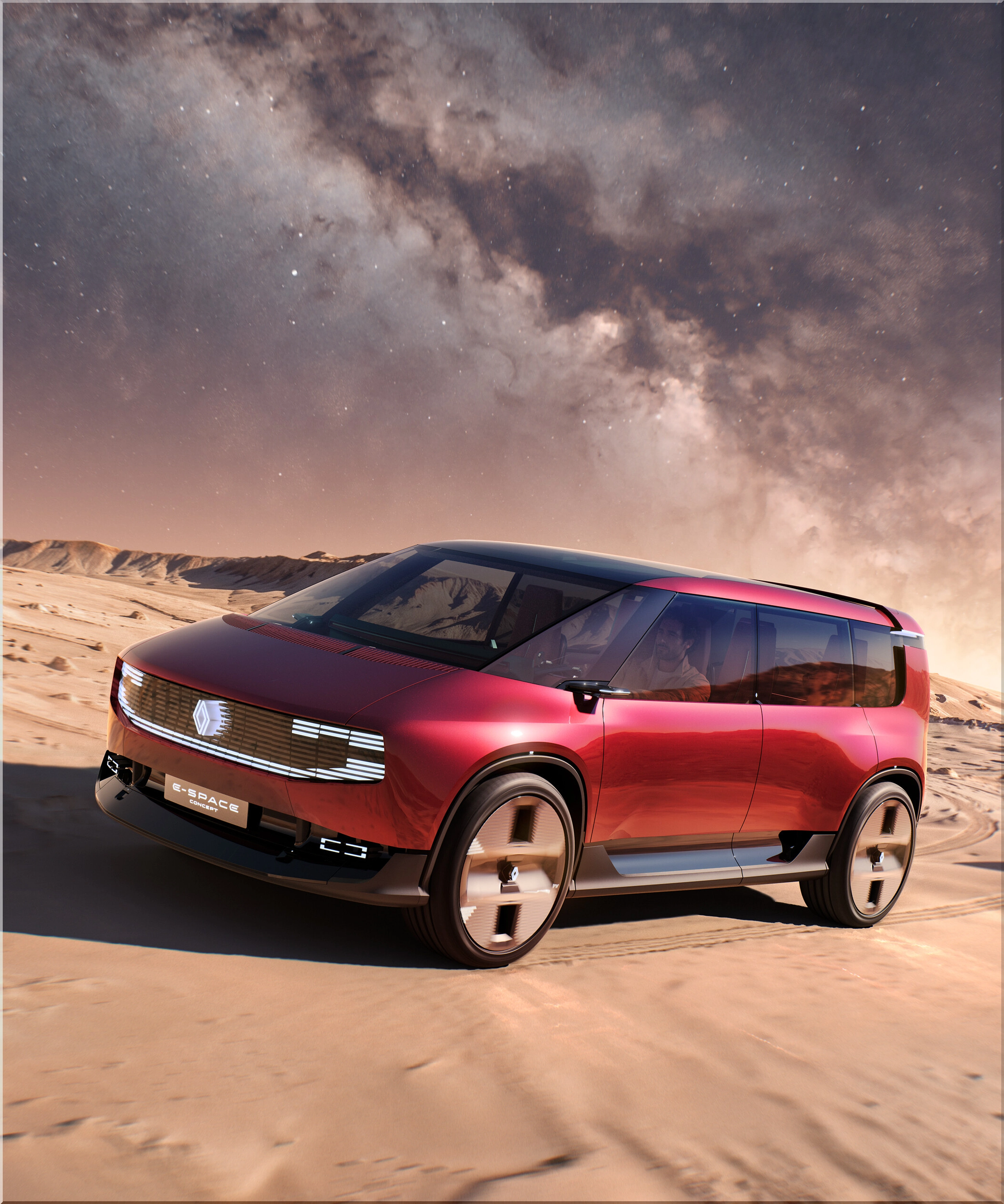
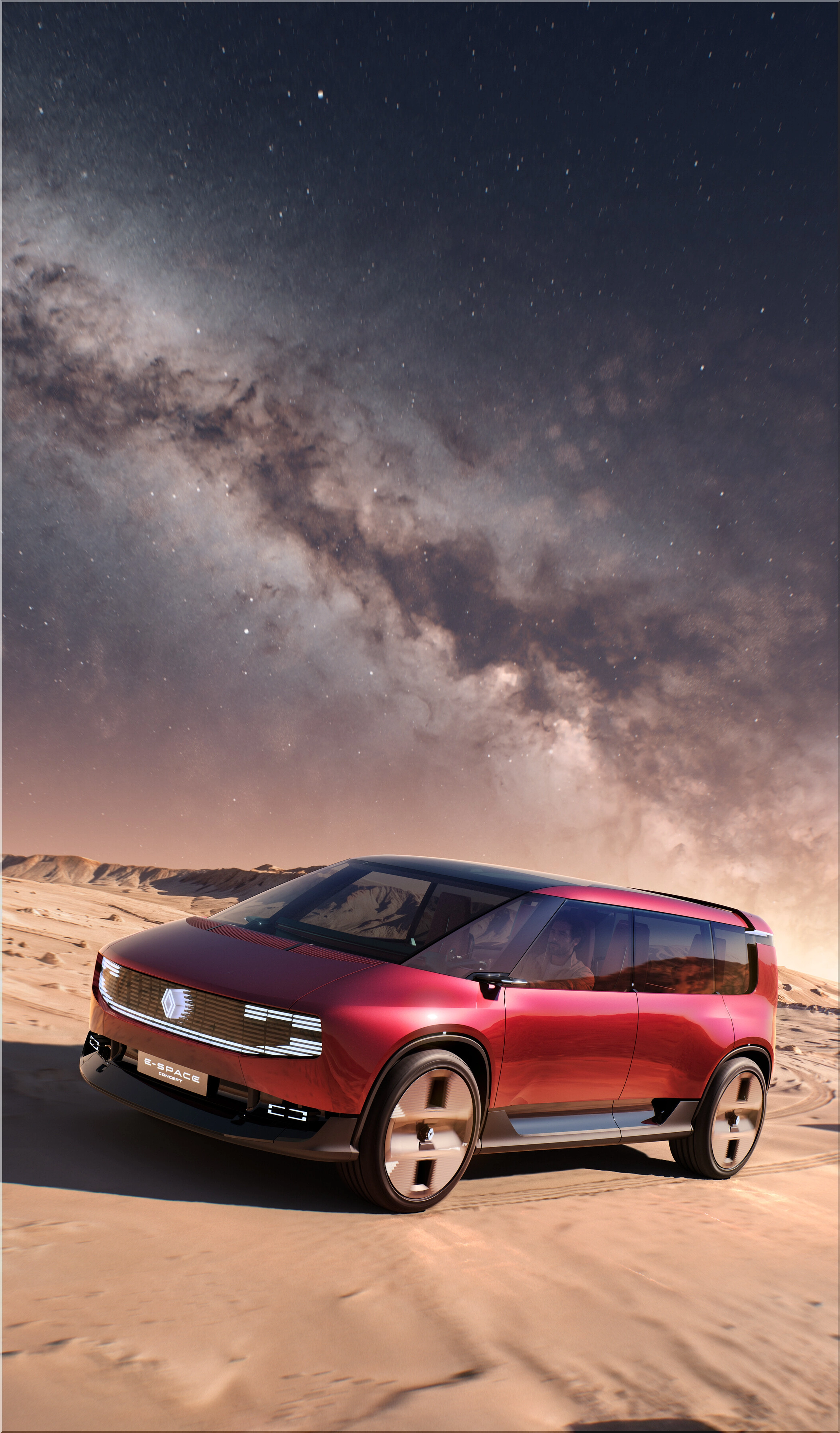
Renault will present the Renault E-Space concept at the 2026 Paris Motor Show on 12 October. The electric study brings family mobility back to the centre of Renault's design brief, drawing on the Renault Espace that launched in 1984. Six individual seats provide the starting point.
Renault's 'voiture à vivre' philosophy means a 'car for living', with everyday usability guiding the design.
Image
E-Space Dimensions: Space You Can Measure
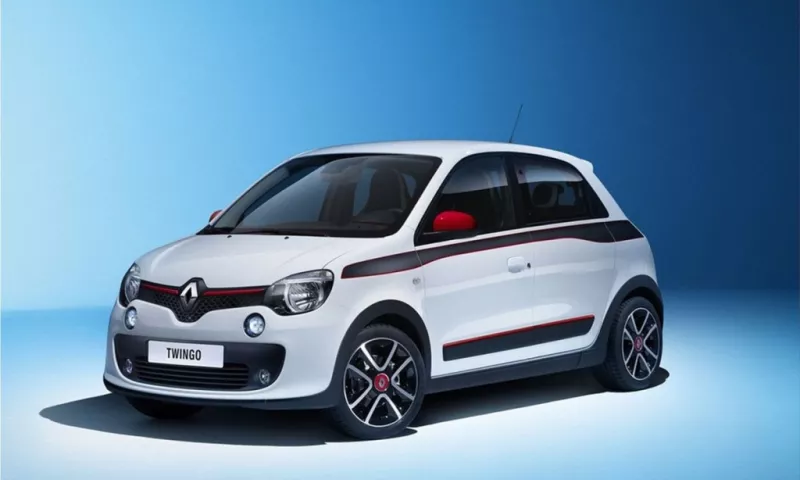
Renault specifies a 4.70-metre body. That gives E-Space 910 mm (35.8 in) more length than the 3.79-metre Renault Twingo, suggesting scope for a different seating layout. Length alone, however, tells buyers little about third-row legroom or luggage capacity when passengers occupy every seat.
| Measurement | Metric equivalent | Imperial equivalent |
|---|---|---|
| Length | 4,700 mm | 185.0 in |
| Width | 2,020 mm | 79.5 in |
| Height | 1,670 mm | 65.7 in |
| Wheel diameter | 584.2 mm | 23 in |
Conversions use 25.4 mm per inch. The wheel figure describes rim diameter, rather than the complete tyre's outside diameter.
Six Seats Change the Cabin Brief
Renault places six equal-sized seats across three rows on a completely flat floor. The seats can rotate slightly to ease access, while certain arrangements create a shared space around a large table. My reading: Renault wants cabin flexibility to come from seat movement and layout, giving passengers options for spending time together when parked.
Two details deserve attention:
- Passenger space: Seat count alone gives no measurement of knee clearance or usable luggage capacity.
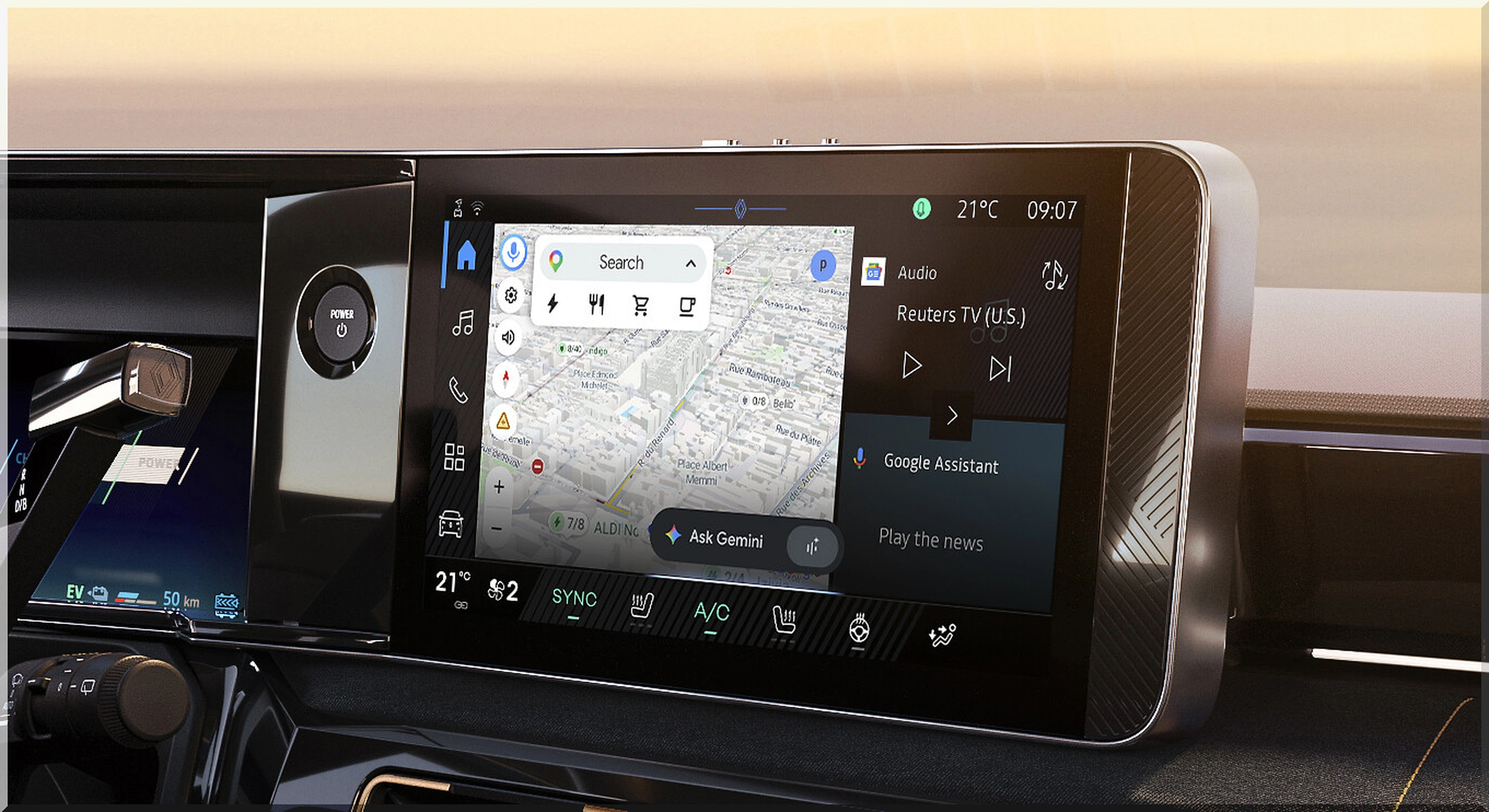
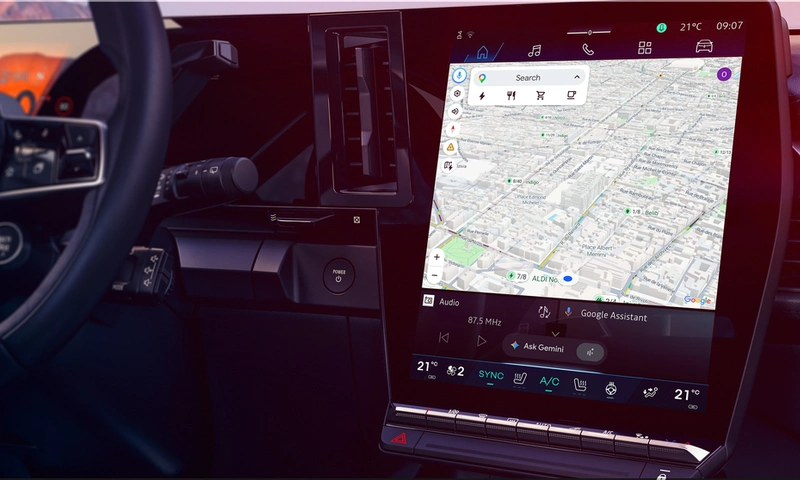
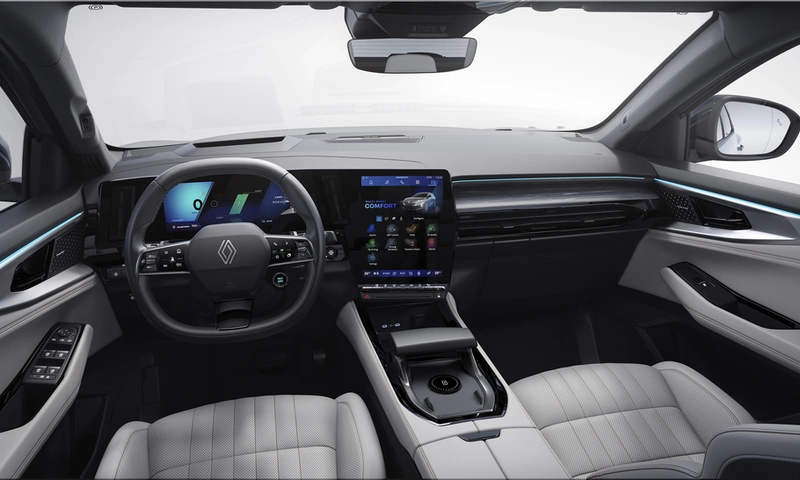
- Display hardware: The OpenR Panorama display measures 1,130 mm wide by 110 mm high, approximately 44.5 by 4.3 inches. Renault says future upper-range electric models will adopt this cabin-width screen.
Image gallery
Twingo Electric Context
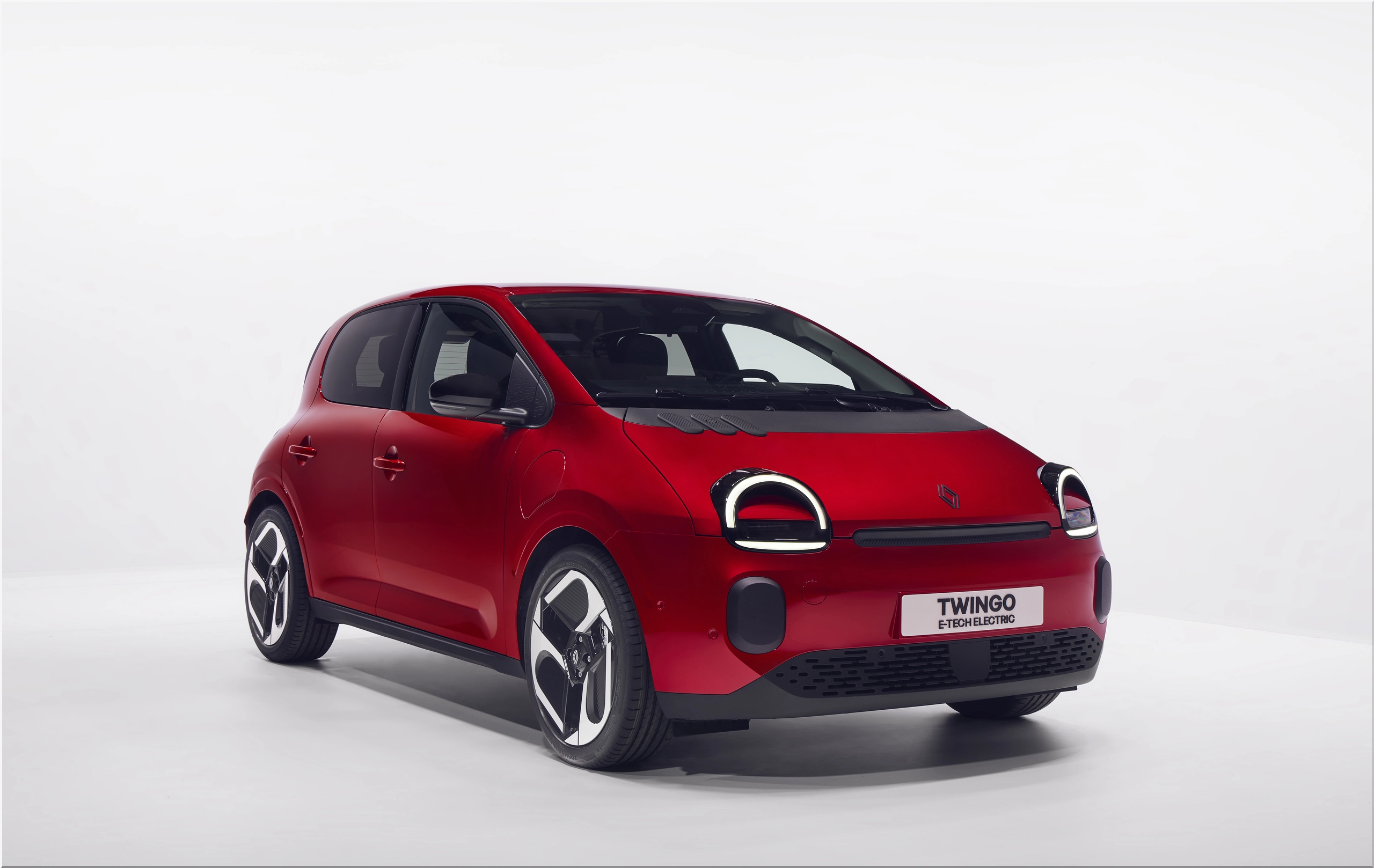
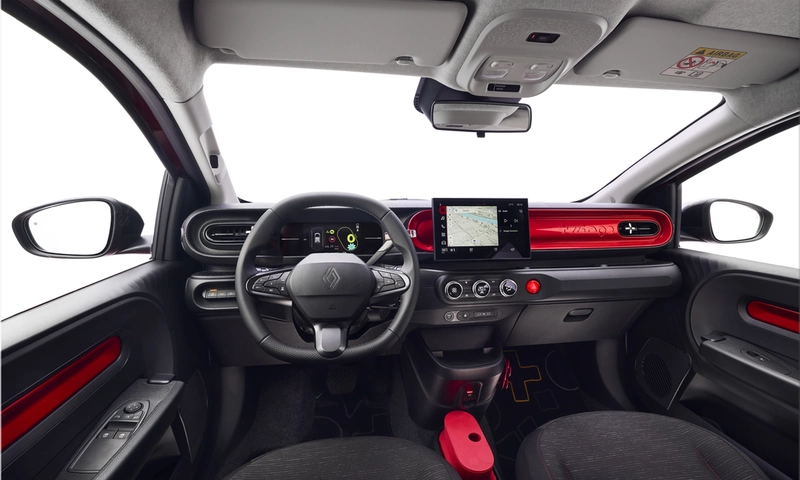
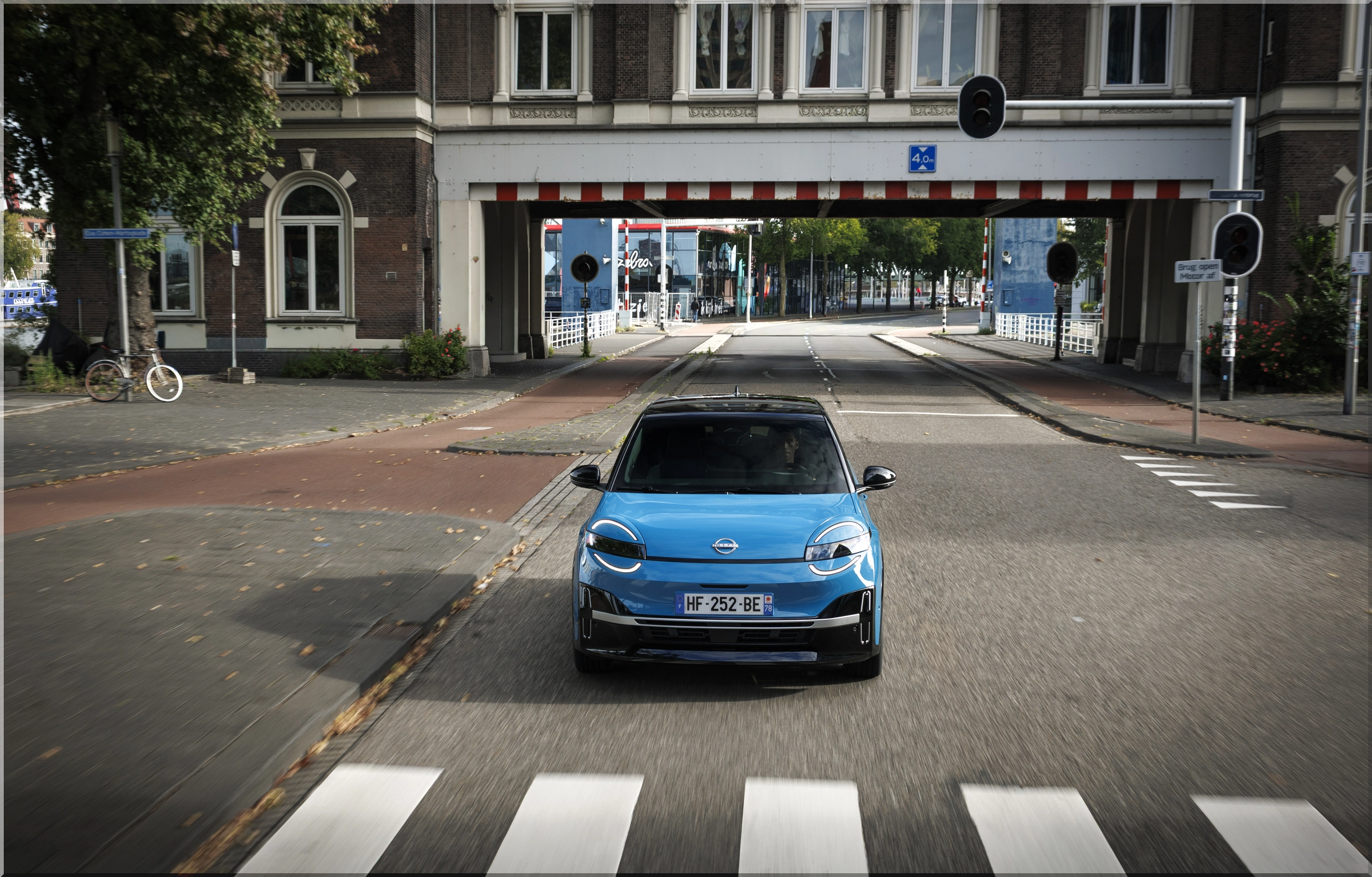
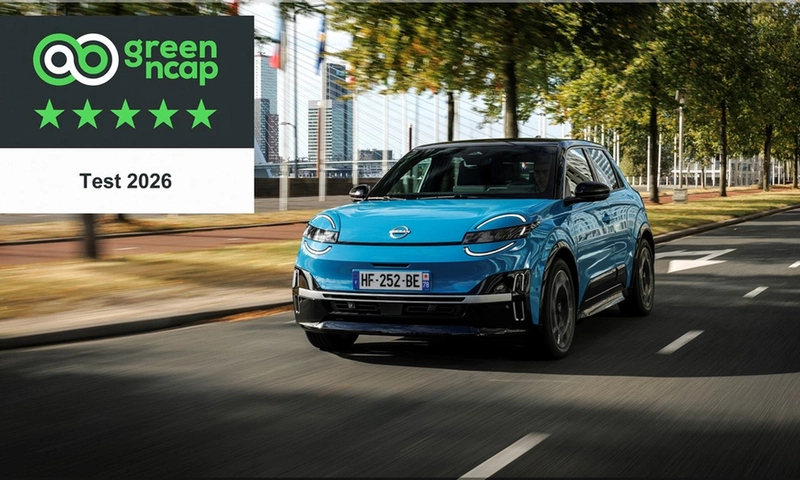
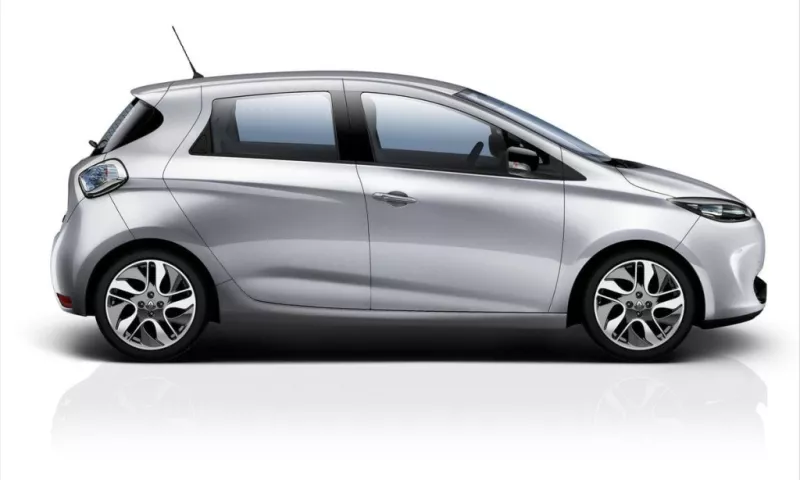
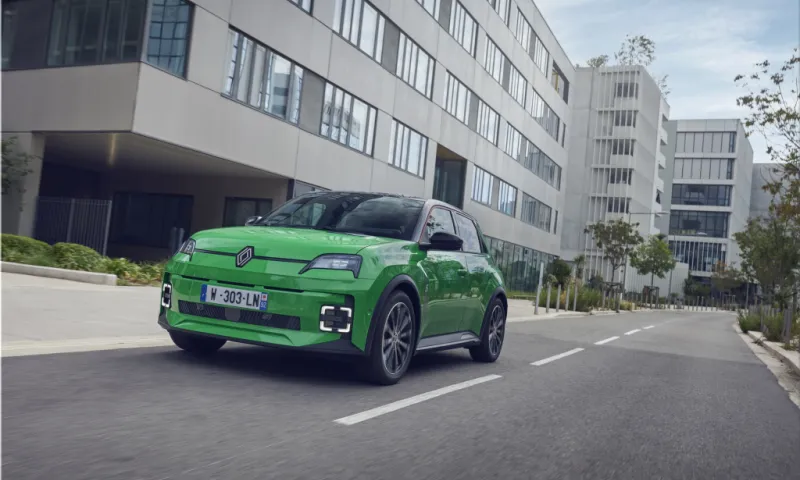
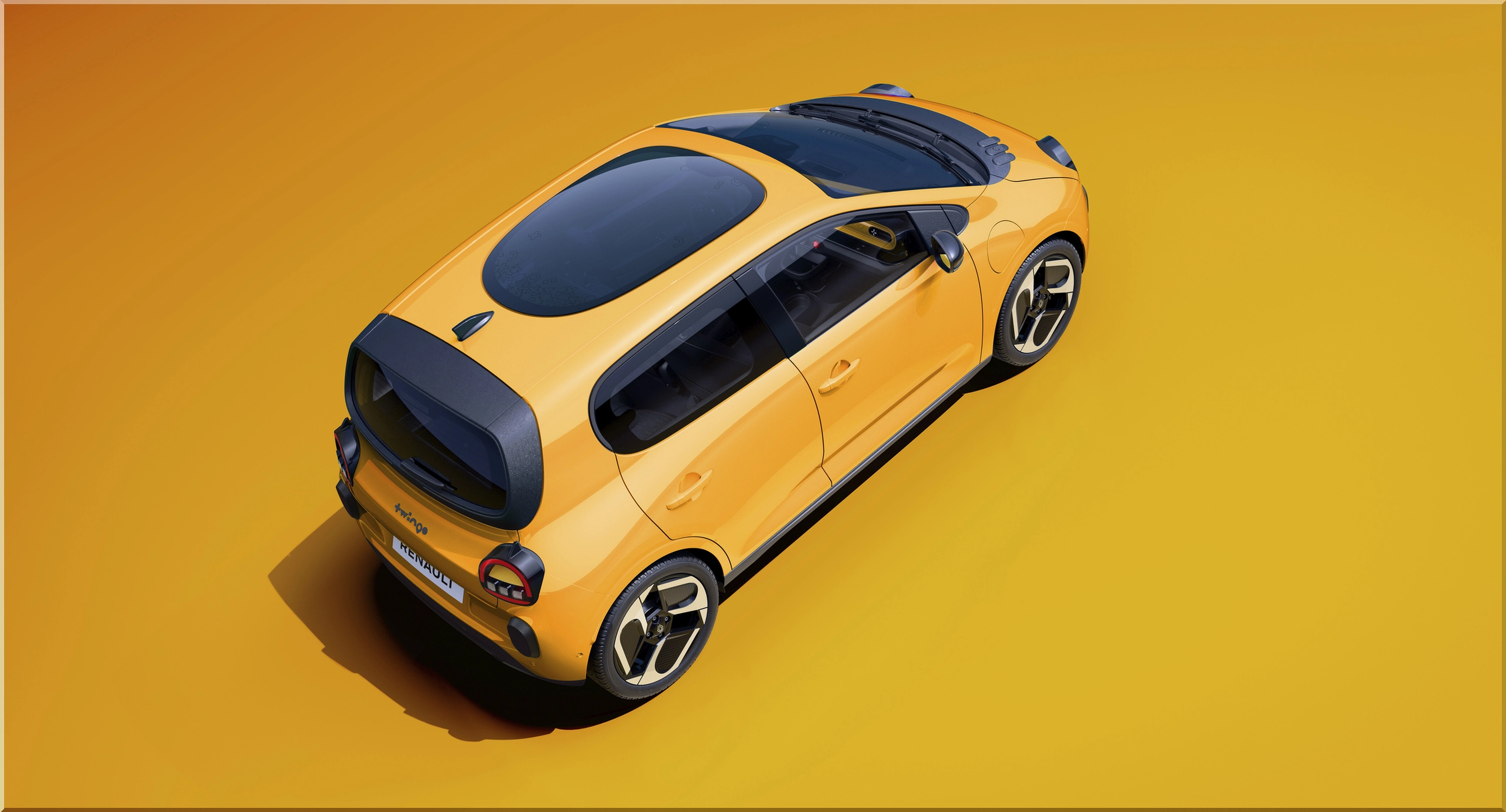
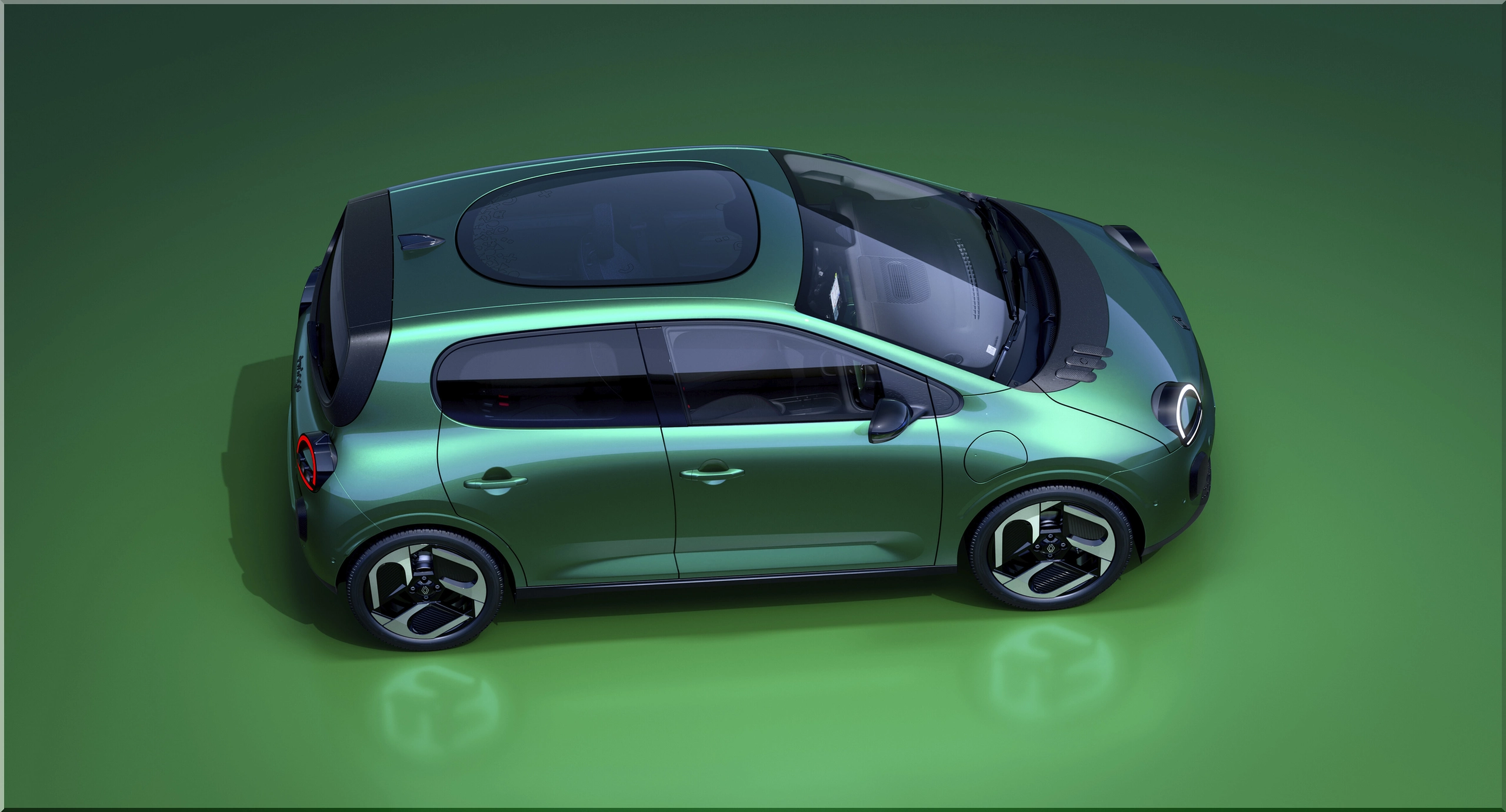
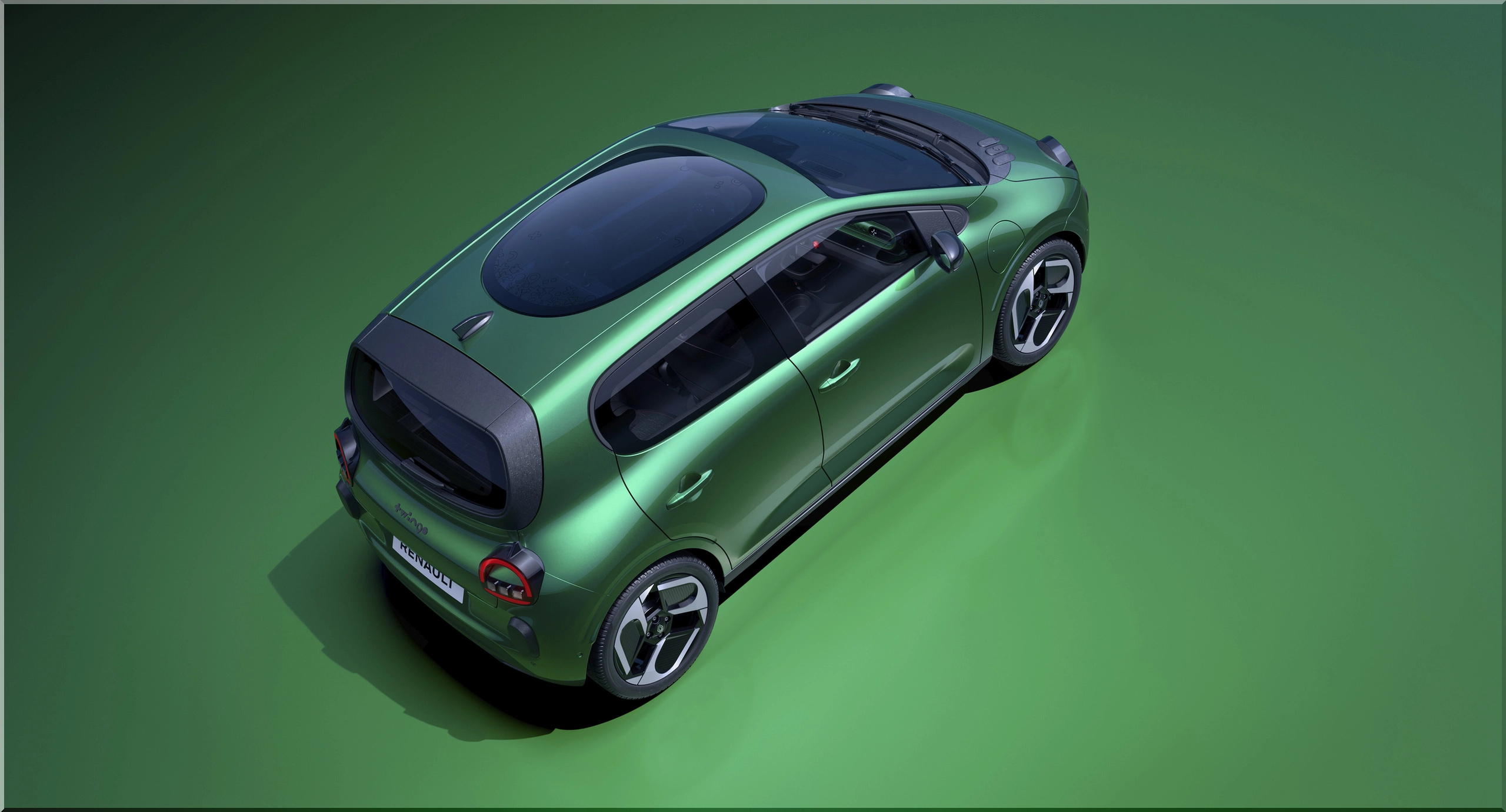
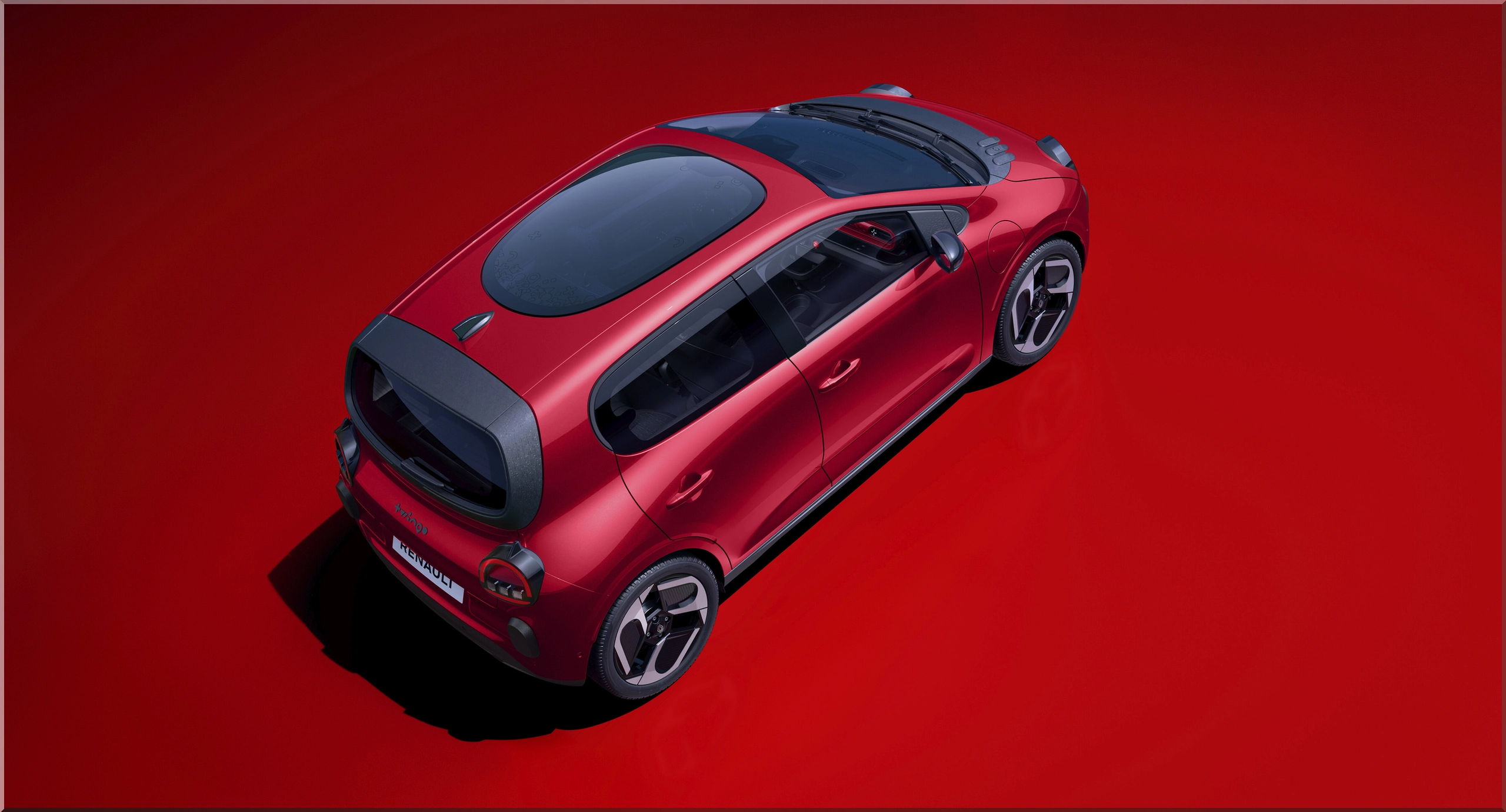
By comparison, the Renault Twingo electric addresses affordable city transport. Its LFP battery uses iron and phosphate rather than nickel and cobalt in the cathode. Renault attributes roughly 20% lower battery costs to this chemistry combined with cell-to-pack construction.
Image
| Specification | Renault E-Space concept | Renault Twingo E-Tech electric |
|---|---|---|
| Motor output | Renault gives no figure | 60 kW / 82 hp |
| Battery capacity | Renault gives no figure | 27.5 kWh |
| WLTP range | Renault gives no figure | Up to 263 km / 163 miles |
| Charging hardware | Renault gives no specification | Standard 6.6 kW AC; optional 11 kW AC and 50 kW DC |
| Announced base price | Renault gives no price | France: €19,490, Evolution, before grants |
These figures describe separate vehicle briefs; Twingo's powertrain data provides no evidence of E-Space's eventual hardware.
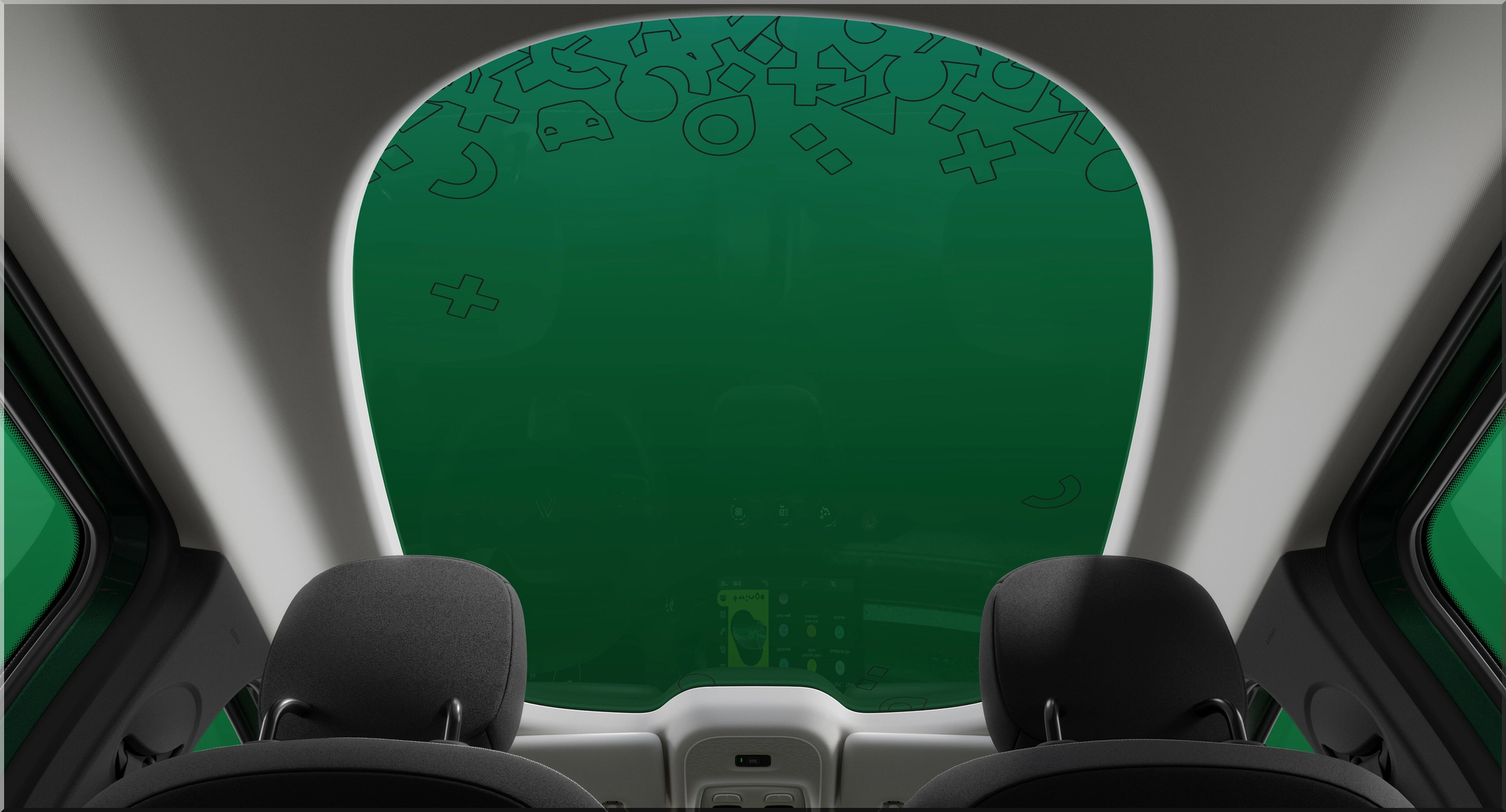
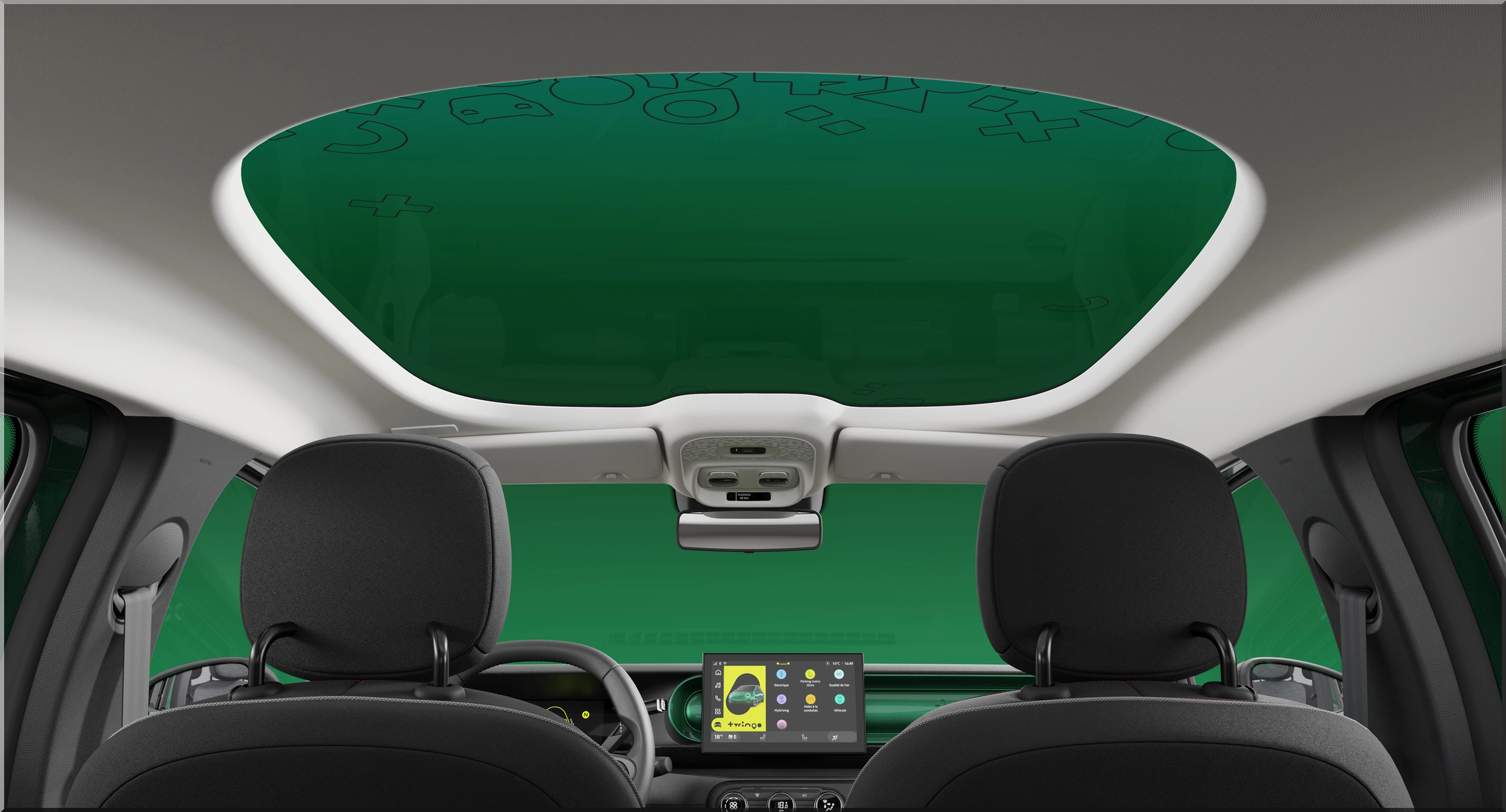
In addition, Renault will show Twingo's Twingobay panoramic roof in Paris. The 0.7 m² (7.5 sq ft) panel filters 99.9% of ultraviolet radiation and uses a low-emissivity film to control heat transfer. Renault quotes €550-€600 depending on country.
Should Buyers Wait for an E-Space Production Car?
Keep your purchase timetable grounded in available vehicles. Renault describes E-Space as a concept and offers no vehicle for purchase. A show debut supplies design direction, without establishing a retail launch date or ownership costs.
Pro-Tips: After the Paris presentation, assess practical family-car value through:
- Boot capacity when passengers occupy all six seats.
- Third-row access when child seats occupy the second row.
- Battery capacity, motorway consumption and charging times.
- Local pricing, delivery dates and warranty cover.
- Add new comment
- 67 views