
Production Growth Signals Strong Demand for Affordable Electric Cars
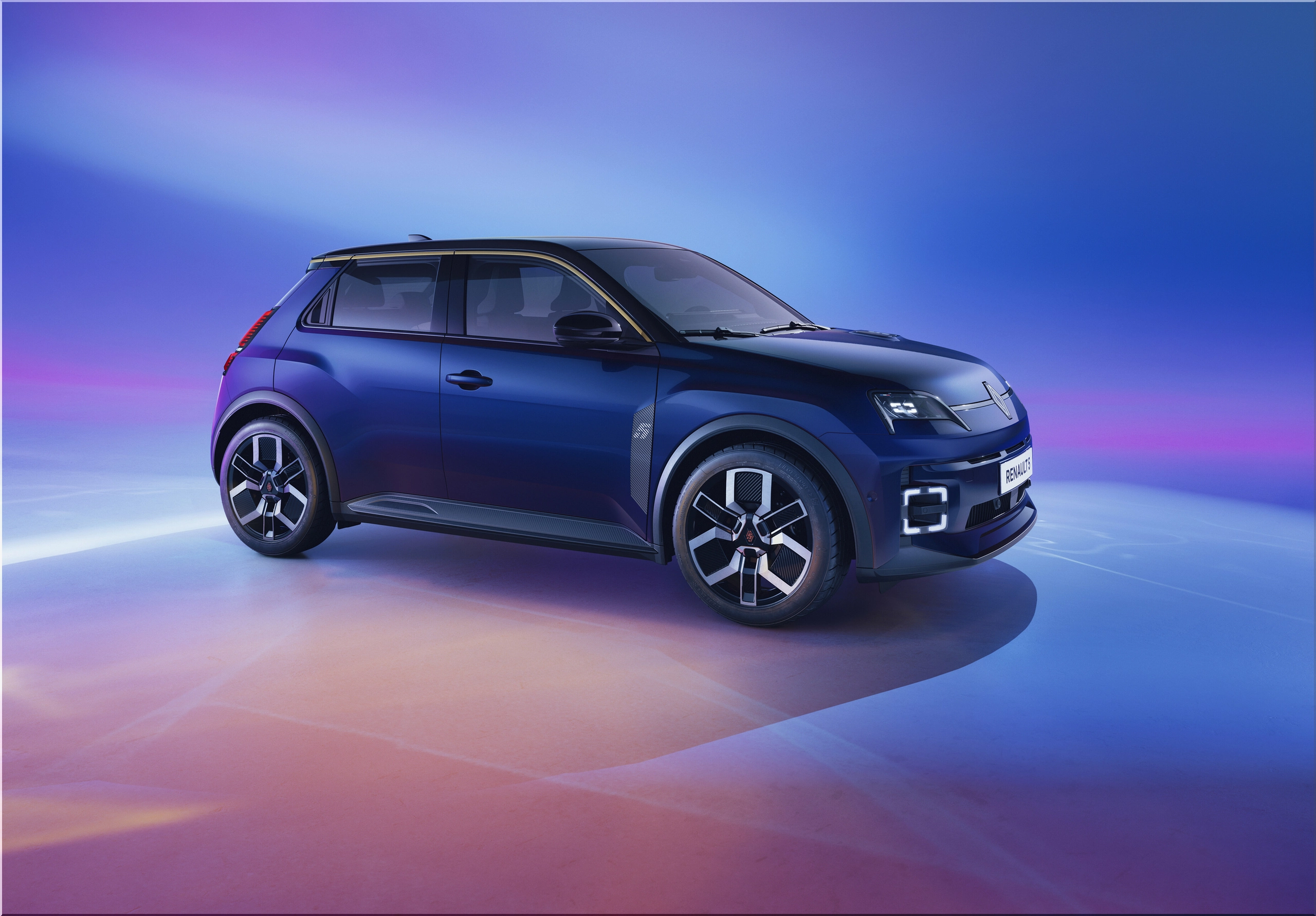
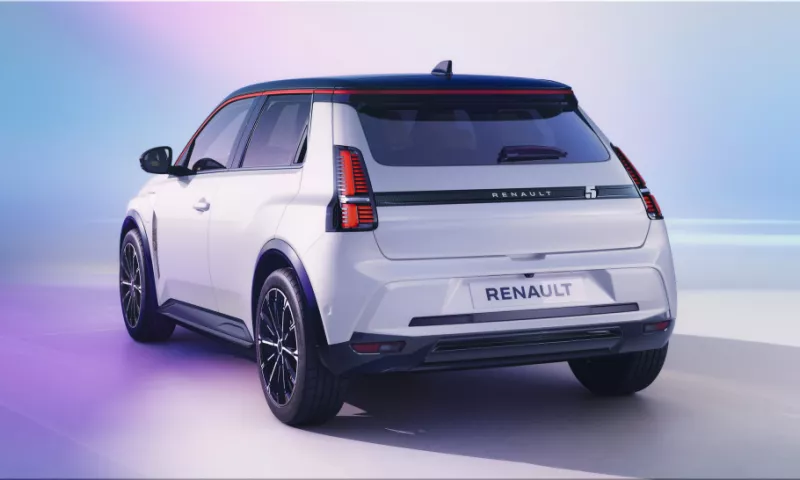
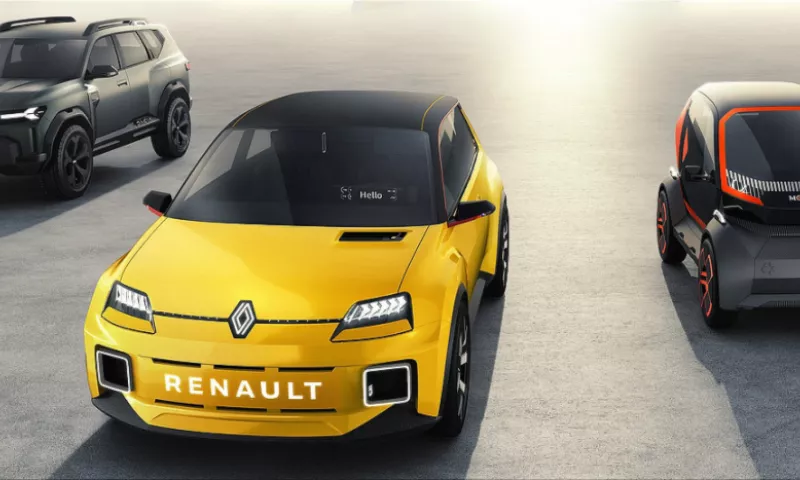
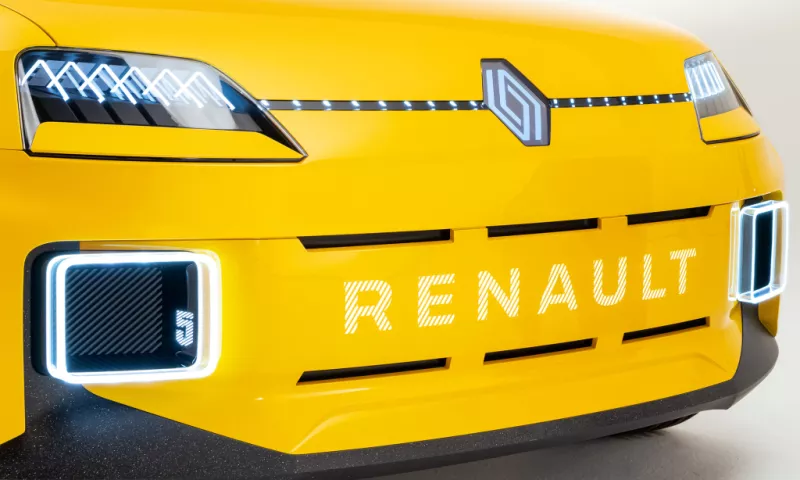
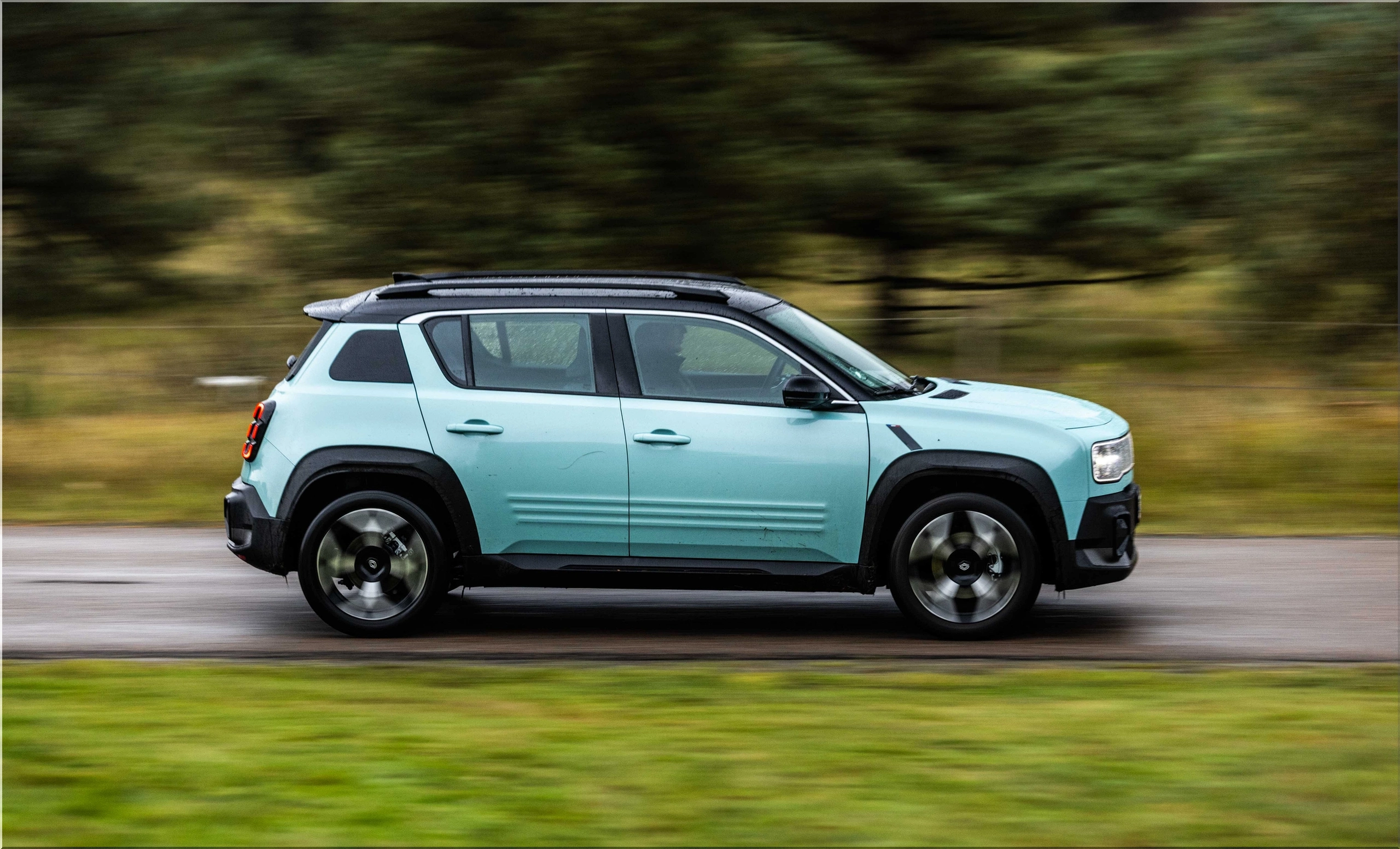
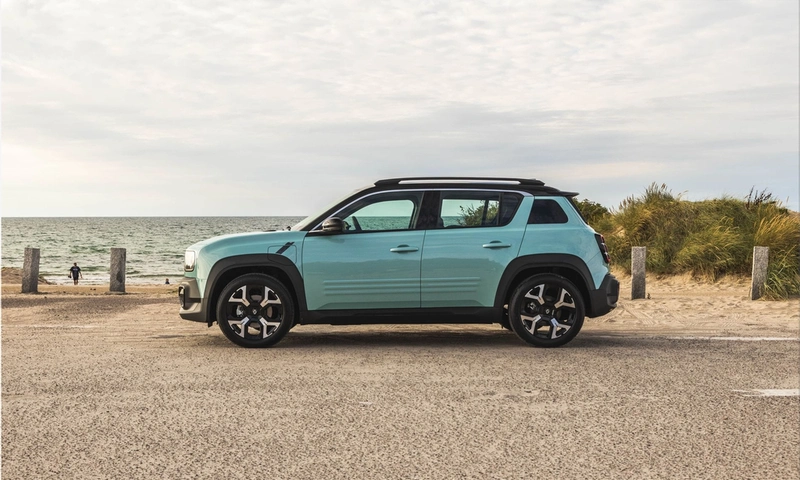
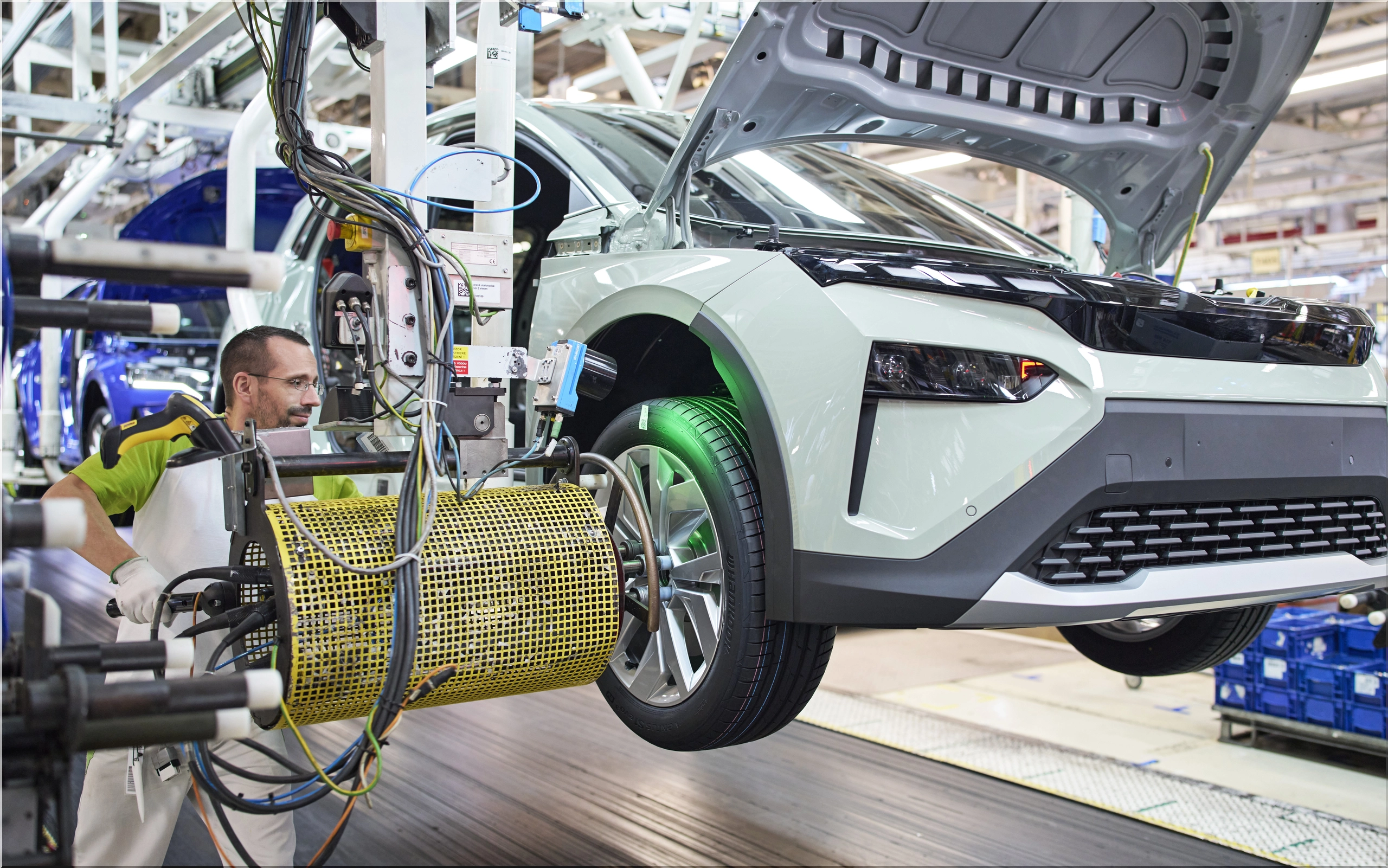
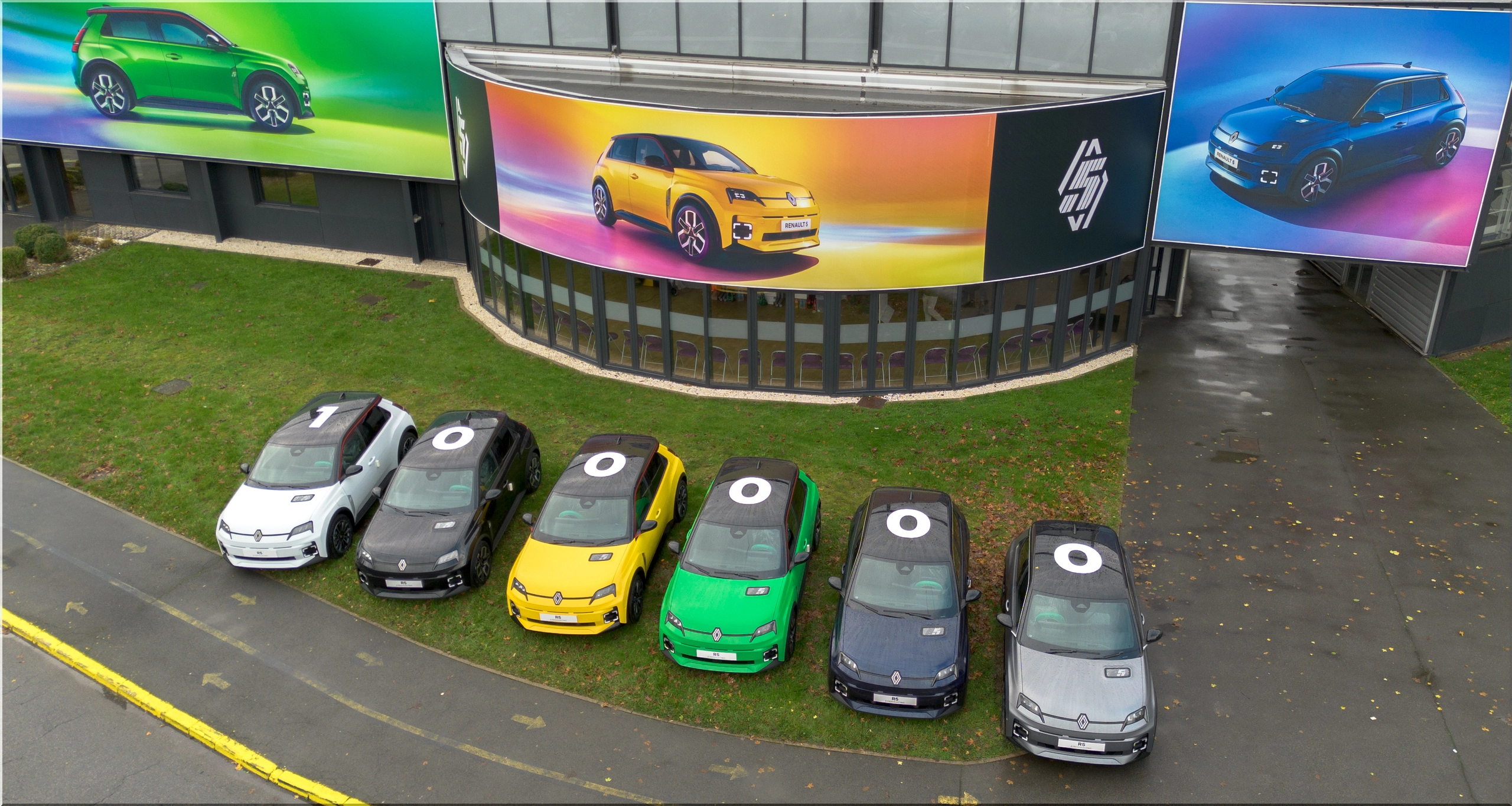
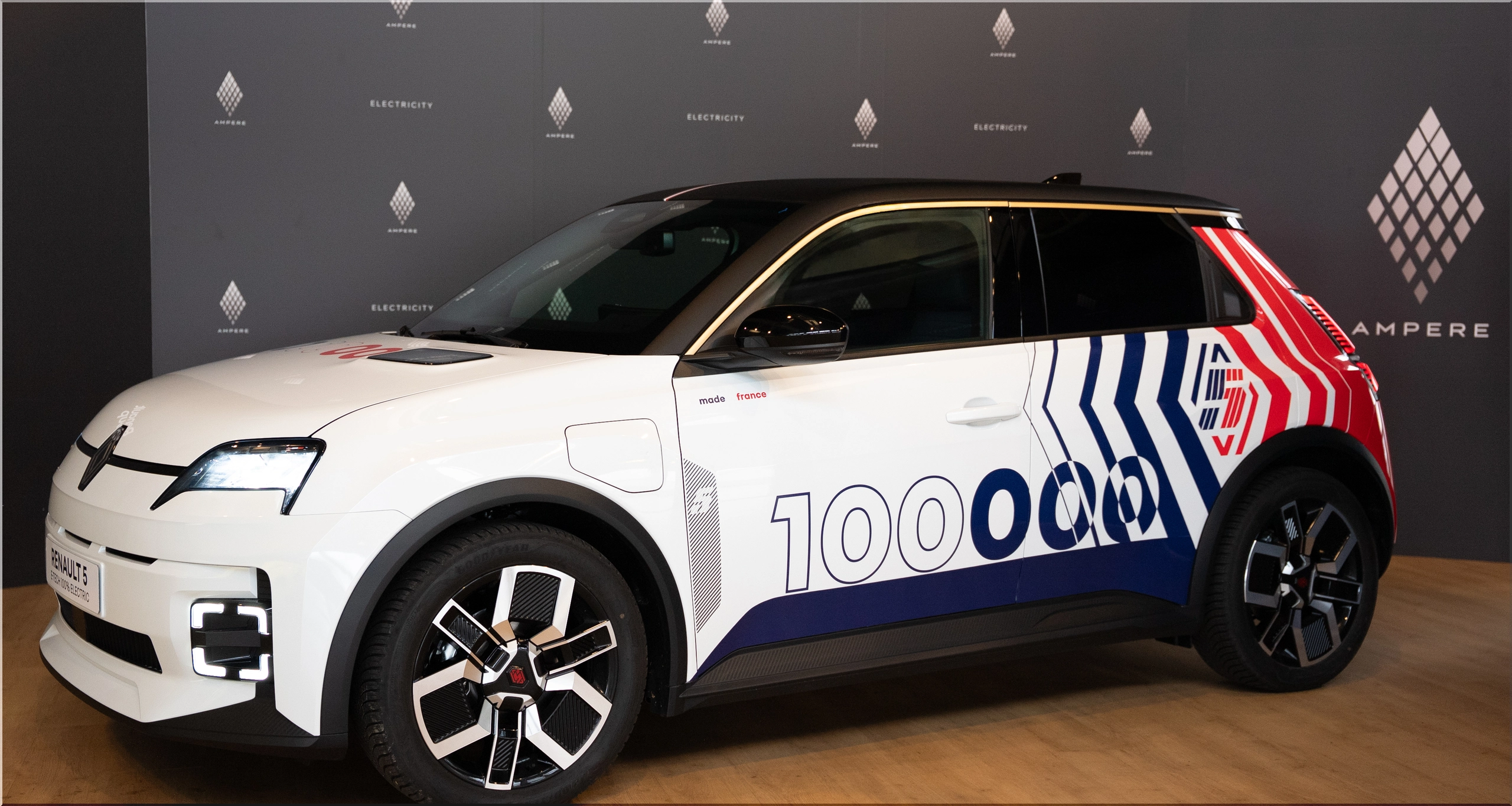
Renault passed a major production threshold at its Douai factory. The company built 100,000 units of the Renault 5 E-Tech electric in 15 months. Daily output now reaches 900 vehicles, and two-thirds of that volume goes to the Renault 5 line. Production runs across three shifts, including a partial night shift.
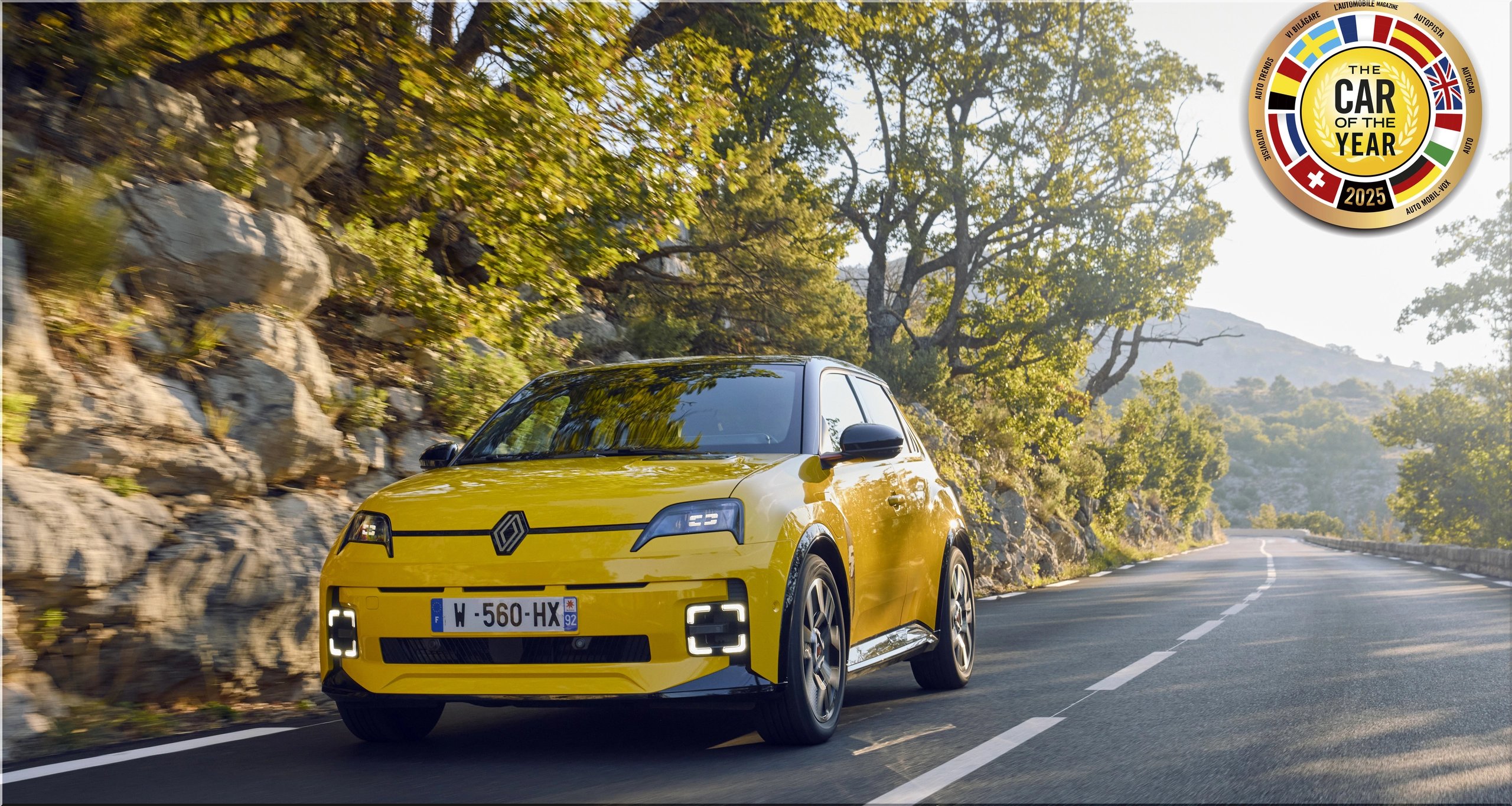
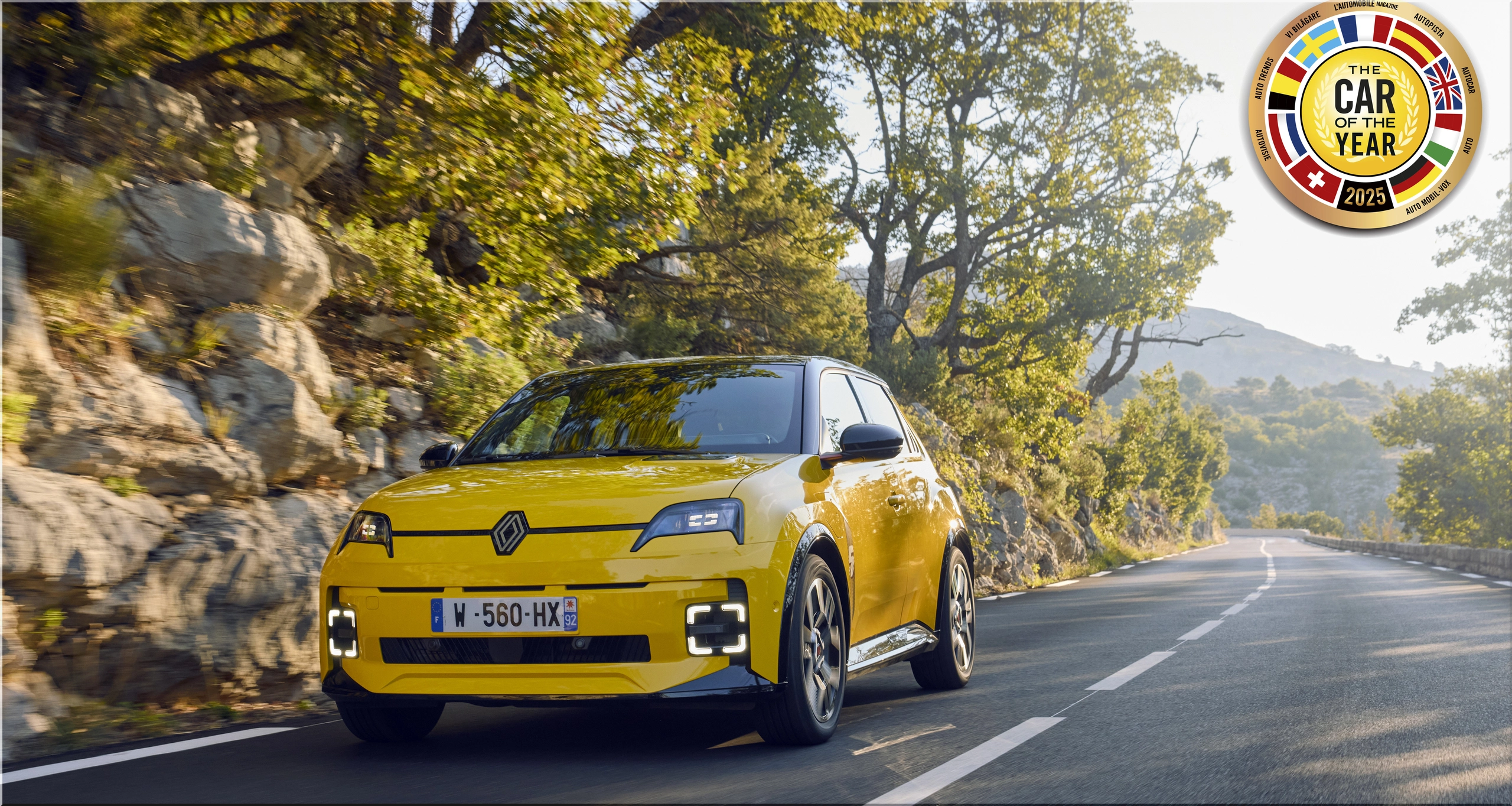
The compact EV leads the electric B-segment in Europe for several months. It also ranks second in the broader retail EV market across the region. In France, it holds the top spot among electric vehicles, and it reached number one in the United Kingdom in October. The model leads its segment in the Netherlands and Spain as well.
Image
A Manufacturing Strategy Built on Speed and Reduced Transport Distance
Renault used a tight industrial layout to raise output while keeping logistics short. Electric motors come from a plant 300 km away. Most customers live within a 1,000 km radius. Battery case production sits inside the same regional network.
The Douai operation builds six electric models on the same line:
- Renault 5 E-Tech electric
- Renault Megane E-Tech electric
- Renault Scenic E-Tech electric
- Alpine A290
- Nissan Micra
- Mitsubishi Eclipse Cross
This single-line approach concentrates volume and lowers retooling time. It also spreads training and software calibration across a shared process. That structure increases throughput without adding new production halls.
Image
Broad Trim Range Designed for Tight Budgets and Urban Driving
Renault sells the model in five trims and with three motor options. Two battery sizes anchor the lineup. The starting price sits at €24,990, or about $27,300 USD, excluding government incentives.
The most common configuration uses a 52 kWh battery. That version represents the 100,000th unit that left the assembly line. Renault targets buyers who want short-charge cycles and strong city range without luxury pricing.
Trim Levels
- Five
- Evolution
- Techno
- Iconic Cinq
- Roland-Garros
Each trim adds incremental equipment, but the pricing structure keeps the total cost below many rivals in the segment.
Video title
Renault 5 electric
Market Expansion Beyond Europe
The model moved outside Europe to new markets in Turkey and Israel. Morocco joined last month. Renault expects additional countries to open sales in 2026 as capacity increases.
This shift indicates confidence that compact electric vehicles can scale in regions where charging infrastructure grows at a steady pace. It also shows the company’s push to expand its EV presence without raising prices.
New Features Arriving in January 2026
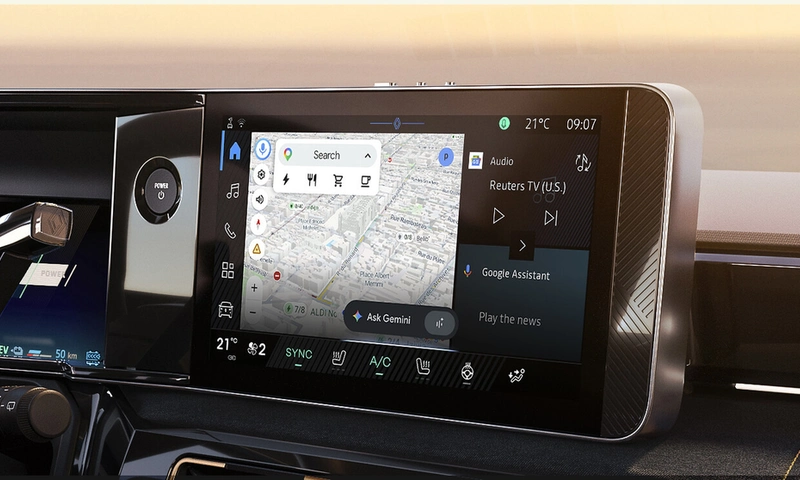
Renault will add new functions to the model next year. These updates increase driver assistance and in-car connectivity.
Key 2026 Upgrades
- One Pedal drive mode on Techno and higher trims
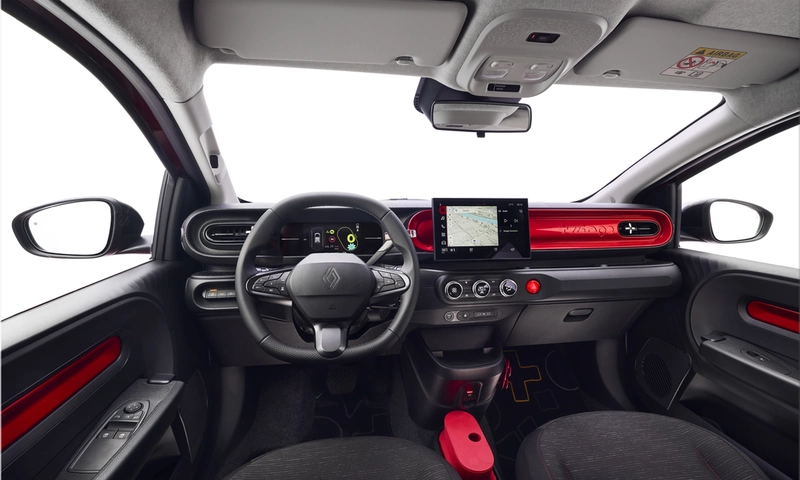
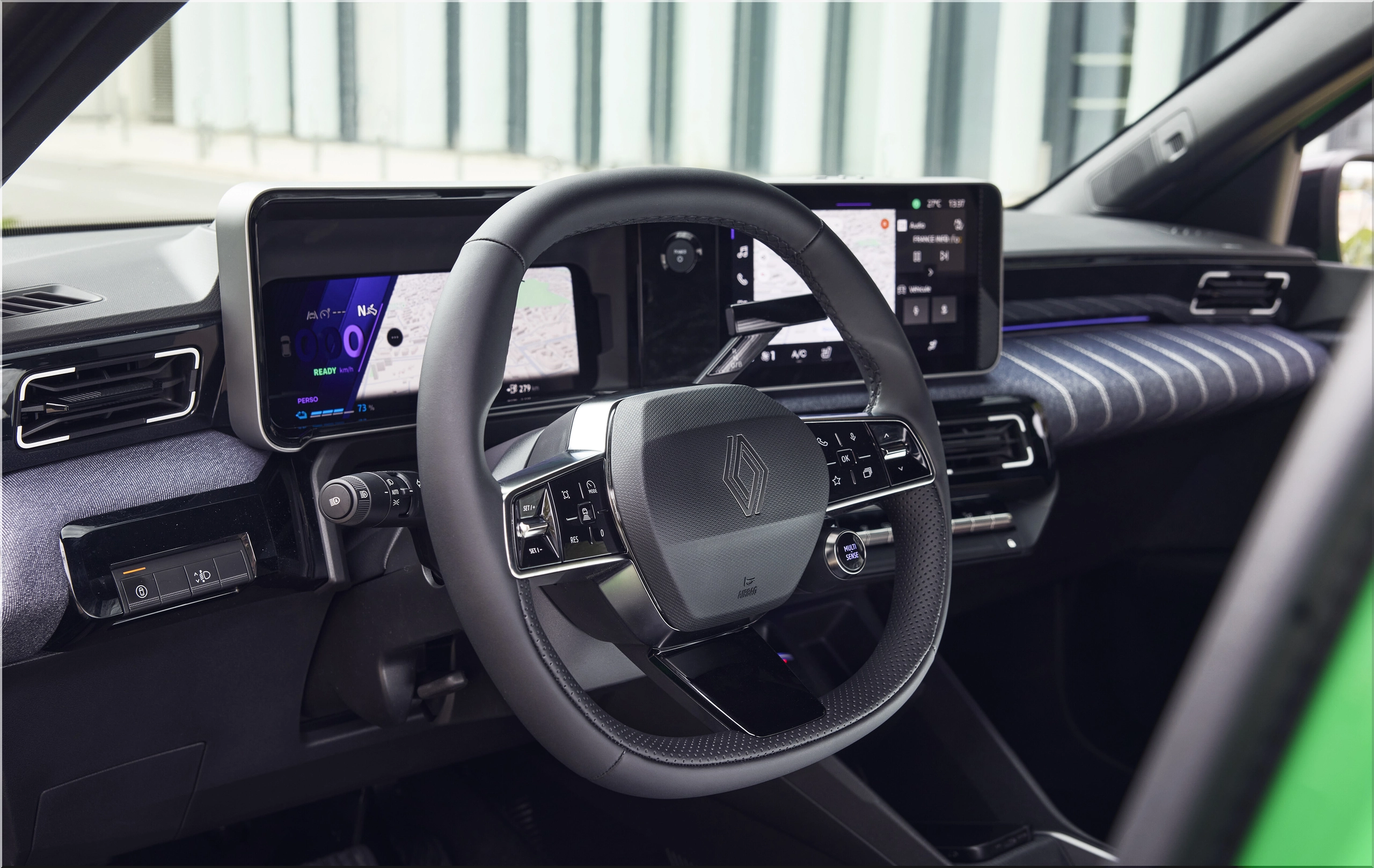
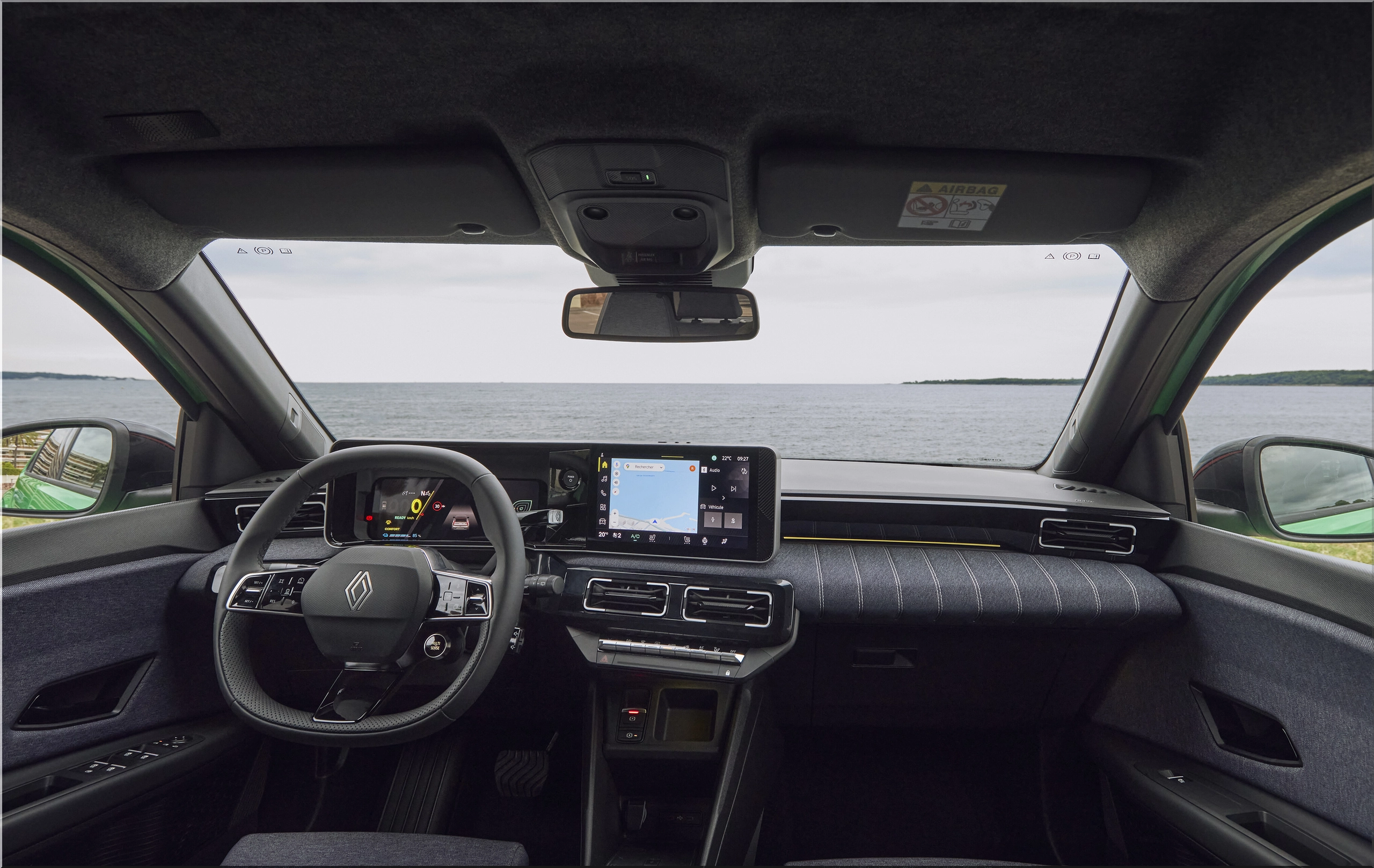
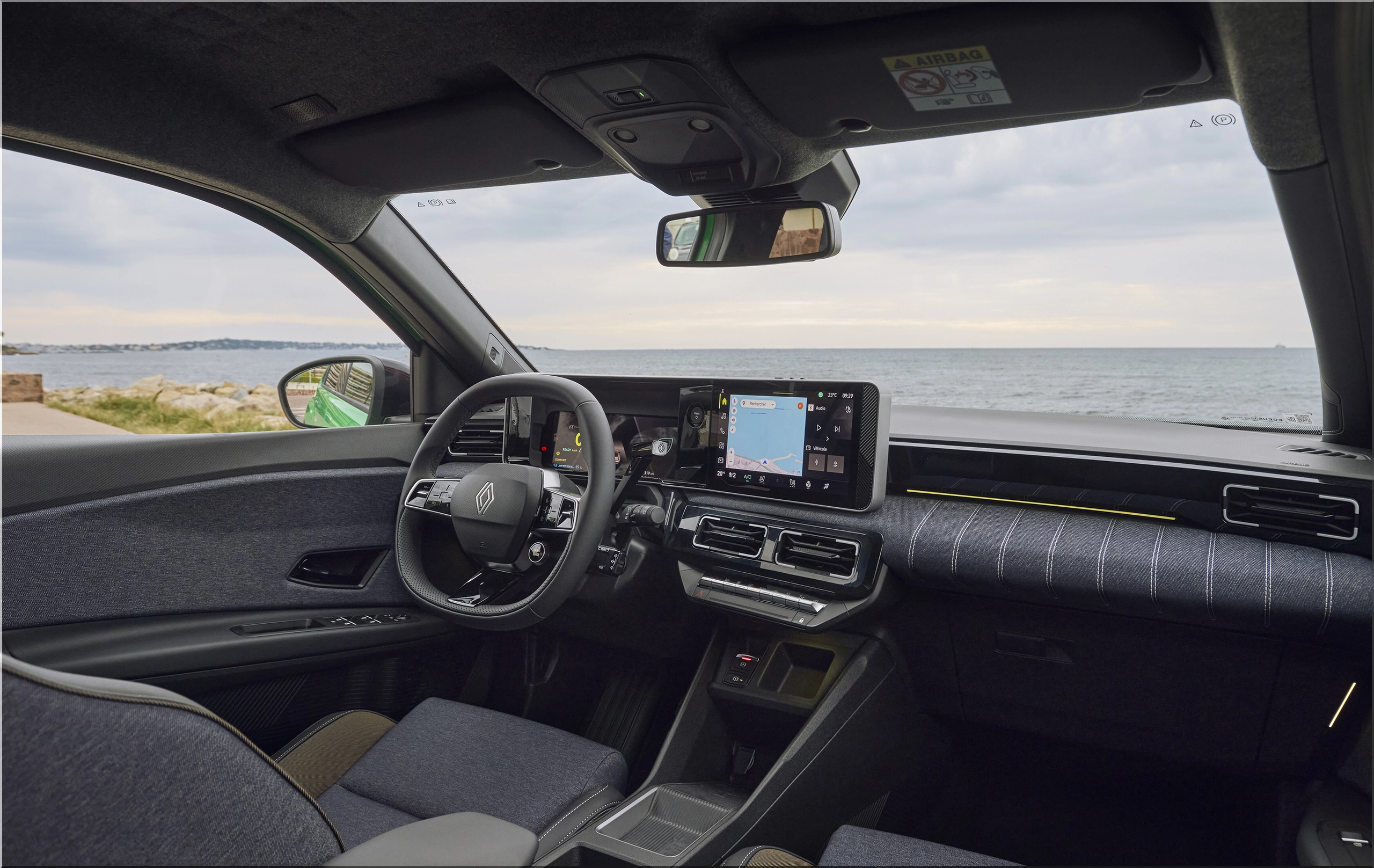
- Driver attention alert using a cabin-mounted camera
- In-car data package supplying 2 GB per month for three years
- Expanded customization through new PoweR5 and NumbeR5 decal packs
The One Pedal function uses the fourth level of regenerative braking. The car can reach a full stop without the brake pedal. This feature helps in traffic, dense urban areas, and at red lights.
The attention alert system detects fatigue or distraction using an interior camera positioned on the left side of the windshield. The data package supports the most common in-car apps, with enough bandwidth for roughly 40 hours of audio streaming or up to three hours of video streaming each month.
Image gallery

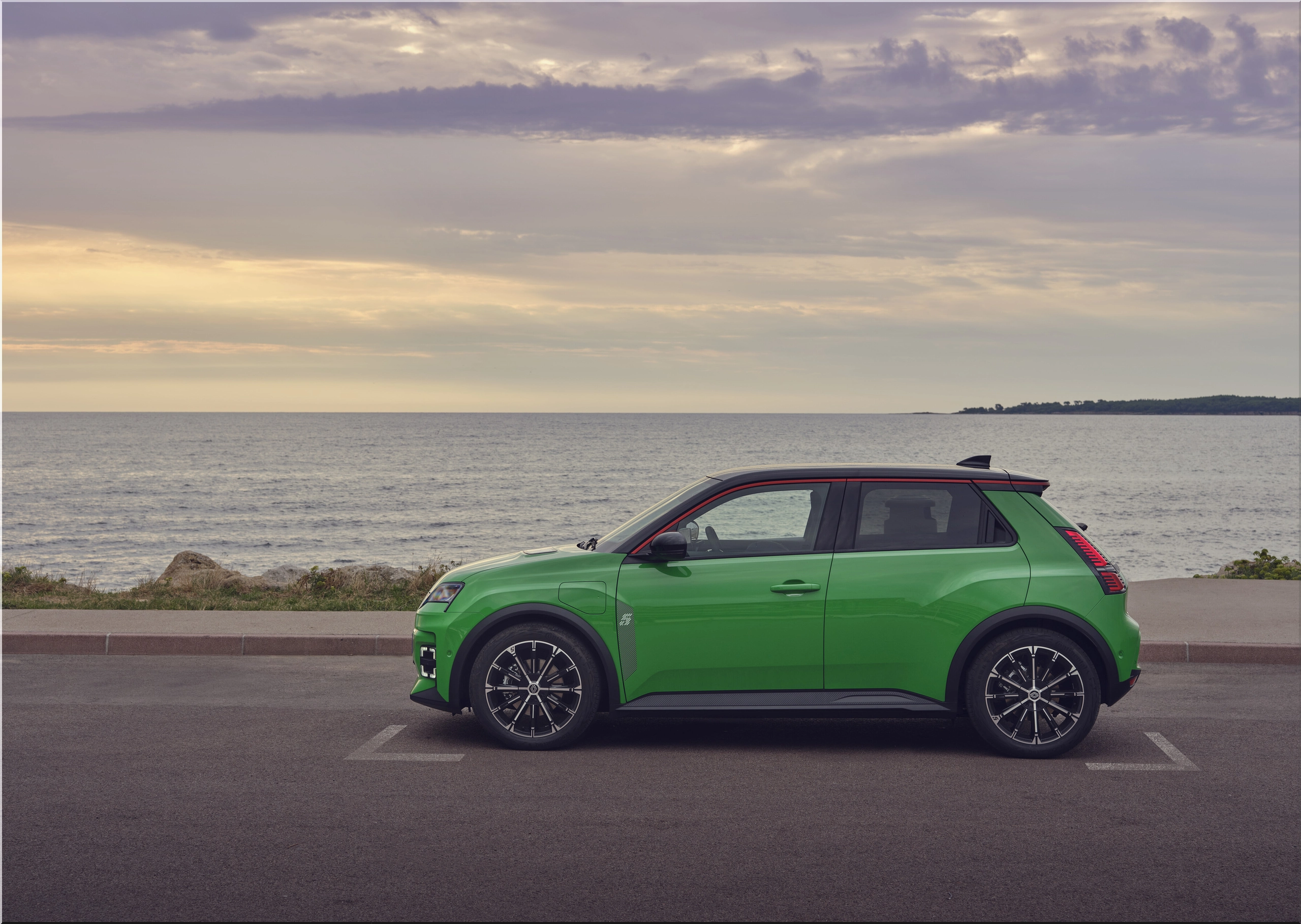
Renault’s Position in the Affordable EV Market
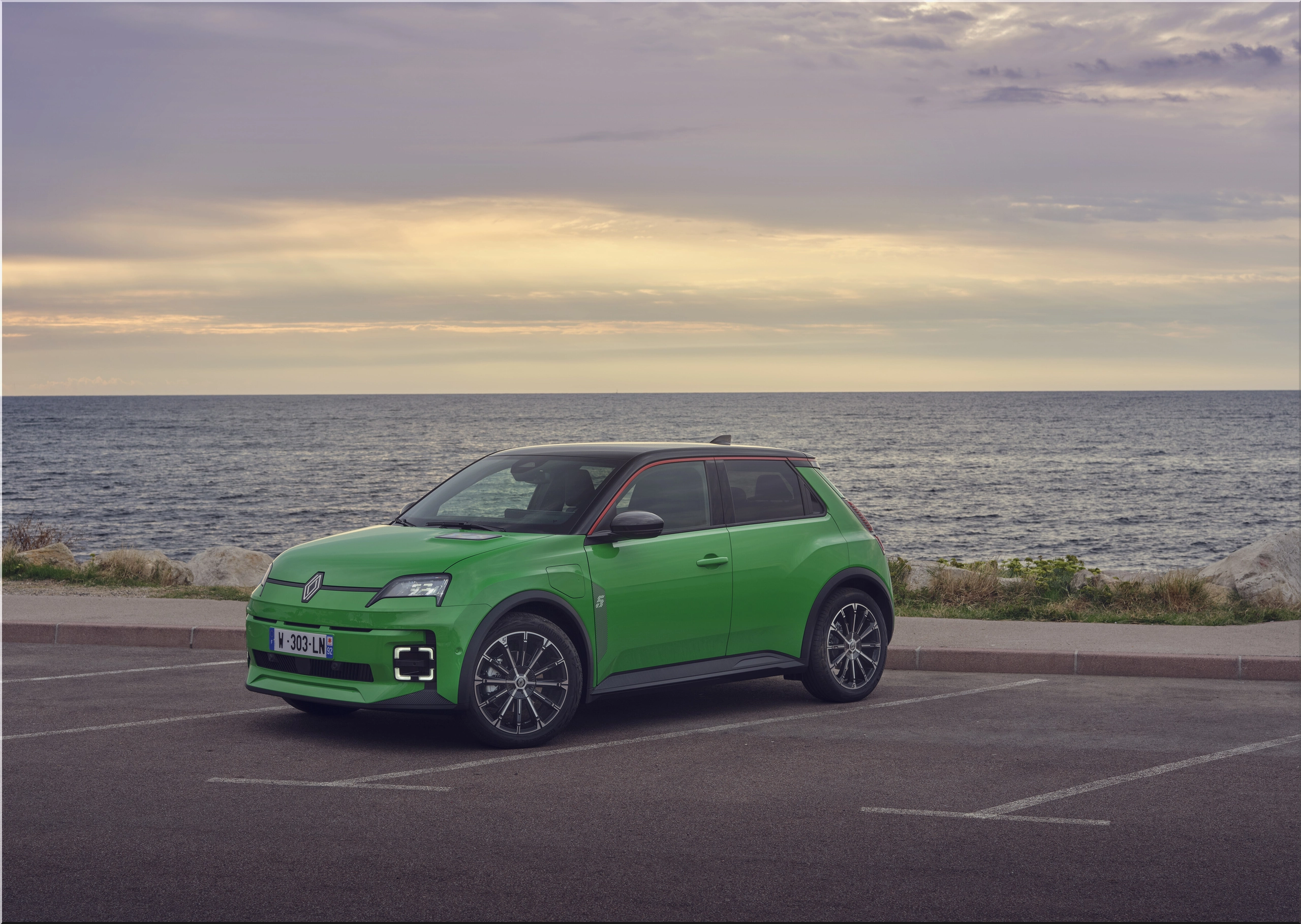
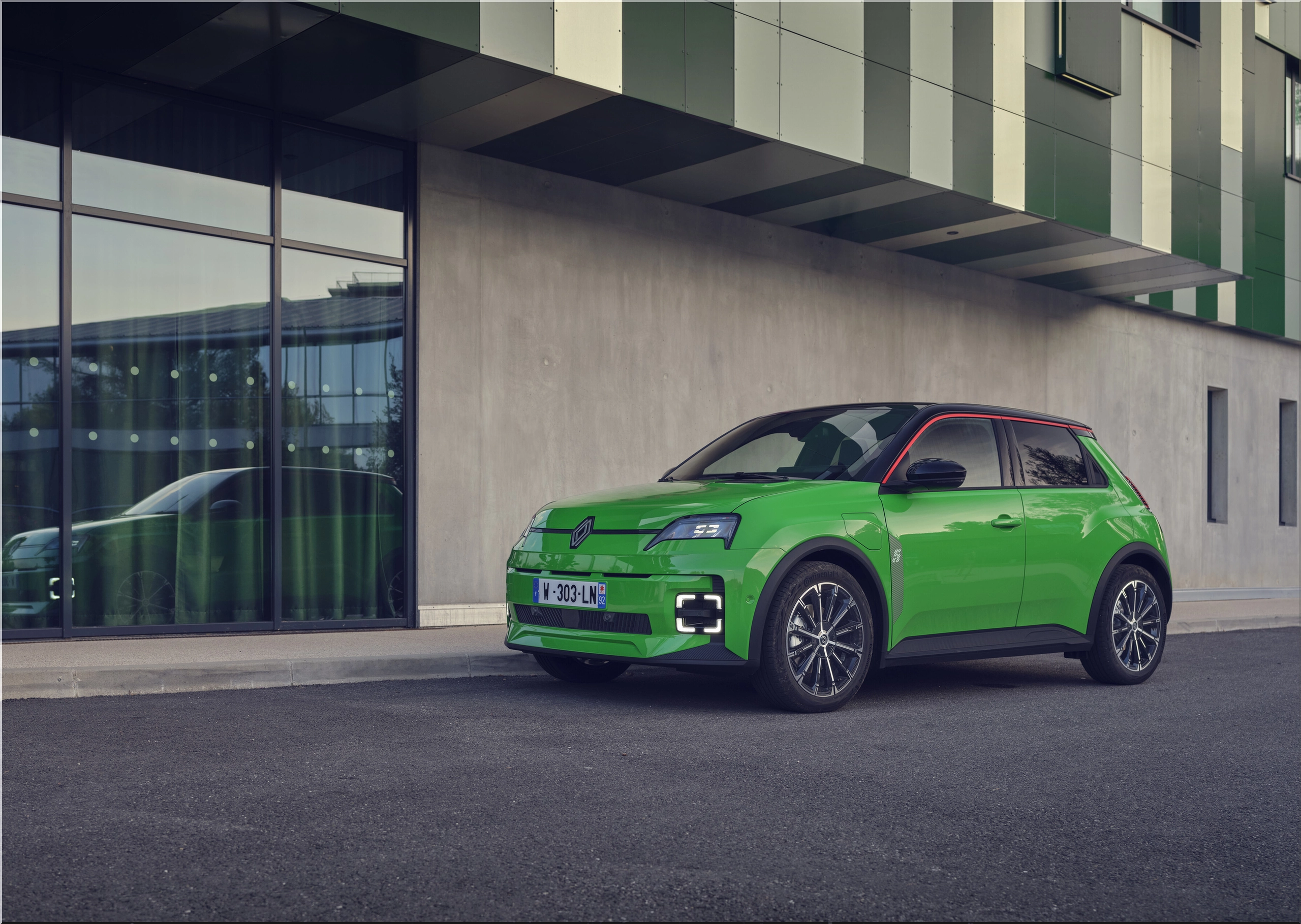
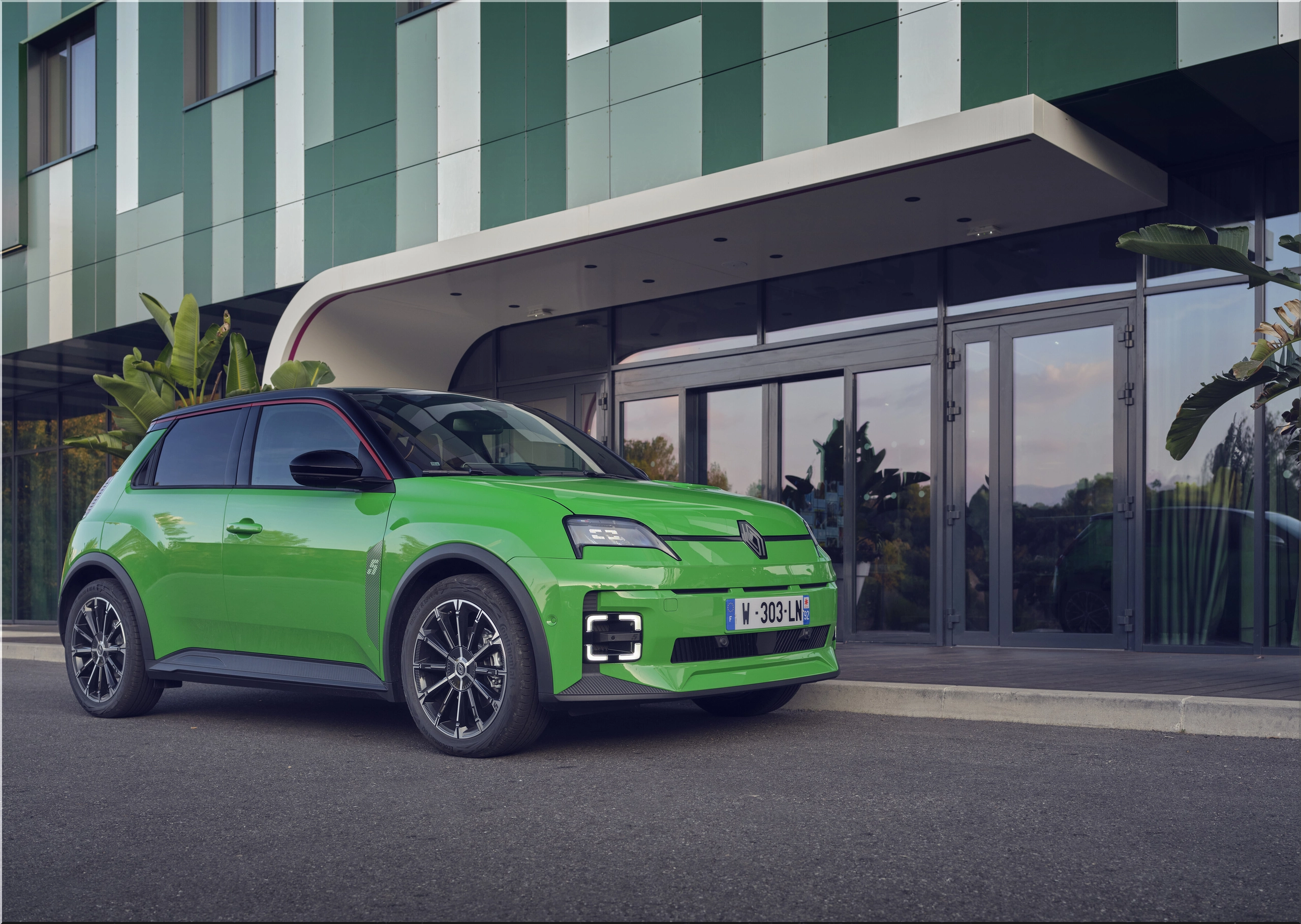
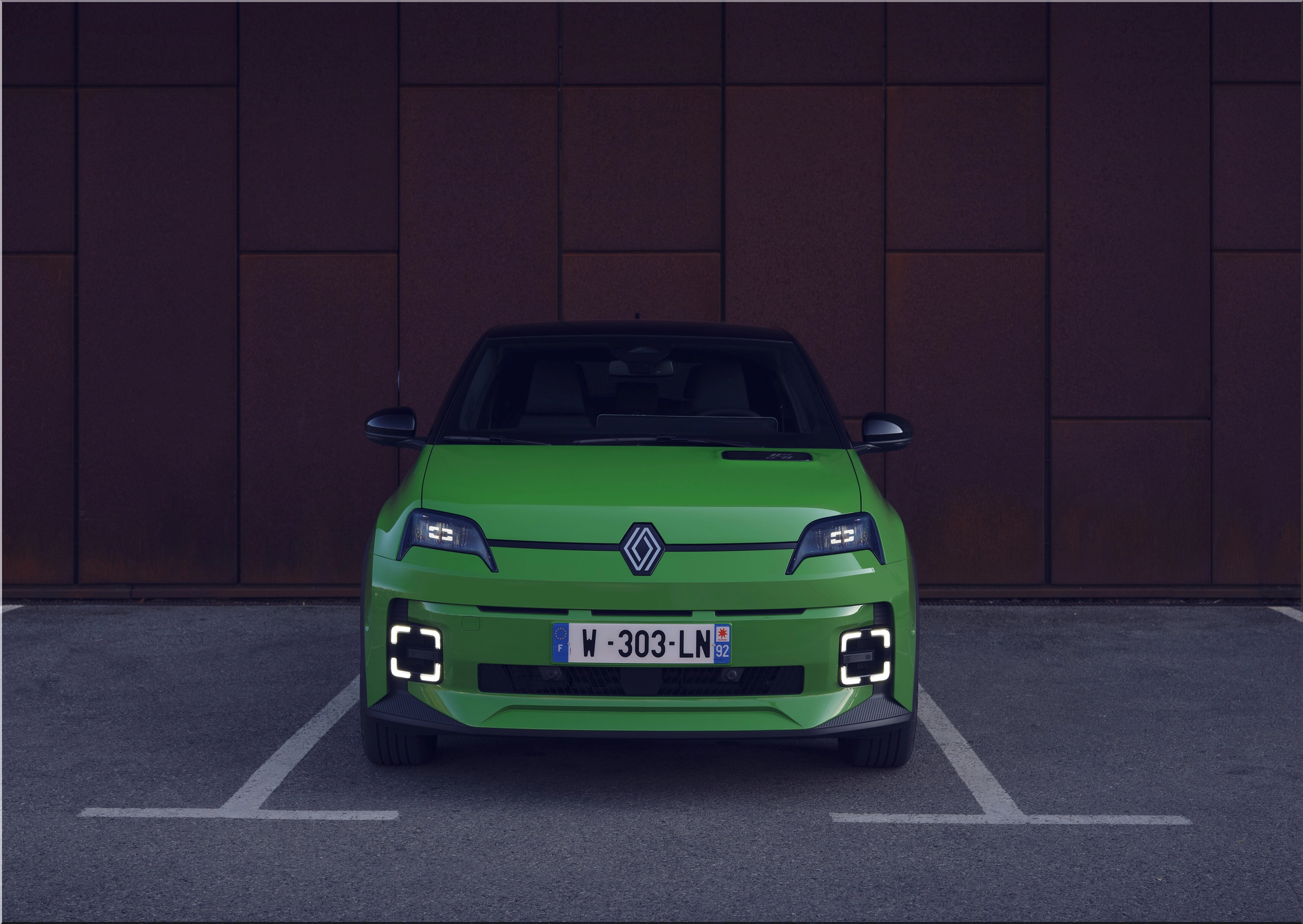
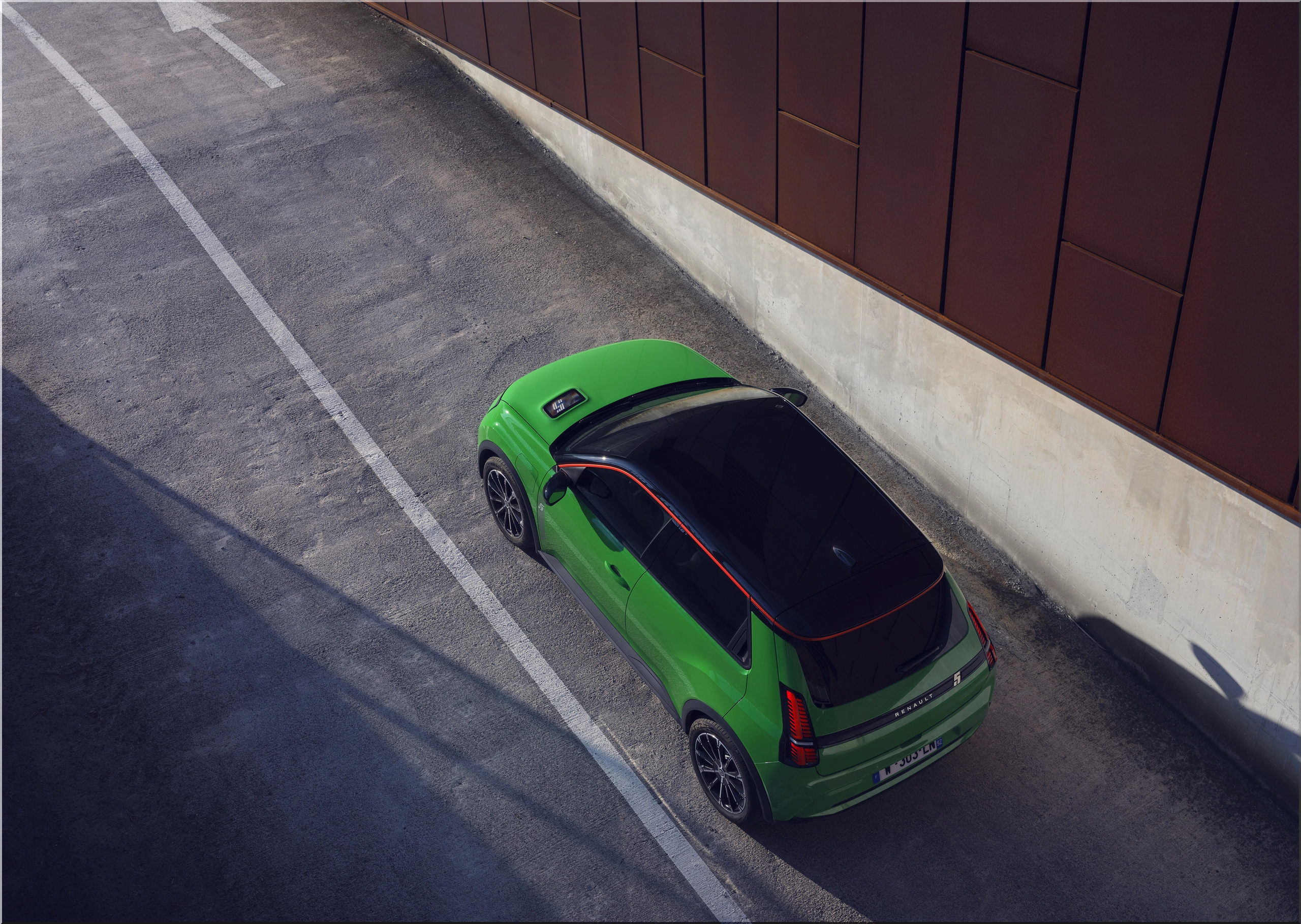
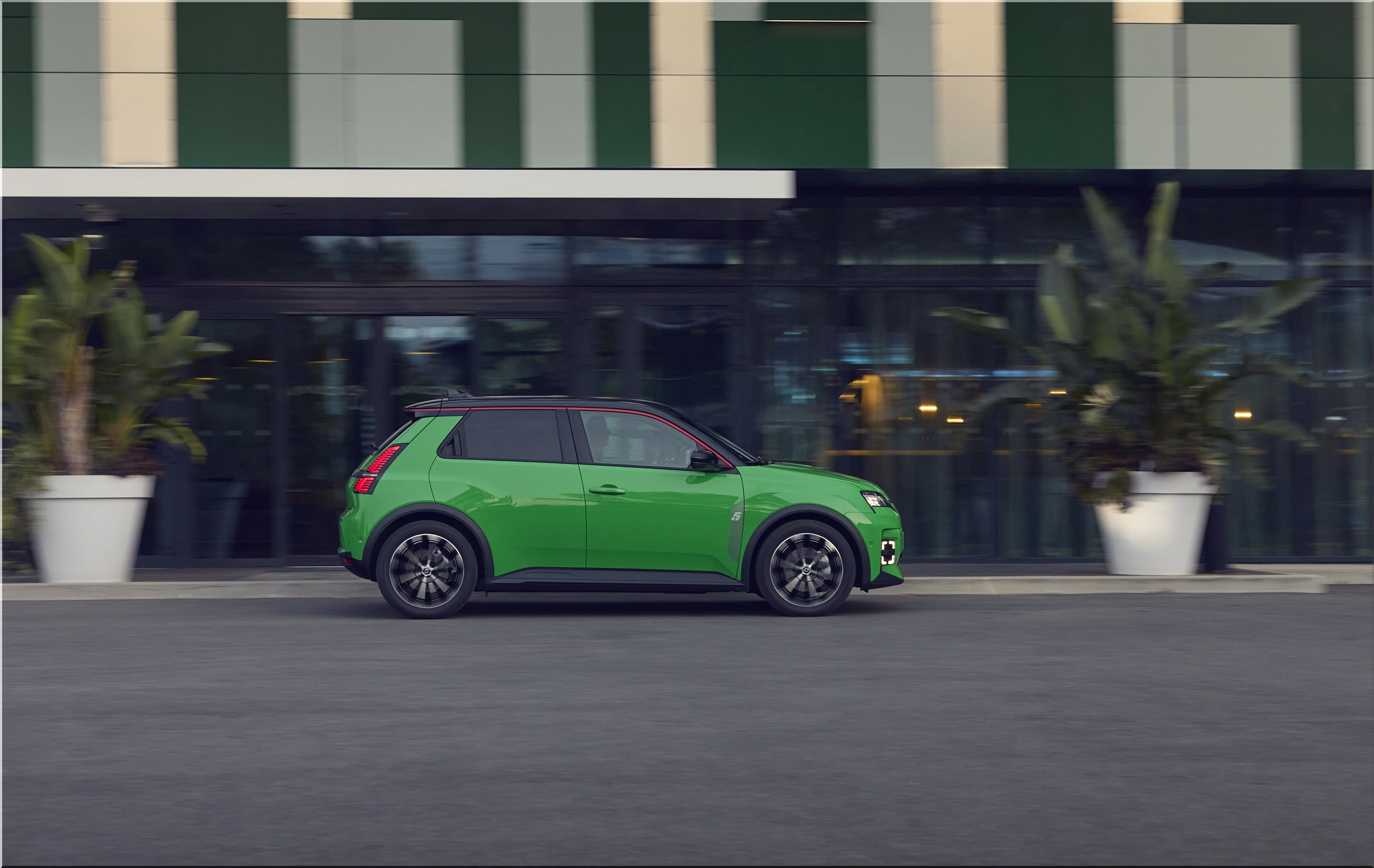
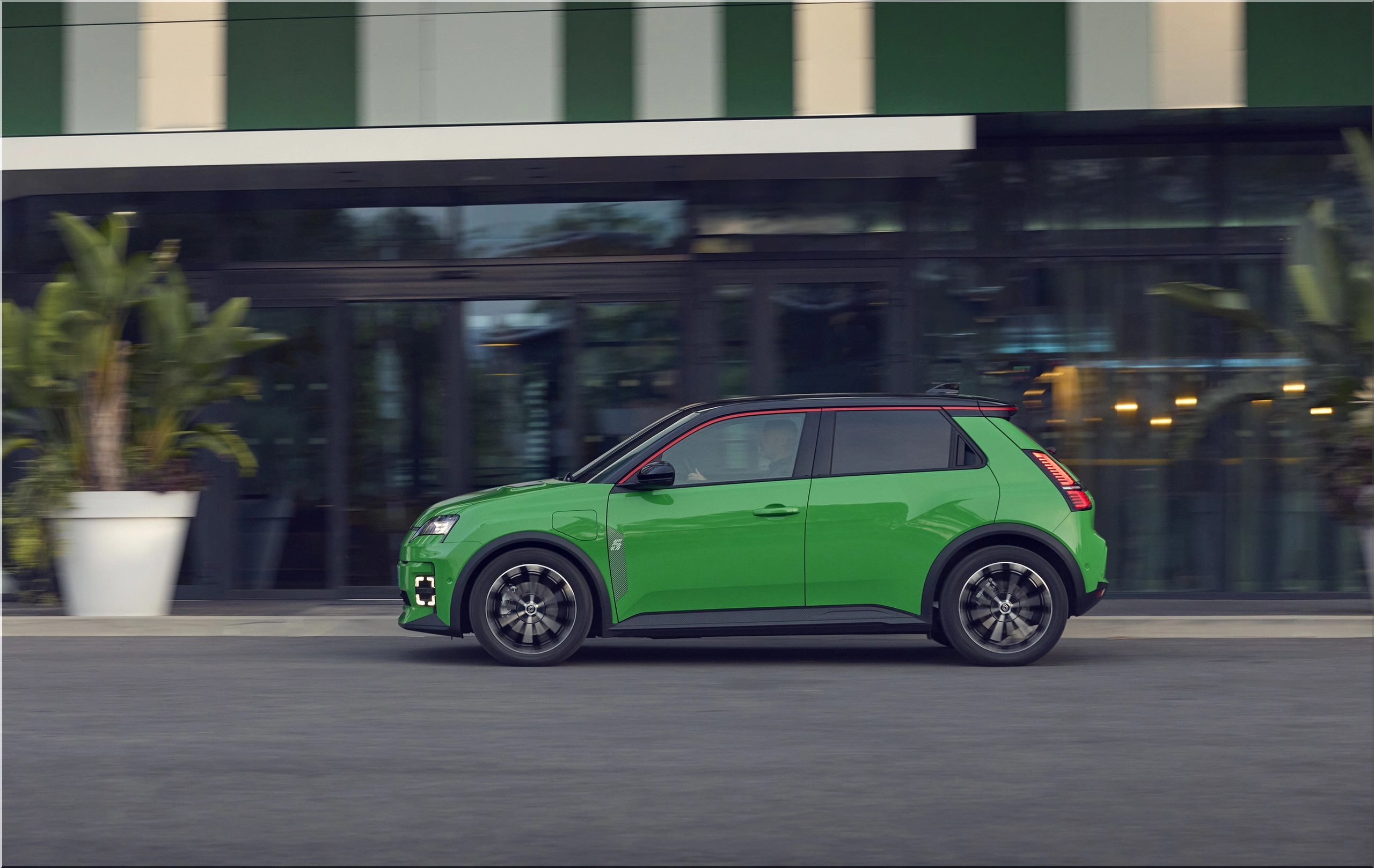
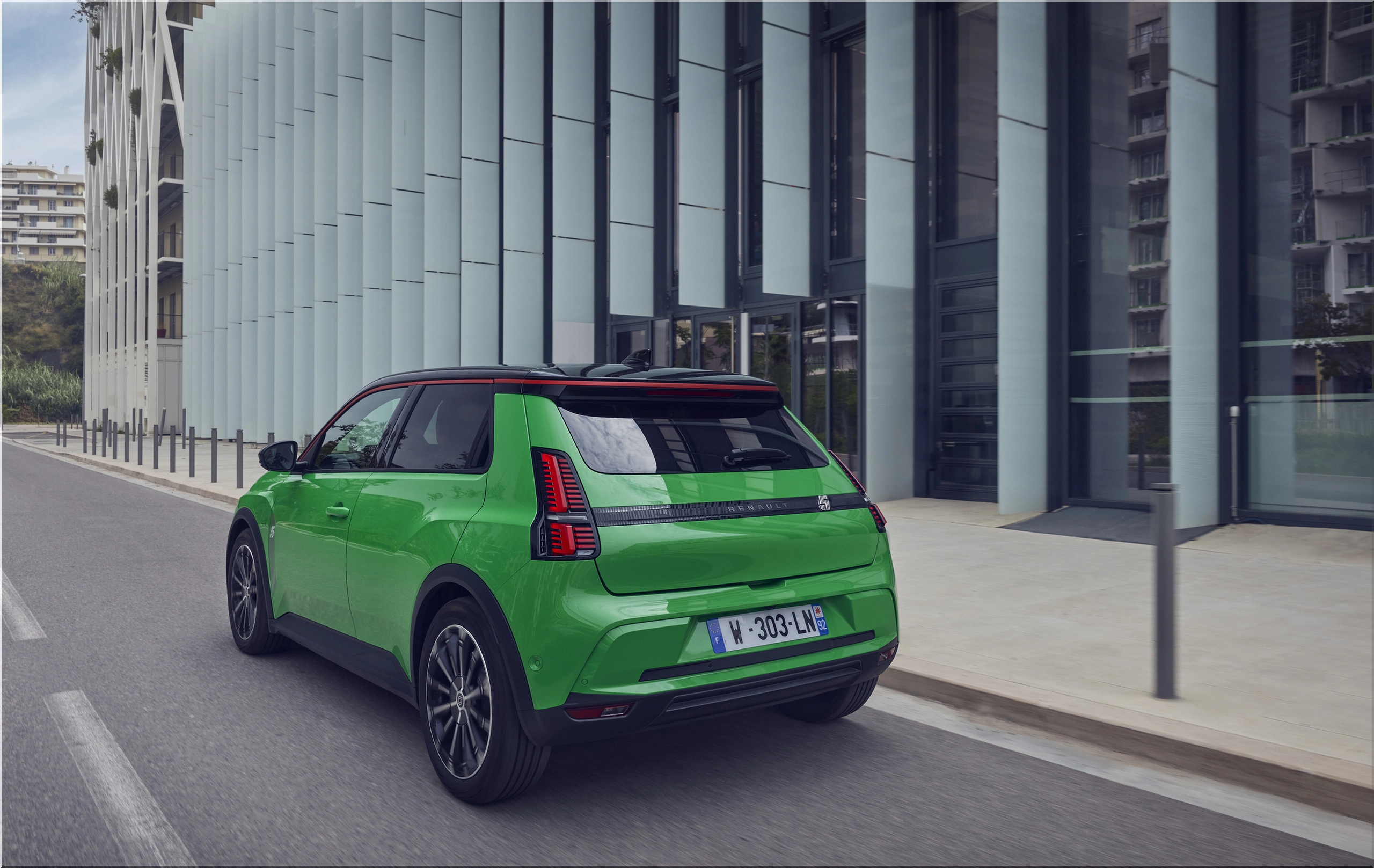
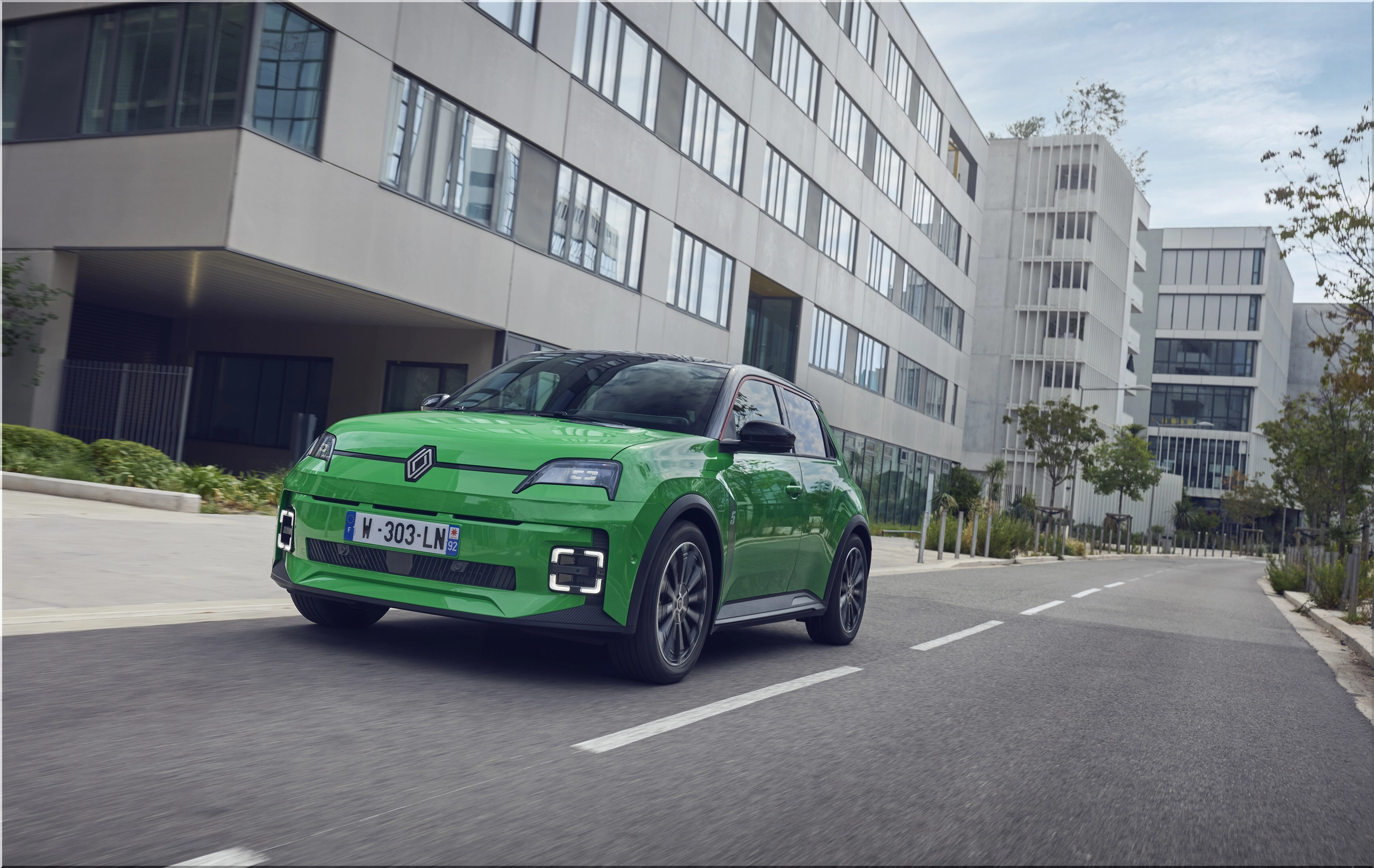
The Renault 5 E-Tech electric grew into a leading figure in the compact EV segment. Its strong pricing, wide trim range, and tight production network reduce manufacturing costs while sustaining output. Renault now uses the model as proof that short supply chains and compact platforms can meet rising demand for lower-priced electric cars.
Quick Data Snapshot
| Metric | Value |
|---|---|
| Units produced | 100,000 |
| Daily output | 900 vehicles |
| Battery options | 2 |
| Motor options | 3 |
| Trim levels | 5 |
| Starting price | €24,990 (~$27,300 USD) |
Image gallery
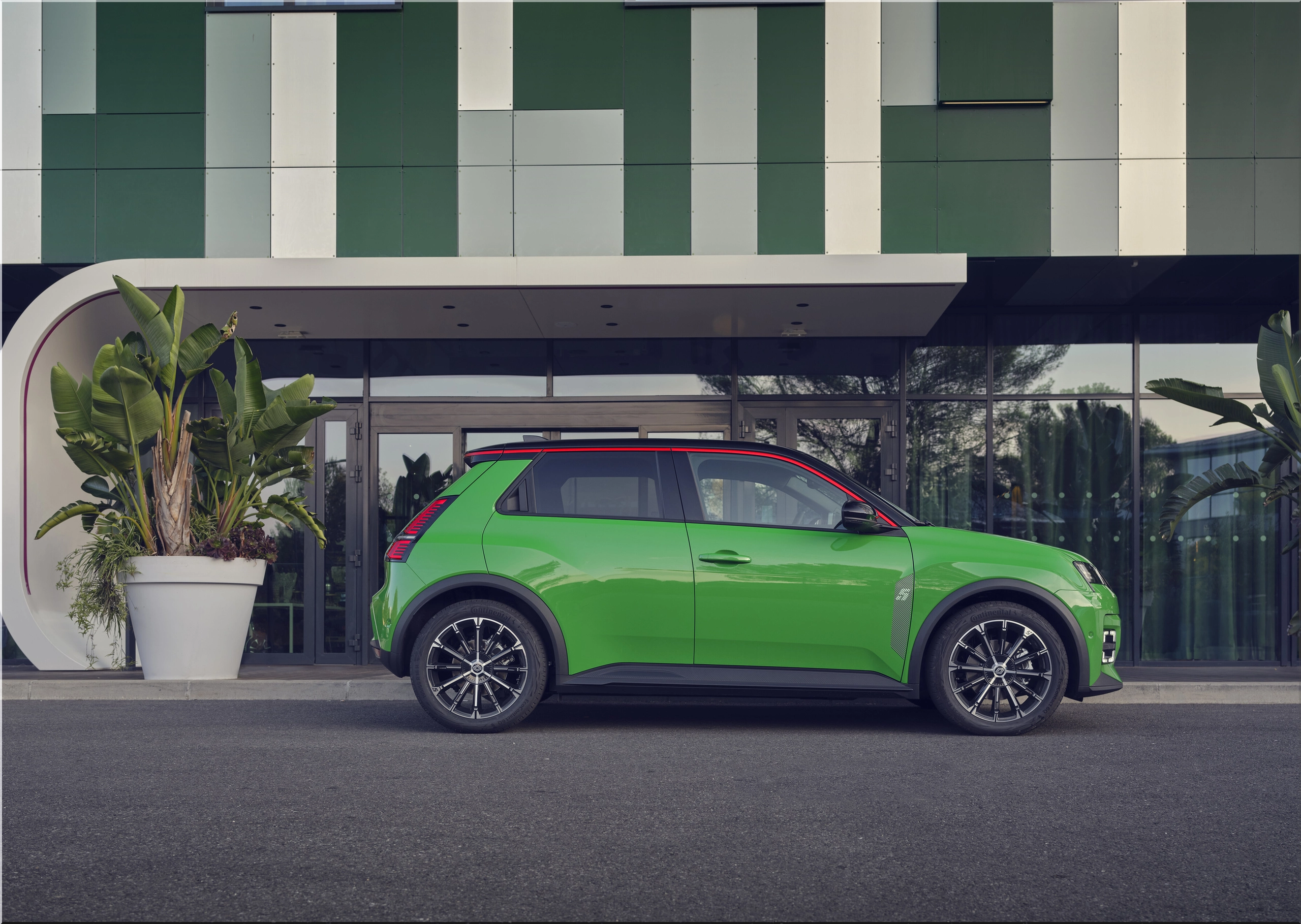
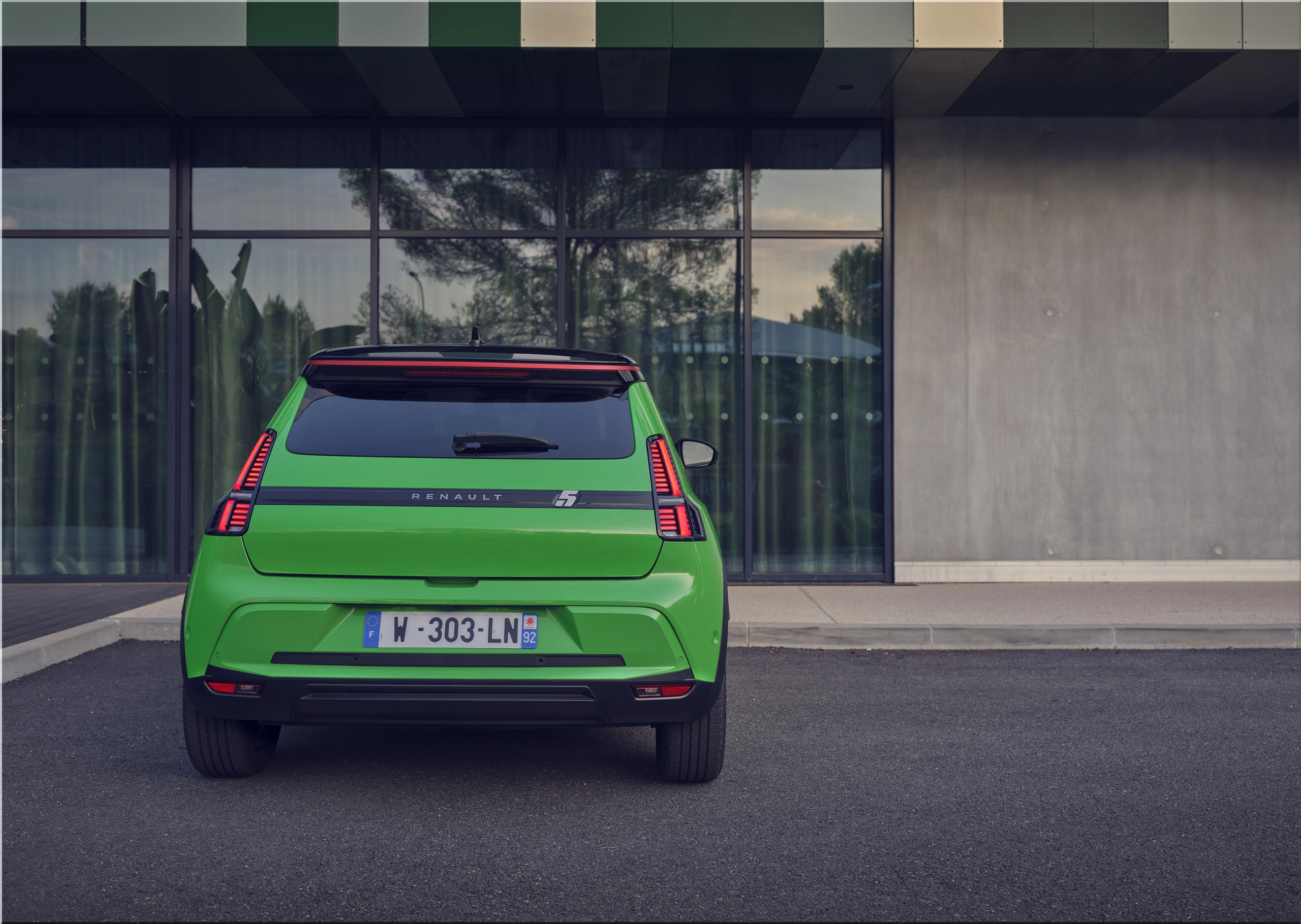
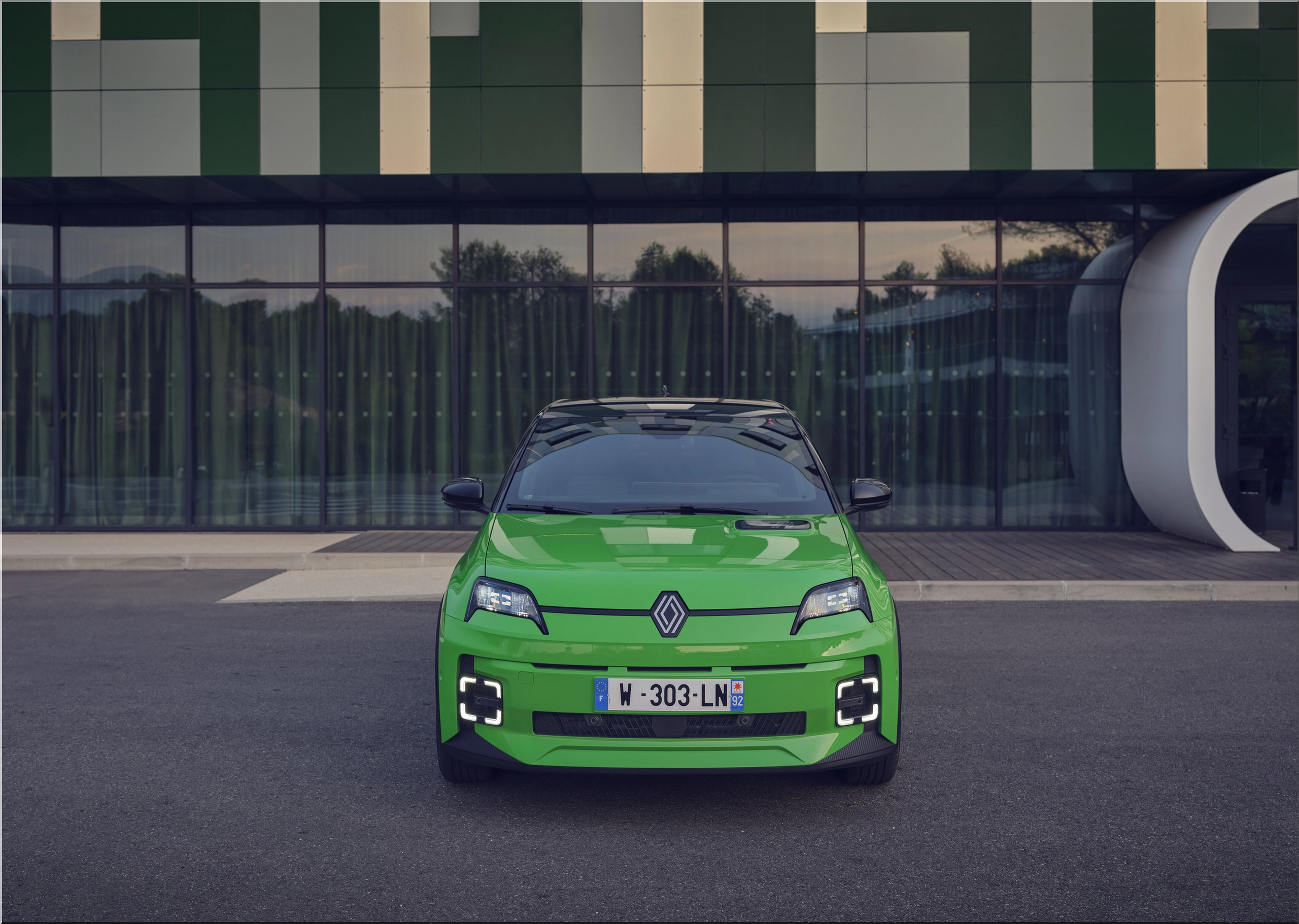



What This Means for the Auto Industry
The production scale shows that compact EVs can support high-volume manufacturing when the supply chain sits close to the plant. It also shows that demand for small electric cars continues to climb, especially in dense European cities.
Buyers gain an EV with multiple configurations, low operating cost, and steady software improvement. Renault gains a product that keeps lines running at capacity and strengthens its position in an increasingly competitive segment.
The next test comes in 2026 as more markets open and new features arrive. If demand follows the current trend, Renault may need another production expansion to keep pace with orders.
- Add new comment
- 299 views