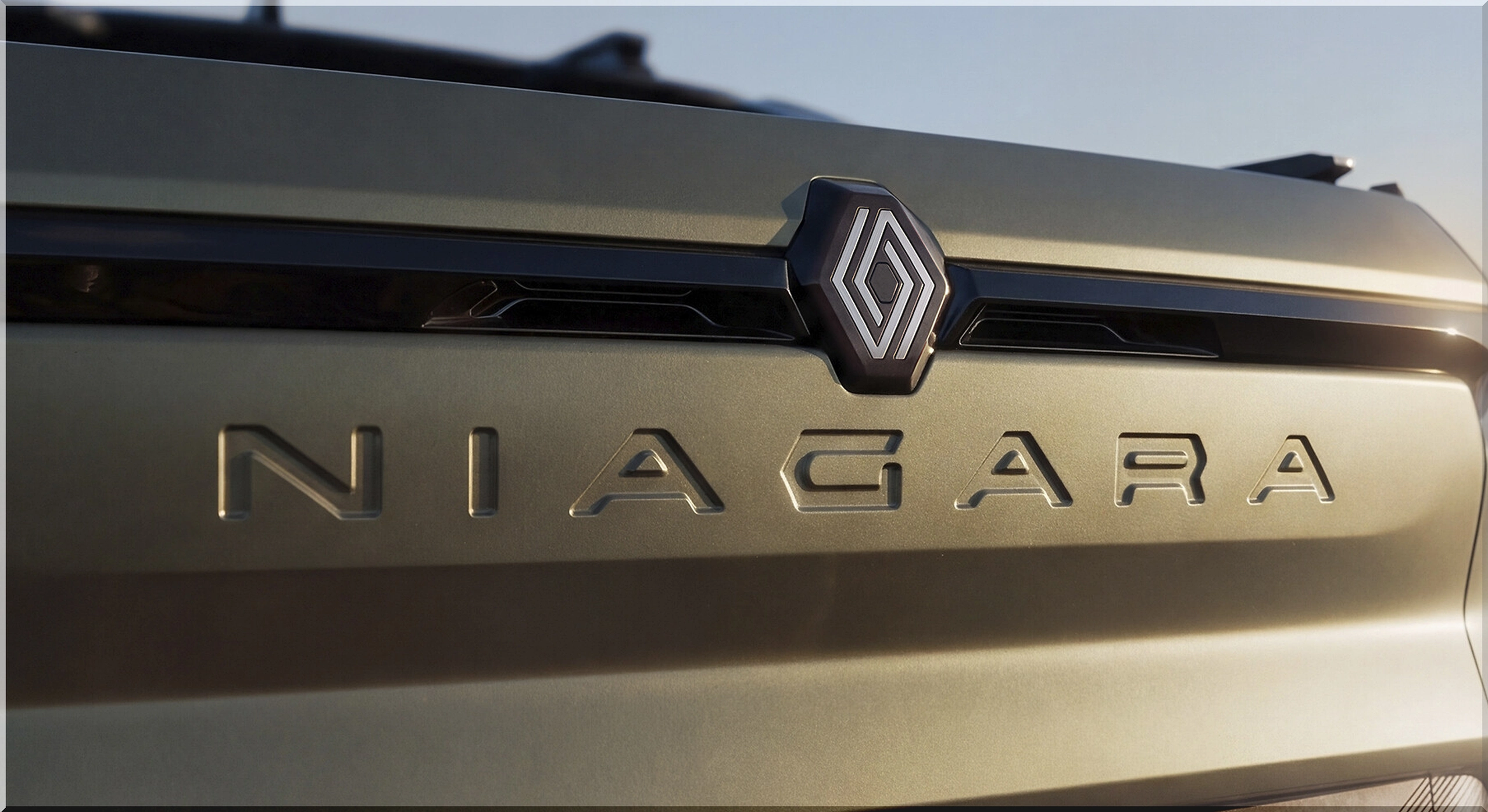
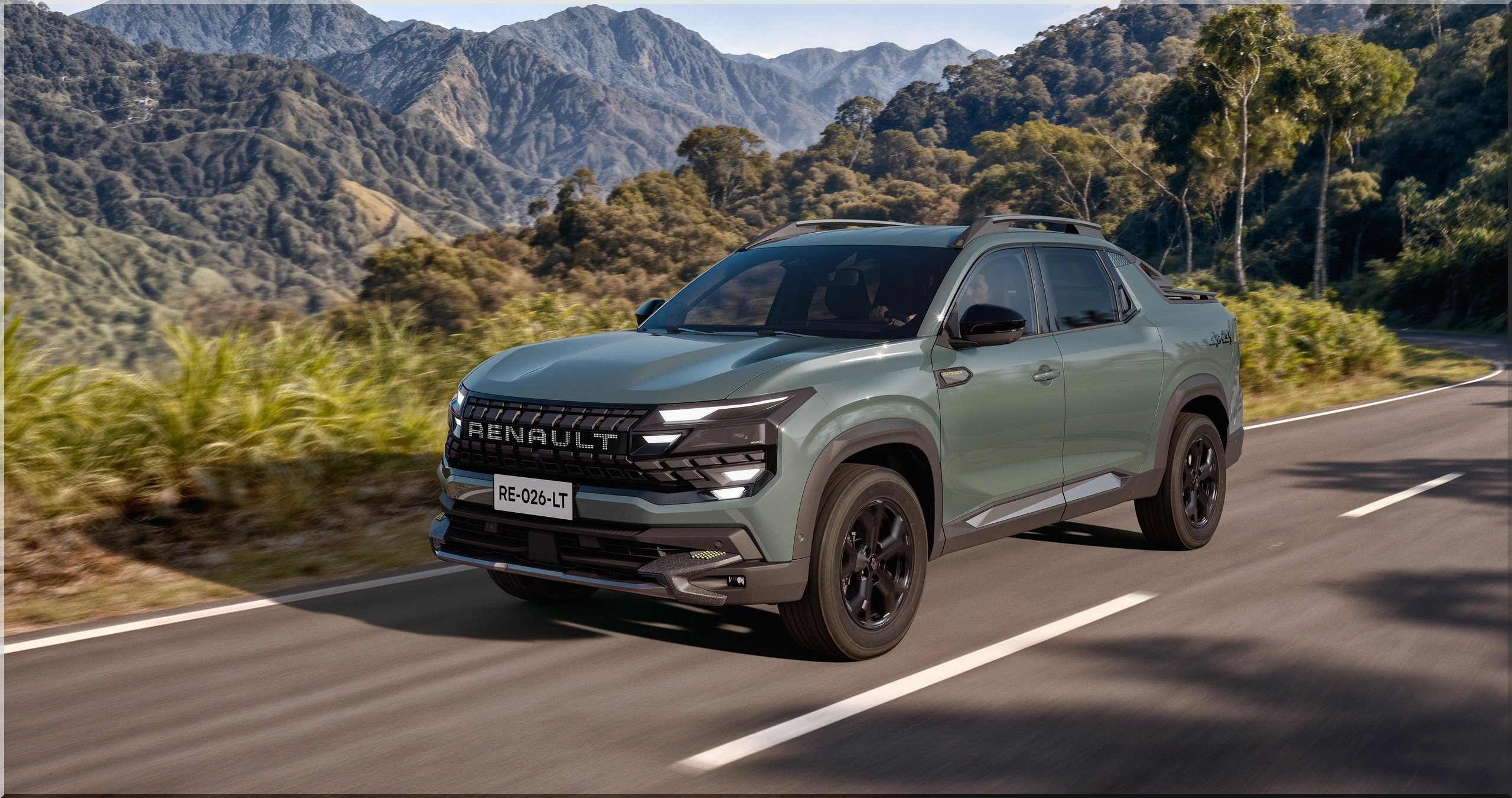
Renault has put numbers behind its Niagara pick-up. The company introduced the double-cab truck in September 2026 for Latin America with a 1.3-litre turbo engine, two- or four-wheel drive, a 938-litre cargo bed and up to 654kg of payload. It also borrows the connected cabin and driver assistance features buyers expect from a compact SUV. The practical question: how much truck capability does Niagara deliver alongside that comfort?
Image
A Latin American truck with a specific brief
Renault developed Niagara on its RGMP pick-up platform for Brazil, Argentina and Colombia, with additional Latin American markets to follow. The Santa Isabel plant in Córdoba, Argentina, will build it. Renault says development vehicles covered almost 800,000km across the region and at European test centres to test rough roads, city commutes and loaded trips.
Video title
Renault Niagara Pick-Up
Niagara also starts Renault's plan to introduce 14 new models outside Europe by 2030. A hybrid Niagara will follow, but Renault has not published its output, fuel economy or a firm launch date. The company has also not announced a European or US sales plan.
Image
Renault Niagara 4x2 versus 4x4: the confirmed numbers
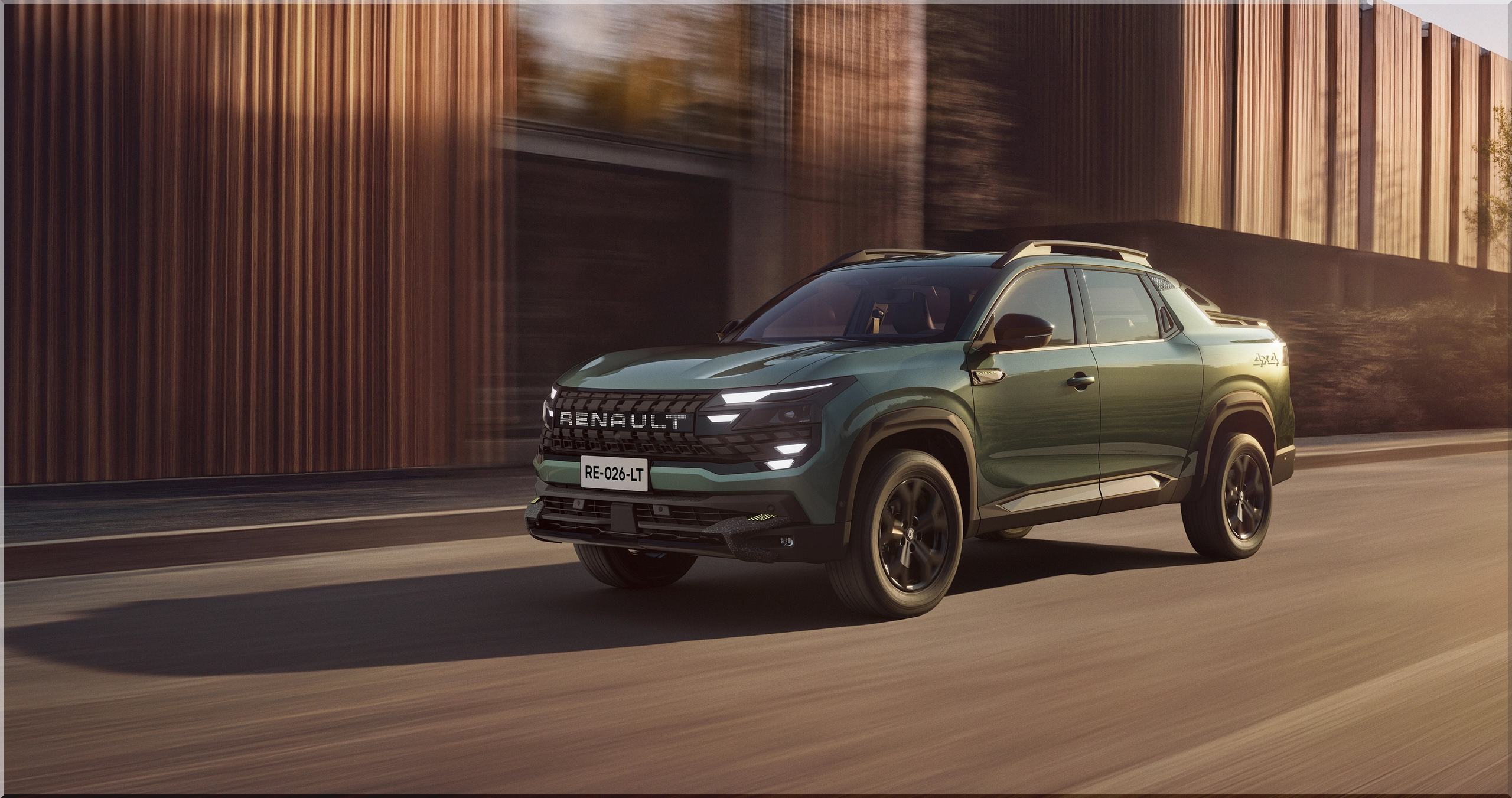
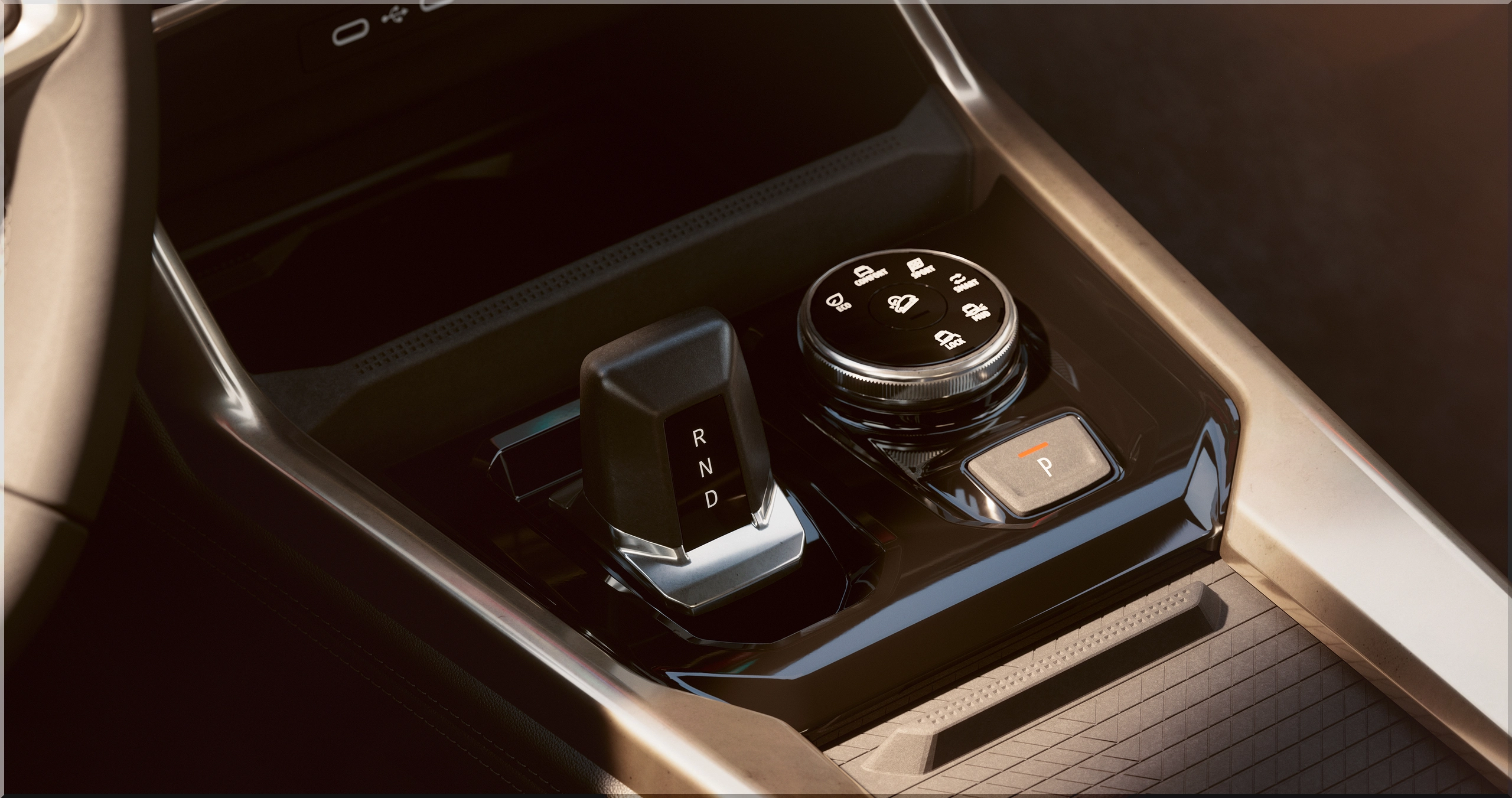
The 1.3-litre turbocharged petrol engine uses direct injection and can run on petrol or flex fuel according to market. Renault lists a six-speed manual gearbox and a six-speed wet dual-clutch automatic across the range. It has yet to publish a complete market-by-market list of engine and gearbox pairings.
| Specification | Niagara 4x2 | Niagara 4x4 |
|---|---|---|
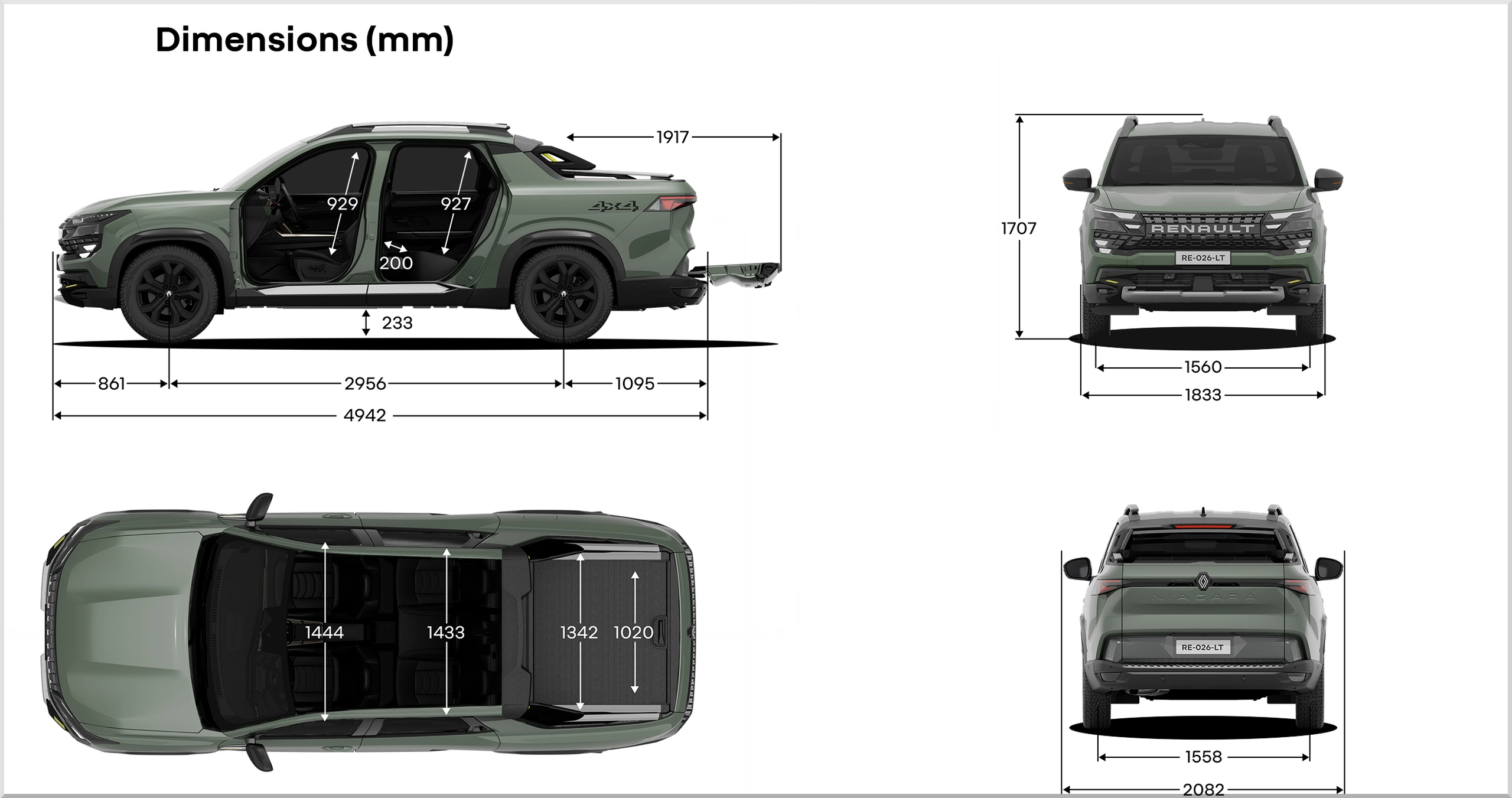
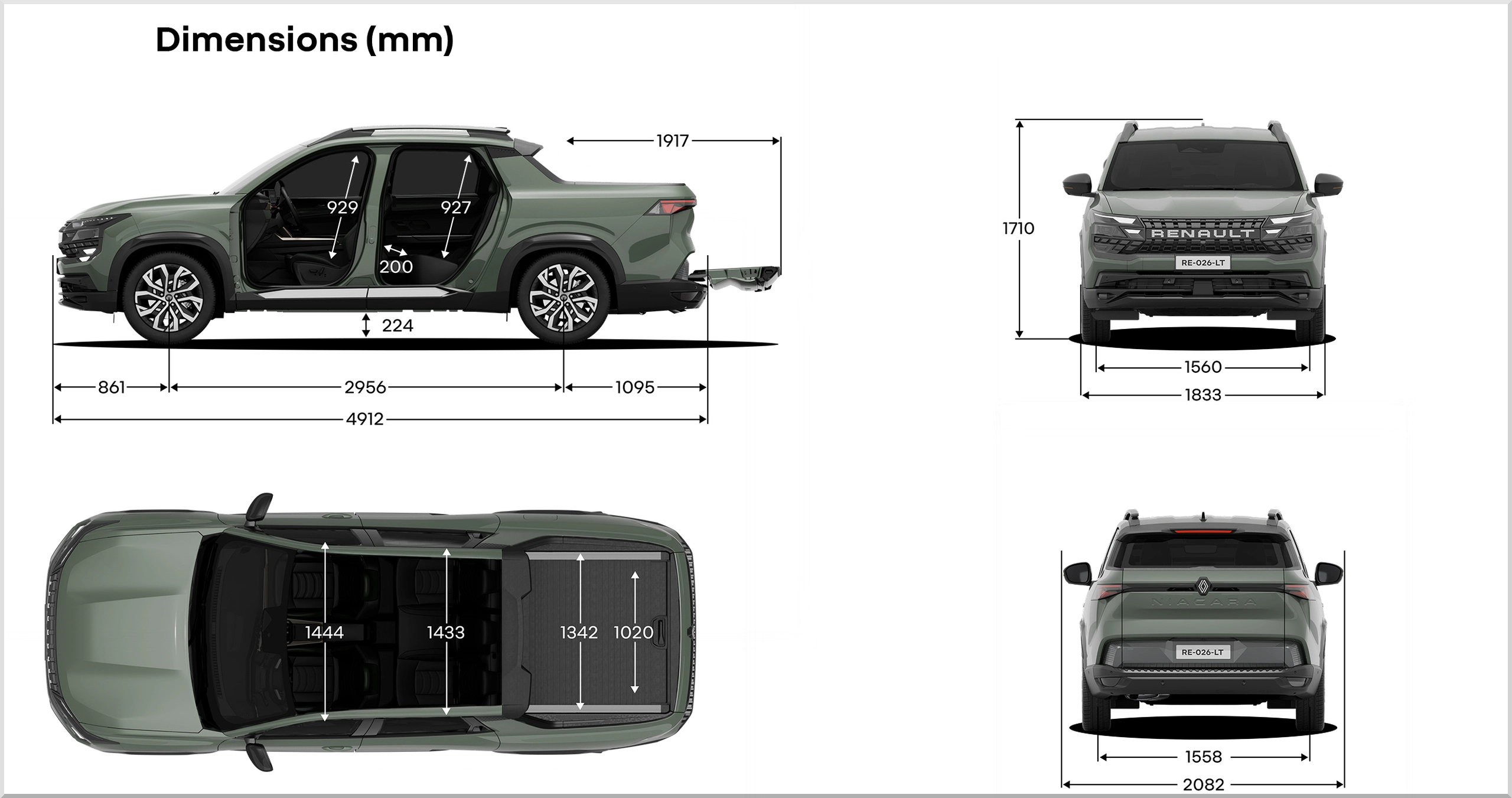
| Overall length | 4,910mm (193.3in) | 4,940mm (194.5in) |
| Overall height | 1,720mm (67.7in) | 1,720mm (67.7in) |
| Engine | 1.3-litre turbo petrol four-cylinder | 1.3-litre turbo petrol four-cylinder |
| Maximum output | Renault lists 115kW (156hp) | Renault lists 120kW (160hp) |
| Peak torque | 270Nm (199lb-ft) | 270Nm (199lb-ft) |
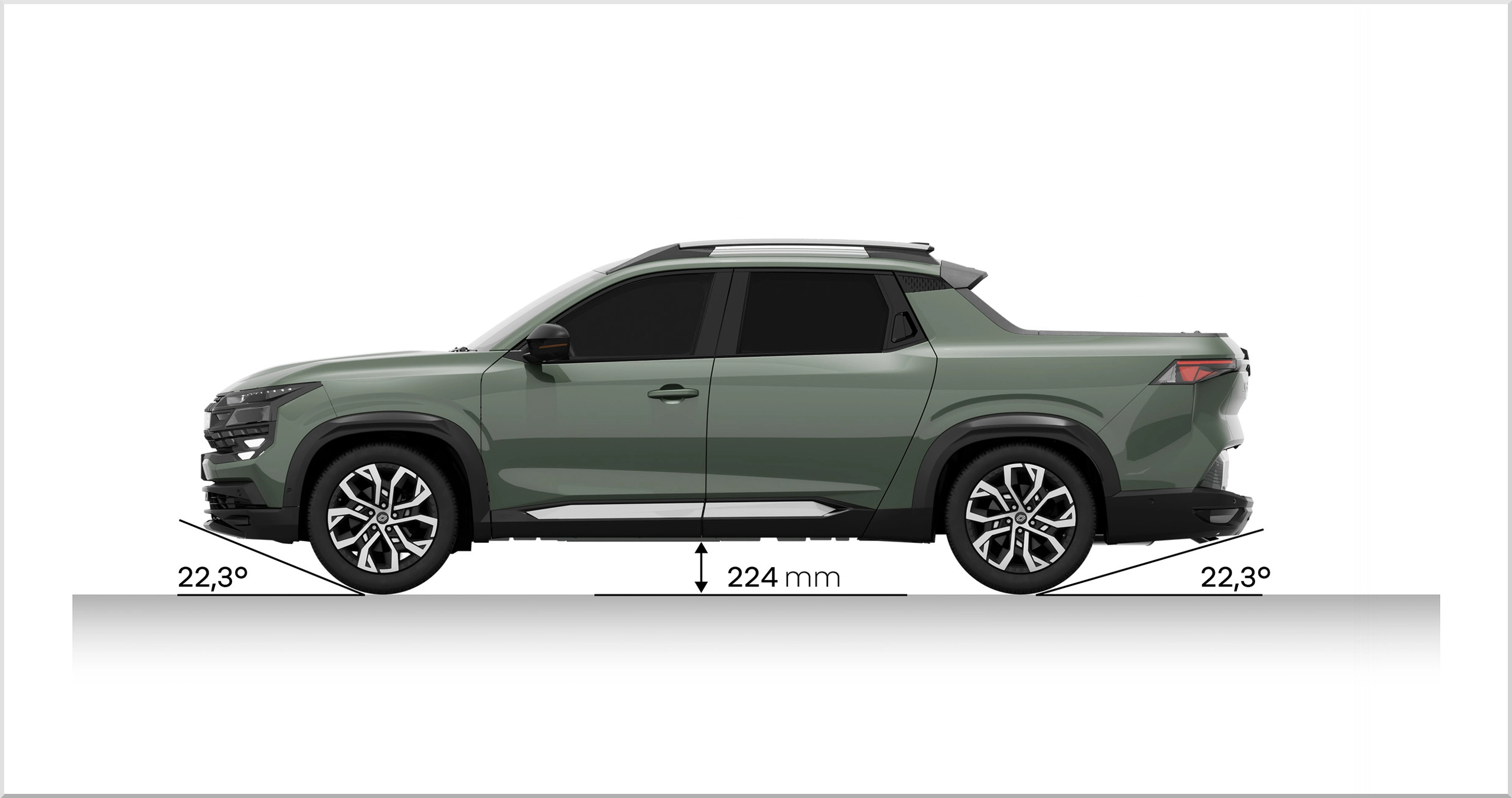
| Ground clearance | 223mm (8.8in) | 233mm (9.2in) |
| Driven wheels | Front | Four, with automatic rear-axle engagement |
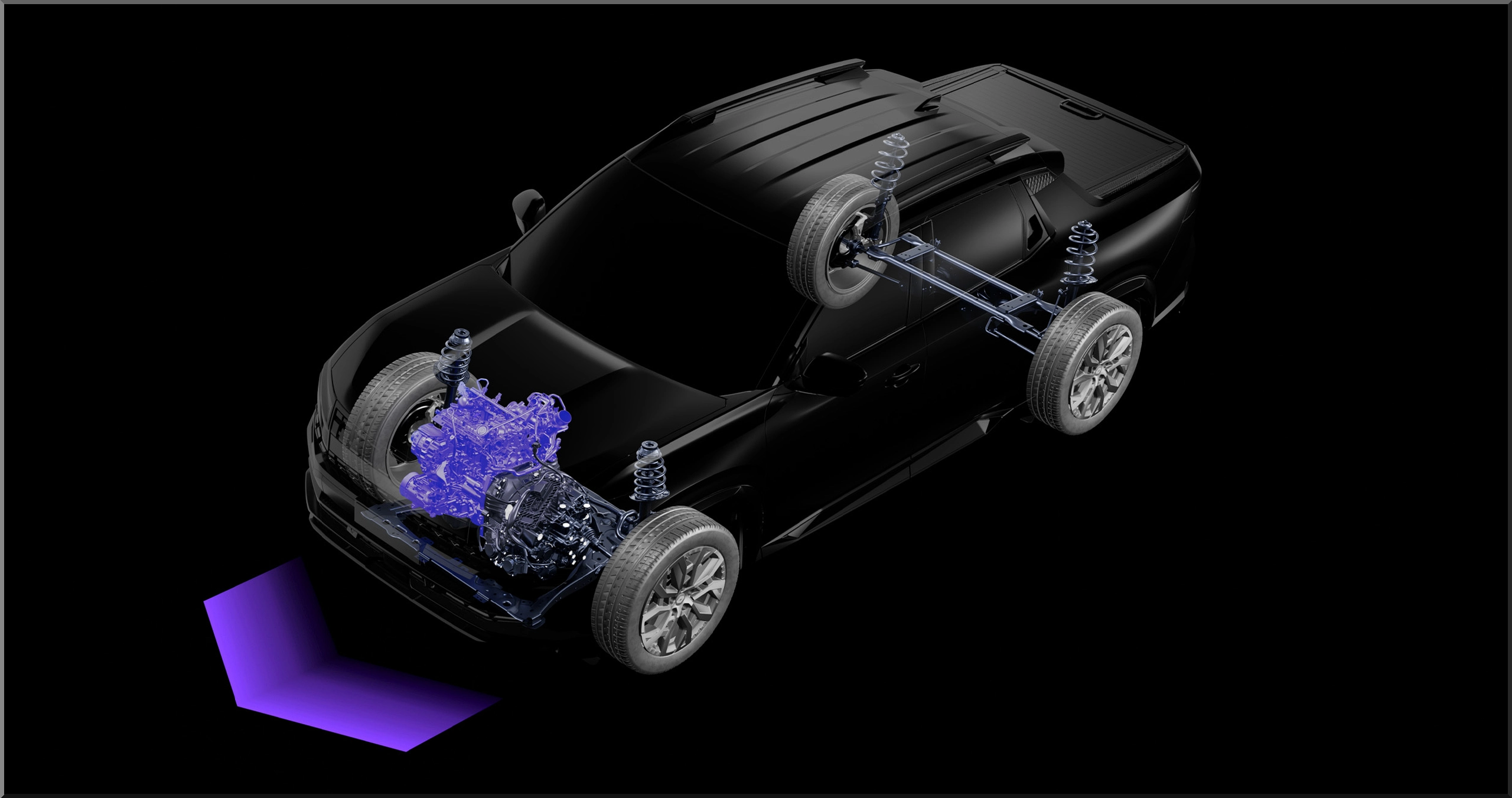
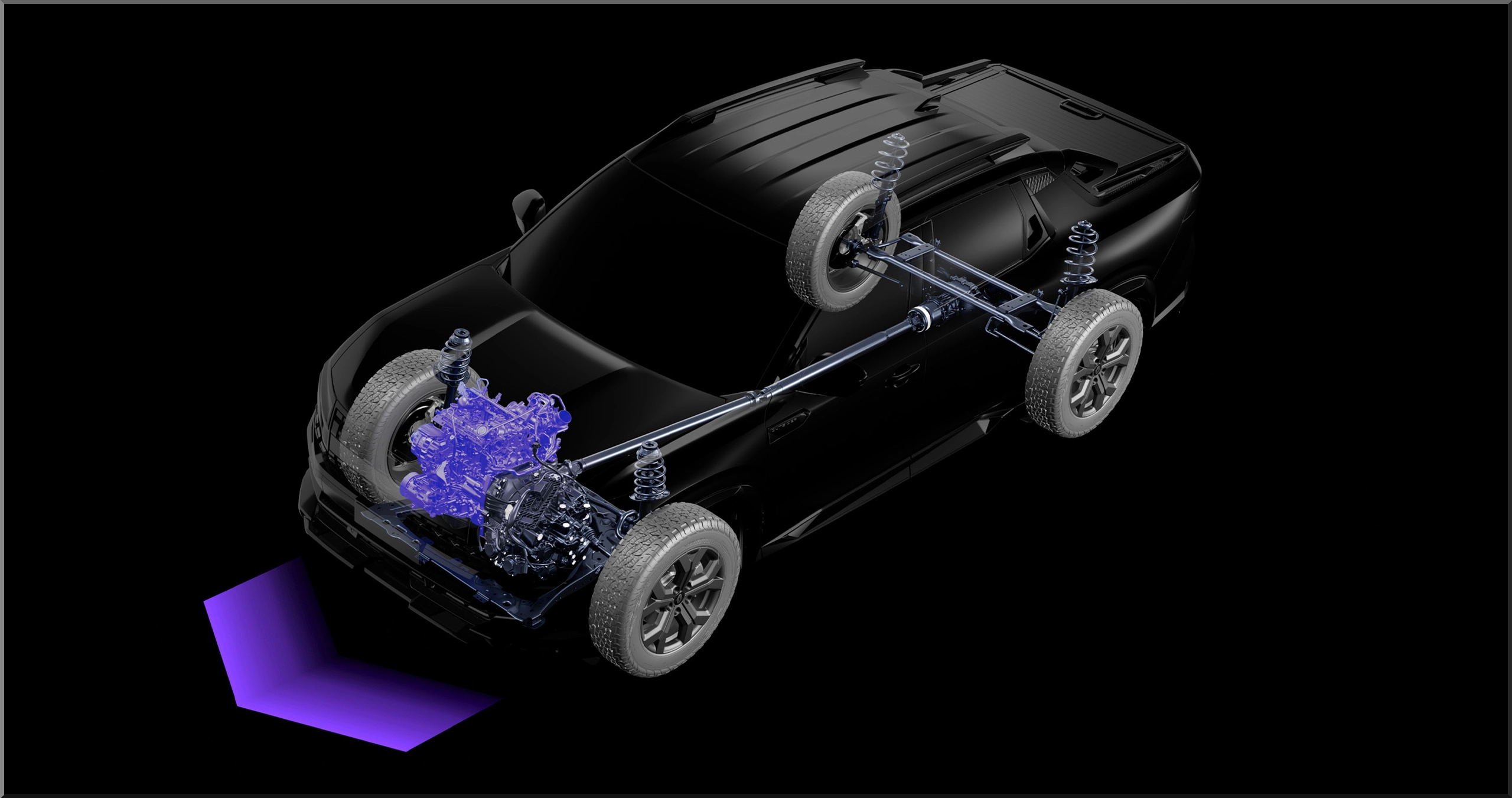
The equal torque figures mean the 4x4's headline power advantage should not imply a larger peak twisting force. Its greater distinction lies in traction: the system drives the front wheels in normal conditions, then sends torque rearward when grip falls. An electromagnetic multi-plate clutch at the rear axle can split torque evenly between the axles in difficult conditions. That setup helps on loose surfaces without running a fixed 50:50 split on dry roads.
- 4x2 suits drivers whose routes stay on paved roads.
- 4x4 suits drivers who regularly face mud, gravel or steep loose surfaces.
Image
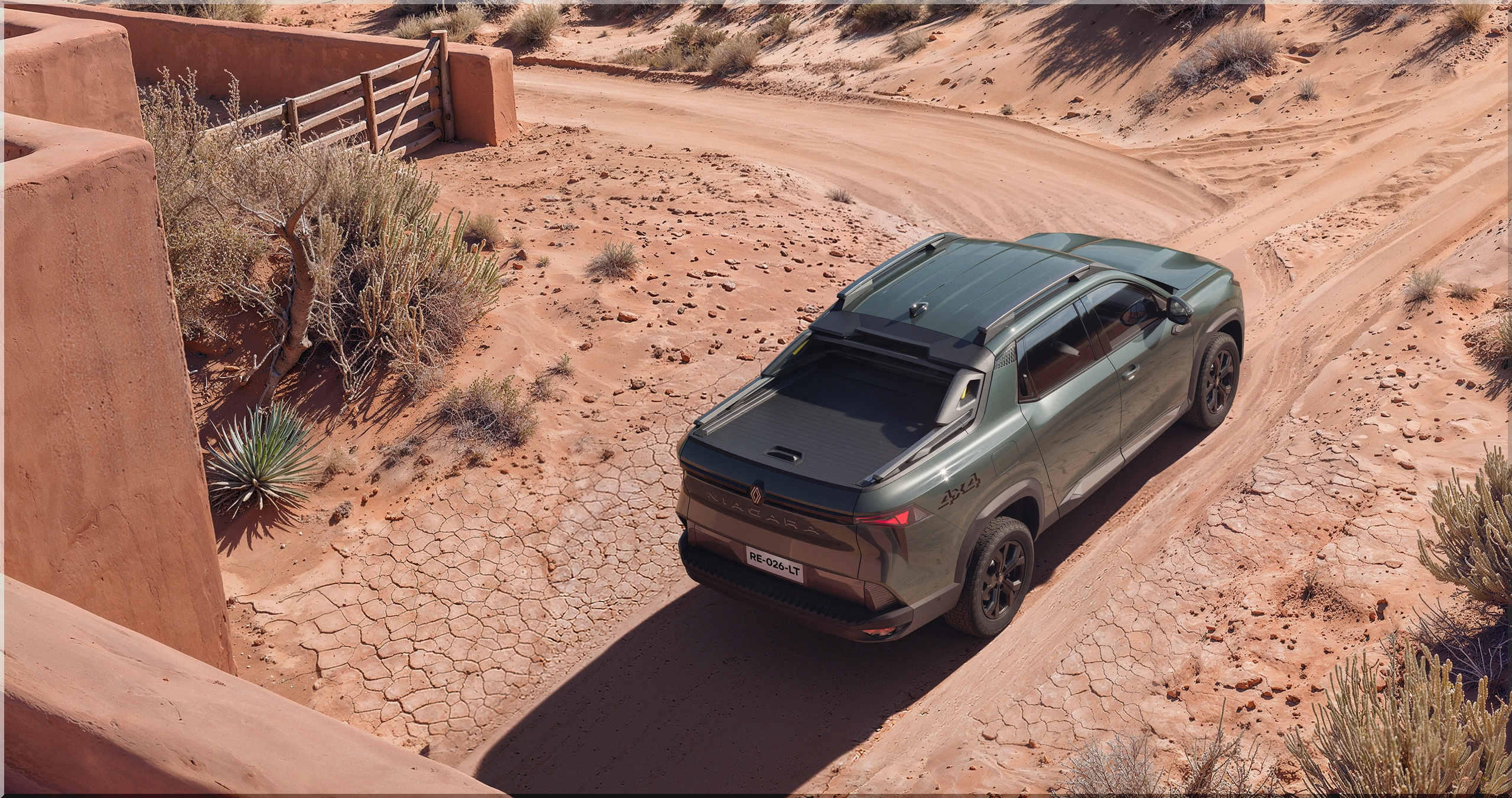
How useful is the Niagara's cargo bed?
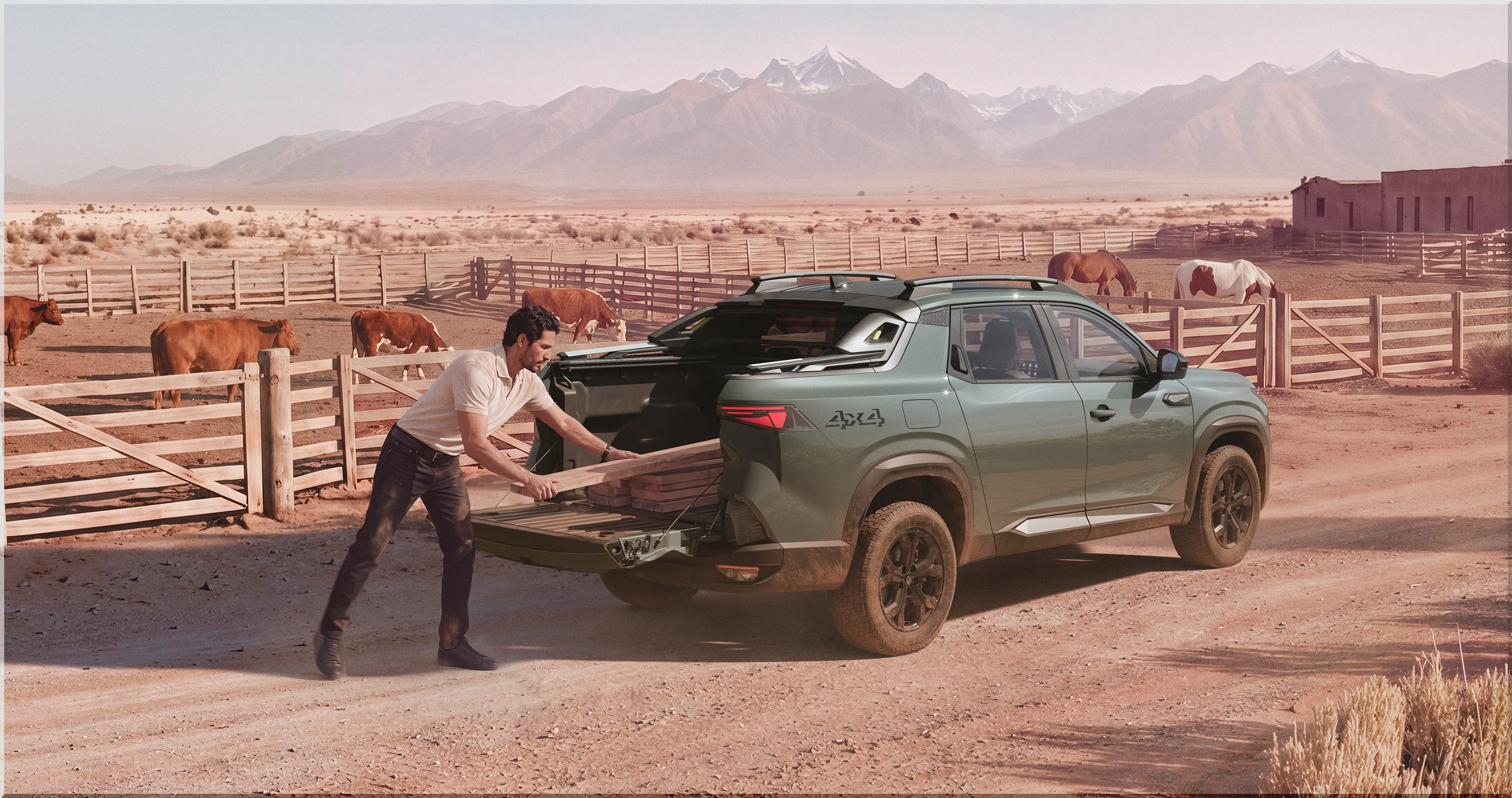
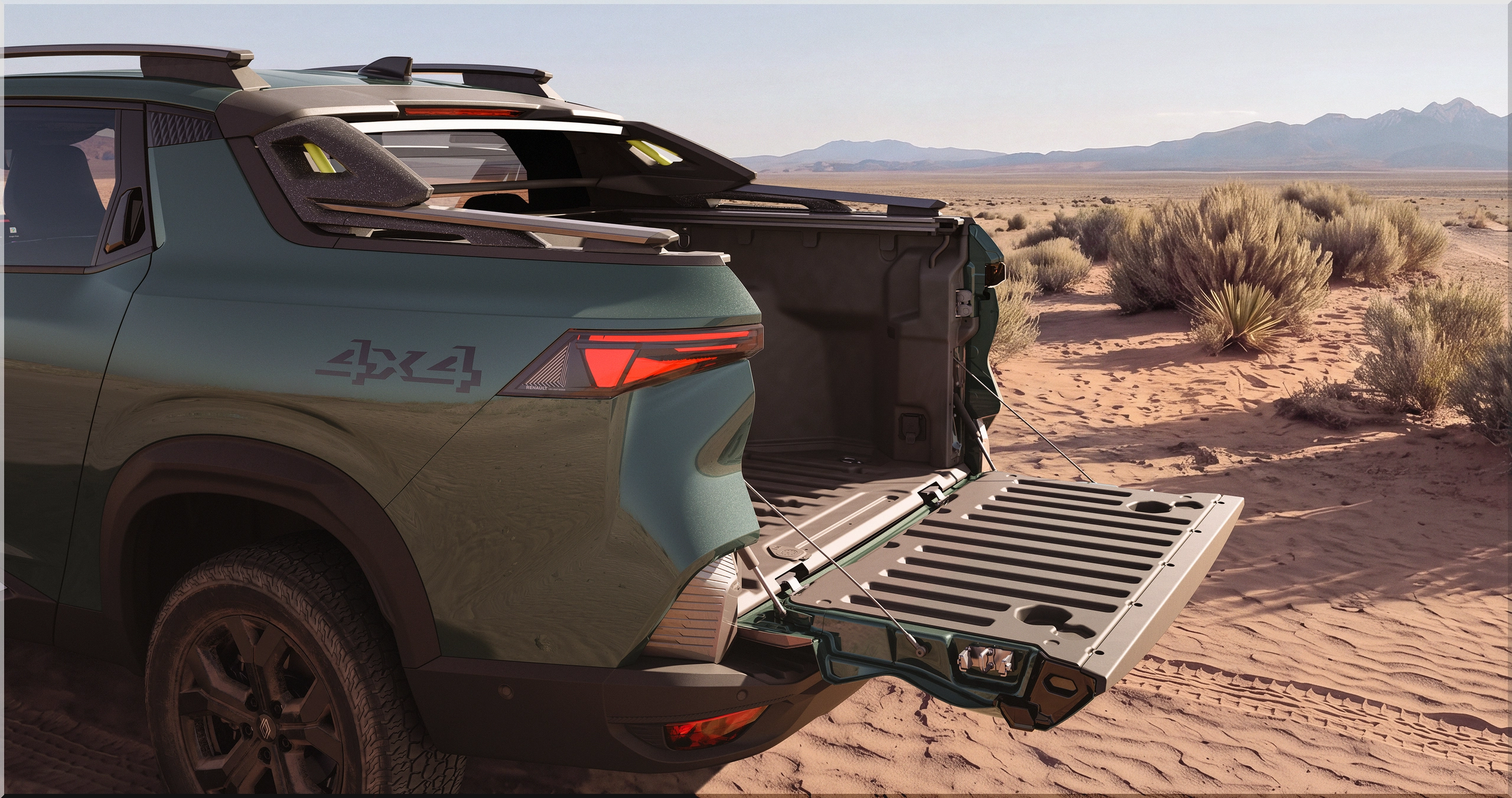
Niagara pairs its 938-litre load bed with a maximum 654kg payload and a published 710kg towing limit. Those figures describe different jobs: payload covers weight carried by the vehicle, while towing covers the trailer it pulls. Check the exact rating for the version sold in your market before specifying work equipment or a trailer.
| Practical measure or feature | Renault Niagara figure | Why it counts |
|---|---|---|
| Cargo bed volume | 938 litres (33.1 cu ft) | Indicates available bed space, not allowable load weight |
| Maximum payload | 654kg (1,442lb) | Sets the upper published carrying limit |
| Maximum towing limit | 710kg (1,565lb) | Sets the published trailer limit |
| Tailgate opening | 1,030mm wide x 615mm high (40.6 x 24.2in) | Helps assess bulky cargo access |
| Tie-down points | Eight | Helps secure loads around the bed |
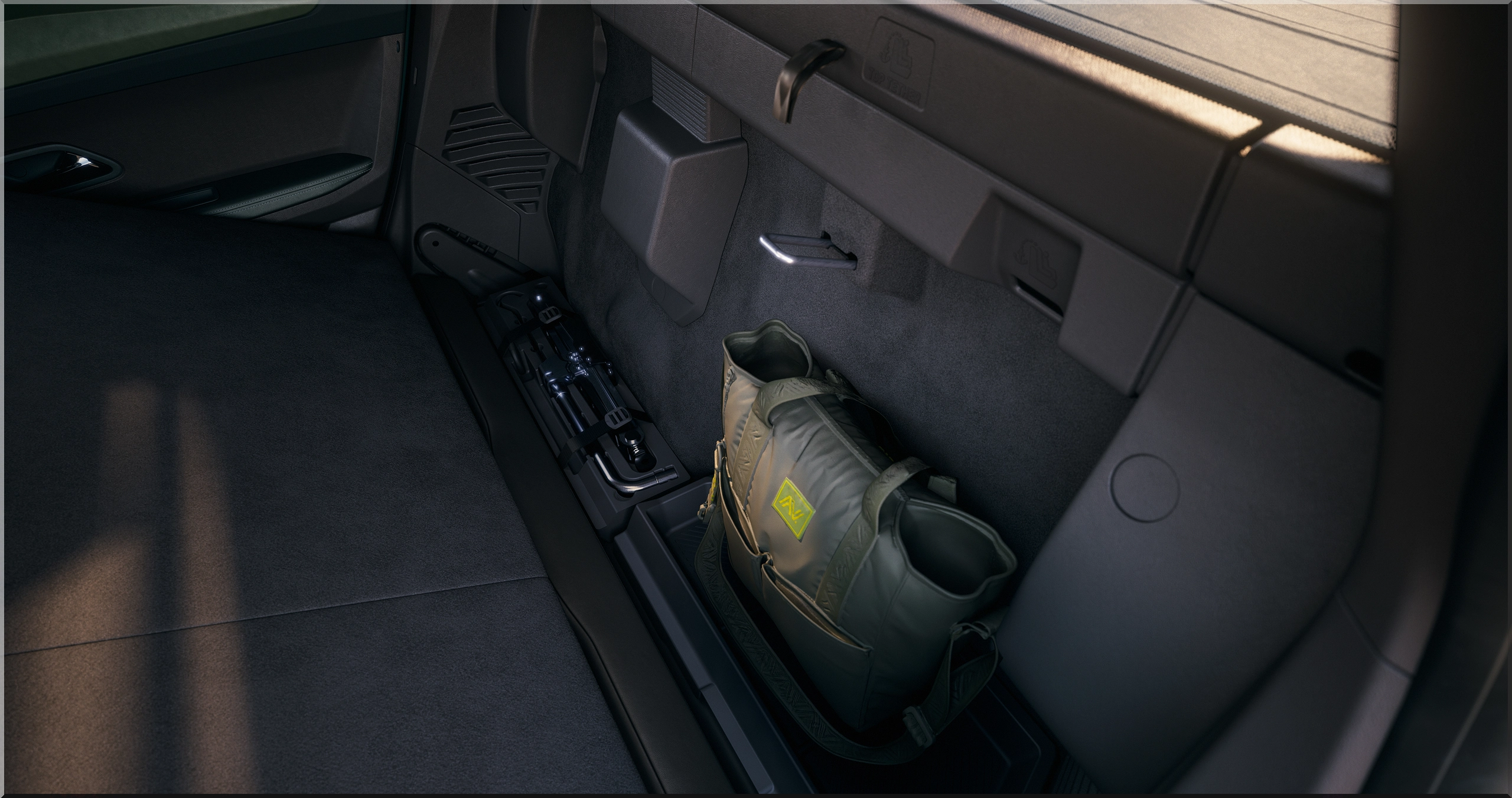
| Enclosed cabin storage | 36 litres (1.3 cu ft) behind rear seats | Keeps smaller valuables out of the open bed |
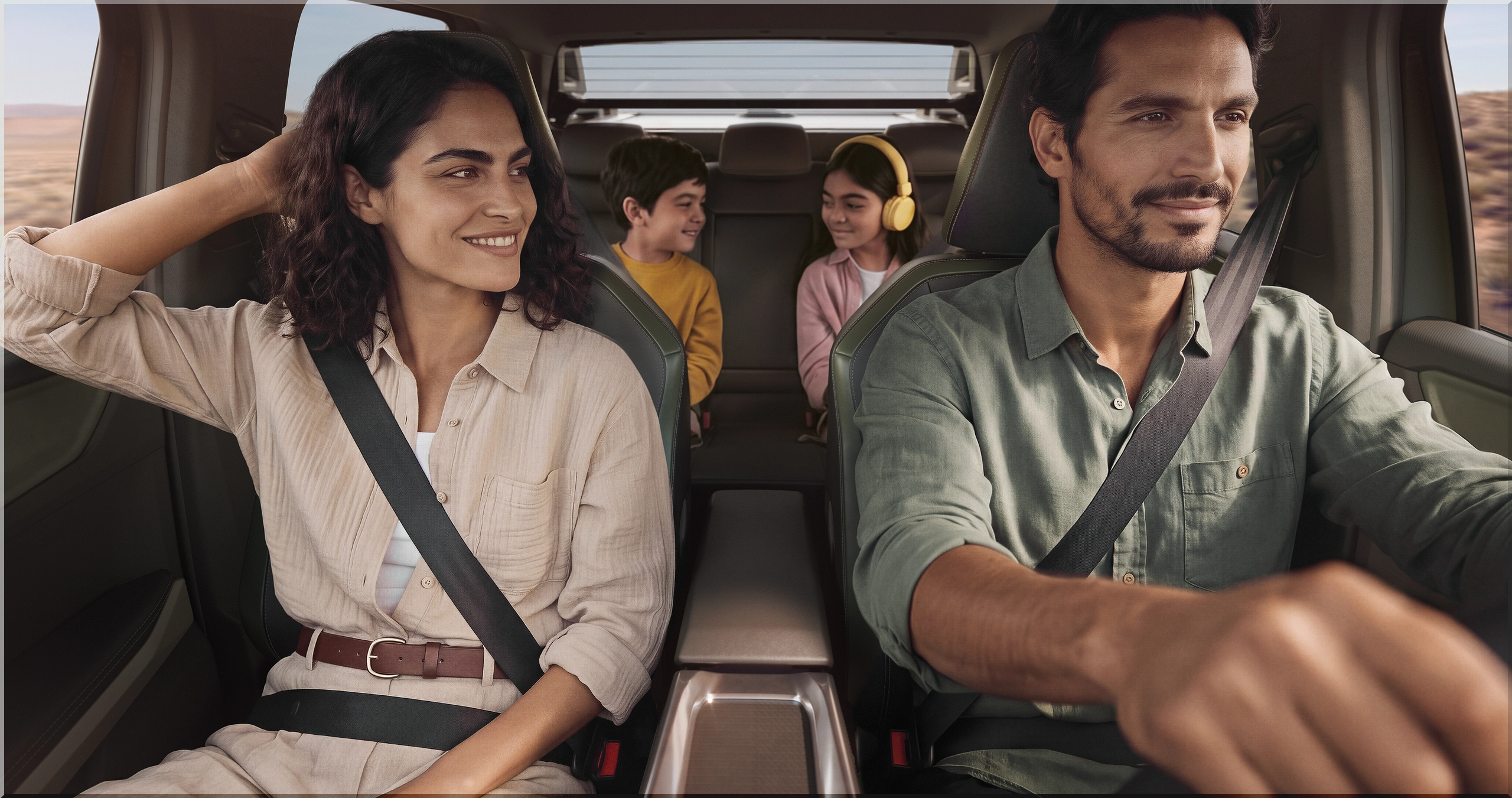
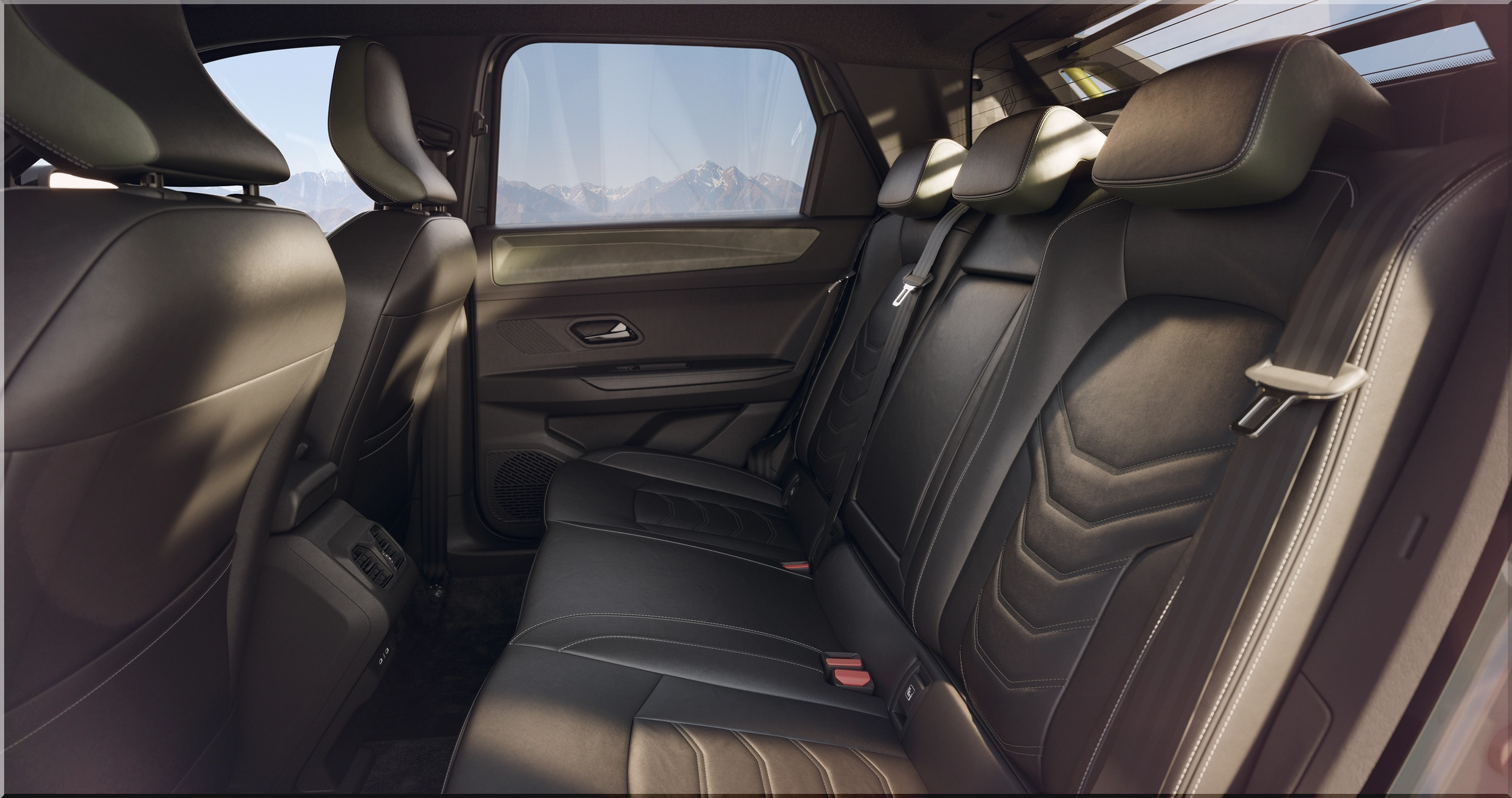
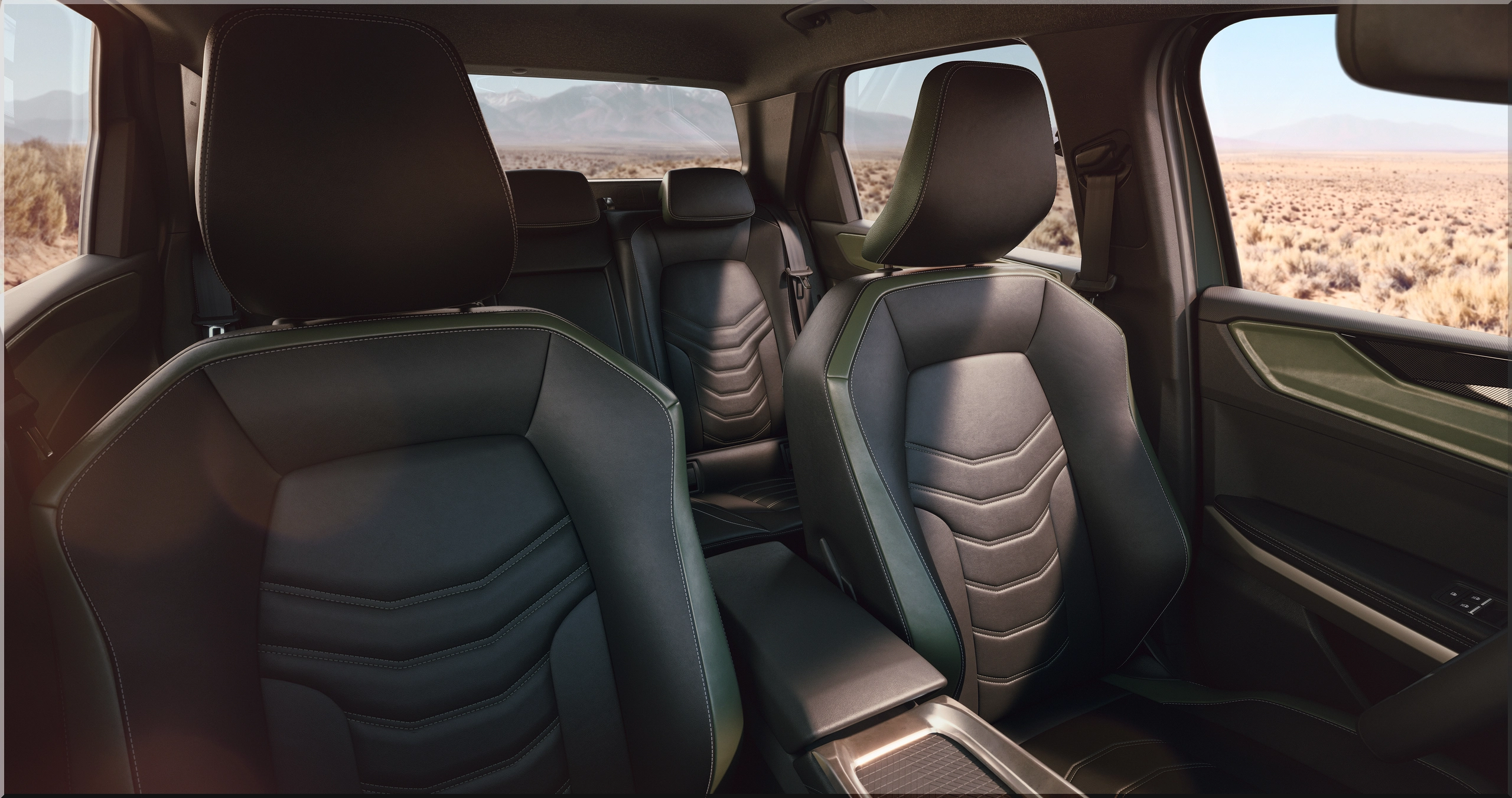
Renault adds a sliding roll-up bed cover, protective bed coating, a 12V socket and an electrically operated tailgate. In addition, the rear seats give passengers a claimed 200mm (7.9in) of knee room and a 25-degree recline angle. That layout suits owners who carry tools during the week and passengers at the weekend.
Image gallery
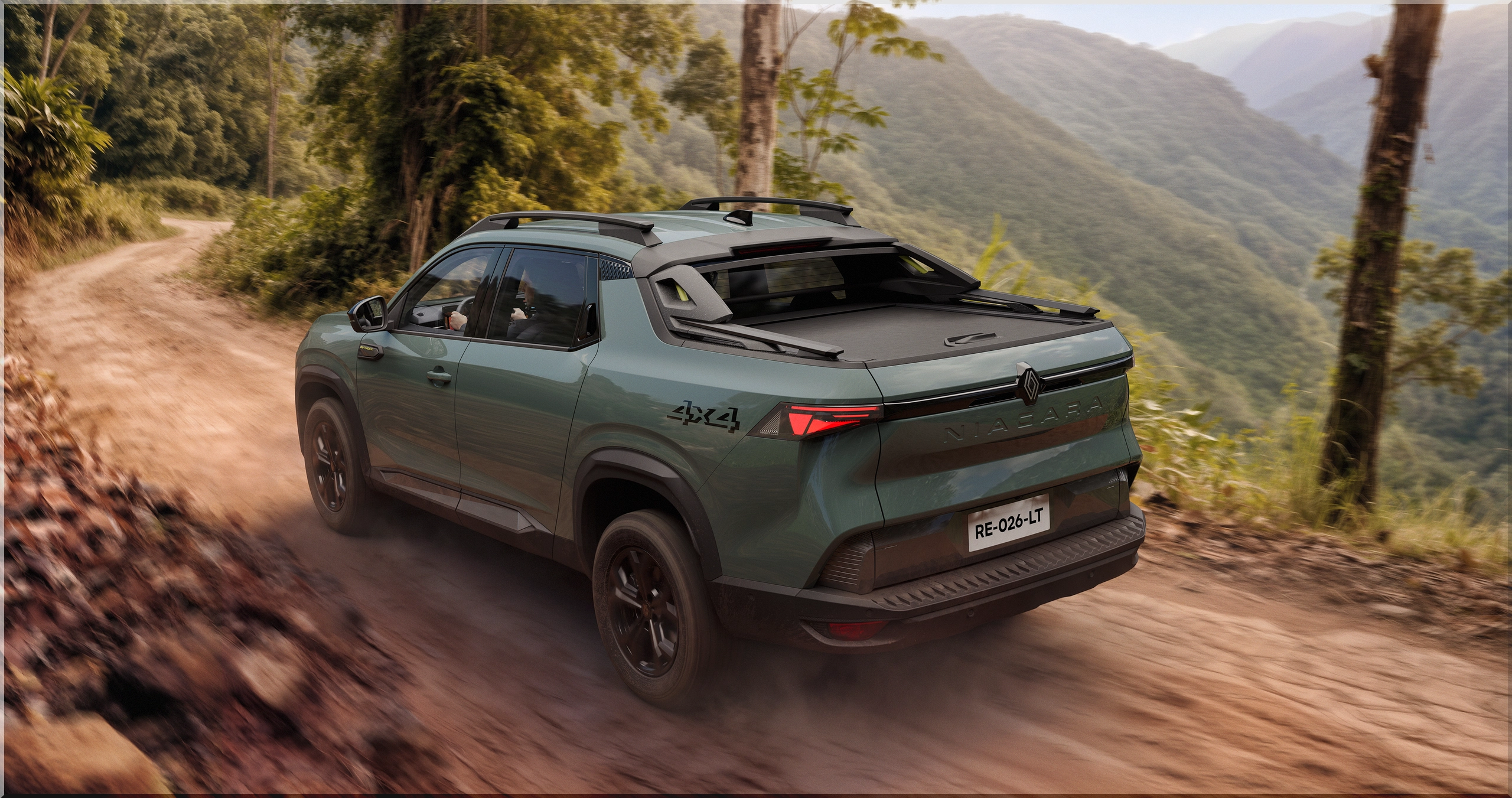
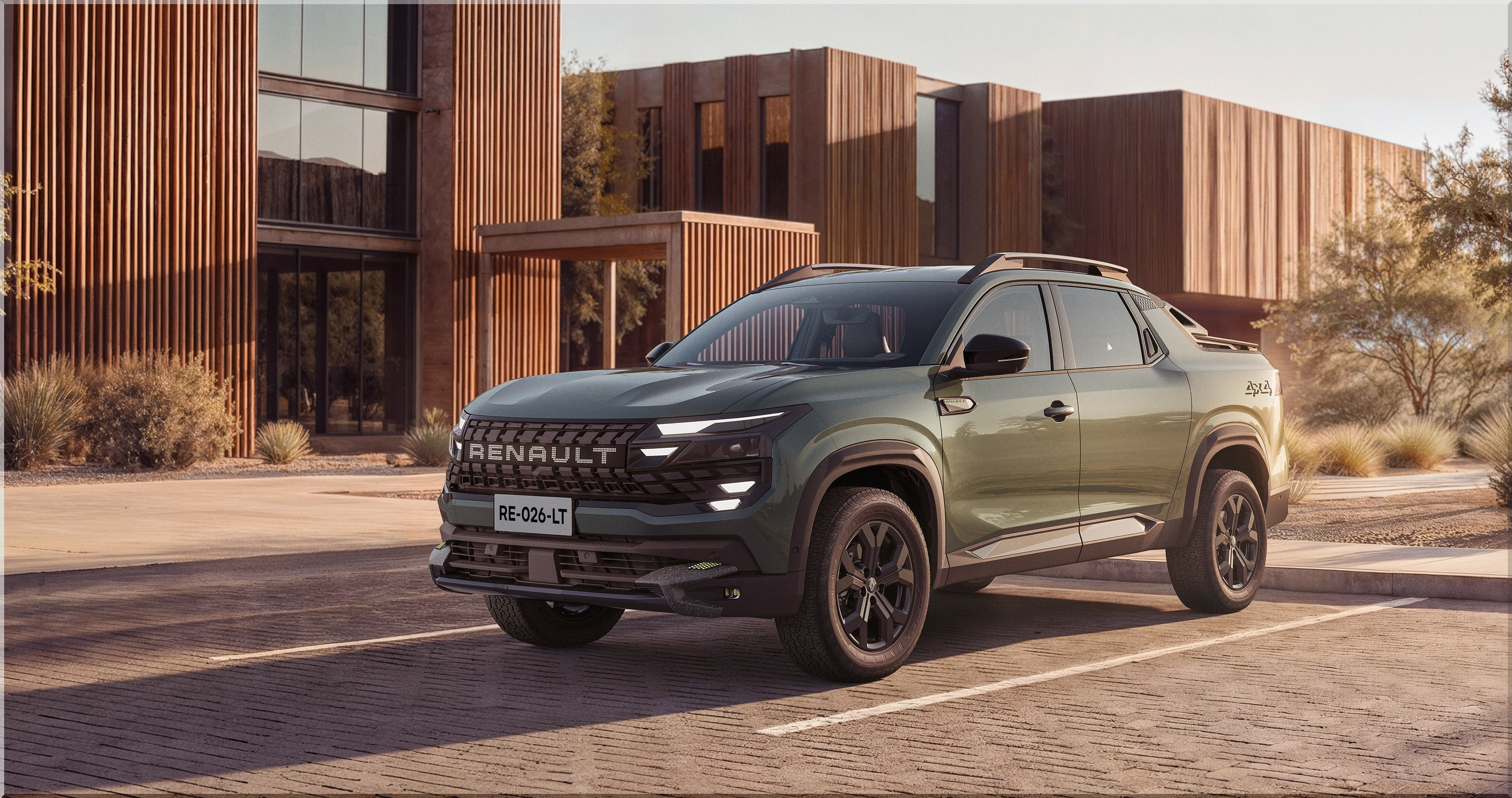
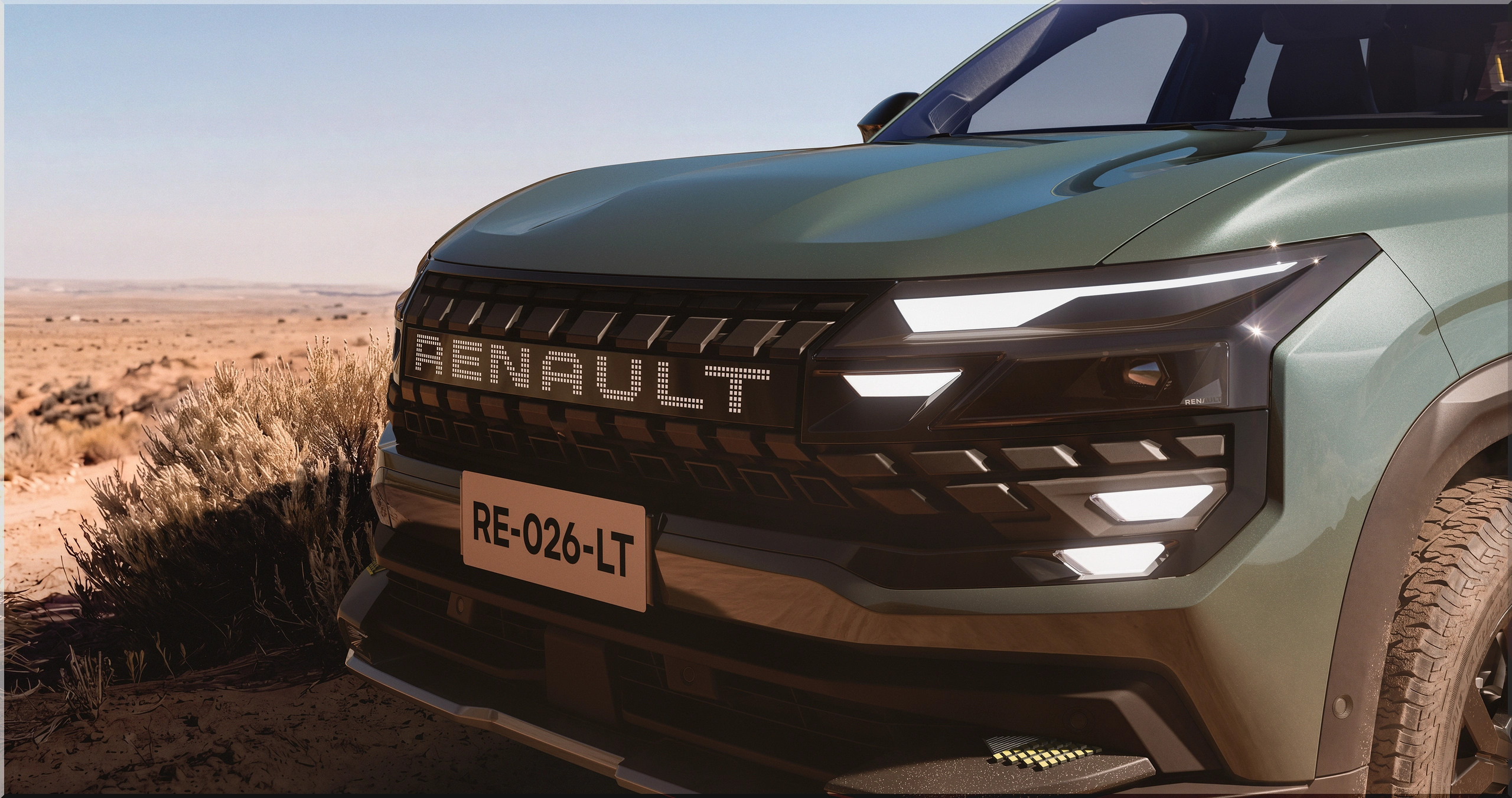
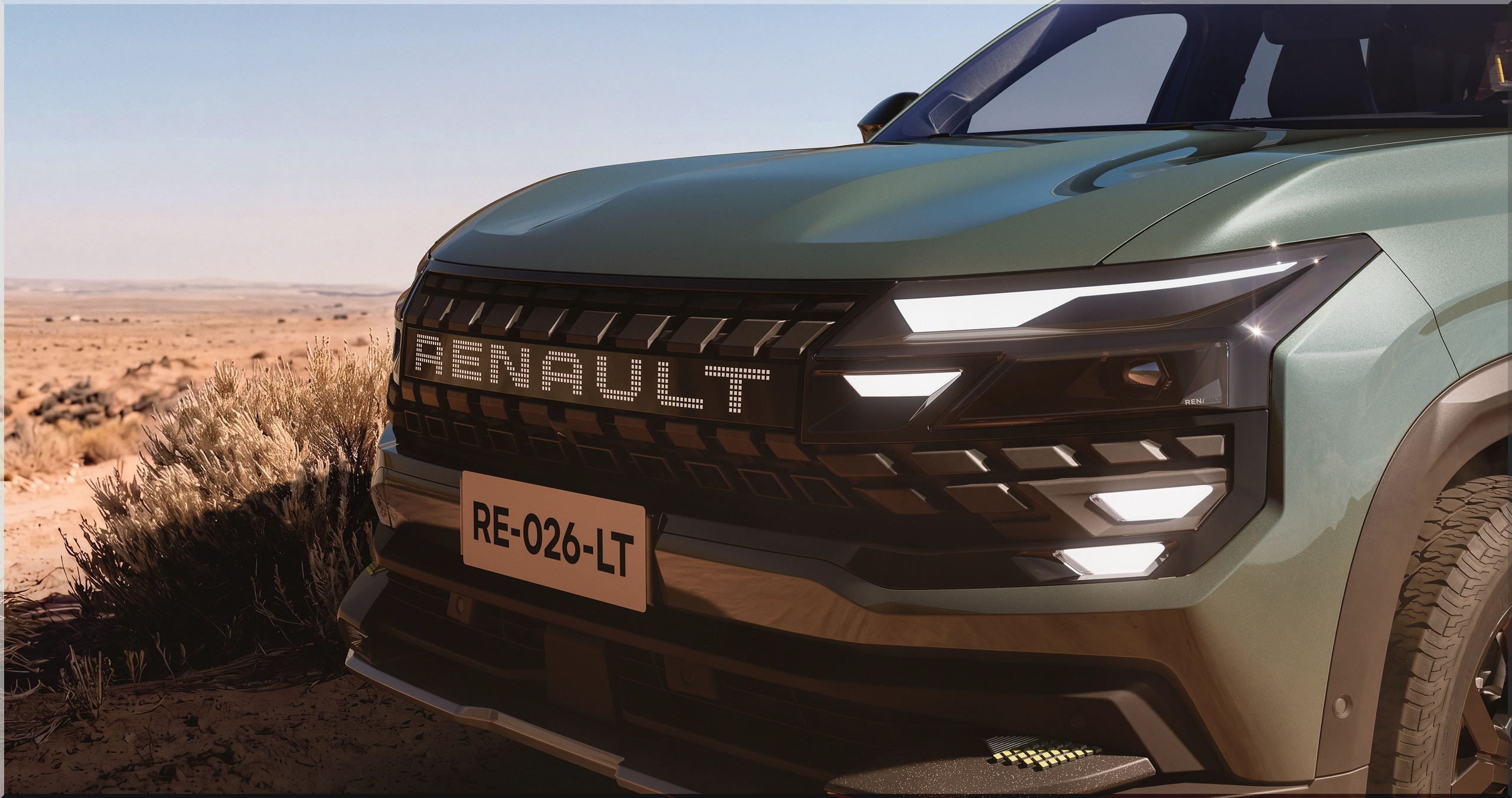
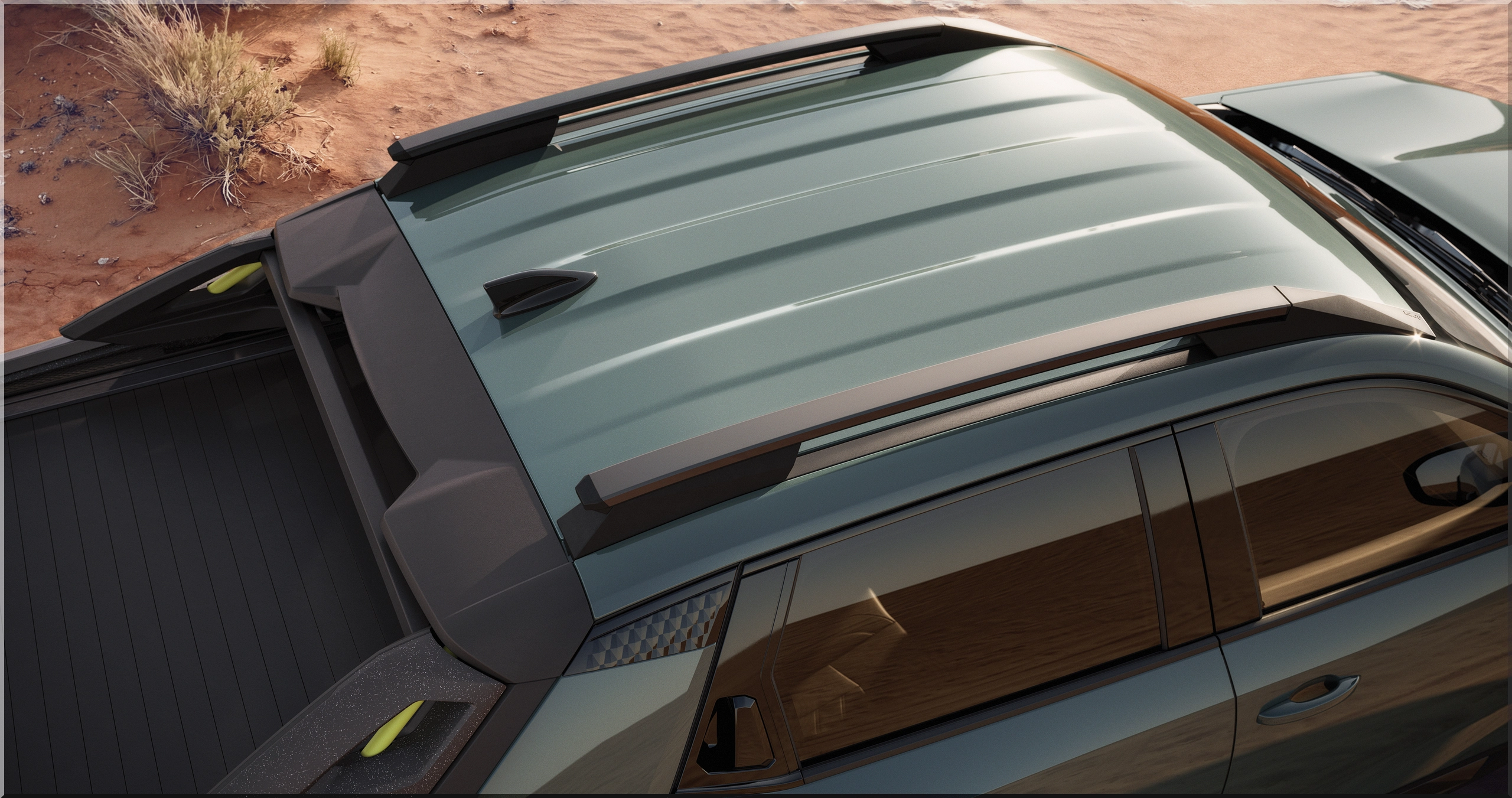
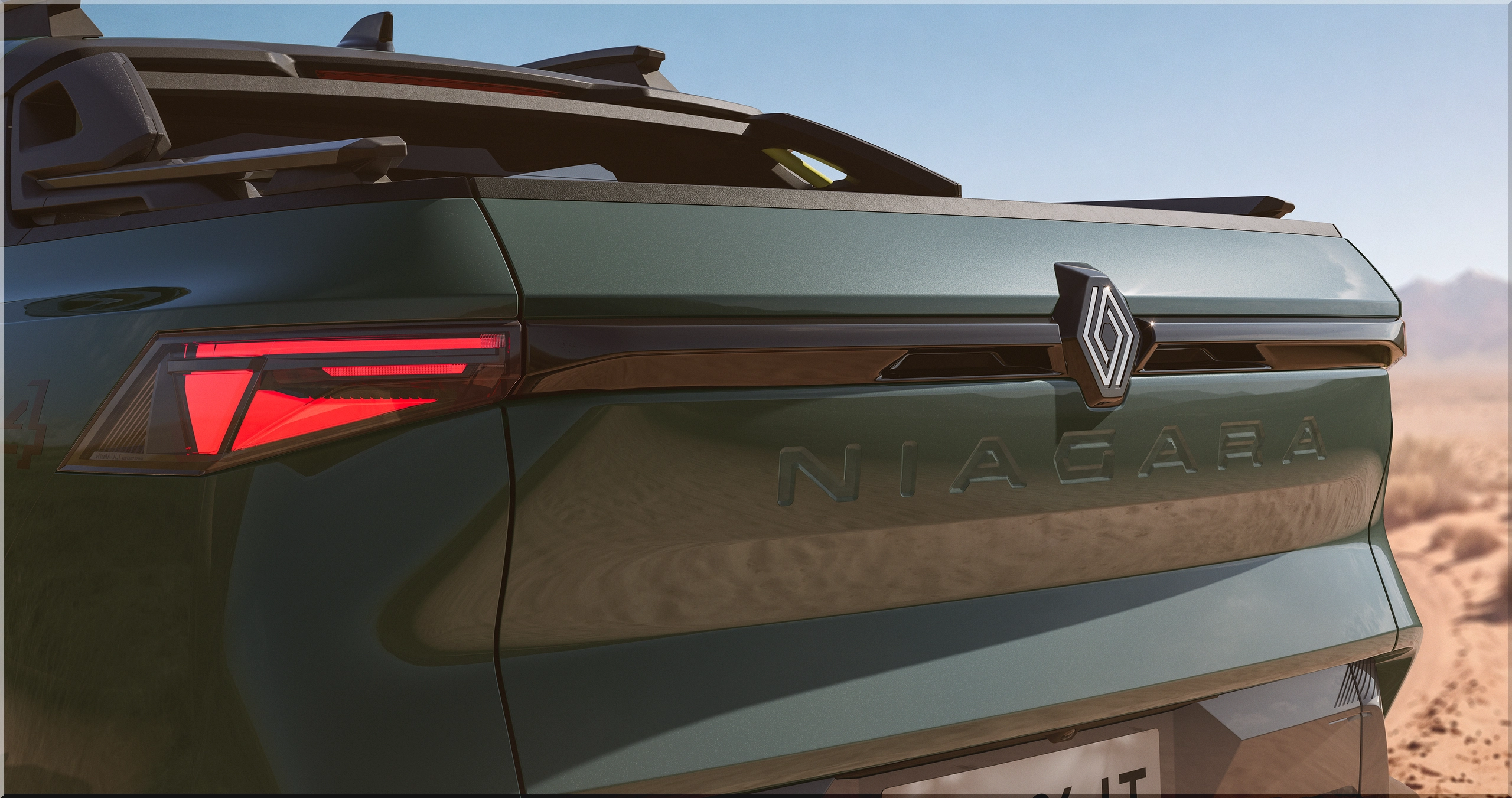
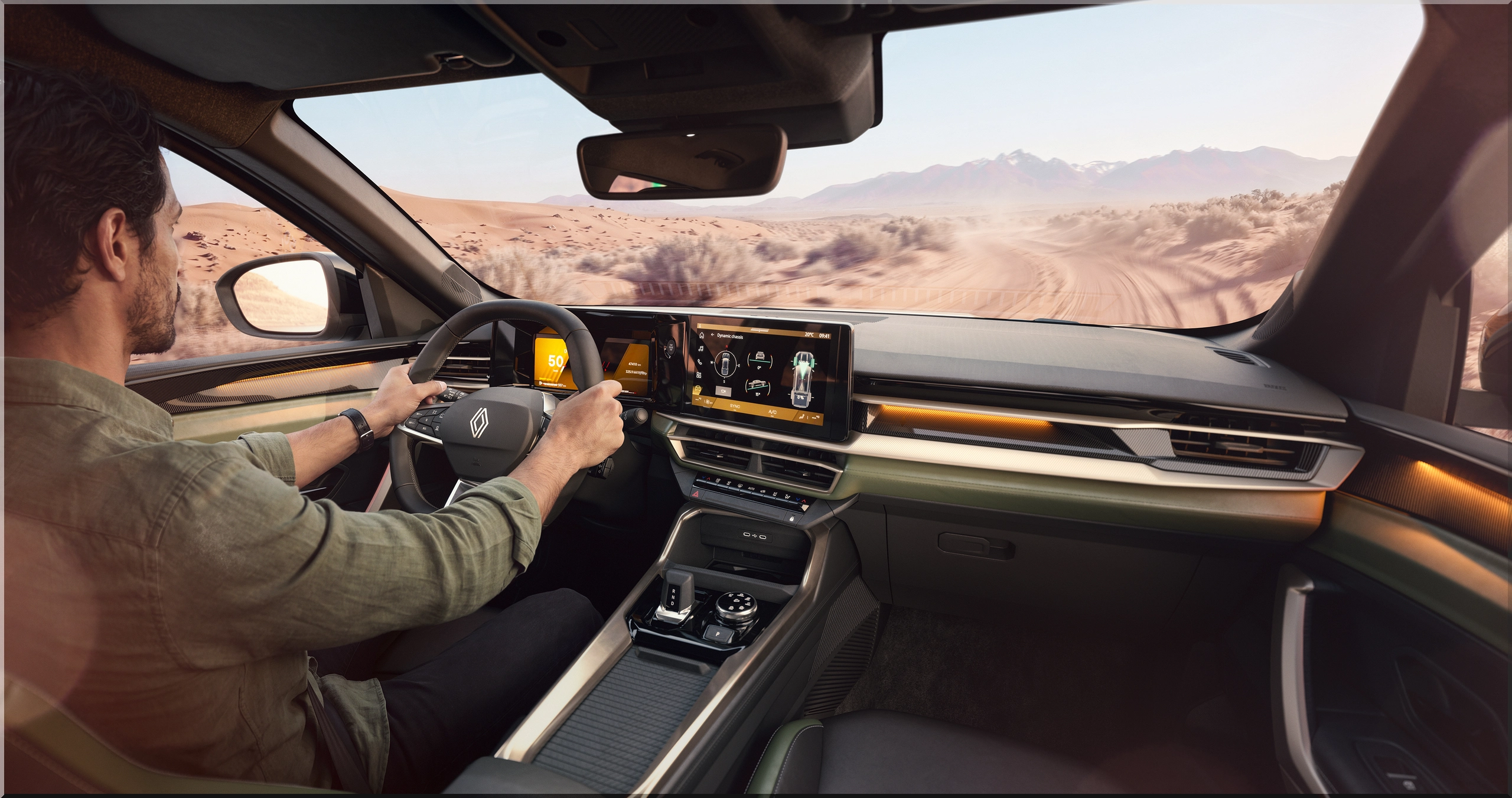
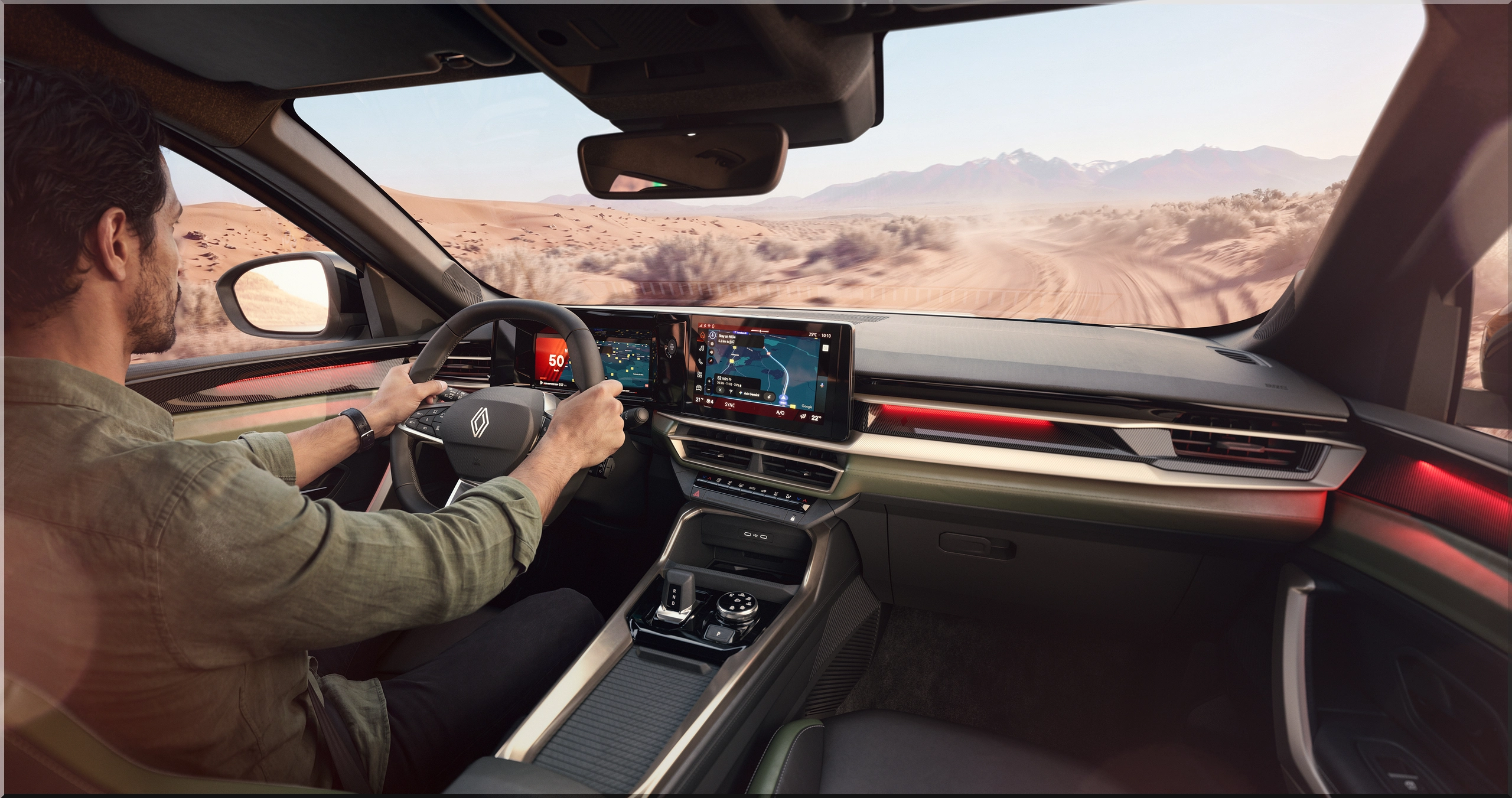
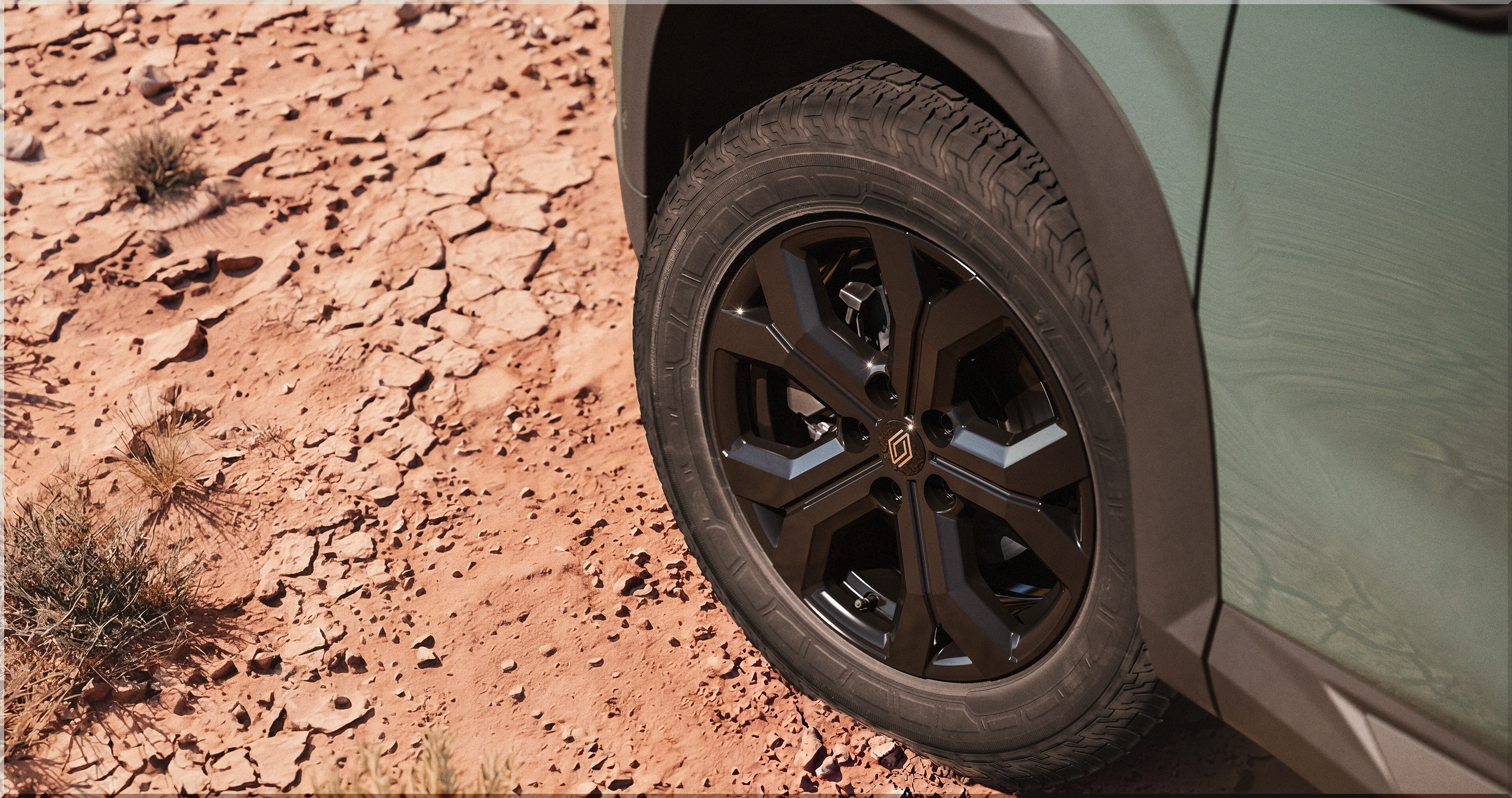
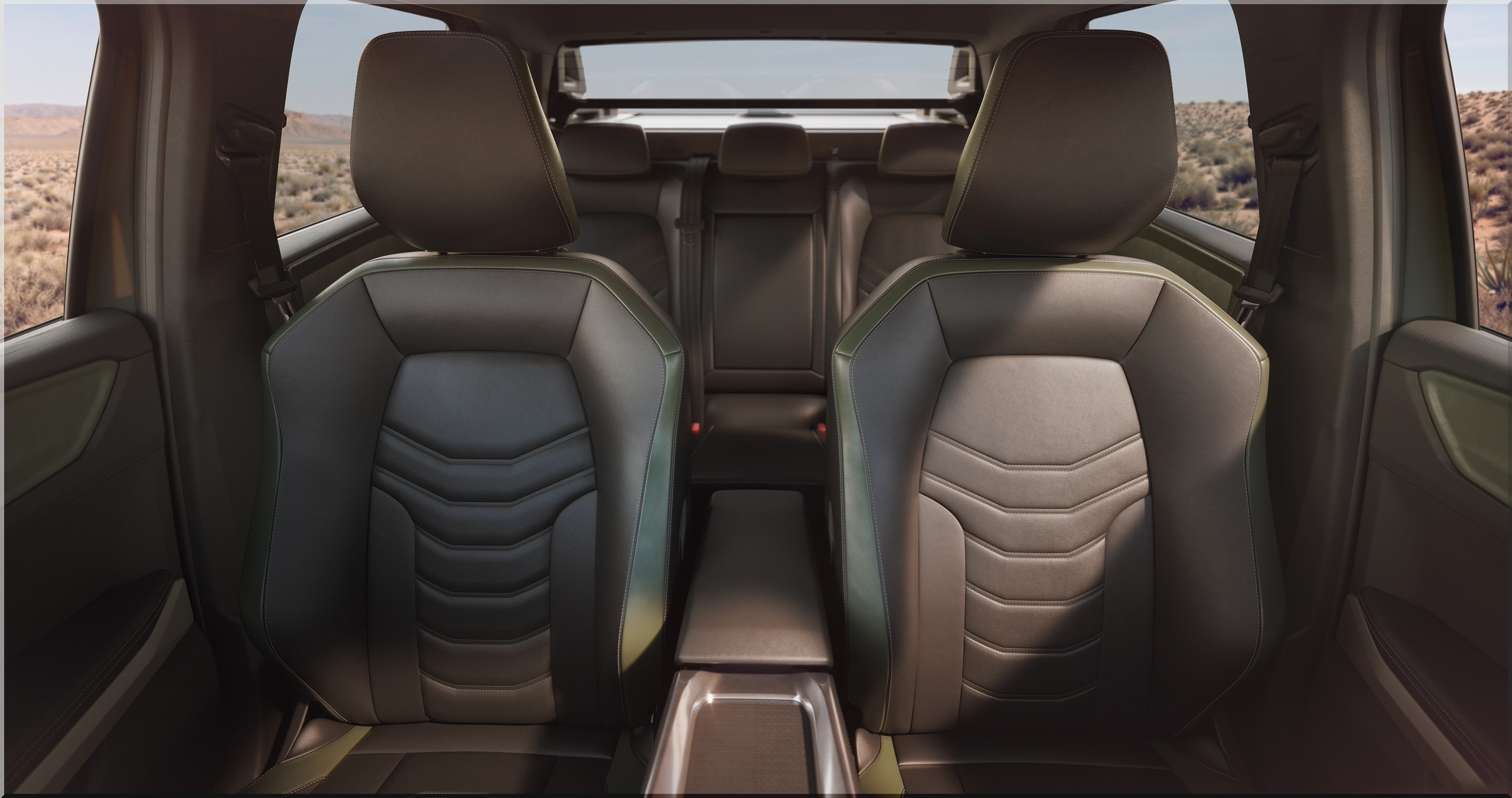
SUV cabin technology meets pick-up suspension
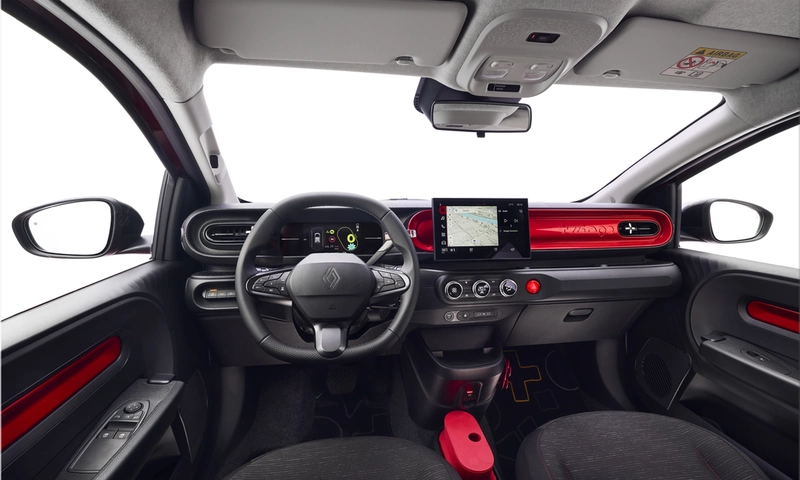
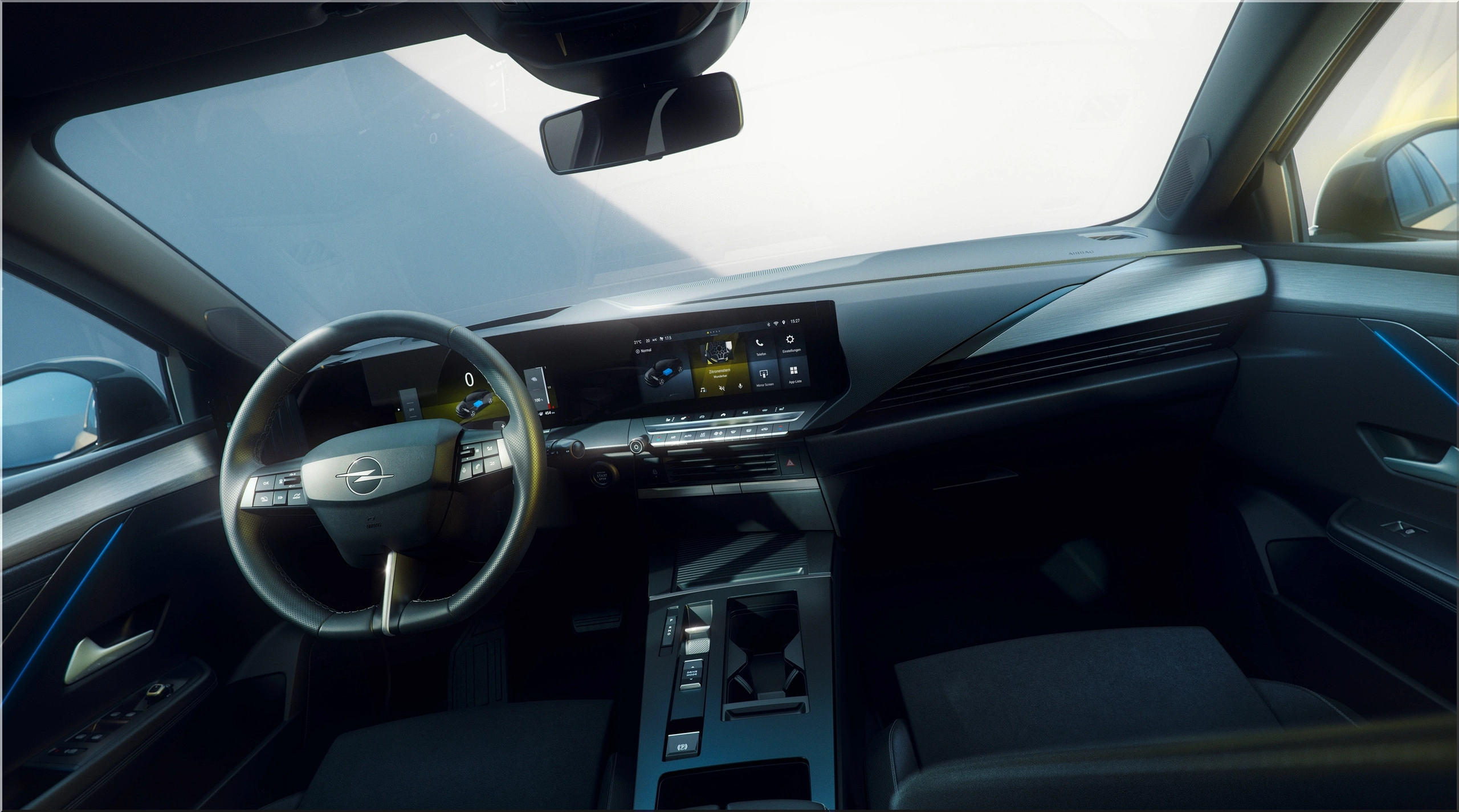
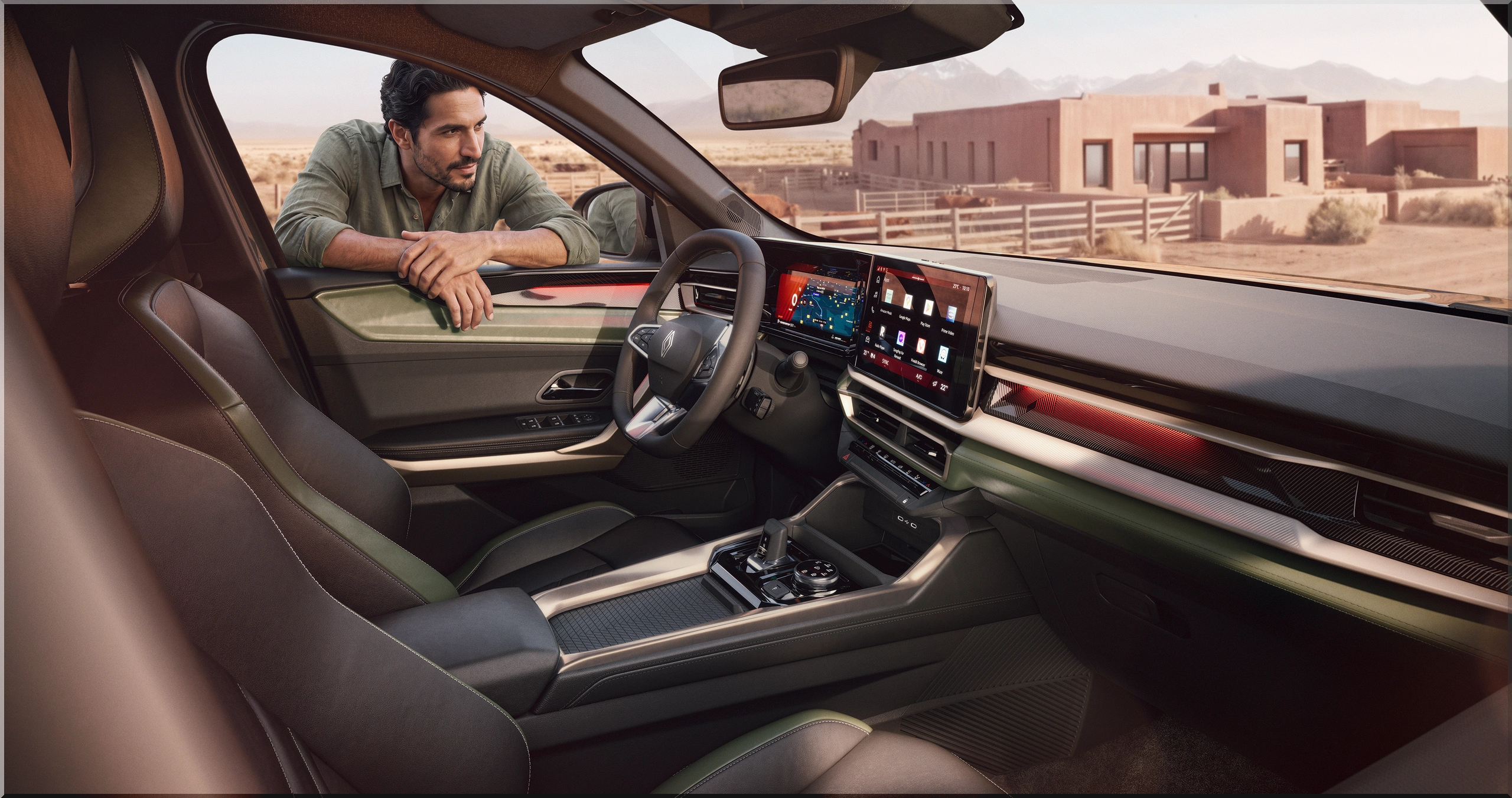
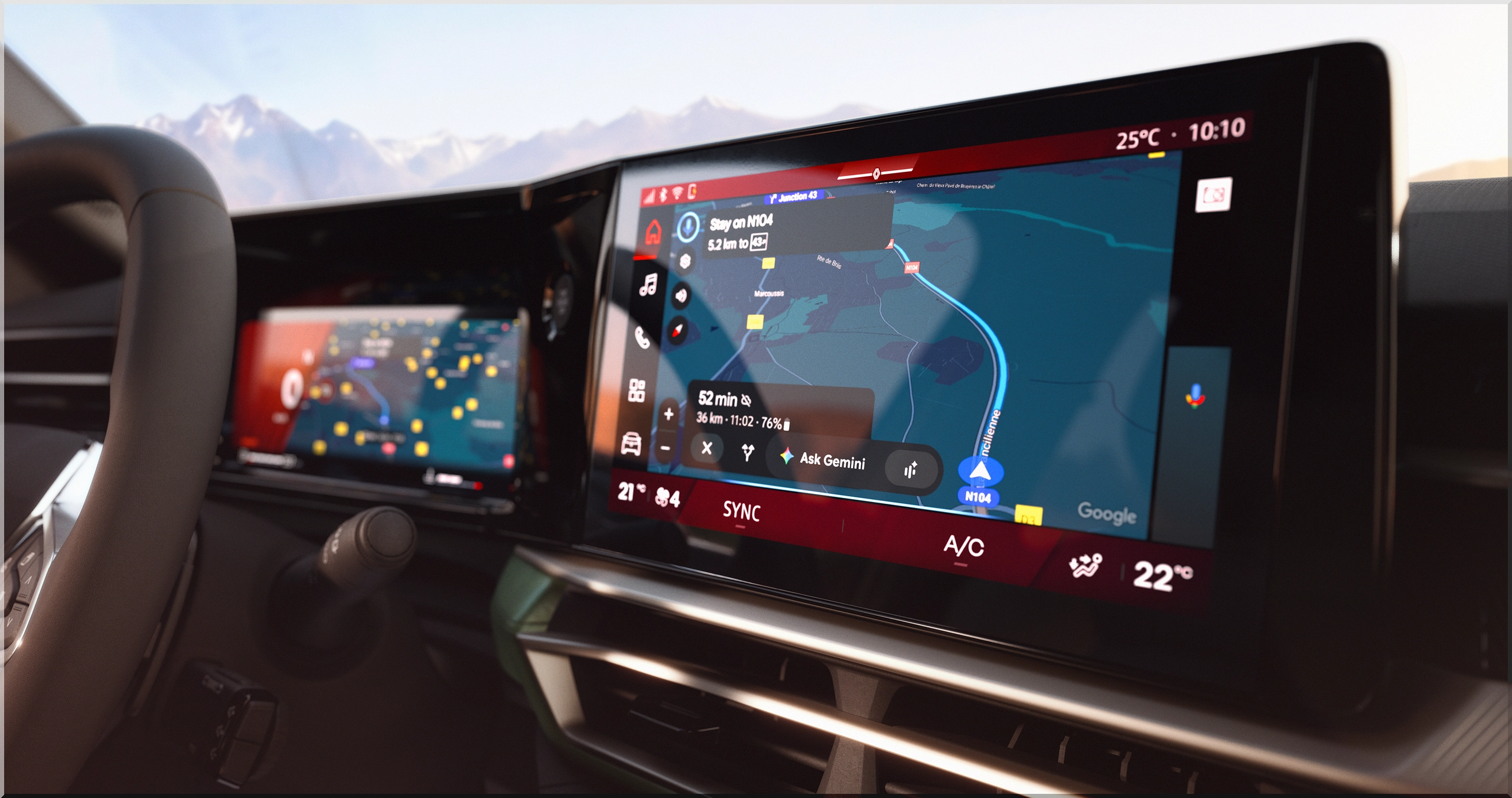
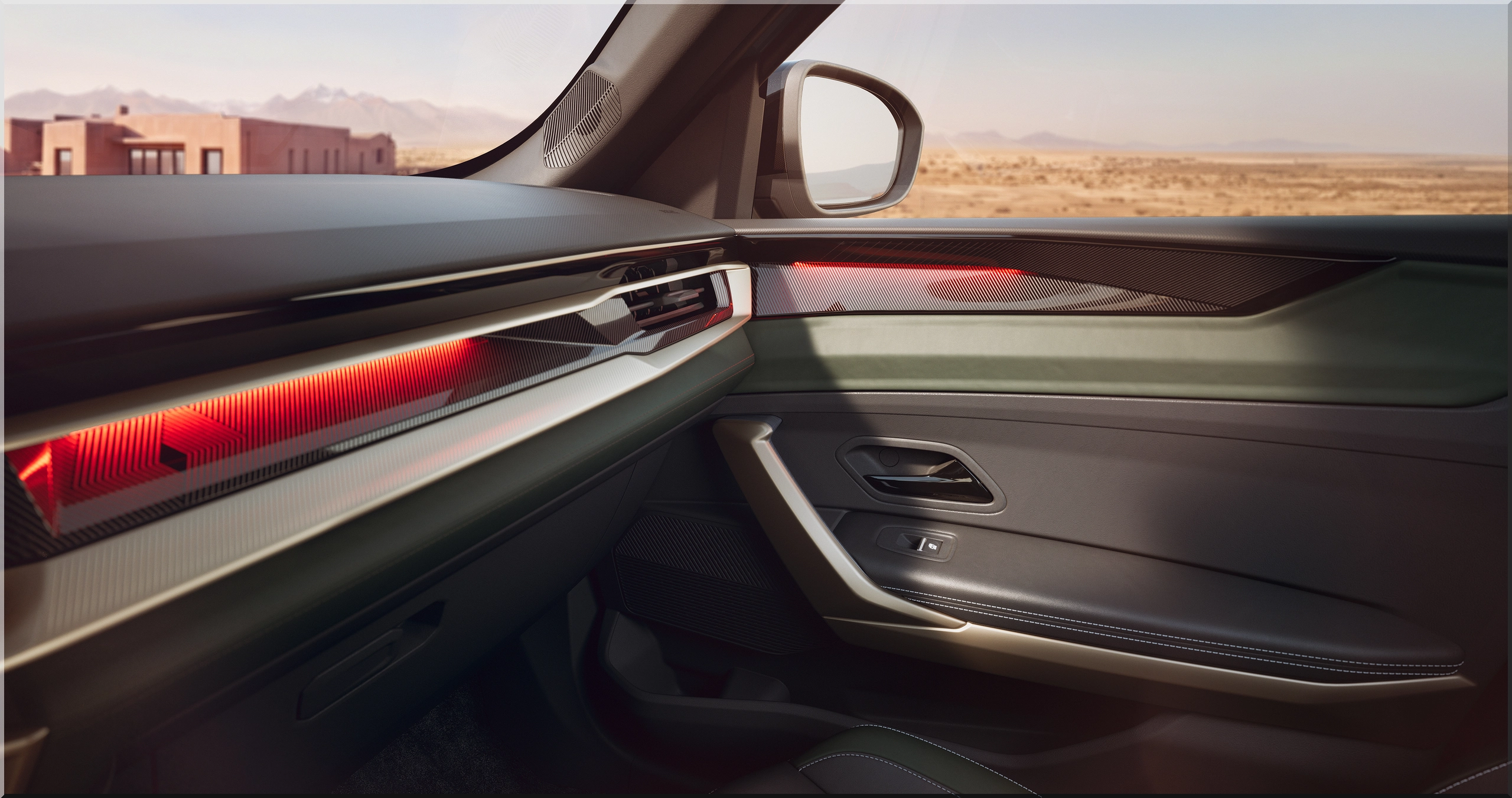
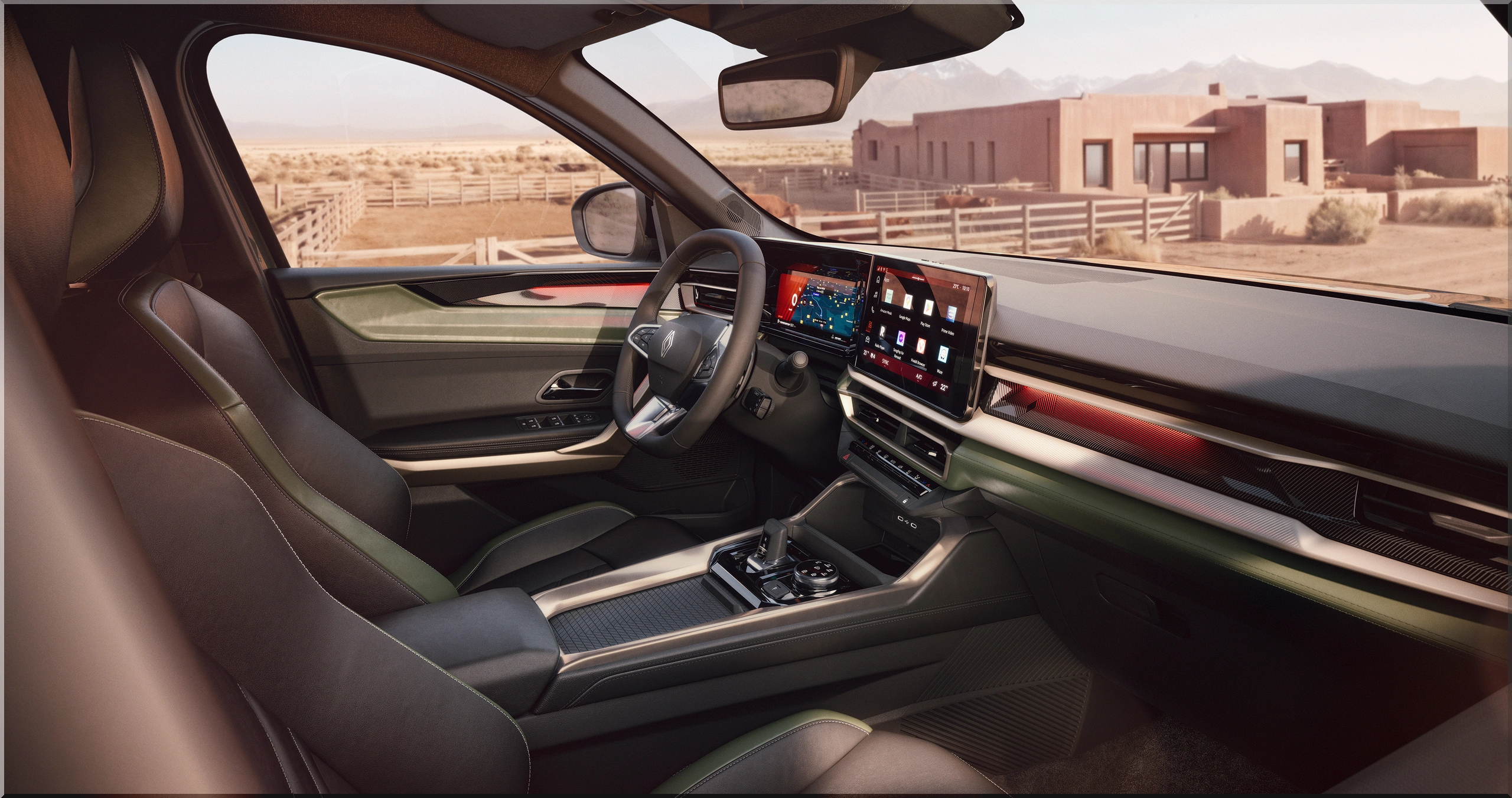
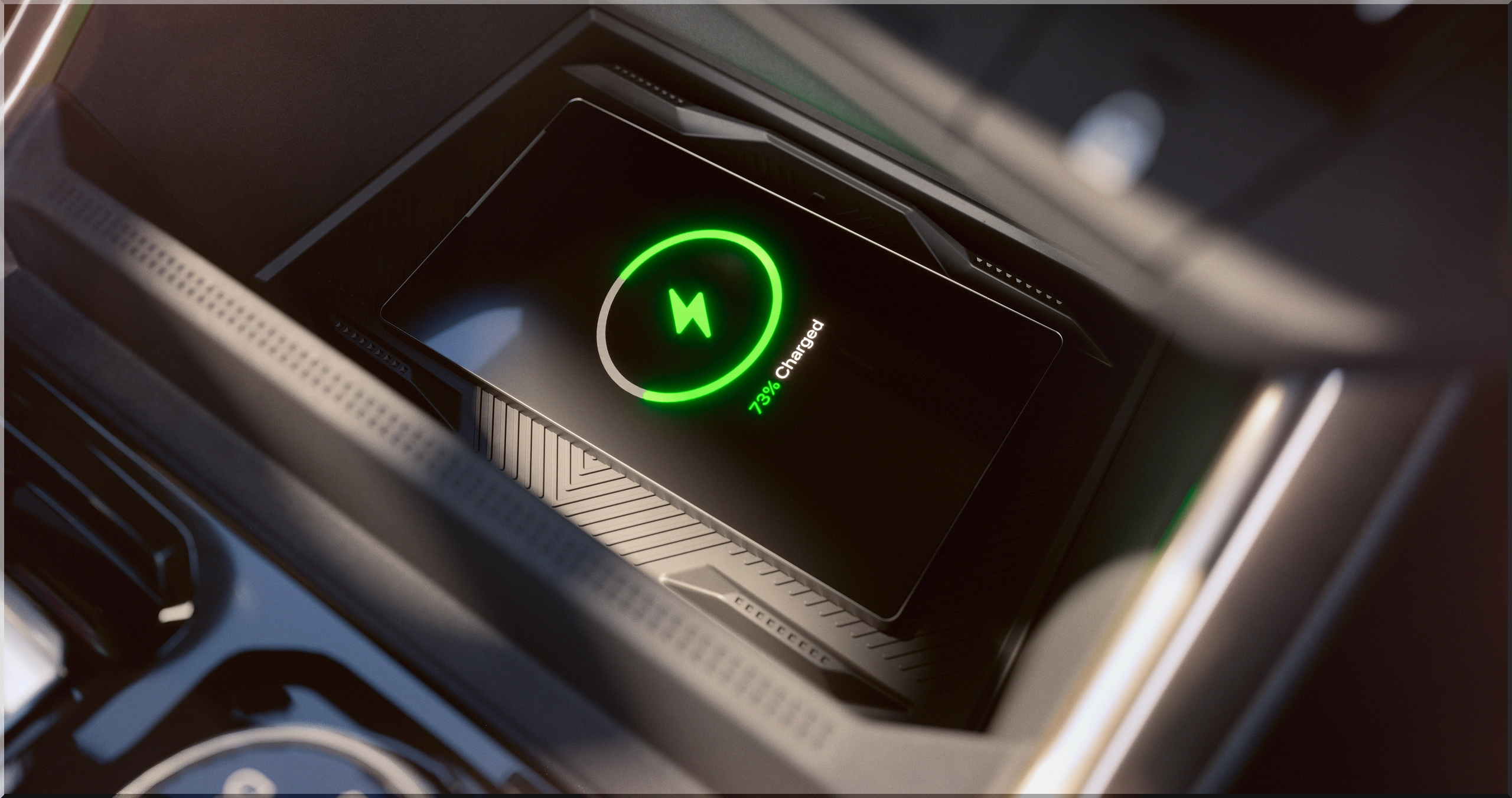
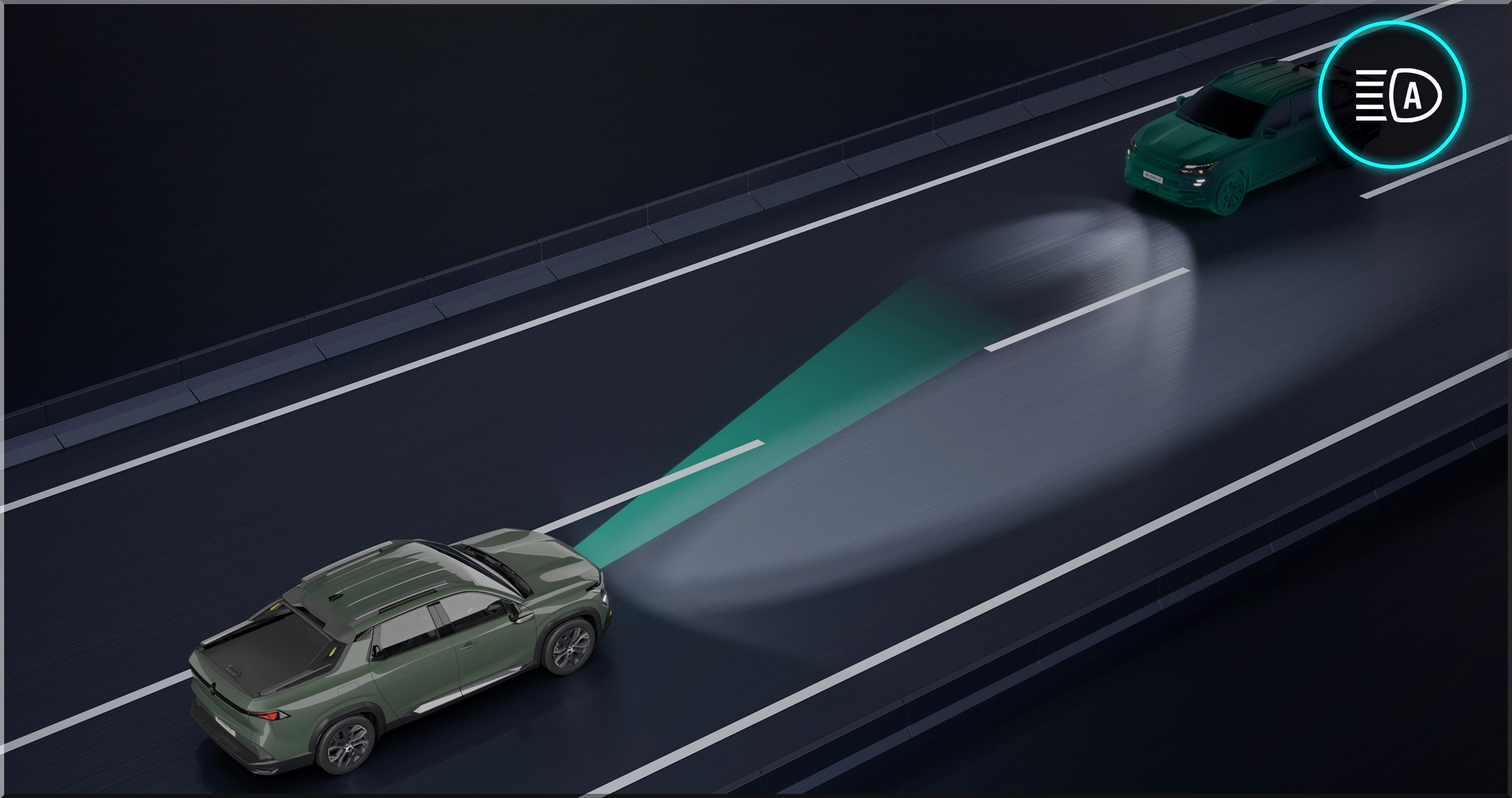
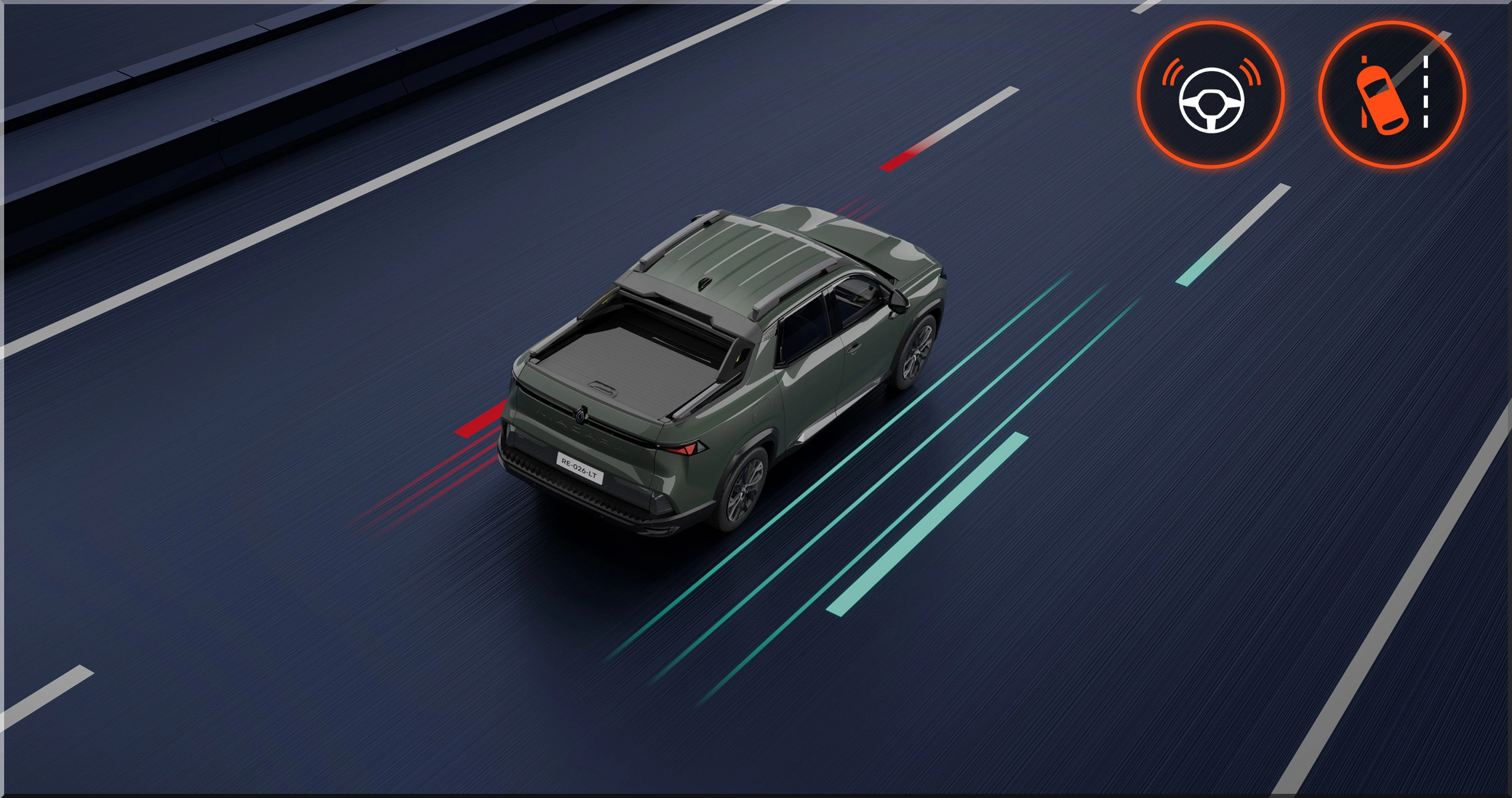
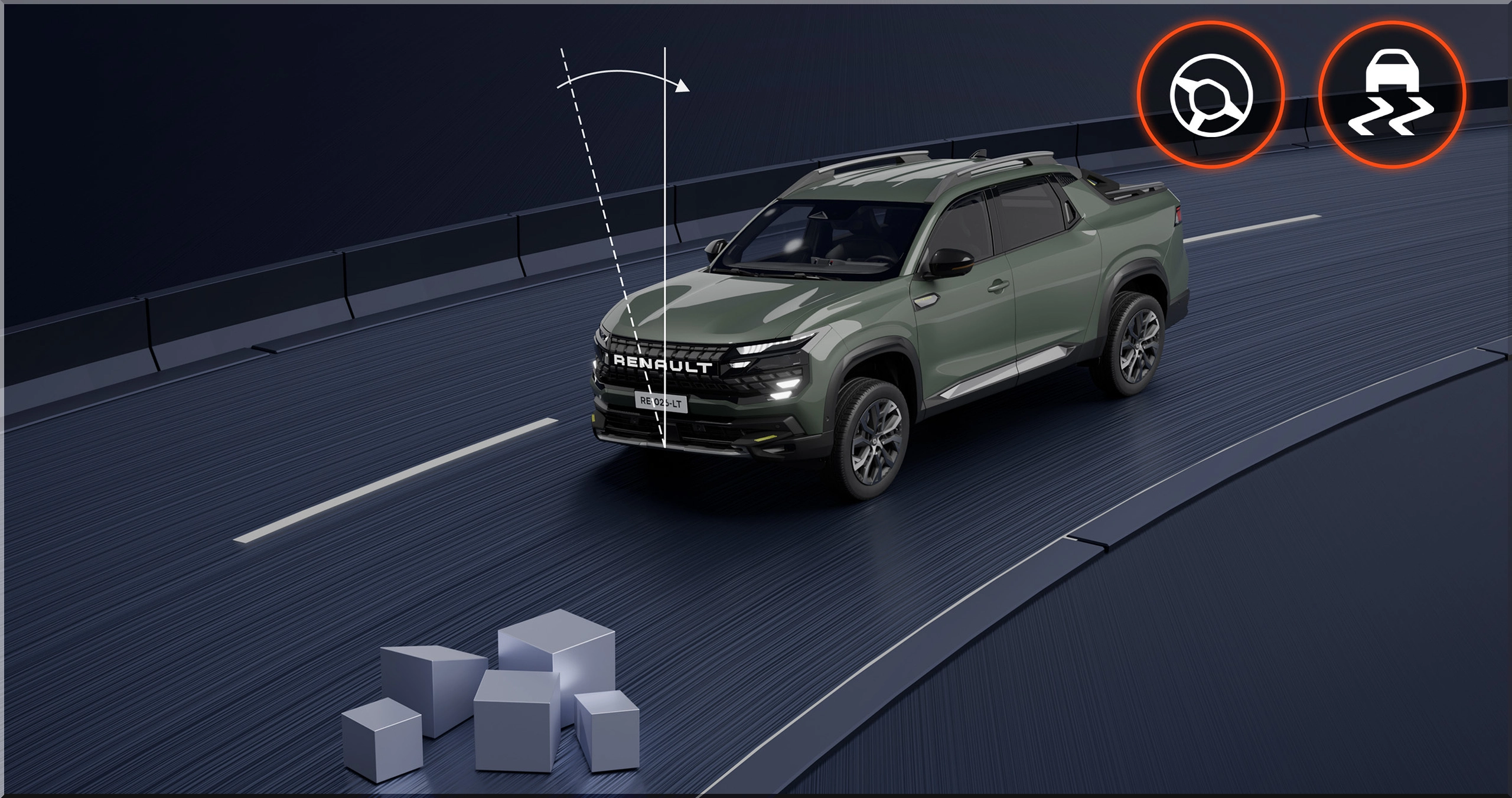
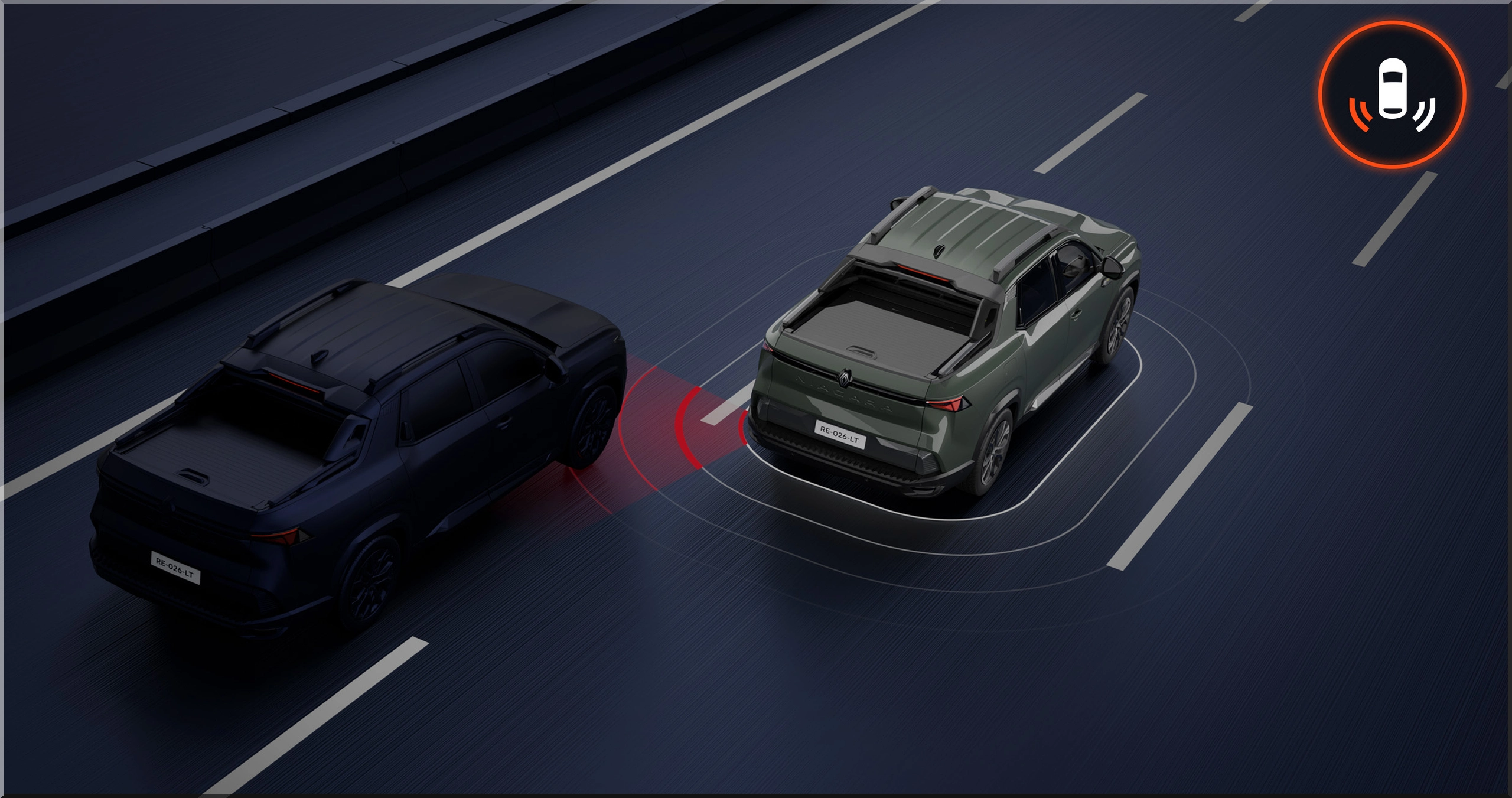
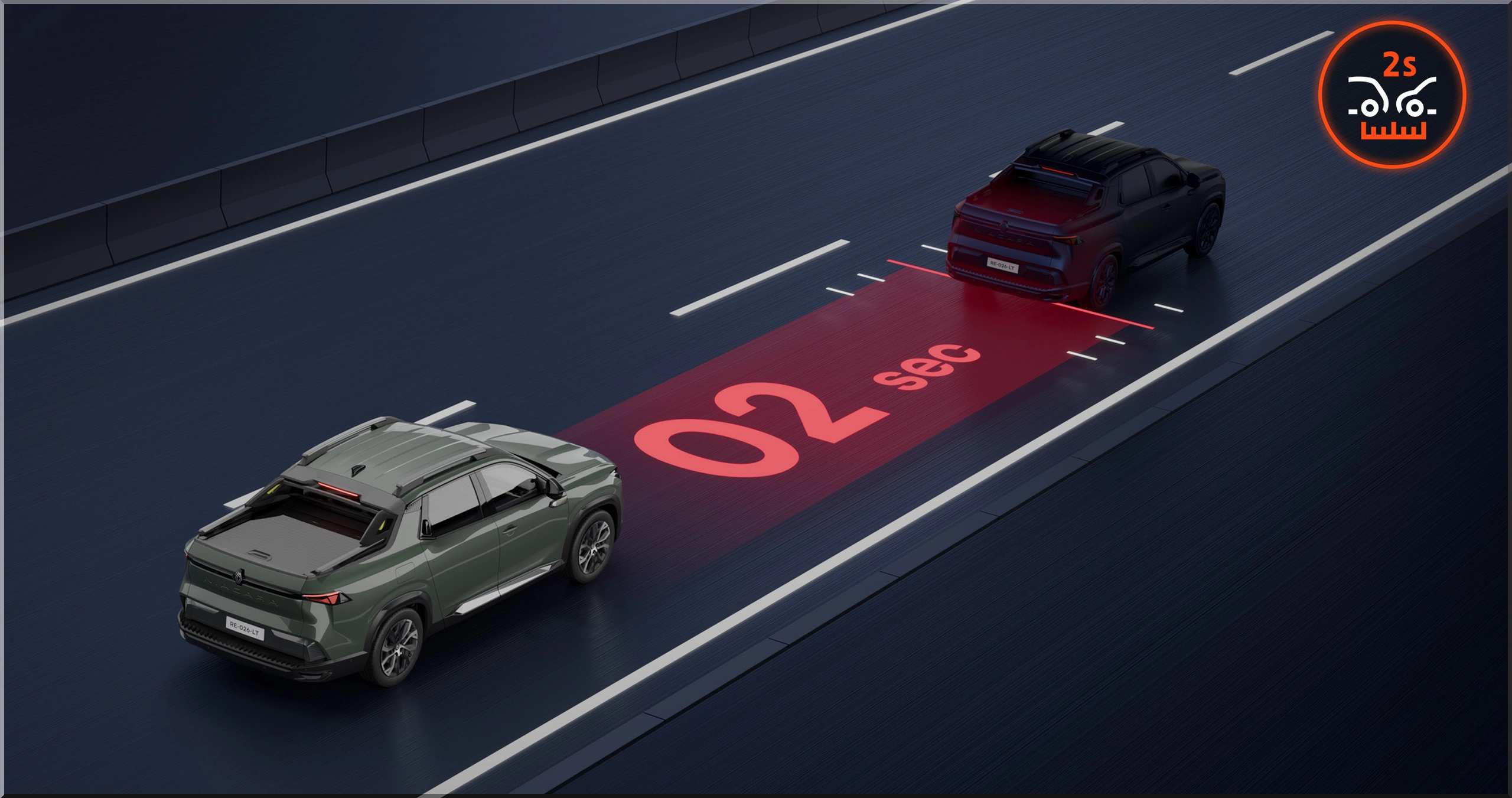
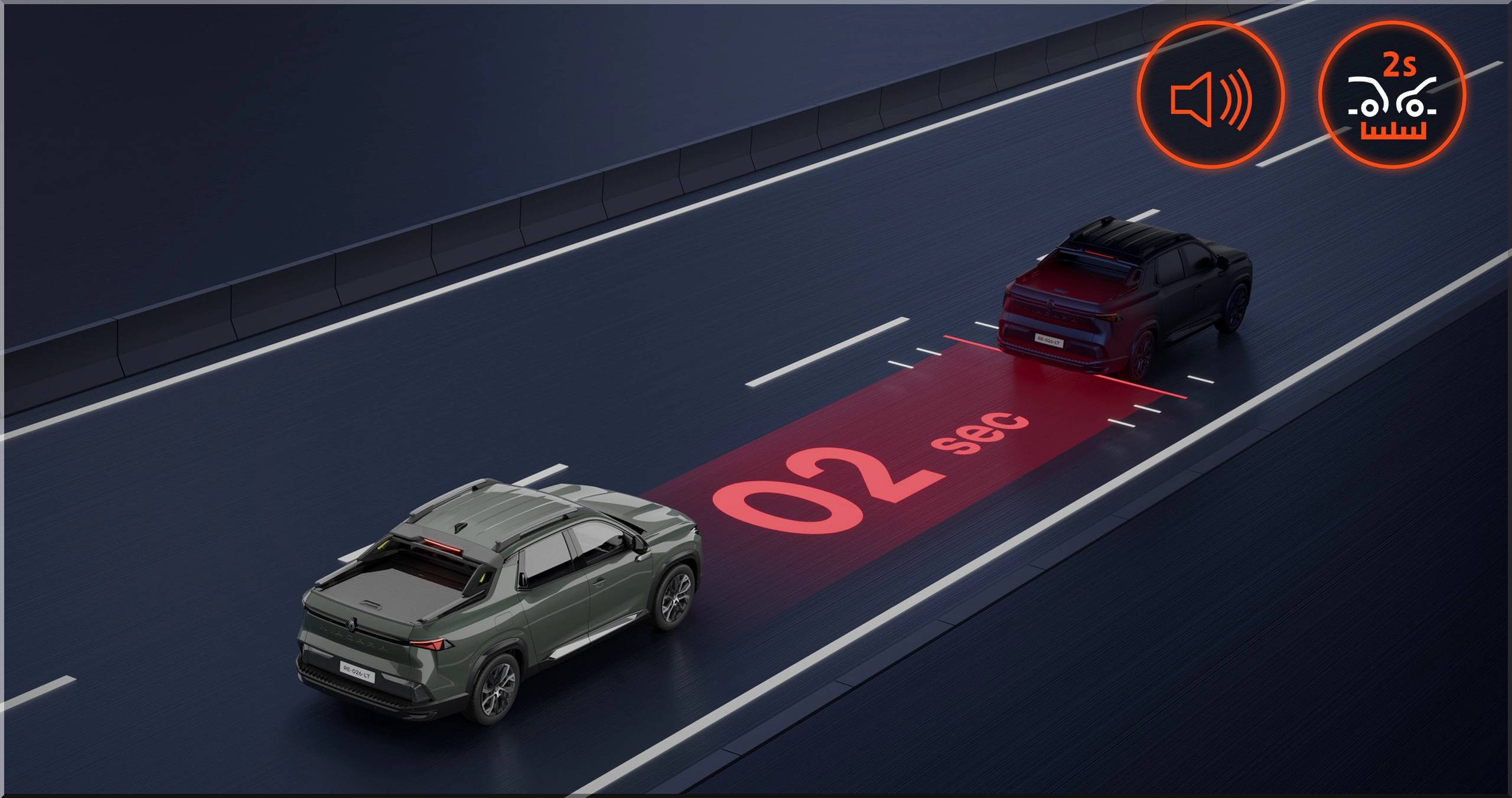
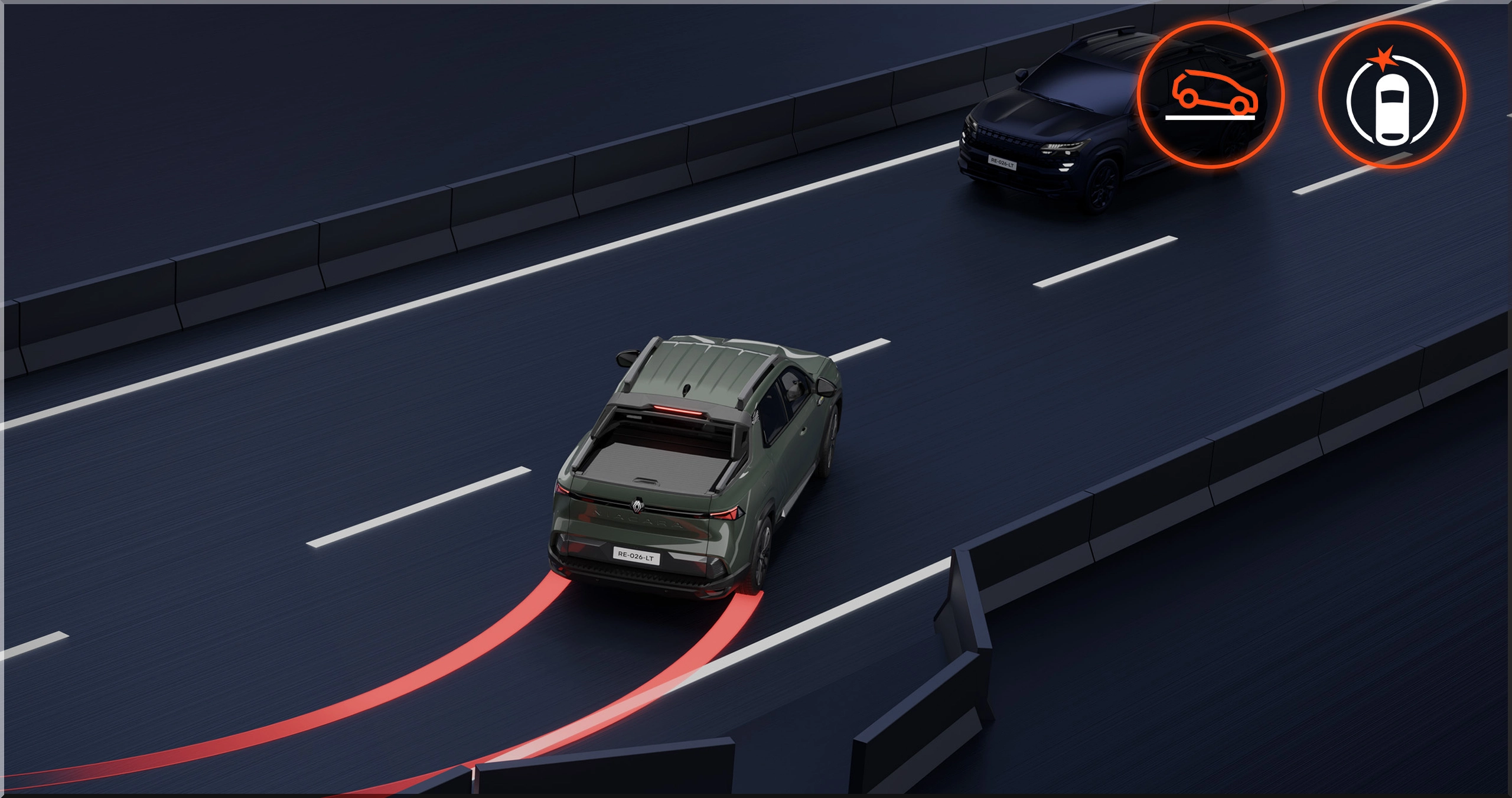
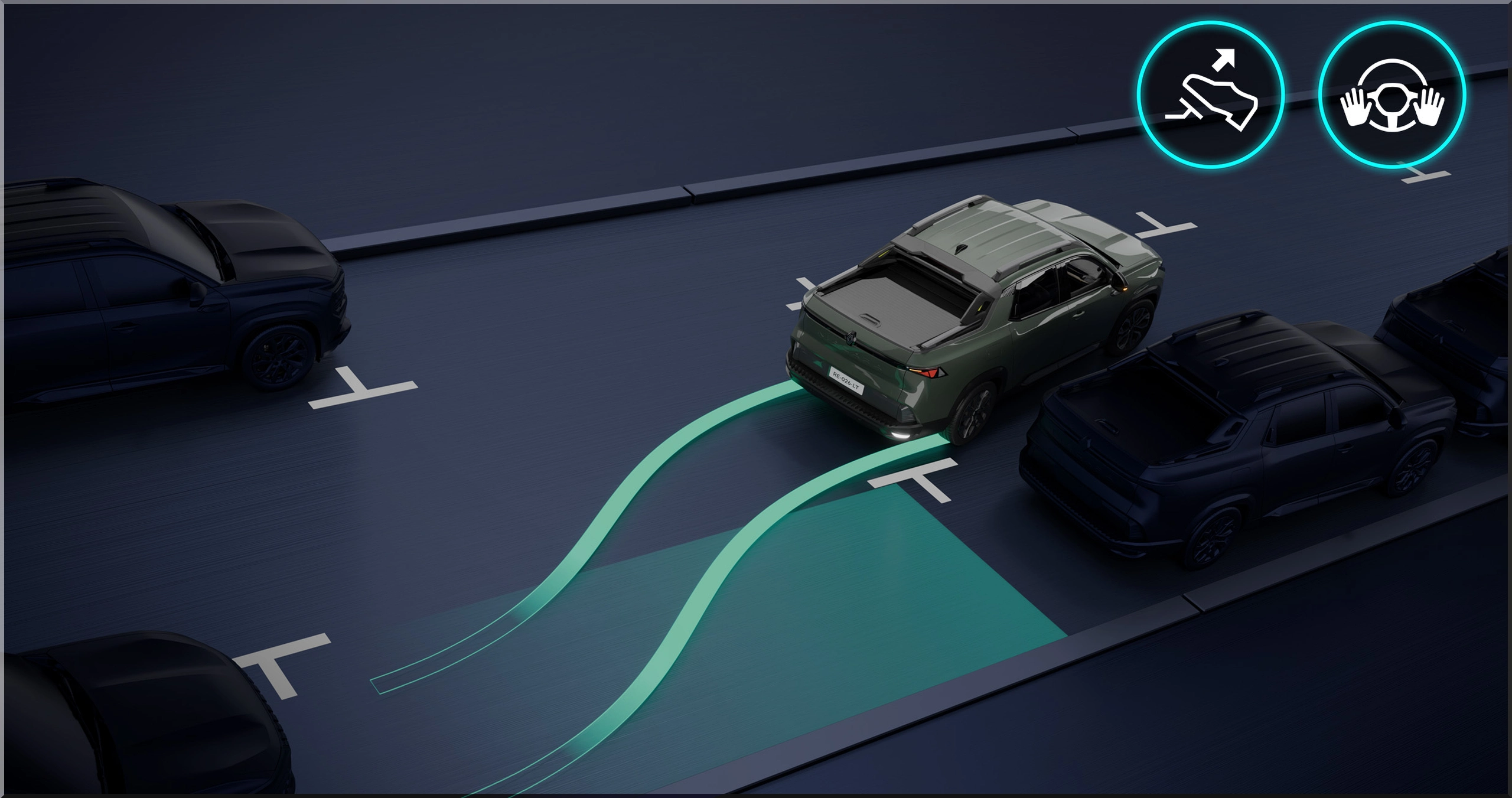
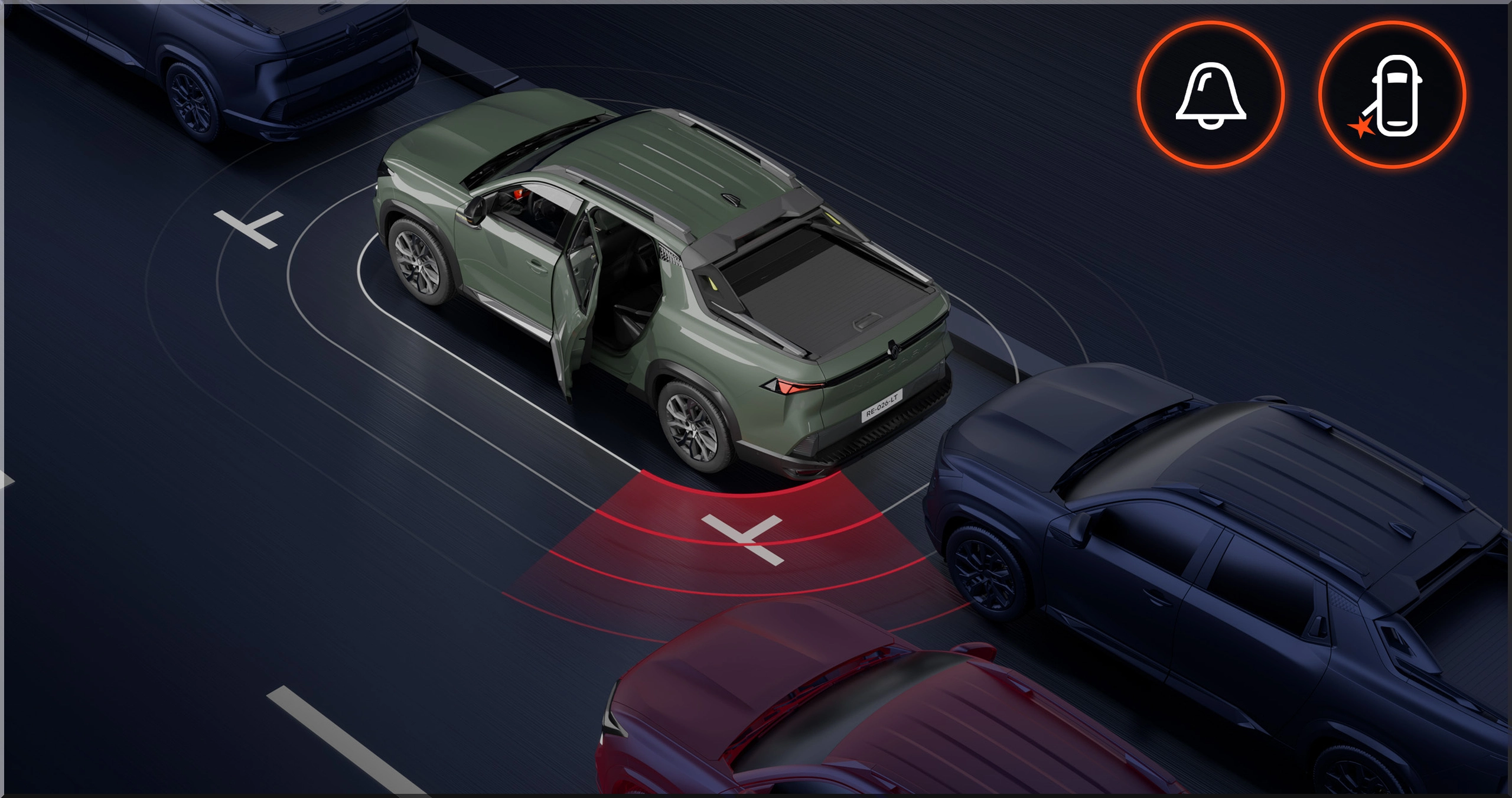
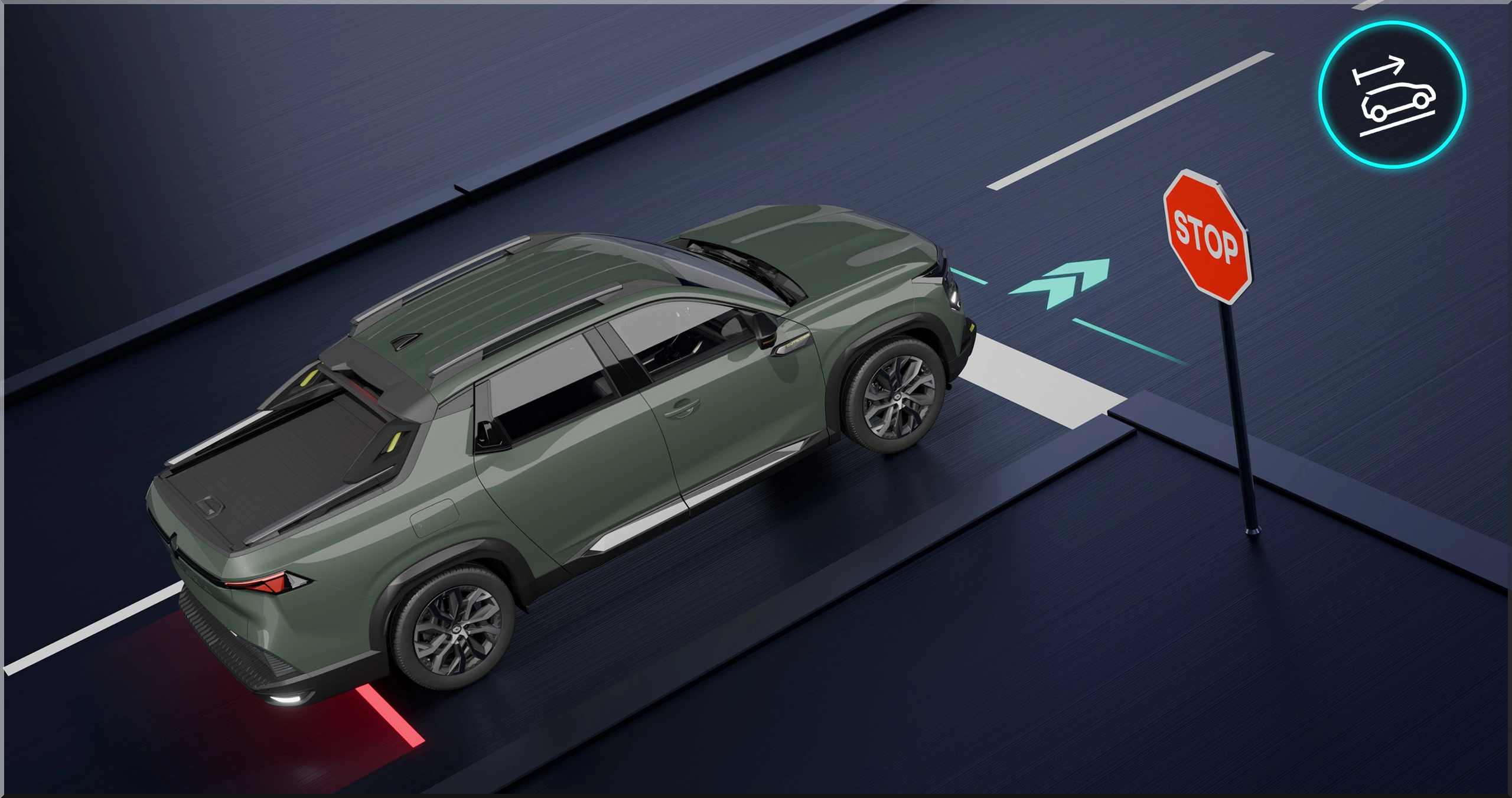
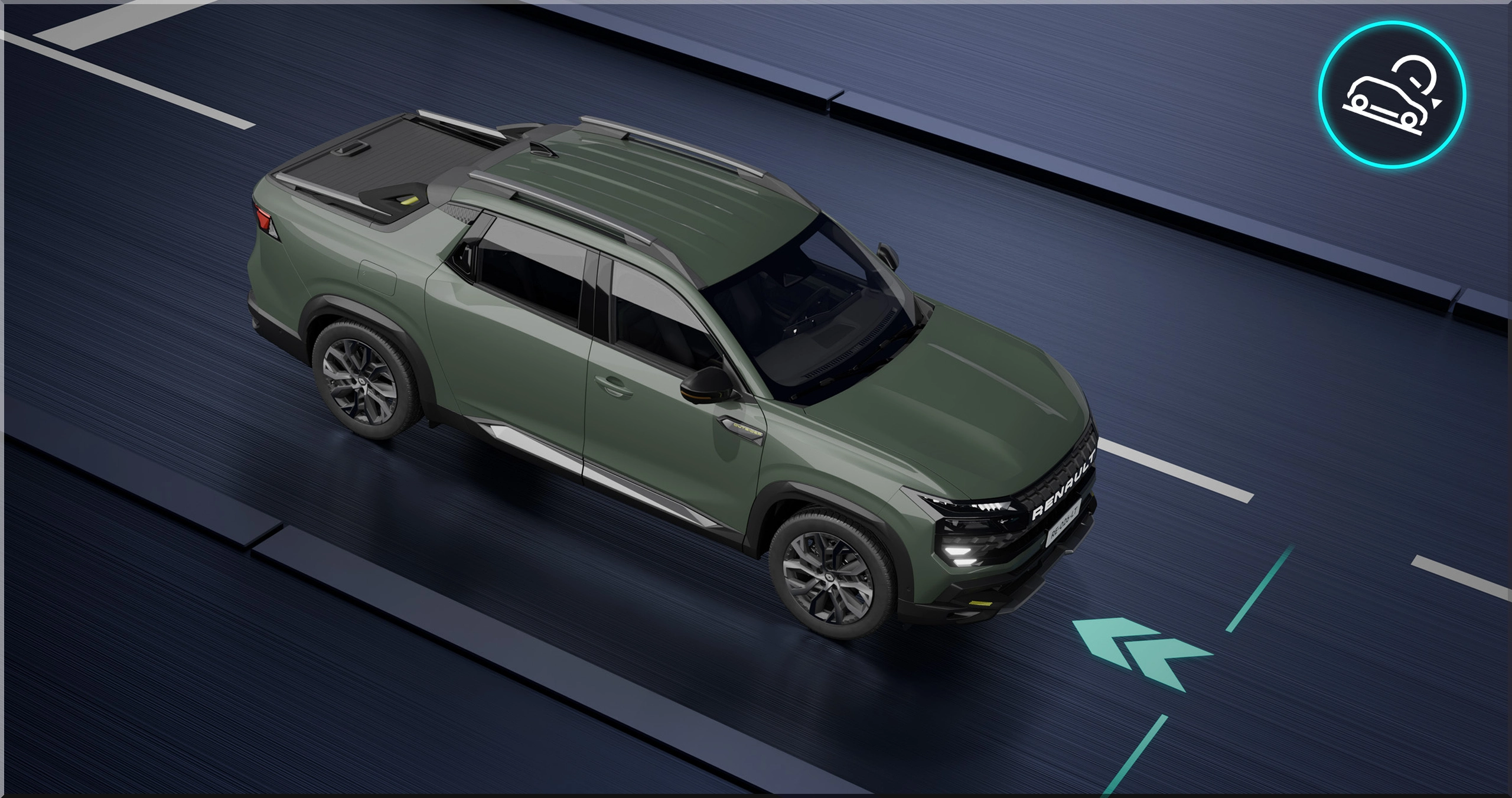
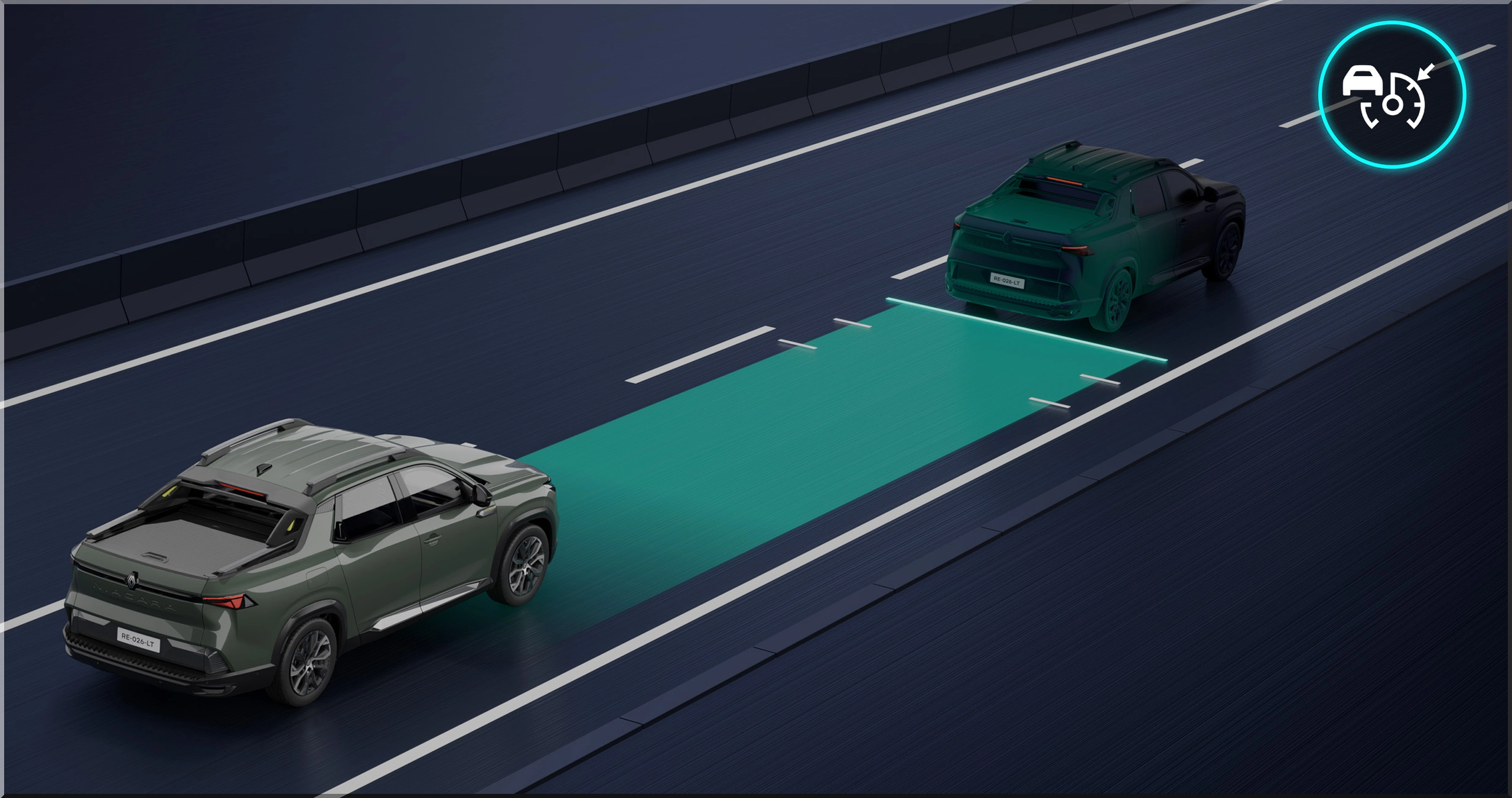
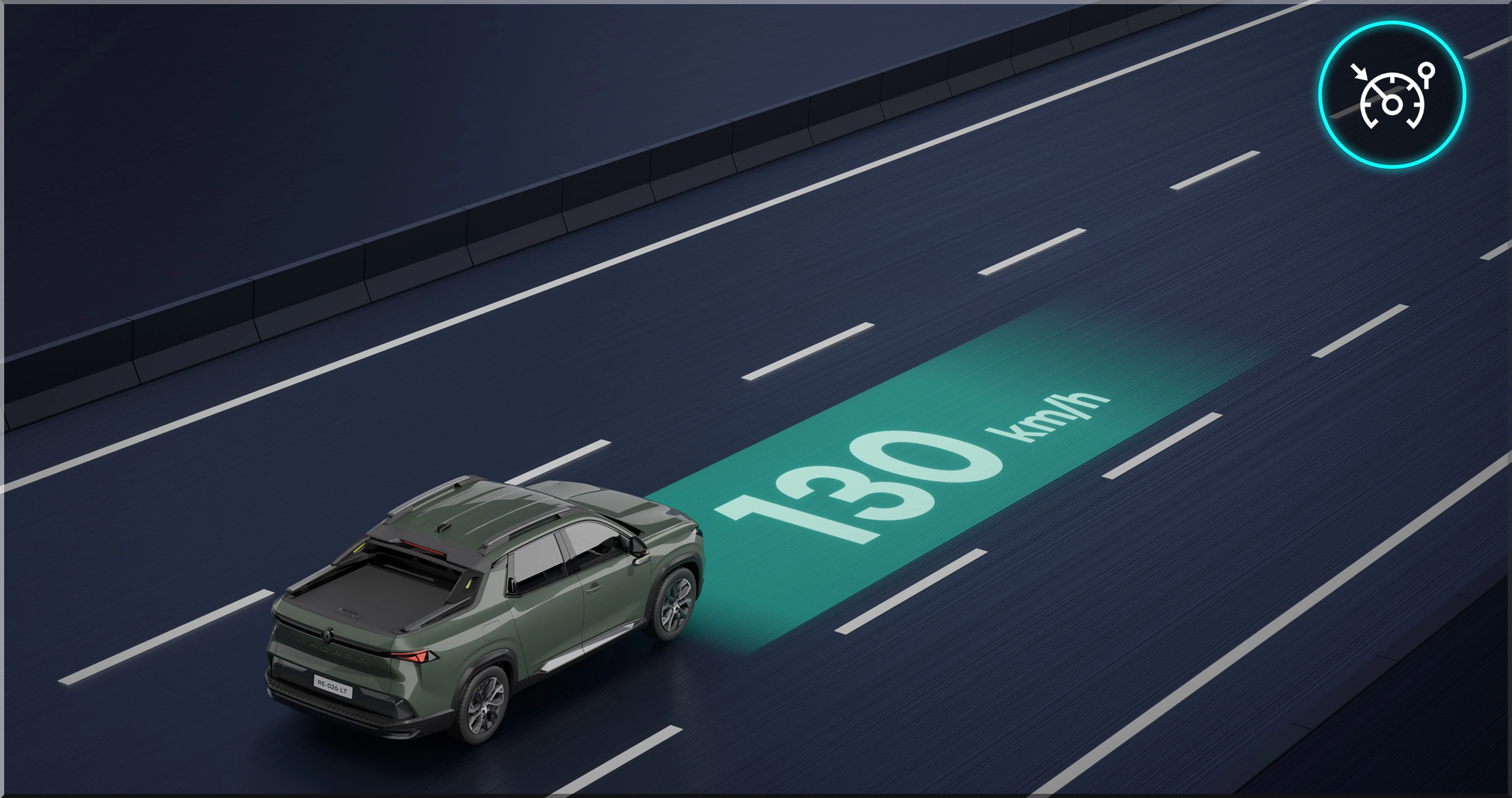
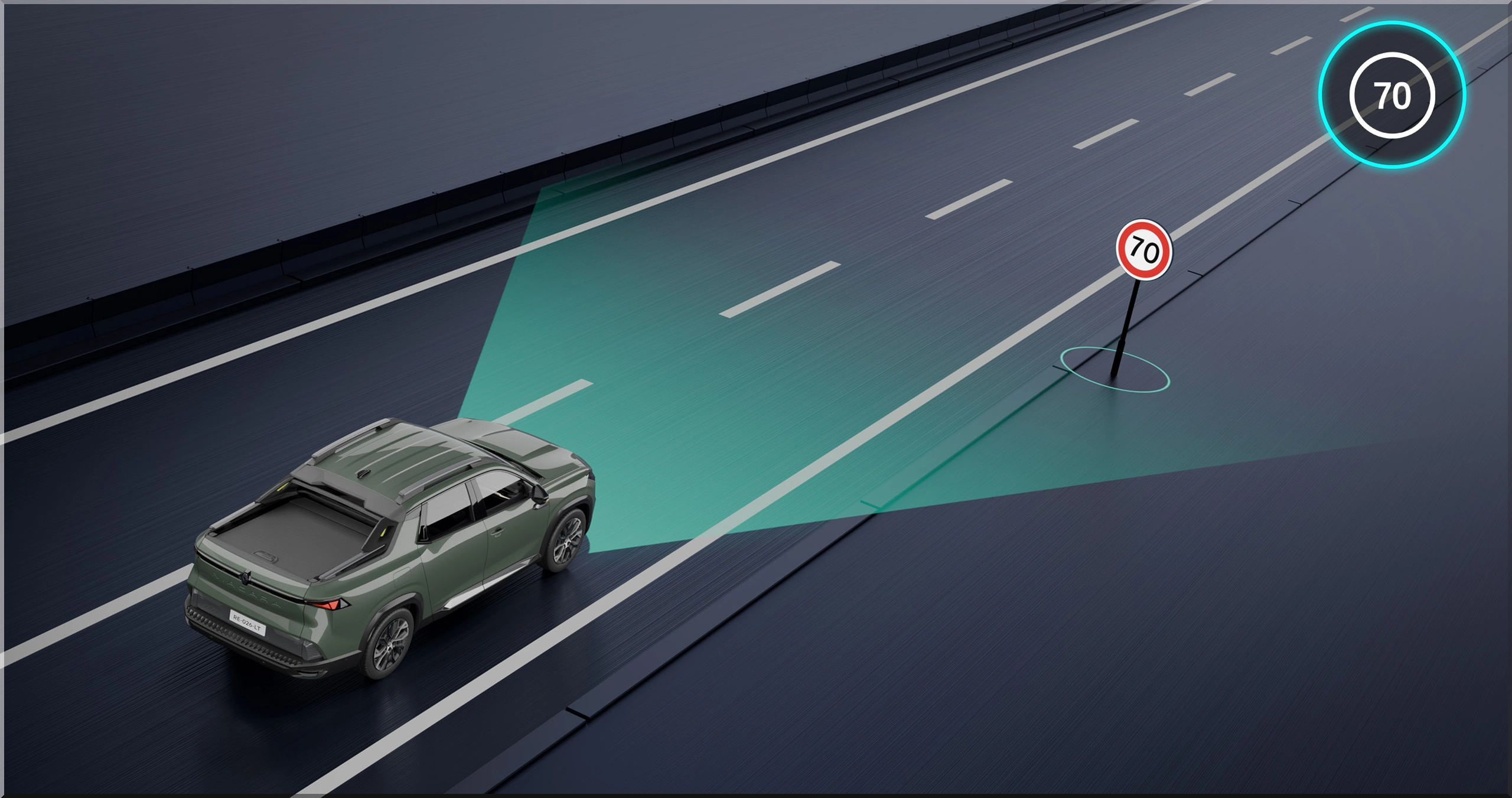
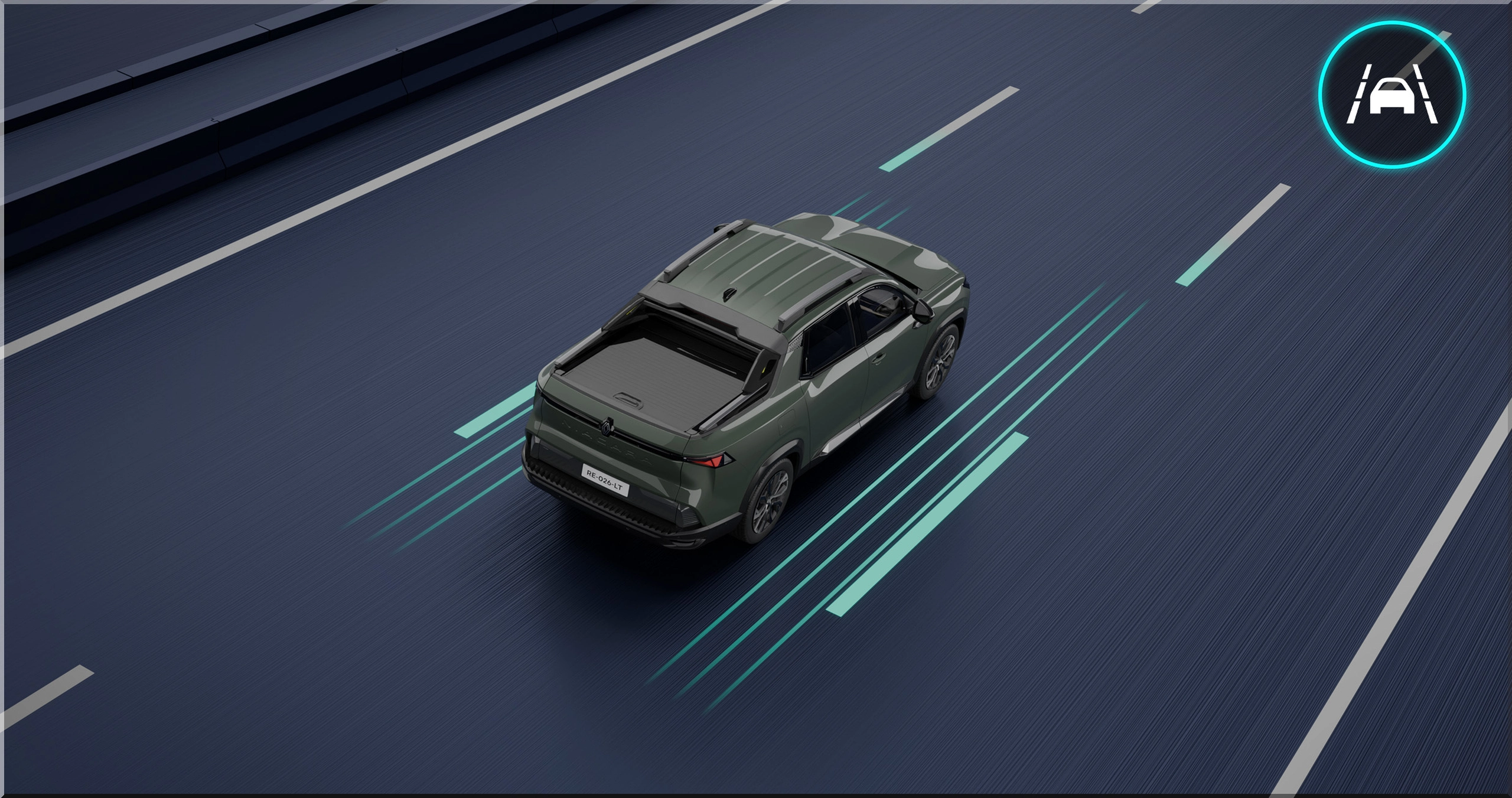
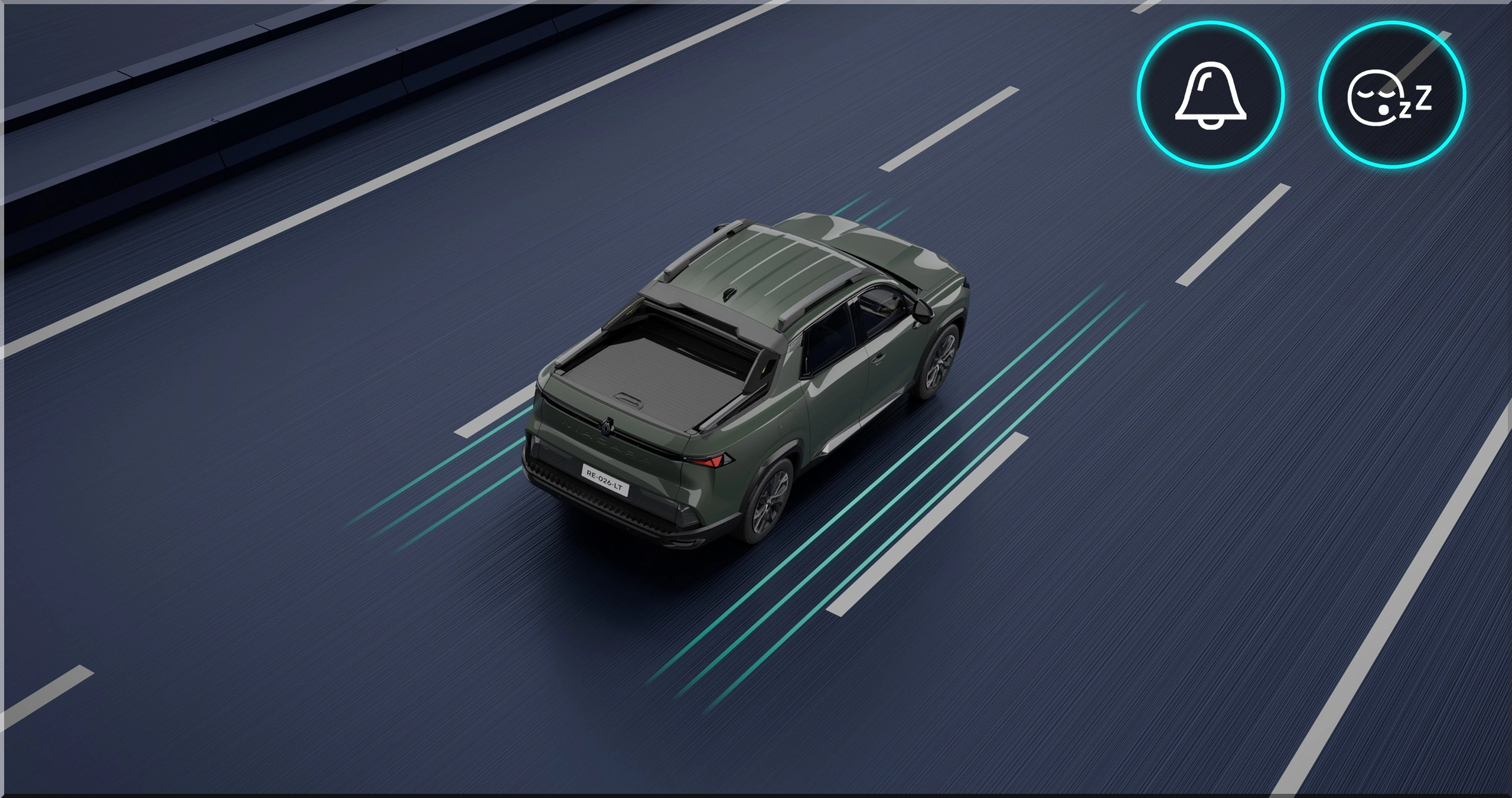
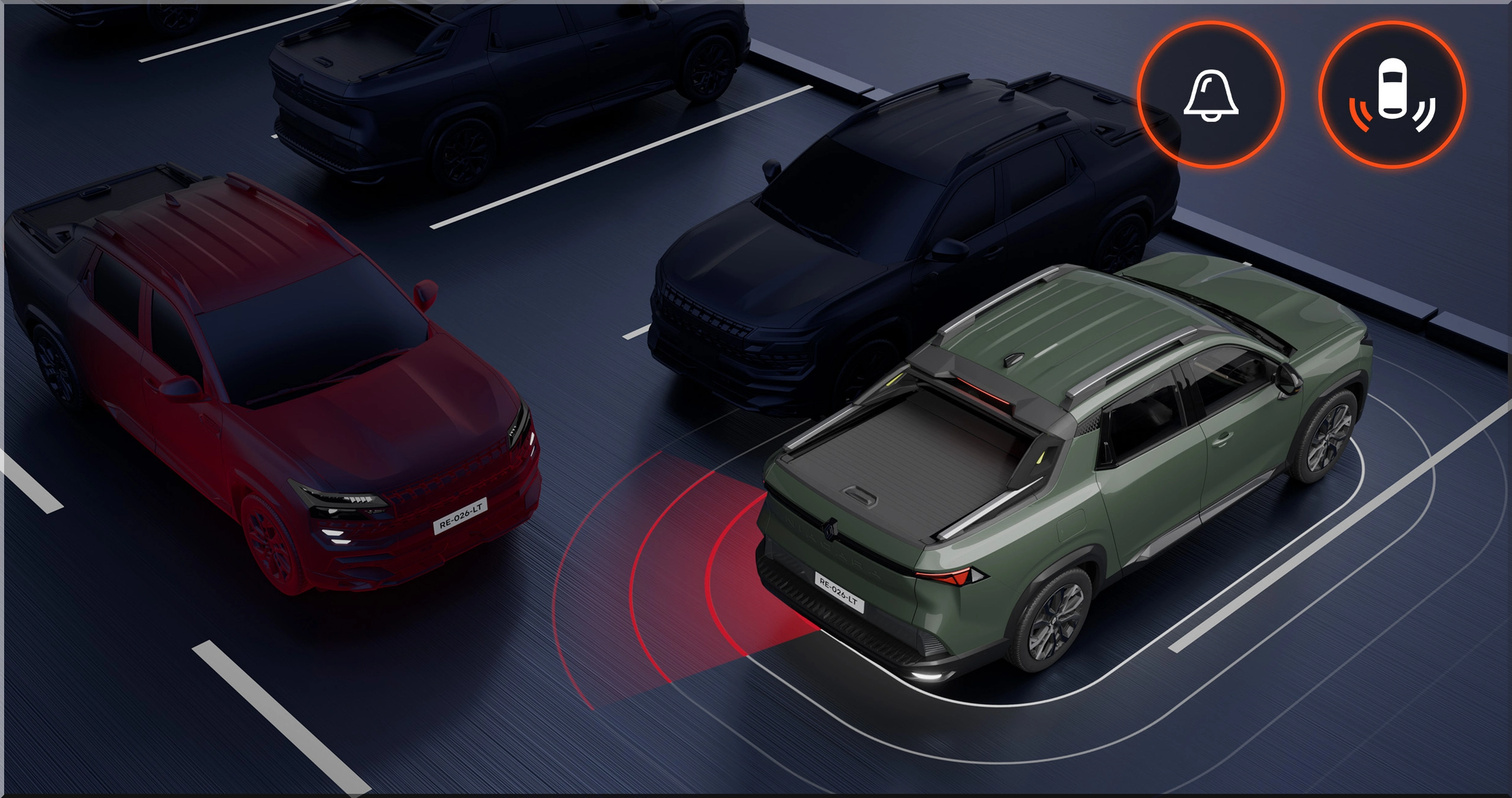
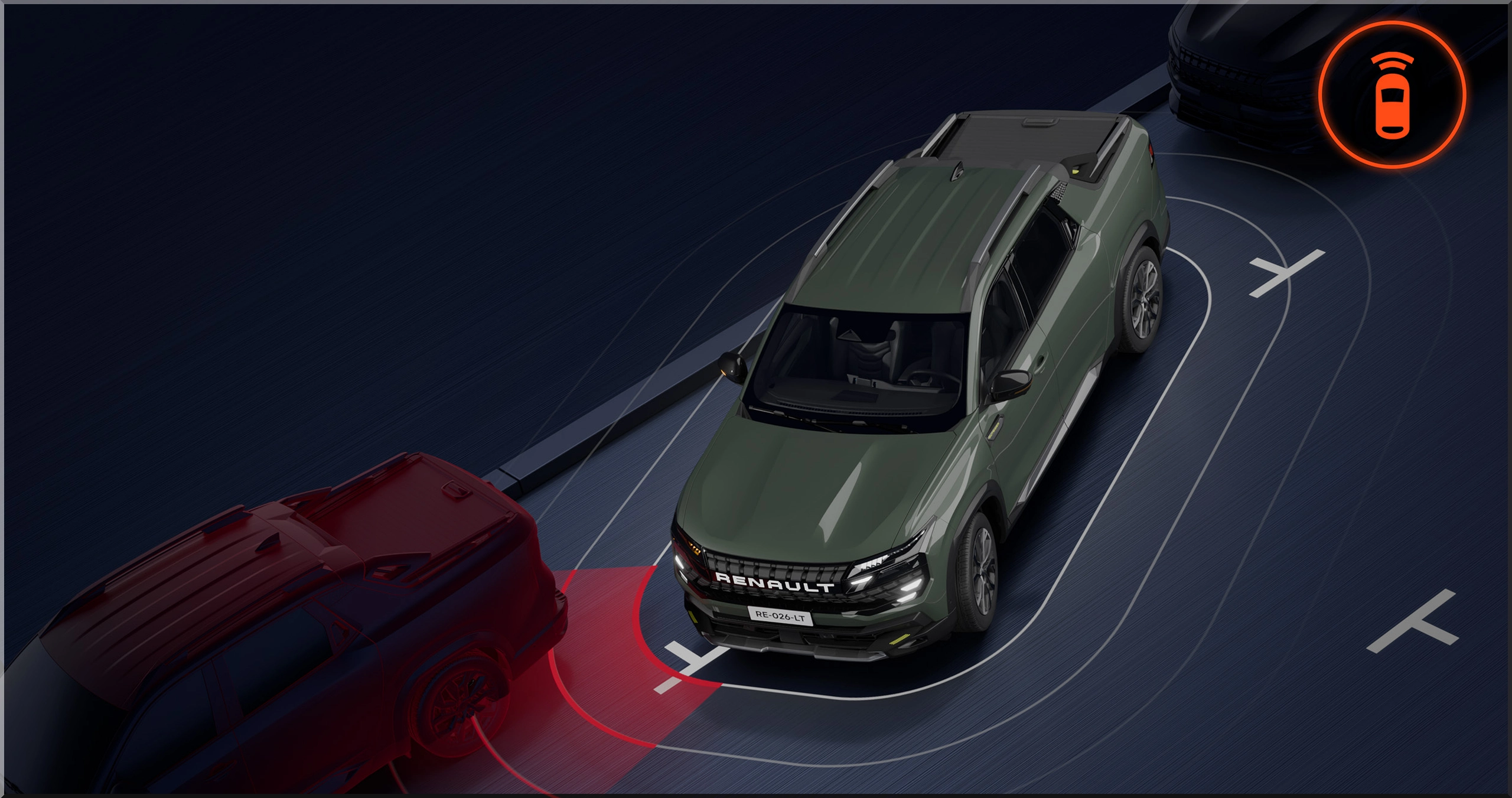
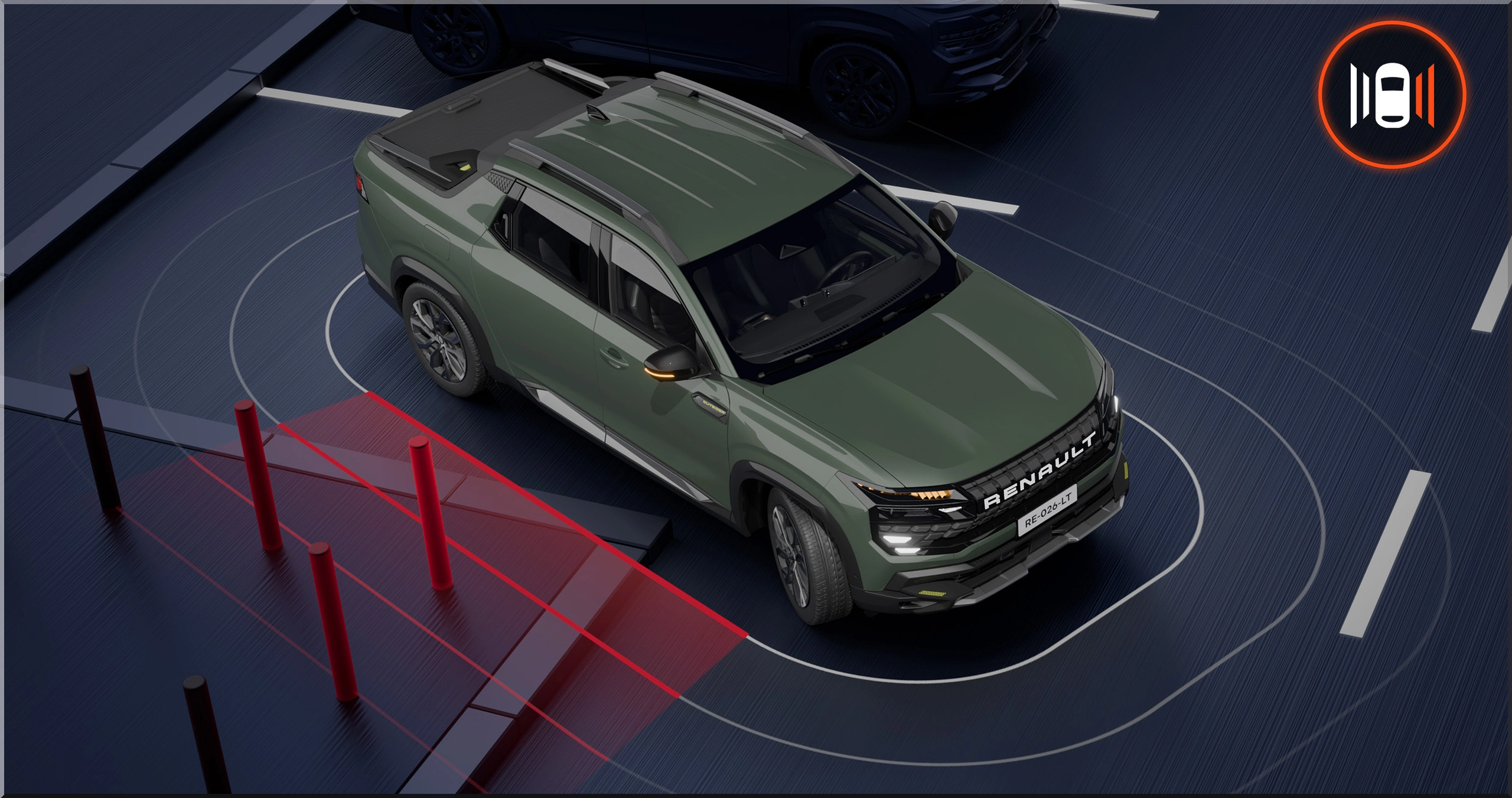
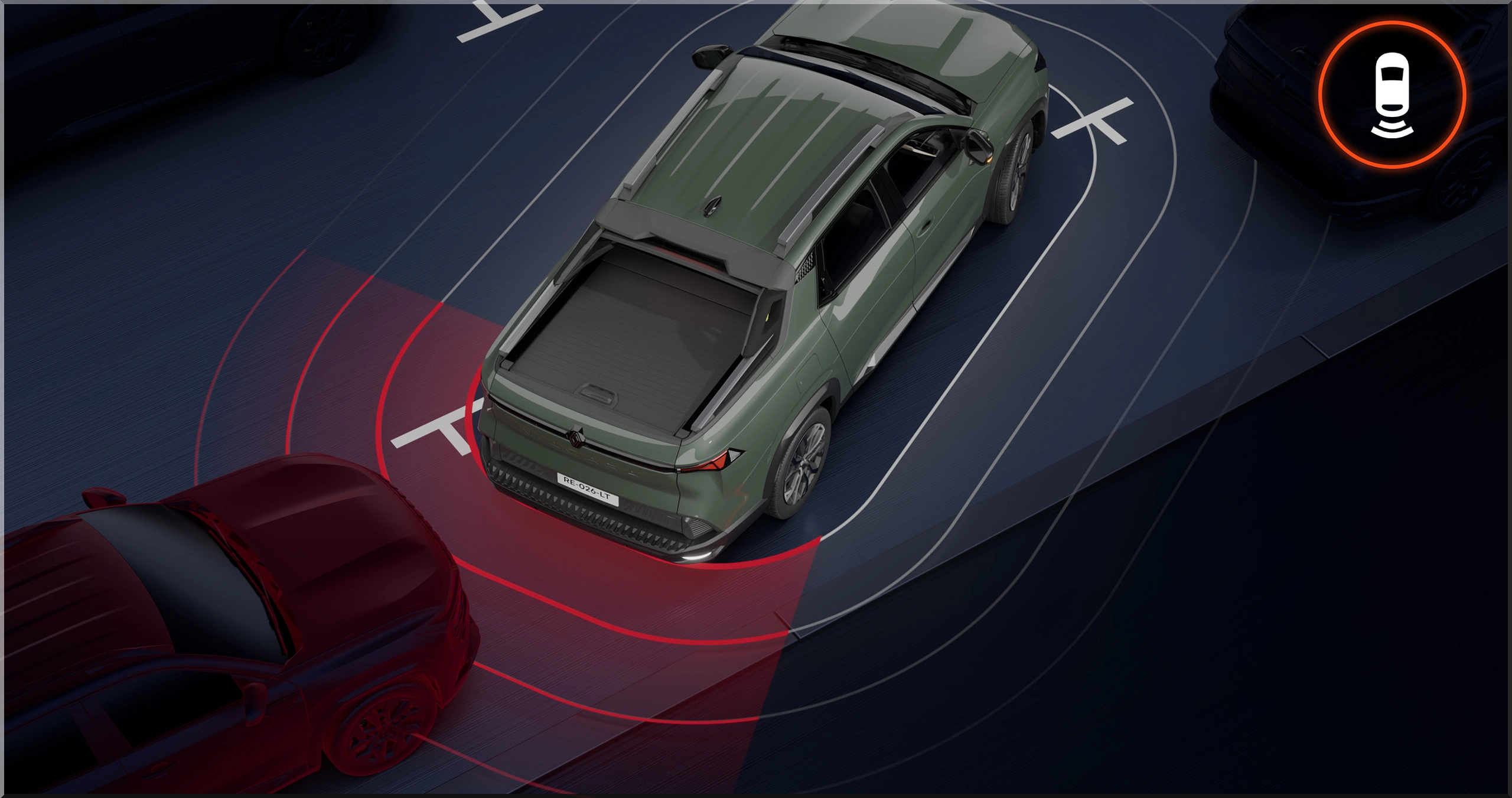
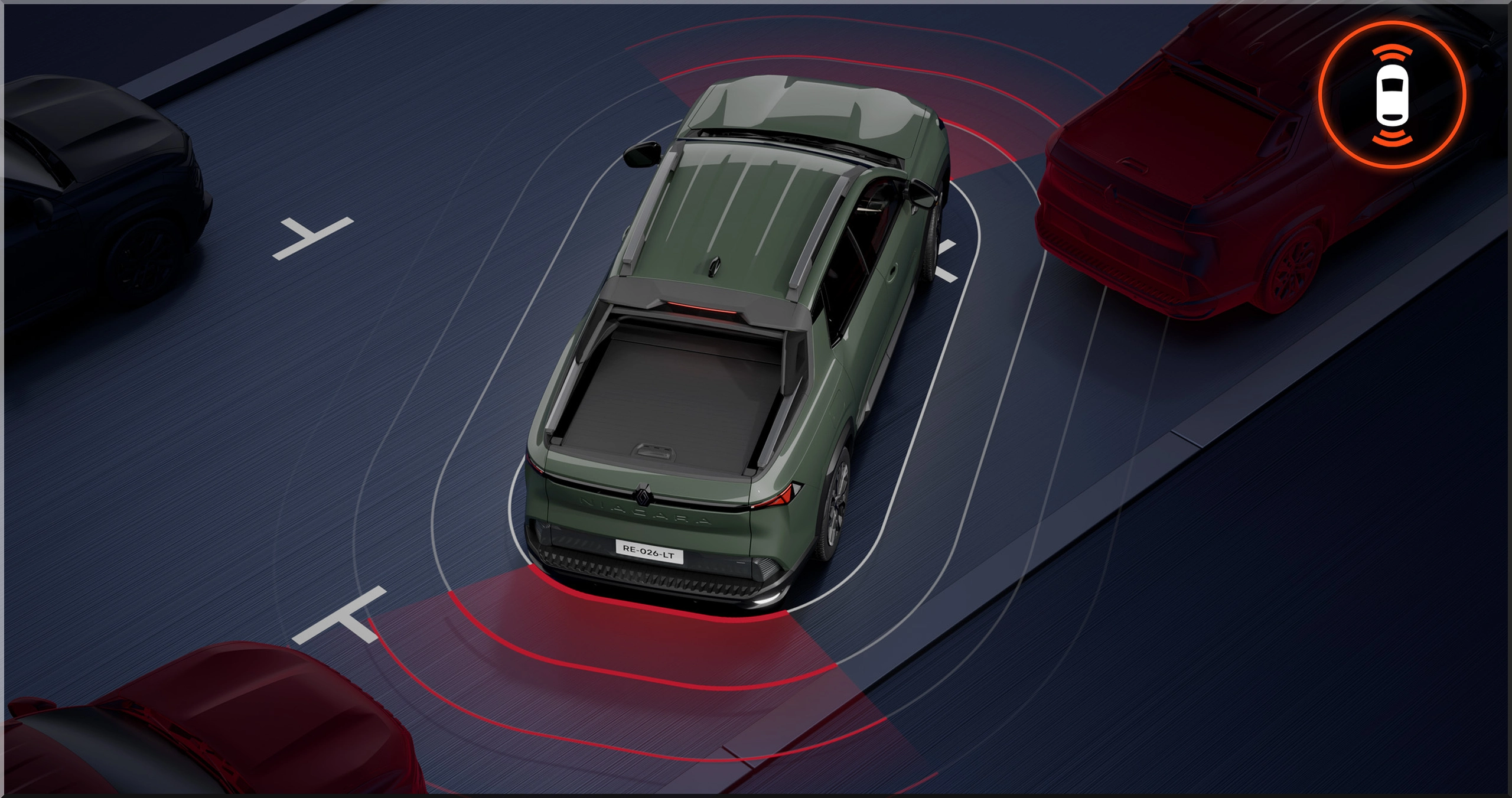
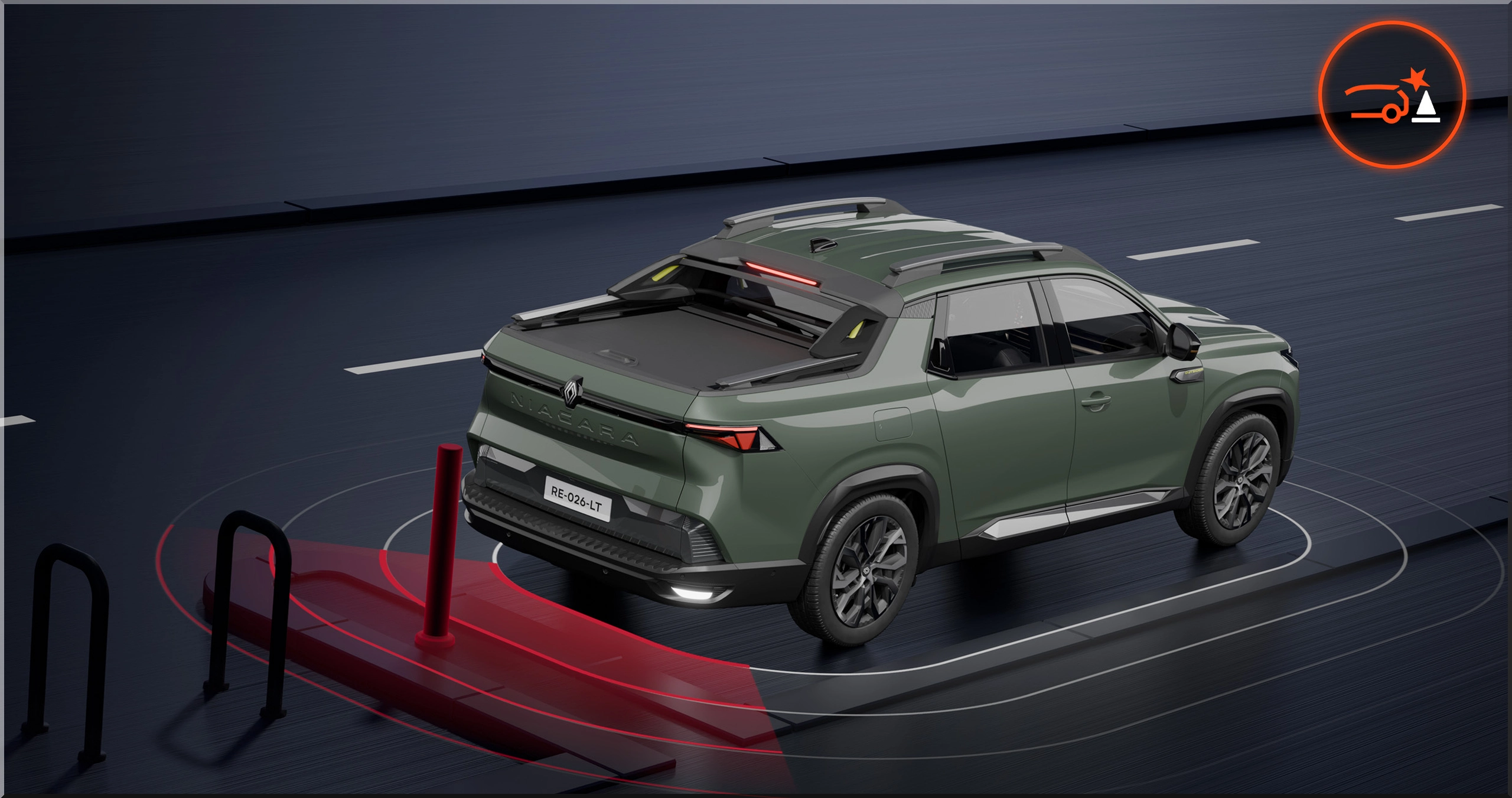
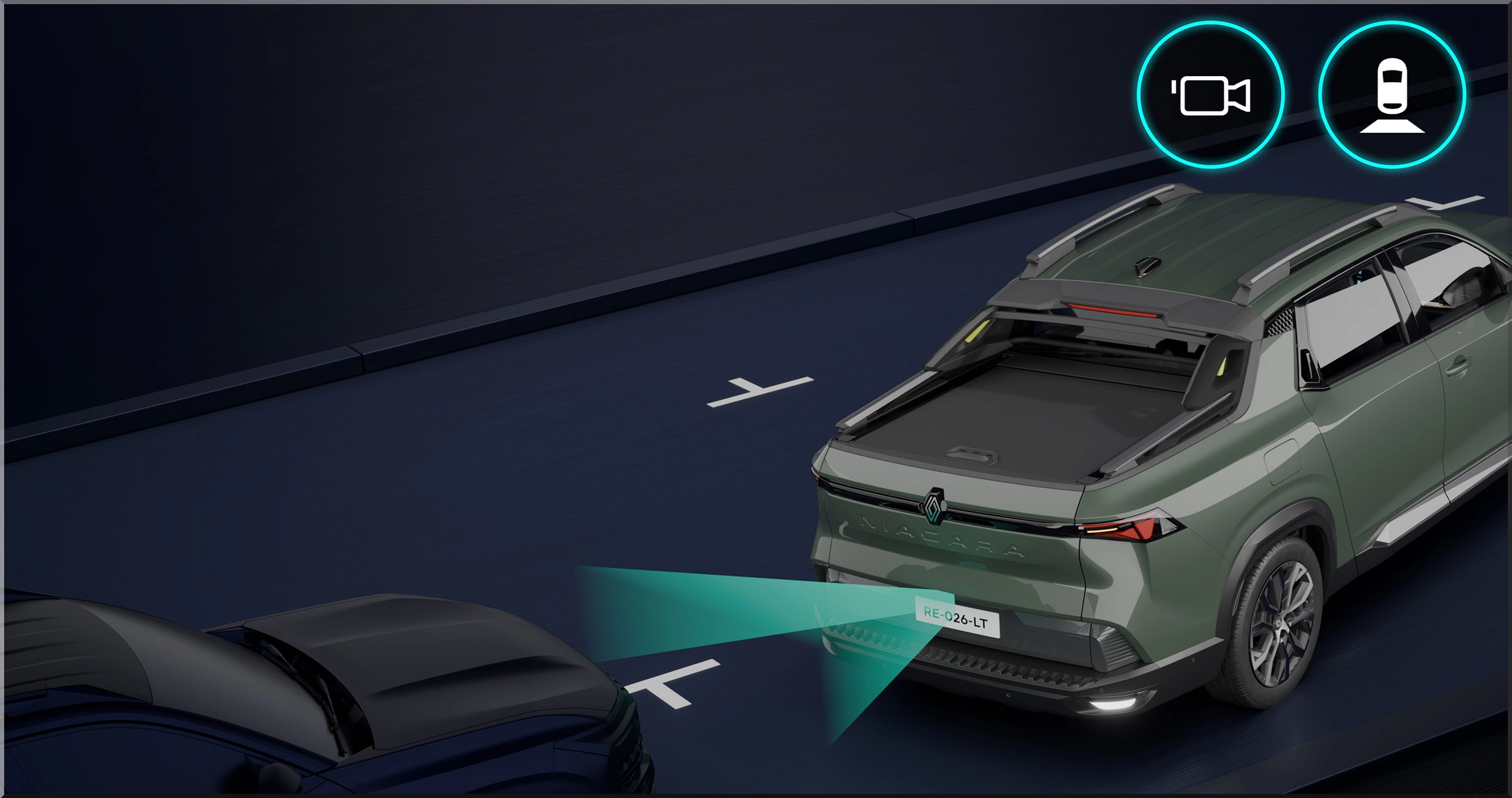
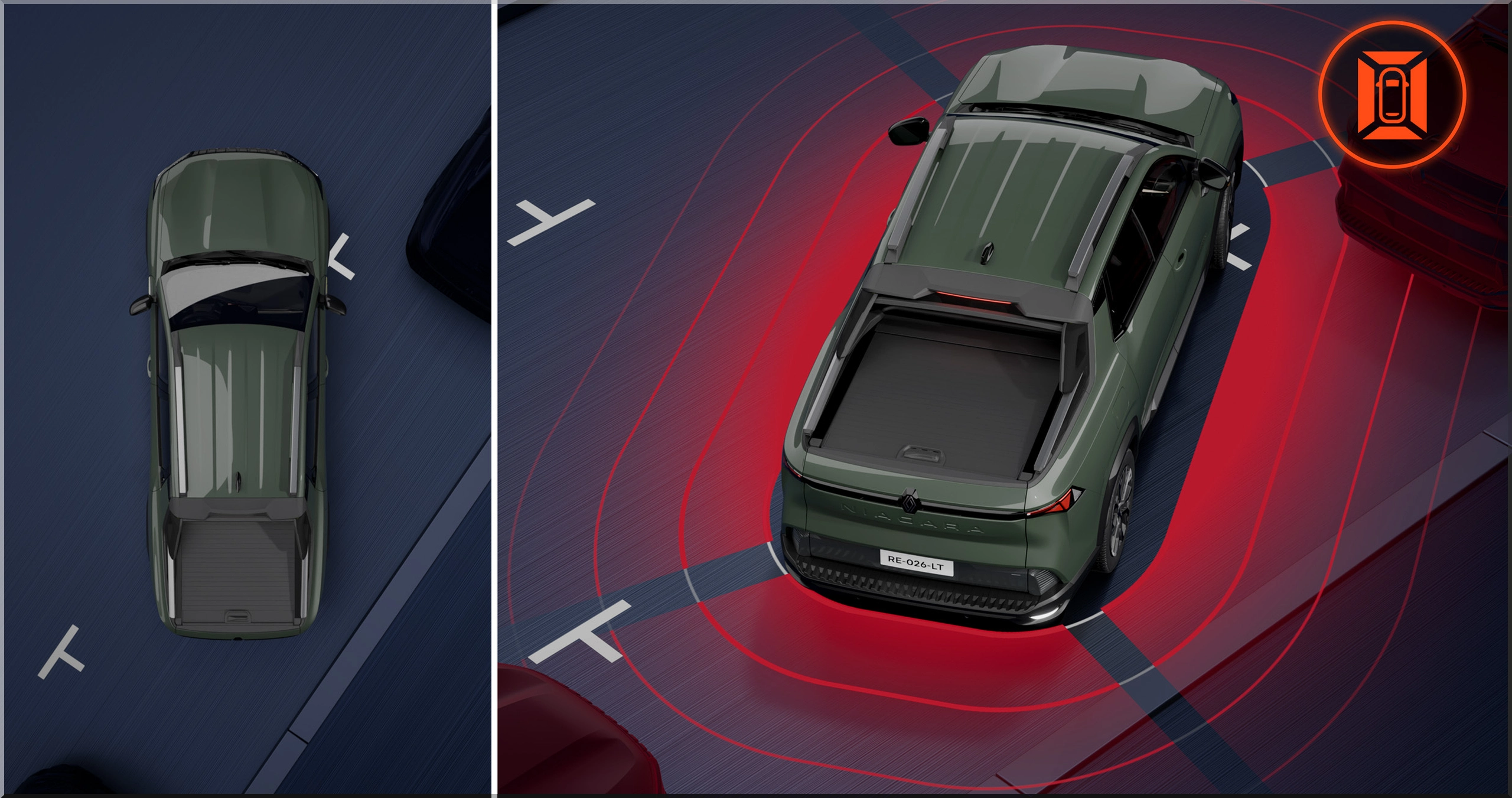
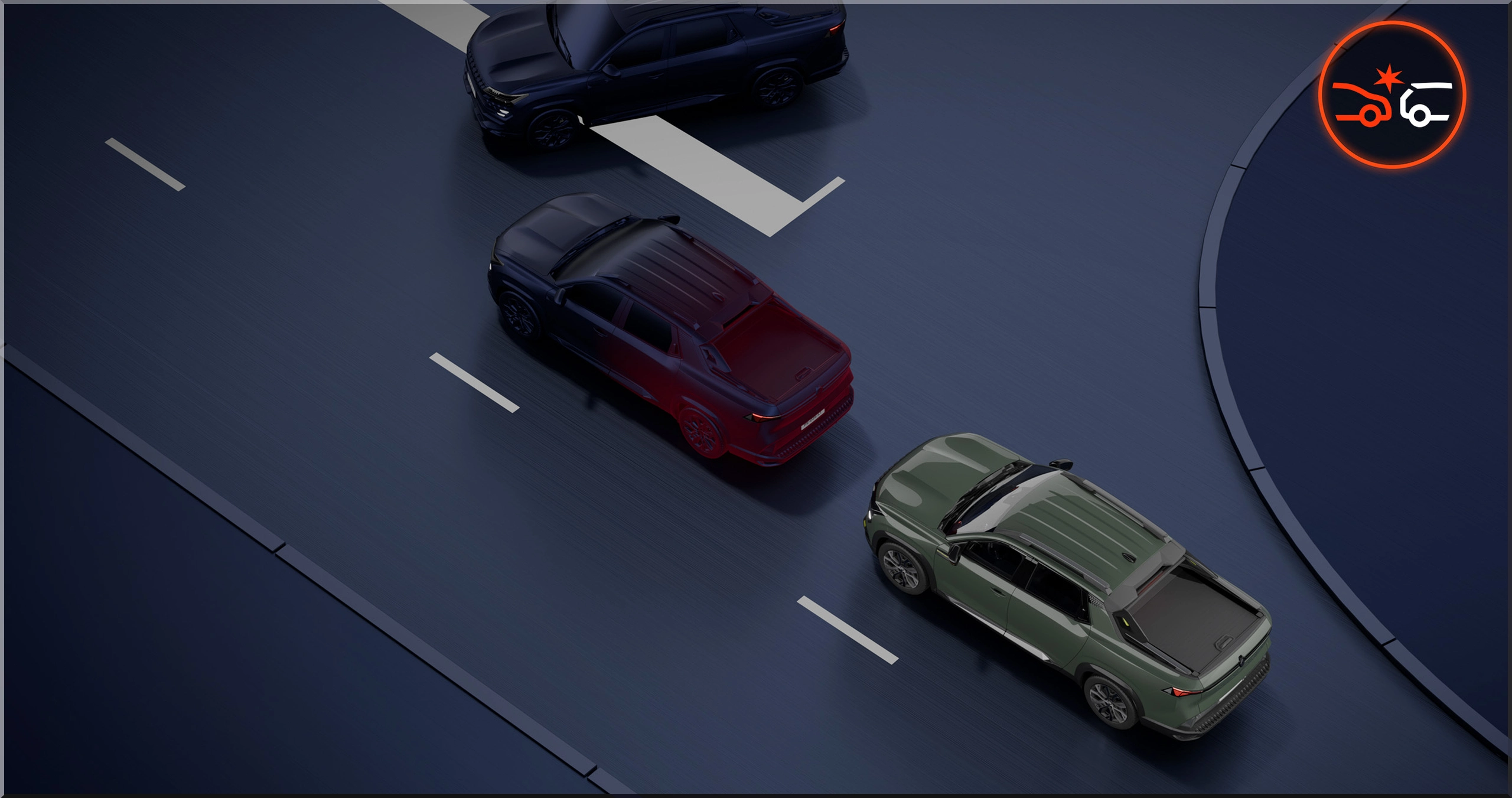
The cabin centres on a 10.1-inch infotainment screen and a 10.2-inch digital instrument display. OpenR Link supports Google Maps, Google Play, Android Auto and Apple CarPlay. Renault also lists Google Gemini, although its Argentine site says the assistant will arrive through a later update. Available equipment includes a wireless phone charger, adjustable ambient lighting, a 360-degree camera and up to 26 driver assistance functions, depending on version.
Underneath, Renault uses a multilink rear suspension and revised springs, dampers and axle geometry to manage ride movements. The company claims a 30% reduction in the natural frequency of body movement; independent road testing still needs to show how that translates with an empty or fully loaded bed. Four ventilated disc brakes provide another relevant detail for repeated stops or long descents.
Image gallery
Pro-Tips: what should a buyer check first?
- Match the trim to the job. Ask the dealer for that version's certified payload, towing rating and gearbox combination.
- Check the 4x4 hardware. The extra 10mm of published clearance and automatic rear-axle engagement offer clearer gains on poor tracks than on paved commutes.
- Wait for verified ownership numbers. Renault has not released comparable fuel economy, market pricing or hybrid specifications in its global announcement.
The Niagara's strongest case rests on measurable utility: a bed large enough for substantial cargo, a defined payload ceiling and a cabin equipped for daily family use. Its ultimate value will depend on local price, specification and how the suspension behaves with a real load.
- Add new comment
- 18 views