The 2026 Opel Astra arrives with a clear mission: keep the compact hatchback and wagon formula relevant while the market keeps drifting toward crossovers. Opel did not chase gimmicks here. It tightened the design, added meaningful tech, widened the powertrain spread, and kept pricing steady in its home market while adding more battery capacity and more electric driving range.
That matters. Compact cars still win on packaging efficiency, curb weight discipline, and day-to-day usability. The updated Astra leans into those strengths with a cleaner face, upgraded lighting, improved seat comfort, more intuitive cabin interfaces, and a broader electrified pitch that runs from hybrid to plug-in hybrid to battery-electric. Looking at the data, Opel also kept the diesel in play, which tells you the brand still sees real demand from buyers who rack up serious motorway mileage.
Image
From an expert perspective, the big story sits in the details. The new Opel Astra does not try to reinvent the platform. Instead, it improves the areas that affect ownership every single day: visibility, seat ergonomics, charging utility, screen legibility, energy use, and cargo flexibility. That kind of engineering discipline usually ages better than flashy feature dumps.
Why the 2026 Opel Astra Matters
The compact hatchback segment has become a knife fight. Buyers now expect crossover-style tech, electric options, and premium-adjacent design in vehicles that still need to fit city streets, parking garages, and sane monthly budgets. The 2026 Opel Astra answers that pressure with a full-spectrum lineup and a refreshed identity that makes the car look more expensive than it likely feels on a finance sheet.
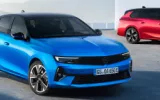
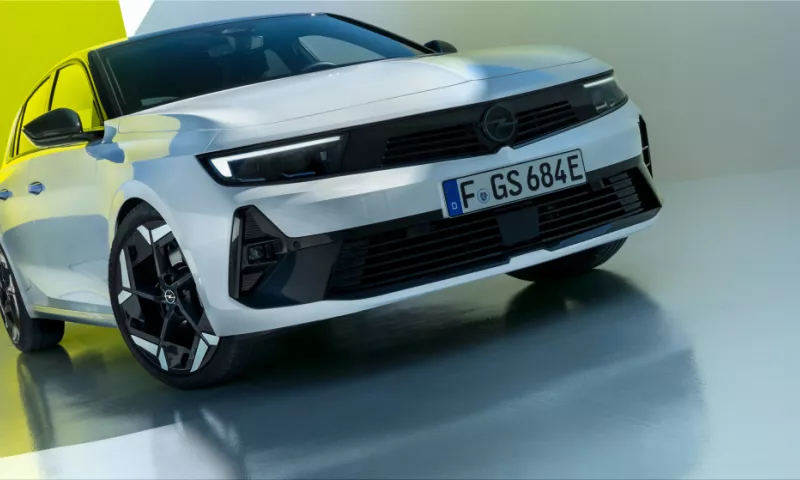
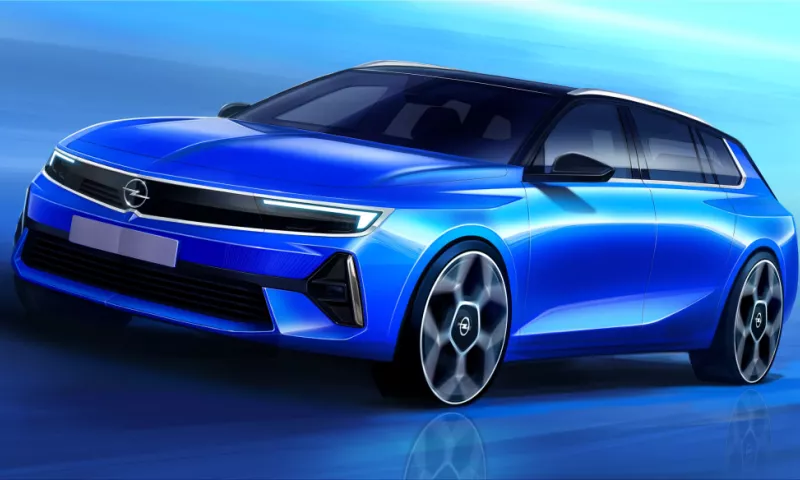
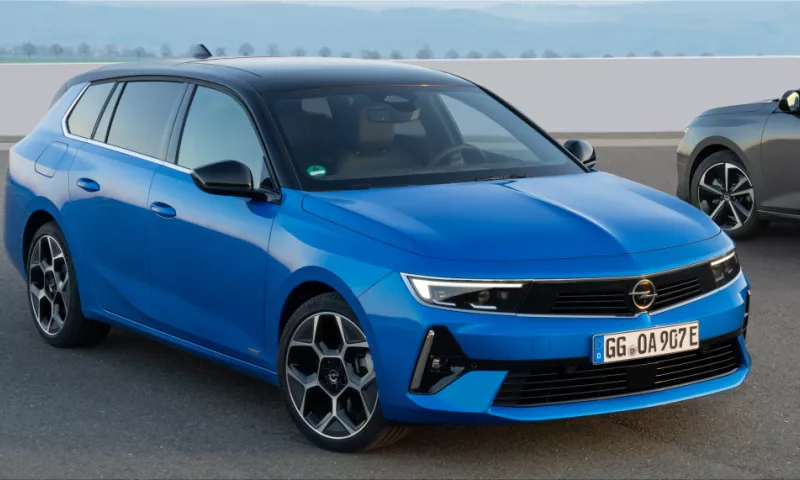
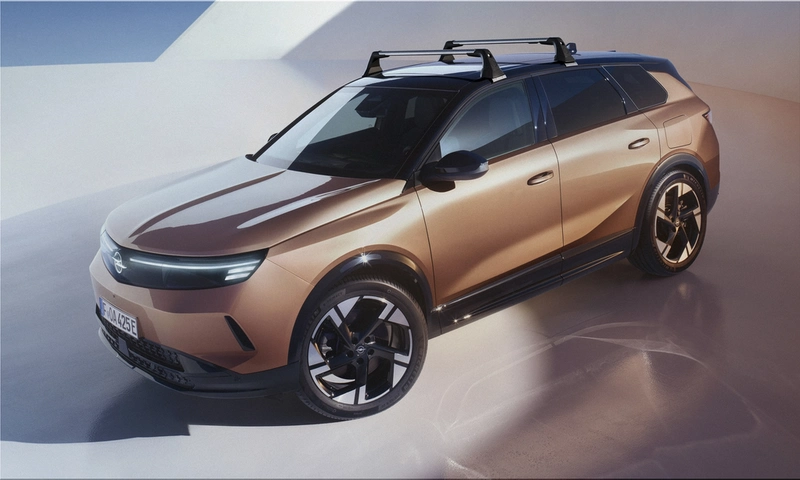
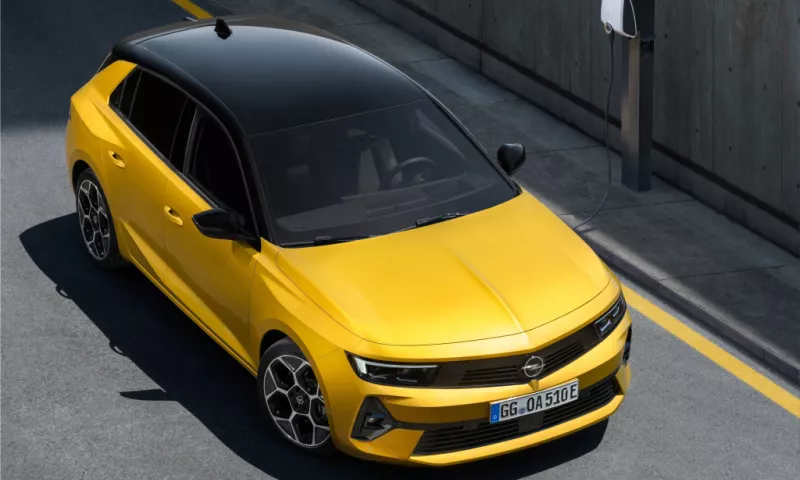
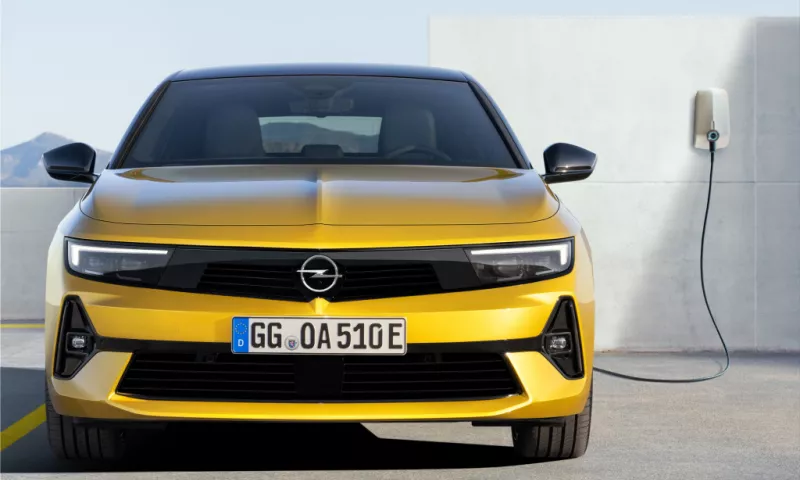
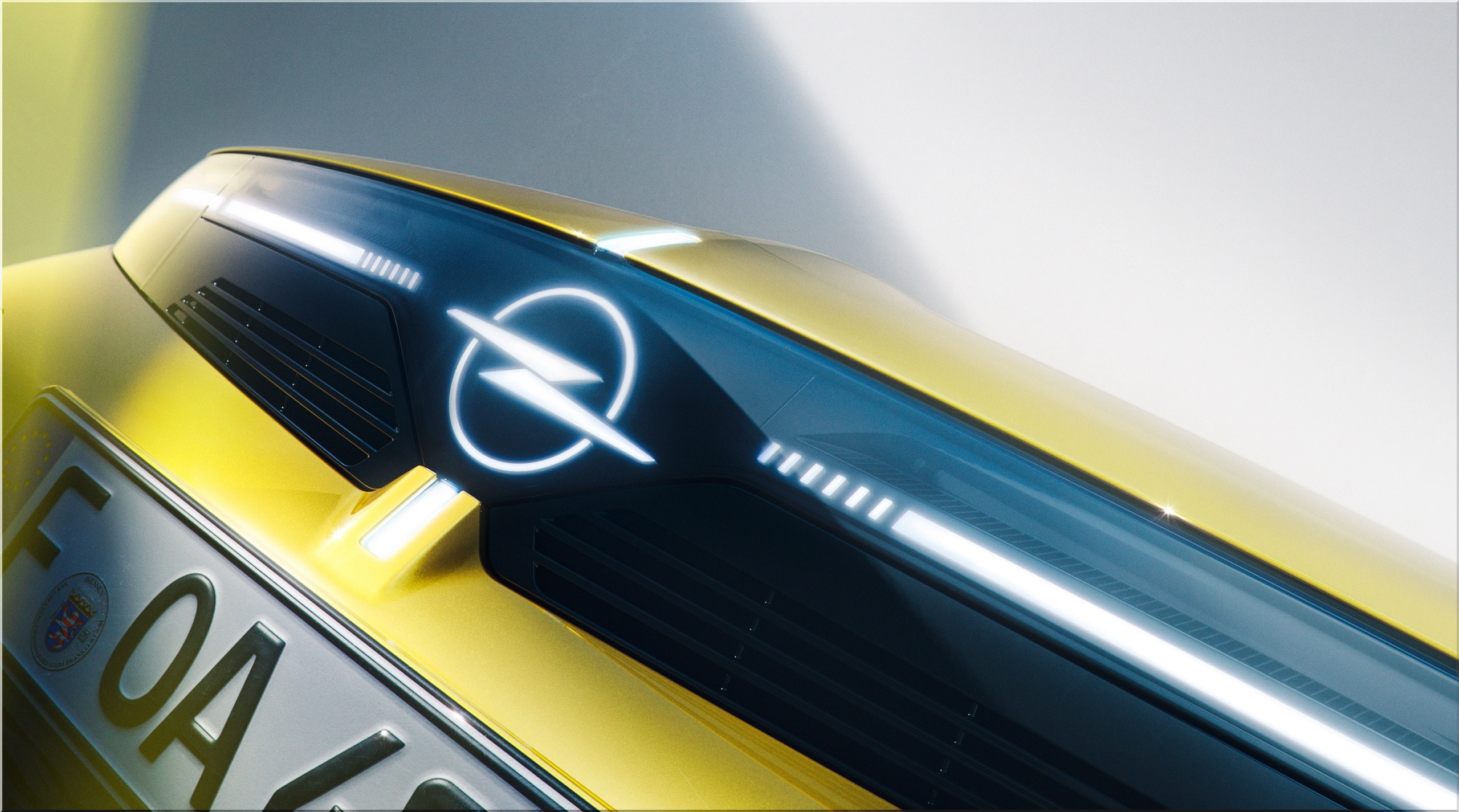
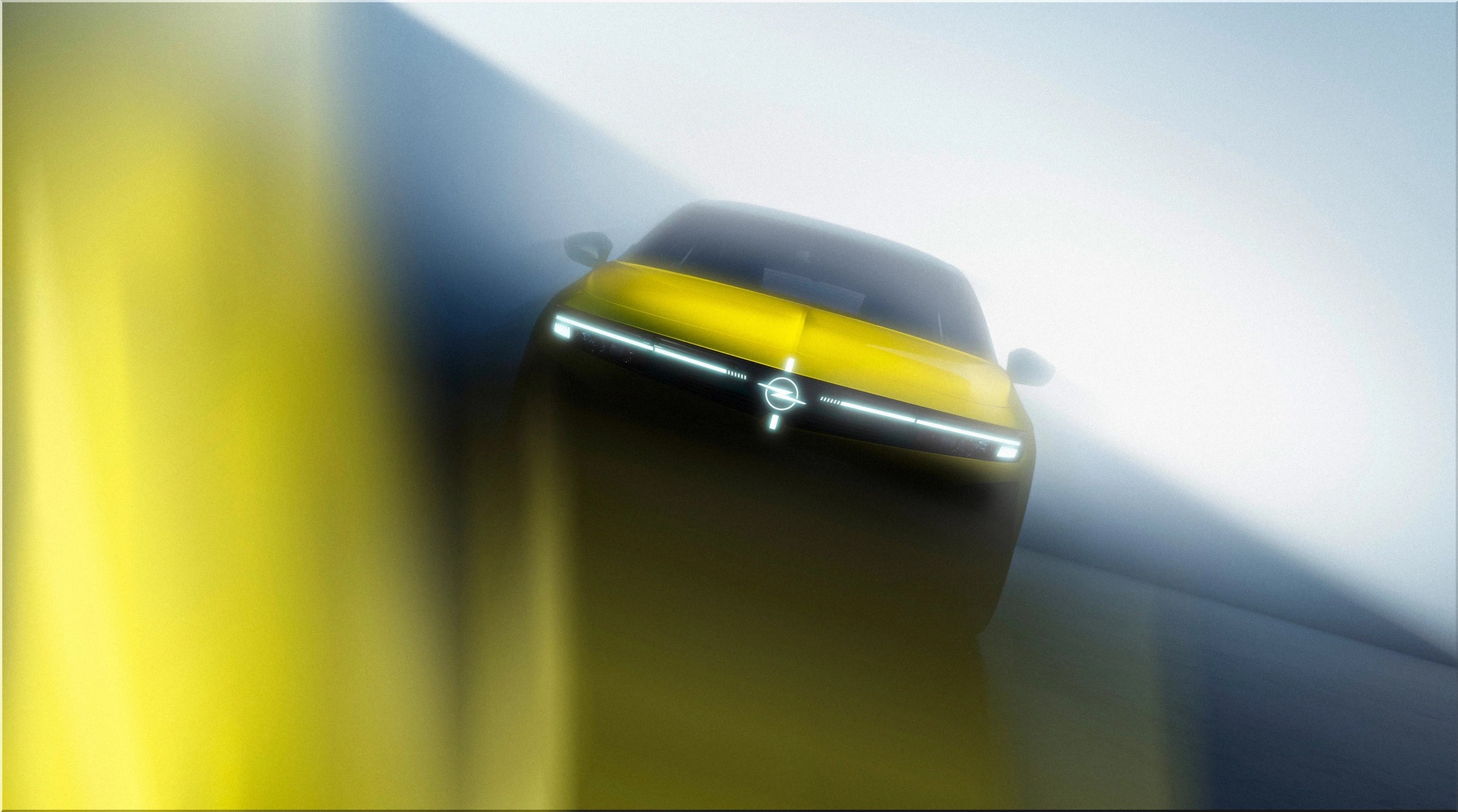
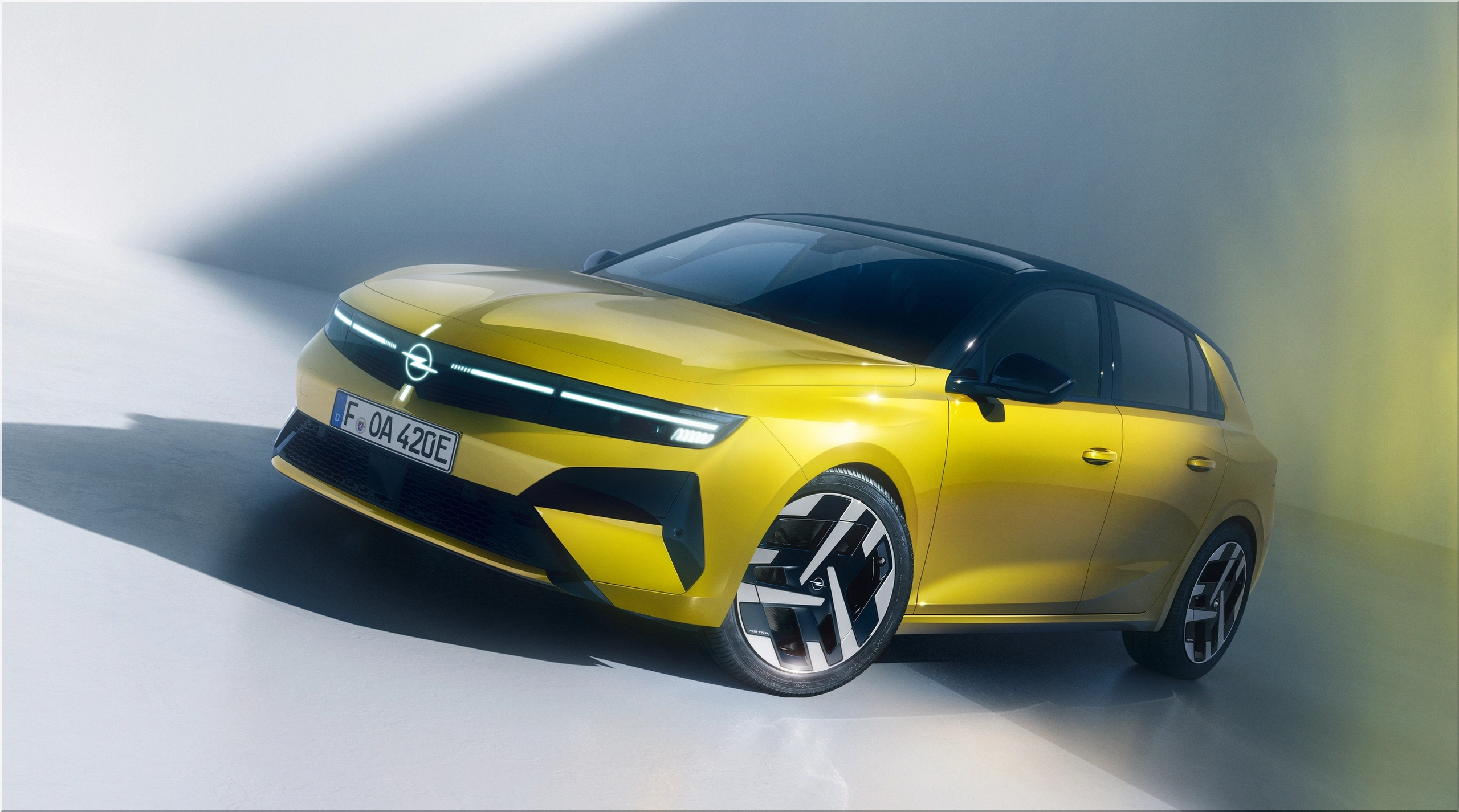
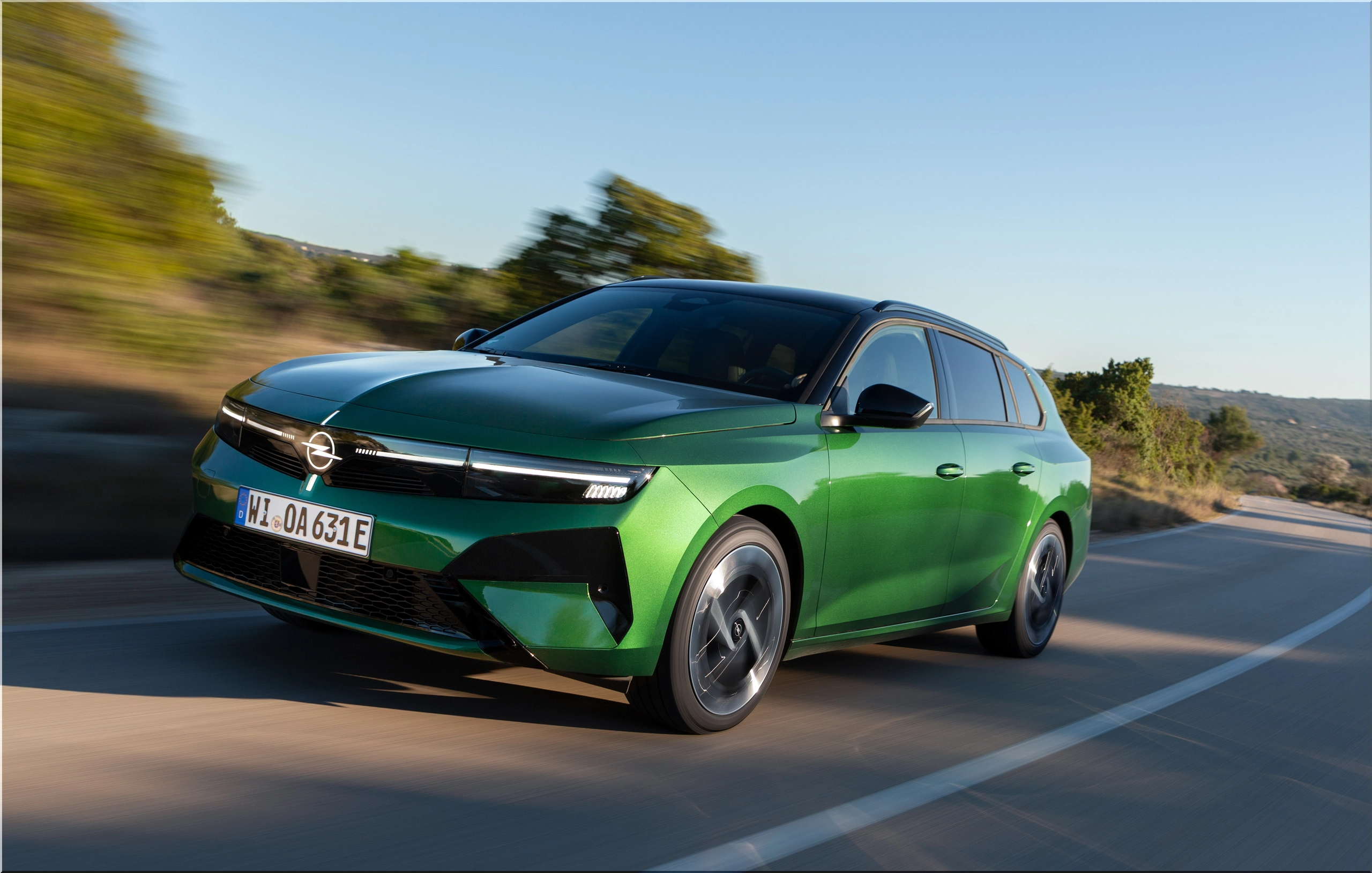
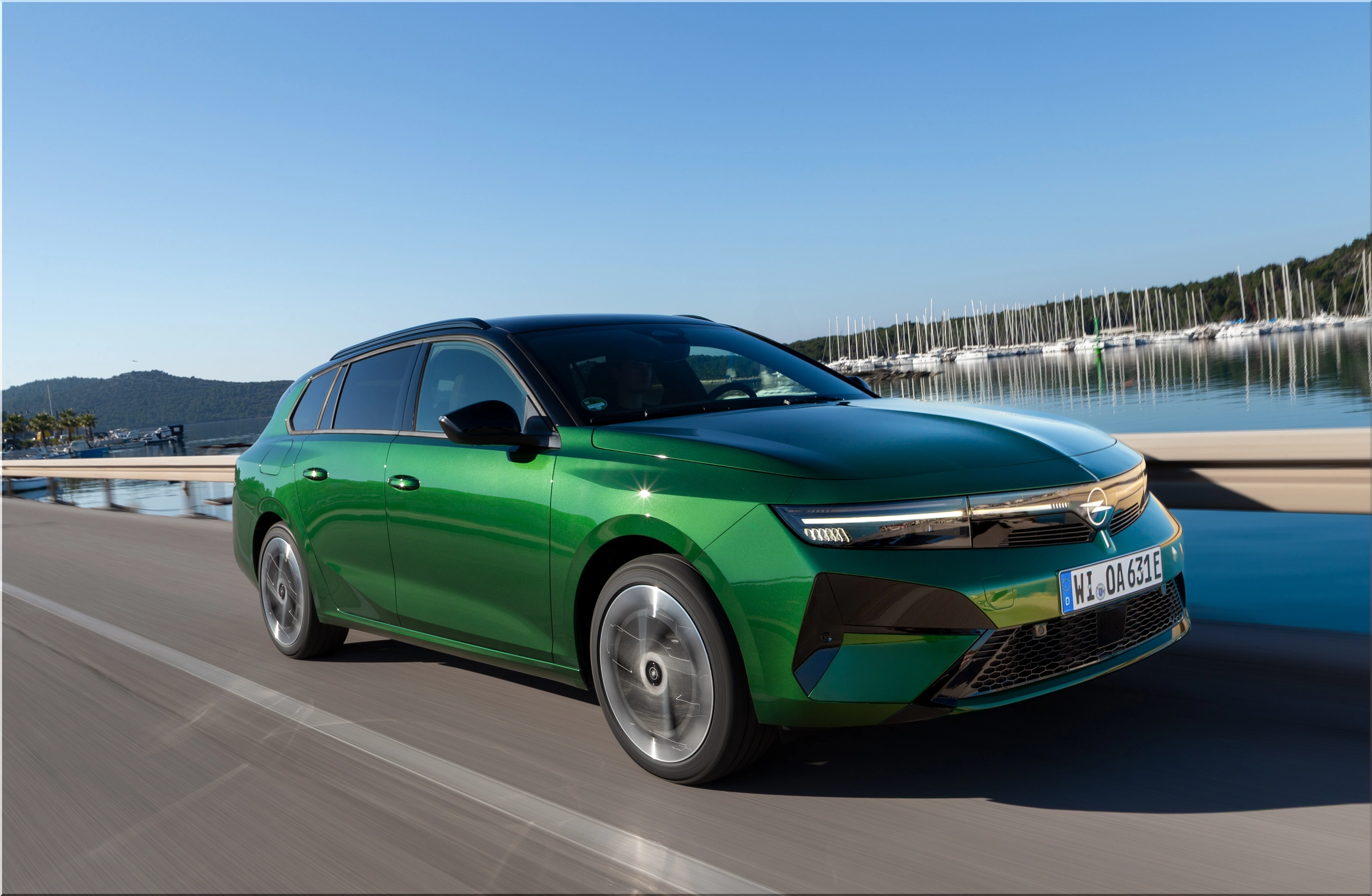
Specifically, Opel sharpened the front end, narrowed the Vizor panel, illuminated the Blitz emblem, and added styling cues pulled from the Corsa GSE Vision Gran Turismo concept. That sounds cosmetic, but design still moves metal. A fresh front fascia lifts showroom appeal, improves visual width, and gives an aging nameplate more shelf life without the cost of a ground-up replacement.
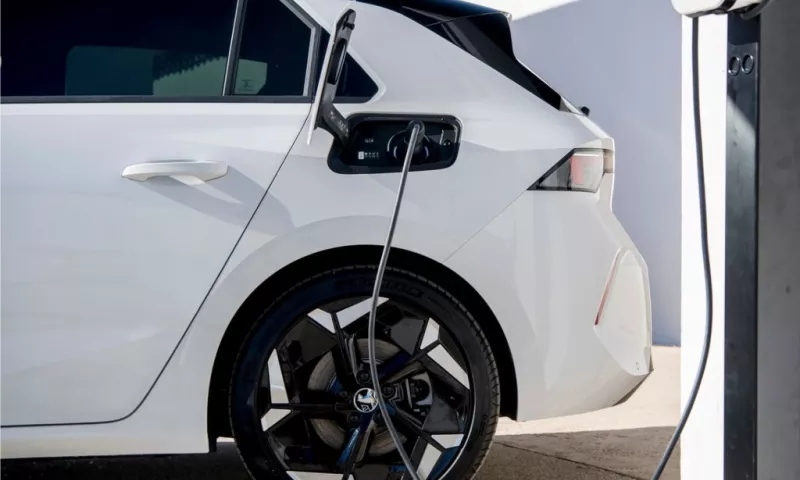
In addition, Opel backed the visual changes with mechanical relevance. The Astra Electric now uses a 58 kWh battery and posts a WLTP range of up to 454 kilometers, which equals roughly 282 miles. That gives it around 35 kilometers or about 22 miles more range than before. In real-world terms, that extra buffer can mean the difference between charging at your destination and charging on the way.
Exterior Design: Clean, Tighter, and More Confident
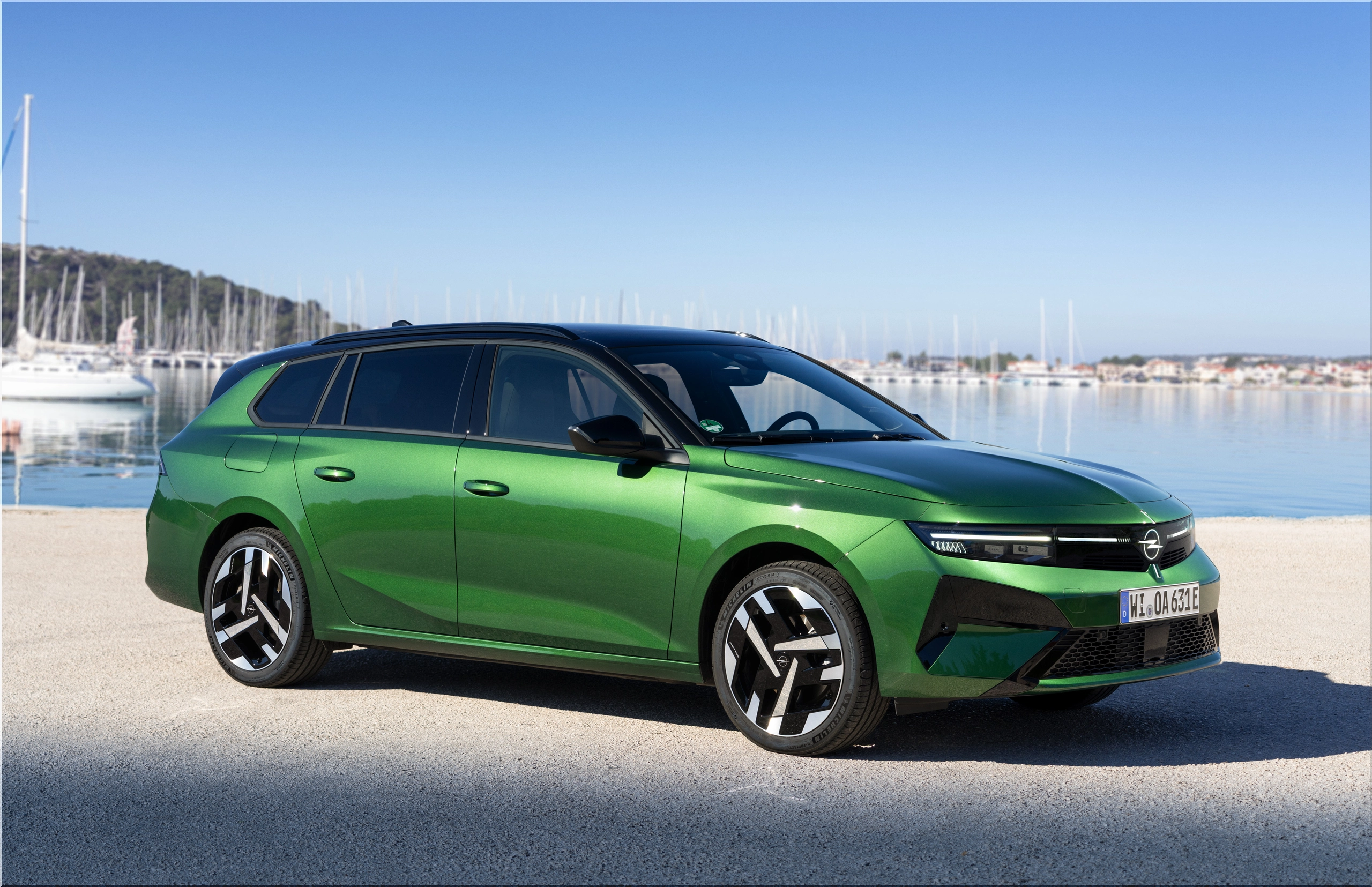
Opel did not overstyle the Astra. Good call. The new front end looks tighter and more resolved because the narrower Opel Vizor pulls the lamps, badge, and grille graphic into one cleaner visual band. The illuminated Blitz emblem gives the car more presence at night and helps distinguish higher-tech trims without piling on fake vents or oversized chrome.
By comparison, many compact cars now rely on aggressive surfacing to look modern. The Astra goes the other way. It uses precision rather than clutter. That usually pays off in two places: visual longevity and brand recognition. A front end with fewer competing shapes stays current longer and reads more cleanly in traffic.
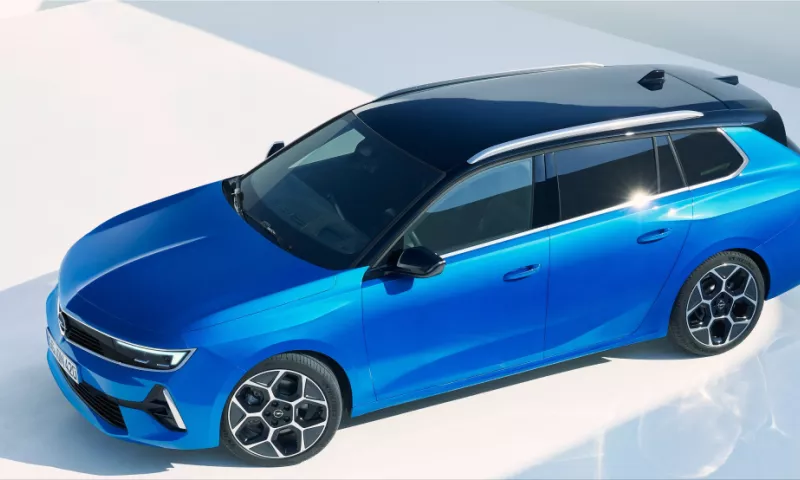
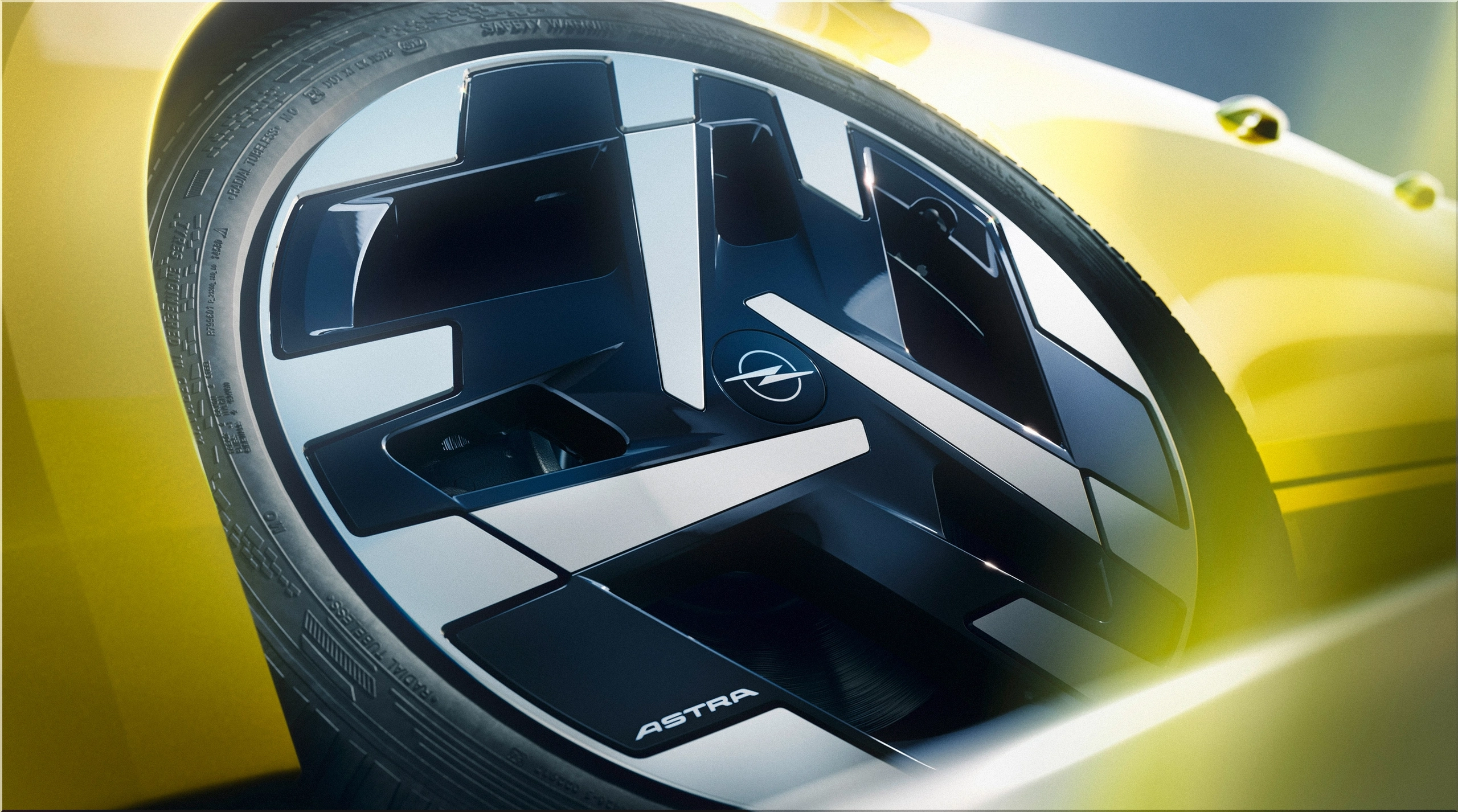
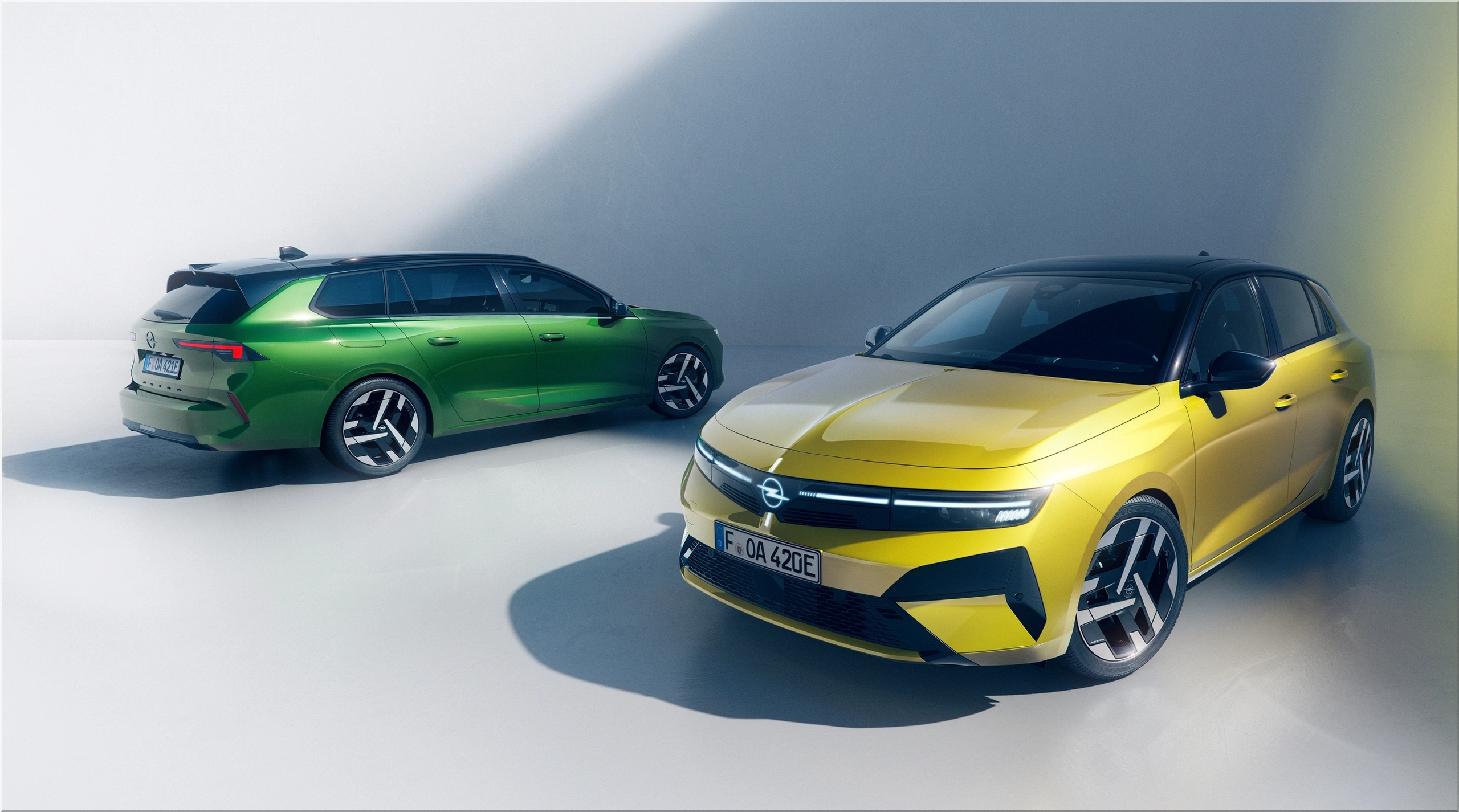
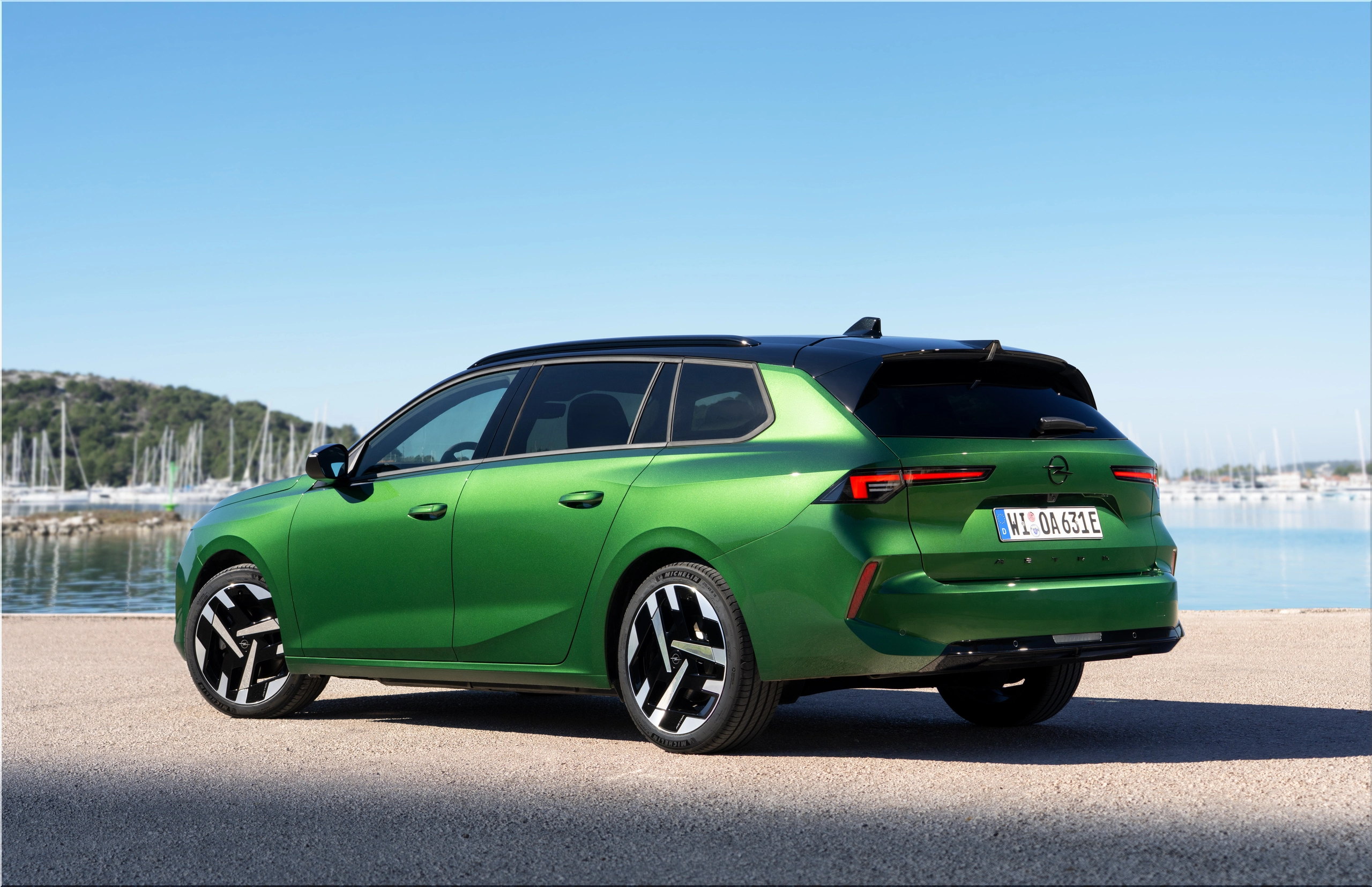
New 17-inch and 18-inch alloy wheel designs also help. Wheel design does more work than most people admit. Larger-diameter designs, when handled correctly, visually shorten overhangs, thicken stance, and reduce the economy-car look that can drag down a mainstream hatchback. Opel also added new metallic paint options, including Kontur White and Klover Green, which gives the lineup fresher spec-sheet appeal without heavy tooling cost.
What Opel changed up front
- Narrower Opel Vizor treatment
- Illuminated Opel Blitz emblem
- Fresh design cues influenced by the Corsa GSE Vision Gran Turismo
- New 17-inch and 18-inch alloy wheel designs
- New metallic paint finishes including Kontur White and Klover Green
Lighting Technology: The Astra's Real Premium Move
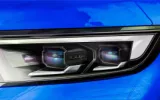
The most serious upgrade may sit in the headlights. Opel offers its Intelli-Lux HD light system with more than 50,000 elements. That number matters because high-resolution matrix lighting lives or dies by control granularity. More light elements give the system finer masking precision, which means it can hold more beam on the road while cutting glare around other road users.
Consequently, the Astra can place light where the driver needs it without blasting the whole road scene. That improves night driving confidence, reduces eye strain, and keeps the cabin workload lower during long drives. The system also detects traffic signs and dims the relevant LEDs so reflected light does not bounce back into the driver's eyes. That sounds like a small trick. It is not. Sign glare becomes tiring fast on dark roads with wet surfaces.
In addition, Opel includes Intelli-Lux HD as standard on the top Ultimate trim. That gives the Astra something many rivals in the compact class either do not offer at all or reserve for a much narrower buyer slice. Lighting tech often gets dismissed as brochure fluff until you drive a poorly lit back road in bad weather. Then it becomes the feature you value most.
Interior: Better Ergonomics Beat Flashier Screens
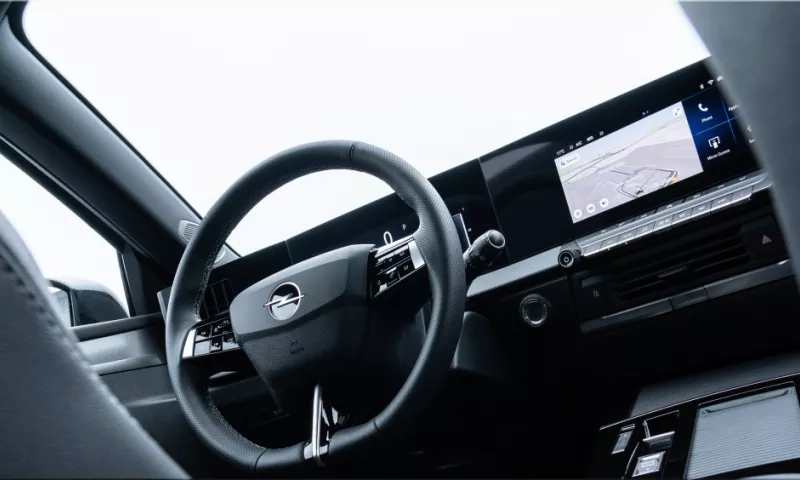
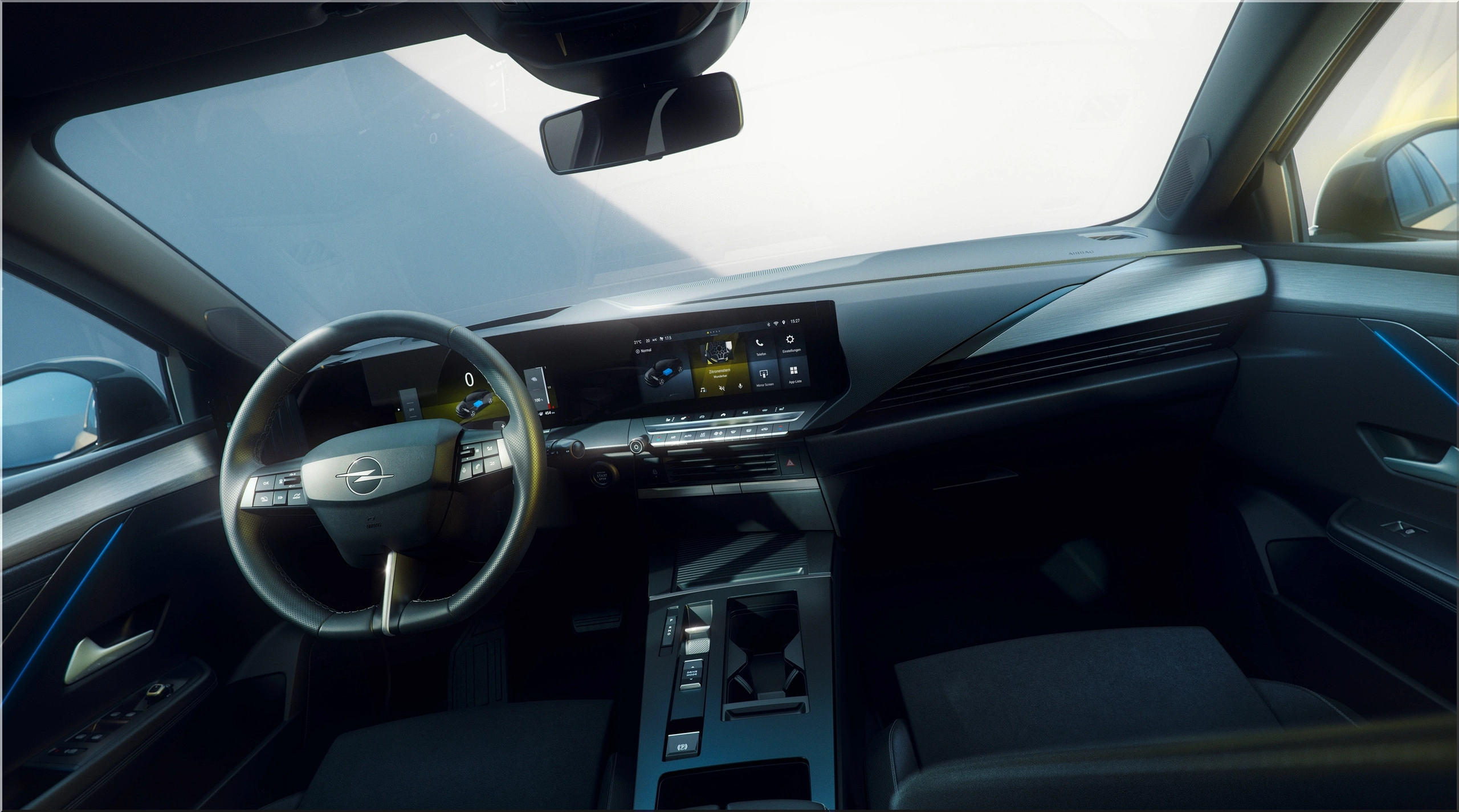
The cabin changes show more discipline than drama. Opel says it optimized the cockpit, display presentation, and travel comfort. That sounds broad, but the real win sits in seat architecture and interface clarity. The brand's Intelli-Seats now come standard across the range, and that matters more than a larger display with fancier animations.
The seat design uses a special recess in the center section to reduce pressure on the tailbone. From an engineering perspective, that solves a very real fatigue issue. Poor load distribution in the seat base creates discomfort long before the suspension or noise insulation becomes the problem. Better seat geometry improves long-trip tolerance, driver concentration, and perceived quality in a way buyers feel within minutes.
From the GS trim upward, the driver's seat carries the AGR approval mark, tied to healthier back support. Opel also offers ReNewKnit seat trim with AGR certification for both front occupants. In addition, the steering wheel uses vegan materials, and the optional trim material uses a mono-material construction with a suede-like appearance. That choice supports easier material recycling logic while still giving the cabin a richer tactile result.
Image
Cabin upgrades that actually matter
- Intelli-Seats standard on every variant
- Tailbone-pressure relief through the seat's center recess
- AGR-certified seating in higher trims
- Cleaner infotainment graphics and easier screen readability
- Vegan steering wheel trim and resource-saving interior materials
2026 Opel Astra Powertrain Lineup
This is where Opel plays smart. Instead of forcing one answer onto every buyer, the Astra spreads the risk across four propulsion paths: hybrid, plug-in hybrid, battery-electric, and 1.5-liter diesel. That gives the model lineup broader relevance across urban commuters, company-car fleets, private buyers, and long-distance users.
Looking at the data, the electric version posts 115 kW and 156 hp, while the hybrid starts at 107 kW and 145 hp system output. The plug-in hybrid climbs to 144 kW and 196 hp system output, and the diesel stays at 96 kW and 130 hp. Those figures build a rational ladder. Buyers can step up in power and electrification without jumping into a completely different vehicle class.
The strategy also protects the Astra from one of the biggest problems in today's market: drivetrain polarization. Some buyers want full EV running costs. Others still want low-consumption combustion or partial electrification without charging dependence. Opel gives them each a route in the same body shell.
Powertrain Comparison Table
| Variant | Output | Battery/Fuel Setup | Quoted Efficiency/Range | Starting Price in Germany | Approx. USD Equivalent |
|---|---|---|---|---|---|
| Astra Hybrid | 107 kW / 145 hp | Electrified hybrid | 4.9-5.1 L/100 km | 32,990 euros | about $34,310 |
| Astra Plug-in Hybrid | 144 kW / 196 hp | PHEV | 12.6-13.0 kWh/100 km + 2.2-2.3 L/100 km | 38,460 euros | about $40,000 |
| Astra Electric | 115 kW / 156 hp | 58 kWh battery | Up to 454 km WLTP | 37,990 euros | about $39,510 |
| Astra Sports Tourer Electric | 115 kW / 156 hp | 58 kWh battery | Up to 454 km WLTP family line claim | 39,490 euros | about $41,070 |
| Astra 1.5 Diesel | 96 kW / 130 hp | 1.5-liter diesel | 4.9-5.1 L/100 km | 34,640 euros | about $36,030 |
Astra Electric: The Most Important Version
The 2026 Opel Astra Electric gets the update that changes the ownership equation the most. A 58 kWh battery and up to 454 km of WLTP range put it in a more usable bracket for buyers who want a compact EV without moving into a taller, heavier crossover. That range gain of around 35 km over the prior setup gives the car better weekly flexibility and reduces charge-stop sensitivity.
By comparison, many EV upgrades land as software tweaks or trim reshuffles. This one improves core utility. More battery capacity means more trip resilience, wider climate-control tolerance, and less need to run the pack near empty during daily use. That tends to improve long-term ownership comfort, even when drivers rarely use the full rated range.
In addition, Opel added V2L, or Vehicle to Load, to the all-electric Astra. That lets the car power external devices such as e-bikes or similar equipment. For a compact hatchback, that is a strong value add. It turns the vehicle into a mobile power source for travel, outdoor activity, job-site support, or even backup use for small electronics.
Video title
Opel Astra 2026
Definition: What V2L means
Vehicle to Load allows an EV to supply electricity to external devices through the vehicle's battery pack. In plain English, the car becomes a rolling power bank.
Image gallery


Hybrid and Plug-in Hybrid: Likely the Volume Plays
The Astra Hybrid starts at 145 hp, which likely makes it the volume choice for buyers who want lower fuel consumption without dealing with charging routines. That drivetrain fits the reality of mixed city and highway driving in regions where public charging still varies in quality, density, or reliability.
The Astra Plug-in Hybrid, rated at 196 hp, adds real performance headroom and short-trip electric flexibility. Specifically, it suits drivers with predictable daily distances and home charging access, yet who still want combustion backup for longer runs. That makes it attractive for company-car users and suburban buyers who want lower fuel spend without a full EV commitment.
From an expert perspective, Opel made the right call by keeping both variants in the catalog. Full EV adoption still depends on charging conditions, local incentives, and buyer habits. A compact car with both hybrid and plug-in hybrid options gives the Astra lineup more staying power across markets with uneven electrification demand.
The Diesel Still Makes Sense
Yes, the diesel remains. That decision will annoy some armchair analysts and please many real buyers. The 1.5-liter diesel produces 130 hp and returns 4.9-5.1 L/100 km in the quoted combined cycle. For drivers who cover long motorway distances, a modern diesel still solves a problem hybrids and EVs do not always solve as efficiently: sustained high-speed range with fast refueling and low operating cost.
Consequently, the Astra lineup avoids the all-or-nothing trap. It lets fleet users, rural drivers, and long-distance commuters choose what fits their use case rather than forcing every owner into the same energy model. In a compact car that aims to sell in meaningful volume, that flexibility still matters.
Efficiency and Packaging Table
| Metric | Astra Electric | Astra Hybrid | Astra Plug-in Hybrid | Astra Diesel | Why It Matters |
|---|---|---|---|---|---|
| Drive type | Full EV | Full hybrid | Plug-in hybrid | Diesel ICE | Buyer-fit flexibility |
| Output | 156 hp | 145 hp | 196 hp | 130 hp | Power ladder stays logical |
| Energy or fuel use | 15.3-15.8 kWh/100 km | 4.9-5.1 L/100 km | 12.6-13.0 kWh + 2.2-2.3 L/100 km | 4.9-5.1 L/100 km | Running-cost comparison |
| CO2 emissions | 0 g/km | 109-114 g/km | 49-53 g/km | 130-134 g/km | Regulatory and tax impact |
| Battery size | 58 kWh | Small hybrid battery | PHEV battery | None | Daily-use behavior changes |
| Cargo capacity, hatchback max | Up to 1,339 liters | Up to 1,339 liters | Up to 1,339 liters | Up to 1,339 liters | Practicality remains strong |
| Cargo capacity, Sports Tourer max | Up to 1,634 liters | Up to 1,634 liters | Up to 1,634 liters | Up to 1,634 liters | Wagon remains the packaging king |
Practicality: The Sports Tourer Still Does the Heavy Lifting
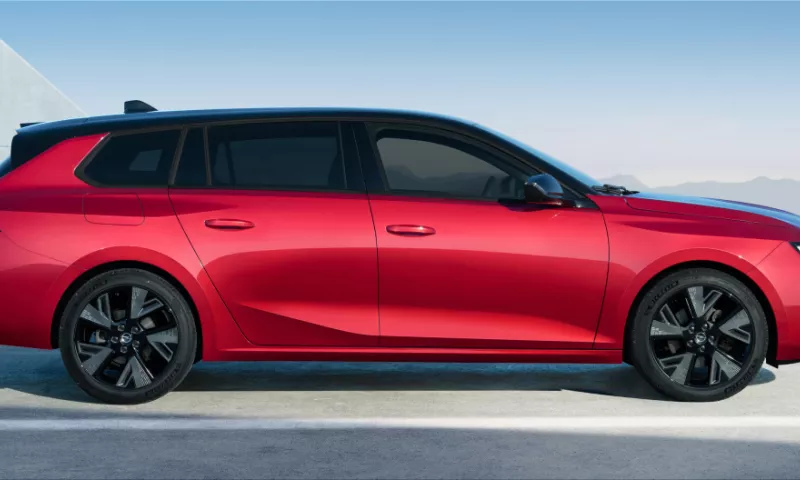
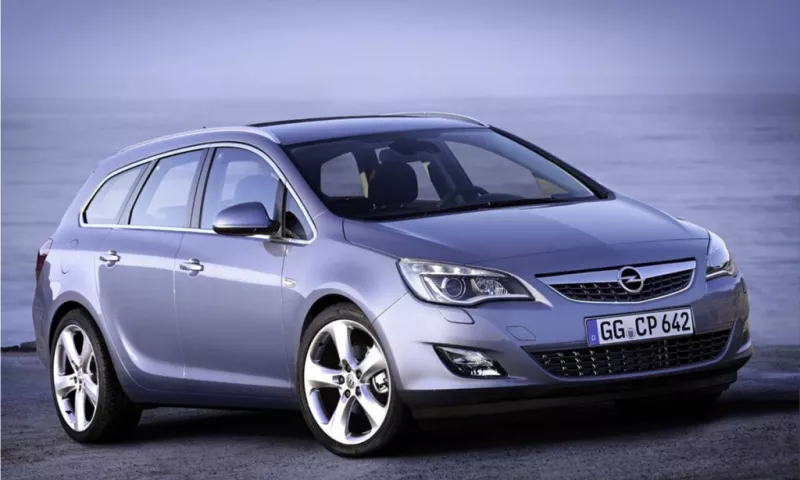
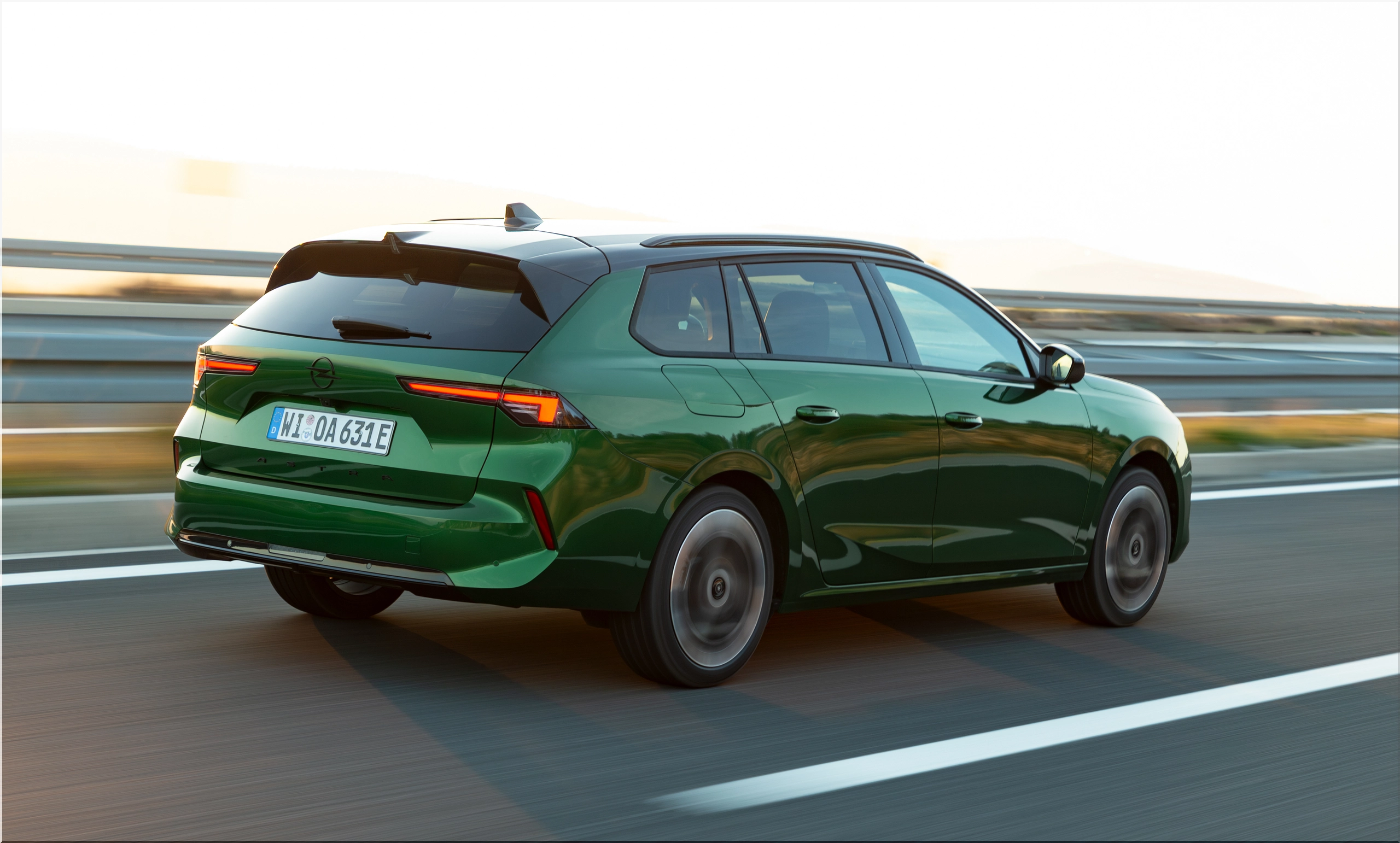
Opel kept the Astra grounded in real utility. The hatchback offers up to 1,339 liters of luggage room with the seats folded, while the Astra Sports Tourer stretches that to 1,634 liters. Those numbers keep the wagon relevant for families, business users, and buyers who want crossover practicality without crossover mass or ride height.
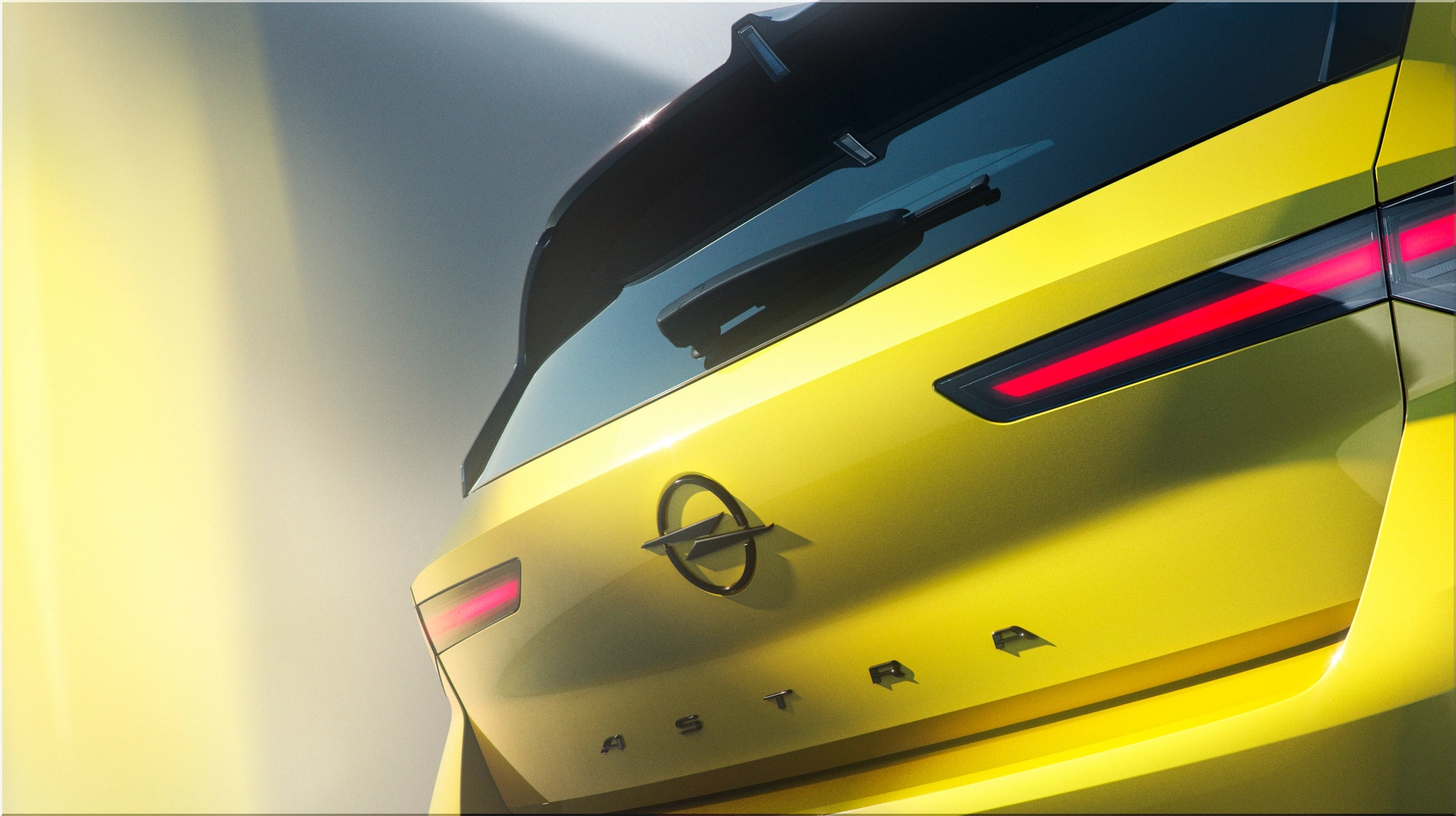
Specifically, the Sports Tourer also gets a 40:20:40 split-folding rear backrest. That setup works better than a simple 60:40 split because it allows longer items such as skis, flat-pack furniture, or hobby gear to pass through the center while still keeping two rear seating positions available. That is the kind of packaging intelligence wagons continue to do better than many SUVs.
By comparison, compact crossovers often sacrifice cargo floor depth and loading efficiency for styling or seating position. The Astra wagon avoids that tax. Lower ride height helps loading, lower center of gravity helps handling, and cleaner aerodynamics help efficiency.
Why Opel Held Pricing Steady
One of the smartest parts of the Astra refresh sits in the pricing logic. Opel says prices stay the same in Germany despite the tech and range improvements. In a market where equipment inflation often arrives disguised as "new standard content," holding the line sends a strong message. It tells buyers Opel wants this facelift to move units, not simply lift margin per vehicle.
Looking at the numbers, the Astra Electric starts at 37,990 euros, the Sports Tourer Electric at 39,490 euros, the Hybrid at 32,990 euros, the Plug-in Hybrid at 38,460 euros, and the Diesel at 34,640 euros. Those converted figures land in roughly the mid-$34,000 to low-$41,000 range. That positions the Astra as a tech-forward compact rather than a stripped budget play.
From a sales strategy standpoint, Opel likely knows the compact segment needs strong value clarity. Buyers will pay for better lights, better seats, and better electric usability. They will not pay endless premiums for cosmetic fluff.
Image
Pro-Tips for Buyers
Pro-Tip: Pick the powertrain by routine, not by trend
If you commute locally and can charge at home, the Astra Electric makes the strongest case. If your driving pattern changes daily and charging access stays inconsistent, the Hybrid may deliver the lowest-friction ownership experience.
Pro-Tip: The wagon may be the smarter buy
The Astra Sports Tourer gives you a lot of utility without forcing you into an SUV body. If cargo flexibility matters more than image, the wagon likely wins on packaging efficiency.
Pro-Tip: Do not underrate the lighting package
If you drive often at night, the Intelli-Lux HD system may deliver more day-to-day value than a larger wheel or cosmetic trim upgrade.
Where the 2026 Opel Astra Stands
The 2026 Opel Astra does not win by shouting. It wins by refining the parts that owners use every day. The design looks tighter. The electric model drives farther between charges. The seating aims directly at fatigue reduction. The lighting tech pushes the car upmarket. The drivetrain range gives buyers real choice instead of marketing theater.
In addition, Opel preserved the Astra's core strengths: sensible exterior size, high utility, broad configuration spread, and packaging that still favors drivers who want a car rather than a fashion crossover. That matters because compact cars succeed when they stay honest about their job.
The result looks well judged. The Astra did not need drama. It needed focus. Opel gave it that.
Image gallery
What Now?
If you are shopping this class, start with your use case.
- Choose the Opel Astra Electric if you want the freshest tech, daily EV savings, and the new V2L function.
- Choose the Opel Astra Hybrid if you want the least complicated path into lower fuel consumption.
- Choose the Plug-in Hybrid if you can charge regularly and want the strongest power output.
- Choose the 1.5 diesel if you drive long distances often and want sustained efficiency at speed.
- Choose the Sports Tourer if cargo flexibility ranks high on your priority list.
For Opel, the next step looks simple: turn this updated formula into strong showroom traffic before compact-car buyers drift further into crossovers. For buyers, the 2026 Astra now gives a much clearer reason to stay low, efficient, and practical.
- Add new comment
- 416 views