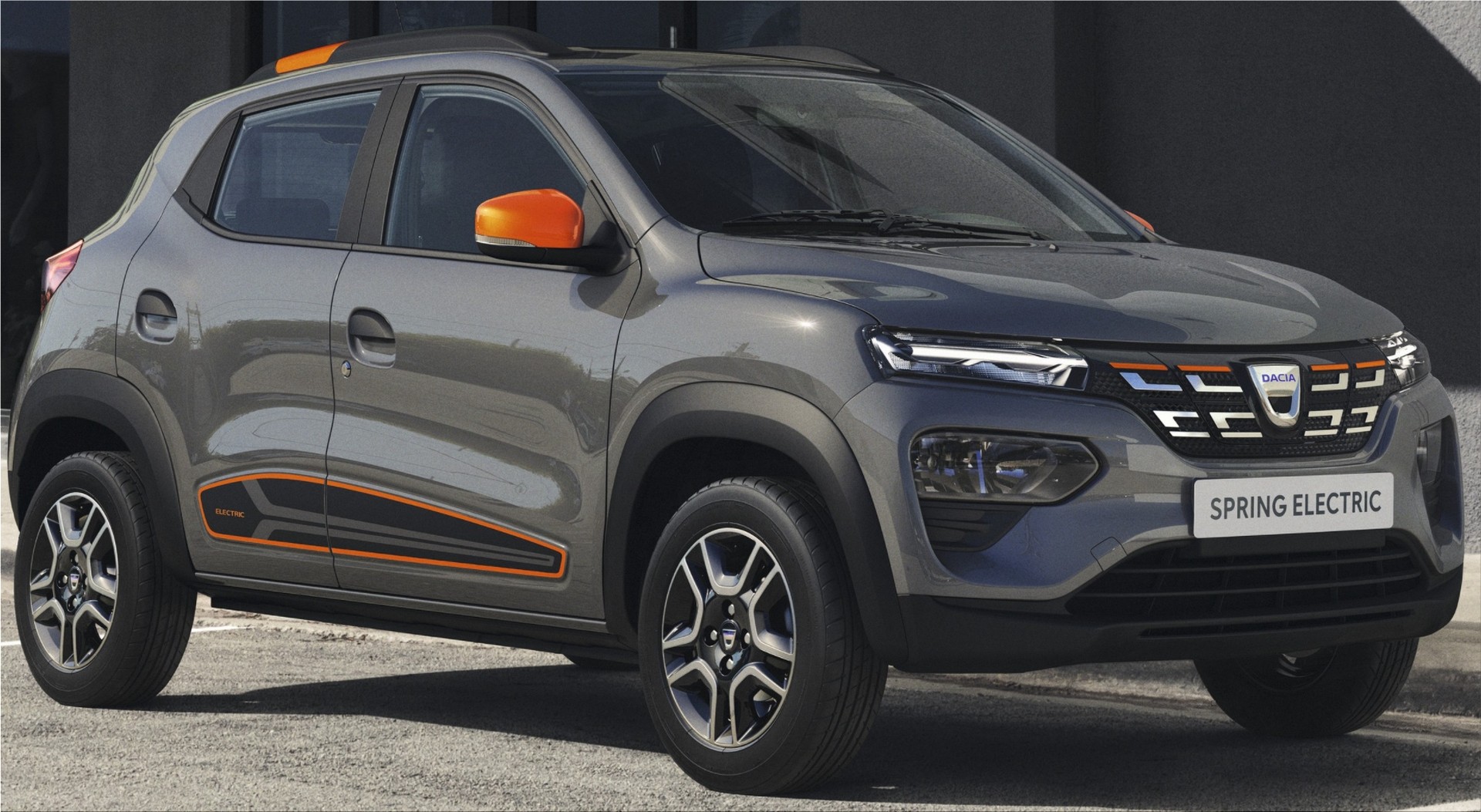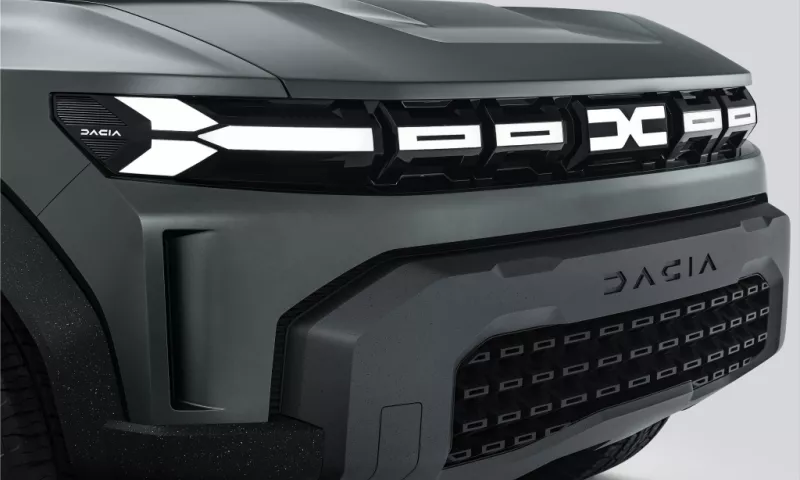
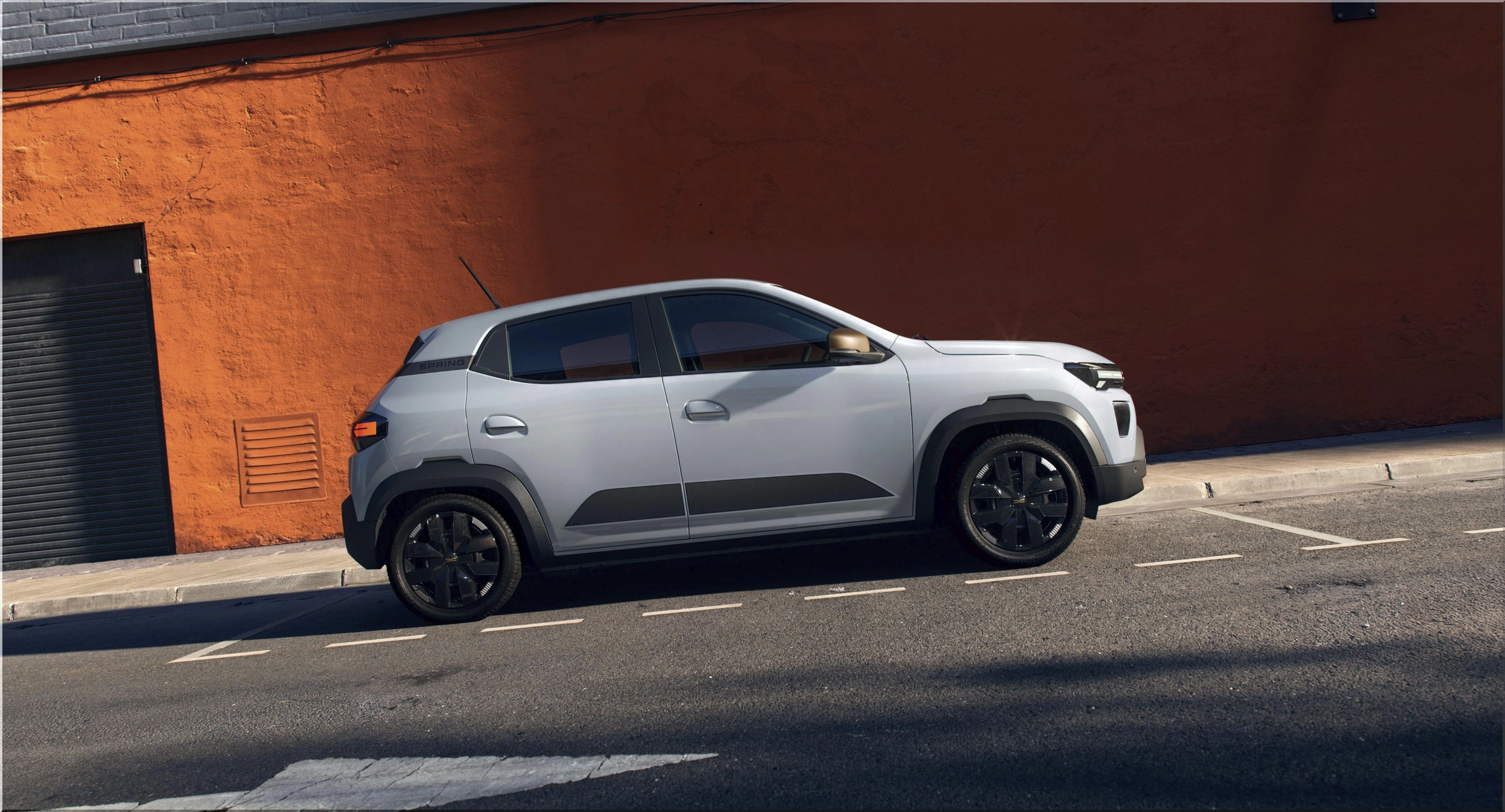
Europe's budget EV leader
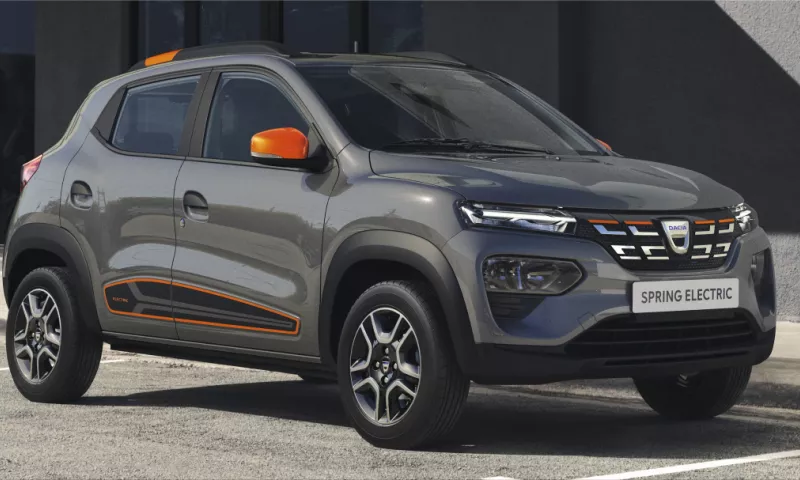
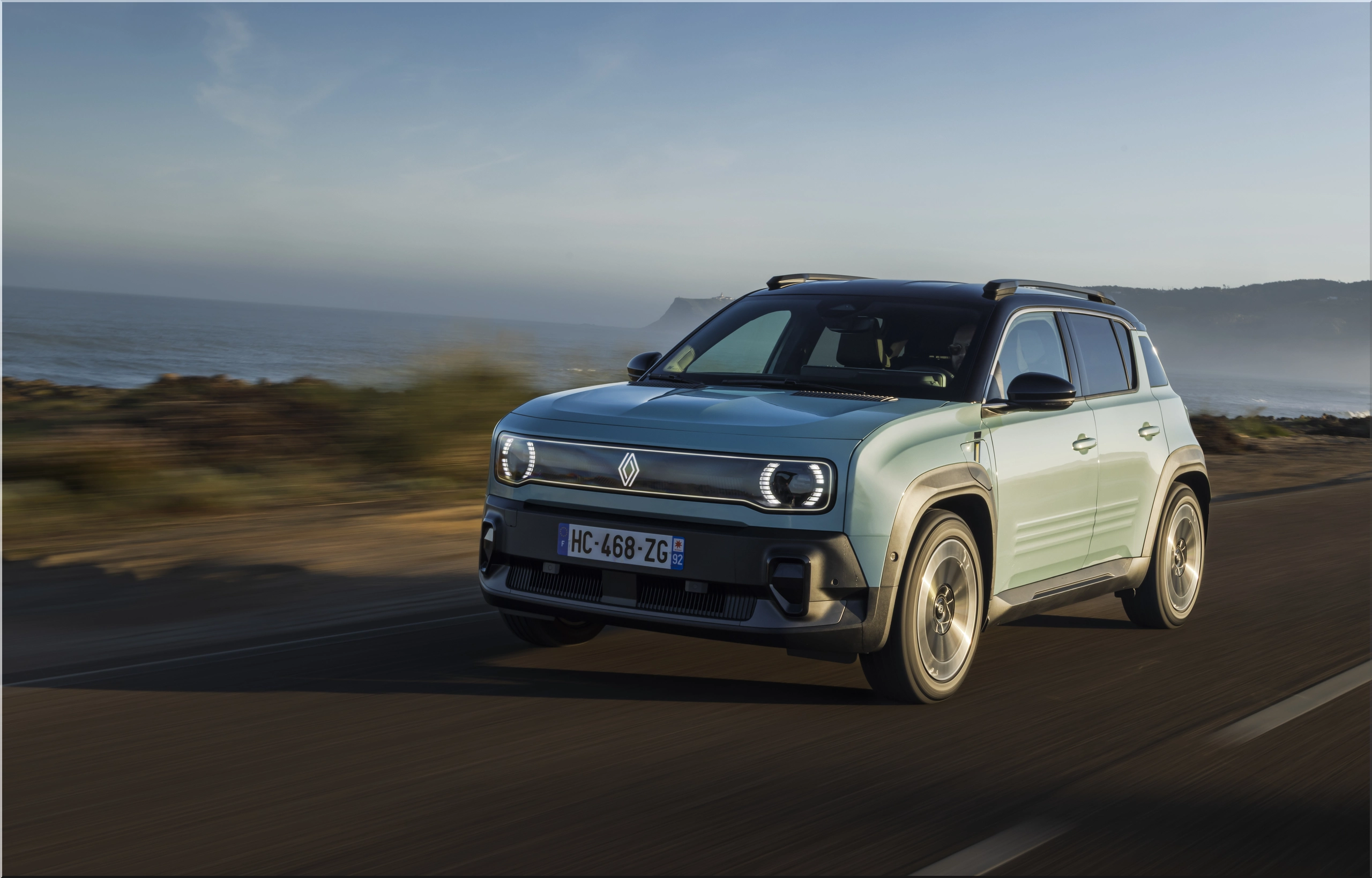
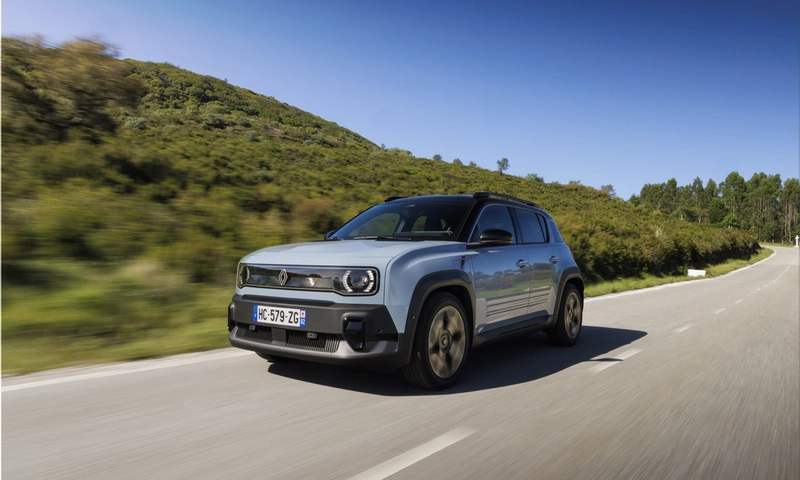
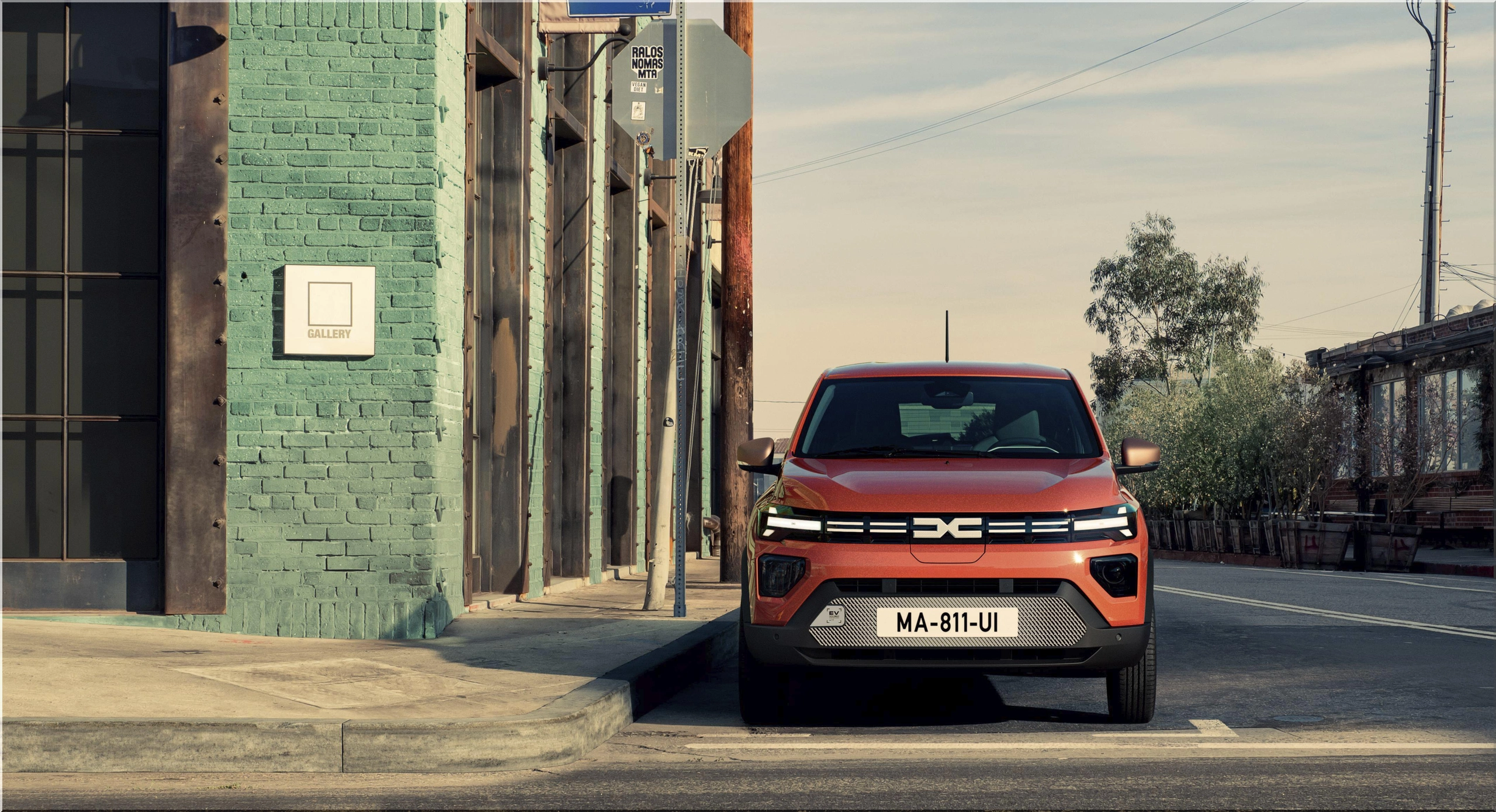
Dacia built the Spring to solve a clear problem: electric cars were too expensive for most buyers. Four years after launch, that mission remains unchanged — but the 2026 version makes a strong case for why affordability doesn’t need to mean compromise.
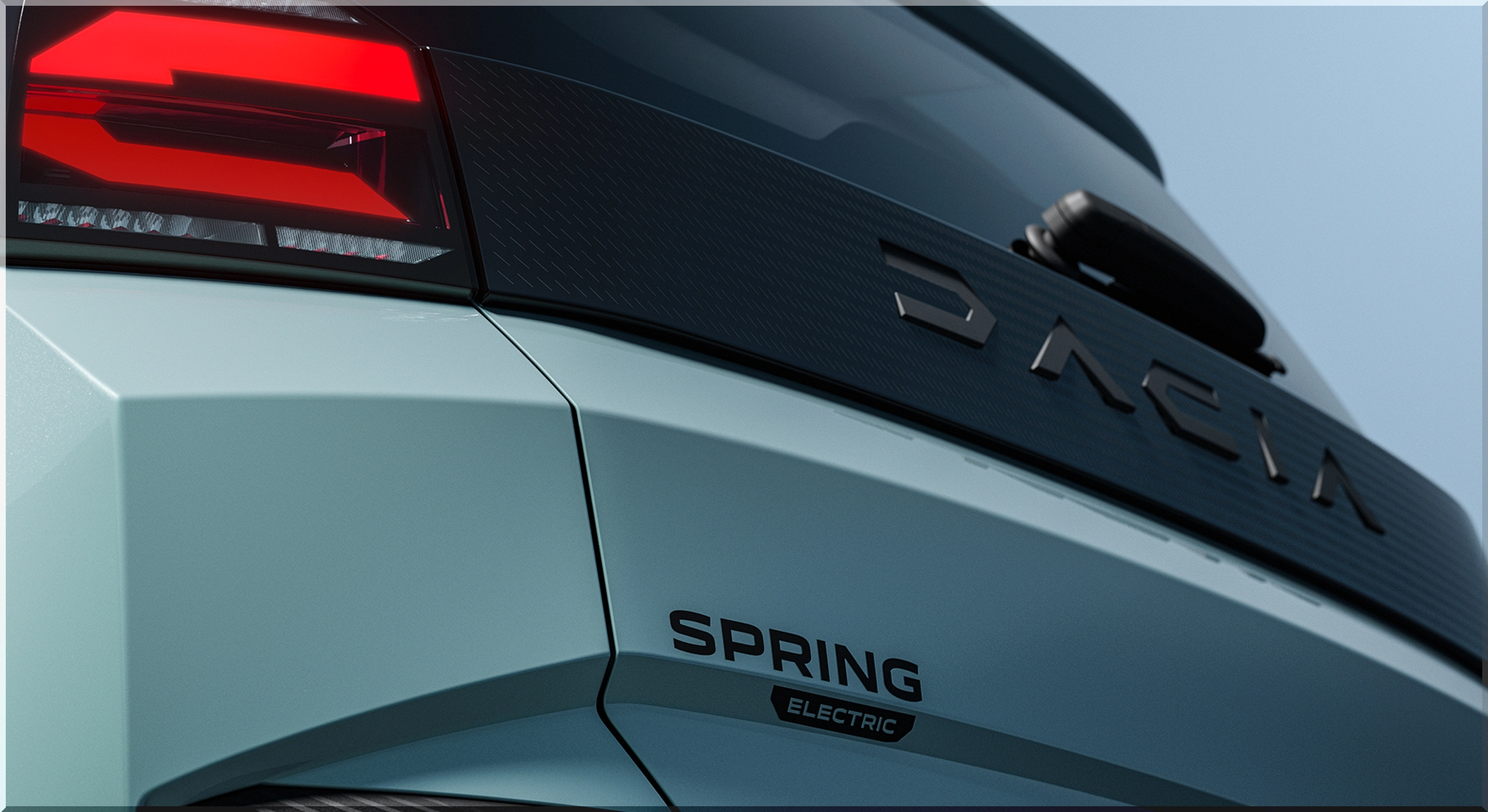
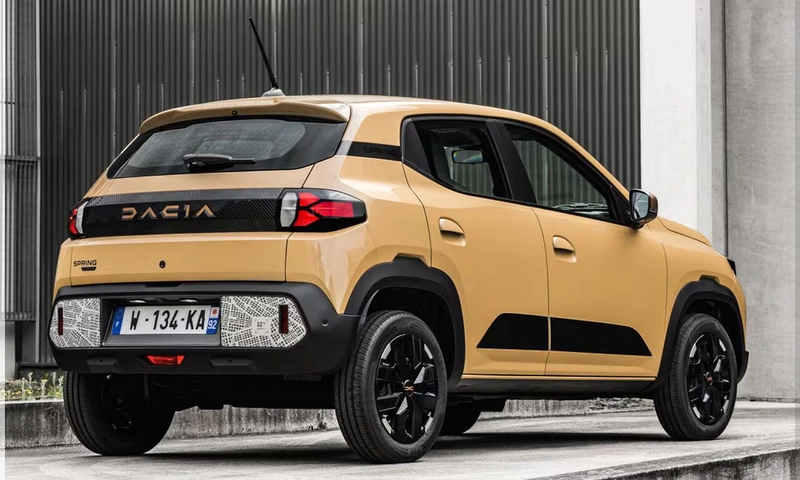
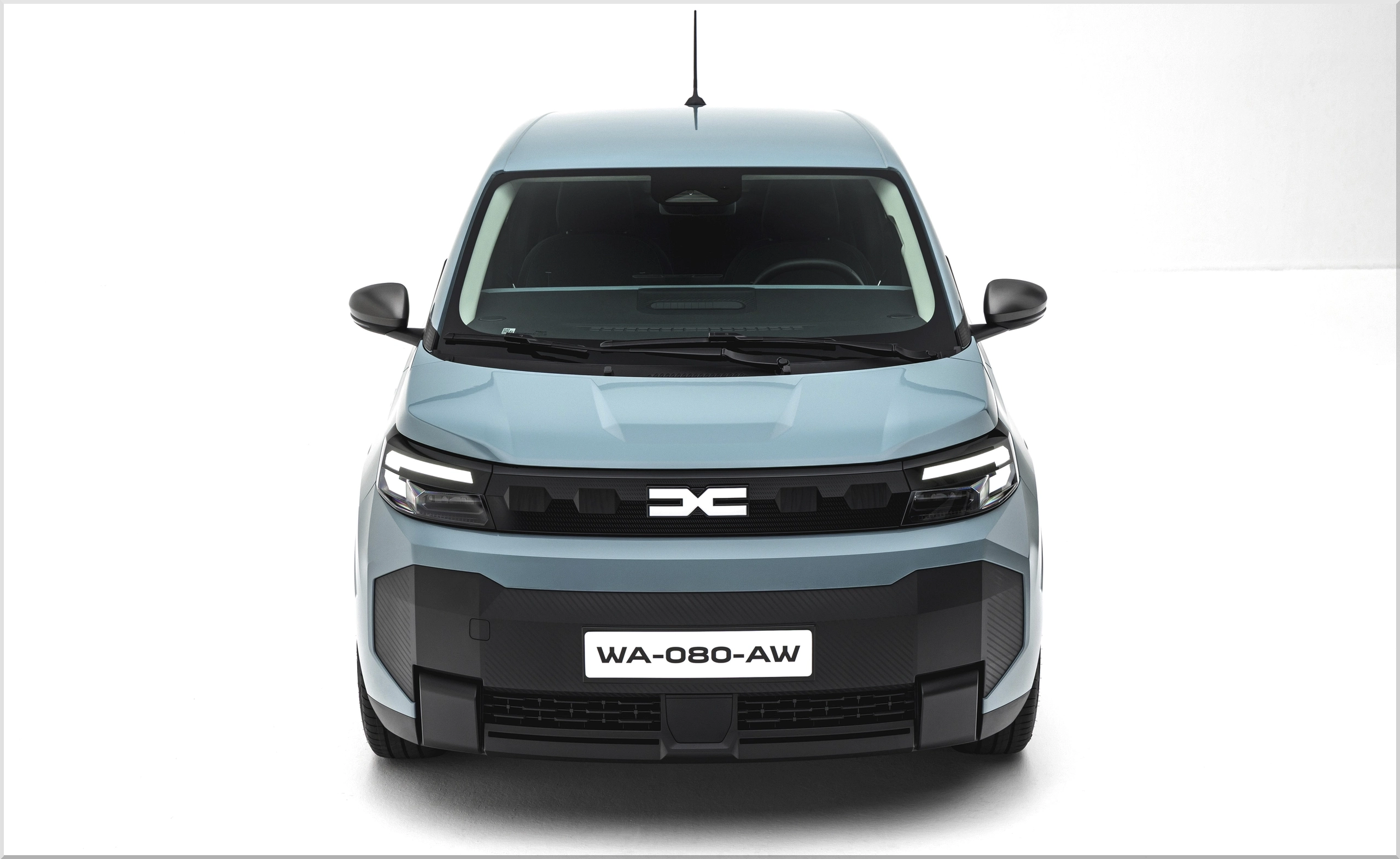
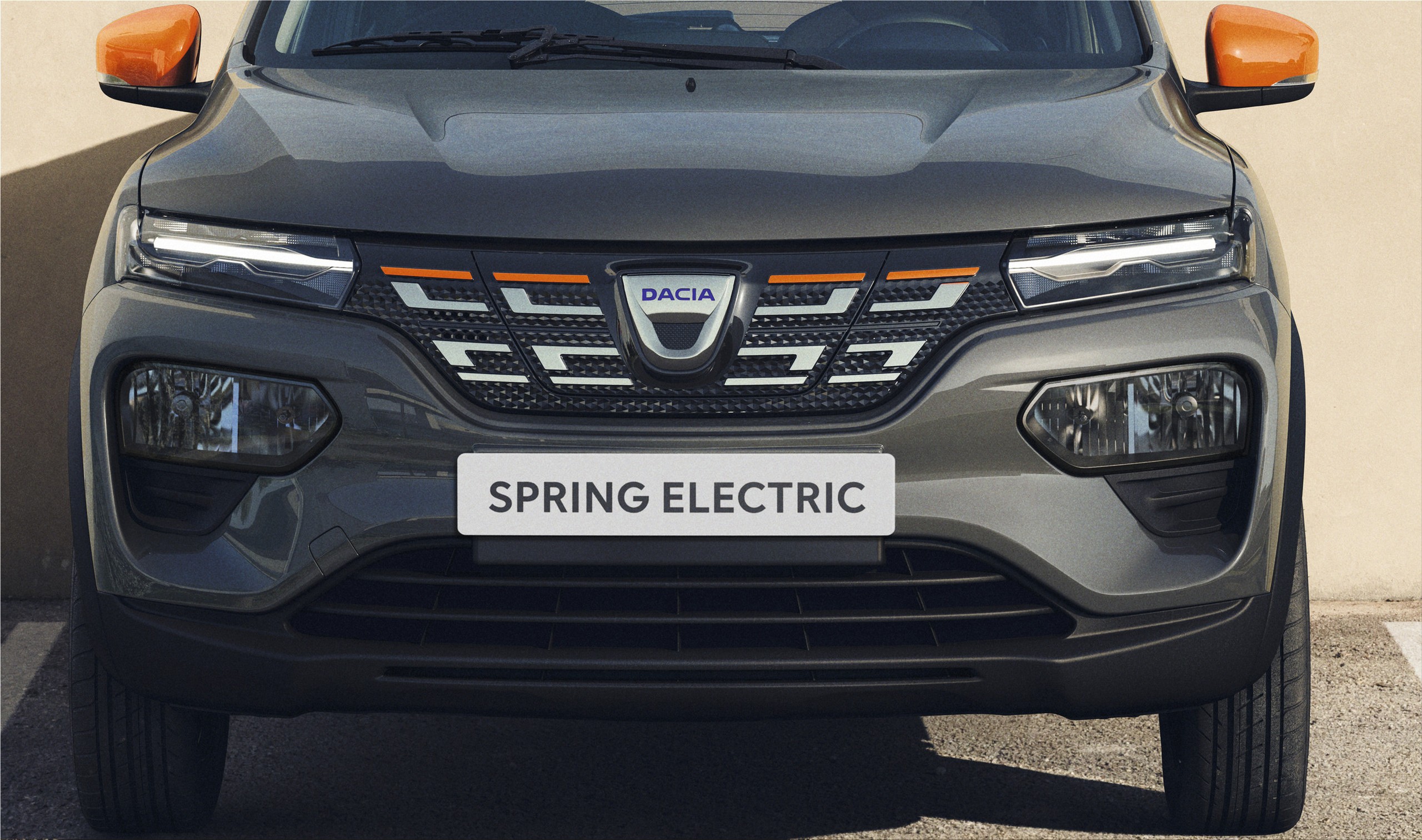
With a stiffer platform, two new powertrains, faster charging, and improved safety features, the new Dacia Spring brings more performance and usability to the European EV market while remaining the most affordable electric car available.
Strong market performance since launch
Since its introduction in 2021, the Spring has sold over 179,000 units across Europe. In the first half of 2025 alone, 17,000 units reached customers, ranking it second in Europe’s retail EV market (segments A, B, B-SUV).
The strategy has always been straightforward: build an electric city car that meets real needs. Average users drive 34 km per day at an average speed of 34 km/h — numbers the Spring was designed around.
Major platform updates improve driving dynamics
The 2026 Spring takes a significant step forward in ride quality and handling. Dacia engineers reworked the chassis, suspension, and aerodynamics to deliver a more stable and predictable driving experience.
Key changes include:
- Reinforced central battery housing to improve weight distribution and vehicle balance.
- More powerful braking system for shorter stopping distances.
- Anti-roll bar (standard), enhancing cornering stability.
- New shock absorber and suspension settings for better control.
- 15-inch wheels (standard on Expression and above) improving grip and handling.
Aerodynamic tweaks further reduce drag:
- Front, side, and rear fairings cut underbody turbulence.
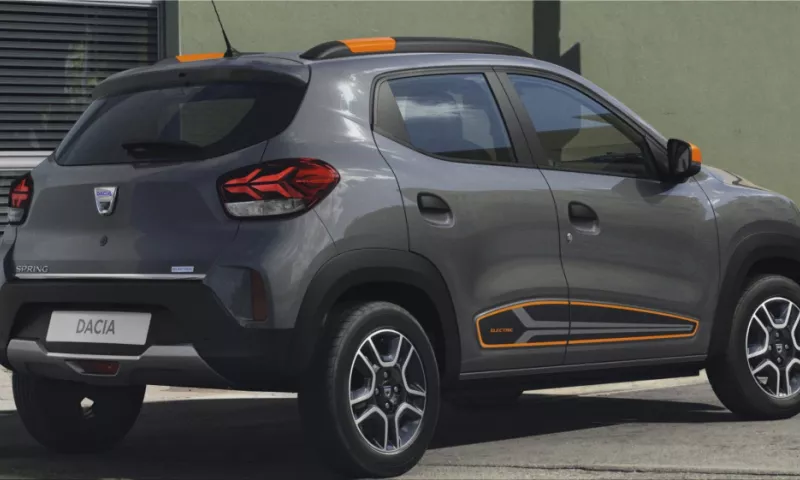
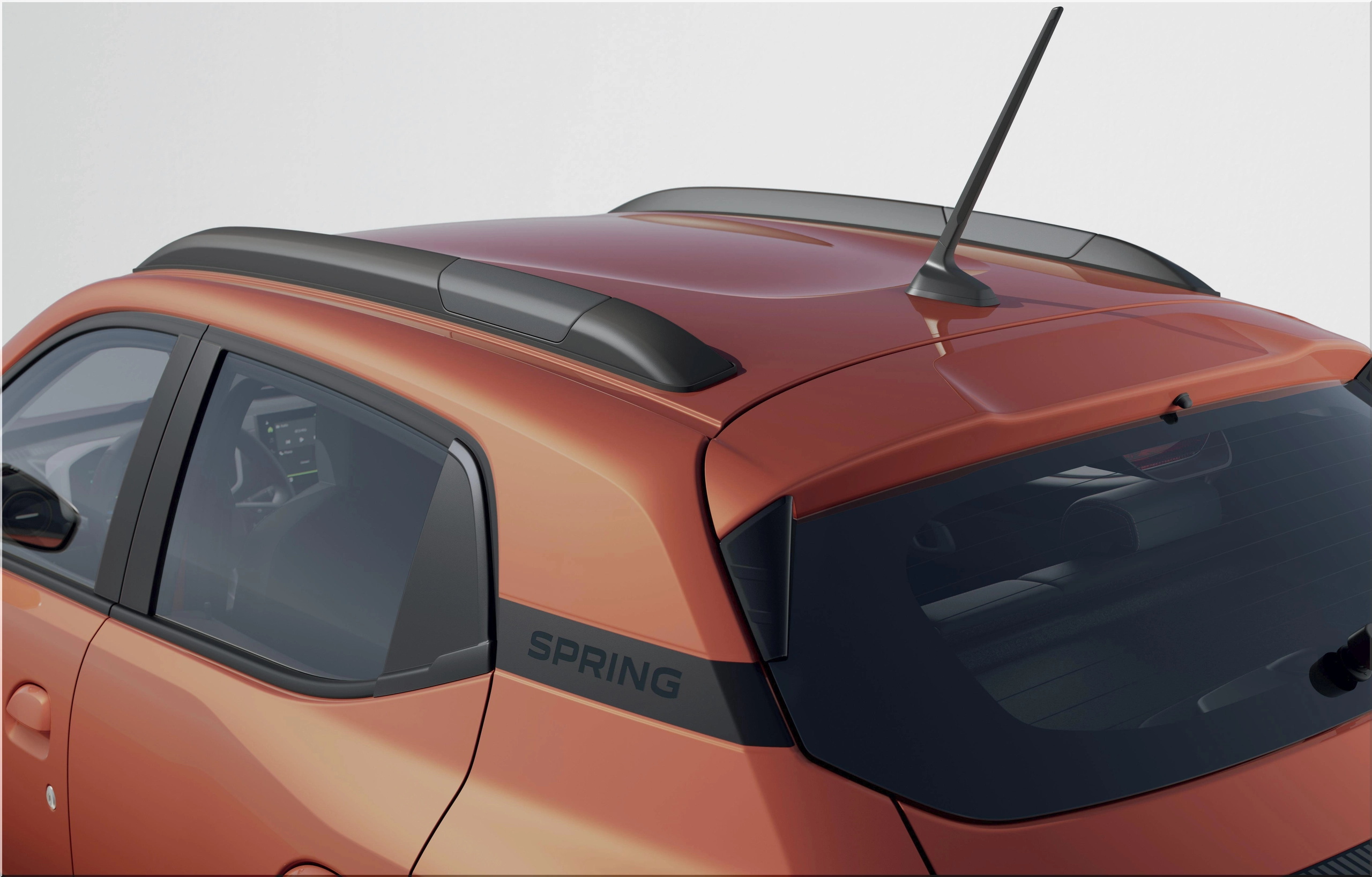
- A new rear spoiler reduces airflow separation, improving the drag coefficient from 0.745 to 0.660.
These changes translate to better road holding, higher stability at speed, and more precise steering feedback.
New powertrains deliver stronger performance
The most important upgrade for 2026 is under the hood. The old 45 hp and 65 hp units are gone, replaced by two new electric motors:
| Version | Power | 0–120 km/h Acceleration | Top Use Case |
|---|---|---|---|
| Spring 70 | 70 hp / 52 kW | 10.3 seconds | Urban and suburban driving |
| Spring 100 | 100 hp / 75 kW | 6.9 seconds | Highways and longer trips |
This power bump is more than a numbers game. It addresses the Spring’s biggest weakness: limited power above 80 km/h. With up to 20% more torque in that range, the car now merges with highway traffic confidently and cruises more comfortably on open roads.
Improved battery technology and charging options
The 24.3 kWh battery is new too, now using Lithium Iron Phosphate (LFP) chemistry — a first for Renault Group. LFP batteries are known for better thermal stability, longer life, and lower cost.
Despite the added power and safety features, the Spring remains the lightest four-seat EV on sale, weighing around 1,000 kg. That low weight helps deliver a range of 225 km (WLTP) — more than enough for a week of typical city driving on a single charge.
Charging is faster and more flexible:
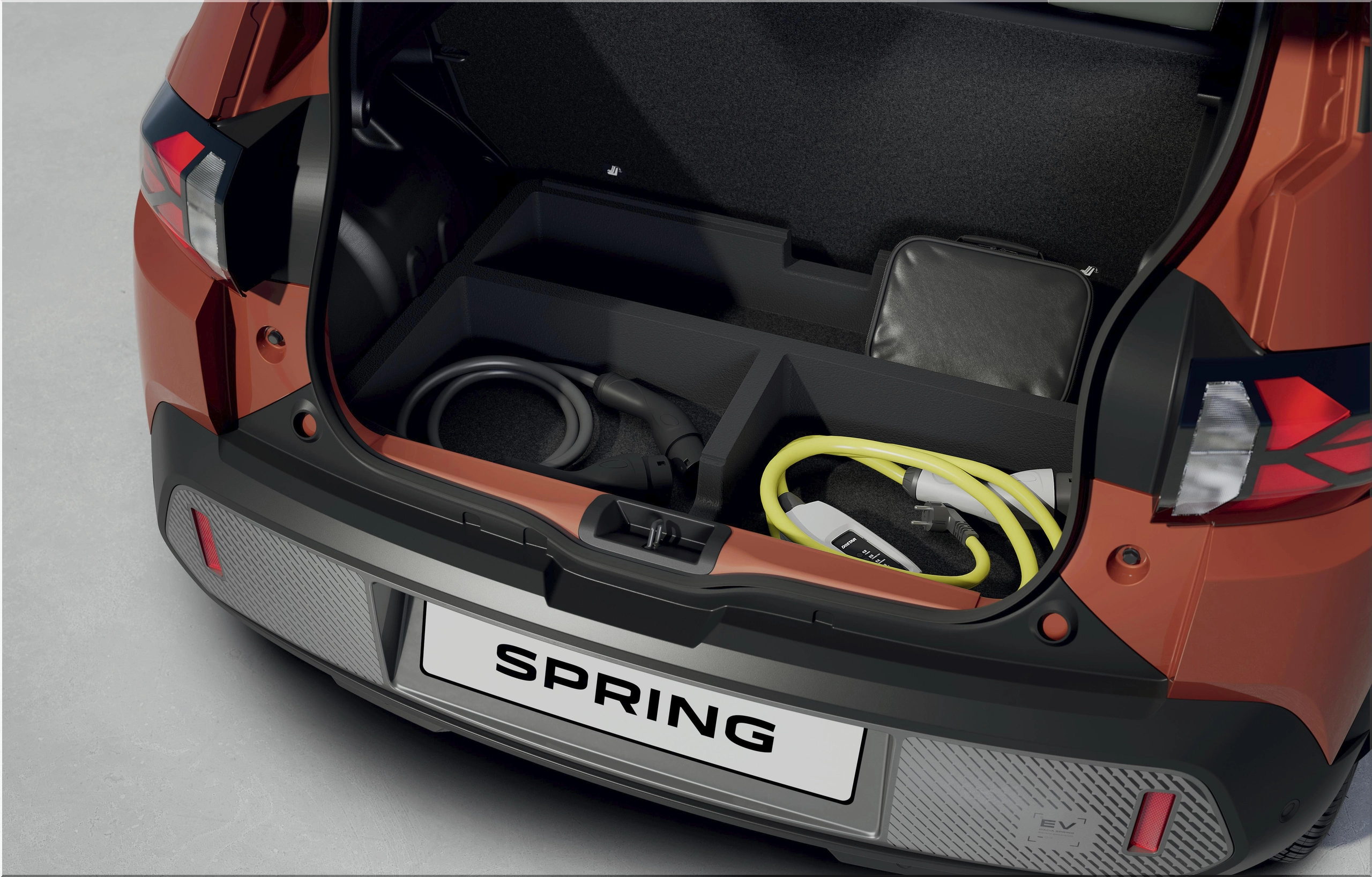
- 7 kW AC charger (standard): 20% to 100% in 3 hours 20 minutes (previously 4 hours).
- 40 kW DC charger (optional): 20% to 80% in 29 minutes (previously 30 kW).
- Domestic socket: Full charge in 10 hours 11 minutes.
This charging setup keeps the Spring practical for city users without requiring expensive home infrastructure.
Still the most affordable EV on the market
Affordability remains the Spring’s strongest selling point. Prices start at €16,900 (about $17,800), and even the fully loaded Extreme trim stays under €20,000 (about $21,100).
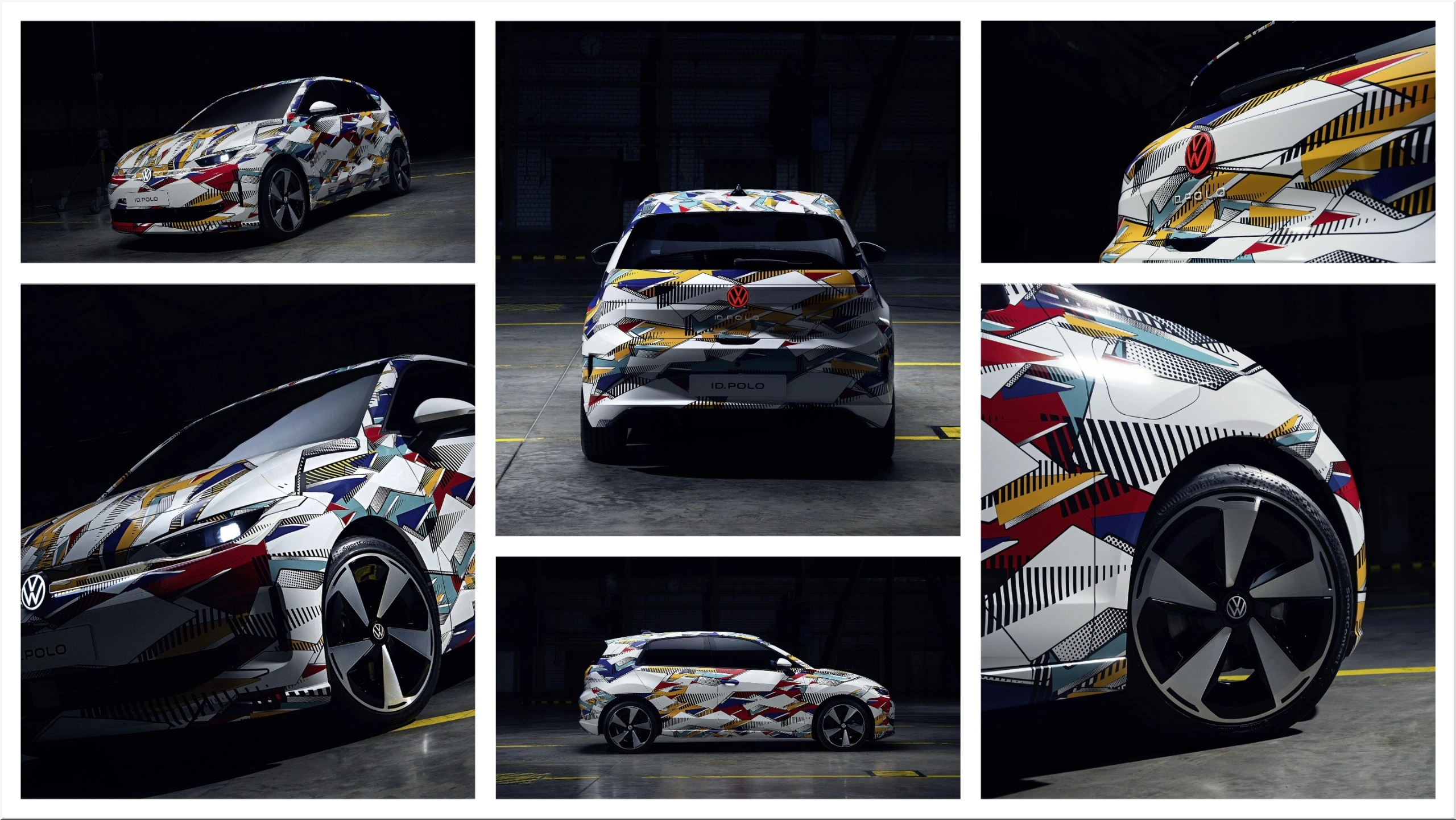
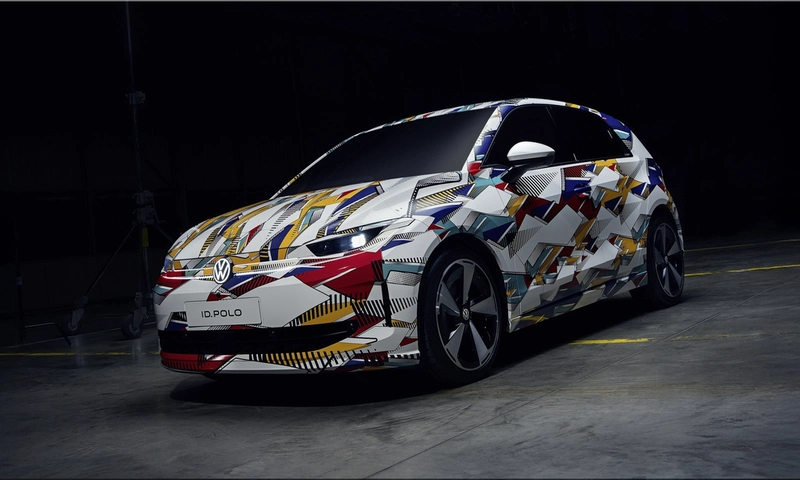
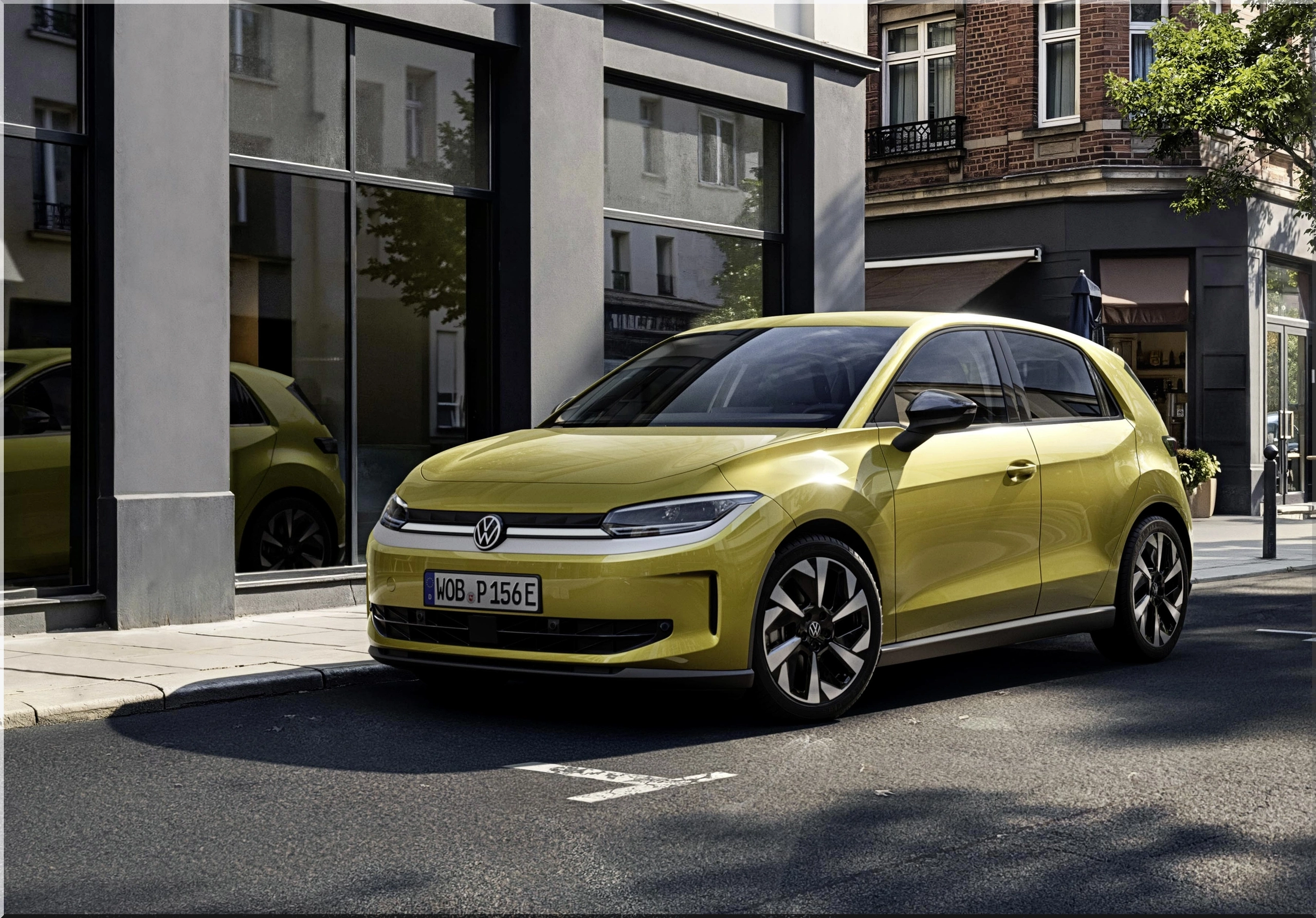
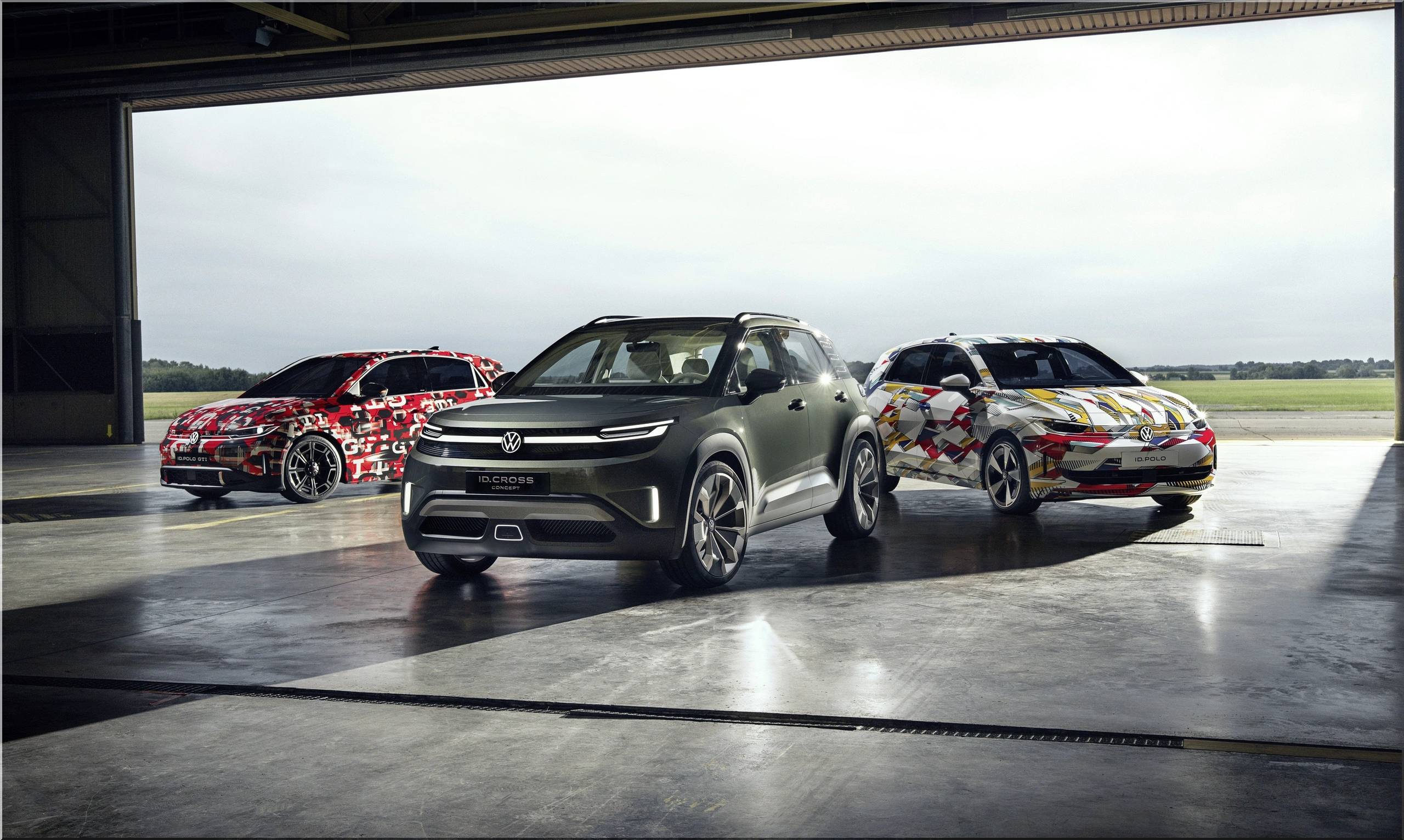
That pricing puts the Spring thousands of dollars below competitors from Fiat (Fiat 500e), Peugeot (Peugeot e-208), and Volkswagen (ID.Polo), most of which cost over $25,000 before incentives.
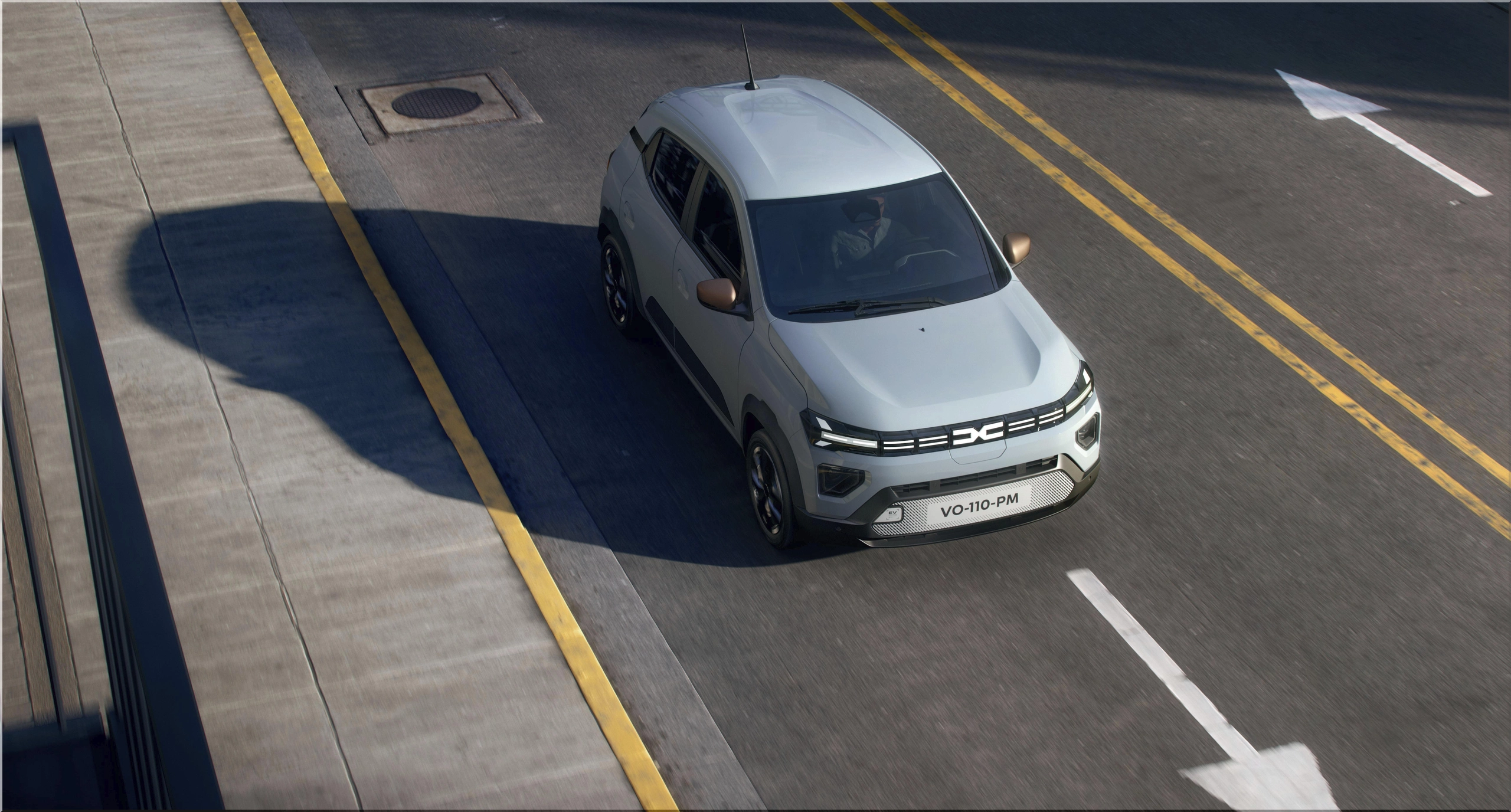
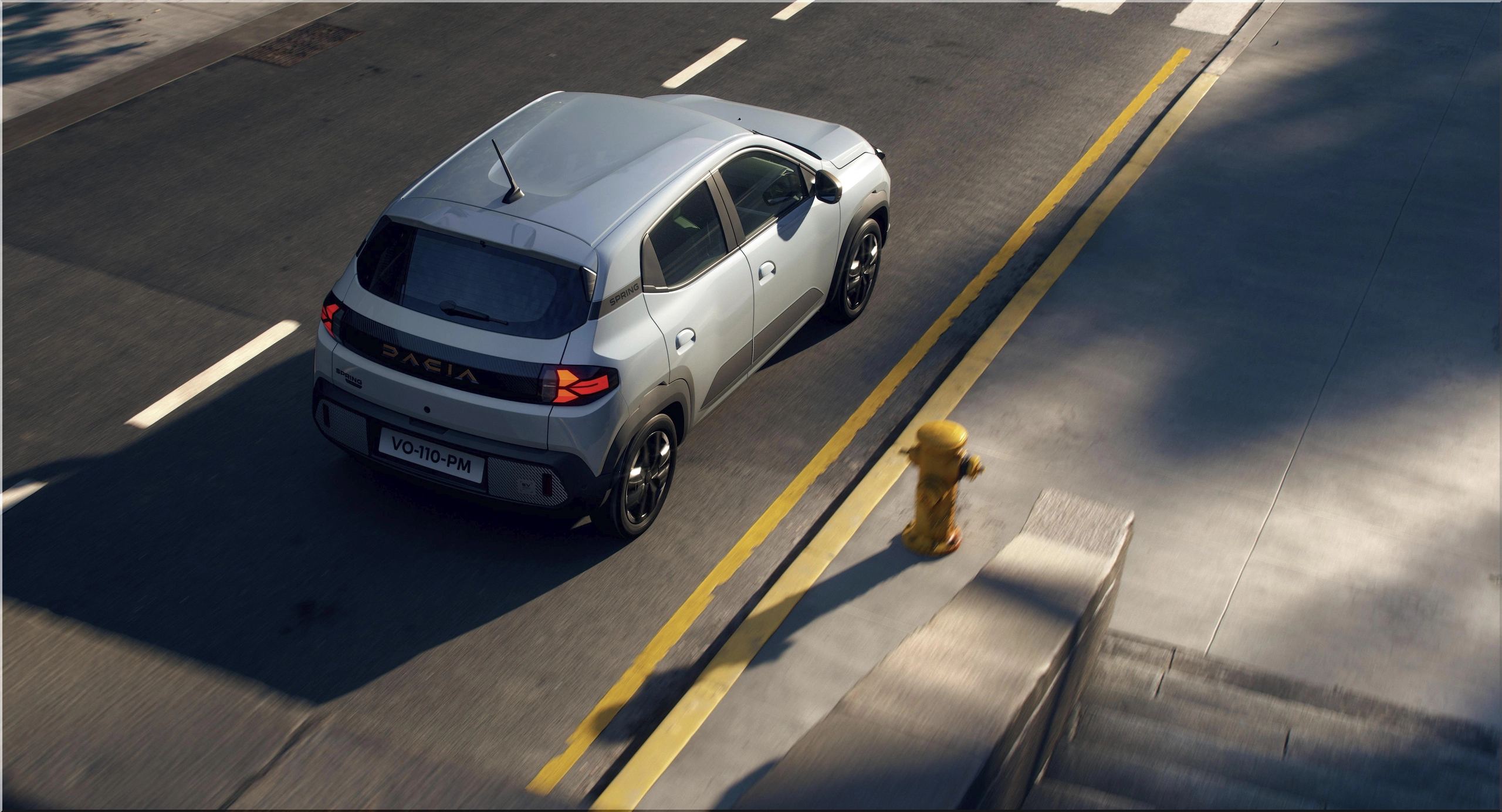
Image gallery


Practicality improvements make daily use easier
The Spring’s appeal extends beyond price. It’s designed to handle daily life without fuss:
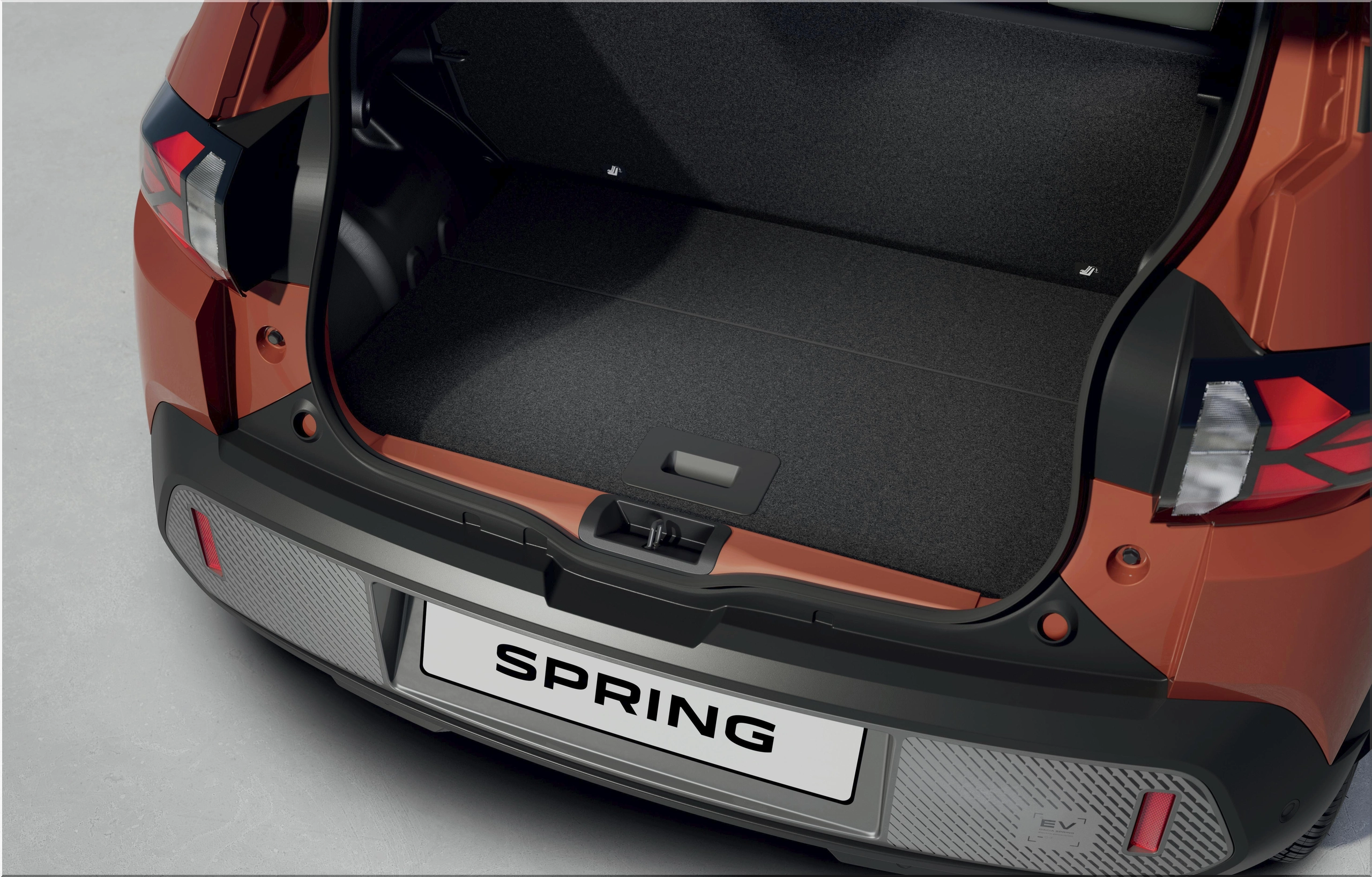
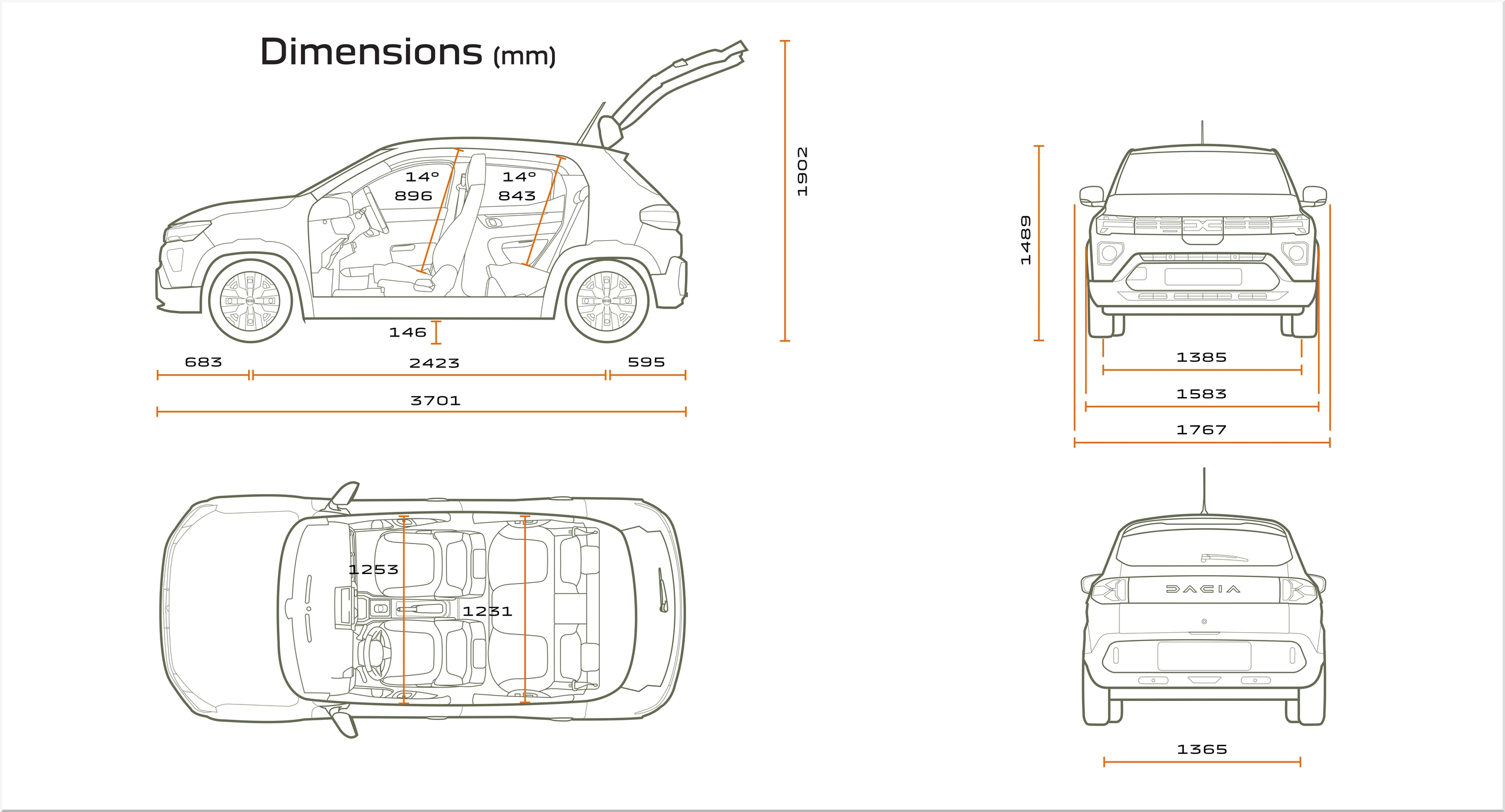
- Best-in-class cargo space: 308 liters, or 1,004 liters with the rear seats folded.
- Additional storage: 32 liters of cabin storage from compartments and bins.
- Vehicle-to-Load (V2L): Power external devices directly from the car.
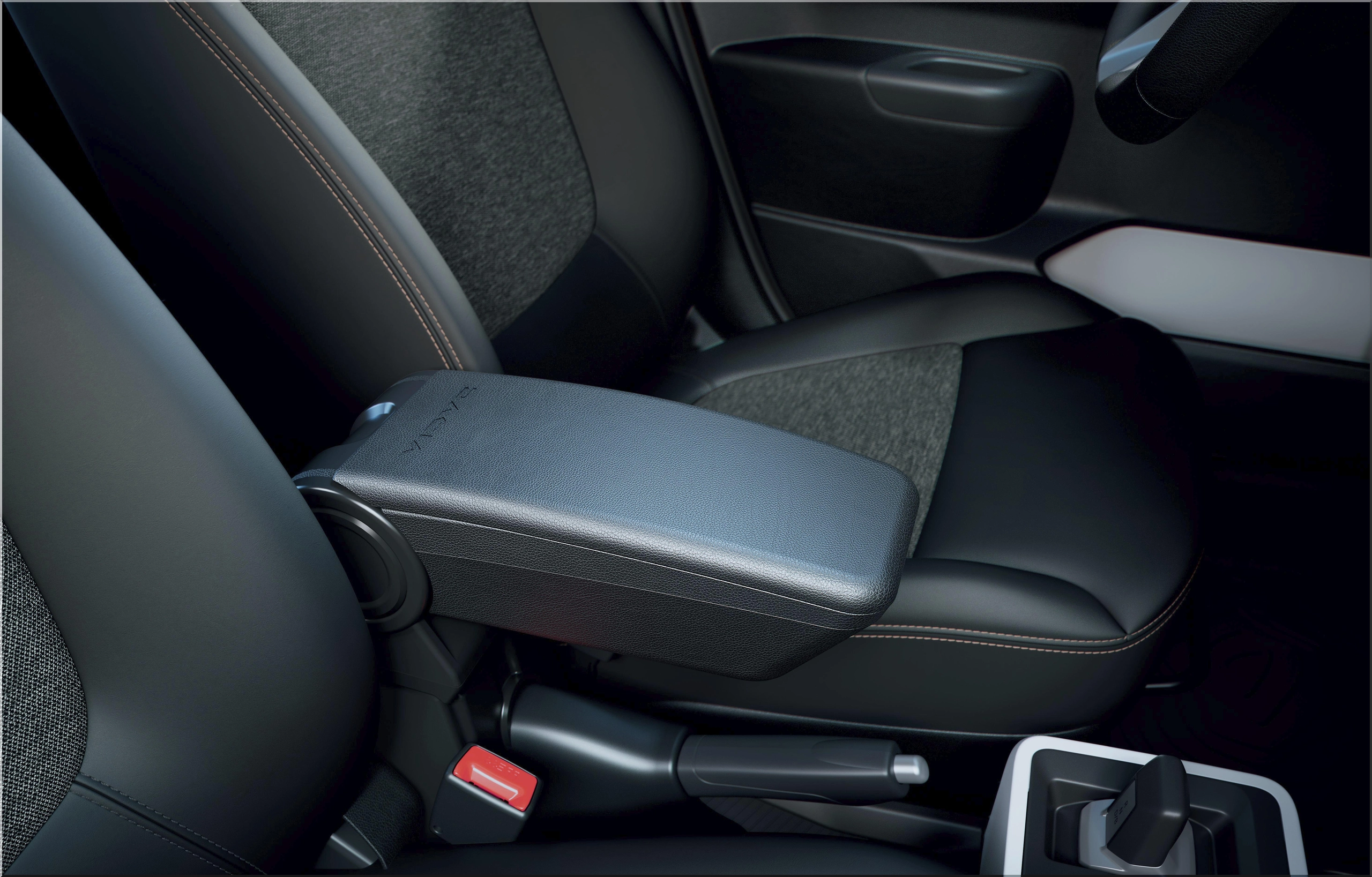
- Durable materials: Plastic cladding and rubber mats (Extreme trim) resist wear and damage.
The interior also received thoughtful updates to usability and technology:
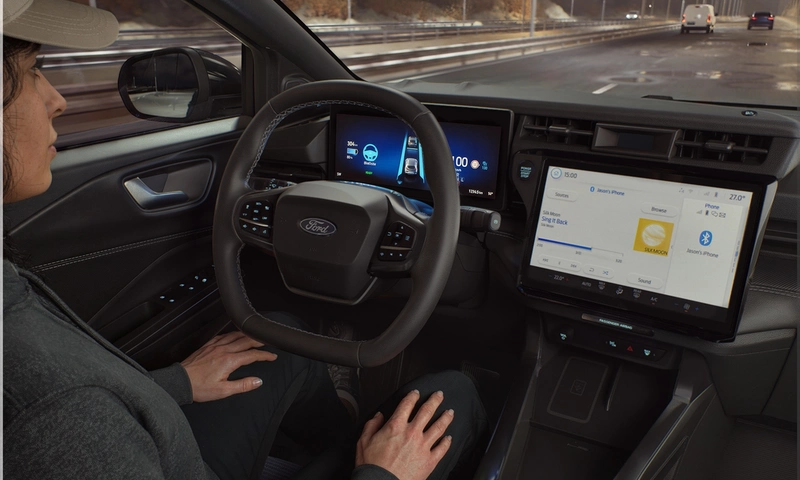
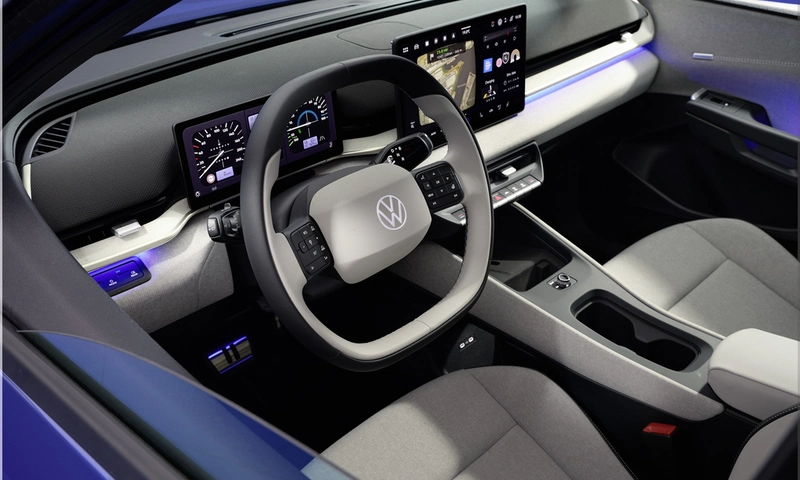
- 7-inch digital instrument cluster (standard).
- Media Control system with smartphone integration on base trims.
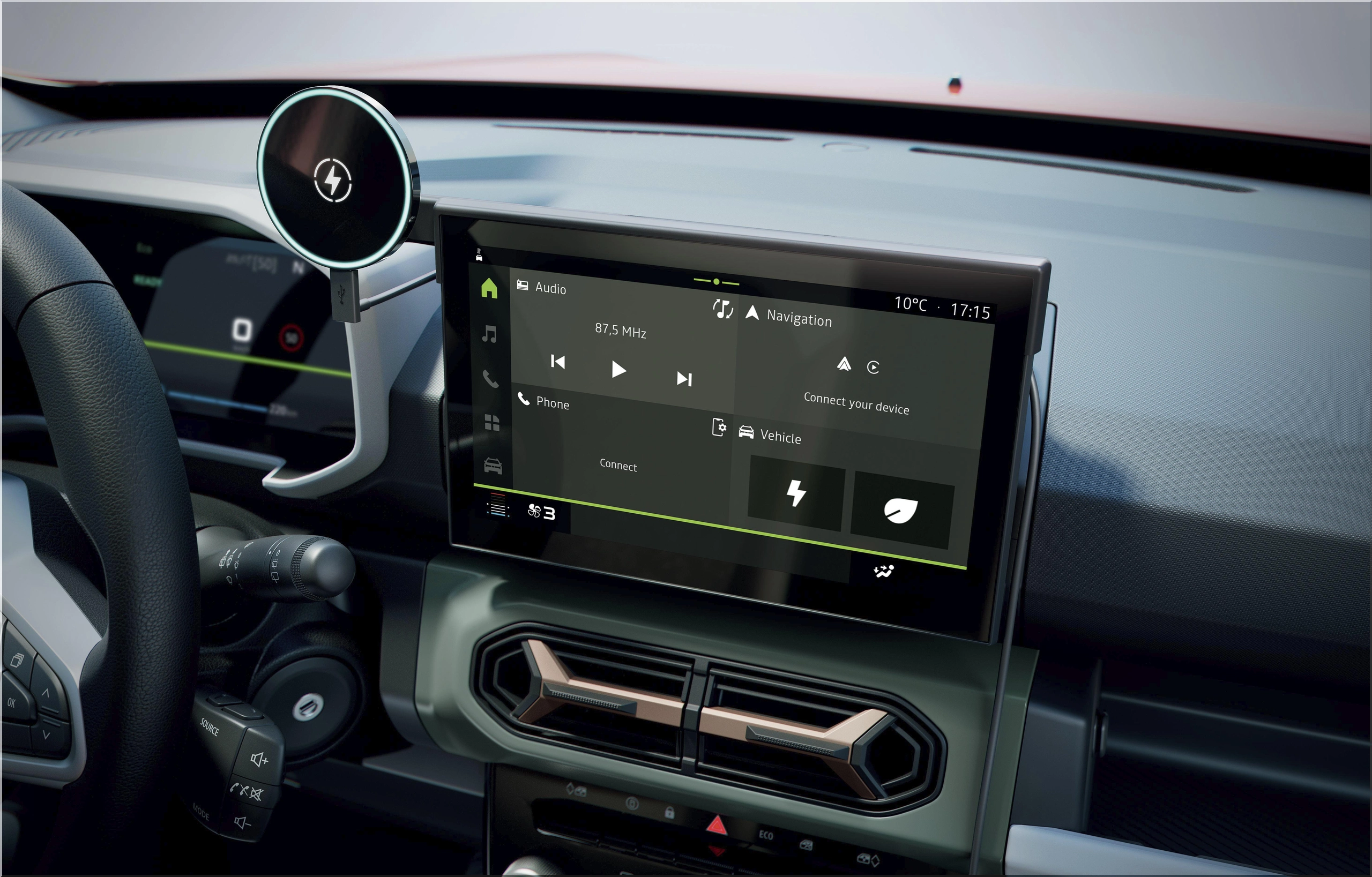
- 10.1-inch touchscreen with wireless Apple CarPlay and Android Auto on higher trims.
- Media Nav Live with connected navigation and real-time traffic (optional).
- YouClip system: Three anchor points for modular accessories like storage pouches, cupholders, or phone mounts.
Trim levels and key equipment
Dacia offers three clear trim levels, each targeting different user needs:
| Trim Level | Powertrain | Key Features |
|---|---|---|
| Essential | 70 hp | Digital cluster, cruise control, rear sensors, power windows, Media Control |
| Expression | 70 hp | Adds manual A/C, 15-inch wheels |
| Extreme | 100 hp | Adds power mirrors, 10-inch display, two USB ports, wireless smartphone sync |
Position in the European EV market
The Spring continues to dominate the budget EV segment in Europe, a space that is becoming increasingly competitive as manufacturers race to meet emissions regulations.
Its combination of low cost, usable range, and improved performance positions it as an ideal solution for:
- Urban commuters
- Second-car buyers
- Car-sharing fleets
- Businesses transitioning to electric delivery vehicles
For many buyers, the Spring’s value proposition — electric mobility at a price similar to gasoline cars — remains unmatched.
Image gallery


Final thoughts: Focused upgrades that matter
The 2026 Dacia Spring doesn’t attempt to be a luxury EV or a performance machine. It focuses on real-world improvements: stronger performance, better handling, faster charging, and more usable features — all without drifting from its original mission of affordability.
For drivers who want electric mobility without the premium price, it remains the most practical choice in Europe. And with the new 100 hp version, it now handles highways and longer trips with ease — something previous versions struggled with.
- Add new comment
- 446 views