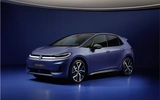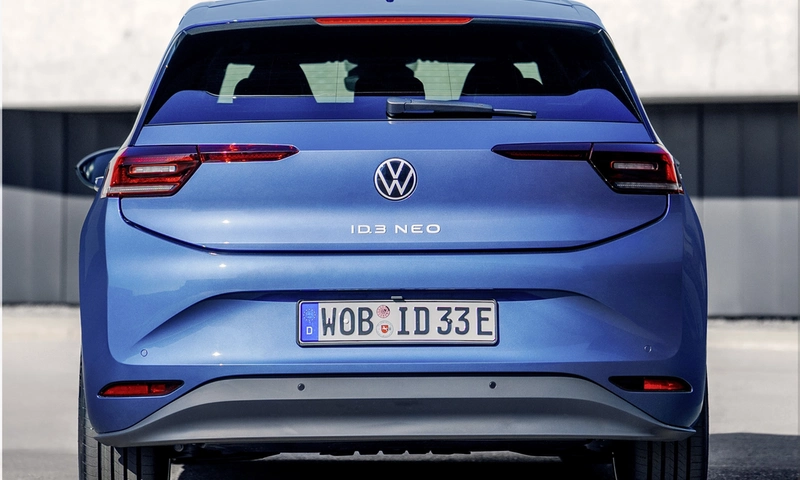
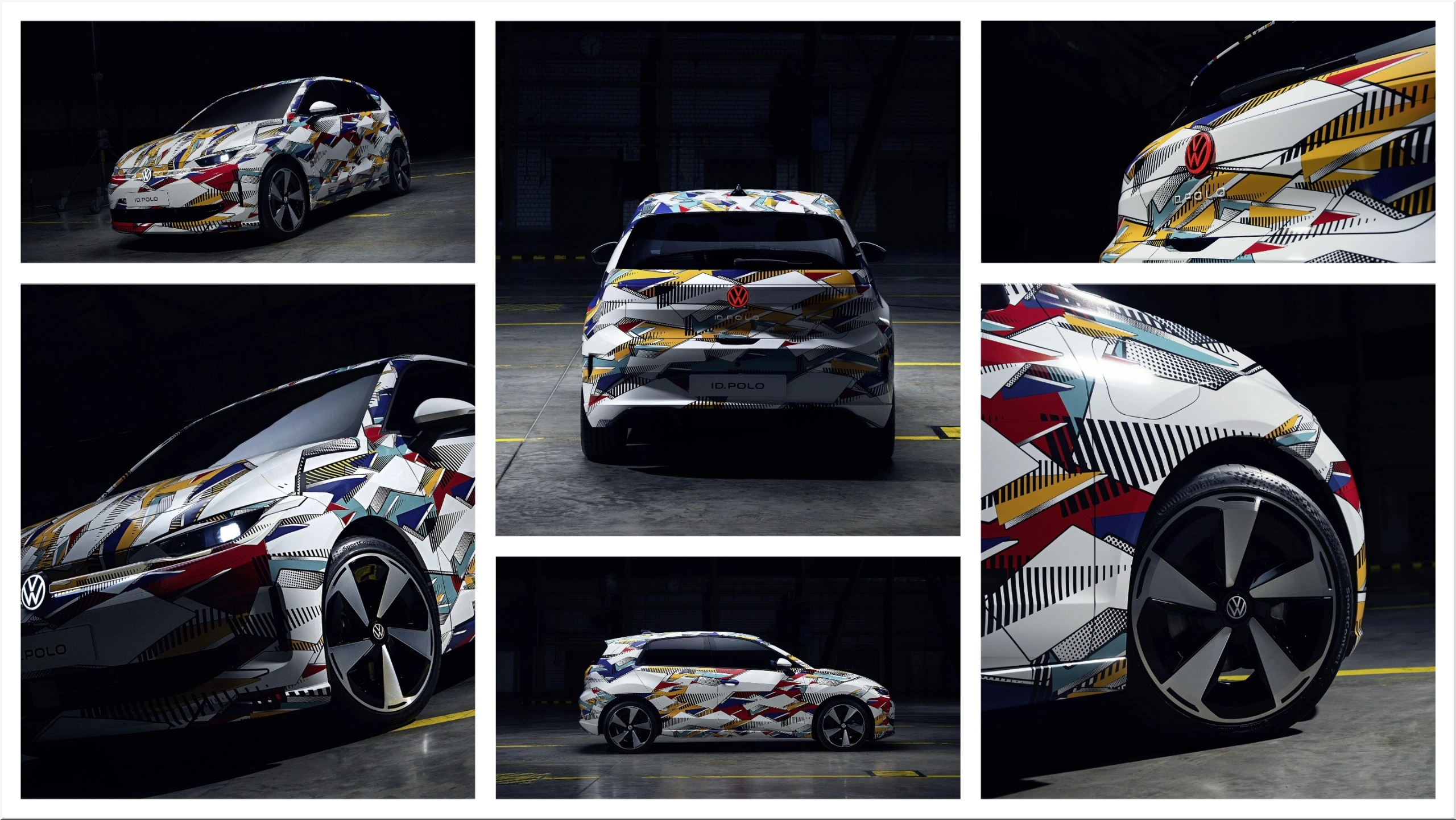
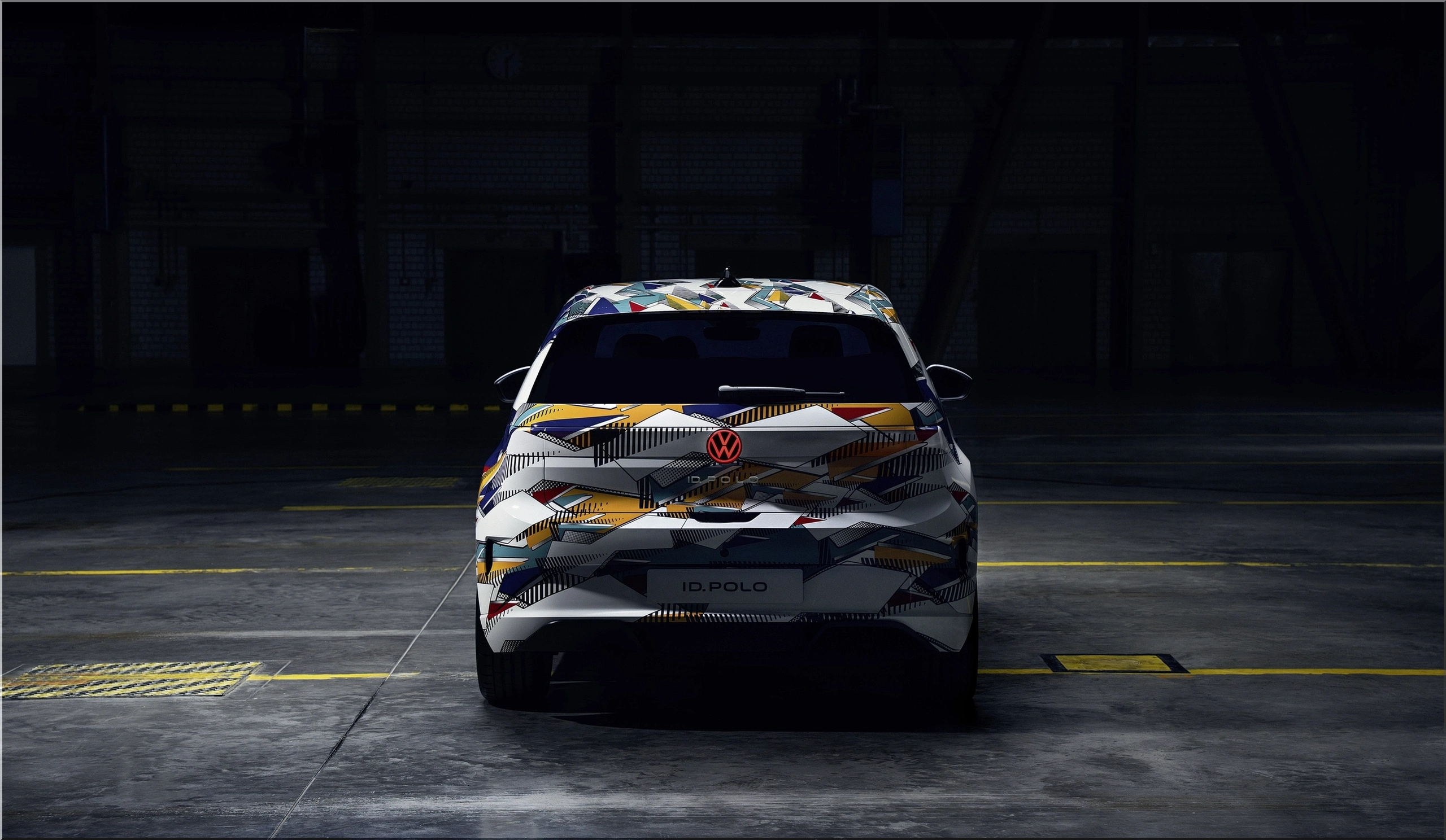
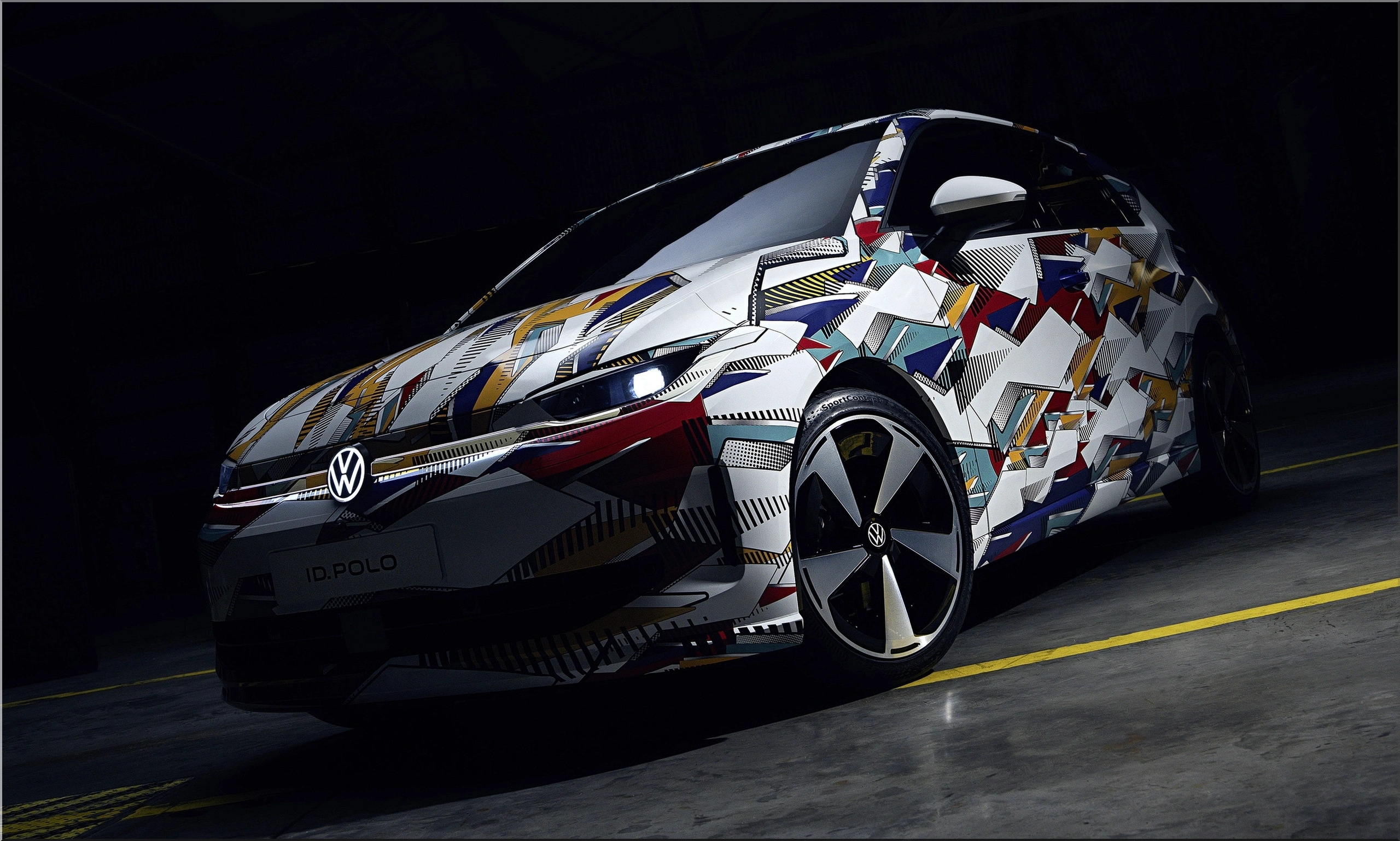
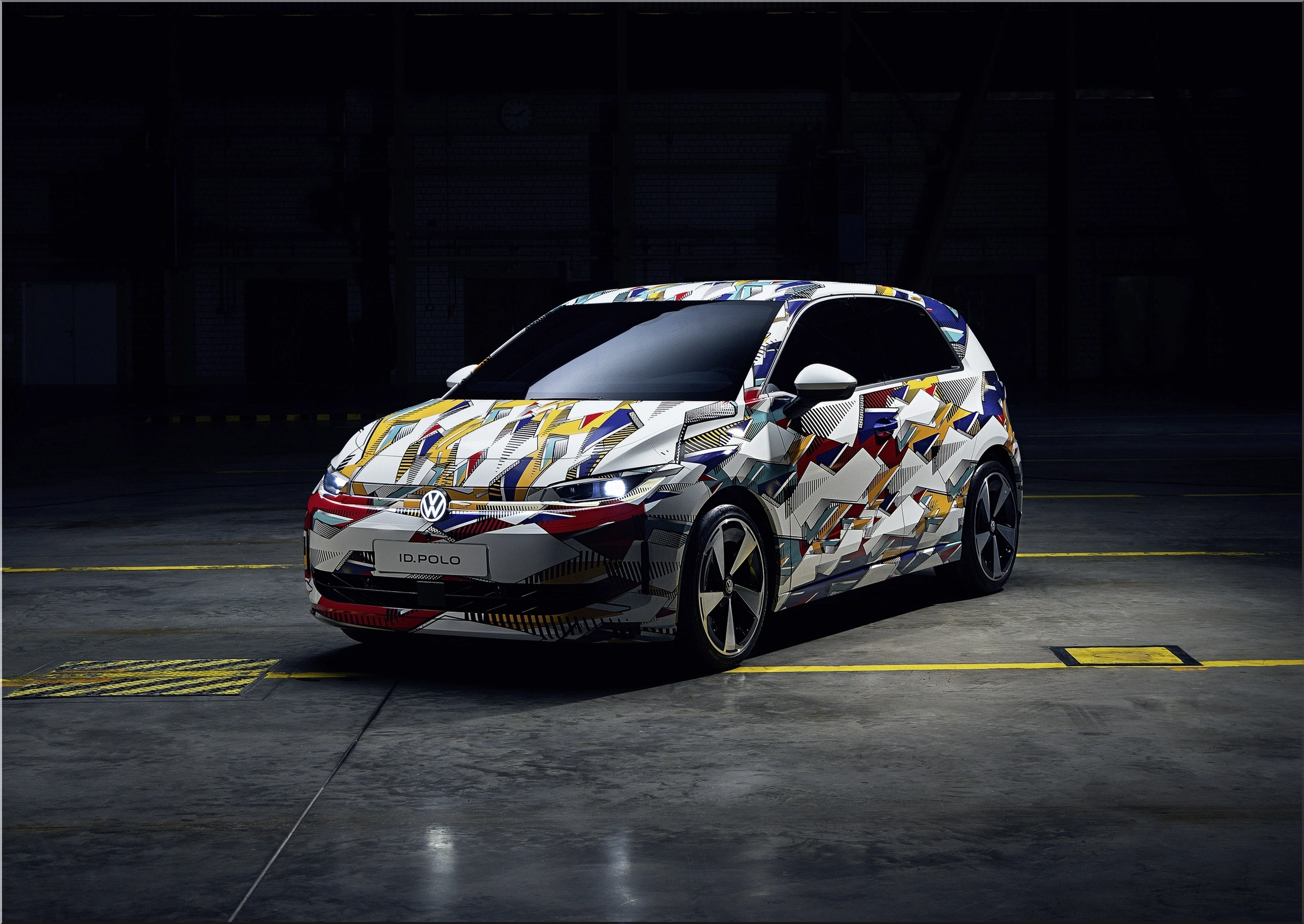
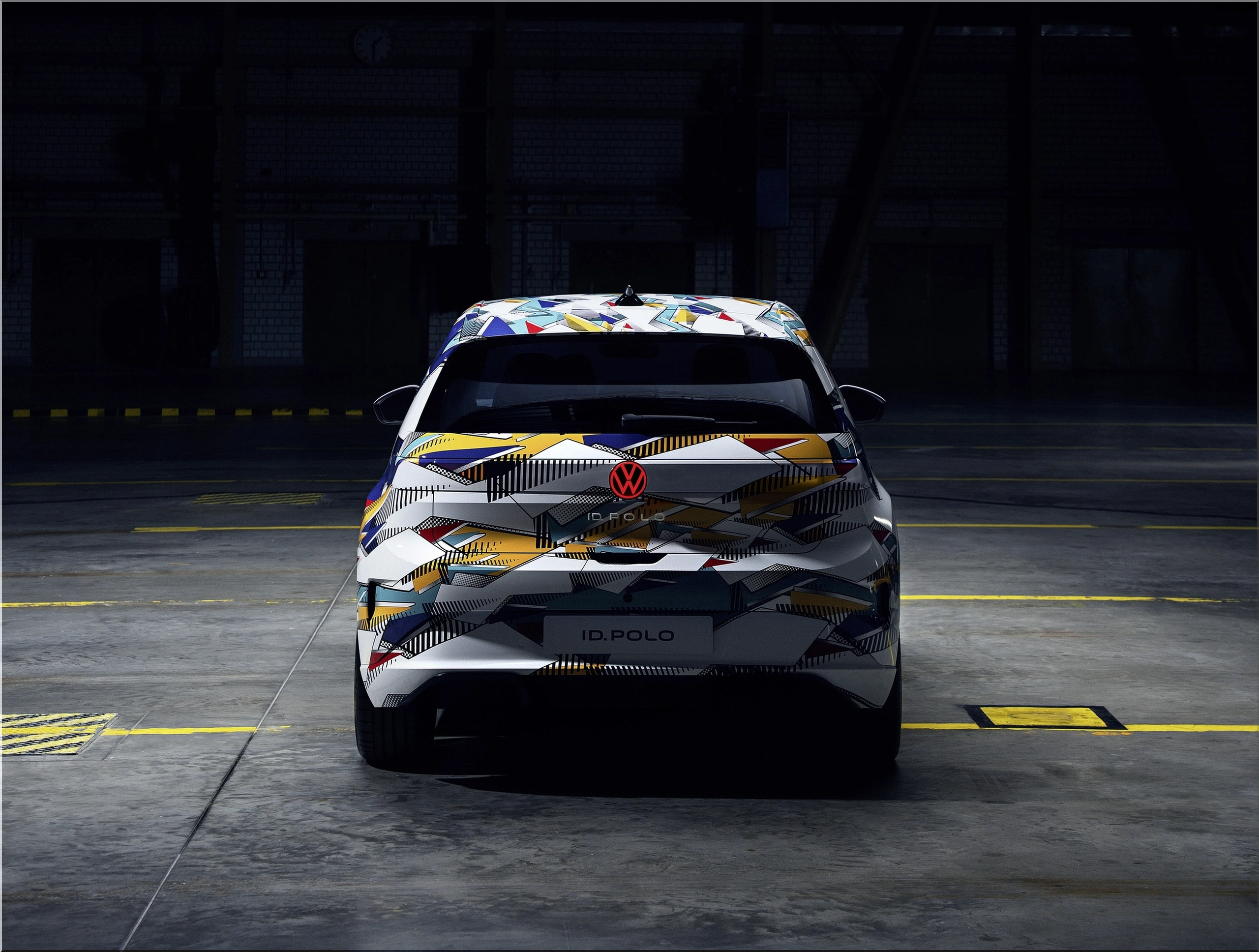
ID. 2all becomes ID. Polo
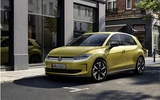
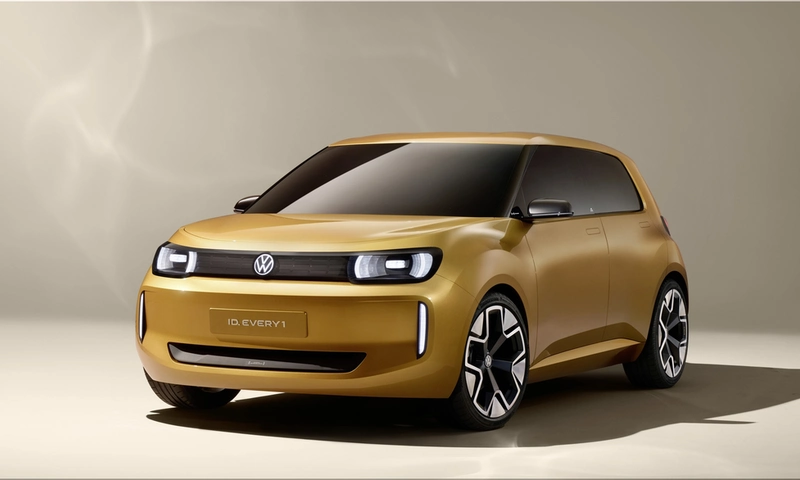
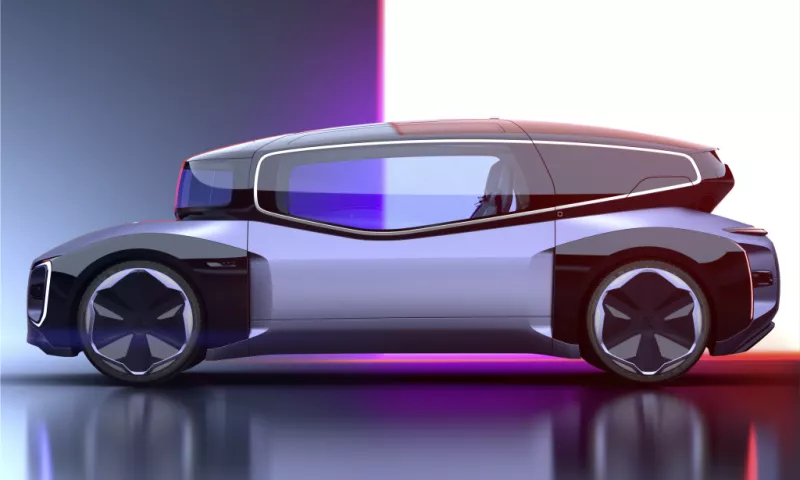
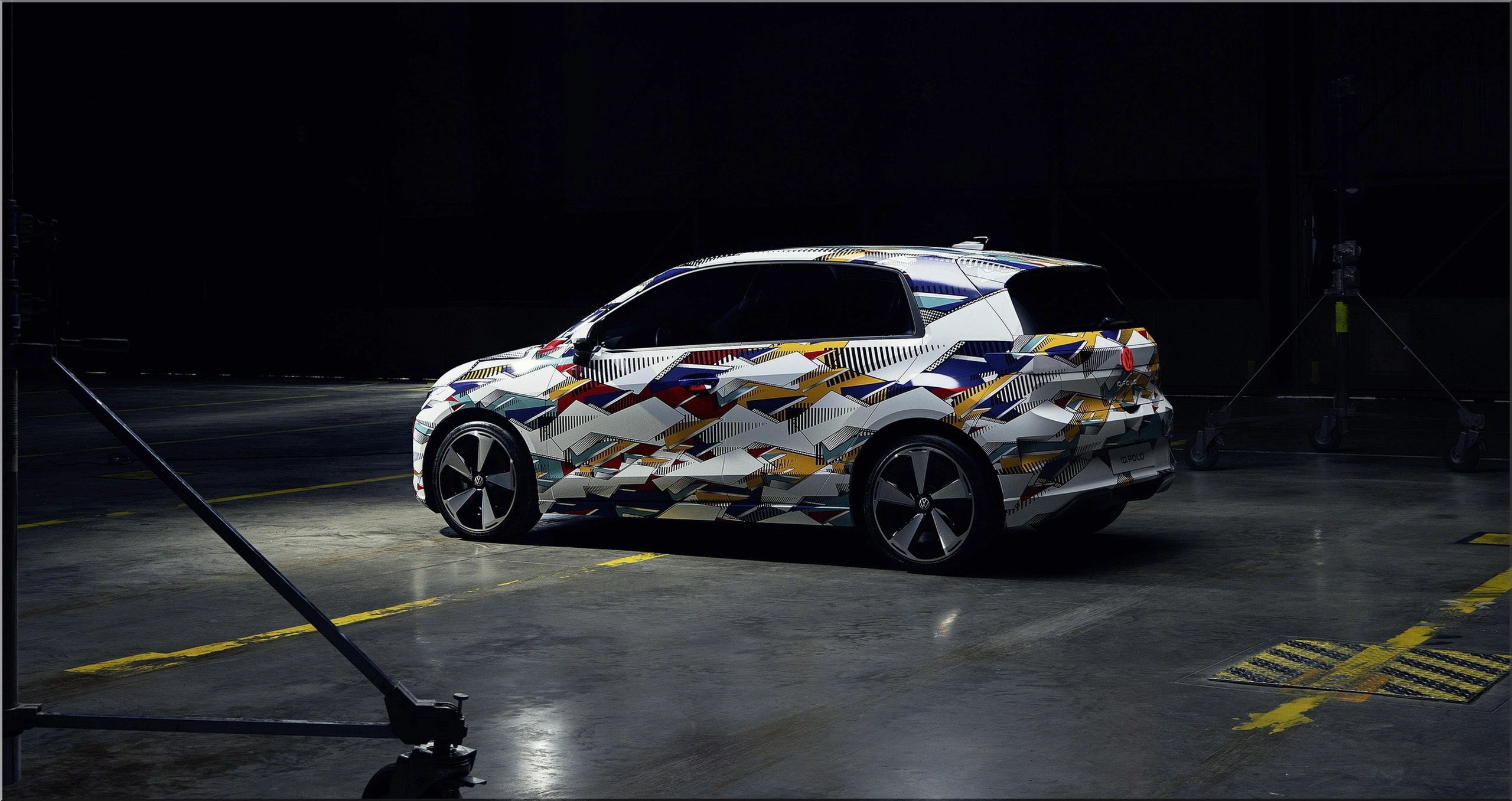
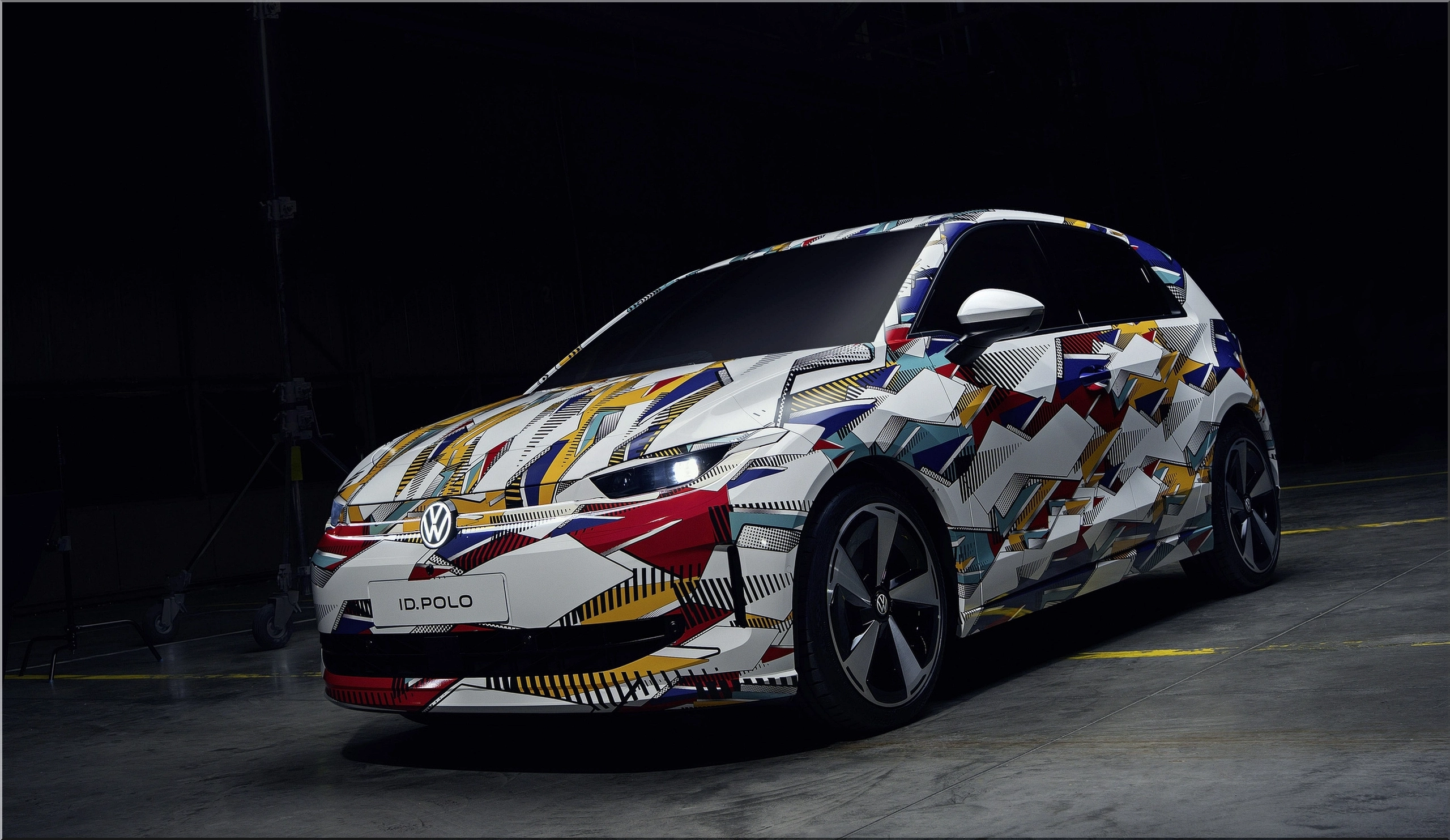
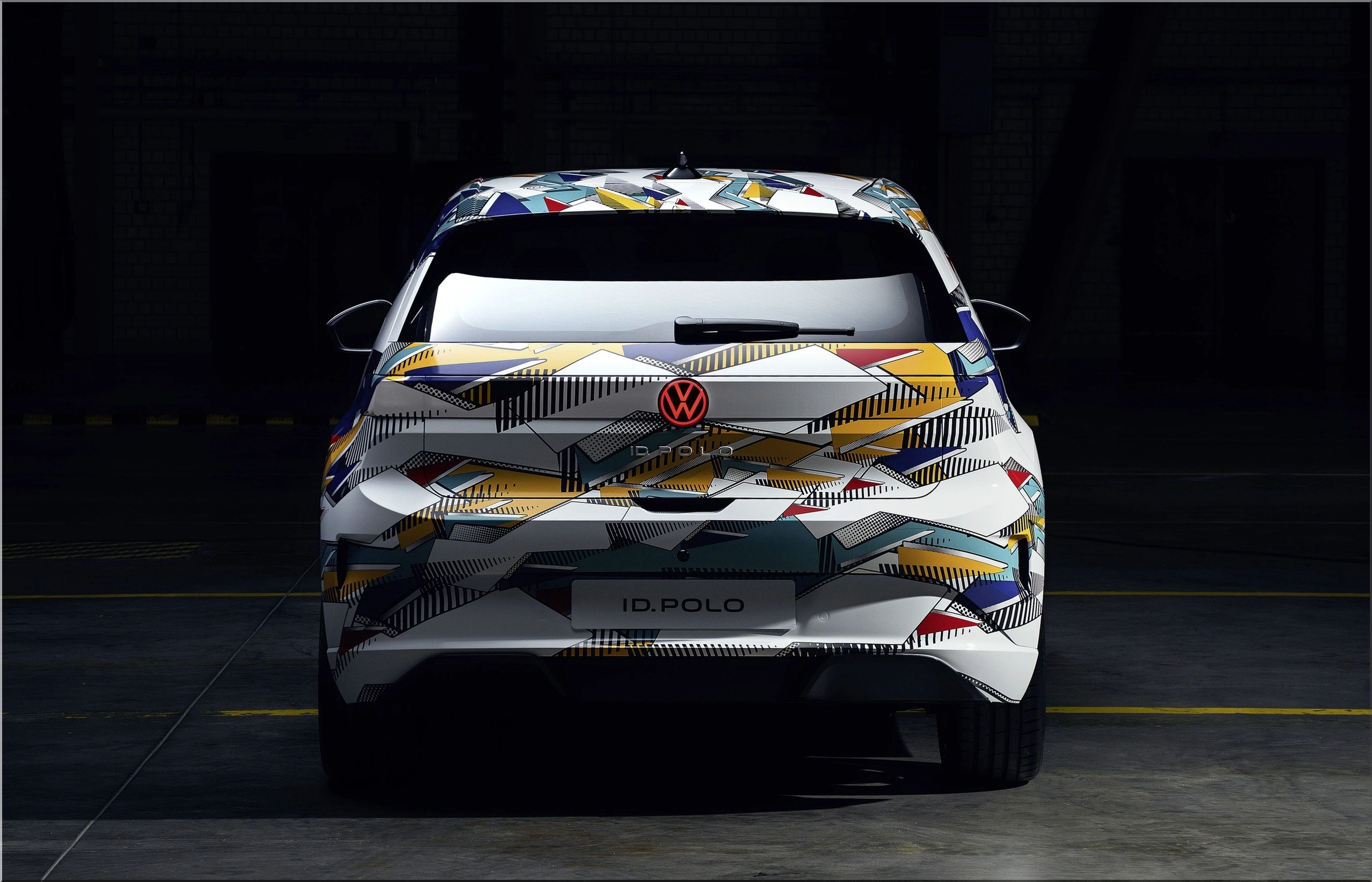
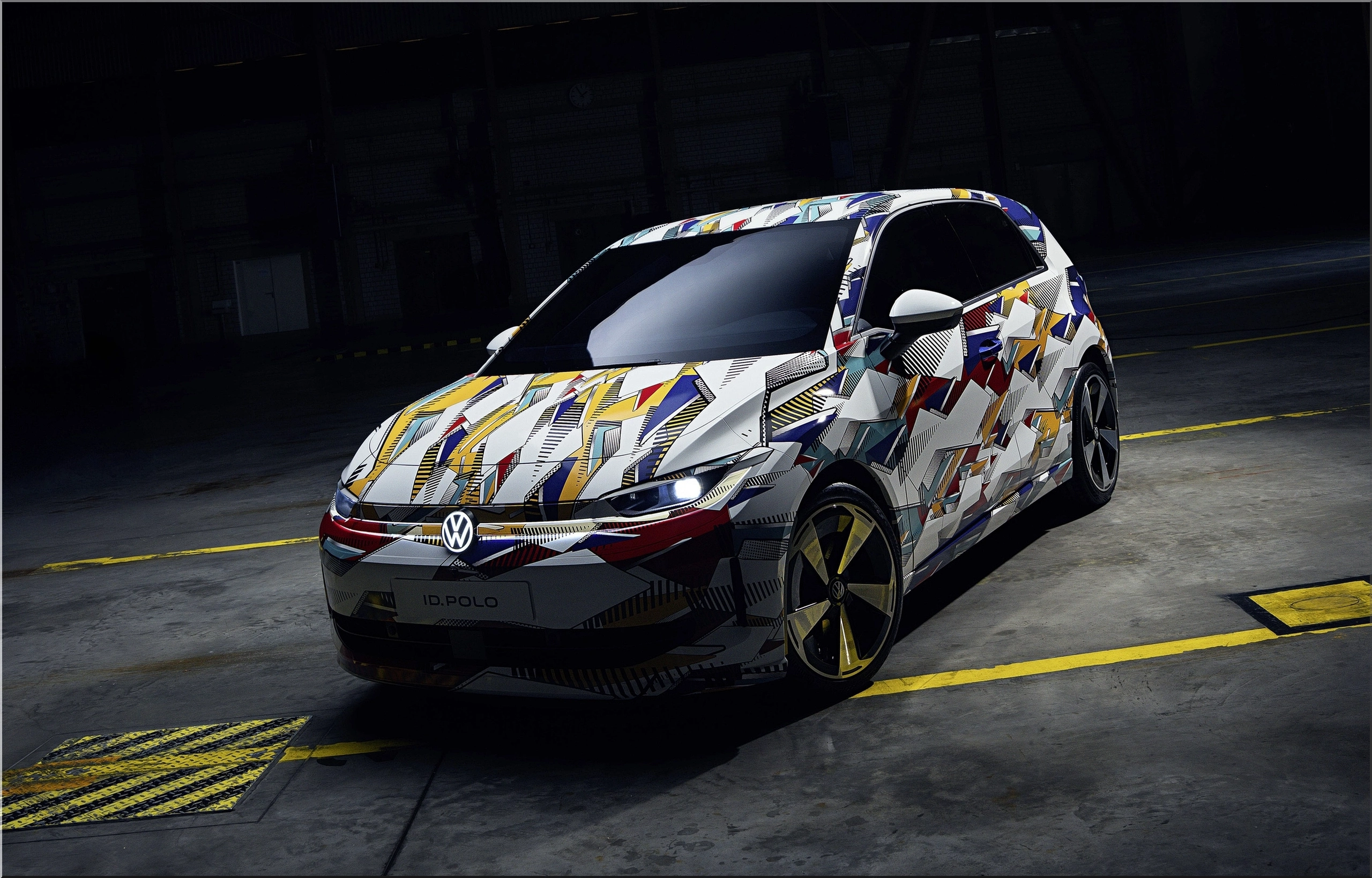
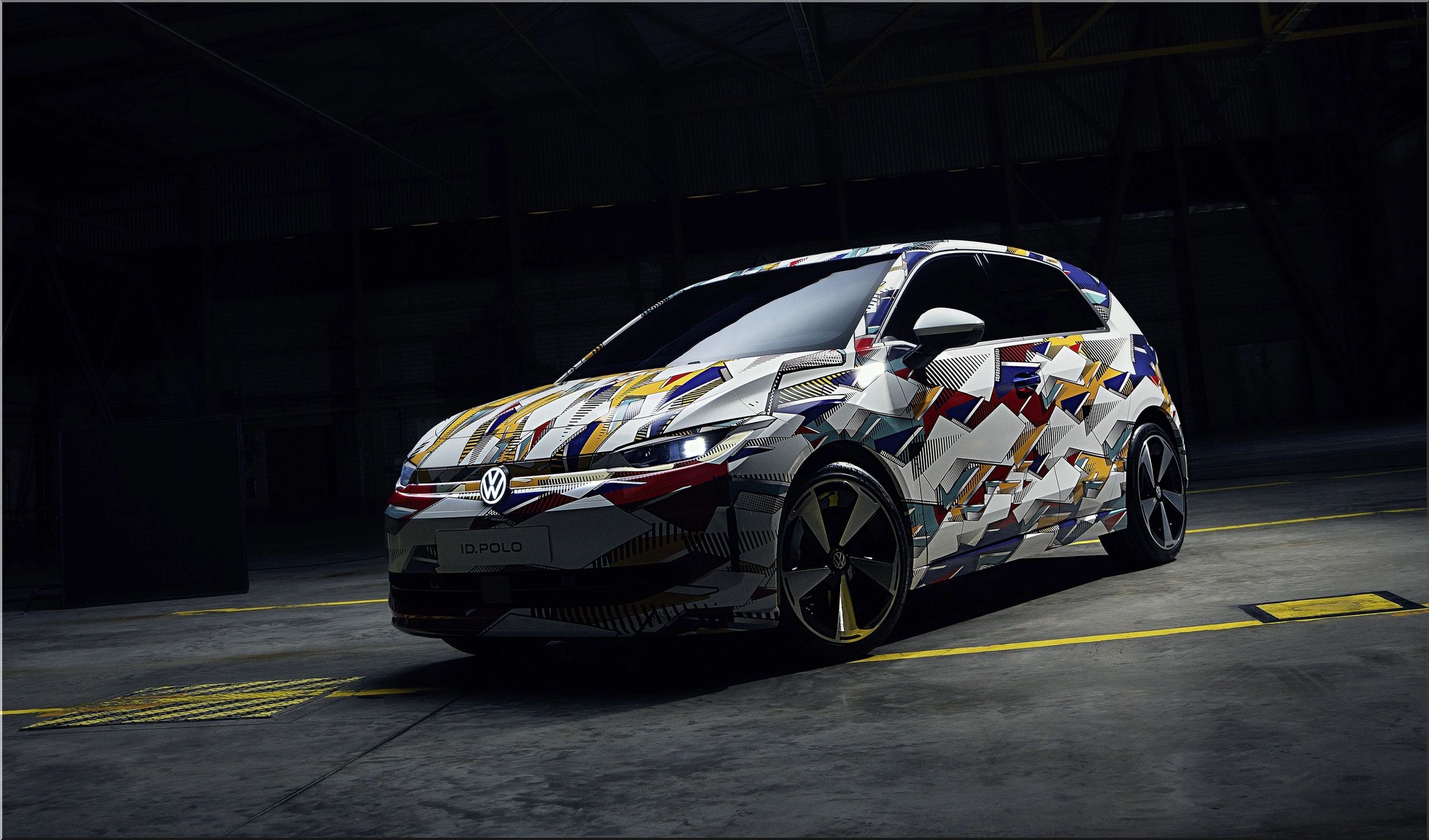
Volkswagen will drop its experimental naming conventions. The ID. 2all concept is officially becoming the ID. Polo, a move that signals a major strategic change. The carmaker is aligning its electric vehicles with existing, recognizable model names to reduce buyer confusion and boost confidence in the lineup.
The goal is direct: make electric mobility more accessible and relatable. No more futuristic-sounding names that disconnect from the brand’s history. Volkswagen wants consumers to know what they’re buying, whether it runs on gas or electrons.
The Naming Strategy: Why It Matters
The German carmaker says it’s listening to customer feedback. The result? A decision to link electric models to established combustion vehicle names, starting with the Polo. The 2026 Volkswagen ID. Polo will be the first of many renamed ID. vehicles to come.
- ID. stands for: Intelligent Design and electric mobility
- Polo stands for: Safety, practicality, and reliability
This dual-badge approach — merging legacy nameplates with electric identity — will coexist with internal combustion vehicles, which keep their existing names. This provides clarity instead of confusion.
What Volkswagen Is Really Doing
Volkswagen isn’t just renaming cars. It’s trying to simplify the EV transition for millions of mainstream buyers who know and trust names like Polo, Golf, and Tiguan.
ID. Polo: Launch Timeline and Positioning
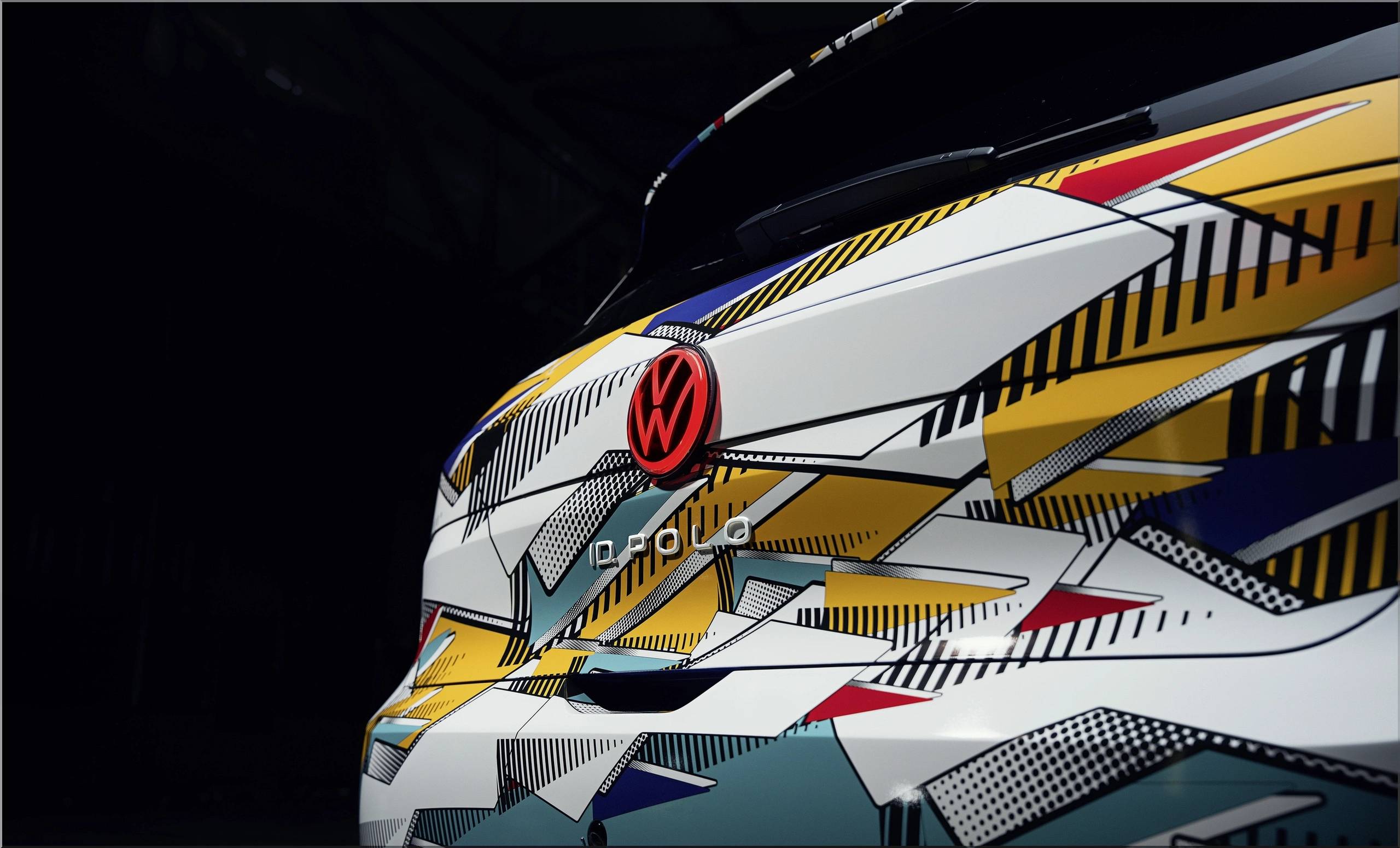
Volkswagen will debut the ID. Polo in 2026 — 50 years after the original Polo first hit the market. It’s more than a marketing stunt. It’s a deliberate reminder that this EV belongs to the same family tree.
- Concept origin: ID. 2all
- Production name: ID. Polo
- Launch date: 2026
- Public debut: IAA Mobility, Munich (September 2025)
- Anniversary tie-in: 50 years of Polo
What Comes After the ID. Polo?
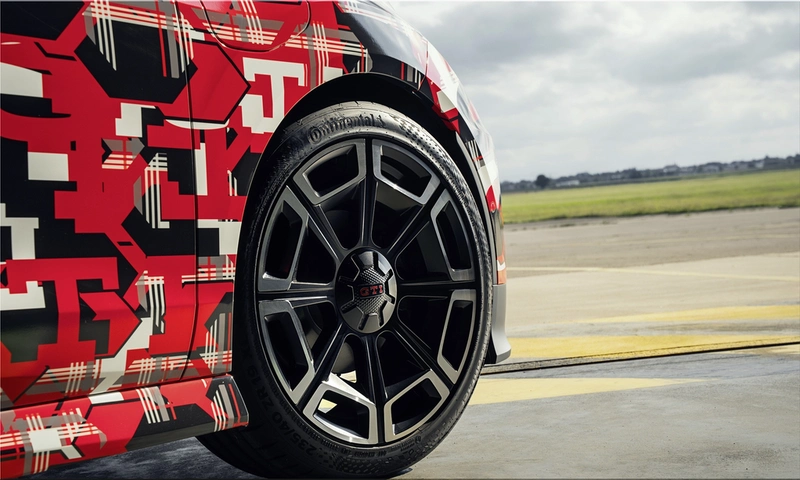
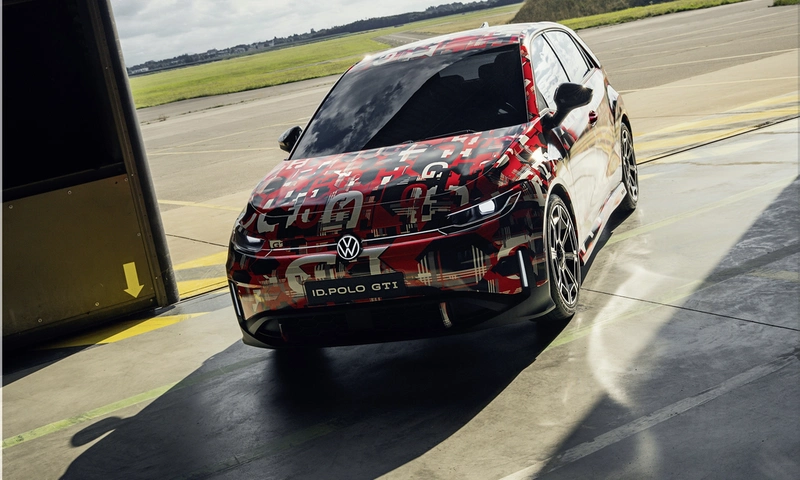
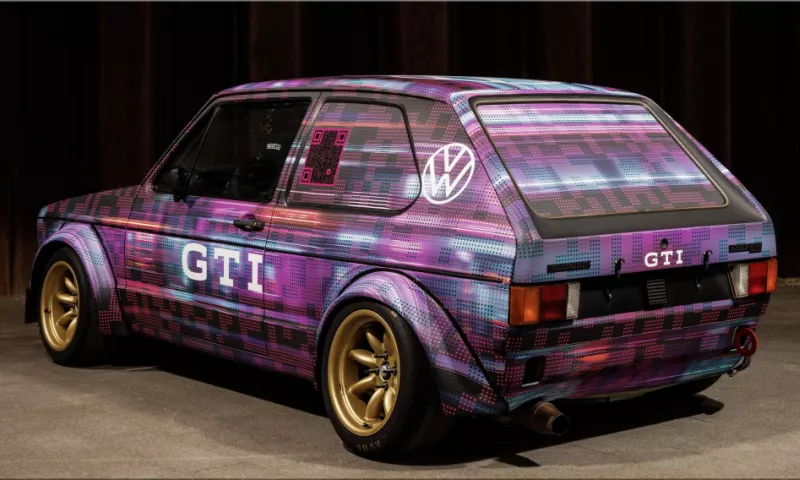
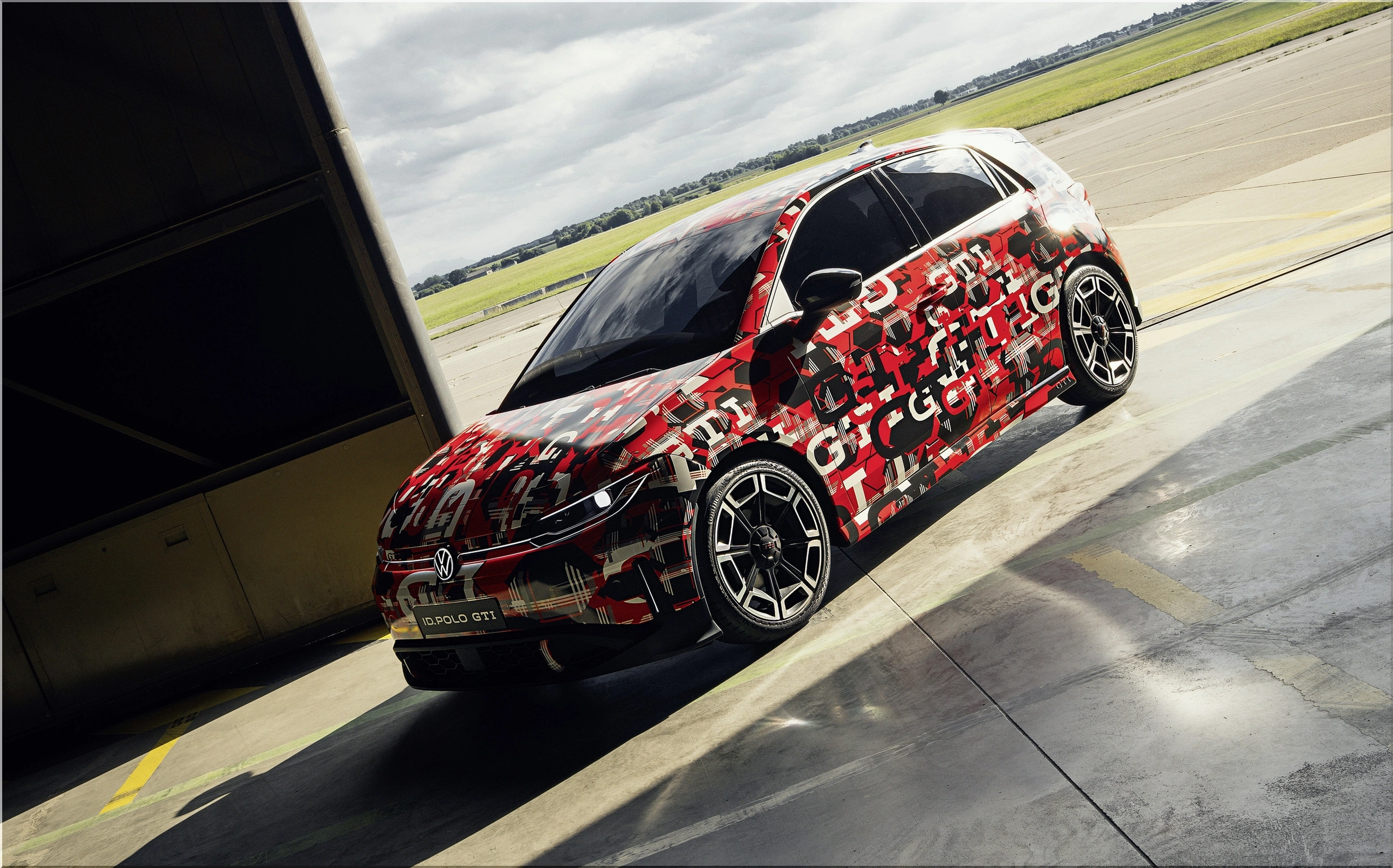
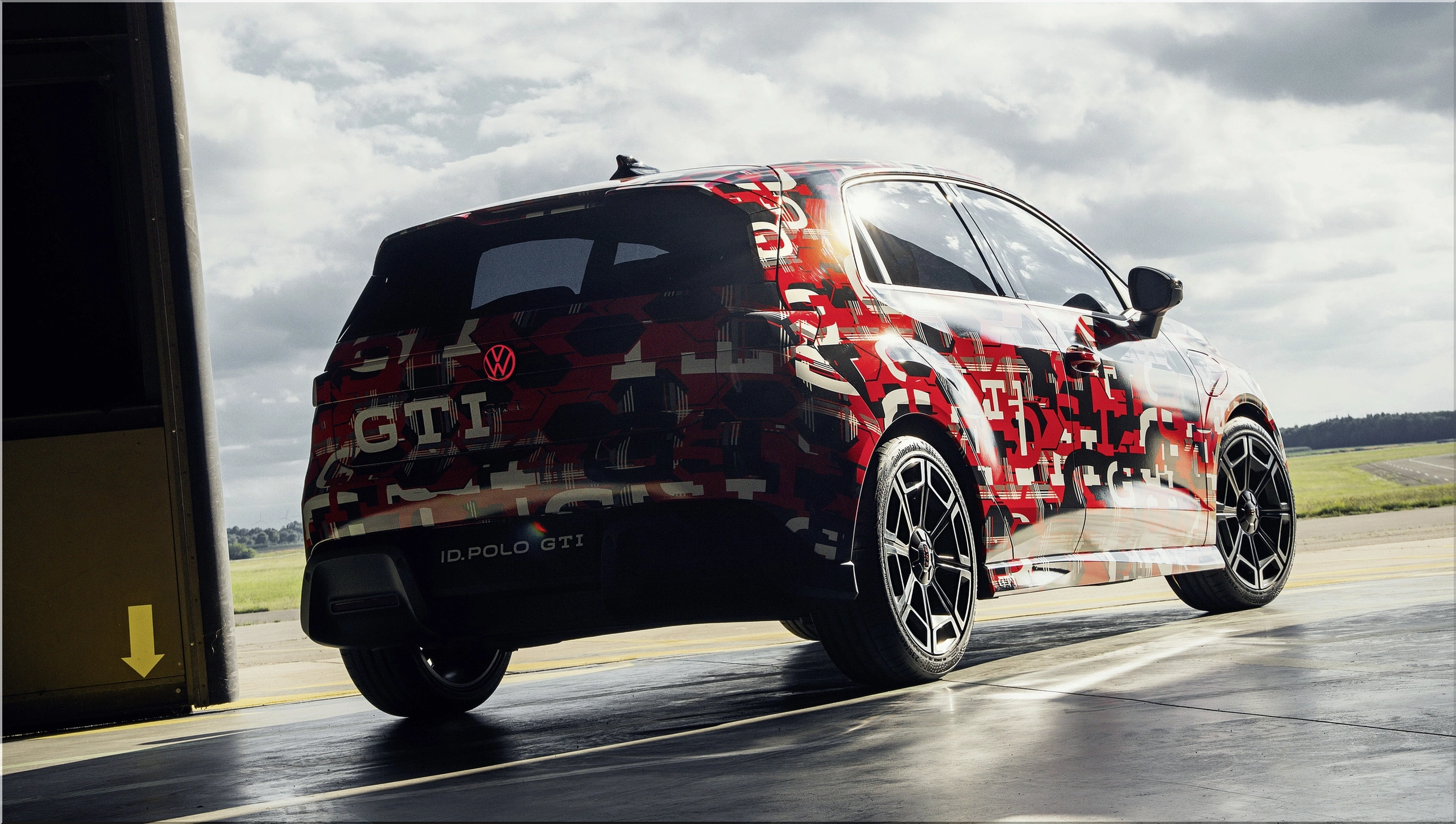
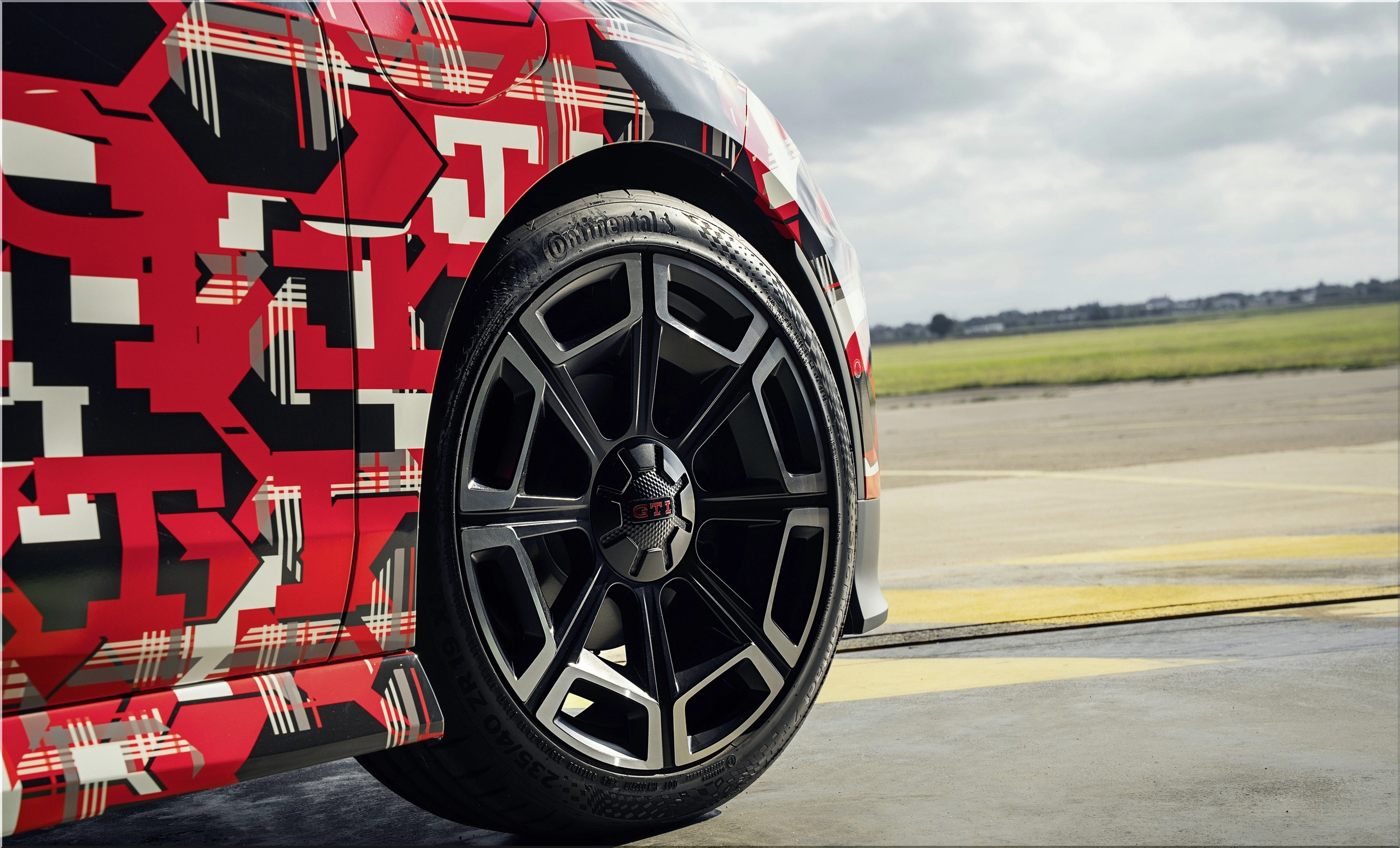
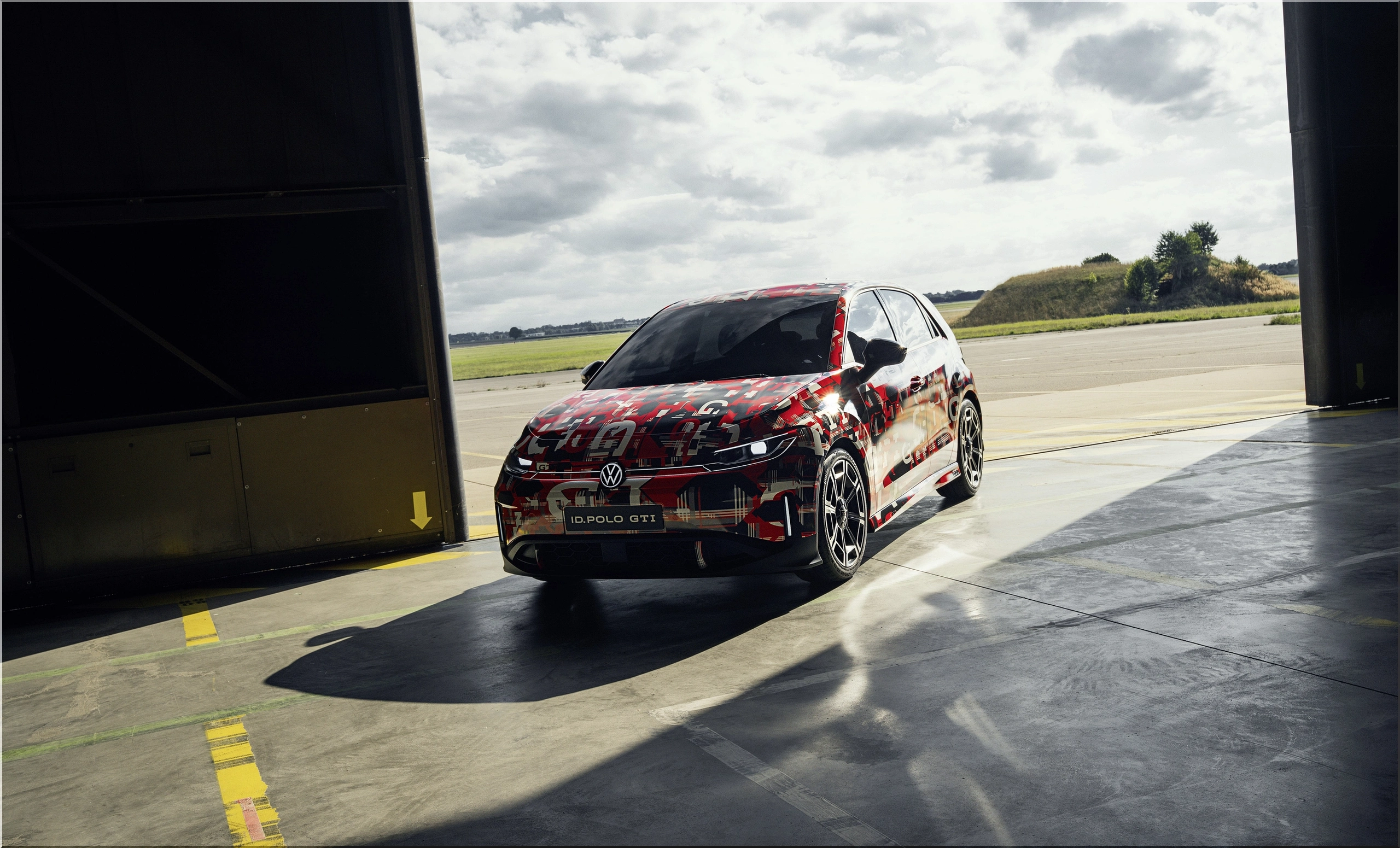
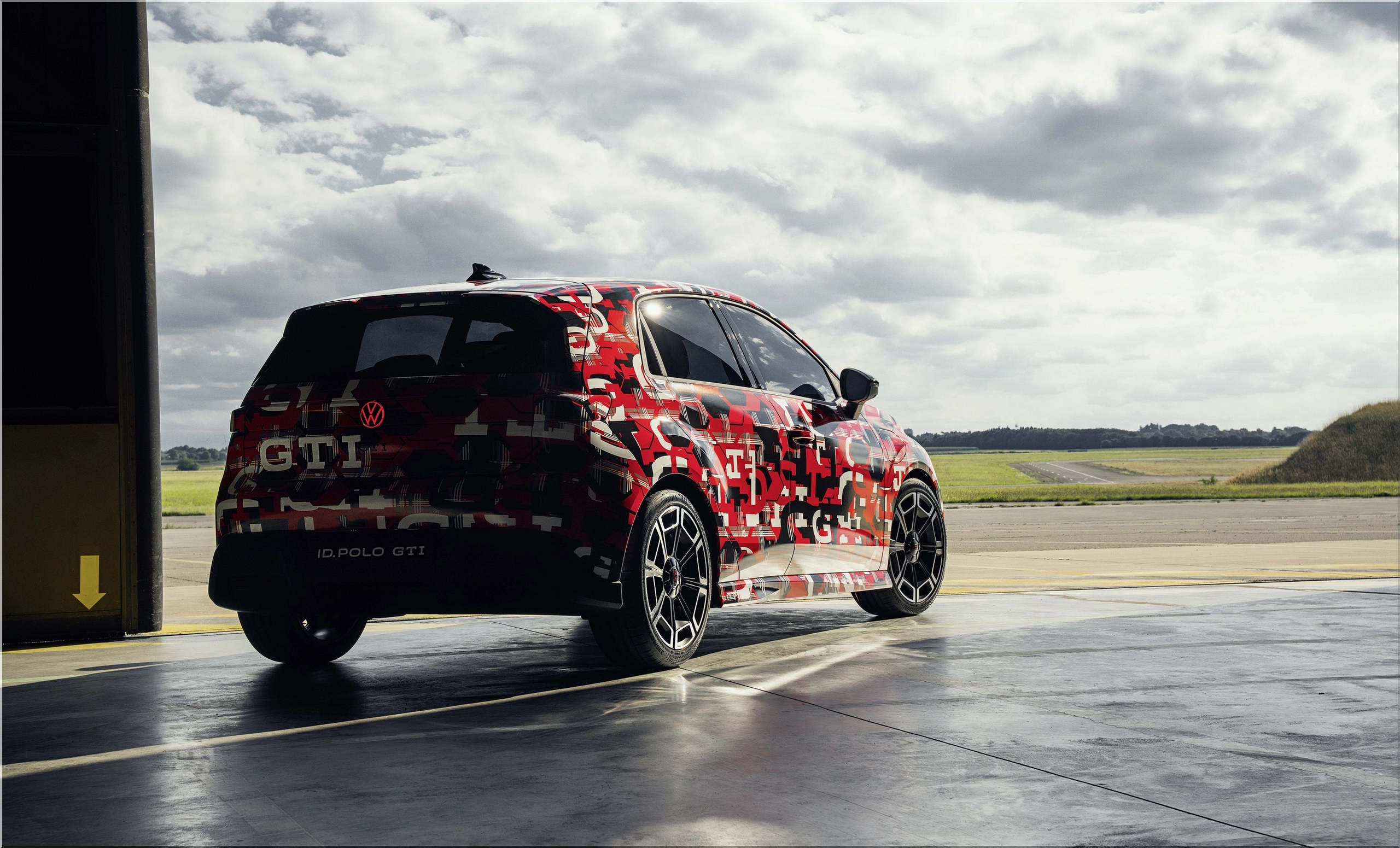
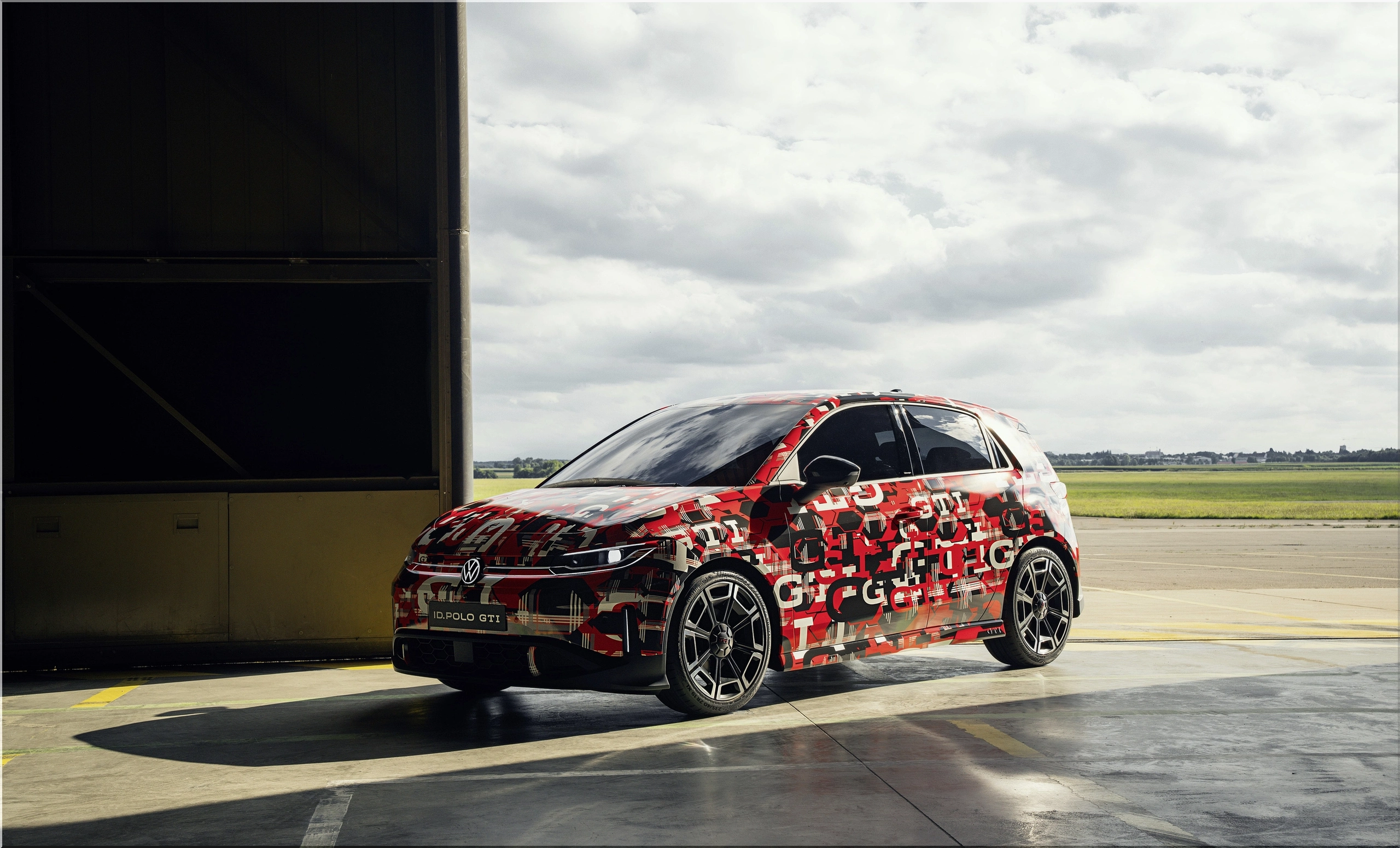
The naming reset doesn't end here. Volkswagen also confirmed the ID. GTI Concept will hit production as the ID. Polo GTI in 2026. More established names are expected to follow.
Electric Compact SUV Joins the Lineup
Alongside the ID. Polo, Volkswagen will launch a compact electric SUV — the ID. Cross, the EV counterpart to the T-Cross. This SUV aims for the same value-conscious segment as the Polo but offers more flexibility.
- Concept name: ID. Cross Concept
- Production version: ID. Cross
- Launch date: Late 2026
- Positioning: Electric version of the T-Cross
Affordability and Design Goals
Volkswagen intends to bring electric driving under $25,000 USD. The ID. Polo and ID. Cross are critical to hitting that target, offering a real alternative to budget ICE cars.
Estimated price target: €20,000–€25,000 (approx. $21,400–$26,800 USD)
Why This Matters
Current EV buyers lean upscale. Volkswagen wants to fix that. The average electric car sold in Europe in 2024 was over $40,000 USD. The ID. Polo’s pricing strategy could open the door to first-time EV buyers.
Image gallery
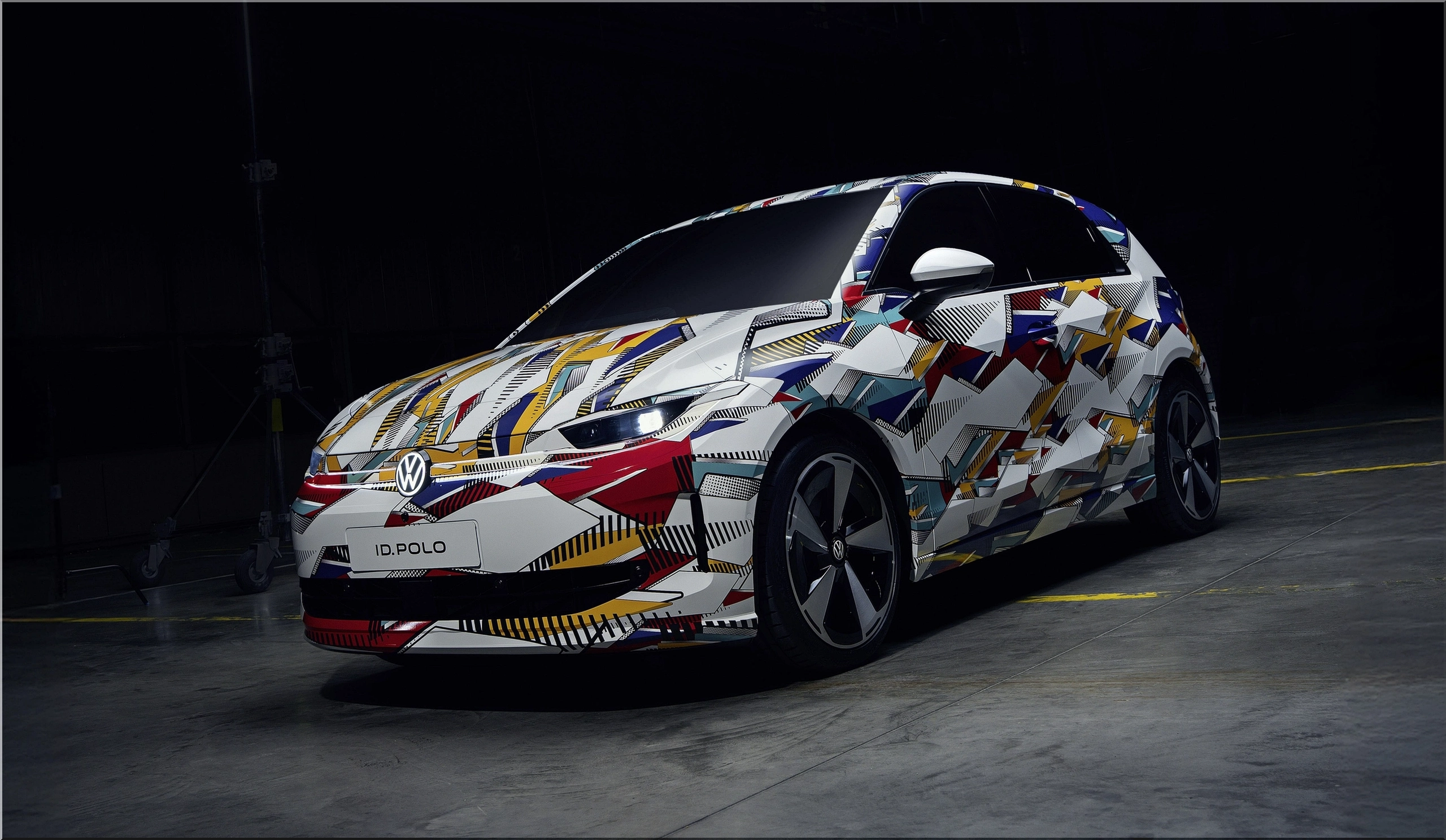
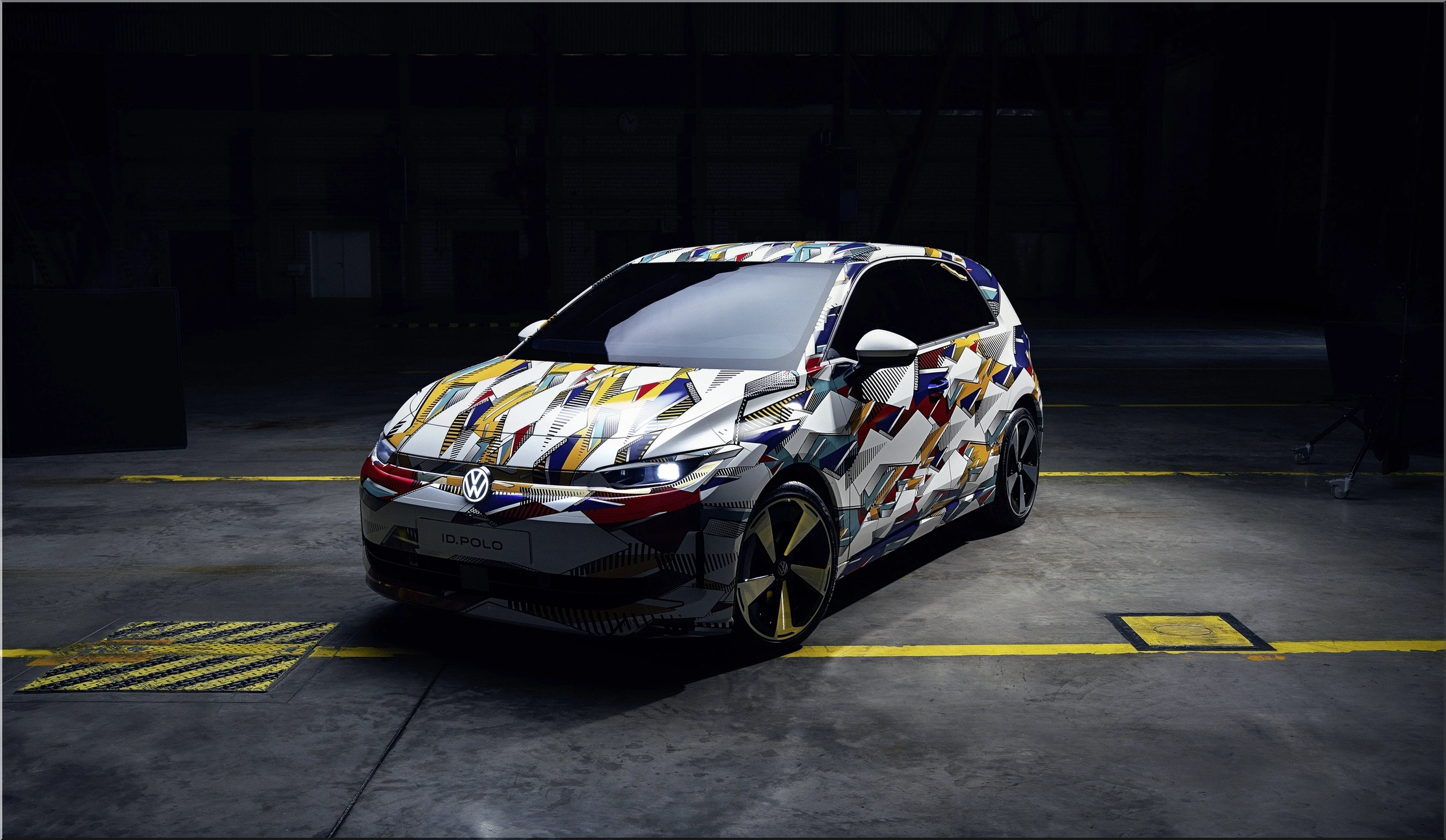
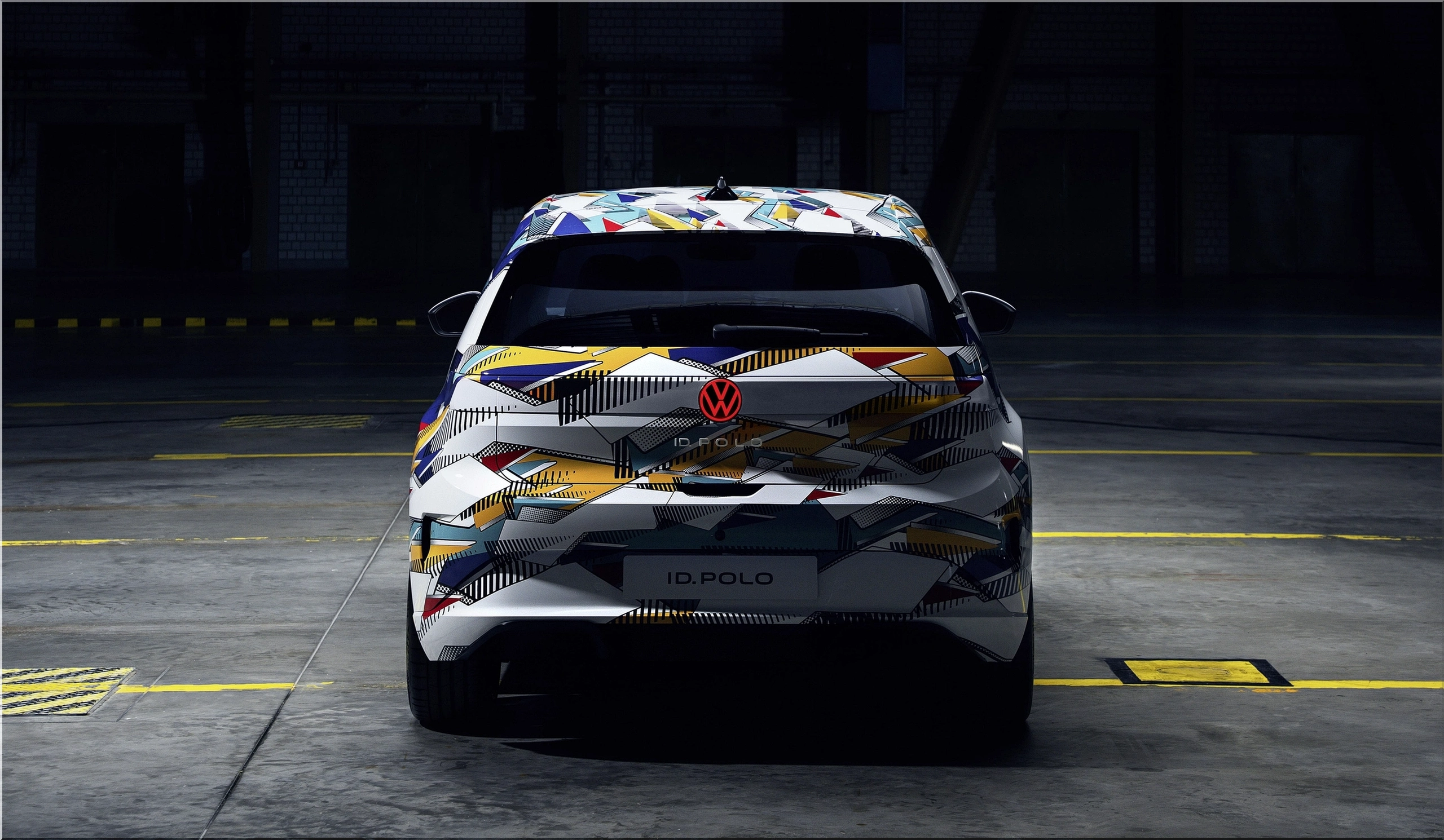



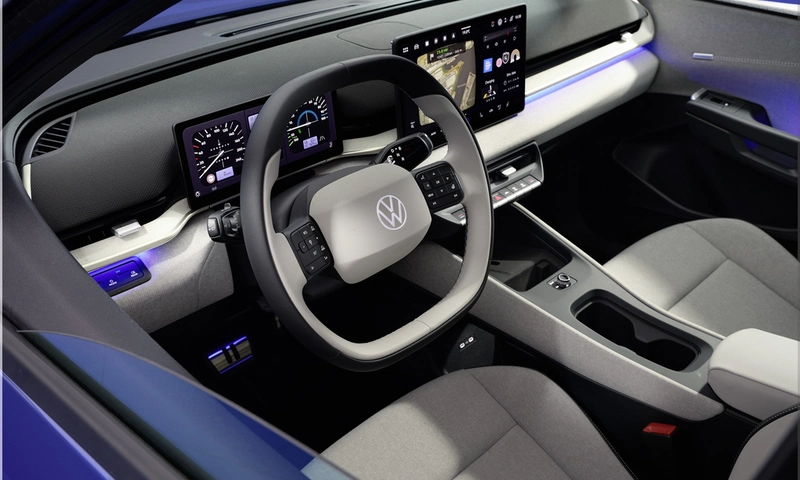
New Features: Simplified Controls, Better UX
Volkswagen says it listened to customer complaints. The new models won’t repeat the same missteps found in earlier ID. cars.
- Physical controls return: Buttons and knobs are back in the cabin
- Simpler interface: Fewer touchscreen-only controls
- Soft-touch materials: Better interior quality
- Improved steering wheel layout: Easier to use while driving
Segment Strategy: Gas and Electric in Parallel
Volkswagen will continue producing internal combustion models like the Polo and Golf alongside their electric counterparts. This dual strategy helps the brand cover:
| Vehicle Segment | ICE Model | EV Equivalent |
|---|---|---|
| Compact Hatchback | Polo | ID. Polo |
| Performance Hatchback | Polo GTI | ID. Polo GTI |
| Compact SUV | T-Cross | ID. Cross |
Manufacturing and Scale
Volkswagen’s modular MEB platform supports the ID. Polo and its siblings. This ensures:
- Faster production ramp-up
- Shared components across ID. models
- Streamlined logistics and cost reductions
In 2024, Volkswagen delivered around 4.8 million cars globally. The ID. platform is designed to match that scale.
Why the Name Matters to Volkswagen
For Volkswagen, model names are emotional assets. Electric cars aren’t selling as fast as expected. Changing the name strategy may help. Buyers feel safer with names they’ve seen for decades.
Market Context and Competitive Position
Volkswagen isn’t alone. Other automakers are blending new electric platforms with legacy model names:
- Renault keeps Clio and Megane alive in EV form
- Fiat offers gas and electric versions of the 500
- Ford repurposed “Mustang” for the Mach-E electric crossover
What makes Volkswagen’s approach unique is the unification under the ID. brand while still keeping traditional names front-and-center.
Image gallery



Bottom Line
Volkswagen’s new strategy is simple: reduce EV buyer friction by making the cars feel familiar. Dropping abstract names in favor of recognizable badges helps customers know what they’re buying. The ID. Polo isn’t a leap into the unknown. It’s a familiar step forward.
The decision also lays groundwork for more electric models in lower price brackets — a necessity if Volkswagen wants to hit global sales targets and remain competitive.
For drivers, the message is clear: electric driving isn’t an experiment anymore. It’s the next Polo.
- Add new comment
- 231 views