A Return to Simplicity in the Electric Age
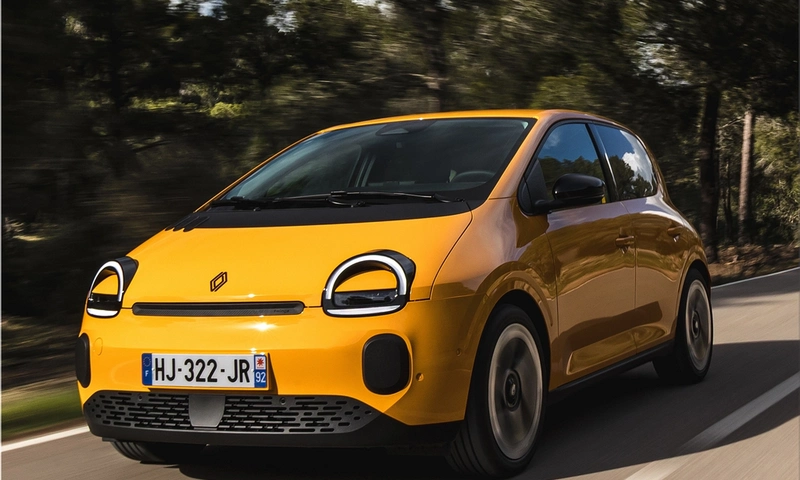
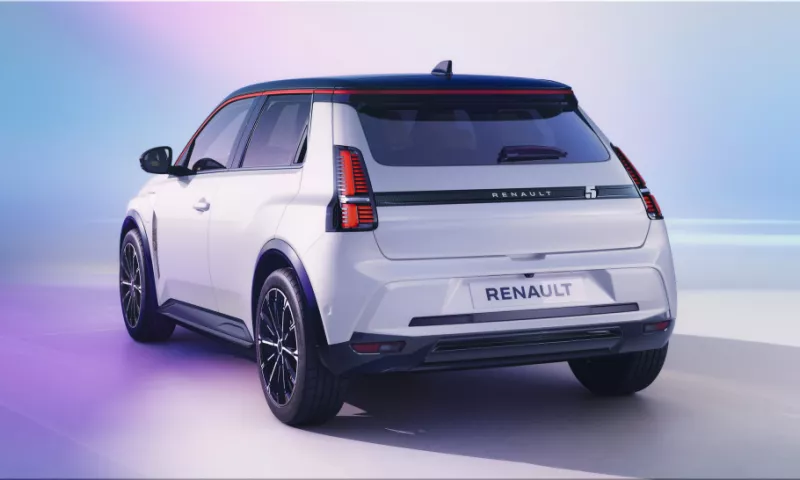
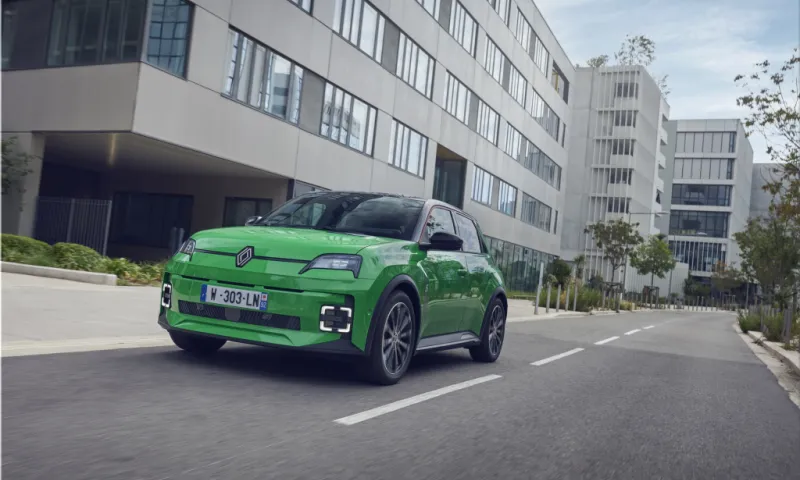
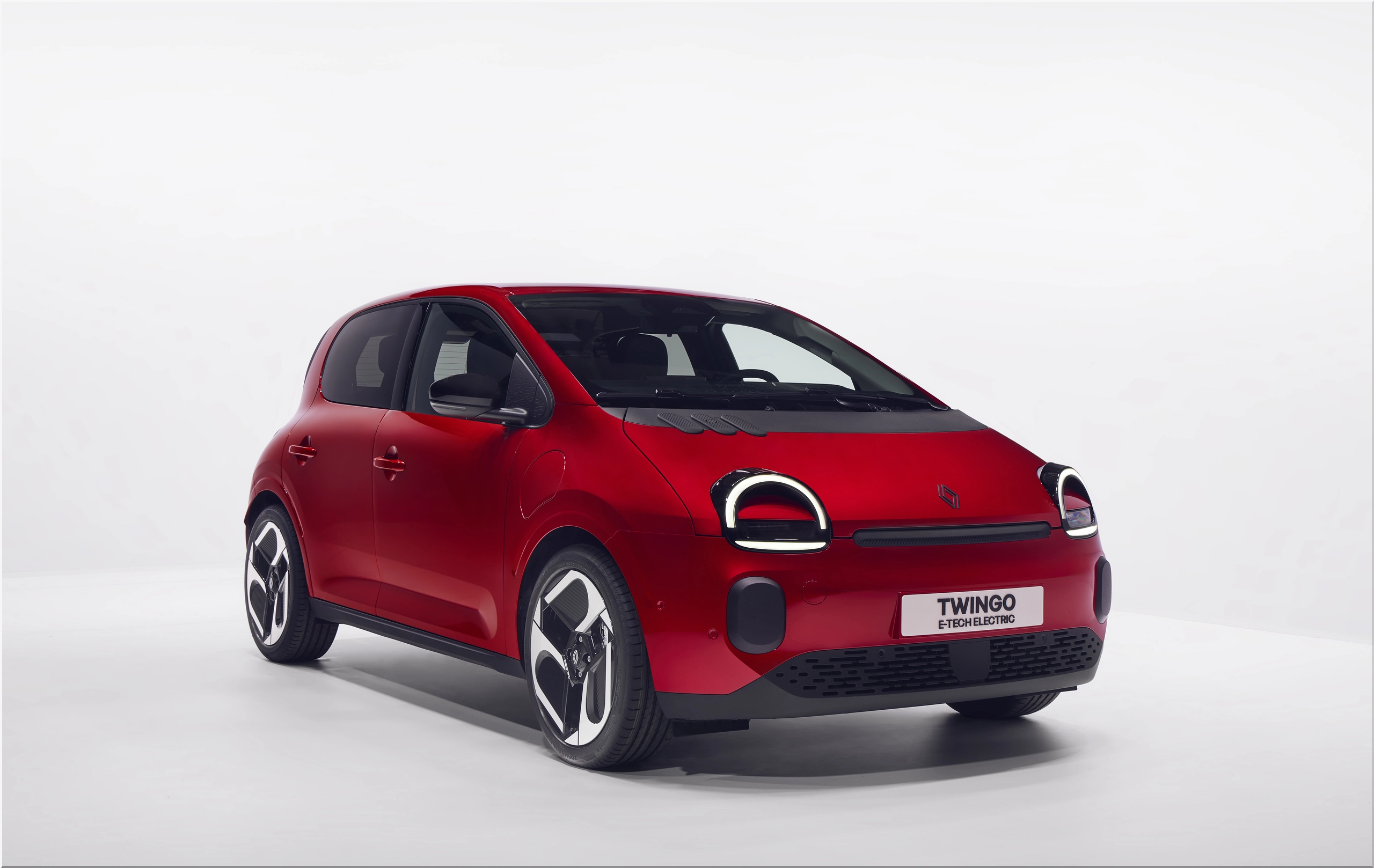
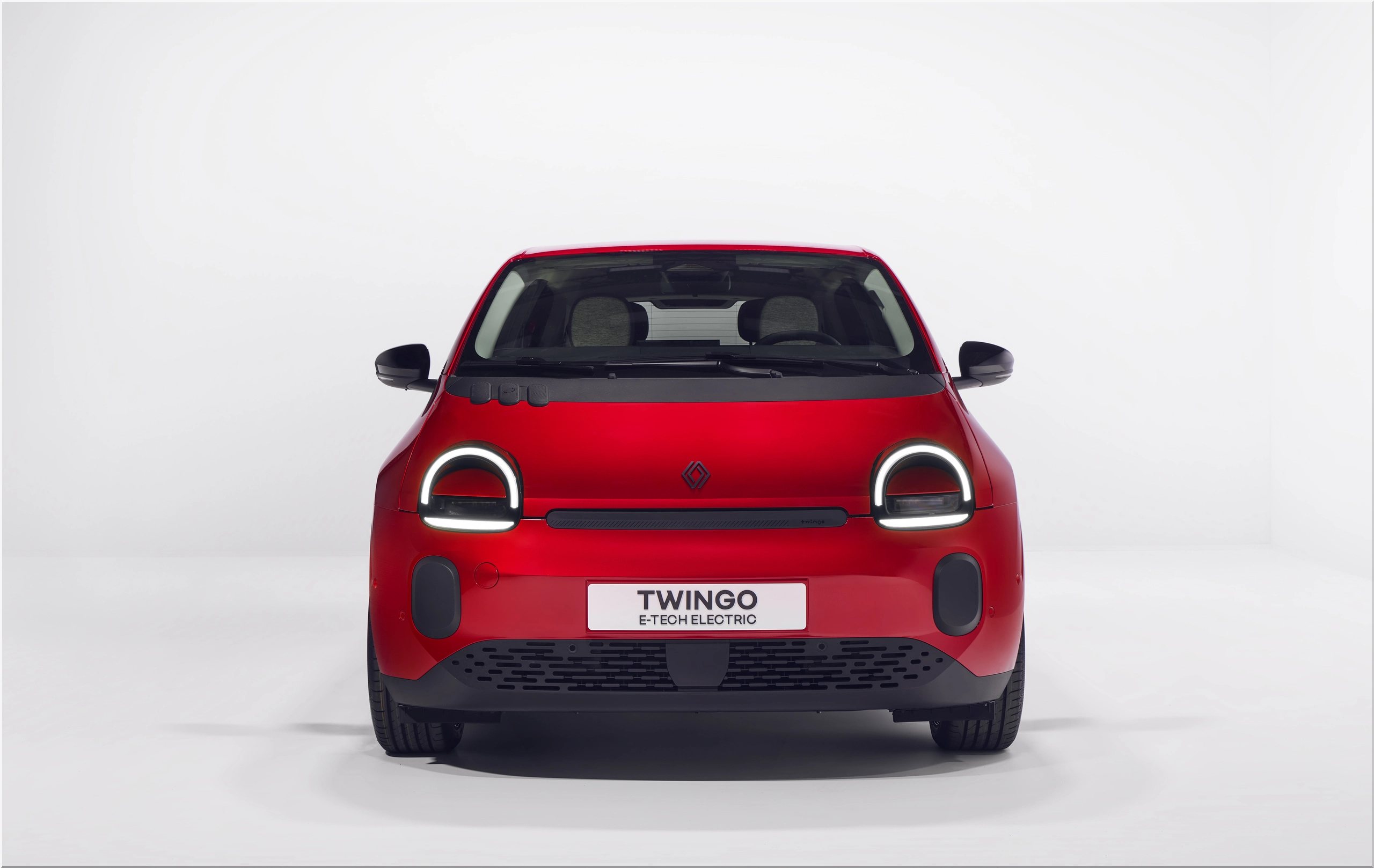
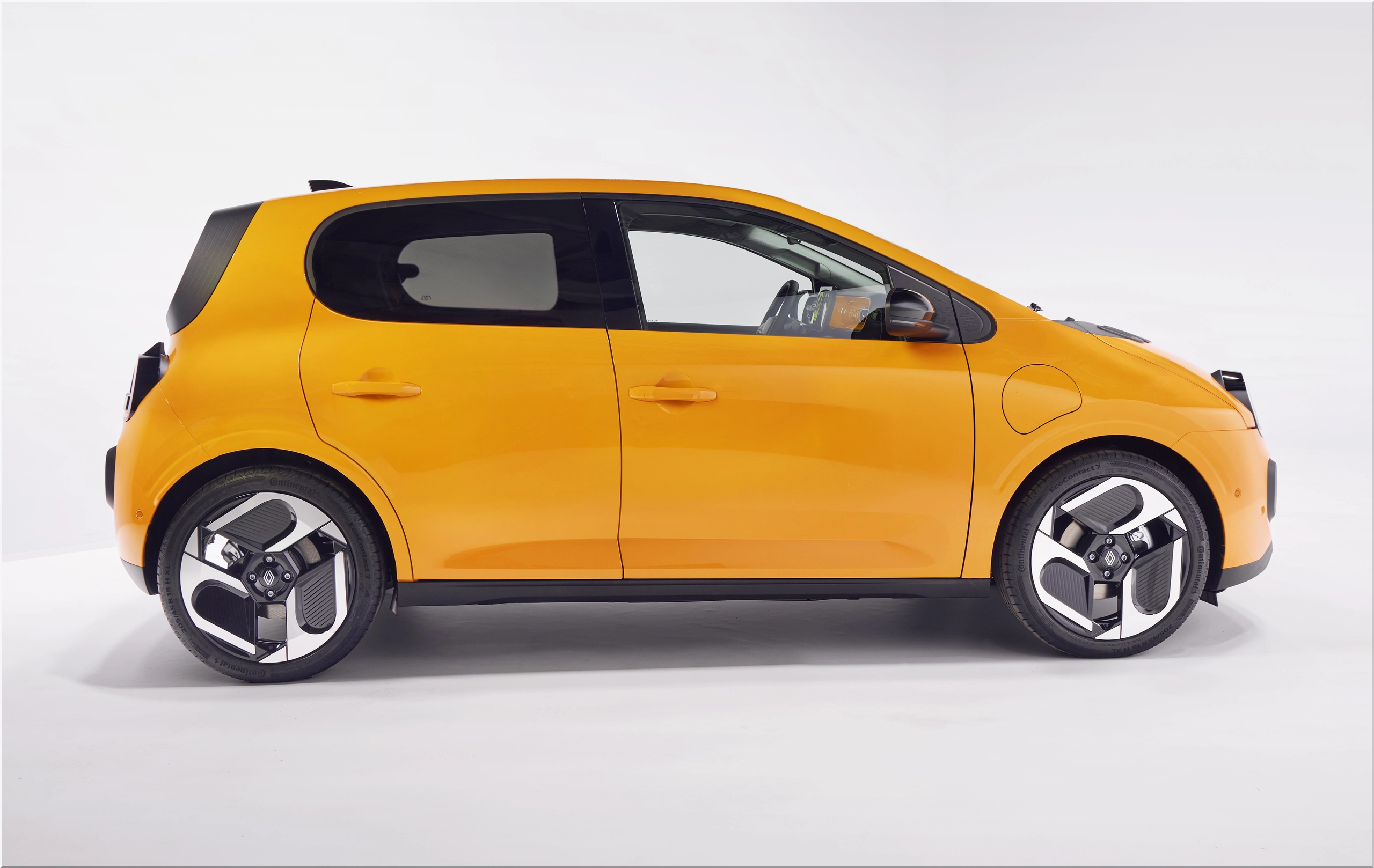
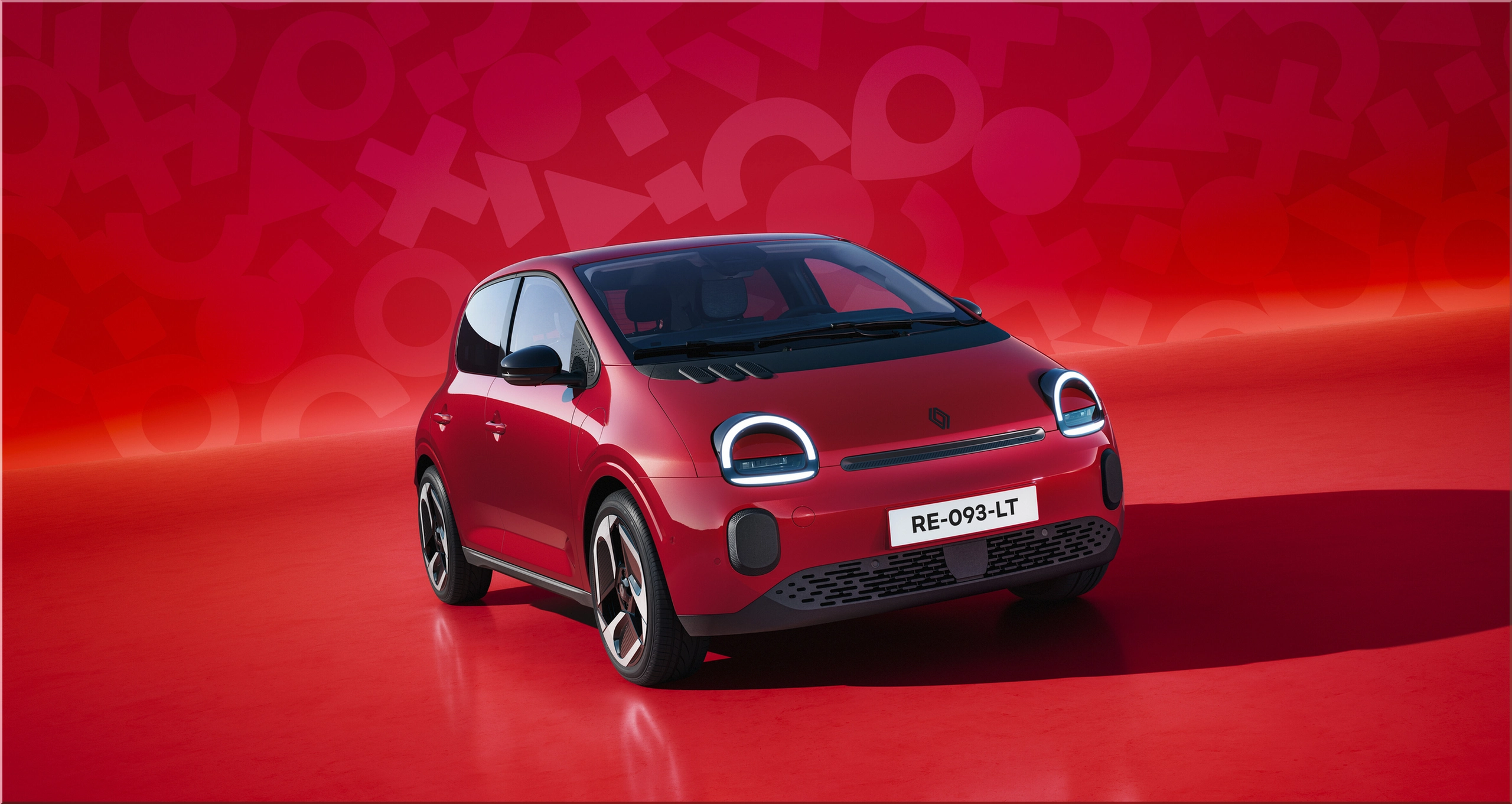
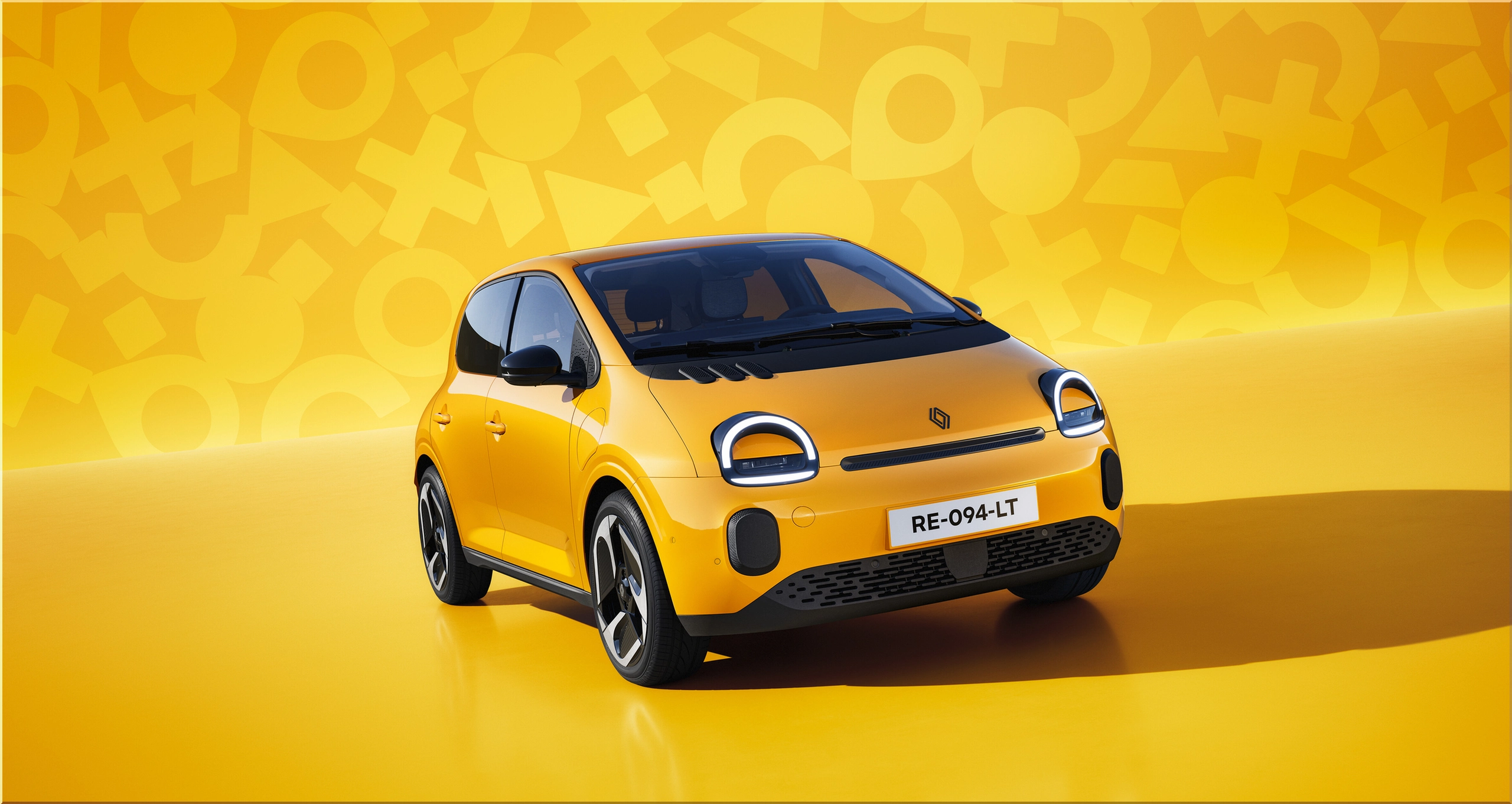
Renault brings back the Twingo with a clear objective: deliver an affordable electric city car that fits real urban needs. The Renault Twingo E-Tech Electric, scheduled for early 2026, enters the market at under $21,500 USD, setting a new benchmark for low-cost electric mobility in Europe.
The original Twingo sold more than 4.1 million units across 25 countries. Renault used that legacy as a foundation for a compact EV engineered for tight streets, short commutes, and low running costs. The result is a five-door, lightweight electric hatch that focuses on efficiency, smart packaging, and cost control.
Image
Making Electric Mobility Affordable
The biggest challenge for EVs today is price. Renault attacked this head-on through a strategy built on three principles:
- Lower production and design complexity
- Efficient LFP battery chemistry
- A compressed development cycle
Engineers designed the car in 100 weeks, cutting the typical development schedule nearly in half. Renault simplified everything from body colors to components to curb unnecessary complexity.
Image
Key Efficiency Moves
- LFP battery avoids costly cobalt or nickel.
- Cell-to-pack architecture increases energy density while reducing manufacturing cost by about 20%.
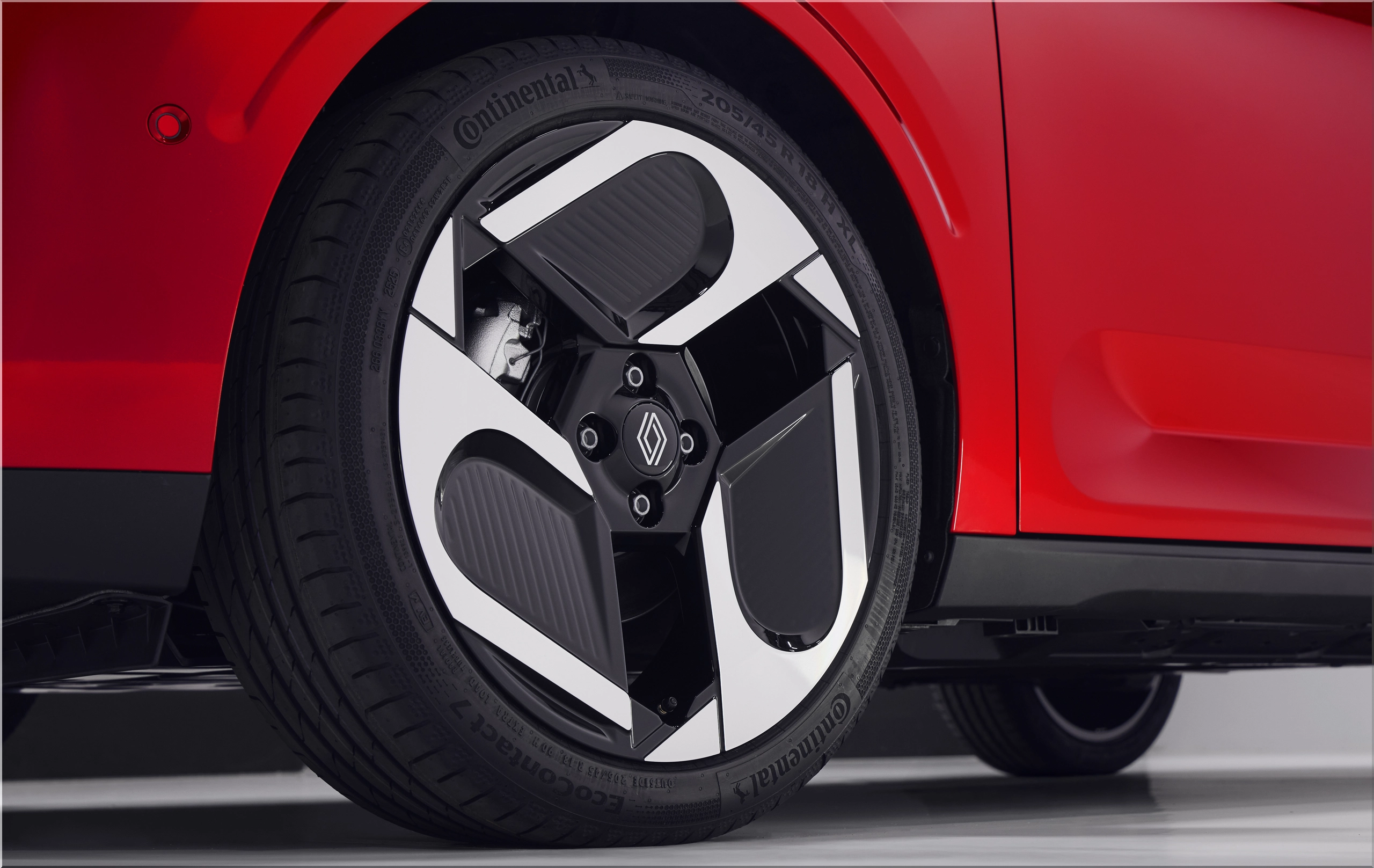
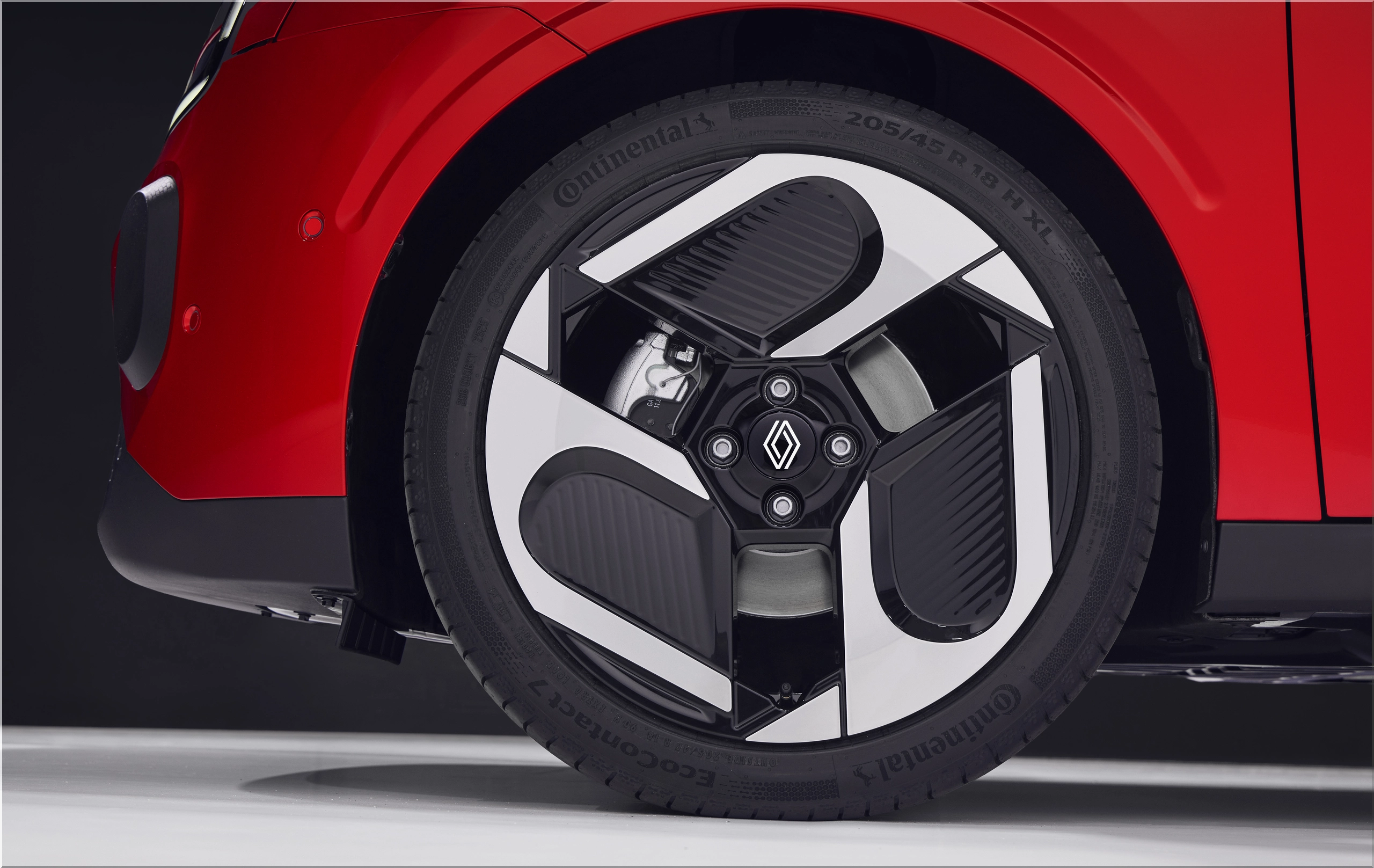
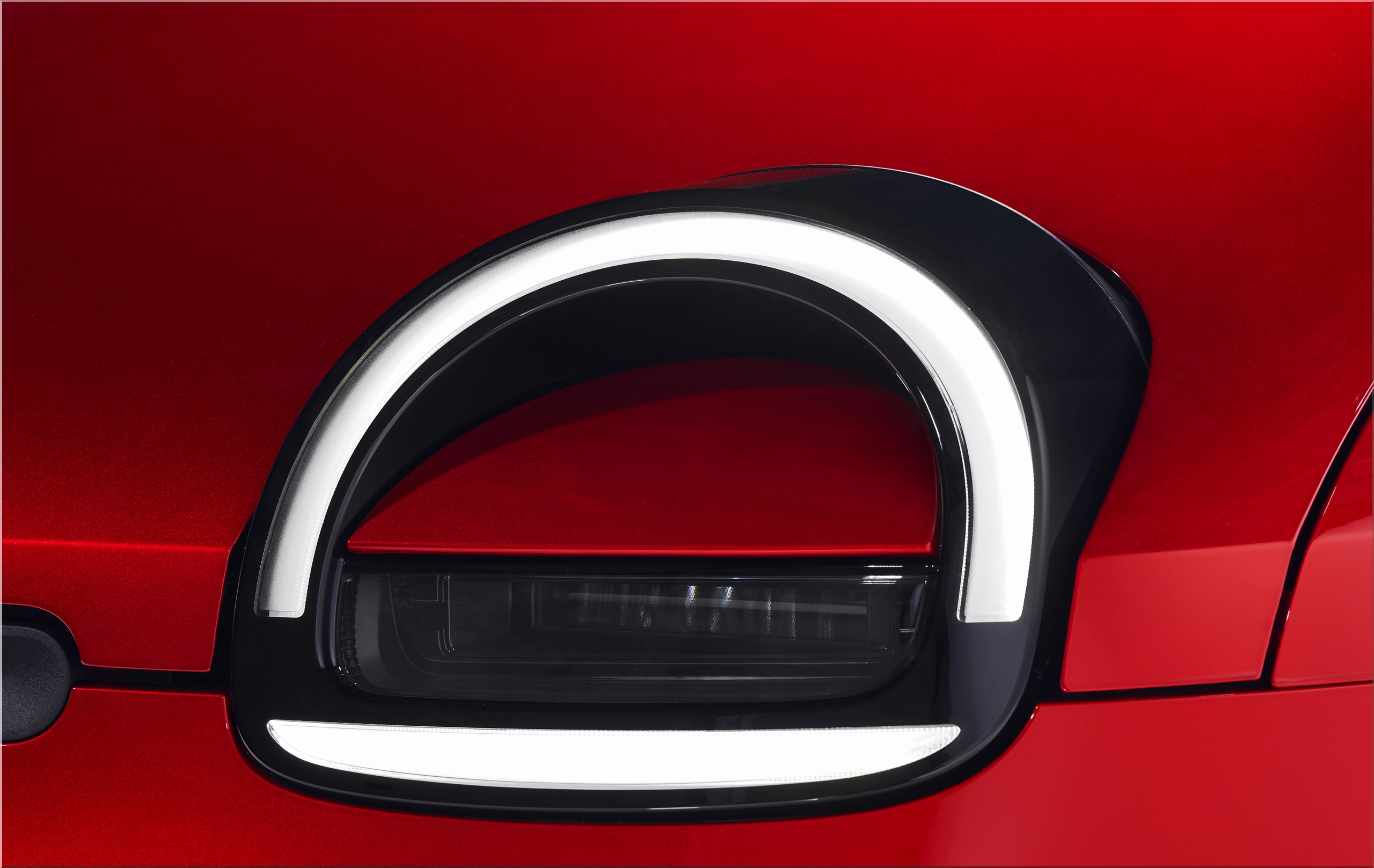
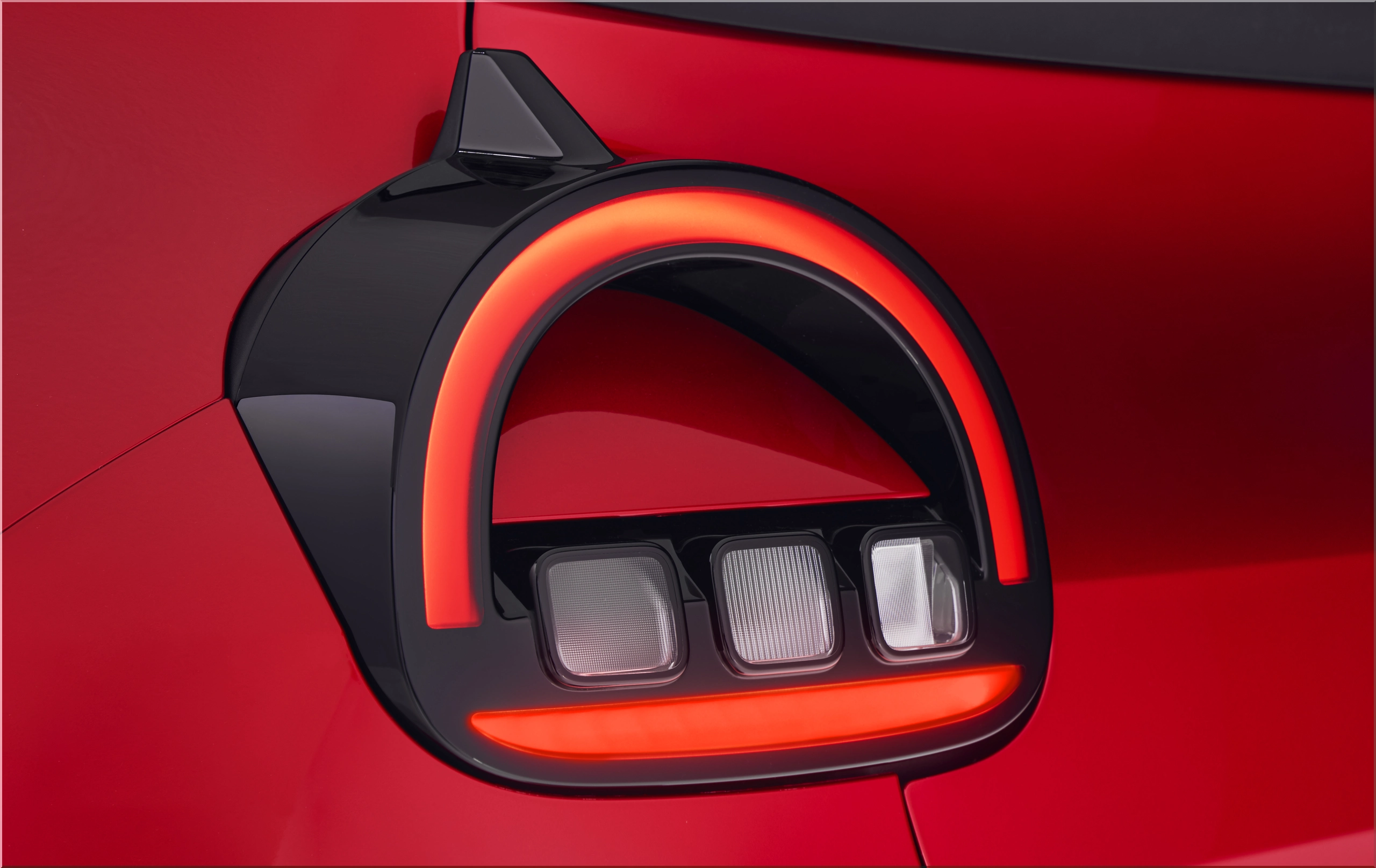
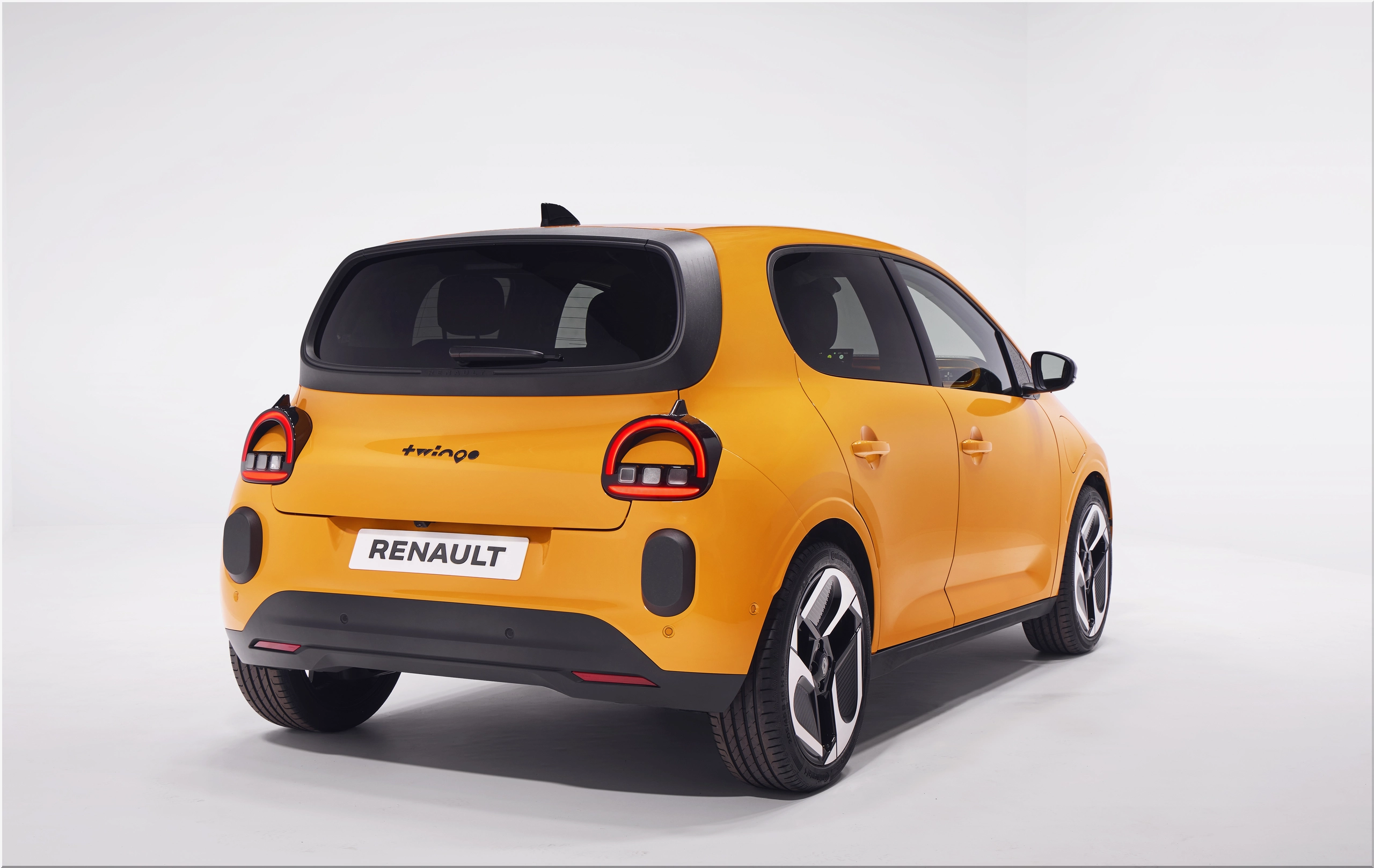
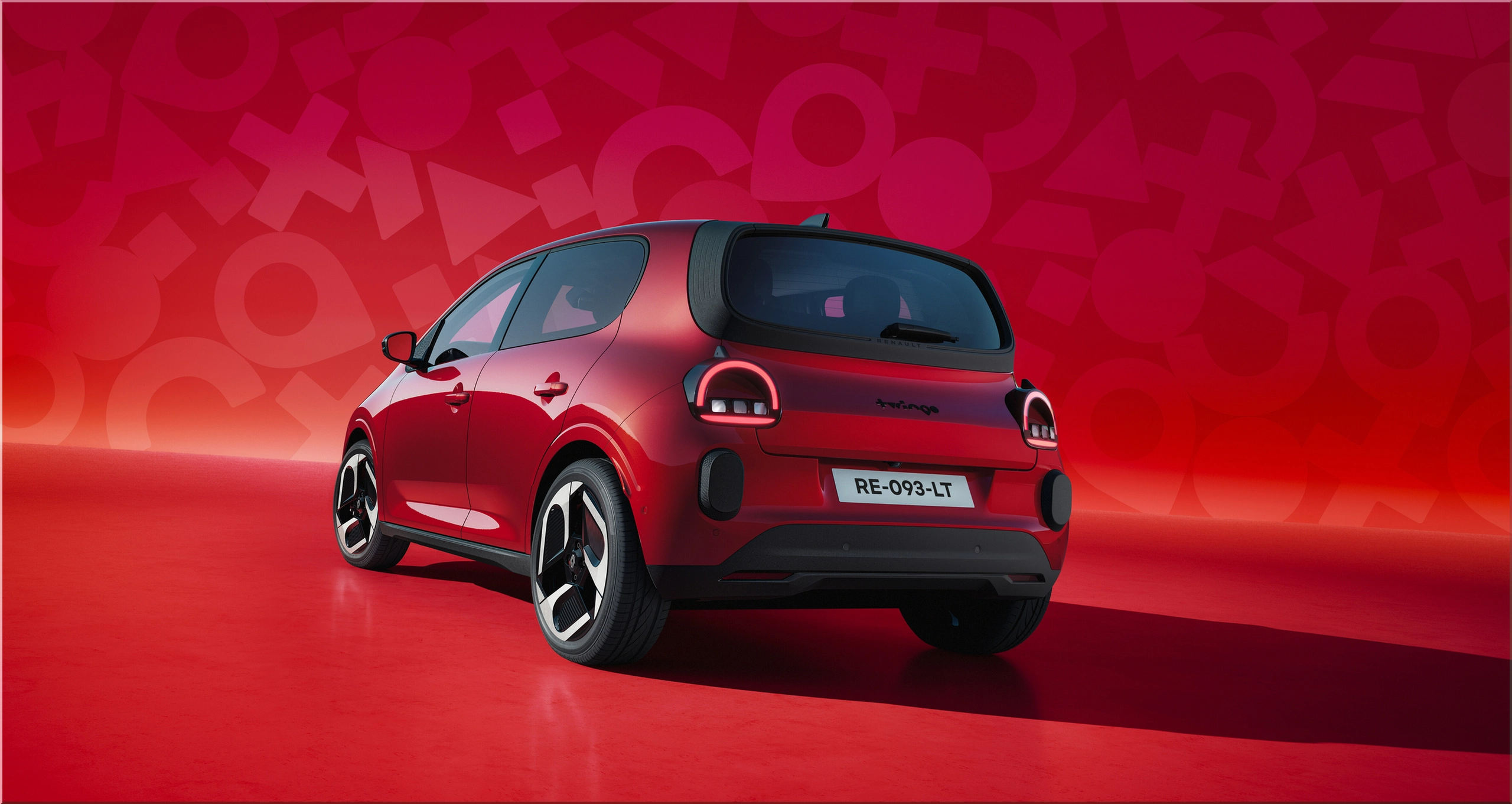
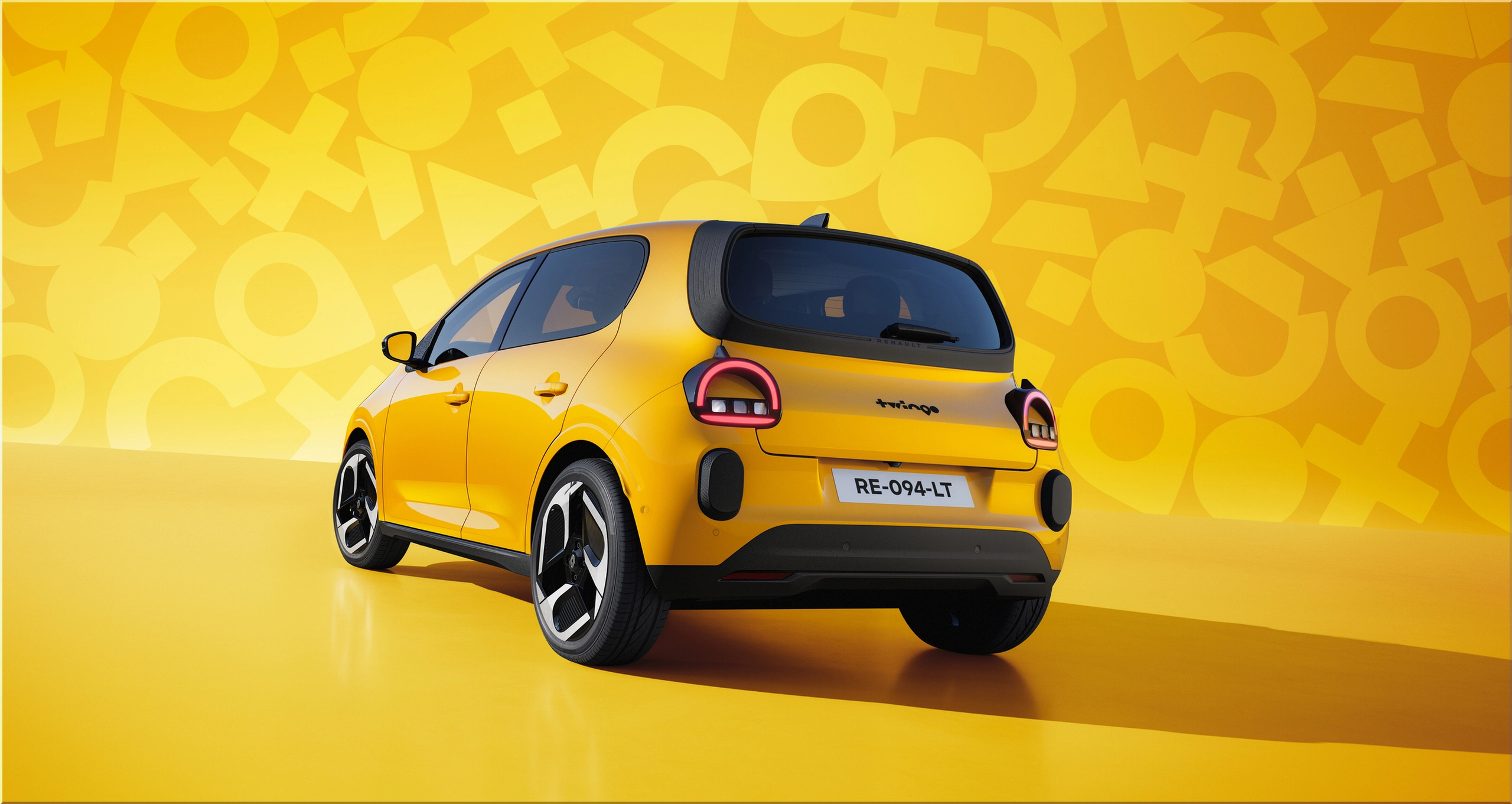
- Targeted aerodynamics, including underbody fairing and rear fins, support low energy use while keeping the battery small and light.
The Twingo’s 27.5 kWh pack delivers up to 263 km (163 miles) WLTP, enough for drivers who average 35 km per day.
Image
European Production with a Tight Supply Loop
Renault builds the Twingo E-Tech Electric in Novo Mesto, Slovenia, a plant modernized with digital production tools and solar energy. A majority of European customers live within 1,000 km of the facility, trimming logistics costs and emissions.
Renault’s Ampere EV division oversees electric systems, while the ACDC tech center in Shanghai accelerates software and component development. This hybrid approach slashes costs without sacrificing safety or reliability.
Image
Performance, Range, and Charging
The Twingo stays focused on city-first utility. It uses a 60 kW (82 hp) motor paired with a lightweight body to deliver sharp low-speed response.
Core Performance Specs
| Feature | Value |
|---|---|
| Power | 60 kW (82 hp) |
| Torque | 175 Nm |
| Battery | 27.5 kWh usable LFP |
| Range | Up to 263 km (163 miles) |
| 0–50 km/h | 3.85 seconds |
| Top Speed | 130 km/h (81 mph) |
| Weight | ~1,200 kg |
Charging Times
- 6.6 kW AC (standard): 10–100% in 4h15
- 11 kW AC (optional): 10–100% in 2h35
- 50 kW DC (optional): 10–80% in 30 minutes
The optional Advanced Charge Pack unlocks bidirectional charging, including V2L for powering small appliances and V2G for returning power to the grid.
Practical Urban Design
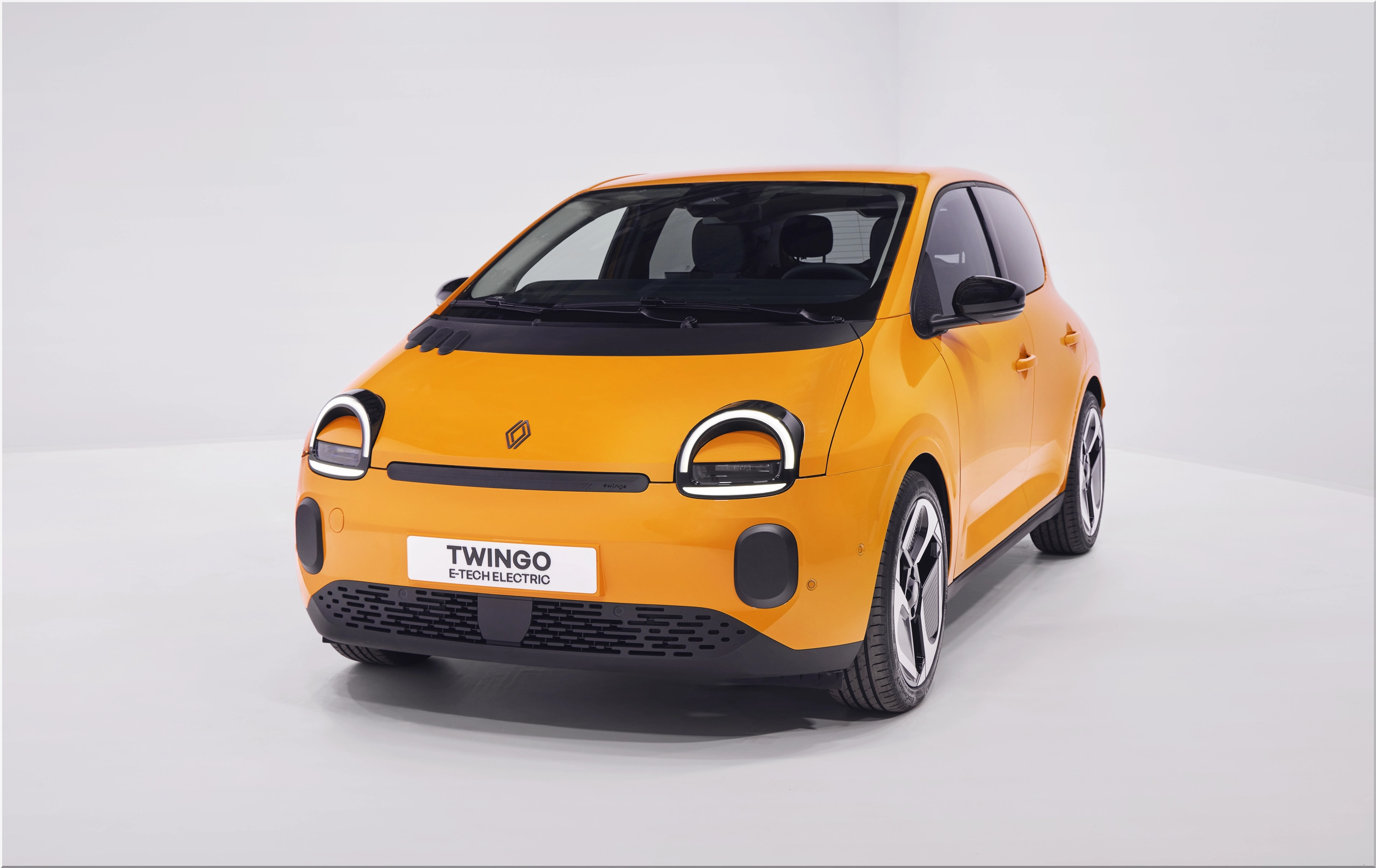
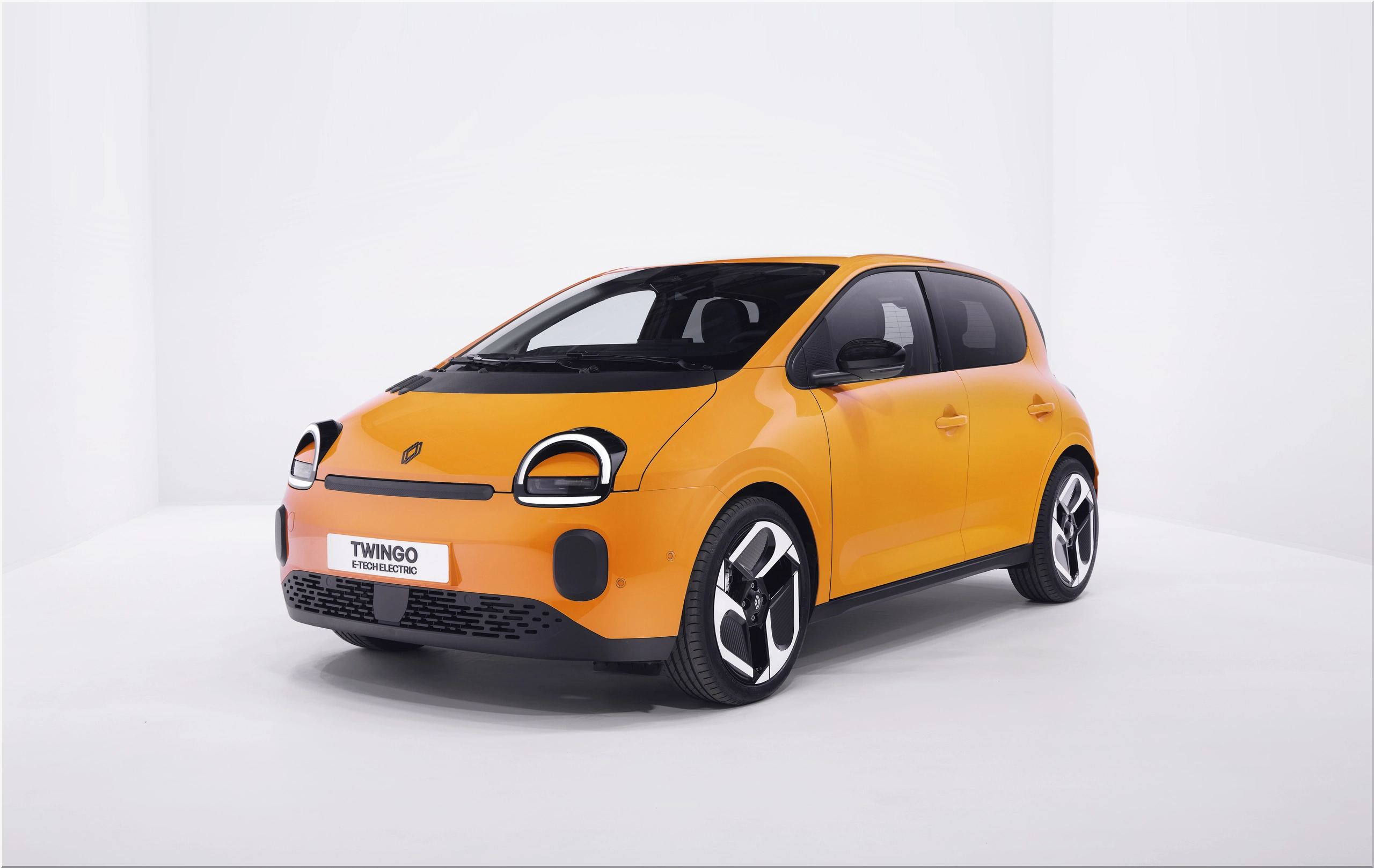
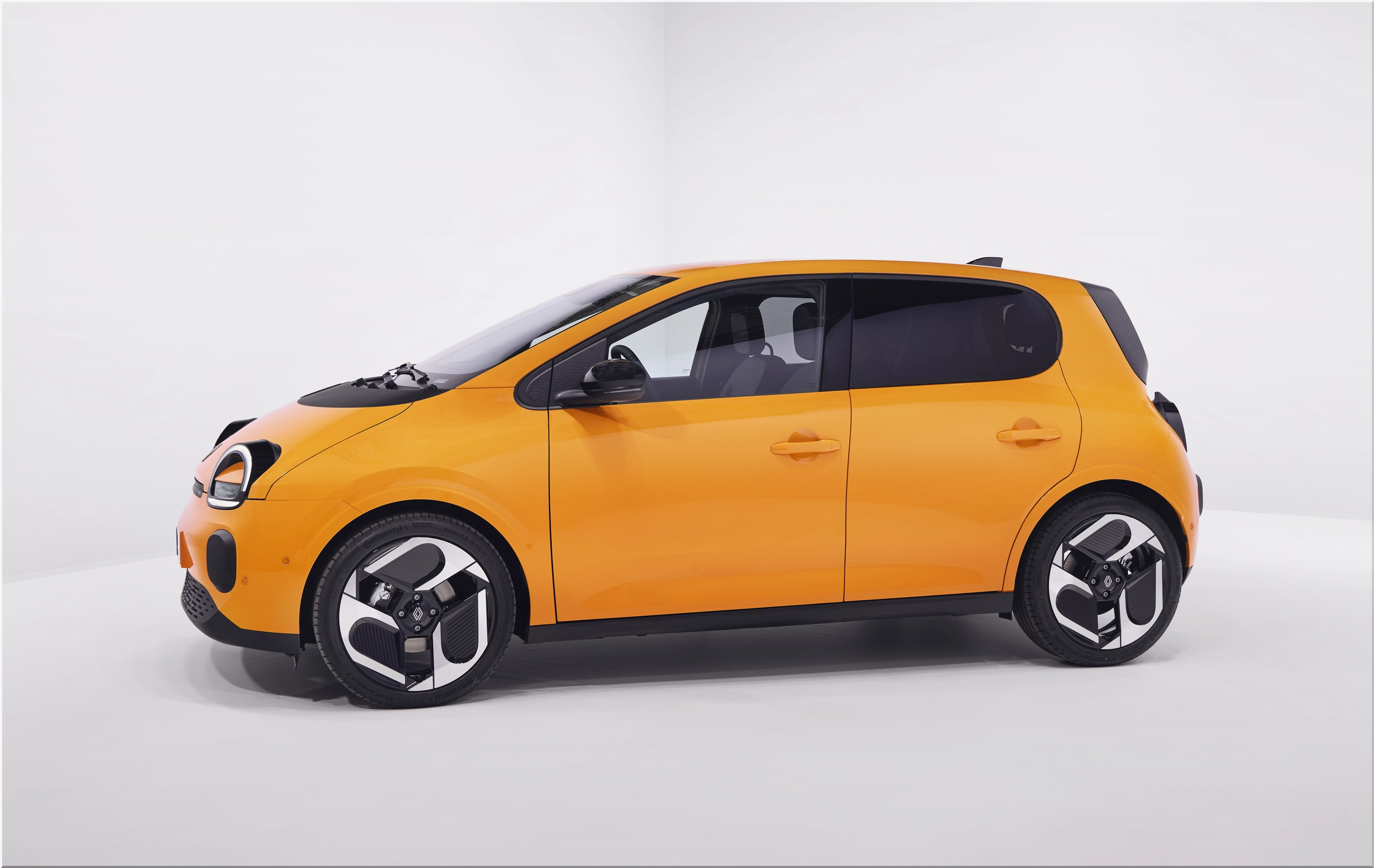
The Twingo keeps its classic upright stance and one-box profile but updates everything for EV use. Despite its 3.79-meter length, the cabin offers B-segment interior space.
Interior Flexibility
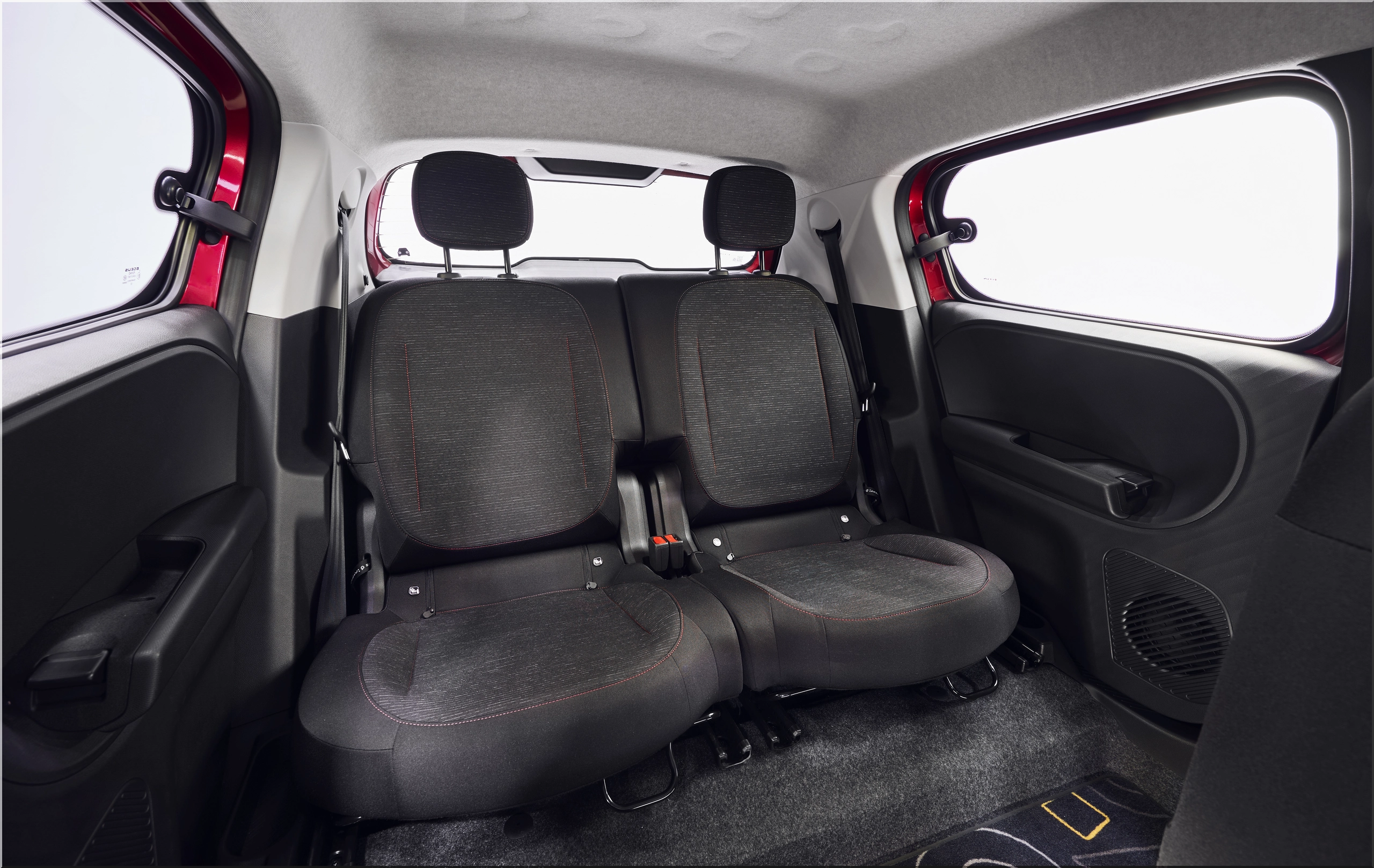
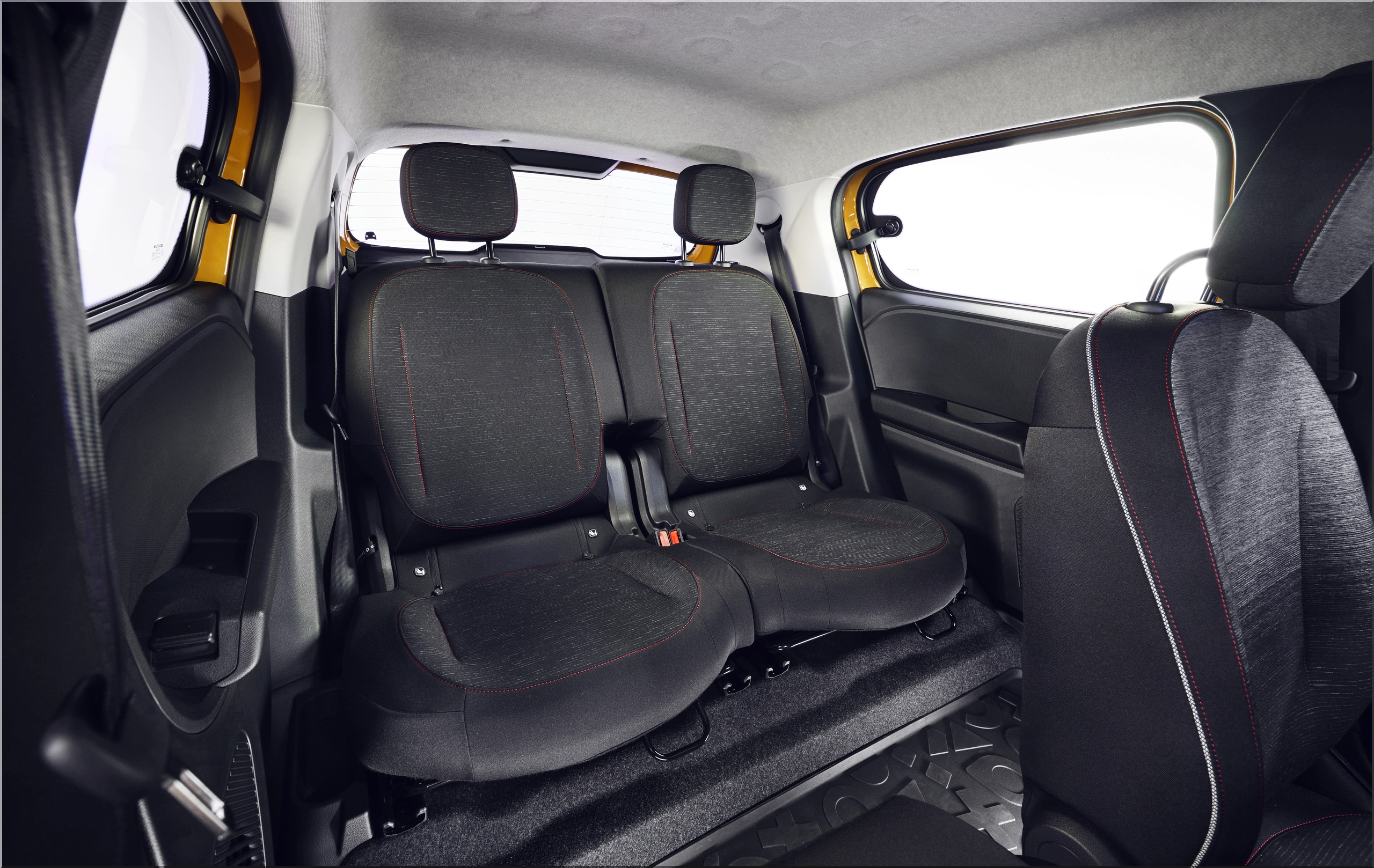
- Independent sliding rear seats with 17 cm of travel
- Reclining rear backrests
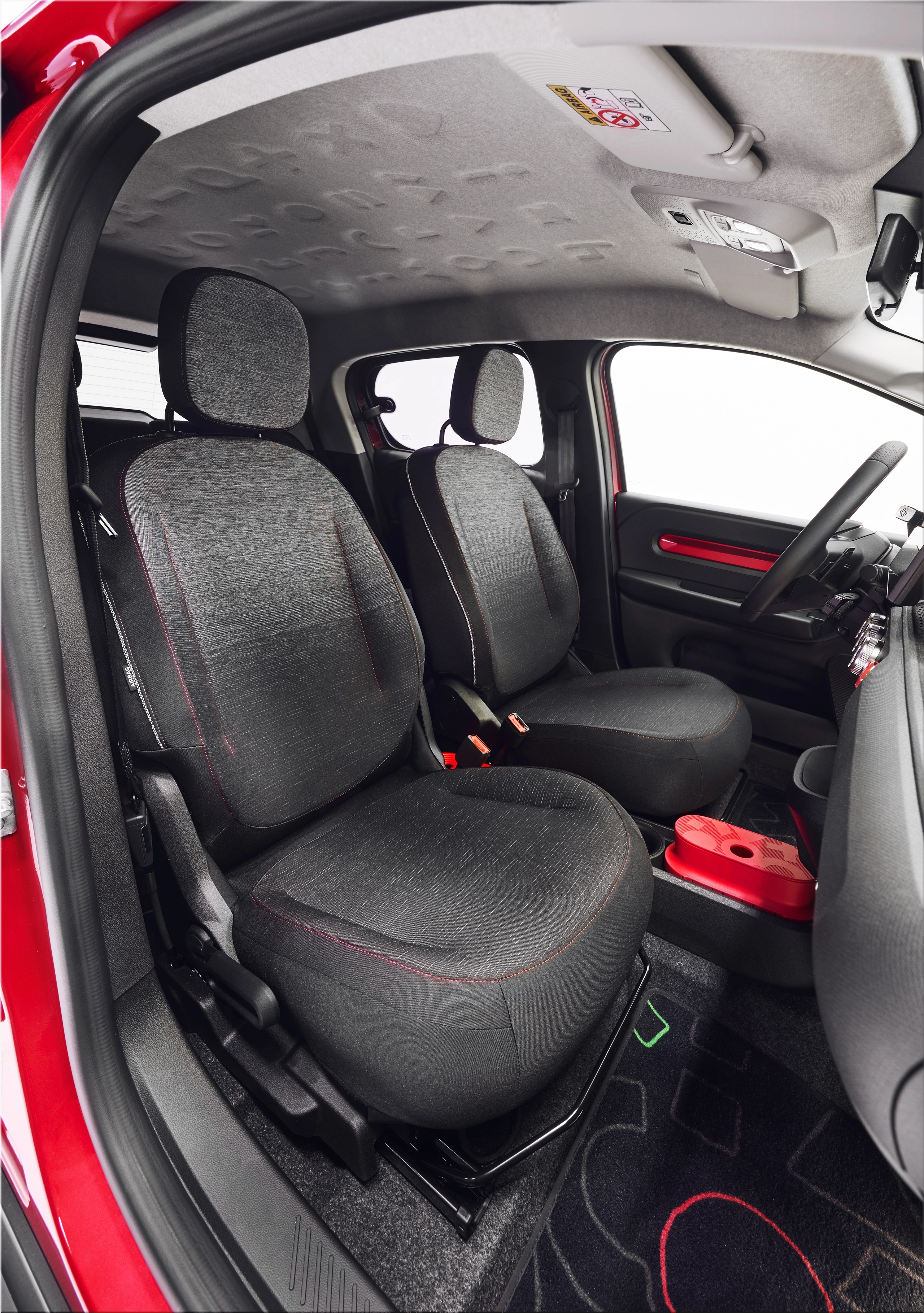
- Folding front passenger seat for 2-meter load length
- Boot space up to 360 L, or over 1,000 L with seats folded
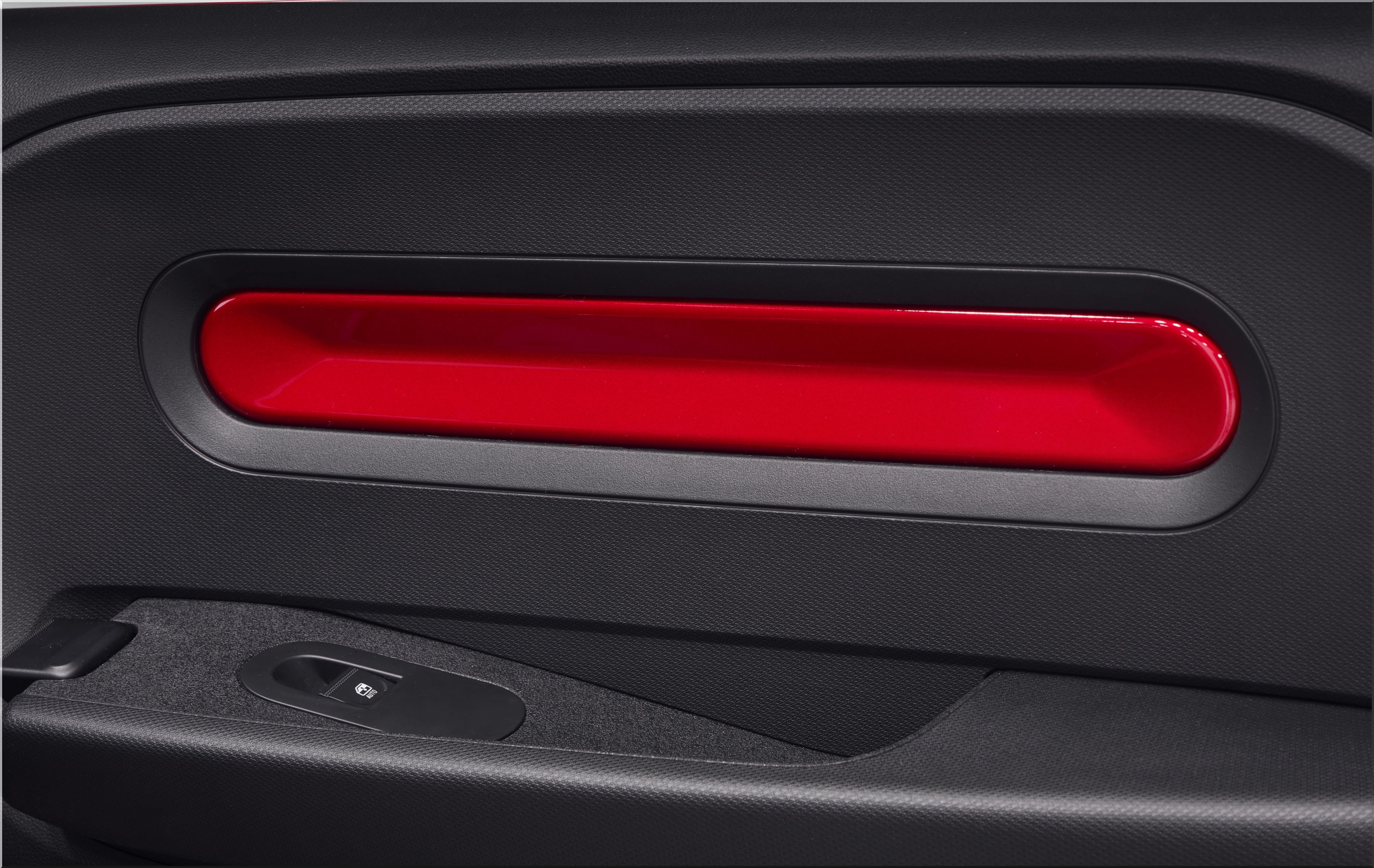
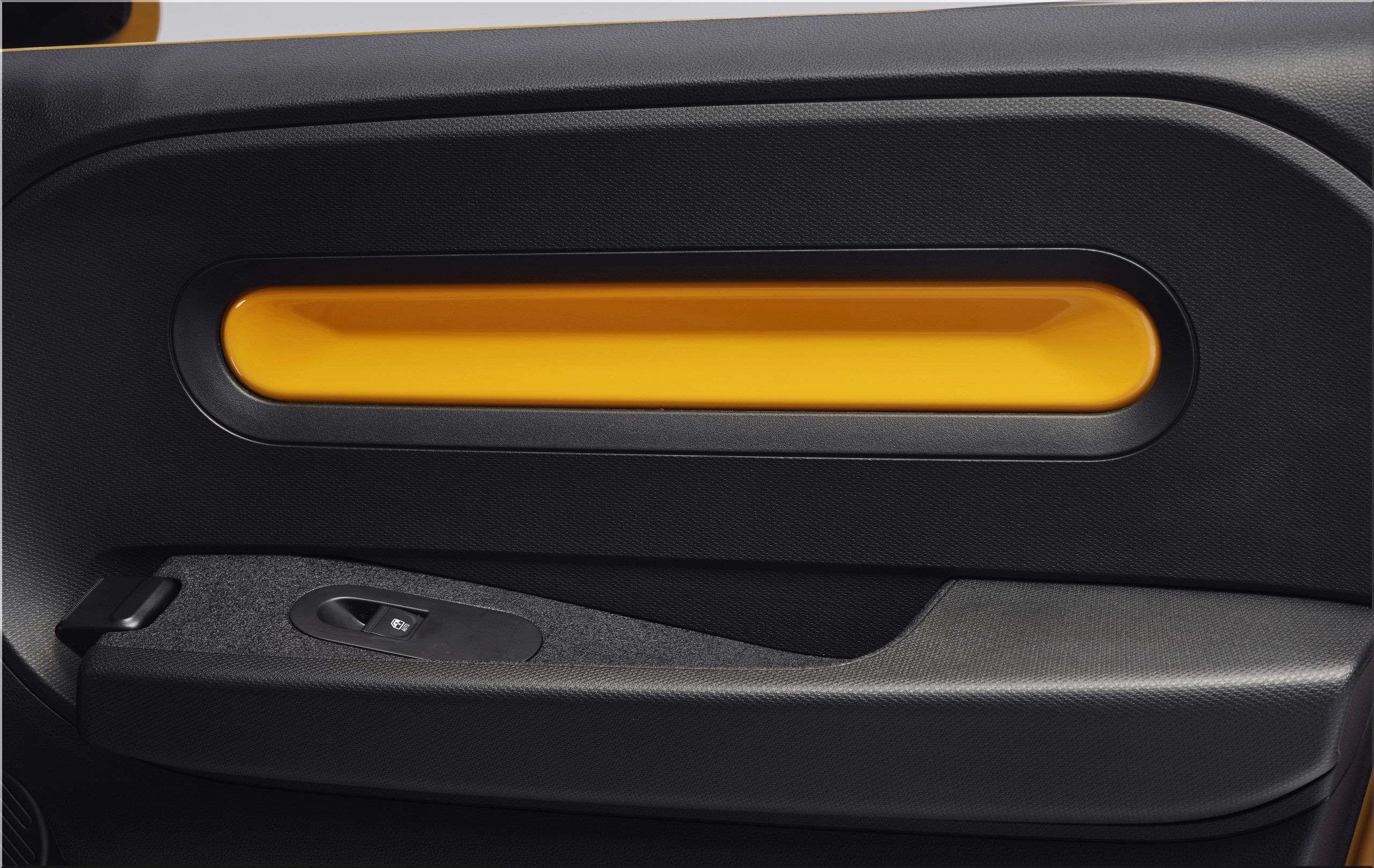
Renault includes more than a dozen storage compartments totaling 19 liters, plus optional 3D-printed organizers and YouClip accessories for daily tasks.
Video title
2026 Renault Twingo
Technology Built for Real Use
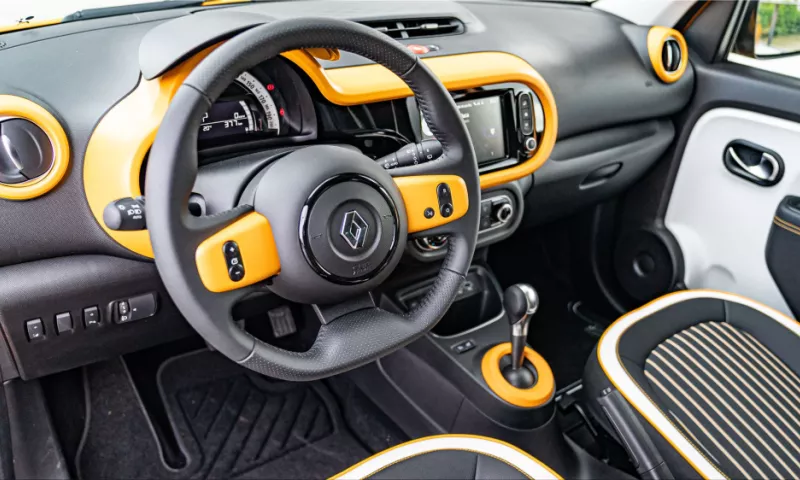
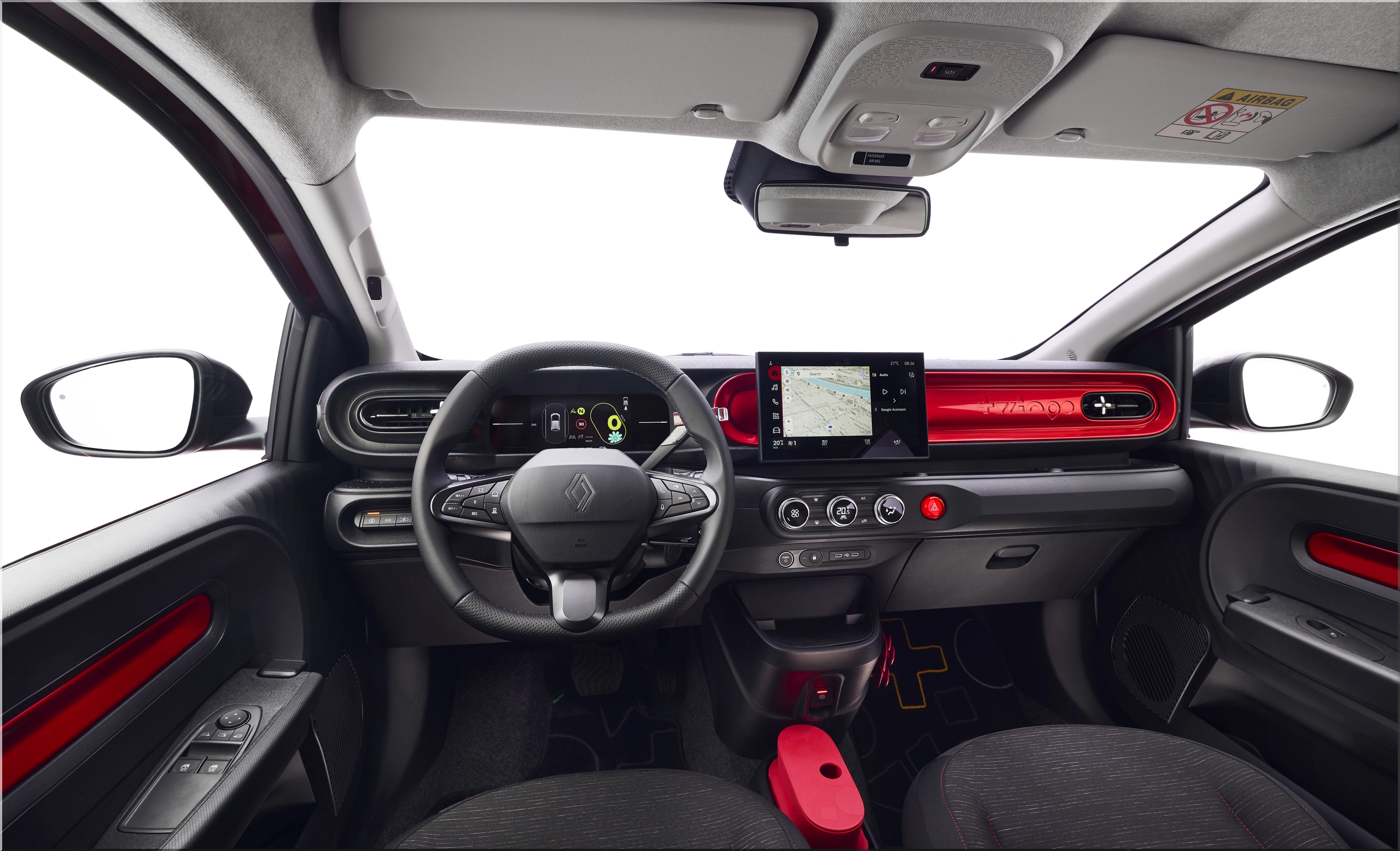
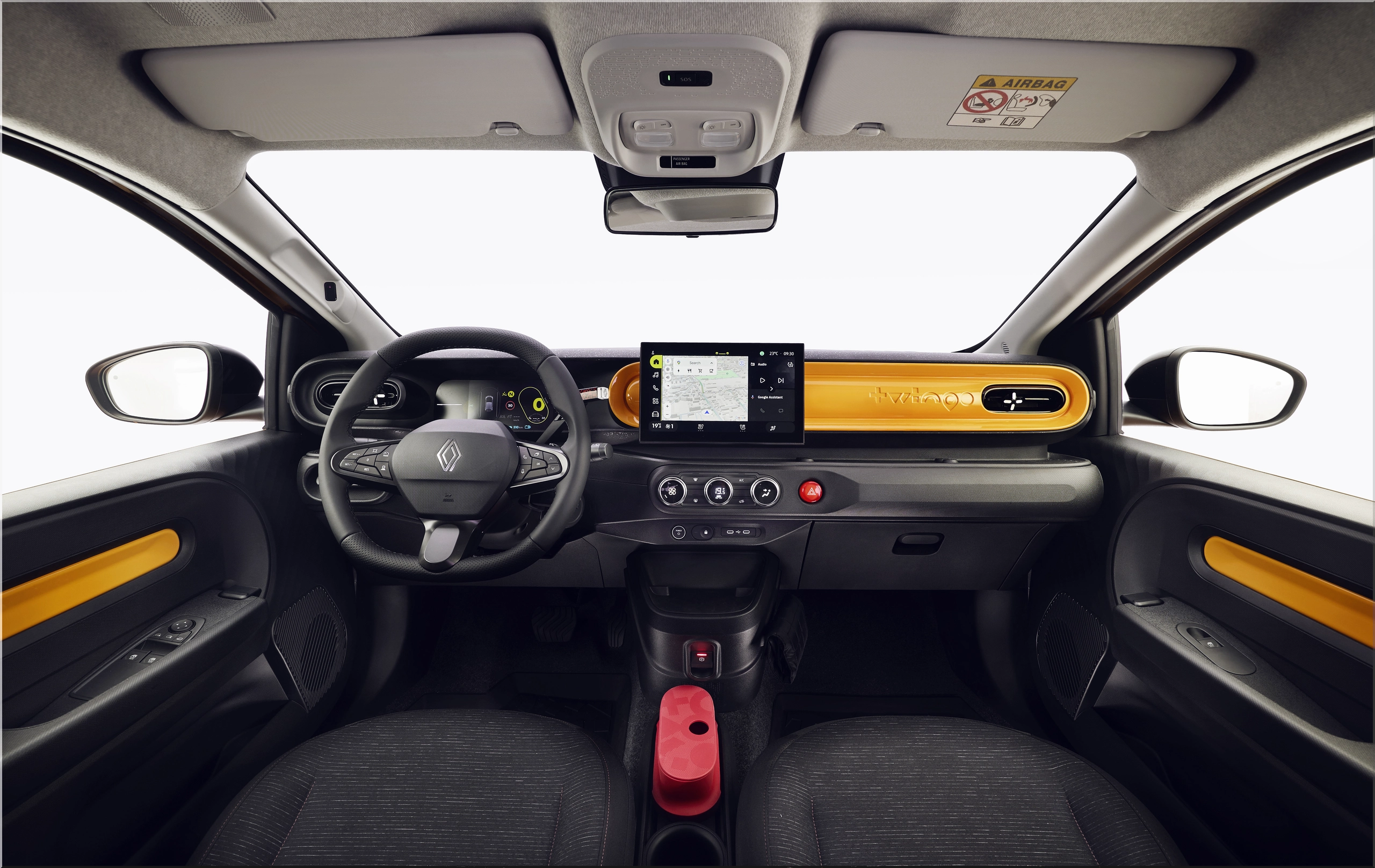
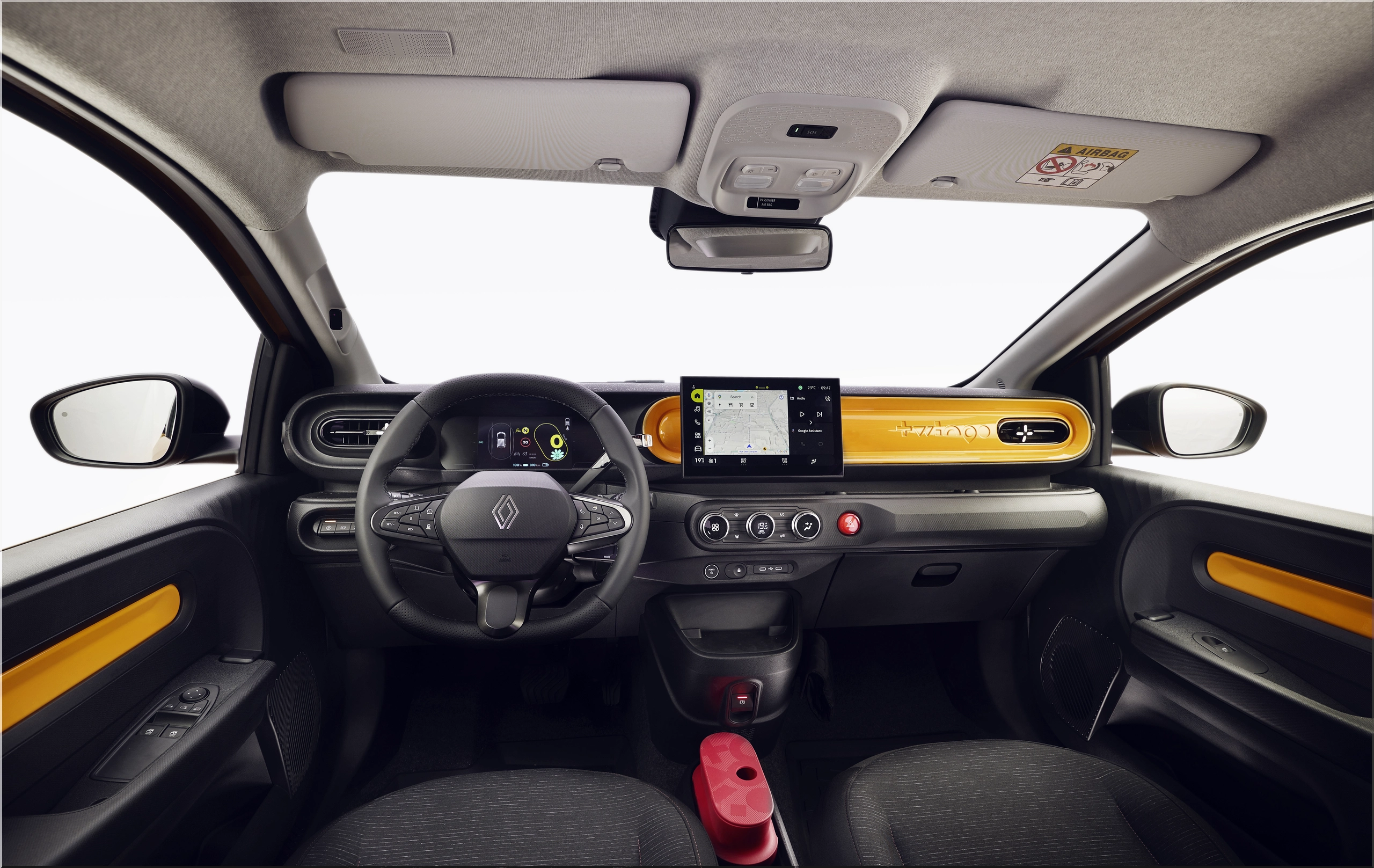
The cabin features a 7-inch driver display and a 10-inch OpenR Link multimedia screen, with full Google built-in support on higher trims. This includes:
- Google Maps with EV route planning
- Google Assistant
- Google Play apps
- 2 GB of integrated monthly data for three years
The Twingo also includes the Reno avatar, a voice-activated digital assistant that manages EV functions, schedules charging, and answers common vehicle questions.
Image
Driver Assistance Tools
The Twingo offers 24 ADAS features, including:
- Adaptive cruise control
- Lane keeping
- Traffic sign recognition
- Blind spot alert
- Rear automatic emergency braking
- Hands-free parking
The My Safety Switch allows drivers to configure and activate preferred safety settings with a single button press.
Safety Engineering
Renault built a new structural layout around the compact battery to maintain crash protection. The EV includes:
- Six standard airbags
- Fireman Access to accelerate battery extinguishing
- QRescue QR code for first responders
- Driver monitoring camera
- Compliance with future GSR2.3 safety requirements
Image gallery
Trim Levels and Equipment
Evolution
- 16-inch wheels
- 7-inch driver display
- 10-inch multimedia screen
- Smartphone mirroring
- Sliding rear seats
- Manual climate control
- Rear parking sensors
Techno
- Two-tone 16-inch wheels
- OpenR Link with full Google integration
- Adaptive cruise control
- One-Pedal driving
- Folding front passenger seat
- Reno avatar
- Six-speaker audio
- Automatic climate control
The Advanced Charge Pack remains available on both trims.
Image gallery
The Urban EV Europe Needed
Renault’s Twingo E-Tech Electric targets a simple need: a low-cost, efficient, and practical EV built for real driving patterns. By balancing lightweight engineering, measured battery size, and strong cabin utility, the Twingo returns with a mission that suits today’s market.
Compact. Efficient. Affordable. And engineered to make electric mobility realistic for millions of drivers.
- Add new comment
- 587 views