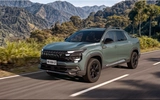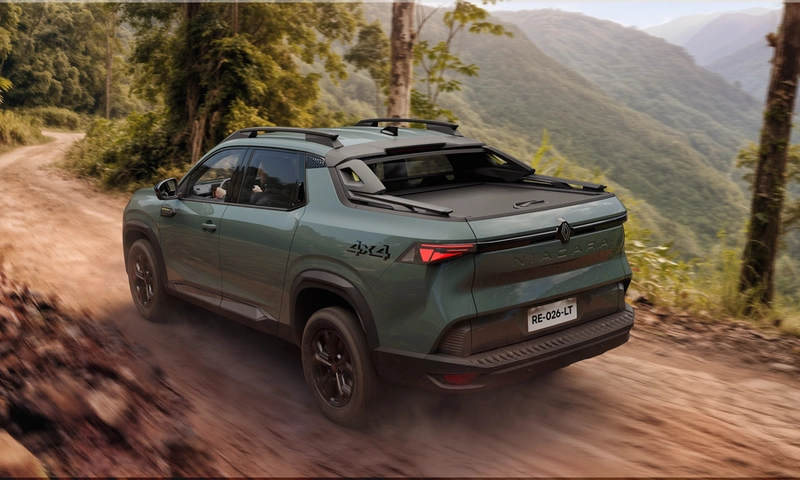
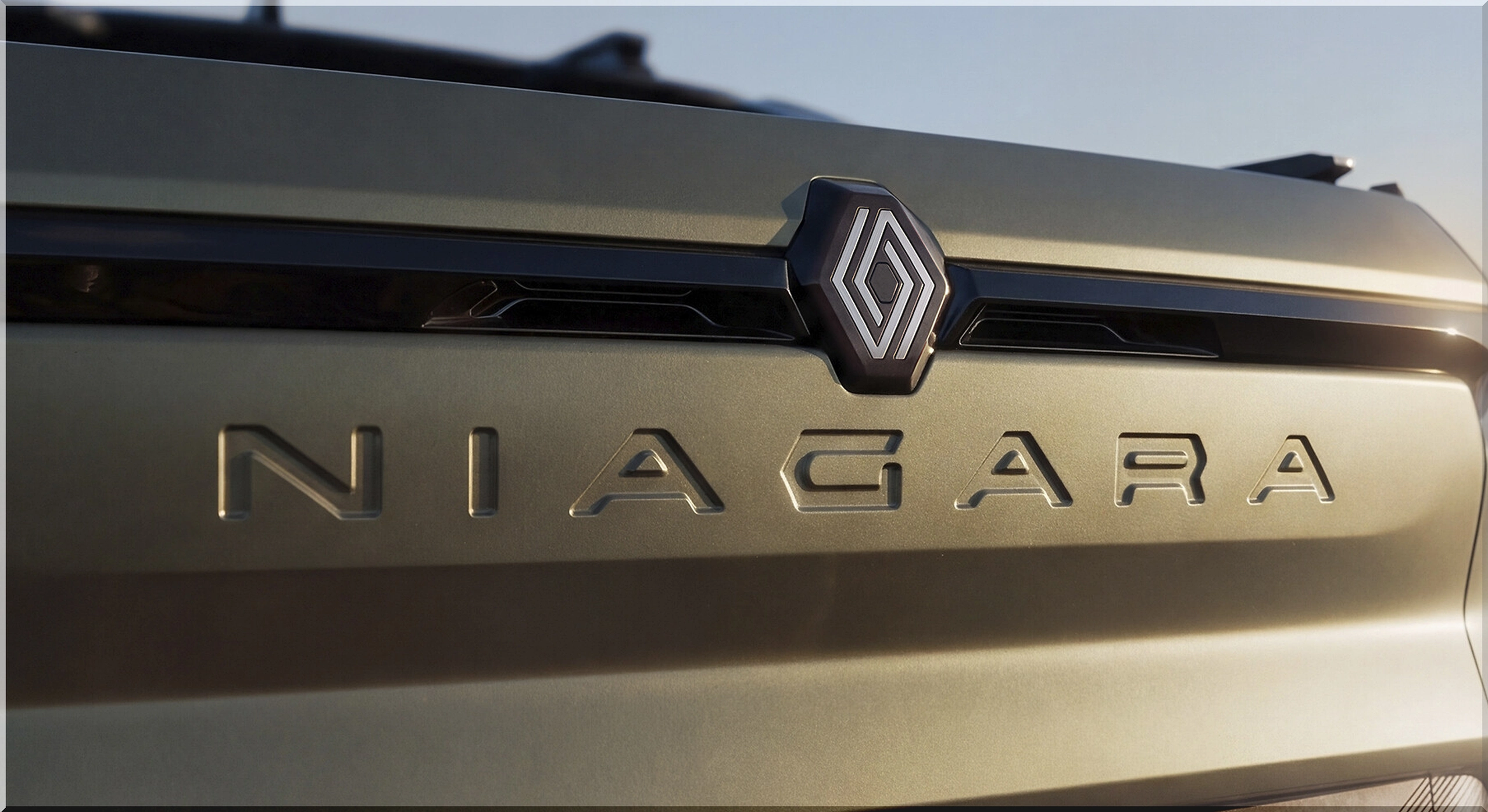
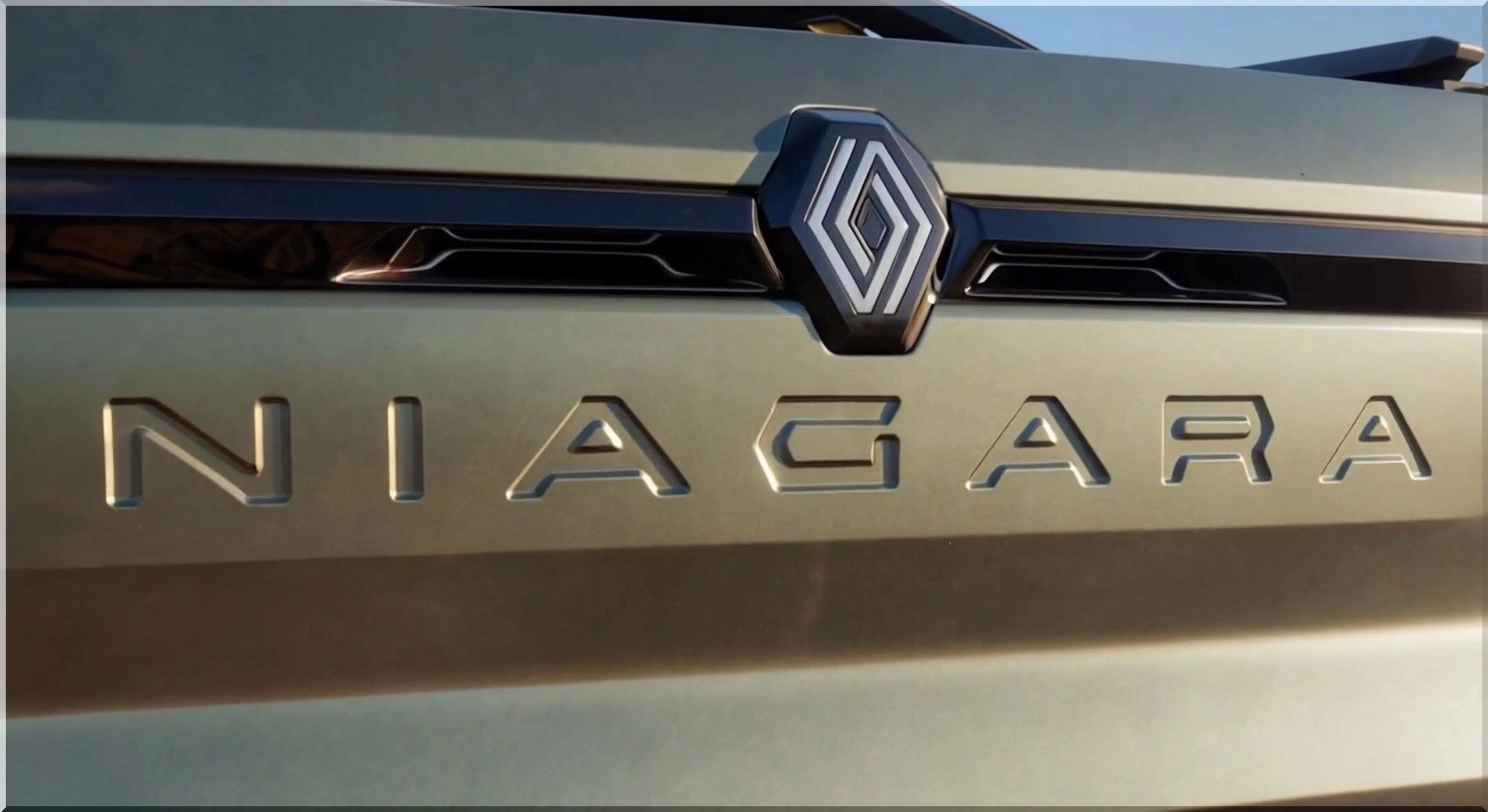
Renault has given its next Latin American pickup a production name: Renault Niagara. That single move matters because it turns the 2023 Renault Niagara Concept from a design study into a market signal. Renault wants a practical, compact-to-midsize truck that can sit above Oroch-style utility and attack the high-volume space occupied by models such as Fiat Toro, Chevrolet Montana, Ford Maverick, and Ram Rampage.
The reveal lands with clear timing. Renault plans to show the production Niagara on September 10, 2026, and the pickup will target Latin America first. From an expert perspective, this gives Renault a cleaner entry into a segment where buyers want car-like comfort, SUV cabin tech, and a bed tough enough for work tools, farm gear, weekend equipment, and bad roads.
Image
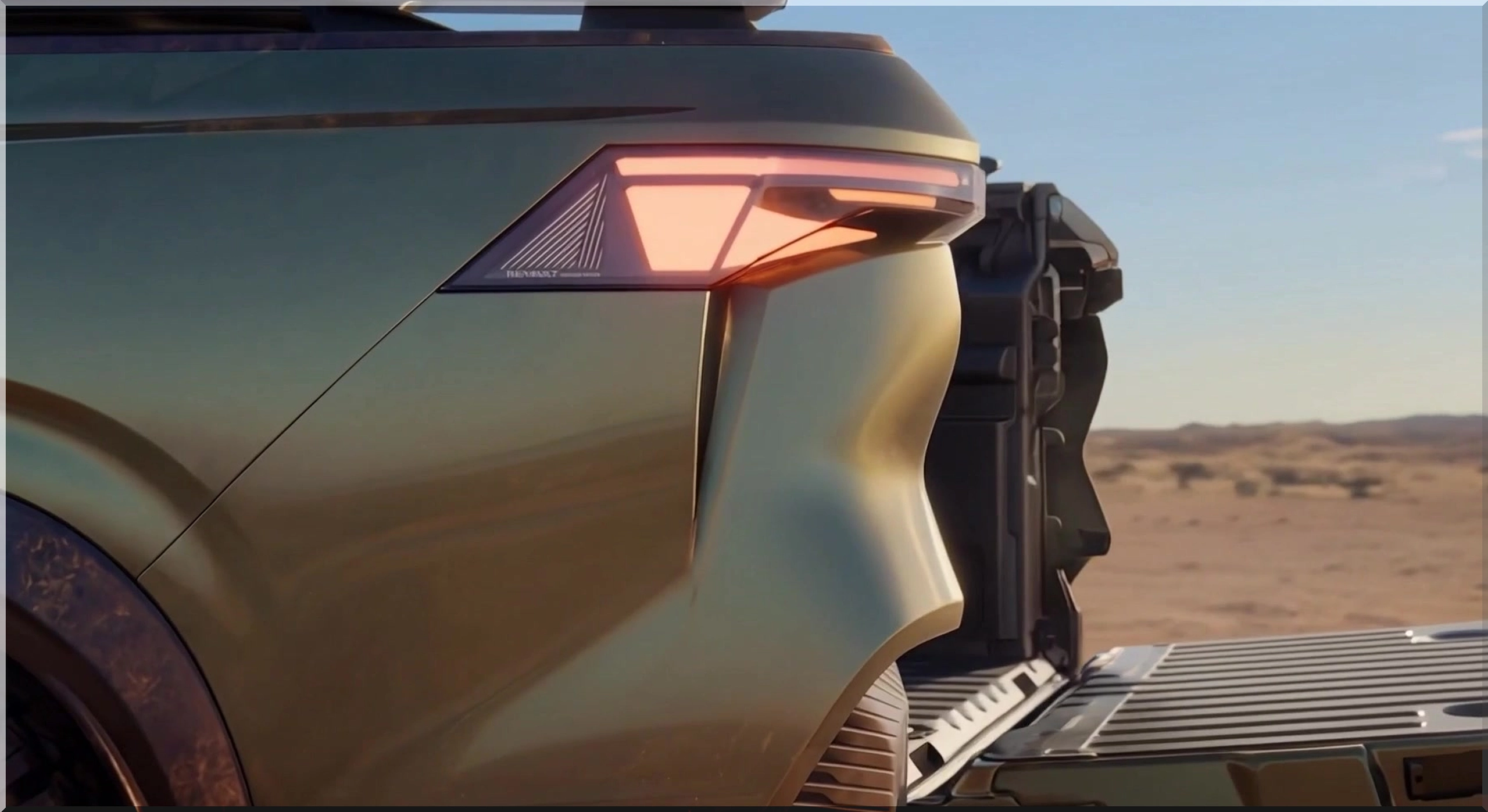
Renault Niagara Pickup: What We Know So Far
The Renault Niagara pickup draws from Renault's international modular platform, not an old-school ladder-frame truck base. That platform supports vehicles from 4,000 mm to 5,000 mm long, or roughly 157.5 to 196.9 inches, with wheelbases from 2,600 mm to 3,000 mm, or 102.4 to 118.1 inches.
Specifically, that architecture gives Renault room to tune the Niagara for Latin American duty without building a full-size truck. A likely production length near 4,900 mm, or 192.9 inches, would place it close to the Fiat Toro and below many body-on-frame pickups. That size logic matters. It keeps parking, fuel use, and pricing under control while preserving enough bed length and rear-seat space for family-and-work use.
| Data Point | Renault Niagara Known/Expected Data | Why It Matters |
|---|---|---|
| Vehicle type | Double-cab unibody pickup | Targets comfort and utility, not heavy-duty towing |
| Market focus | Latin America | Aims at Brazil, Argentina, and regional export demand |
| Platform length range | 4,000-5,000 mm / 157.5-196.9 in | Allows compact and midsize bodies |
| Wheelbase range | 2,600-3,000 mm / 102.4-118.1 in | Supports cabin space and load-bed packaging |
| Reveal date | September 10, 2026 | Converts concept buzz into production intent |
| Plant logic | Argentina production expected | Supports regional supply and export scale |
E-Tech 4x4 Logic: Why Renault Chose Hybrid Hardware
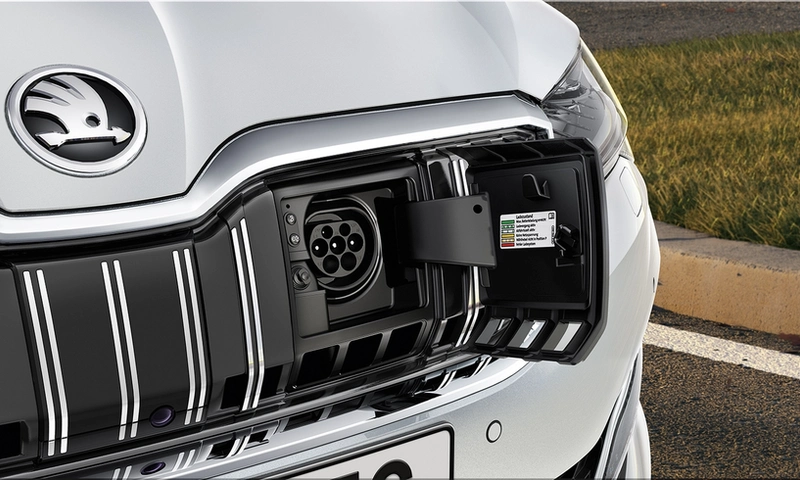
The concept used E-Tech Hybrid 4WD with a 48V mild-hybrid engine at the front and an electric motor at the rear. That layout matters because it avoids a mechanical propshaft running to the rear axle. In addition, it gives Renault all-wheel traction for dirt roads, wet grades, and loose surfaces while preserving platform packaging.
Looking at the data, Renault claims the concept can cover up to half of typical daily driving in electric mode. That does not make Niagara an EV pickup. It makes it a hybrid work tool aimed at lower fuel use, cleaner urban driving, and better traction when the rear motor joins the front combustion unit.
Video title
Renault Niagara Pickup
Definition: Unibody Pickup
A unibody pickup uses a car-like structure where the body and frame work as one unit. This setup cuts weight, improves ride comfort, and suits light-duty hauling. By comparison, a ladder-frame pickup uses a separate chassis, which helps with heavy towing and extreme payload work but adds weight and ride harshness.
Renault Niagara Vs Key Latin America Pickup Rivals
Renault has one clear target: the buyer who wants a pickup but does not need a full commercial truck. The Niagara should sit in the same consumer space as the Fiat Toro, Chevrolet Montana, Ford Maverick, and Ram Rampage.
| Model | Positioning | Approx Length Class | Core Advantage |
|---|---|---|---|
| Renault Niagara | Hybrid-capable unibody pickup | Around 4.9 m expected | Regional design, E-Tech 4x4 potential |
| Fiat Toro | Established Latin America truck | Around 4.9 m | Strong brand recognition in Brazil |
| Chevrolet Montana | Compact utility pickup | Below 4.8 m | Value-focused urban practicality |
| Ford Maverick | Global compact pickup | Around 5.1 m | Hybrid reputation and US-market appeal |
| Ram Rampage | Premium regional pickup | Around 5.0 m | Higher-power positioning |
Consequently, Niagara needs more than style. It needs competitive payload figures, strong rear-seat packaging, high ground clearance, and low running costs. Renault has not released production output, torque, towing, payload, approach angle, departure angle, or pricing yet, so any article claiming final numbers moves ahead of the evidence.
Image gallery
Design And Off-Road Hardware
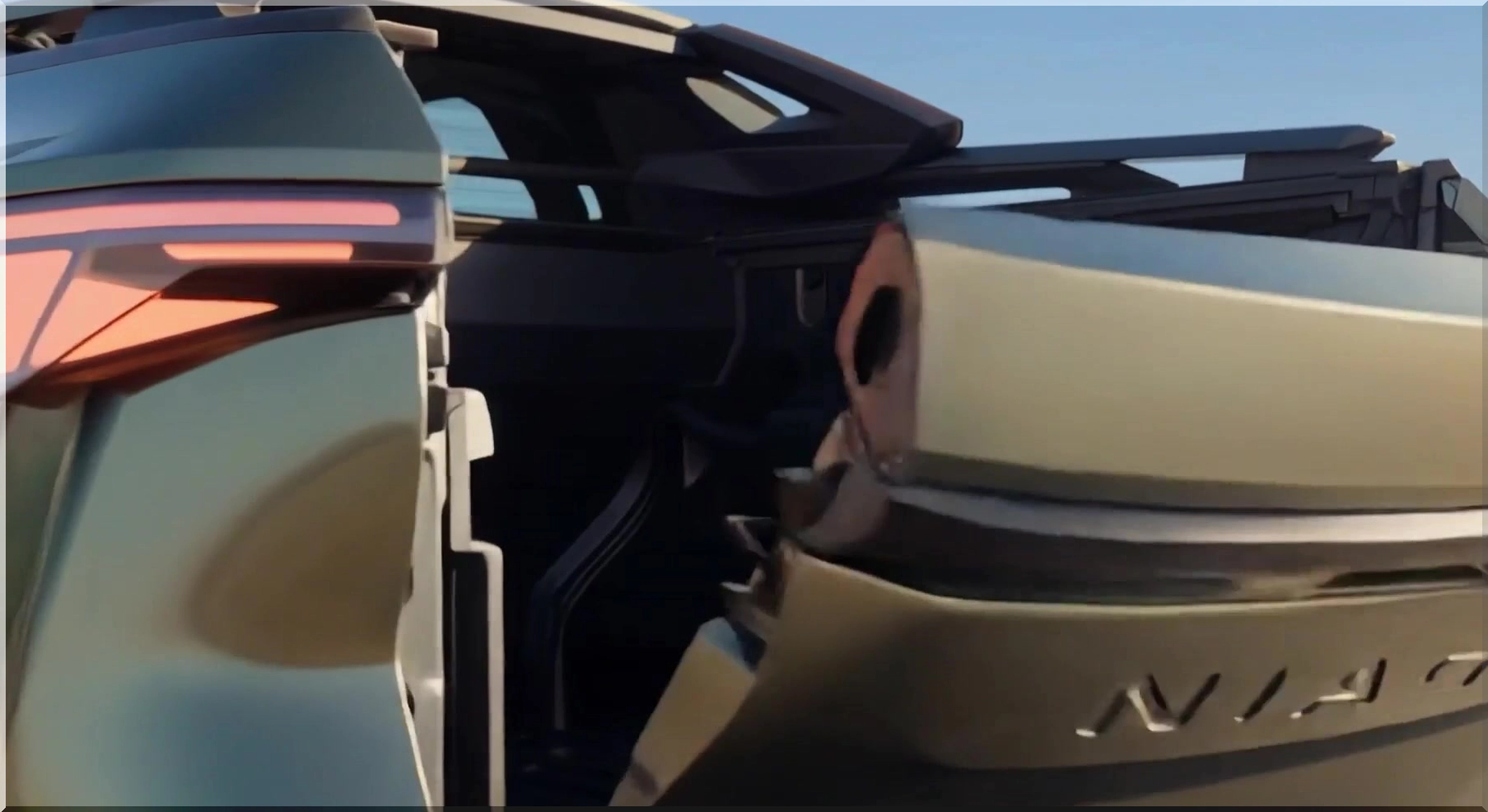
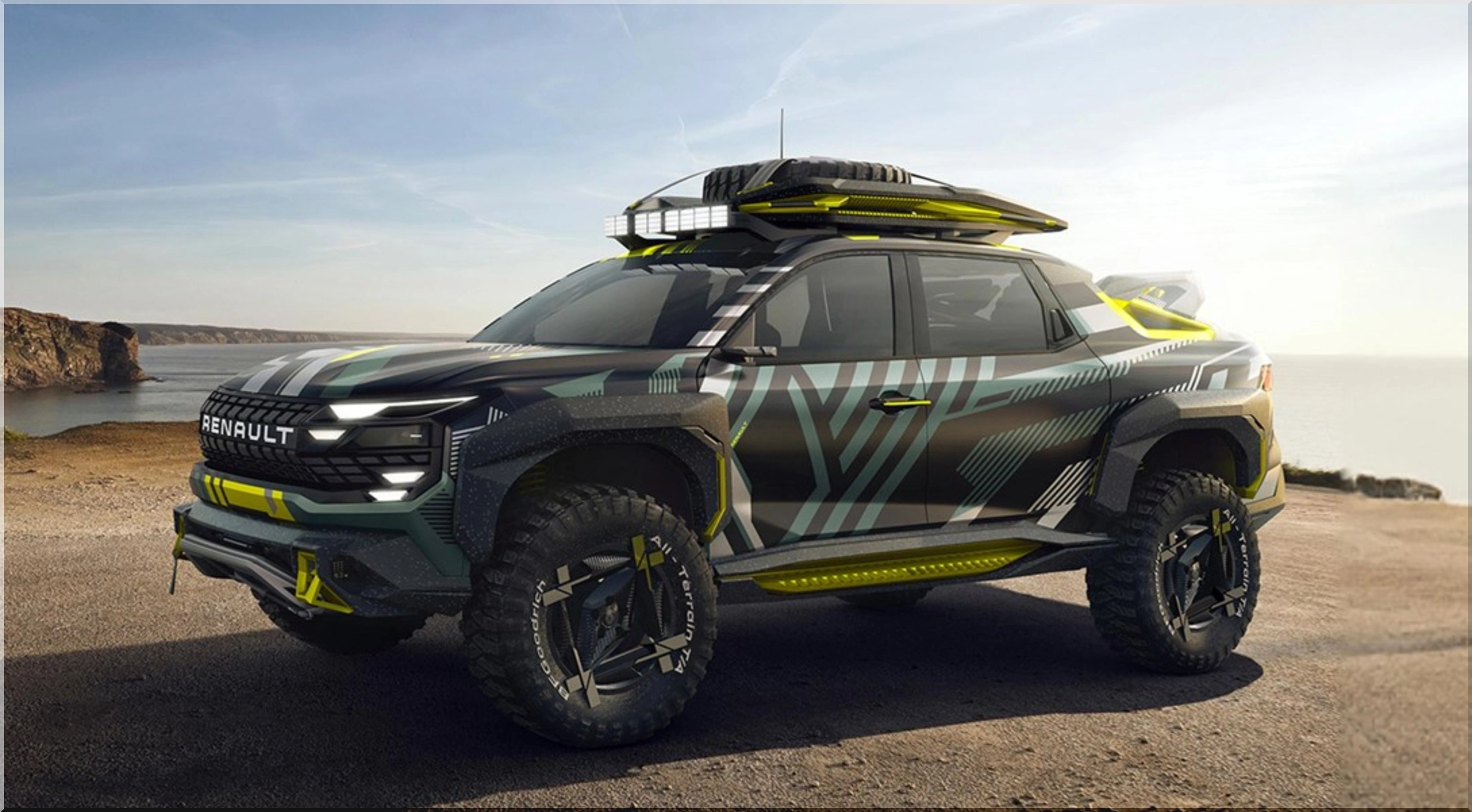
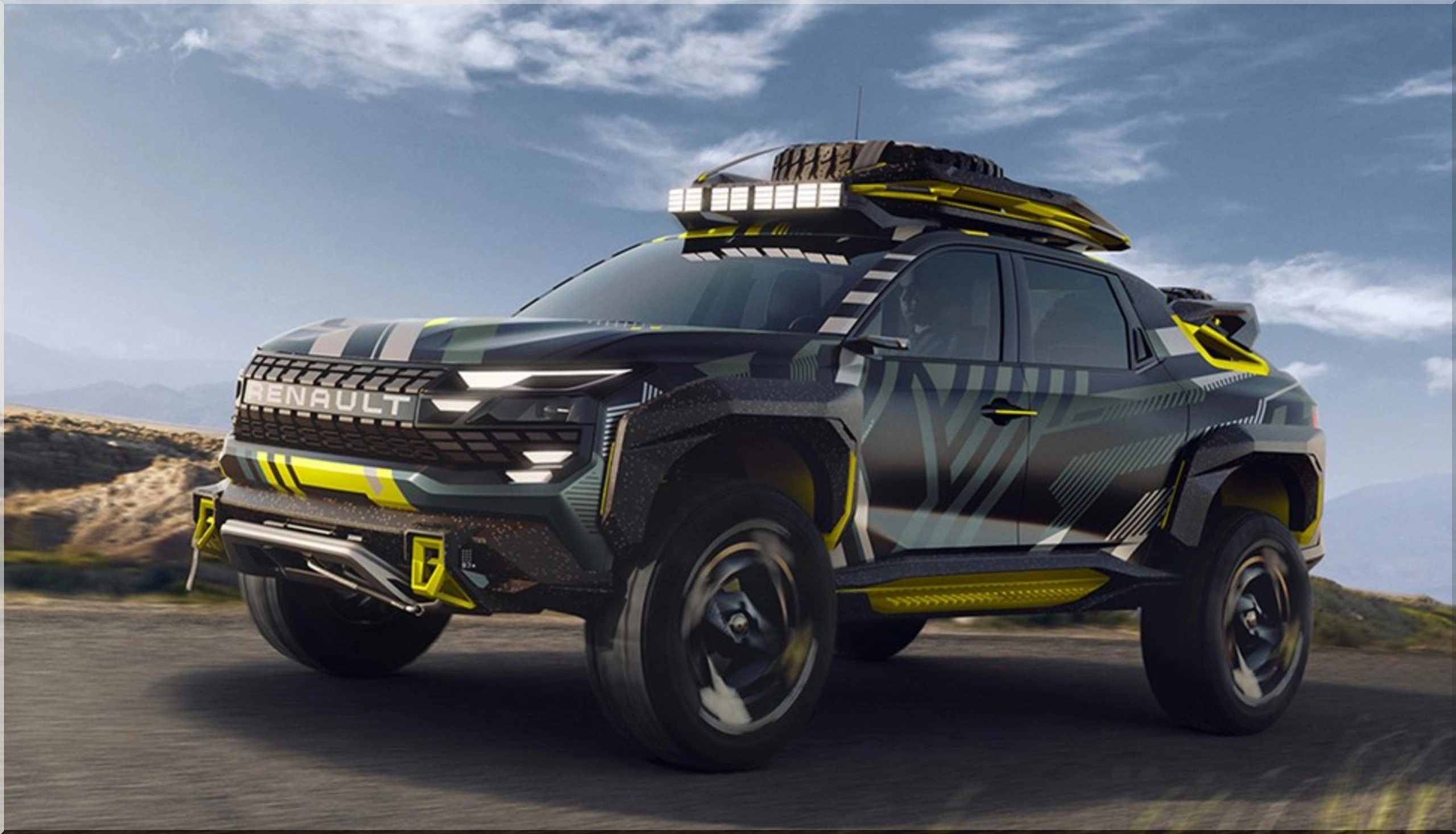
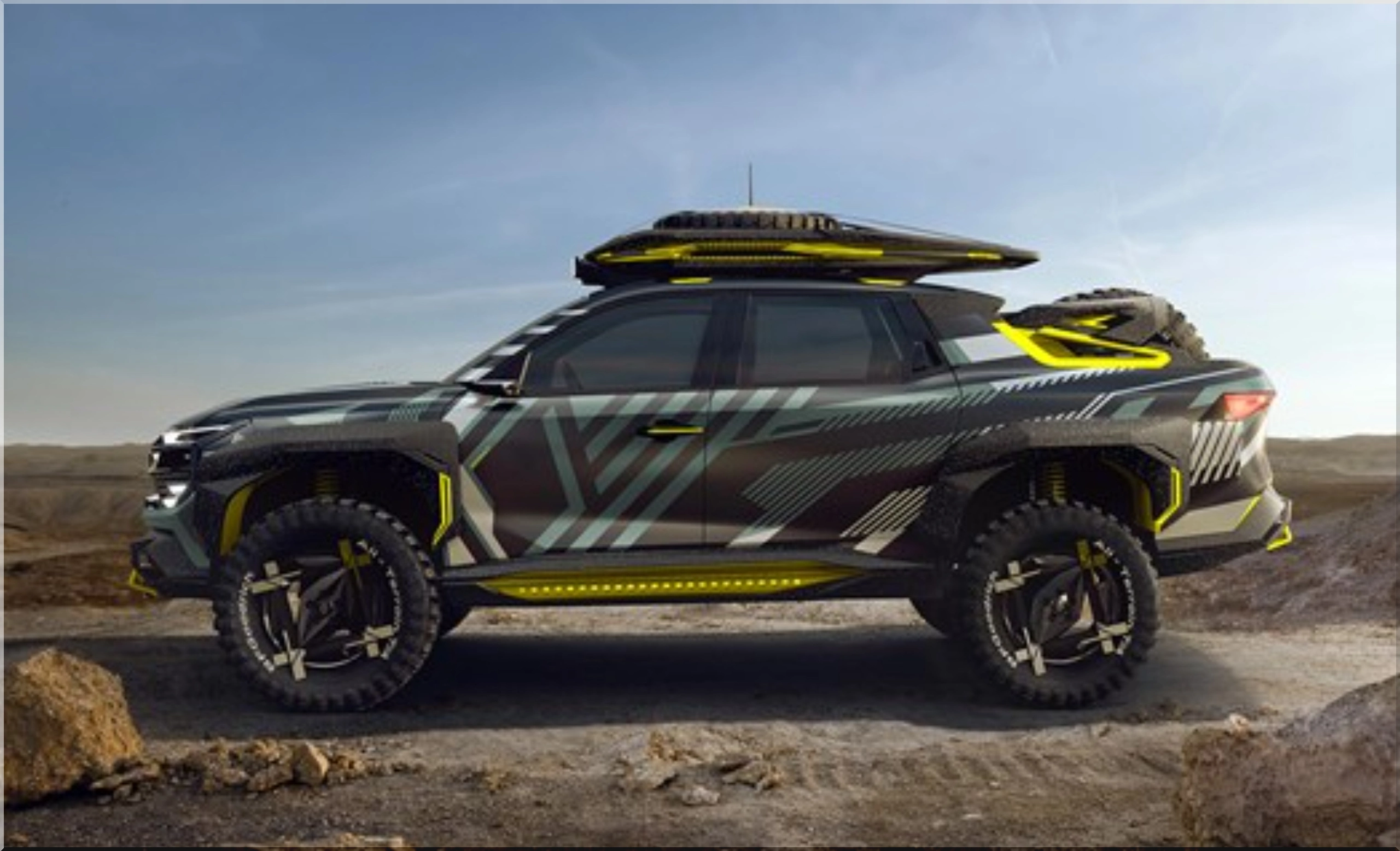
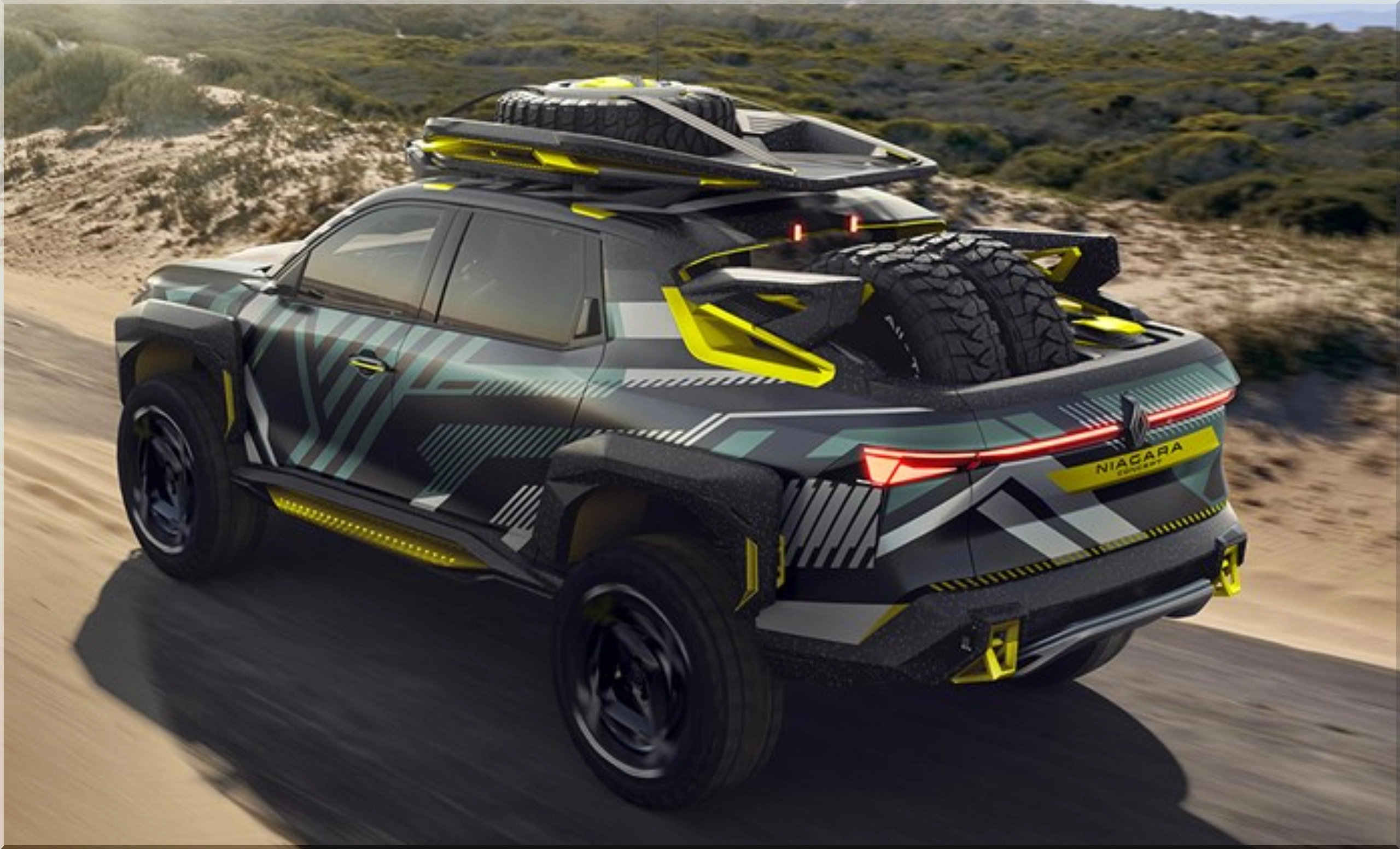
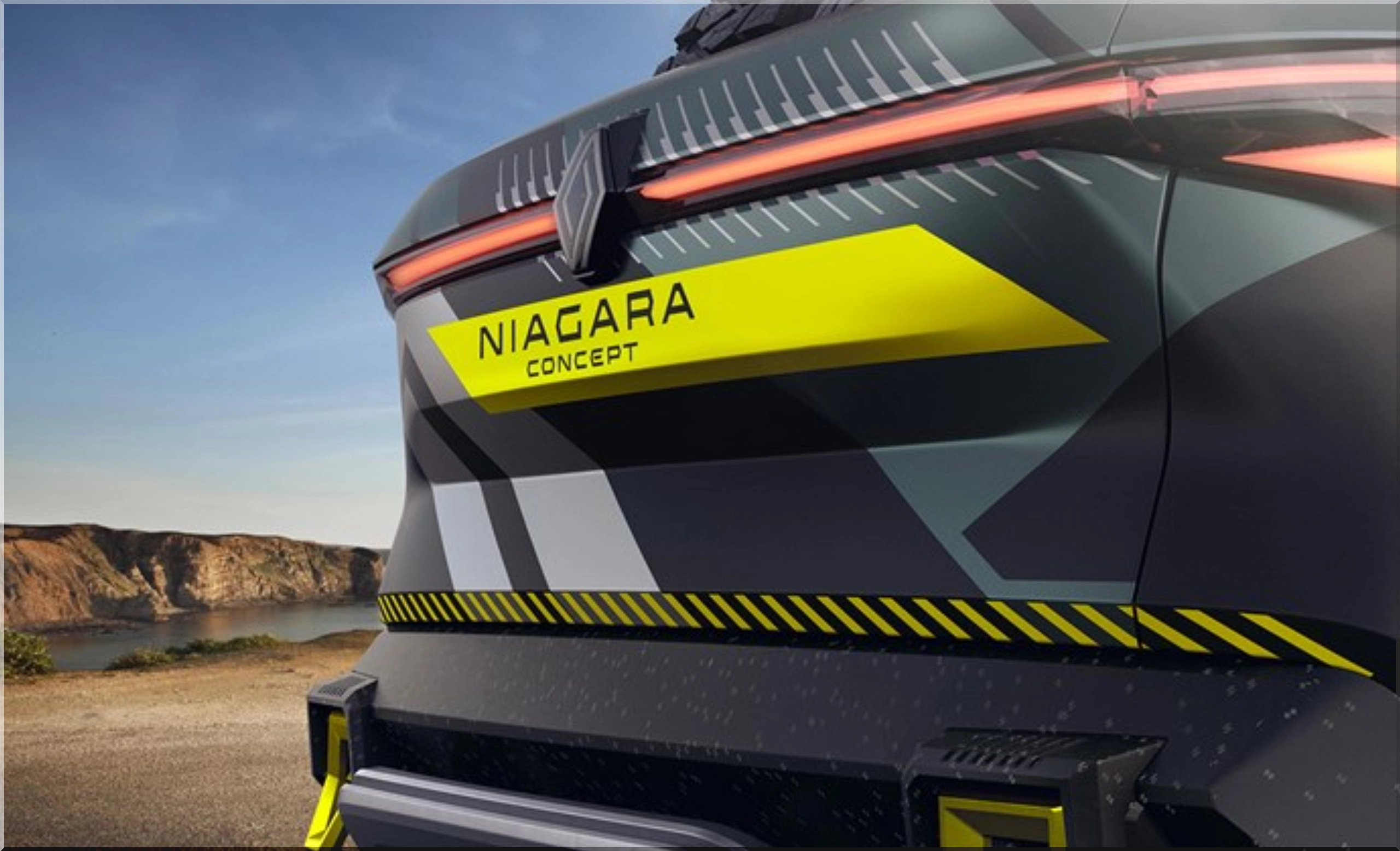
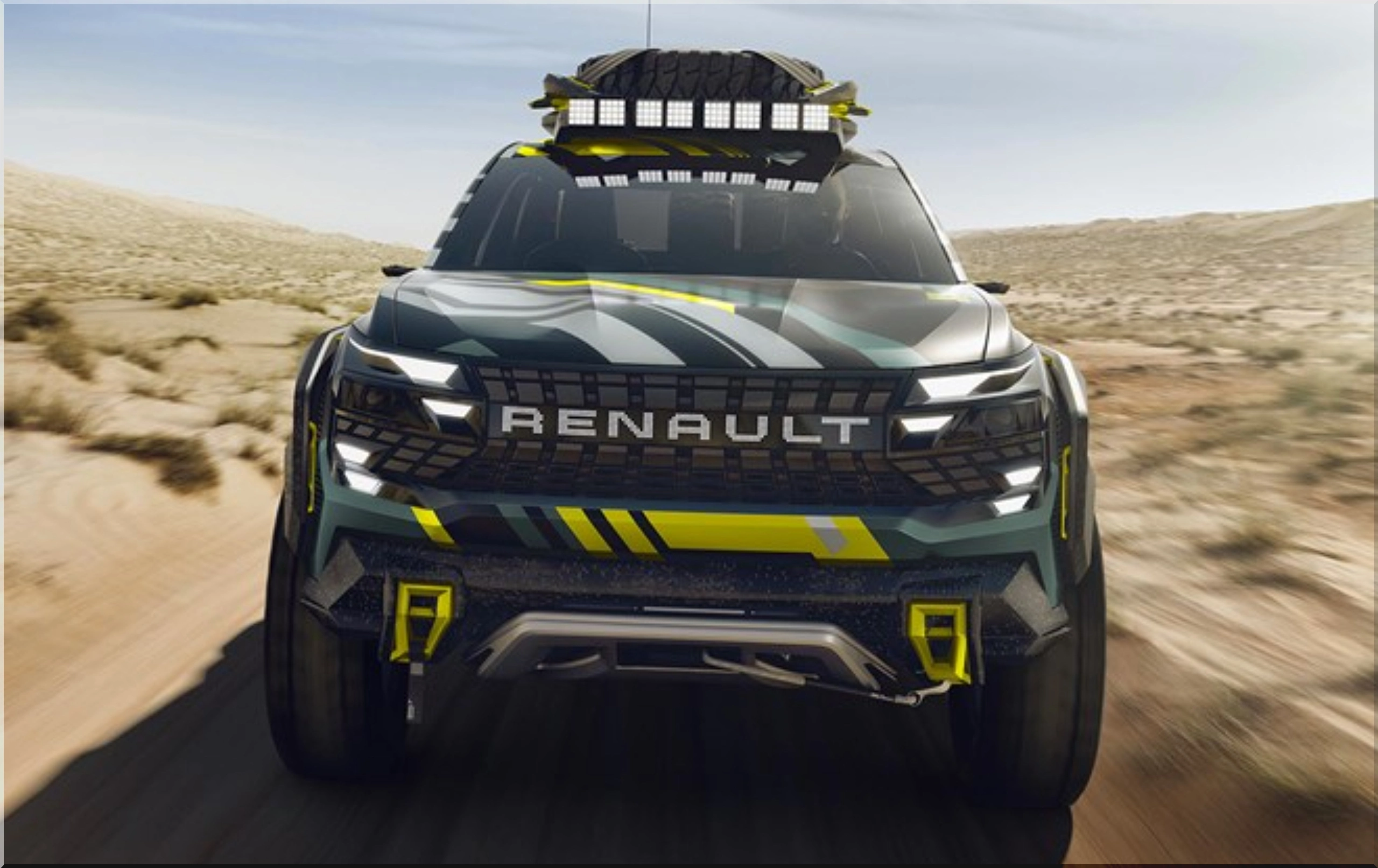
The Renault Niagara Concept used a high-riding stance, long-travel suspension, wide shoulders, a prominent front skid plate, and short overhang logic. Those cues serve a purpose. Shorter overhangs improve approach and departure angles, while extra clearance protects the underbody on broken rural roads.
The concept also introduced Renault's newer international design language, including pixel-style lighting and a broad front graphic. That face works for Latin America because pickups sell on presence. Buyers in this class want a cabin that feels modern and a truck bed that looks ready for work.
Pro-Tips For Buyers Watching The Renault Niagara
- Wait for final payload, towing, and ground-clearance data before comparing it with body-on-frame pickups.
- Compare hybrid running costs against diesel alternatives, not only petrol rivals.
- Check rear-seat space and bed dimensions together; a longer cab can reduce practical cargo length.
- Watch Brazil pricing first, because it will likely shape regional value perception.
Image gallery
Should You Wait For The Renault Niagara Pickup?
Yes, if you want a compact-to-midsize pickup with SUV manners, hybrid traction potential, and Latin America-first tuning. No, if you need heavy towing, maximum payload, or proven diesel work-truck durability right now.
The smartest read places the Renault Niagara pickup truck between lifestyle utility and light commercial use. Renault already knows this segment through Oroch and Alaskan history, but Niagara gives the brand a cleaner technical base and a sharper product story. If Renault prices it against the Fiat Toro while giving buyers E-Tech 4x4 hardware, the Niagara could become one of the most relevant new pickups in Latin America for 2026.
- Add new comment
- 266 views