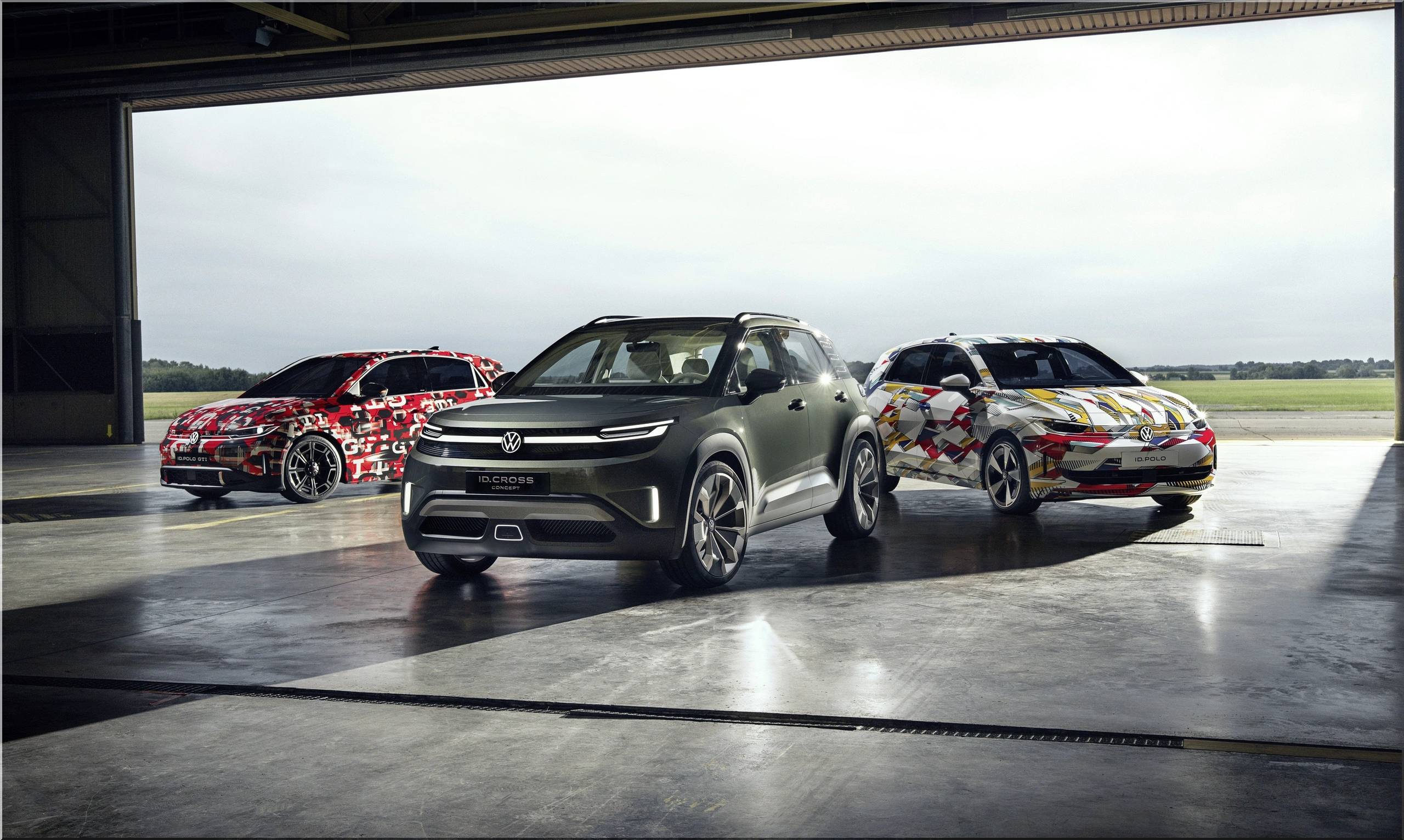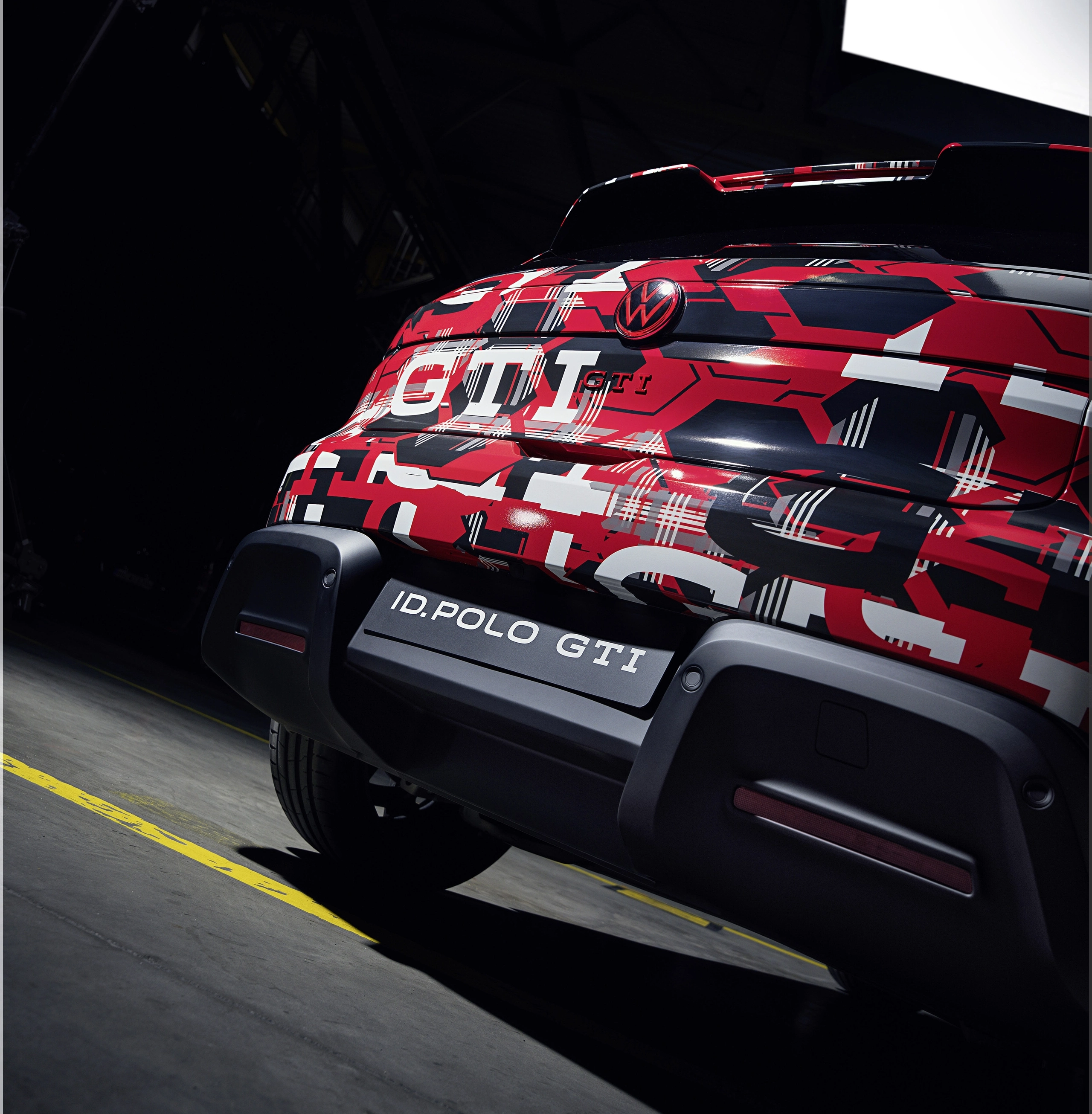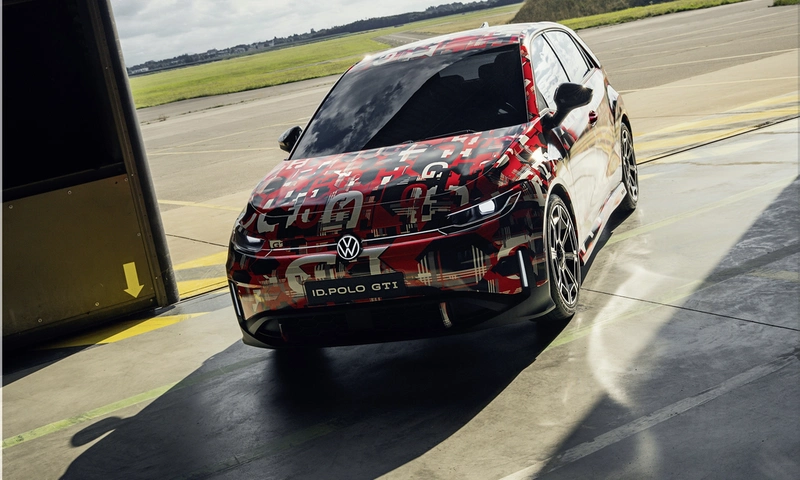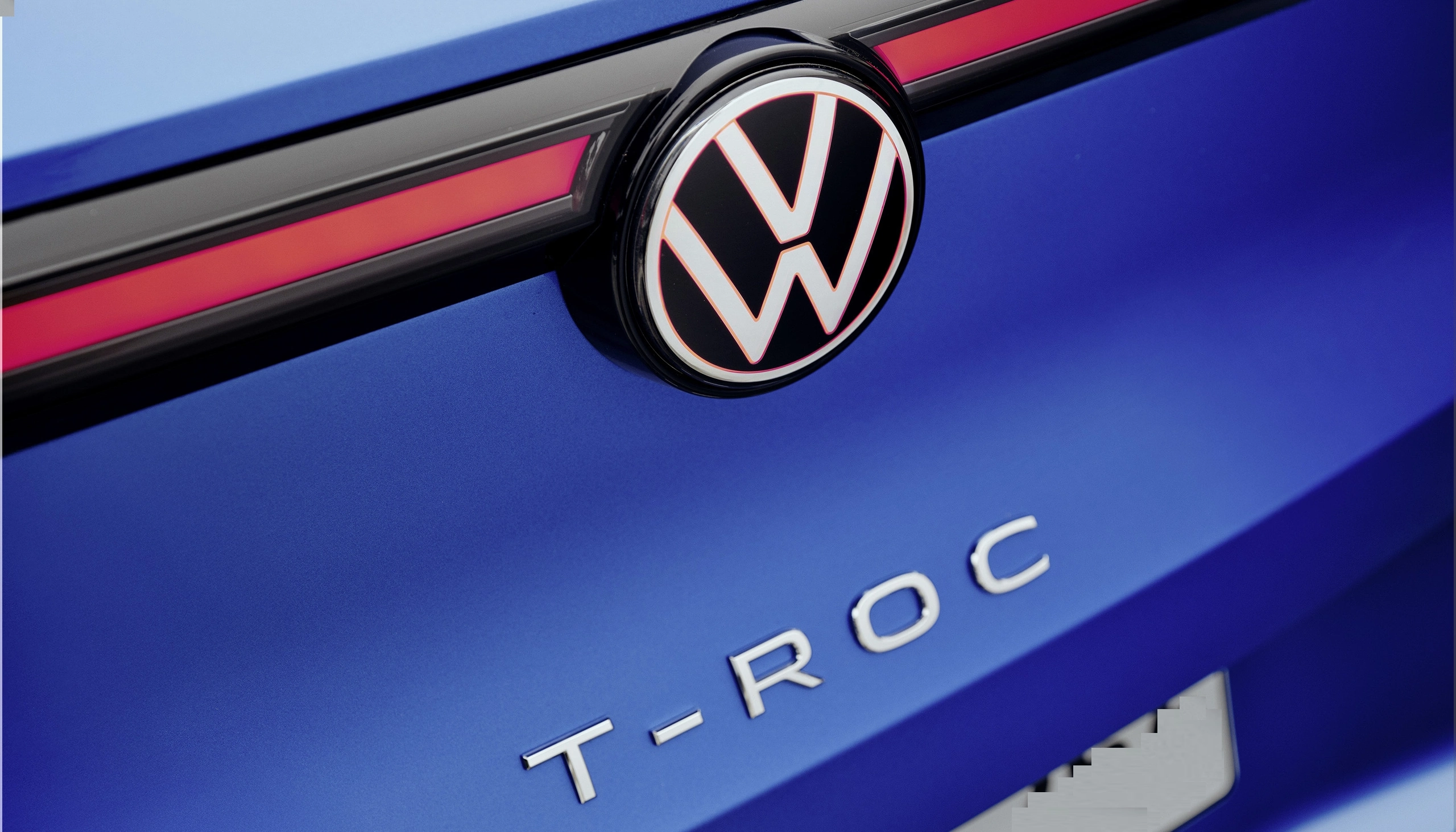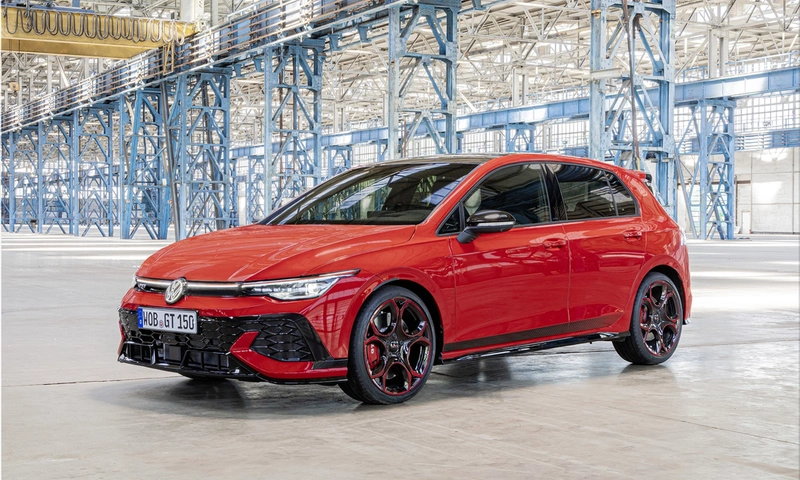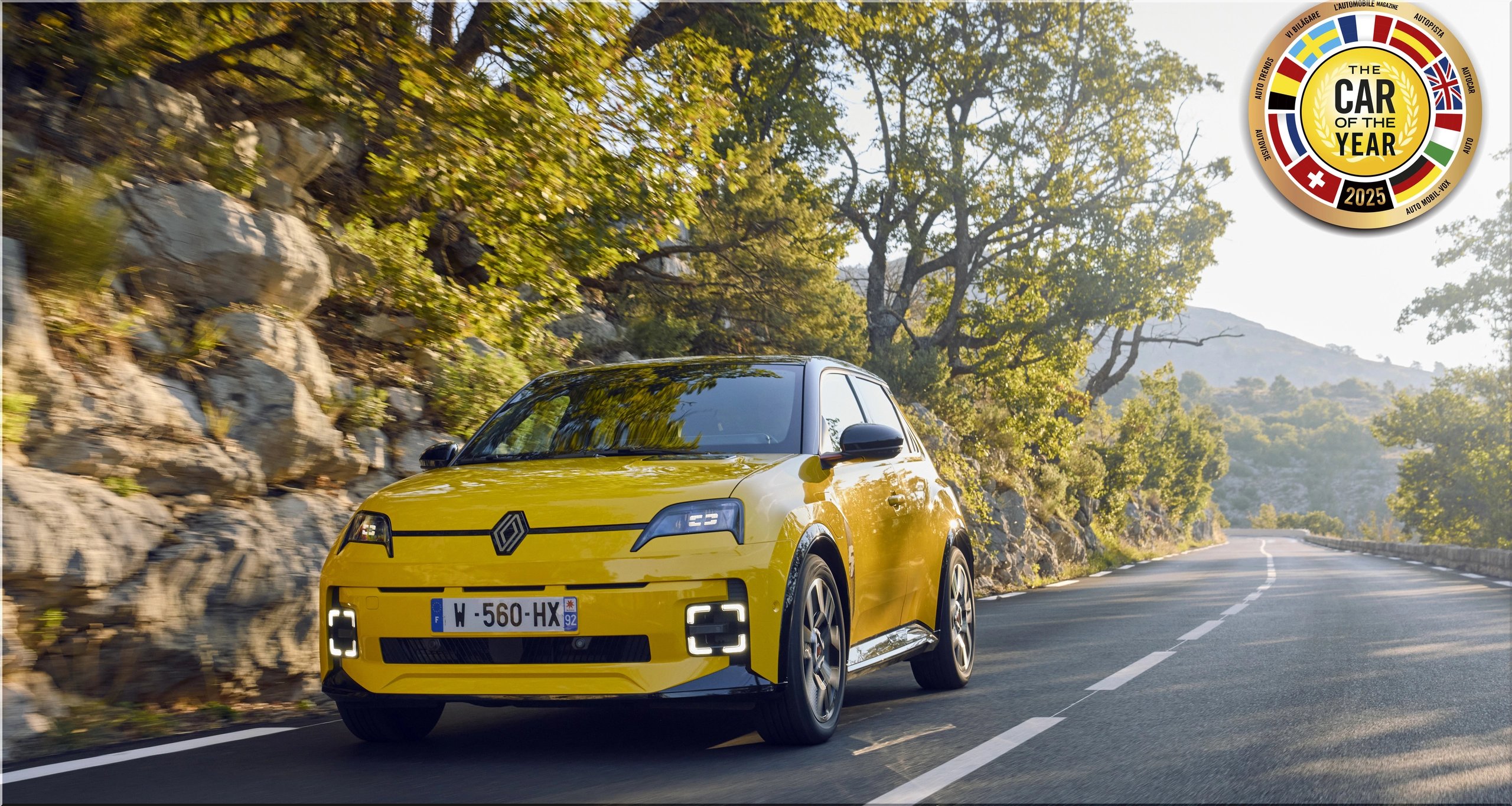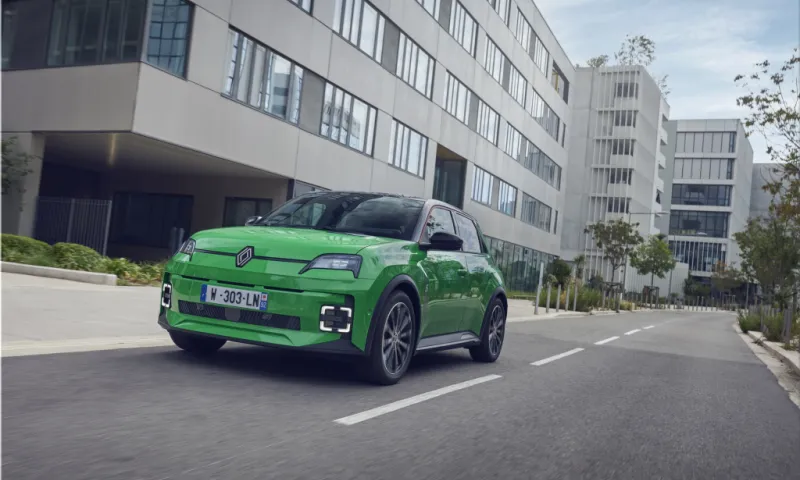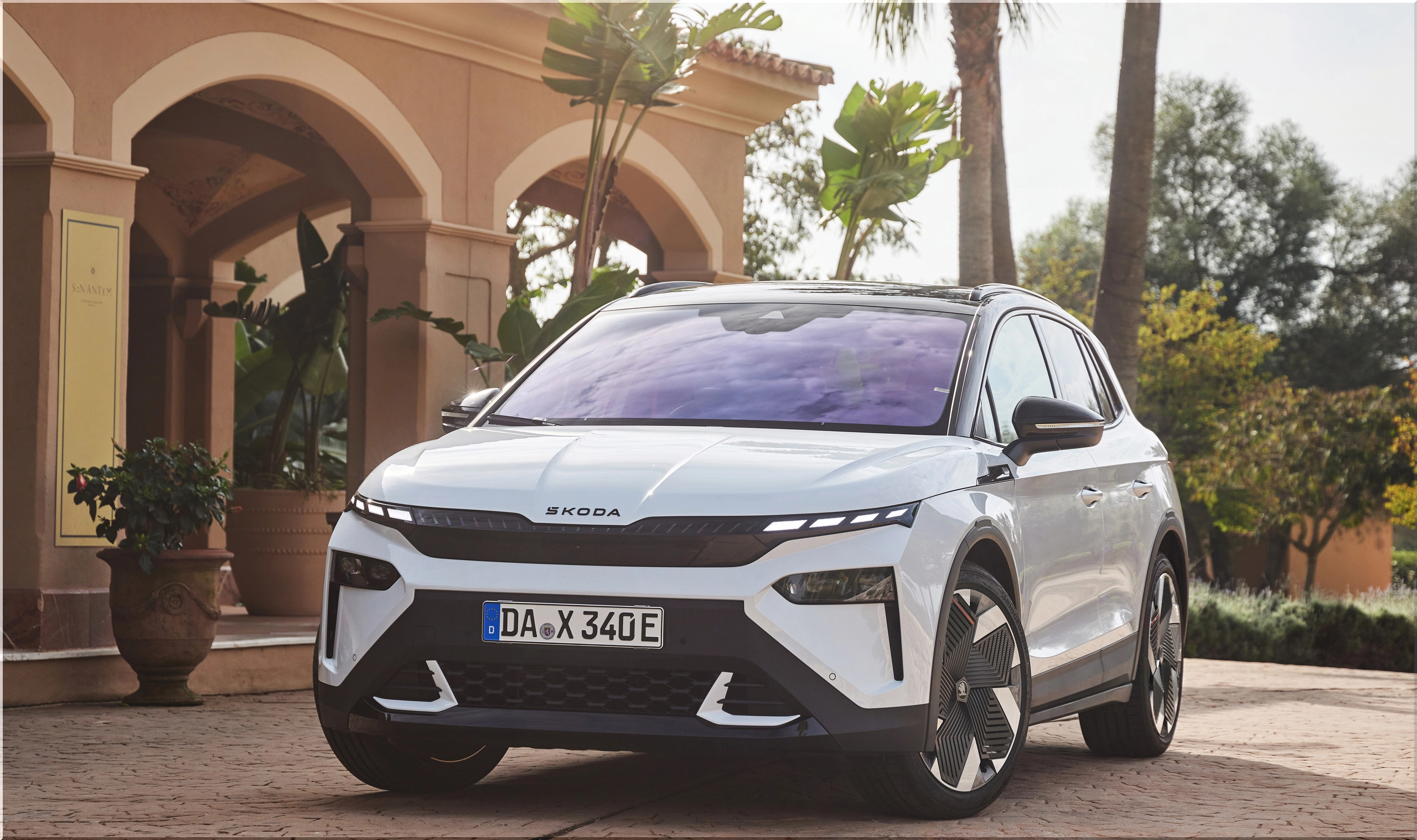
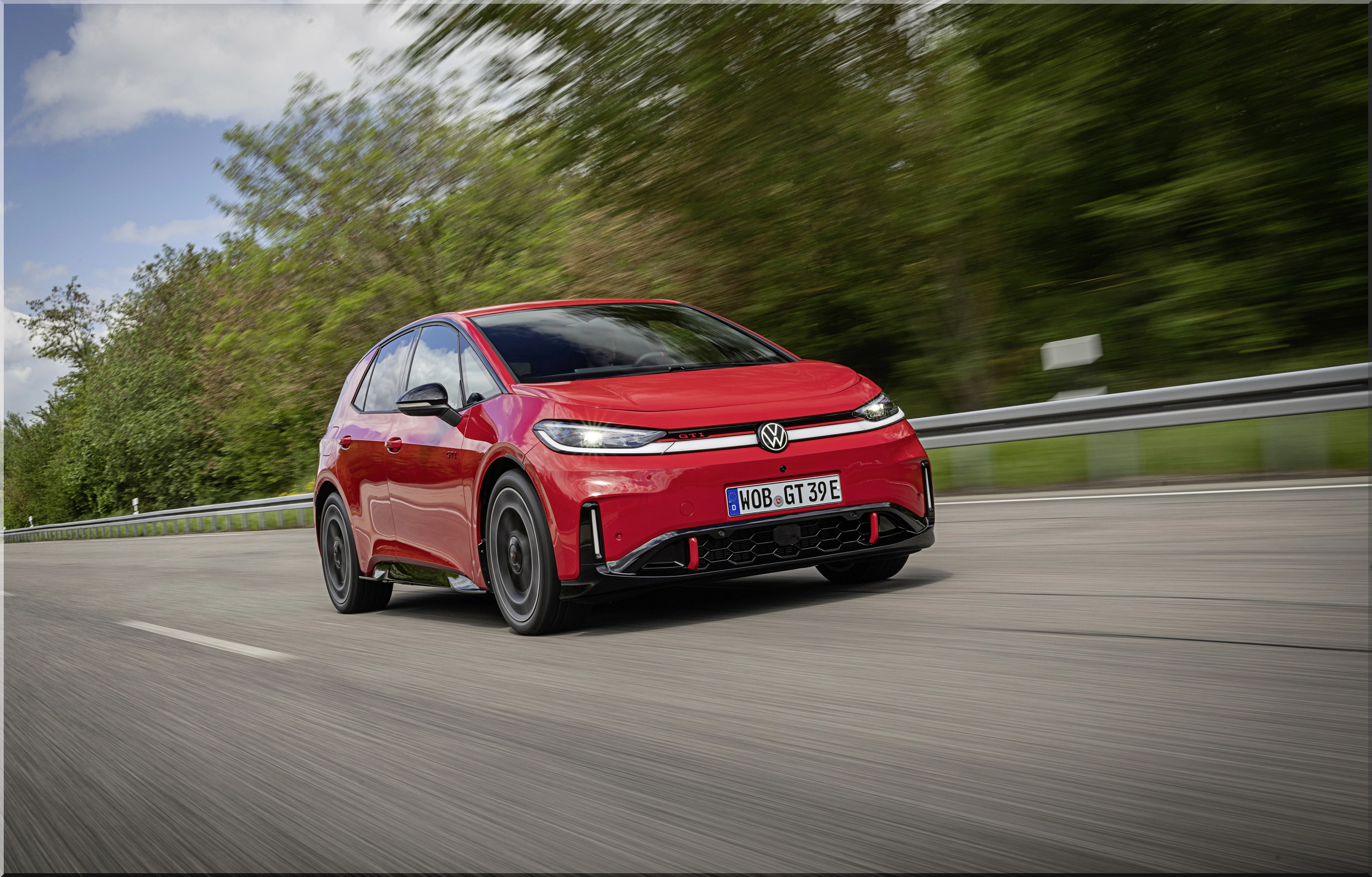
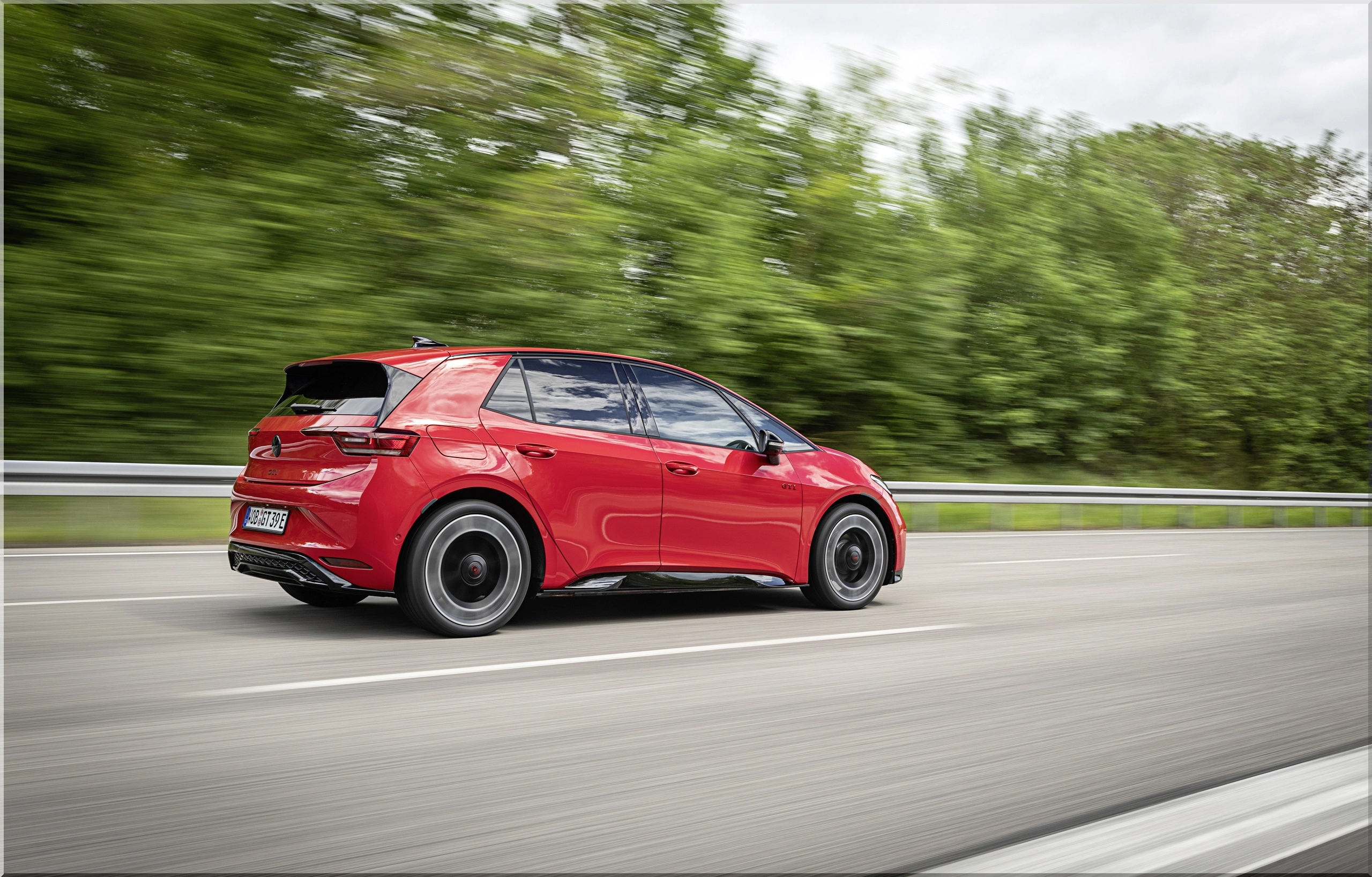
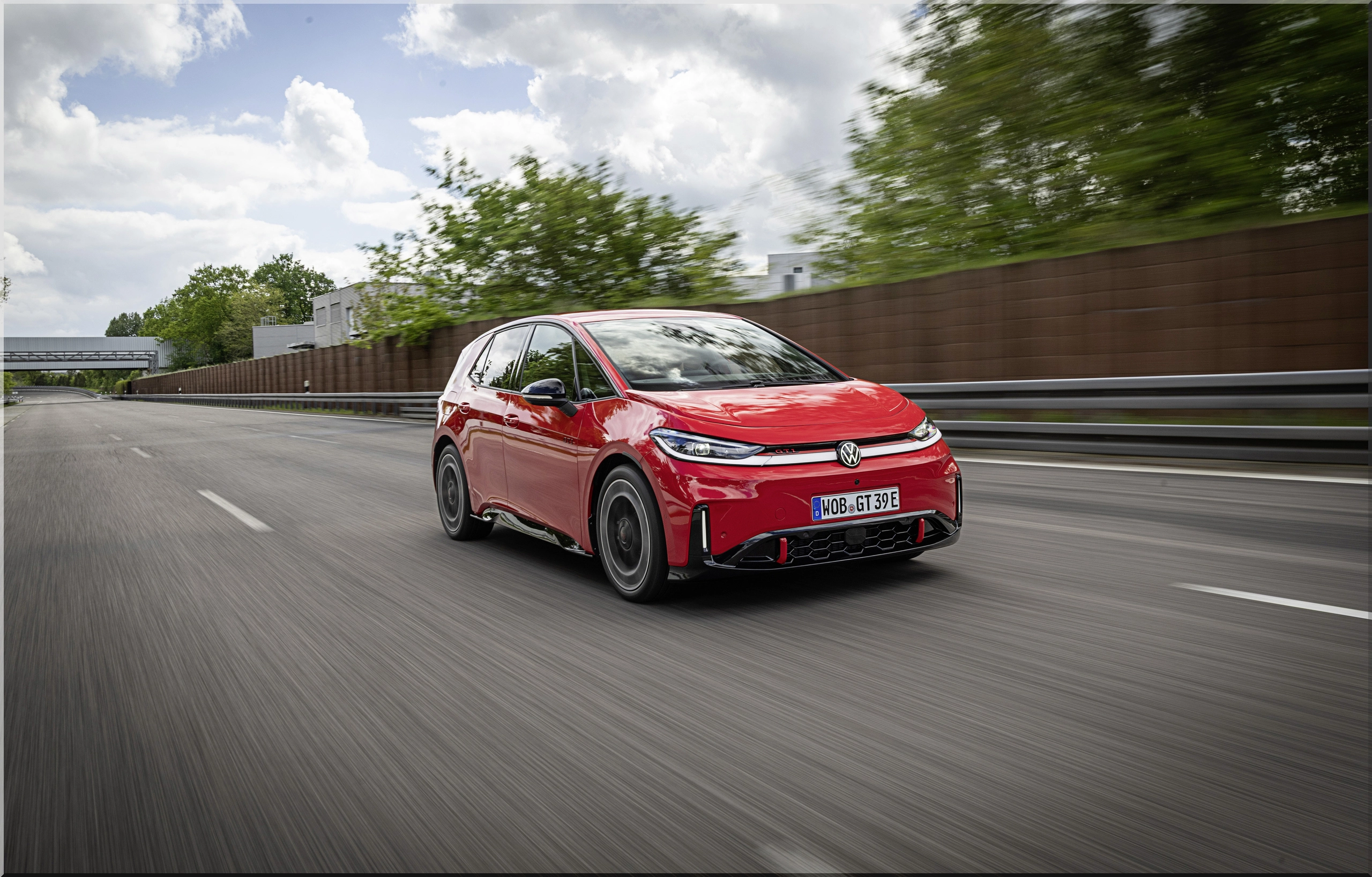
Volkswagen has attached its most famous three-letter badge to the ID.3. The Volkswagen ID.3 GTI arrives as a near-production electric hot hatch with 240 kW, 545 Nm and rear-wheel drive. It also takes the power crown from every road-going GTI before it.
Volkswagen also targets 601 km of WLTP range, a 29-minute rapid-charge window and five-door practicality. European pre-sales start in early 2027, while Volkswagen has announced no US sales plan.
Image
Volkswagen ID.3 GTI Specifications
| Specification | Confirmed figure | Imperial equivalent or context |
|---|---|---|
| Motor output | 240 kW, 326 PS | 322 hp |
| Maximum torque | 545 Nm | 402 lb-ft |
| Drive layout | Rear motor, rear-wheel drive | Single-motor RWD |
| 0-100 km/h | 5.6 seconds | 0-62 mph in 5.6 seconds |
| Maximum speed | 200 km/h | 124 mph |
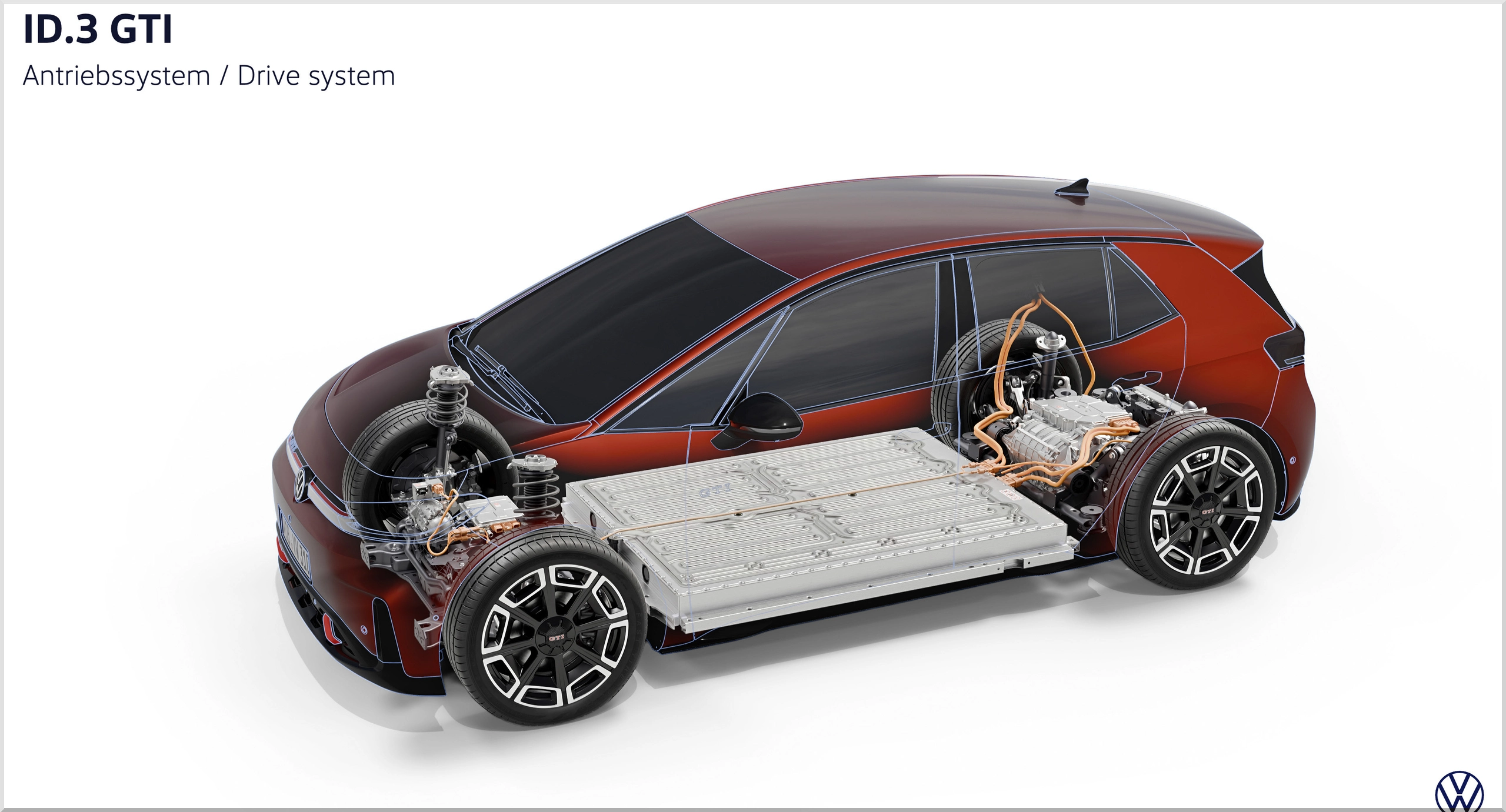
| Usable battery capacity | 79 kWh | Lithium-ion pack |
| WLTP range | Up to 601 km | Up to 373 miles |
| Preliminary consumption | 14.5 kWh/100 km | 4.29 miles/kWh |
| Peak DC charging | 183 kW | 10-80% in about 29 minutes |
| Standard wheel size | 20 inches | 508 mm rim diameter |
Looking at the data, the 326 PS electric GTI beats the 325 PS Golf GTI Edition 50 by 1 PS and produces 125 Nm more torque. The petrol Golf reaches 100 km/h three-tenths sooner, but the electric car supplies maximum torque without waiting for engine speed or a gear change.
Rear-Wheel Drive Rewrites the GTI Rulebook
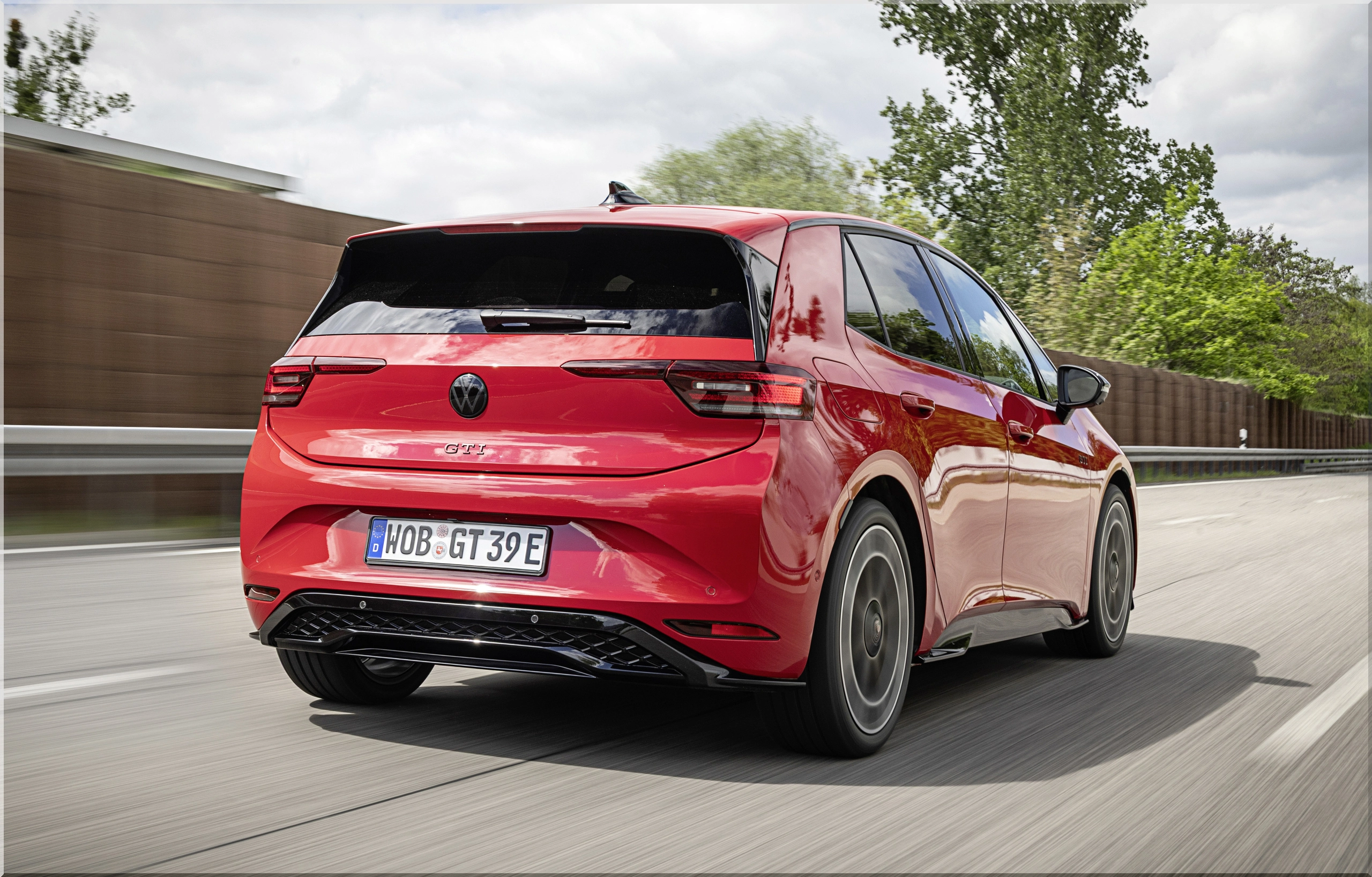
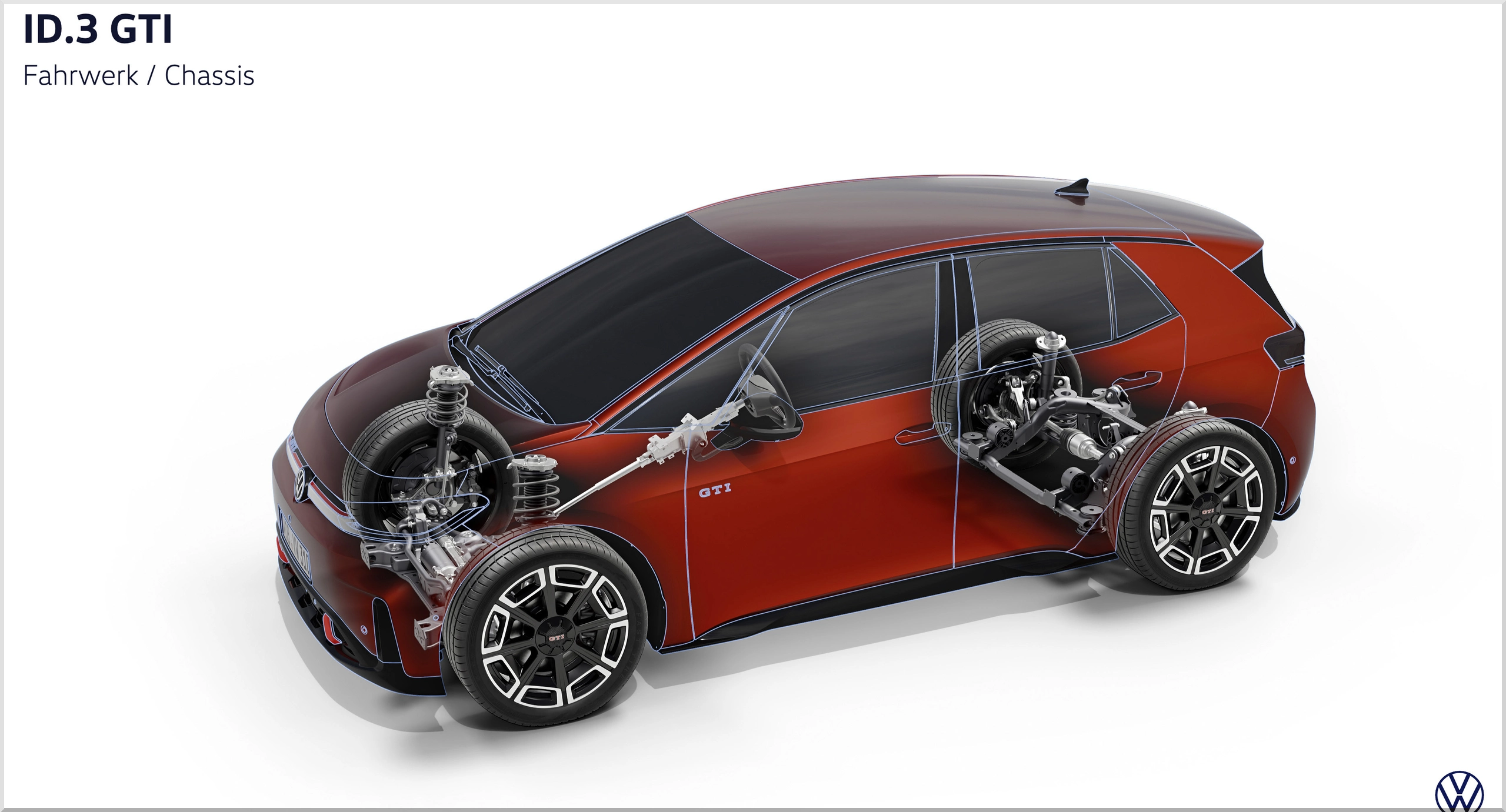
Every Golf GTI sends power through its front wheels. The ID.3 GTI sends all 240 kW to the rear axle, making it the first rear-driven production Volkswagen to carry the badge. This layout separates steering from propulsion and reduces torque steer.
Volkswagen pairs that layout with standard Launch Control, direct progressive steering and an adaptive DCC sports chassis. The low-mounted battery helps the chassis resist body roll. From an expert perspective, mass will shape the result; Volkswagen has not published the final kerb weight.
Image
Battery Range and Charging Favour Daily Use
The 79 kWh usable battery supports a forecast 601 km WLTP range. In addition, the preliminary 14.5 kWh/100 km consumption claim suggests Volkswagen tuned the motor, tyres and thermal system for efficiency as well as speed.
A 10-80% session adds roughly 55.3 kWh in 29 minutes. That equals an average of about 114 kW across the session, so buyers should not confuse the 183 kW peak with the sustained charging rate. Route temperature, charger output and battery preconditioning will influence the actual stop.
Compact Dimensions Retain Useful Cabin Space
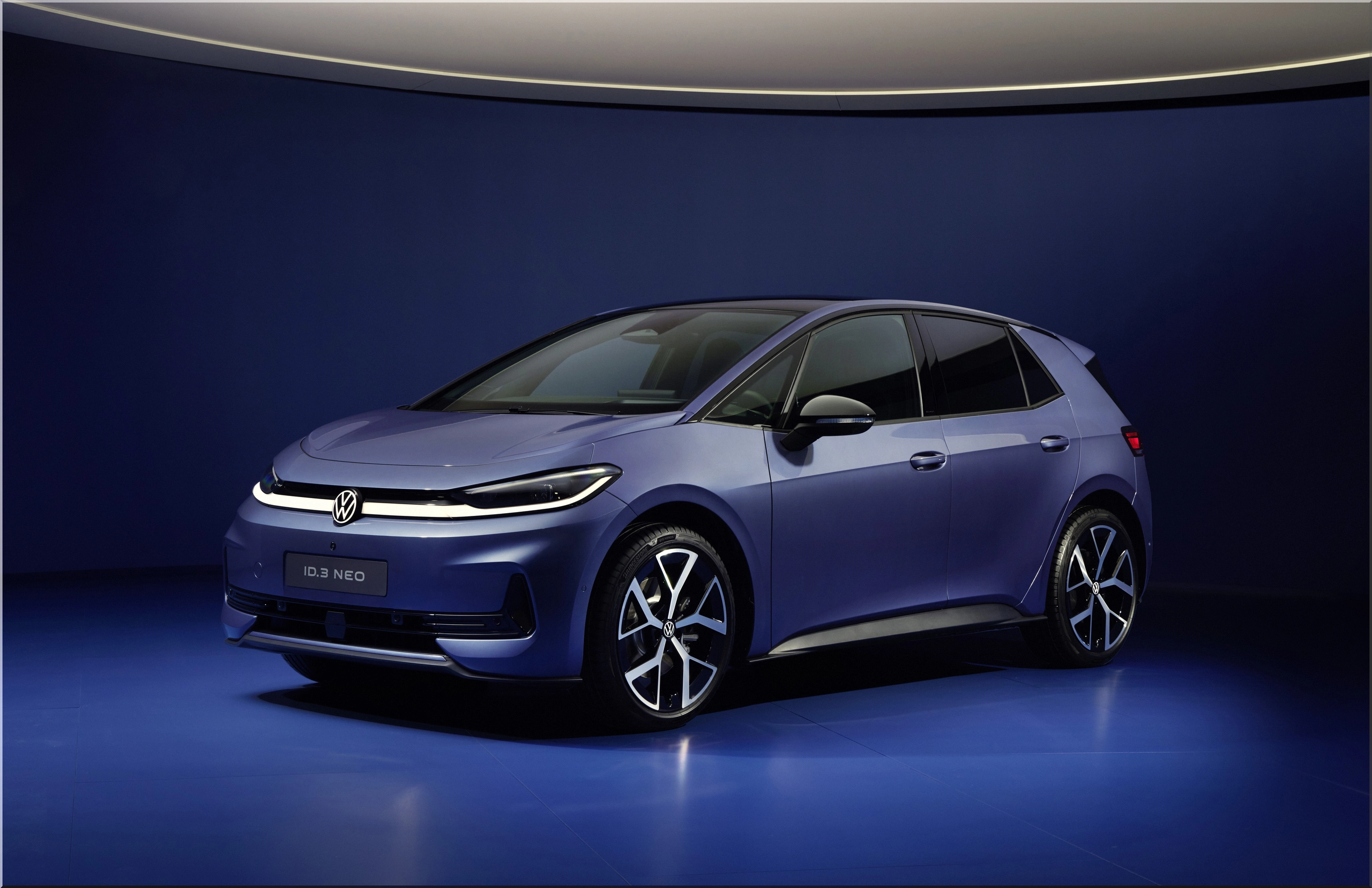
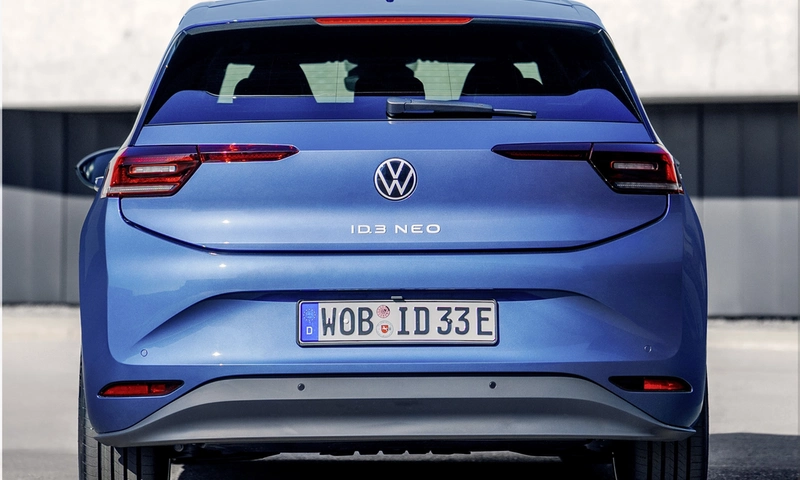
The GTI uses the ID.3 Neo as its base. Pending final GTI measurements, these base-car figures provide the soundest guide:
- Length: 4,265 mm, or 167.9 inches.
- Width: 1,809 mm, or 71.2 inches.
- Height: 1,554 mm, or 61.2 inches.
- Wheelbase: 2,766 mm, or 108.9 inches.
- Luggage capacity: 385 litres, with five doors and five seats.
The long wheelbase supports adult rear-seat space without SUV length.
GTI Mode Changes the Car With One Button
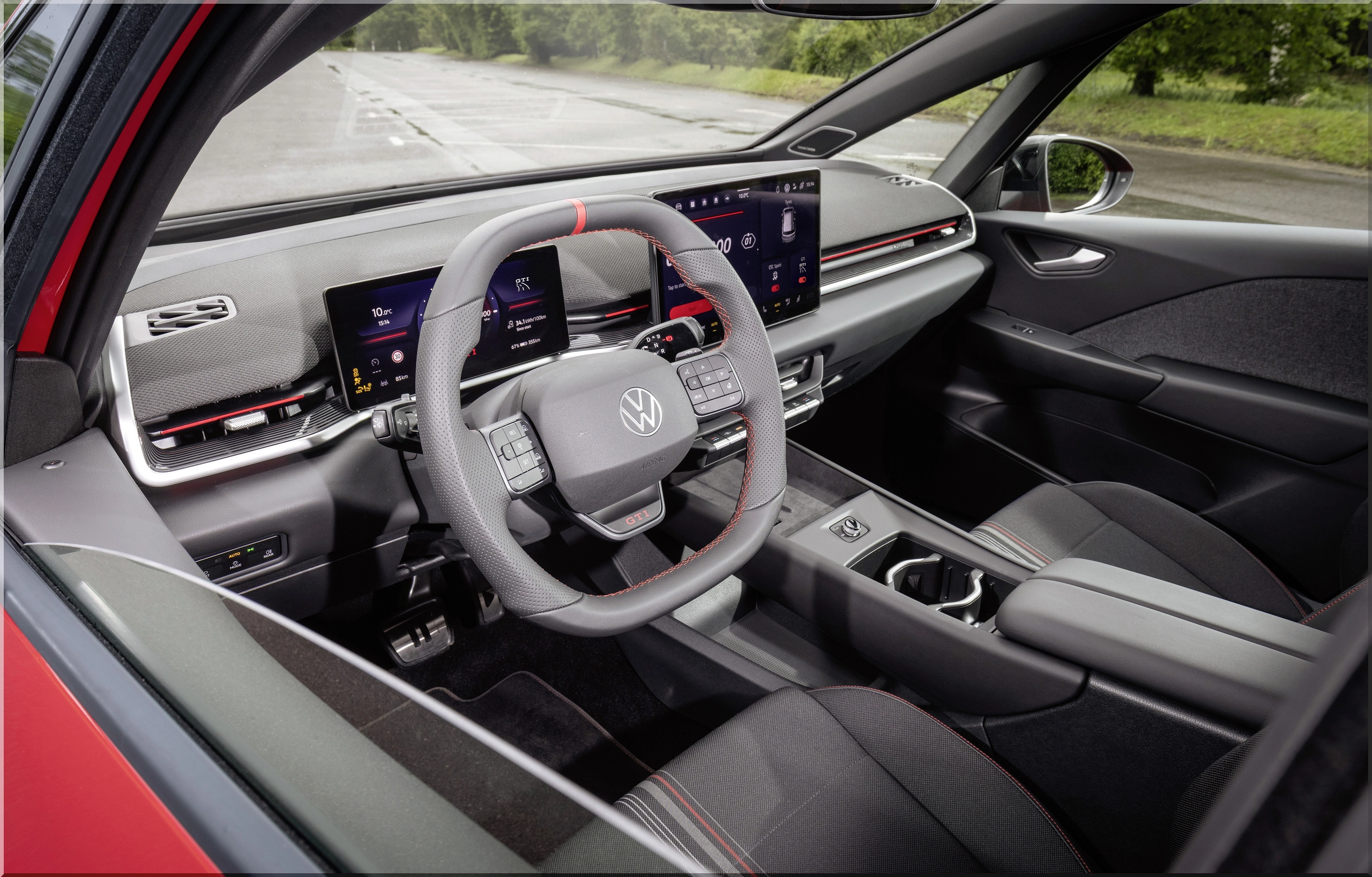
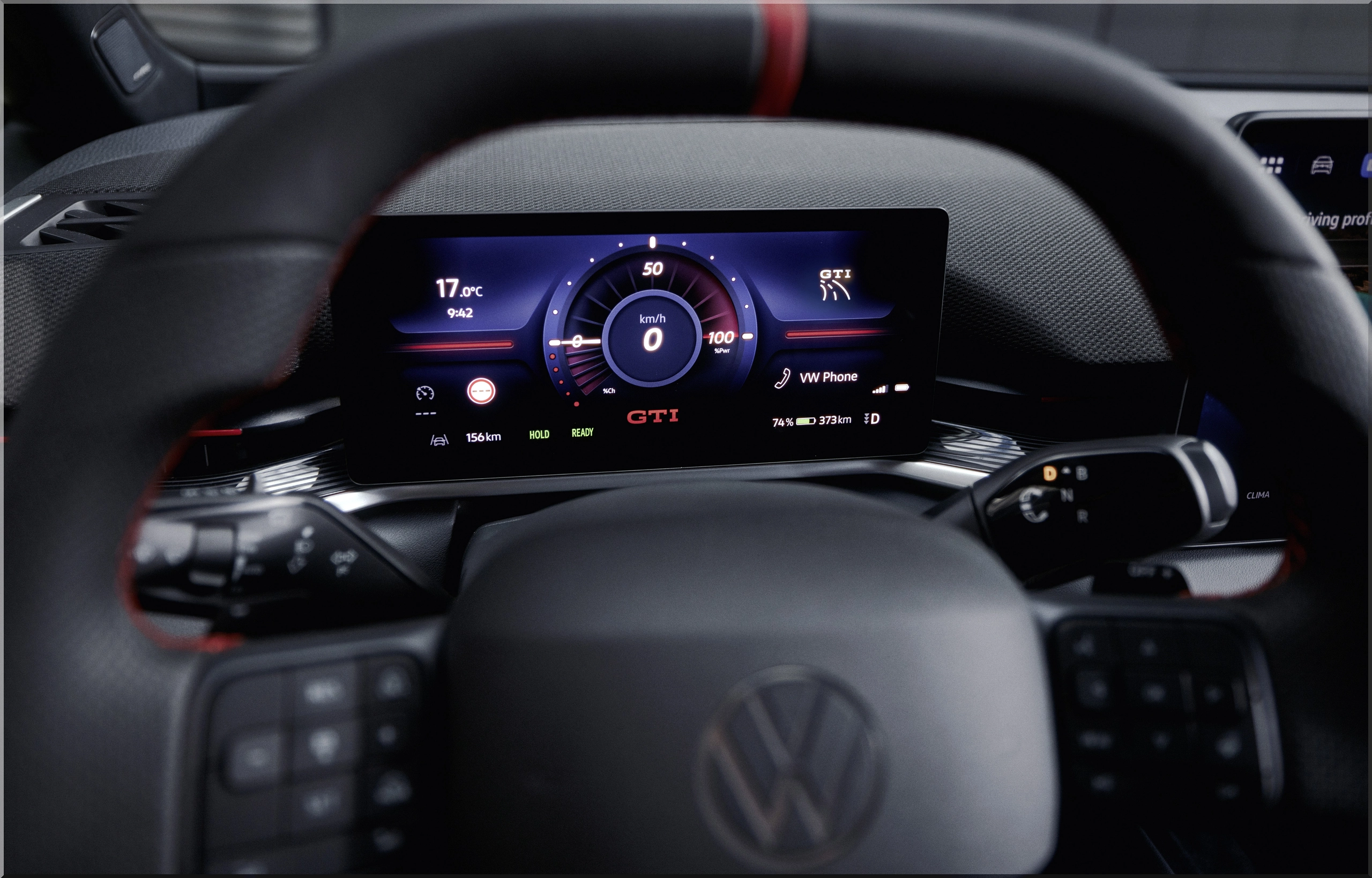
An illuminated steering-wheel button selects the sharpest motor response, steering map and damper setting, readies Launch Control, turns the lighting red and switches the instruments to a GTI display. Synthesised combustion-engine sound then plays through the speakers.
Drivers can also select Eco, Comfort, Sport and Individual profiles. Volkswagen still needs to prove that its software, brake calibration and stability control make the rear-driven chassis feel adjustable rather than heavy.
Video title
2027 Volkswagen ID.3 GTI
Plaid Seats and Physical Controls Restore Familiar Character
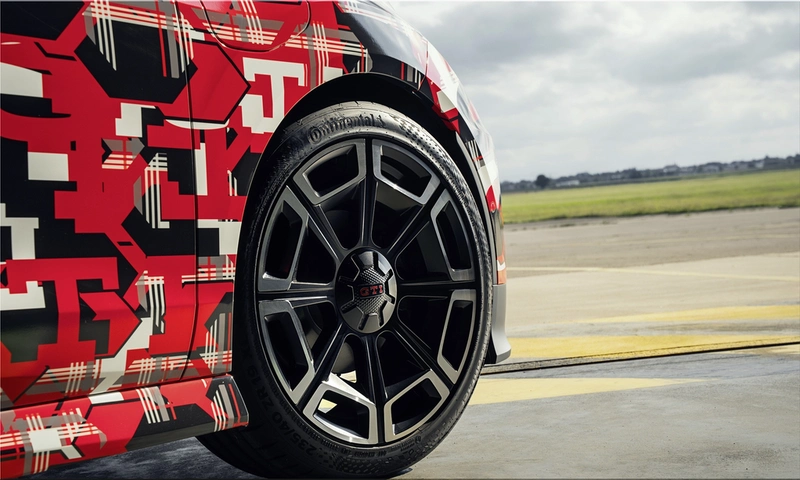
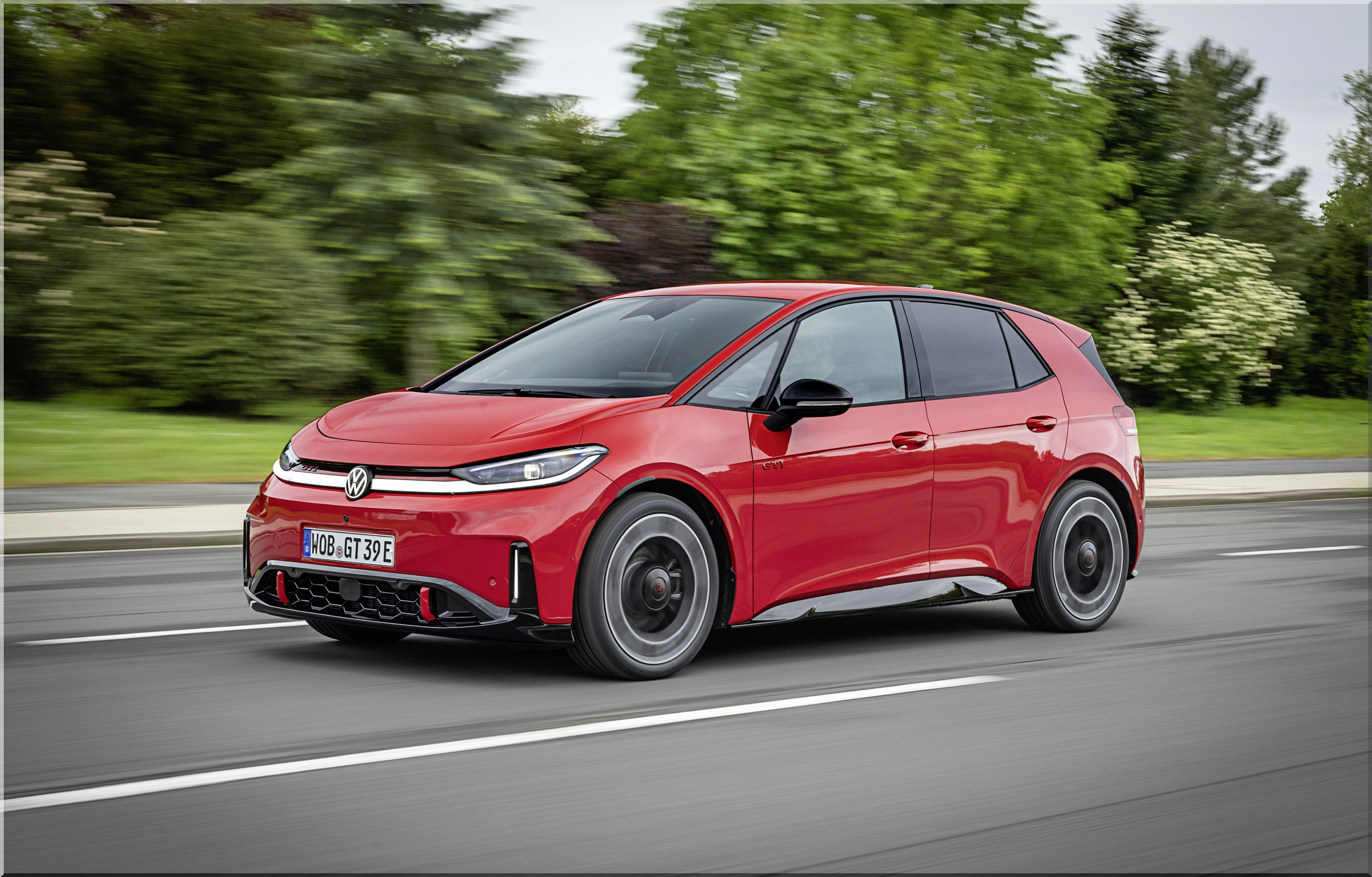
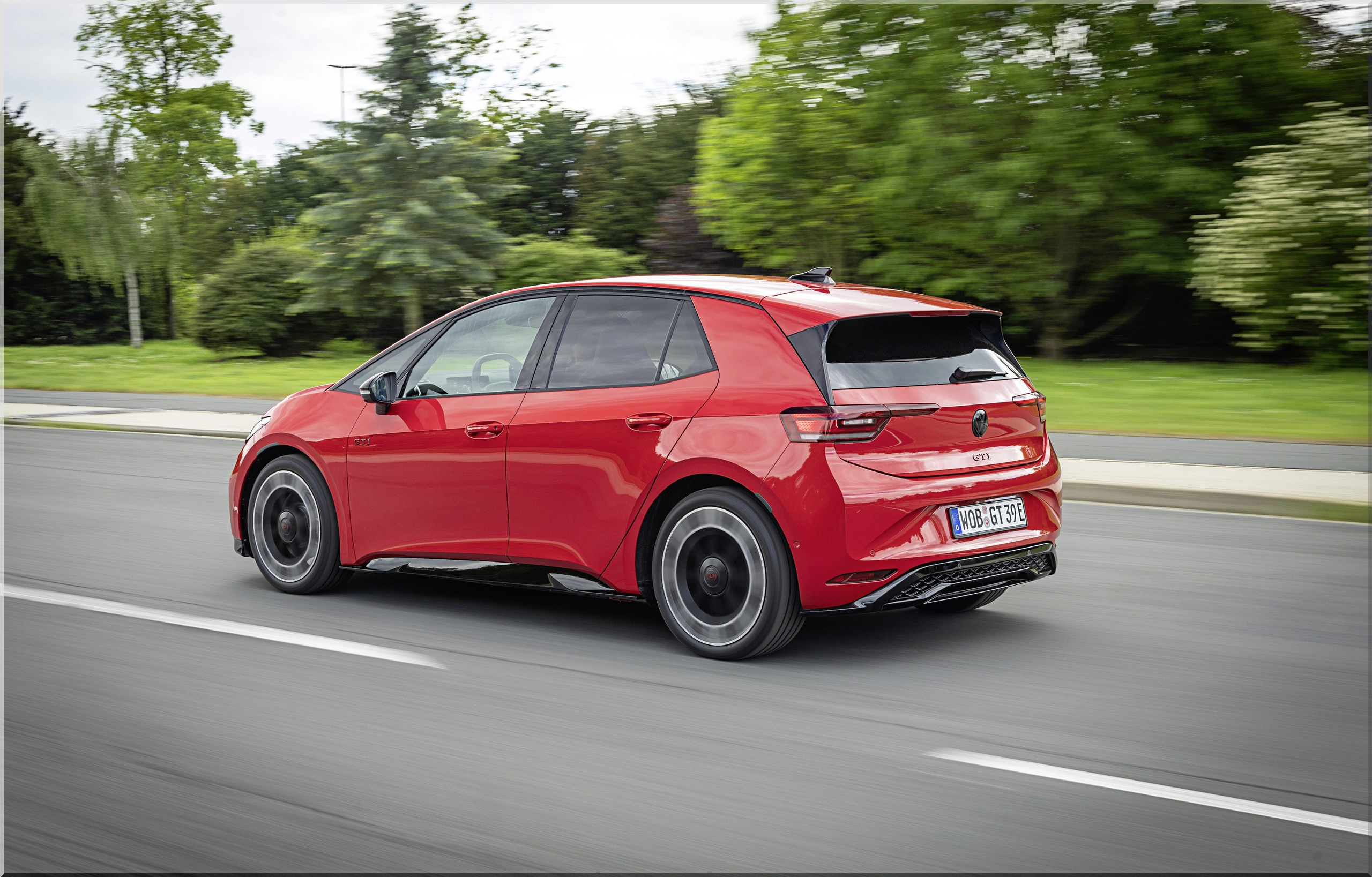
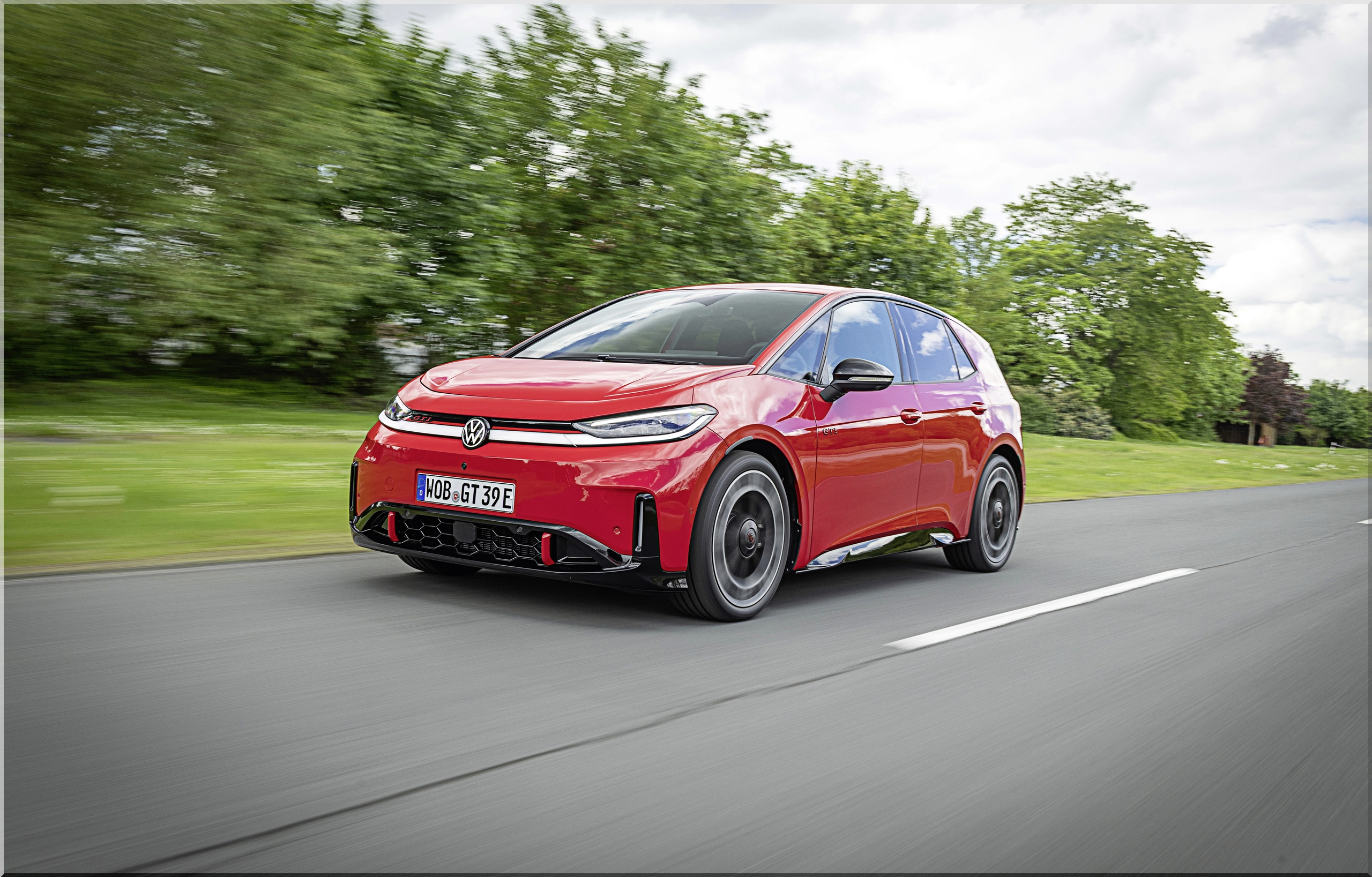
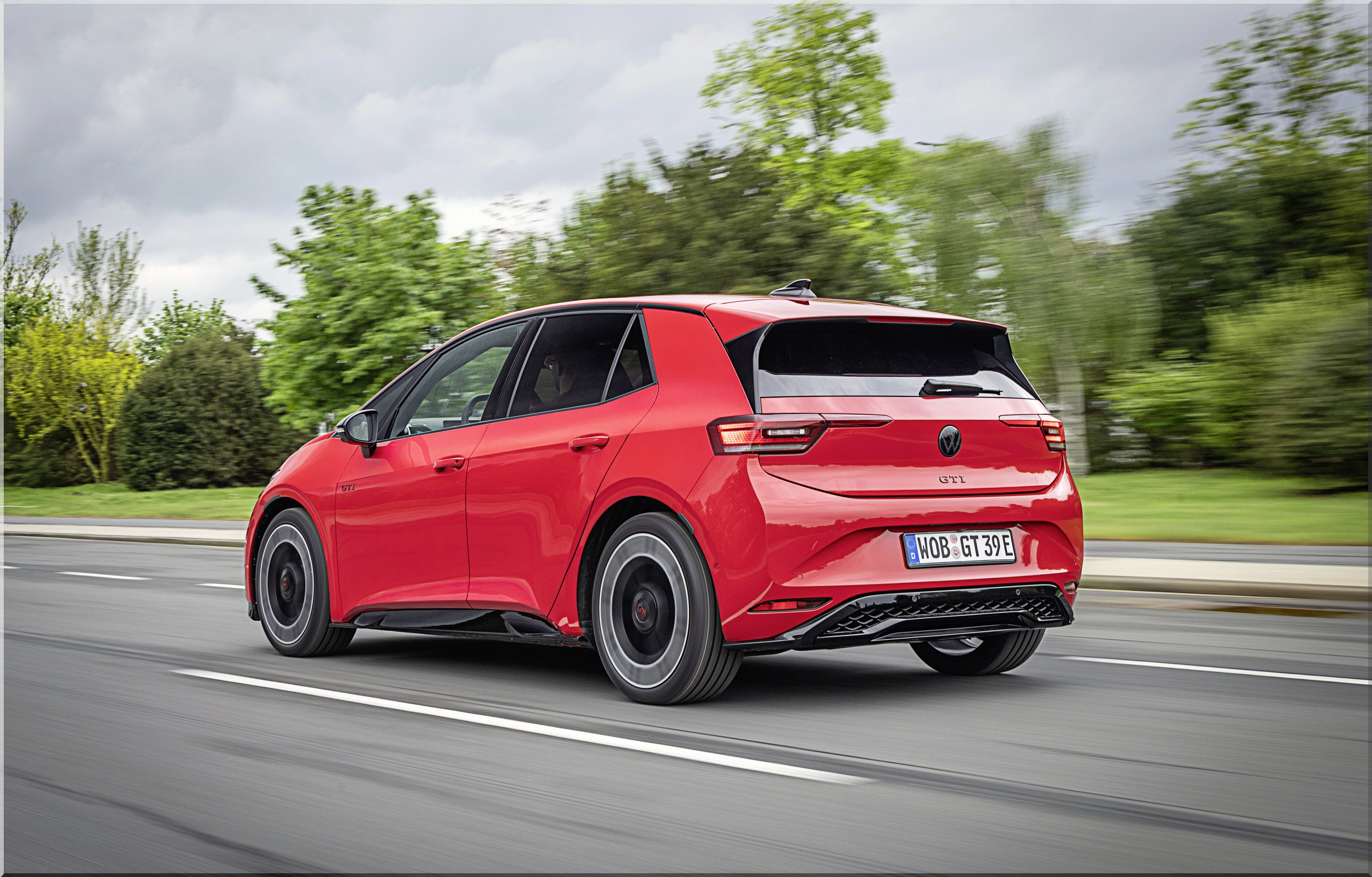
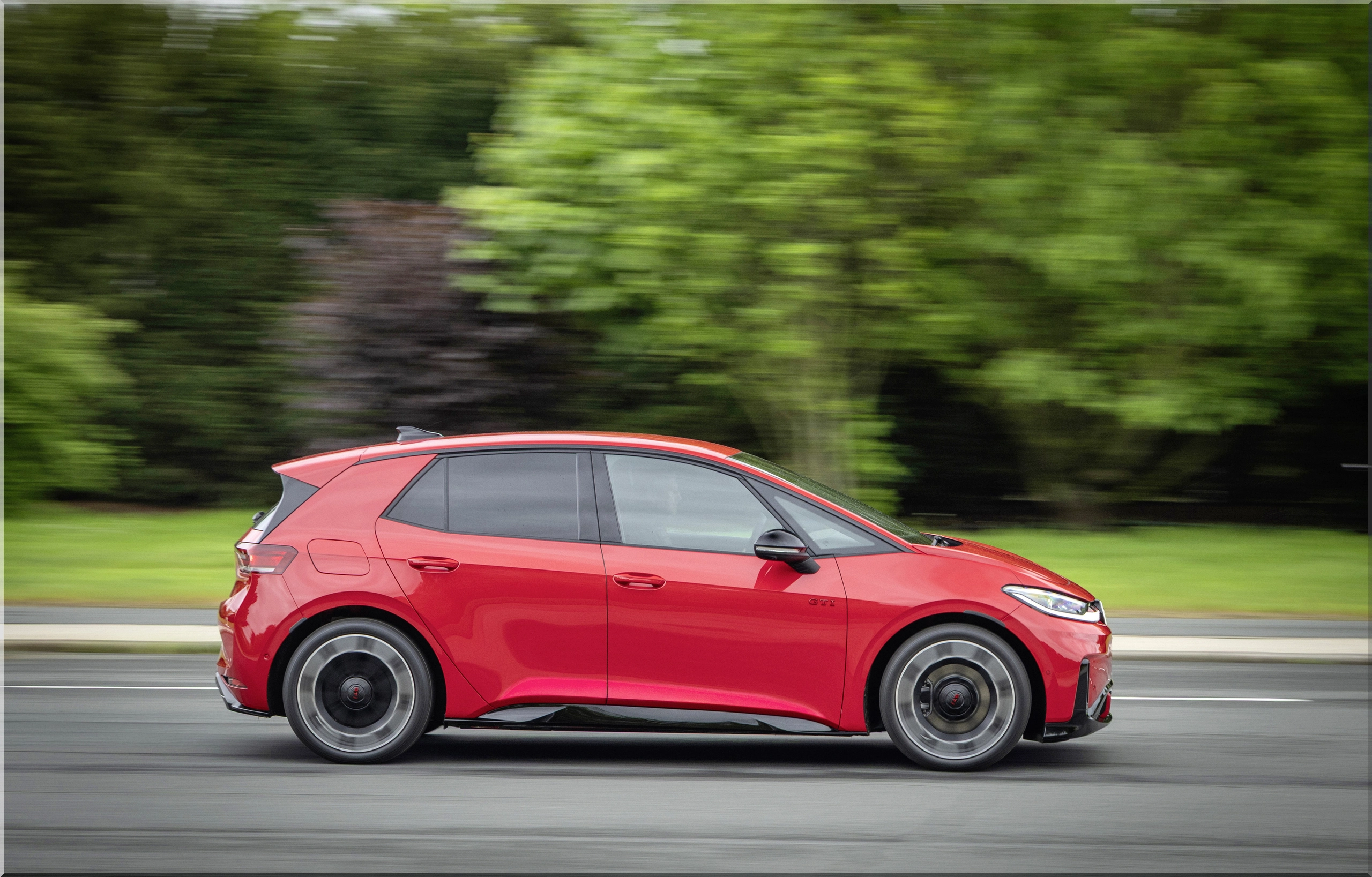
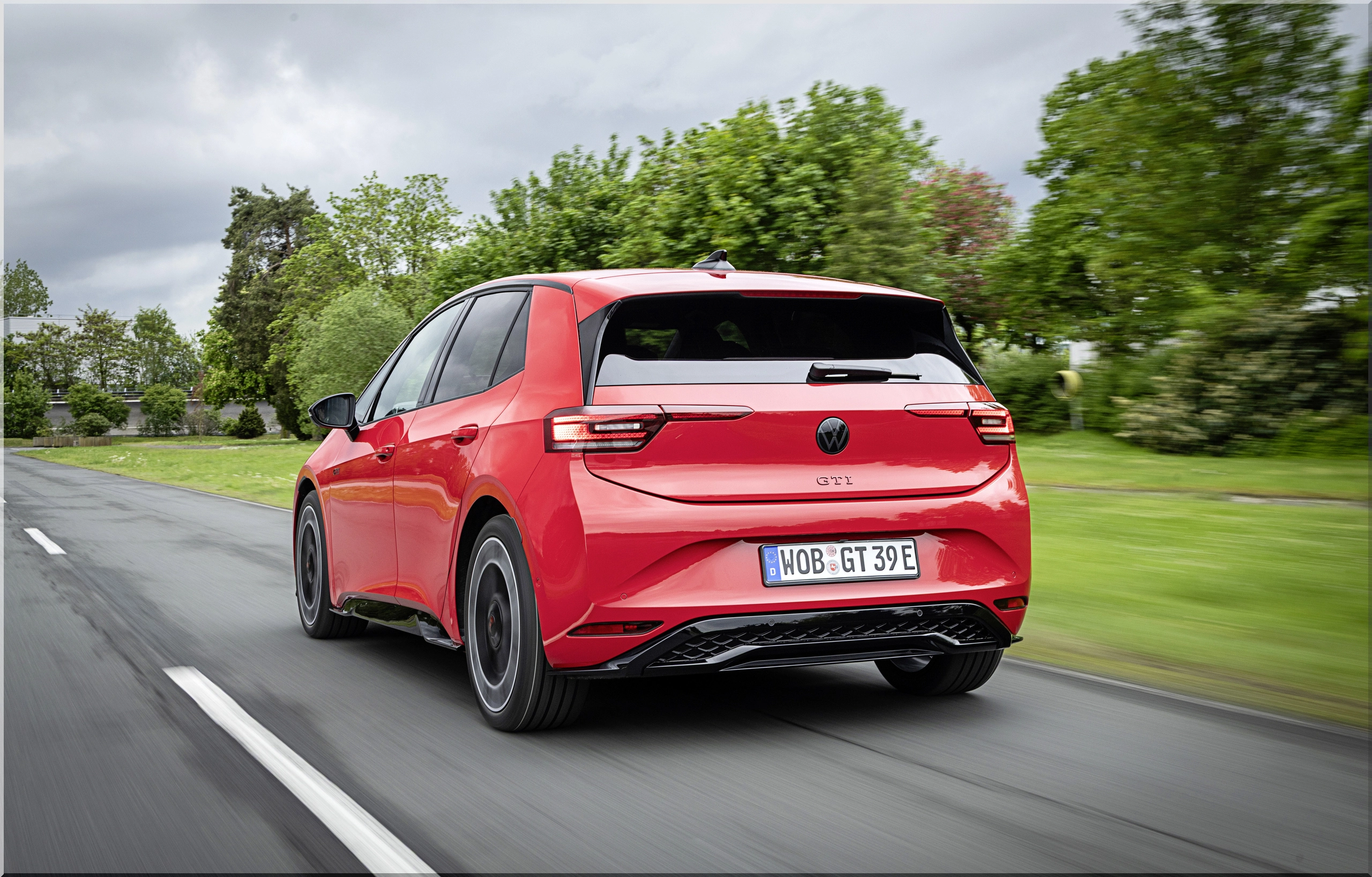
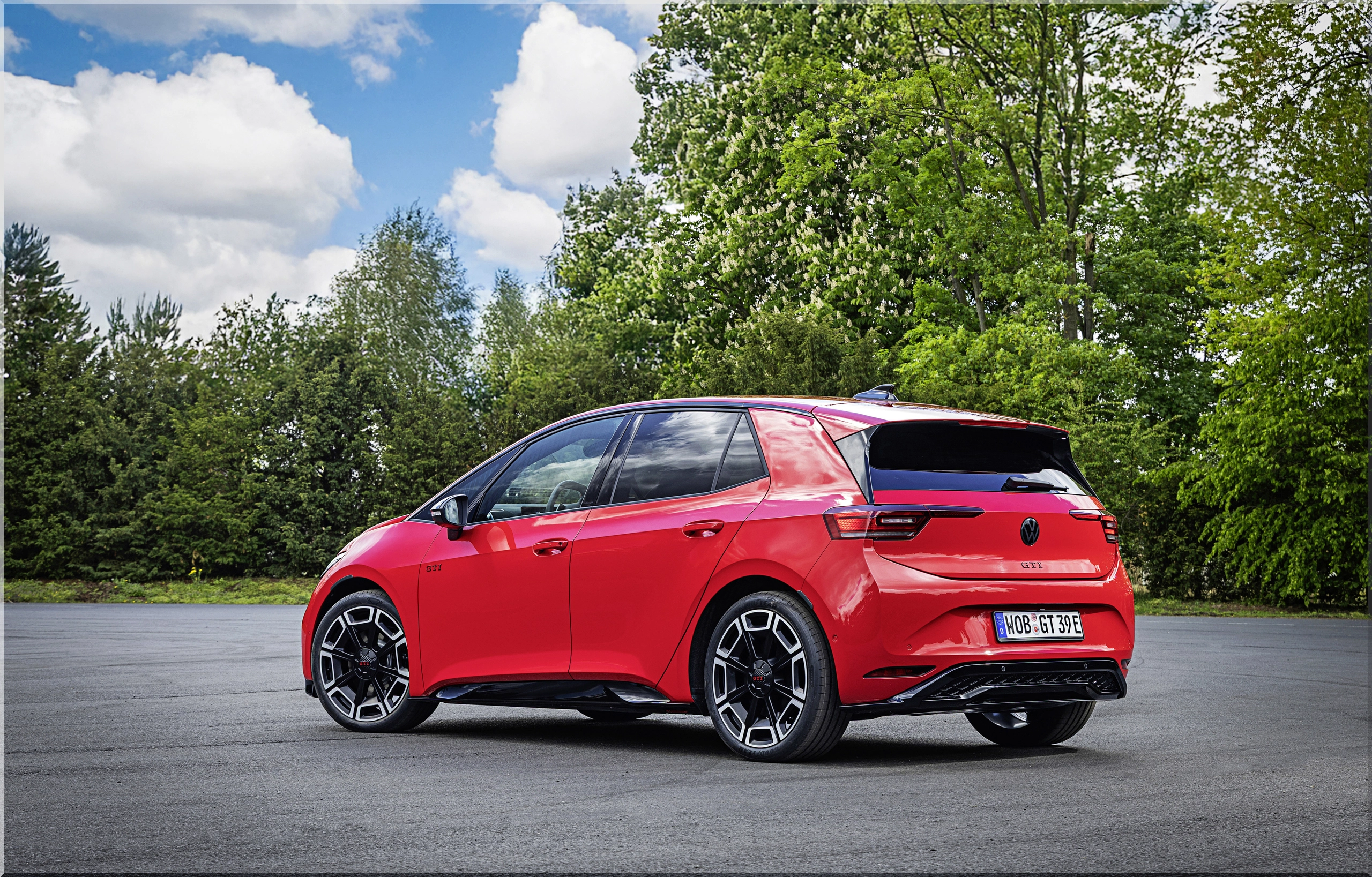
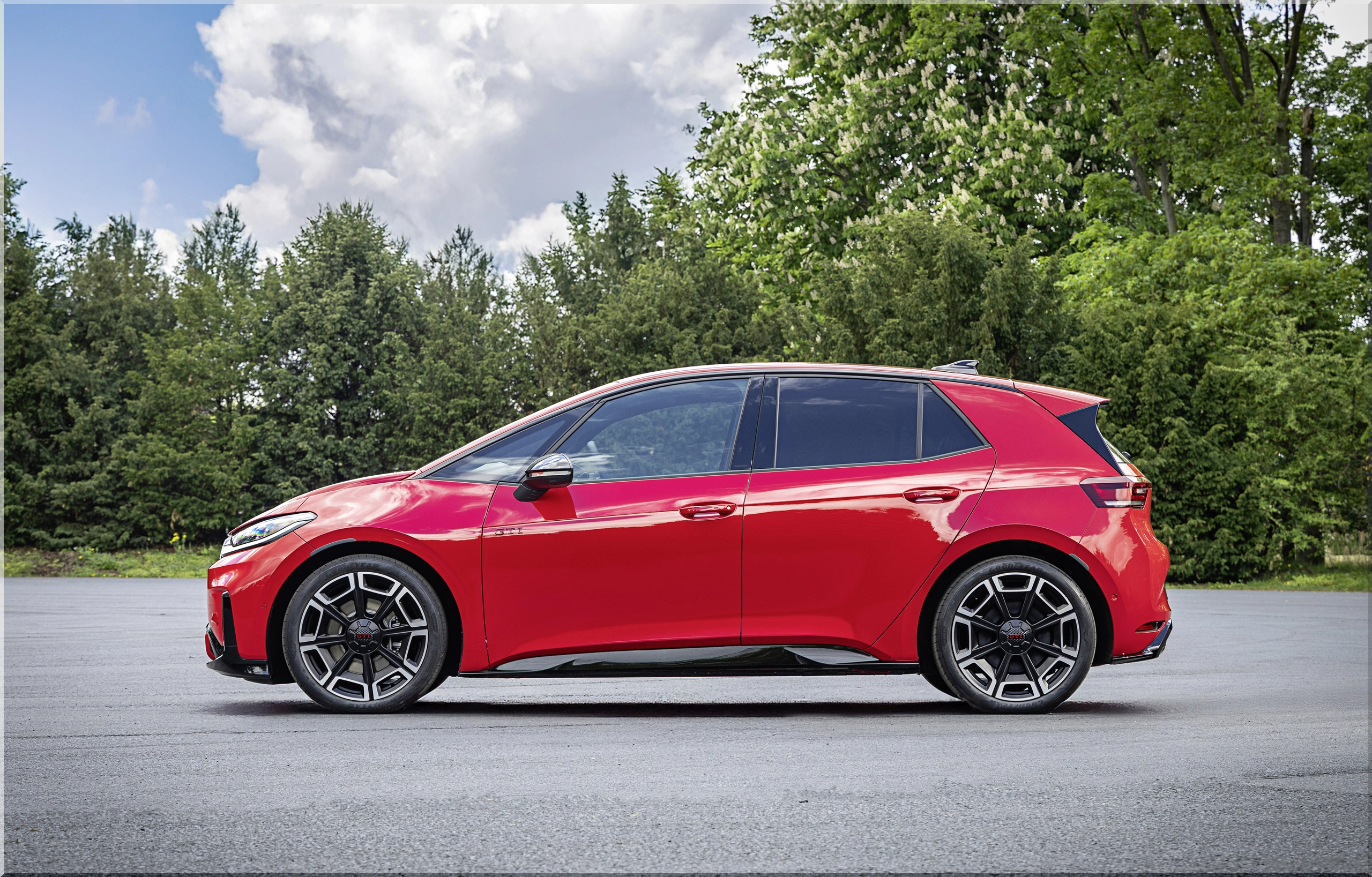
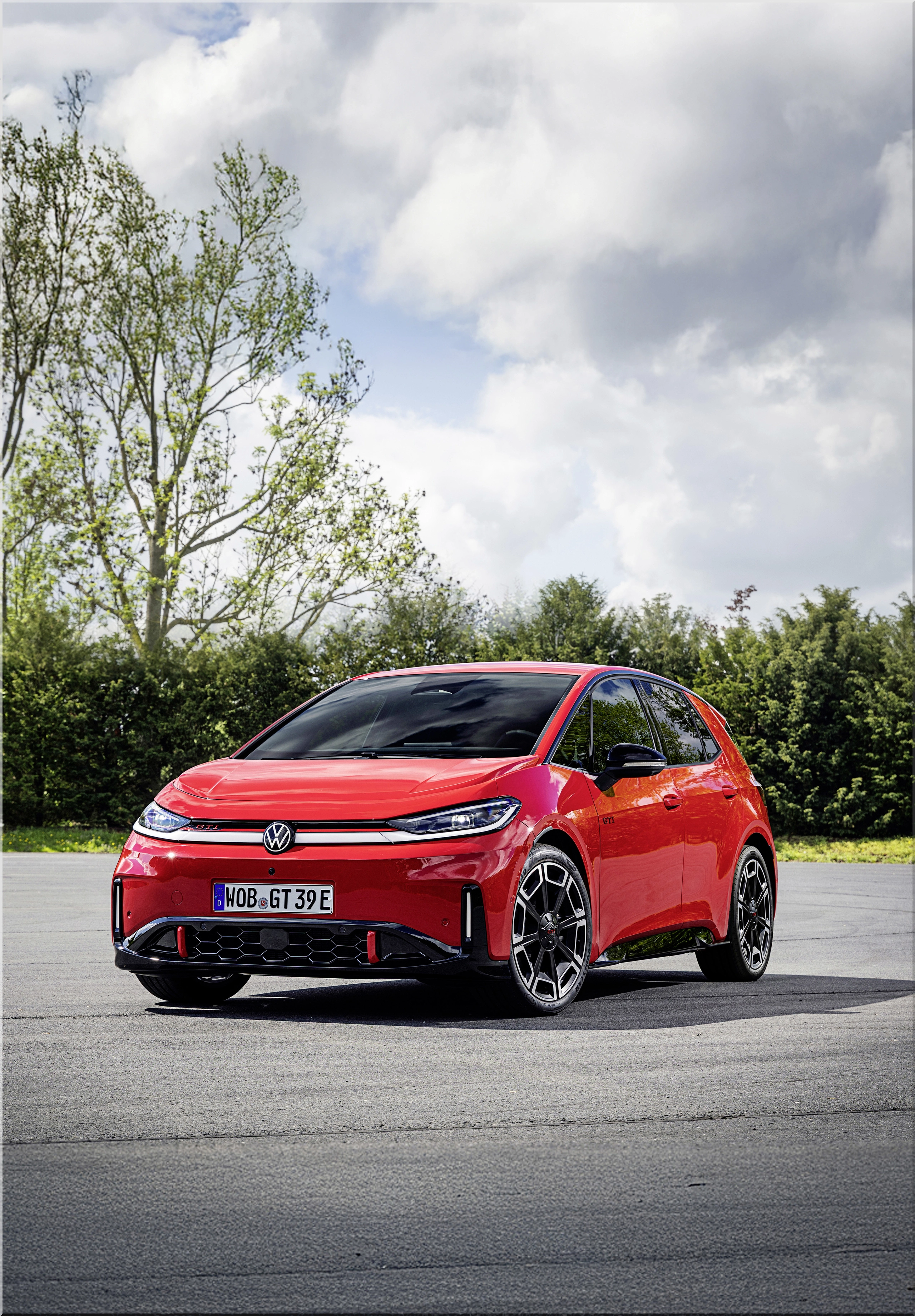
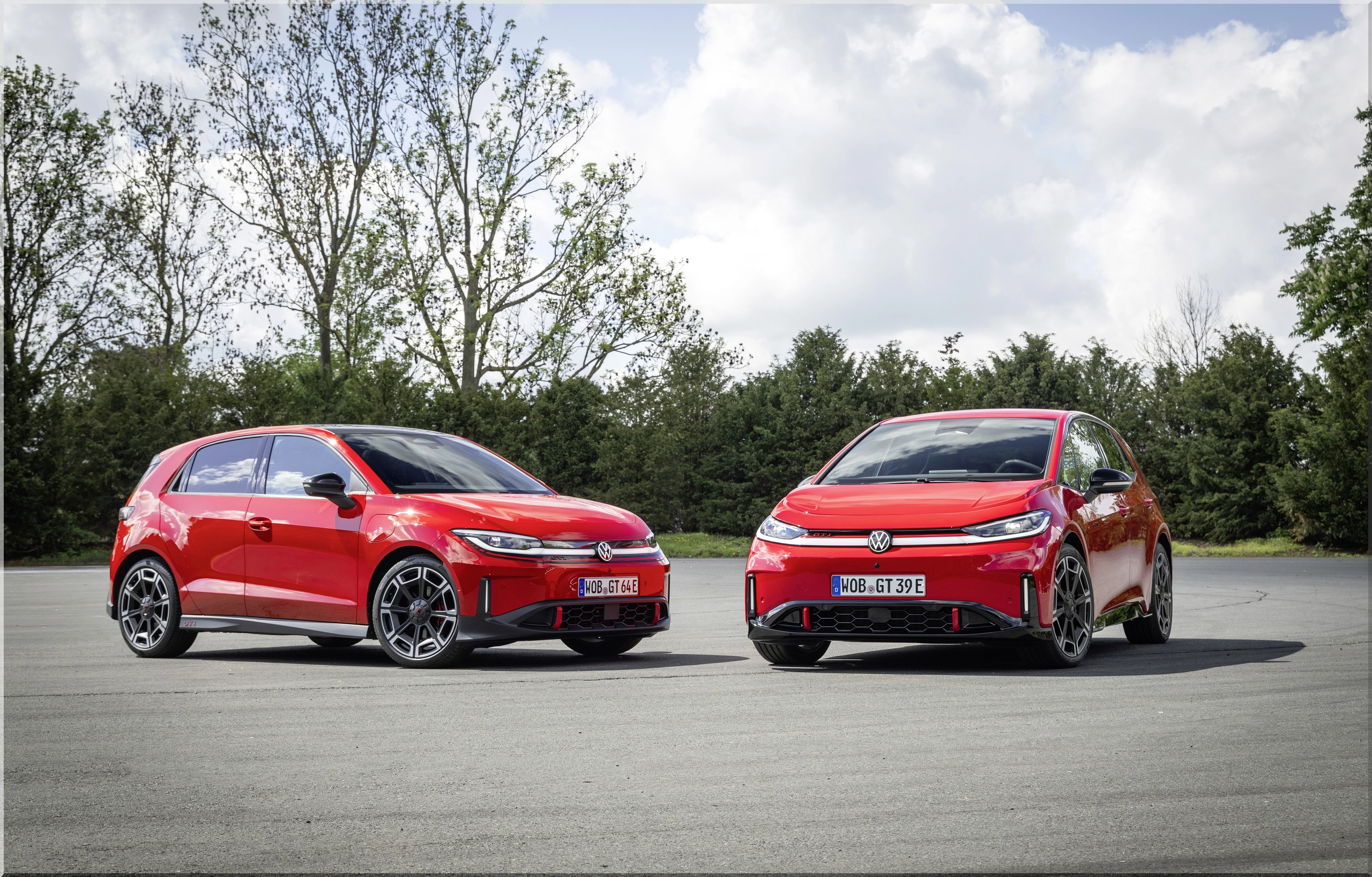
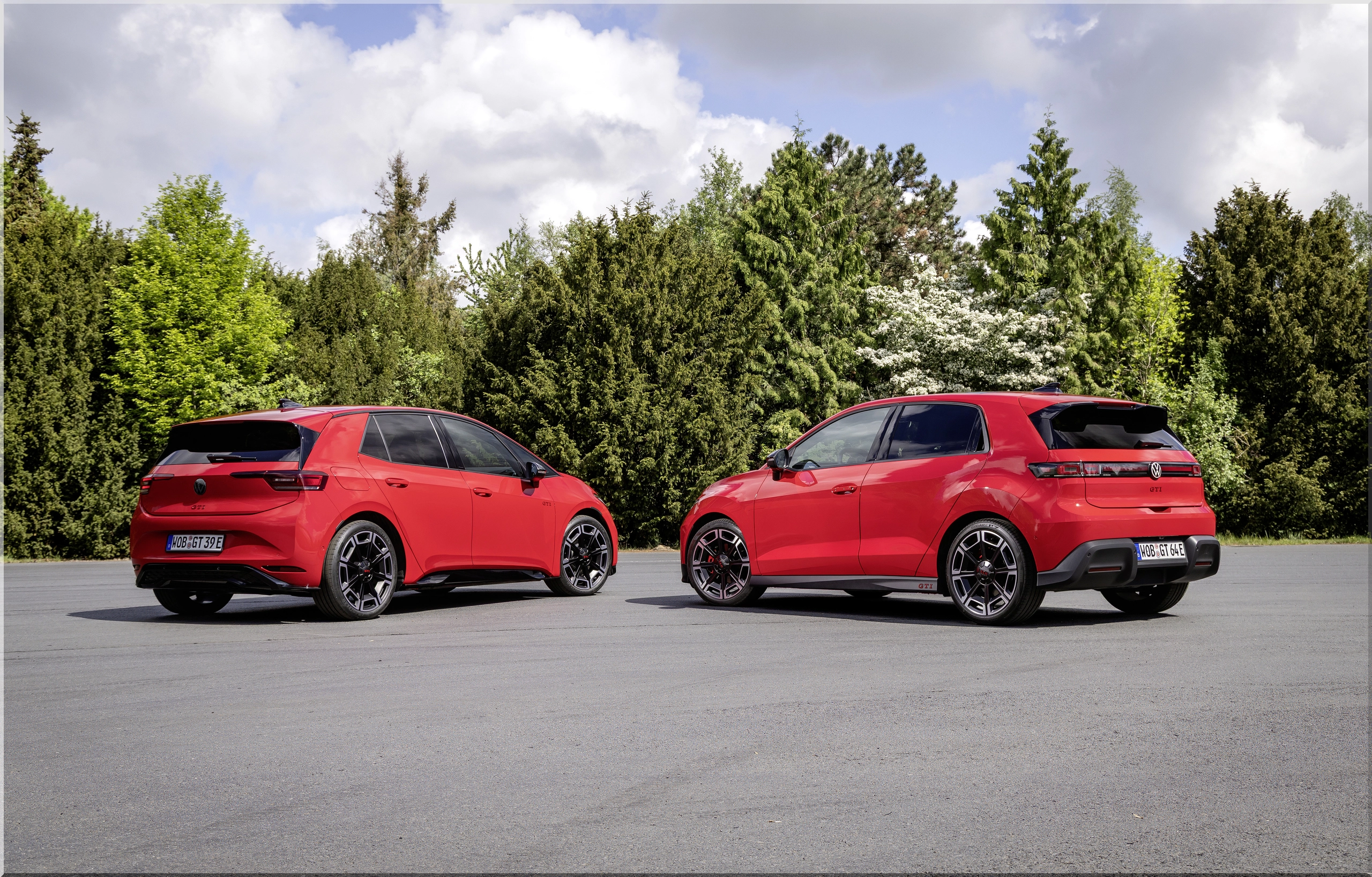
The exterior carries a red strip, standard IQ.LIGHT matrix LED headlights, a black honeycomb lower intake and 20-inch Wörthersee alloy wheels. Body-coloured roof panels replace the outgoing ID.3 GTX's black upper section.
Inside, Volkswagen combines classic references with practical hardware:
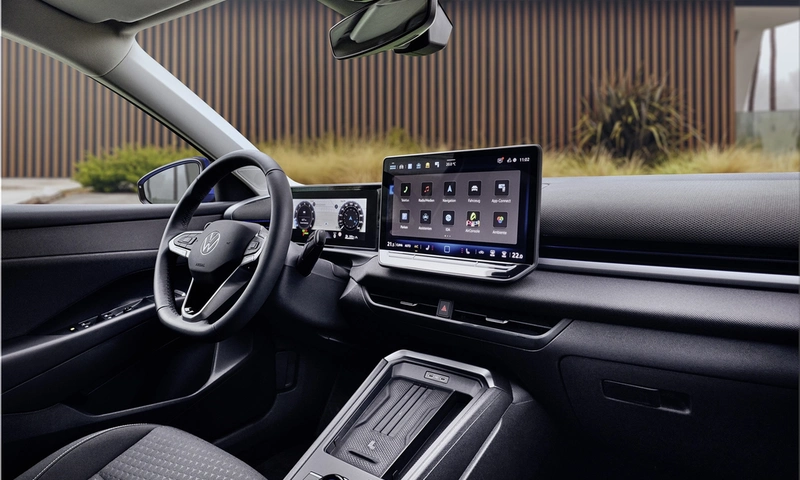
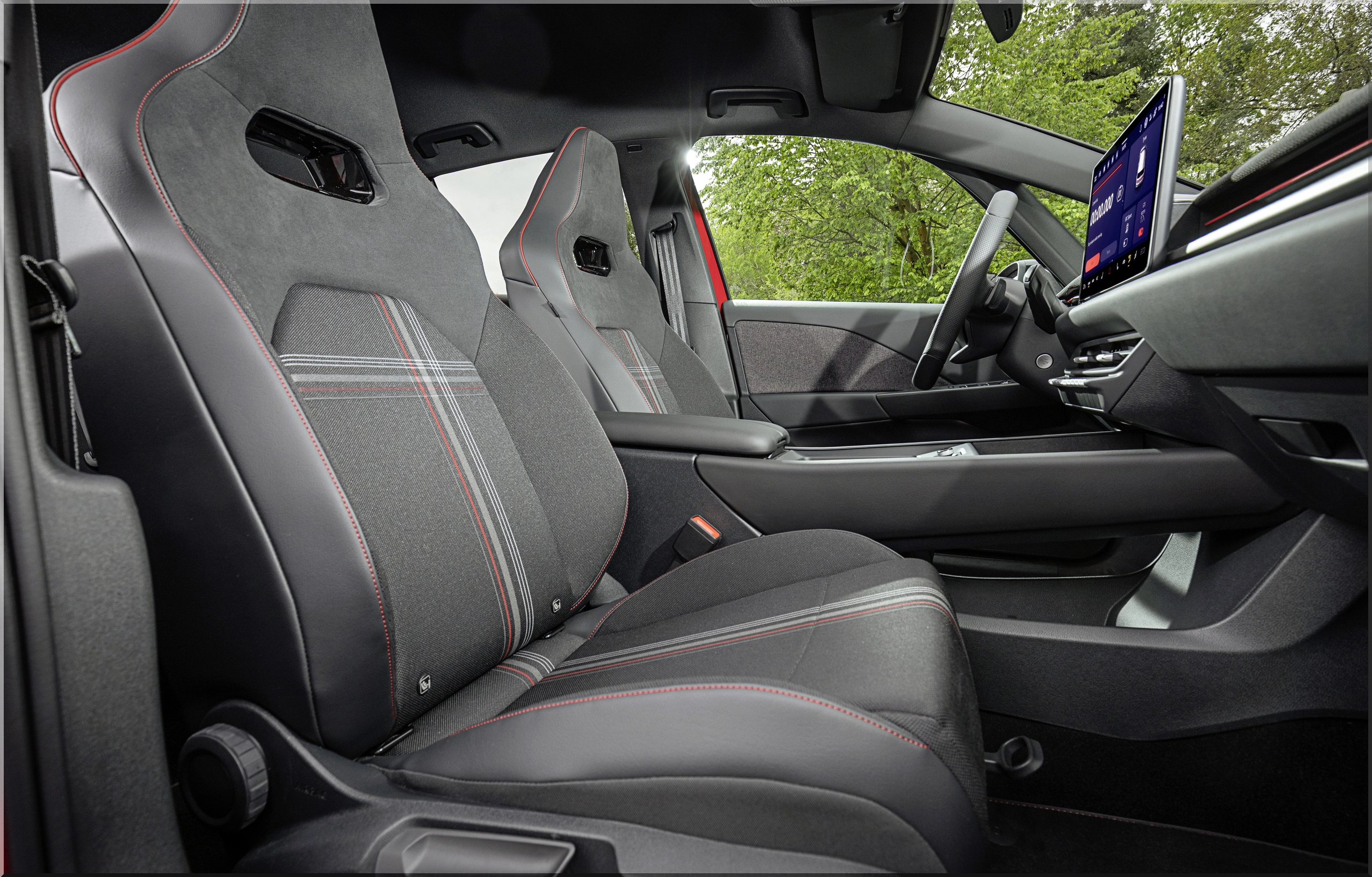
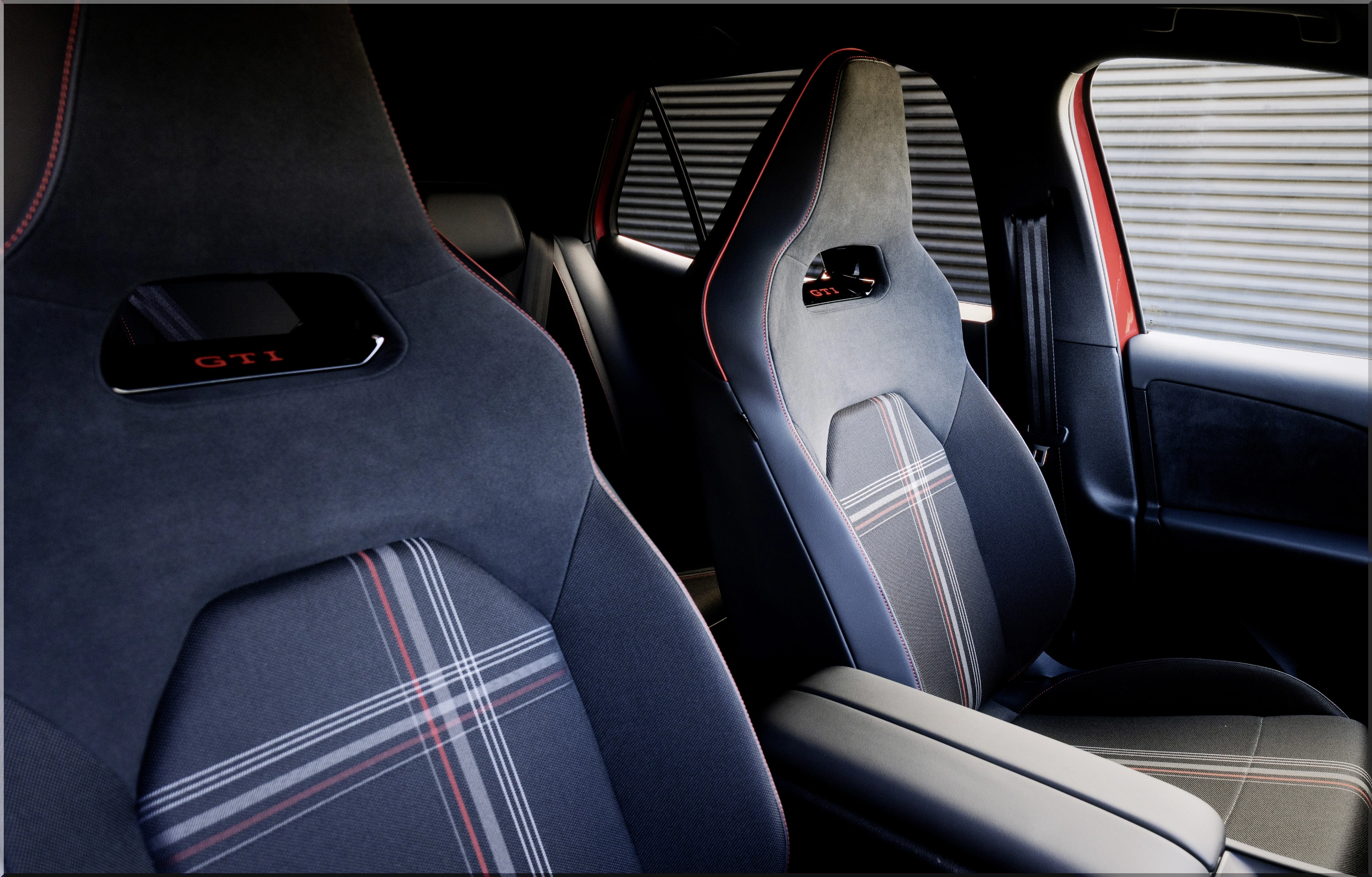
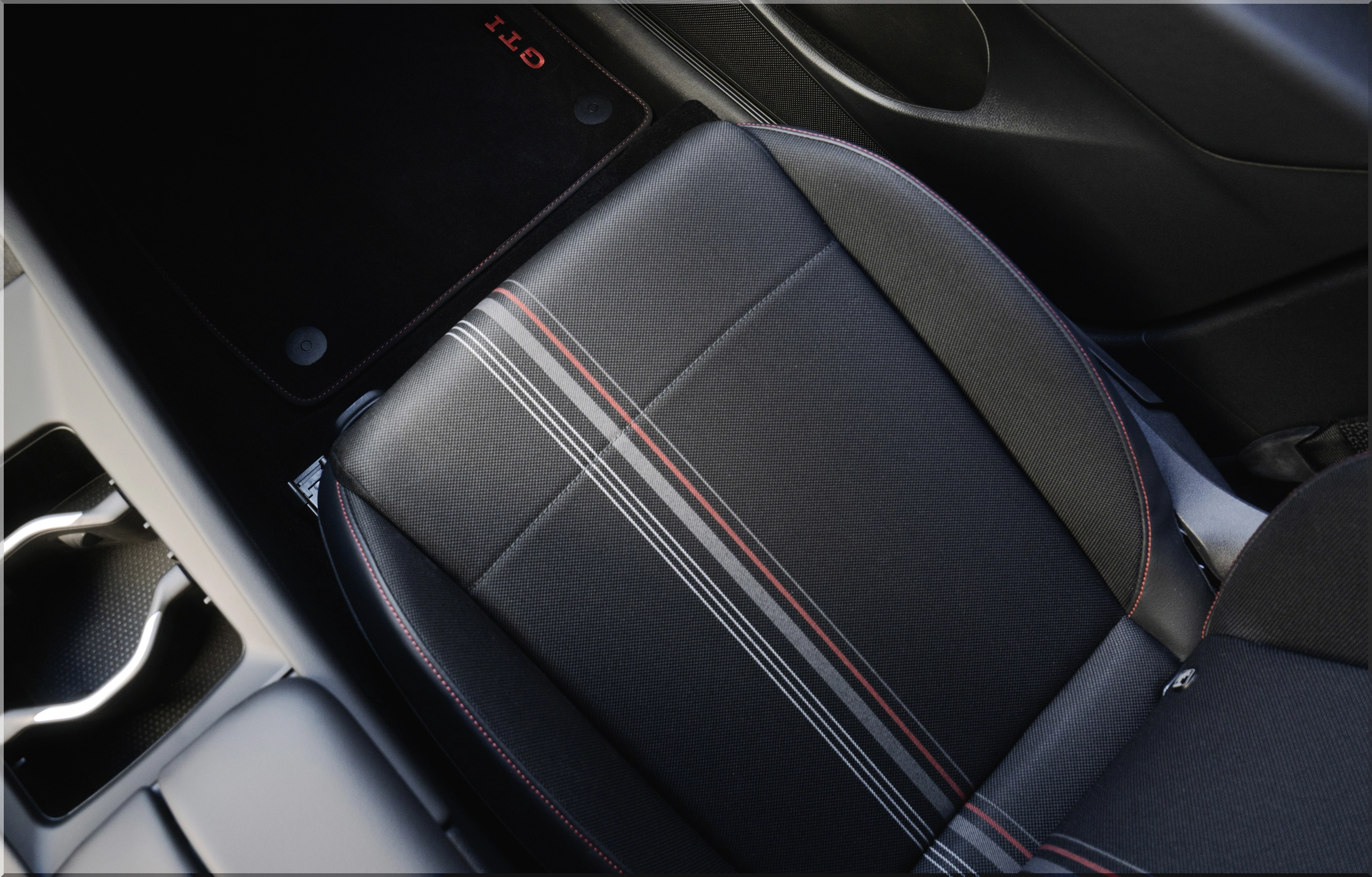
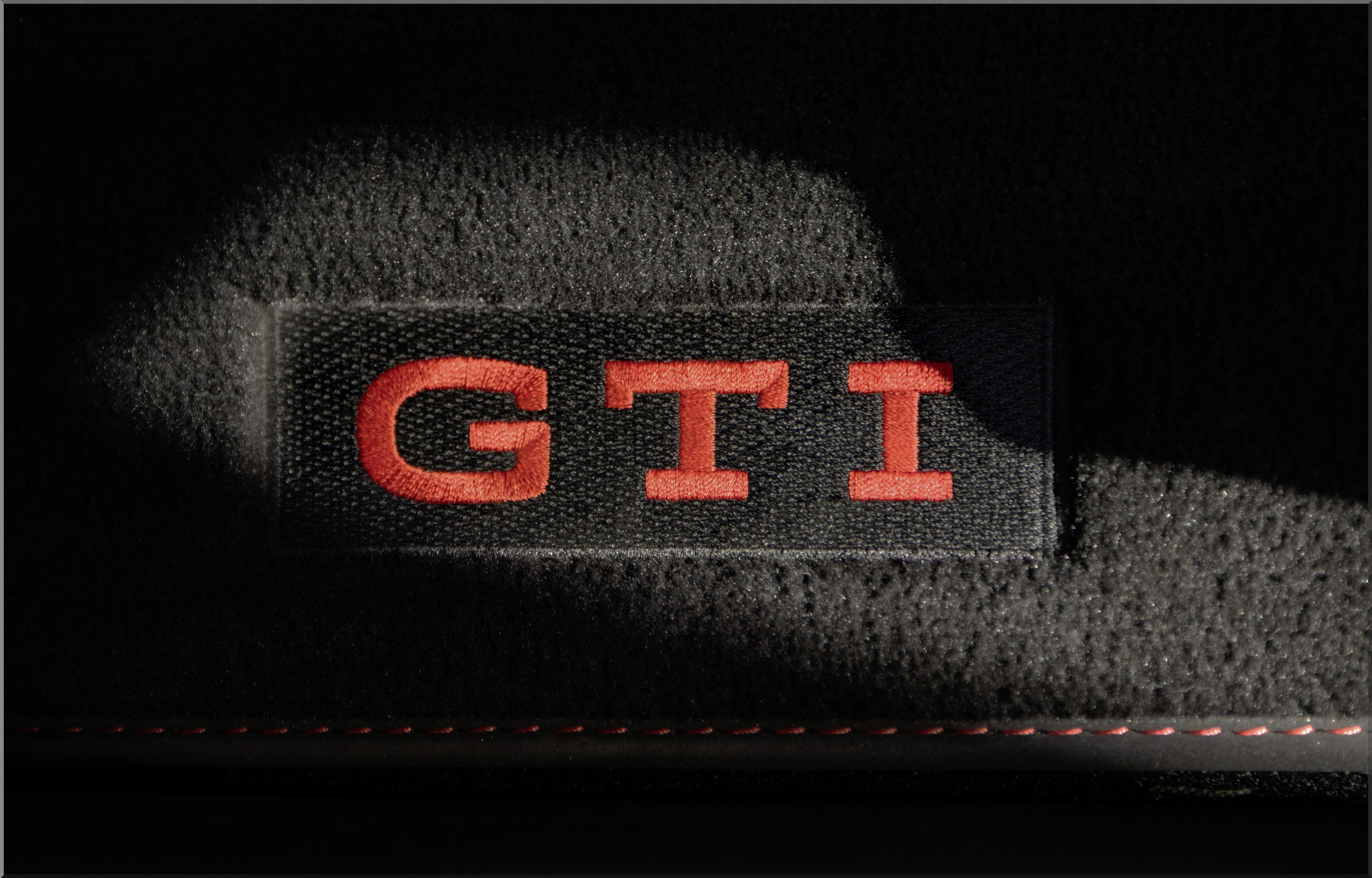
- Tartan sports seats reference the 1976 Golf GTI.
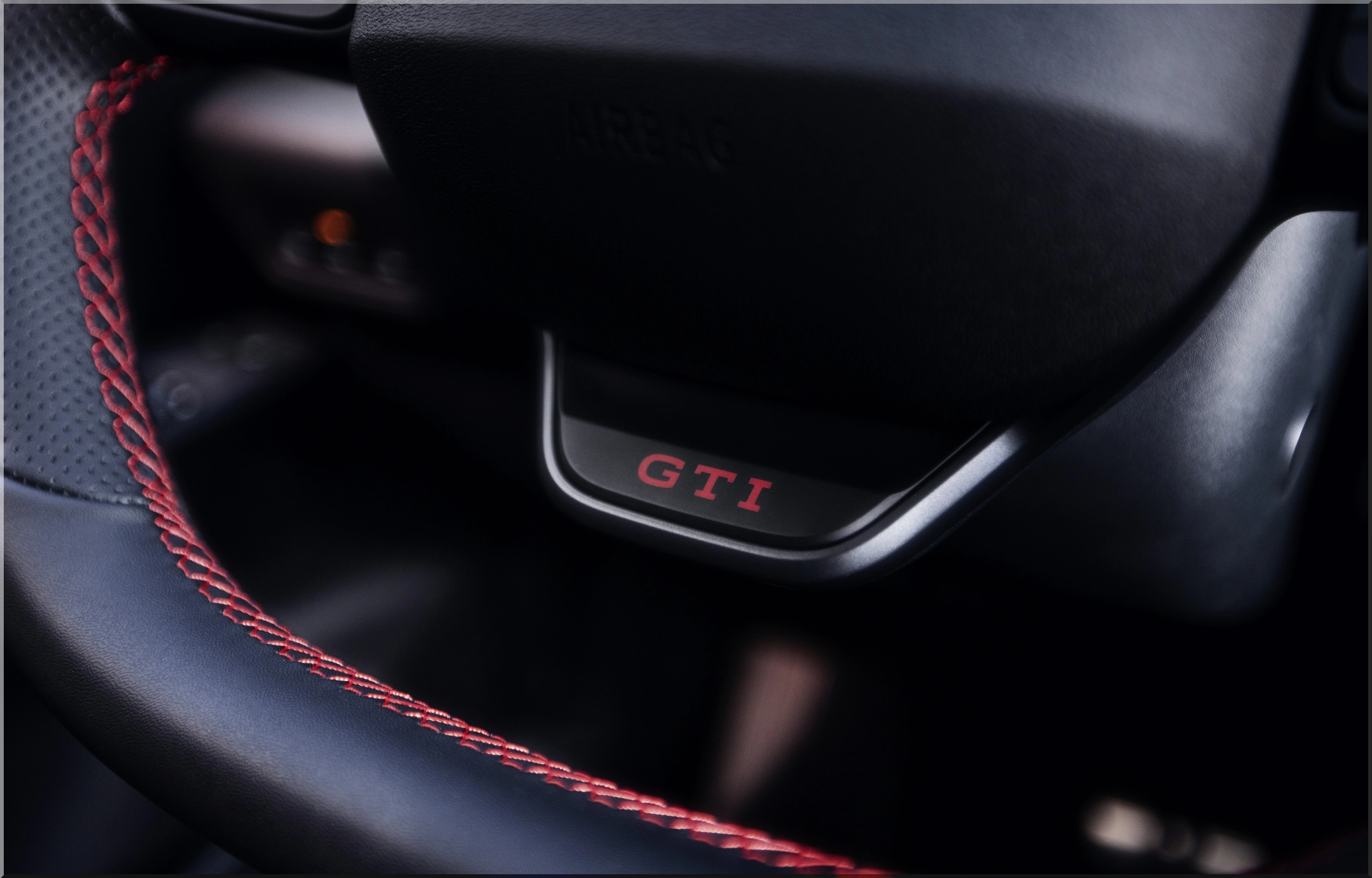
- Red stitching and a red 12 o'clock steering-wheel marker define the driving position.
- A 12.9-inch, or 327.7 mm, infotainment display sits beside a larger digital cockpit.
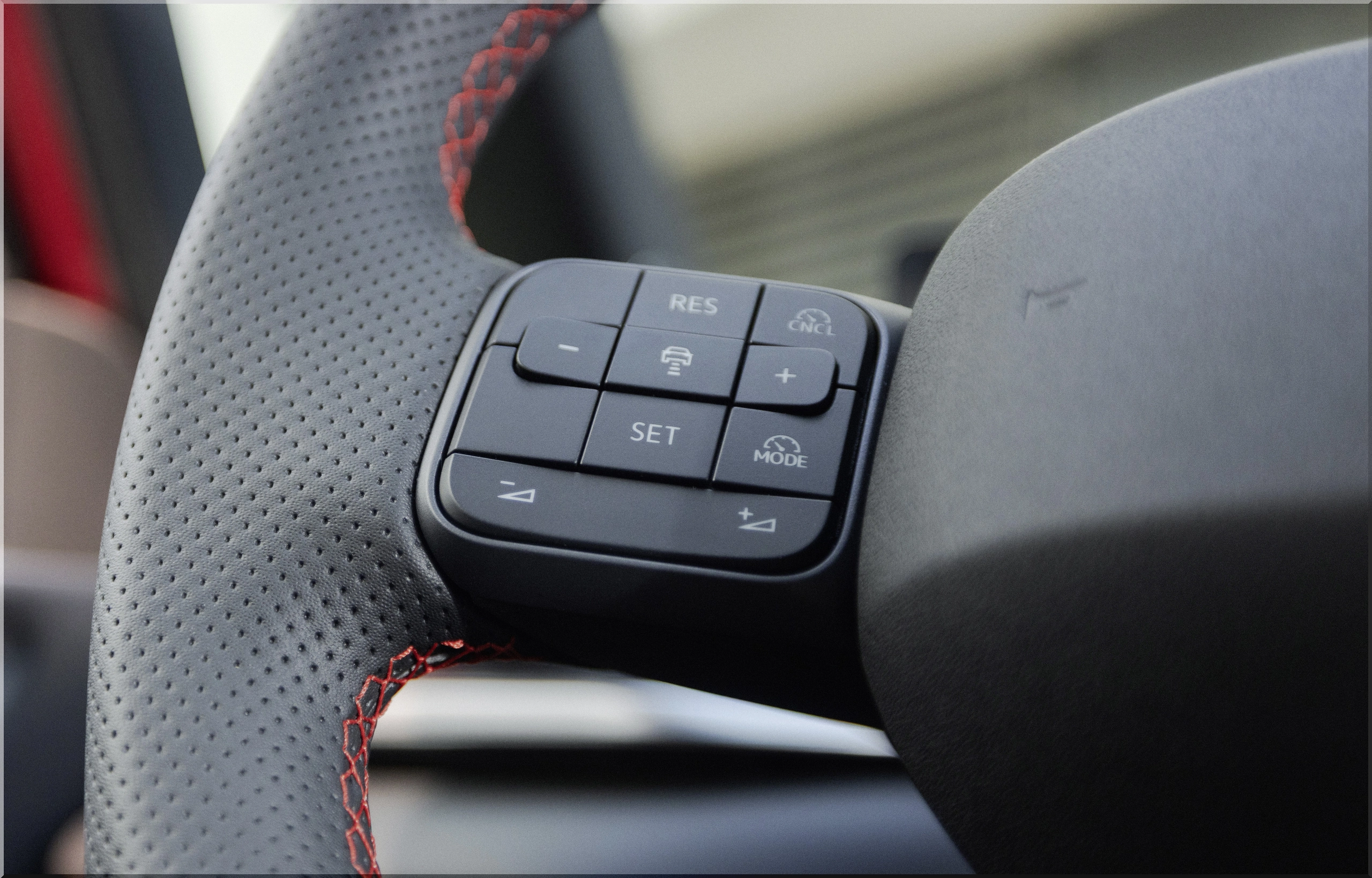
- Physical climate controls and a rotary volume controller reduce screen dependence.
- Available equipment includes a panoramic roof, augmented-reality head-up display, 480-watt Harman Kardon audio and massage seats.
- A 75 kg towbar load supports a bicycle carrier, while vehicle-to-load power can recharge e-bikes.
ID.3 GTI Versus Electric Hot-Hatch Rivals
| Model | Power and torque | Drive | 0-100 km/h | Battery | WLTP range | Peak DC rate |
|---|---|---|---|---|---|---|
| Volkswagen ID.3 GTI | 240 kW, 545 Nm | RWD | 5.6 sec | 79 kWh | 601 km | 183 kW |
| Cupra Born VZ | 240 kW, 545 Nm | RWD | 5.6 sec | 79 kWh | 599 km | 185 kW |
| MG4 XPower | 320 kW, 600 Nm | AWD | 3.8 sec | 64 kWh | 385 km | 140 kW |
| Alpine A290 GTS | 160 kW, 300 Nm | FWD | 6.4 sec | 52 kWh | 362 km | 100 kW |
The Cupra Born VZ posts nearly identical numbers. Consequently, Volkswagen must win through chassis tuning, controls and cabin quality. By comparison, the MG4 XPower dominates the sprint but gives away 216 km of claimed range, while the smaller Alpine A290 GTS prioritises agility over distance.
Price and 2027 Availability
Volkswagen plans to open European pre-sales at the start of 2027 and launch the car during the first quarter. It has not announced a price. Press estimates cluster near €50,000, but national taxes and equipment will shift the transaction cost.
Volkswagen does not sell the standard ID.3 in the United States and has announced no American GTI programme. The Golf GTI and VW Golf R remain the practical US alternatives.
Image gallery
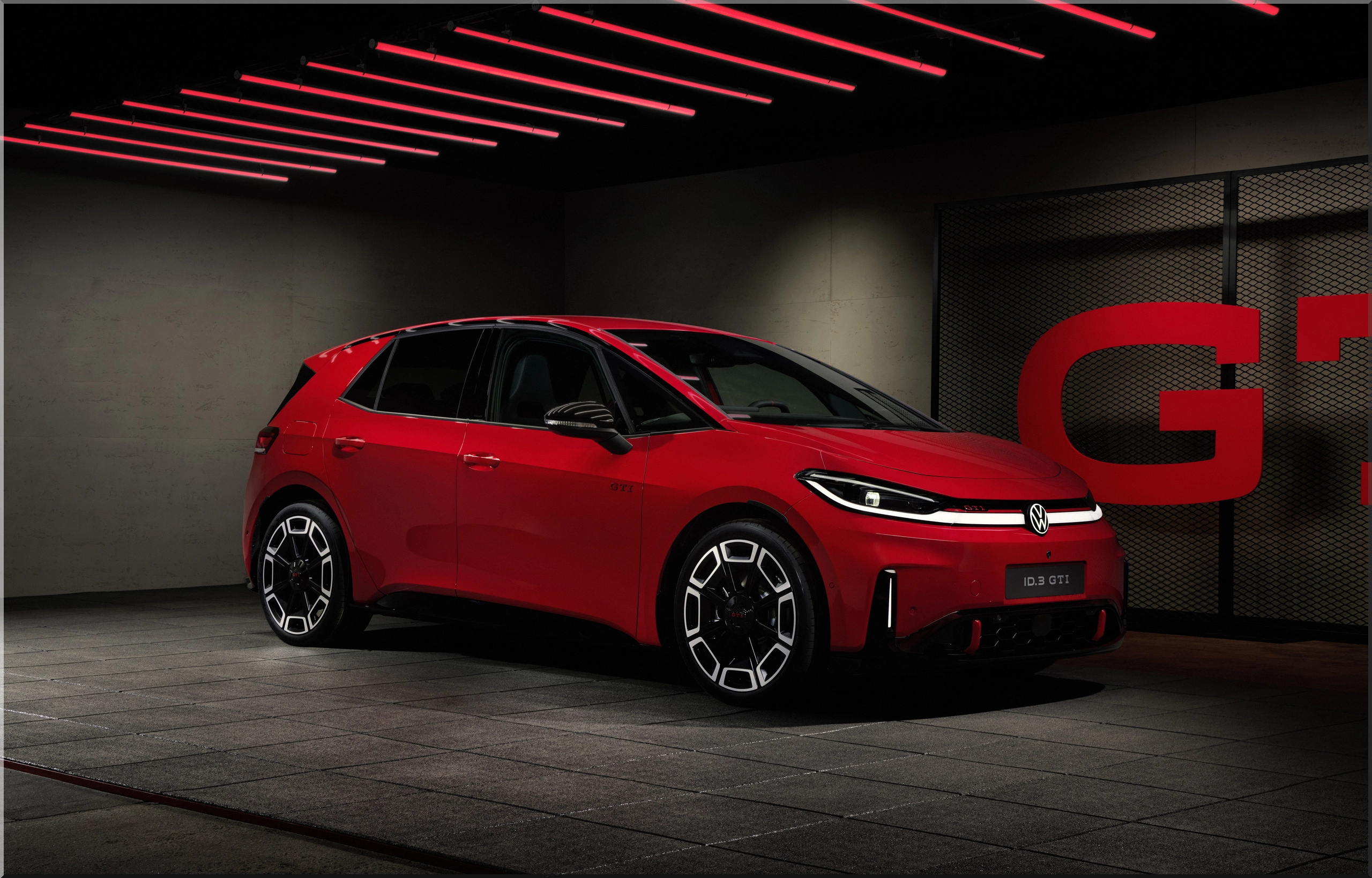
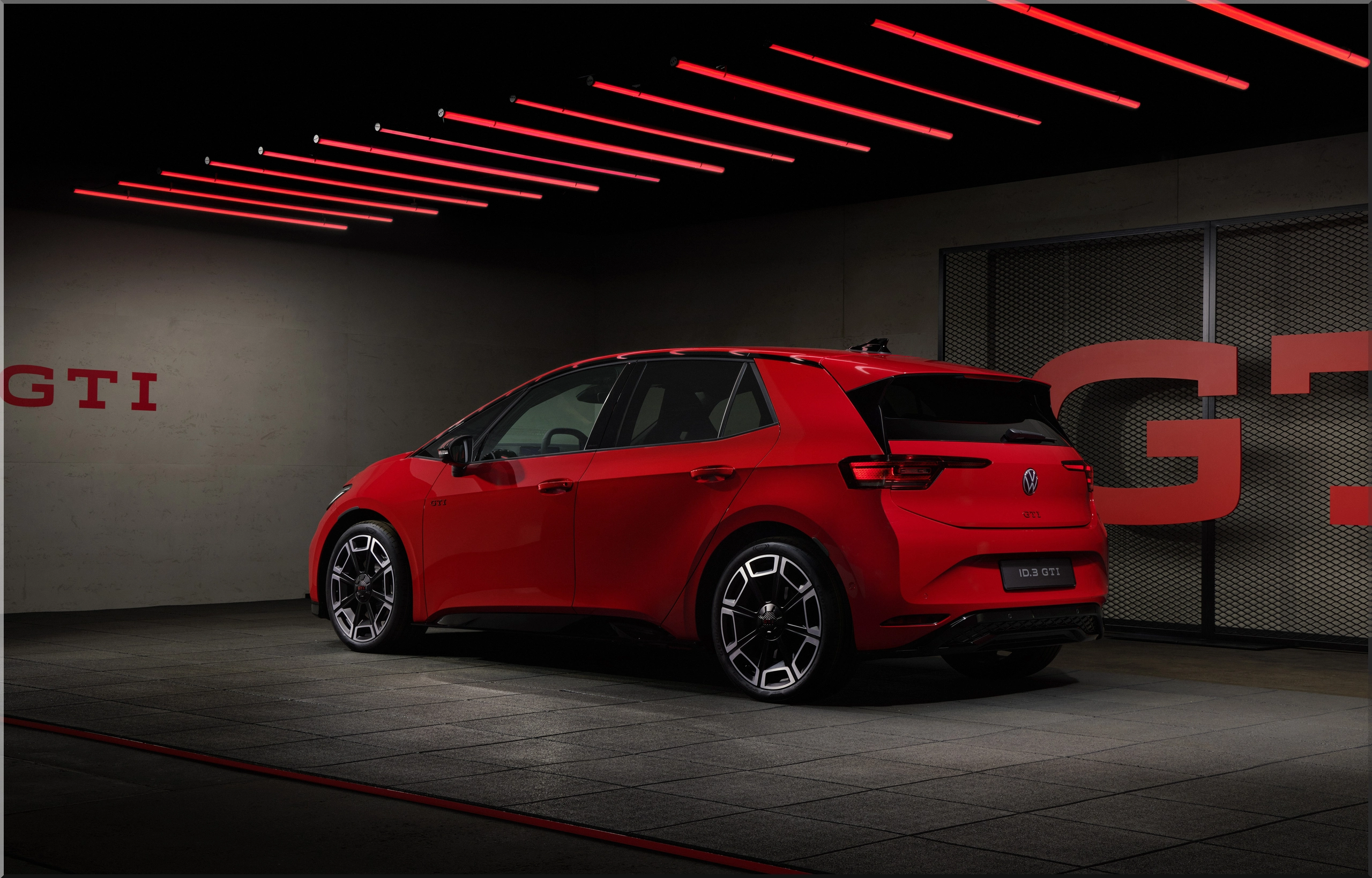
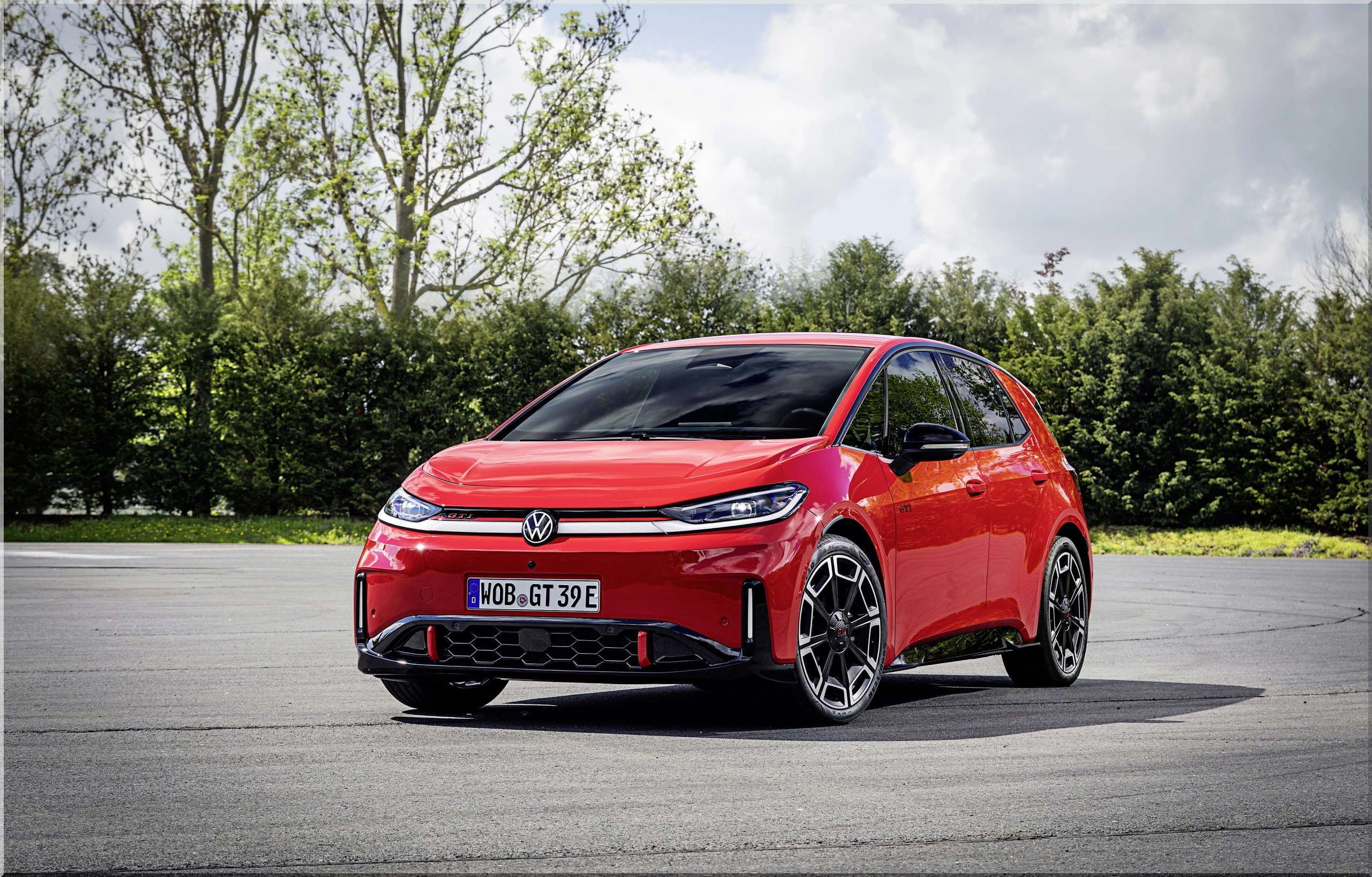
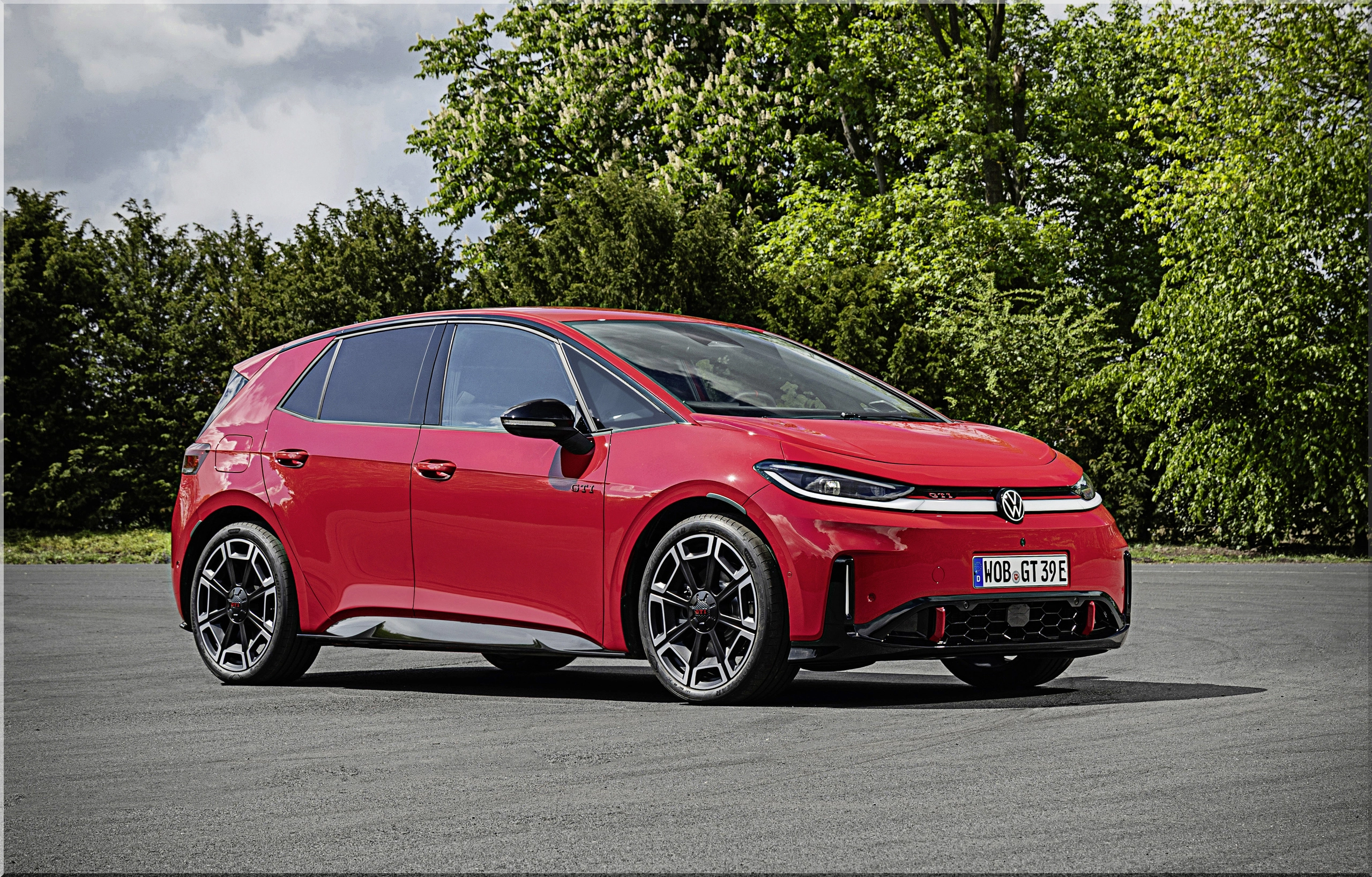
Should You Wait for the Volkswagen ID.3 GTI?
Wait if you want long EV range, rear-wheel drive and five-door utility. Buy sooner if acceleration or price carries greater weight, since the MG4 XPower runs faster and the Cupra Born VZ uses closely related hardware.
Pro-Tips for Prospective Buyers
- Compare insurance and 20-inch tyre prices before placing a deposit; high-output EVs can erase energy savings through fixed costs.
- Ask for a cold-battery charging test, not only the 183 kW peak figure.
- Test Comfort and GTI modes on broken roads to judge the DCC system's useful range.
- Wait for final kerb weight, real-road range and pricing before judging value.
Image gallery
Verdict
The 2027 Volkswagen ID.3 GTI combines Golf R-level power with rear-wheel drive and 601 km of claimed range. Plaid seats, physical controls and dedicated chassis software respect the badge.
The unanswered questions carry real weight: price, mass and steering feel. If Volkswagen controls those three areas, the ID.3 GTI can turn the ID.3 from a rational electric hatchback into a credible driver's car without sacrificing its 385-litre boot or 601 km range.
- Add new comment
- 5 views