
The Citroën ELO did not win because it shouted the loudest. It won because it solved a real problem.
At the 2026 Trophées de L'Argus, the French concept took Concept Car of the Year with a narrow victory that says plenty about where car design stands right now. Judges rewarded a vehicle that puts electric packaging, family space, and modular interior design ahead of empty spectacle. That matters. In a market packed with oversized SUVs and theatrical show cars, the ELO argues for efficiency, flexibility, and a better use of every millimetre.
Image
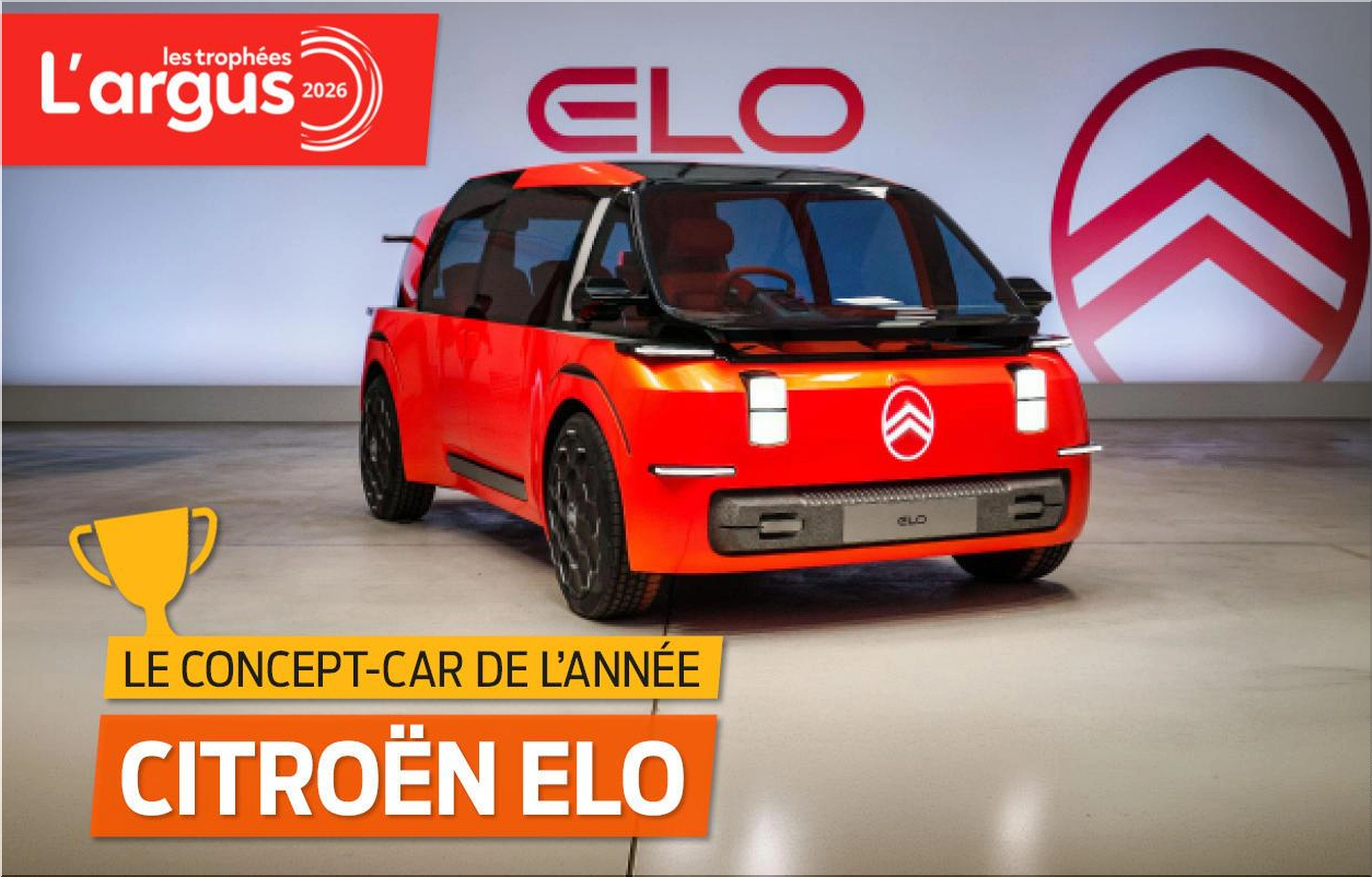
Citroën built this concept around a simple idea: make a compact electric vehicle feel far larger inside than its footprint suggests. That decision shaped the proportions, the cabin layout, and the overall purpose of the car.
Why the Citroën ELO matters
The Citroën ELO concept stands out because it treats packaging as the product. That sounds simple. It is not.
Most concept cars lead with surface drama, giant wheels, and futuristic cabin gimmicks. The ELO takes a different route. It uses a dedicated EV layout, a highly efficient cabin structure, and a modular seating plan to show how an electric family vehicle can stay compact on the outside and useful on the inside. From a product strategy perspective, that makes the ELO far more relevant than a low-slung fantasy coupe that will never influence a production model.
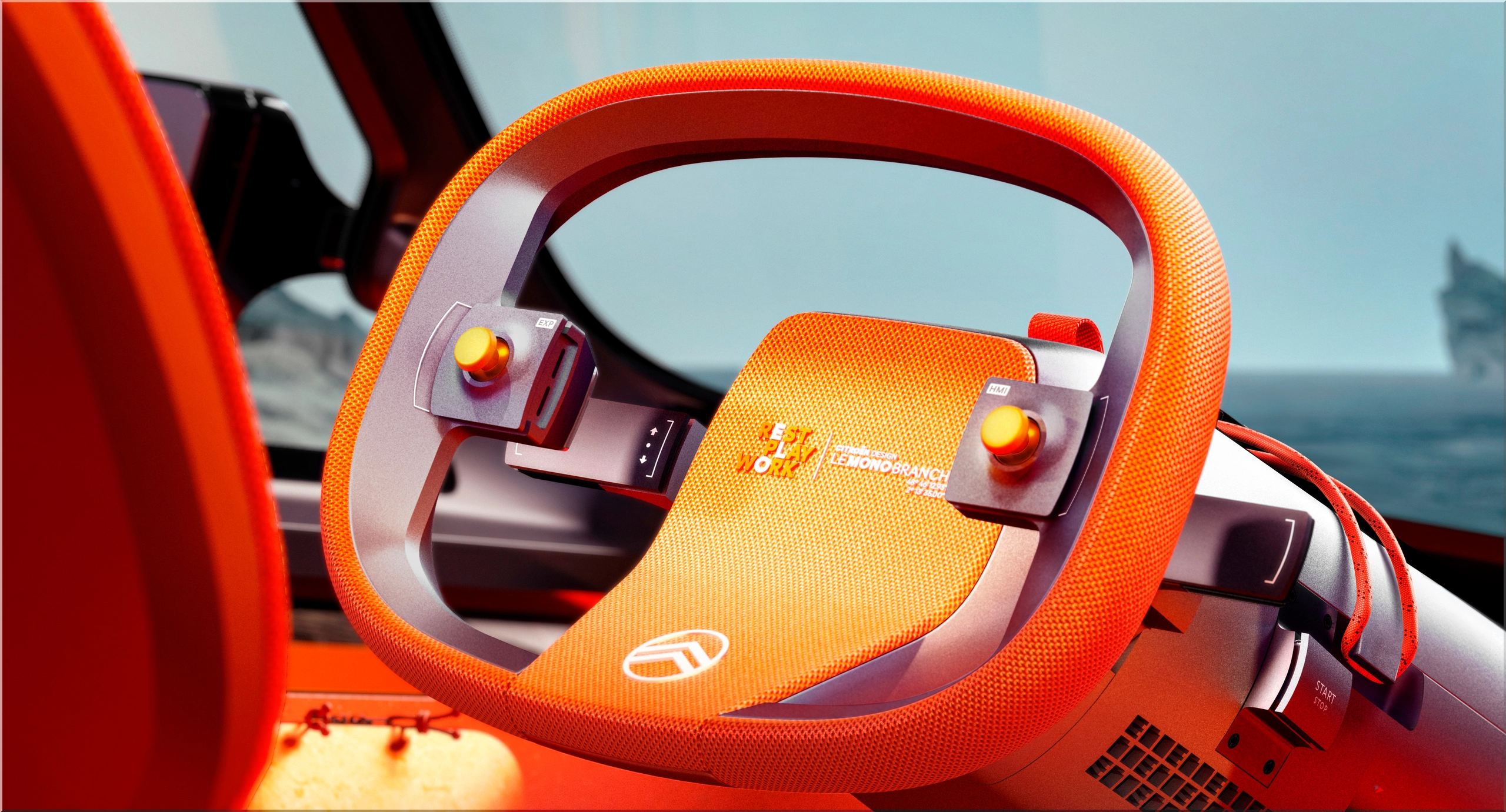
Citroën also aimed this concept at daily use cases. The ELO was designed around rest, work, play, and travel, which gives the vehicle a clear role instead of a vague design brief. That clarity likely helped it win.
Image
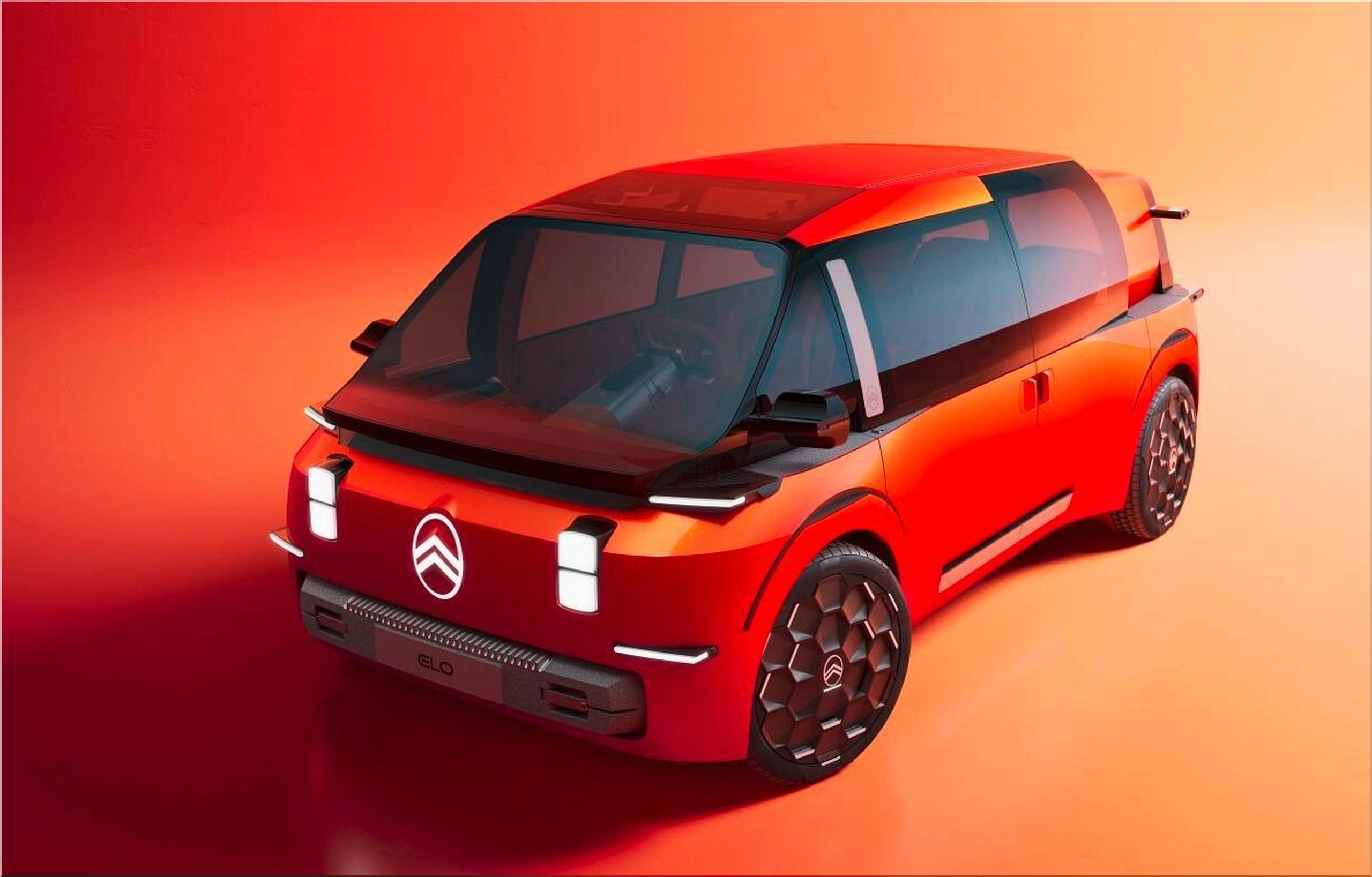
The numbers behind the concept
The ELO's dimensions explain why the project got attention from both design judges and practical-minded observers.
| Dimension | Metric | Imperial |
|---|---|---|
| Overall length | 4,100 mm | 161.4 in |
| Overall width | 1,900 mm | 74.8 in |
| Overall height | 1,700 mm | 66.9 in |
| Side access opening | 1,920 mm | 75.6 in |
| Wheel size | 21 inches | 21 inches |
| Seating capacity | Up to 6 | Up to 6 |
Looking at the data, the most impressive figure may not be the length or height. It is the 1,920 mm side opening, which points directly to the ELO's main mission: easy access, open movement through the cabin, and usable space for real passengers. That wide opening, paired with a flat floor and a pillar-light structure, turns entry and exit into part of the design story.
Image
How Citroën engineered more space into a compact EV
Citroën positioned the electric motor at the rear and used that layout to free up cabin volume. Specifically, that architecture helps push the wheels outward and reduce packaging waste inside the body shell. The result is a compact vehicle that can carry up to six occupants without looking like a van in disguise.
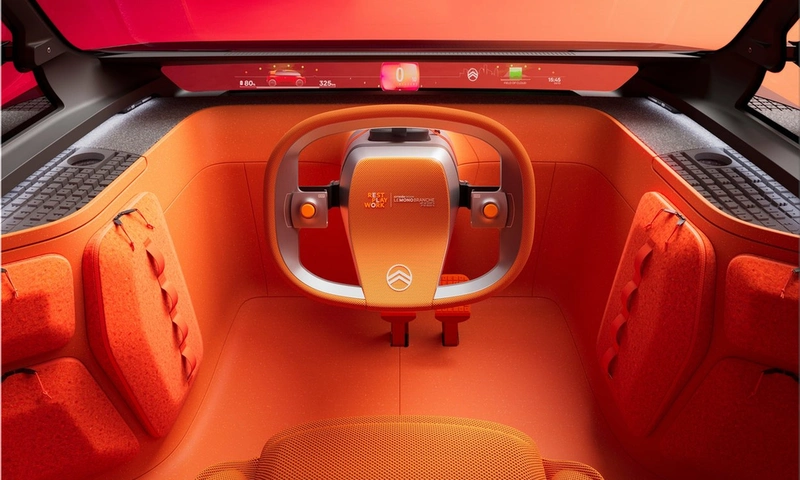
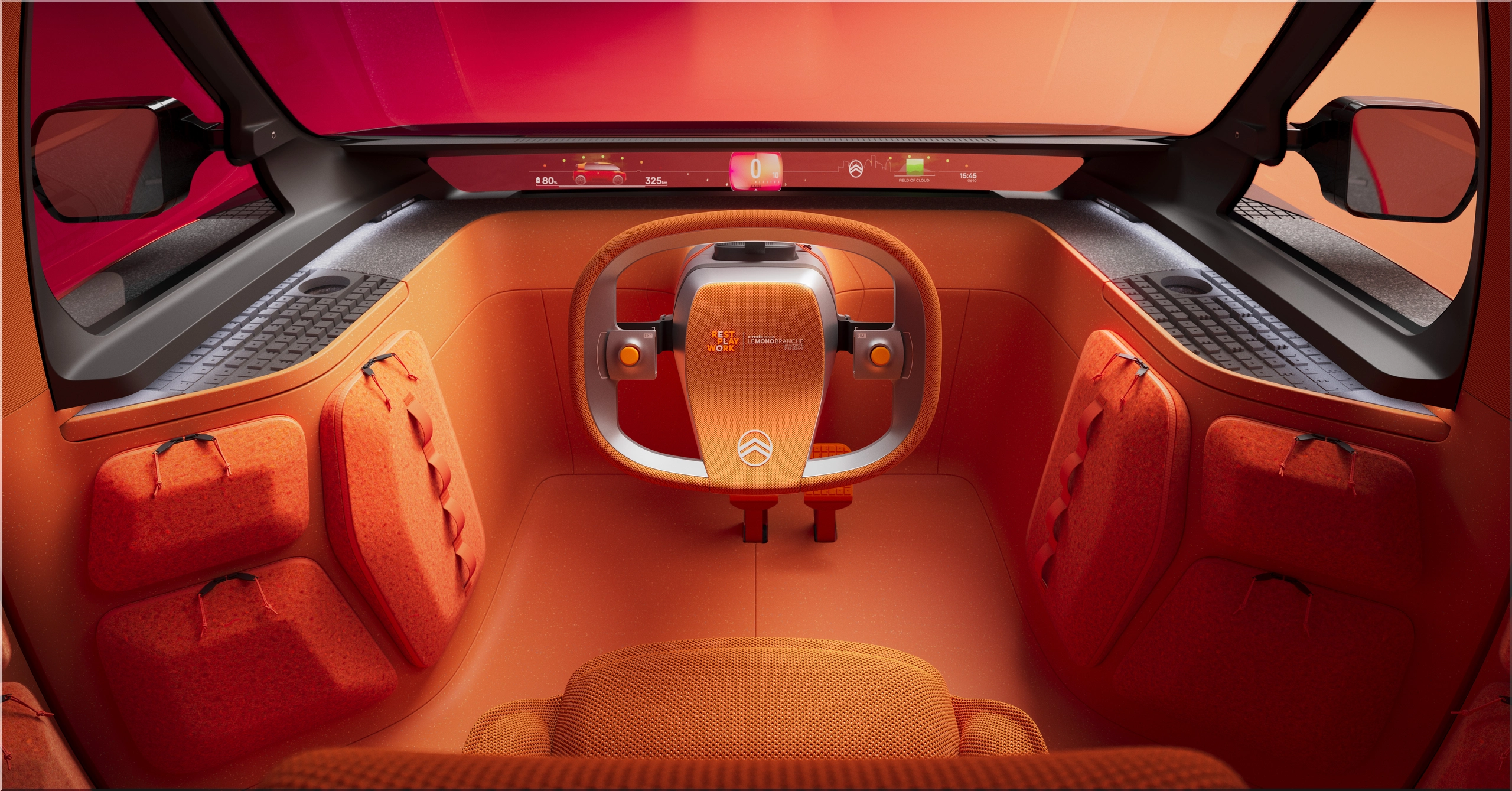
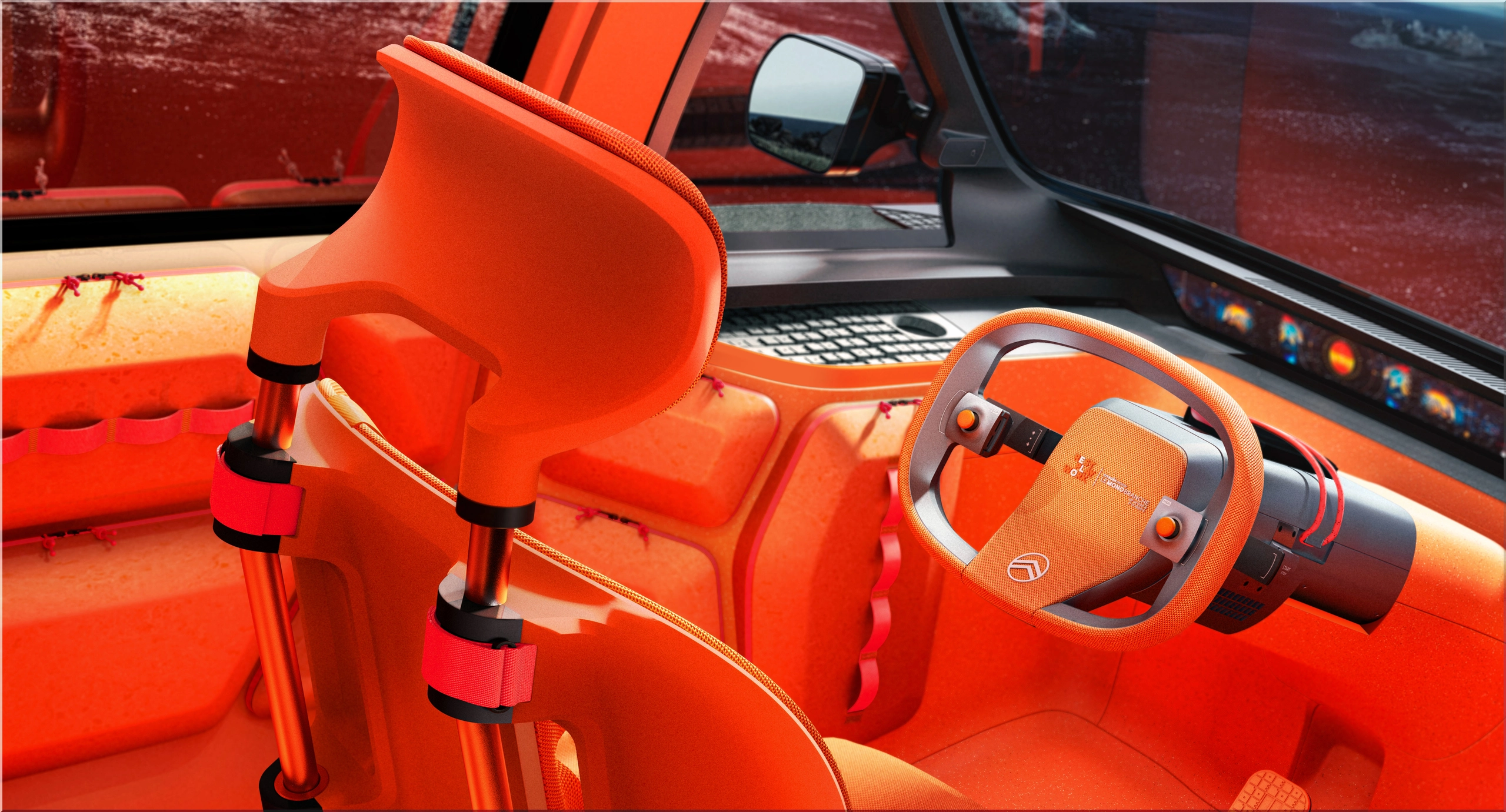
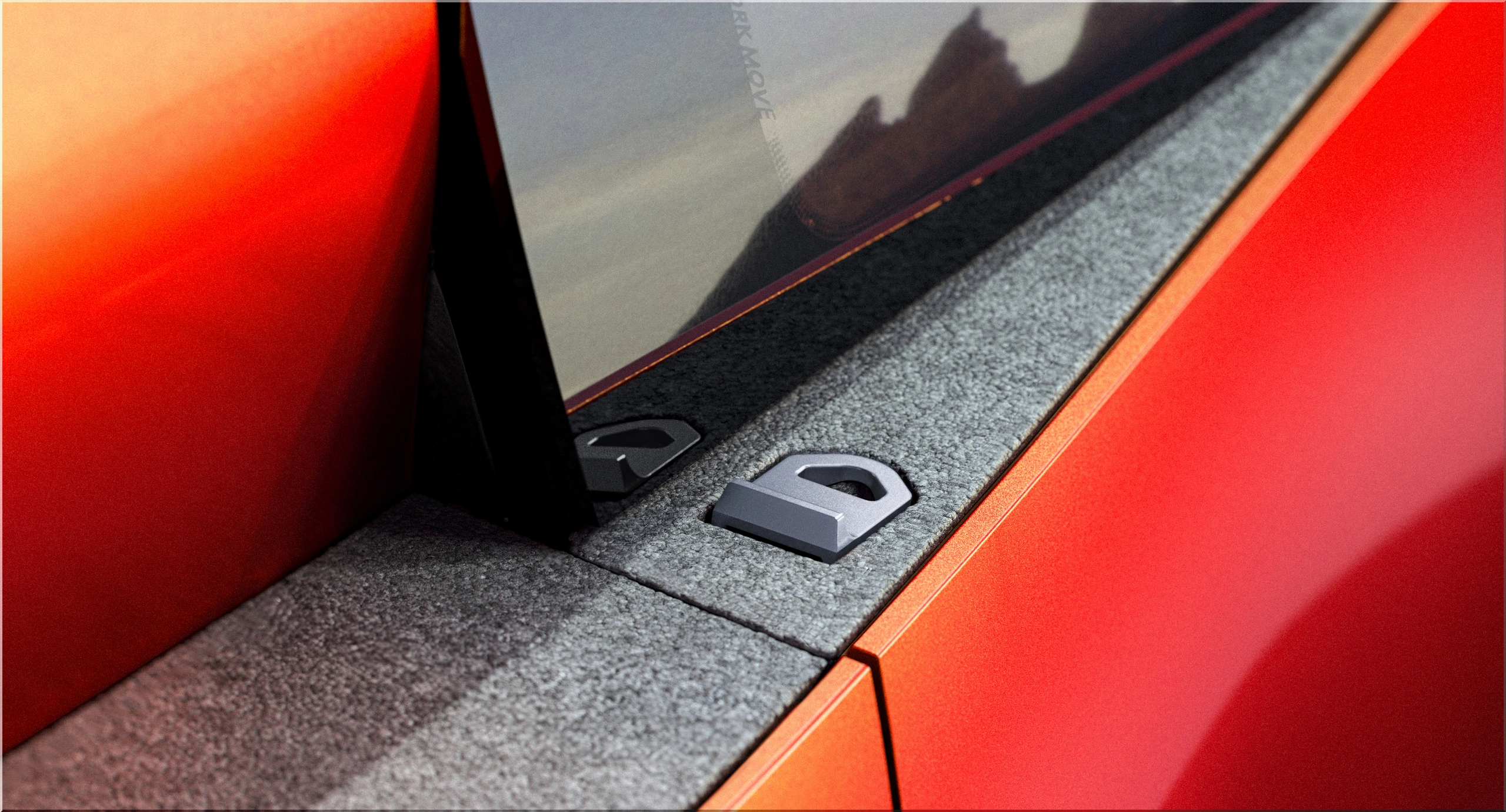
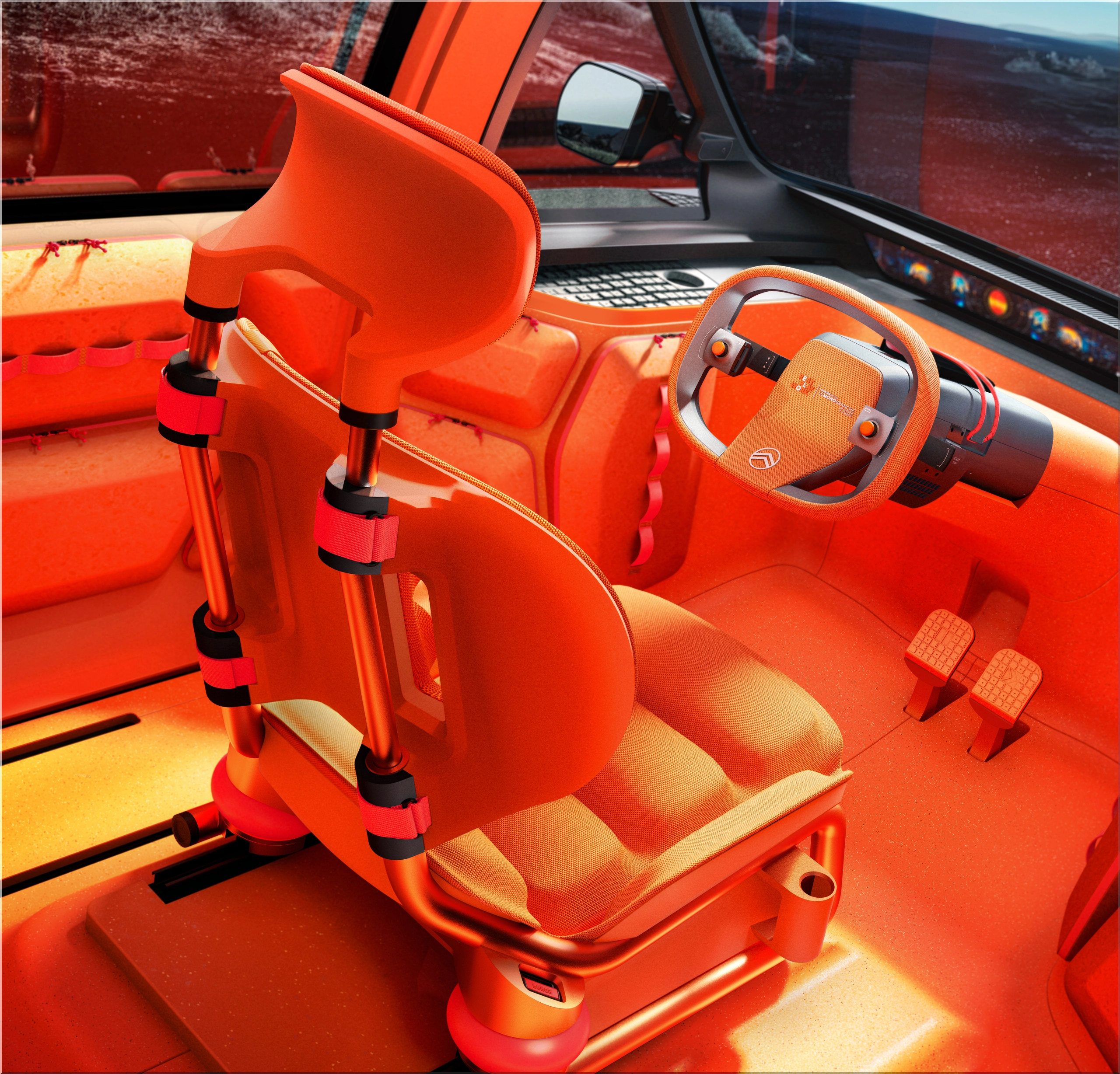
The cabin then pushes the idea further. A central driving position changes the layout logic, while a rotating driver's seat and a configurable rear arrangement make the interior feel more like adaptable living space than a conventional passenger compartment. Two additional seats can deploy from the second-row structure, which gives the ELO a flexible seating plan without forcing the entire body to grow.
That is the key point. Citroën did not chase size. It chased interior efficiency.
Video title
Citroën ELO 2026
Award result and competitive context
The ELO's win was close, which gives the result extra weight. This was not a runaway victory built on novelty alone.
| Concept | Points | Result |
|---|---|---|
| Citroën ELO | 233 | Winner |
| Dacia Hipster | 229 | Runner-up |
| Audi Concept C | 206 | Third place |
A four-point margin over the Dacia Hipster shows the jury had options. Consequently, the ELO's success looks less like a fashion choice and more like a recognition of its design logic, packaging intelligence, and product relevance.
What makes the cabin different
Several features explain why the ELO interior drew so much attention:
- Central driving position for a new cabin perspective
- Rotating front seat to support stationary use modes
- Three equal-width seats in the second row
- Two deployable additional seats for six-passenger flexibility
- Flat floor design for easier movement inside the cabin
- Wide side opening that improves access and usability
By comparison, many modern compact crossovers claim versatility while still forcing buyers to accept cramped rear seating, awkward access, or bulky exterior proportions. The ELO attacks all three issues at once.
Image gallery
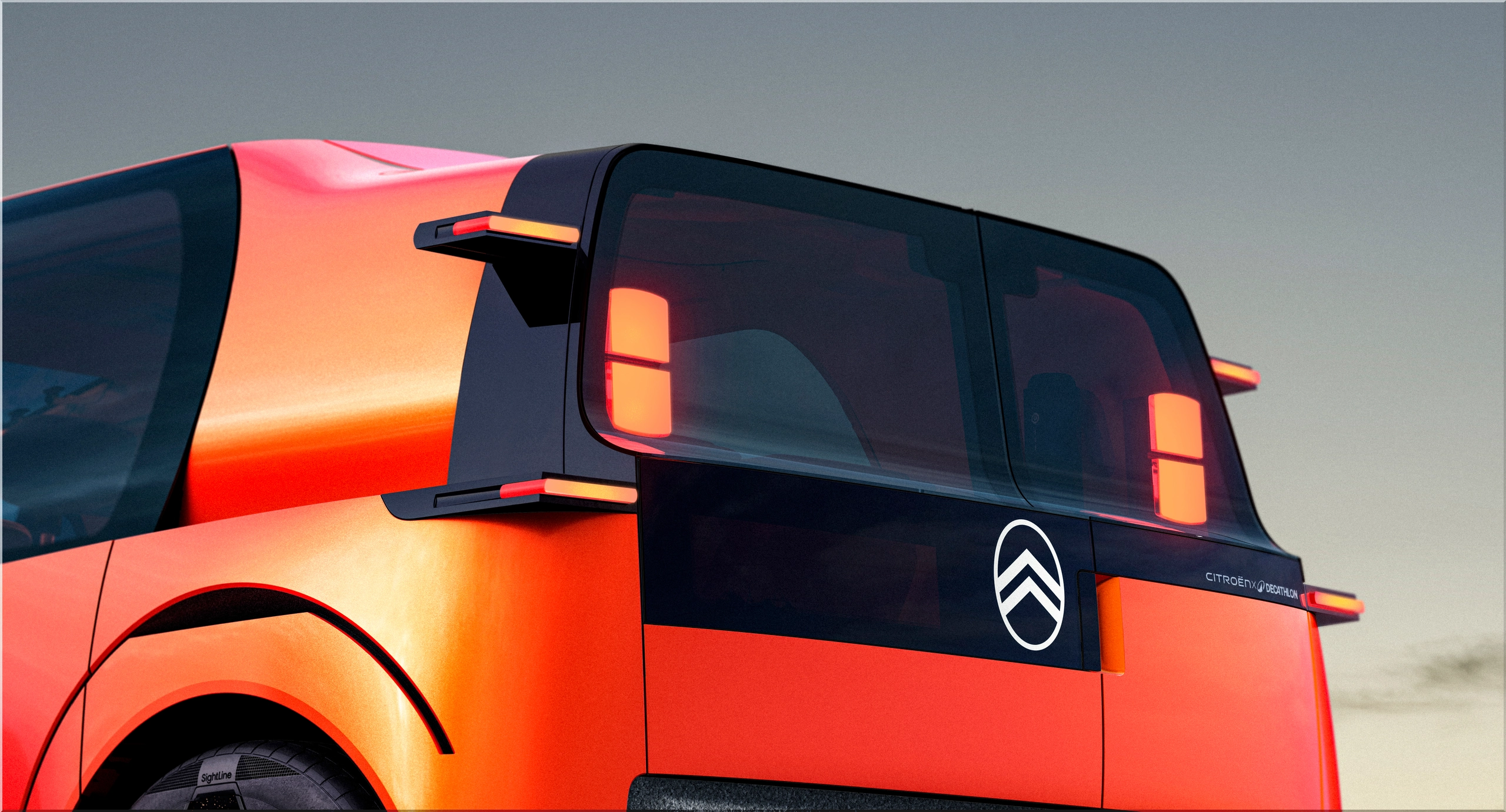
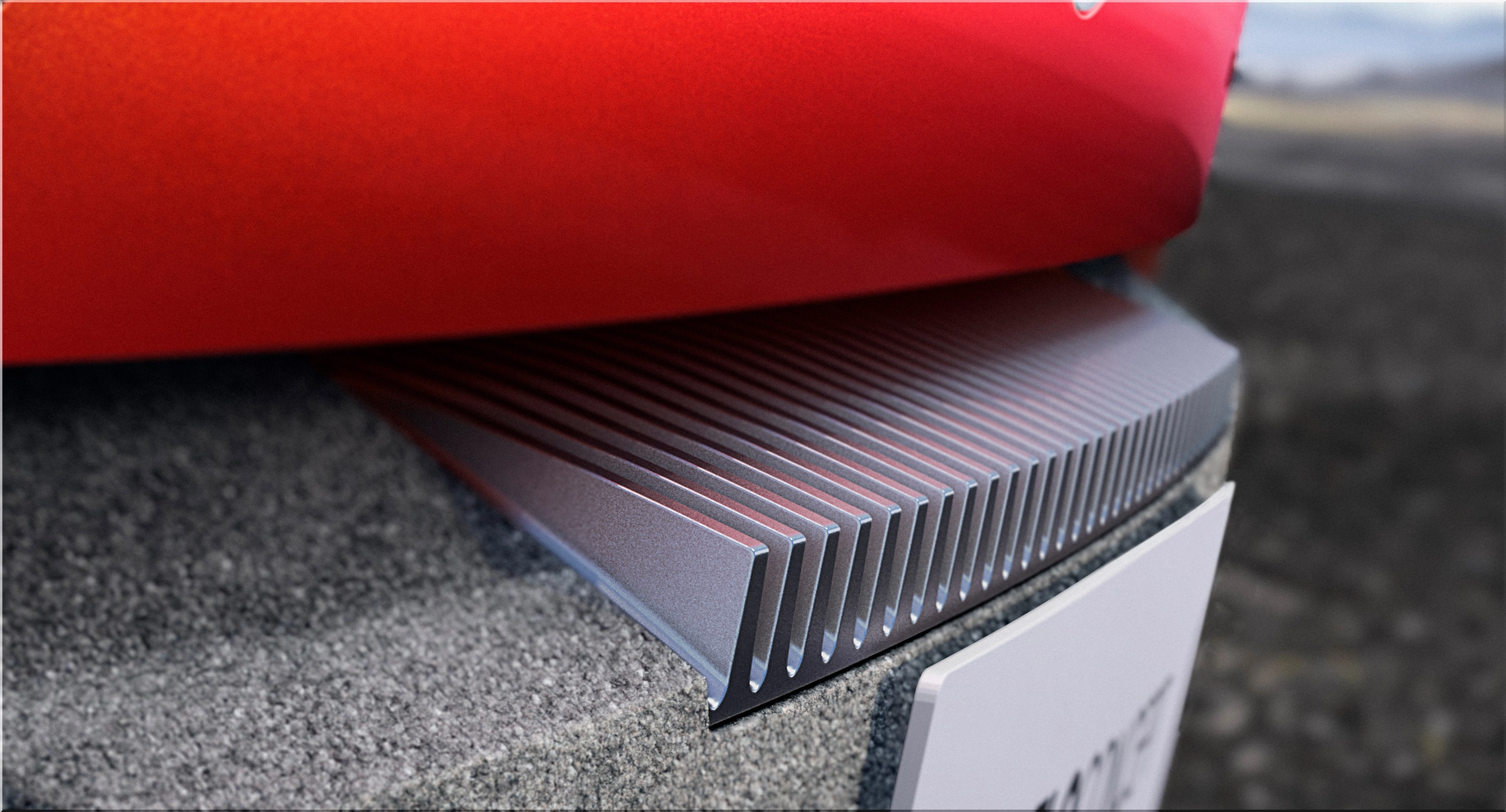
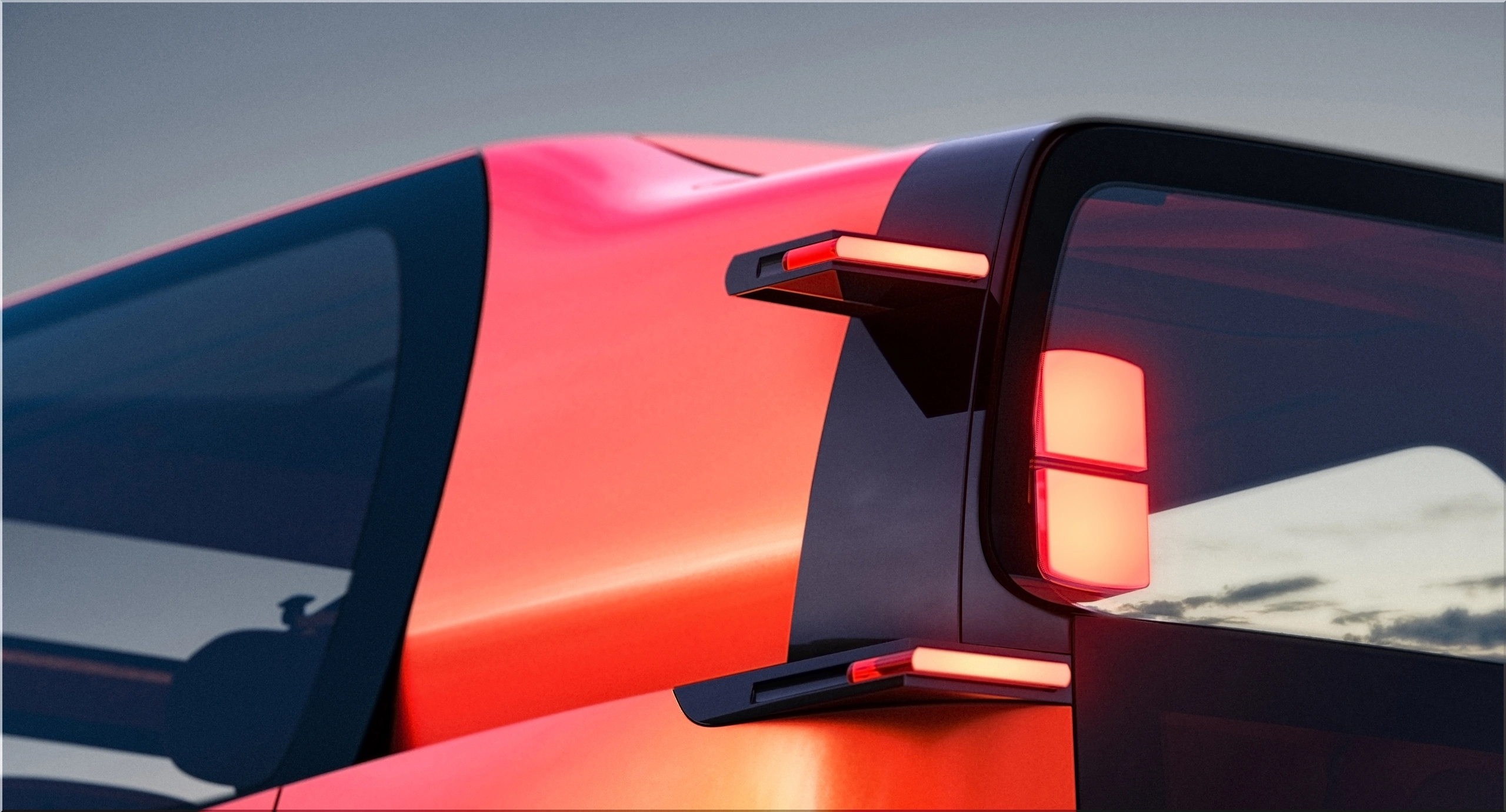
Definition
Concept Car of the Year recognises the show car that best signals future design direction, technology intent, and product thinking. In this case, the ELO won by showing how compact electric mobility can serve families without wasting space.
Pro-Tip
When a concept wins praise for packaging, modularity, and electric efficiency, pay attention. Those ideas often have a better chance of reaching production than dramatic lighting signatures or oversized concept wheels.
Image gallery
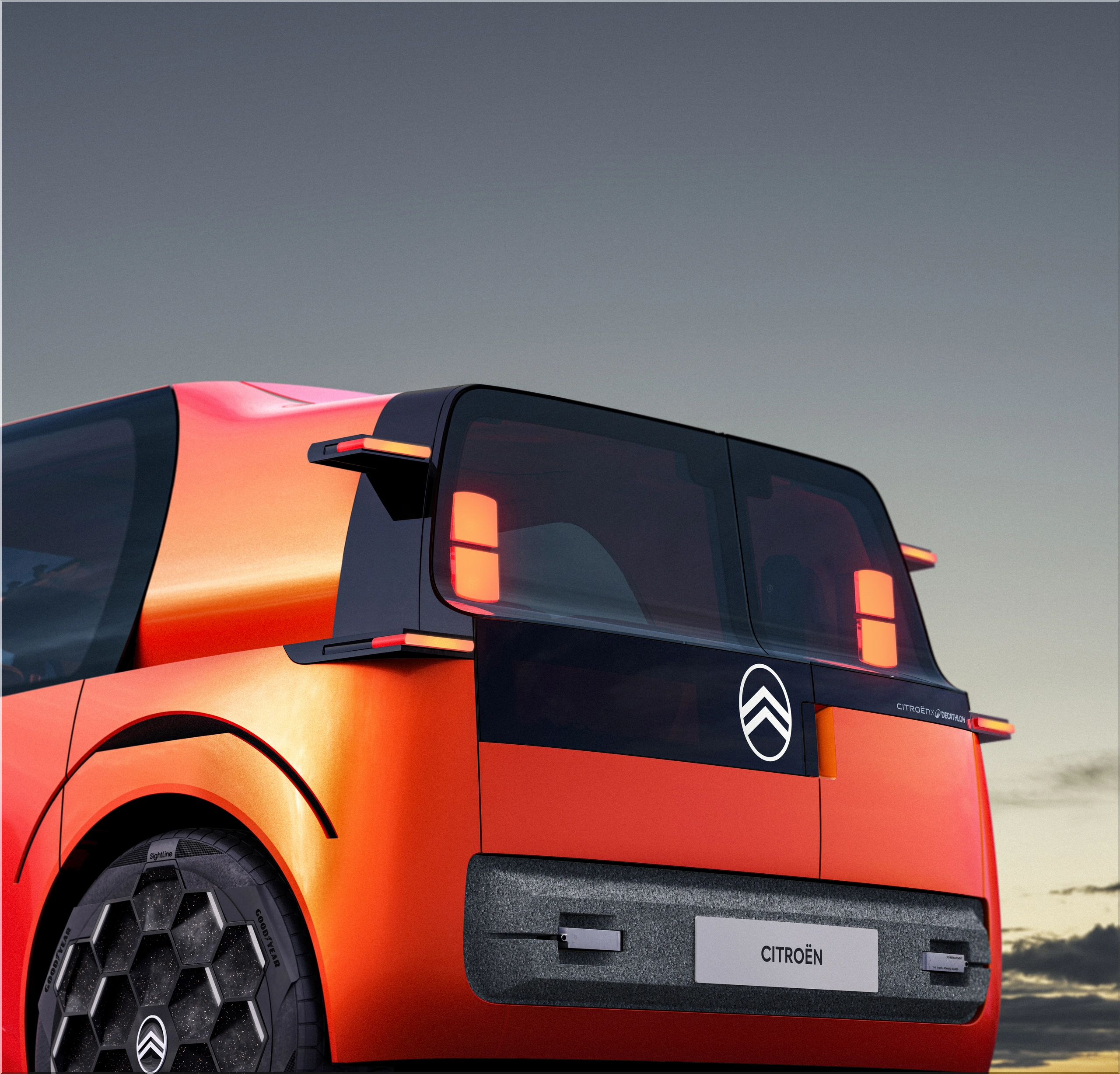
What now for Citroën?
The ELO does not need a production confirmation to make an impact. It already does the important work.
It tells the market that Citroën electric vehicle design may lean toward smarter family transport instead of chasing the same tall-SUV formula used by everyone else. That creates a real opening. Buyers still want comfort, flexibility, and compact dimensions. They also want EVs that use space well and do not feel bloated.
The Citroën ELO answers that demand with discipline. It won an award, yes. More importantly, it presented a convincing case for a new kind of practical electric family car.
- Add new comment
- 415 views