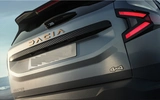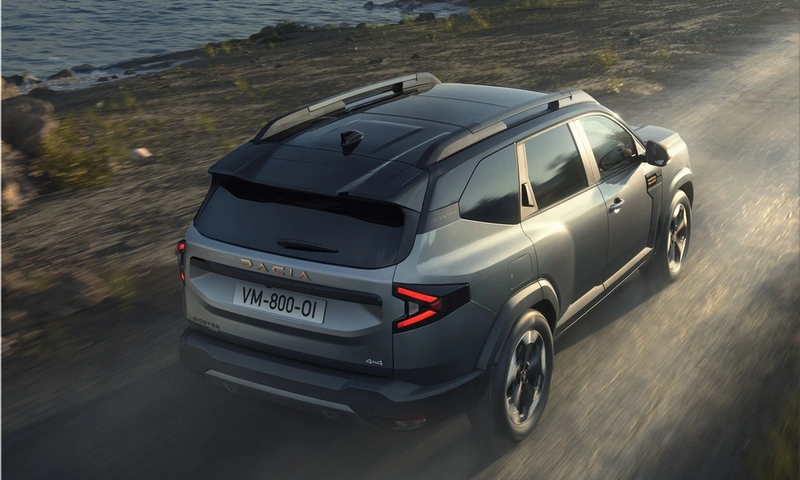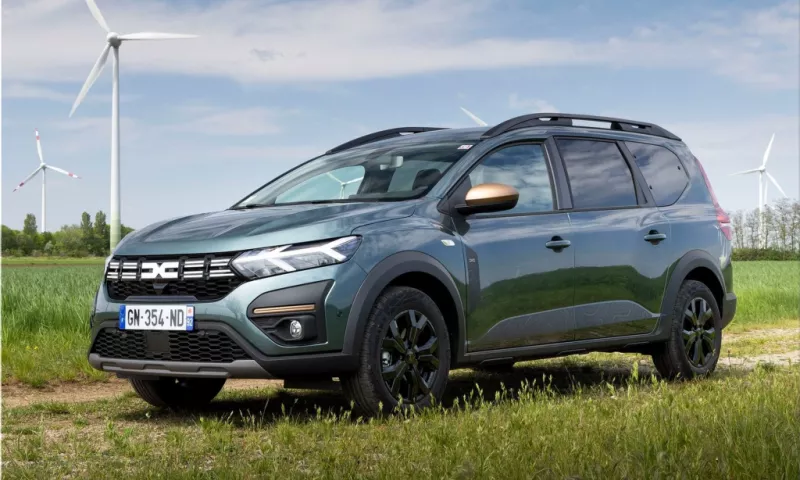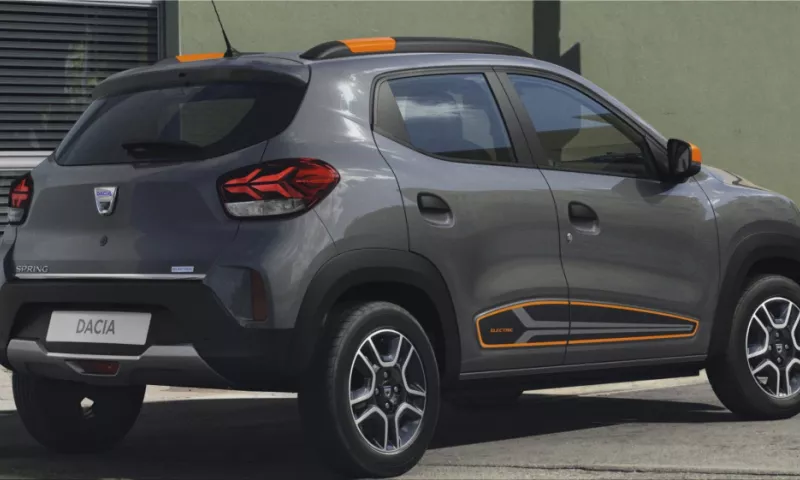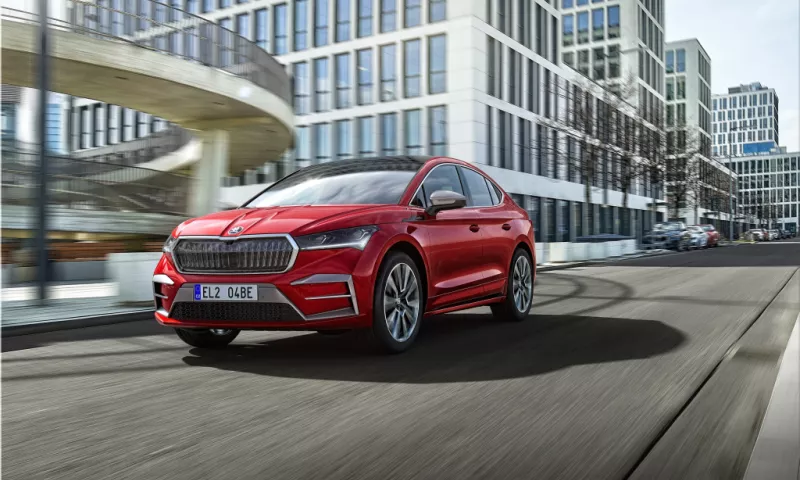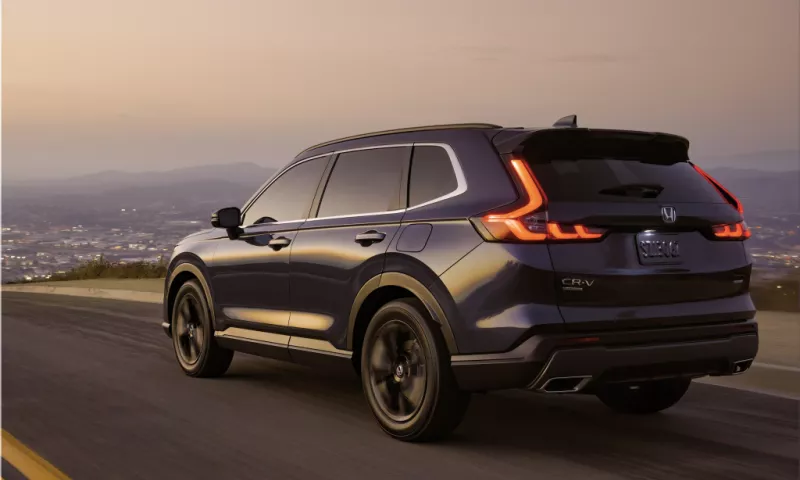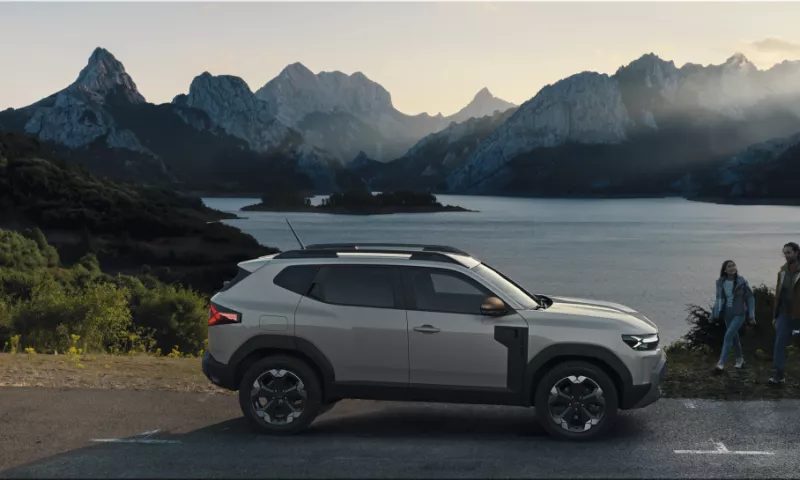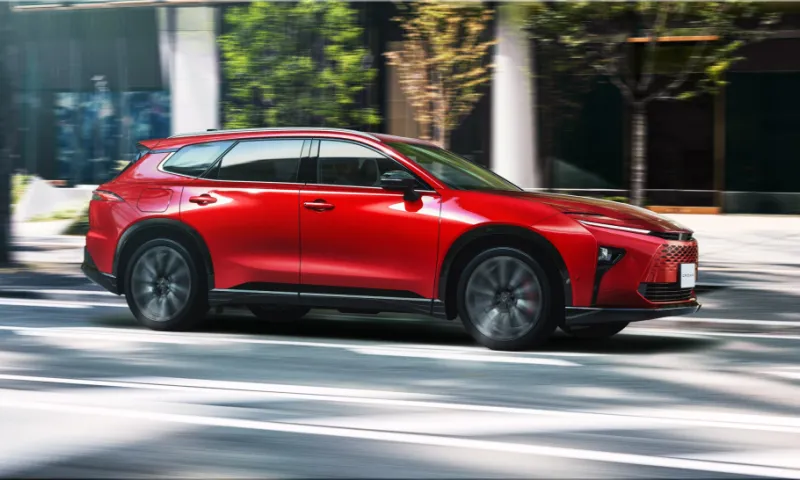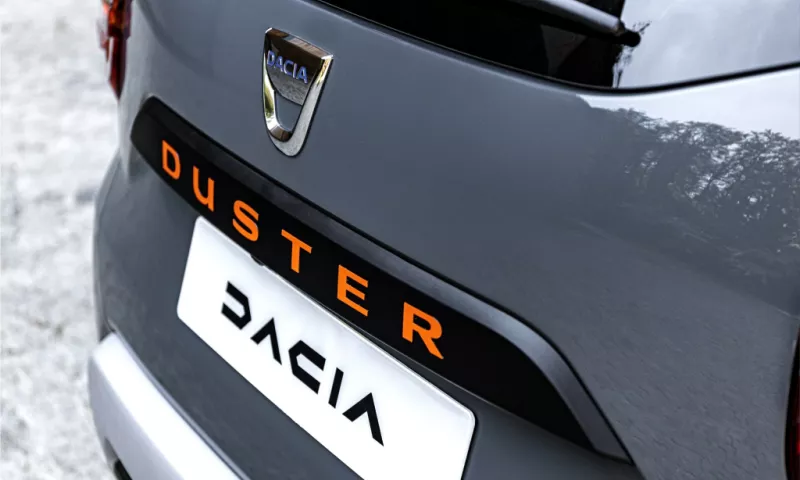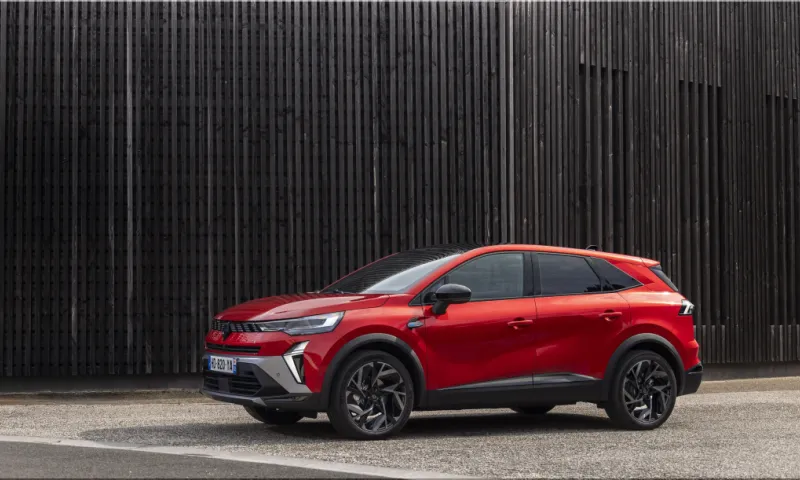
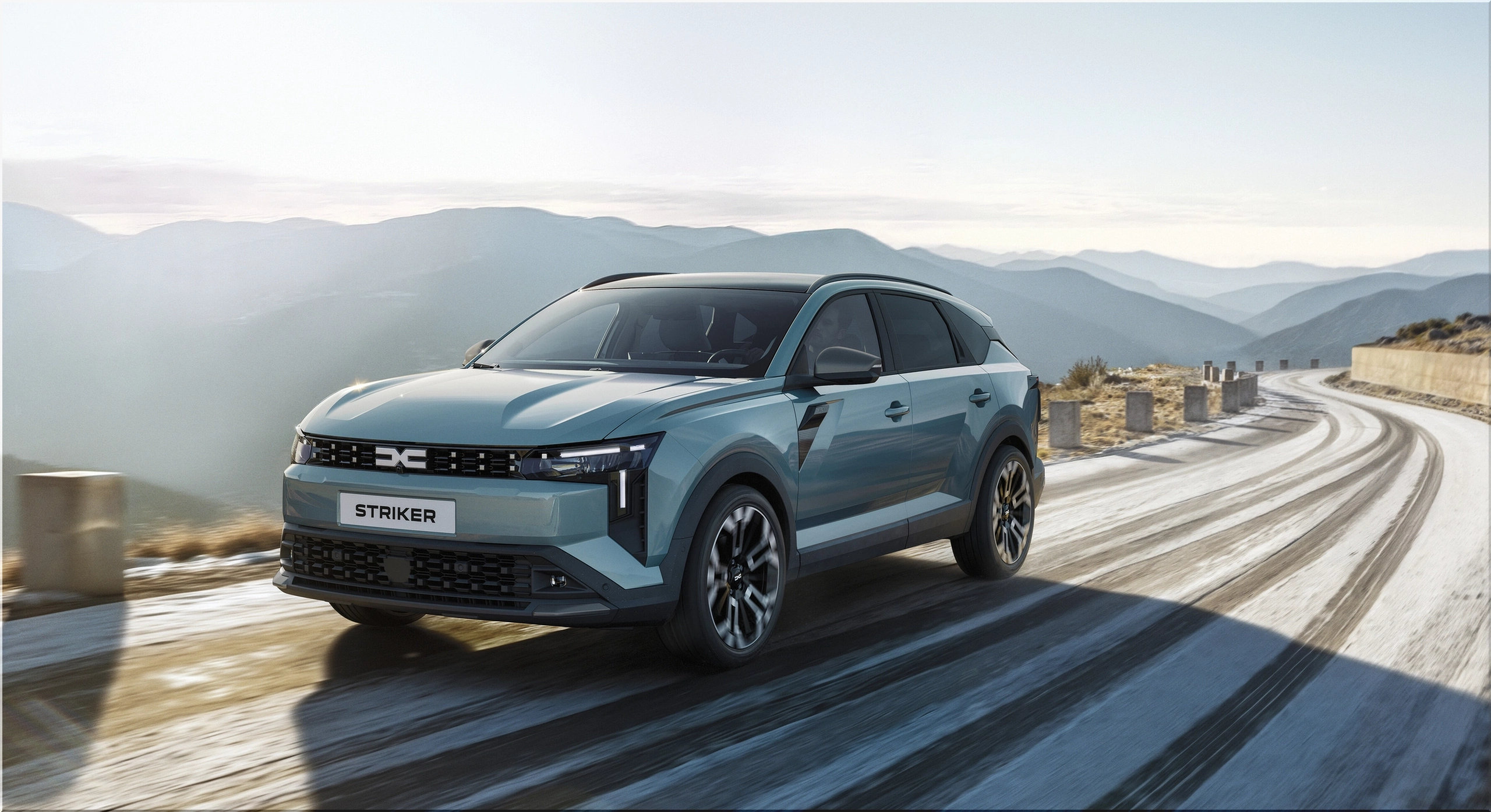
Dacia has a gap to fill in the European C-segment, and the 2027 Dacia Striker goes straight at it. Officially, Dacia positions the new Dacia Striker as a multi-energy crossover that mixes the long-roof utility of a wagon, the cabin practicality of a hatchback, and the ride height buyers now expect from crossovers. Looking at the data, that recipe puts Striker in a sweet spot between the Dacia Bigster, the Skoda Octavia Estate, and the shrinking pool of value-focused family wagons.
The headline number matters. At 4.62 meters long, the Dacia Striker 2027 stretches to about 181.9 inches or 4,620 mm, which puts it 50 mm or about 2.0 inches longer than the Bigster. Consequently, Striker does not read like a side project or a trim-line spin-off. It reads like a deliberate expansion move into a higher-volume part of the market where buyers want one vehicle to cover commuting, family hauling, and weekend cargo work without jumping to a pricier SUV.
Image
What the Dacia Striker Actually Is
Officially, Dacia calls Striker a multi-energy crossover. That wording matters because it signals platform and powertrain flexibility rather than a single drivetrain identity. In addition, Dacia has already confirmed three key powertrain directions for the launch family:
- Hybrid
- Hybrid 4x4
- LPG variant
That mix tells you exactly how Dacia plans to attack the segment. The brand wants low running costs, broad market coverage, and a pricing structure that still undercuts mainstream C-segment rivals.
From an expert perspective, the Hybrid 4x4 mention is the most interesting line in the official material. Dacia has already rolled out electrified 4x4 thinking elsewhere in the range, so Striker likely uses that same logic: keep mechanical complexity under control, use electrification to add traction and efficiency, and avoid the cost and packaging penalties of a heavy full-time all-wheel-drive system. That approach fits Dacia's business model because it protects price discipline while still giving buyers a clear functional upgrade.
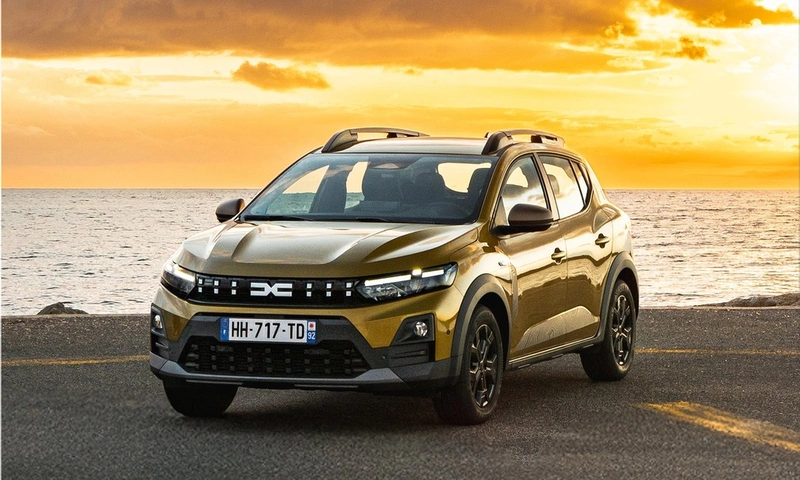
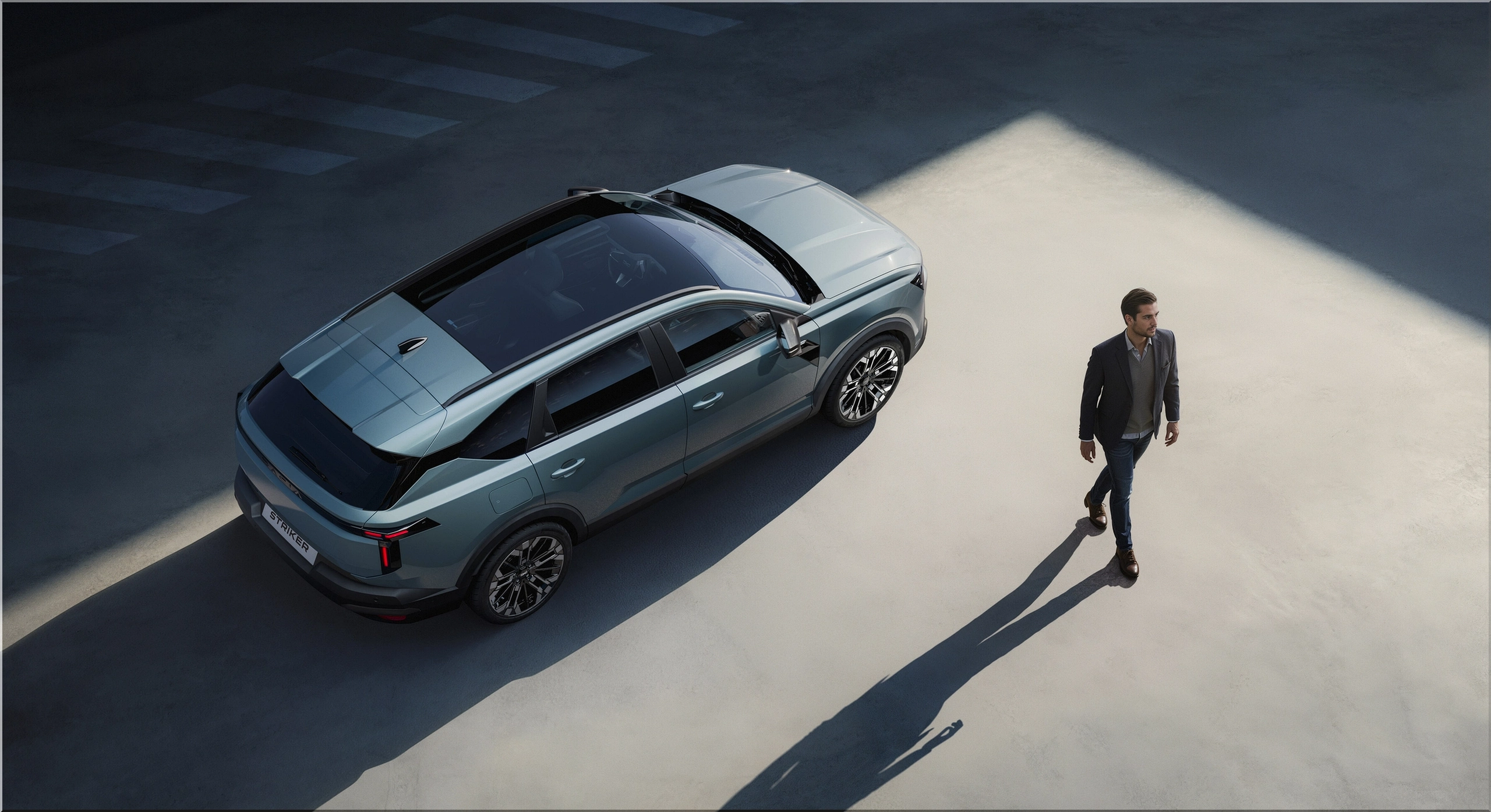
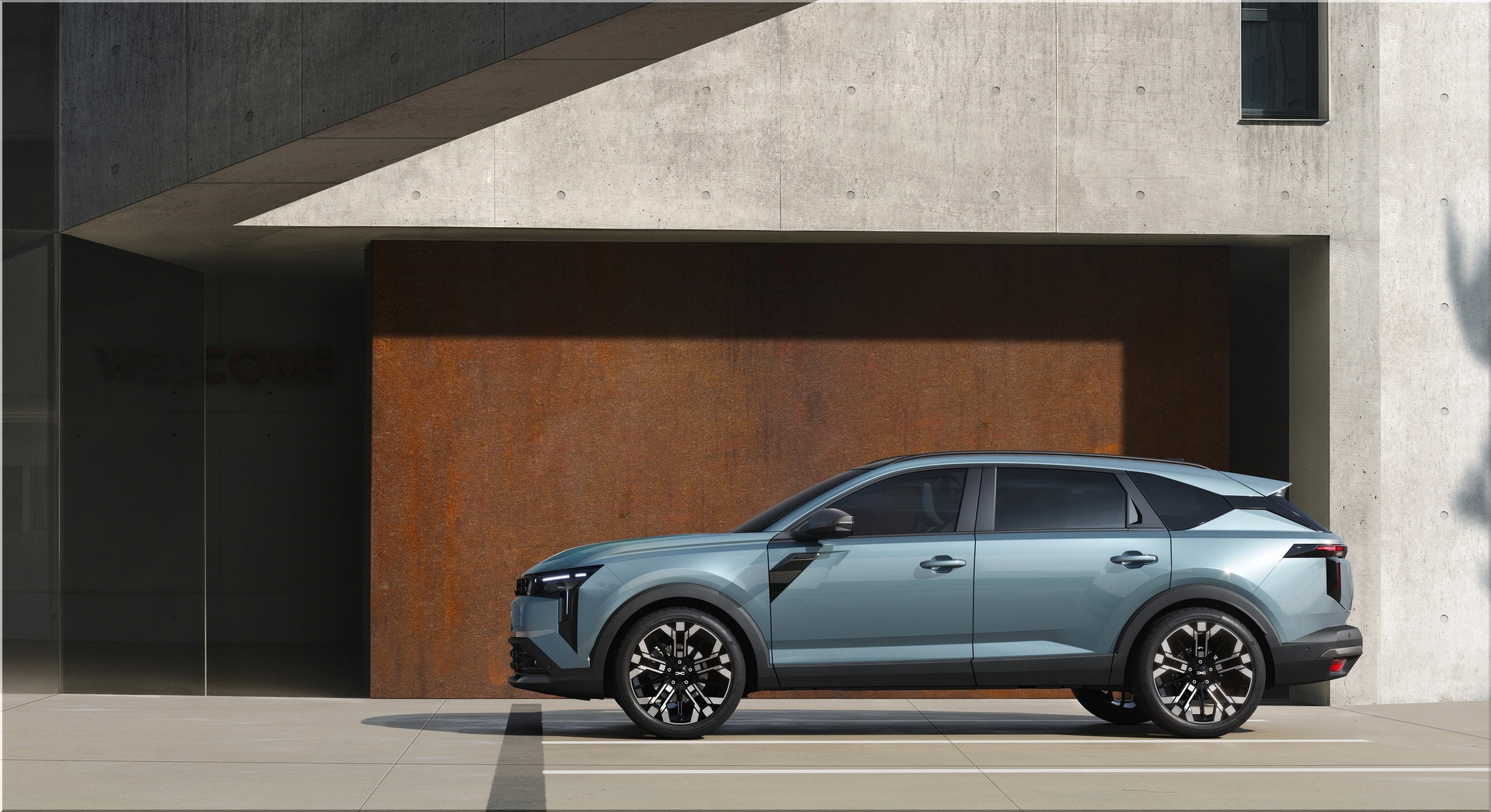
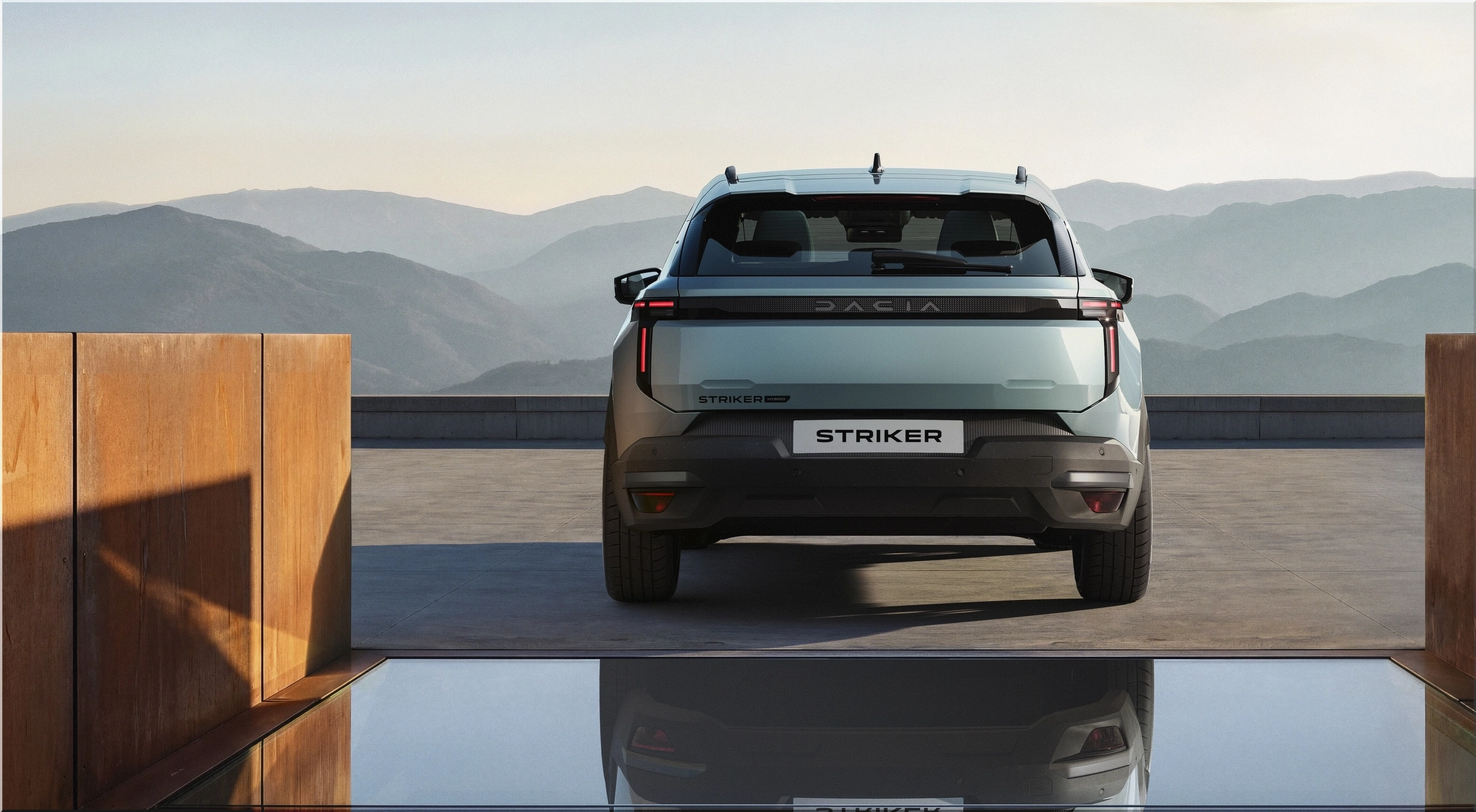
Dacia Striker Design: Long Roof, Higher Ride Height, Better Aerodynamics
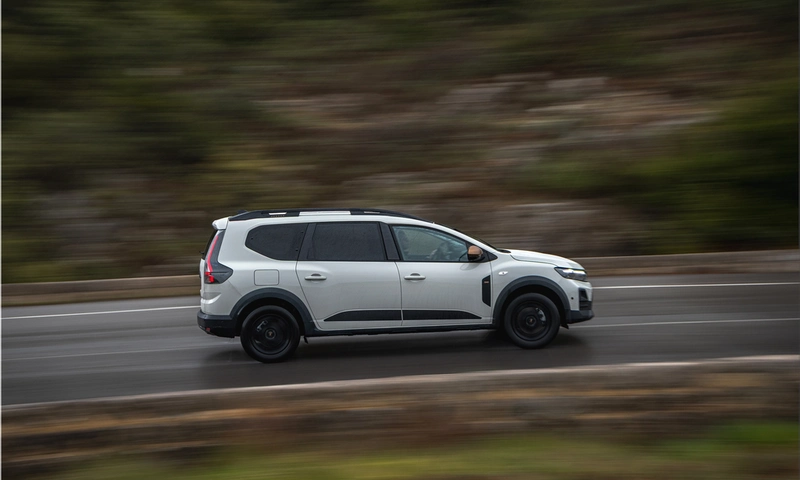
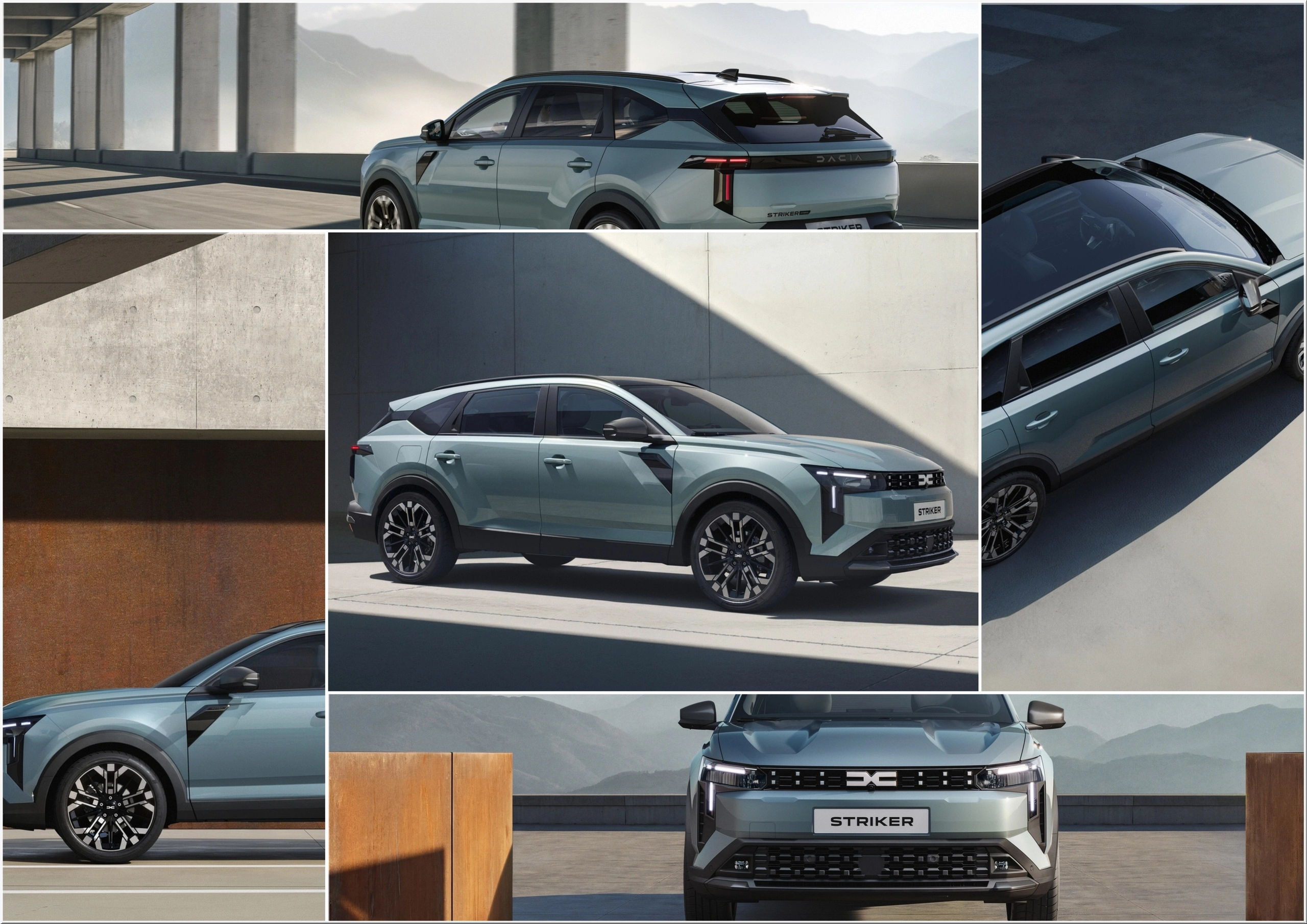
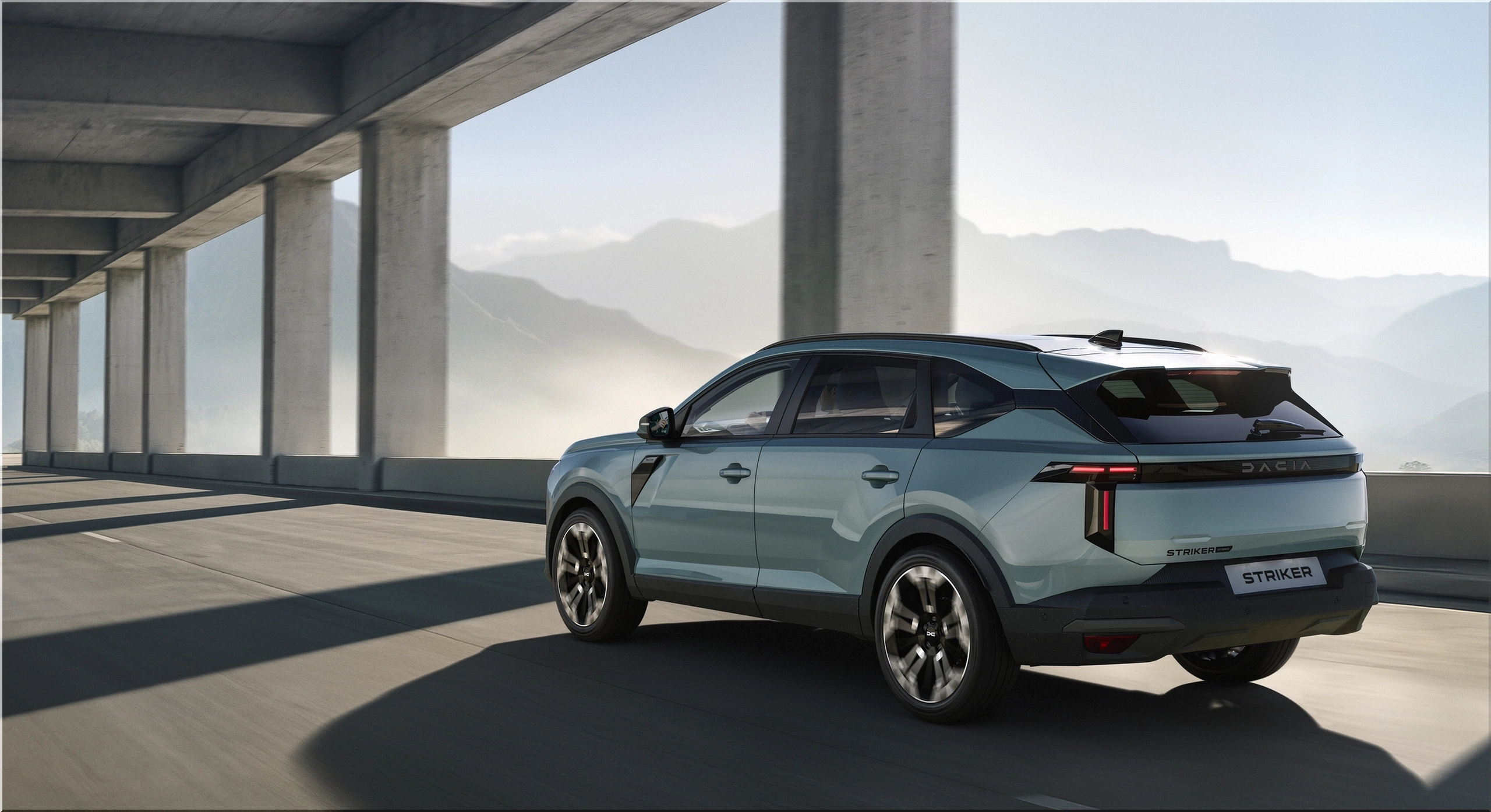
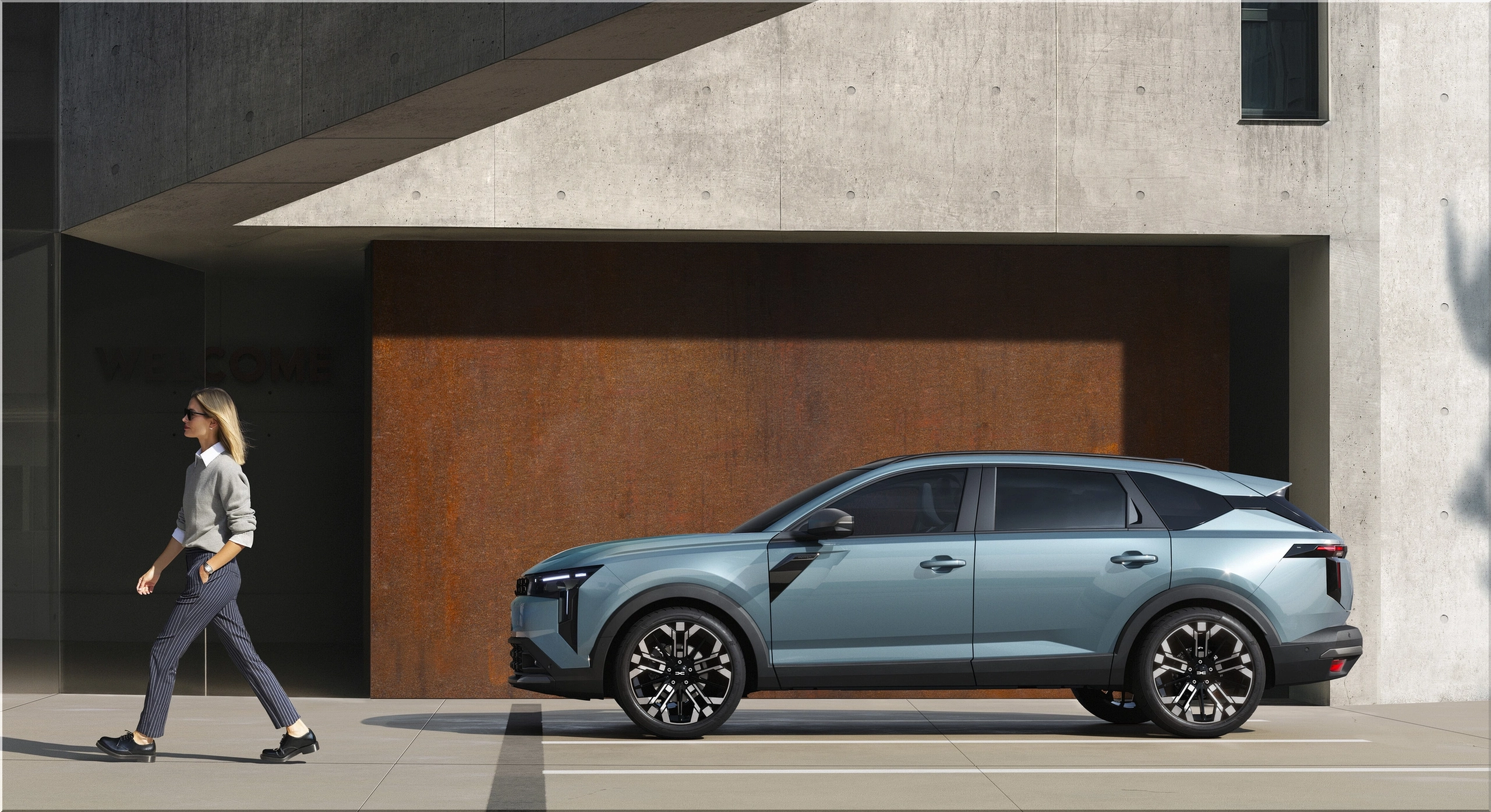
Dacia says the Striker combines a station wagon's shape with SUV ground clearance, and that combination has an engineering payoff. A lower, longer roofline usually gives a cleaner airflow path than a blunt, tall SUV body. Specifically, that can cut drag, trim highway fuel use, and reduce wind noise at cruising speed.
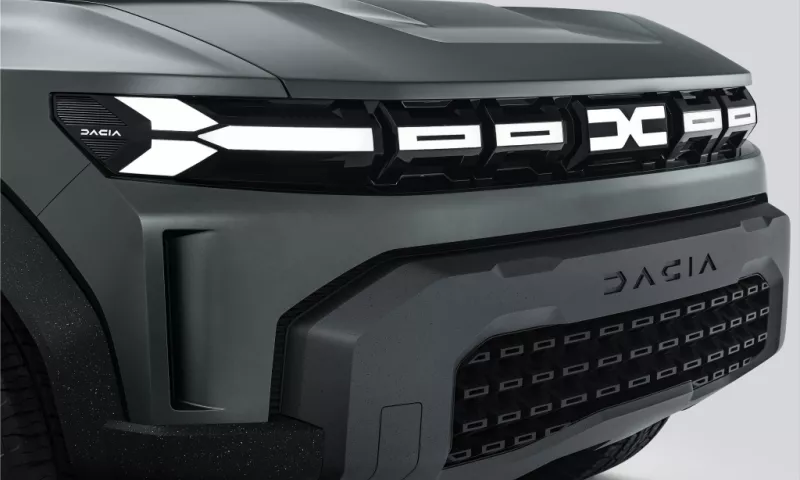
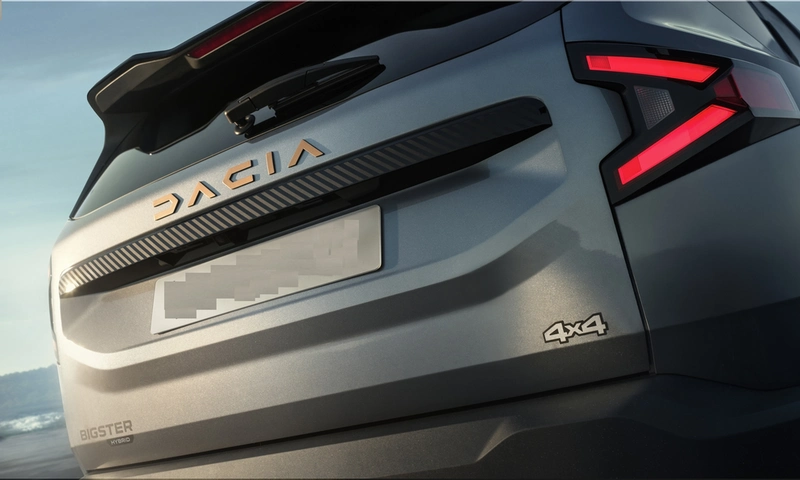
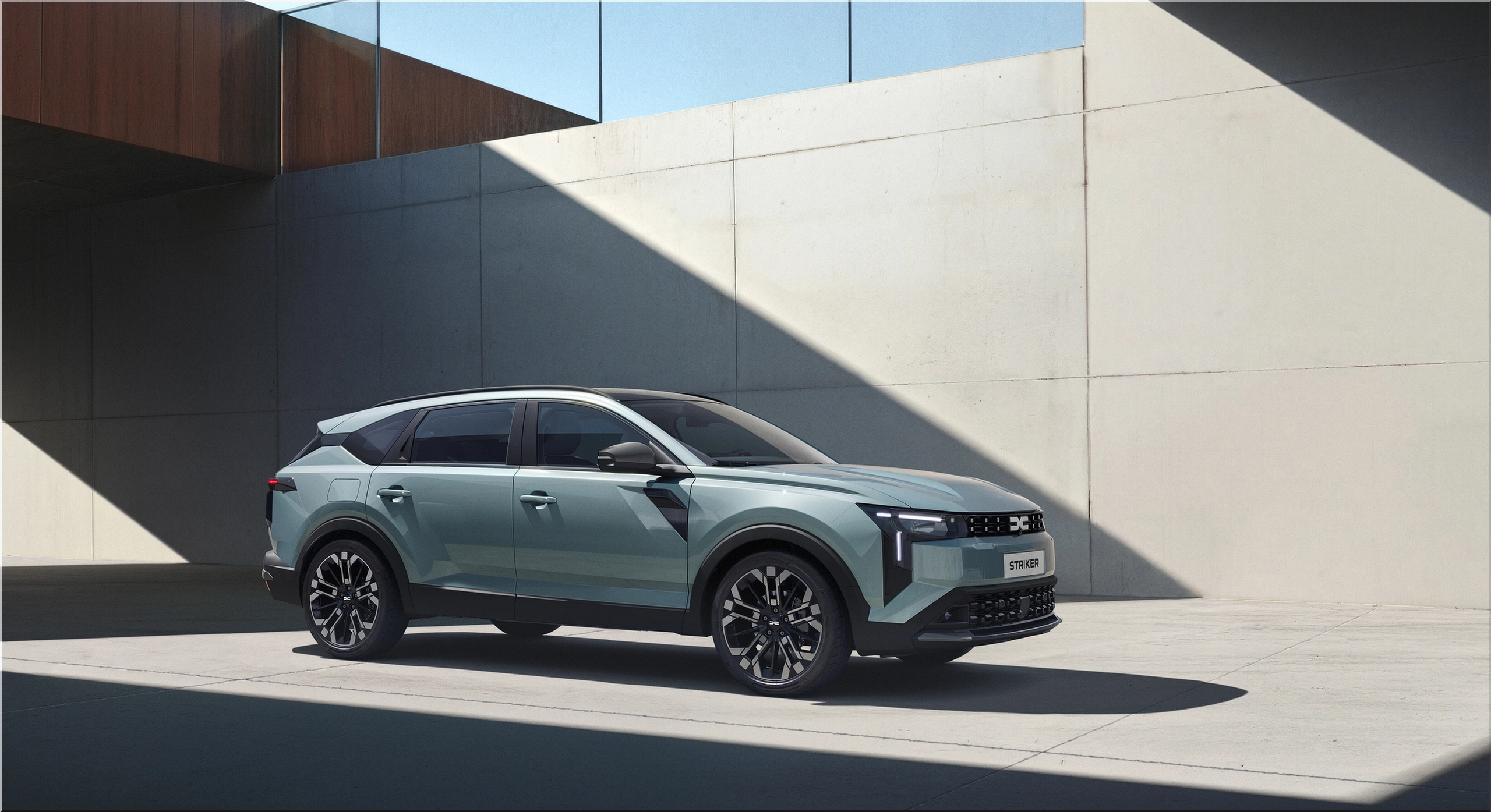
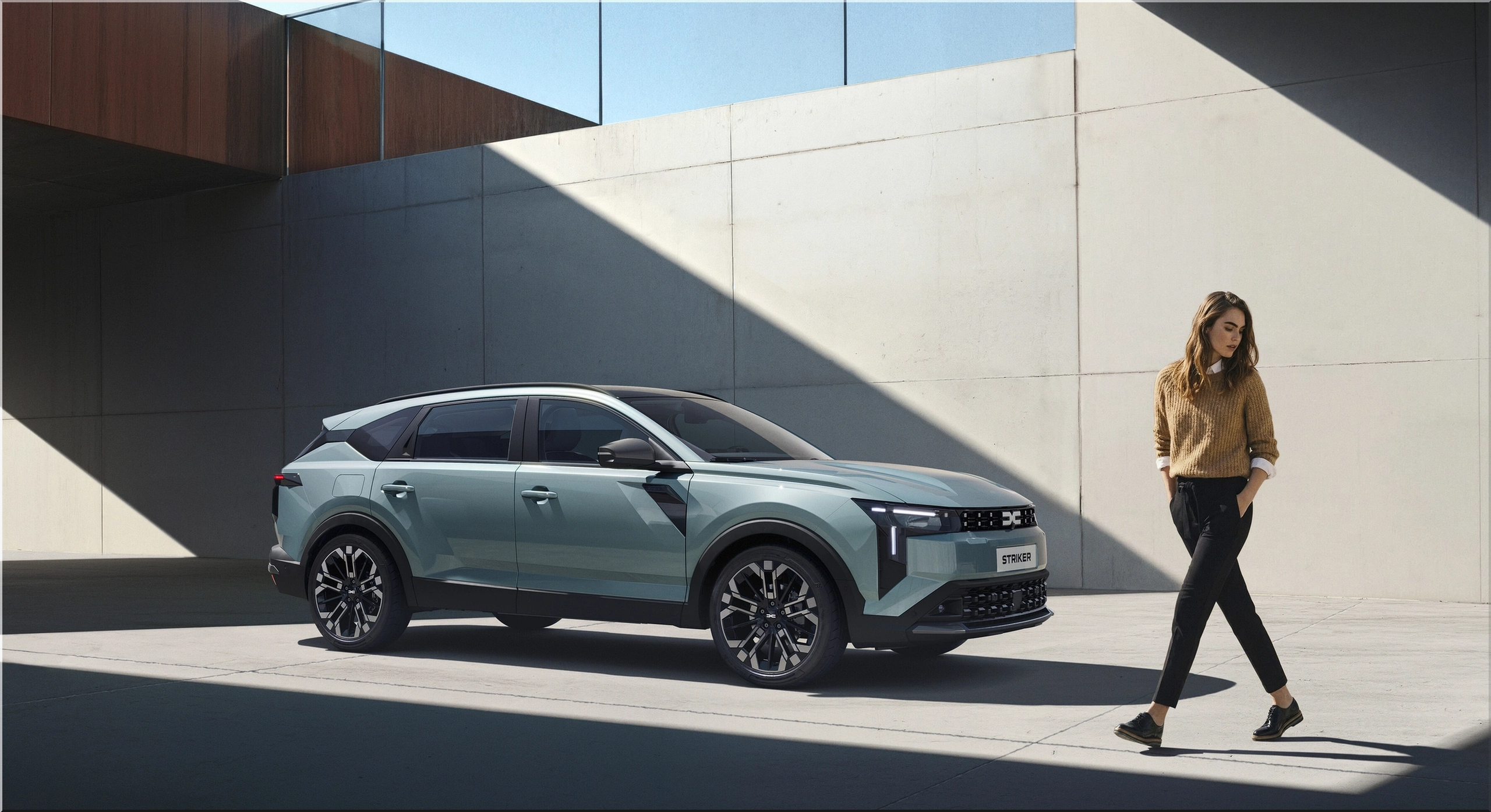
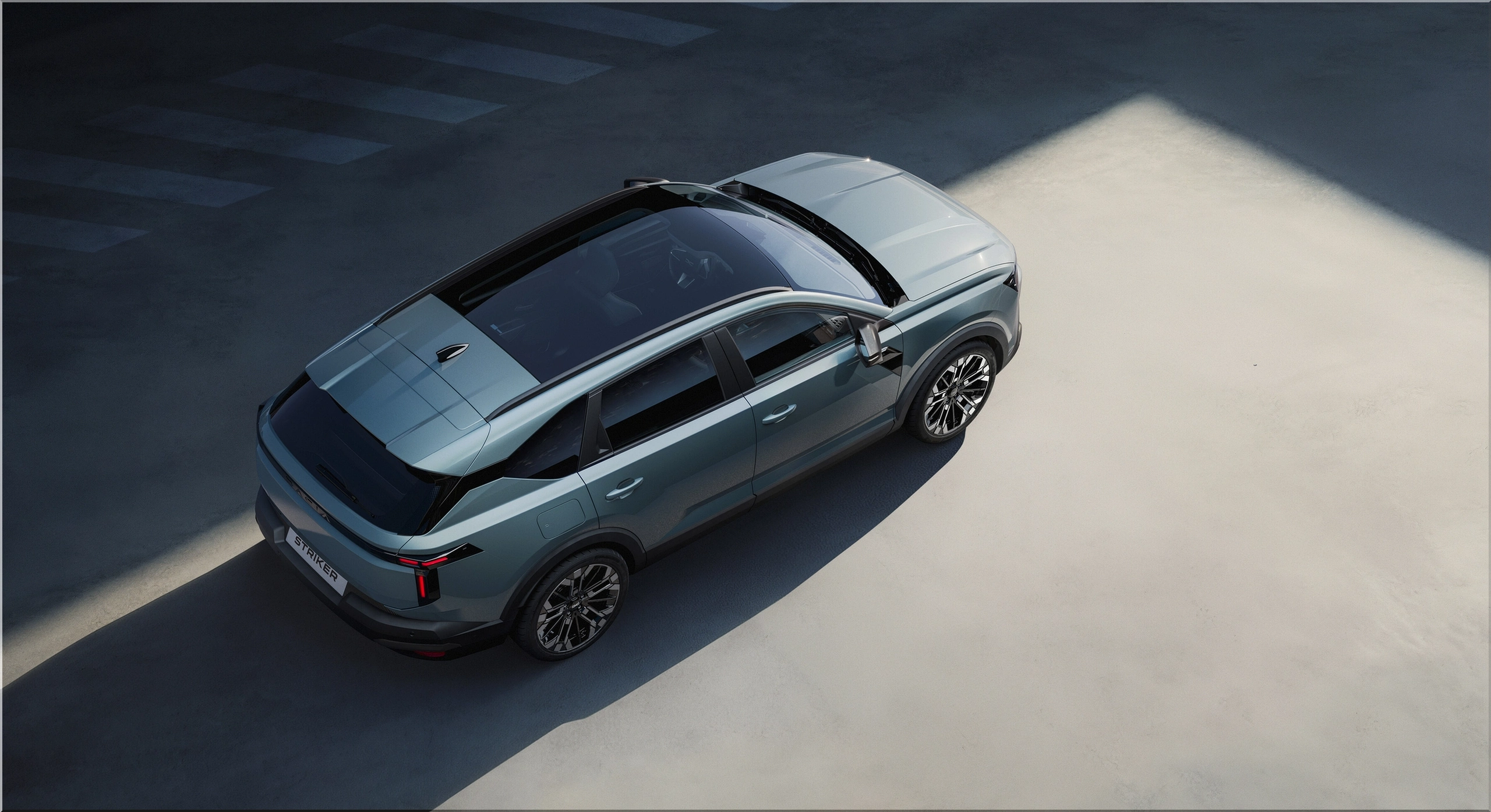
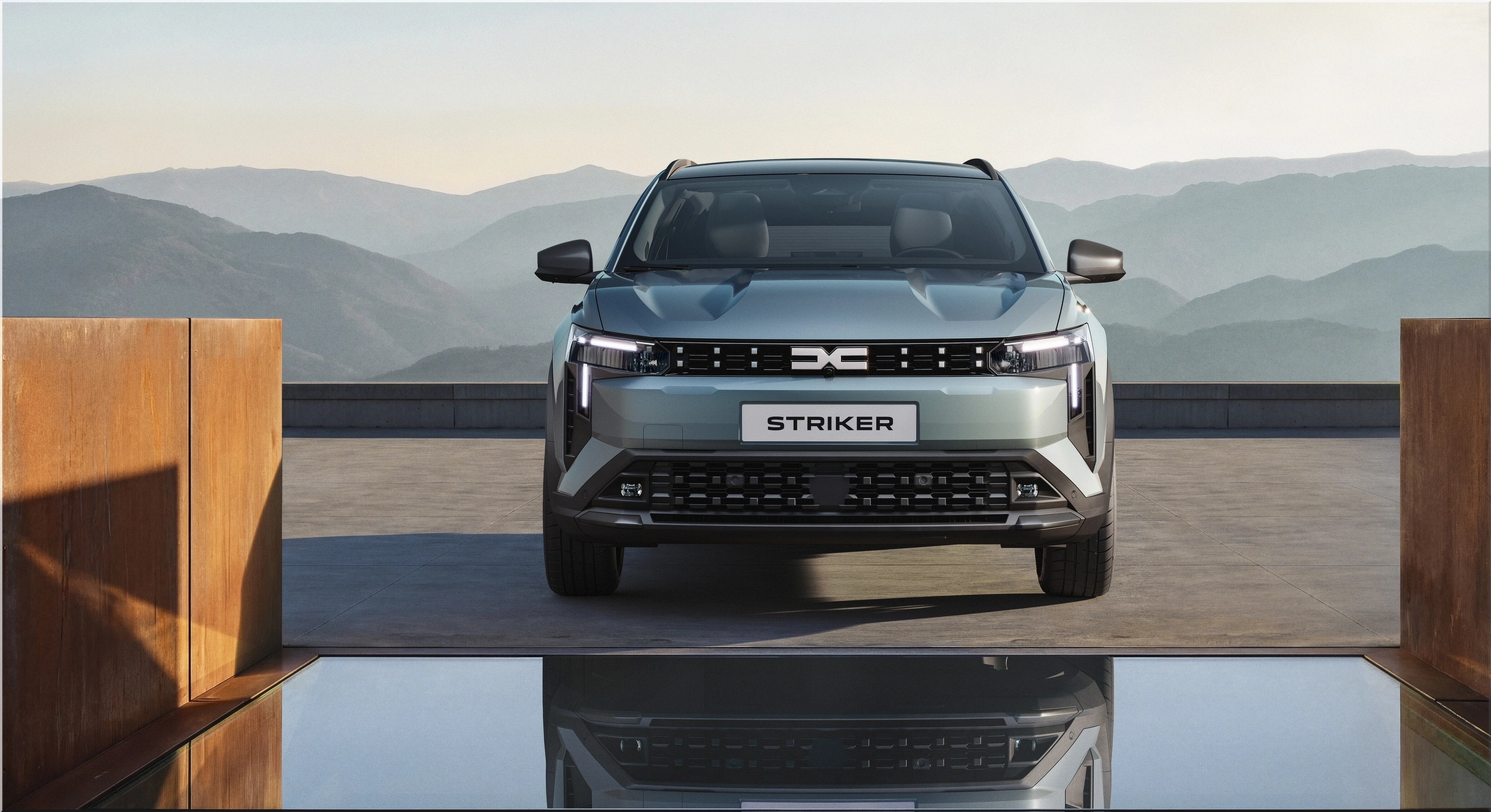
Dacia also points to an aerodynamic silhouette, a vertical front end, a new daytime running light signature, and a gloss-black rear link between the lamps. Those cues tell you the brand wants Striker to look sharper than the strictly upright Bigster without giving up the tough, squared-off identity buyers expect from Dacia. By comparison, a conventional wagon such as the Octavia Estate stays lower and cleaner through the roofline, while a C-SUV leans harder on height and bluff surfaces. Striker tries to split that difference.
Why this body style makes sense
This format gives Dacia three practical wins:
- Cargo-friendly roof length without committing to full MPV proportions
- Easier entry and exit than a low wagon
- Better aero potential than a boxy SUV of similar footprint
That matters because many buyers still want wagon utility, but they also want the seating position and curb-appeal of a crossover. Dacia sees that demand and aims straight at it.
Confirmed Dacia Striker Specs and Positioning
Dacia has not yet published the full technical sheet for the 2027 Striker, so the current spec picture remains limited. Still, the official numbers already establish where this model sits.
| Data point | 2027 Dacia Striker | What it means |
|---|---|---|
| Overall length | 4,620 mm / 181.9 in | Longer than Bigster, clearly C-segment |
| Market role | Multi-energy crossover | Broad powertrain and buyer appeal |
| Confirmed powertrains | Hybrid, Hybrid 4x4, LPG | Cost-focused electrified range |
| Reveal timing | Full reveal in June 2026 | Current details are early-stage |
| Starting price target | Below EUR 25,000 | Roughly below USD 29,100 at recent ECB rates |
Looking at the data, the pricing line may be the biggest selling point. A sub-$29,100 entry target gives Dacia room to sit well below many electrified or upper-trim wagon rivals in Europe. Consequently, Striker can pull in both retail buyers and fleet operators who want lower acquisition cost before they even start comparing fuel spend.
Powertrains: What the Confirmed Range Suggests
Dacia has only confirmed the type of drivetrains so far, not the full outputs for Striker. Still, the brand's current C-segment hardware gives us a useful reference point. The Bigster already offers:
- mild hybrid-G 140
- mild hybrid 140
- mild hybrid 130 4x4
- hybrid 155
That range includes a 1.2-liter 48V mild-hybrid setup with 140 hp and 230 Nm, a 130 hp 4x4 version with the same 230 Nm, and a 1.8-liter full-hybrid 155 with a quoted system output of 155 hp. Official Bigster data also lists 0-100 km/h in 9.7 seconds for the hybrid 155, a top speed of 180 km/h, and WLTP fuel consumption of 4.6 to 4.7 L/100 km for that full-hybrid variant.
That does not confirm Striker will copy those figures exactly. It does, however, show the menu Dacia already has on the shelf. By comparison, that gives Striker a ready-made technical base for launch without forcing the brand to fund an all-new propulsion strategy.
What to watch for at the full reveal
The full reveal needs to answer these questions:
- Final horsepower and torque
- Drivetrain split between front-drive and electrified 4x4
- Official boot volume
- Actual ground clearance
- Wheelbase and rear-seat packaging
- Fleet-focused CO2 and WLTP numbers
Those numbers will decide whether Striker lands closer to a raised wagon or a true crossover in daily use.
Image
Dacia Striker vs Dacia Bigster: Internal Logic
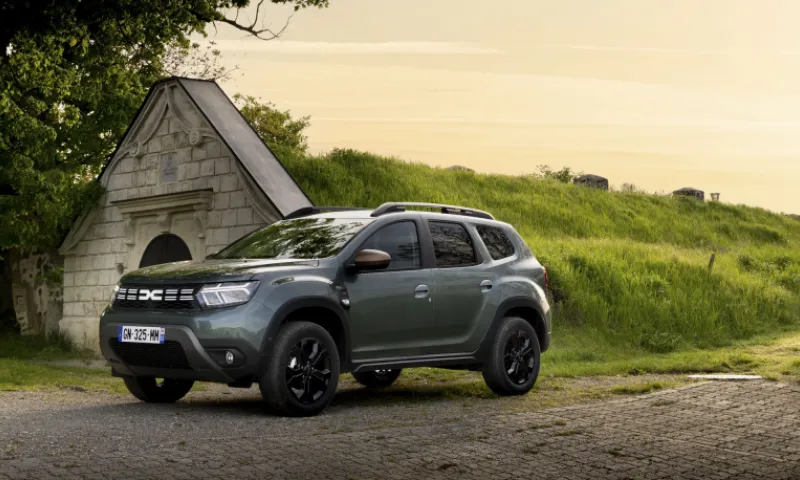
The easiest way to understand Dacia Striker is to compare it with the Bigster. Bigster already serves as Dacia's C-SUV. Striker broadens that reach by giving buyers a longer, sleeker, likely more aero-led alternative.
| Model | Length | Powertrain direction | Role |
|---|---|---|---|
| Dacia Striker | 4,620 mm / 181.9 in | Hybrid, Hybrid 4x4, LPG | Raised crossover wagon |
| Dacia Bigster | 4,570 mm / 179.9 in | Mild hybrid, hybrid, 4x4, LPG | Traditional C-SUV |
Specifically, Bigster brings SUV stance and official packaging data already measured in detail, including a 2,702 mm wheelbase, up to 220 mm of ground clearance unladen on some versions, and boot capacity that reaches 702 liters in certain 4x2 configurations. Striker likely trades some of that vertical cargo volume for better airflow and a more road-focused body.
From an expert perspective, that is smart product planning. Bigster serves buyers who want the full SUV look. Striker serves buyers who want similar footprint and family utility with less visual bulk and, very likely, better efficiency at motorway speed.
Dacia Striker vs Key Rivals
The Dacia Striker 2027 enters a market where classic wagons still make sense, but price pressure has become brutal. Dacia's angle looks simple: undercut rivals on entry price while giving buyers electrified options and crossover-style stance.
| Model | Length | Cargo space | Starting price signal |
|---|---|---|---|
| Dacia Striker | 4,620 mm / 181.9 in | TBA | Below $29,100 target |
| Skoda Octavia Estate | around 4,698 mm / 184.9 in | widely quoted as class-leading | from GBP 34,250 in current UK trim walk-up |
| Opel Astra Sports Tourer | 4,642 mm / 182.8 in | up to 1,634 liters seats folded | from GBP 37,180 for current hybrid fleet listing |
| Volkswagen Golf Estate | shorter than Striker's likely rival set | 611 liters boot volume | generally above Dacia's value point |
Looking at the data, Striker's early win column includes likely price advantage and broader fuel-choice appeal thanks to LPG. Its current loss column is just as clear: rivals already publish exact boot, performance, and trim data, while Dacia still holds back the hard numbers.
That said, price still moves the segment. A family buyer comparing monthly cost rather than badge prestige will notice a sub-$29,100 target immediately.
Image gallery
Pro-Tips for Readers Tracking the Dacia Striker
Pro-Tip: Wait for the boot numbers
Wagon and crossover buyers live or die by cargo data. Do not judge Dacia Striker against Octavia Estate or Golf Estate until Dacia publishes the official VDA luggage figures and seat-folded capacity.
Pro-Tip: Watch the Hybrid 4x4 closely
If Dacia carries over an electrified rear-axle solution, Striker could offer winter traction and light-duty foul-weather use without the fuel penalty of a heavy mechanical AWD system.
Pro-Tip: Fleet buyers should watch CO2 first
The official WLTP CO2 figures will decide how hard Dacia Striker hits fleet channels. Low list price helps, but tax exposure often decides the deal.
Image gallery
What Now?
If you are watching the Dacia Striker as a buyer, the next step is simple: wait for the June reveal and focus on five numbers first - boot space, wheelbase, ground clearance, hybrid fuel economy, and base trim equipment. Those figures will tell you whether Striker works as a cheaper wagon substitute, a lighter SUV alternative, or a bit of both.
If you are looking at this model from an industry angle, Striker already sends a clear message. Dacia wants a larger slice of the C-segment, and it is going after buyers who want useful packaging, electrified drivetrains, and sharp pricing without paying mainstream-brand money. That is a hard combination to ignore.
- Add new comment
- 669 views