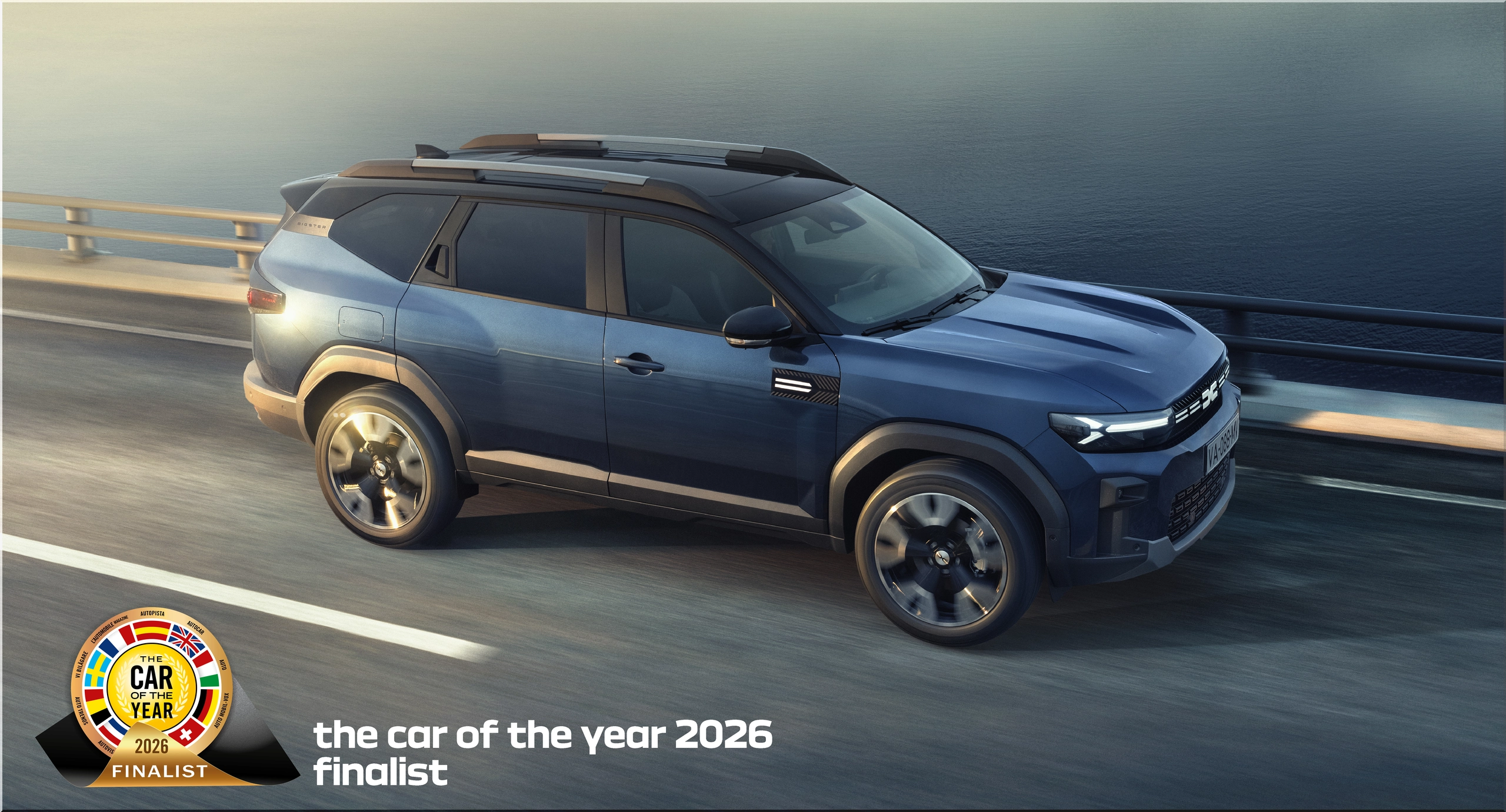
A Rising Contender in the Mid-Size SUV Segment
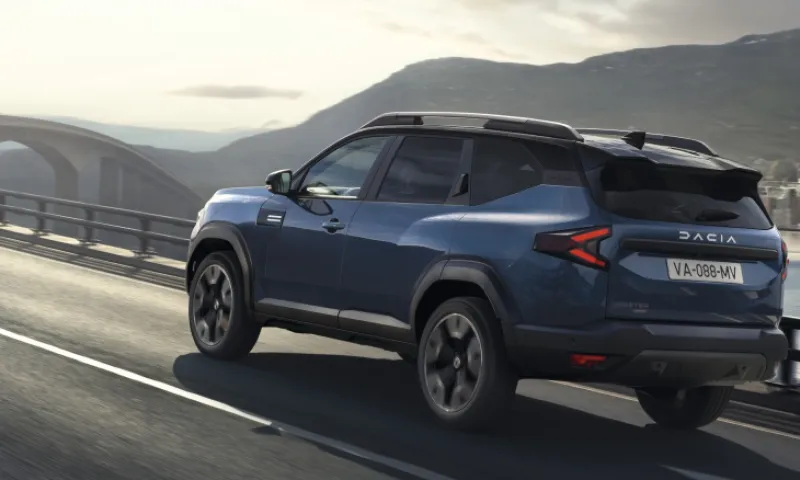
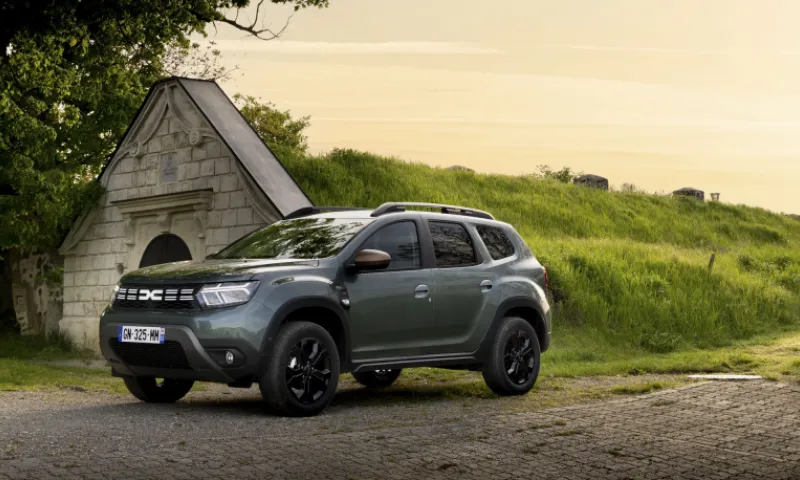
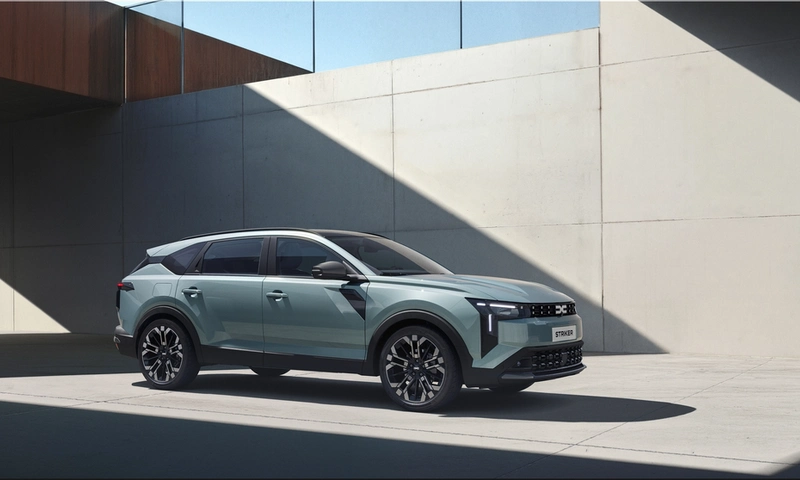
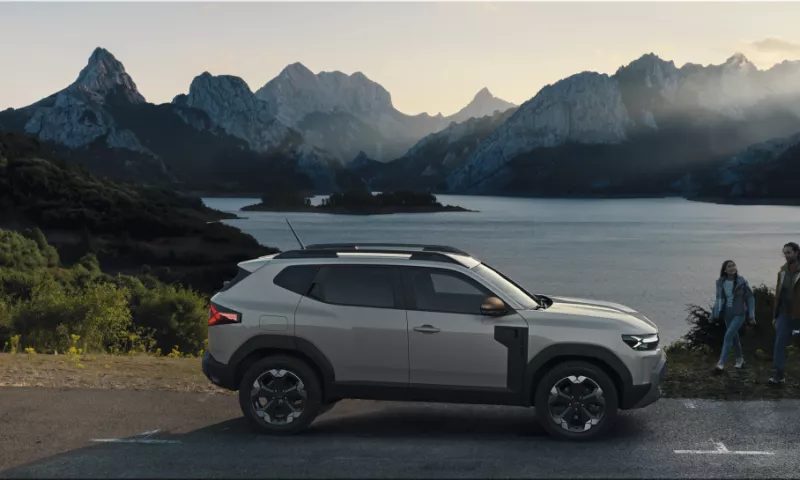
The Dacia Bigster has quickly emerged as a serious player in the competitive C-SUV segment, earning a spot among the seven finalists for the 2026 Car of the Year. After testing 35 models, the jury recognized the Bigster’s clear focus: practical design, affordability, and modern hybrid efficiency.
Since its launch in spring 2025, the Bigster has reached nearly 40,000 registrations worldwide and over 55,000 customer orders — a remarkable start that signals strong demand across Europe and Mediterranean markets. Its appeal lies in a formula that keeps Dacia relevant: simple, robust, and honest engineering backed by cutting-edge hybrid powertrains.
Image
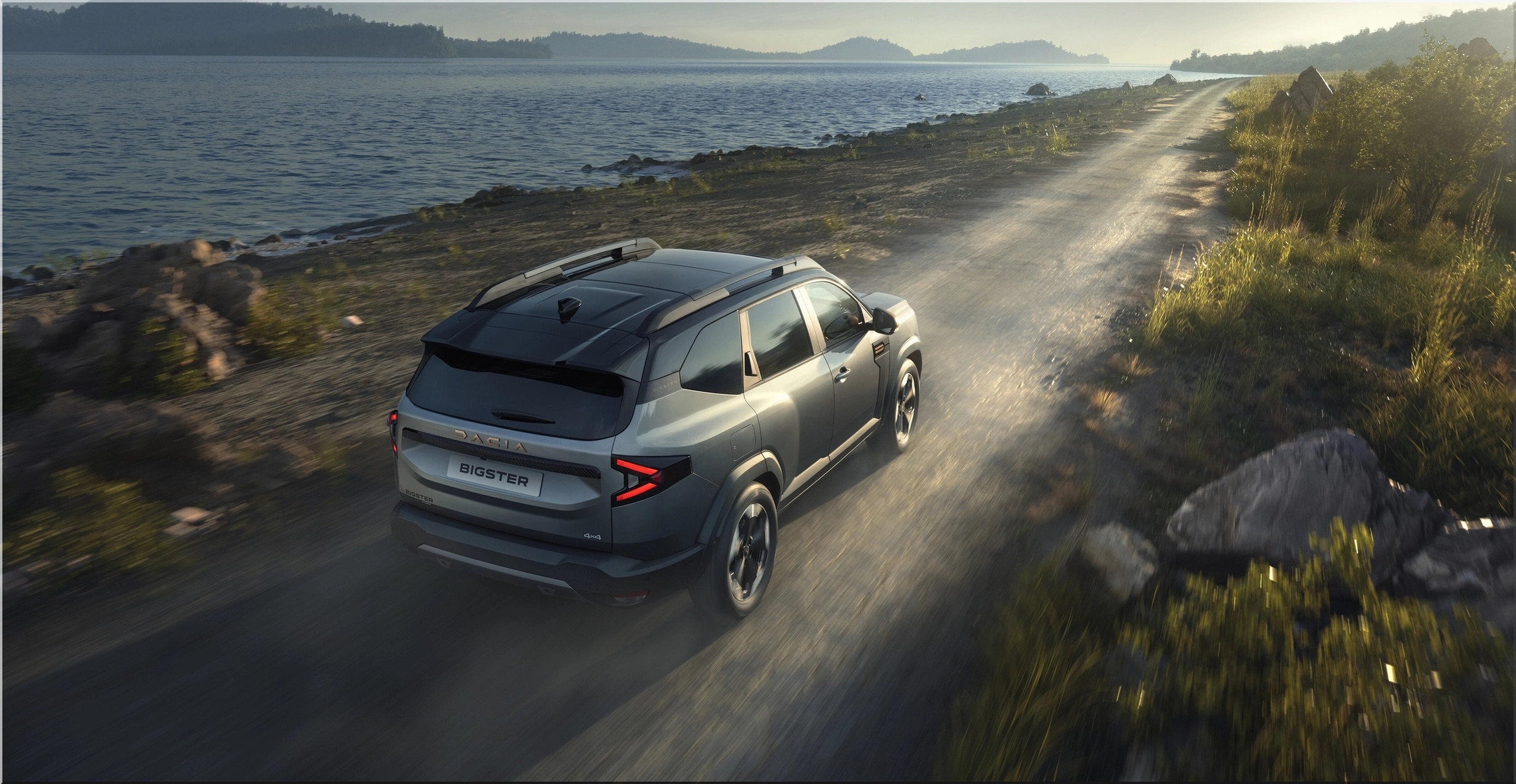
Electrified Powertrains That Drive Results
Built on Renault Group’s CMF-B modular platform, the Bigster integrates several electrified engine options to suit diverse customer needs while staying affordable. The focus remains on measurable efficiency rather than headline-grabbing horsepower.
Engine options include:
- Hybrid 155 – A full hybrid system offering up to 80% electric driving in urban conditions. It balances performance, efficiency, and comfort for daily commutes.
- Mild Hybrid 140 – A 48V system paired with a 1.2-liter turbo petrol engine and 6-speed manual gearbox, cutting fuel use and emissions by around 10% compared to equivalent combustion engines.
- Mild Hybrid-G 140 – Dual-fuel petrol/LPG hybrid setup with a 48V system, delivering up to 1,450 km of range and 10% lower CO₂ output than standard petrol engines.
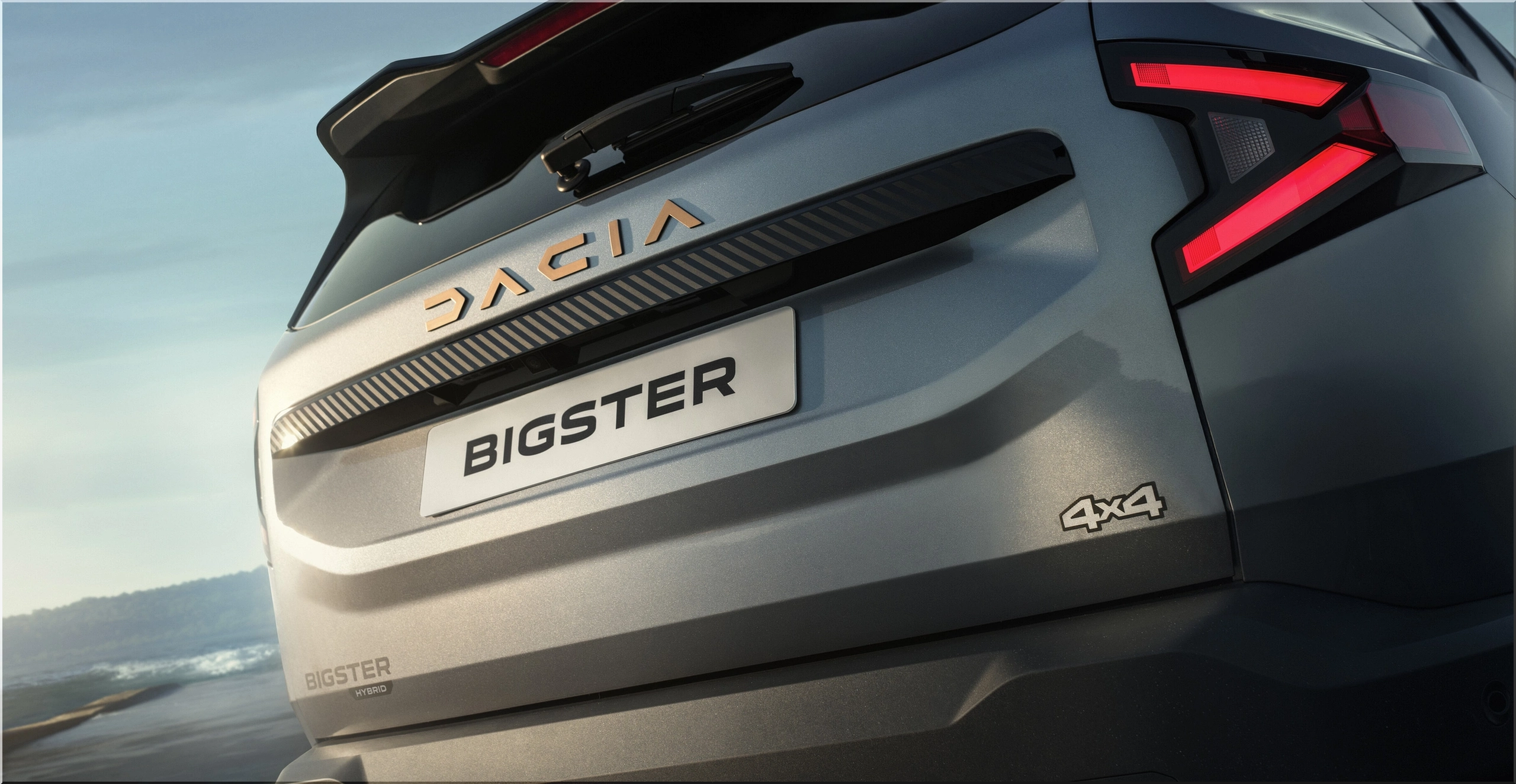
- Hybrid-G 150 4x4 – A world-first innovation combining petrol/LPG hybridization with electric all-wheel drive. Offers up to 60% electric city driving and a 1,500 km WLTP range, supported by a 6-speed dual-clutch automatic gearbox.
The Hybrid 155 accounts for nearly 65% of all Bigster sales, proving that consumers value the mix of low running costs and real-world performance.
Image
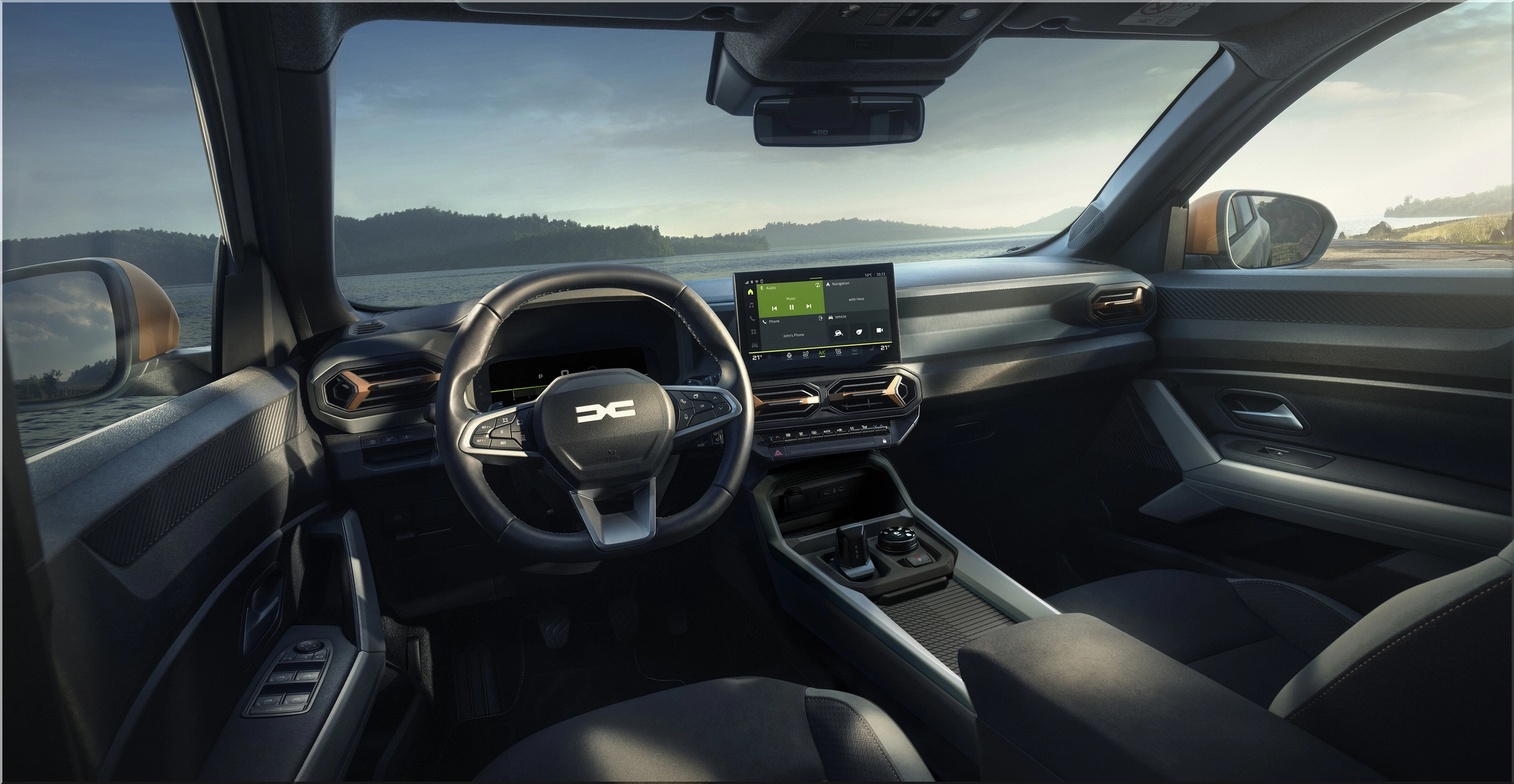
Focus on Sustainability and Design Efficiency
The family-friendly Bigster takes measurable steps to reduce its environmental footprint. Dacia integrates recycled materials such as Starkle®, a new plastic composed of 20% recycled content and fully recyclable. The use of reusable, modular components extends across the cabin.
Inside, the YouClip system lets drivers attach accessories — like smartphone mounts or storage modules — in seconds. It’s a simple, modular idea that directly improves daily usability without adding cost or complexity.
This functional design approach aligns with Dacia’s long-standing mission: make essential technology accessible without unnecessary luxury markup.
Pricing That Resets Expectations
The Bigster’s starting price of €24,990 (around $26,500 USD) positions it as one of the most affordable electrified SUVs in its class. Dacia’s strategy continues to focus on value-for-money engineering, offering practical performance for families and commuters without a premium badge price tag.
Core value points:
- Large interior and cargo space suitable for families.
- True off-road capability from the 4x4 variant.
- Simplified technology suite emphasizing reliability and safety.
- Electrified efficiency without cost inflation.
The combination of pricing, versatility, and technology gives Dacia a strong foothold in a segment dominated by higher-priced competitors.
Video title
Dacia Bigster 2026
Why the Bigster Matters for 2026
The Bigster represents a shift in the European C-SUV market, where value, efficiency, and hybridization are now decisive. Consumers are moving toward practical electrification — systems that save fuel but don’t demand charging infrastructure or high purchase costs.
This reflects a larger trend across Europe:
- Hybrids account for over 30% of new car sales in 2025.
- The demand for affordable hybrid SUVs outpaces that for full EVs by nearly 2:1 in several markets.
- Governments continue incentivizing low-emission vehicles without mandating full electrification.
In this context, the Bigster’s hybrid lineup and low ownership costs hit the market’s sweet spot.
Comparing the Bigster to Key Competitors
To understand its position, consider the Bigster against the Toyota RAV4 Hybrid, Hyundai Tucson Hybrid, and Volkswagen Tiguan eHybrid.
| Model | Starting Price (USD) | Hybrid Type | Electric City Driving | WLTP Range | Power Output |
|---|---|---|---|---|---|
| Dacia Bigster Hybrid 155 | ~$26,500 | Full Hybrid | Up to 80% | 1,500 km | 155 hp |
| Toyota RAV4 Hybrid | ~$33,000 | Full Hybrid | ~60% | 1,200 km | 219 hp |
| Hyundai Tucson Hybrid | ~$31,000 | Full Hybrid | ~50% | 1,100 km | 230 hp |
| VW Tiguan eHybrid | ~$39,000 | Plug-in Hybrid | 100% (40 km EV range) | 900 km | 245 hp |
While competitors offer more power or electric range, the Bigster’s pricing and practicality give it a clear economic advantage. Its modular hybrid strategy avoids the infrastructure dependency of plug-ins while providing measurable CO₂ savings and extended range.
Image
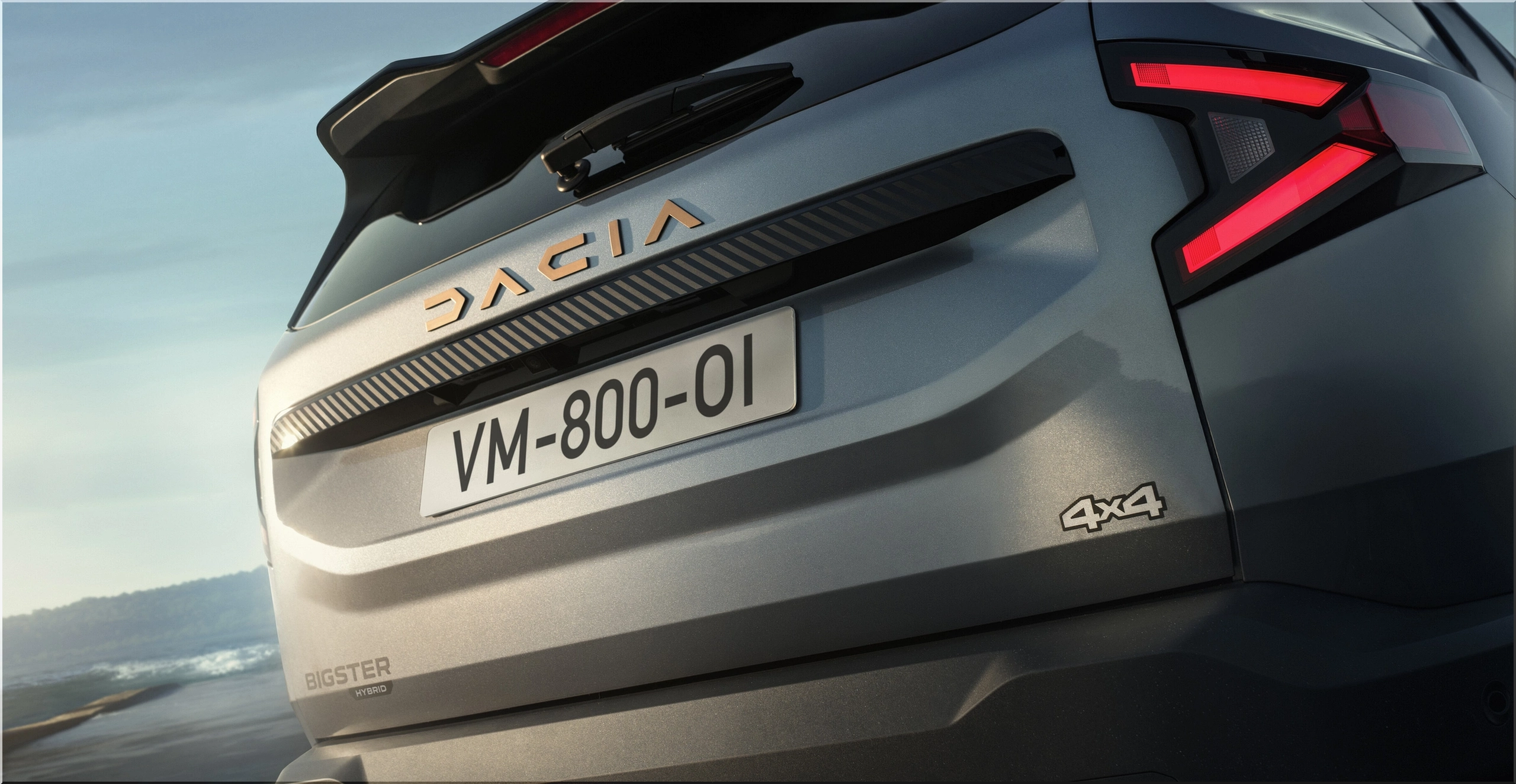
Design Philosophy: Function Over Flair
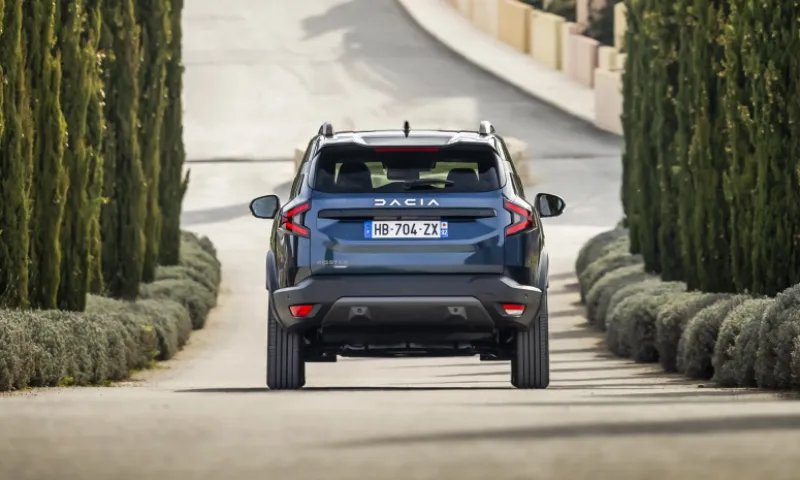
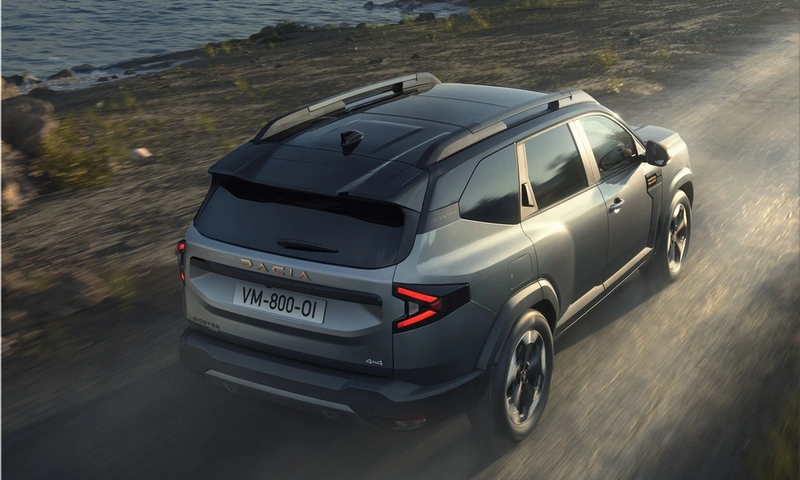
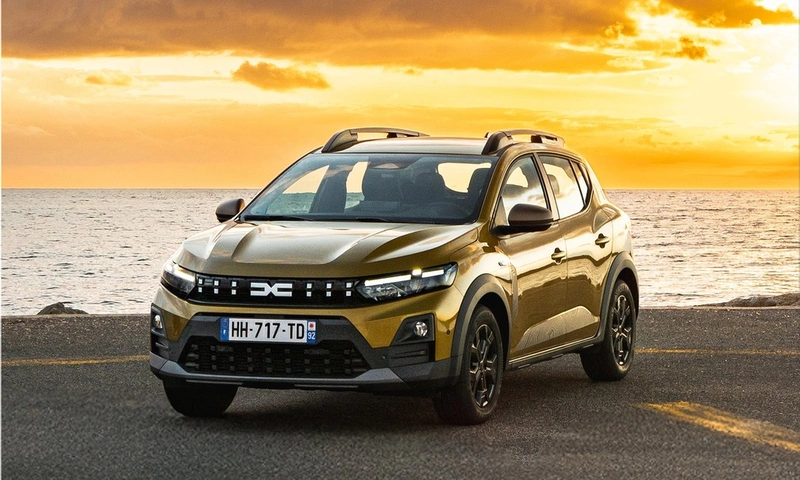
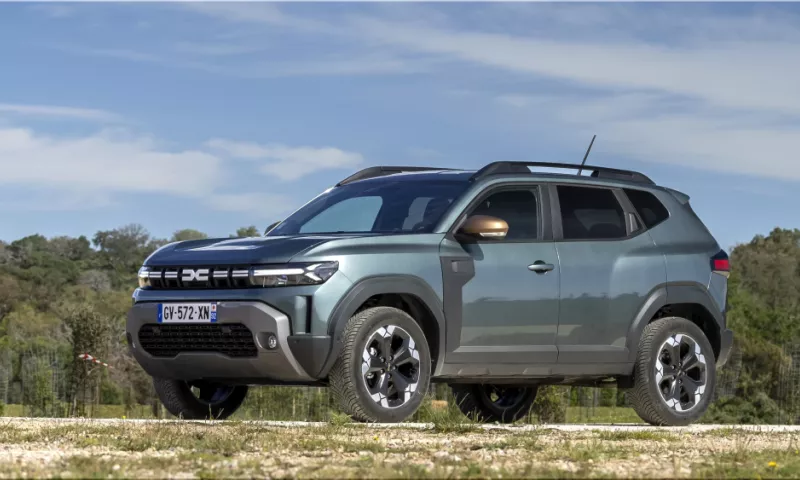
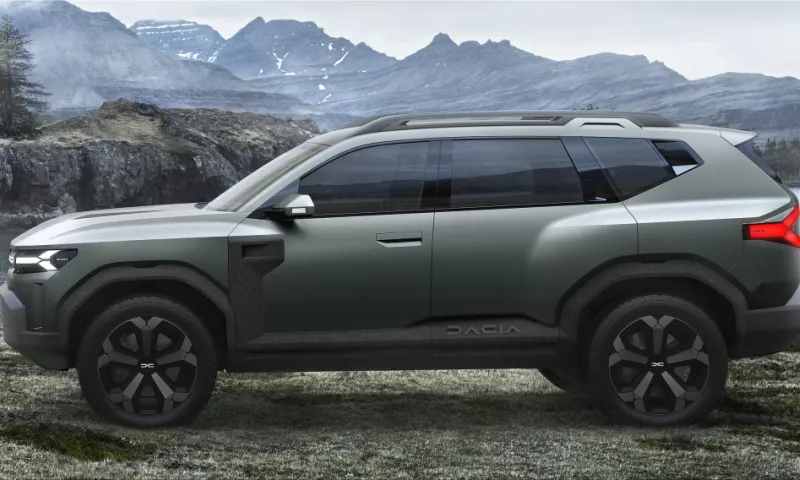
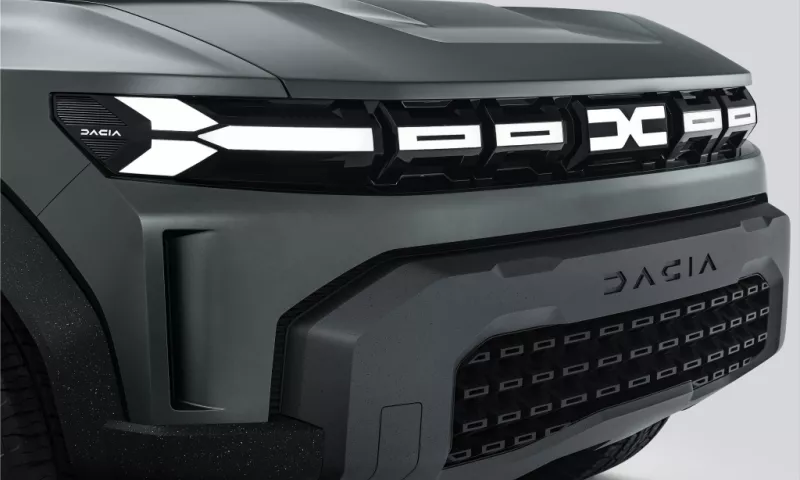
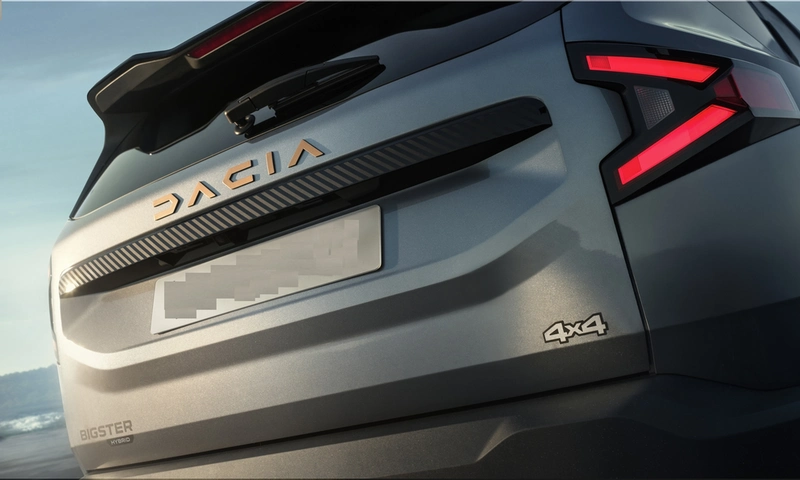
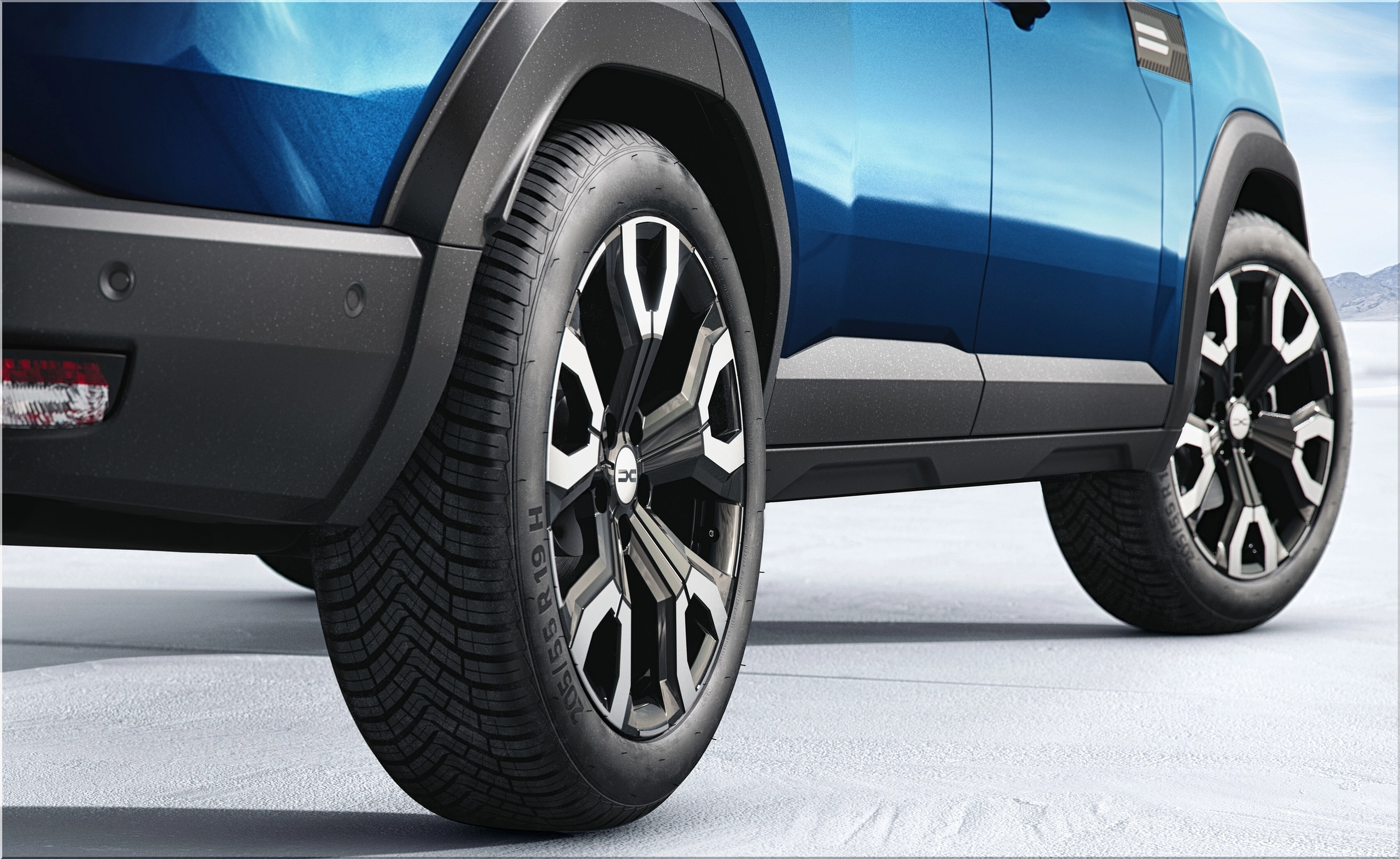
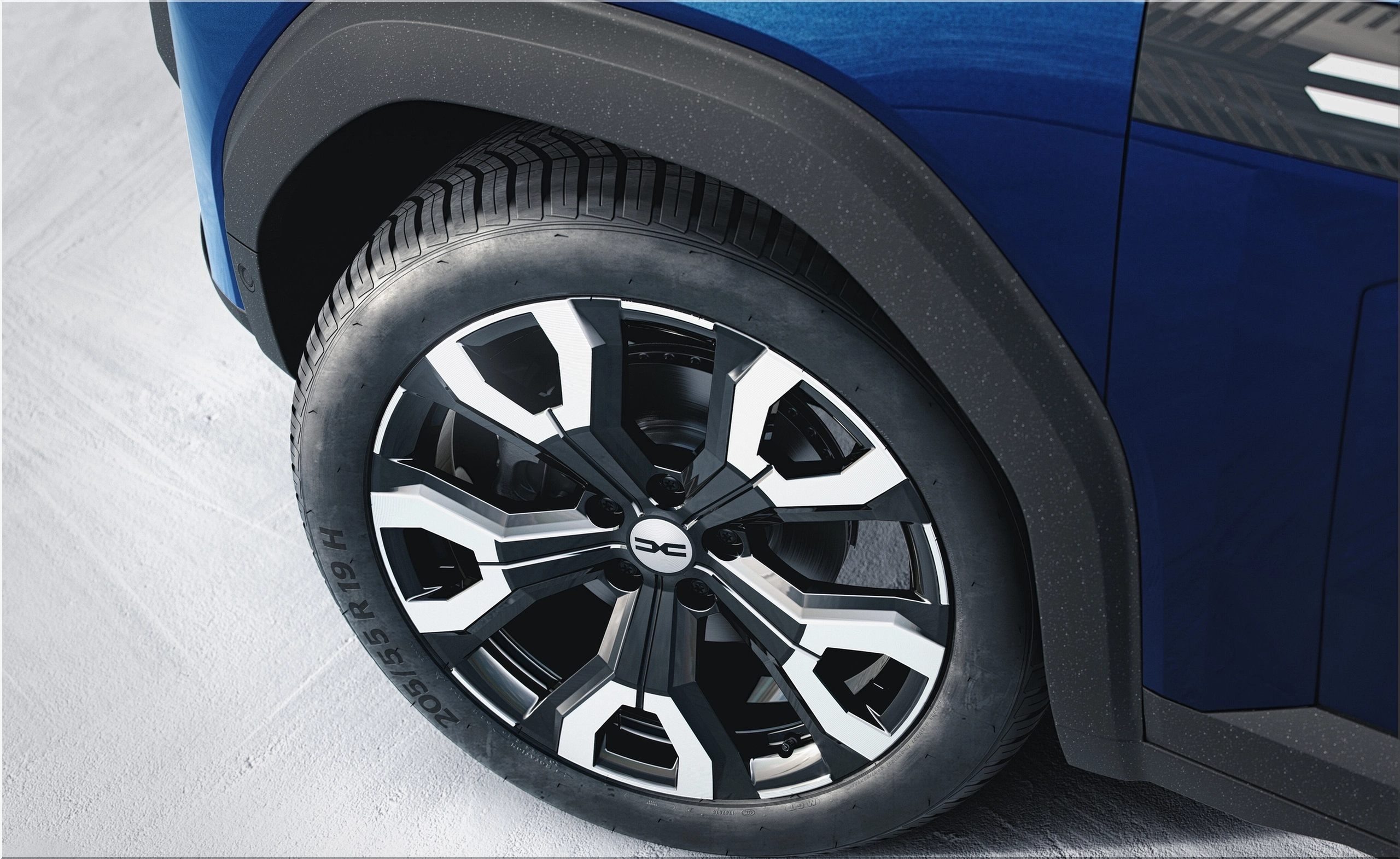
The Bigster’s design avoids unnecessary styling drama. It emphasizes clean lines, large glass areas, and a rugged stance designed for everyday use. Dacia’s approach trades visual flash for clarity and durability — a formula that continues to resonate with buyers seeking long-term ownership value.
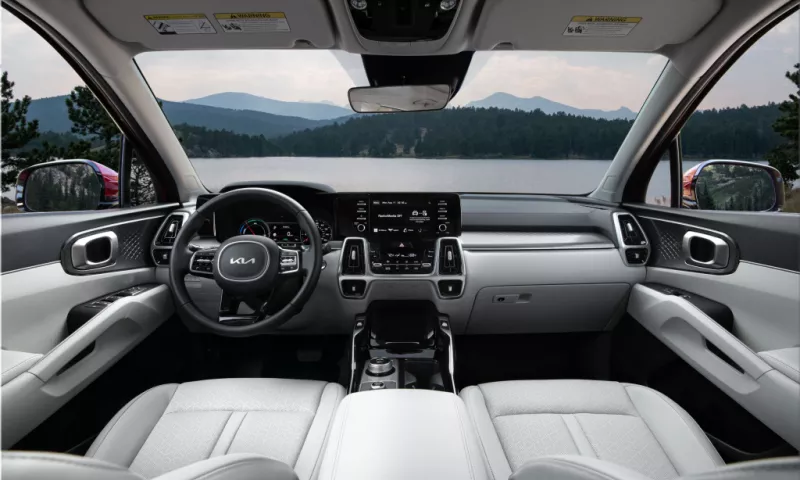
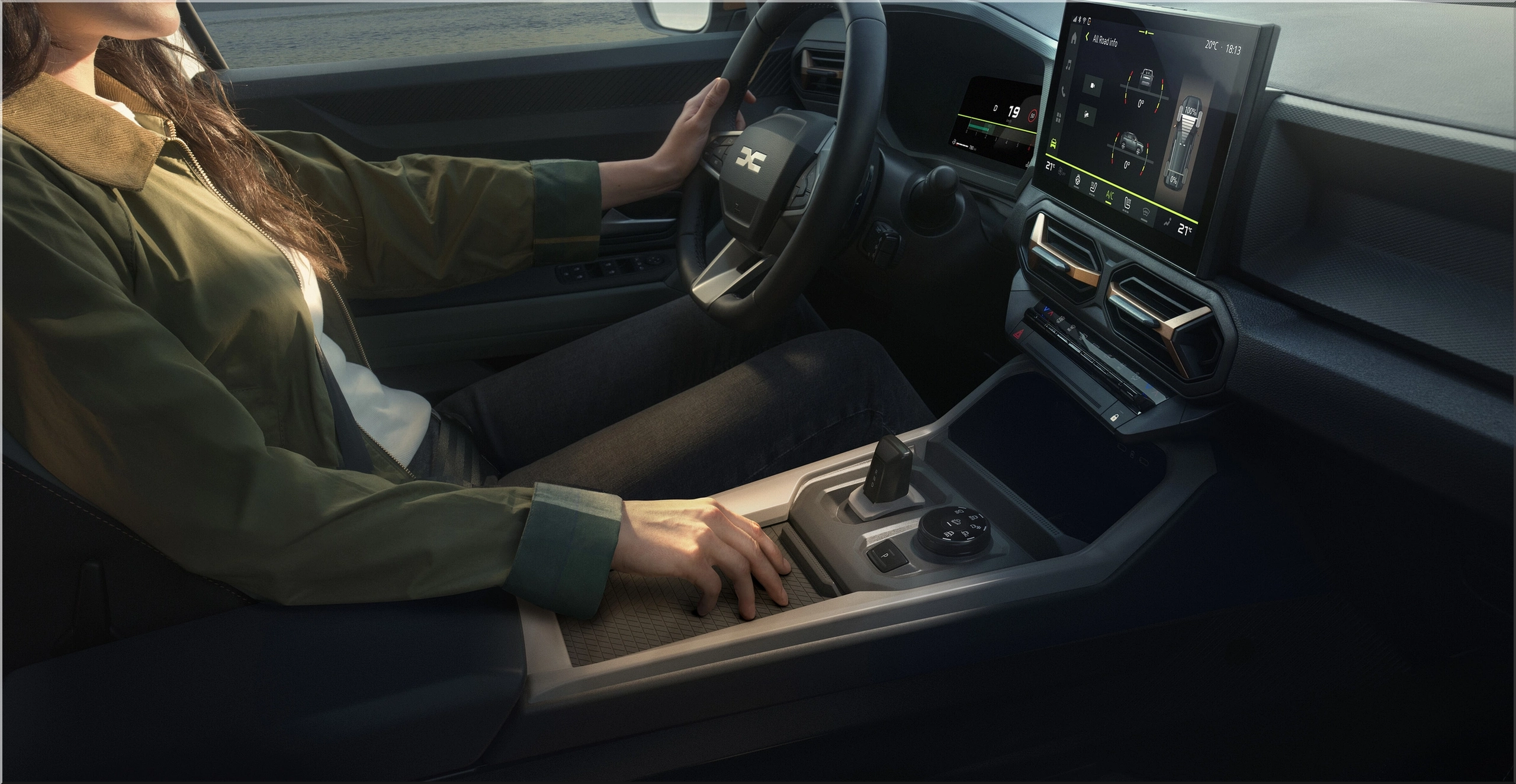
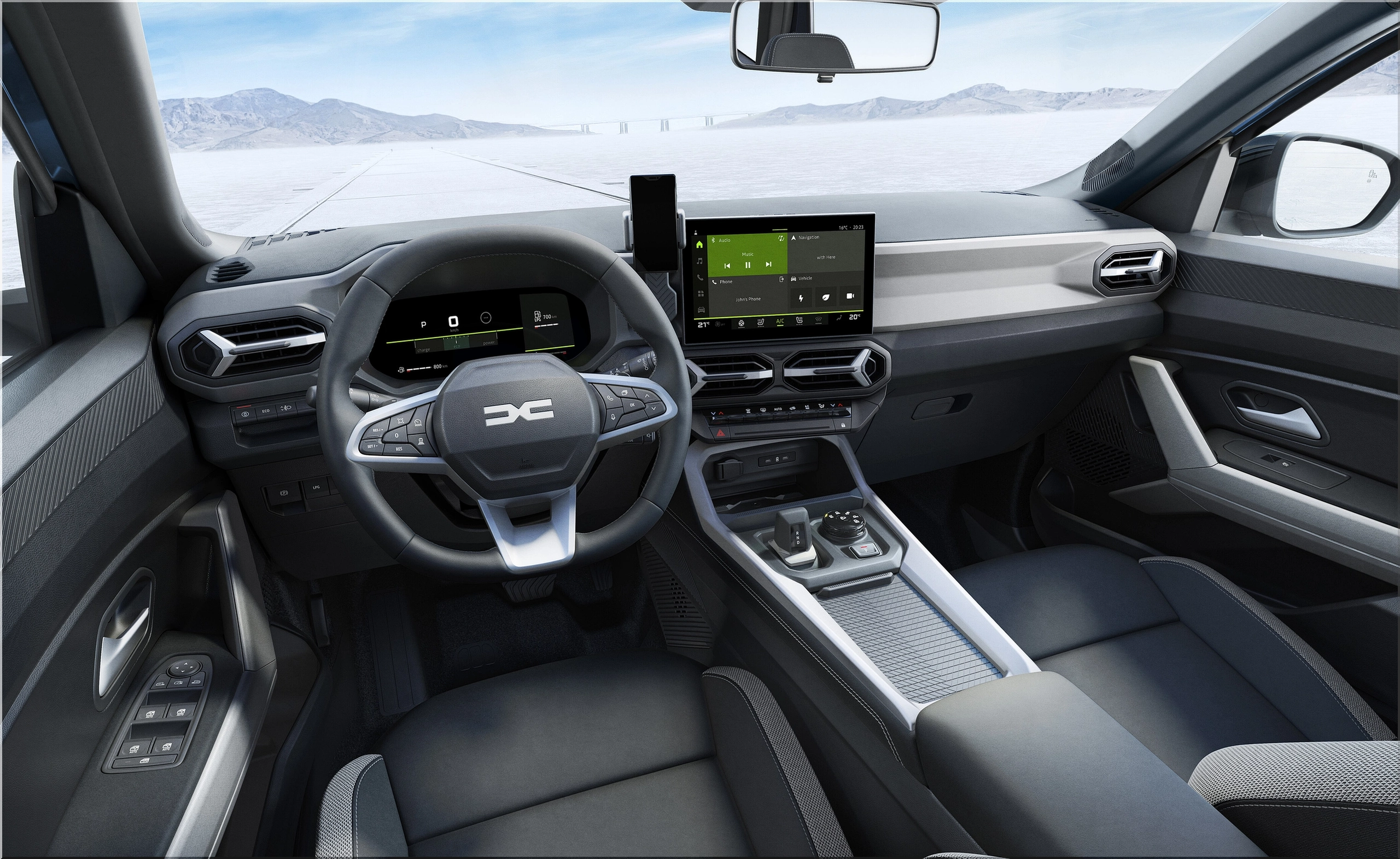
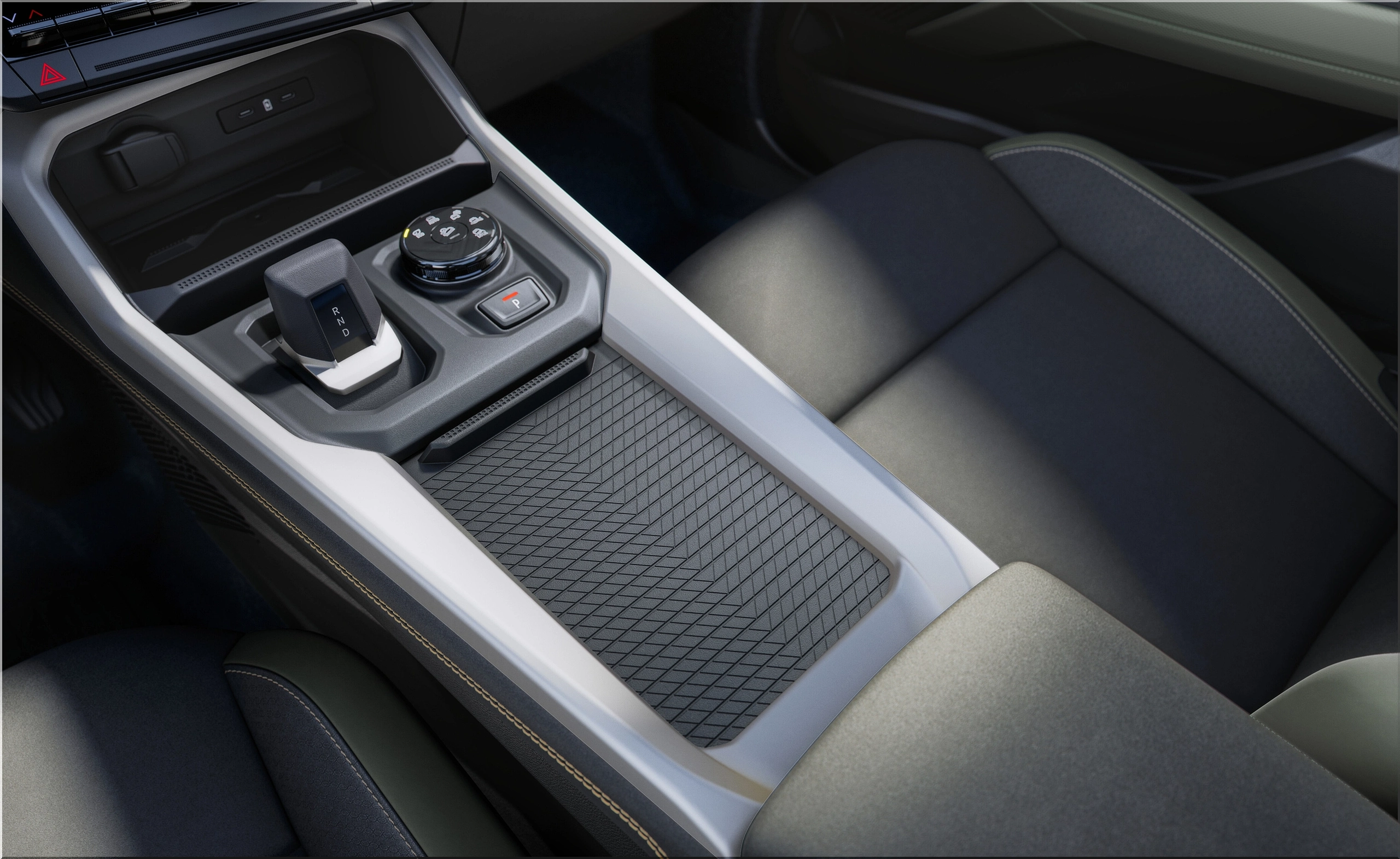
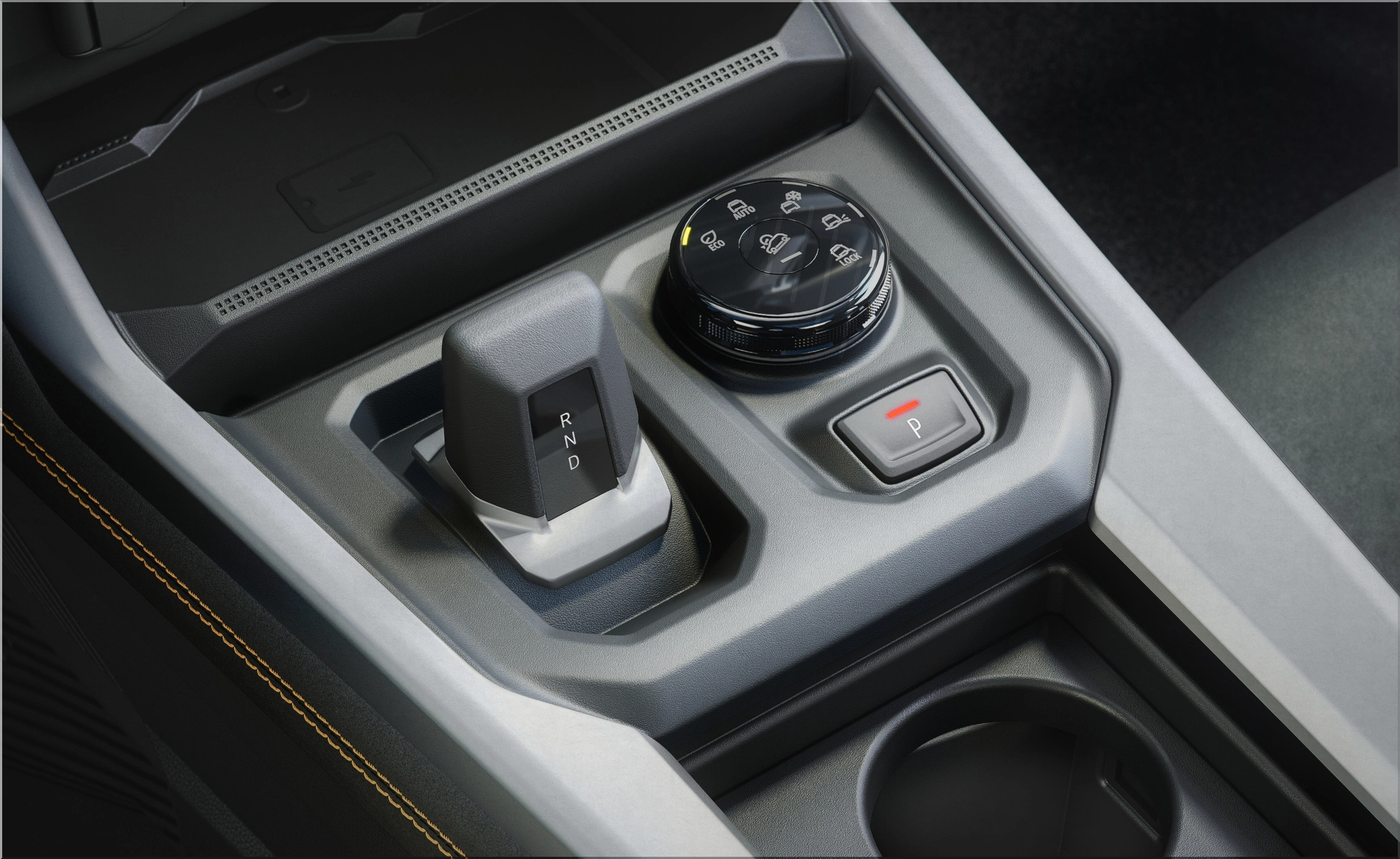
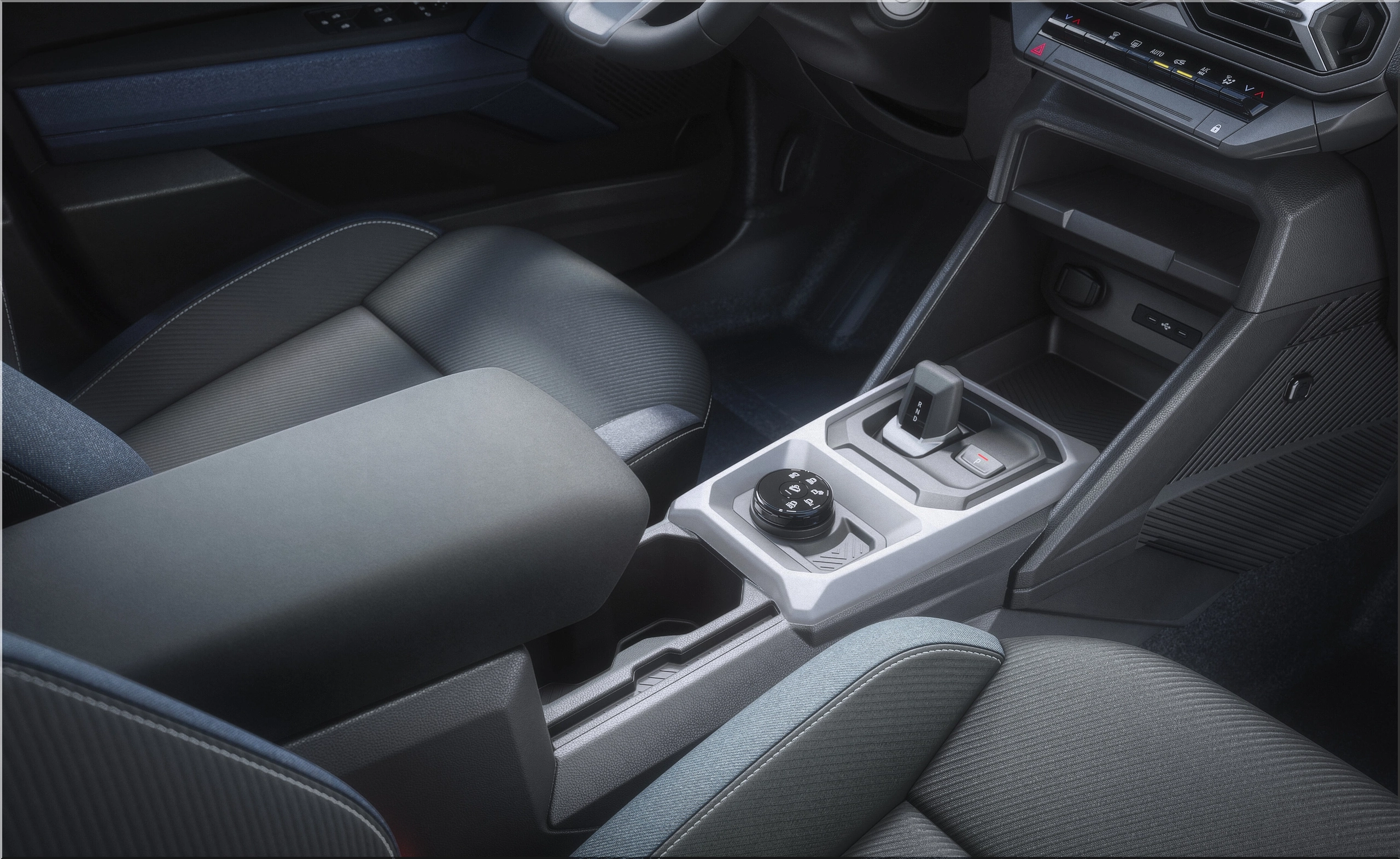
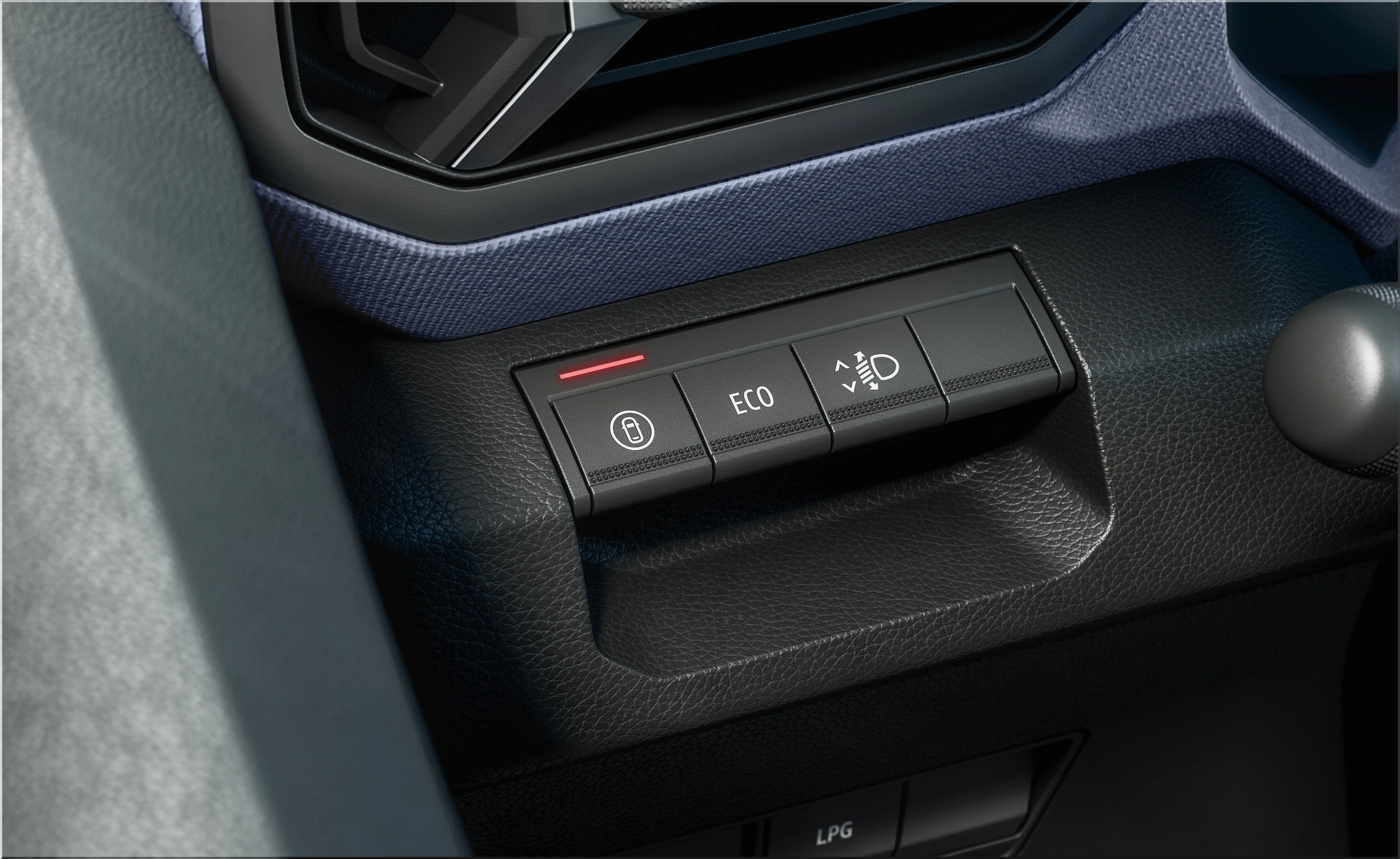
Inside, the dashboard layout mirrors that of the Jogger and Duster, with an intuitive digital cluster, touchscreen infotainment, and physical climate controls — features drivers can use without distraction. The brand’s simplified ergonomics philosophy reduces complexity and improves reliability.
Image gallery
Market Momentum and the Road Ahead
The Bigster’s sales growth signals a strong consumer shift toward hybrid practicality in mid-size SUVs. By focusing on real-world usability, Dacia undercuts larger manufacturers still chasing plug-in performance metrics that often don’t translate to customer benefit.
Key market takeaways:
- 55,000 orders in under a year confirm strong interest.
- The hybrid mix accounts for over 80% of total Bigster configurations sold.
- Recycled materials use and lightweight construction reduce lifecycle emissions.
- COTY 2026 finalist status boosts Dacia’s credibility among premium manufacturers.
The Car of the Year 2026 award will be announced in January 2026 at the Brussels Motor Show, but even without the trophy, the Bigster already reshaped expectations of what a hybrid SUV can deliver for under $30,000.
Image gallery
The Bottom Line: Smart Engineering, Real Value
The Dacia Bigster stands as proof that innovation doesn’t require excess. By combining practical hybrid technology, competitive pricing, and functional design, Dacia meets modern needs without the luxury tax.
For consumers who prioritize efficiency, space, and low cost of ownership, the Bigster offers a data-backed case for value-driven engineering. Its market success and recognition as a Car of the Year finalist validate Dacia’s no-nonsense approach to the future of hybrid mobility.
- Add new comment
- 295 views