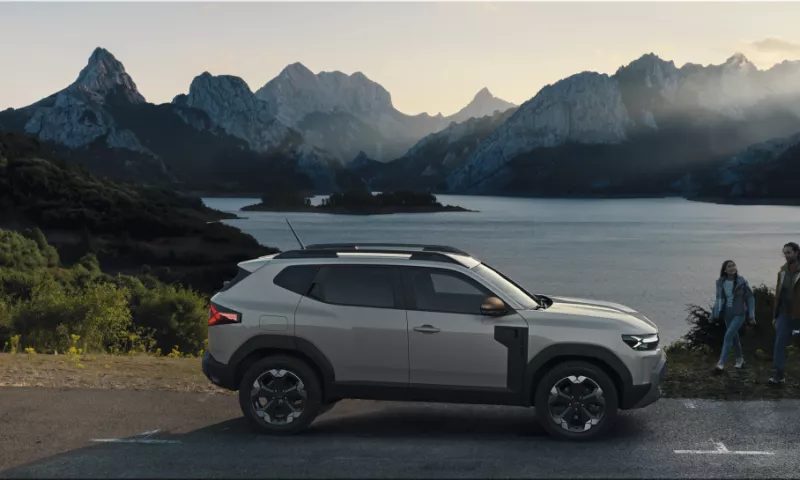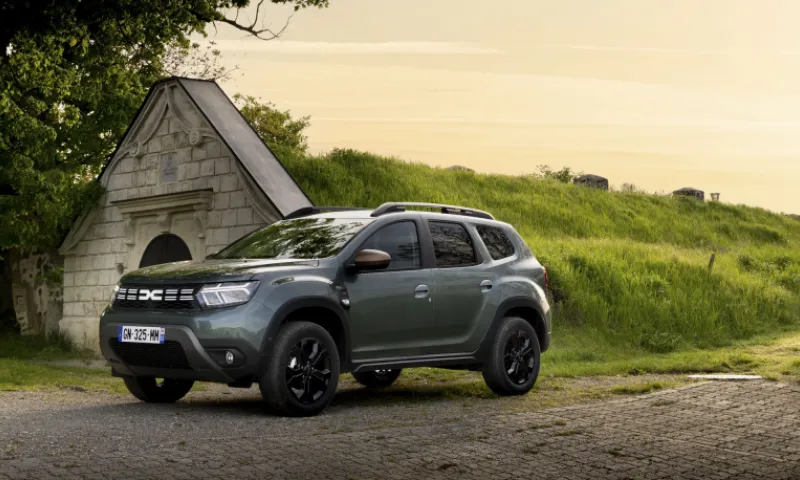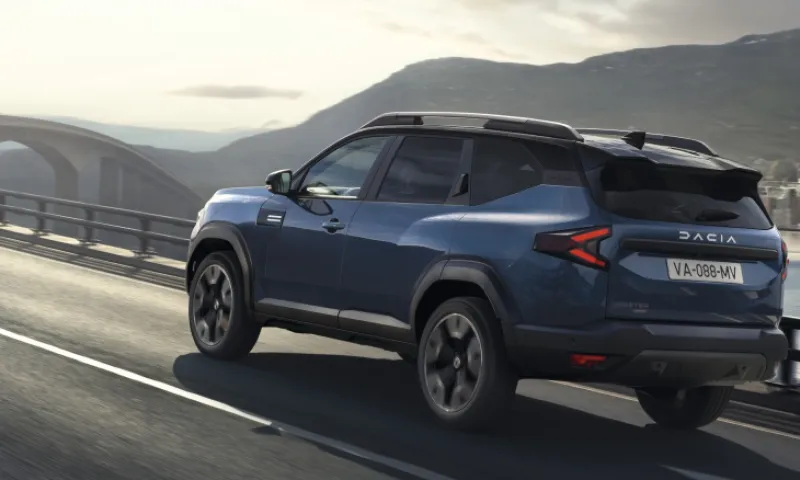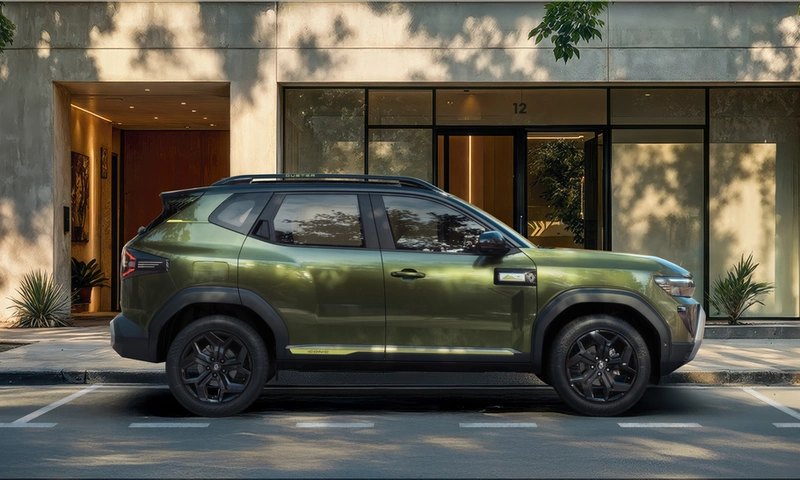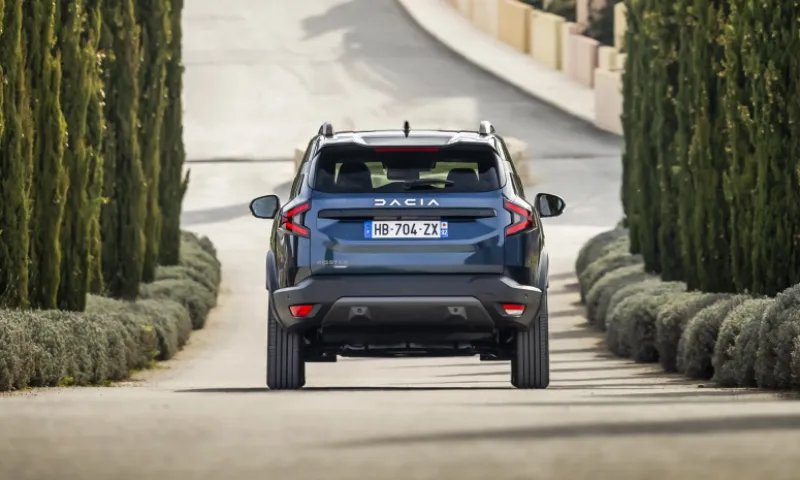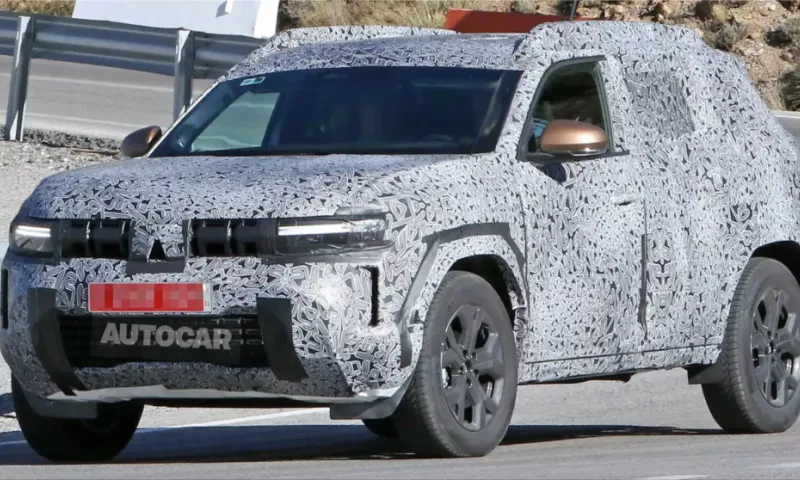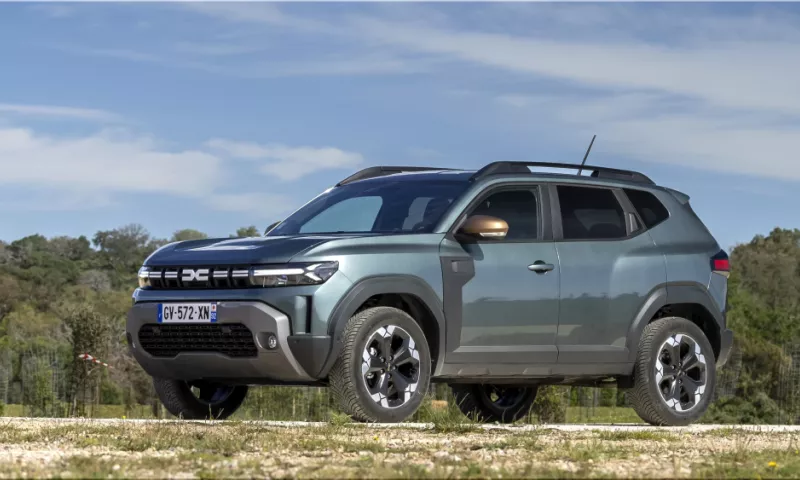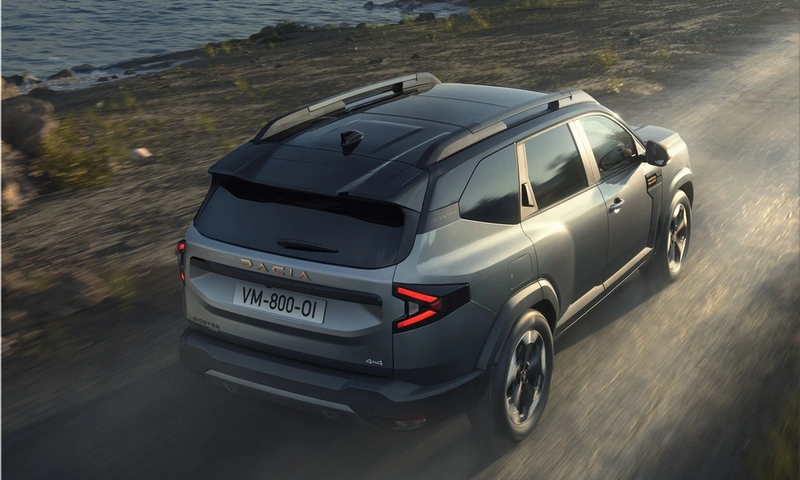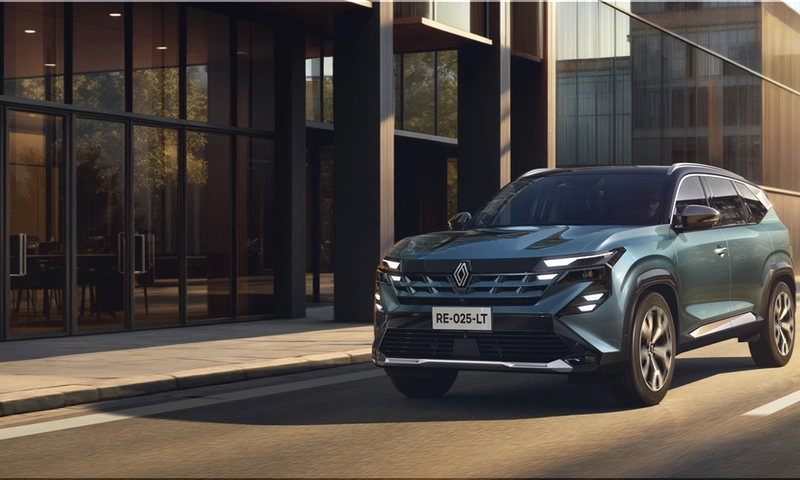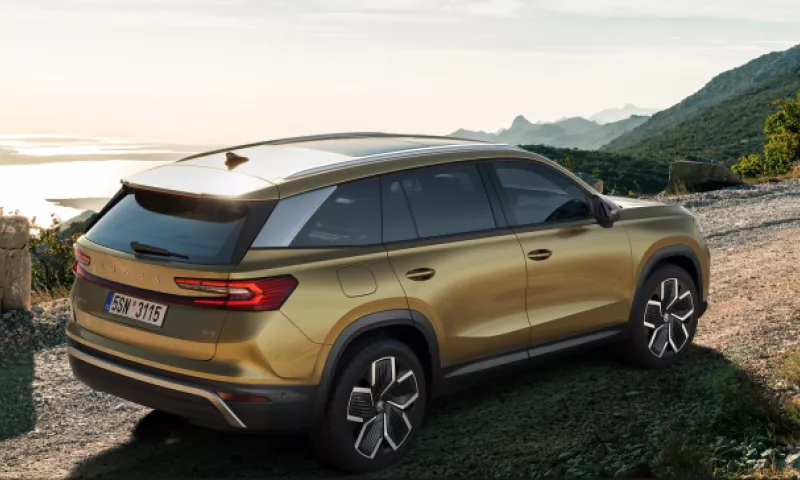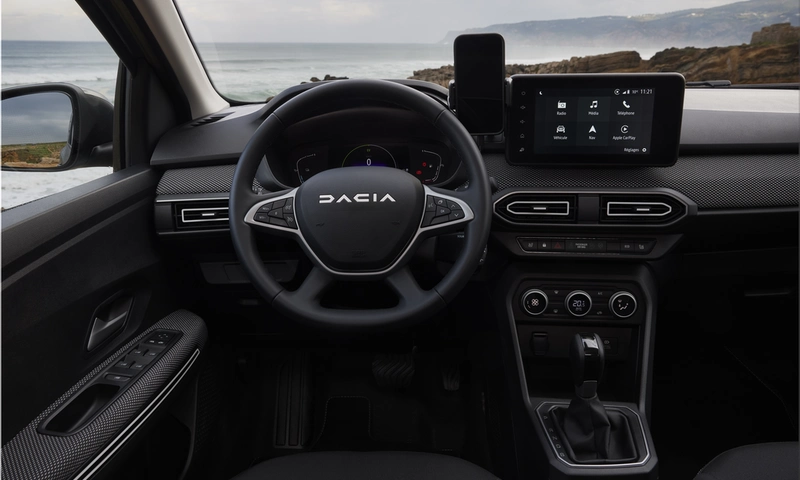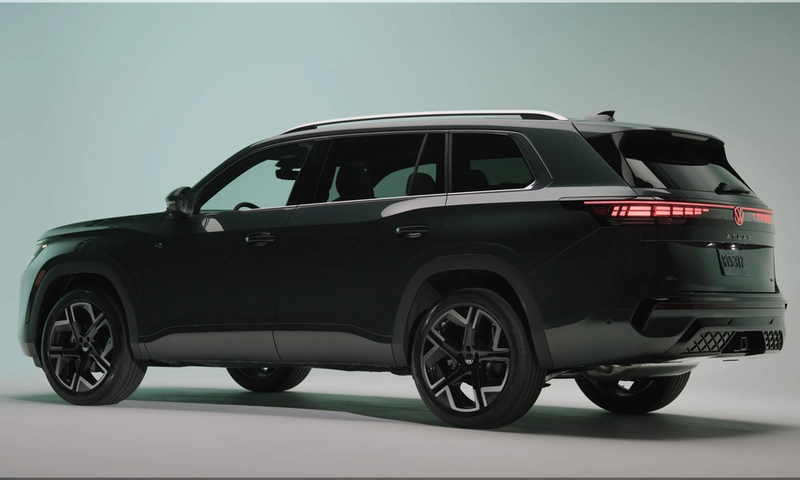

Renault is bringing back one of its most successful models — the Duster — to the Indian market. This move is part of the company’s International Game Plan 2027, which focuses on localizing design, development, and production to match market-specific needs.
Renault’s Strategic Return to a Key Market
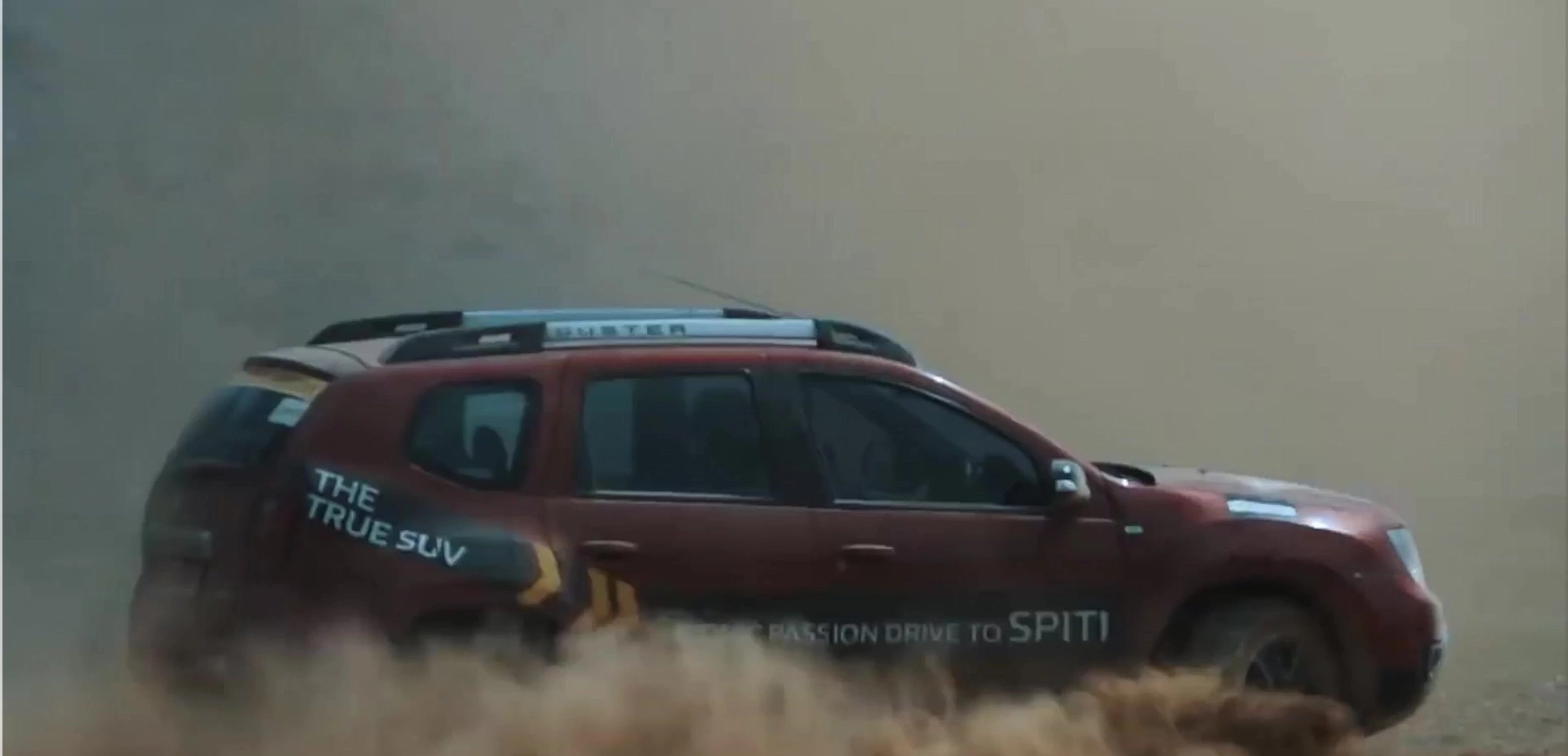
India remains a critical market for global automakers. In 2024, it grew by 7%, becoming the third-largest car market in the world. For Renault, this return marks both a symbolic and strategic step. The Duster, first introduced in 2012, created the compact SUV (B+ SUV) segment in India — a segment that now represents nearly 25% of retail car sales nationwide.
More than 200,000 units of the Duster were sold locally in its first production cycle. Its comeback aims to capture a share of a market increasingly driven by consumer demand for compact SUVs with efficient powertrains, advanced safety, and affordable pricing.
Image
Local Production and Industrial Expansion
Under its International Game Plan 2027, Renault plans to design, develop, and build vehicles locally to better meet consumer expectations.
The new Renault Duster will be assembled at the Chennai plant (RNAIPL), which becomes the company’s fifth industrial hub outside Europe, joining facilities in:
- Latin America
- South Korea
- Turkey
- Morocco
This localization effort reduces costs, shortens supply chains, and enables faster market response — all critical in a price-sensitive, competitive environment like India.
What Makes the Duster a Key Player Again
The Duster’s reputation as a reliable, versatile, and durable SUV made it one of Renault’s global bestsellers, with nearly two million units sold across 100 countries. The new generation aims to combine this legacy with modern design, improved performance, and advanced technology.
Expected Product Highlights
While Renault has not yet released full specifications, here’s what’s anticipated based on the company’s latest global SUV strategy:
| Feature Category | Expected Update | Market Impact |
|---|---|---|
| Powertrain | Likely hybrid or turbo-petrol options | Meets new efficiency standards |
| Design | Bolder exterior, refined interiors | Aligns with premium SUV expectations |
| Safety | Enhanced structure, multiple airbags, ADAS features | Matches evolving consumer safety demands |
| Connectivity | Advanced infotainment, smartphone integration | Targets tech-savvy Indian buyers |
The official reveal of the new Duster is scheduled for January 26, 2026, aligning with India’s Republic Day — a timing that underscores Renault’s renewed local commitment.
Brand Vision and Consumer Positioning
According to Stéphane Deblaise, CEO Renault India, the Duster’s return reflects the brand’s focus on reliability, innovation, and customer relevance. Renault intends to position the model as a symbol of adventure and everyday practicality, targeting both urban drivers and rural consumers seeking a capable, affordable SUV.
Sylvia Dos Santos, Head of Renault Naming Strategy, explained that the Duster name itself carries legacy value — derived from the English word “dust,” it conveys the car’s ruggedness and ability to handle diverse road conditions. The simplicity and global recognition of the name strengthen its brand identity across regions.
Competitive Outlook: India’s Compact SUV Battlefield
Renault faces stiff competition in India’s compact SUV market from:
- Hyundai Creta (starting around $17,000 USD)
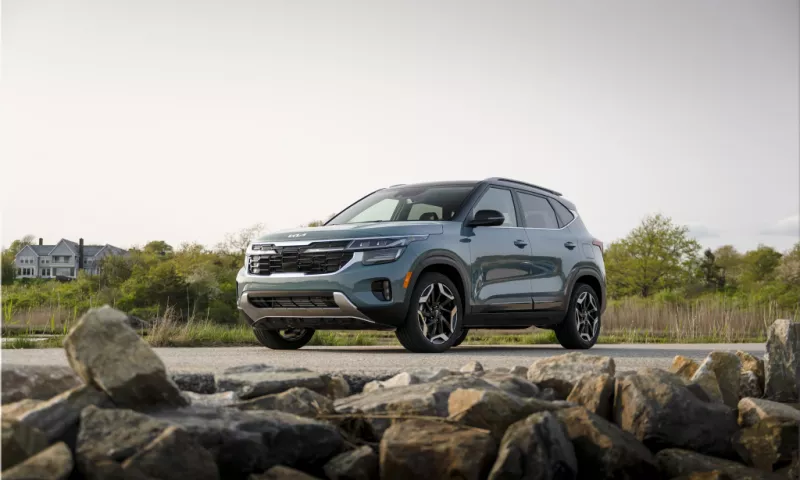
- Kia Seltos (around $16,500 USD)
- Maruti Suzuki Grand Vitara (around $15,500 USD)
The new Duster is expected to compete in this range, offering value-driven pricing and European engineering credibility.
Renault’s prior success with the first Duster proves the brand’s ability to identify early market gaps. The next challenge will be adapting to India’s new expectations — fuel efficiency, connectivity, and sustainability — without losing the rugged charm that made the Duster a hit.
Image gallery


Video
Video title
Renault Duster
Economic and Manufacturing Impact
Opening the fifth Renault production hub outside Europe in India is more than a symbolic move. It enhances export potential to neighboring markets and reduces dependency on existing manufacturing bases.
This supports Renault’s strategy of regional autonomy, giving each market more control over product development and sourcing.
The Chennai plant, operating under Renault Nissan Automotive India Pvt Ltd (RNAIPL), is expected to create new jobs and contribute to local component manufacturing, strengthening India’s position as a global auto production hub.
Image gallery


Outlook: Duster’s Next Chapter
With the official reveal in January 2026, Renault’s re-entry into India with the Duster is both a business expansion and a brand revival.
If executed effectively, the model could help Renault regain a strong foothold in one of the fastest-growing automotive markets while demonstrating how local manufacturing and global brand strength can work together to deliver market success.
- Add new comment
- 187 views