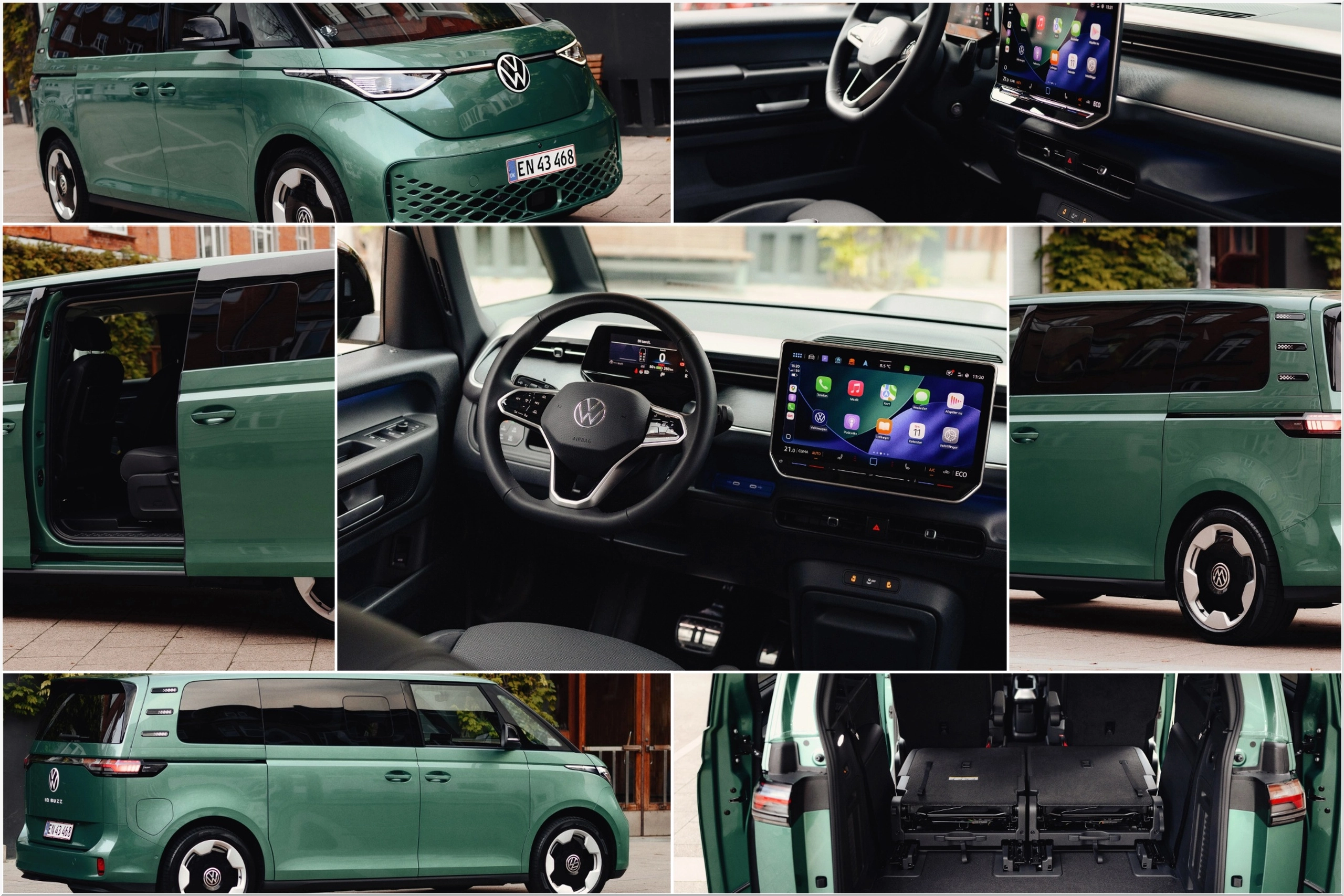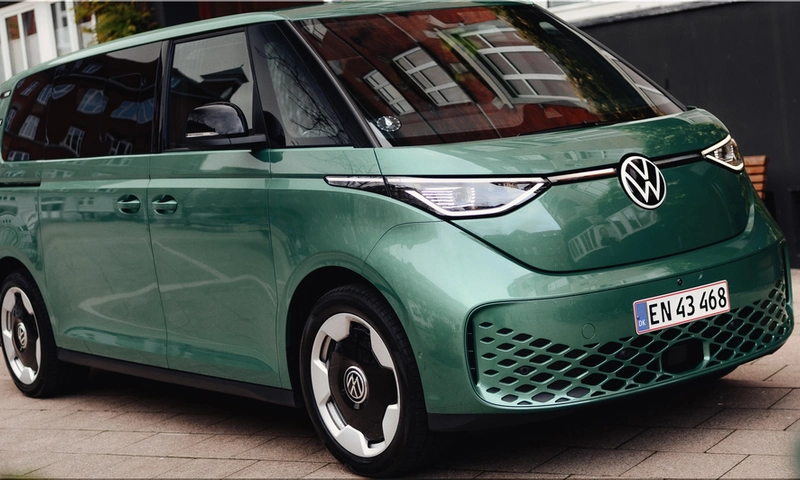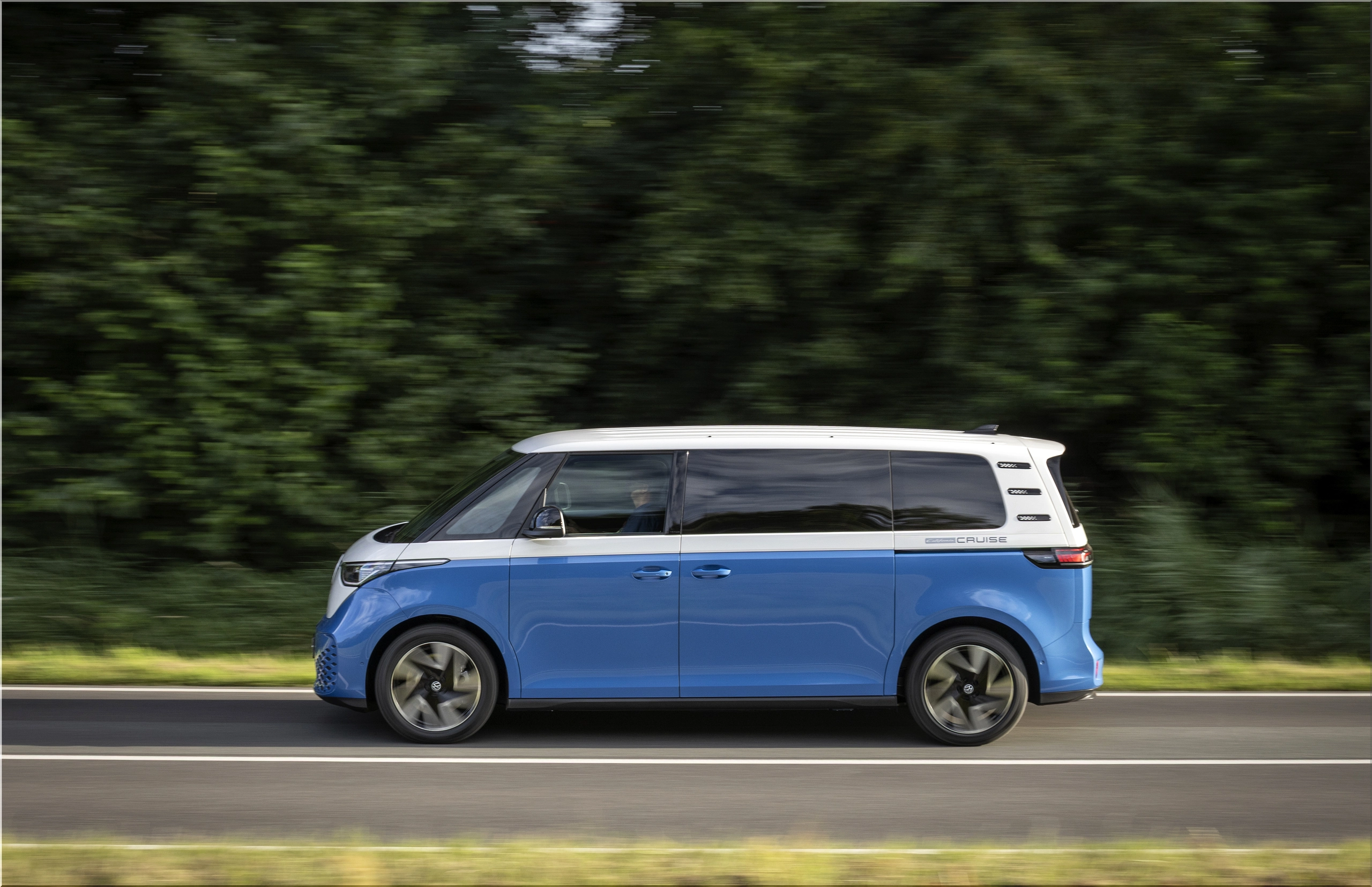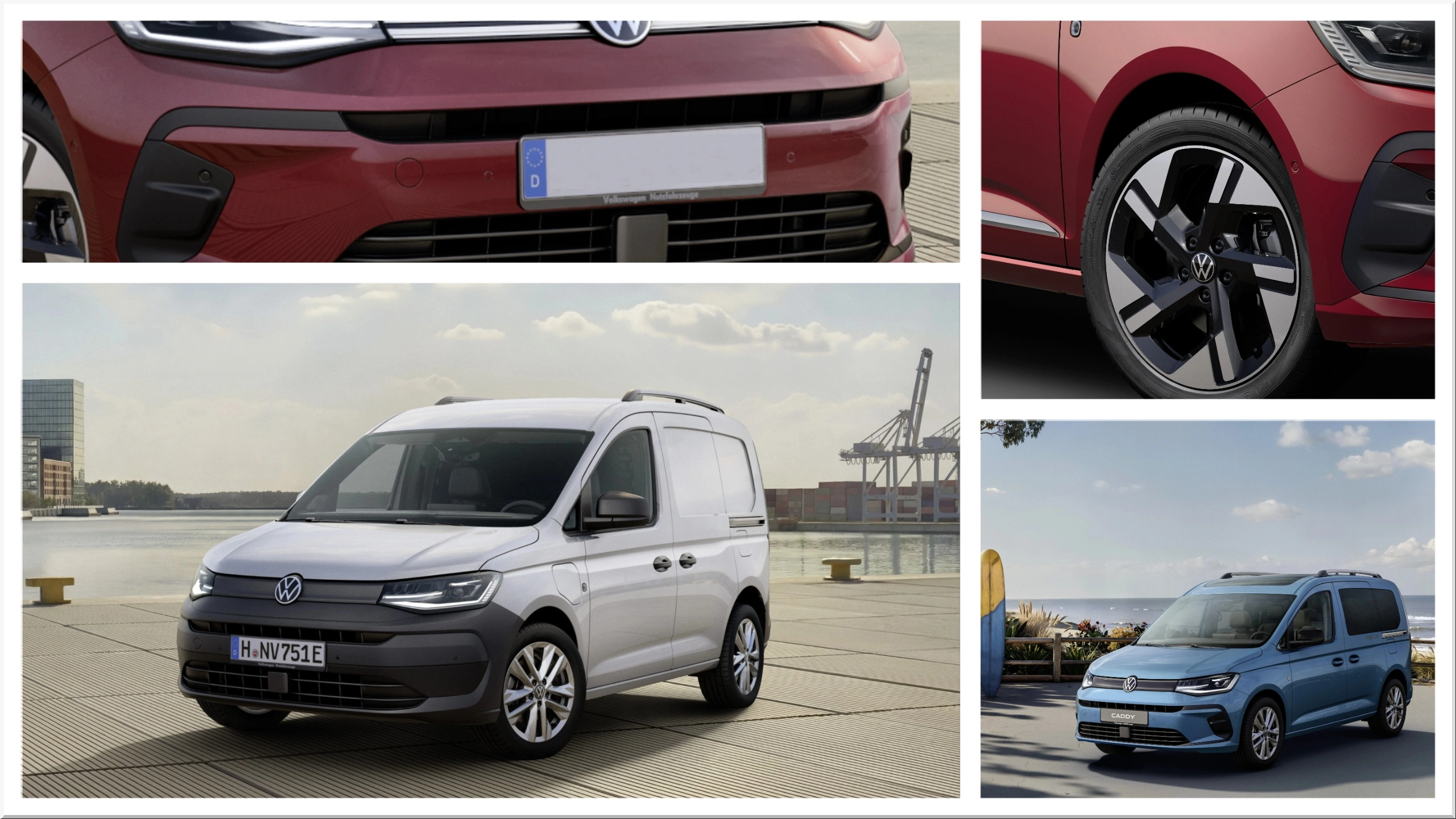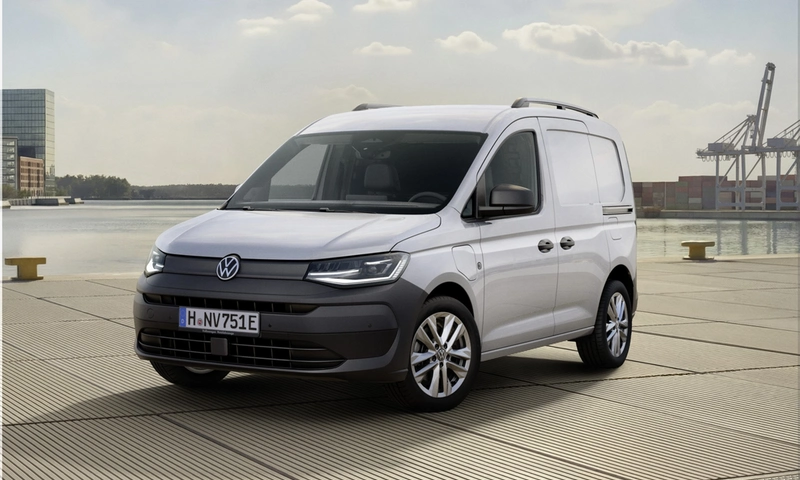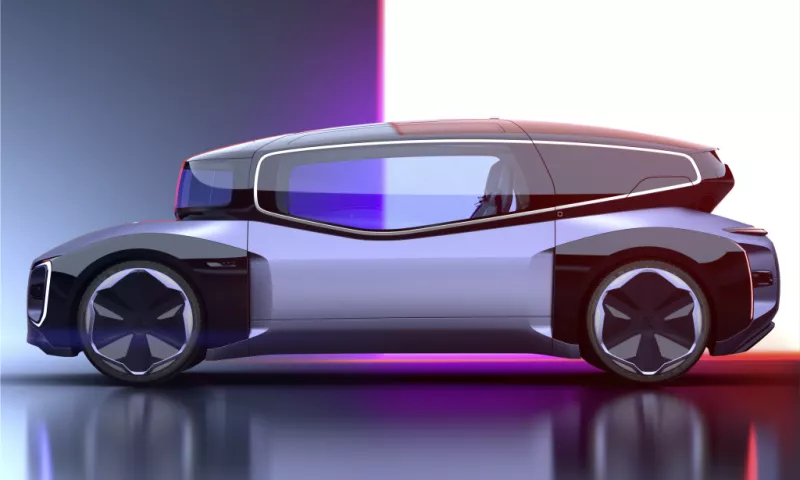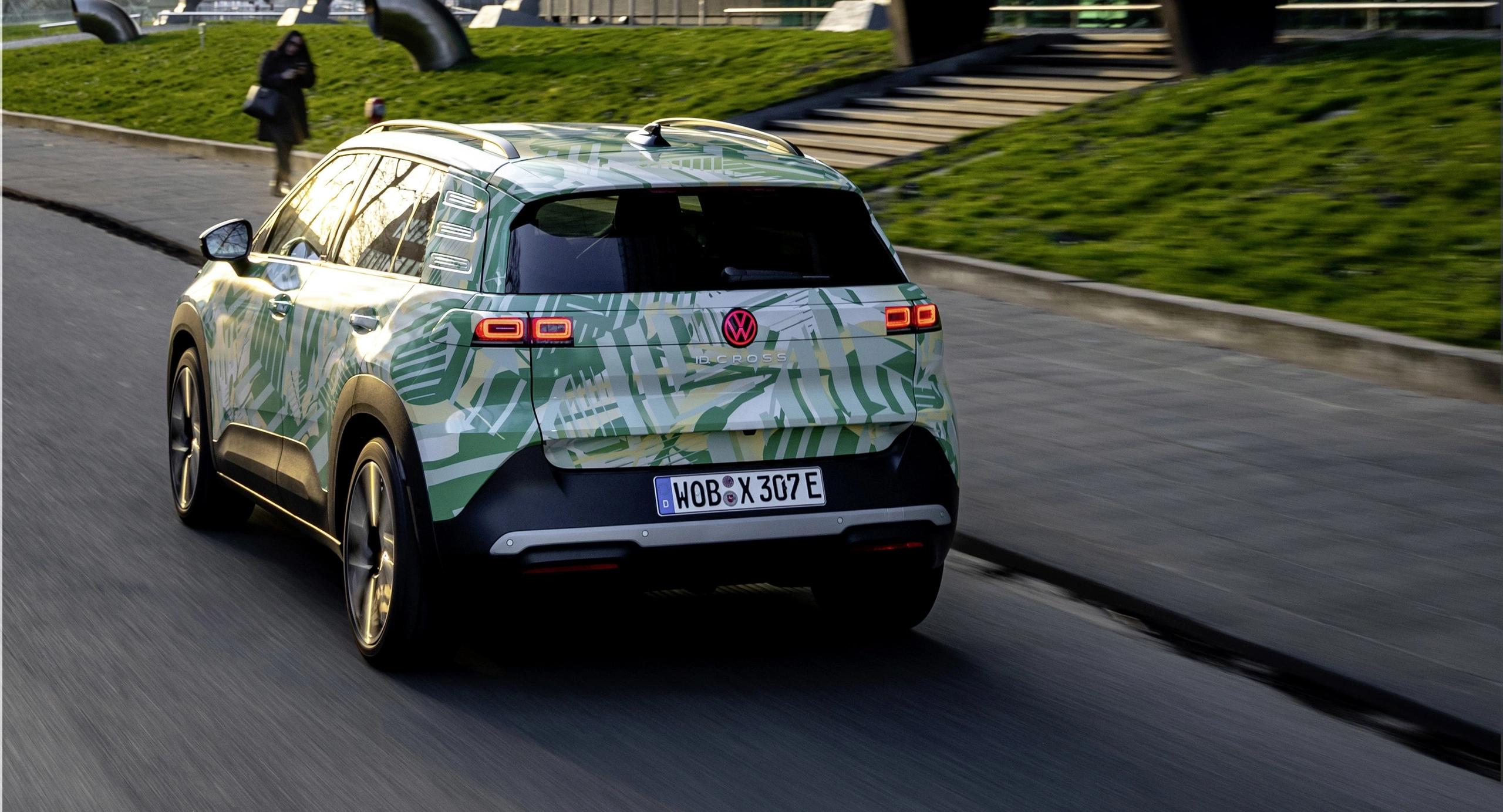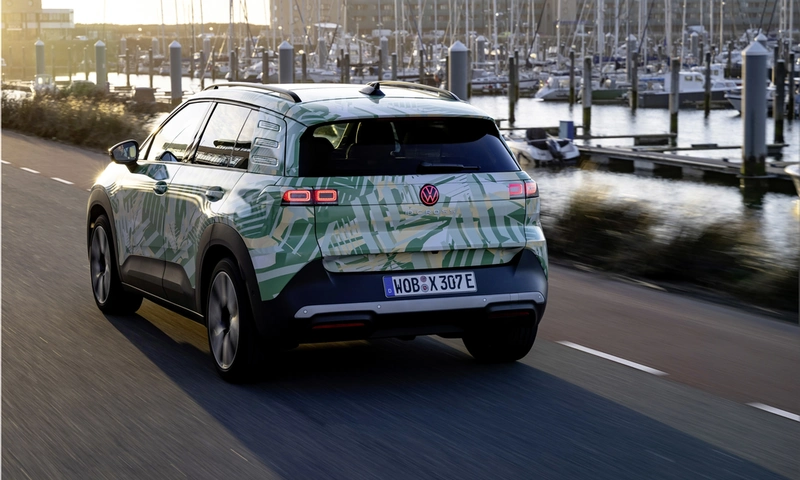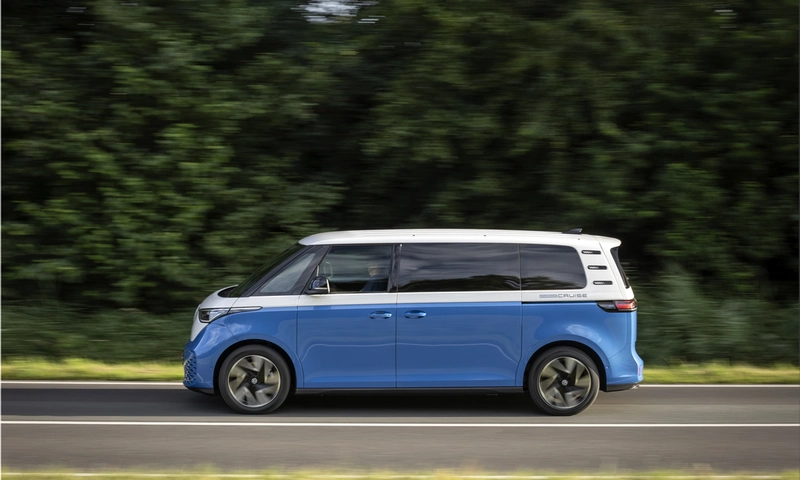
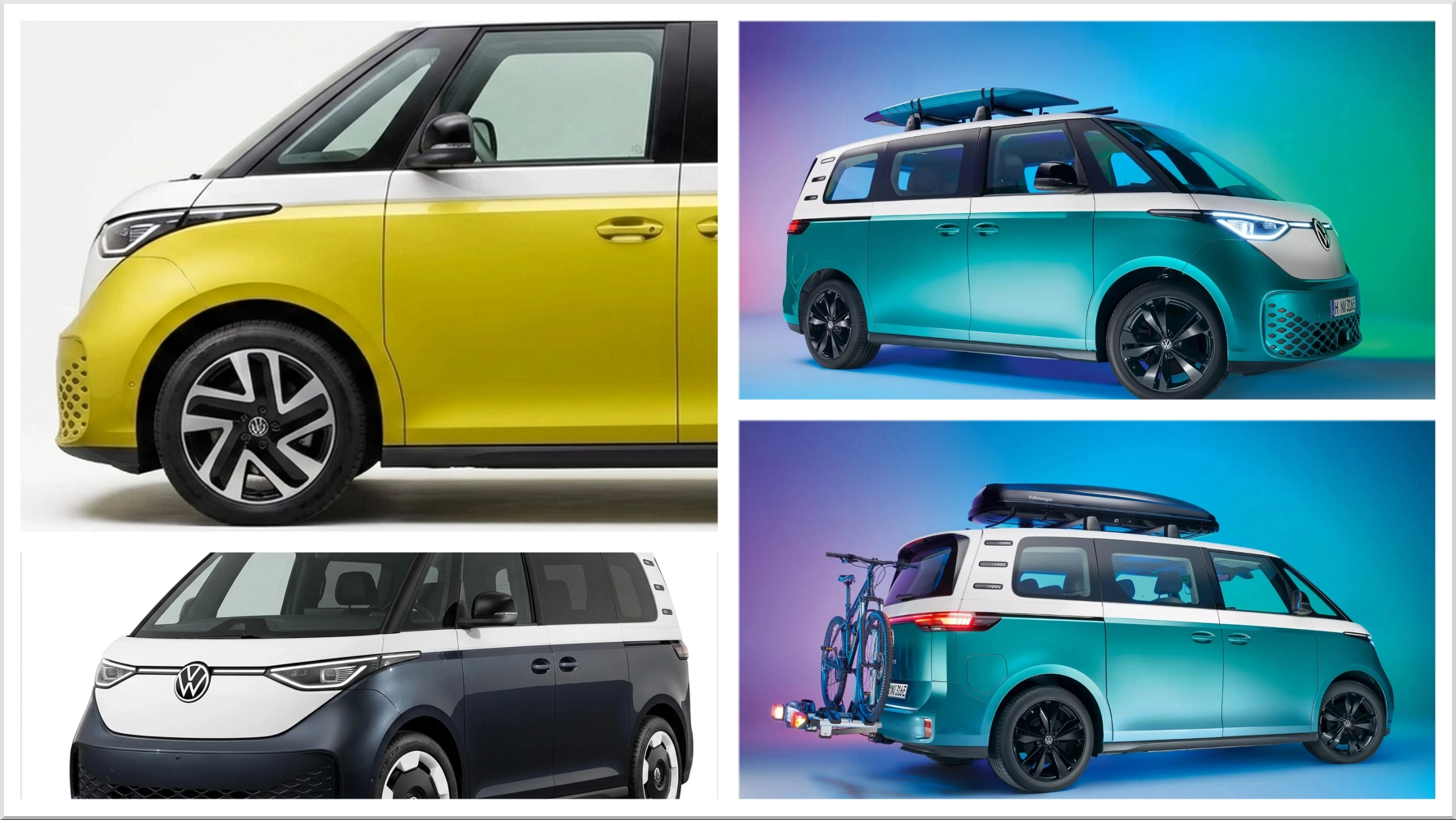
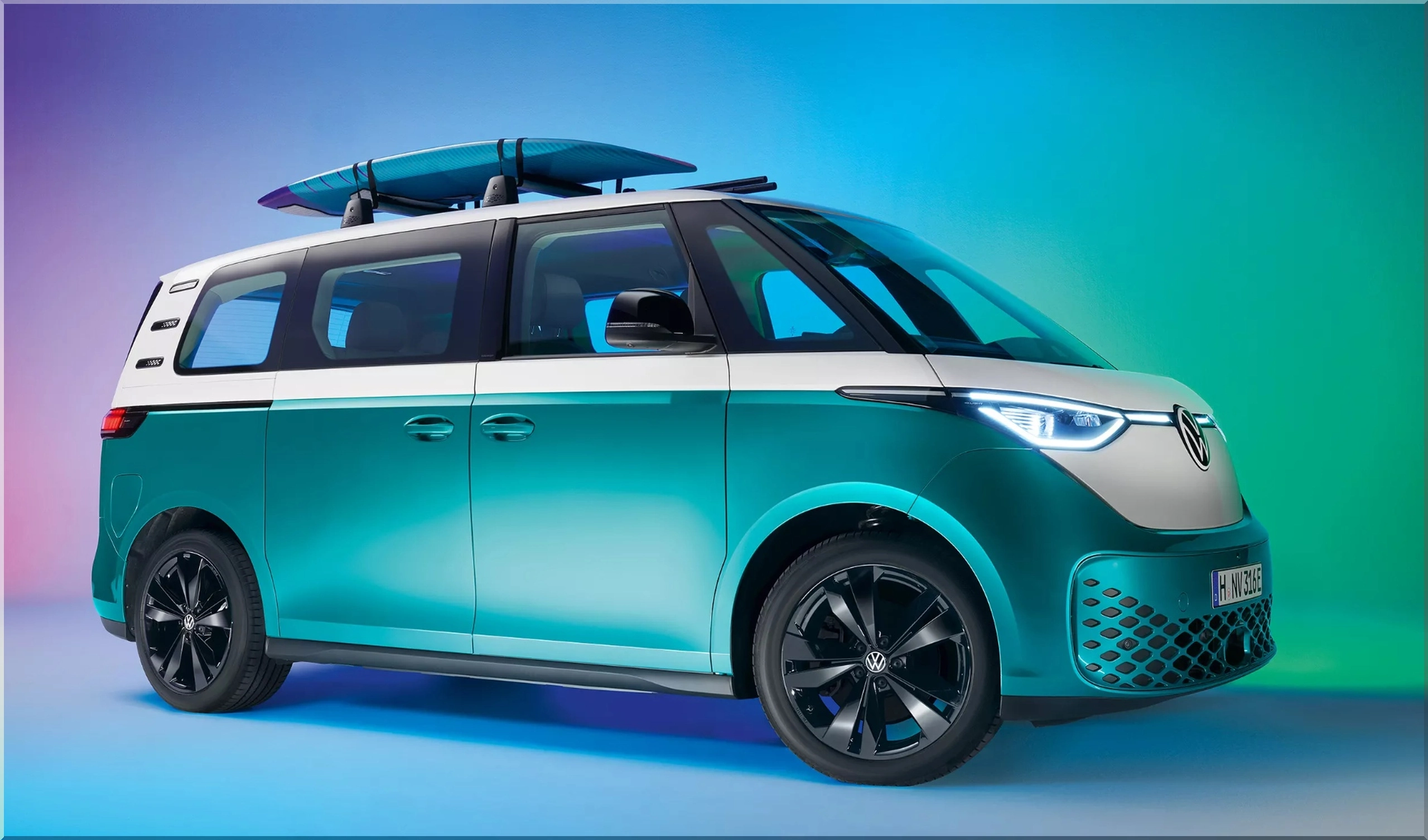
Volkswagen took the ID. Buzz out of the US lineup for 2026. Now it returns for 2027 with a sharper pitch: less nostalgia theater, more usable hardware. The headline model, the 2027 Volkswagen ID. Buzz Tourer 4Motion, adds a factory camping package, expanded all-wheel-drive availability, updated software, and the one driving feature many EV owners expected from day one.
The strategy makes sense. The previous ID. Buzz arrived with charm, space, and a steep price, but it also carried two big weaknesses: limited range for a large EV and a feature set that did not fully match its vanlife image. Looking at the data, Volkswagen now aims the 2027 model directly at buyers who want an electric weekend rig rather than a pure family hauler.
Image
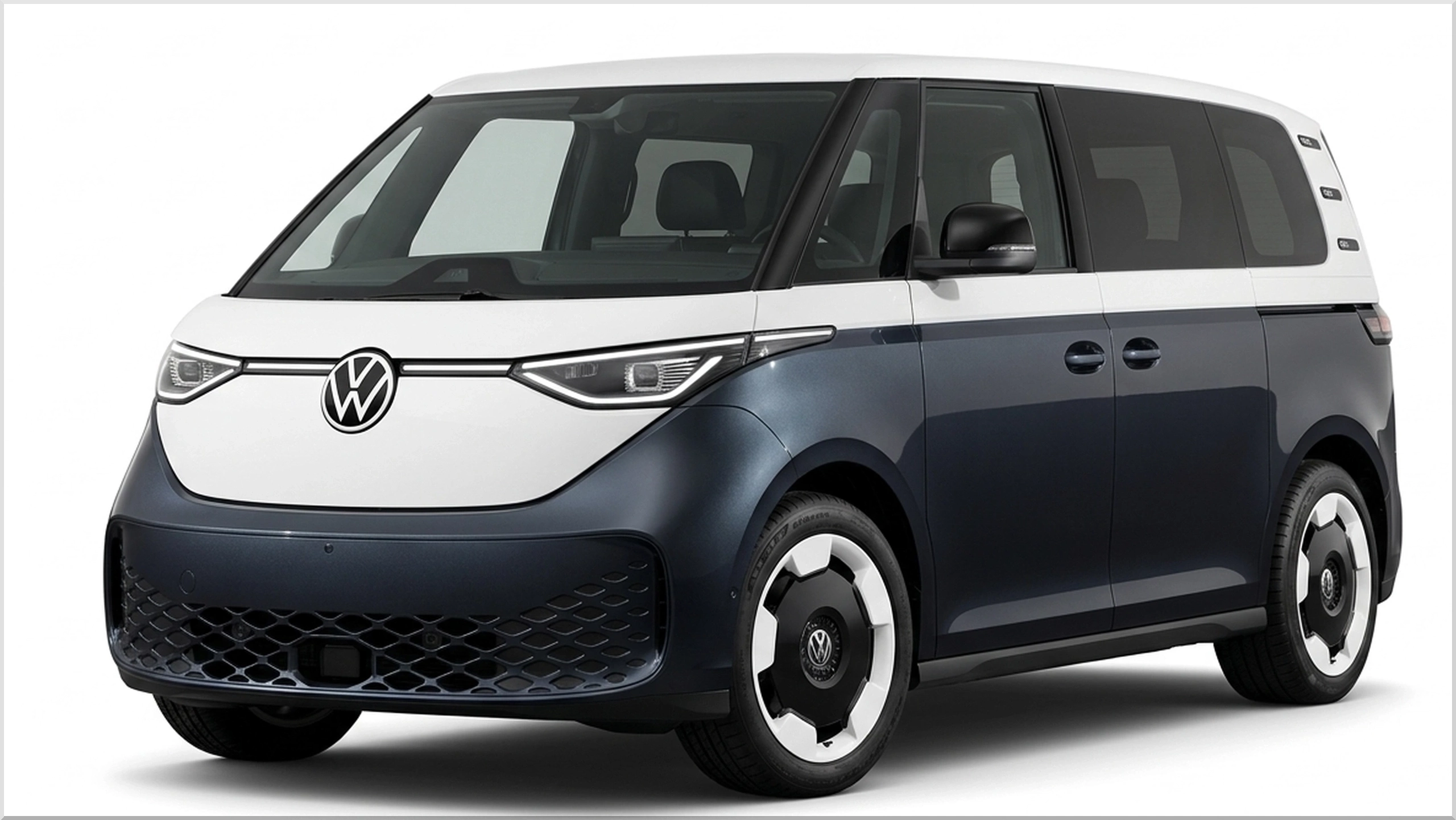
2027 Volkswagen ID. Buzz Lineup: Four Trims, More AWD
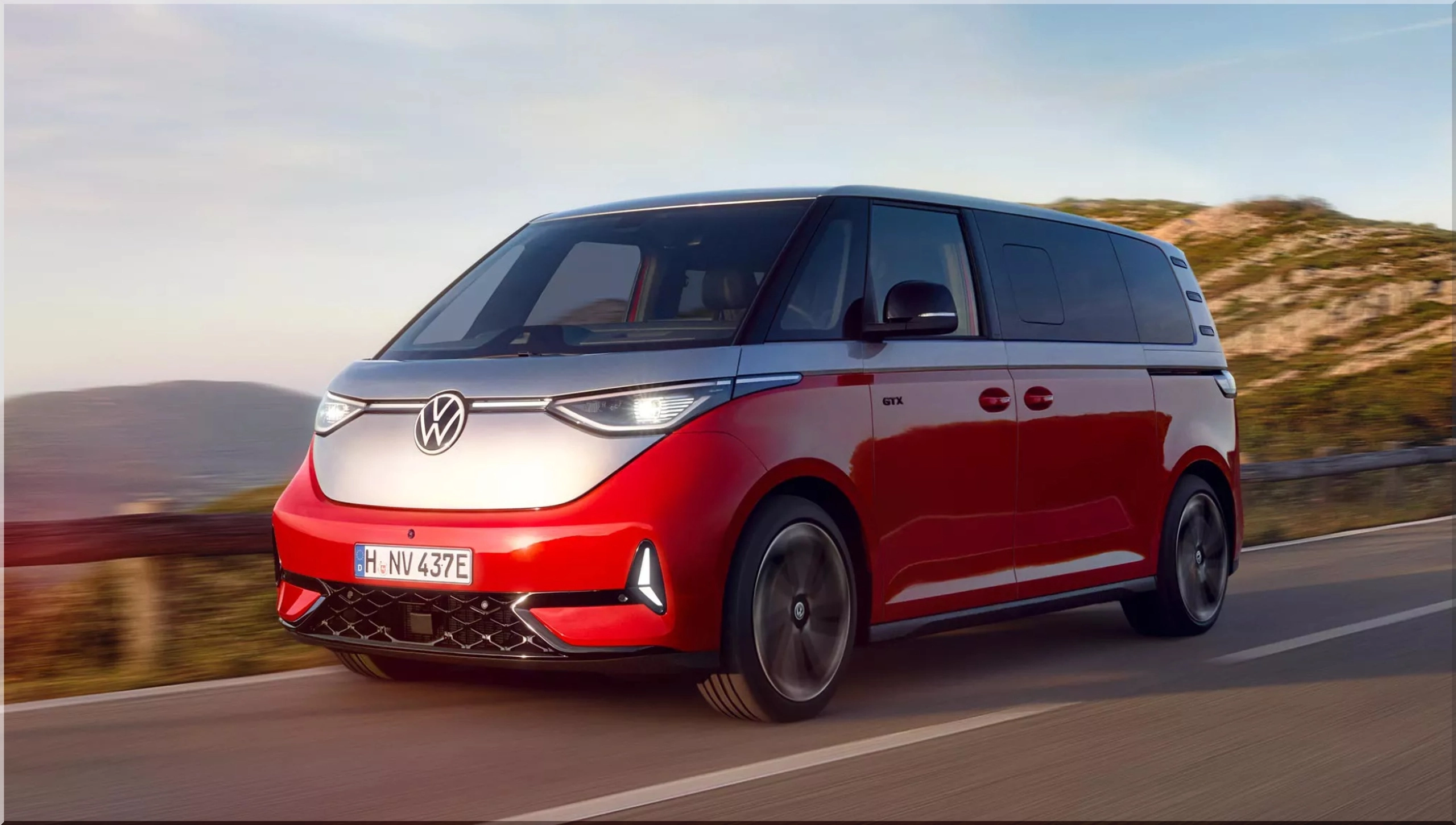
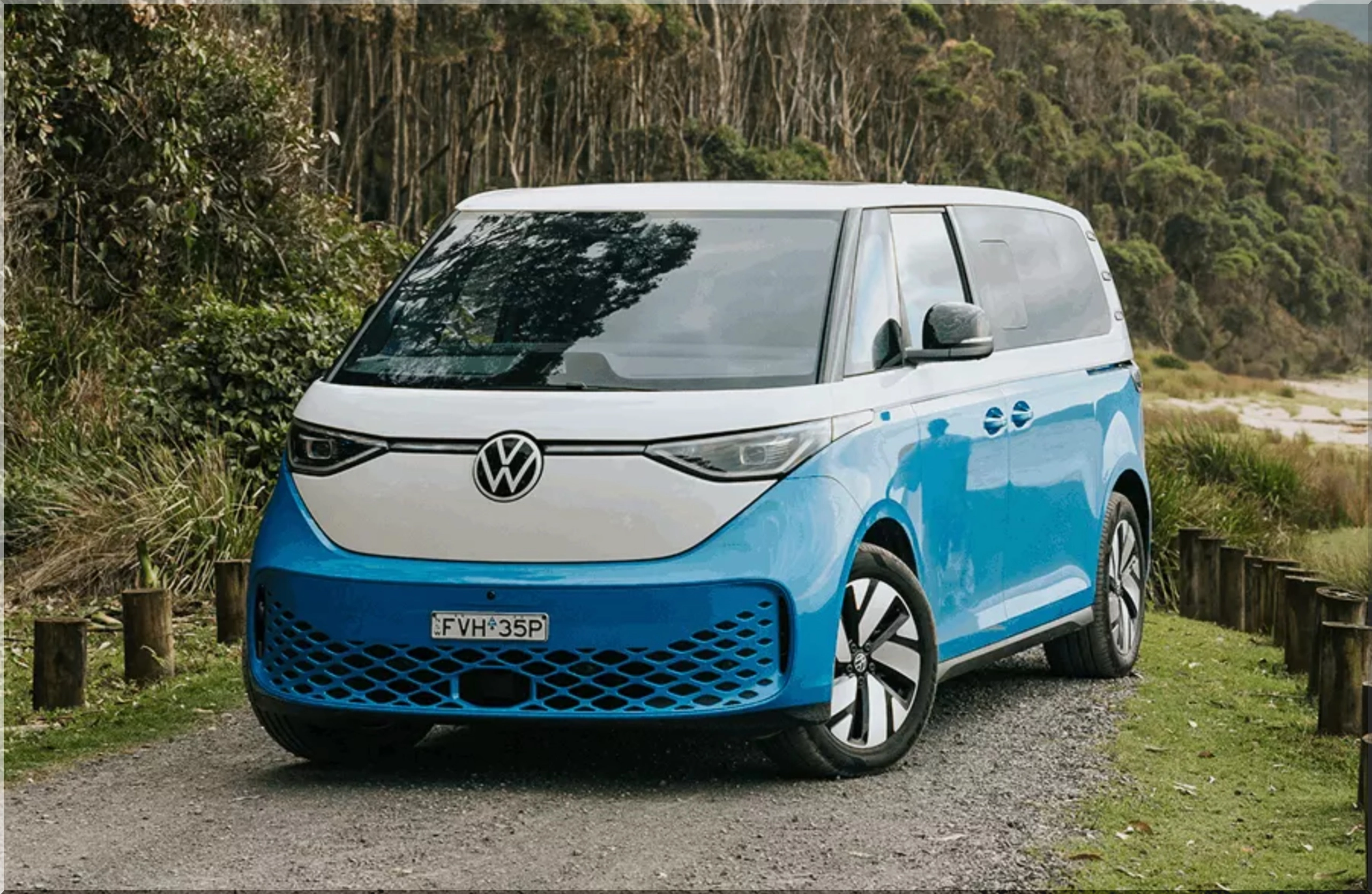
Volkswagen reshaped the US 2027 ID. Buzz lineup around four trims: Pro S RWD, Pro S 4Motion, Tourer 4Motion, and Pro S Plus 4Motion. That change puts all-wheel drive in three of four variants, which fits the van's size, weight, and outdoor pitch.
The previous US model used a 91-kWh gross battery pack with 86 kWh usable capacity. Rear-wheel-drive versions made 282 hp and 413 lb-ft of torque, while 4Motion models used dual motors for 335 hp and 512 lb-ft. Volkswagen has not published final 2027 horsepower, torque, EPA range, or pricing figures yet, so the previous numbers act as the cleanest logic-based reference.
| Data Point | 2025 ID. Buzz RWD | 2025 ID. Buzz 4Motion | 2027 ID. Buzz Status |
|---|---|---|---|
| Battery capacity | 91 kWh gross / 86 kWh usable | 91 kWh gross / 86 kWh usable | Not yet revised |
| Output | 282 hp | 335 hp | Not yet confirmed |
| Torque | 413 lb-ft | 512 lb-ft | Not yet confirmed |
| EPA range | Up to 234 miles | Up to 231 miles | Not yet announced |
| Charging | 10-80 percent in about 30 minutes | 10-80 percent in about 30 minutes | NACS adapter expected |
| Layout | Single-motor RWD | Dual-motor AWD | More AWD trims |
From an expert perspective, the extra AWD coverage solves a positioning problem. A tall electric van with a long wheelbase, broad cabin, and outdoor accessories needs traction confidence. Volkswagen did not turn the ID. Buzz into a trail van, but 4Motion gives the Tourer better low-speed grip on wet grass, gravel campground roads, and winter access routes.
ID. Buzz Tourer 4Motion: What The Camping Trim Adds
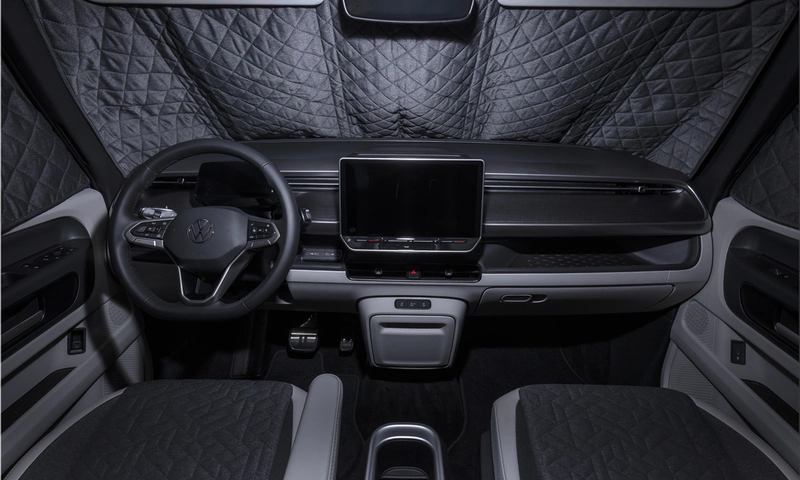
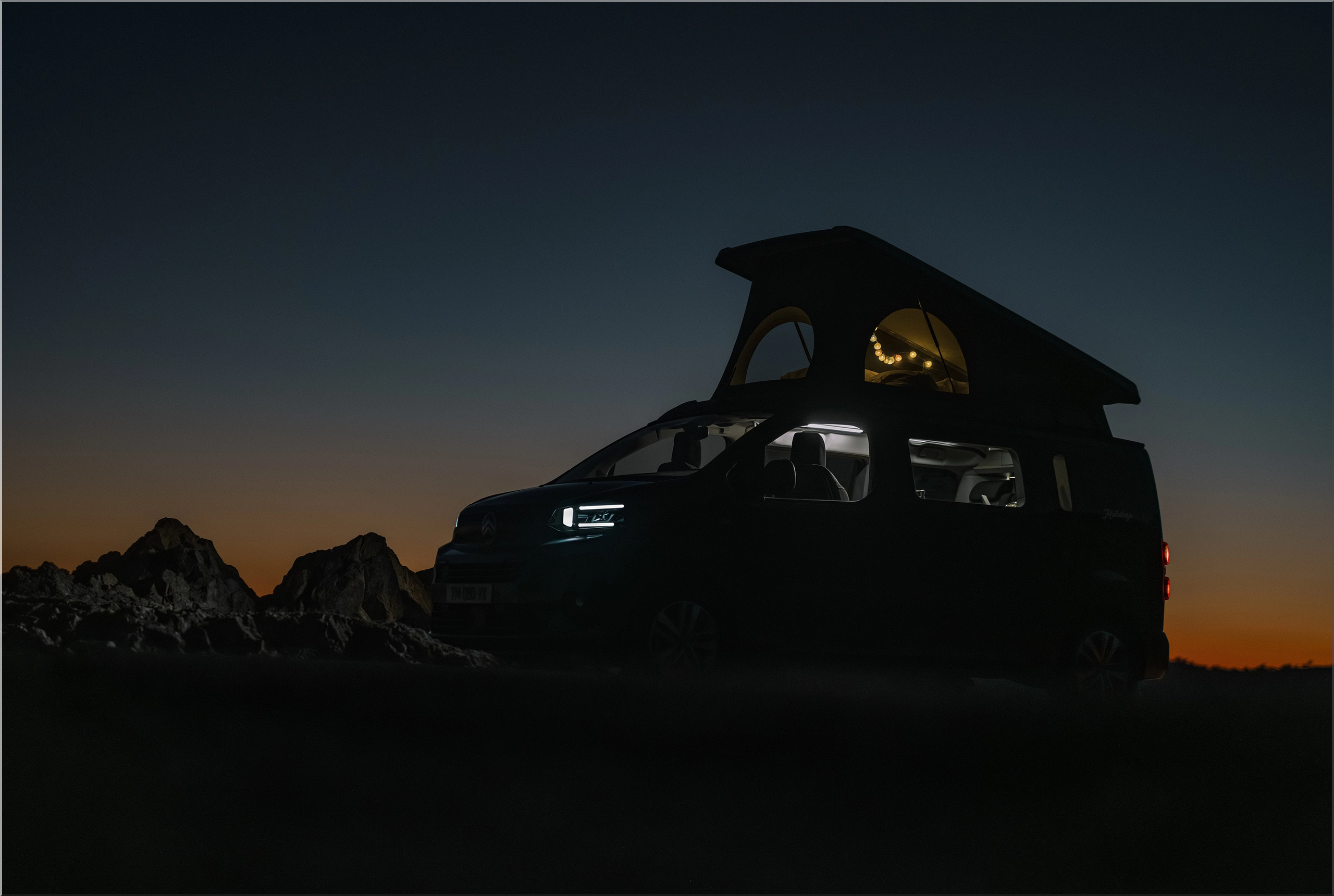
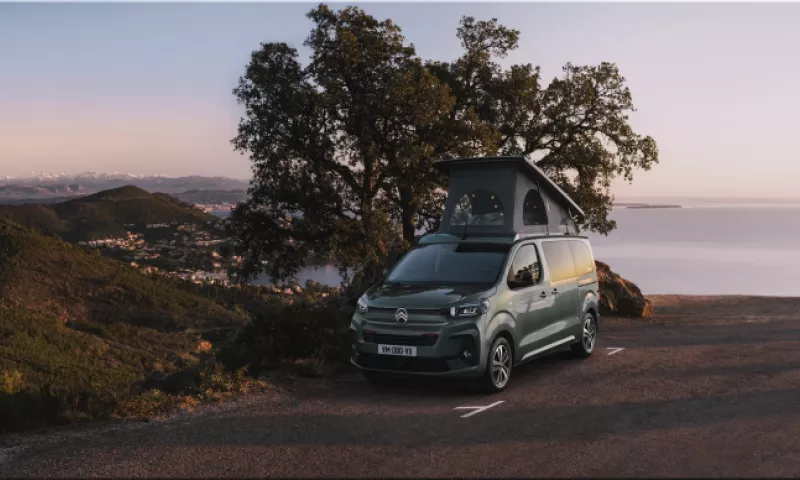
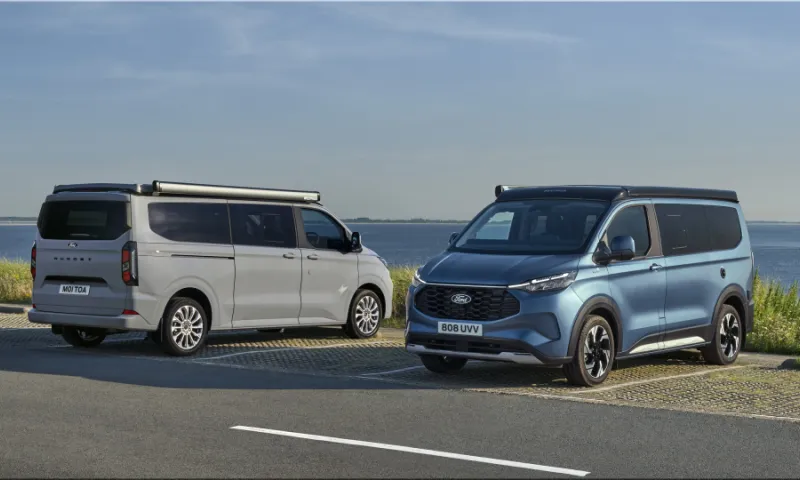
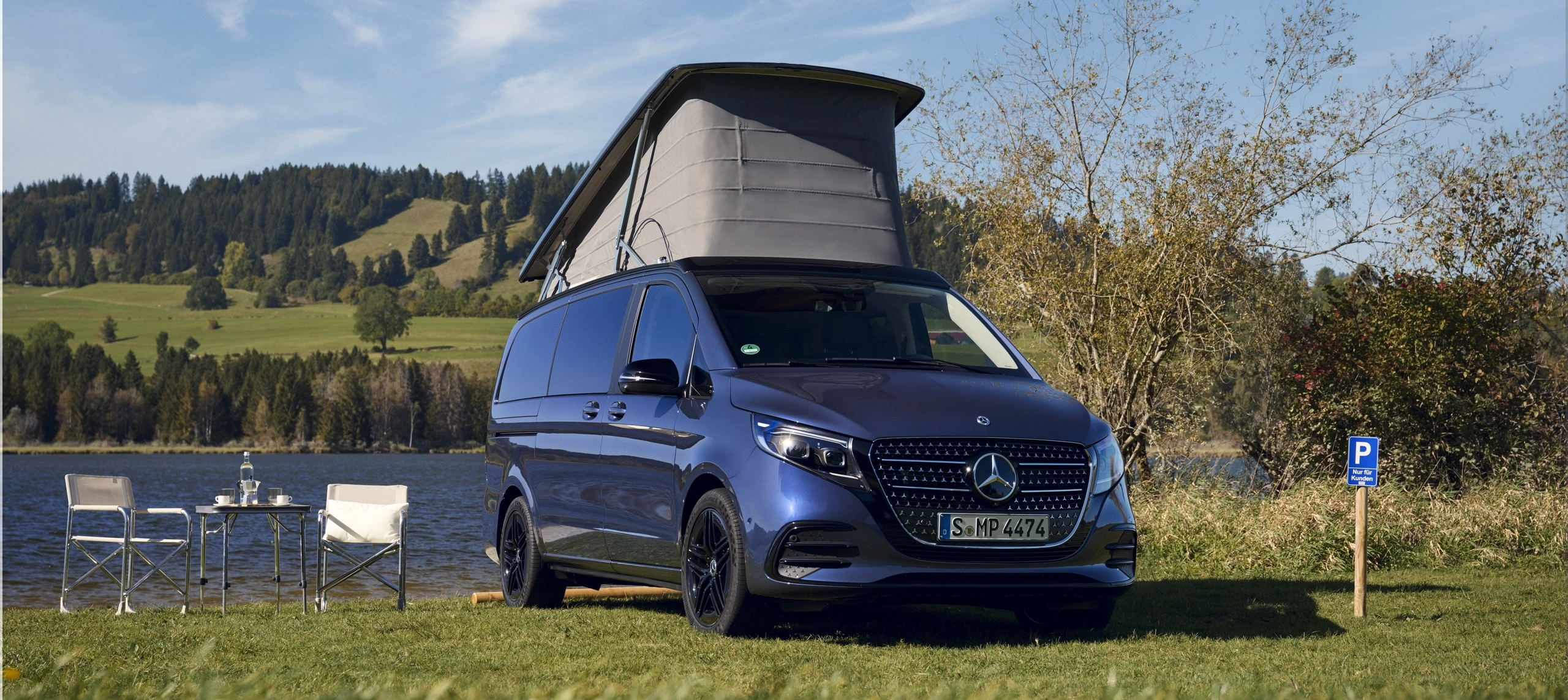
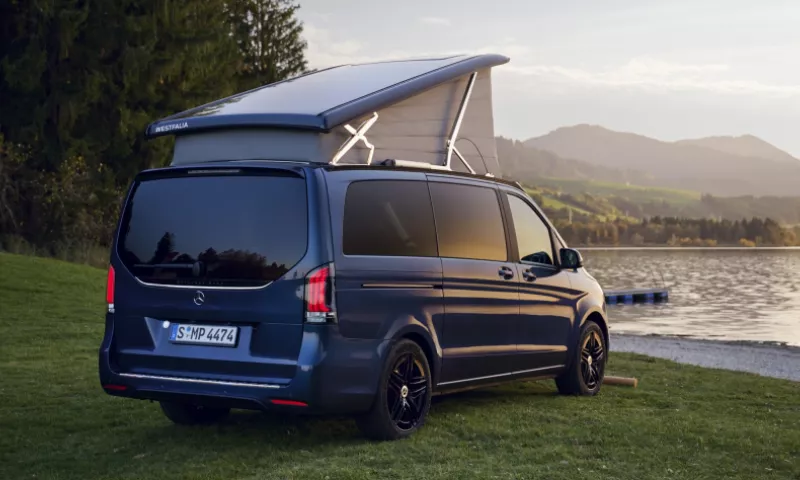
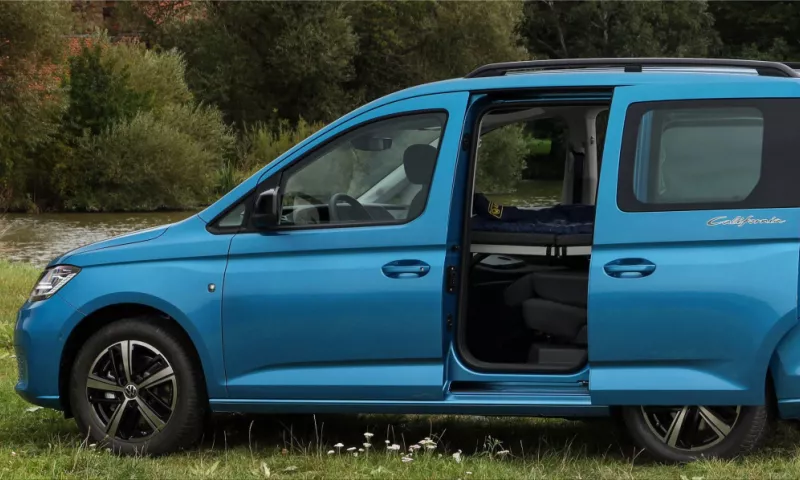
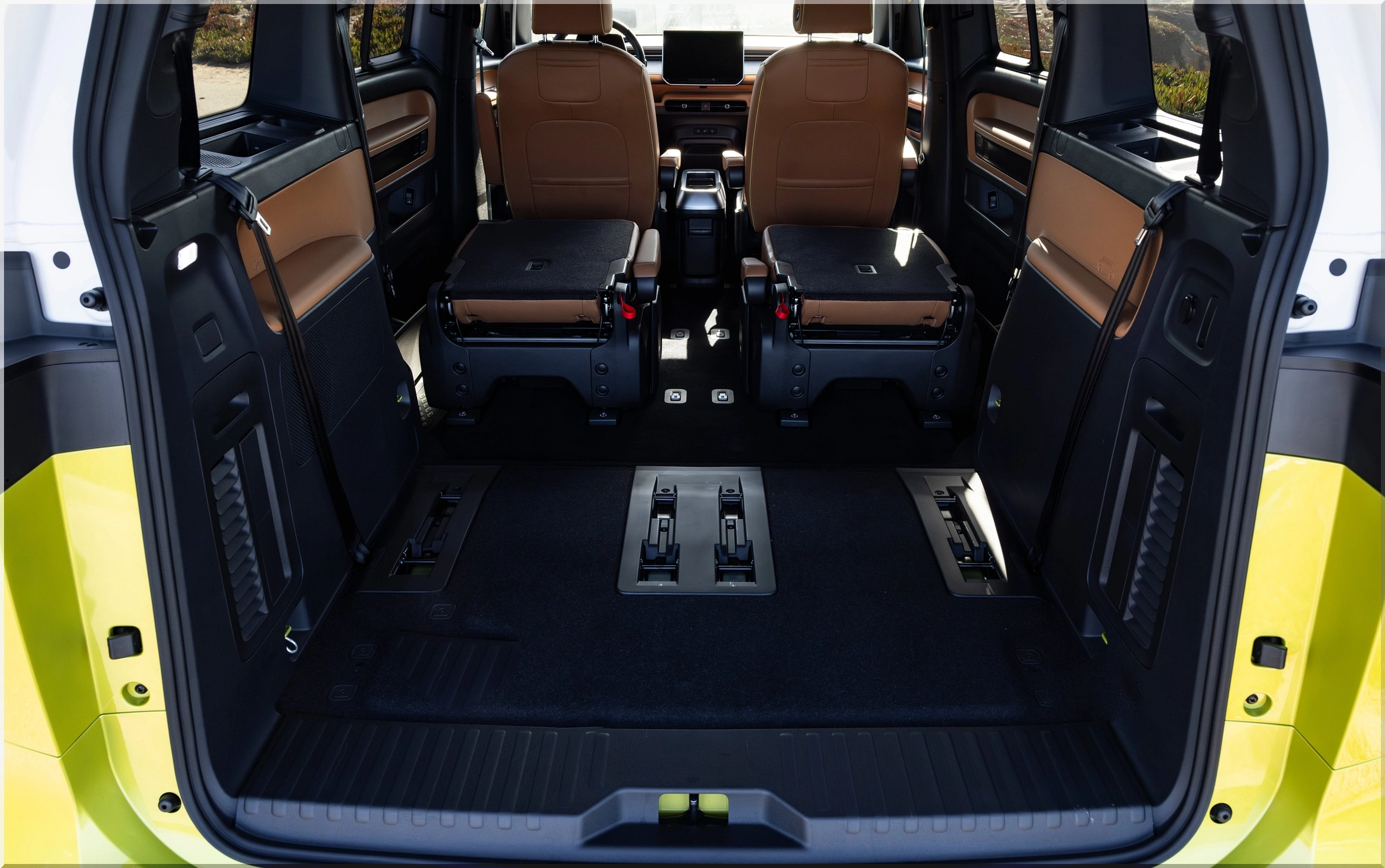
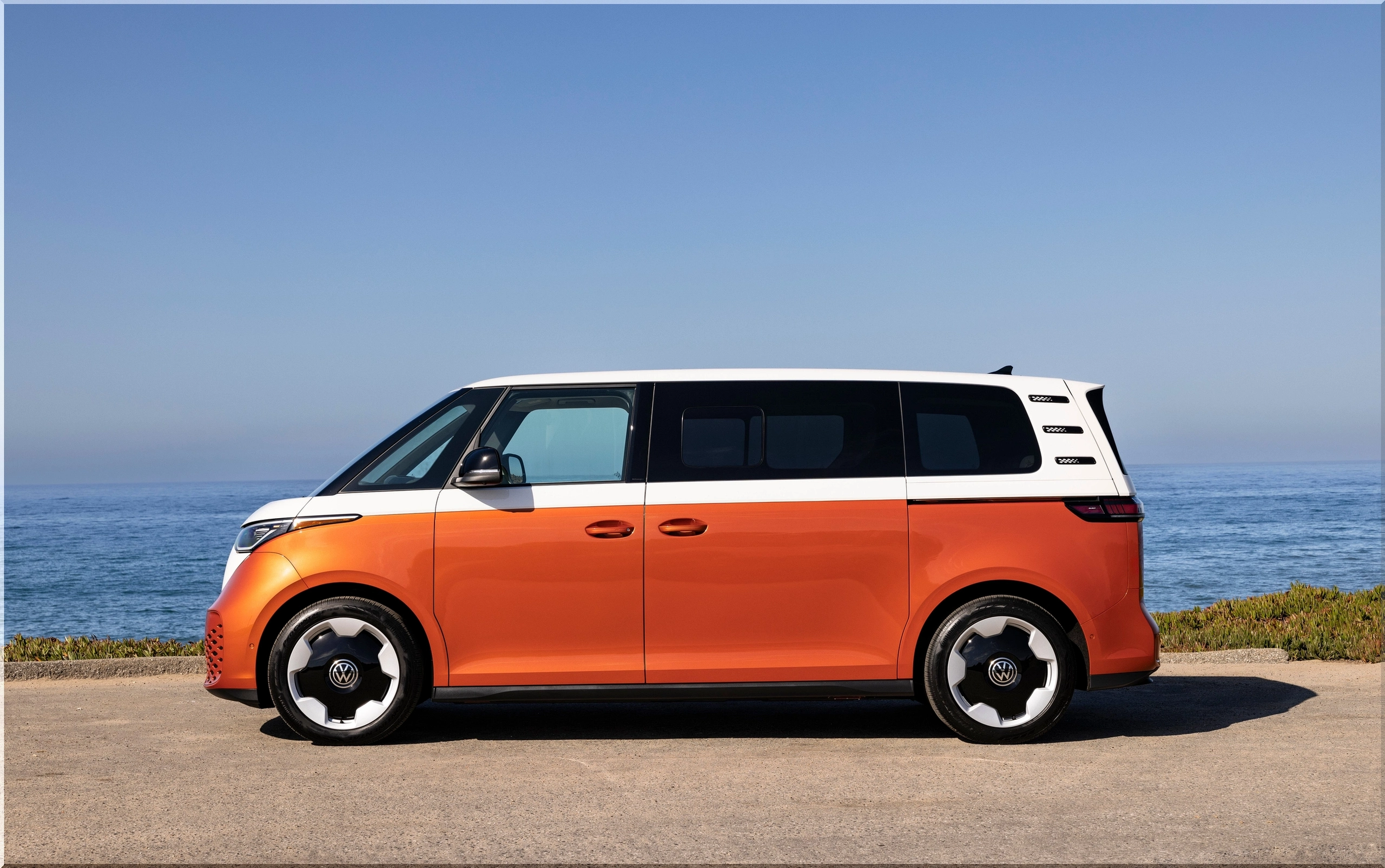
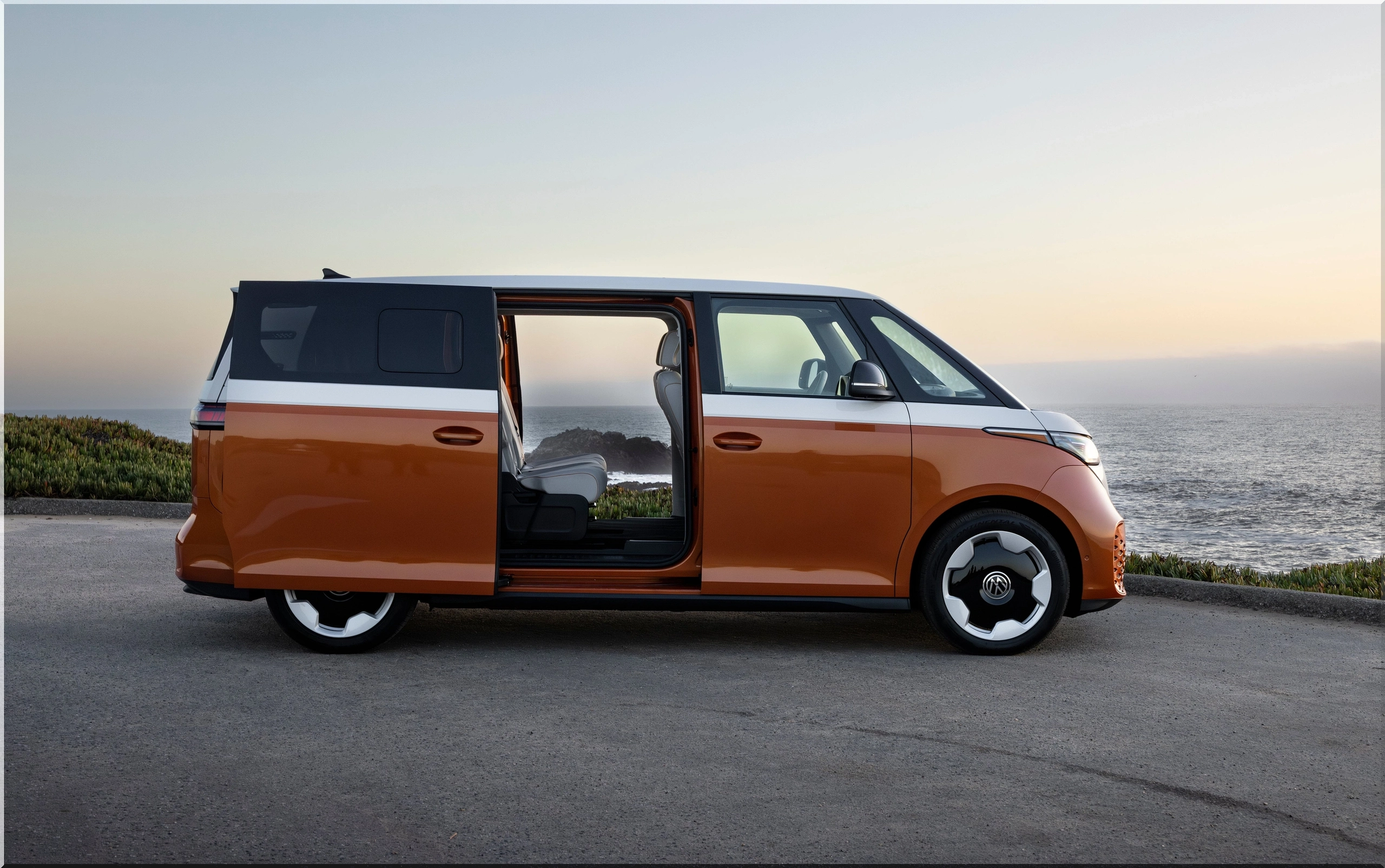
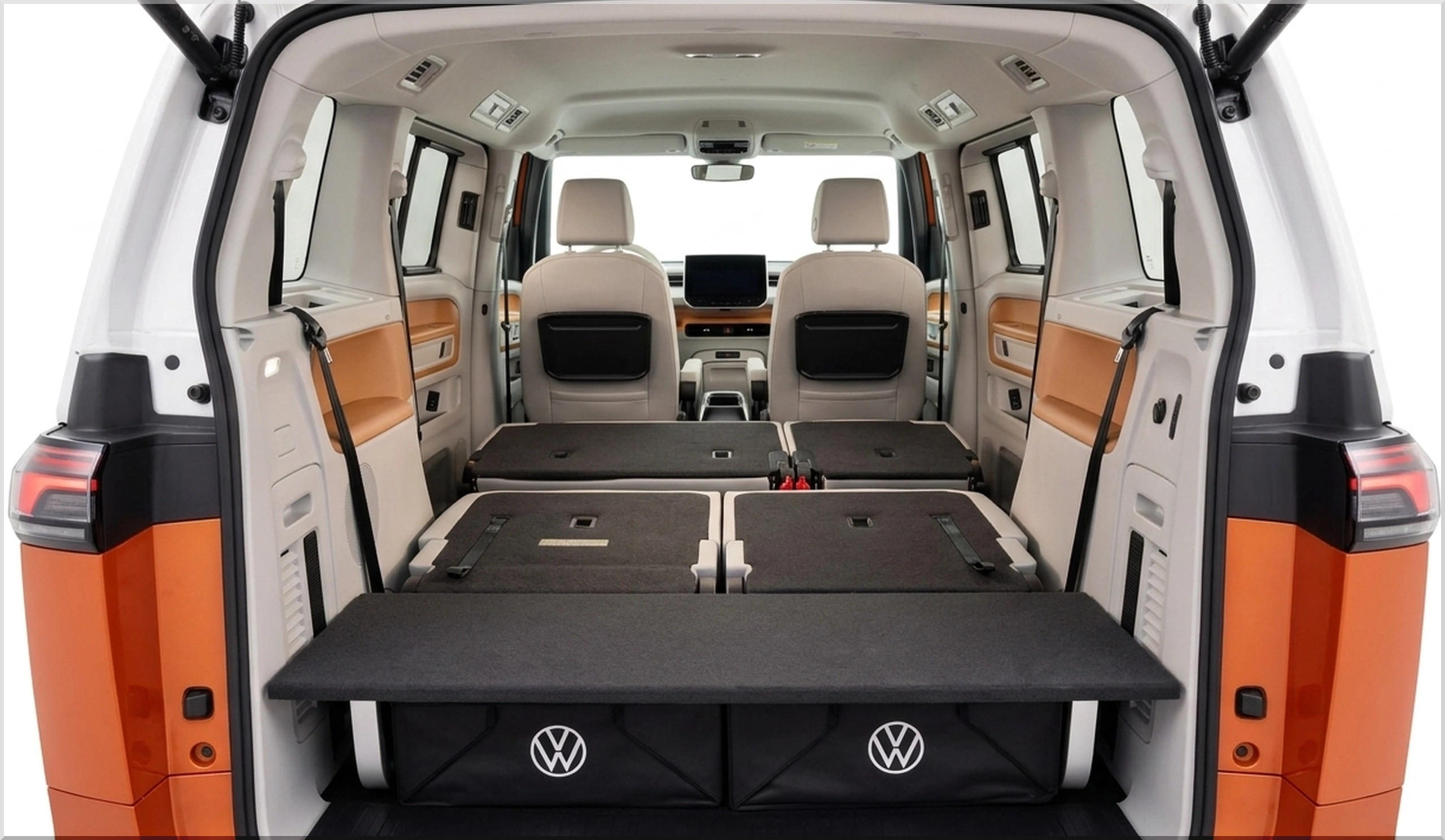
The ID. Buzz Tourer 4Motion borrows its core idea from Europe's Good Night Package. Specifically, it adds the hardware that buyers expected from a modern VW bus: a fold-out mattress platform, window blinds, front-window ventilation panels, exterior chairs, an outdoor table, and a dedicated Overnight Mode.
That sounds simple. It changes the use case.
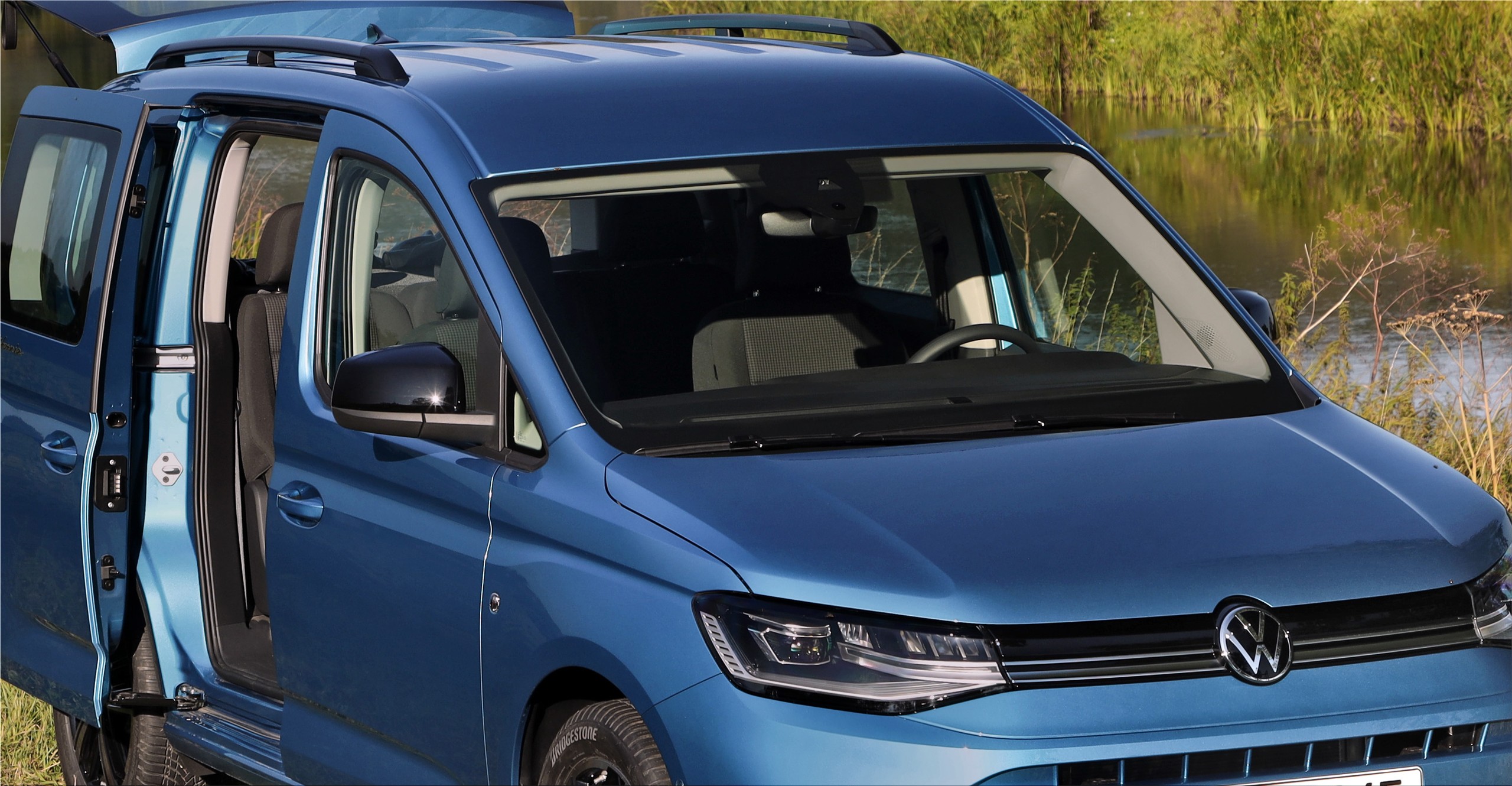
Instead of forcing owners into aftermarket sleeping platforms and magnetic shades, Volkswagen packages the van around short camping trips from the factory. In addition, Tourer models build from the Pro S 4Motion trim and add high-content features such as rear captain's chairs, an electrochromic glass roof, a retractable tow hook, Area View, and 20-inch dark graphite wheels with black discs.
Image
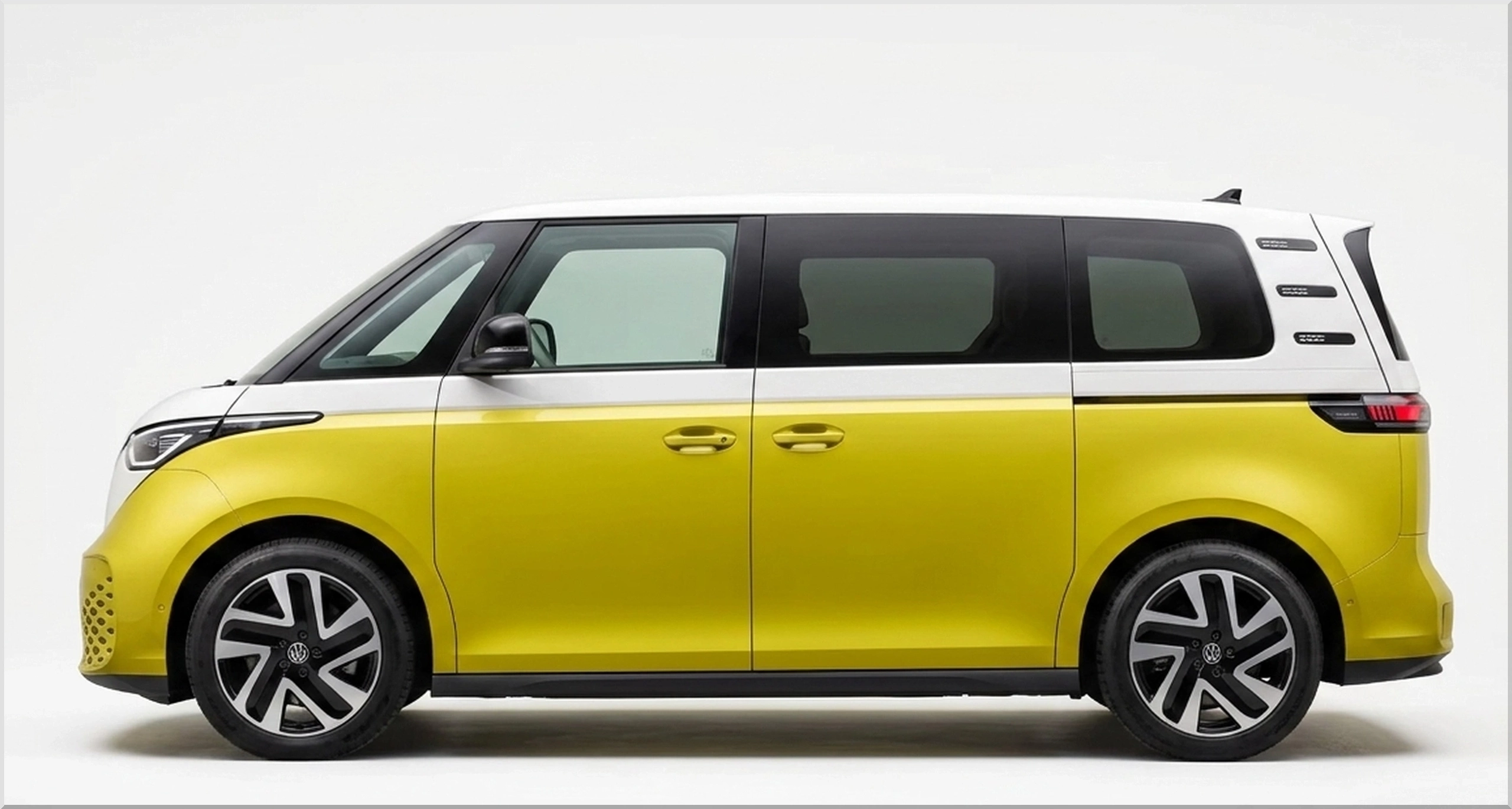
Key Tourer Features
- Fold-out mattress and platform for two-person sleeping use
- Window blinds for cabin privacy and light control
- Front ventilation panels to move air through the cabin overnight
- Exterior table and chairs for campsite use
- Overnight Mode to support parked-cabin functions
- 4Motion AWD for better traction on loose or wet surfaces
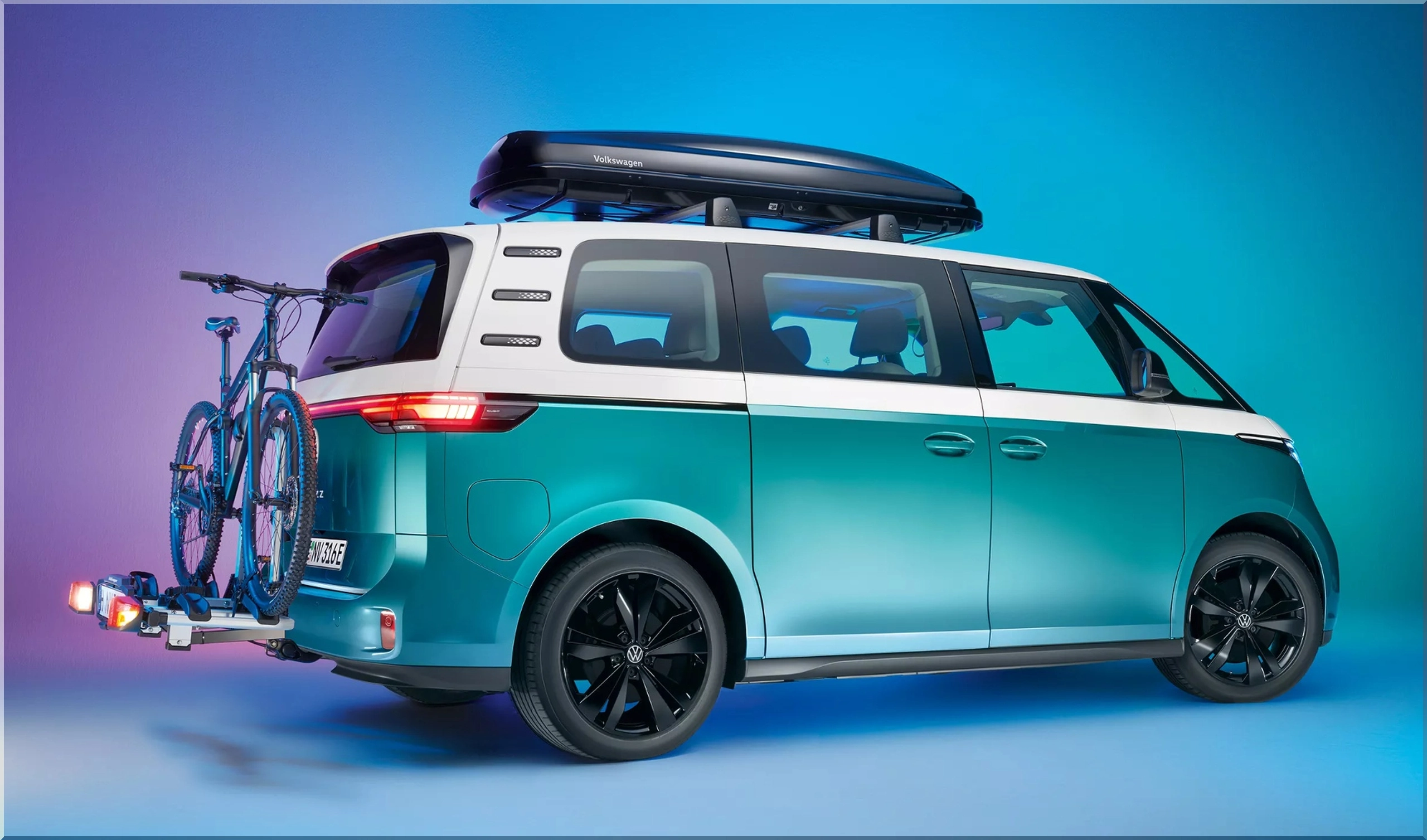
- Retractable tow hook for accessory carriers or light towing needs
Why Overnight Mode Matters For Electric Vanlife
Overnight Mode gives the Tourer its real technical hook. In a combustion van, sleeping comfort usually depends on auxiliary heaters, fans, battery packs, or campground power. In an EV, the high-voltage battery can support cabin climate and software-managed functions while parked, provided the system manages energy draw intelligently.
Consequently, Overnight Mode may become the Tourer's most useful feature if Volkswagen calibrates it well. It should let owners maintain comfort without idling an engine, which suits quiet campsites and closed-window sleeping. The trade-off comes from range. Every hour of climate use draws from the same battery that must get the van to the next charger.
| Camping Use Case | Why The Tourer Helps | Owner Trade-Off |
|---|---|---|
| One-night campground stay | Built-in bed, blinds, ventilation, furniture | Range drops if climate runs overnight |
| Road-trip rest stop | Fast cabin setup without aftermarket parts | Still needs safe, legal parking |
| Wet-weather camping | AWD helps on soft access roads | Ground clearance remains van-like |
| Festival or beach weekend | Table, chairs, privacy package | Payload and gear space need planning |
| Cold-weather sleeping | EV climate can heat cabin quietly | Battery use rises in low temperatures |
One-Pedal Driving Fixes A Real EV Complaint
Volkswagen finally adds true one-pedal driving to the ID. Buzz for 2027. That matters because the previous model lacked the full stop-and-hold regenerative behavior many EV drivers expect. In traffic, one-pedal logic lets the driver control acceleration and deceleration mainly through the accelerator pedal, using regenerative braking to slow the vehicle and recover energy.
By comparison, the old setup felt less complete for an EV in this price class. The ID. Buzz weighs like a large electric van, so predictable regeneration can also improve driver confidence in city use. It does not create free range, but it reduces brake use and gives drivers finer control in stop-start traffic.
Image gallery
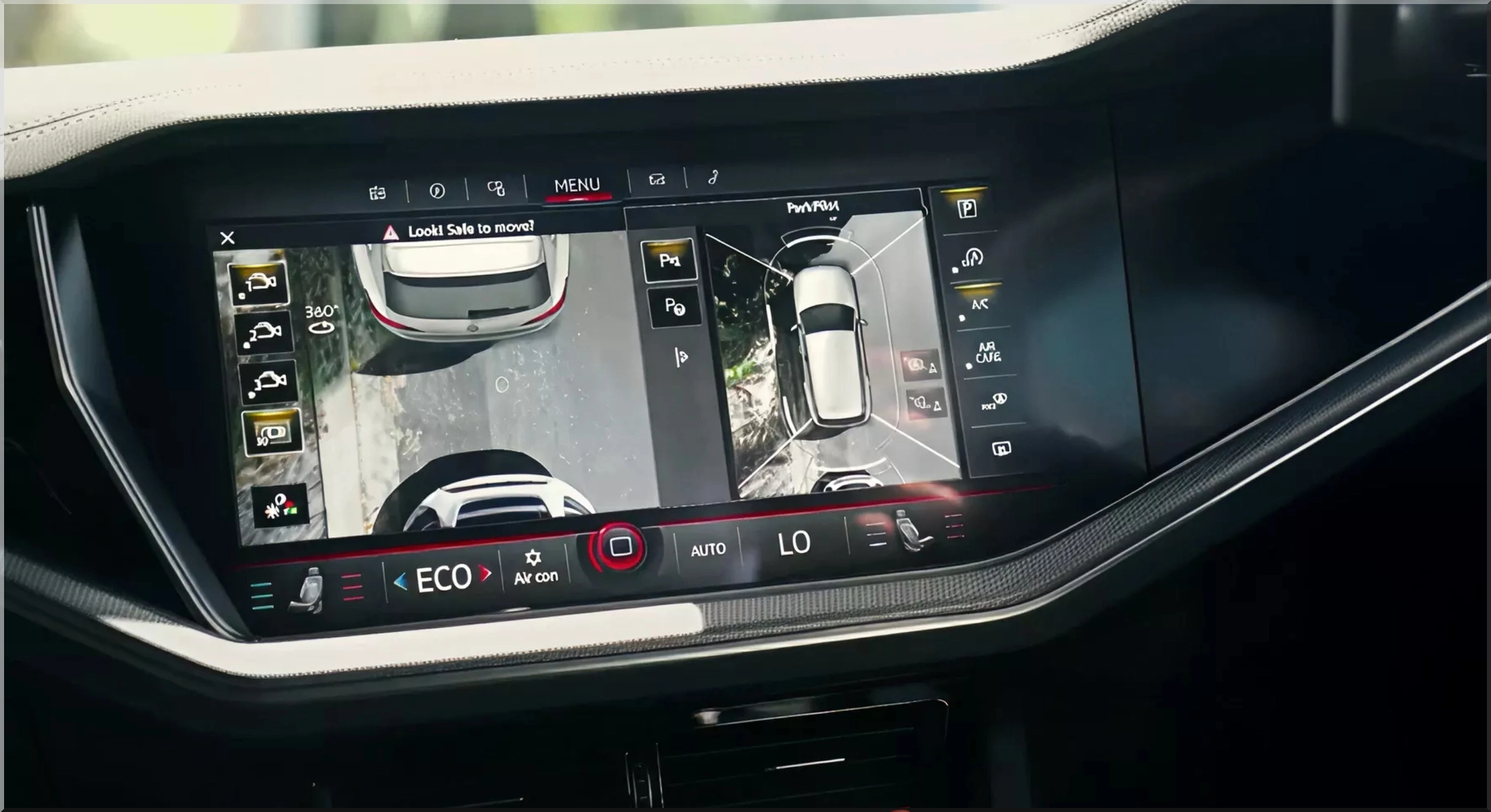
ID.S 6 Software And NACS Access Update The Tech Stack
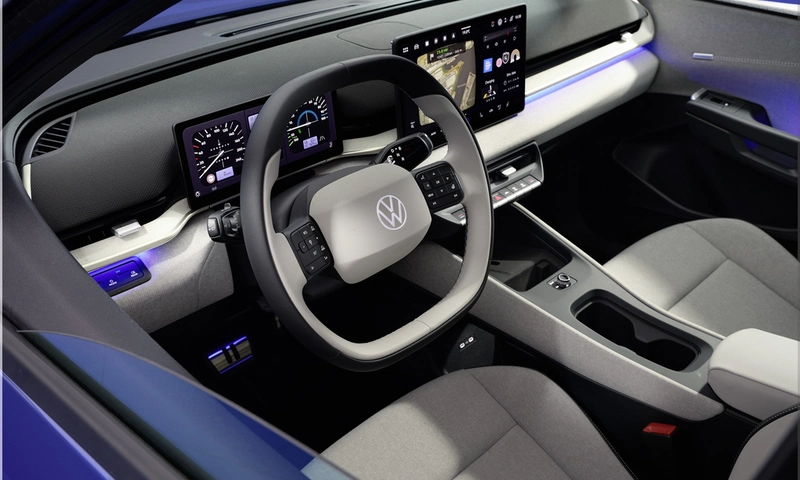
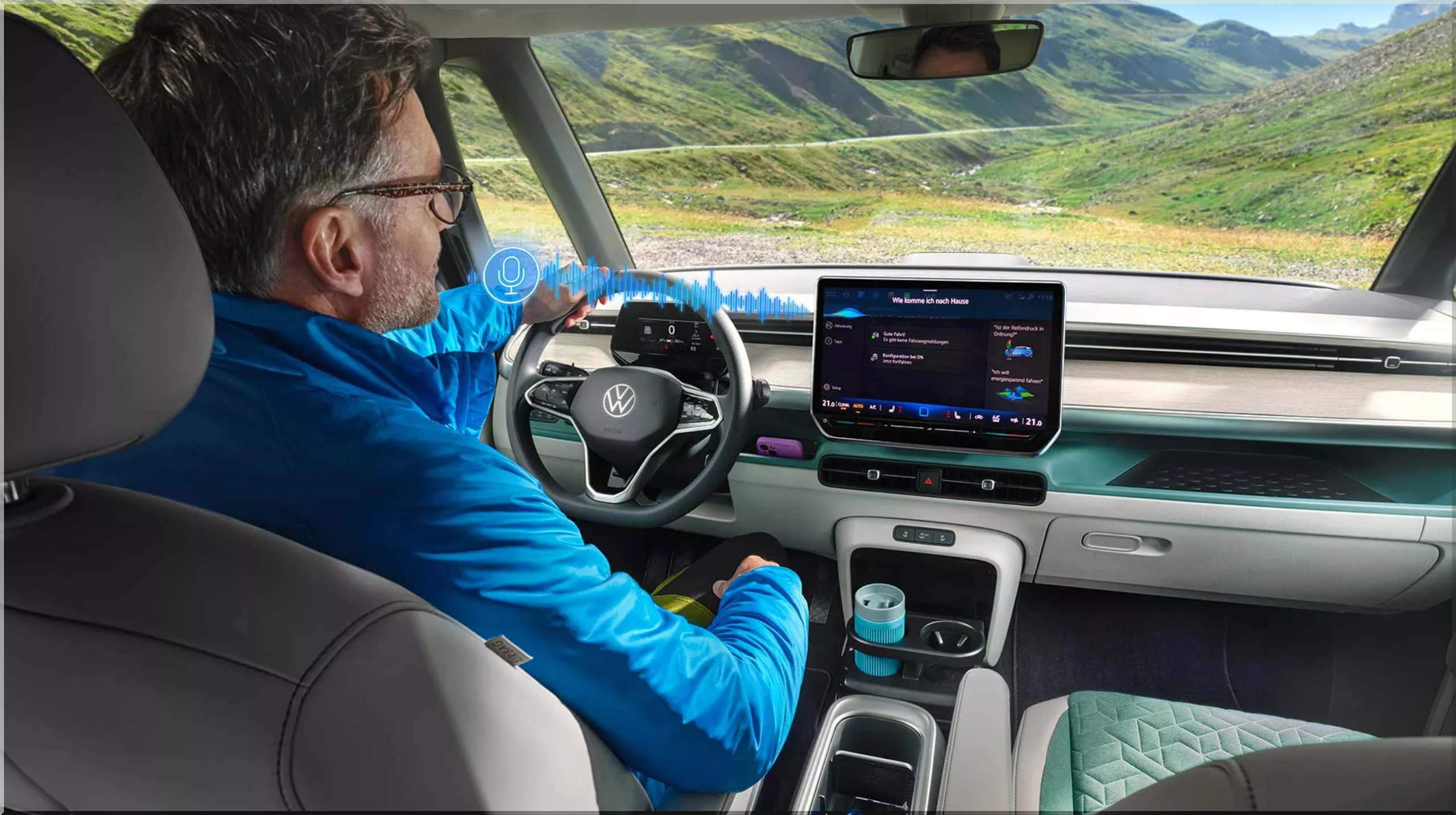
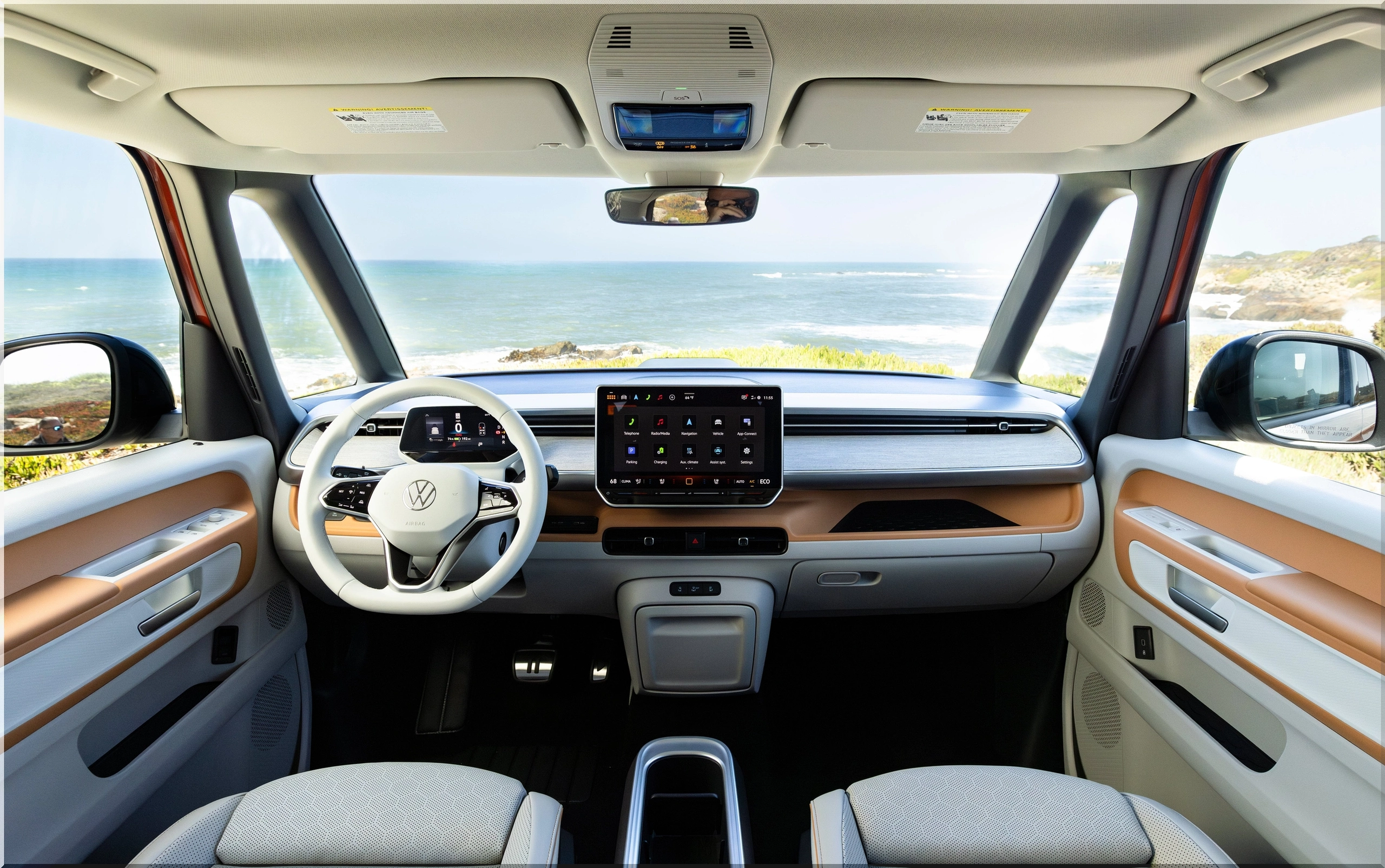
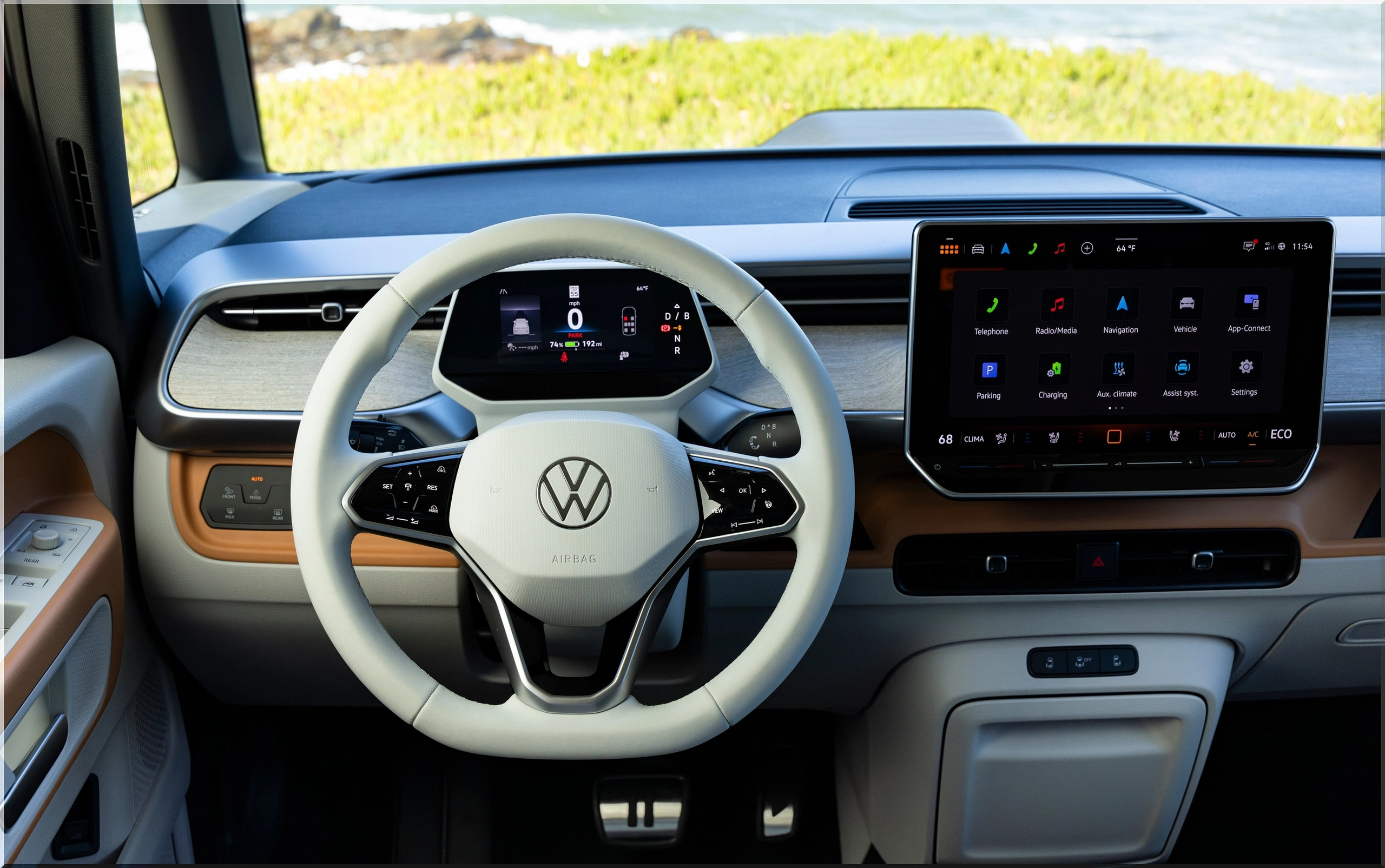
The 2027 ID. Buzz also receives Volkswagen's Android-based ID.S 6 infotainment software. The update brings a revised navigation screen, quicker menu access, a cleaner vehicle settings page, and an App Store tied to a one-year In-Vehicle Premium trial. Apps such as YouTube and Spotify fit parked use, where the ID. Buzz can function as a lounge or campsite hub.
In addition, Volkswagen adds NACS adapter support, giving owners better access to Tesla Supercharger locations once compatibility applies. That point carries major weight in the US. A large electric van with a 231-234 mile reference range needs dependable fast-charging access, not guesswork.
Dimensions, Packaging, And Practical Limits
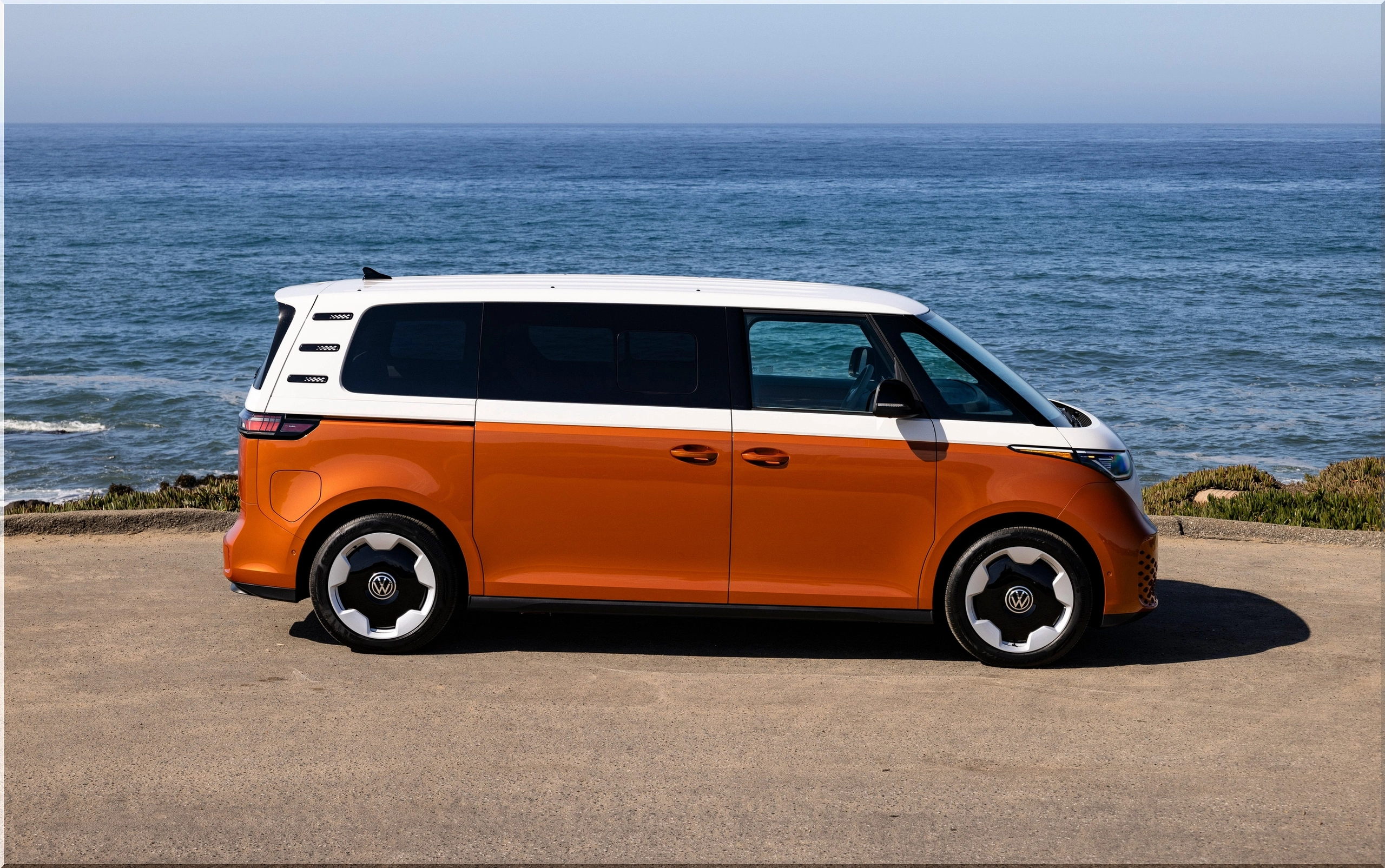
The US ID. Buzz uses the long-wheelbase body, with a wheelbase of about 127.5 inches and an overall length near 195.4 inches. Width sits around 78.1 inches without mirrors, while height lands close to 76.2 inches. Those dimensions explain the cabin volume, but they also explain the energy penalty: the ID. Buzz pushes a lot of frontal area through the air.
Pro-Tips:
- Choose the Tourer 4Motion only if you will camp often enough to use the bed, blinds, ventilation panels, and furniture.
- Pick Pro S 4Motion if you want AWD without the camping hardware.
- Track final 2027 pricing closely; the previous model started near $59,995 before destination, and value will decide the return story.
- Plan road trips around fast chargers, not maximum EPA range.
Image gallery
Should You Wait For The 2027 Volkswagen ID. Buzz?
Yes, if you want the ID. Buzz camper trim, one-pedal driving, newer software, and broader AWD availability. The 2027 model targets the exact use case that the old van only implied. It gives the electric bus a clearer purpose.
No, if you need long-distance EV range above 300 miles, a full camper with plumbing, or a lower entry price. The Tourer still looks like a weekend van, not a full RV. Volkswagen fixed the message. Now pricing, real-world range, and dealer supply must carry the comeback.
- Add new comment
- 356 views