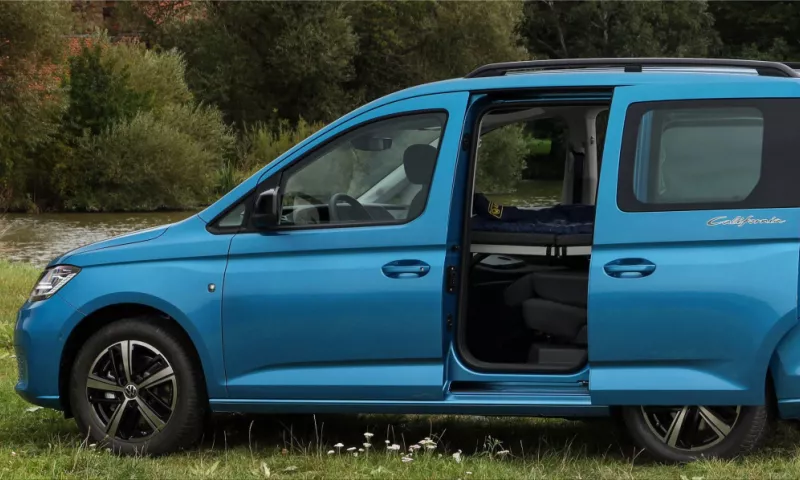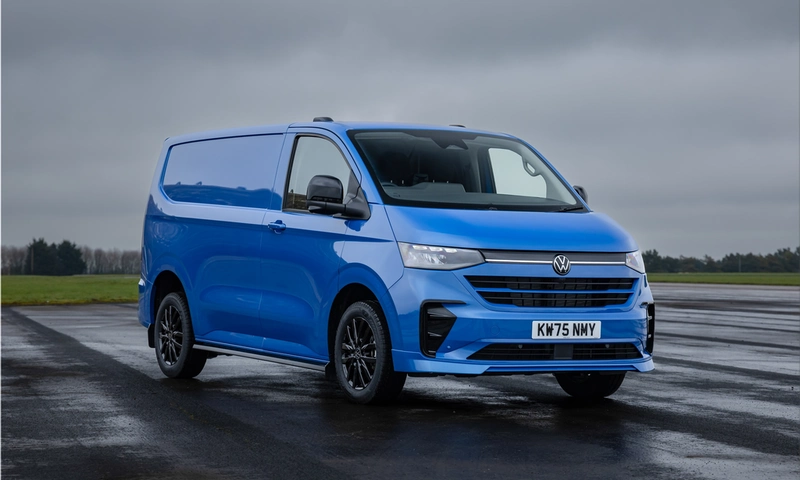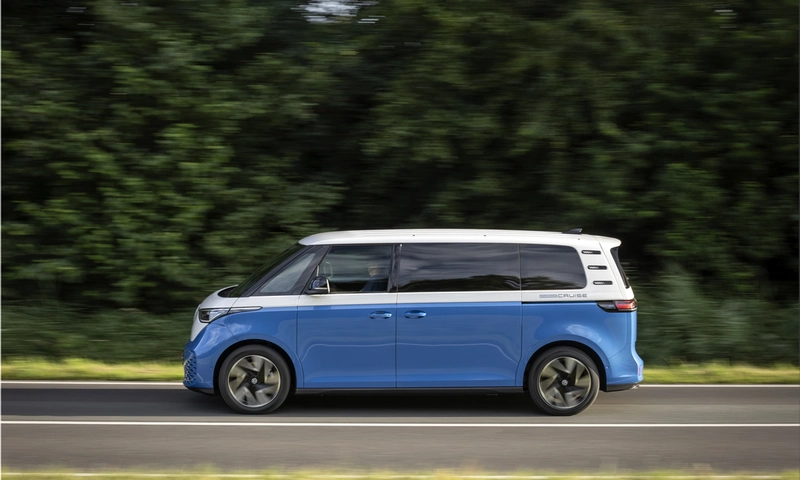
The 2027 Volkswagen Caddy update does not chase drama. It fixes the areas that matter most to van buyers: front-end design, digital usability, powertrain choice, and day-to-day cargo logic. For small businesses, couriers, trades, shuttle operators, and family buyers, that matters far more than a styling stunt.
Image
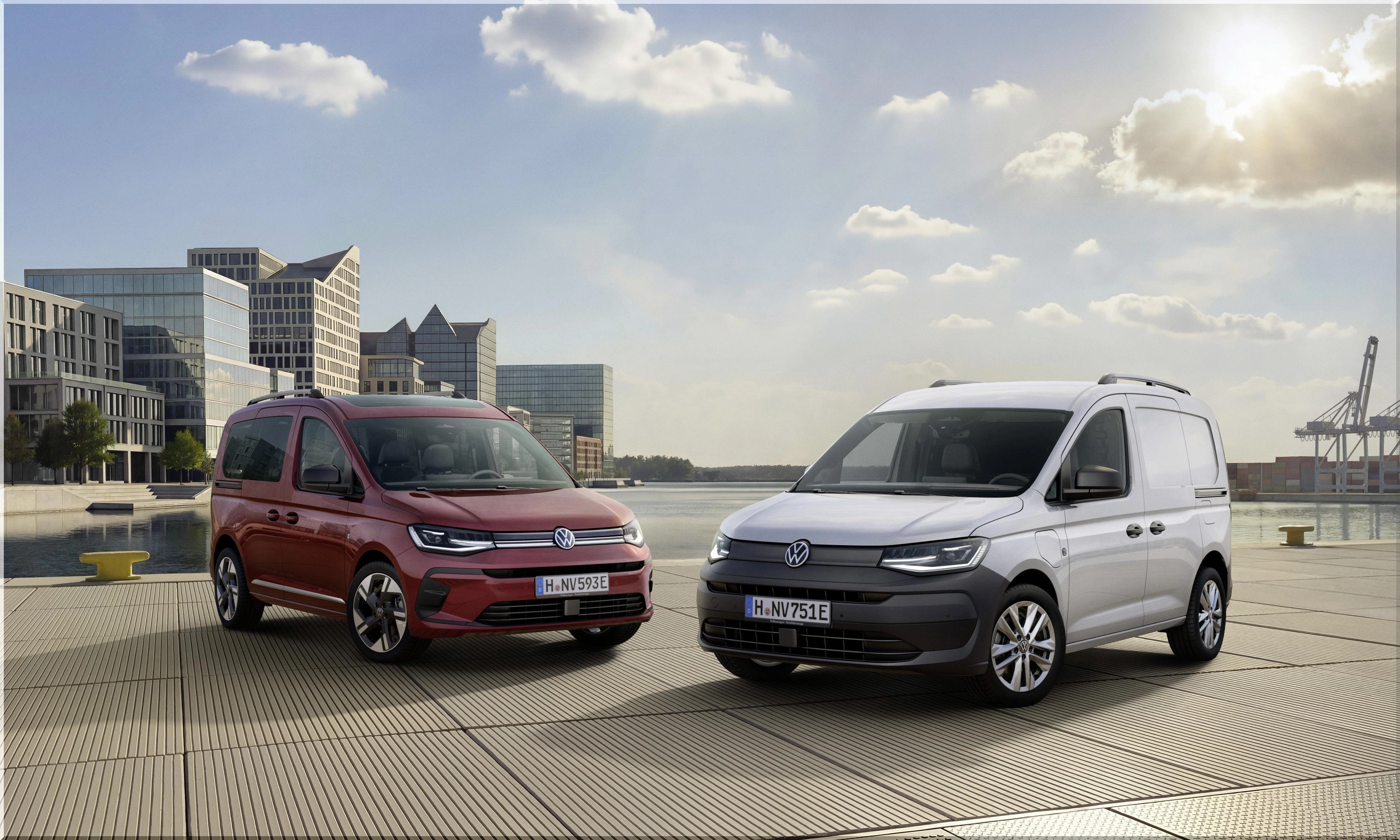
Volkswagen has aimed the latest Caddy Cargo, Caddy Kombi, Caddy Maxi, and Caddy California at two buyer groups with very different needs. One group wants low running costs, easy loading, and predictable uptime. The other wants seven-seat flexibility, weekend space, and enough tech to stop the cabin feeling like a converted toolbox. The new Caddy tries to serve both without losing its compact van footprint.
What Changed On The 2027 Volkswagen Caddy?
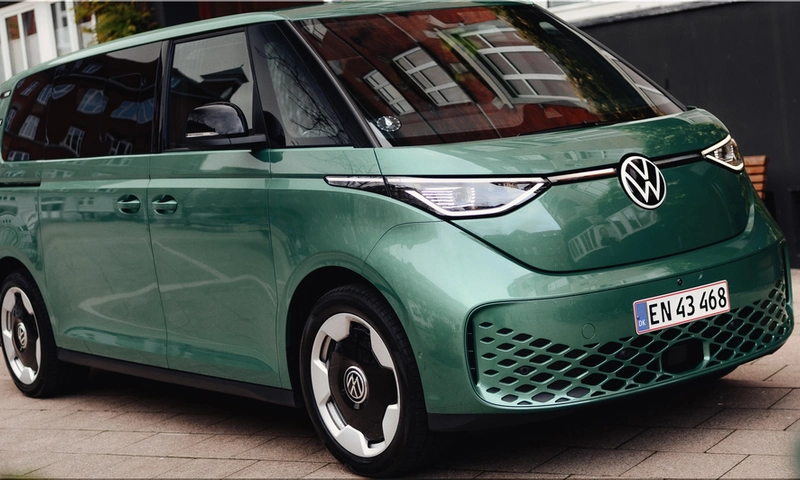
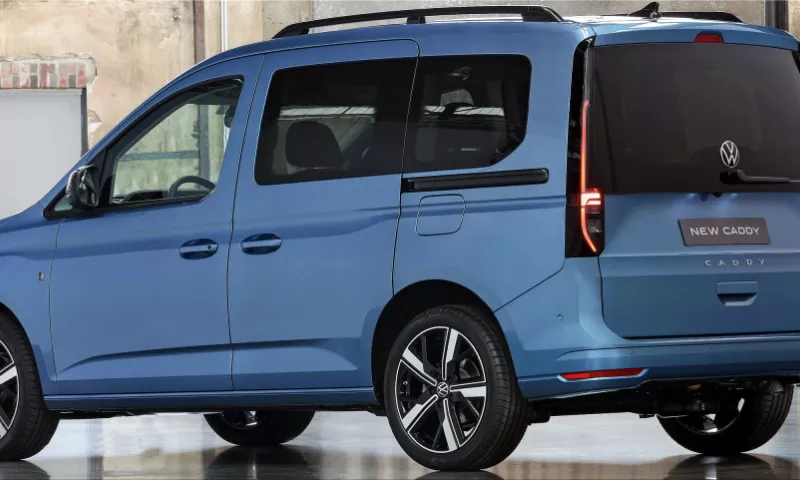
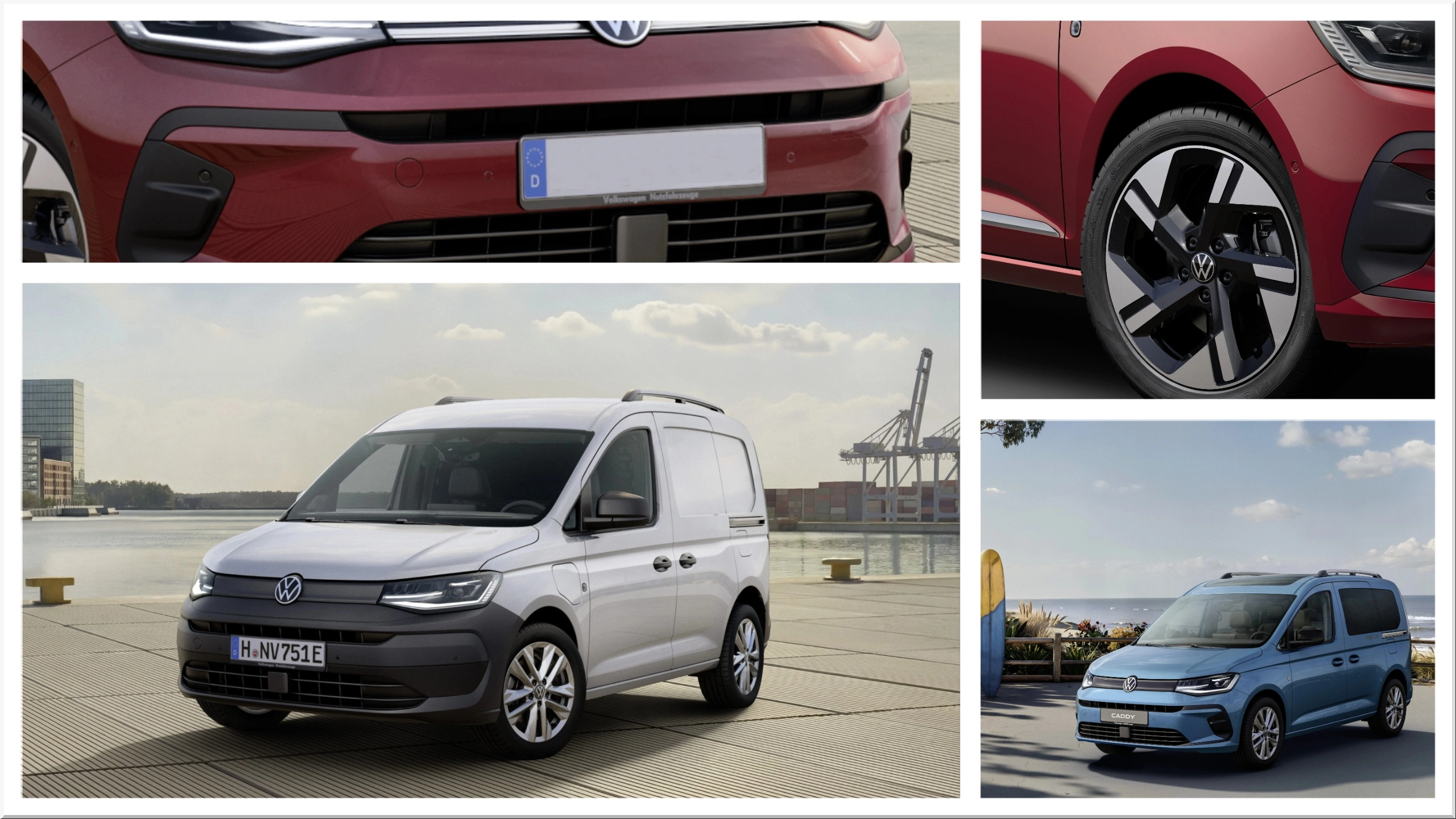
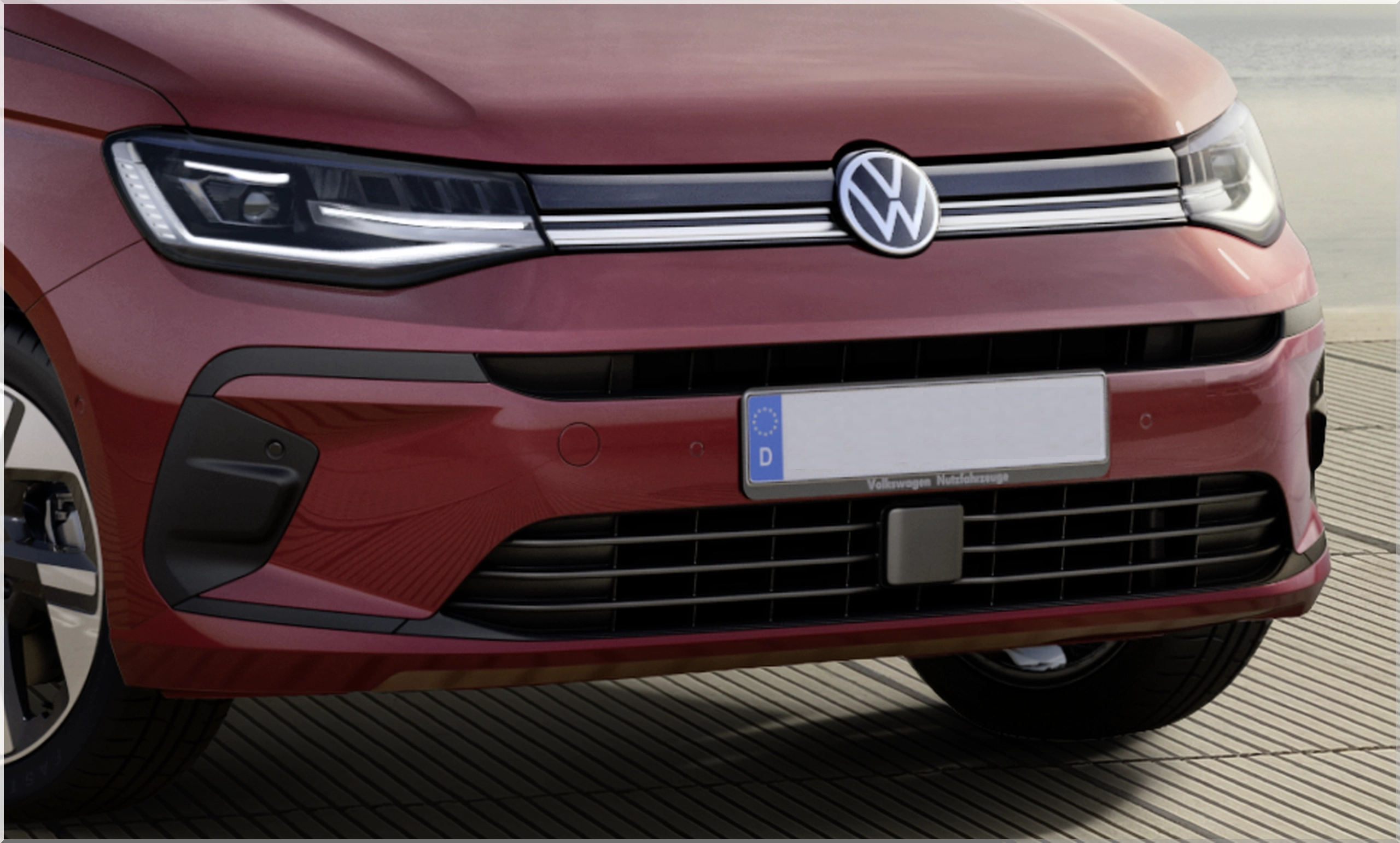
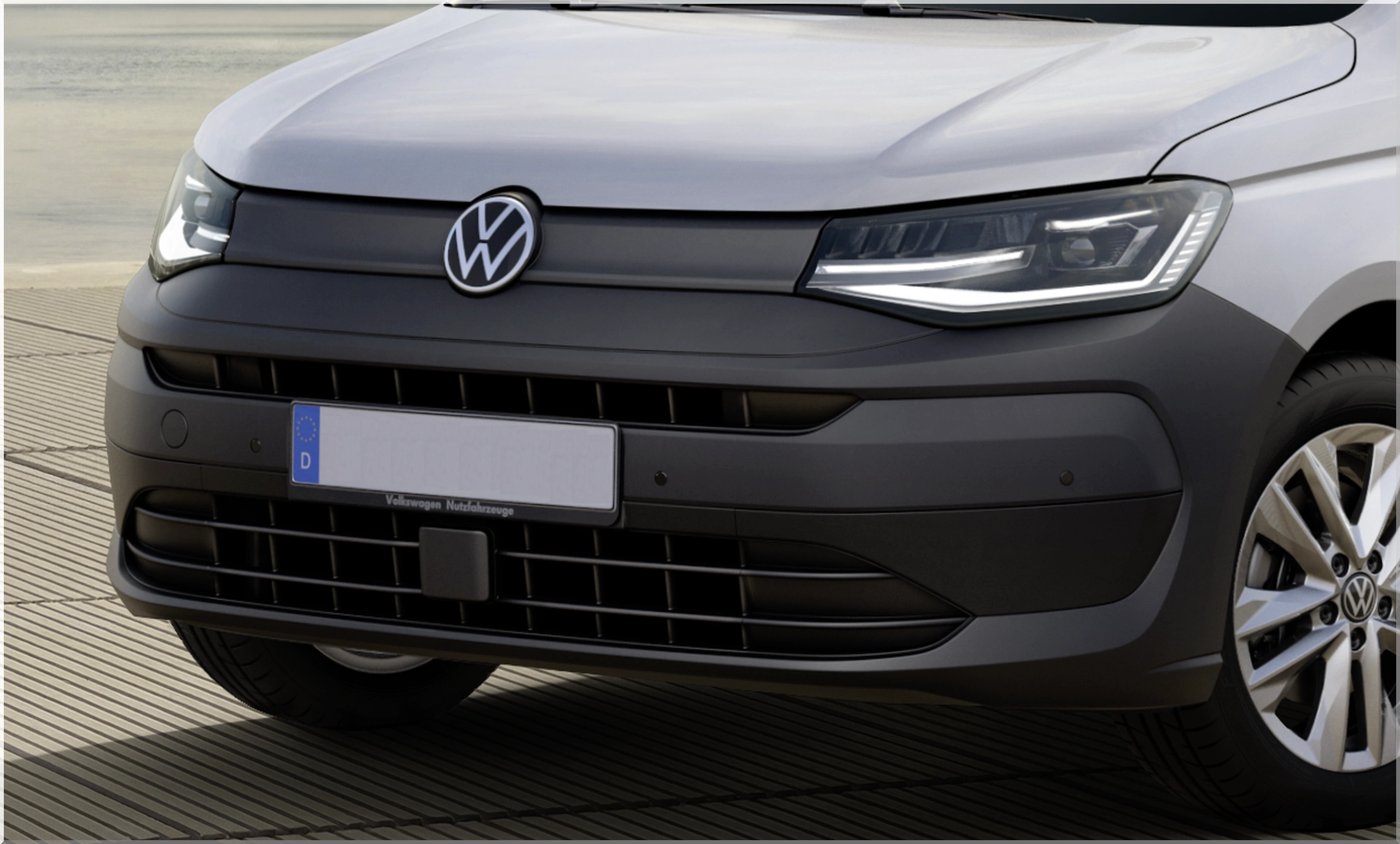
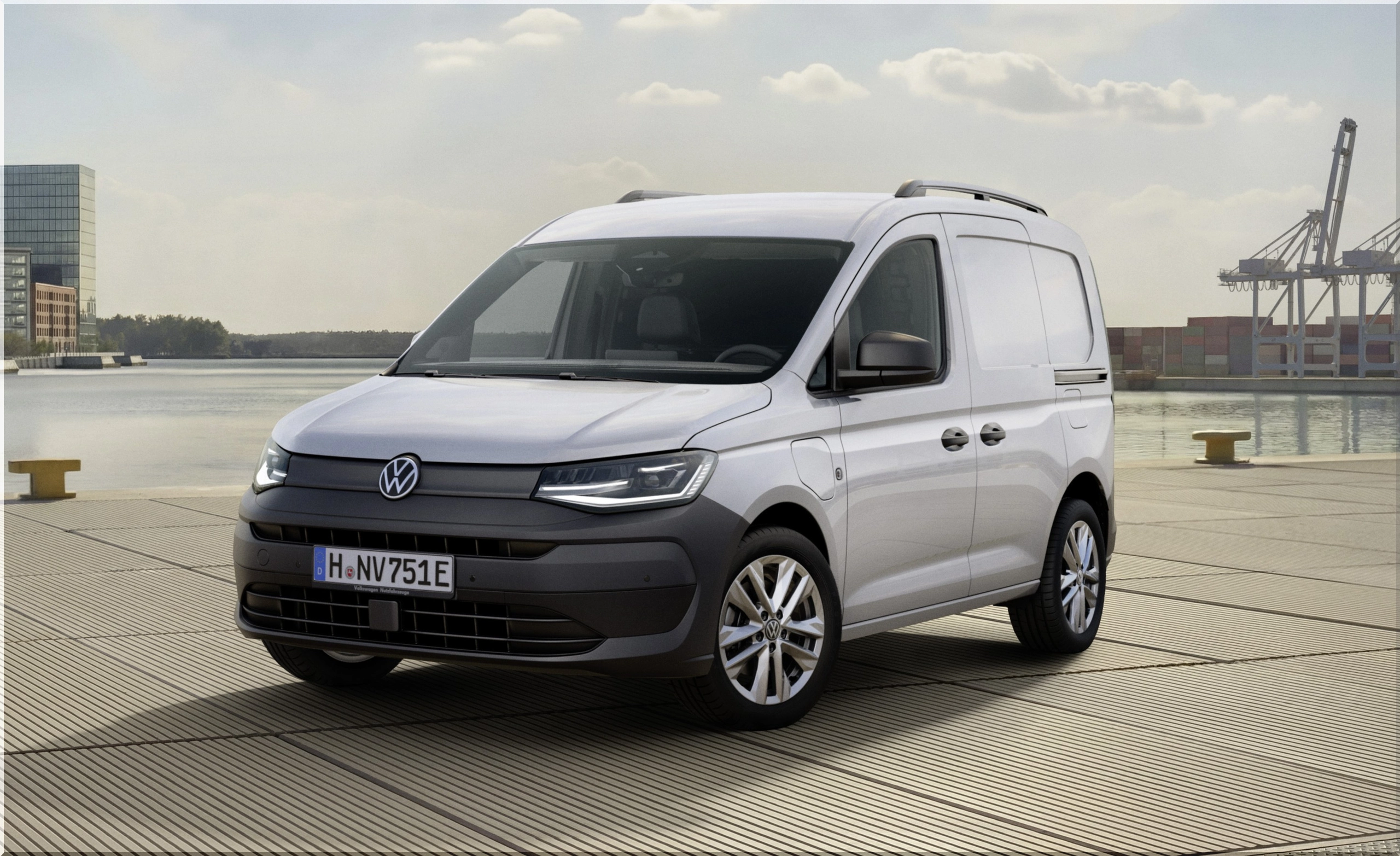
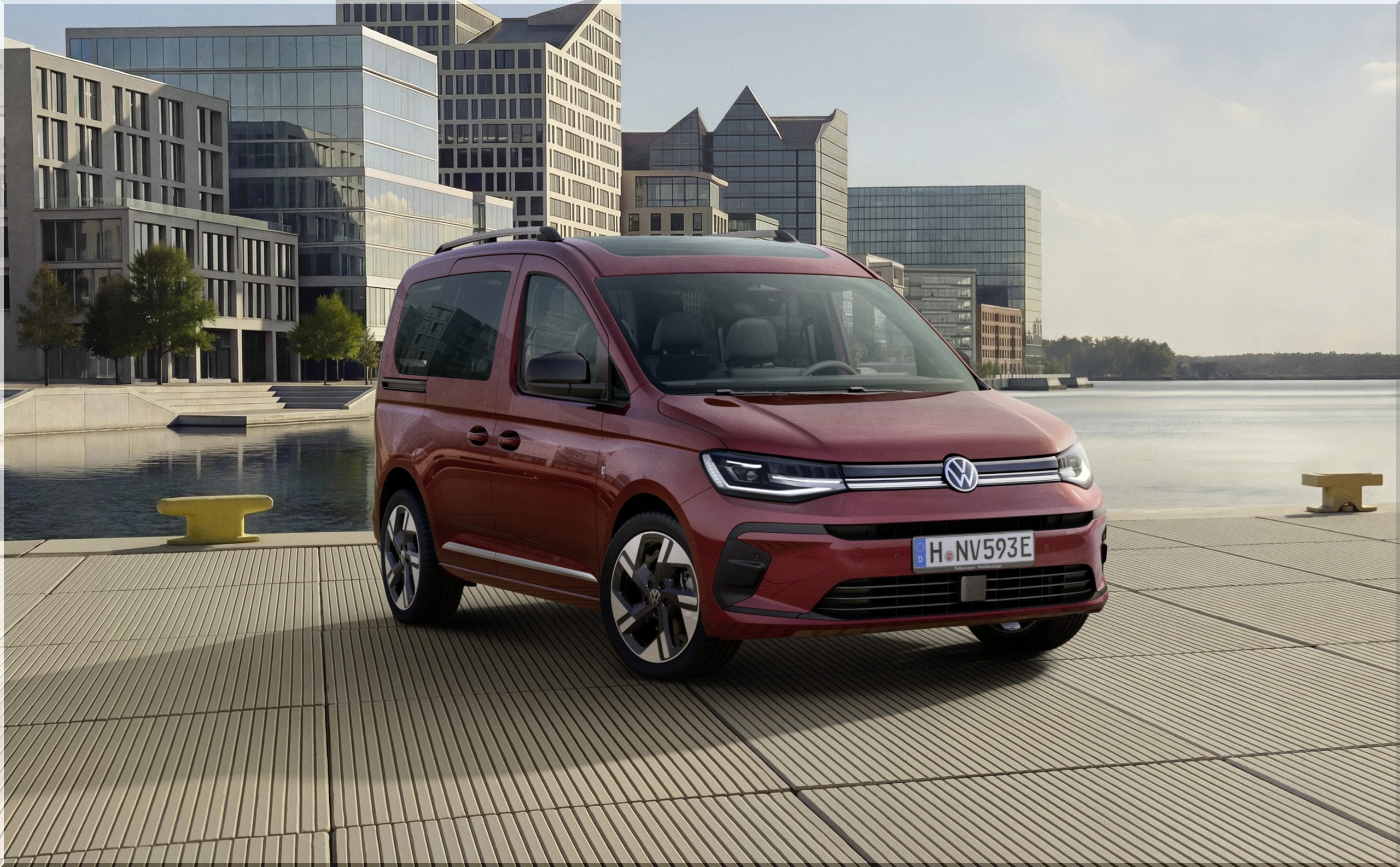
Volkswagen gives the new Caddy a cleaner front bumper, revised cooling intakes, fresh wheel choices, and new paint options. The design move brings the van closer to Volkswagen's current passenger-car look, but the Caddy Cargo still keeps unpainted lower sections where working vans collect scratches, scuffs, and loading-bay evidence.
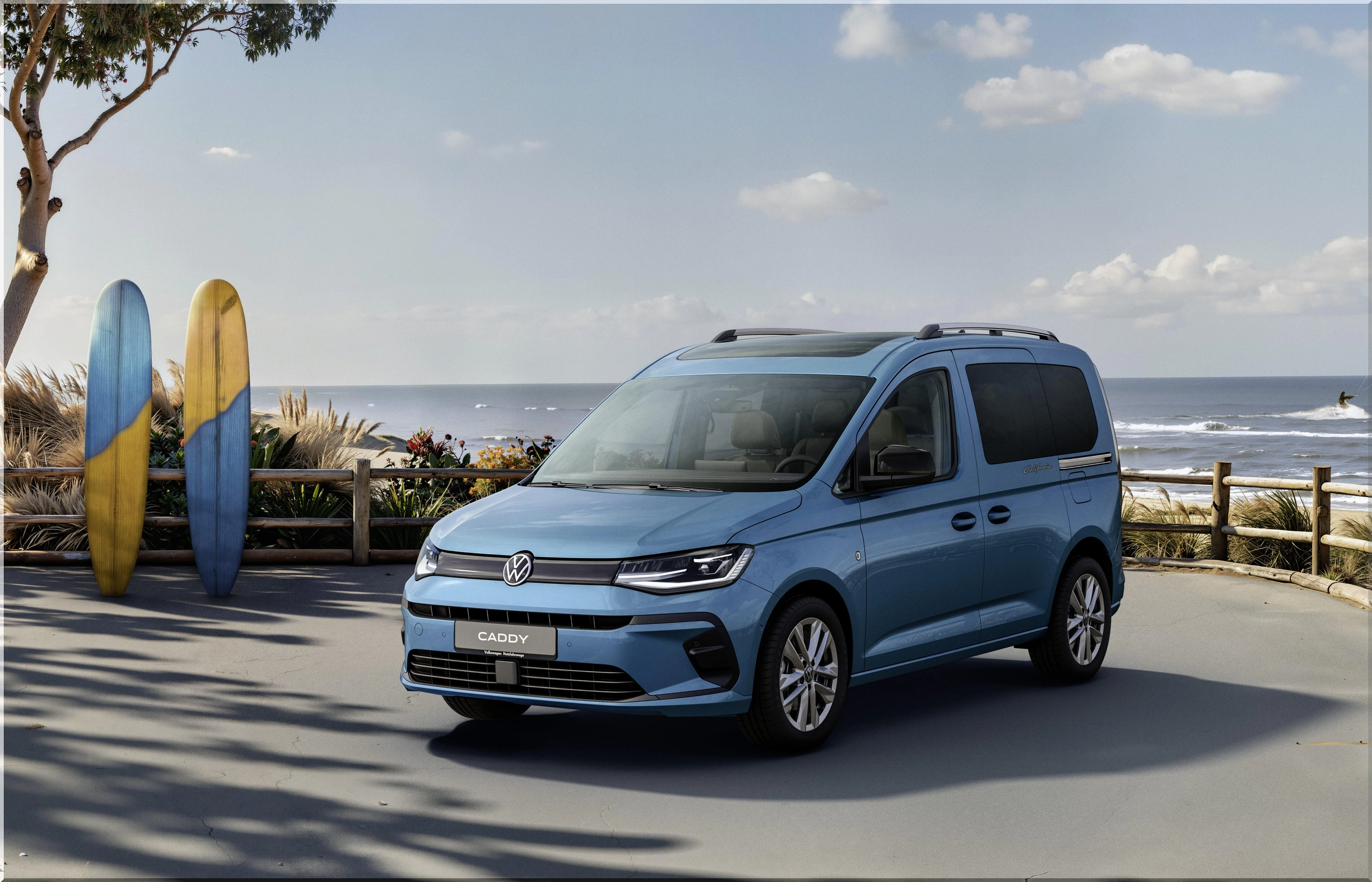
In addition, the passenger-focused versions gain a softer visual treatment. Style and California variants use more body-coloured surfacing and black trim, which makes sense because those buyers park outside homes, campsites, schools, and offices rather than warehouse doors.
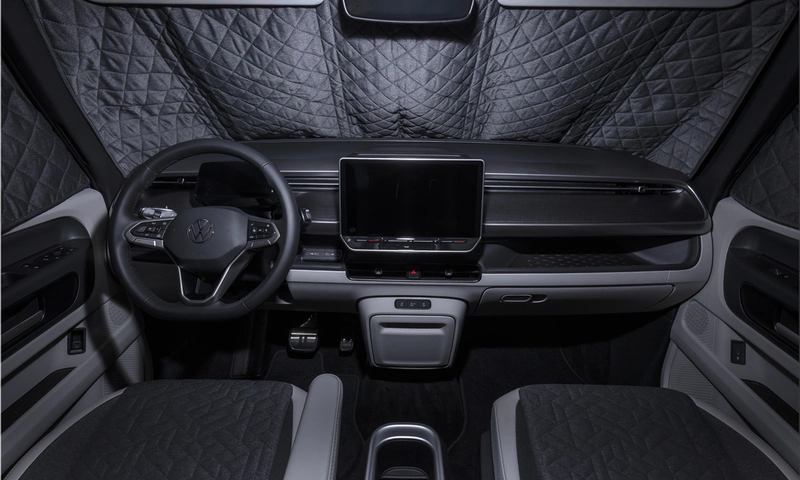
The deeper change sits inside. Volkswagen has signalled a major cabin update, with a larger freestanding screen and a newer infotainment layout expected to carry lessons from the brand's recent ID-family software revisions.
Key 2027 Volkswagen Caddy Updates
- Reprofiled front bumper with cleaner lower intake design
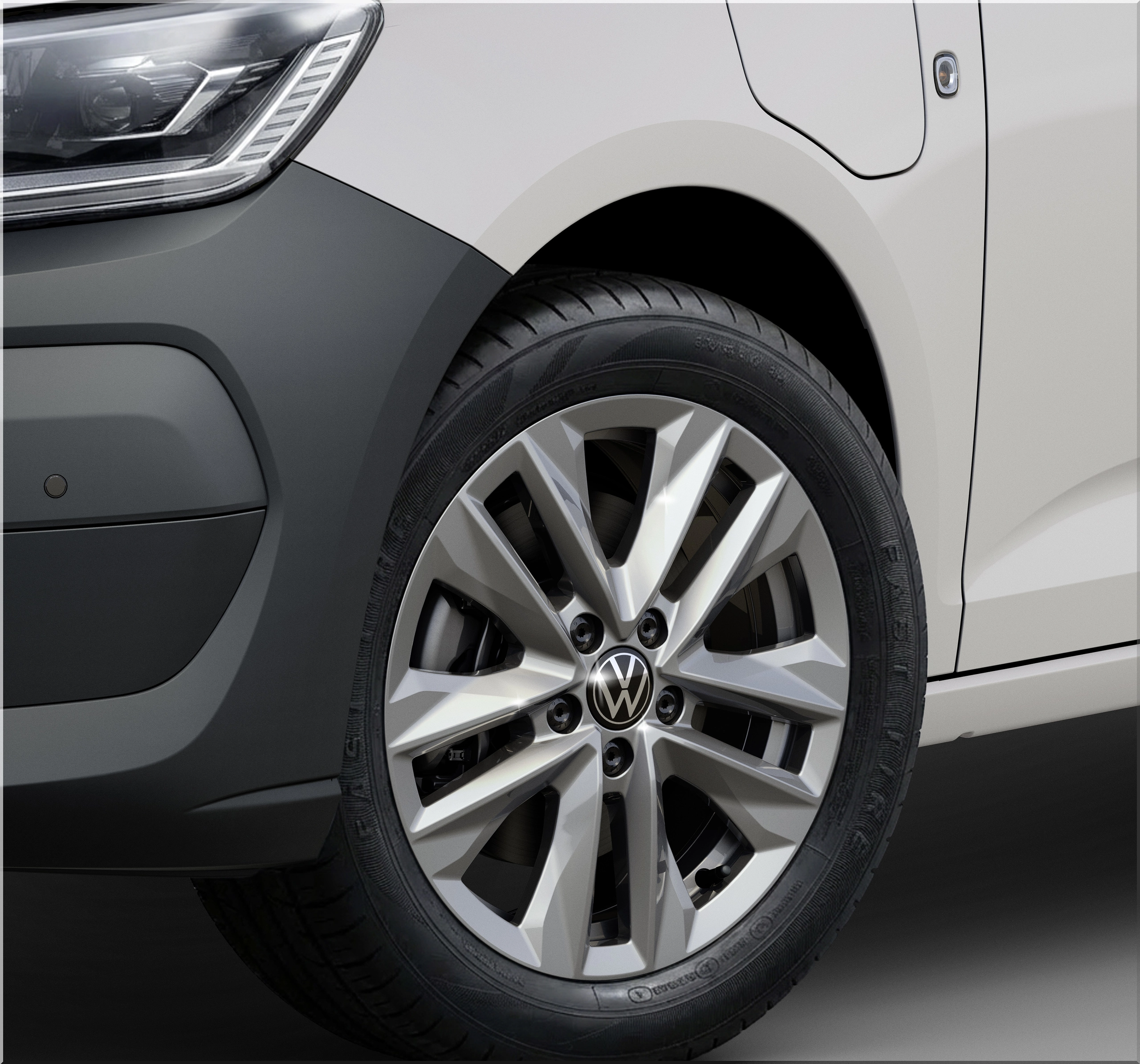
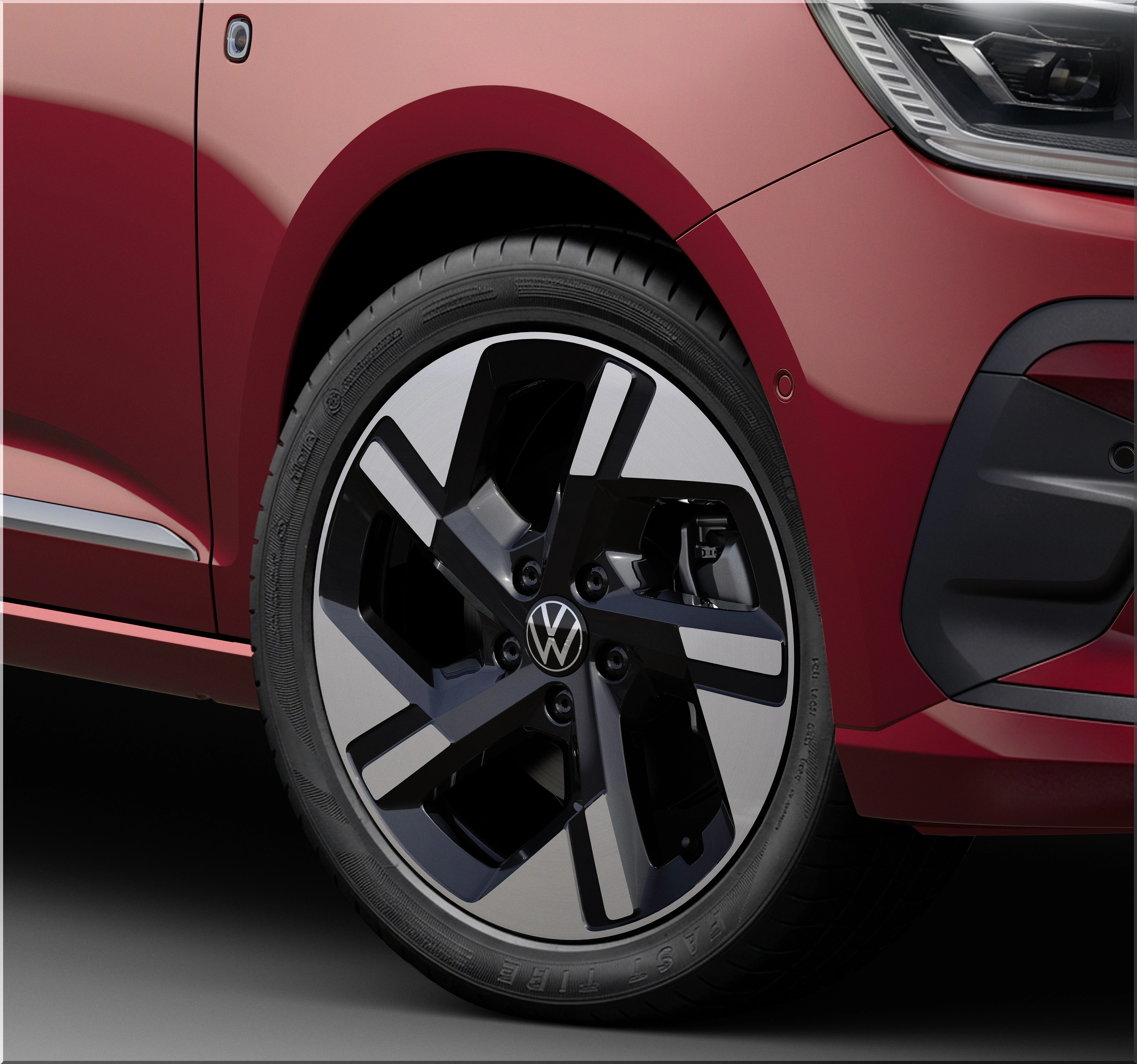
- New wheel options from 16 inches to 18 inches
- Expanded exterior colour choices
- Two wheelbase options: standard and Maxi
- Two-, five-, and seven-seat layouts, depending on version
- Cargo, Kombi, California, and family van variants
- Petrol, diesel, and plug-in hybrid options expected to continue
- Mid-2026 pre-sales timing for the 2027 refreshed model
Volkswagen Caddy Dimensions: Compact Outside, Useful Inside
The Caddy's strength comes from packaging. It keeps the footprint manageable for city streets, but the Maxi version creates van-like space behind the seats. Looking at the data, the Caddy Maxi measures 4,853 mm long, or 191.1 inches, with a 2,970 mm wheelbase, or 116.9 inches.
That makes it longer than a typical compact SUV but still far easier to place in tight streets than a mid-size van. Specifically, the 12.1-metre turning circle helps the Caddy handle urban deliveries, school runs, and narrow car parks without forcing the driver into three-point-turn theatre.
| Measurement | Volkswagen Caddy Maxi | Inches / Feet |
|---|---|---|
| Overall length | 4,853 mm | 191.1 in |
| Width without mirrors | 1,855 mm | 73.0 in |
| Width with mirrors | 2,100 mm | 82.7 in |
| Height with roof rails | 1,836 mm | 72.3 in |
| Wheelbase | 2,970 mm | 116.9 in |
| Load compartment width | 1,185 mm | 46.7 in |
| Side sliding door opening | 844 x 1,072 mm | 33.2 x 42.2 in |
| Rear aperture | 1,185 x 1,122 mm | 46.7 x 44.2 in |
| Turning circle | 12.1 m | 39.7 ft |
The load compartment tells the real story. With the second and third rows removed, the Caddy Maxi load volume reaches 3,105 litres, or 109.7 cubic feet. That figure puts it in serious work-van territory while still letting buyers choose a family-focused layout.
Image
Cargo Space And Seating Flexibility
The Caddy works because it avoids one-purpose thinking. A Caddy Cargo buyer can prioritise tools, parcels, flooring, shelving, and payload. A Caddy Maxi Life buyer can run school transport during the week and carry bikes, camping equipment, or flat-pack furniture at the weekend.
| Cargo Configuration | Load Volume | Cubic Feet |
|---|---|---|
| Behind first row, rear rows removed | 3,105 litres | 109.7 cu ft |
| Behind second row, third row removed | 1,720 litres | 60.7 cu ft |
| Behind third row | 446 litres | 15.8 cu ft |
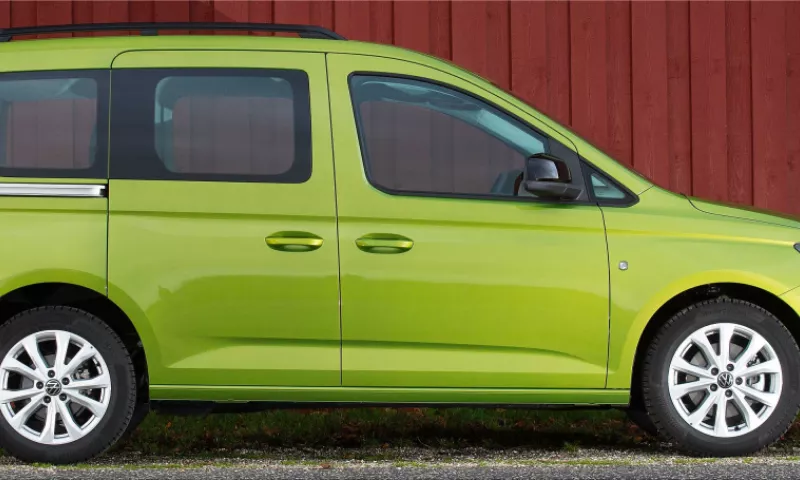
From an expert perspective, the sliding door width matters as much as headline volume. A wide side aperture lets couriers load awkward boxes from kerbside, while families gain easier access to child seats in tight parking bays. The low 563 mm load sill, or 22.2 inches, also cuts strain during repeated loading.
Pro-Tip: For business users, measure your largest regular cargo item against the door aperture, not only the total cargo volume. Van brochures often sell litres; real work depends on opening width, floor length, and sill height.
Engines: Diesel Still Makes Sense, But eHybrid Changes The Urban Case
The Caddy powertrain range gives buyers a practical spread. Diesel suits mileage-heavy routes, petrol suits lower-mileage users, and the Volkswagen Caddy eHybrid targets urban drivers who can charge regularly.
| Powertrain | Output | Torque | Gearbox | WLTP Fuel Use | CO2 | Top Speed |
|---|---|---|---|---|---|---|
| 2.0 TDI manual | 102 PS | 280 Nm | 6-speed manual | 5.6 l/100 km | 146-147 g/km | 175 km/h |
| 2.0 TDI DSG | 122 PS | 320 Nm | 7-speed DSG | 5.7 l/100 km | 149-150 g/km | 186 km/h |
| 1.5 eHybrid DSG | 150 PS | 350 Nm | 6-speed DSG | 0.5 l/100 km | 12 g/km | 183 km/h |
The 1.5 eHybrid makes the strongest case for city-based businesses with depot charging or families who can charge at home. Its 19.7 kWh battery gives the plug-in hybrid Caddy a claimed electric range of up to 122 km, or about 76 miles. Consequently, many local routes can run mostly on electric power, while the petrol engine protects long-distance usability.
By comparison, the diesel still wins for high-mileage operators who carry weight, drive motorways, and need fast refuelling. The 2.0 TDI's torque band suits steady load-hauling, and the 122 PS DSG version adds useful performance without pushing the Caddy into thirsty territory.
Why The eHybrid Strategy Makes Sense
Volkswagen did not need to turn the Caddy into a full electric-only van to reduce city running costs. The plug-in hybrid setup answers a more specific problem: many buyers want electric driving in town but still need range flexibility for holiday trips, mixed work routes, or rural calls.
The six-speed DSG in the eHybrid also makes sense because plug-in hybrid torque delivery differs from a conventional petrol or diesel van. The electric motor fills low-speed response, while the combustion engine supports higher-speed work. That pairing gives the Caddy smooth launch behaviour in traffic and keeps the driveline familiar for commercial fleets.
Safety And Cabin Tech
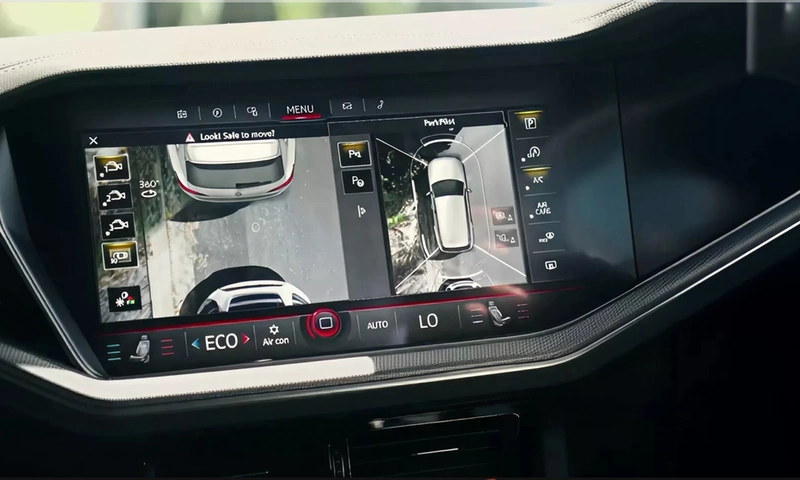
The Caddy's equipment list now plays a bigger role in its value story. Available features include Front Assist with pedestrian and cyclist monitoring, Lane Assist, Adaptive Cruise Control, road-sign display, a rear-view camera, park distance control, and swerve support.
Inside, current Caddy Maxi Life equipment already includes a 10-inch colour touchscreen, wireless smartphone integration, DAB radio, six speakers, multiple USB ports, speed-sensitive power steering, and child-seat anchors in the passenger compartment. The updated cabin should push the Caddy closer to passenger-car expectations, which helps Volkswagen defend its pricing against cheaper van-based MPVs.
Image
Competitor Comparison: Where The Caddy Wins And Loses
The compact van class has grown tougher. Stellantis offers a broad family through Citroen Berlingo, Peugeot Partner/Rifter, Fiat Doblo, Opel Combo, and Toyota ProAce City. Renault and Nissan cover the market with Kangoo and Townstar. Ford sells the closely related Transit Connect and Tourneo Connect.
| Model | Main Strength | Caddy Win | Caddy Risk |
|---|---|---|---|
| Volkswagen Caddy | Tech, eHybrid range, VW dealer strength | Strong cabin tech and versatile Maxi body | Higher pricing in many markets |
| Ford Transit Connect / Tourneo Connect | Shared engineering base, strong fleet appeal | VW cabin finish may feel richer | Ford may price fleet deals harder |
| Citroen Berlingo / Peugeot Rifter | Value, comfort, wide dealer reach | Caddy feels more premium | Stellantis models often cost less |
| Renault Kangoo / Nissan Townstar | Practical loading and EV availability | Caddy eHybrid suits mixed routes | Full EV users may prefer electric rivals |
The Caddy wins on breadth. It covers cargo, family, shuttle, camping, diesel, petrol, and plug-in hybrid demand in one nameplate. Its risk comes from price. A buyer who wants pure utility may find cheaper rivals with similar load volumes.
Image gallery
Pricing
Volkswagen pricing changes by country, tax structure, trim, and fleet terms. The Irish figures below use published Caddy Maxi examples. These numbers include market-specific taxes, so buyers should treat them as regional price signals, not universal pricing.
| Version | Converted RRP |
|---|---|
| Volkswagen Caddy Maxi Life 2.0 TDI 102 PS manual | About $57,900 |
| Volkswagen Caddy Maxi Dark Label 2.0 TDI 102 PS manual | About $62,000 |
| Volkswagen Caddy Maxi Life 2.0 TDI 122 PS DSG | About $64,600 |
| Volkswagen Caddy Maxi Dark Label 2.0 TDI 122 PS DSG | About $68,100 |
| Volkswagen Caddy Maxi Life 1.5 eHybrid DSG | About $59,800 |
| Volkswagen Caddy Maxi Dark Label 1.5 eHybrid DSG | About $64,000 |
Image gallery
Should Buyers Choose The 2027 Volkswagen Caddy?
Choose the 2027 Volkswagen Caddy if you need one compact vehicle that can work hard Monday to Friday and still carry people, luggage, bikes, or camping kit at the weekend. The Caddy Maxi gives the best utility-to-footprint ratio, while the eHybrid gives urban users the most interesting running-cost case.
Pick the diesel if you cover long distances and carry weight. Pick the eHybrid if you charge often and run short routes. Pick the Maxi if space matters more than the smallest possible footprint.
What now?
Business buyers should price the Caddy against real route data: annual mileage, payload, charging access, and expected resale. Family buyers should test the third row, sliding doors, and boot space with their actual gear before choosing a cheaper SUV.
- Add new comment
- 399 views