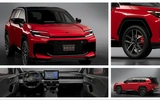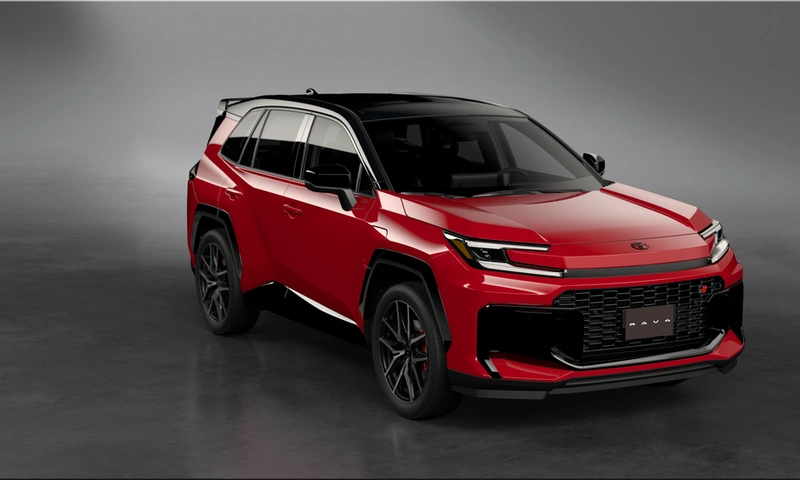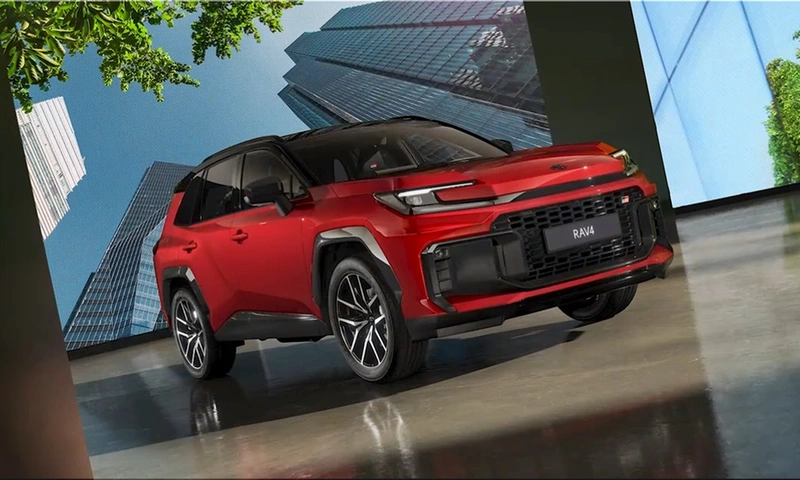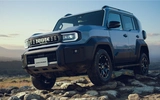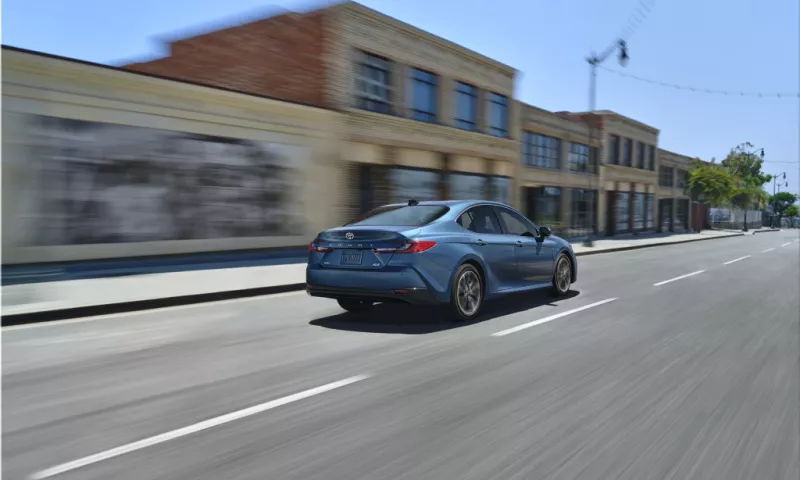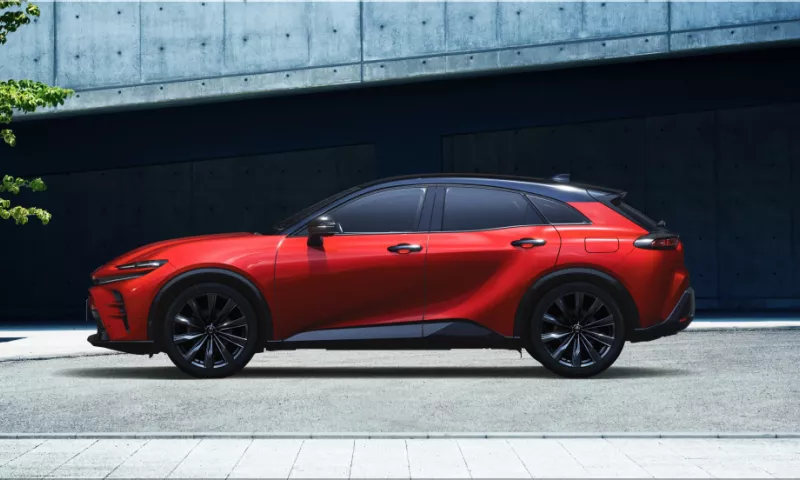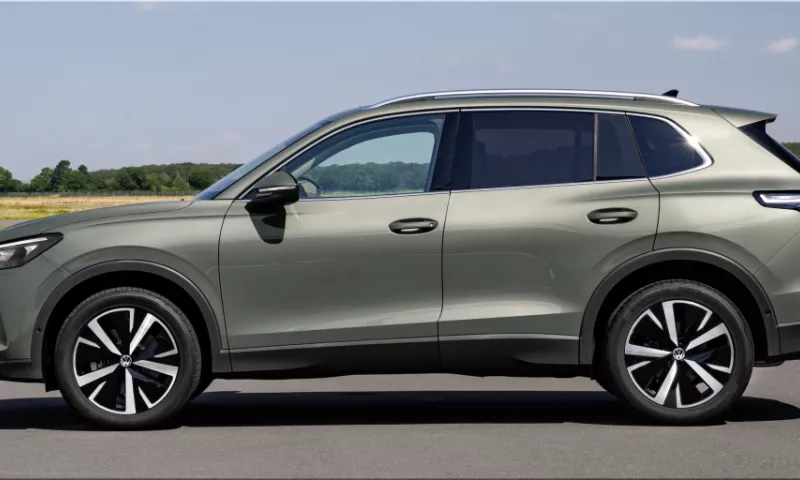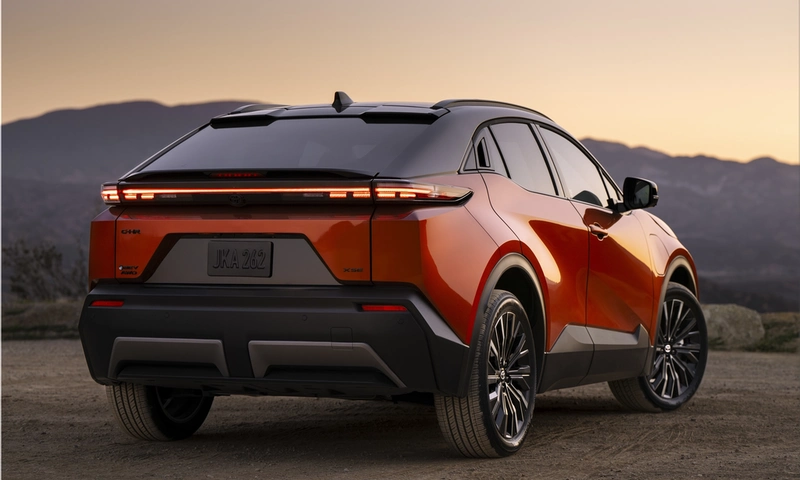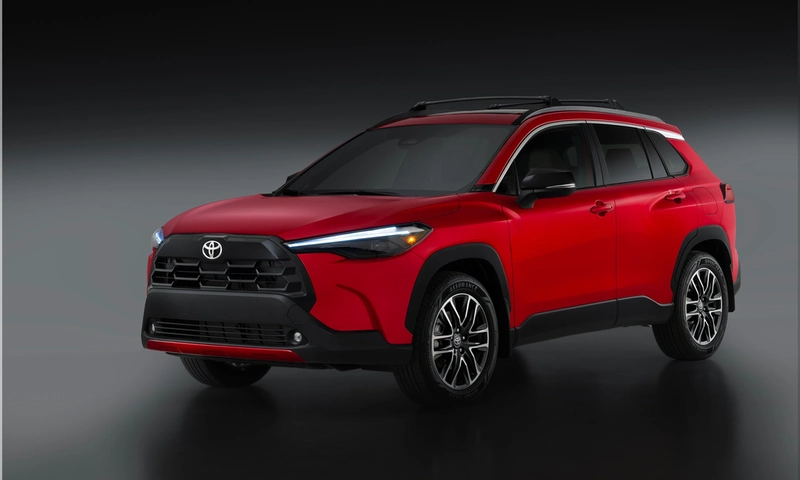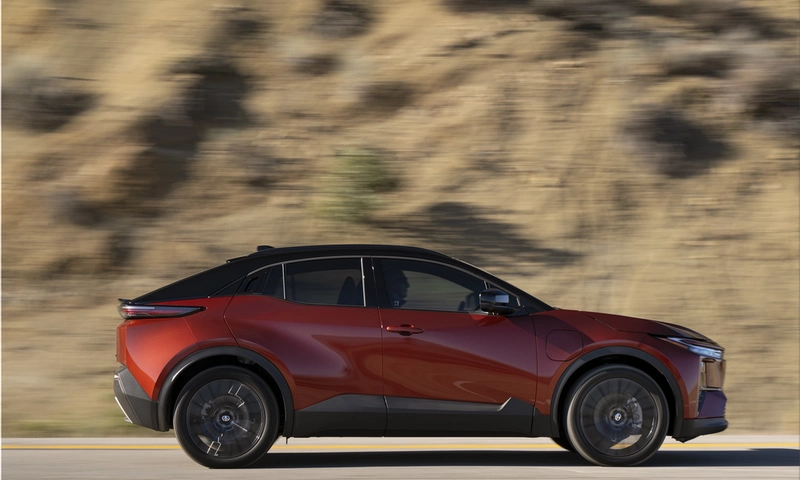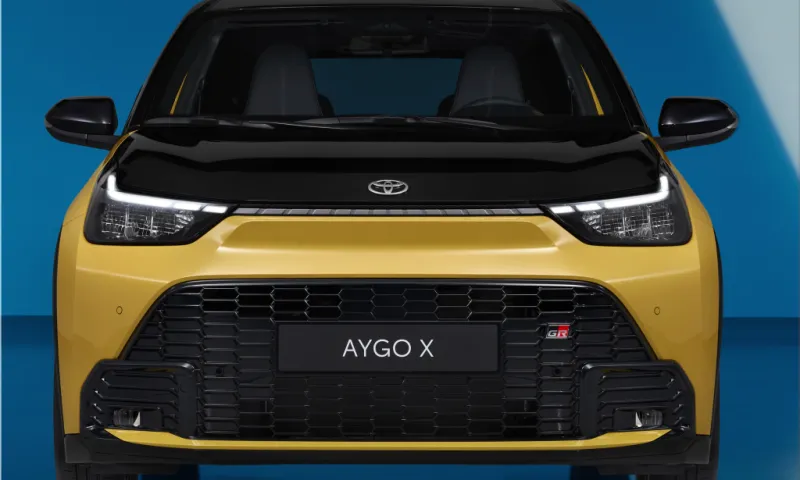
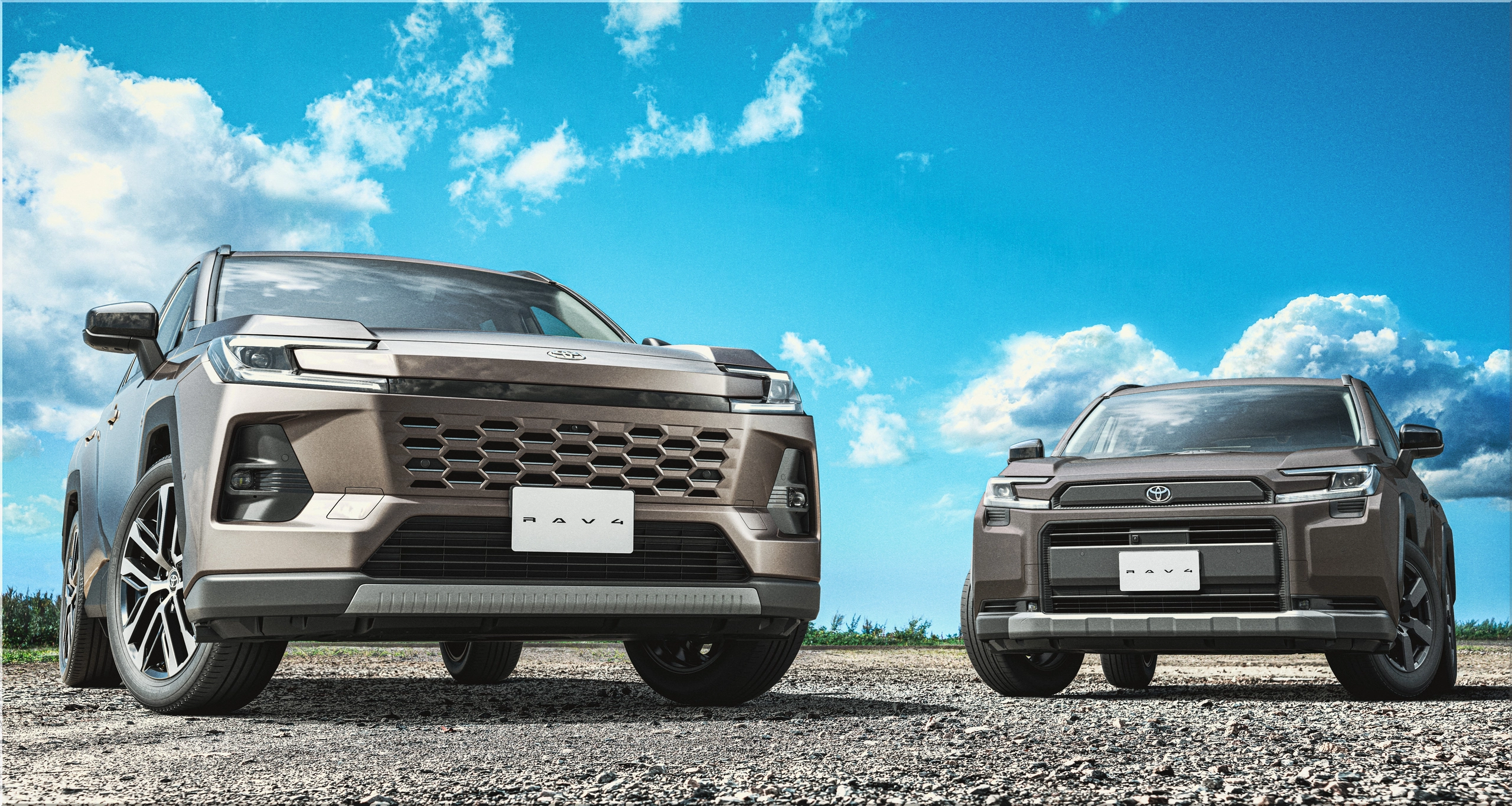
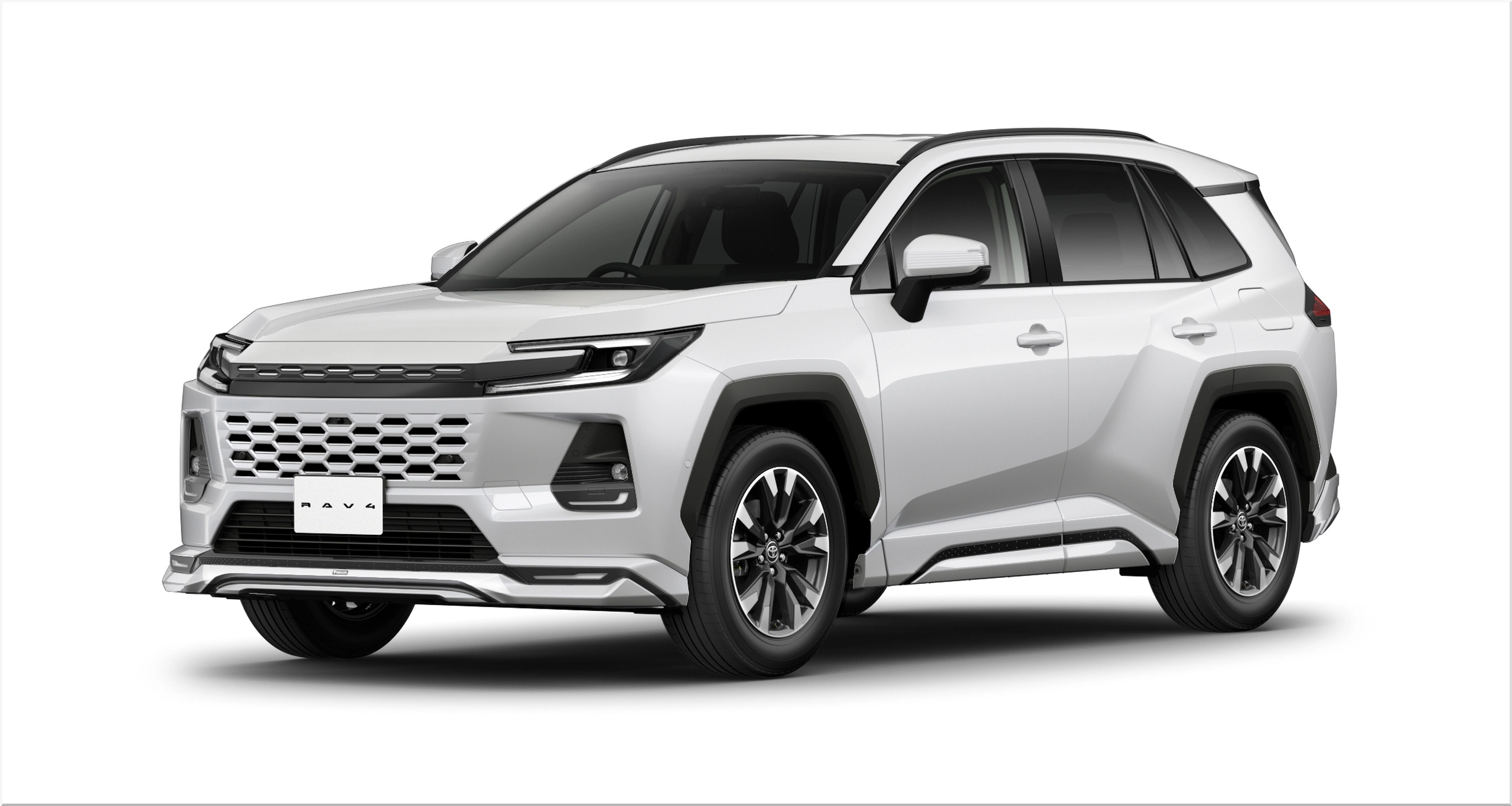
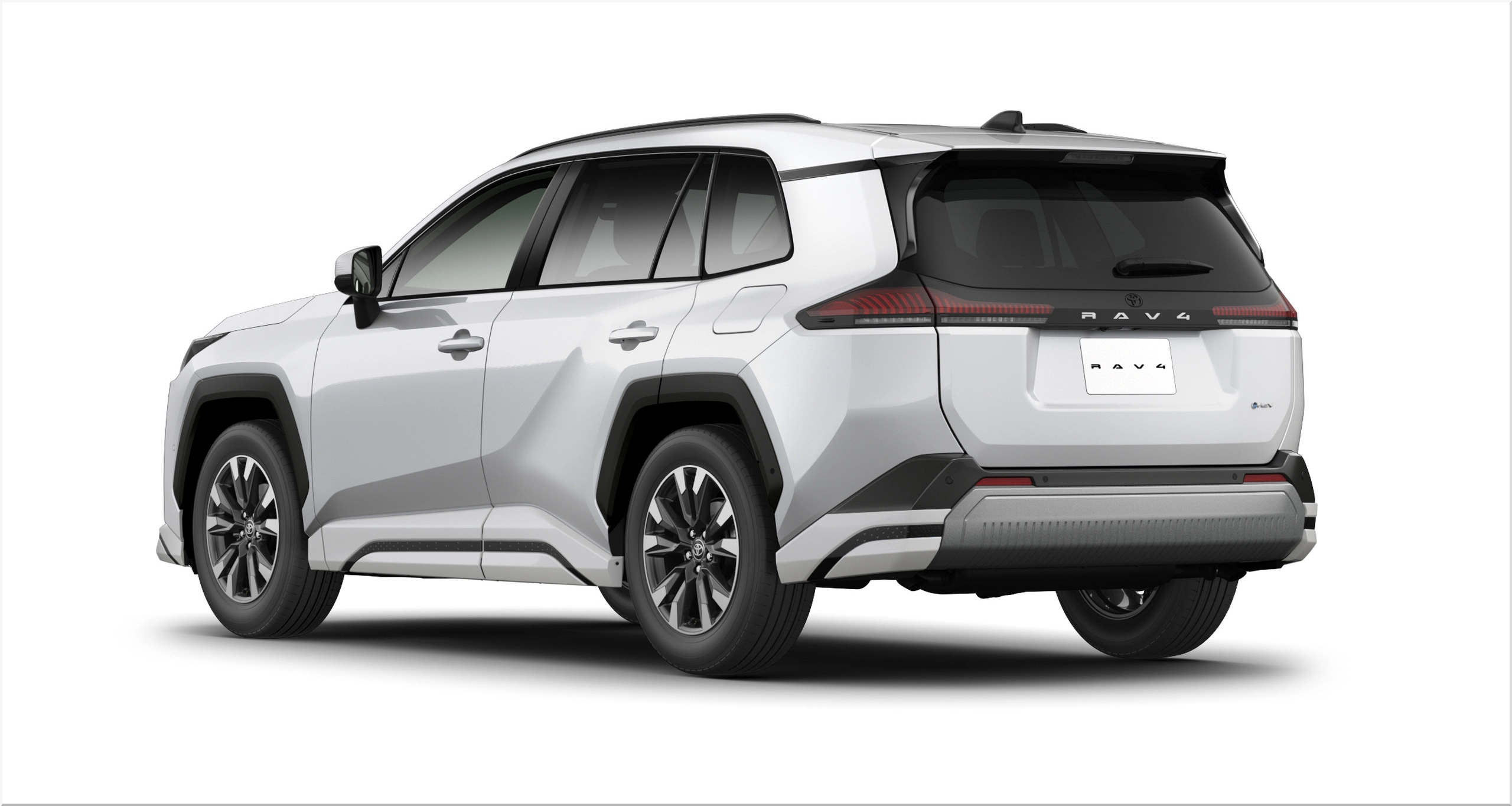
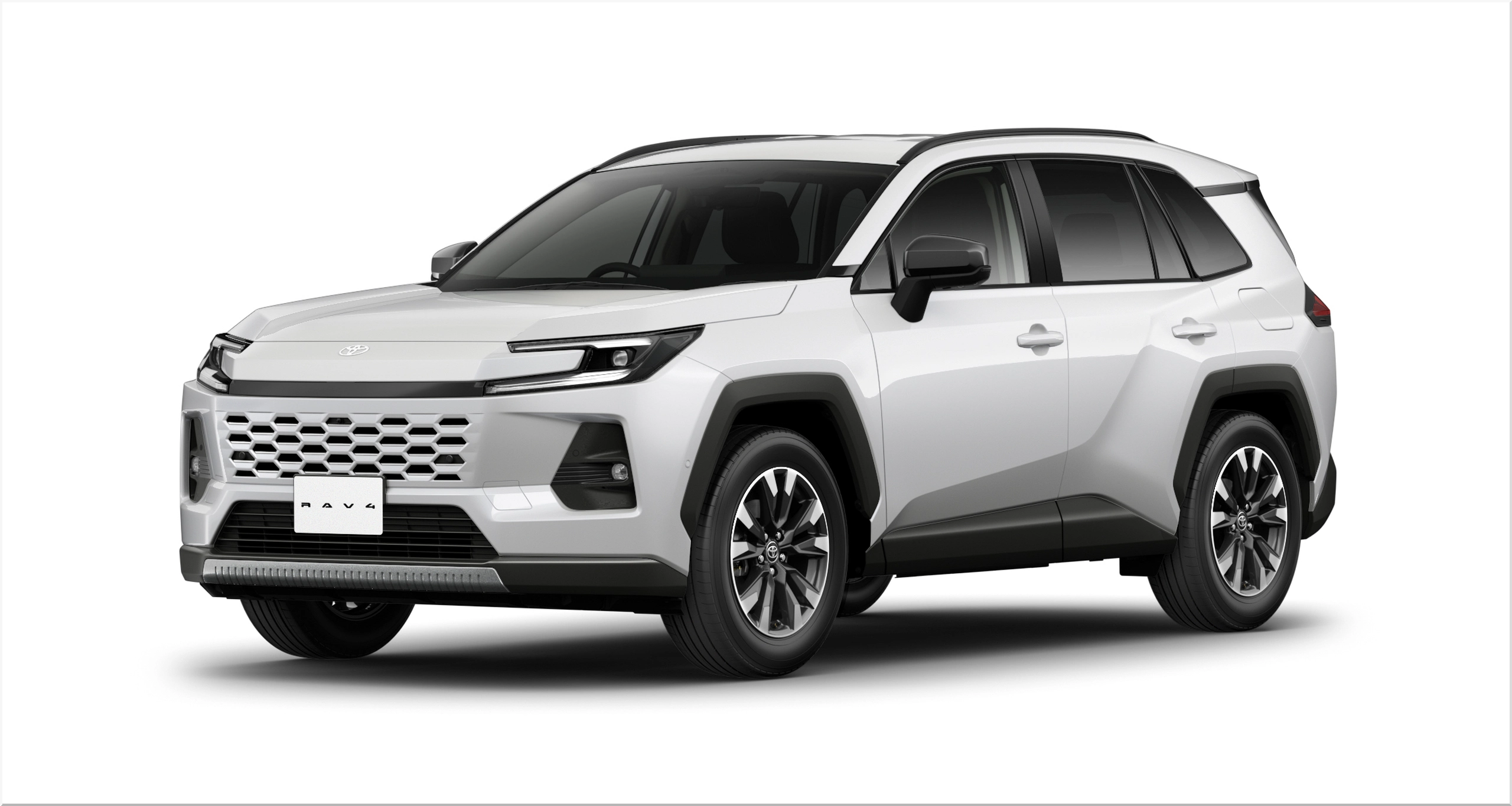
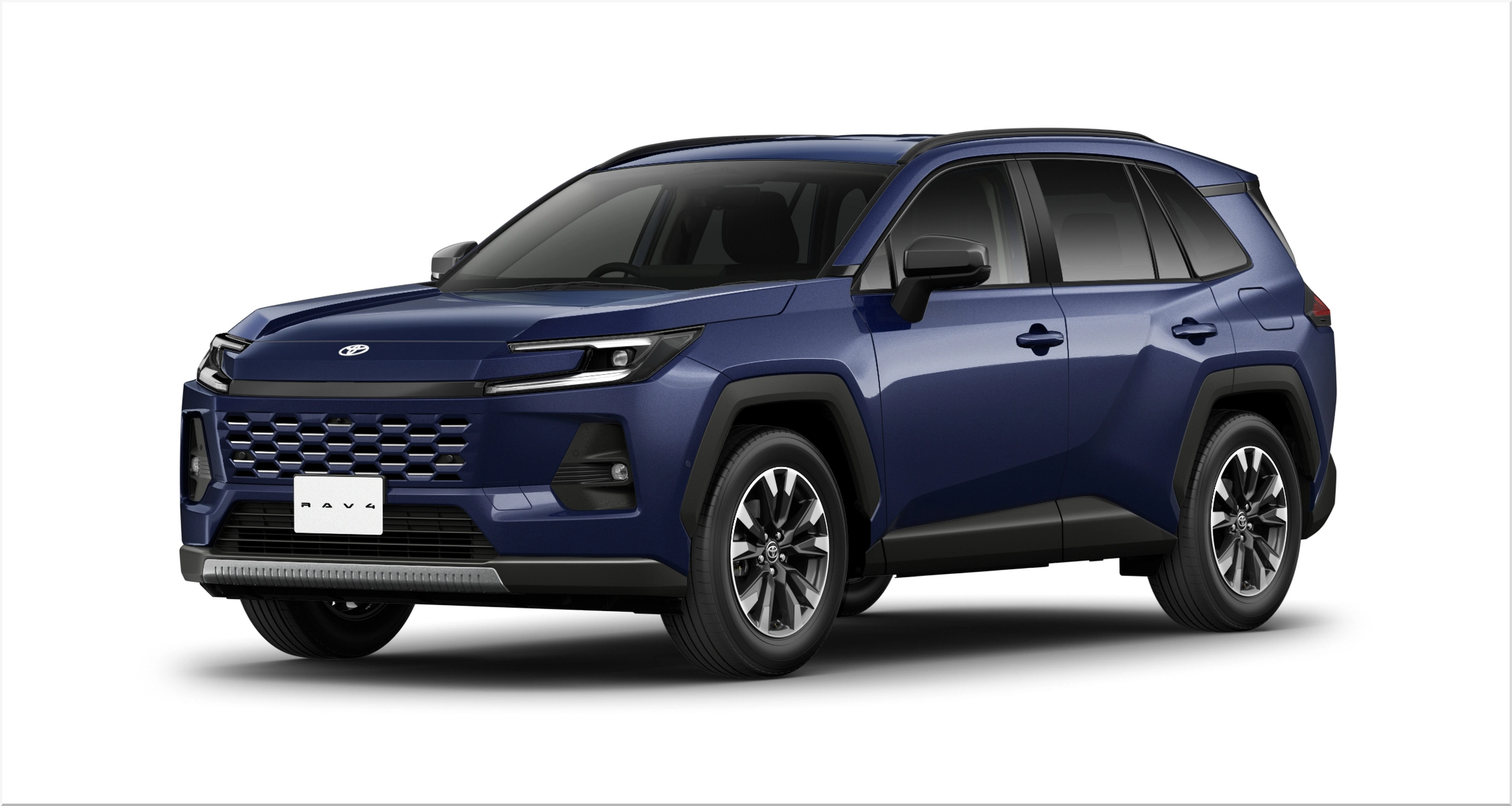
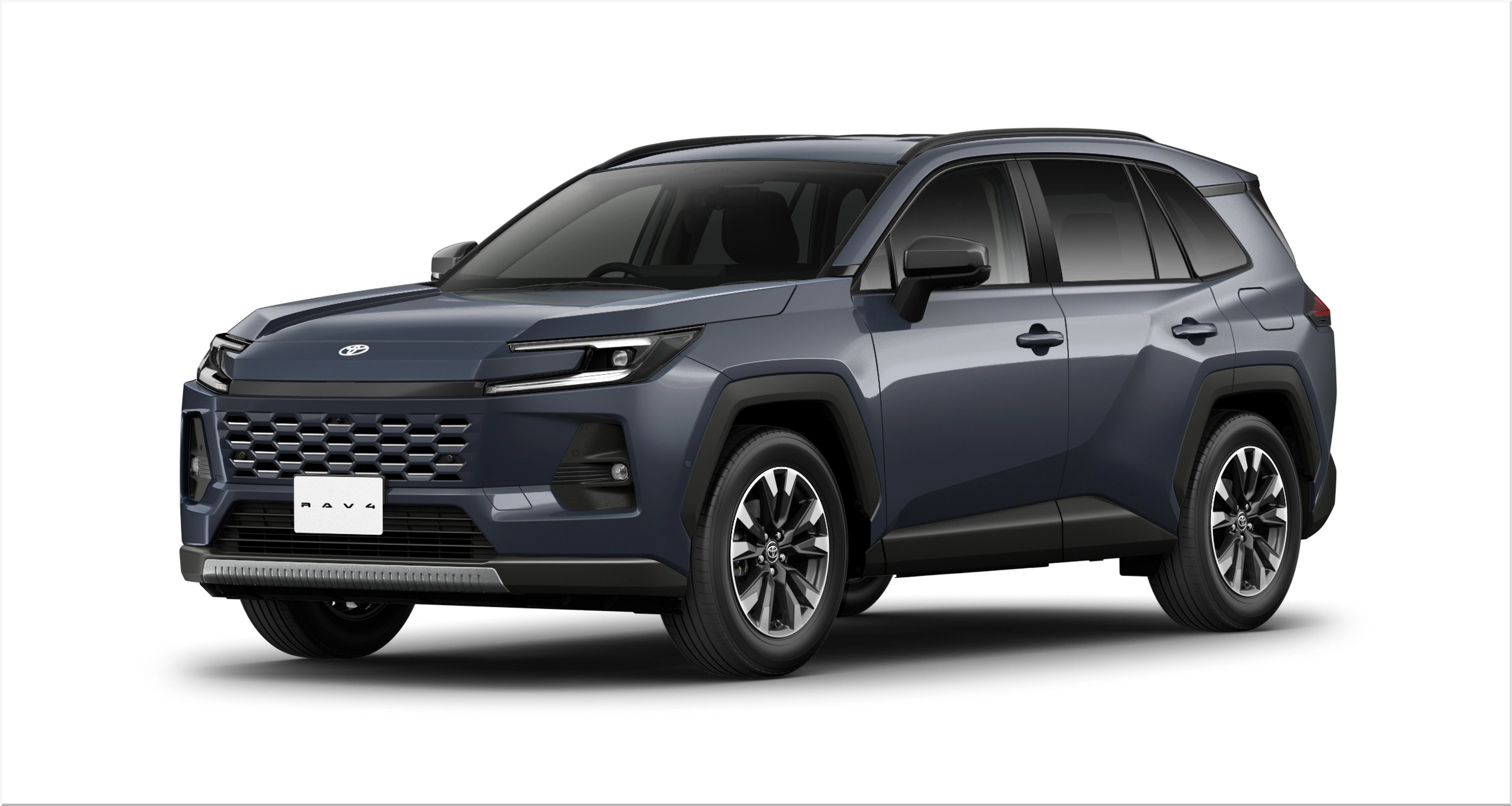
Toyota has updated the RAV4 for Japan with a clear product directive. Improve efficiency. Expand software capability. Protect global scale. This revision does not chase novelty. It tightens execution around what already sells.
The Toyota RAV4 remains one of Toyota’s most critical global products. Any change affects volume, margins, and supplier stability. Toyota responds with measured updates that reinforce buyer confidence rather than disrupt it.
Image
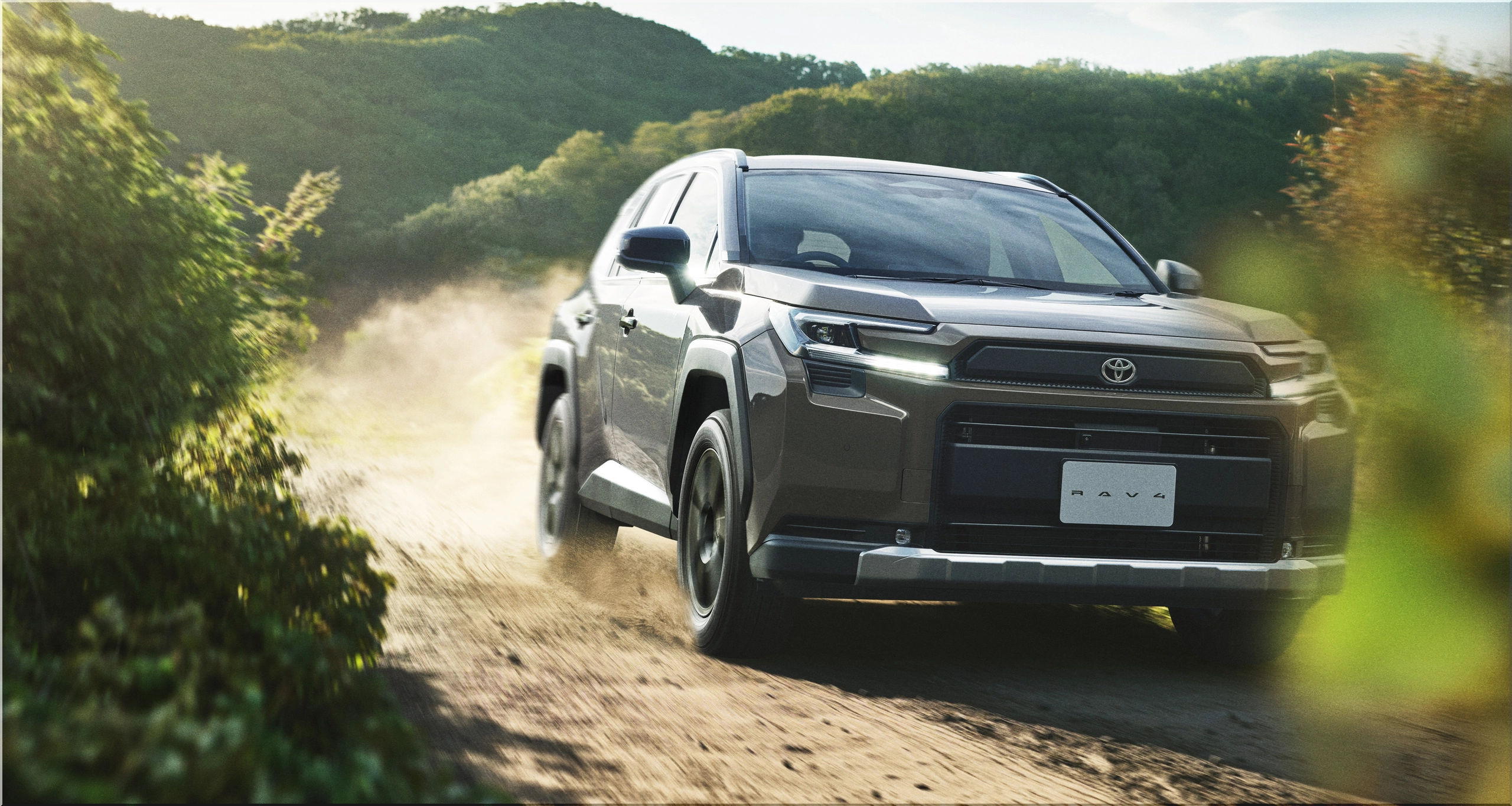
Why This RAV4 Update Matters Now
The compact hybrid SUV segment has reached saturation. Nearly every major brand now offers an electrified option. Toyota’s advantage comes from maturity, not experimentation.
This update reinforces Toyota’s existing strengths:
- Hybrid efficiency at scale
- Predictable ownership costs
- High safety feature penetration
- Stable production economics
Toyota focuses on retention as much as conquest. That approach reflects how the RAV4 earns its margins.
Image
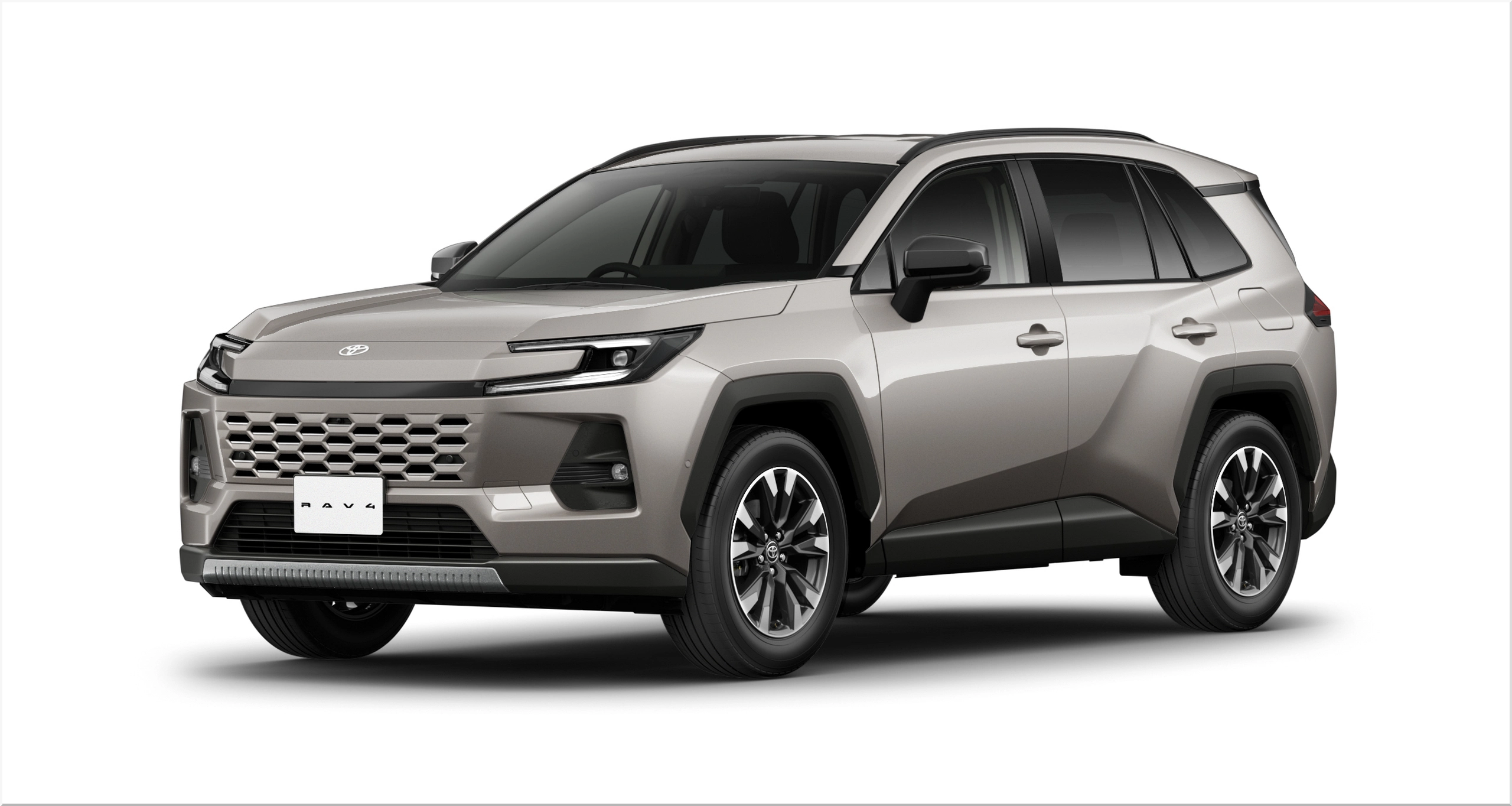
Platform Strategy and Dimensions Stay Fixed
Toyota retains the existing RAV4 platform and footprint. That decision protects tooling investments and simplifies global production planning.
Exterior dimensions remain unchanged:
- Length: about 181 inches
- Width: about 73 inches
- Height: about 66 inches
- Wheelbase: about 105 inches
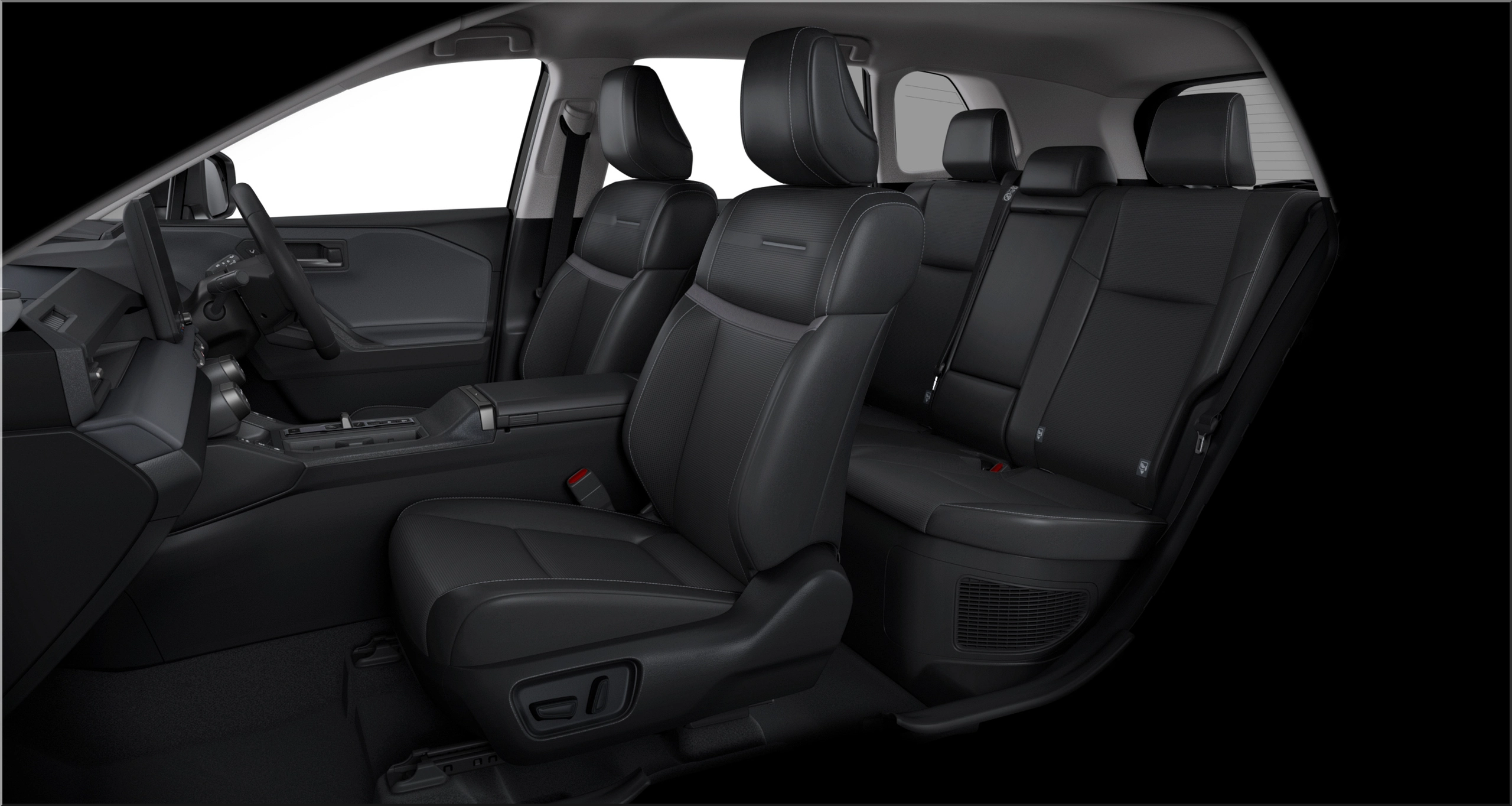
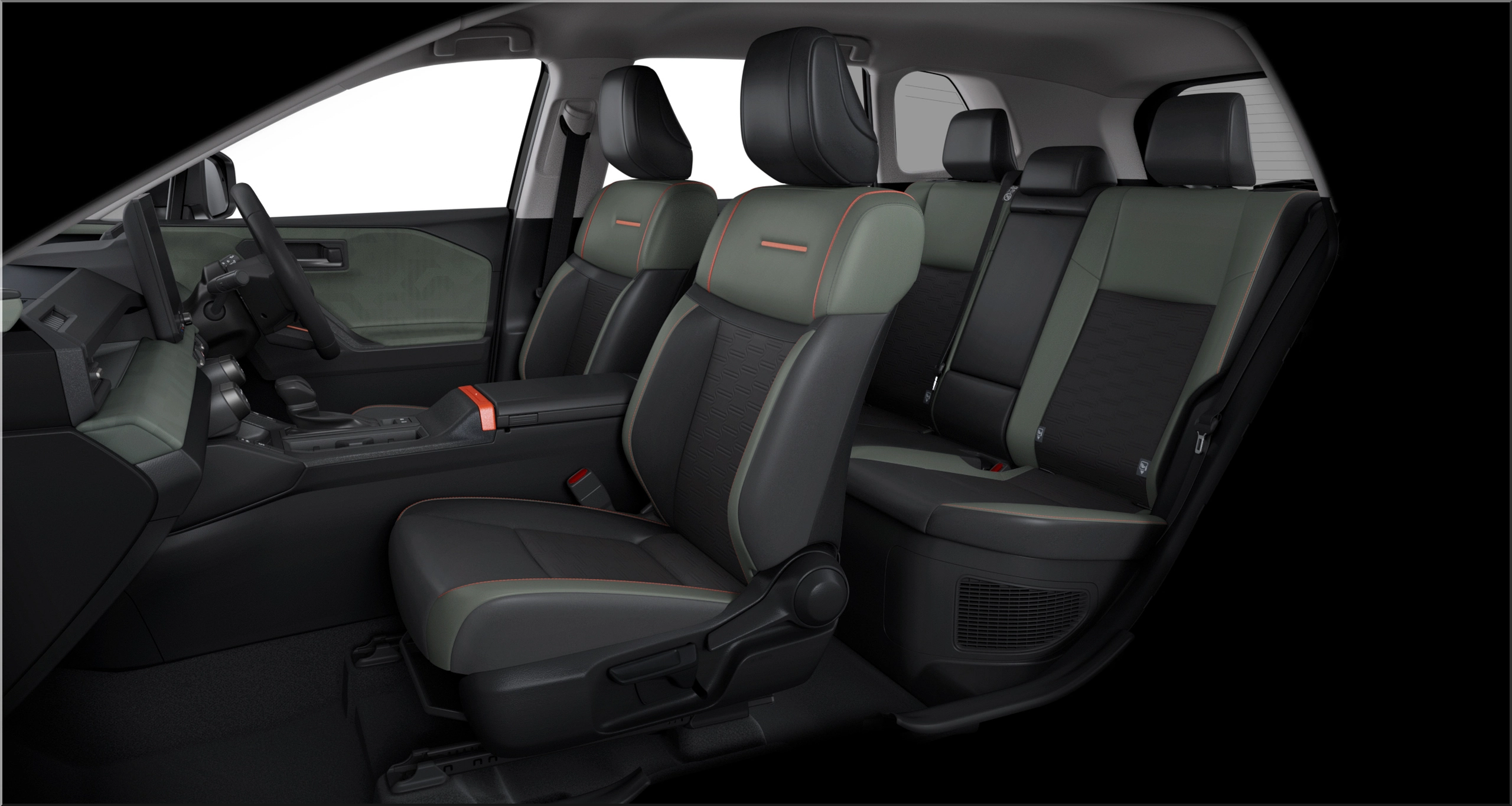
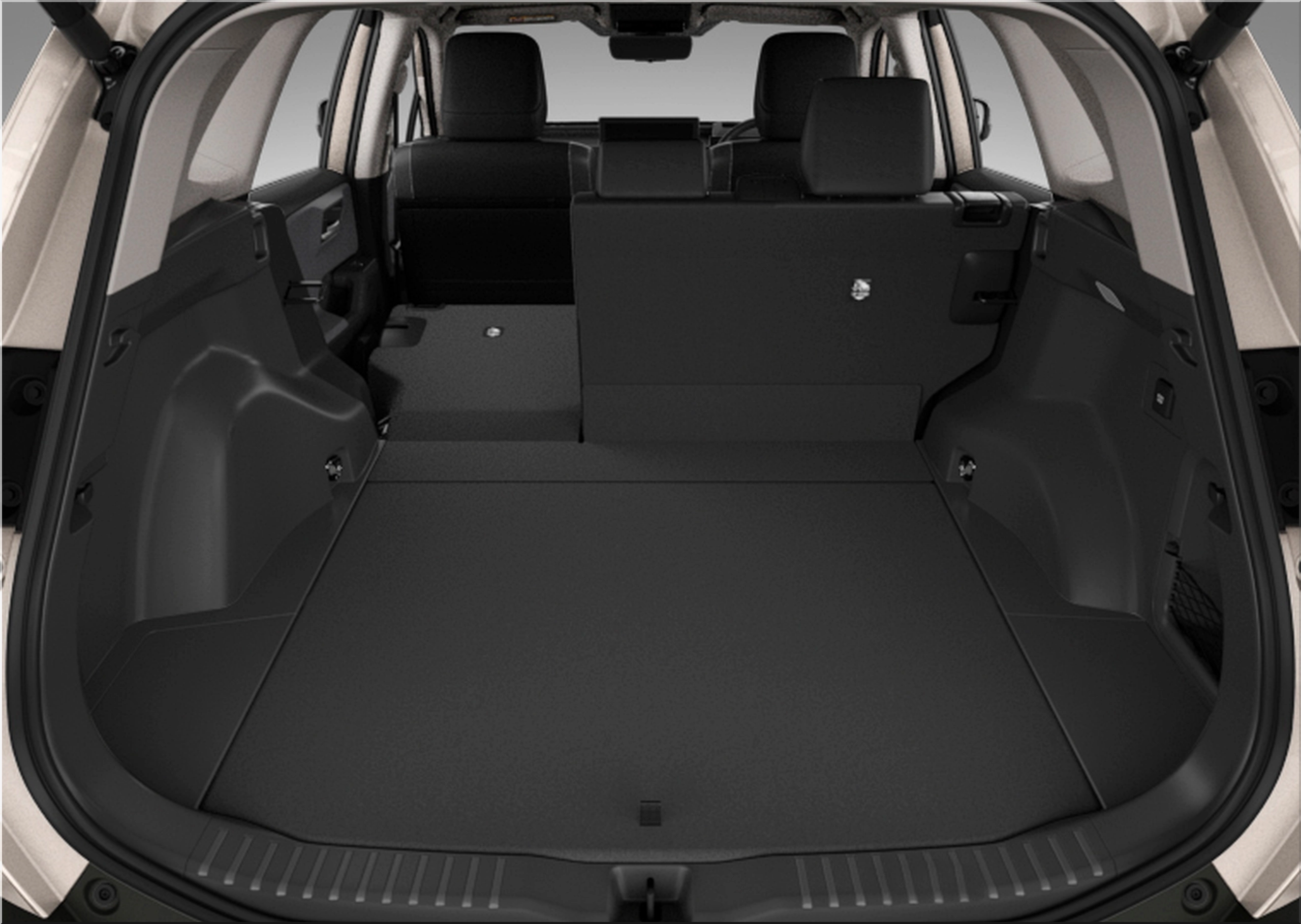
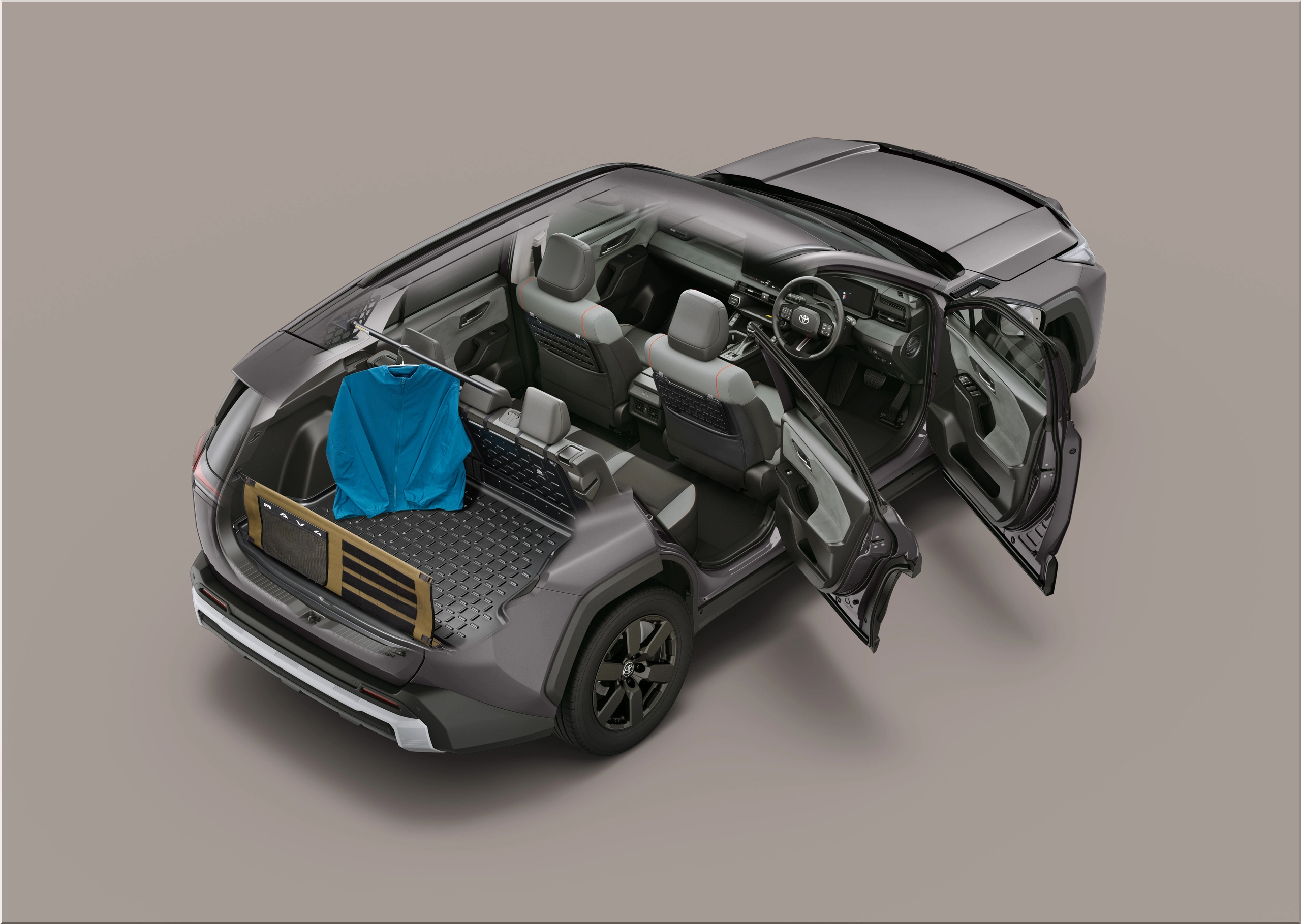
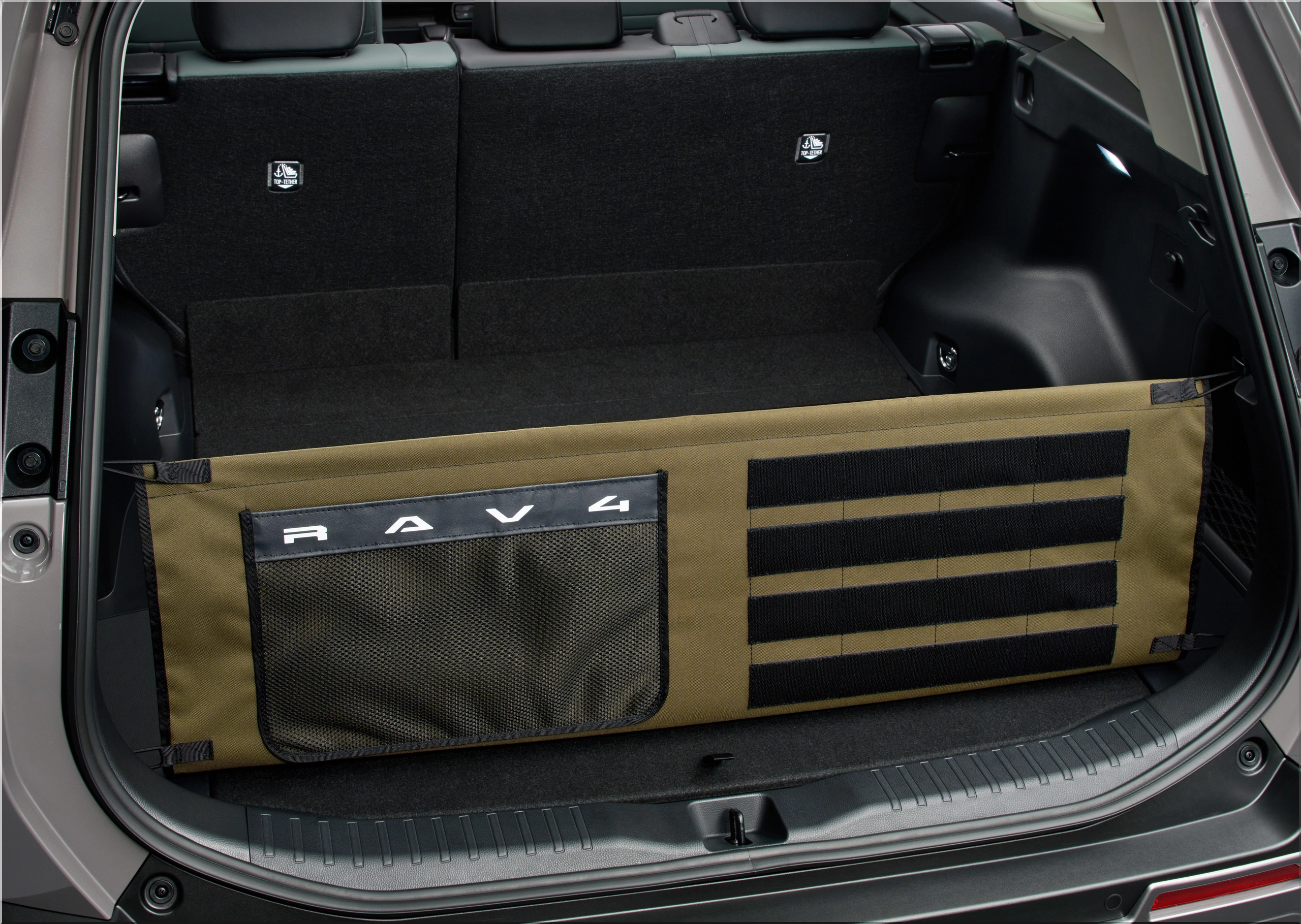
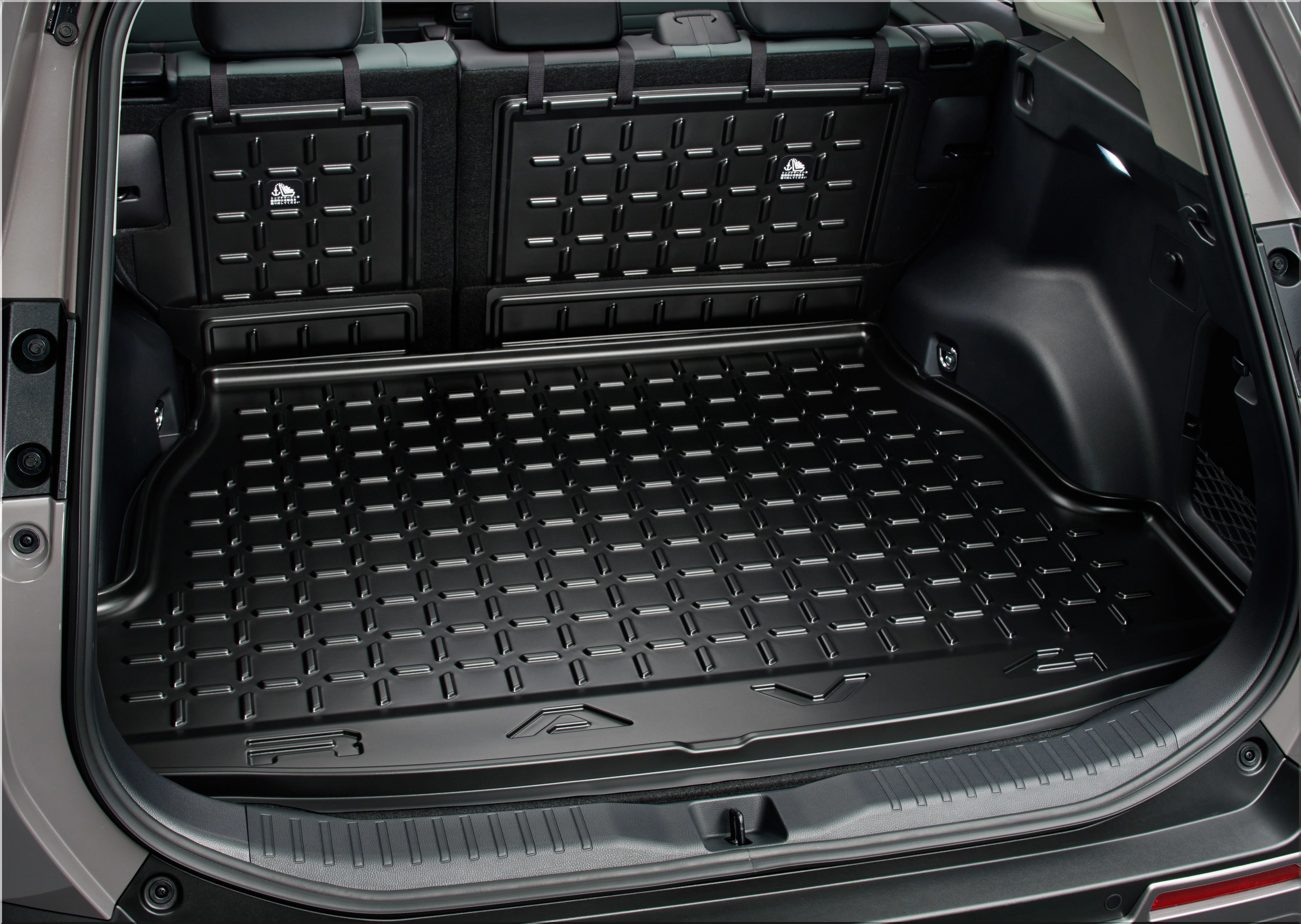
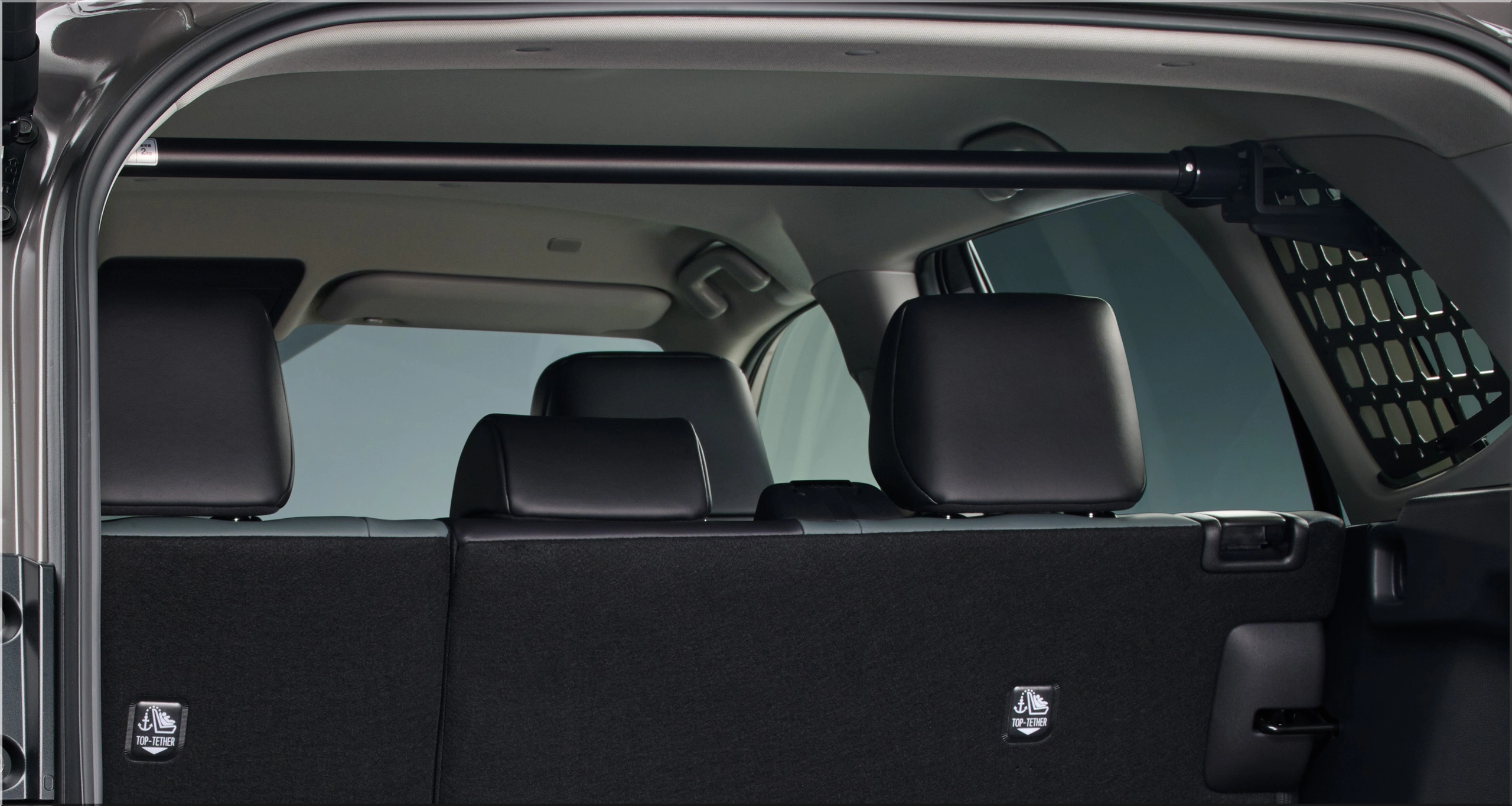
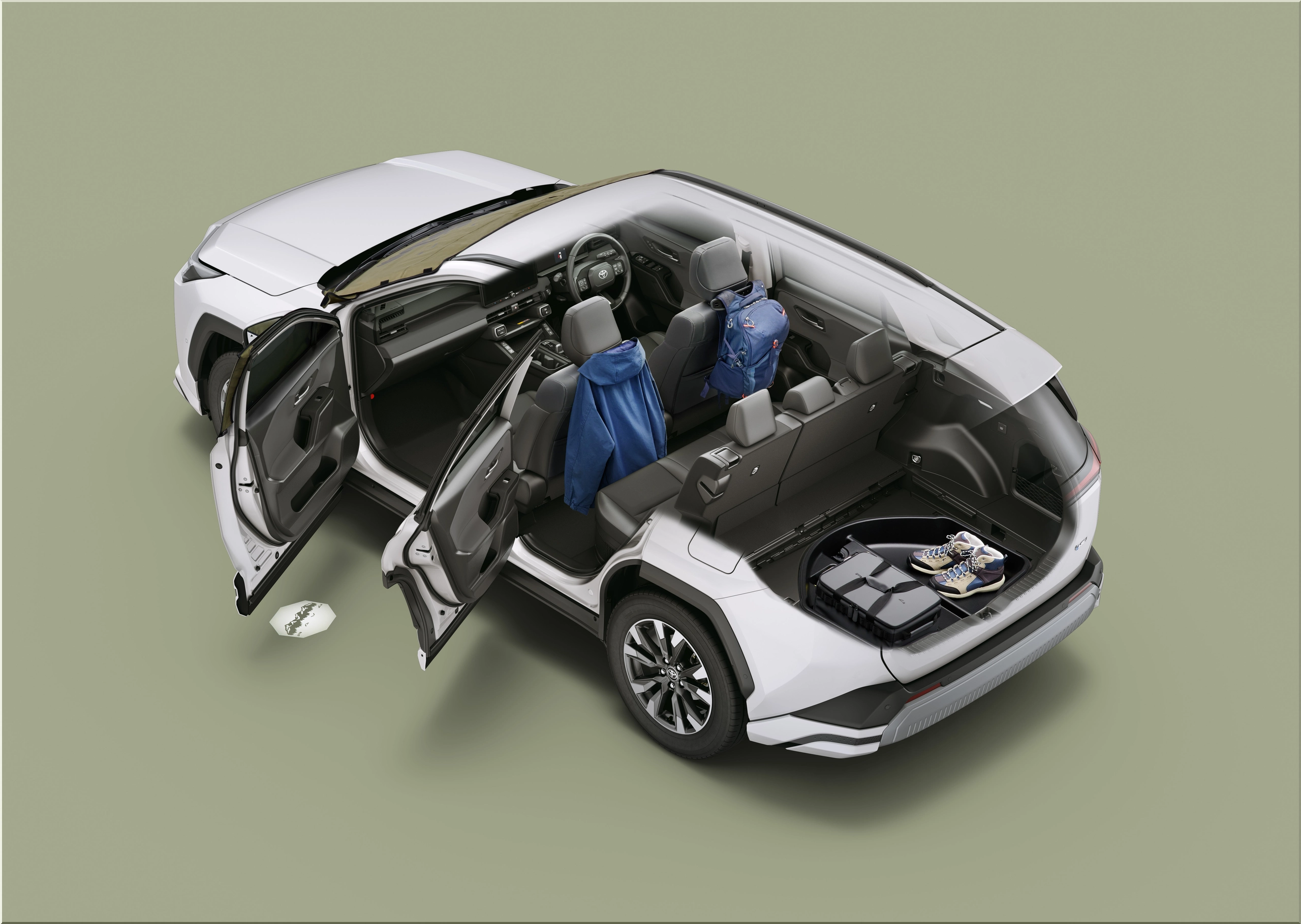
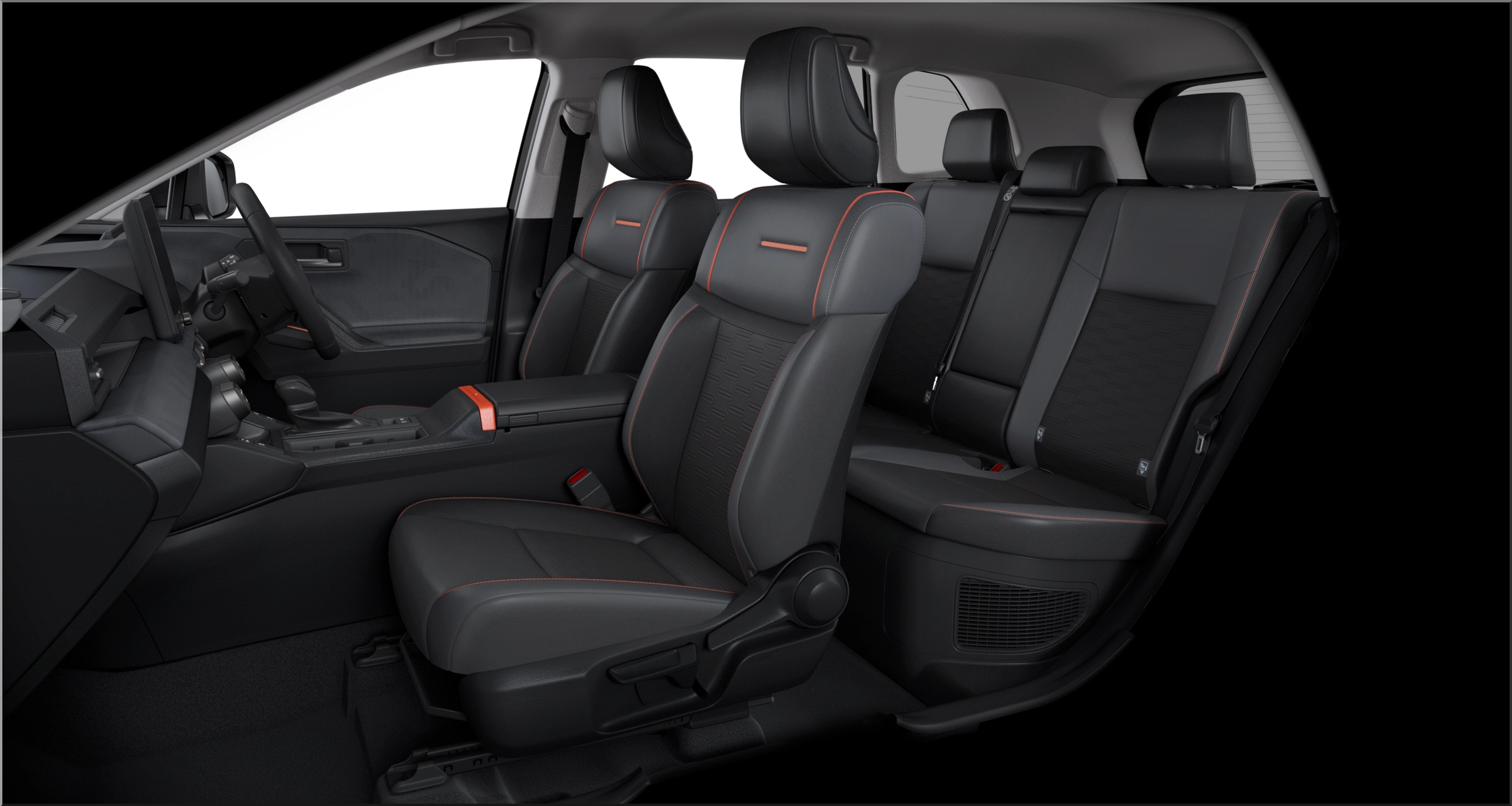
Interior gains come from layout refinement rather than physical growth. Cargo volume reaches about 26.4 cubic feet behind the rear seats and expands to roughly 69 cubic feet with seats folded. This keeps the compact SUV practical without adding mass.
Hybrid Powertrain Focuses on Consistency
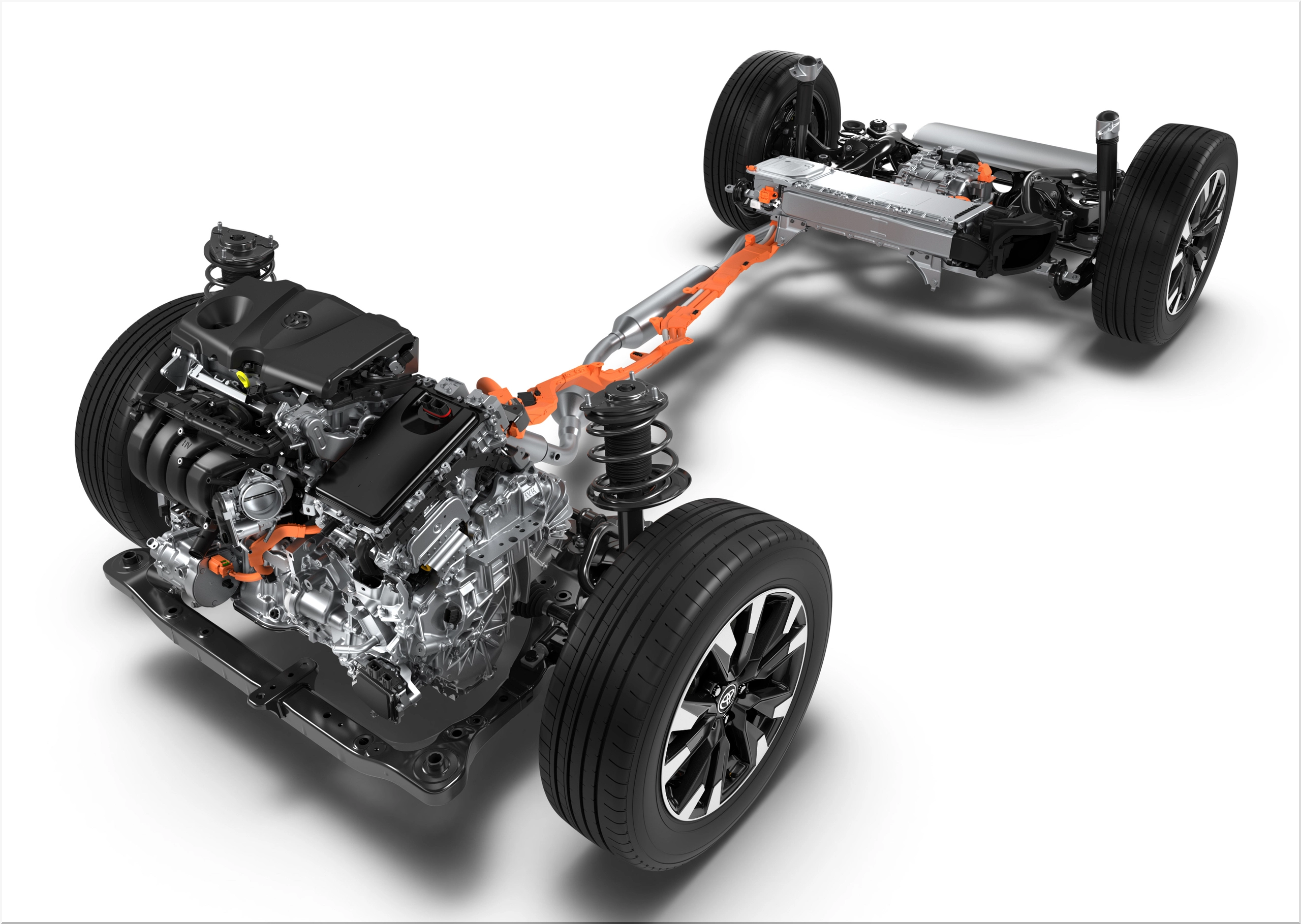
Toyota continues with its established 2.5-liter hybrid system. Gas-only engines do not appear in the Japanese lineup.
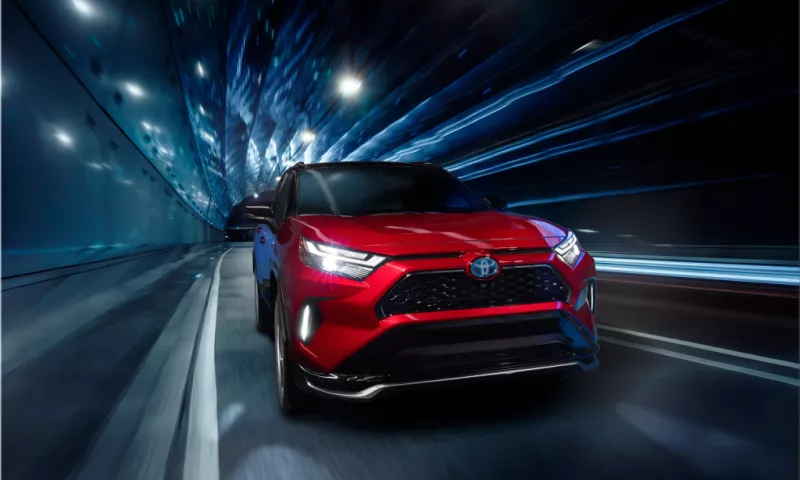
The powertrain combines a naturally aspirated four-cylinder engine with electric motors. Total system output reaches about 240 horsepower, depending on configuration. Electric all-wheel drive remains available through Toyota’s rear motor setup.
Key performance metrics include:
- 0 to 60 mph in about 7.8 seconds
- Combined efficiency near 40 mpg equivalent
- Frequent electric-only operation during low-load driving
This hybrid SUV setup prioritizes smooth torque delivery and predictable traction rather than peak acceleration.
Toyota has confirmed a future plug-in hybrid version. Final specifications and launch timing remain undisclosed.
Image
Drive Modes Reflect Real Conditions
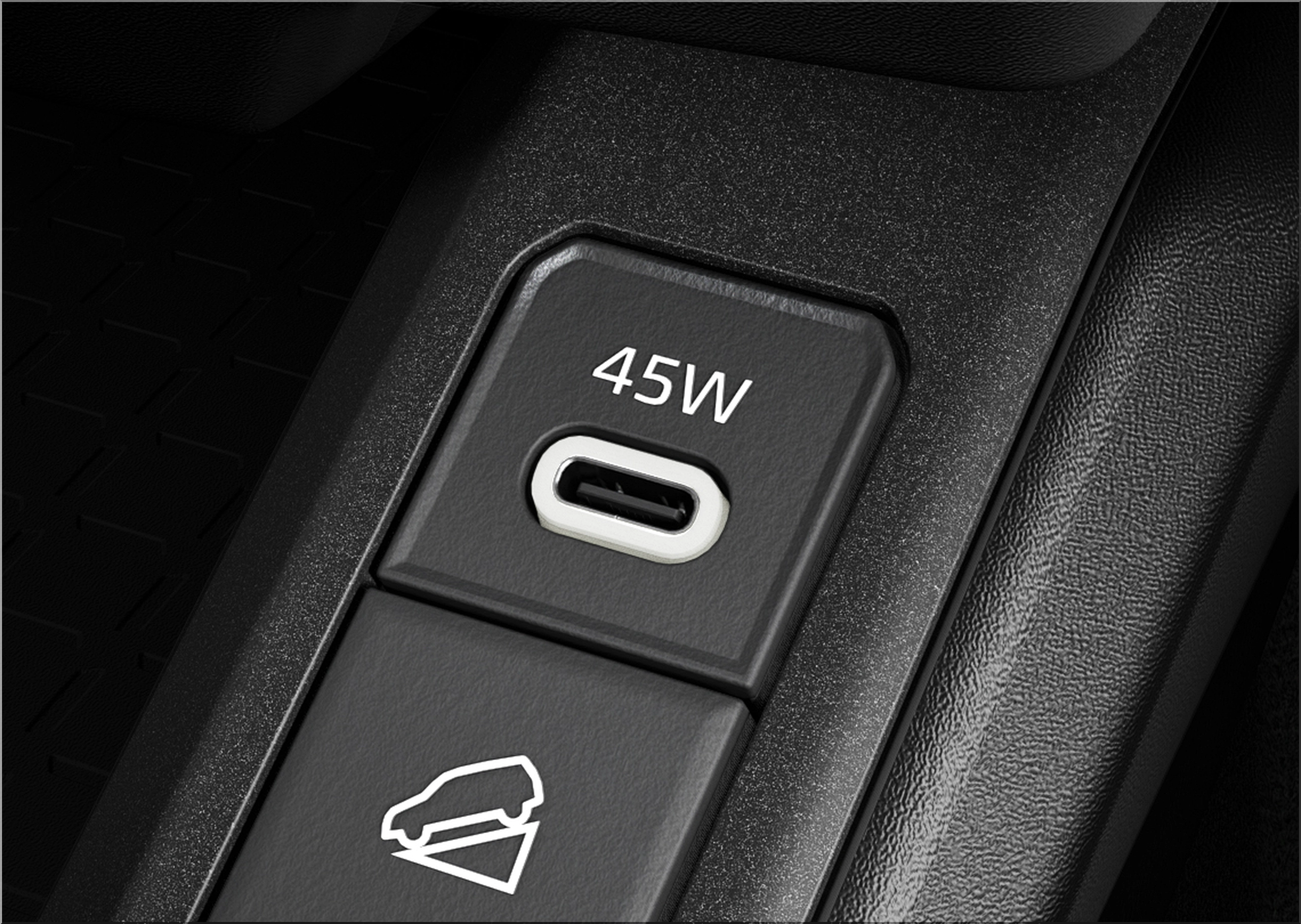
Toyota includes selectable drive modes that address common road scenarios. These modes adjust throttle response, torque split, and stability control logic.
Available modes include:
- Normal
- Eco
- Sport
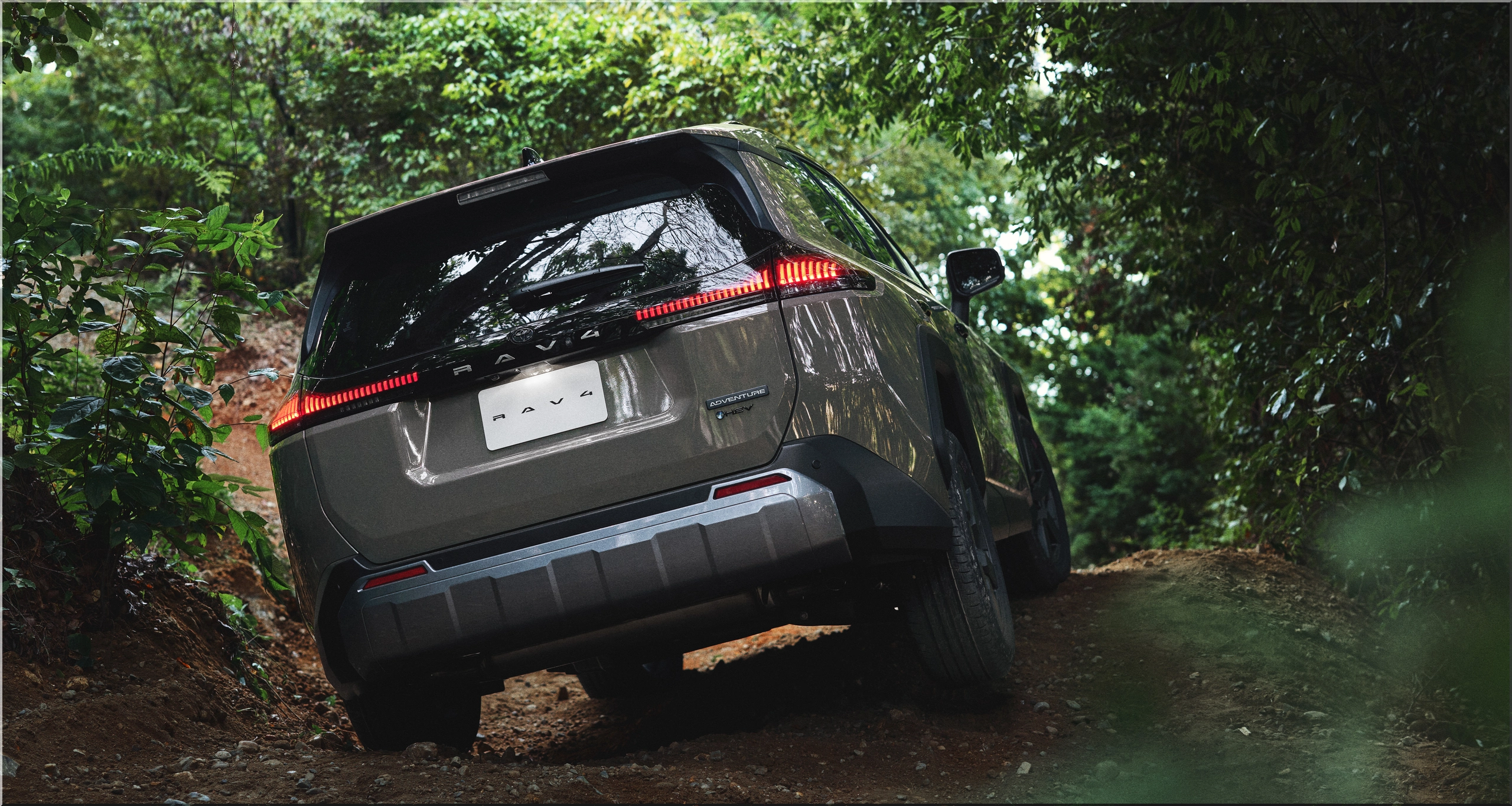
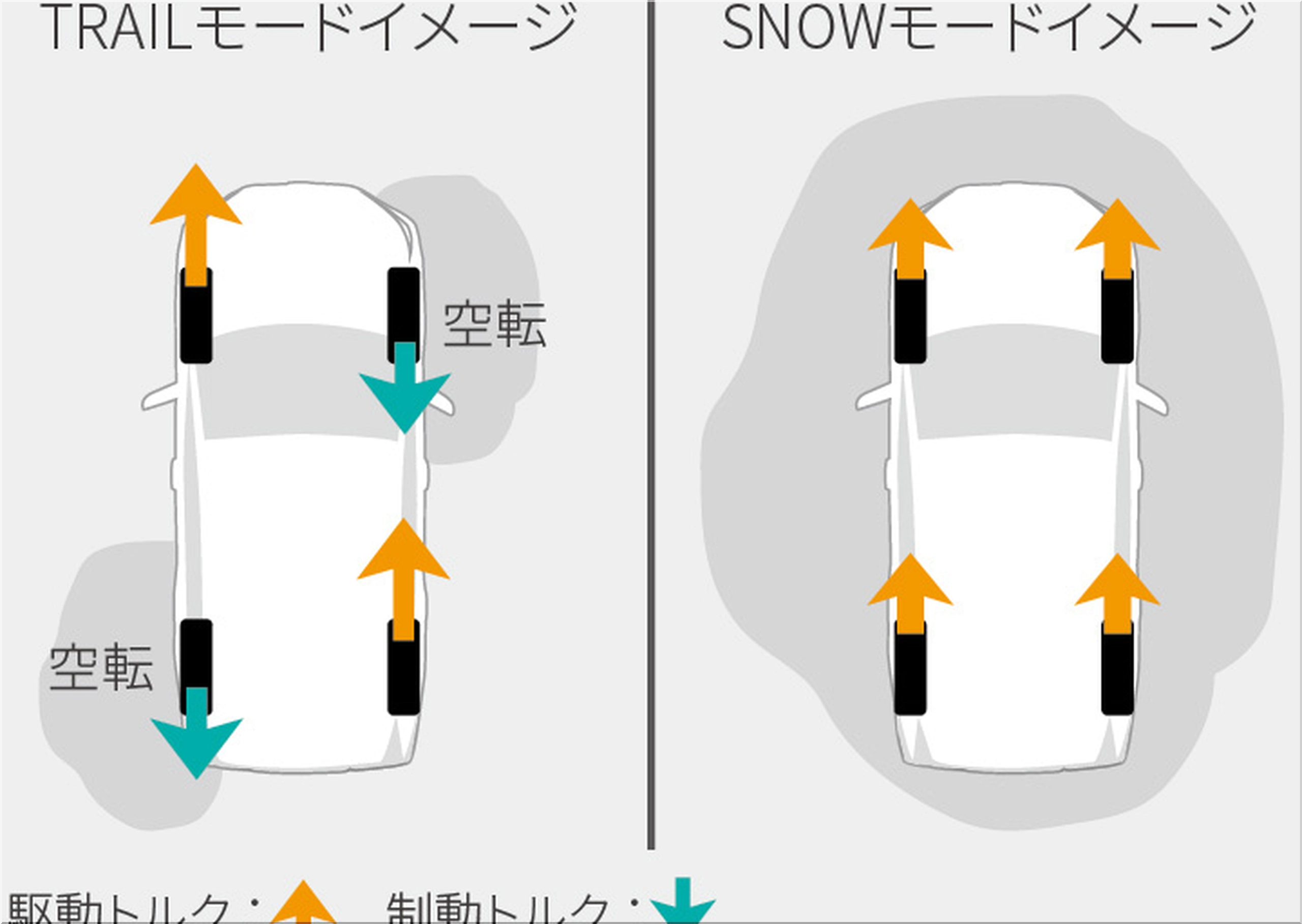
- Trail
- Snow
Trail mode redirects torque away from spinning wheels to maintain forward motion. Snow mode softens throttle input to reduce wheel slip. Each setting serves a defined purpose without adding complexity.
Interior Design Centers on Function
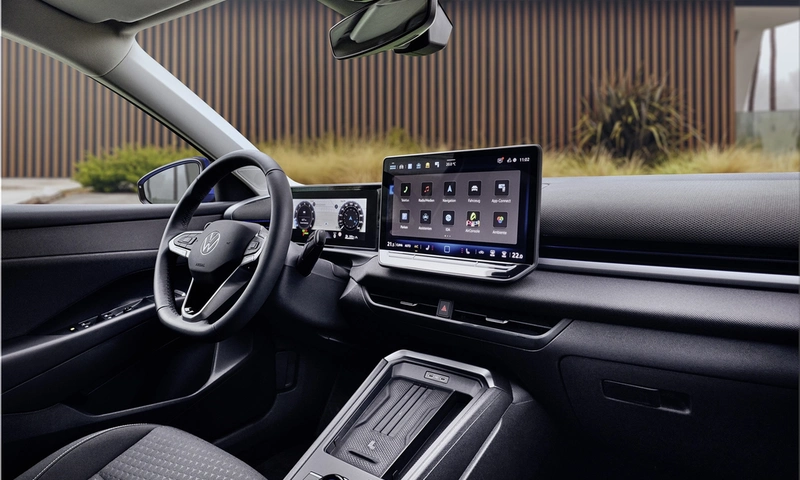
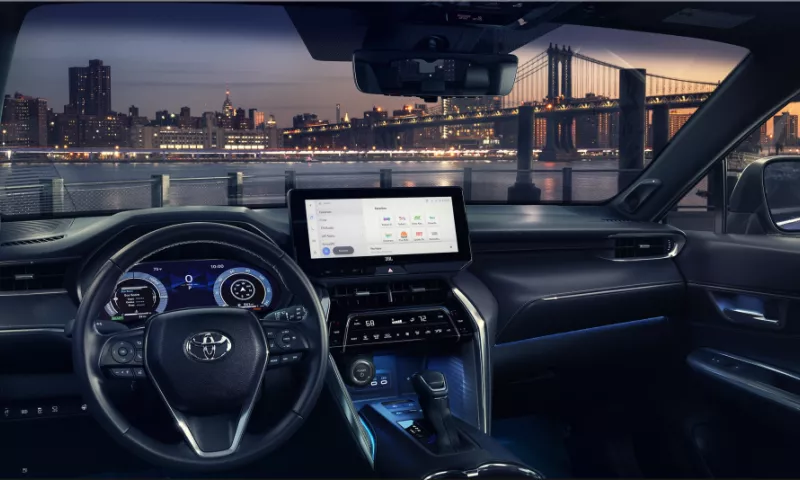
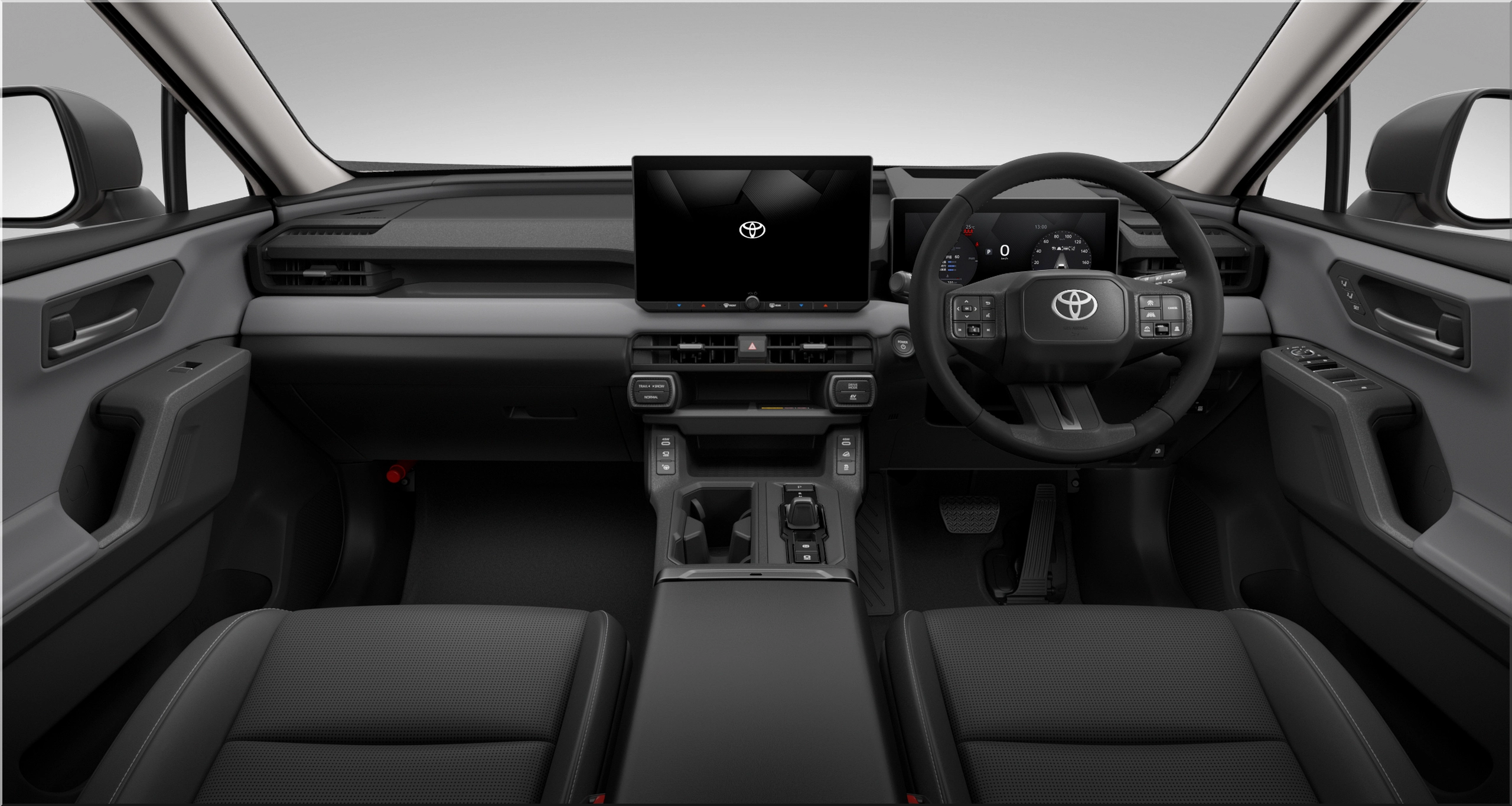
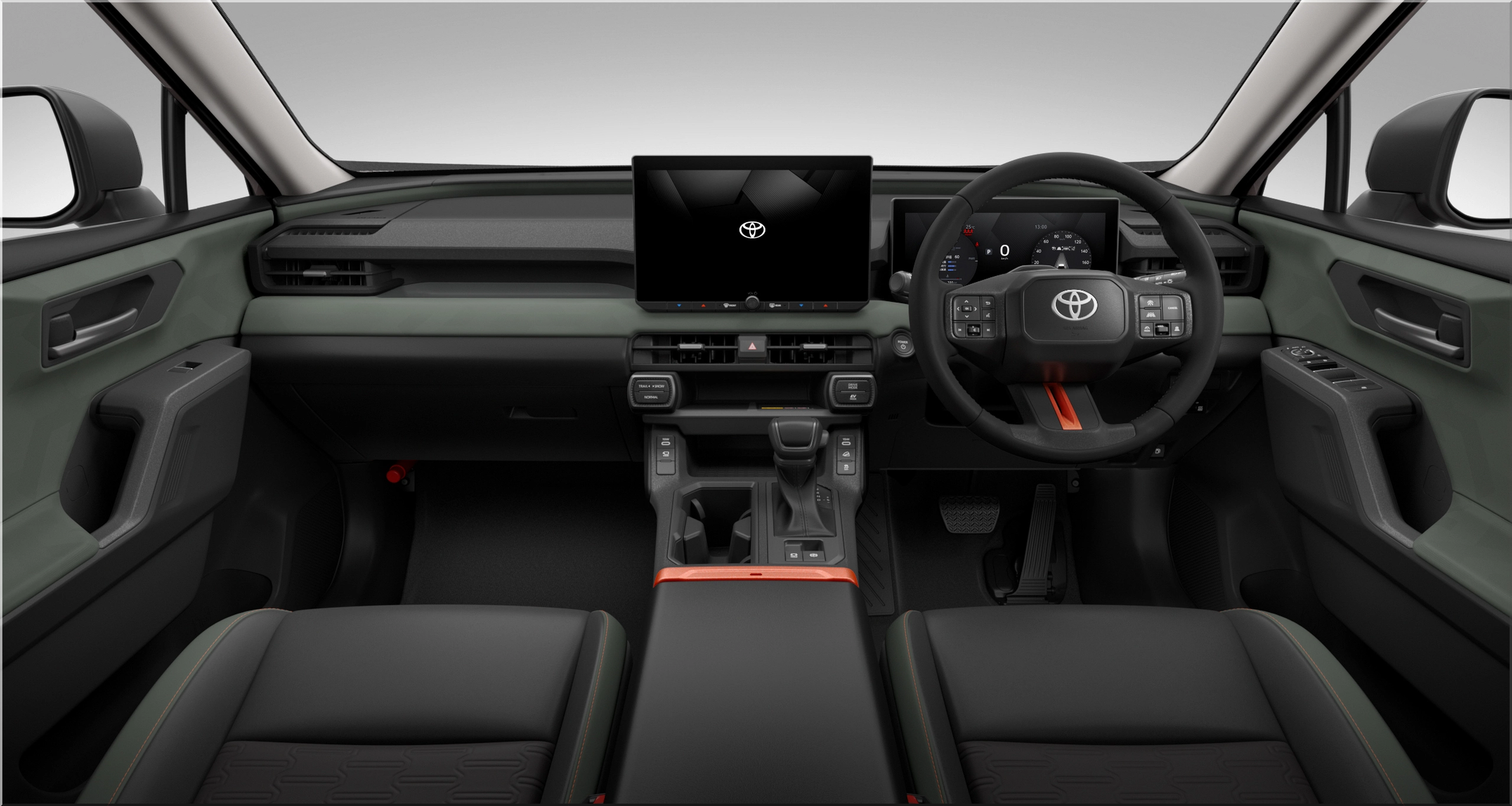
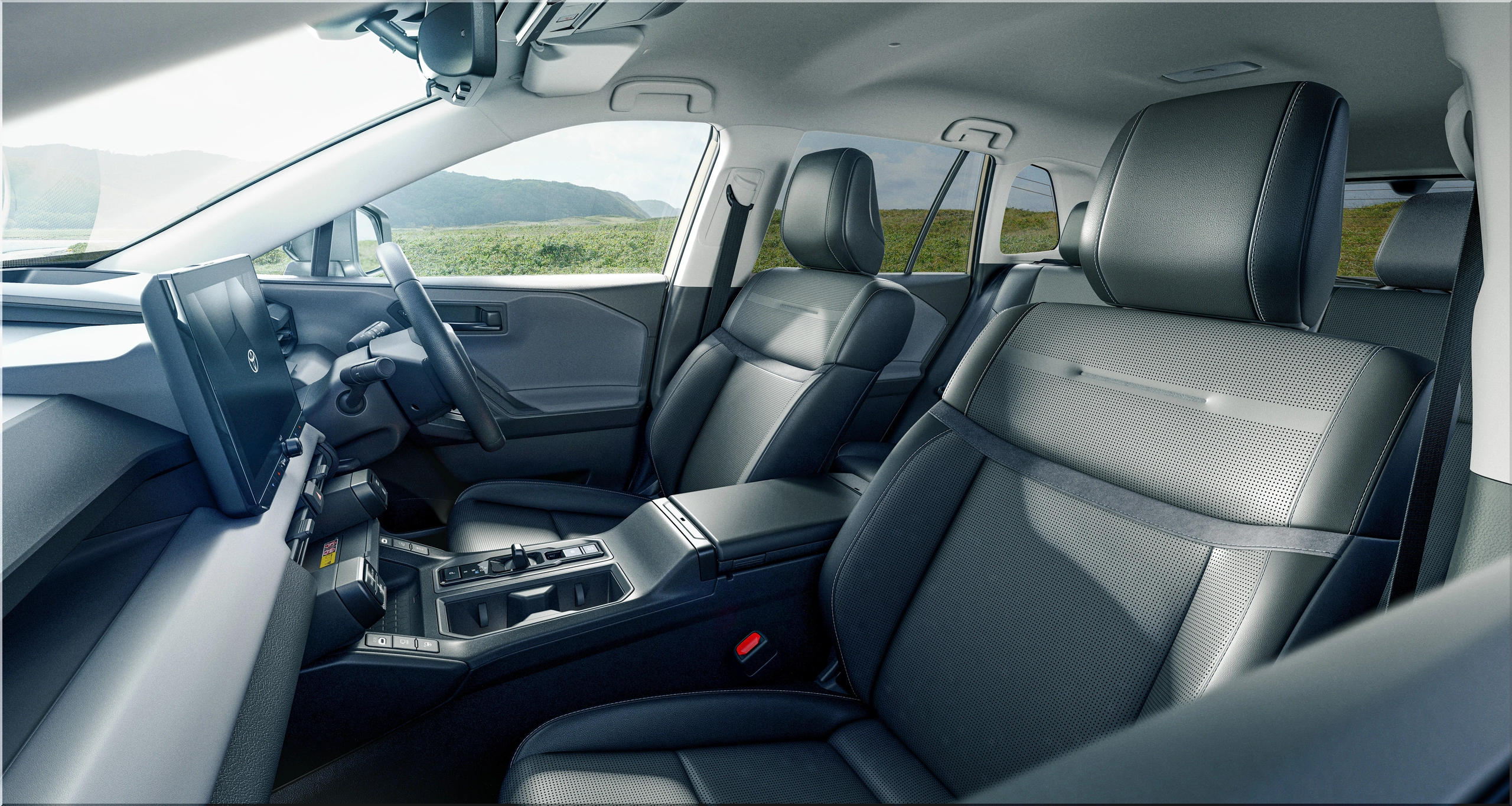
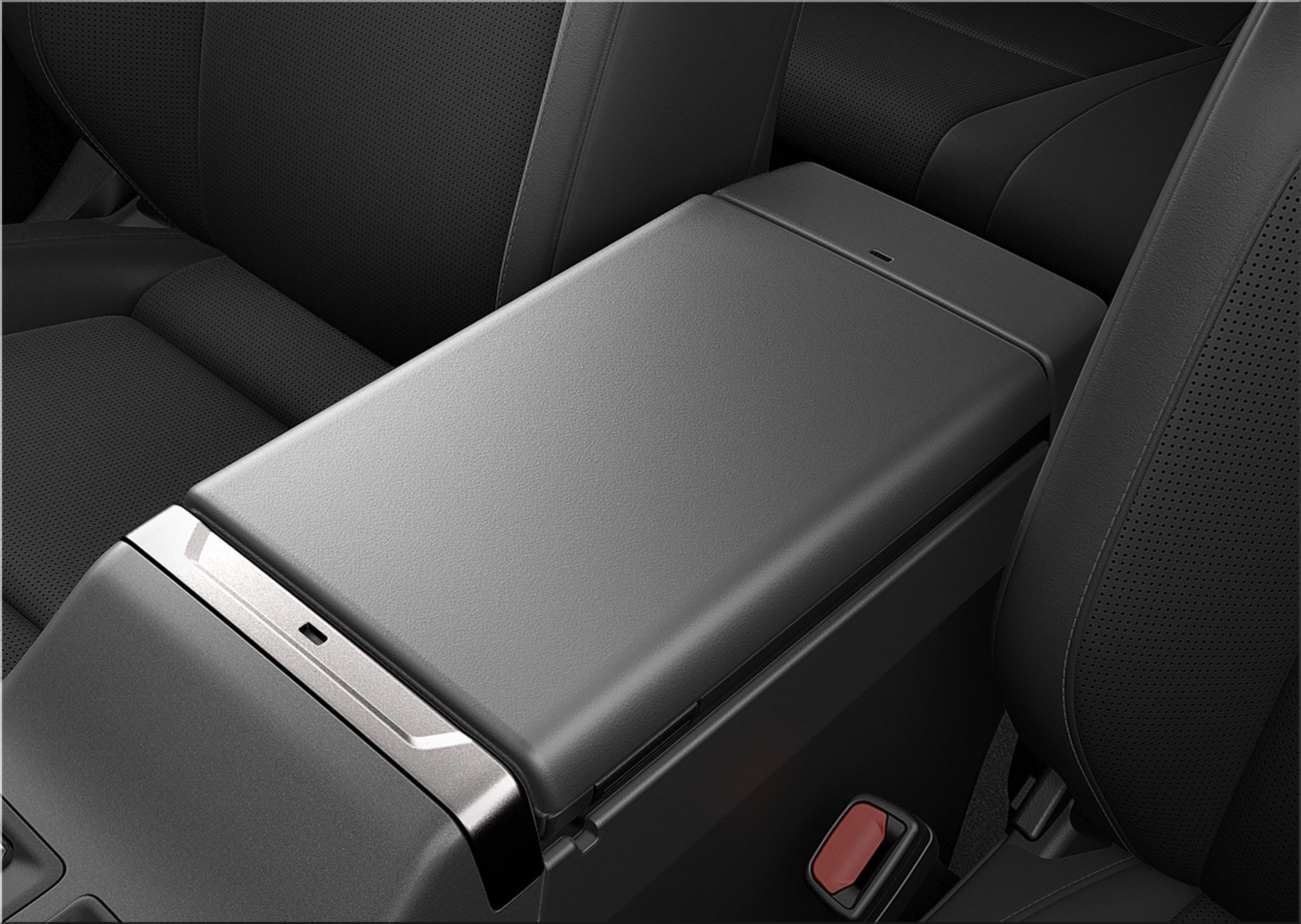
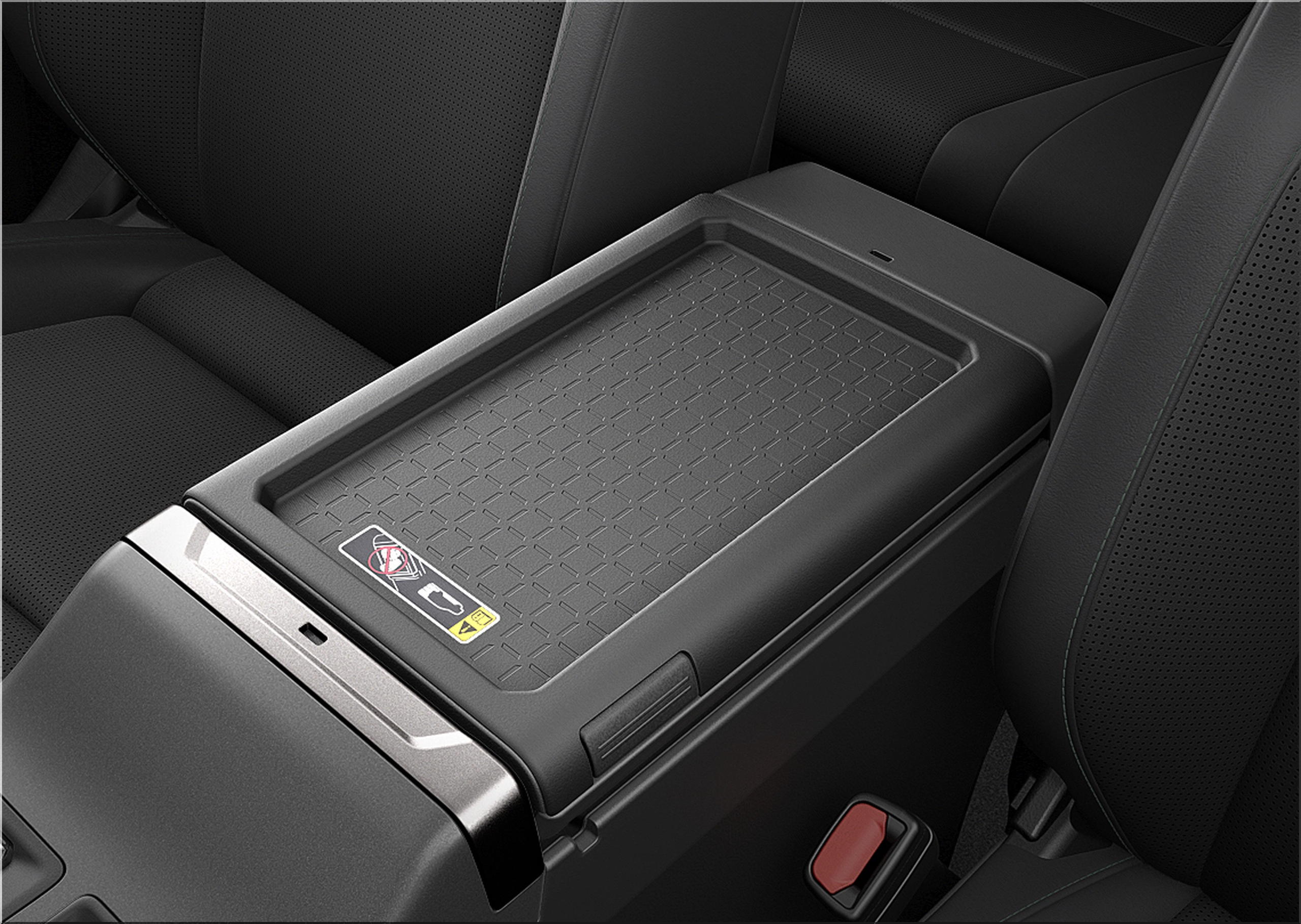
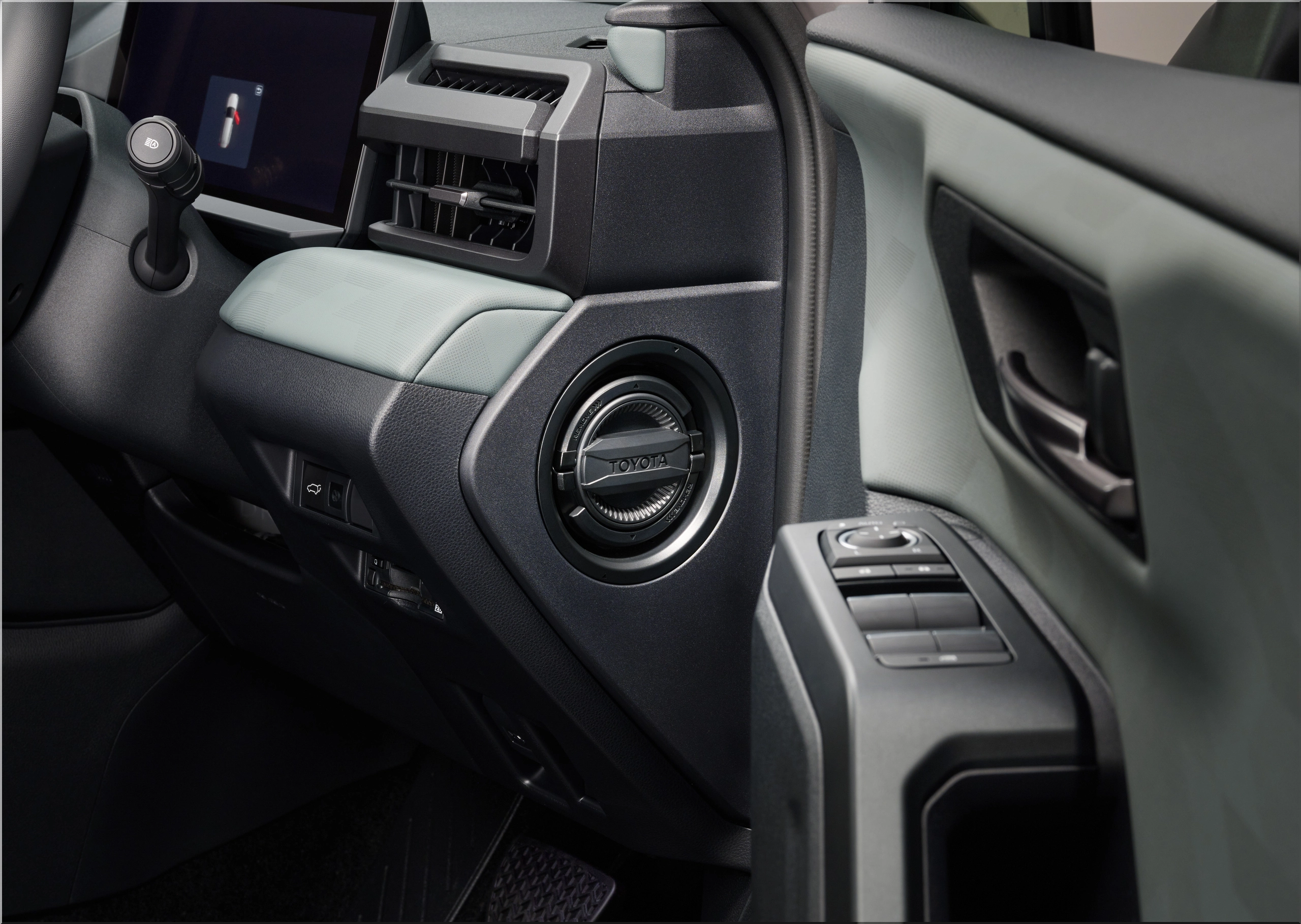
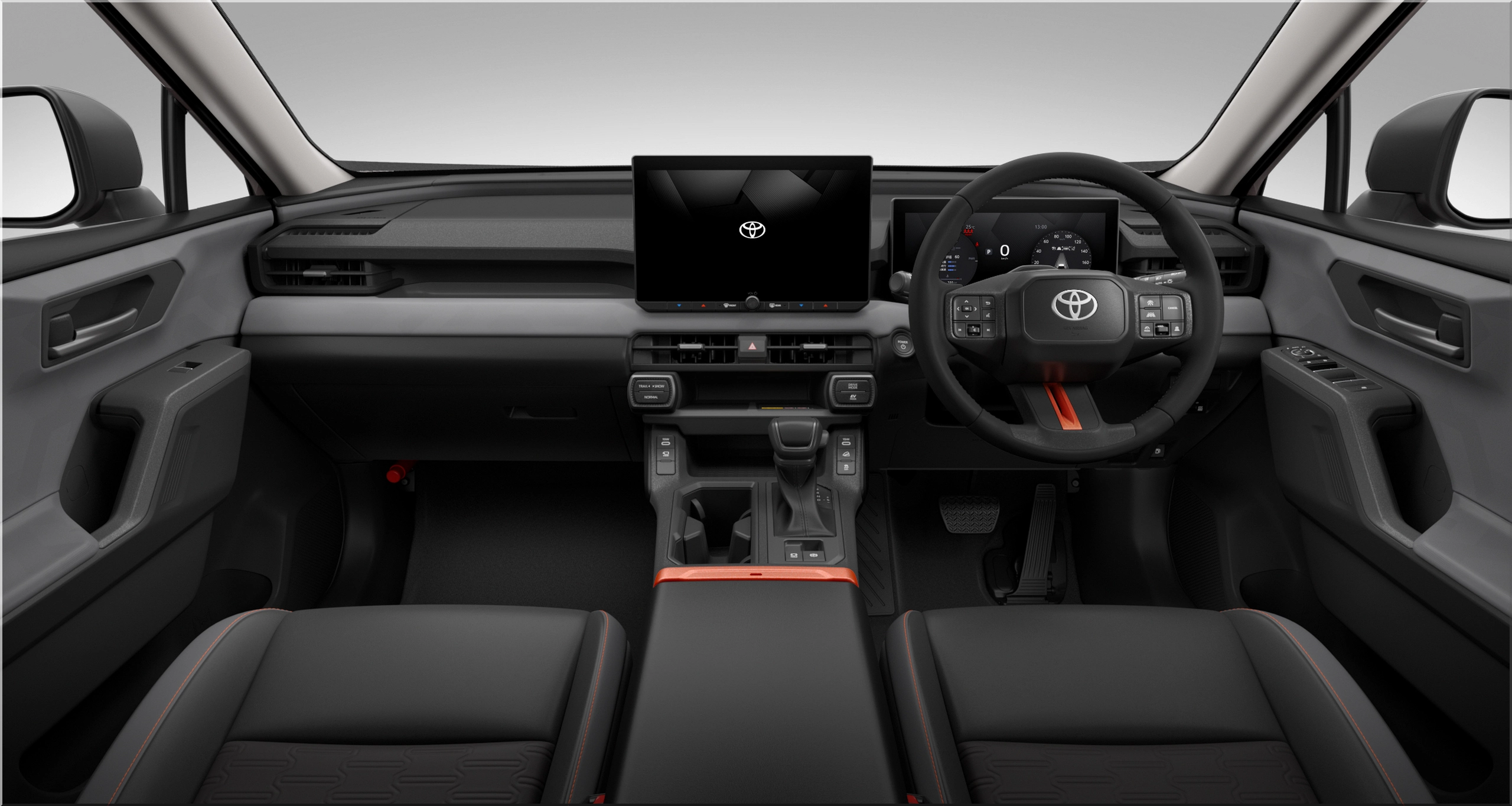
The cabin receives the most meaningful changes. Toyota reorganizes the dashboard with a strong horizontal layout that improves sightlines and control reach.
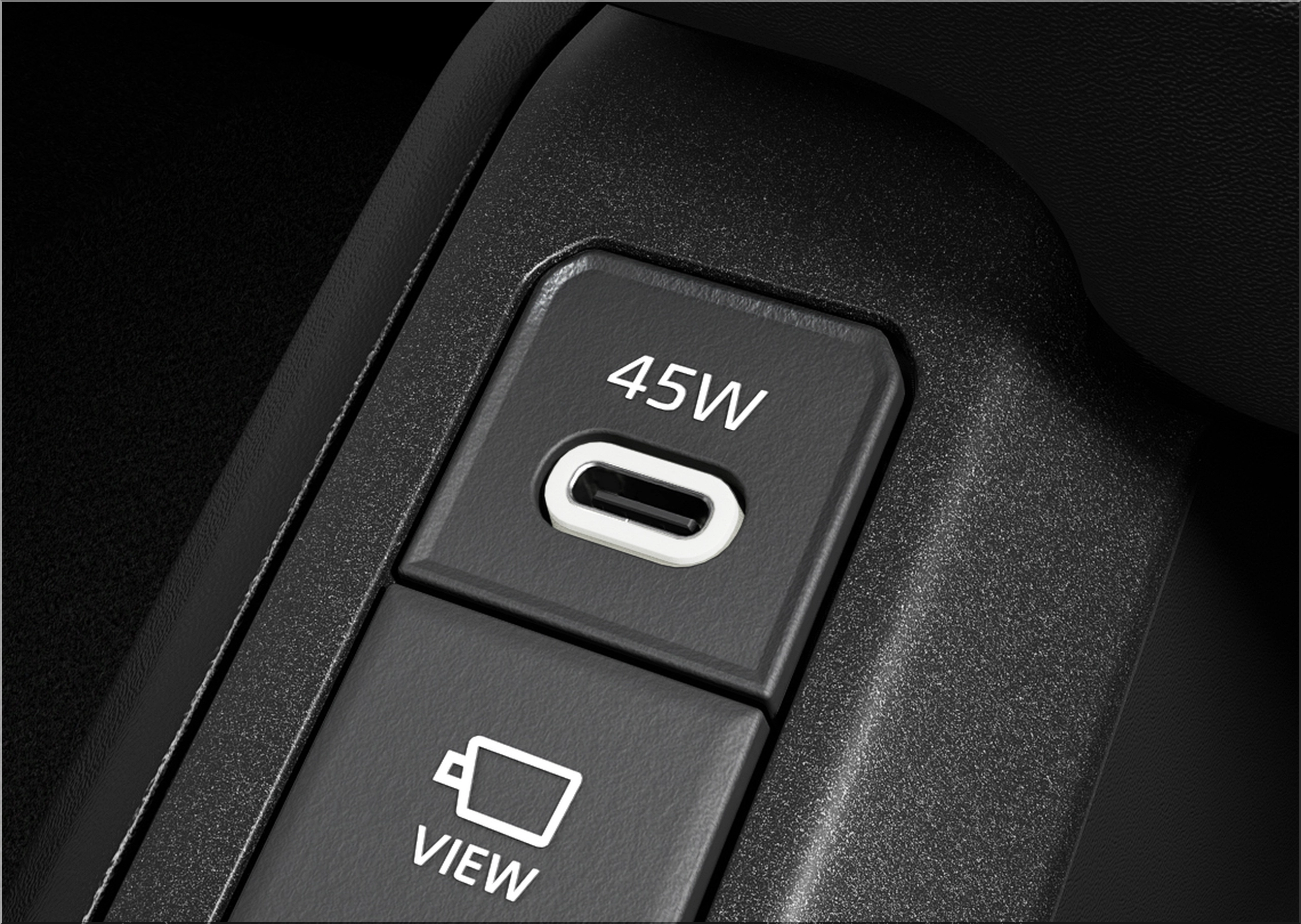
Technology updates include:
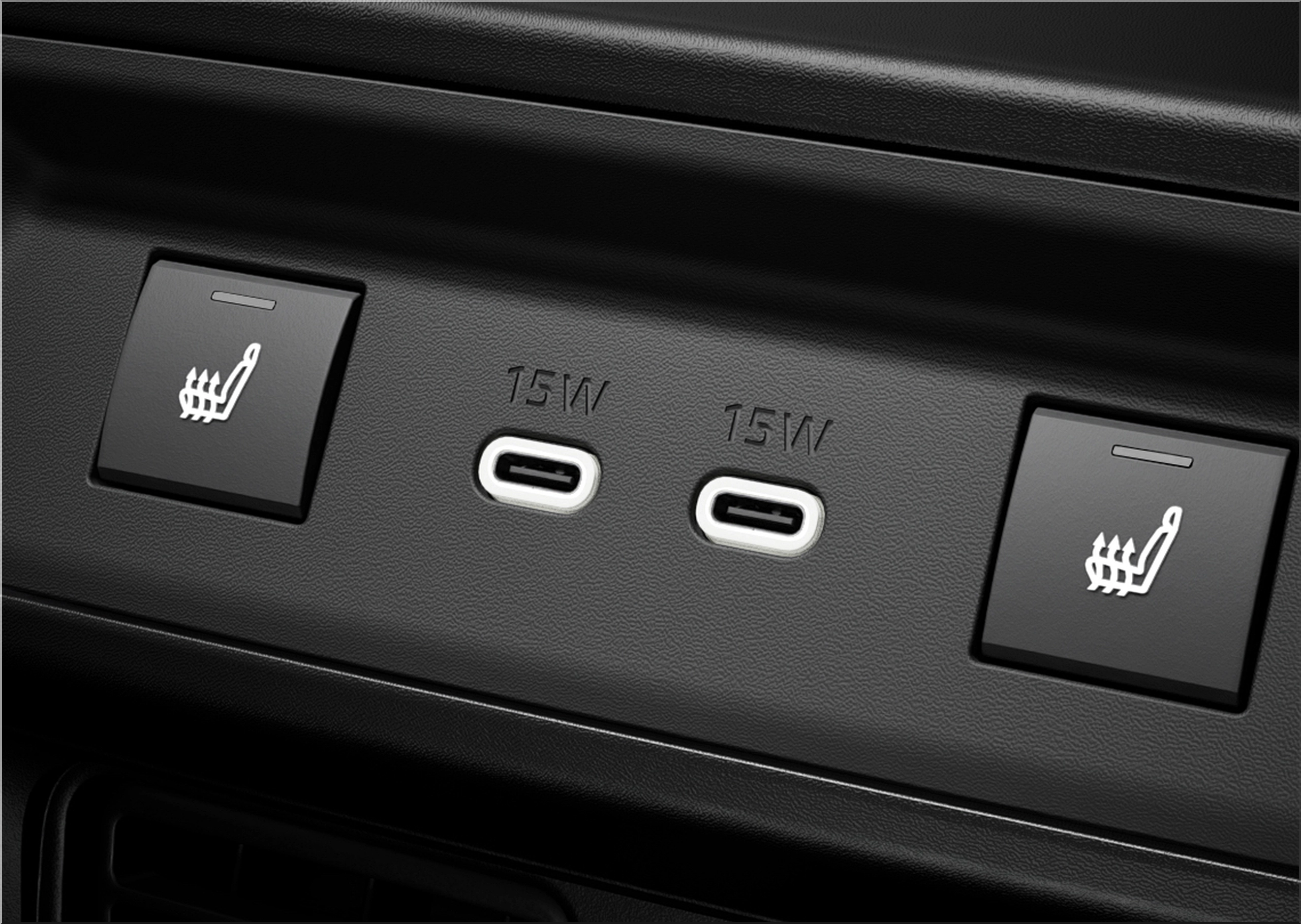
- 12.9-inch center touchscreen
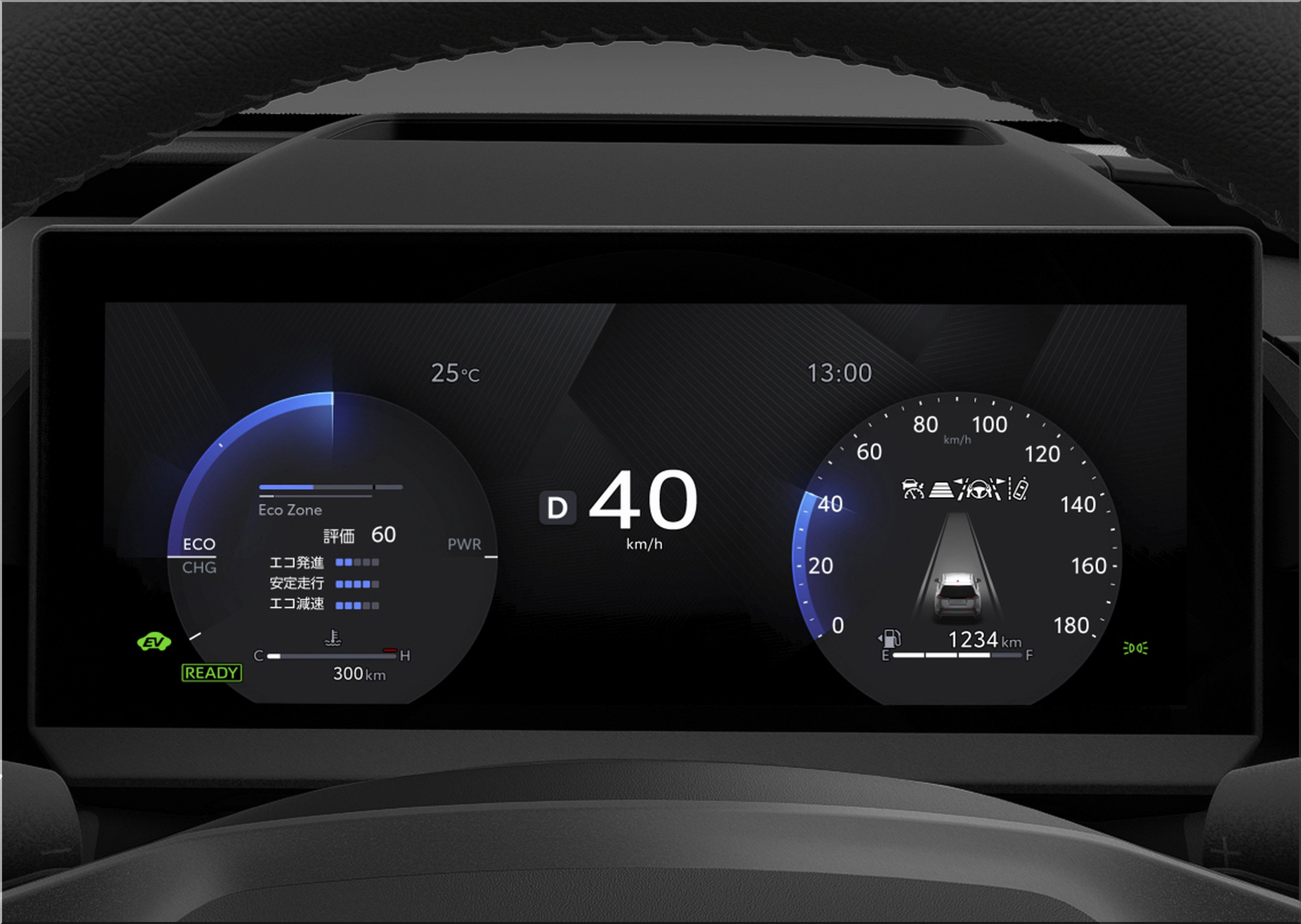
- Digital instrument display
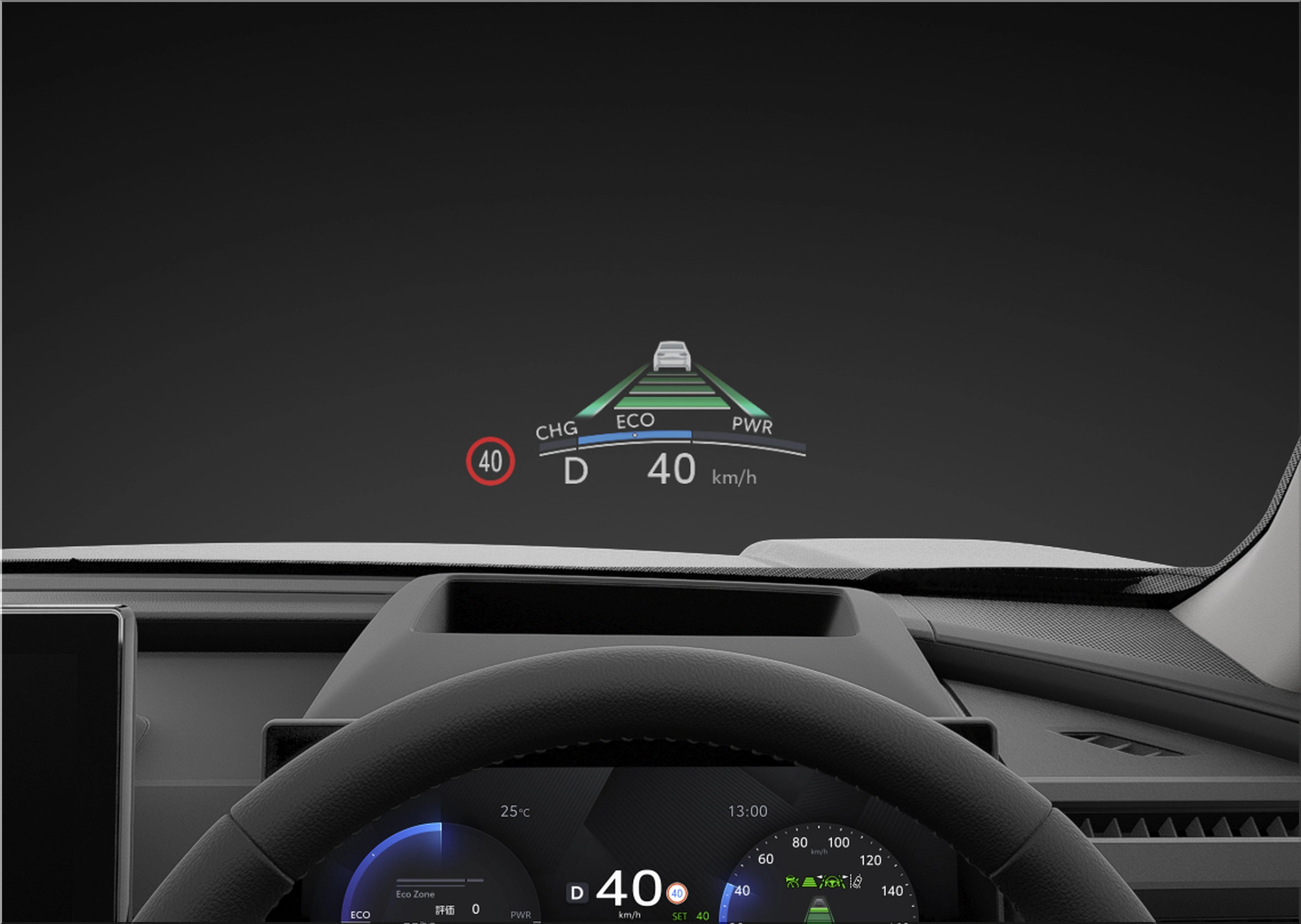
- Angled head-up display
- Faster voice command response
The angled head-up display reduces eye movement between the road and data. Toyota prioritizes reaction time rather than visual flair.
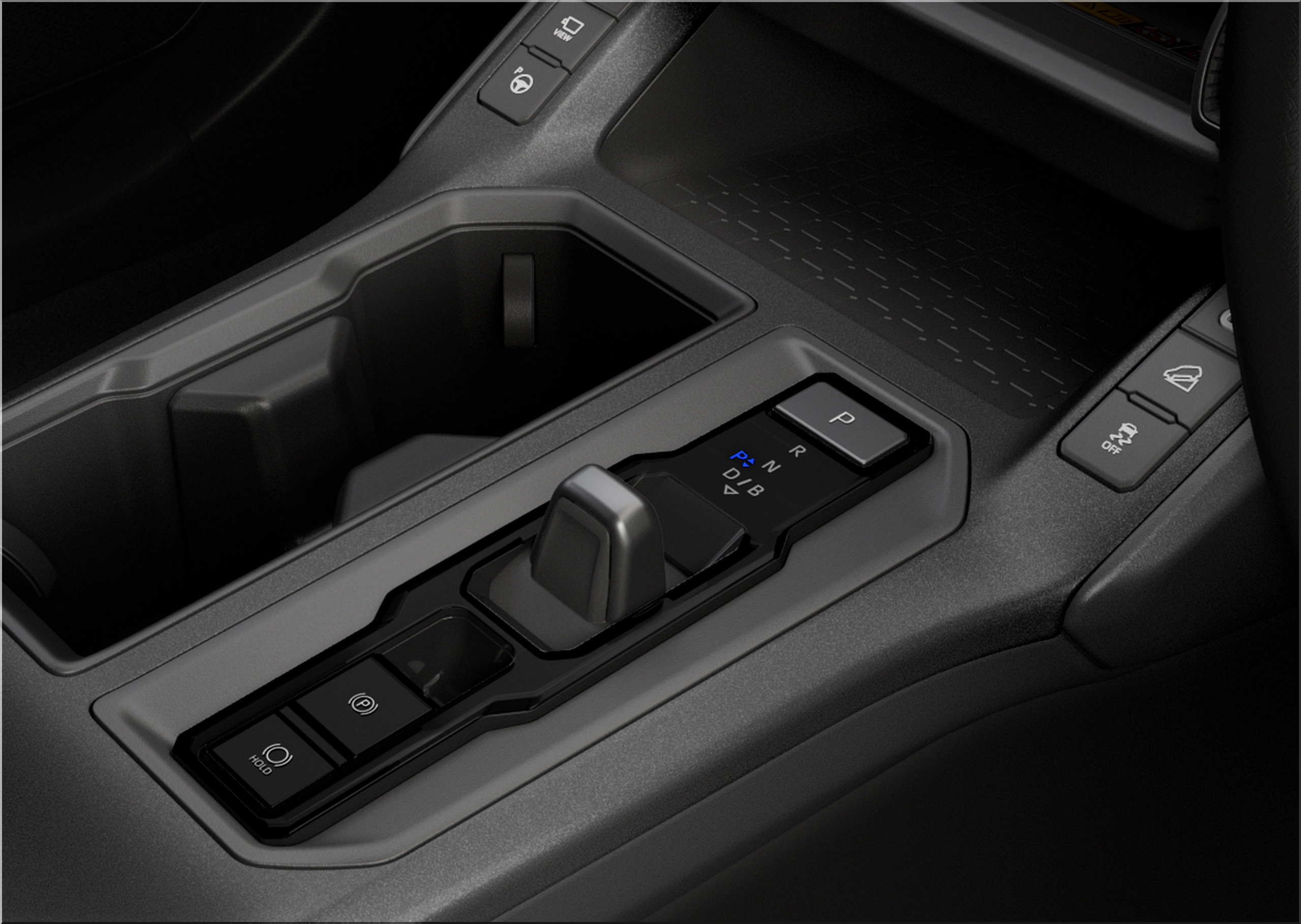
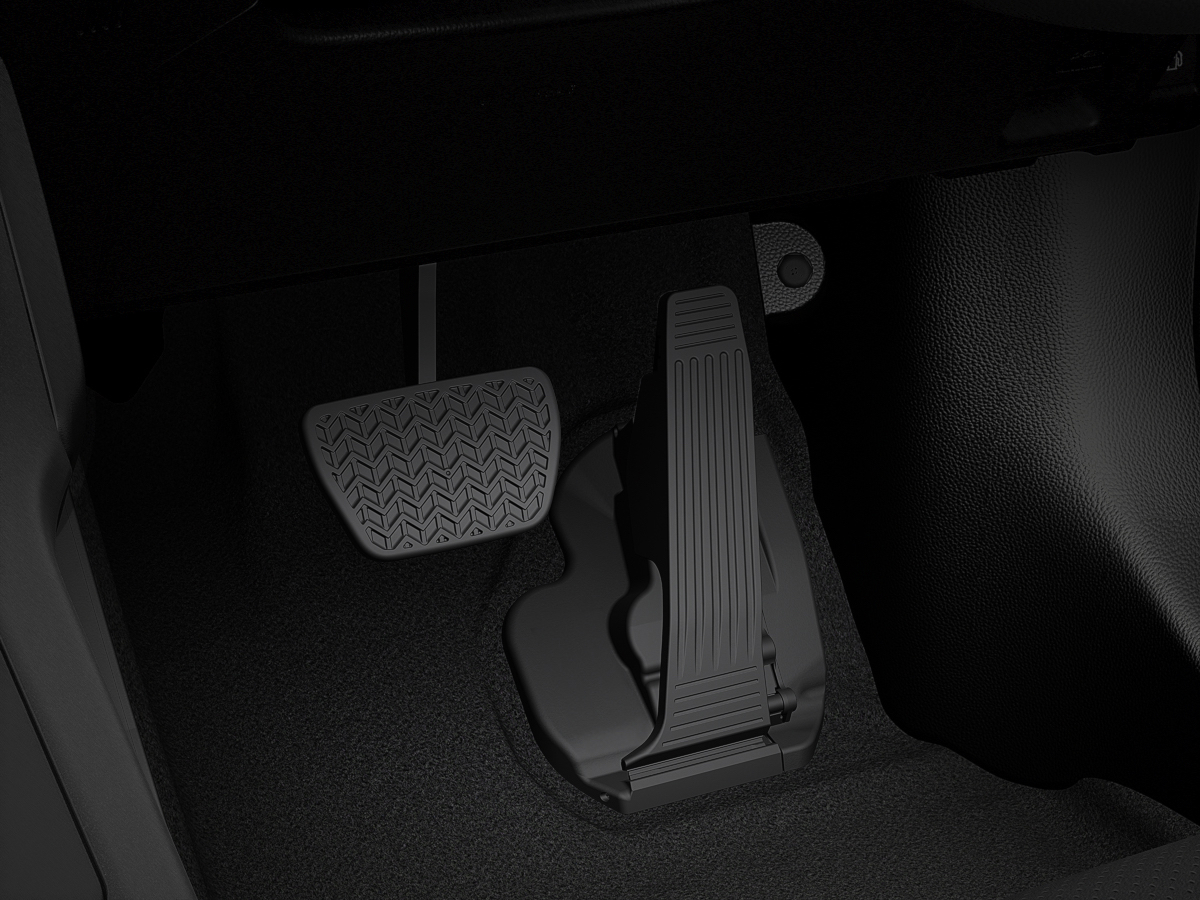
A new electro-shift control groups gear selection, parking brake, and drive modes into one zone. This reduces hand travel and simplifies operation during motion.
Software Architecture Extends Relevance
Toyota expands over-the-air update capability for this RAV4. The system allows interface updates, feature additions, and safety refinements without dealer visits.
This structure aligns with Toyota’s Software Defined Vehicle strategy. The goal centers on extending functional relevance over the vehicle’s lifespan.
For buyers, this means the Toyota RAV4 hybrid can receive improvements years after purchase, reducing early obsolescence.
Image
Toyota Safety Sense Gains Practical Depth
Safety updates remain central to the refresh. Toyota includes its latest Toyota Safety Sense hardware and software suite.
Key safety features include:
- Expanded pre-collision detection
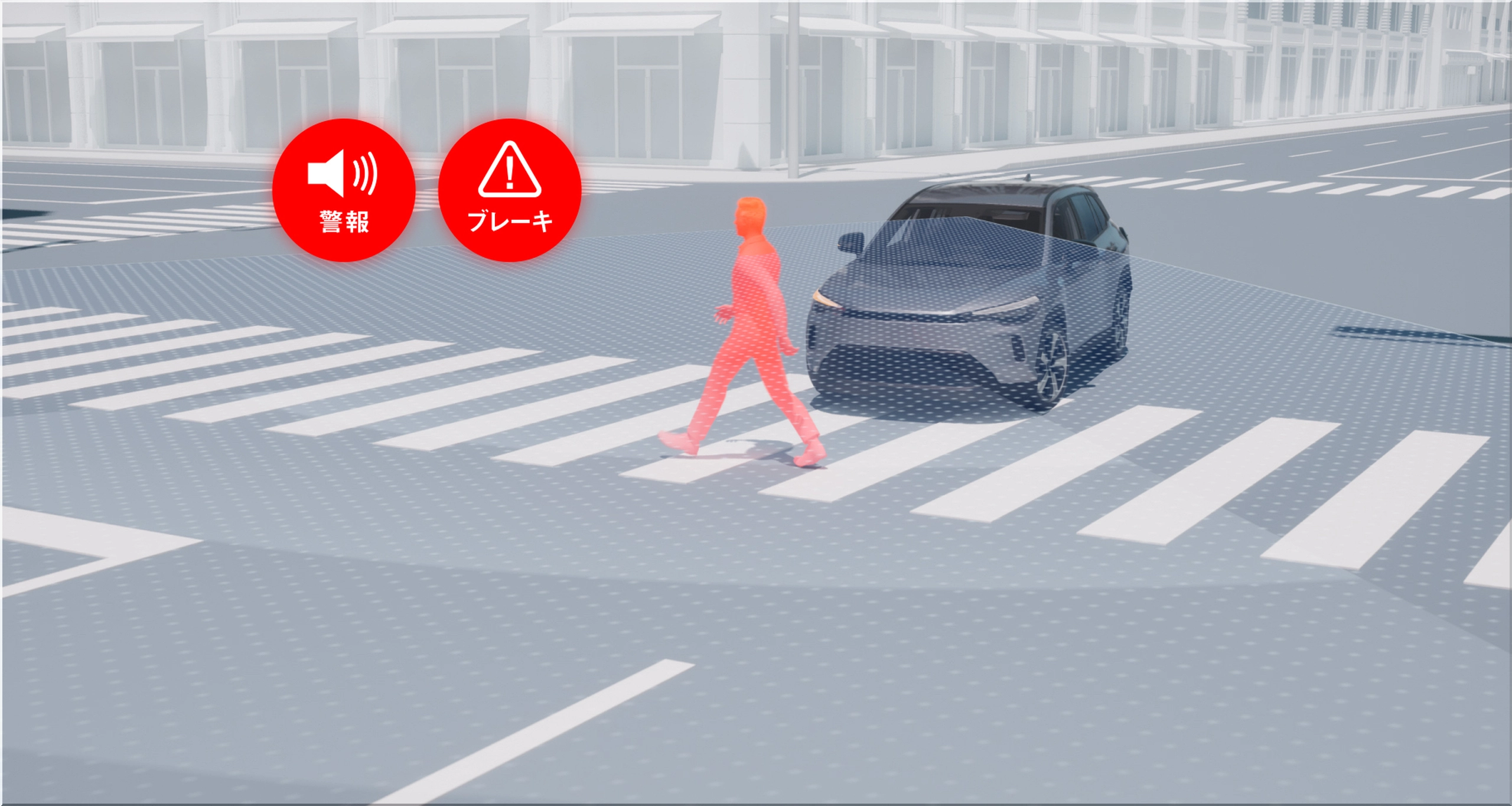
- Improved pedestrian and cyclist recognition
- Enhanced low-speed emergency braking
- Updated lane tracing assist
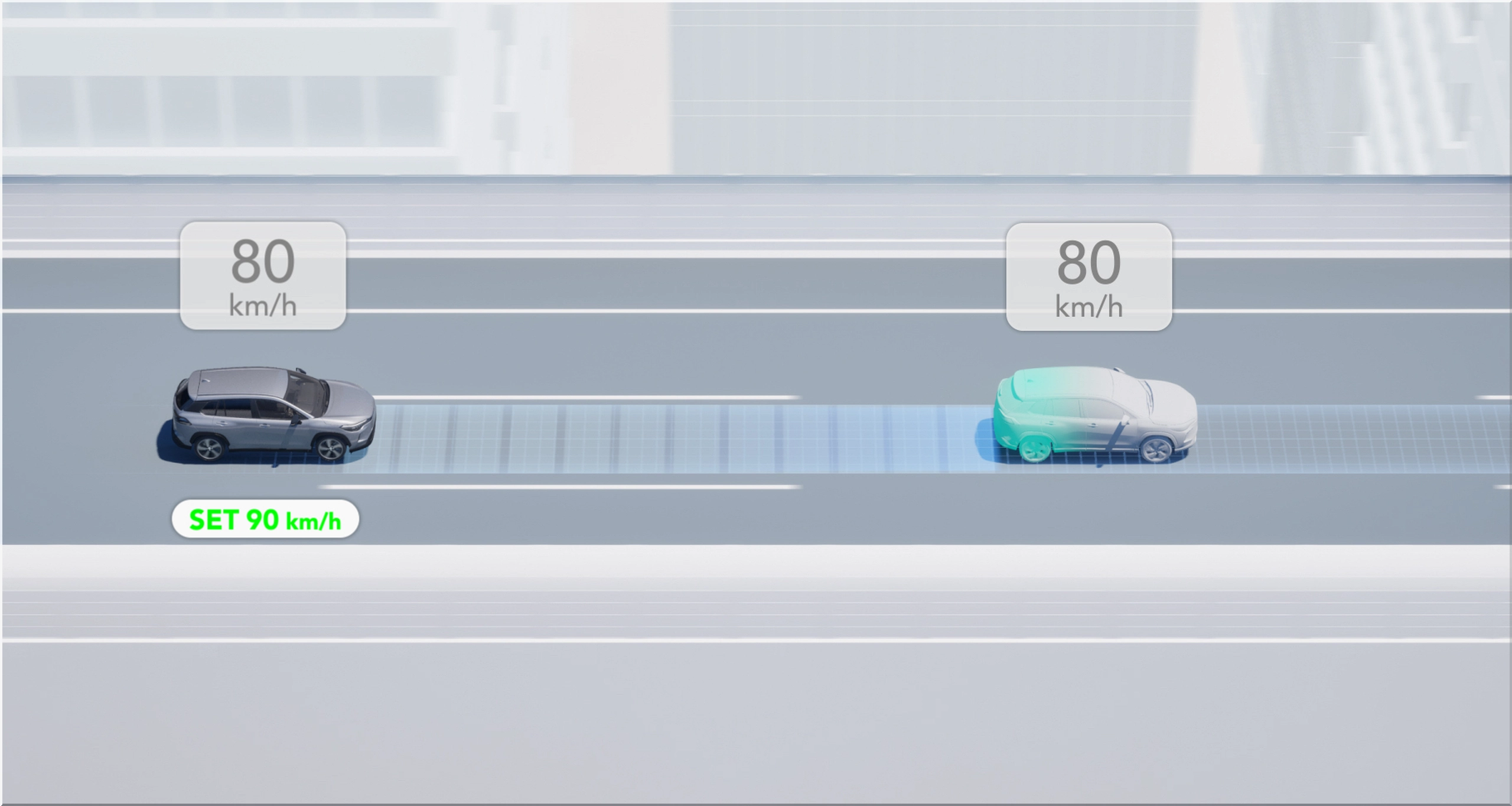
- Improved adaptive cruise control behavior
The system now detects vehicles approaching from behind at intersections. Emergency shoulder stop support also appears, helping drivers during medical events or system alerts.
Toyota designs these updates around real-world crash patterns rather than test optimization.
Trim Structure Avoids Overlap
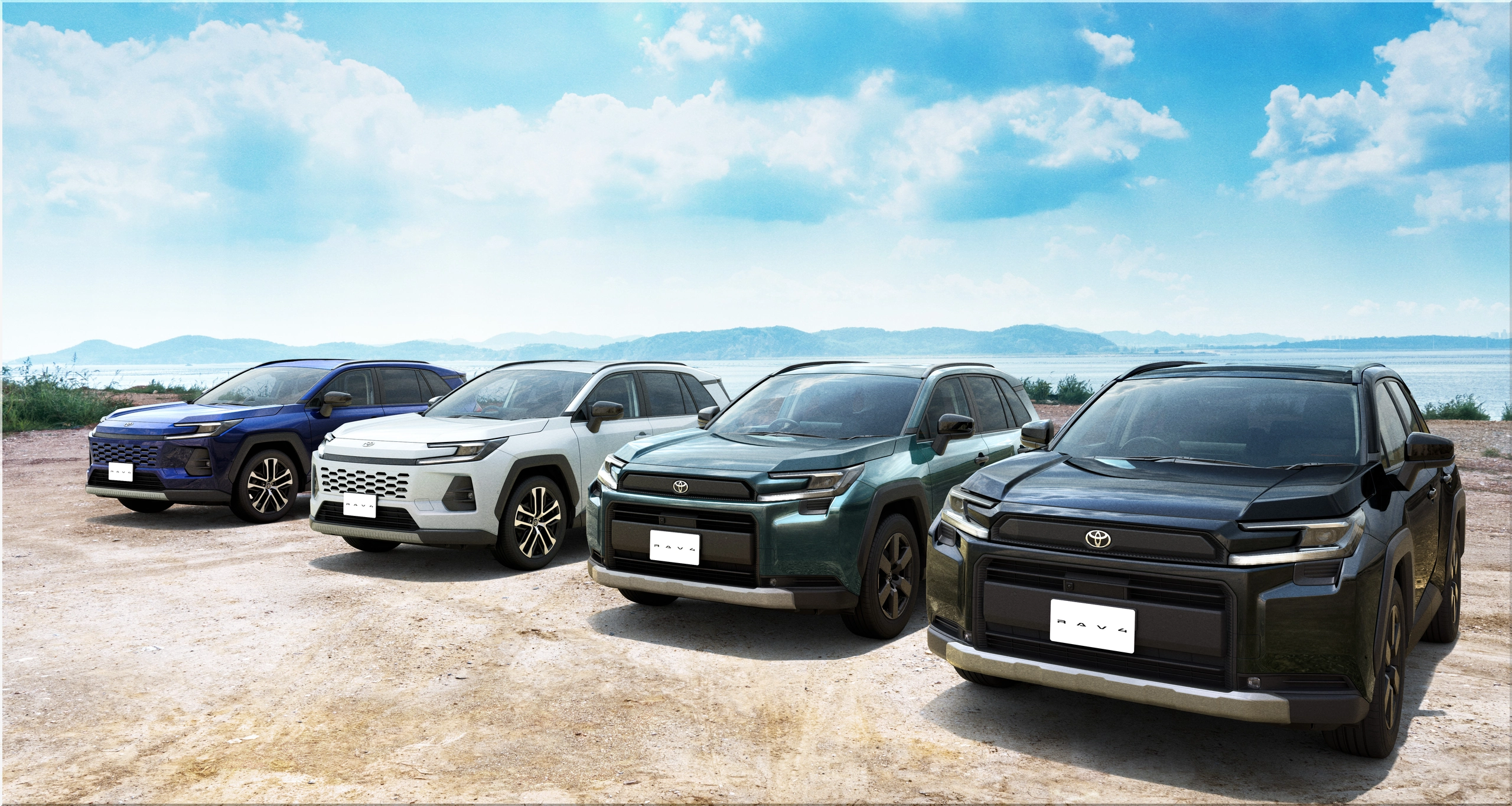
Toyota offers three primary trims in Japan. Each version targets a distinct buyer profile.
Z Grade
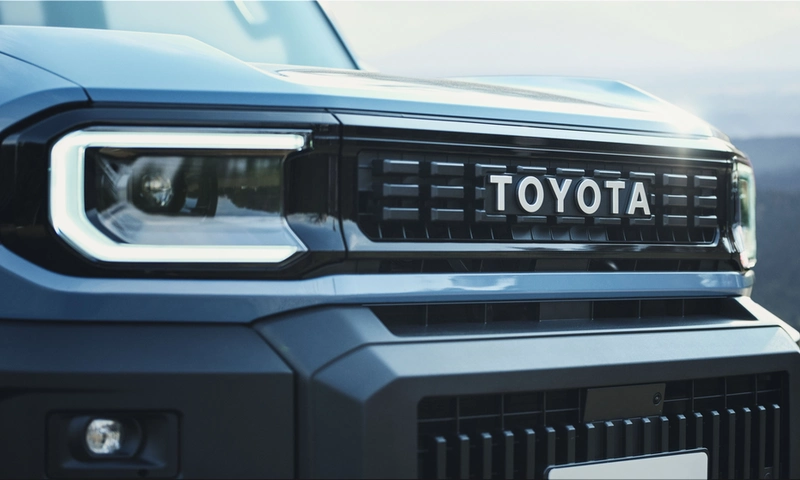
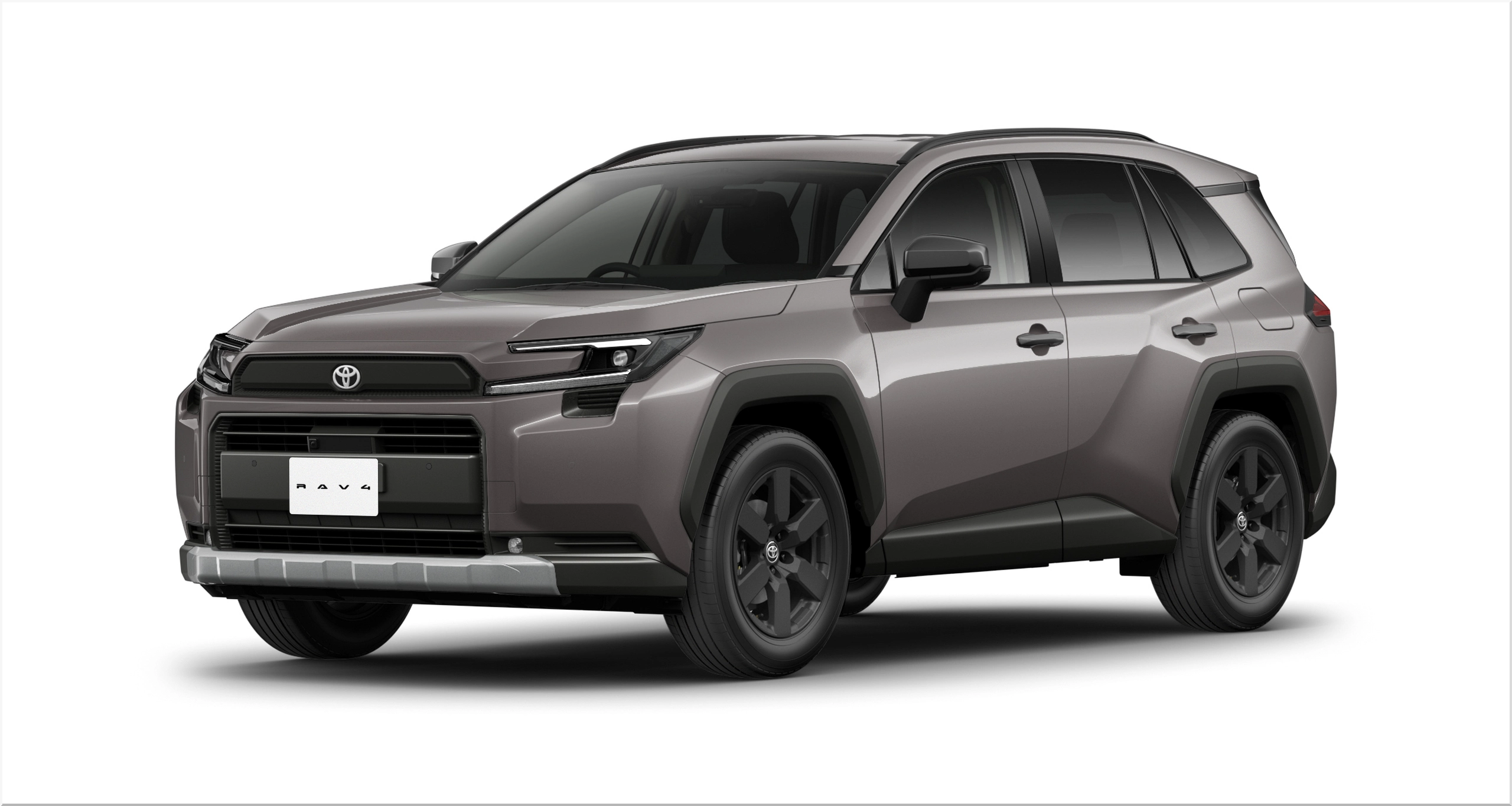
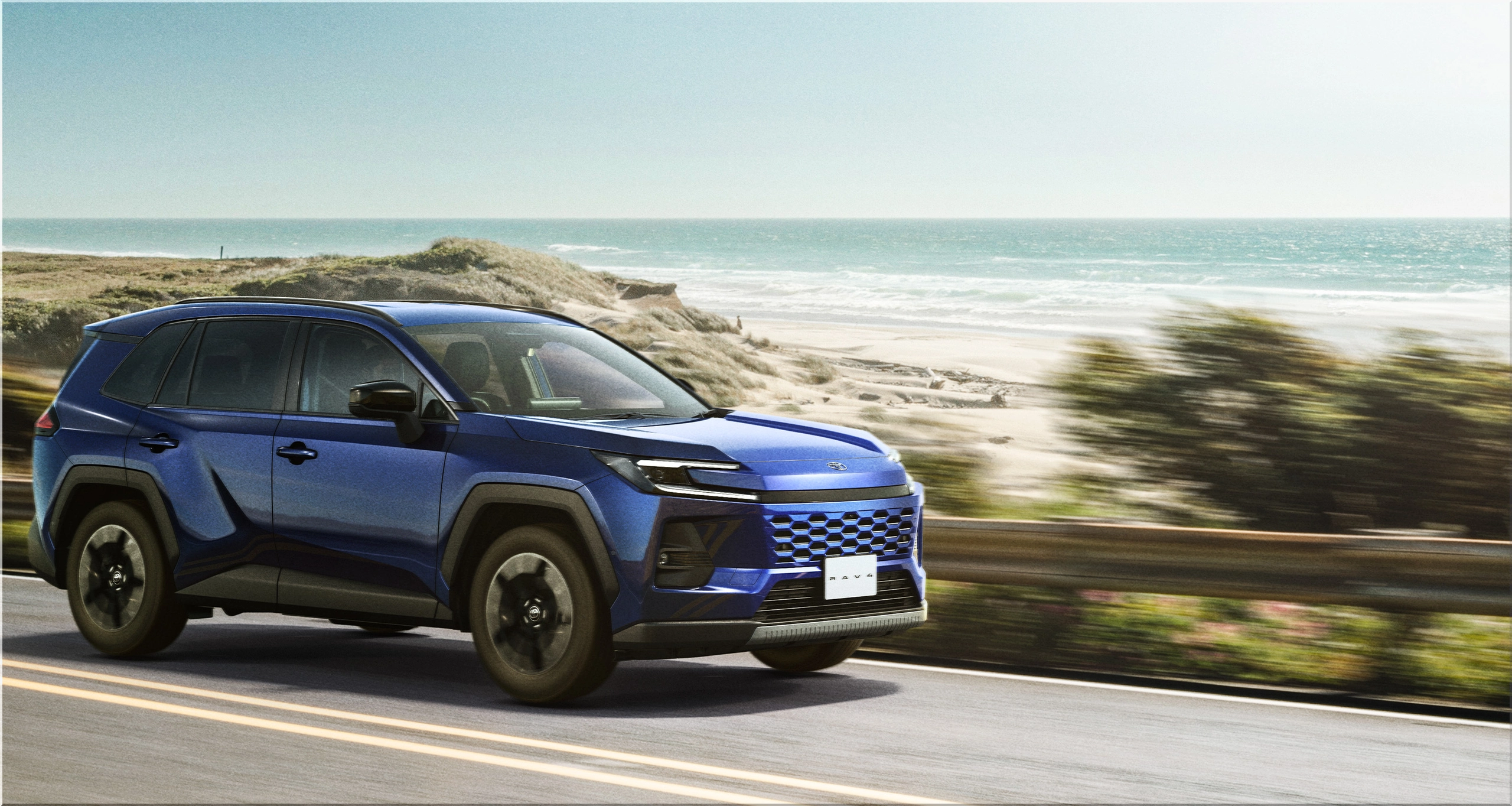
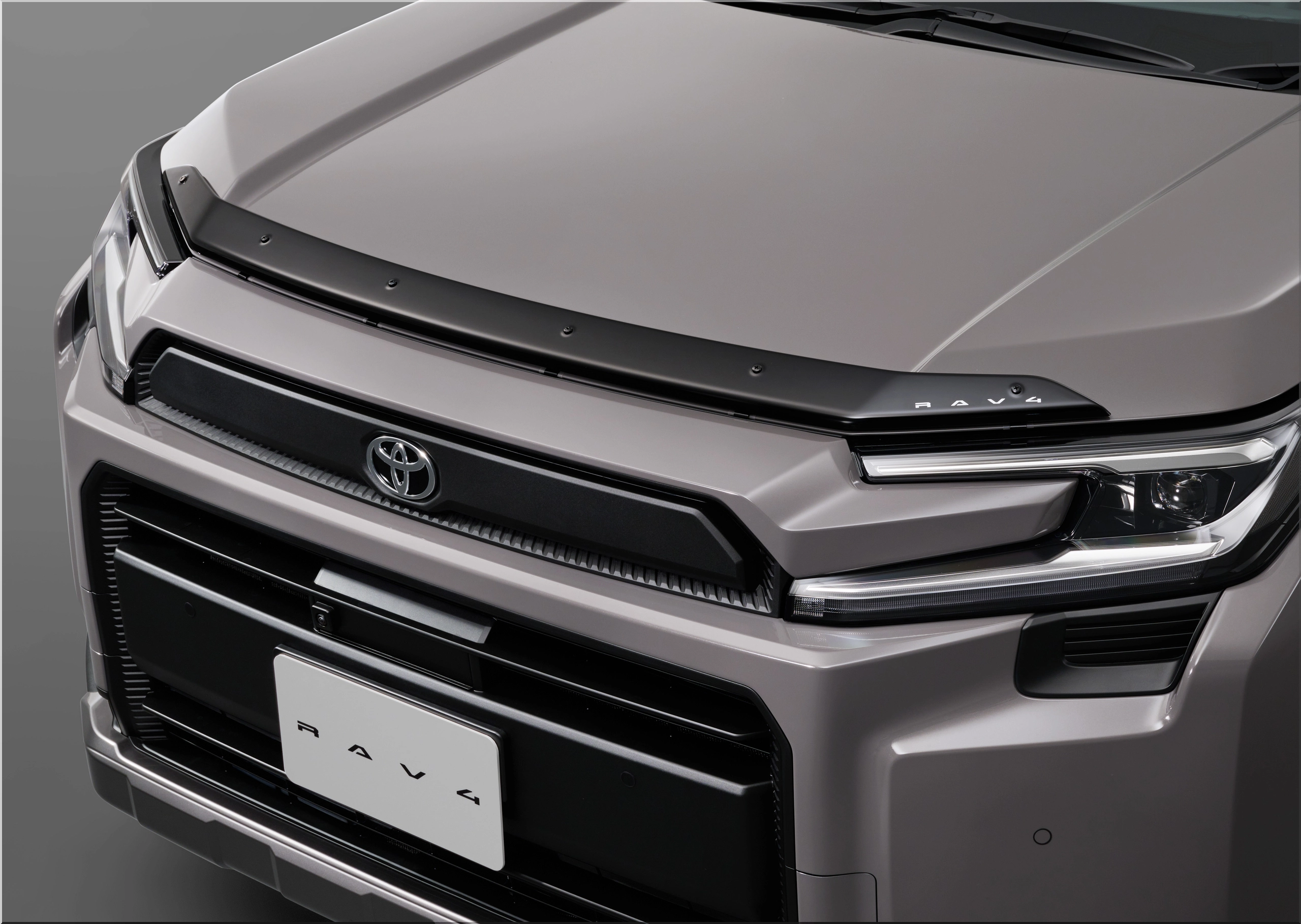
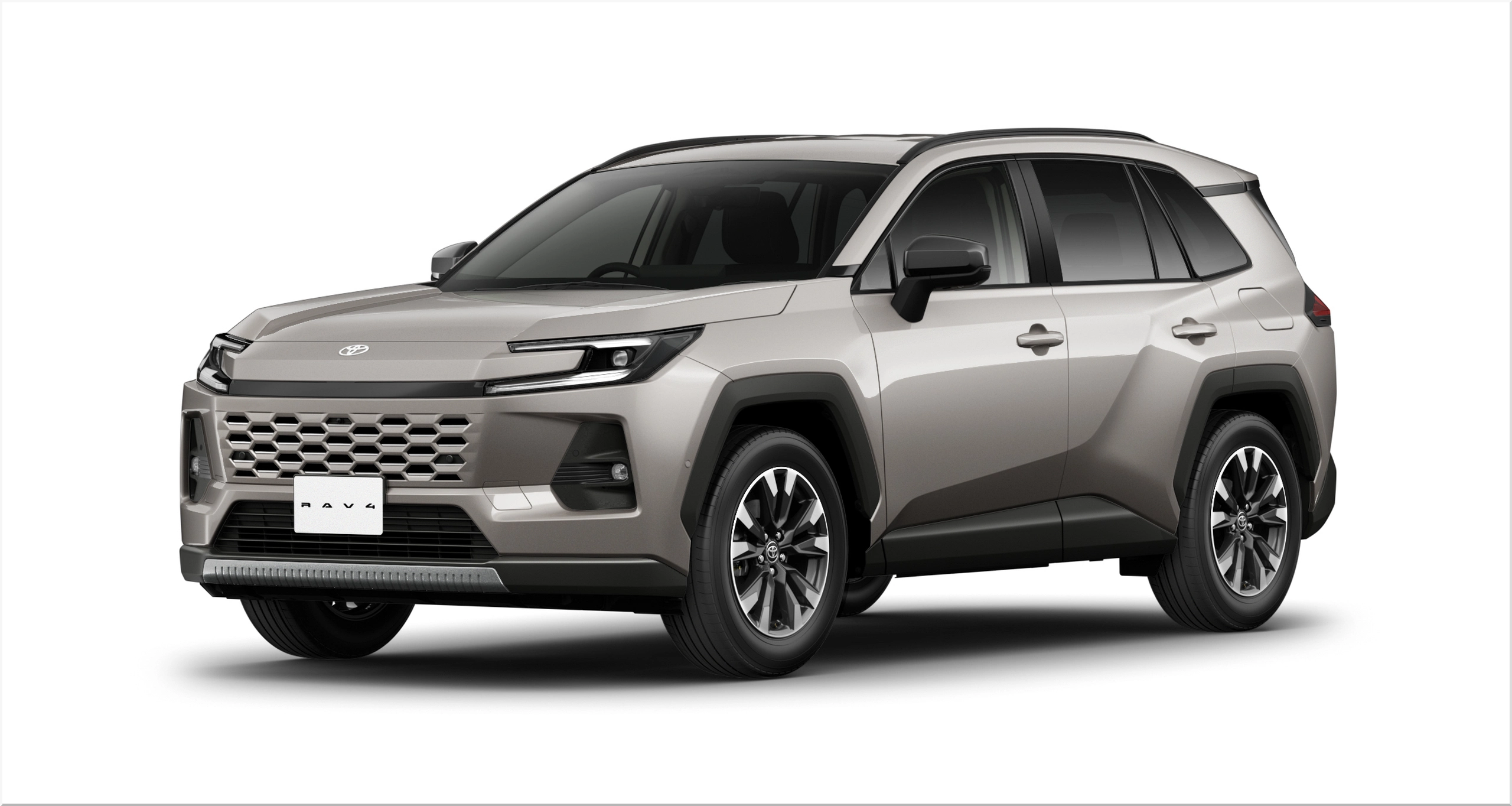
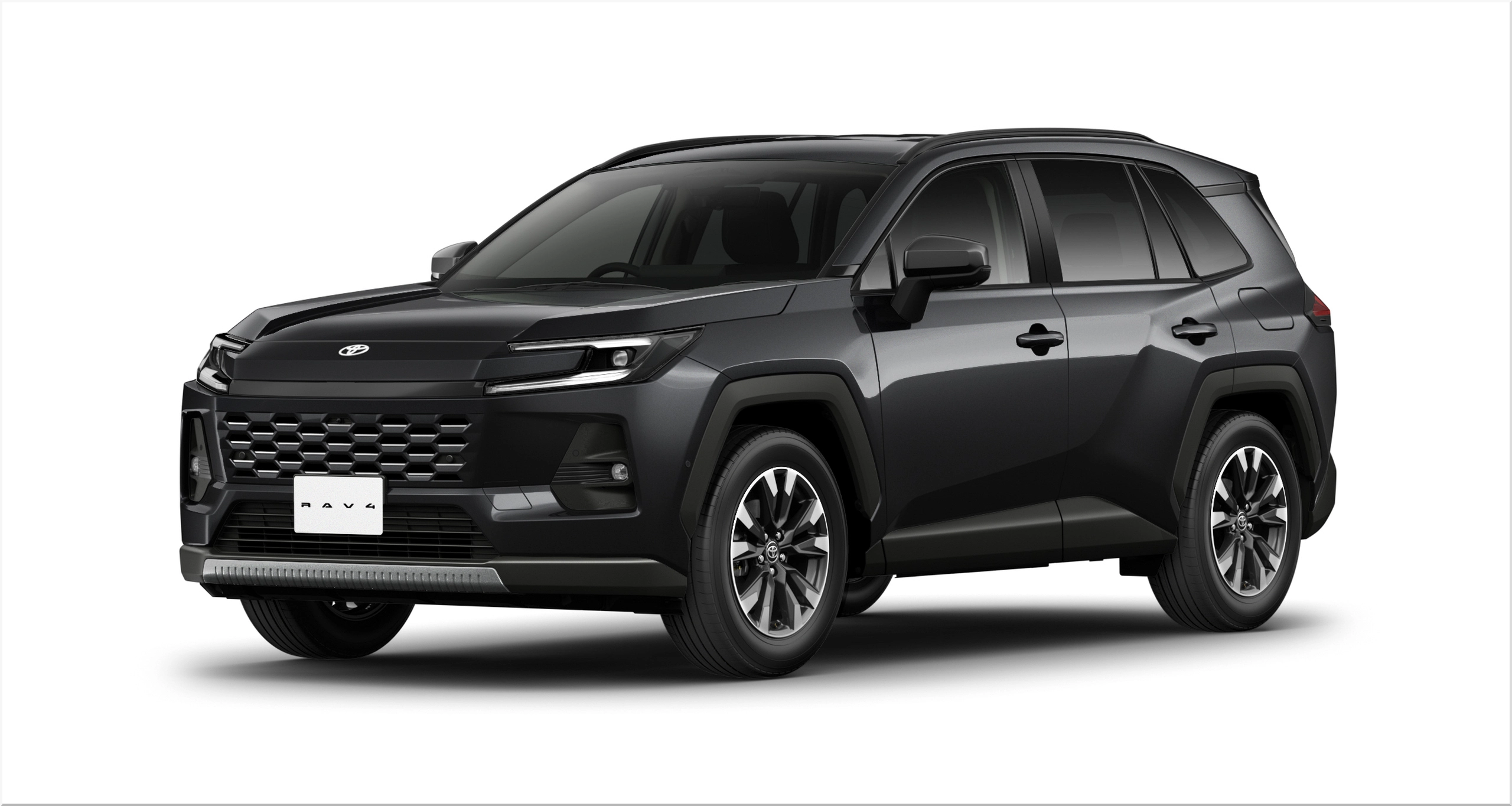
This trim suits urban-focused drivers. It features body-colored exterior elements, a refined grille, and balanced interior materials.
Adventure Grade
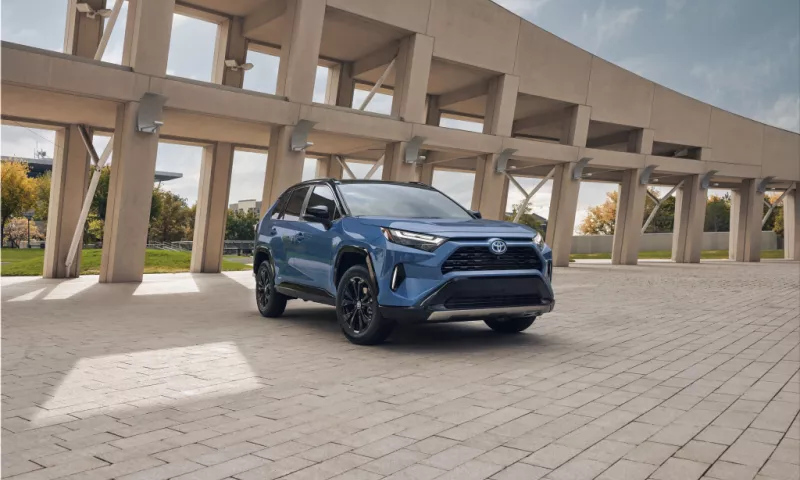
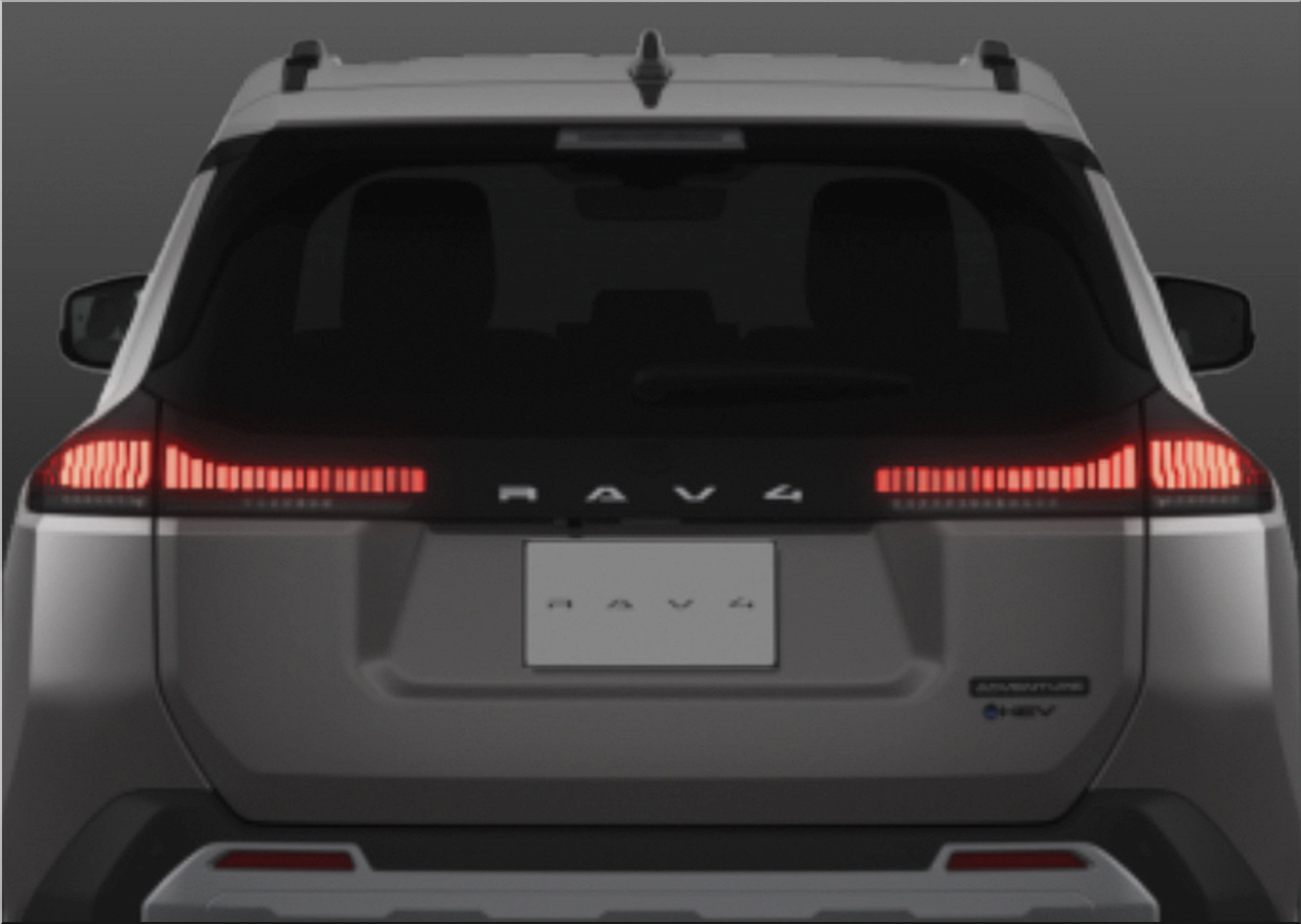
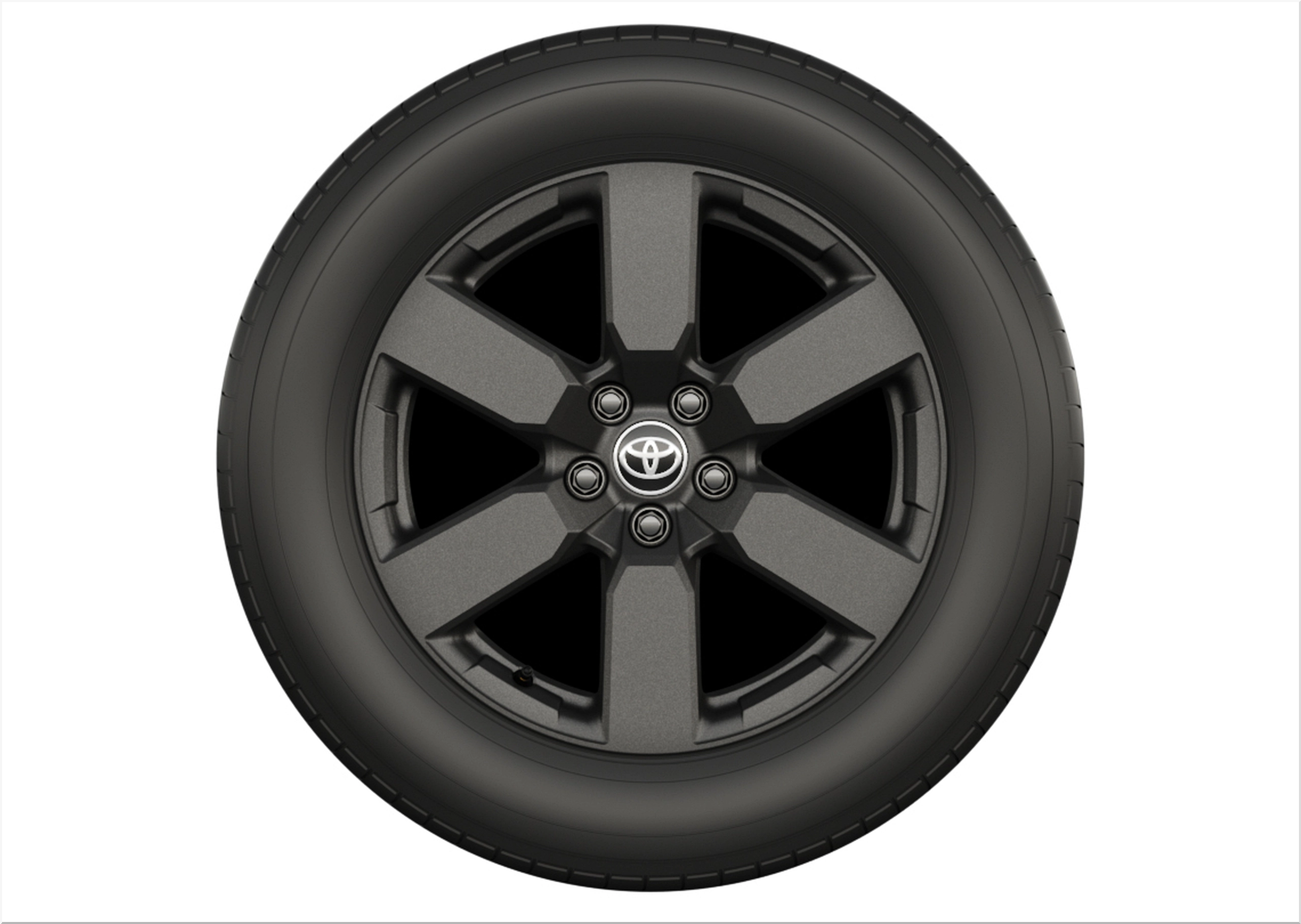
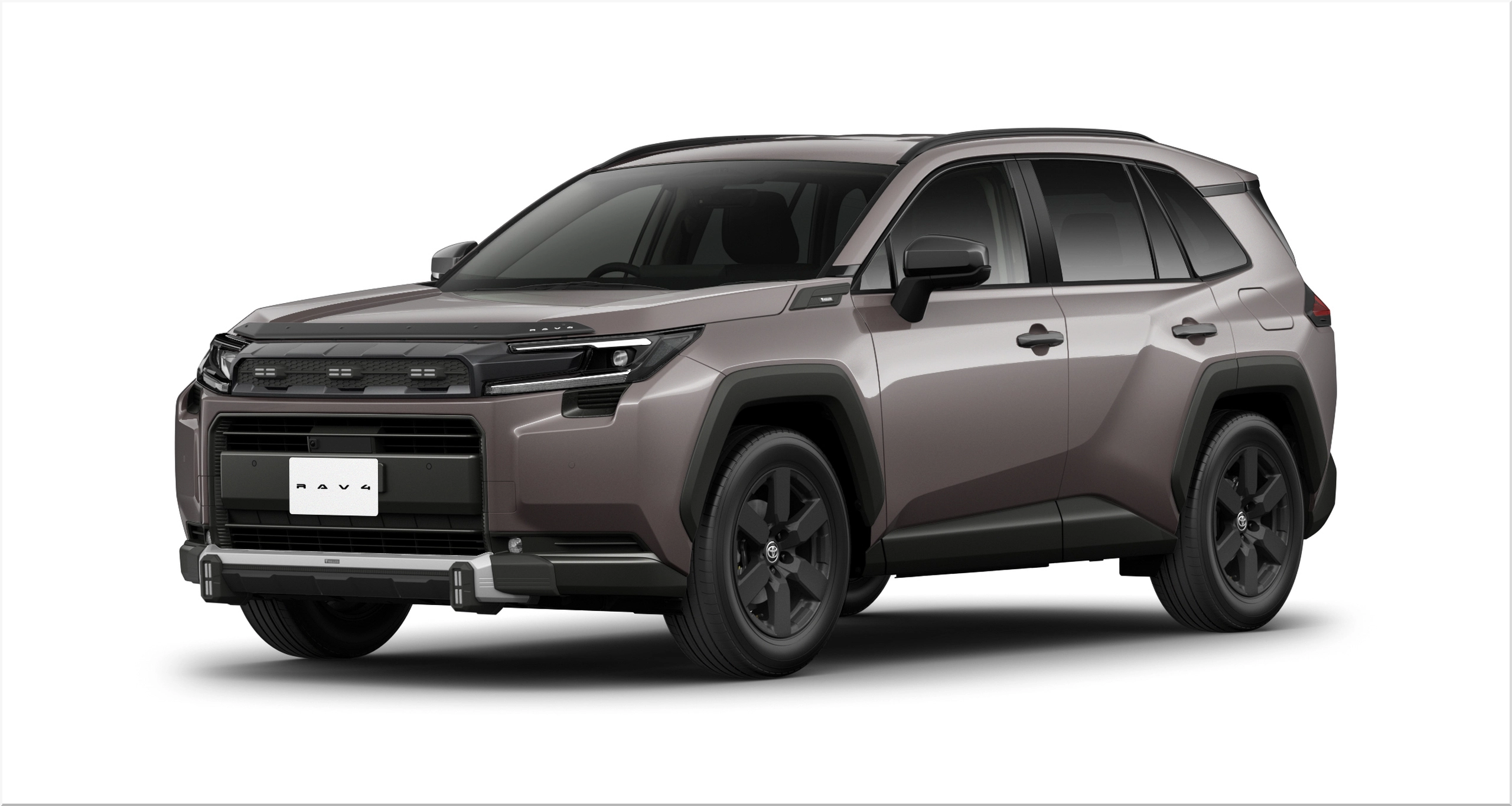
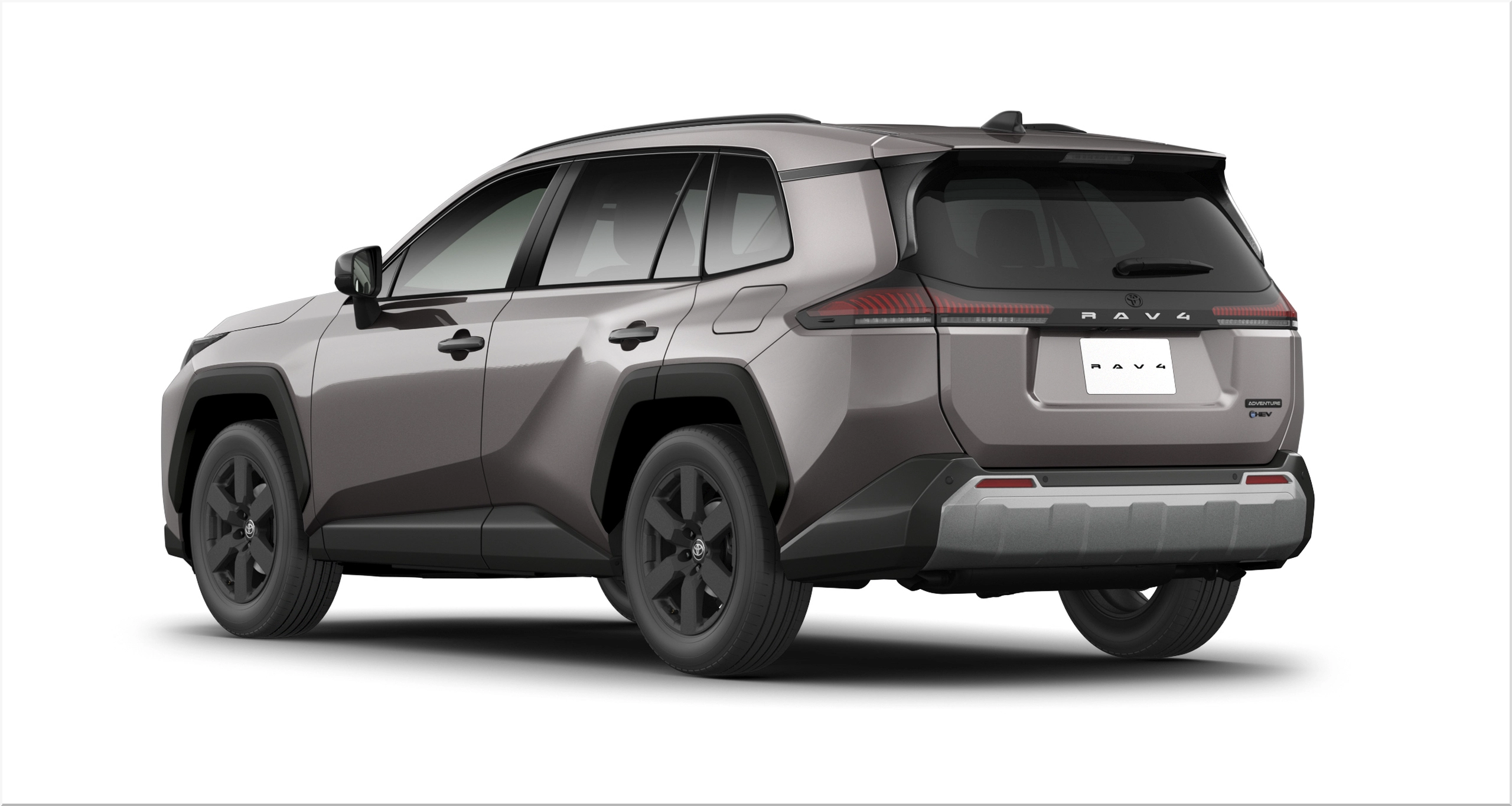
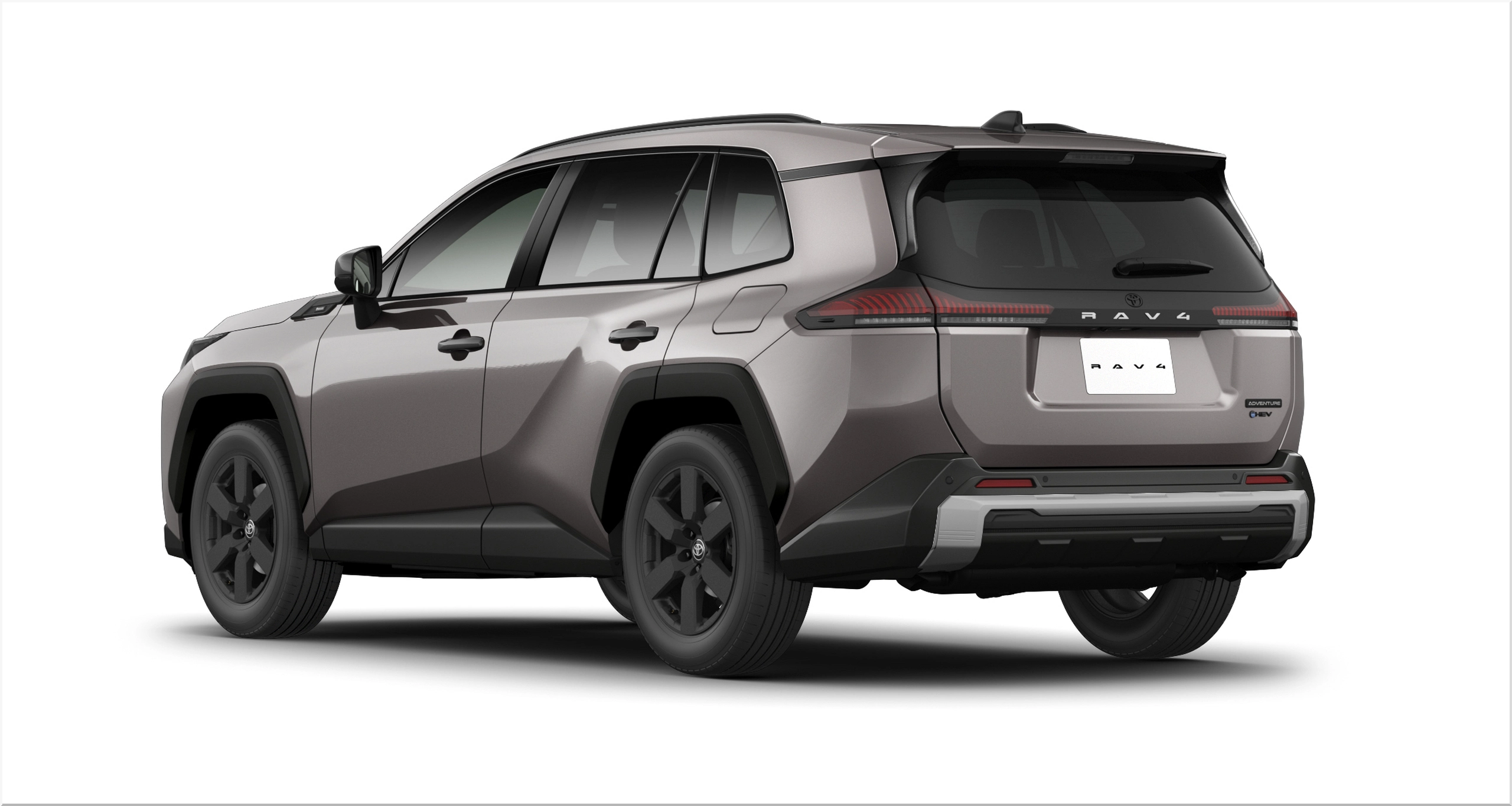
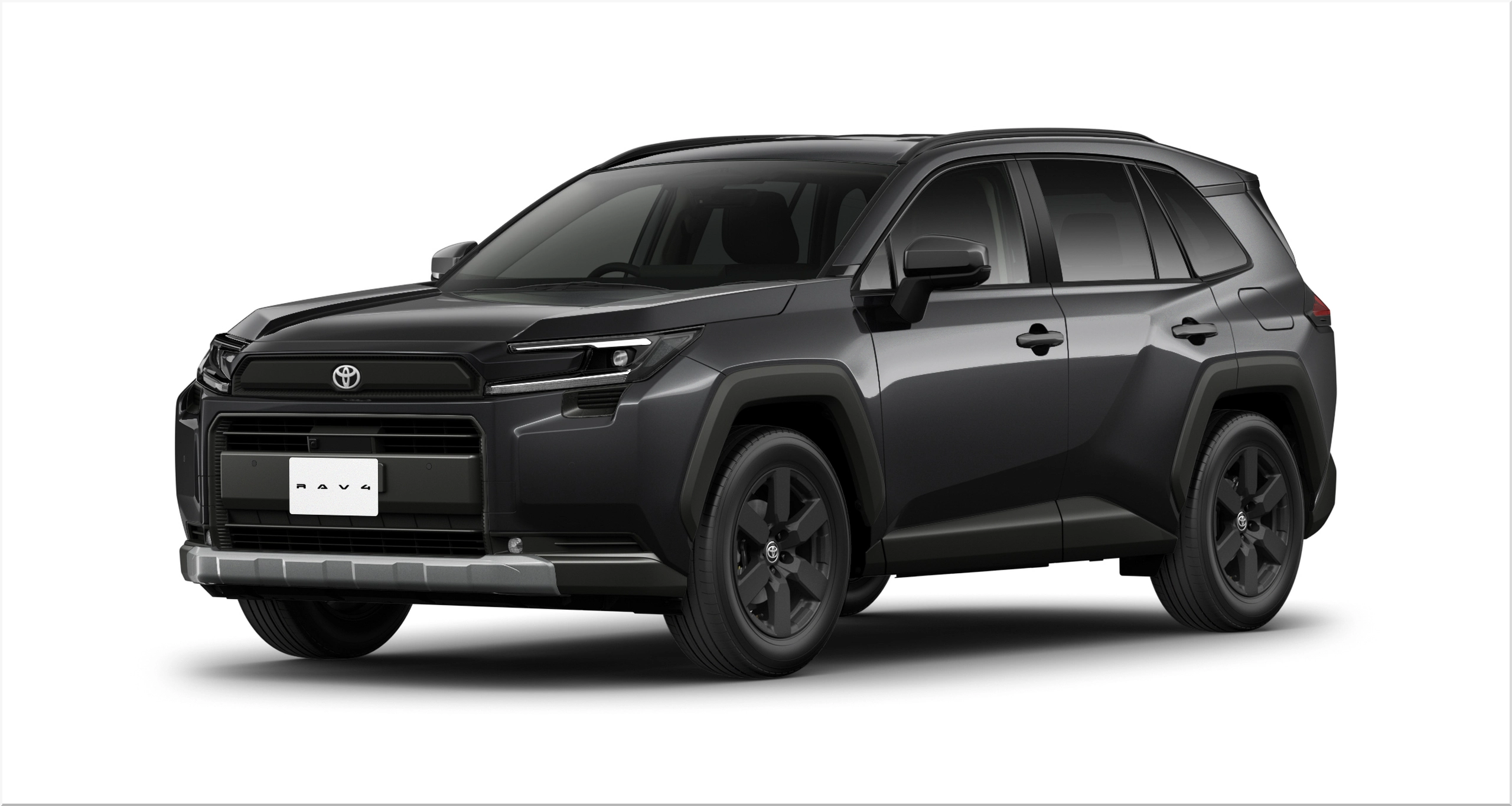
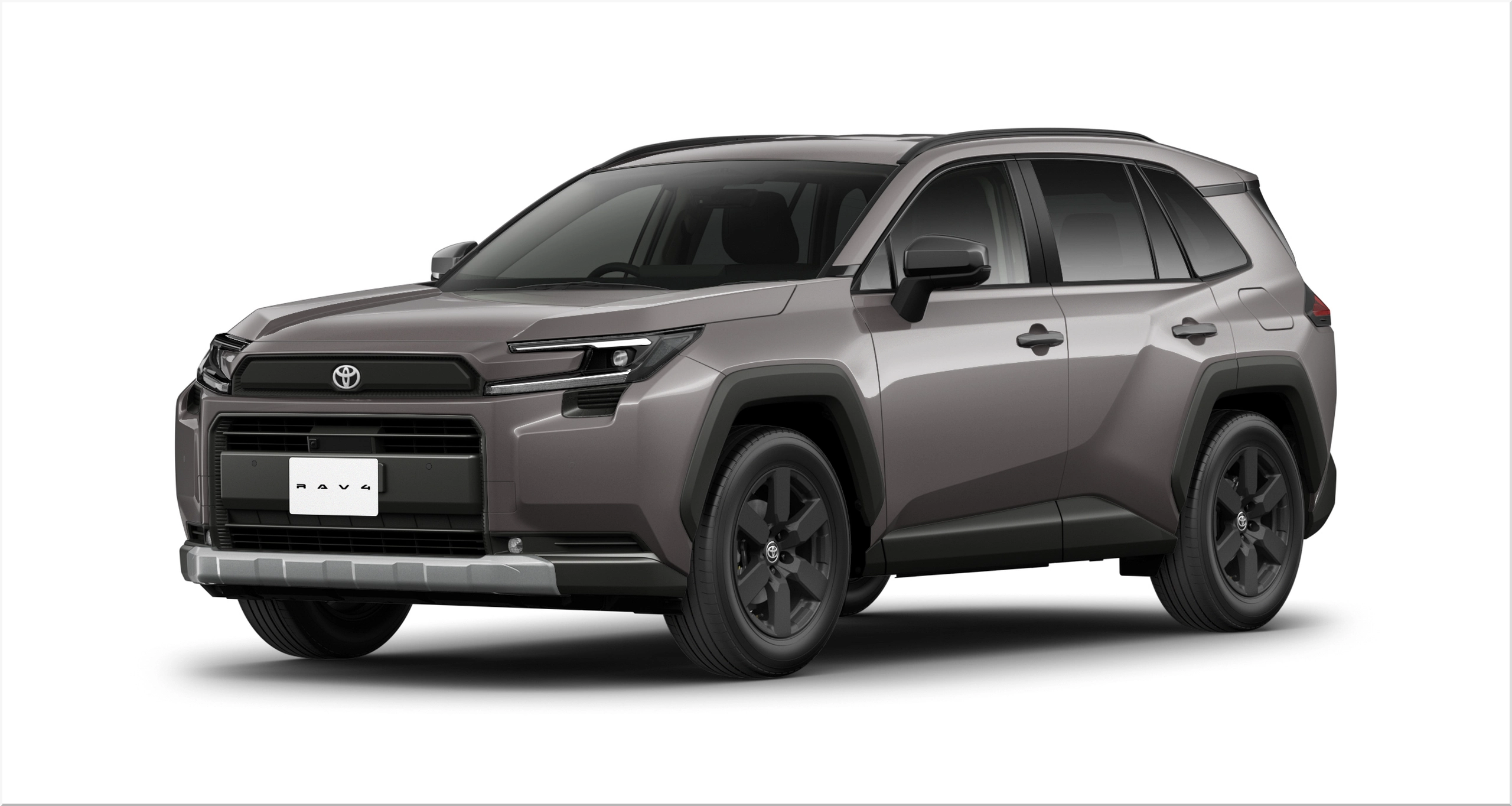
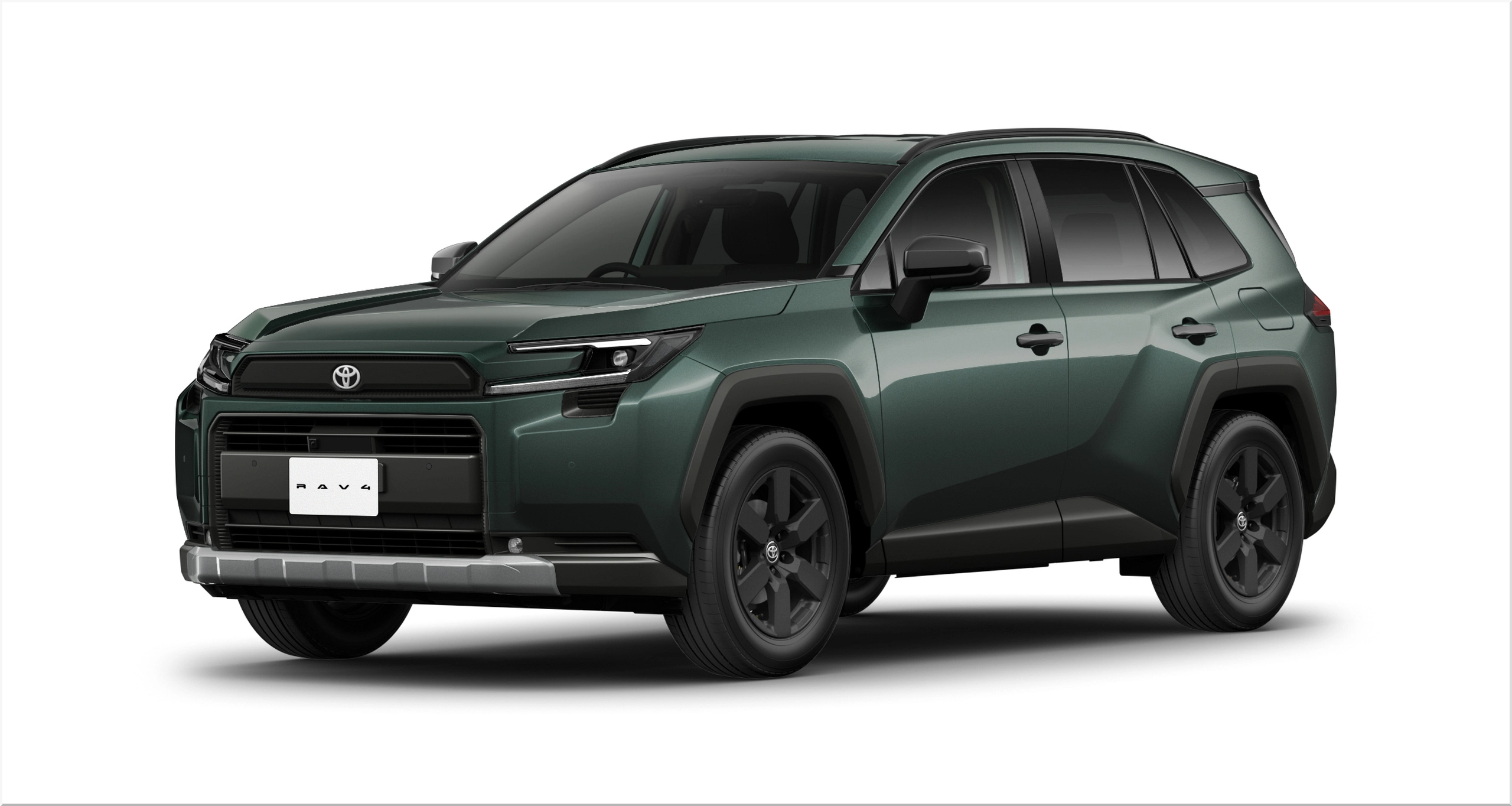
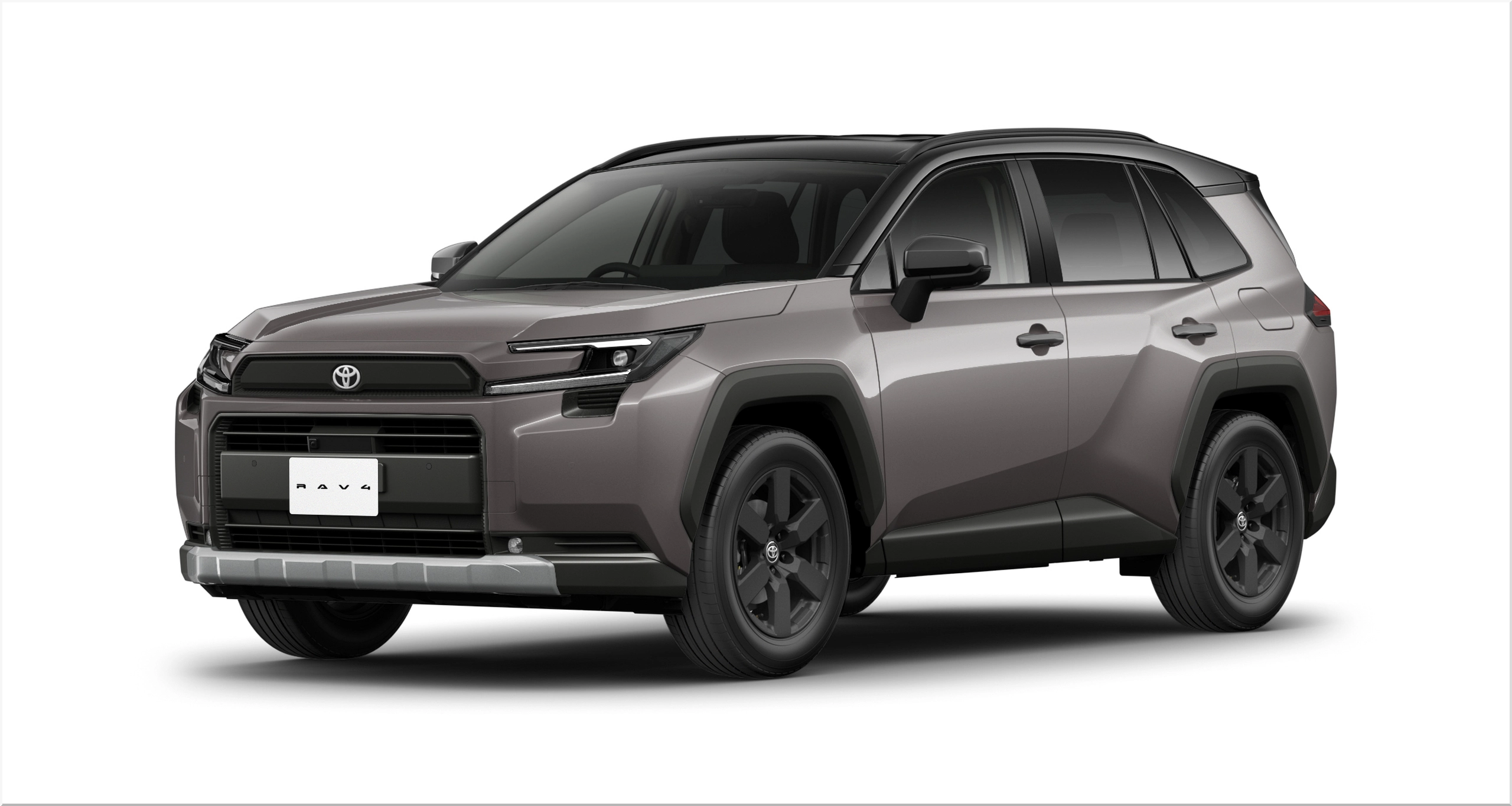
This version targets outdoor use. Dark exterior accents, raised wheel arch cladding, and rugged interior color themes define its look.
GR Sport Grade
This trim arrives later. It includes sport-tuned suspension components, aggressive exterior details, and driver-focused interior changes.
Toyota avoids overlap between trims. Each serves a clear purpose within the lineup.
Pricing and Market Positioning
Japanese pricing starts near 4,900,000 yen, which converts to roughly USD 33,000. Higher trims reach about 5,400,000 yen, or approximately USD 36,500 at current exchange rates.
This pricing positions the RAV4 squarely within the mainstream compact hybrid SUV bracket. Toyota does not attempt to undercut rivals on price. It competes on efficiency, reliability, and scale.
These figures align with global Toyota RAV4 hybrid pricing patterns across major markets.
Competitive Position Within the Segment
The compact hybrid SUV segment remains crowded. Buyers compare efficiency, power output, drivetrain availability, and base pricing.
The table below shows where the RAV4 stands against key rivals.
| Model | Powertrain | Combined Output | AWD Available | Base Price USD |
|---|---|---|---|---|
| Toyota RAV4 Hybrid | 2.5L Hybrid | ~240 hp | Yes | ~$33,000 |
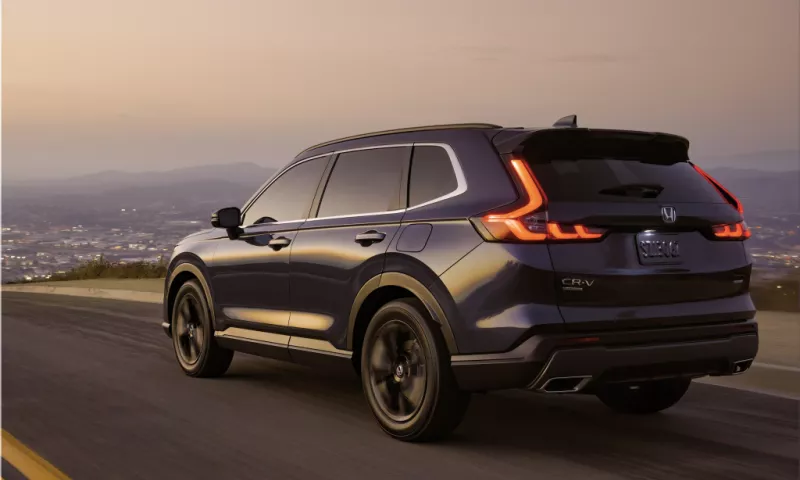
| Honda CR-V Hybrid | 2.0L Hybrid | ~204 hp | Yes | ~$34,000 |
| Ford Escape Hybrid | 2.5L Hybrid | ~200 hp | Yes | ~$32,000 |
| Hyundai Tucson Hybrid | 1.6T Hybrid | ~226 hp | Yes | ~$33,500 |
The RAV4 leads on output and hybrid system maturity. Rivals focus more heavily on interior presentation and infotainment design.
Toyota prioritizes durability, resale value, and production stability.
Image gallery
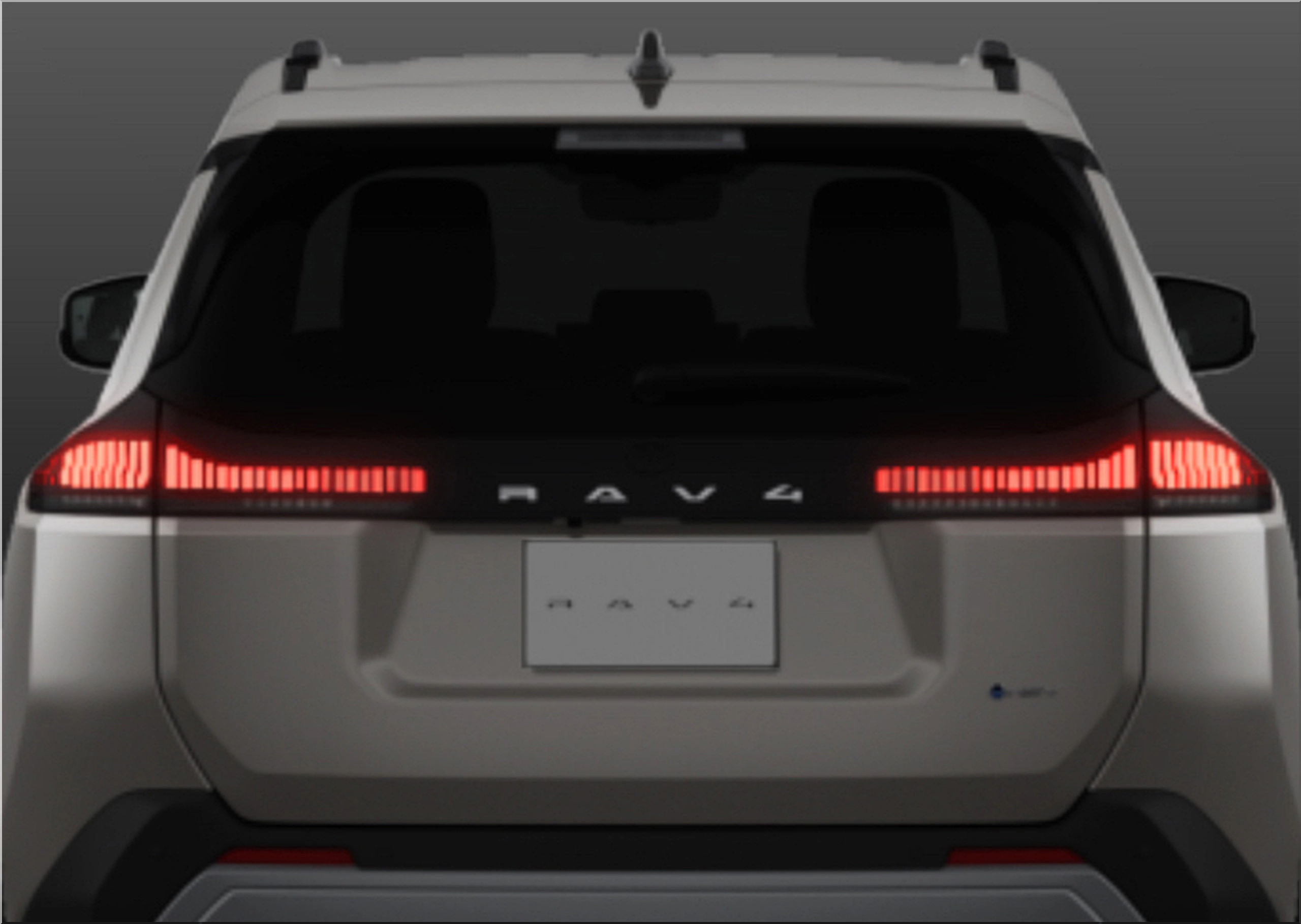
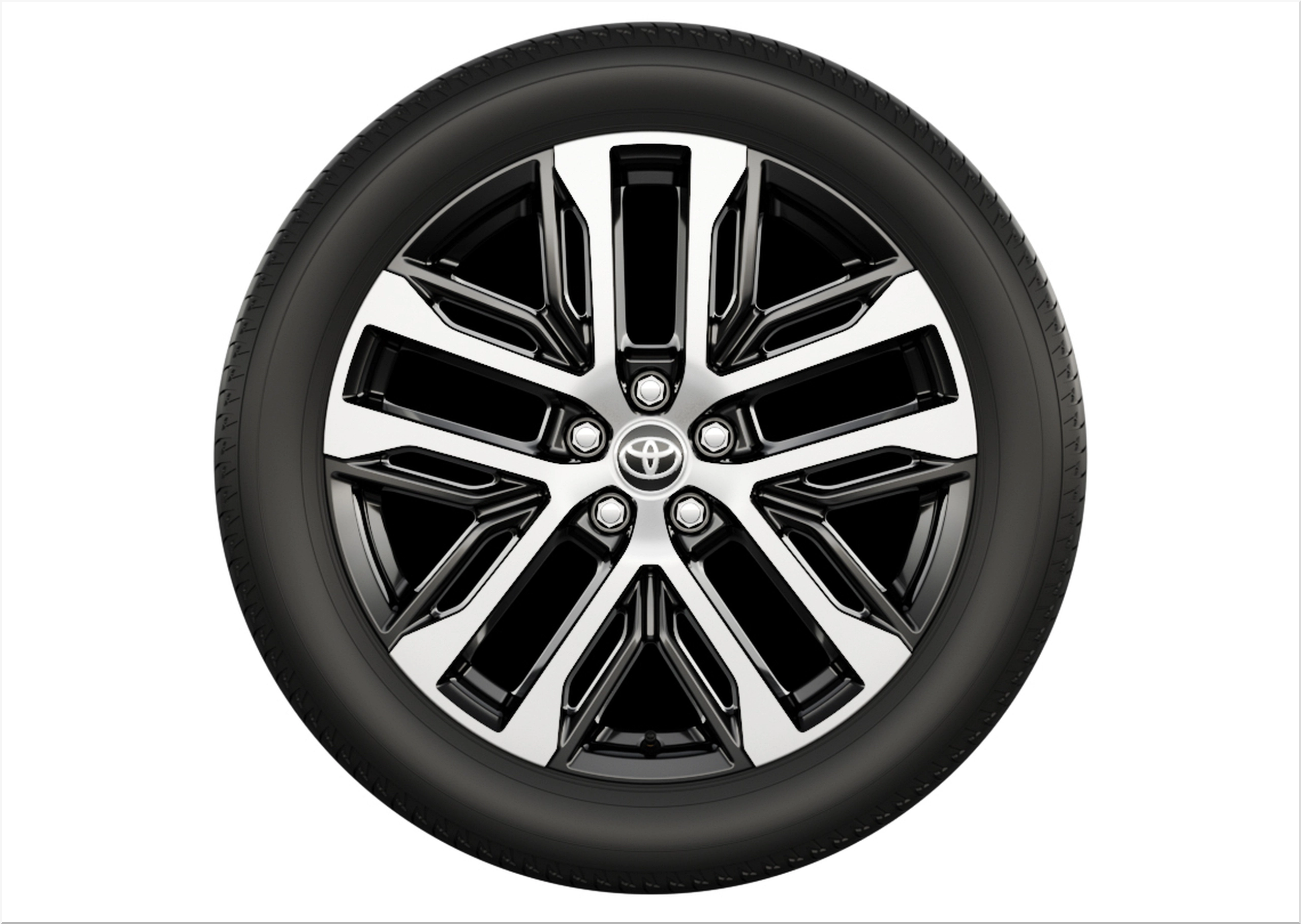
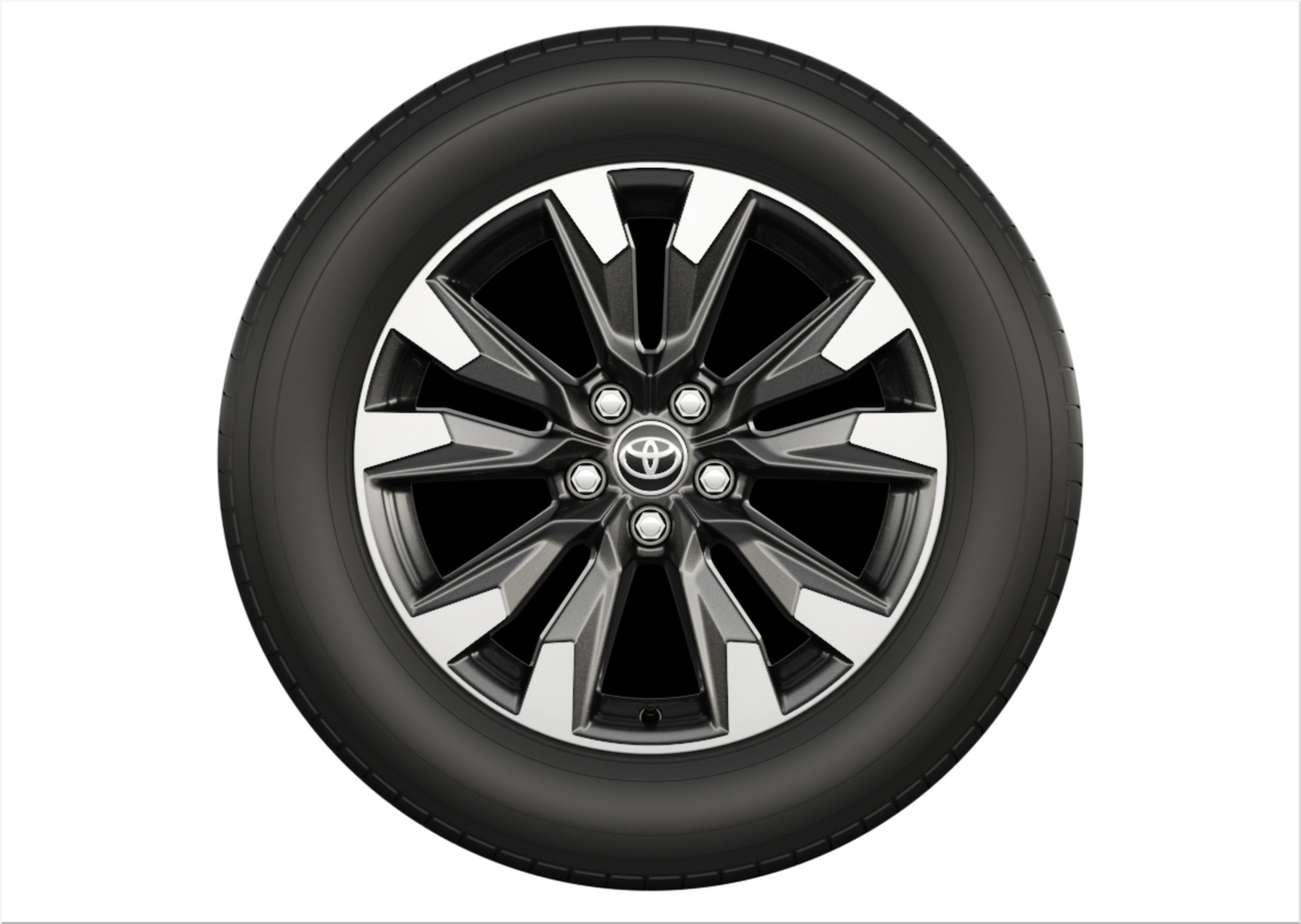
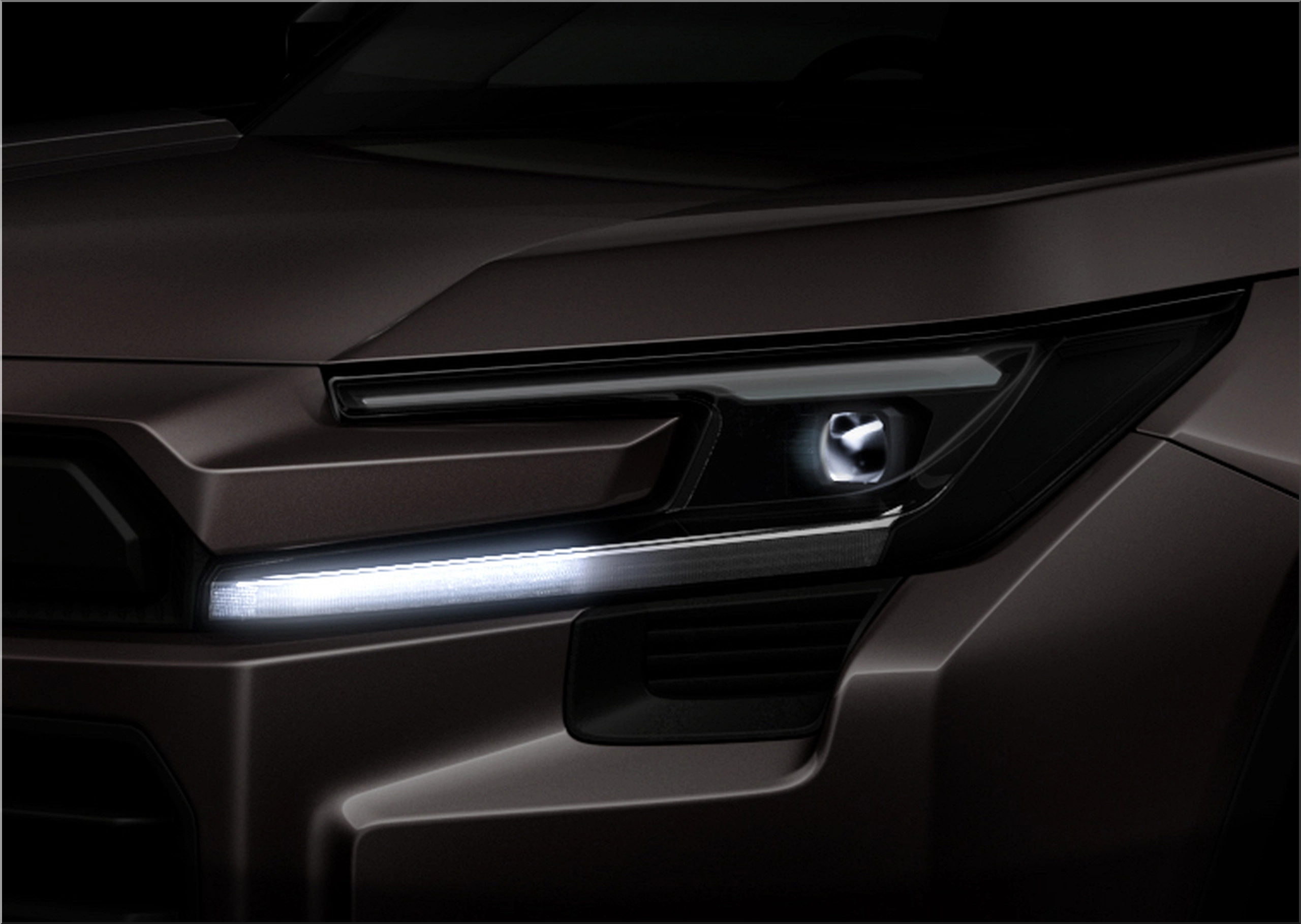


Market Impact and Buyer Outlook
This update reinforces the RAV4’s role as Toyota’s volume anchor. The company improves safety, software, and efficiency without altering the underlying formula.
The new Toyota RAV4 targets buyers who value predictable ownership costs and long-term reliability. It does not chase design cycles or feature saturation.
That restraint defines its appeal and explains its sustained global demand.
Image gallery



What Comes Next
Toyota has not confirmed rollout timing for other regions. Historically, markets outside Japan follow within twelve months.
Buyers should monitor:
- Plug-in hybrid specifications
- Regional software feature availability
- Final market pricing adjustments
This update reflects Toyota’s broader direction. Hybrids remain the core strategy. Full battery expansion proceeds at a controlled pace.
- Add new comment
- 354 views