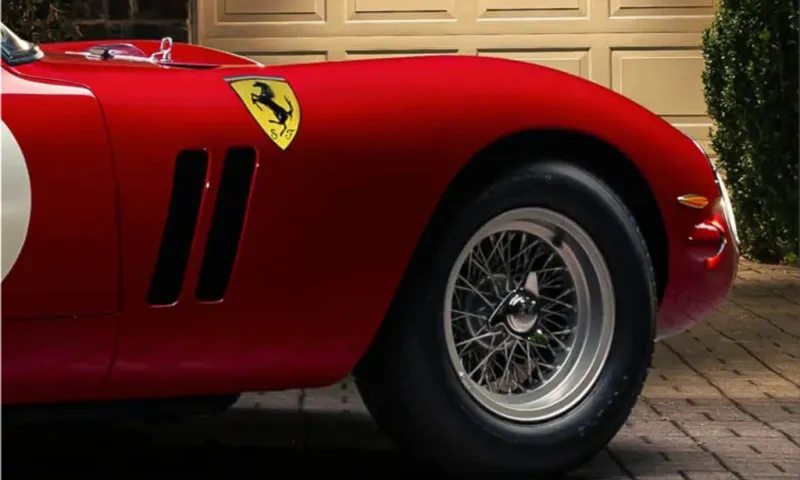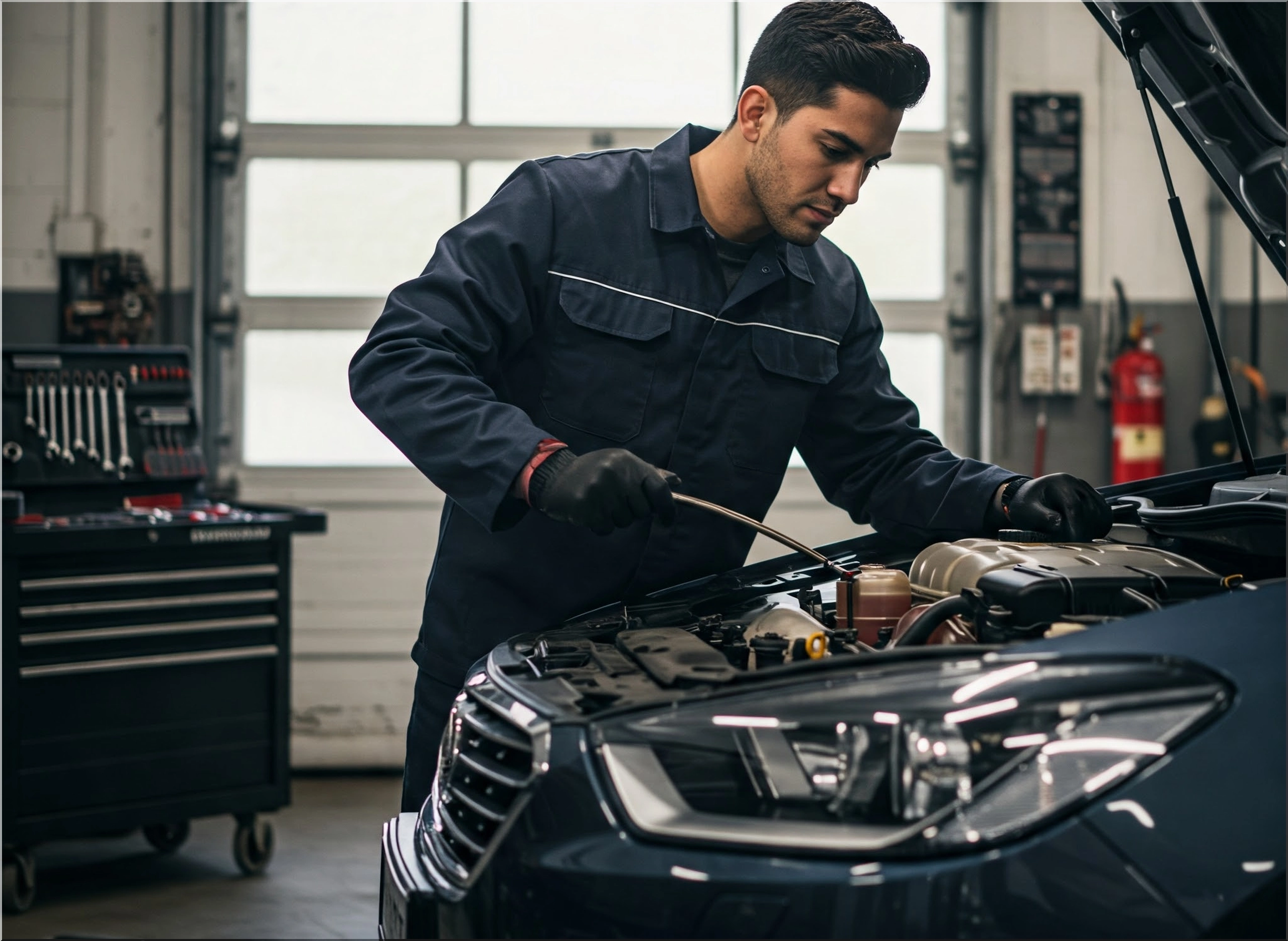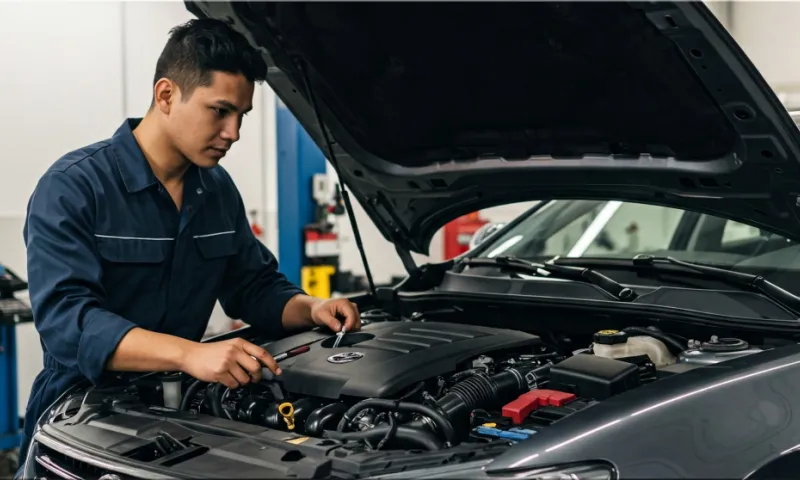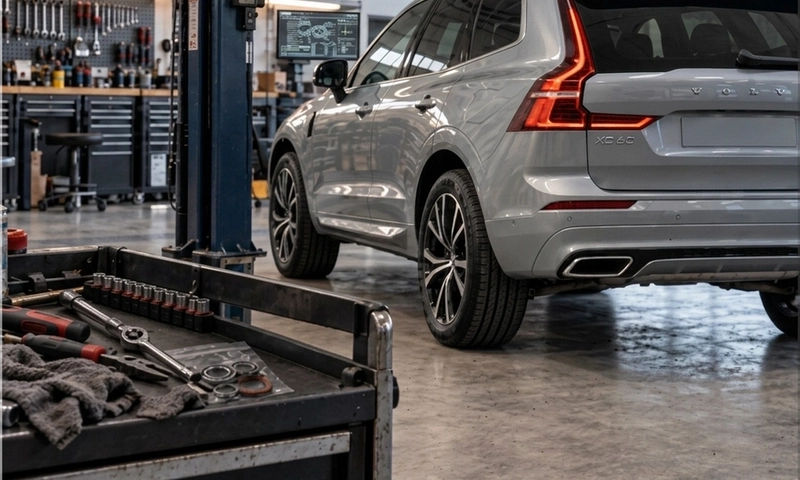
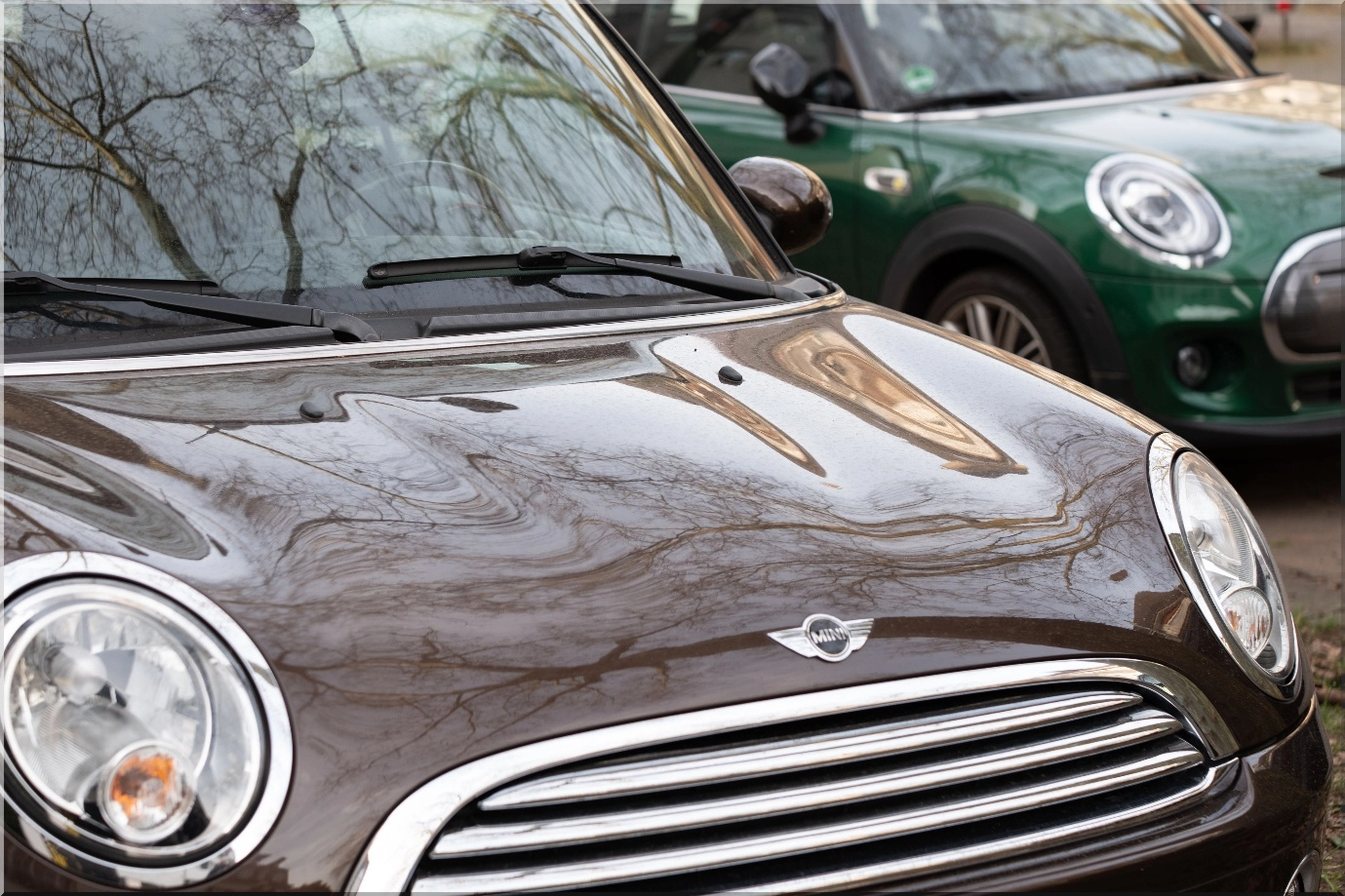
Classic European cars require extra attention because their age, specialized components, unique engineering, and limited availability of certain parts can make maintenance more involved than servicing a newer vehicle. Regular inspections and careful repairs are especially important because small issues can become bigger problems when an older vehicle is driven without proper maintenance. Working with technicians who understand older European models can also help preserve the car's performance, condition, and character.
Tacoma, Washington, sits along Puget Sound and offers a mix of city driving, rainy weather, and changing road conditions throughout the year. The area's climate and everyday driving can affect older vehicles, particularly cars that have already spent decades exposed to moisture and temperature changes.
For owners who want to keep an older European vehicle on the road, finding a shop experienced in classic European car repair in Tacoma can make a major difference in maintaining these unique automobiles.
Age Changes the Maintenance Needs
One of the biggest differences between a classic car and a newer vehicle is simply its age.
Rubber seals, hoses, gaskets, belts, wiring, and other components can deteriorate over time even if the car is not driven frequently. An older vehicle may also develop problems from sitting for long periods.
Regular inspections can help identify aging components before they fail. Replacing a small rubber hose, for example, may be much easier and less expensive than dealing with the damage caused by a sudden failure.
Parts May Be Harder to Find
Classic European vehicles were often produced in smaller numbers than modern mass-market cars. Some parts may no longer be manufactured, while others may only be available through specialty suppliers.
Finding the correct component can take time. In some cases, a technician may need to locate an original part, source a quality replacement, or determine whether a suitable alternative can be used.
This makes experience especially valuable. A technician familiar with older European models may already know where to look for unusual components.
Older Engines Need Careful Attention
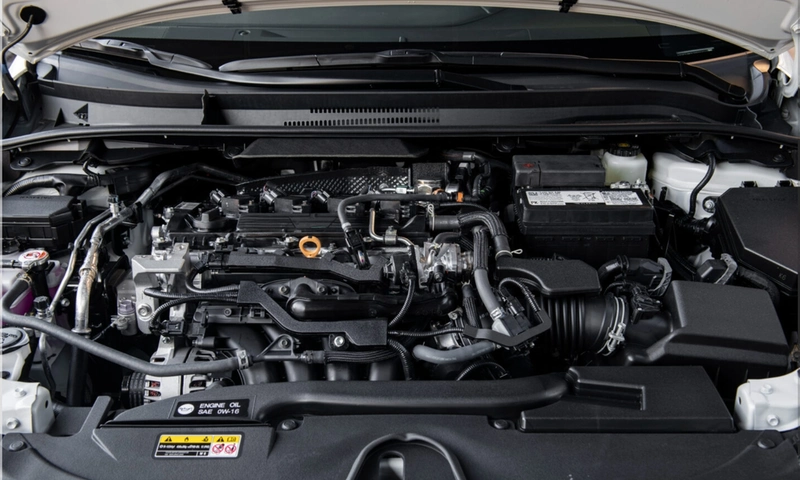
Classic engines were designed with different technologies and specifications than many modern engines.
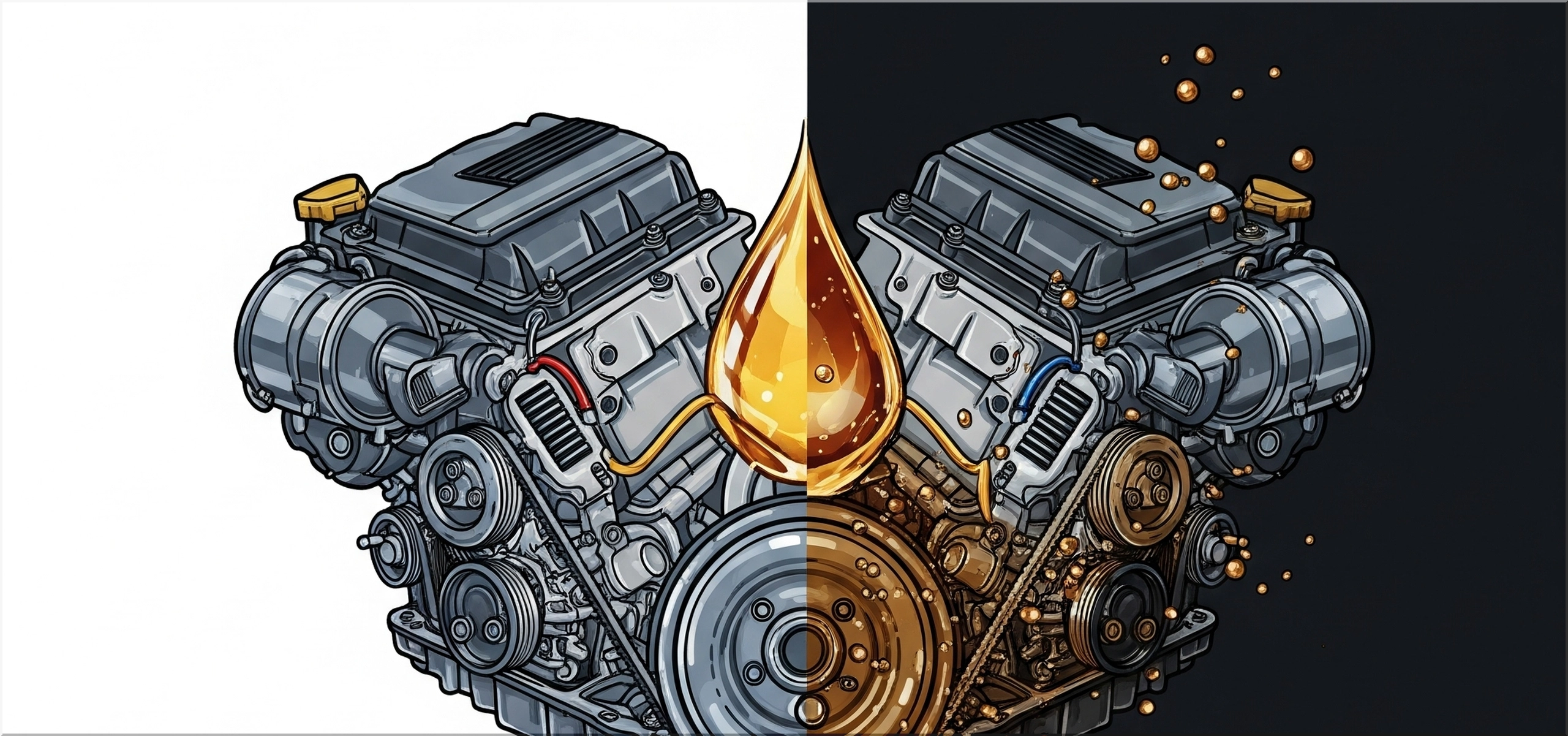
They may require particular fluids, adjustment procedures, ignition components, or maintenance schedules. Treating an older engine exactly like a modern vehicle can lead to incorrect service.
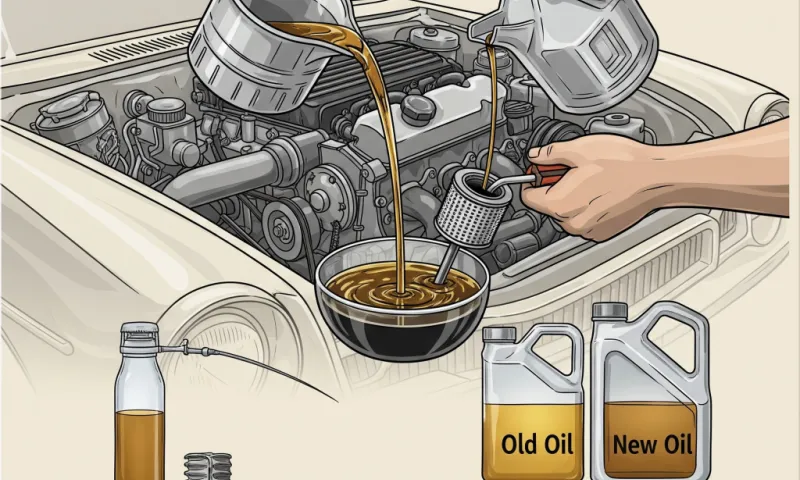
Routine oil changes, cooling system checks, tune-ups, and inspections should be performed according to the needs of the specific model.
Electrical Systems Can Become Troublesome
Electrical problems are another common concern with older cars.
Wiring insulation can become brittle, connections can corrode, and previous repairs may have altered the original electrical system. Finding the source of an electrical problem can sometimes take more time than replacing a visible component.
A technician needs to understand both the vehicle's original design and any modifications that may have been made over the years.
The Cooling System Deserves Attention
Overheating can be particularly damaging to an older engine.
Radiators, hoses, thermostats, water pumps, and other cooling system components can deteriorate with age. A small leak or weak component may eventually lead to an overheating event.
Regular cooling system inspections can help catch these problems early. Keeping the system in good condition is important for protecting the engine.
Brakes and Suspension Should Not Be Ignored
Braking and suspension components affect both driving quality and safety.
Classic cars may have older brake designs and suspension systems that require specialized knowledge. Bushings, shocks, brake lines, calipers, and other components can wear out over time.
A car that feels loose, pulls to one side, vibrates, or takes longer to stop should be inspected rather than driven until the problem becomes worse.
Moisture Can Cause Additional Problems
Tacoma's wet climate can make moisture a concern for older vehicles. Water can contribute to rust, corrosion, and deterioration of certain components.
Owners should pay attention to the underside of the vehicle, wheel wells, drainage areas, and other locations where moisture can collect.
Keeping the car clean and dry when possible and addressing signs of corrosion early can help protect its condition.
Preventive Maintenance Is Worth It
Classic cars are often owned because people appreciate their design, history, and driving experience. Preventive maintenance can help preserve all three.
Instead of waiting until something breaks, owners can schedule regular inspections and address developing problems while they are still manageable.
A maintenance plan may include fluid checks, brake inspections, cooling system service, electrical inspections, tire checks, and other model-specific work.
Key Takeaways
- Classic European cars need maintenance that accounts for their age and specialized design.
- Rubber components, wiring, seals, and hoses can deteriorate over time.
- Replacement parts may be harder to locate for older models.
- Classic engines may have different service requirements from modern engines.
- Electrical systems should be inspected carefully for corrosion and aging wiring.
- Cooling system problems can lead to serious engine damage if ignored.
- Brake and suspension components require regular attention.
- Tacoma's wet conditions can increase concerns about moisture and corrosion.
- Preventive maintenance can help identify problems before they become expensive repairs.
- Working with technicians experienced with classic European vehicles can help preserve the car's performance and condition.
Image gallery
- Add new comment
- 88 views