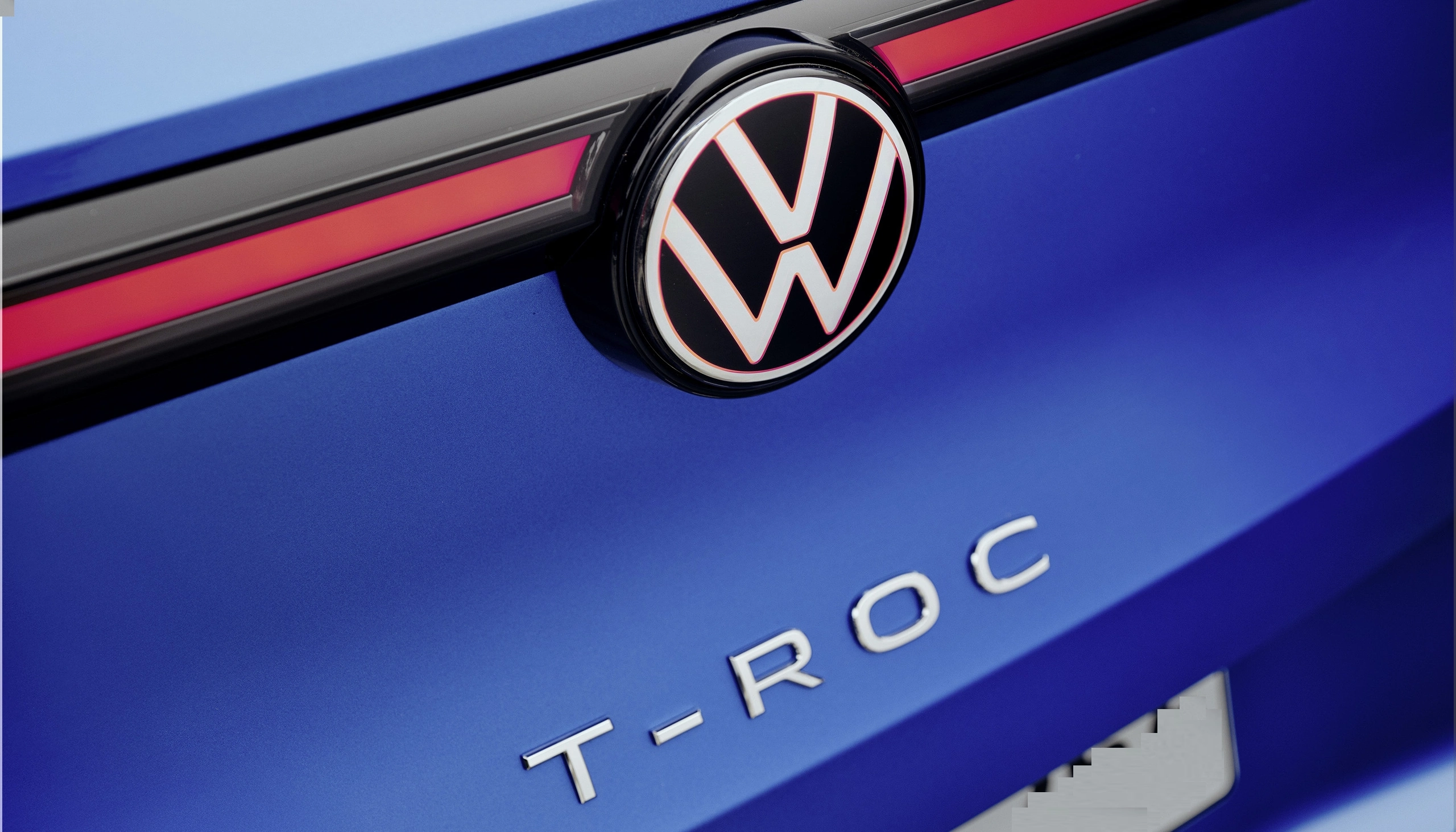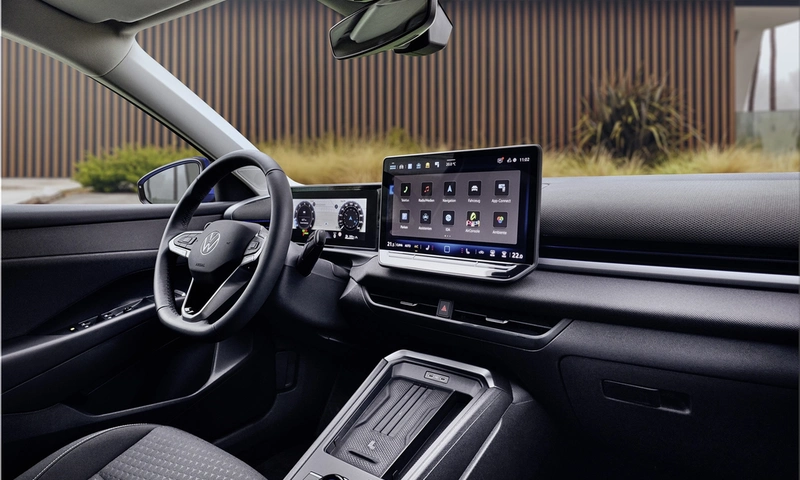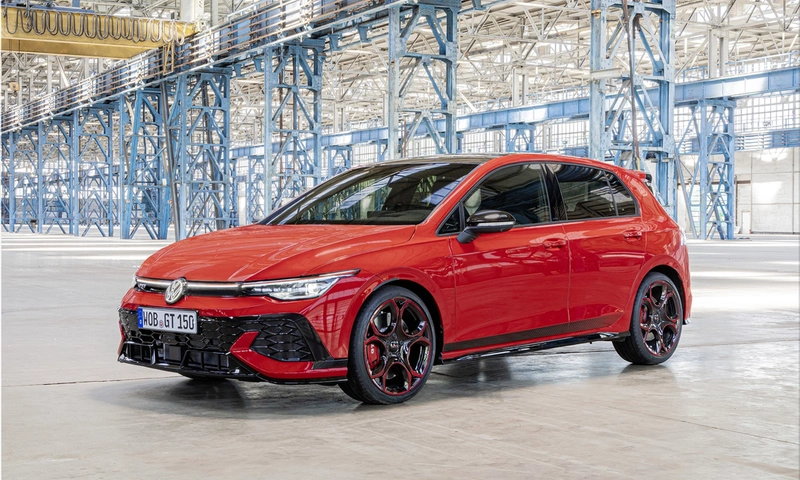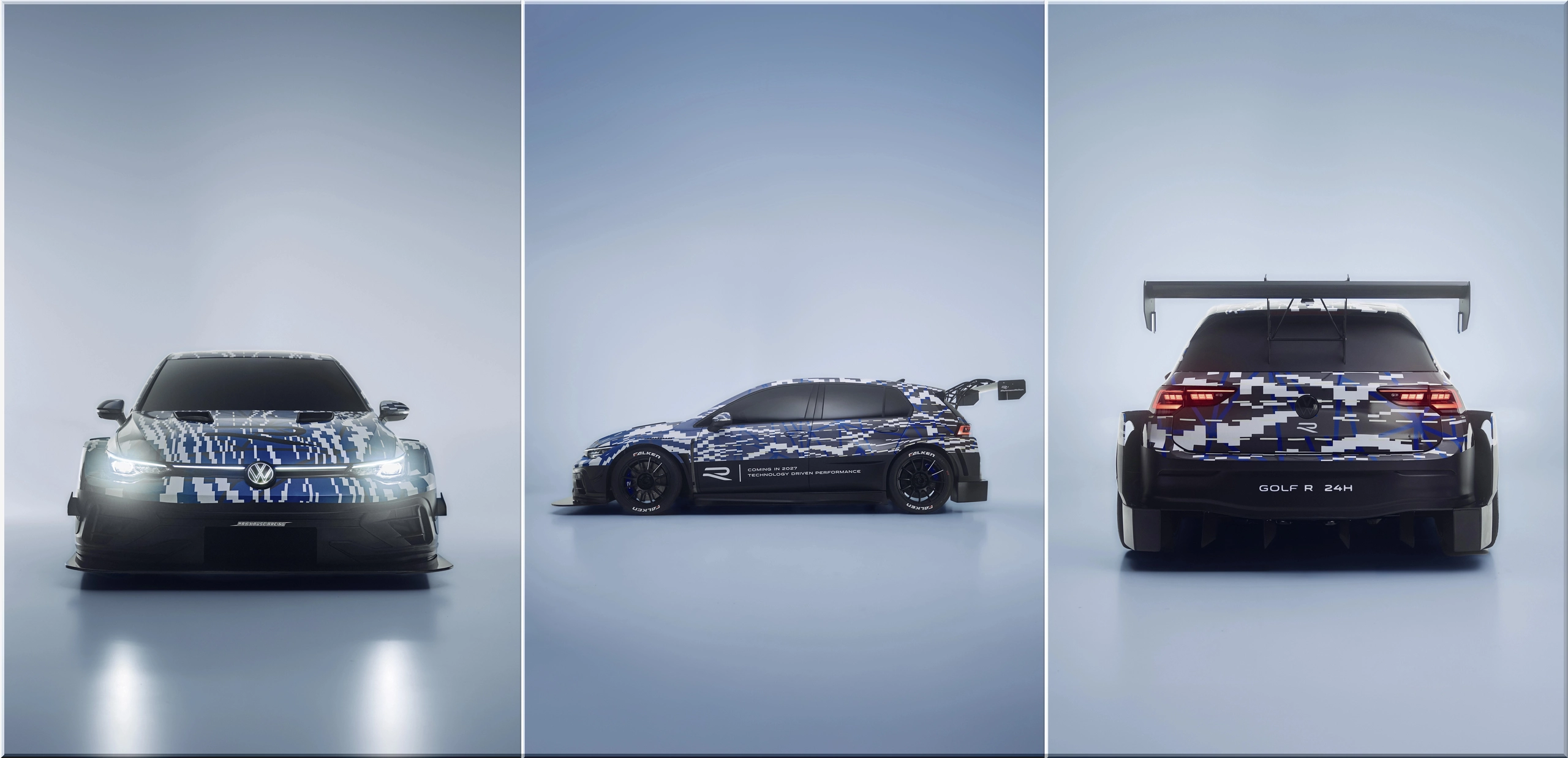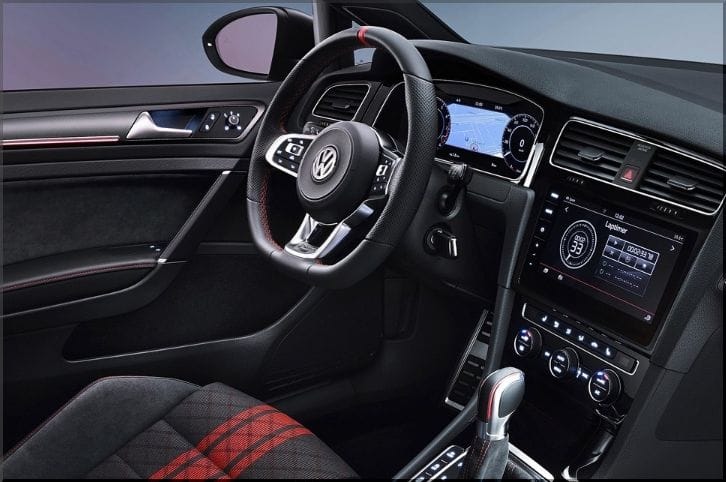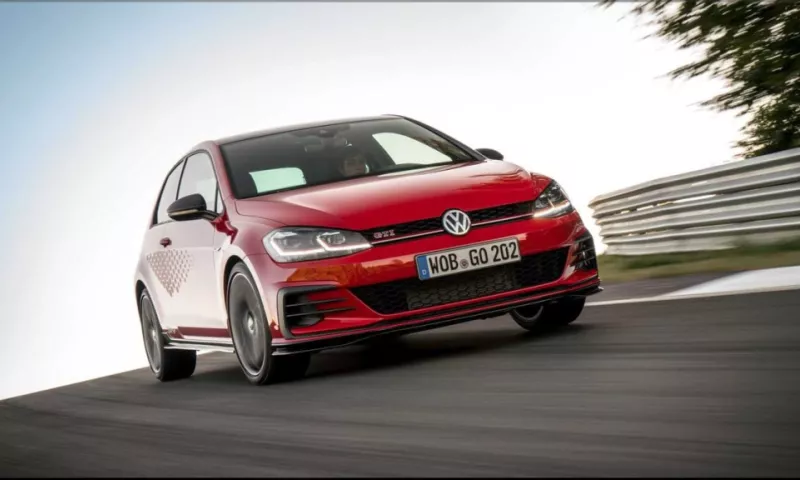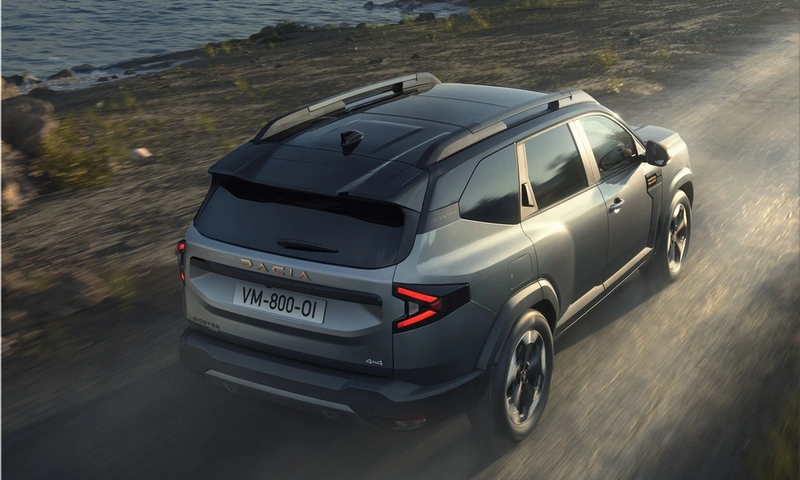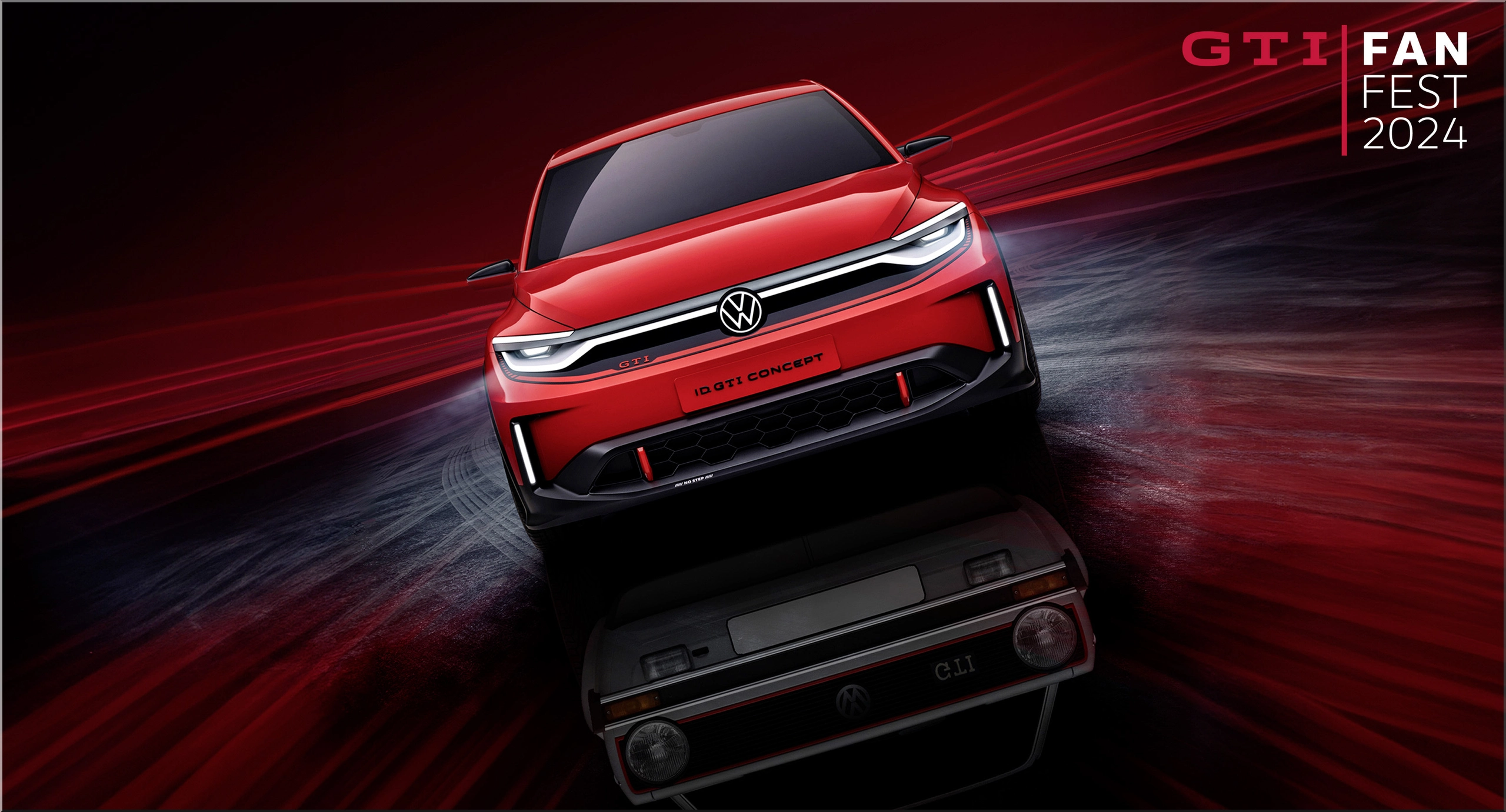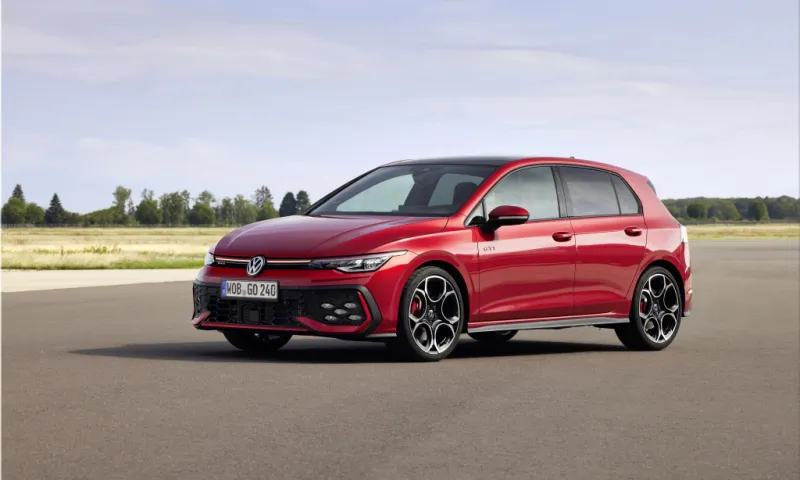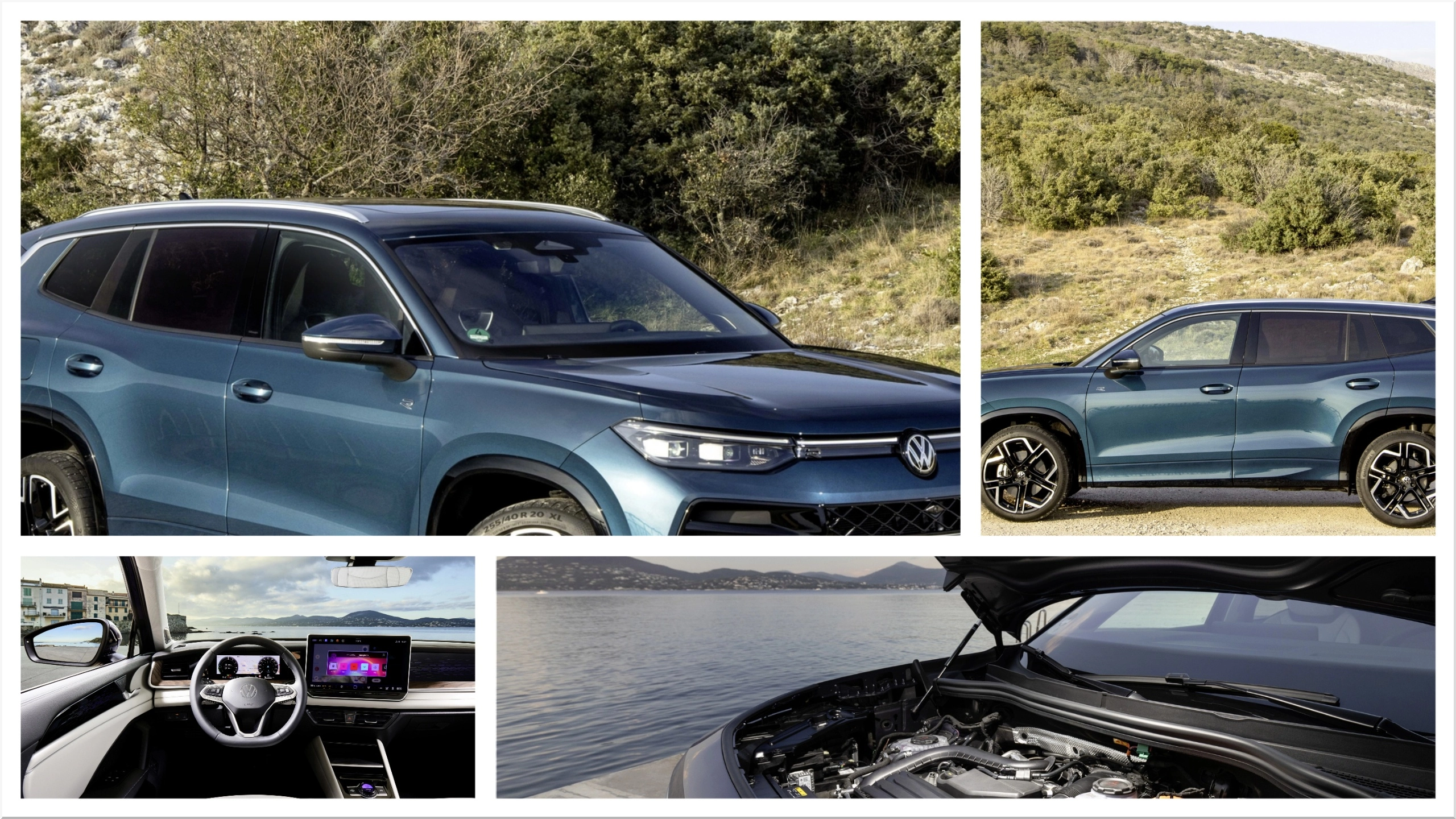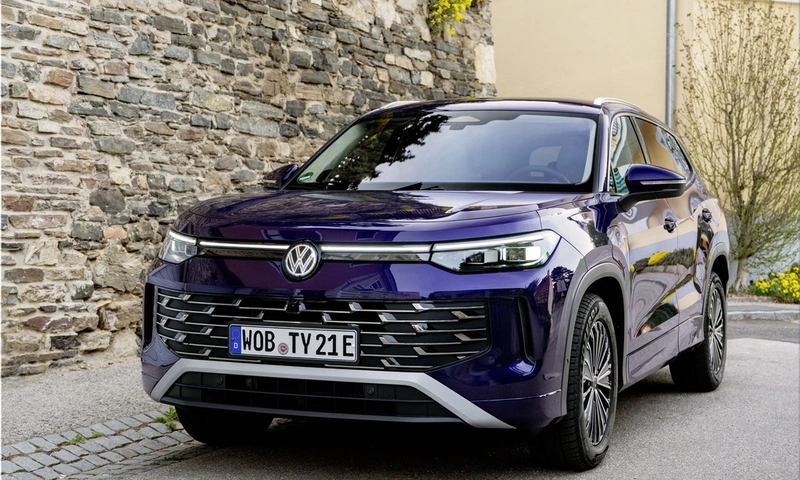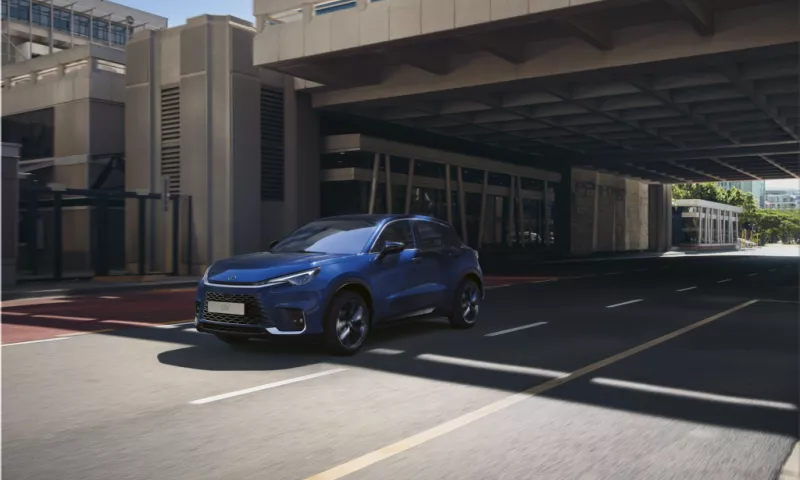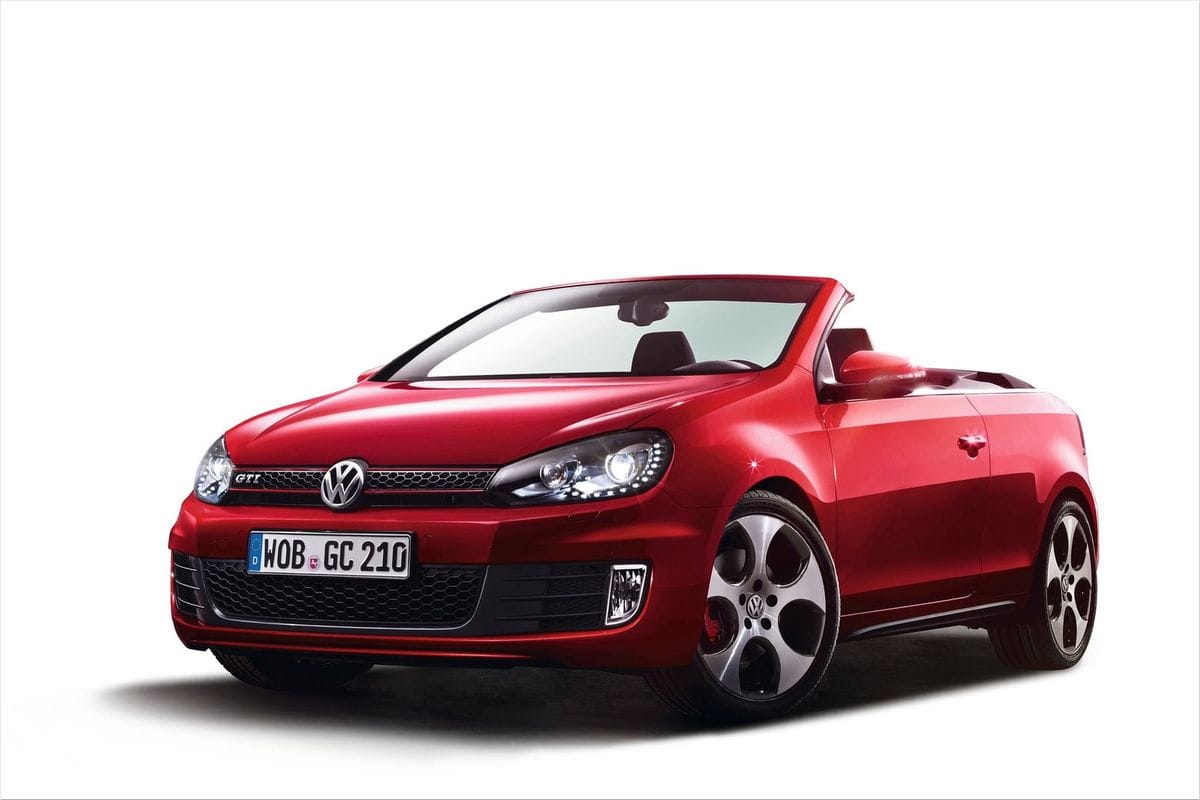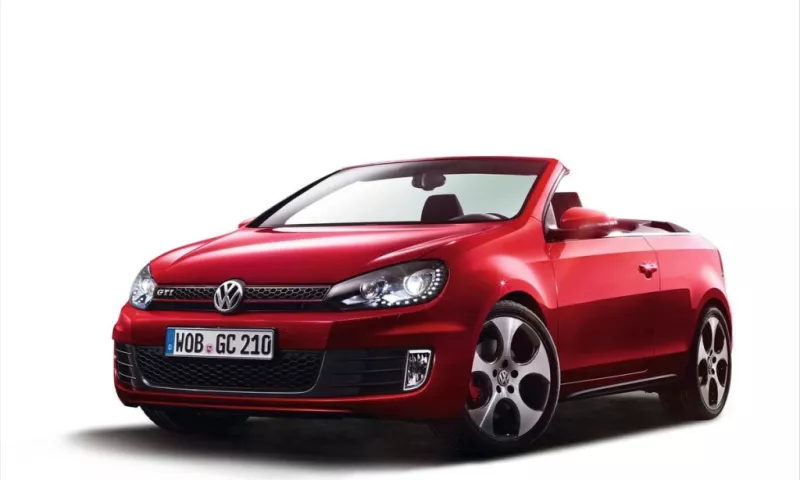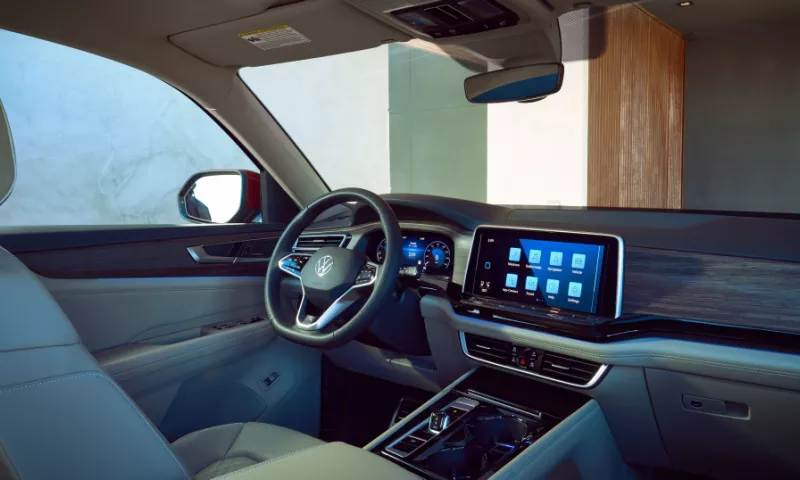
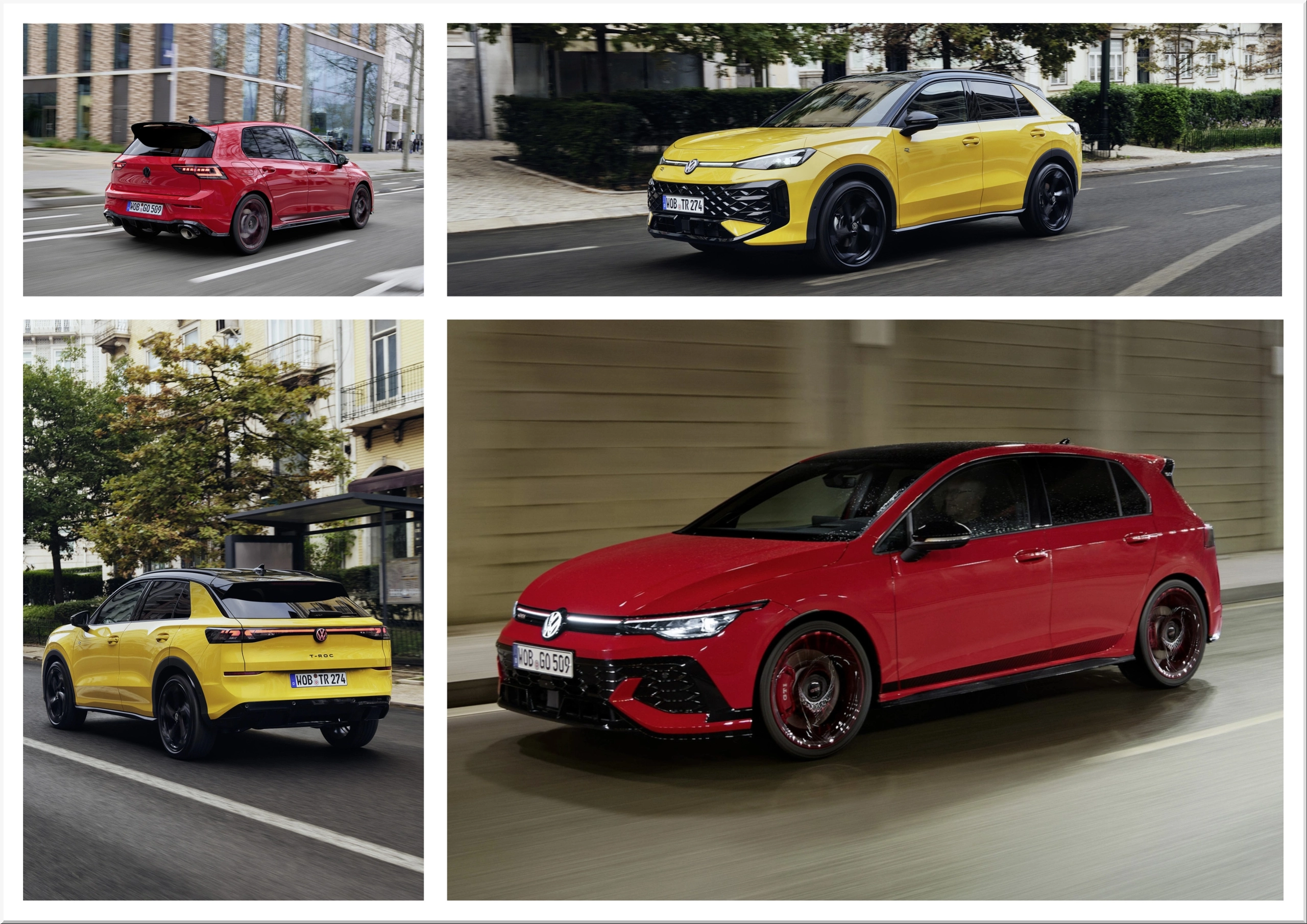
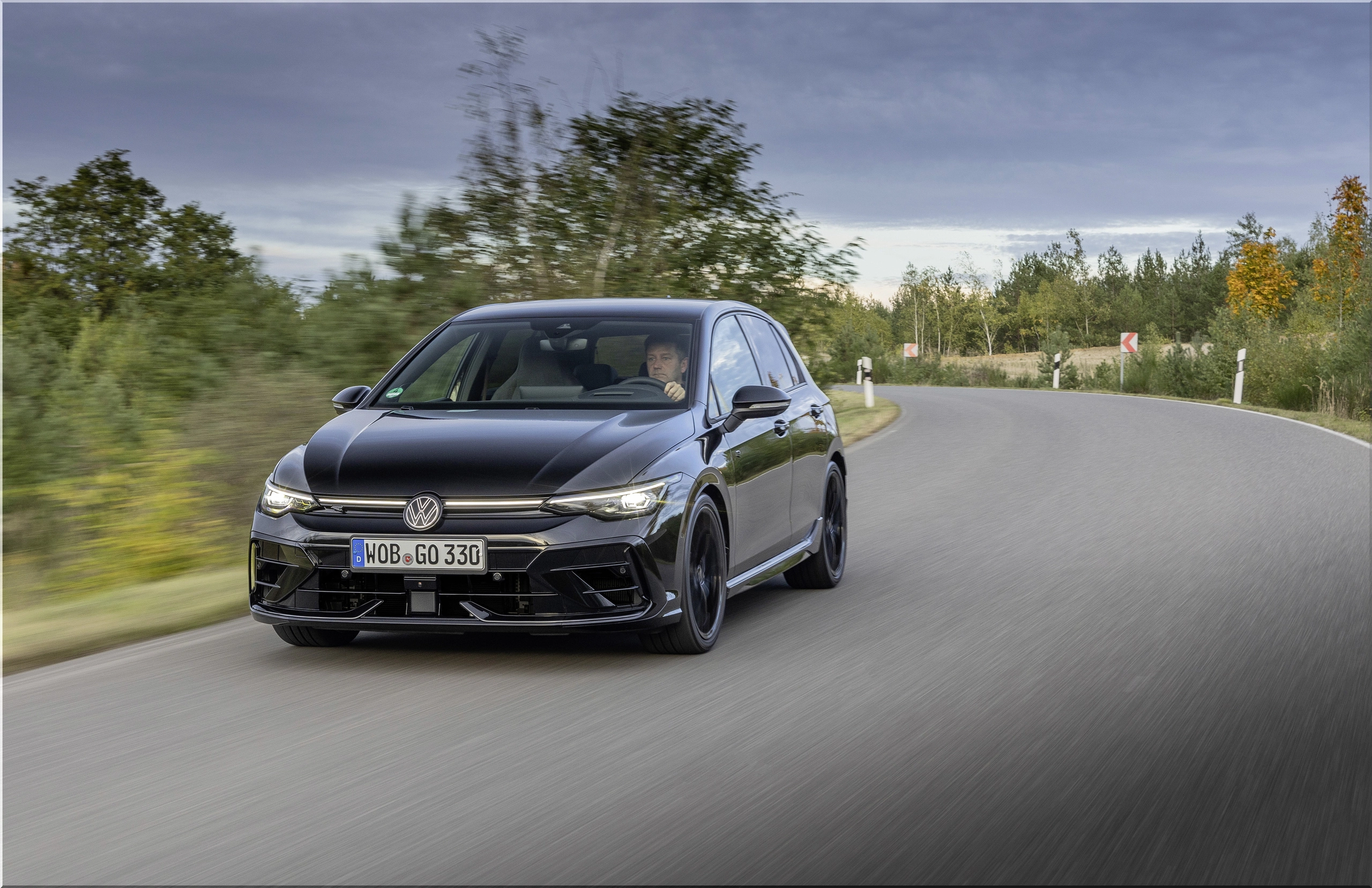
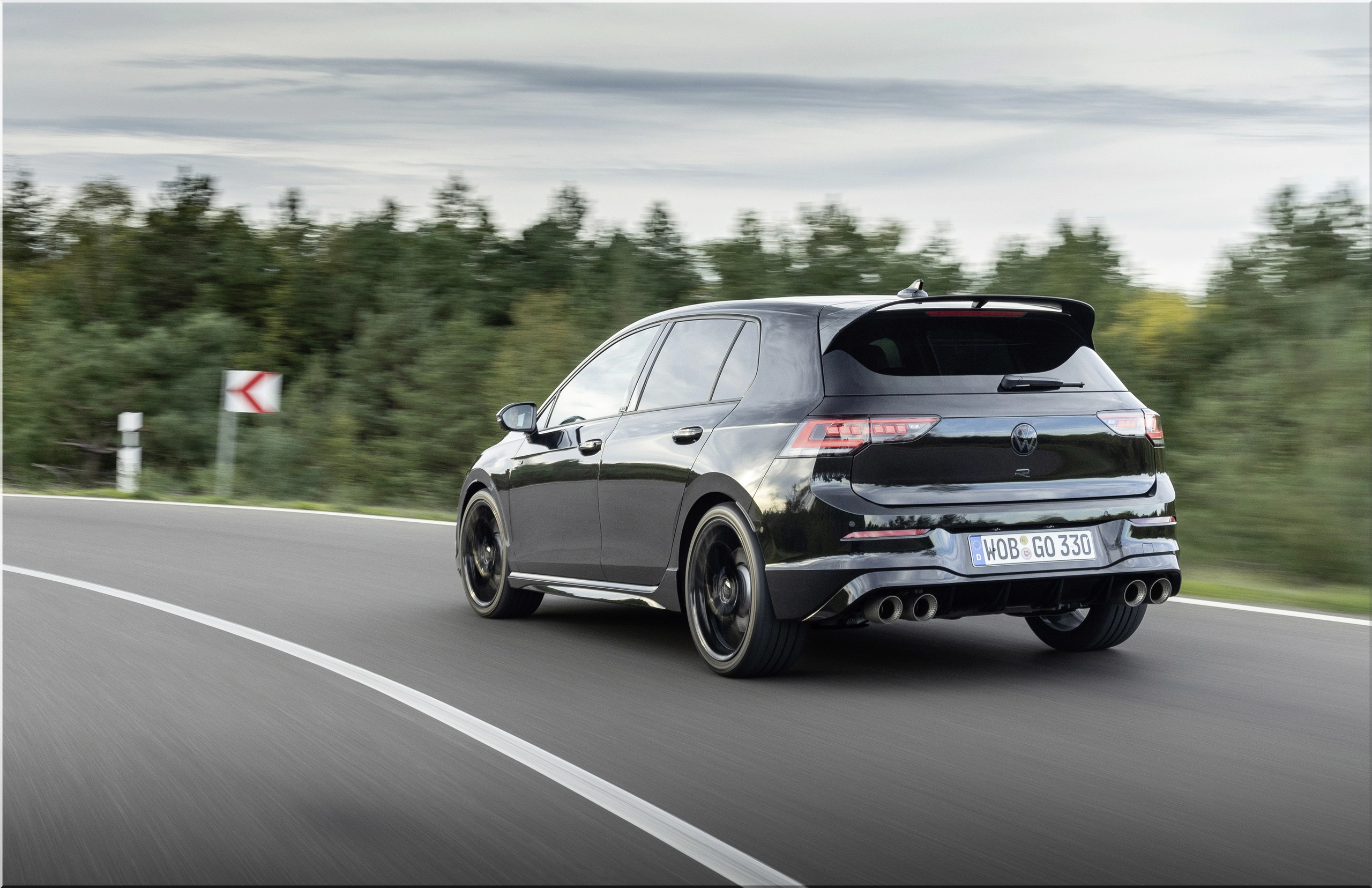
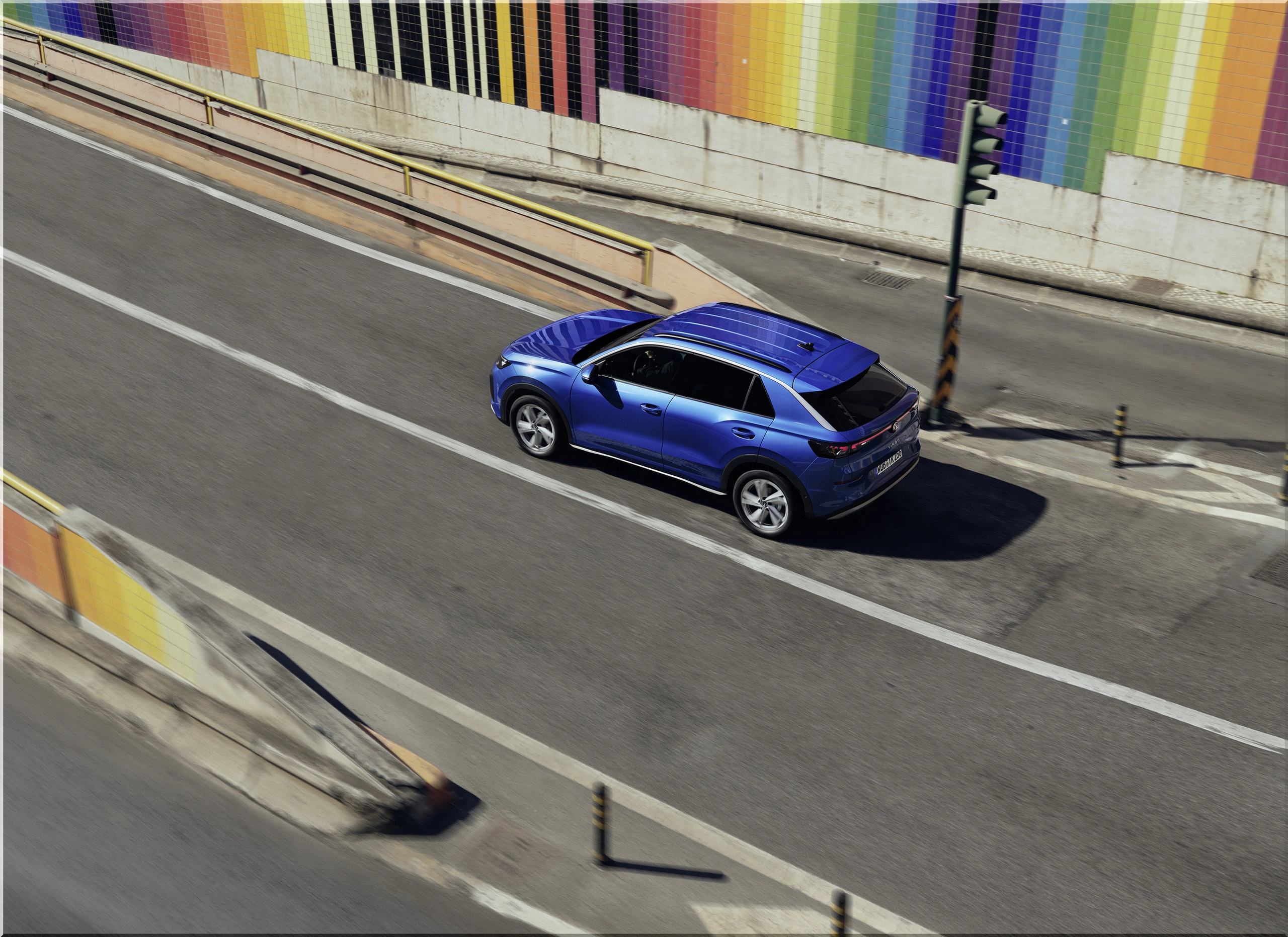
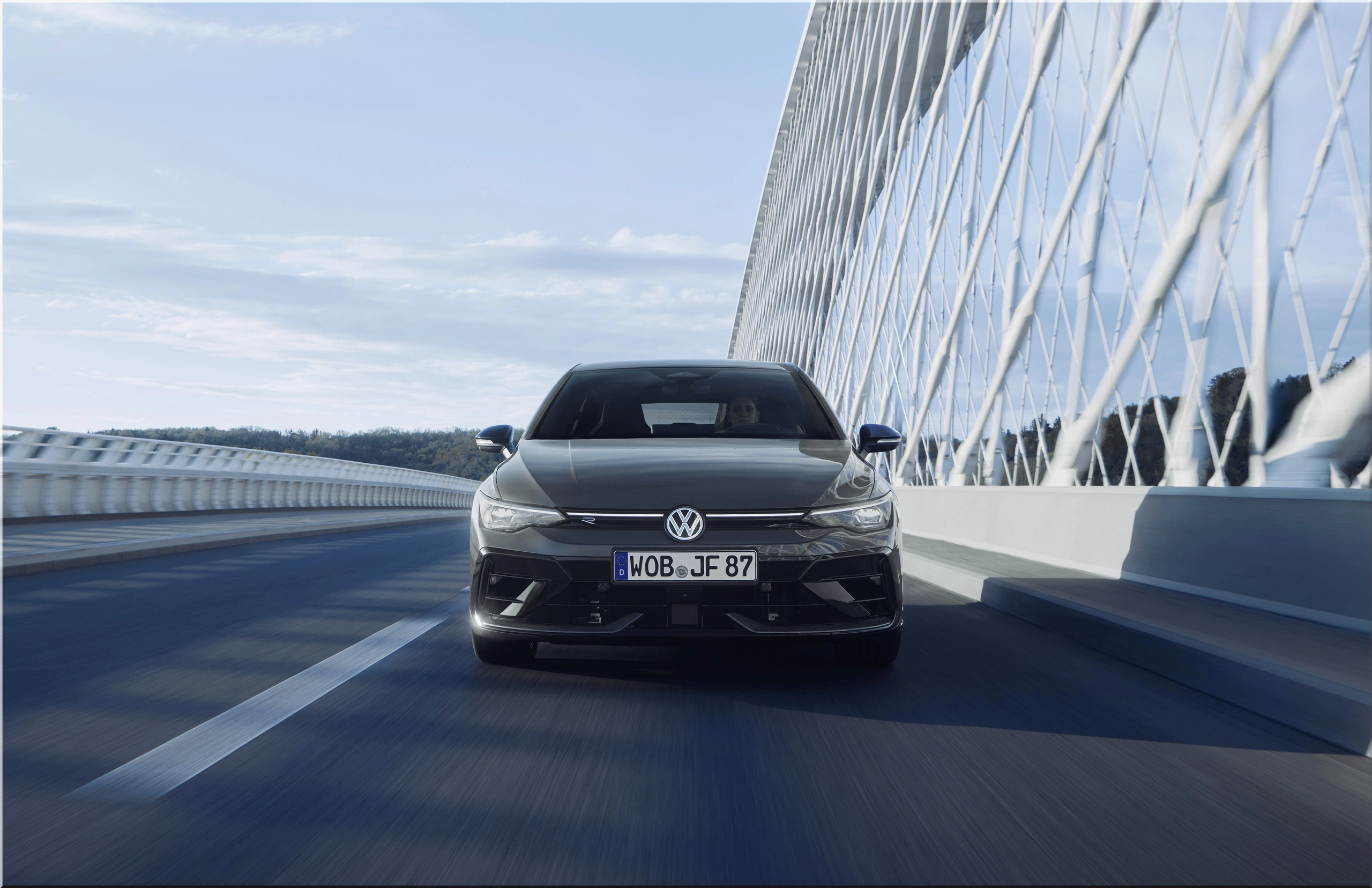
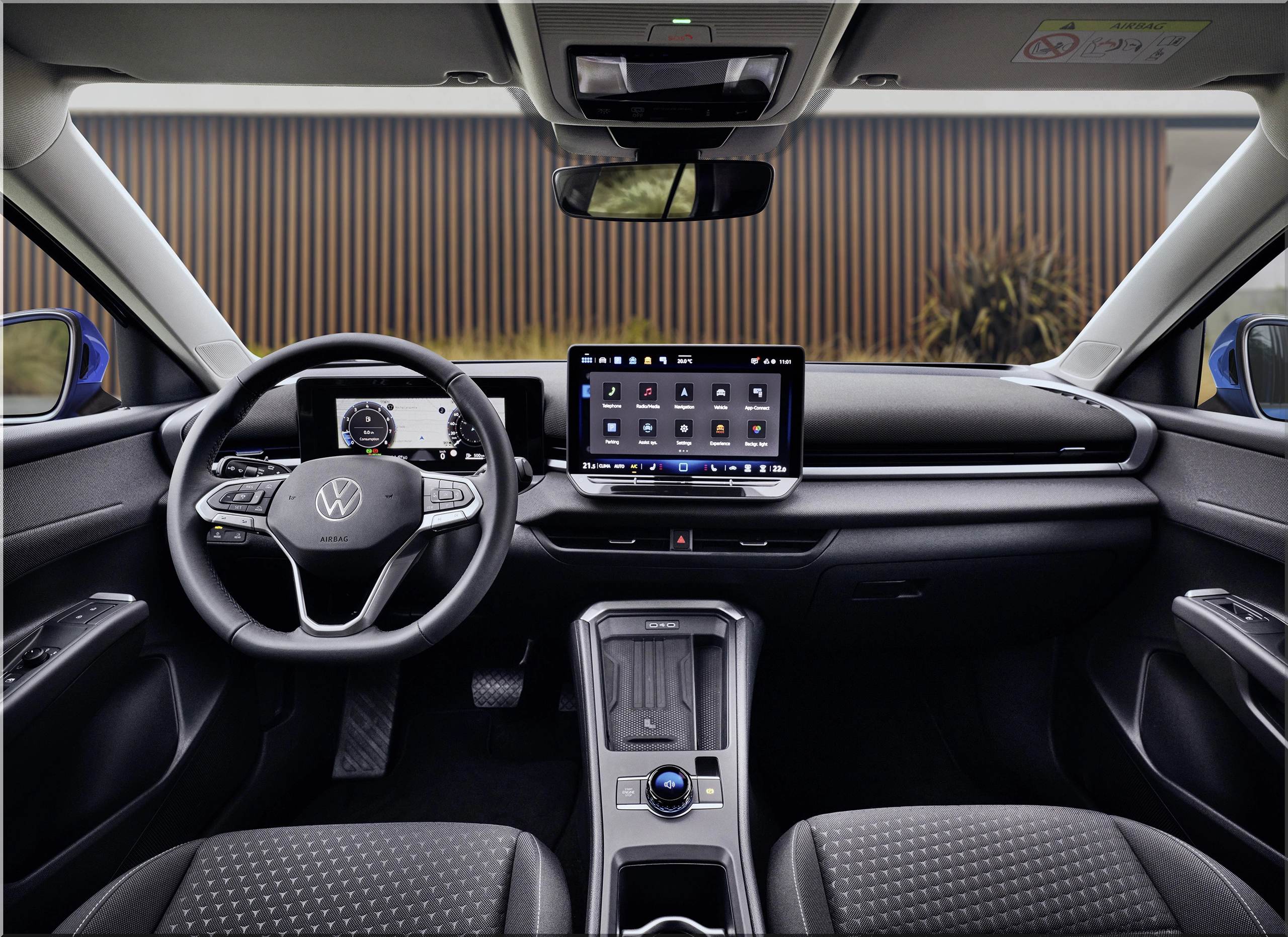
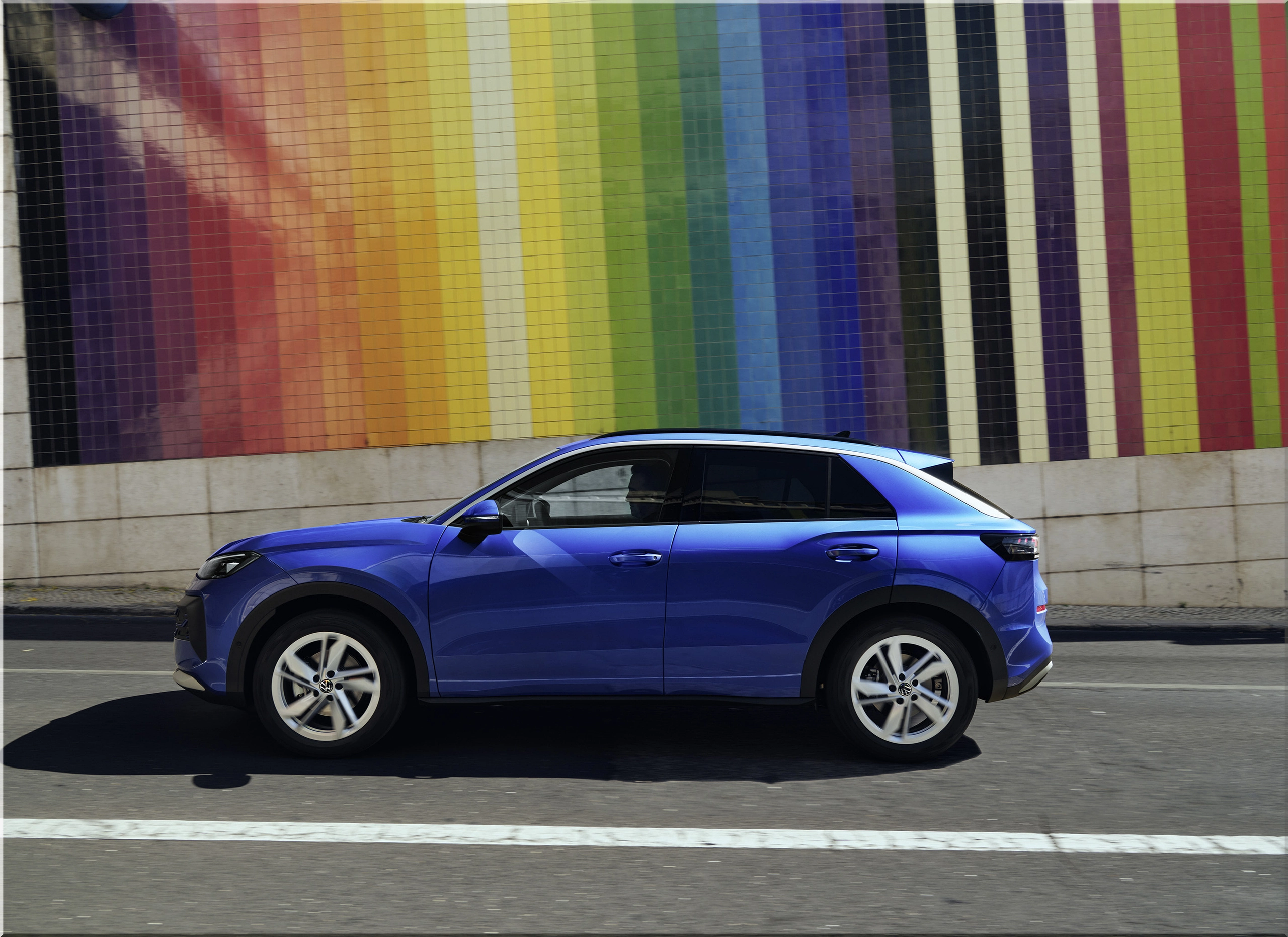
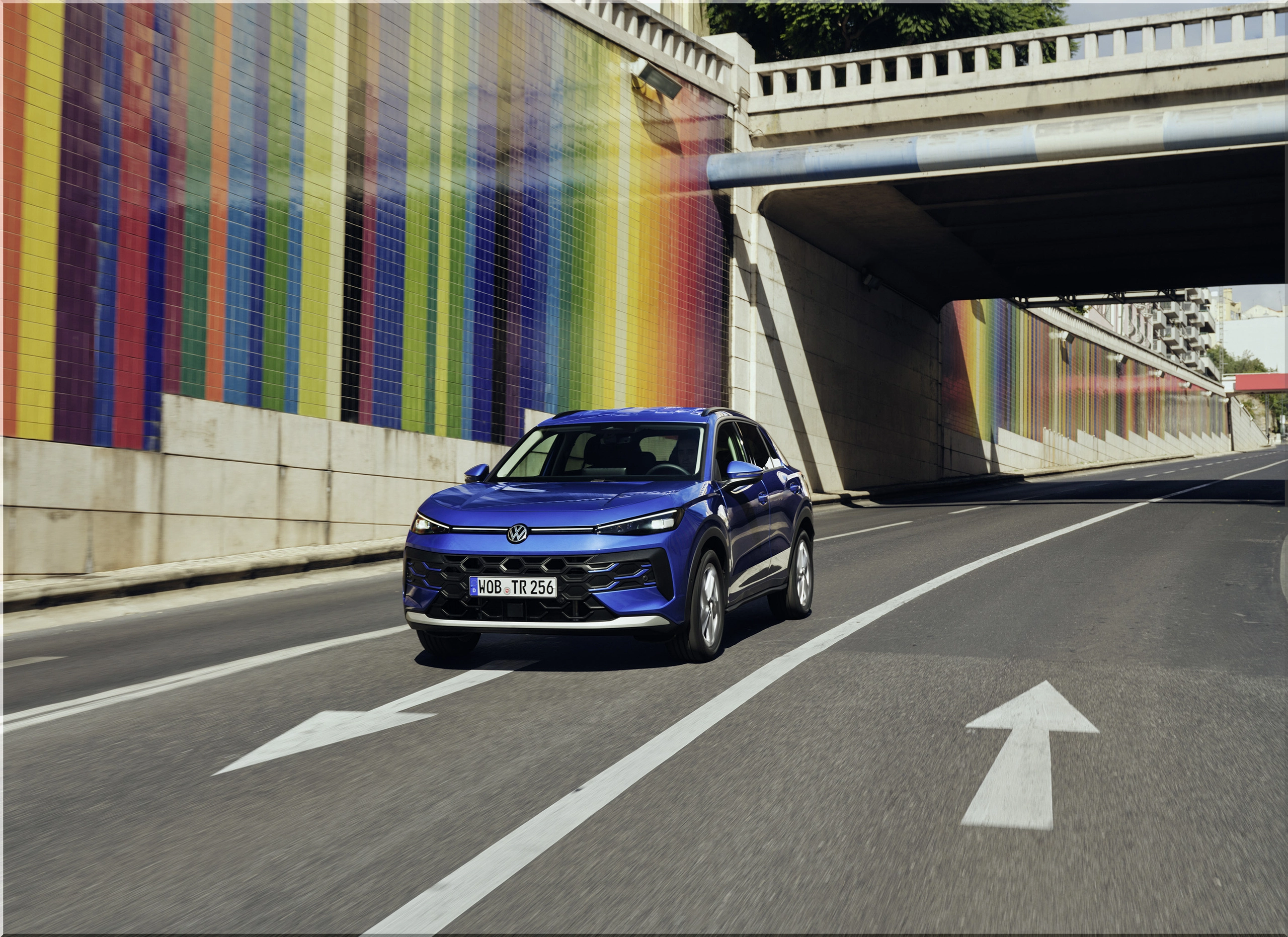
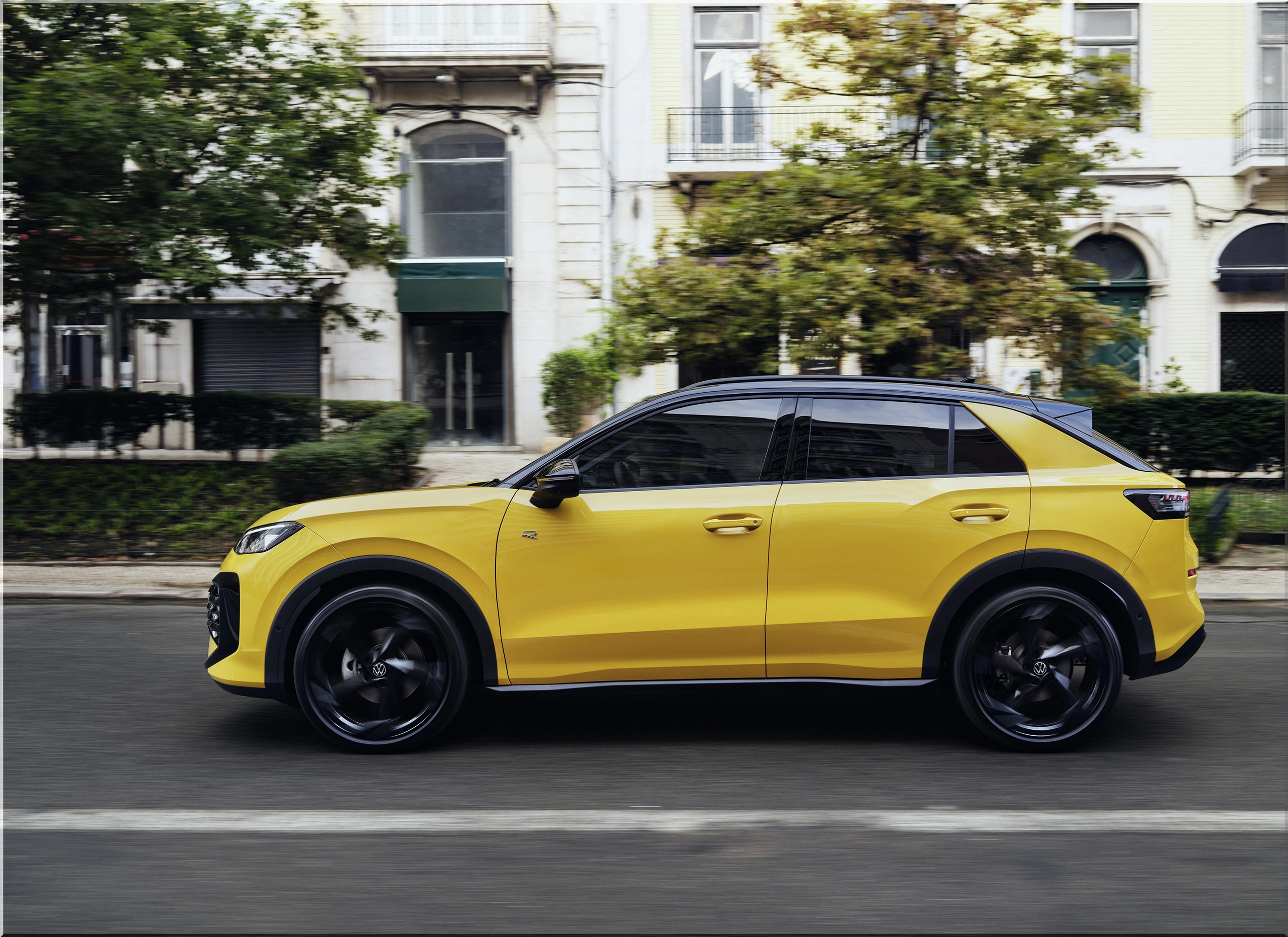
Volkswagen has picked two of its most important volume models for its next electrification push: the Volkswagen Golf Hybrid and Volkswagen T-Roc Hybrid. The timing makes sense. Buyers want lower fuel costs, cleaner urban driving, and less charging complexity, but many still do not want a plug-in hybrid or a full EV.
Image
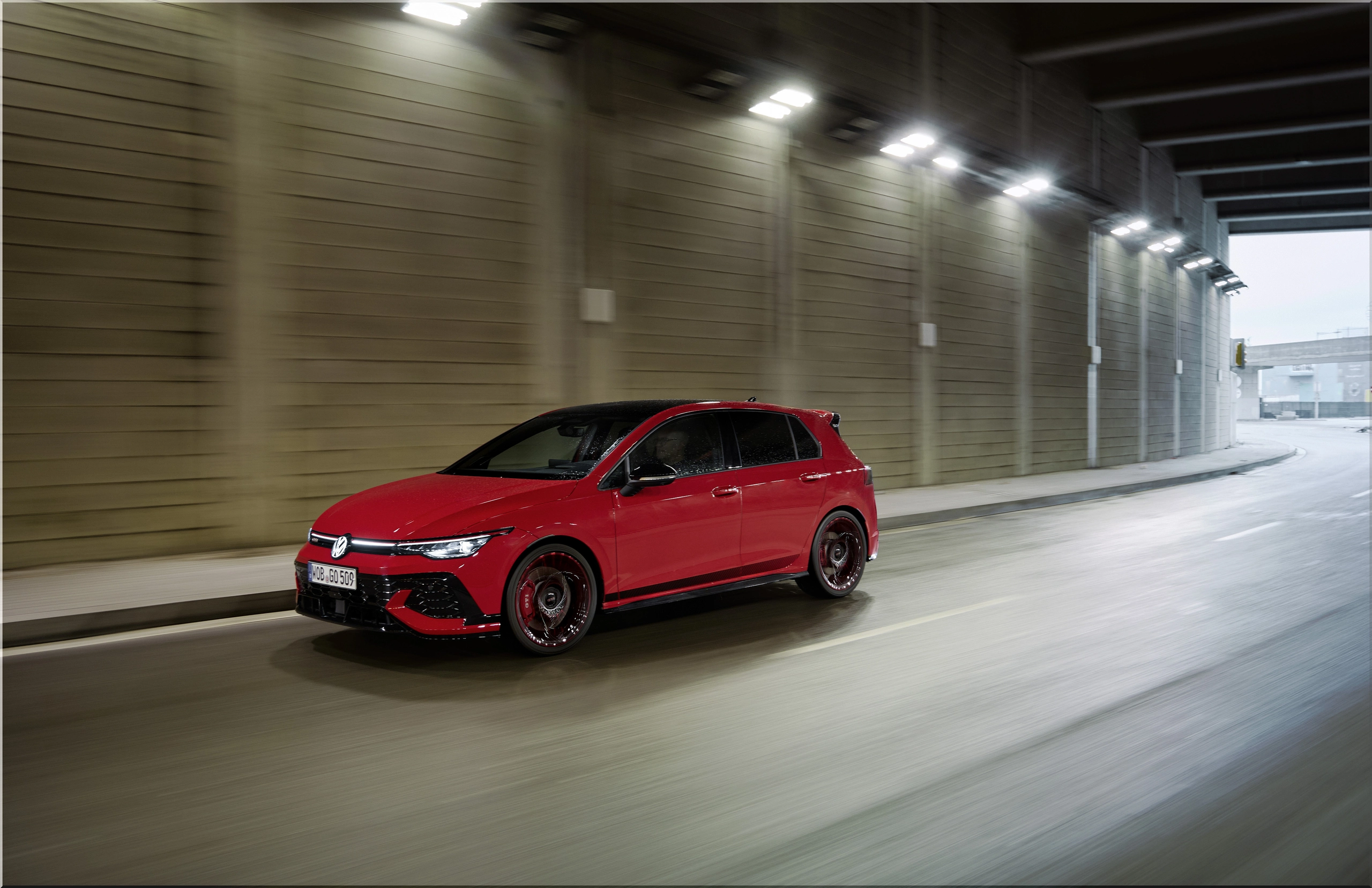
The new Volkswagen full hybrid system targets that exact gap. It sits between the current eTSI mild hybrid models and the plug-in Golf eHybrid and Golf GTE, giving Volkswagen a self-charging hybrid option for drivers who want electric assistance without wallbox planning, cable management, or public charger anxiety.
Image
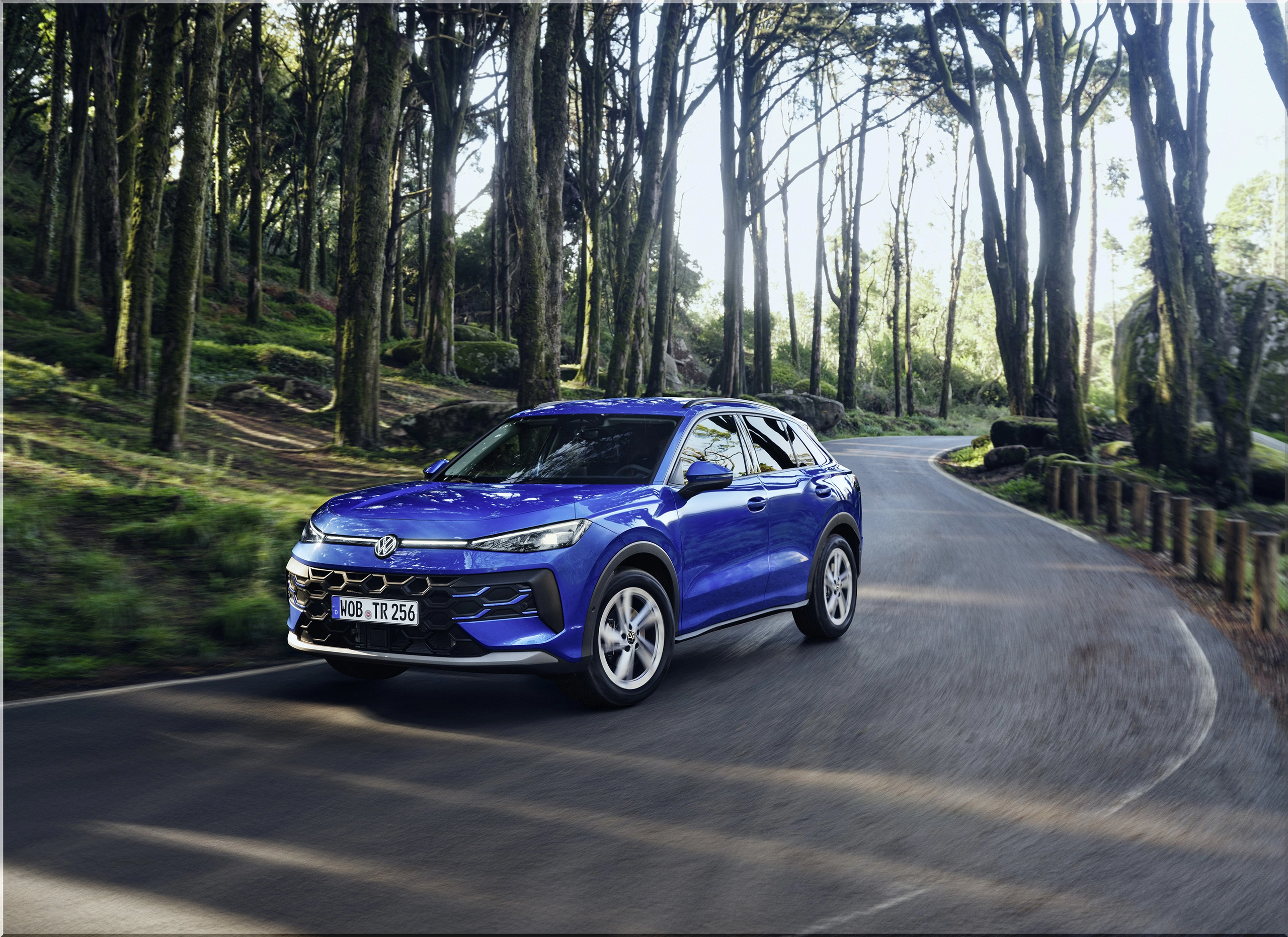
Volkswagen plans to launch the new Golf Hybrid and T-Roc Hybrid in the fourth quarter of 2026. That gives the brand a direct answer to Toyota, Renault, Hyundai, Kia, and Honda, all of which already understand one simple buyer truth: hybrid cars sell when they make daily life easier.
What Makes The New Volkswagen Full Hybrid Different?
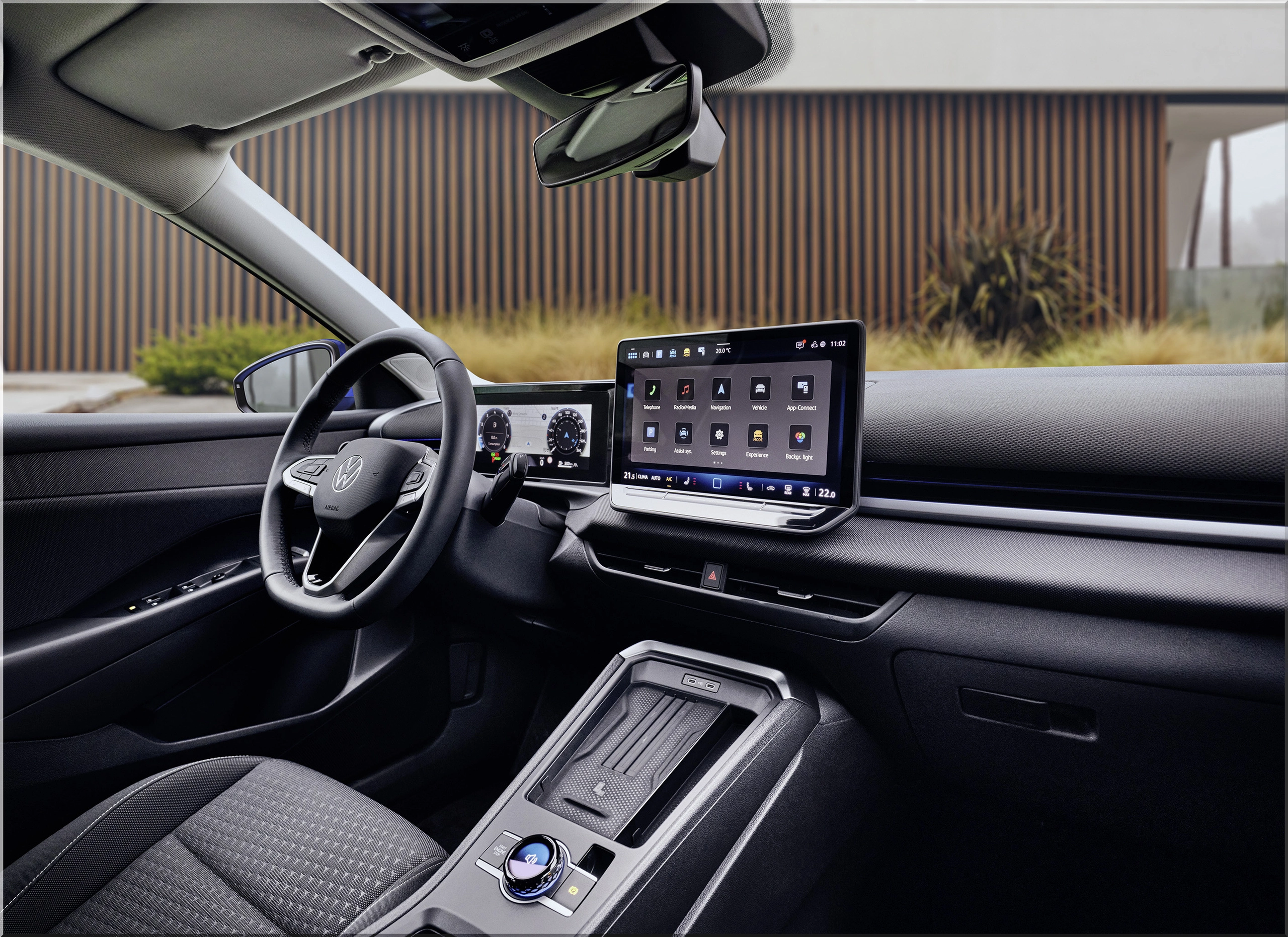
This system uses a 1.5 TSI evo2 turbocharged petrol engine, two electric motors, a compact lithium-ion battery, and a front-mounted hybrid module. In addition, Volkswagen has packaged the system around front-wheel drive, which keeps it relevant for high-volume hatchback and compact SUV buyers.
The key number sits under the rear floor: 1.6 kWh gross battery capacity. That figure places the system firmly in full-hybrid territory rather than plug-in hybrid territory. The battery stores energy recovered during braking and energy generated by the petrol engine when the system chooses serial operation.
| System Element | Volkswagen Full Hybrid Detail | Buyer Benefit |
|---|---|---|
| Petrol engine | 1.5 TSI evo2 turbocharged unit | Efficient cruising and long-range driving |
| Electric motors | Two-motor layout | EV drive, generation, and boost support |
| Battery | 1.6 kWh gross NMC lithium-ion pack | Short electric phases without external charging |
| Drive layout | Front-wheel drive | Lower packaging complexity and mass |
| Transmission concept | One-speed gearbox in hybrid module | Smoother low-speed electric operation |
| Clutch system | Electronically controlled multiplate clutch | Decouples or connects the petrol engine as required |
Specifically, the hybrid module carries the drive motor, generator, power electronics, differential, one-speed gearbox, and an electronically controlled multiplate clutch. That clutch plays a central role because it can connect or disconnect the petrol engine from the driveline. Consequently, the Golf and T-Roc can move on electric power at low speeds, run as a serial hybrid when the petrol engine acts as a generator, or combine petrol and electric power at higher speeds.
How The Golf Hybrid And T-Roc Hybrid Drive System Works
The new Volkswagen Hybrid setup uses three main operating modes. The vehicle selects them automatically, so the driver does not need to manage battery charge or choose a drivetrain strategy.
- Electric drive: The electric motor powers the car at low speeds, and the TSI engine stays off. This mode helps in parking areas, stop-start traffic, and urban crawl speeds.
- Serial drive: The petrol engine runs but stays decoupled from the wheels. It powers the generator, which supplies the electric motor and extends electric running without a plug.
- Parallel drive: The TSI engine drives the car directly from around 60 km/h, or 37 mph, while the electric motor assists during acceleration.
Looking at the data, Volkswagen wants this system to reduce fuel consumption compared with mild hybrid models while avoiding the extra cost and weight of a plug-in hybrid battery. That trade-off matters. A plug-in hybrid works best when the owner charges often, but a full hybrid gives repeatable efficiency gains even for buyers who park on the street.
Driving Profiles: Eco, Comfort, And Sport
Volkswagen will give drivers three profiles: Eco, Comfort, and Sport. Eco limits maximum system output to 70 percent and disables boost to cut energy use. Comfort allows full system output and boost, which makes it the likely default for normal driving.
Sport changes the system logic. It shifts earlier into serial operation so the battery and motor can supply full power more quickly. From an expert perspective, this tells us Volkswagen does not view the system as a purely economy-focused setup; it also wants the electric motor to sharpen response where a turbocharged engine can otherwise feel soft before boost builds.
Volkswagen Golf Hybrid Vs T-Roc Hybrid: Size And Packaging
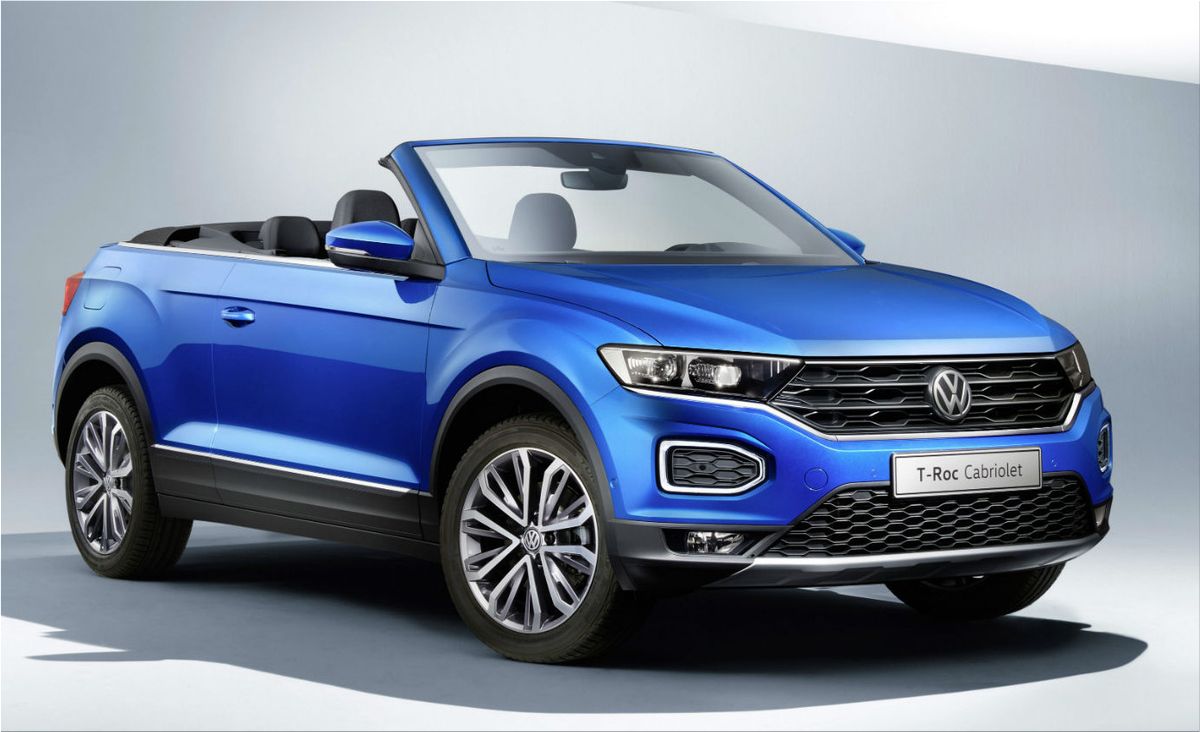
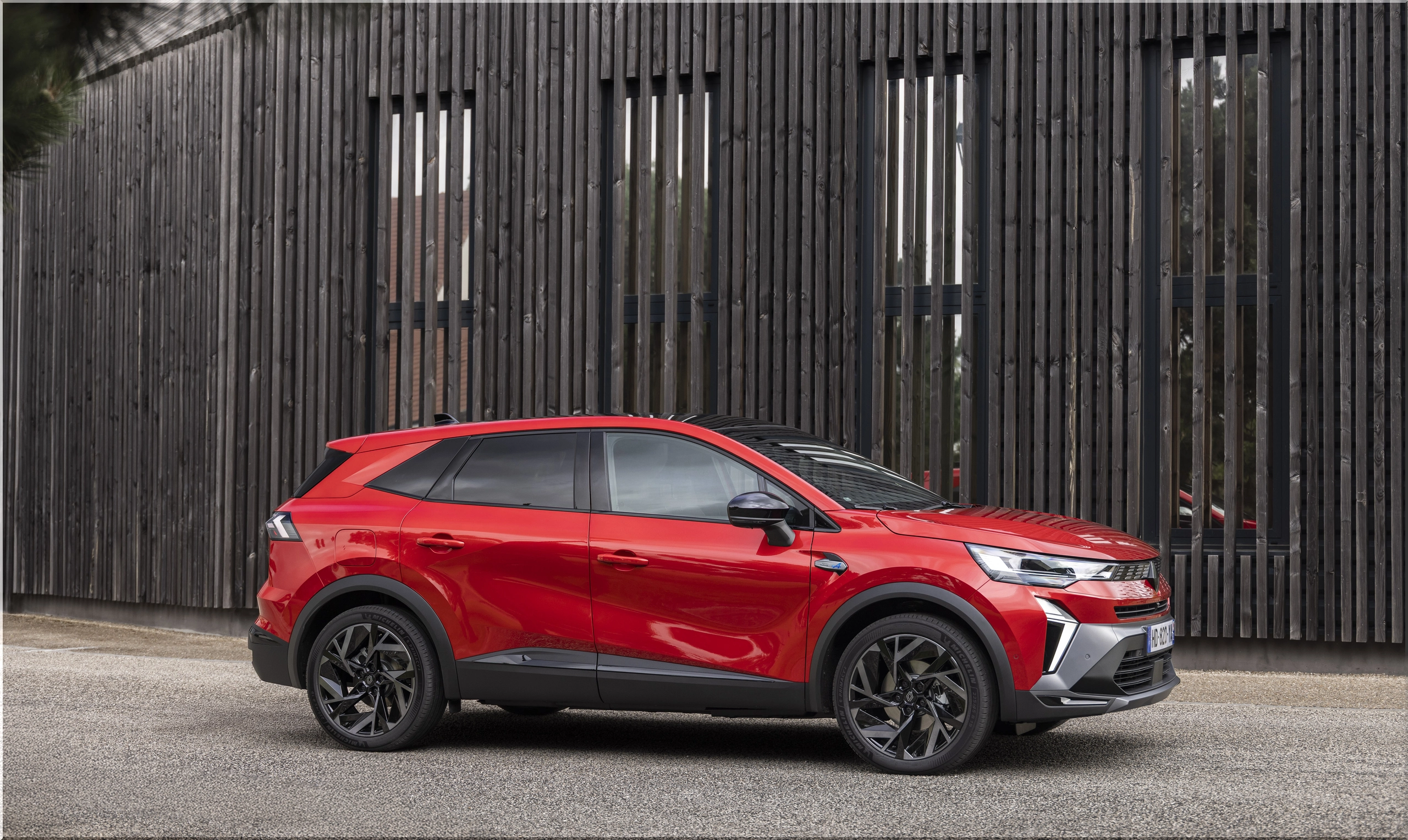
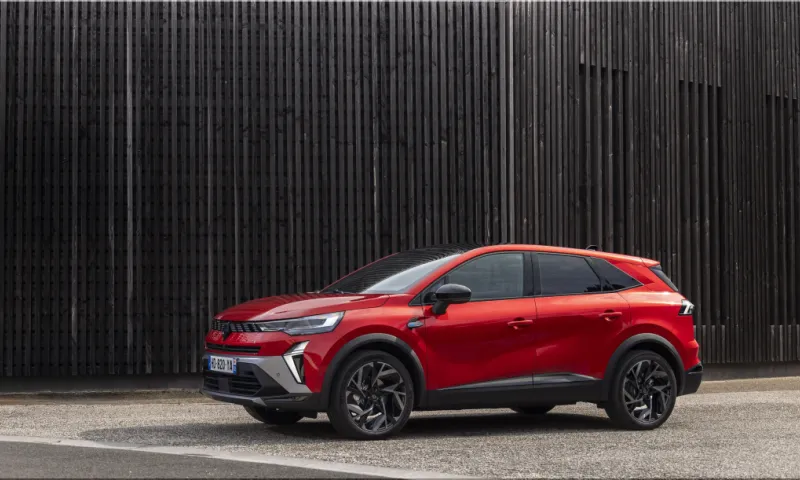
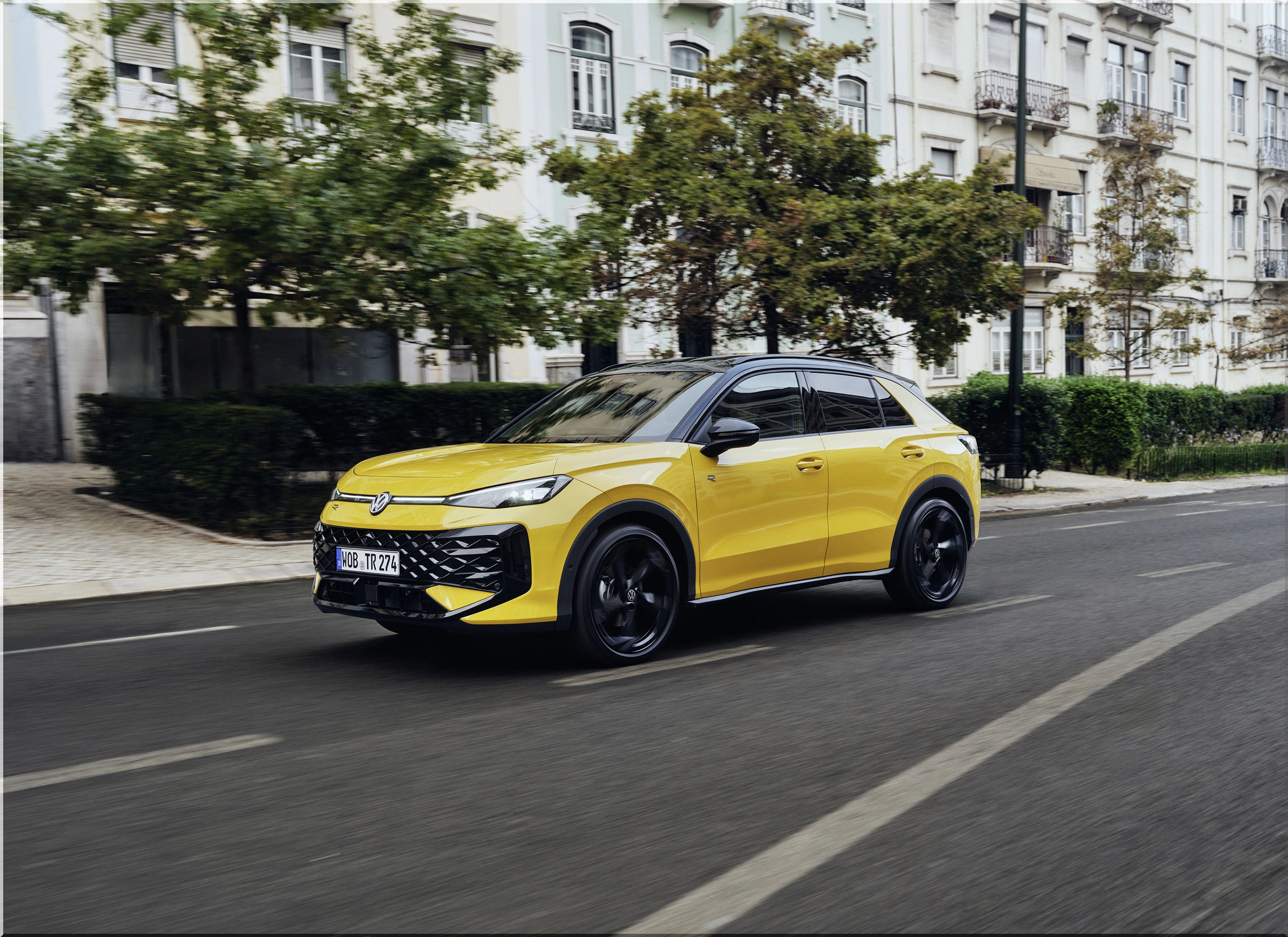
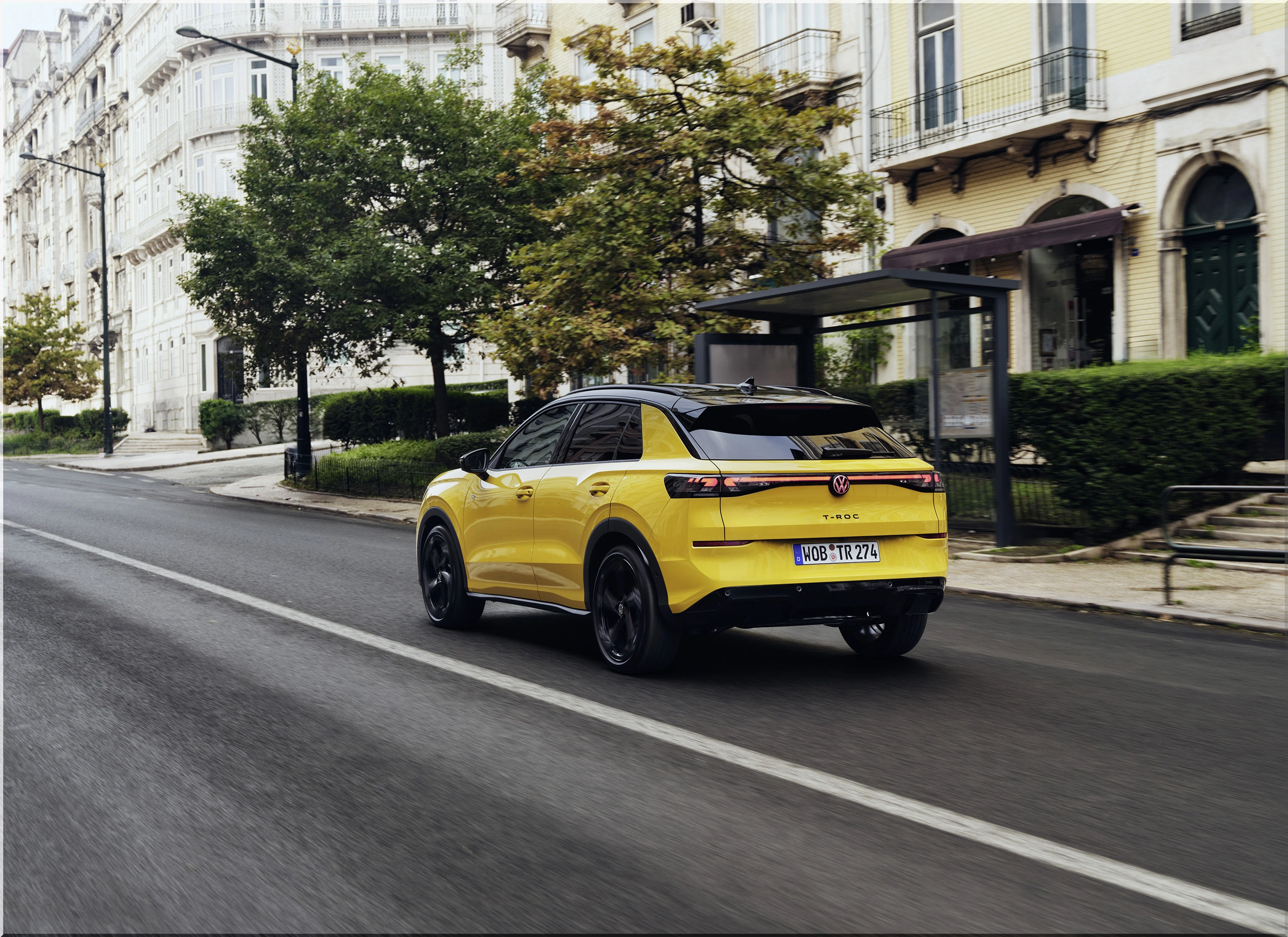
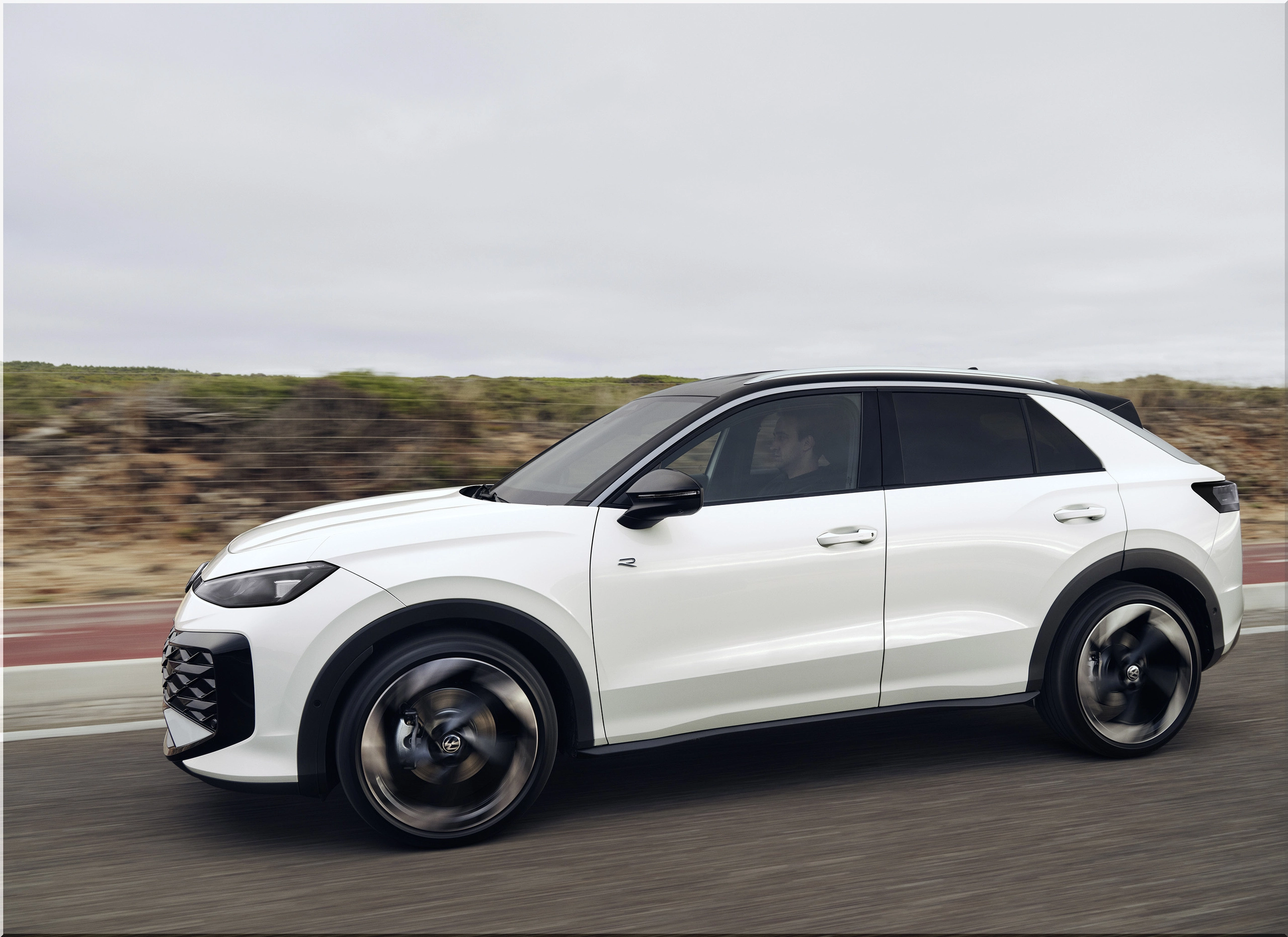
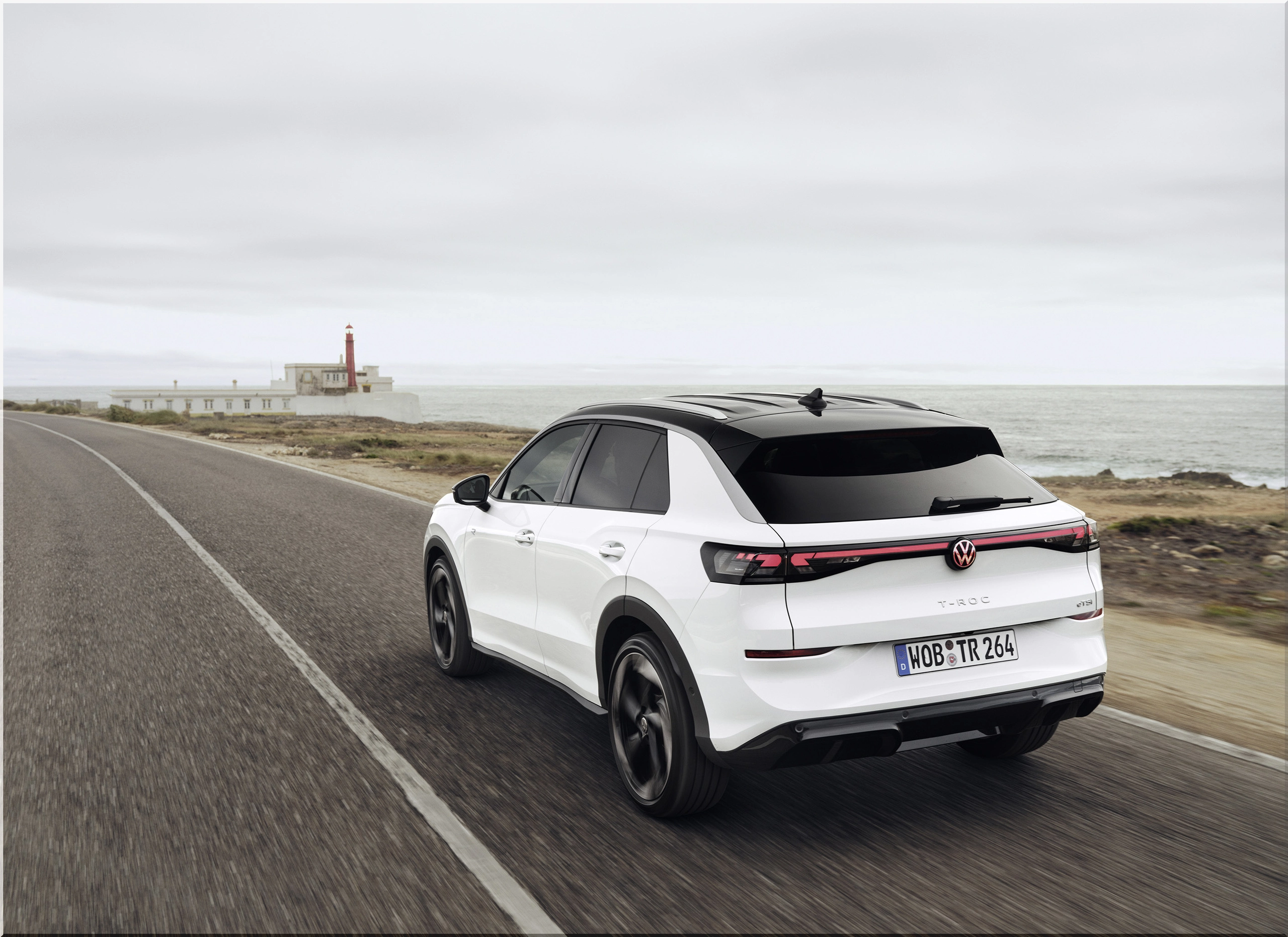
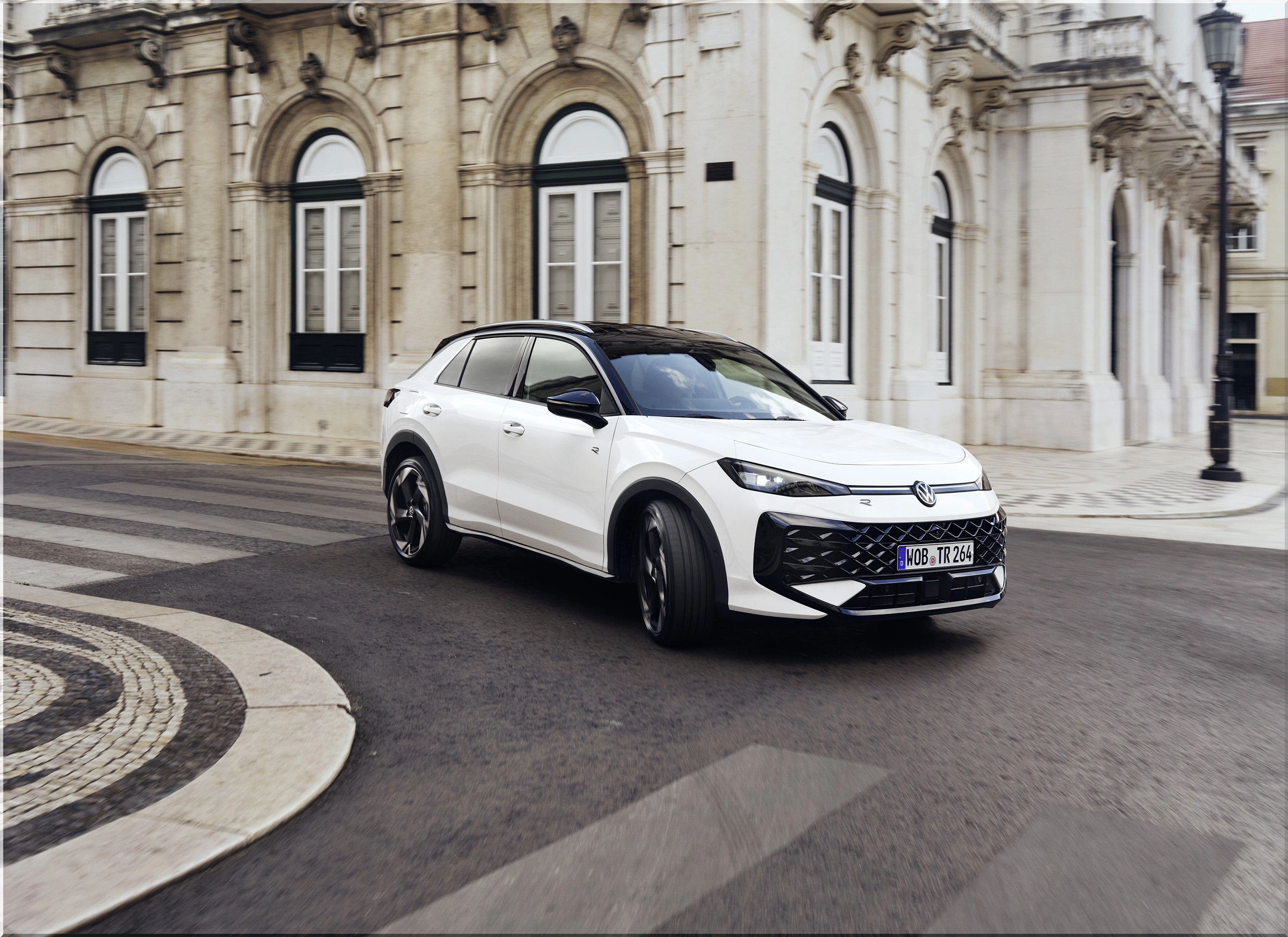
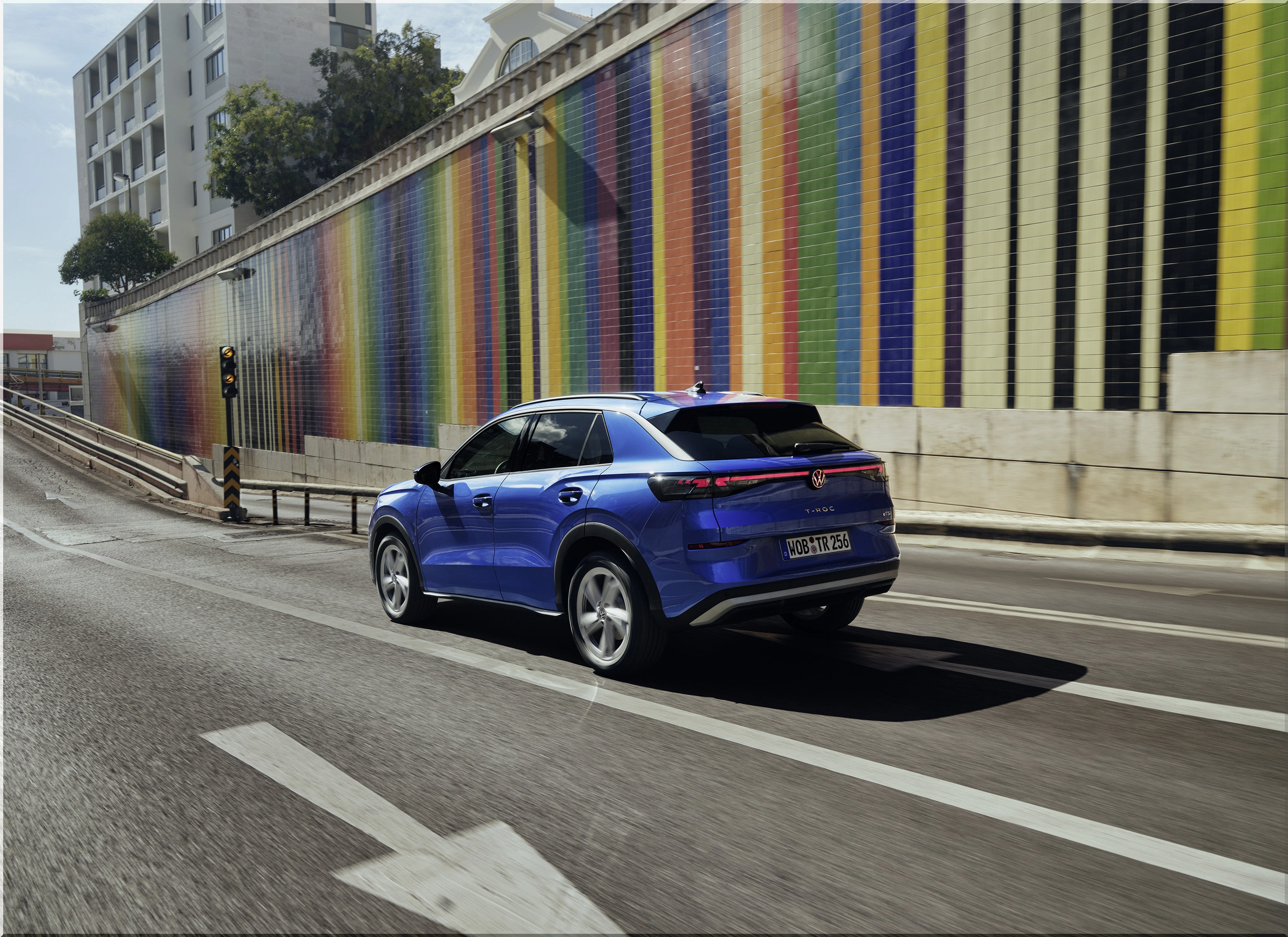
The Golf and T-Roc share a compact footprint, but they answer different buyer needs. The Golf gives lower height, a hatchback body, and a more road-focused driving position. The T-Roc adds SUV seating height, wider bodywork, and greater cargo volume.
| Model | Length | Width Excluding Mirrors | Height | Wheelbase | Best Fit |
|---|---|---|---|---|---|
| Volkswagen Golf | 4,282 mm / 168.6 in | 1,789 mm / 70.4 in | 1,483 mm / 58.4 in | 2,620 mm / 103.1 in | Commuters, small families, company users |
| Volkswagen T-Roc | 4,372 mm / 172.1 in | 1,828 mm / 72.0 in | 1,573 mm / 61.9 in | 2,629 mm / 103.5 in | Compact SUV buyers, urban families, higher seating fans |
By comparison, the T-Roc stretches 90 mm, or 3.5 inches, longer than the Golf and stands 90 mm, or 3.5 inches, taller. That extra height gives it a more SUV-like posture, while the Golf should retain the cleaner aero profile and lower centre of gravity that matter for motorway efficiency and handling feel.
Volkswagen has not published final output, torque, acceleration, WLTP fuel economy, CO2 ratings, or pricing for the full-hybrid models yet. That matters for buyers comparing the new hybrids with the existing T-Roc 1.5 eTSI, which carries official combined consumption of 6.0-5.6 l/100 km and CO2 emissions of 136-128 g/km depending on configuration.
Image gallery
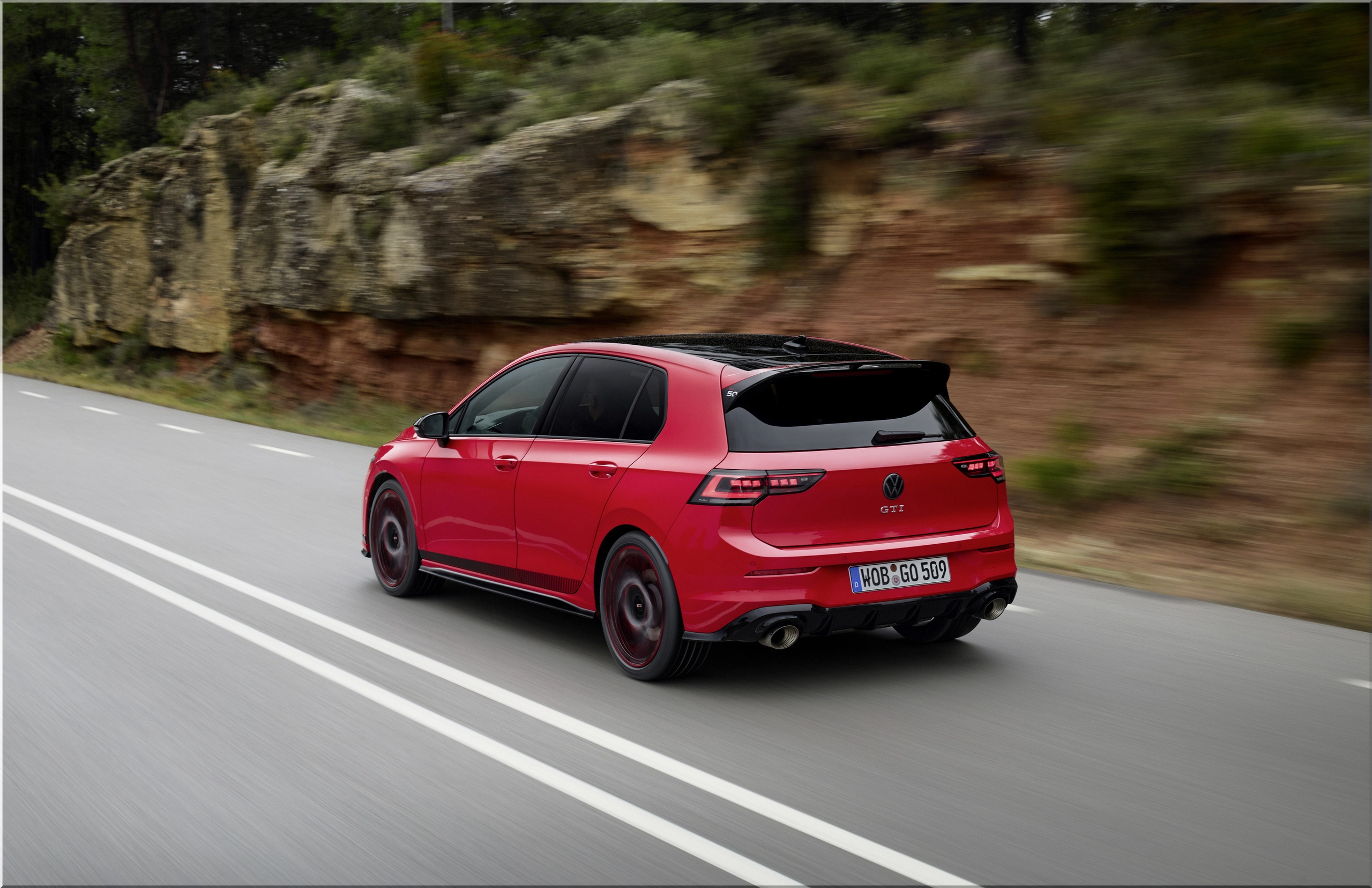
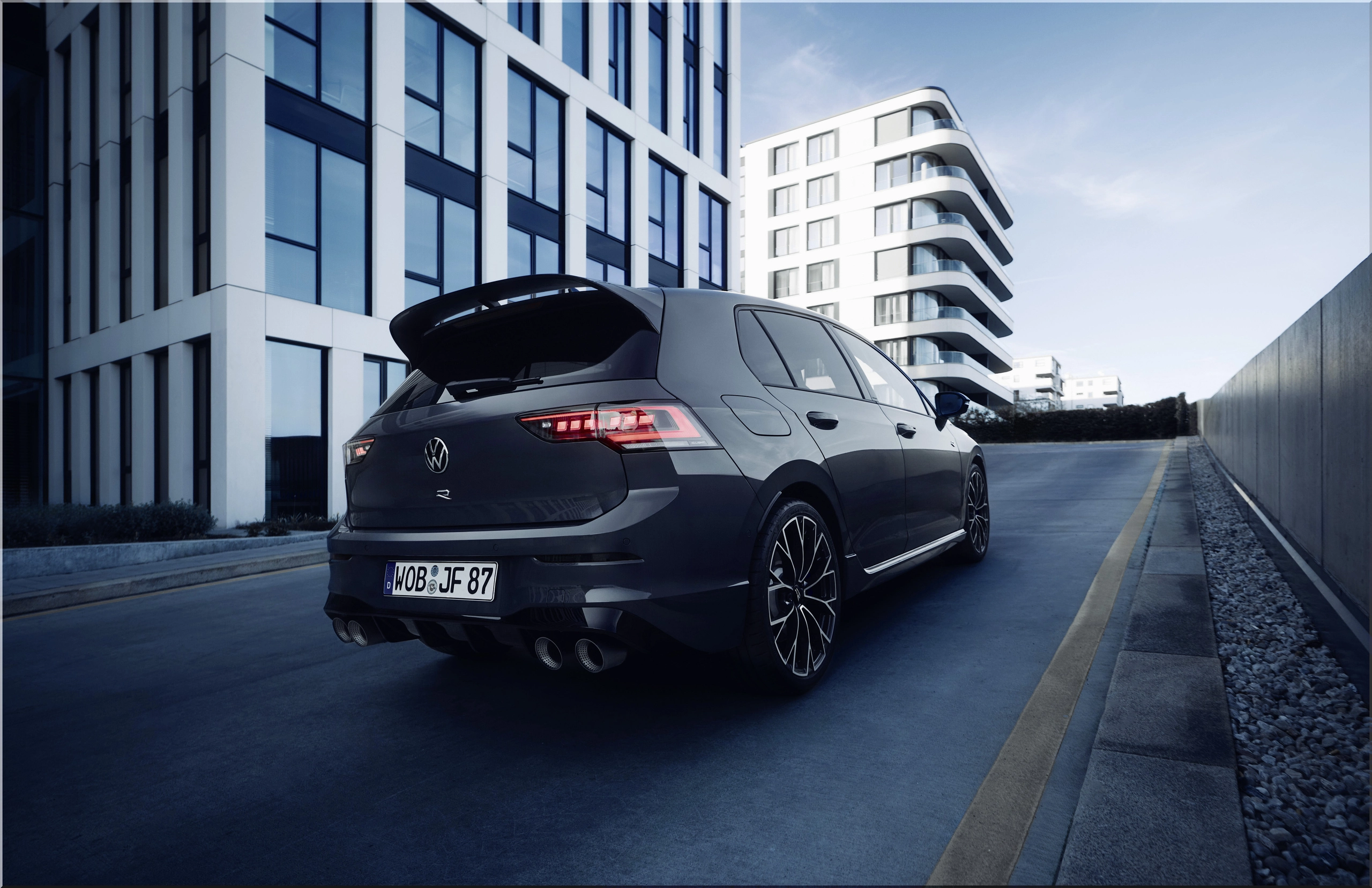
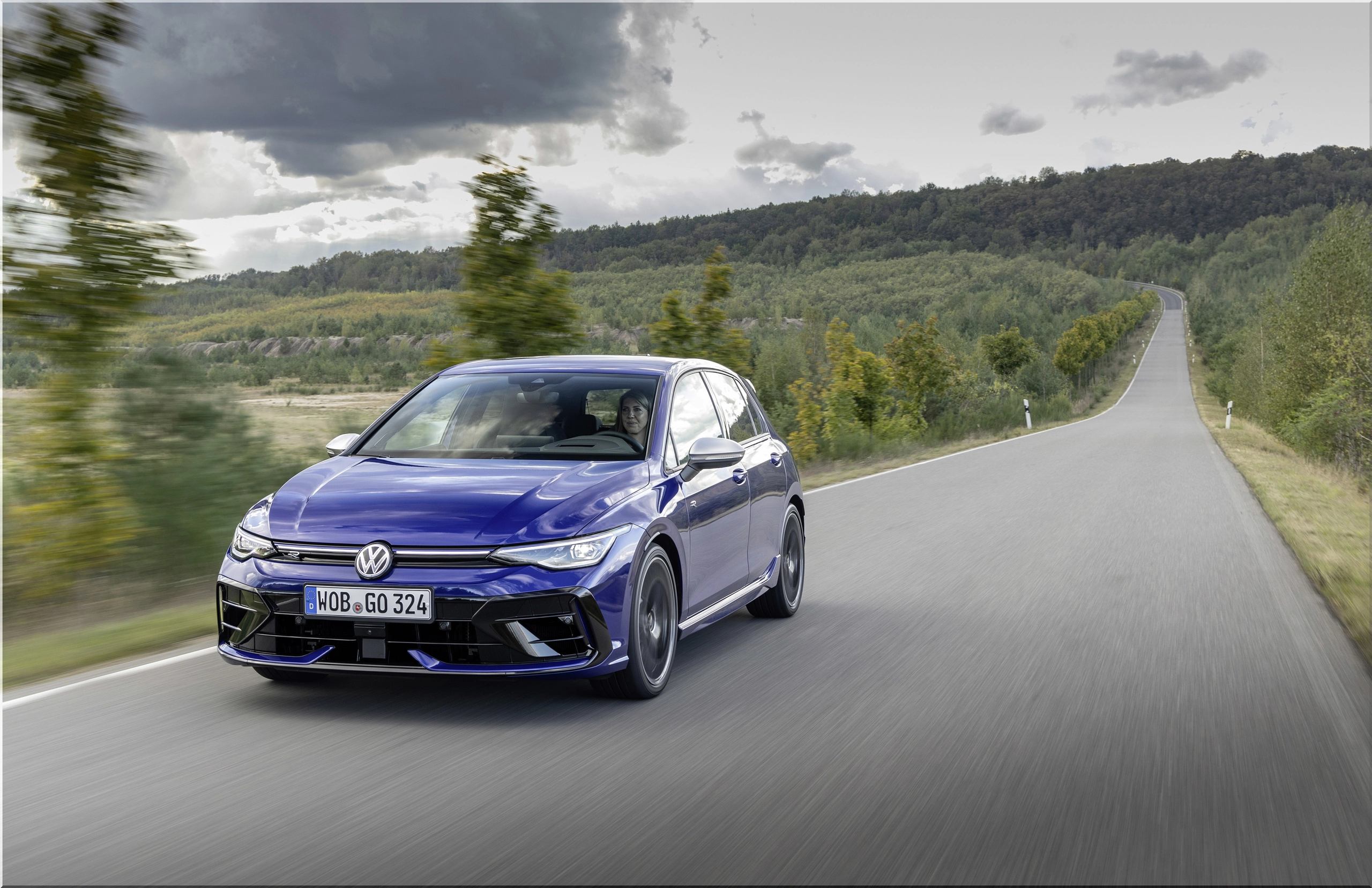
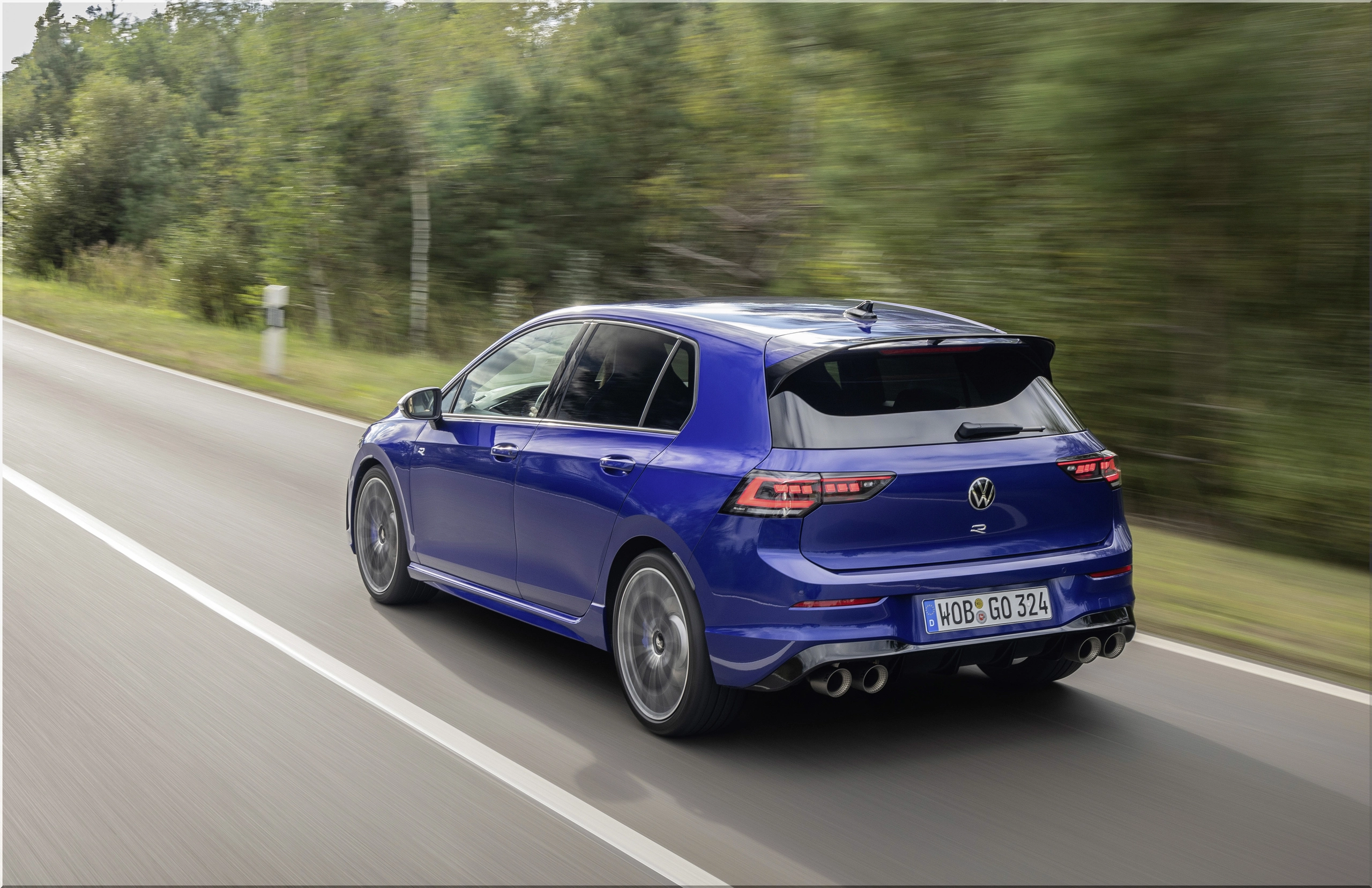
Why Volkswagen Needs This Hybrid Strategy
Volkswagen already offers petrol, mild hybrid, plug-in hybrid, and electric options. The missing piece has been a mainstream self-charging hybrid Volkswagen for buyers who want Toyota-style simplicity with a Volkswagen badge.
That gap has real market weight. In city use, a mild hybrid can switch the engine off and recover some energy, but it usually does not provide sustained electric-only driving. A full hybrid does. In addition, a plug-in hybrid can deliver far longer EV range, but it needs regular charging to deliver its best fuel economy.
Image
Pro-Tips: Which Volkswagen Hybrid Should Buyers Choose?
Choose the Golf Hybrid if you want lower running costs in a compact hatchback that still suits long motorway trips. It should fit drivers who want a rational replacement for a petrol Golf or diesel hatchback but do not want plug-in charging.
Choose the T-Roc Hybrid if you want the same hybrid logic with more ride height and SUV practicality. The T-Roc will likely appeal to small families and older buyers who value easier entry and a higher seating position.
Choose a Golf eHybrid instead if you can charge at home or work and complete most trips inside the electric range. Choose an eTSI mild hybrid if purchase price matters most and you drive mainly on faster roads where full-hybrid gains may shrink.
Image gallery
Should Buyers Wait For The Volkswagen Golf Hybrid Or T-Roc Hybrid?
Yes, buyers should wait if they want a lower-effort route into electrification and do not need a new car immediately. The new Volkswagen Golf Hybrid and Volkswagen T-Roc Hybrid target the strongest part of the market: drivers who want lower fuel use, quieter urban operation, and no charging dependency.
Image
The final decision will depend on pricing. If Volkswagen prices the full hybrid too close to the plug-in hybrid Golf, buyers with home charging may move straight to the eHybrid. If Volkswagen keeps the price gap sensible, the full-hybrid Golf and T-Roc could become the brand's most practical electrified models for everyday European drivers.
What now? Watch for final system output, WLTP consumption, CO2 class, towing data, boot volume impact, and trim availability before ordering. Those five details will decide whether Volkswagen has built a strong Toyota rival or simply filled a technical gap in the brochure.
- Add new comment
- 149 views