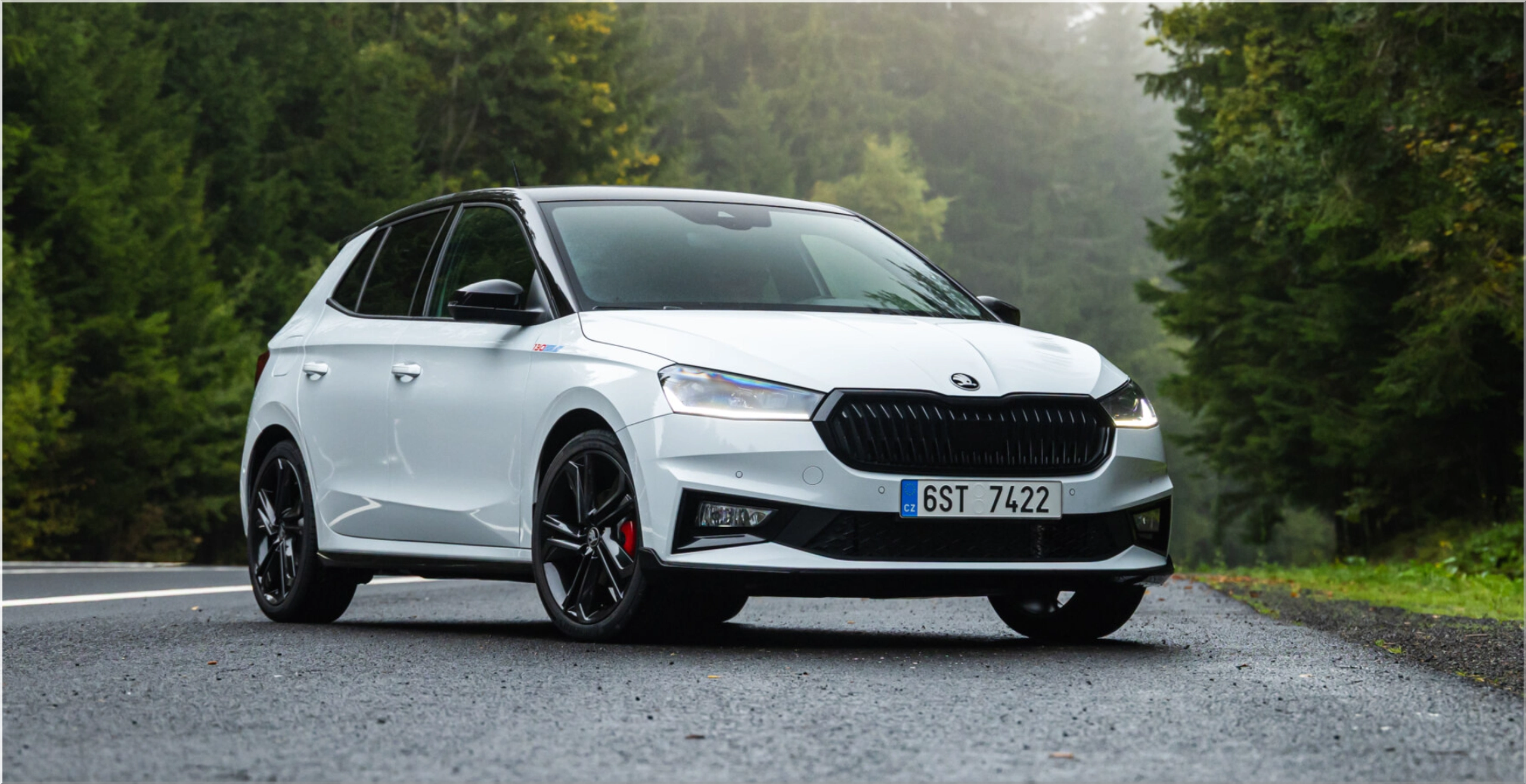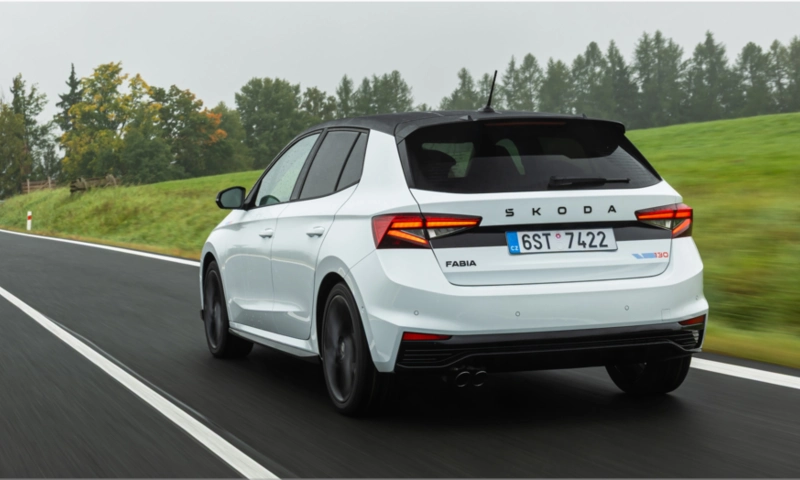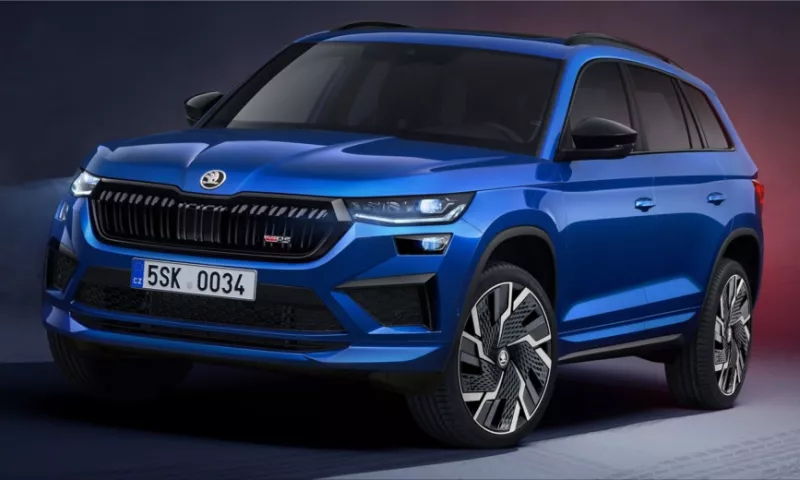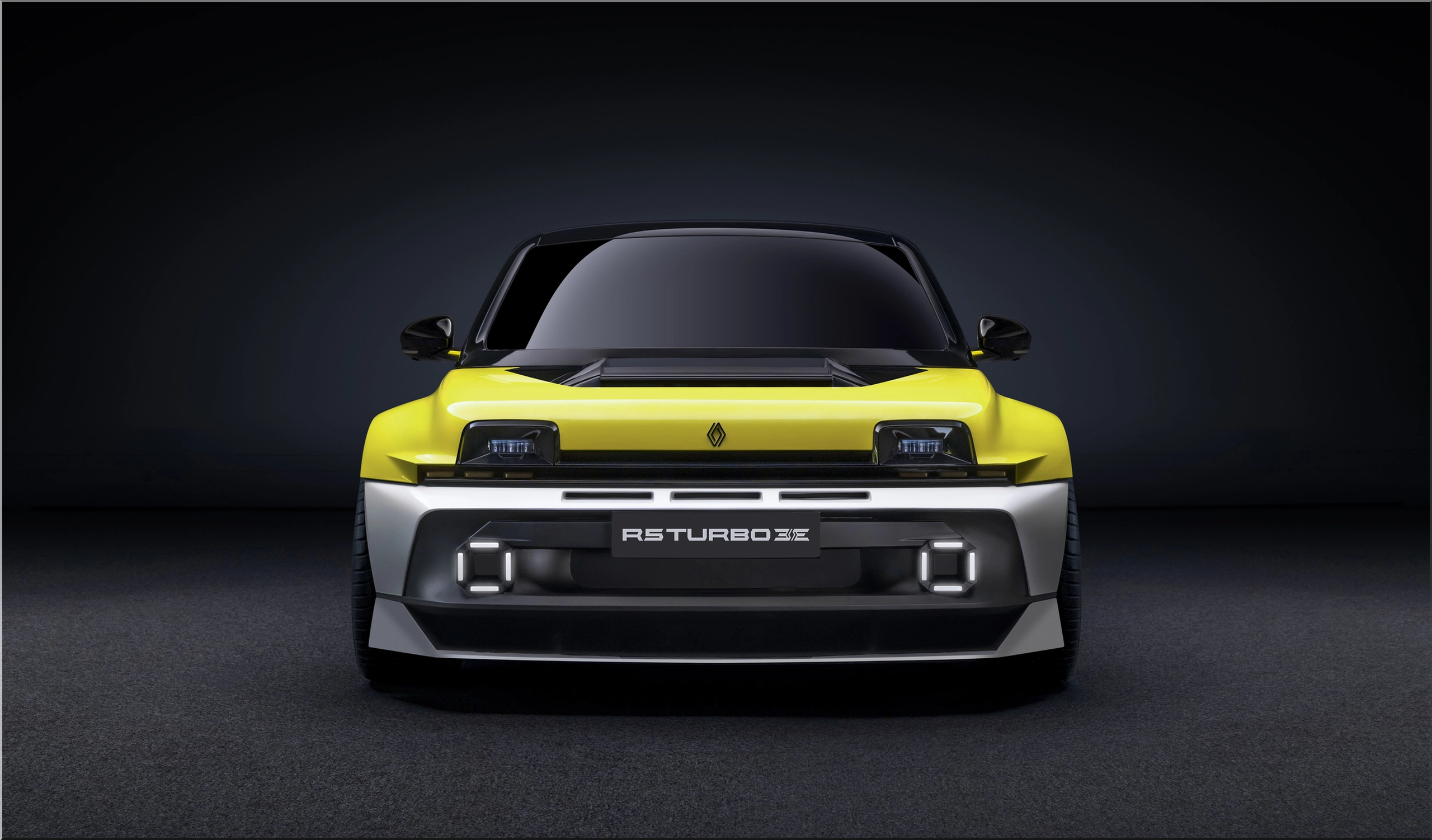
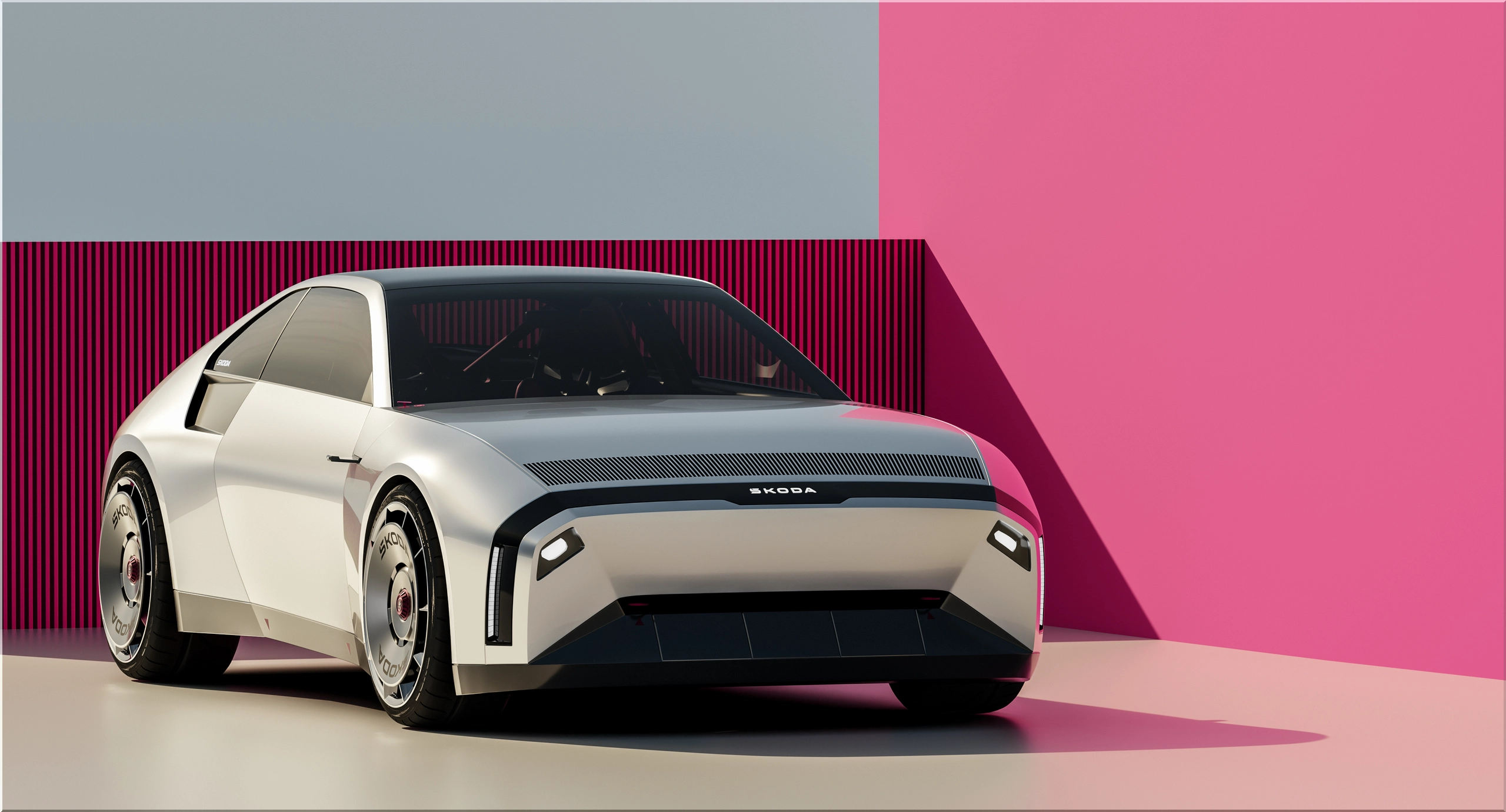
A Familiar Badge, A New Purpose
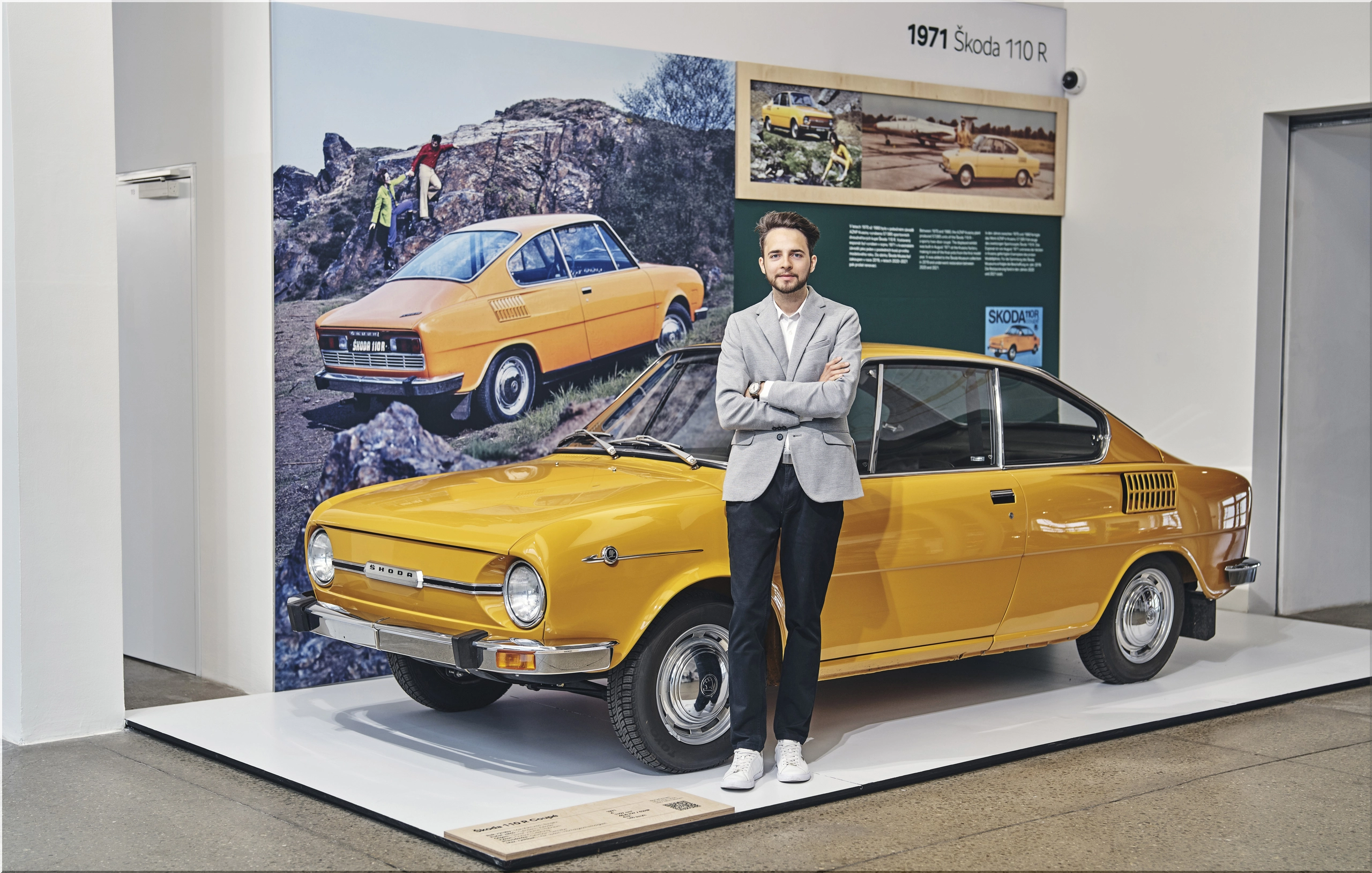
The original Skoda 110 R arrived in 1970 as a compact rear-wheel-drive coupe aimed at affordable performance. It built a reputation in Europe as a lightweight, accessible sports car. Fifty-five years later, Skoda brings that badge back, but with a mission aligned to the future: a fully electric concept designed to show how the brand’s engineering direction is shifting.
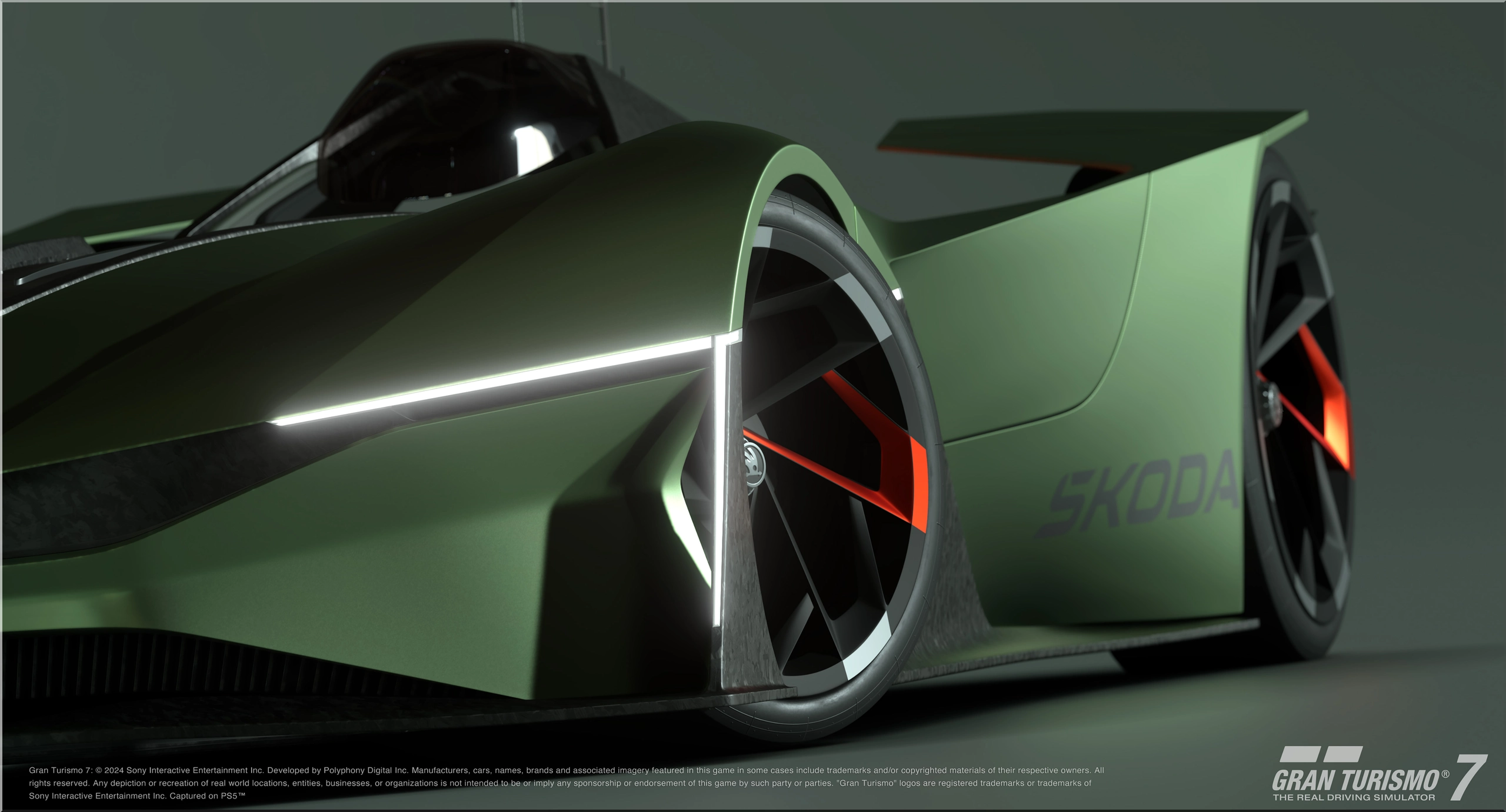
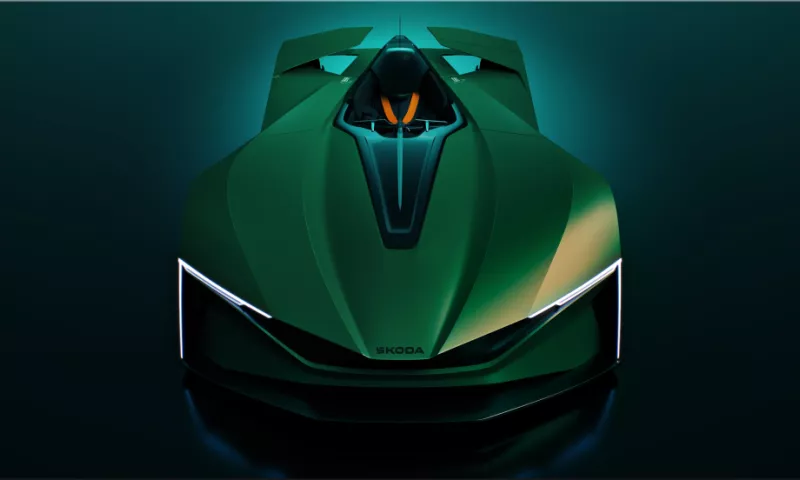
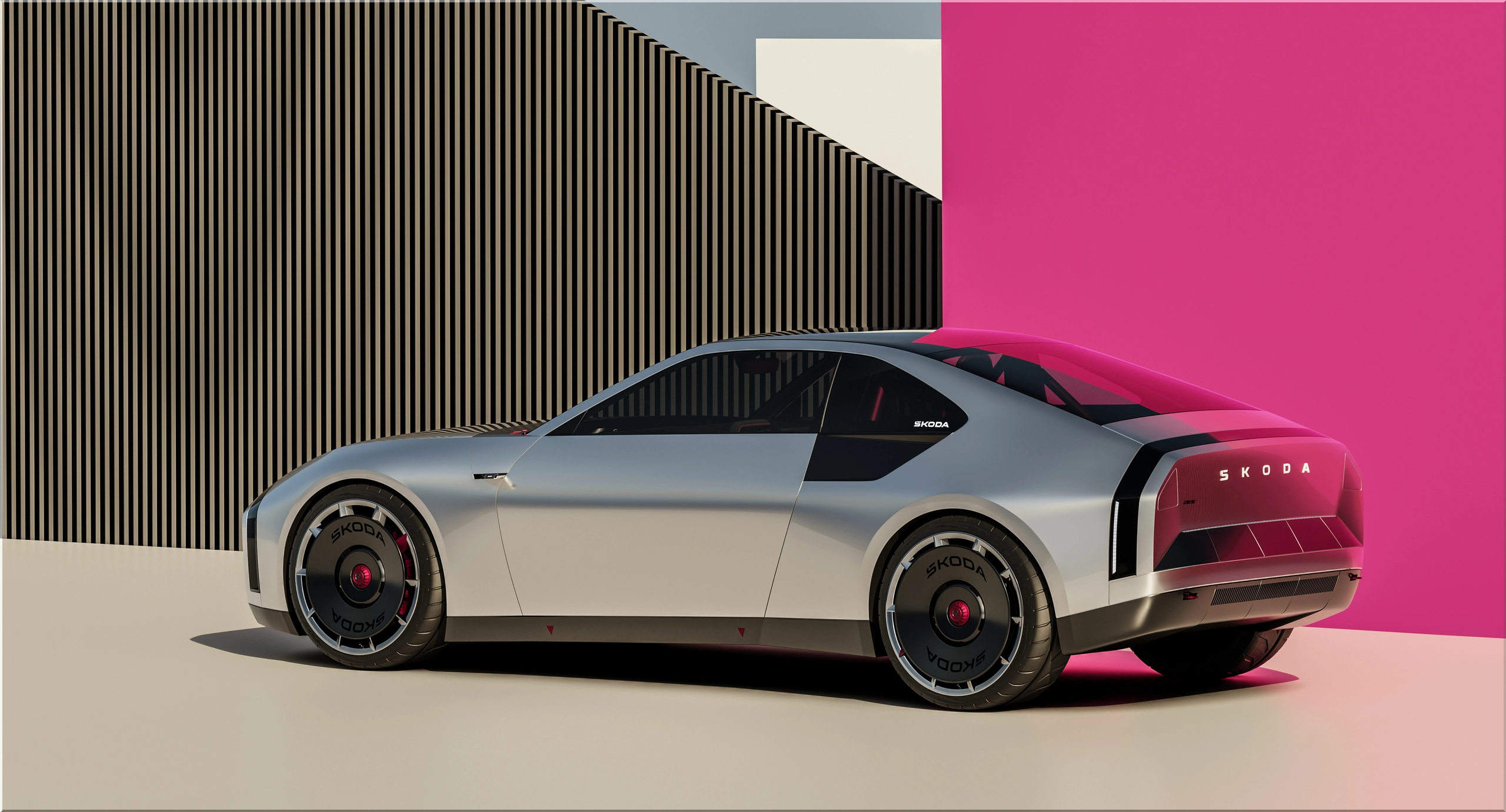
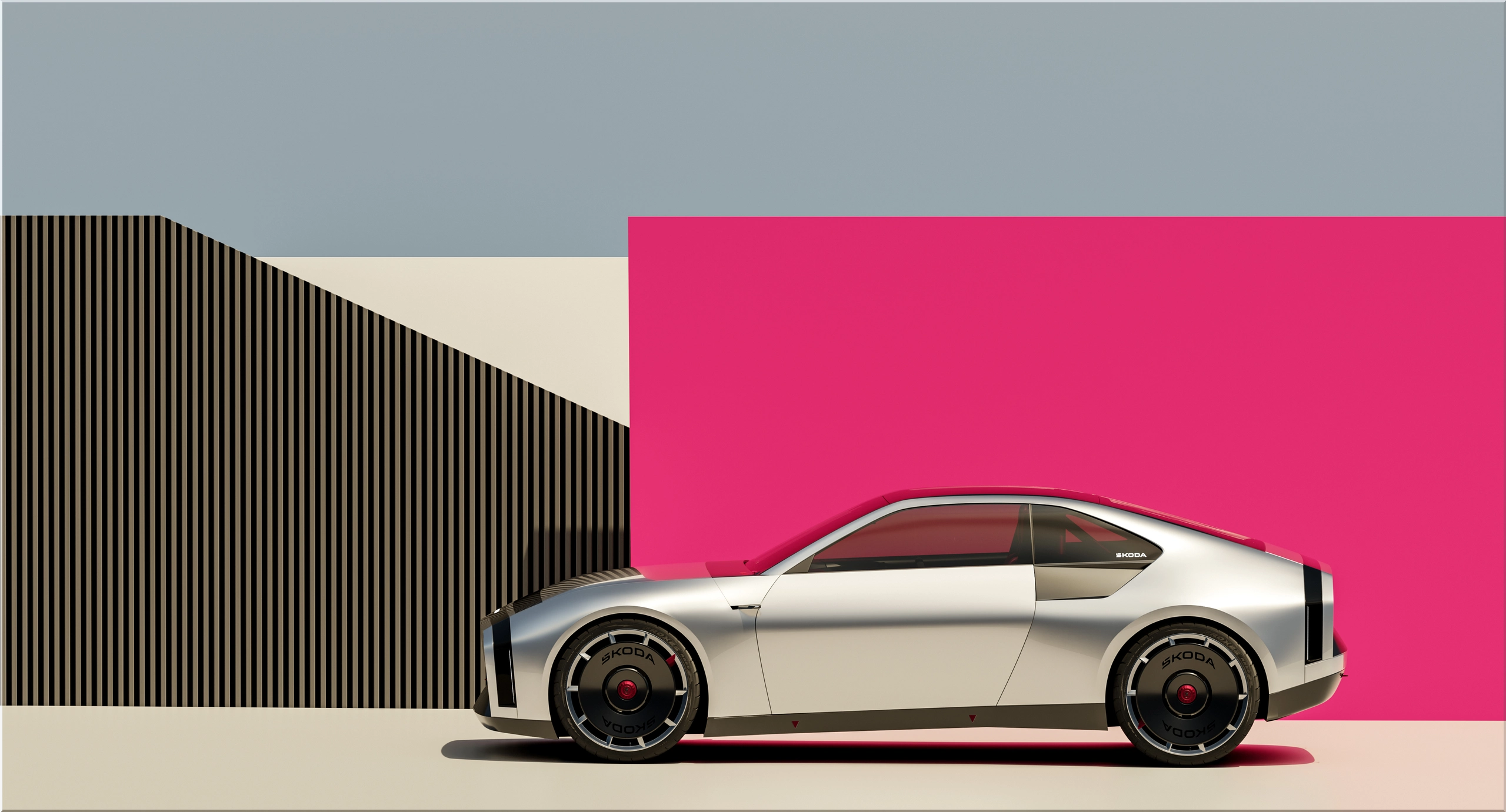
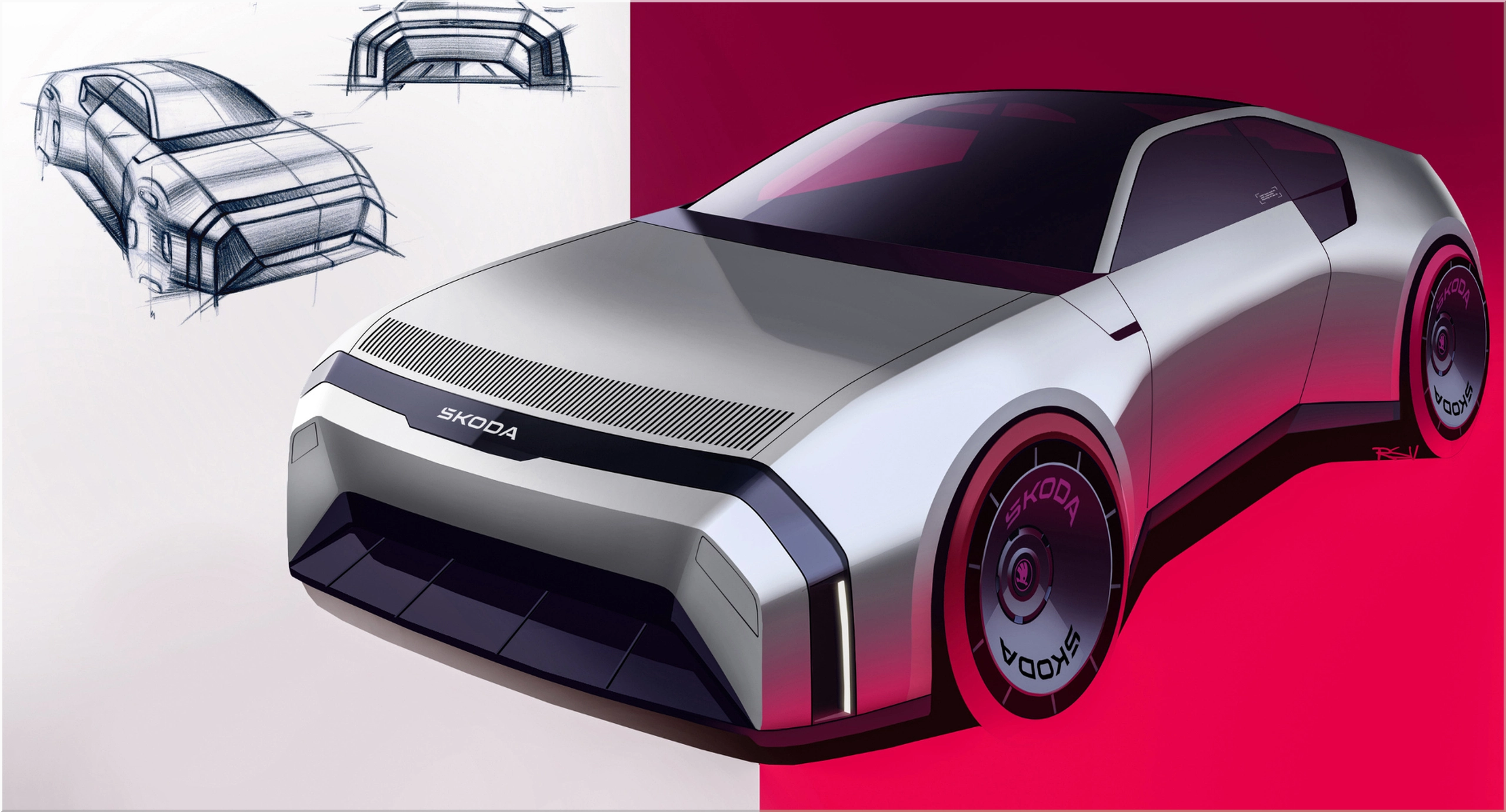
The 2025 Skoda 110 R Concept connects heritage and modern engineering without nostalgia dictating the result. It borrows design cues from the past, but its foundation, propulsion, and technology reflect an industry transformed by electrification and software-driven mobility.
Heritage: The Original 110 R’s Role in Skoda’s Story
The first 110 R coupe was born during an era when small, agile cars dominated Europe’s roads. Key facts about the 1970s model:
- Introduced in 1970 as a sporty version of the 100/110 series.
- Powered by a rear-mounted 1.1-liter four-cylinder petrol engine.
- Produced 52 hp, with a top speed of around 90 mph.
- Known for light weight, simplicity, and rear-wheel-drive balance.
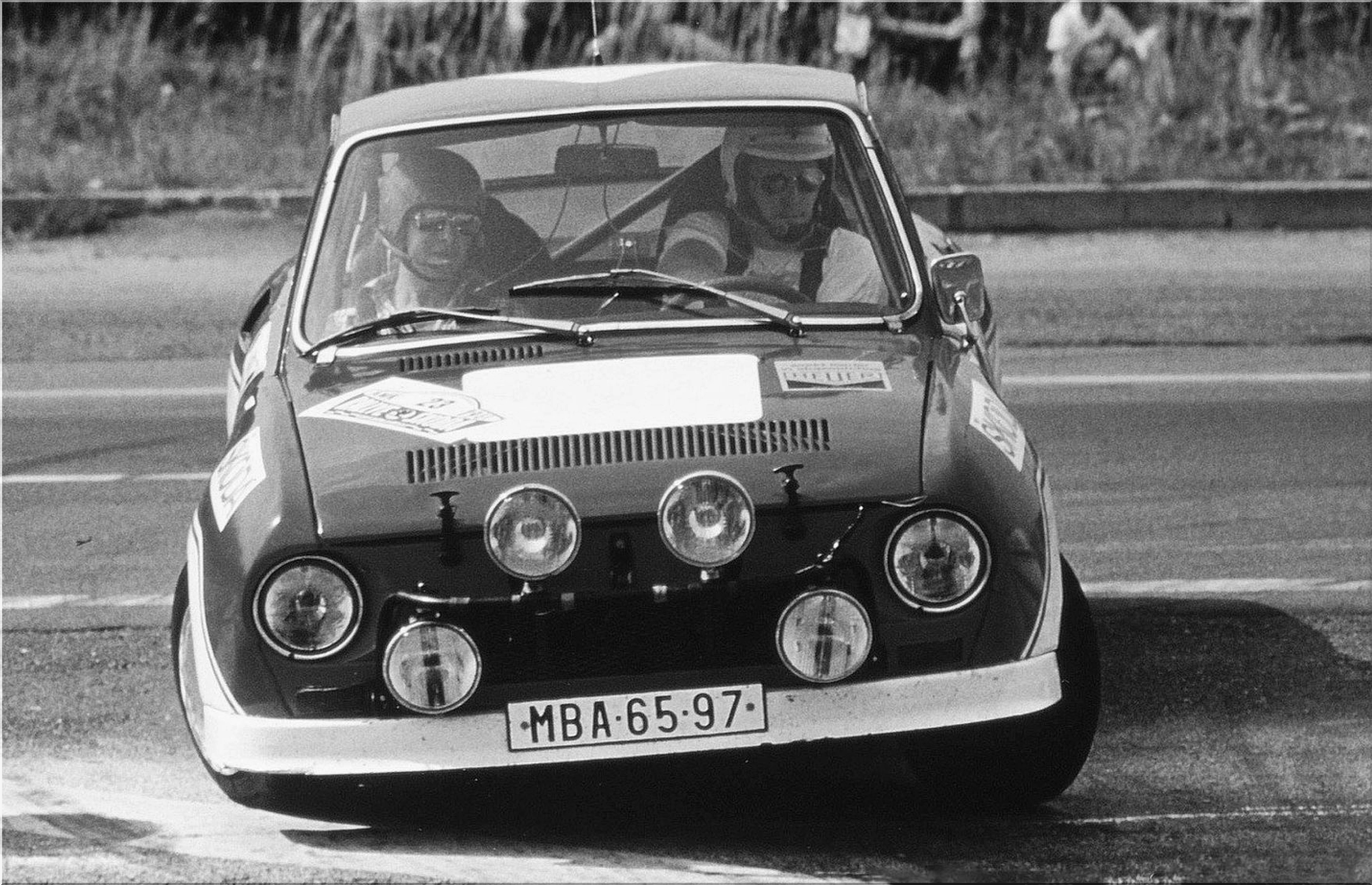
Its influence went beyond road use. The 110 R formed the basis for the Skoda 130 RS, a rally car that earned victories in events like the Monte Carlo Rally. The new concept taps that legacy not as marketing, but as proof that lightweight, accessible performance remains part of the brand’s engineering DNA.
Engineering Focus: Built on a Modern Electric Platform
The 2025 110 R Concept is not a retro-styled shell with an EV drivetrain. Skoda’s engineers built it as a forward-looking prototype on a modular electric platform derived from Volkswagen Group’s scalable EV architecture. This foundation allows flexible battery placement, weight distribution, and advanced software integration.
Key engineering decisions:
- Battery integration: Floor-mounted battery pack lowers the center of gravity and improves handling.
- Weight distribution: Near 50:50 balance, a critical feature for agile cornering.
- Structural rigidity: New chassis materials improve torsional stiffness, enhancing steering response and occupant safety.
This approach shows how Skoda intends to build future coupes: engineered for dynamics first, with electrification as an enabler, not a compromise.
Powertrain and Performance Direction
While Skoda has not released full technical specifications, the company confirmed the concept uses a fully electric powertrain. Development targets focus on efficiency and responsiveness rather than raw acceleration.
Expected characteristics based on platform capabilities:
- Output: Likely in the 200–250 hp range, enough for a compact sports EV.
- Range: Targeting 250–300 miles on a single charge.
- Drive layout: Rear-wheel drive to maintain handling balance and honor the original’s configuration.
Such numbers would place the 110 R Concept in the same performance bracket as electric coupes from mainstream competitors, but with Skoda’s focus on cost efficiency and practicality.
Design: Modern Aerodynamics, Historic Influence
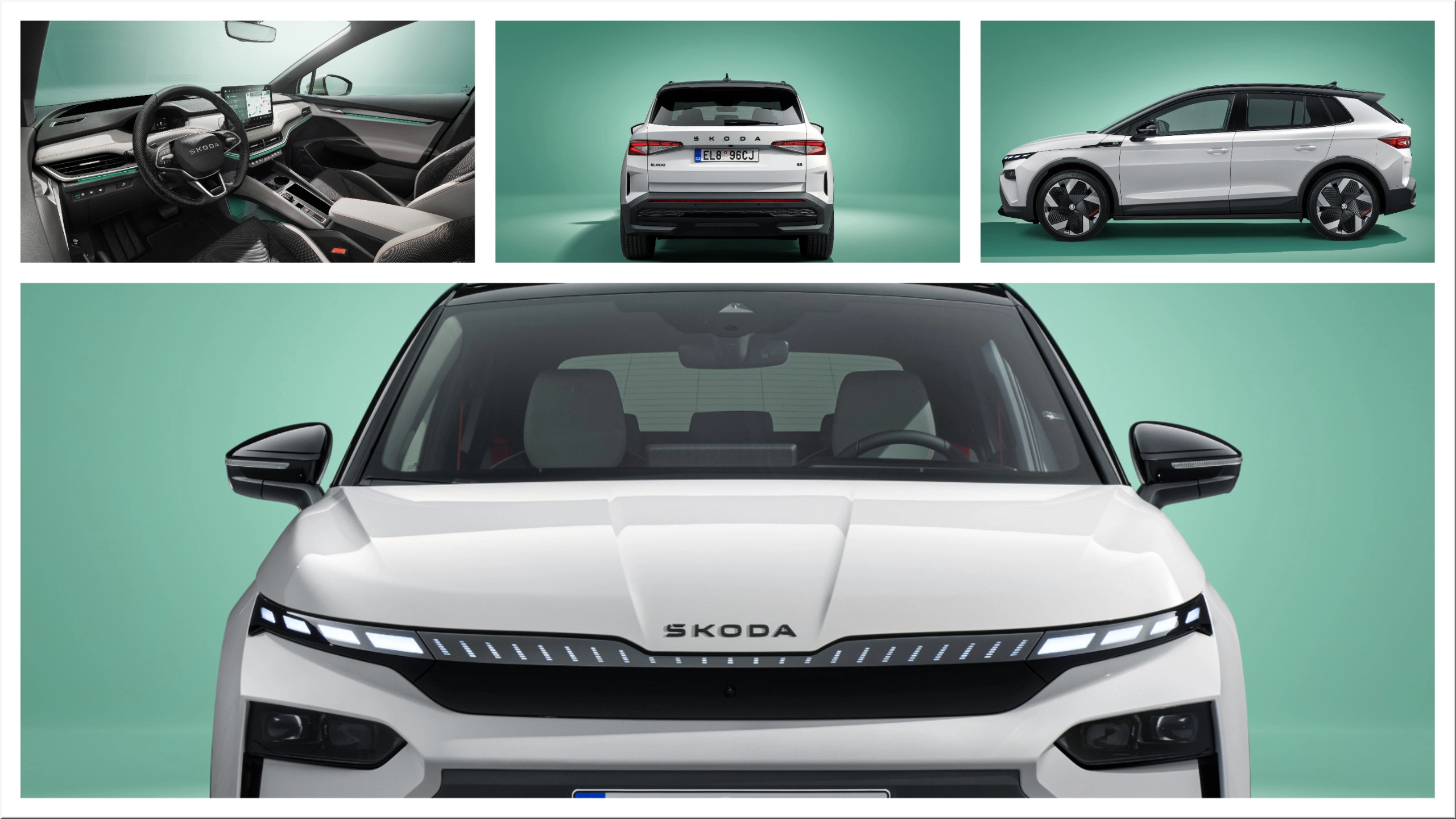
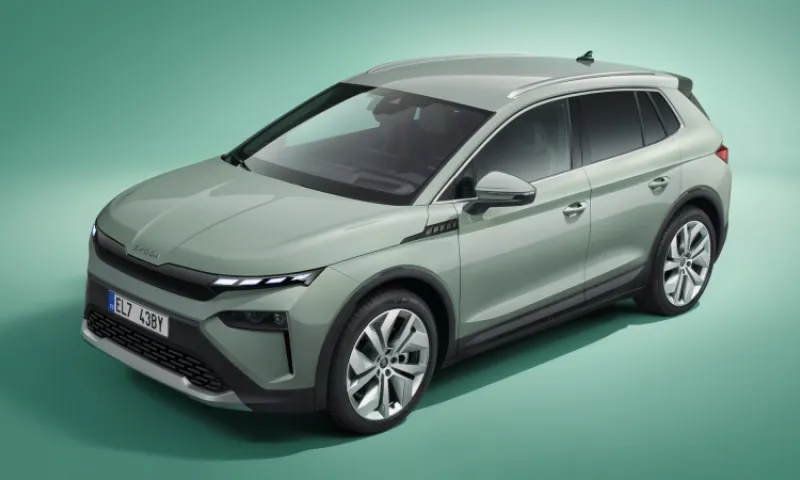
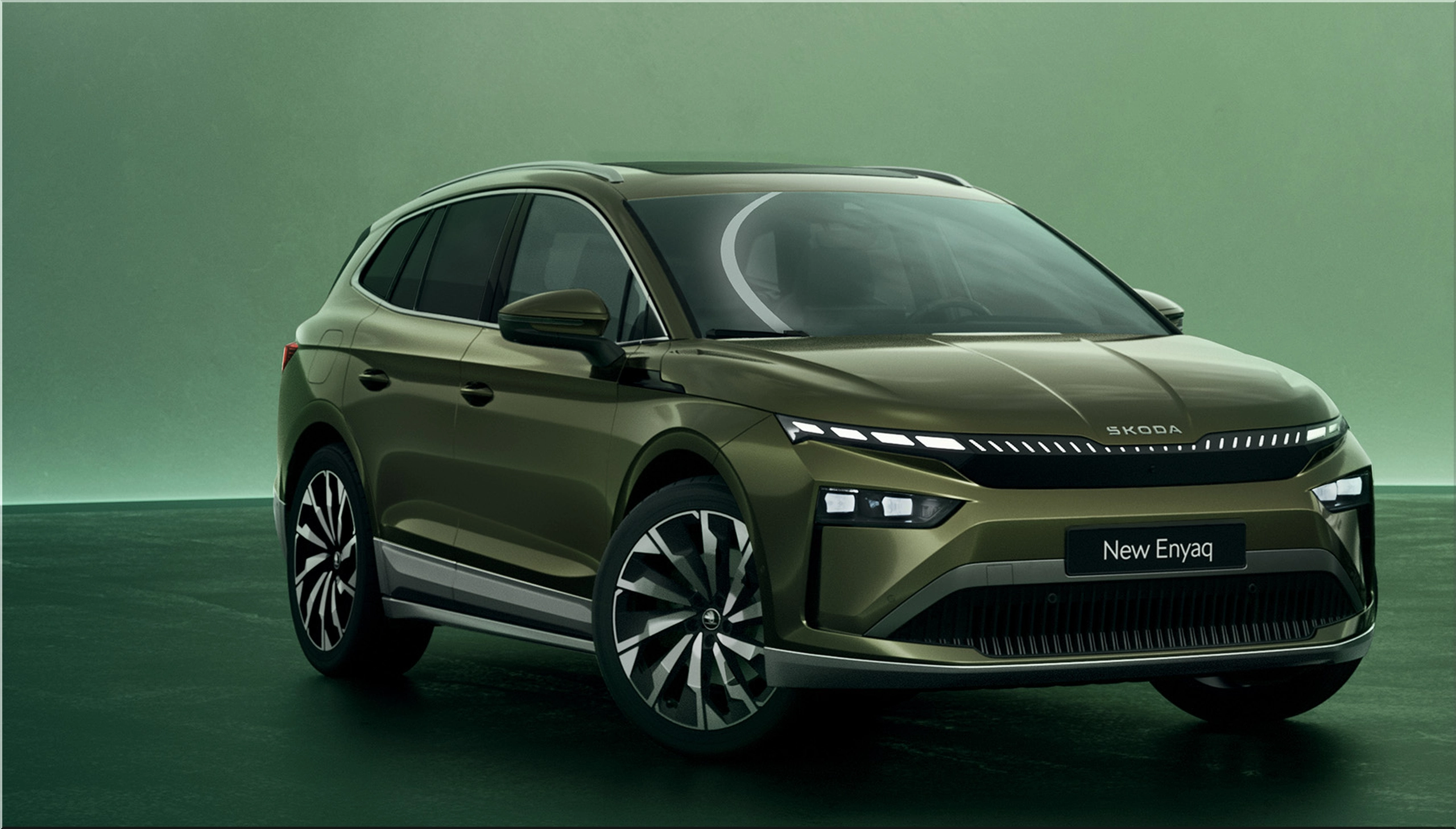
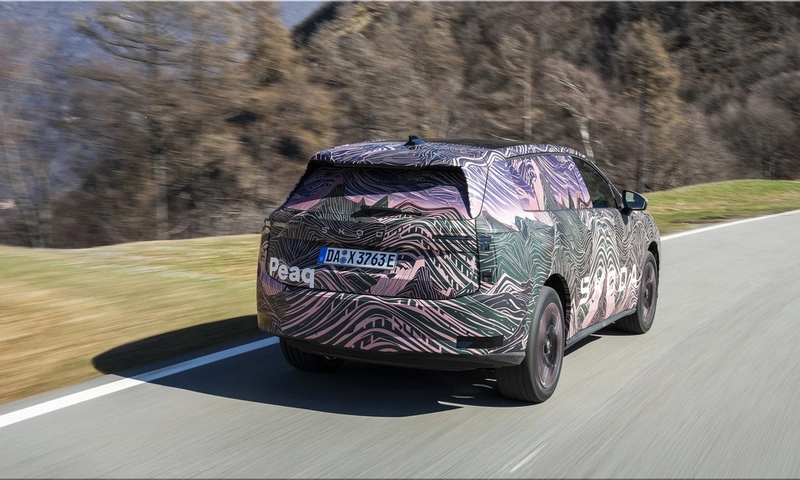
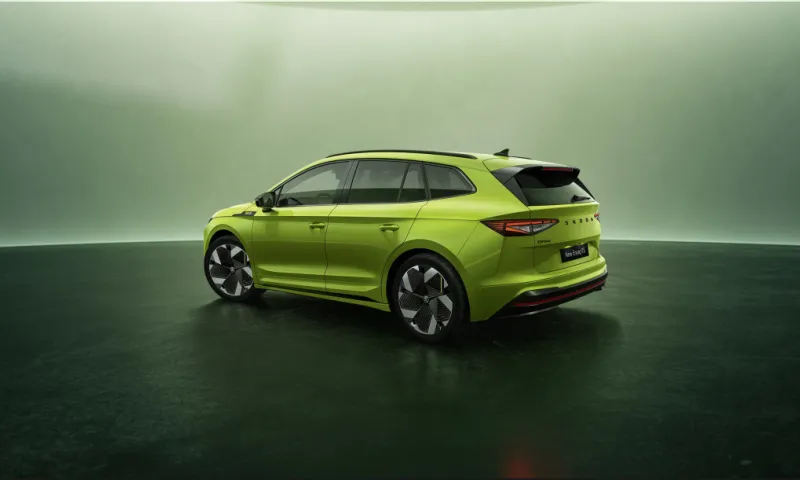
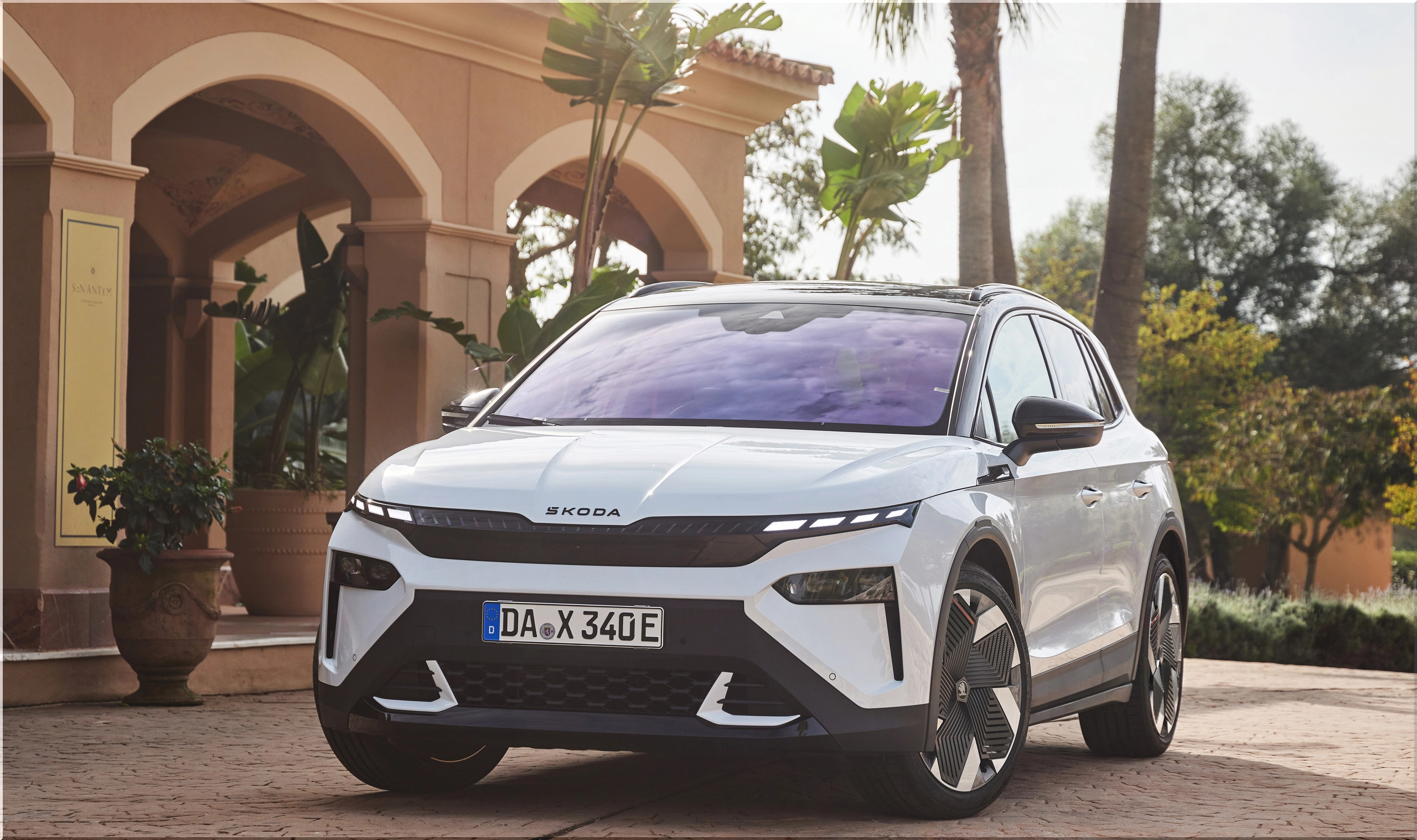
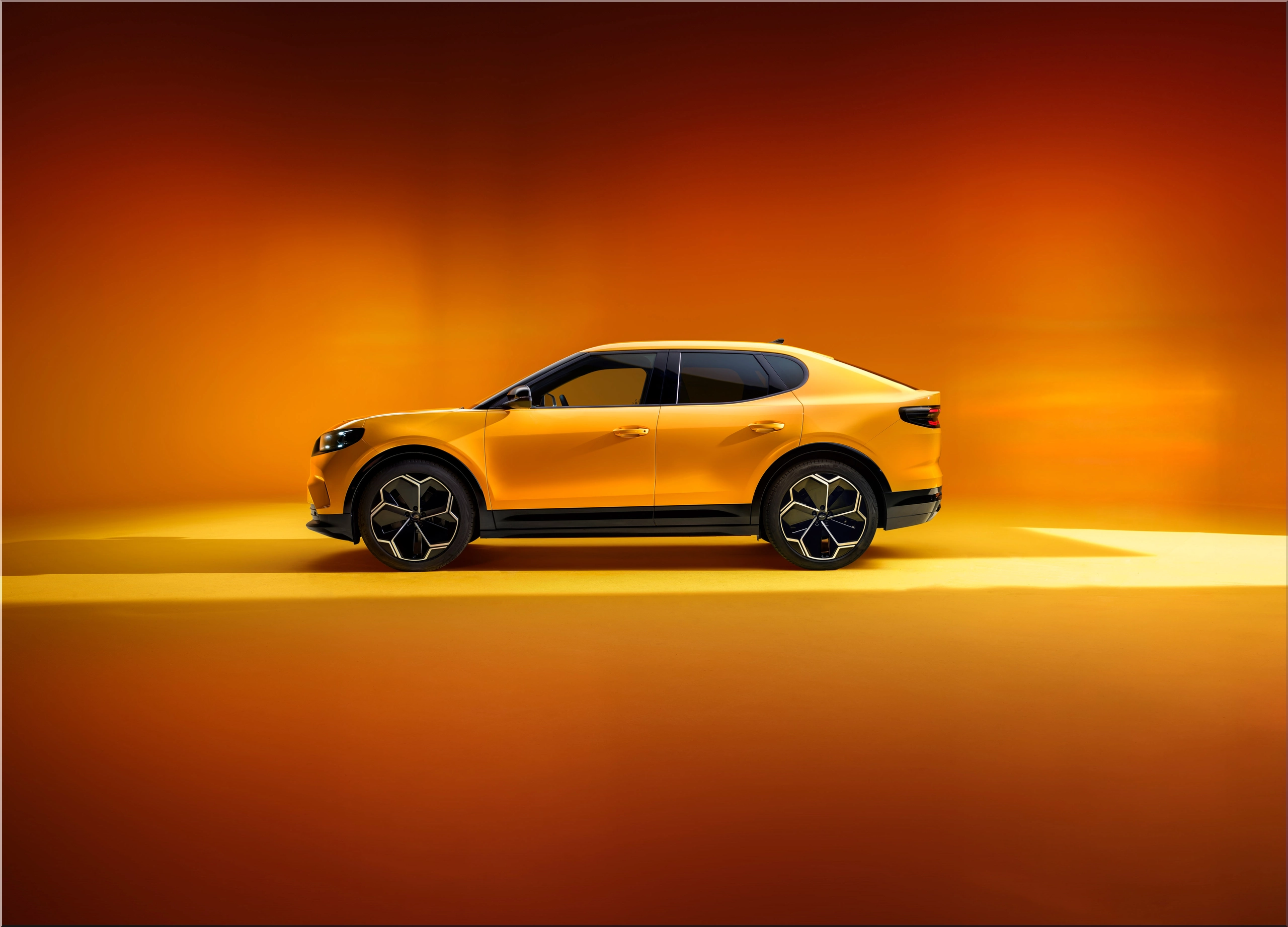
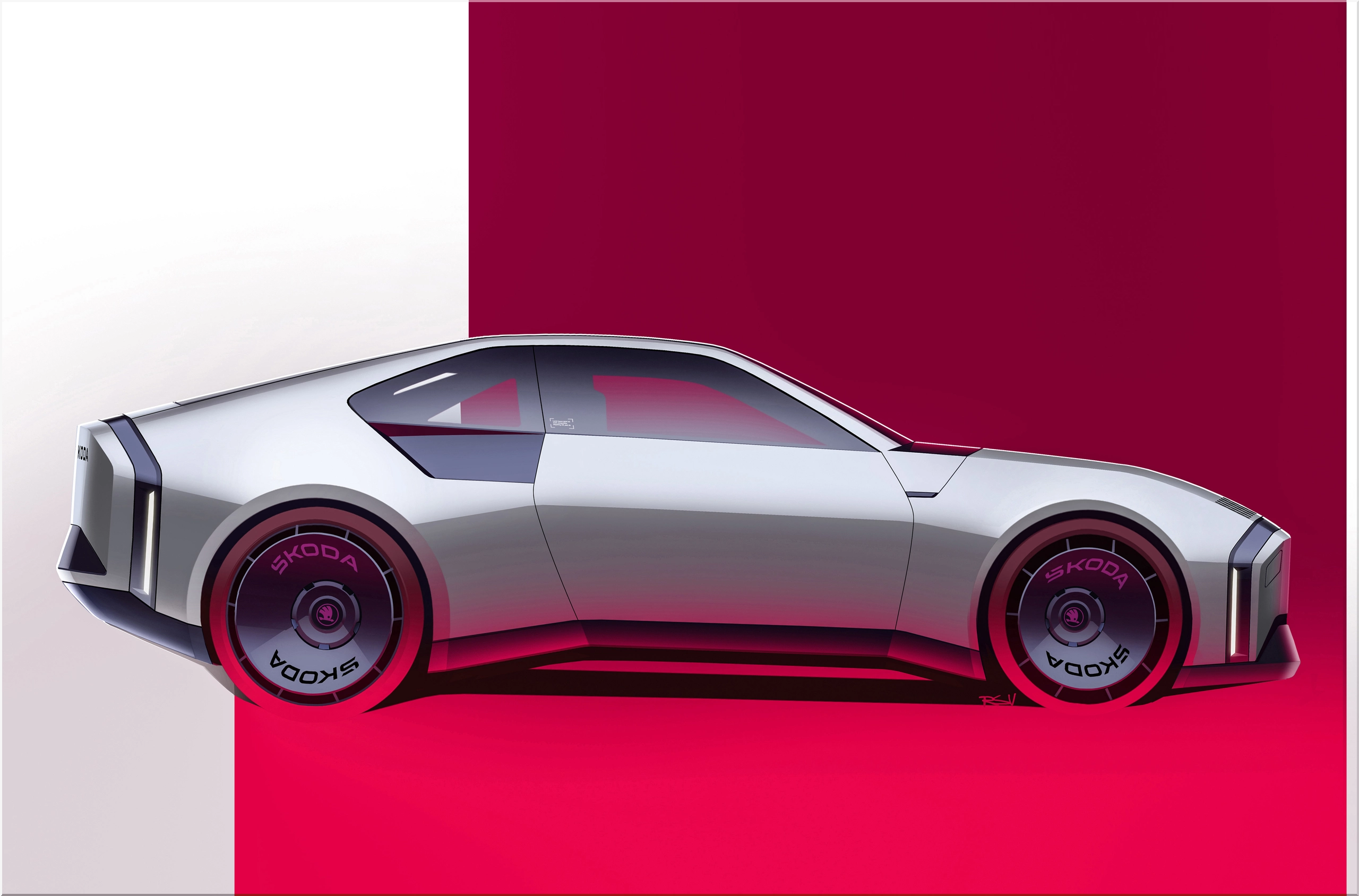
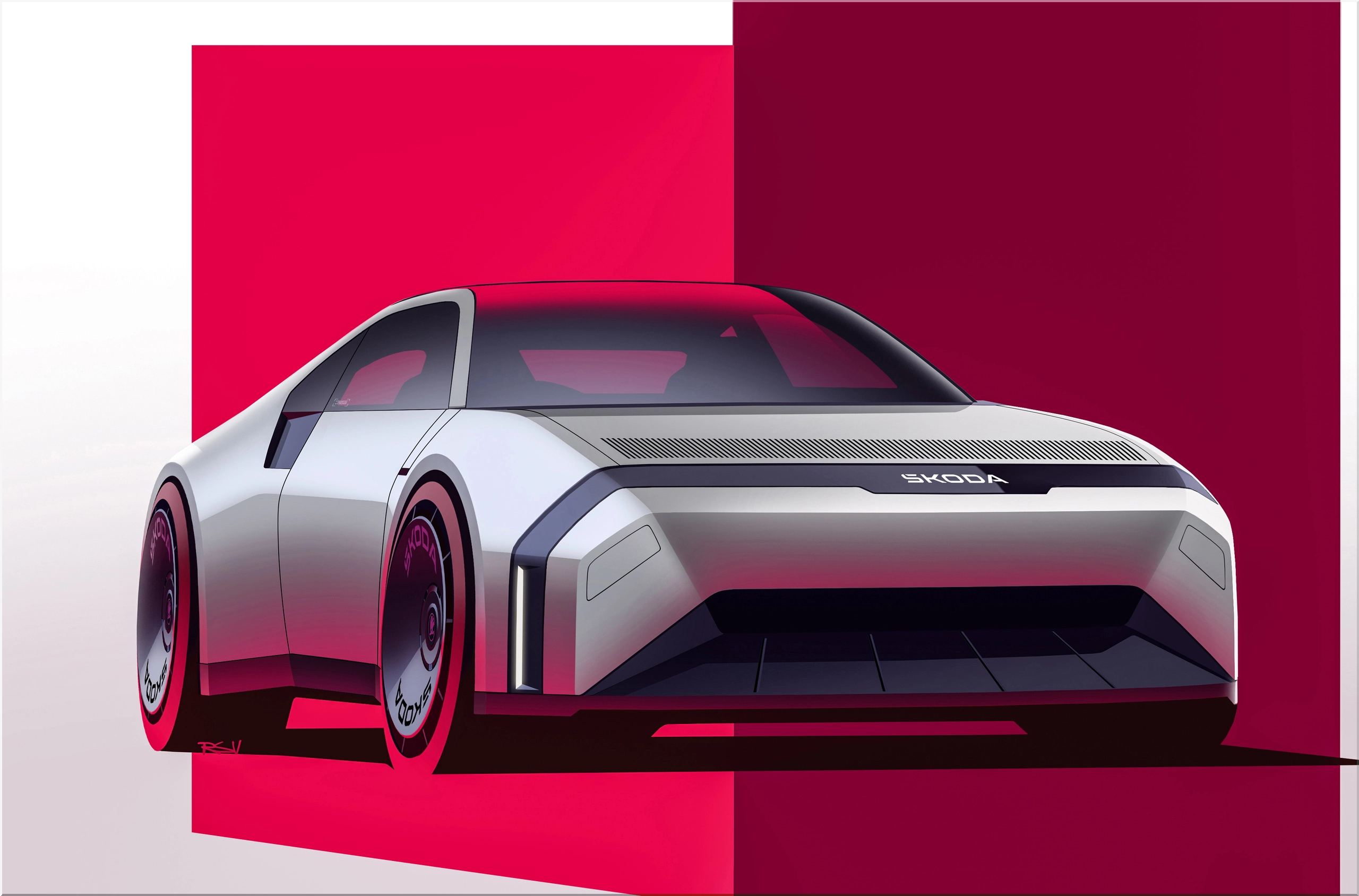
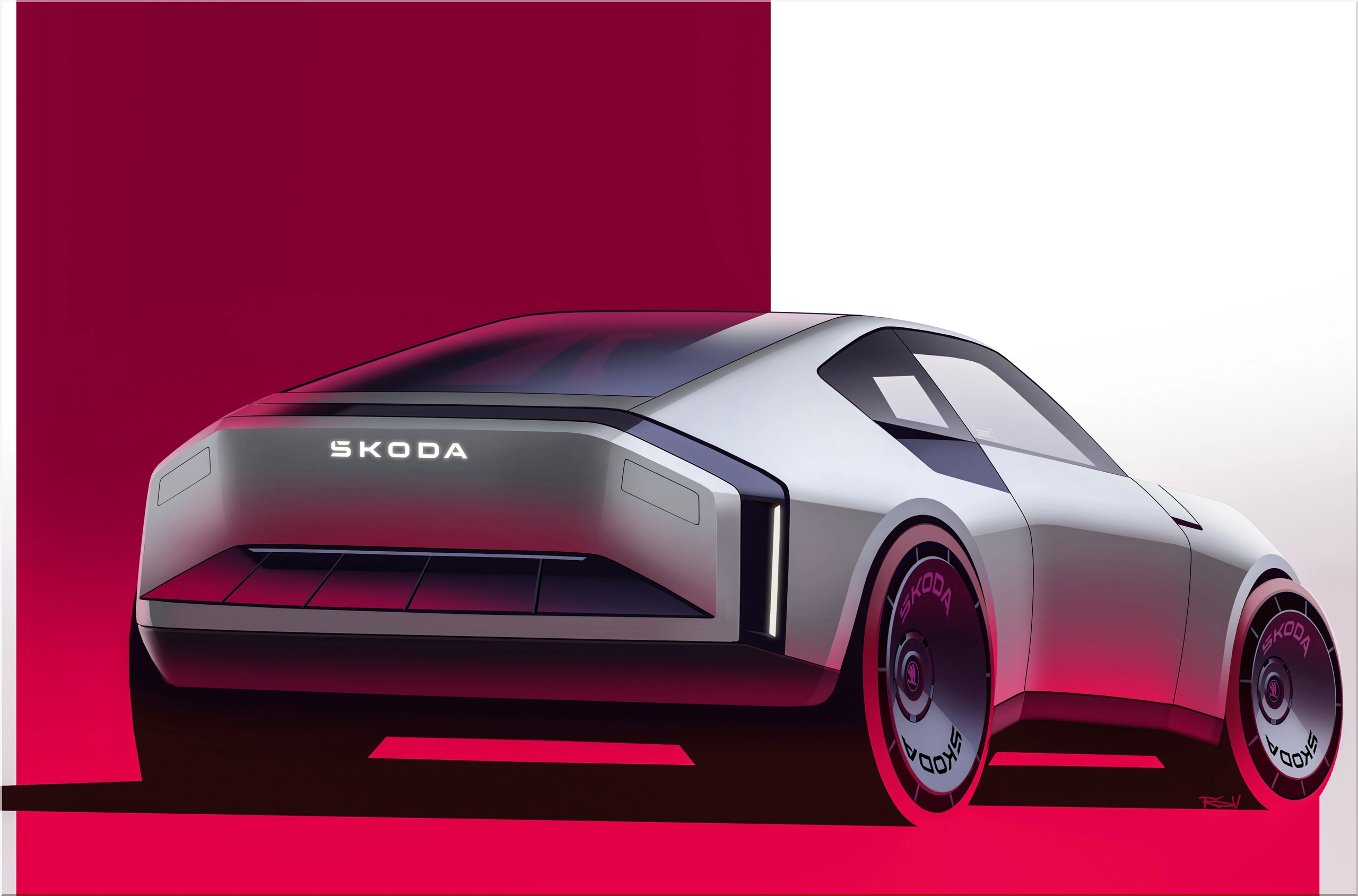
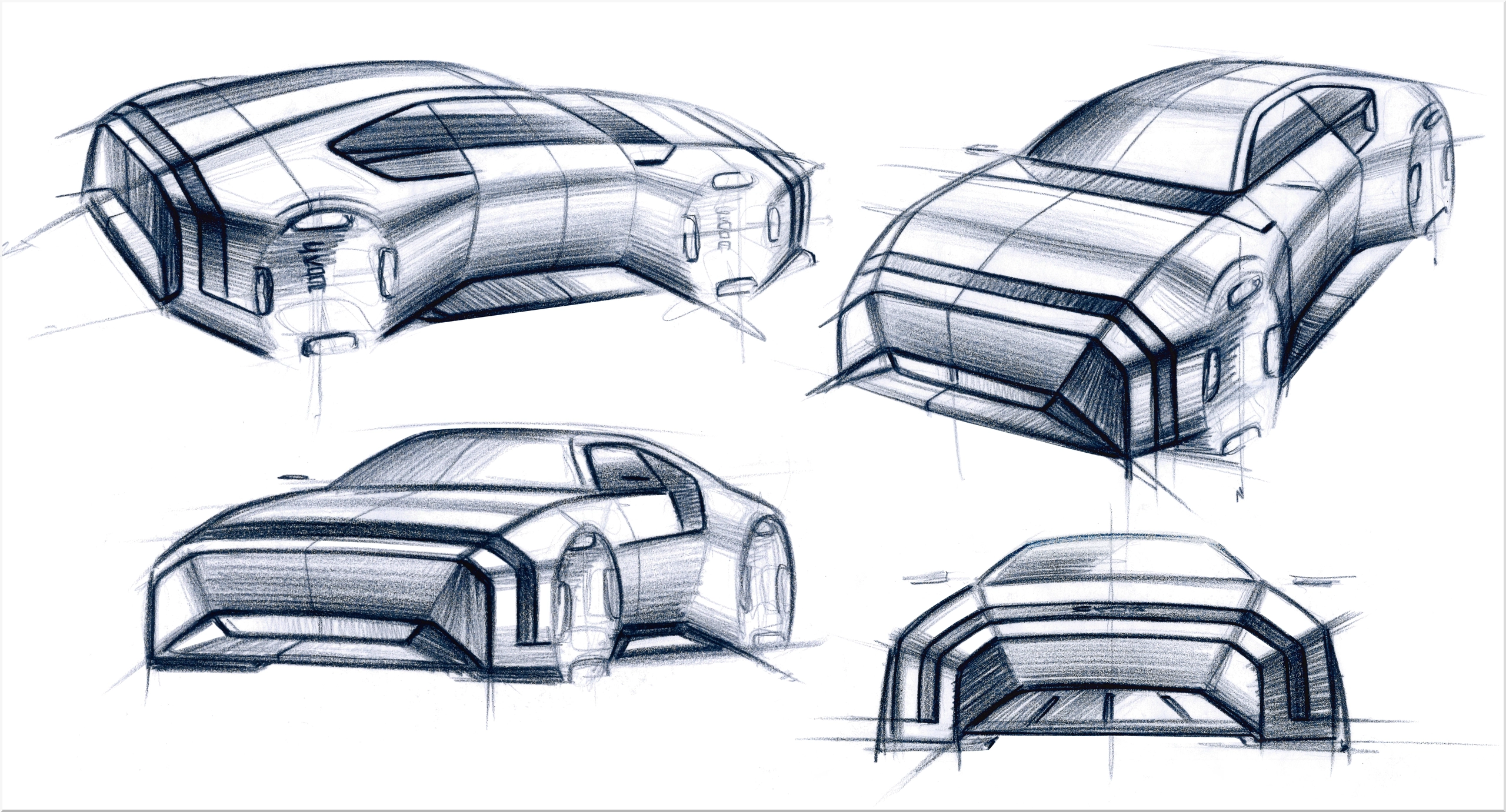
Skoda’s design team approached the 110 R project with clear priorities: retain the characteristic silhouette of the original coupe while optimizing for aerodynamic performance. The result is a car that nods to history without being trapped by it.
- Fastback roofline inspired by the 1970s original.
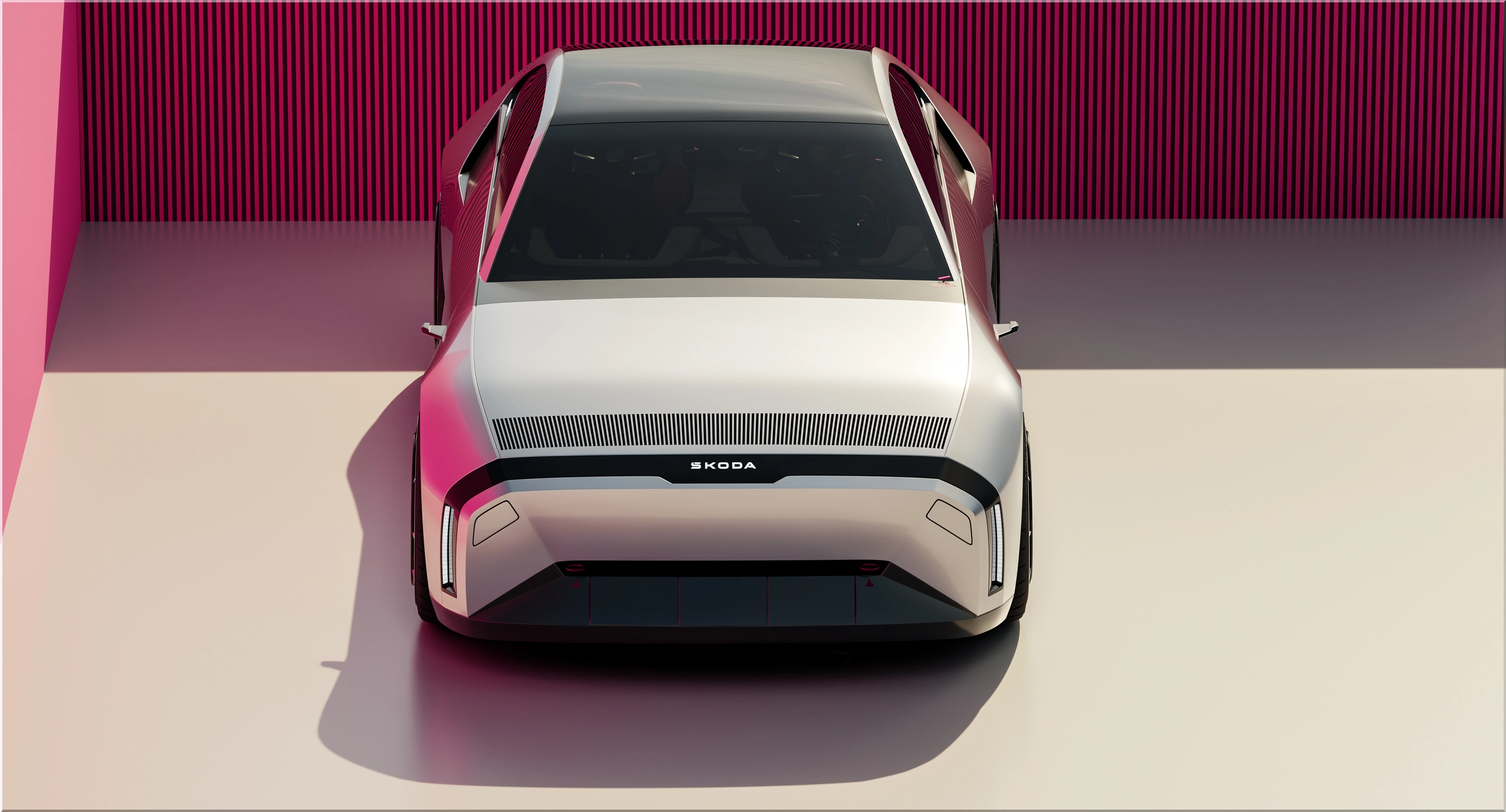
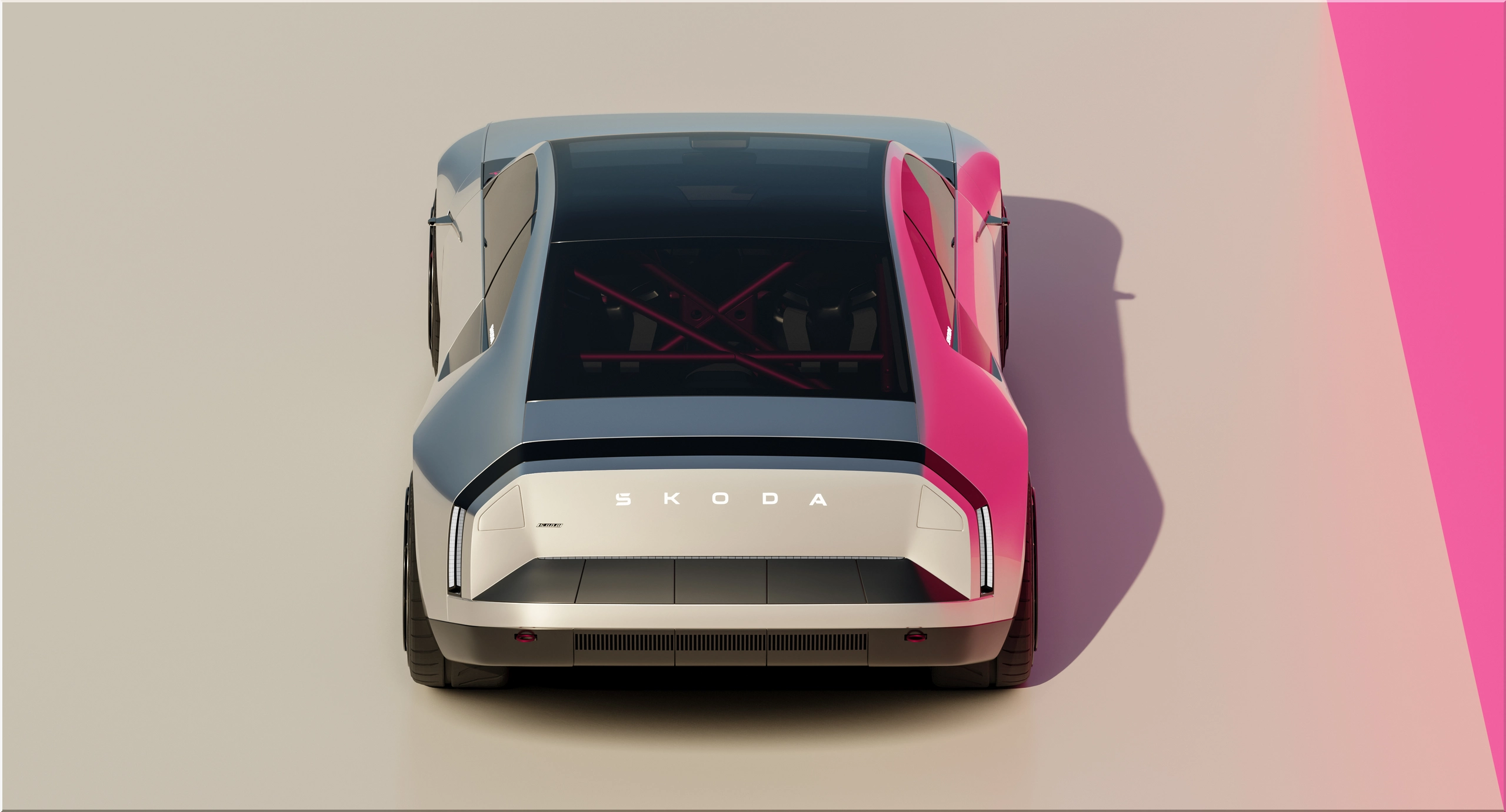
- Clean surfaces and sharp lines reduce drag and improve efficiency.
- Thin LED headlights and taillights replace the round lamps of the past.
- Enclosed grille area improves airflow and cooling management.
The car’s stance — wide, low, and planted — signals a performance orientation even before numbers are known.
Digital Cabin and Driver-Centric Interface
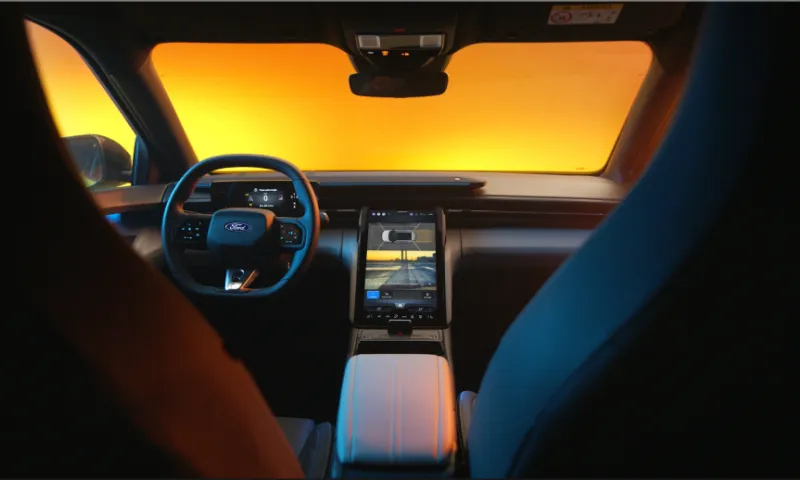
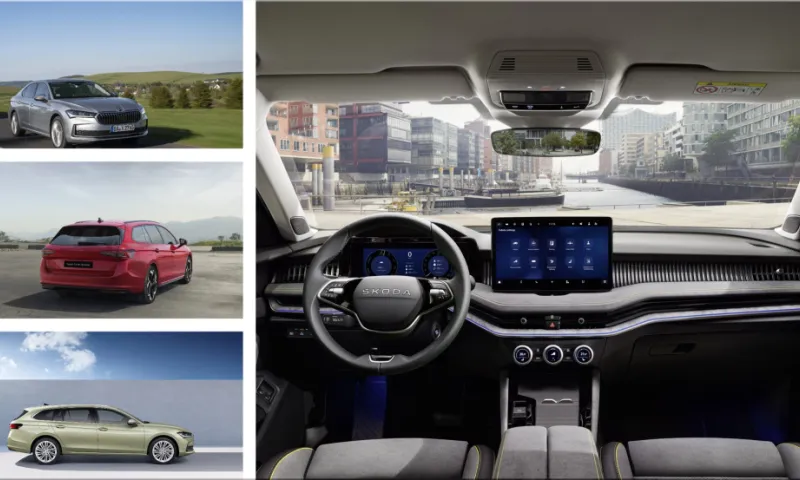
Skoda designed the 110 R Concept interior around driver engagement, but with the brand’s usual focus on intuitive controls. The cabin combines digital technology with simplicity:
- A compact digital instrument cluster provides essential data with minimal distraction.
- A center touchscreen manages infotainment and driving modes but avoids complex menus.
- Physical controls remain for key functions like climate and volume.
Over-the-air updates and software-based feature upgrades show Skoda’s intent to treat future vehicles as evolving platforms. The focus is not on luxury but on functionality and driver control.
Safety and Assistance Systems
Skoda confirms that the 110 R Concept includes the company’s latest advanced driver assistance systems (ADAS). These systems use radar, cameras, and ultrasonic sensors to support but not replace the driver.
Expected features include:
- Adaptive cruise control
- Lane-keeping assist
- Collision avoidance with pedestrian detection
- 360-degree parking camera
All functions are built into a unified software stack, allowing easier future updates and compatibility with upcoming autonomous features.
Image gallery
Market Position and Strategic Role
The 110 R Concept is not an isolated project. It signals Skoda’s interest in electric performance vehicles as part of a broader strategy. As the company transitions its lineup toward EVs by the early 2030s, niche products like the 110 R will help define brand character in a crowded market.
It also allows Skoda to experiment with:
- Lightweight construction techniques for EV platforms.
- Rear-wheel-drive dynamics for smaller electric cars.
- New software-defined features aimed at enthusiasts.
For a brand known primarily for practical sedans and SUVs, the 110 R Concept shows intent to expand its engineering focus.
Comparison: Original 110 R vs. 2025 110 R Concept
| Specification | 1970 Skoda 110 R | 2025 Skoda 110 R Concept |
|---|---|---|
| Powertrain | 1.1-liter petrol I4 | Fully electric motor |
| Power Output | 52 hp | ~200–250 hp (estimated) |
| Drive | Rear-wheel drive | Rear-wheel drive |
| Transmission | 4-speed manual | Single-speed automatic |
| 0-60 mph | ~17 sec | ~6 sec (estimated) |
| Top Speed | ~90 mph | ~130 mph (estimated) |
| Range | ~300 miles (with refueling) | 250–300 miles per charge |
| Weight | ~2,000 lbs | ~3,500 lbs (estimated) |
| Production Years | 1970–1980 | Concept (future TBD) |
Historical Legacy Meets Future Engineering
The Skoda 110 R Concept is more than a nostalgic exercise. It shows how an established manufacturer can reinterpret a legacy nameplate with the engineering priorities of the 2020s. Electric propulsion changes how weight is distributed, how software shapes handling, and how safety systems are integrated.
Yet the concept proves that rear-wheel drive, low weight, and driver involvement remain relevant. These principles shaped the original 110 R’s appeal and still guide Skoda’s thinking today.
Image gallery

Conclusion: A Statement of Intent
Skoda’s decision to revive the 110 R name shows confidence in the company’s engineering capabilities as it shifts toward an electric future. By combining historical influence with modern EV technology, the brand demonstrates that performance, simplicity, and driver focus can coexist with zero-emission propulsion.
The 2025 Skoda 110 R Concept is not a production vehicle — at least not yet. But its existence signals Skoda’s broader ambition: to use electrification as a foundation for innovation, not a replacement for character.
For enthusiasts, that is welcome news. For Skoda, it’s a clear sign that its engineering priorities remain focused where they always have been — on building cars that reward drivers and adapt to the demands of the road ahead.
- Add new comment
- 266 views