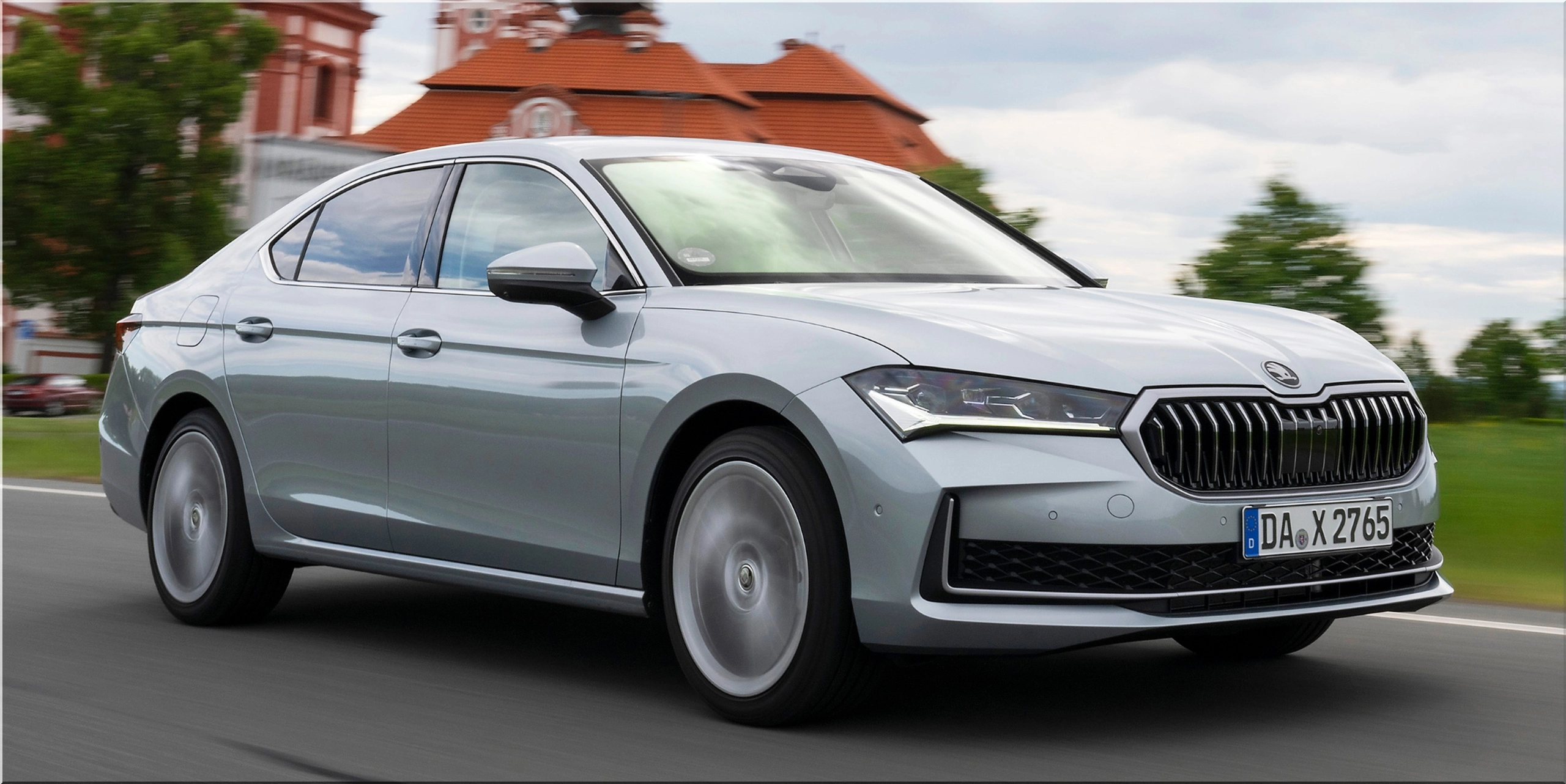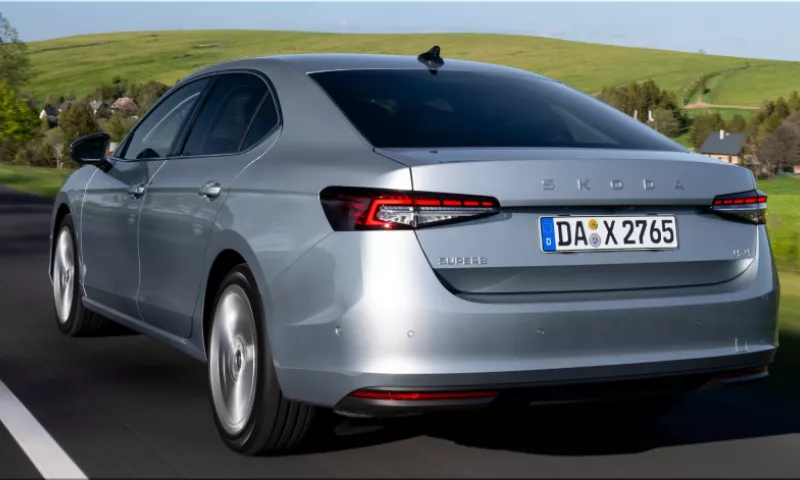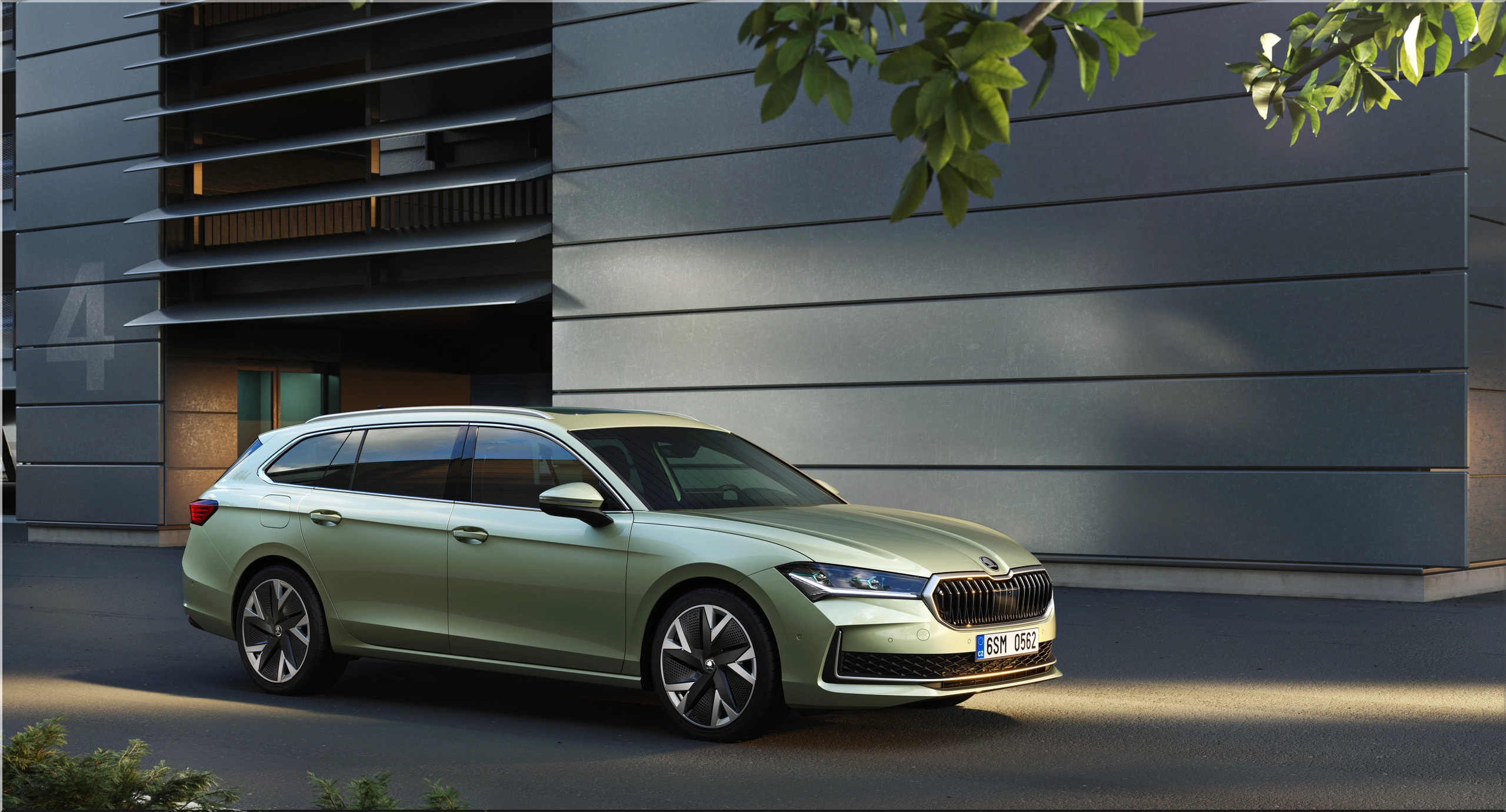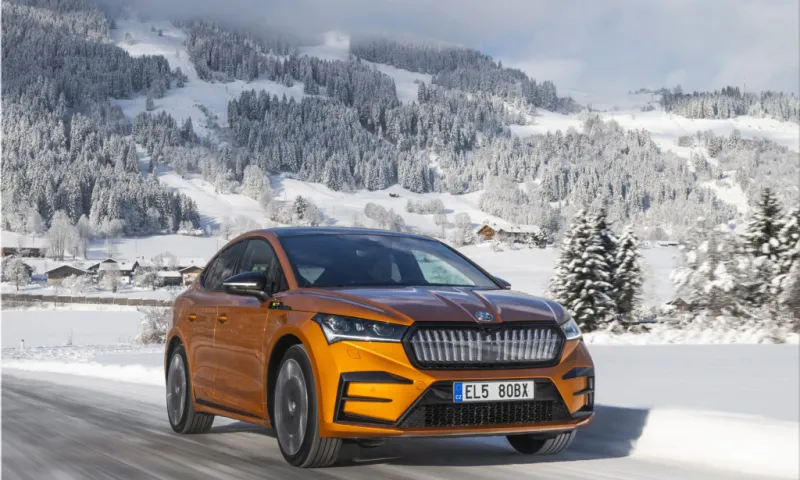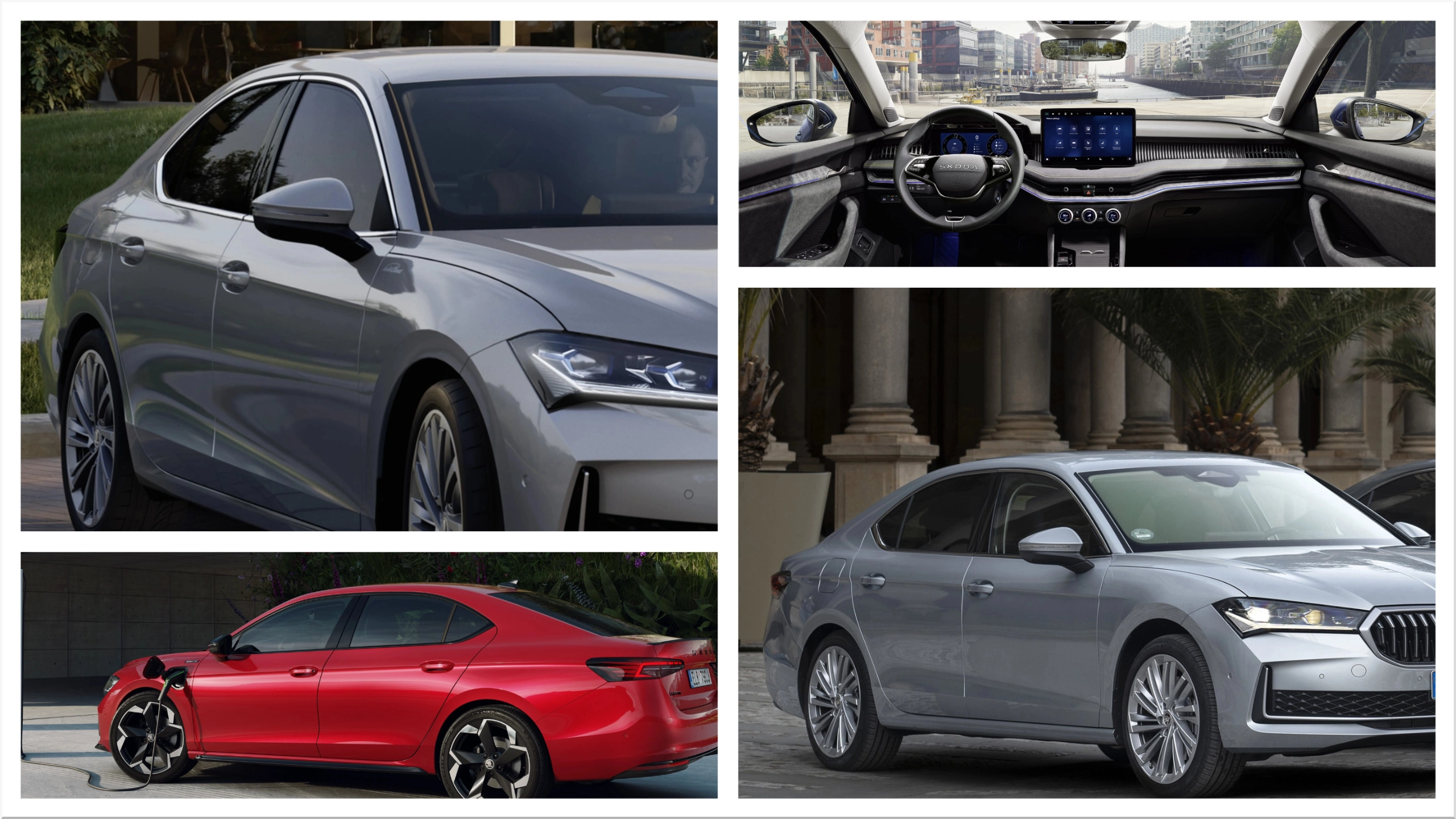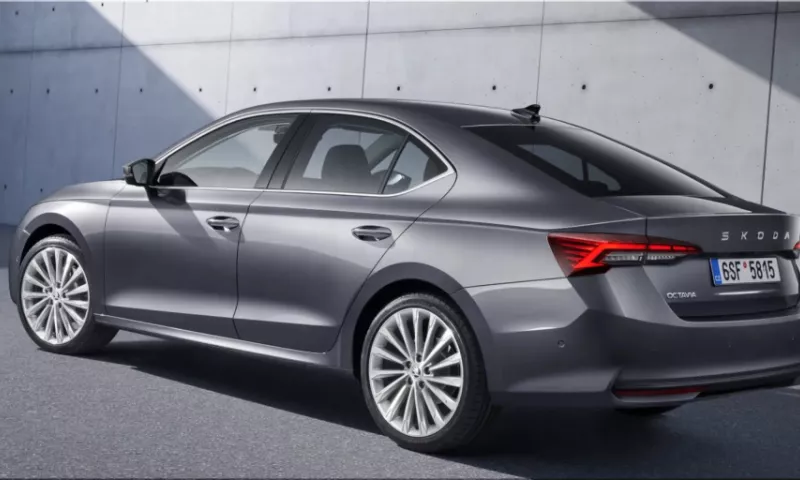
Skoda has given its India-built Skoda Slavia the mechanical and equipment update it needed. The refreshed saloon keeps the locally developed MQB-A0-IN platform and familiar turbo-petrol engines, then adds a segment-first eight-speed torque-converter automatic, richer cabin technology and a stronger rear-seat pitch.
Skoda opened pre-bookings at Rs 15,000, official prices remain pending, and customer deliveries will begin during India's 2026 festive season. Nearly 80,000 sales since early 2022 make targeted changes less risky than a platform replacement. The result attacks the Hyundai Verna, Honda City and Volkswagen Virtus with daily-use upgrades.
Image
What Changes on the Updated Skoda Slavia
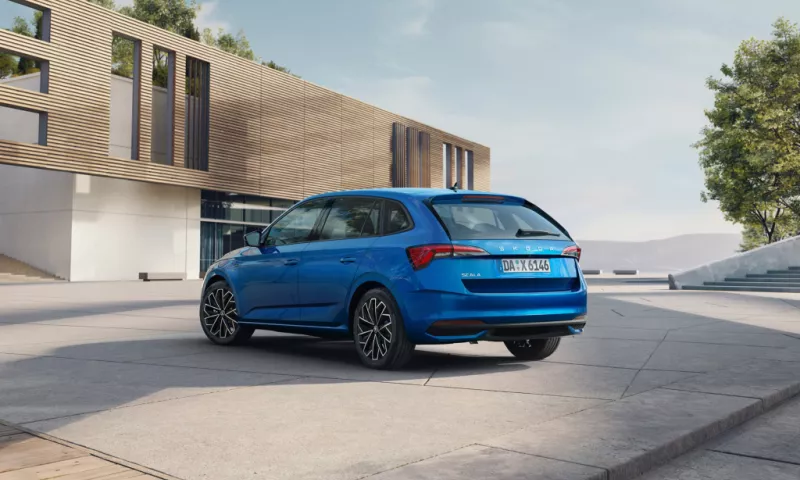
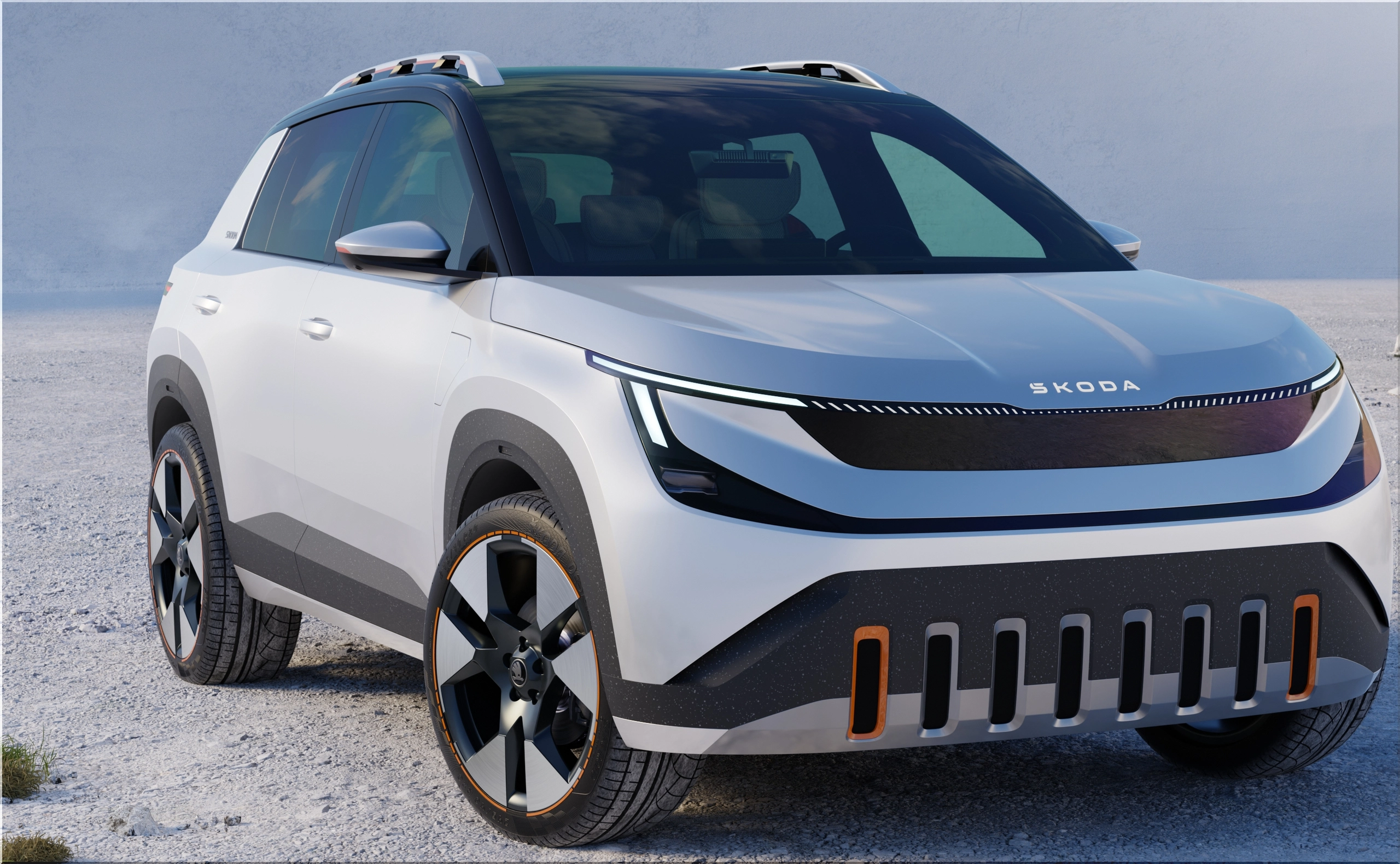
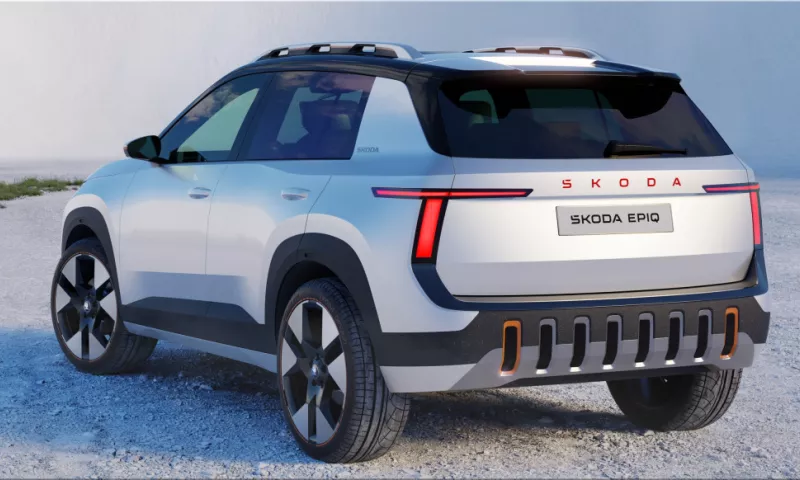
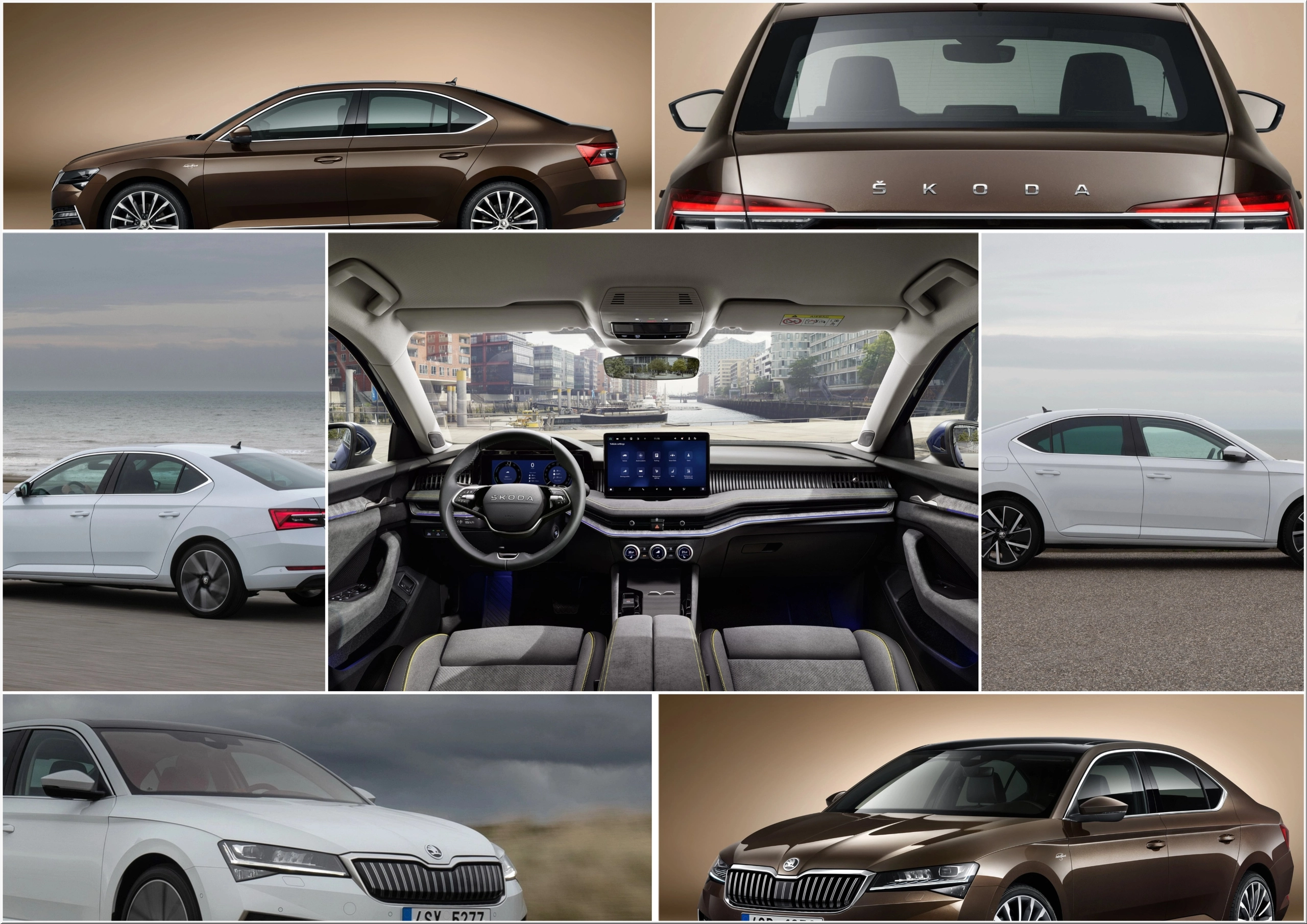
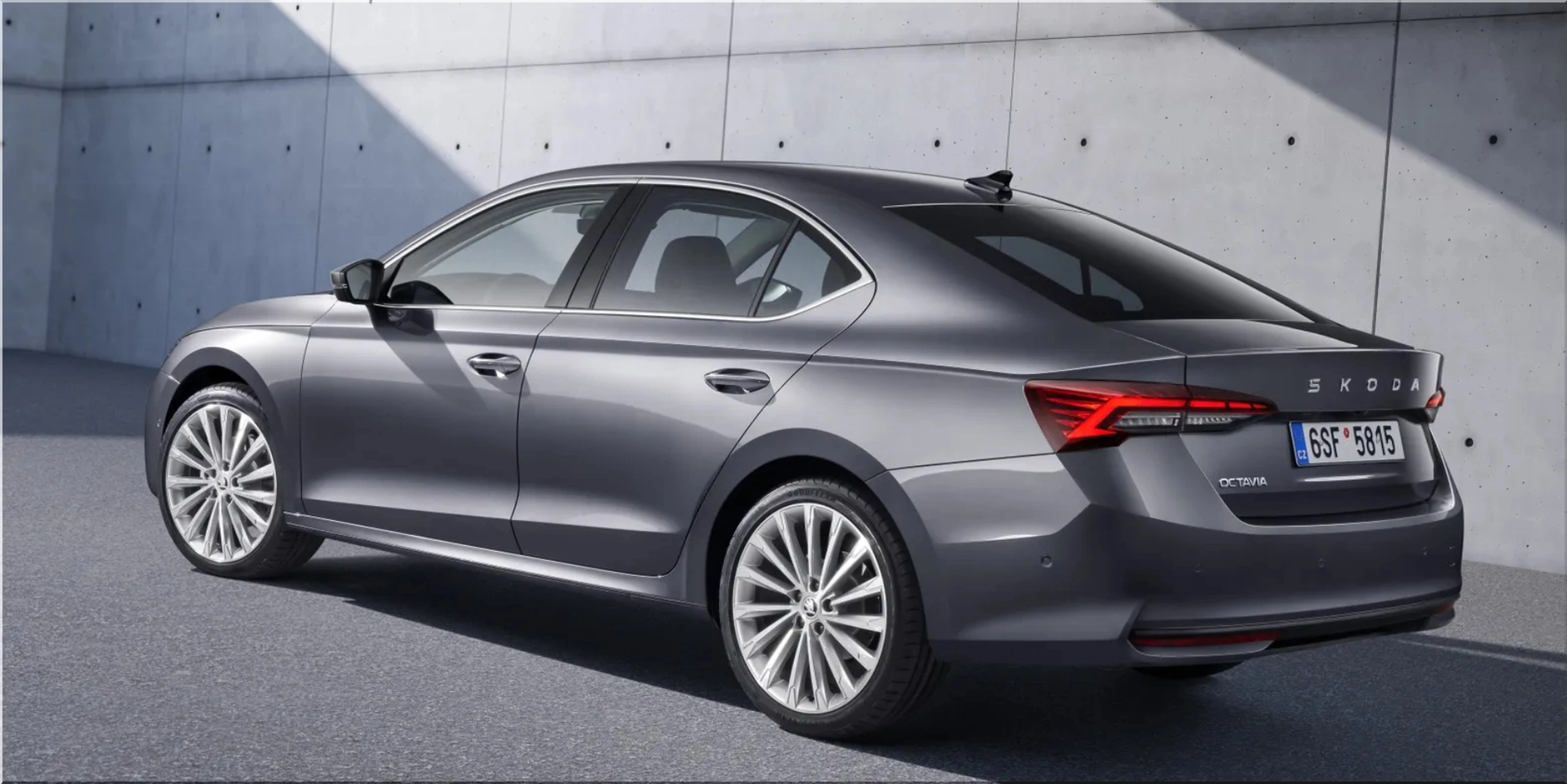
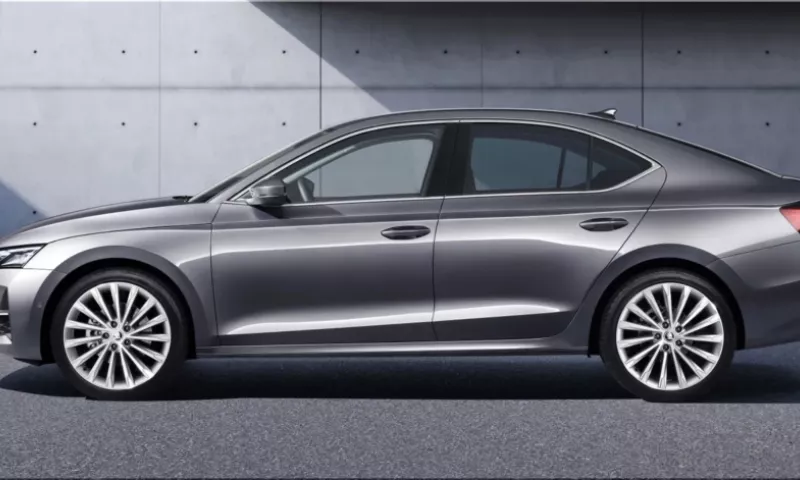
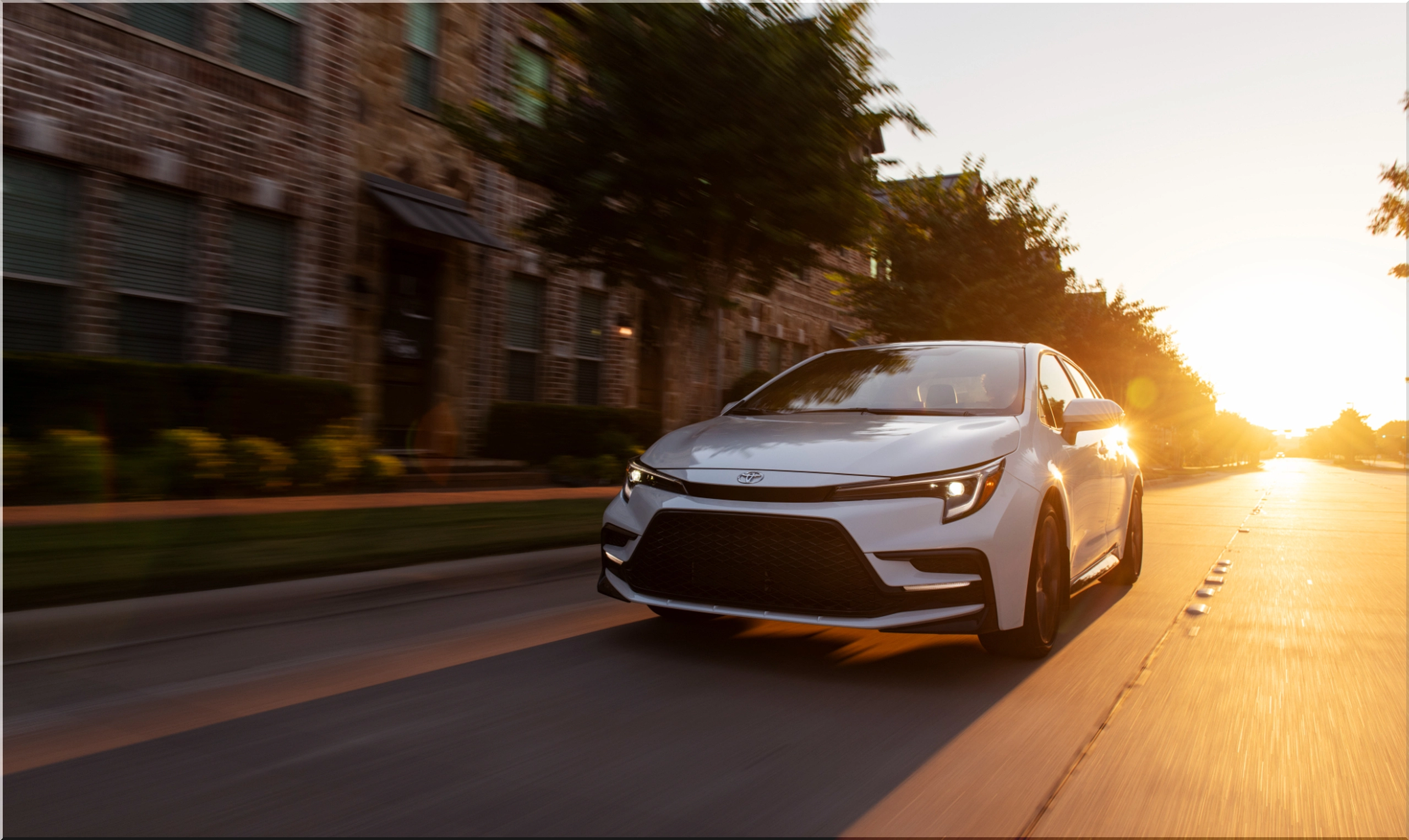
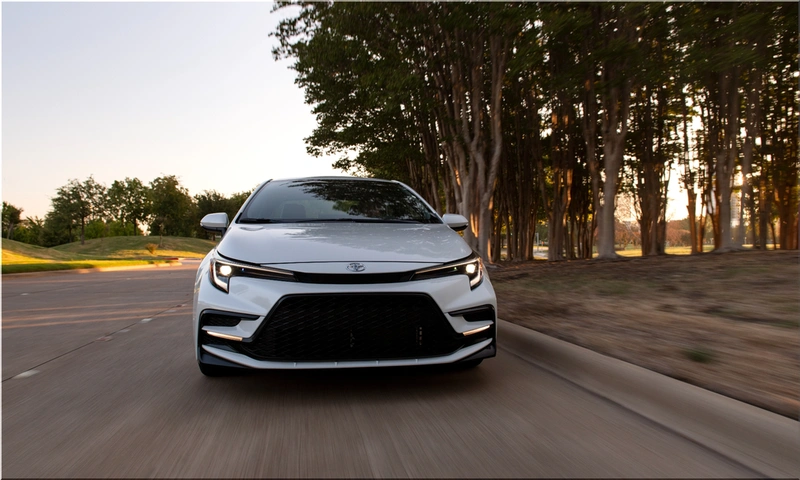
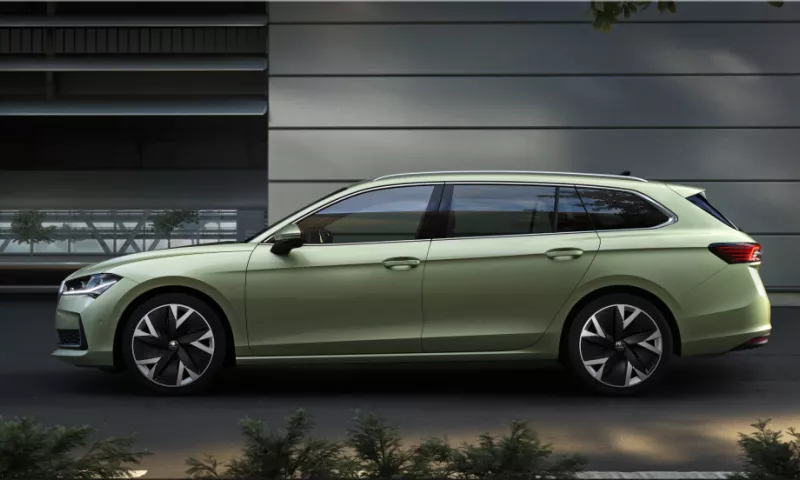
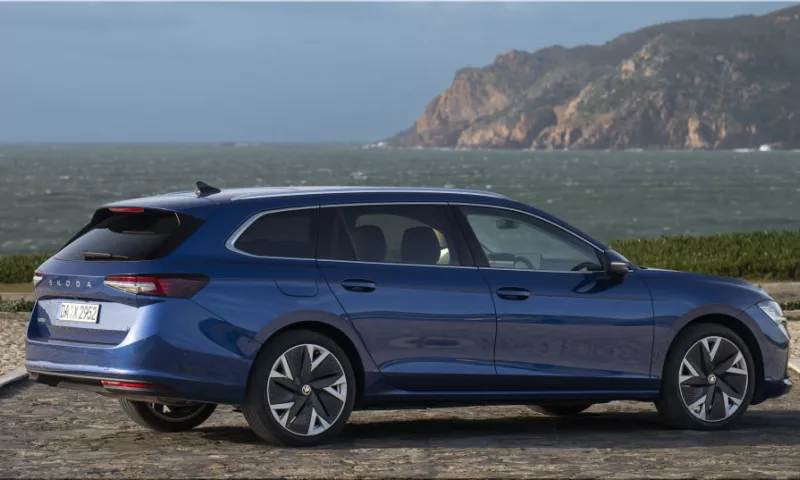
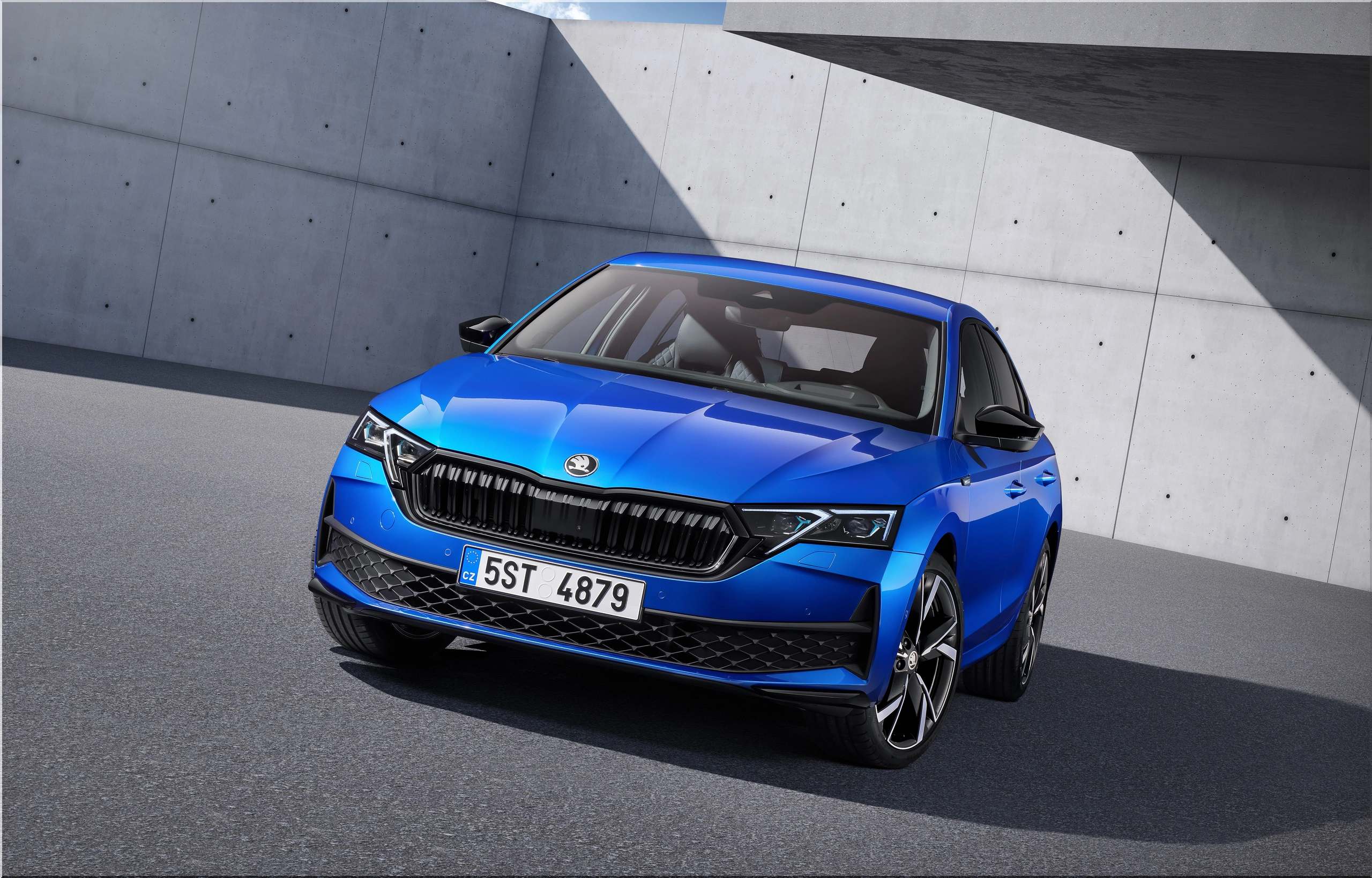
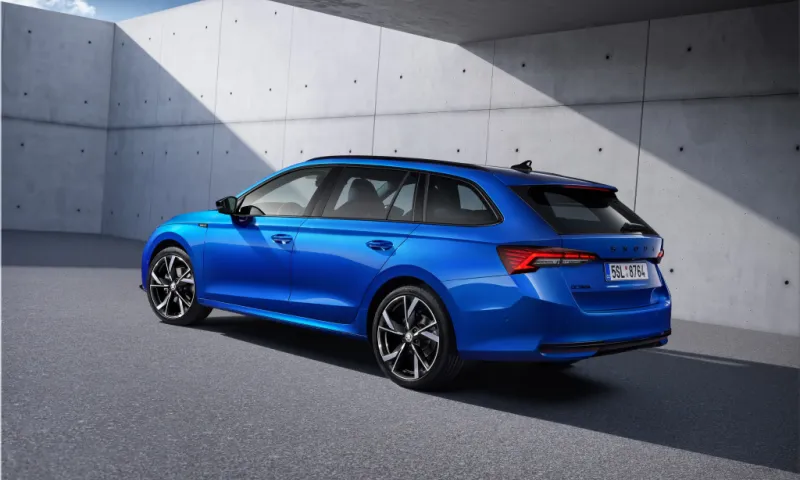
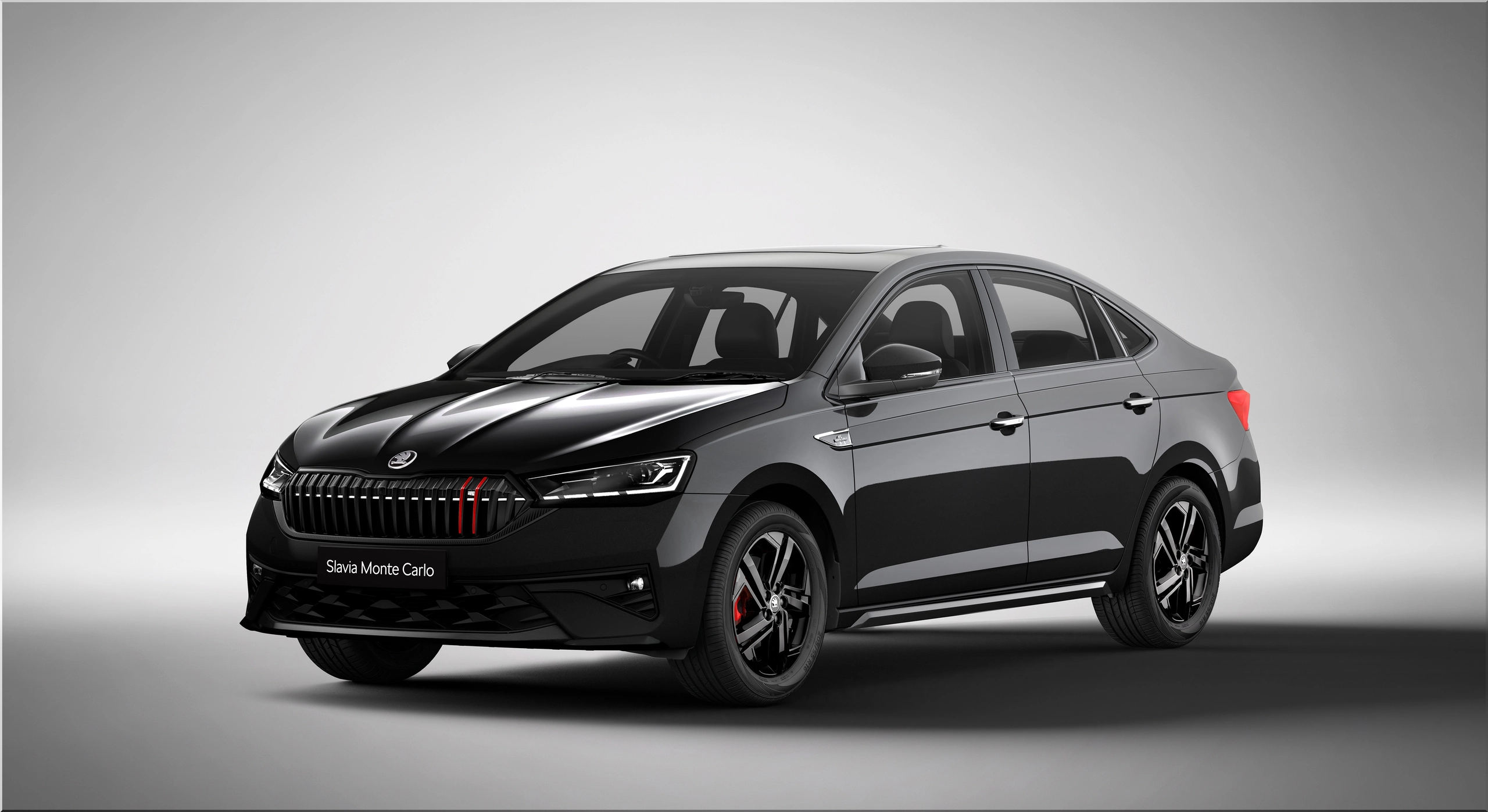
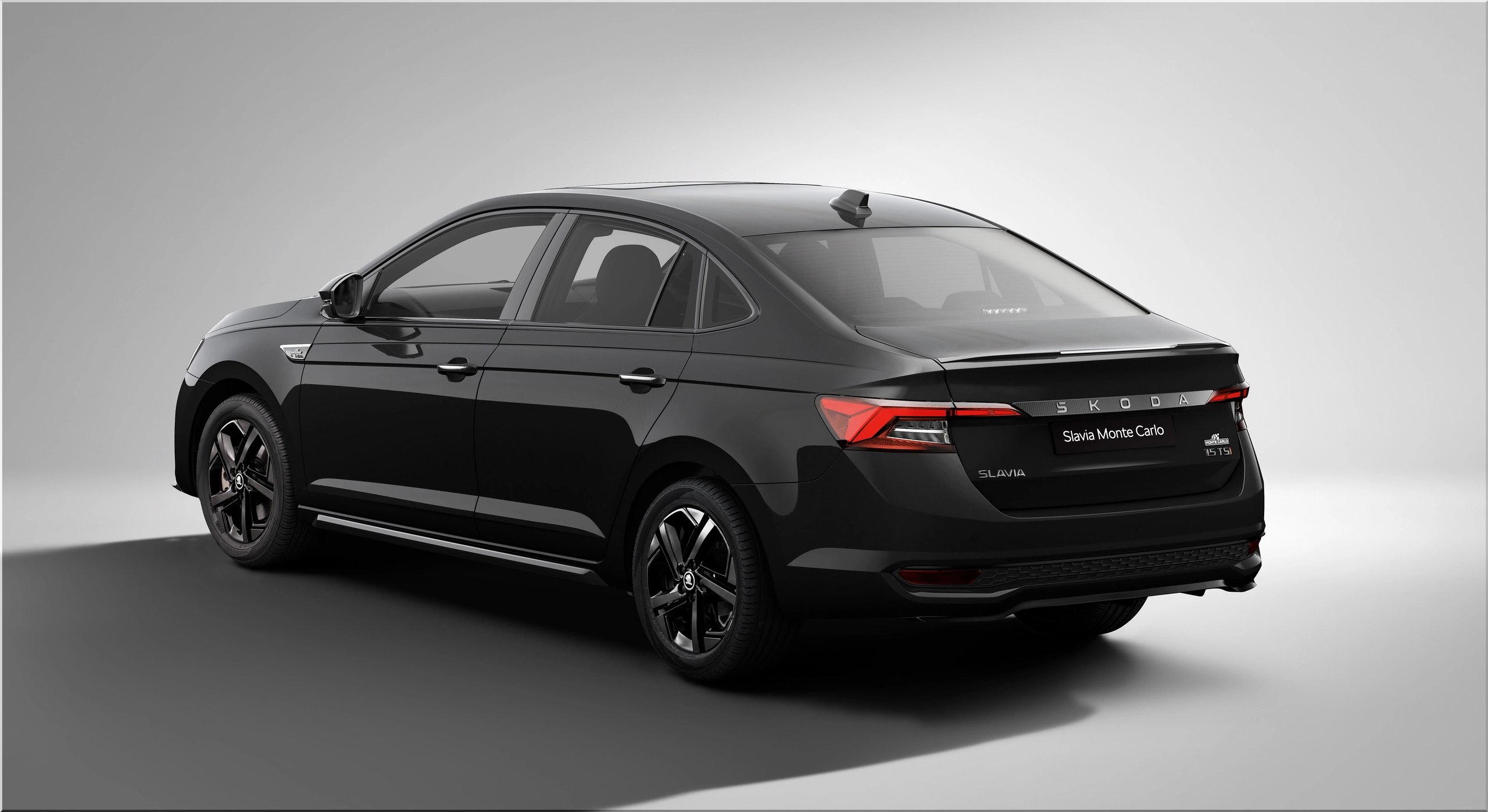
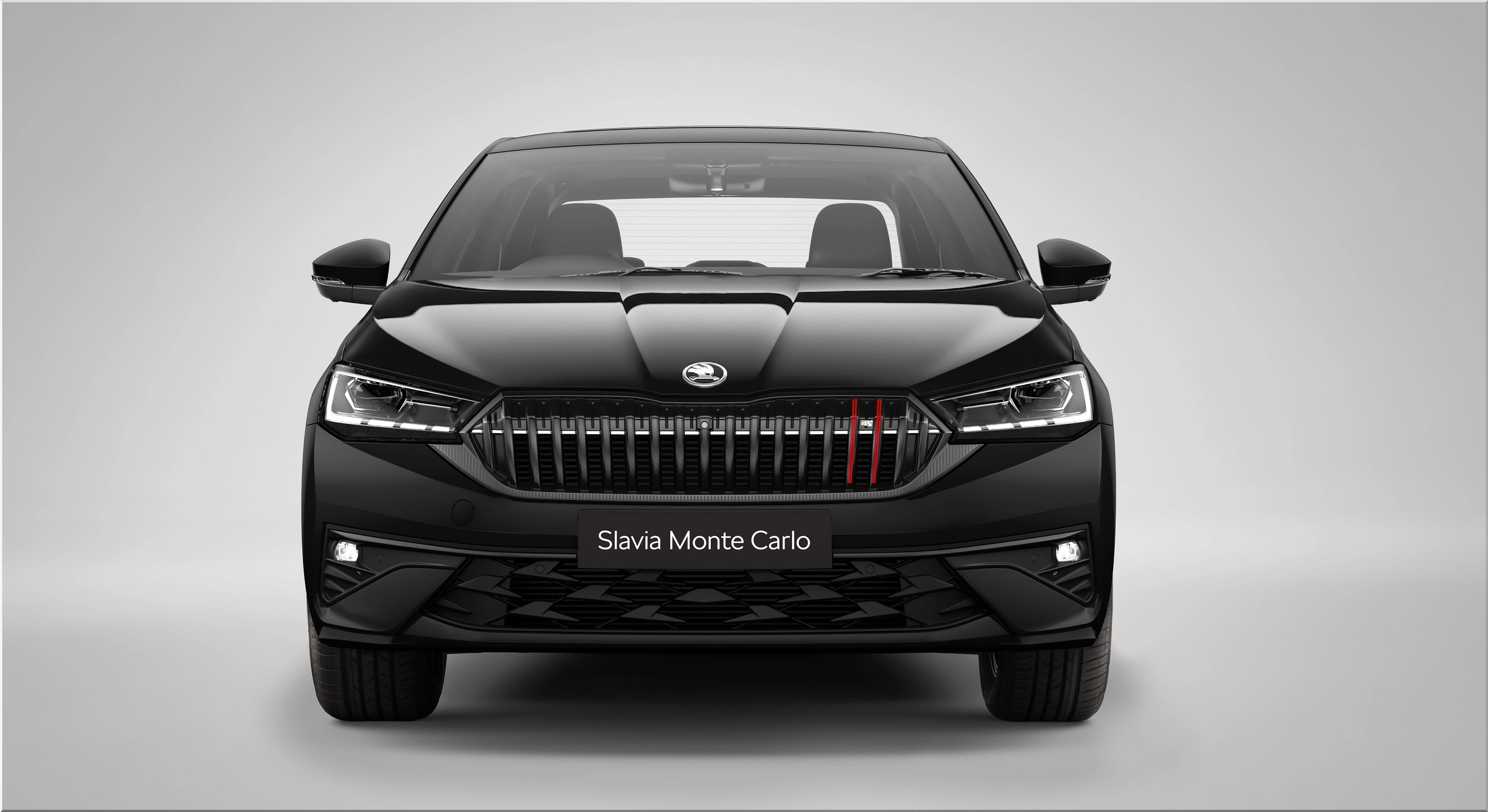
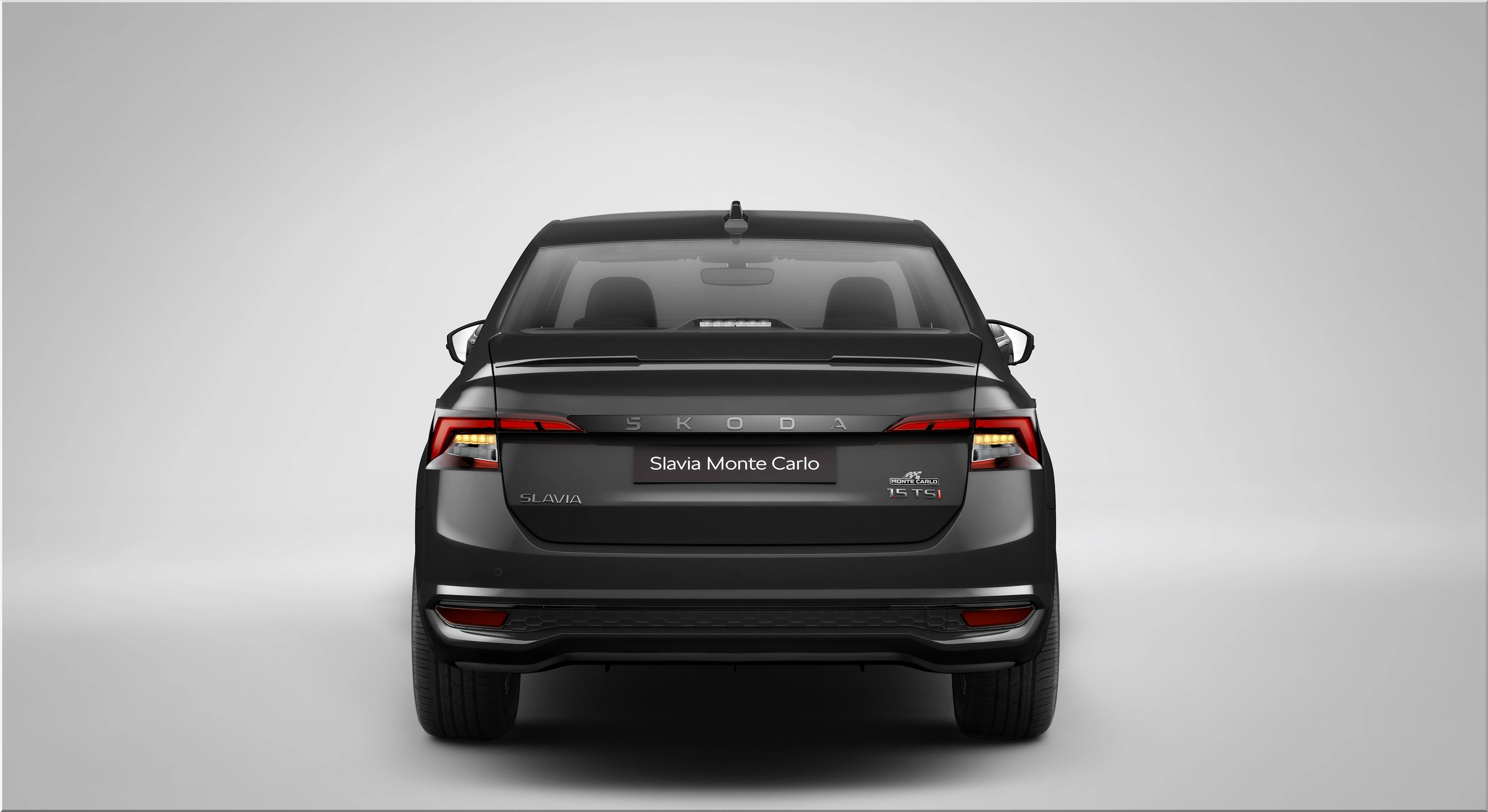
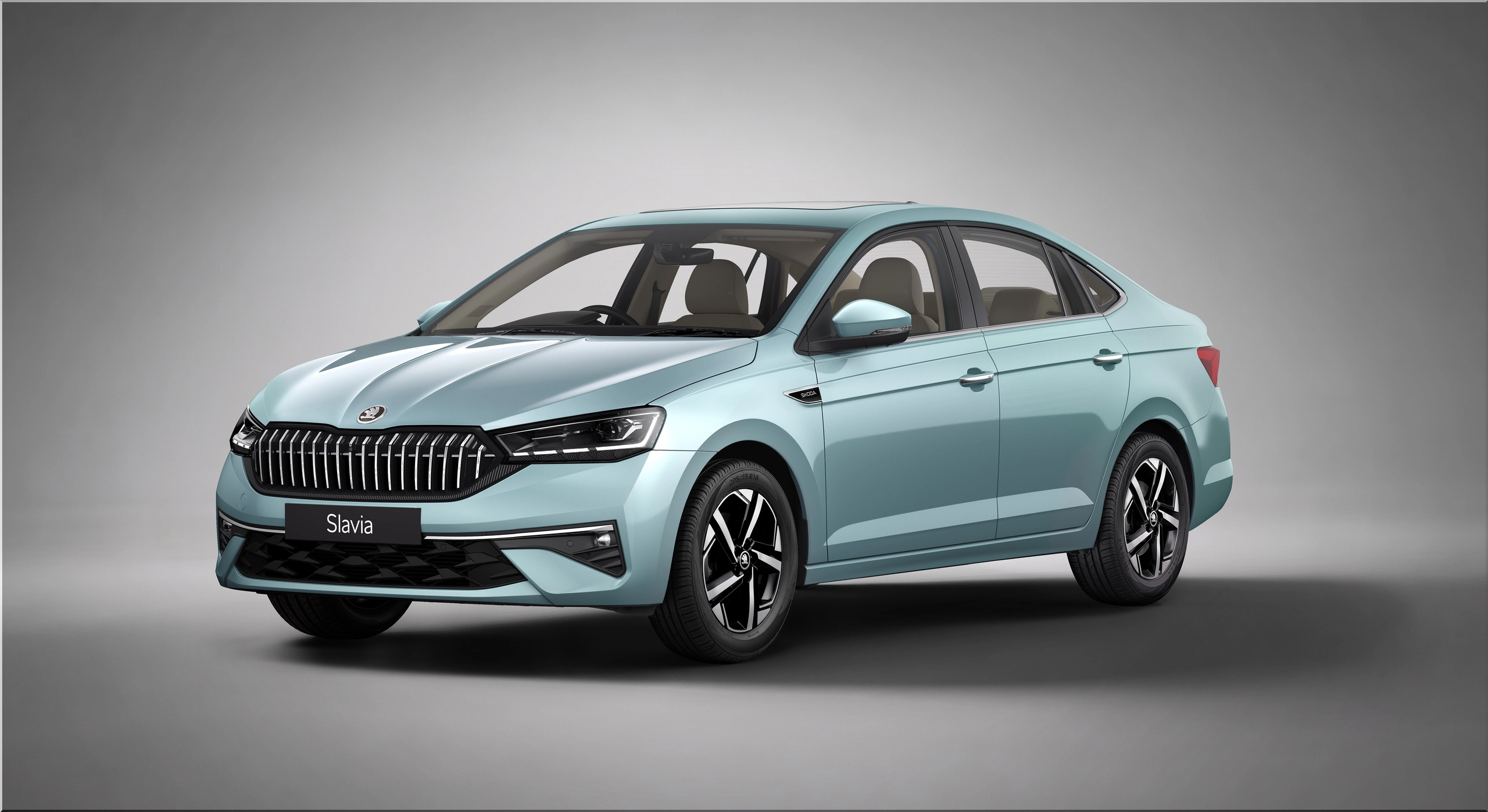
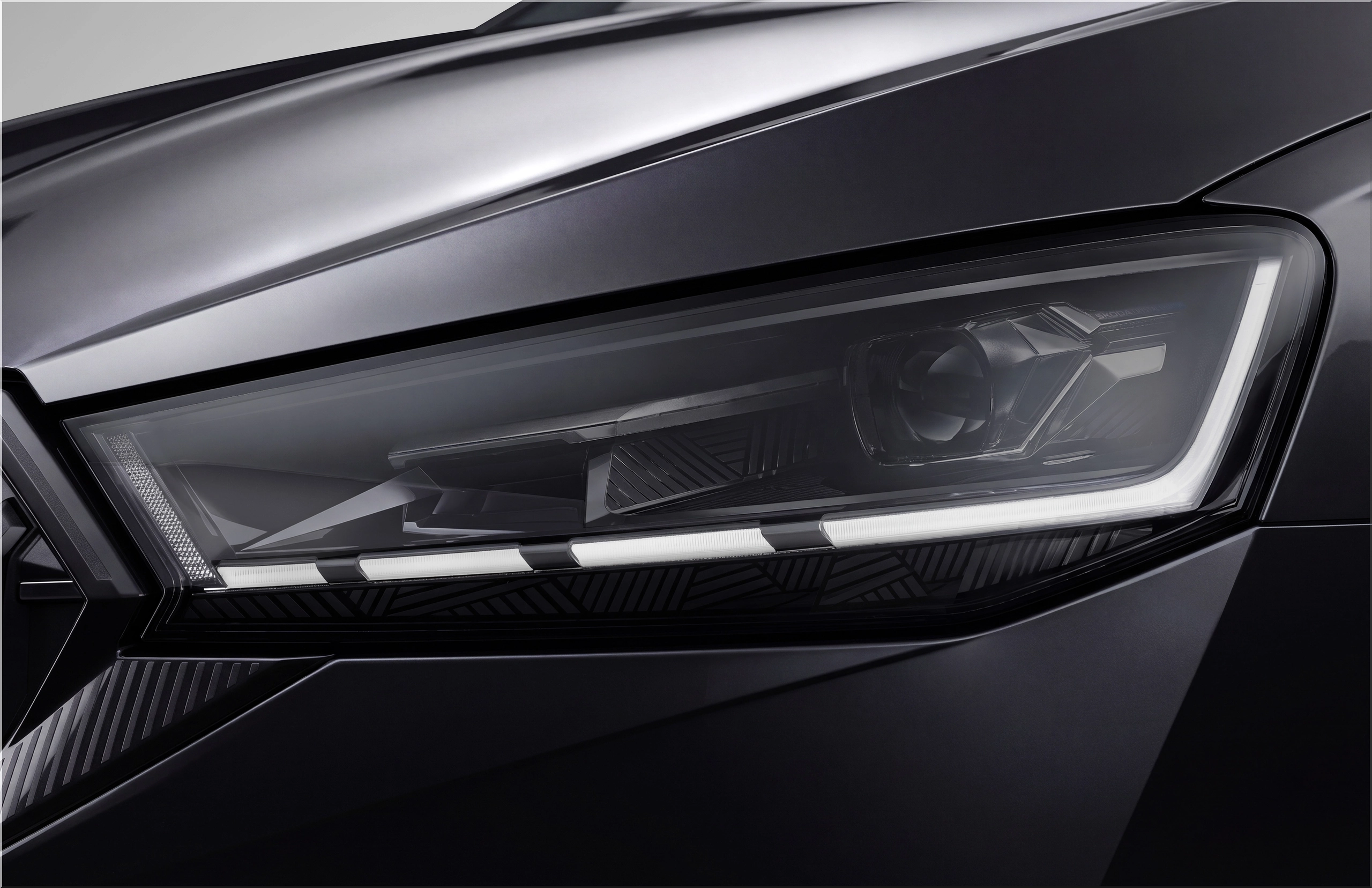
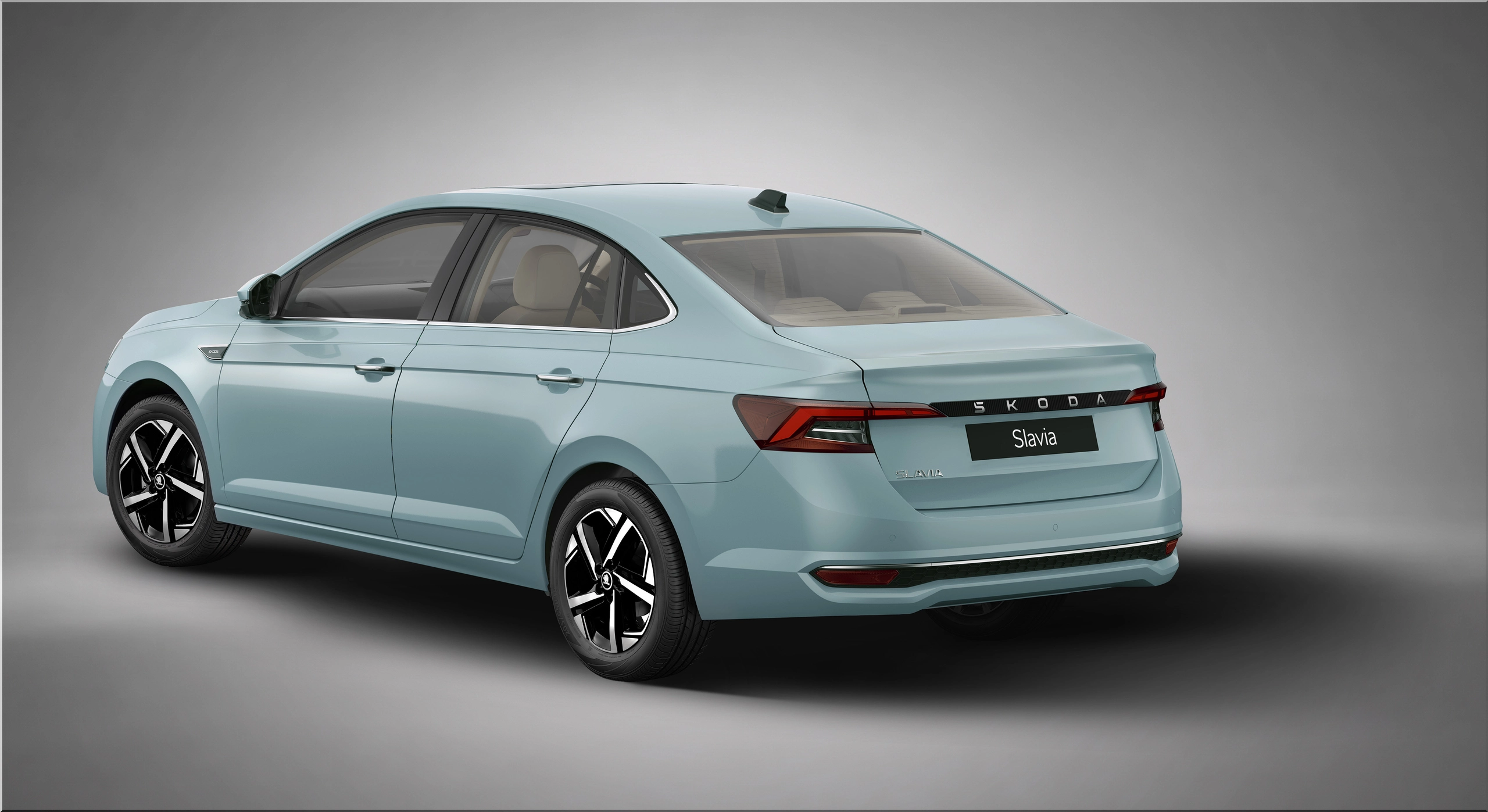
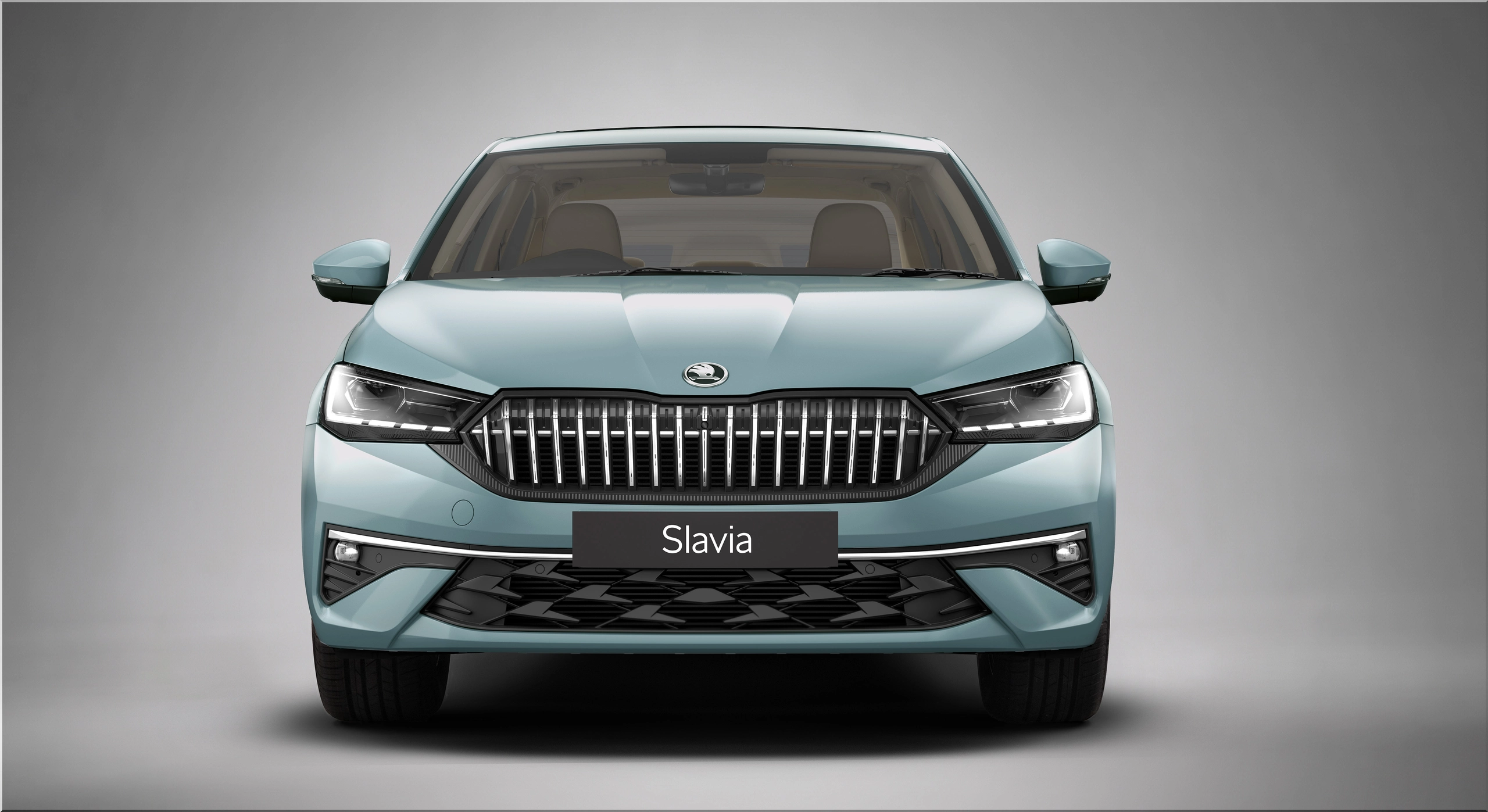
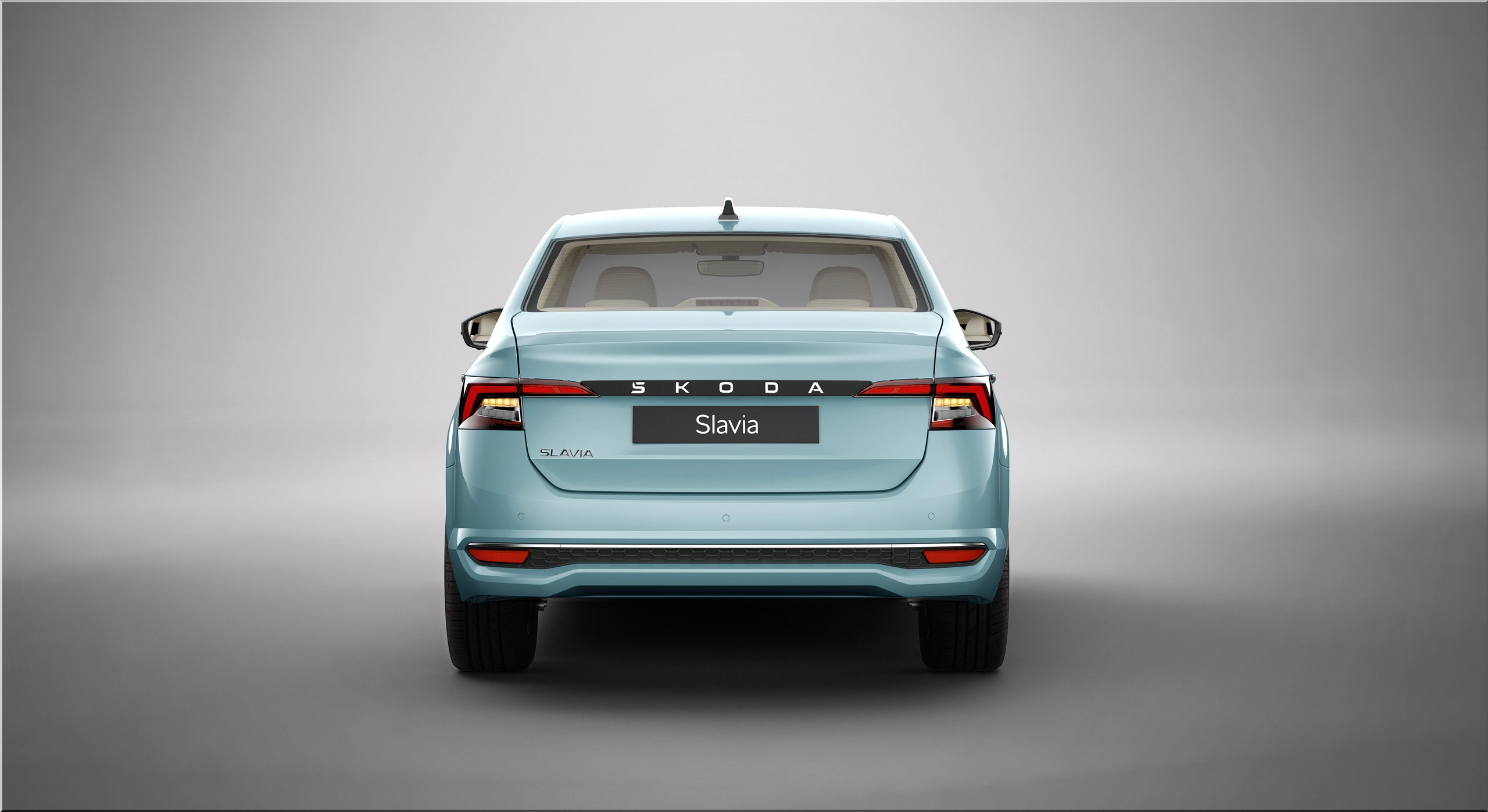
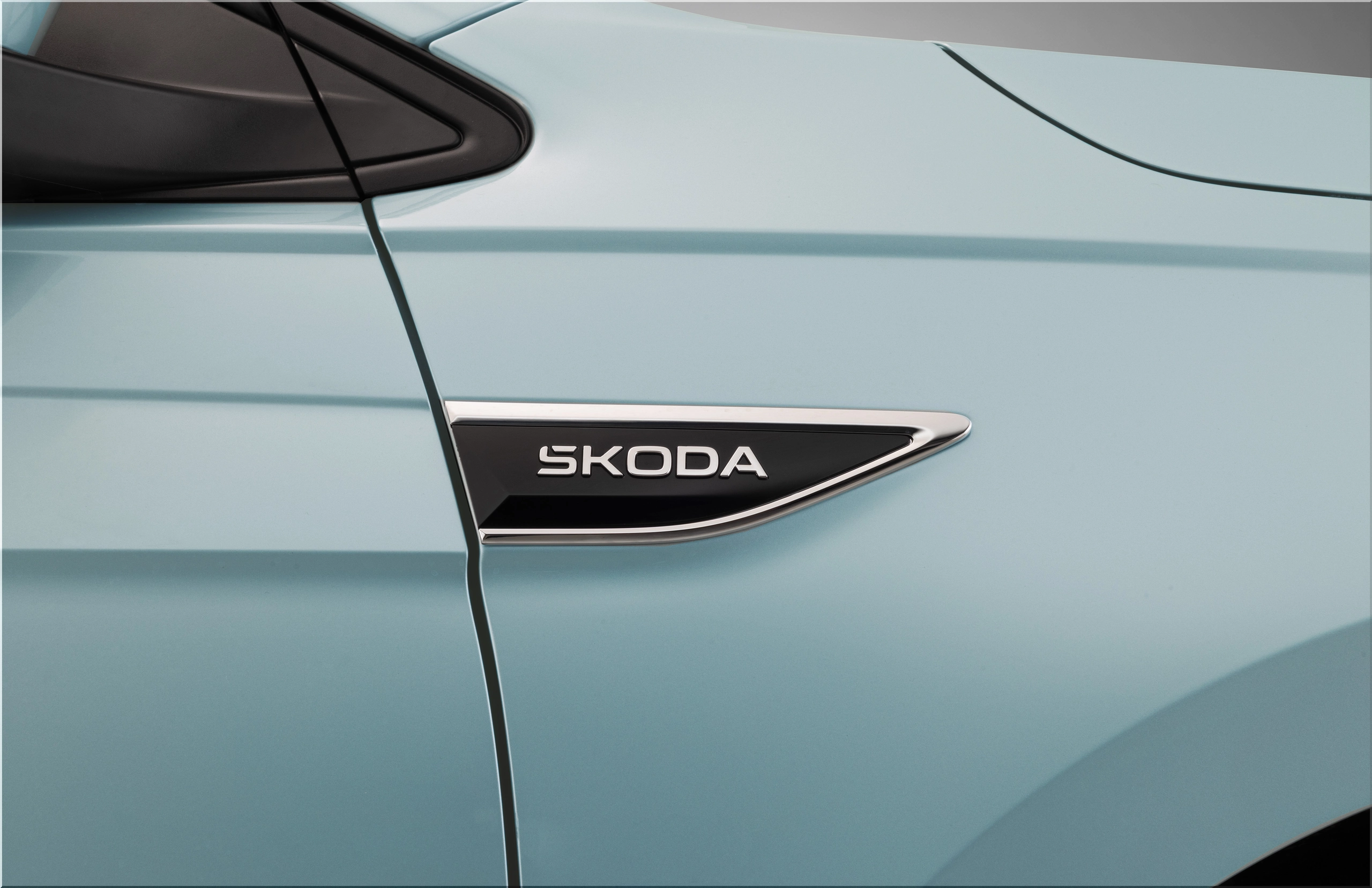
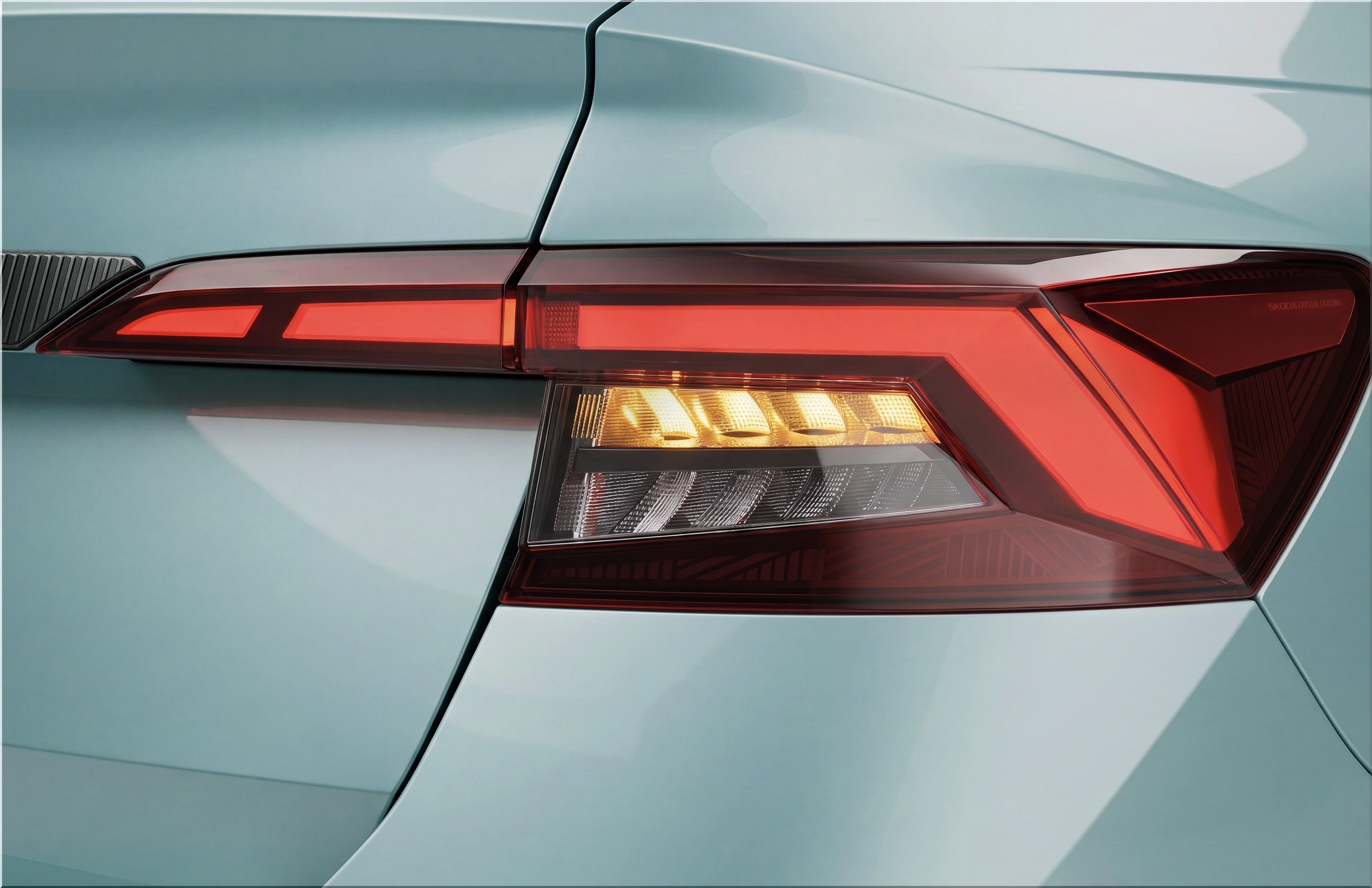
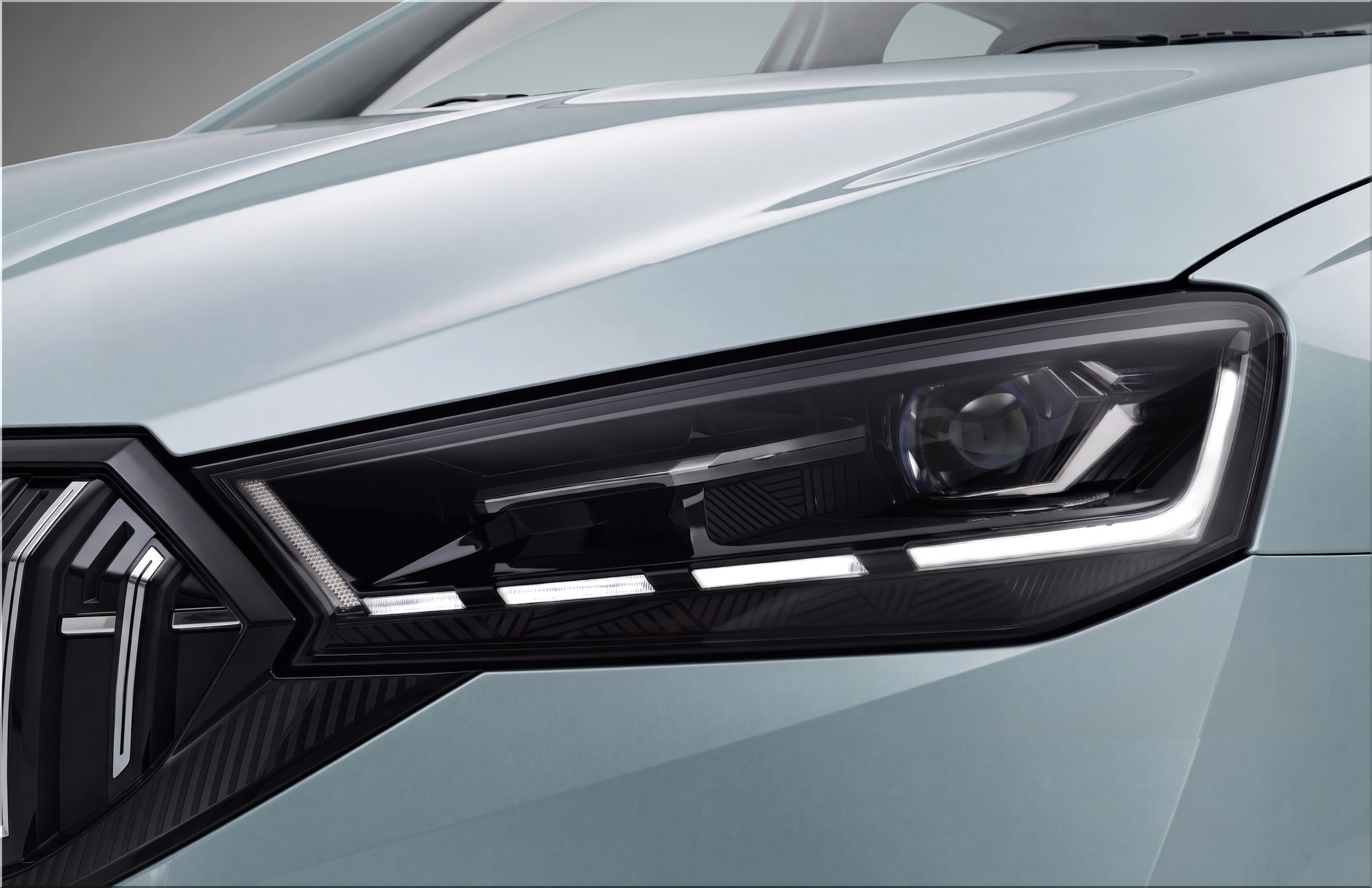
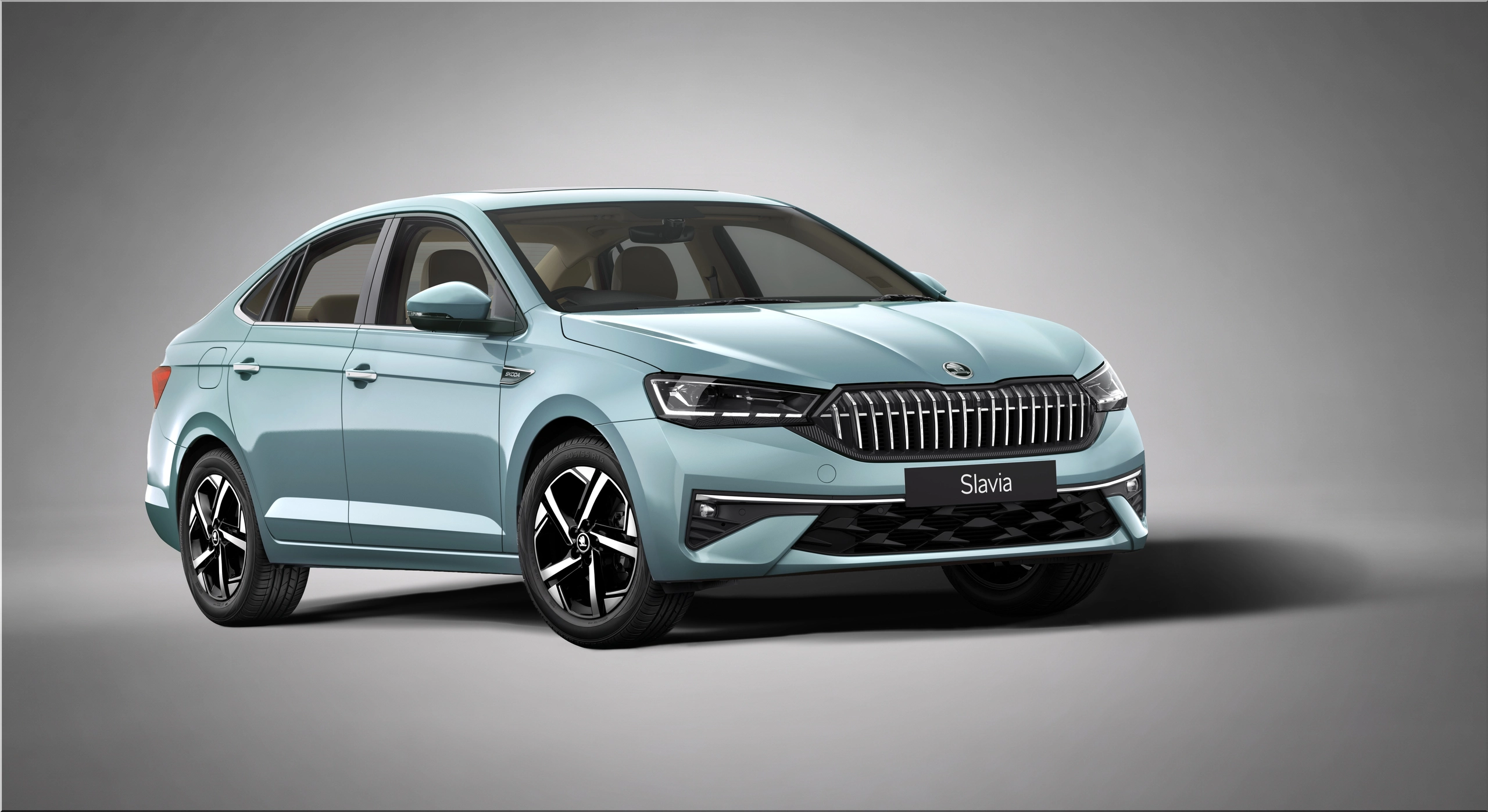
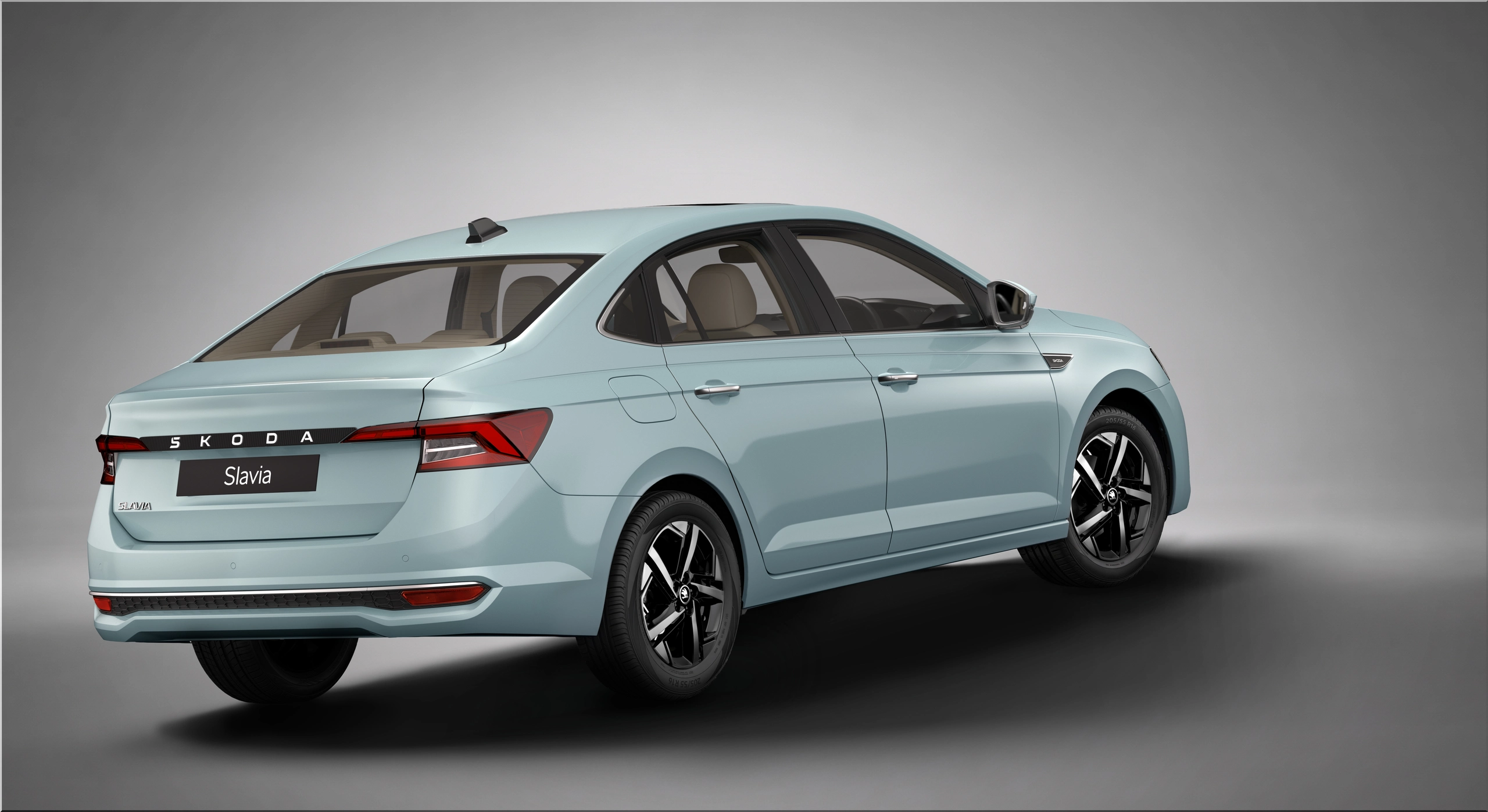
The Skoda Slavia facelift preserves its long bonnet, three-box profile and generous ride height. New LED headlamps, smaller LED fog lamps, revised daytime-running-light graphics and grille detailing sharpen the nose. Redesigned LED rear lamps add sequential indicators, while a centre trim piece visually links the lamps around the Skoda script.
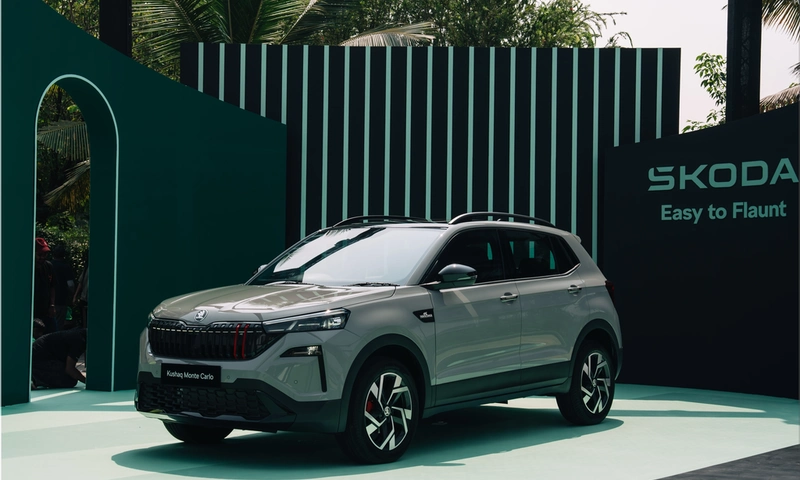
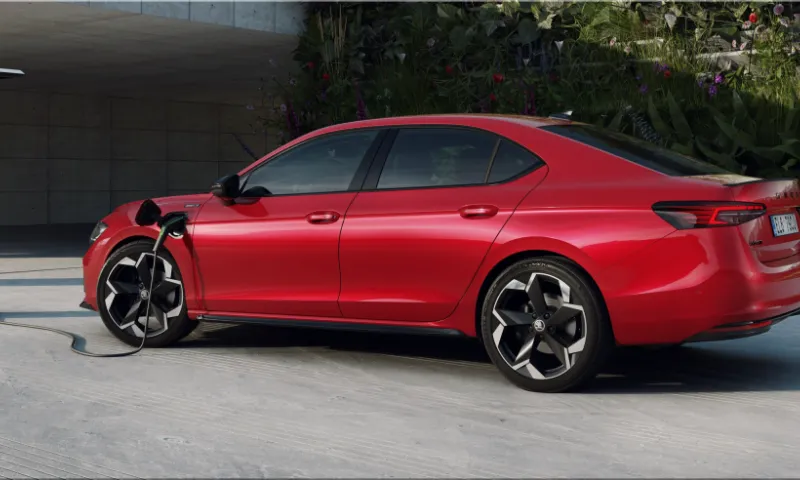
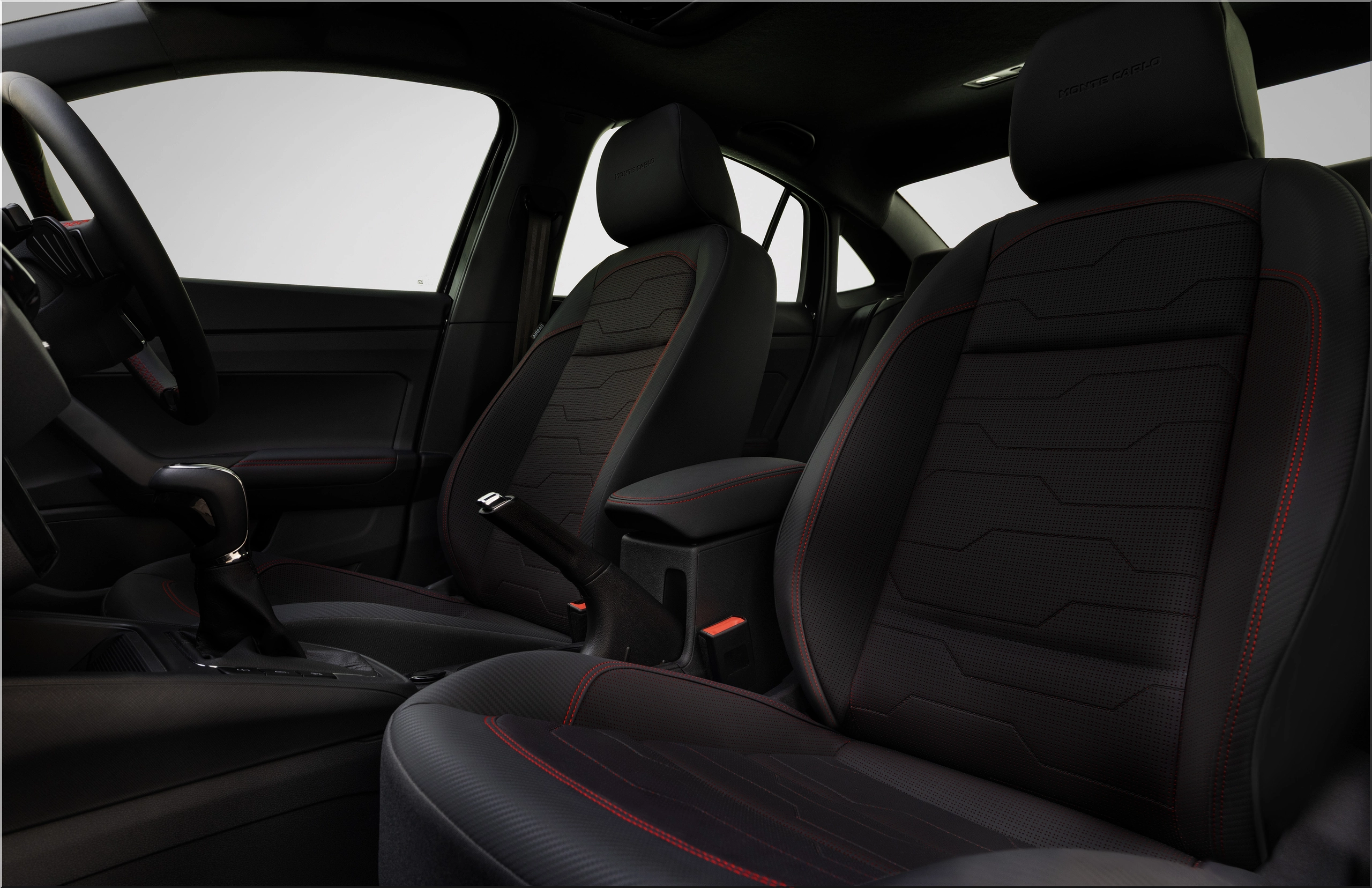
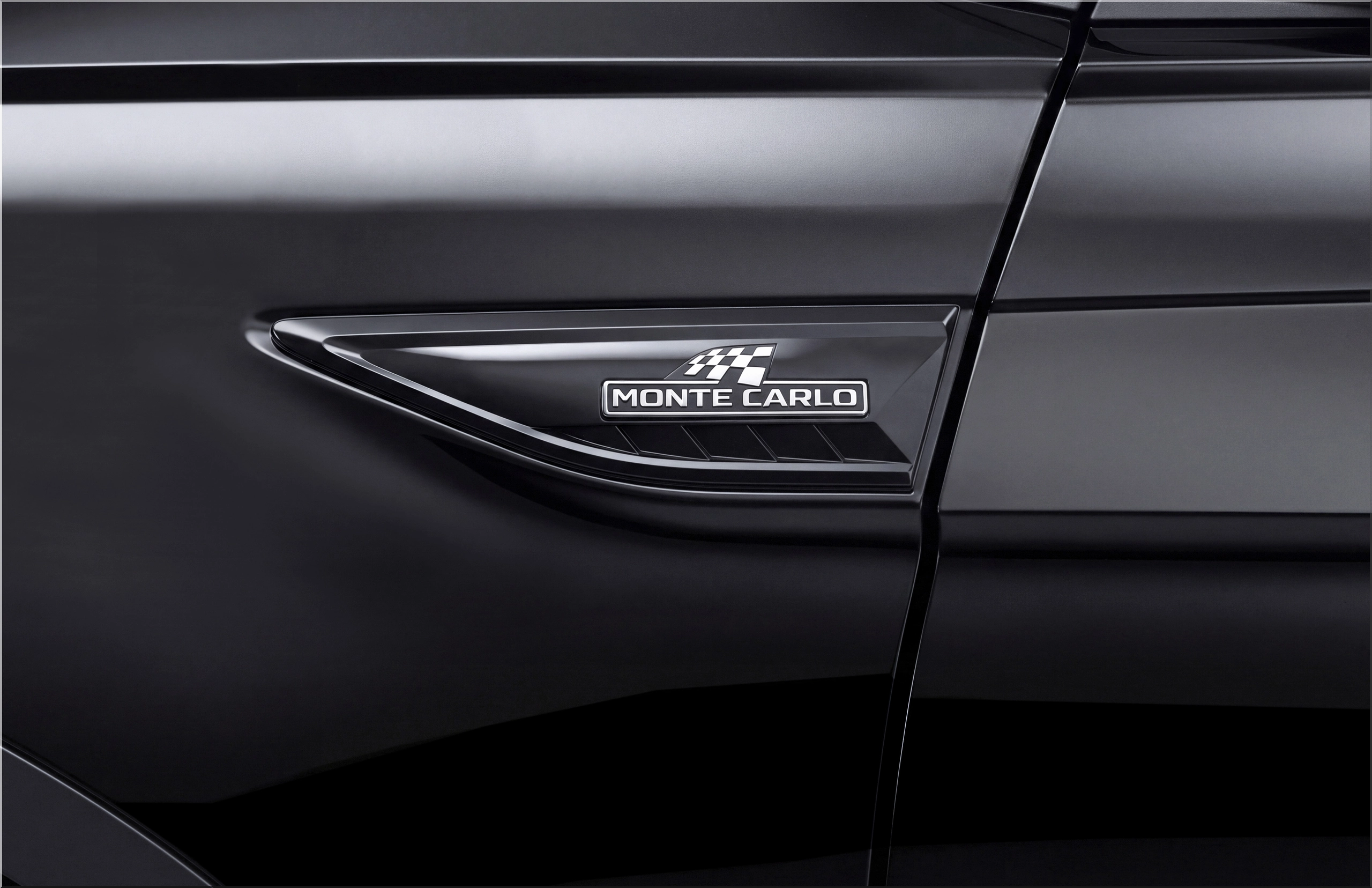
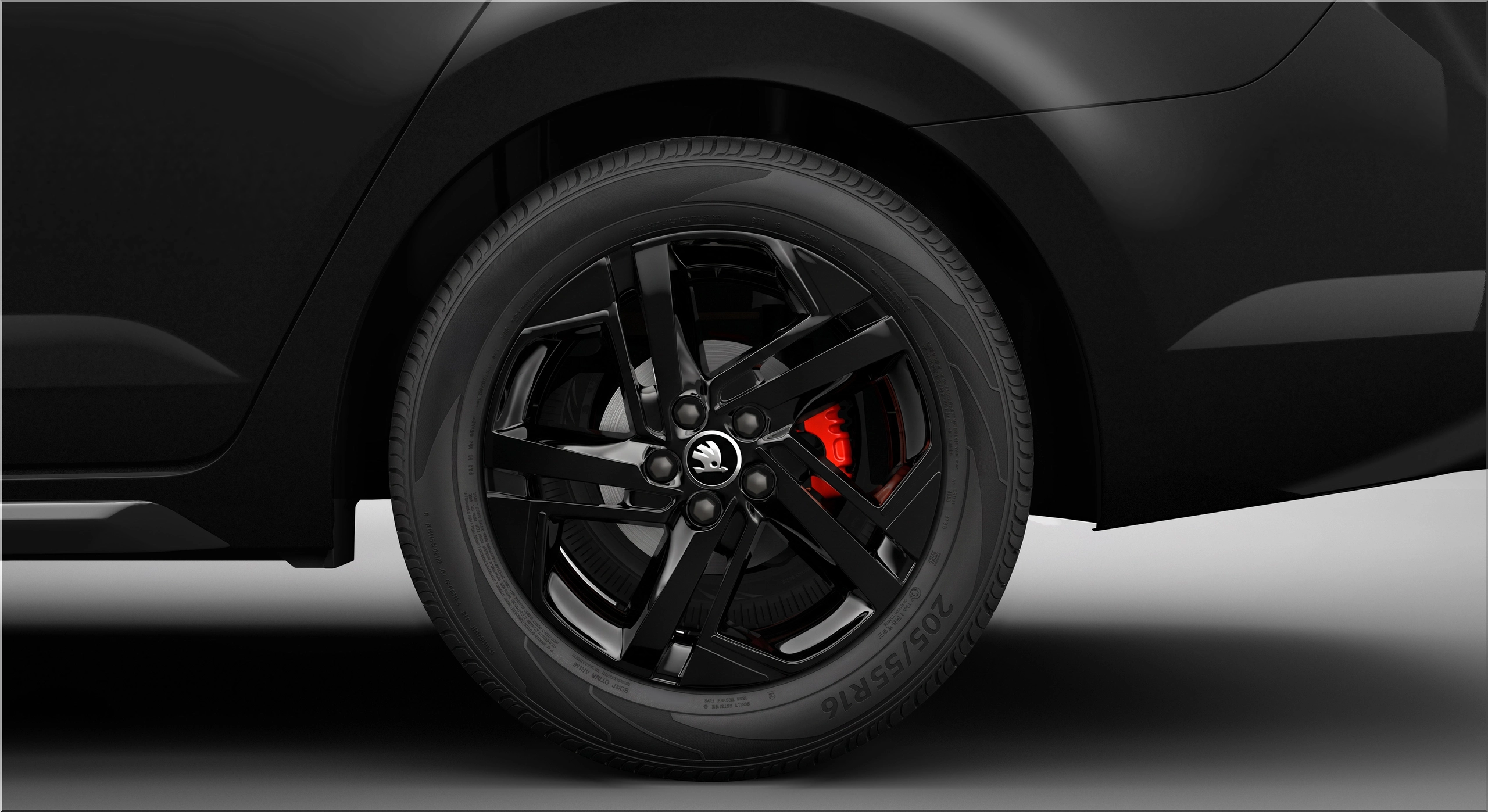
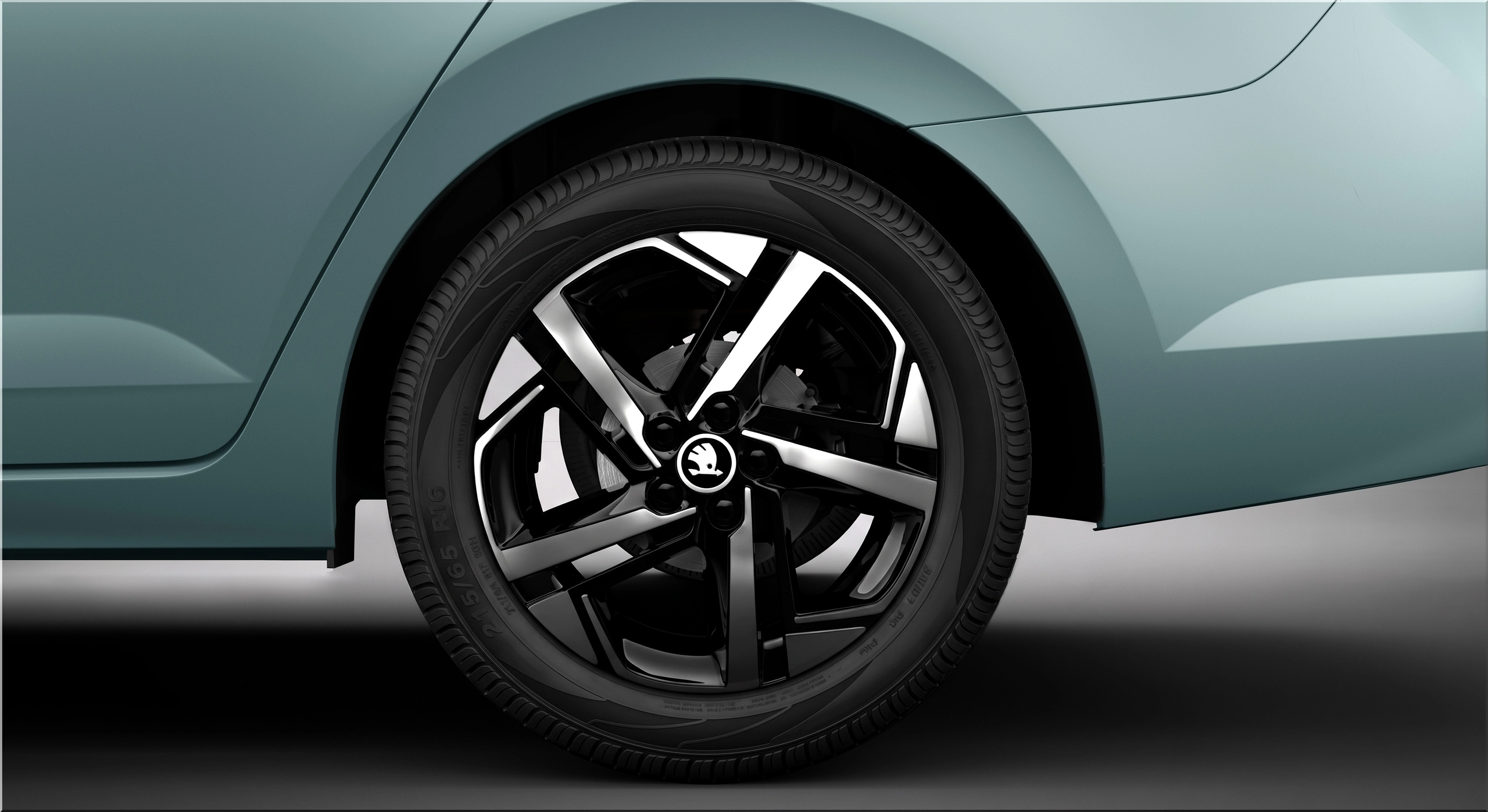
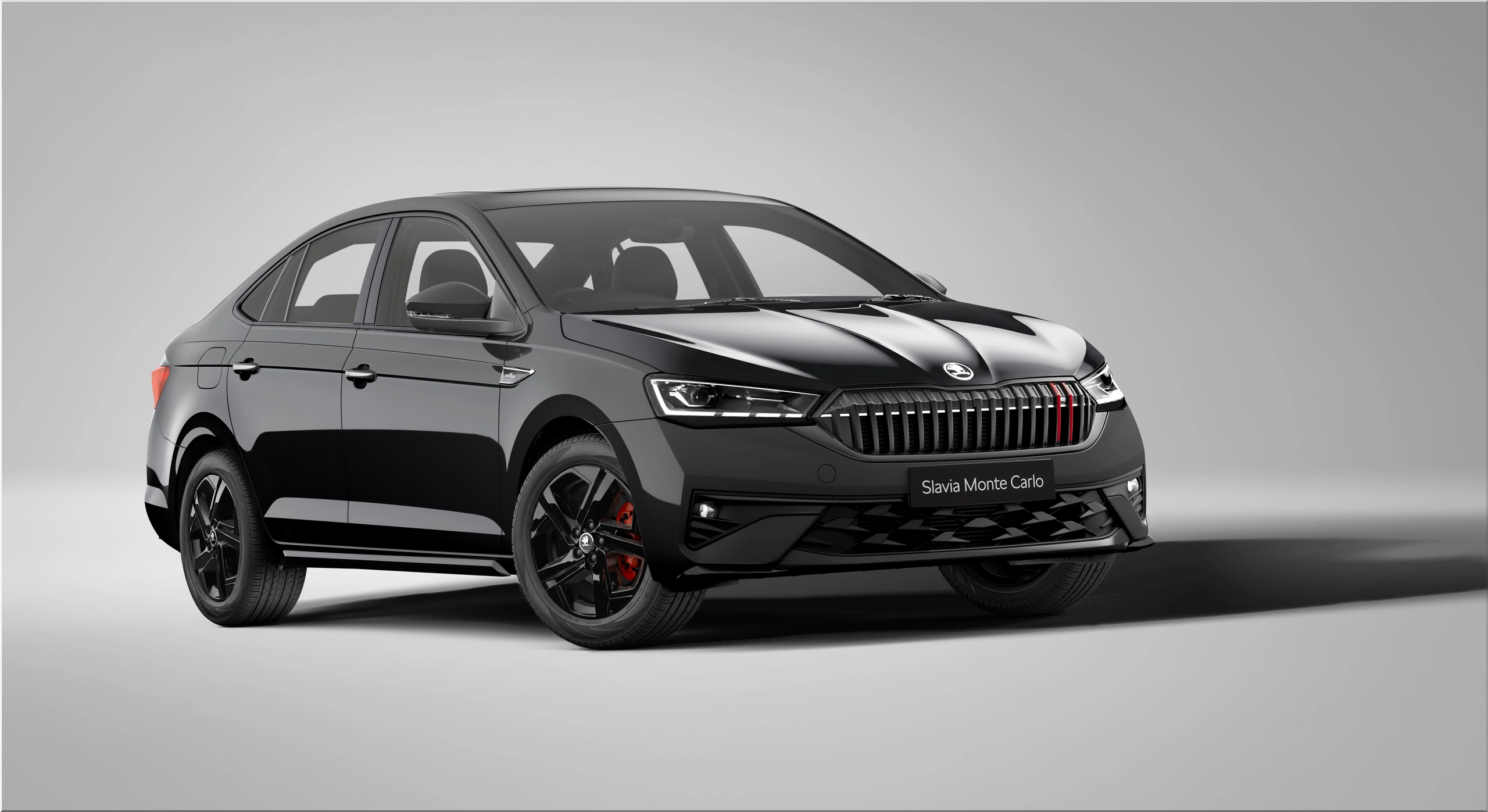
New 16-inch alloy-wheel designs separate higher variants. The Skoda Slavia Prestige uses a dual-tone finish, while the Skoda Slavia Monte Carlo applies black exterior details, dual-tone paint, red grille graphics, red brake calipers and dedicated badges. Arctic Silver and Cappuccino Beige join the colour range, although Cappuccino Beige deliveries start in December 2026.
Video title
2027 Skoda Slavia Monte Carlo
Unchanged hard points retain the original car's packaging strengths:
- A 2,651 mm wheelbase creates substantial fore-aft cabin room.
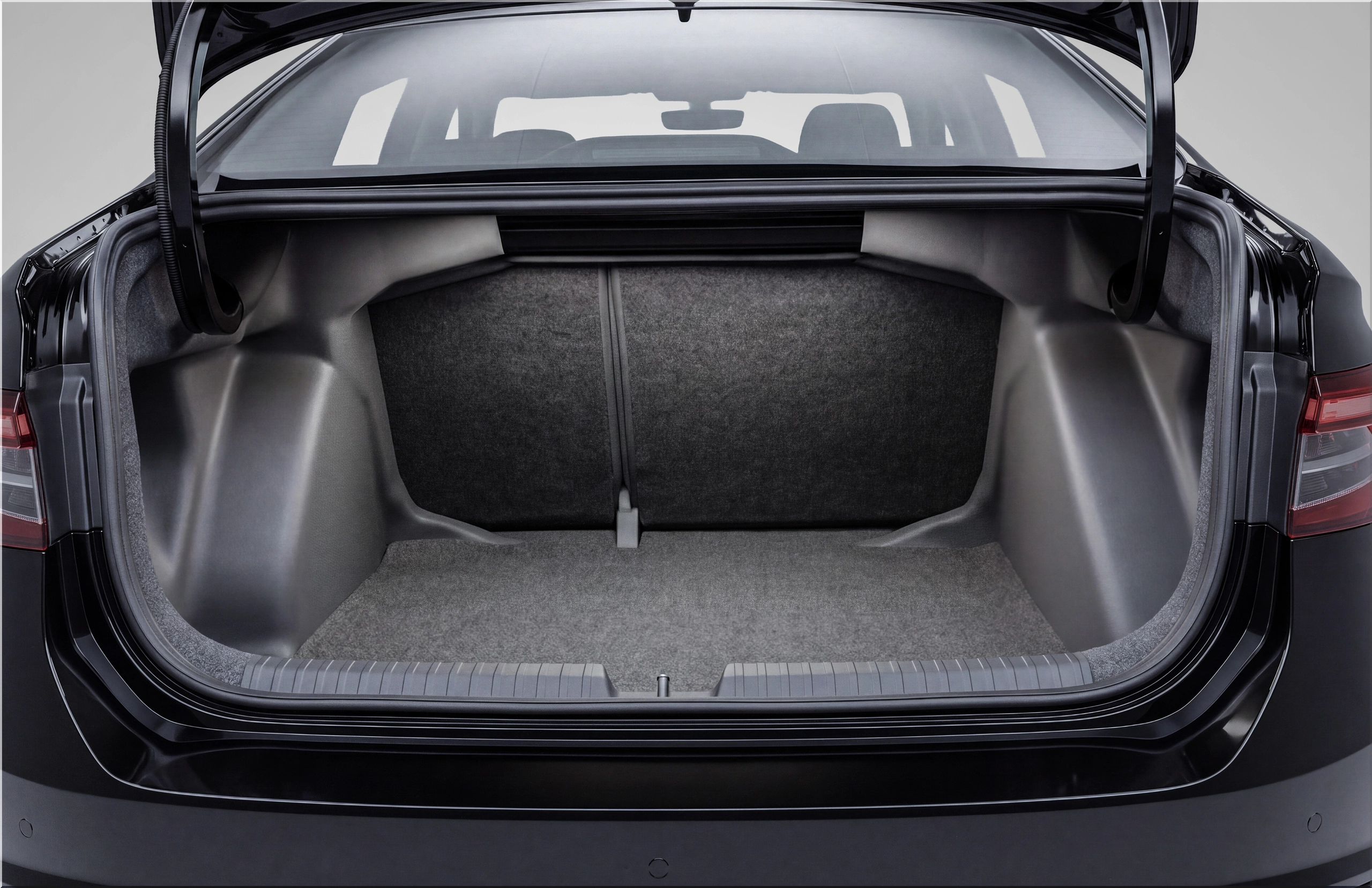
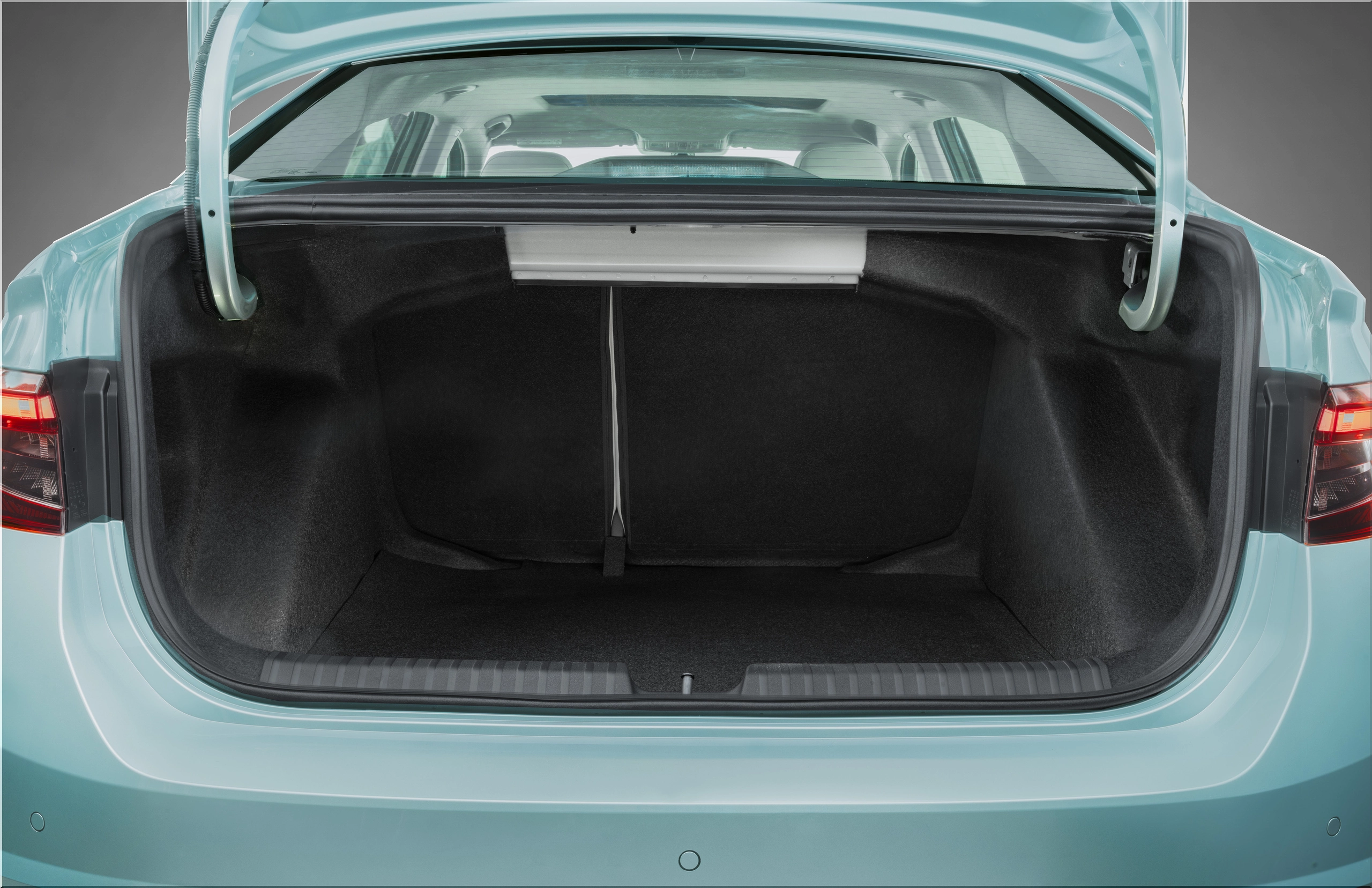
- A 521-litre boot beats many compact SUVs for enclosed luggage capacity.
- A 179 mm unladen ground clearance figure provides 7.0 inches beneath the car for speed humps and broken surfaces.
- A 45-litre tank supports long intercity runs without consuming boot volume.
Image
| Carry-over physical data | Metric | Imperial conversion | Buyer impact |
|---|---|---|---|
| Length | 4,541 mm | 178.8 in | Full C-segment footprint with a usable boot |
| Width | 1,752 mm | 69.0 in | Easy urban placement, though three large adults will sit tightly in back |
| Height | 1,507 mm | 59.3 in | Taller cabin stance than many low-slung saloons |
| Wheelbase | 2,651 mm | 104.4 in | Strong rear legroom potential and stable high-speed geometry |
| Ground clearance, unladen | 179 mm | 7.0 in | Added protection on rough roads and steep ramps |
| Boot capacity | 521 litres | 18.4 cu ft | Family luggage space without folding the rear seat |
| Fuel capacity | 45 litres | 11.9 US gal | Useful touring range with either petrol engine |
Two TSI Engines, Three Transmission Choices
Skoda retains the 999 cc three-cylinder 1.0 TSI and 1,498 cc four-cylinder 1.5 TSI. Both use turbocharging and direct injection, but they serve different buyers. The smaller engine prioritises cost and broad availability; the larger unit supplies 72 Nm more torque and pairs only with the seven-speed DSG in the official order structure.
| Specification | 1.0 TSI | 1.5 TSI |
|---|---|---|
| Configuration | 999 cc inline-three, turbo petrol | 1,498 cc inline-four, turbo petrol |
| Maximum output | 85 kW / 115 PS at 5,000-5,500 rpm | 110 kW / 150 PS at 5,000-6,000 rpm |
| Peak torque | 178 Nm at 1,750-4,500 rpm | 250 Nm at 1,600-3,500 rpm |
| Manual gearbox | 6-speed | Skoda offers none |
| Automatic gearbox | New 8-speed torque converter | 7-speed DSG dual-clutch |
| Driven wheels | Front | Front |
| Cylinder deactivation | No | Active Cylinder Technology |
| Rear disc brakes | Skoda has not confirmed them | Skoda adds them with this update |
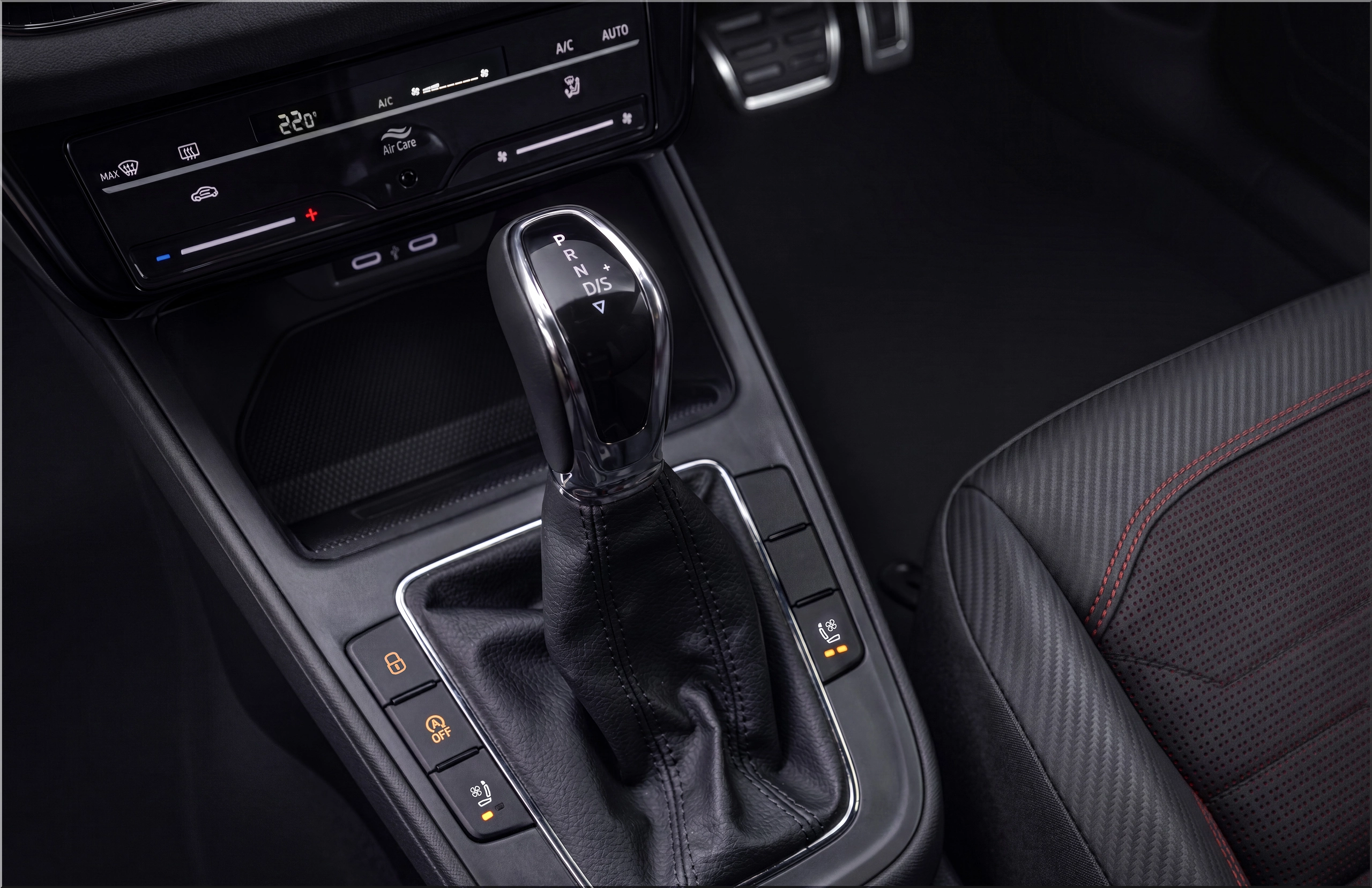
Looking at the data, the eight-speed automatic Slavia carries the most important mechanical change. Specifically, two extra ratios produce smaller rpm drops between shifts, helping keep the engine inside its 1,750-4,500 rpm torque plateau. Skoda has not released new gear ratios, acceleration times or fuel-use ratings. The outgoing car returned certified figures of 20.32 km/l (47.8 mpg US) for the 1.0 manual, 18.73 km/l (44.1 mpg US) for the old six-speed automatic and 19.36 km/l (45.5 mpg US) for the 1.5 DSG; none validates the new eight-speed.
Image
The torque converter also suits dense traffic. Its hydraulic coupling permits progressive creep and low-speed slip, reducing the abrupt clutch engagement that some dual-clutch units can display during parking or stop-start driving. Once the lock-up clutch closes at speed, the gearbox limits hydraulic slip and sends power through a direct mechanical path.
By comparison, the 1.5 TSI's seven-speed DSG favours quicker shifts and stronger acceleration. Active Cylinder Technology can shut down two cylinders under light load, cutting pumping losses when the driver requests little torque. From an expert perspective, the 1.5 remains the enthusiast choice, while the 1.0 eight-speed targets the larger urban family market.
Image gallery
Cabin Technology Targets Owners and Rear Passengers
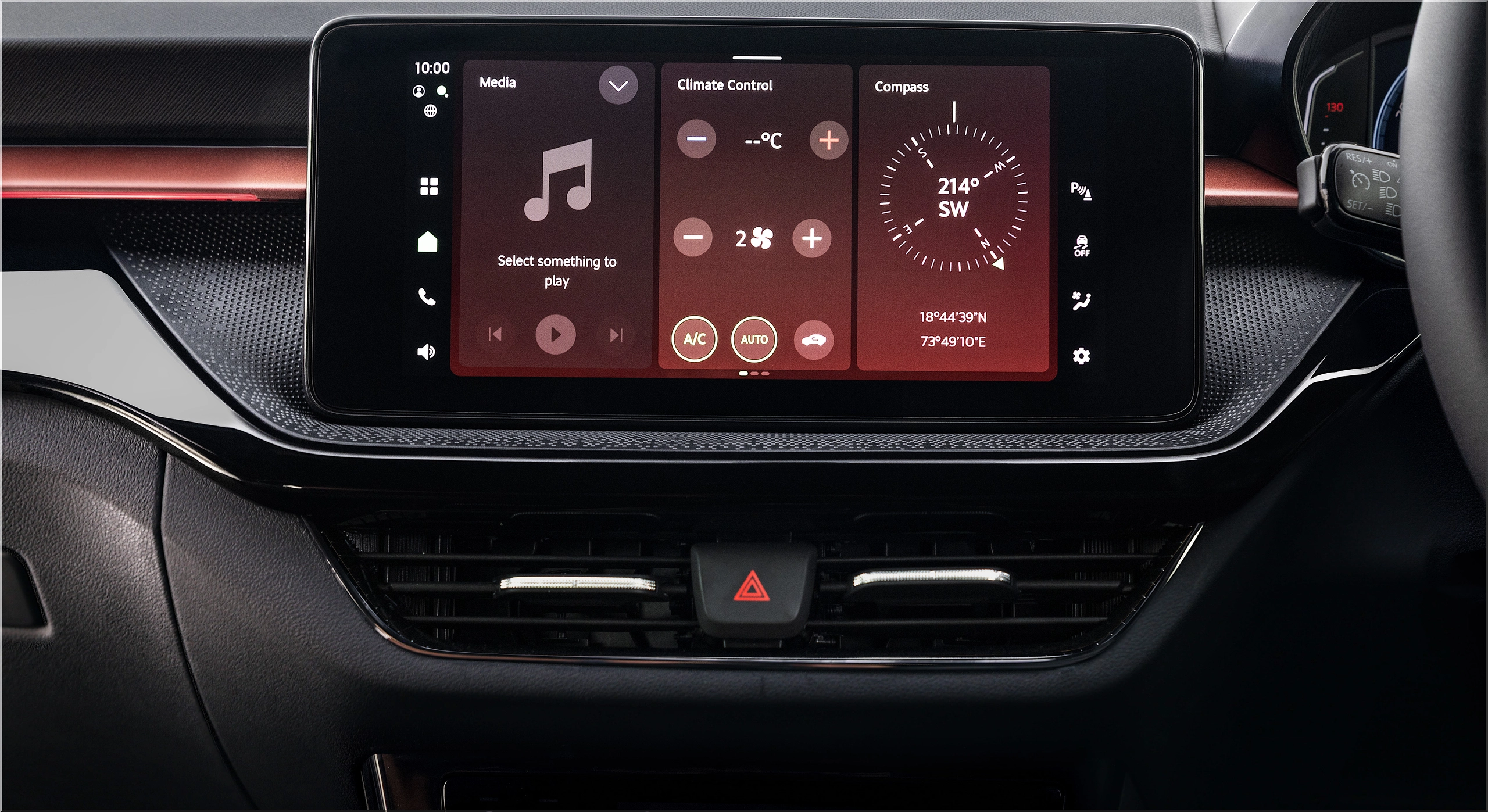
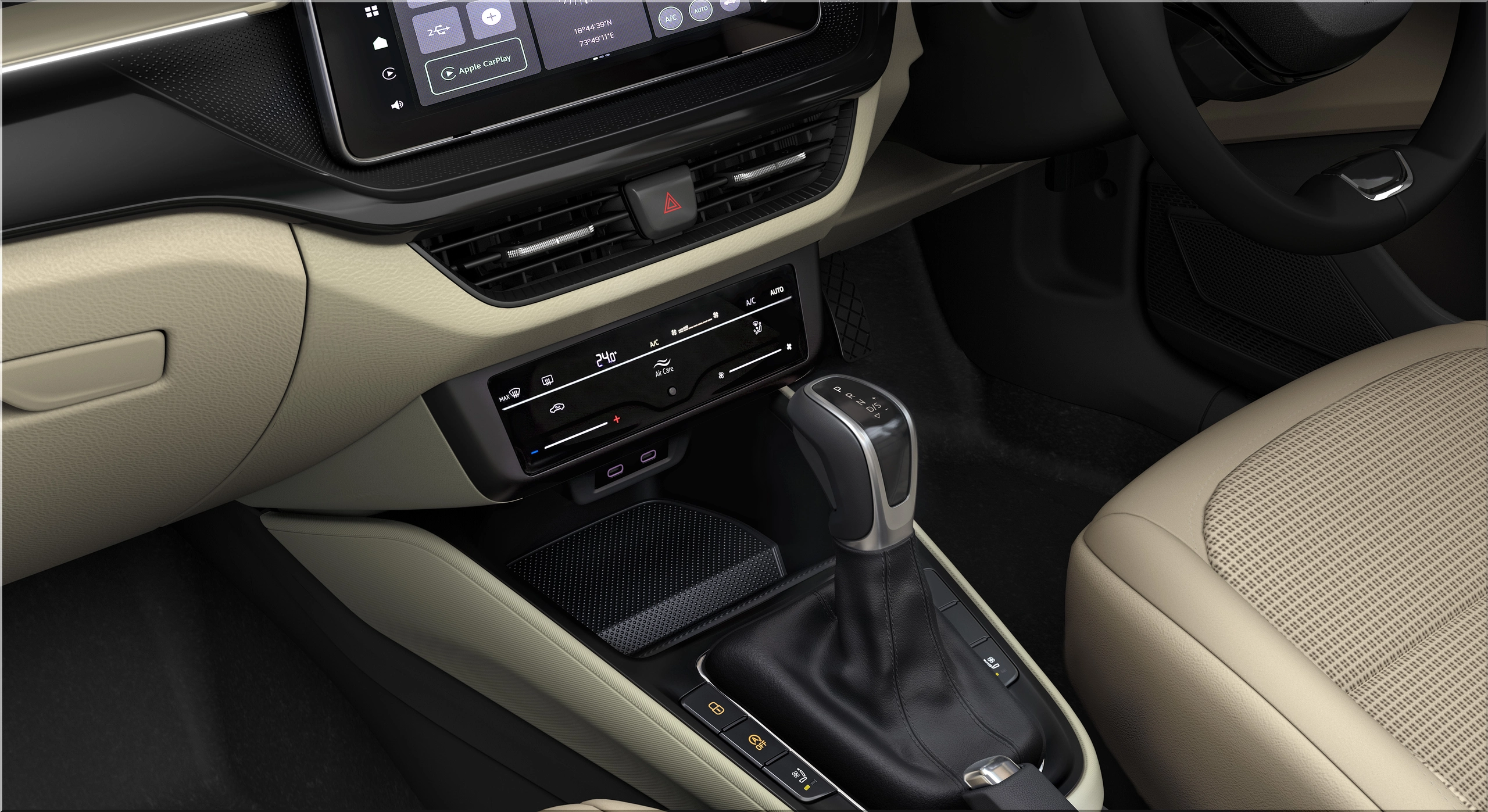
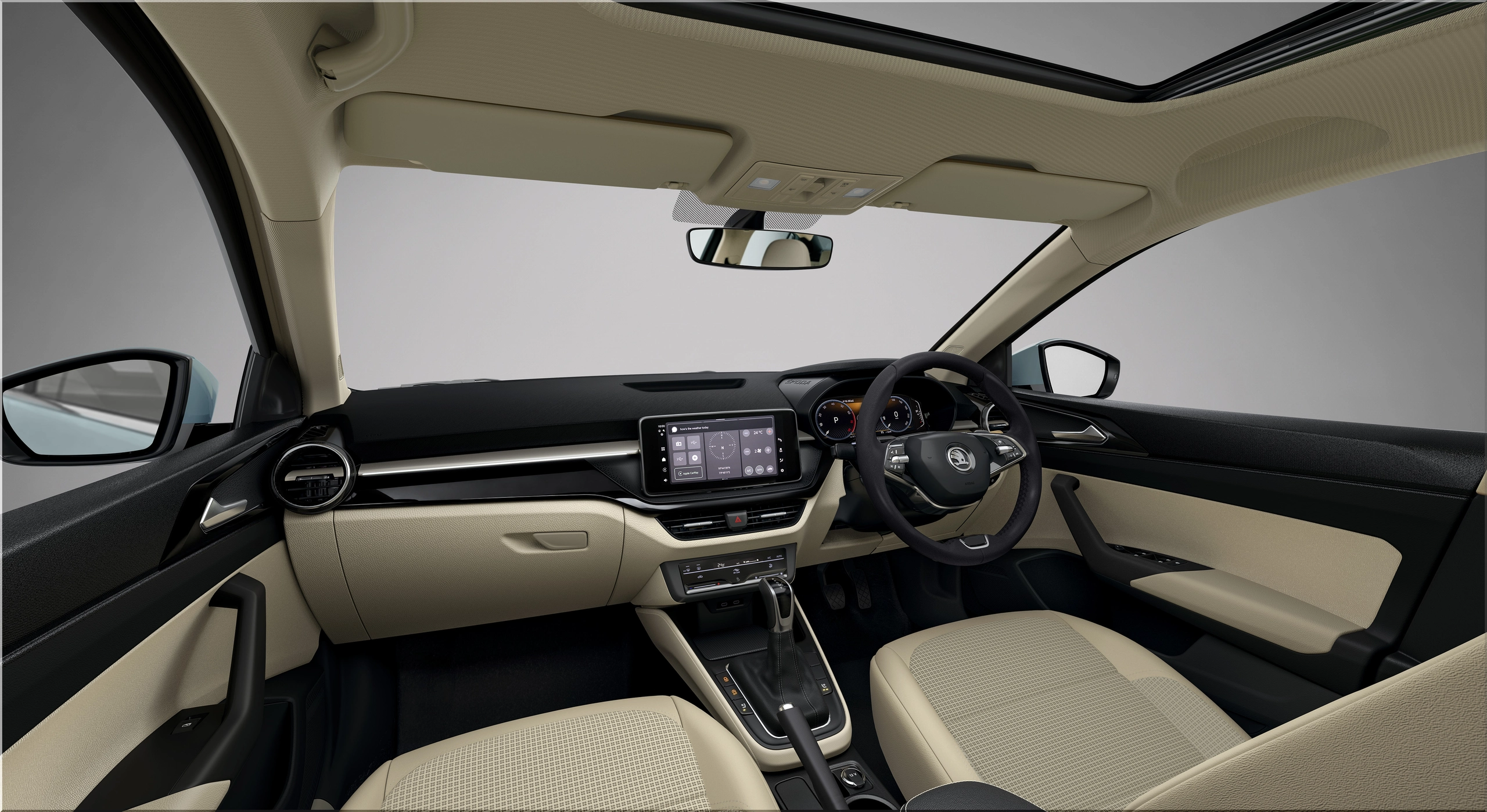
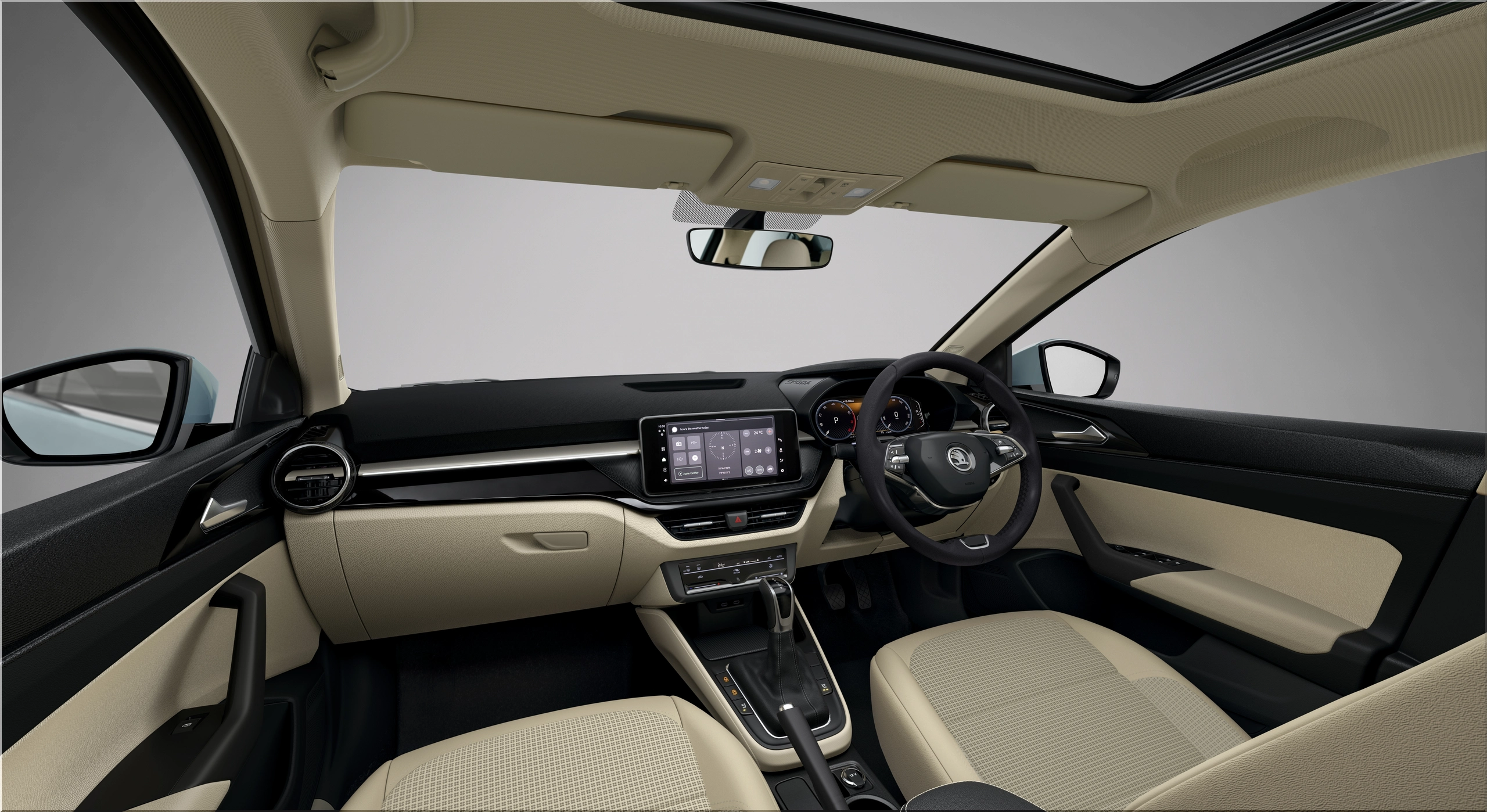
The dashboard architecture stays familiar, but the screens and software move forward. Skoda Slavia Prestige and Skoda Slavia Monte Carlo versions gain a 10.25-inch Digital Cockpit with turn-by-turn directions, while Signature and Sportline use an 8-inch digital display. Lower Classic grades receive a 7-inch digital cluster, replacing basic analogue instruments in parts of the former range.
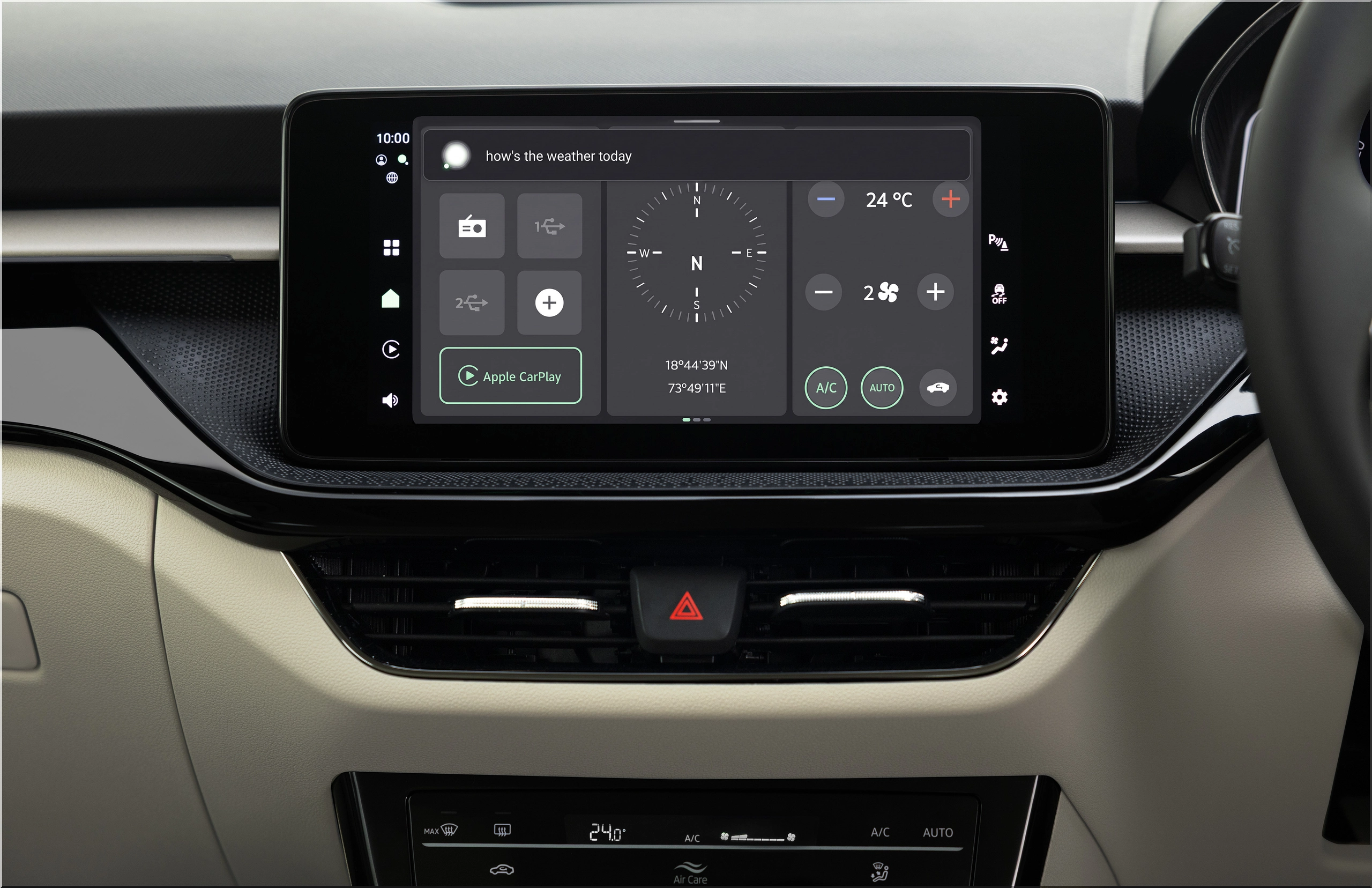
The 10.1-inch infotainment system supports wireless Apple CarPlay and Android Auto. Its Google Cloud Automotive AI Agent recognises Indian English speech patterns and handles music, calls, climate requests and live information. That regional tuning has practical value because voice control fails when software misreads local pronunciation.
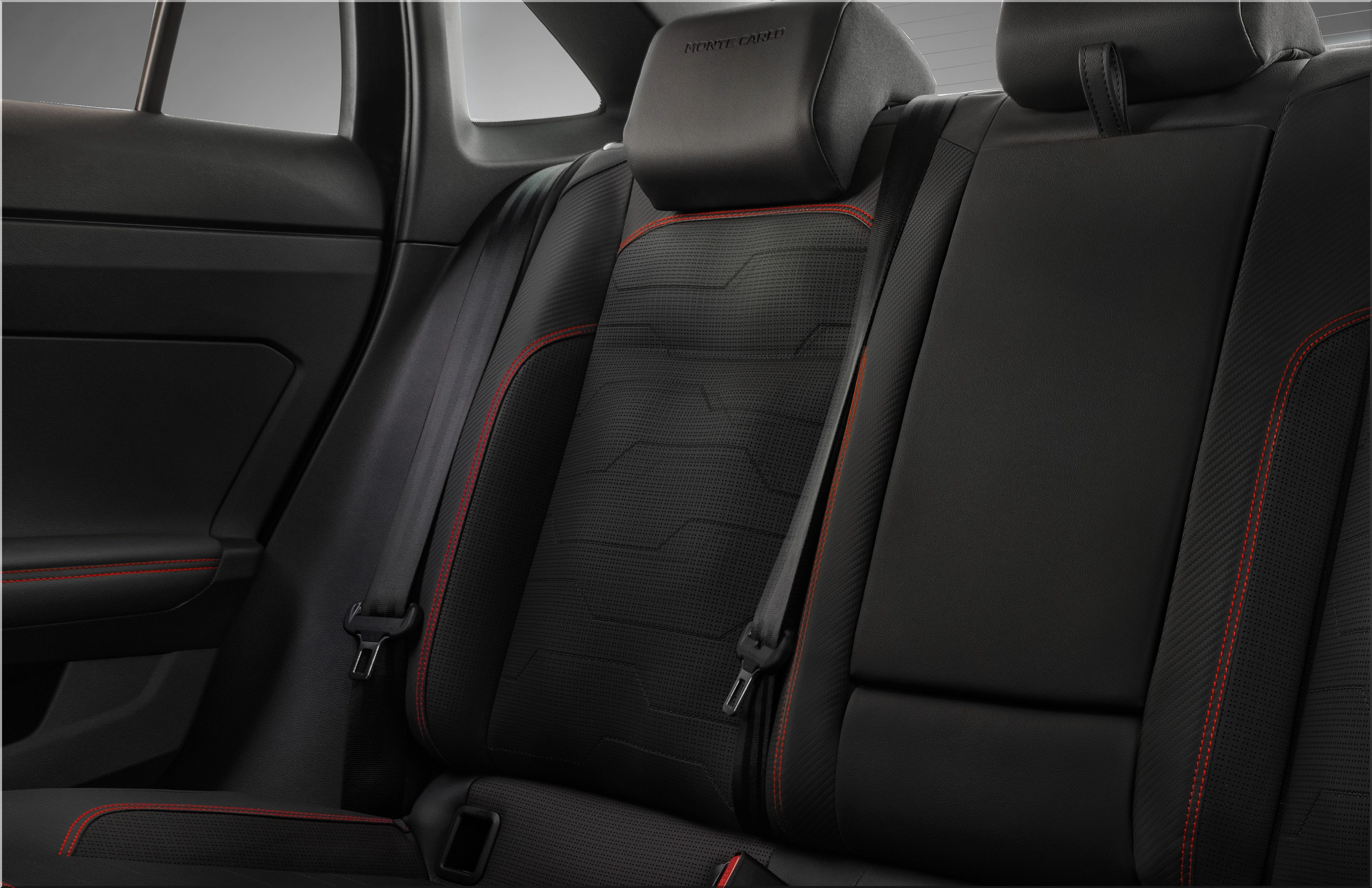
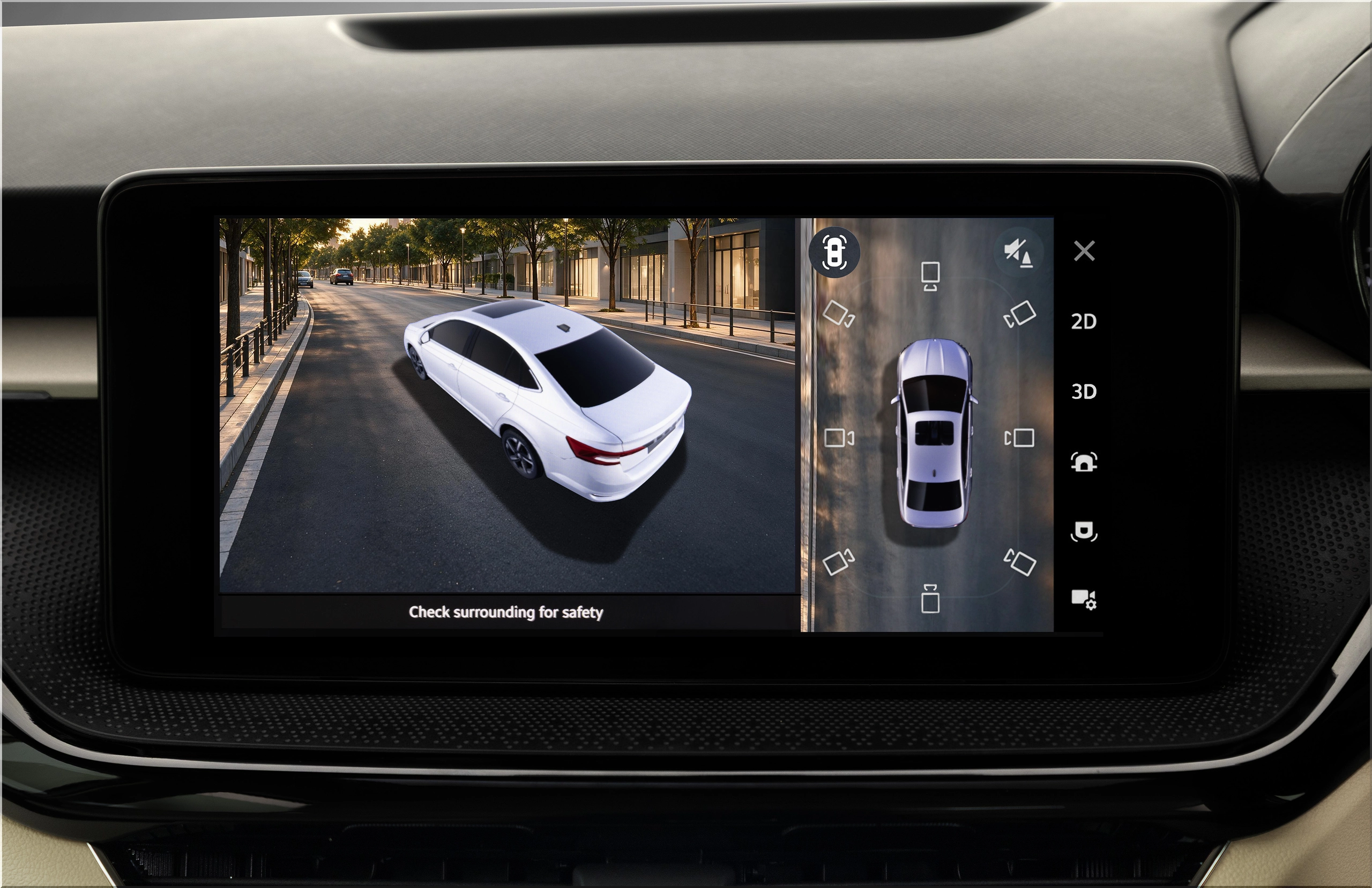
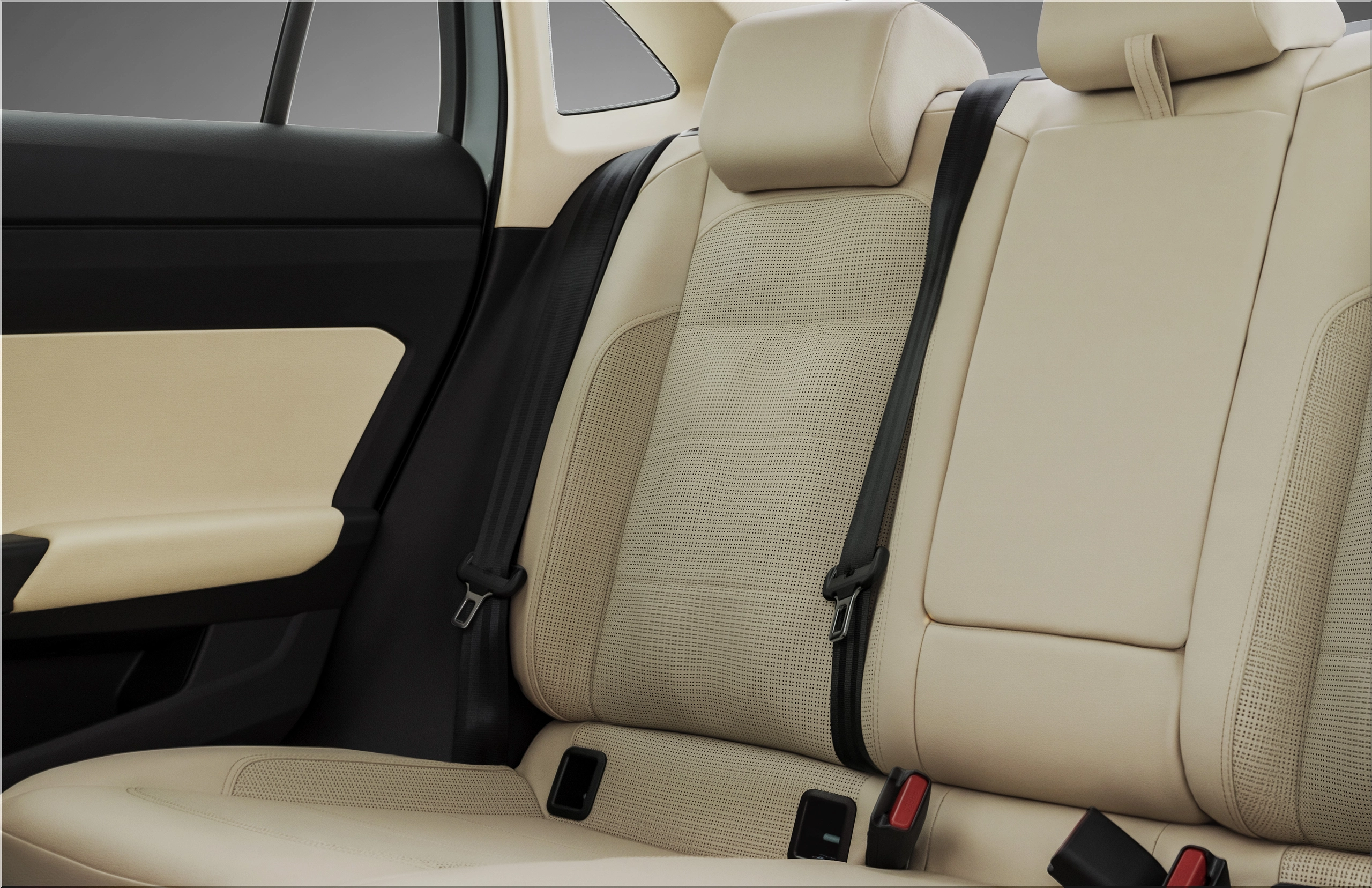
In addition, Prestige and Monte Carlo add electrically adjustable and ventilated front seats plus the segment-first rear-seat massage function. Sportline and higher grades gain a 360-degree Area View camera, while front parking sensors help judge the Slavia's 4.54-metre length. Most versions also receive a single-pane sunroof; Skoda does not offer a panoramic panel.
Image
The six-grade structure creates clear buying lanes:
- Classic: 1.0 TSI six-speed manual only.
- Classic+: 1.0 TSI manual or eight-speed automatic.
- Signature: 1.0 TSI manual or eight-speed automatic.
- Sportline: 1.0 TSI manual or eight-speed automatic.
- Prestige: all three powertrain choices, including the 1.5 DSG.
- Monte Carlo: 1.0 eight-speed automatic or 1.5 DSG.
Safety Gains Better Parking Visibility
Six airbags and more than 25 active and passive safety items come standard. The wider equipment set includes electronic stability control, traction control, hill-hold control, ABS, multi-collision braking, tyre-pressure monitoring, ISOFIX child-seat anchors and rear parking sensors. Higher grades add more than 40 safety and assistance items.
Video title
2027 Skoda Slavia Prestige
The 360-degree camera and Park Pilot front sensors reduce low-speed contact risk, but they do not replace driver attention. Buyers should also know that Skoda has not announced an ADAS package. The update focuses on proven passive protection and parking visibility rather than lane-centring or automatic emergency braking.
The MQB-A0-IN Slavia earned five stars for adult and child occupant protection in Global NCAP testing, scoring 29.71 out of 34 points for adults and 42 out of 49 for children. Test engineers rated the passenger cell stable. The facelift carries the same core architecture, while six airbags now ship across every grade.
Image gallery
Which 2027 Skoda Slavia Should You Buy?
Skoda will announce variant prices in the first week of October. The outgoing range spans roughly Rs 10 lakh to Rs 18.19 lakh ex-showroom, while independent market estimates place the facelift near Rs 10.25 lakh to Rs 18.75 lakh. Those figures remain projections, so buyers should base finance decisions on the final October list.
Pro-Tip: Pay the Rs 15,000 reservation only after confirming the refund terms in writing. Then test the 1.0 eight-speed in crawling traffic, on a steep ramp and during a 40-80 km/h overtake. Those three situations reveal torque-converter calibration far better than a short open-road drive.
For most buyers, the 1.0 TSI eight-speed automatic in Signature or Sportline trim should offer the strongest price-to-equipment result. Prestige makes sense for owners who value the surround-view camera, powered ventilated seats and rear massage hardware. Choose the 1.5 DSG only if faster responses and 250 Nm justify its higher purchase, insurance and fuel costs.
Skoda also includes a four-year or 100,000 km warranty, four labour-free services during the first two years and four years of round-the-clock roadside assistance. Consequently, the final decision should compare on-road price, service-pack cost and insurance rather than the ex-showroom number alone.
The updated Skoda Slavia fixes clear product gaps without discarding its strongest assets. It keeps the large boot, long wheelbase, high ground clearance and five-star crash-test credentials, then adds the smoother automatic option and cabin equipment that buyers kept requesting. If October pricing stays disciplined, this 2027 Skoda Slavia search favourite will remain one of India's most rational turbo-petrol saloons.
- Add new comment
- 141 views