
If you've worked on trucks long enough, you know how it usually goes. A warning shows up, you plug in the tool, pull a code, and start there. That process hasn't really changed in years.
What has changed is everything behind it.
Today's trucks are packed with systems talking to each other all the time. Engine, transmission, emissions, sensors, it's all connected. So when a fault code shows up, it's rarely the full picture. It's just where the system noticed something off.
That's why so many repairs today take longer than they should.
The Problem With Relying Only on Codes
A fault code might point to a sensor or a system, but it doesn't explain why it failed.
For example, you might get a code related to emissions. On paper, it looks like a bad component. In reality, it could be something else entirely, airflow, fuel pressure, wiring, even a software-related issue.
Replacing parts based only on codes leads to:
- wasted time
- unnecessary costs
- trucks going back into the shop again
Anyone running a fleet has seen this happen.
What Changed in Modern Trucks
Older trucks were simpler. If something broke, you could usually trace it directly.
Now, everything is layered.
A single issue can involve:
- multiple control units
- different sensors feeding each other
- software logic deciding how systems respond
So instead of one clear failure, you get a chain reaction. The fault code only shows the point where the system noticed something wrong, not where it started.
Why Deeper Diagnostics Matter
This is where things have shifted. It's not about reading codes anymore, it's about understanding what's happening behind them.
Technicians today need to look at:
- live data while the truck is running
- how values change under load
- how different systems react together
That's the only way to see what's really going on.
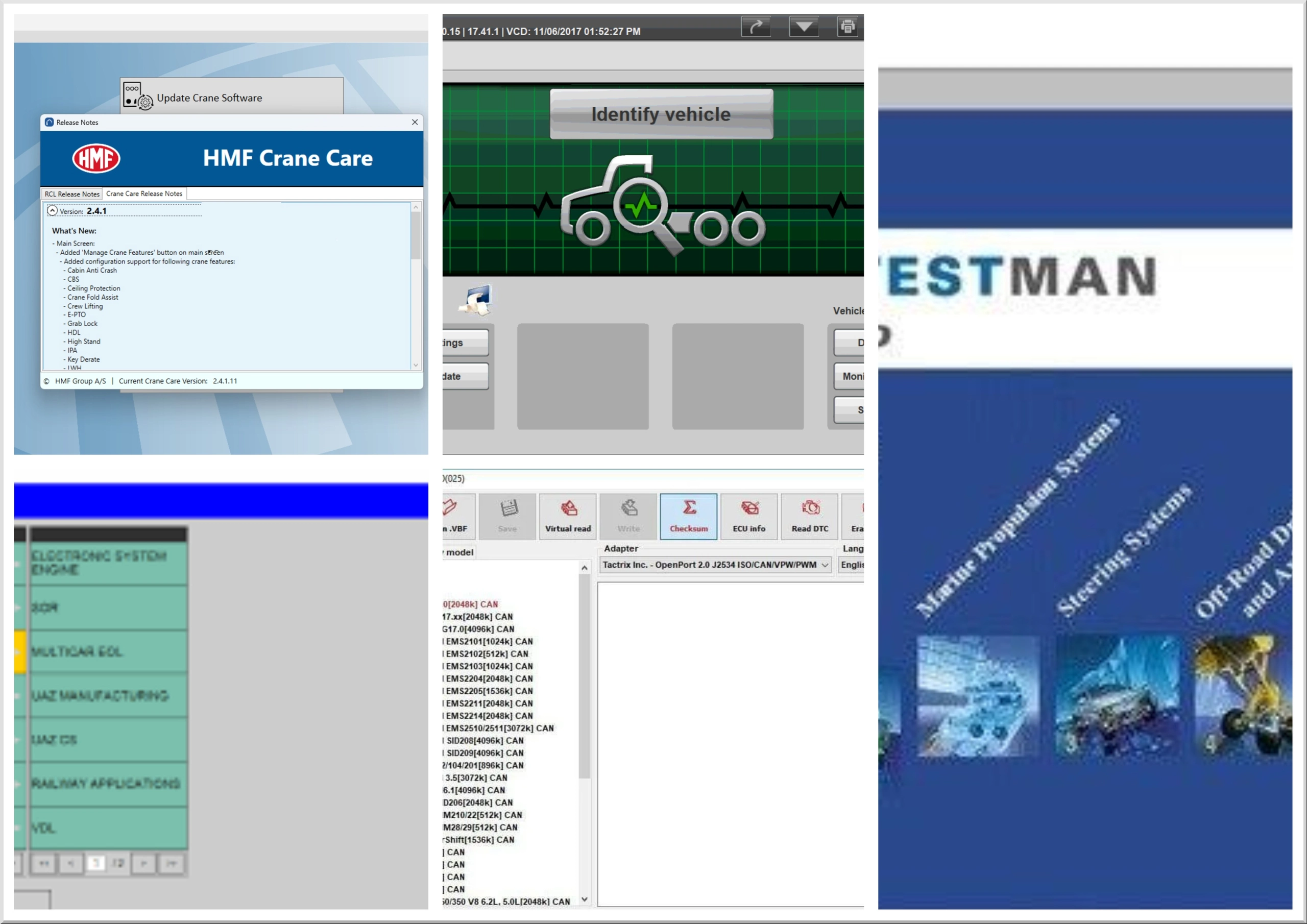
Using proper dealer-level diagnostic software gives access to that level of detail. Instead of guessing, you can follow the data and track the issue back to its source.
Real Impact on Repair Time
When diagnostics are done properly, everything speeds up.
You don't waste hours chasing the wrong component. You don't replace parts that were never the problem. And you don't send a truck back on the road with an issue that's going to come back next week.
For fleets, that means:
- less downtime
- fewer repeat repairs
- better use of technicians' time
And that adds up fast.
Emissions Systems Made This Even Harder
If there's one area where this change is obvious, it's emissions.
DPF, SCR, EGR, these systems depend heavily on software. They don't just “fail” in a simple way. They react to conditions, adjust, compensate, and sometimes create faults that don't point directly to the real issue.
Without proper diagnostics, it's easy to go in circles:
- clean or replace something
- clear the code
- see it come back
That's usually a sign the root cause wasn't found.
What Good Diagnostics Actually Looks Like
Good diagnostics today isn't about tools, it's about how you use them.
It means:
- checking data, not just codes
- comparing readings instead of assuming
- understanding how systems interact
It's slower at the start, but faster overall because you fix the right thing the first time.
Where the Industry Is Heading
This isn't a temporary shift. Trucks are only getting more complex.
More electronics, more software, more integration. That means diagnostics will keep moving in the same direction, less guesswork, more data.
The shops and fleets that adapt to that are the ones that stay efficient. The ones that don't usually end up spending more time and money chasing problems they could have solved faster.
Bottom Line
Fault codes still matter. They're a useful starting point.
But they're not enough anymore.
To fix modern trucks properly, you need to go beyond the code and understand what's actually happening inside the system. That's where real diagnostics begins, and where most of the time and money is either saved or lost.
Image gallery
- Add new comment
- 188 views