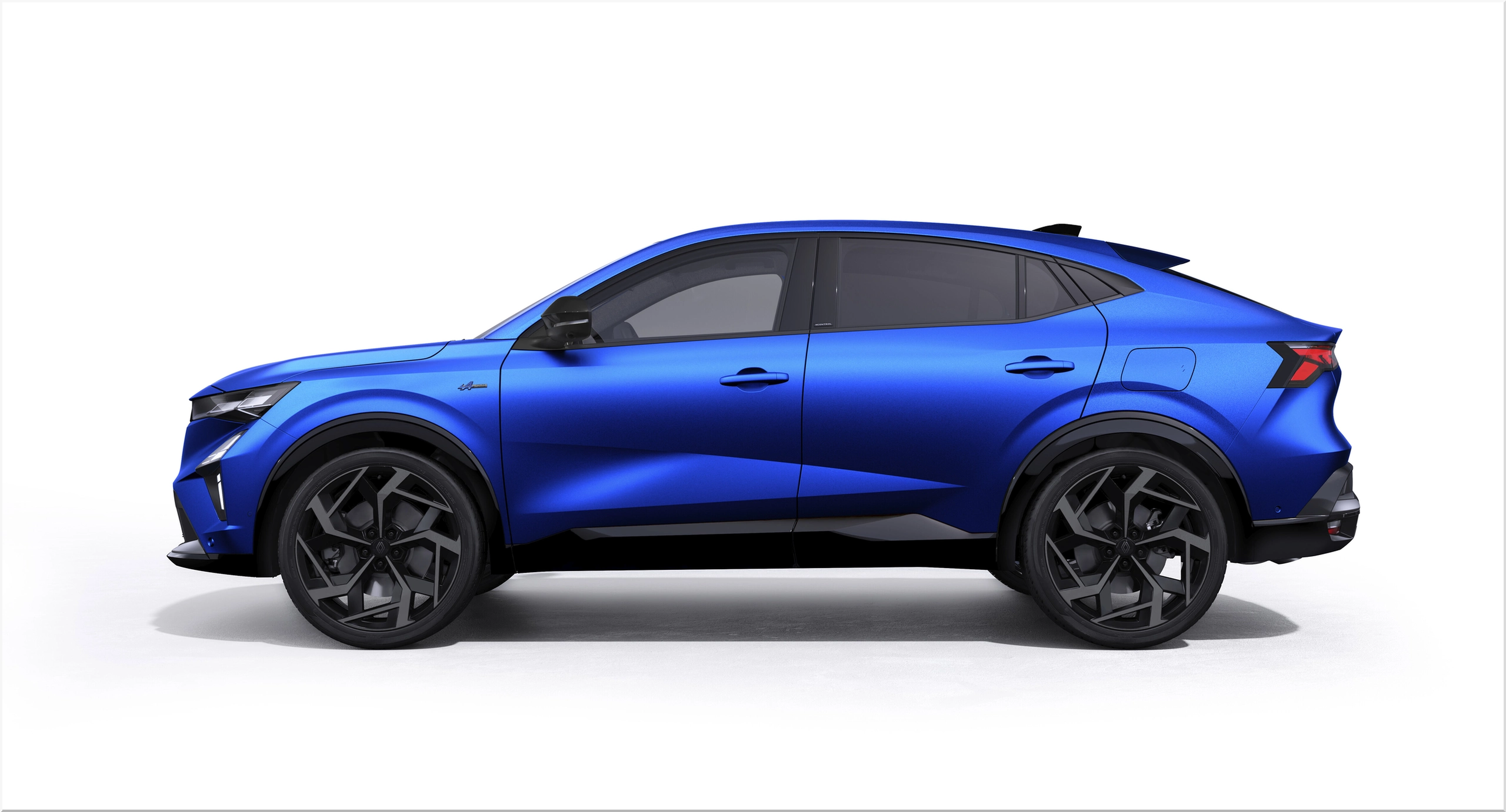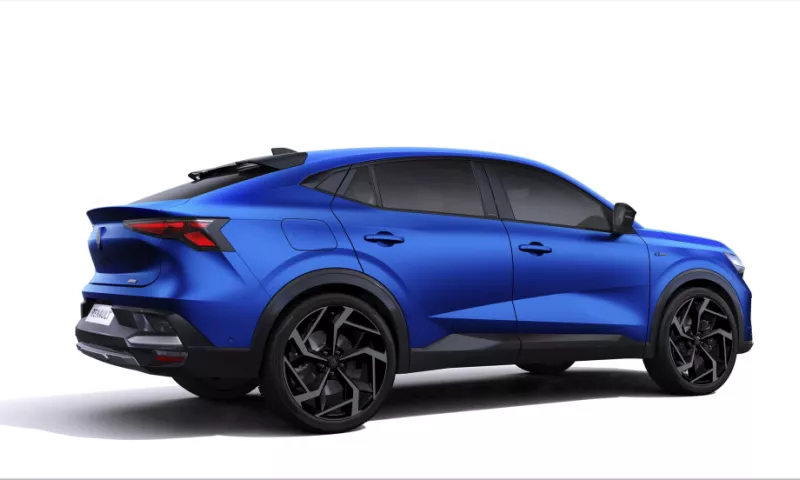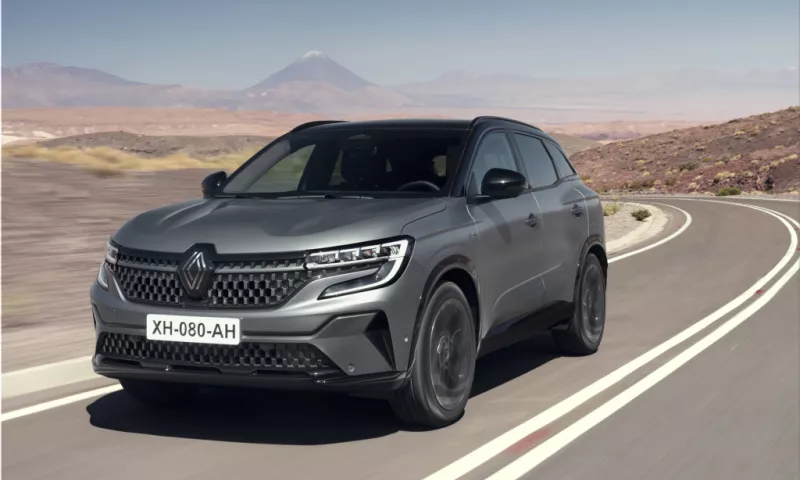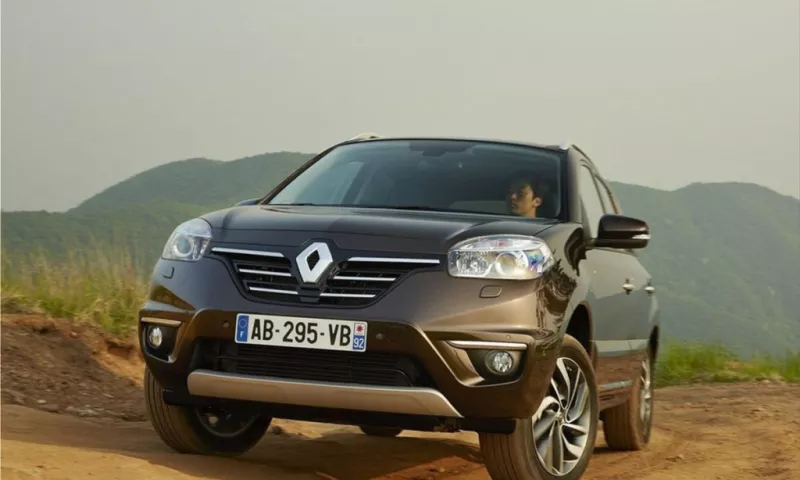
The& Renault Rafale is not just another SUV. It’s a statement of intent from a brand reinventing itself for the past few years. It’s a bold, sleek, and sophisticated vehicle that combines luxury, performance, and efficiency in a way that few competitors can match. And it’s also a testament to the power and potential of hybrid and electric cars.
The all-new Renault Rafale had its global debut in Romania, where it was unveiled to the world as the new flagship model of Renault. I was impressed by its design, features, and performance, but also by its story. How did Renault create such a stunning SUV in such a short time? And what does it mean for the future of mobility?
A History of Innovation
Renault is no stranger to innovation. The French automaker has been at the forefront of many technological breakthroughs since its founding in 1898 by Louis Renault and his brothers. Renault has always pushed the boundaries of possible, from pioneering the first mass-produced sedan (the Type A) to developing the first turbocharged Formula One engine (the RS01).
But in recent years, Renault has faced some challenges. Renault needed a radical transformation to survive and thrive in this changing environment. It needed to reinvent itself as an innovation, quality, and sustainability leader. It needed to embrace new trends and technologies, such as electrification, connectivity, and autonomy. And it needed to create new products that would appeal to customers worldwide.
That’s where the Renault Rafale comes in.
A New Vision for SUVs
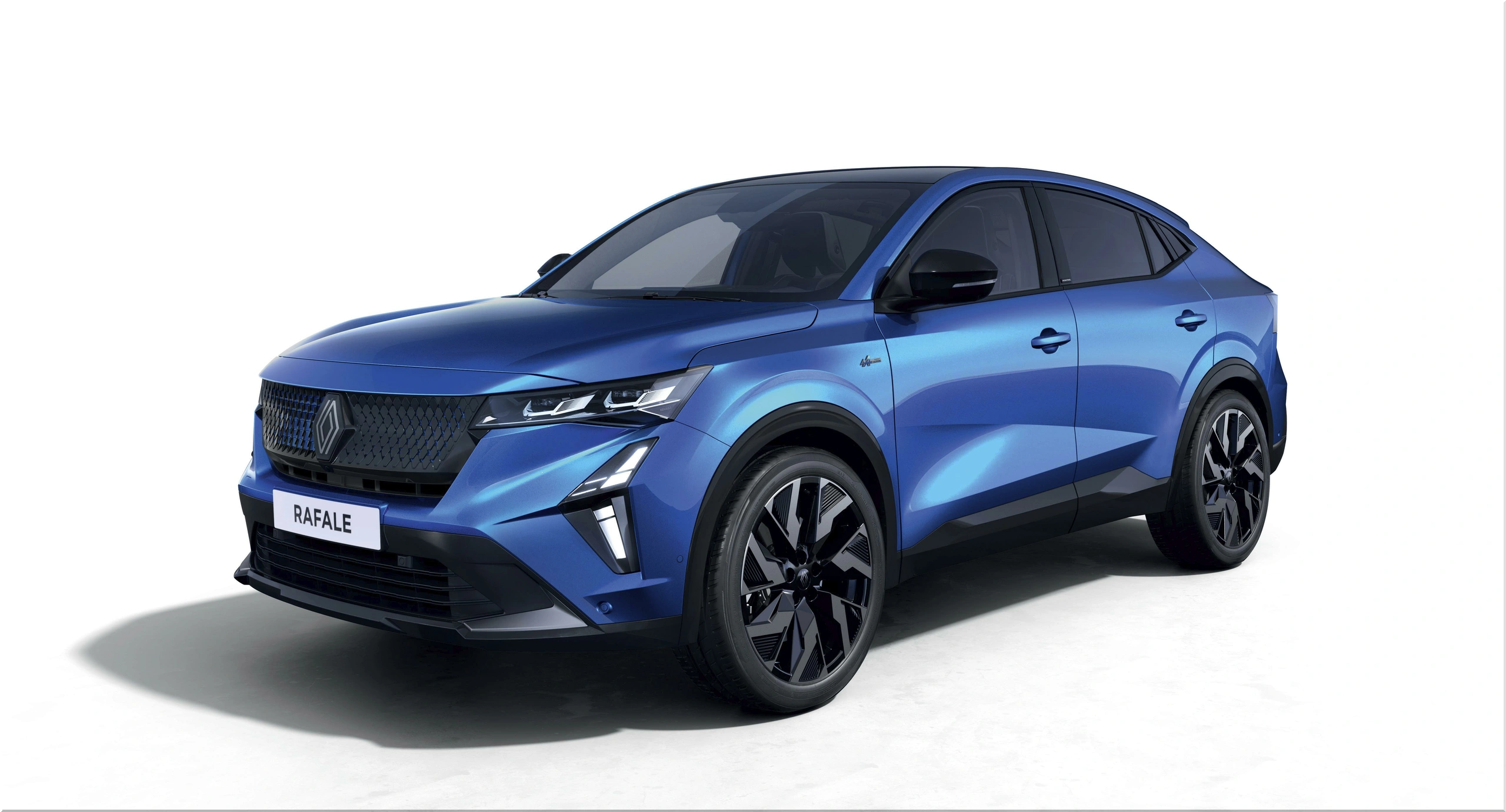
The Renault Rafale is not just a new model. It’s a new vision for SUVs. It’s a vehicle that combines the best of both worlds: the spaciousness and versatility of an SUV with the elegance and dynamism of a sedan. It’s a vehicle that offers a high level of comfort and refinement but also a thrilling driving experience. And it’s a vehicle that showcases Renault’s expertise in electric powertrains, delivering exceptional performance and efficiency.
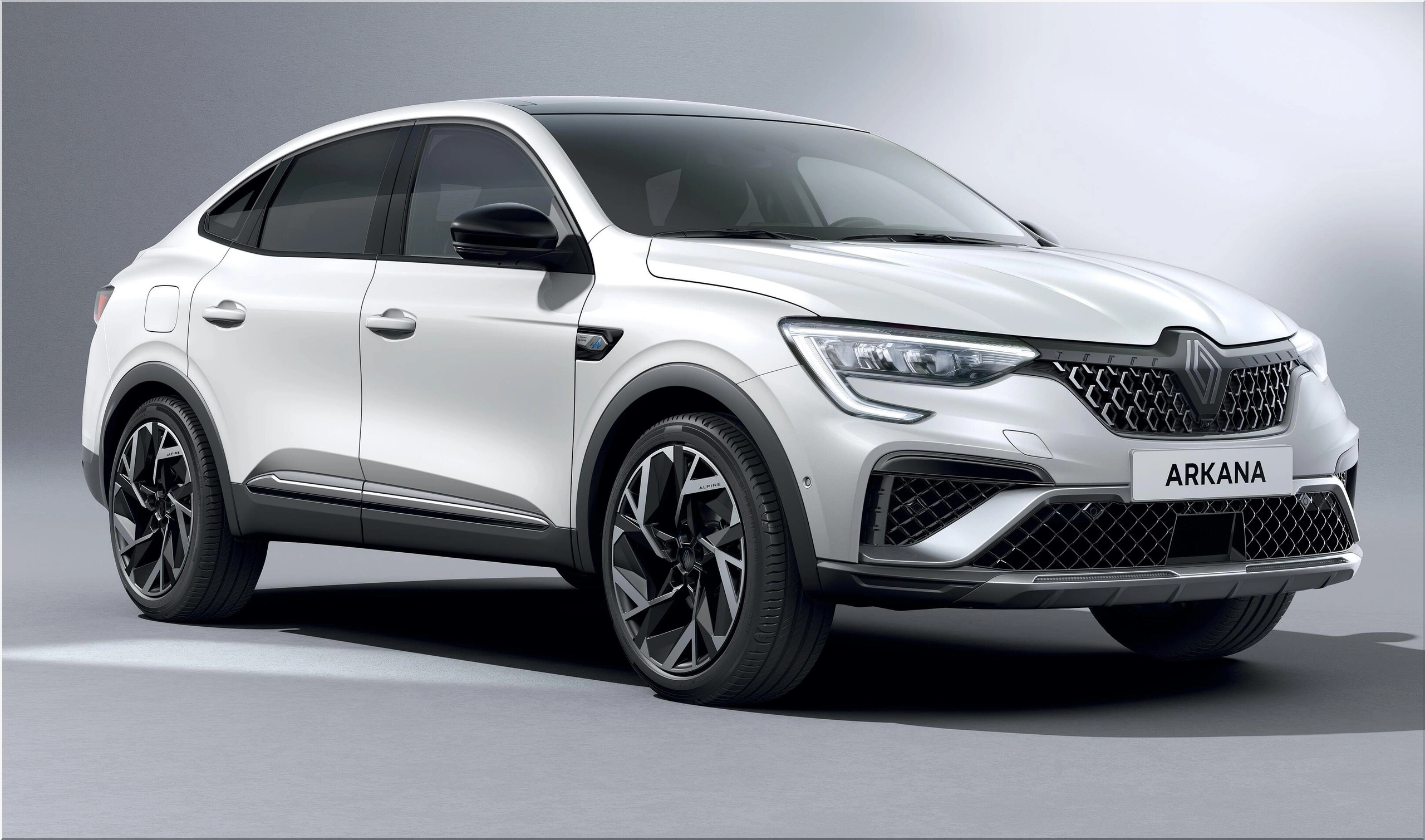
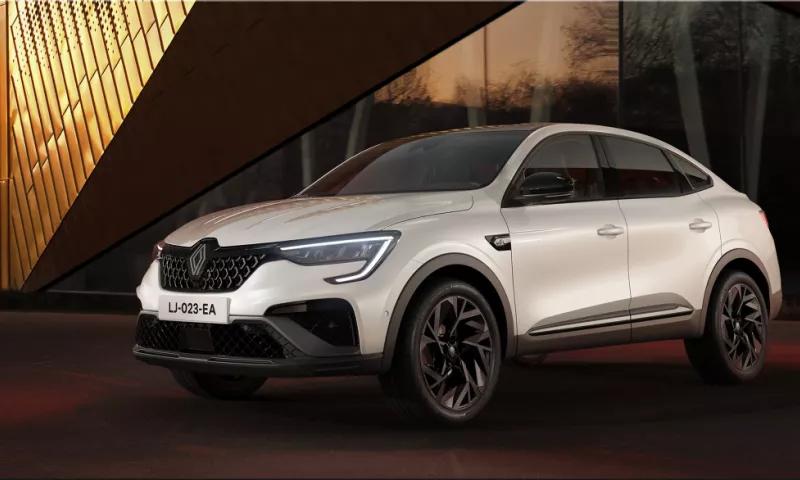
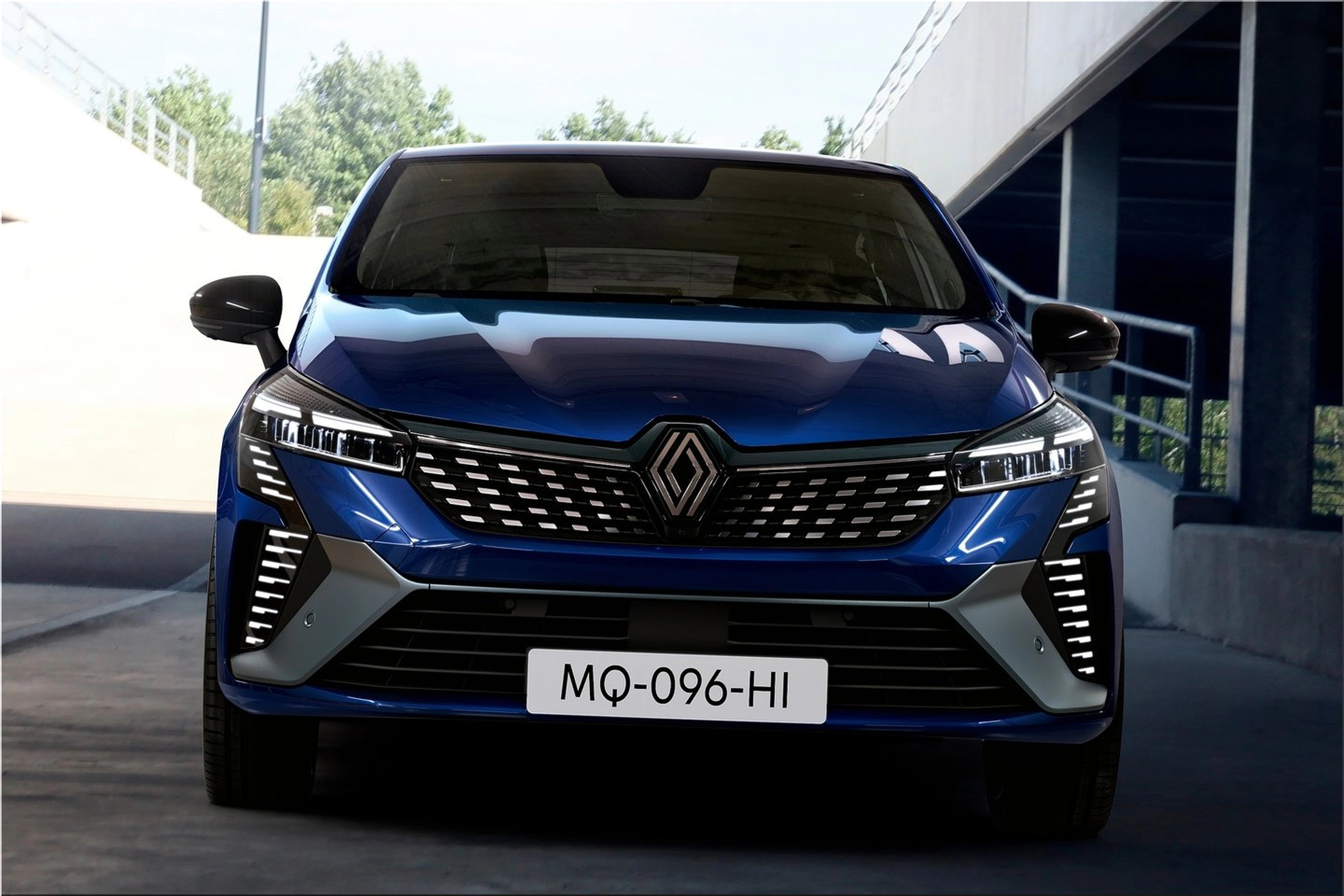
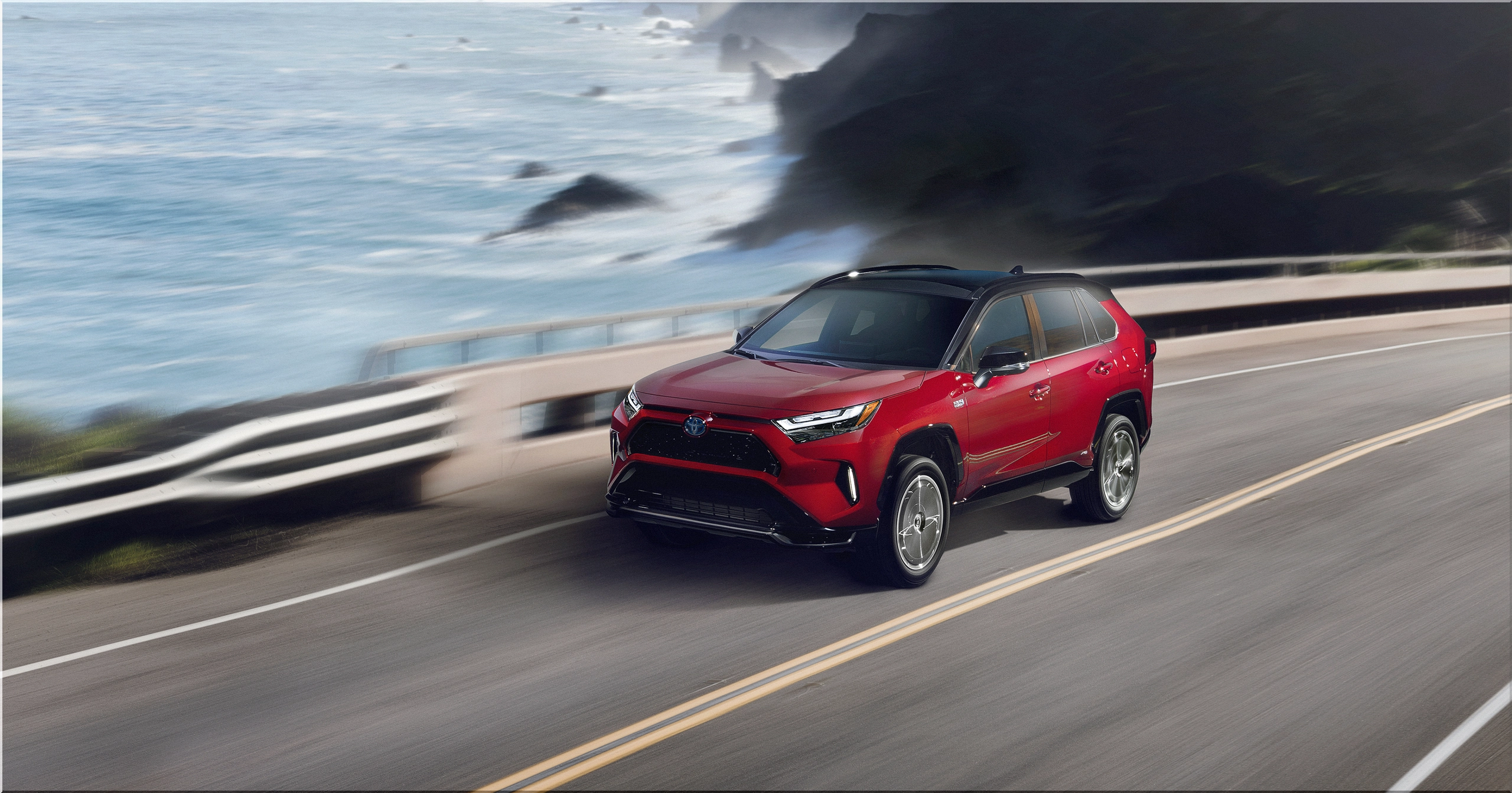
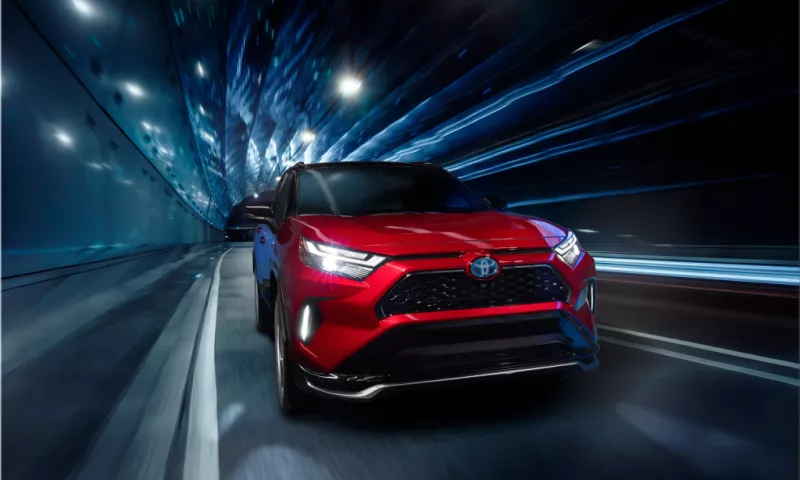
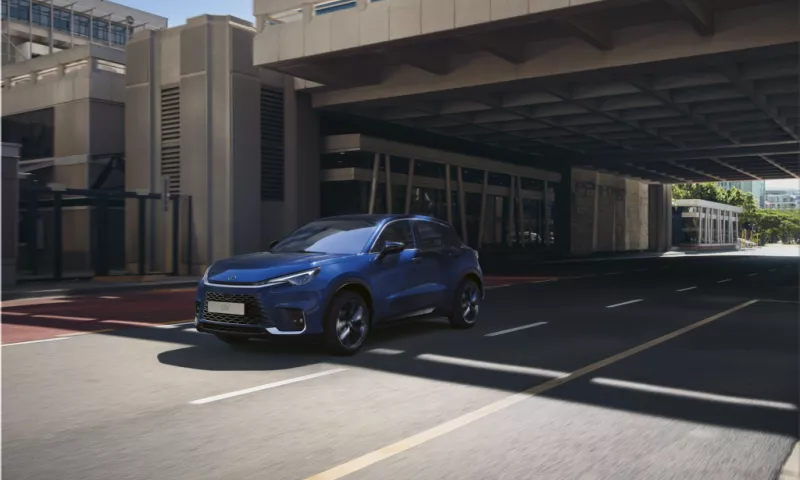
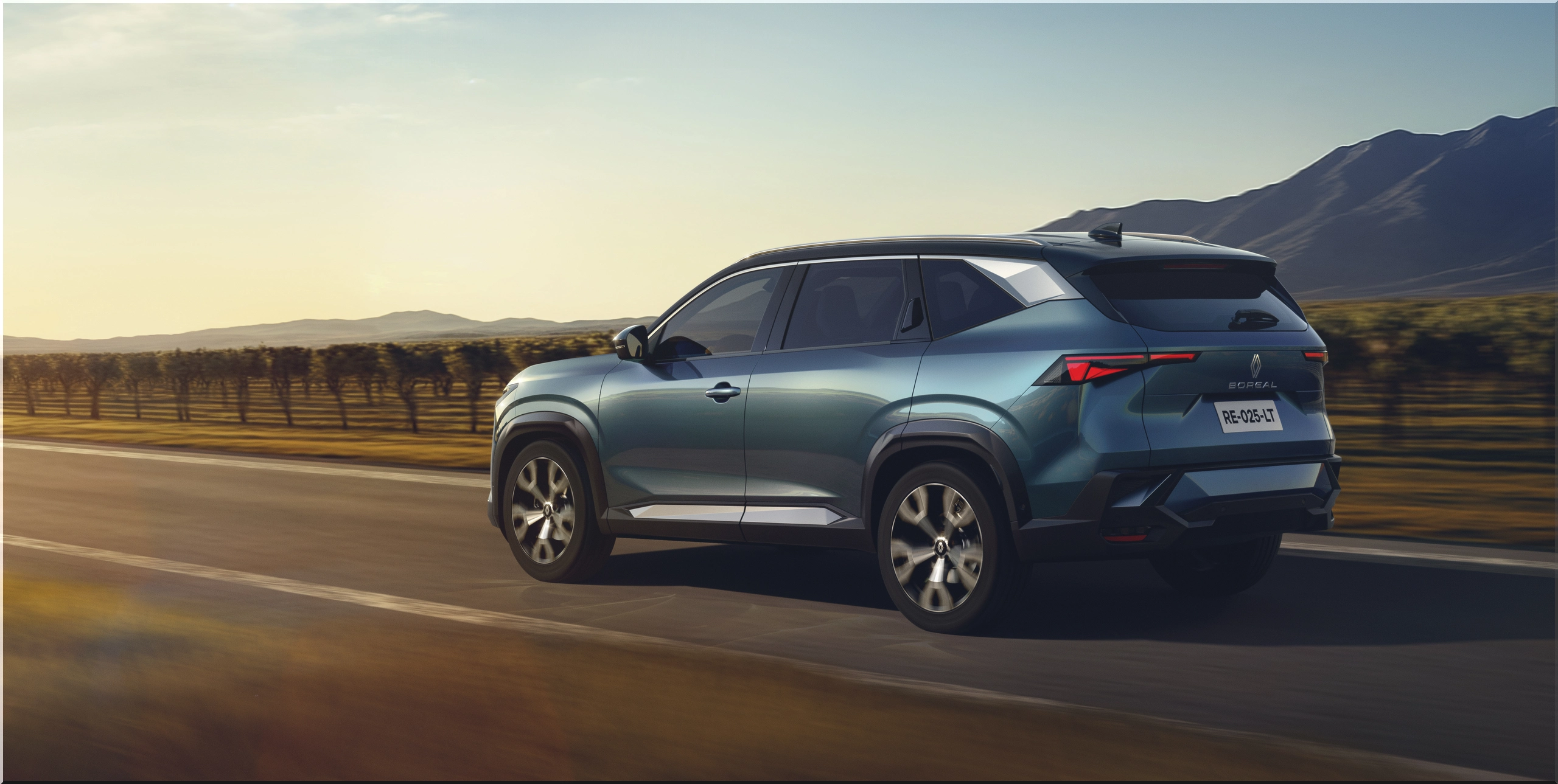
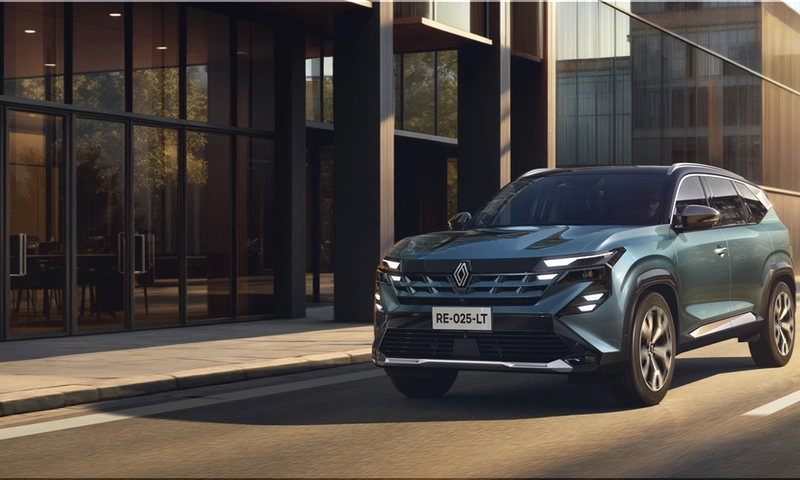
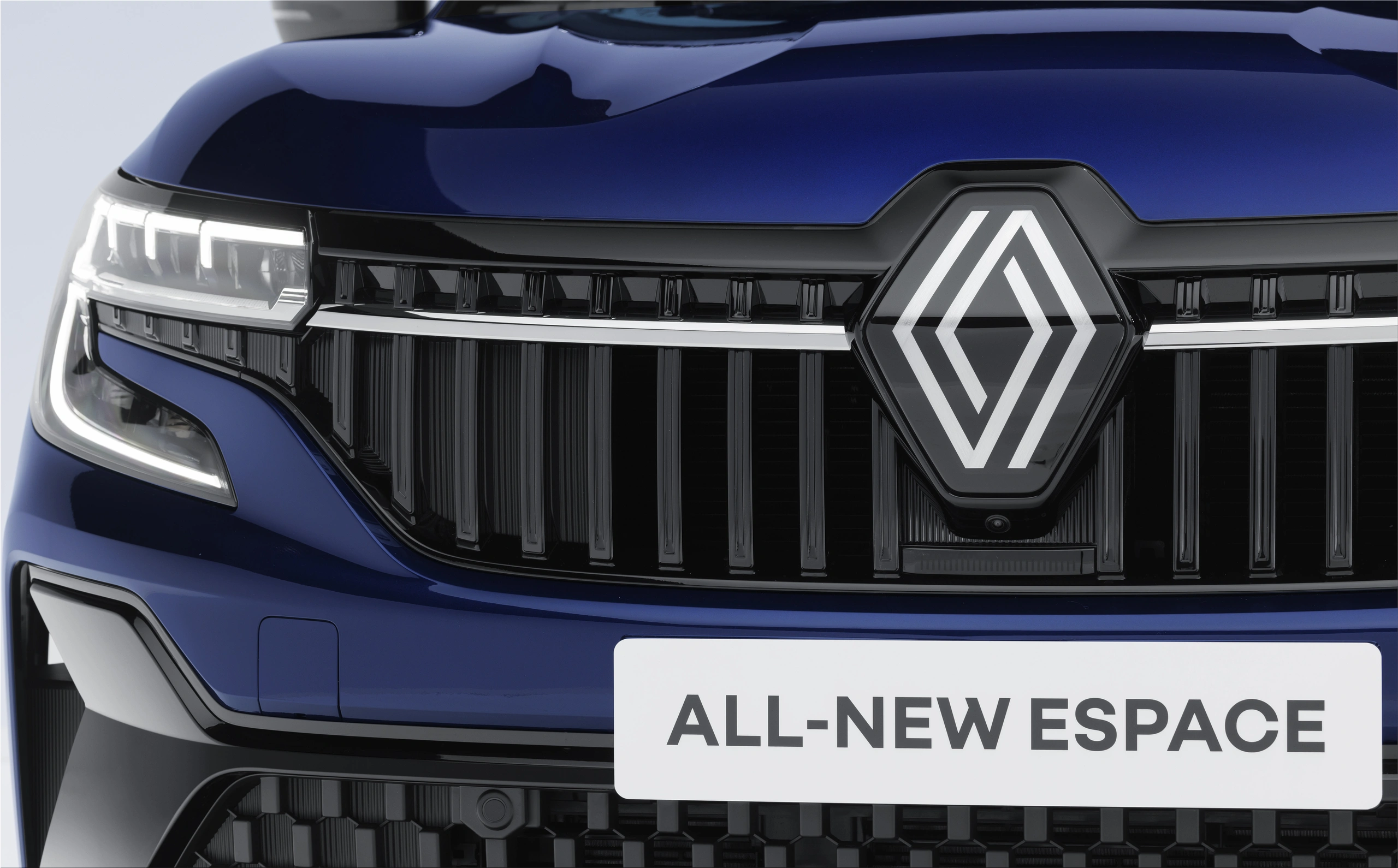
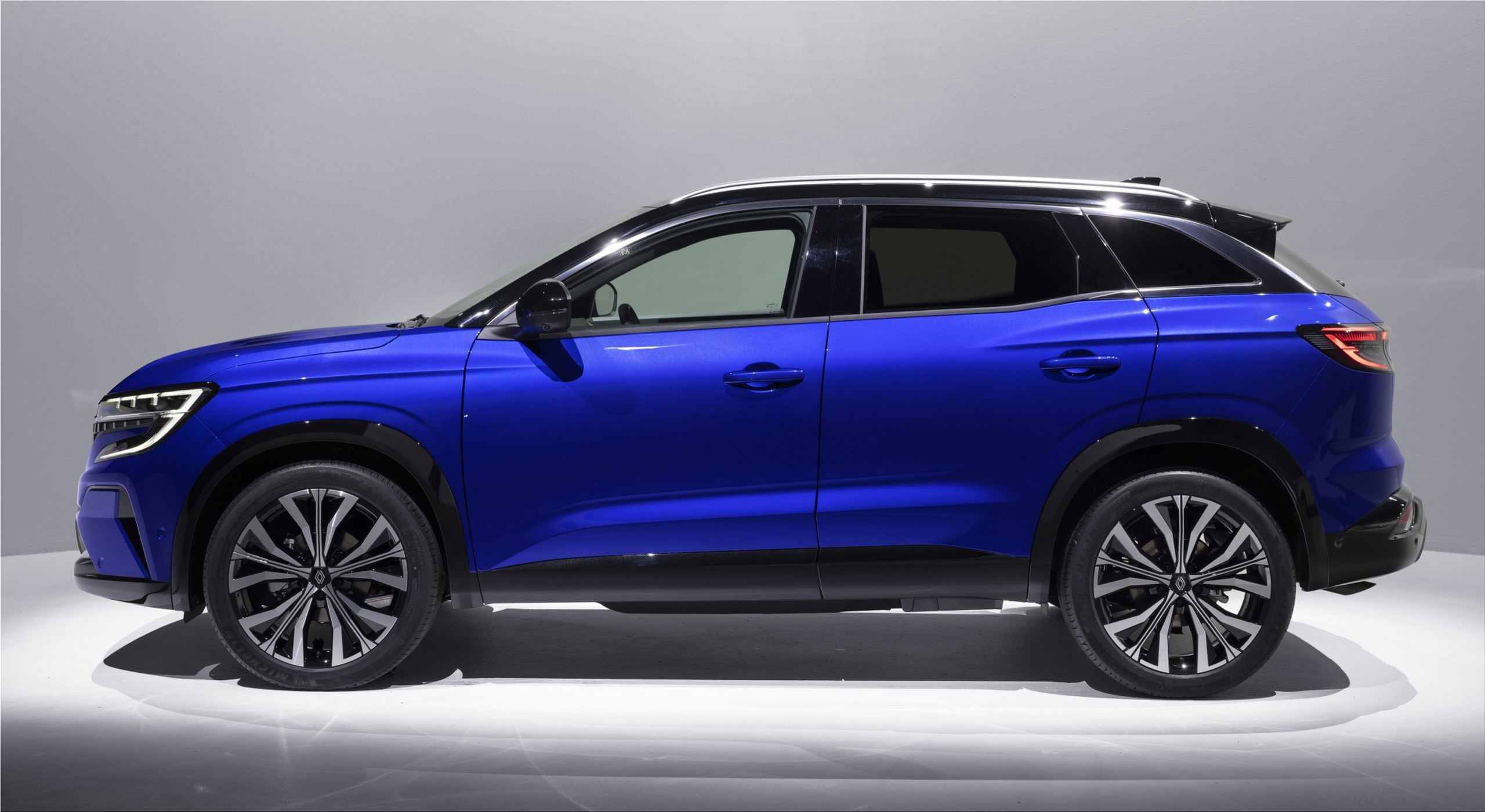
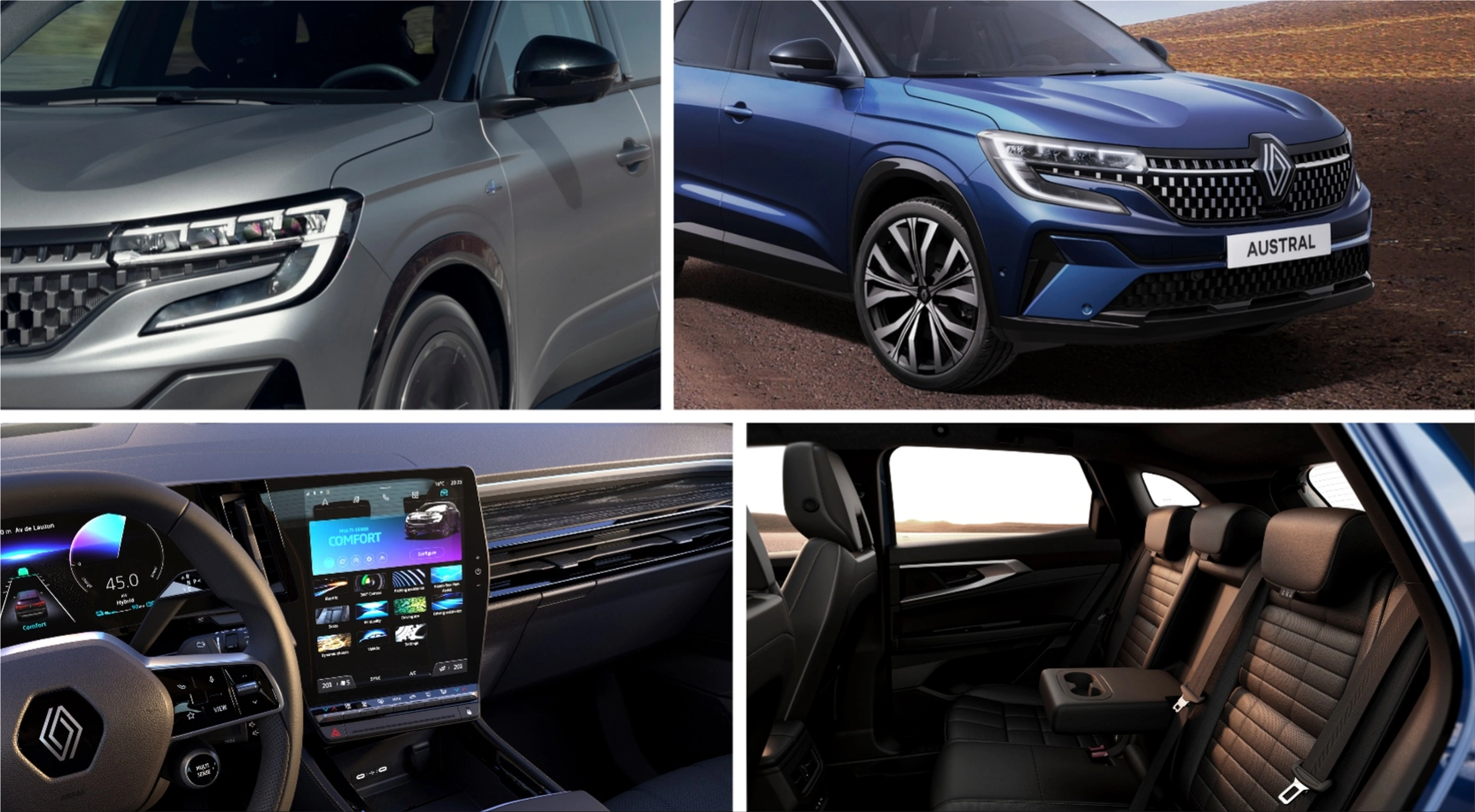
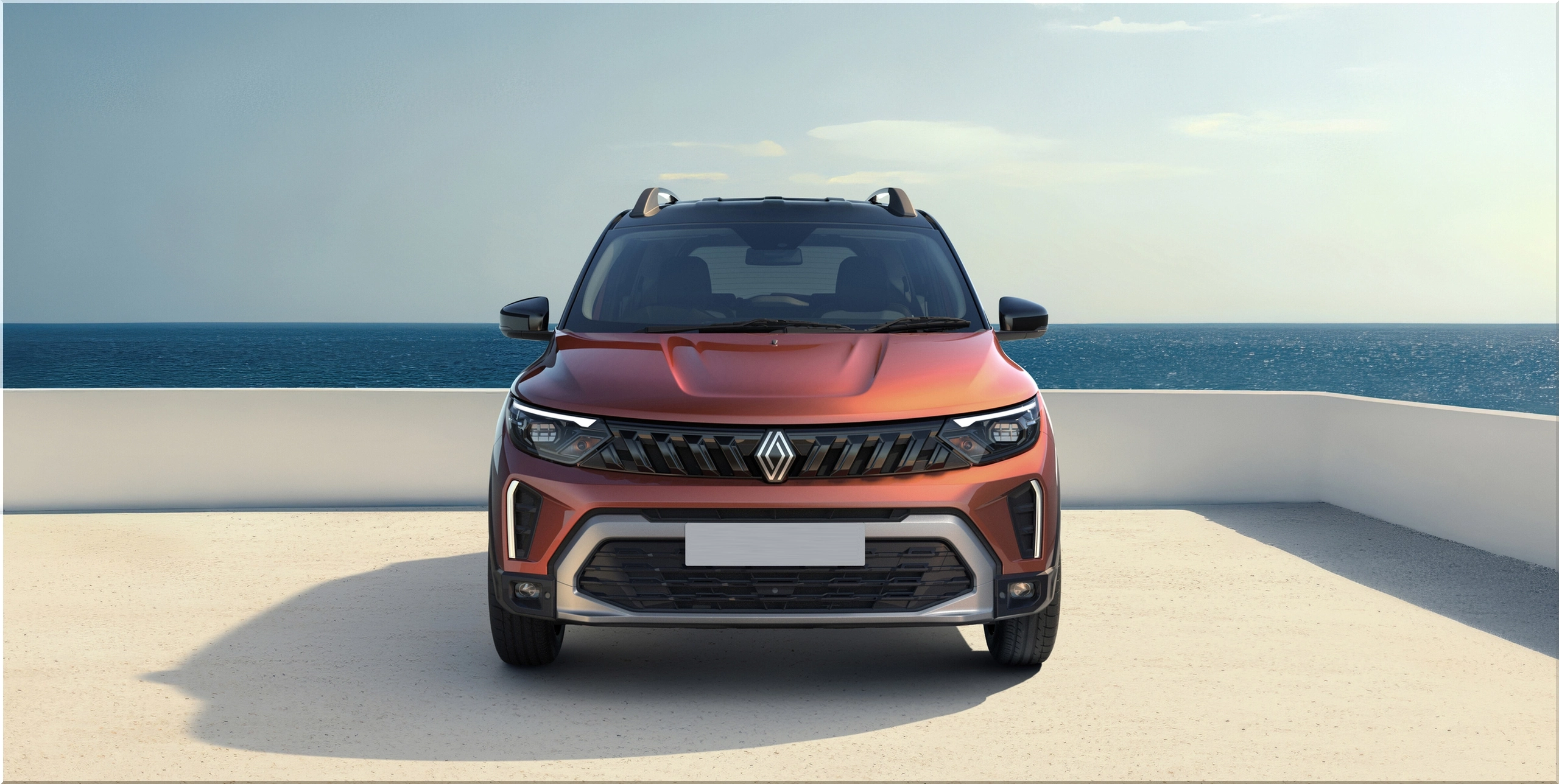
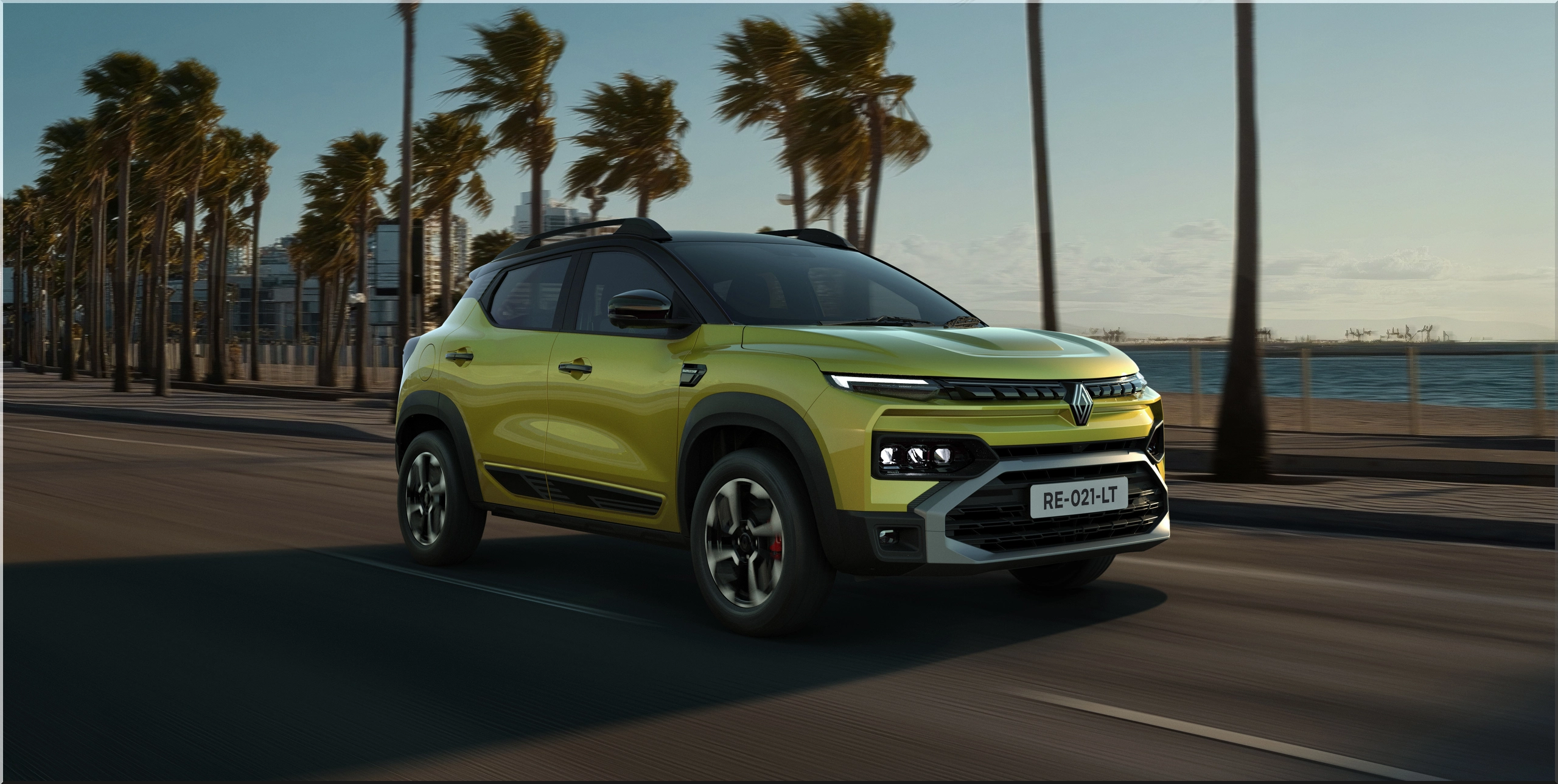
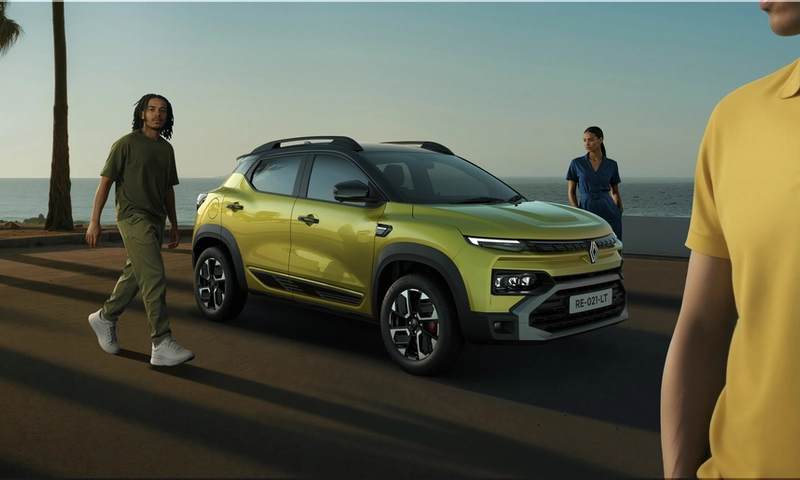
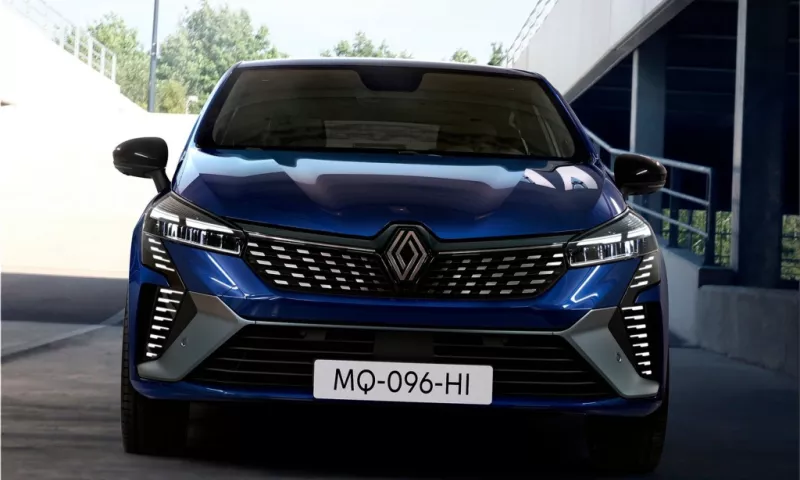
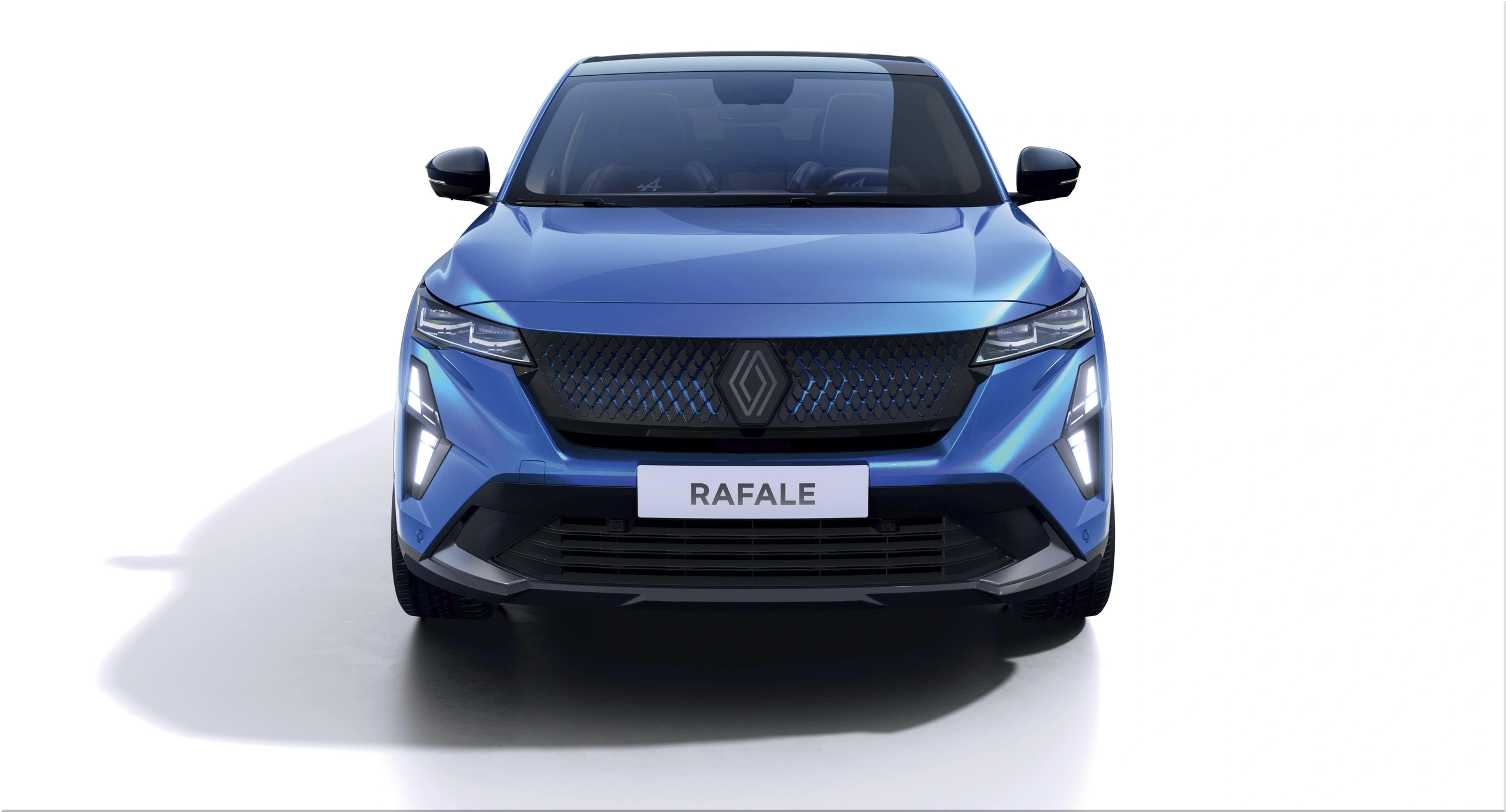
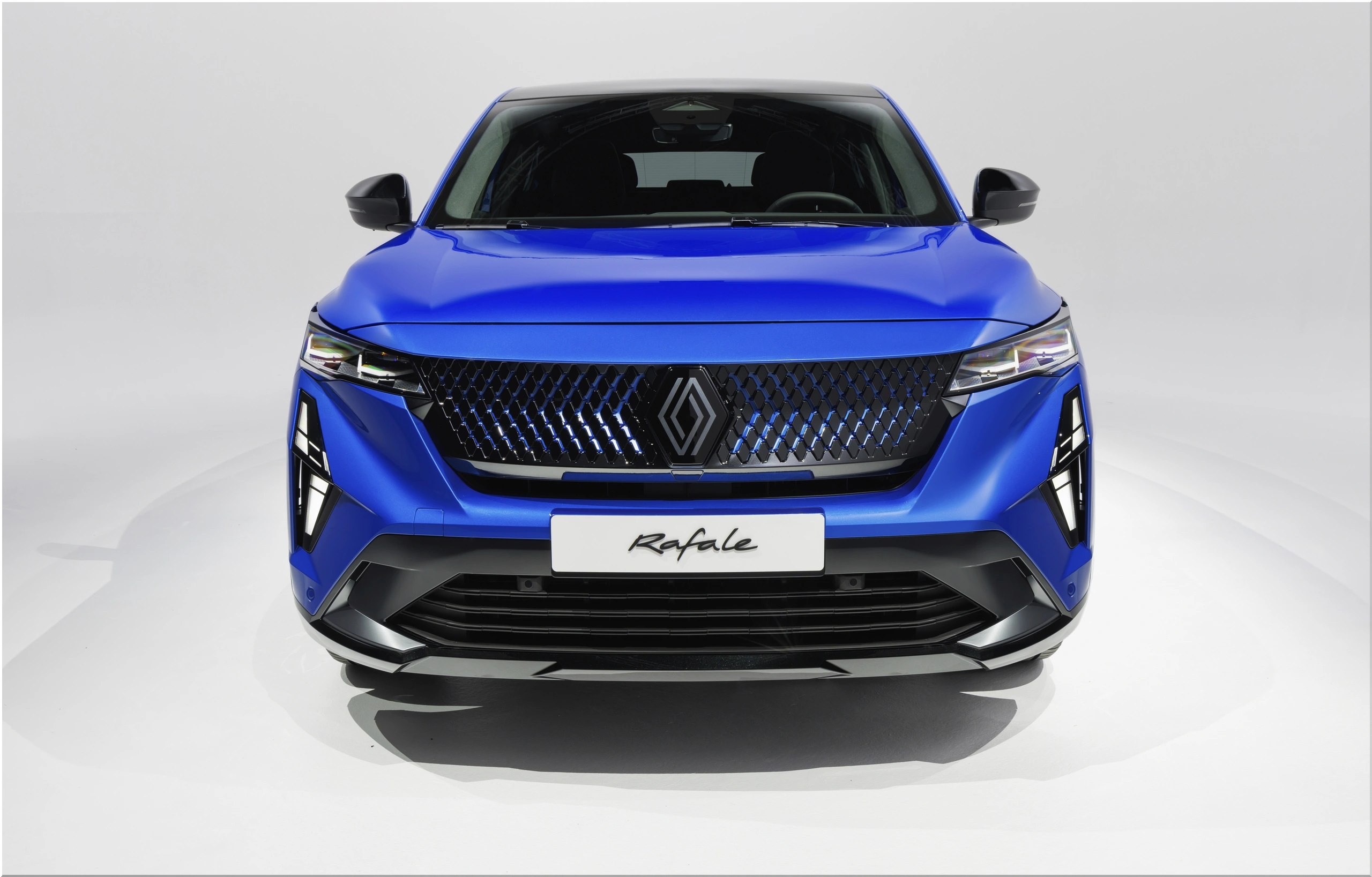
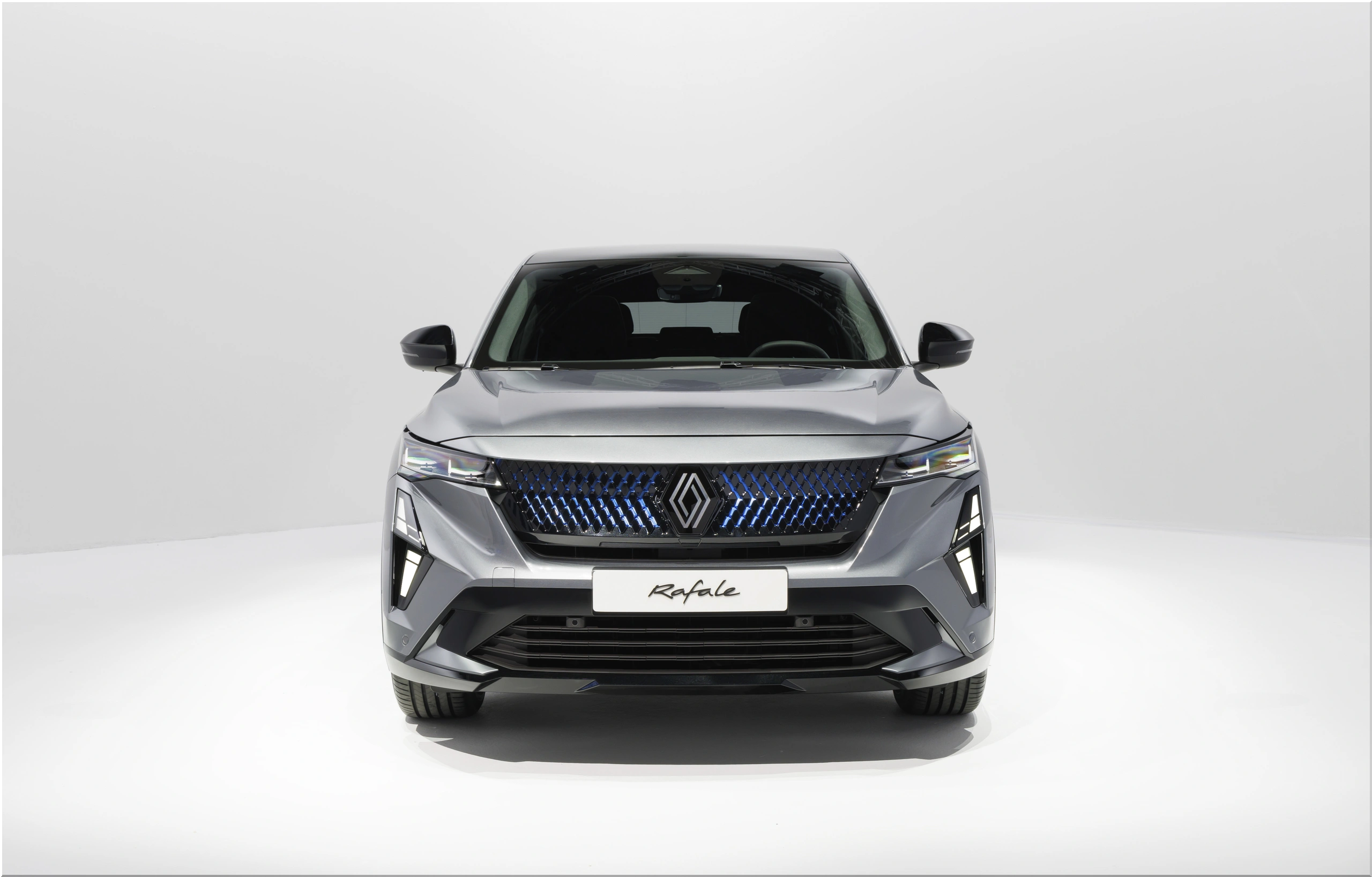
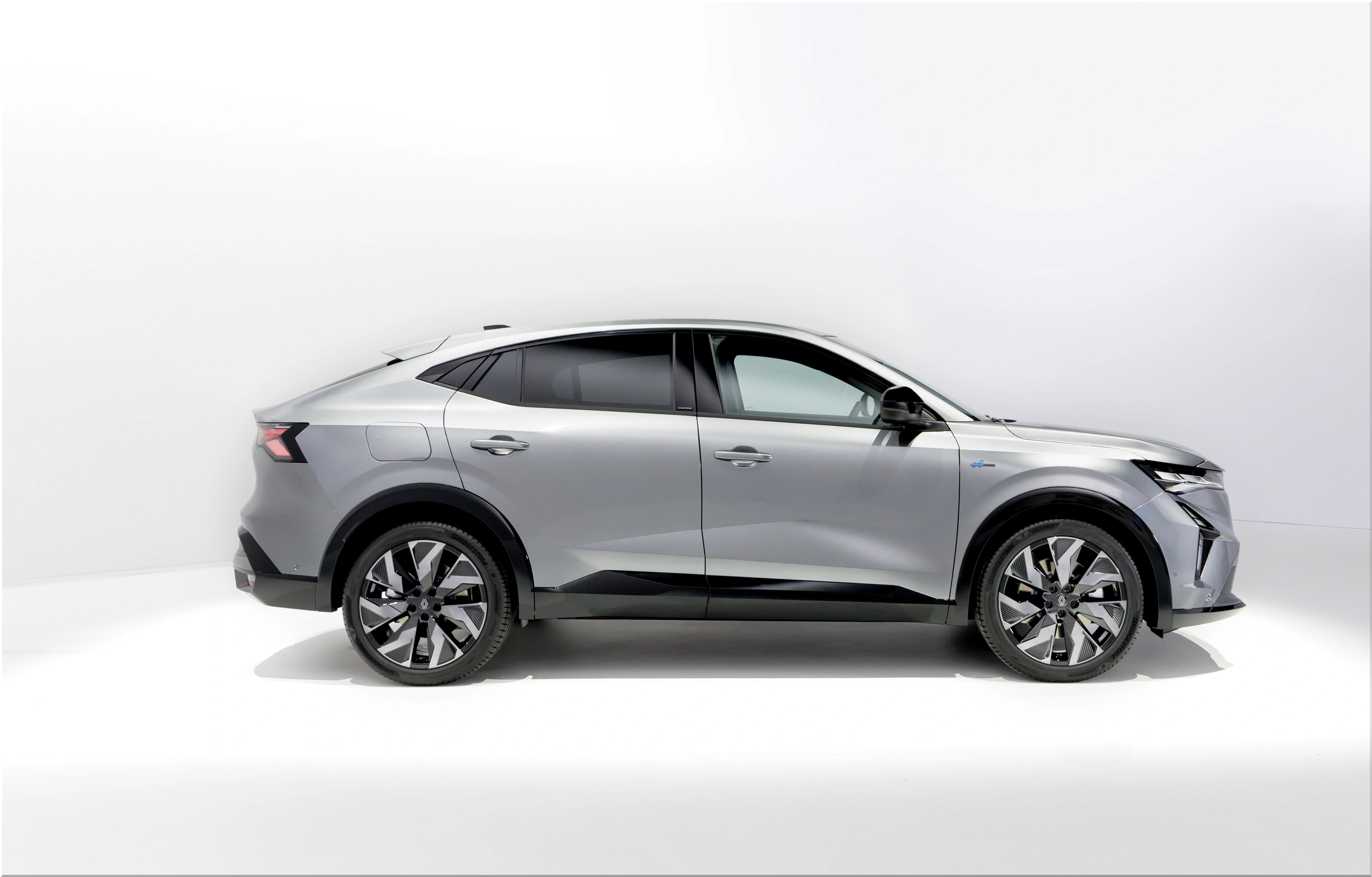
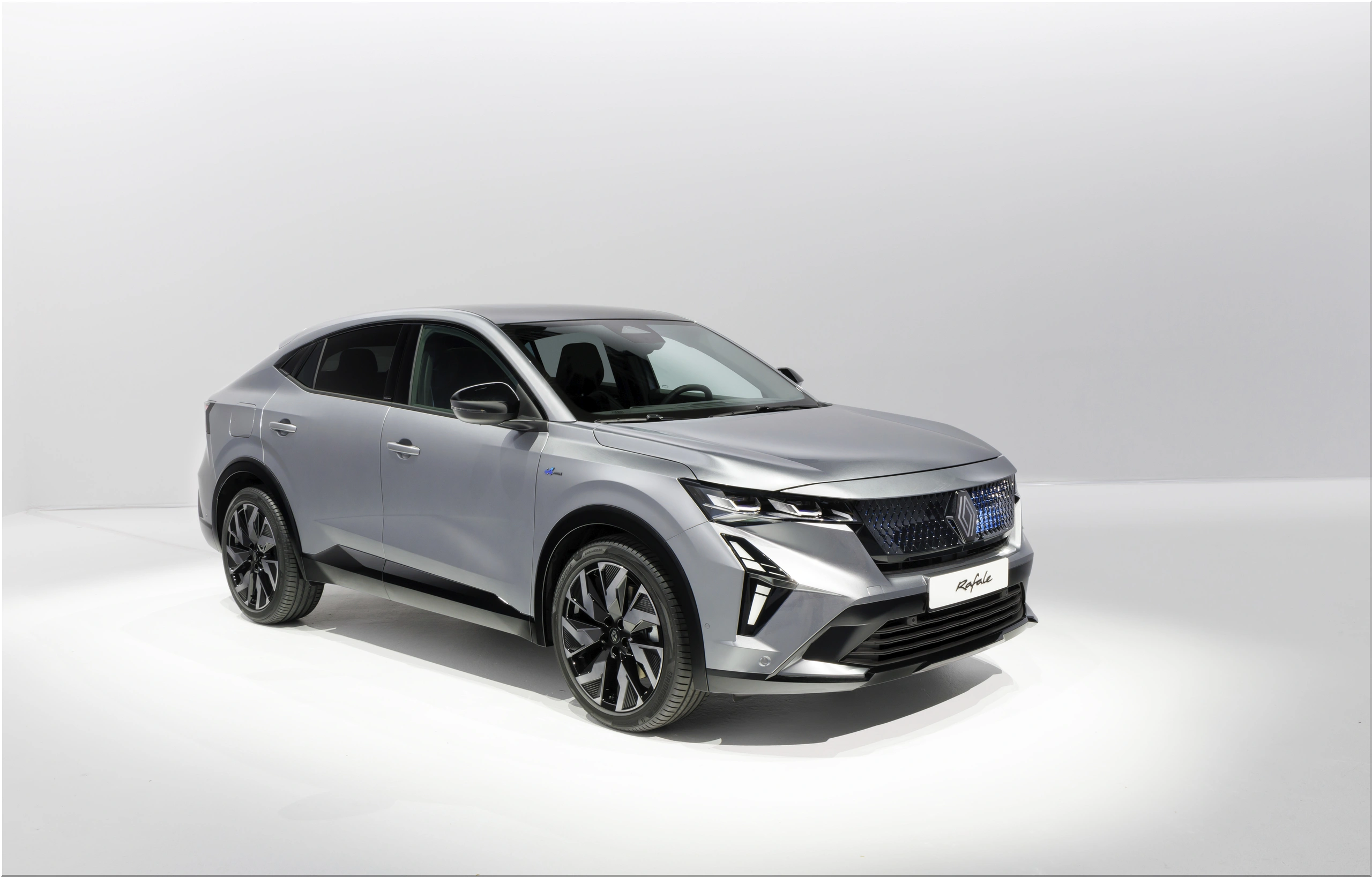
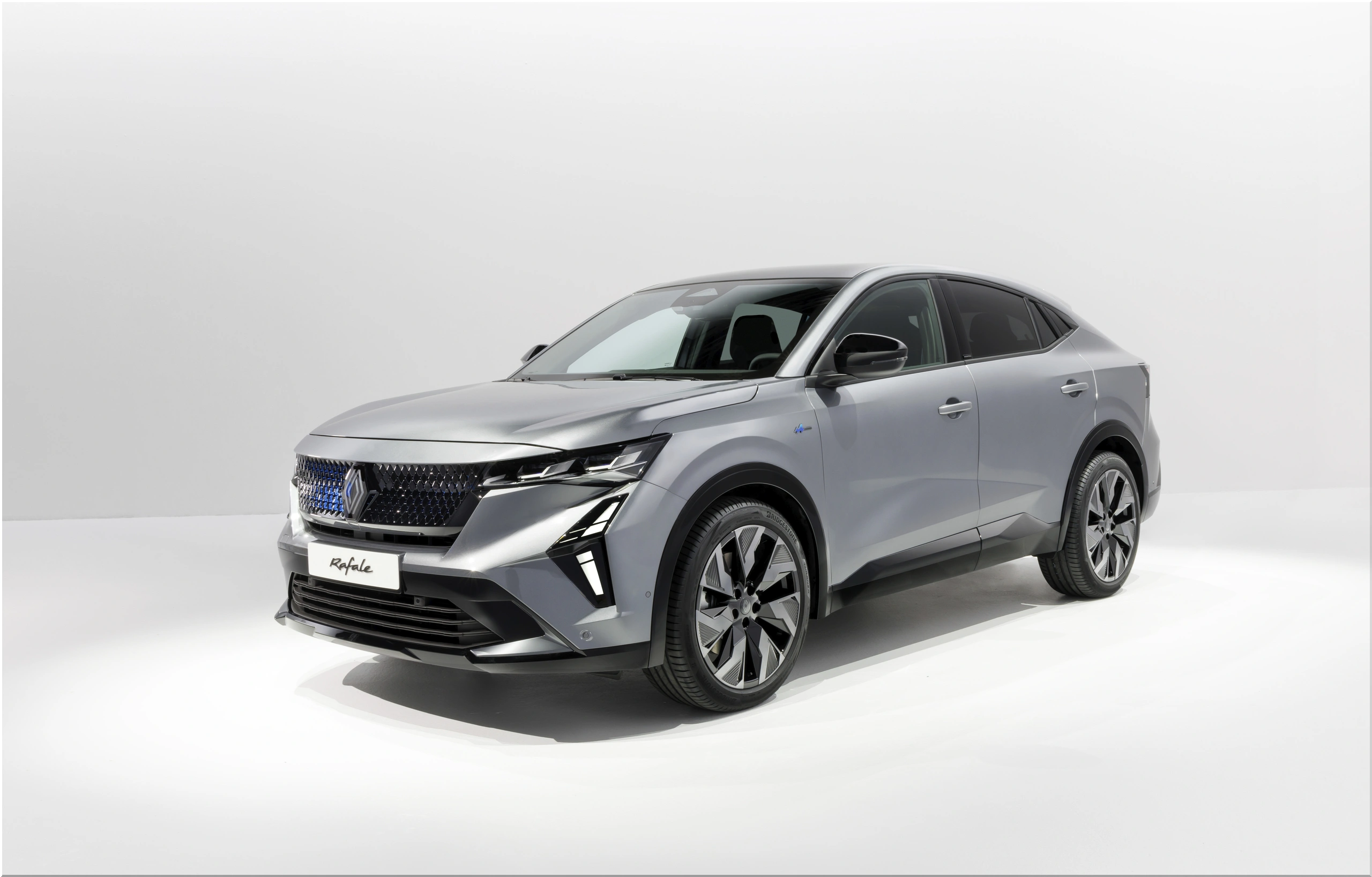
The design of the Renault Rafale is striking and distinctive. It features a sleek silhouette with fluid lines and sculpted surfaces, giving it a sense of movement and sophistication. The front end is dominated by a large diamond-shaped logo that lights up when the car is on, creating a strong identity and presence. The LED headlights are integrated into the logo, forming a signature C-shape that enhances the car’s expression and visibility.
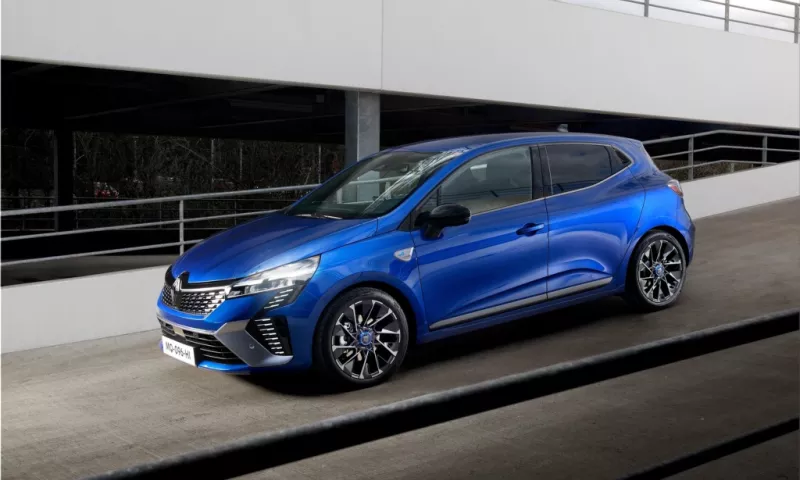
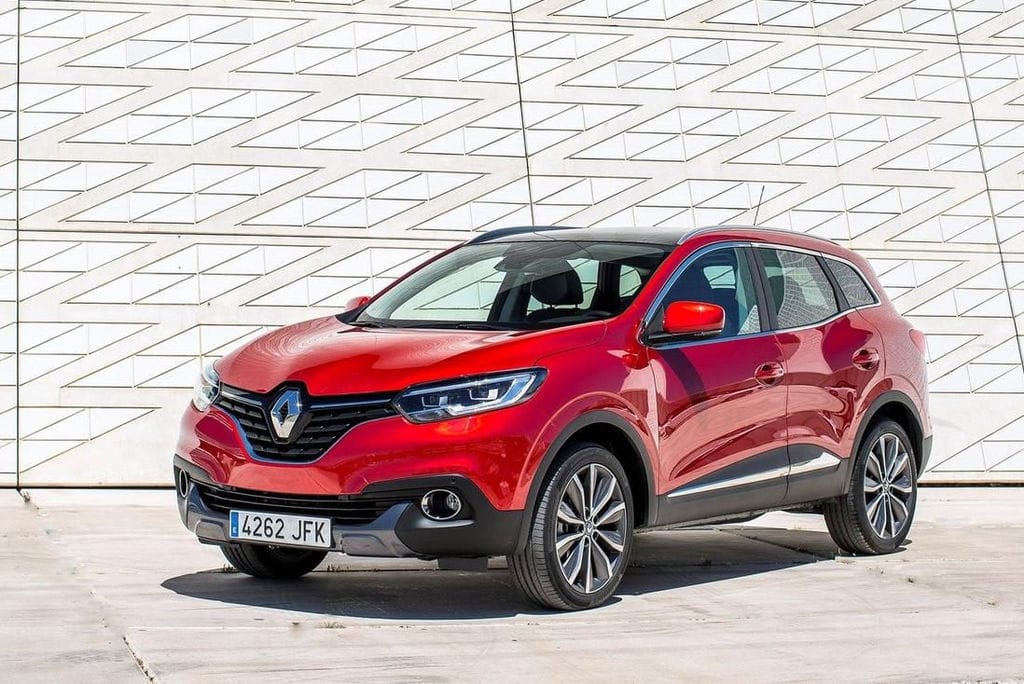
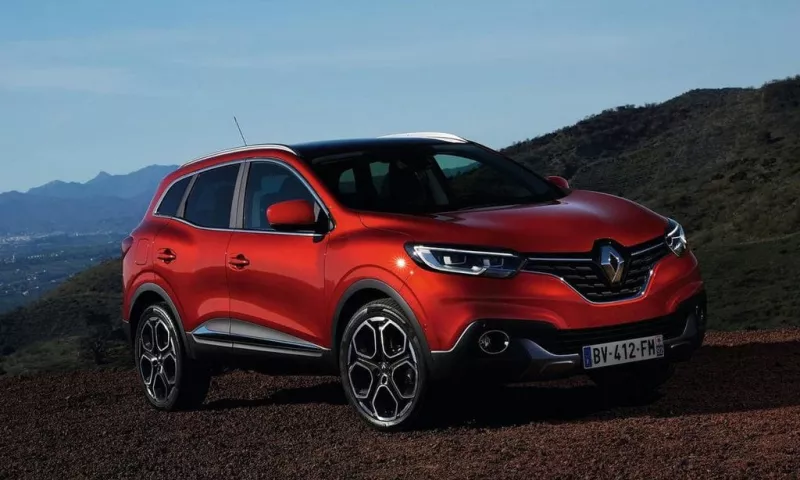
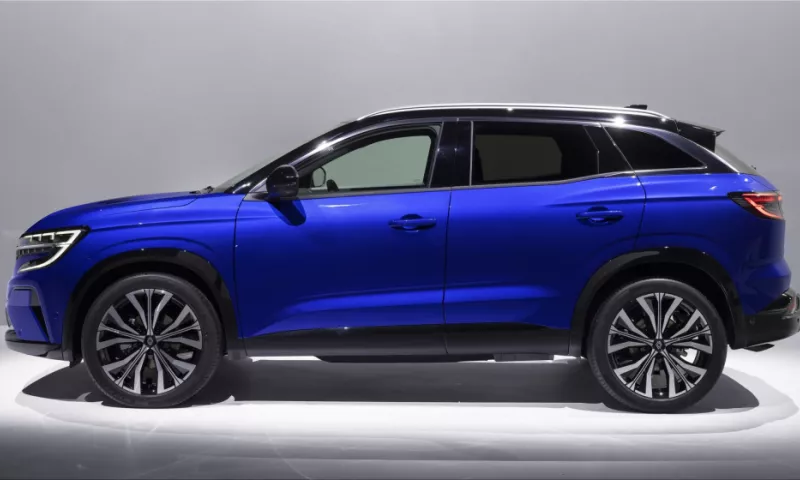
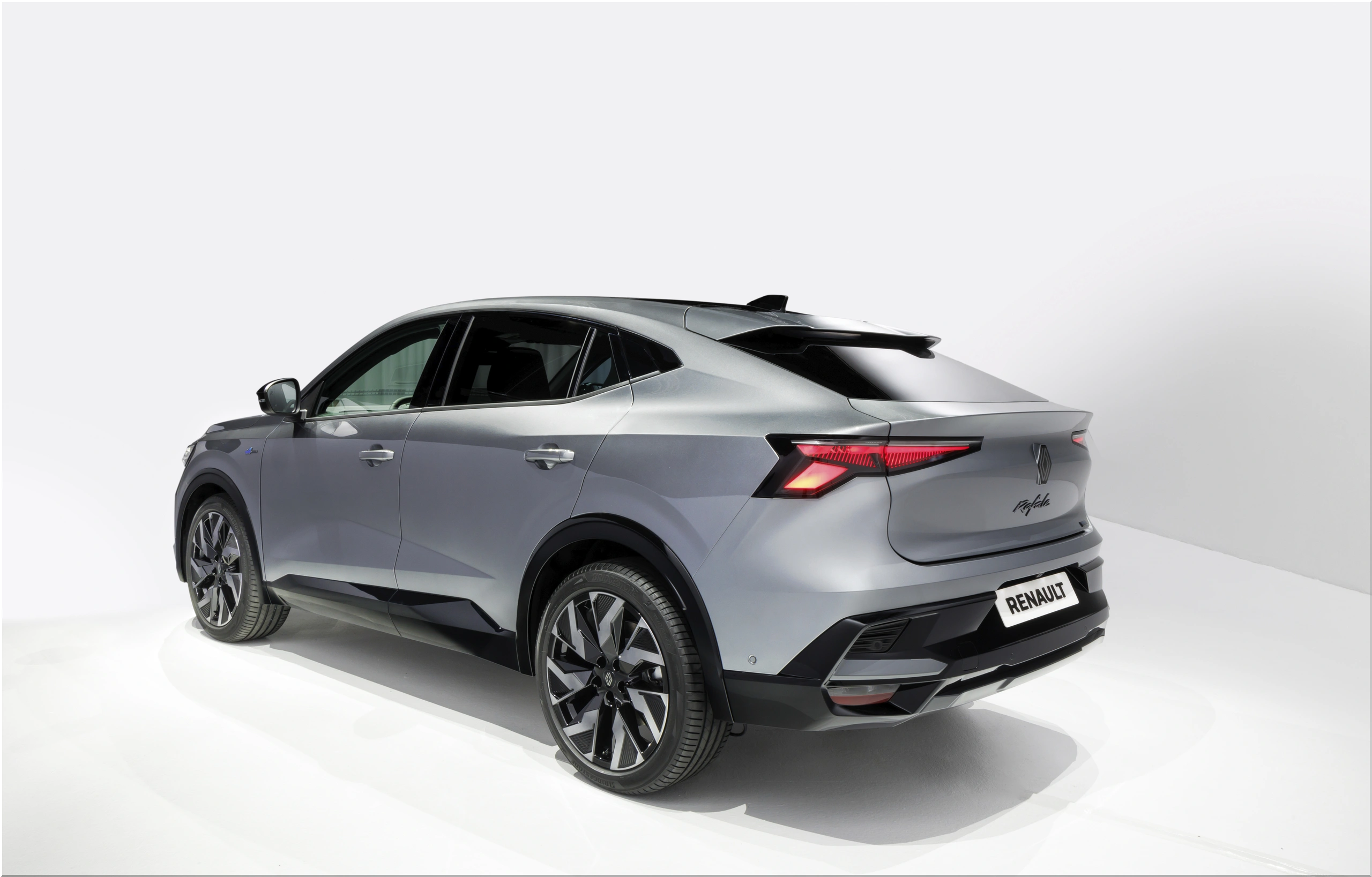
The side profile is characterized by a long wheelbase and short overhangs that emphasize the car’s proportions and stance. The roofline slopes gently towards the rear, creating a coupe-like effect that adds to the car’s sportiness and aerodynamics. The 20-inch wheels are inspired by turbine blades and feature blue accents that highlight the car’s electric nature.
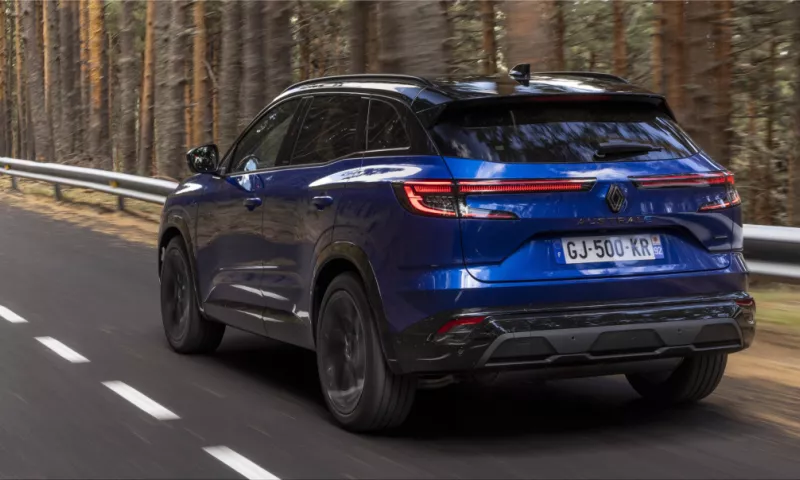
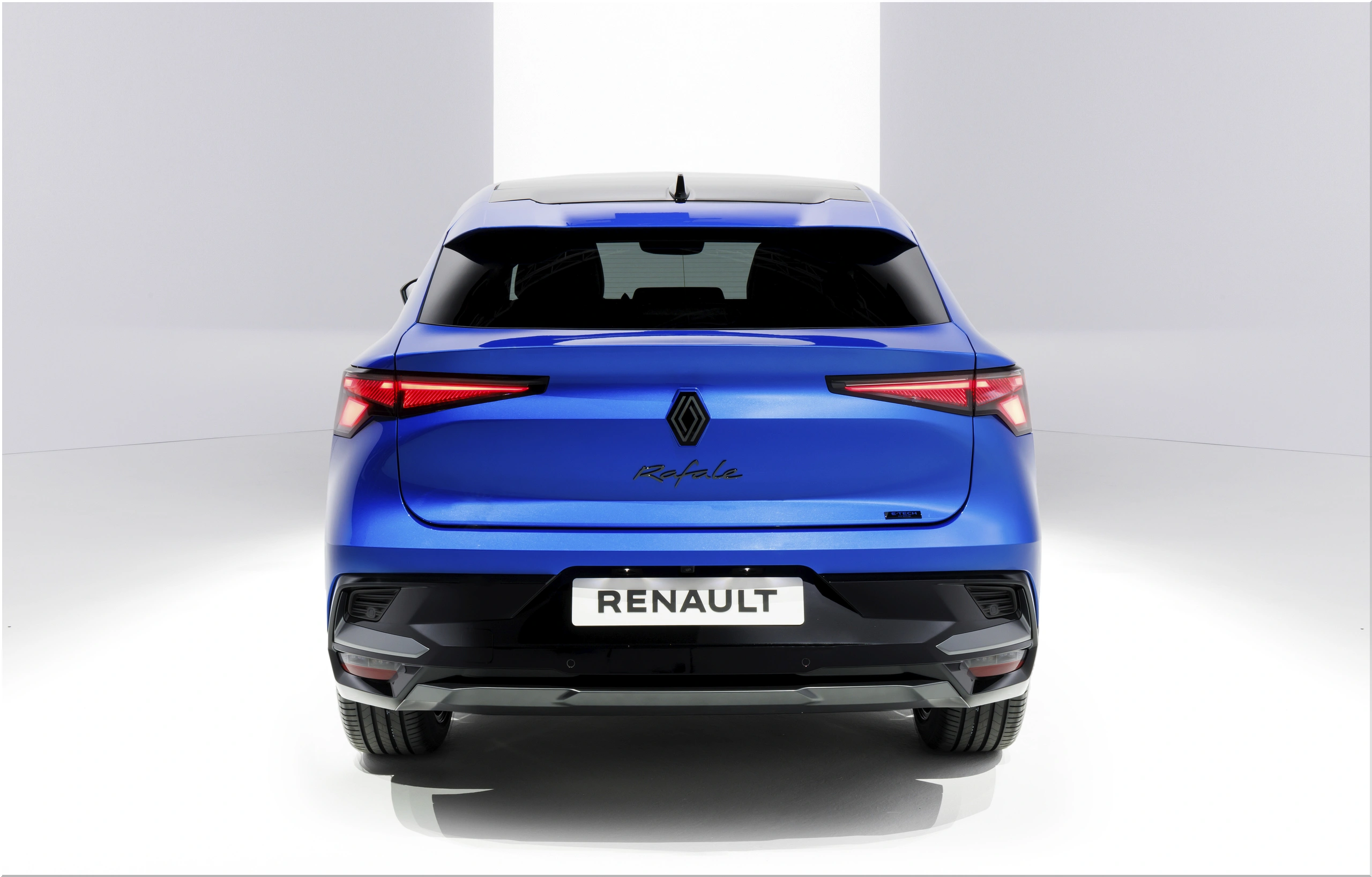
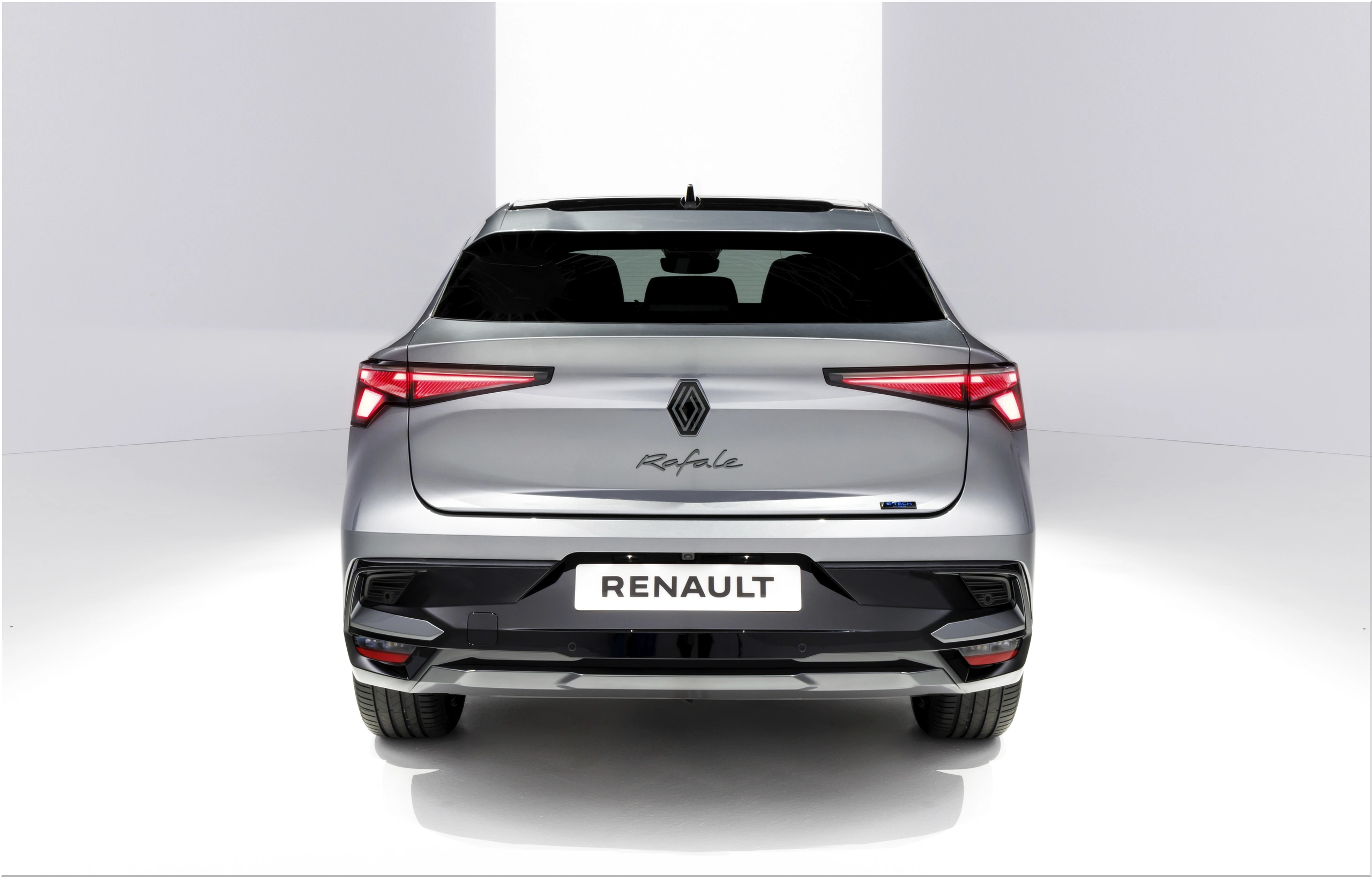
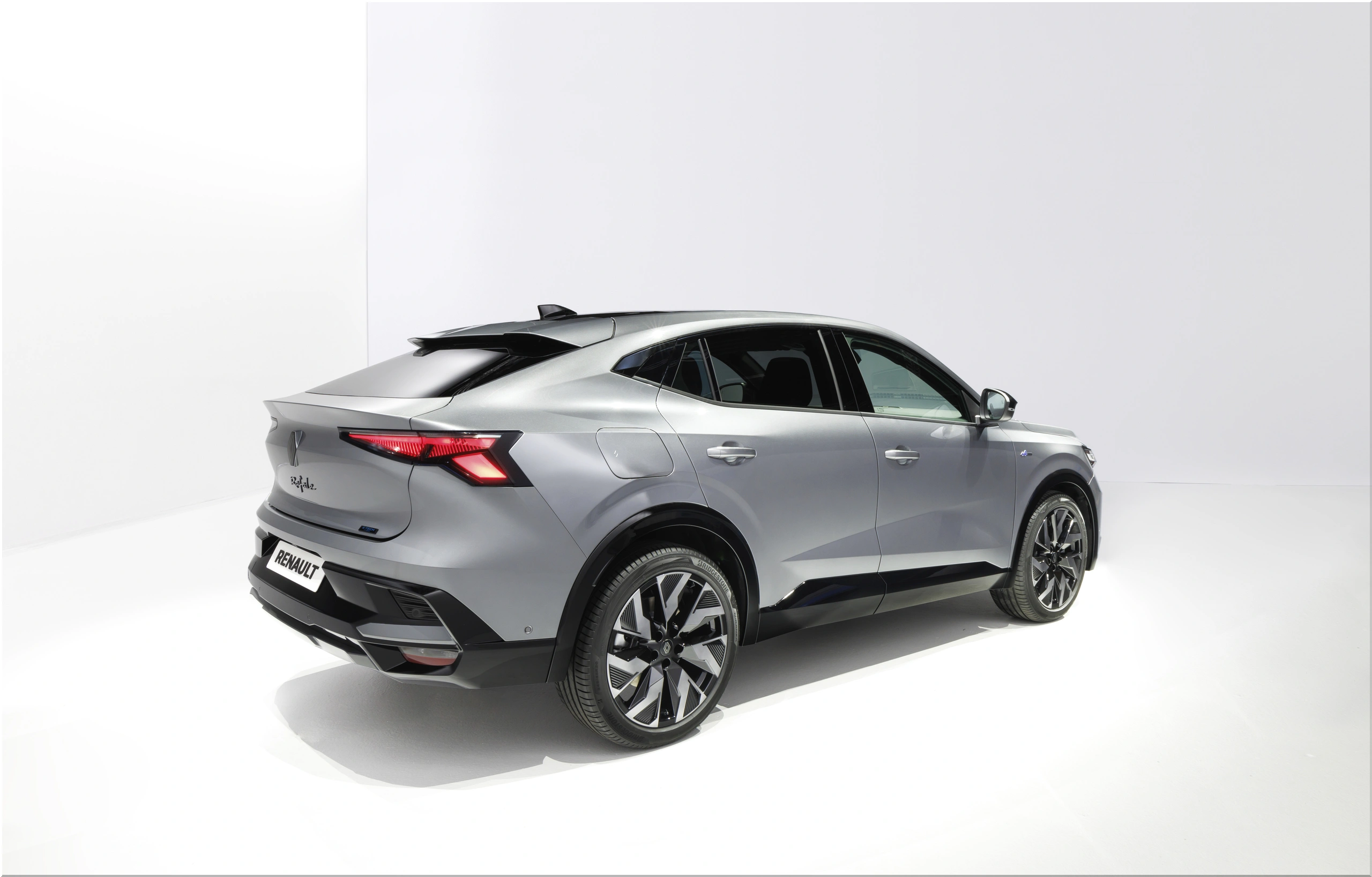
The rear end is equally impressive, with a full-width LED light strip connecting the taillights and creating a distinctive night signature. The tailgate is electrically operated and reveals a spacious trunk with 600 liters of capacity (21 cubic feet), which can be expanded to 1,800 liters (63 cubic feet) by folding down the rear seats.
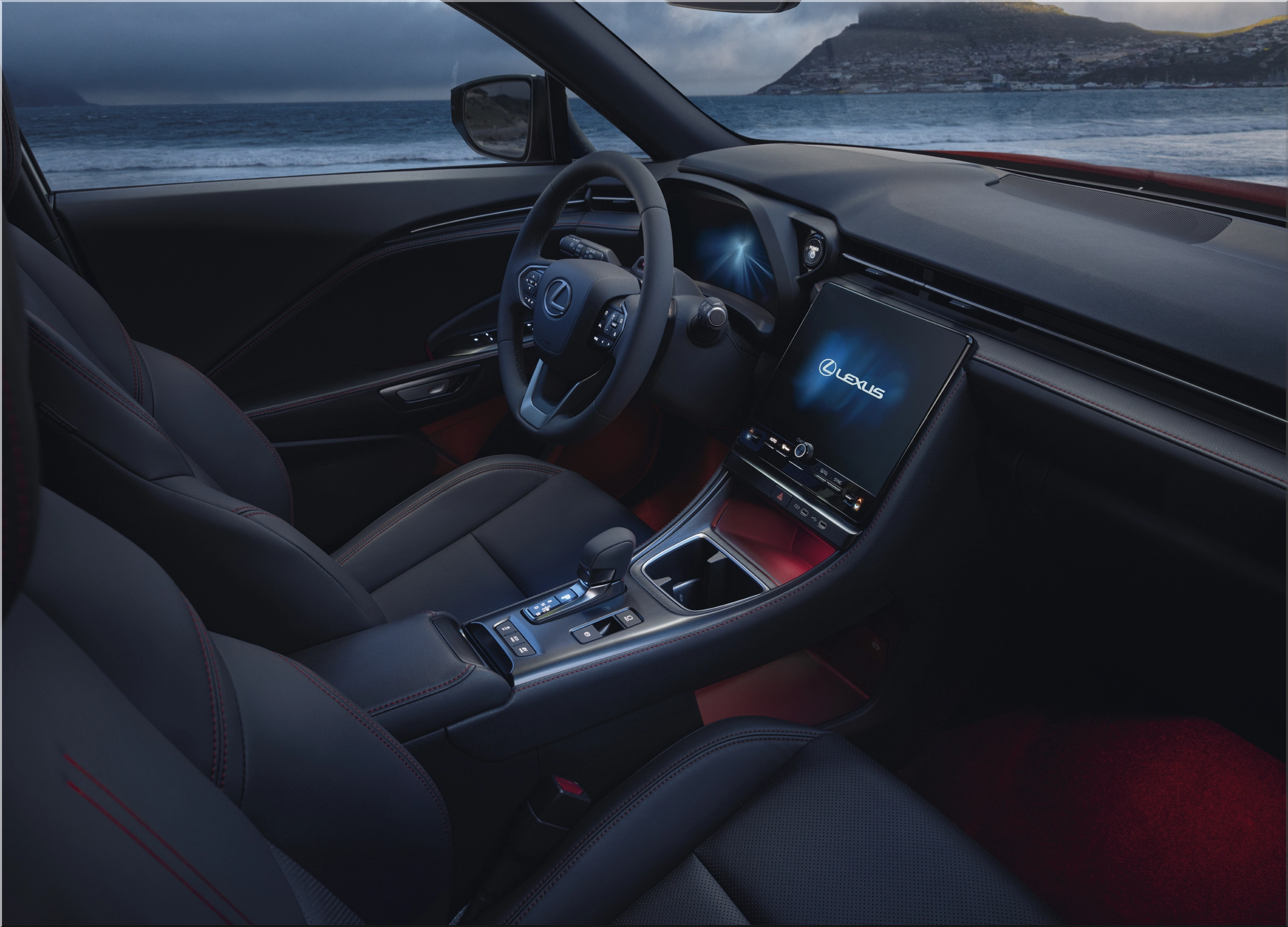
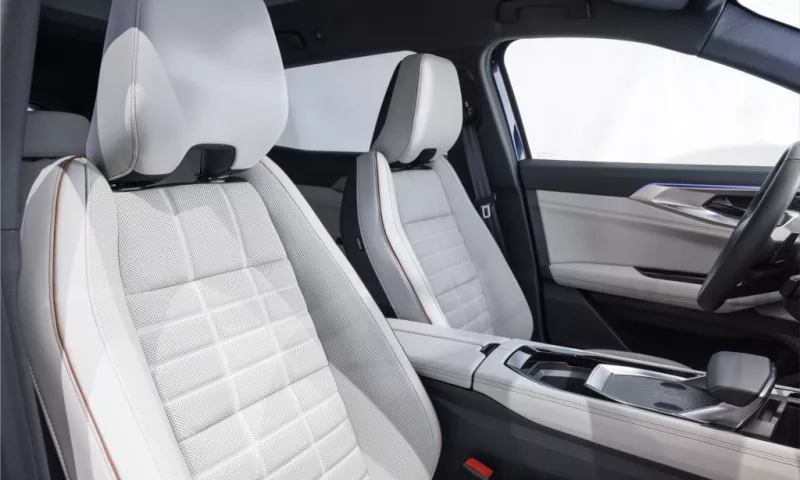
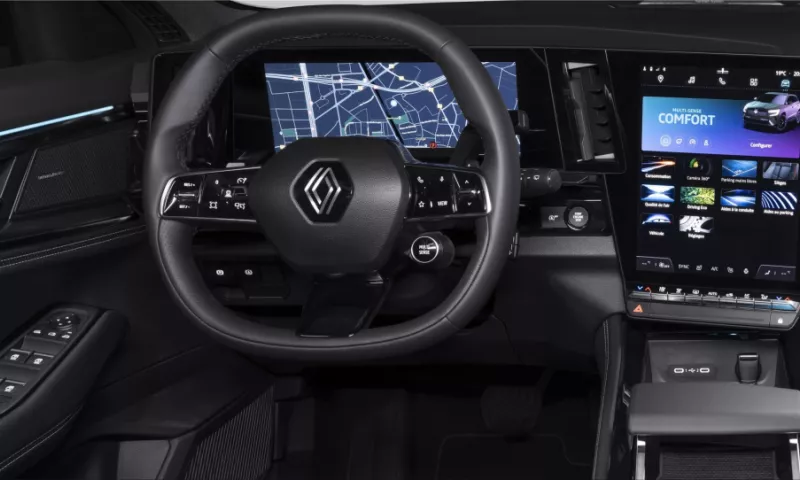
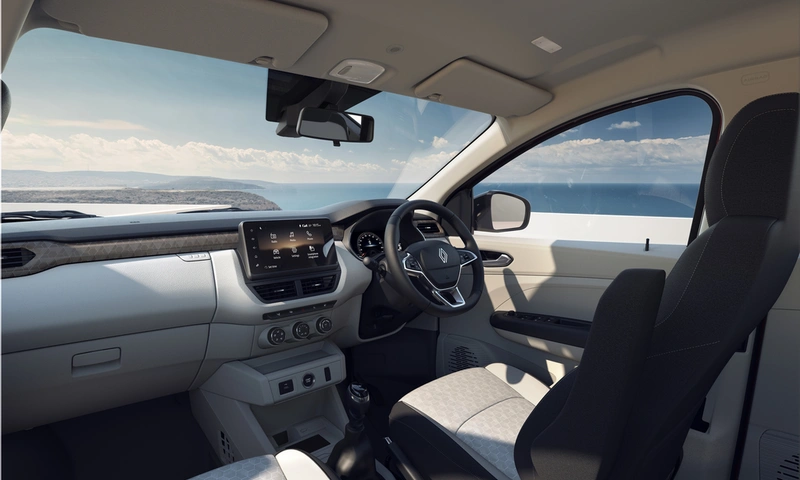
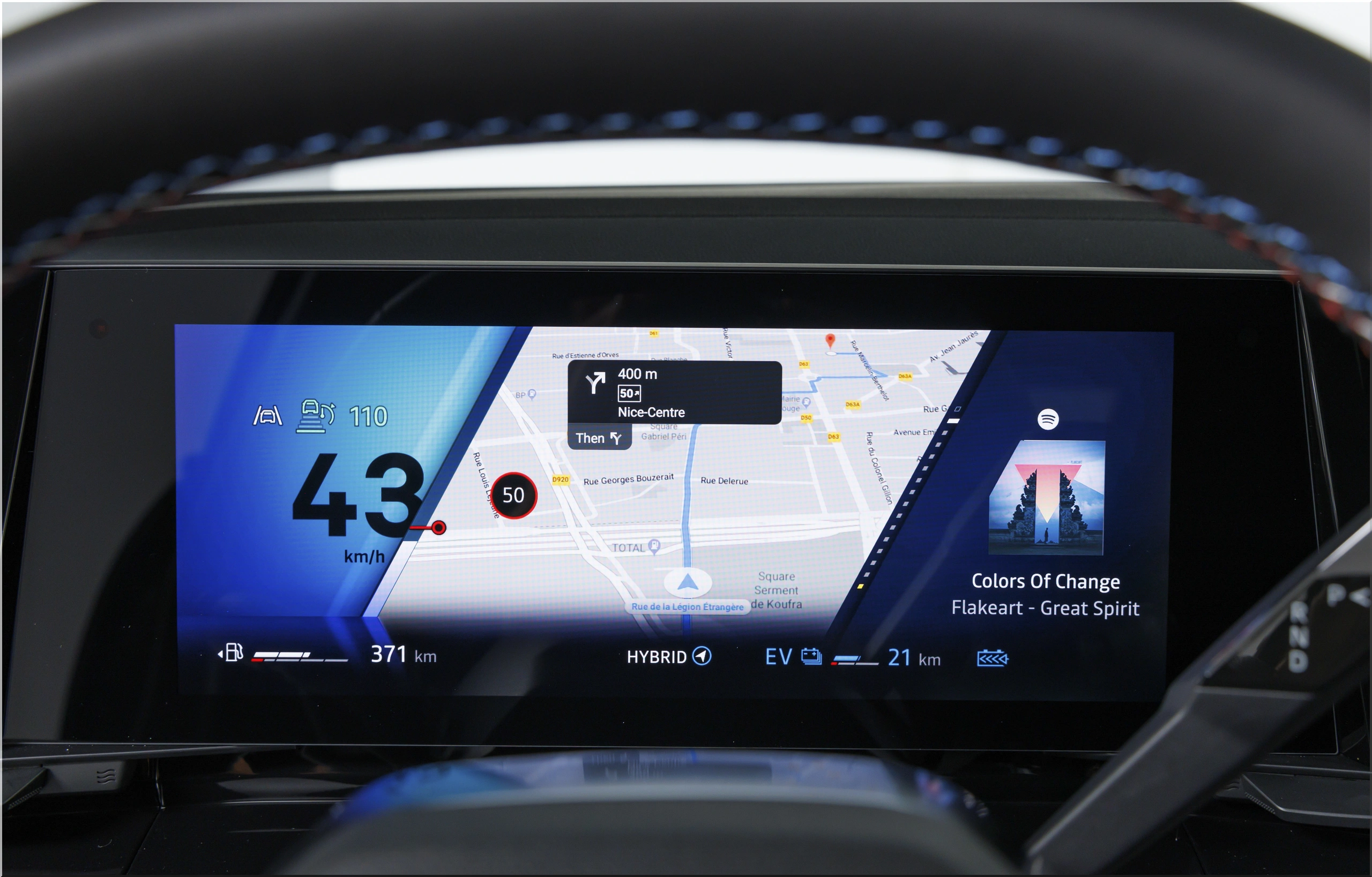
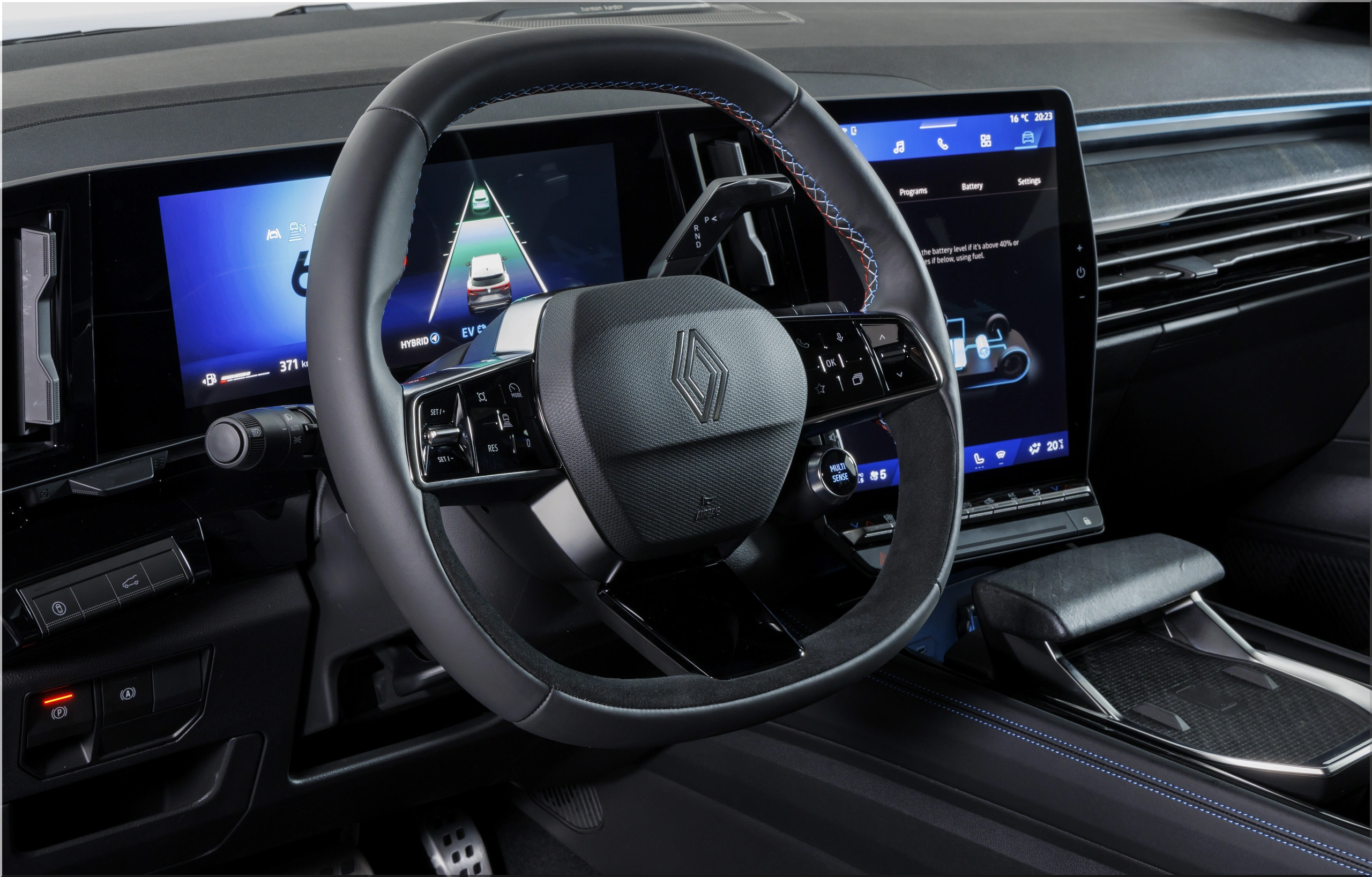
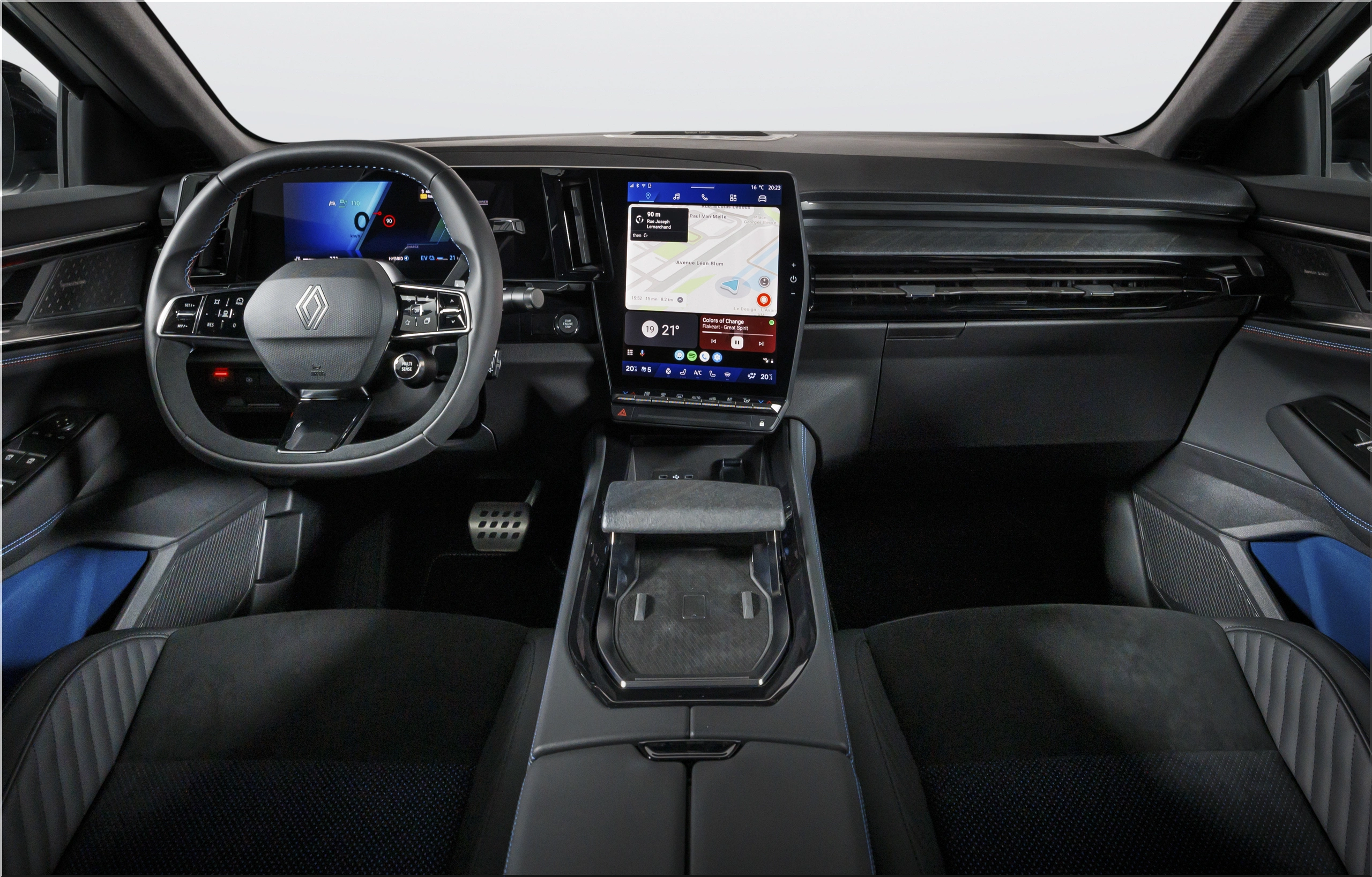
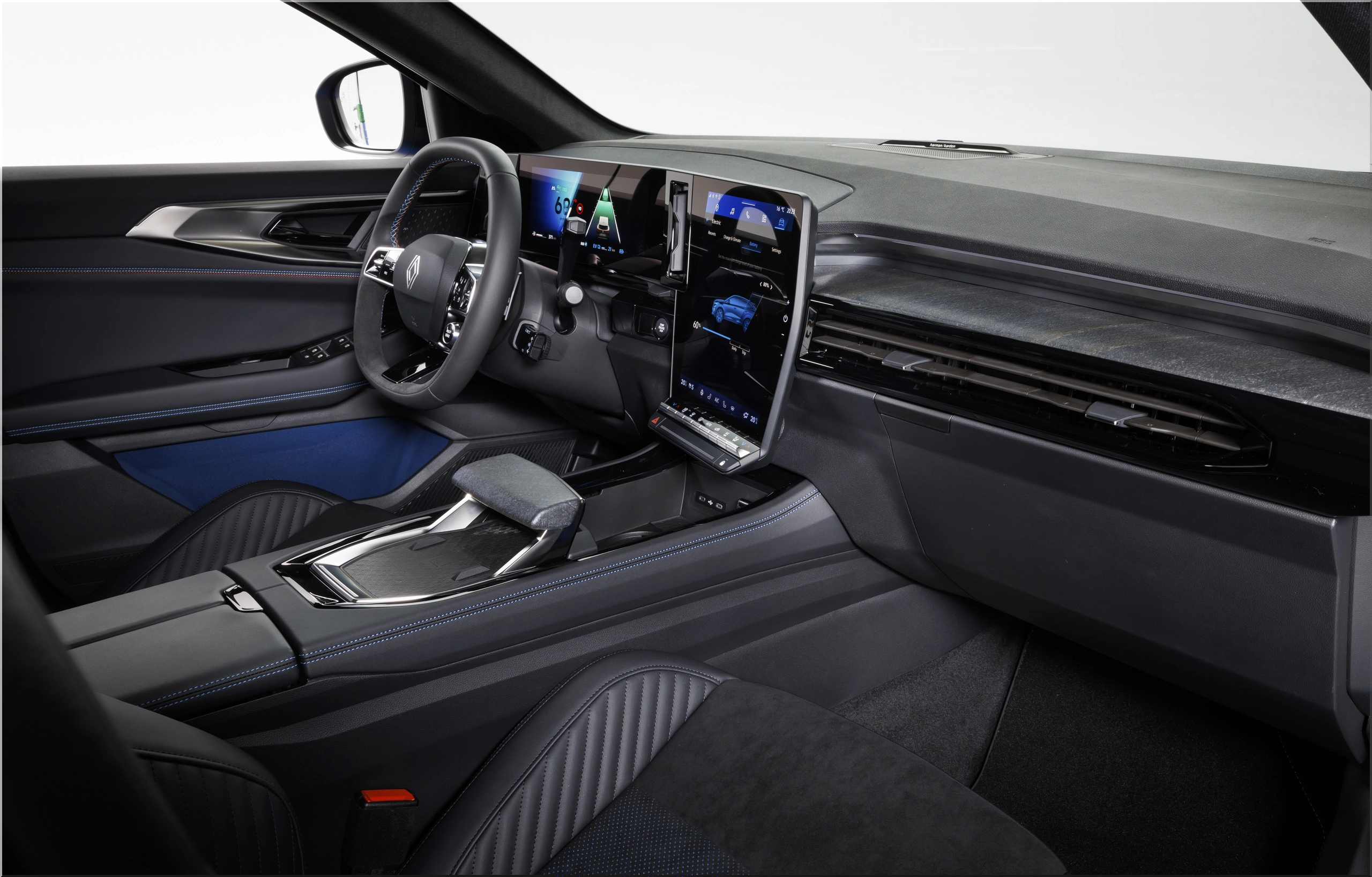
The interior of the Renault Rafale is designed to offer a premium and futuristic ambiance for passengers. The dashboard is dominated by two large screens: a 12-inch digital instrument cluster behind the steering wheel and a 15-inch center console touchscreen controlling most of the car’s functions. The screens are customizable and intuitive, offering access to various features such as navigation, media, climate, settings, driving modes, etc.
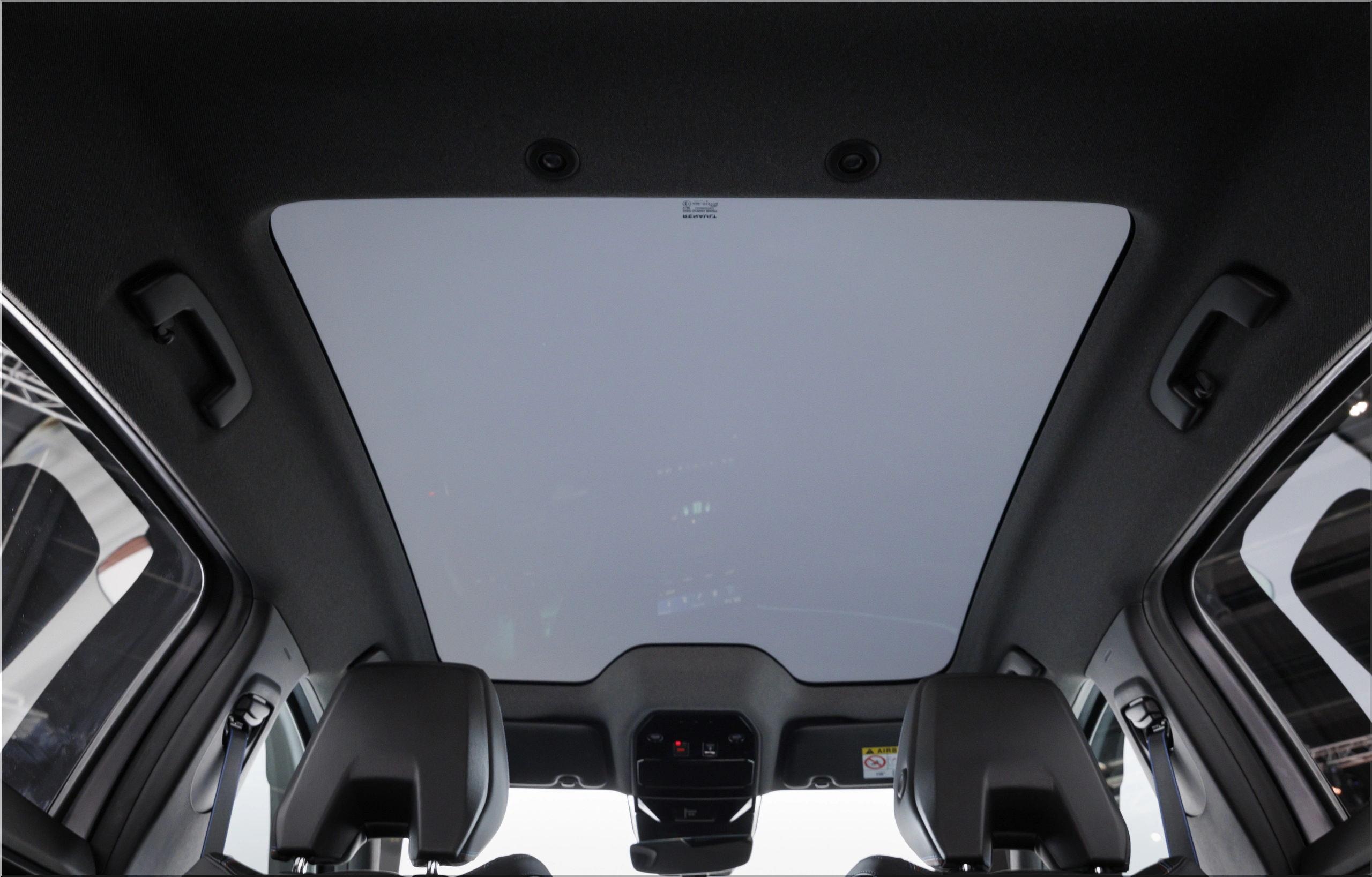
The cabin is spacious and comfortable, with plenty of room for five adults and their luggage. The seats are upholstered in leather and feature massage, heating, and ventilation functions. The panoramic sunroof lets in natural light and creates a sense of openness. The ambient lighting can be adjusted to suit the mood and the occasion with different colors and intensities.
Image gallery
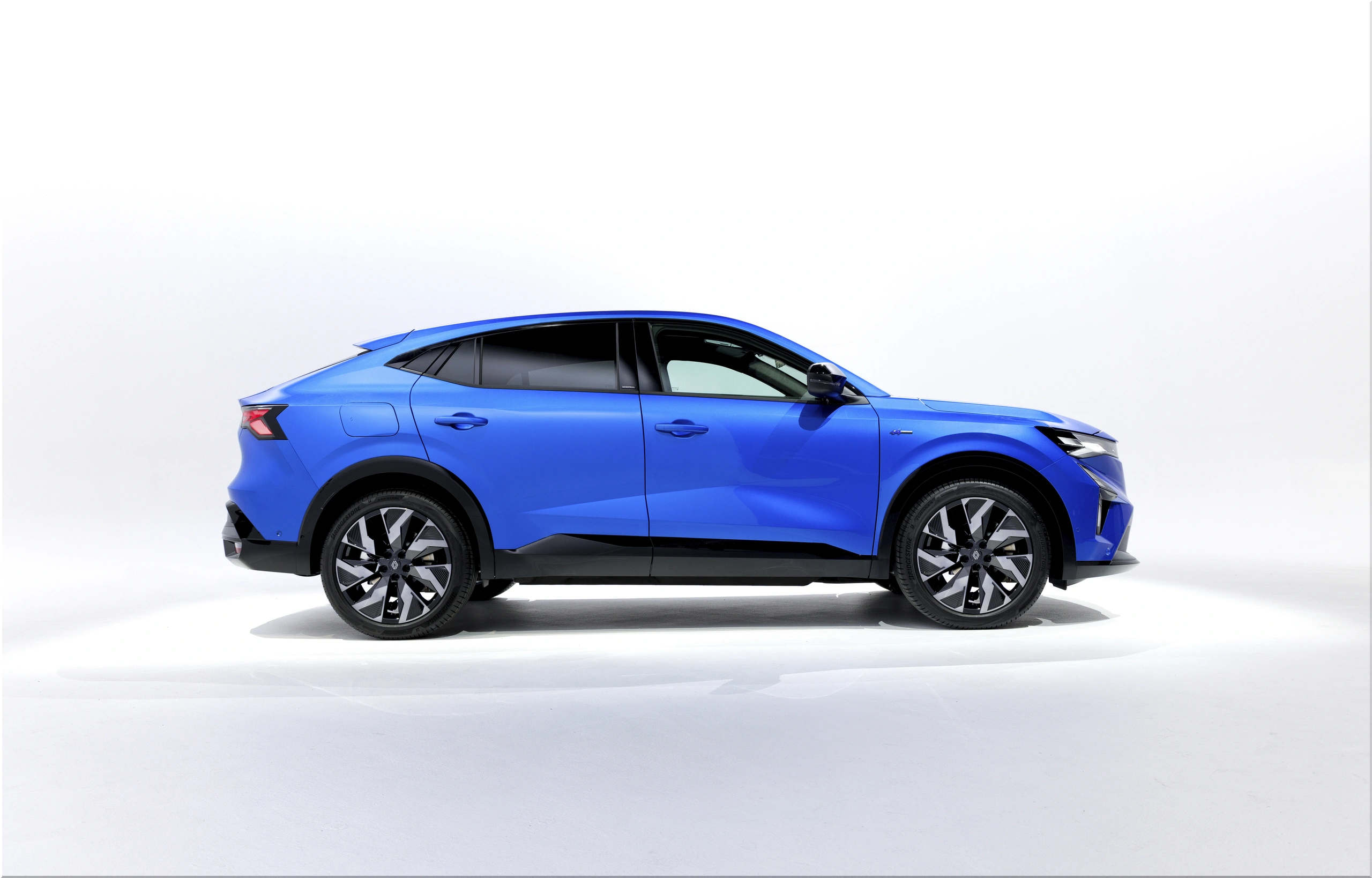
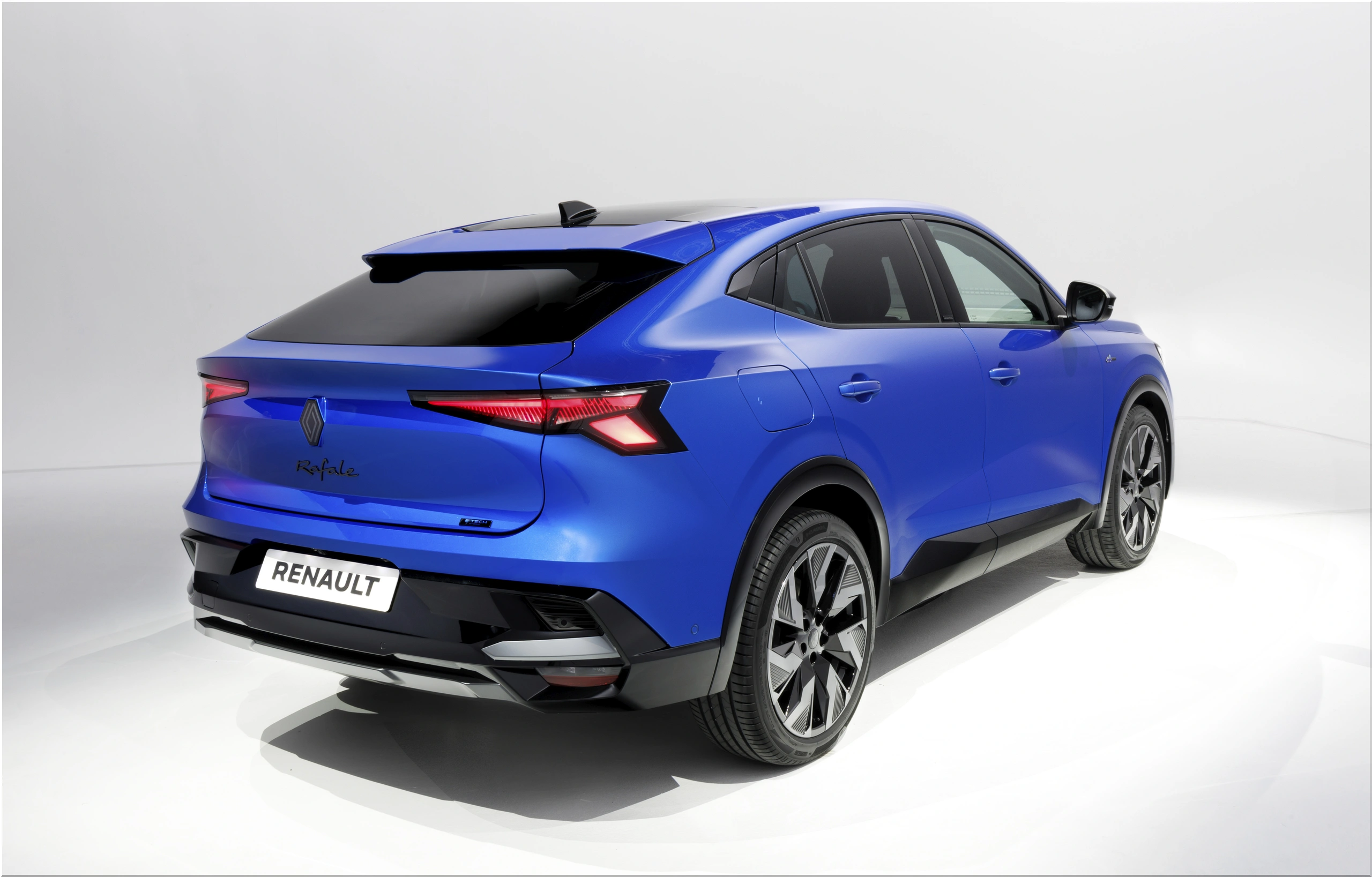
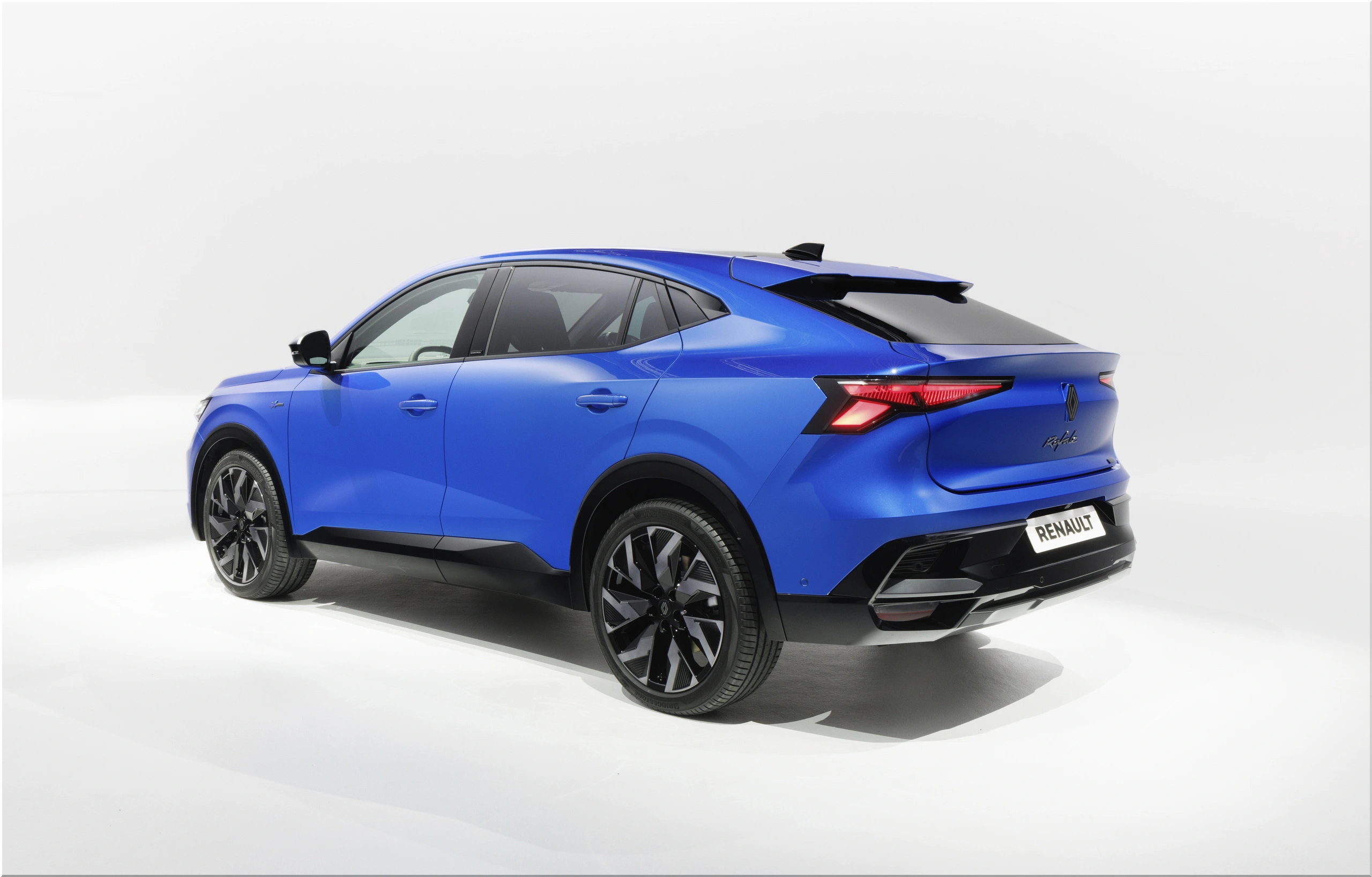
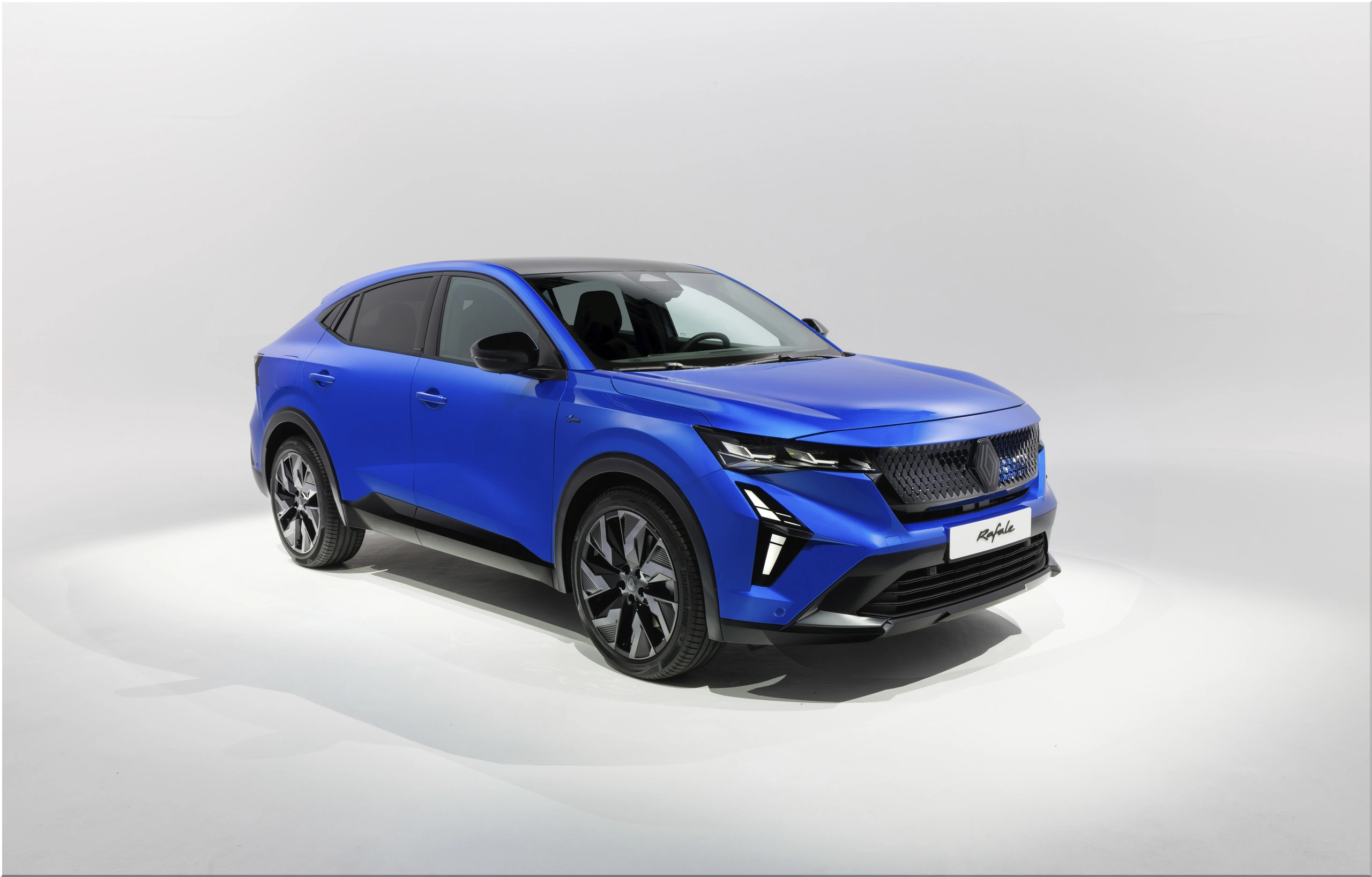
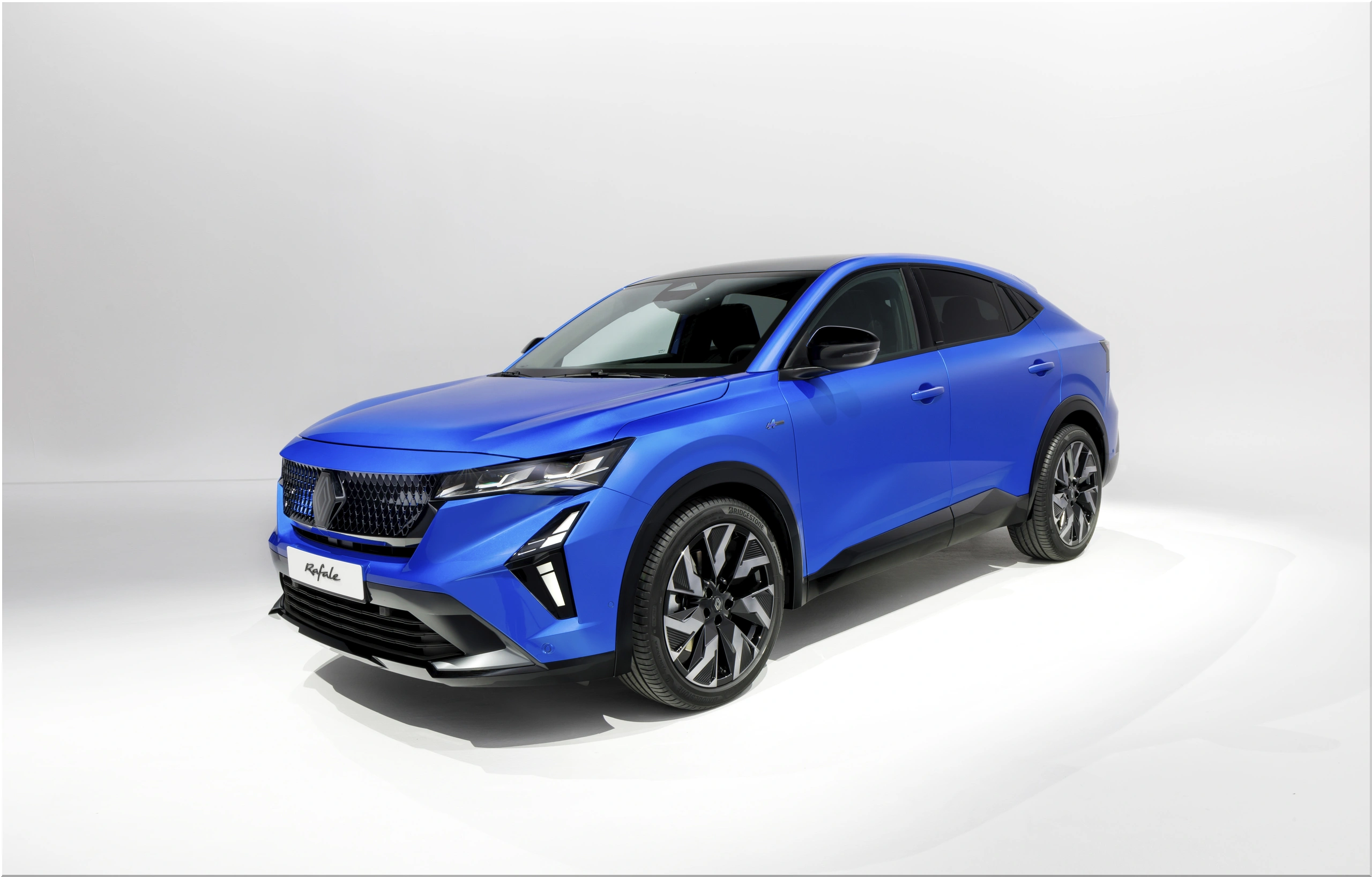
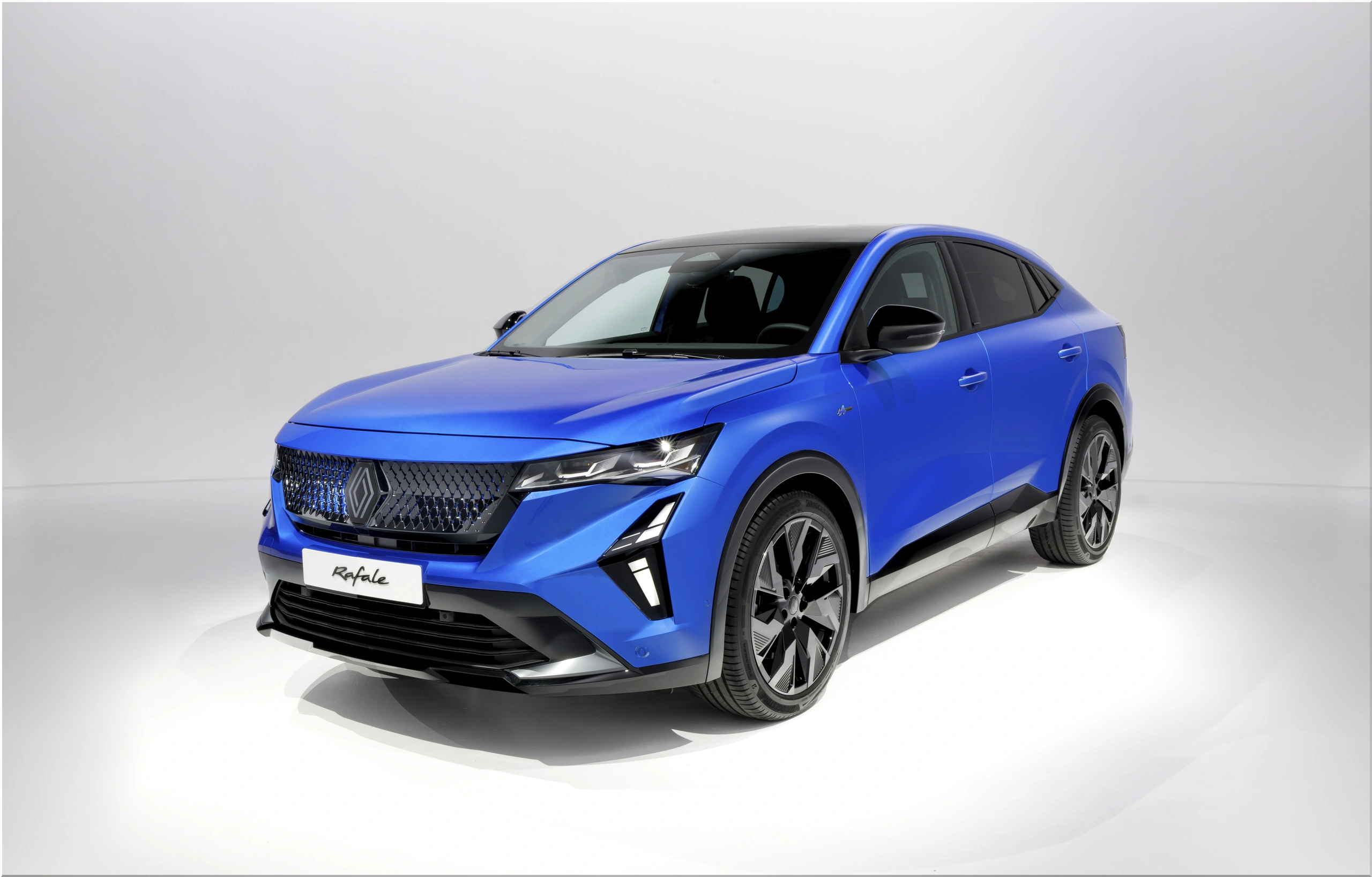
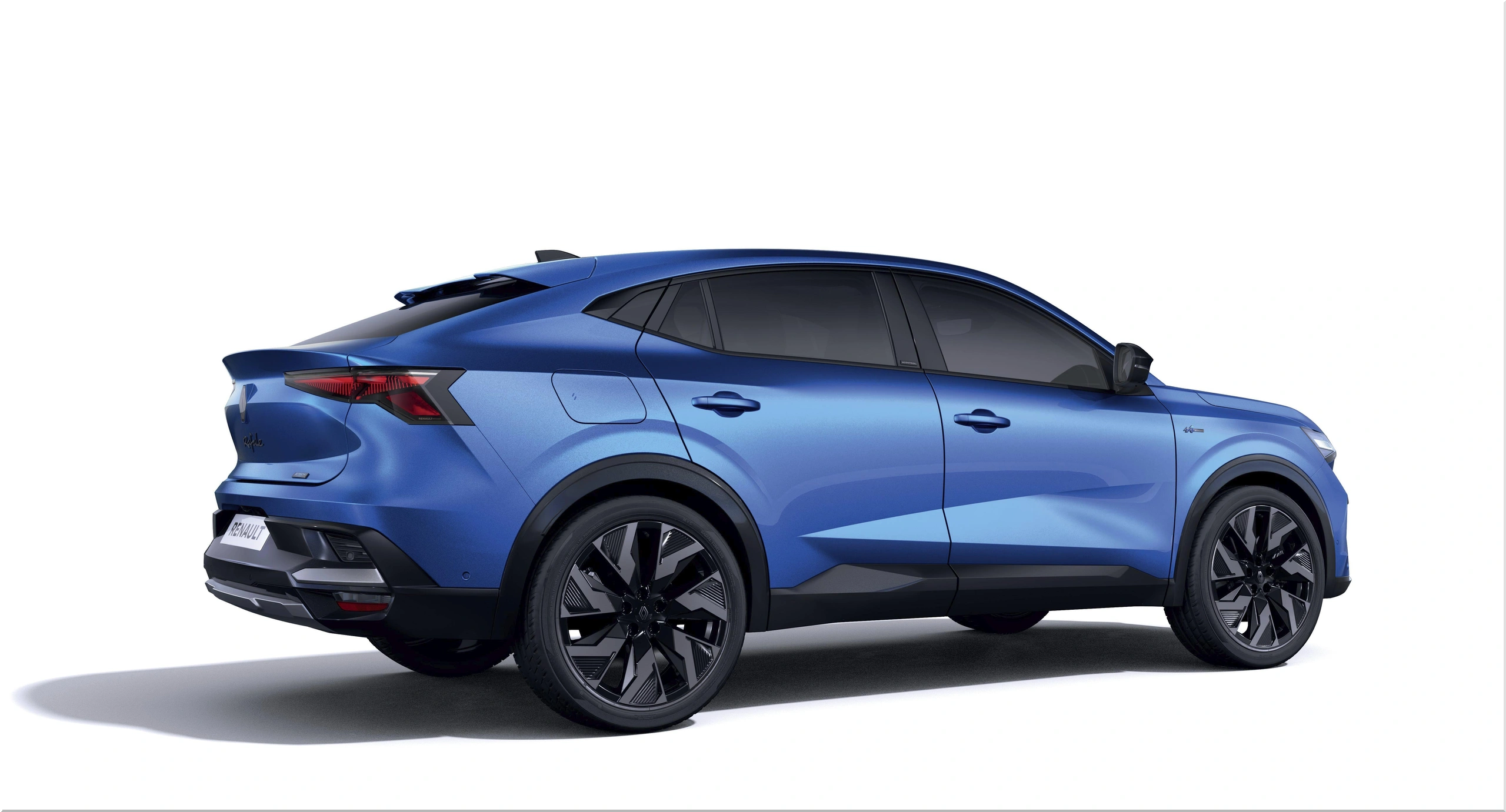
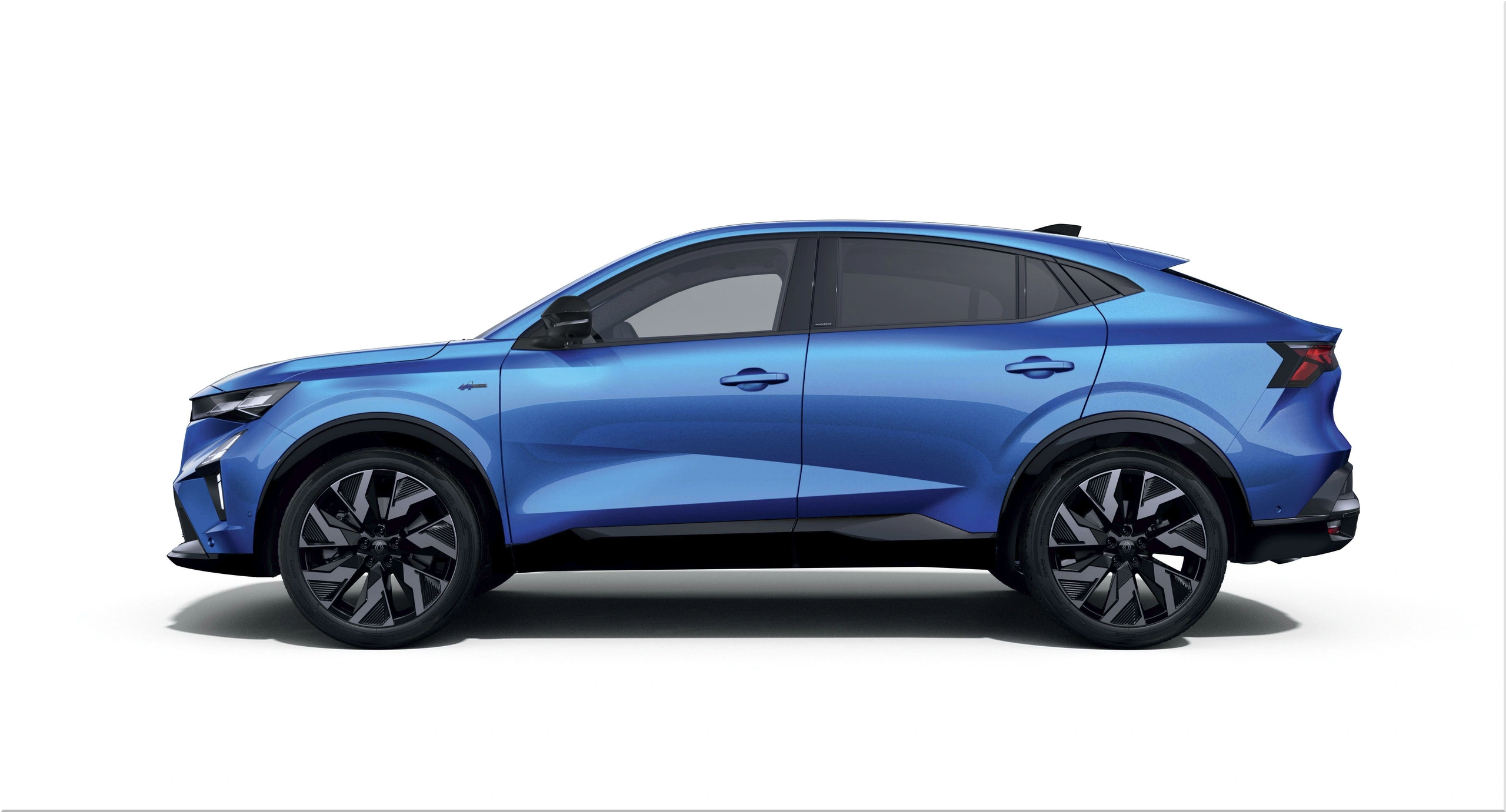
The Renault Rafale is also equipped with a range of advanced technologies that enhance safety, convenience, and entertainment. Some of these include:
- A head-up display that projects key information on the windshield, such as speed, navigation, warnings, etc.
- A wireless charging pad for smartphones and other devices
- A Bose sound system with 14 speakers and a subwoofer that delivers a rich and immersive sound quality
- A 360-degree camera system that provides a bird’s-eye view of the car and its surroundings, making parking and maneuvering easier
- A blind spot monitoring system that warns the driver of vehicles in the adjacent lanes
- A lane-keeping assist system that helps the driver stay in the center of the lane
- An adaptive cruise control system that maintains a safe distance from the vehicle ahead and can stop and resume automatically in traffic
- A highway assist system that combines adaptive cruise control and lane-keeping assist to provide a semi-autonomous driving experience on highways
A Powerhouse of Performance
But the Renault Rafale is not just about style and comfort. It’s also about performance and efficiency. The car is powered by a hybrid system that consists of a 1.6-liter turbocharged gasoline engine and two electric motors, one on each axle. The system produces a combined output of 300 horsepower and 450 Nm of torque (332 lb-ft), making it one of the most powerful SUVs in its class.
The Renault Rafale is built on the CMF-CD platform, which is a version of a component that already underpins 15 million Renault Group models from the Renault Clio upwards. The CMF-CD platform is designed to accommodate hybrid and plug-in hybrid powertrains and conventional engines.
The Renault Rafale can accelerate from 0 to 100 km/h (62 mph) in just 5.8 seconds and reach a top speed of 210 km/h (130 mph). It can also run on electric mode for up to 50 km (31 miles), using a 9.8 kWh battery pack that can be recharged in less than two hours using a 7 kW wall box.
The hybrid system also offers various driving modes that can be selected by the driver depending on the road conditions and preferences. These include:
- Eco: optimizes fuel consumption and emissions by favoring electric mode and limiting engine power
- Comfort: provides a smooth and quiet ride by balancing engine and electric power
- Sport: enhances performance and responsiveness by boosting engine and electric power
- Off-road: improves traction and stability by distributing power to all four wheels
The Renault Rafale also features a regenerative braking system that recovers energy during deceleration and braking and feeds it back to the battery, extending the electric range and reducing fuel consumption.
The fuel efficiency of the Renault Rafale is impressive, considering its size and power. The car has a combined fuel consumption of 5.8 liters per 100 km (40 mpg) and CO2 emissions of 132 g/km, according to the WLTP cycle. That translates to an annual fuel cost of about $1,000 (based on an average gas price of $3 per gallon) and an annual tax cost of about $200 (based on an average CO2 tax rate of $150 per ton).
Image gallery
A Game Changer for Renault
The Renault Rafale is more than just a new SUV. It’s a game-changer for Renault. It’s a vehicle that showcases the brand’s new identity, vision, and capabilities. It’s a vehicle that demonstrates Renault’s commitment to innovation, quality, and sustainability. And it’s a vehicle that appeals to customers looking for a premium, powerful, and efficient SUV.
The Renault Rafale is also a testament to the power and potential of hybrid and electric cars. Electric cars can be stylish, comfortable, and fun to drive without compromising performance or range. It proves electric cars can be competitive with conventional cars regarding price, features, and reliability. And it proves that electric cars can be part of the solution to reduce emissions and fight climate change.
The Renault Rafale is not just another SUV. It’s a French revolution in SUVs.
- Add new comment
- 510 views