Compact SUV Market Context
Compact SUVs account for nearly half of all SUV sales in India and more than 30% of total passenger vehicle demand. Renault entered this high-volume segment with the Kiger in 2021. Four years later, Renault has introduced the 2026 Renault Kiger with over 35 updates. The focus: performance, efficiency, safety, and technology.
This analysis reviews the Kiger's upgrades, performance data, and market positioning to evaluate how it competes with Hyundai Venue, Kia Sonet, Tata Nexon, and Maruti Brezza.
Key Updates at a Glance
The 2026 Renault Kiger introduces meaningful enhancements:
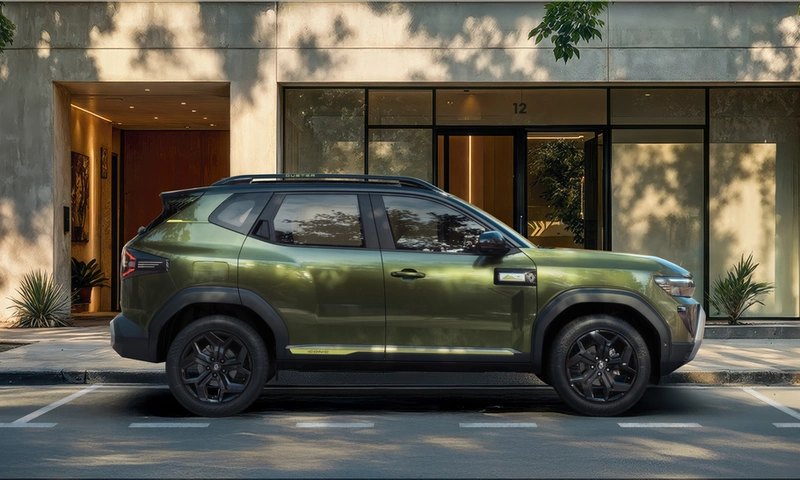
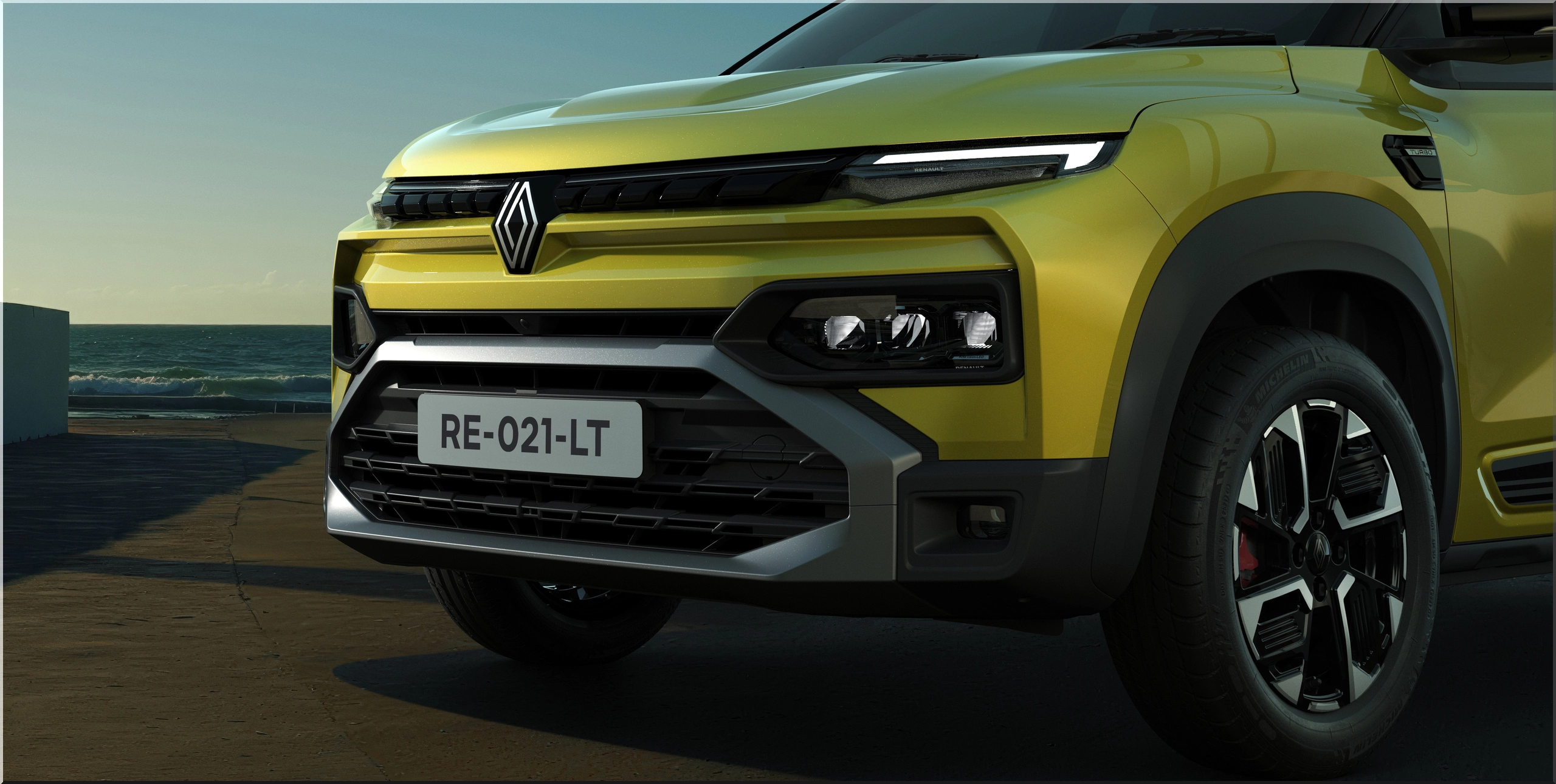
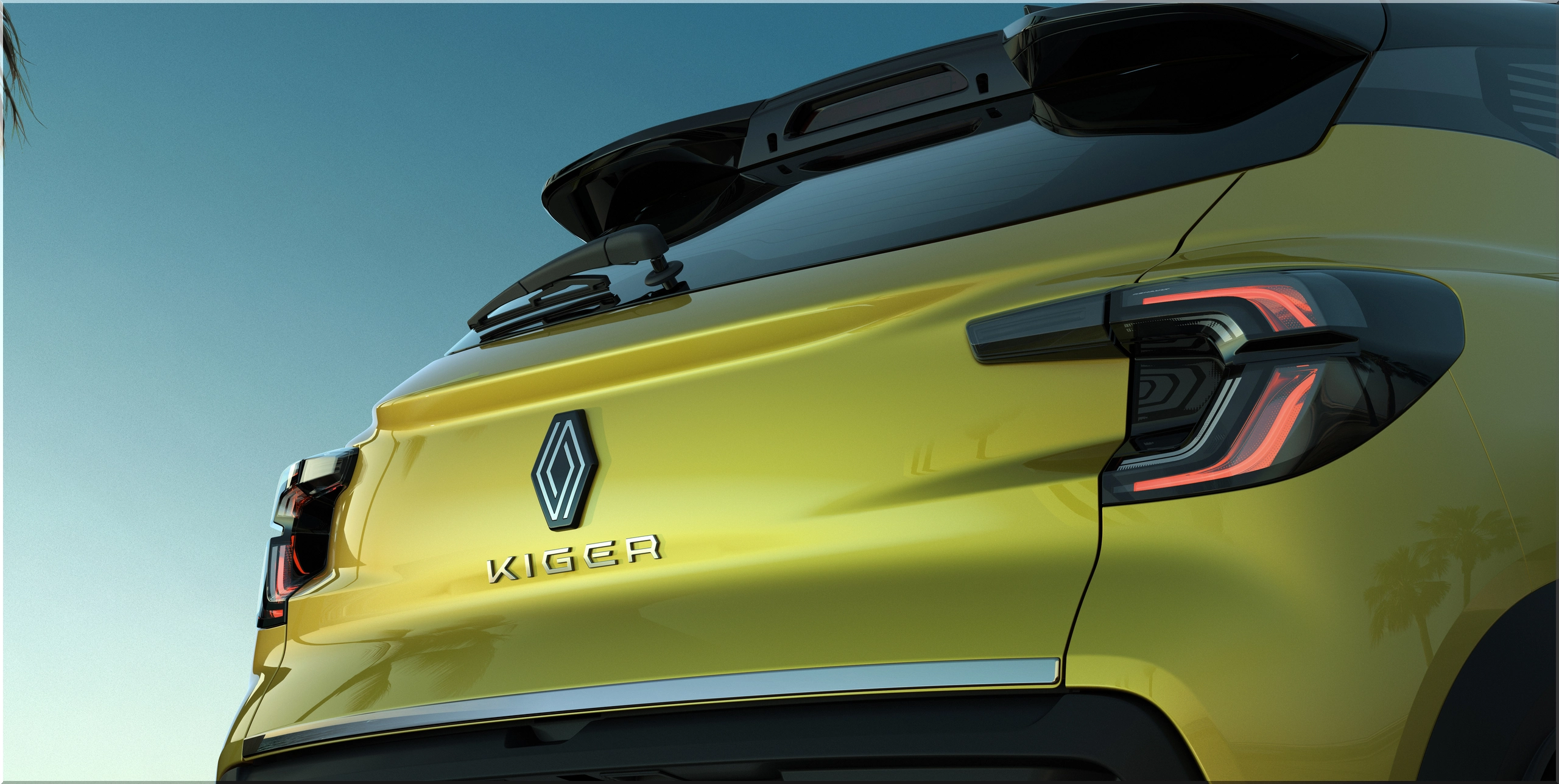
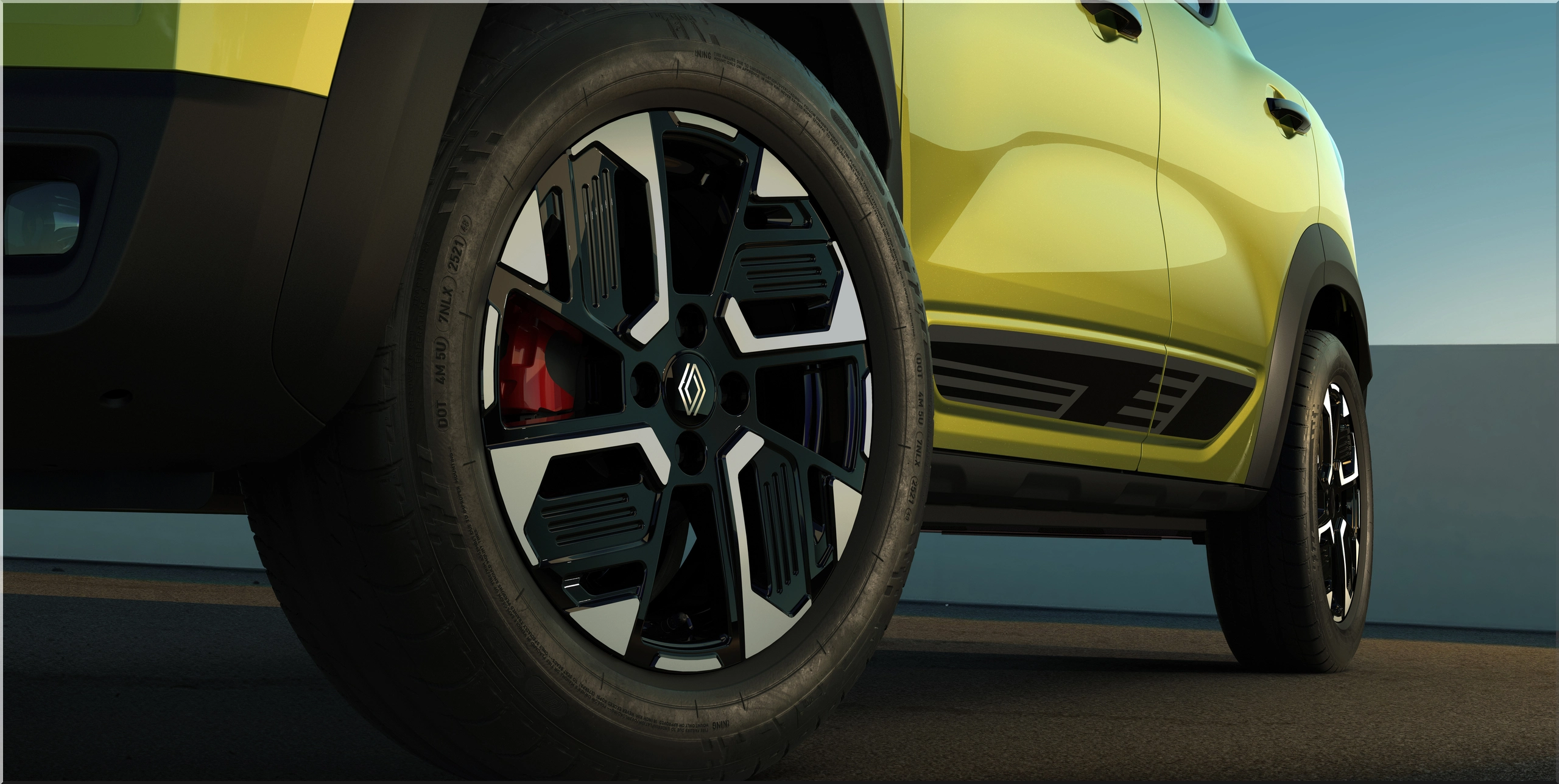
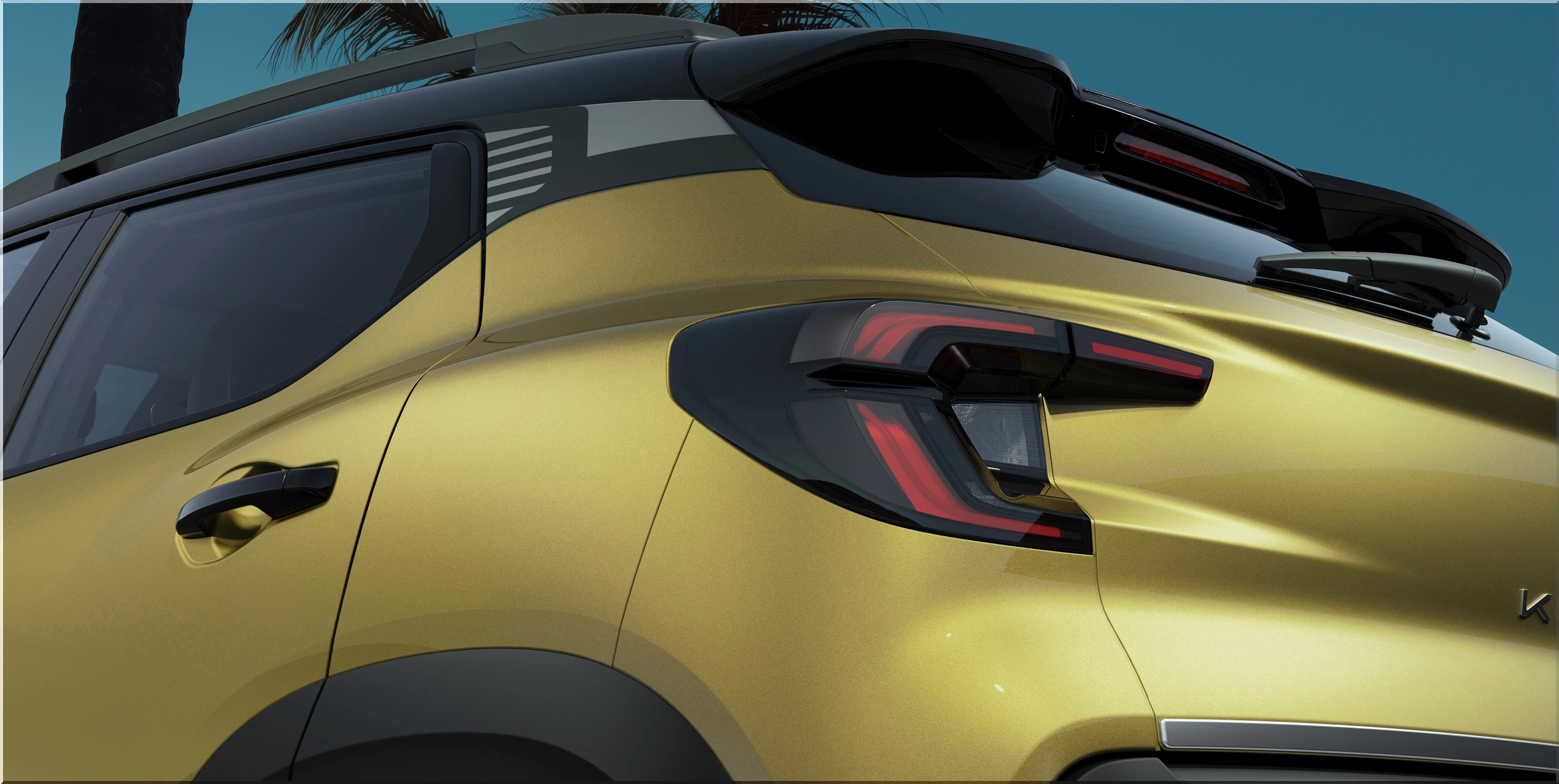
- Design: New grille, hood, bumpers, LED headlamps, taillamps, fog lamps, and 16-inch diamond-cut alloys.
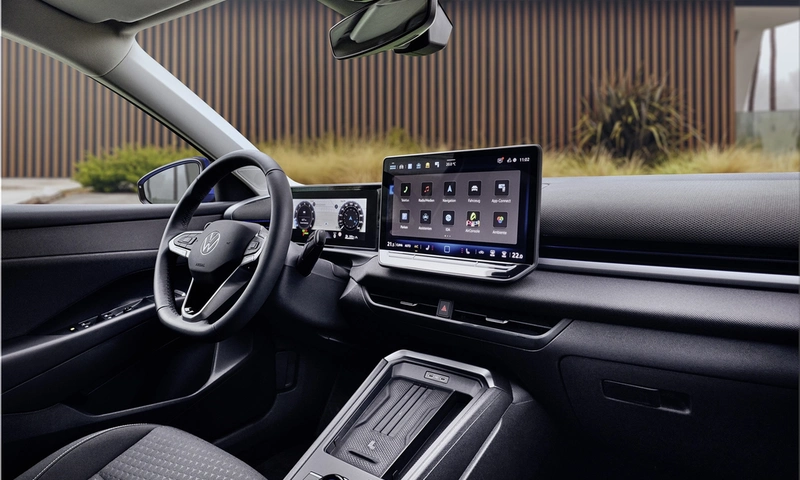
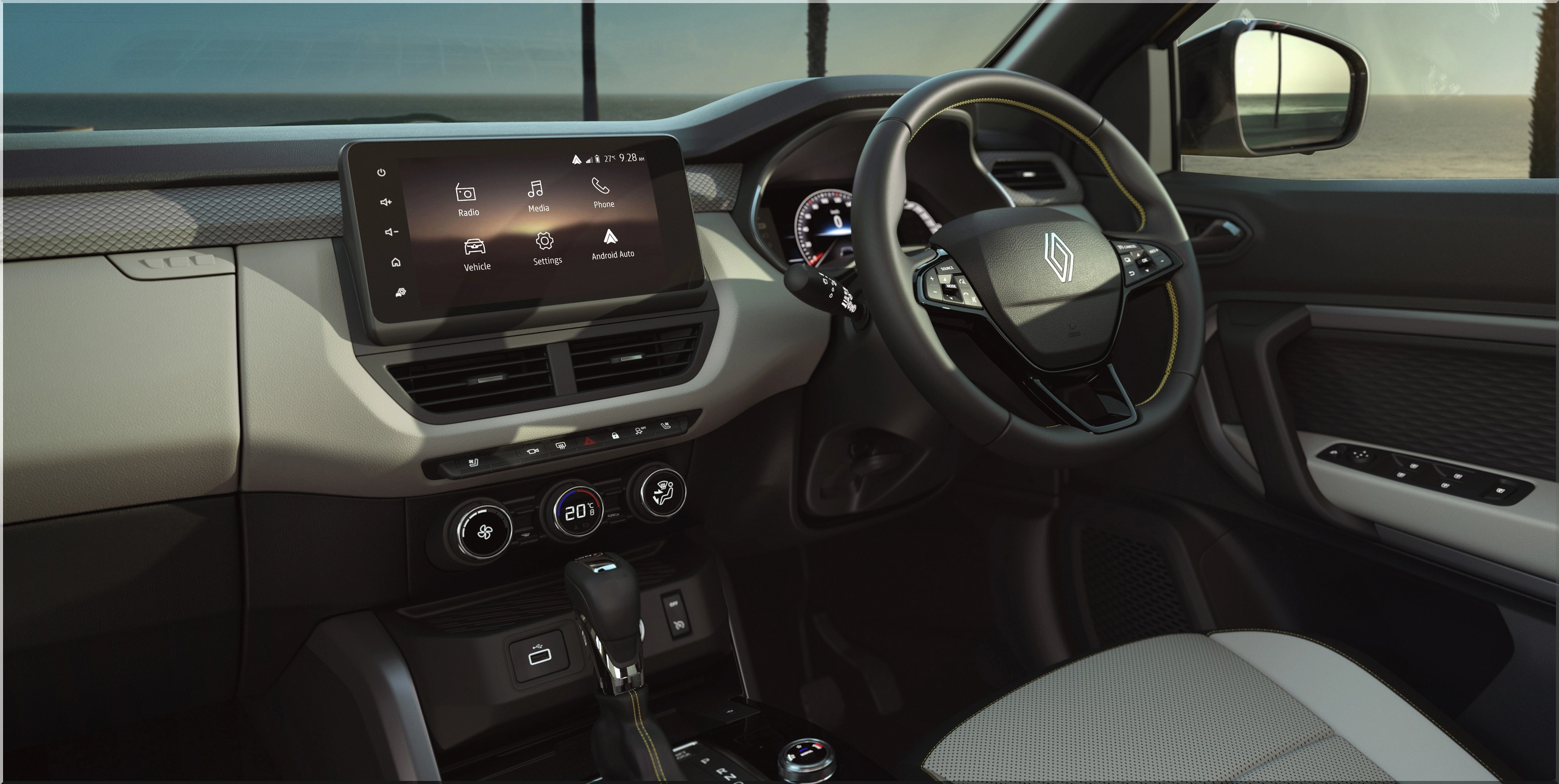
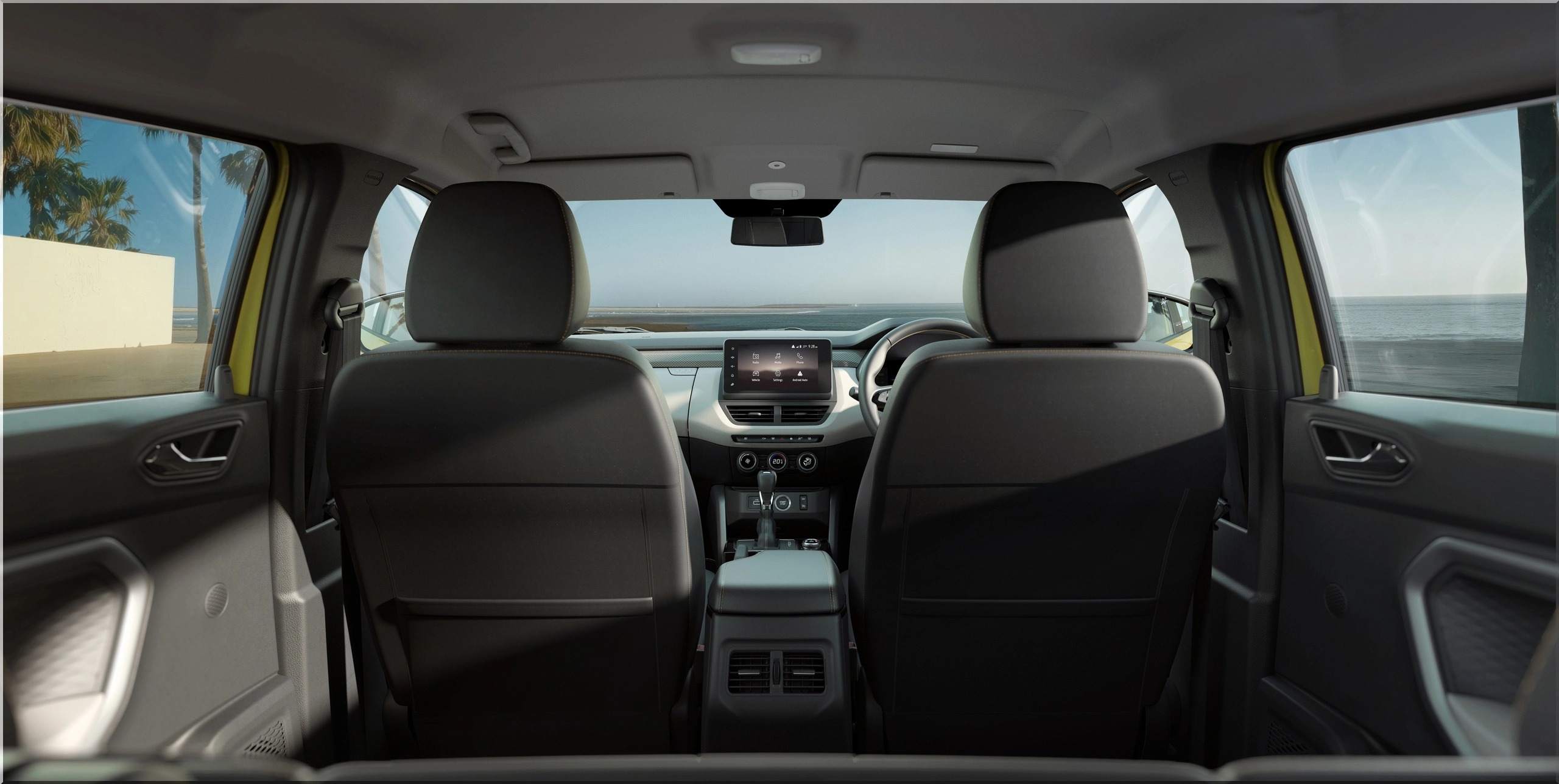
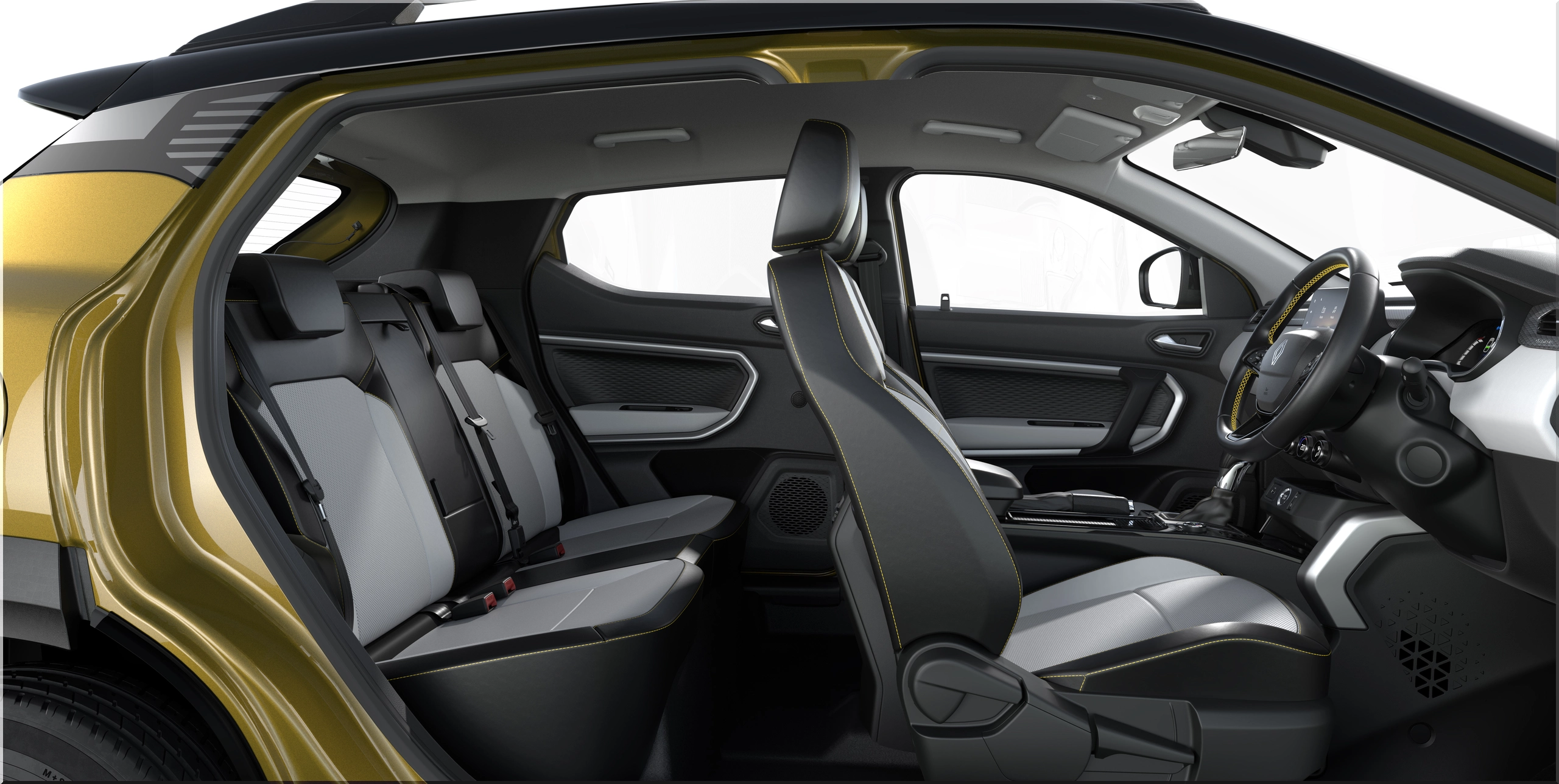
- Interiors: Dual-tone dashboard, ventilated leatherette seats, better cabin insulation, premium 3D Arkamys sound.
- Technology: Multi-view HD camera, wireless smartphone connectivity, 8-inch infotainment, automatic lights and wipers.
- Safety: 21 standard features including 6 airbags, ESP, Traction Control, Hill Start Assist, and Isofix anchors.
- Performance: Turbocharged engine with 100 hp and 160 Nm torque, improved fuel efficiency, and CNG compatibility.
Performance and Engine Options
Renault continues to use its CMFA+ platform, tuned for agility in urban traffic and stable highway manners.
Engine Choices
- Turbocharged 1.0L
- Power: 100 hp
- Torque: 160 Nm
- Transmissions: 5-speed manual, CVT with D-Step tech, or Easy-R AMT
- Fuel-ready: E20 compatible
- Best-in-segment torque-to-weight ratio
- Naturally Aspirated 1.0L
- Power: 72 hp
- Torque: 96 Nm
- Transmissions: 5-speed manual or AMT
- Focus: affordability and lower running costs
Both engines feature Mirror Bore Coating technology, reducing internal friction for better efficiency, stronger durability, and improved acceleration.
CNG Variant
The CNG option (manual only) targets cost-conscious buyers, expanding Renault’s reach in Tier 2 and Tier 3 cities.
Driving Dynamics
The Turbo CVT with D-Step technology is a core differentiator. It mimics gear shifts, removing the “rubber-band” effect typical in CVTs.
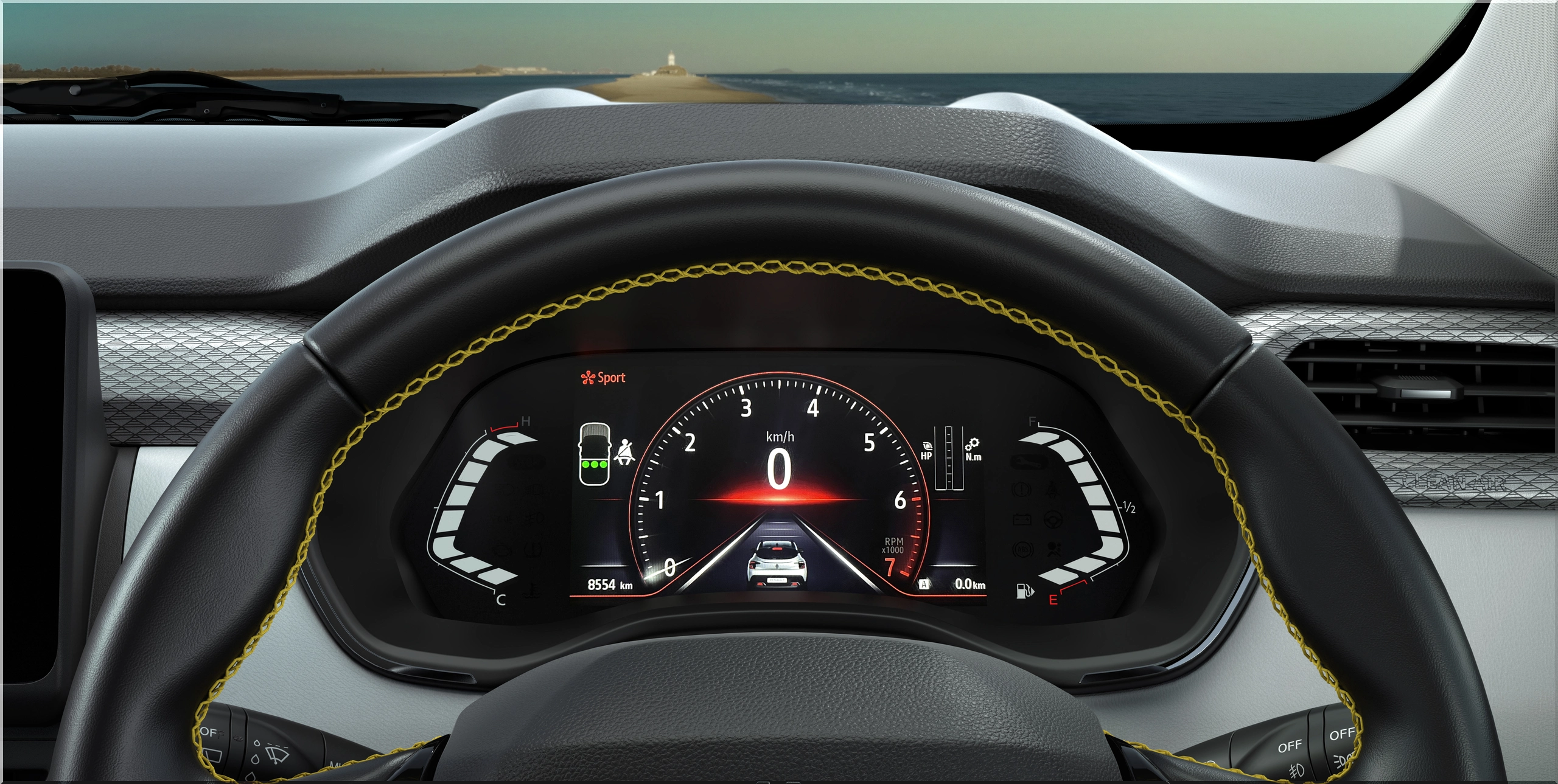
Three drive modes enhance flexibility:
- Eco: maximizes fuel economy
- Normal: balances daily usability
- Sport: improves throttle response
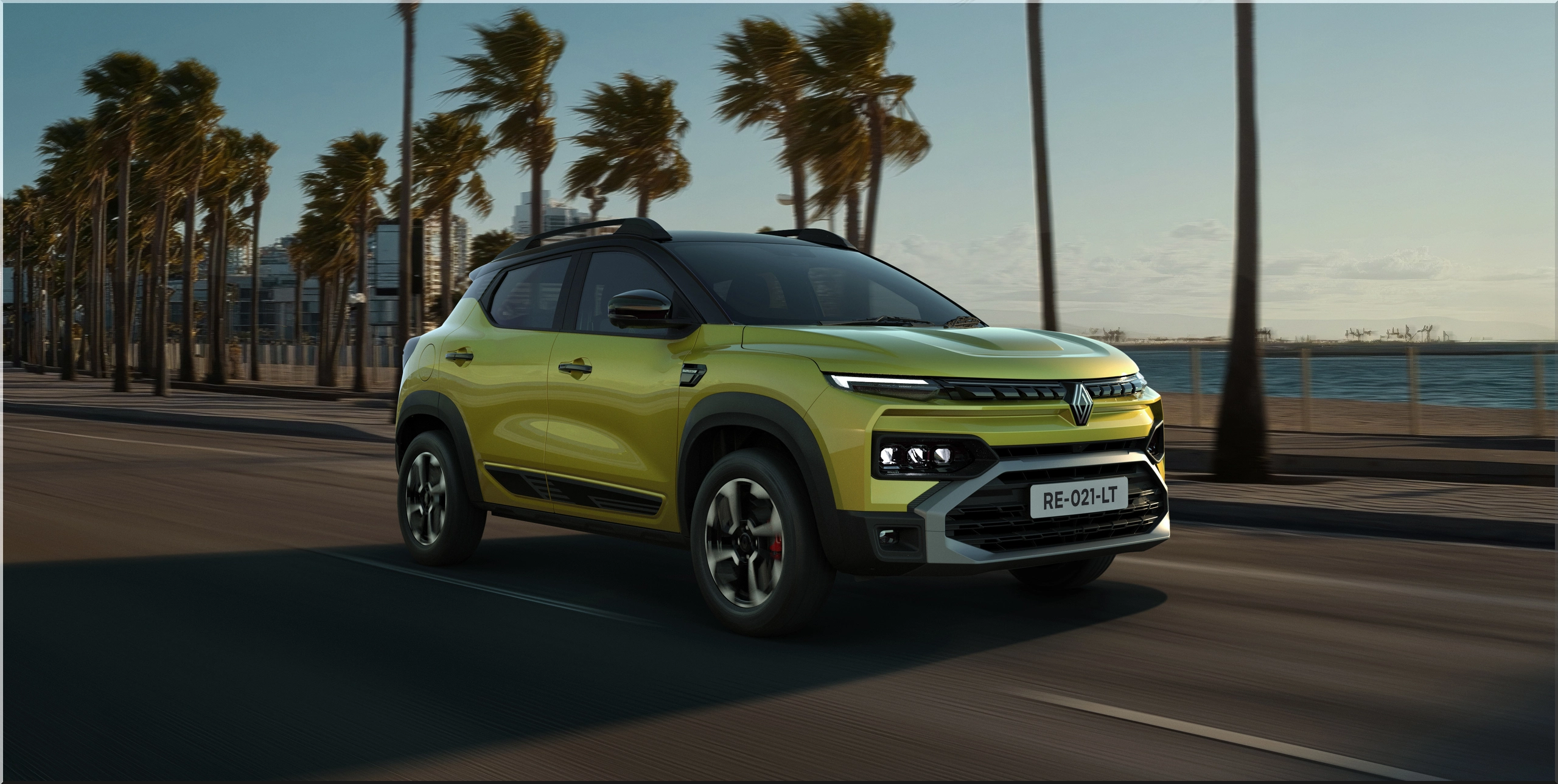
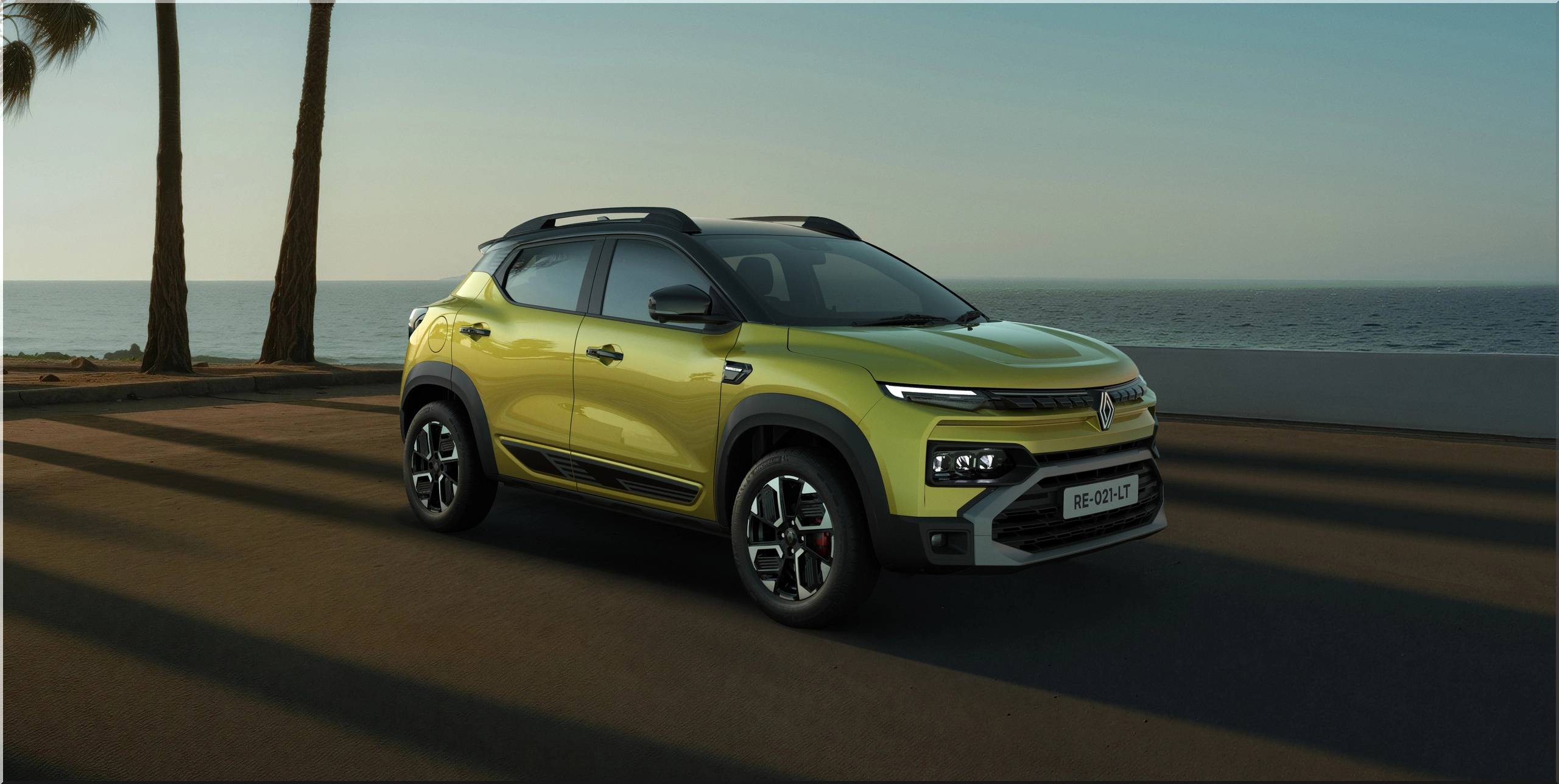
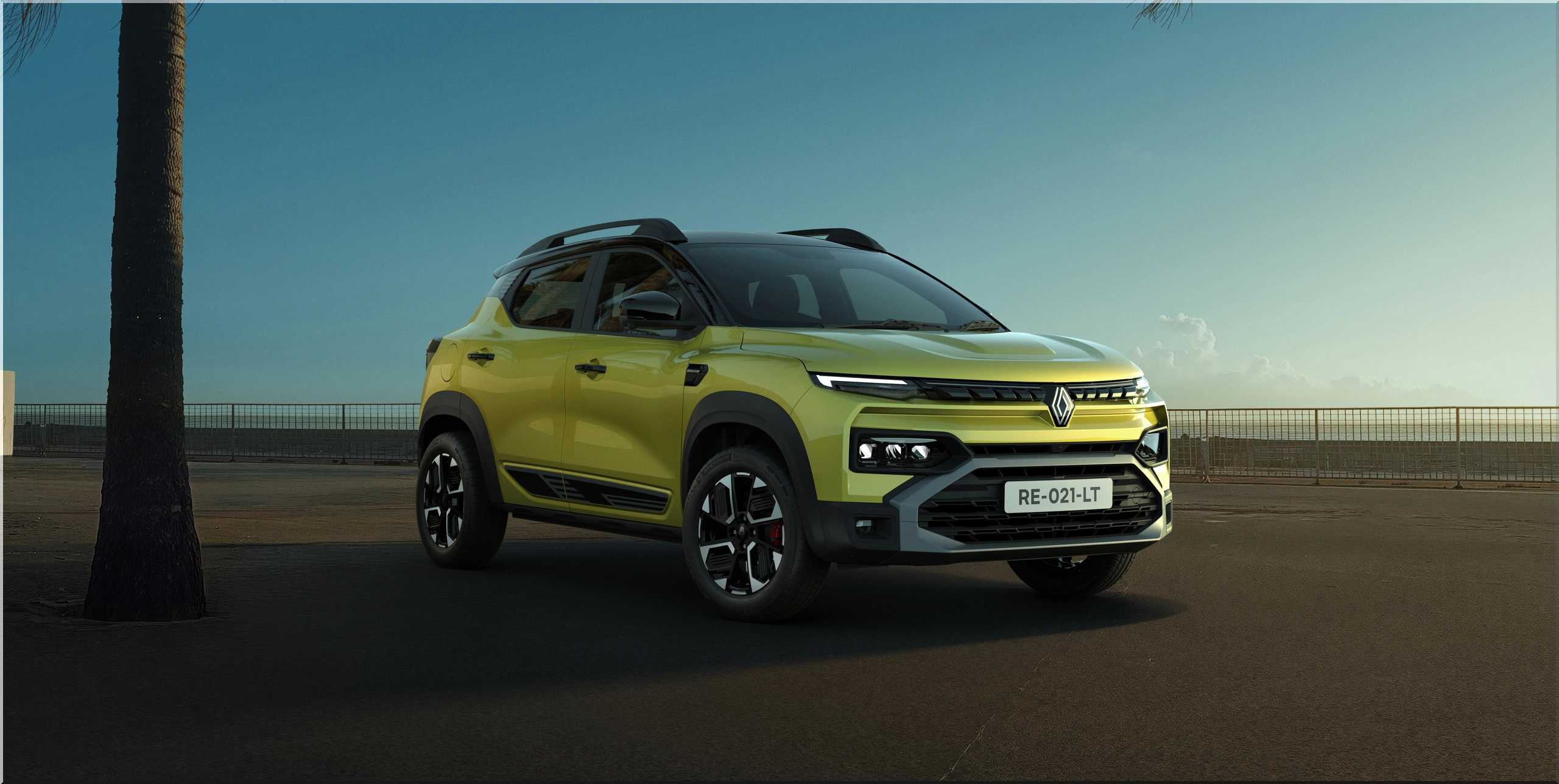
Exterior Design
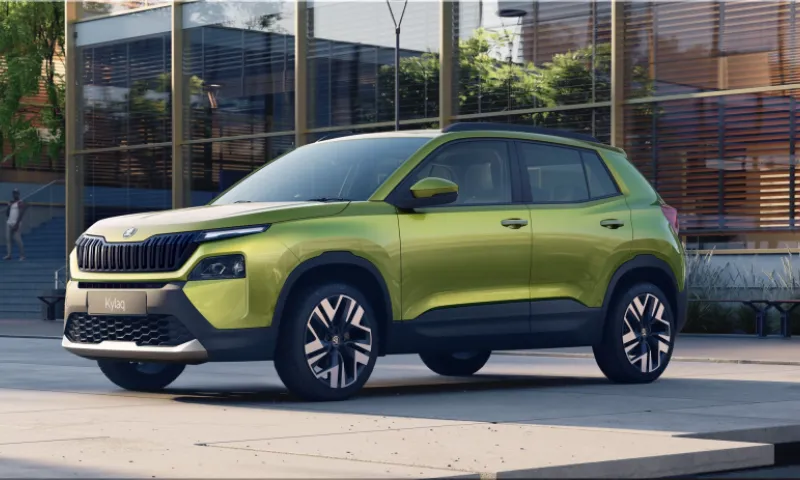
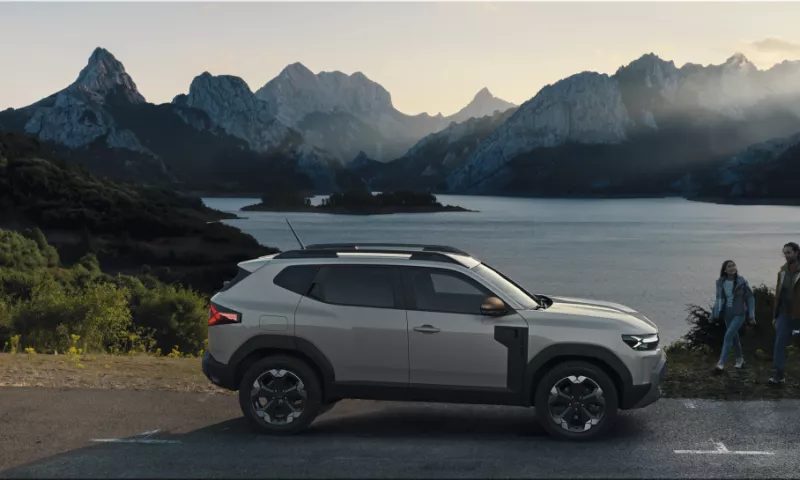
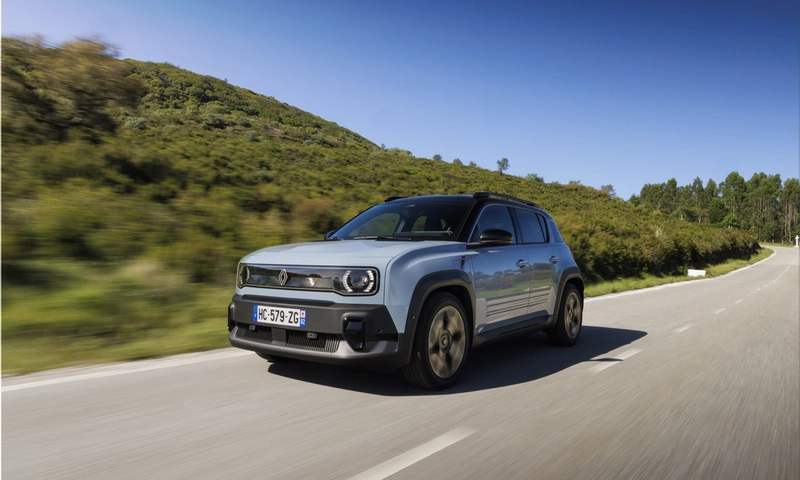
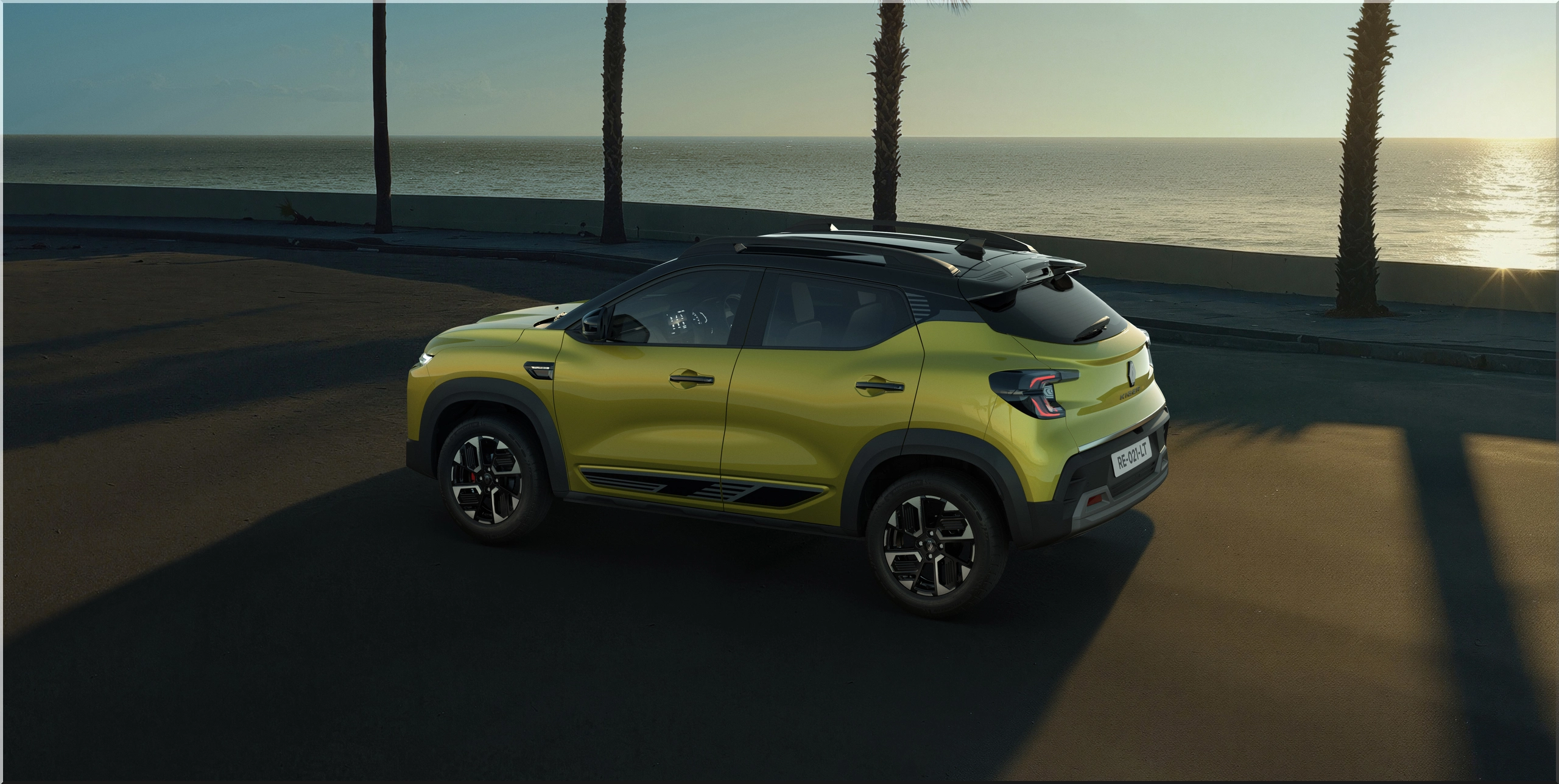
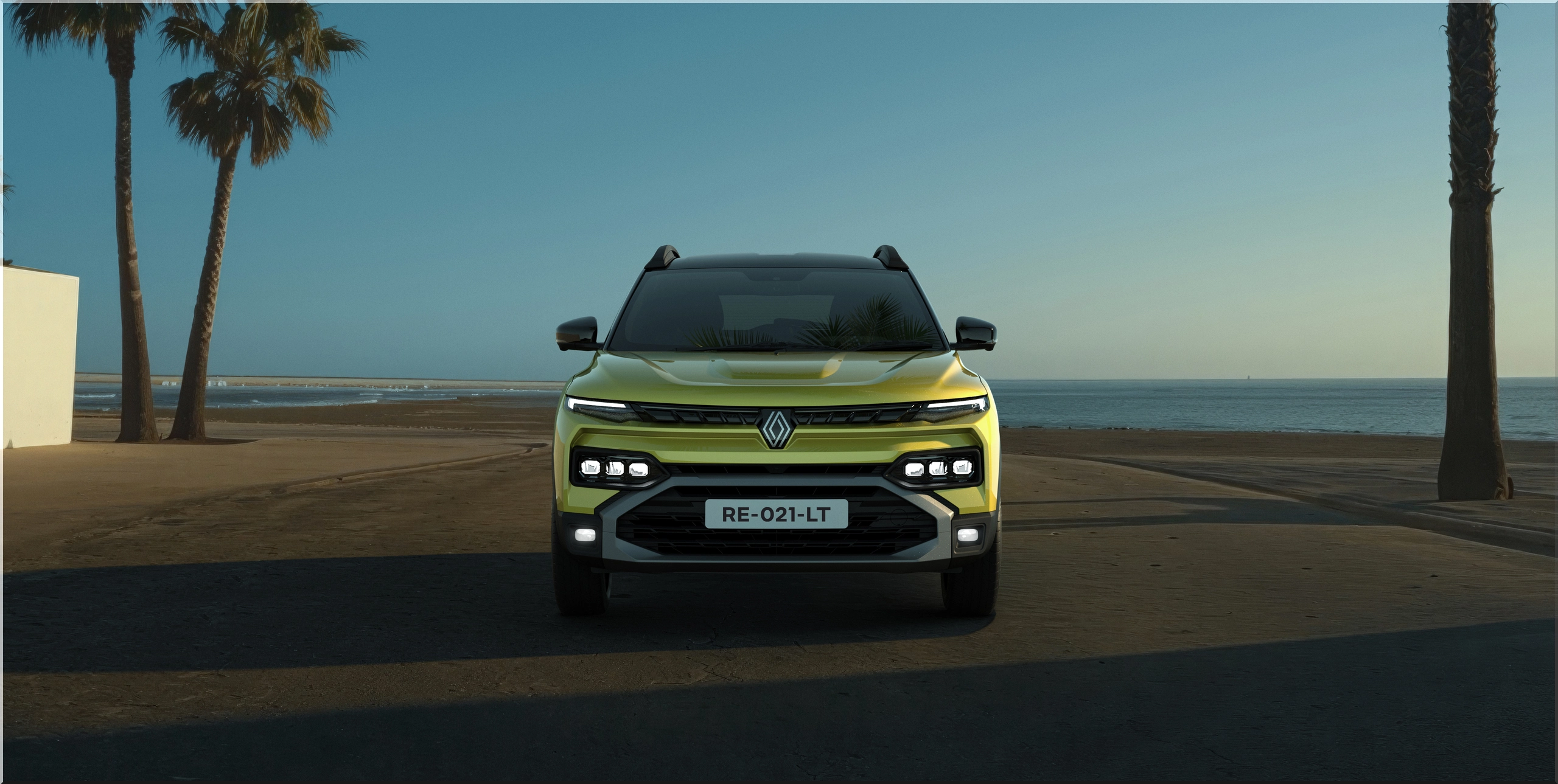
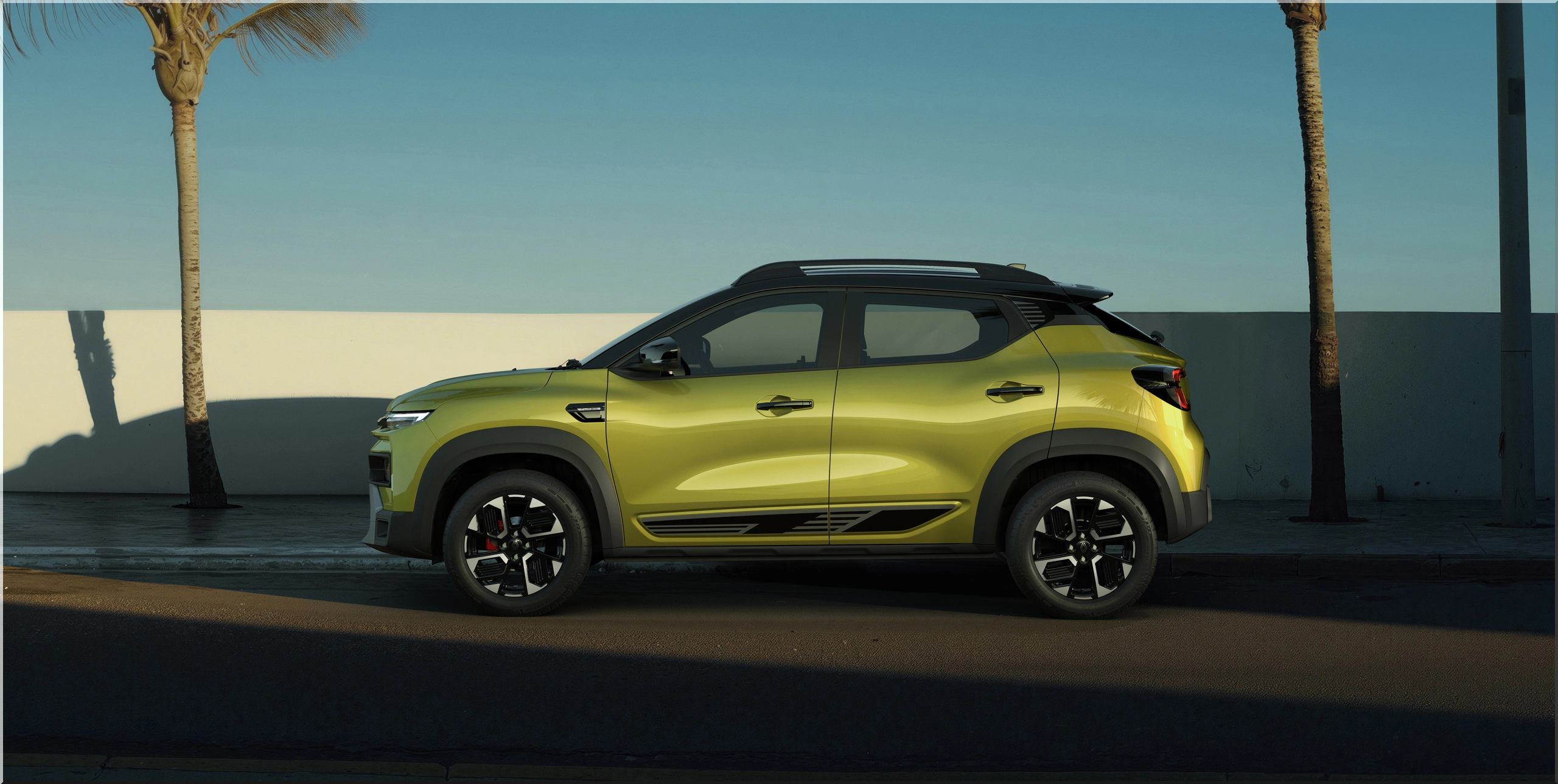
Renault emphasizes a bolder SUV stance with the 2026 Kiger:
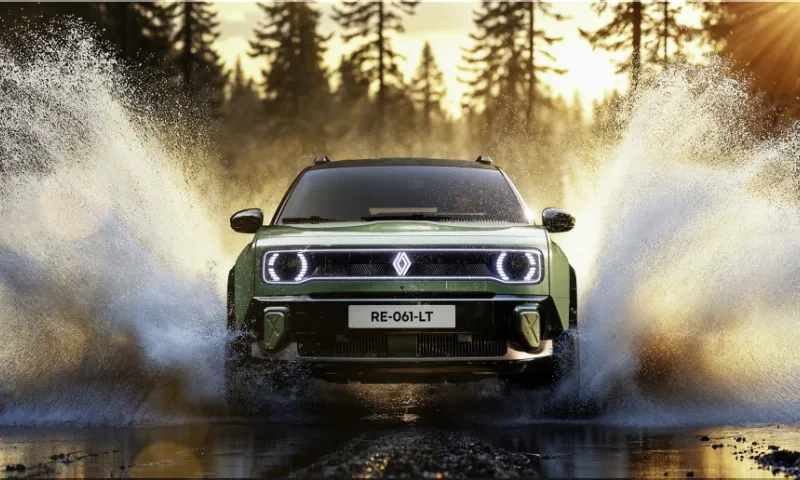
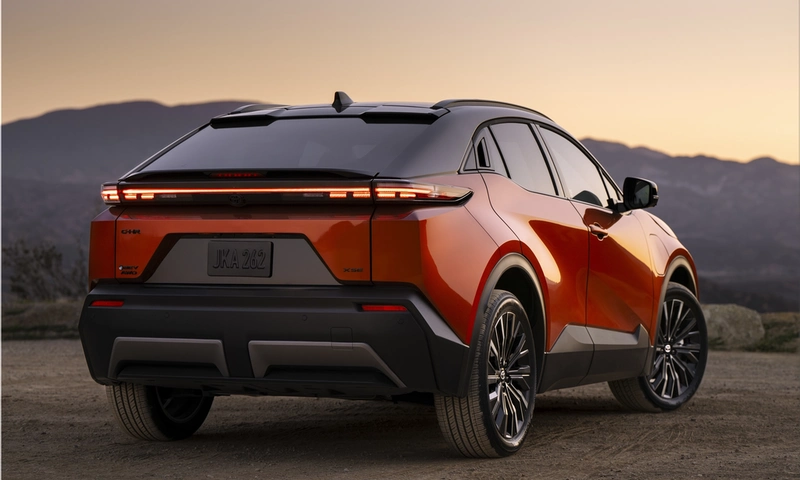
- Updated front fascia with squared-off grille and brand identity.
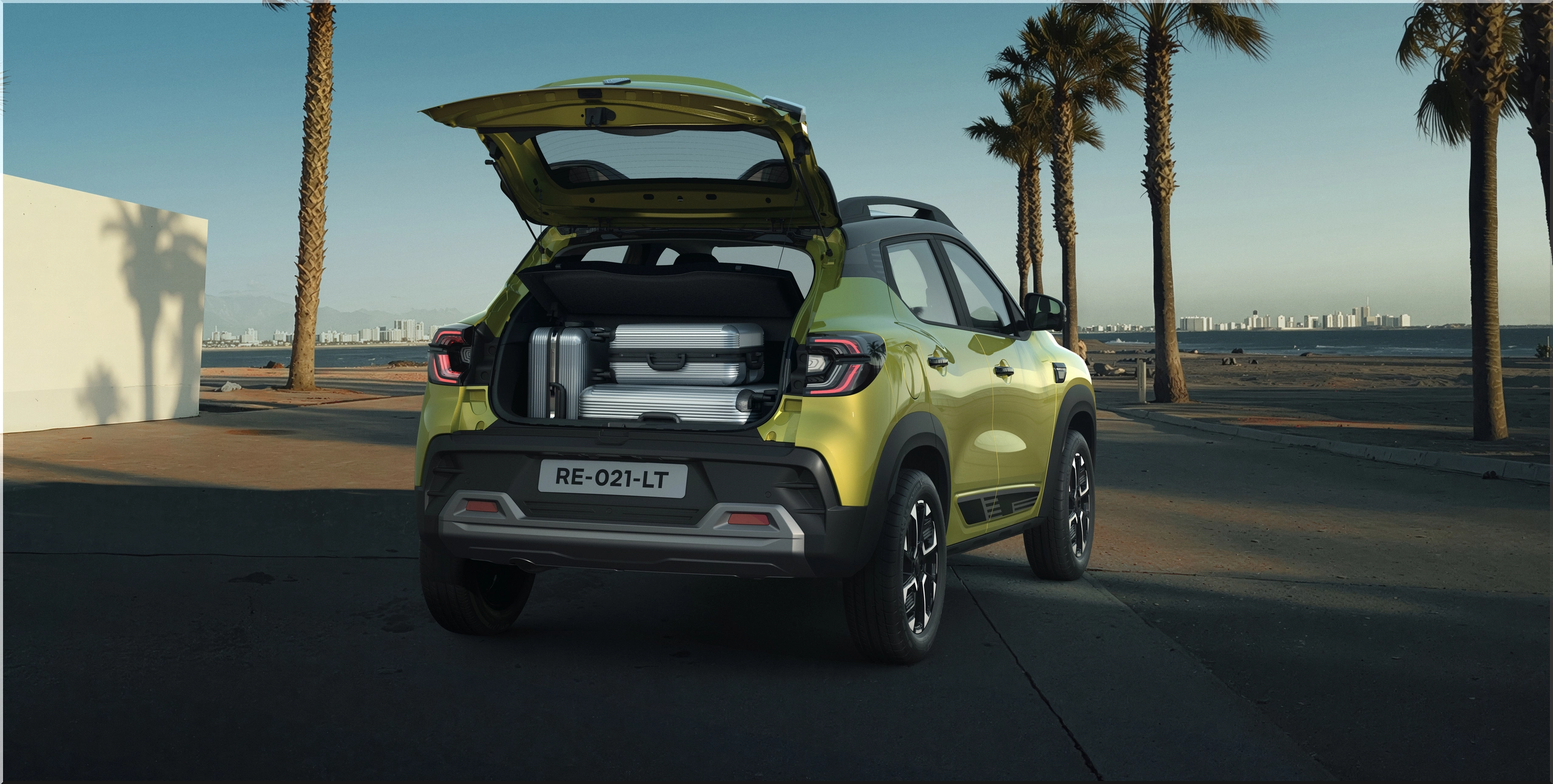
- Redesigned LED lighting package front and rear.
- Skid plates front and rear to reinforce SUV credentials.
- New 16-inch diamond-cut alloys.
- Seven colors including new Oasis Yellow and Shadow Grey.
The TURBO badge and dual-tone roof sharpen the sporty appeal.
Interior and Cabin Experience
Renault has strengthened the Kiger’s value with features typically reserved for higher-priced SUVs:
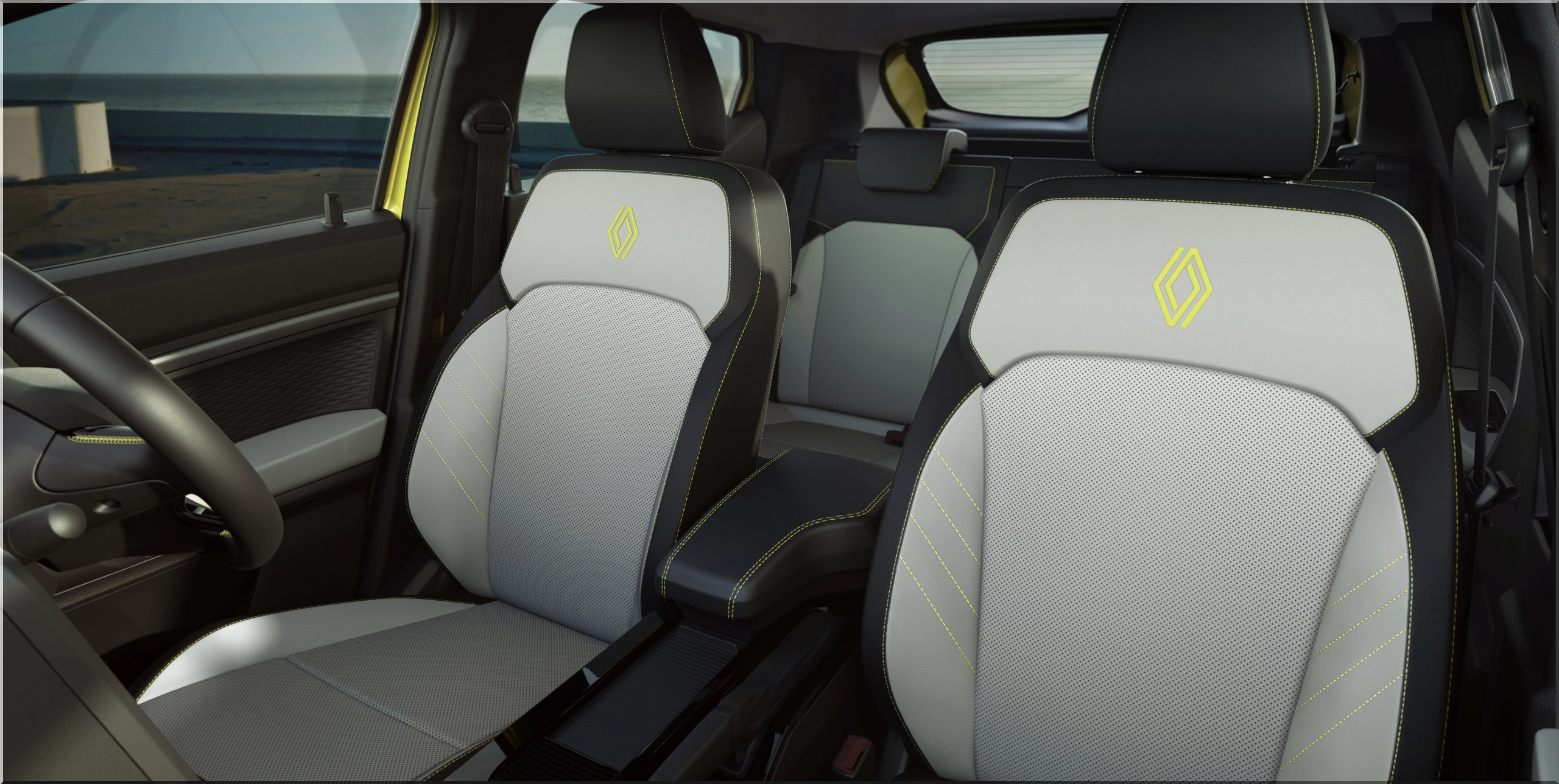
- Ventilated leatherette front seats
- Dual-tone dashboard and updated trim materials
- Quieter cabin with enhanced insulation
- Rear AC vents and improved cooling airflow
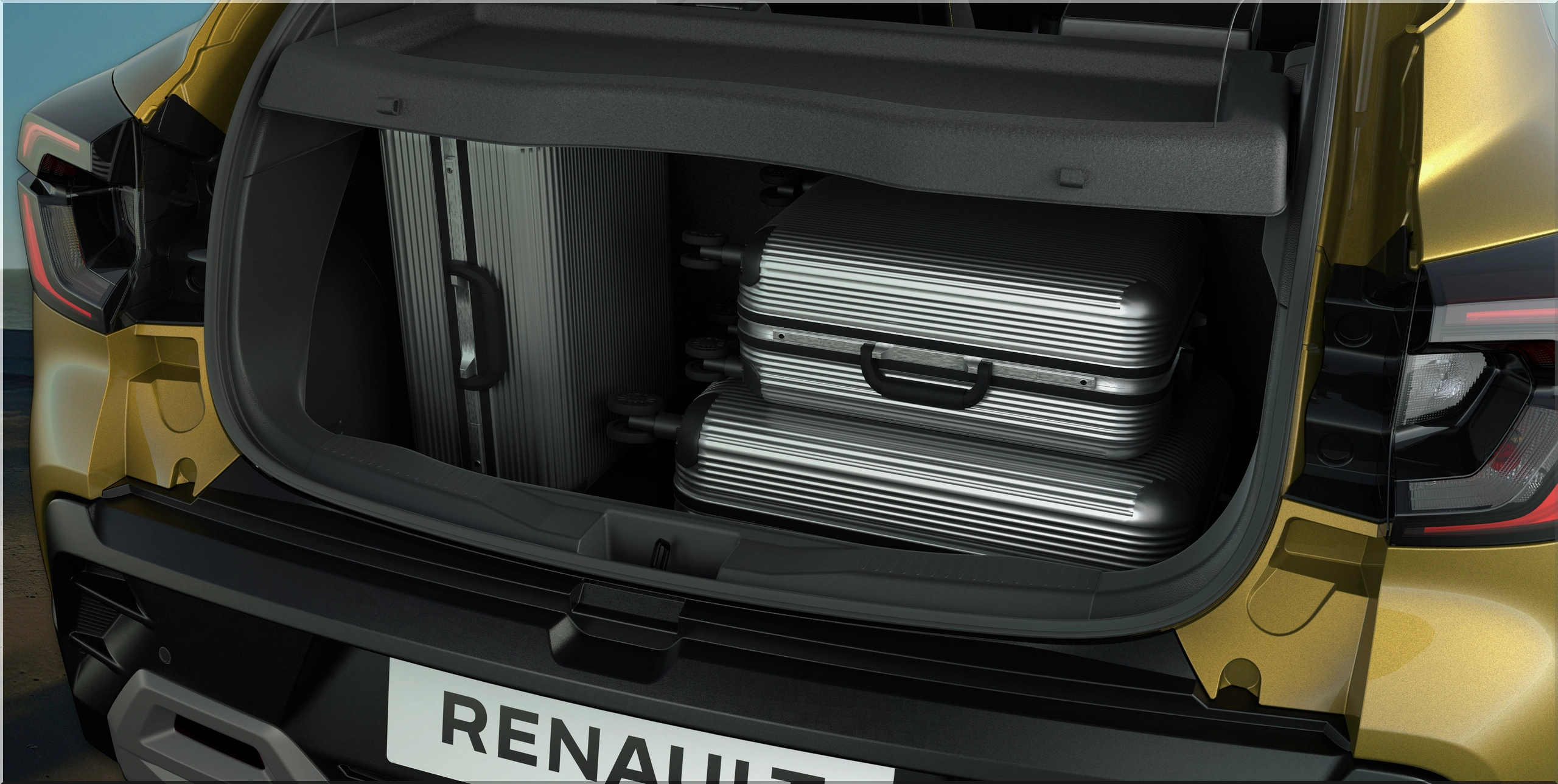
- 405L boot space, segment-leading rear knee room
- Added practicality with cooled glovebox, USB charging points, and belongings alert
Technology and Infotainment
The 2026 Kiger enhances usability through:
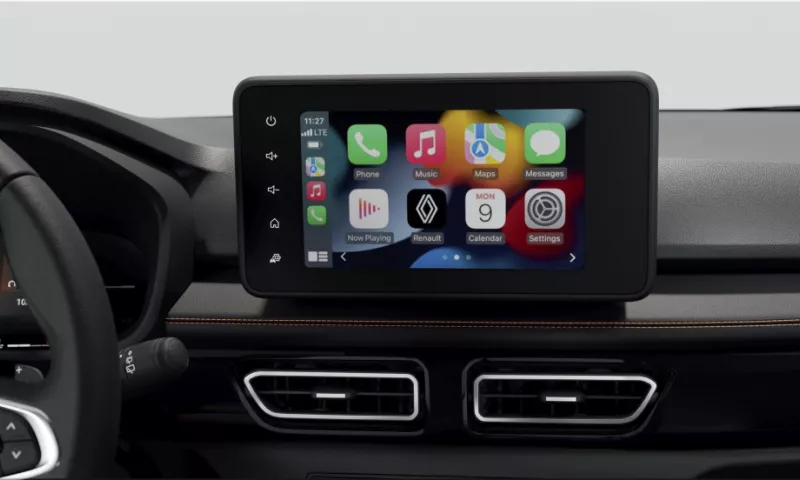
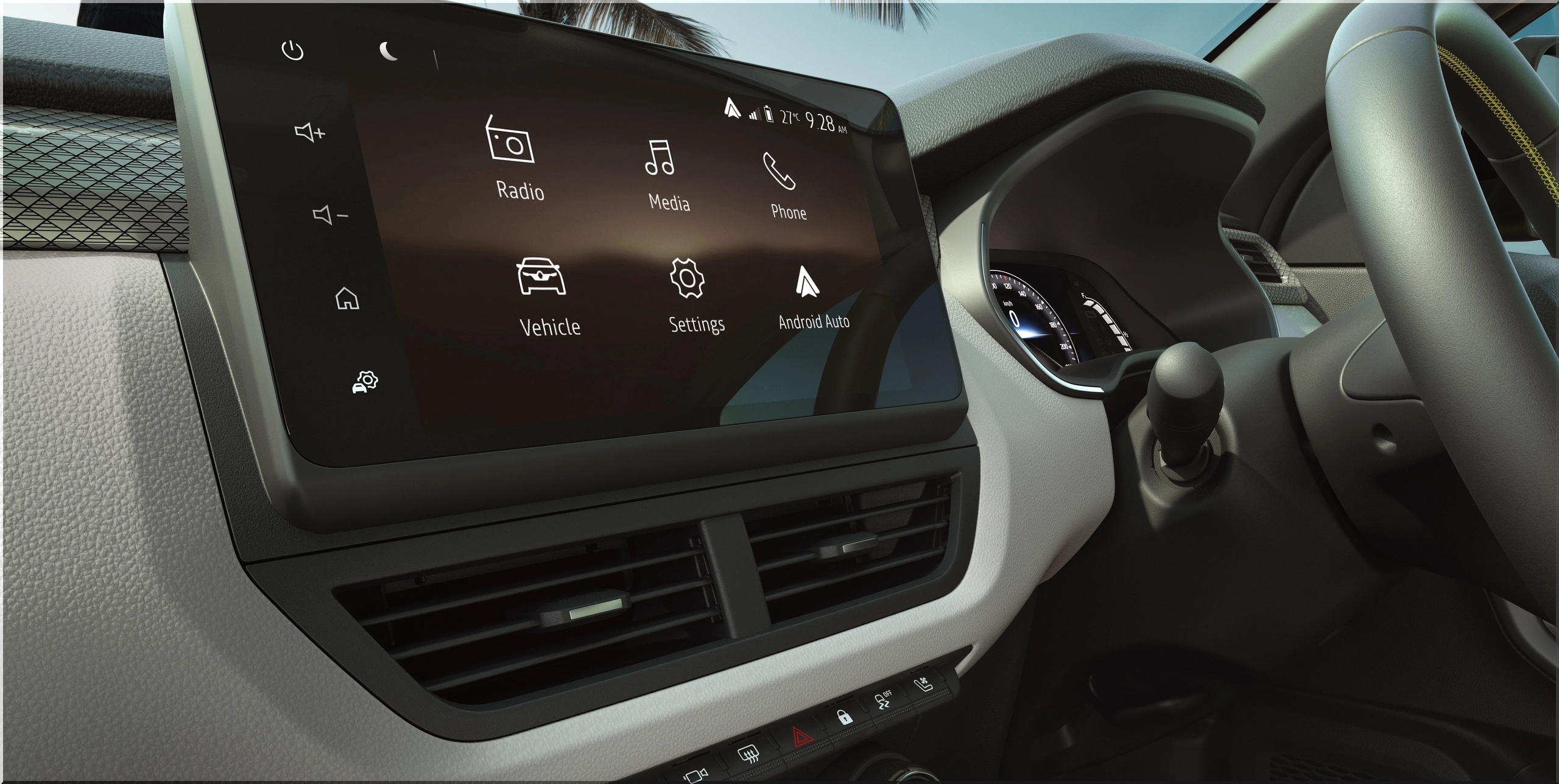
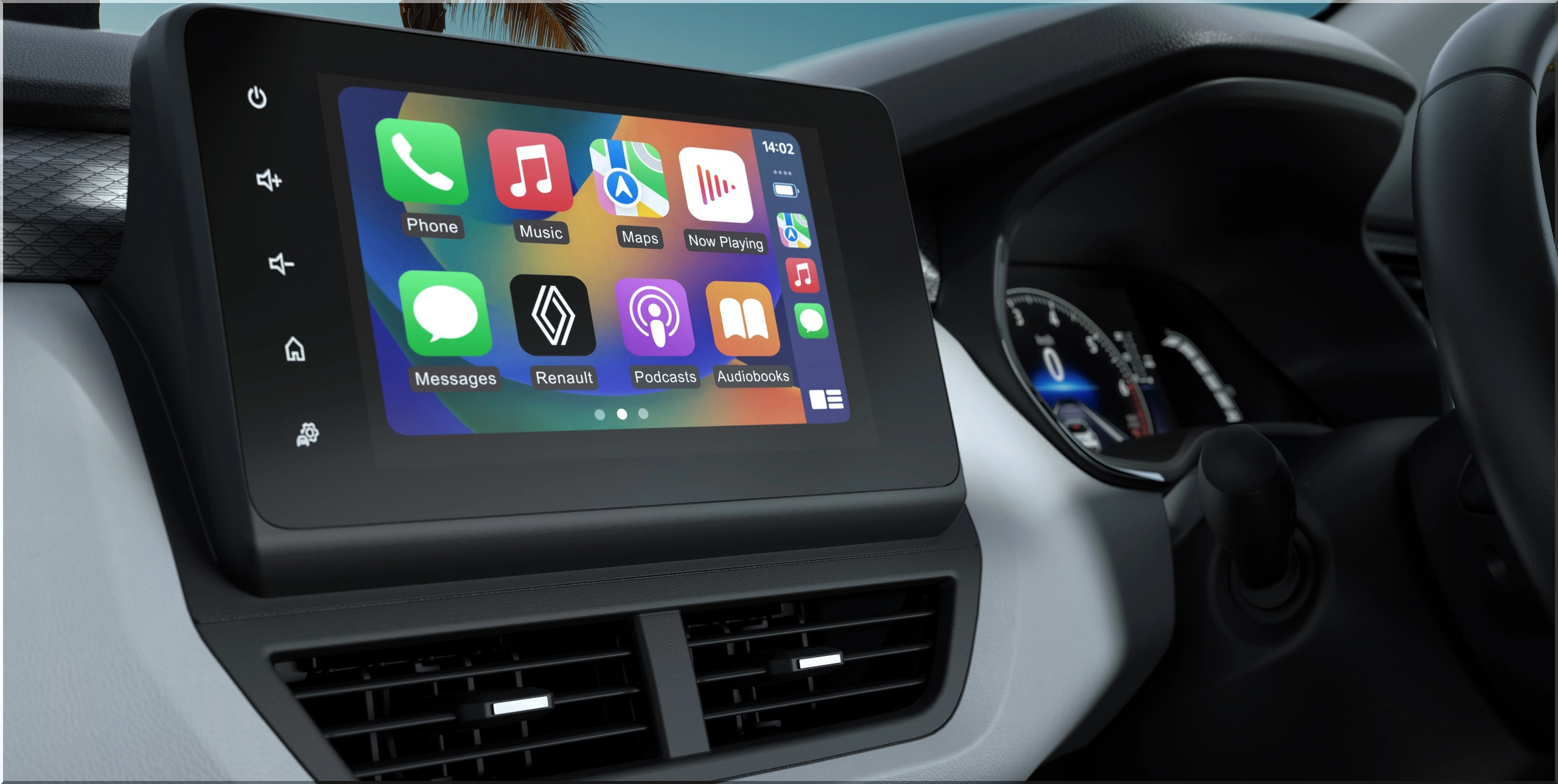
- 8-inch floating touchscreen with wireless Android Auto and Apple CarPlay
- 3D Arkamys surround sound system with 6 speakers
- Multi-view HD camera system for better parking visibility in tight city spaces
- Automatic headlamps and rain-sensing wipers for added convenience
Safety Package
Renault now positions the Kiger among the safest compact SUVs in India:
- 6 airbags standard across trims
- 21 safety features, including ESP, Traction Control, and Hill Start Assist
- Isofix child seat anchors and 3-point seatbelts at all seating positions
- Tyre pressure monitoring system
- Pedestrian protection structure
- Multi-view camera visibility for proactive safety
Market Positioning and Pricing
Renault India has not disclosed official pricing, but projections based on segment benchmarks are:
| Variant | Expected Price (INR) | Approx. Price (USD) |
|---|---|---|
| Base NA Petrol | ₹650,000 | $7,800 |
| Mid Turbo Petrol MT | ₹850,000 | $10,200 |
| Turbo CVT Top Trim | ₹1,200,000 | $14,400 |
| CNG Variant | ₹800,000 | $9,600 |
Aggressive pricing remains Renault’s strongest competitive lever.
Competitive Comparison
| Model | Max Power | Torque | Airbags | Infotainment | Price Range (USD) |
|---|---|---|---|---|---|
| Renault Kiger 2026 | 100 hp | 160 Nm | 6 | 8-inch, wireless CarPlay | 7,800–14,400 |
| Hyundai Venue | 120 hp | 172 Nm | 6 | 8-inch, wired CarPlay | 9,500–16,000 |
| Kia Sonet | 120 hp | 172 Nm | 6 | 10.25-inch, wired CarPlay | 10,000–16,500 |
| Tata Nexon | 118 hp | 170 Nm | 6 | 10.25-inch, wireless CarPlay | 10,200–16,800 |
| Maruti Brezza | 103 hp | 137 Nm | 6 | 9-inch, wireless CarPlay | 10,000–15,000 |
Renault’s strategy: match safety standards, add standard features, undercut rivals on price.
Image gallery


Strategic Outlook
Renault has struggled with limited product depth in India, relying on the Kiger and Triber for volumes. The refreshed 2026 Kiger comes at the right time as compact SUVs continue to drive half of SUV demand.
Renault’s approach combines:
- Affordable entry points with NA petrol and CNG options.
- Performance appeal through the Turbo CVT.
- Safety-first strategy with 6 airbags as standard.
- Technology refresh for younger, tech-driven buyers.
This balanced strategy positions the Kiger to capture price-sensitive customers while still competing with higher-end trims of rivals.
Image gallery

Final Take
The 2026 Renault Kiger delivers meaningful, data-backed improvements in performance, safety, and features. Renault’s focus on value plus safety makes it stand out in the crowded compact SUV segment.
If pricing aligns with projections, the Kiger will offer the safest standard package at the lowest entry cost. For budget-conscious buyers seeking space, turbo performance, and technology, the Kiger emerges as a strong contender.
- Add new comment
- 327 views