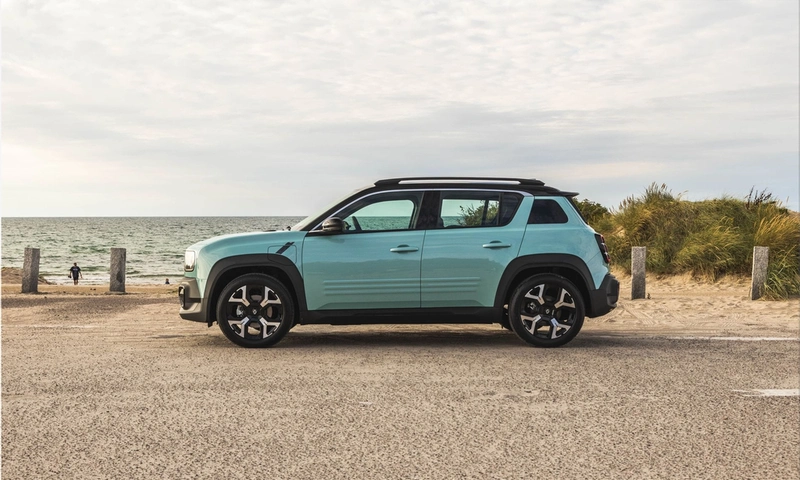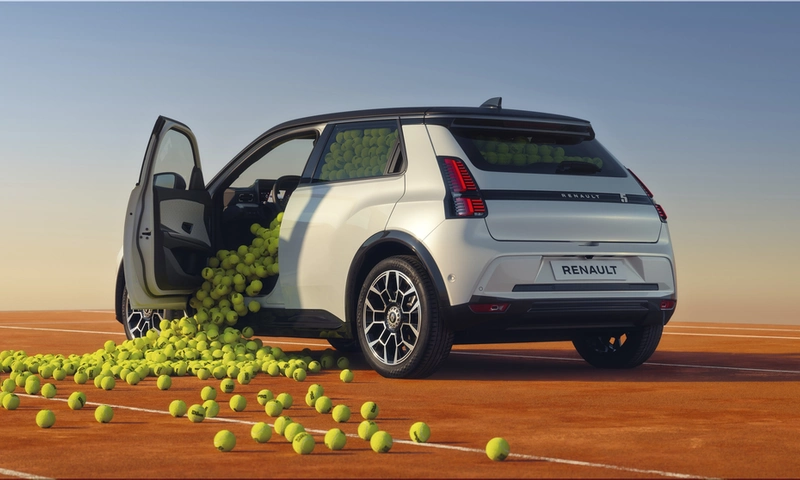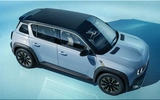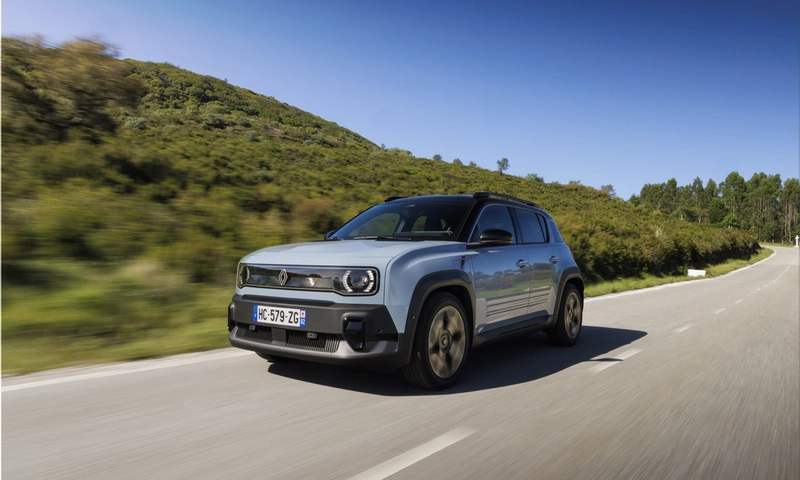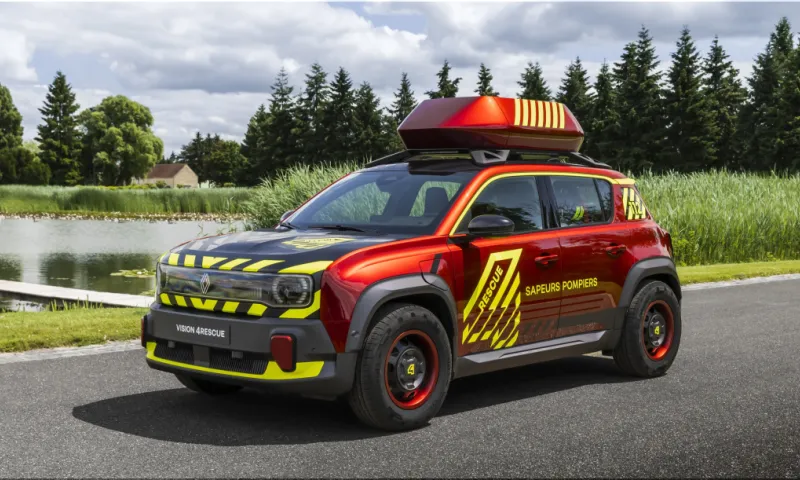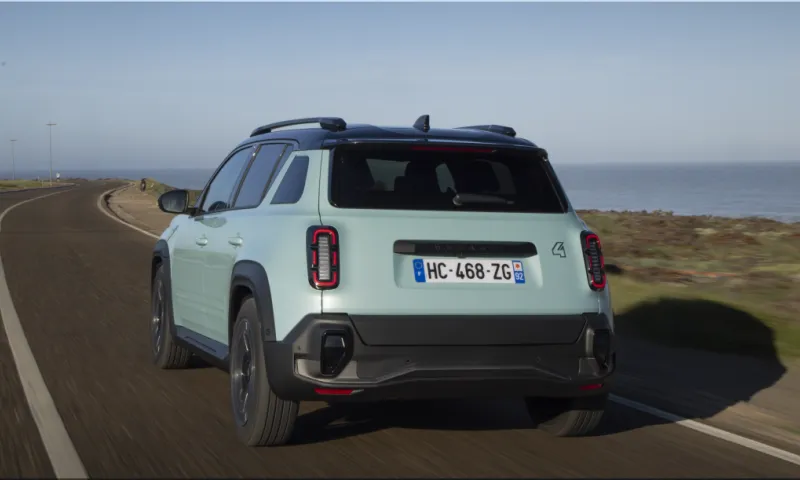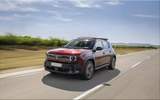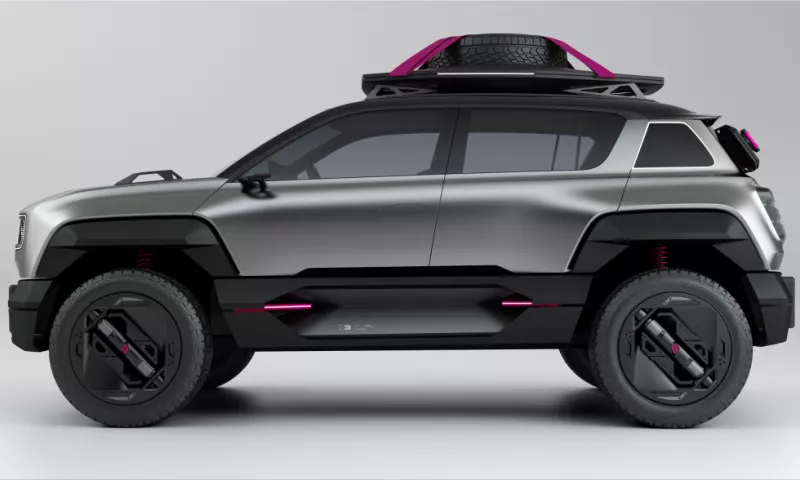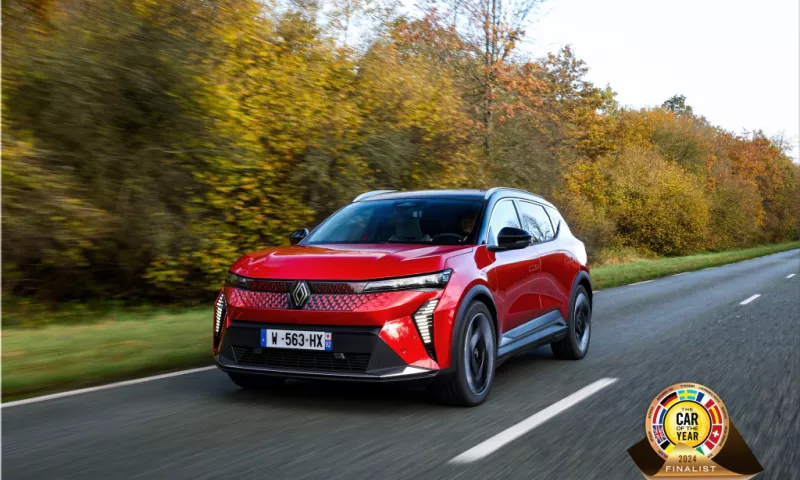
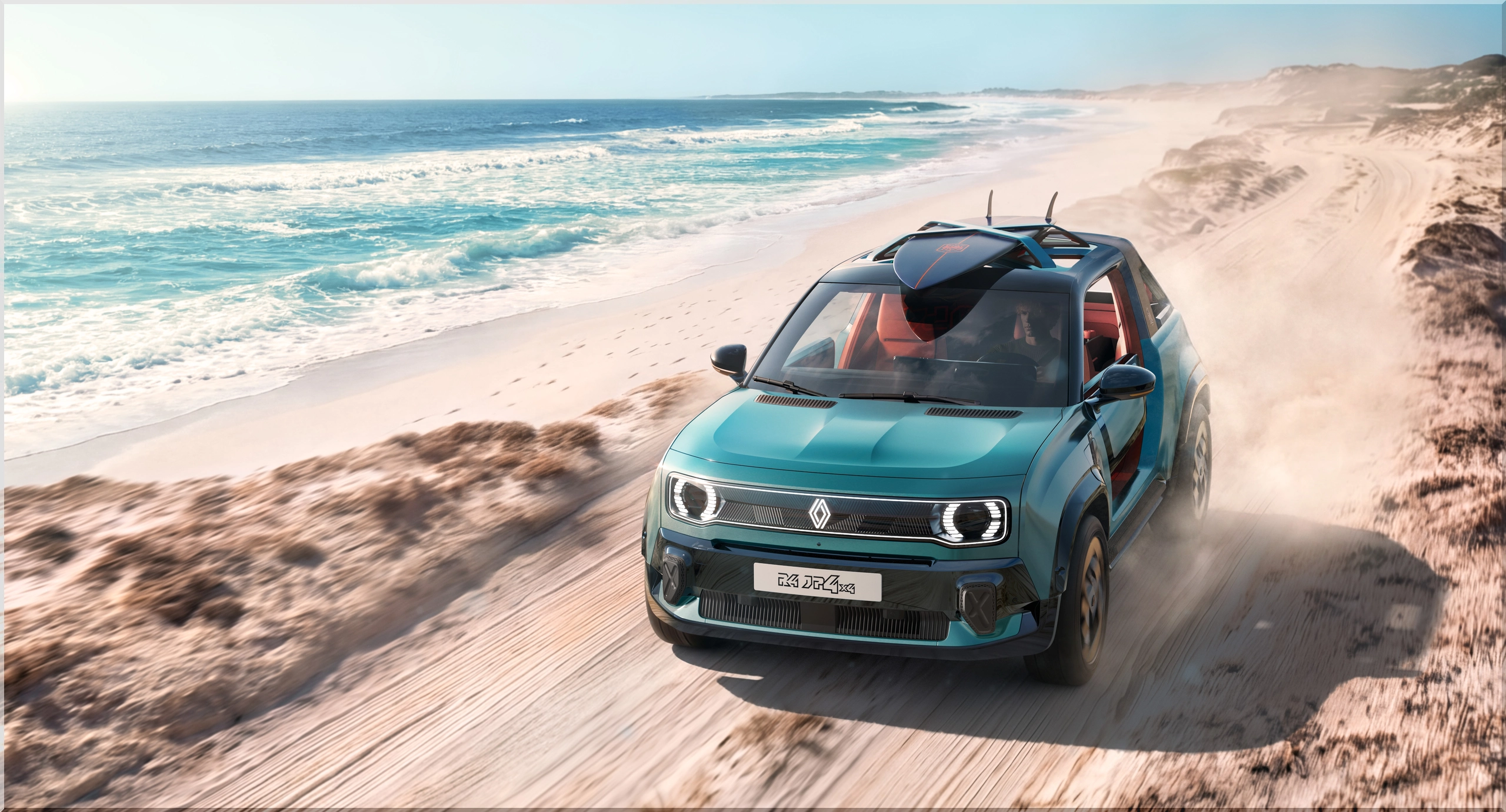
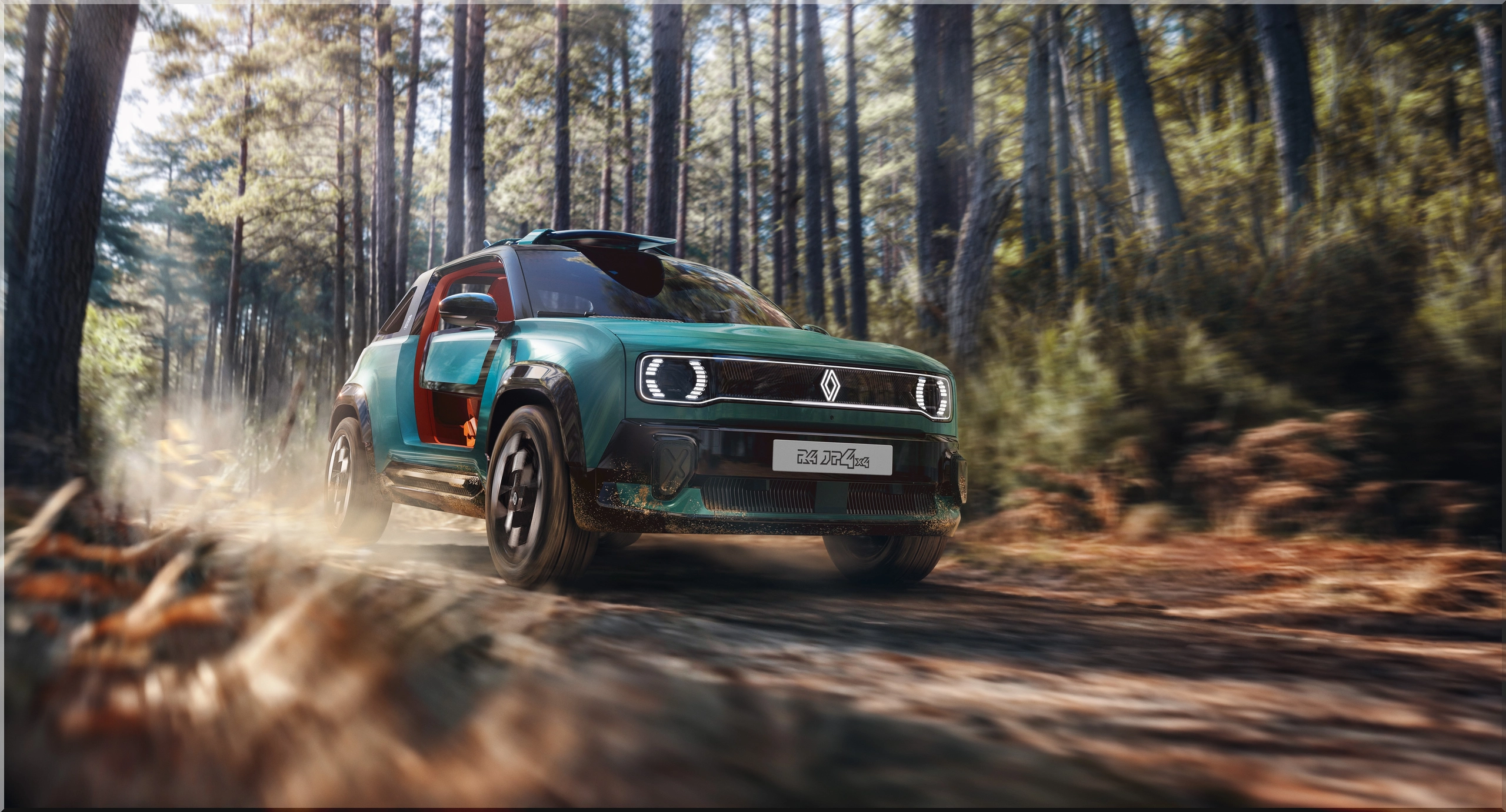
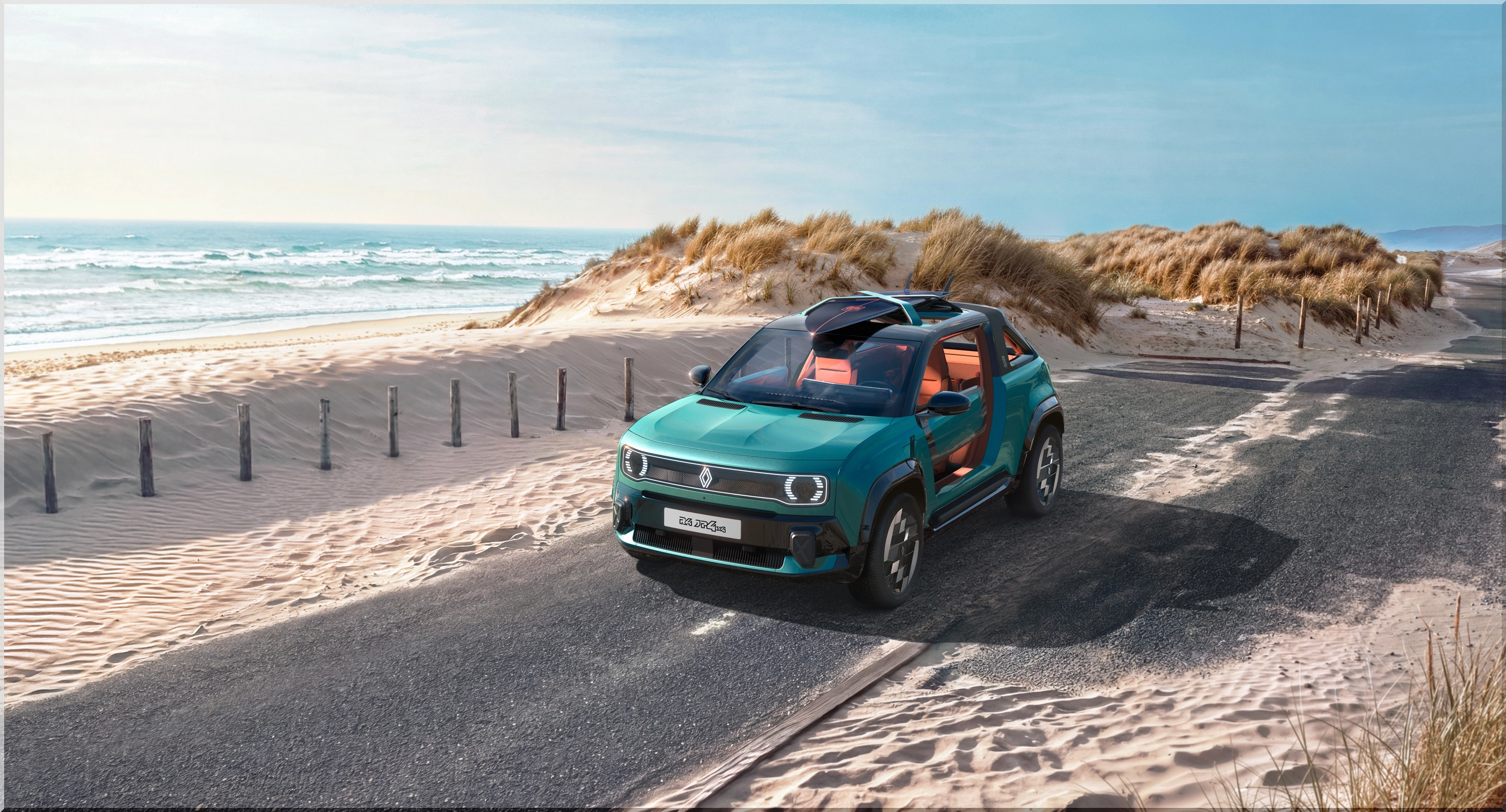
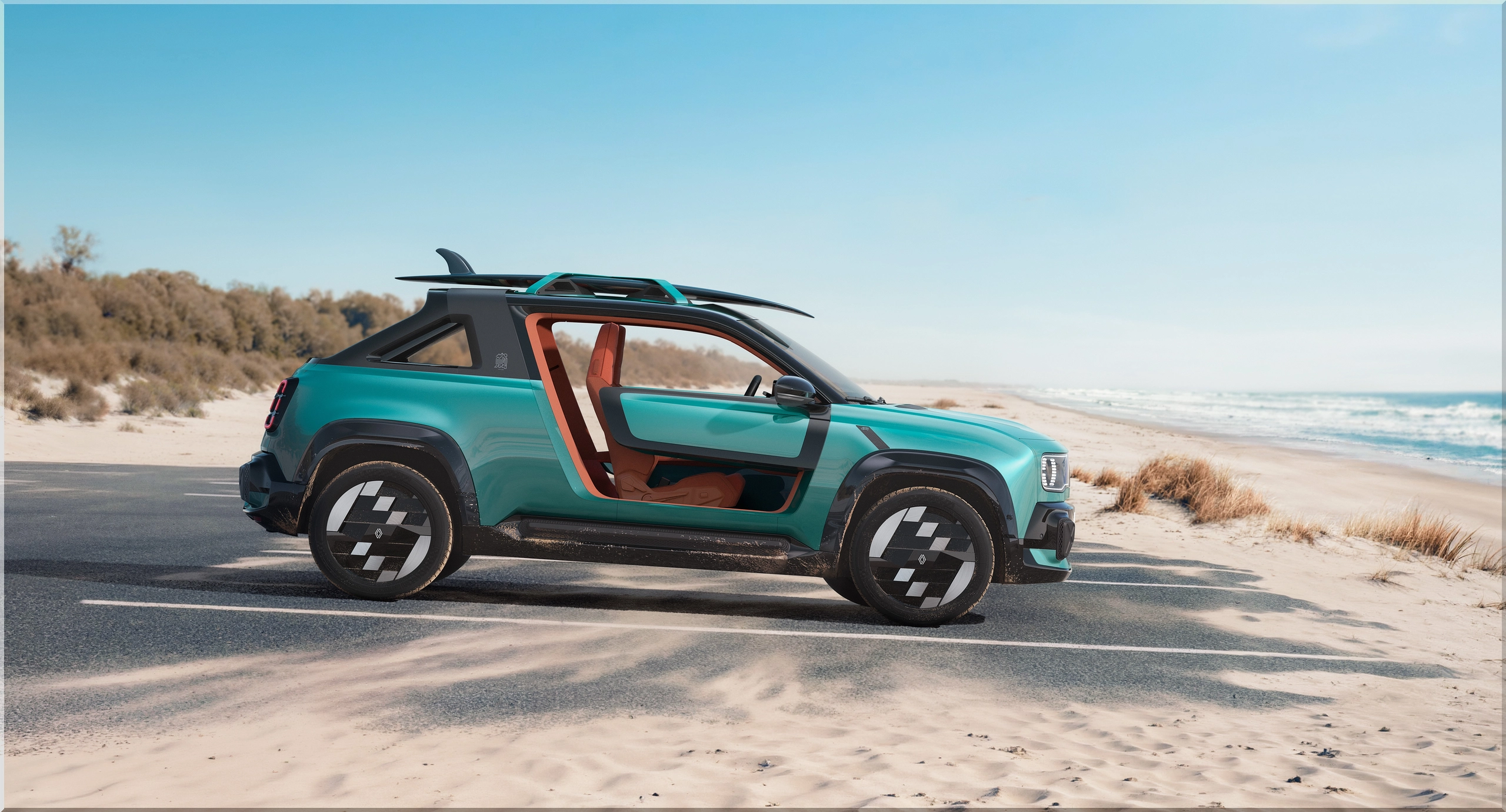
The Renault 4 JP4x4 Concept takes the new Renault 4 E-Tech electric and gives it a sharper purpose: sand, surf, open-air driving, and weekend utility. Renault built it as a concept, but the hardware tells a serious story. A second electric motor drives the rear axle, the ride height rises by 15 mm, and the body trades city-car neatness for half doors, roof storage, and a pick-up-style rear section.
Image
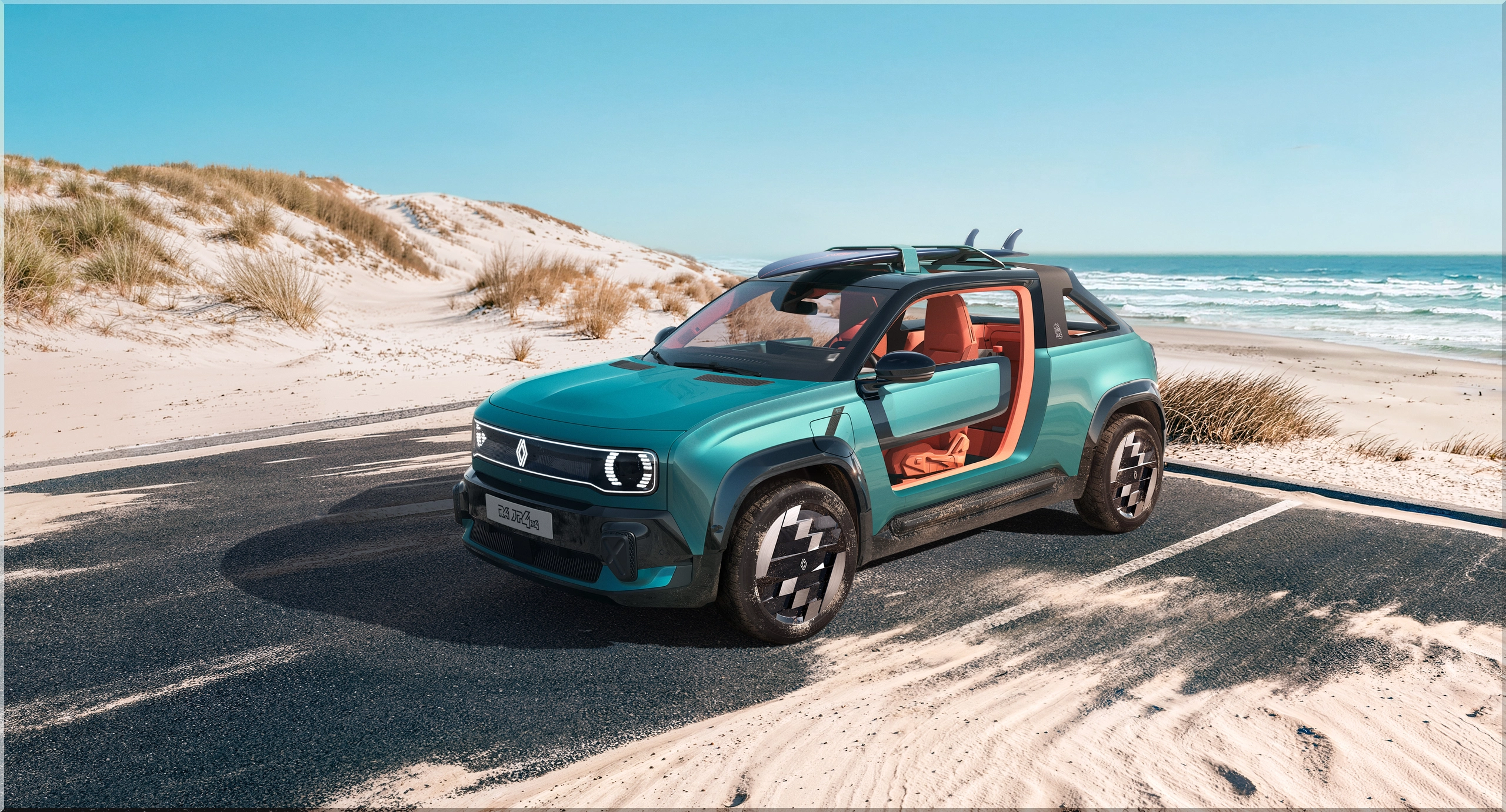
That makes the Renault 4 JP4x4 more than a styling stunt. It shows how Renault could stretch the electric R4 platform into a compact leisure vehicle with real traction advantages. The result feels playful, but the mechanical choices follow clear engineering logic.
Renault 4 JP4x4 Concept Specs At A Glance
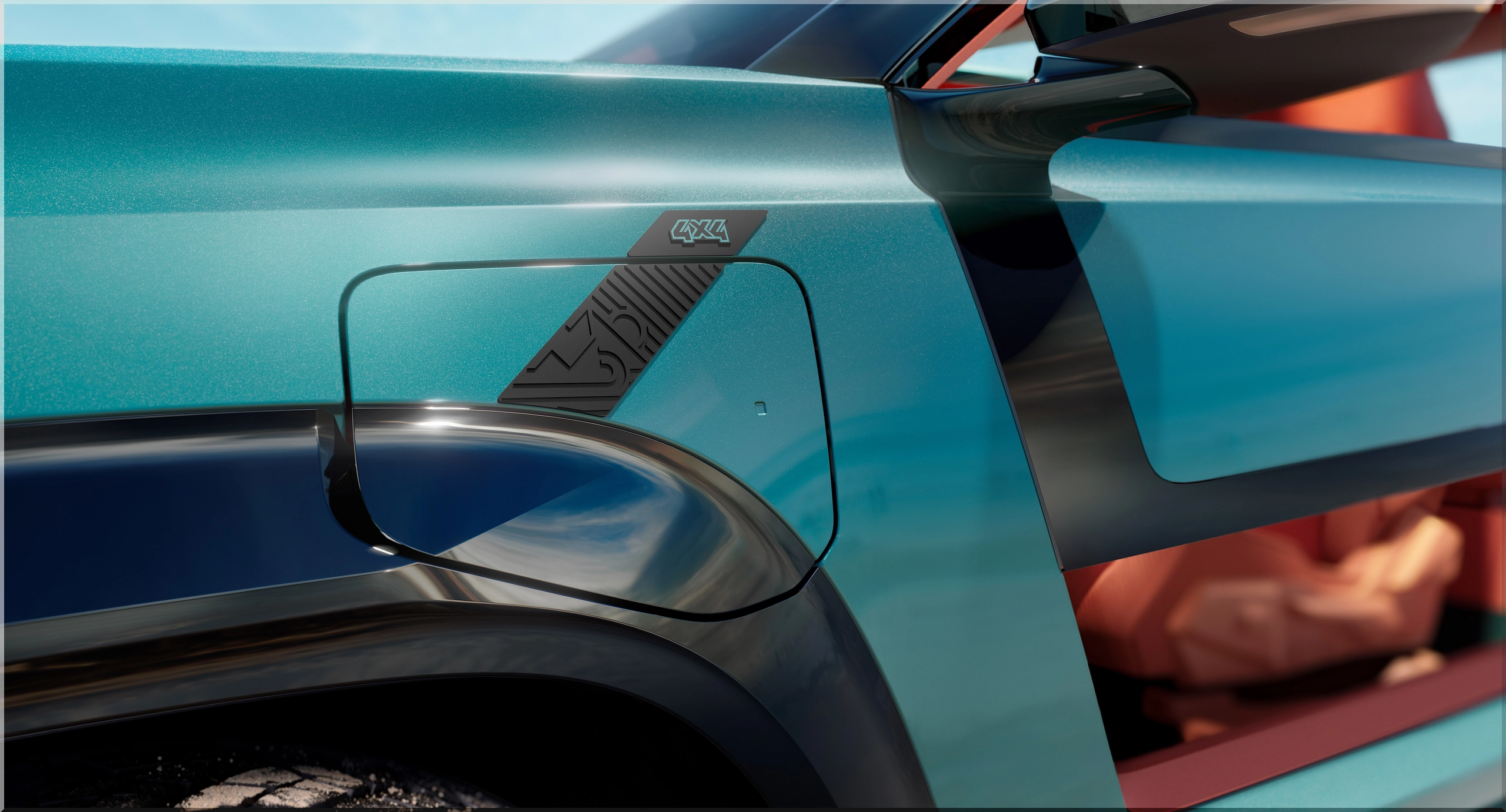
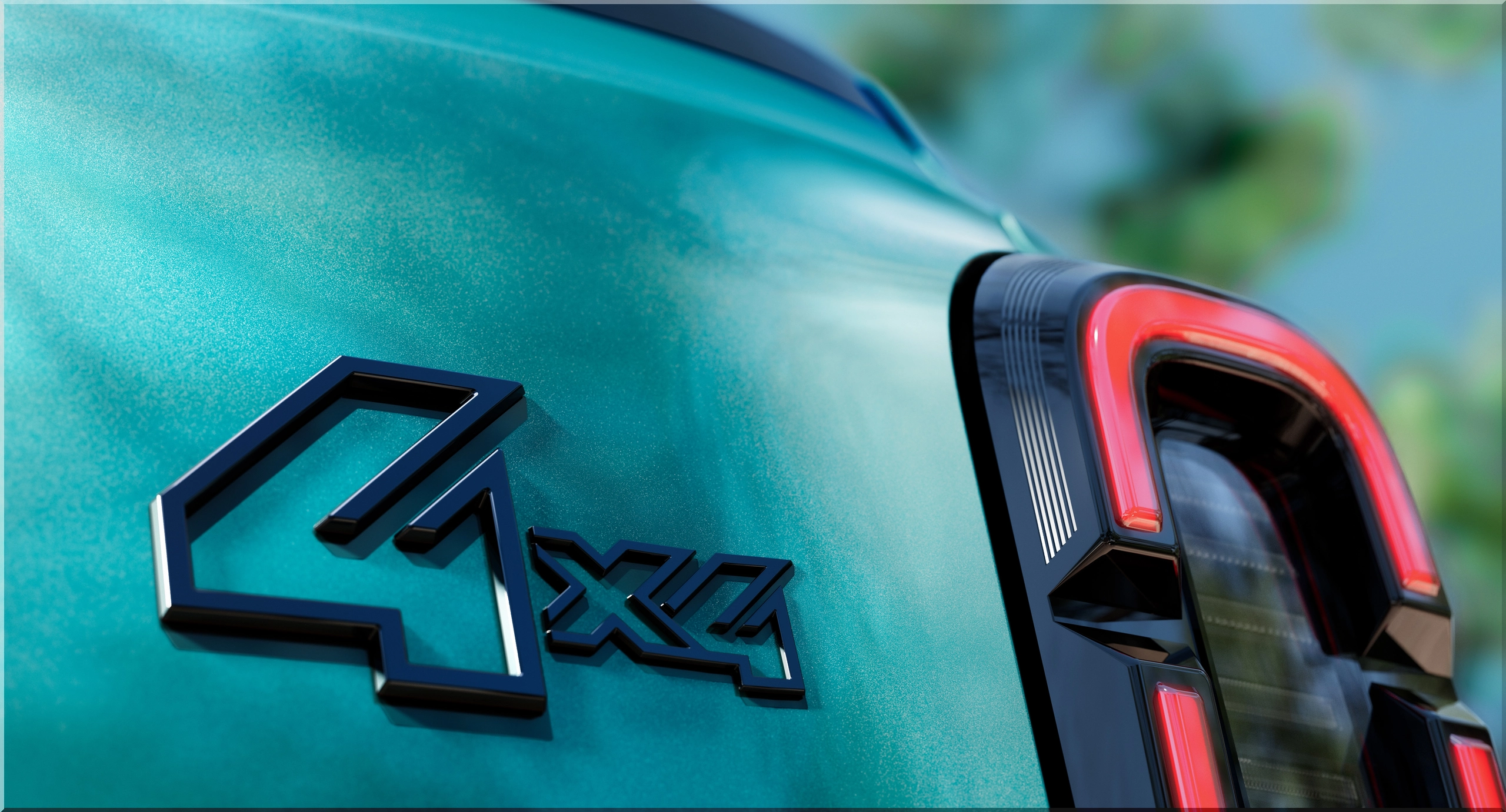
The big mechanical change sits at the rear axle. The standard Renault 4 E-Tech electric uses front-wheel drive, while the Renault 4 JP4x4 electric car adds a rear motor to create electric all-wheel drive. That layout gives Renault instant torque control at both axles without a driveshaft, transfer case, or heavy mechanical link between the front and rear wheels.
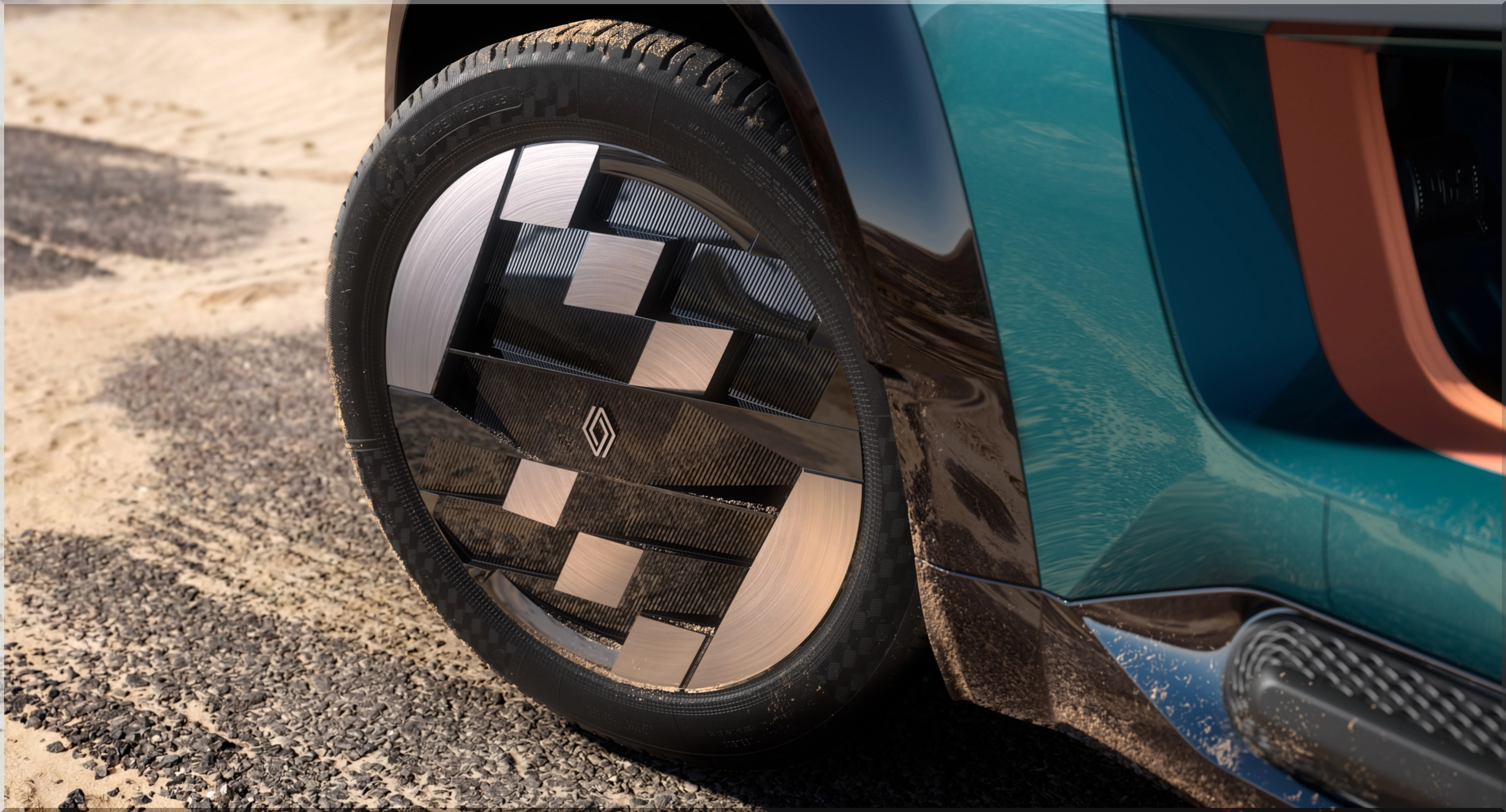
In addition, Renault raises the body by 15 mm and fits exclusive 18-inch JP4 wheels. Those changes do not turn the car into a rock crawler. They target beach tracks, gravel paths, wet grass, light trails, and the kind of loose surfaces where a normal front-drive EV can spin its tyres before it moves cleanly.
Image
| Feature | Renault 4 JP4x4 Concept | Purpose |
|---|---|---|
| Drive system | Dual-motor all-wheel drive | Improves traction on loose ground |
| Ride height | Raised by 15 mm | Adds clearance for ruts and sand |
| Wheels | 18-inch JP4 design | Builds stance and grip presence |
| Body layout | Half doors, open roof, rear load area | Supports outdoor use |
| Cabin | Two special bucket seats | Reduces weight and adds support |
| Theme | Beach-focused electric concept | Links retro R4 utility with modern EV packaging |
Why Electric All-Wheel Drive Fits This Concept
Electric all-wheel drive suits a compact vehicle because engineers can place a motor on the rear axle without running a long mechanical system under the cabin. That saves space. It also gives the control software faster torque response, which helps when one axle loses grip on sand or gravel.
Specifically, the rear motor can add drive force when the front tyres start to slip. That matters because electric motors deliver torque instantly. On a loose surface, instant torque can either help the car move or make the driven wheels dig in. With two driven axles, Renault gains more control over how the torque reaches the ground.
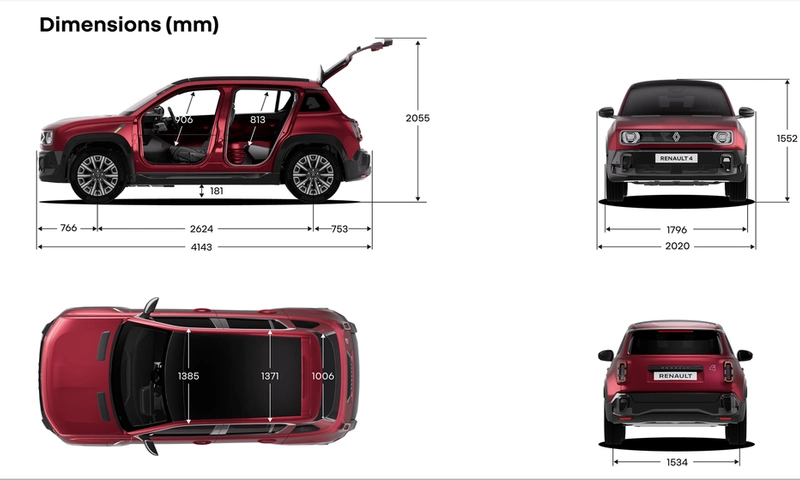
The standard Renault 4 E-Tech electric already gives the JP4x4 buggy-style electric car a useful base. In production specification, the Renault 4 sits in the compact electric crossover class with usable passenger space, a practical boot, and power outputs that suit urban and regional driving. The JP4x4 concept adds a new question: could Renault sell a tougher, outdoor-focused version without pushing the price too far?
Image
Renault 4 E-Tech Versus Renault 4 JP4x4 Concept
The Renault 4 E-Tech electric already carries a strong value pitch for European buyers. It uses compact dimensions, a practical cabin, and a retro-inspired design to sit between city EVs and small crossovers. The JP4x4 keeps that identity but adds hardware and visual drama for buyers who want more outdoor character.
| Data Point | Renault 4 E-Tech Electric | Renault 4 JP4x4 Concept |
|---|---|---|
| Vehicle type | Compact electric crossover | Beach-buggy-style electric concept |
| Drive layout | Front-wheel drive | Dual-motor all-wheel drive |
| Body height | Standard production height | Raised by 15 mm |
| Seating | Five-seat layout | Two-seat concept layout |
| Cargo setup | Conventional rear boot | Pick-up-style rear utility area |
| Wheels | Production wheel range | Exclusive 18-inch JP4 wheels |
| Main buyer logic | Everyday electric family use | Leisure, beach, surf, and outdoor use |
By comparison, the JP4x4 sacrifices some daily practicality for character. That trade makes sense for a concept. A production model would need five seats, full doors, weather protection, and a normal boot if Renault wanted meaningful sales volume.
Open-Air Design With Practical Thinking
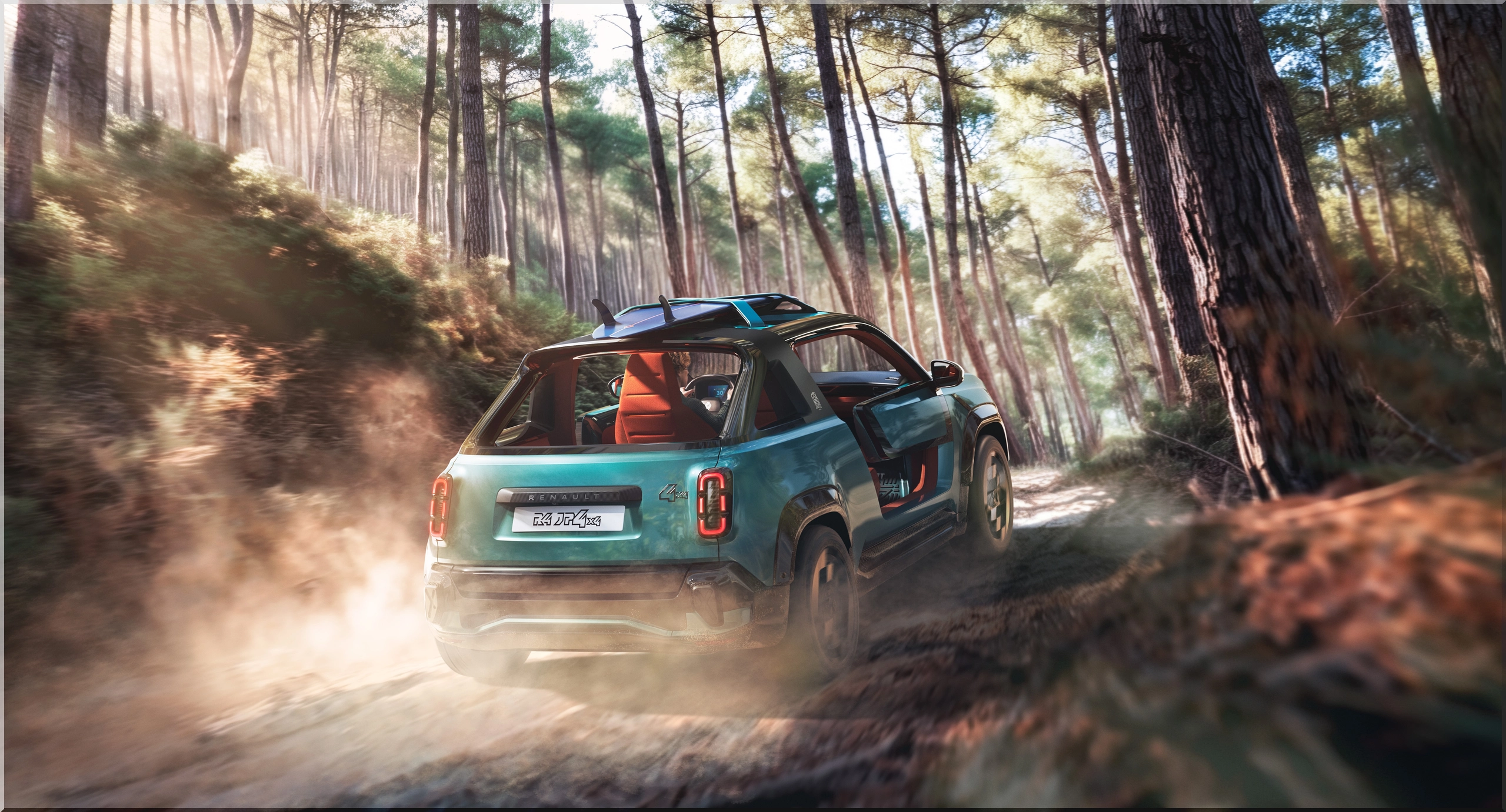
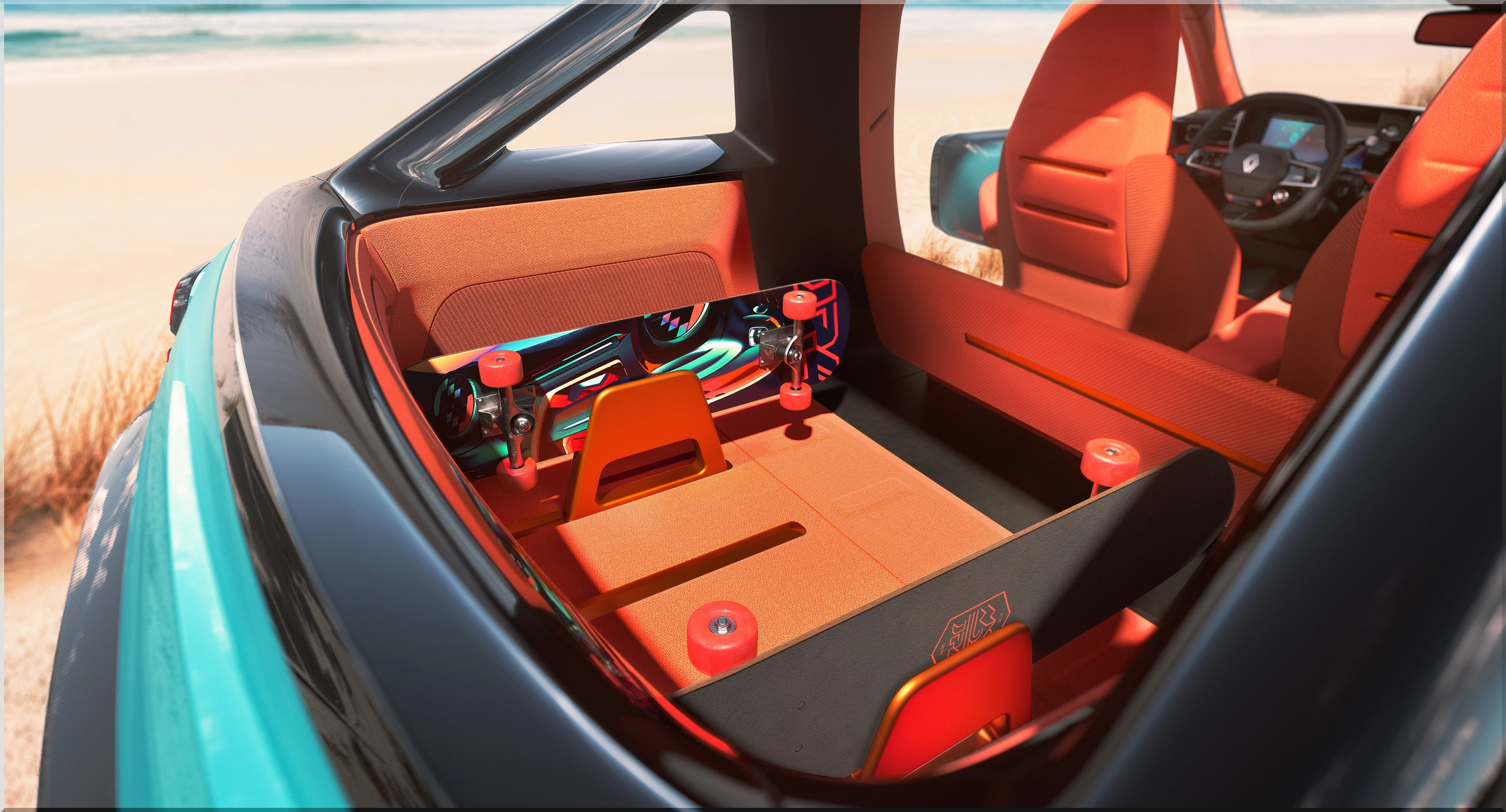
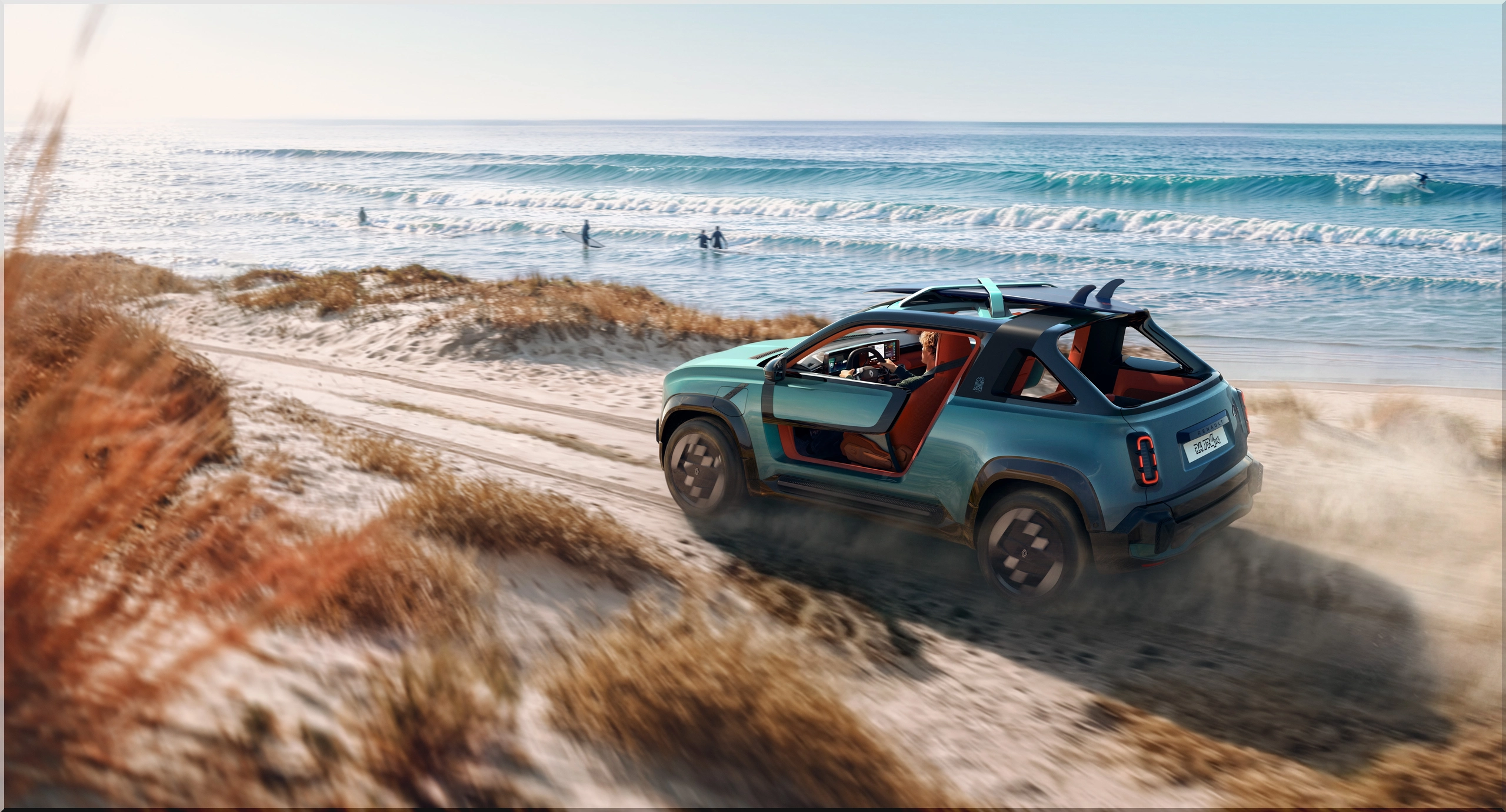
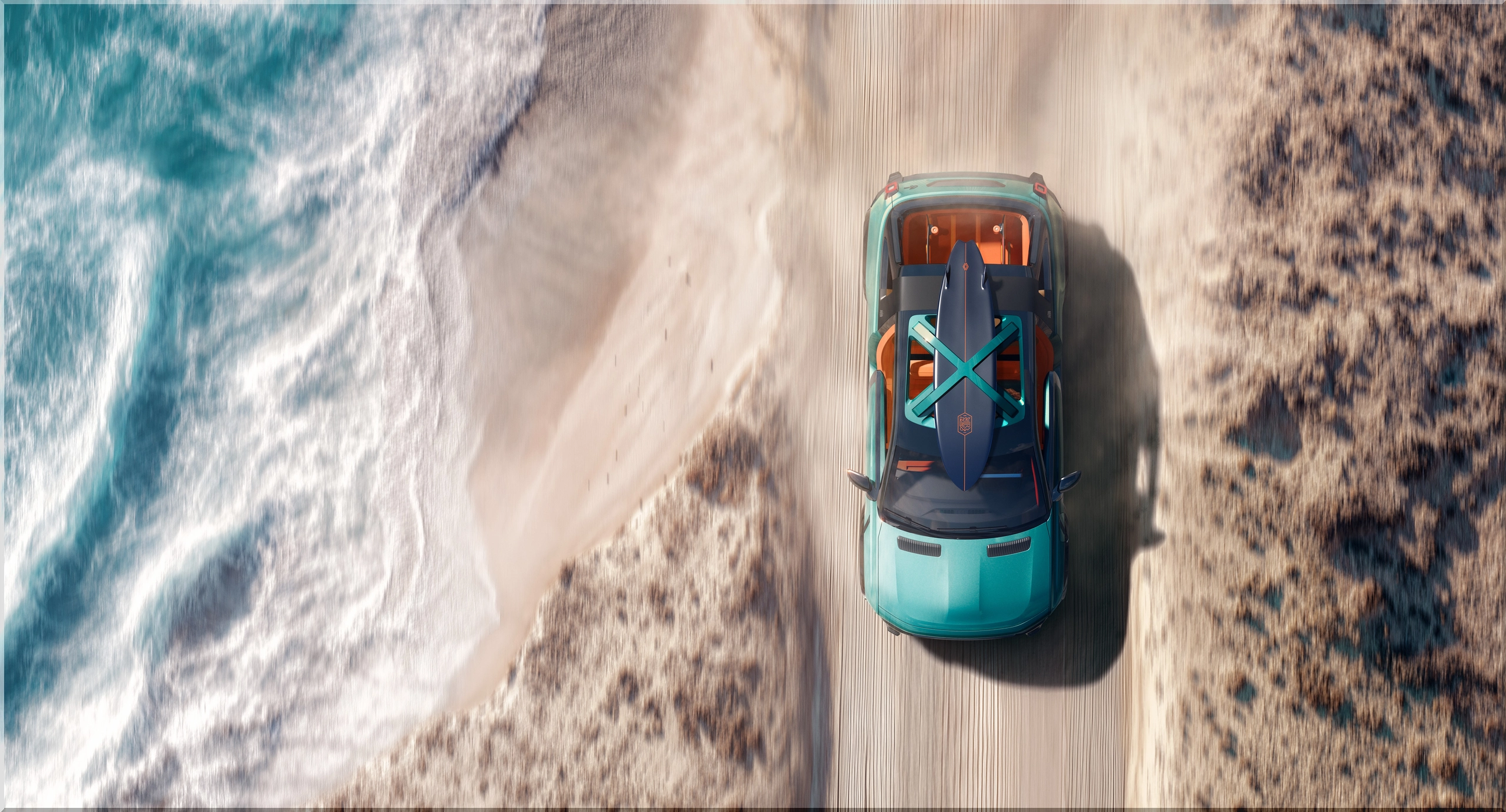
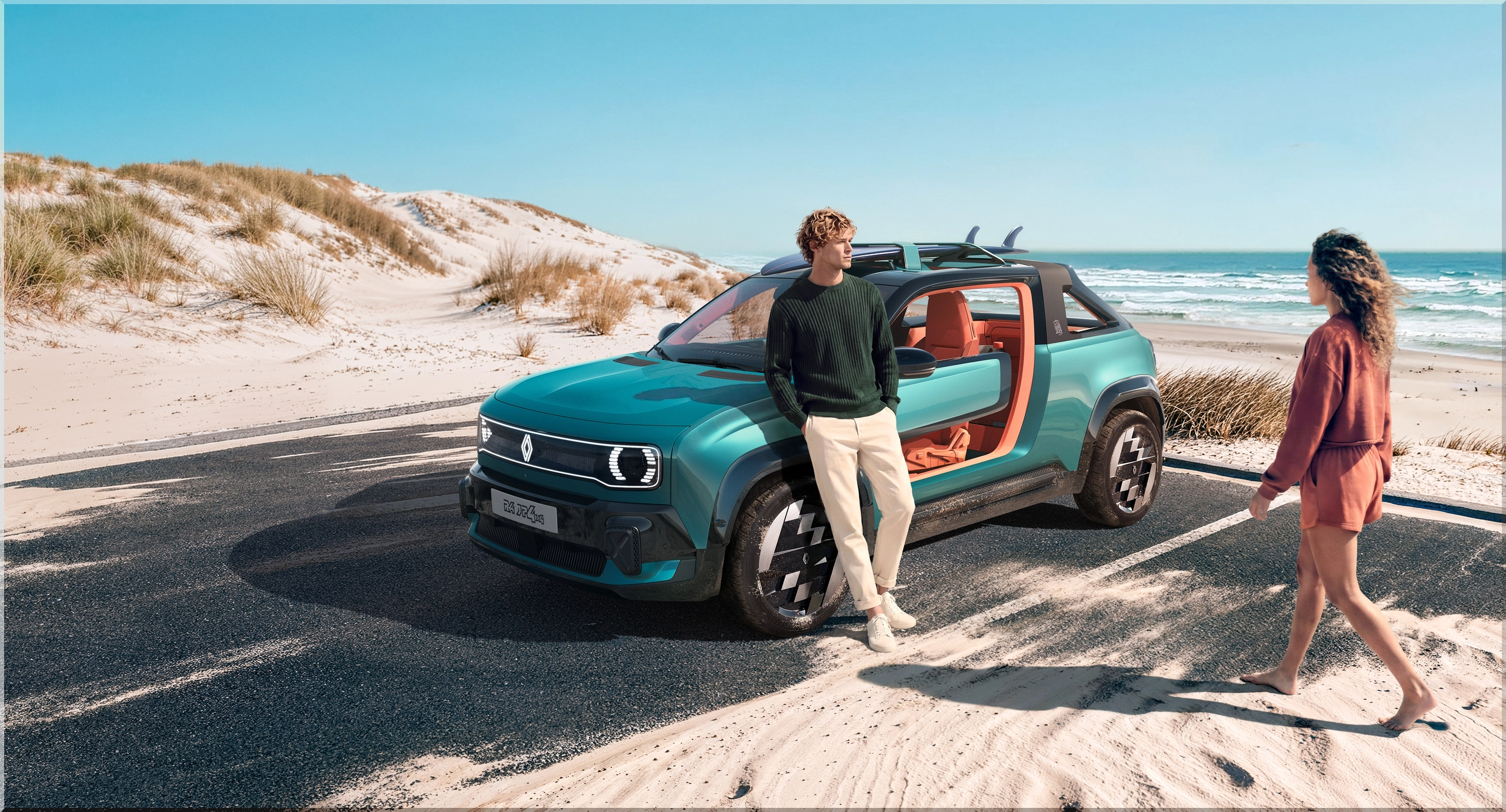
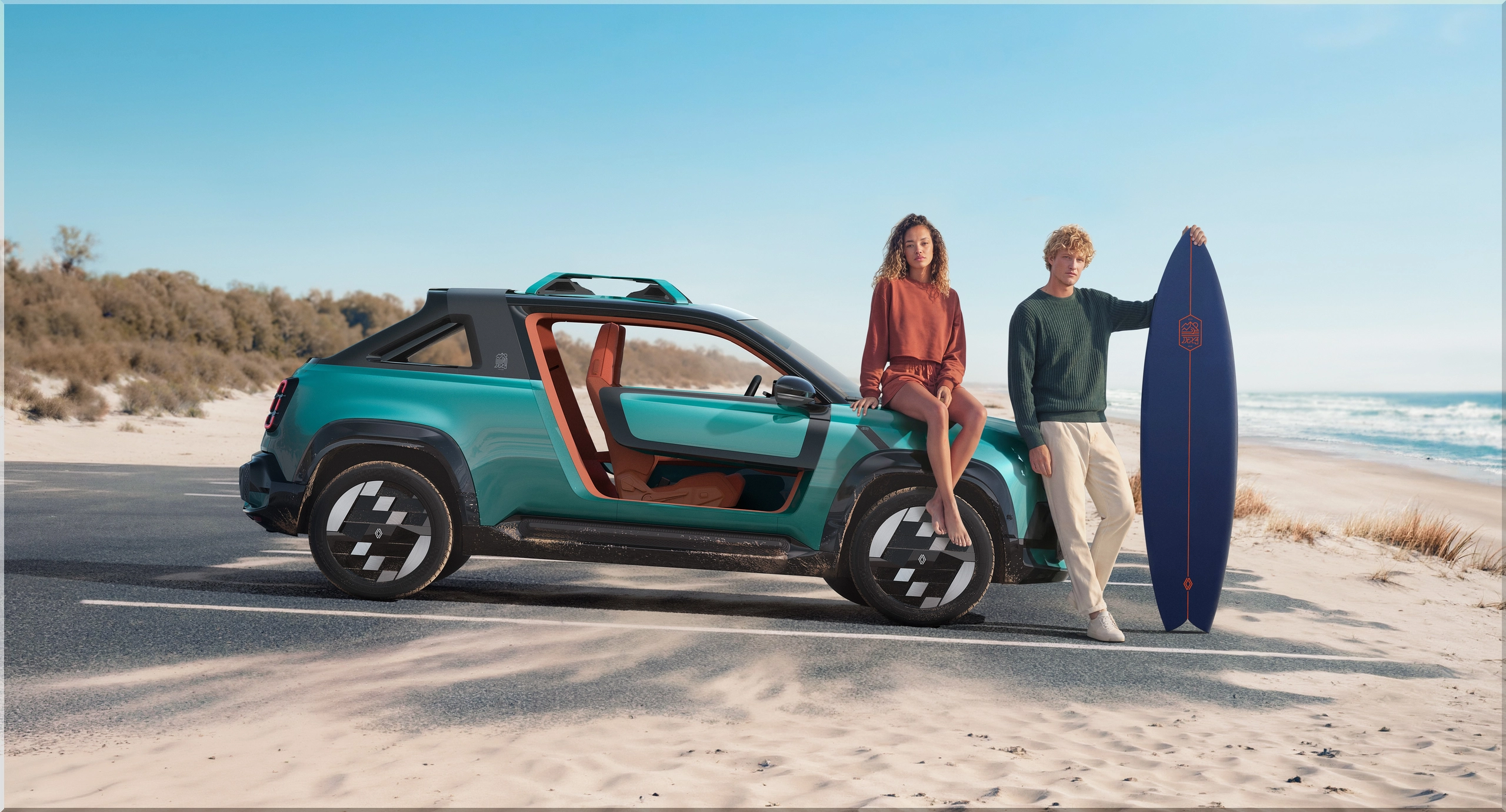
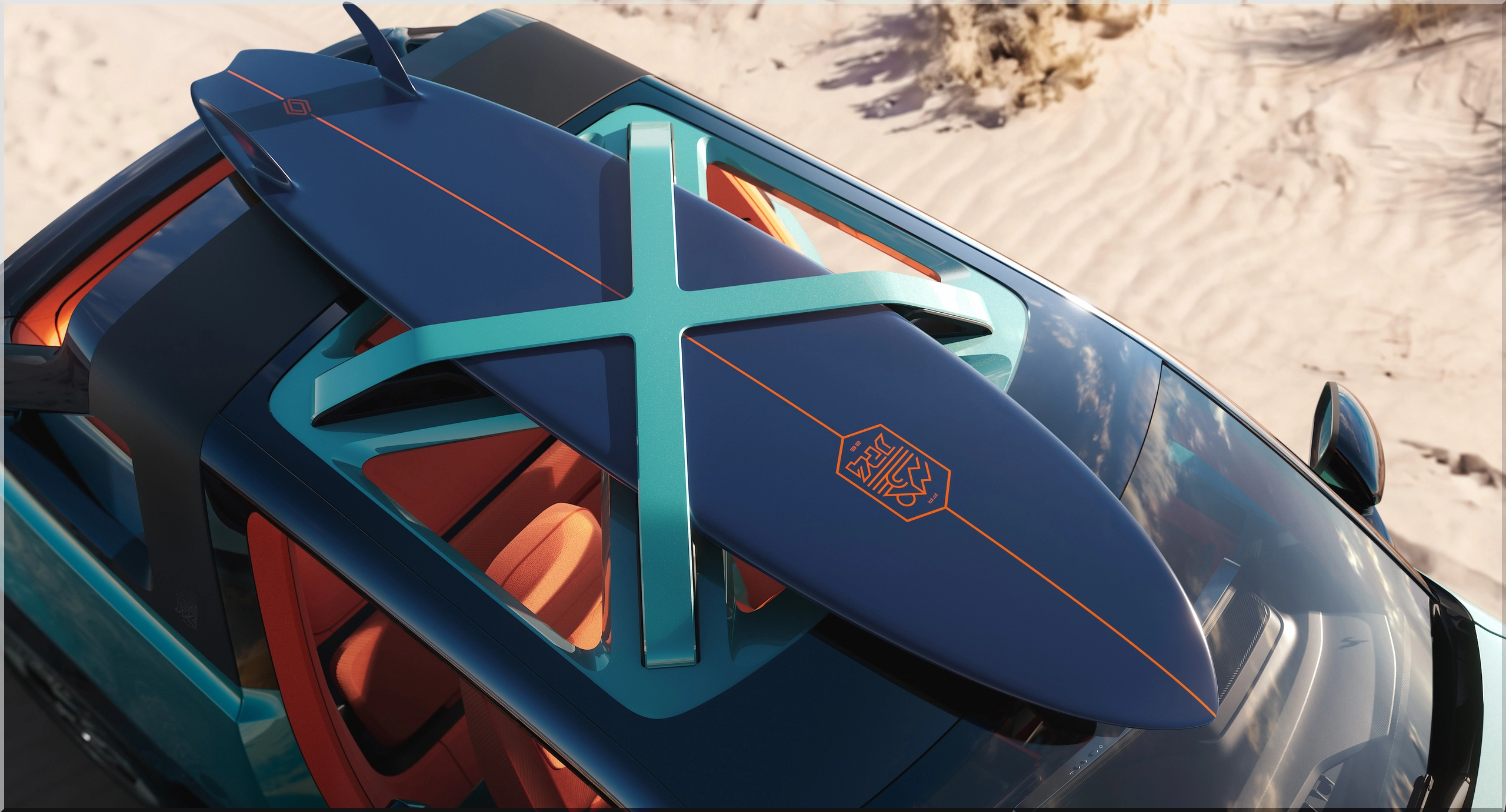
The Renault 4 JP4x4 Concept uses half doors and an open upper body to create a direct link with earlier leisure versions of the Renault 4. The exposed cabin gives the car a lighter personality, while the roof structure and rear load area turn the upper body into usable storage space.
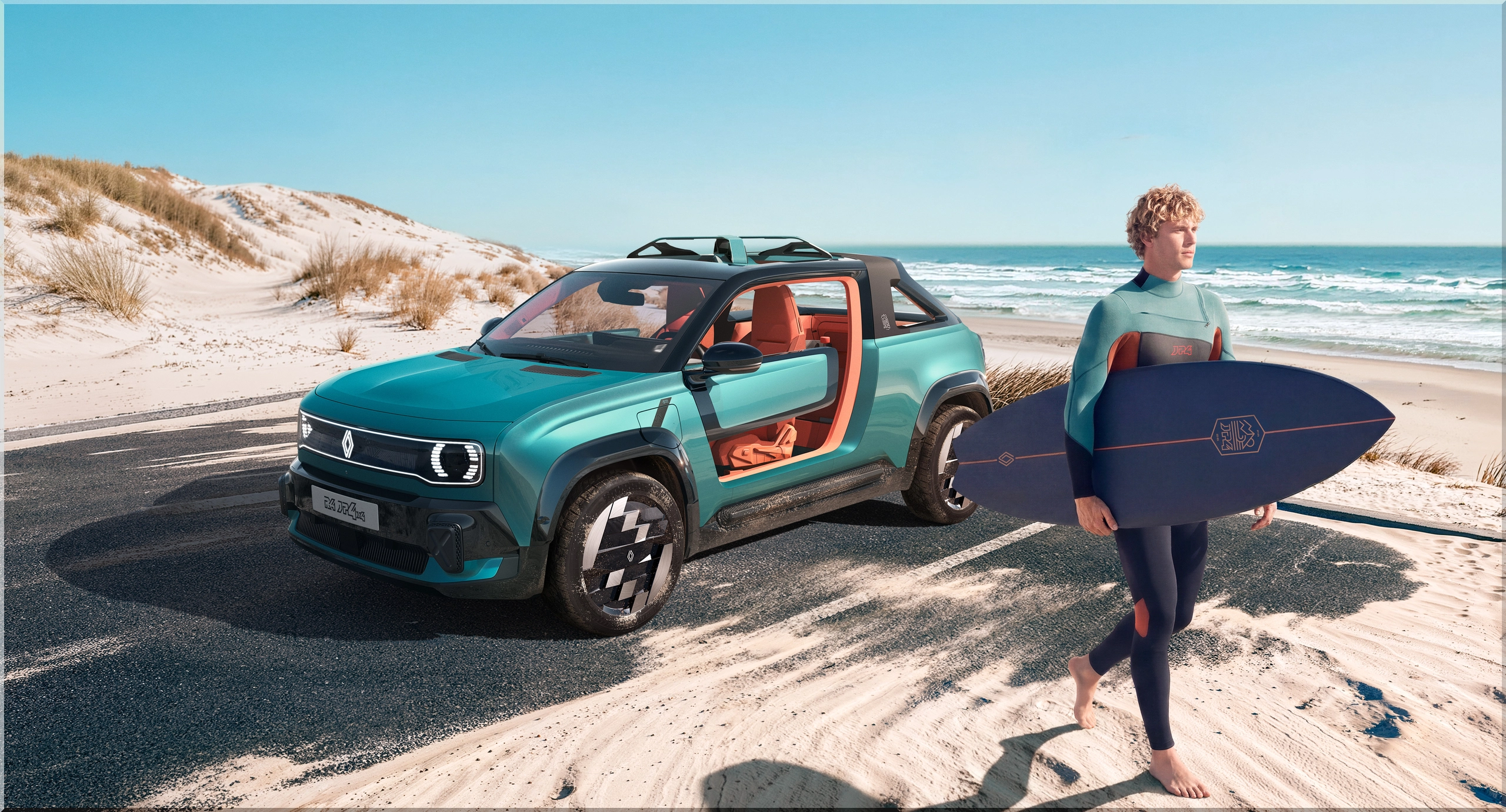
Looking at the data, the design team did not simply remove panels for effect. The roof rails help carry outdoor equipment, the rear section suits beach gear, and the two-seat cabin leaves more room for lifestyle cargo. Surfboards, wetsuits, bags, folding chairs, and weekend equipment suit this layout far better than supermarket luggage.
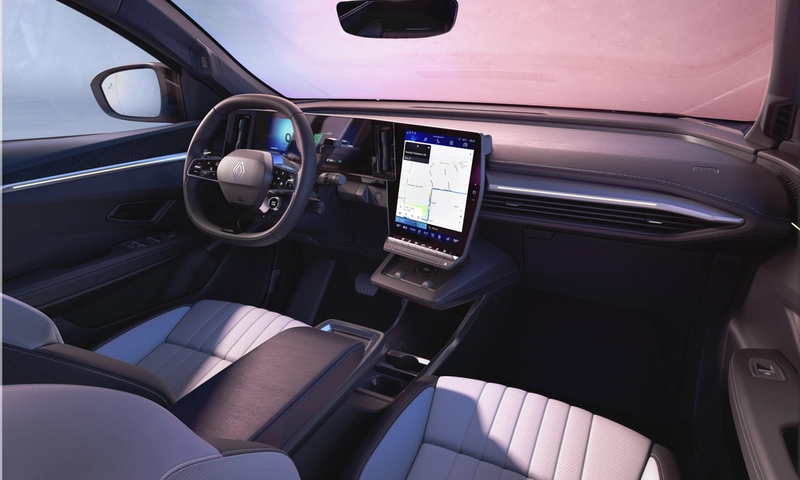
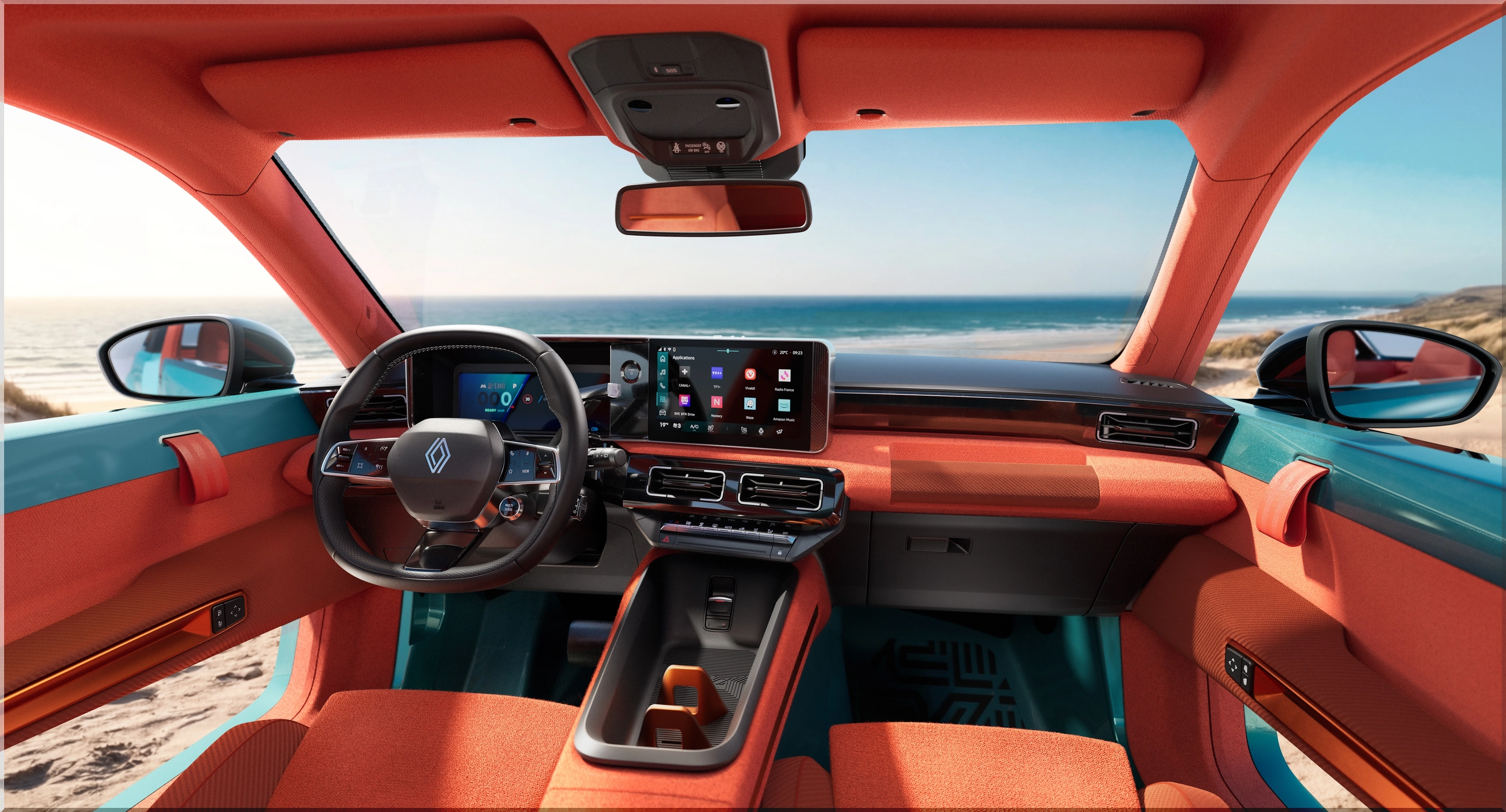
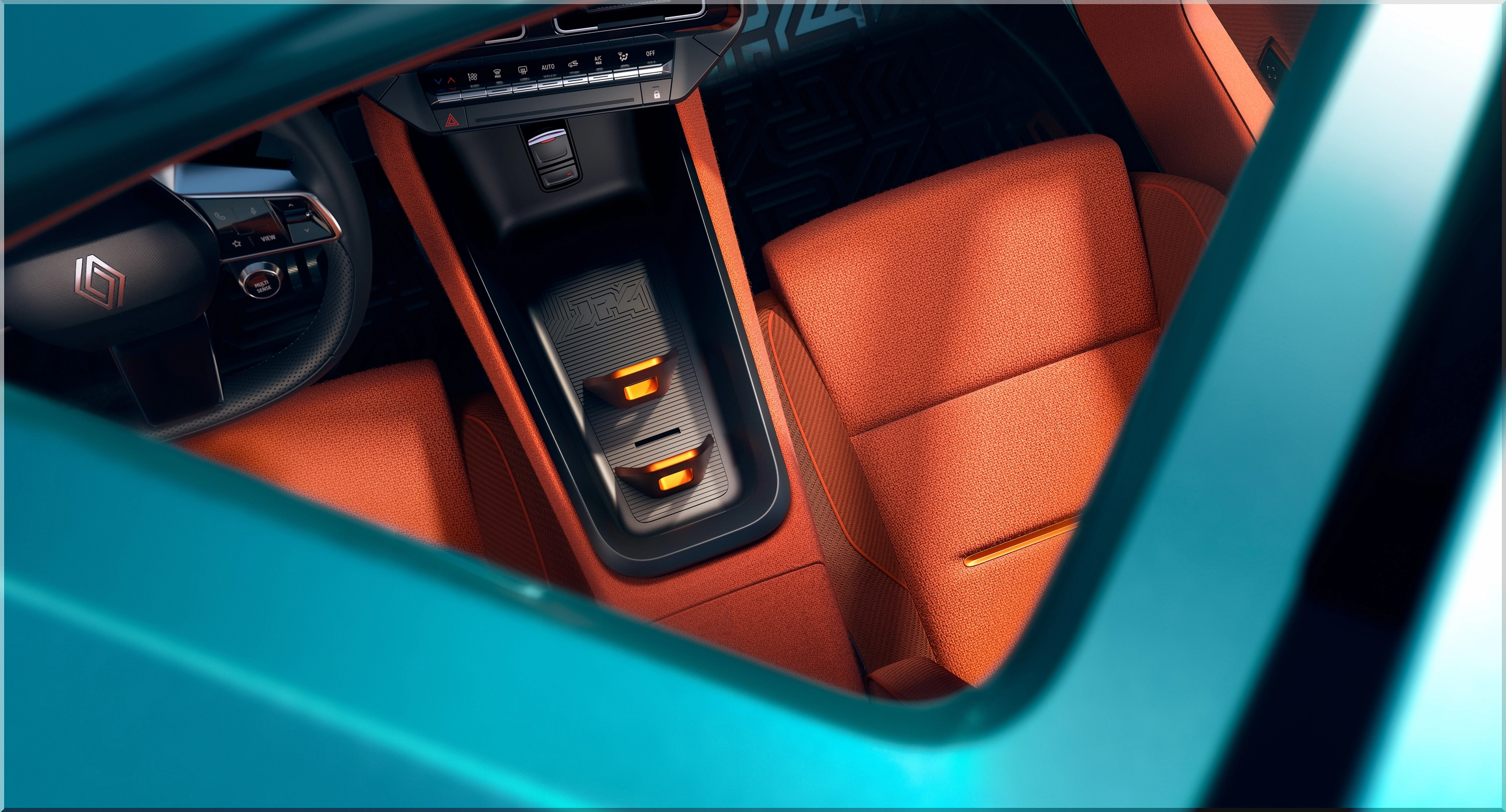
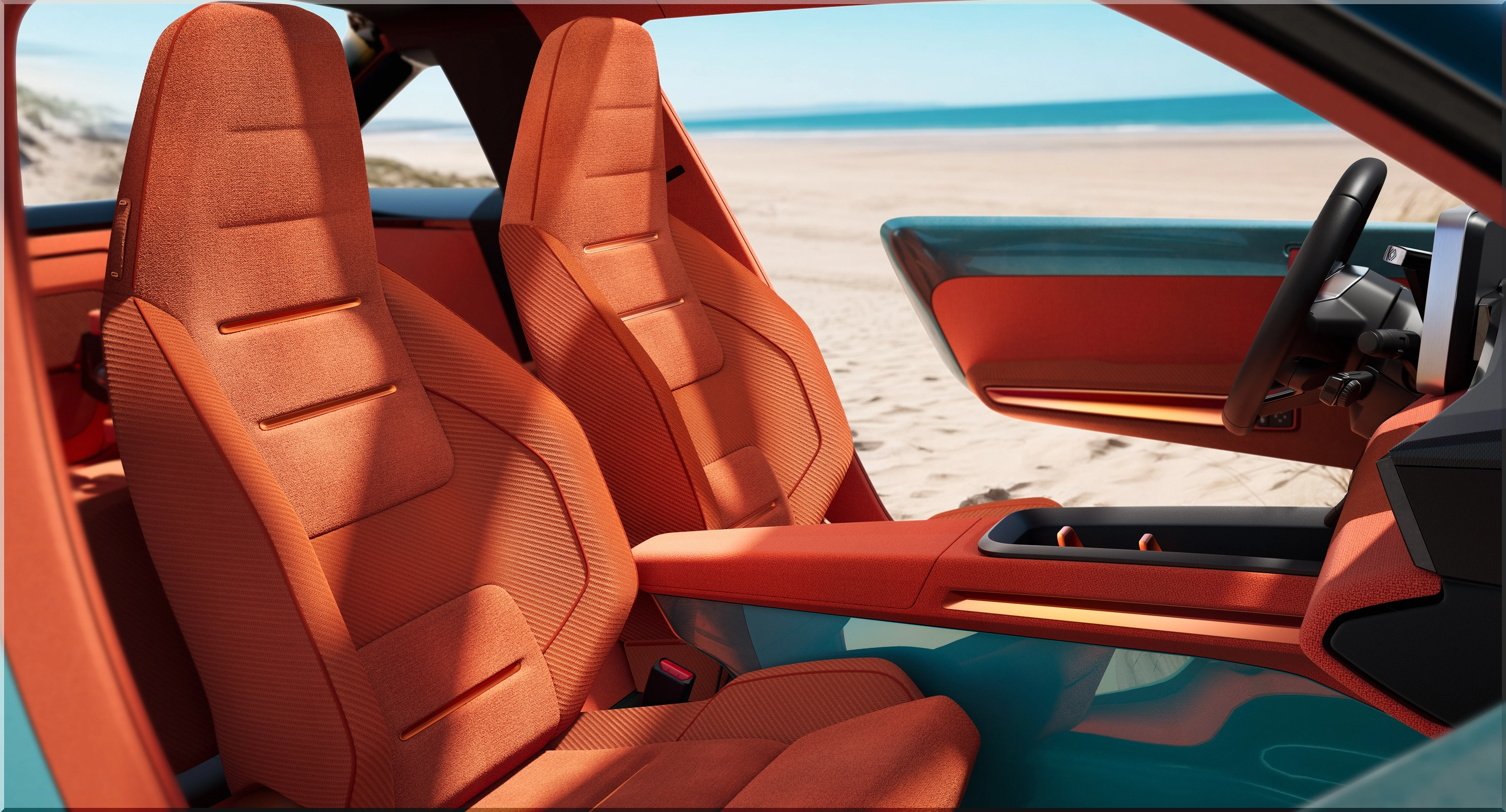
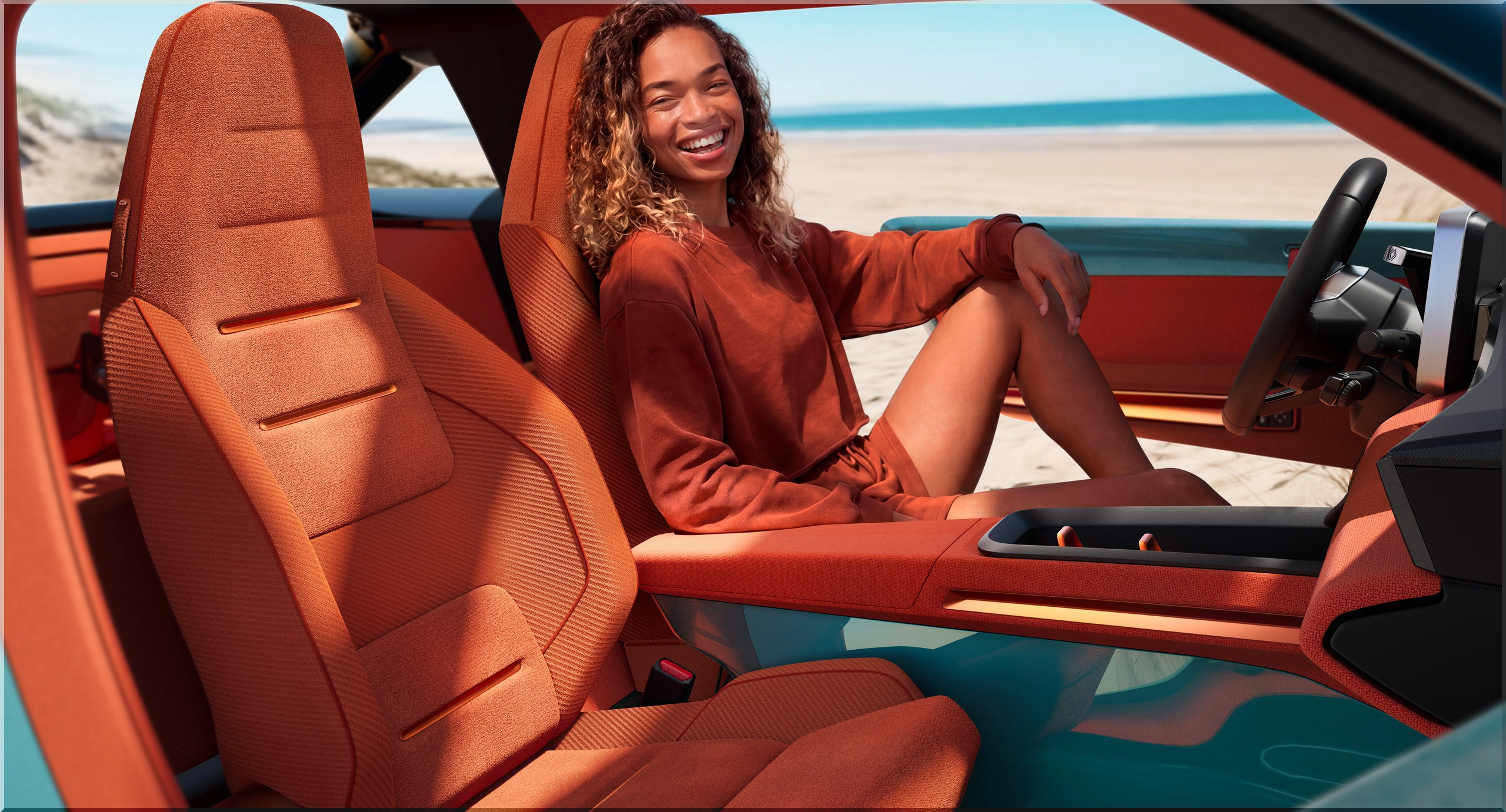
The interior follows the same thinking. The bucket seats, bright materials, and passenger grab handle all support the outdoor theme. The cabin looks easy to use rather than delicate, which matters in a vehicle designed around sand, sun, and casual movement between road and beach.
Pro-Tips For Reading The Renault 4 JP4x4 Concept
- Treat the concept as a signal, not a confirmed production car.
- Watch the dual-motor system because it gives Renault a path toward a small all-wheel-drive EV.
- Focus on the raised ride height and roof storage because those features could reach showrooms first.
- Do not expect the open body to survive unchanged in a mass-market version.
- Expect Renault to protect price carefully if it builds an adventure trim.
Image gallery
Heritage Matters, But Engineering Carries The Story
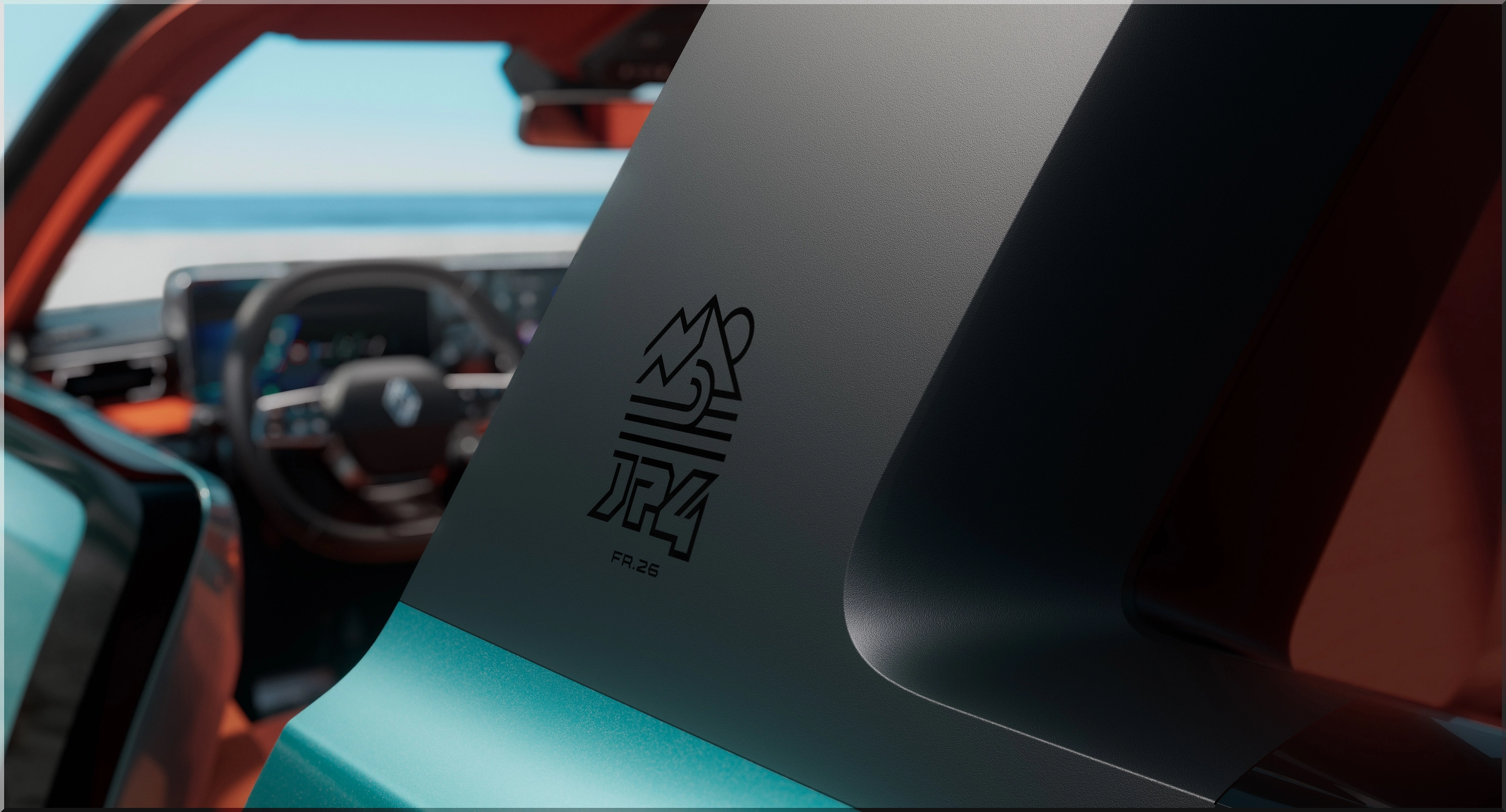
Renault clearly draws from the original Renault 4 Plein Air and JP4. Those older models turned a simple utility car into a low-cost leisure machine. The new concept follows the same idea, but it replaces mechanical simplicity with electric packaging.
That matters for Renault's European strategy. Retro design grabs attention, but useful packaging keeps buyers interested after the first look. The Renault 4 JP4x4 works because it connects an emotional idea with credible EV hardware: compact dimensions, electric torque, rear-axle drive assistance, and practical outdoor storage.
From an expert perspective, Renault should not rush this exact concept into production. The better move would involve a more realistic adventure package. A raised suspension, washable cabin materials, roof bars, tougher tyres, extra underbody shielding, and specific drive software could deliver much of the JP4x4 appeal without the cost and complexity of a full show-car conversion.
Image gallery
What Should Renault Build Next?
Renault should build a road-ready Renault 4 adventure edition before it commits to a full dual-motor JP4x4. That version could use the existing front-drive powertrain, add visual protection, fit practical roof storage, and keep the five-seat cabin. It would speak to buyers who want the beach-buggy look without losing everyday usability.
A true Renault 4 all-wheel-drive electric model would make sense as a premium halo version. It would cost more, weigh more, and need careful range management, but it could give Renault a unique position in the compact EV class. Few small electric crossovers offer the charm, footprint, and outdoor character shown by the JP4x4.
The Renault 4 JP4x4 Concept proves one simple point: the electric R4 platform has room to play. Renault now needs to decide how much of that playfulness belongs in a showroom car.
- Add new comment
- 203 views