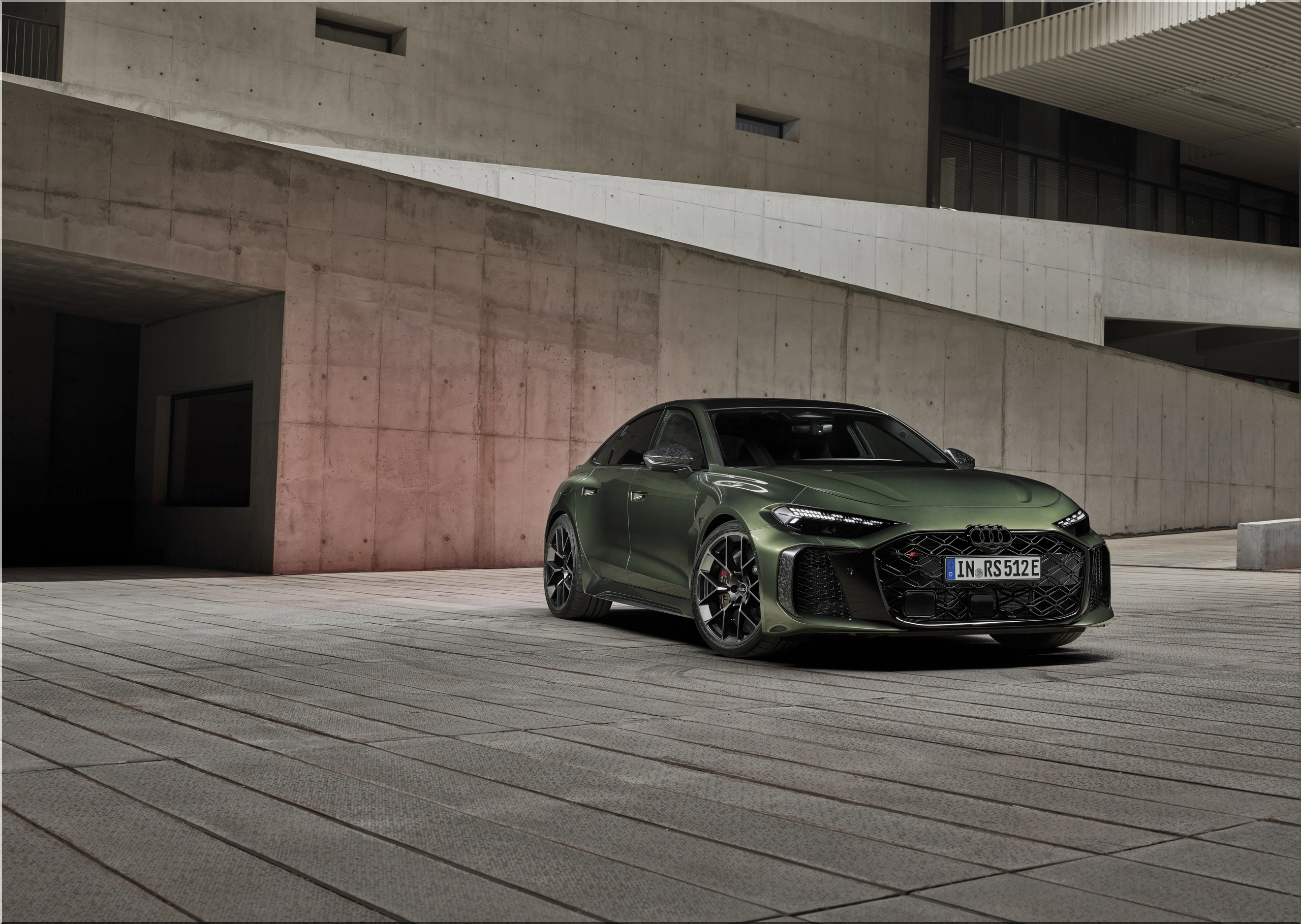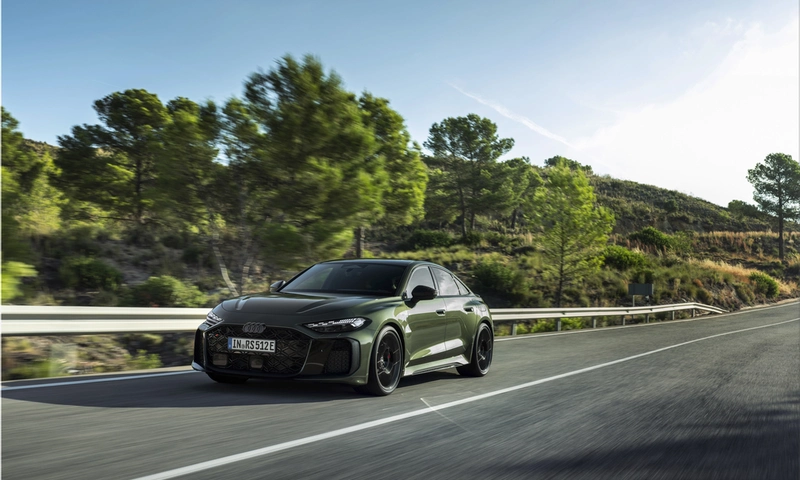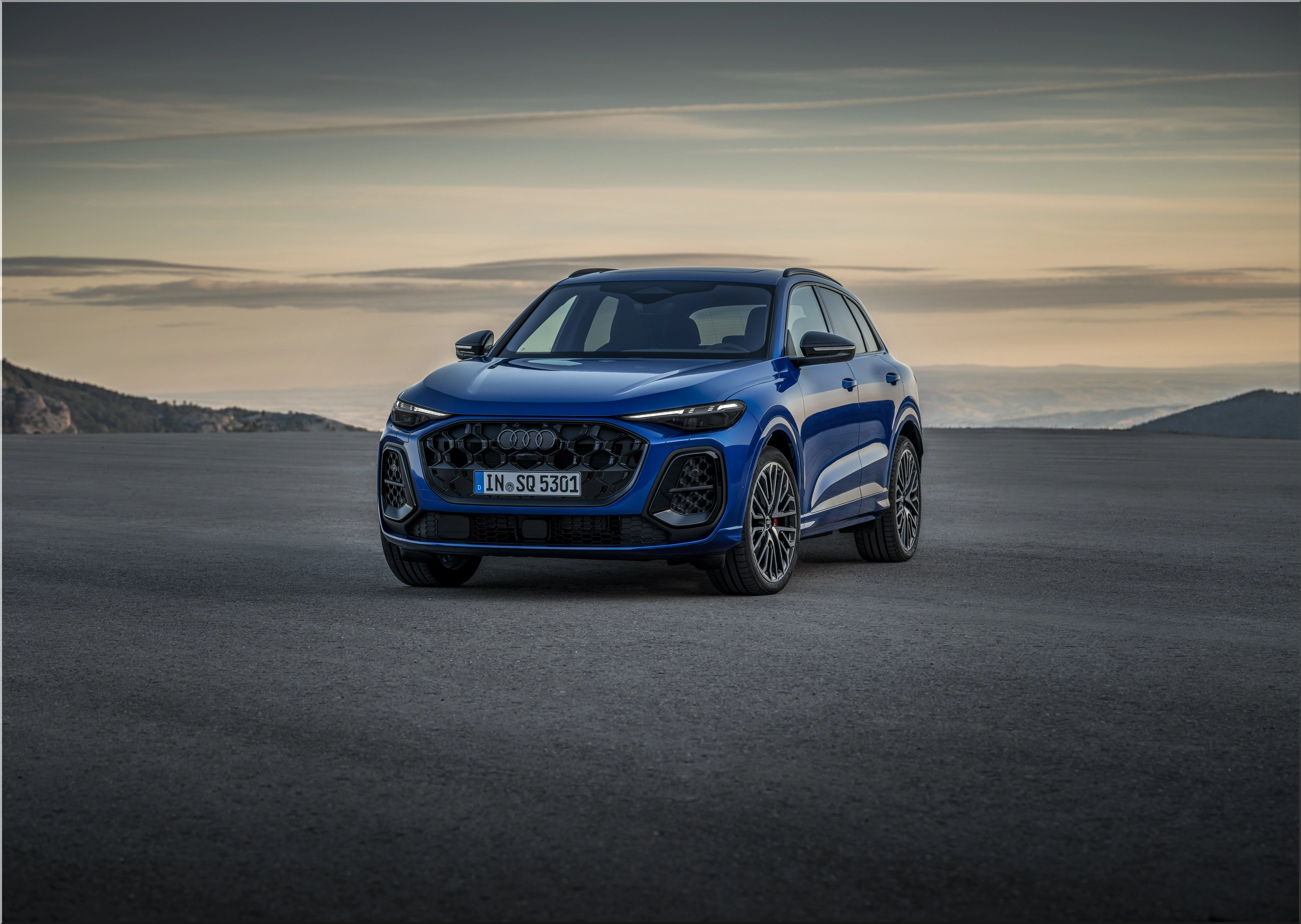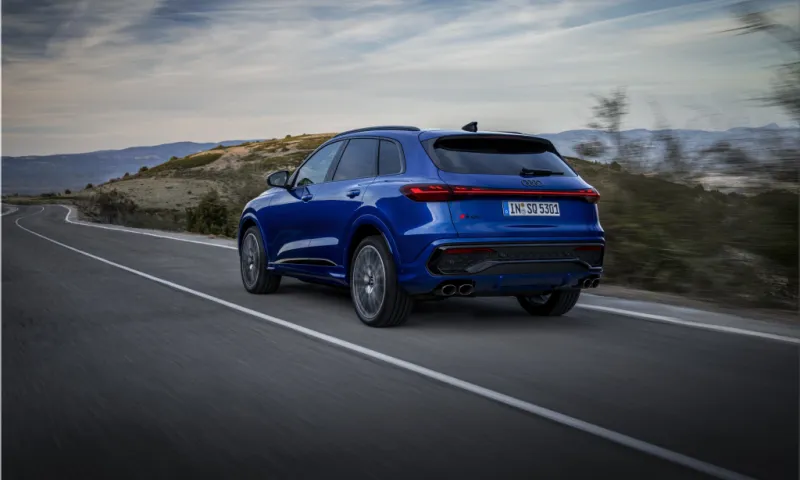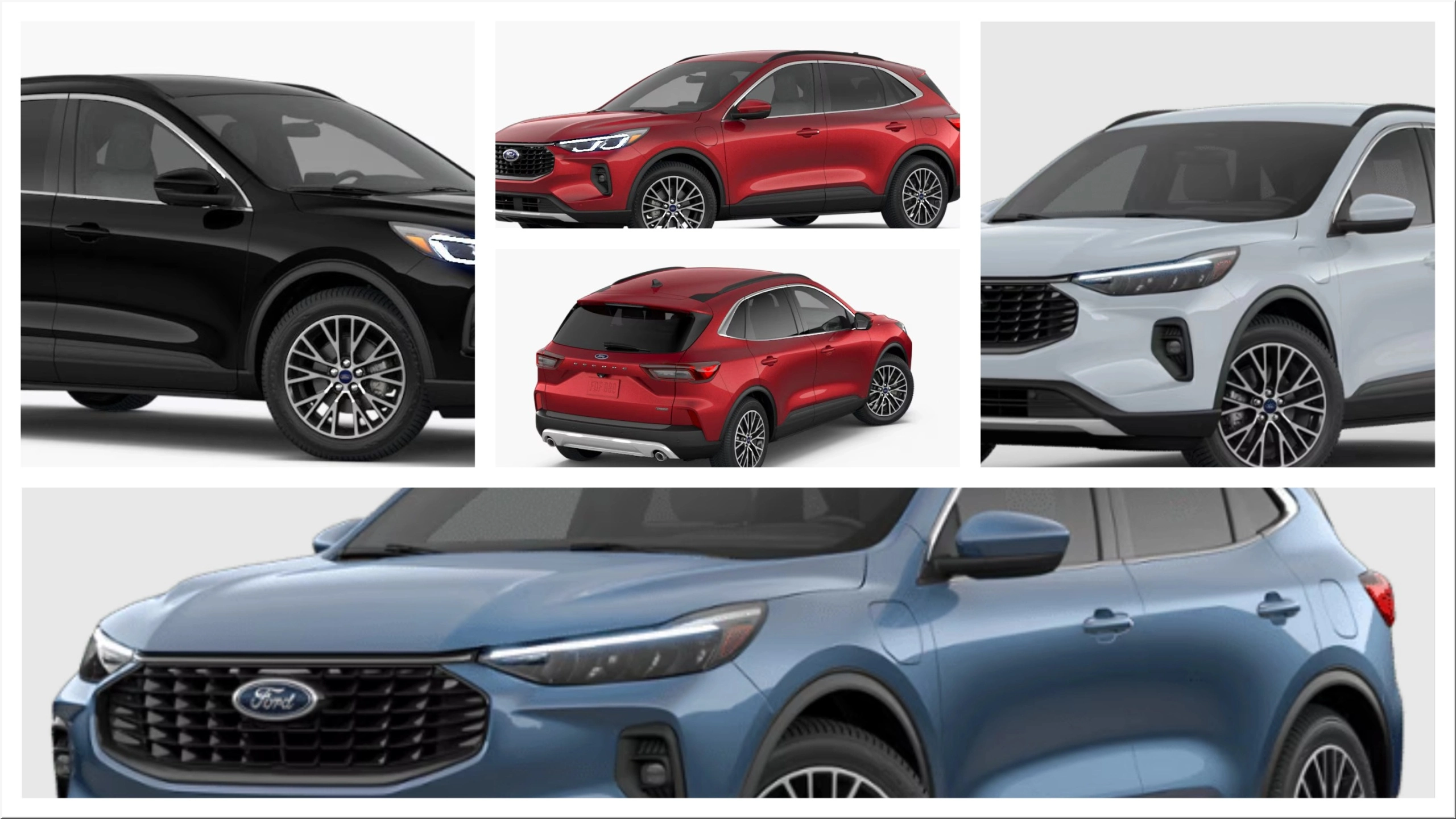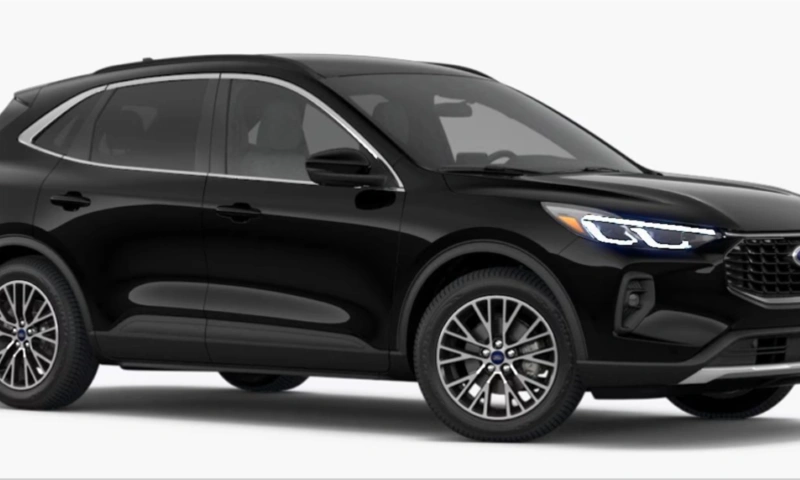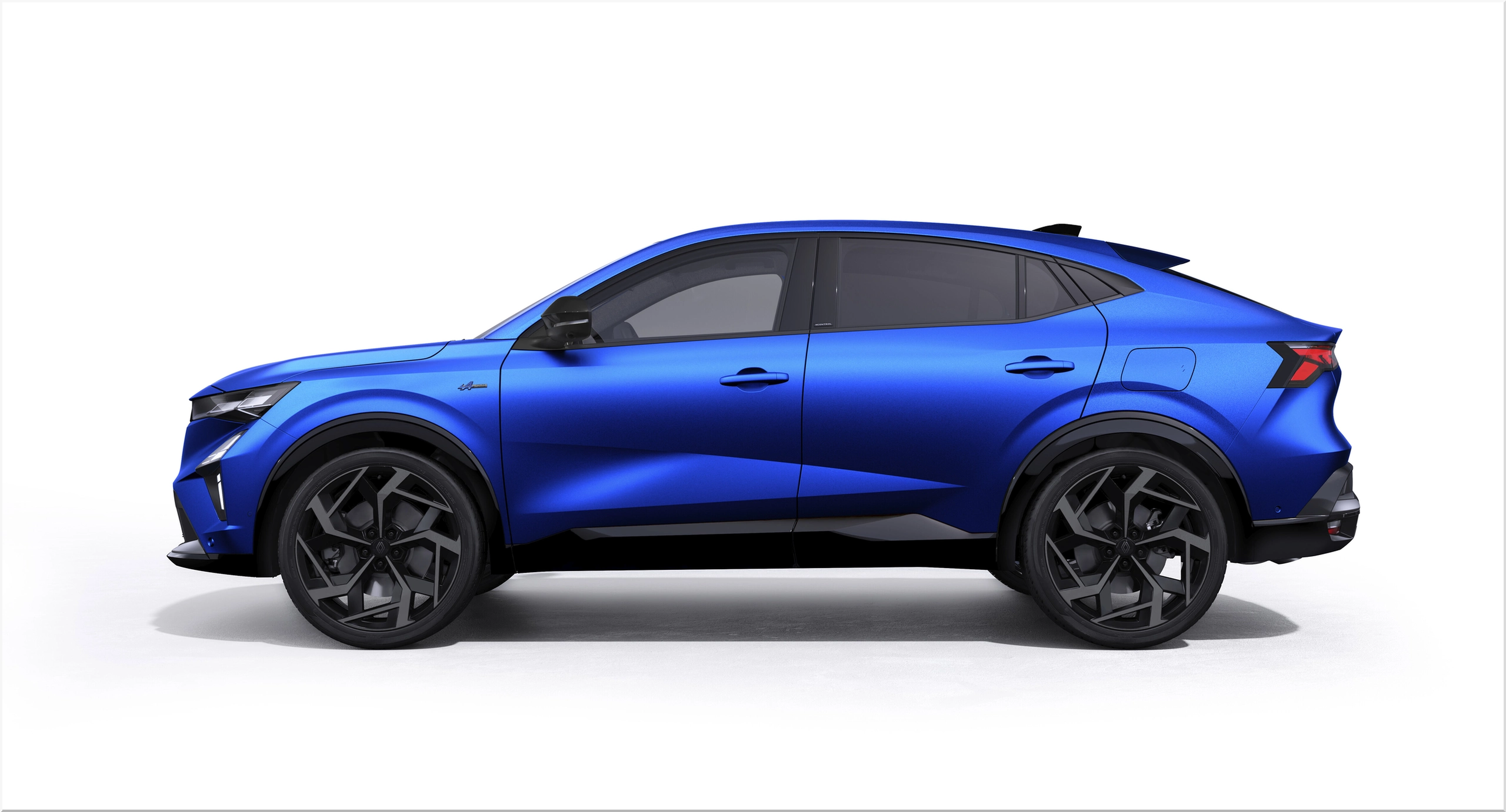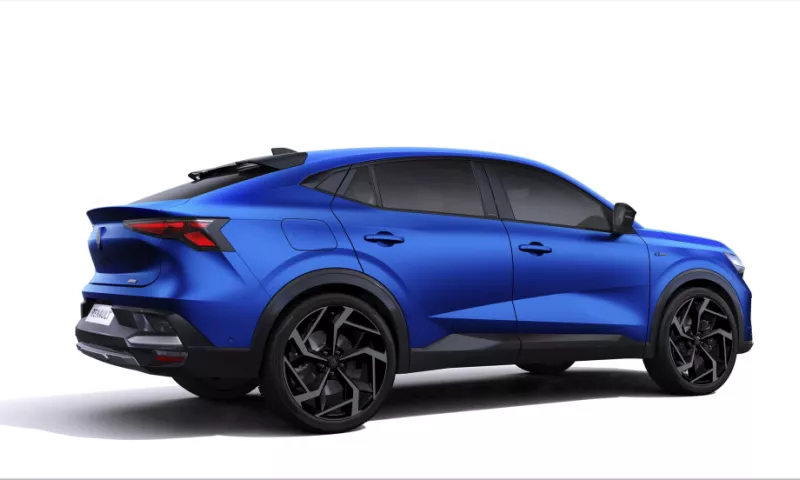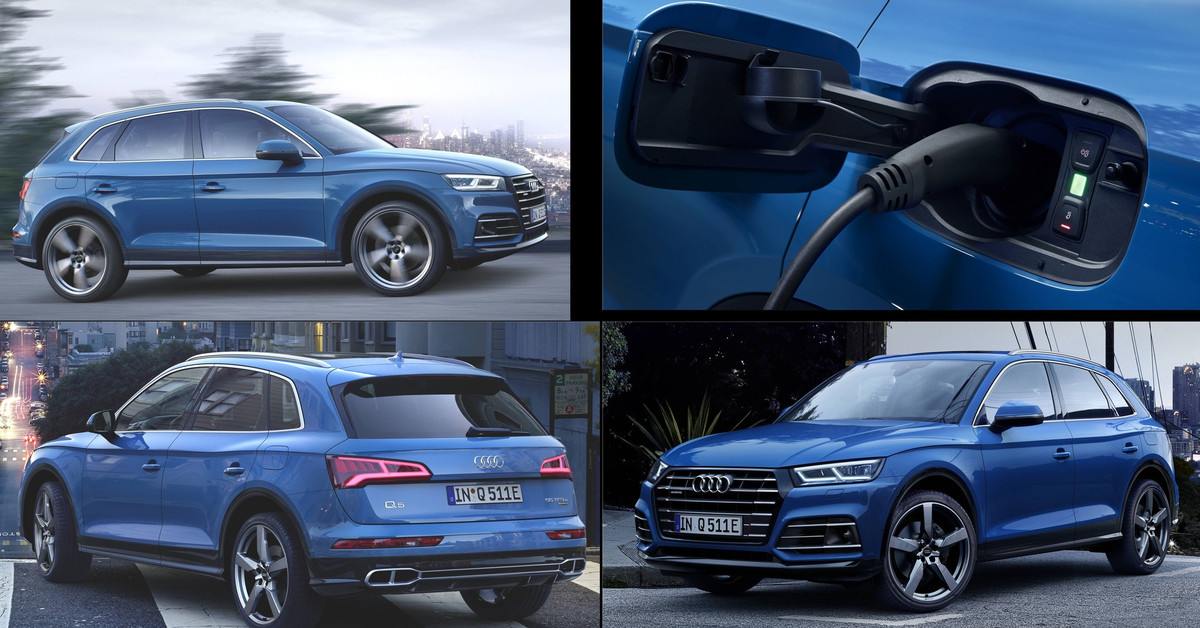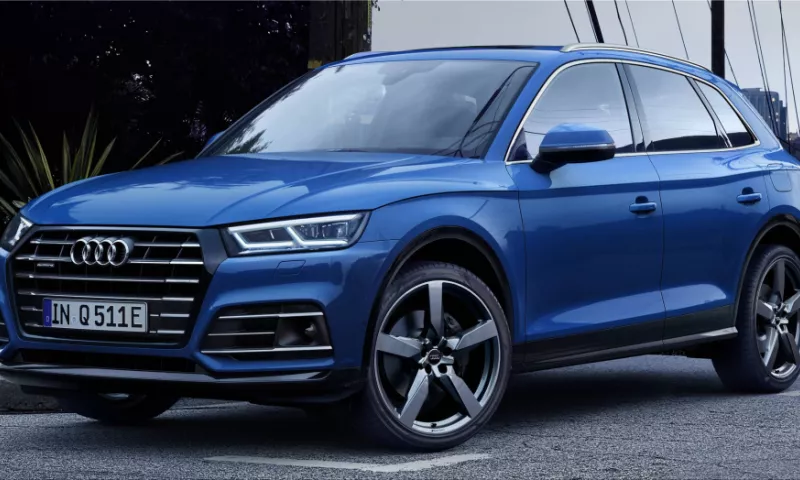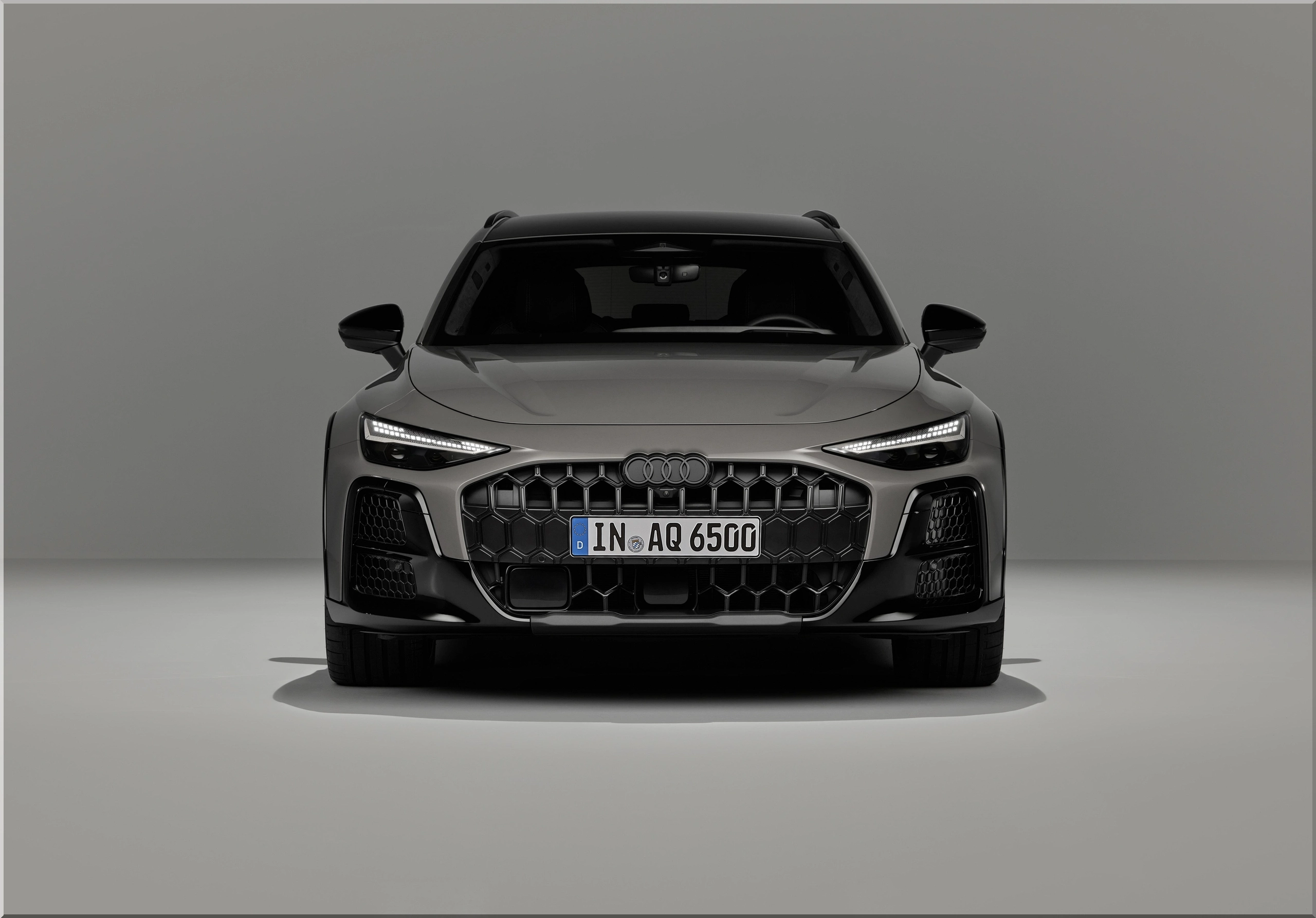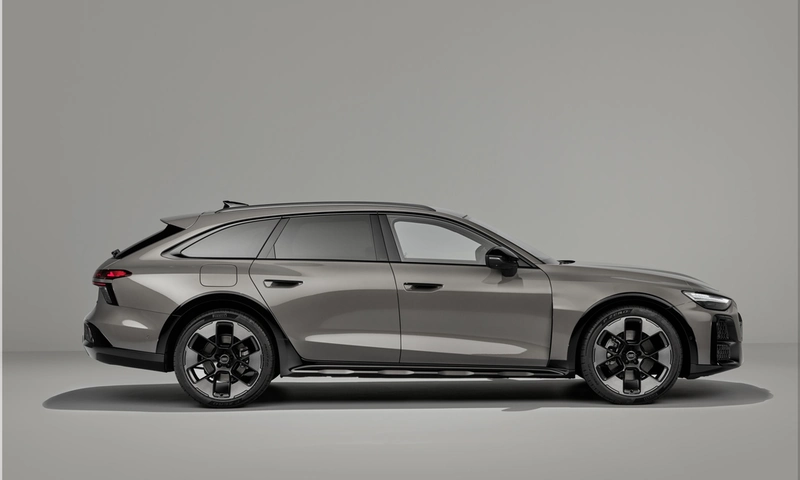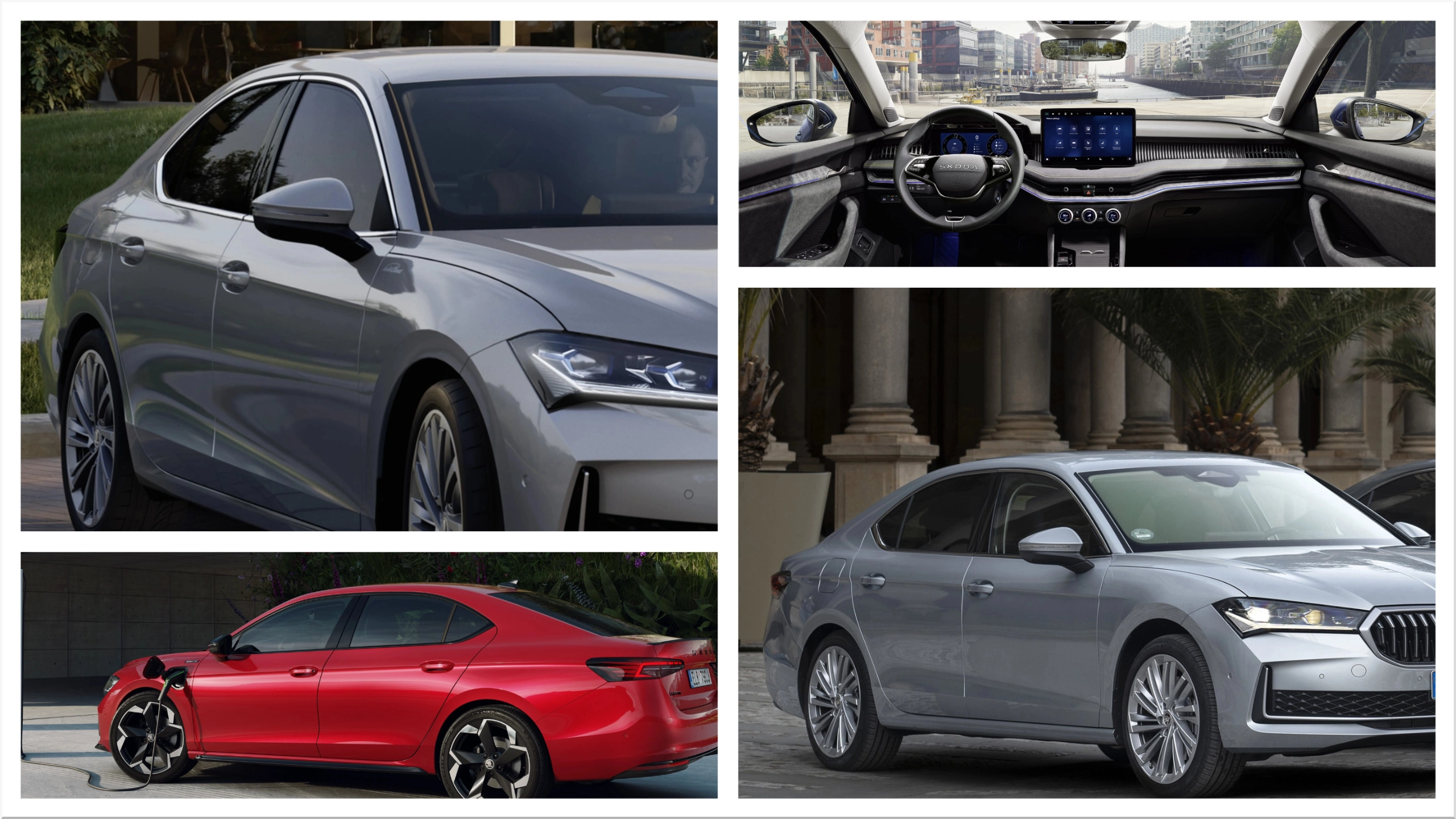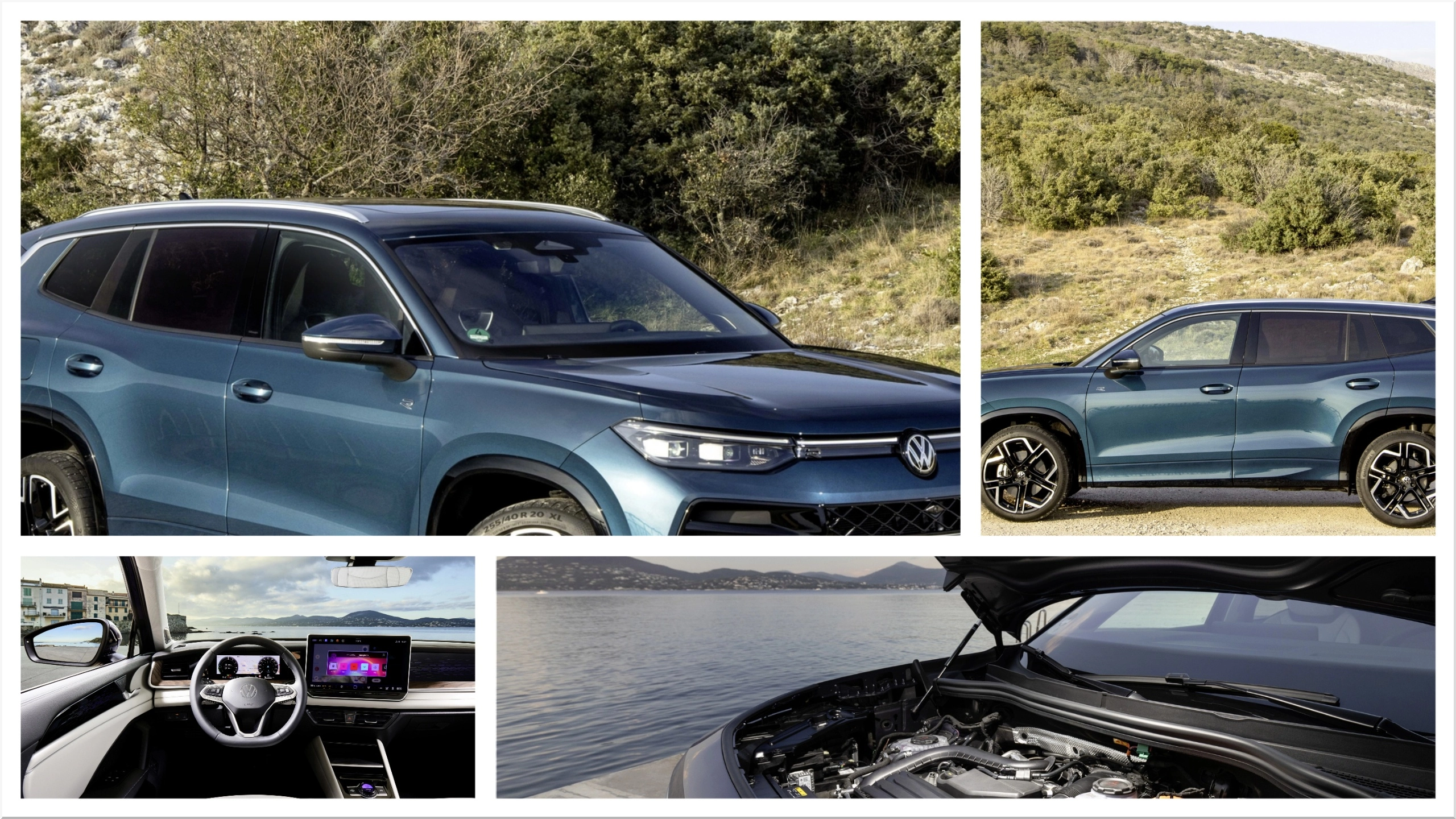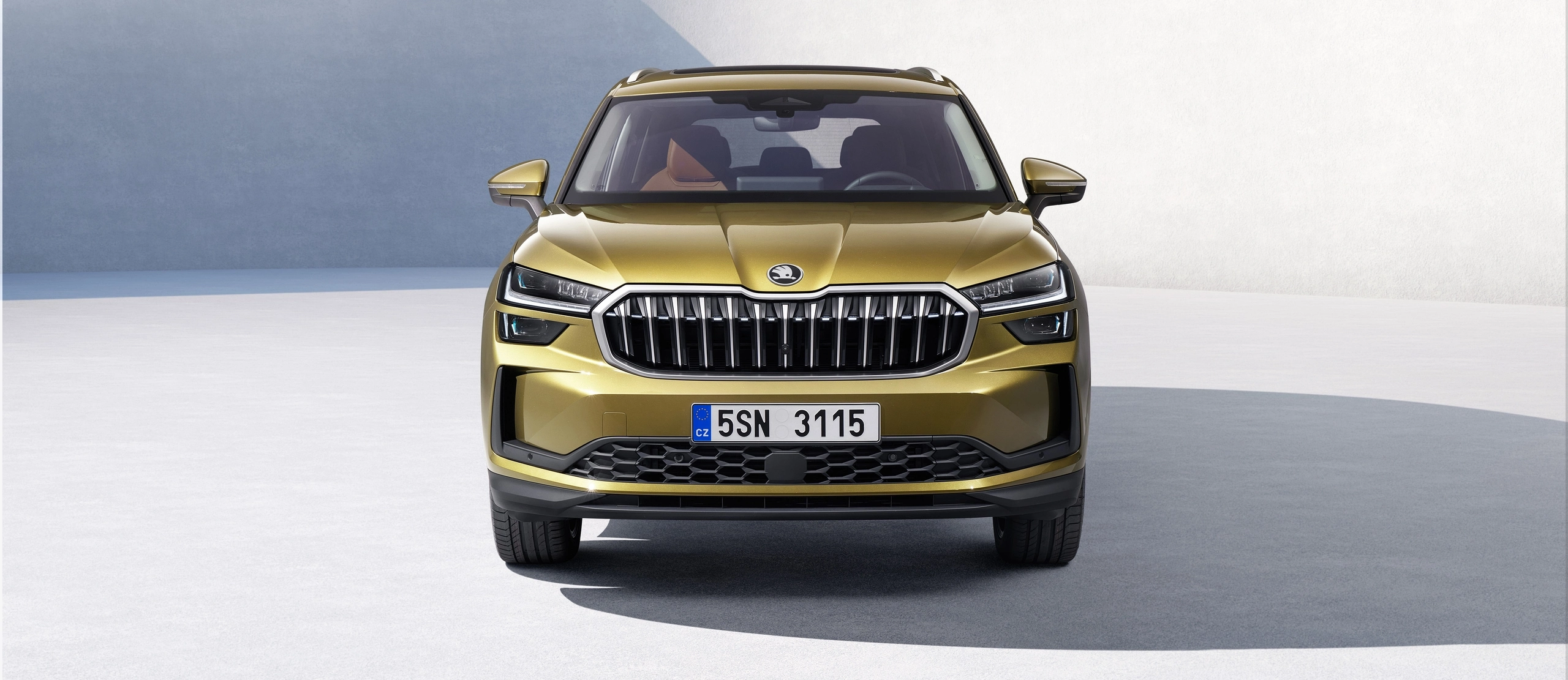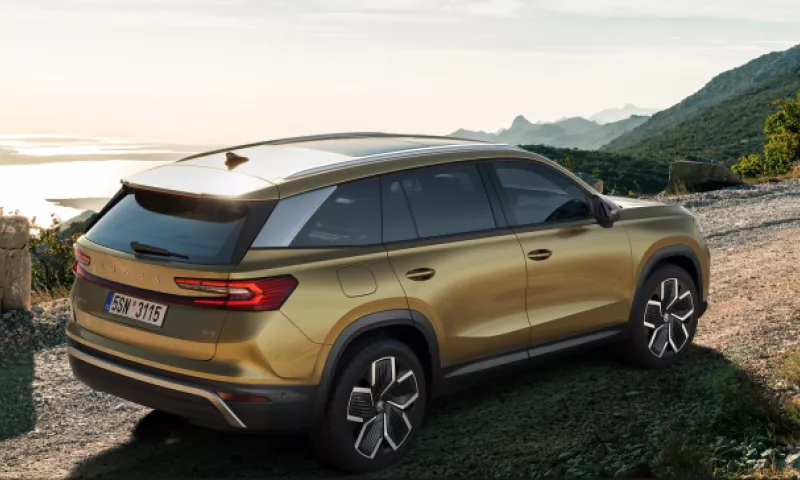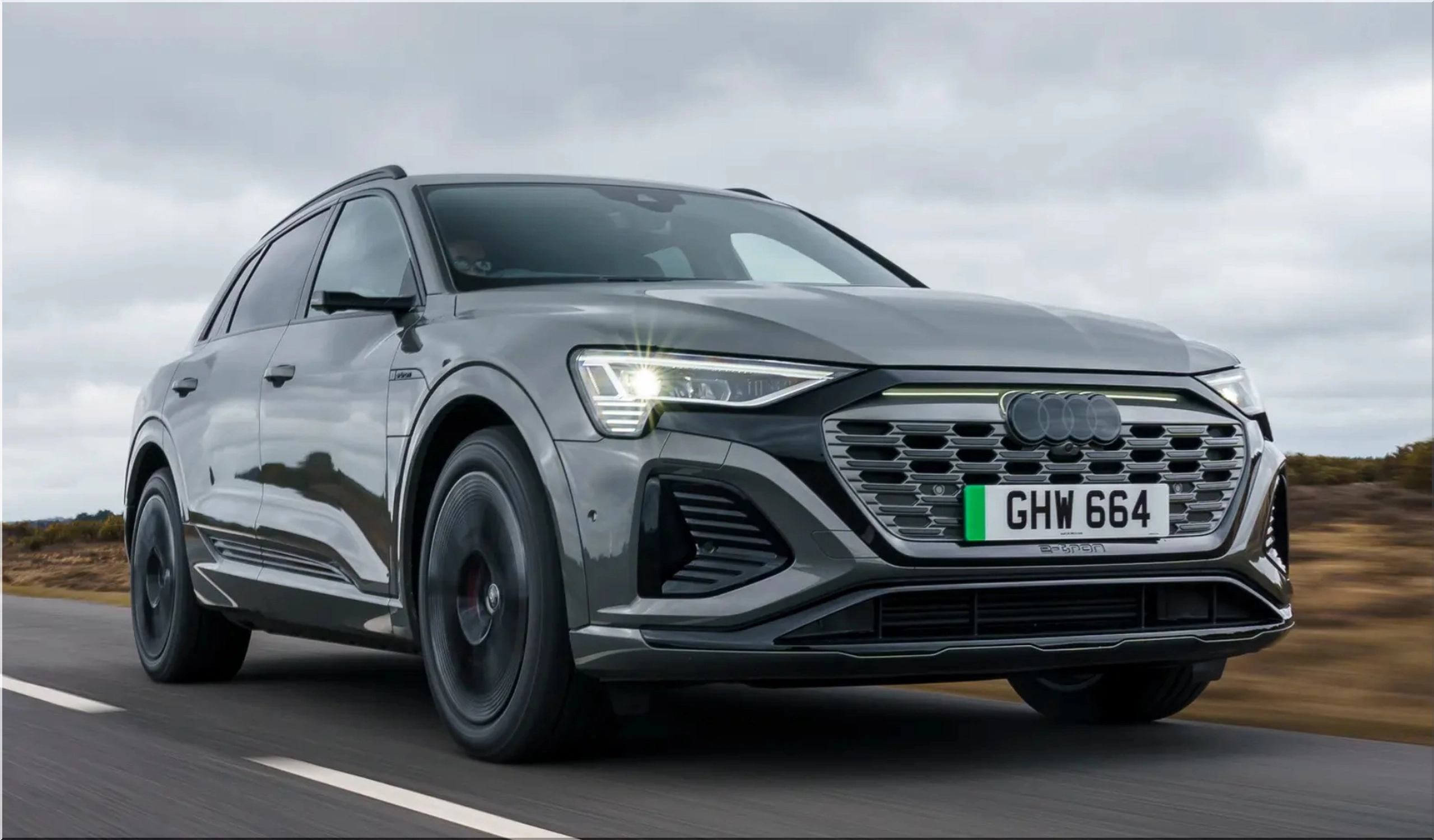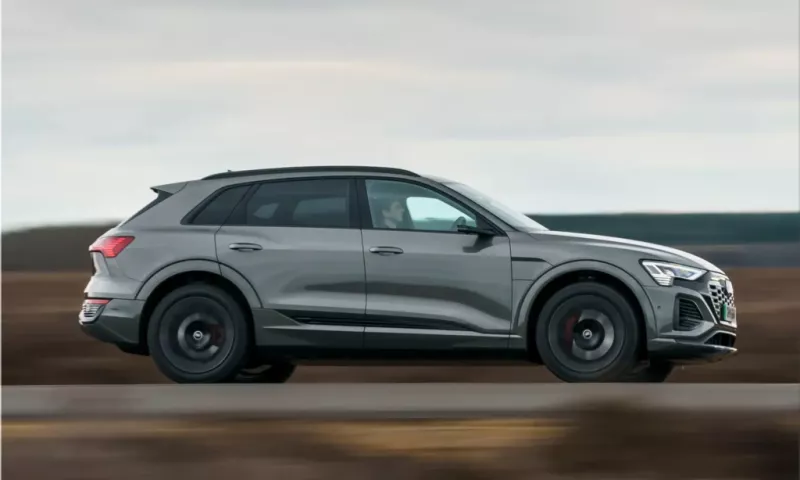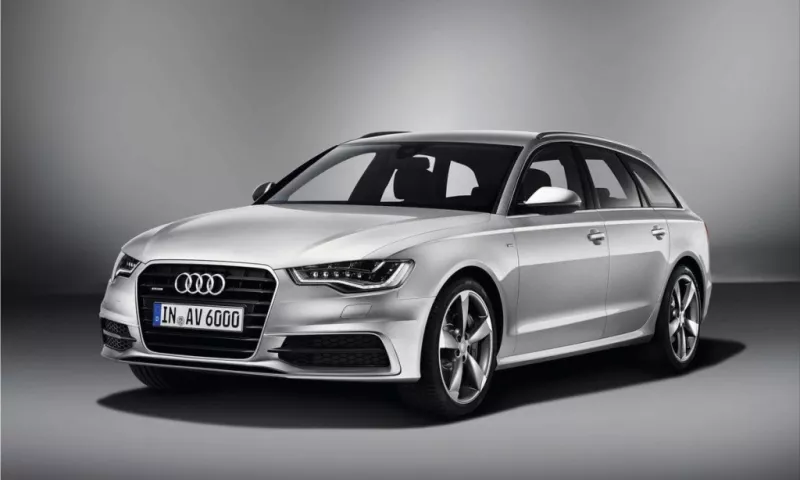
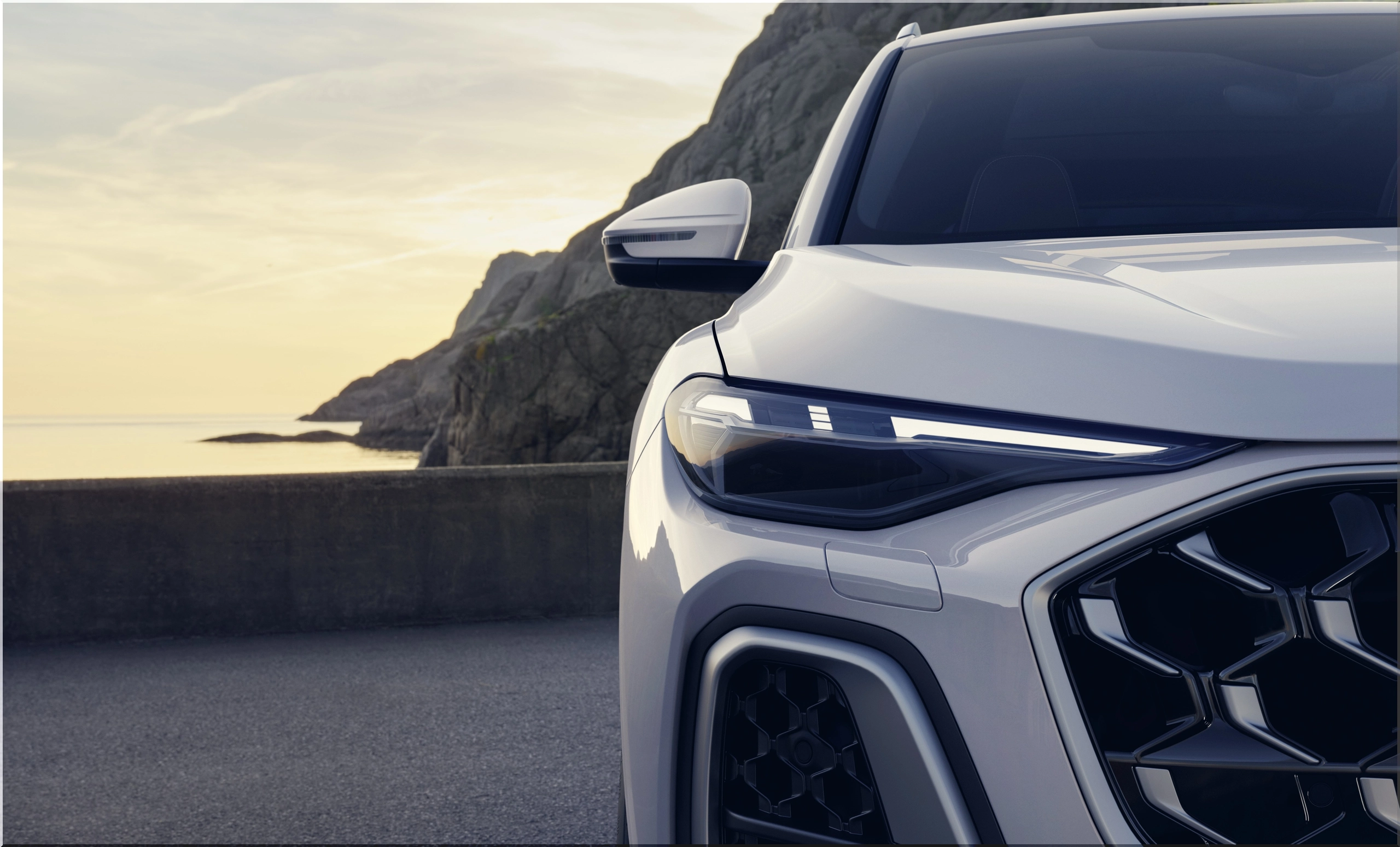
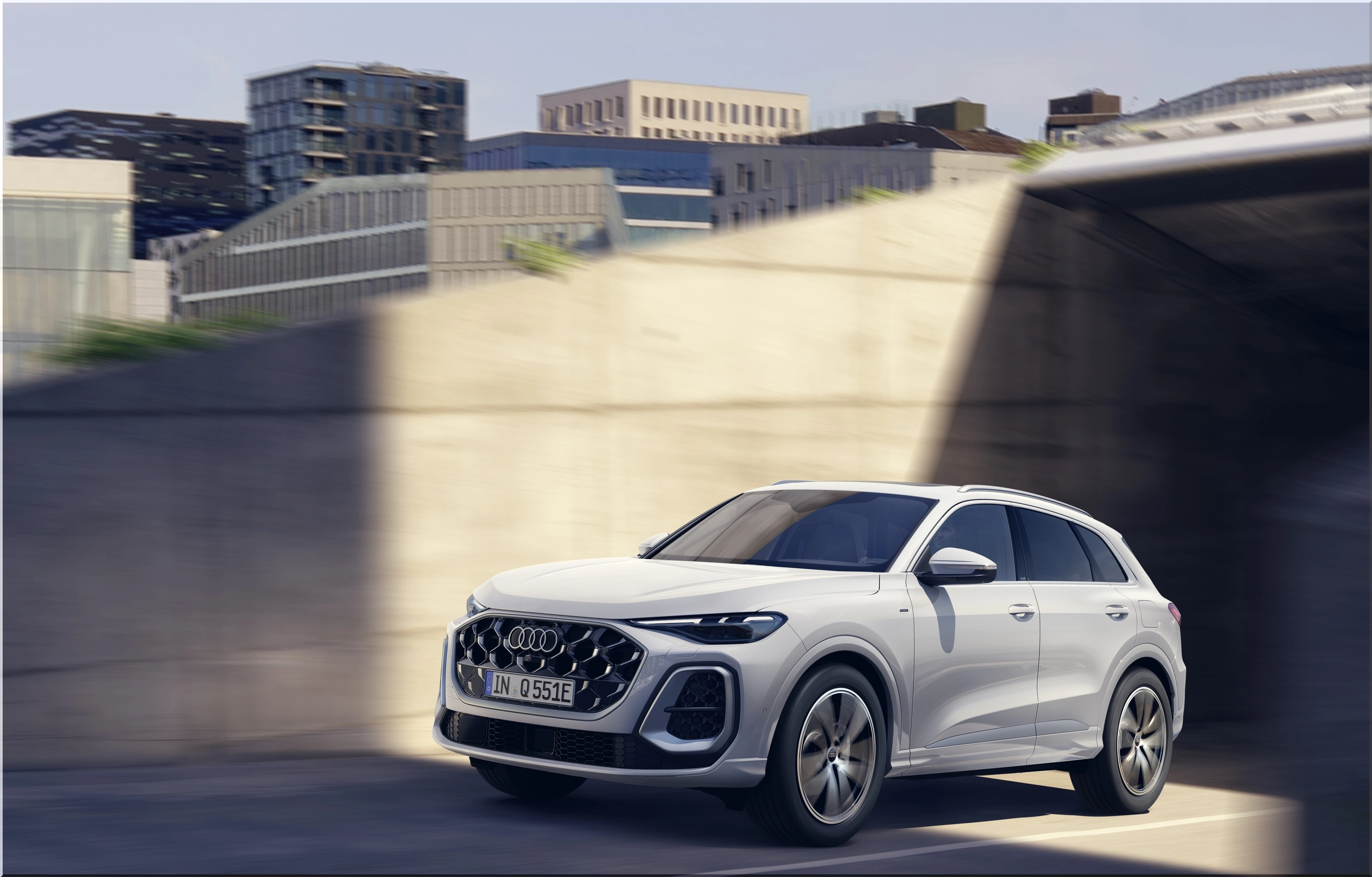
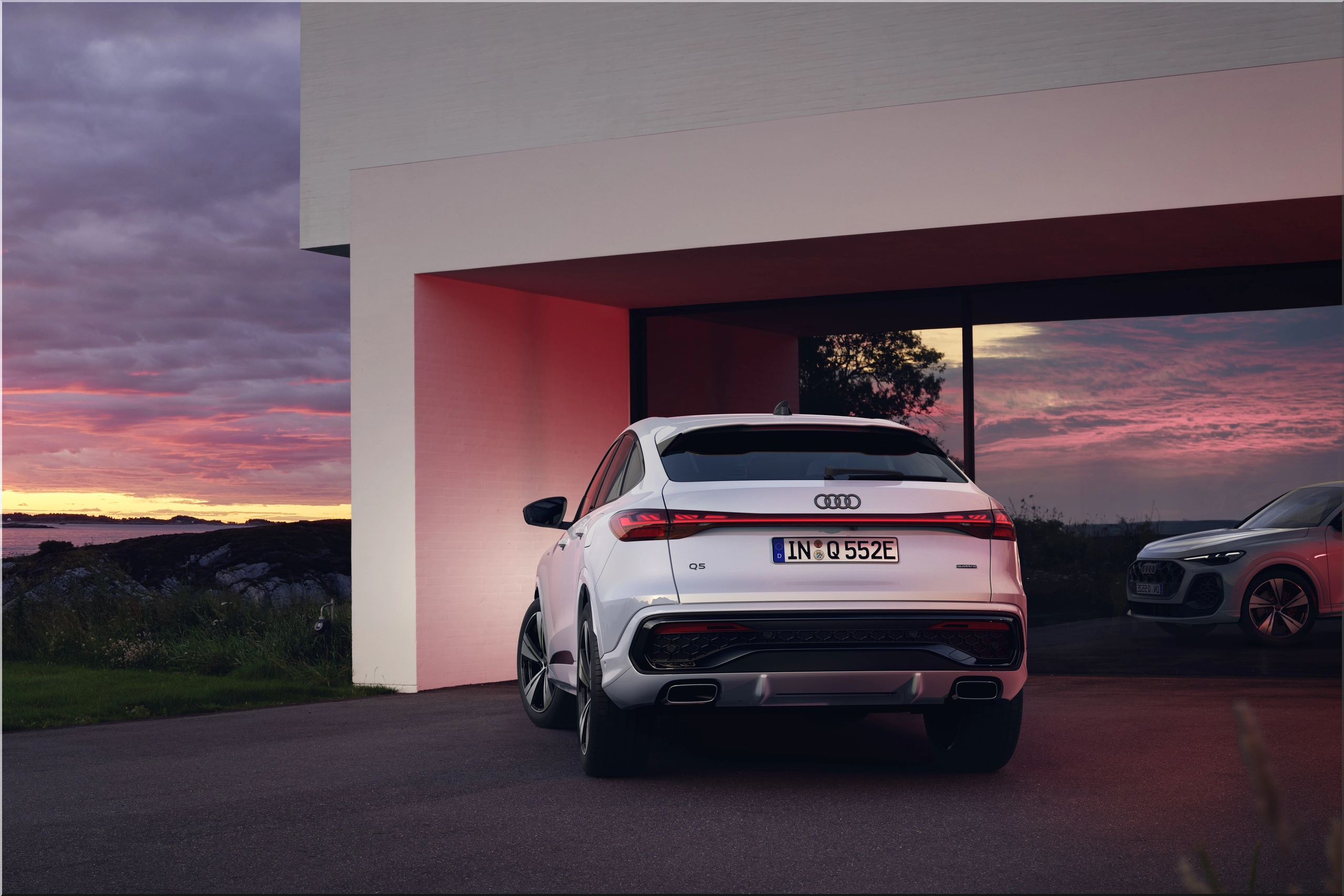
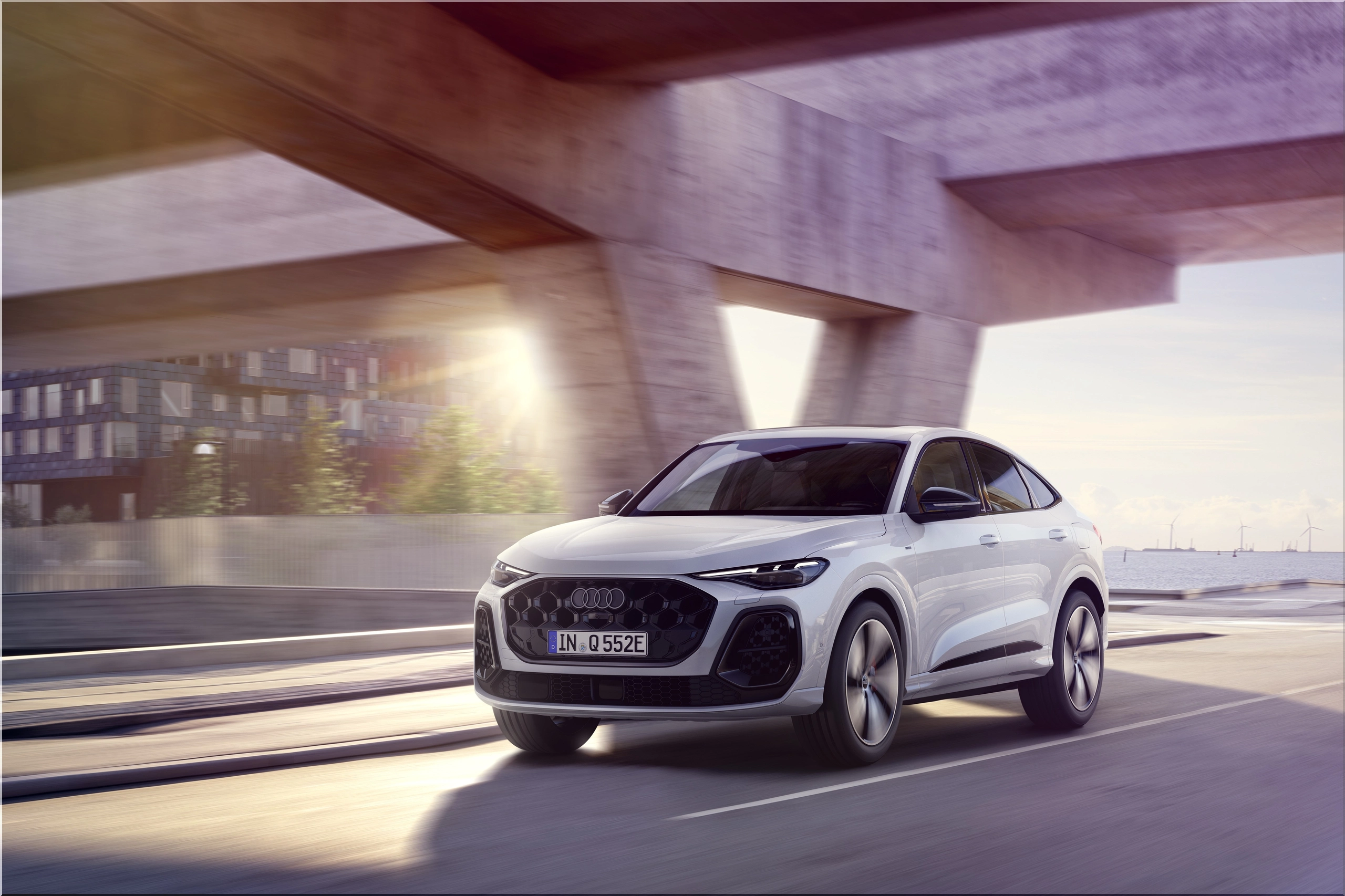
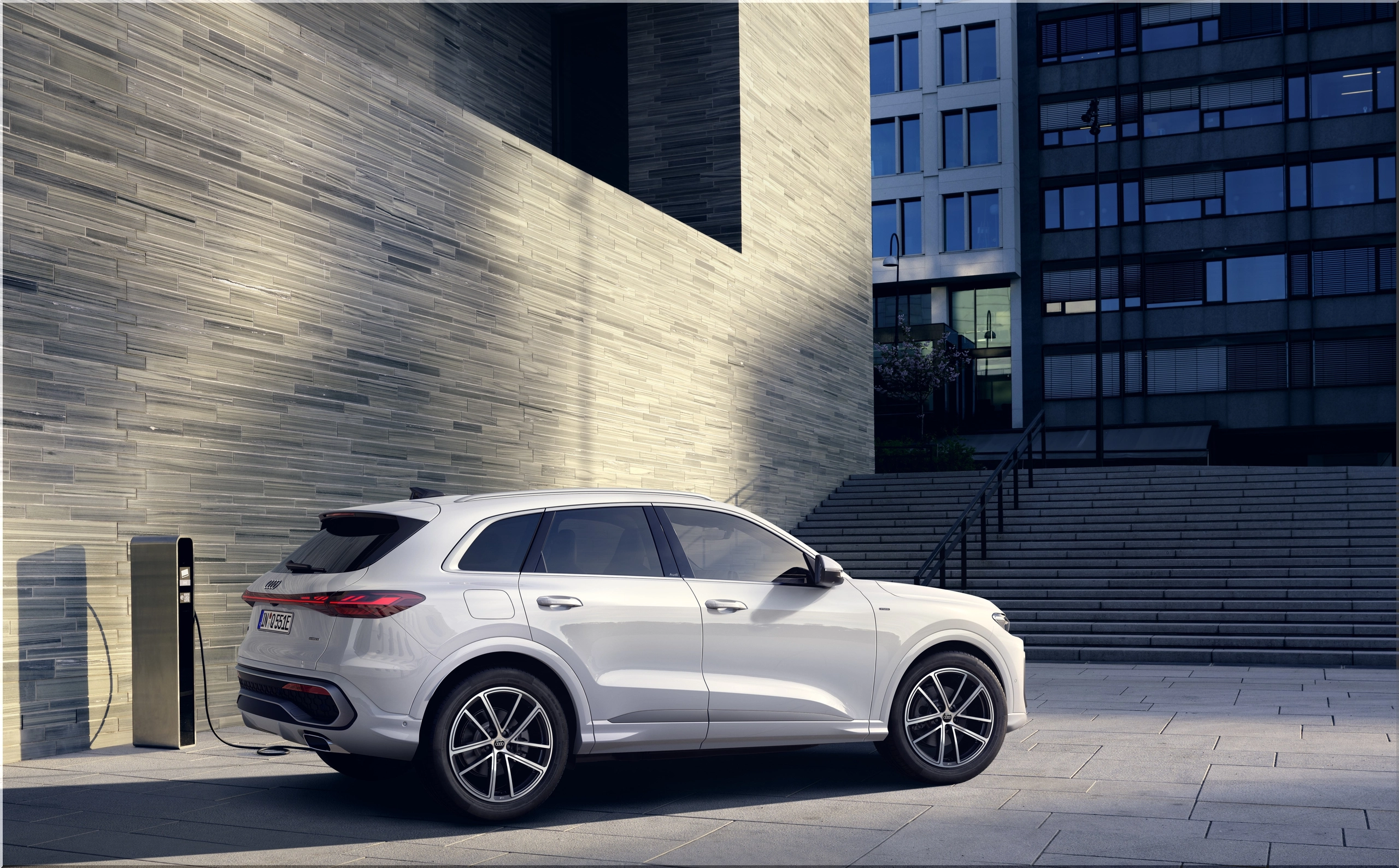
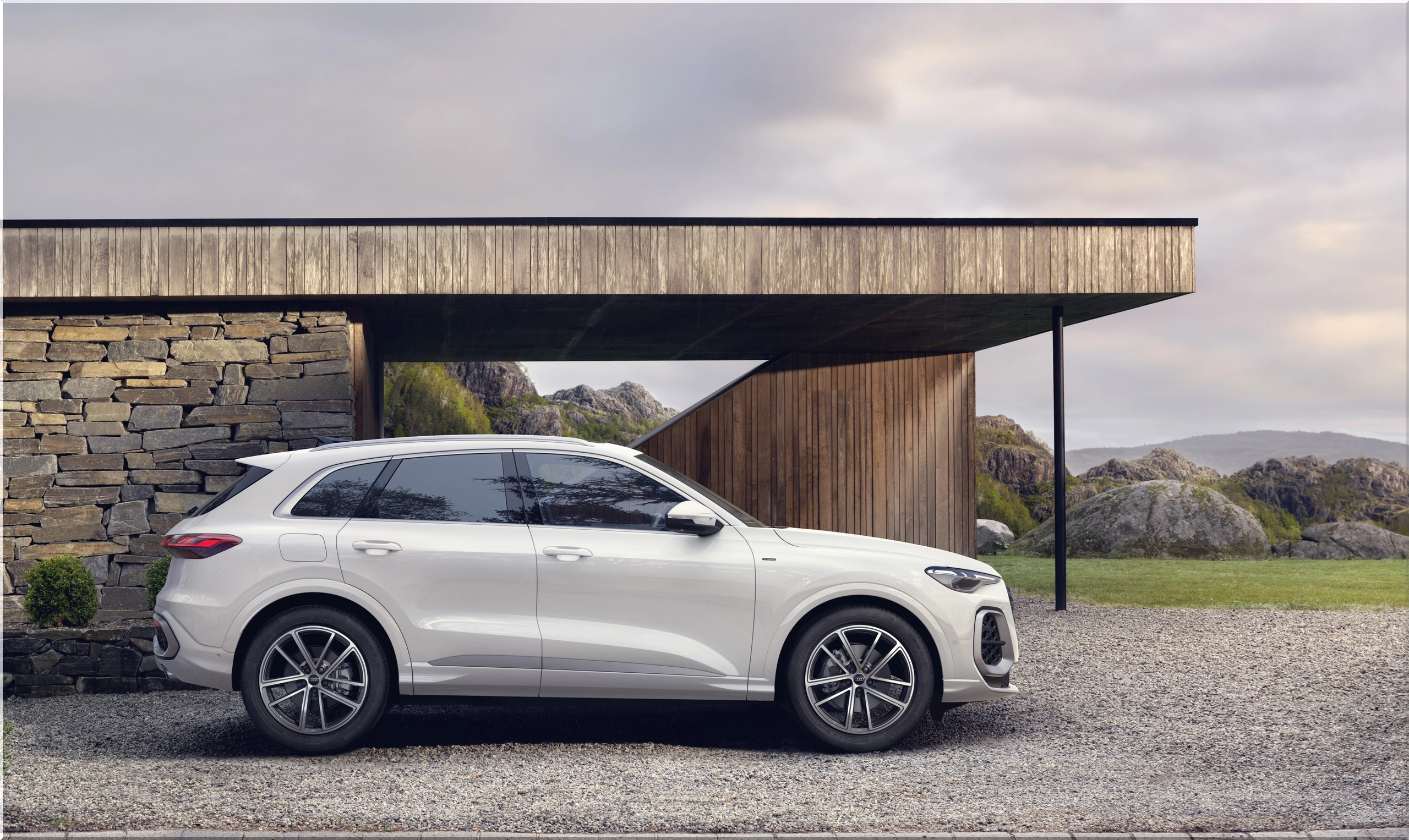
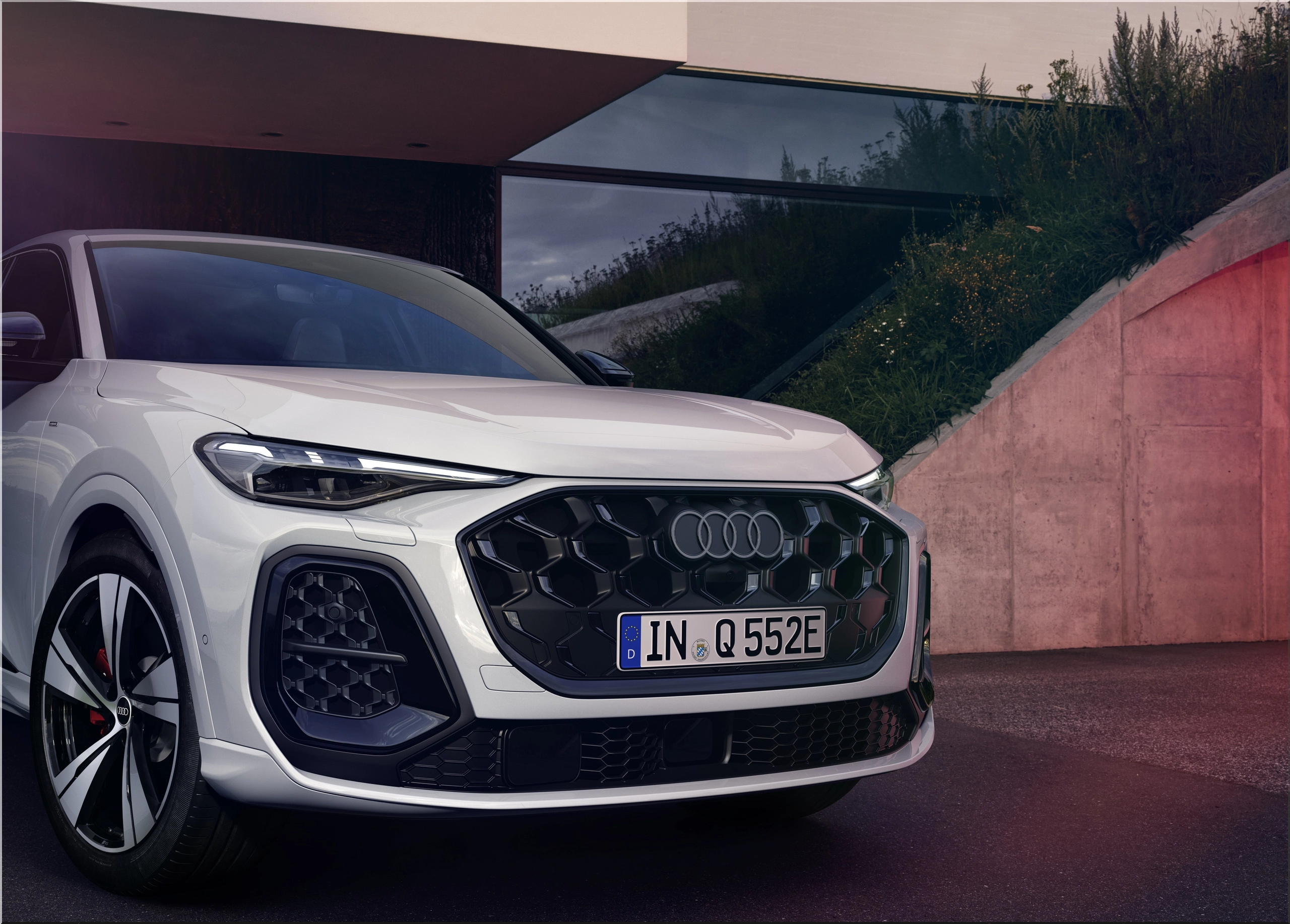
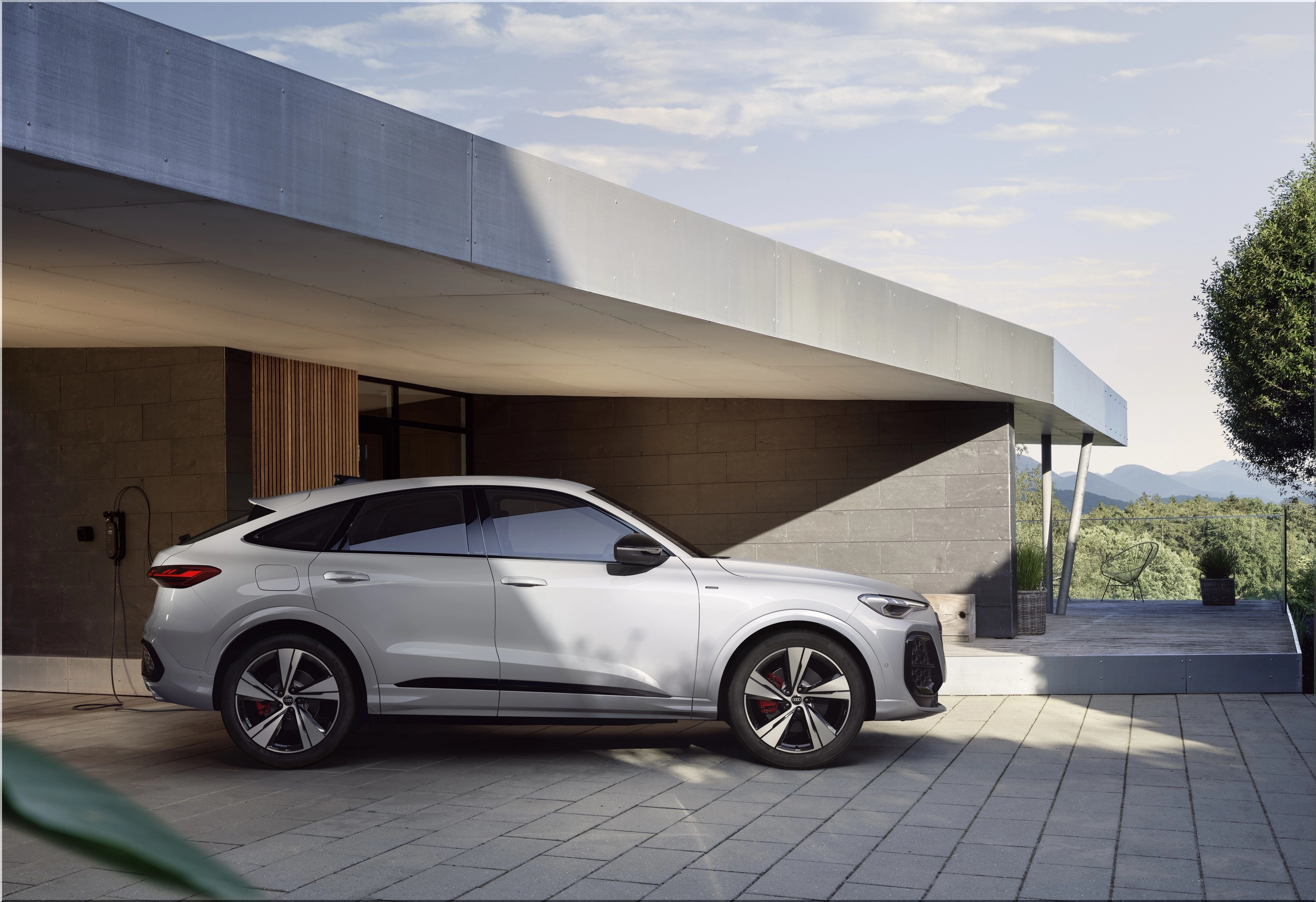
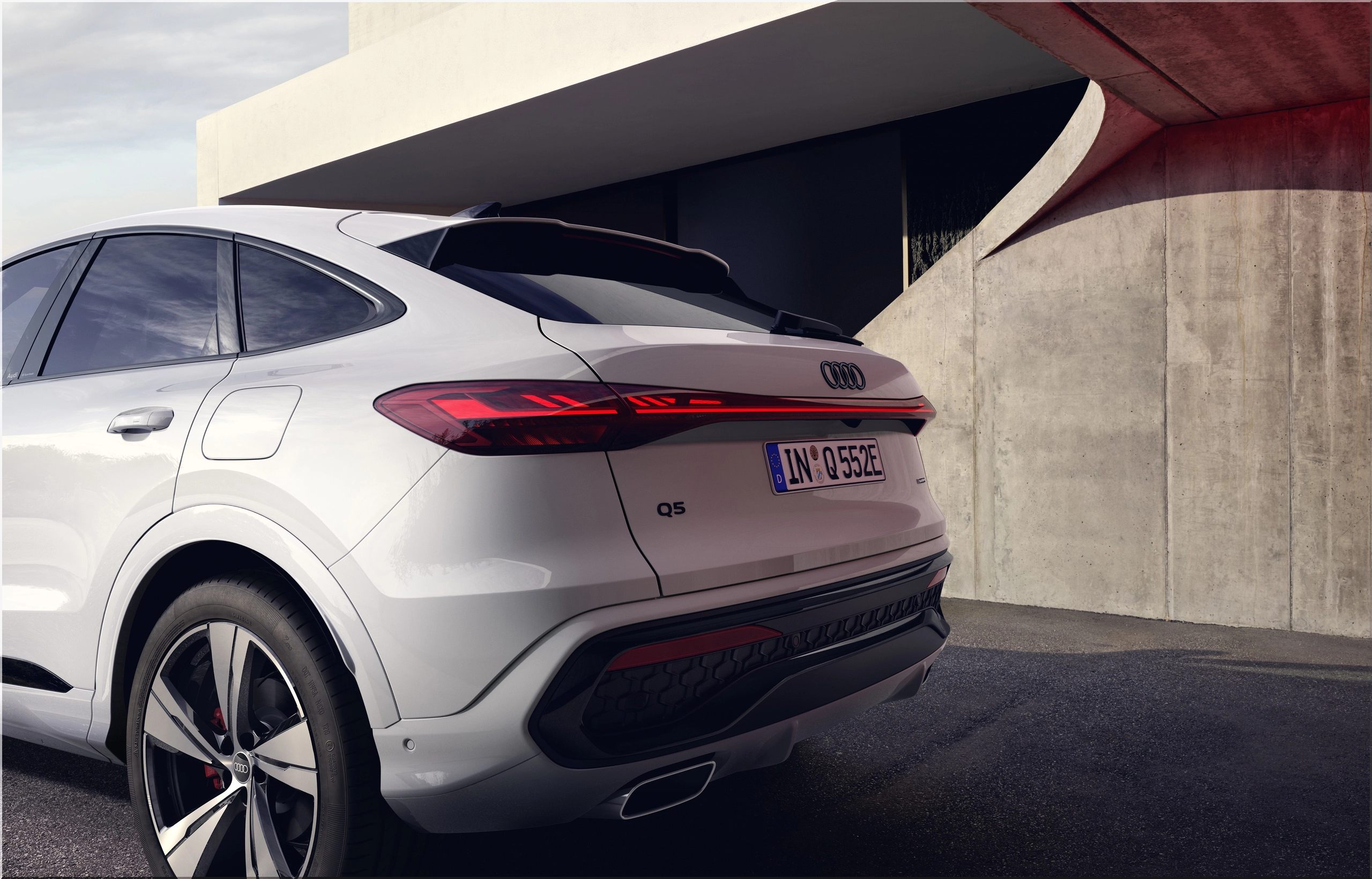
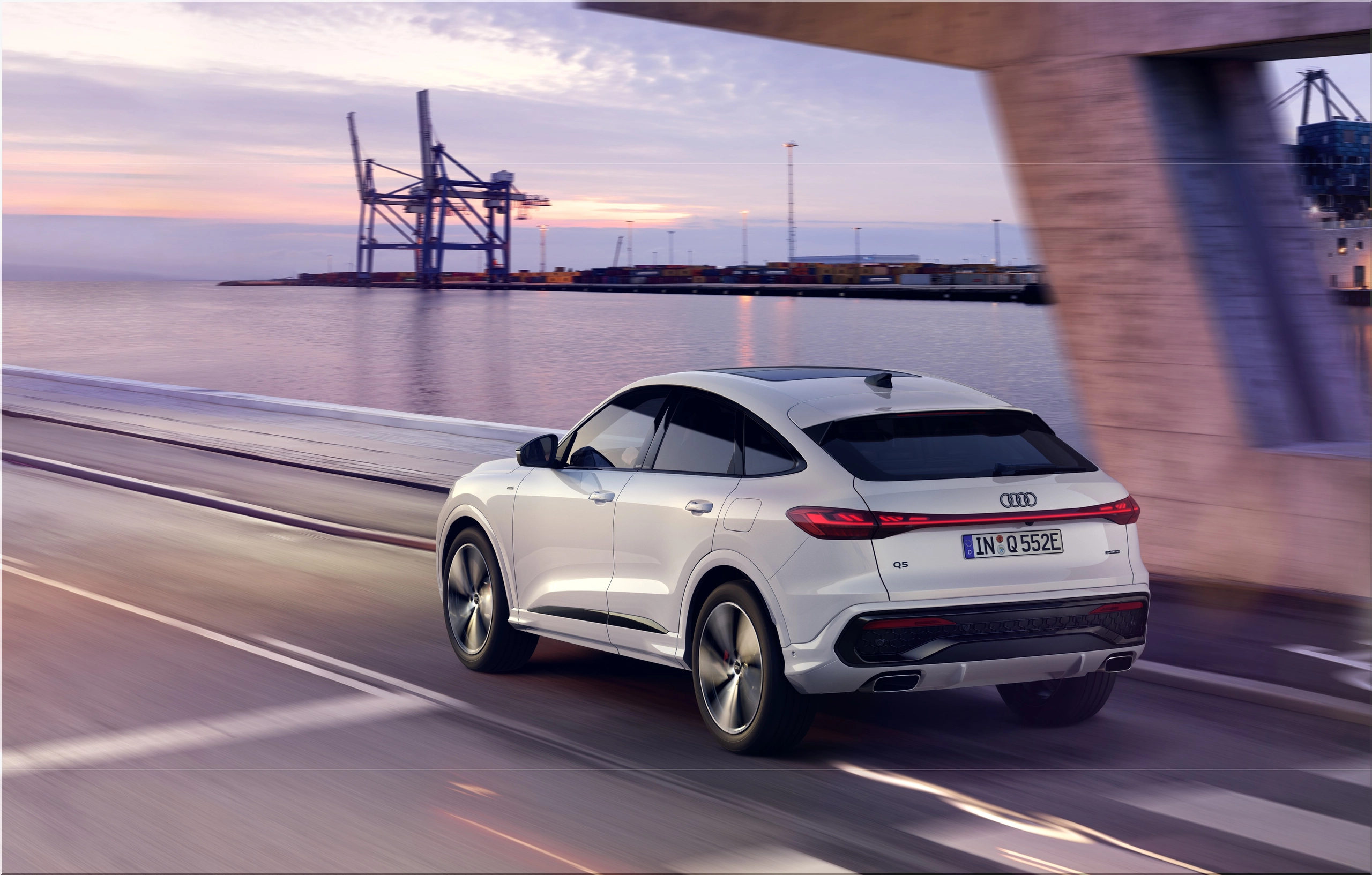
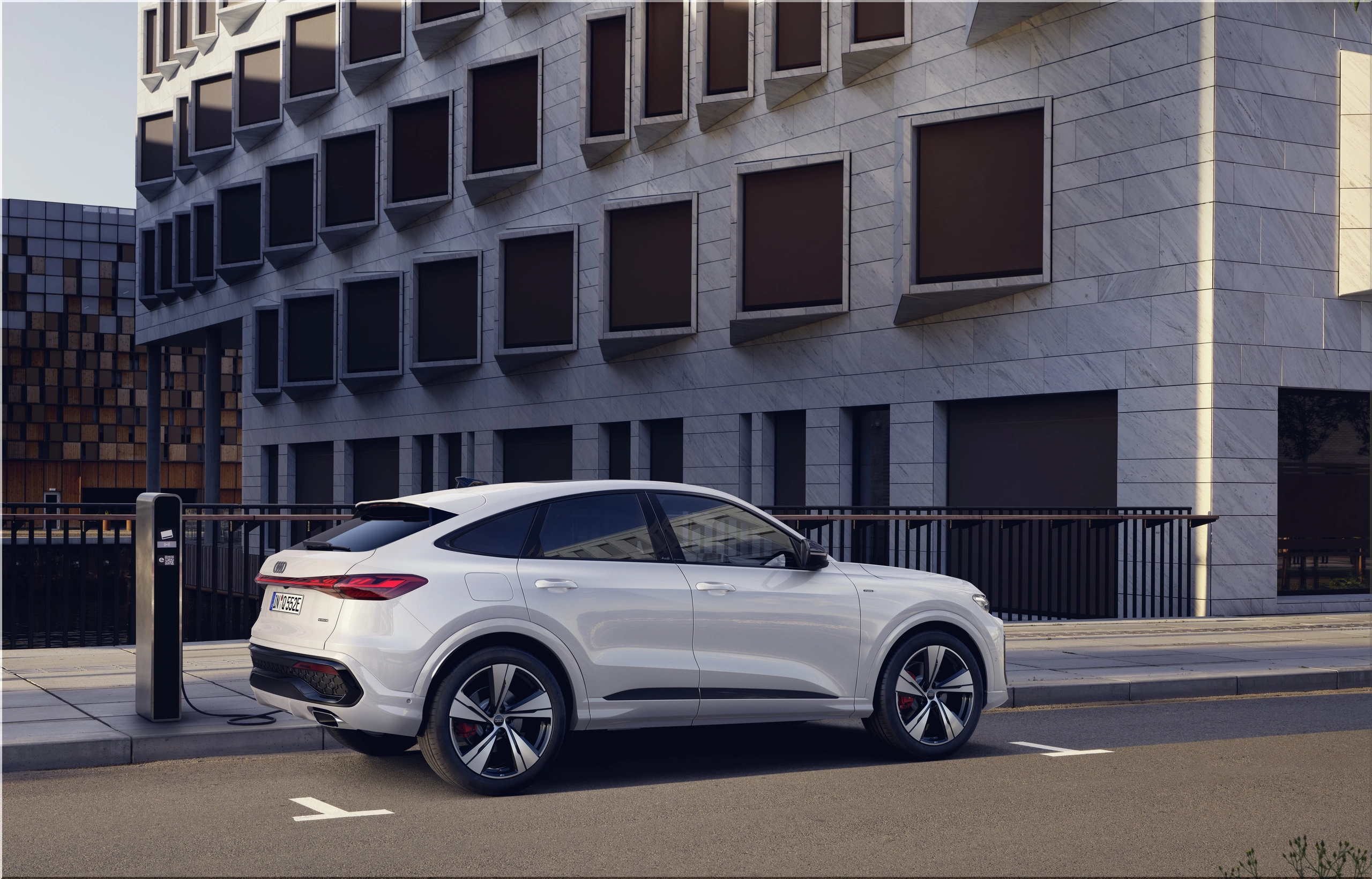
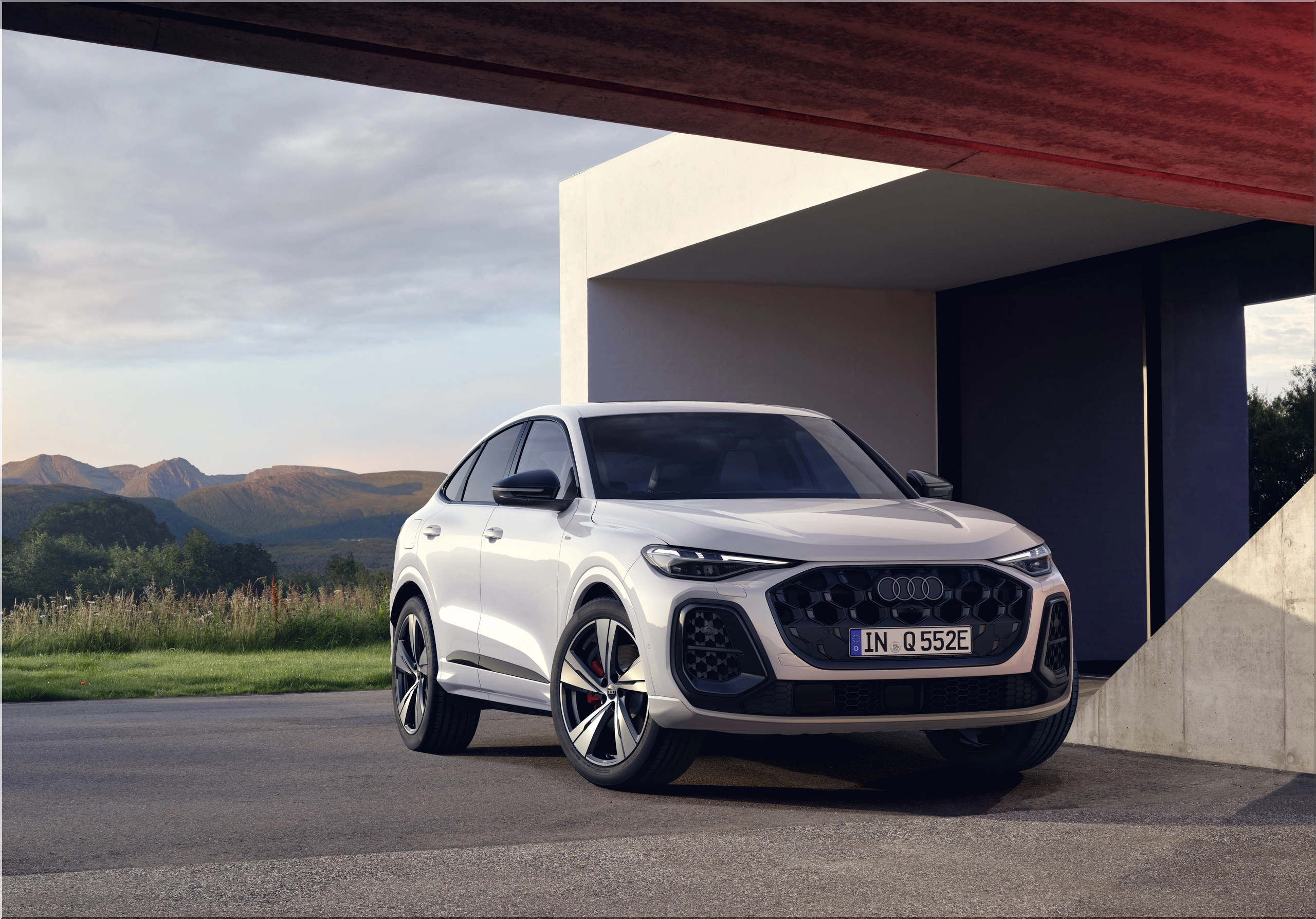
Audi's newest Q5 e-hybrid SUV and Sportback plug-in hybrid models raise the bar for electrified midsize crossovers. With up to 270 kW (362 hp) and an electric range of up to 62 miles, this update focuses on real-world improvements: bigger battery, faster charging, and smarter hybrid control. Unlike concept-heavy EV debuts, this is a volume-production model, and it’s being built in Mexico for broad market reach.
Powertrain Overview
Buyers can choose between two plug-in hybrid setups:
- 220 kW version (295 hp total system output)
- 270 kW version (362 hp total system output)
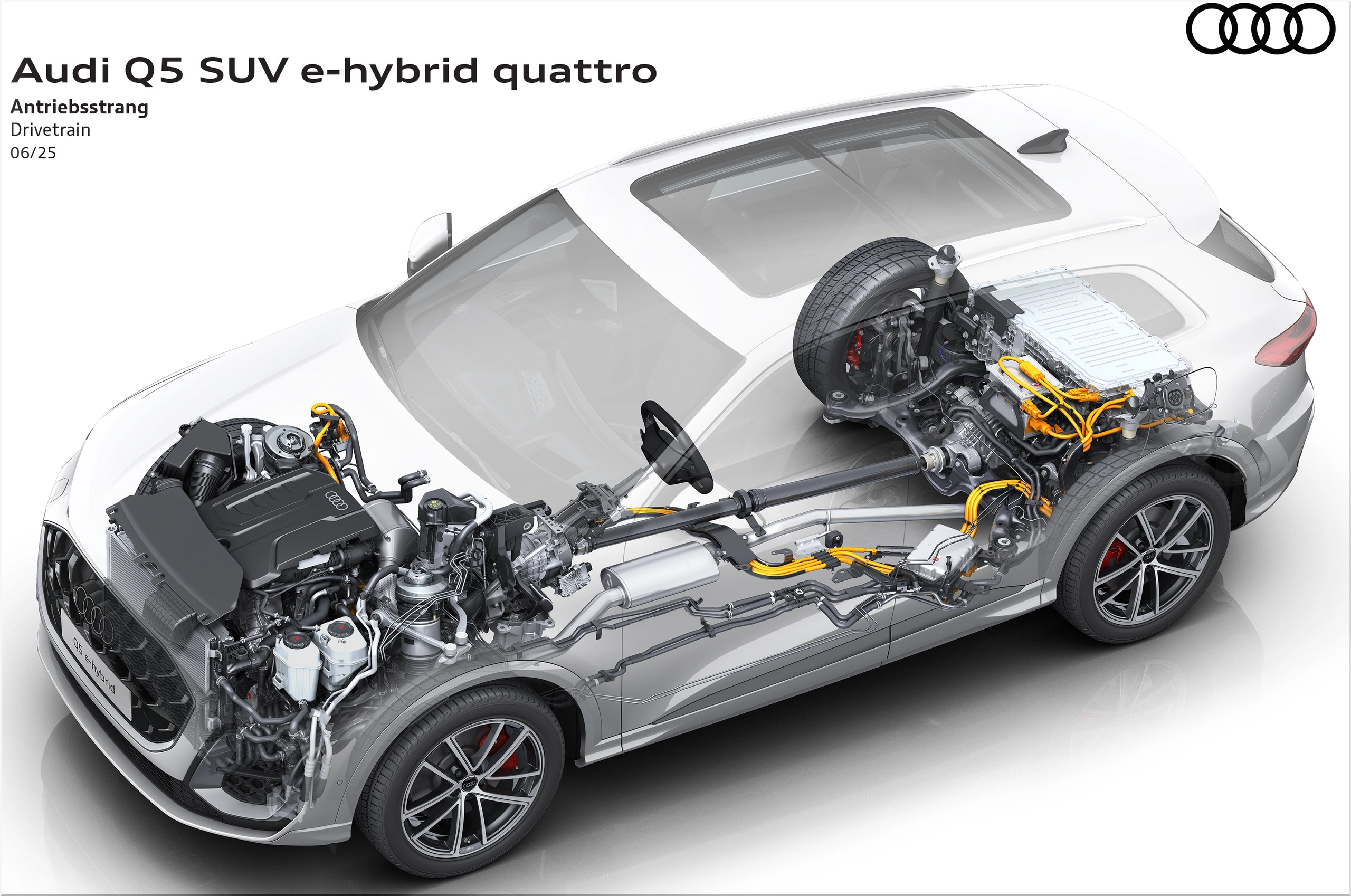
Both use a 2.0-liter TFSI gas engine paired with a 105 kW electric motor. Torque is solid: 332 lb-ft in the 220 kW variant, 369 lb-ft in the 270 kW version. The seven-speed S tronic dual-clutch gearbox feeds all wheels via quattro ultra all-wheel drive.
Performance Figures
| Variant | 0–62 mph (0–100 km/h) | Top Speed (mph) | Torque (lb-ft) | System Output (hp) |
|---|---|---|---|---|
| 2026 Audi Q5 e-hybrid 220 kW | 6.2 seconds | 155.3 | 332 | 295 |
| 2026 Audi Q5 e-hybrid 270 kW | 5.1 seconds | 155.3 | 369 | 362 |
Image gallery
Battery & Charging
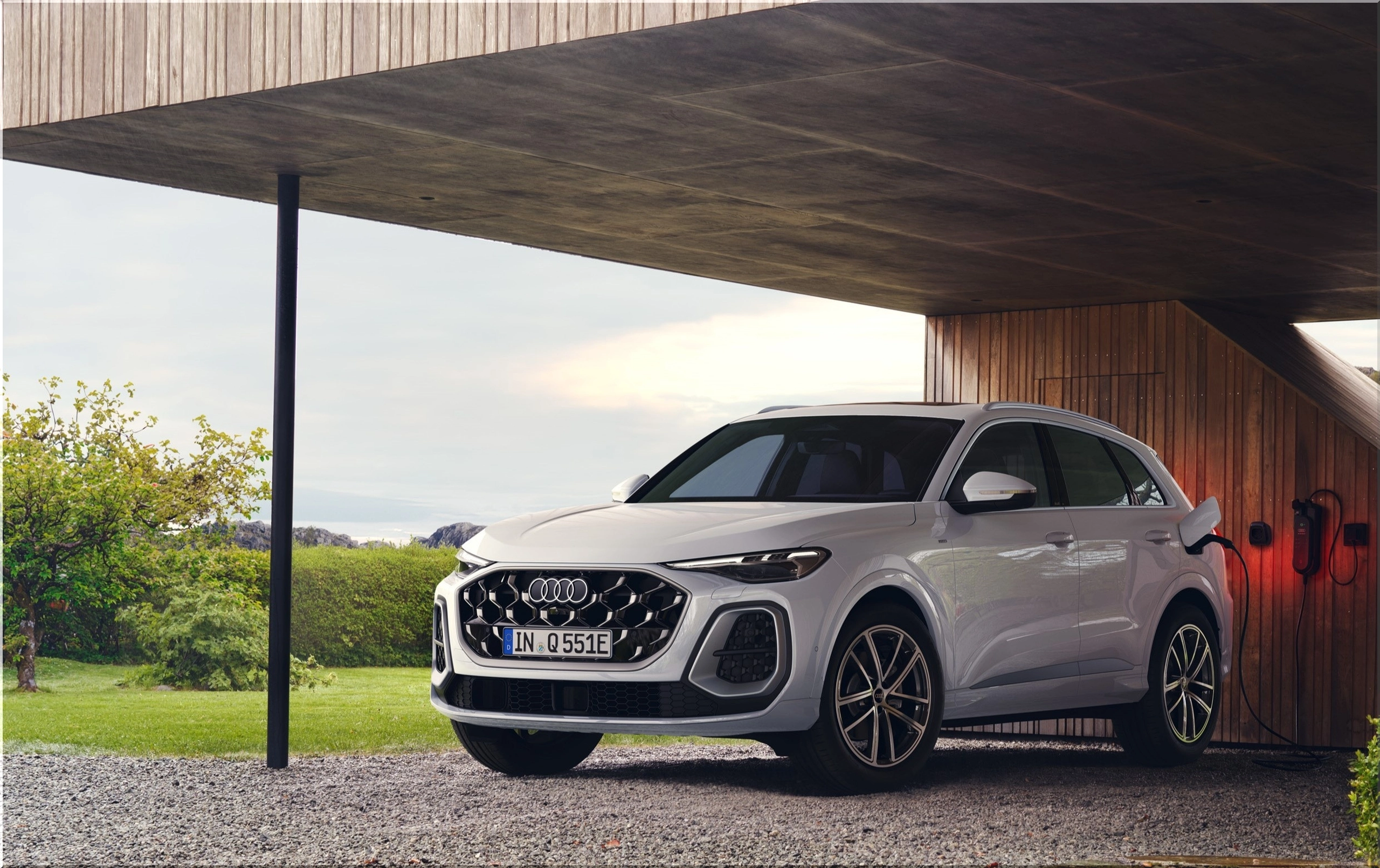
Battery capacity increased by nearly 45% to 25.9 kWh gross (20.7 kWh net). AC charging power has been bumped from 7.4 kW to 11 kW. On a compatible 3-phase AC charger, full recharge time drops to 2.5 hours.
The Audi Q5 uses cell-to-pack architecture. That skips modules, saving space and weight. With six stacks of 17 cells, each rated at 70 Ah, the result is higher density, better performance at low temperatures, and longer life.
Electric Driving Range
- Up to 100 km (62 miles) WLTP mixed driving
- Up to 113 km (70 miles) WLTP city cycle
This figure is among the longest EV-only ranges in the U.S. plug-in SUV market under $80,000.
Driving Modes: Two Paths, One Strategy
There are two primary modes:
- EV Mode: All-electric driving up to 87 mph. Engine stays off unless you kick down or change modes.
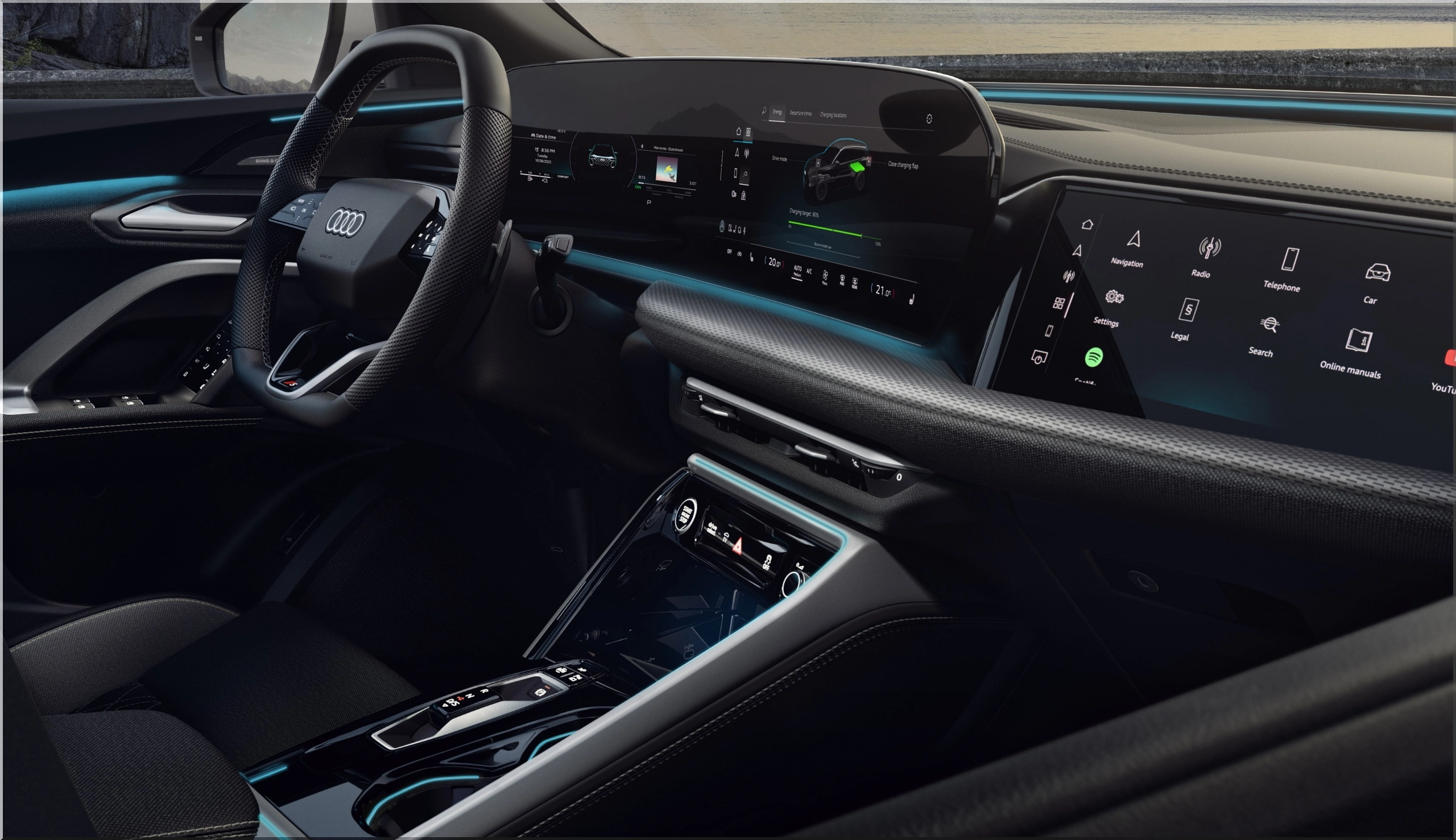
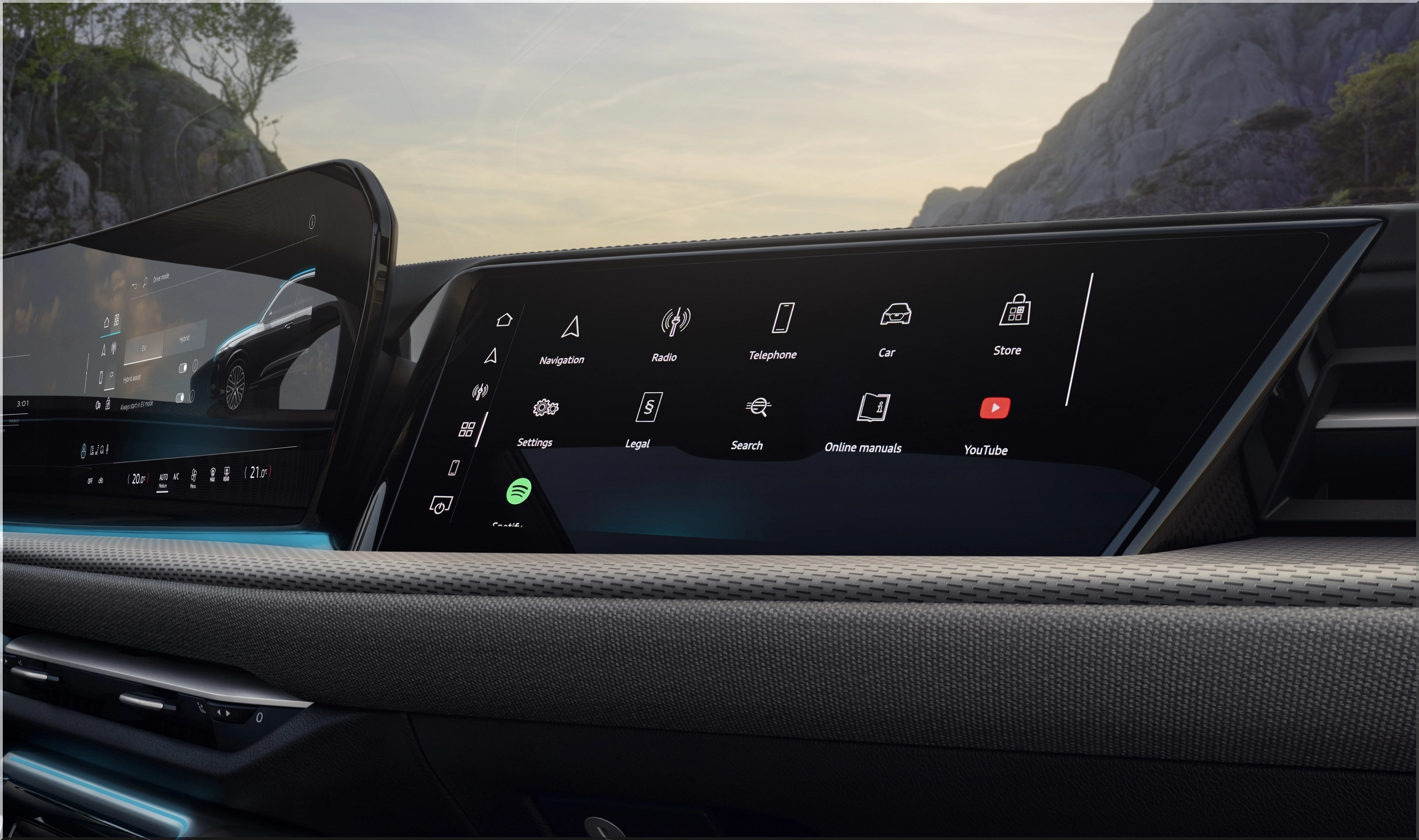
- Hybrid Mode: Optimized for mixed driving. You can set a target charge level using a new digital slider in the infotainment system.
Charging the battery with the engine only happens above 40 mph, and never past 75% SoC to minimize fuel use and emissions.
Energy Recovery and Efficiency
- Three recuperation levels can be selected via steering-wheel paddles
- Up to 88 kW of power can be recovered under braking
- The electric motor handles over 90% of deceleration events
Predictive systems like PEA (Predictive Efficiency Assistant) pull in GPS, traffic, and terrain data to optimize battery use.
Interior and Tech Upgrades
Standard equipment rises, especially in the U.S.-targeted 270 kW variant.
Standard features – 270 kW trim:
- LED headlights plus
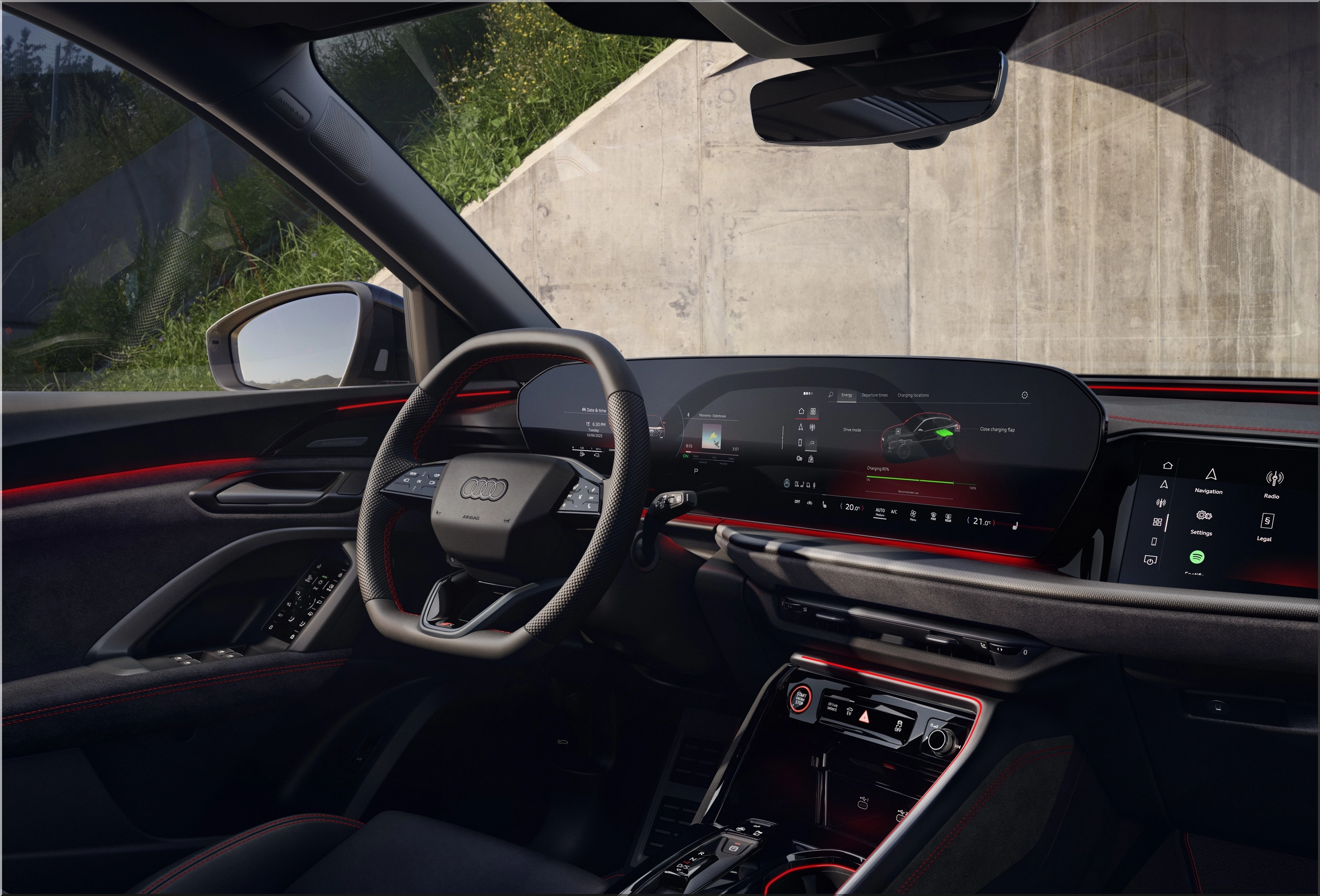
- MMI experience plus infotainment with app store
- S sport seats in black leatherette
- 3-zone climate control
- 19-inch alloy wheels
- Red-painted brake calipers
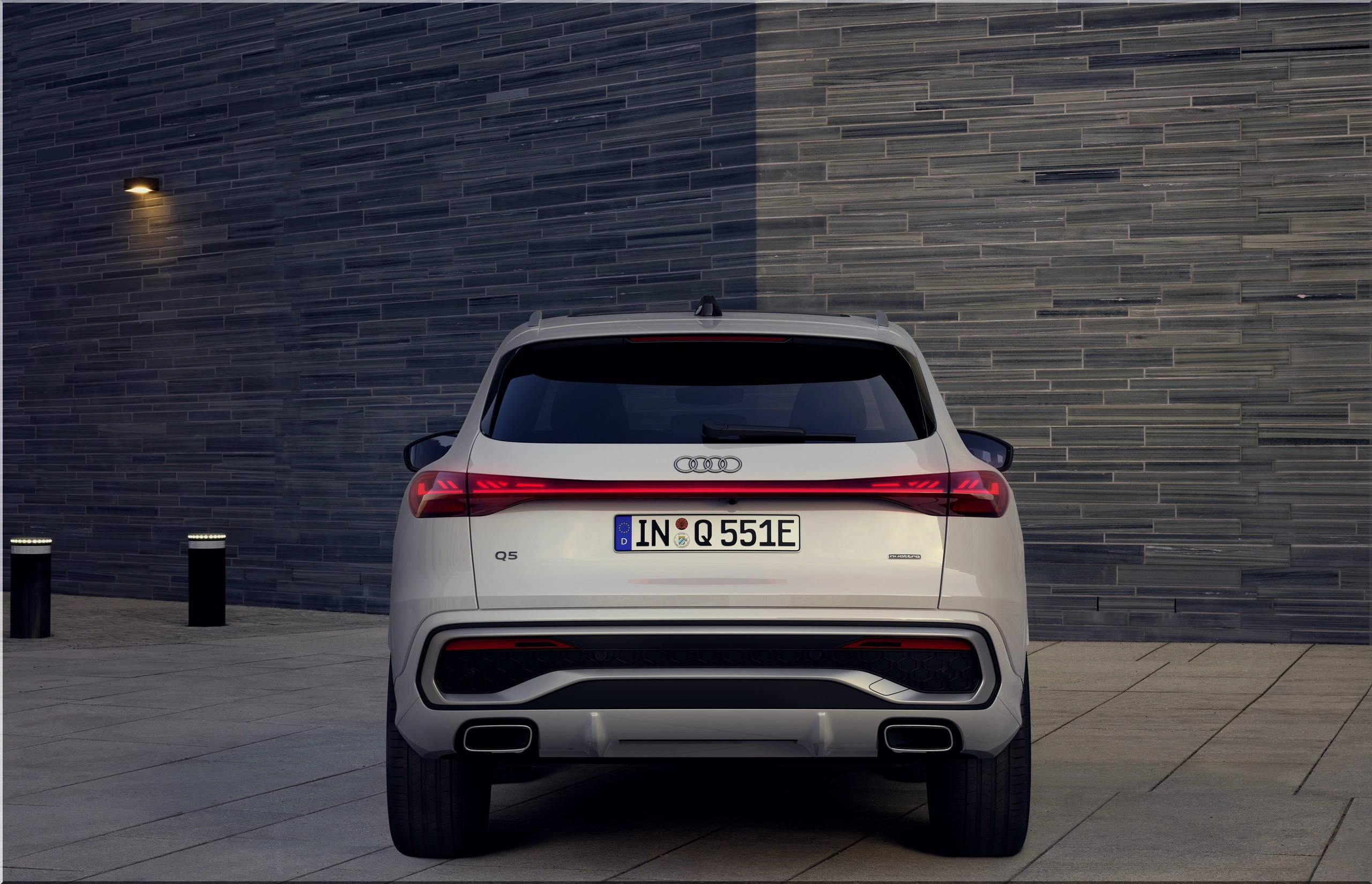
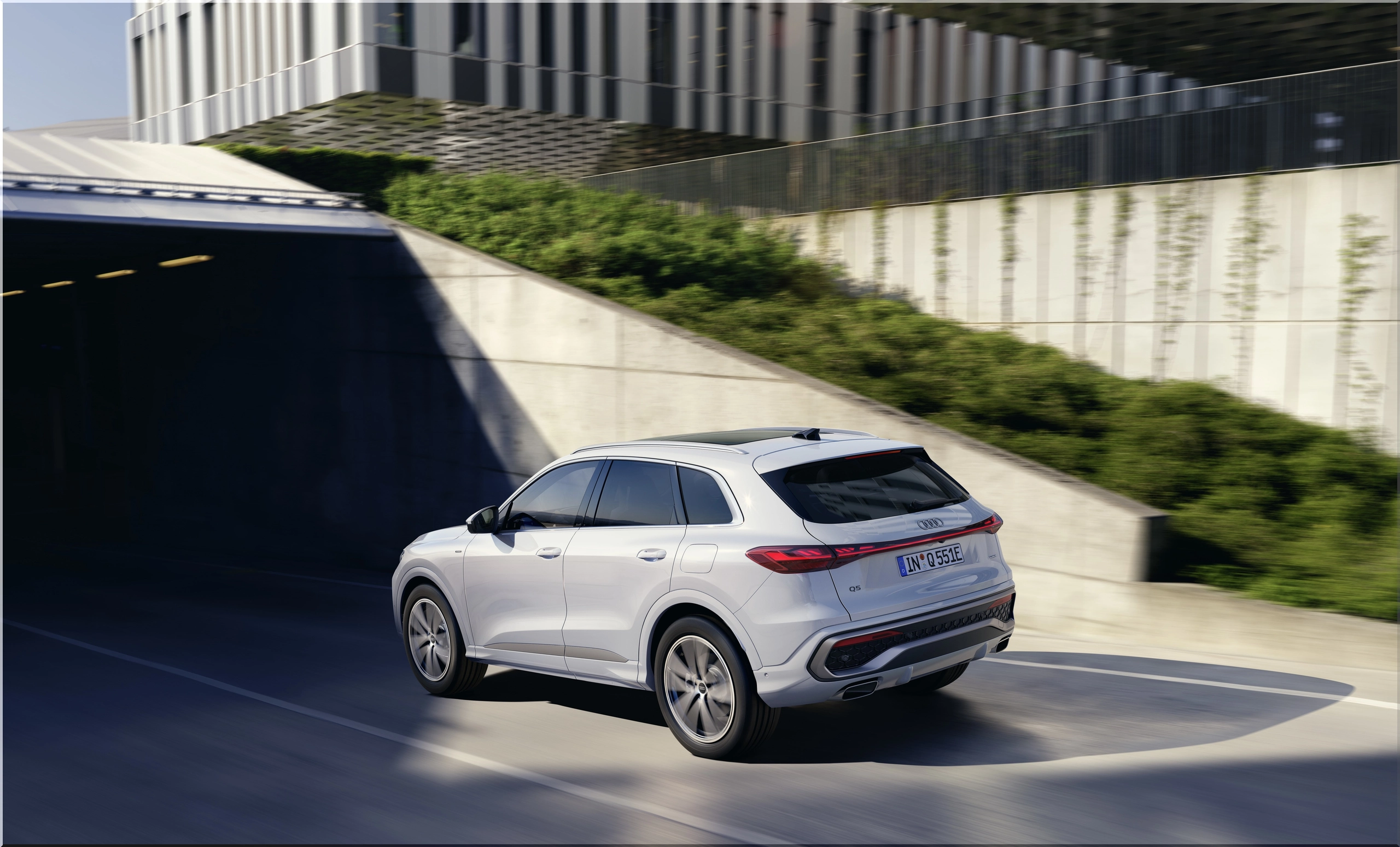
Rear seatbacks slide and recline, adding up to 48 cu ft of cargo space in the SUV. The Sportback offers up to 45.9 cu ft.
Charging Connectivity and On-the-Go Tech
Front USB-C ports support up to 60 watts. Rear passengers get up to 100 watts—enough to charge a laptop. An optional cooled wireless charging pad is also available.
Trim Prices Converted to USD
| Model | Starting Price (Germany) | Estimated USD (Mid-2025 FX Rate) |
|---|---|---|
| Audi Q5 SUV e-hybrid quattro 220 kW | €63,400 | ~$68,000 |
| Audi Q5 Sportback e-hybrid quattro 220 kW | €65,900 | ~$70,800 |
| Audi Q5 SUV e-hybrid quattro 270 kW | €71,800 | ~$77,100 |
| Audi Q5 Sportback e-hybrid quattro 270 kW | €74,300 | ~$79,800 |
Image gallery
Fuel Economy and Emissions
| Variant | Combined Gas Use (mpg-e) | Electric Consumption (kWh/100 km) | CO2 Emissions (g/km) |
|---|---|---|---|
| Audi Q5 e-hybrid 220 kW | ~71–94 mpg-e | 16.8–15.5 | 75–56 |
| Audi Q5 e-hybrid 270 kW | ~69–91 mpg-e | 16.9–15.8 | 77–60 |
Conclusion: Straightforward Progress, No Gimmicks
Audi didn’t reinvent the Q5 e-hybrid. It made it better. More range, faster charging, stronger regenerative braking, and actual configurability in hybrid mode make this one of the smartest plug-in SUVs available. Performance is up. Efficiency is up. Real-world usability is up.
There’s no flashy tech demo. Just a well-executed PHEV with numbers that make sense—on paper and on pavement.
- Add new comment
- 1400 views