
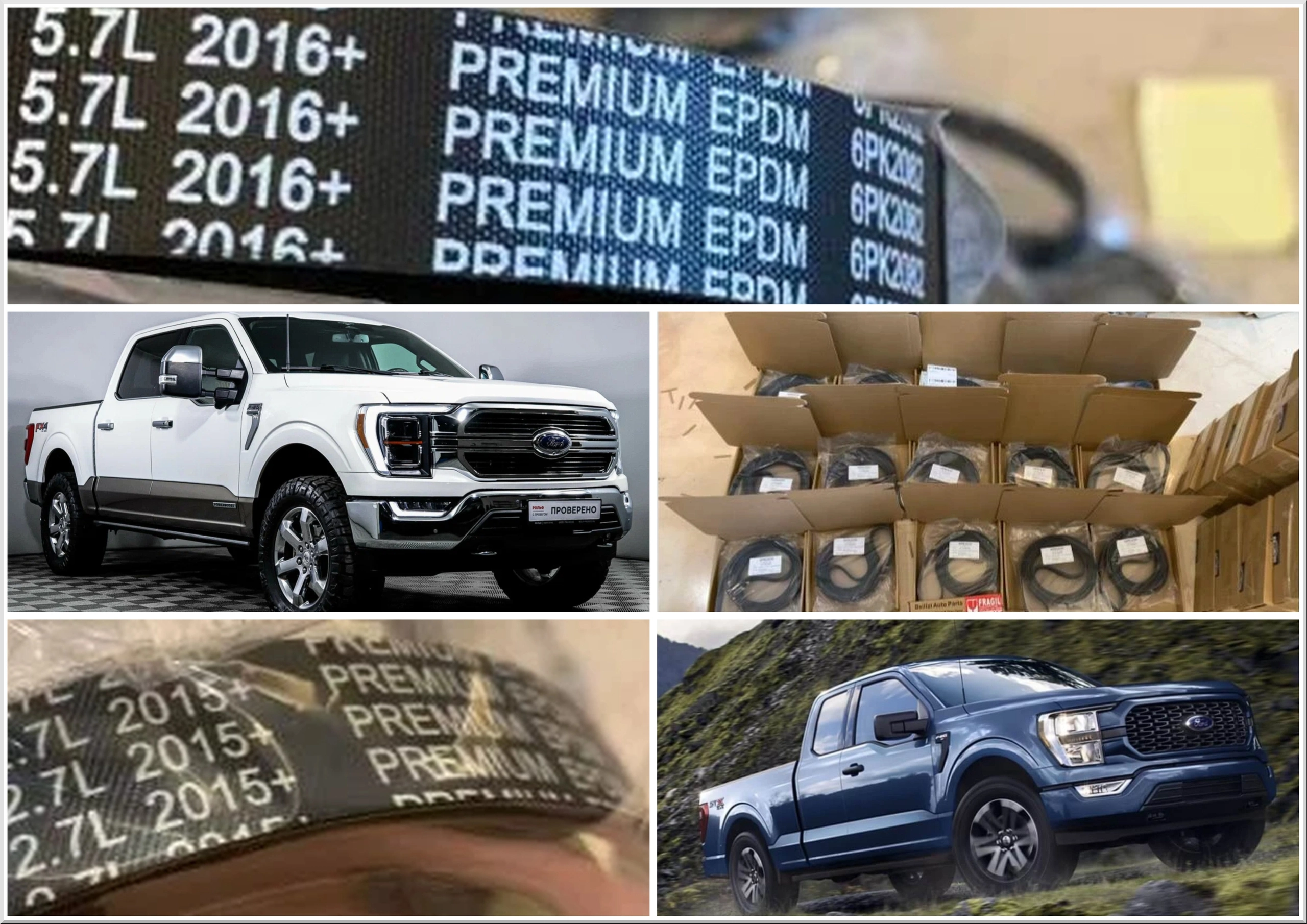
Serpentine belts are one of the most critical wearable components on modern gasoline-powered pickup trucks and SUVs across the United States. Responsible for driving essential engine accessories including alternators, water pumps, cooling systems and air conditioning compressors, a single drive belt directly affects vehicle stability, daily drivability and long-term engine health. For professional repair shops, fleet maintenance teams and DIY vehicle owners, choosing a high-quality aftermarket serpentine belt is essential to avoid unexpected squealing, belt stretching, surface cracking, thermal aging and premature part failure.
Under heavy-duty driving conditions such as towing, highway cruising, long-distance traveling and seasonal high-temperature operation, ordinary economy-grade serpentine belts often fail to sustain continuous engine load. Many budget belts use recycled rubber blends or low-grade CR neoprene materials that lack sufficient ozone resistance and heat aging stability. After short-term usage, these entry-level belts tend to harden, crack, deform or produce continuous friction noise when working against pulleys and tensioners. This is why aramid-reinforced serpentine belts have gradually become the mainstream upgrade choice for American pickup and SUV aftermarket replacement.
Aramid fiber, also widely known under the Kevlar material standard, features extremely high tensile strength, excellent stretch resistance and stable mechanical performance under torque impact. Unlike conventional belts that rely only on rubber elasticity, premium aramid serpentine belts adopt professional composite structure design, combining high-content EPDM rubber and aramid cord reinforcement inside the belt core. This manufacturing method effectively eliminates permanent belt elongation caused by sudden engine load changes, greatly improving overall durability and operational stability during long-term vehicle operation.
Standard industrial specifications for modern automotive drive belts strictly follow SAE international testing standards, including SAE J1459-2022 and SAE J2432-2021 performance benchmarks. These standardized testing rules define the rubber compound ratio, surface structure durability, heat resistance, anti-aging performance and tension stability requirements for aftermarket drive belts. Qualified heavy-duty serpentine belts must pass long-term thermal cycling tests, ozone exposure tests and continuous friction durability verification to adapt to the complex and harsh working environment of large-displacement American truck engines.
Image
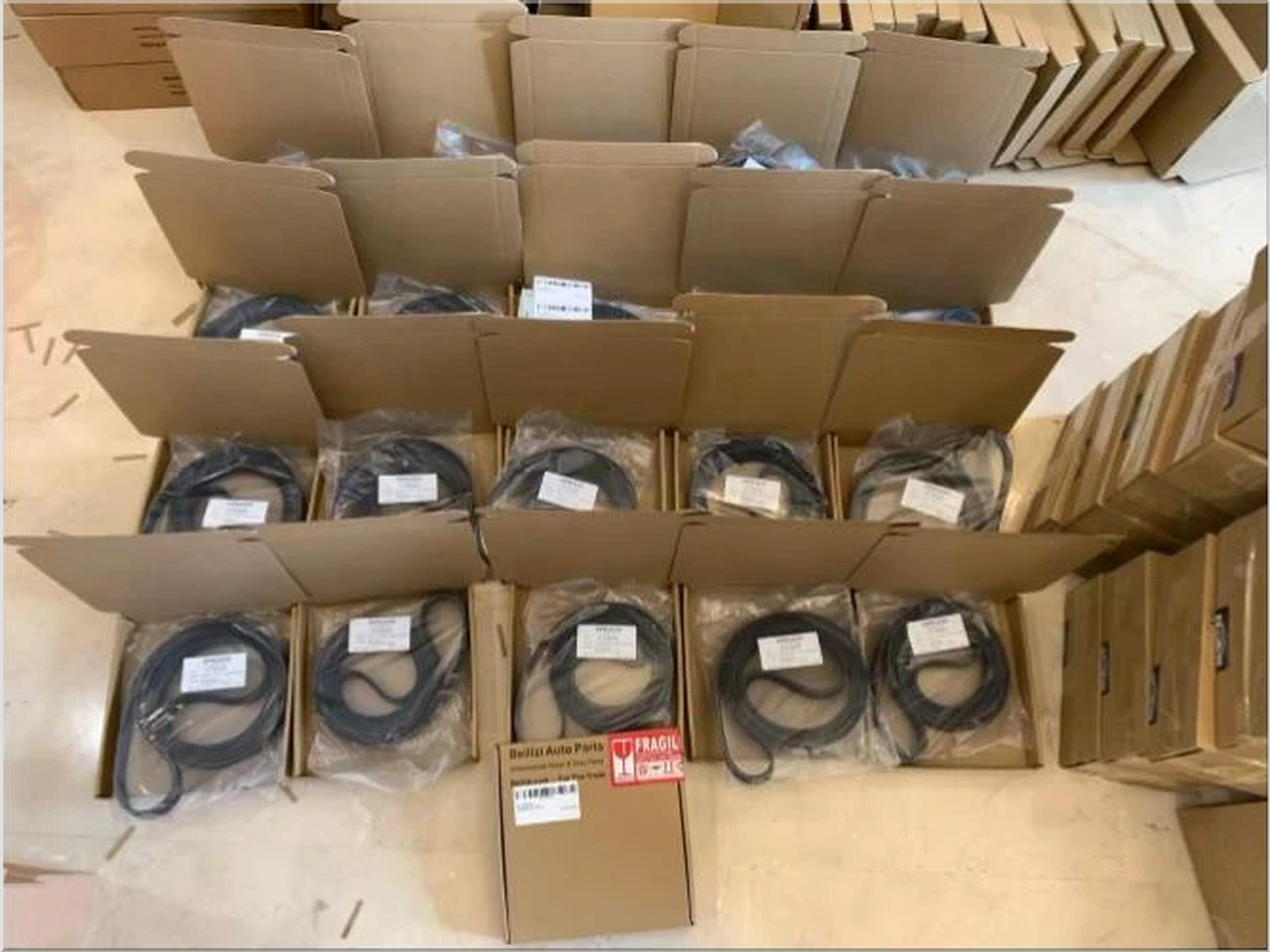
Aftermarket serpentine belts on the current market can be divided into four major grades according to rubber formula and structural configuration. The lowest tier adopts recycled rubber mixing technology, which is low-cost but poor in high-temperature resistance and anti-aging ability, only suitable for temporary low-budget replacement. The second level uses traditional CR neoprene rubber, which has basic oil resistance but insufficient high-temperature stability, easily causing surface aging under prolonged engine heat. The third tier is medium-content EPDM belts, which are widely used in mass-market replacement scenarios with balanced performance but limited tensile stability under heavy torque output.
The highest-level aftermarket solution is high-content EPDM serpentine belts reinforced with aramid fiber material. With EPDM content reaching more than 70% and built-in aramid cord structure, this type of belt completely solves the common pain points of traditional drive belts, including tension relaxation, thermal deformation, surface cracking and noise generation. Under high engine load, sudden acceleration and continuous towing working conditions, the reinforced core structure maintains stable tension output, ensuring precise power transmission between pulleys and effectively reducing belt slipping probability.
In addition to internal fiber reinforcement, belt back surface structure is another key factor determining noise performance and service life. The aftermarket industry mainly includes four mainstream surface designs: raw rubber back surface, non-stretch canvas woven surface, molded dot grain surface and elastic twill stretch fabric surface. Raw rubber back belts belong to entry-level products with obvious cord traces and high noise risk after long use. Traditional canvas back surfaces adopt cross-weave structure with almost no stretch ability, prone to interface cracking under slight misalignment.
Modern premium serpentine belts mostly adopt molded matte dot surface or high-grade elastic twill fabric back. The dotted surface improves heat dissipation efficiency and anti-squealing performance during pulley contact. The advanced elastic twill fabric structure provides uniform elasticity and flexible fitting performance, allowing the belt to perfectly fit reverse-bend idler pulleys during operation. This greatly reduces friction noise, enhances thermal stability and extends the overall service cycle of the drive belt system.
Image
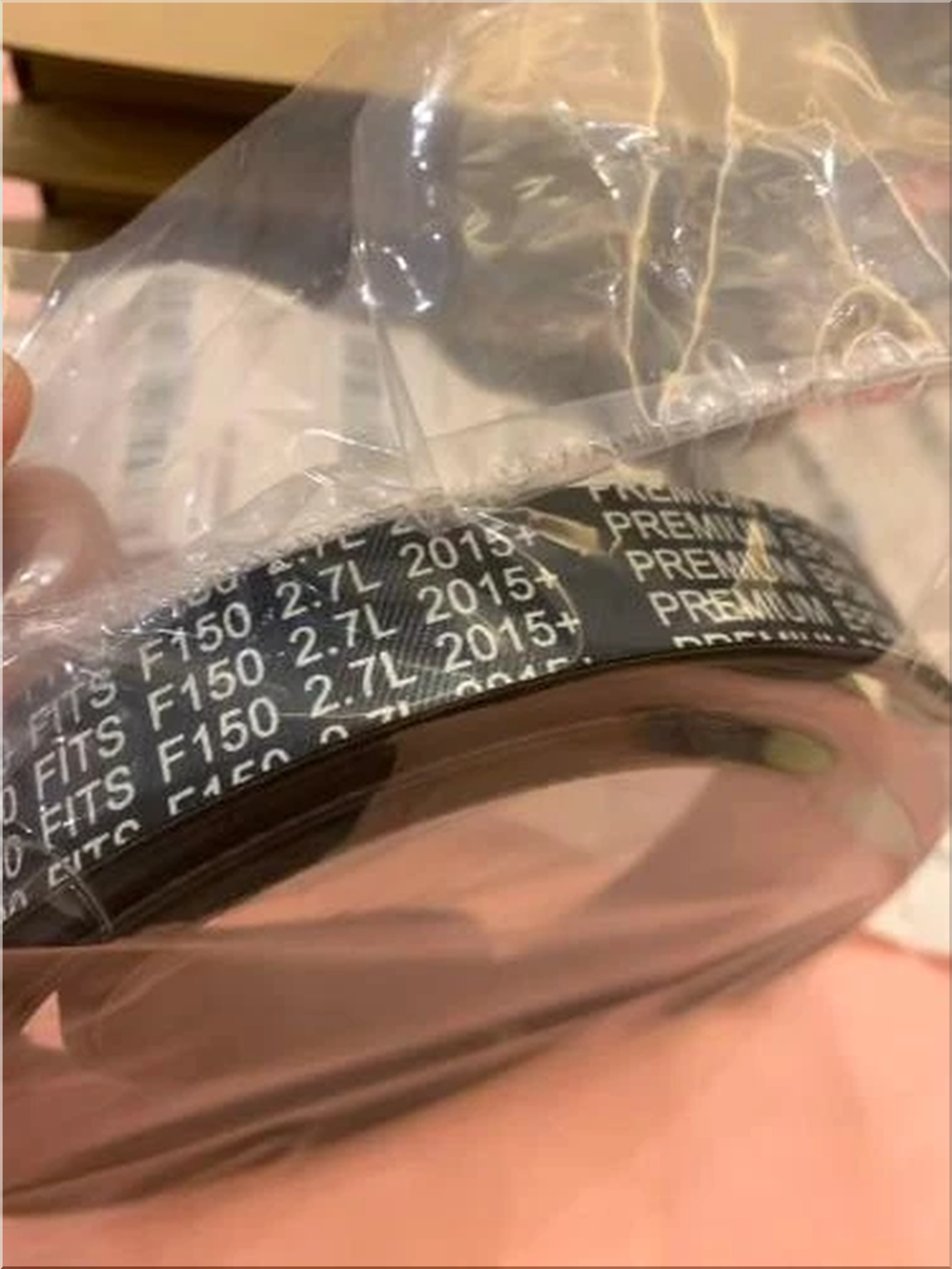
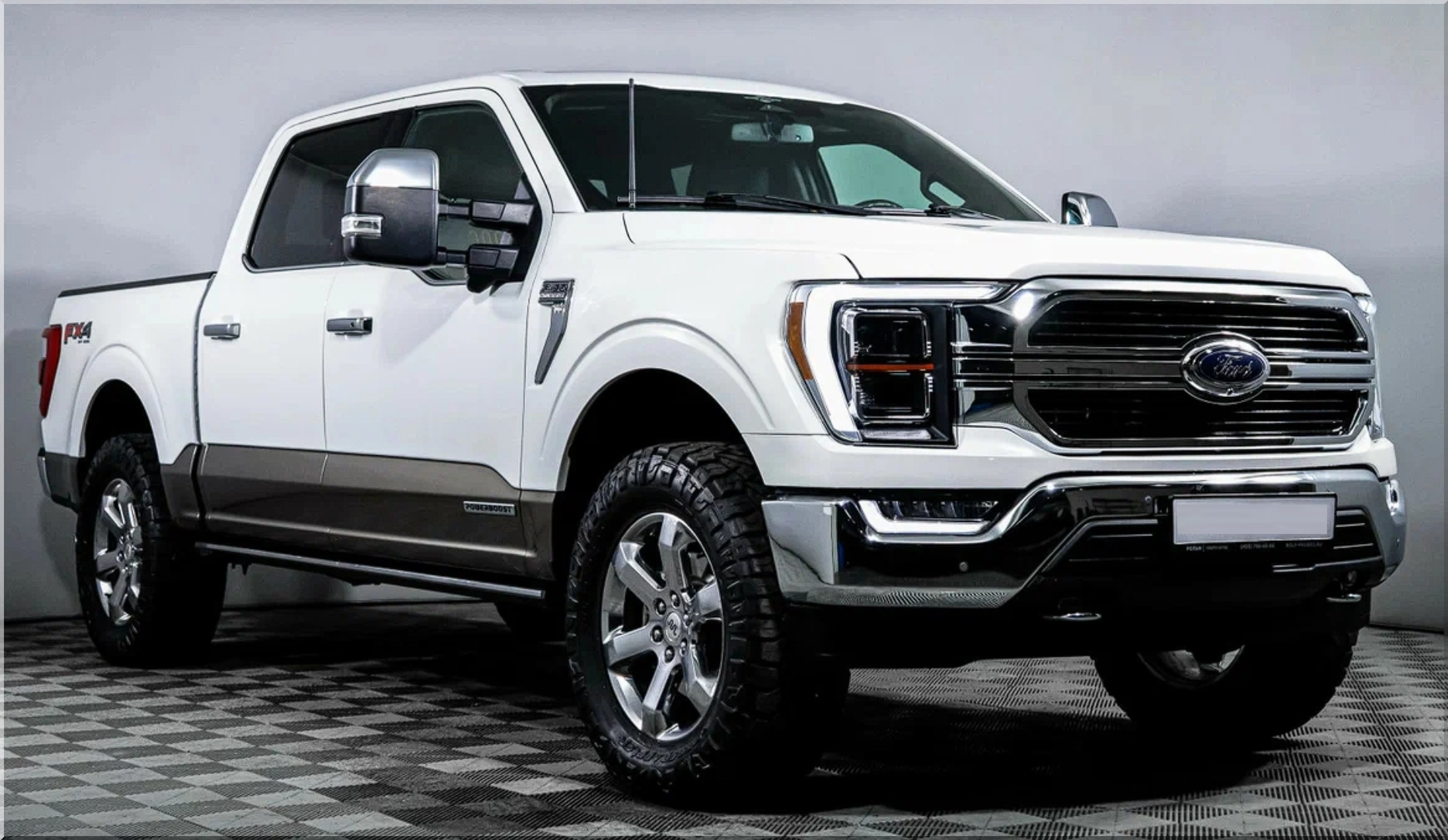
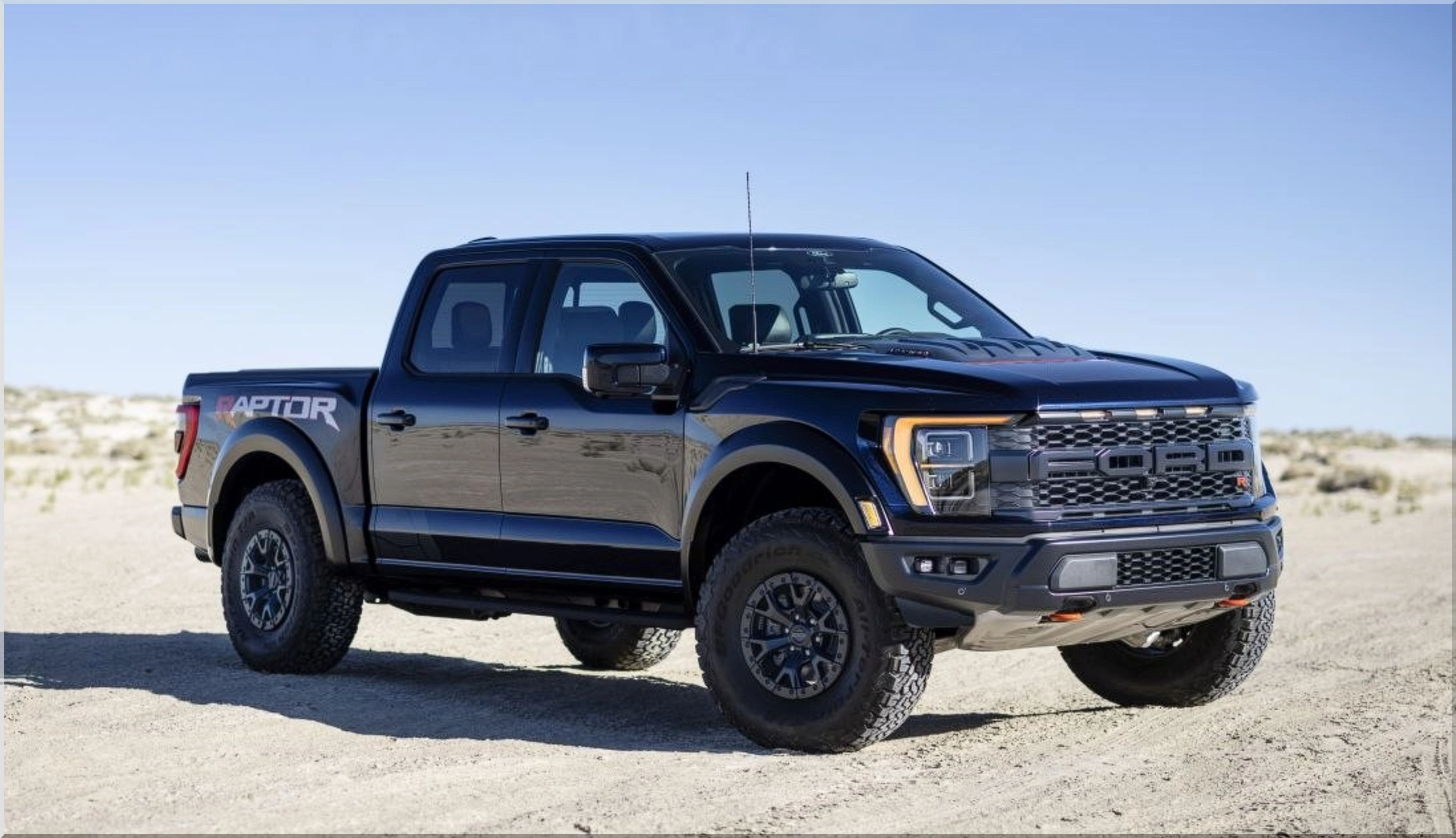
A complete aramid-reinforced serpentine belt product lineup covers most mainstream US pickup and SUV models, including Ford F-150, Ford Expedition, Chevrolet Silverado, Tahoe, Suburban, GMC Sierra, Jeep Grand Cherokee and Ram 1500 series. Each belt strictly corresponds to official OE part numbers and cross-reference sizes, realizing direct plug-and-play replacement without modification. Professional repair technicians can accurately match belt specifications according to original OE numbers, rib counts and effective length data to avoid installation errors and part mismatch problems.
During belt replacement maintenance, it is highly recommended to simultaneously inspect the tensioner assembly and idle pulleys. Even with high-quality aramid-reinforced belts, worn tensioners, weak spring tension or stuck pulleys will cause abnormal belt wear, deviation operation and shortened service life. Standard replacement procedures can effectively avoid repeated maintenance and improve the overall stability of the engine auxiliary drive system.
Image
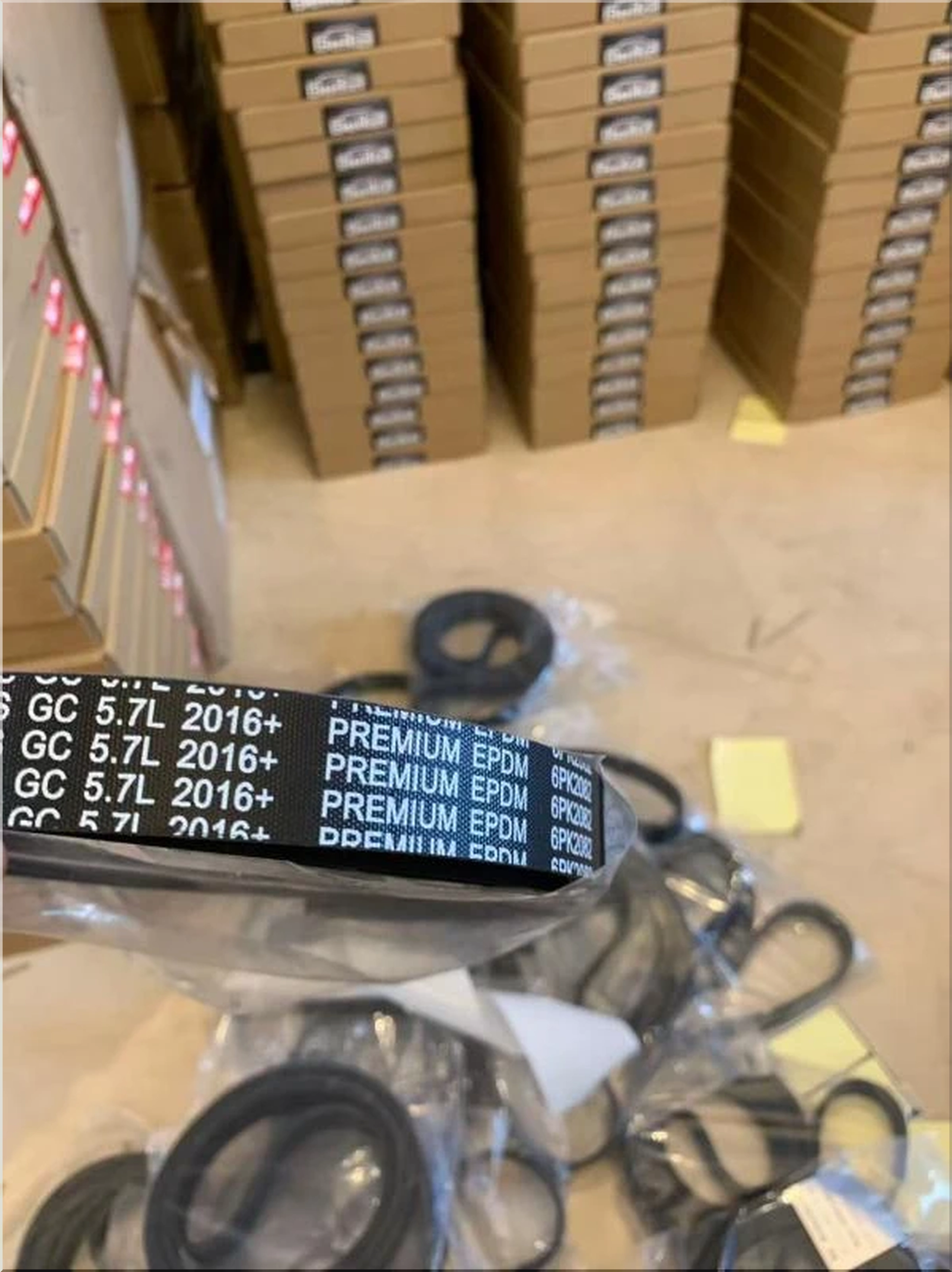
For American repair shops, fleet operators and individual DIY car owners, selecting high-quality aramid reinforced serpentine belts provides a cost-effective and reliable long-term maintenance solution. By adopting high-standard EPDM rubber formulas and professional aramid fiber reinforcement technology, premium aftermarket belts achieve equivalent or even better performance than original factory parts, effectively solving common problems such as belt stretching, aging, noise and failure for large-displacement American trucks and SUVs.
Image gallery
- Add new comment
- 107 views