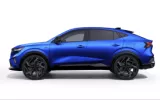
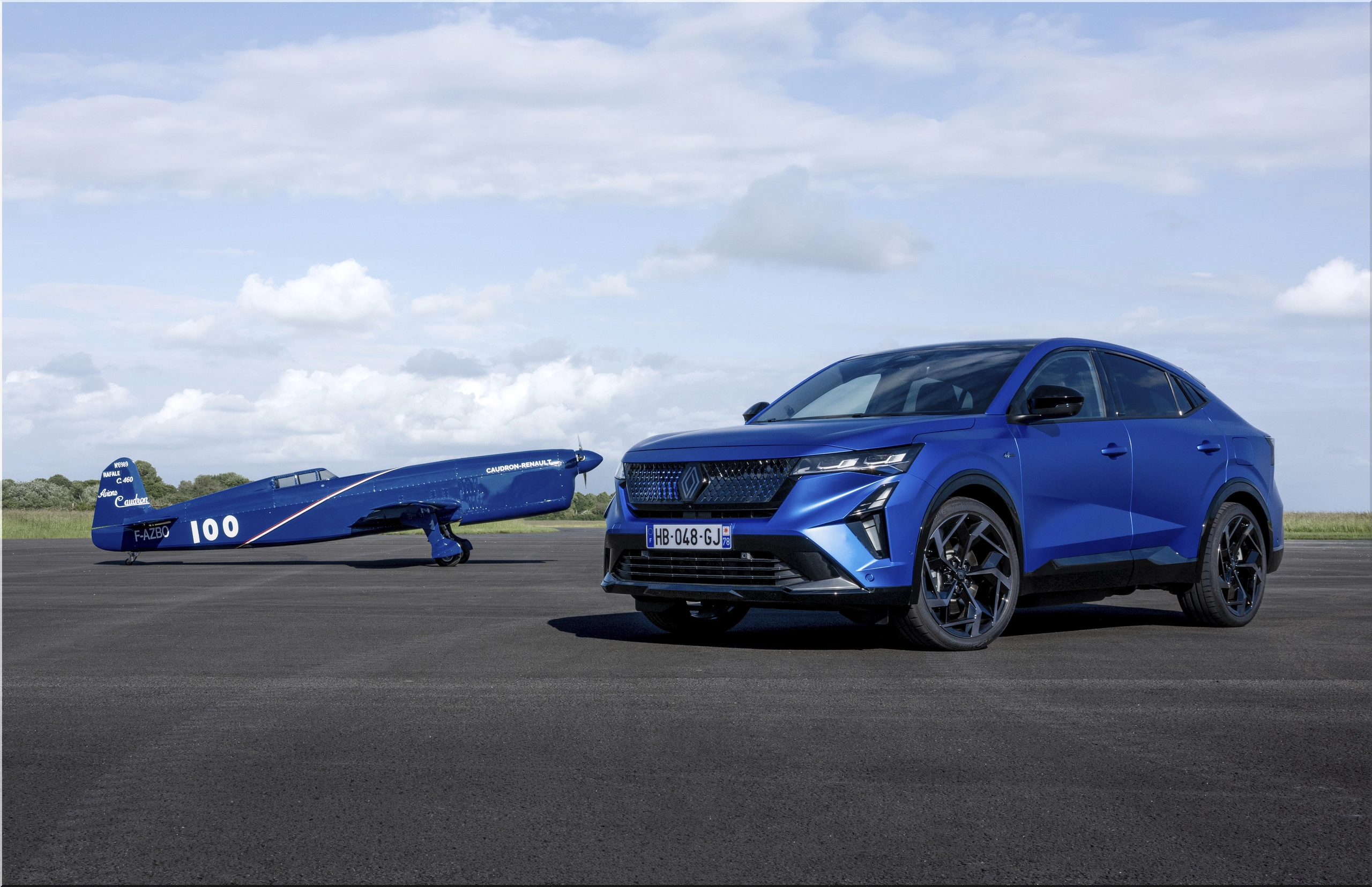
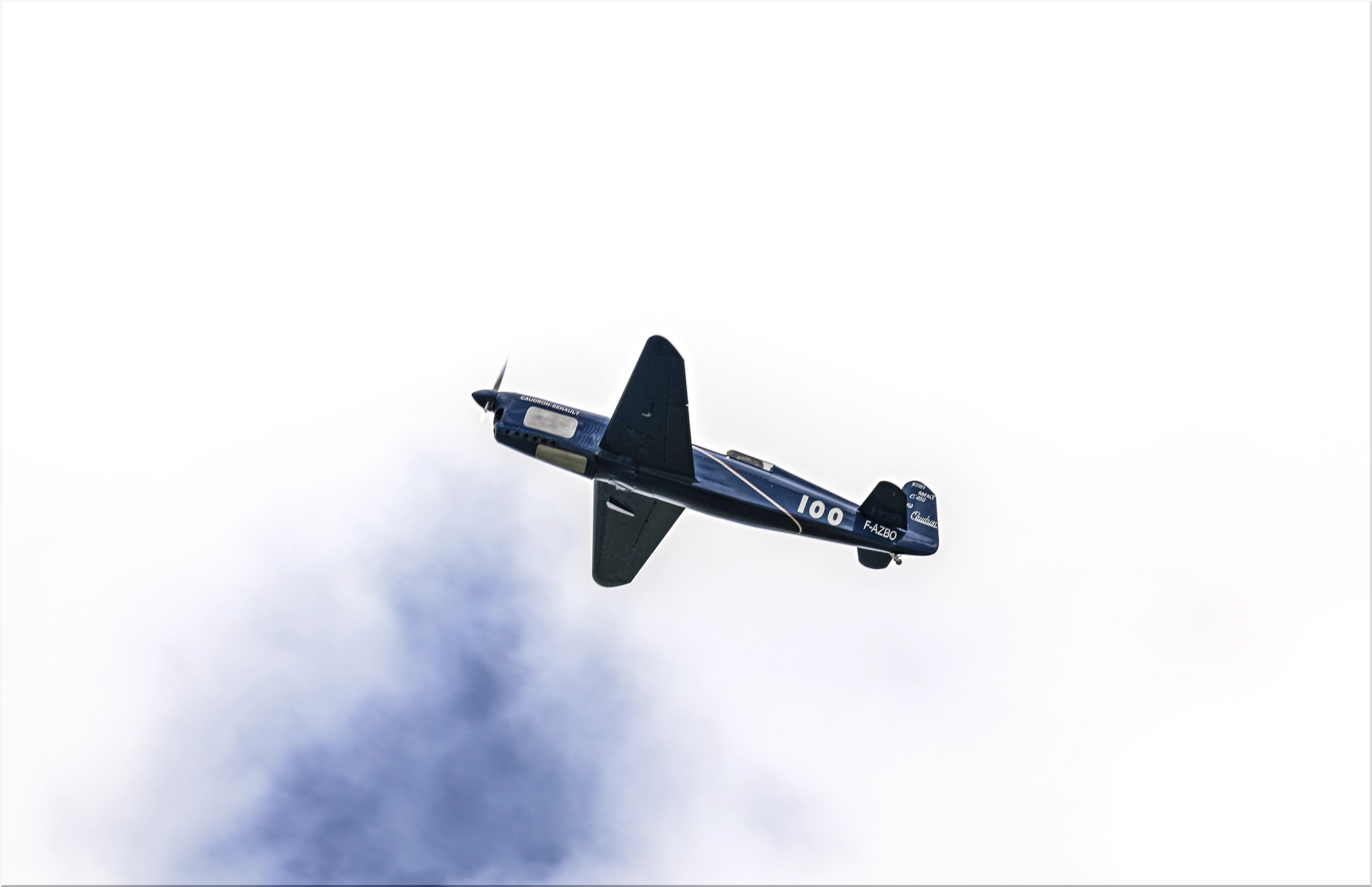
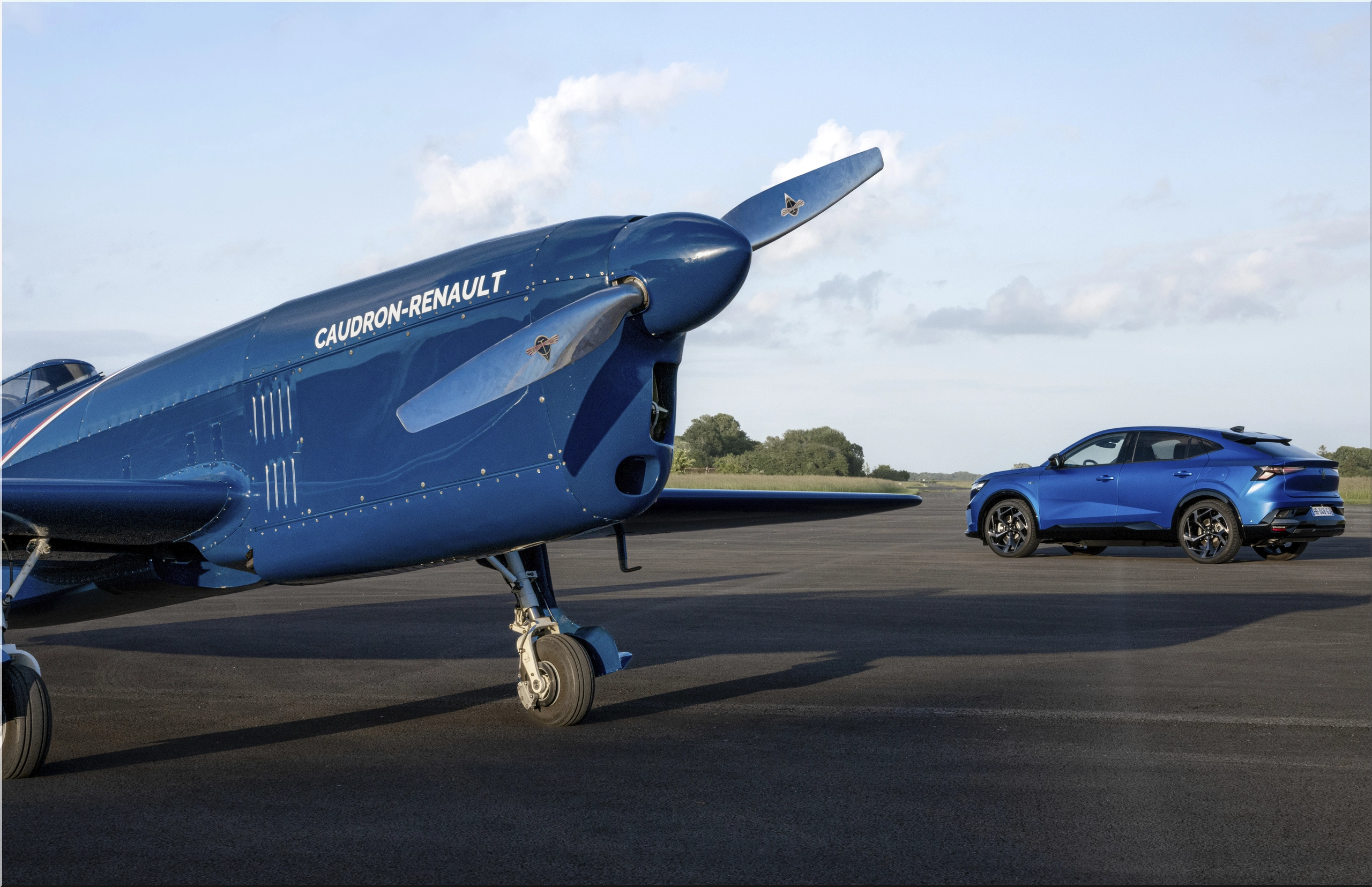
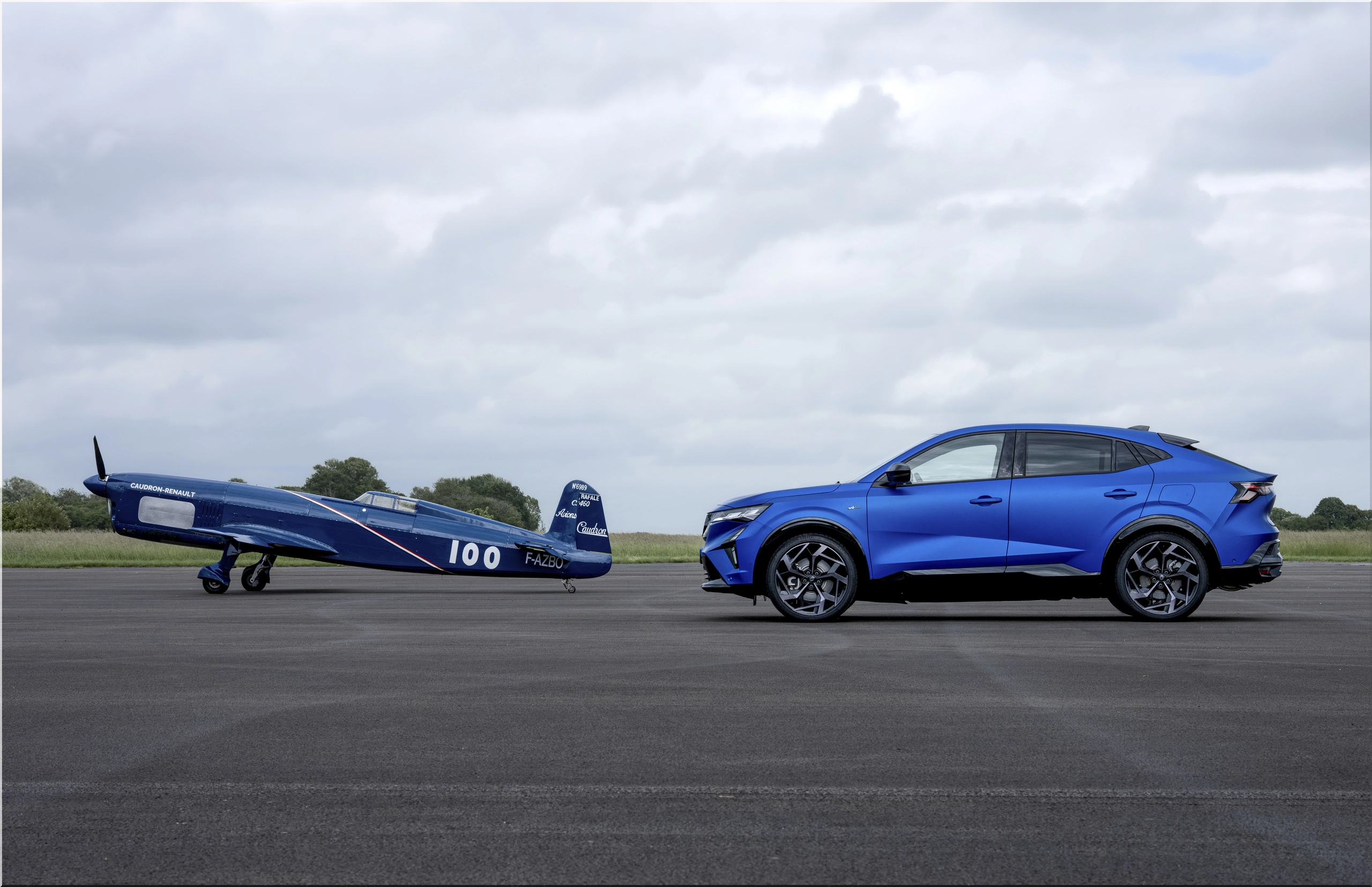
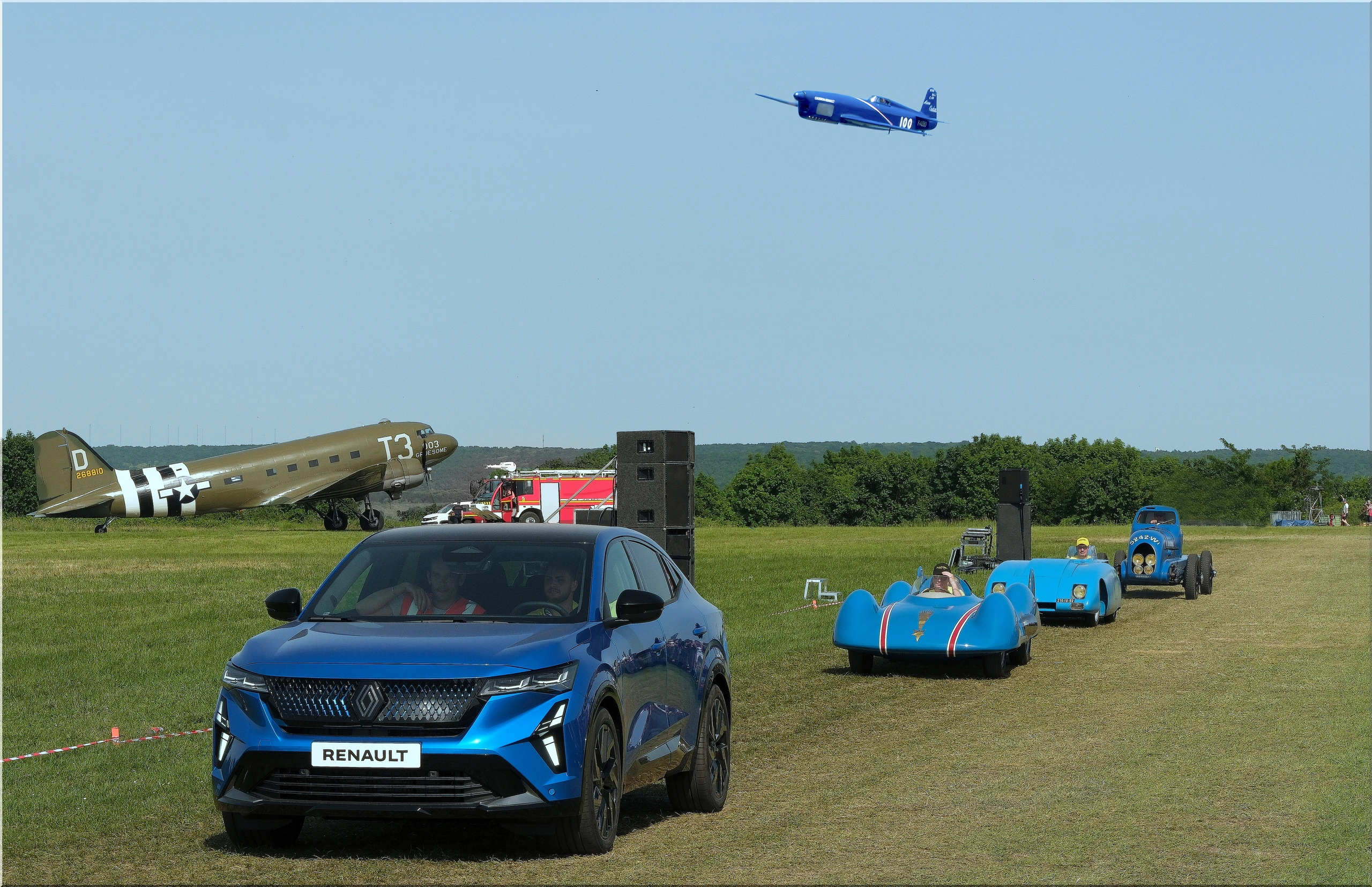
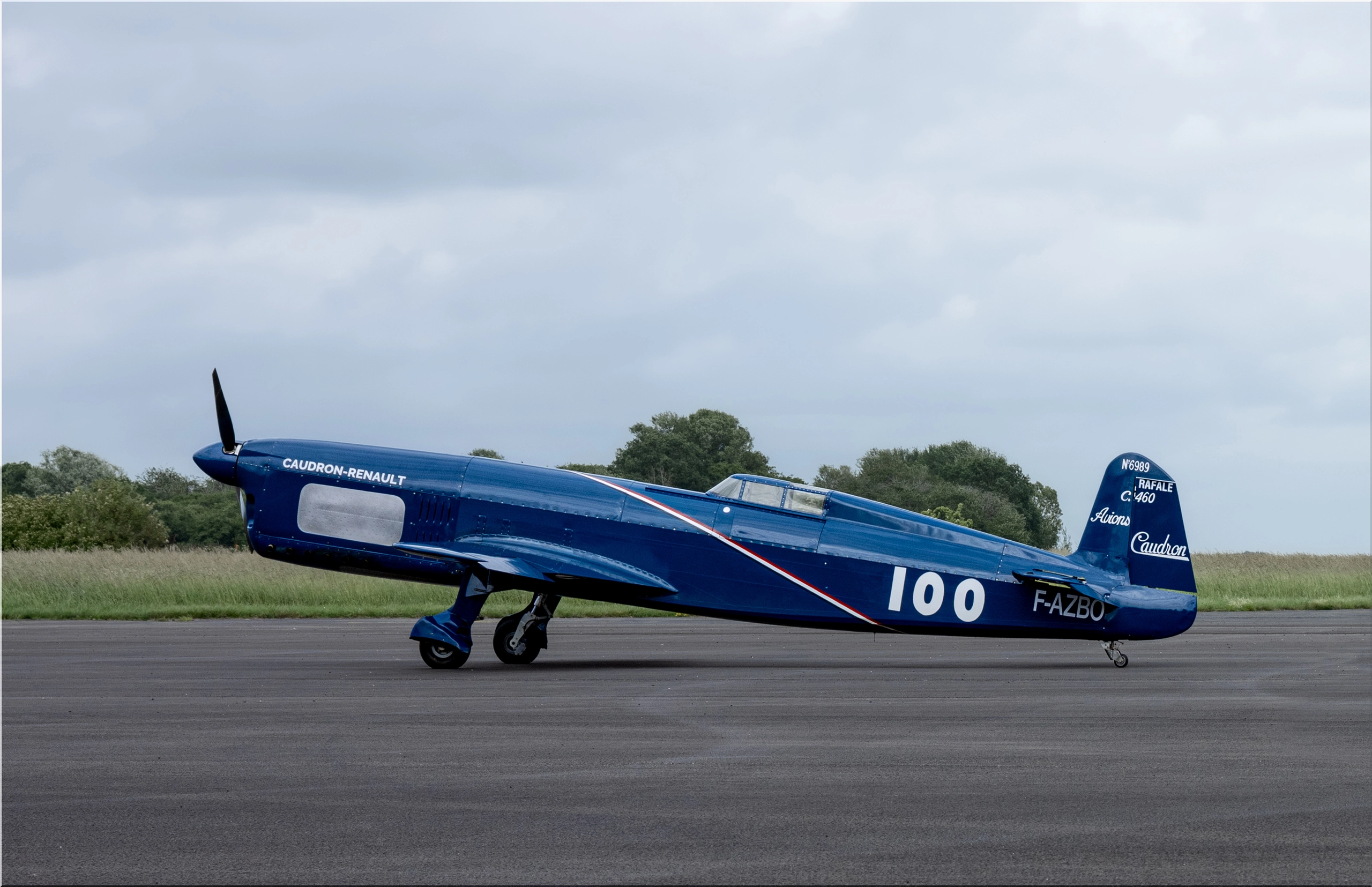
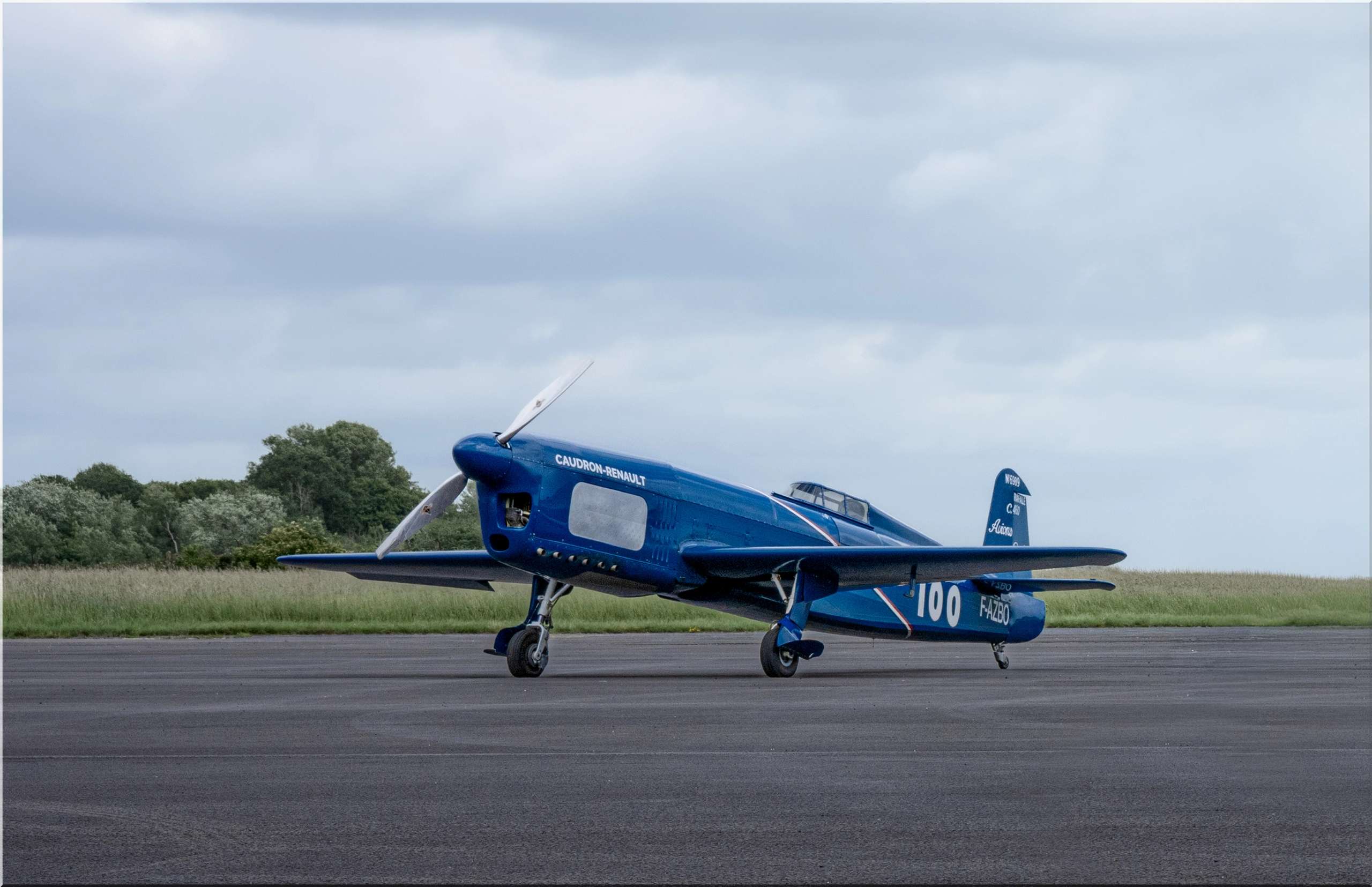
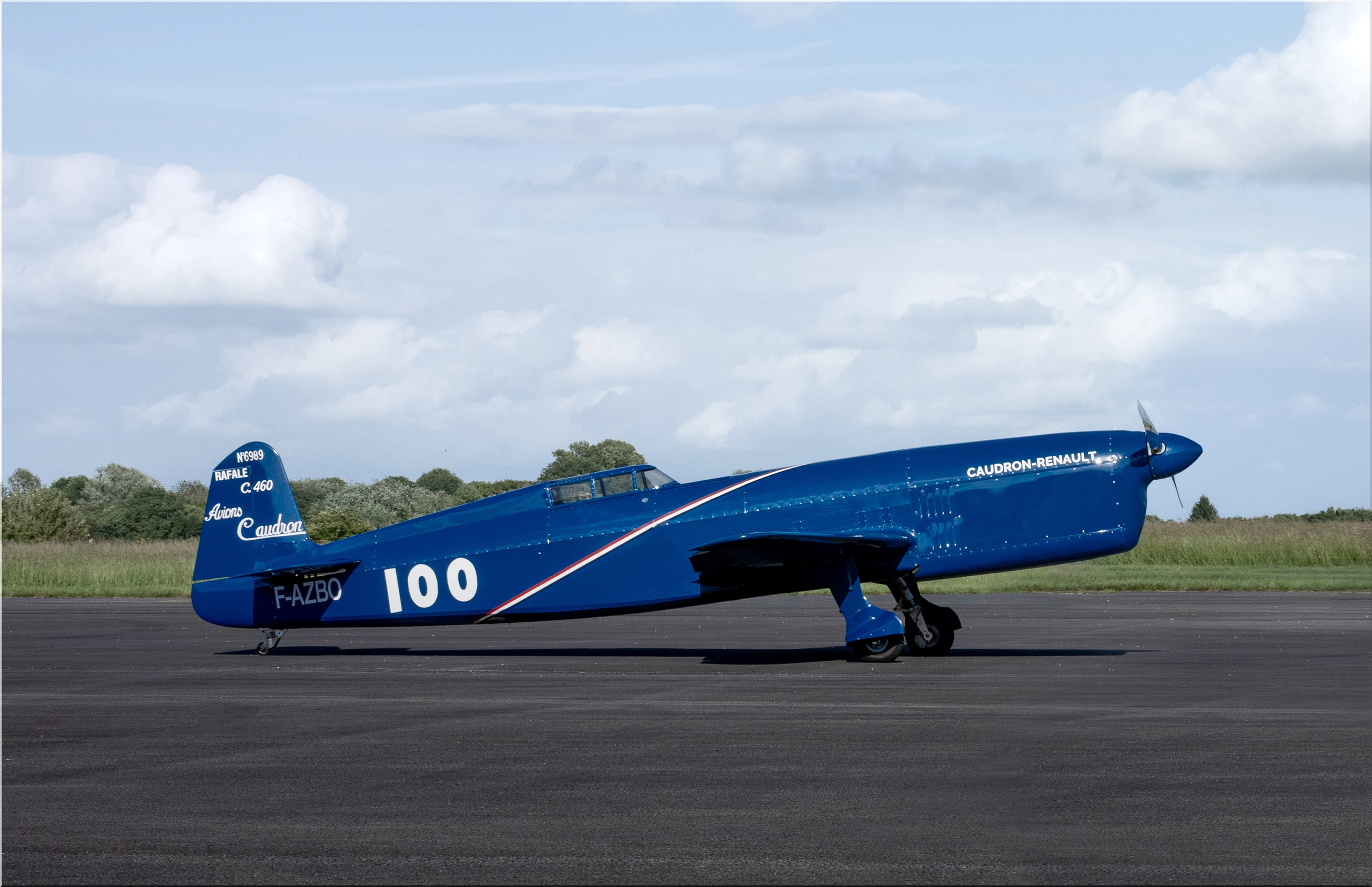
Renault has pushed the 1934 Renault Caudron Rafale C.460 back into public flight, and the move does more than polish an old badge. It gives the modern Renault Rafale a real engineering bloodline: low mass, aerodynamic intent, compact power, and French speed obsession. The aircraft flew on 23 and 24 May 2026 at Le Temps des Helices in La Ferte-Alais, near Paris, after Renault's heritage division completed a demanding airworthiness program.
Image
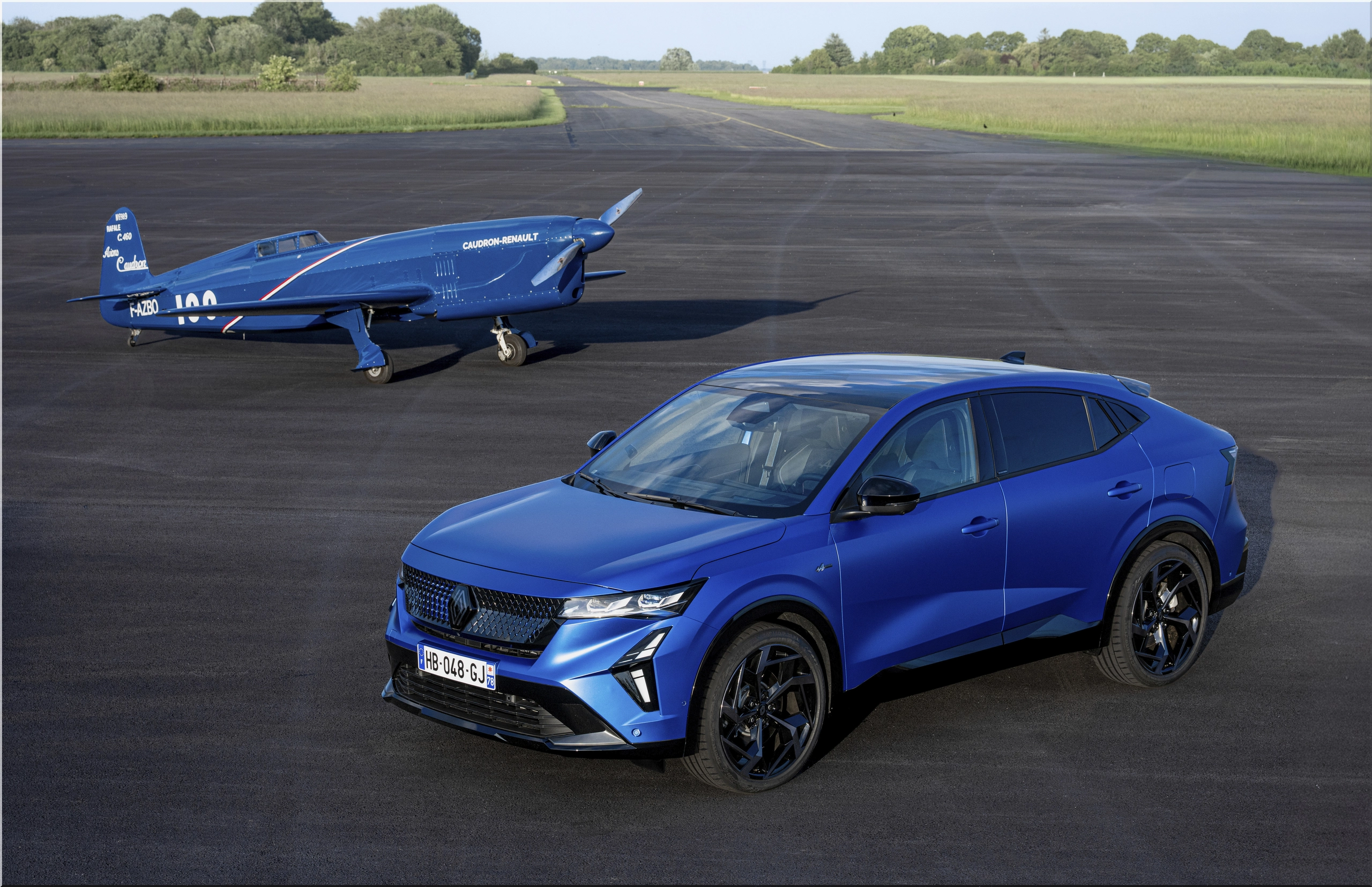
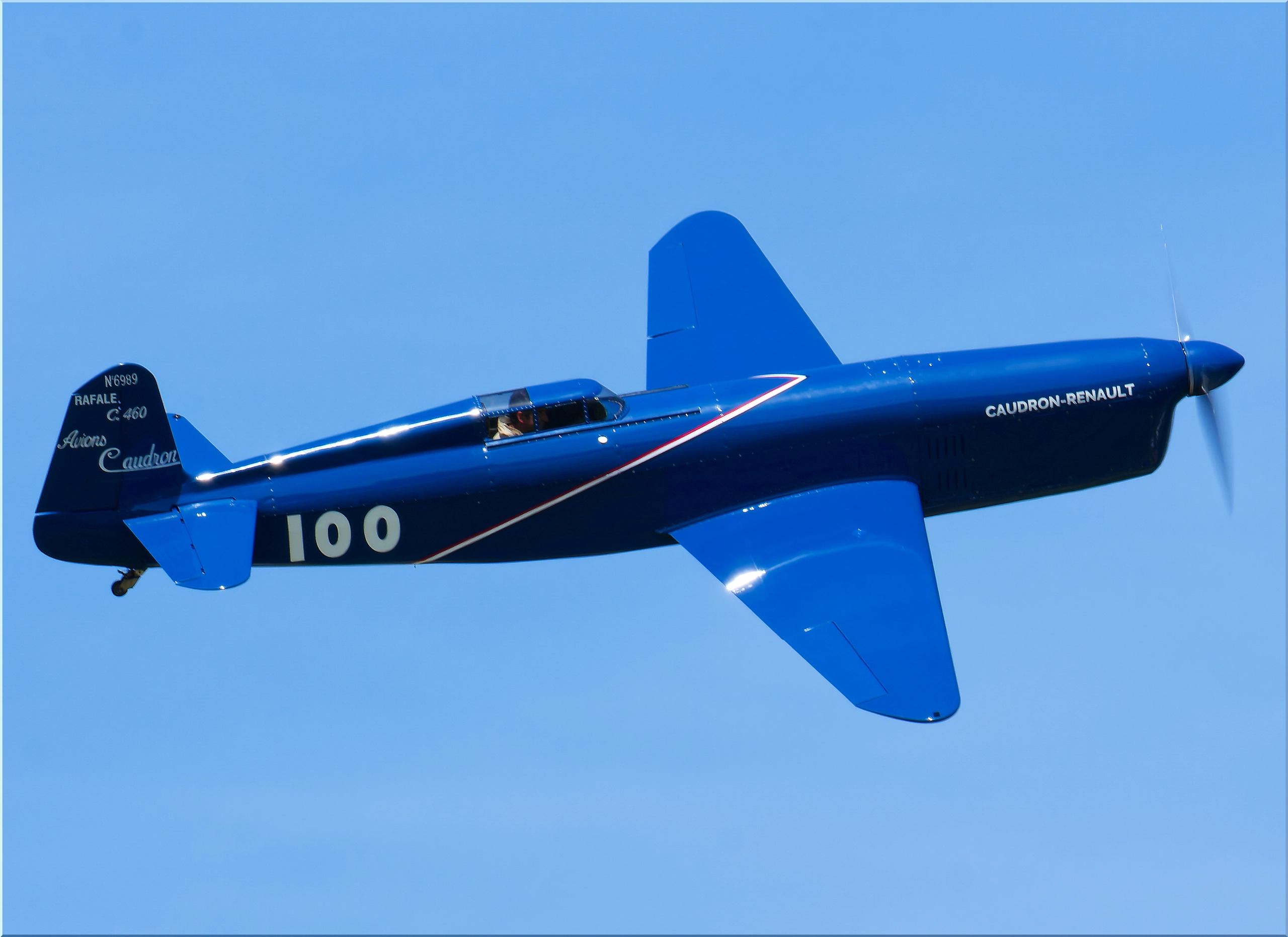
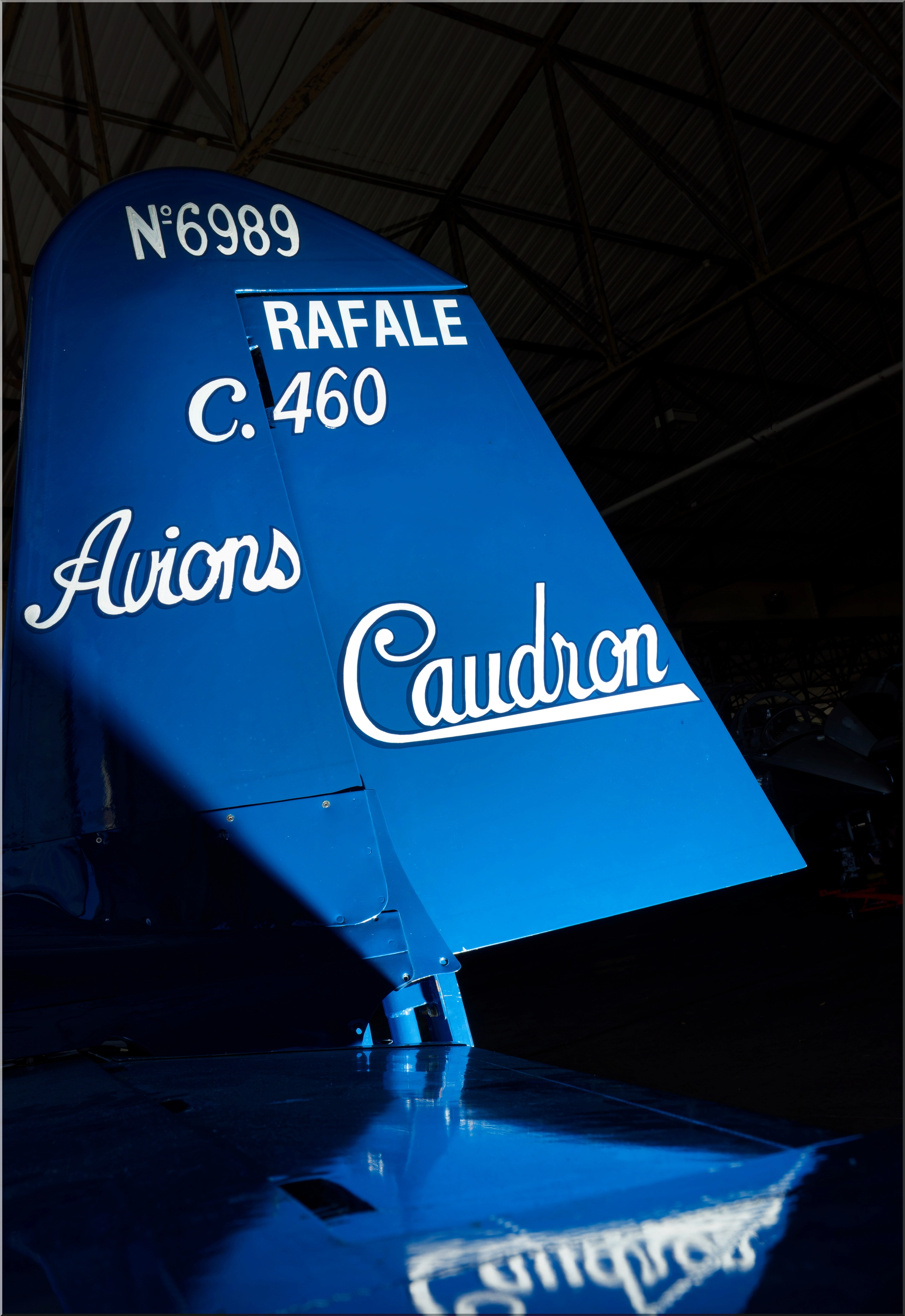
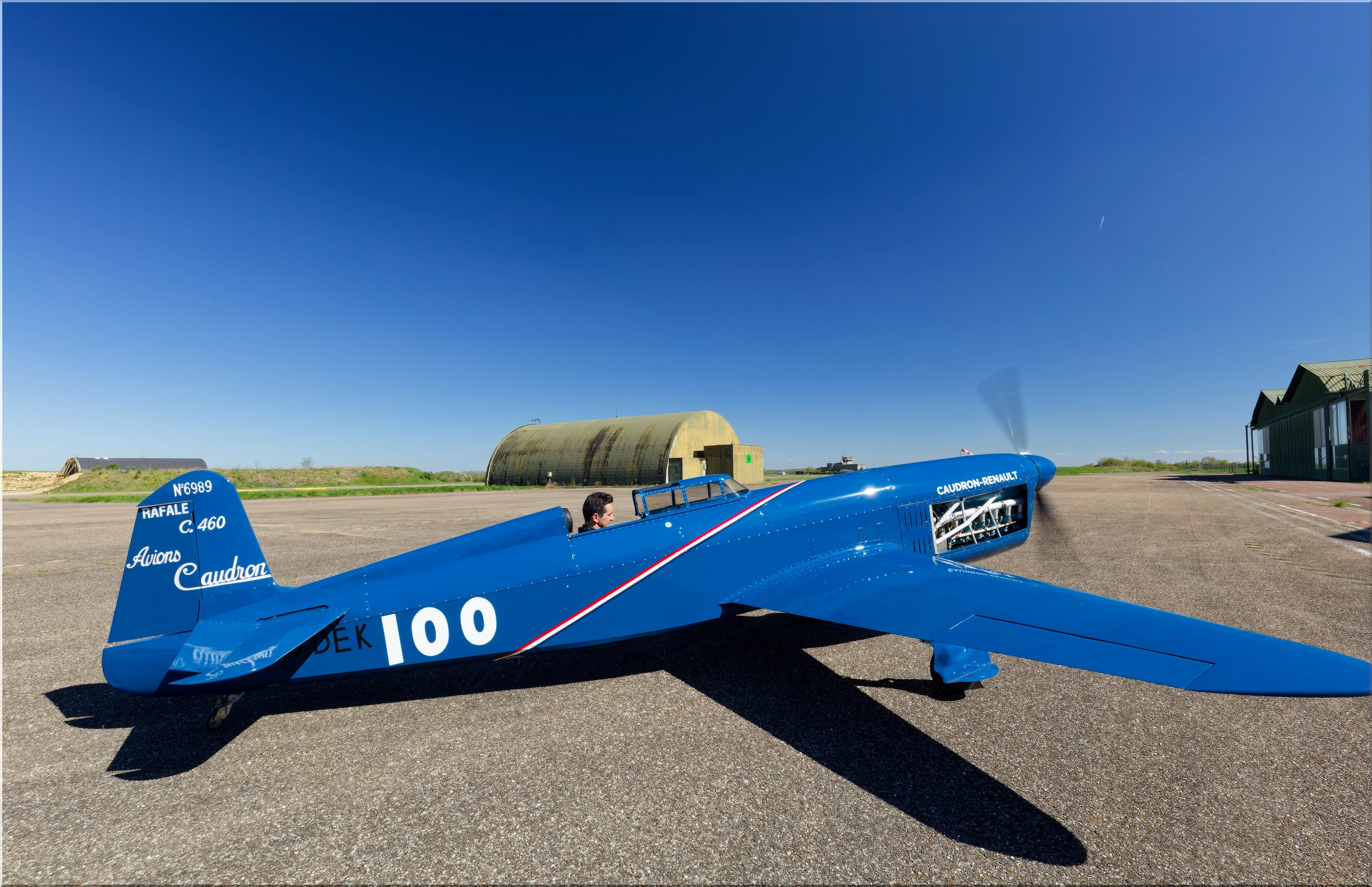
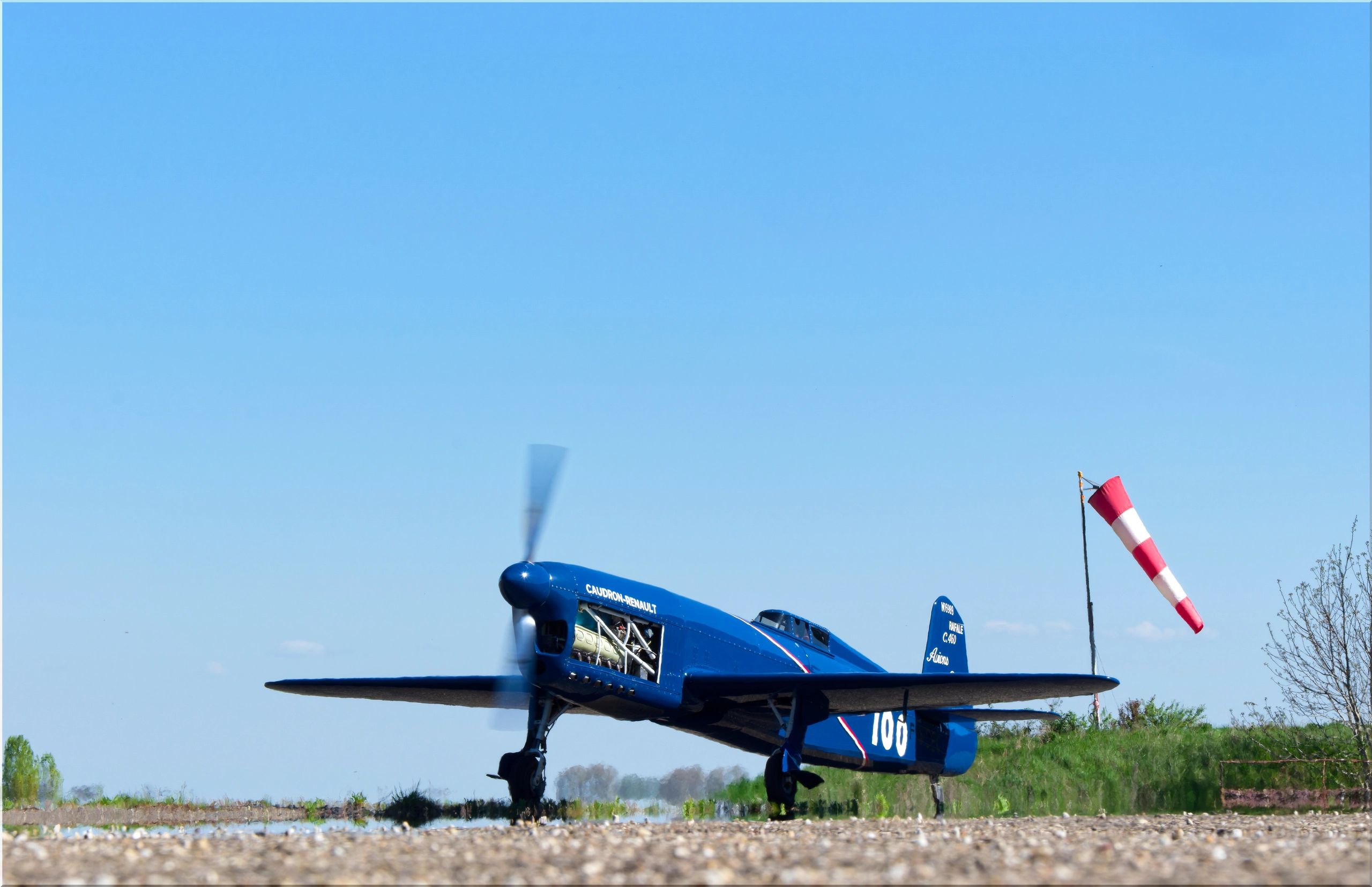
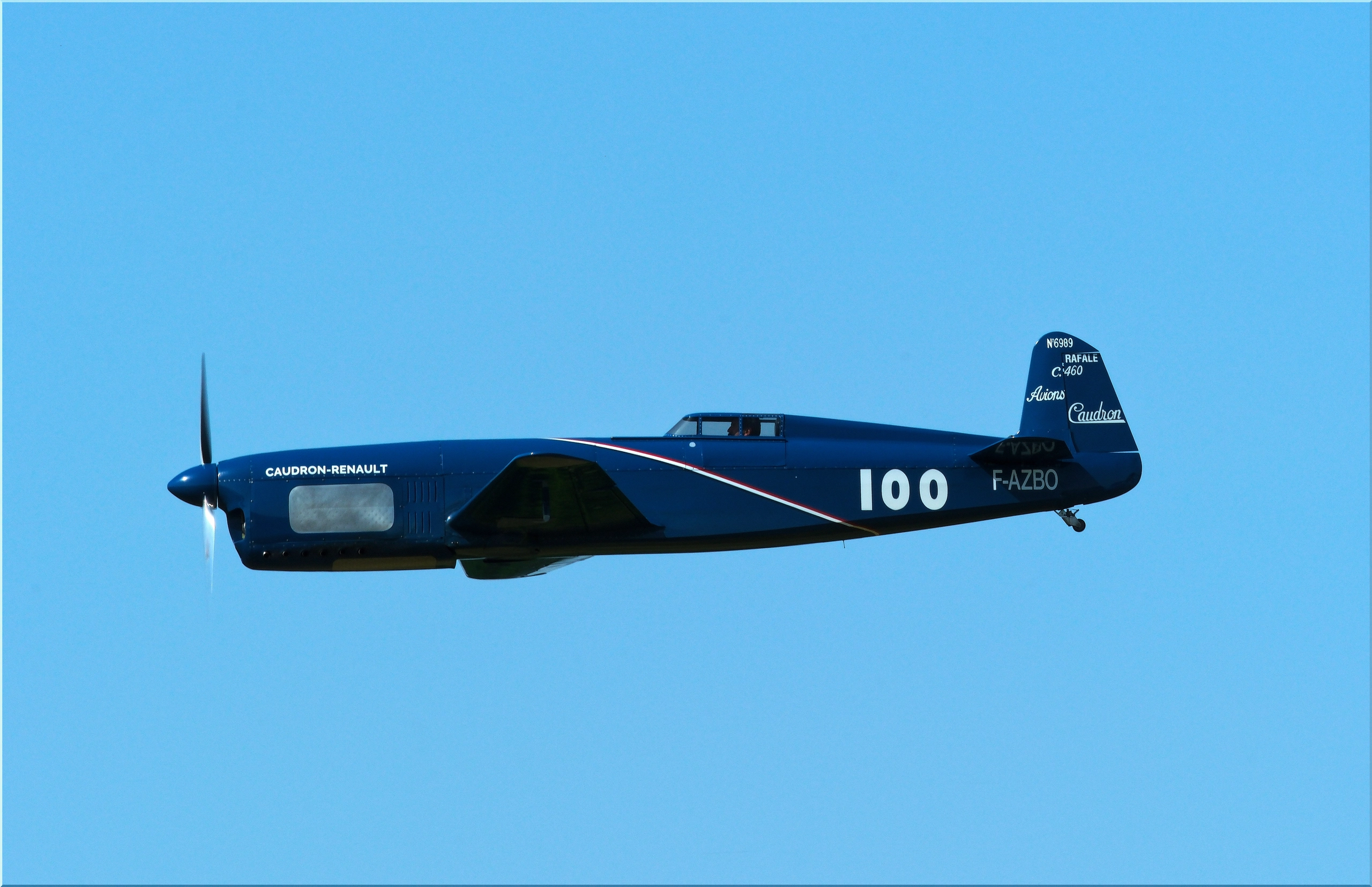
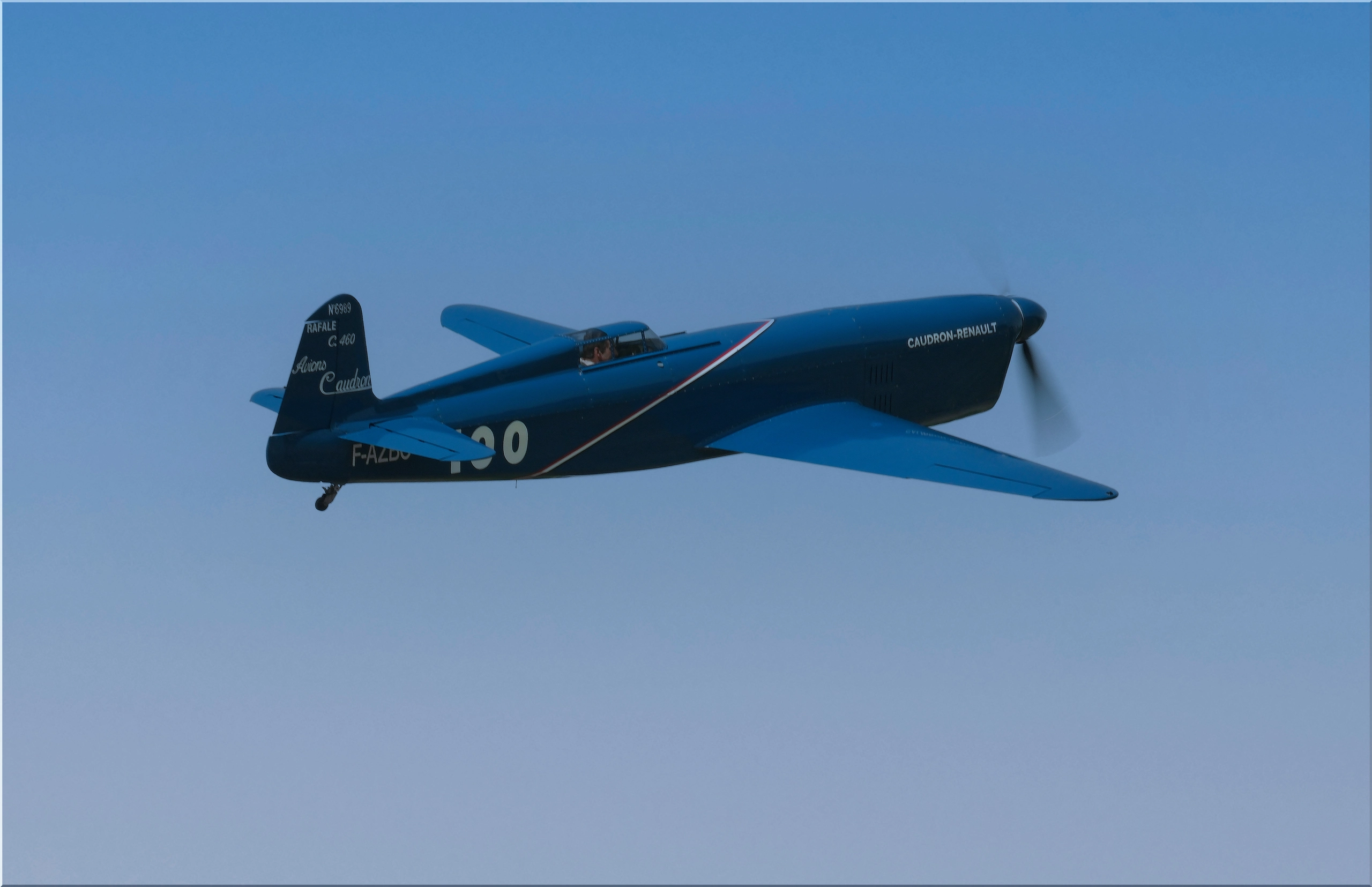
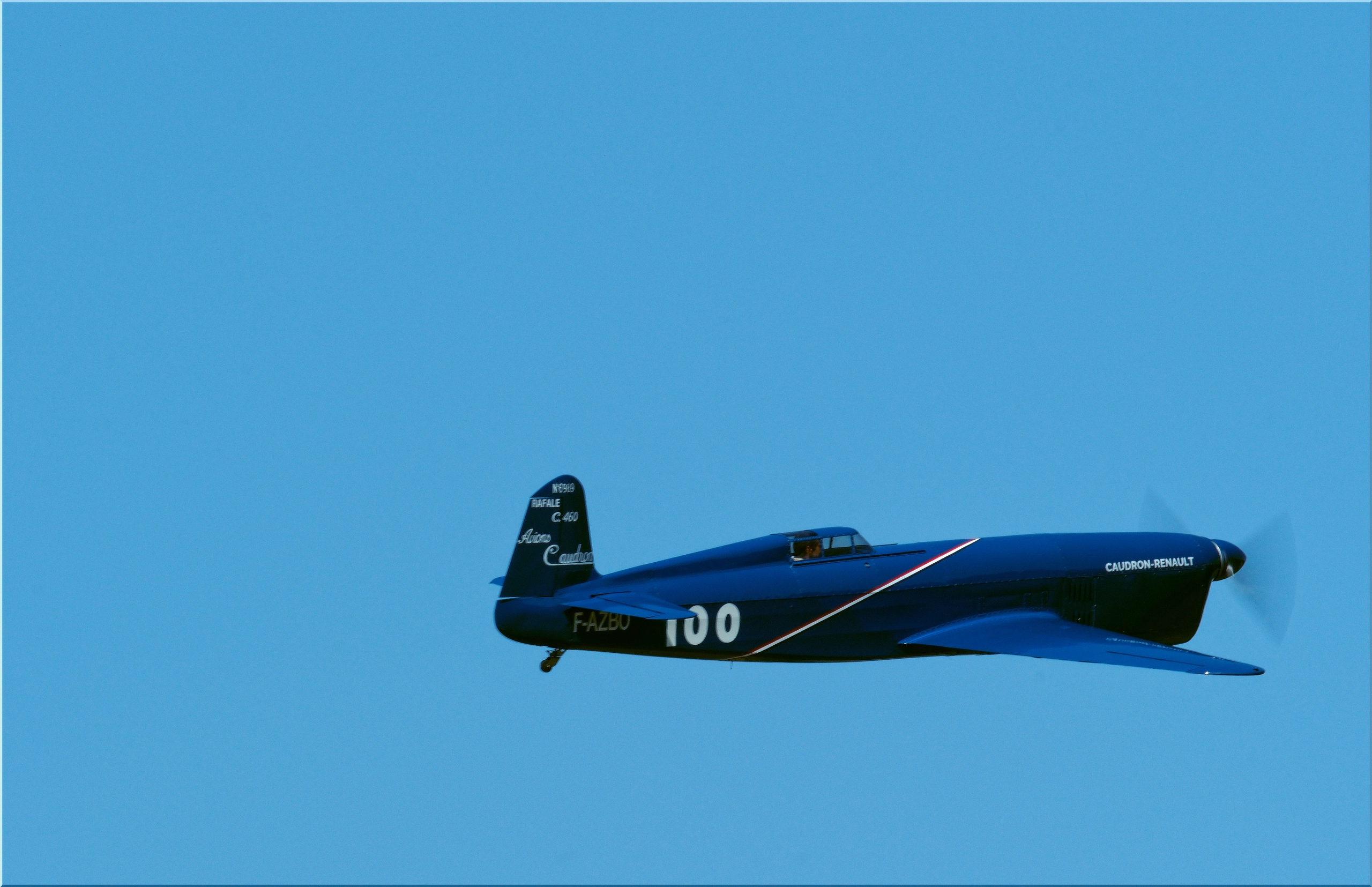
Looking at the data, the Caudron Rafale C.460 earned its status through ruthless packaging. Marcel Riffard's design used a tight single-seat fuselage, short-span wings, a retractable undercarriage, and a supercharged Renault six-cylinder engine to cut drag and push speed. In 1934, Helene Boucher helped turn the Rafale name into a record-setting aviation signal. In 2026, Renault uses that same name to connect aircraft logic with the road-going Renault Rafale E-Tech.
Renault Caudron Rafale C.460 Technical Data
| Data point | Renault Caudron Rafale C.460 |
|---|---|
| Era | 1930s racing aircraft |
| Designer | Marcel Riffard |
| Crew | 1 pilot |
| Length | 7.12 m / 280.3 in |
| Wingspan | 6.75 m / 265.7 in |
| Height | 1.80 m / 70.9 in |
| Wing area | 6.90 sq m / 74.3 sq ft |
| Original engine type | Renault 456 inverted six-cylinder |
| Output | About 310 hp |
| Claimed top speed | Around 506 km/h / 314 mph |
Specifically, the C.460 used small aircraft logic with race-car discipline. The spruce and birch plywood structure kept mass down, while magnesium tanks and cowling parts cut weight in areas where every kilogram affected acceleration and climb. The retractable landing gear reduced parasitic drag, though the system added mechanical complexity compared with the fixed-gear C.450.
Image gallery
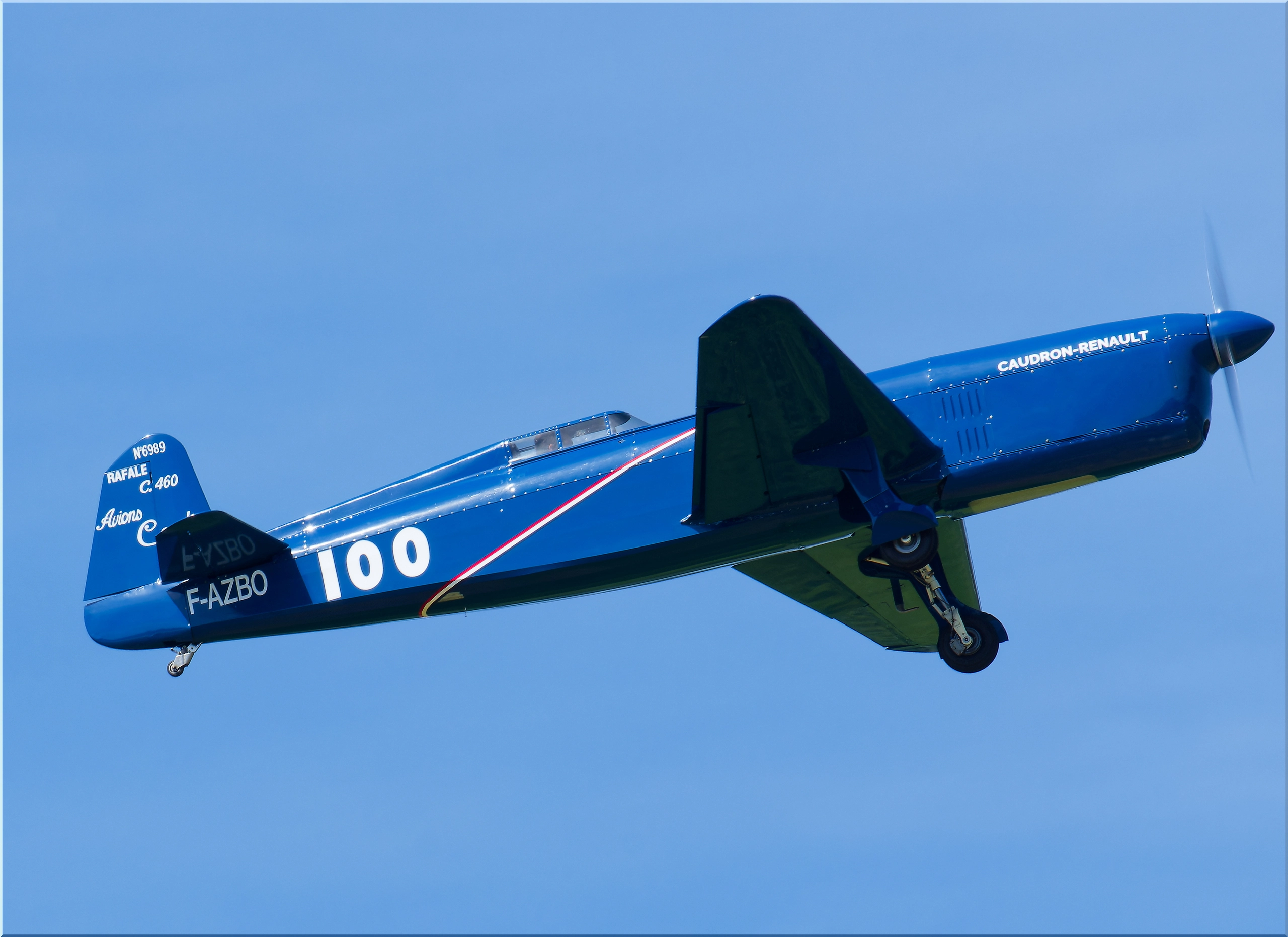
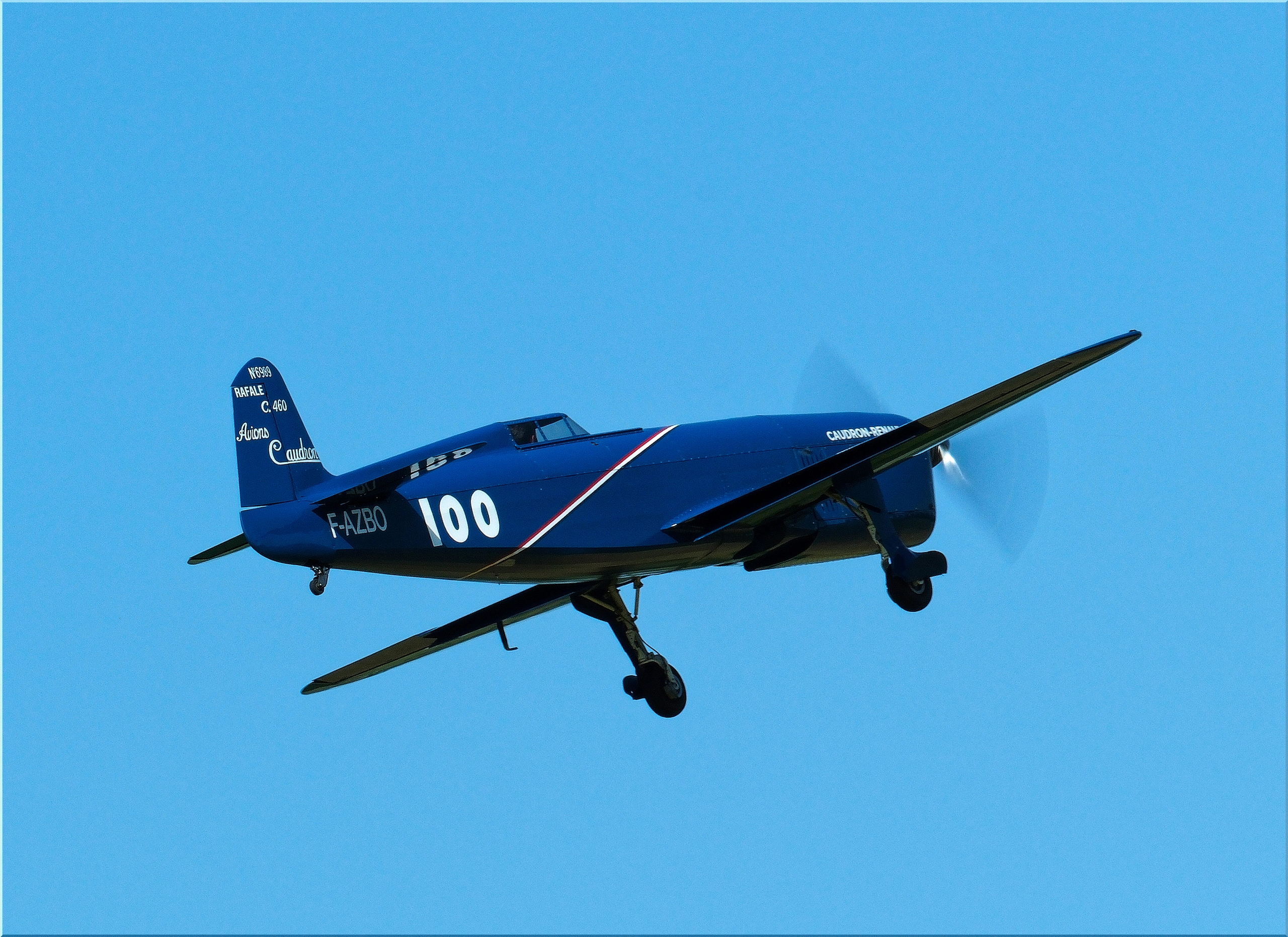
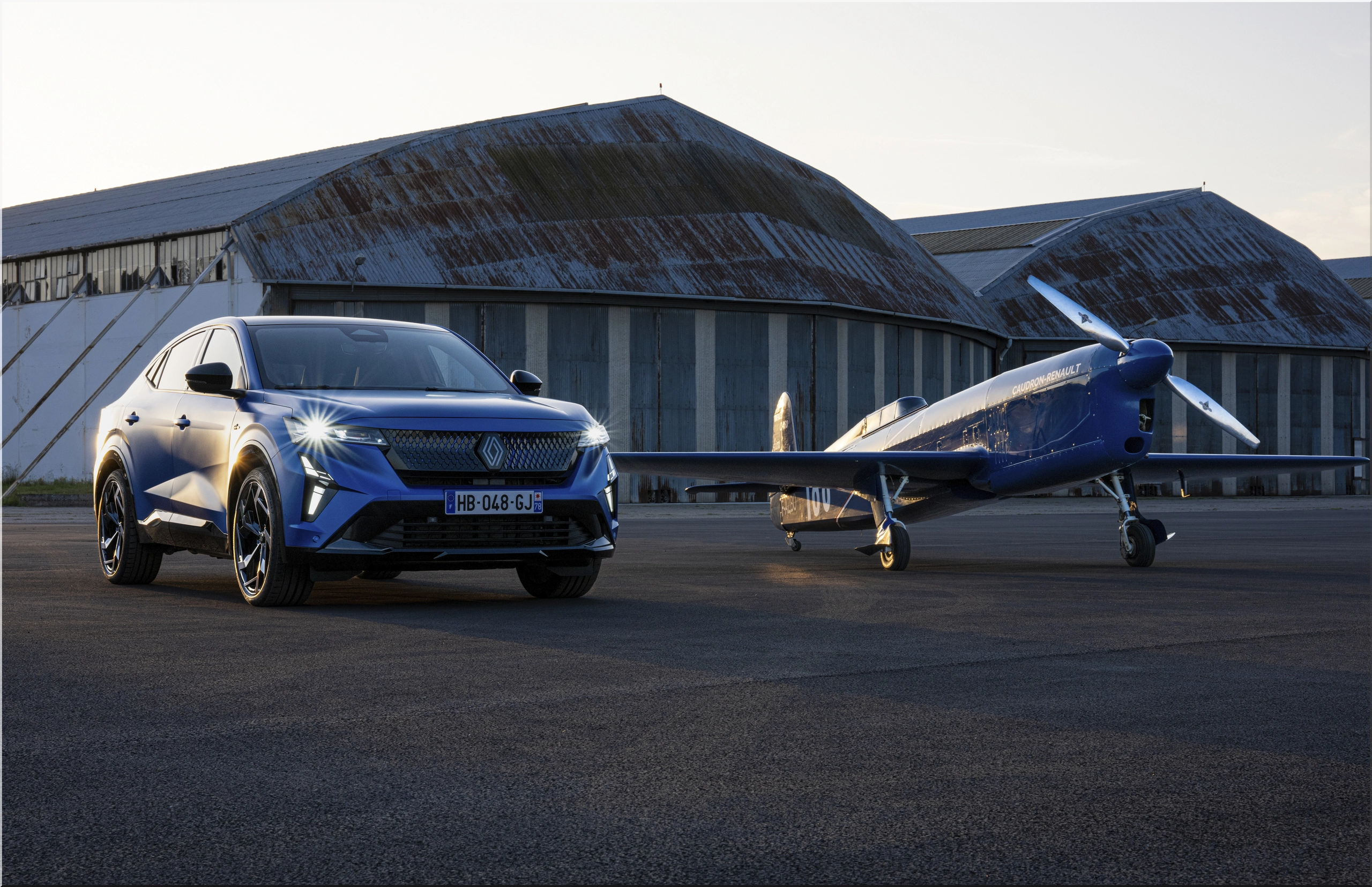
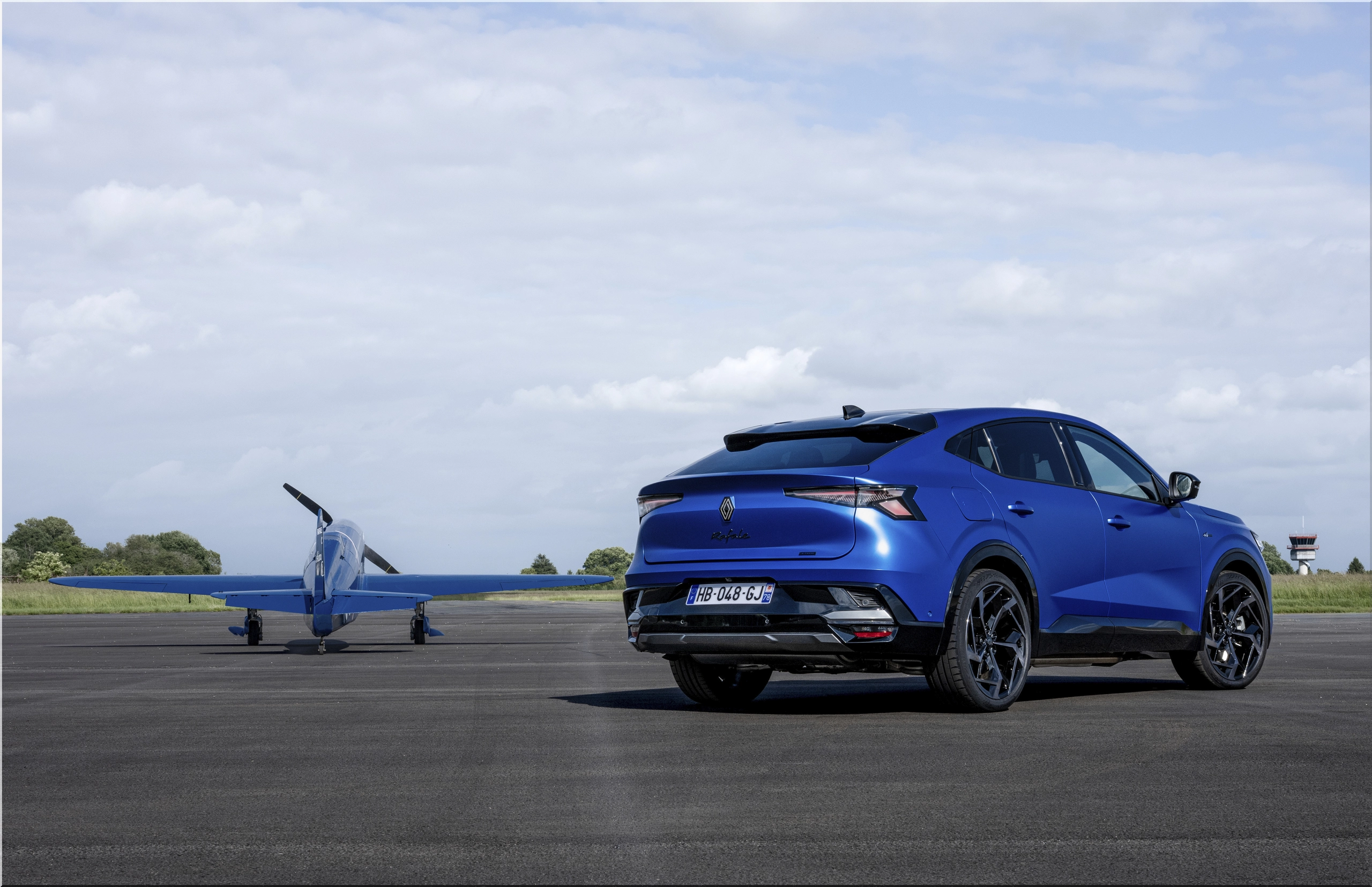
Why Renault Restored The Rafale Now
Renault acquired the aircraft in March 2023 through The Originals Renault - La Collection. Restoration work started in July 2024 under Aéro Restauration Service in Dijon, with pilot and restorer Bruno Ducreux managing the program. The team dismantled, inspected, reinforced, assembled, engine-tested, ground-tested, and flight-tested the aircraft before approving its 2026 public flight schedule.
In addition, Renault plans to fly the Rafale at select aviation events before moving it to Les Collections, the future Renault museum in Flins, due to open in late 2027. That museum strategy gives Renault a stronger narrative asset than a static press display. It lets the brand show working engineering, not museum glass.
Image
Restoration Program At A Glance
| Program detail | Confirmed information |
|---|---|
| Renault acquisition | March 2023 |
| Restoration start | July 2024 |
| Restoration specialist | Aéro Restauration Service, Dijon |
| Program lead | Bruno Ducreux |
| Public return flight | 23 and 24 May 2026 |
| Event | Le Temps des Helices |
| Location | La Ferte-Alais, near Paris |
| Future home | Les Collections museum, Flins |
| Museum opening target | Late 2027 |
How The 1934 Rafale Connects To The Modern Renault Rafale
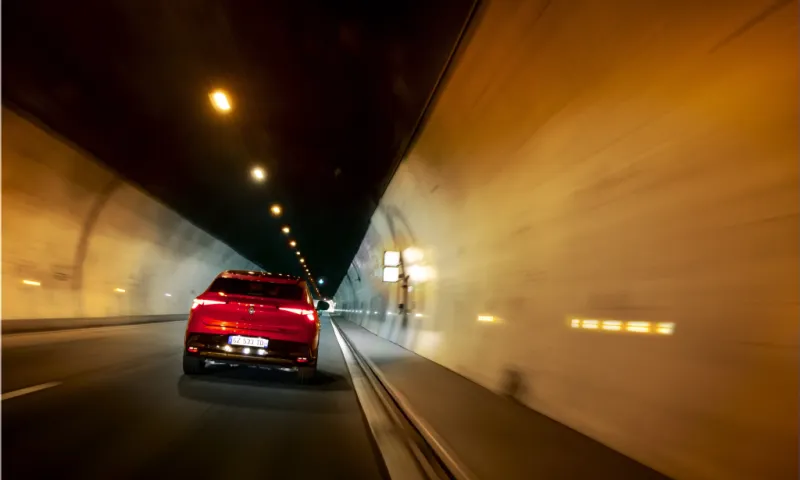
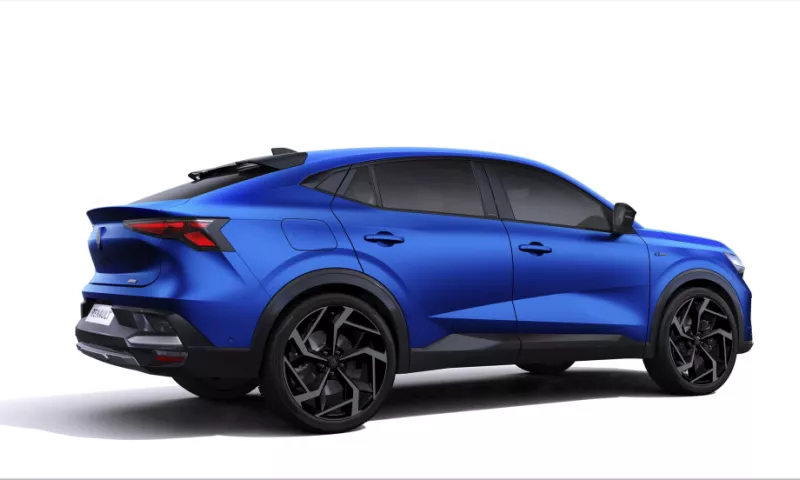
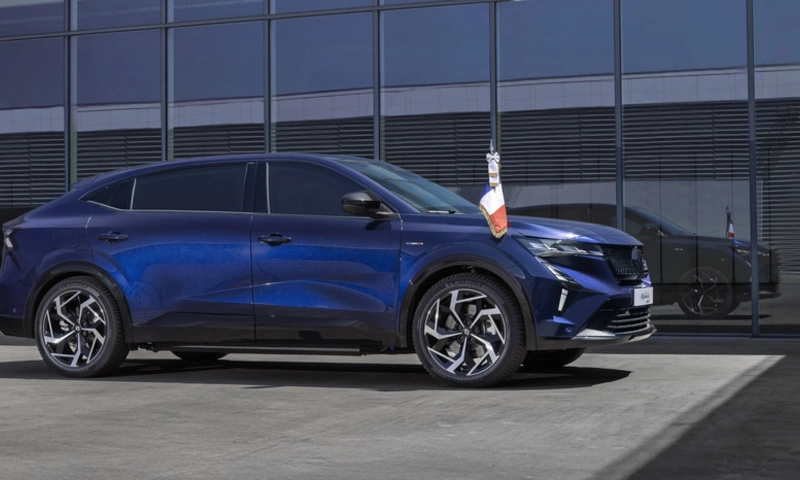
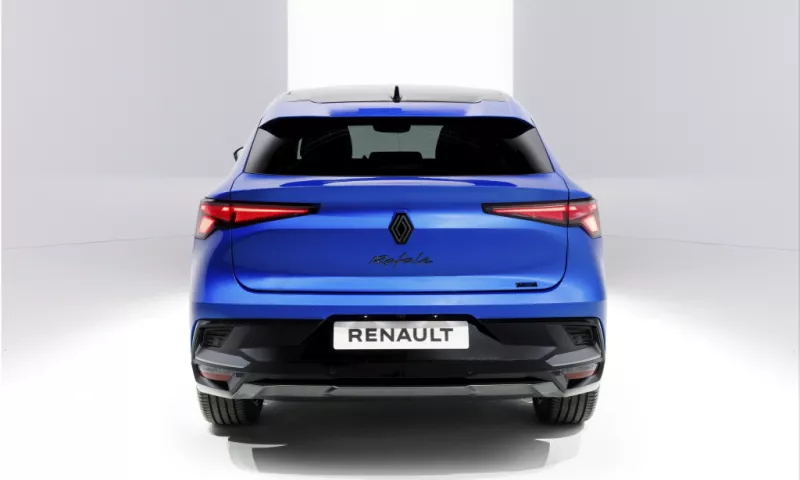
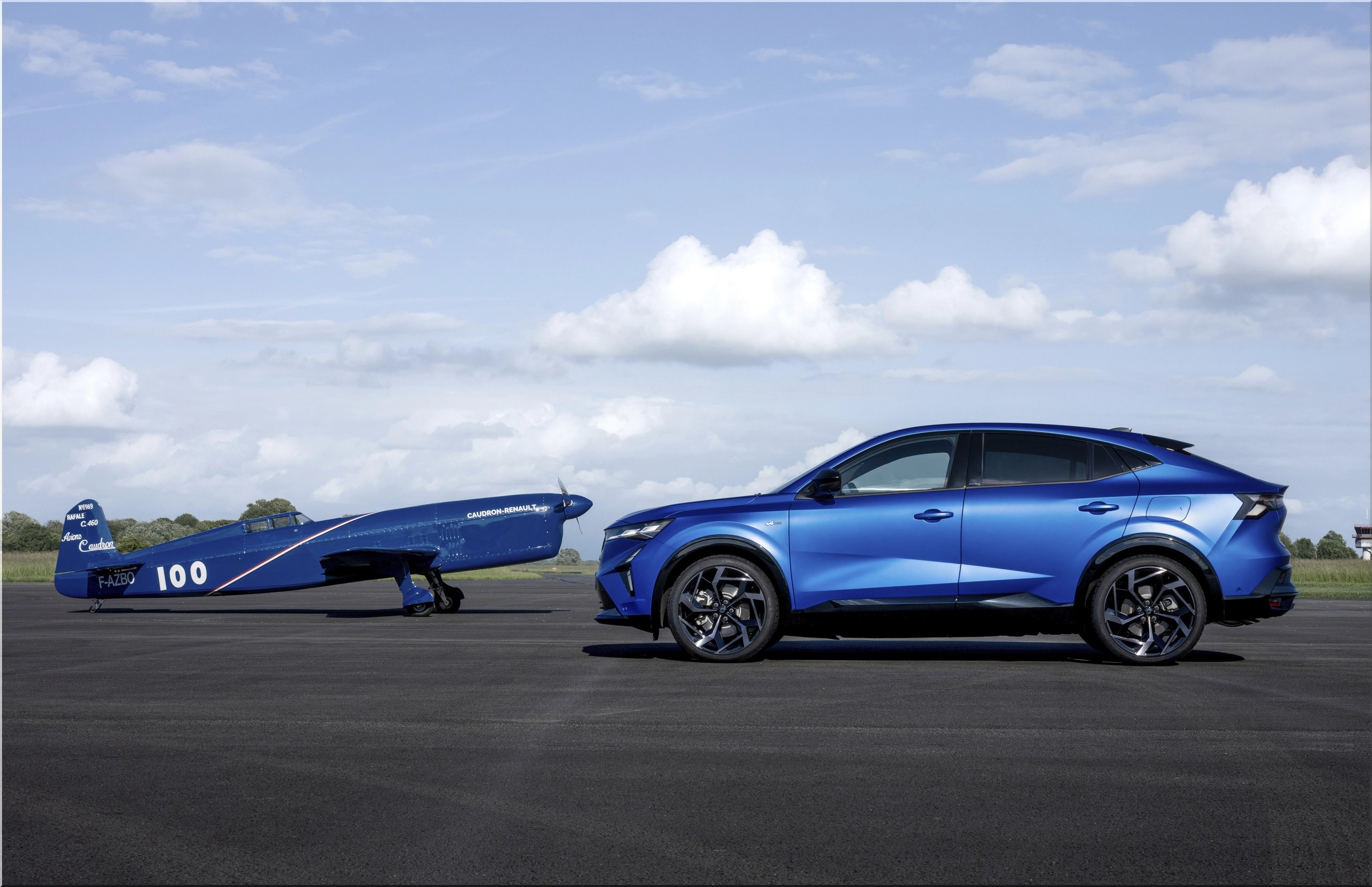
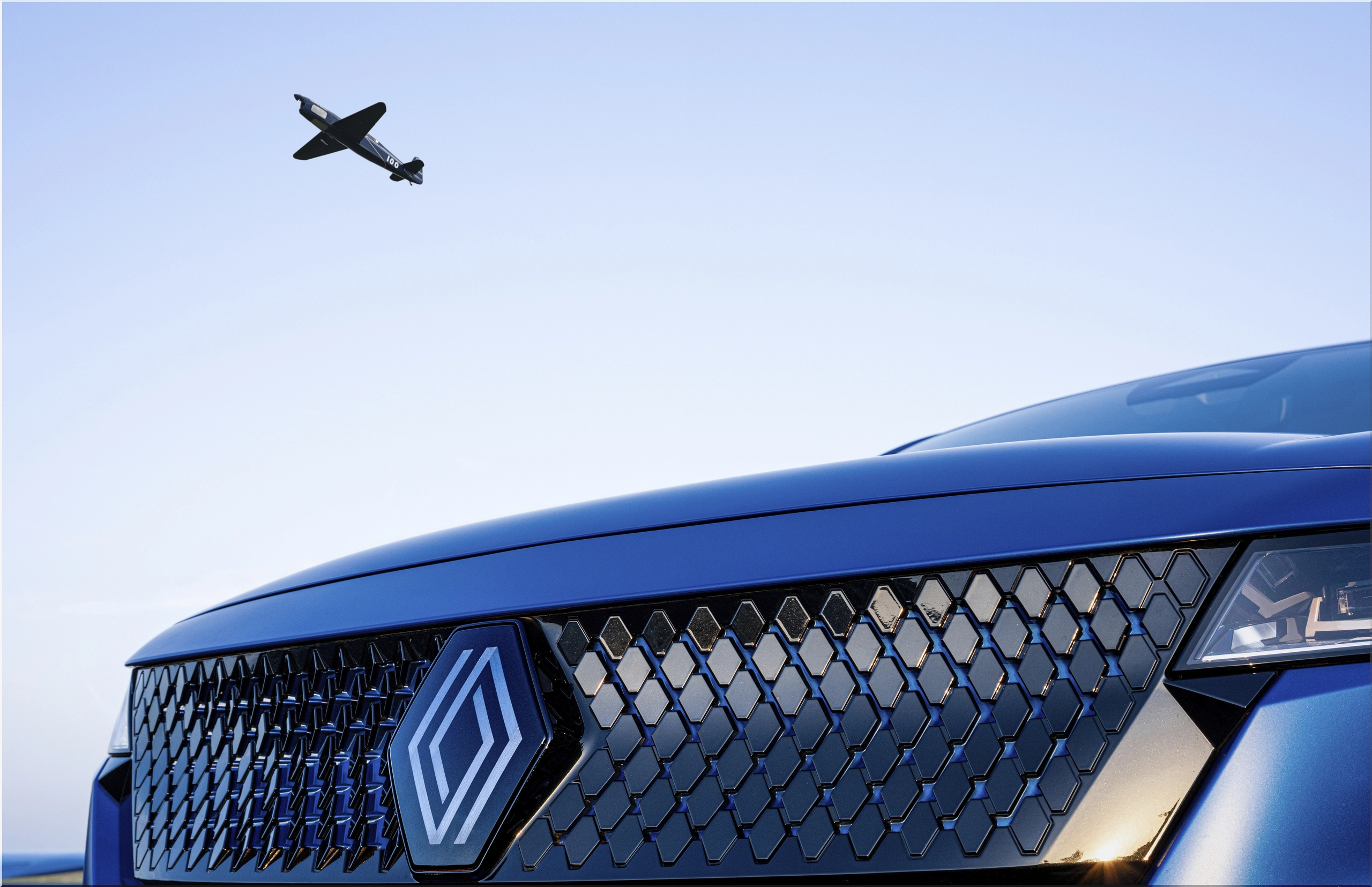
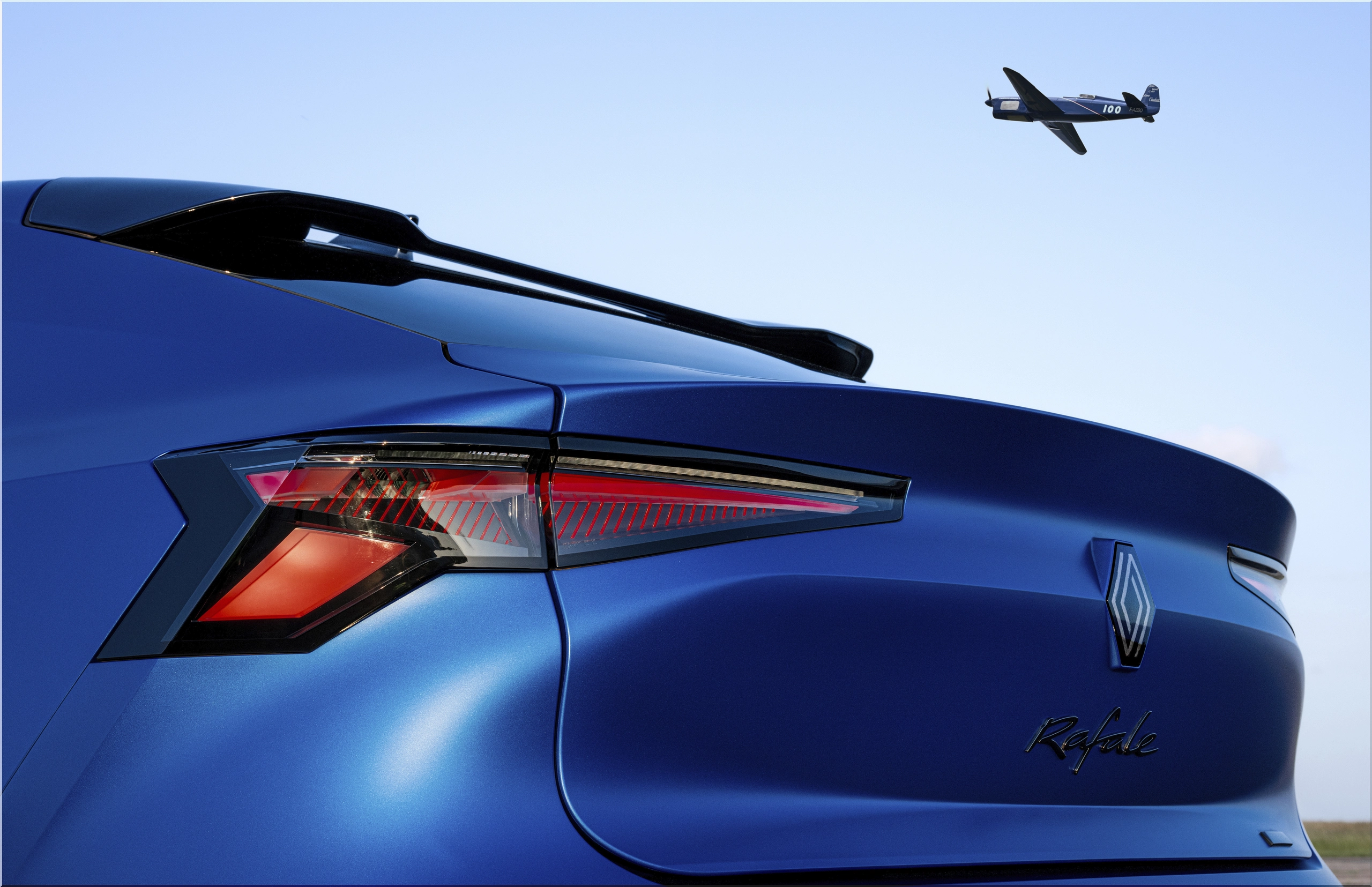
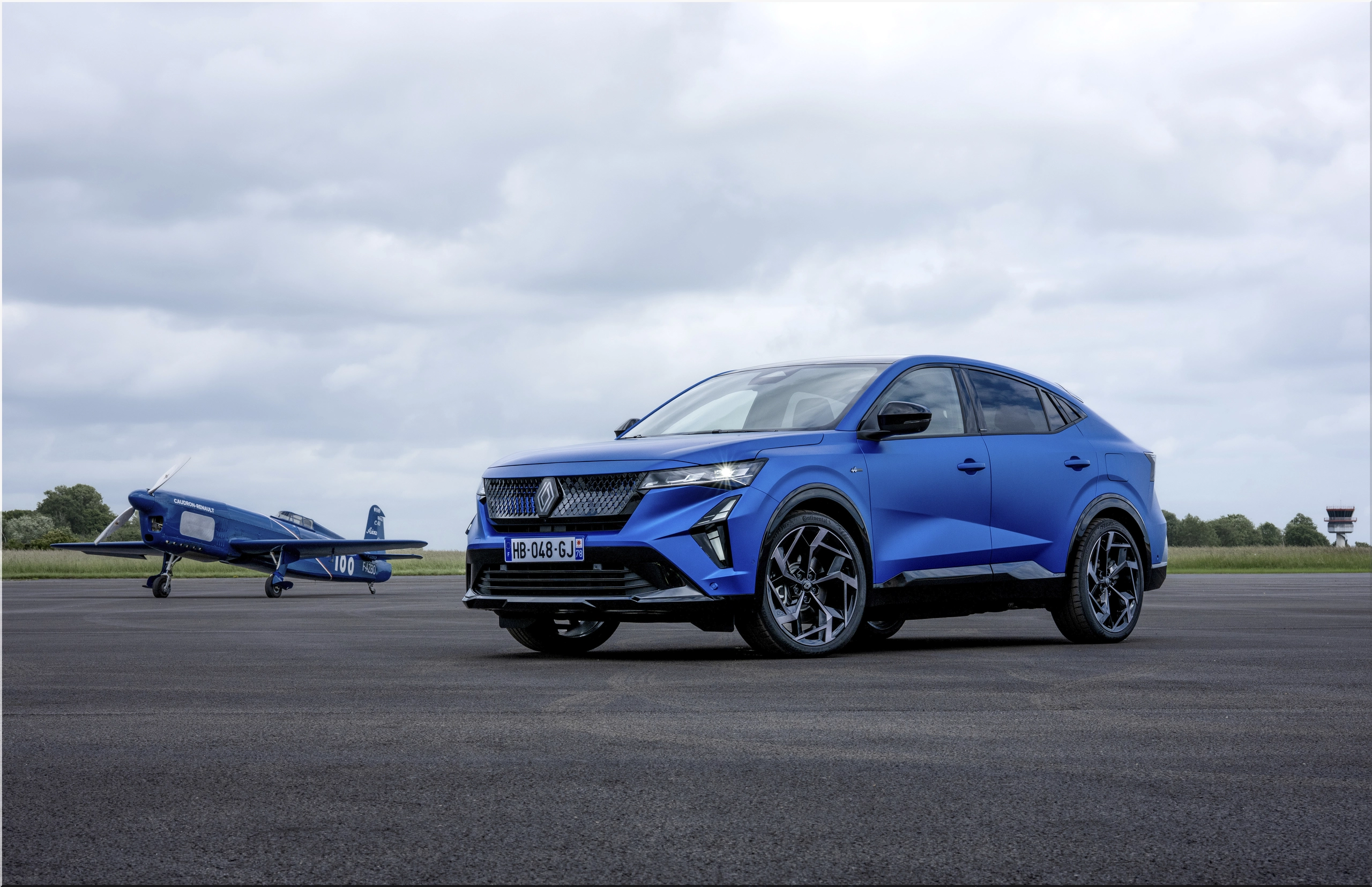
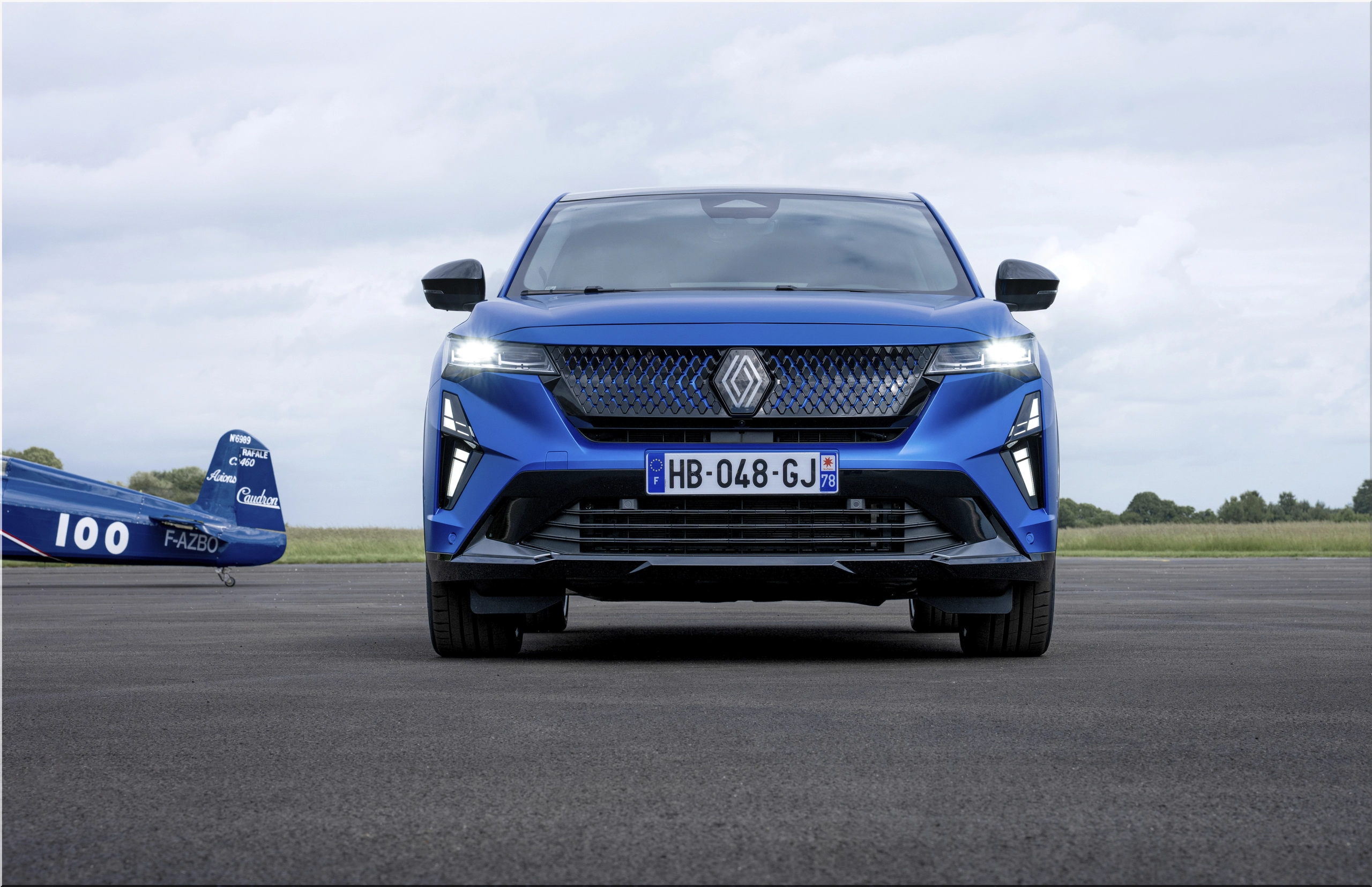
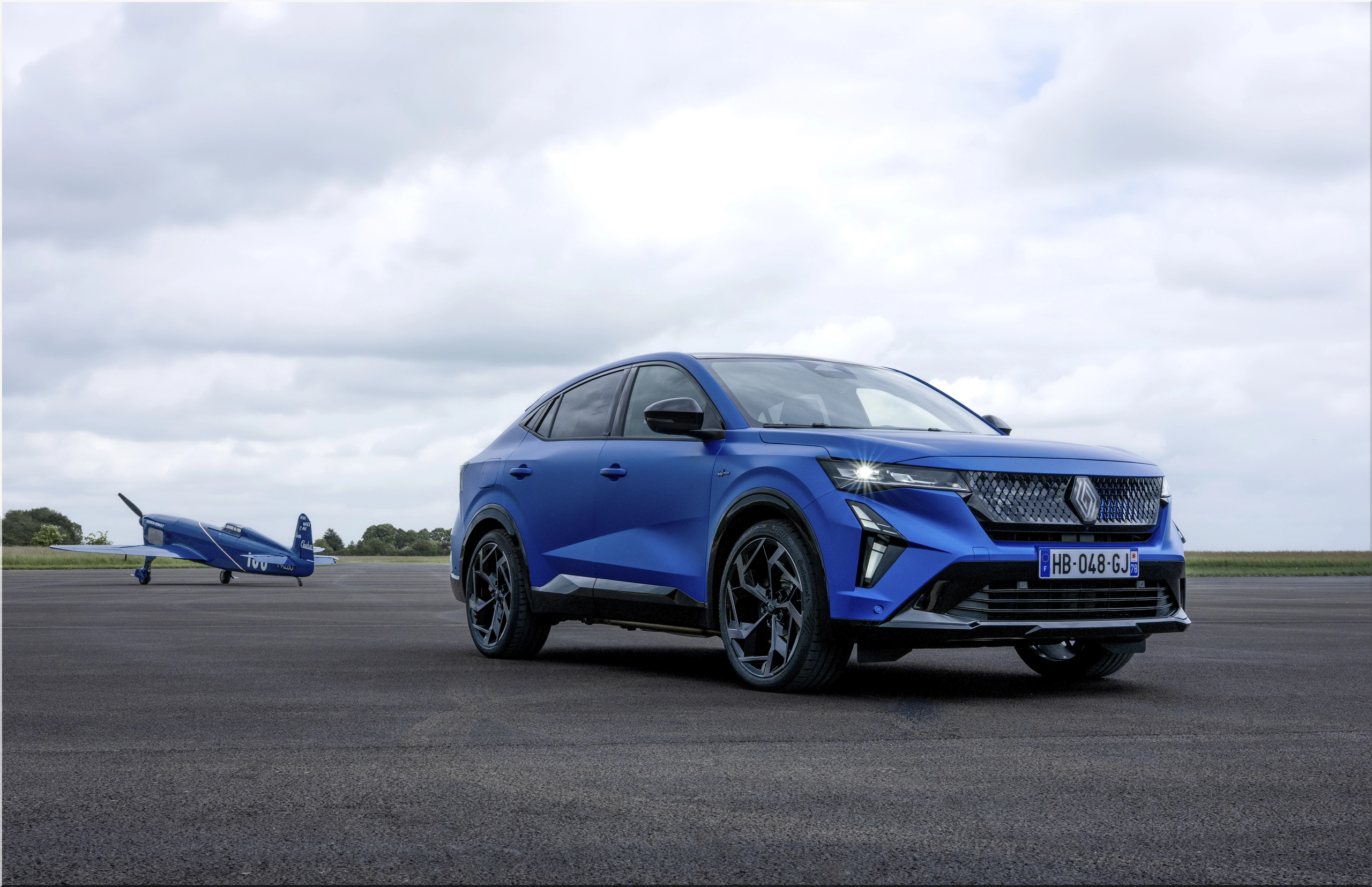
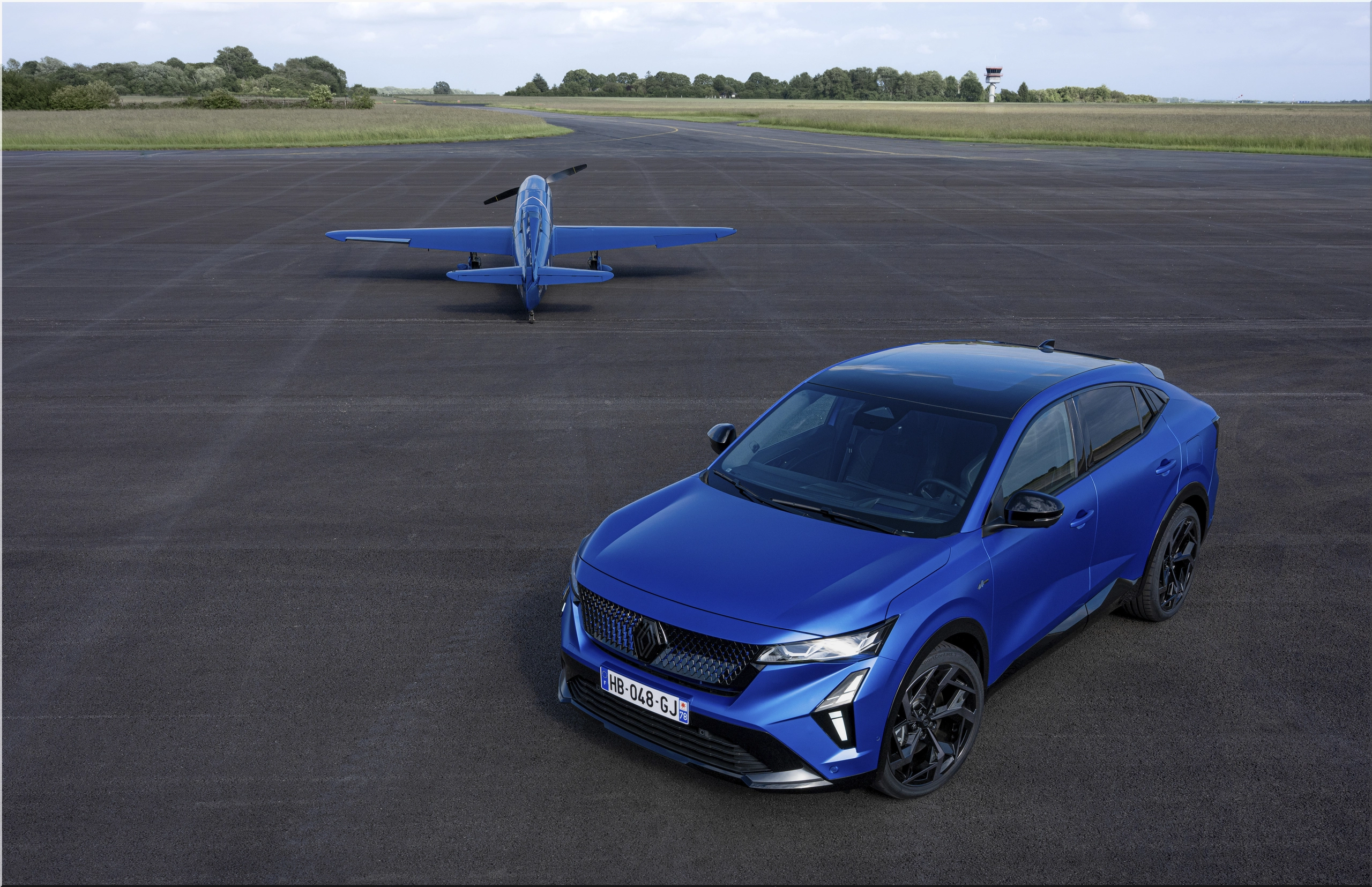
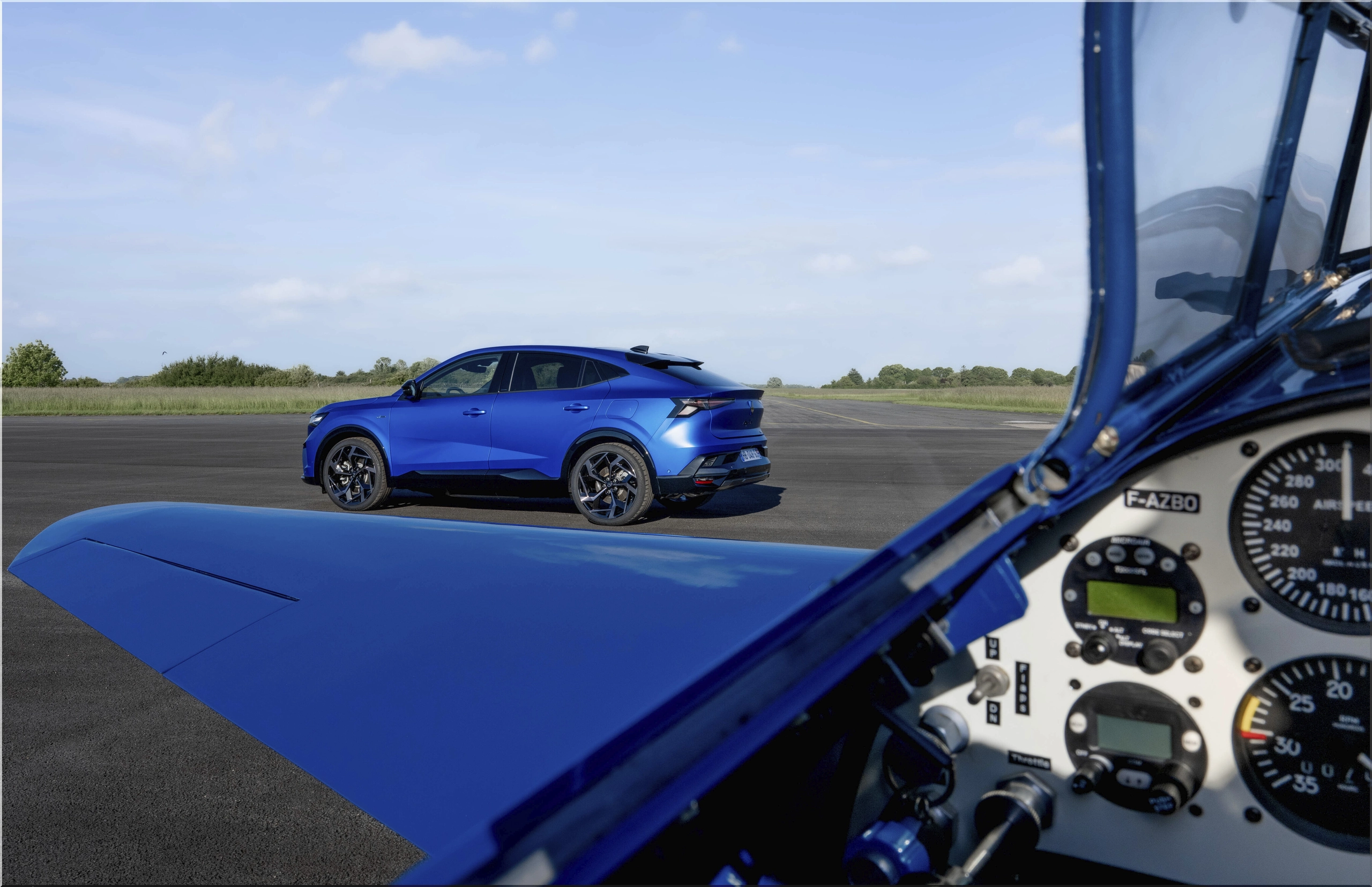
By comparison, the modern Renault Rafale does not copy the aircraft. It borrows the name's logic. Renault launched the production SUV coupe at the Paris Air Show in 2023, parked it beside the Caudron aircraft, and used the aviation link to support its return to the D-segment.
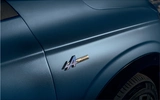
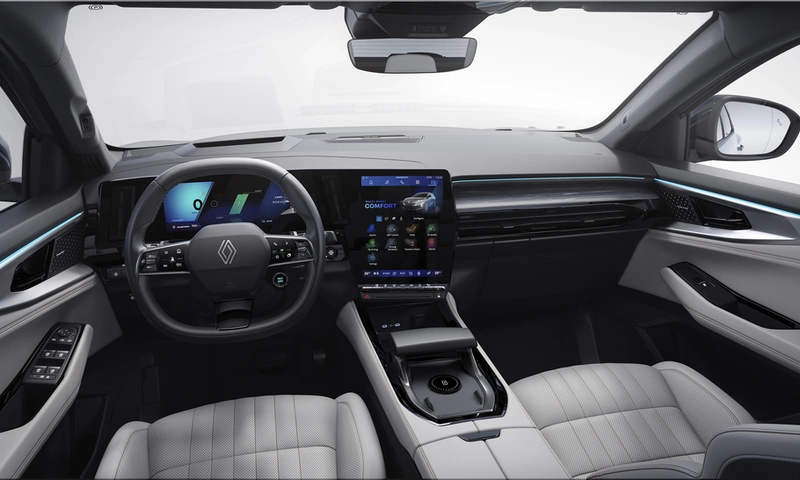
The strongest connection sits in engineering messaging. The Renault Rafale E-Tech 4x4 300 hp pairs a petrol engine with three electric motors and offers up to 105 km of electric driving range. Its Atelier Alpine version adds four-wheel steering, self-adjusting smart suspension, and permanent all-wheel drive. From an expert perspective, Renault wants buyers to see Rafale as a precision product, not another crossover with a dramatic roofline.
Video title
Renault Caudron Rafale C.460
Pro-Tips For Editors
- Use Renault Caudron Rafale C.460 in the first 100 words for search clarity.
- Pair the aircraft story with Renault Rafale E-Tech 300 hp to capture modern SUV search intent.
- Add an internal link to any existing Renault Rafale, Renault heritage, or French performance content.
- Use a meta title built around the active hook: "Renault Caudron Rafale C.460 Flies Again After 90 Years".
Image gallery
Should Buyers Care About This Aircraft Story?
Yes, if they value brand depth. The aircraft does not make the modern Renault Rafale SUV coupe faster, cheaper, or more efficient by itself. Consequently, it gives Renault a credible origin story for a name that could otherwise sound like marketing theatre. The C.460 proves that Rafale started with speed, aero discipline, and mechanical risk. That makes the modern badge much harder to dismiss.
- Add new comment
- 250 views