
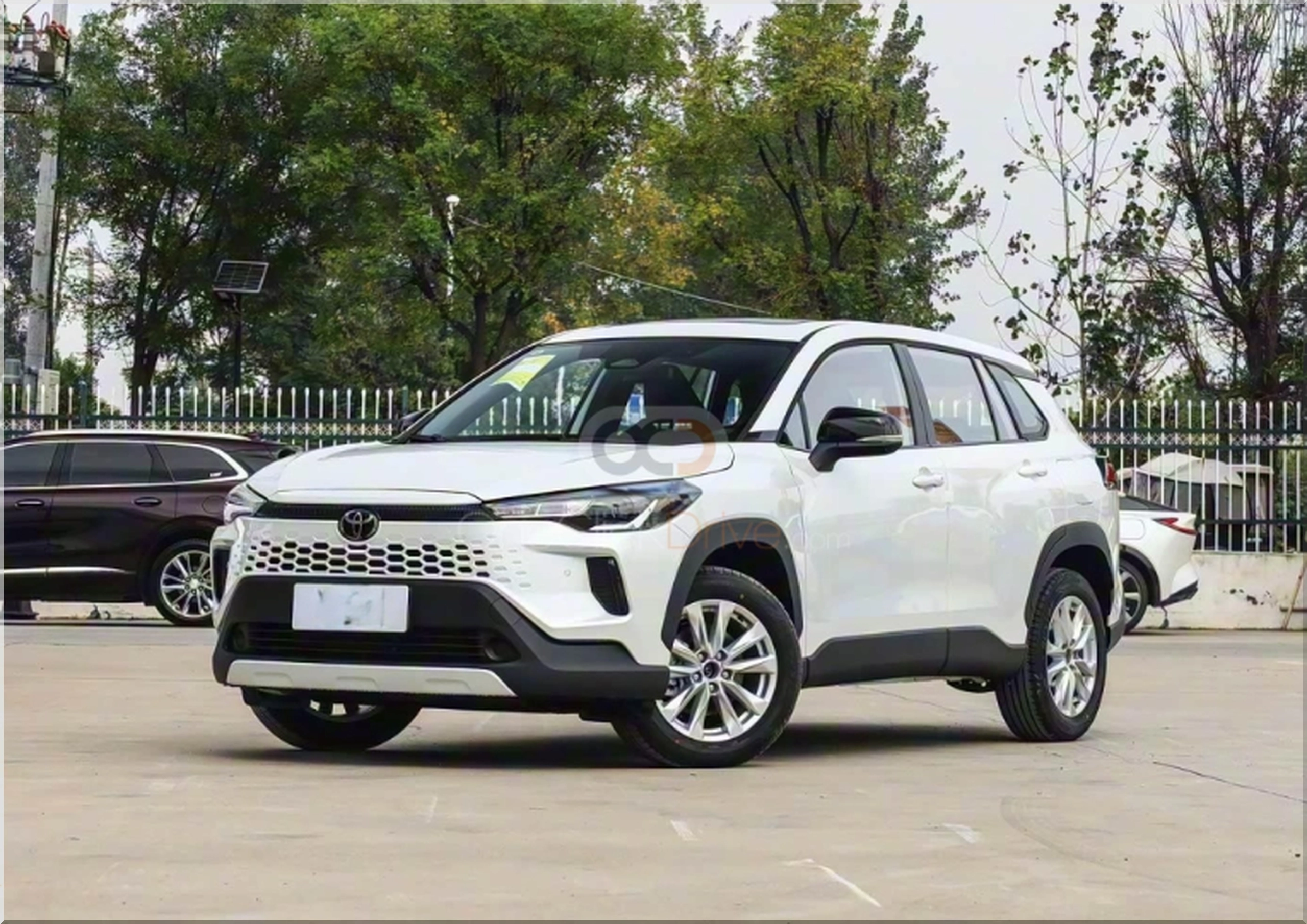
Every new arrival in the UAE learns the same lesson within a fortnight: this country was designed around the car, and life without one runs on hard mode. The distances are real, the summer makes walking theoretical for half the year, and careers, friendships, and weekend plans all quietly assume you can get yourself across town. So the car question lands early, usually somewhere between the second taxi receipt and the first apartment viewing, and the way you answer it in your first months shapes your budget for years.
The good news is that the path is well worn, and it no longer starts in a showroom. Newcomers can rent by the month while paperwork settles, then buy cars with OneClickDrive when the time is right, browsing used listings across every brand and budget on the same marketplace, dealing directly with sellers and dealers with no commission added, and even lining up export-ready dealers if a future posting means shipping the car onward. The whole journey, from arrival-week rental to owned and registered, can run through one comparison habit, and this guide lays out the timeline that makes it cheap.
Months One to Three: Rent First, and Do It on Purpose
The rookie mistake is buying in the first month, before the residency visa, Emirates ID, local licence, and bank accounts exist to support it. The seasoned move is a monthly rental, which in this market starts from very modest figures for economy cars, includes insurance and maintenance, and asks nothing of your still-forming paperwork beyond a licence you already hold. It gets you to work, to viewings, and to IKEA, while the bureaucracy completes at its own pace.
Renting first also performs a job most newcomers only appreciate later: it is a free research programme for the purchase. Rent the class of car you think you will buy, live with it through a real month of commuting and parking, and let the experience confirm or quietly demolish the plan. Plenty of arrivals discover the seven-seater they imagined is a size too much for the parking garage, or that the commute argues for efficiency over image. A second month in a different model costs little and settles the shortlist better than any showroom hour. Meanwhile, use these months to finish the enabling steps: convert or obtain the local driving licence, open the bank account, and if financing appeals, collect a pre-approval, since banks fund a healthy share of a used car's value for qualifying residents and a pre-approved buyer negotiates from strength.
Months Three to Six: Buy Used, and Buy It Properly
When the paperwork is real and the shortlist is proven, the used market is where most expats sensibly land, because the UAE's second-hand supply is unusually young and deep. Expat turnover keeps well-maintained cars cycling back into the market constantly, GCC-spec vehicles are built for the heat, and the perennial local favourites, Toyotas, Nissans, and the big SUVs, hold value stubbornly, which matters when your own departure eventually recycles the car back into the same pool.
The buying discipline compresses into four rules. Favour service history over low mileage, since a stamped folder beats a suspicious odometer every time. Commission a pre-purchase inspection at a reputable garage before money moves, and treat any seller's refusal as your answer. Verify the car carries no outstanding bank loan and no unpaid fines, both of which block transfer. And test drive for the climate, air conditioning at full power in traffic, highway speed for pulls and vibrations, because the summer will audit the cooling system whether you did or not.
The transfer itself is the easy part, both parties at the licensing authority or its digital channels, insurance arranged in advance since coverage is required before ownership moves, fees modest, and the whole thing done within the hour. Dealers will handle the process for a small fee, which first-time buyers often find worth it, and the folder of documents you collect becomes your selling asset when your own cycle ends.
Where and When the Deals Hide
Two pieces of local knowledge separate the newcomers from the veterans. The first is geography: experienced buyers shop across emirate lines without a second thought, since transfers work the same wherever the car was bought. Dubai's listings run deepest in late-model and premium stock, while the market for second hand cars in Sharjah is the budget buyer's open secret, home to one of the region's largest used car marketplaces, where the Souq Al Haraj cluster puts hundreds of dealers within walking distance of each other and everyday models consistently price below the Dubai equivalent. The smart method shortlists online across all emirates in one evening, then spends physical visits only on inspection-worthy finalists, wherever they park.
The second is timing. The market softens every summer as departing expats sell before their flights, dealers clear stock around model-year changeovers, and month-end targets make negotiations friendlier everywhere. A patient buyer who watches listings for two or three weeks learns the honest price of their model, and arrives at the negotiation knowing more than the seller expects.
None of this needs to feel like a gauntlet. Taken in order, rent deliberately, complete the paperwork, buy used with an inspection, and shop across borders with patience, the UAE's car journey is one of the smoothest an expat relocation offers, and it ends with the thing the whole country is built around: your own keys, a full tank, and every emirate suddenly within an afternoon's reach. The taxis were only ever a bridge. This is the other side of it.
Image gallery
- Add new comment
- 5 views